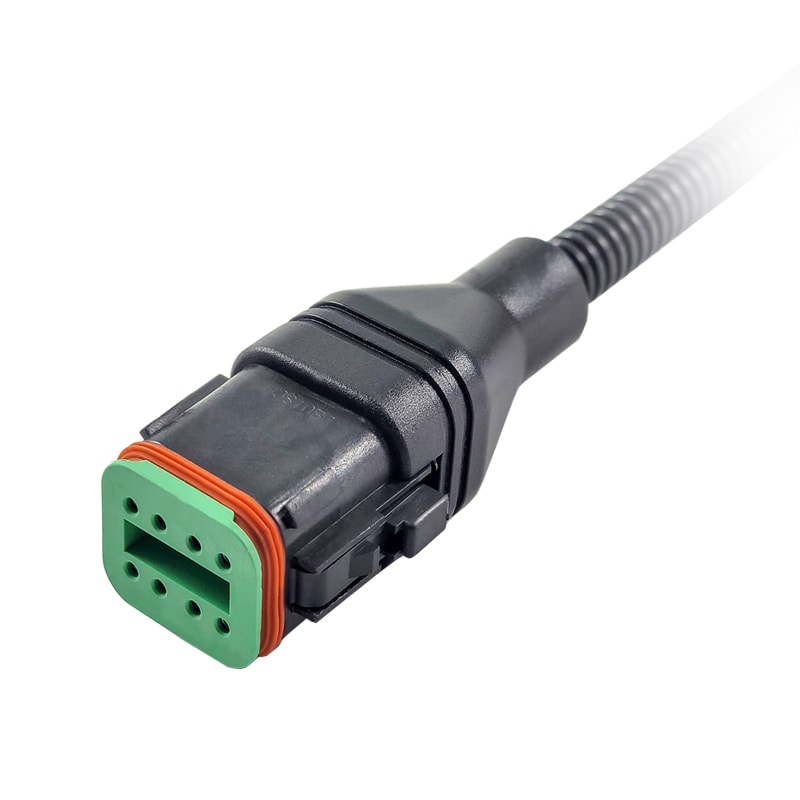
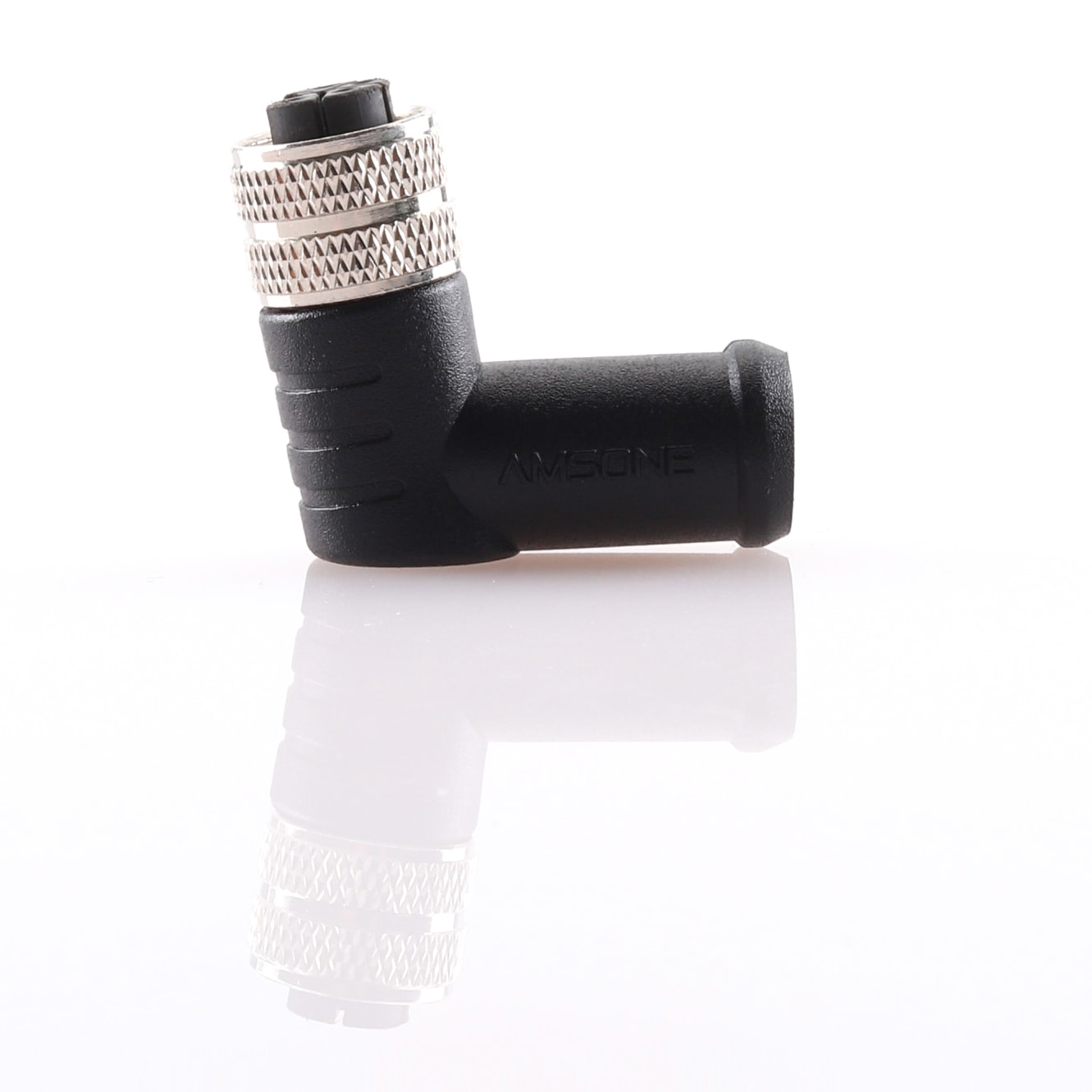
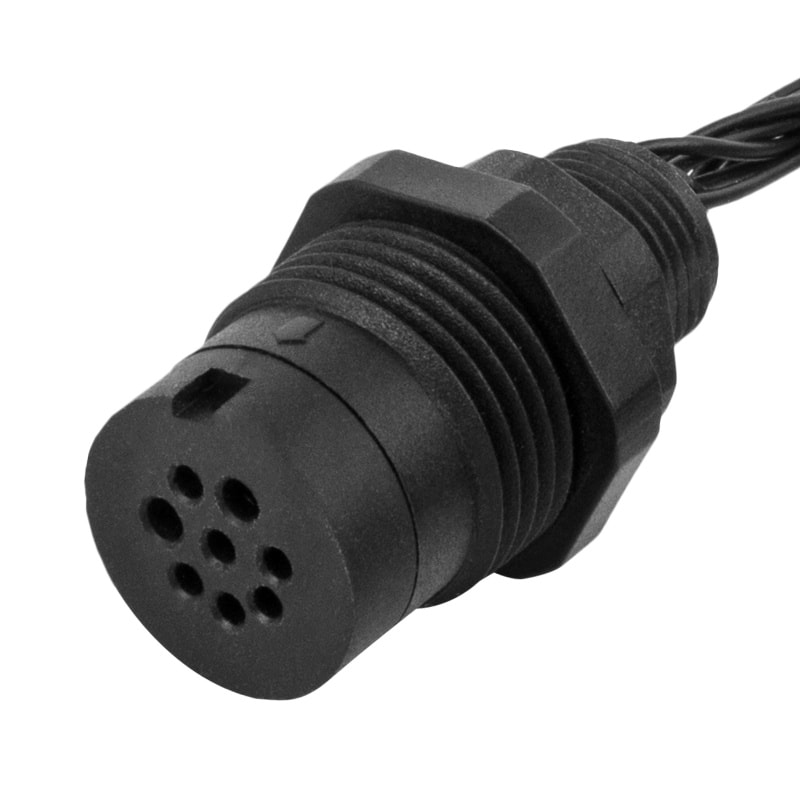
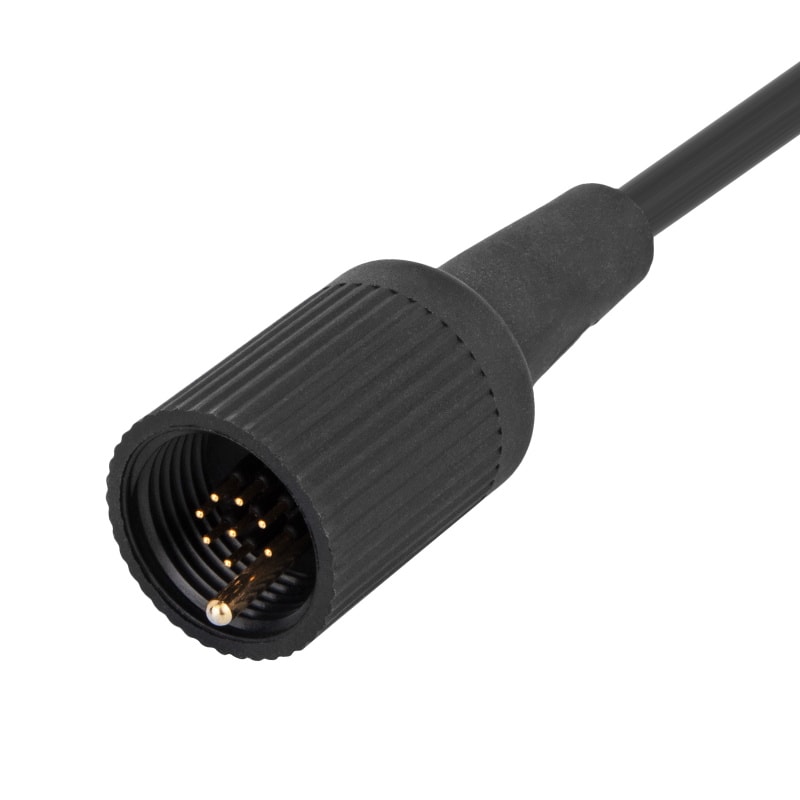
P/N: ALD-HBN1-372XXX
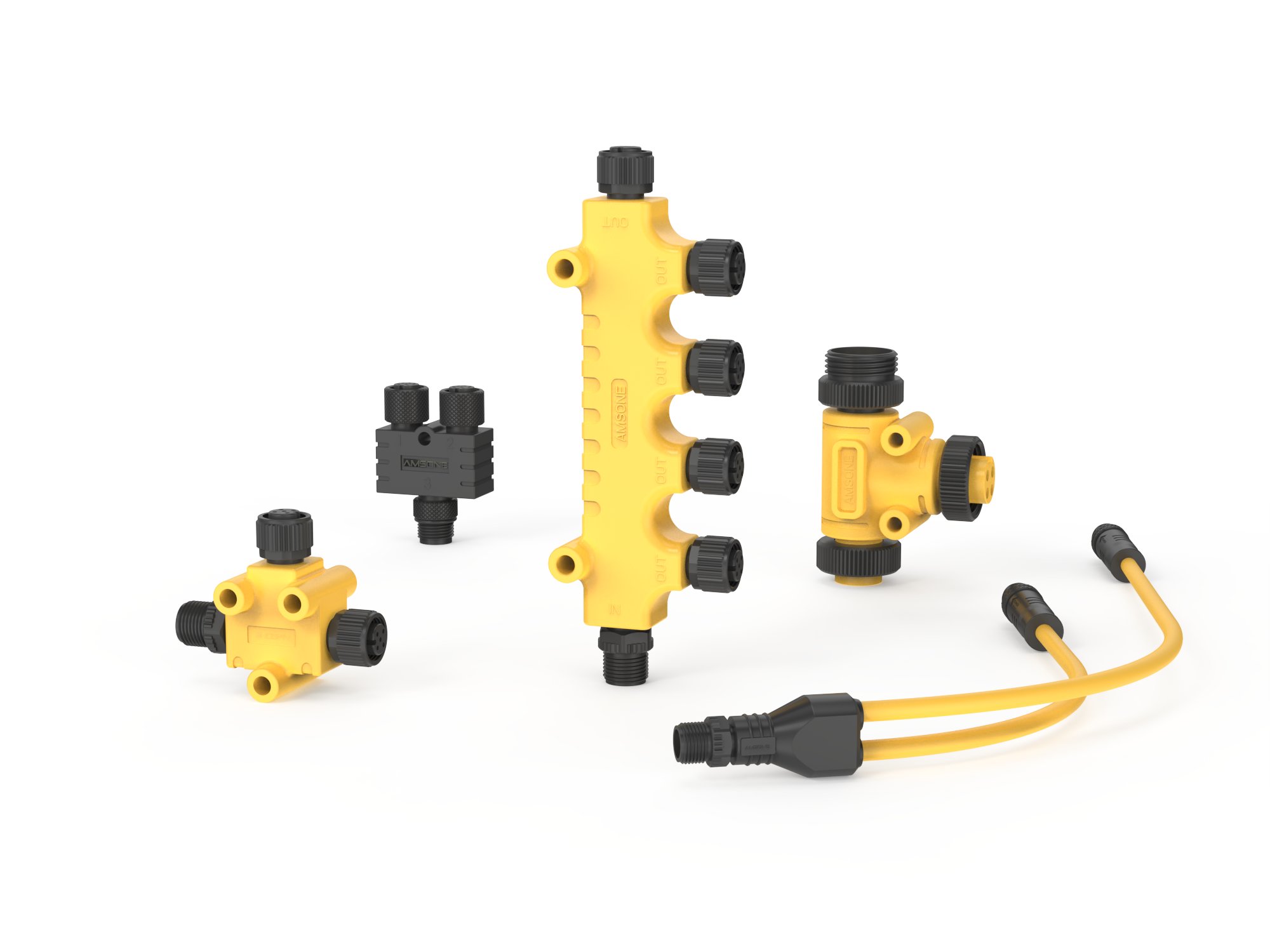
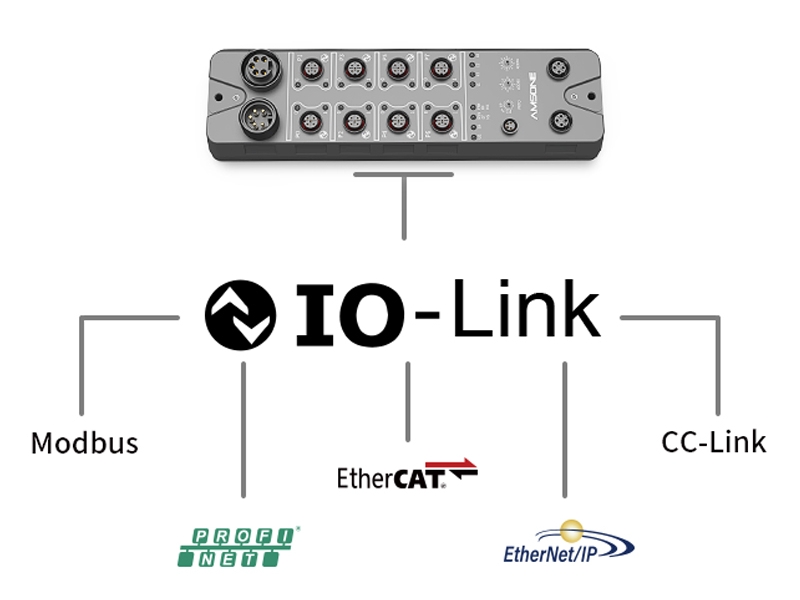
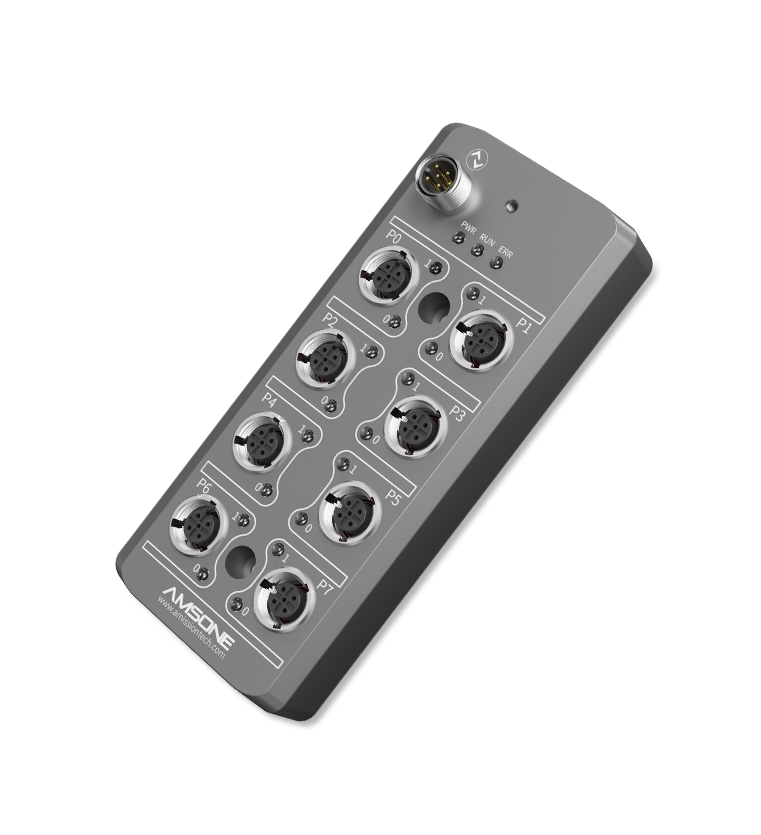
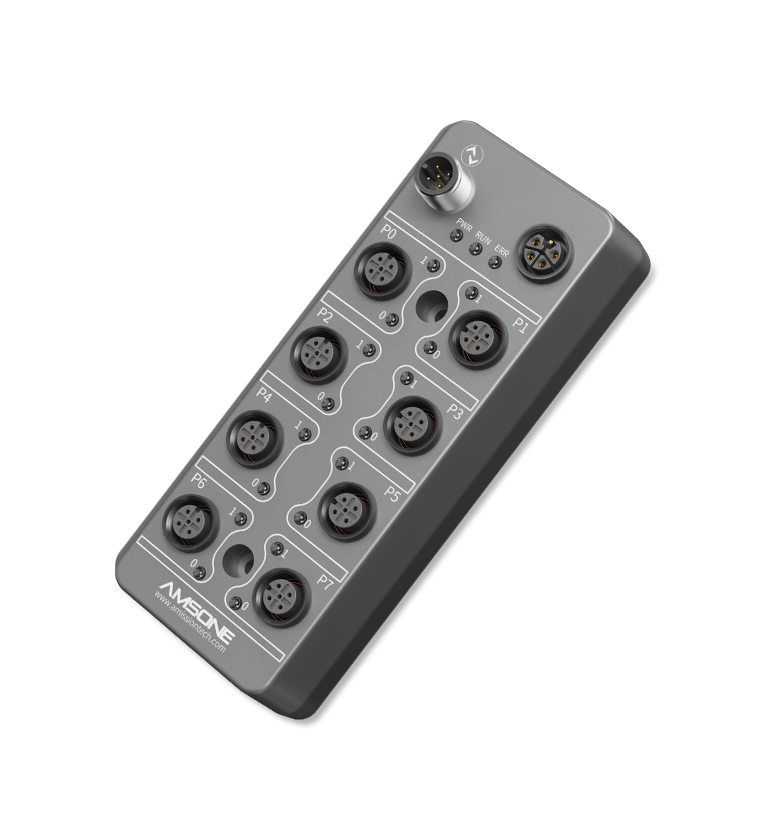
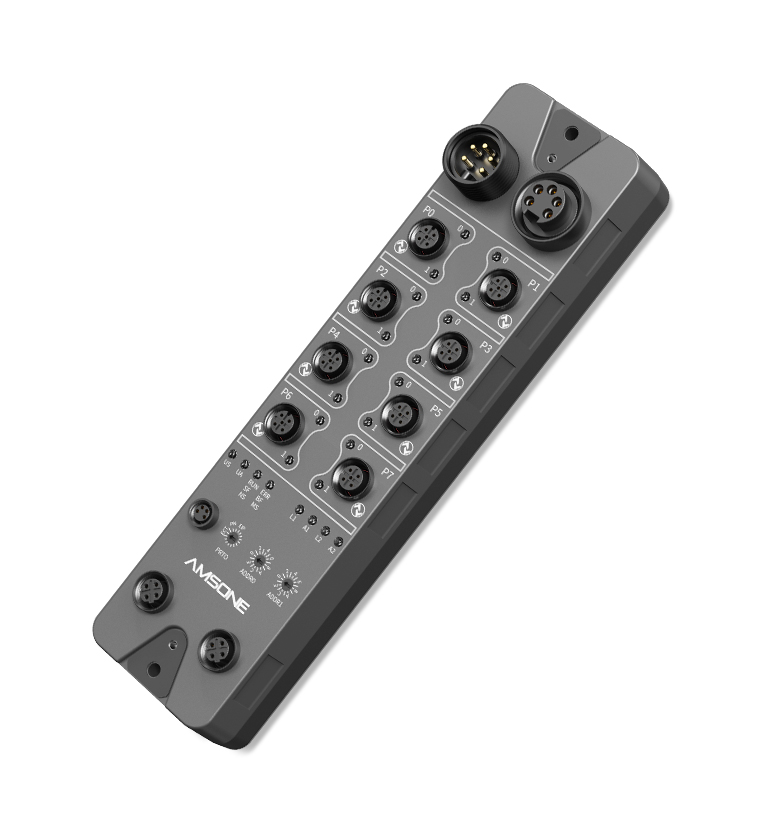
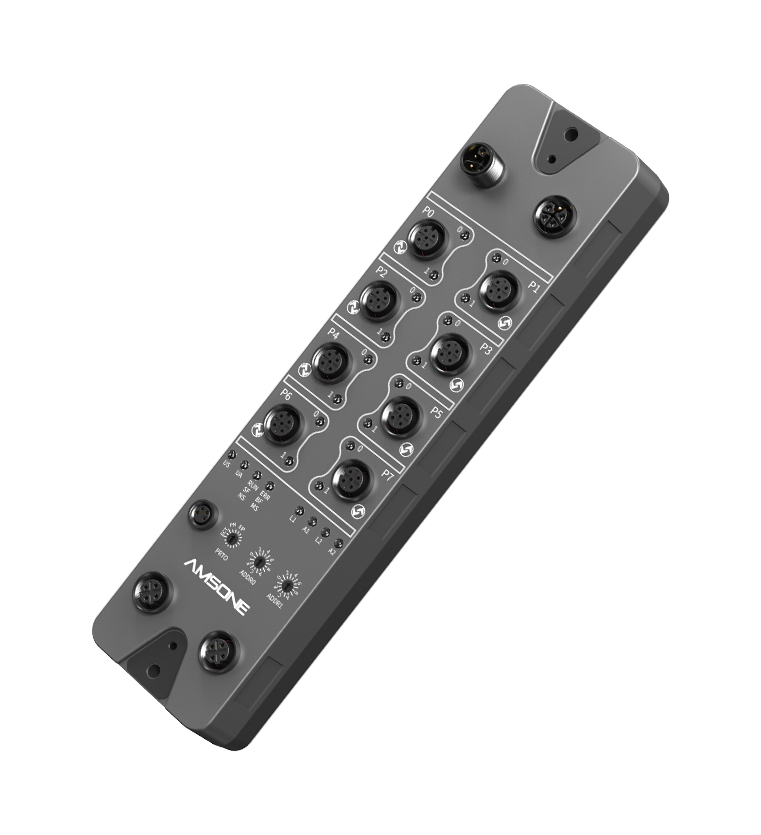
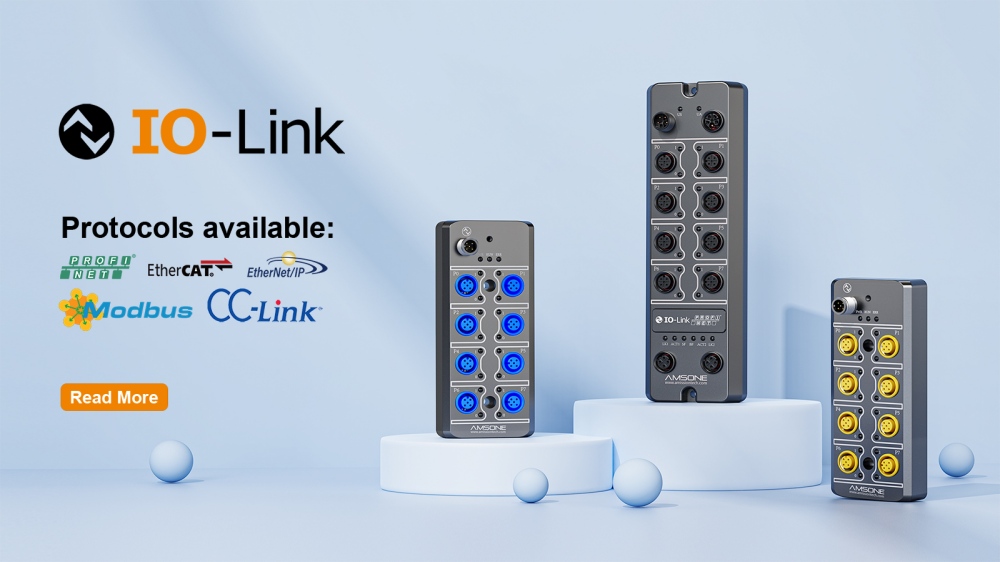
IO Link Hub NPN 0.5A/channel Plastic Housing Plastic Thread Locking
View All


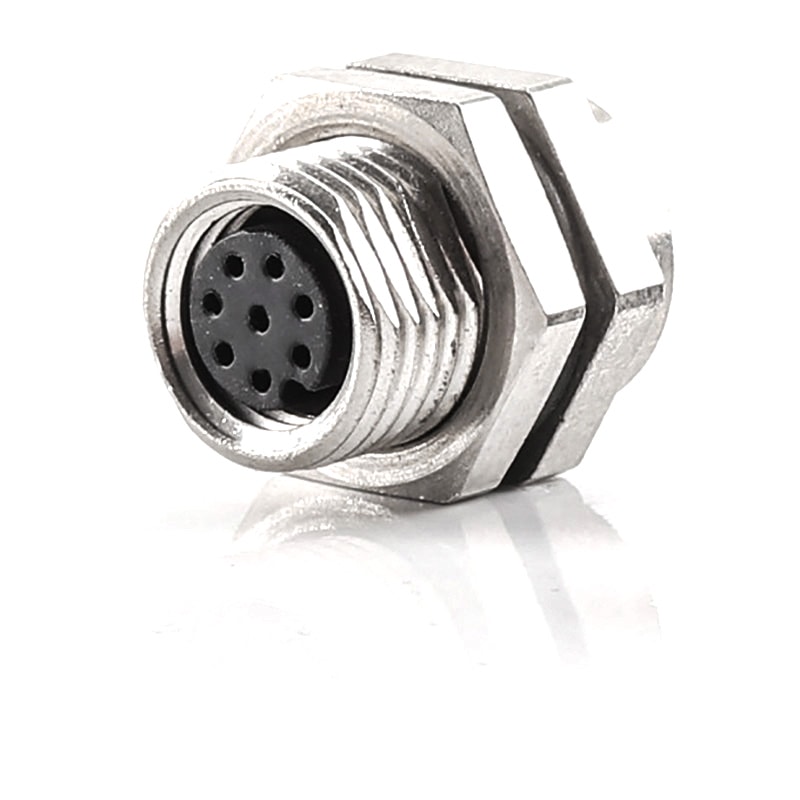
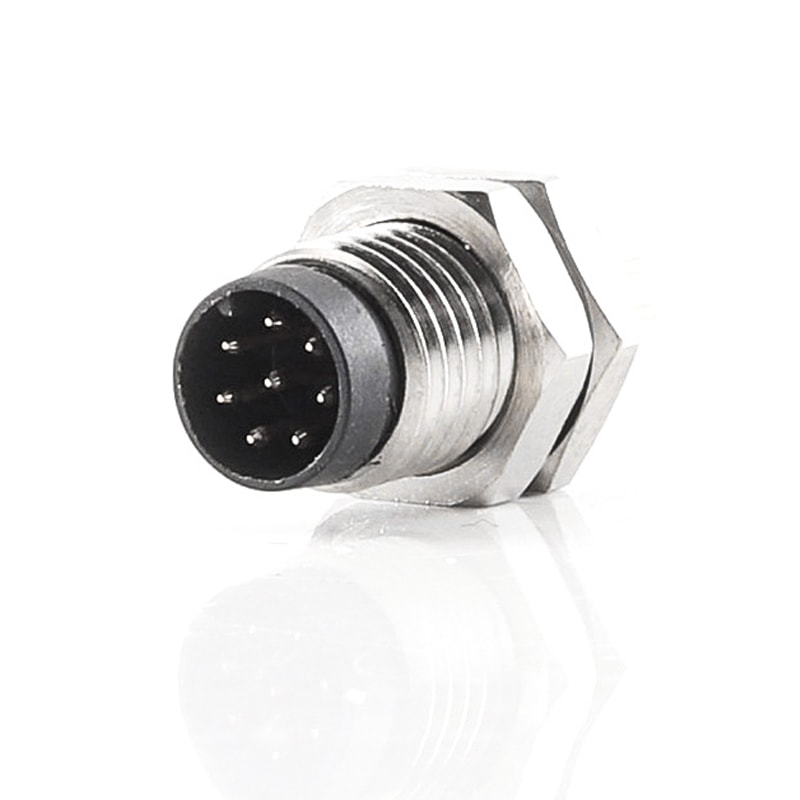

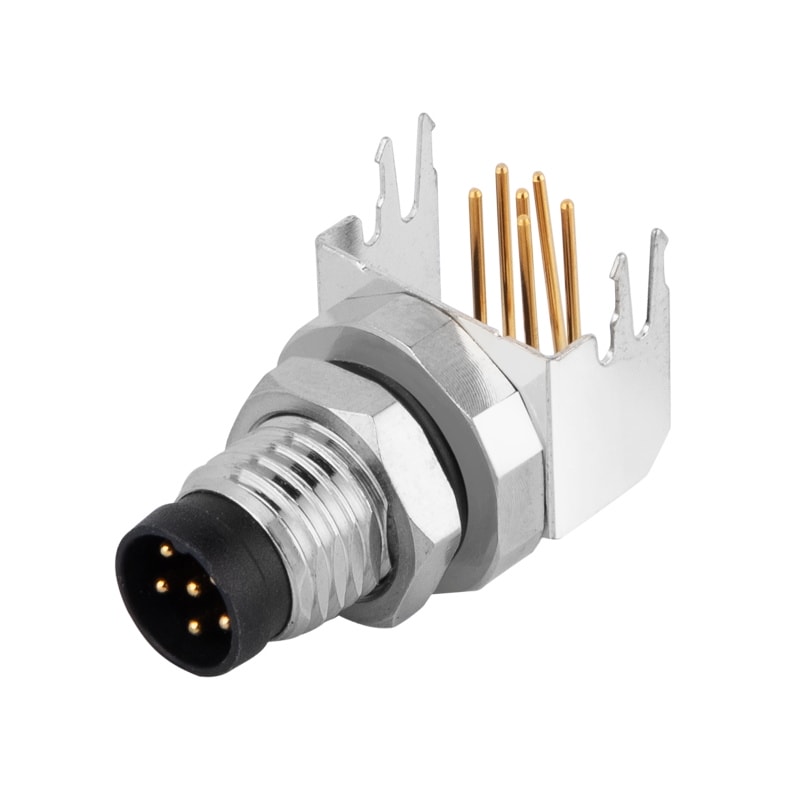


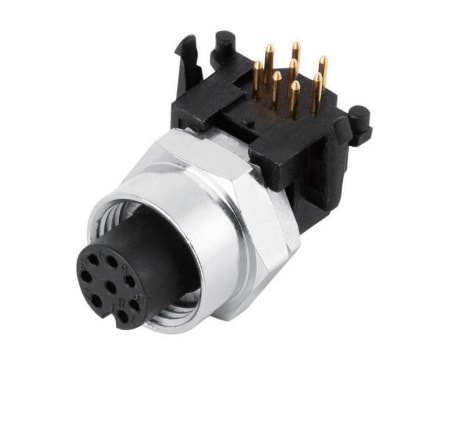
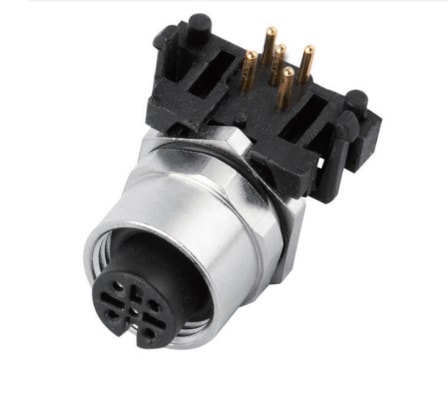
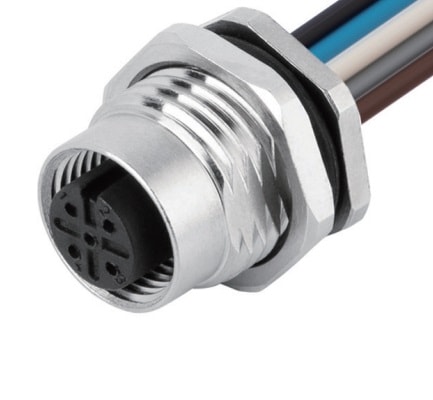

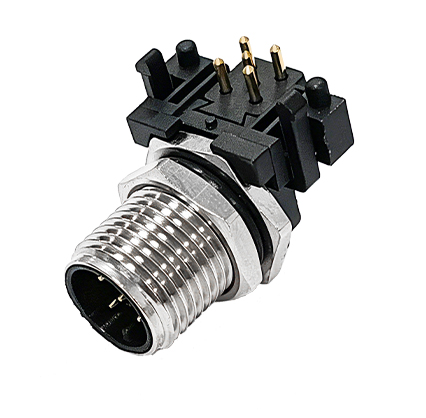


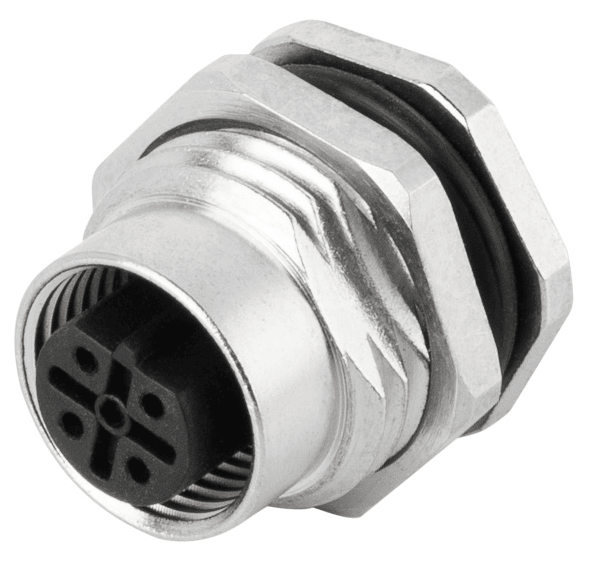

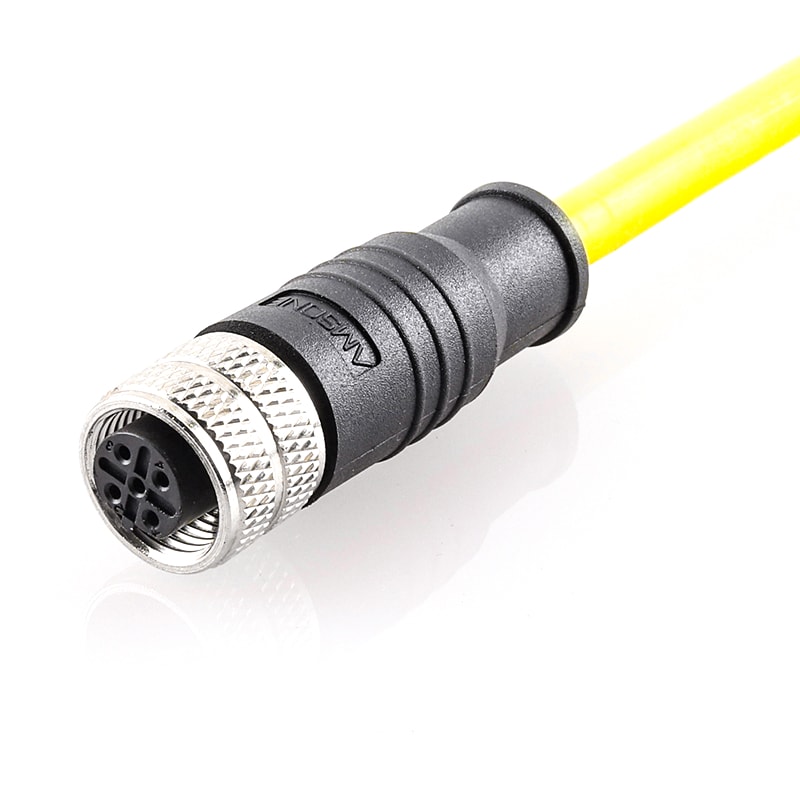


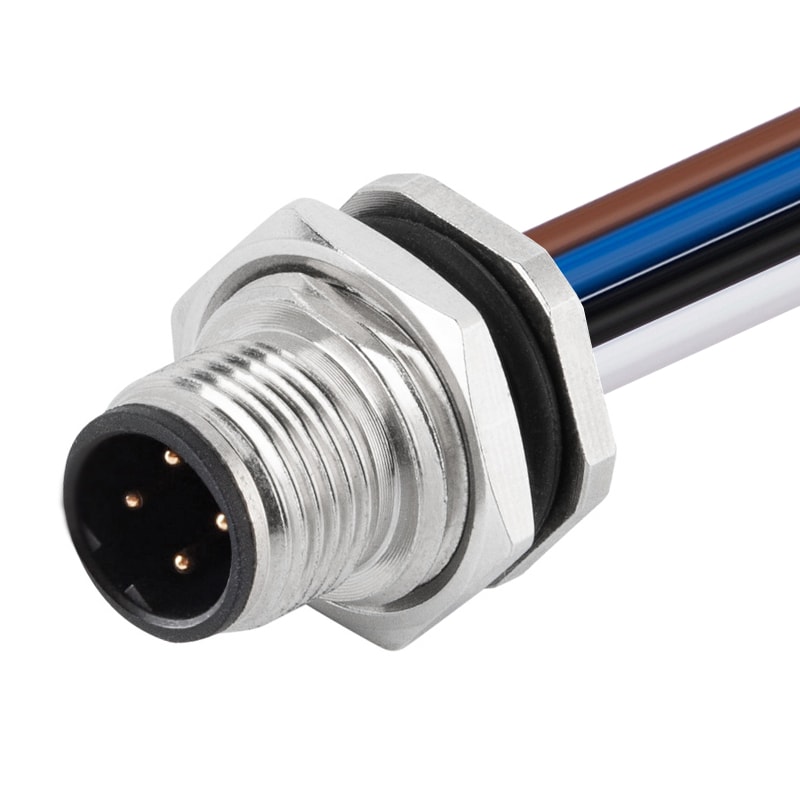


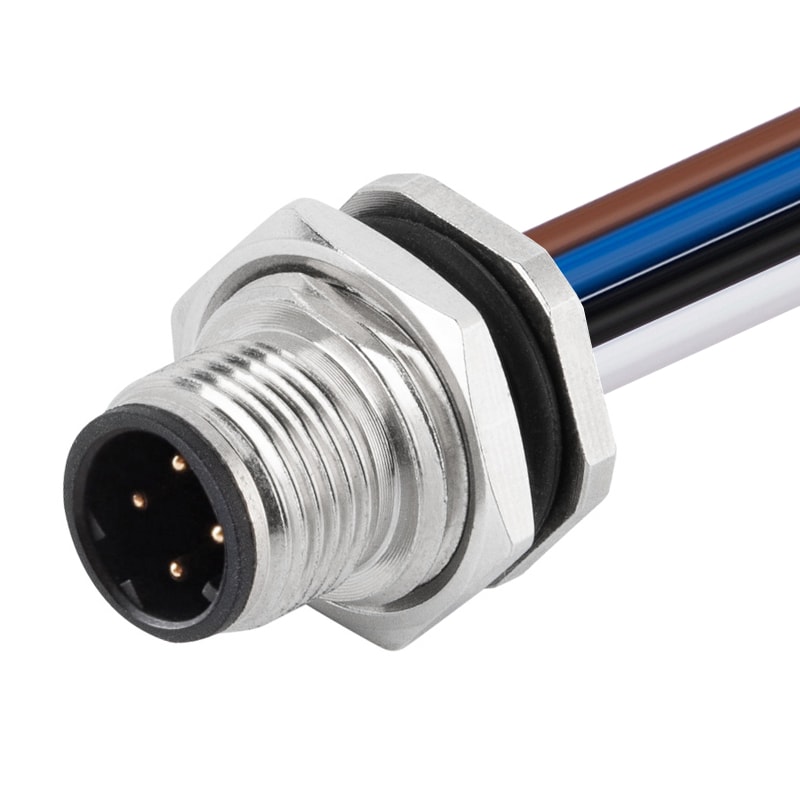

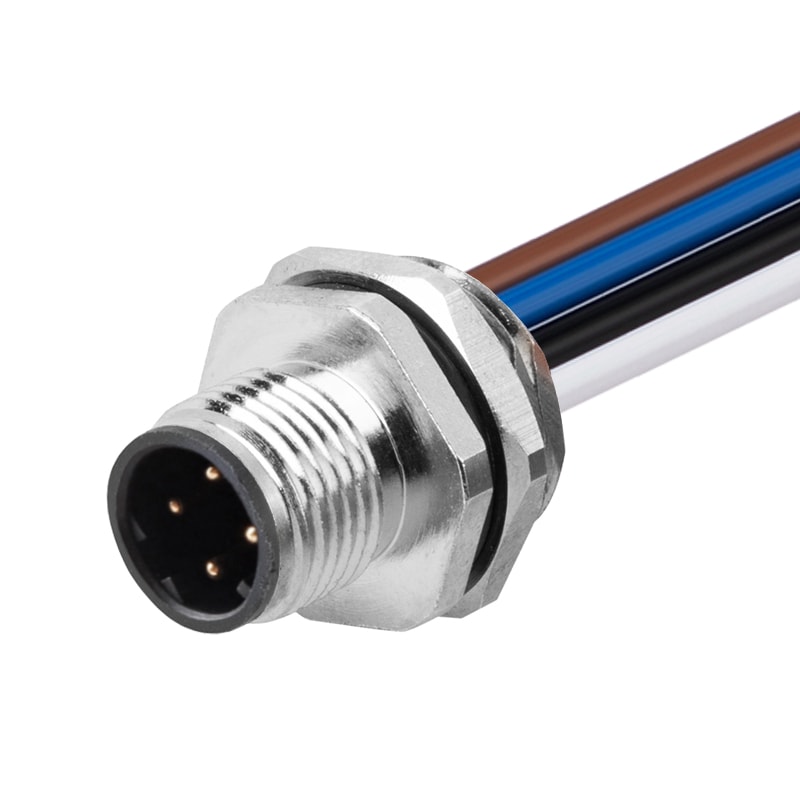


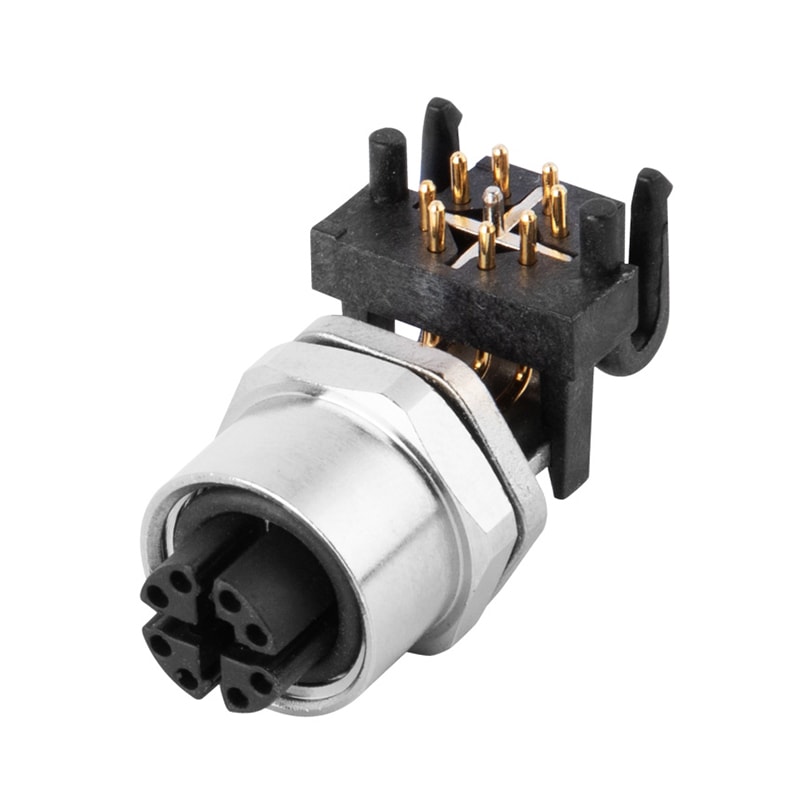


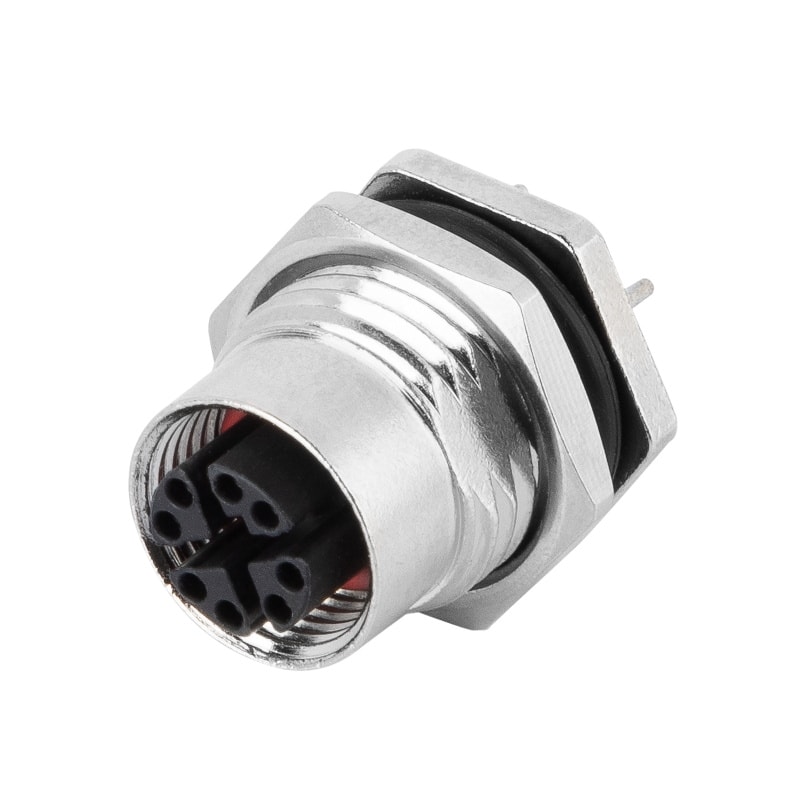

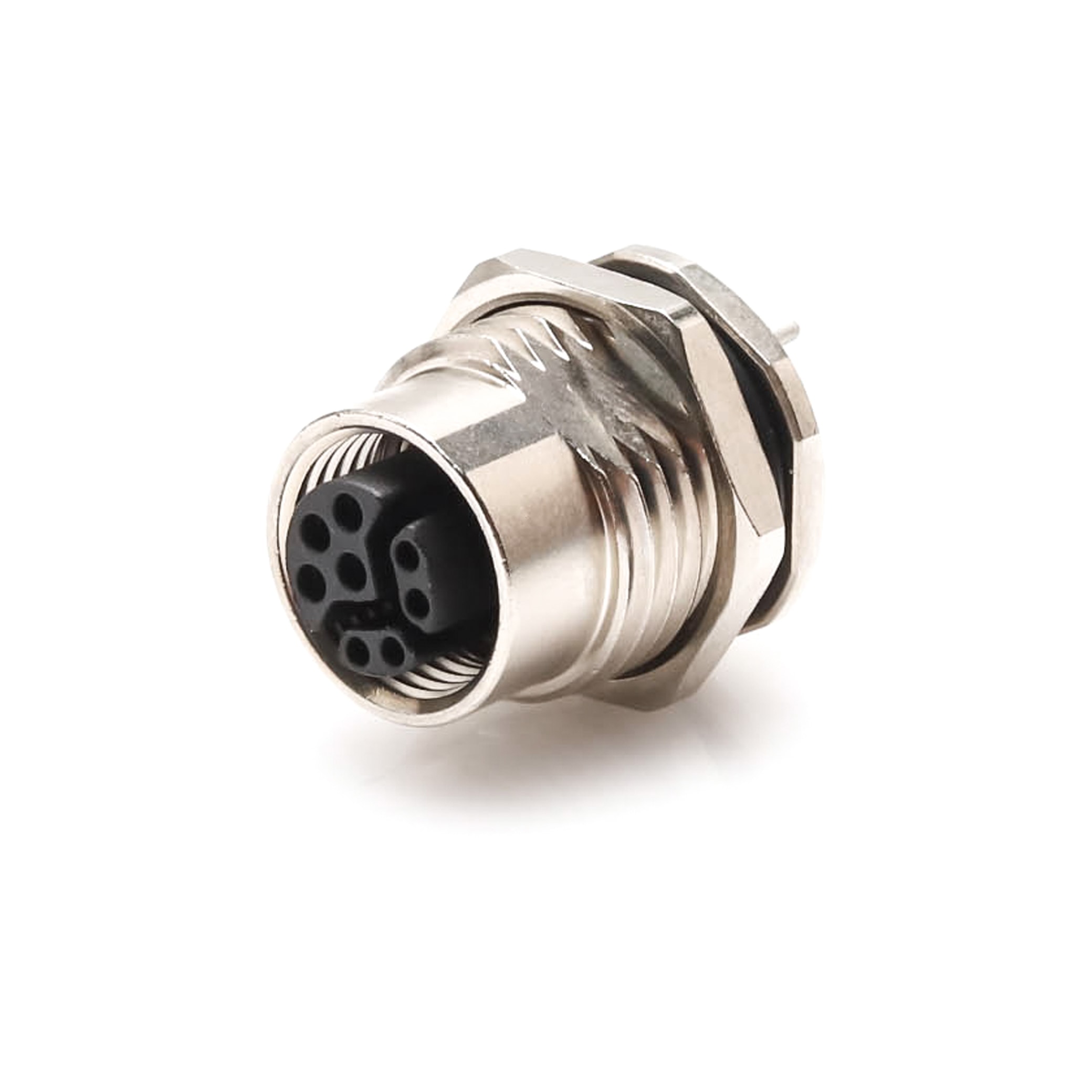
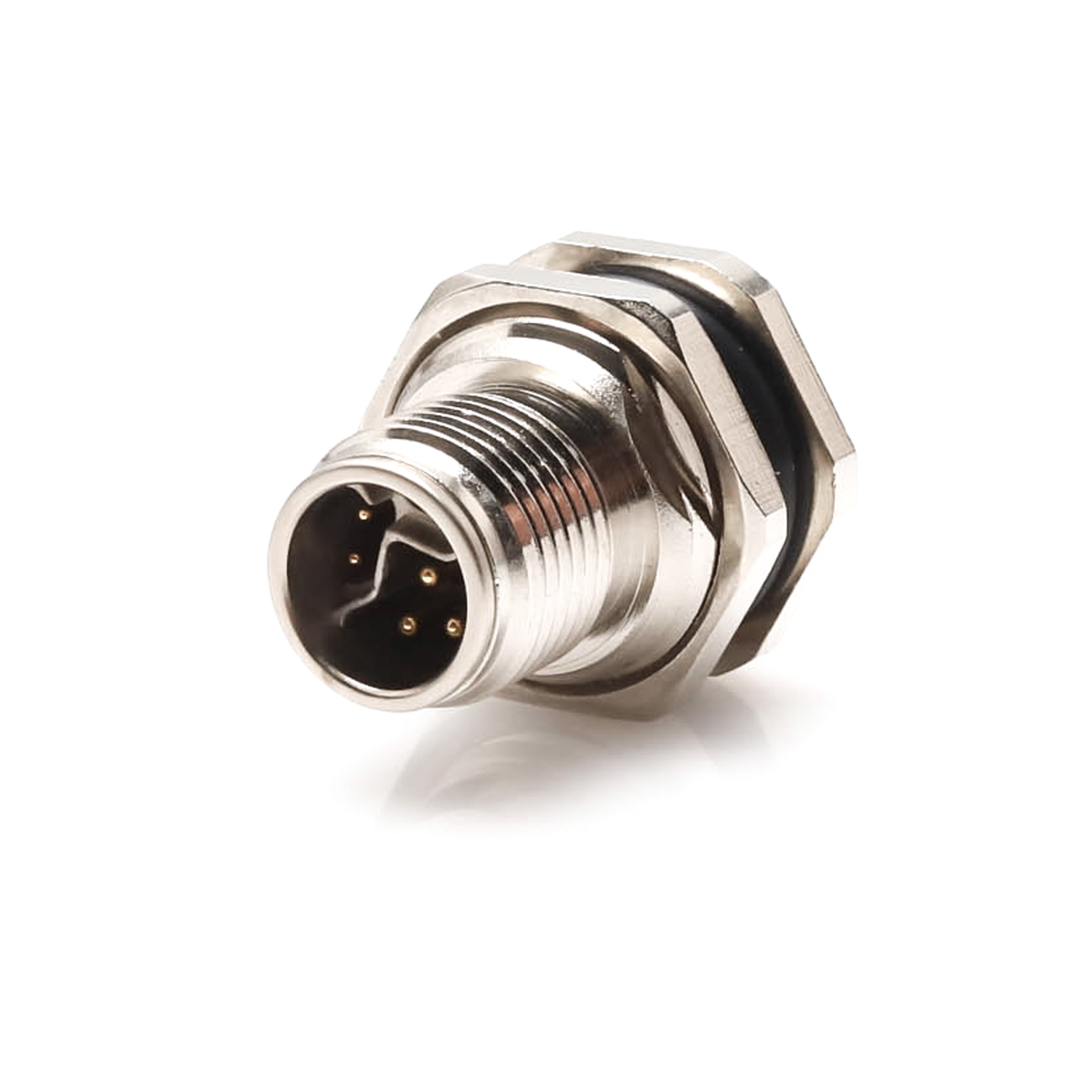
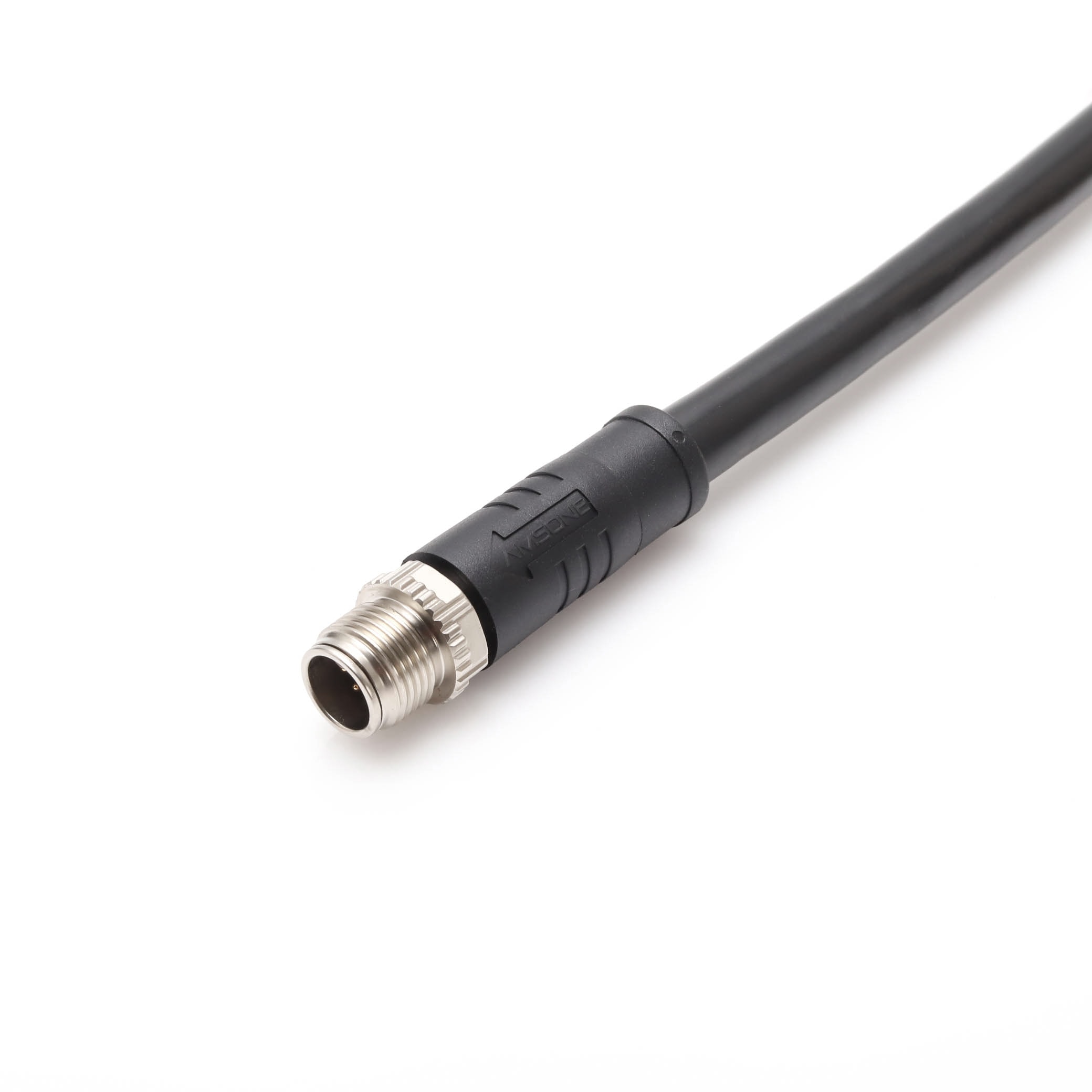
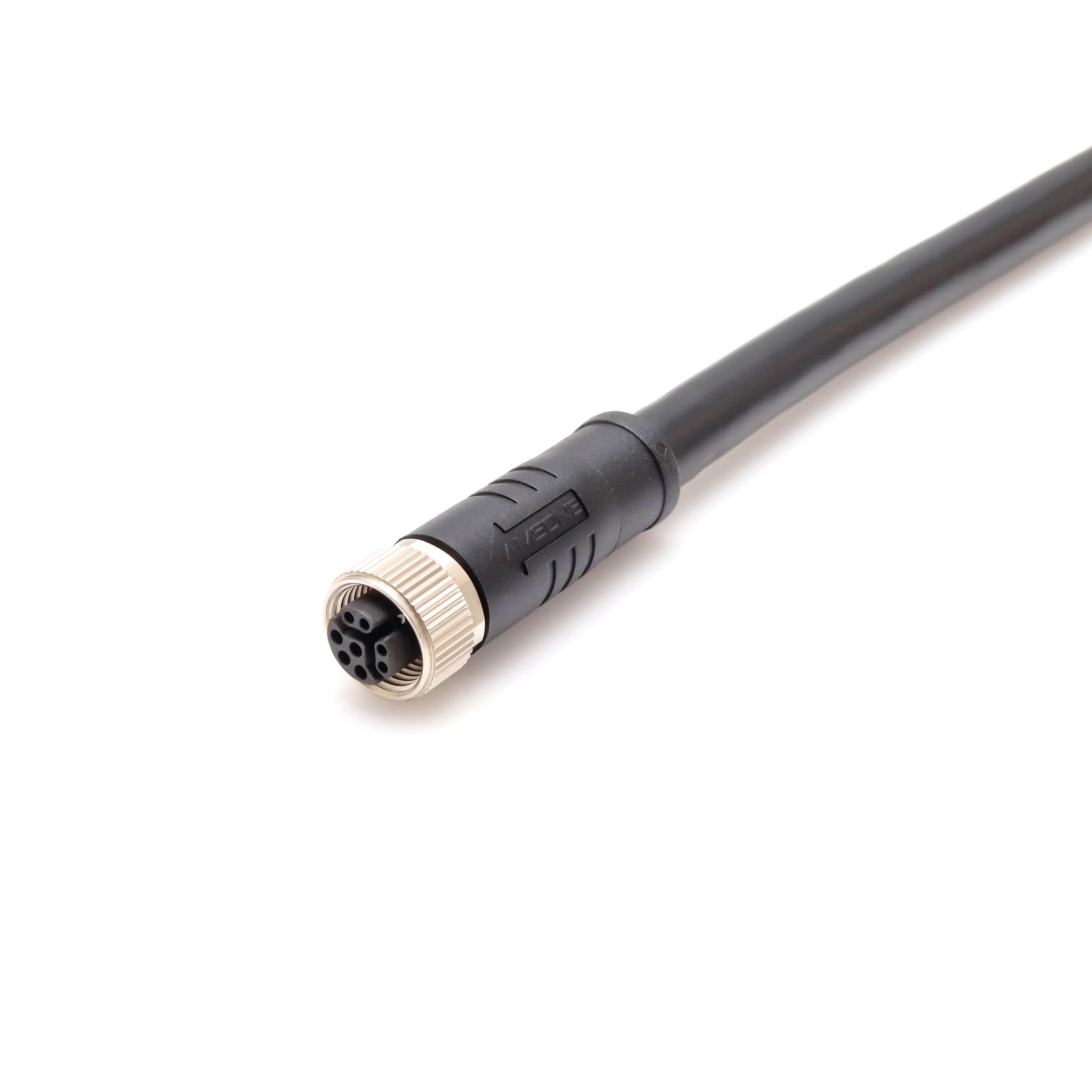
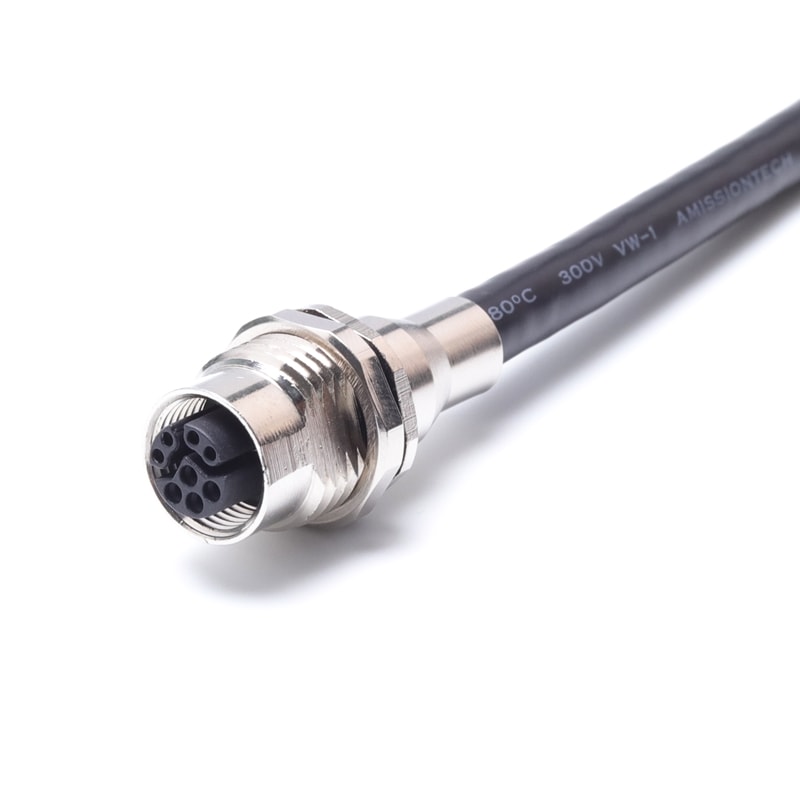


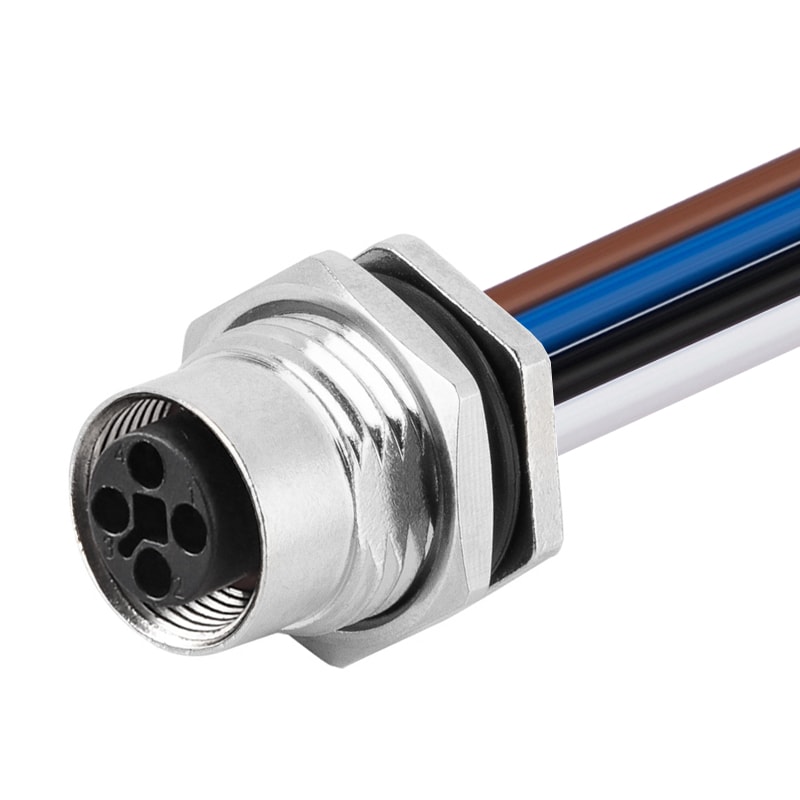
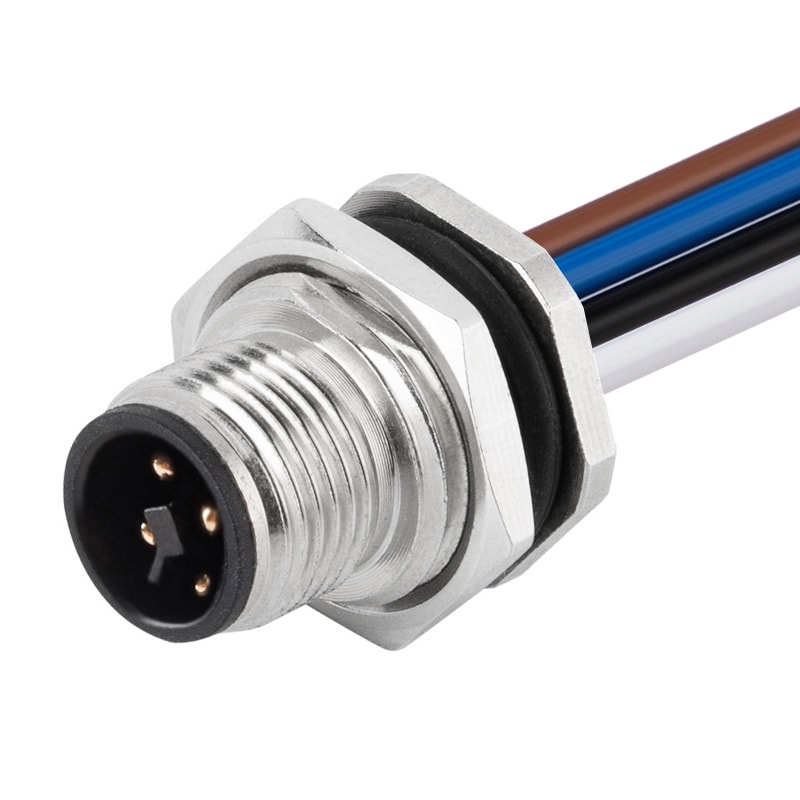

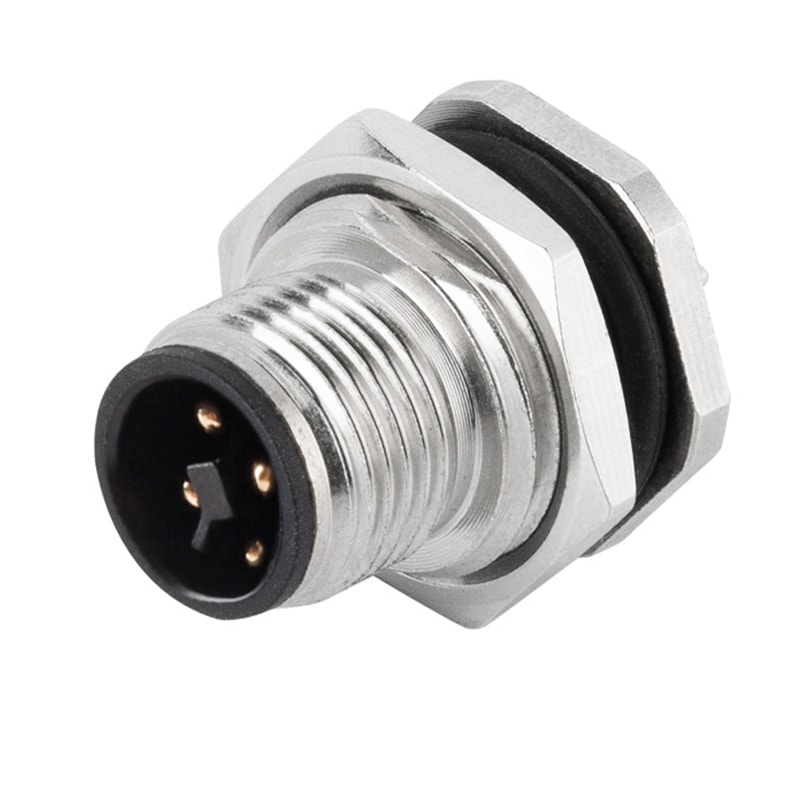

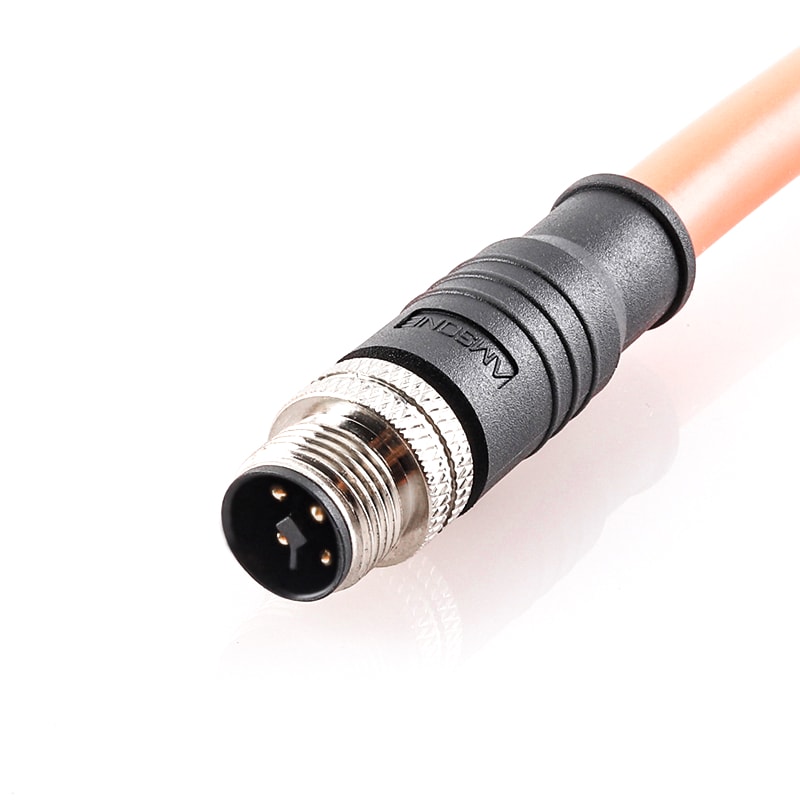
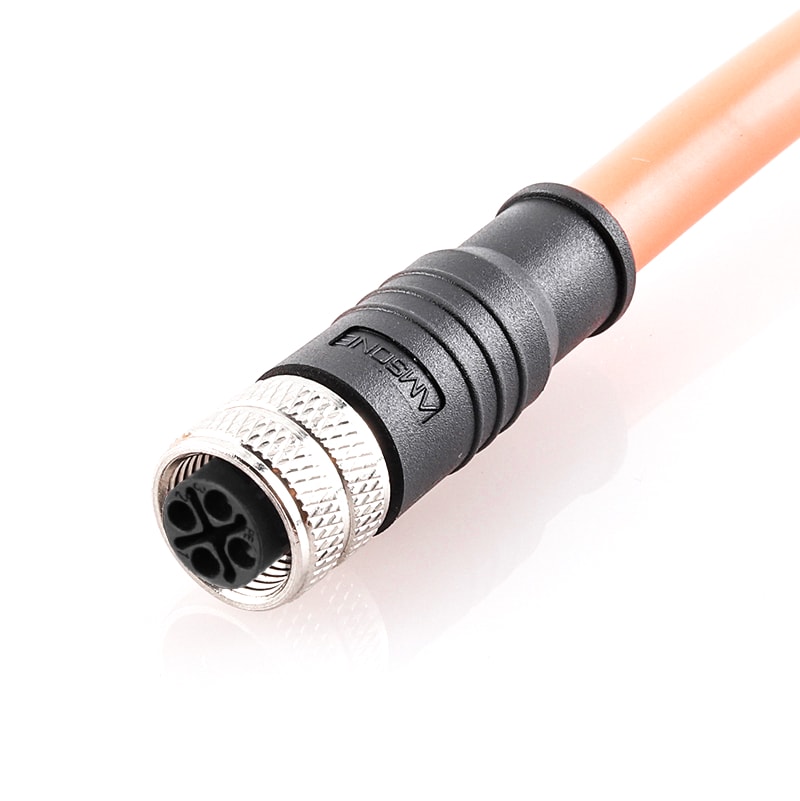
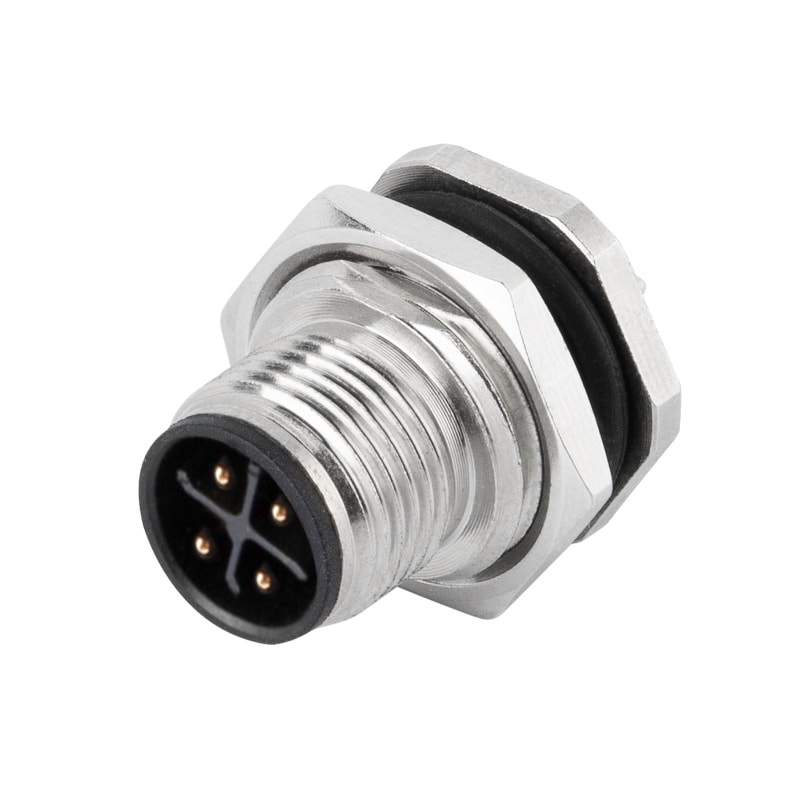


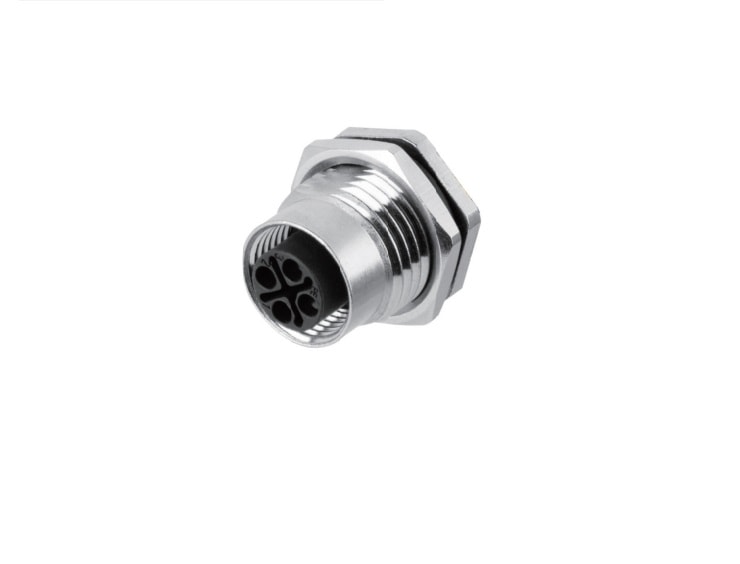
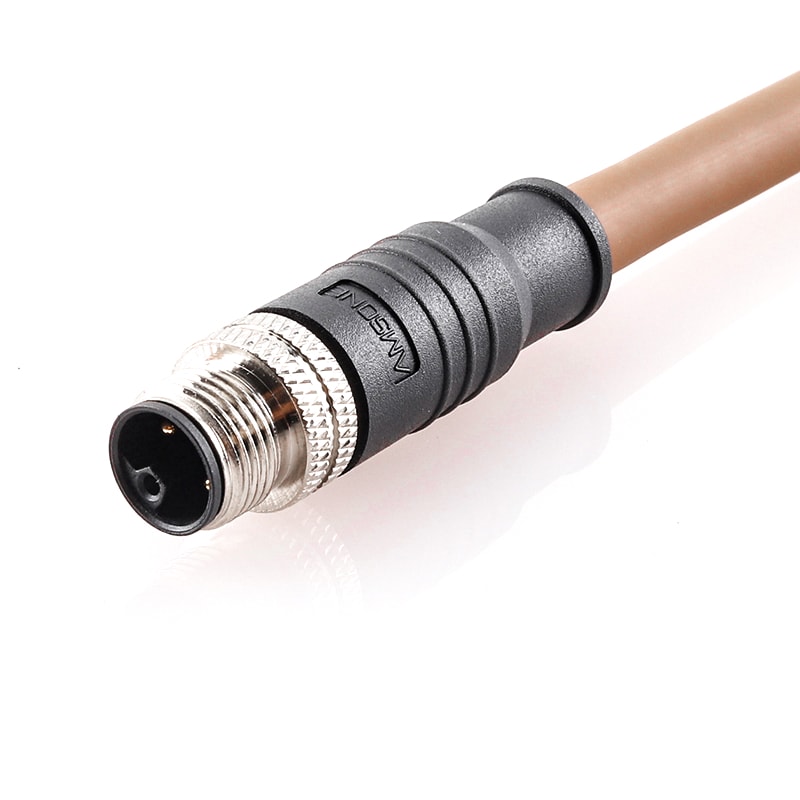


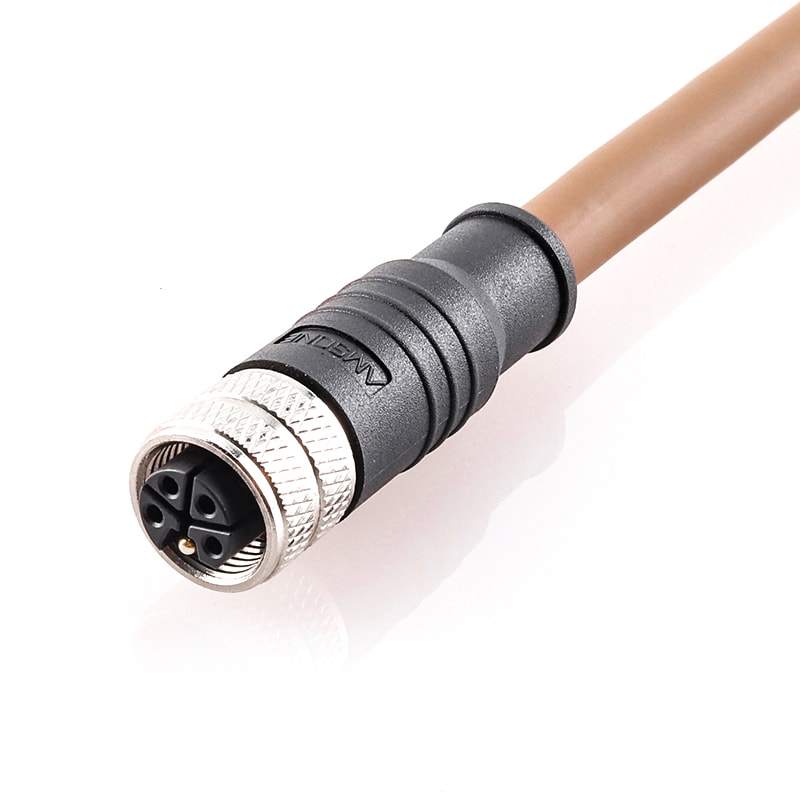


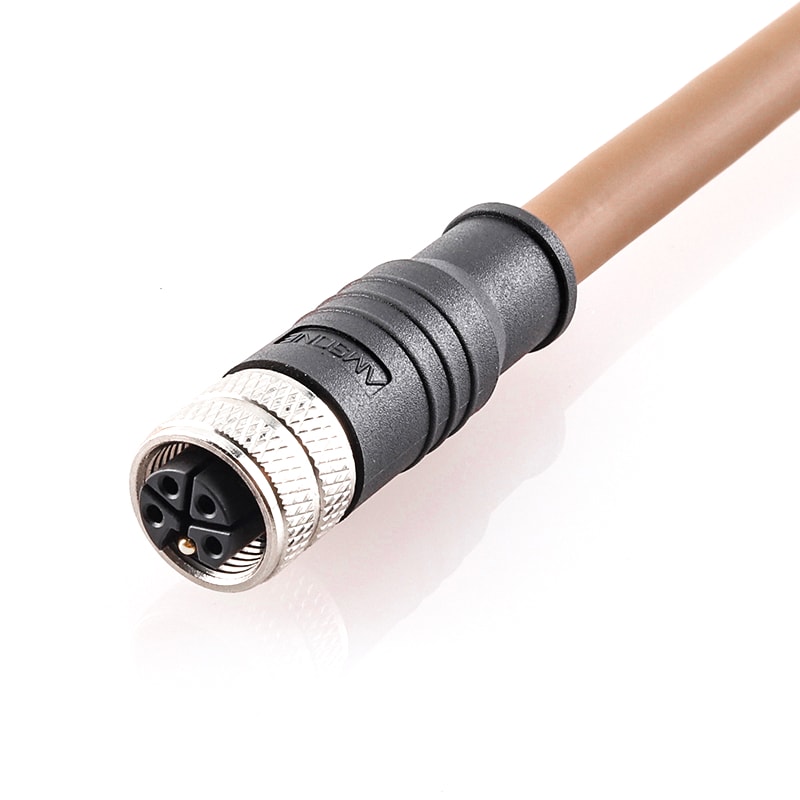
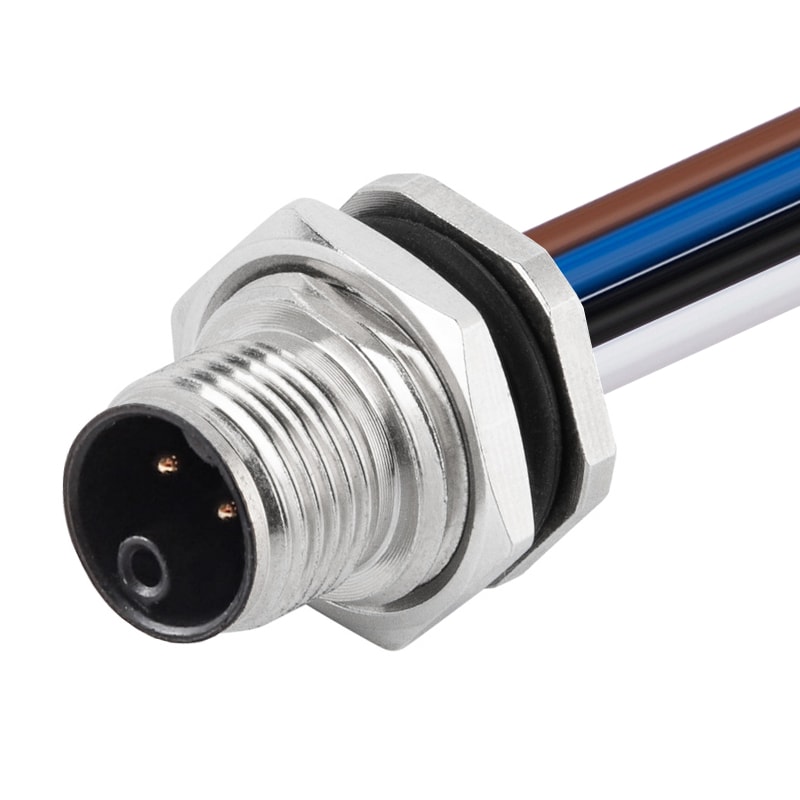


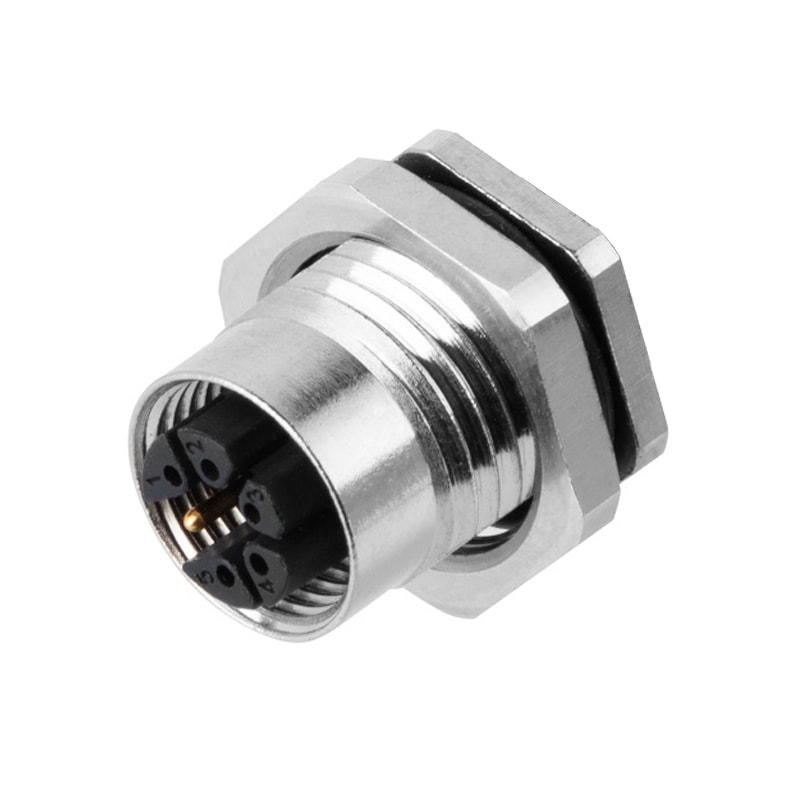
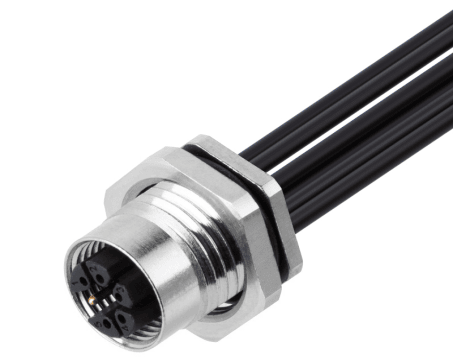
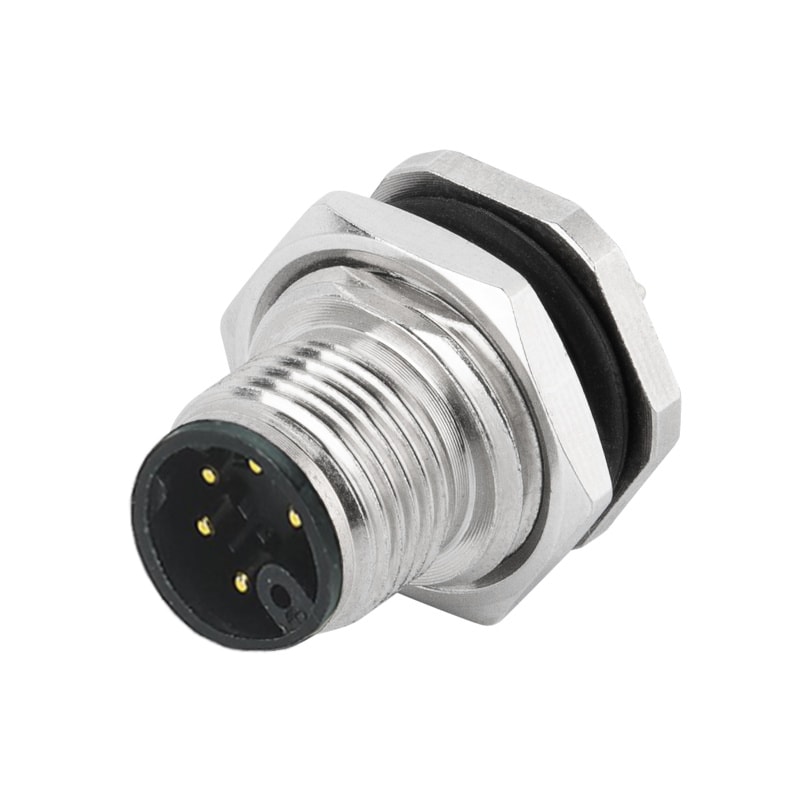


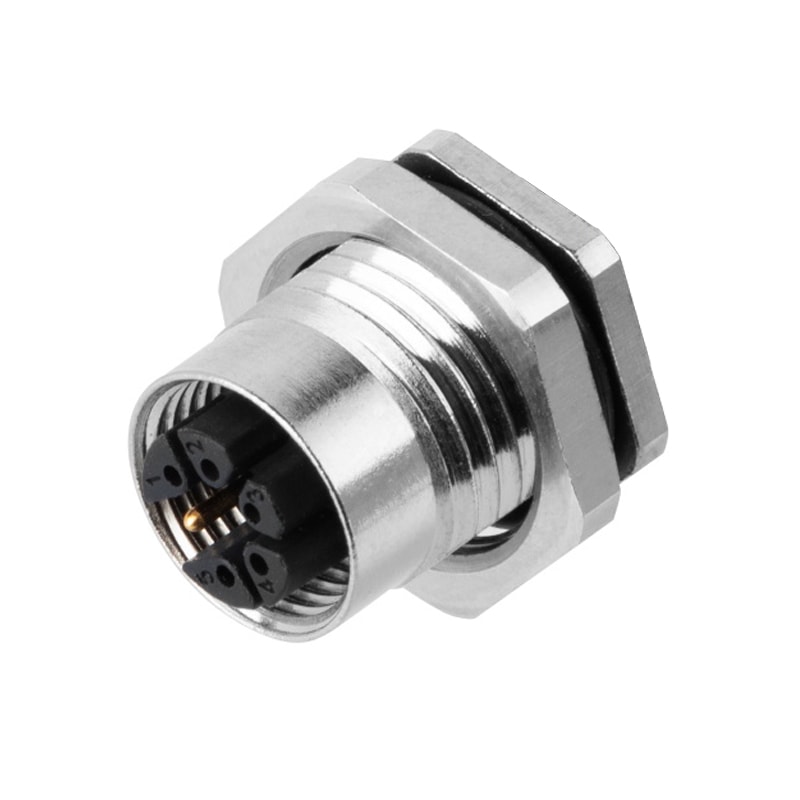
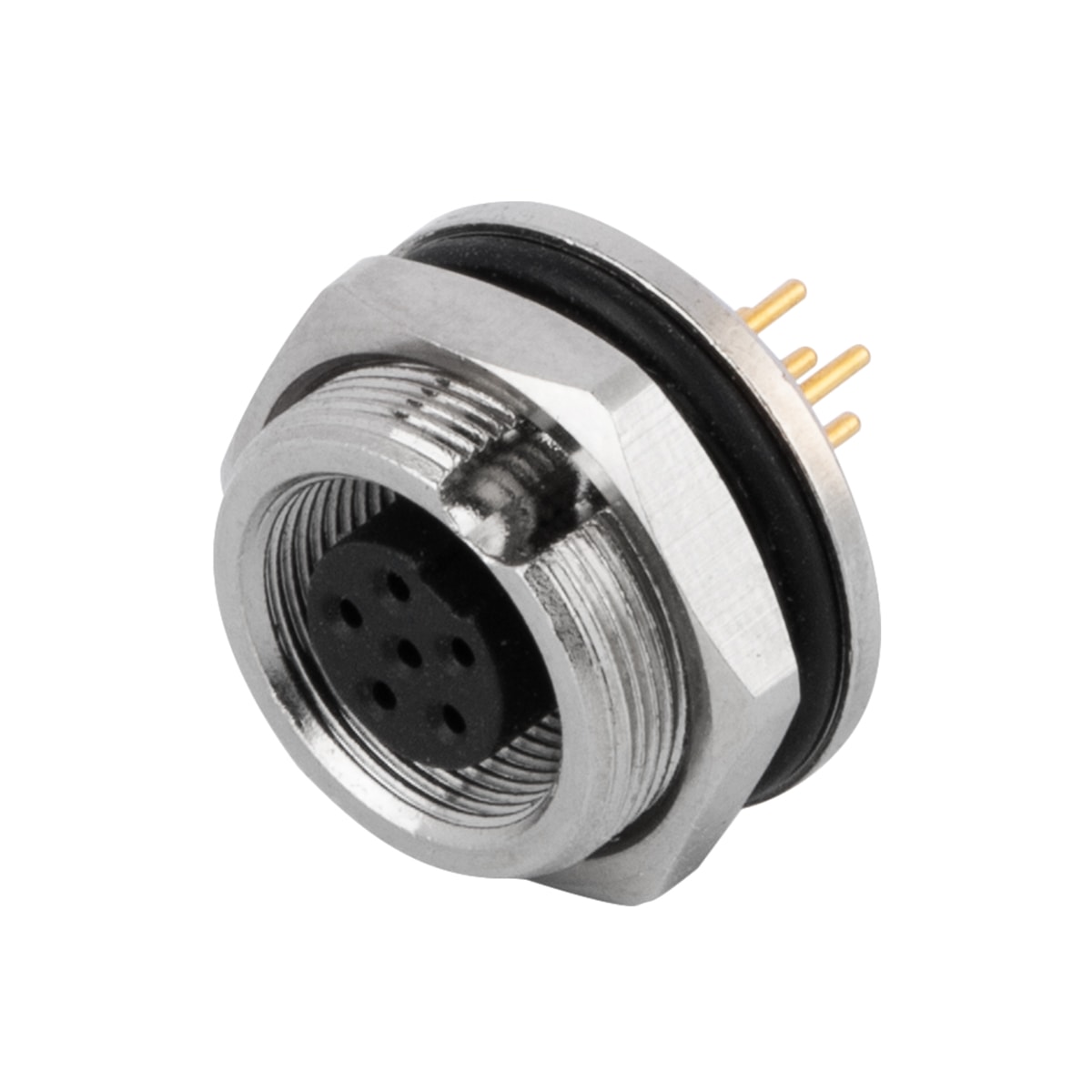


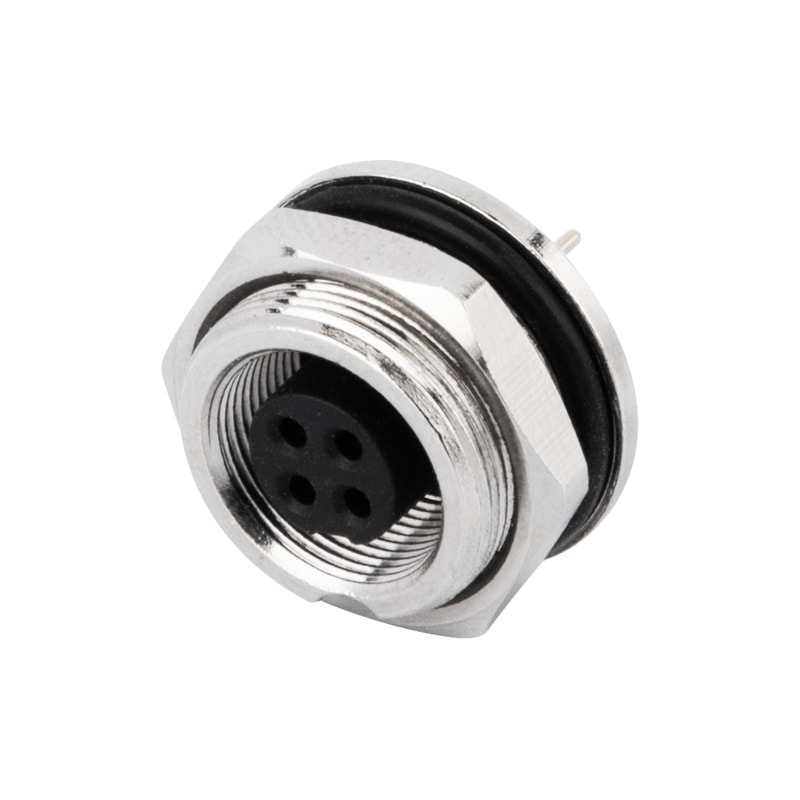
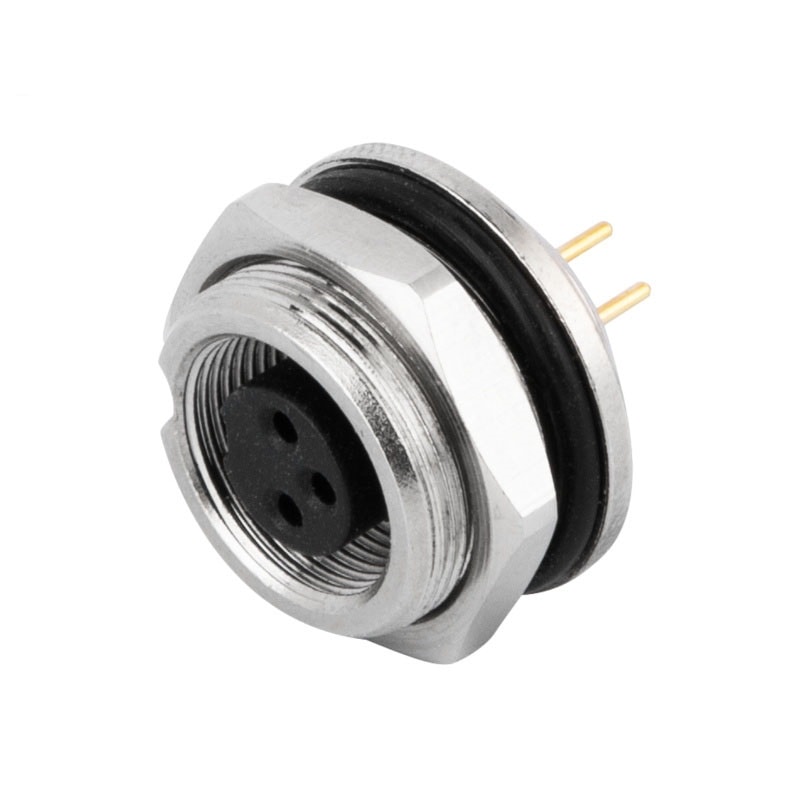


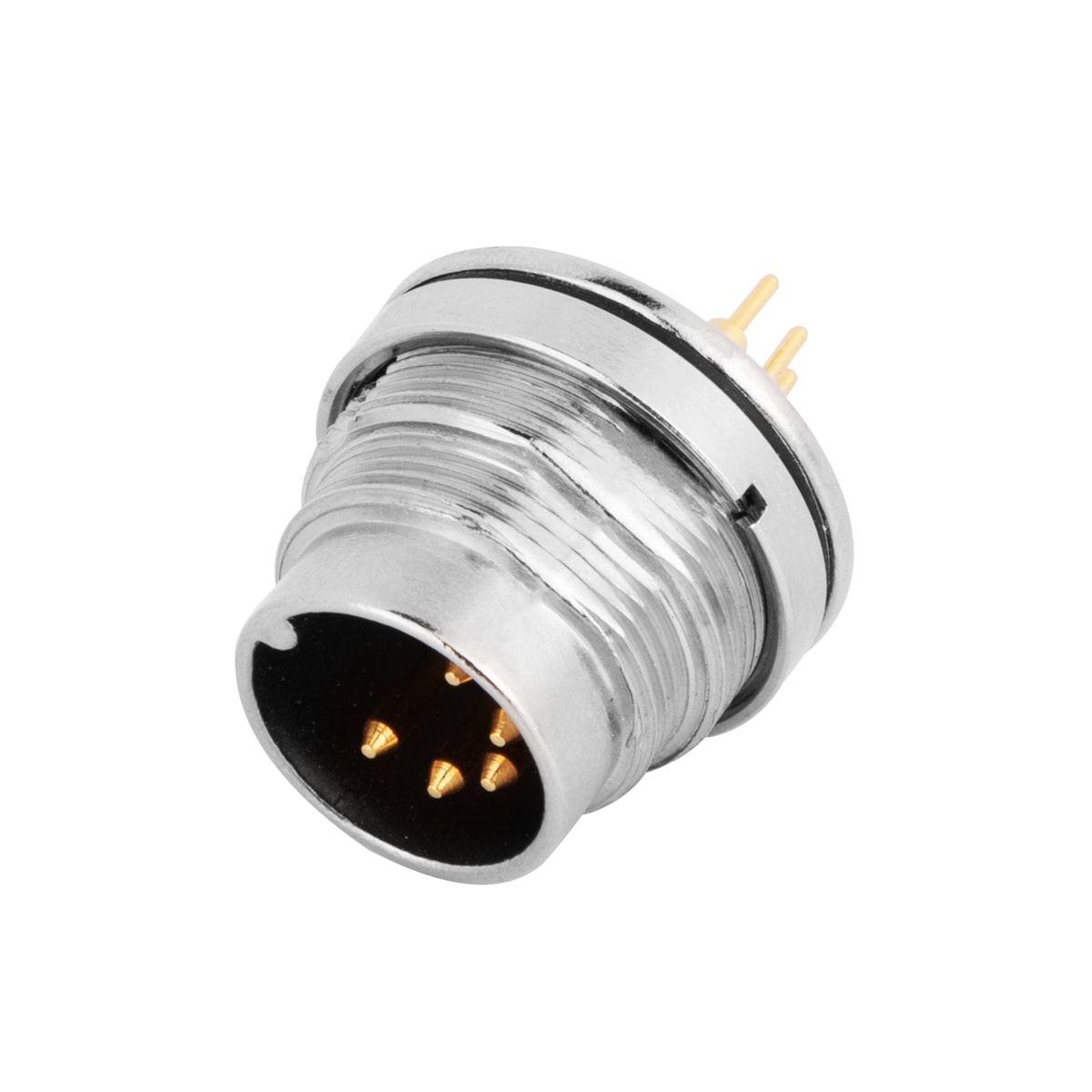
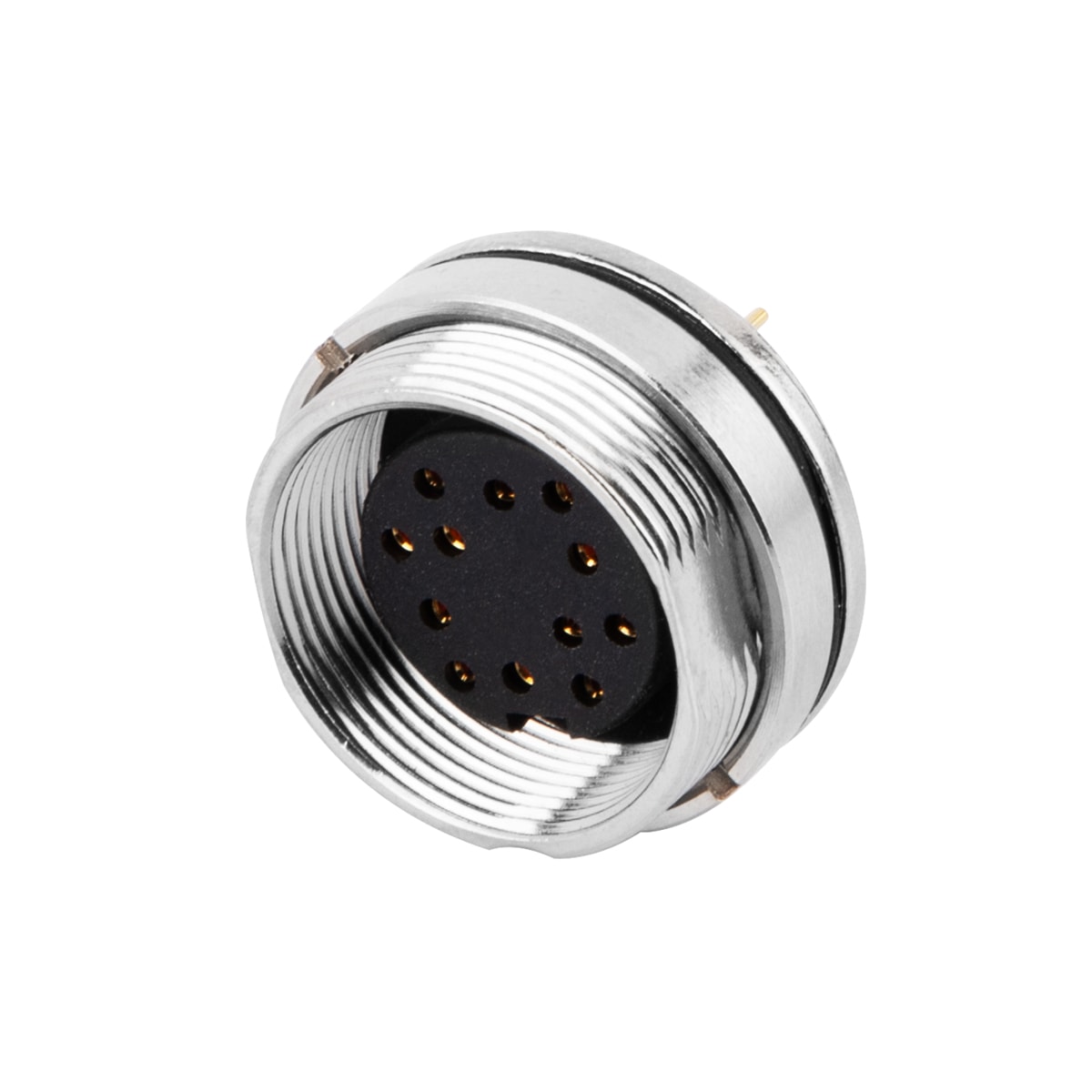

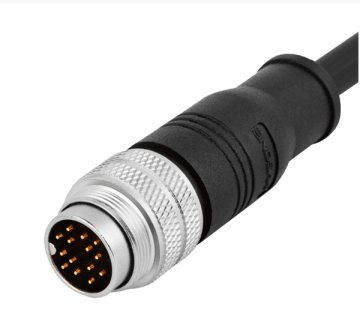
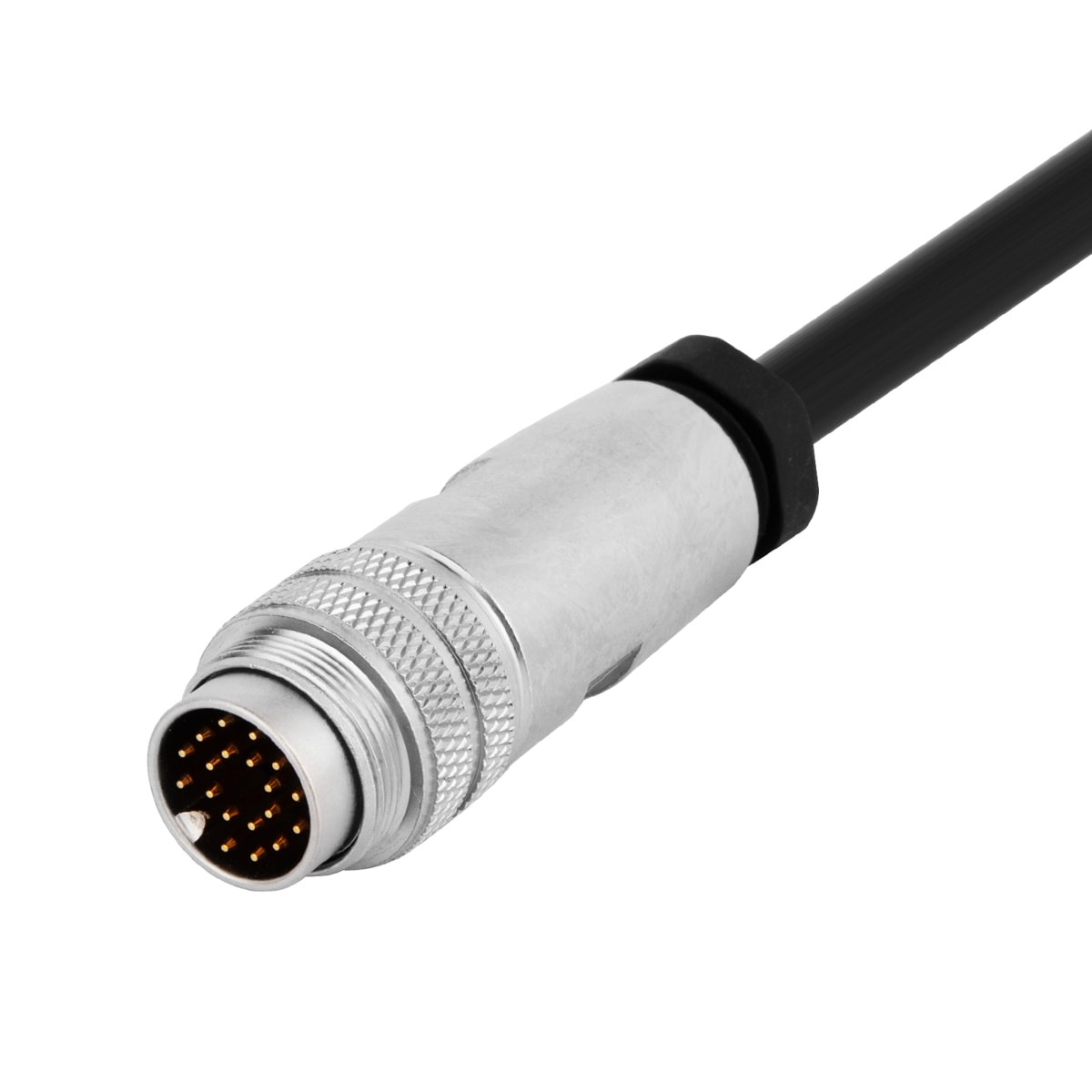
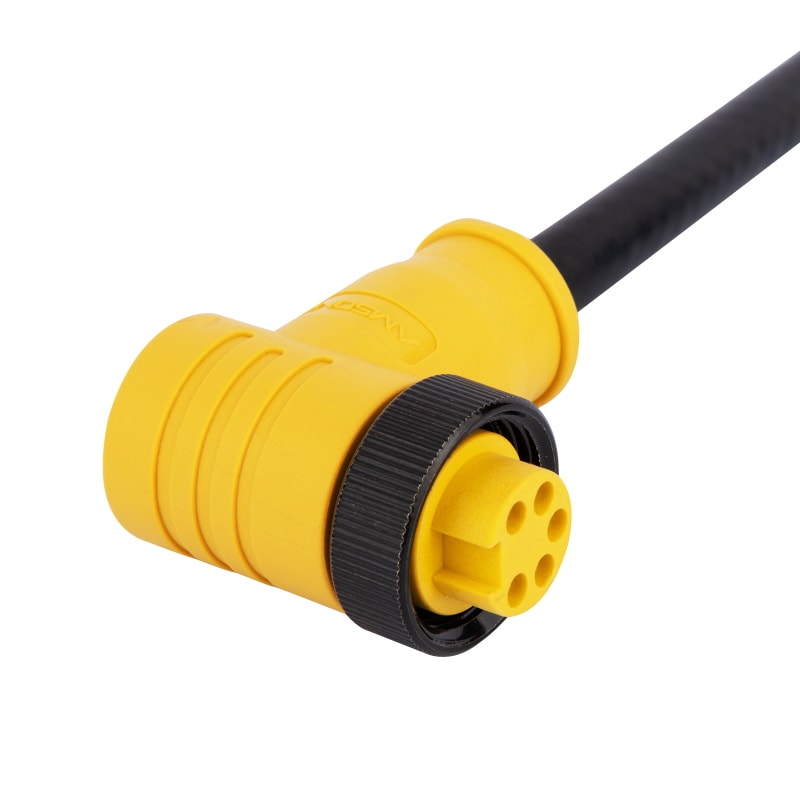
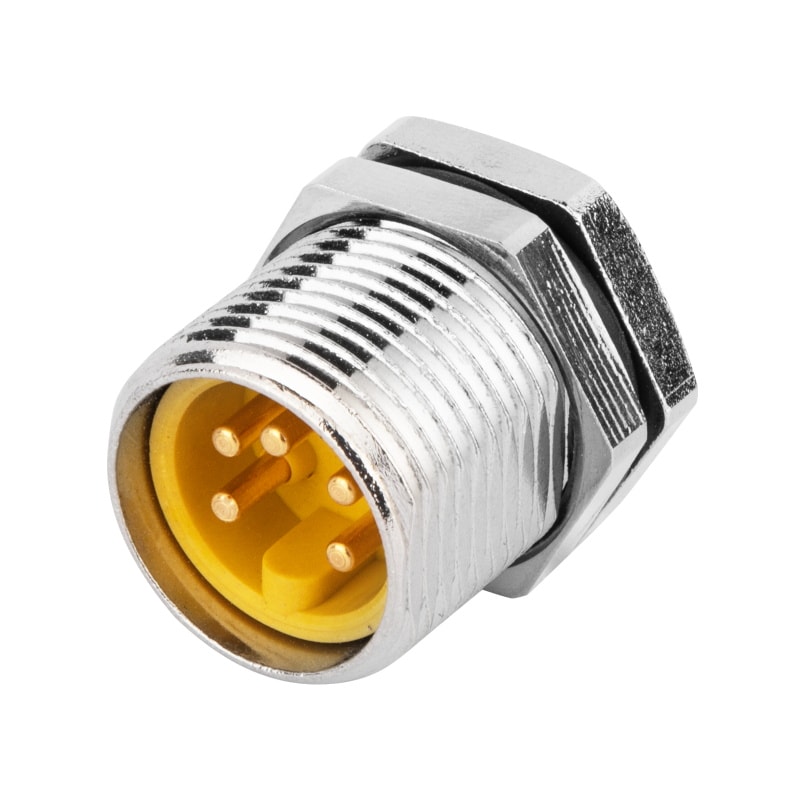
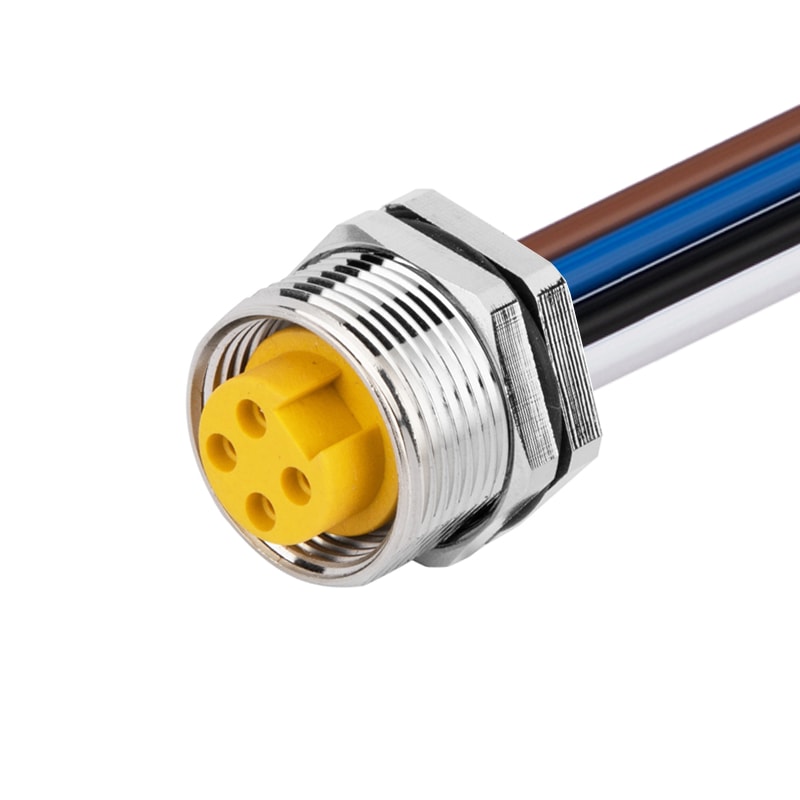
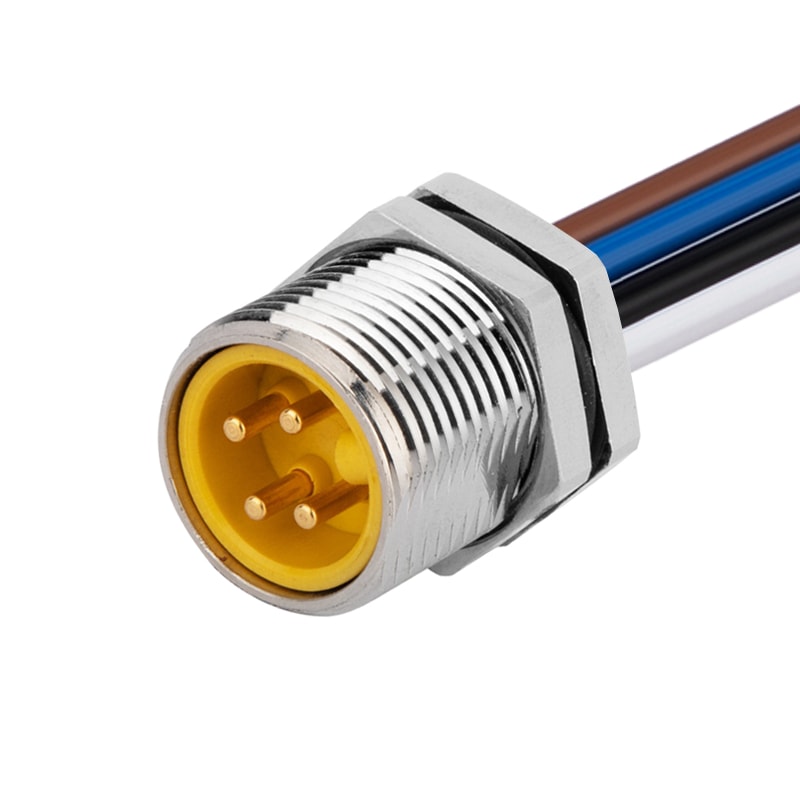
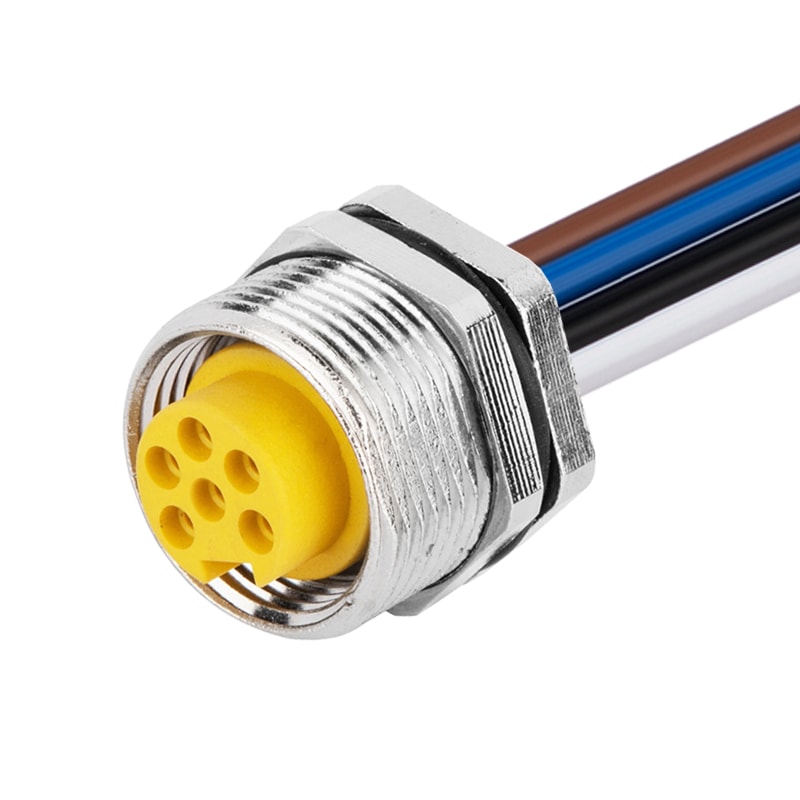
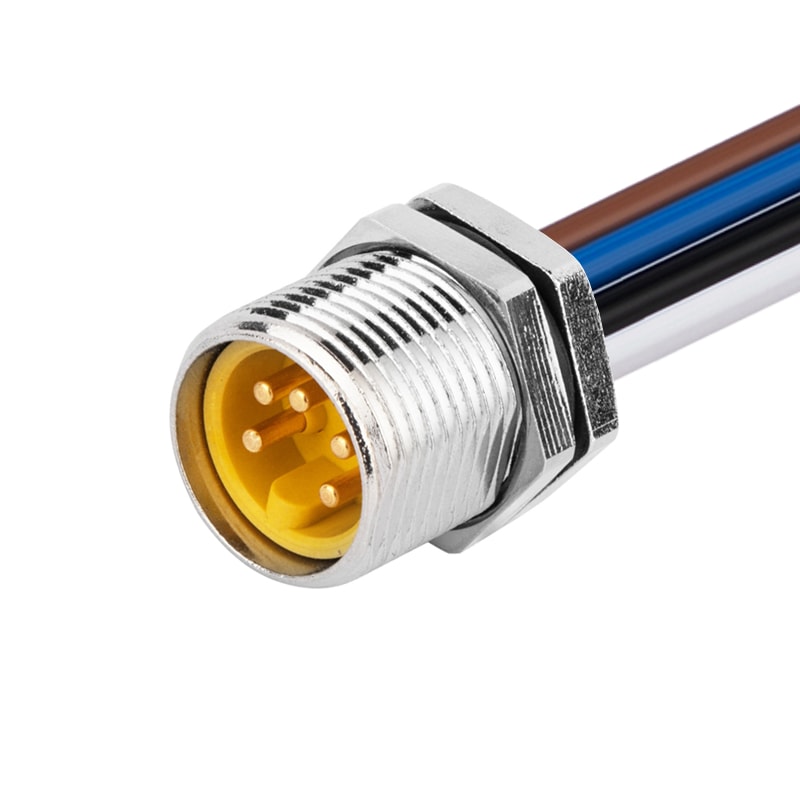
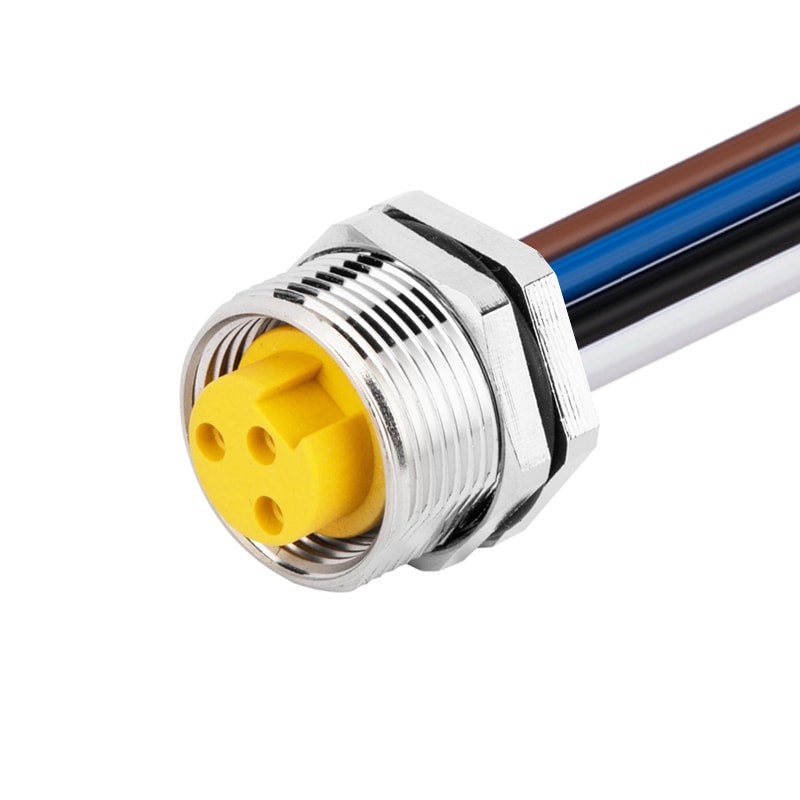
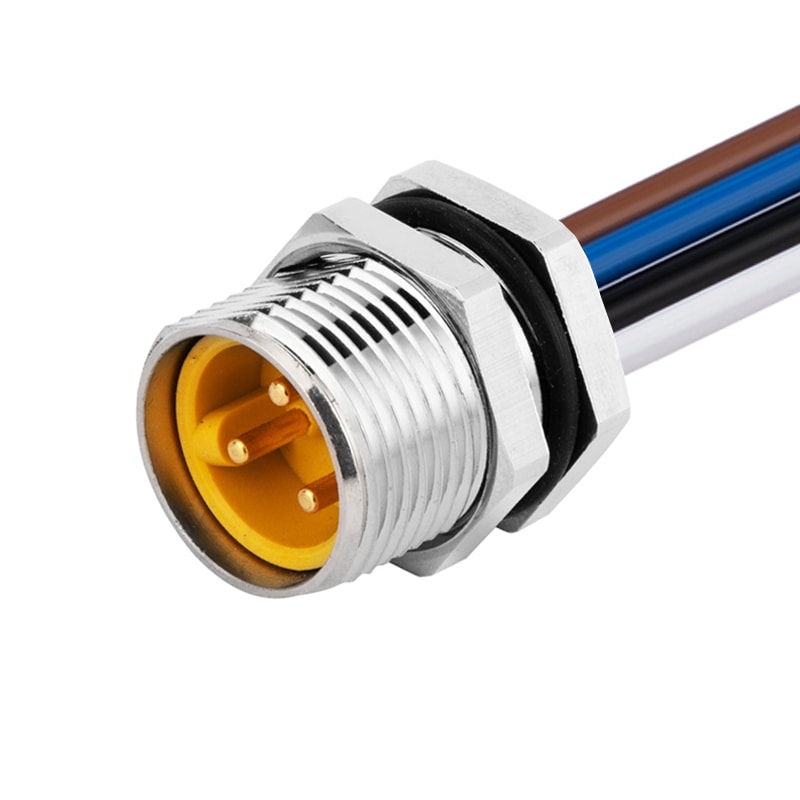
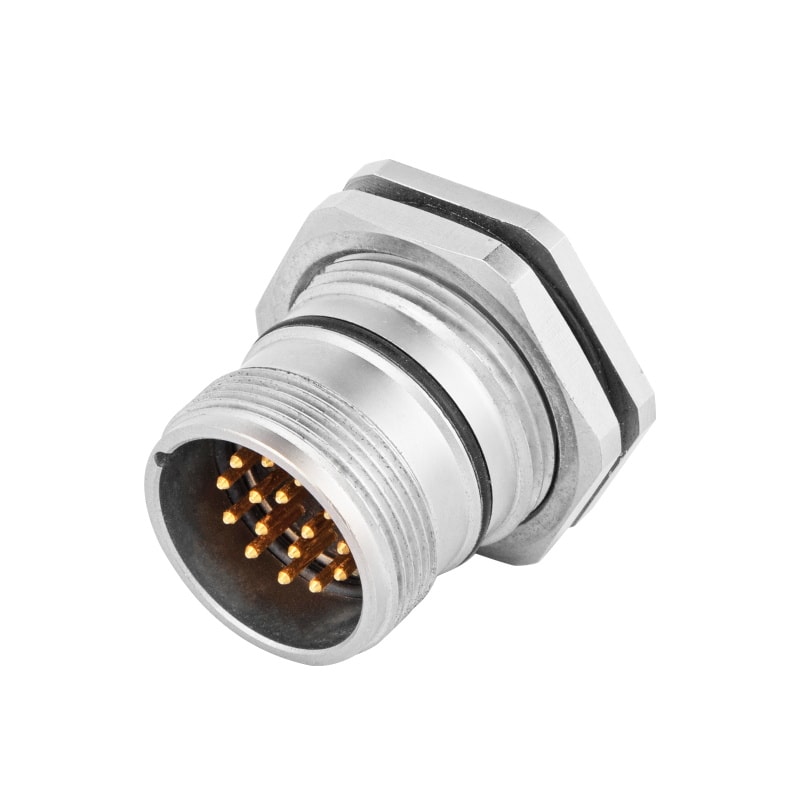
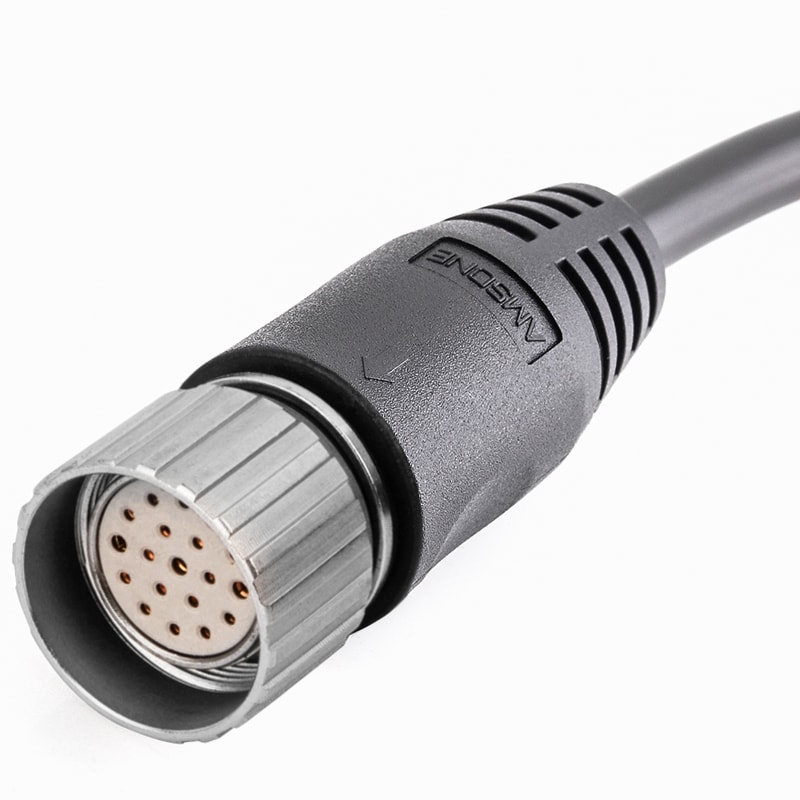
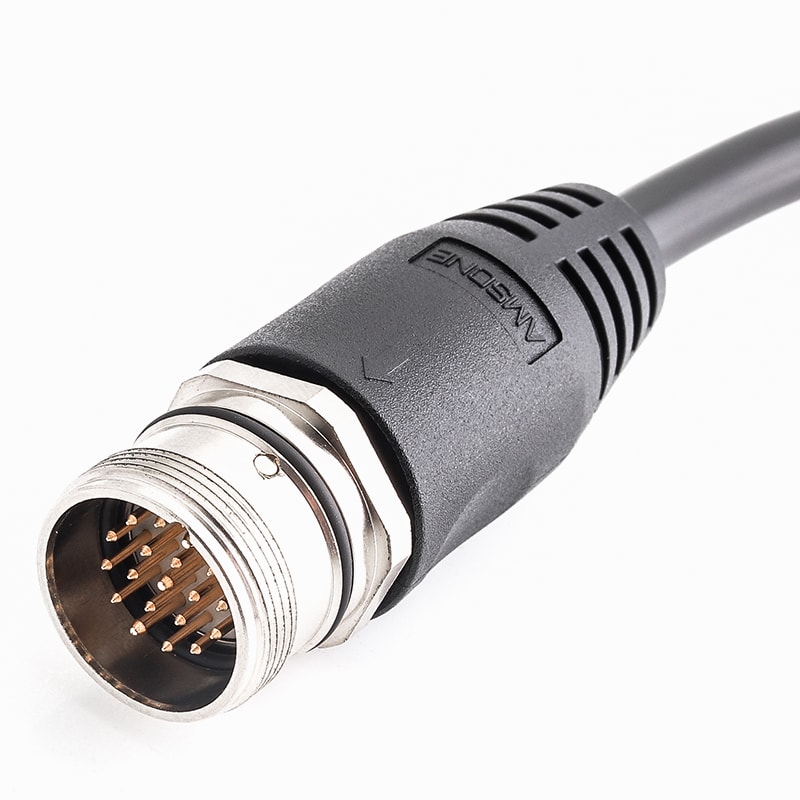
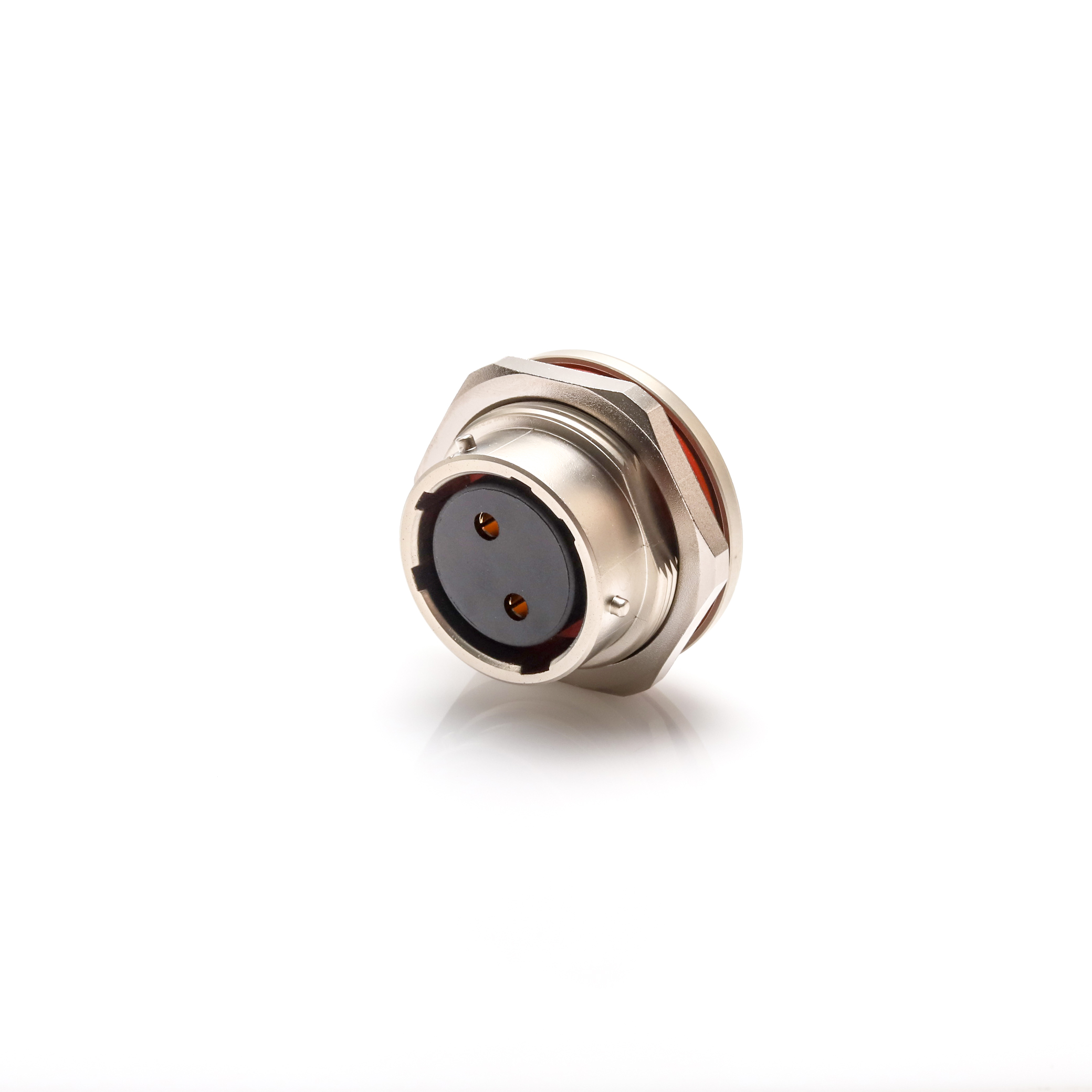
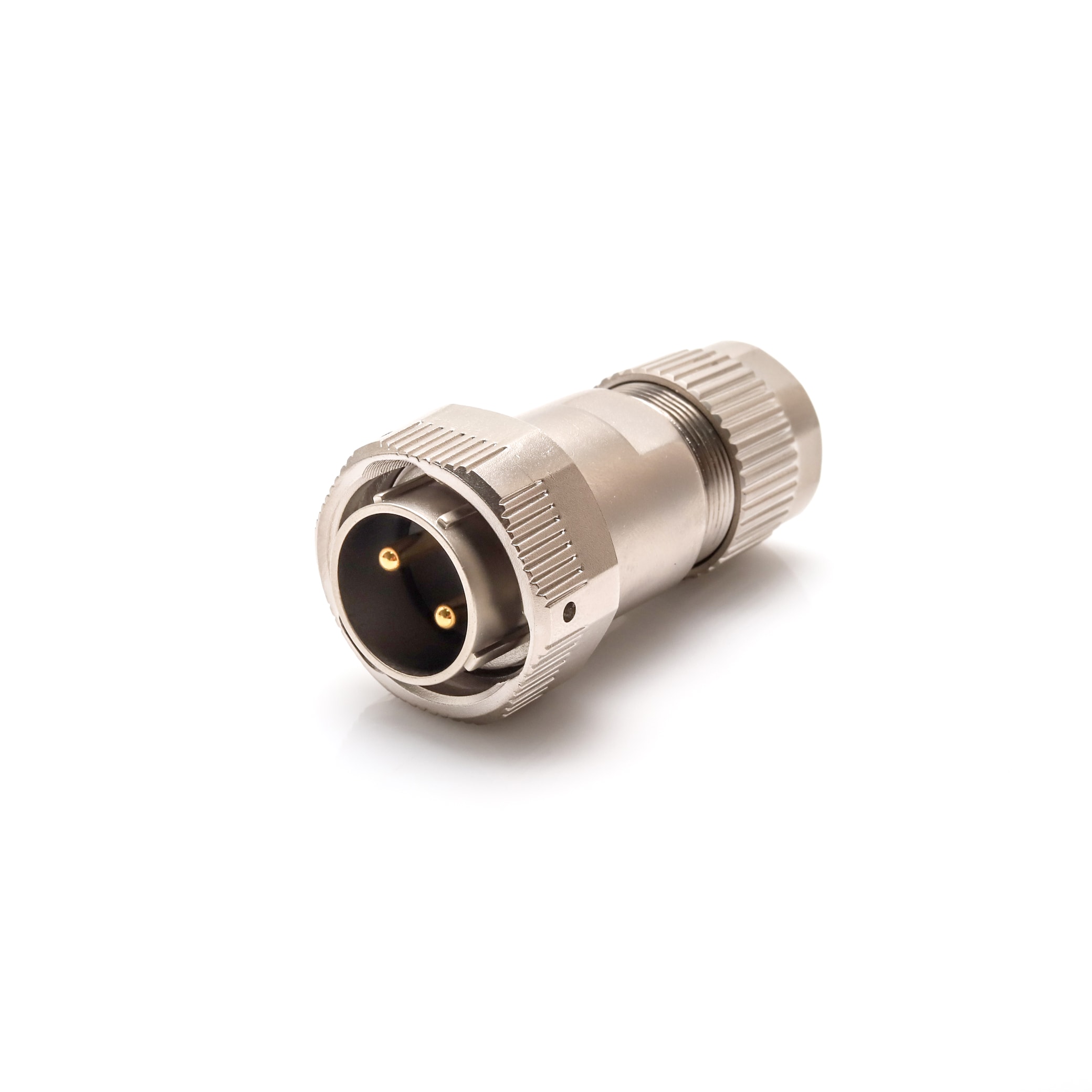
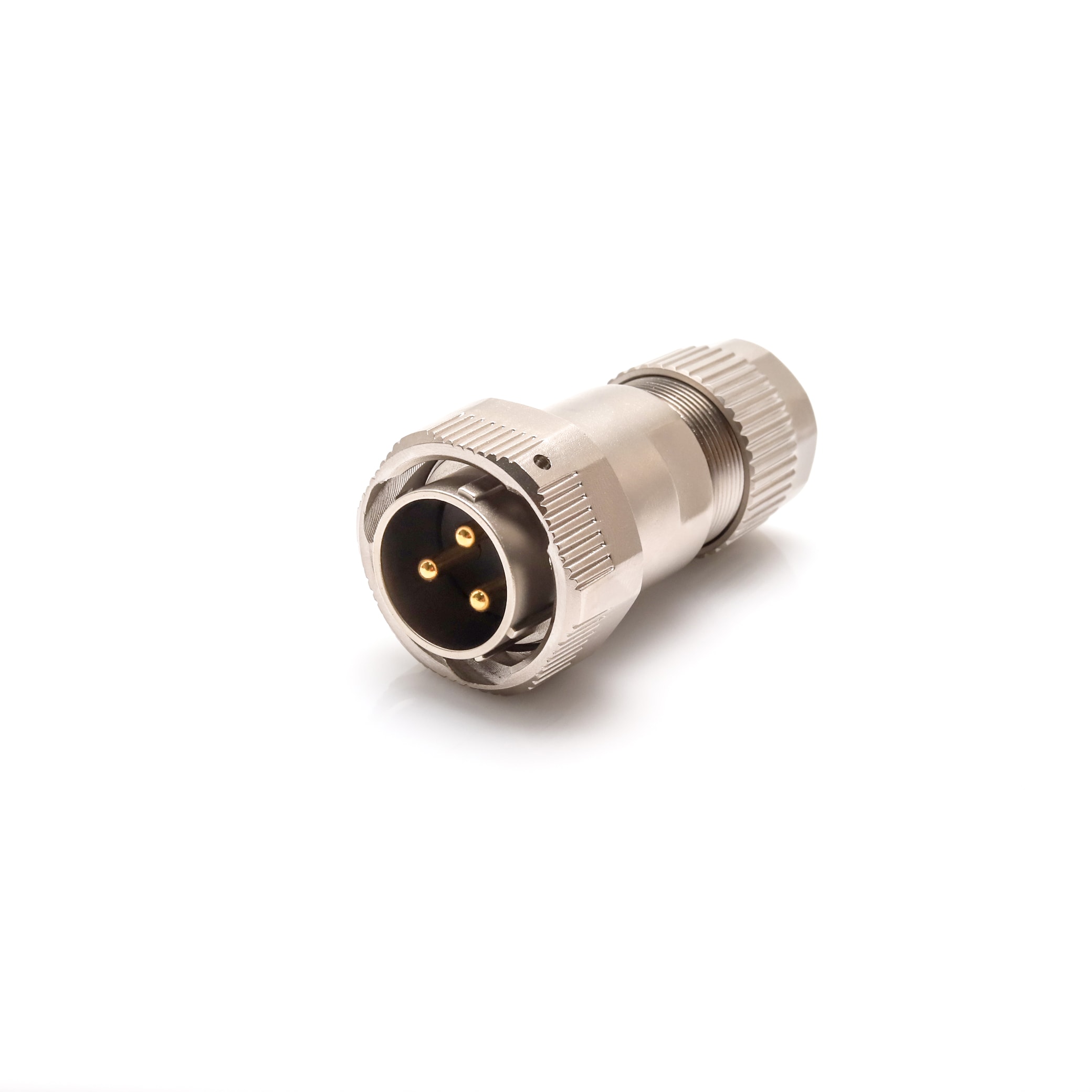
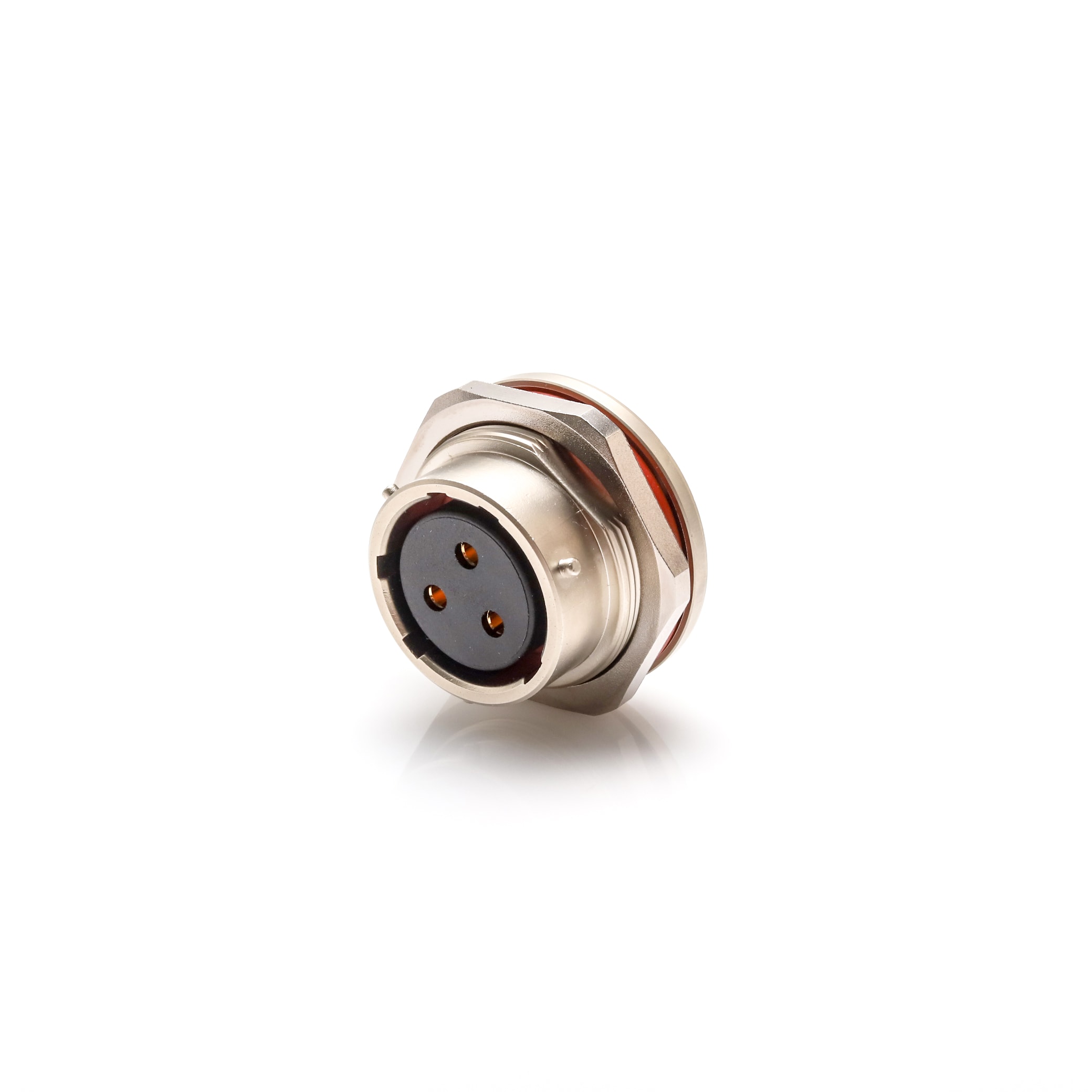
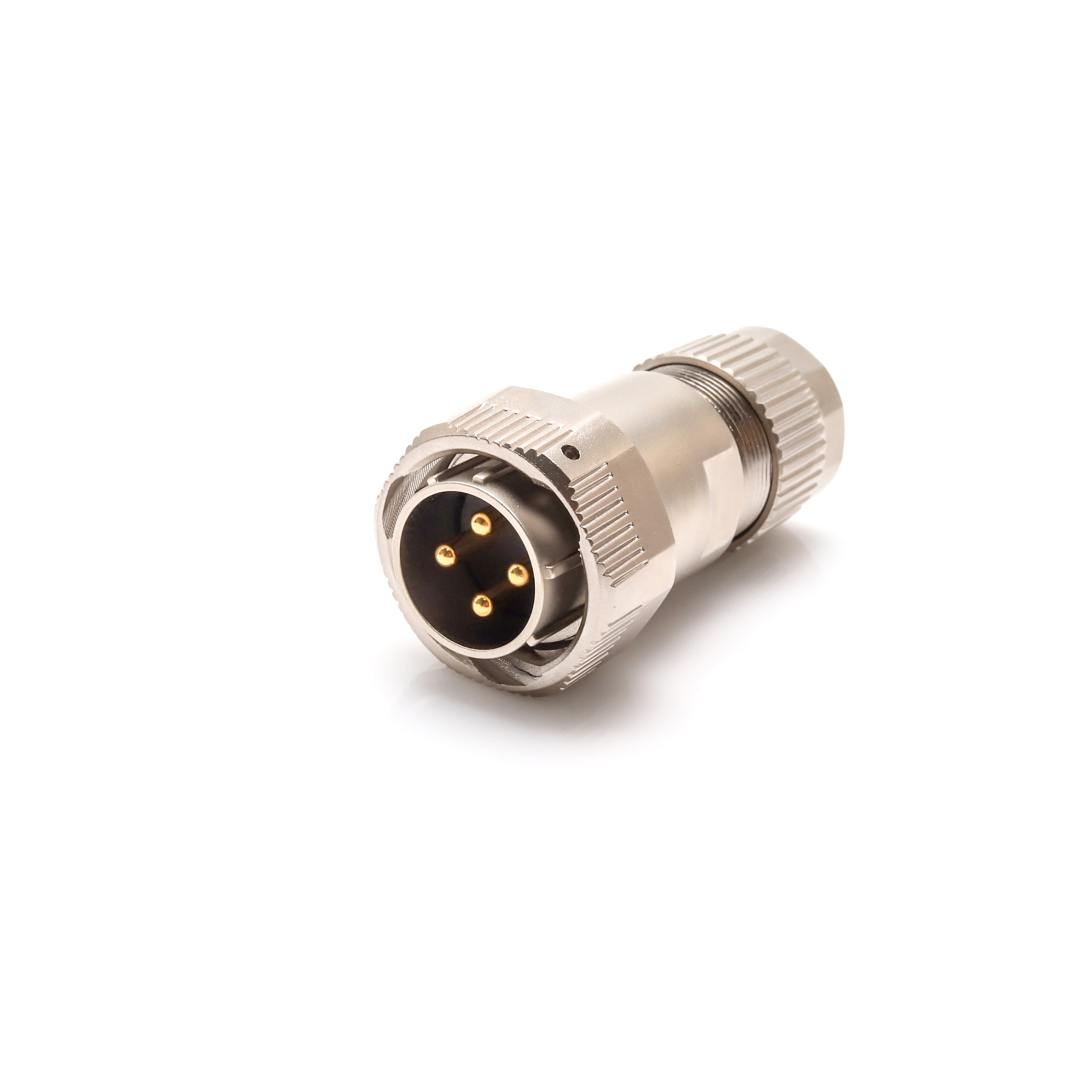
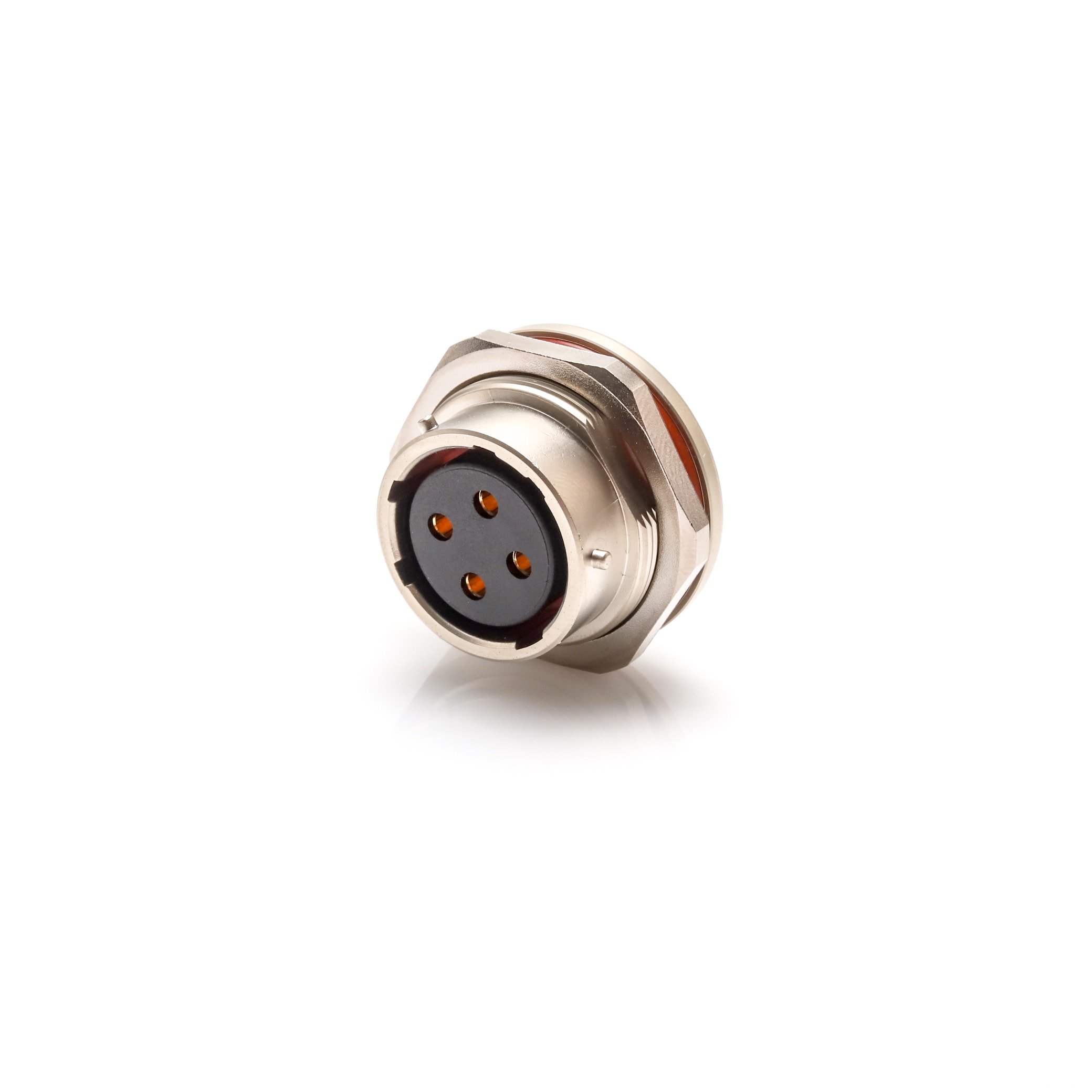
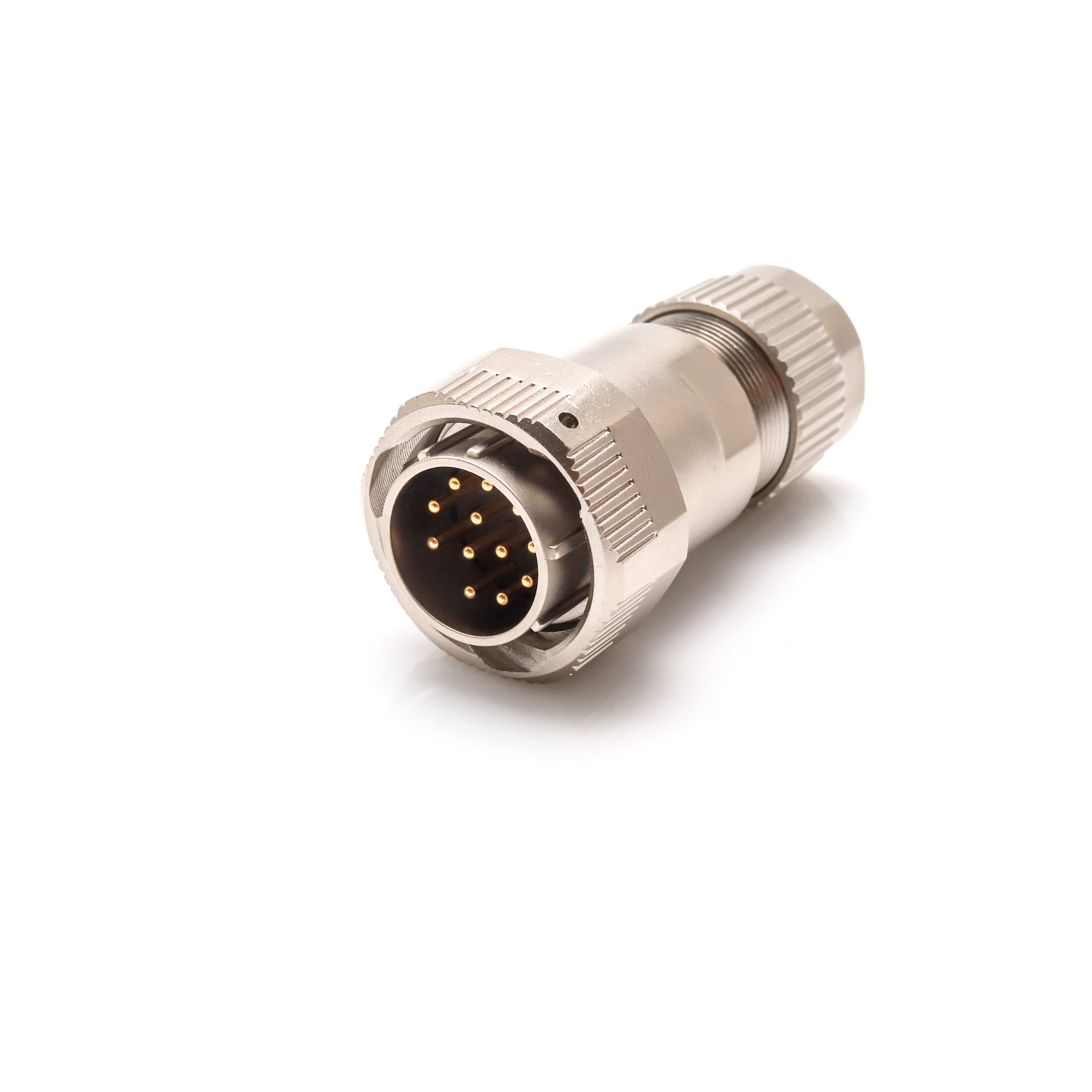
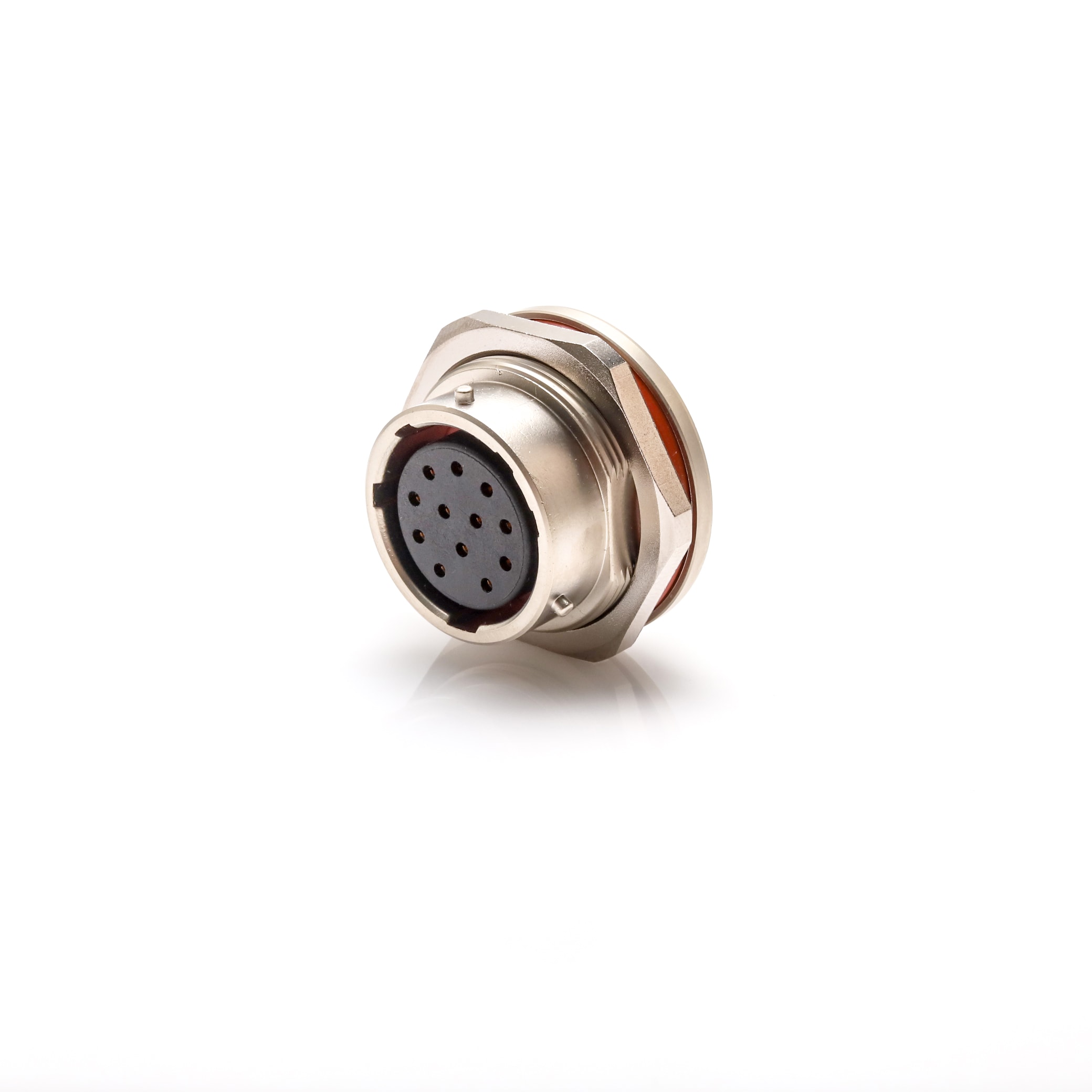
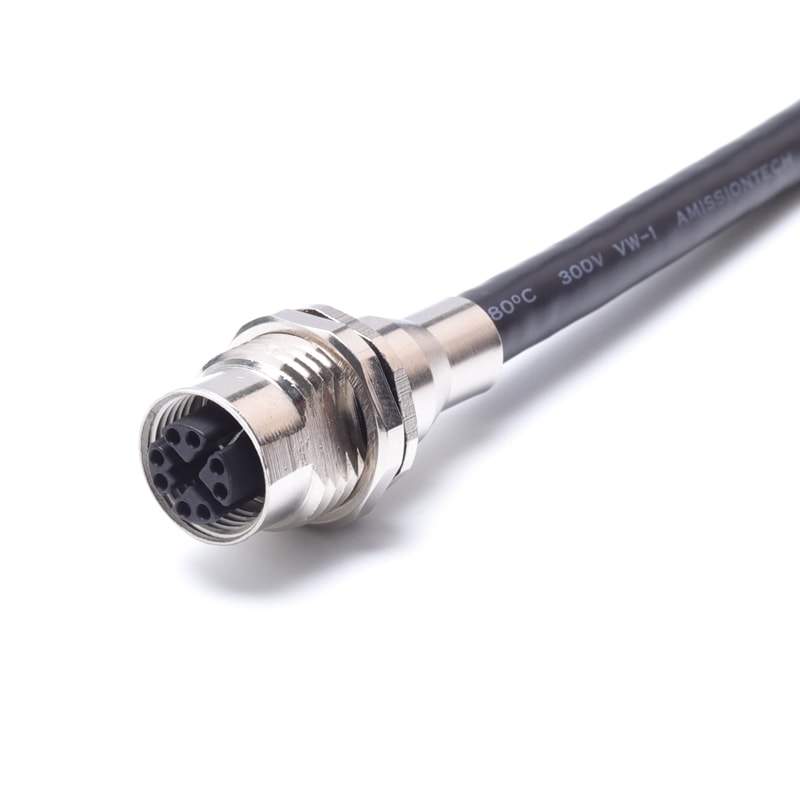
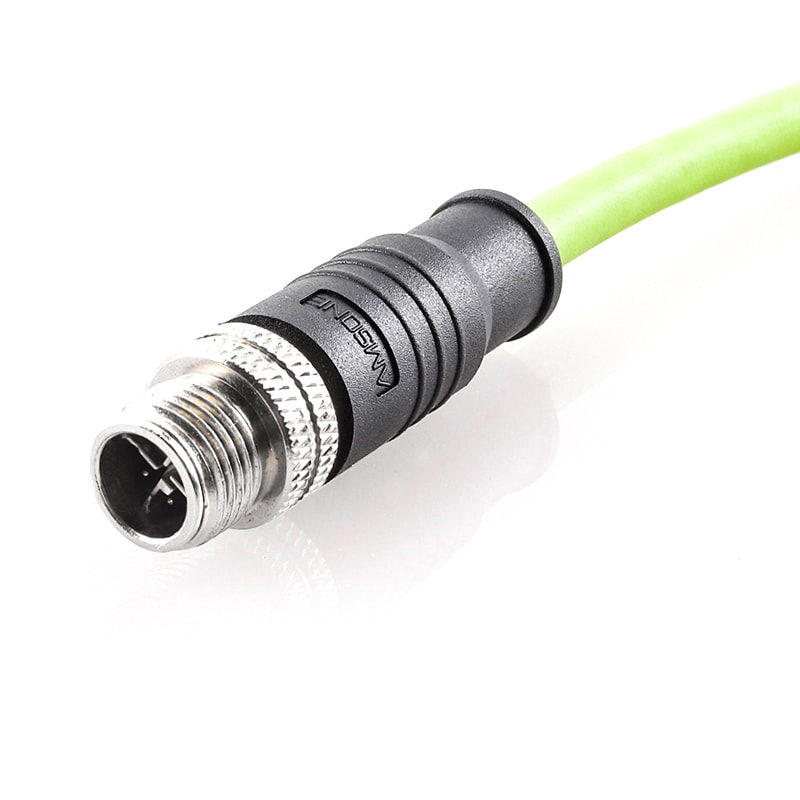
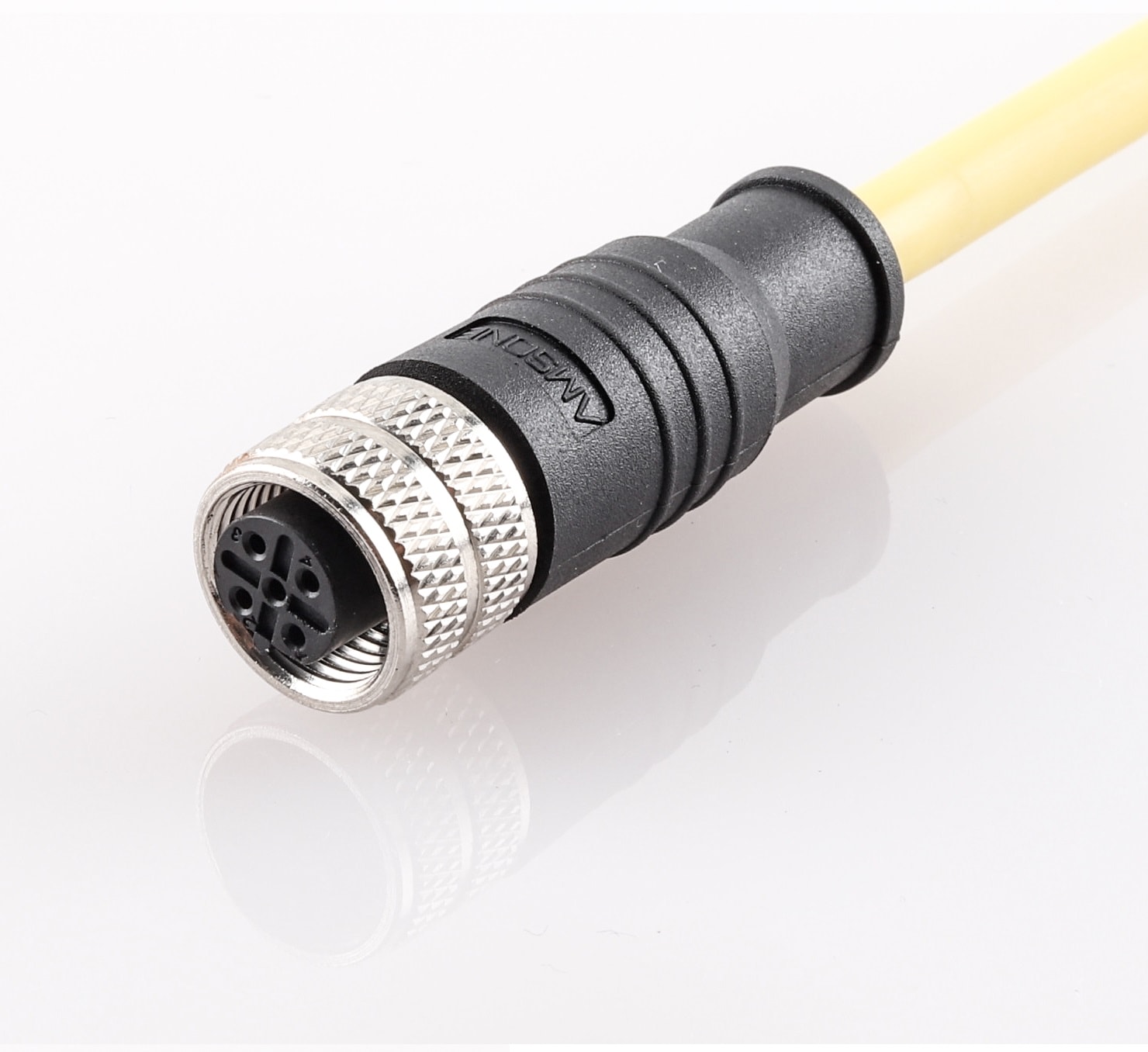
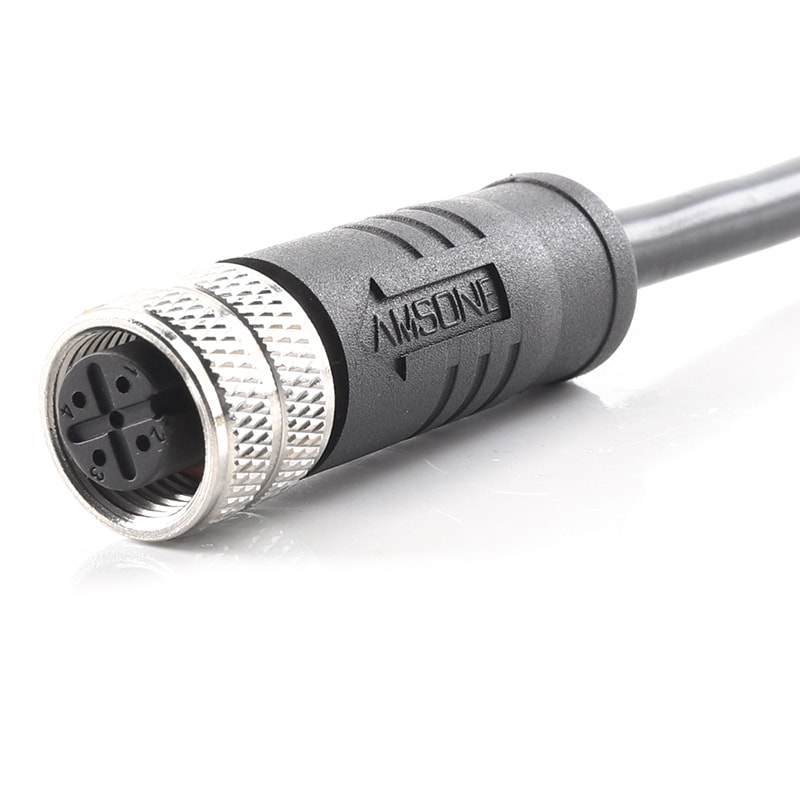
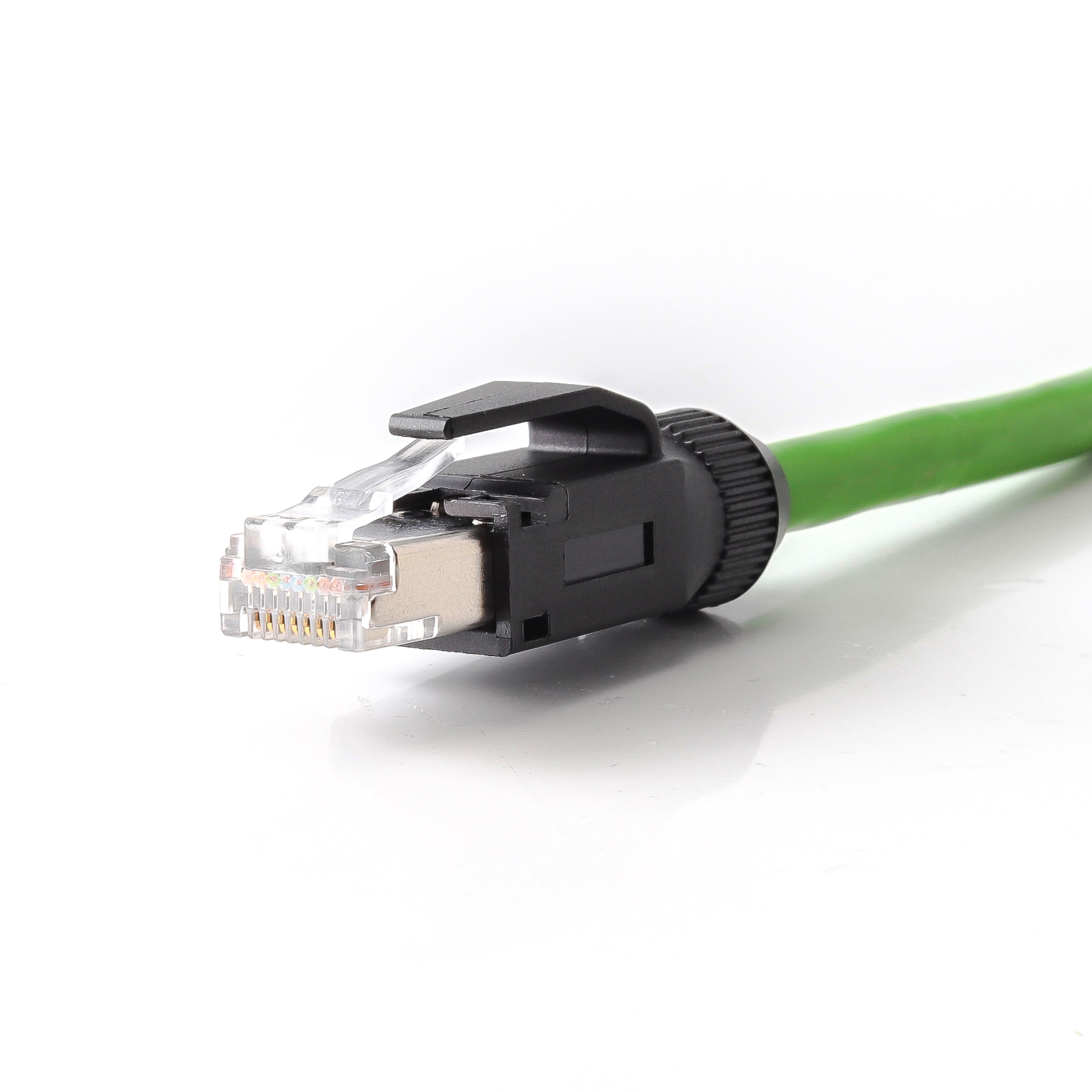
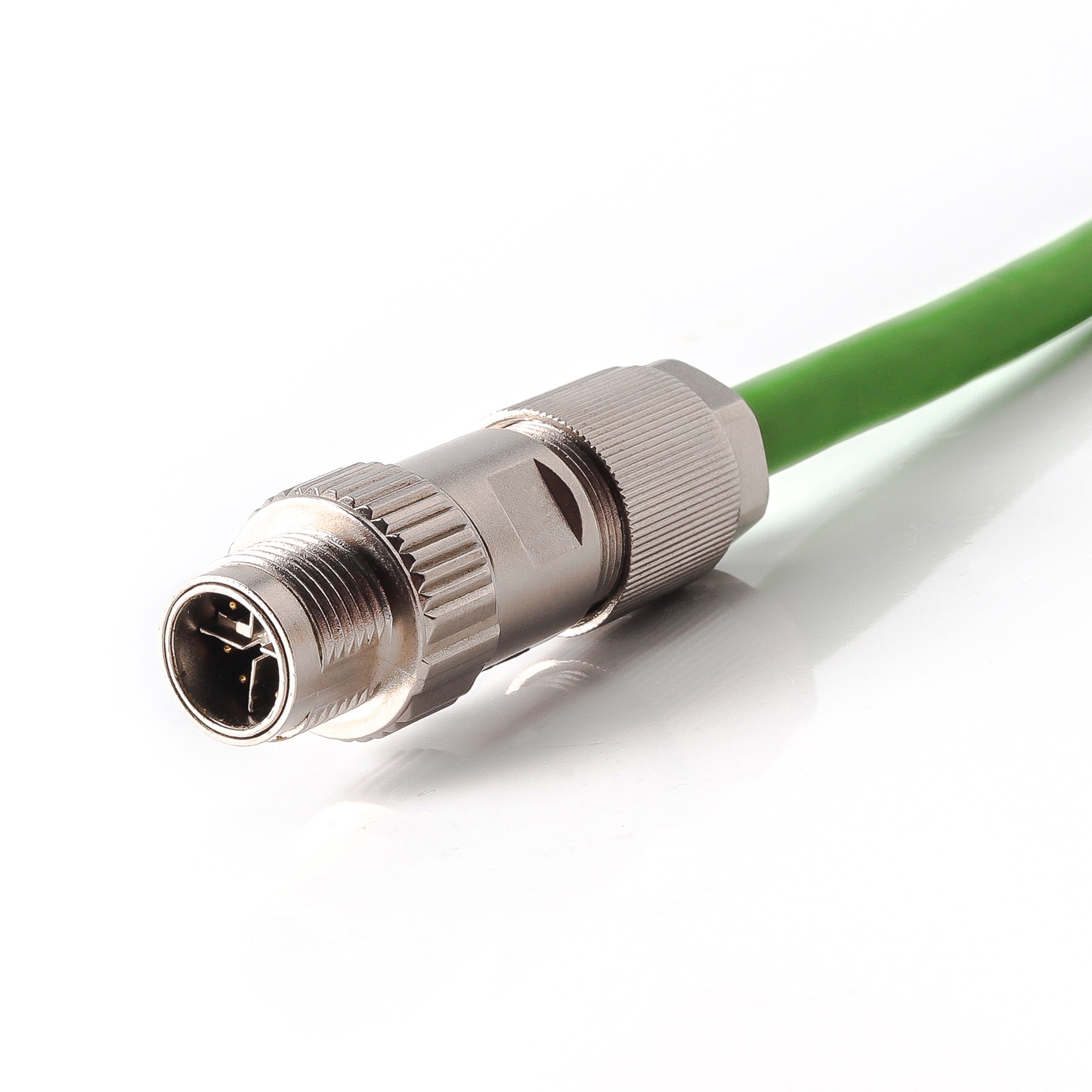
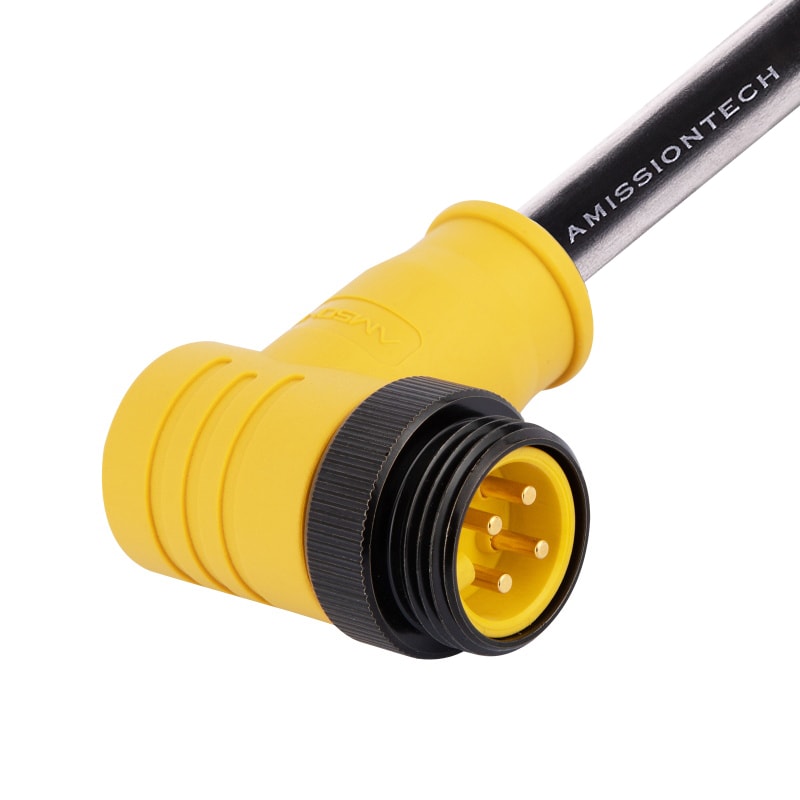
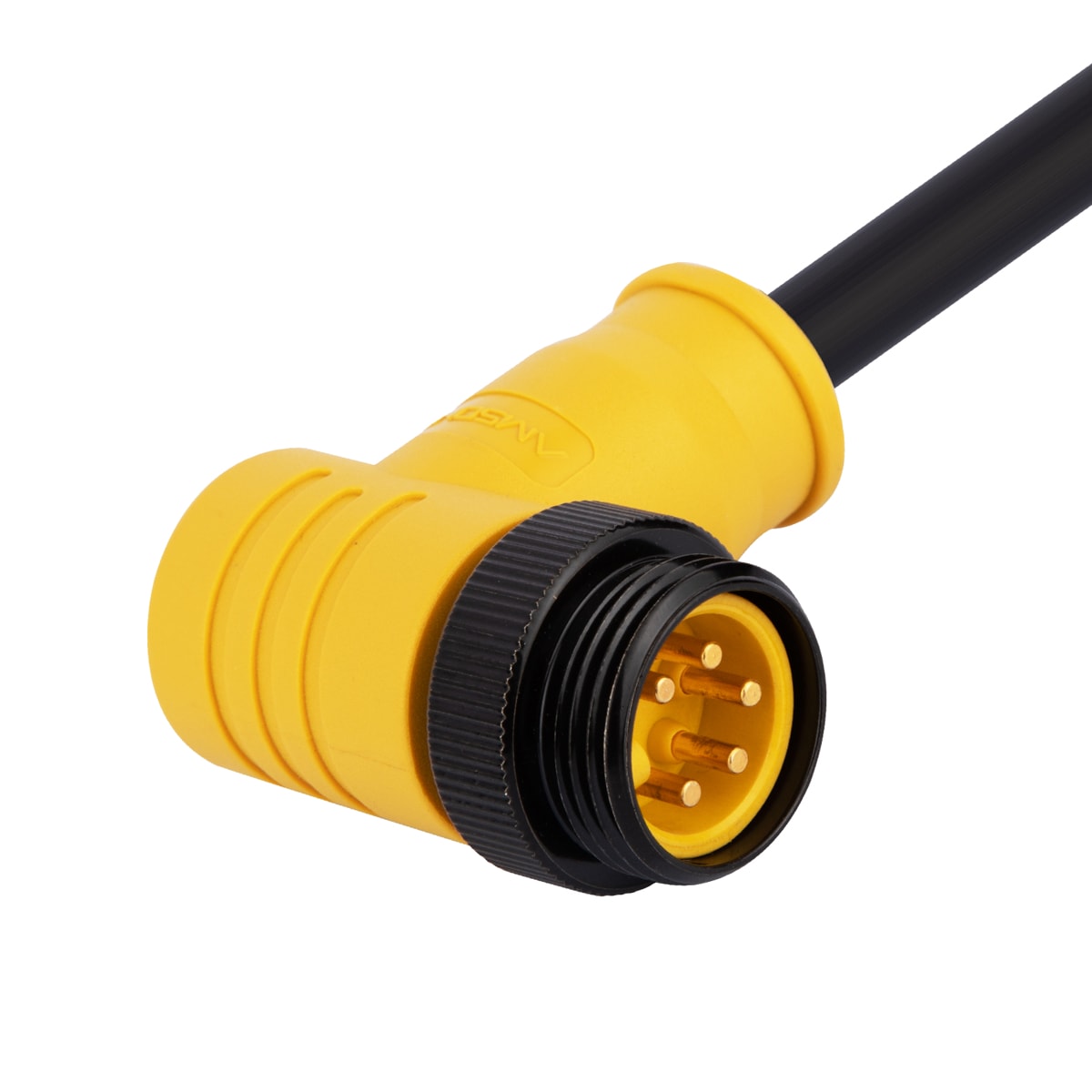
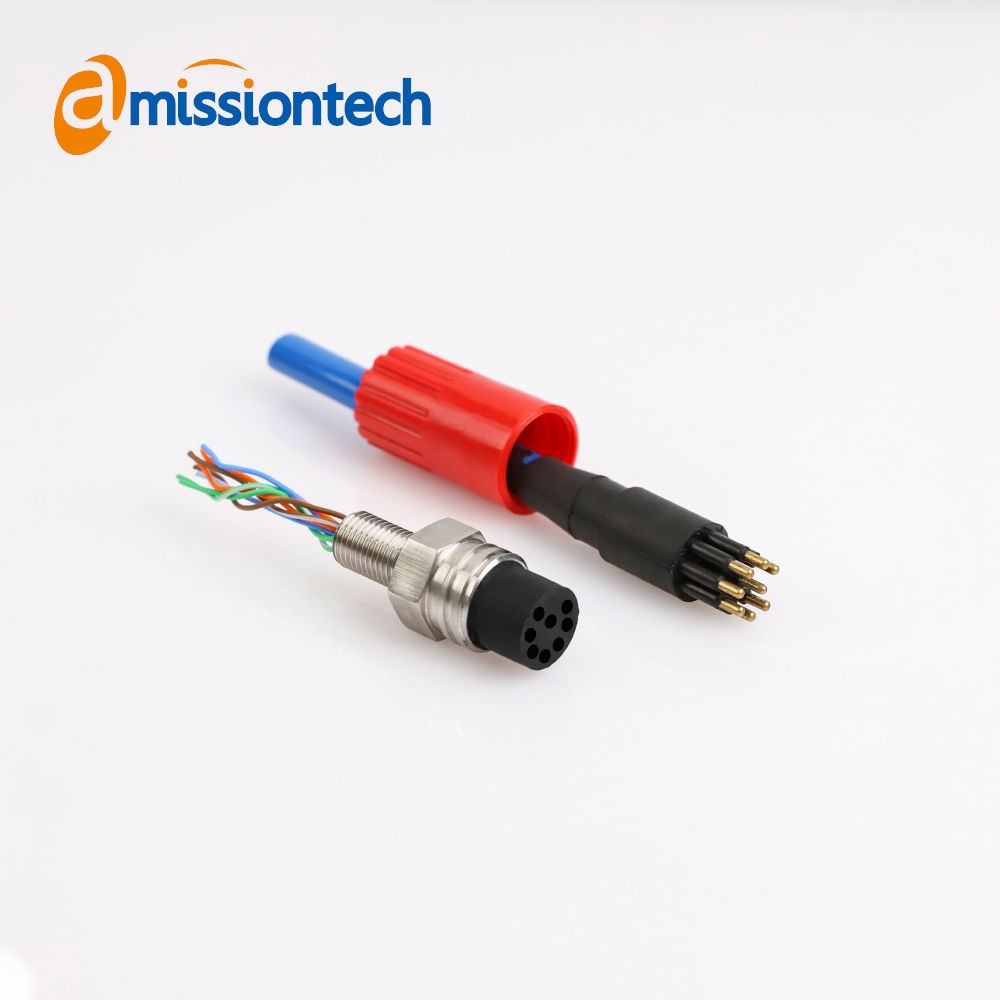
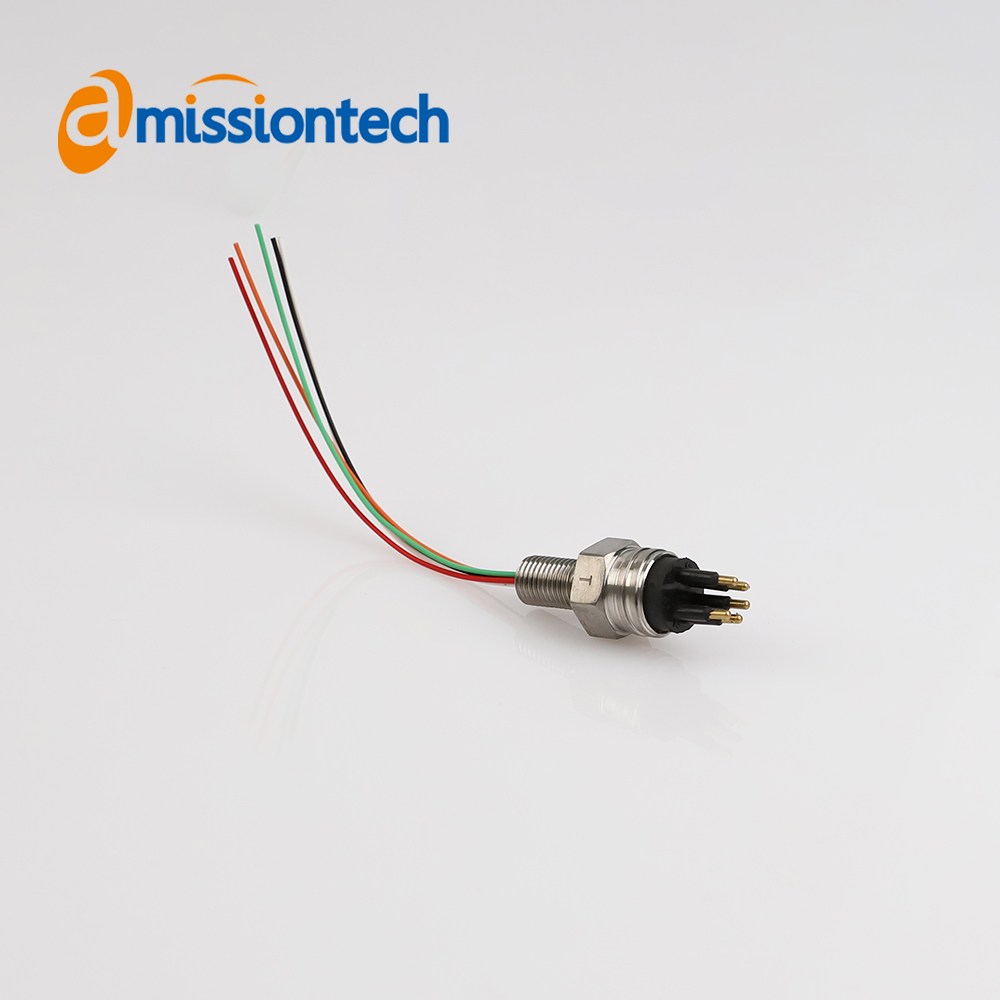
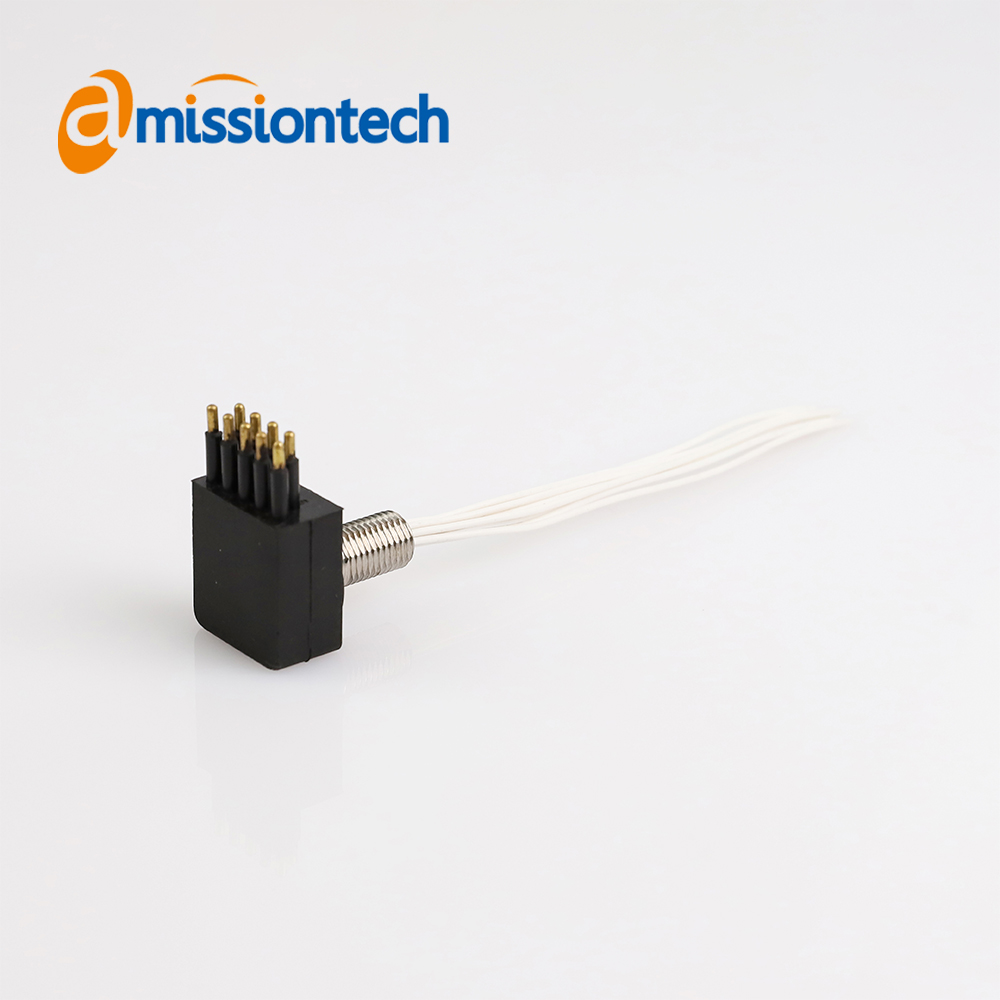
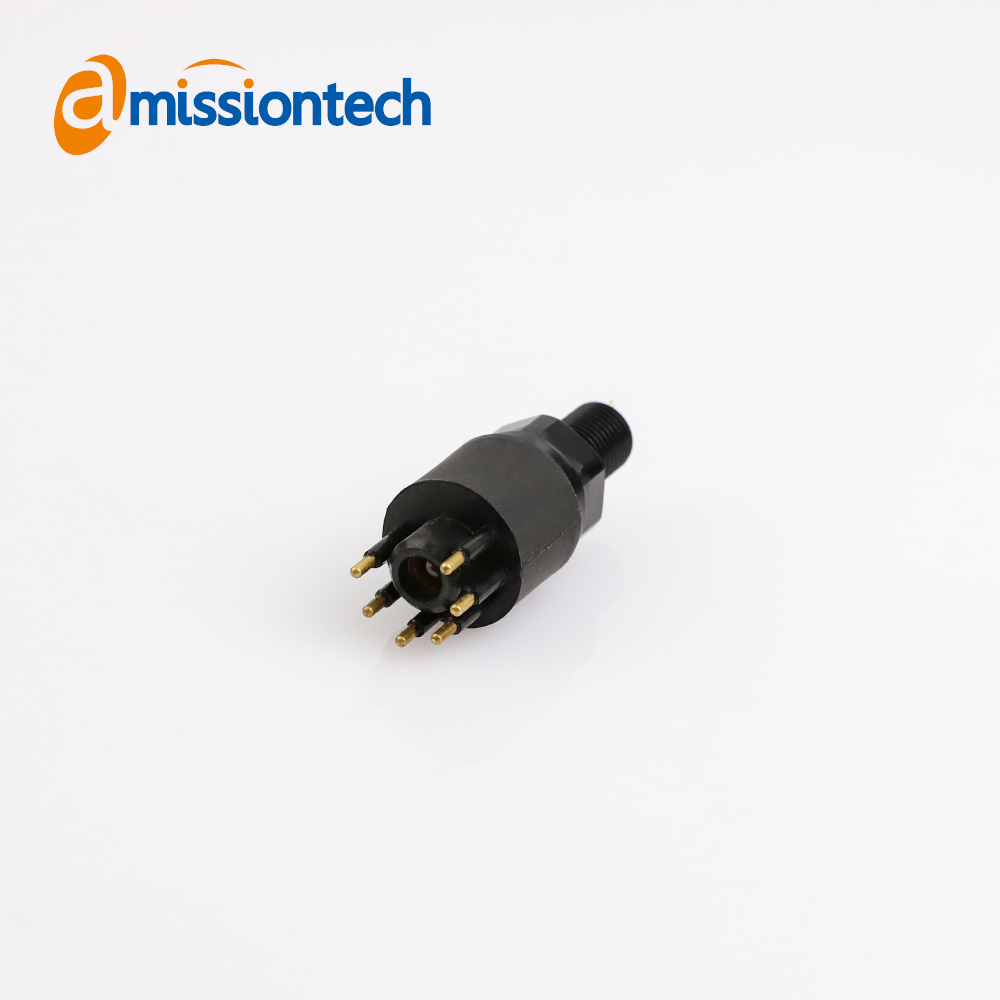
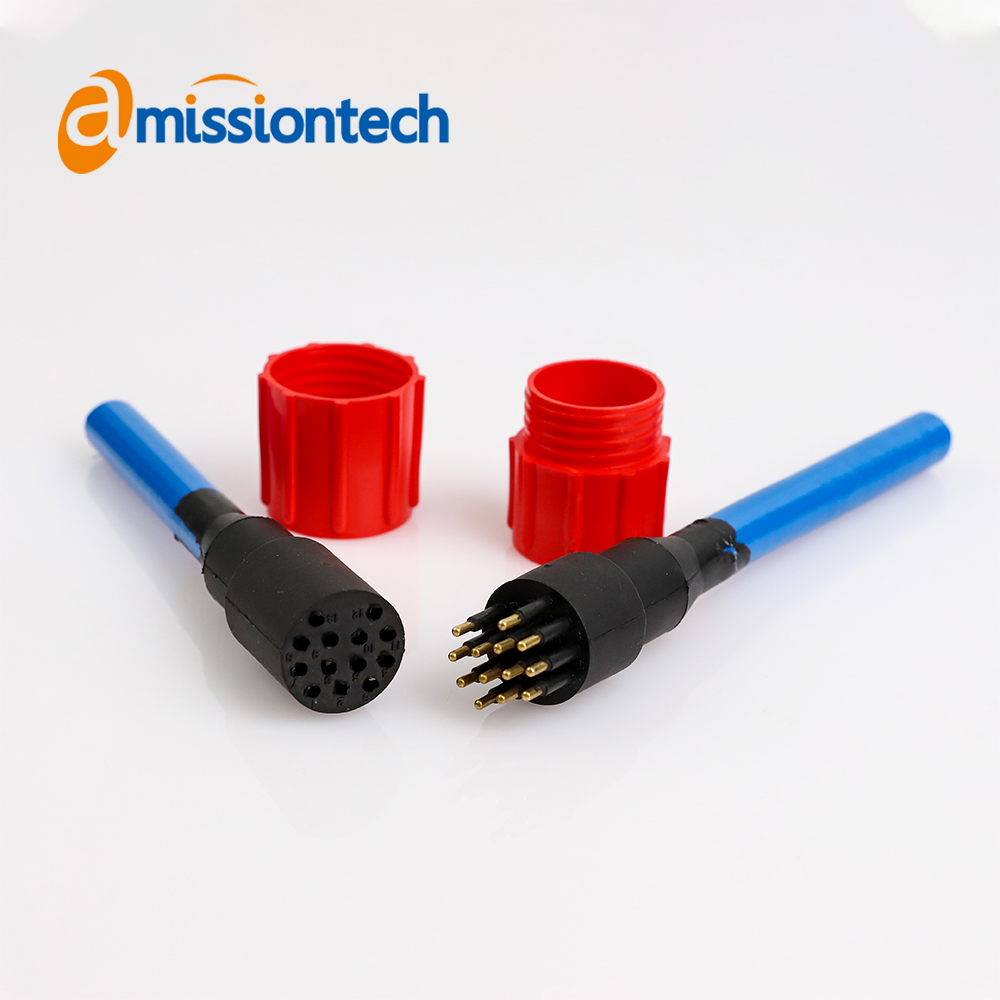
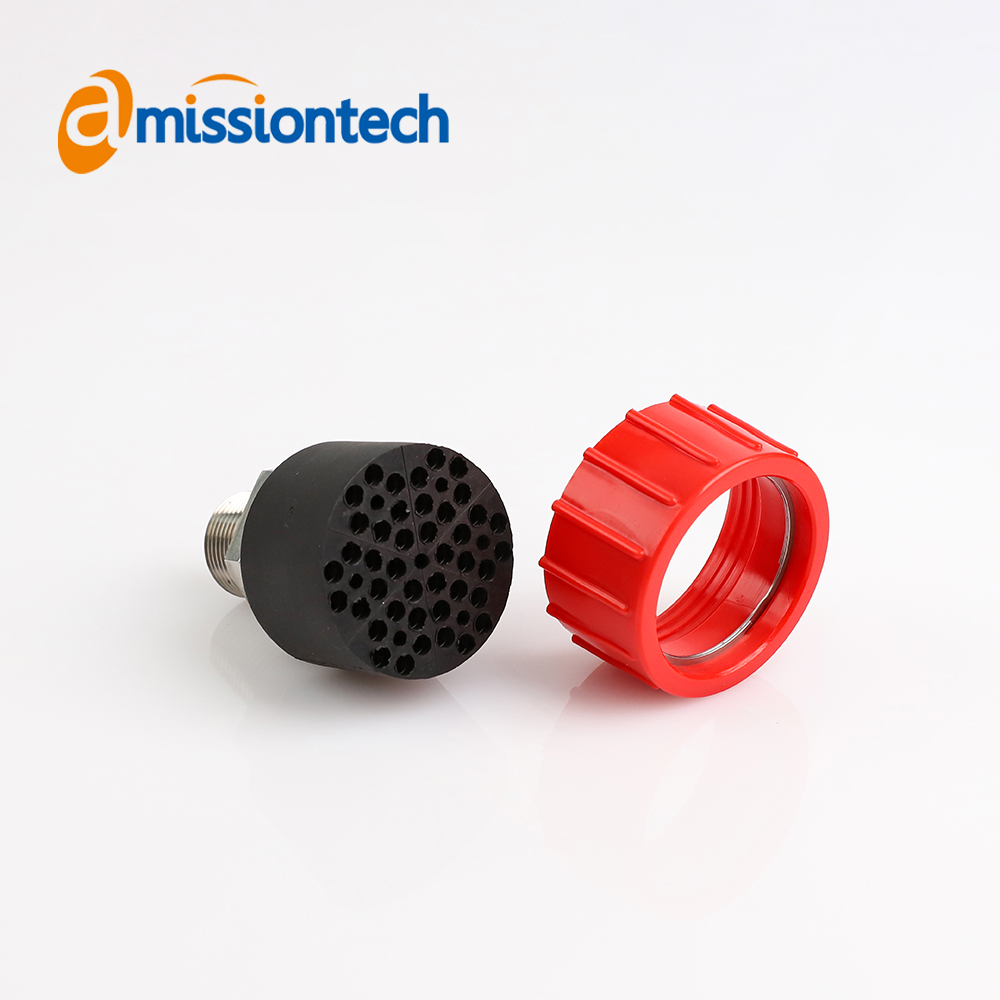
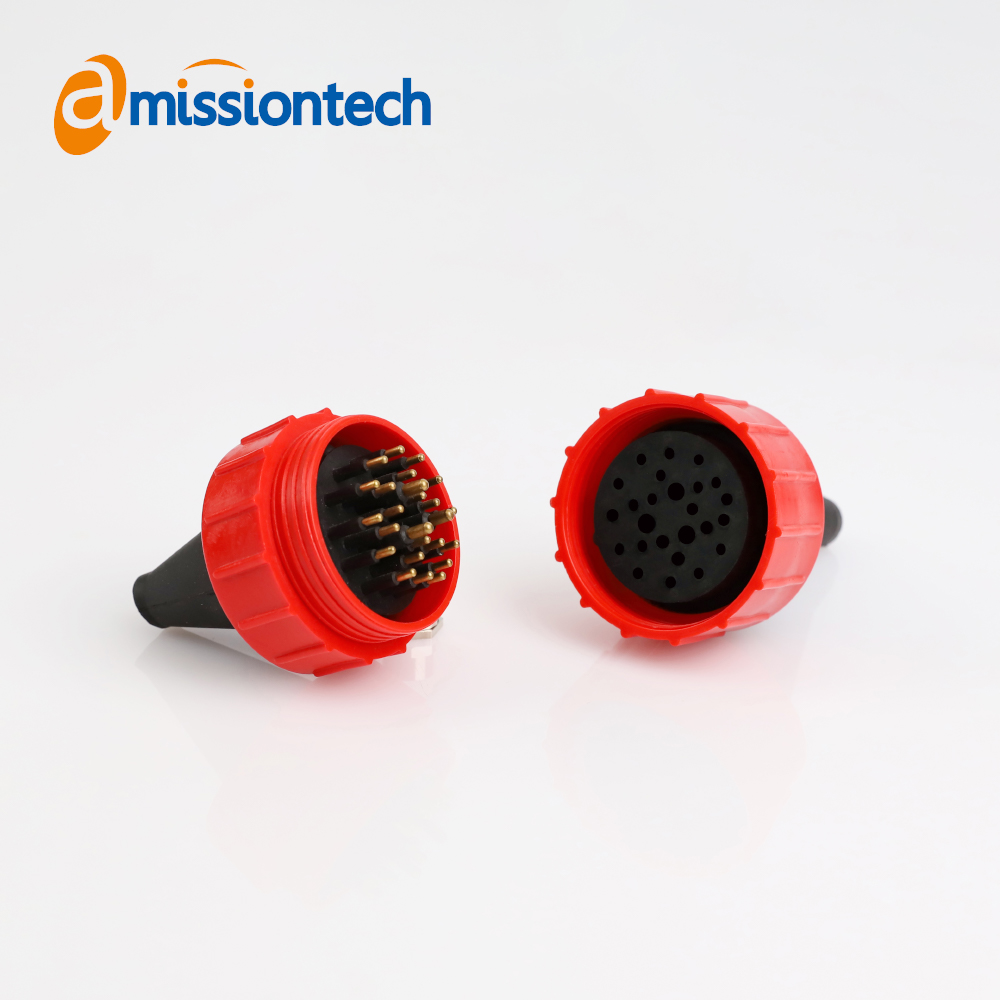

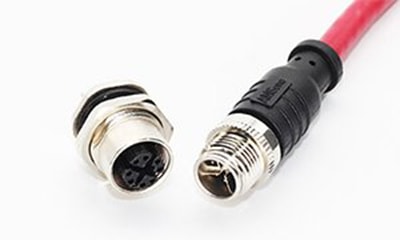
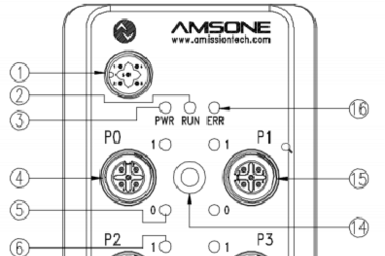
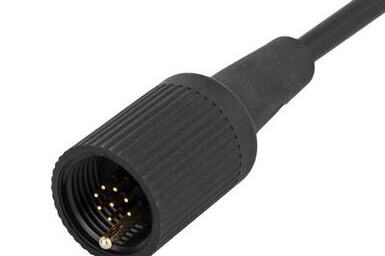
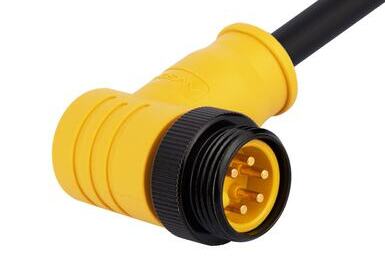
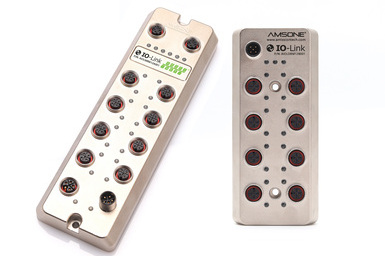
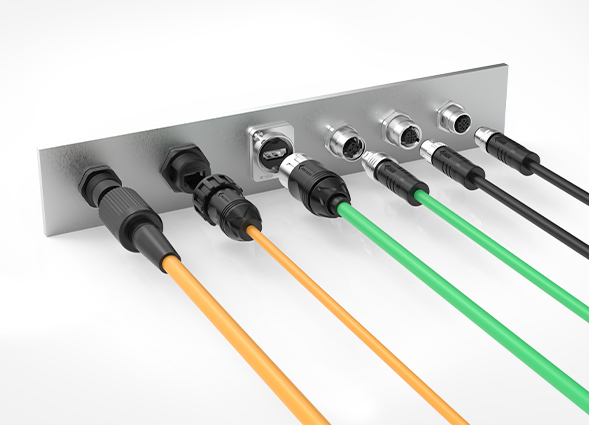
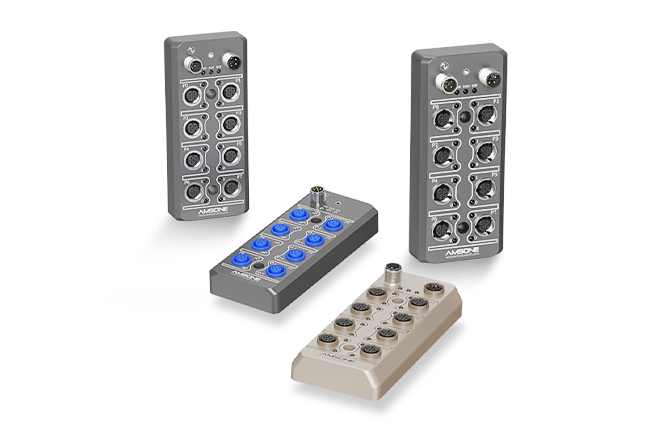
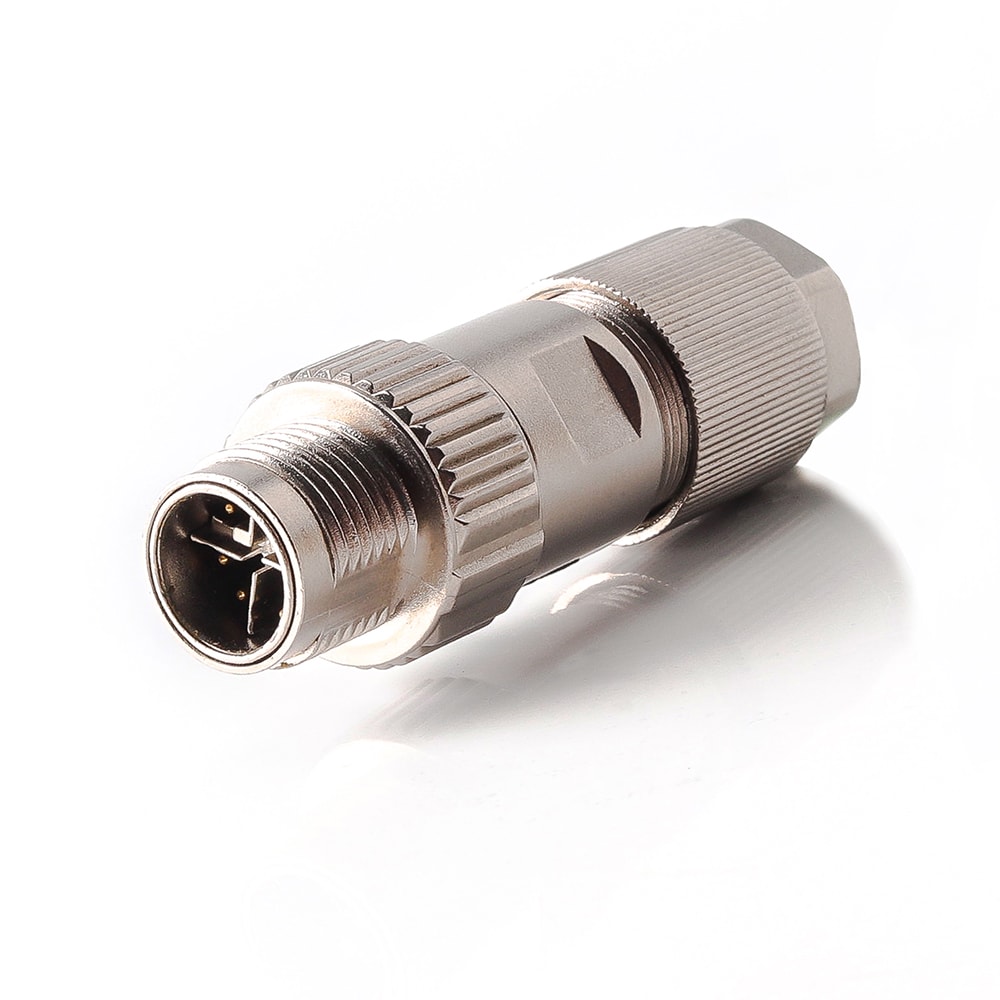
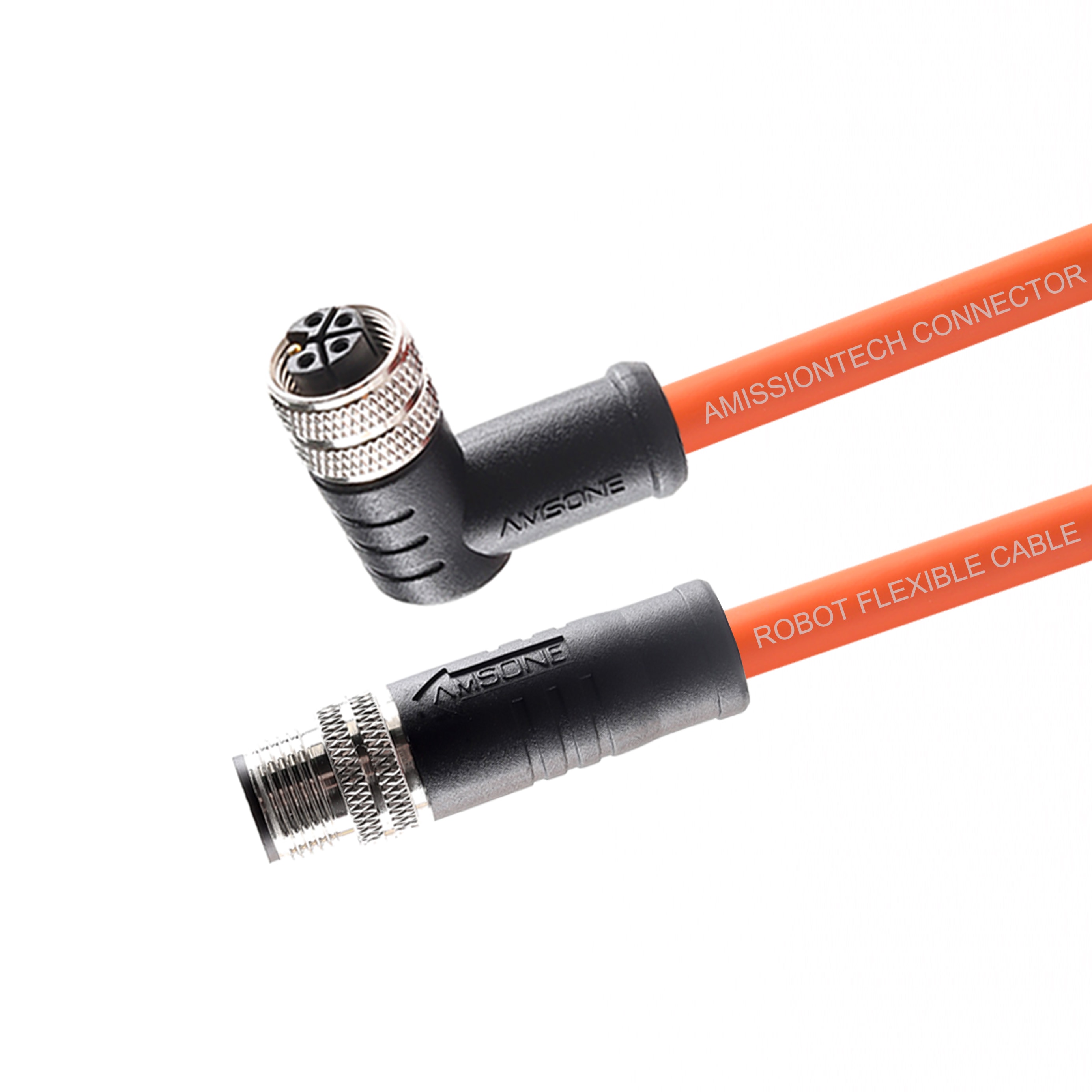
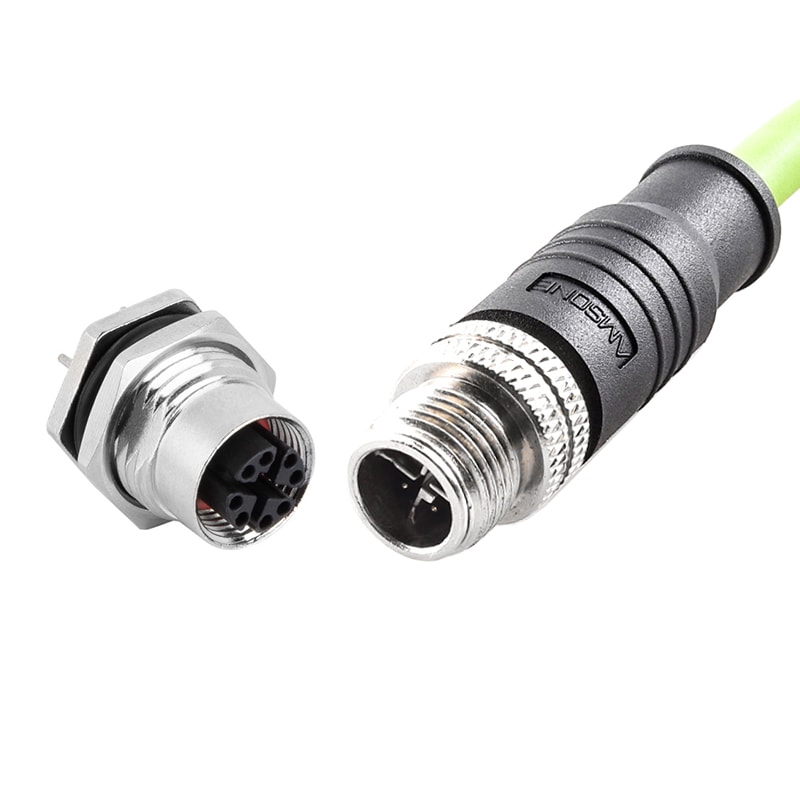
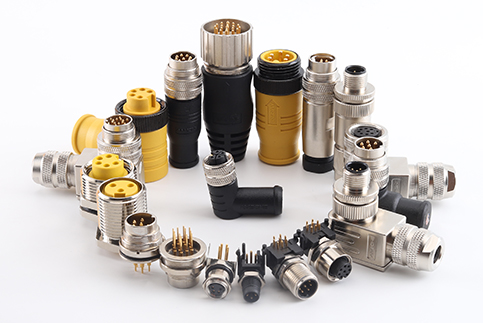
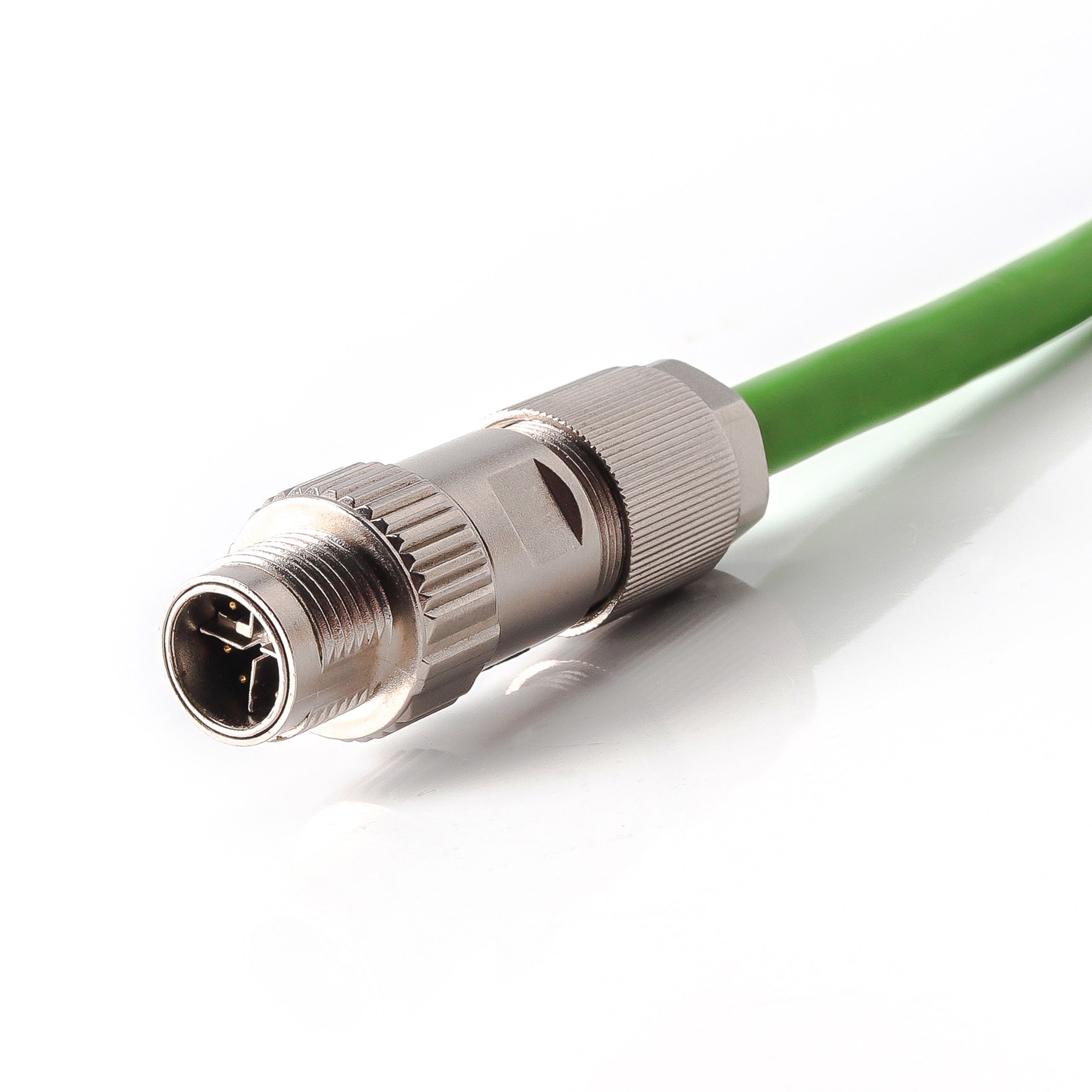
From the perspective of the system structure, the connector is the fundamental unit that constitutes a complete device. It serves as a bridge for power transmission and signal transmission between components, devices, and the system. In marine environments, this "bridge" not only needs to achieve electrical connection but also must ensure long-term stable operation. Therefore, compared to industrial applications on land, marine connectors have higher requirements for contact reliability and sealing performance.
The marine environment has characteristics such as high salt fog corrosion, high static water pressure, long-term immersion, and difficulties in maintenance and replacement. Once there is poor contact or water ingress in the connector, it often affects the safety of the entire system and the execution of tasks. Especially for the core contact components of the connector - the pins and sockets, the stability of their contact directly relates to the effectiveness of power and signal transmission. Therefore, waterproof connectors have an irreplaceable and important position in underwater equipment.
Next, in the field of onboard survey equipment,
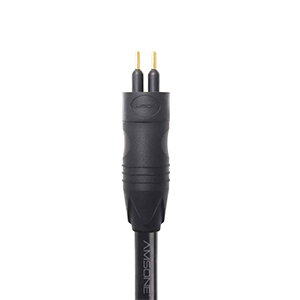
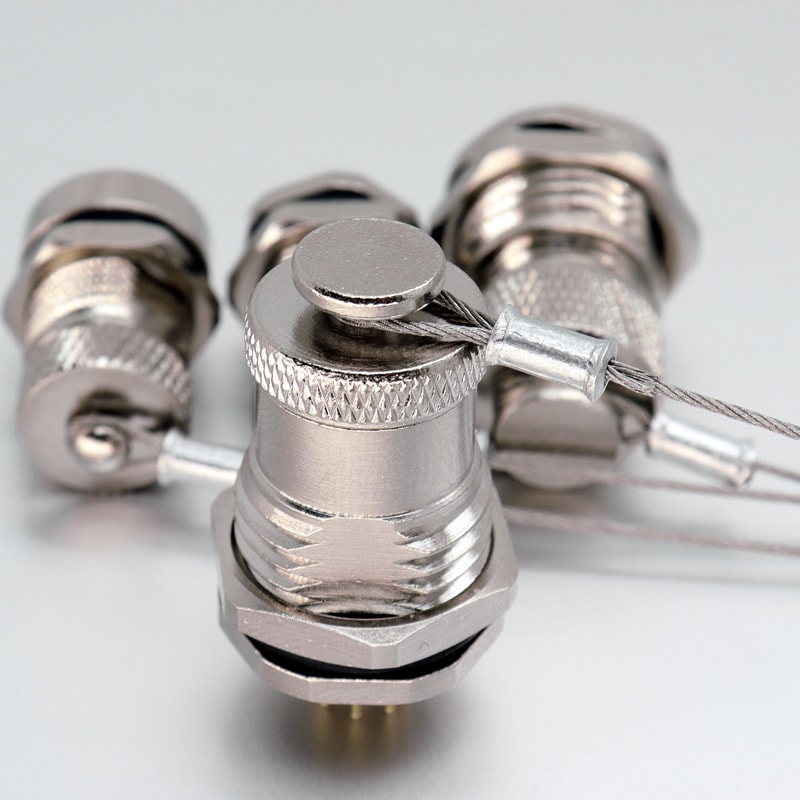
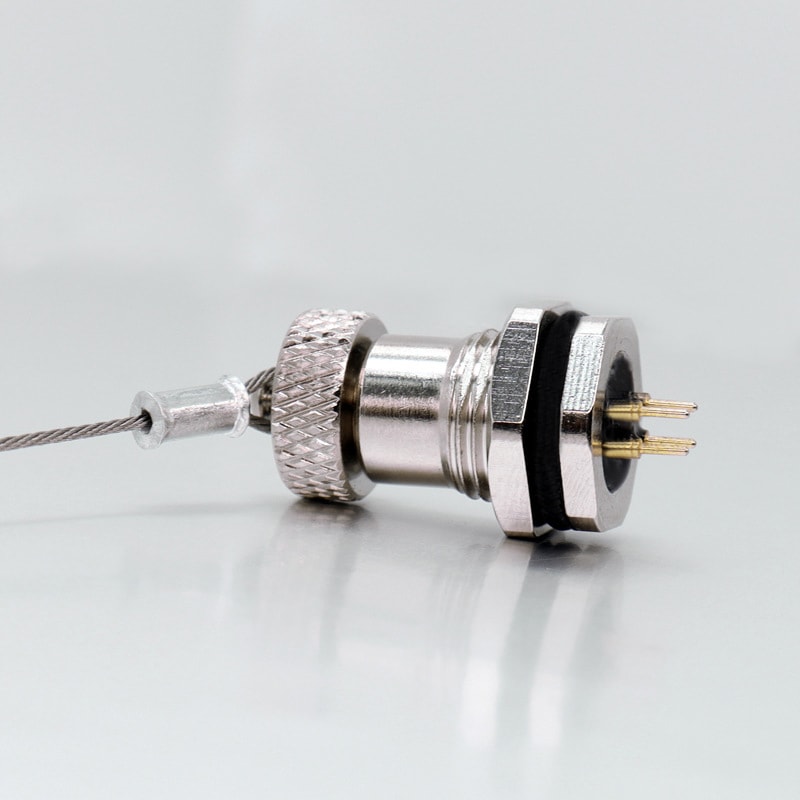
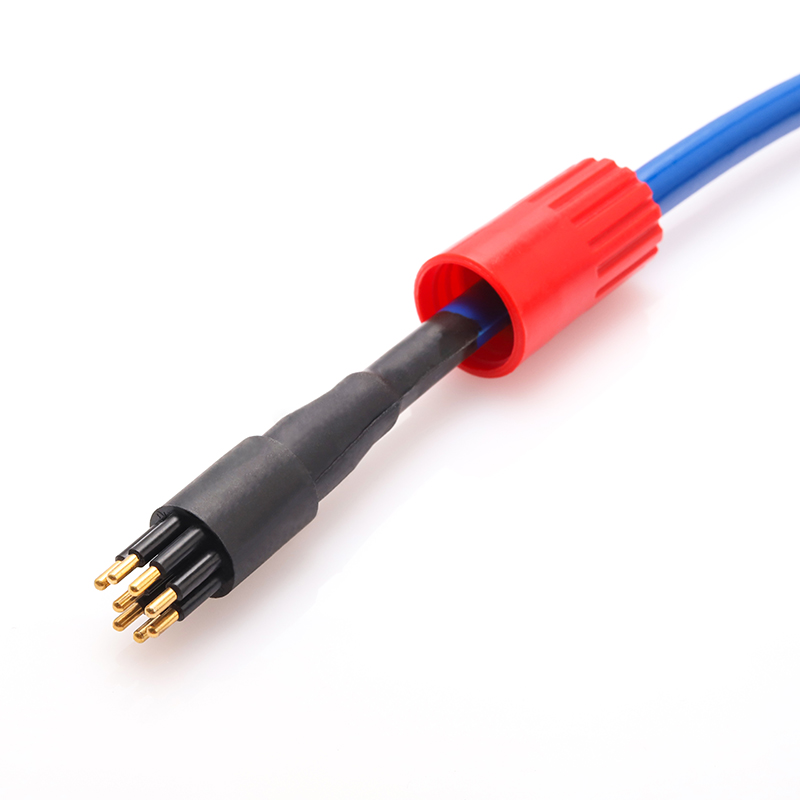
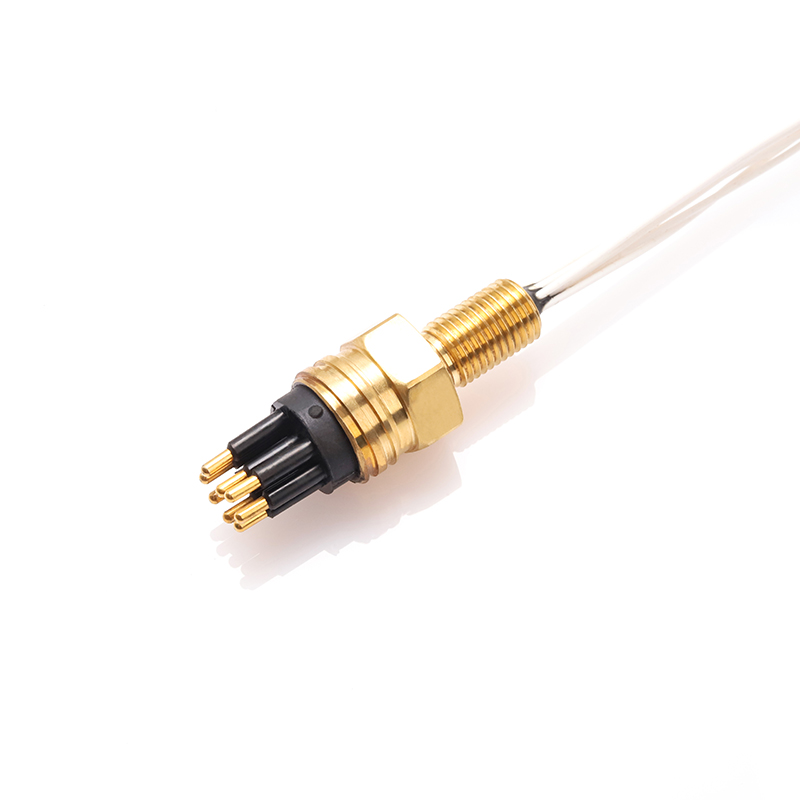
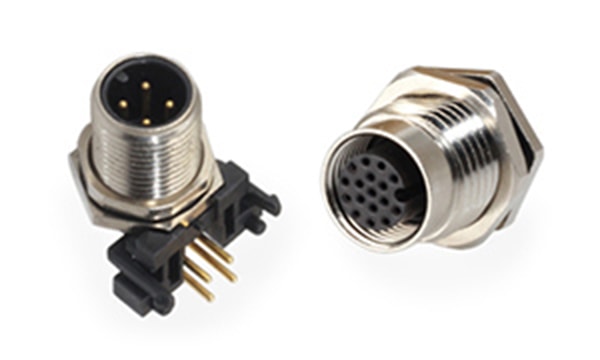
watertight connector
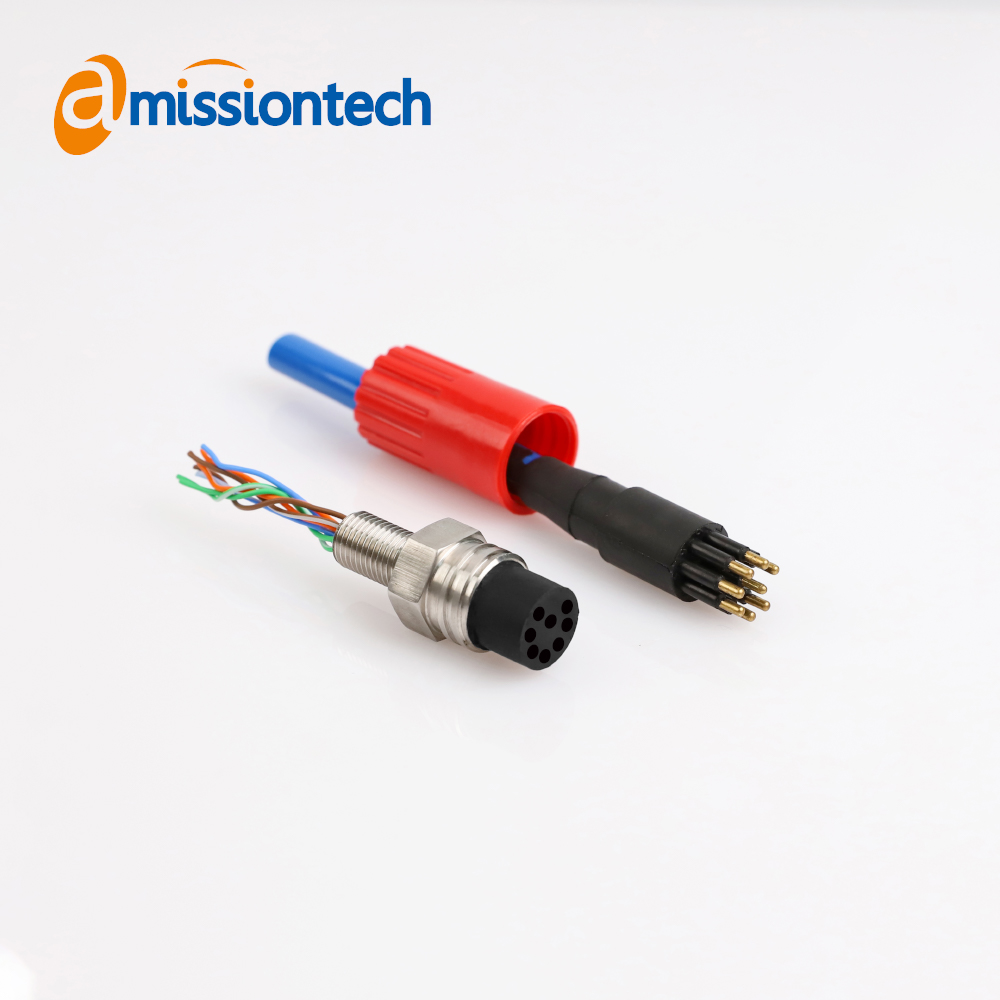
s are widely used in various underwater operation systems. Although some onboard fixed survey equipment, such as onboard multi-beam detection systems, side-scan sonar systems, and shallow profile detection systems, are mainly used in shallow water environments, when the equipment involves deep-sea towed bodies or near-bottom operations, the demand for deep-sea watertight connectors significantly increases.
Specifically, the onboard deep-sea mooring system, the temperature-salinity-depth (CTD) detection equipment, the seawater sampling system, the geological sampling system, and the visual sampling system all require stable power supply and data transmission in the deep-sea environment. Among these systems, the watertight connectors are usually used in conjunction with armored cables, optical fiber cables, photovoltaic composite cables, and umbilical cables, achieving reliable underwater connections through different structural forms of watertight sockets.
Furthermore, due to the long distance and long duration of deep-sea operations, the connectors must possess excellent tensile strength, impact resistance and long-term sealing performance. Only when the contact components can operate stably can the onboard investigation system complete its mission successfully.
Furthermore, with the advancement of deep-sea science and technology, the application scope of underwater transportation equipment has been continuously expanding. The application of watertight connectors in this field has become more concentrated and complex, and can be regarded as an integration of watertight connector technology.
Currently, watertight connectors are widely used in equipment such as manned submersibles (HOV), remotely operated vehicles (ROV), and autonomous underwater vehicles (AUV). These devices usually integrate multiple functional modules such as propulsion systems, navigation systems, lighting systems, camera systems, and robotic arm systems. The various systems require stable power supply and high-speed signal transmission, which imposes high integration and reliability requirements on the connectors.
Meanwhile, underwater transportation equipment will undergo vibrations, impacts and changes in high-pressure environments during operation. Therefore, the connectors must maintain stable contact under high-pressure sealing conditions and possess good resistance to mechanical stress. Depending on the operational requirements of different equipment, multi-core high-density interfaces or photoelectric hybrid interfaces and other types will also be developed to meet the needs of multi-system integration.
In addition to mobile equipment, underwater in-situ fixed equipment is also an important application area of watertight connectors. Unlike transport equipment, these devices are usually deployed on the seabed or in specific sea areas for a long time, with longer maintenance cycles. Therefore, higher durability requirements are imposed on the connectors.
For instance, deep-sea buoy systems, deep-sea automatic observation stations, deep-sea in-situ exploration systems, as well as offshore oil and gas resource extraction and underwater transportation monitoring systems, all require water-tight connectors to ensure long-term stable operation. In these applications, the connectors not only need to withstand continuous water pressure, but also have to resist the effects of salt fog corrosion and marine organism adhesion.
Therefore, such applications place greater emphasis on the long-term sealing ability and contact stability of the connectors. High-quality pin and socket materials, reasonable plating processes, and reliable sealing structures are the key factors ensuring the continuous operation of the in-situ equipment.
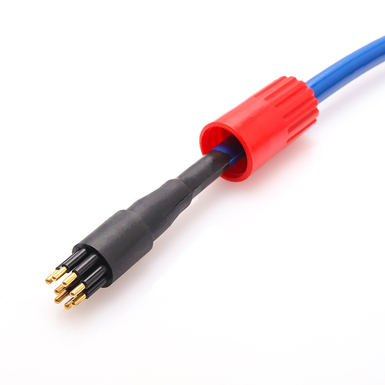
From a technical perspective, the performance of the watertight connector is mainly reflected in two aspects: the reliability of the contact and the design of the sealing structure.
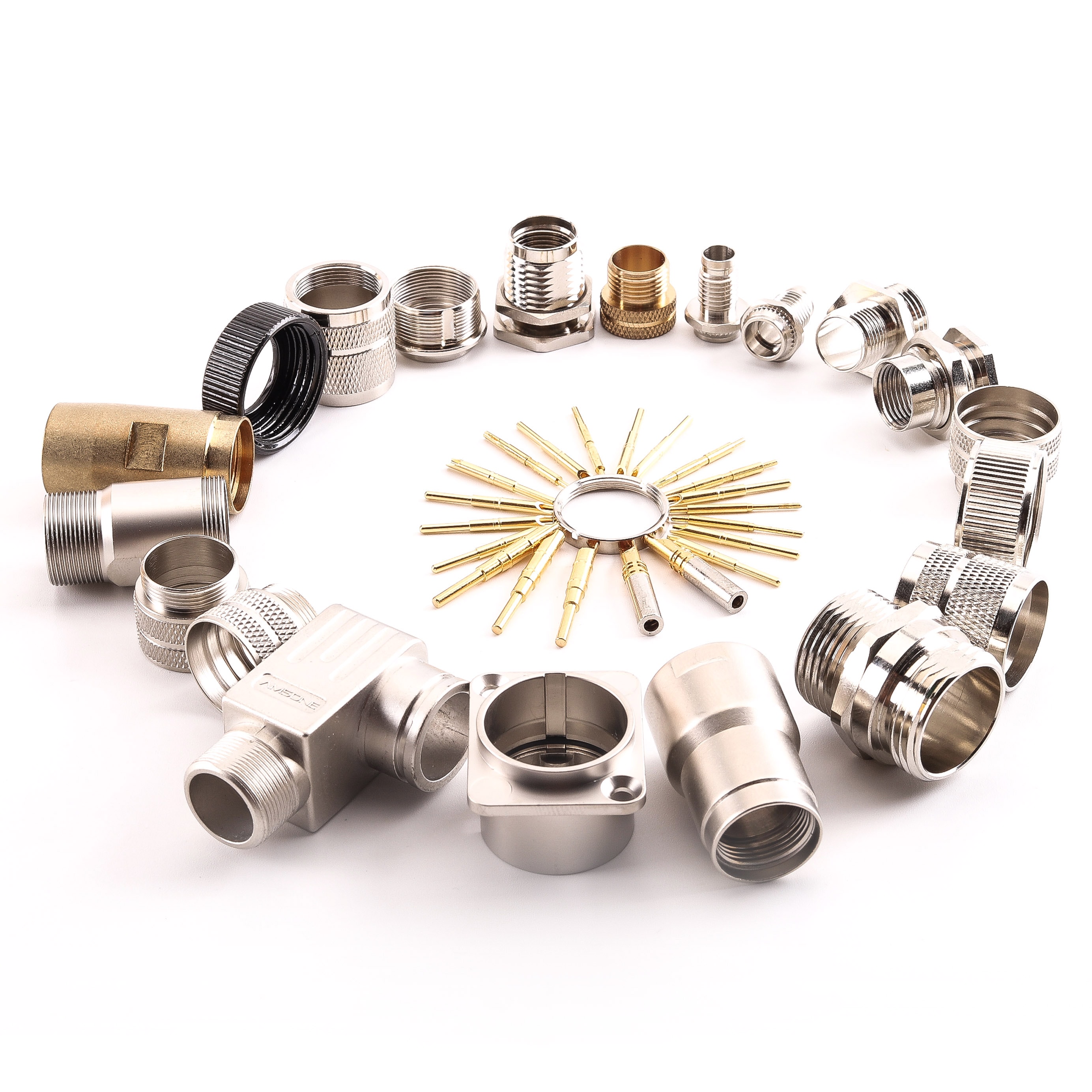
Firstly, in terms of the contact components, the material selection of the pins and sockets, the surface treatment process, and the design of contact pressure all directly affect the electrical performance. Good anti-oxidation and anti-corrosion capabilities can ensure long-term stable contact, thereby avoiding signal attenuation or power interruption.
Secondly, in terms of sealing design, the multi-sealing structure, O-ring sealing design, and reasonable structural coordination can effectively prevent seawater from seeping in. At the same time, the material of the connector housing is usually corrosion-resistant metal or high-performance engineering plastic to enhance the overall salt spray resistance.
Furthermore, the compatibility with different types of watertight cables is also of great importance. Whether it is armored cables or photovoltaic composite cables, the connectors need to form a stable and reliable integrated connection system with them.
In conclusion, watertight connectors play a crucial role in shipborne survey equipment, underwater transportation equipment, and underwater in-situ fixation equipment. The harsh marine environment, characterized by high salt spray, high pressure, and inconvenient maintenance, requires connectors to have higher contact reliability and sealing performance. Particularly, the stability of core contact components such as pins and sockets directly affects the safety and operational efficiency of the entire system.
With the continuous development of underwater technology, the requirements for the reliability and integration of connectors have also been continuously increasing. Choosing watertight connectors with mature designs and strict quality control is an important prerequisite for ensuring the long-term stable operation of underwater systems.
Amissiontech, as a professional
industrial connector supplier
, is dedicated to providing highly reliable connection solutions for harsh environments. We offer high-performance waterproof connector products to meet the application requirements of deep-sea equipment, power transmission, and signal stability. Please contact Amissiontech to obtain a professional connection solution suitable for your underwater project.