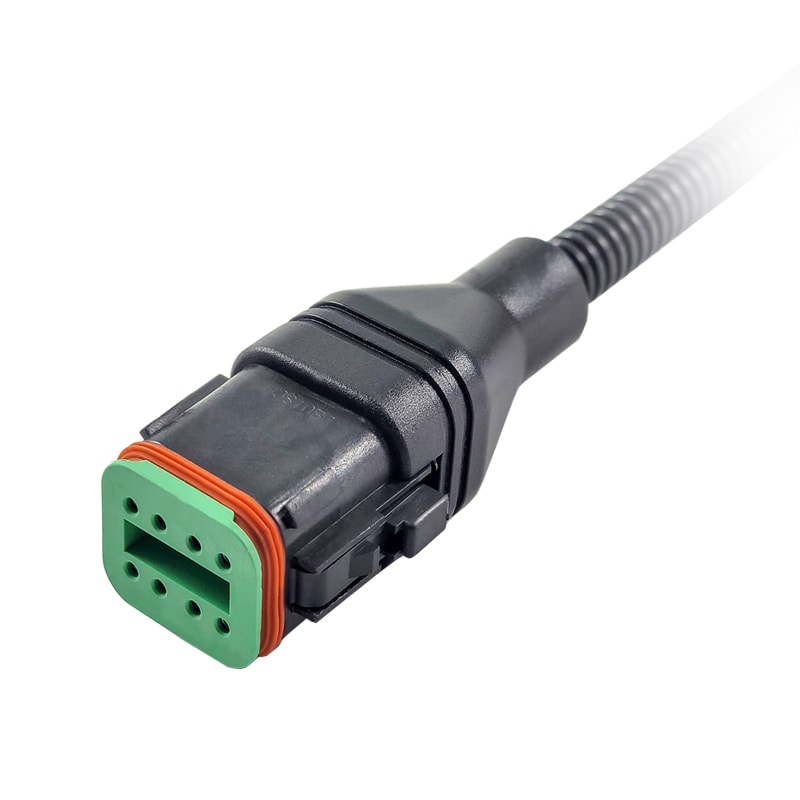
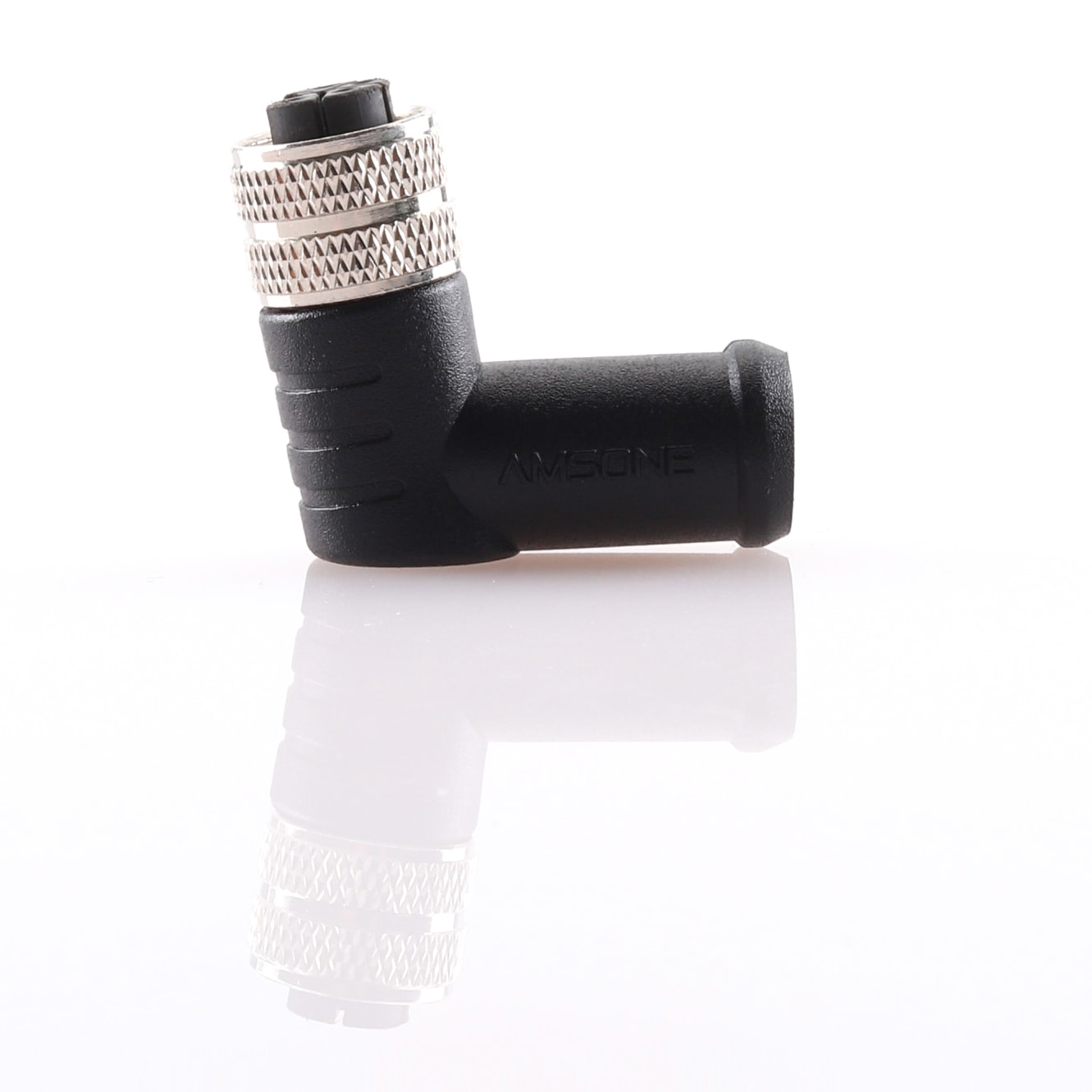
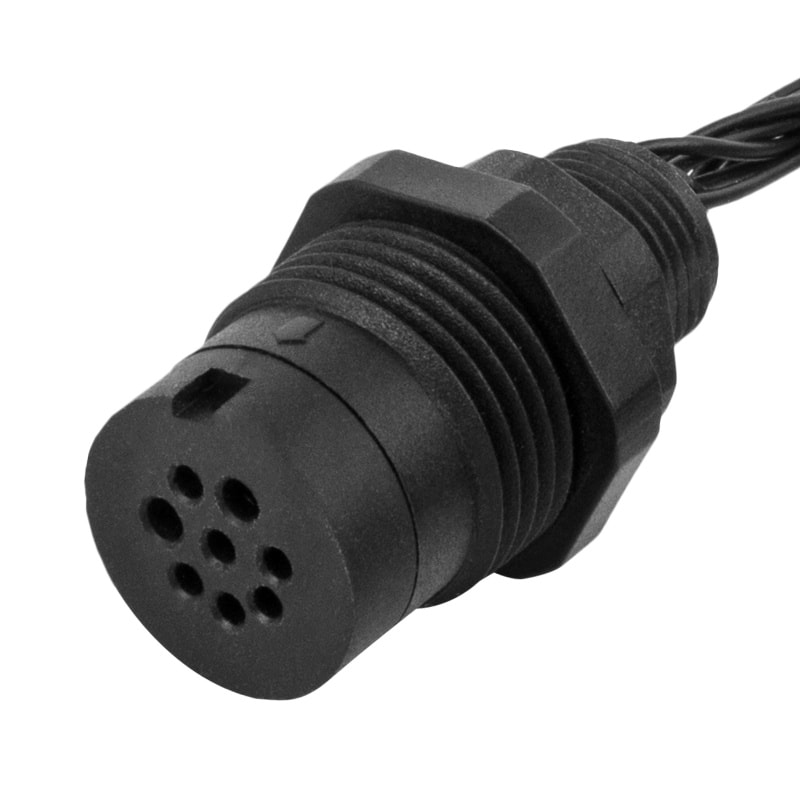
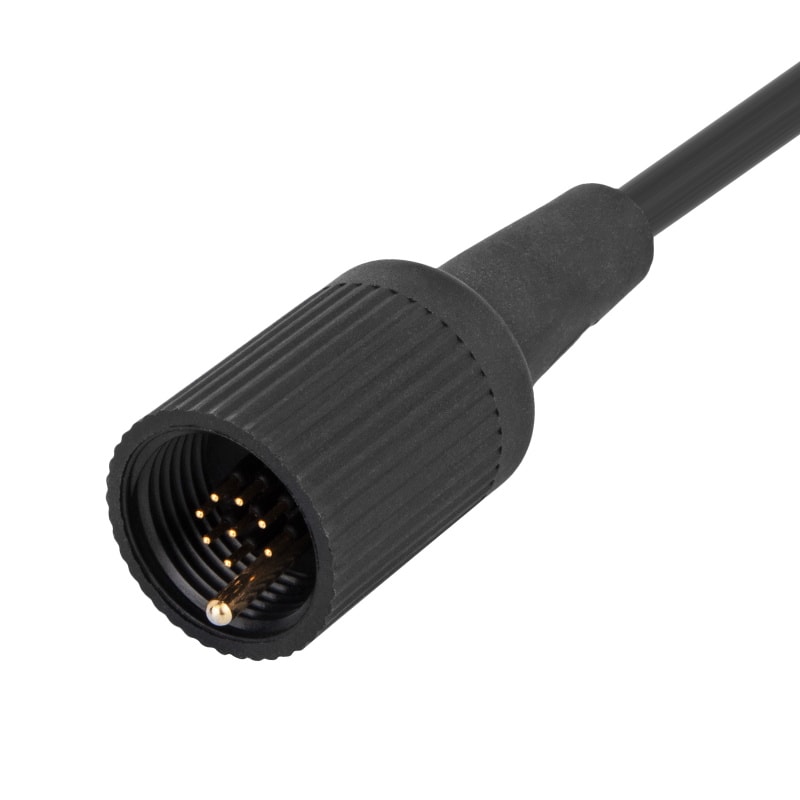
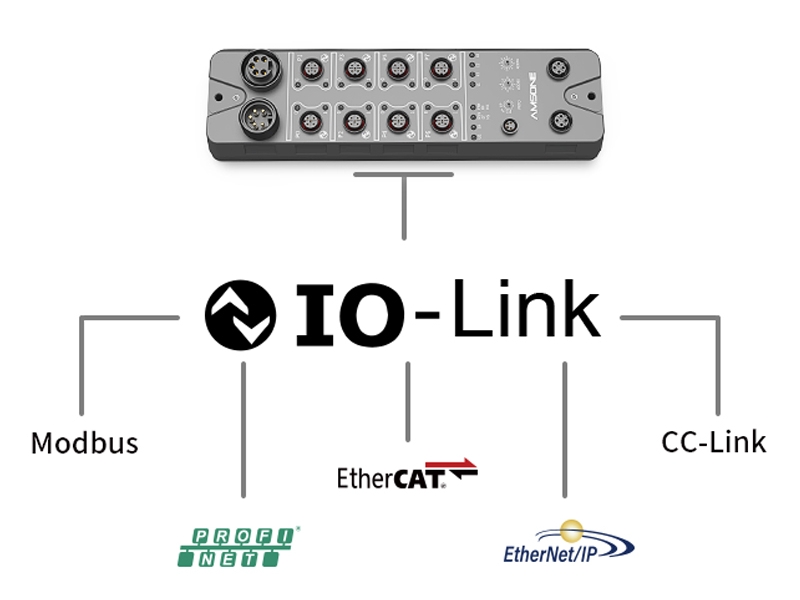
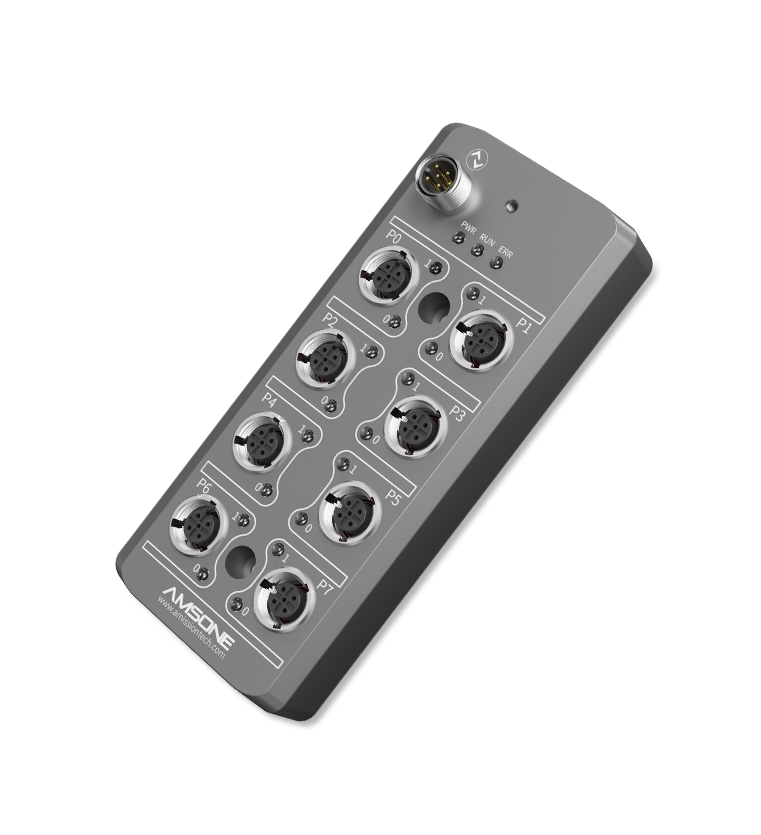
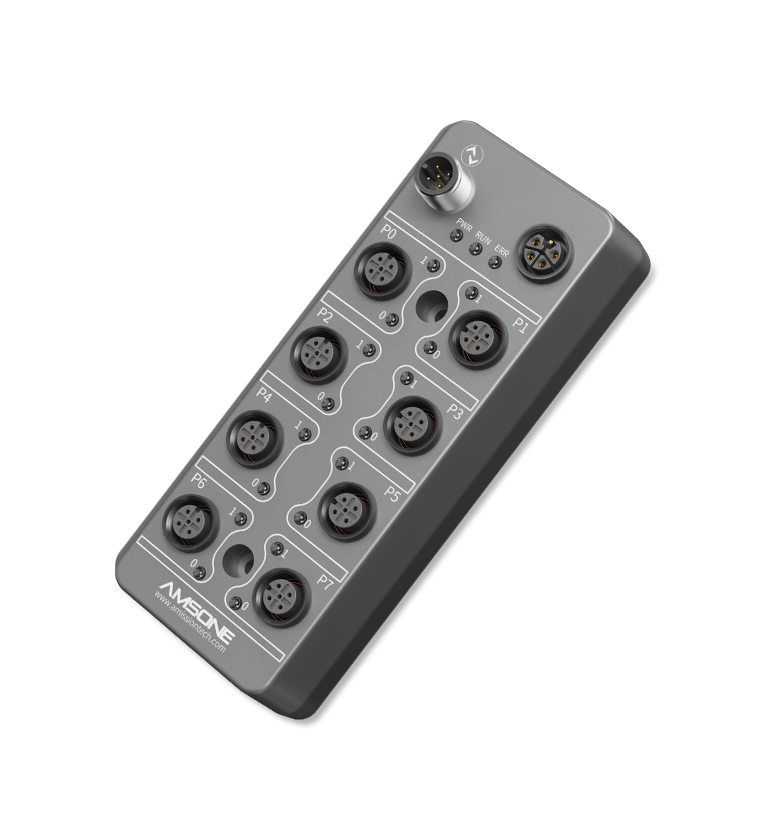
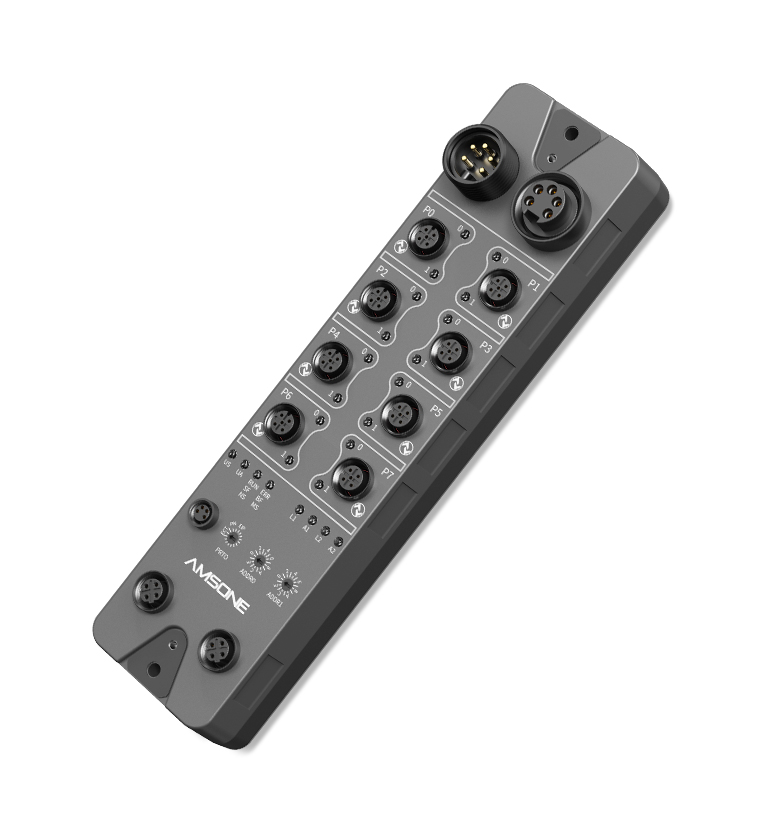
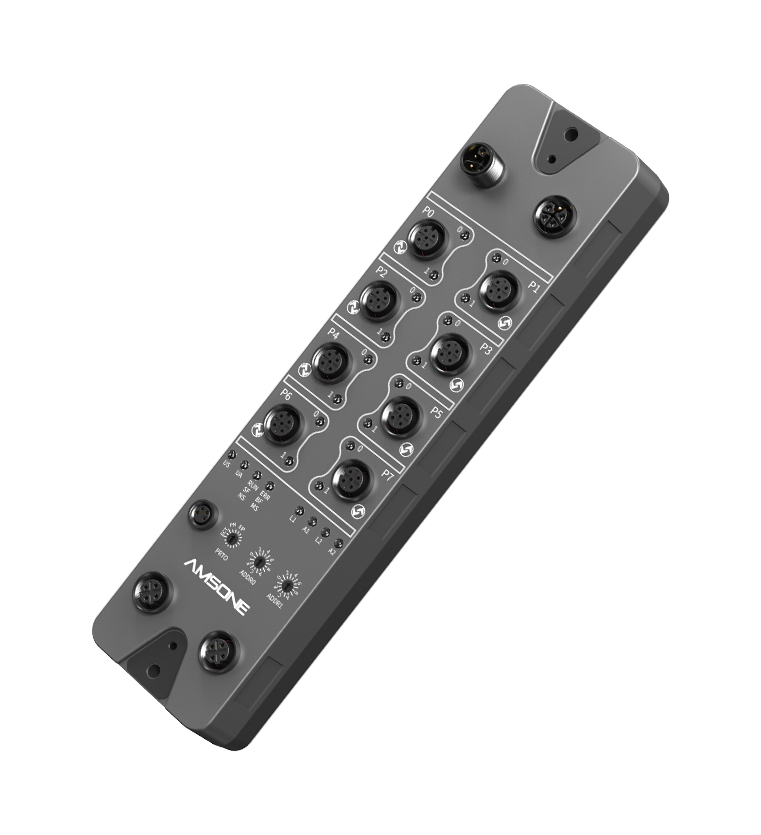
P/N: ALD-HBN1-372XXX
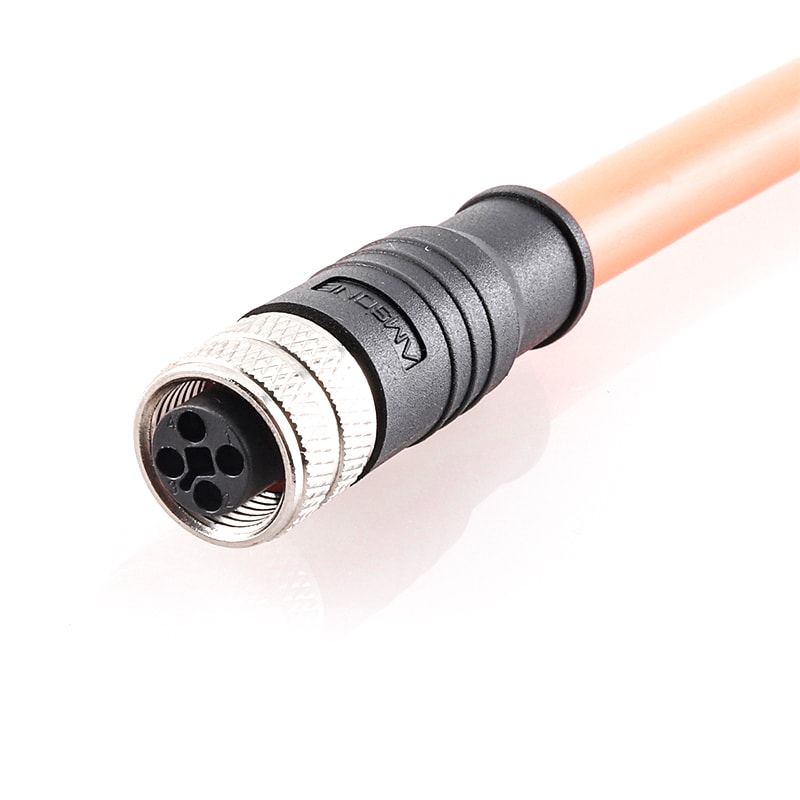
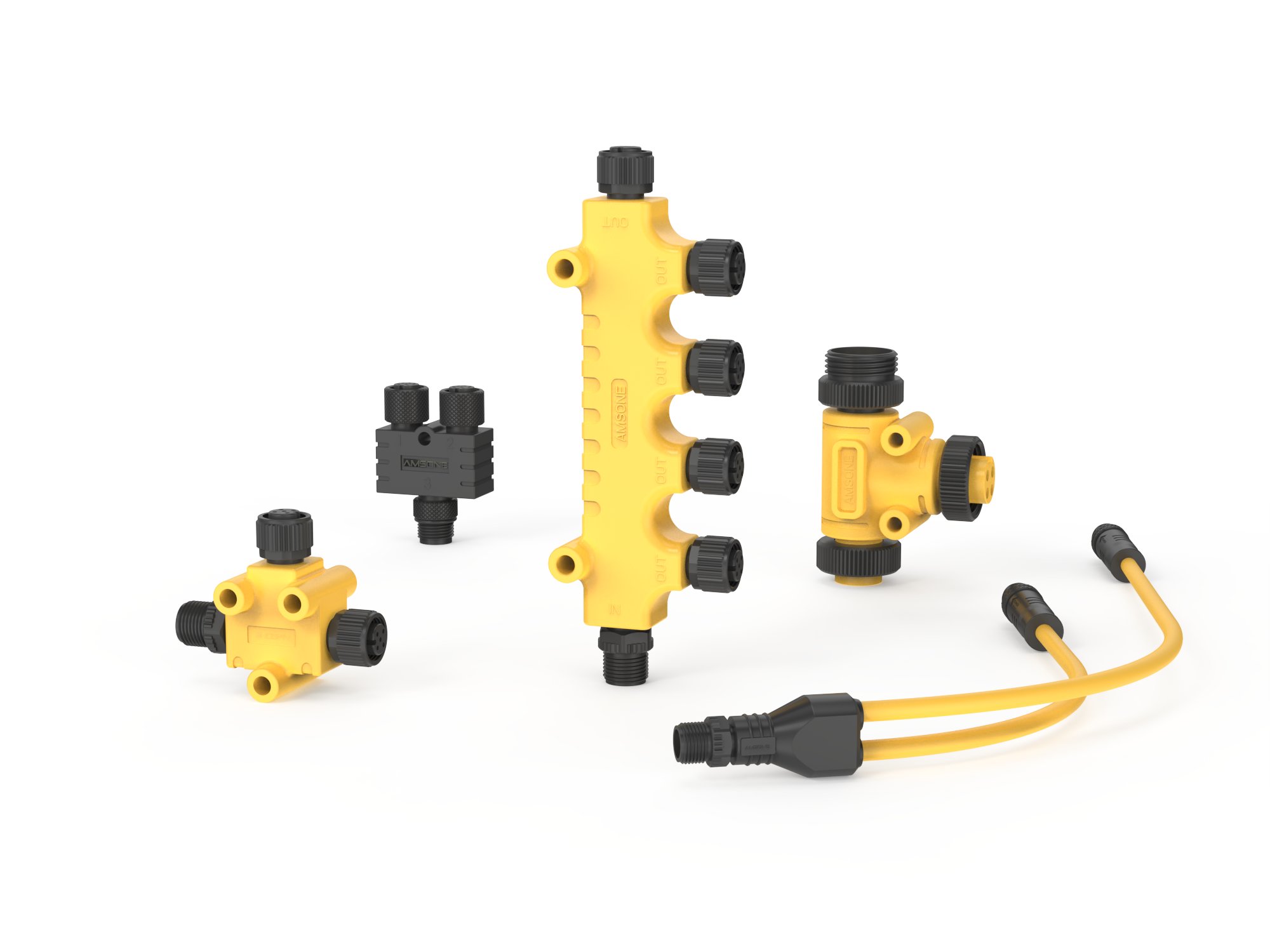
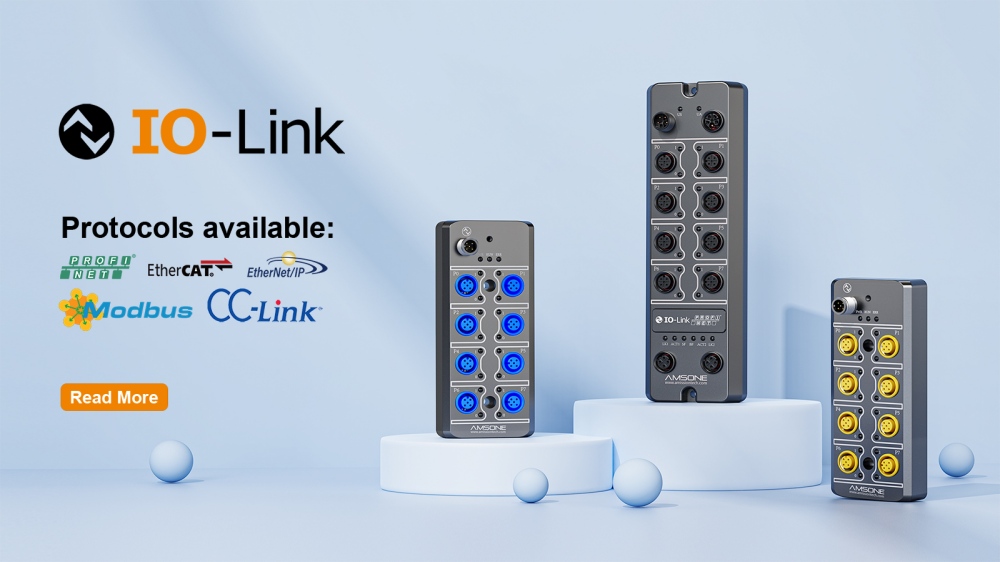
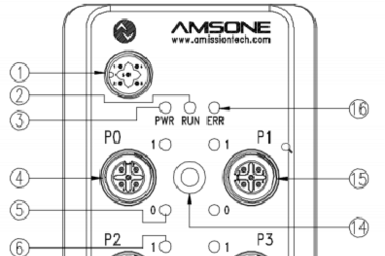
IO Link Hub NPN 0.5A/channel Plastic Housing Plastic Thread Locking
View All



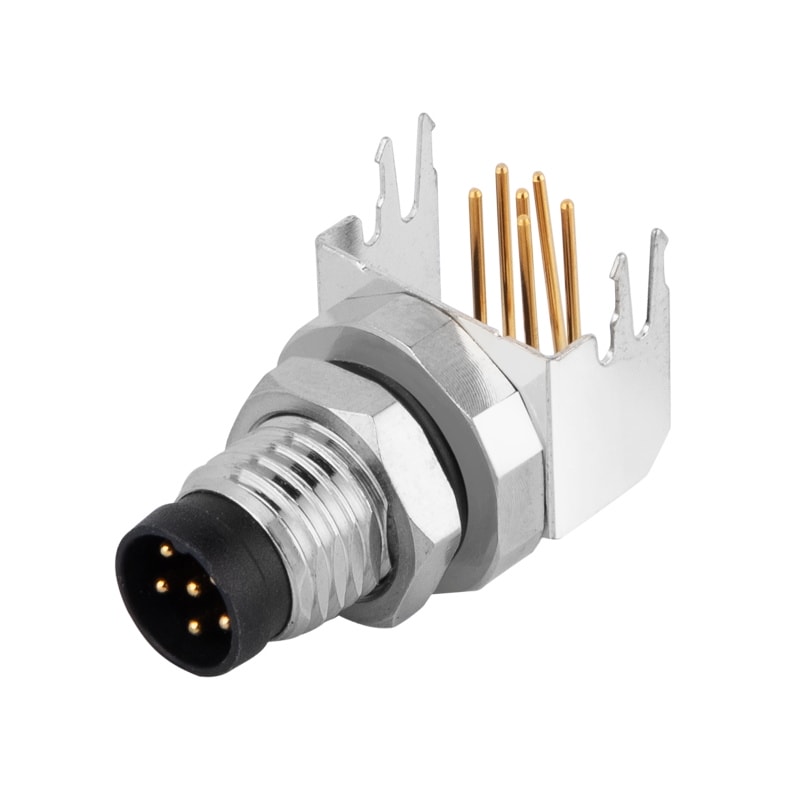


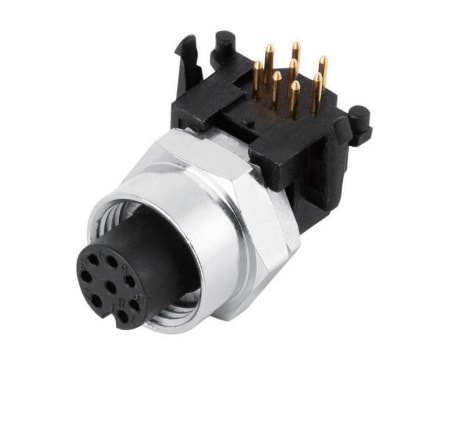
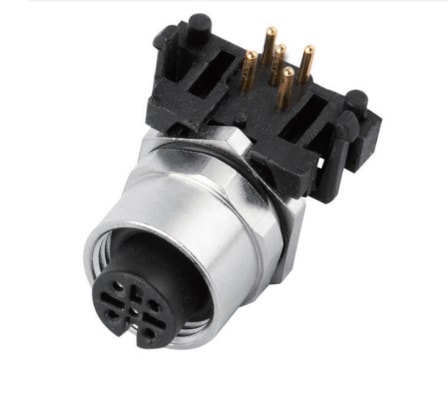
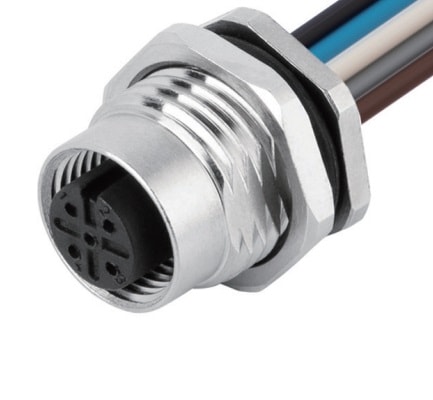

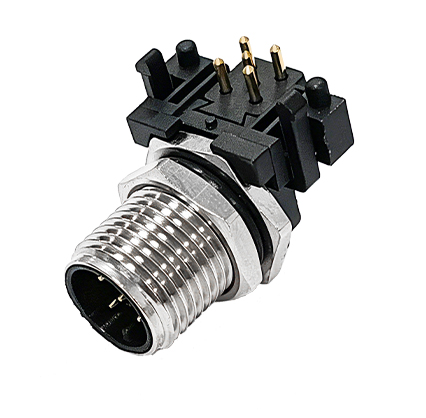



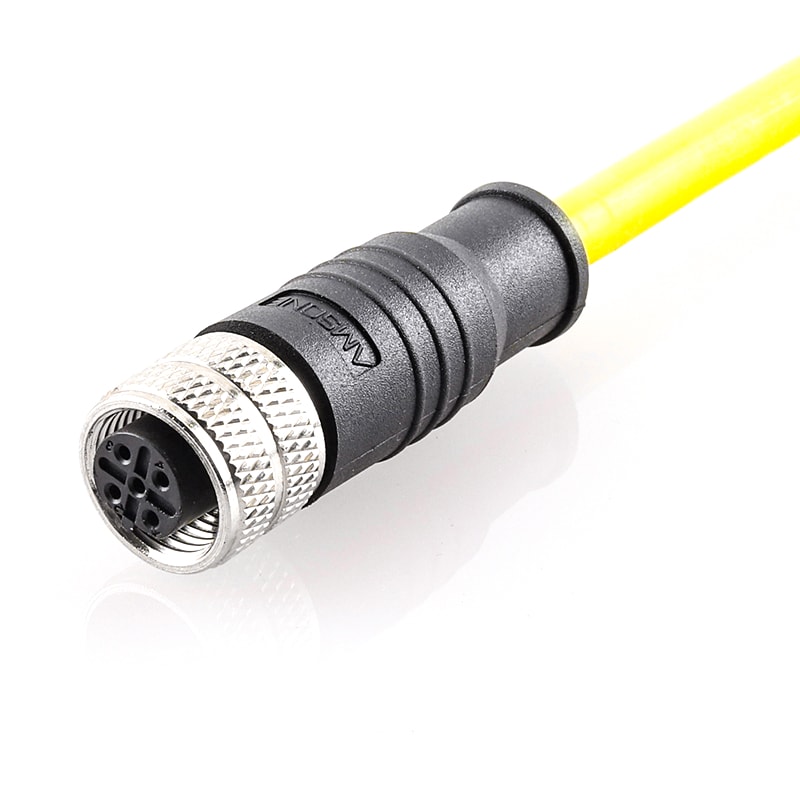


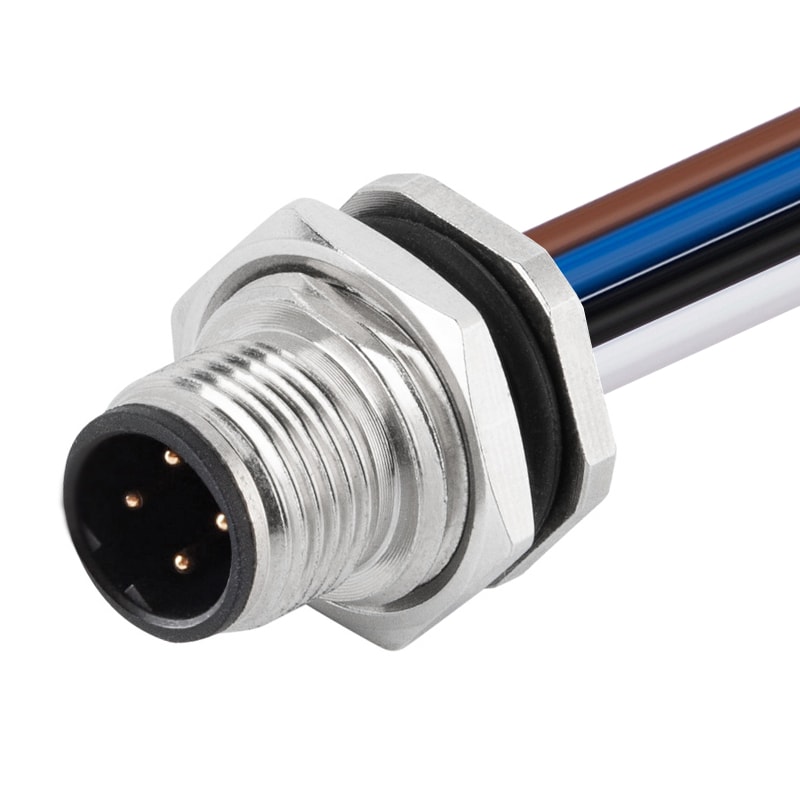


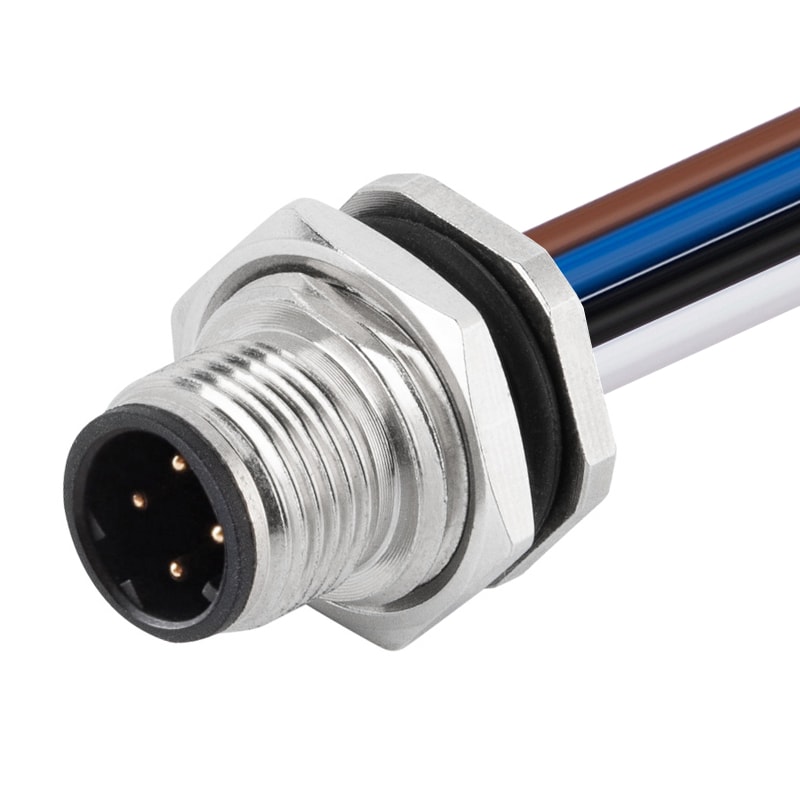

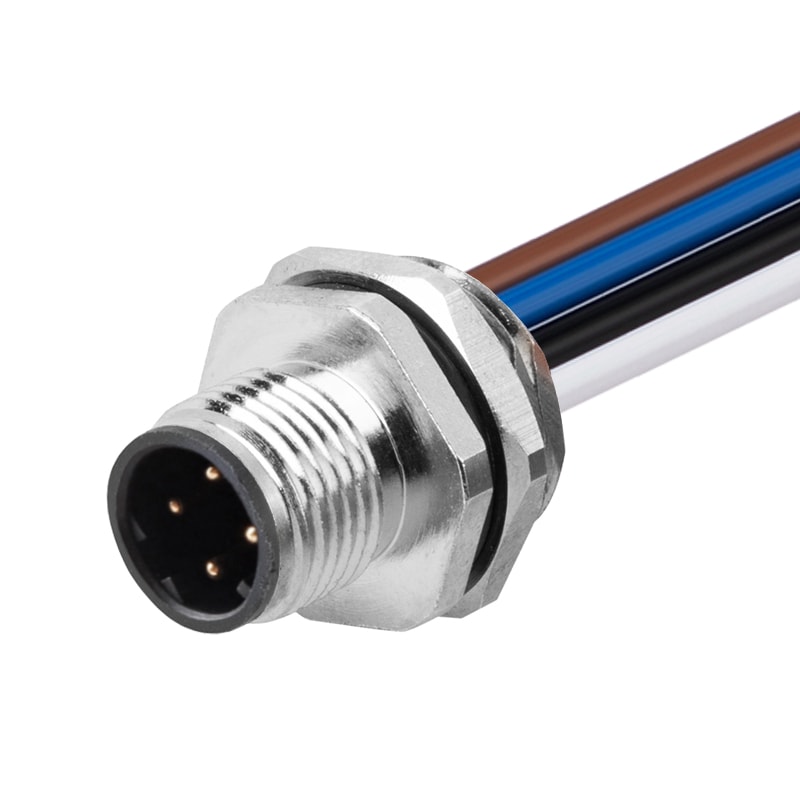


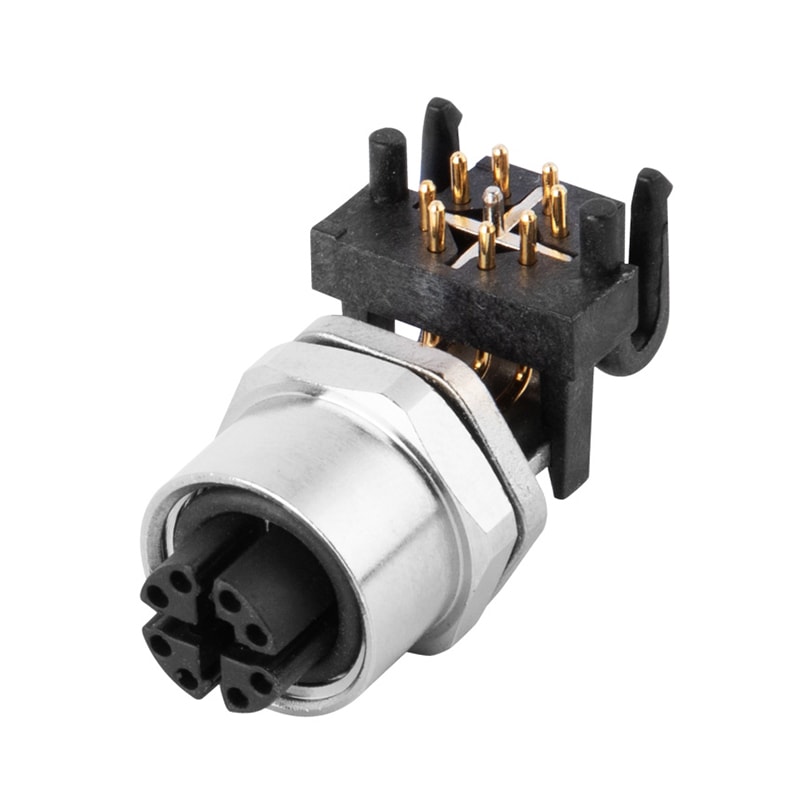


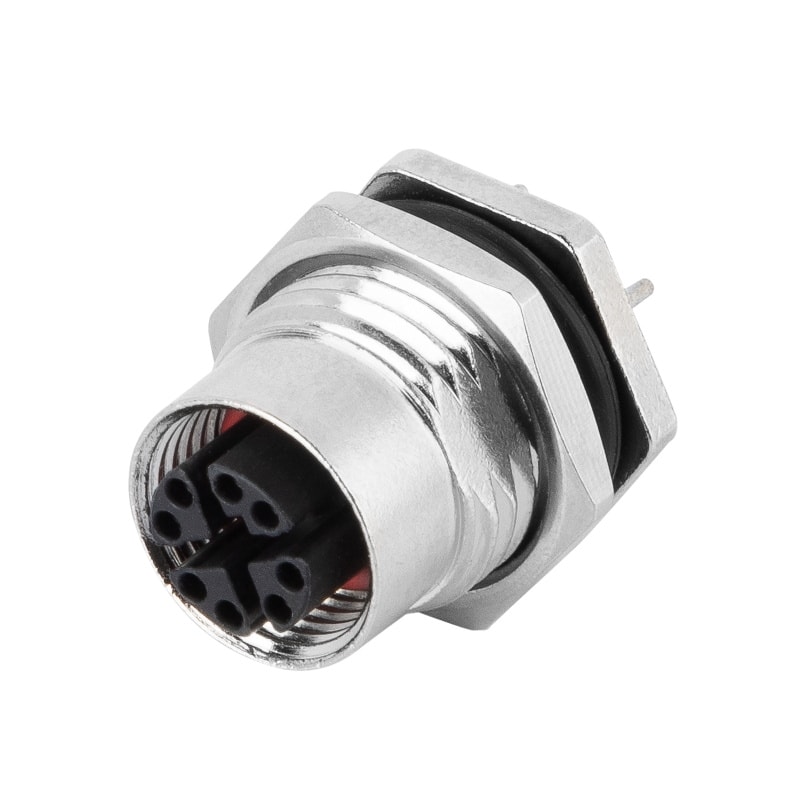

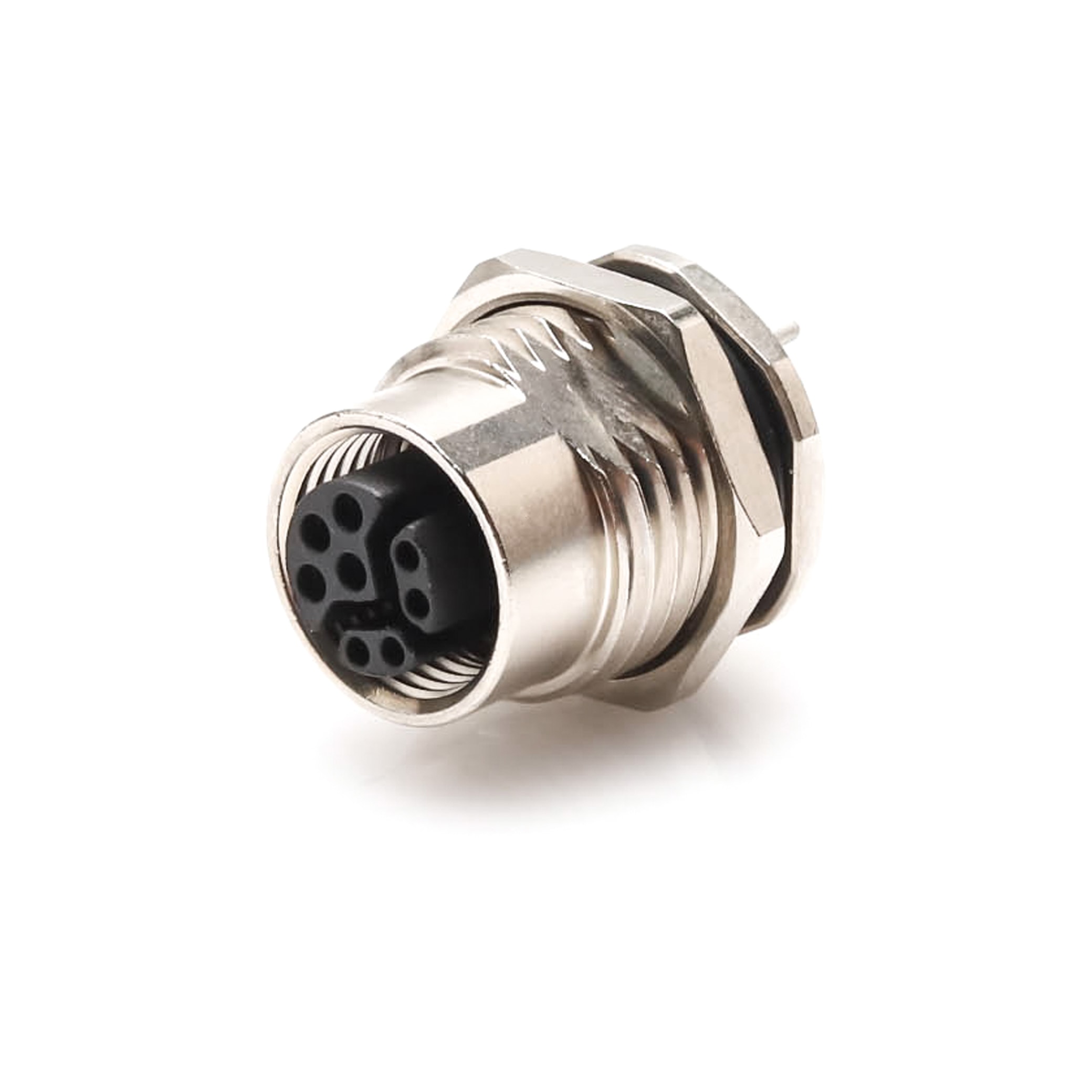
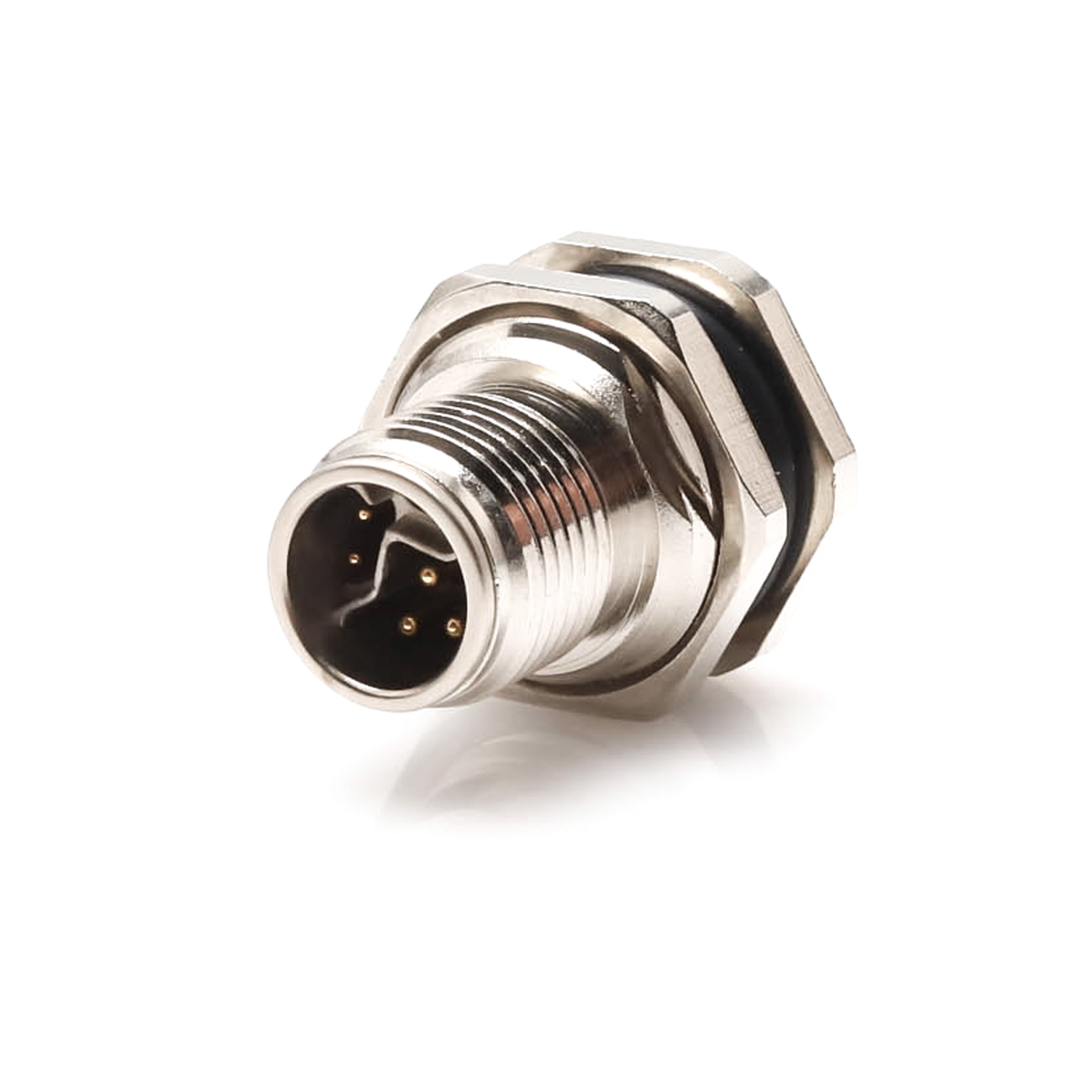
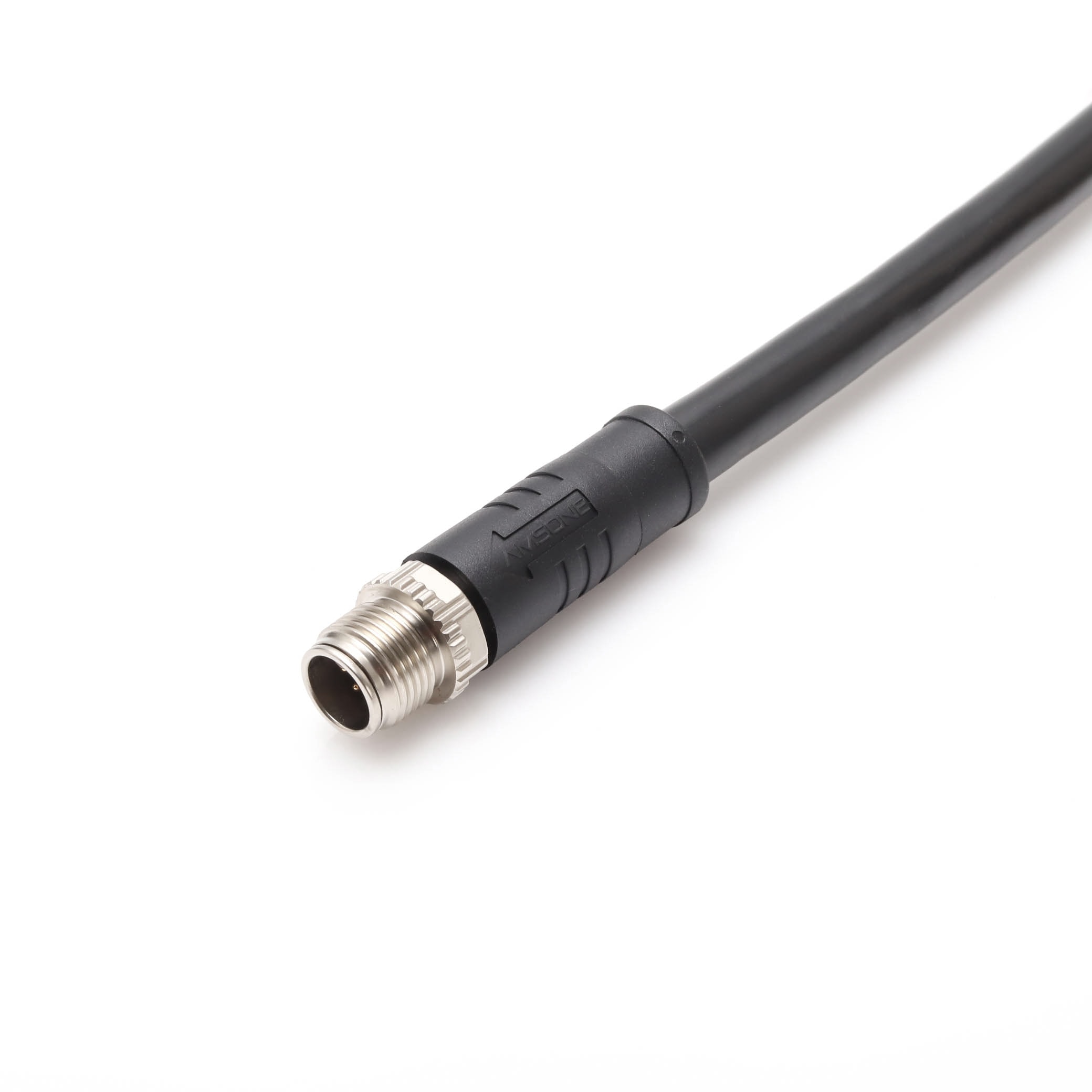
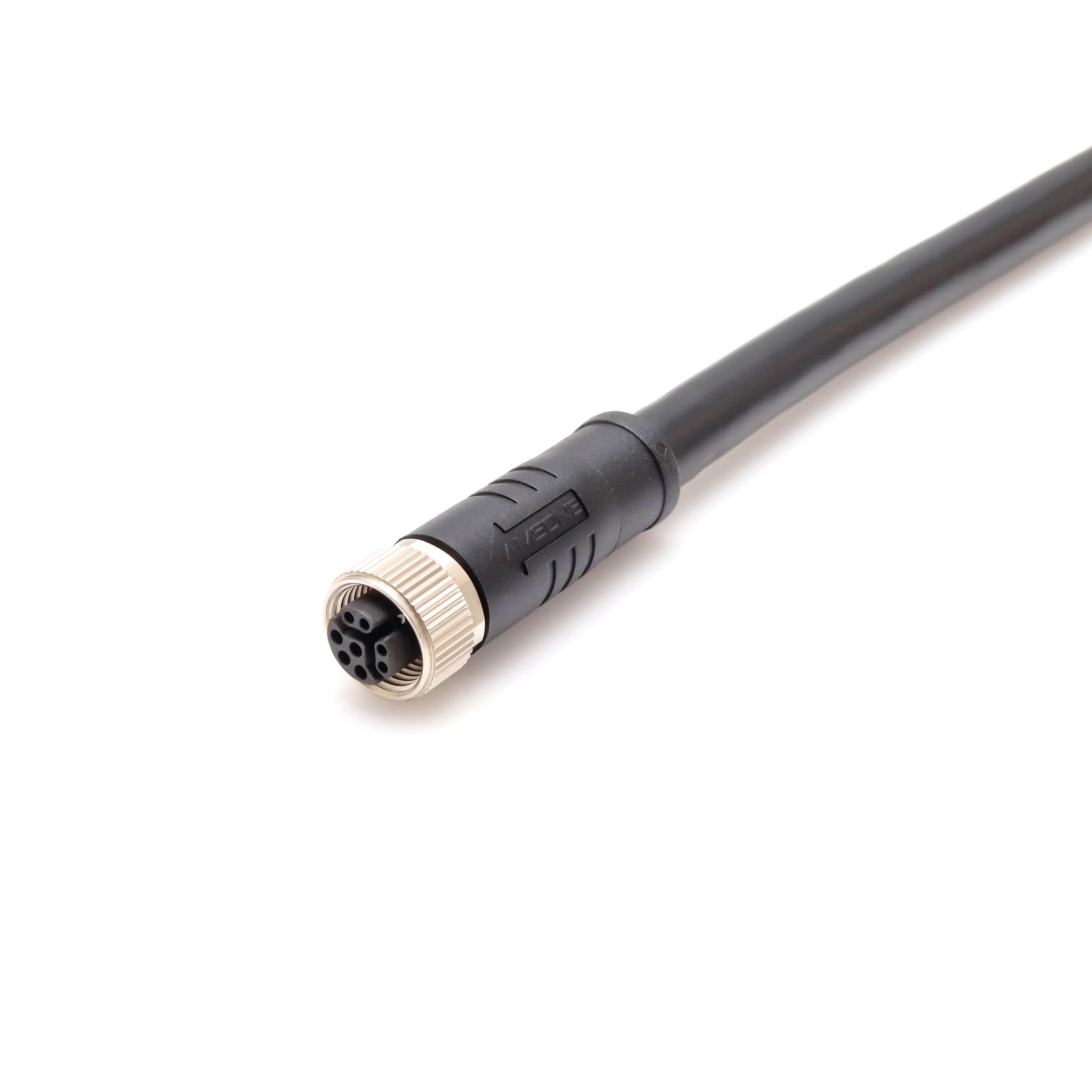
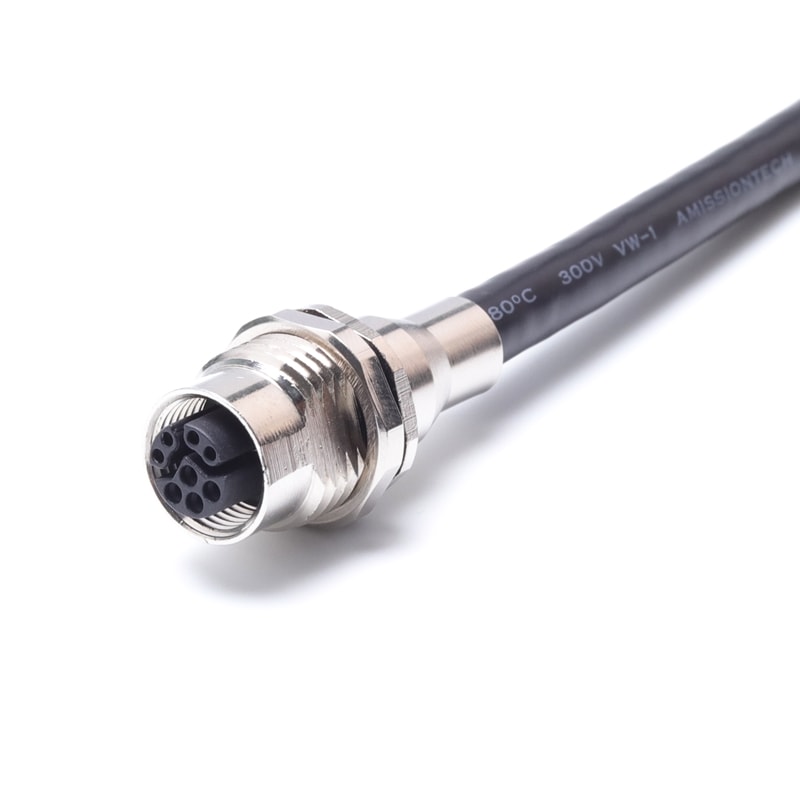


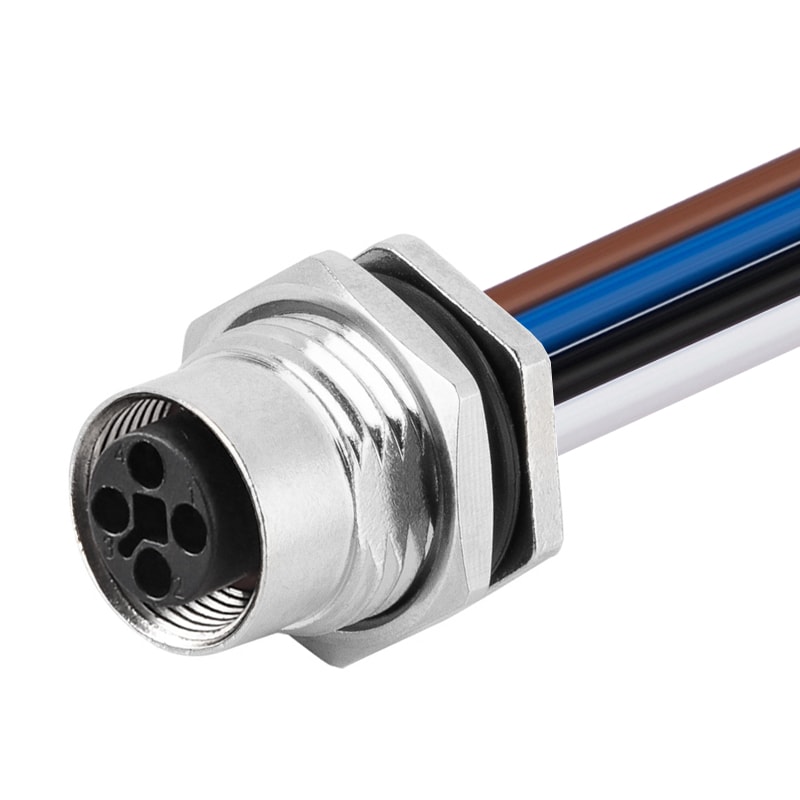
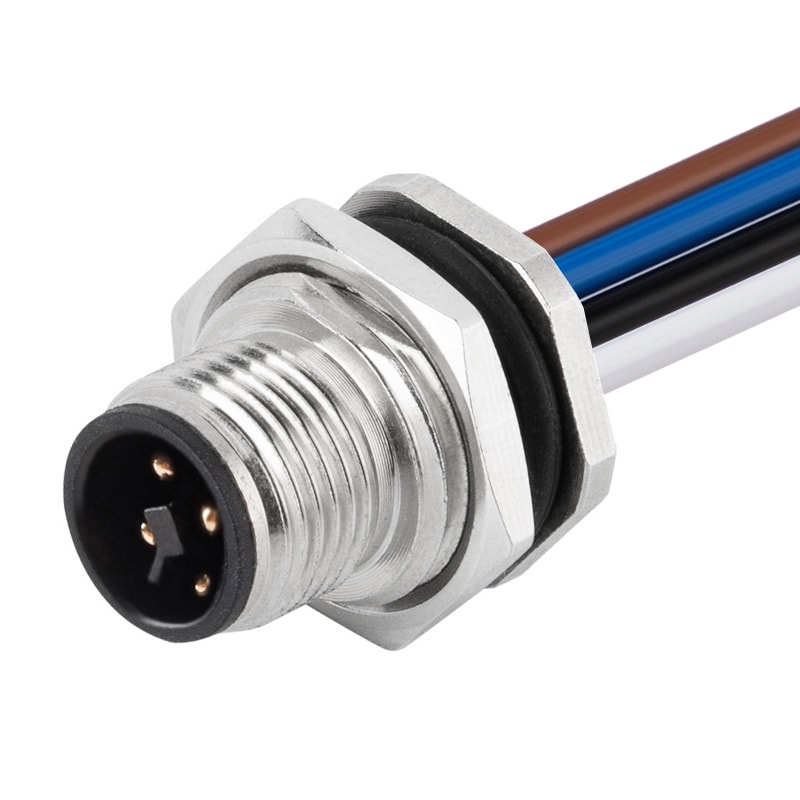

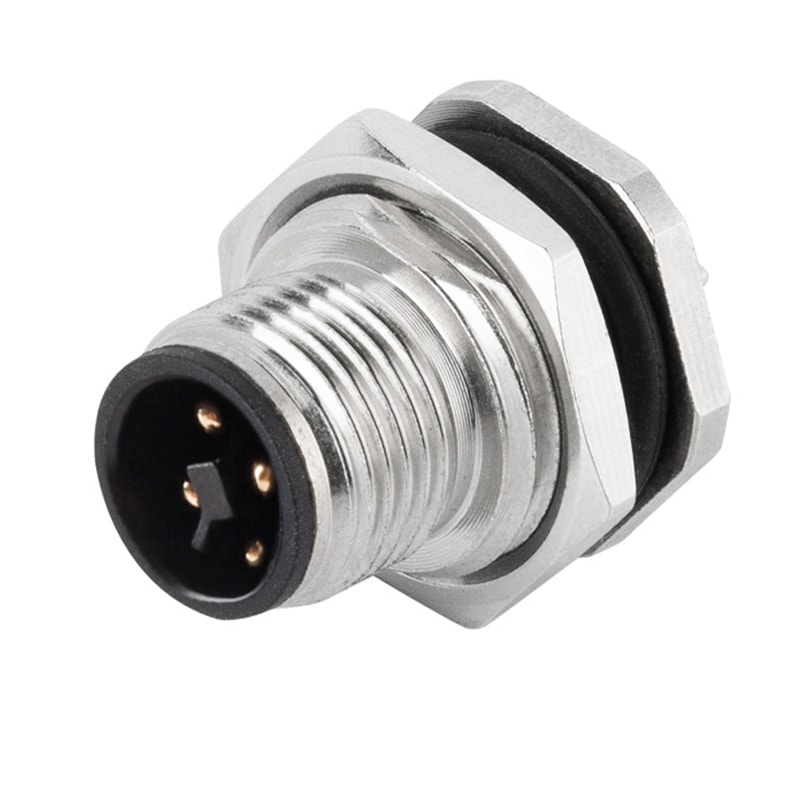

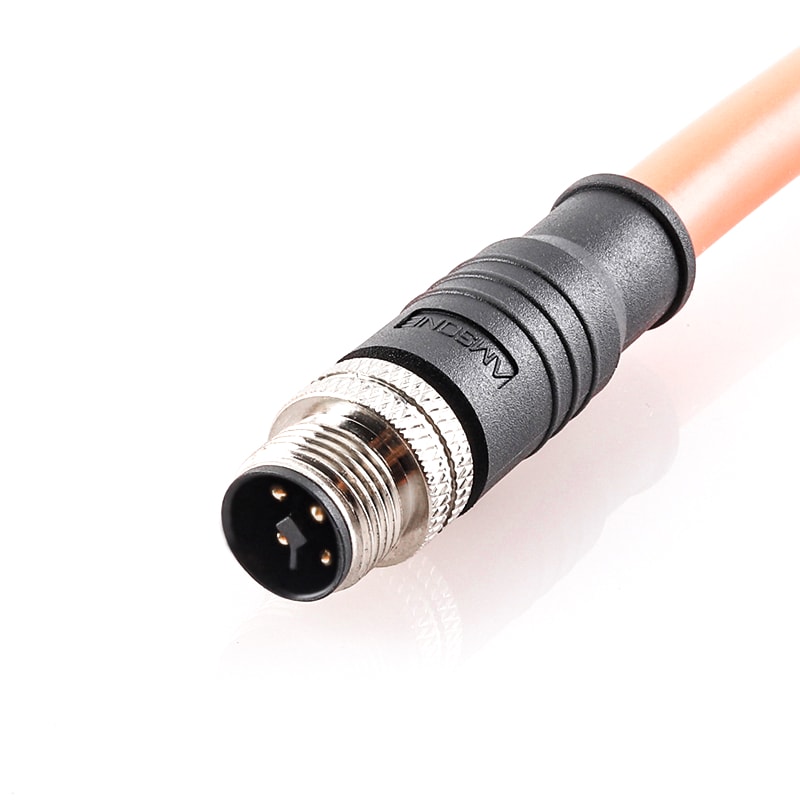
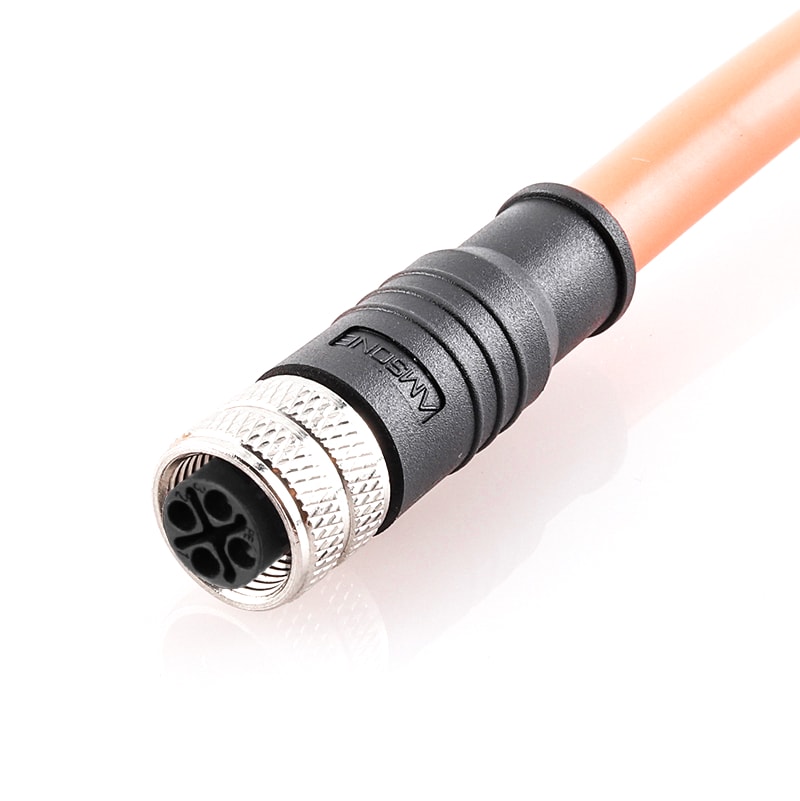
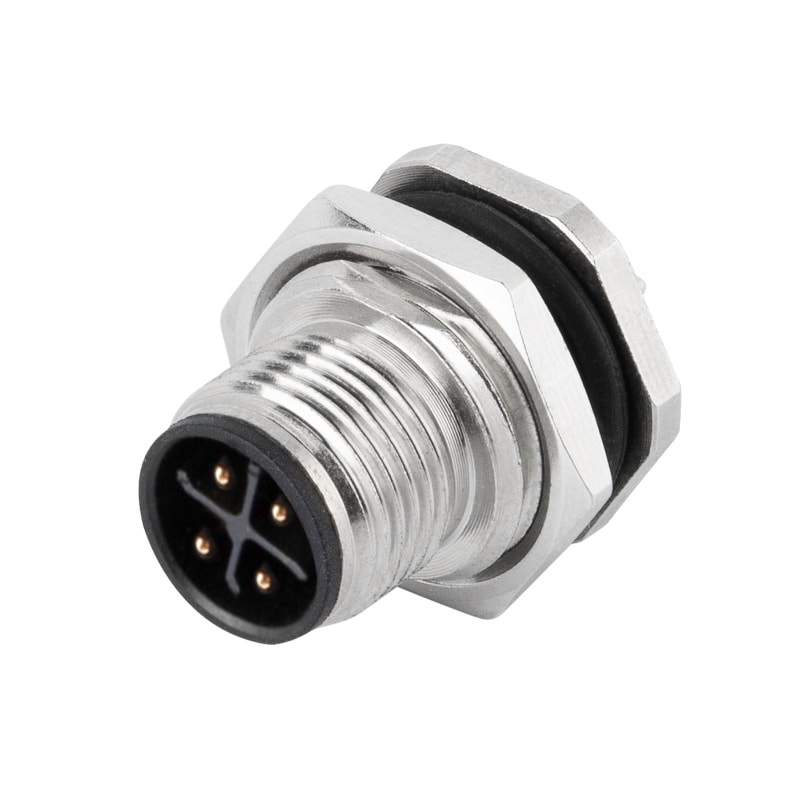


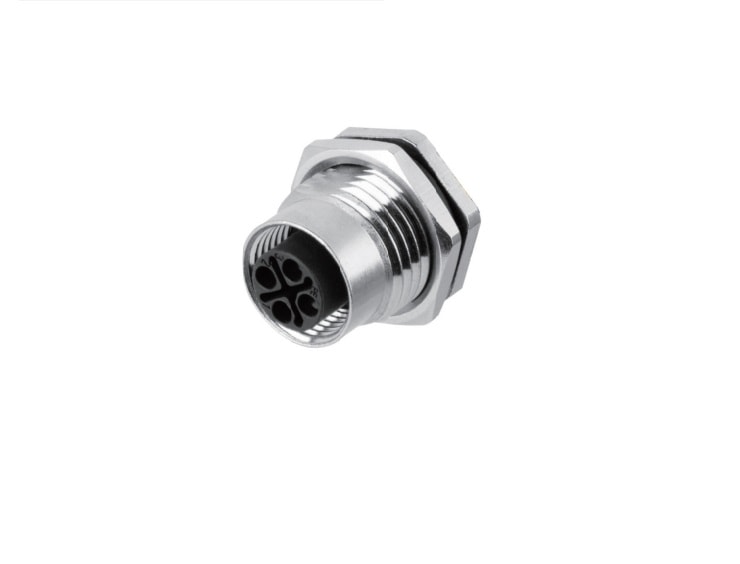
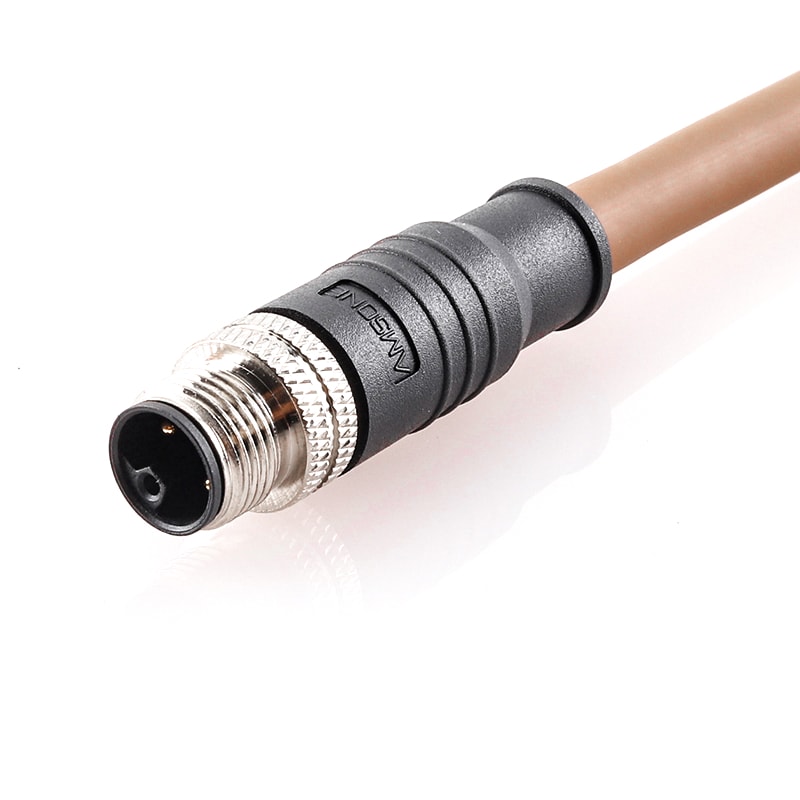


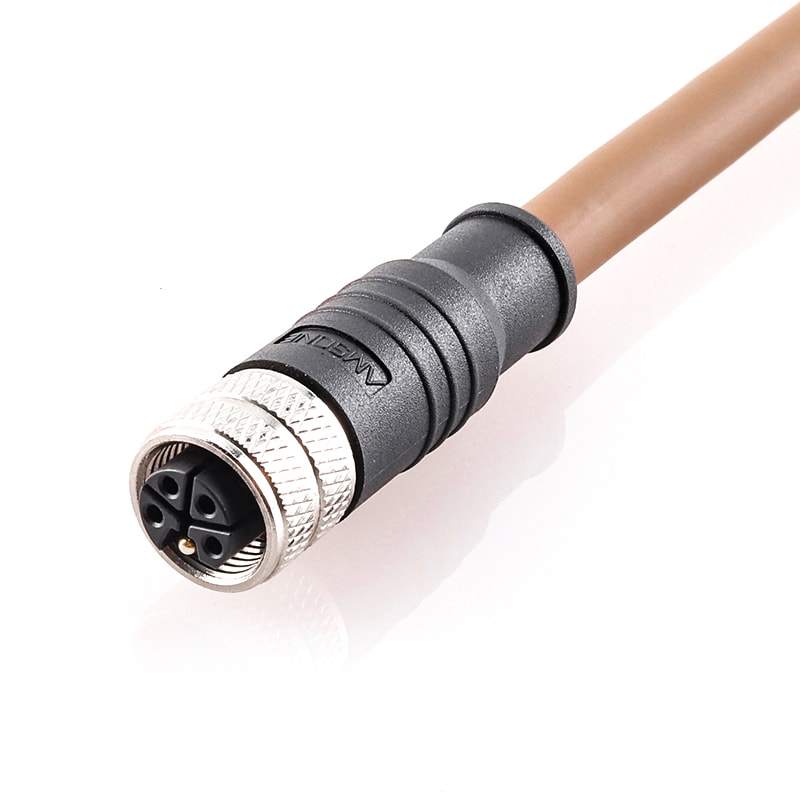


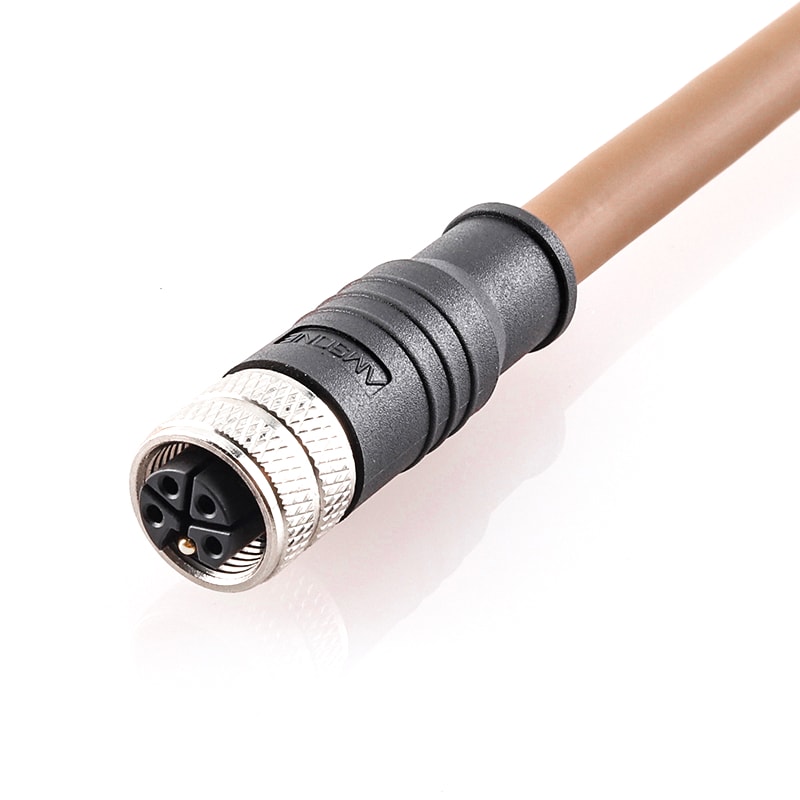
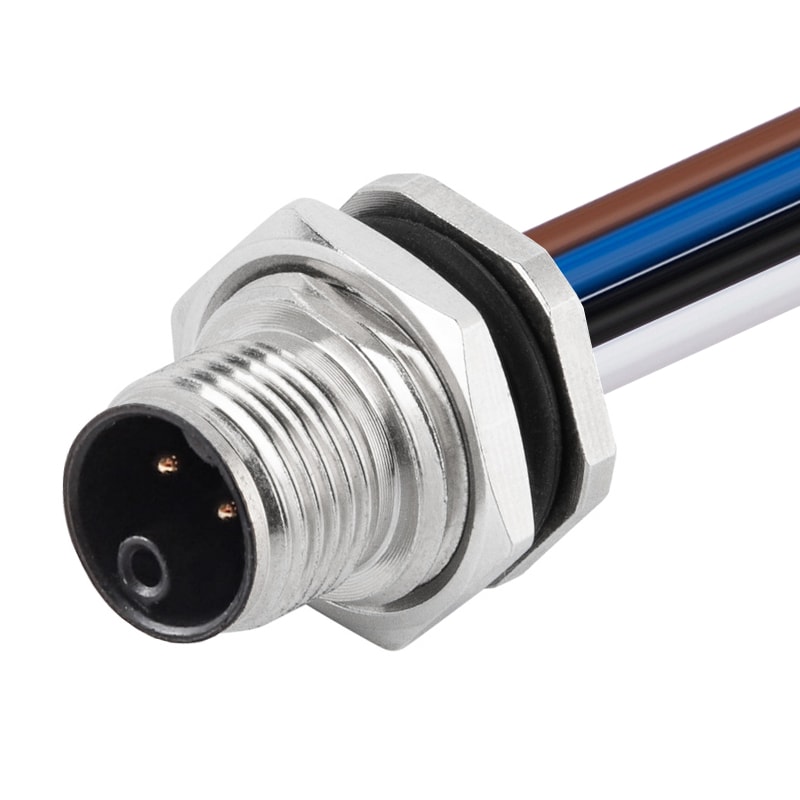


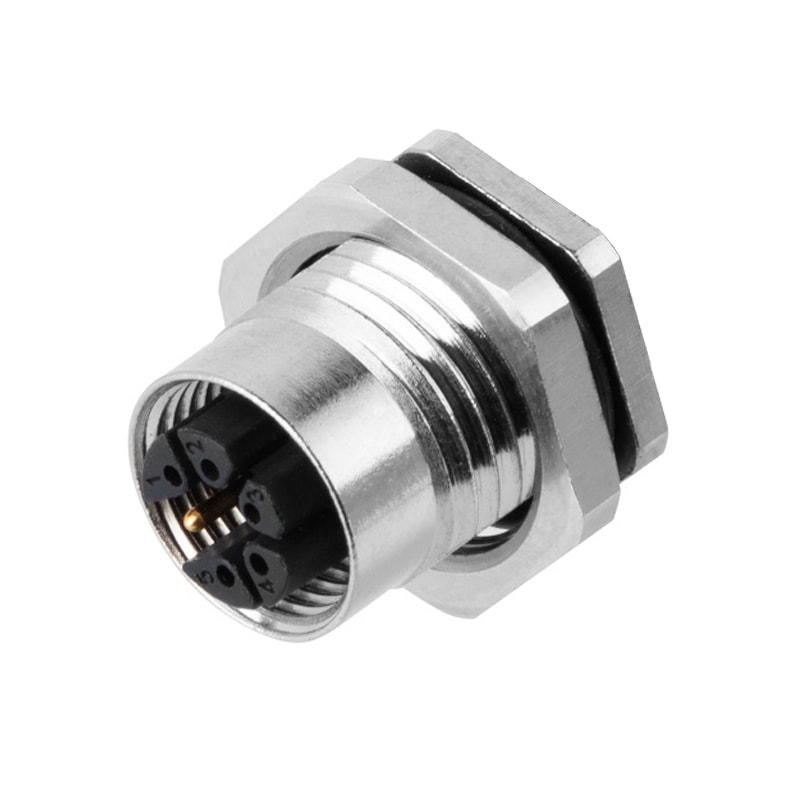
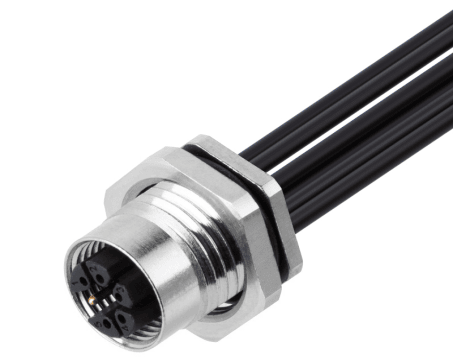
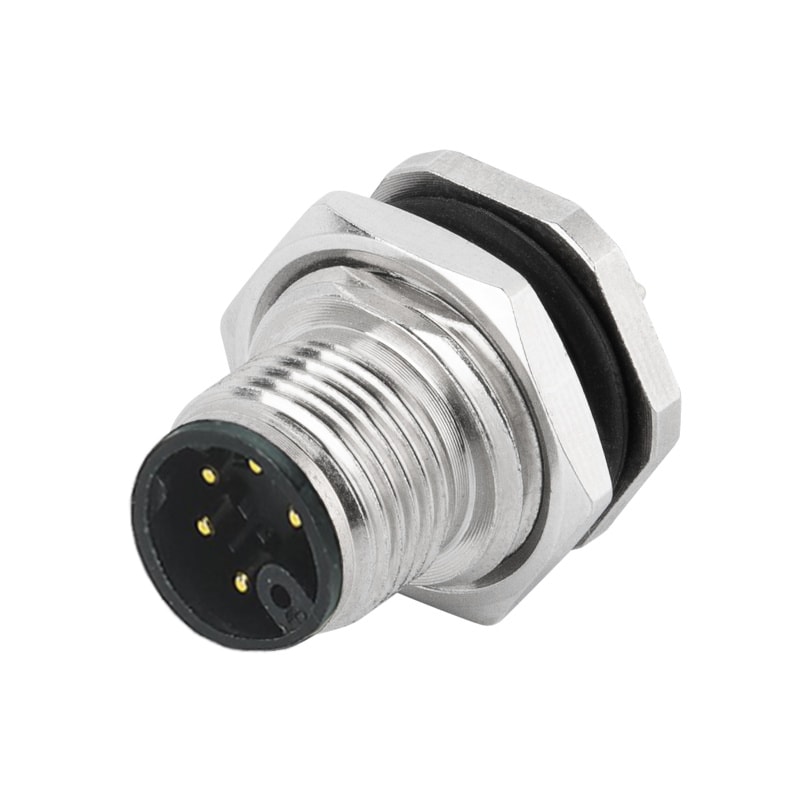


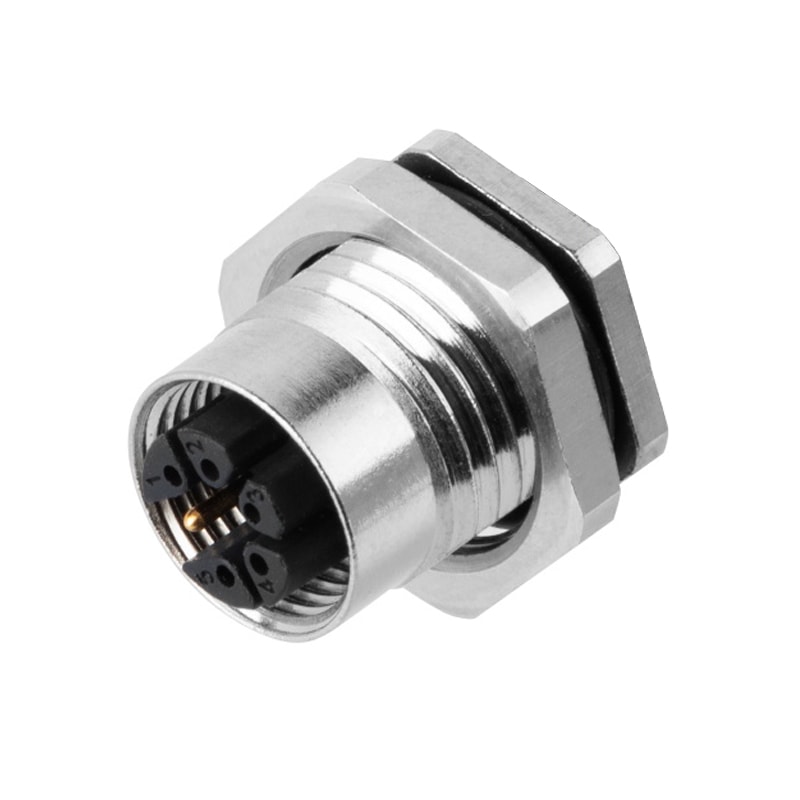
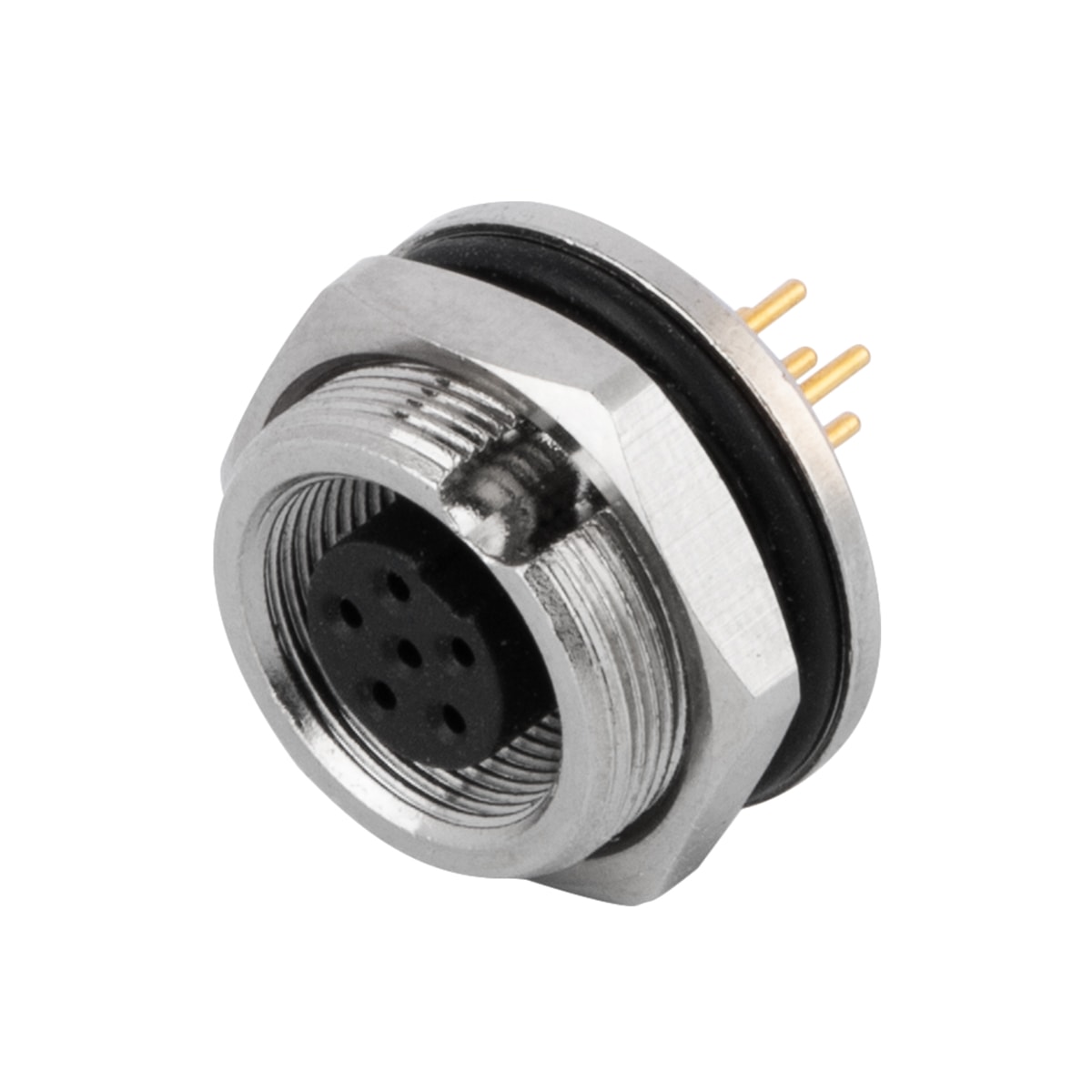


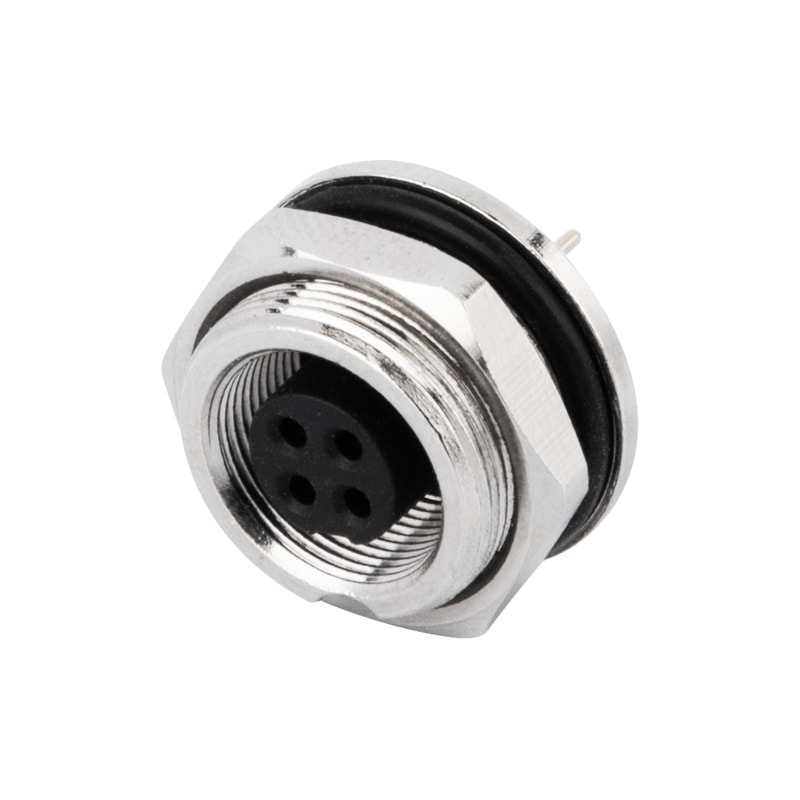
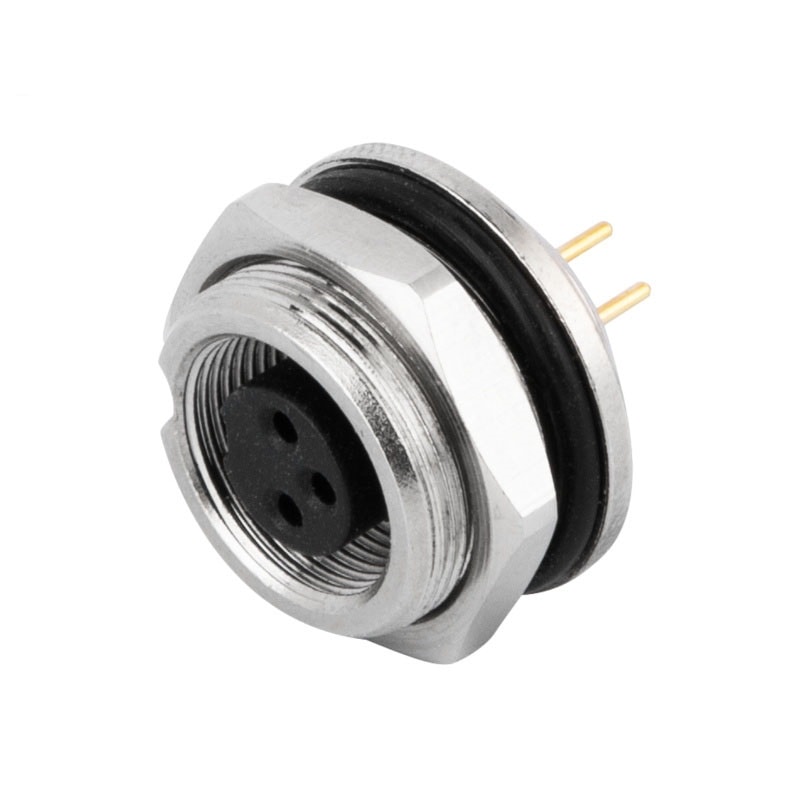


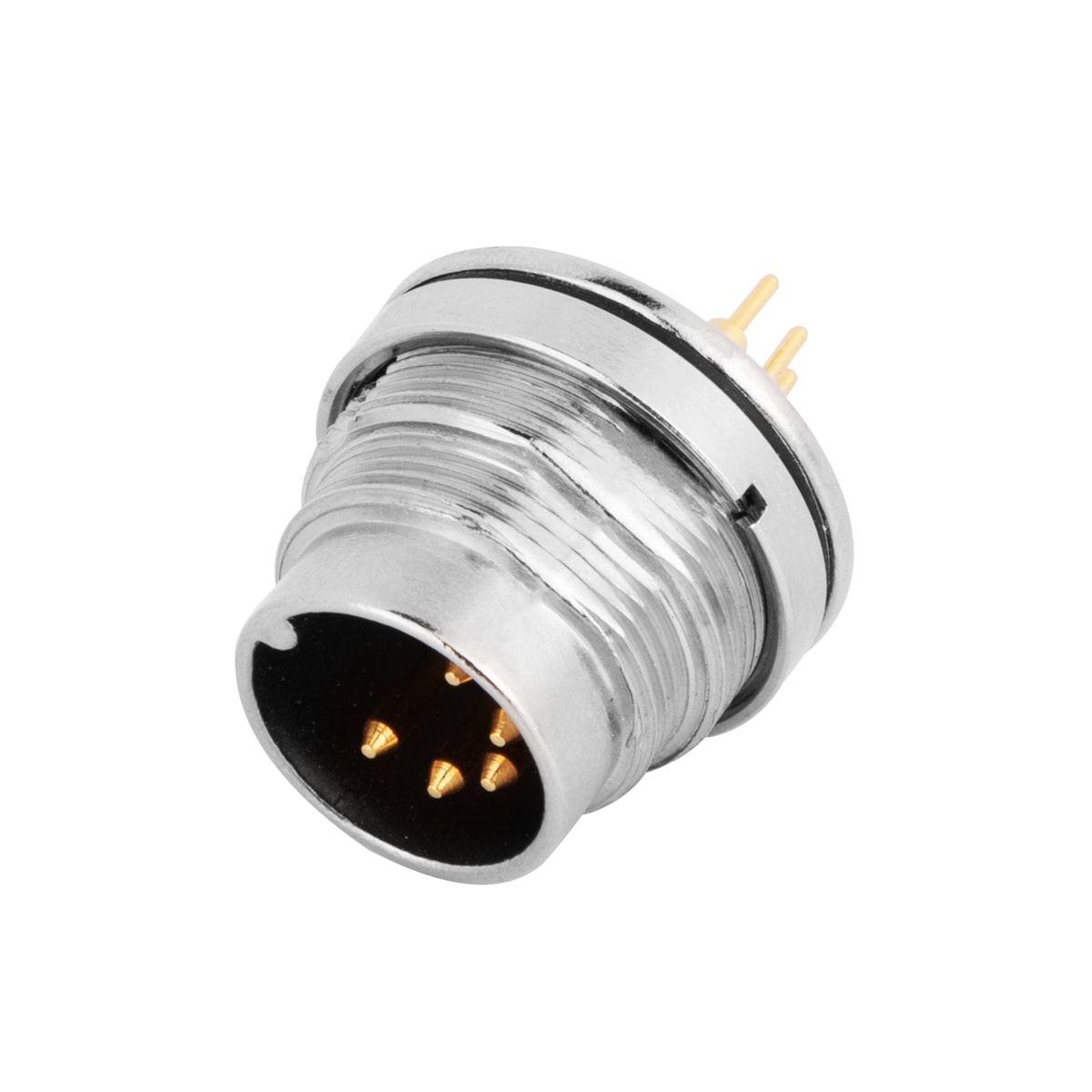
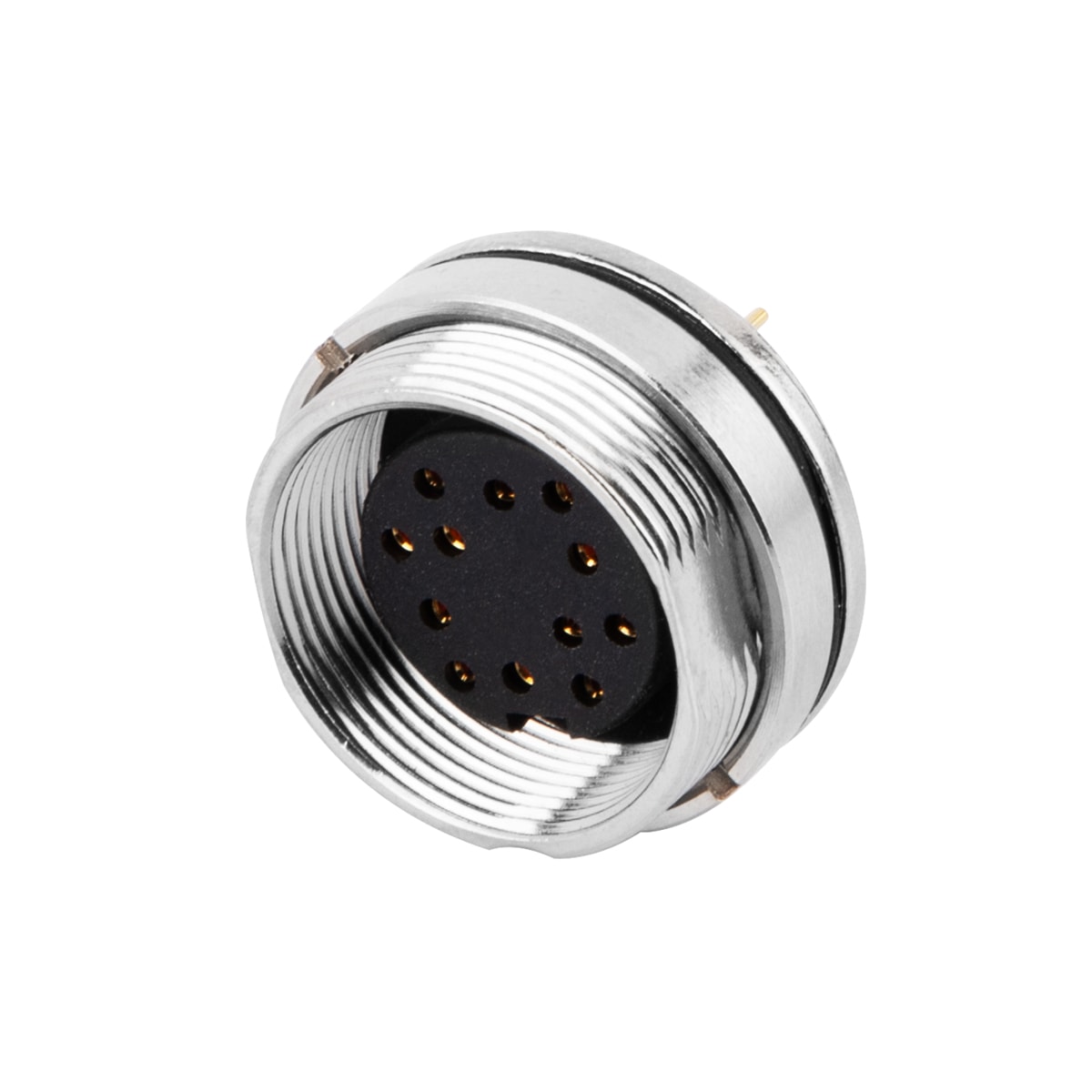

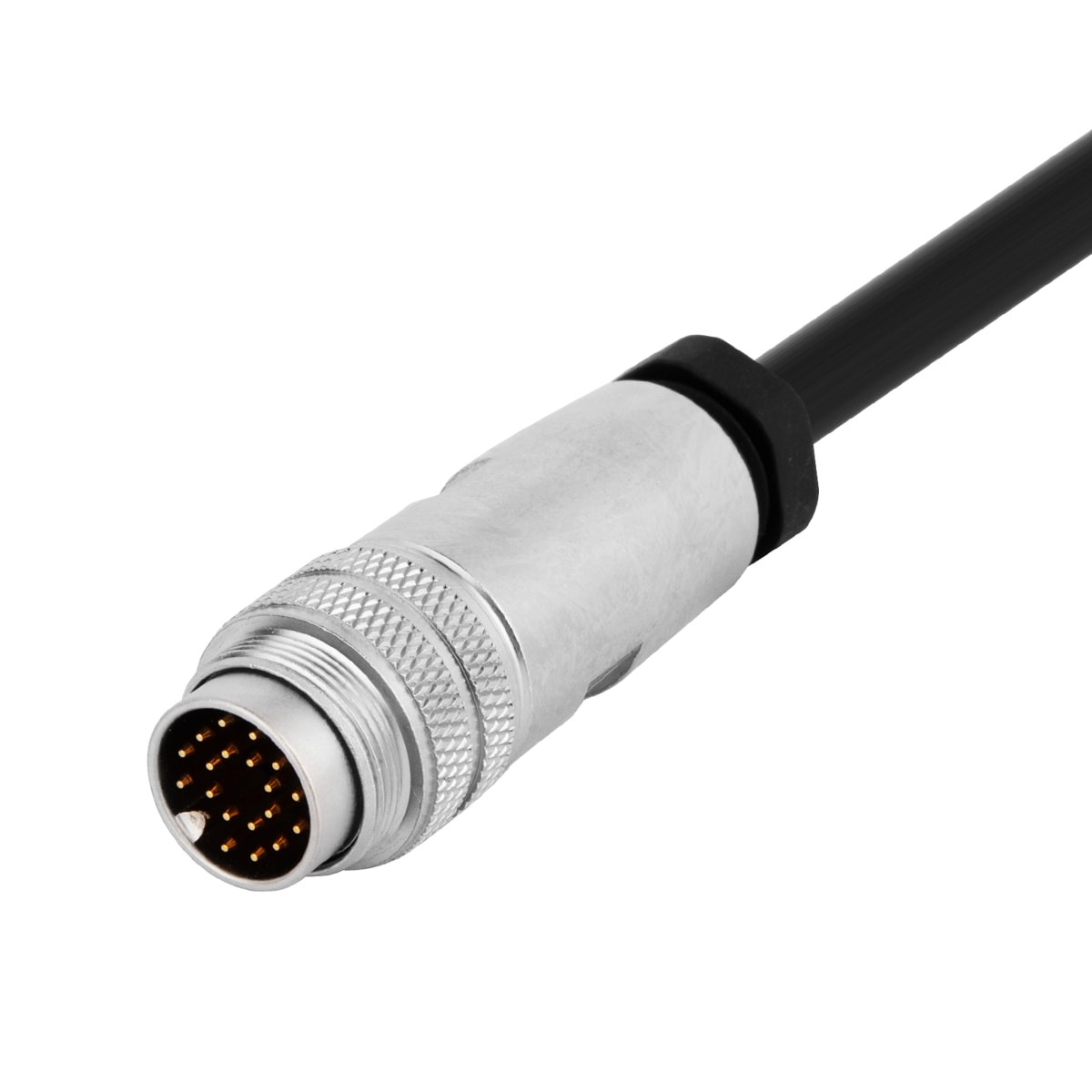
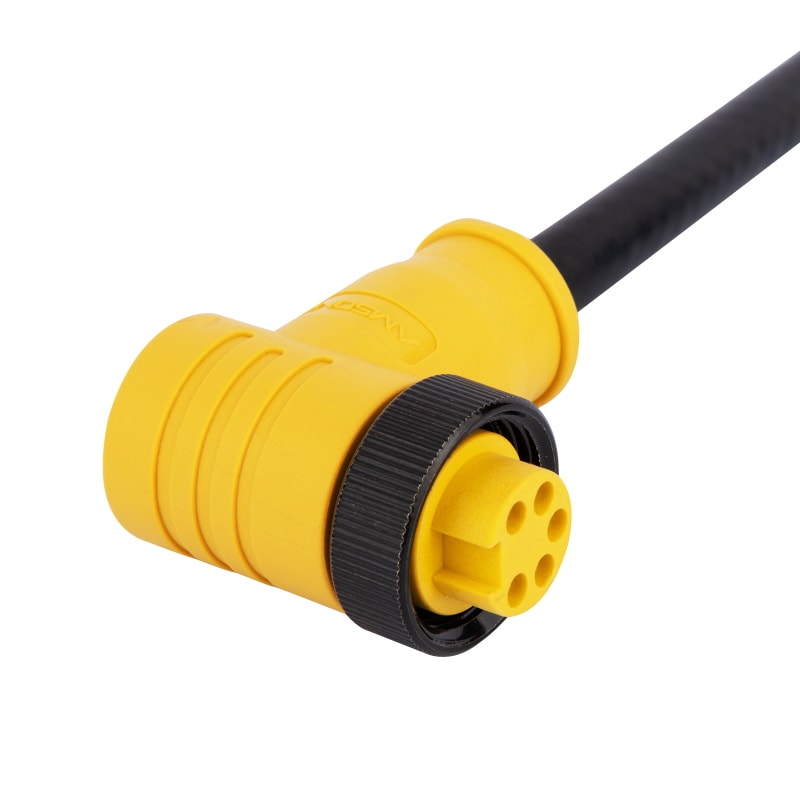
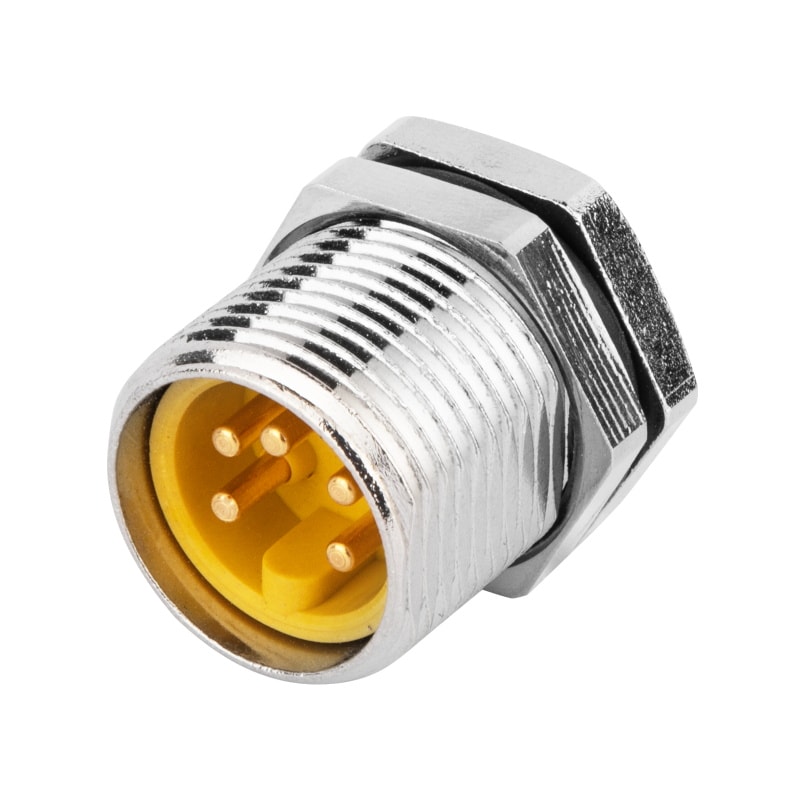
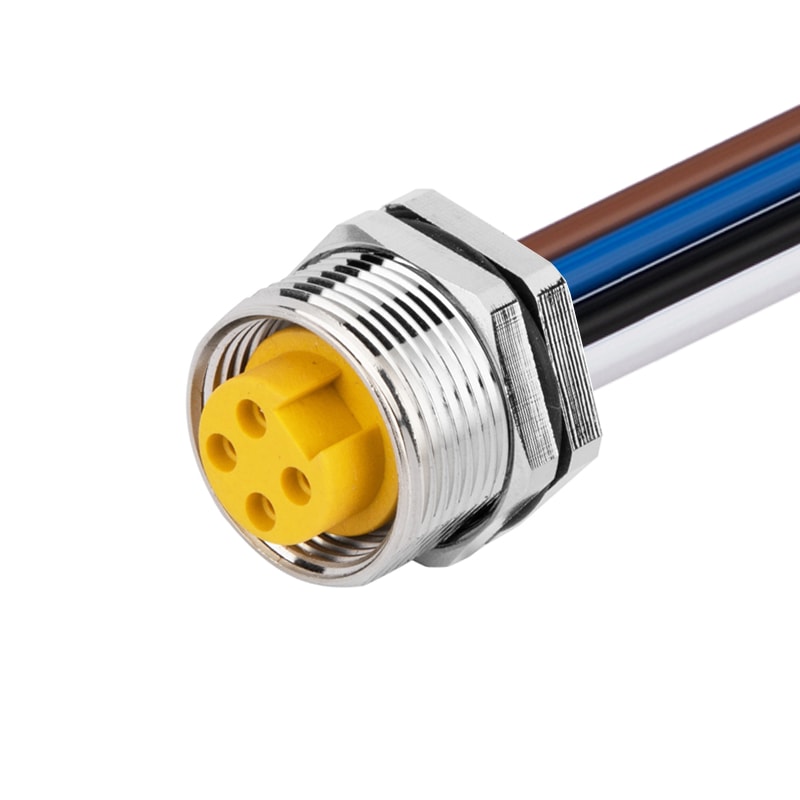
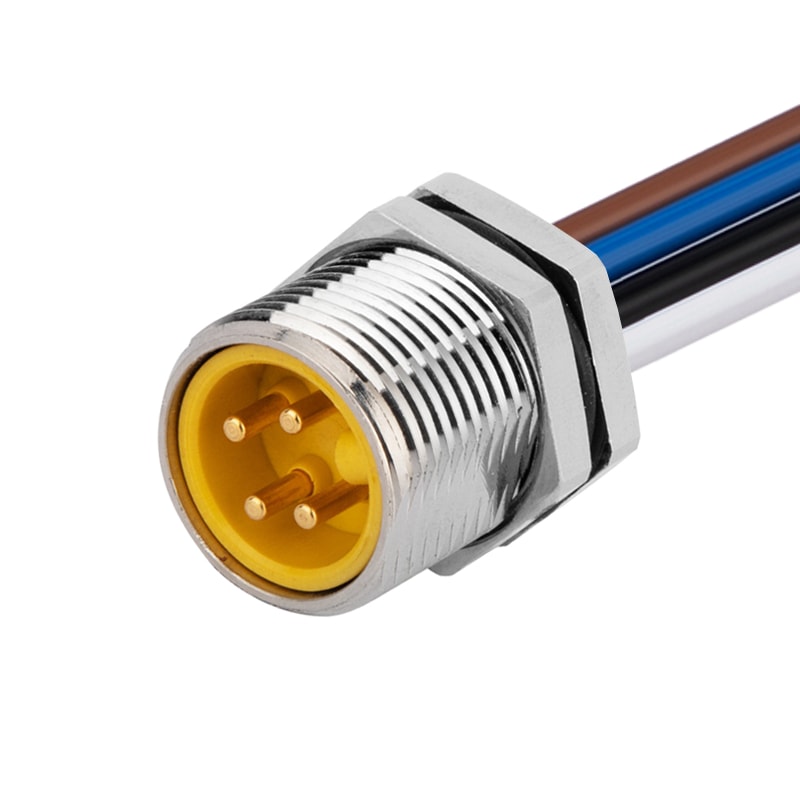
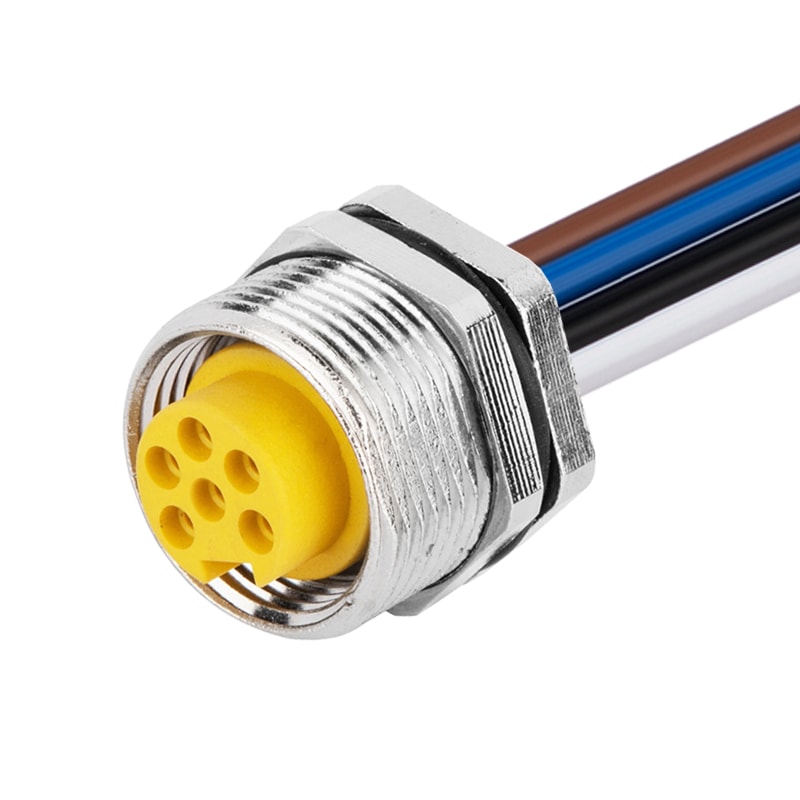
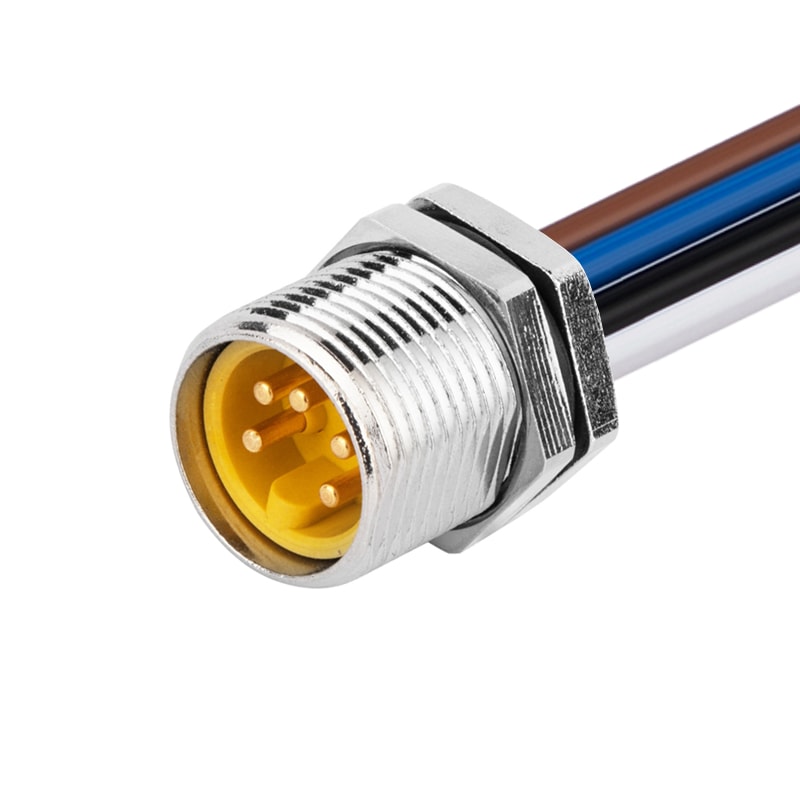
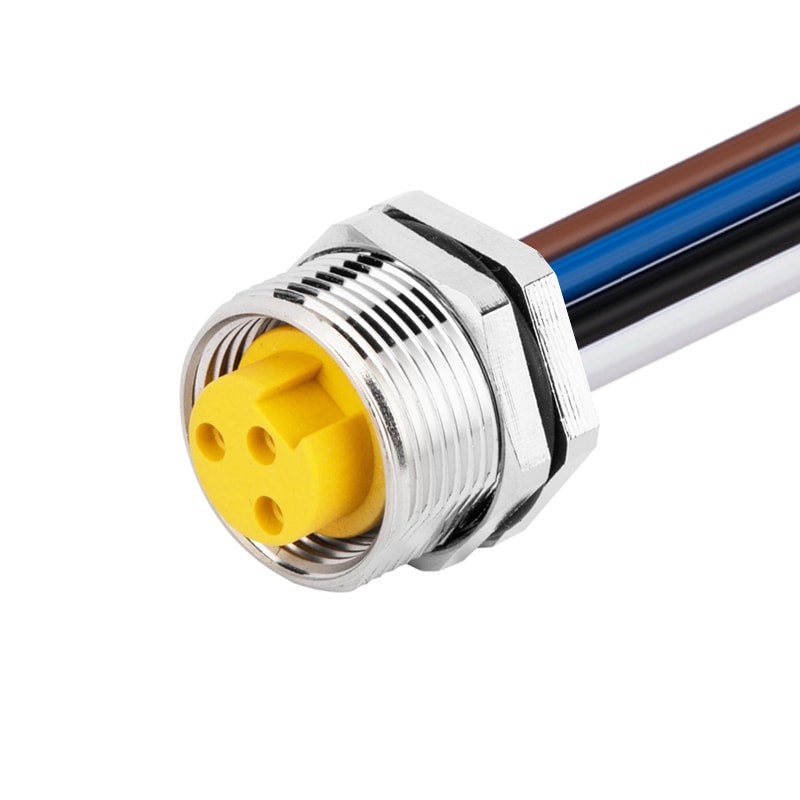
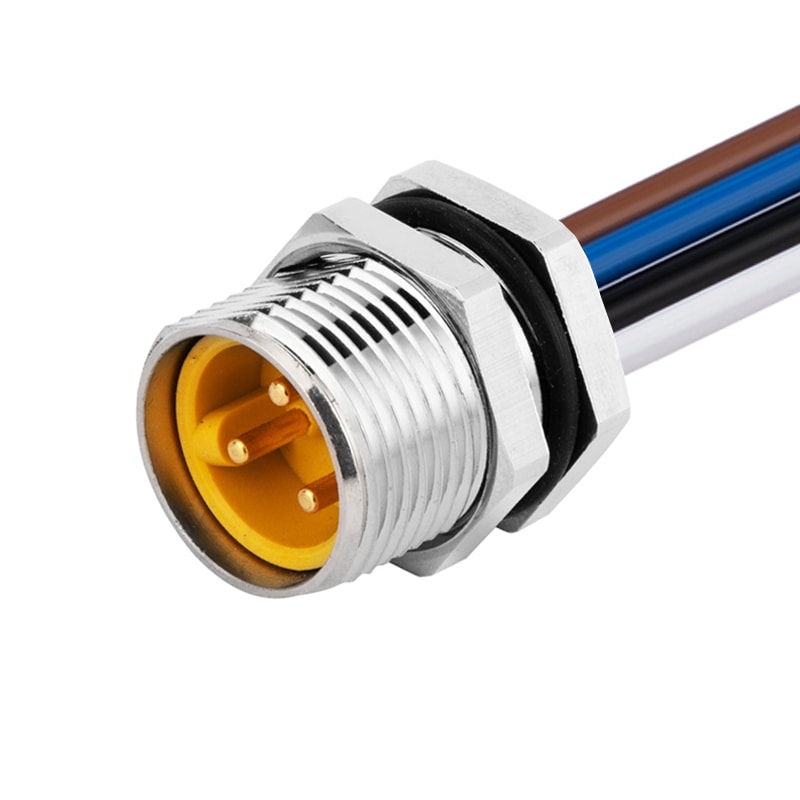
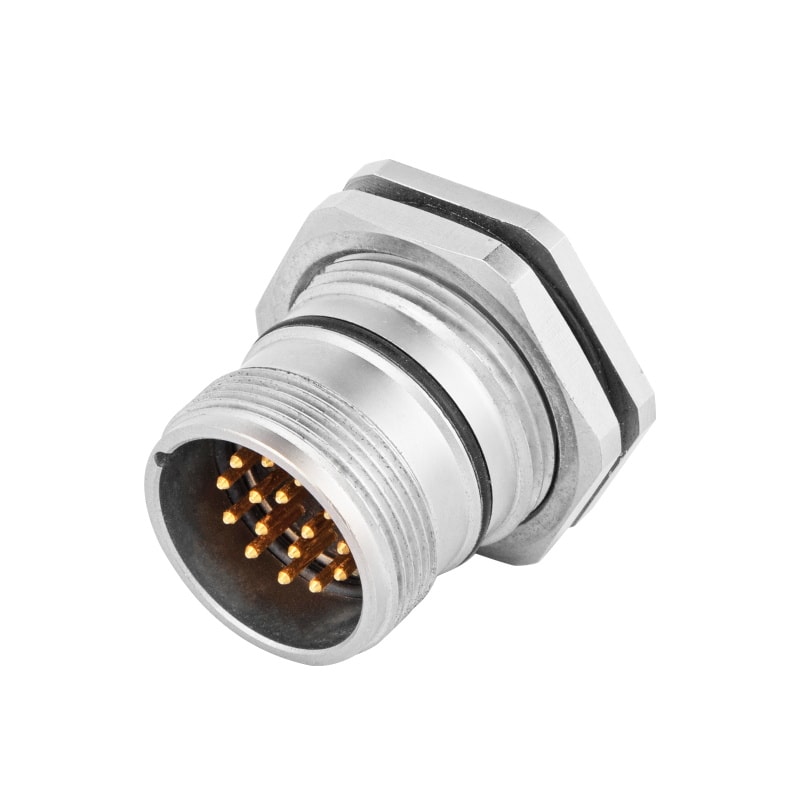
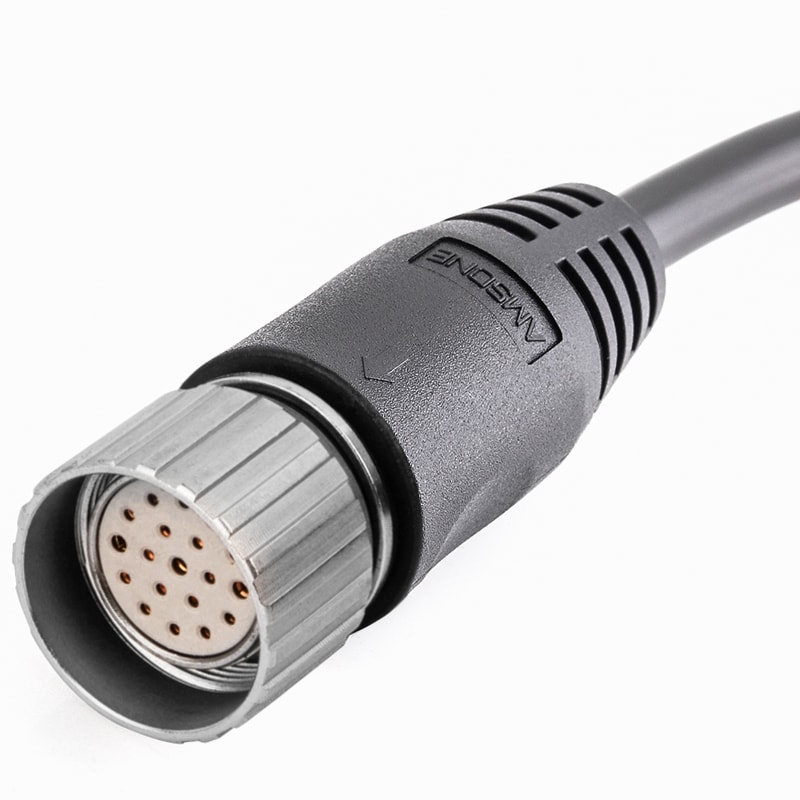
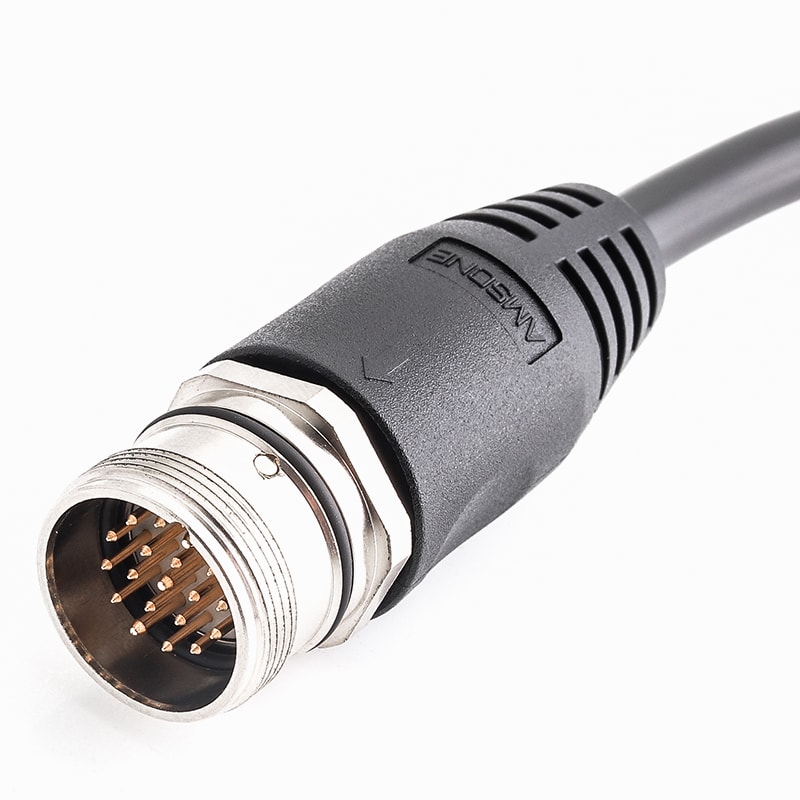
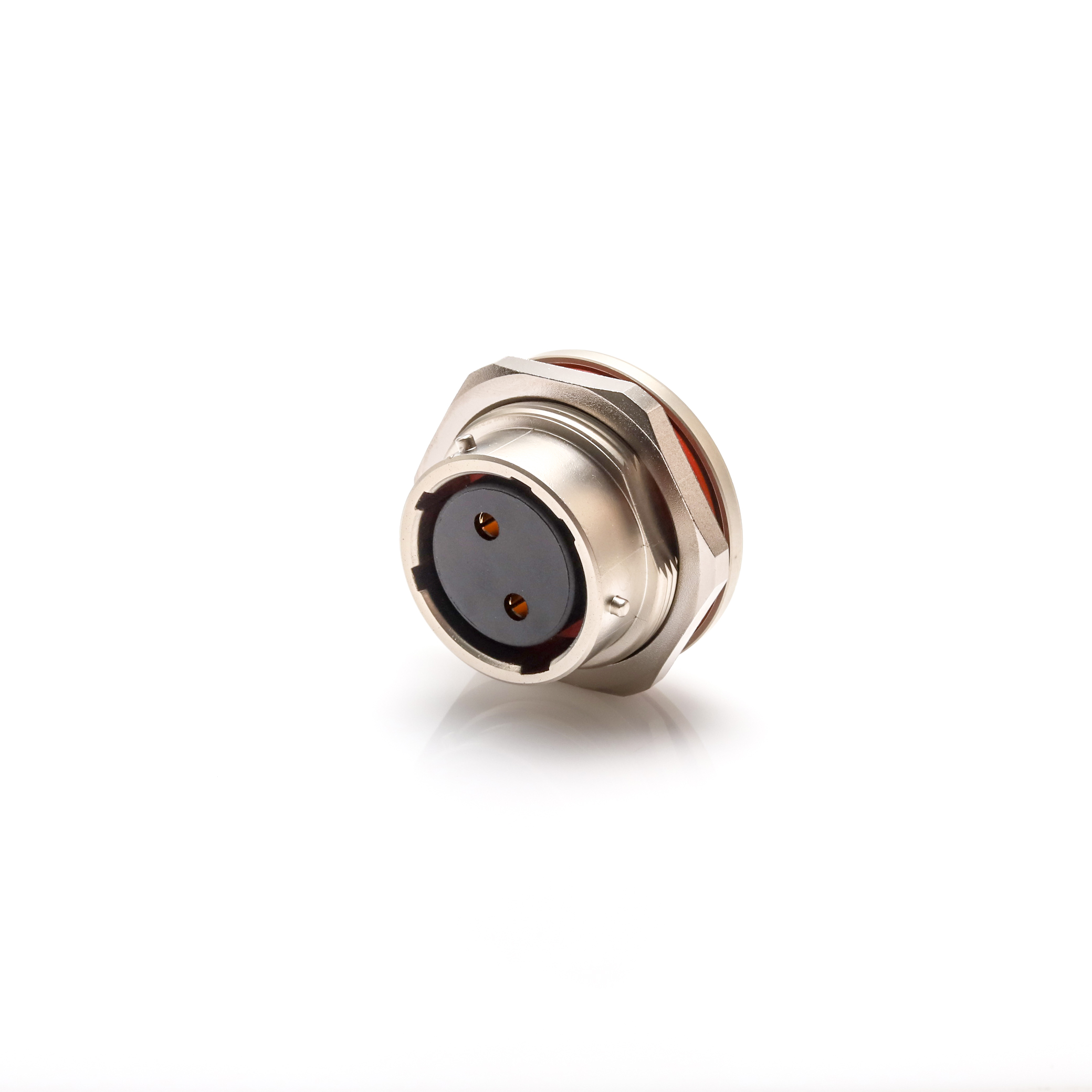
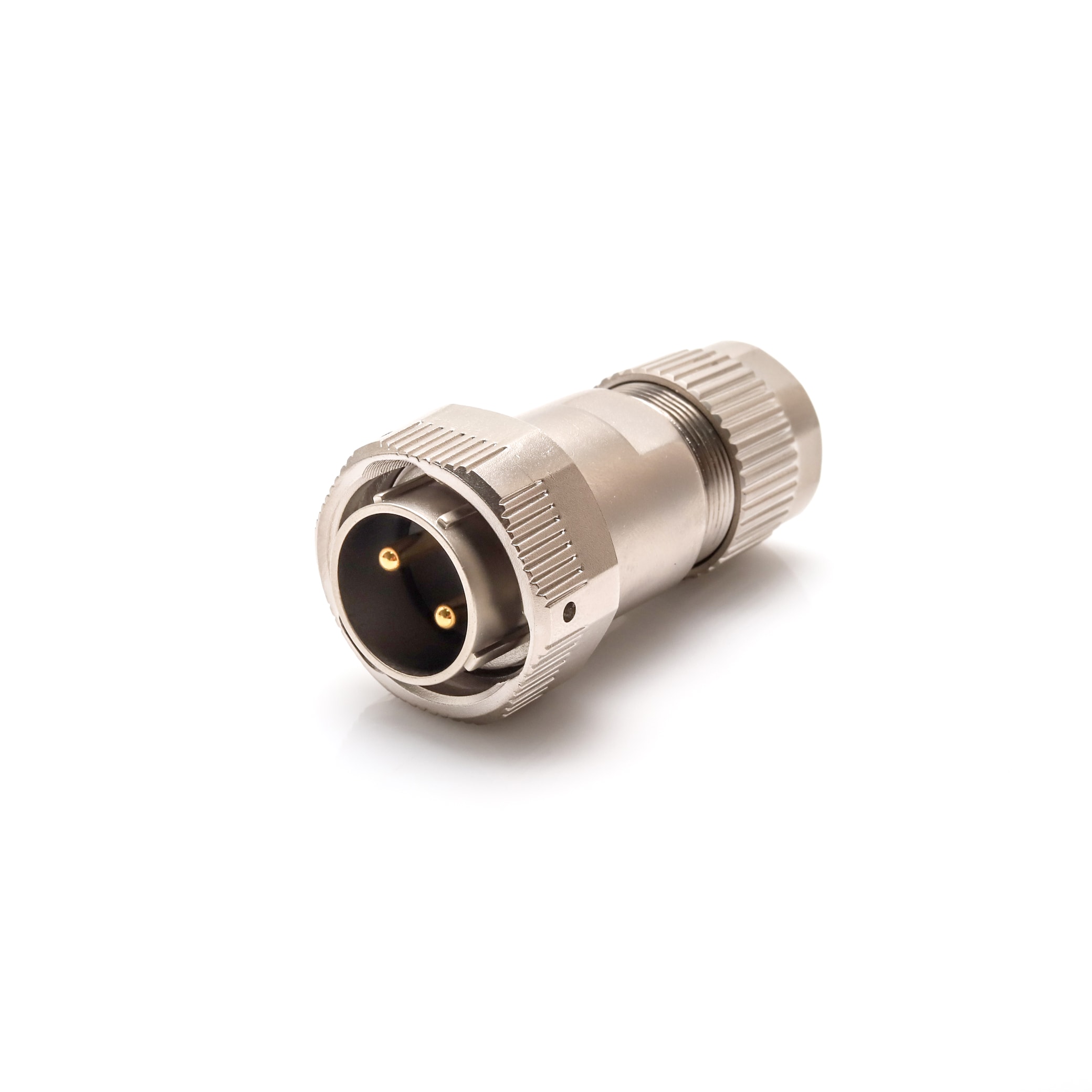
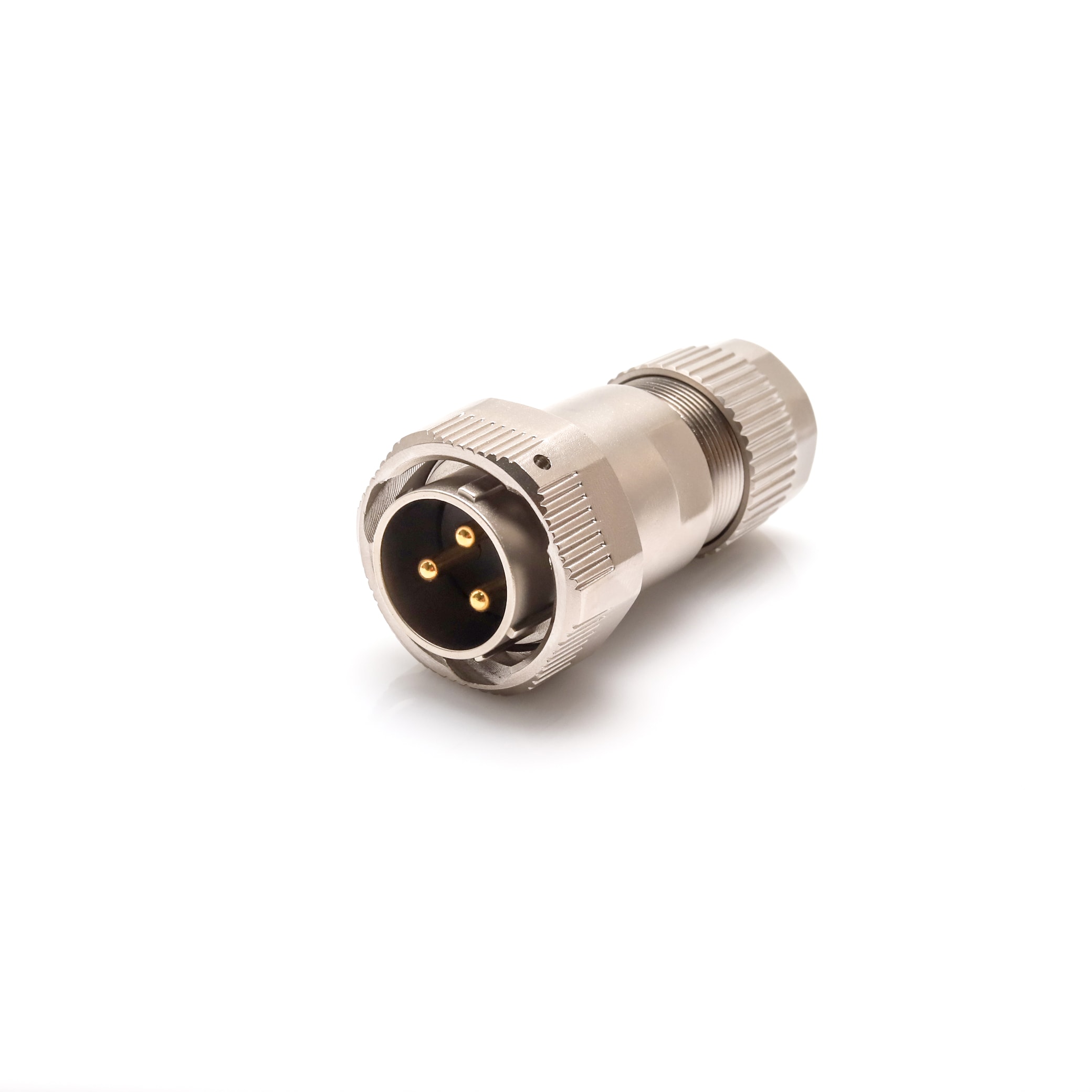
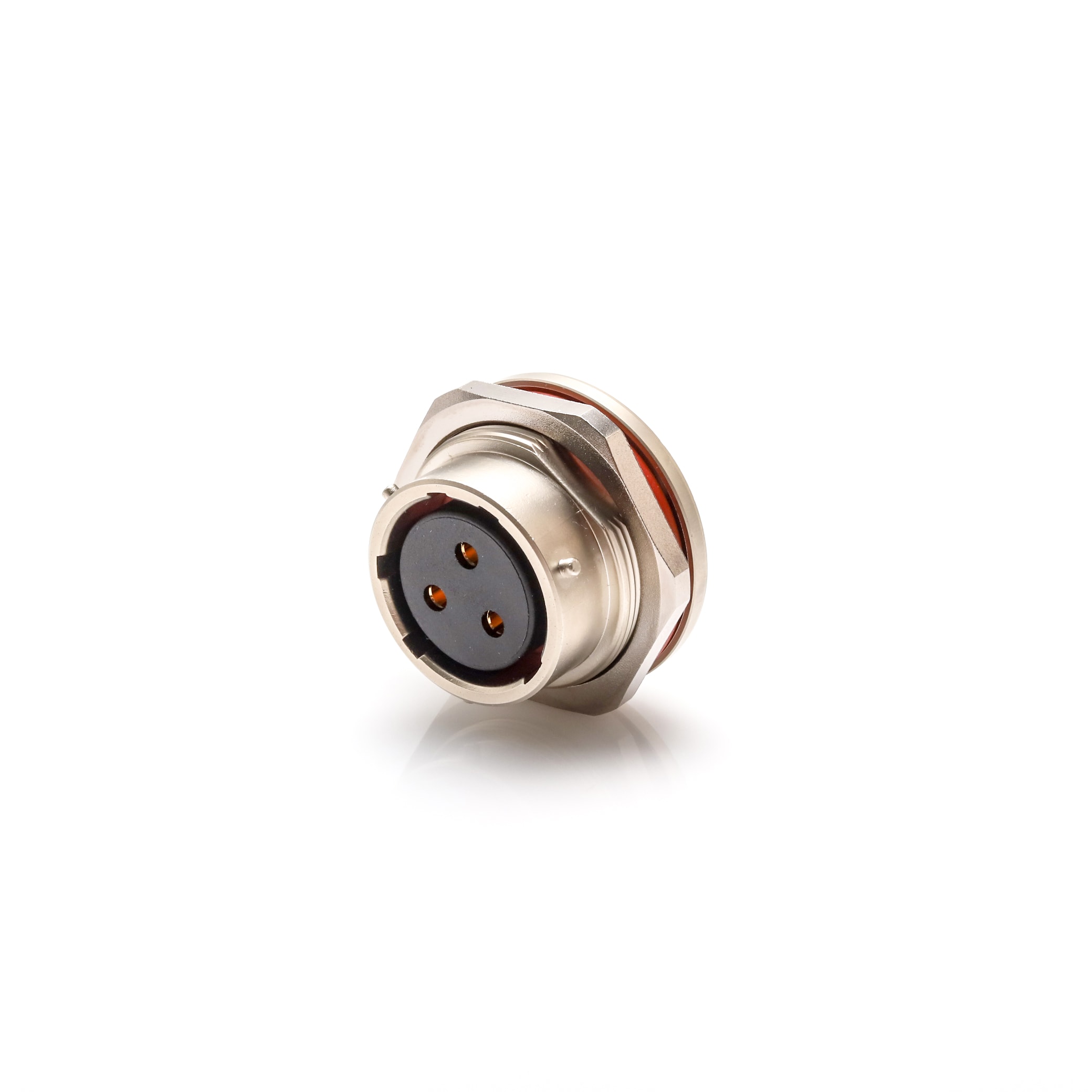
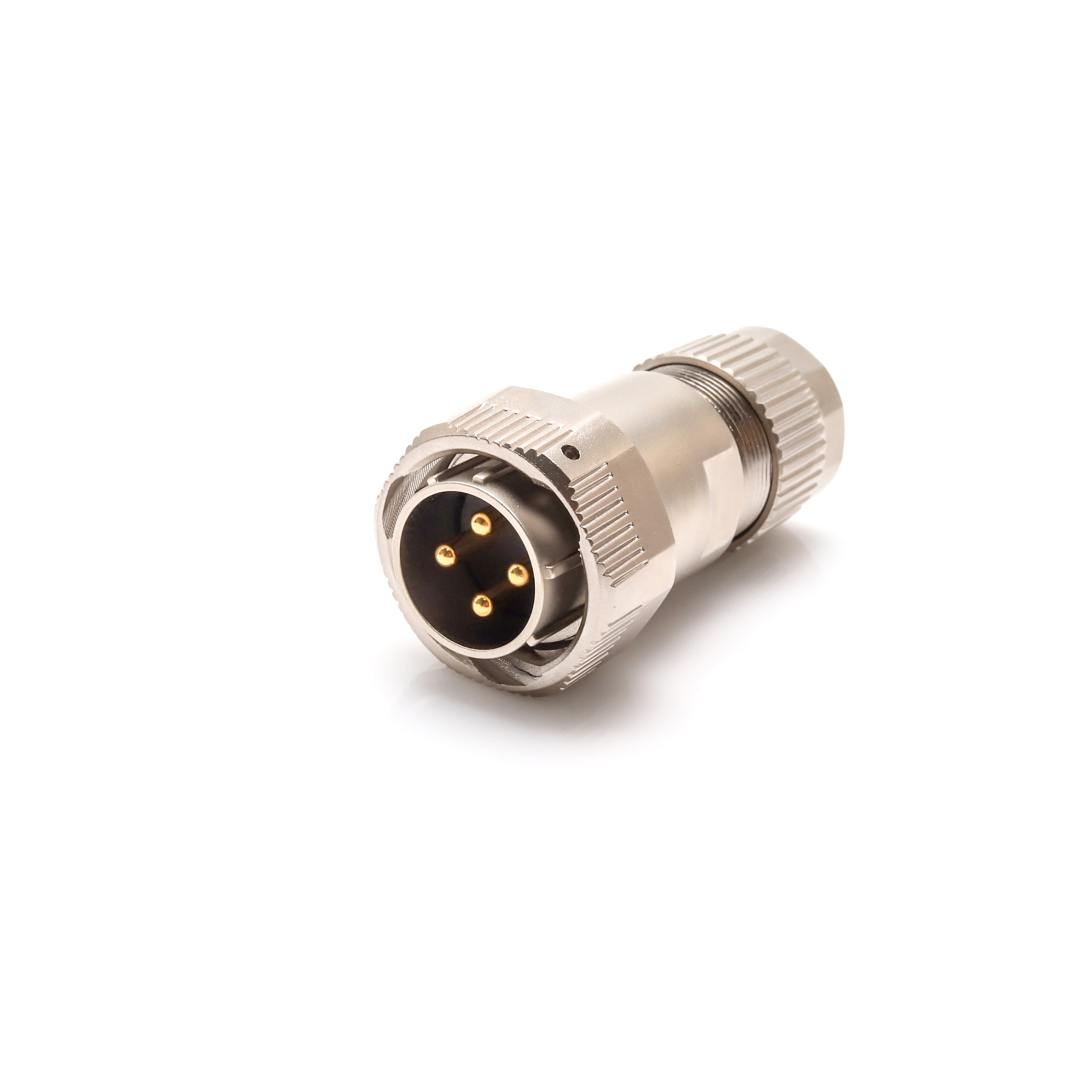
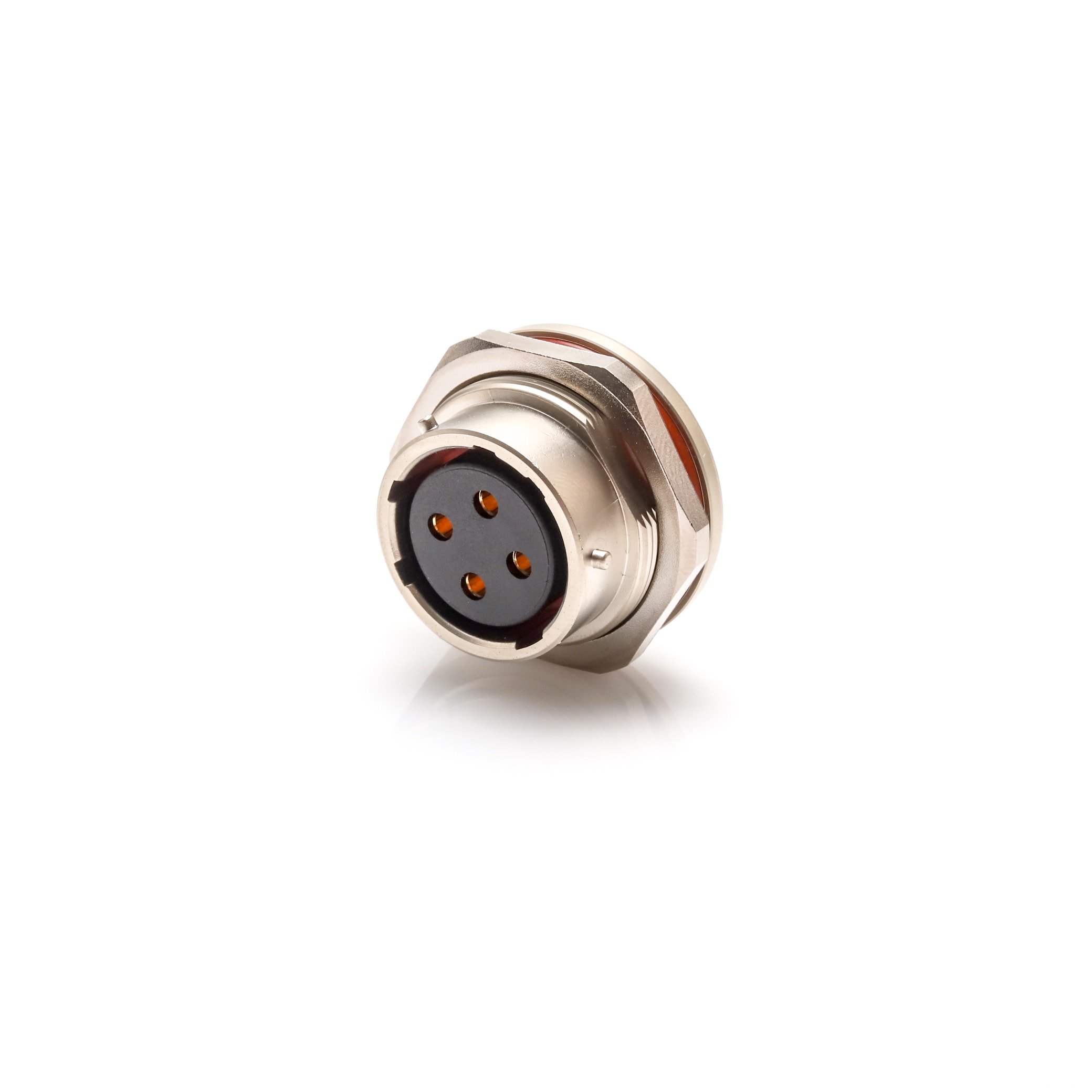
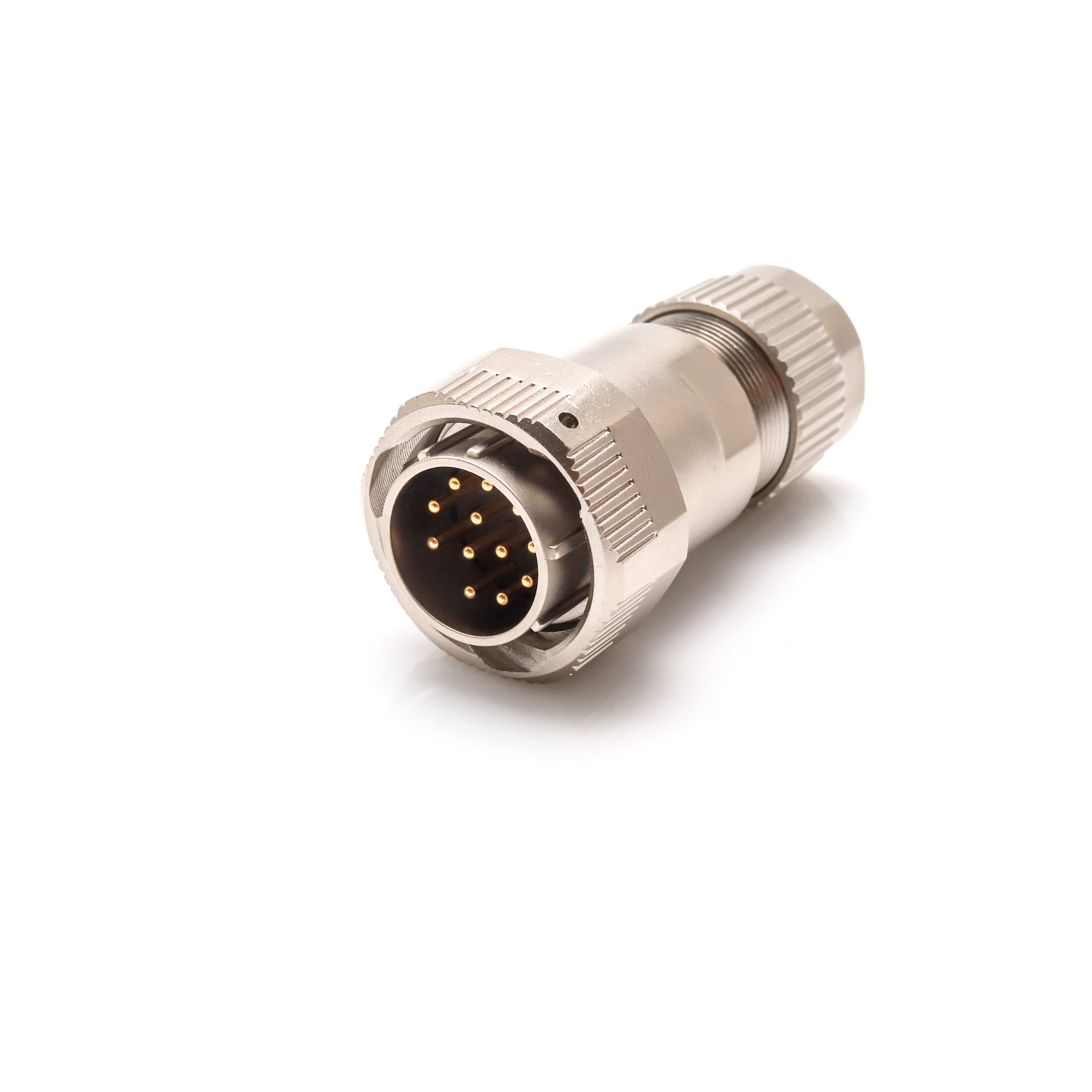
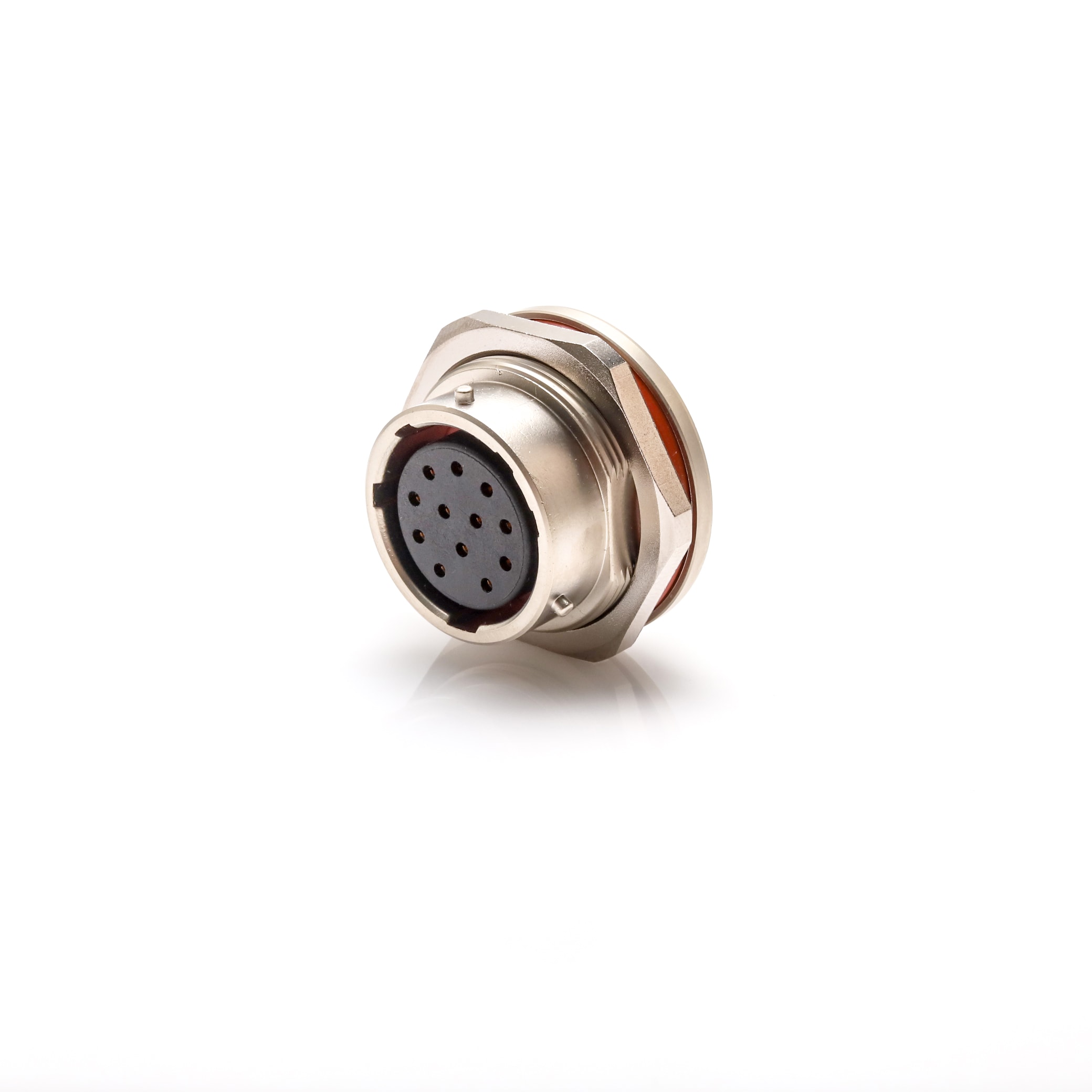
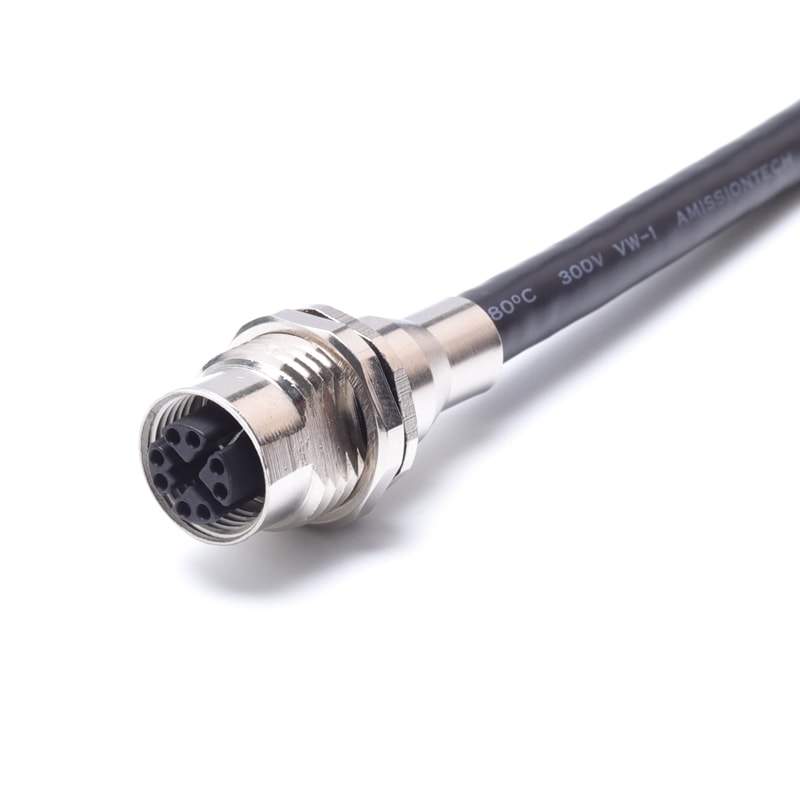
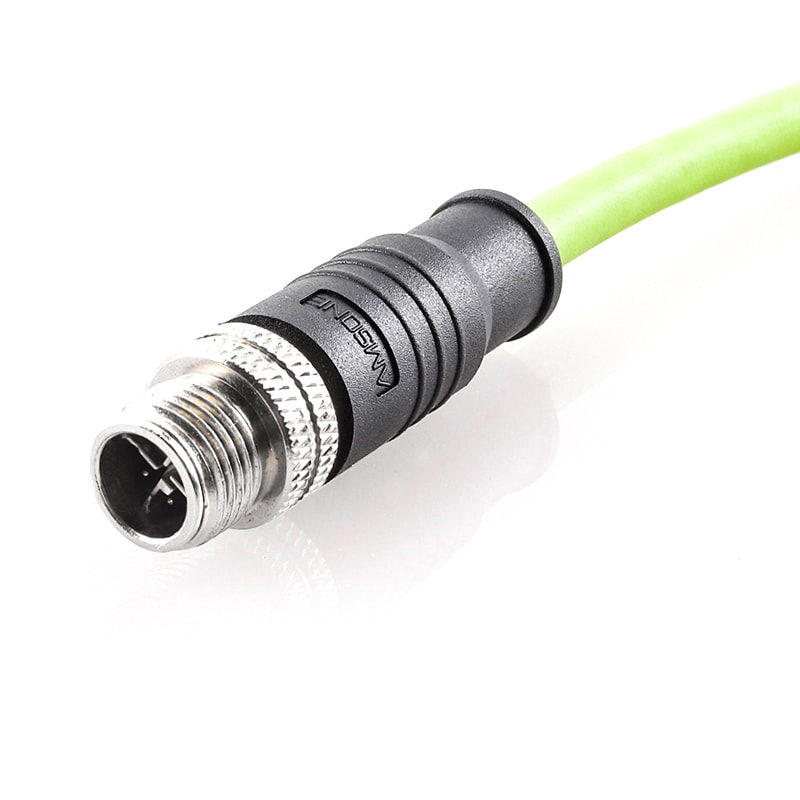
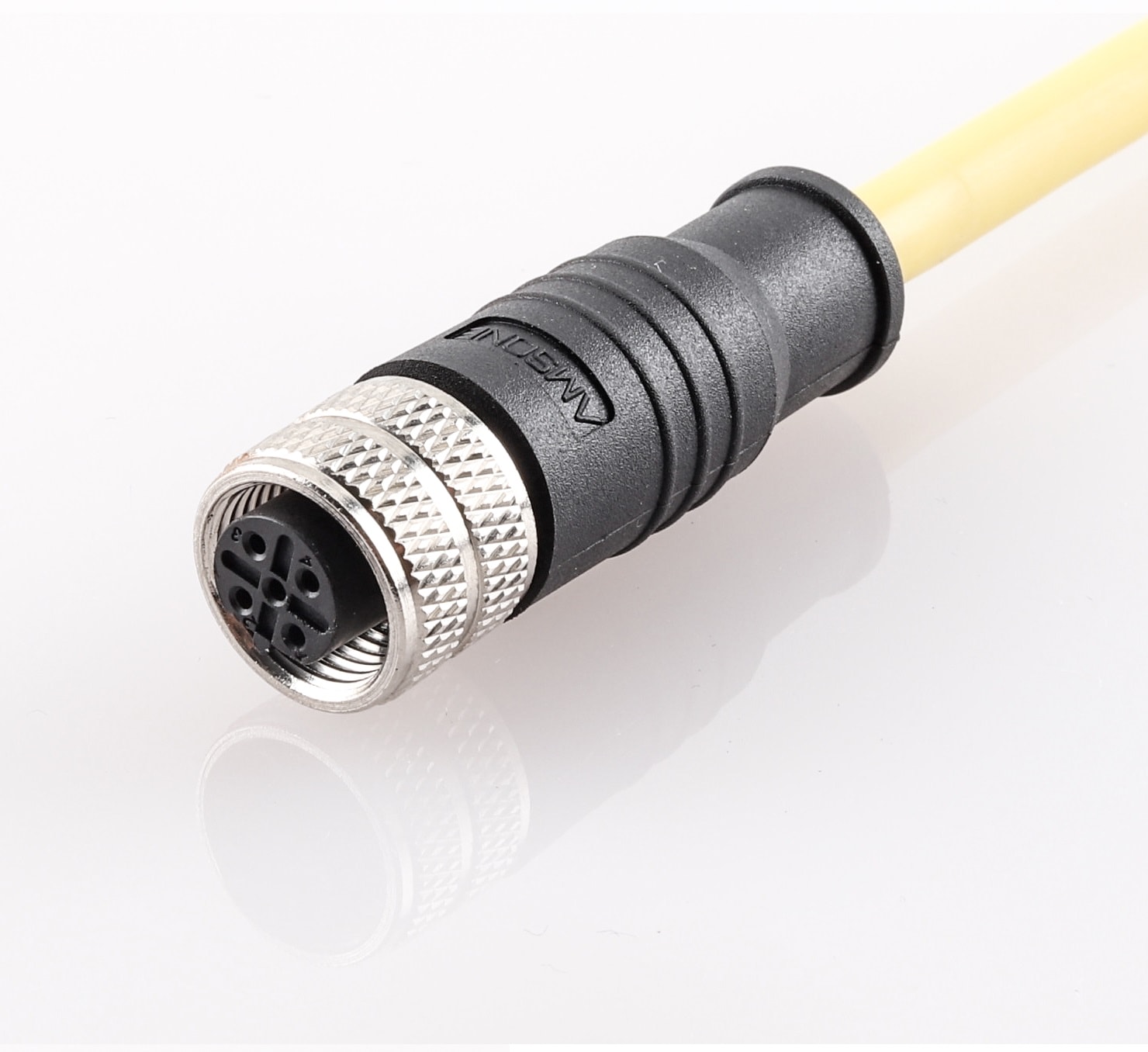
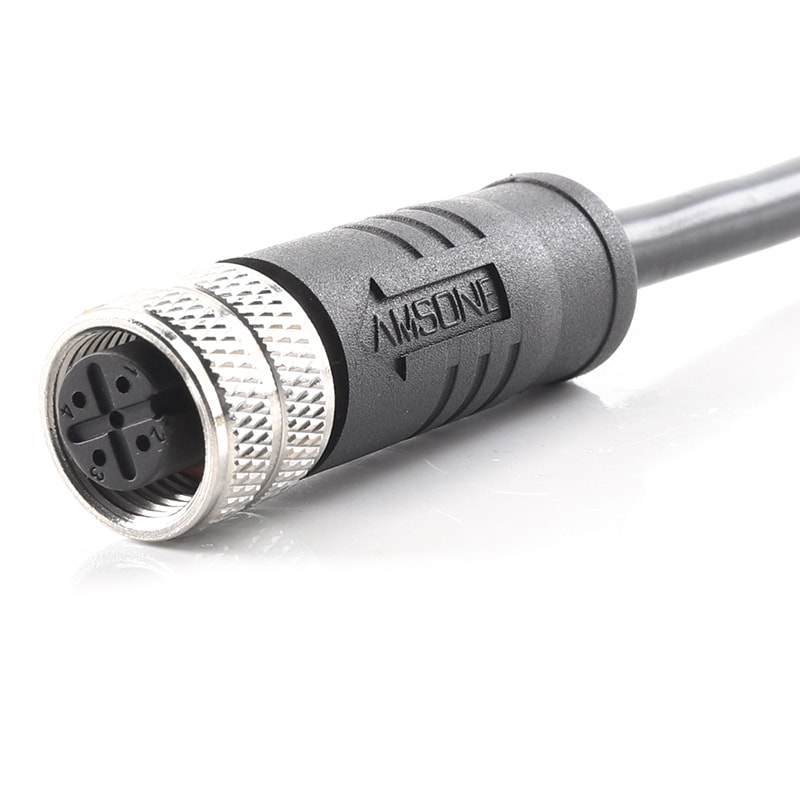
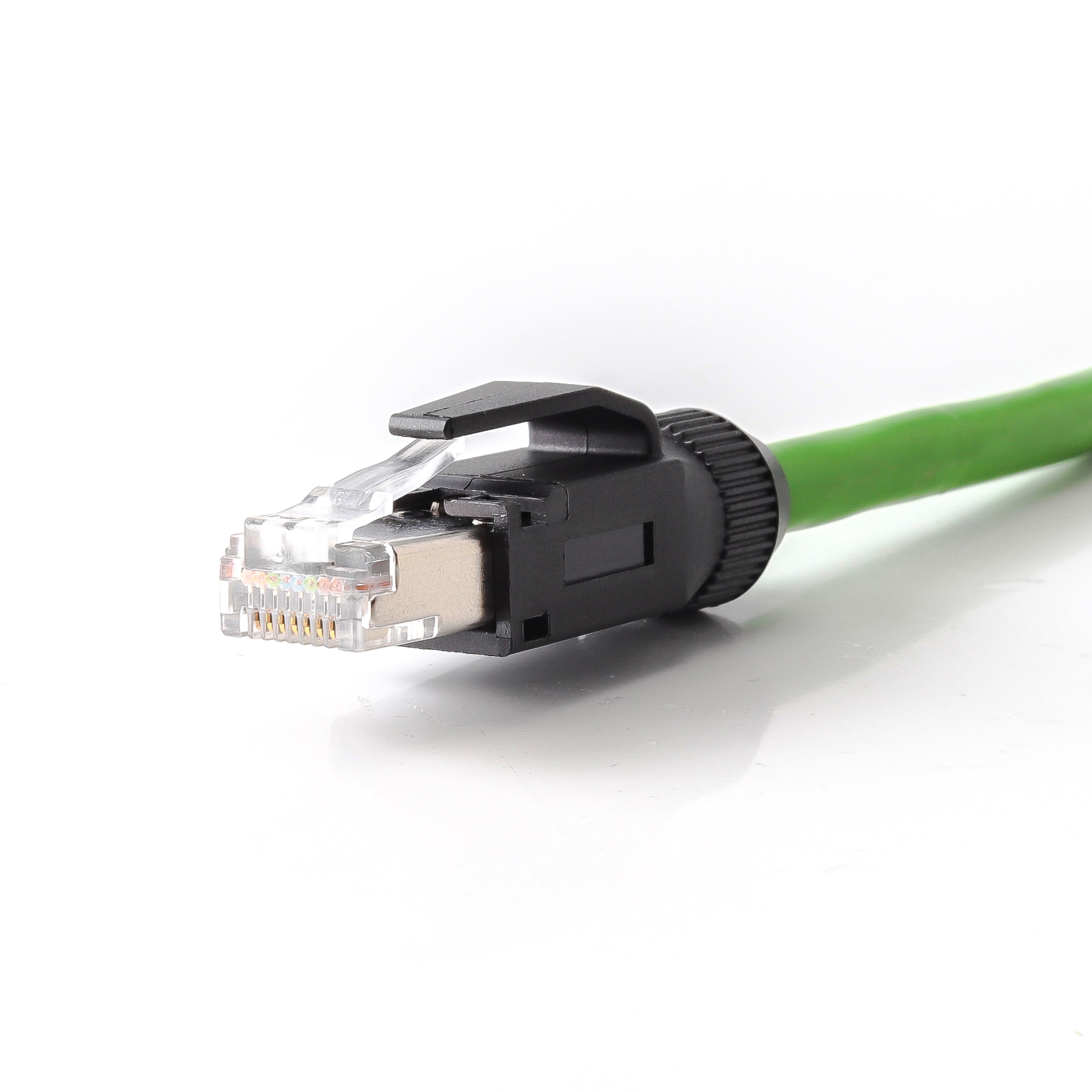
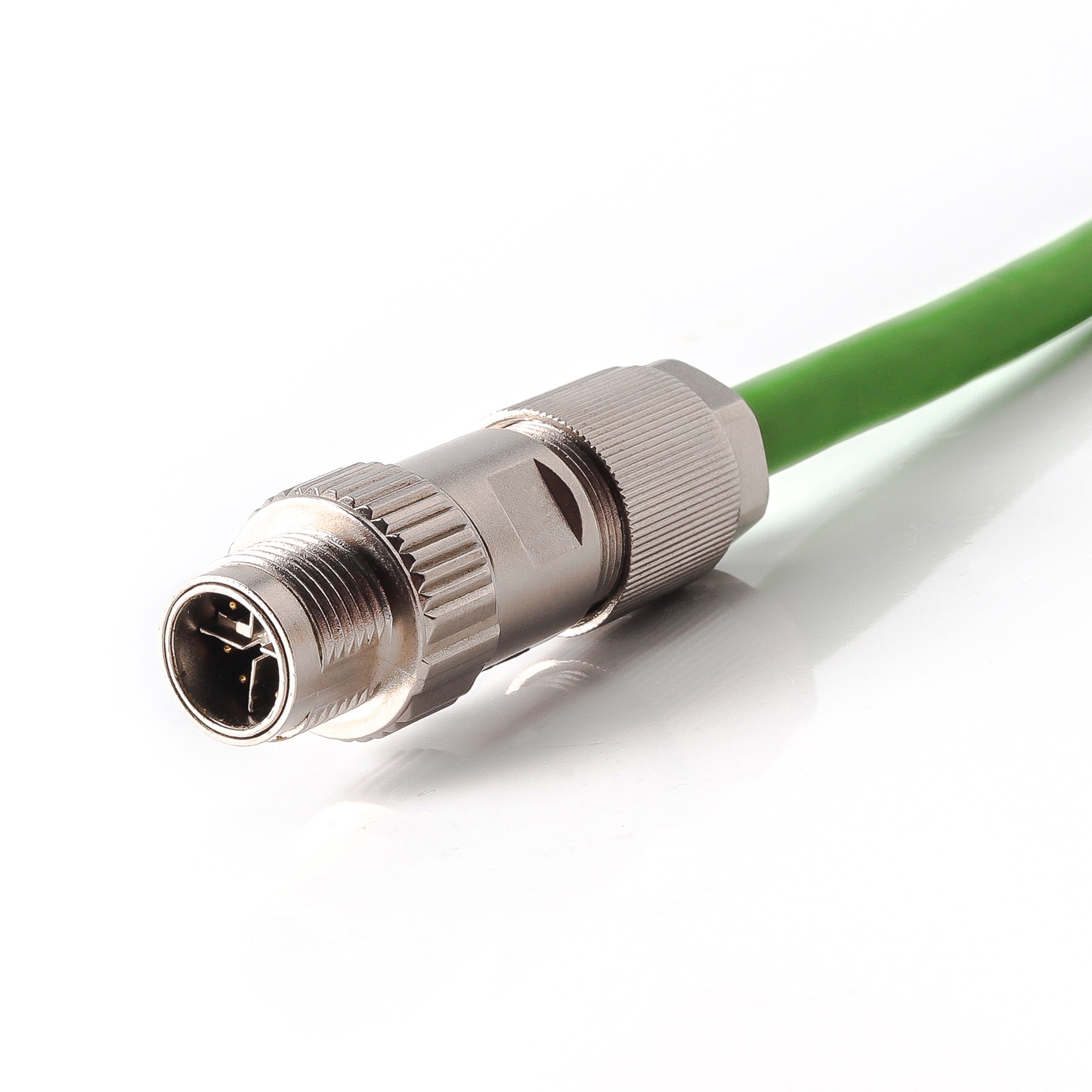
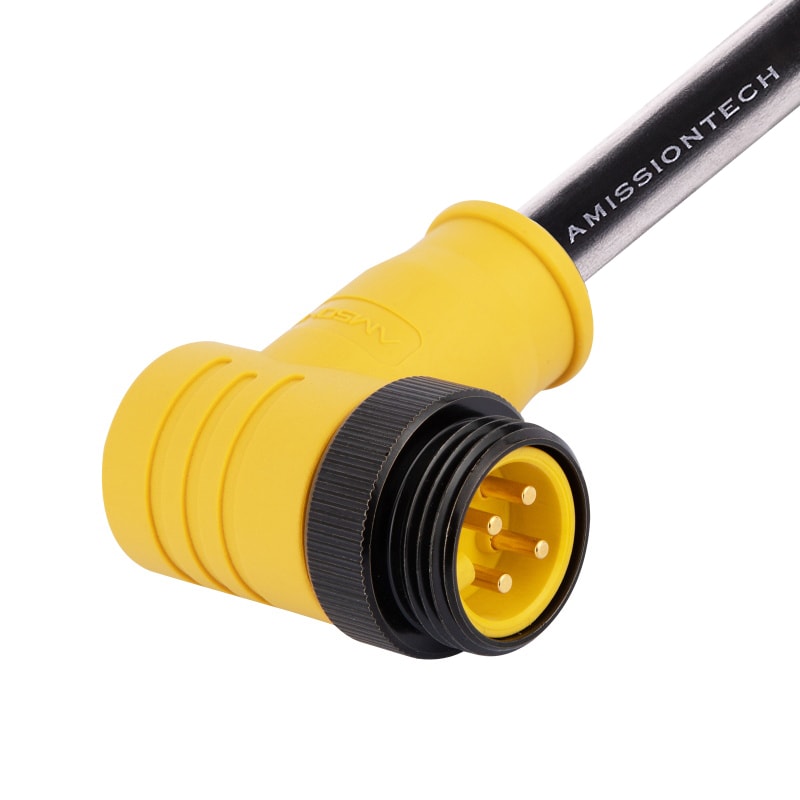
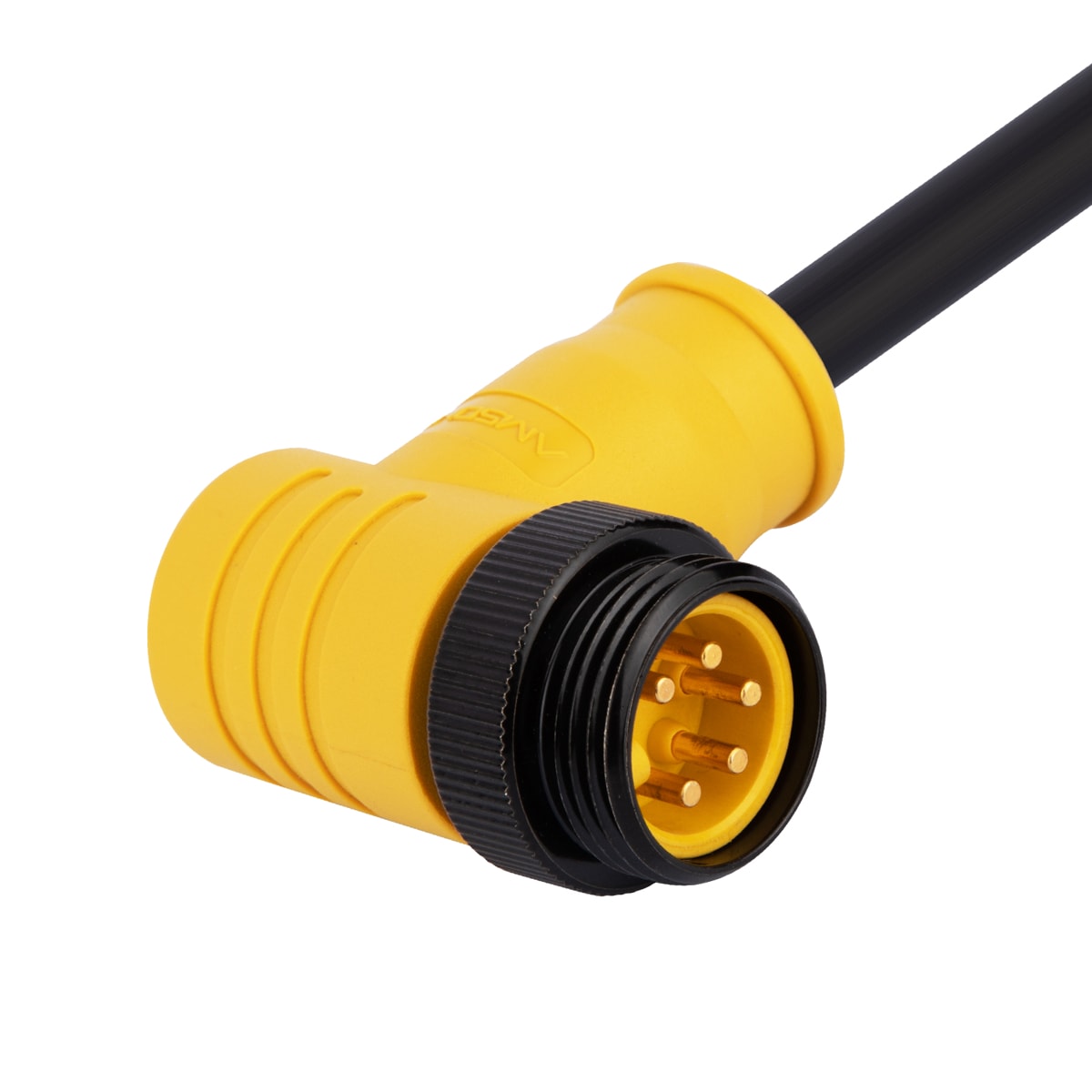
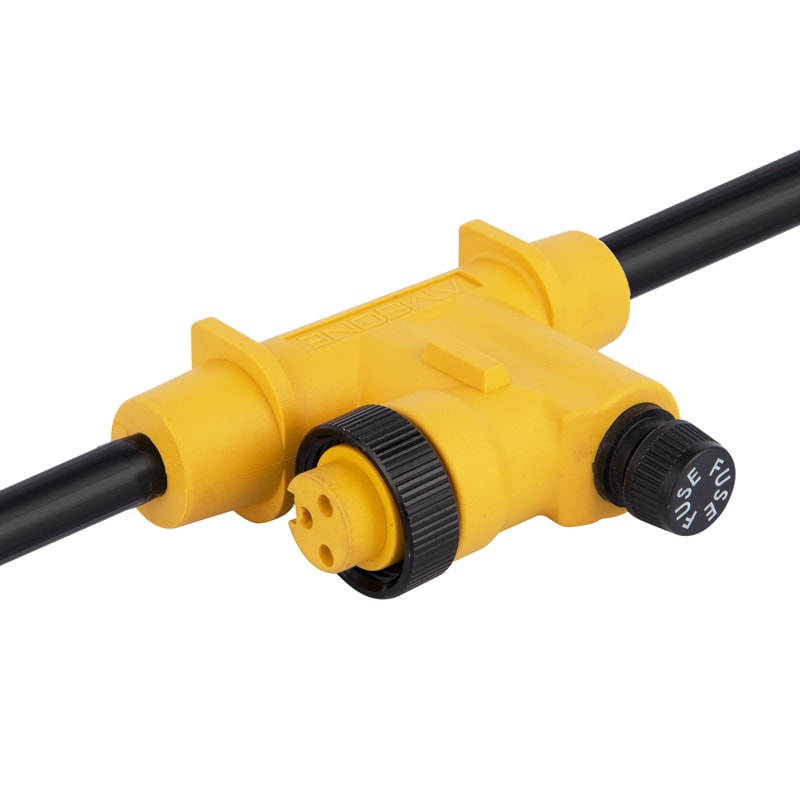
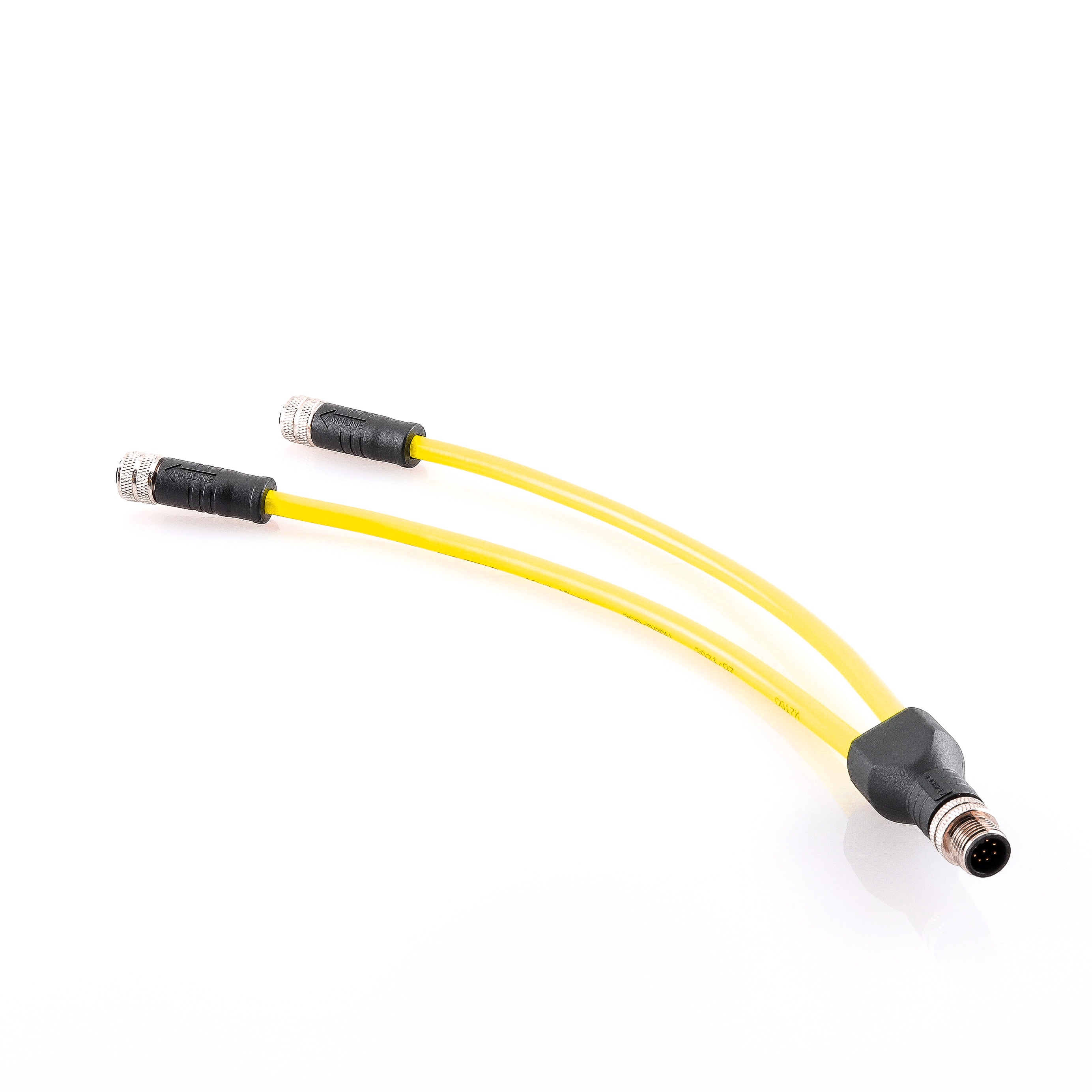





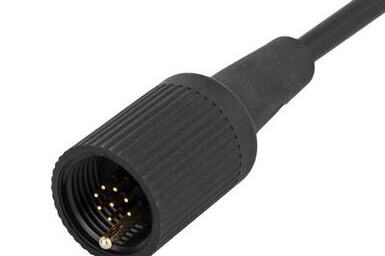
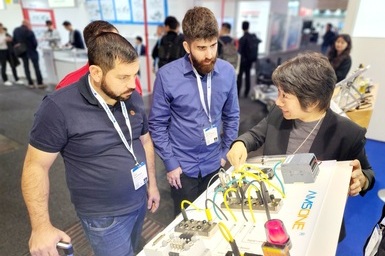
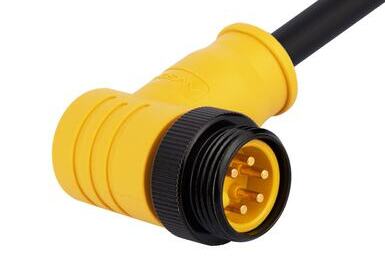
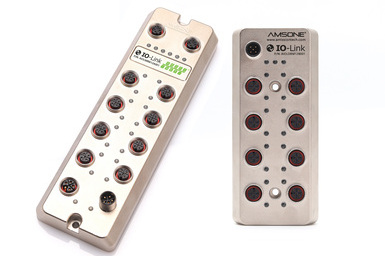

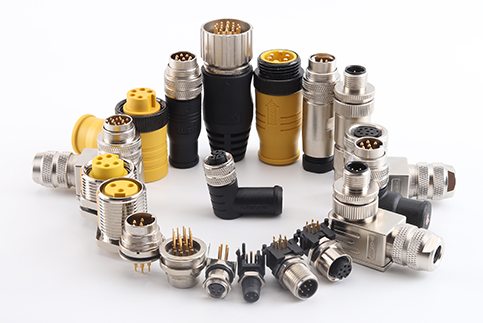
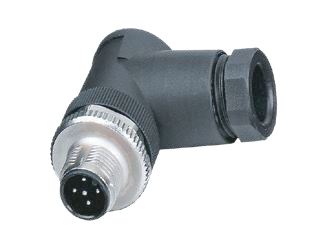

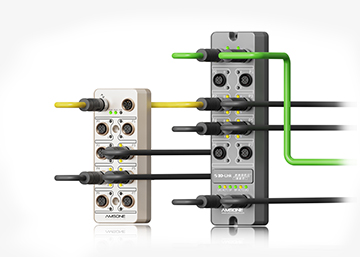
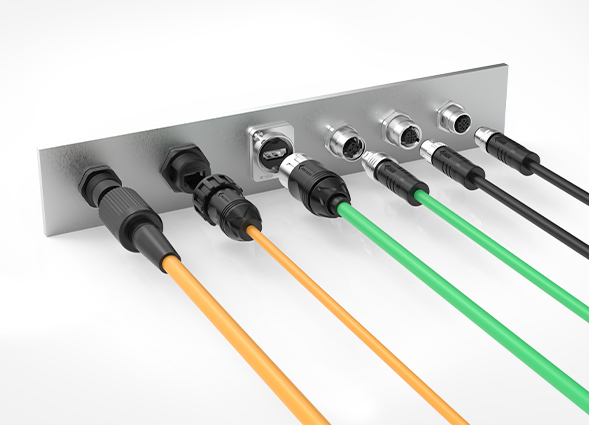
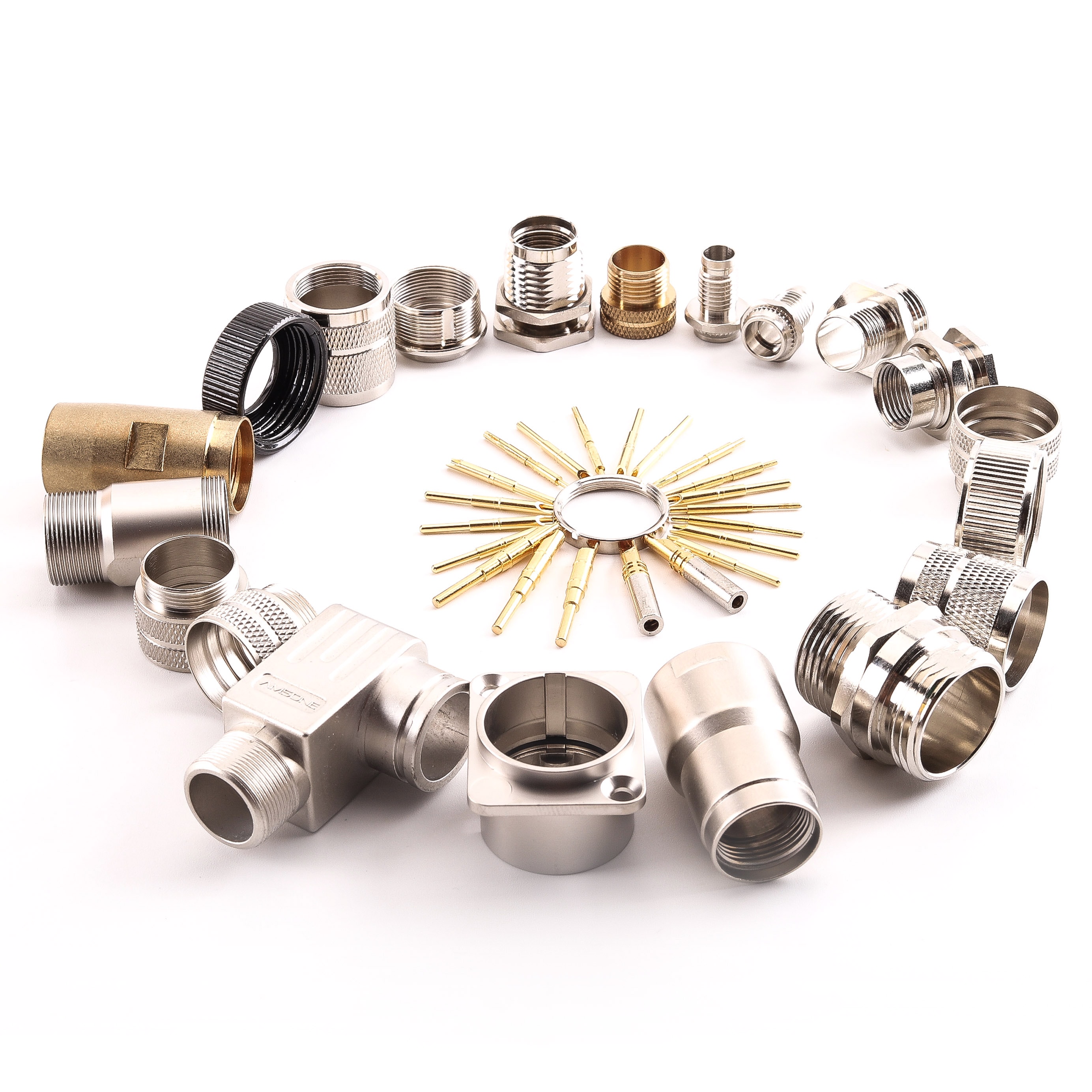
As an automation or controls engineer, you cannot afford network jitter or dropped data packets on a live production line. While legacy 4-pin interfaces throttle your bandwidth, upgrading to a rugged M12 X-coded connector unlocks flawless 10Gbps Cat6A Ethernet speeds—delivering the heavy-duty shielding and IP67 protection you need to future-proof your plant floor.
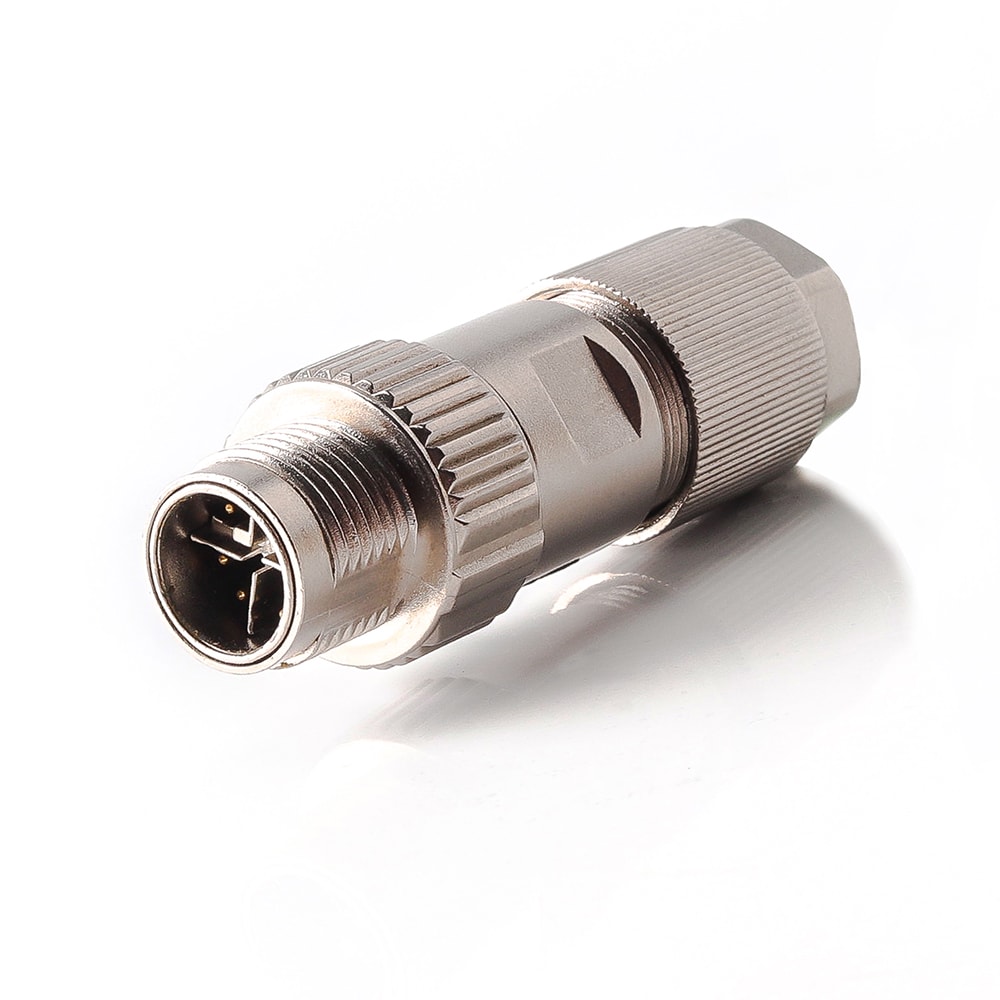
Selecting the wrong interface profile results in immediate physical incompatibility or critical network throttling. To optimize your hardware layout, you must distinguish between the three primary M12 keying standards used across automated environments today.
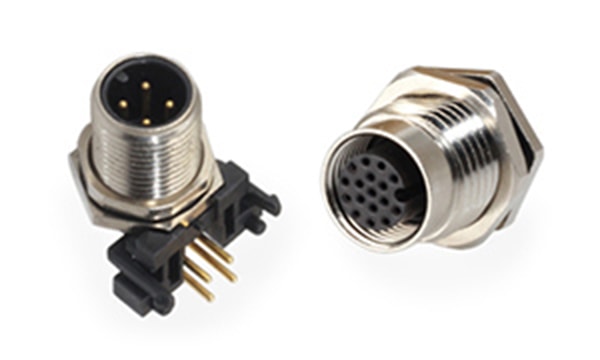
A-coded variants are the traditional backbone of factory floors, typically utilized for low-speed DC power and basic input/output signals. Featuring 3 to 5 pins, they connect proximity sensors, actuators, and motor starters but lack the high-frequency shielding required for multi-gigabit data processing.
For years, D-coded 4-pin interfaces served as the industrial standard for basic networking, supporting Fast Ethernet up to 100 Mbps (Cat5e). While highly reliable for legacy PLCs, their limited bandwidth creates severe data bottlenecks in modern, data-heavy automation architectures.
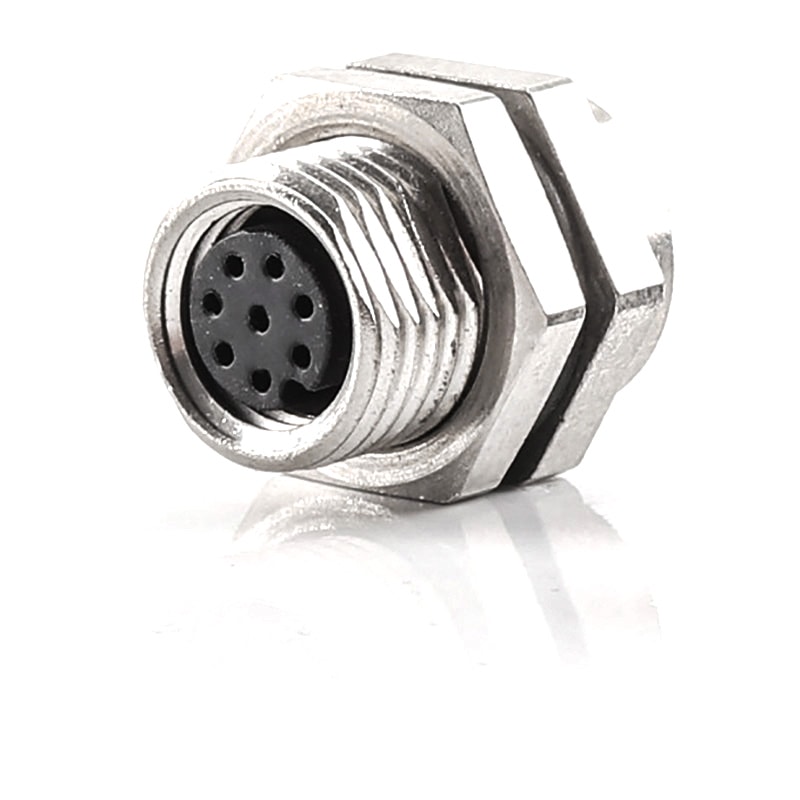
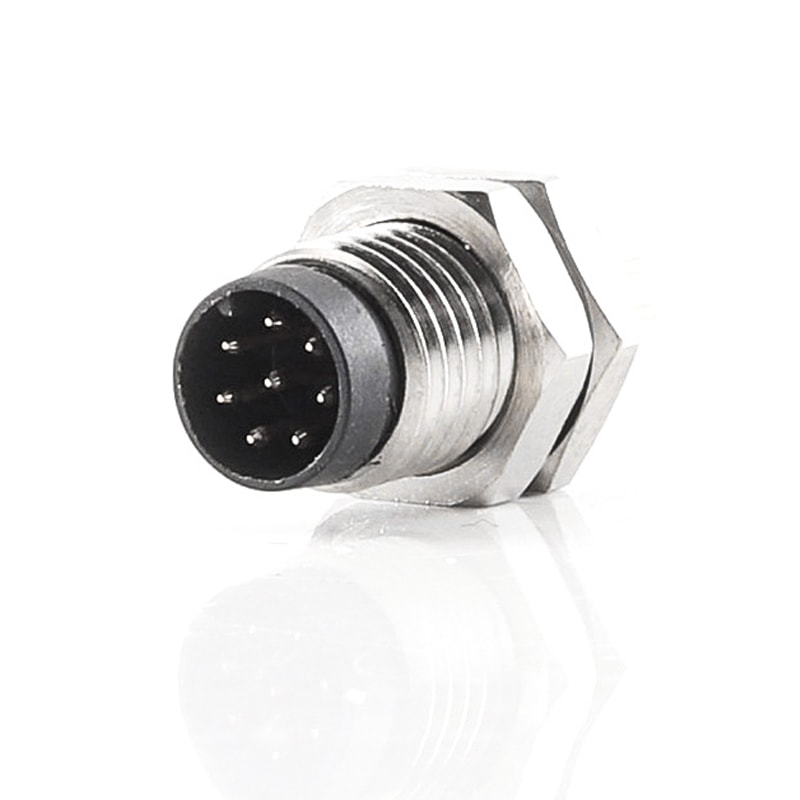
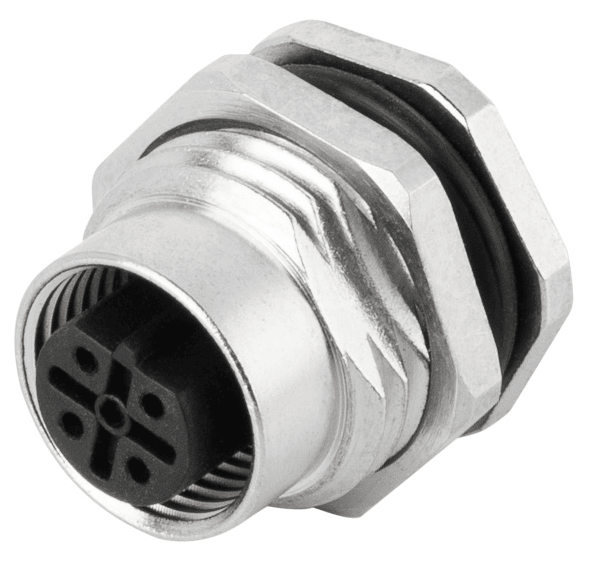
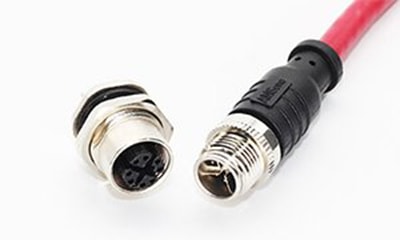
Engineered specifically for high-bandwidth Industrial Ethernet, the X-coded interface features an 8-pin layout isolated into four distinct pairs by an internal, cross-shaped metal shield. This specialized physical separation completely mitigates crosstalk, allowing the circular connector to process 10Gbps Cat6A data rates smoothly at 500 MHz frequencies.
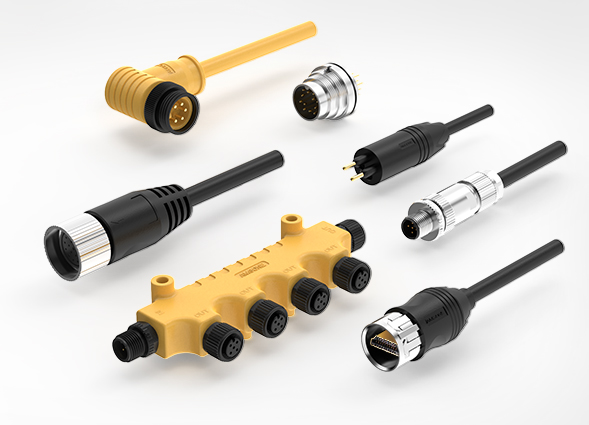
Deploying interconnects in harsh manufacturing zones requires precise adherence to electrical and mechanical standards. True industrial-grade hardware must match the following parameters to ensure structural integrity and signal continuity under heavy operating loads.
High-bandwidth industrial applications require hardware that bridges IT-level speeds with heavy manufacturing durability. The unique internal geometry of X-coded interfaces allows them to thrive where standard network connections fail.
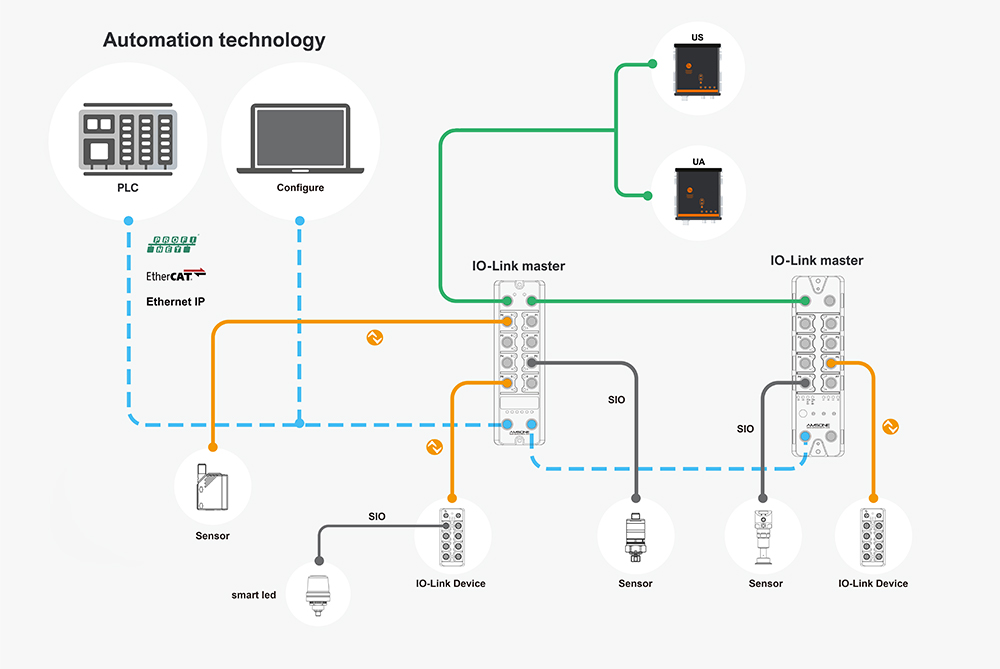
Modern automated systems rely on deterministic protocols to synchronize complex machinery. Using factory-overmolded M12 X-coded cable assemblies ensures jitter-free, real-time data exchange between central PLCs and distributed I/O blocks under harsh operating conditions.
High-resolution 4K and 8K industrial inspection cameras require massive, uncompressed data streams. The 10 Gbps throughput of X-coded connections prevents packet loss and frame drops, ensuring flawless automated quality control on fast-moving conveyor lines.
Dynamic motion profiles in multi-axis robotic cells subject cables to constant twisting and bending. Utilizing rugged, high-flex X-coded lines prevents internal conductor fatigue while maintaining continuous gigabit feedback loops from mobile automated guided vehicles.
Smart factories deploy dense sensor arrays to collect real-time diagnostic analytics for predictive maintenance. X-coded interfaces provide the necessary bandwidth backplane to channel this massive influx of edge data directly to cloud management software.
Infrastructure like wind turbines, solar fields, and transit networks face continuous thermal shock and UV exposure. Premium X-coded configurations utilize robust gold-plated contacts and fluororubber seals to maintain reliable network links from -40°C to +85°C.
When designing your next topology deployment, evaluate your physical routing constraints to choose between rigid panel-mount receptacles or high-flex overmolded lines. Explore our complete line of industrial interconnects or contact us today to consult with our engineering team on custom cable pinouts and jacket materials tailored to your specific operating environment.