News And Events

IO-Link Master Housing Selection: Plastic vs. Zinc Die-Cast

Views: 109 Author: Site Editor Publish Time: 2026-06-02 Origin: Site
Are your field modules failing unexpectedly? As industrial IO-Link masters move from protected control cabinets straight into the harsh production field, your choice of housing material becomes the ultimate line of defense. Let us break down the engineering data between plastic and zinc die-cast enclosures so you can prevent costly factory downtime.
Why Housing Material Matters in Harsh Fields

In decentralized I/O architectures, the enclosure does more than protect internal electronics. It must maintain reliable IP67 or IP69K seals against moisture while handling severe environmental stressors:
  • Mechanical Stress: Continuous vibration from fast-moving robotic arms.
  • Thermal Cycling: Extreme plant temperatures ranging from -40°C to +70°C.
  • Chemical Ingress: Corrosive cutting oils and aggressive washdown agents.
  • EMI/RFI Noise: High-frequency electrical interference from neighboring Variable Frequency Drives (VFDs) and welding cells.

Plastic Housings: Cost-Effective & Chemical Inertness

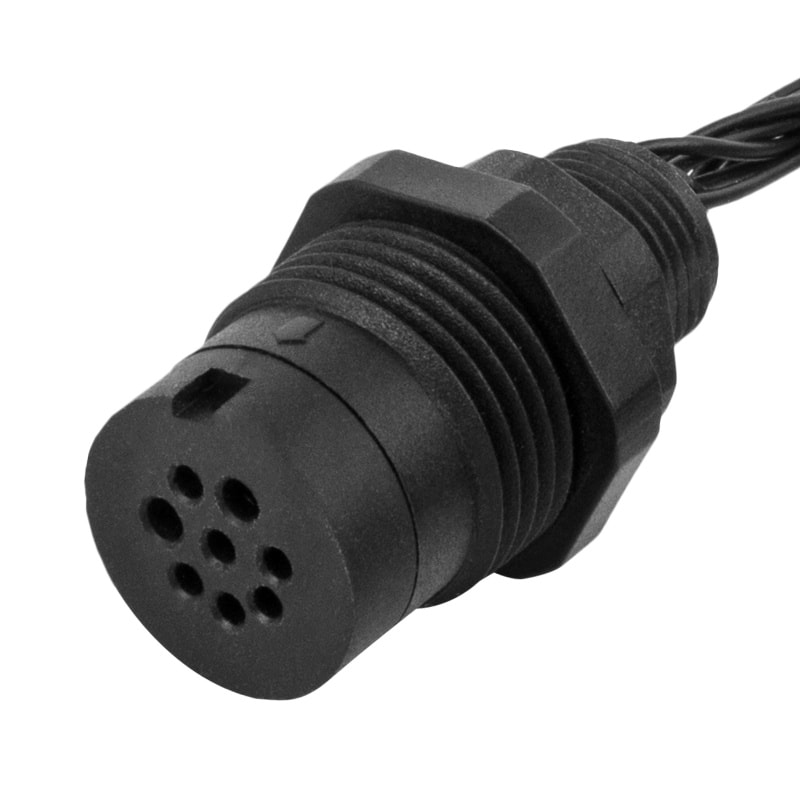
Modern plastic IO-Link modules utilize advanced polymers like Glass-Fiber Reinforced PA66 (GF-PA66) or PBT.

The Pros:

They are highly cost-effective for large-scale deployments, saving you 30–50% in initial hardware budgets. They are inherently immune to salt spray and chemical corrosion, making them ideal for coastal environments or mild washdown areas. Their lightweight nature also minimizes kinetic stress on fast-moving robotic tools.

The Cons:

Plastics lack natural EMI shielding and possess low thermal conductivity. If you subject them to direct physical impacts or hot welding spatter, they risk cracking or melting.

Application Note:

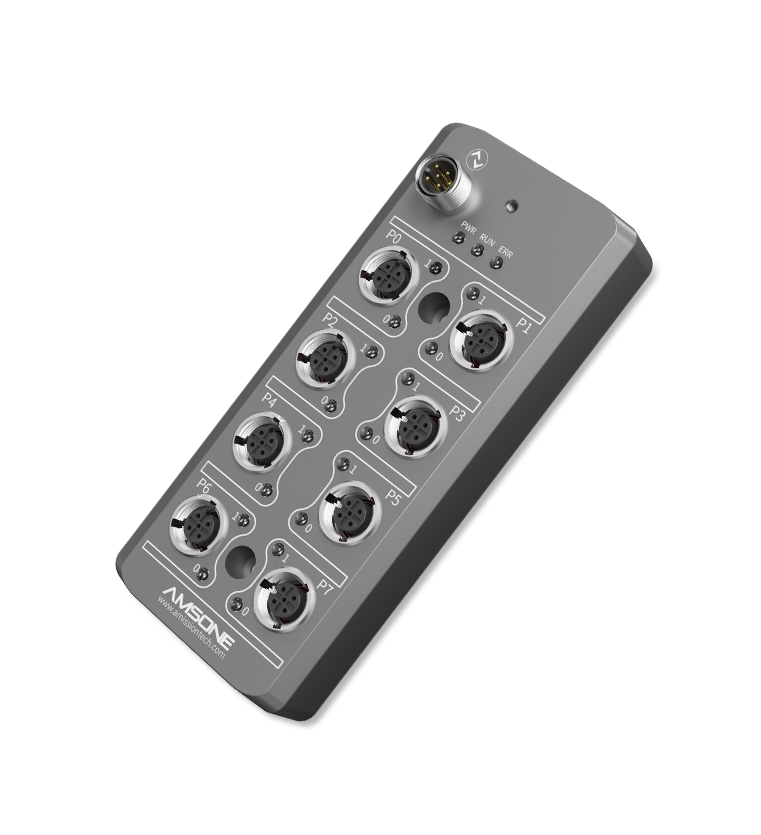
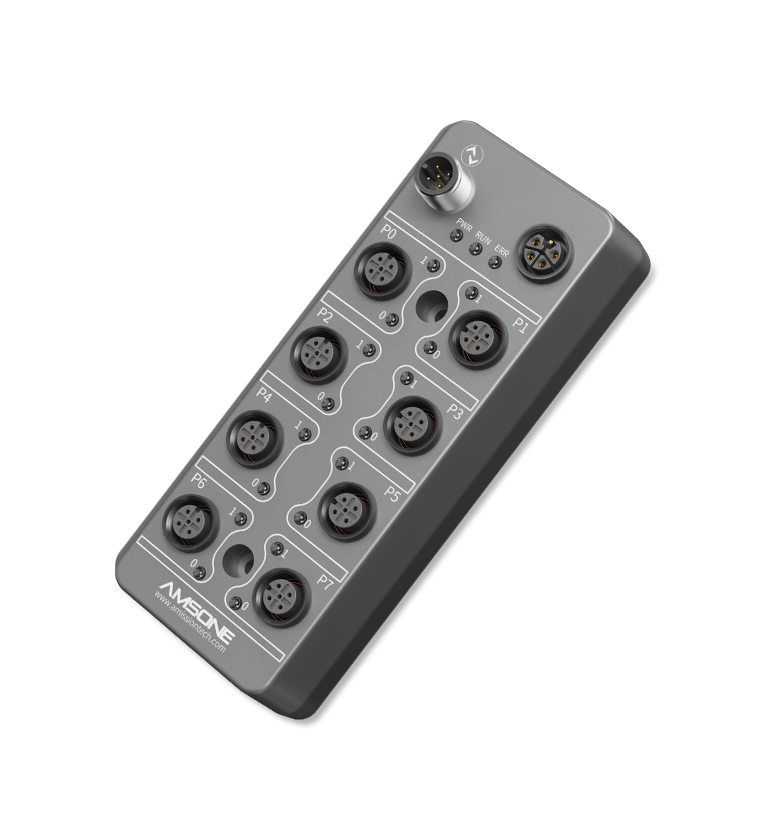
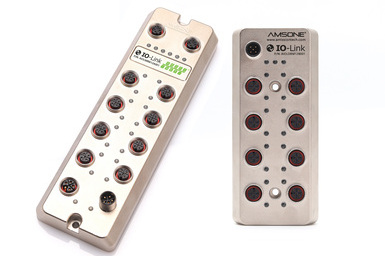
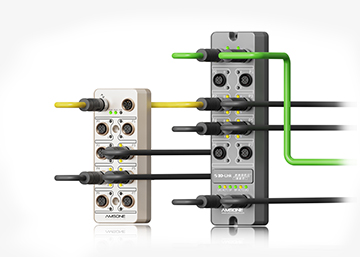
High-quality IO-Link Hubs featuring impact-resistant plastic housings are excellent for optimizing signal distribution without adding d ead weight to your automated systems.

Zinc Die-Cast Housings: Ultimate Ruggedness

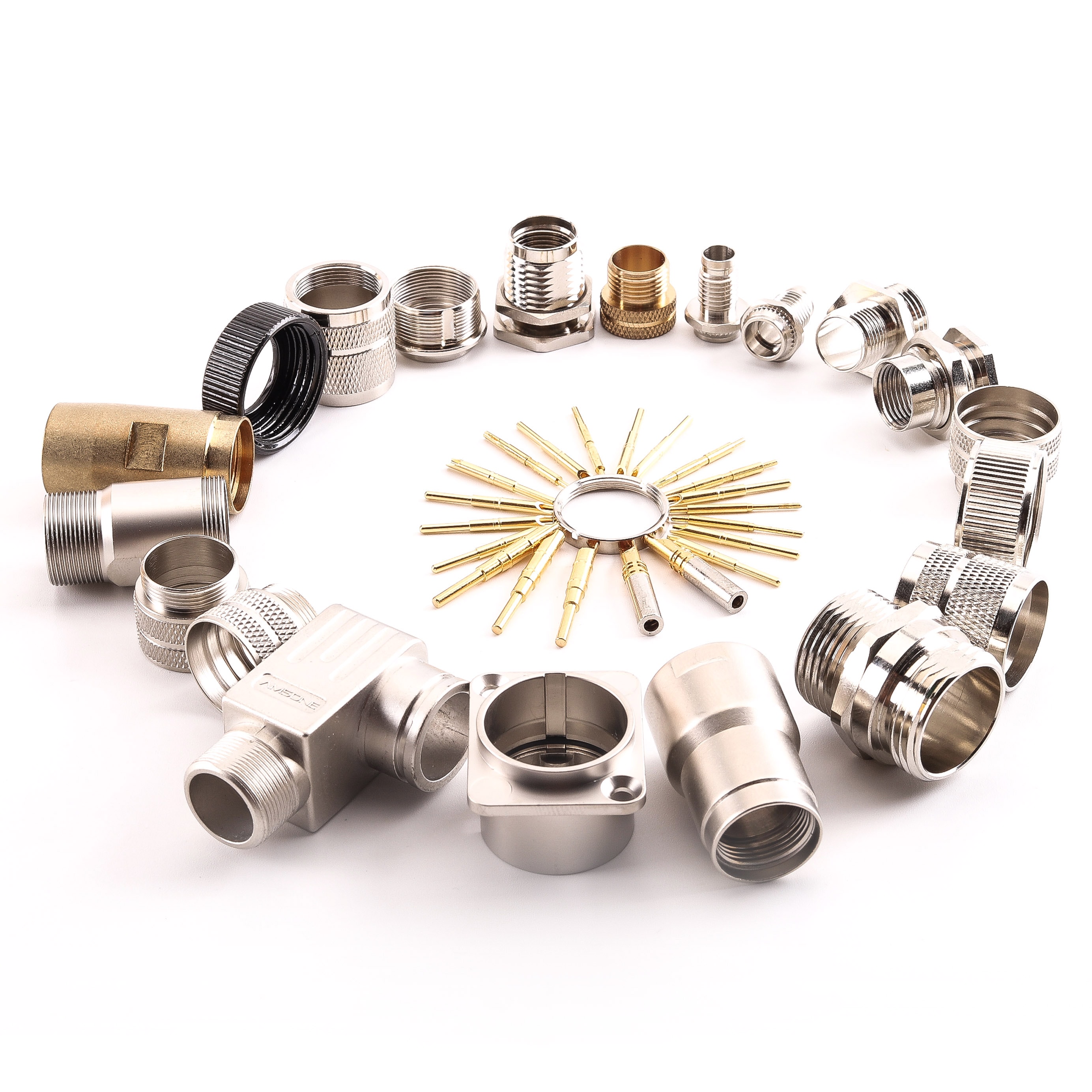
For heavy-duty applications, nickel-plated zinc alloy (Zamak) enclosures represent the industrial gold standard.

The Pros:

You get exceptional structural integrity that easily withstands intense shocks and mechanical abuse. Zinc acts as a natural Faraday Cage, providing superior EMI/RFI shielding (60–80dB) which is absolutely essential near high-noise welding machinery. Additionally, the metal serves as an efficient heat sink, safely dissipating thermal loads when you utilize high-power M12 L-Coded power connections at +70°C.

The Cons:

They bring higher initial procurement costs, significantly heavier weight, and a strict dependency on high-quality plating to avoid oxidation in acidic environments.

Application Note:

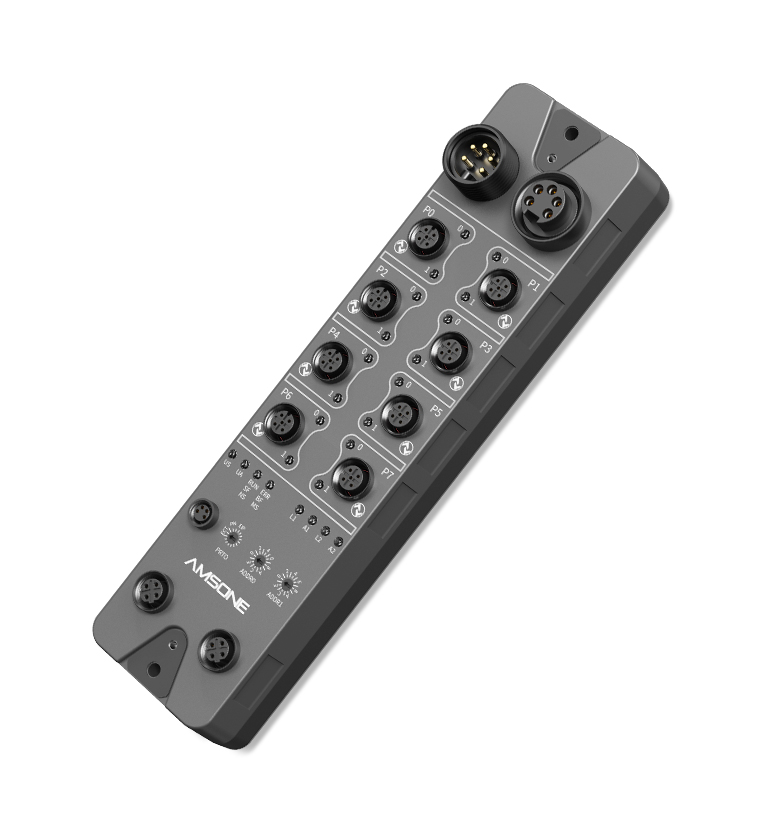
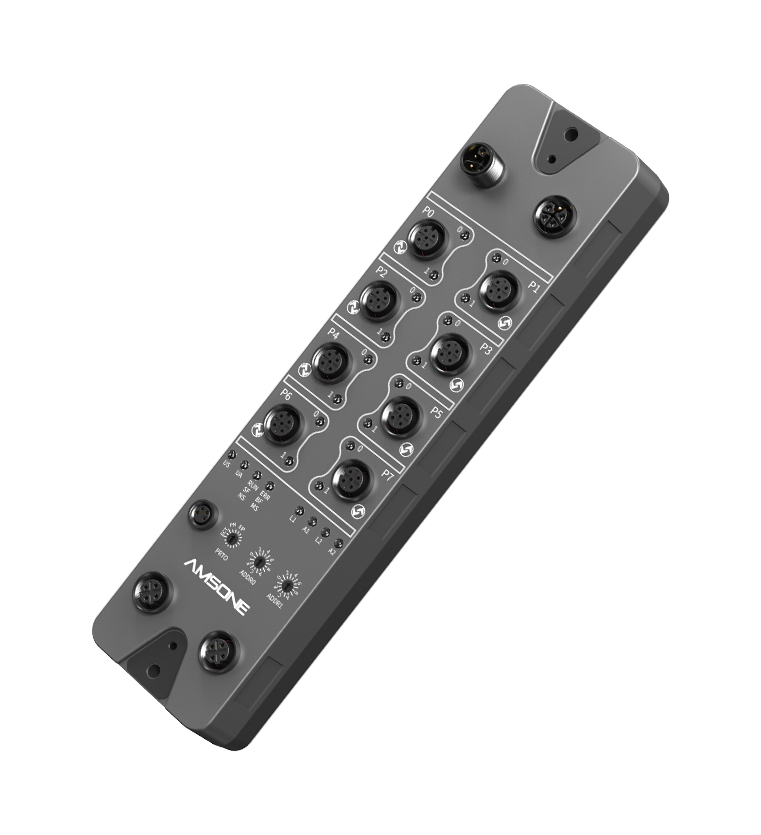
Choosing heavy-d uty IO-Link Masters with zinc die-cast housings ensures continuous uptime on aggressive automotive weld ing and machining lines.

Head-to-Head Comparison Matrix

Parameter GF-PA66 Plastic Zinc Die-Cast Engineering Winner & Best Scene
Impact Resistance Moderate-High Maximum Zinc: High-abuse machining zones
Welding Spatter Vulnerable Immune Zinc: Automotive welding cells
EMI Shielding None Excellent Zinc: Heavy VFD and motor areas
Thermal Dissipation Insulating Superior Zinc: High-power M12 setups
Chemical/Salt Spray Superior Good (Plated) Plastic: Corrosive coastal plants
Weight Ultra-Light (~120g) Heavy (~450g) Plastic: Dynamic robotic tools
Hardware ROI Outstanding Premium Tie: Depends entirely on plant zone


Scenario-Based Selection Guide

Specify Plastic IO-Link Housings When:

· Budget Optimization is a Priority: Deploying networks in standard packaging, intralogistics, or conveyor systems where extreme environmental protection is unnecessary.
· Weight Reduction is Critical: Minimizing kinetic load on high-speed robotic manipulators and delicate end-of-arm tooling to reduce motor wear.
· Corrosive or High-Salt Air is Present: Utilizing inherent material immunity in coastal manufacturing plants or facilities requiring frequent mild chemical wipe-downs.

Specify Zinc Die-Cast IO-Link Housings When:

· Sparks and Physical Impacts Exist: Mounting I/O blocks directly onto automotive welding lines where hot spatter and heavy tool contact are daily occurrences.
· Severe Electrical Noise Disrupts Data: Shielding sensitive electronics from massive EMI/RFI interference generated by heavy-duty VFDs and large industrial motors.
· High Thermal Loads are Expected: Operating inside tight, unventilated spaces or heavy-duty CNC machinery with high-pressure coolant sprays and ambient temperatures reaching up to +70°C.

Final Thoughts

Successful Industry 4.0 integration requires matching your housing materials to specific floor conditions. Whether you need lightweight flexibility or heavy-duty shielding, selecting the right enclosure ensures your data flows without interruption.
Ready to optimize your factory network? Contact us today for technical support and custom configuration options.
Amissiontech Co., Ltd
Your Demand,Our Desire!
×

Inquire

*Name
*Email
Company Name
Tel
*Message
*Verify Code
captcha
×

Contact Us

captcha

*We respect your privacy. When you submit your contact information, we agree to only contact you in accordance with our Privacy Policy.