News And Events

What’s the Role of YTH-Splitters in Industrial IO

Views: 114 Author: Site Editor Publish Time: 2026-06-02 Origin: Site

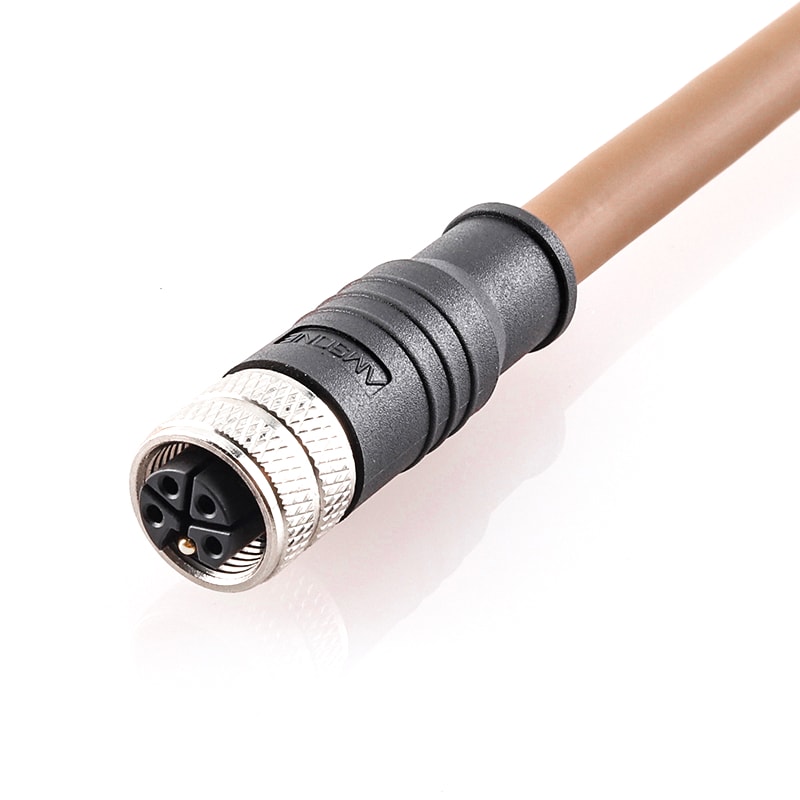
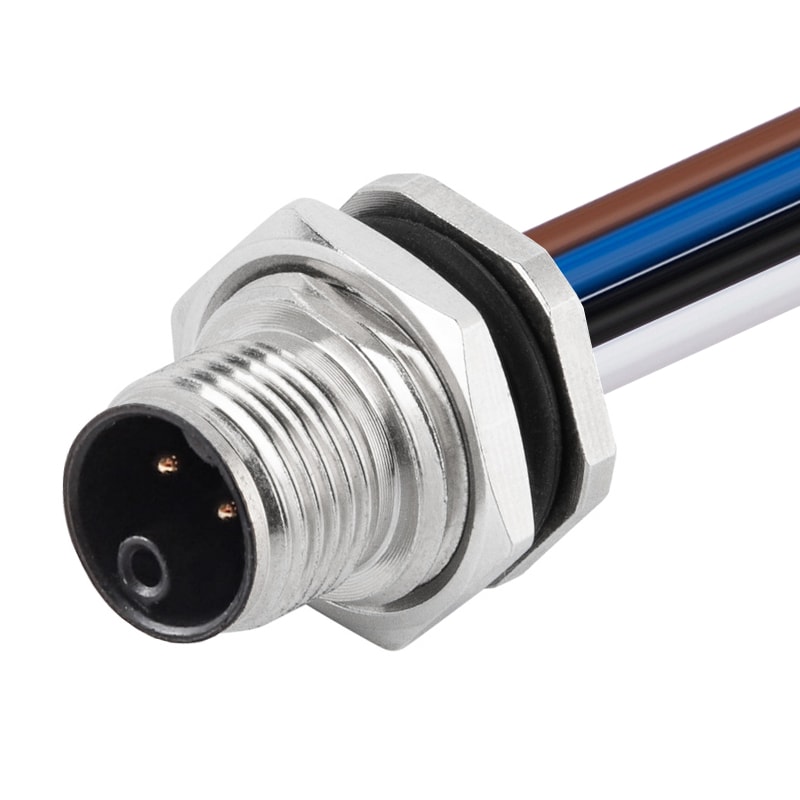
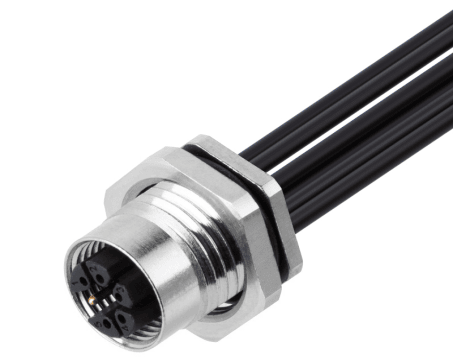
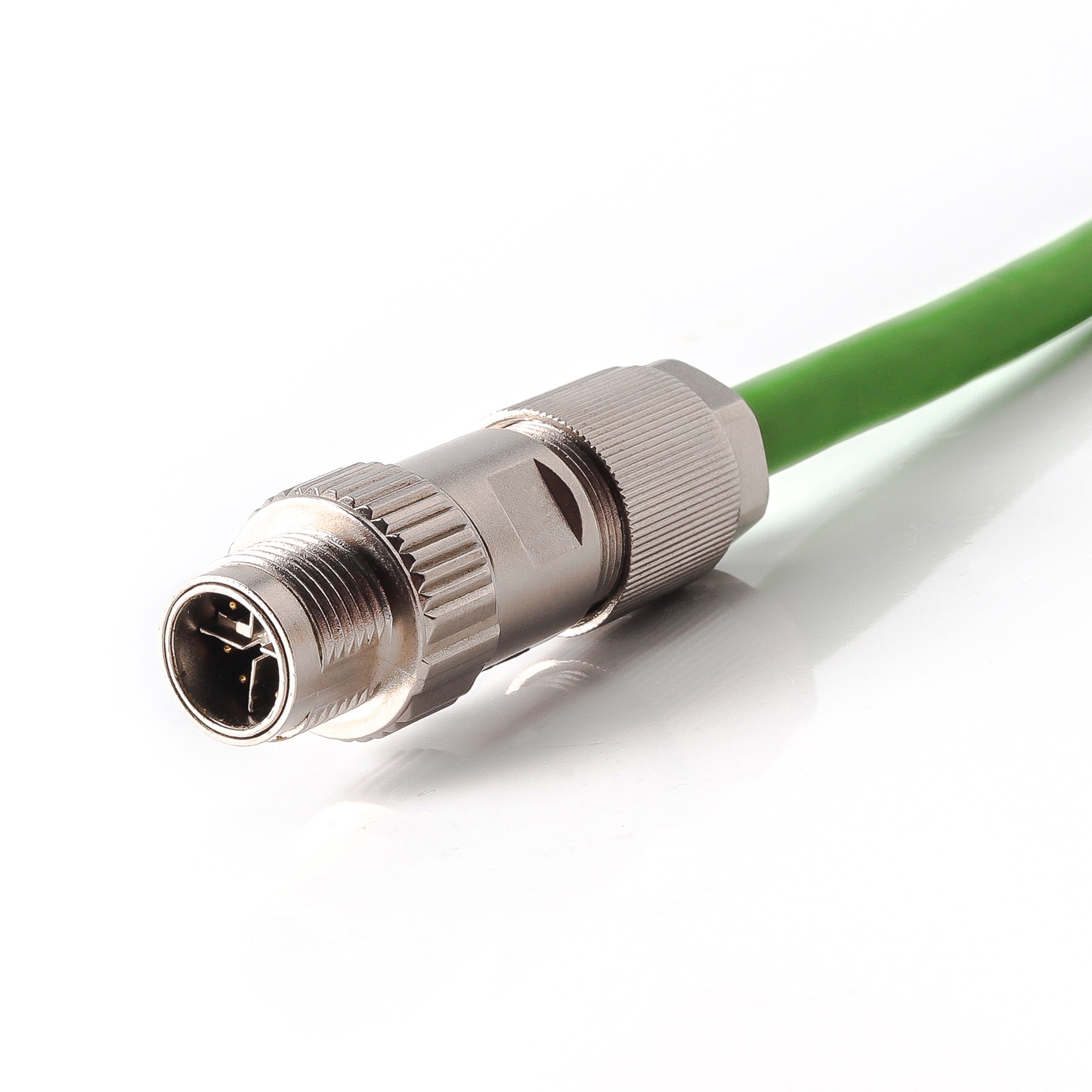
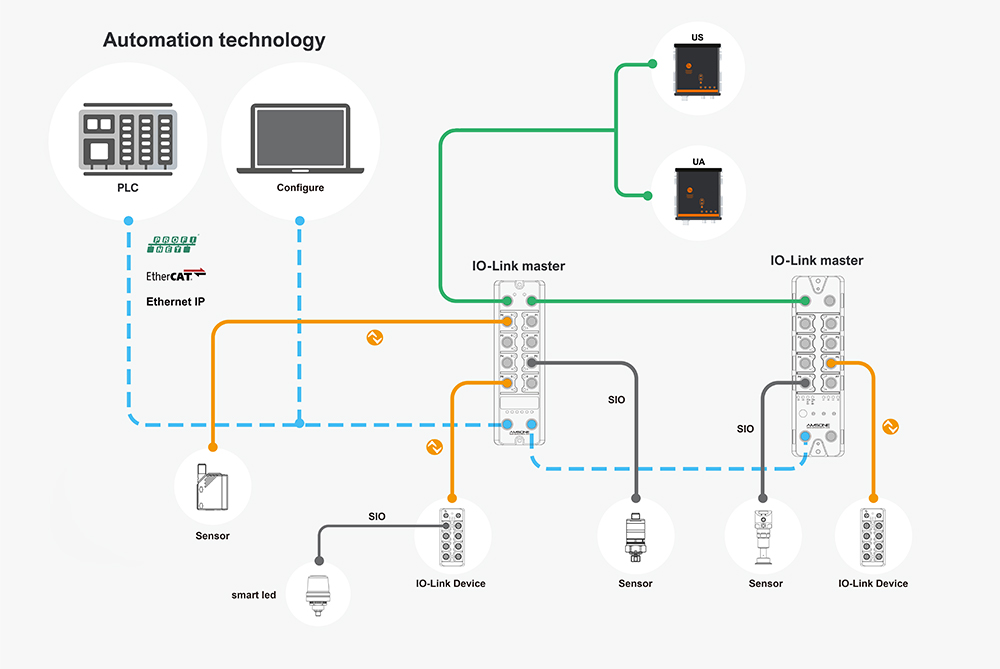
Expanding field automation often hits a physical barrier: running out of available I/O ports on expensive controller blocks. Instead of purchasing additional master modules, savvy automation engineers utilize compact routing accessories. Implementing the correct industrial splitters unlocks hidden capacity within existing networks, optimizing shop floor wiring efficiency and reducing infrastructure hardware costs.
The Mechanics of Port Maximization

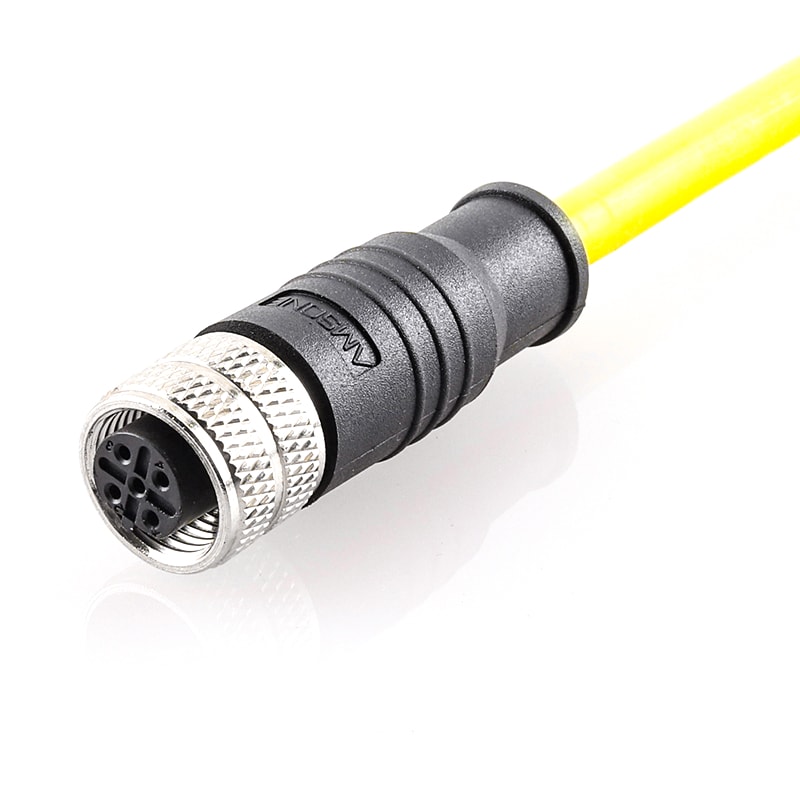
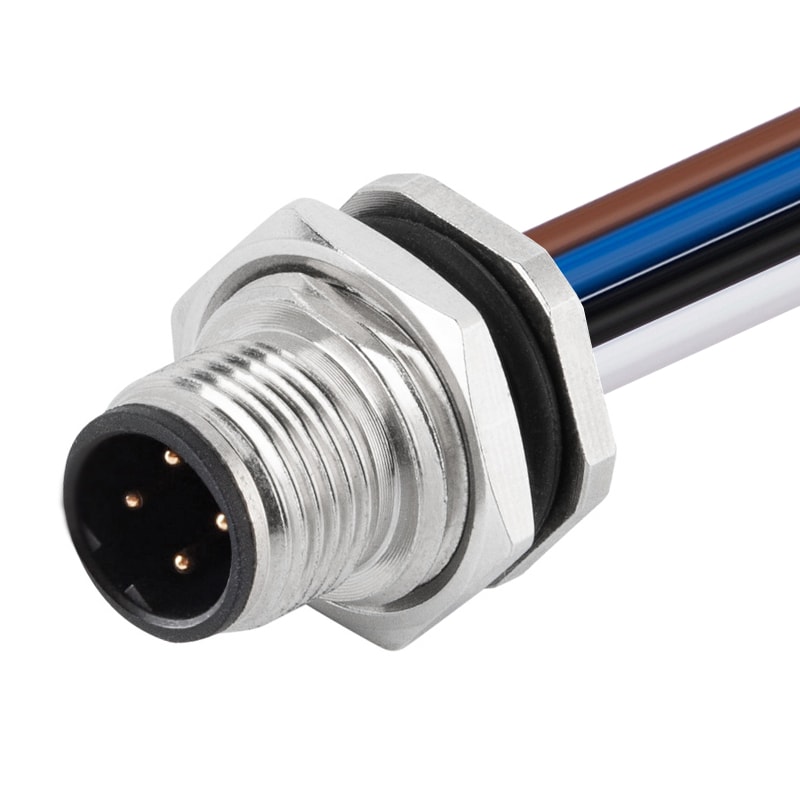
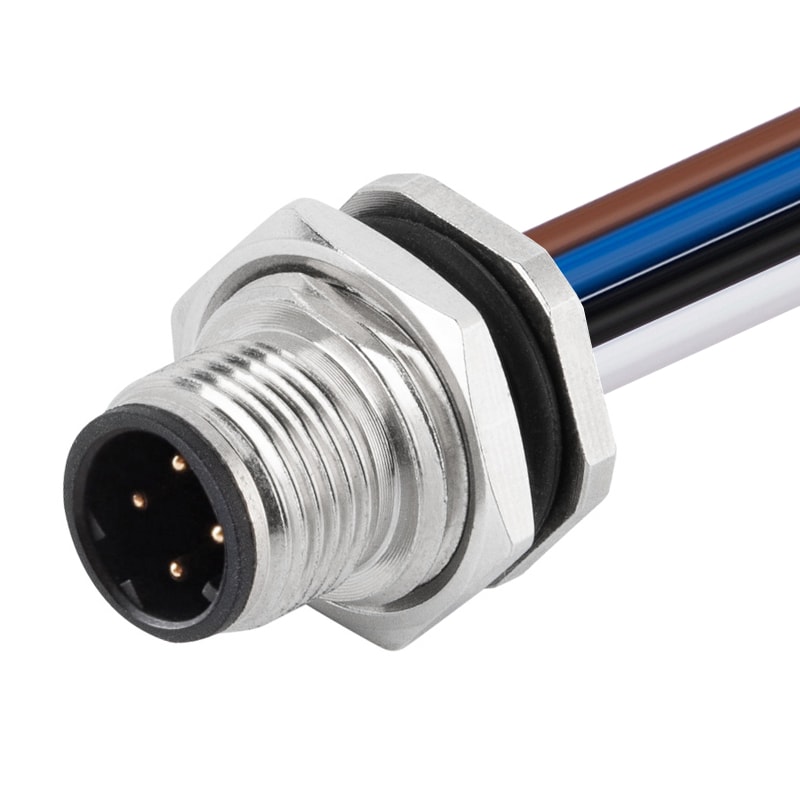
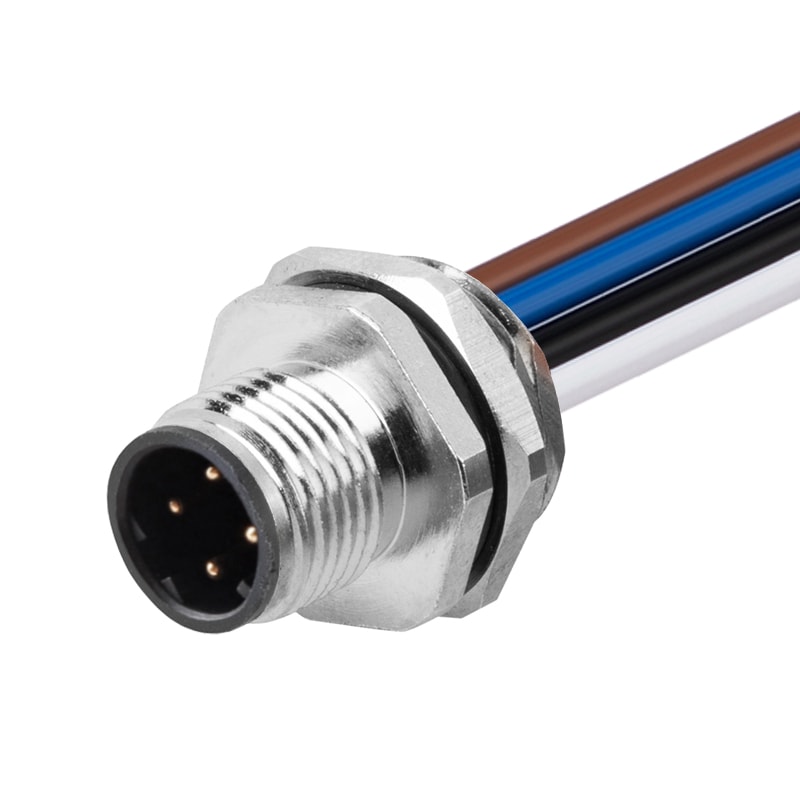
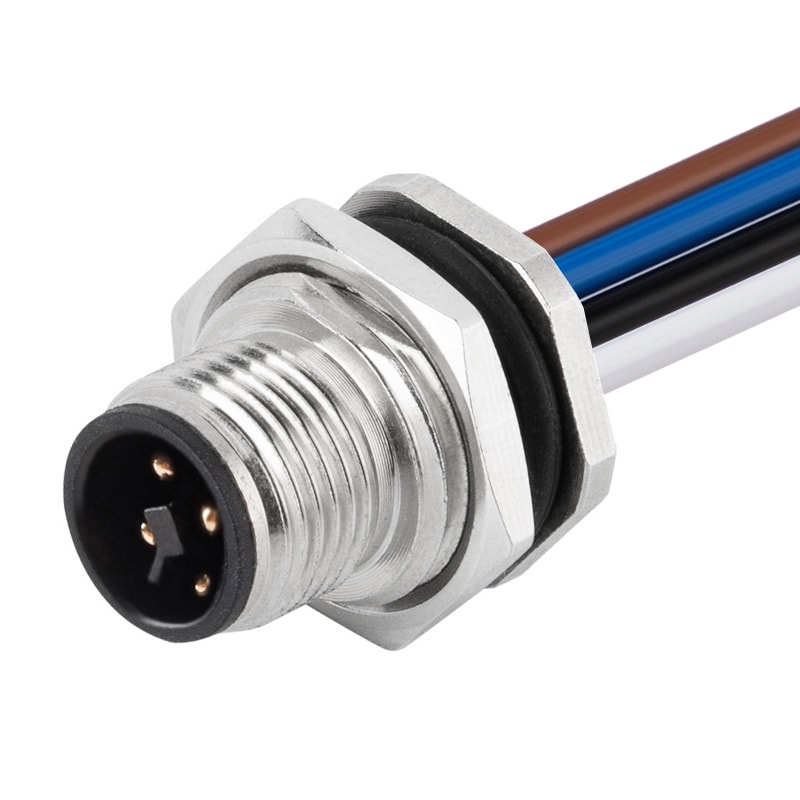
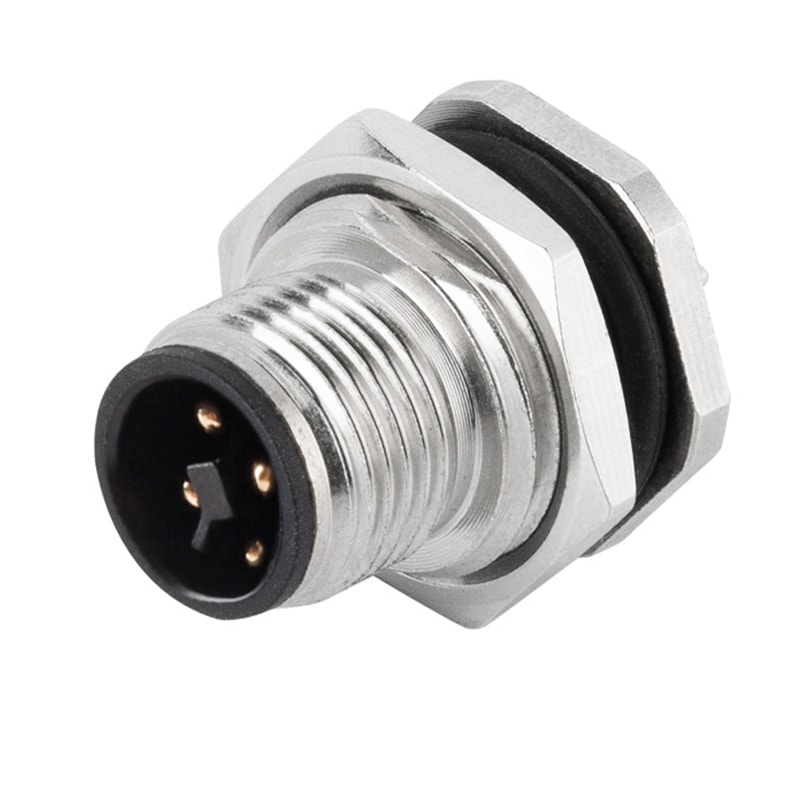
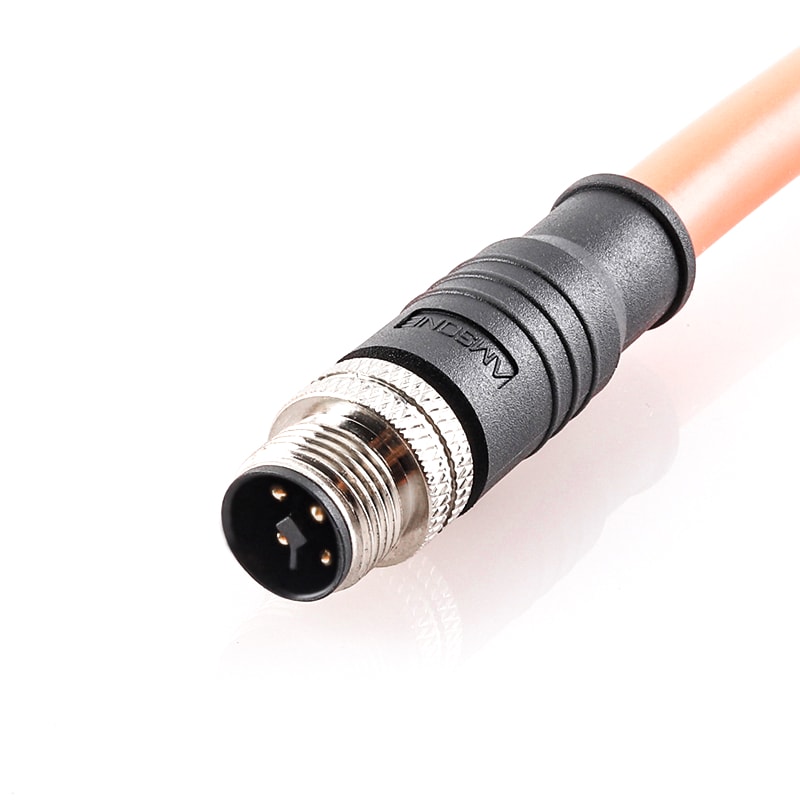
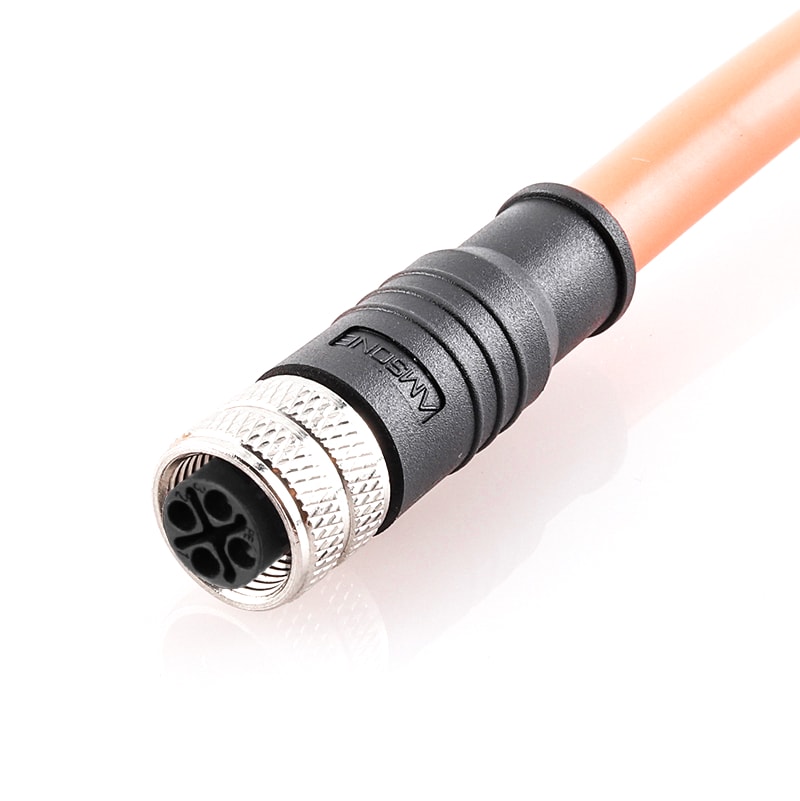
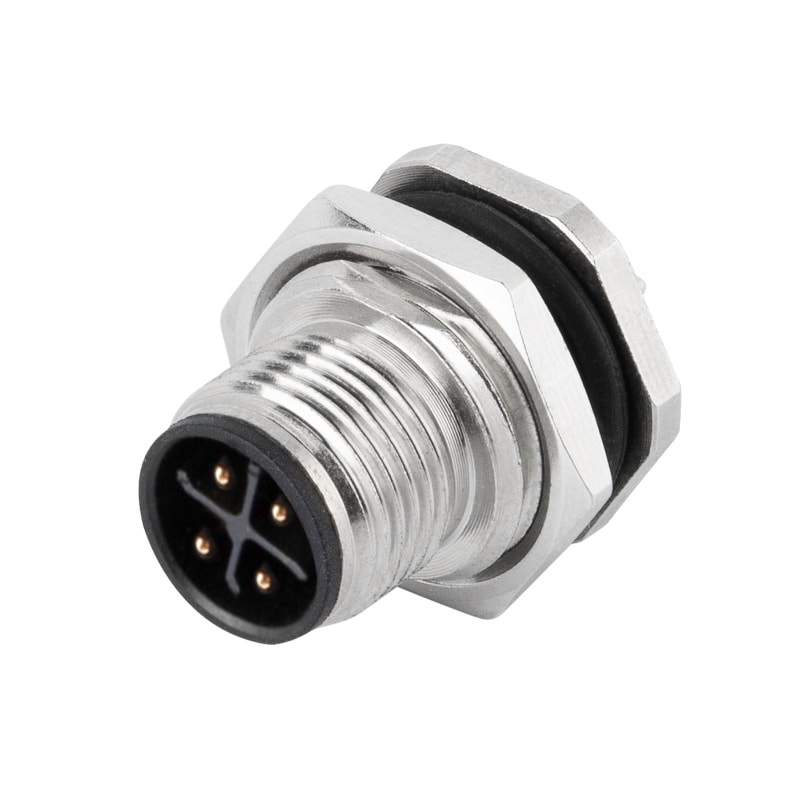
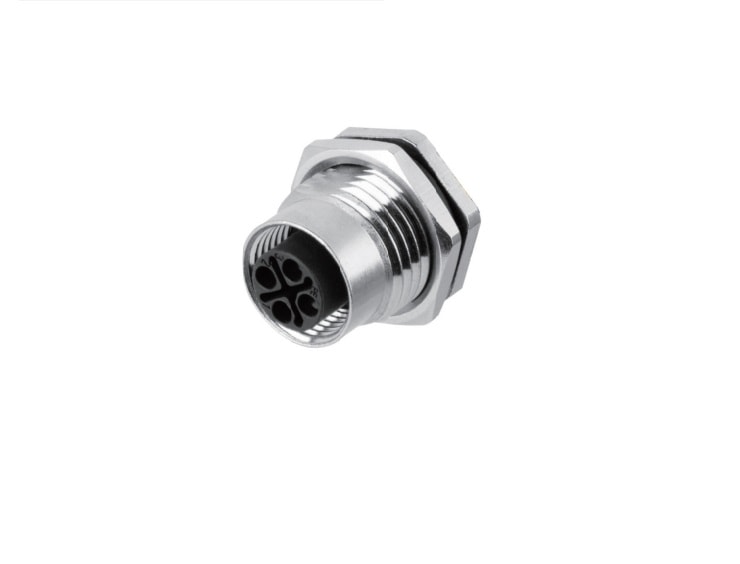
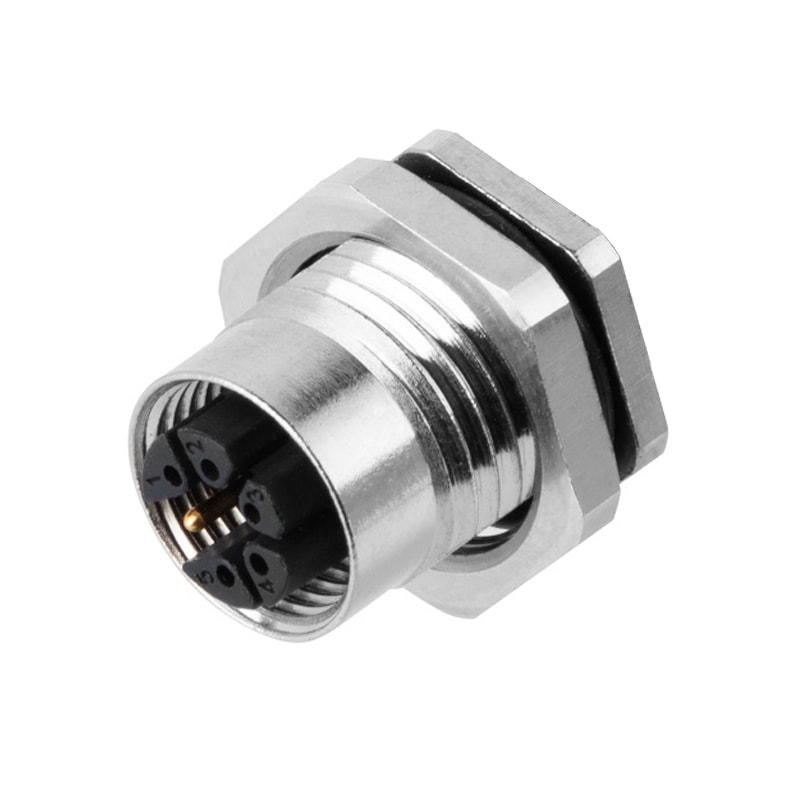
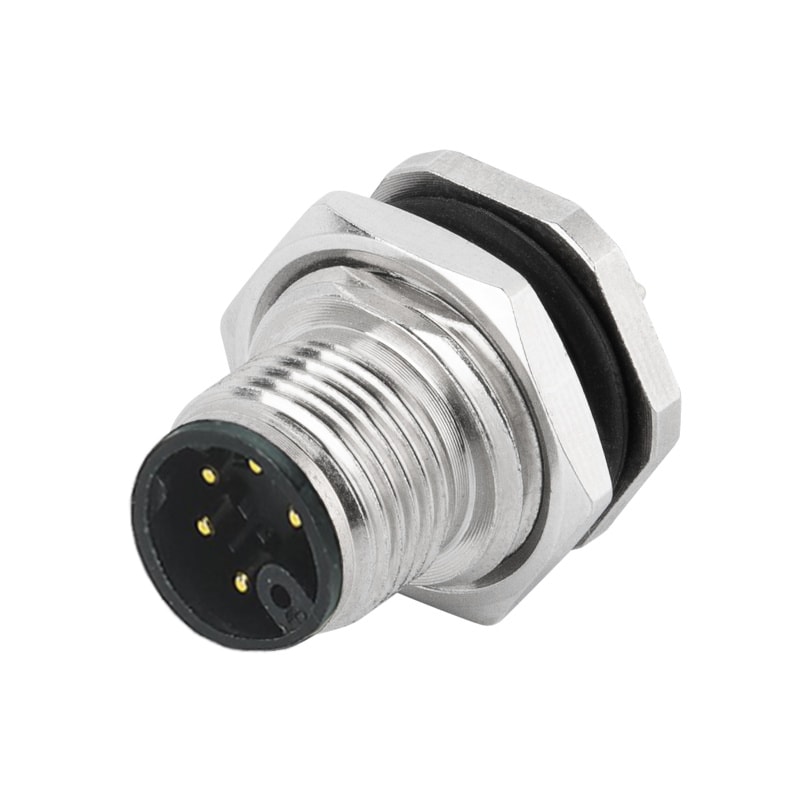
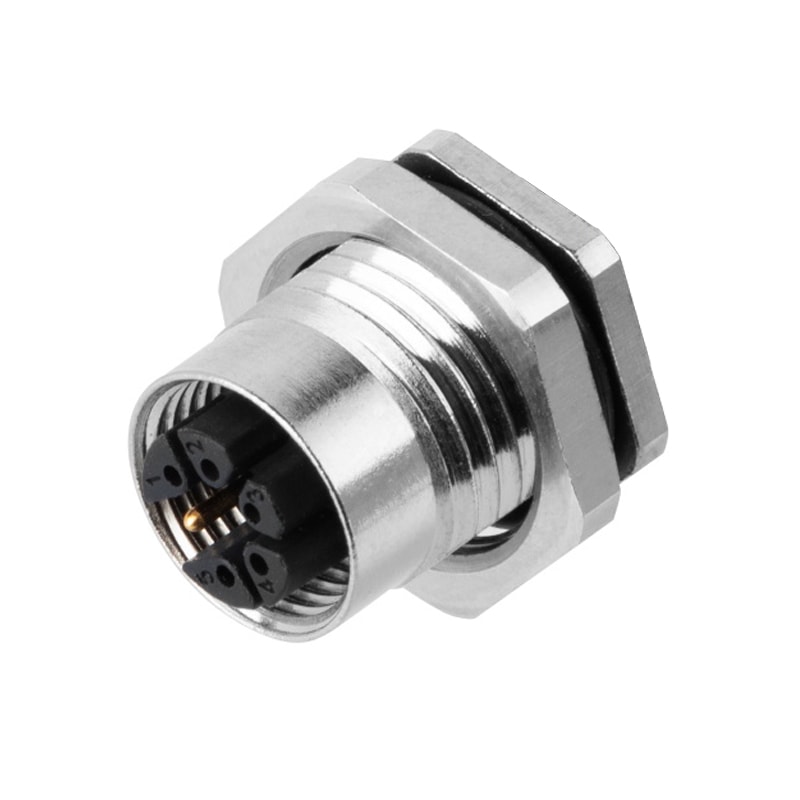
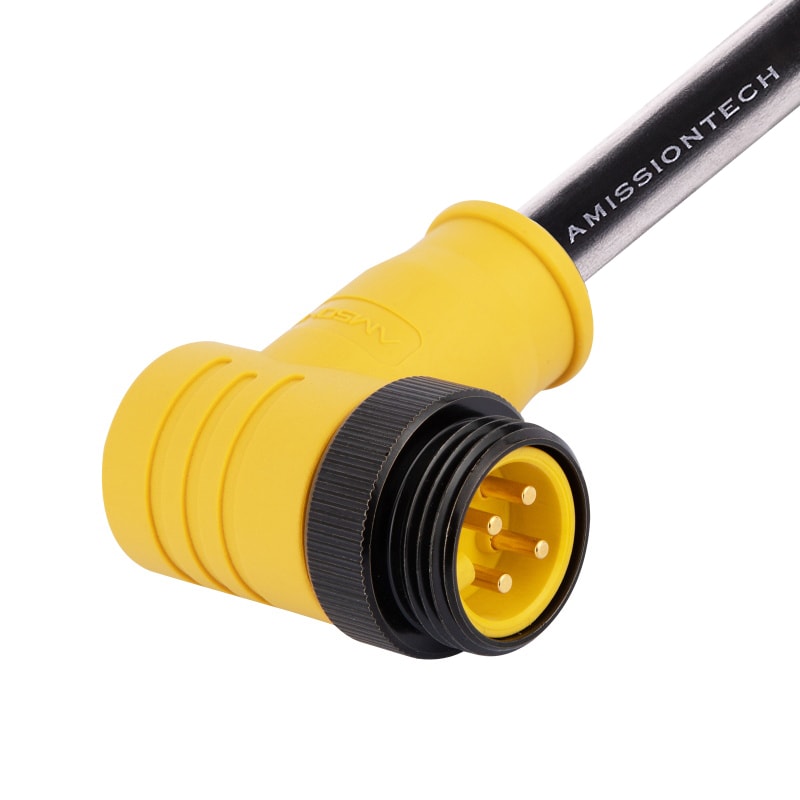
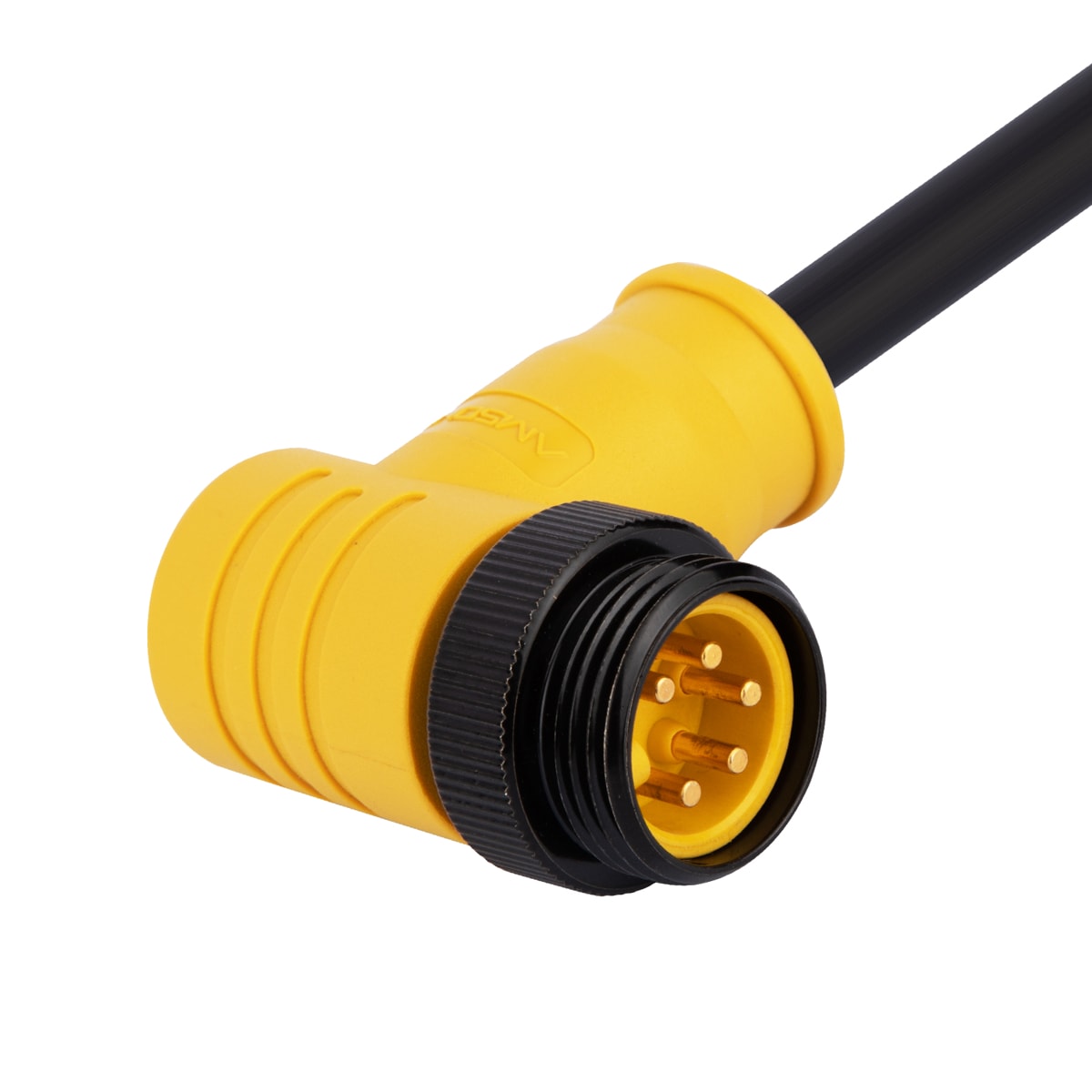
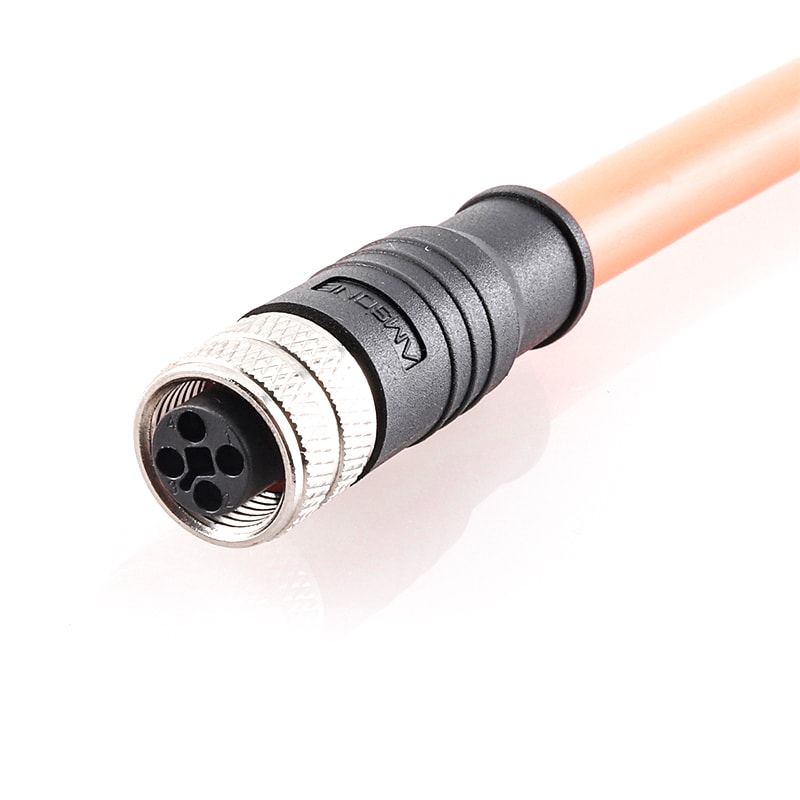
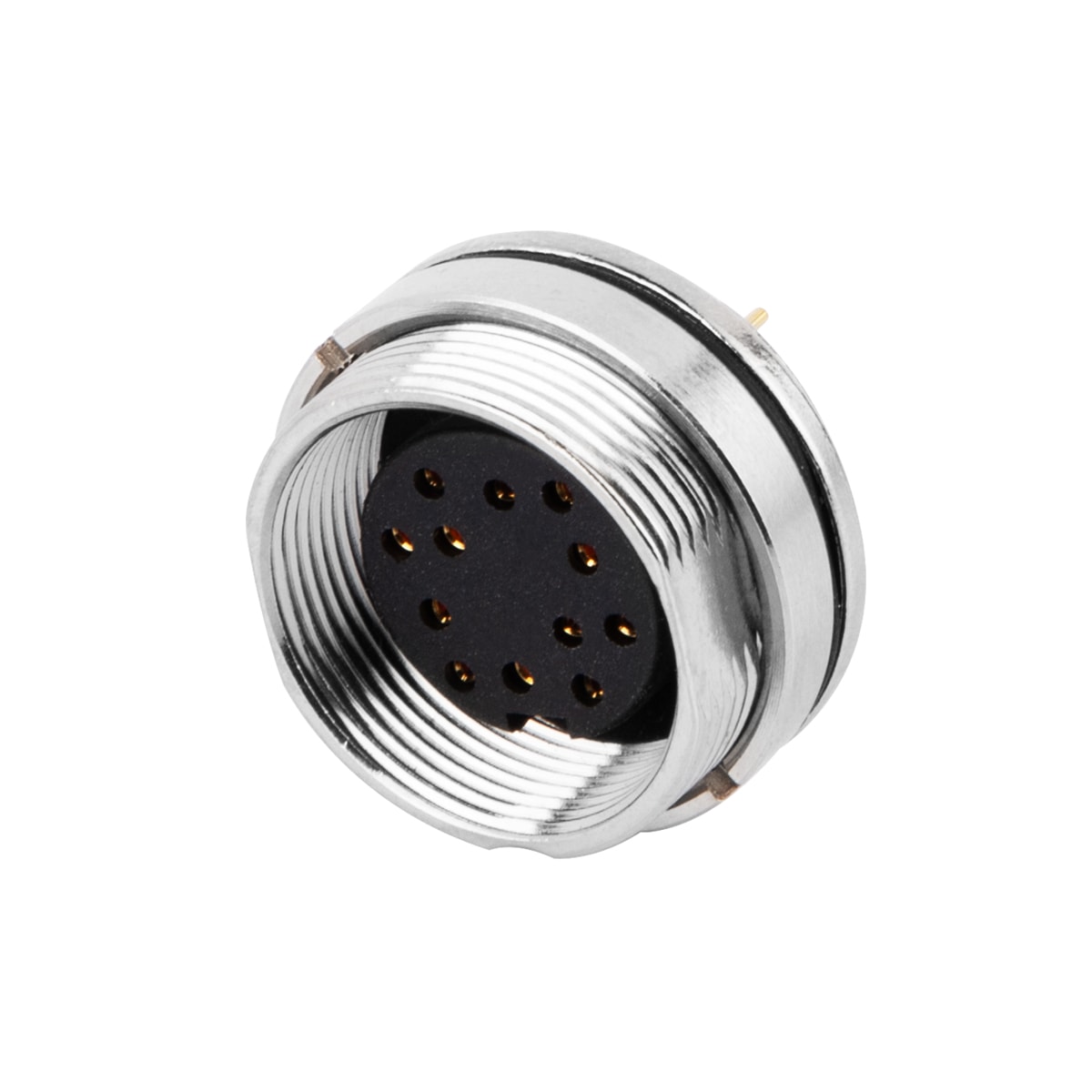
Standard M12 industrial ports frequently feature 4-pin or 5-pin configurations, yet many standard sensors only utilize two pins for power and a single signal channel (usually Pin 4). This layout leaves Pin 2 entirely dormant, creating an underutilized asset on the factory floor.

Industrial splitters resolve this inefficiency by splitting the single master port into two distinct channels. By routing the signal from a second sensor directly into the vacant Pin 2 of the primary port, a single cable can transmit two independent data streams back to the controller.

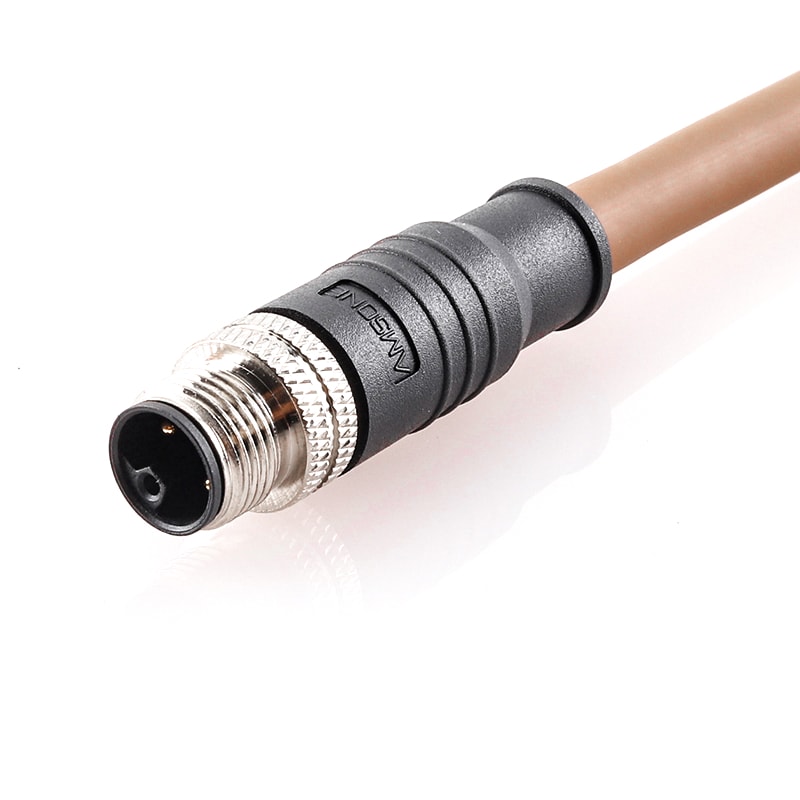
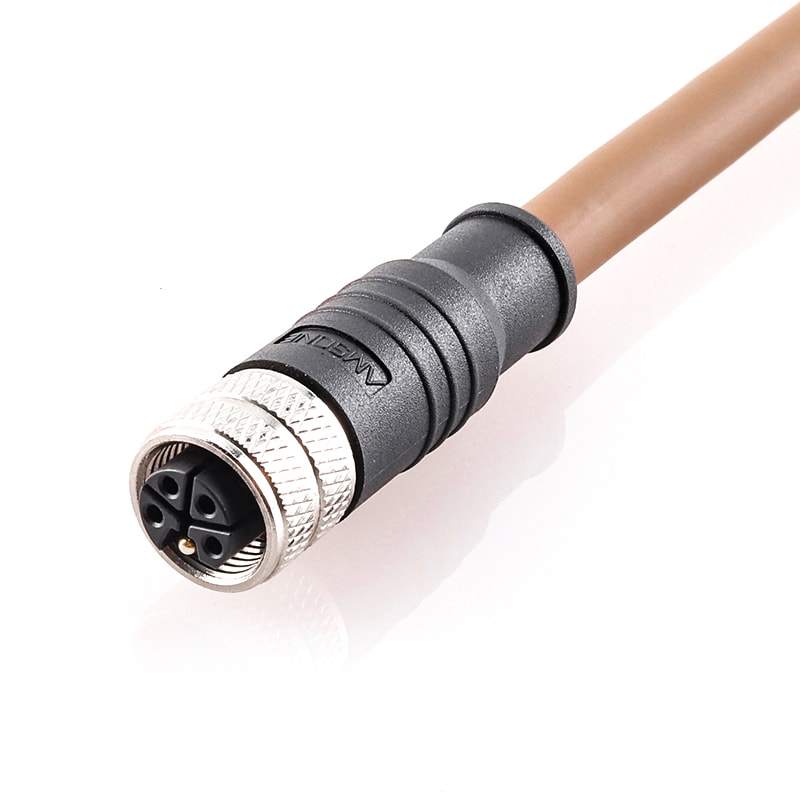
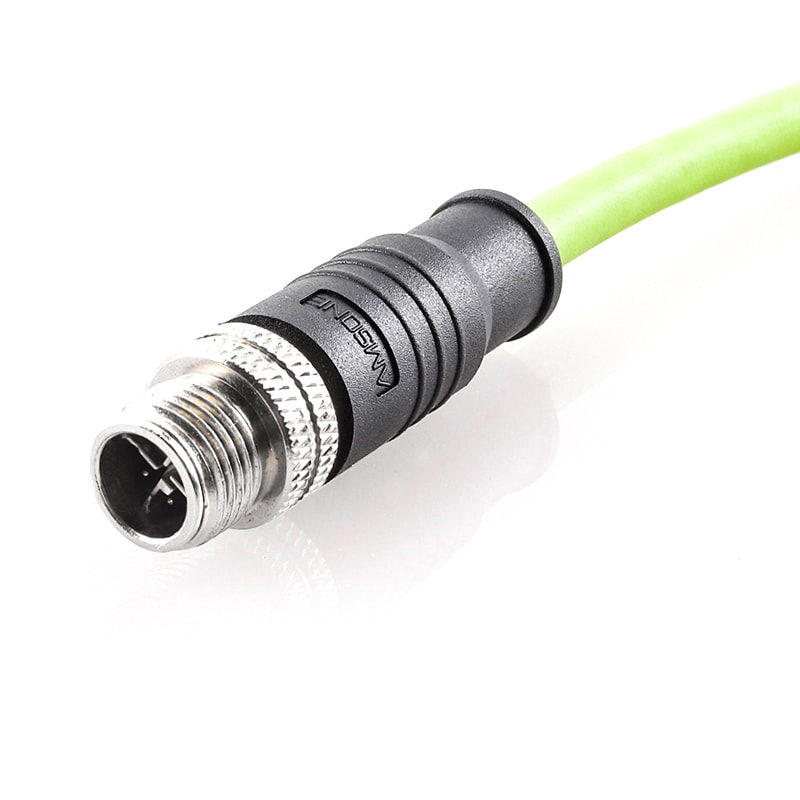
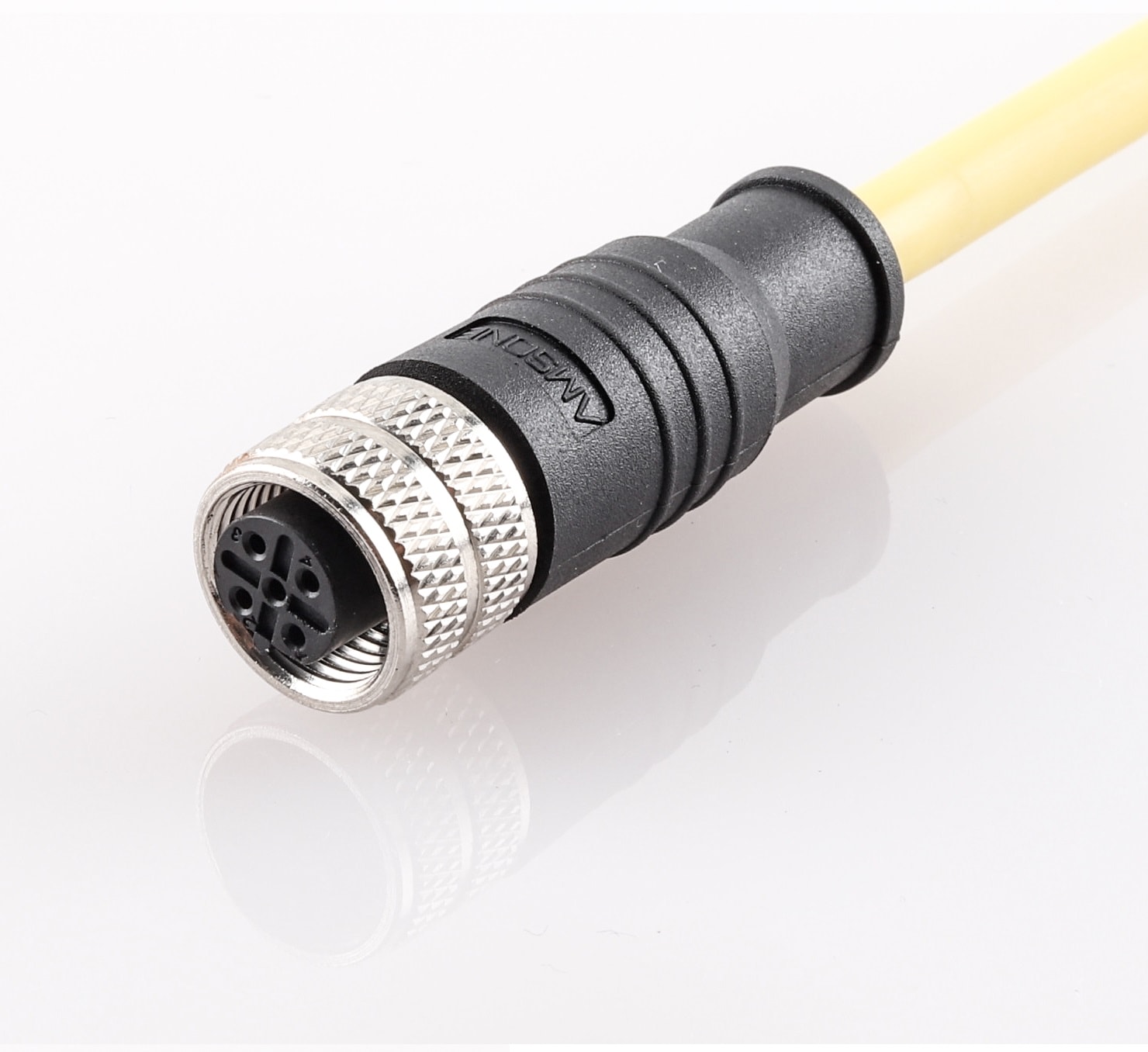
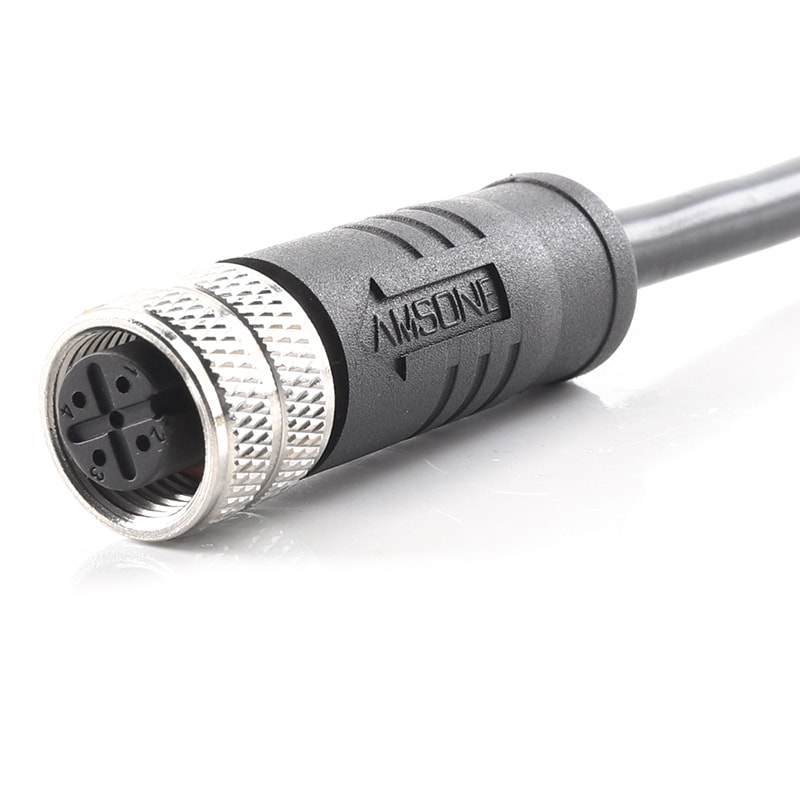
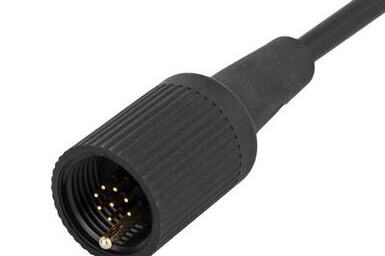
Integrating high-quality industrial customized cable harnesses alongside these splitters allows dual-channel communication without experiencing signal cross-talk or impedance mismatches. This simple architectural adjustment instantly doubles the sensor capacity of every junction box, preventing the need for costly I/O expansion modules.

Decoding Shapes: Y vs. T vs. H-Splitters

Selecting the appropriate splitter geometry depends entirely on the physical layout of the machinery and the distance between sensing nodes.
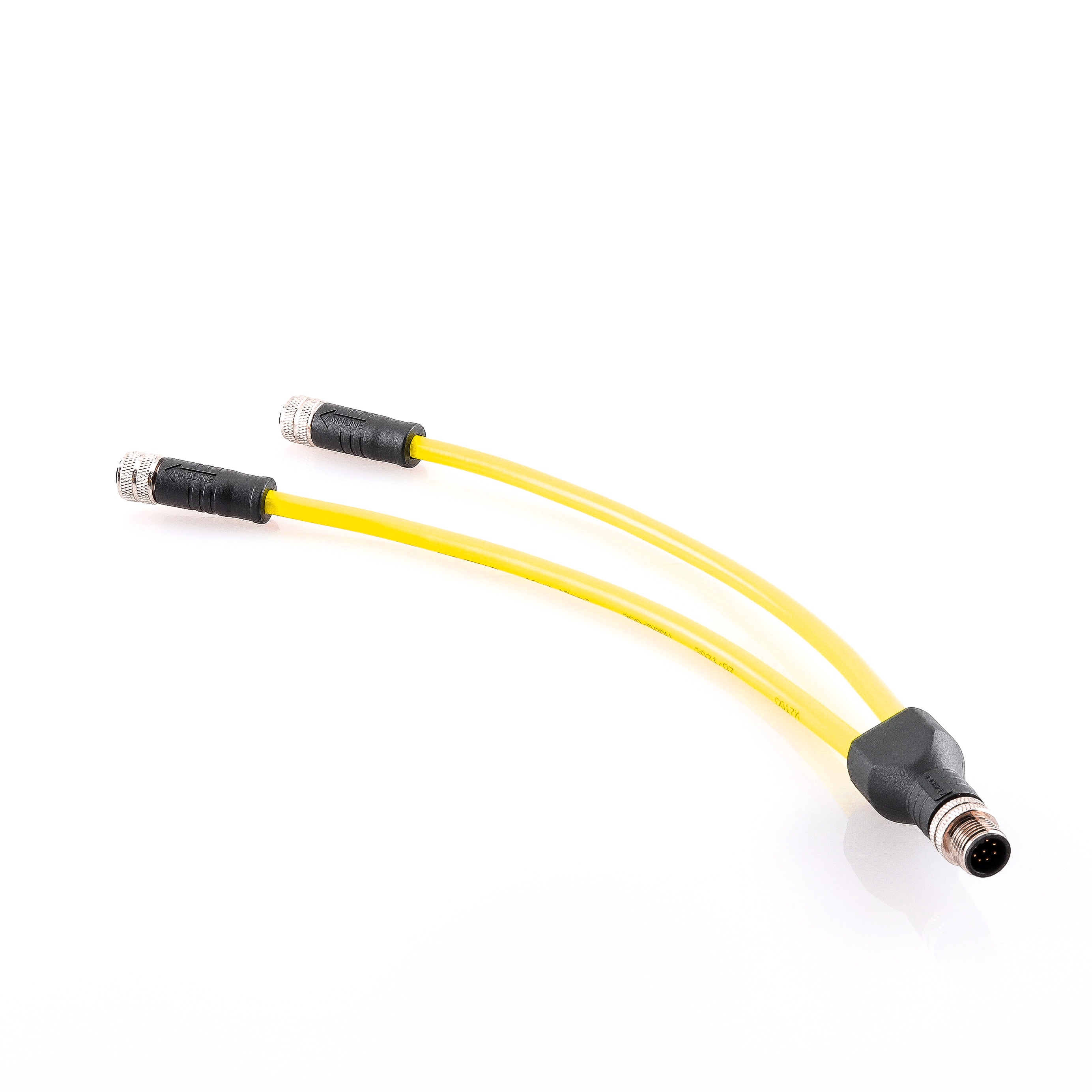
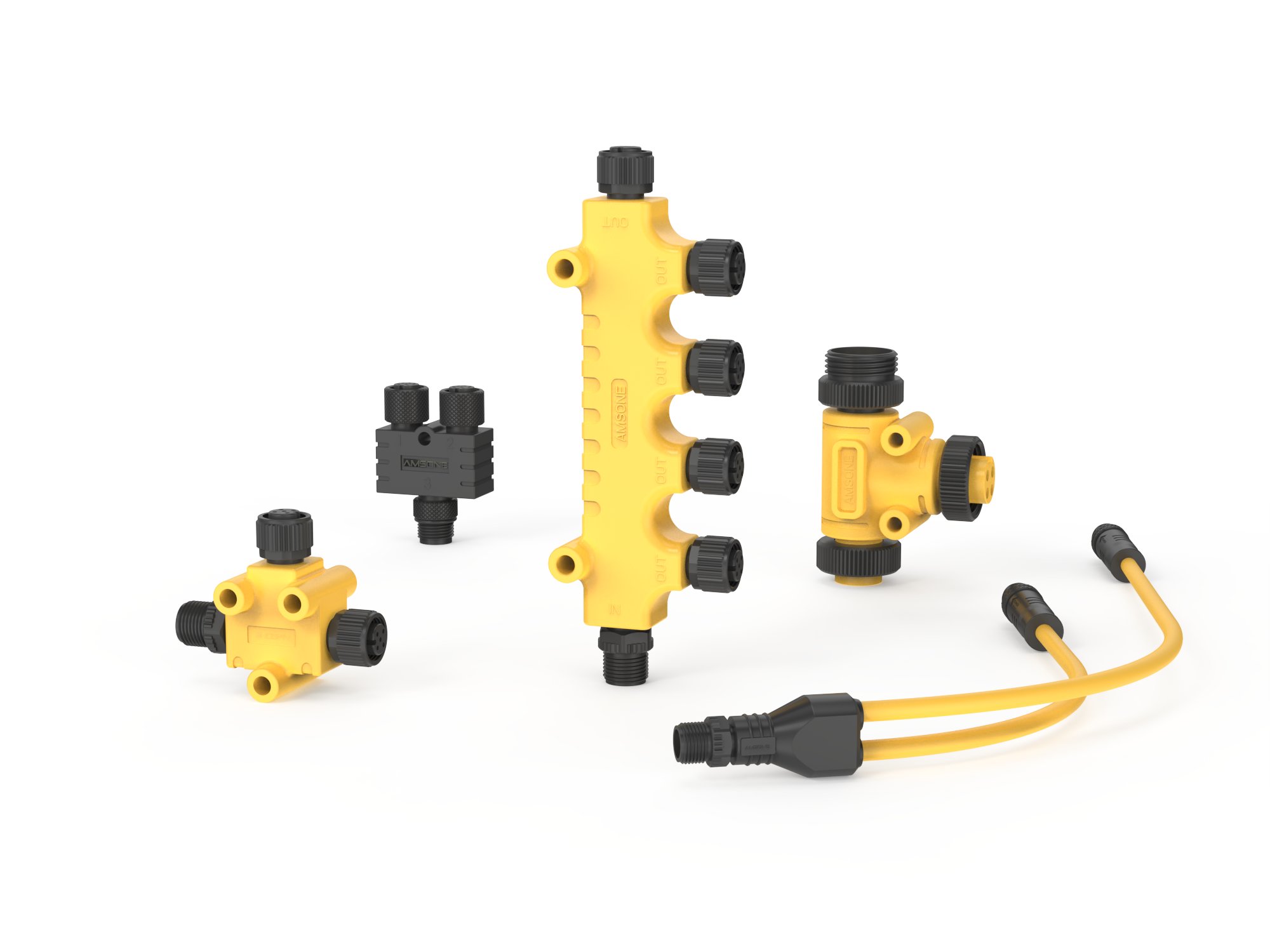
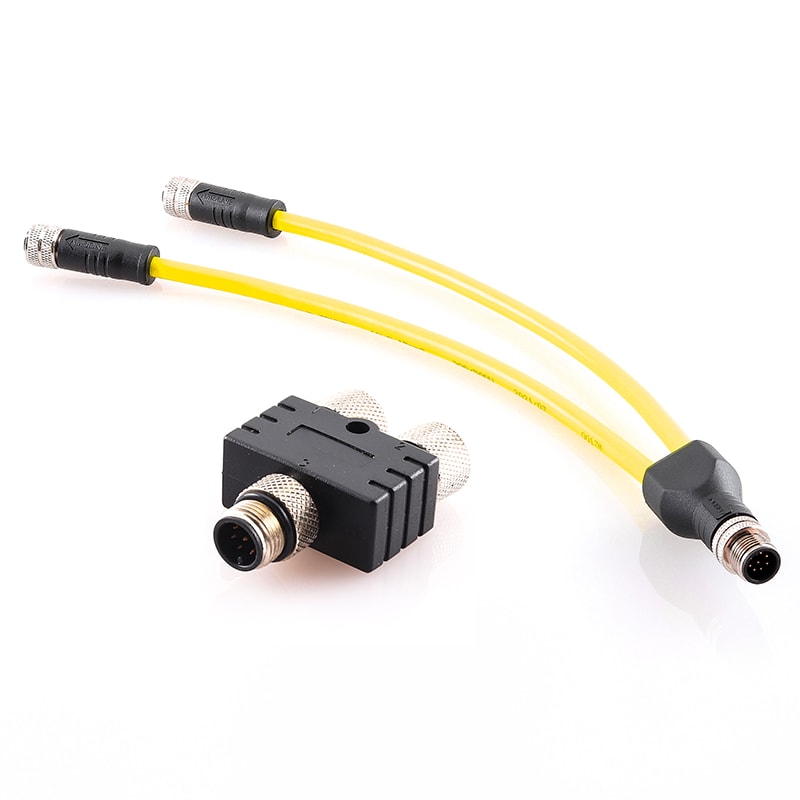
Y-Splitters: Featuring a single male connector that branches into two female trailing cables, these are ideal for localized pairs of sensors, such as dual proximity switches mounted on a single pneumatic cylinder.

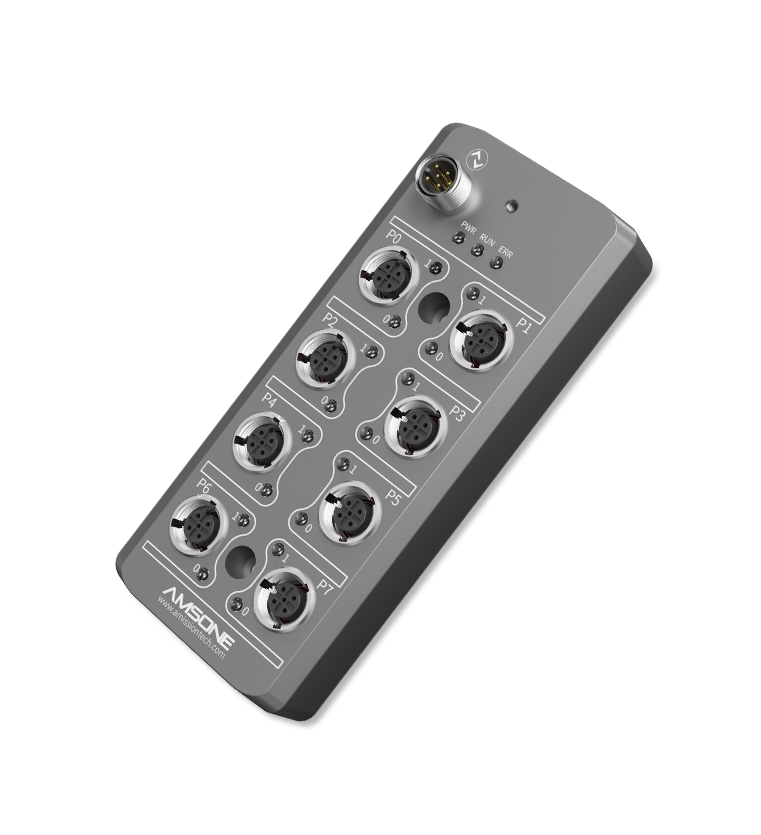
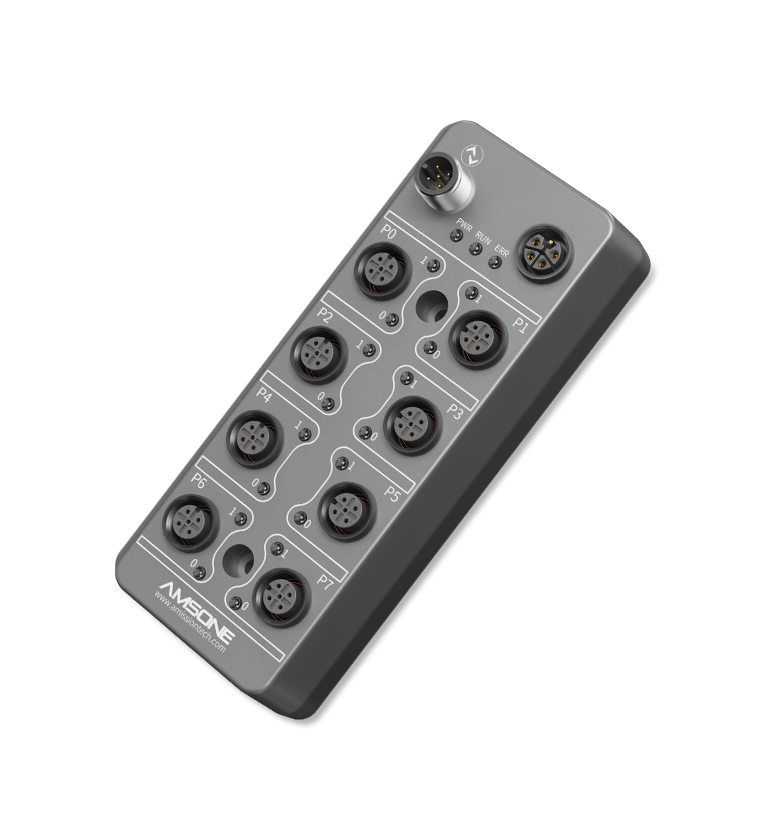
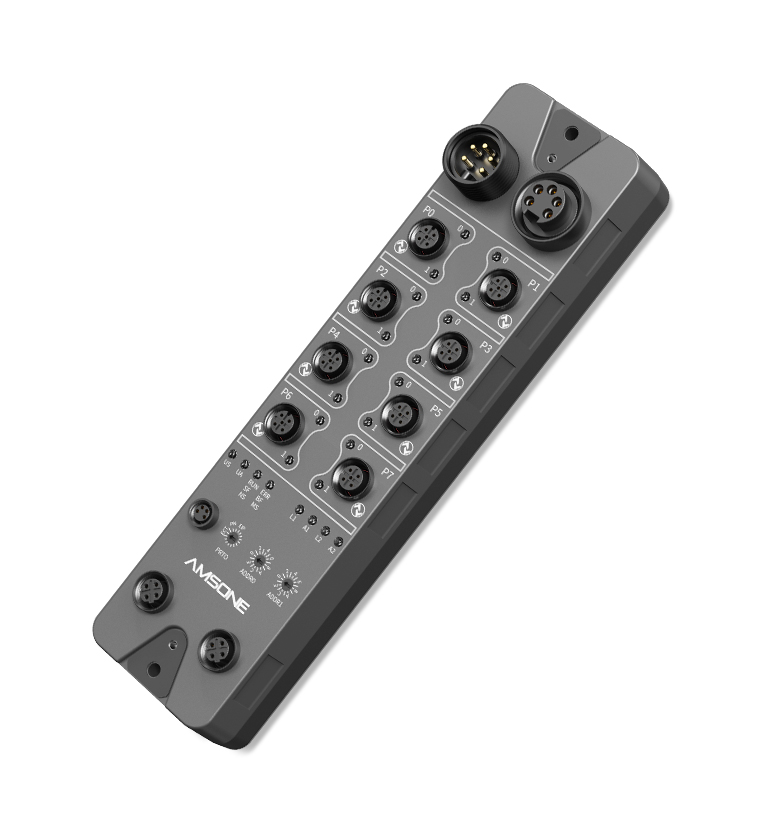
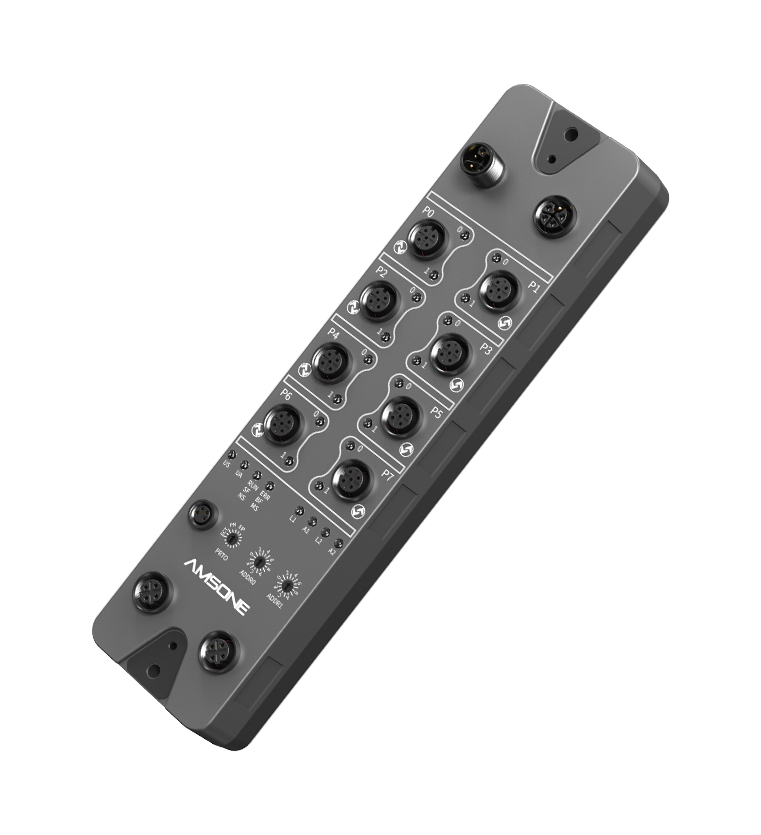
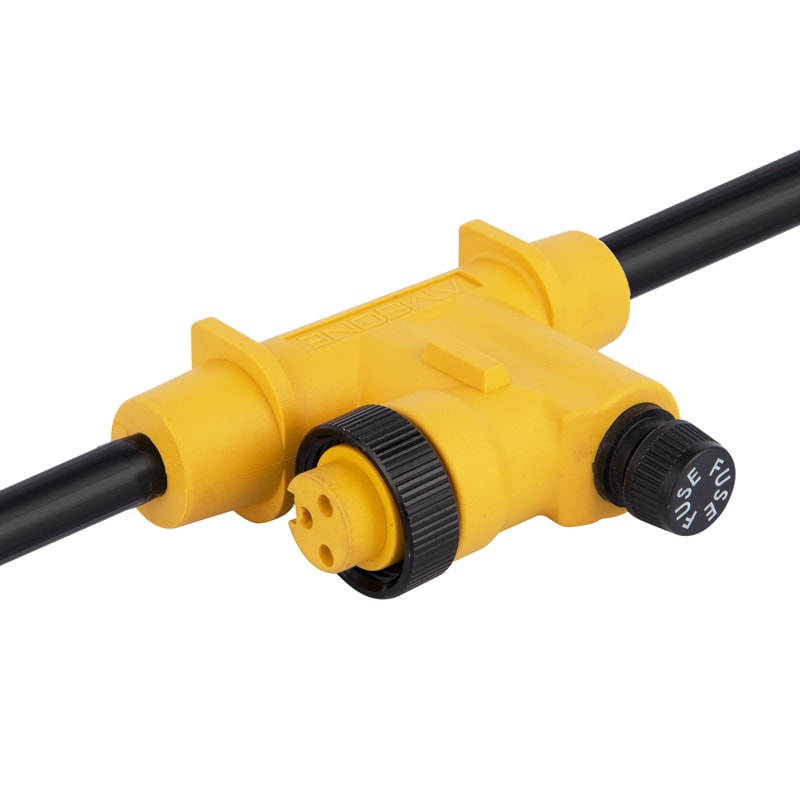
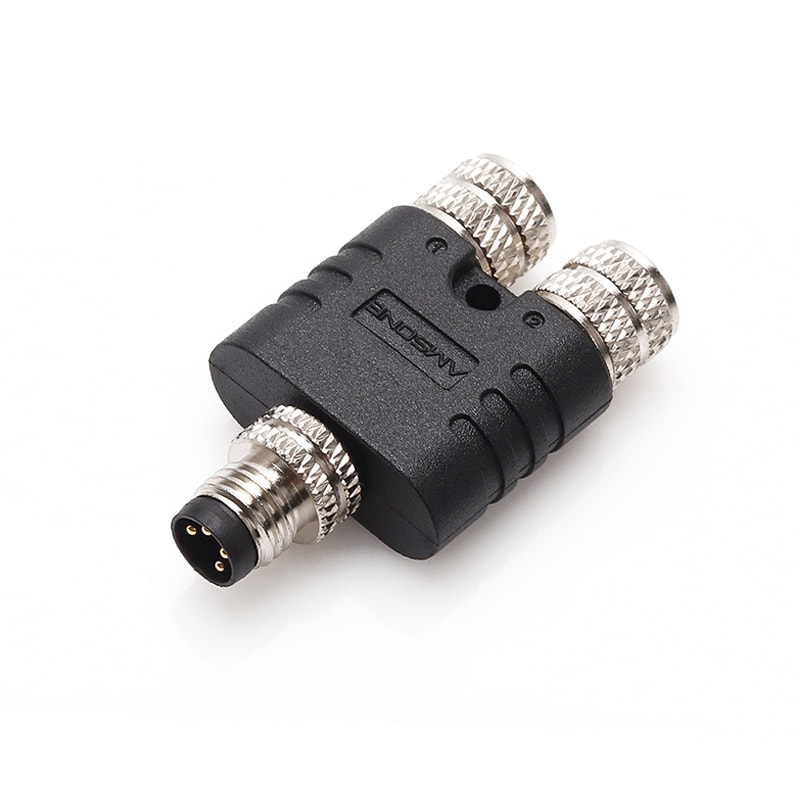
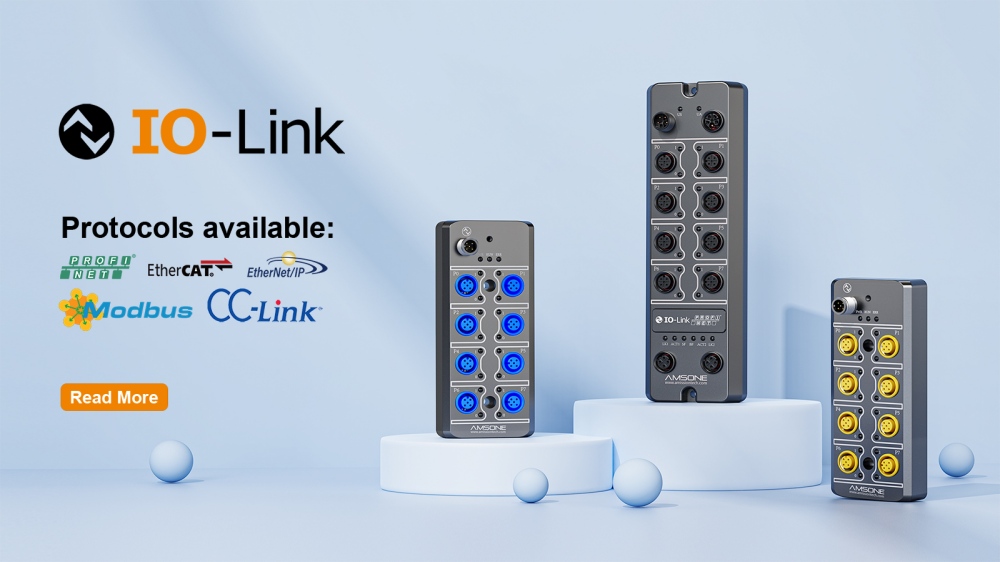
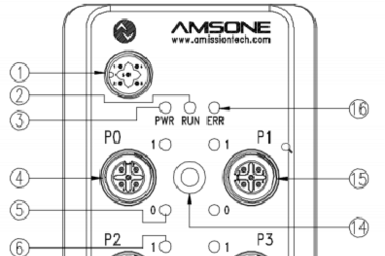
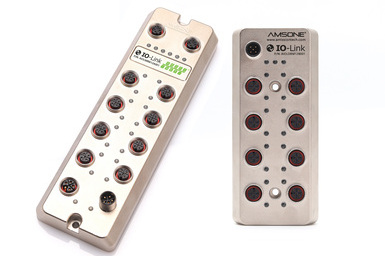
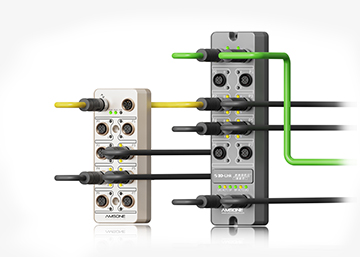
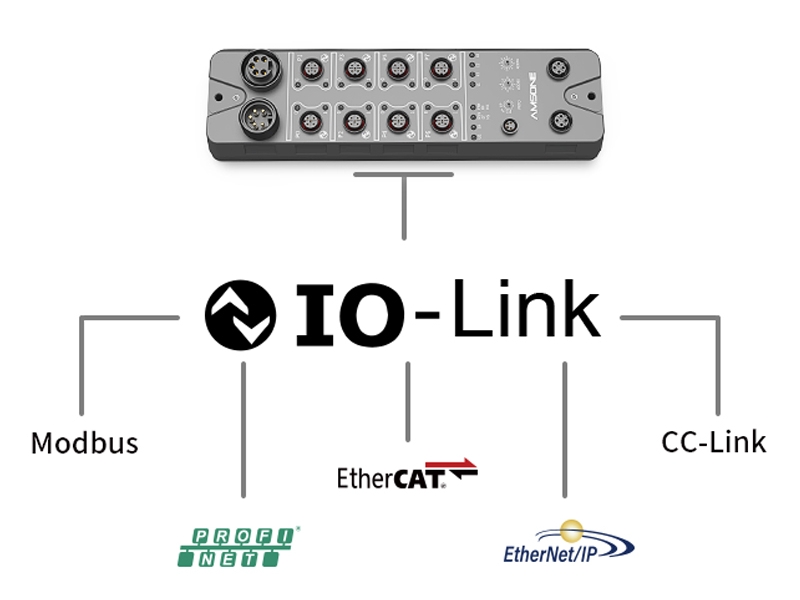
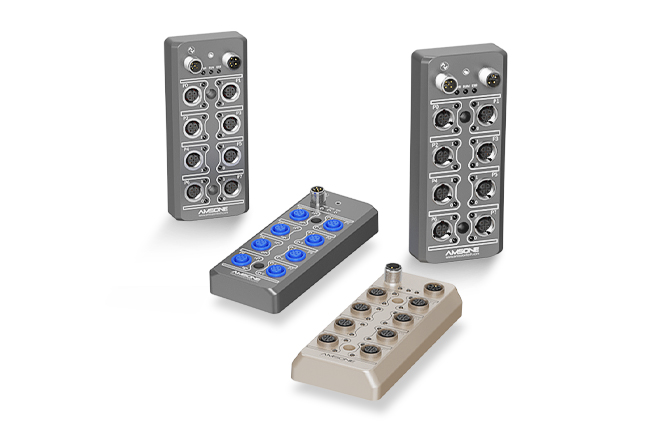
T-Splitters: Characterized by a rigid, compact T-shaped molded body, these components plug directly into I/O blocks or IO-Link Hubs . They allow quick, perpendicular cable drop-offs directly at the module face, minimizing bending stress in tight enclosures.


H-Splitters: Shaped like parallel ladder rungs, H-configurations excel in trunk-line topologies. They facilitate daisy-chaining power or signal lines across a linear series of conveyor stations, running a continuous backbone cable while dropping localized feeds down to individual actuators.

Technical Comparison Matrix

Splitter Type Physical Form Factor Best Architectural Application Key Benefit for Field Wiring
Y-Splitter Flexible cable legs Paired sensors on a single moving machine arm. Eliminates long dual cable runs back to the box.
T-Splitter Rigid molded block Direct block-mounting for perpendicular exits. Eliminates cable bending strain at the port face.
H-Splitter Parallel backbone Linear conveyor lines and daisy-chained networks. Drastically reduces master cable material costs.

Eliminating Cable Clutter and Thermal Stress

Flooding cable trays with hundreds of individual sensor lines creates heavy, unmanageable wire bundles that trap heat and complicate troubleshooting. Consolidating field signals via Y/T/H-Splitters cuts the volume of long-distance cabling in half.

Fewer cables mean lighter cable tracks, smaller conduit requirements, and cleaner schematics for maintenance technicians. Furthermore, reduced cable mass improves airflow inside tight machine channels, preventing heat buildup and maintaining long-term electrical insulation stability across the entire automated cell.

Conclusion

Maximizing port efficiency is the fastest way to streamline modern industrial networks and cut system hardware expenditures. Properly implementing Y, T, and H-topologies guarantees clean wiring and optimized I/O utilization.
Contact us , we can provide you with custom connectivity samples and technical wiring diagrams .
Amissiontech Co., Ltd
Your Demand,Our Desire!
×

Inquire

*Name
*Email
Company Name
Tel
*Message
*Verify Code
captcha
×

Contact Us

captcha

*We respect your privacy. When you submit your contact information, we agree to only contact you in accordance with our Privacy Policy.