P/N: ALD-HBN1-372XXX
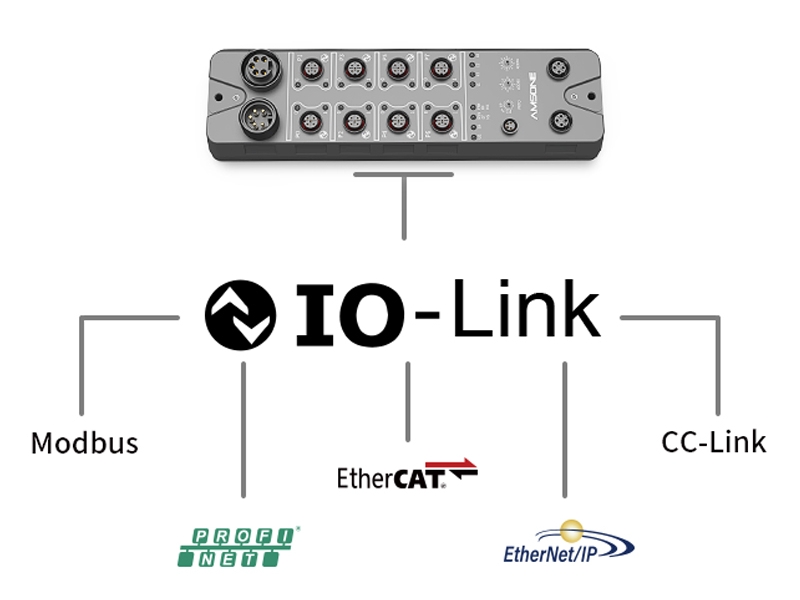
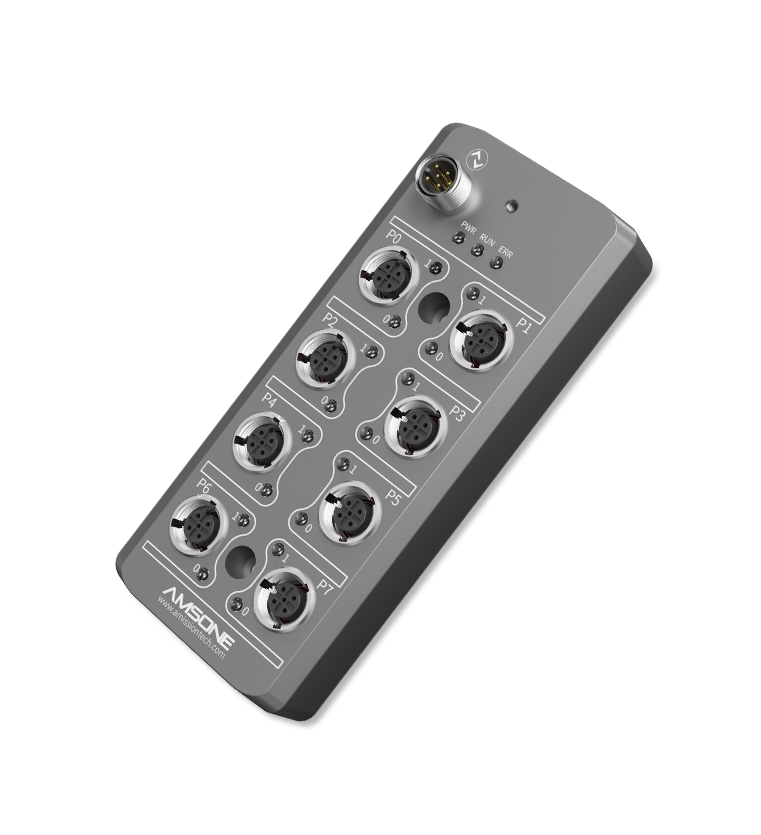
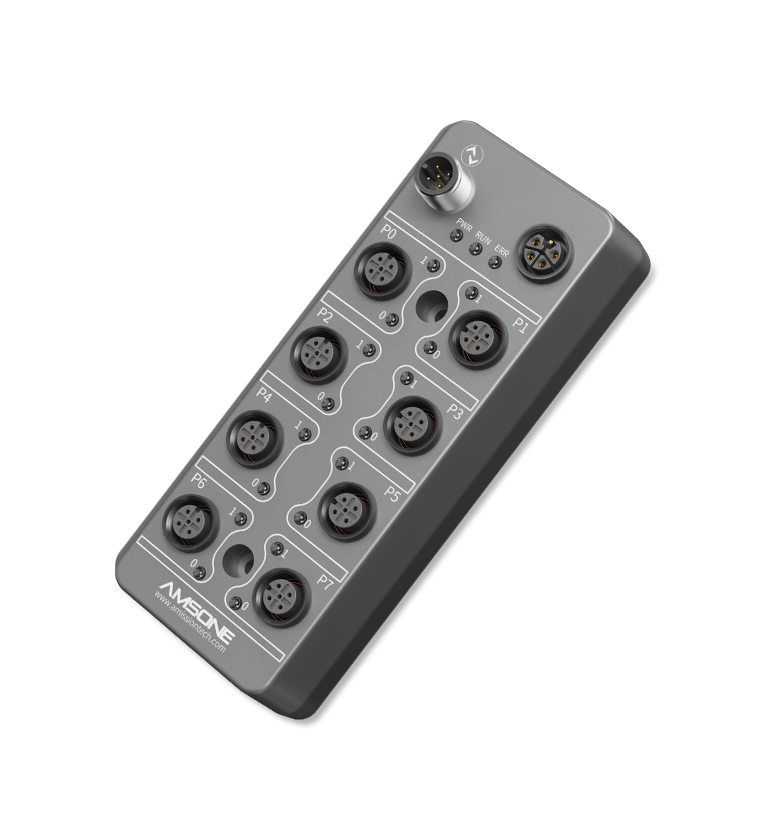
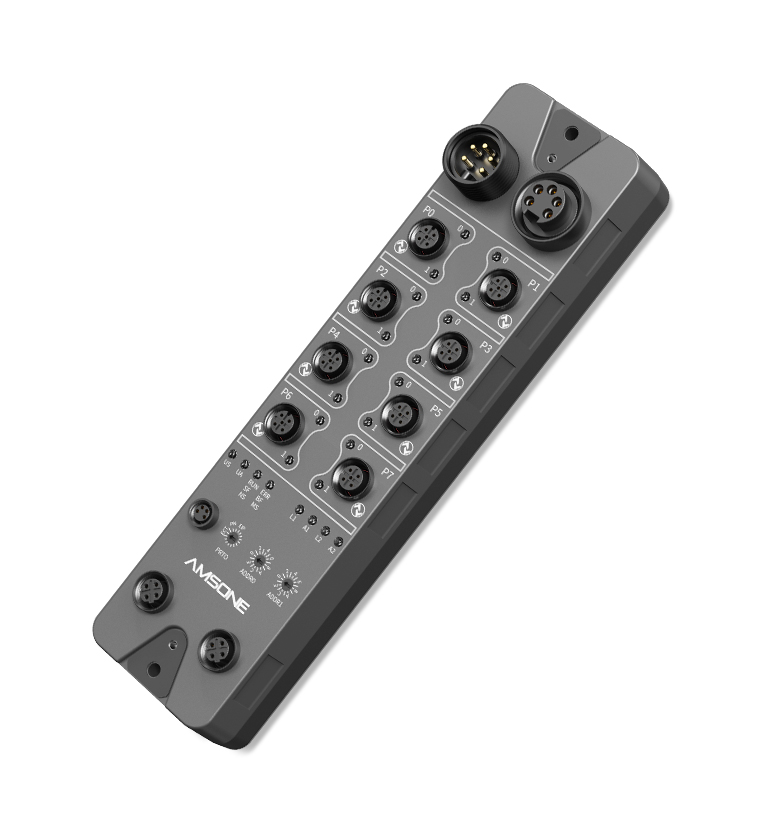
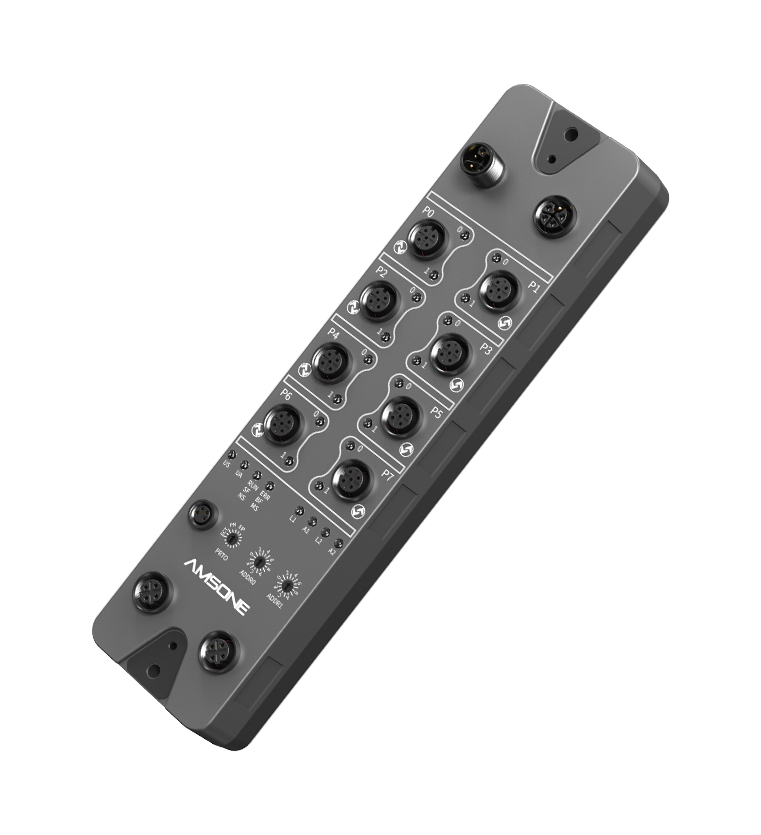
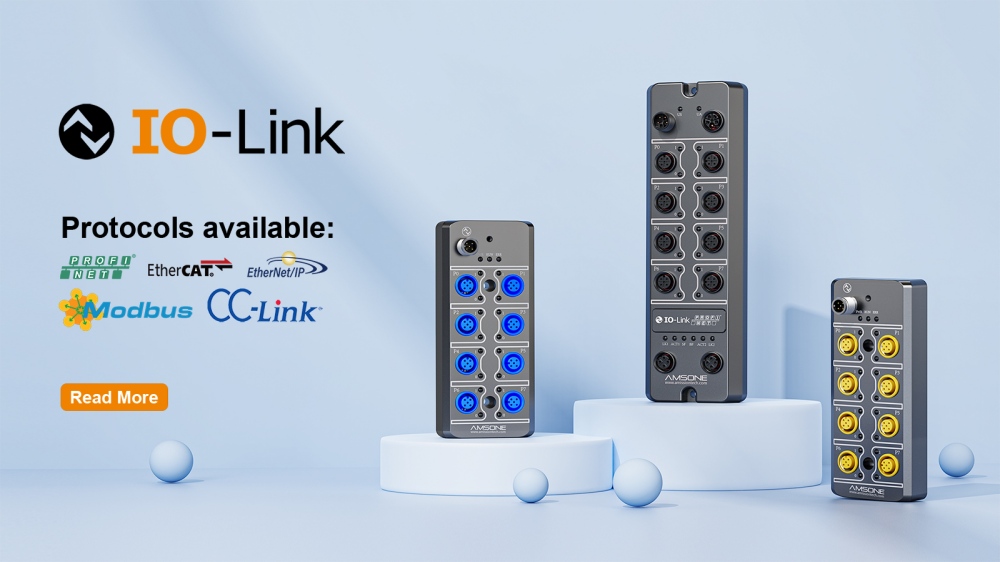
IO Link Hub NPN 0.5A/channel Plastic Housing Plastic Thread Locking
View All


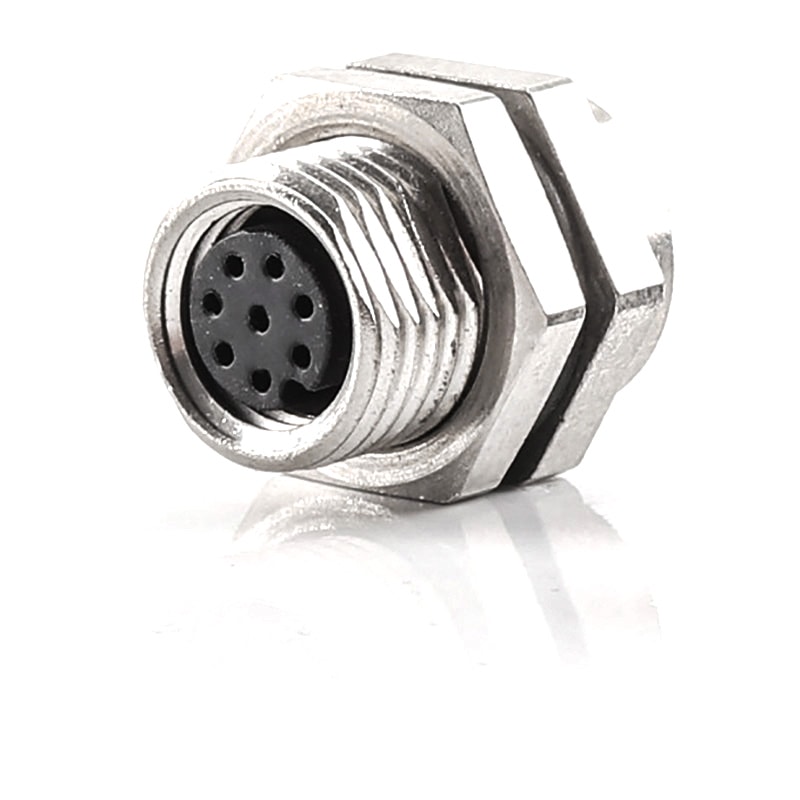
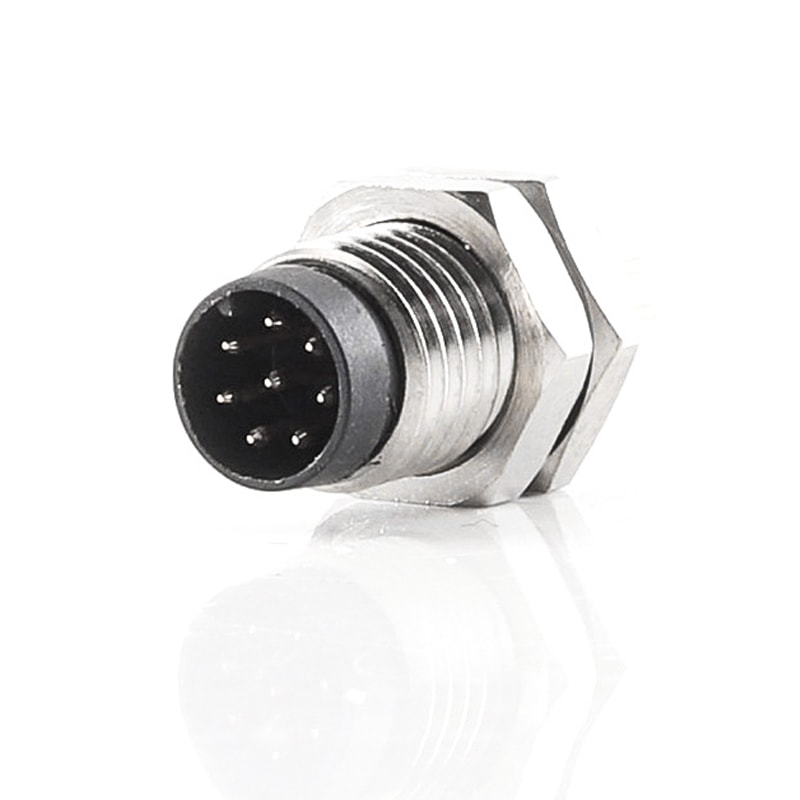

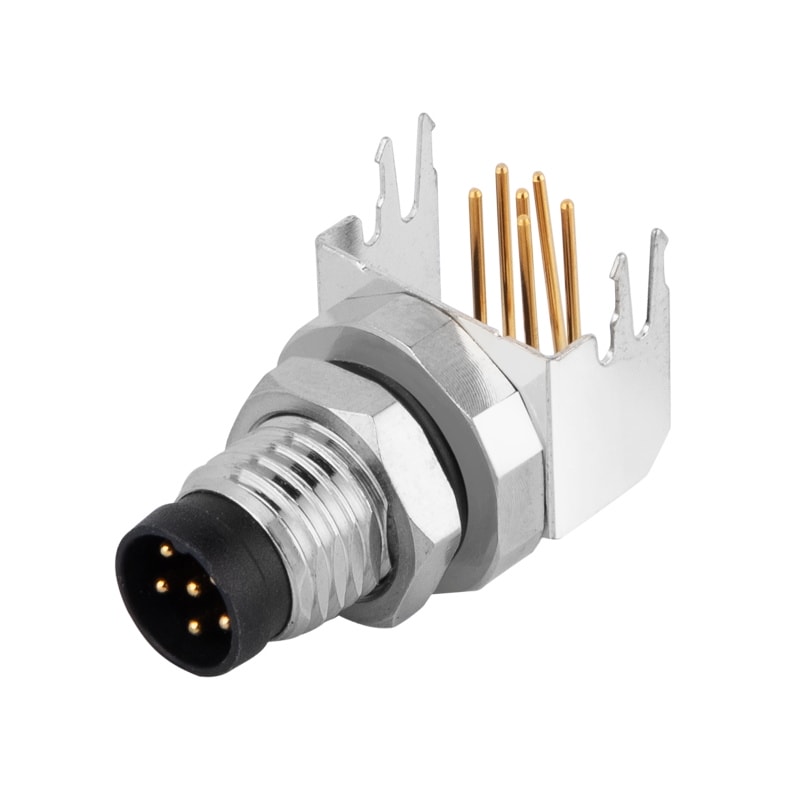


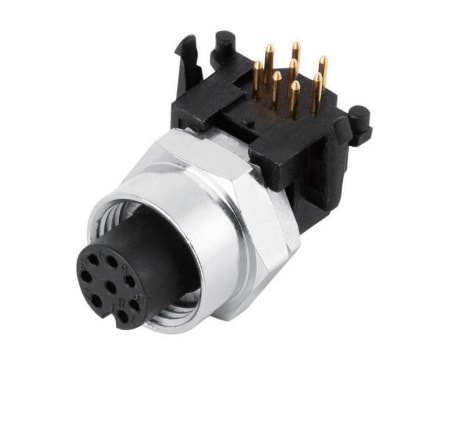
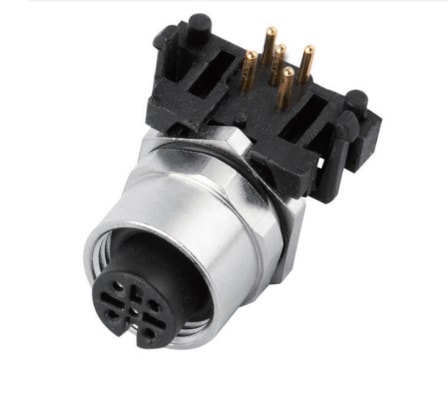
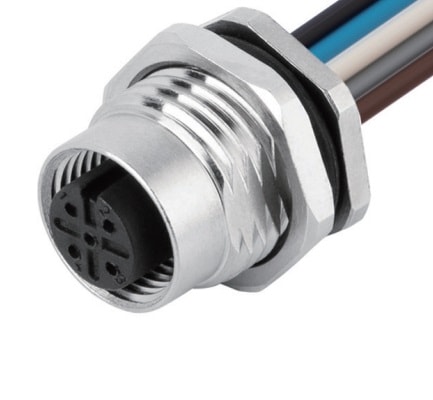

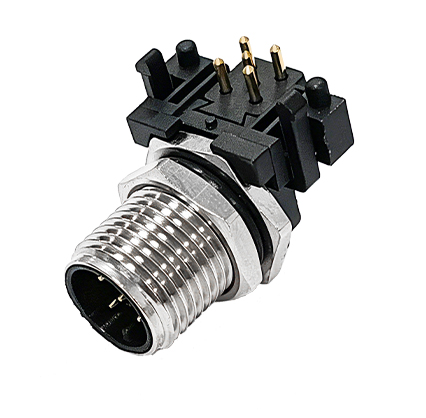


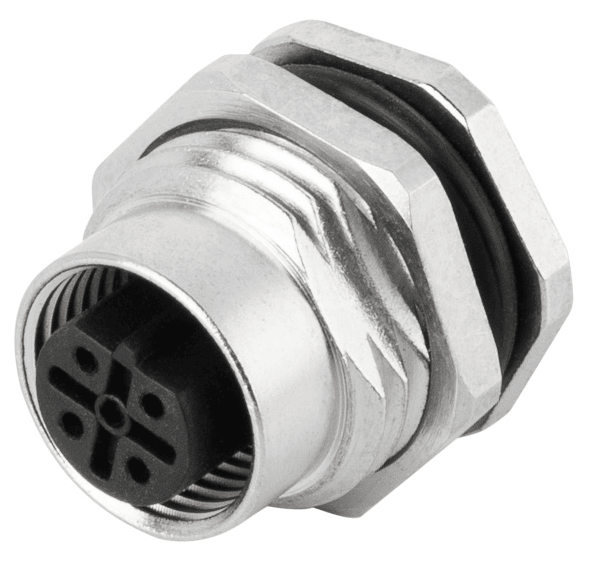

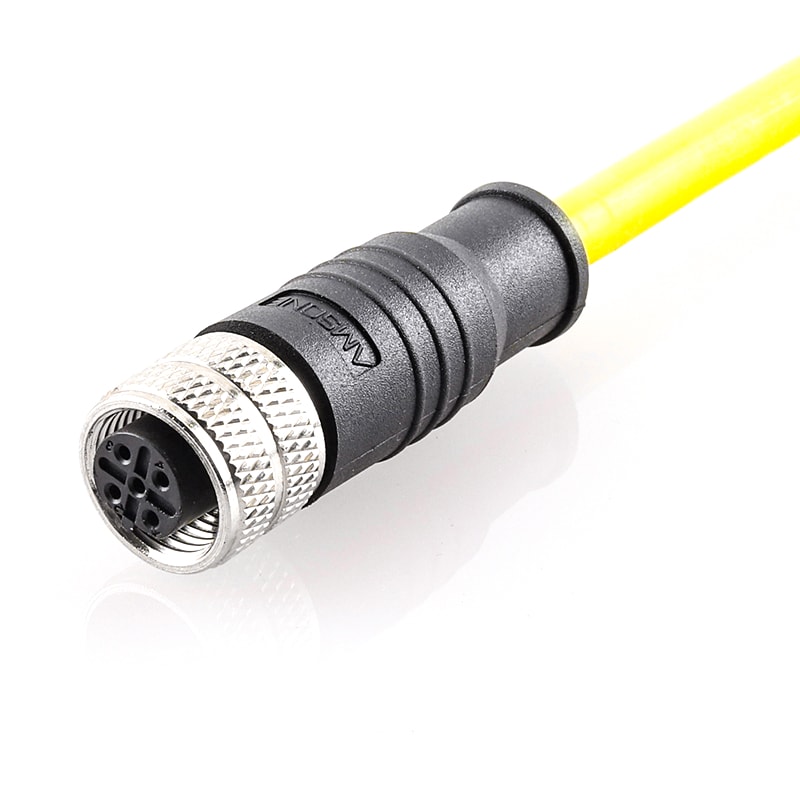


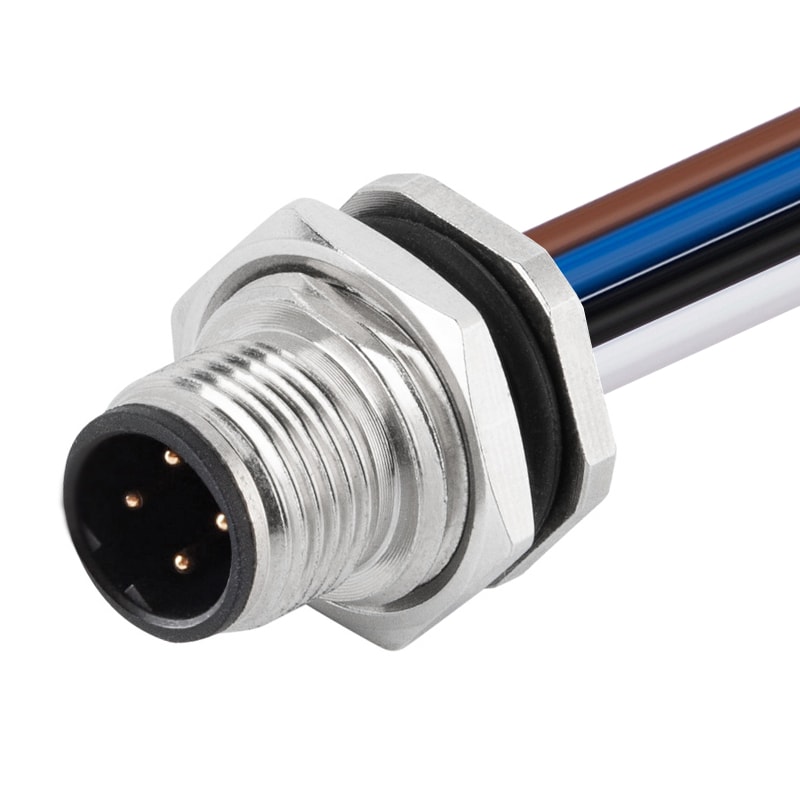


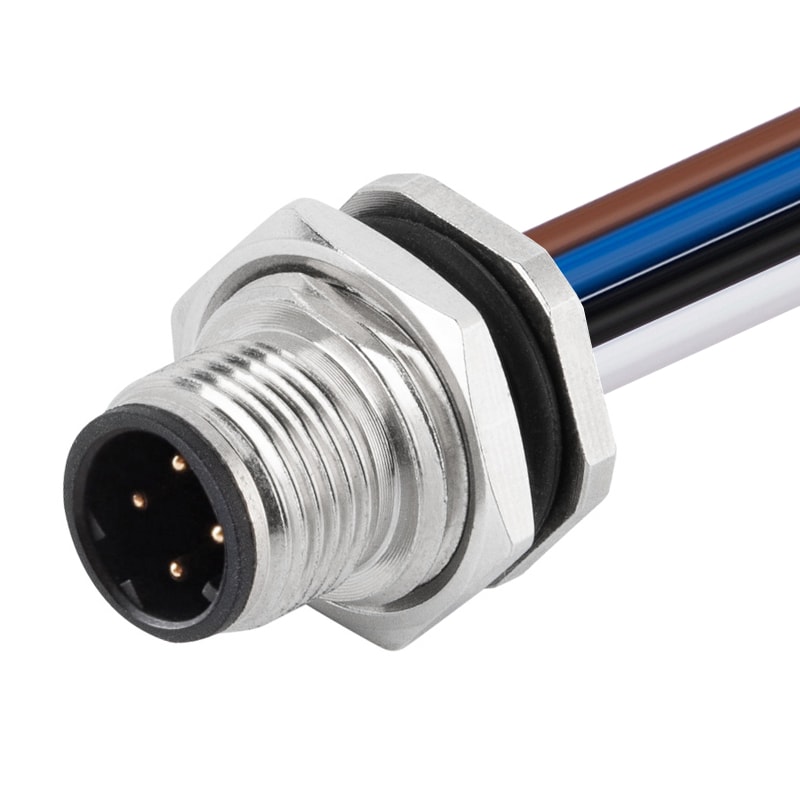

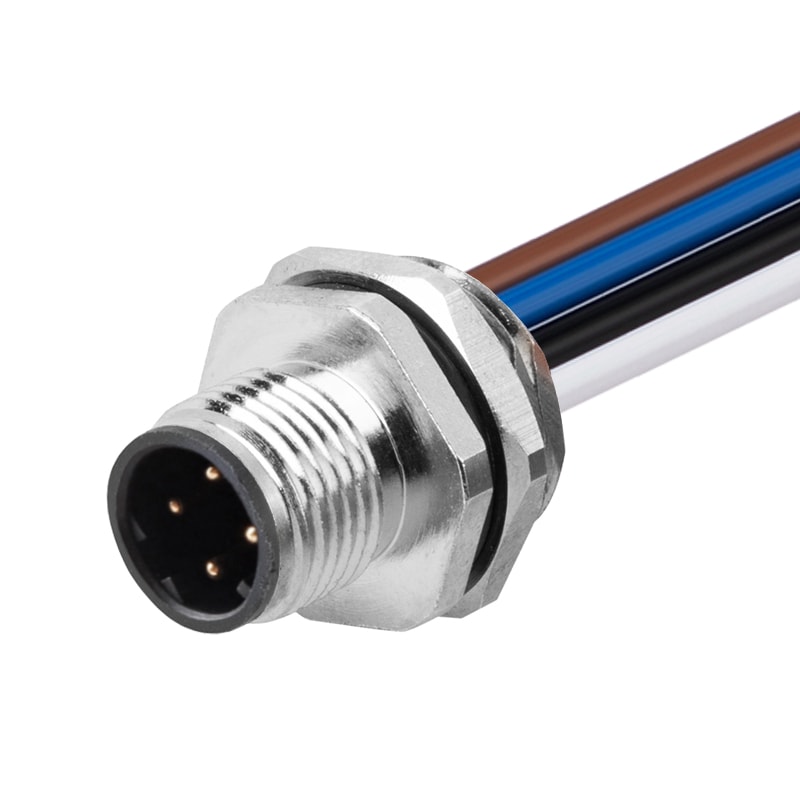


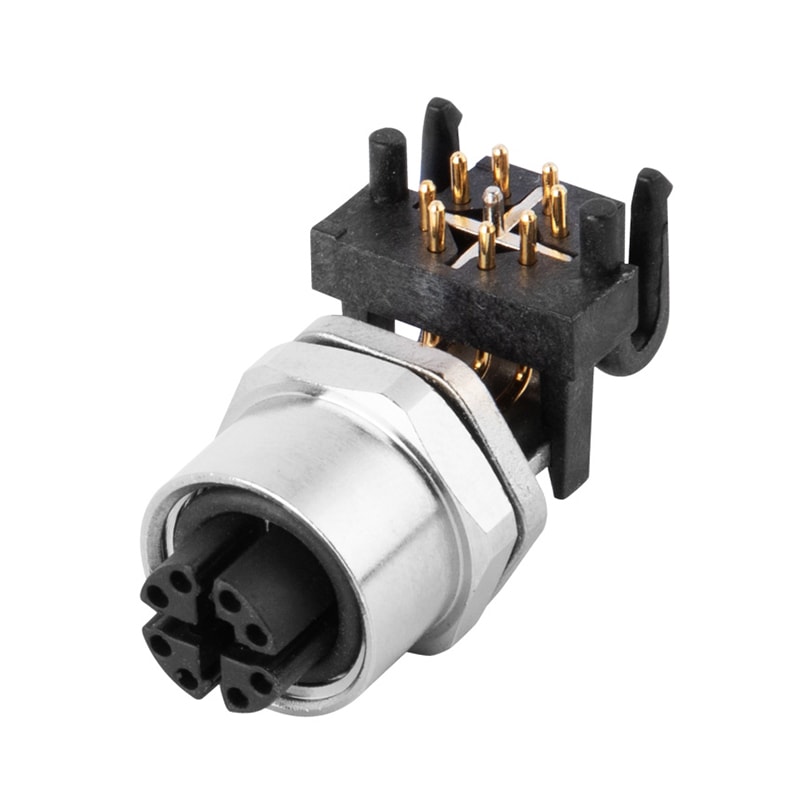


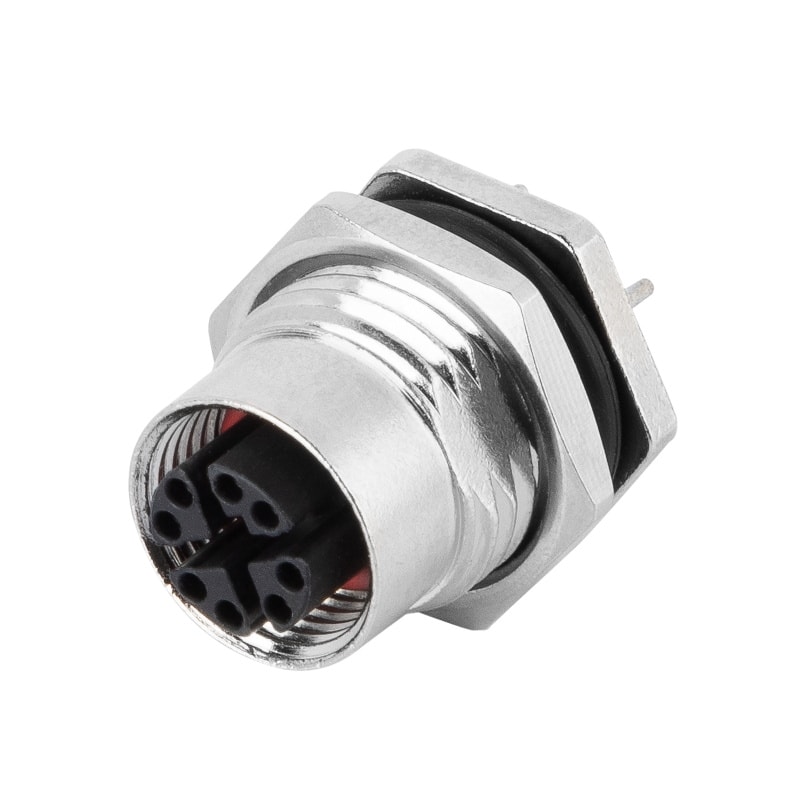

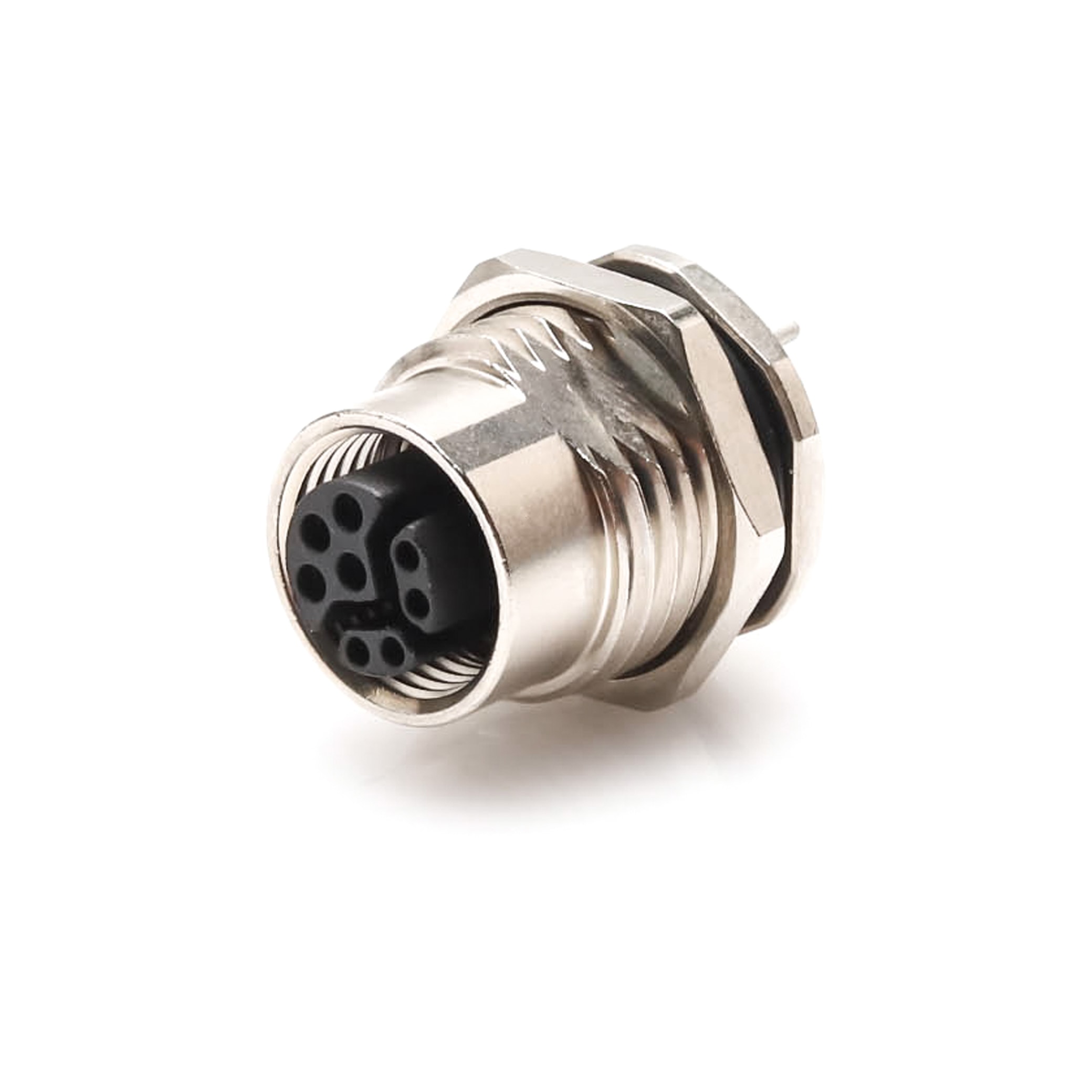
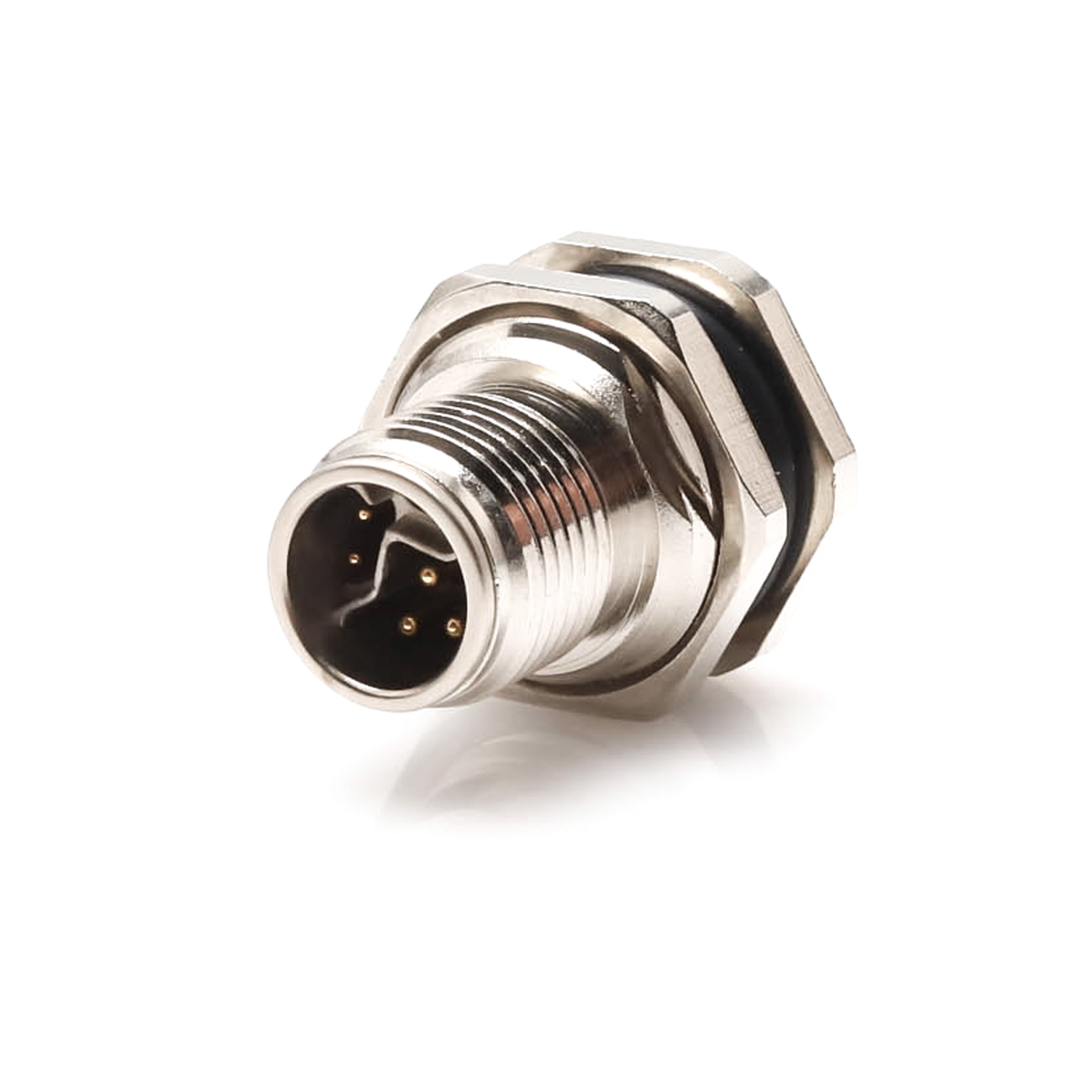
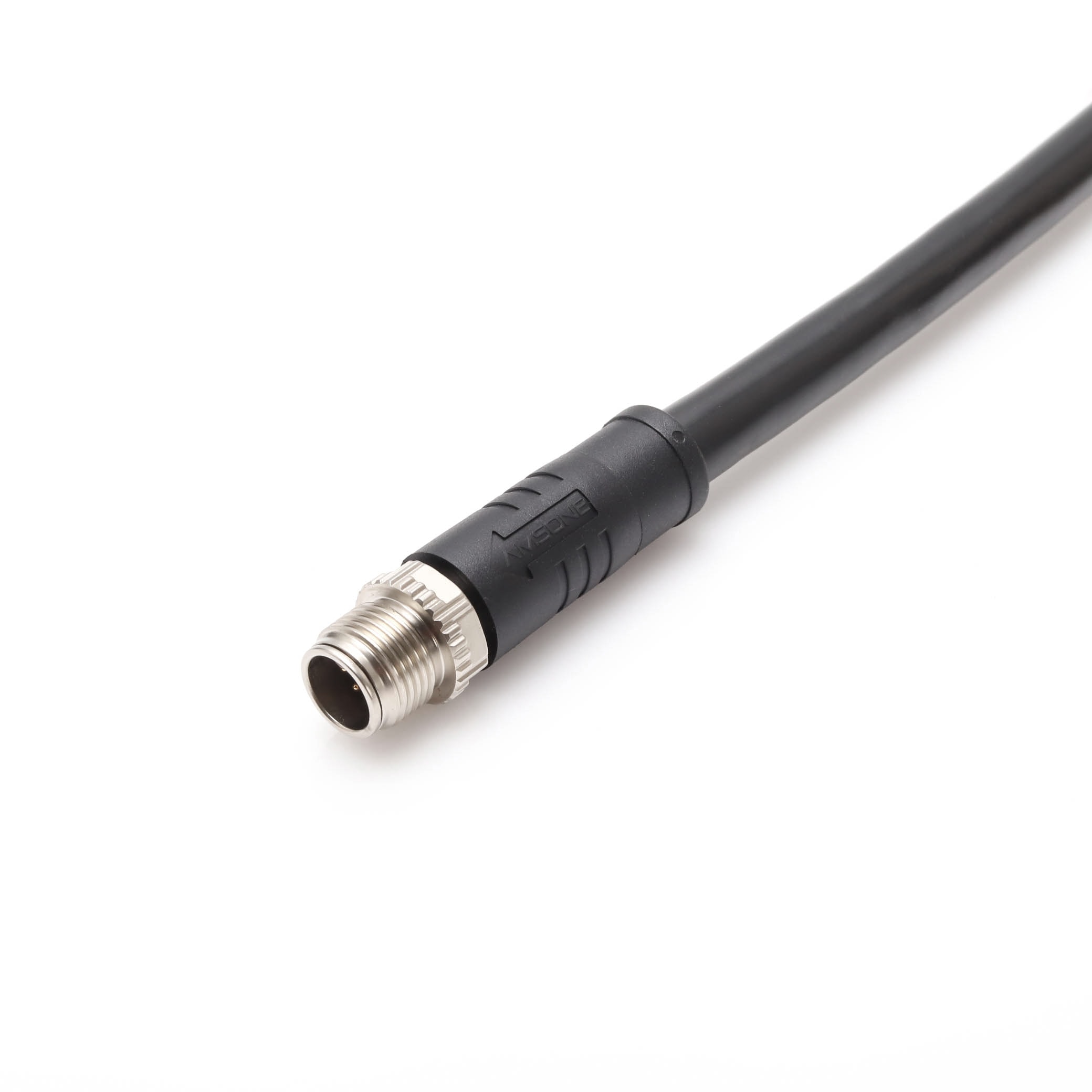
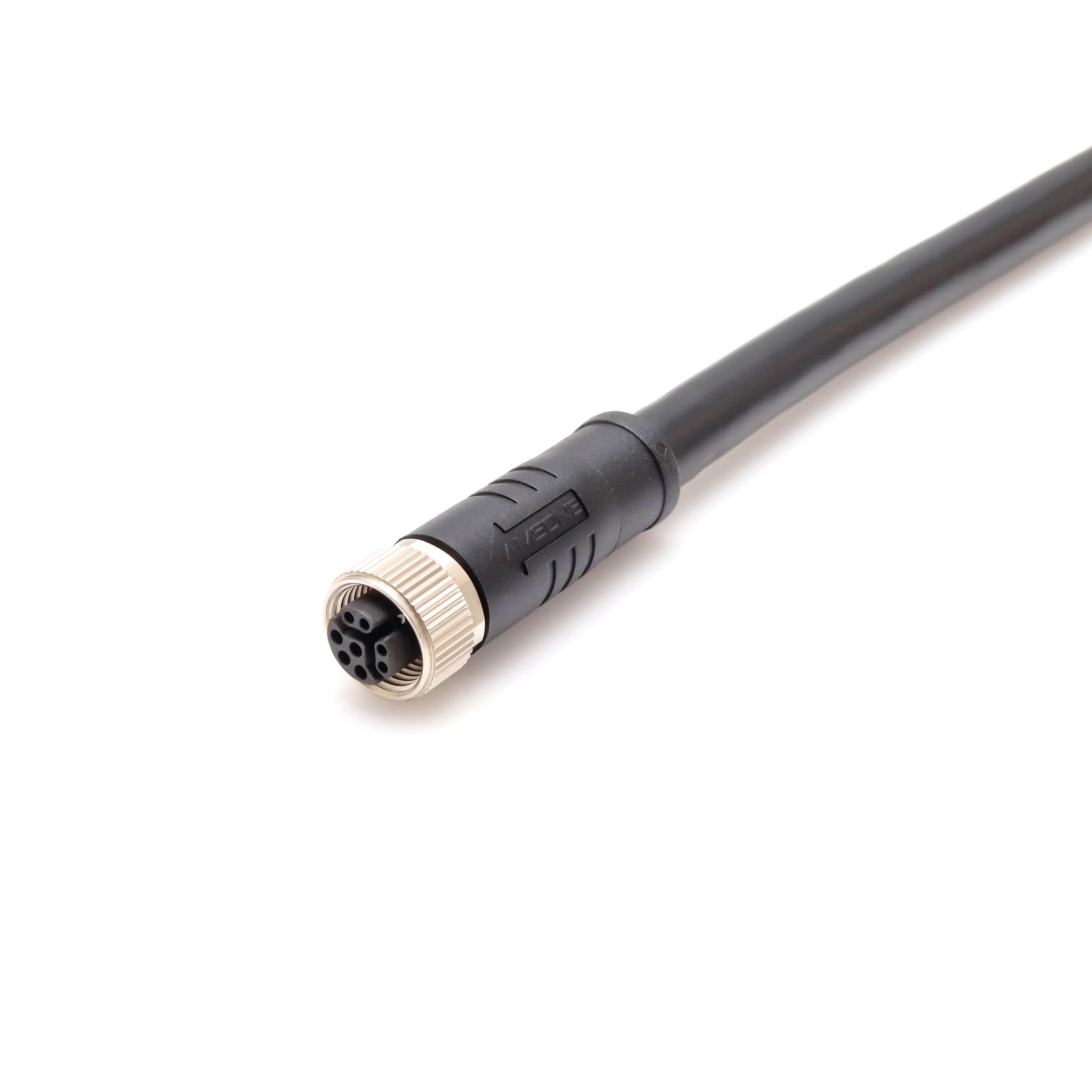
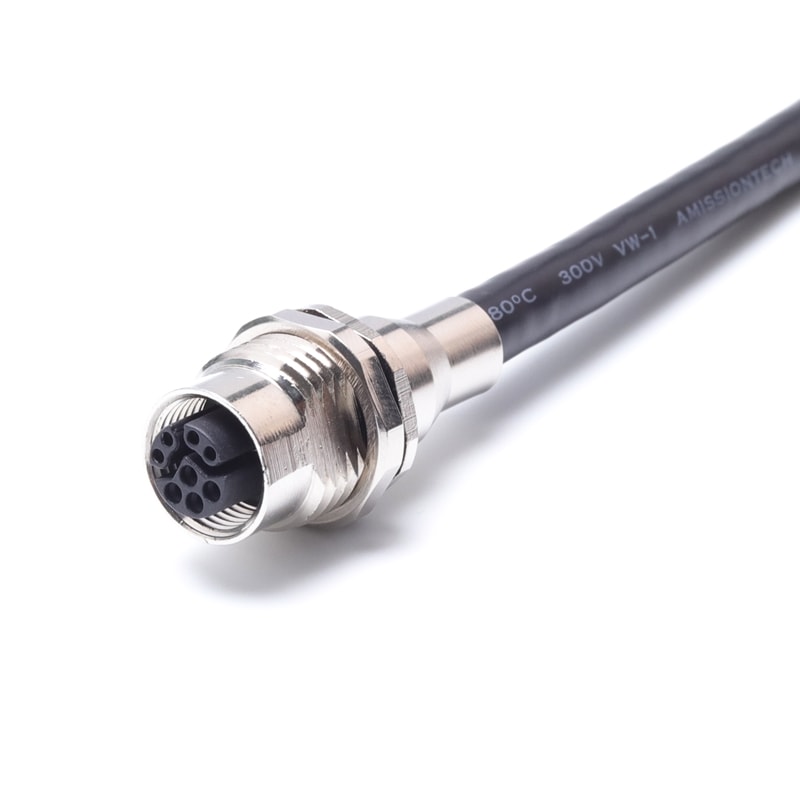


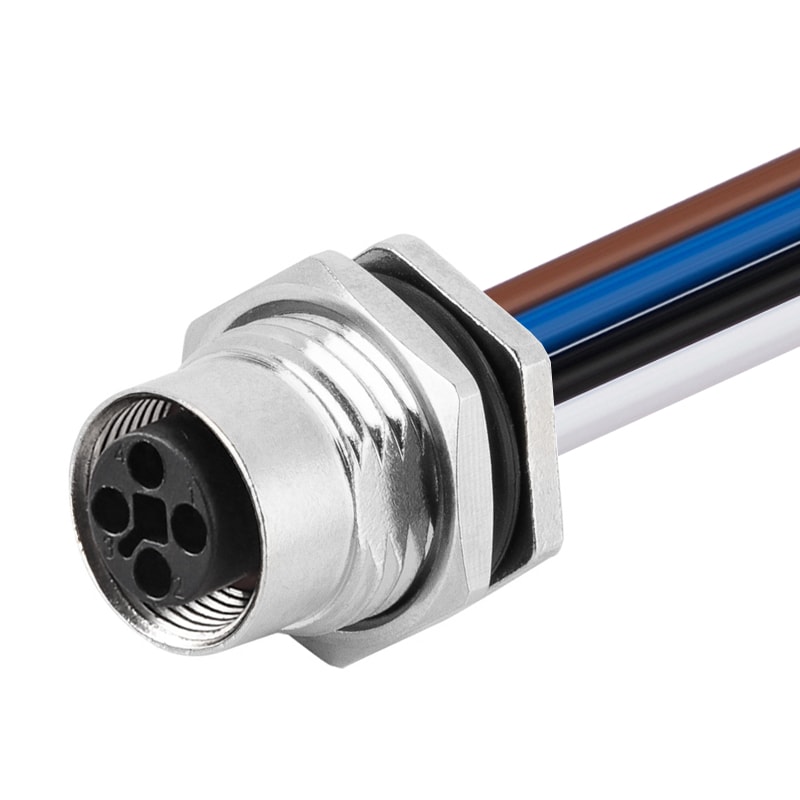
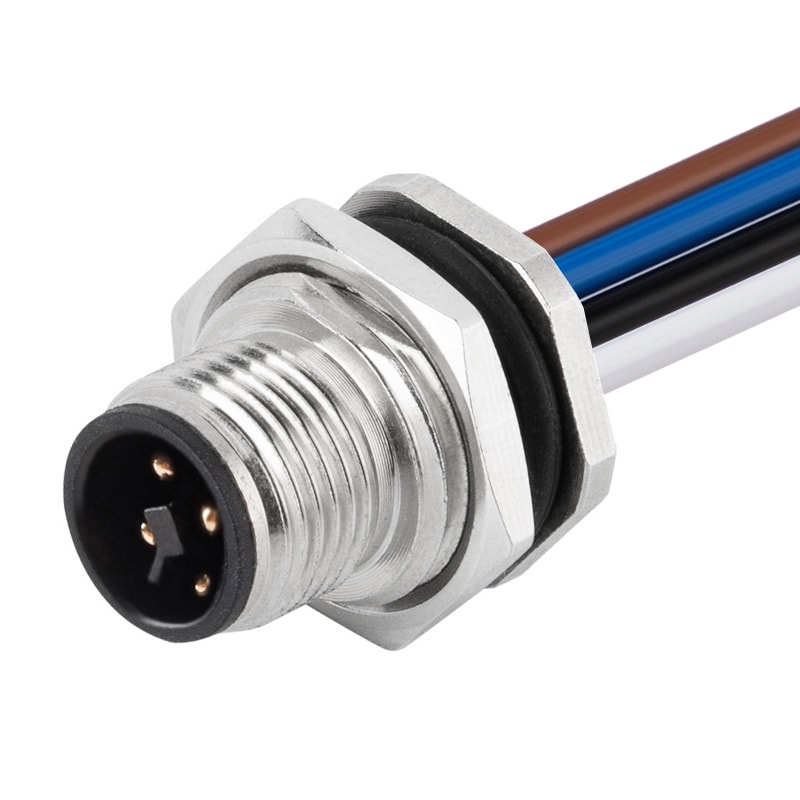

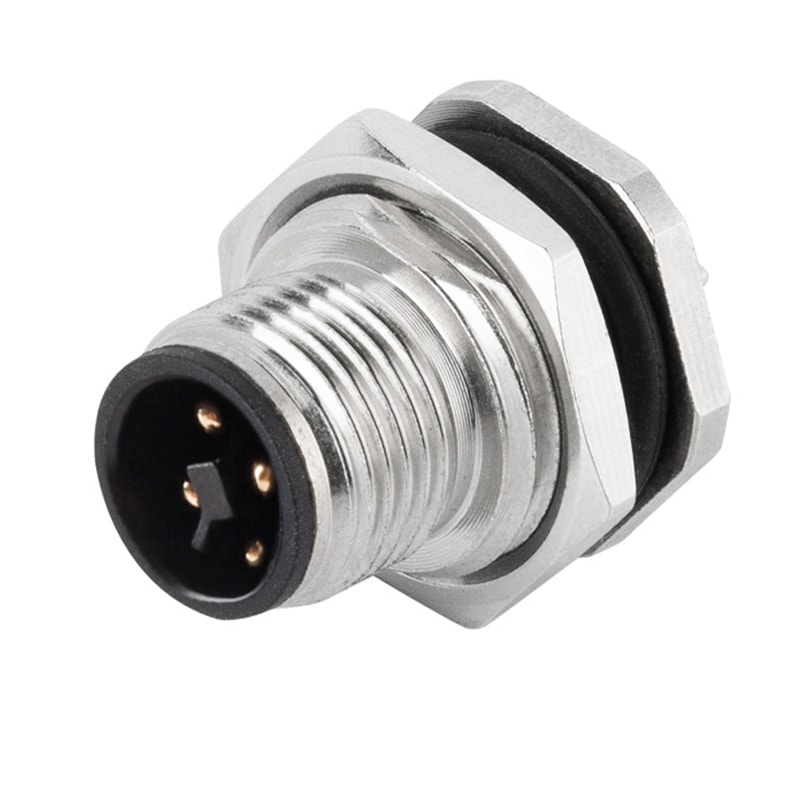

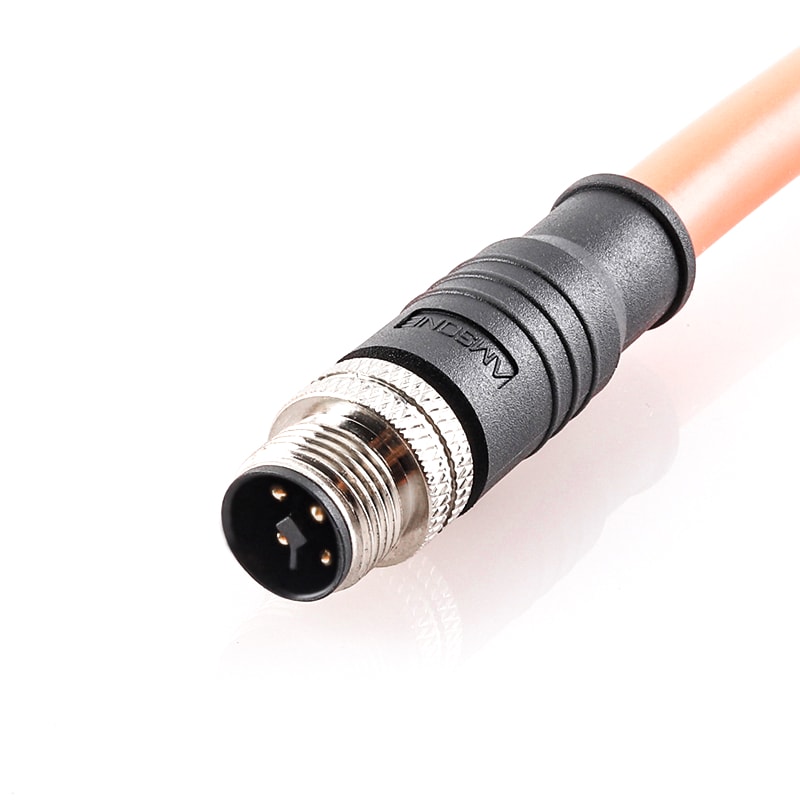
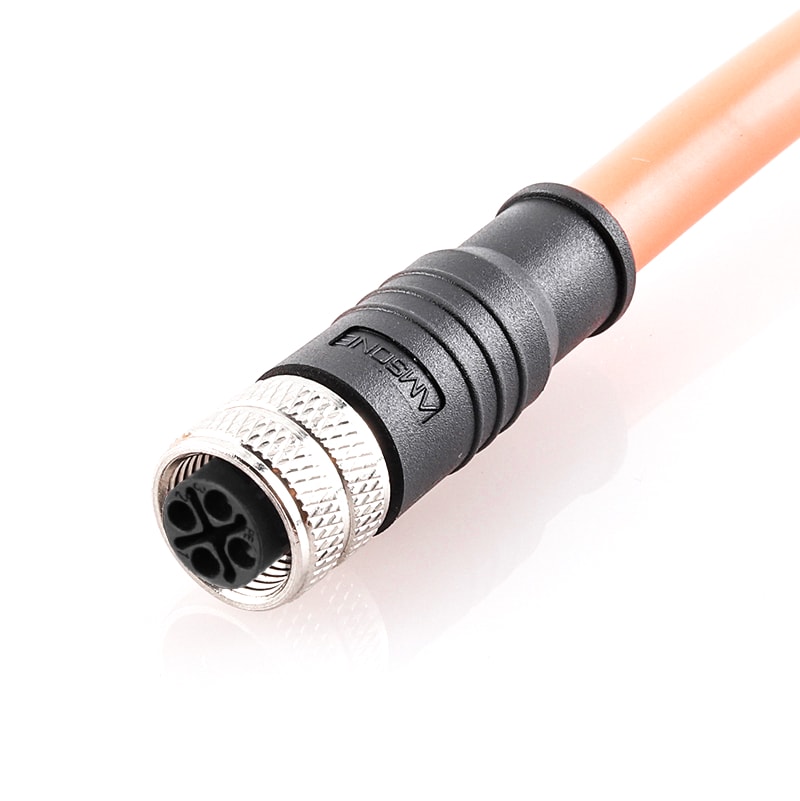
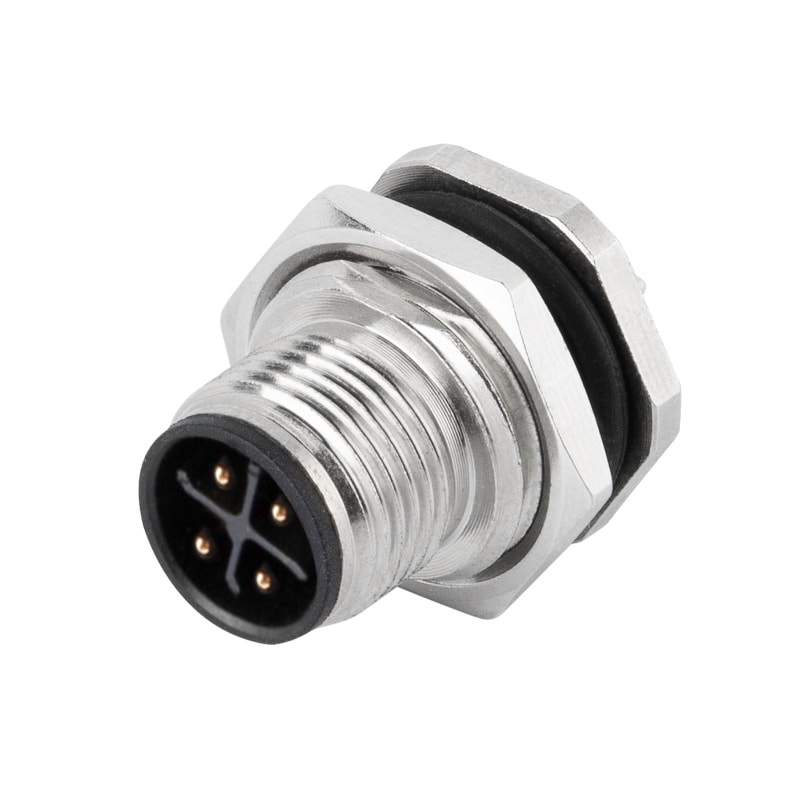


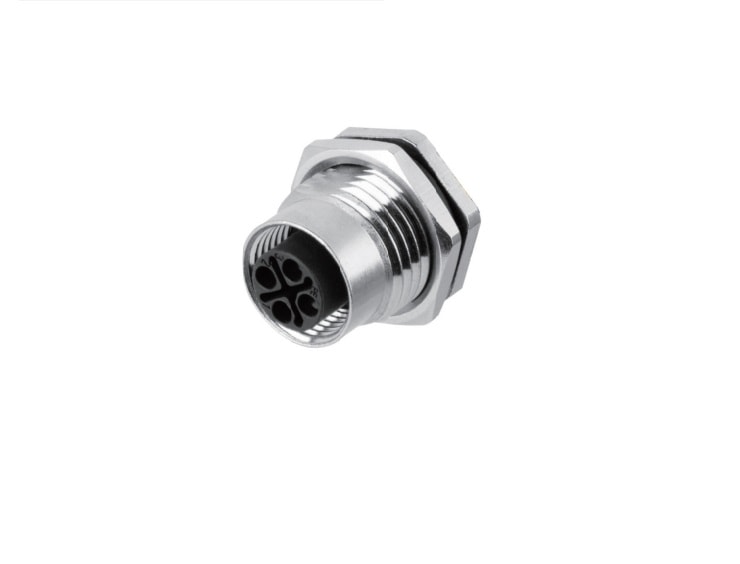
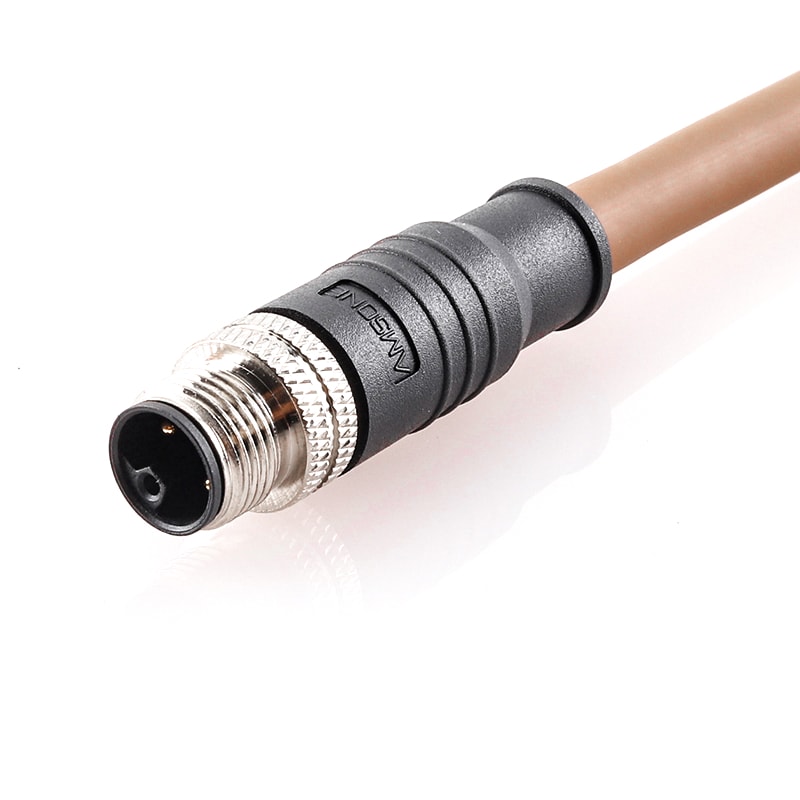


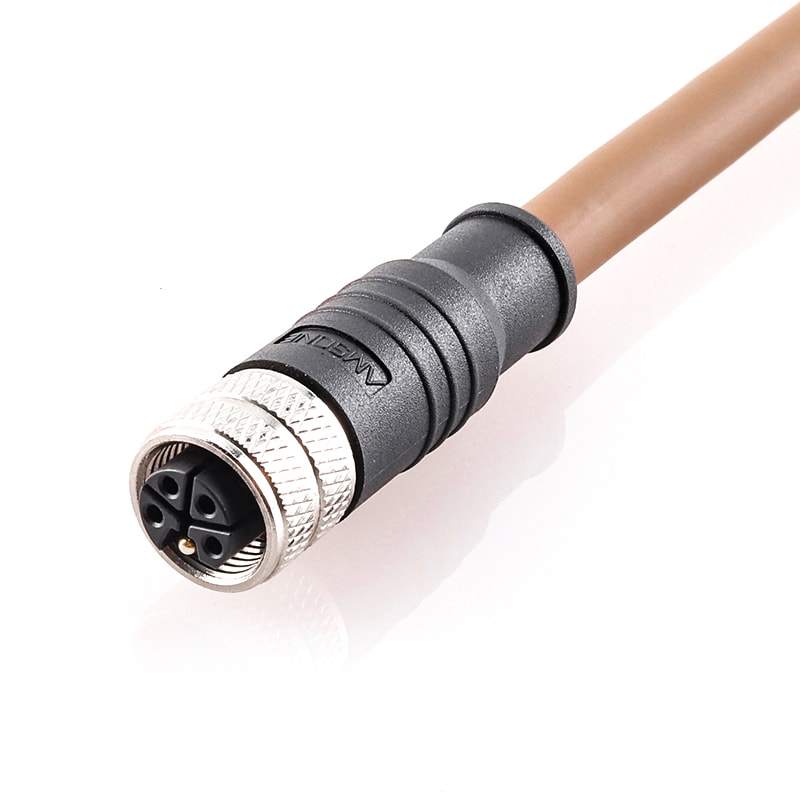


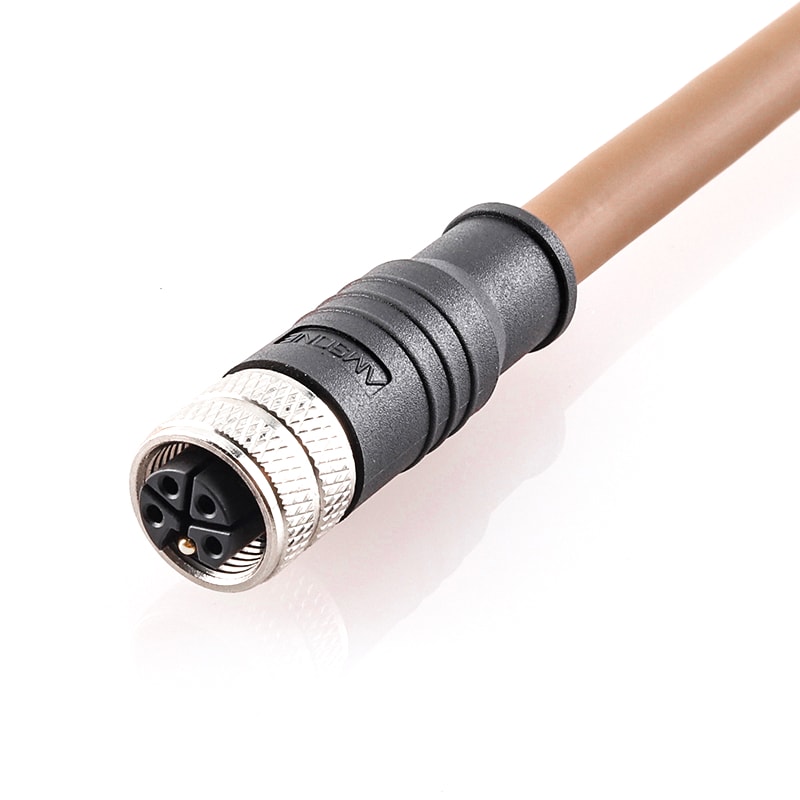
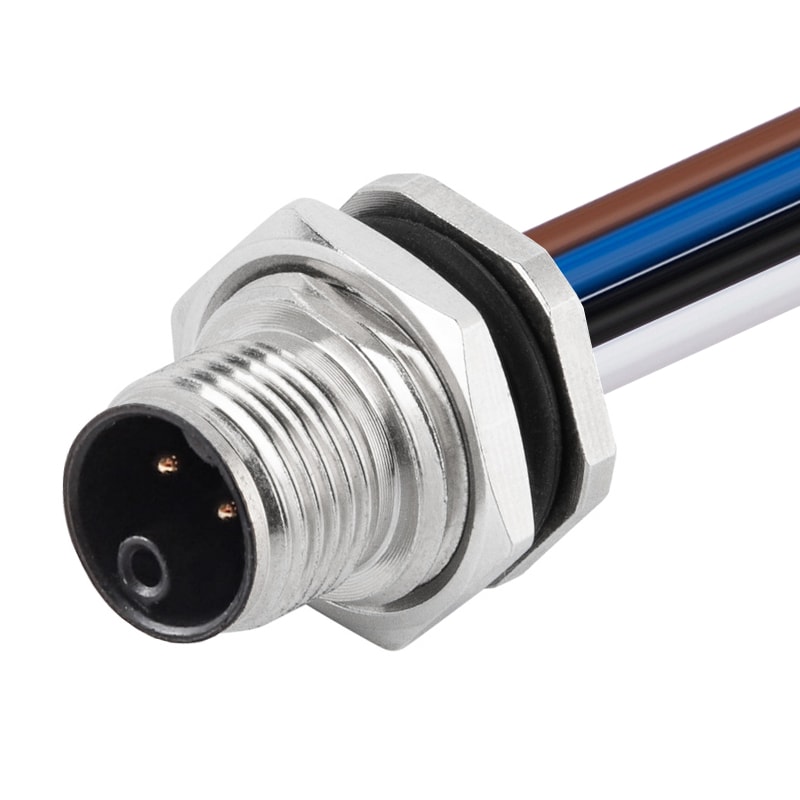


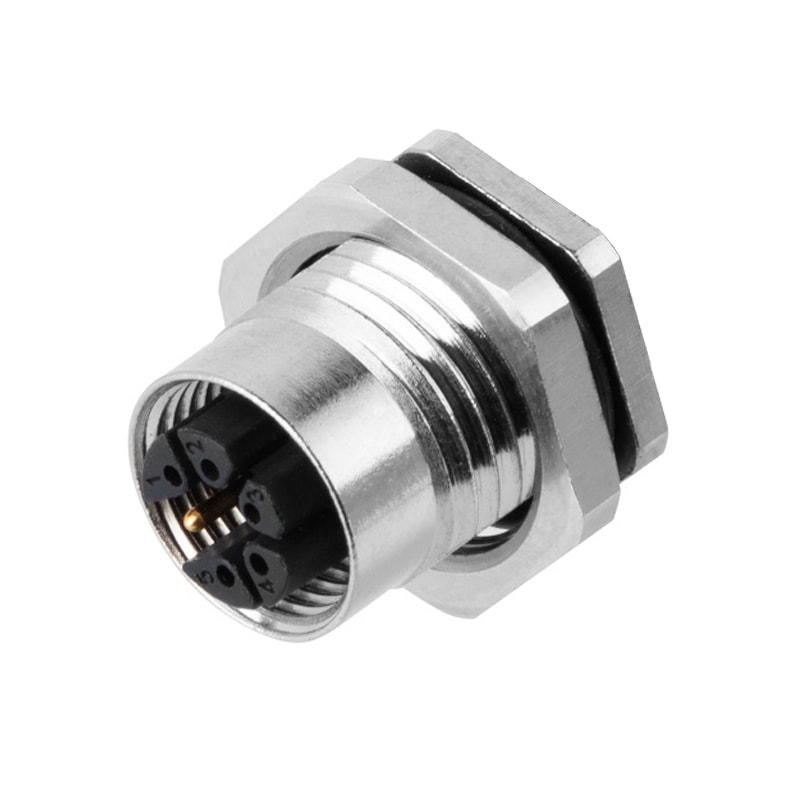
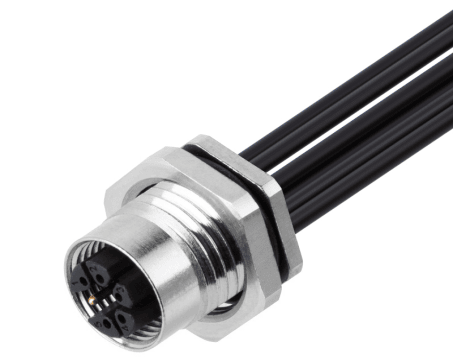
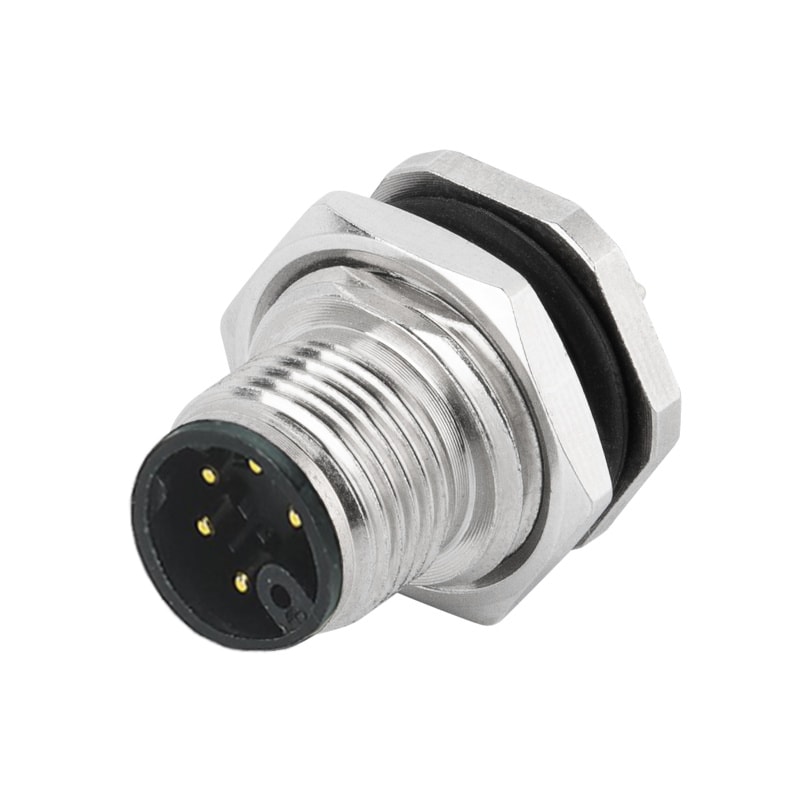


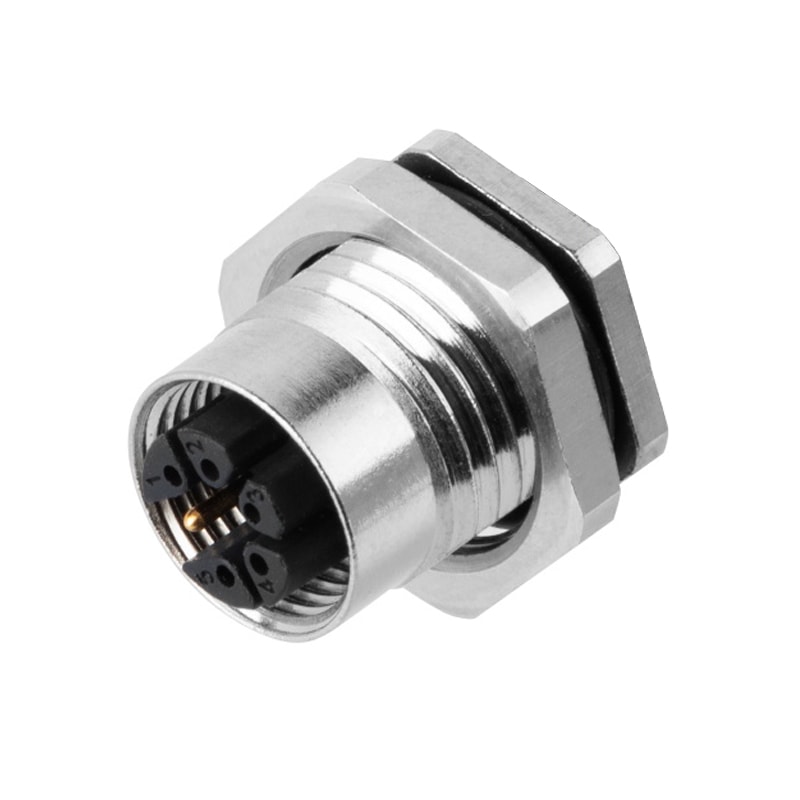
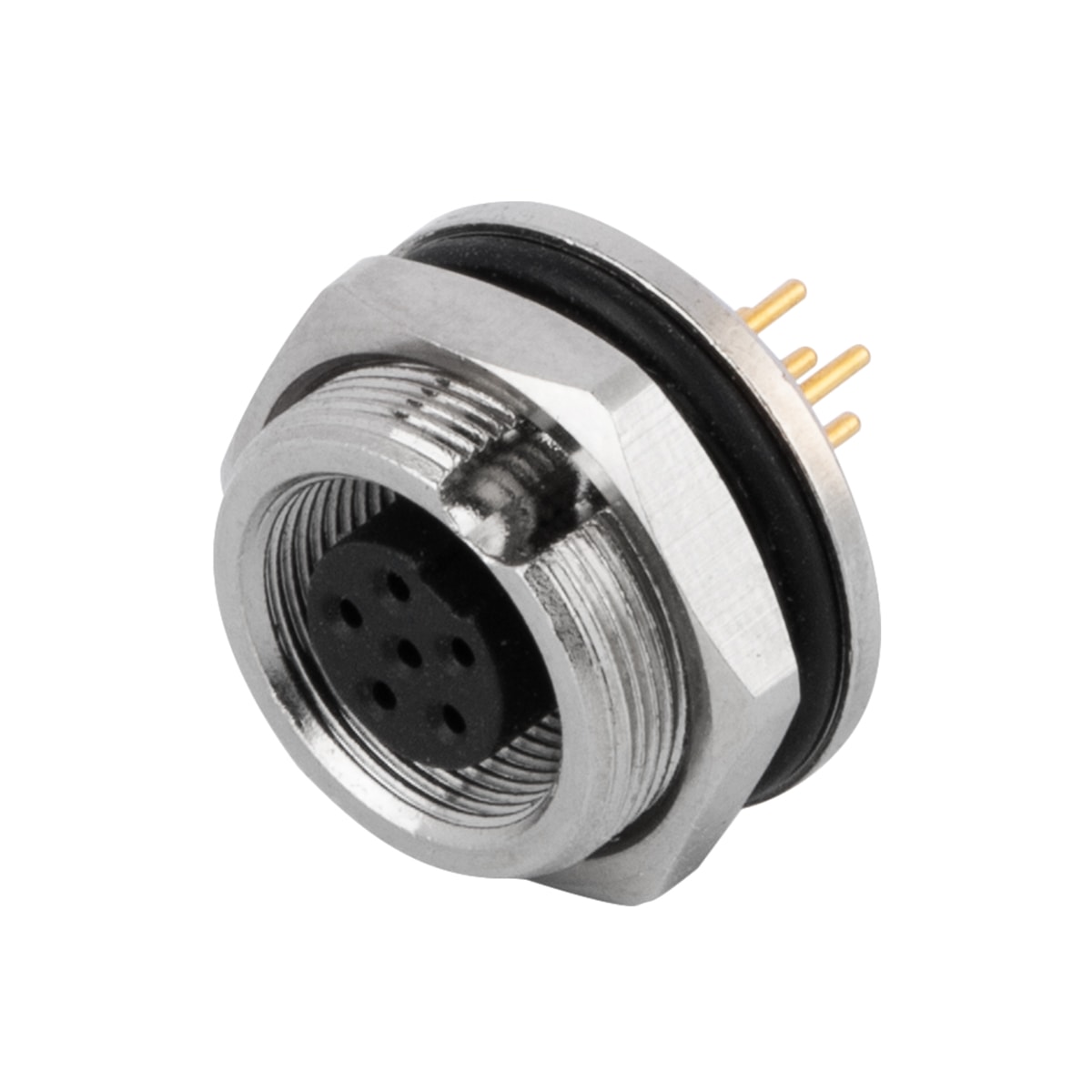


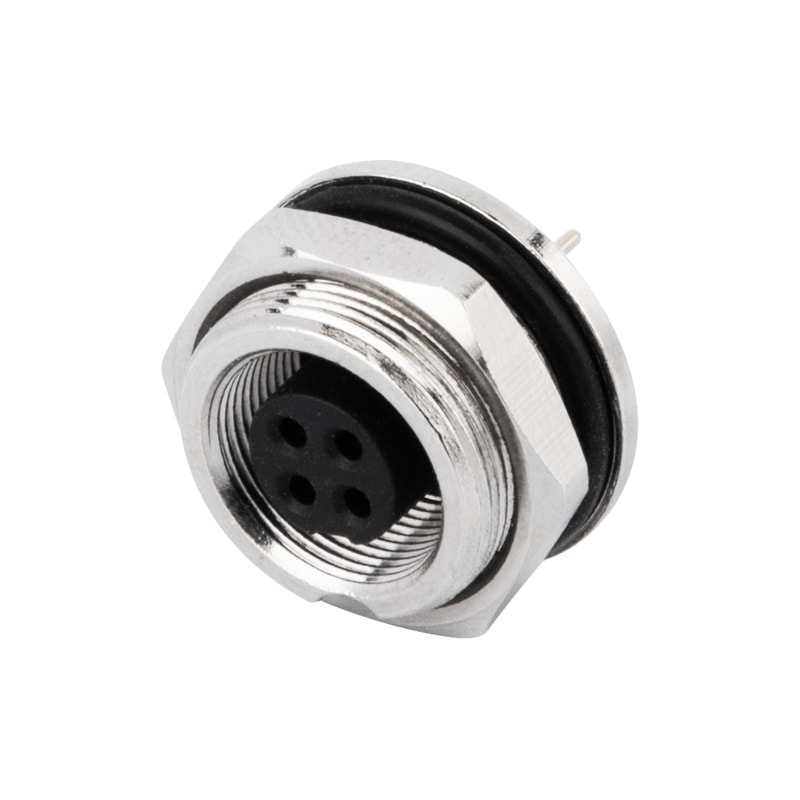
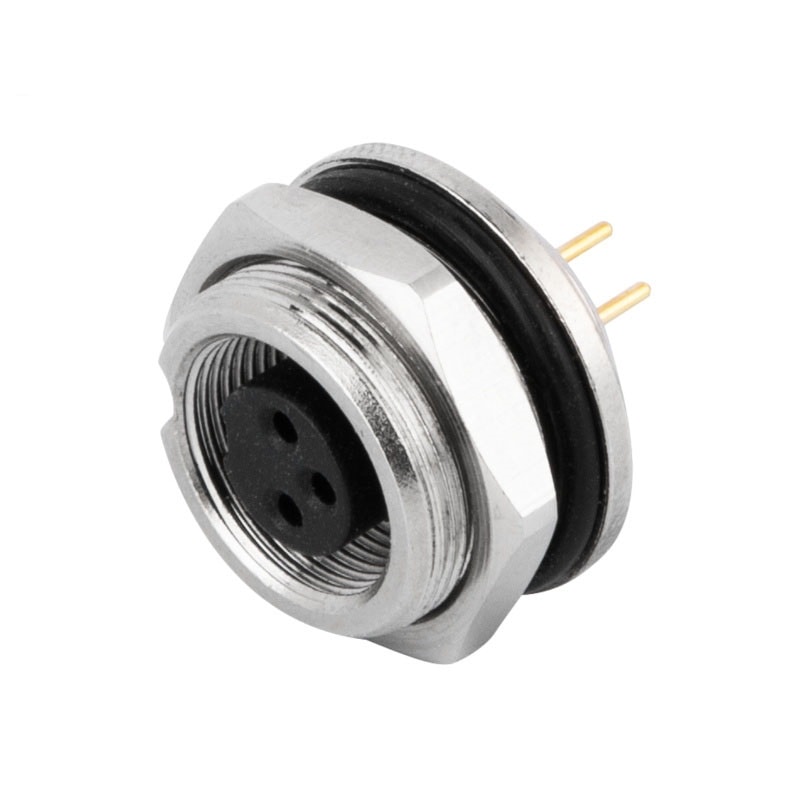


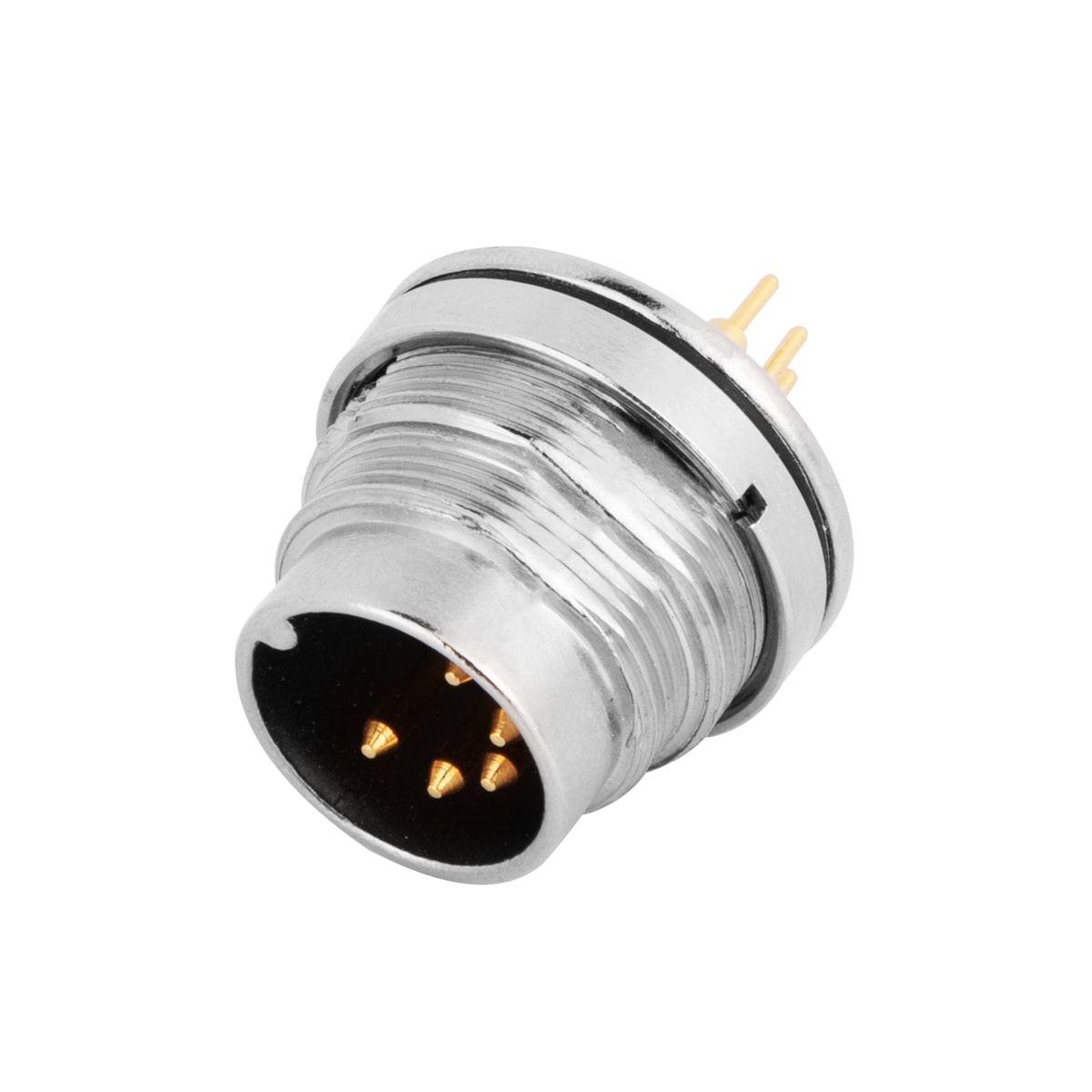

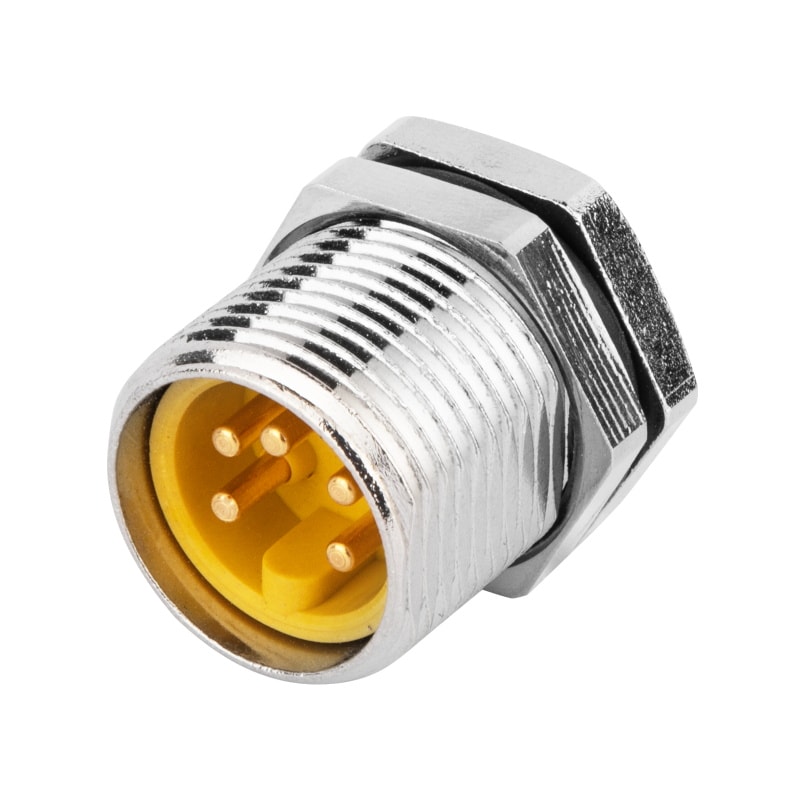
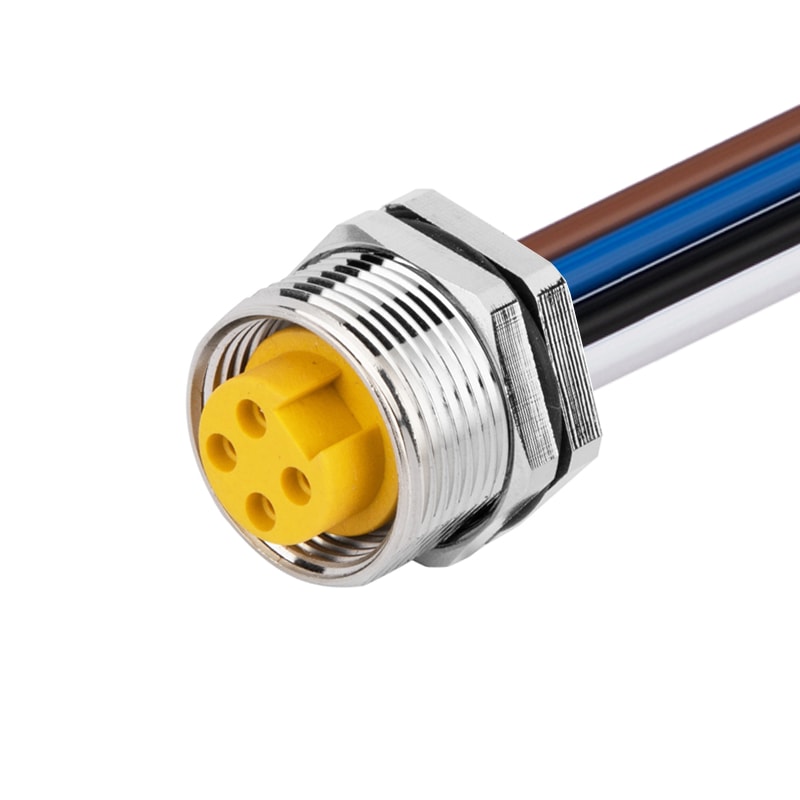
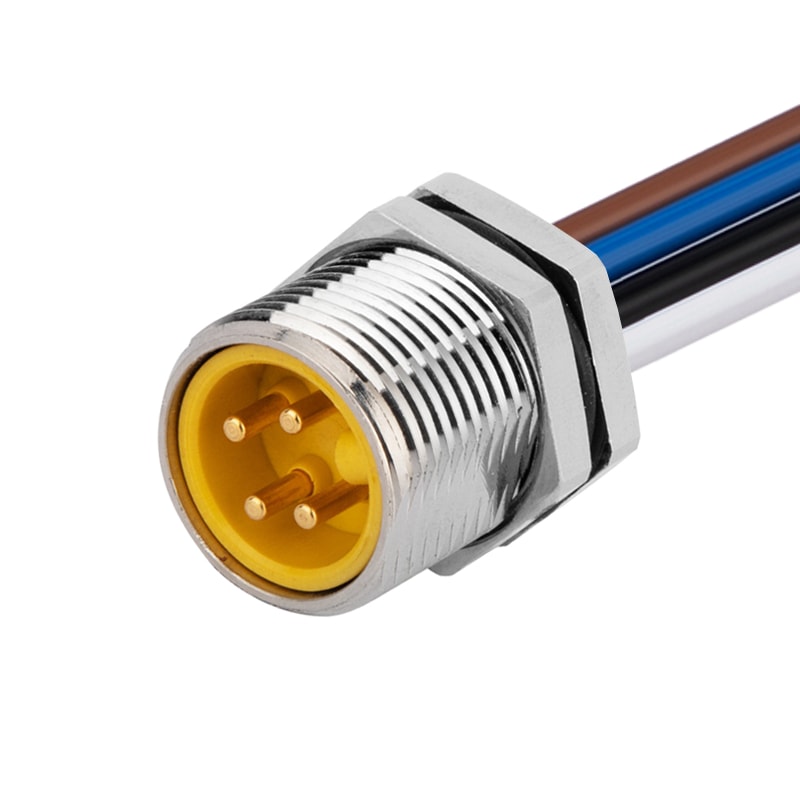
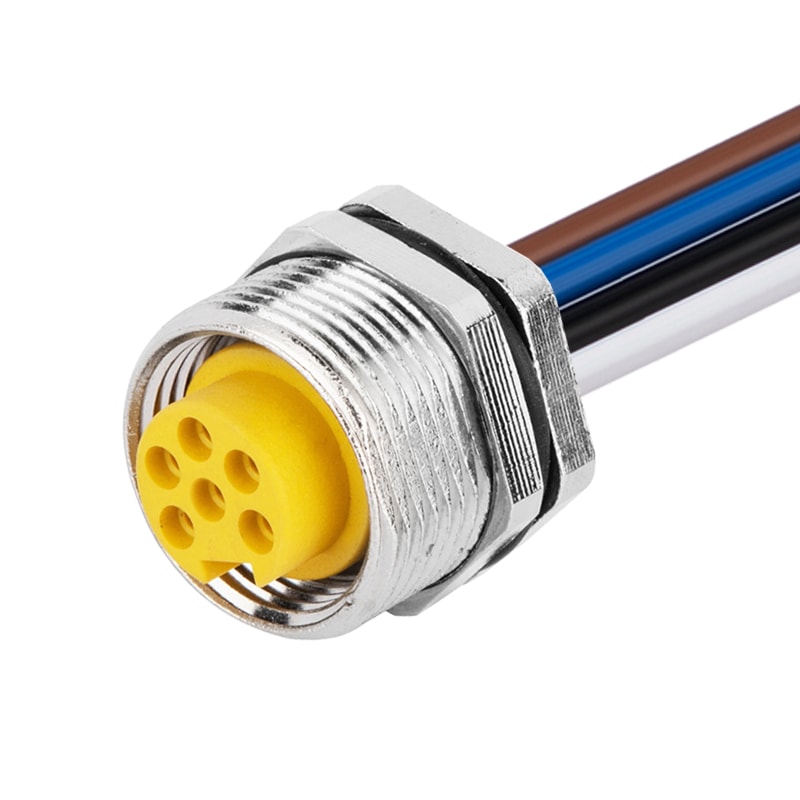
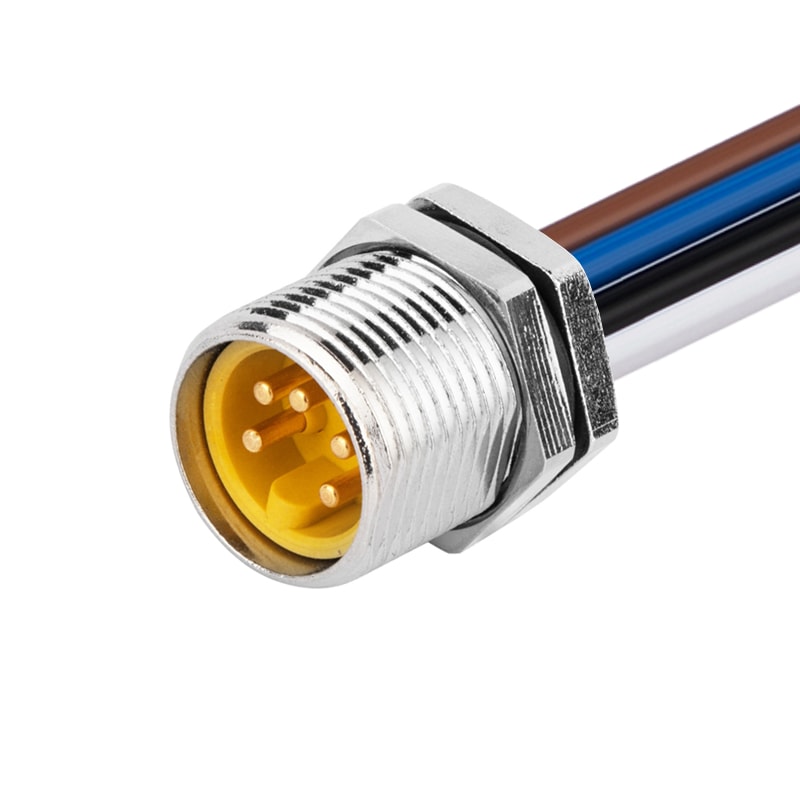
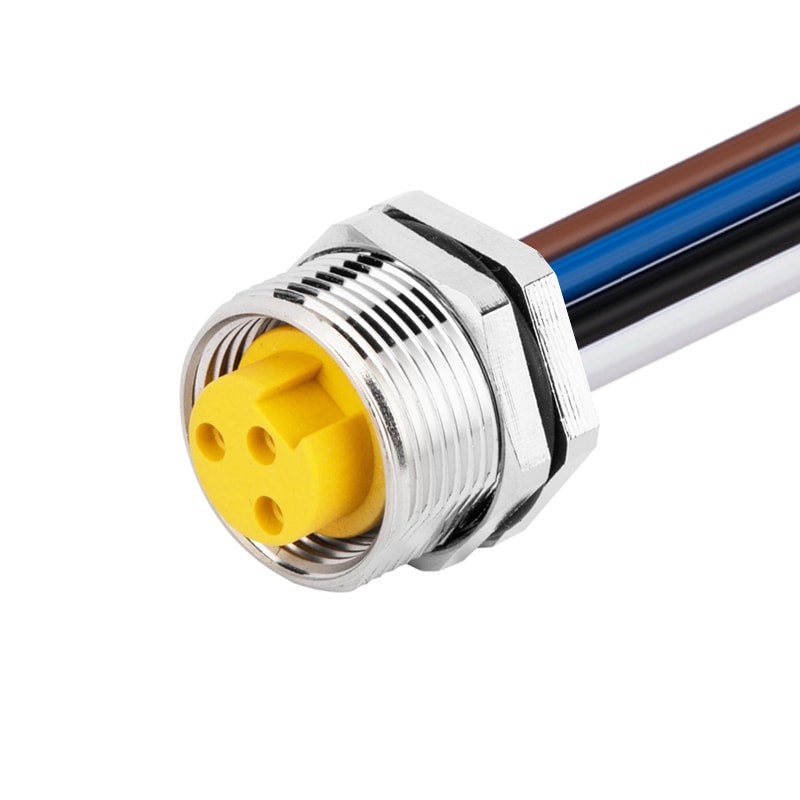
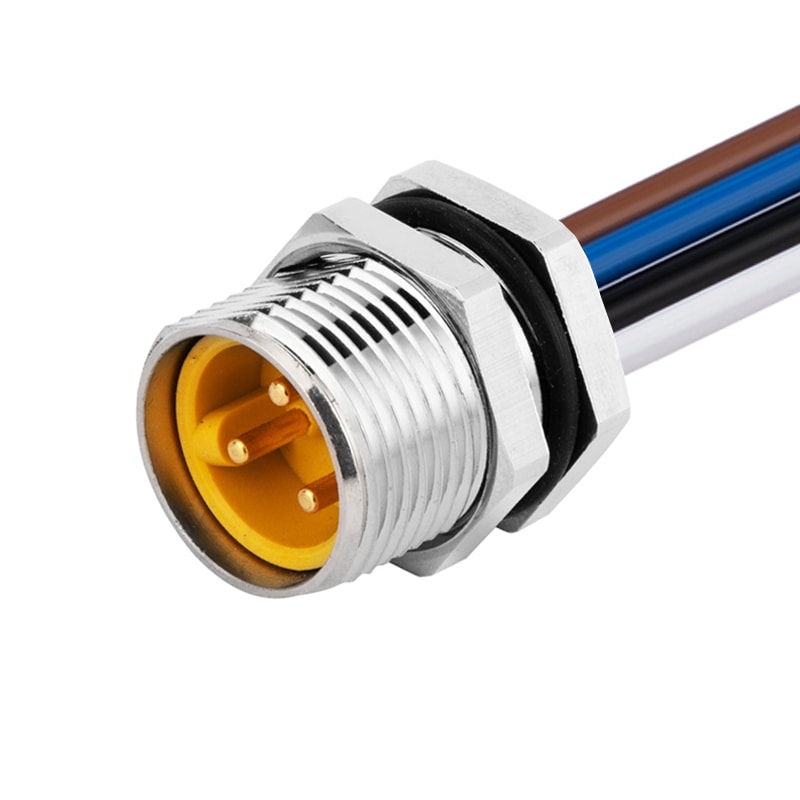
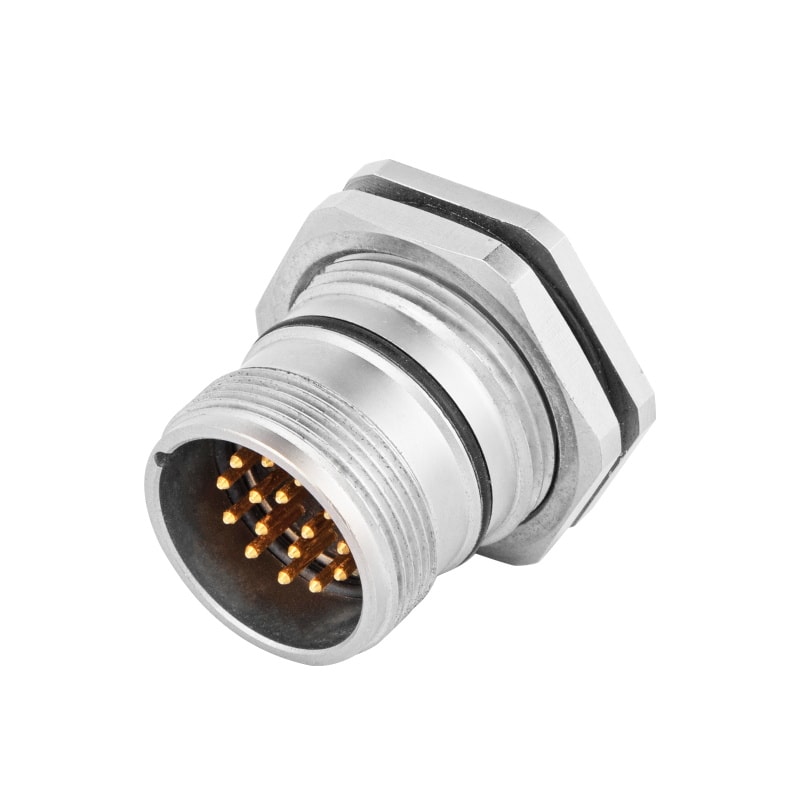
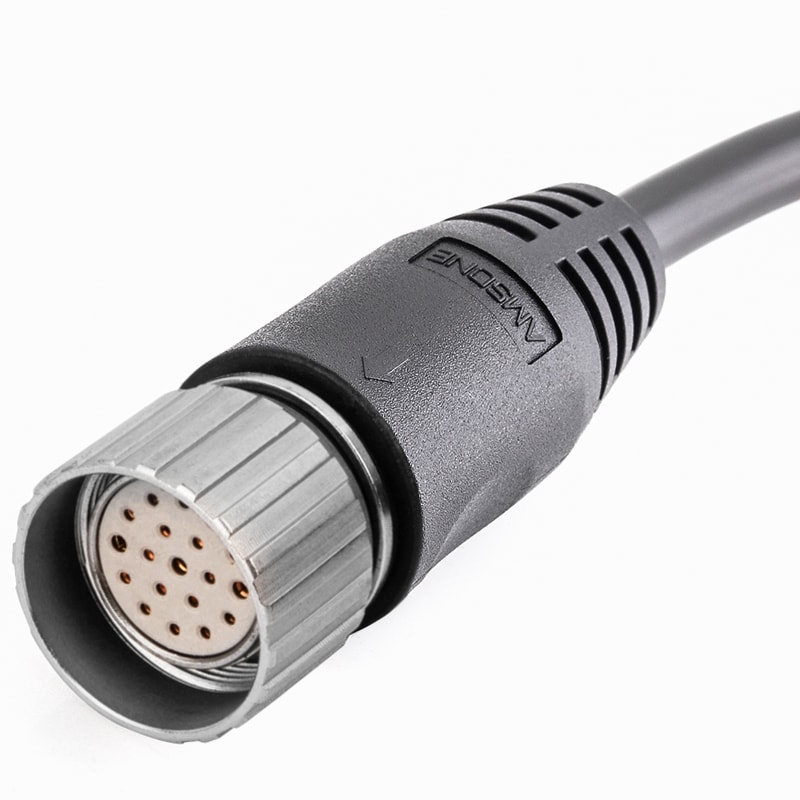
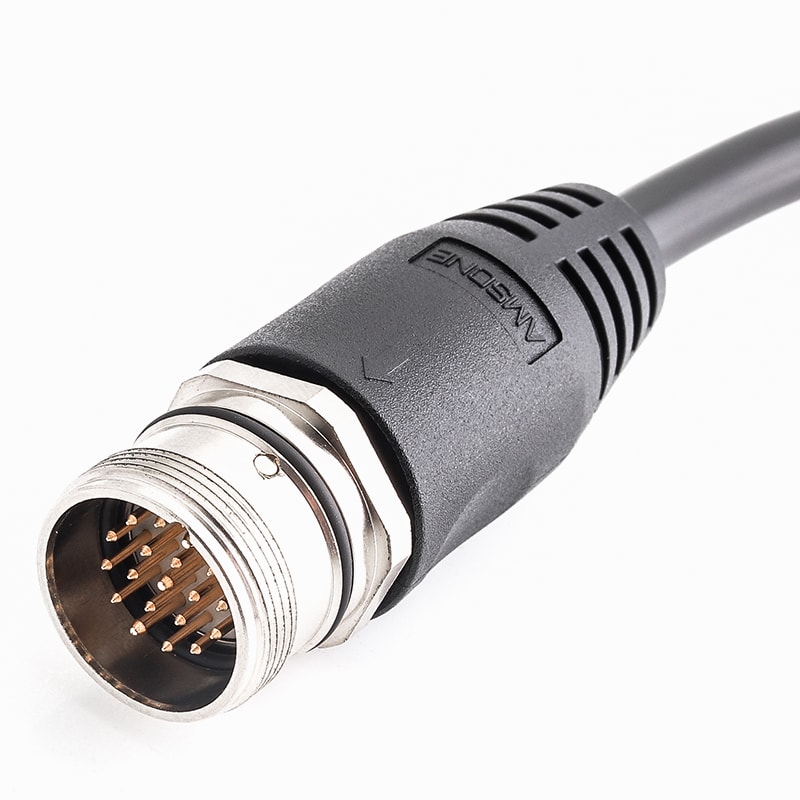
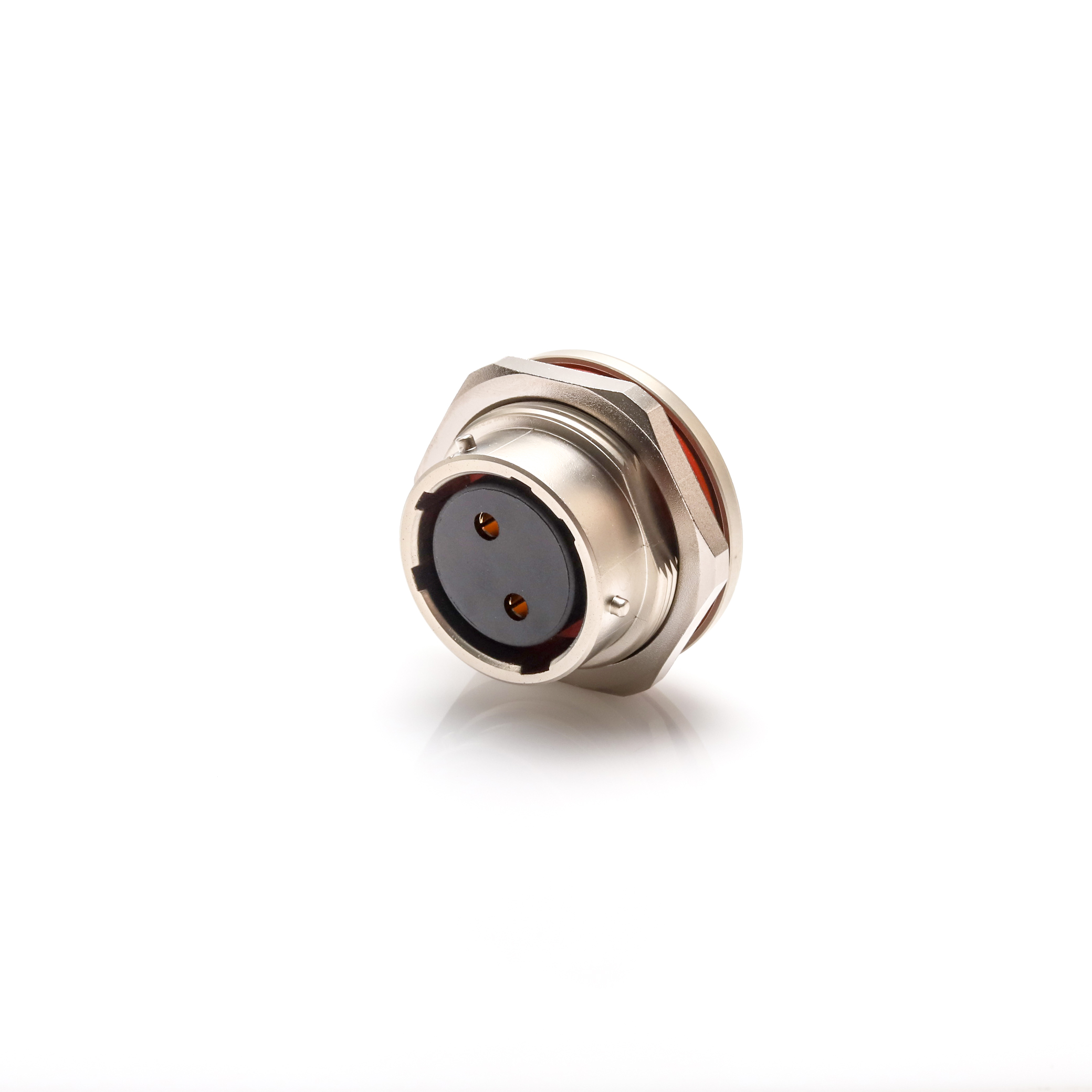
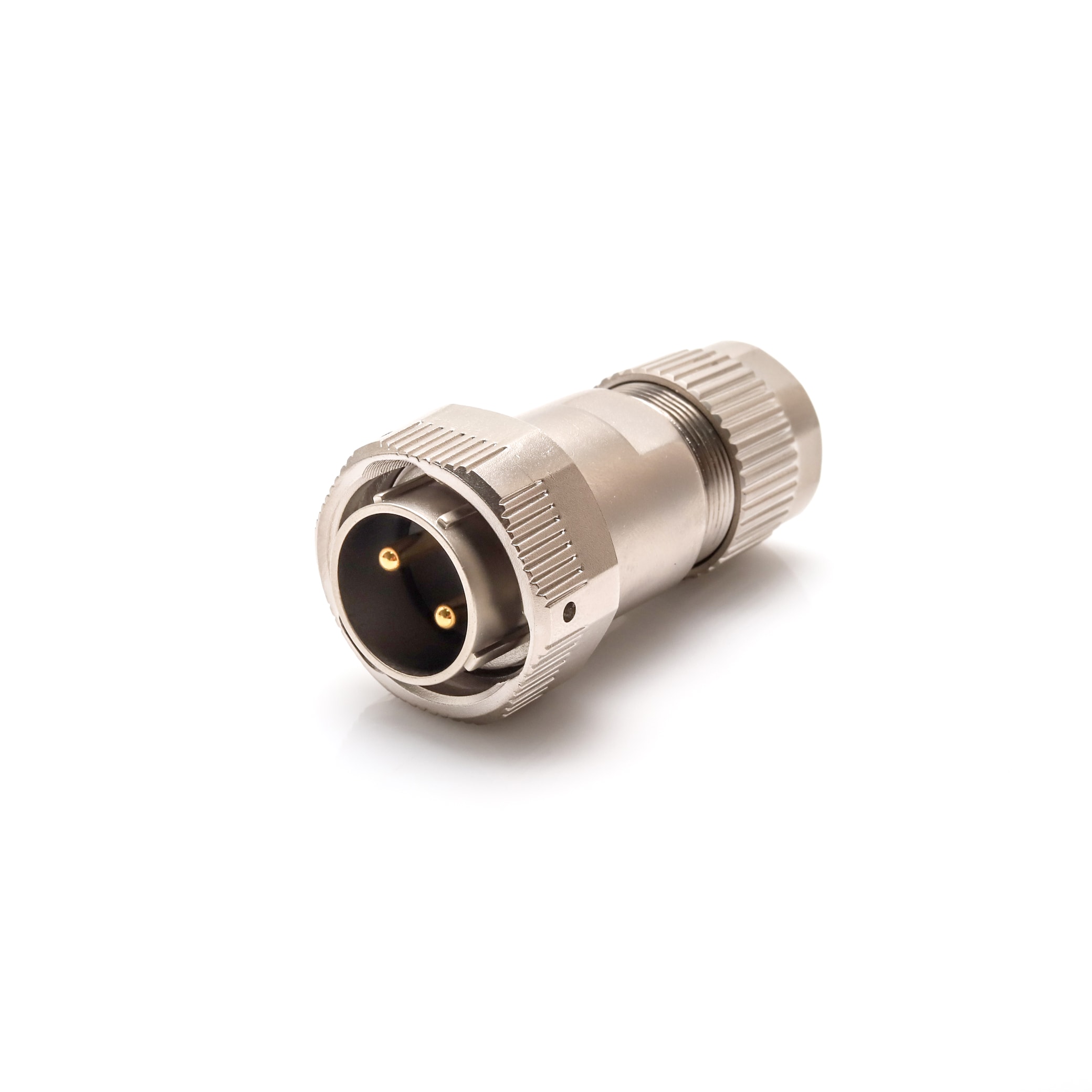
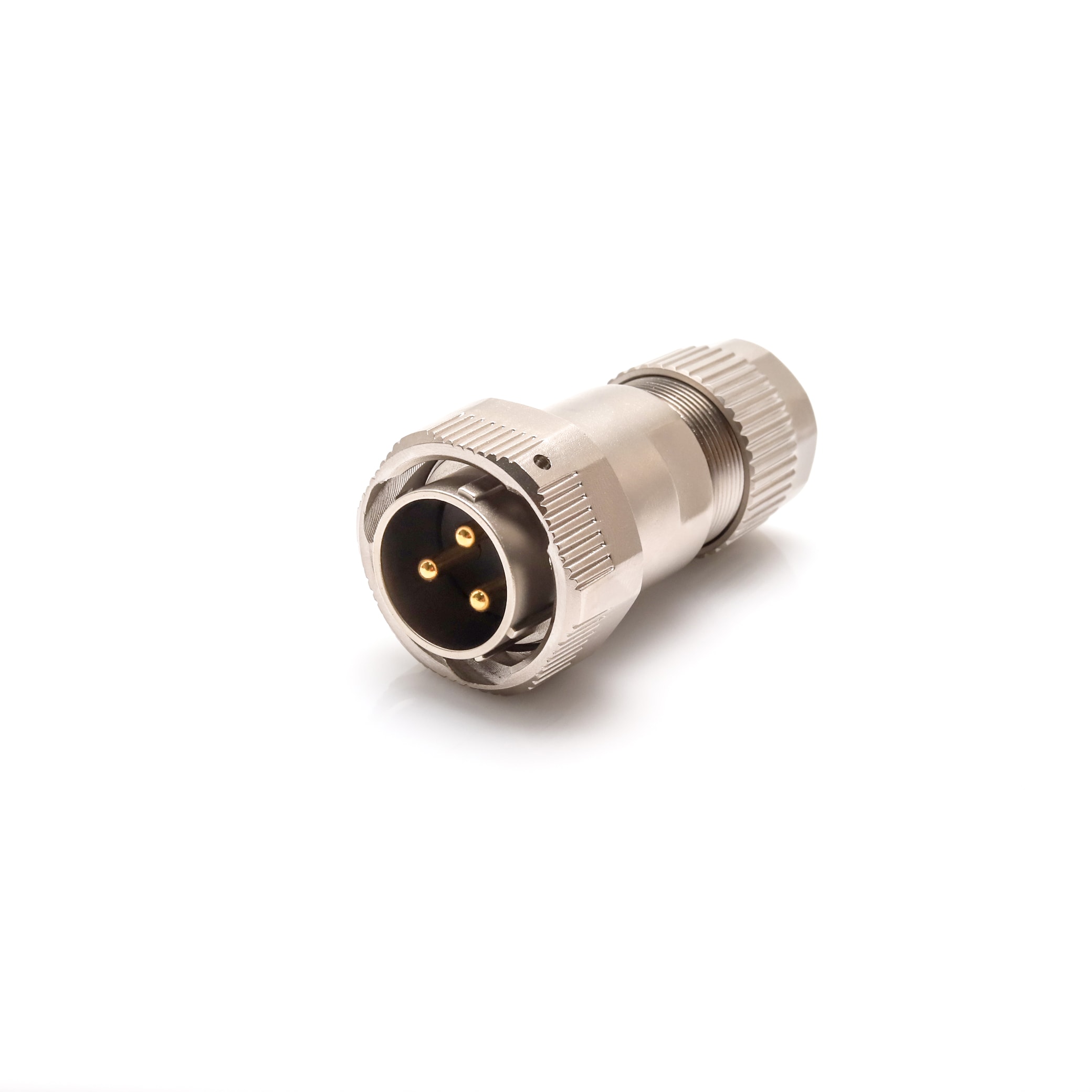
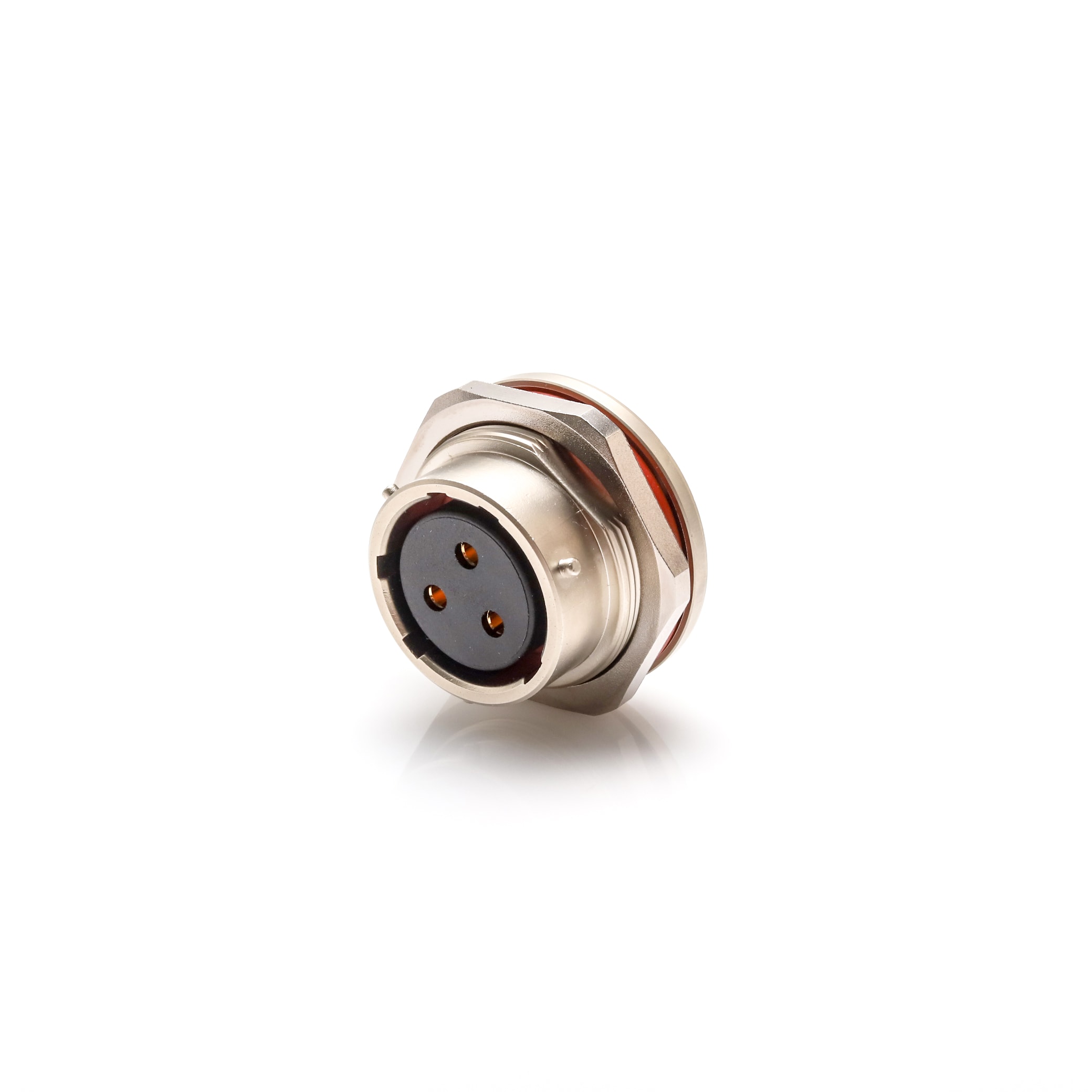
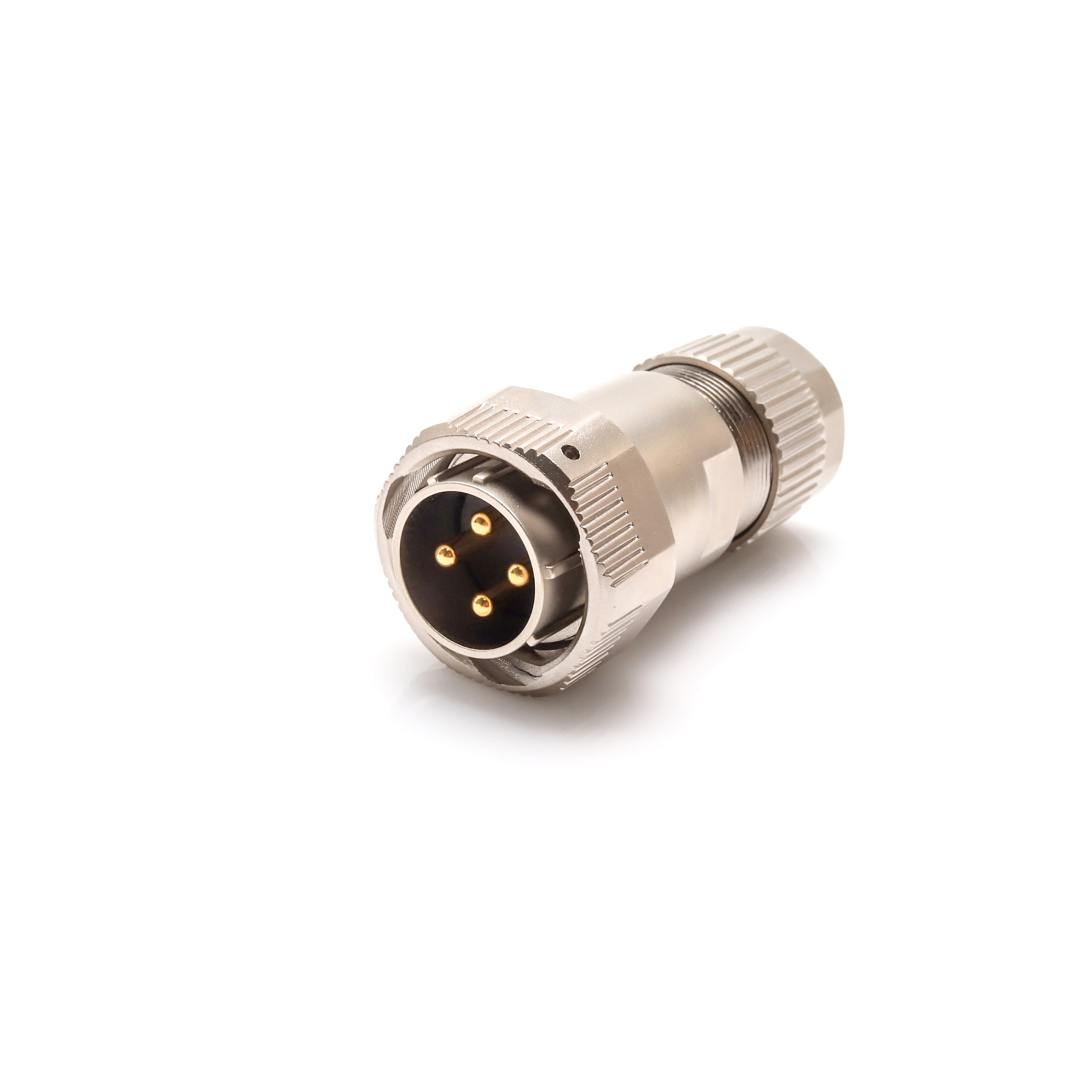
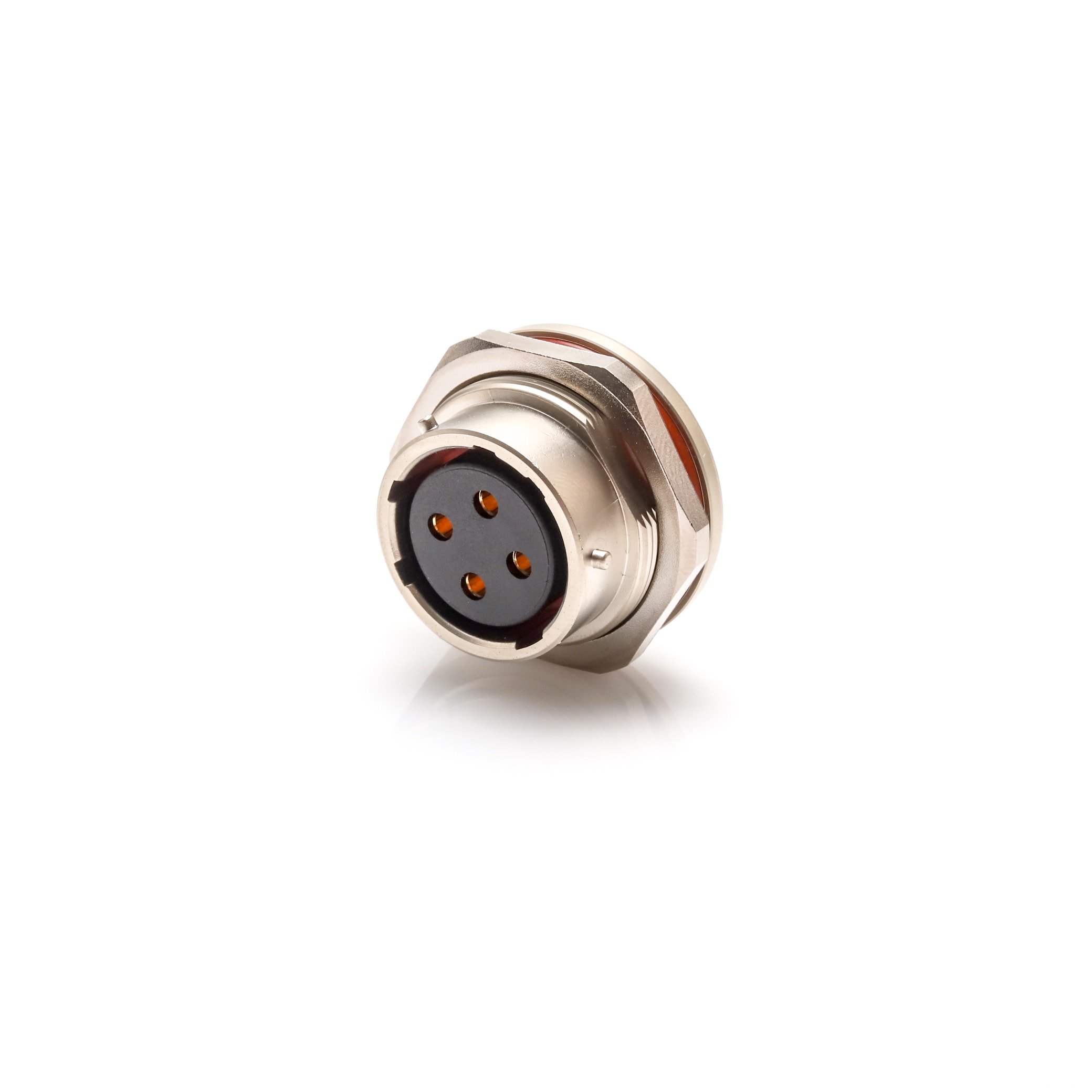
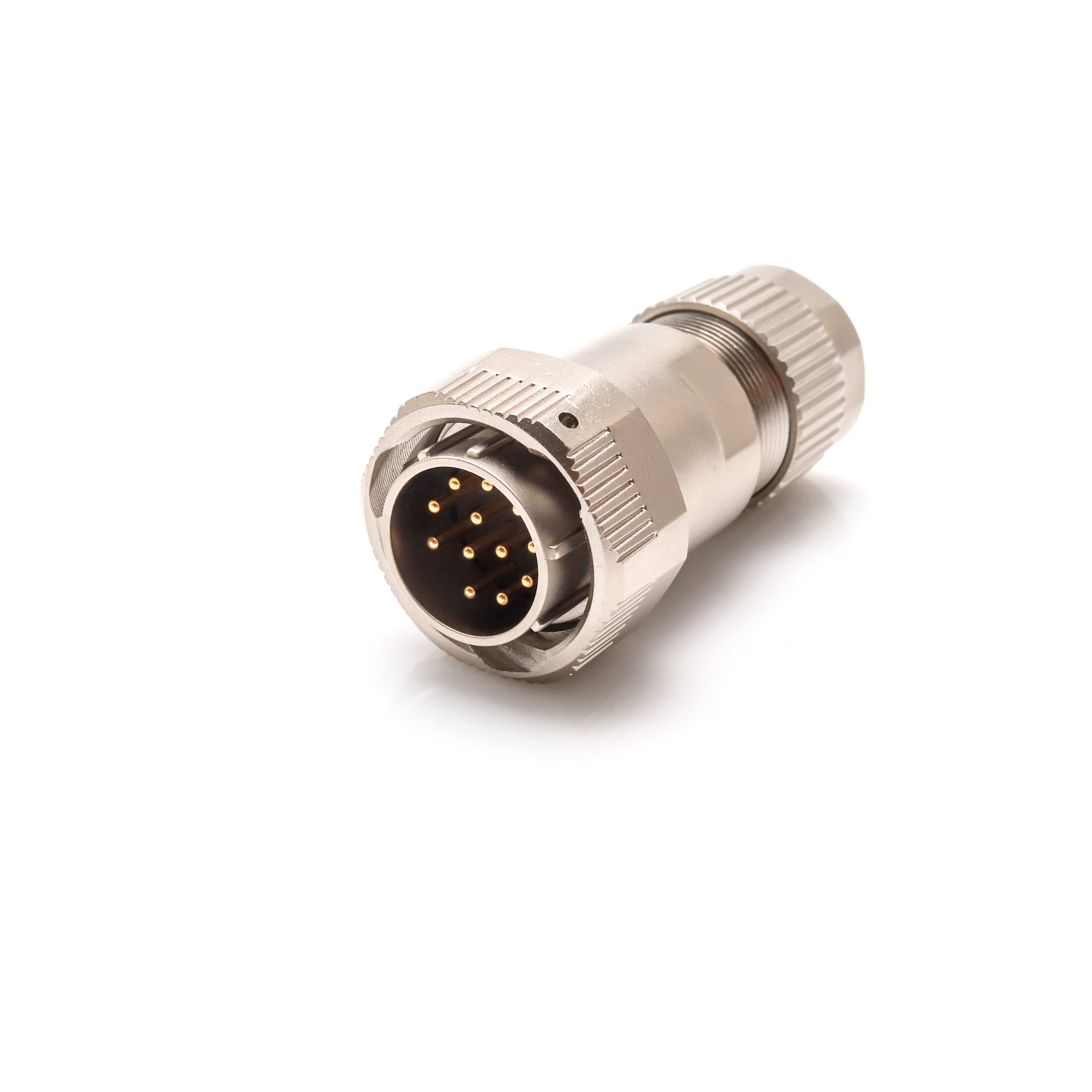
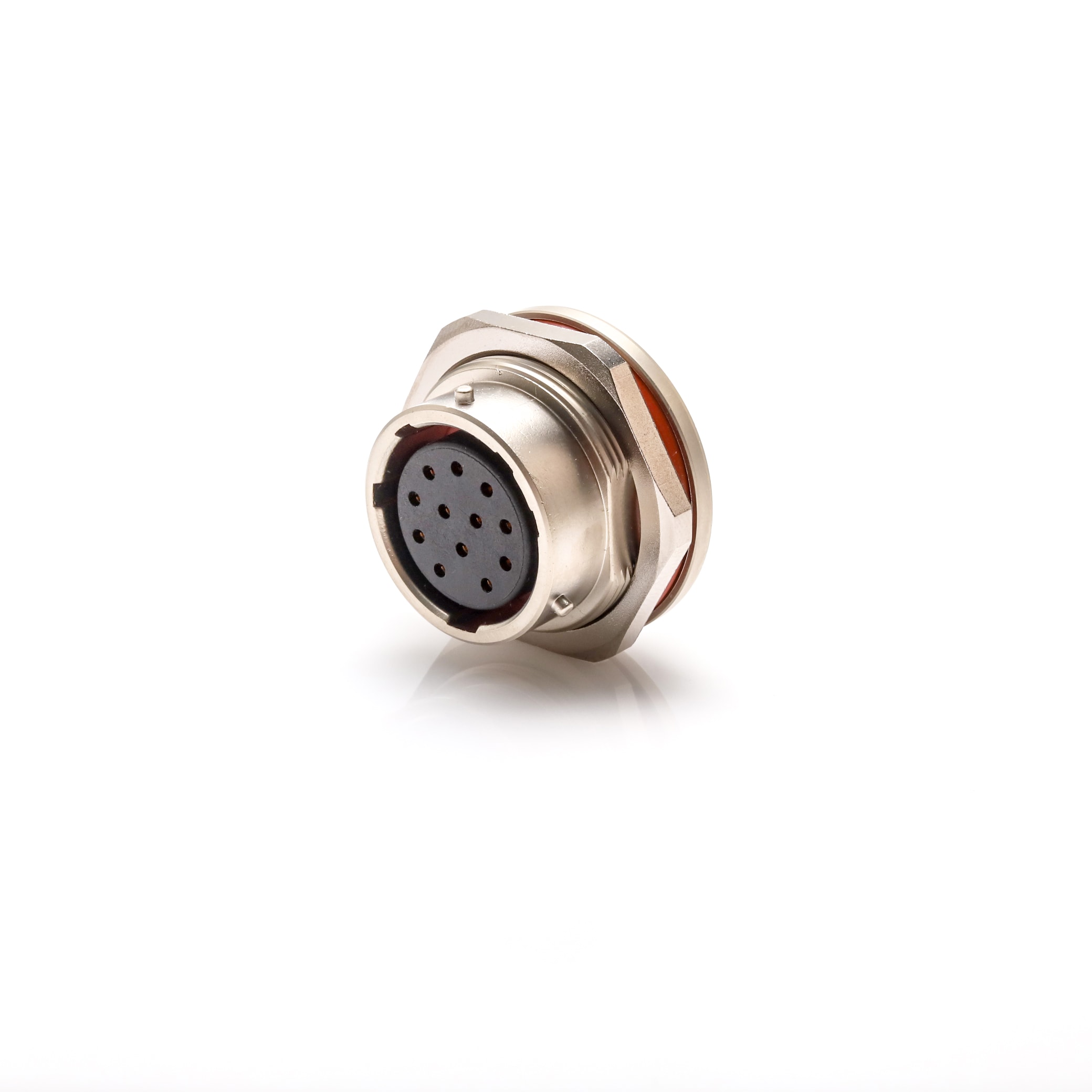
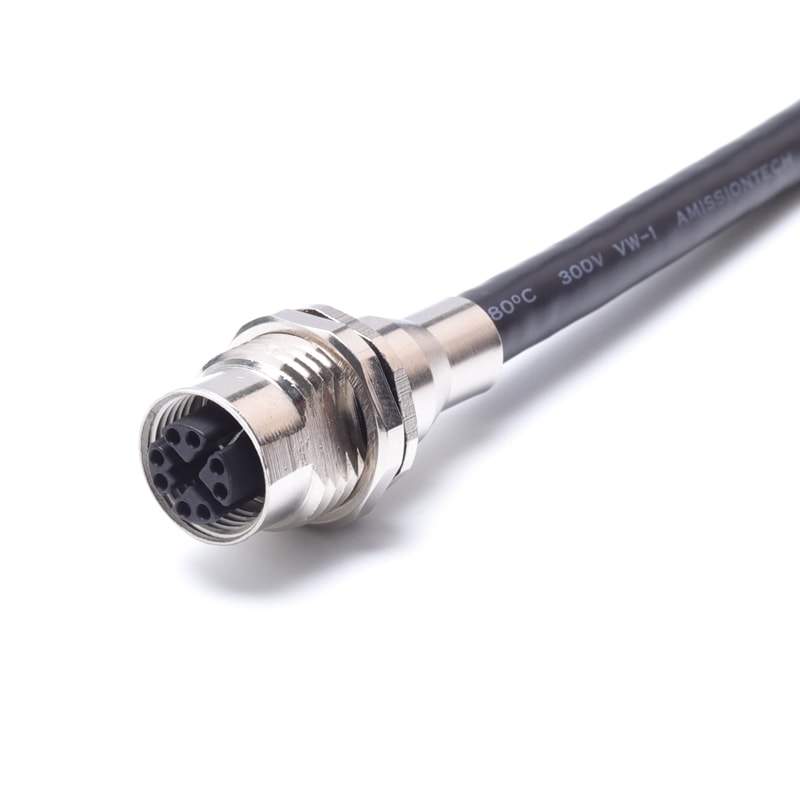
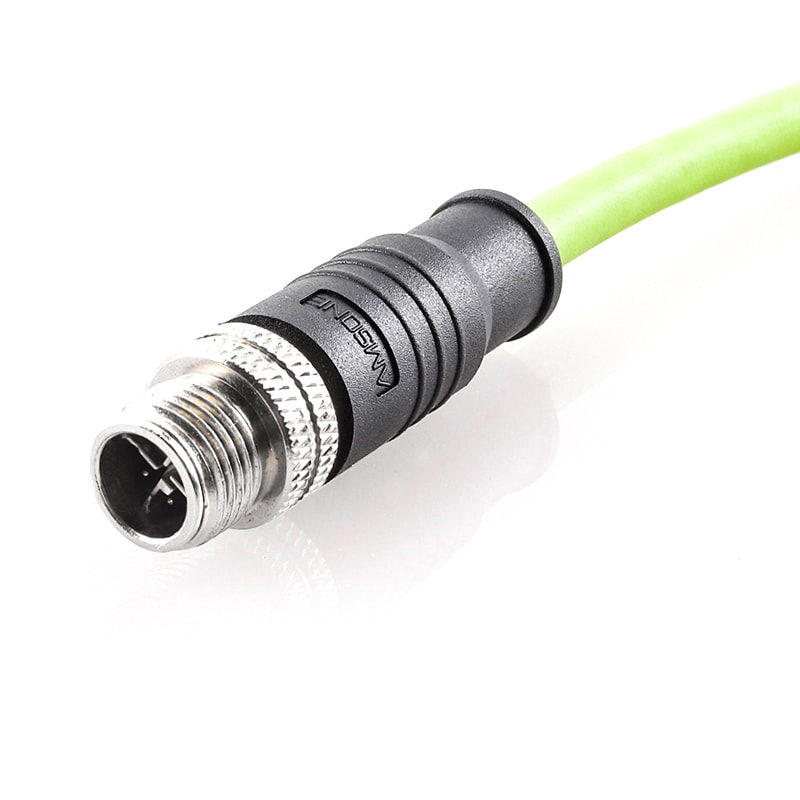
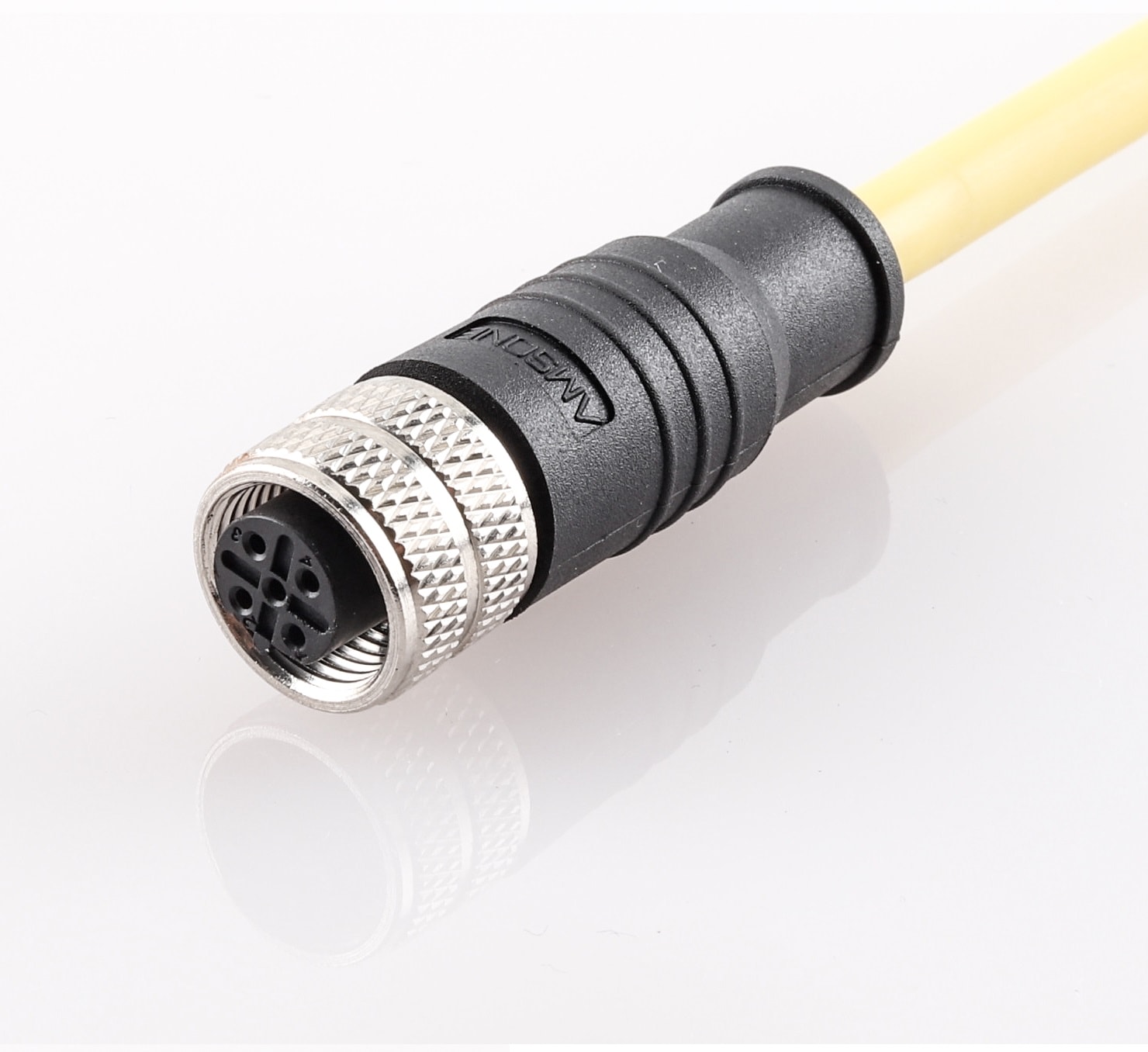
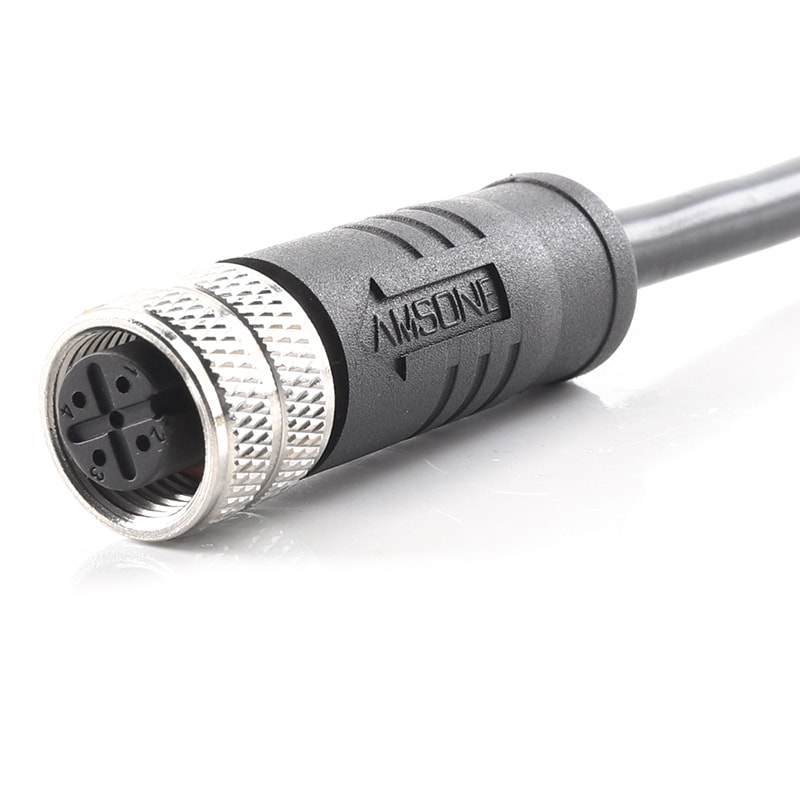
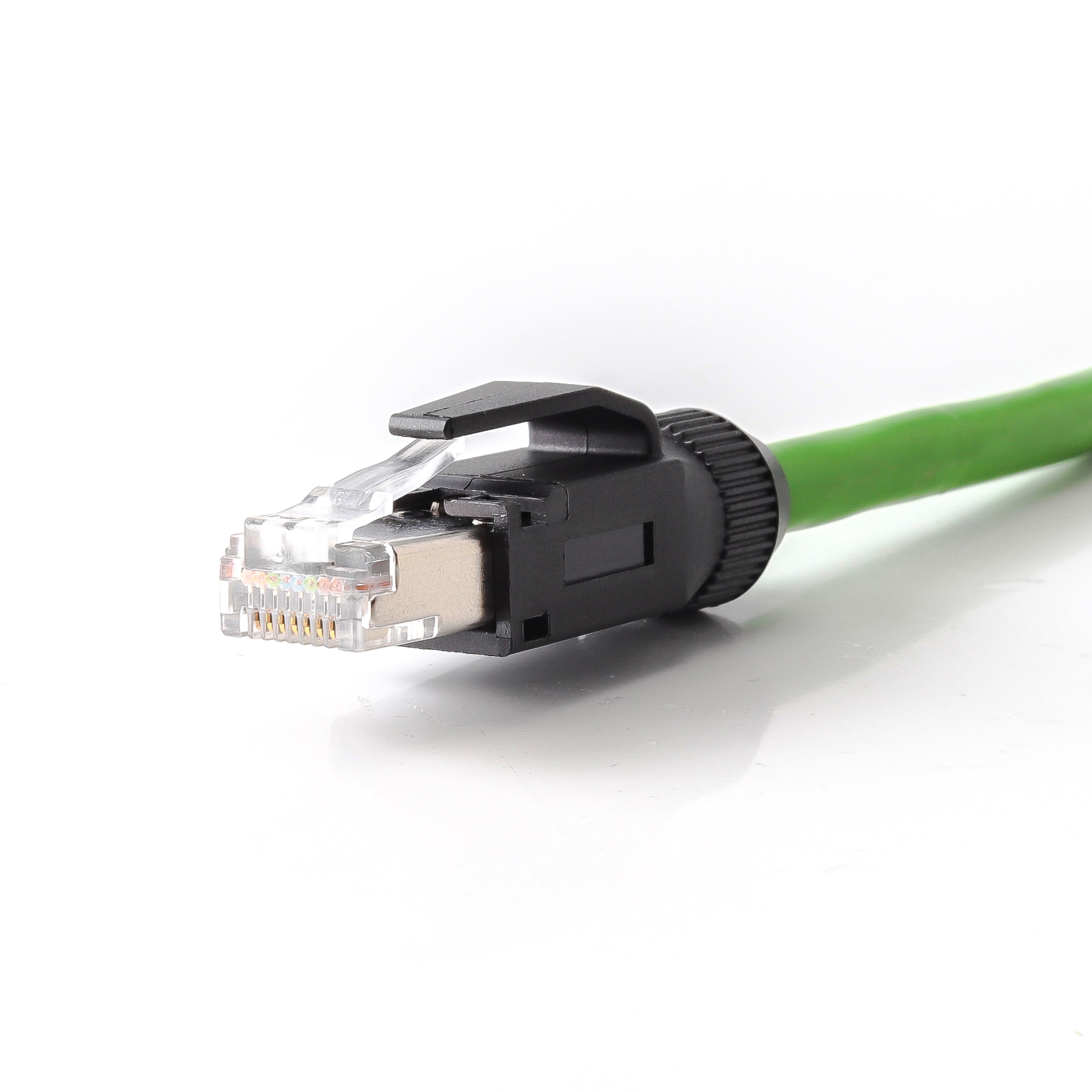
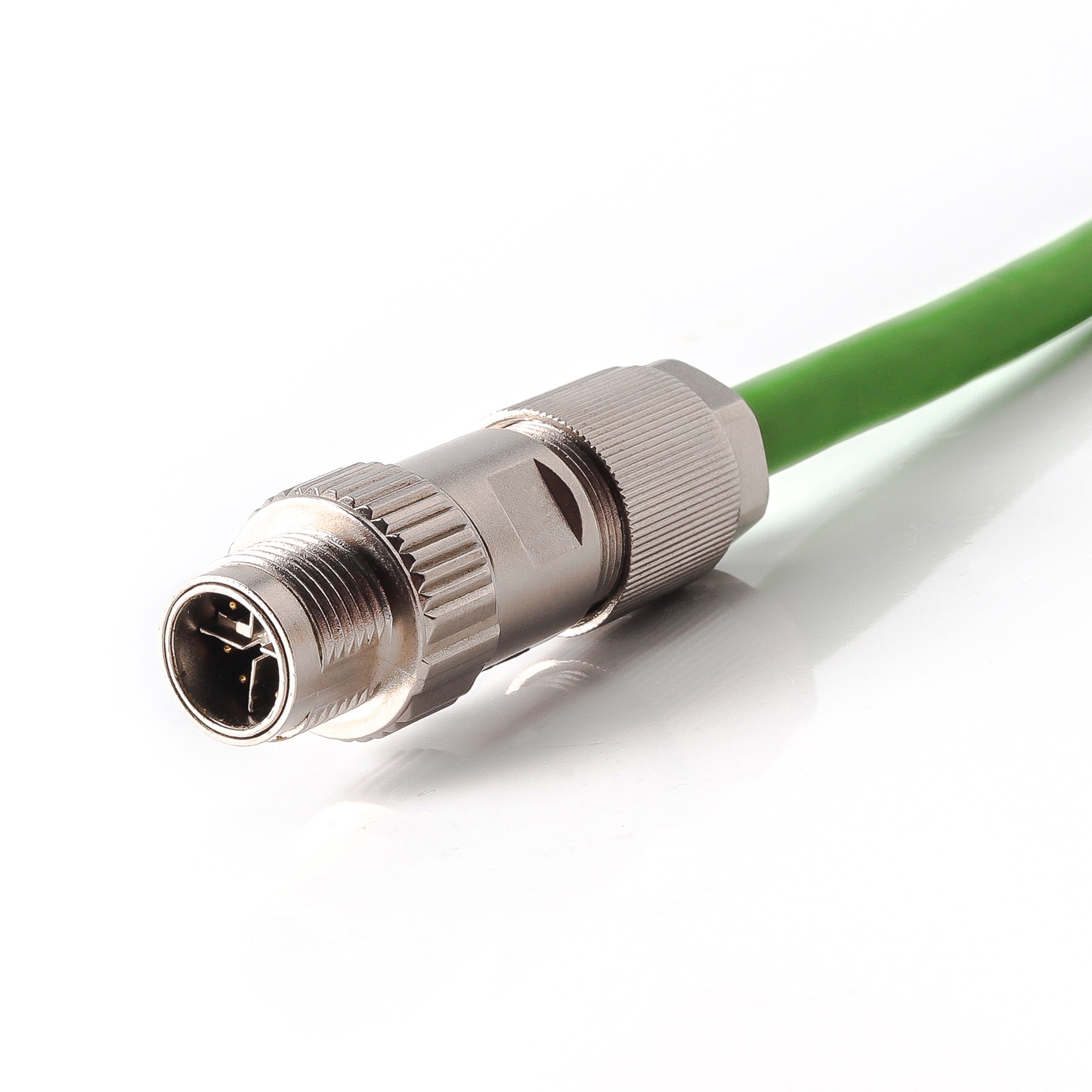
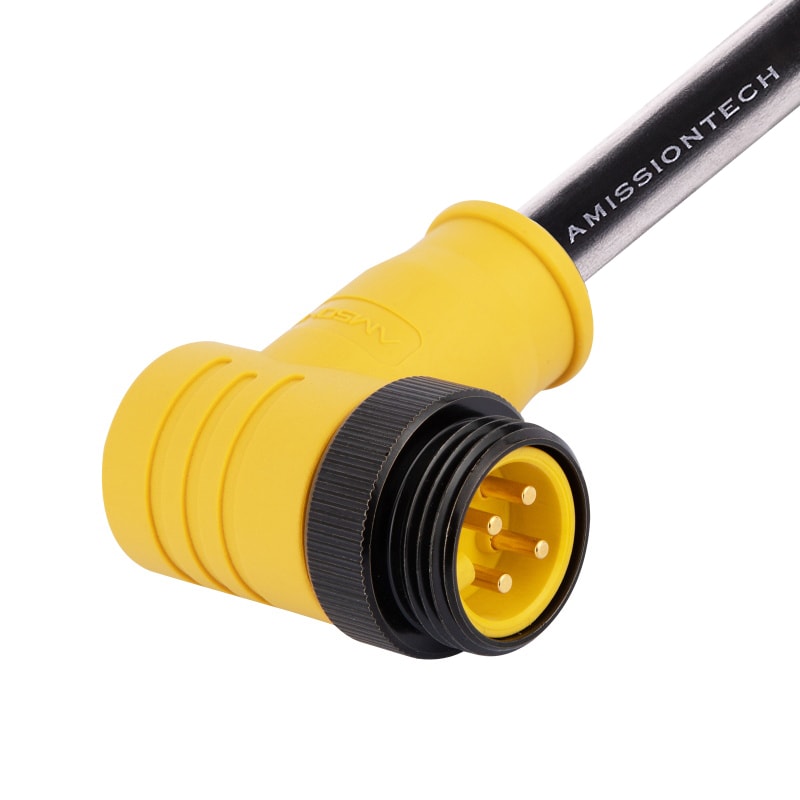
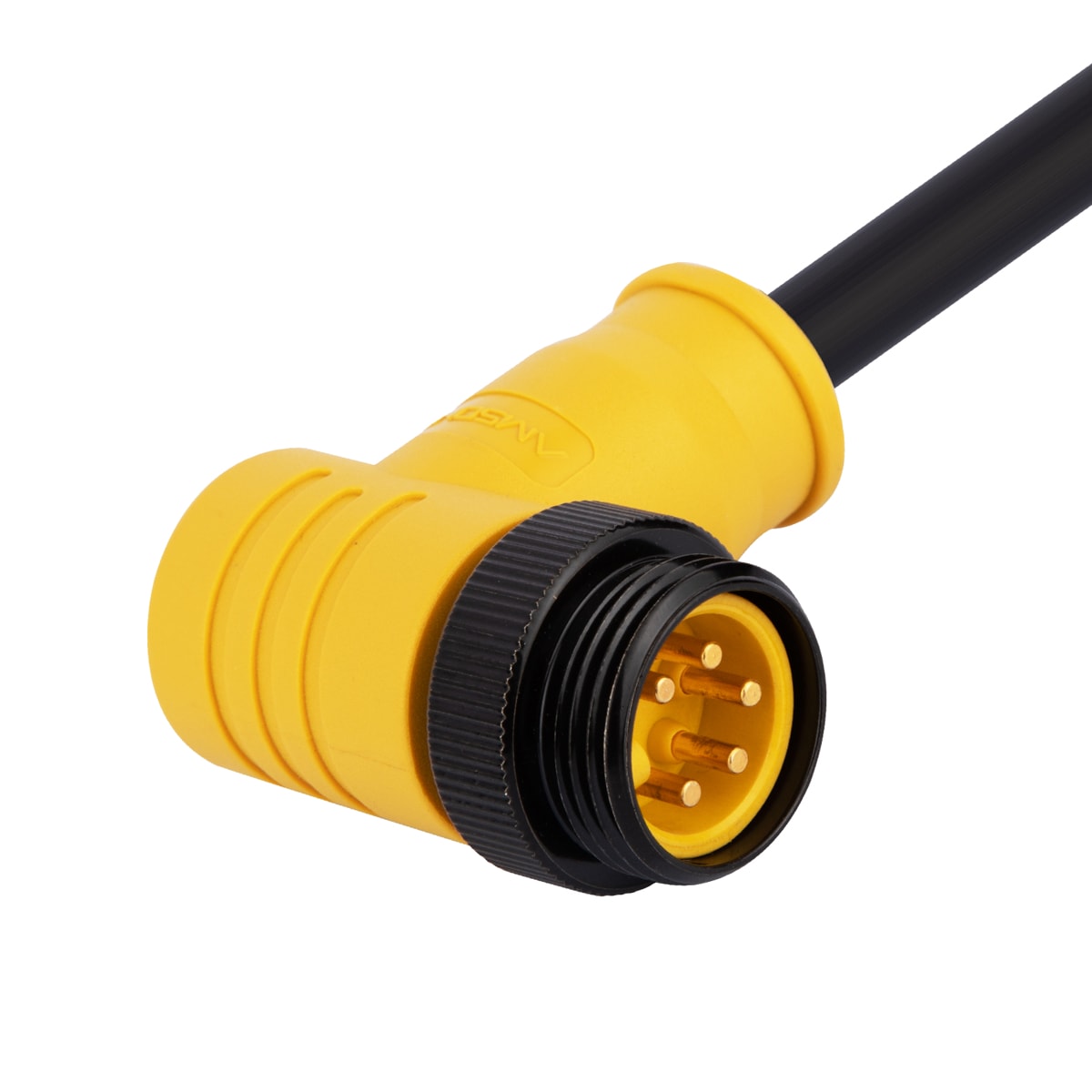
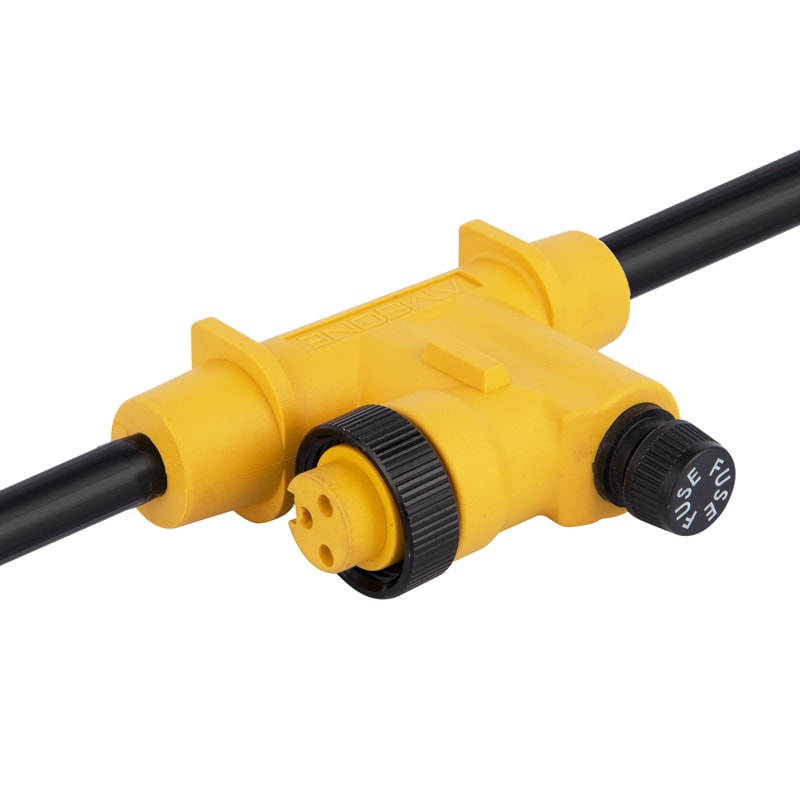
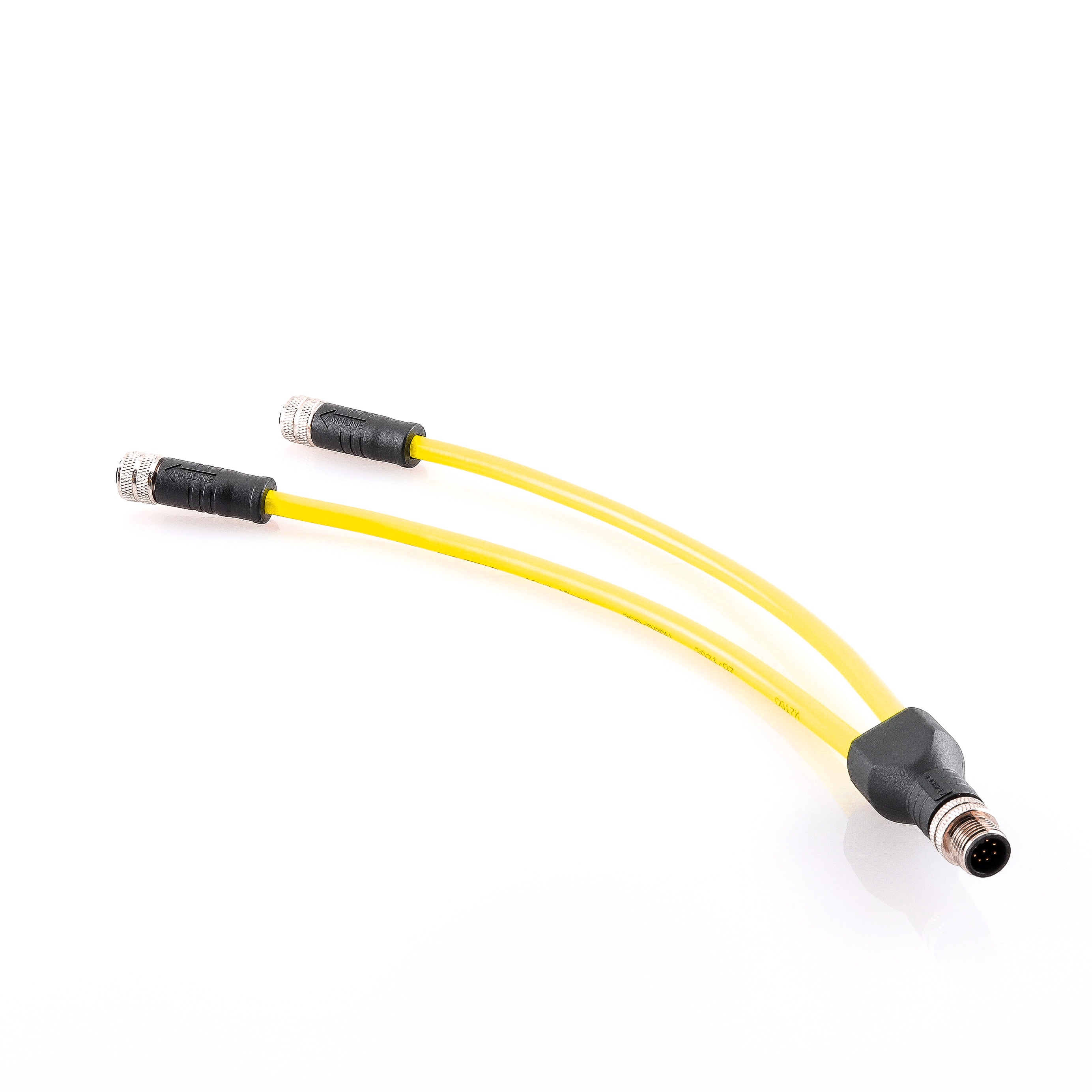
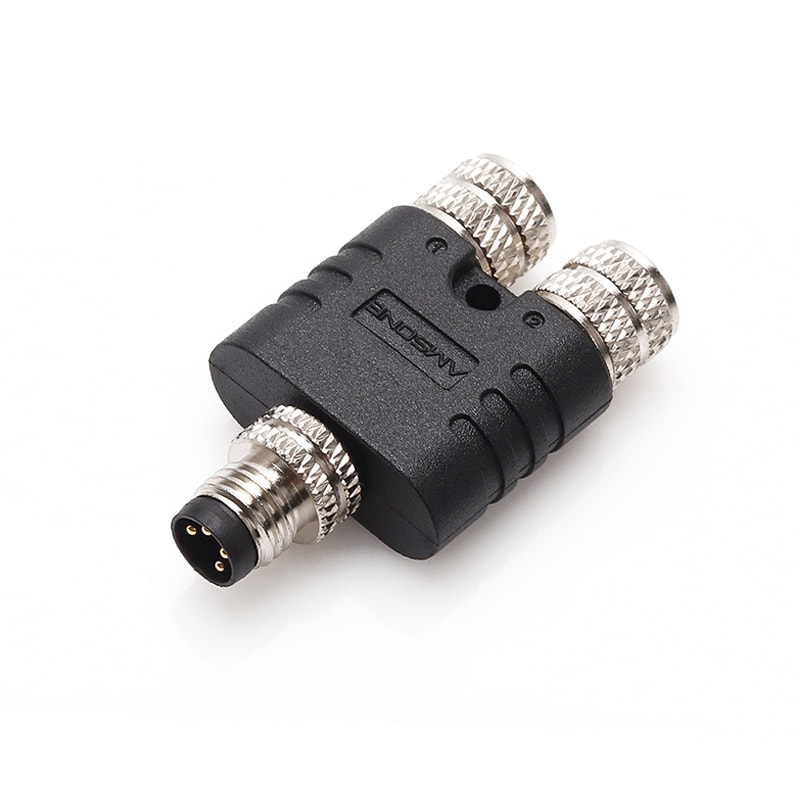



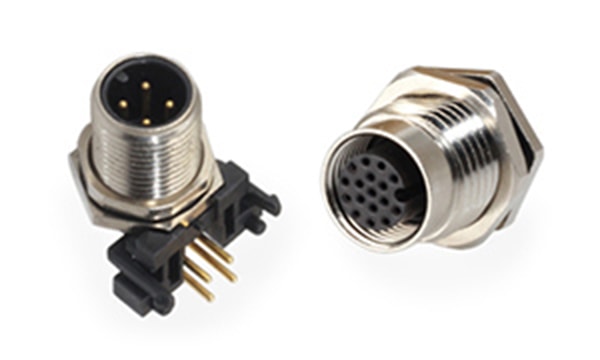
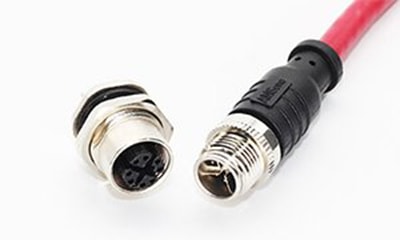
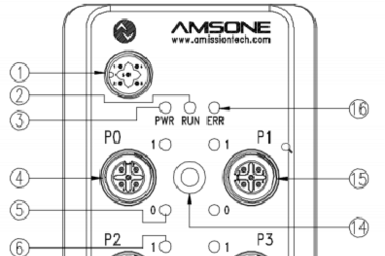
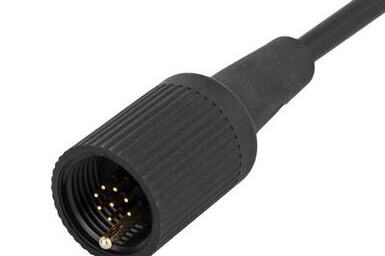
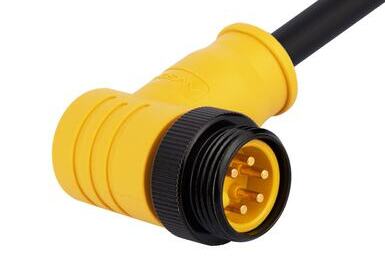
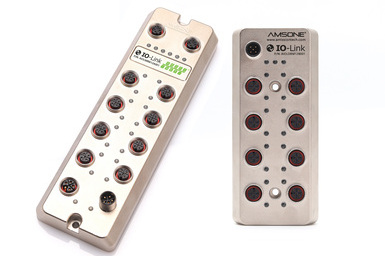

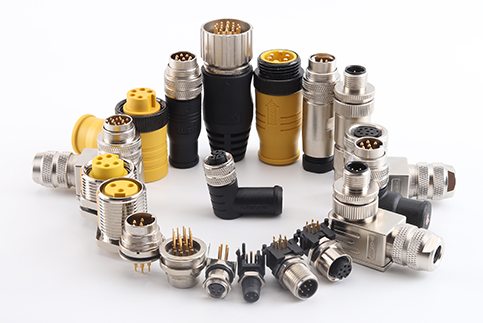
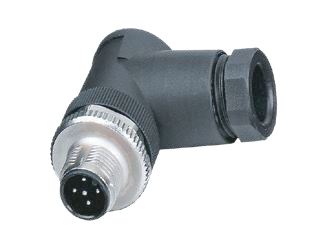
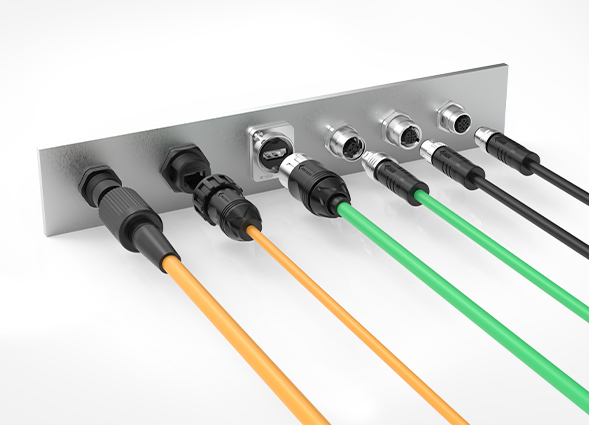
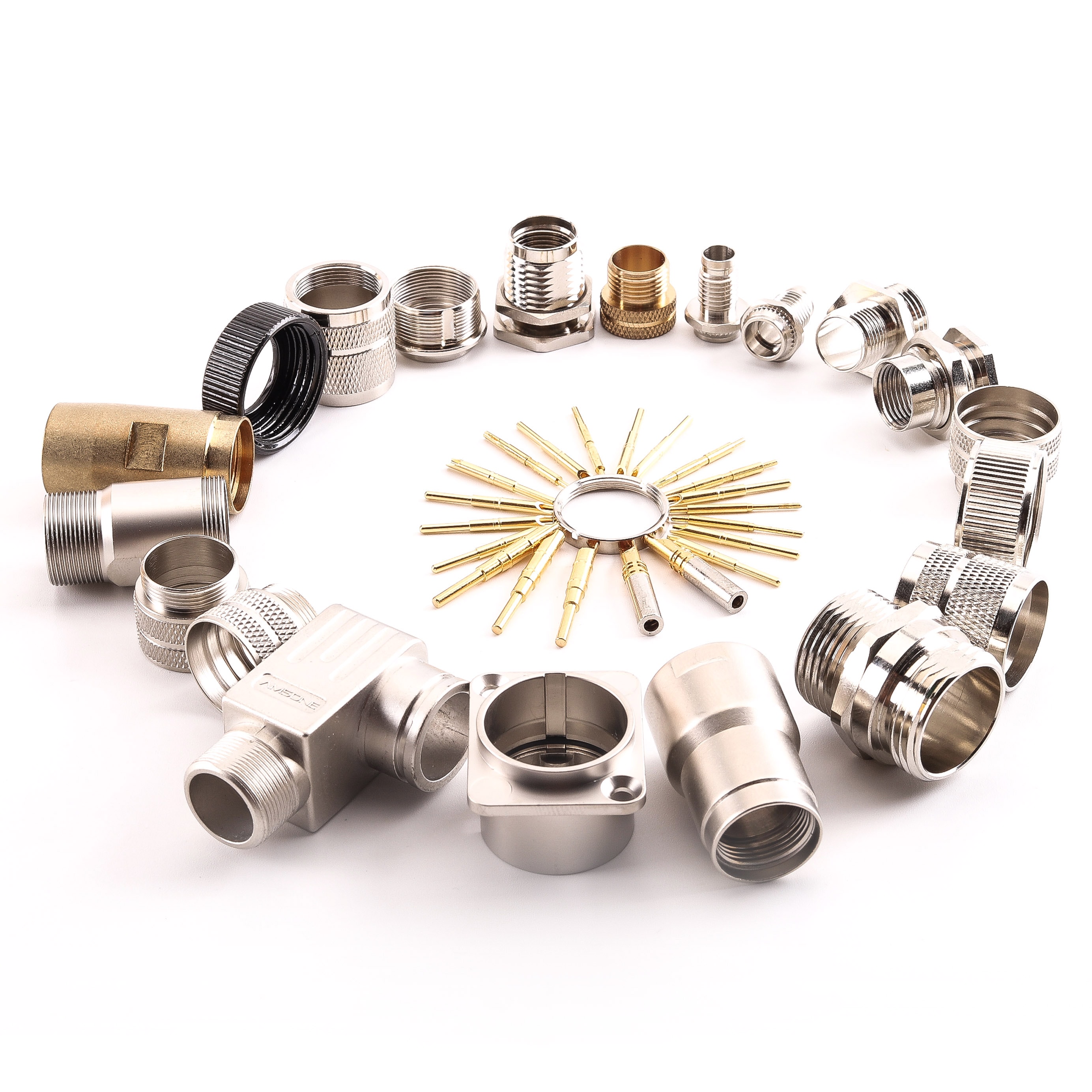
In rugged automation environments, a single mismatched seal can trigger costly field downtime. Whether you are specifying M12 waterproof connectors for a new assembly line or managing production BOM costs, understanding the real-world limits of an IP67 vs IP68 industrial connector ensures your system's longevity without over-engineering.
To make an informed decision, we must first look at the international standard defined by IEC 60529. In the industrial connectivity sector, the Ingress Protection (IP) rating is expressed as a two-digit code. For the context of harsh-environment deployments, the first digit is almost always 6, which signifies a completely dust-tight seal that prevents any solid particulate matter from entering the housing.
The critical technical and commercial differentiator lies entirely in the second digit: water protection.
The IP67 rating follows a strict, standardized testing protocol. To achieve this certification, a connector must withstand immersion in static water at a depth of 1 meter for exactly 30 minutes without any liquid penetrating the internal contacts.
Unlike IP67, the IP68 rating is not a fixed, one-size-fits-all metric. According to IEC guidelines, the testing parameters for IP68 are open-ended and must be explicitly defined by the manufacturer. The standard simply dictates that the performance must surpass the requirements of IP67—meaning the equipment must endure continuous submersion at a deeper level and for a longer duration specified by the engineering team.
Understanding this distinction prevents the costly mistake of treating IP68 as a universal
When you are evaluating connectivity components for a factory deployment, a side-by-side technical breakdown clarifies where standard protection ends and specialized engineering begins. The matrix below outlines the exact thresholds, cost impacts, and deployment realities you will face based on standardized testing.
|
Technical Parameter |
IP67 Industrial Connector |
IP68 Industrial Connector |
|
Solid Ingress Protection |
Category 6 (Complete protection against dust, metallic shavings, and particulates). |
Category 6 (Complete protection against dust, metallic shavings, and particulates). |
|
Water Submersion Limit |
Strictly limited to 1 meter depth for exactly 30 minutes. |
Open-ended threshold; custom depth and duration defined by your project needs. |
|
Sealing Architecture |
Standard high-performance O-ring engineered for static or intermittent splashing. |
Enhanced dual-seal structure or high-density polyurethane overmolding for hydrostatic pressure. |
|
Typical Cost Impact |
Keeps your Bill of Materials (BOM) at a competitive industry baseline. |
Introduces a 15% to 20% engineering premium due to advanced compound testing. |
|
Mating Requirement |
Rated ONLY when your connectors are fully mated, locked, or protected with dust caps. |
Rated ONLY when your connectors are fully mated, locked, or protected with dust caps. |
Selecting the right ingress protection rating comes down to a clear understanding of your operating environment. Misspecifying can either compromise system integrity or inflate your budget. Below is a breakdown of how these ratings align with real-world factory floors and extreme environments.
If your field components face regular moisture, airborne particulates, or occasional liquid splashes but are never submerged, IP67 is your ideal choice. It serves as the standard baseline for robust industrial networks without adding unnecessary engineering costs.
When your deployment requires a component to operate permanently underwater or survive relentless hydrostatic pressure, upgrading to a tailored IP68 rating becomes mandatory. This is where specialized sealing architecture is required to ensure long-term signal integrity.
As a practical guideline, if liquid exposure is accidental, intermittent, or limited to standard rain and splashing, IP67 covers roughly 90% of all indoor and outdoor automation layouts. Reserve the IP68 premium strictly for continuous submersion to prevent over-specifying your production BOM.
An IP rating is a vital benchmark, but it is not a standalone guarantee of field reliability. In real-world industrial environments, physical and chemical stresses can quickly degrade your connection. You must account for several structural factors to ensure your installation maintains its rated integrity over time.
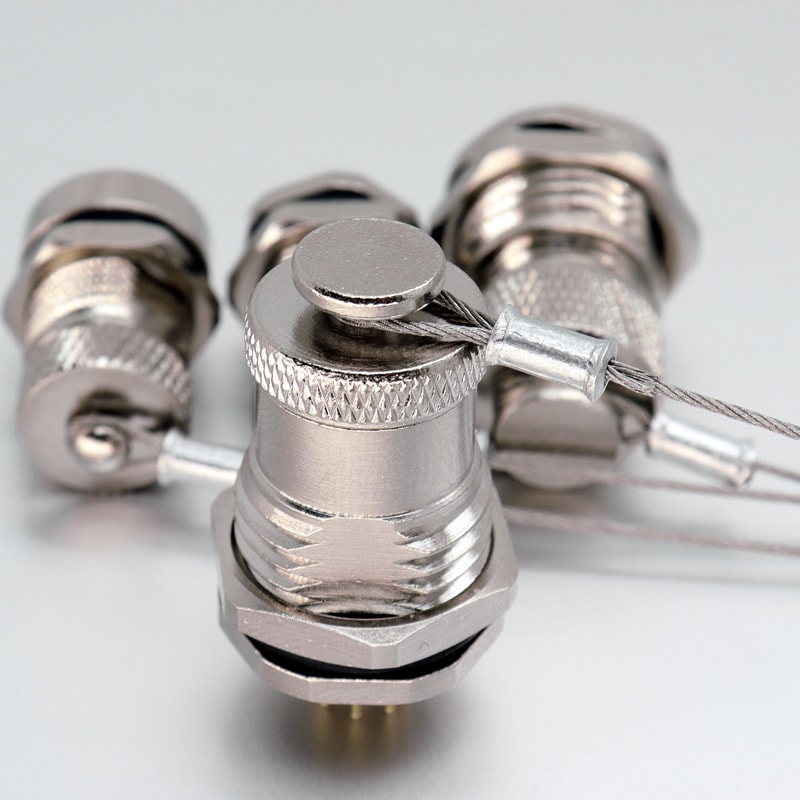
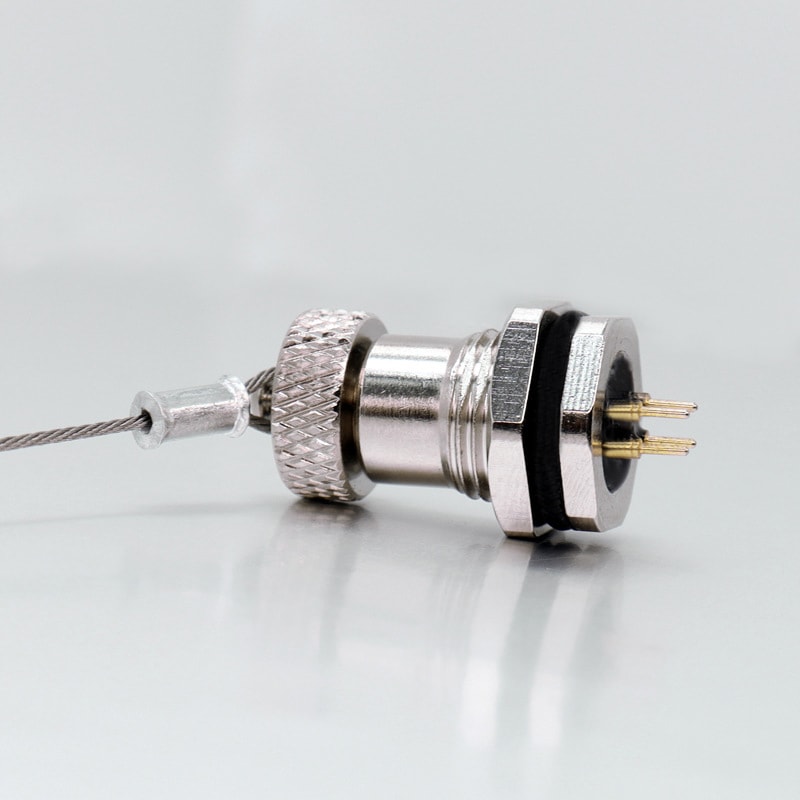
Your connectors only achieve their stated IP67 or IP68 rating when they are fully coupled and locked to the specified torque. An unmated port leaves your inner pins completely vulnerable; you must secure open receptacles with matched protective dust caps to prevent environmental contamination.
The longevity of your waterproof seal depends heavily on material science. While standard applications rely on basic elastomers, you will need premium fluororubber or silicone seals, alongside UV-resistant polyurethane (PUR) overmolding, to prevent premature cracking if your cables face constant mechanical stress.
In circular architectures like the M12 standard, the internal coding (such as A, D, or X-code) dictates your data or power layout, whereas the IP rating dictates the external sealing. You always need to verify that your chosen functional interface is supported by the specific sealing depth your project demands.
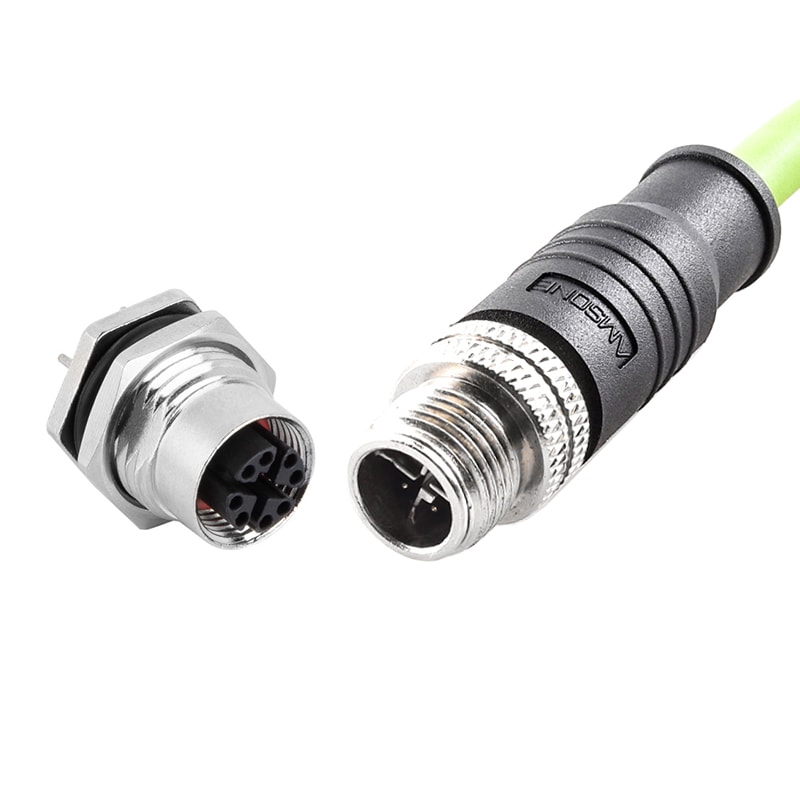
When you are sourcing components, a reliable connection must back up its ingress claims with recognized industrial credentials. Look for comprehensive testing compliance, including UL, CE, and RoHS certifications, to guarantee your hardware meets safety and performance standards across global supply chains.
When you are balancing system reliability against strict budget targets, following a structured selection process saves time and prevents costly deployment errors. Here is a practical, four-step framework you can use to specify the exact connectivity solution your project requires.
Analyze the exact nature of the fluid risk on your plant floor. If your connectors only face intermittent splashes, heavy rain, or standard equipment washdowns, IP67 is your most cost-effective choice; you should reserve IP68 strictly for applications requiring permanent immersion.
Select the appropriate housing size based on your physical installation limits. You can opt for compact M8 designs for space-constrained sensor arrays, choose the industry-standard M12 footprint for general automation, or scale up to M16 architectures for higher pin counts and power demands.
Ensure your chosen connector coding aligns with your signal, data, or power requirements. For example, you will need standard A-code for basic I/O links, specialized D-code or X-code for industrial high-speed Ethernet transmission, and L-code or K-code to handle high-voltage localized power distribution.
Evaluate the financial impact of a potential field failure. If a component is installed in an inaccessible location where a leak causes catastrophic system downtime, the 15% to 20% cost premium for a custom-engineered IP68 solution is a highly justifiable investment.
Choosing the right IP rating is all about balancing performance, environment, and budget. Don't let improper scaling compromise your automation architecture. If you are ready to secure your next project, contact us today for expert guidance and tailored connectivity.