P/N: ALD-HBN1-372XXX
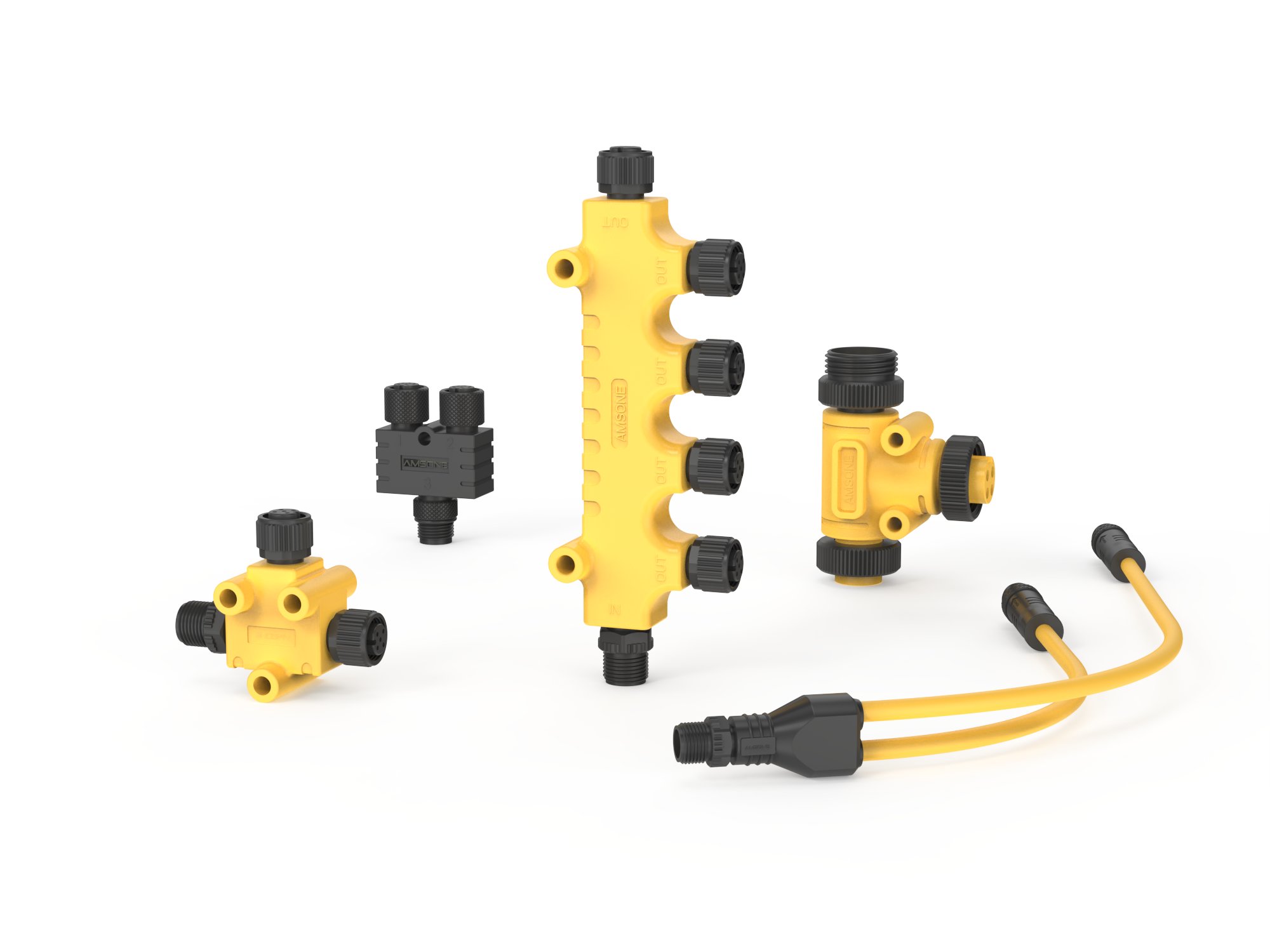
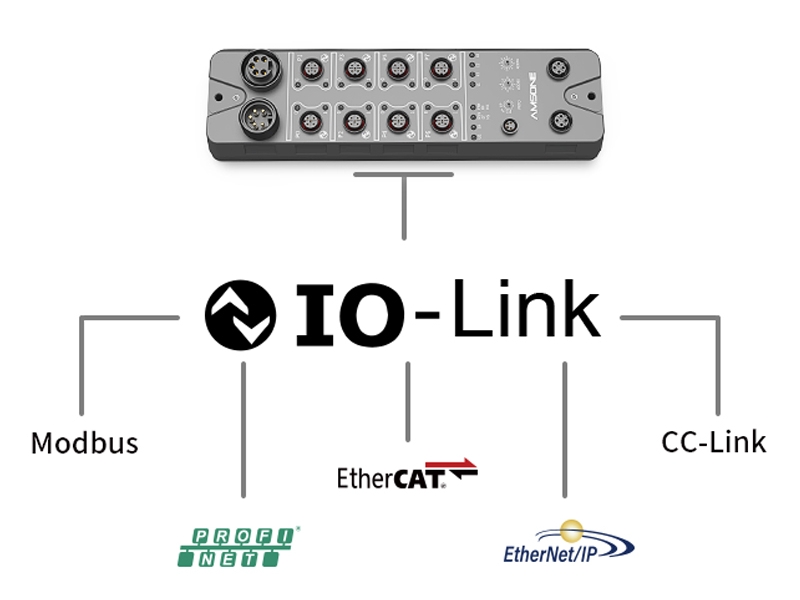
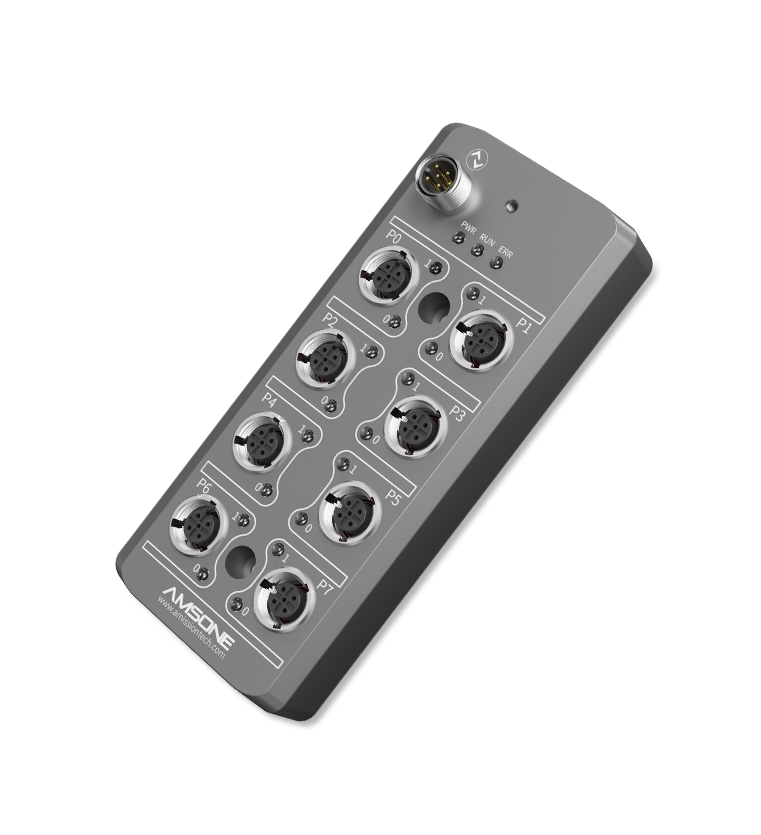
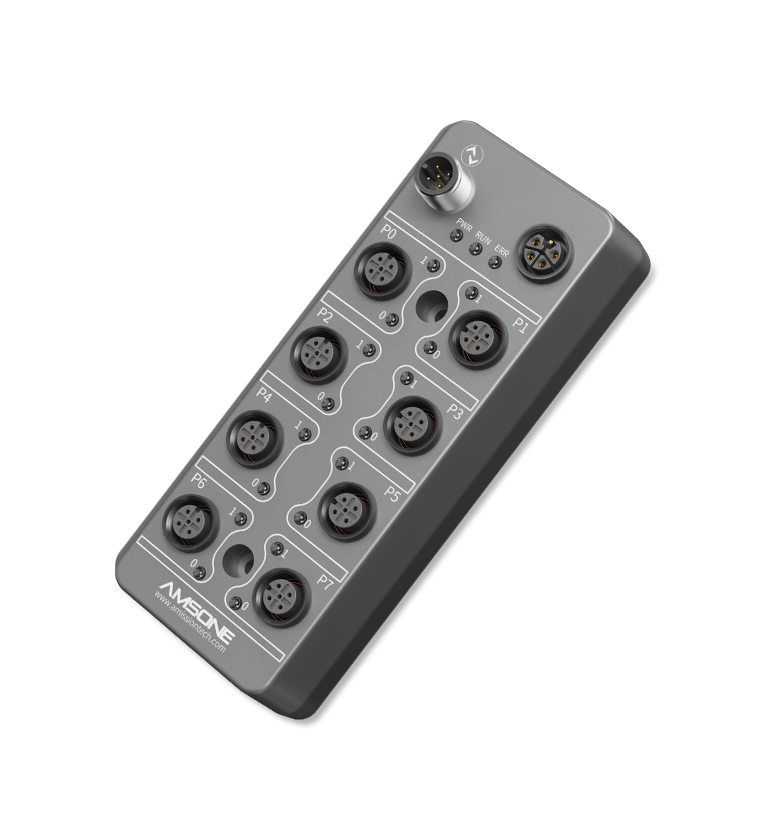
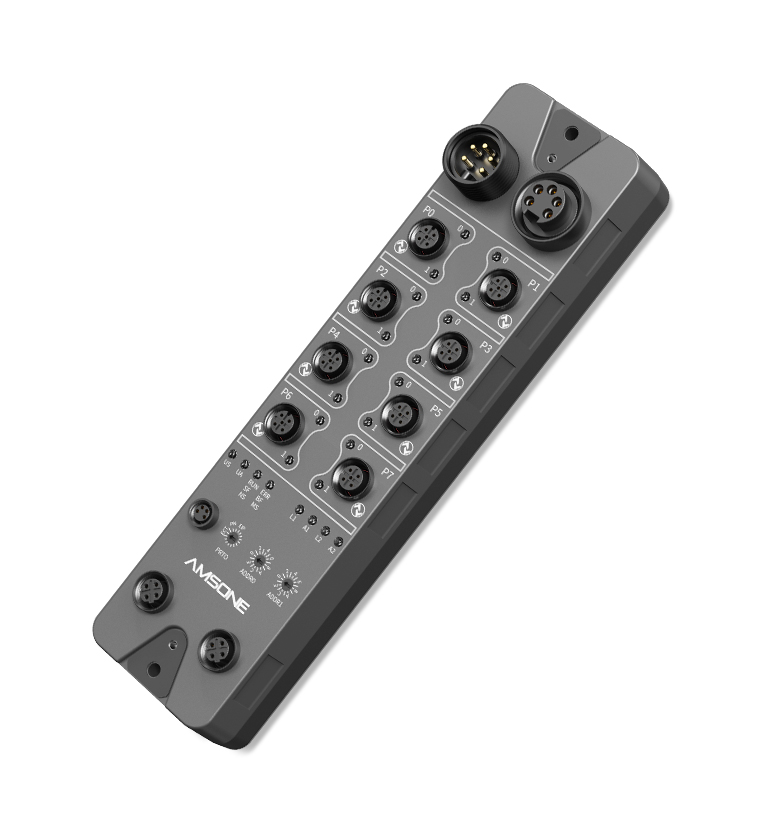
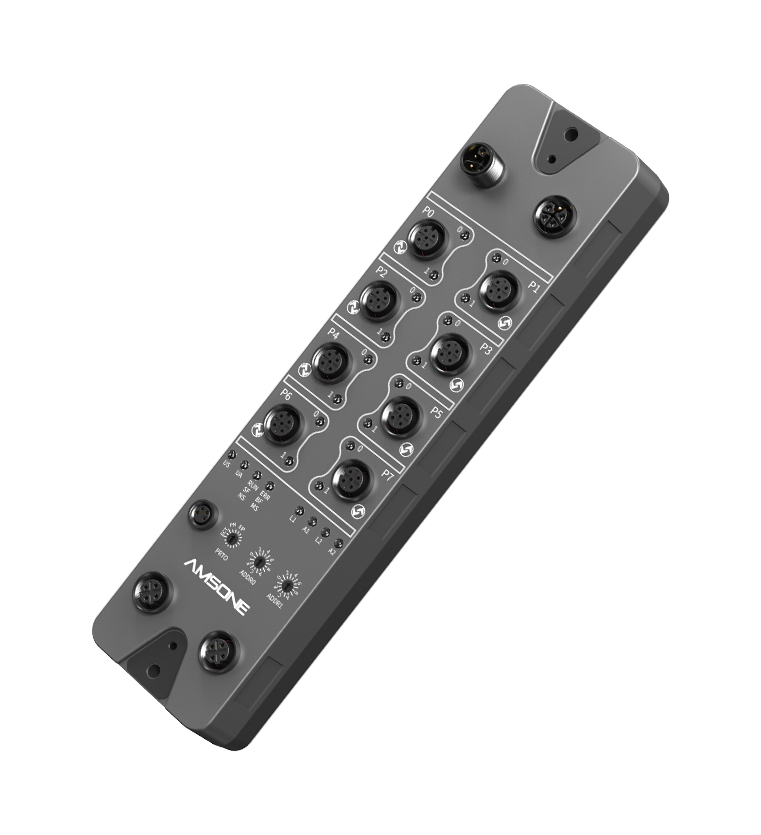
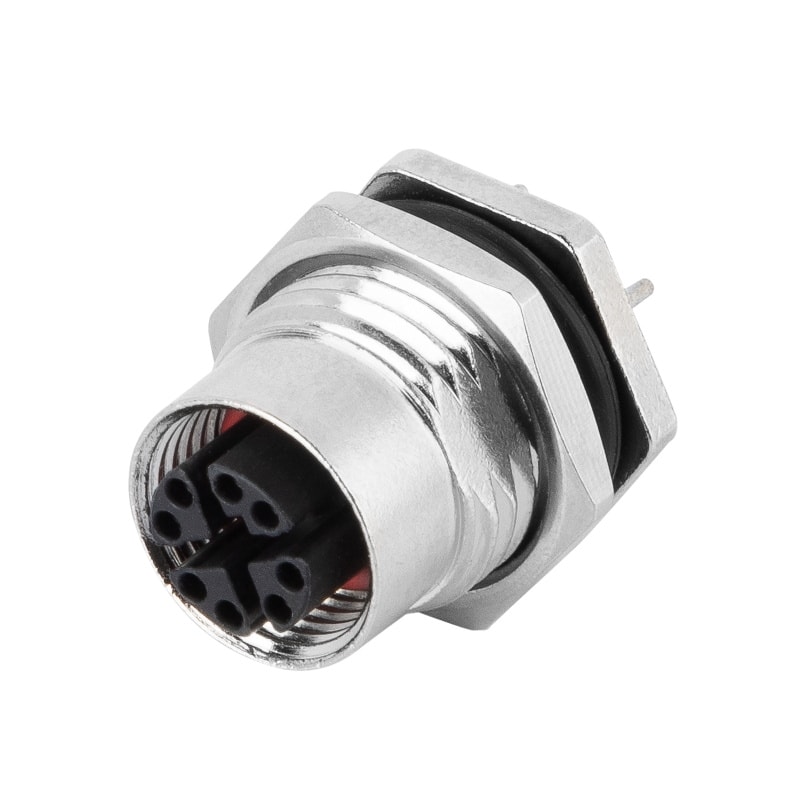
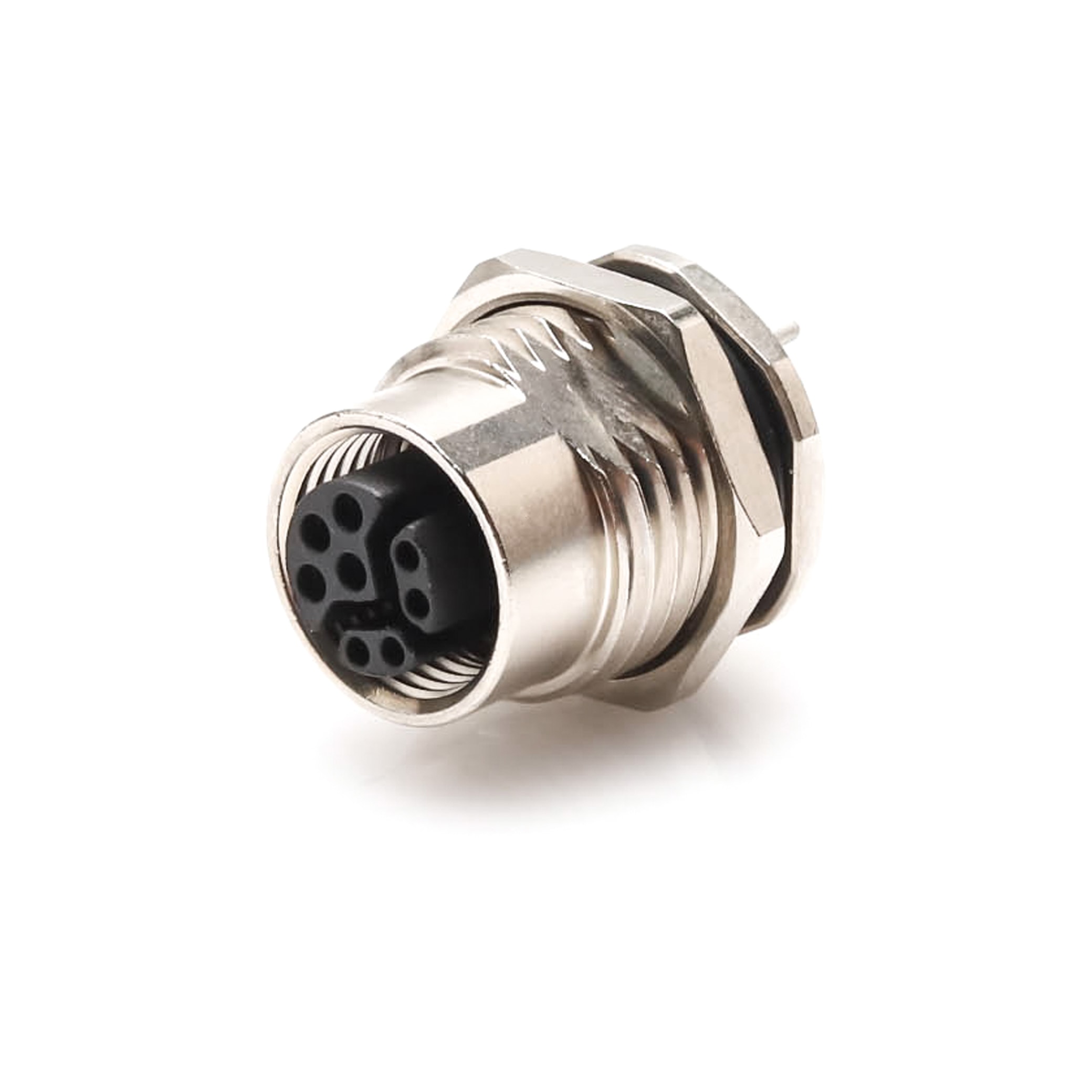
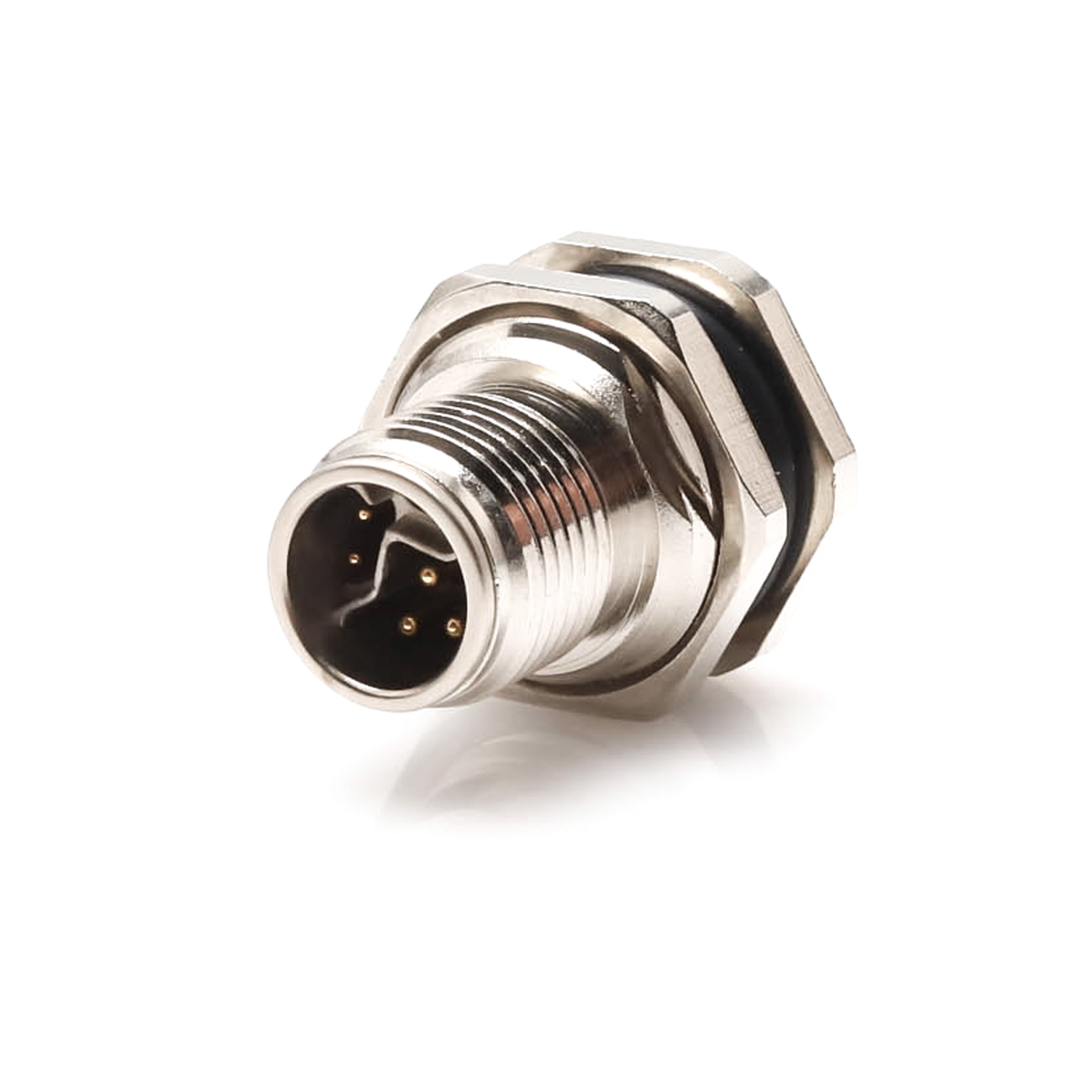
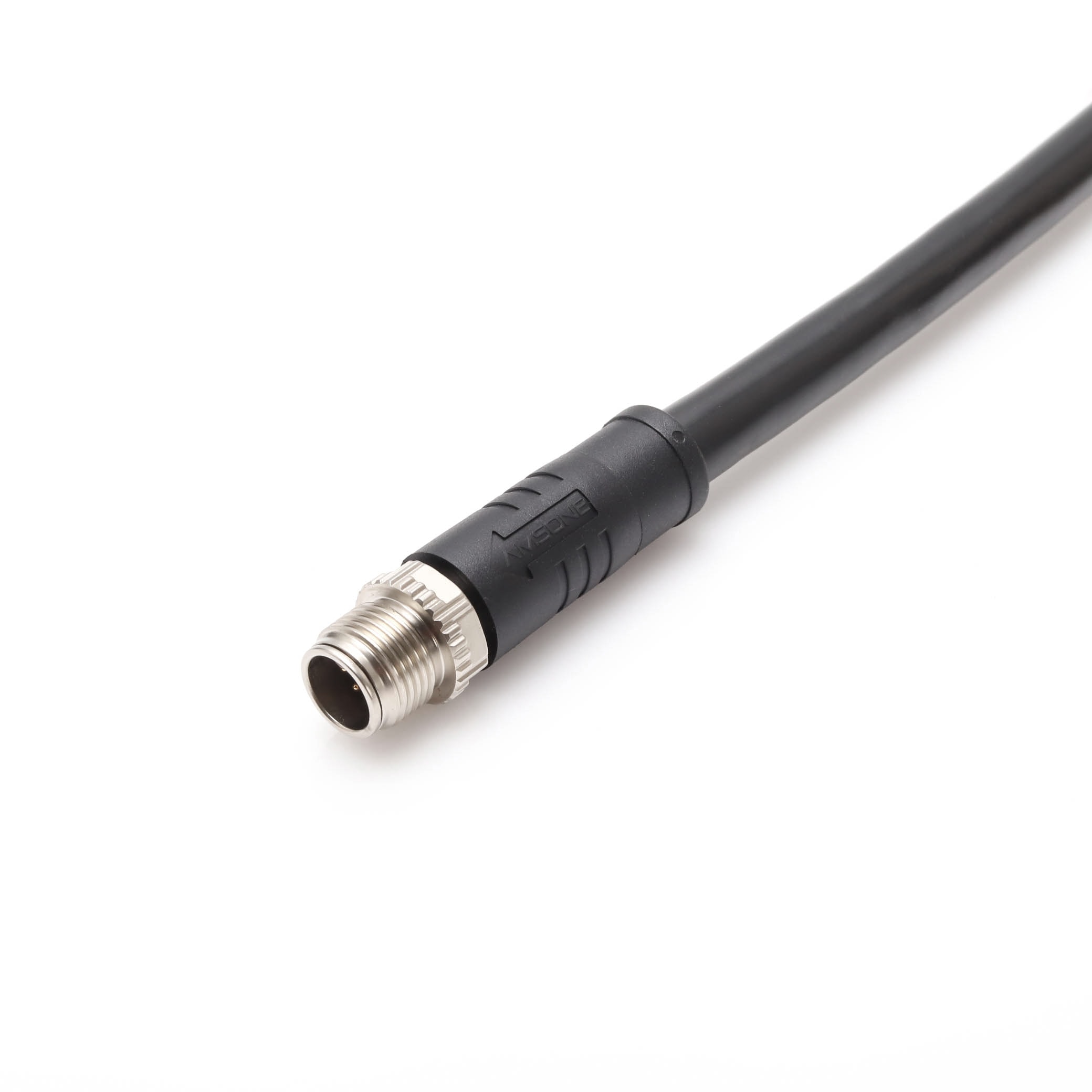
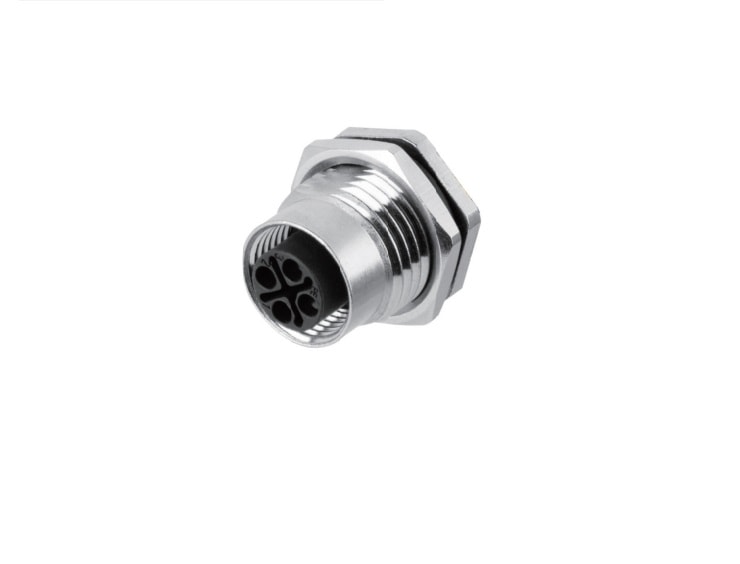
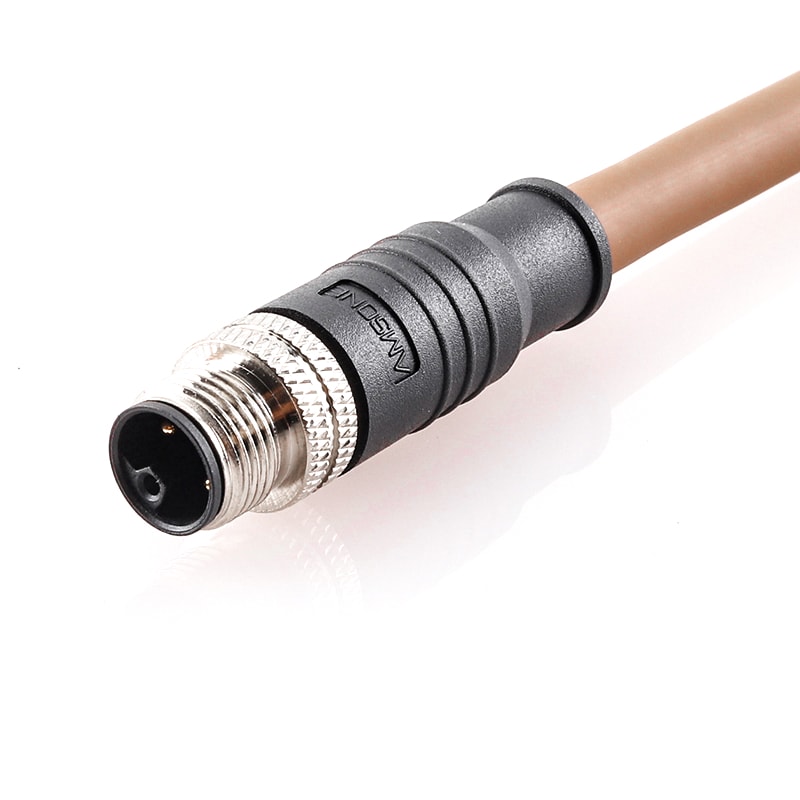
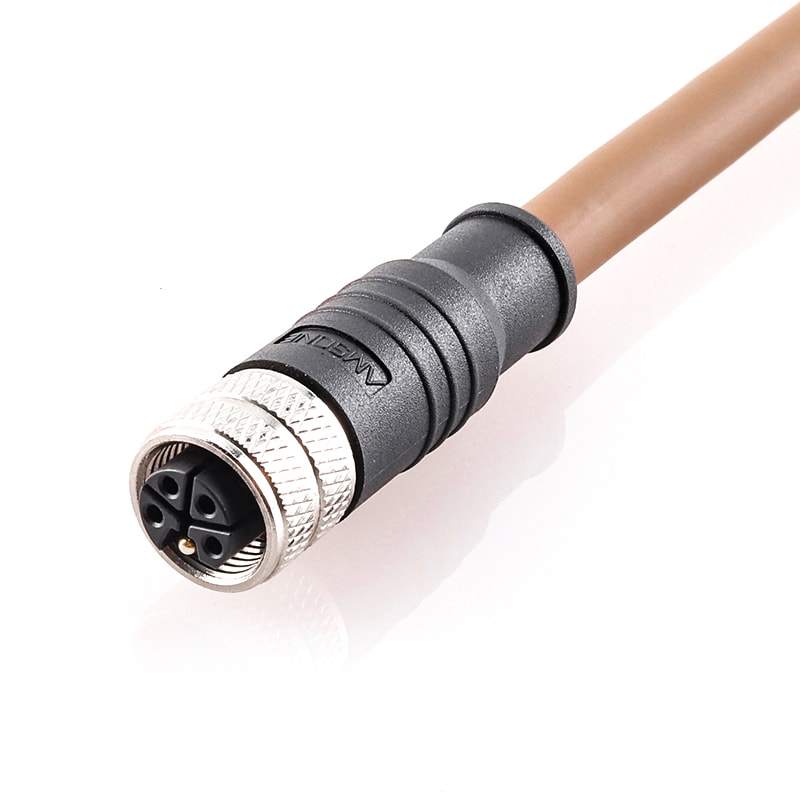
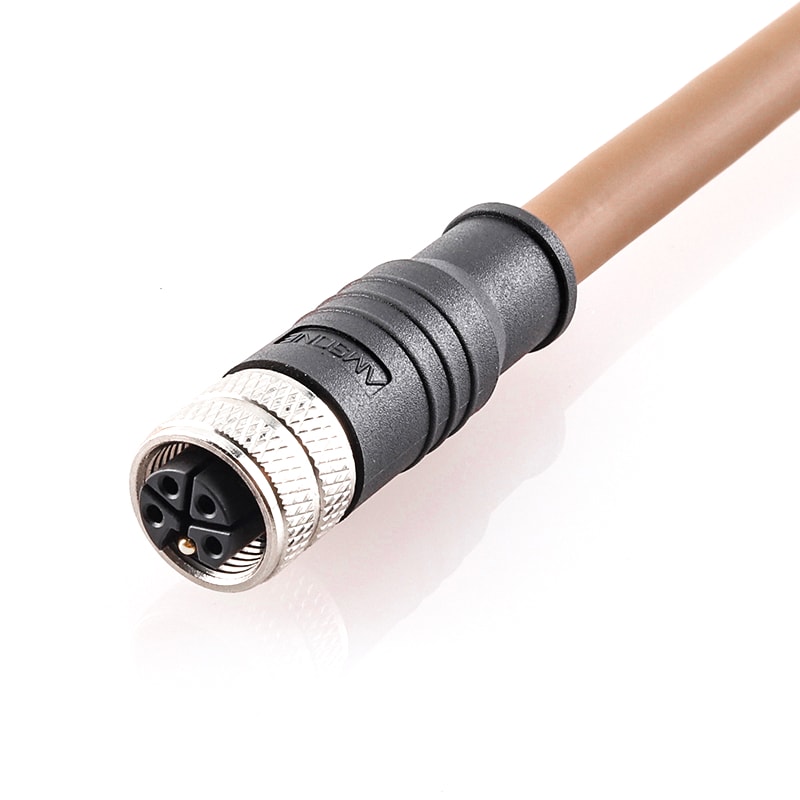
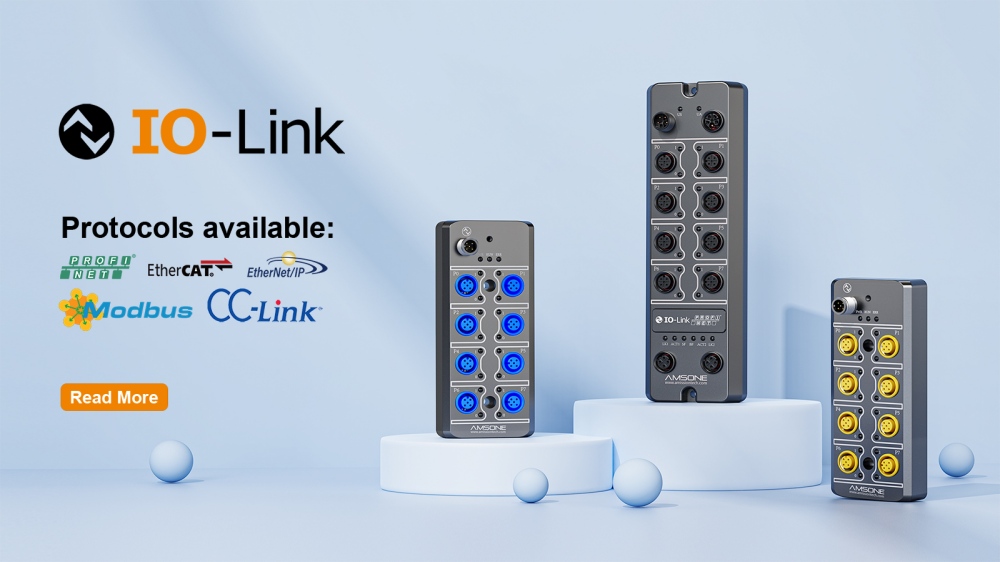
IO Link Hub NPN 0.5A/channel Plastic Housing Plastic Thread Locking
View All











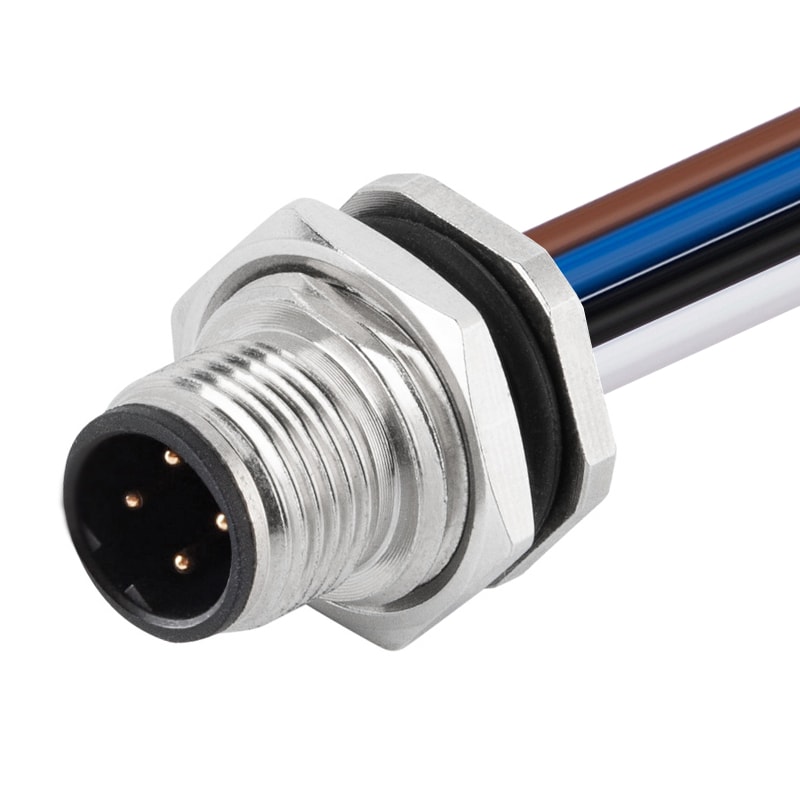


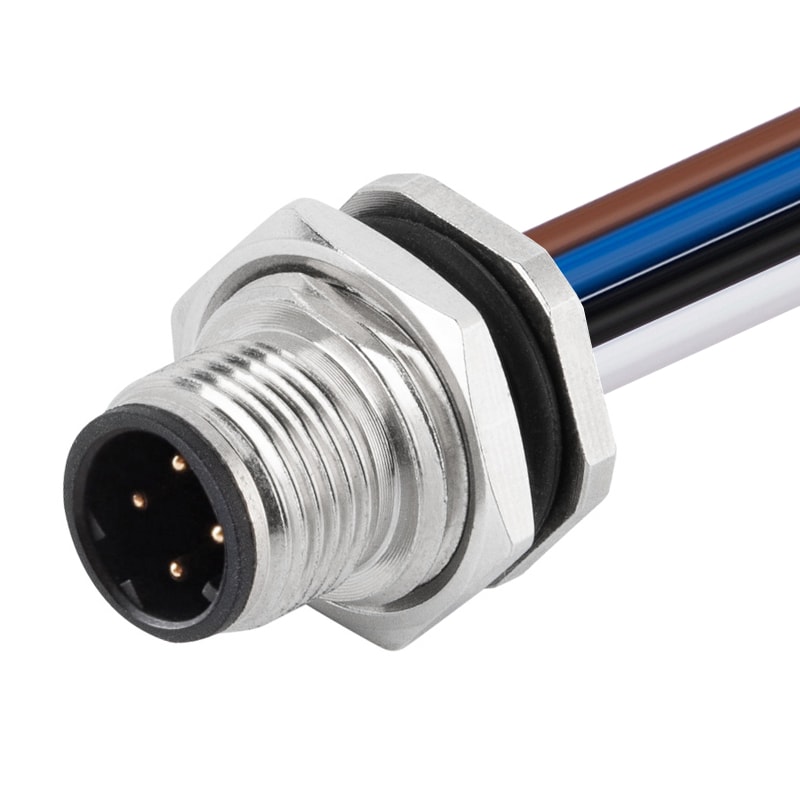

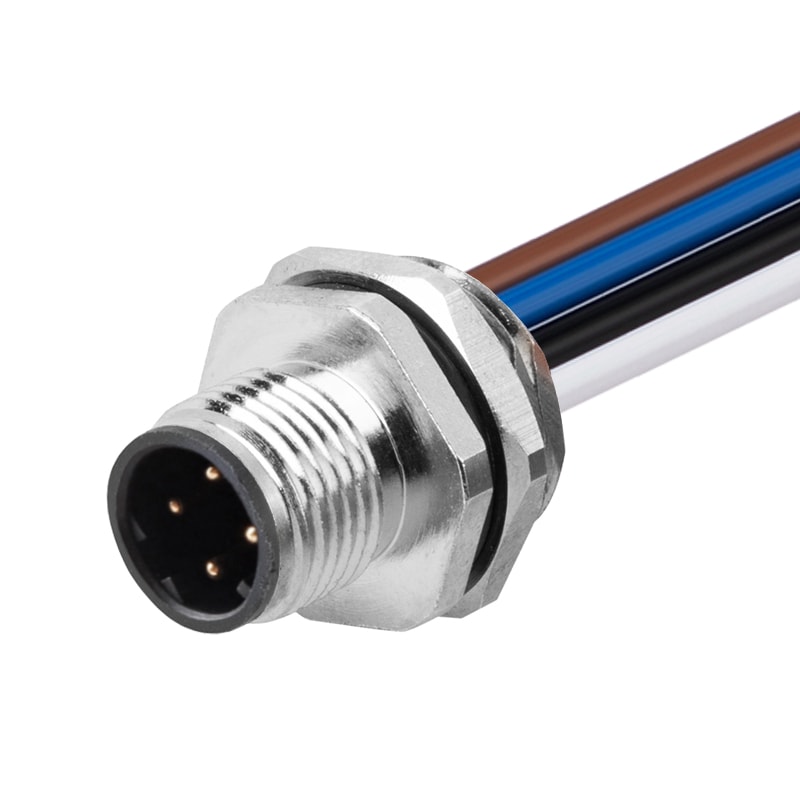


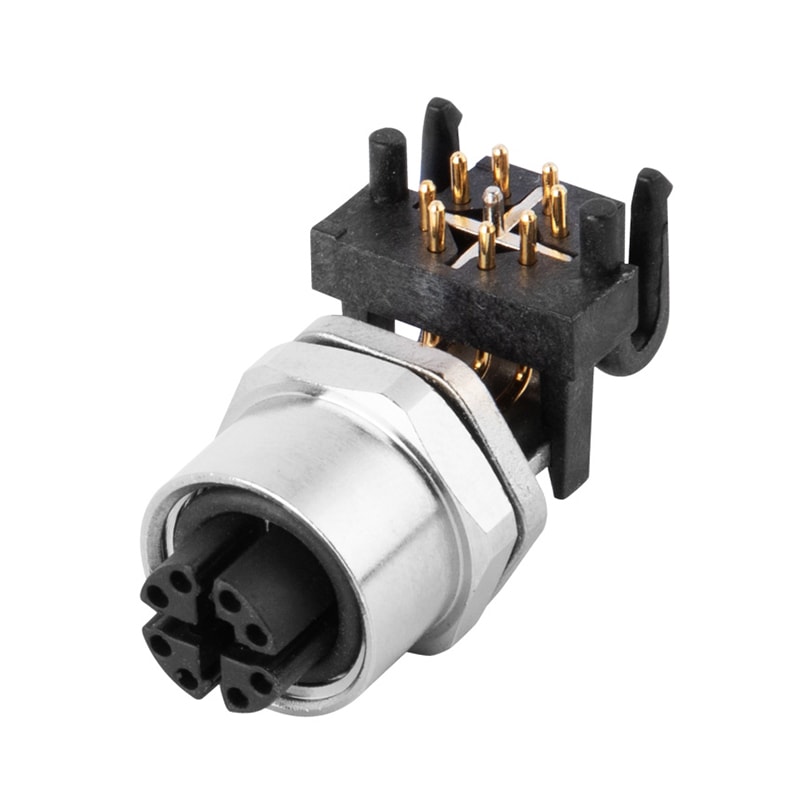



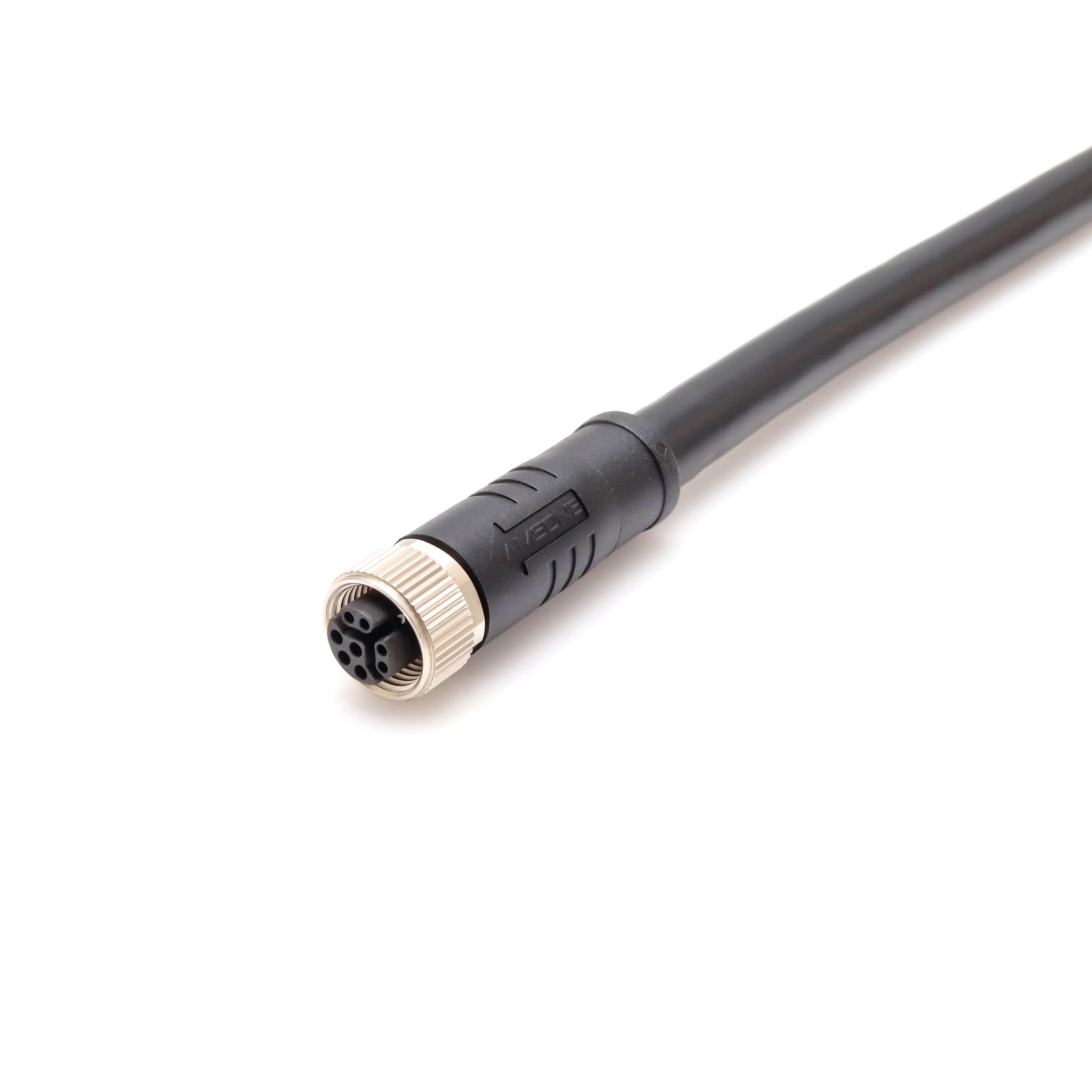
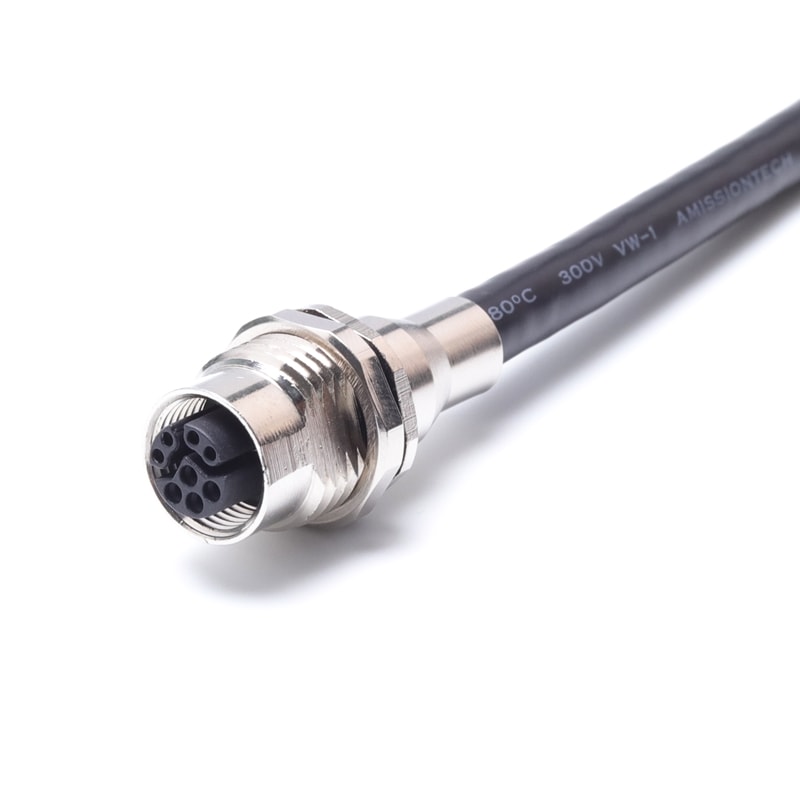


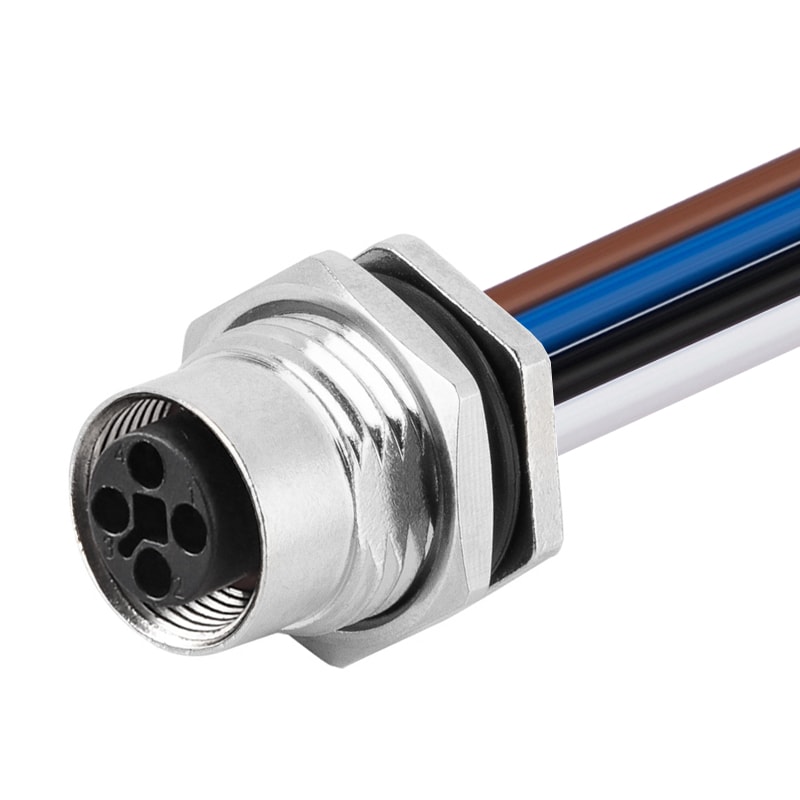
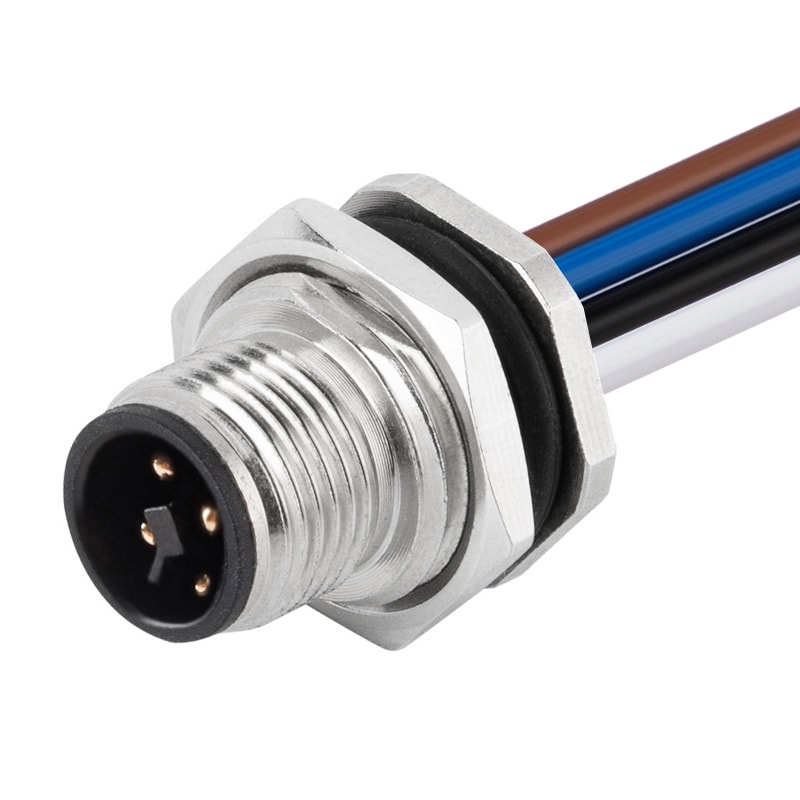








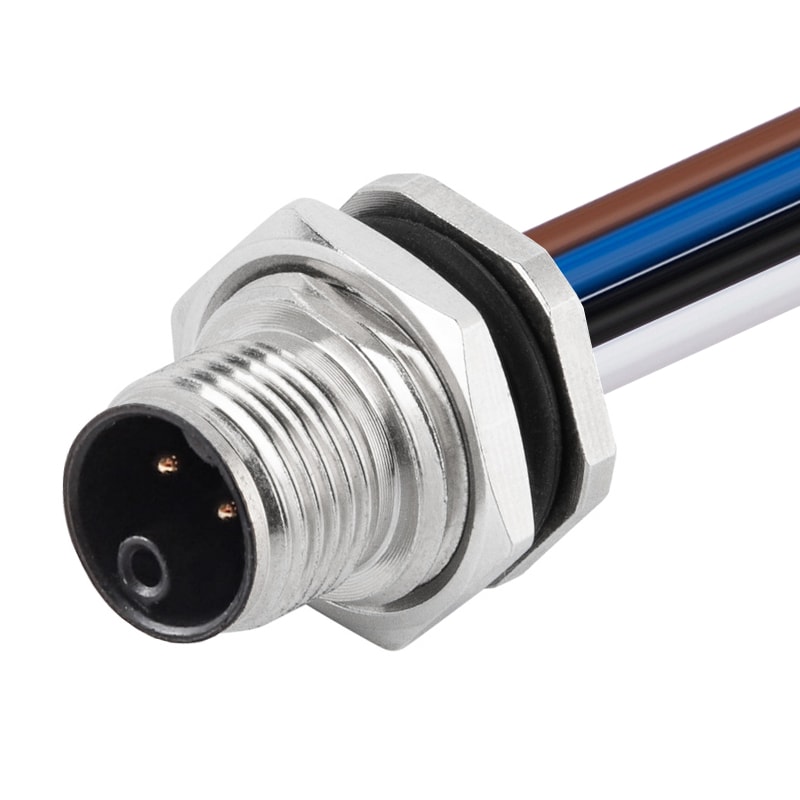


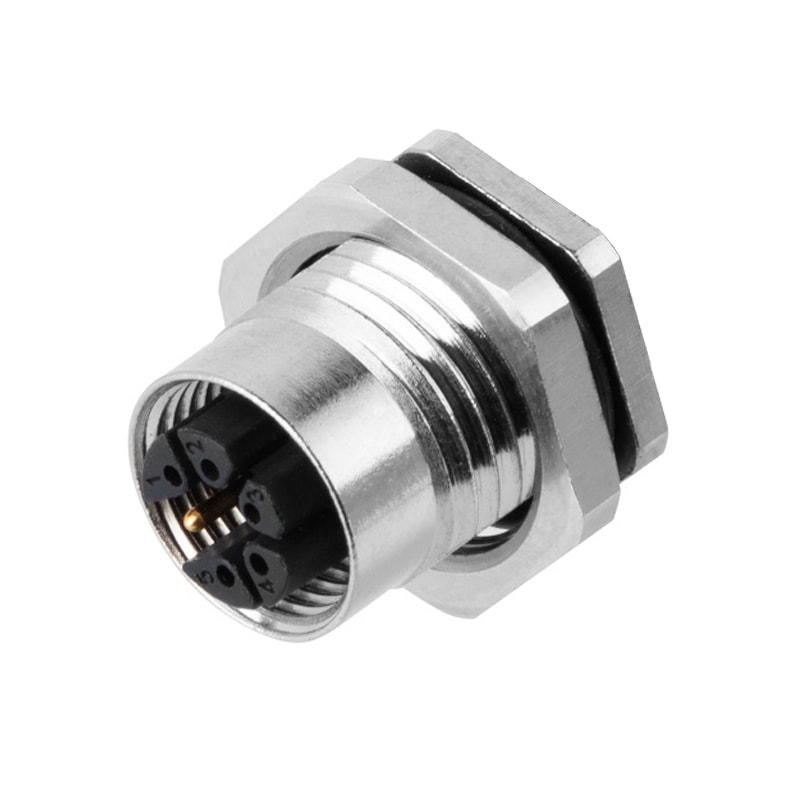
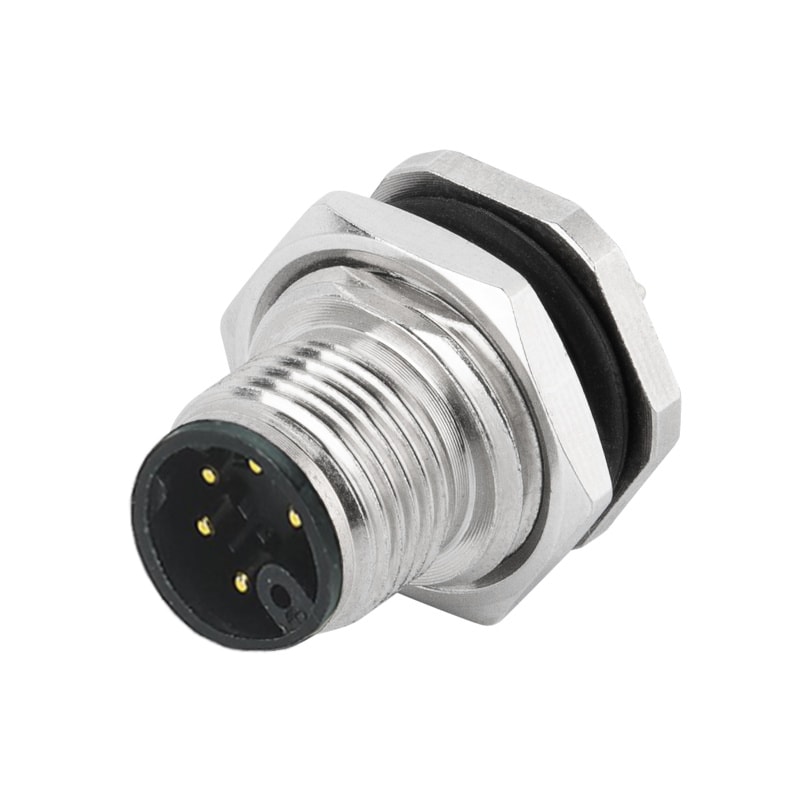


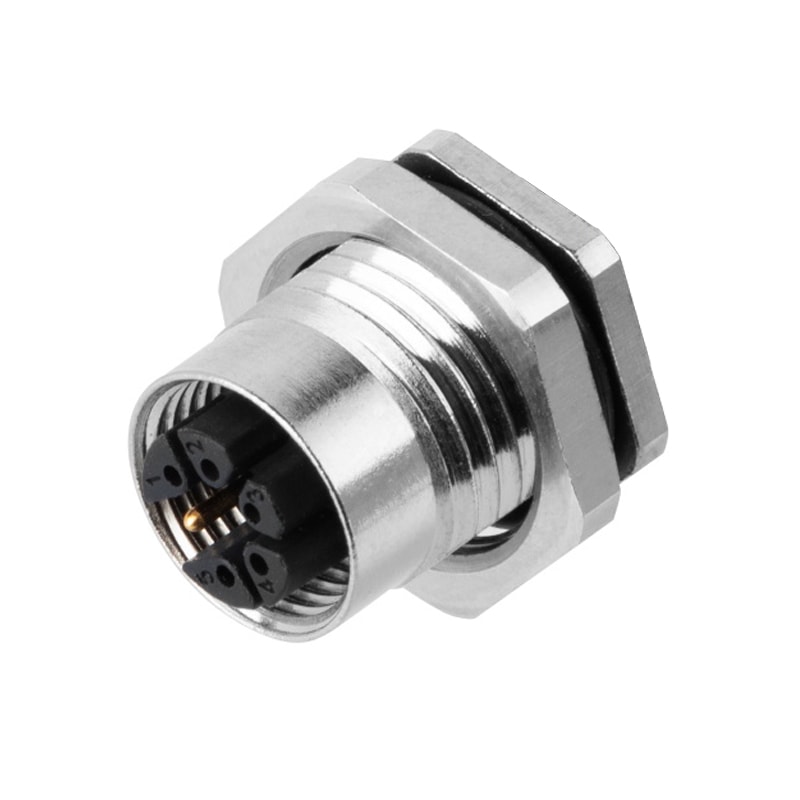
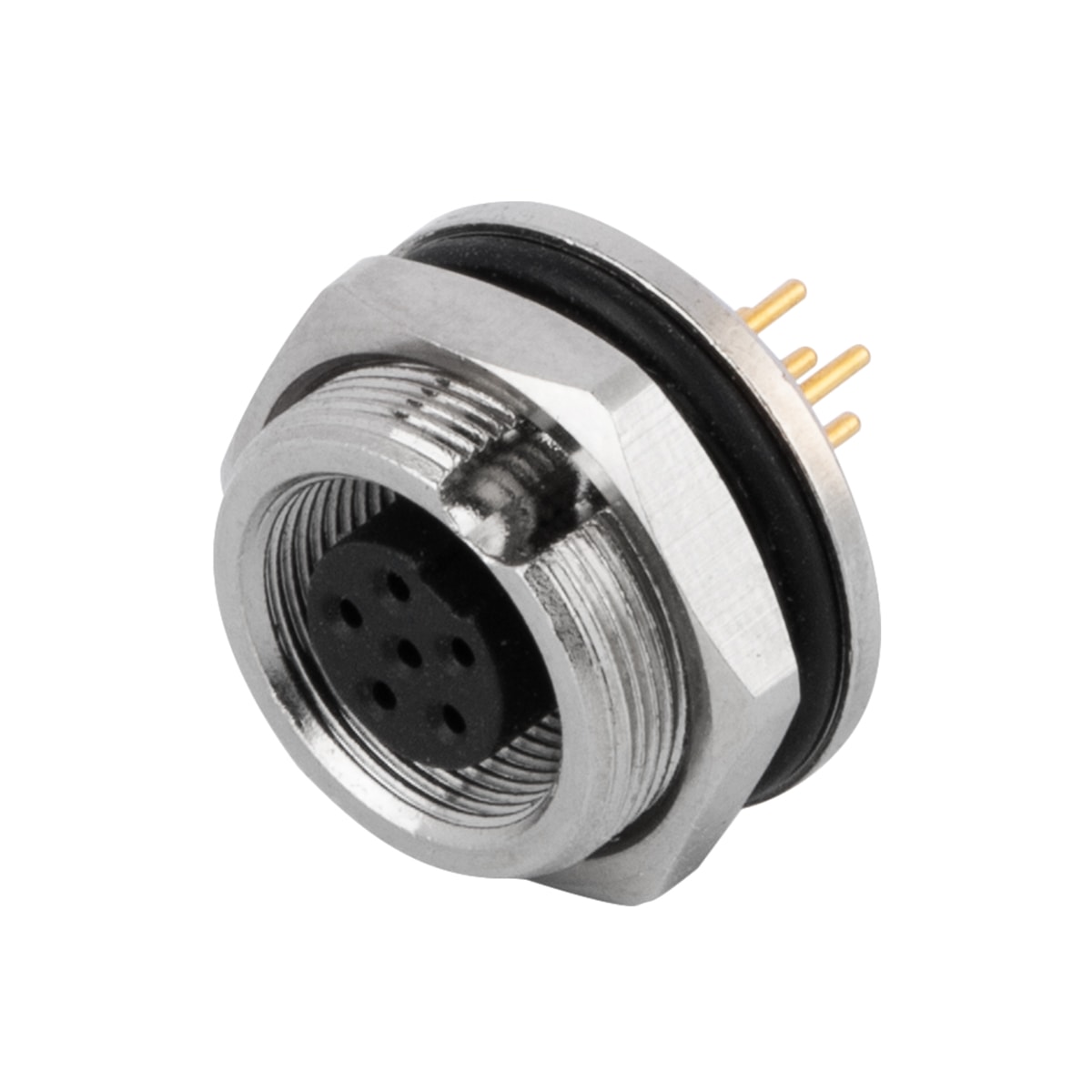


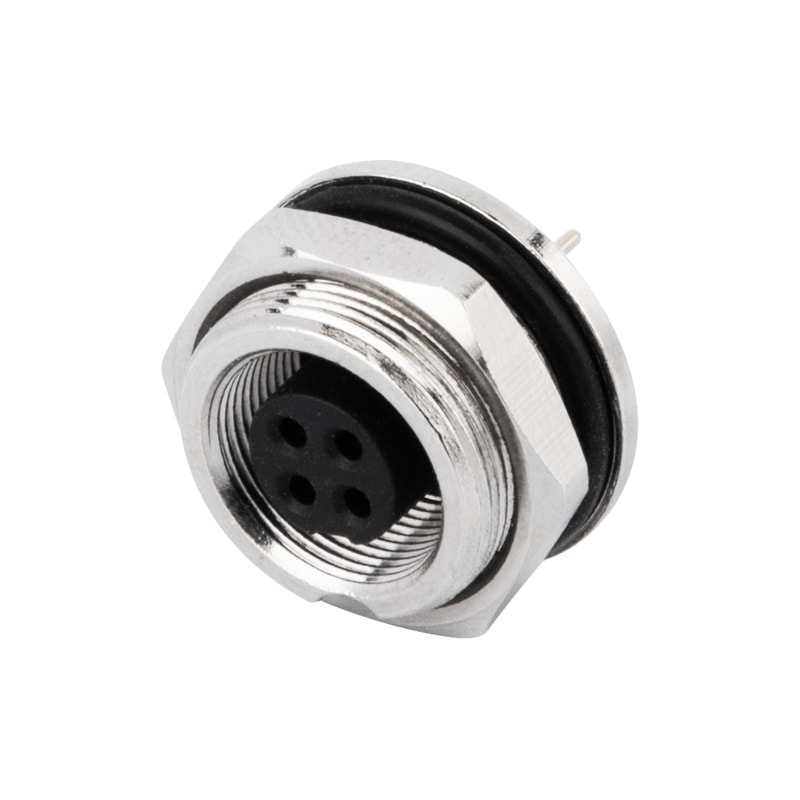
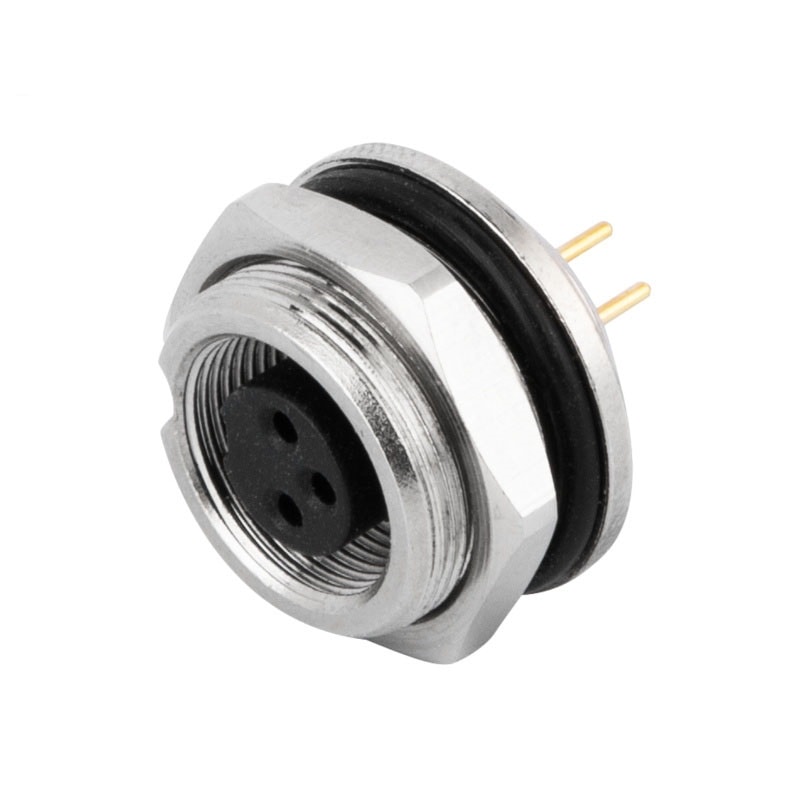


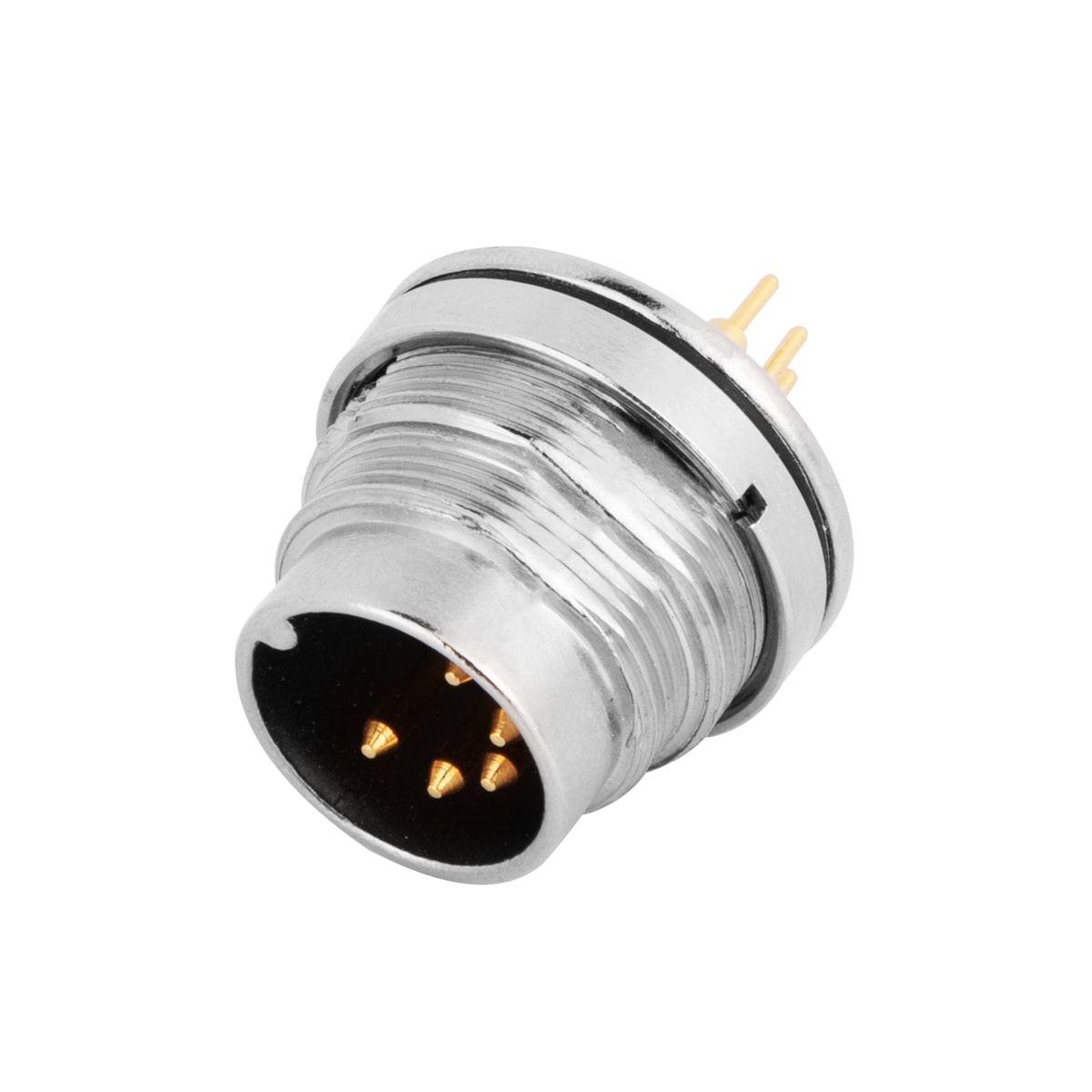
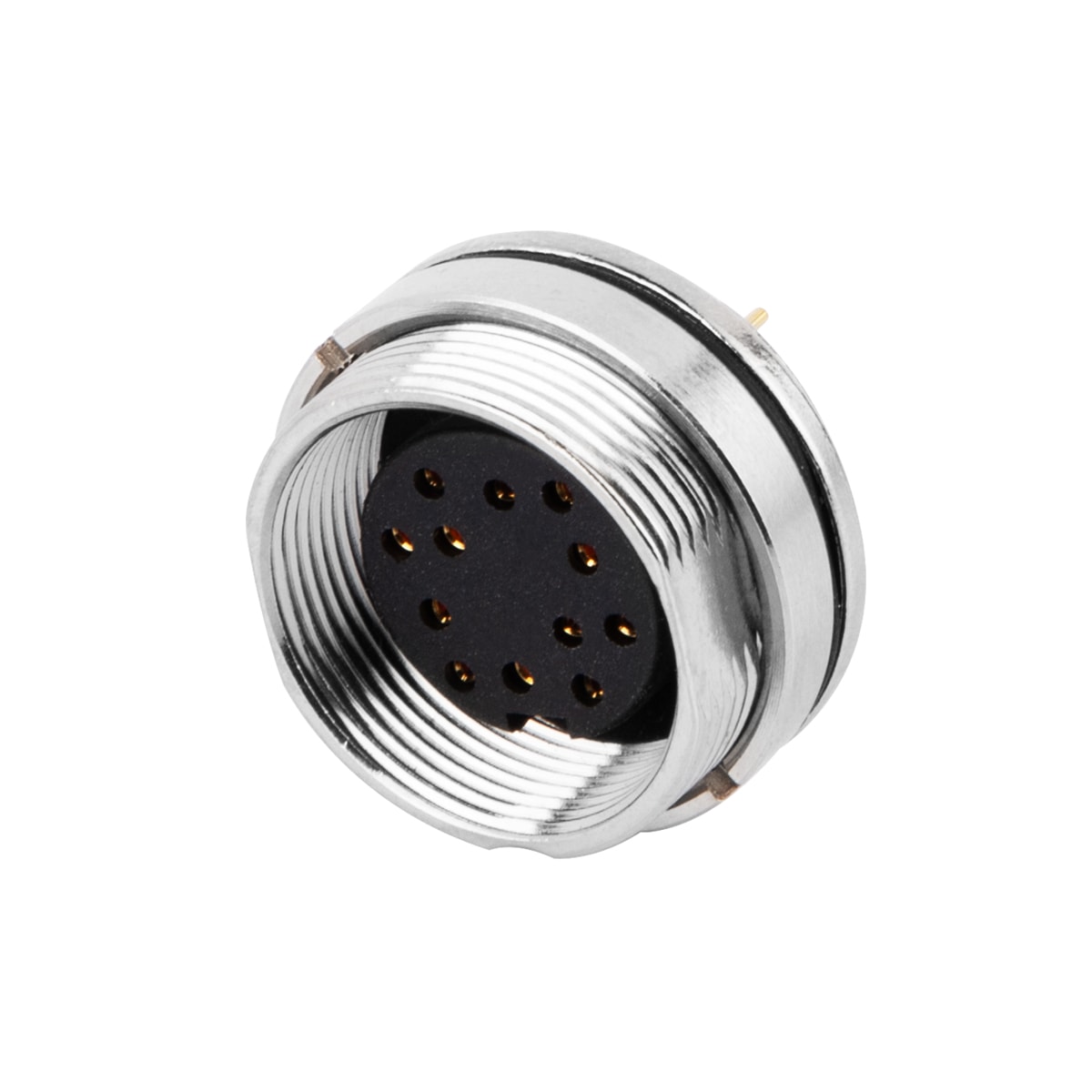

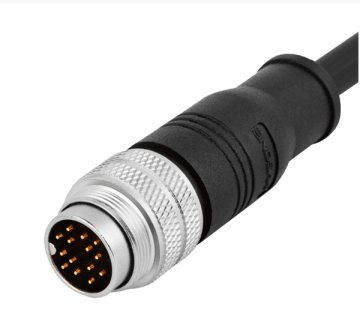
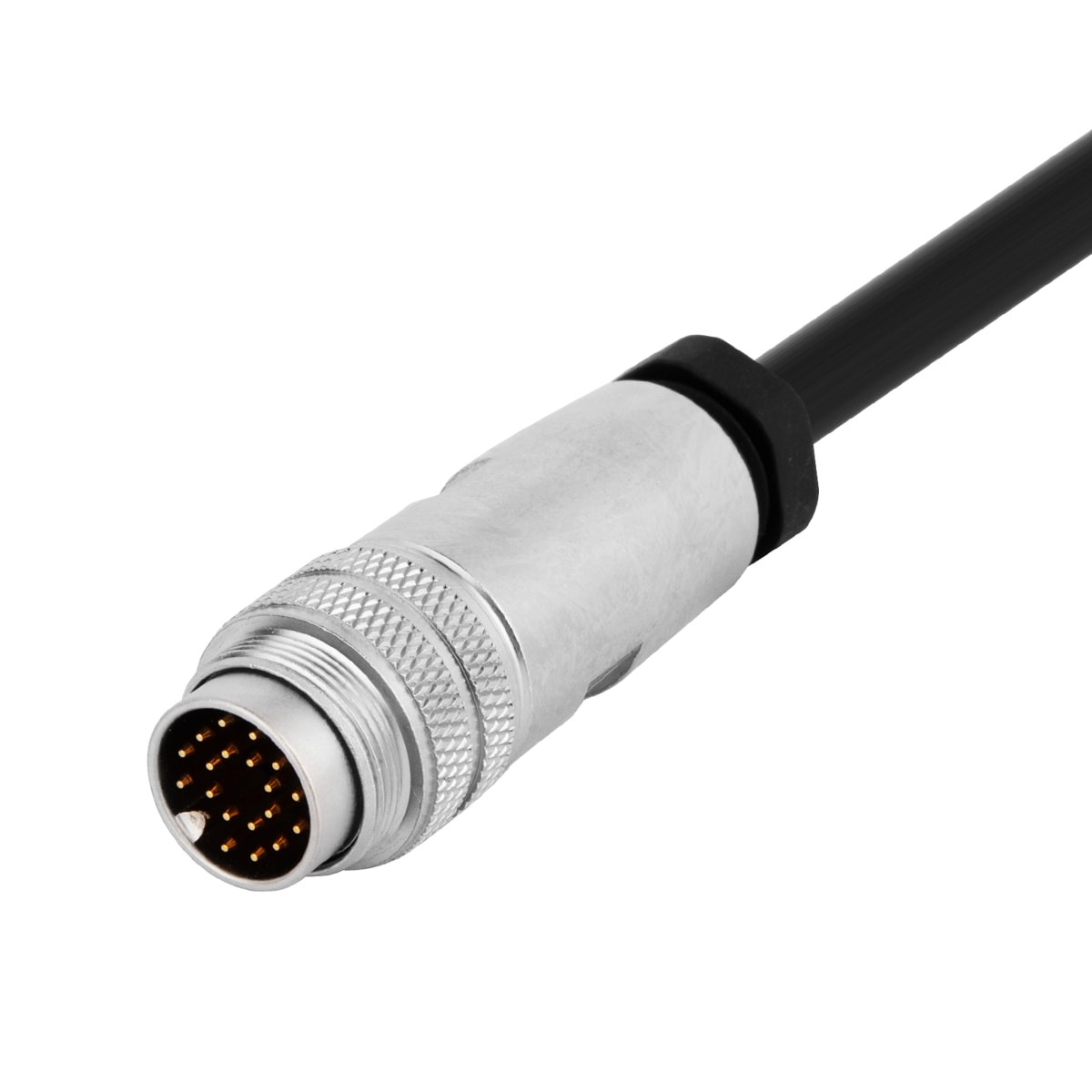
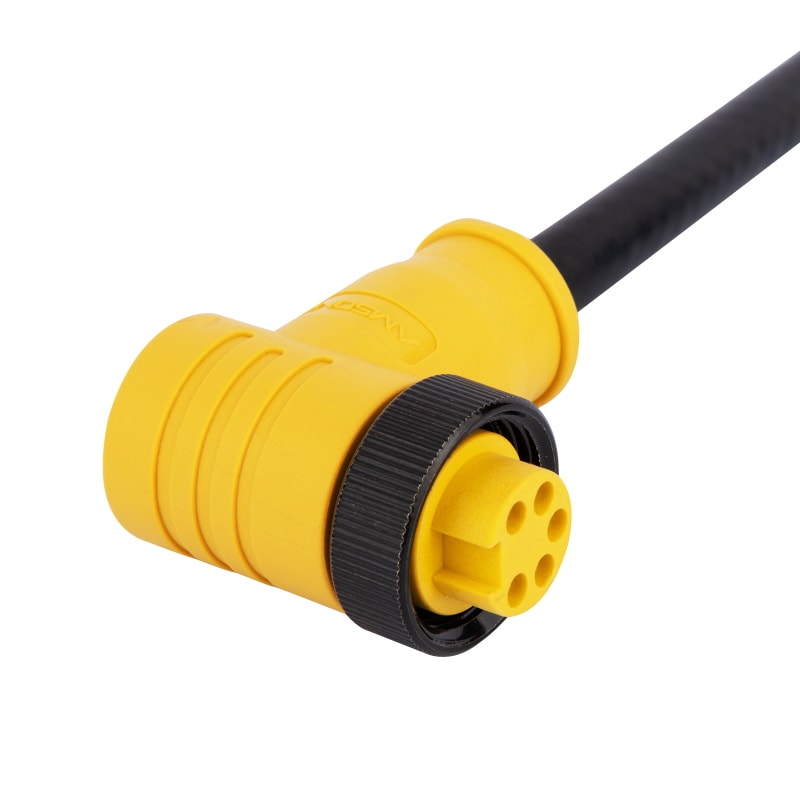
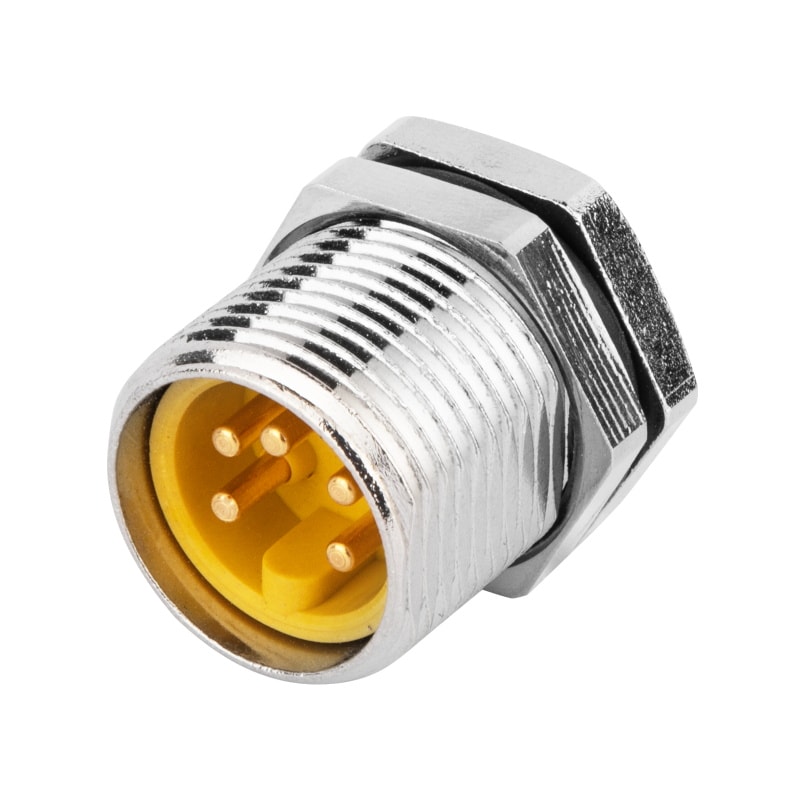
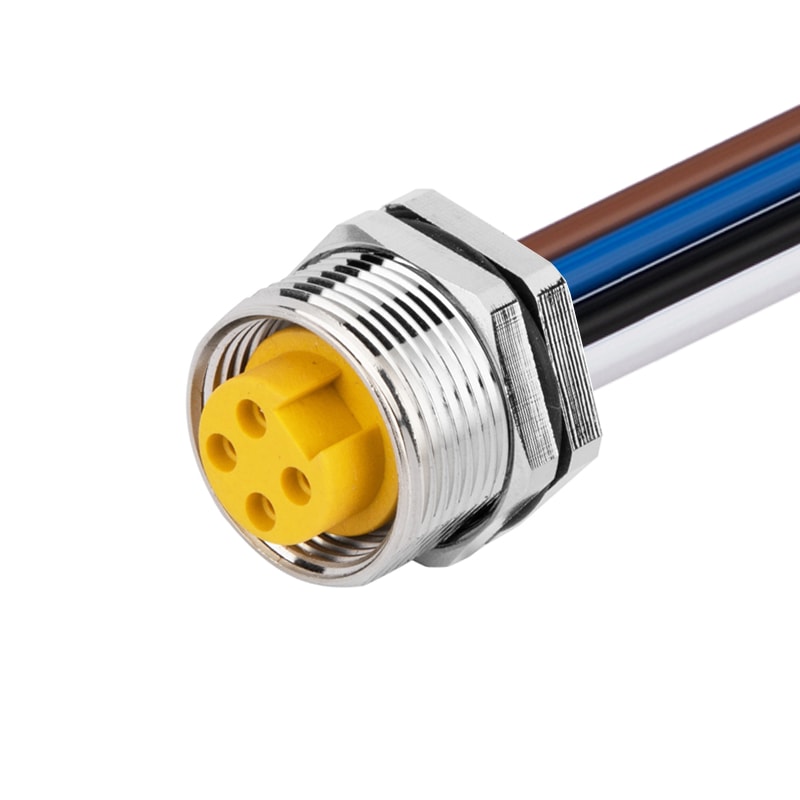
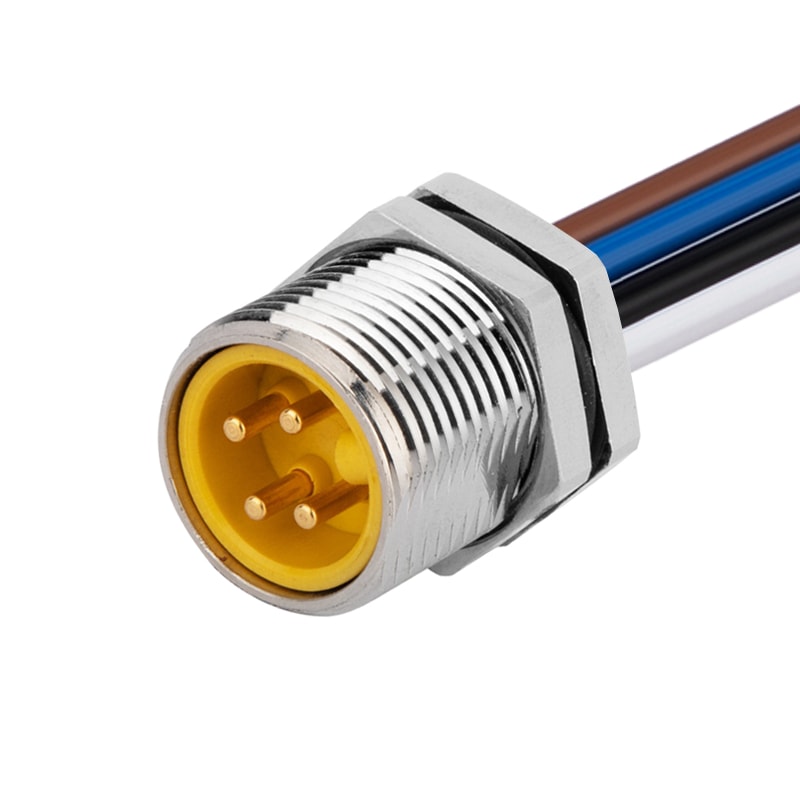
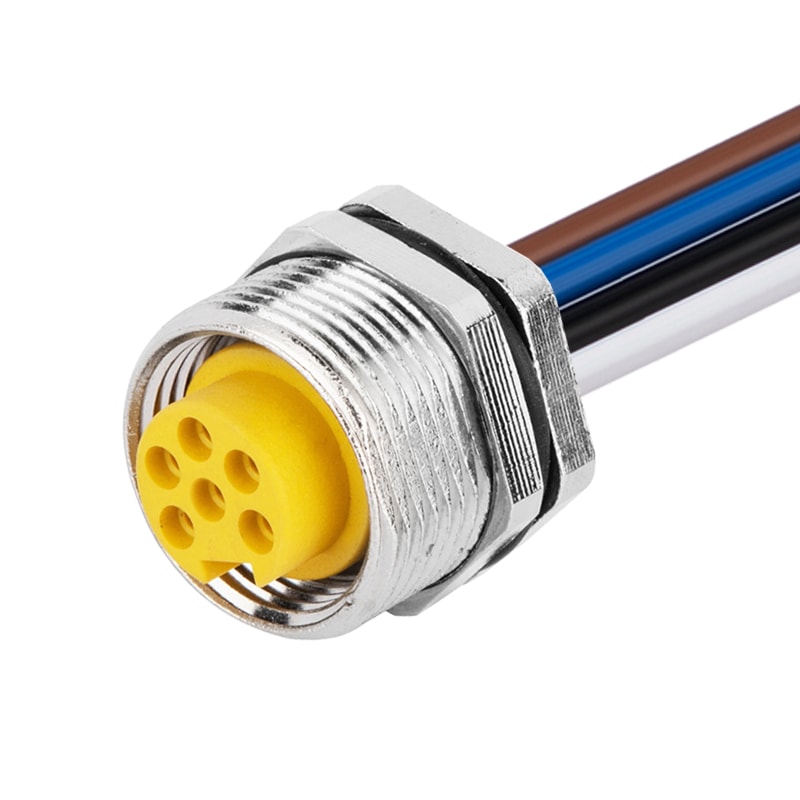
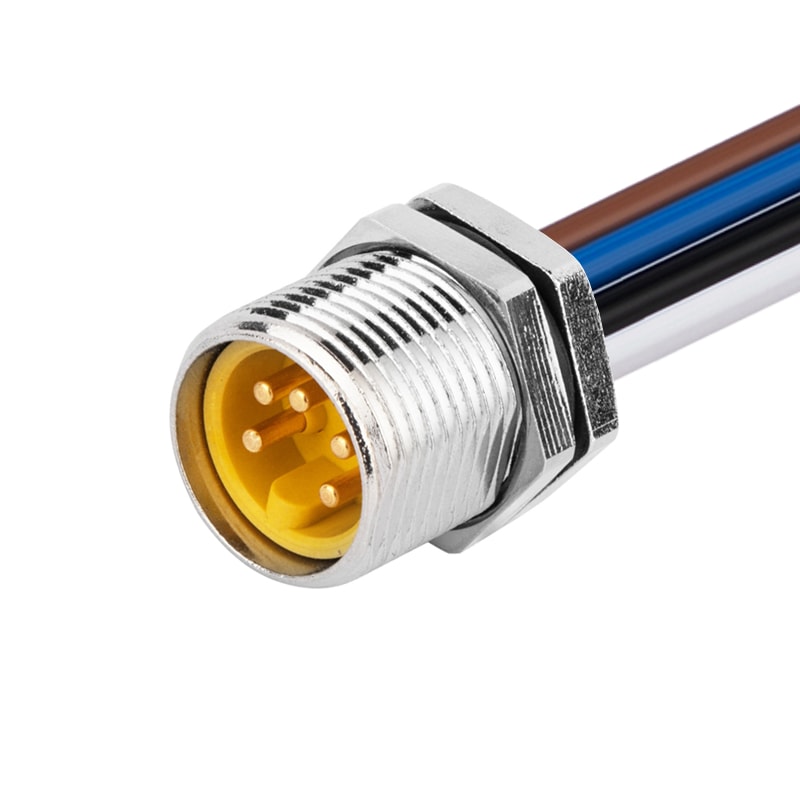
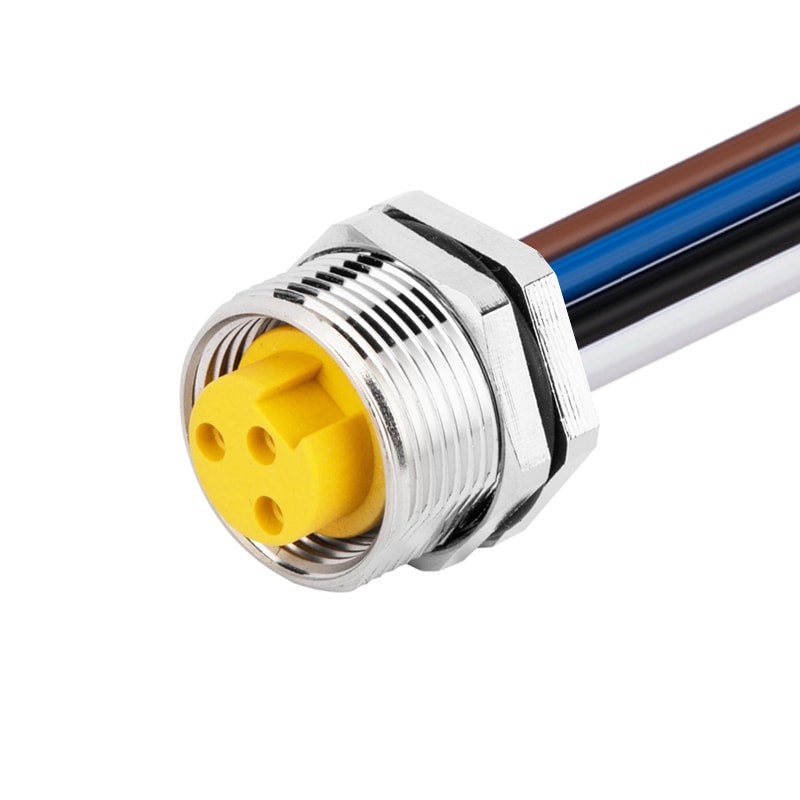
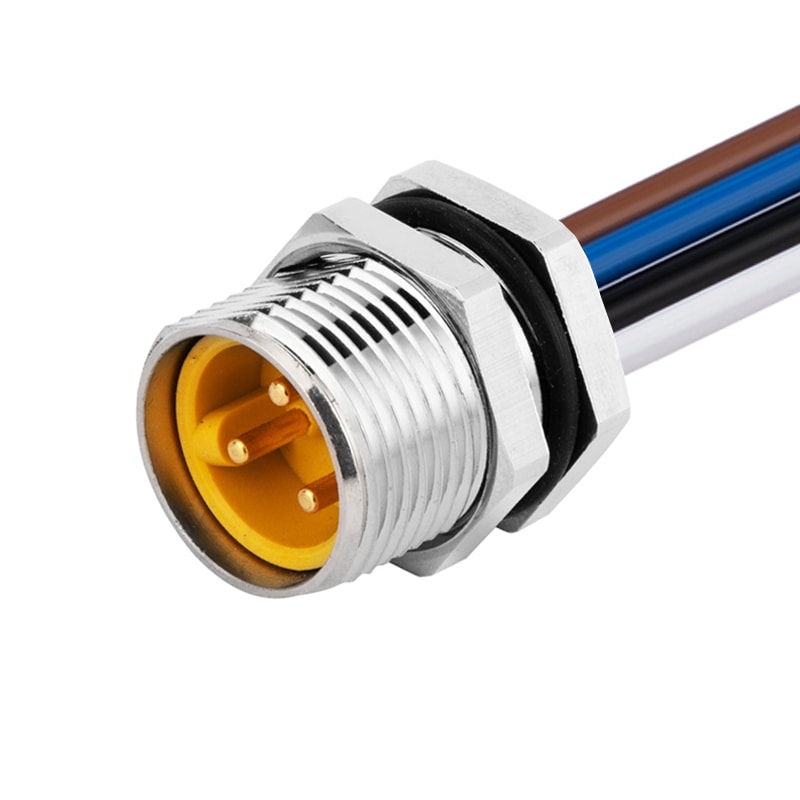
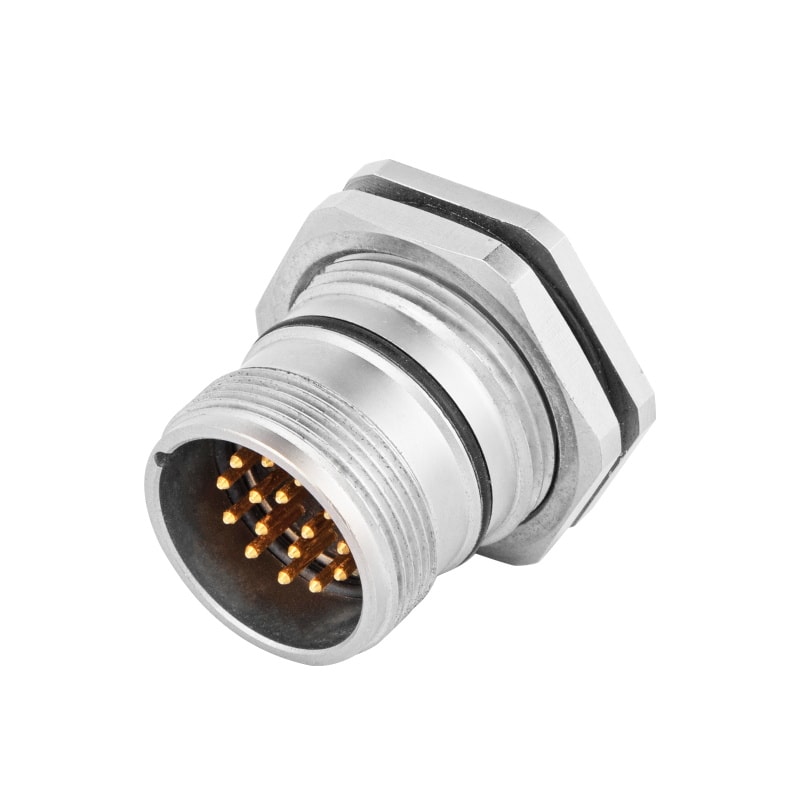
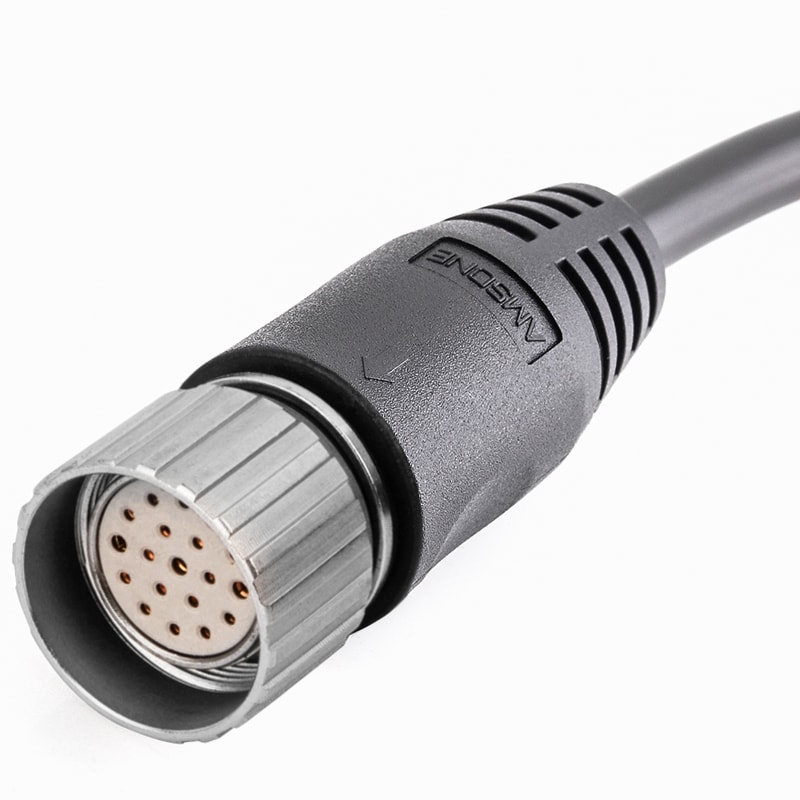
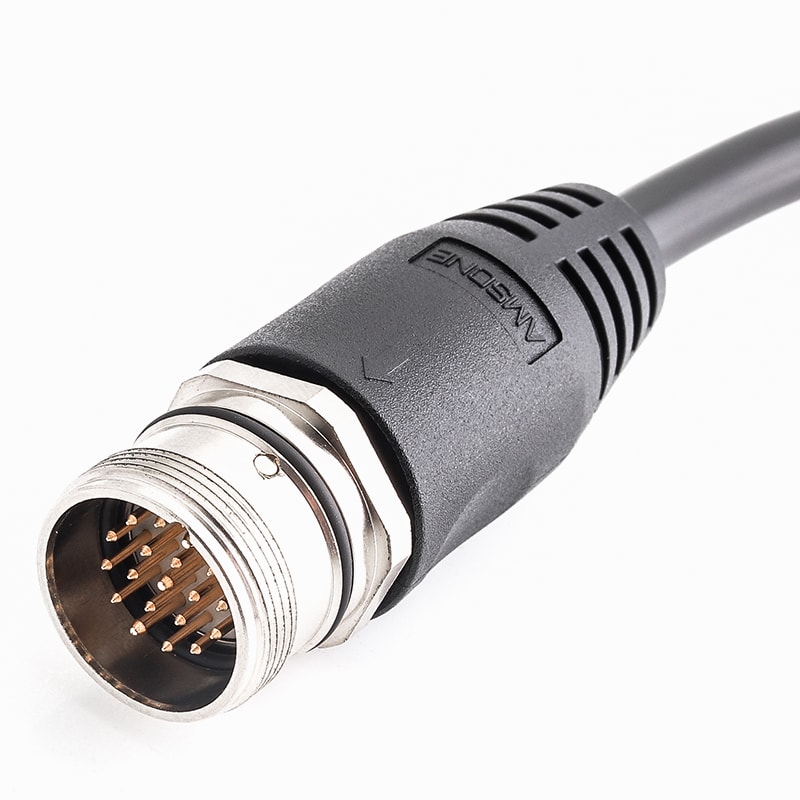
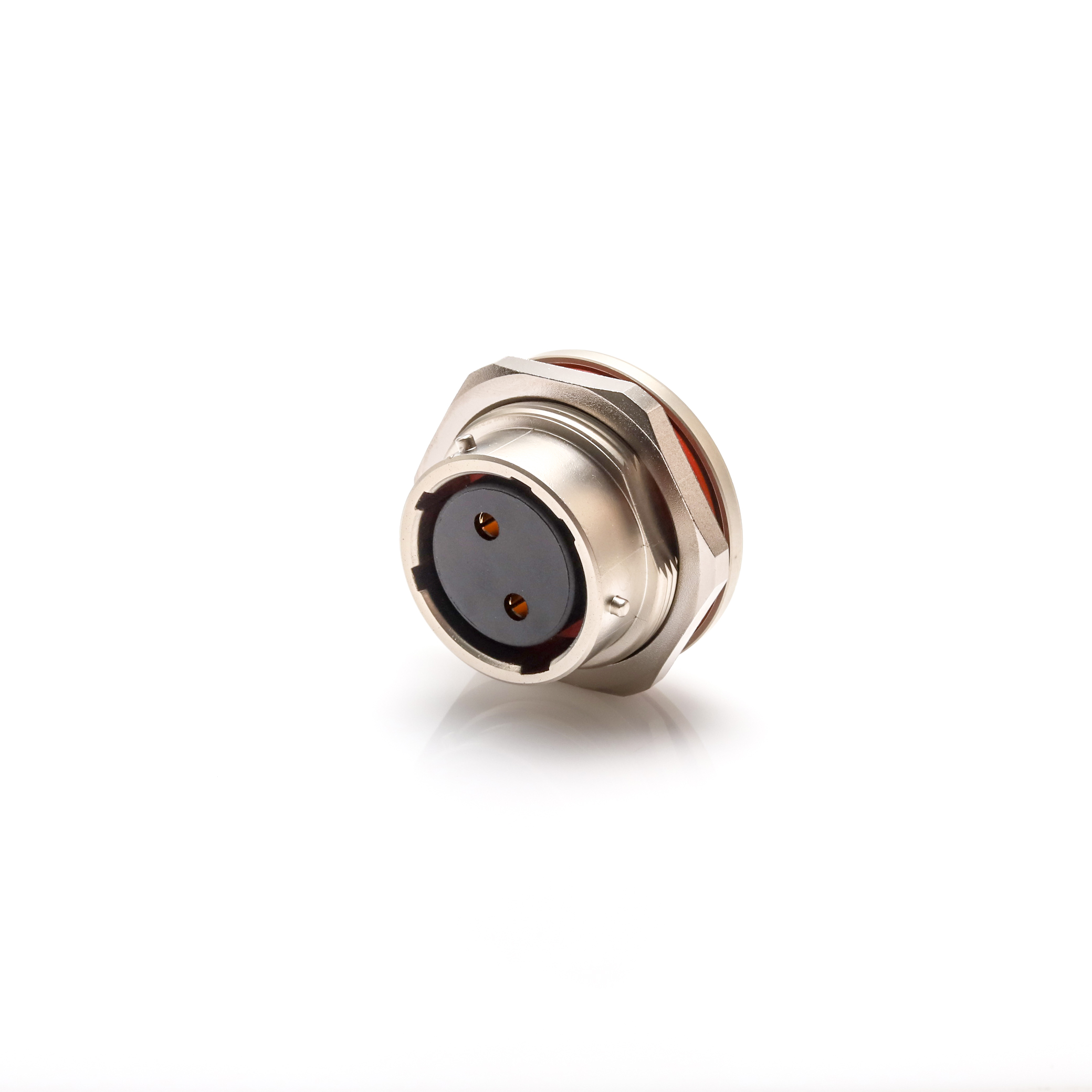
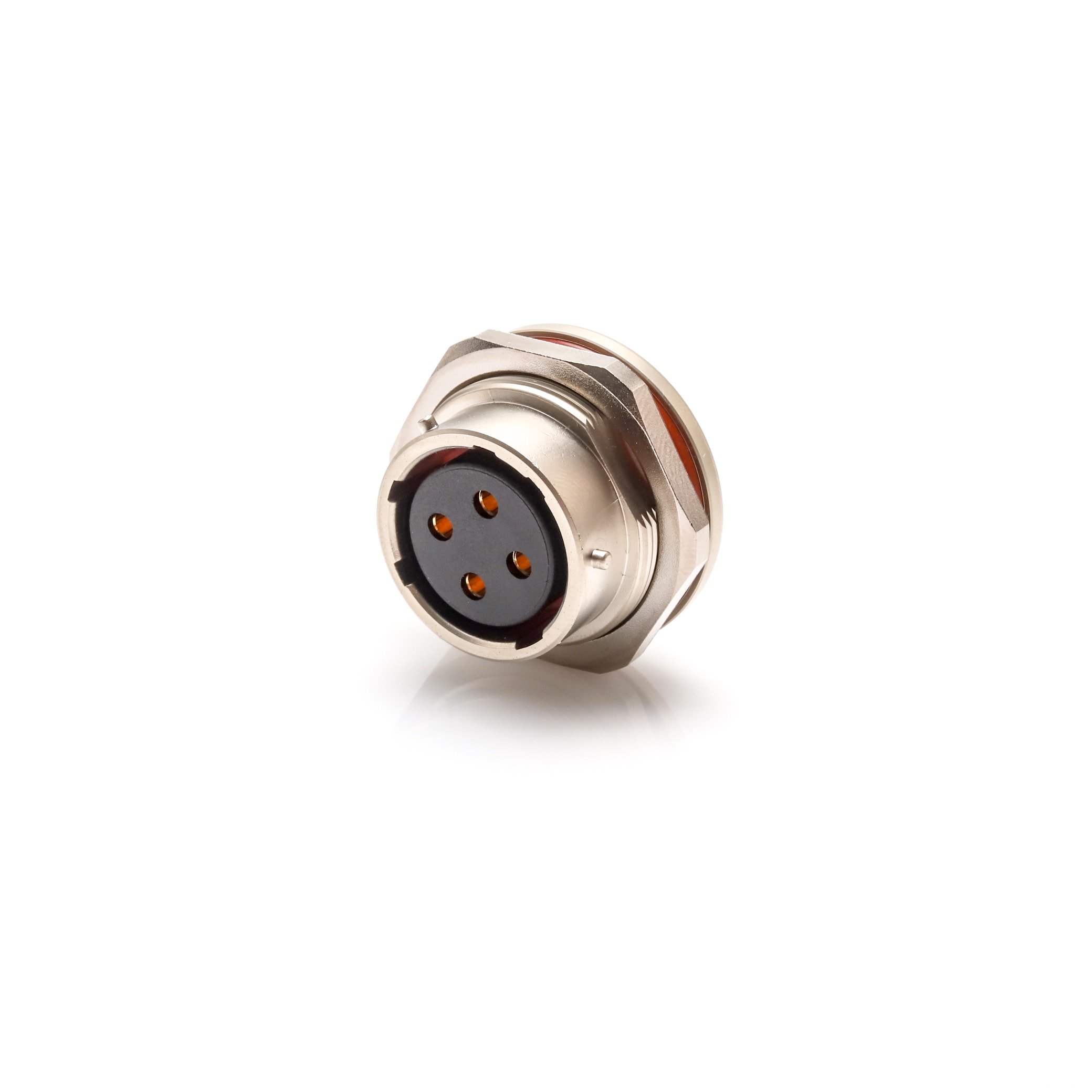
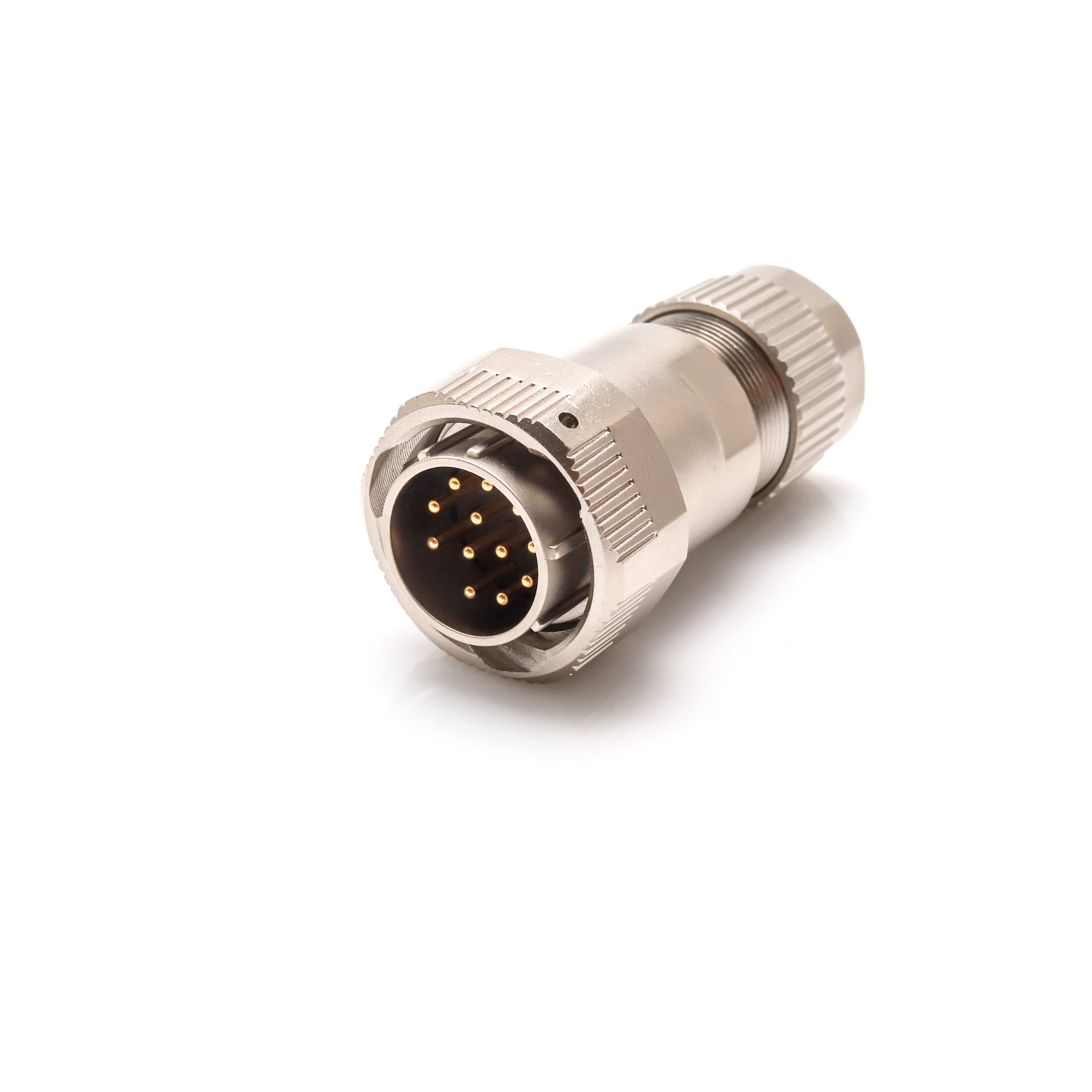
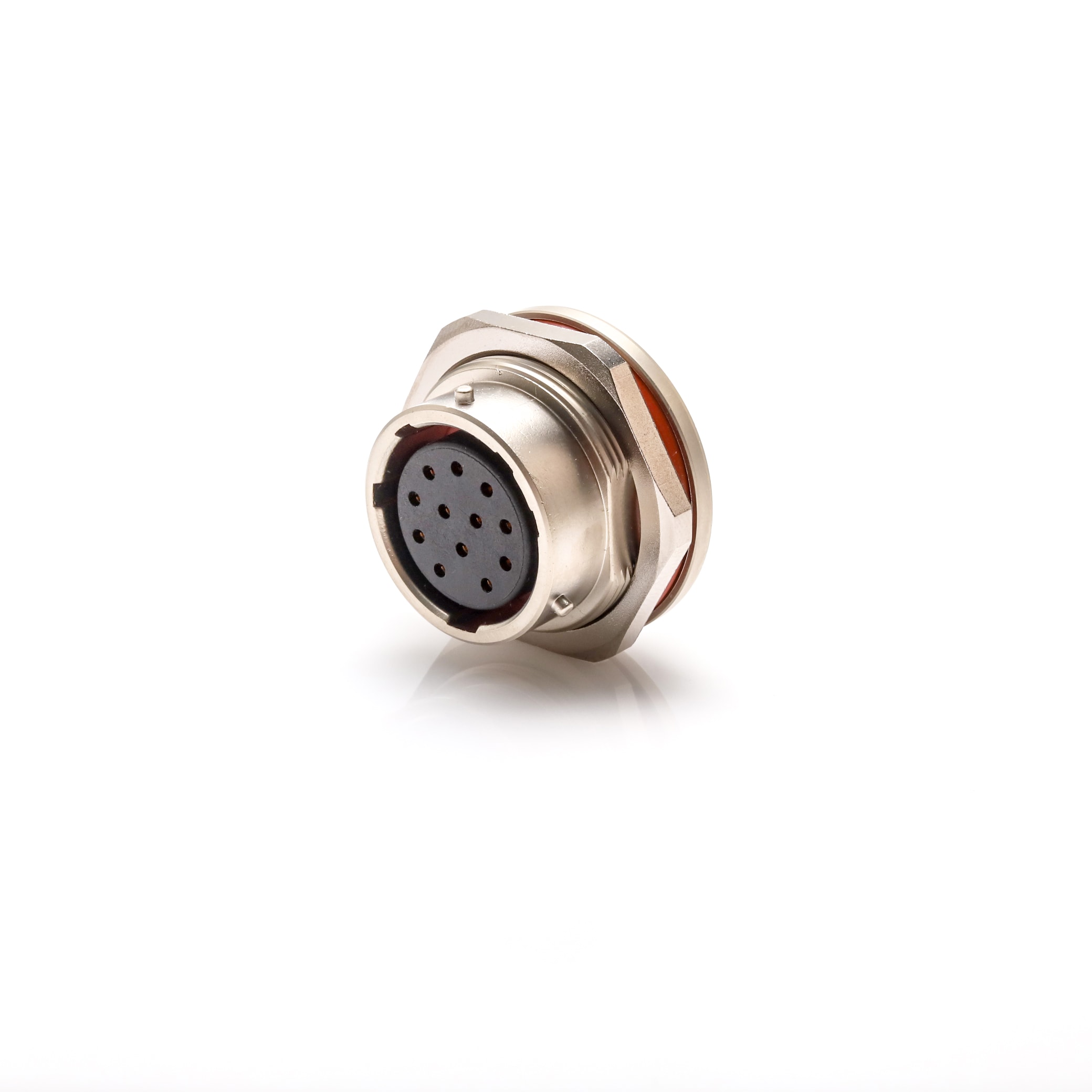
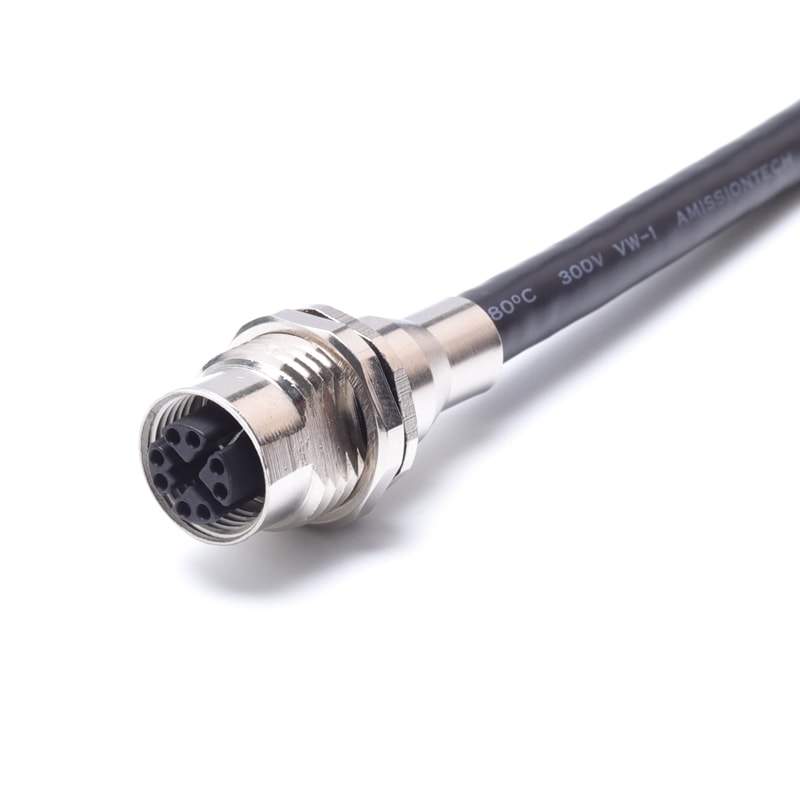
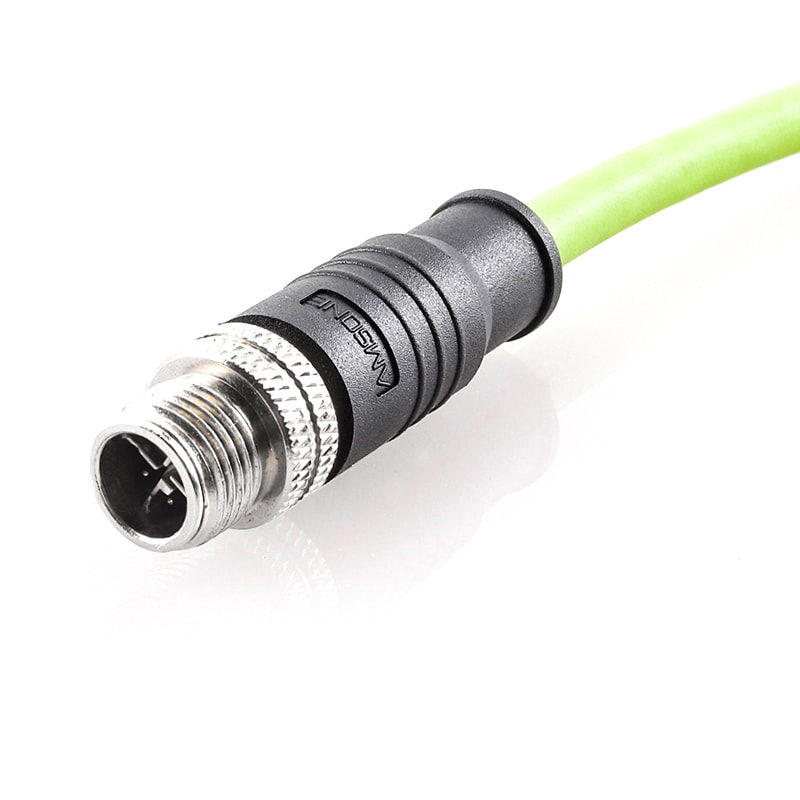
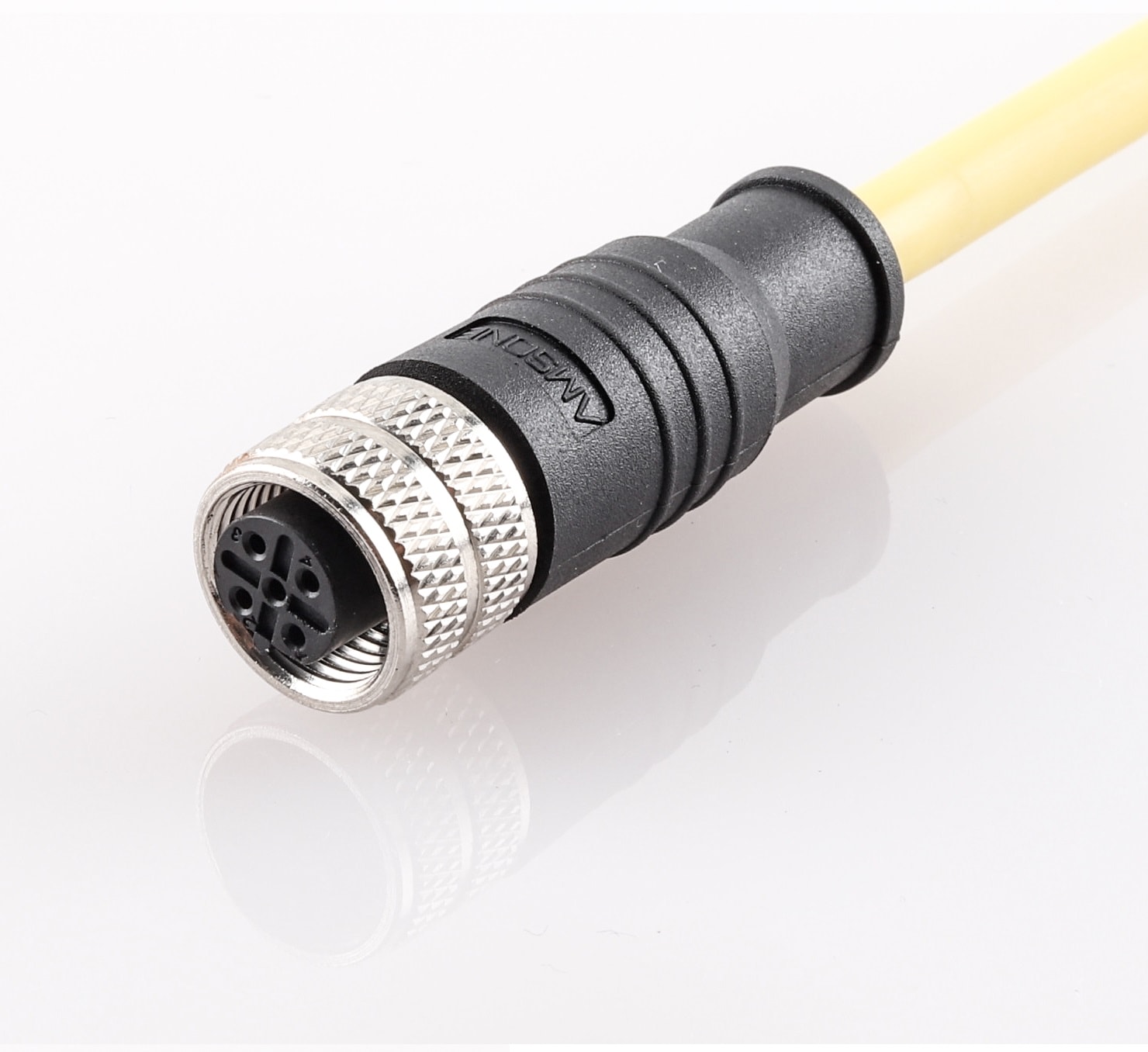
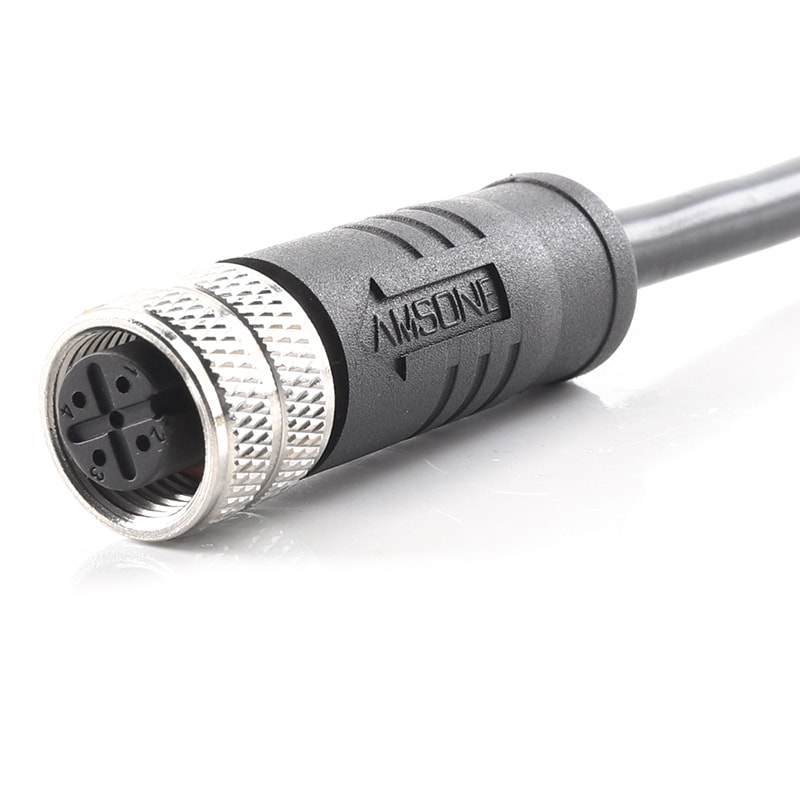
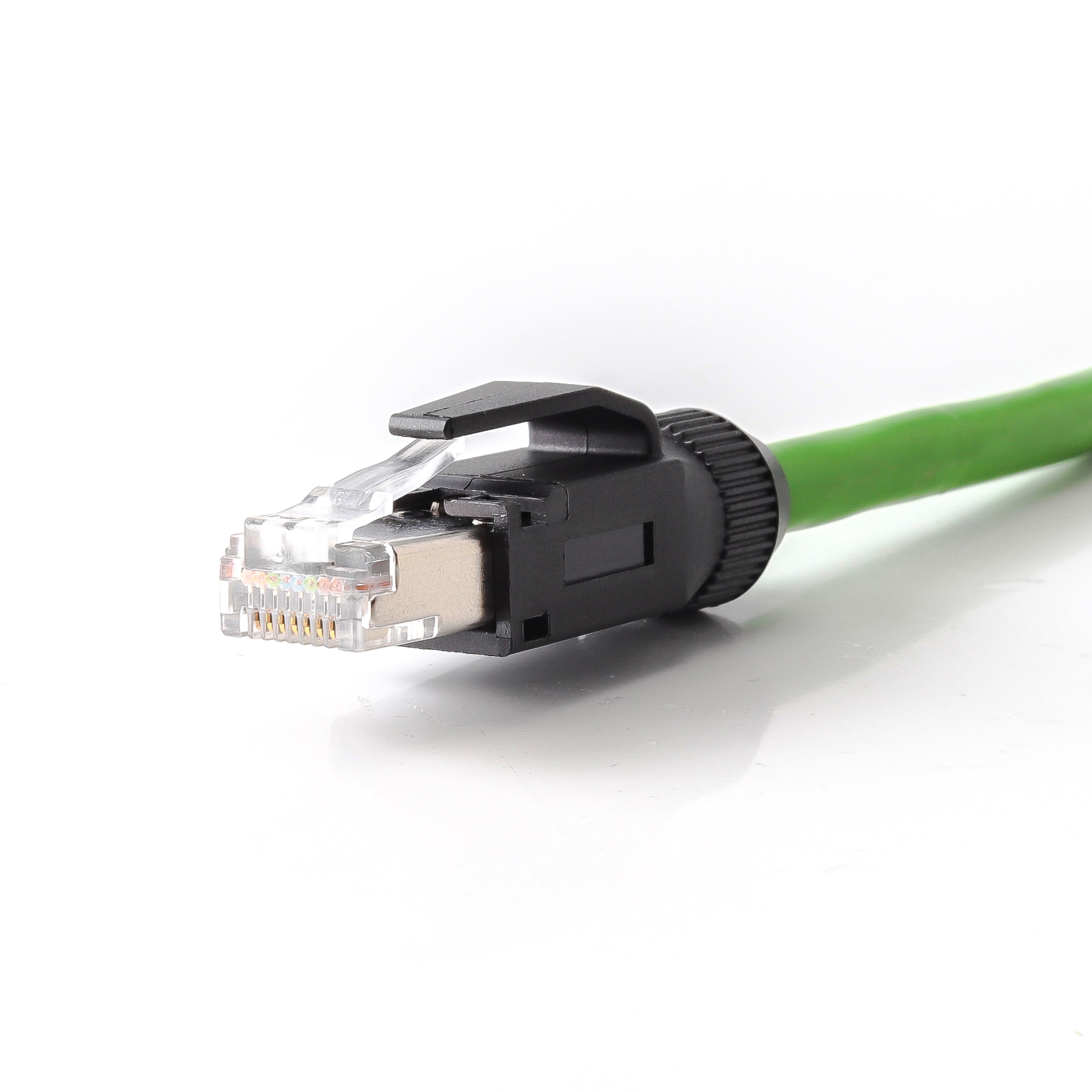
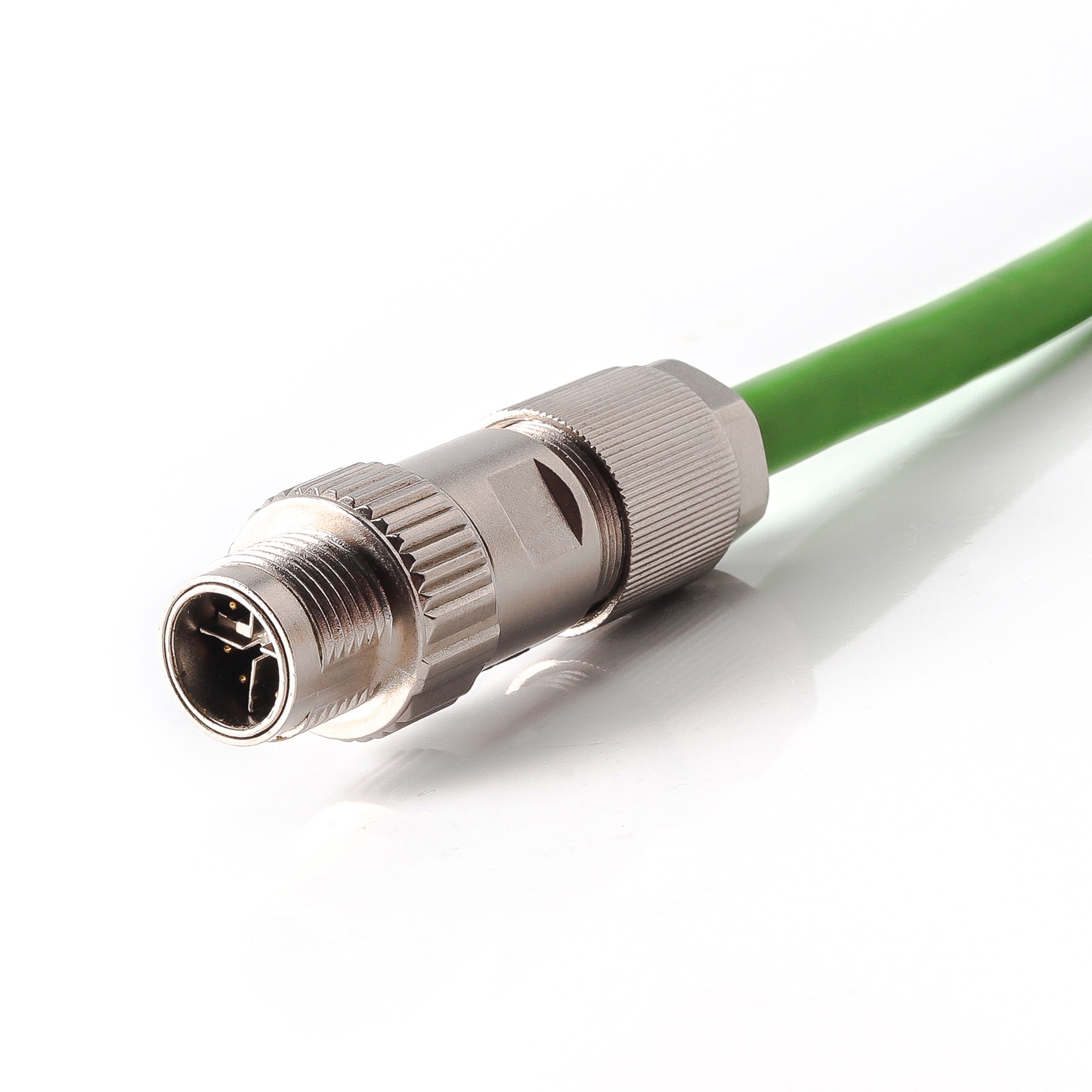
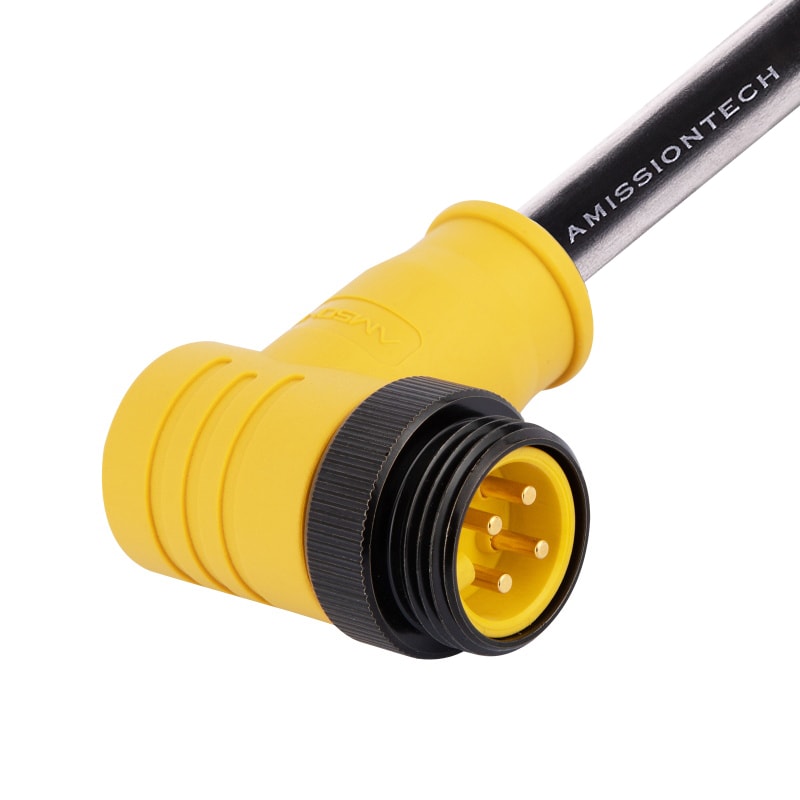
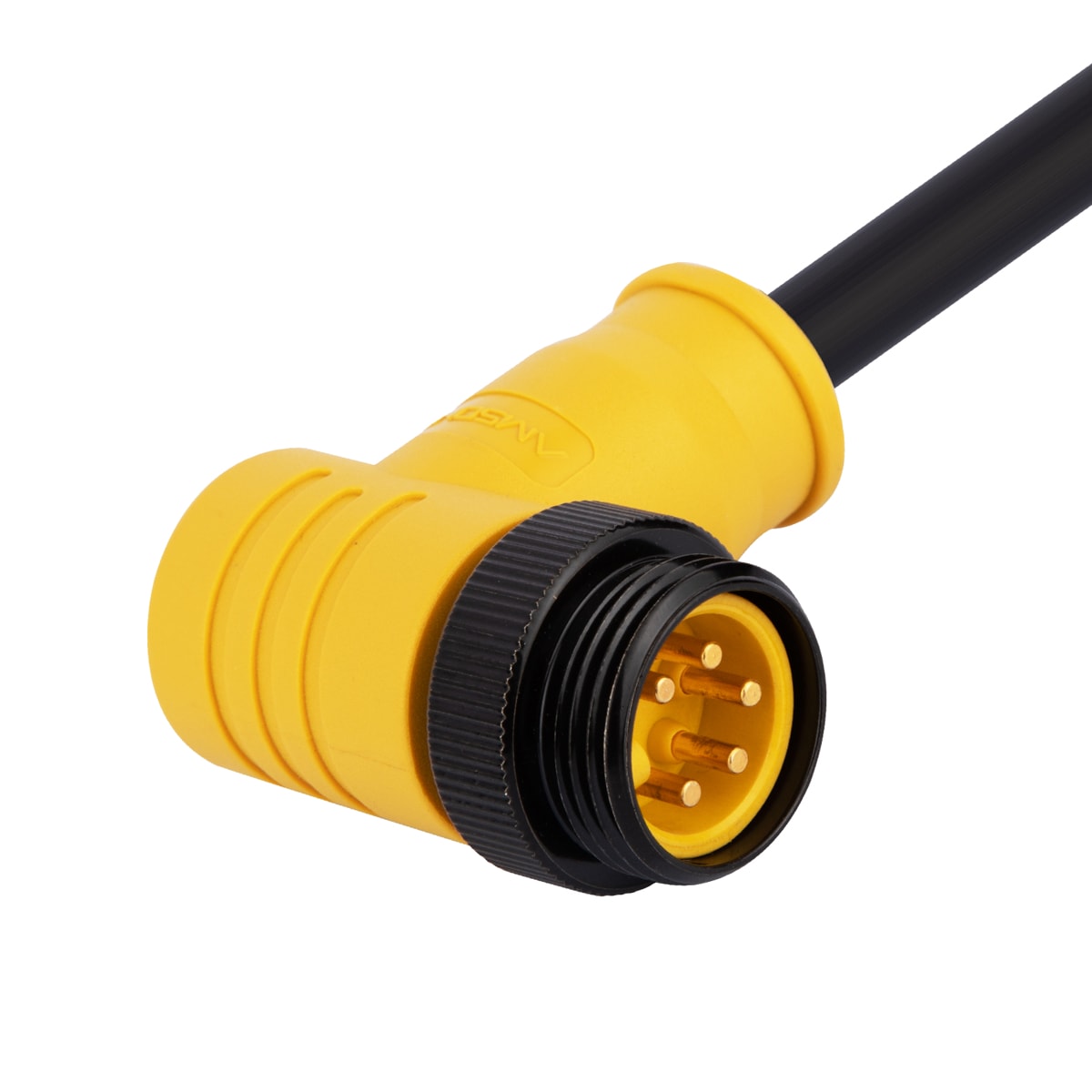
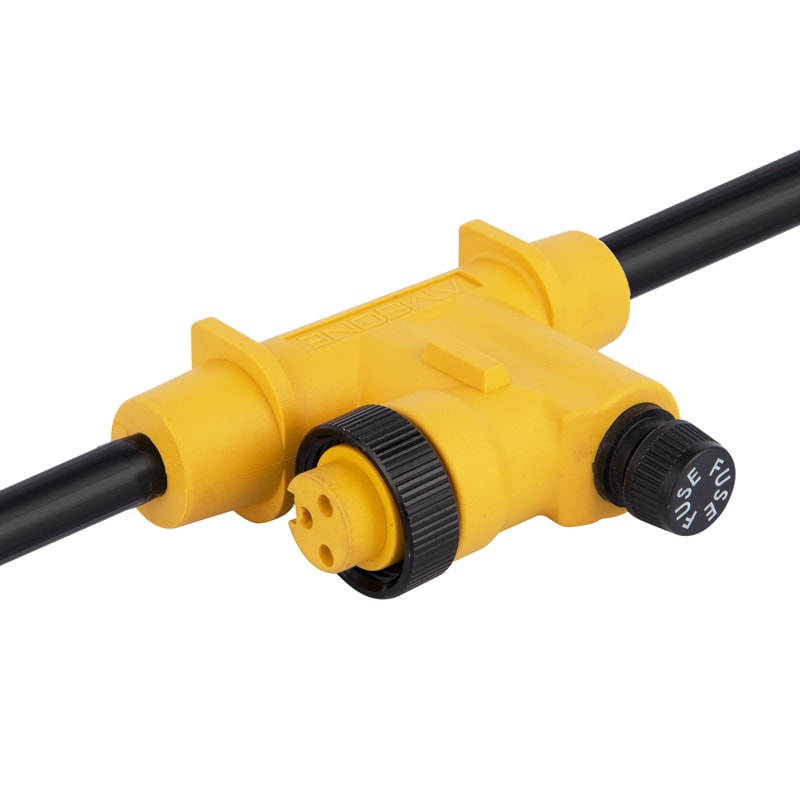
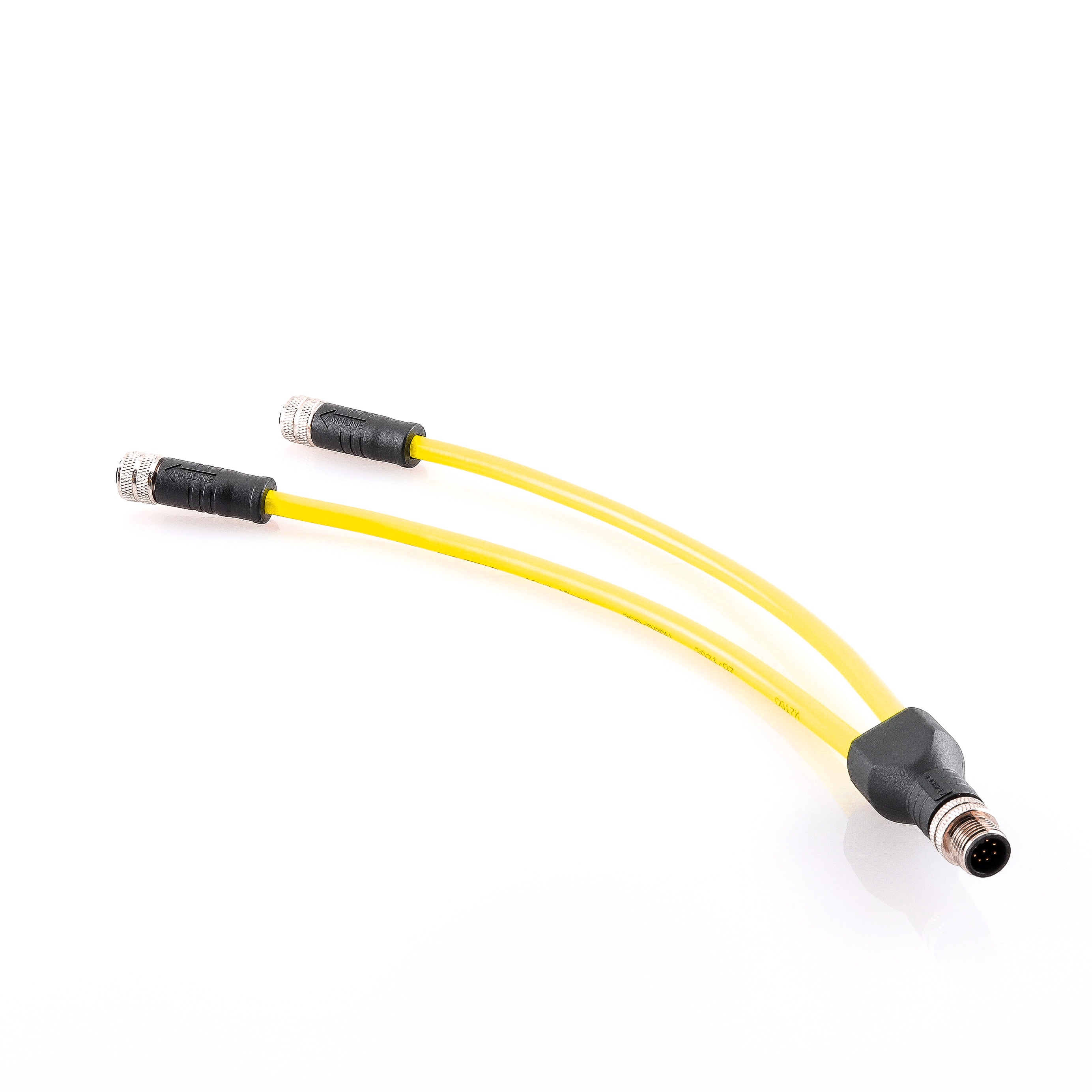
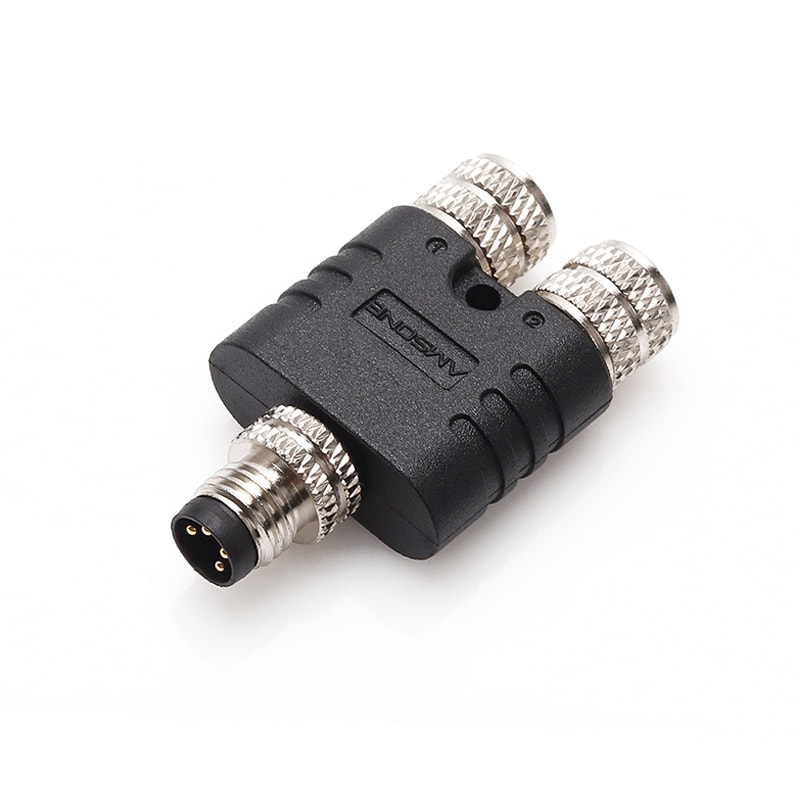

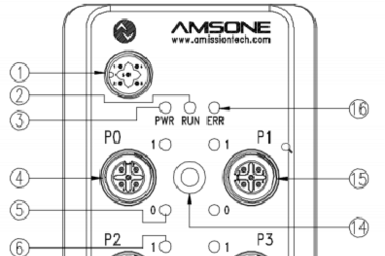
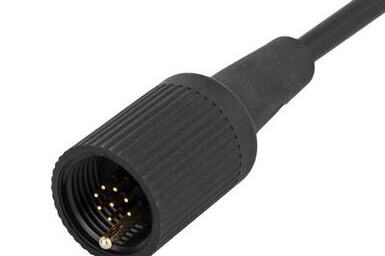
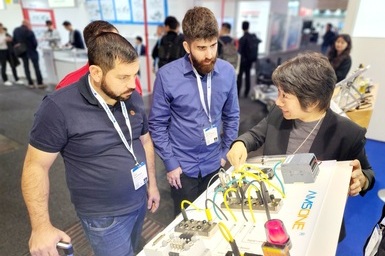
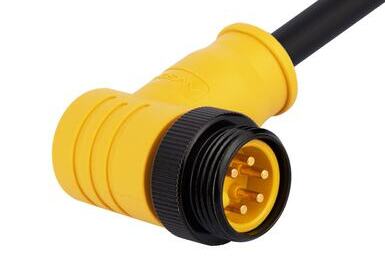
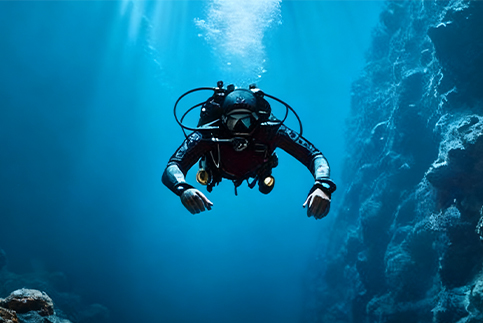
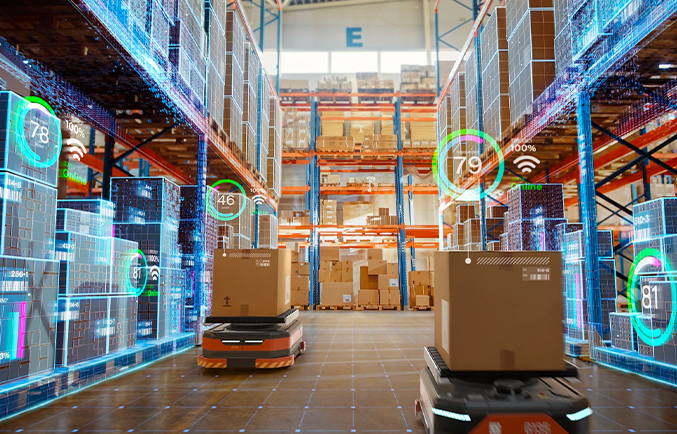
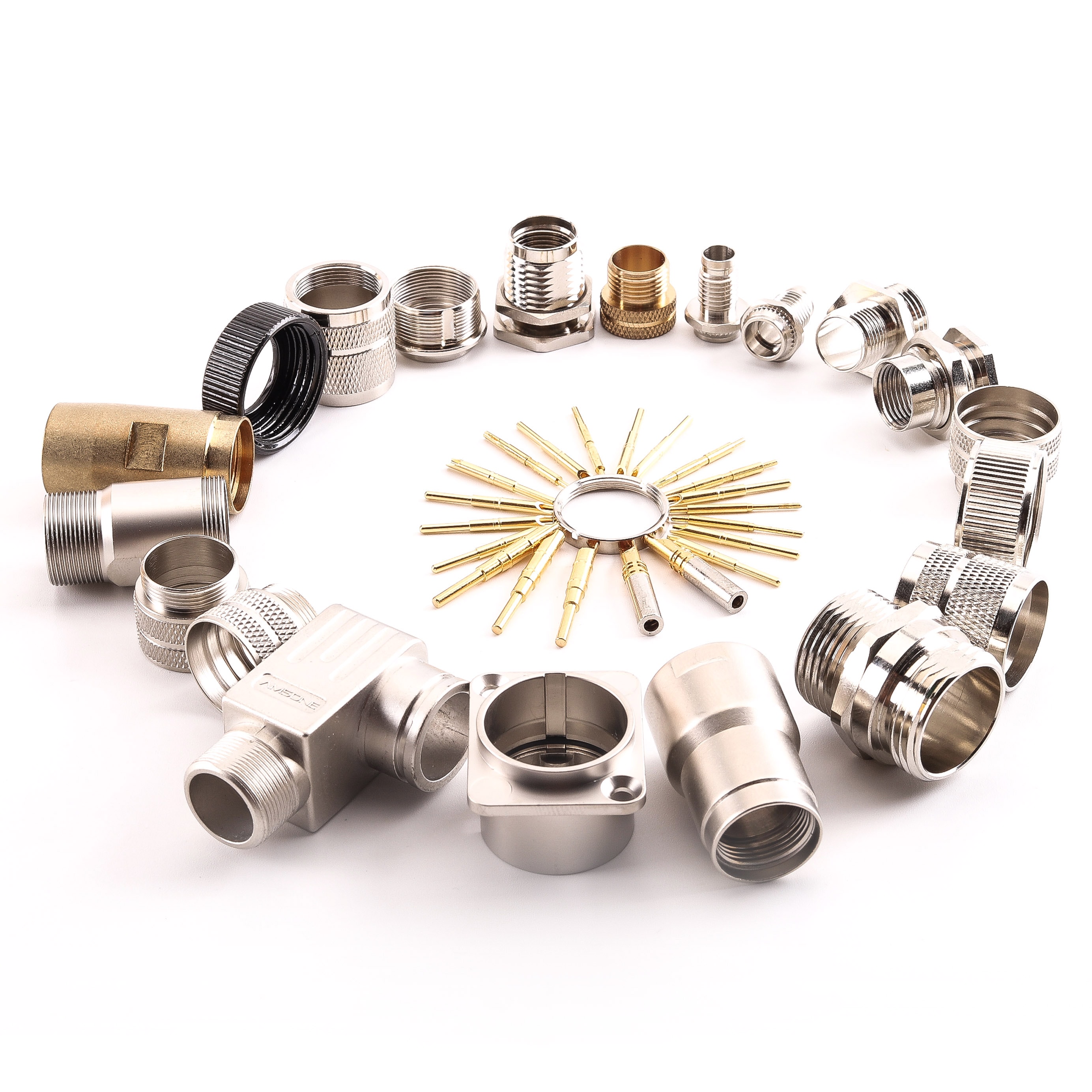
In modern automation, robots are widely used across industries such as manufacturing, logistics, energy, and even underwater operations. Behind every precise movement and stable operation, there is a critical component that often goes unnoticed—robot cables. These cables act as the essential link for both power transmission and signal communication, enabling robots to perform complex tasks efficiently.
As robotic systems become more advanced and operate in increasingly demanding environments, selecting the right robot cable is no longer a simple decision. Cable performance directly affects system reliability, maintenance costs, and overall productivity. Therefore, understanding how to choose the right cable is essential for engineers and procurement professionals.
When selecting robot cables, it is important to clearly understand their performance characteristics. Robot applications involve continuous motion, including bending, twisting, and stretching. As a result, cables must be designed to handle dynamic stress without failure.
High flexibility is one of the most important features. A suitable robot cable should withstand repeated torsion and bending cycles without internal damage. In addition, strong abrasion resistance is necessary, especially in environments where cables may come into contact with machine parts or rough surfaces.
At the same time, durability plays a critical role. A longer cable service life reduces the need for frequent replacements, which helps minimize downtime and maintenance costs. By matching cable performance with actual working conditions, users can ensure stable long-term operation.
Beyond mechanical performance, the operating environment has a significant influence on cable selection. Different industrial settings expose cables to various challenges that can affect their lifespan and functionality.
In environments with strong electromagnetic interference, such as automated production lines, cables with shielding layers are essential to maintain stable signal transmission. Without proper shielding, signal loss or data errors may occur.
Meanwhile, in high-temperature applications like welding robots, cables must withstand heat exposure over long periods. This requires special outer jacket materials that resist thermal aging and deformation. In contrast, environments with moisture, oil, or chemicals demand cables with strong resistance to corrosion and contamination.
Therefore, selecting a cable that matches the environmental conditions is just as important as choosing one with the right mechanical properties.
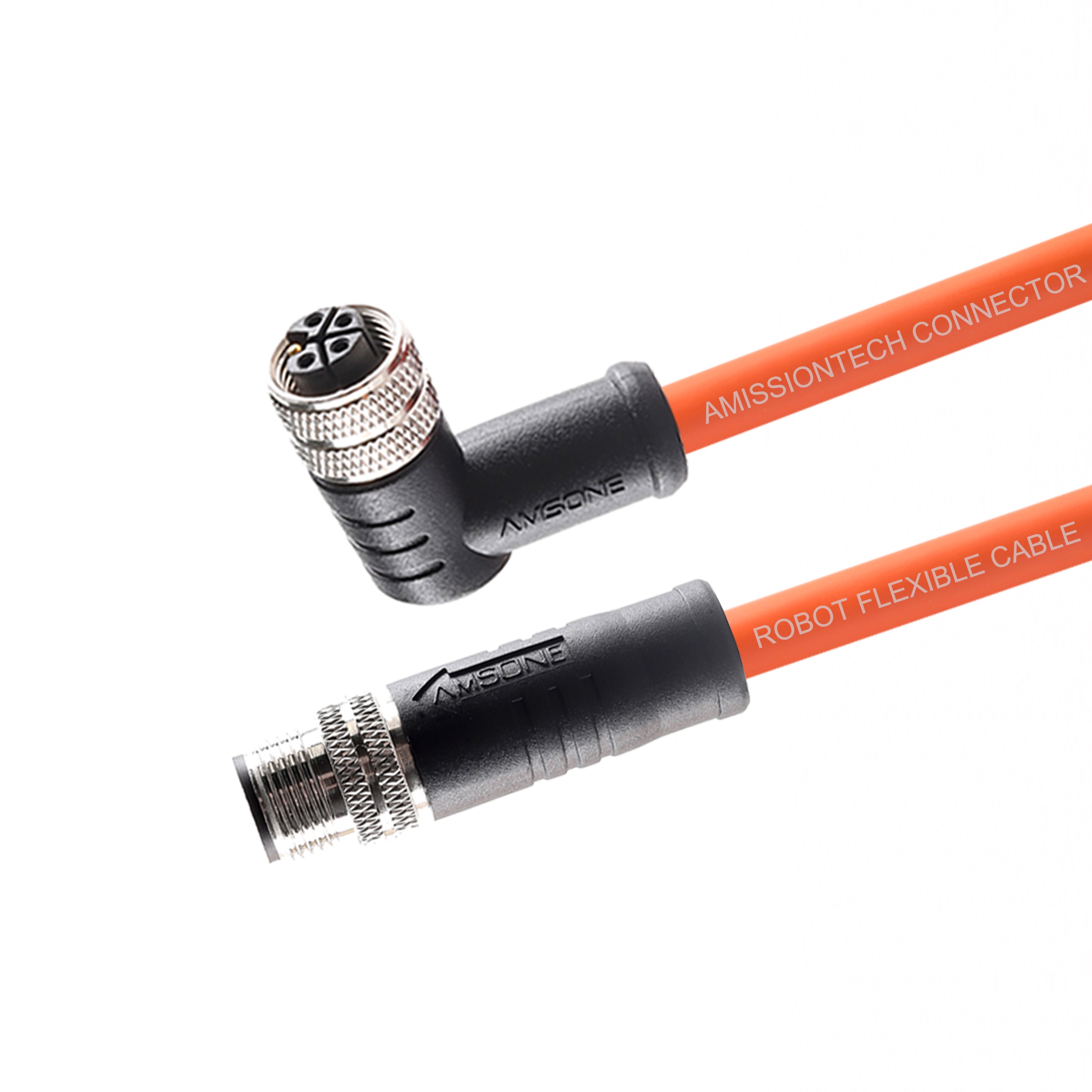
Robot cables are designed for different purposes, and understanding their functions helps ensure proper selection. Power cables are used to deliver energy to motors and actuators, requiring both electrical stability and mechanical flexibility.
Control cables, on the other hand, are responsible for transmitting signals between controllers and devices. These cables must provide accurate and interference-free communication to ensure precise robotic movement.
In more advanced systems, encoder cables are used to transmit feedback signals related to position and speed. These cables require high signal integrity to support accurate motion control.
In addition, composite cables combine multiple functions into a single structure, integrating power, signal, and sometimes data transmission. This type of cable is especially useful in compact robotic systems where space optimization is important.
As robotic systems become more dynamic, the demand for high-flex cables continues to grow. These cables are specifically designed to handle constant movement without compromising performance.
Unlike
standard cables
, high-flex cables use specialized materials and structural designs that allow them to bend repeatedly without cracking or breaking. This makes them ideal for robotic arms, automated production lines, and other applications involving continuous motion.
Moreover, high-flex cables contribute to overall system efficiency. By reducing the risk of cable failure, they help maintain stable operations and reduce maintenance frequency. This not only improves productivity but also lowers long-term operating costs.
Choosing the right
robot cable
requires a clear understanding of the application itself. Different types of robots have different requirements based on their functions and working conditions.
For example, industrial robots used in heavy-duty manufacturing require cables with high mechanical strength and durability. Service robots, which often operate in controlled environments, may prioritize flexibility and lightweight design. Underwater robots, however, require cables with waterproof and corrosion-resistant properties.
In addition, it is important to determine whether the application requires power transmission, signal communication, or both. By identifying the specific function of the cable, users can make more accurate and effective selections.
Ultimately, even the best-performing cable will only deliver its full value when used in the right application. Proper matching ensures optimal performance and extended service life.
Robot cables are more than just supporting components—they are essential to the performance and reliability of robotic systems. From power delivery to signal transmission, every function depends on stable and durable cable connections.
As industrial environments become more complex, the importance of selecting the right cable continues to increase. By considering factors such as flexibility, durability, environmental resistance, and application requirements, users can significantly improve system efficiency and reduce operational risks.
Amissiontech is a professional
industrial cable supplier
dedicated to providing high-performance cable solutions for demanding robotic applications. With advanced design capabilities and strict quality control, Amissiontech delivers reliable, durable, and flexible cables tailored to your needs. Contact Amissiontech today to support your robotic systems with dependable connectivity solutions.