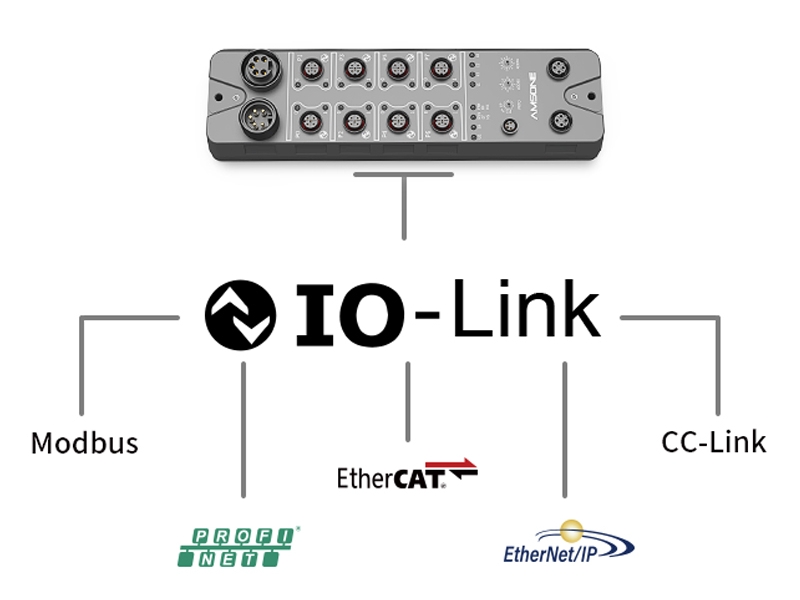
P/N: ALD-HBN1-372XXX
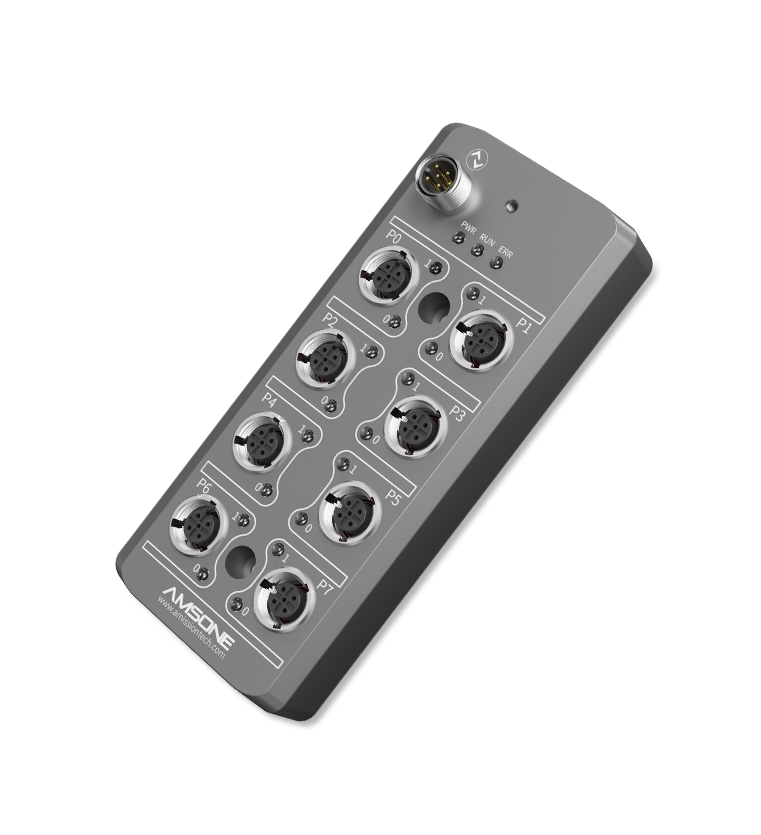
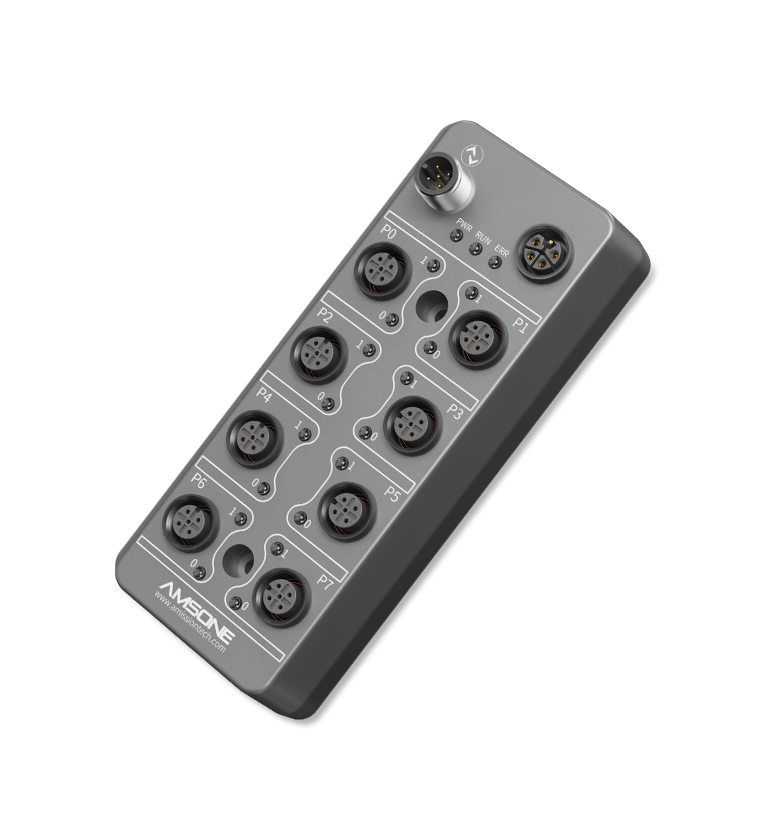
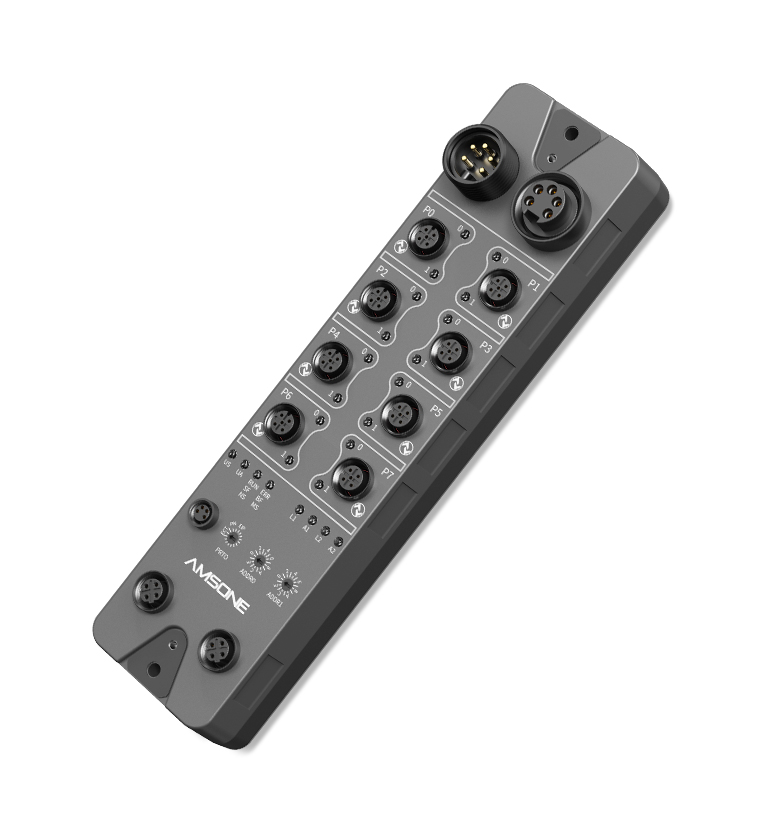
IO Link Hub NPN 0.5A/channel Plastic Housing Plastic Thread Locking
View All

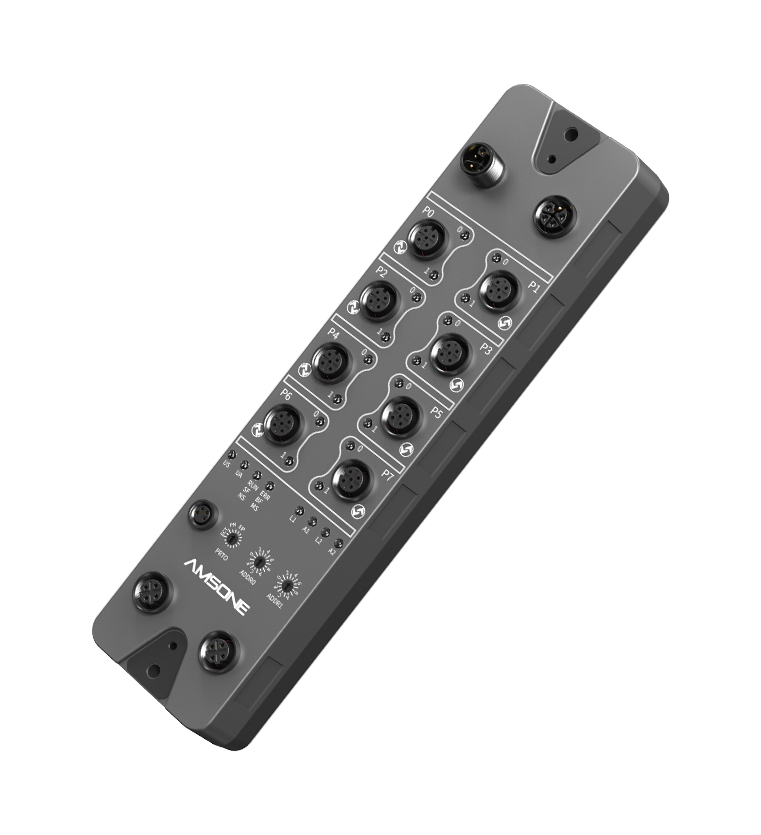

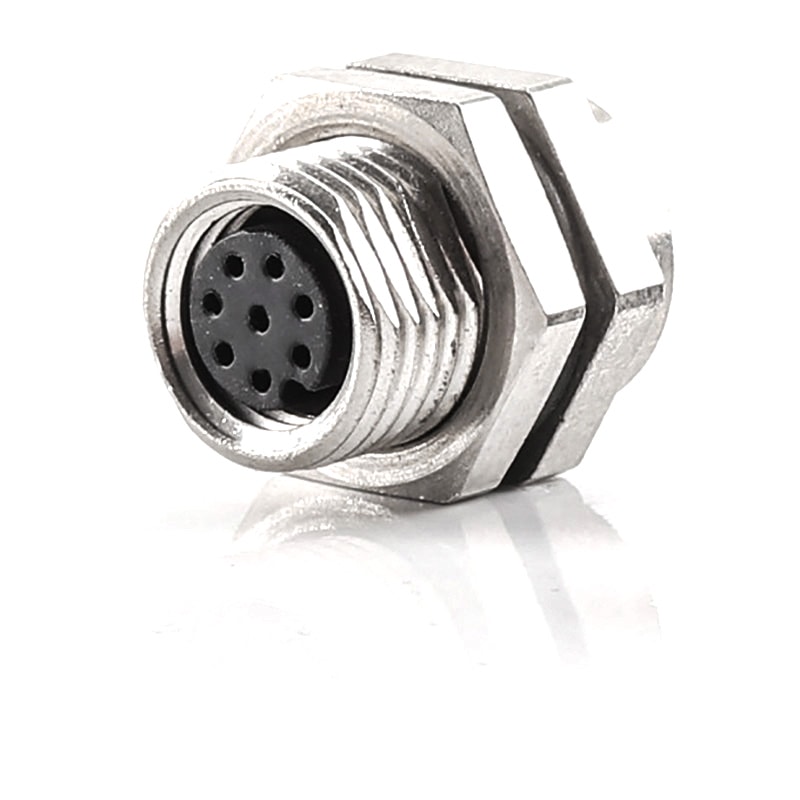
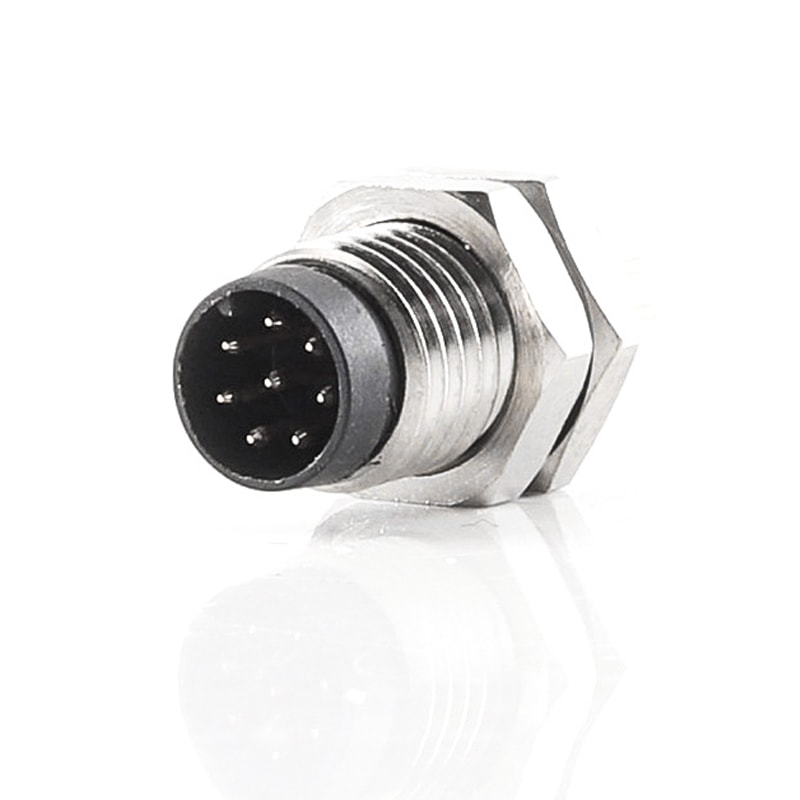

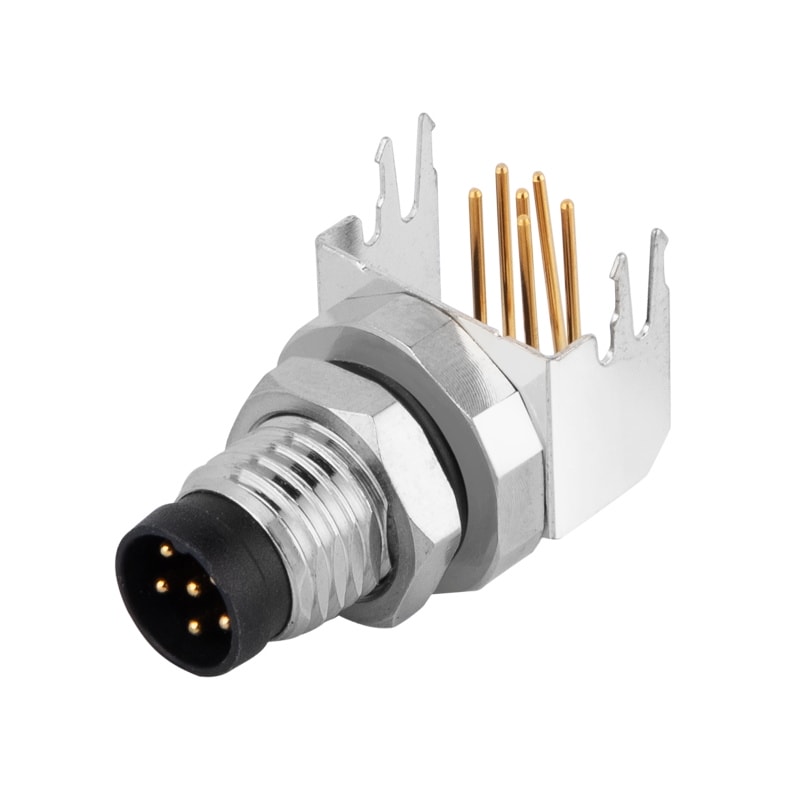


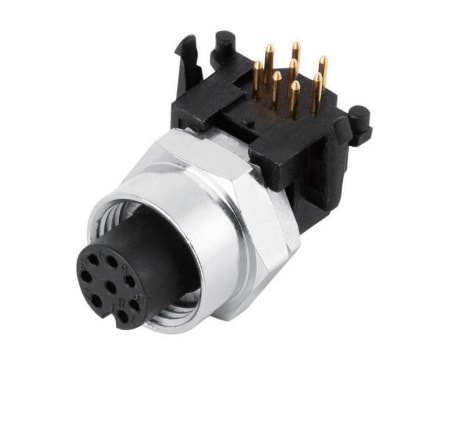
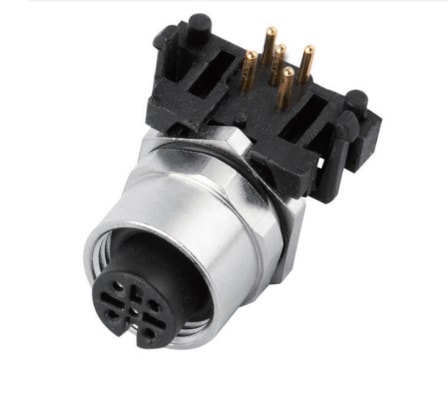
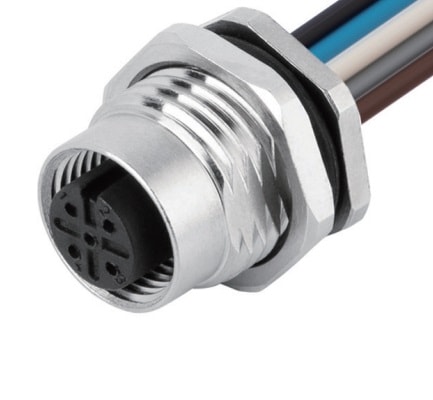

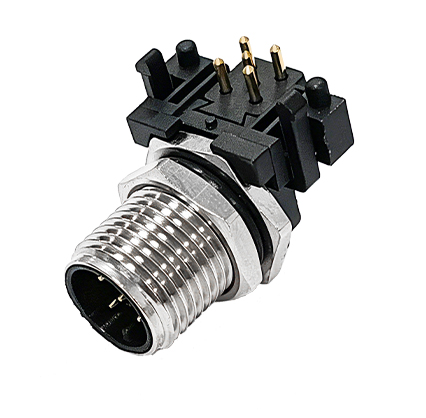


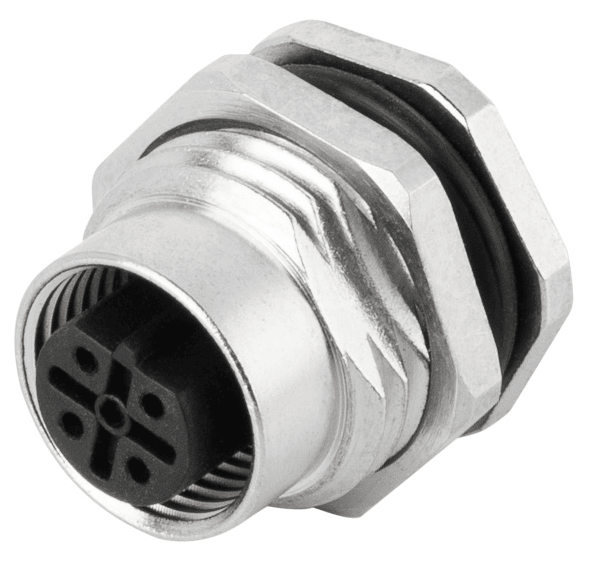

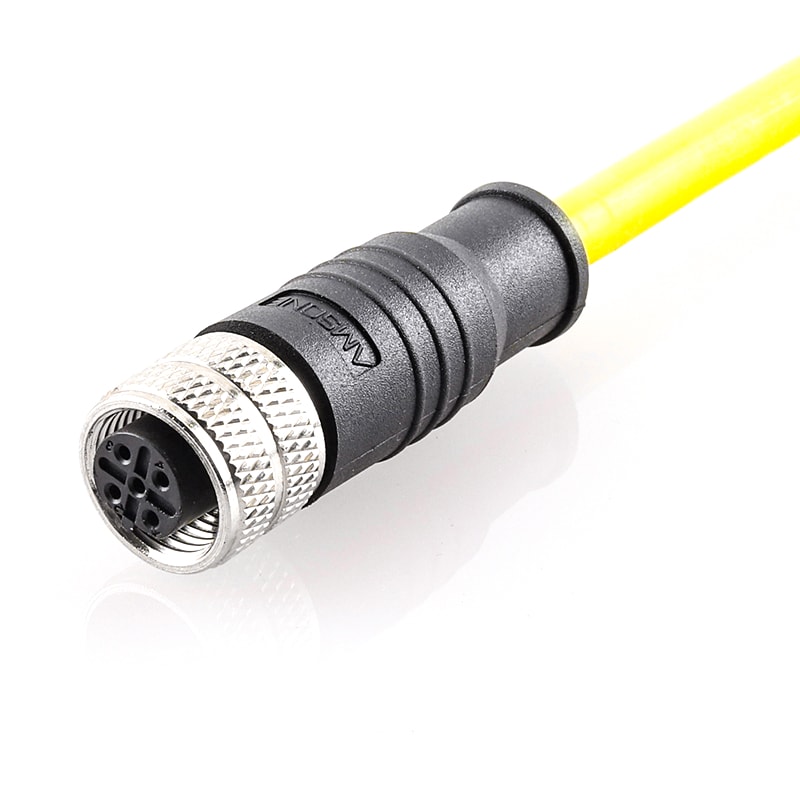


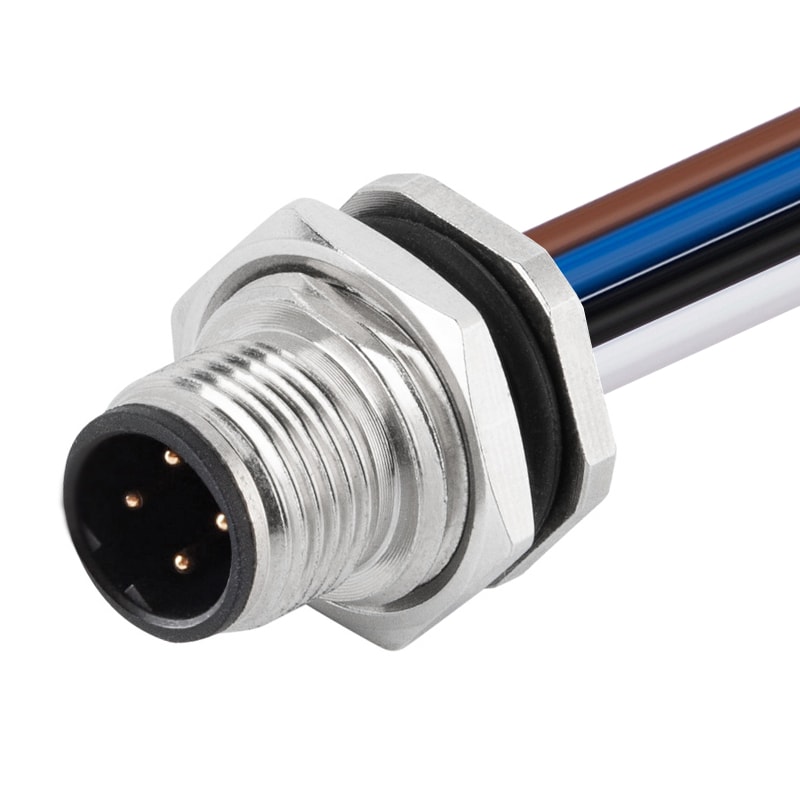


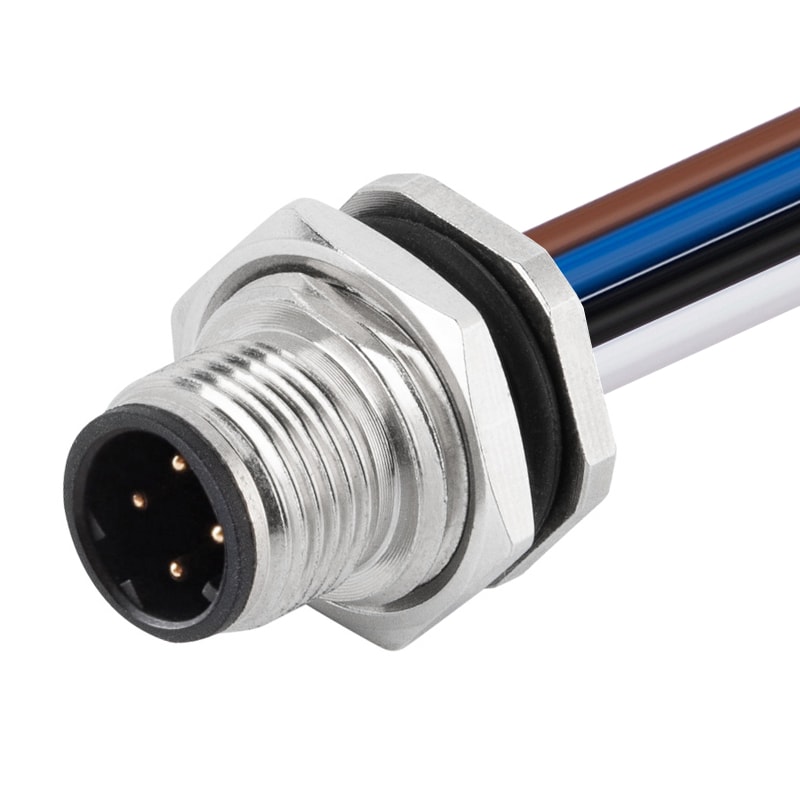

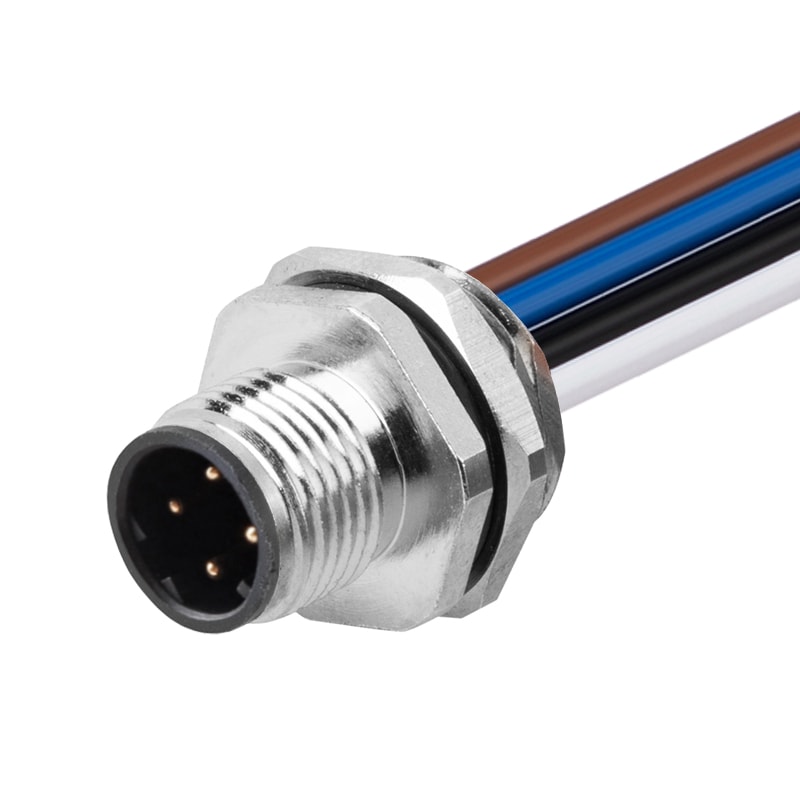


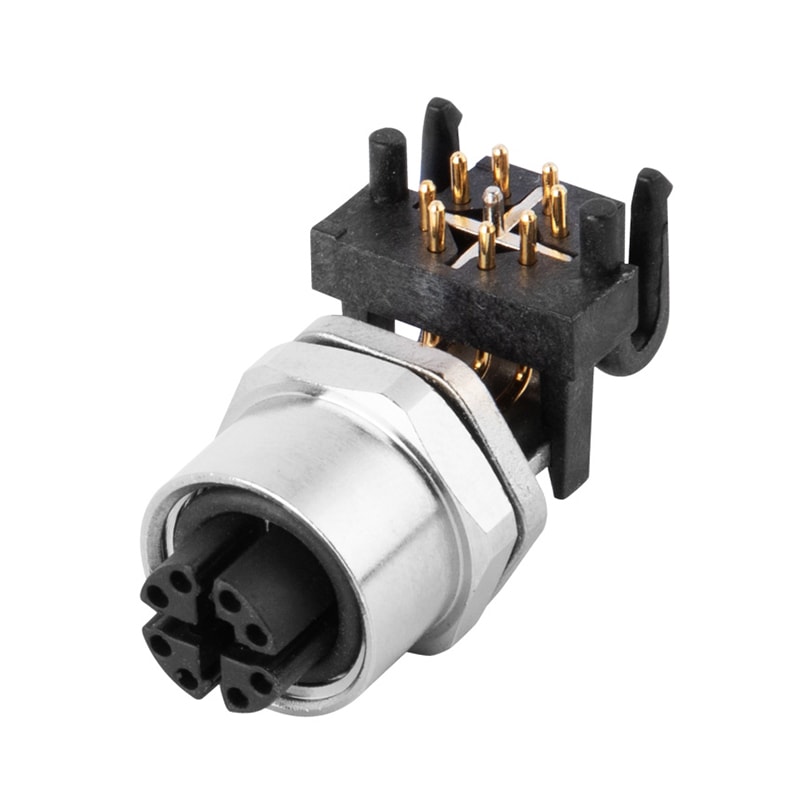


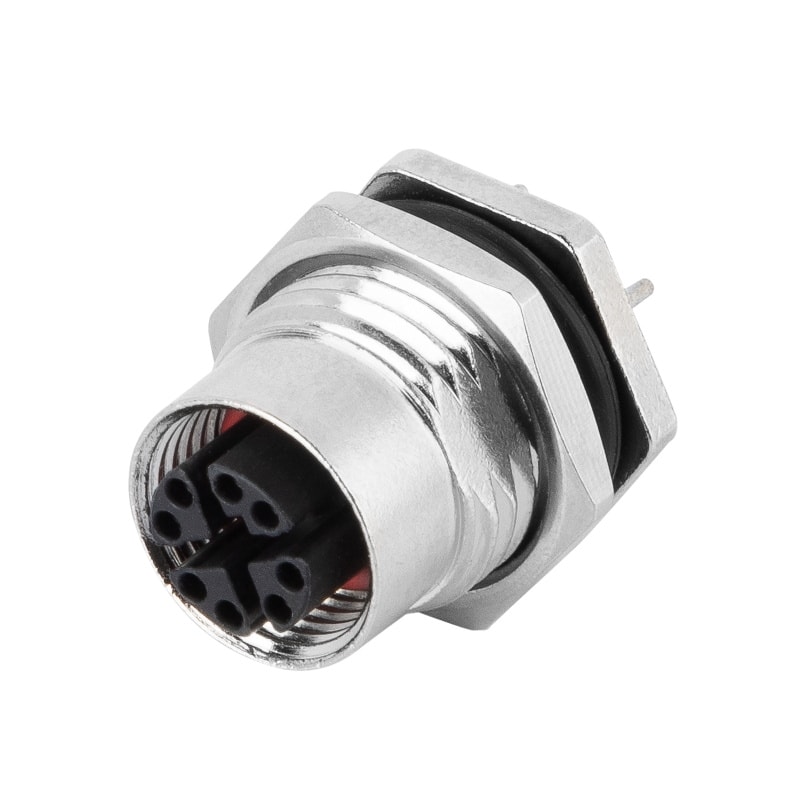

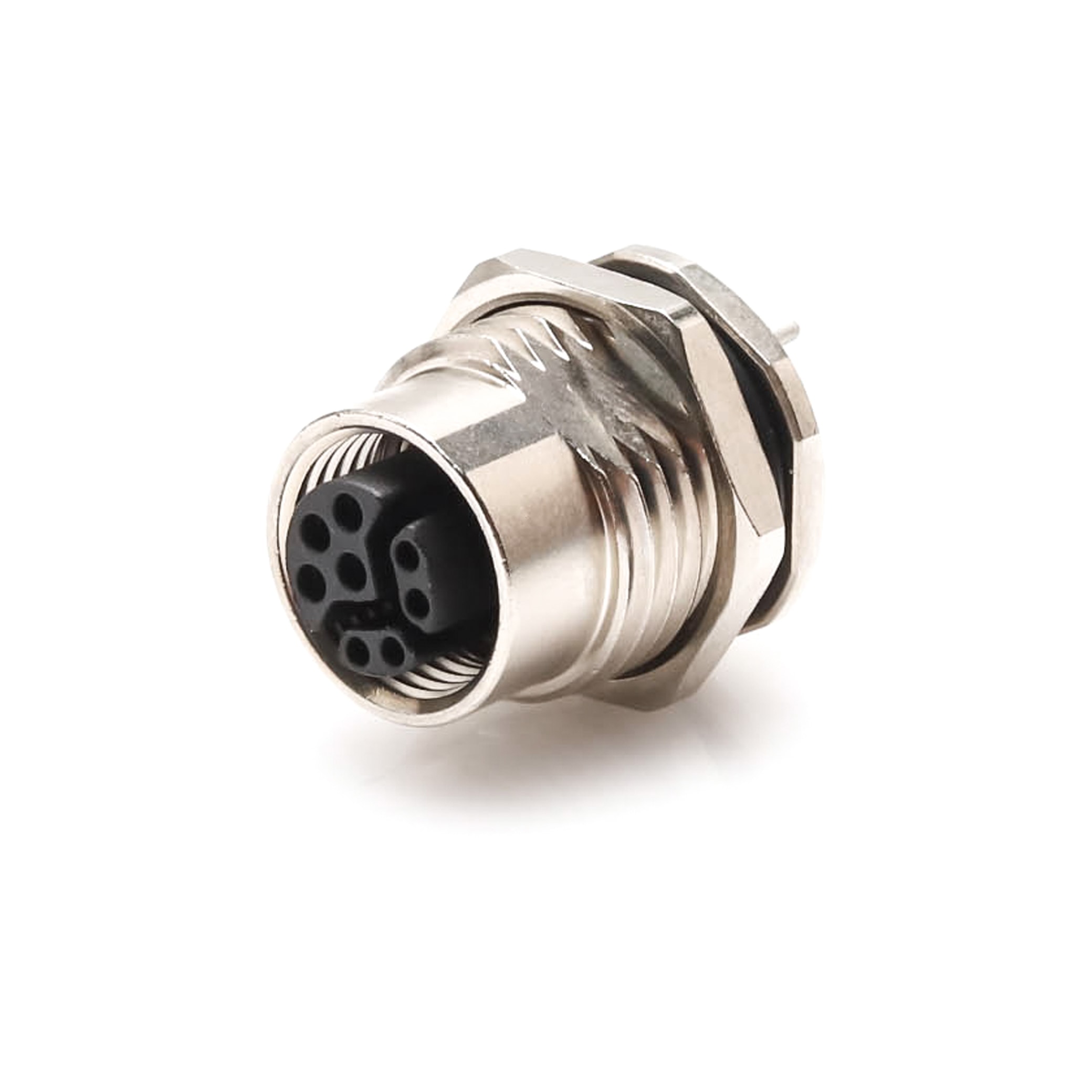
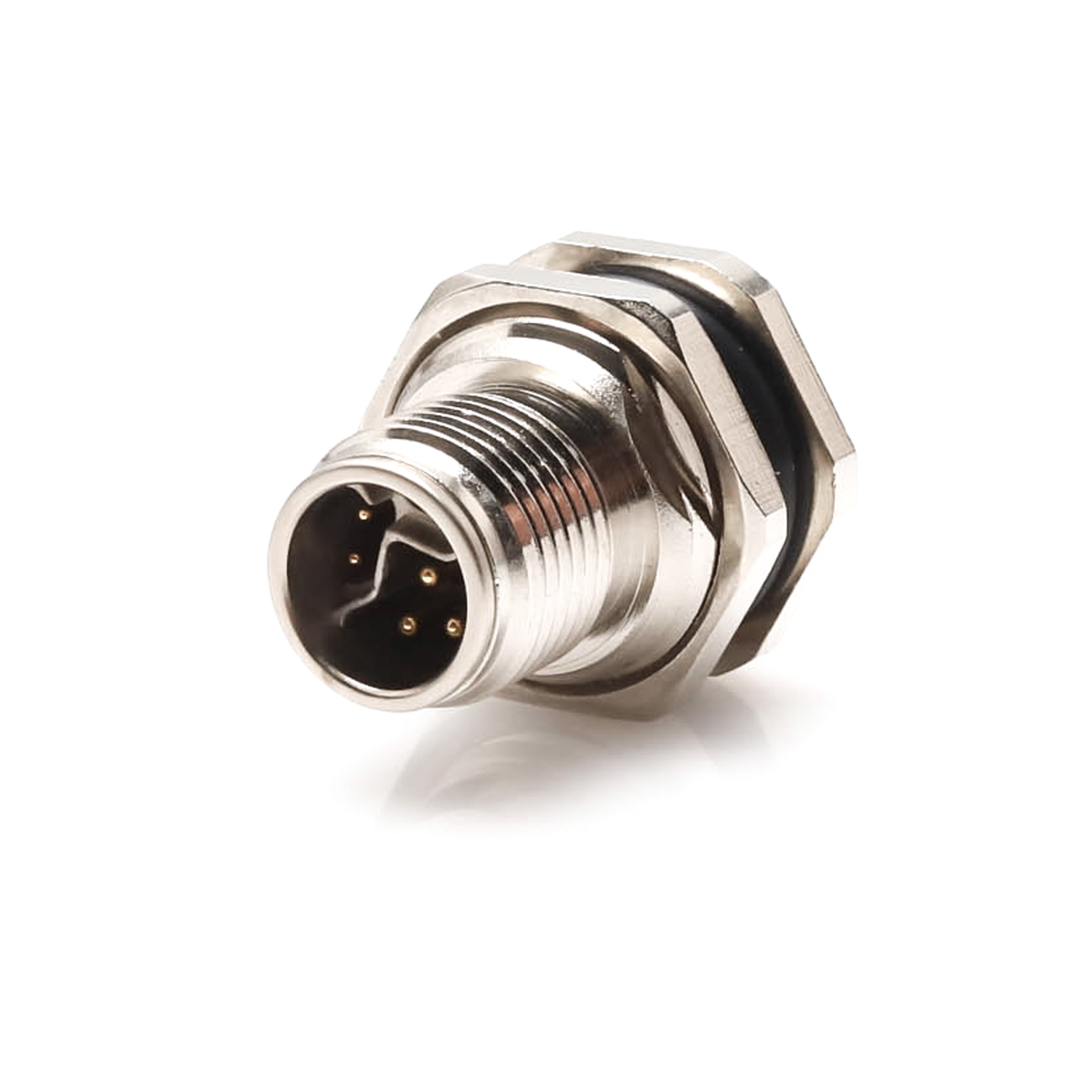
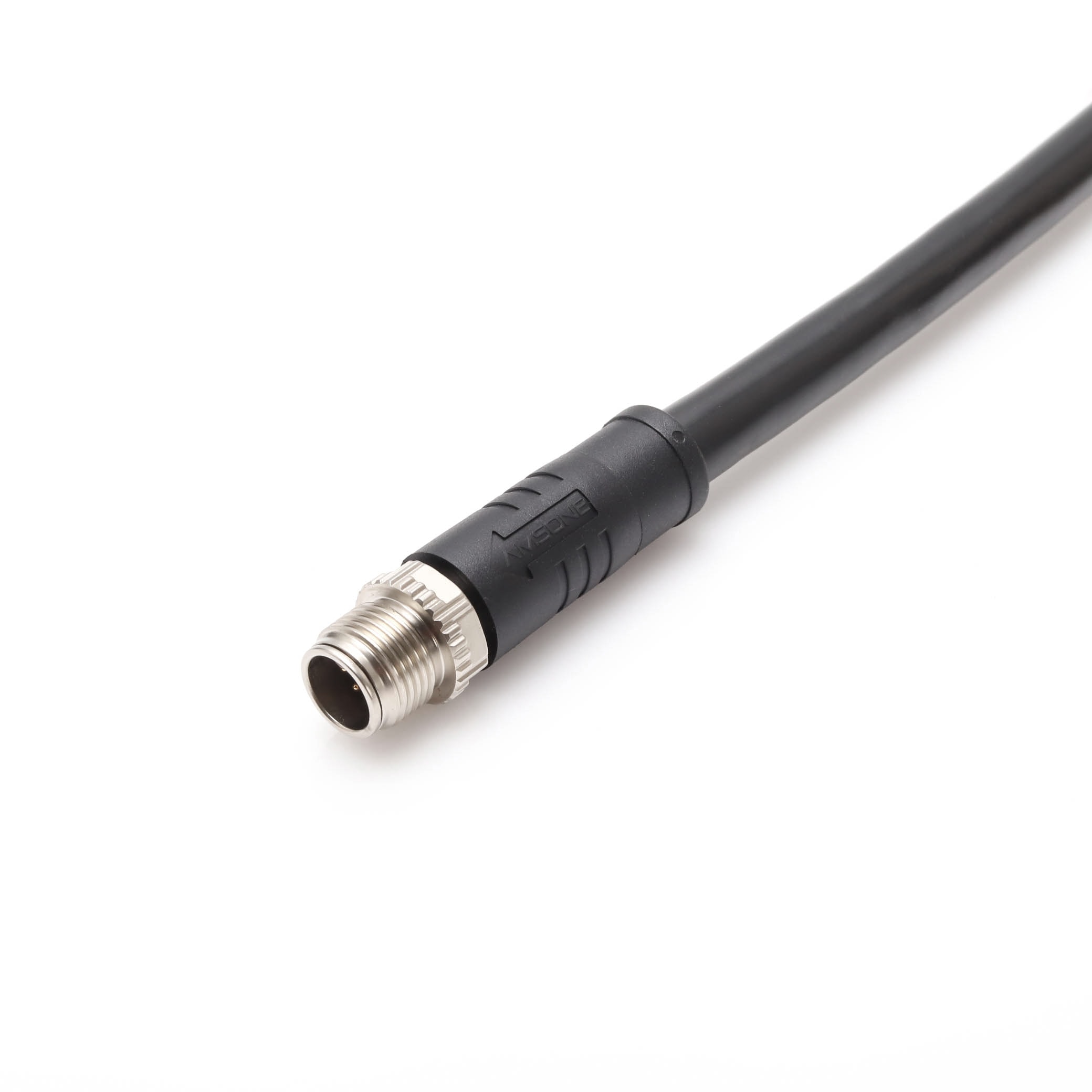
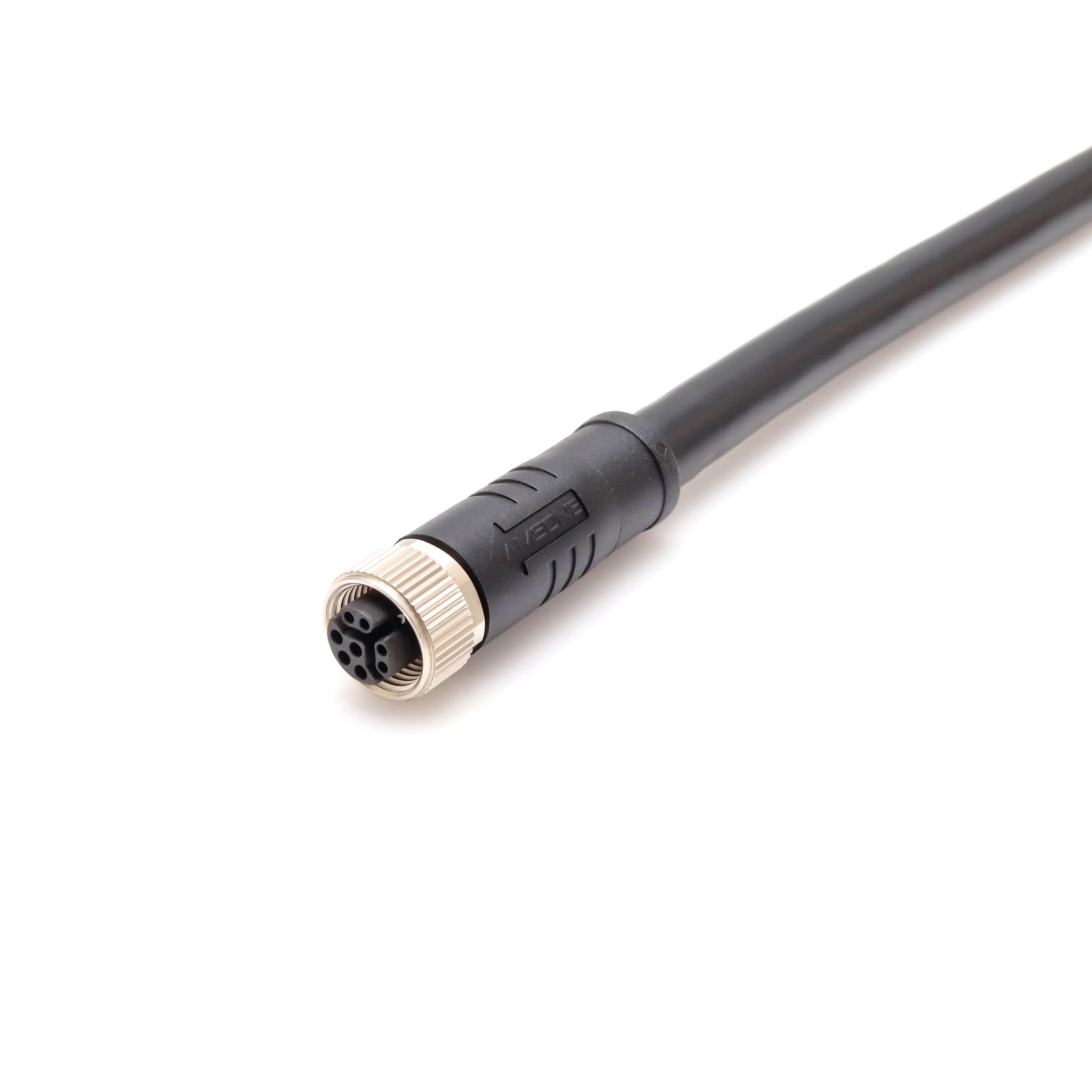
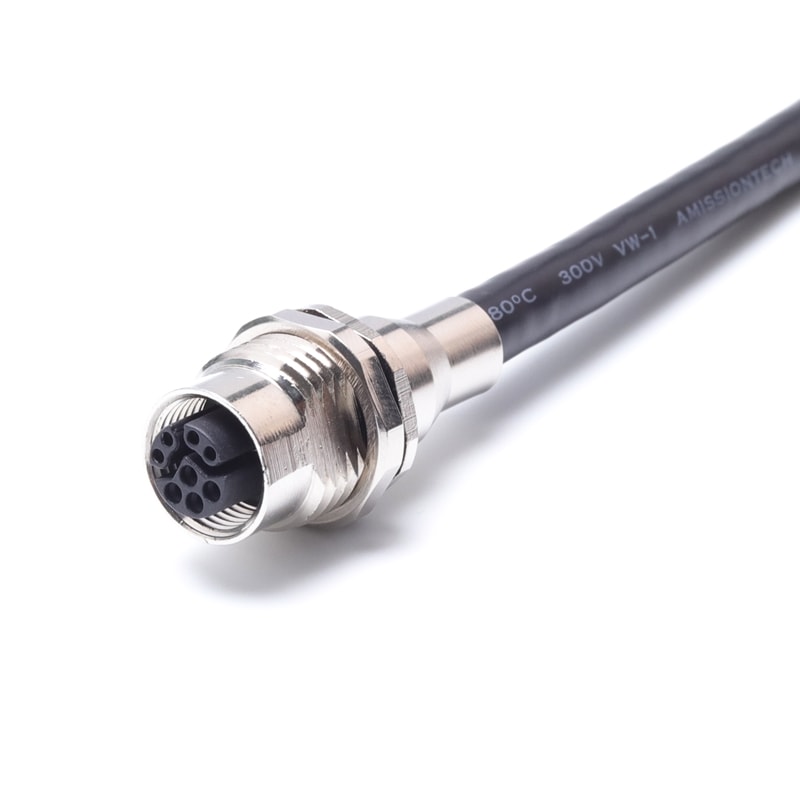


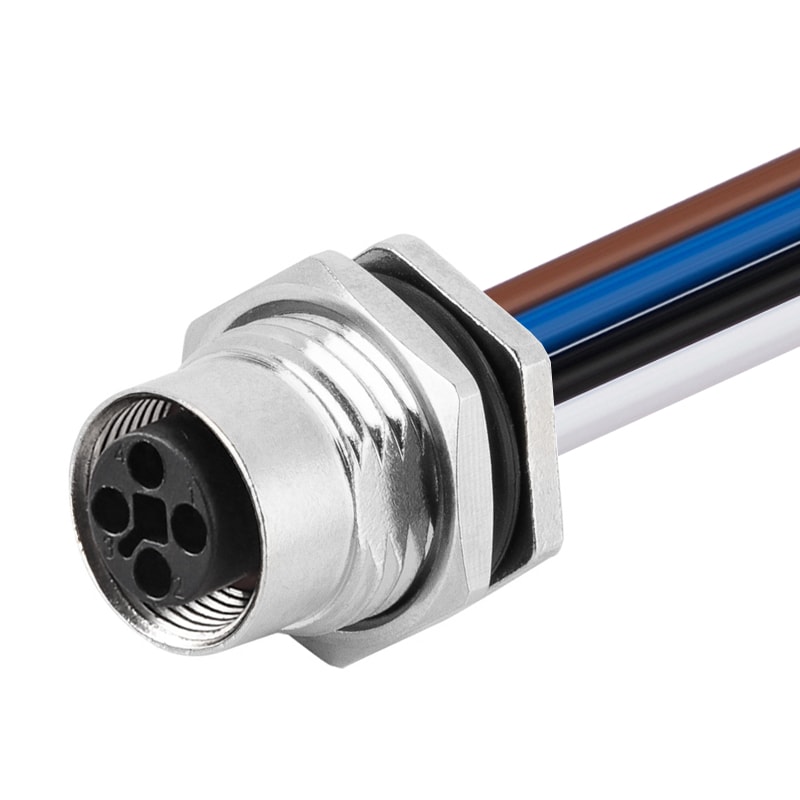
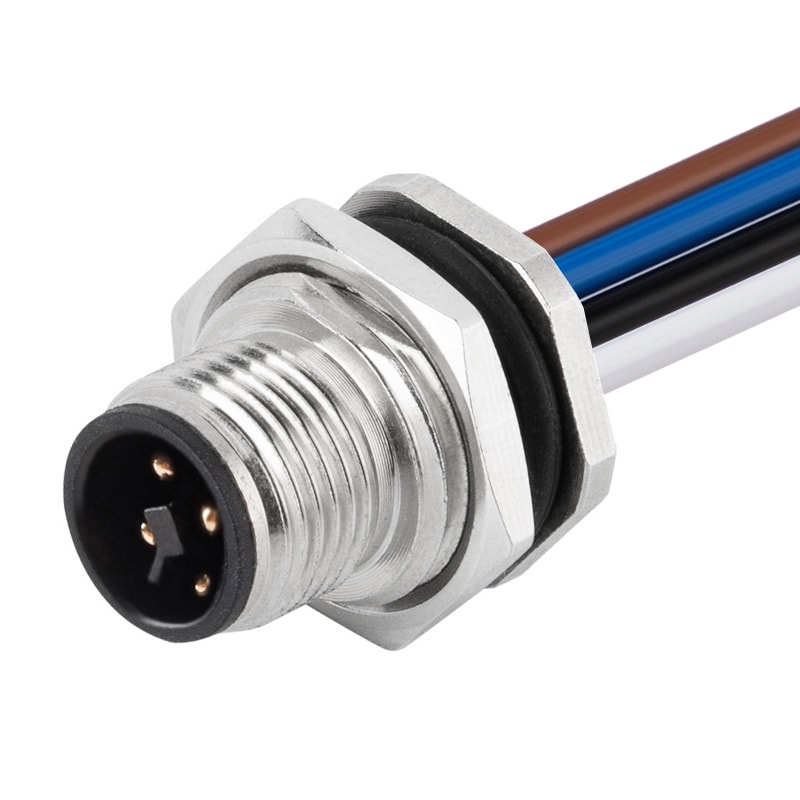

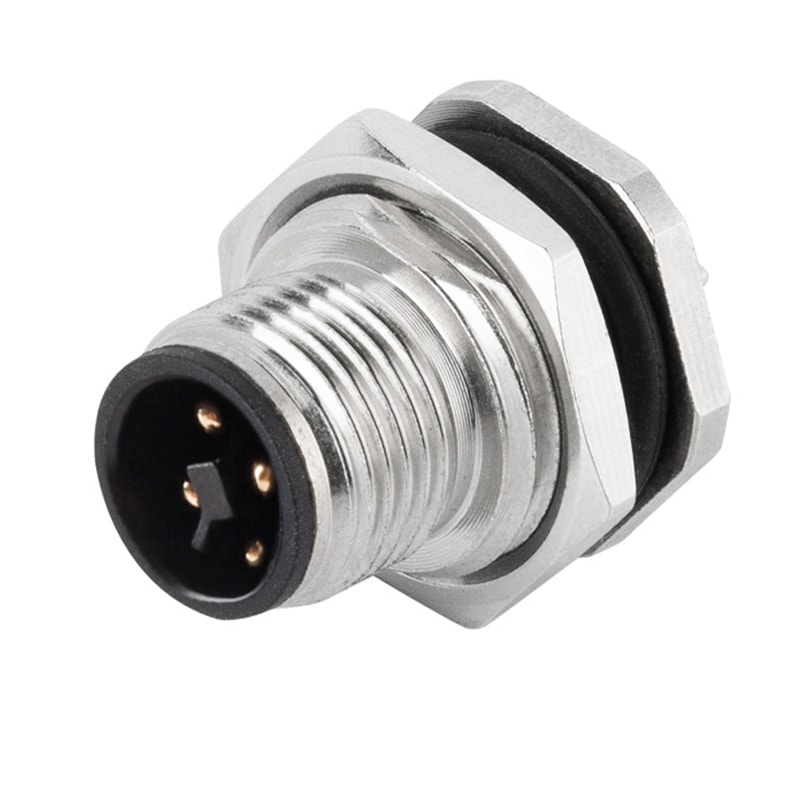

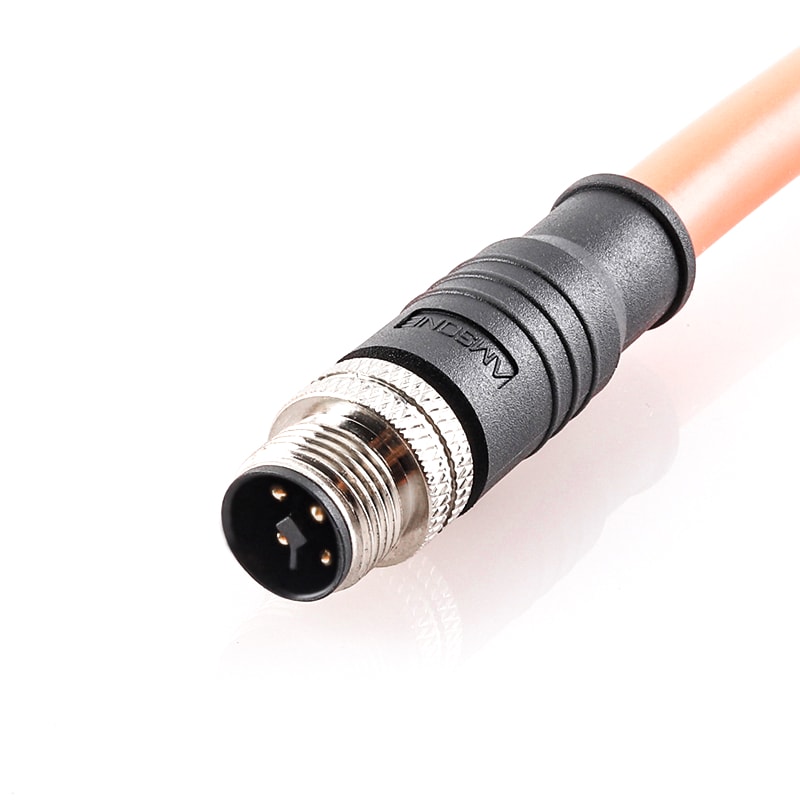
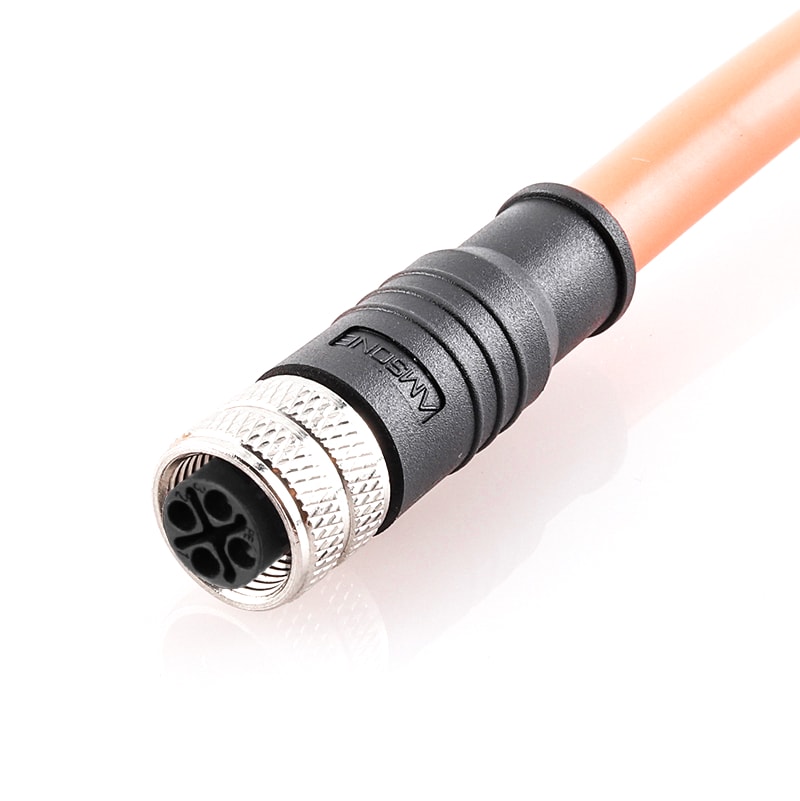
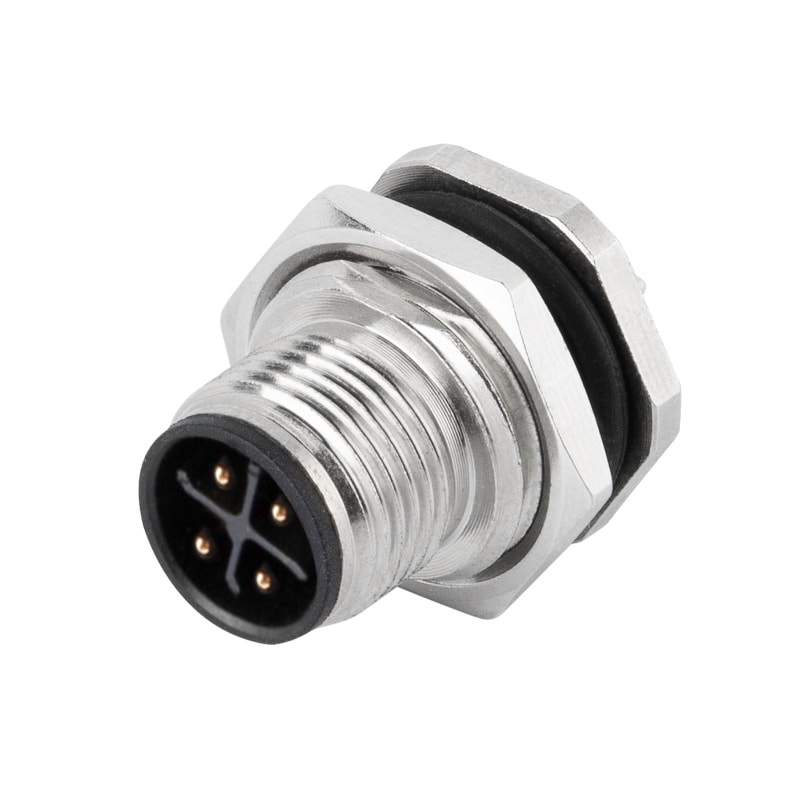


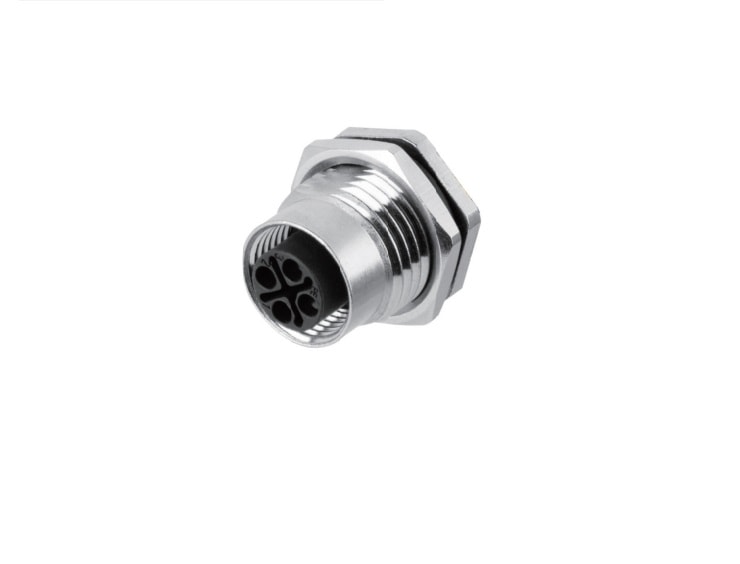
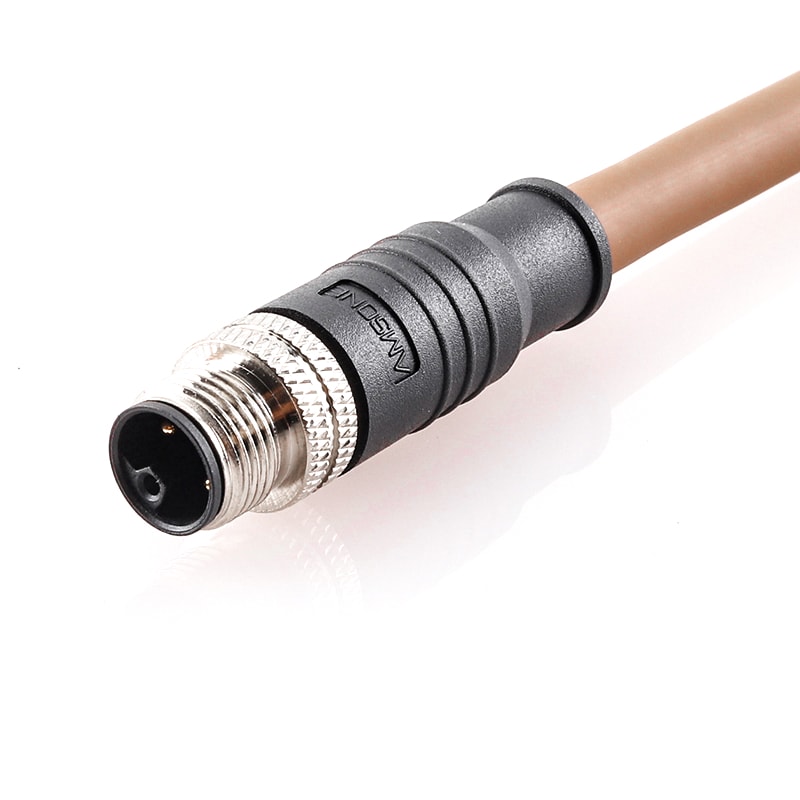


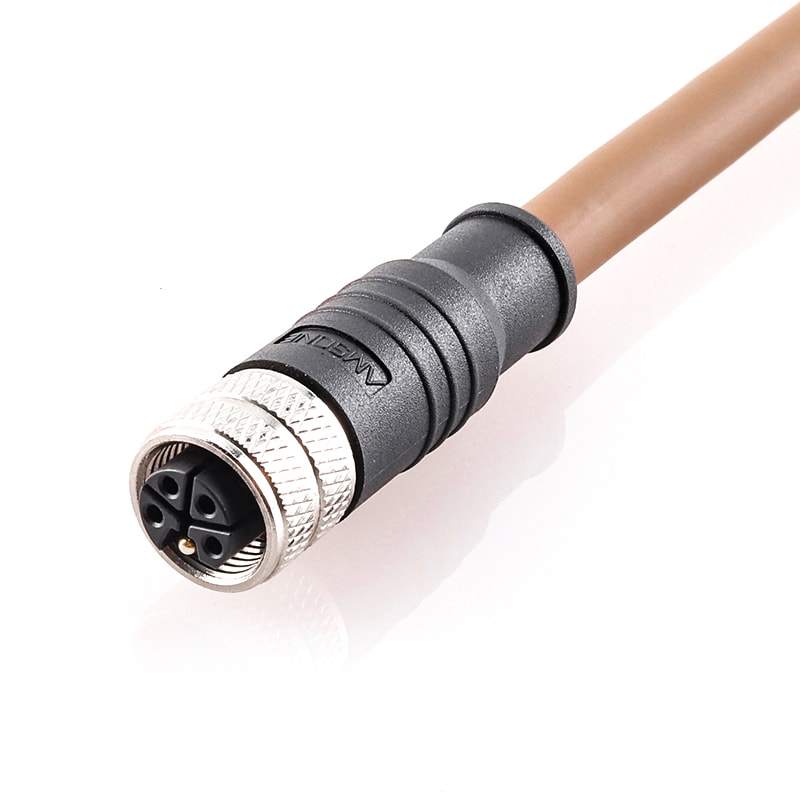


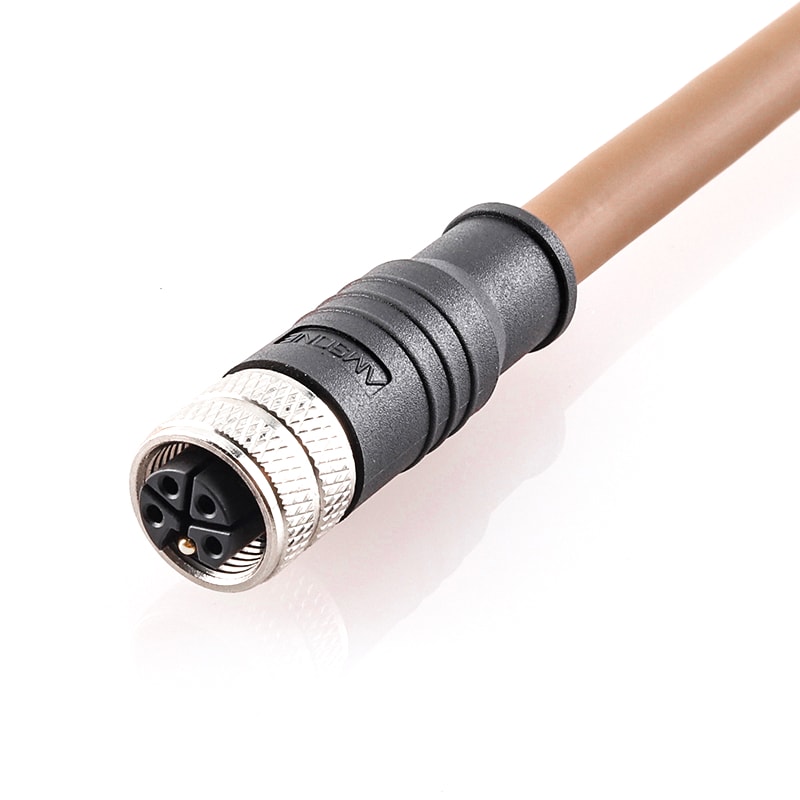
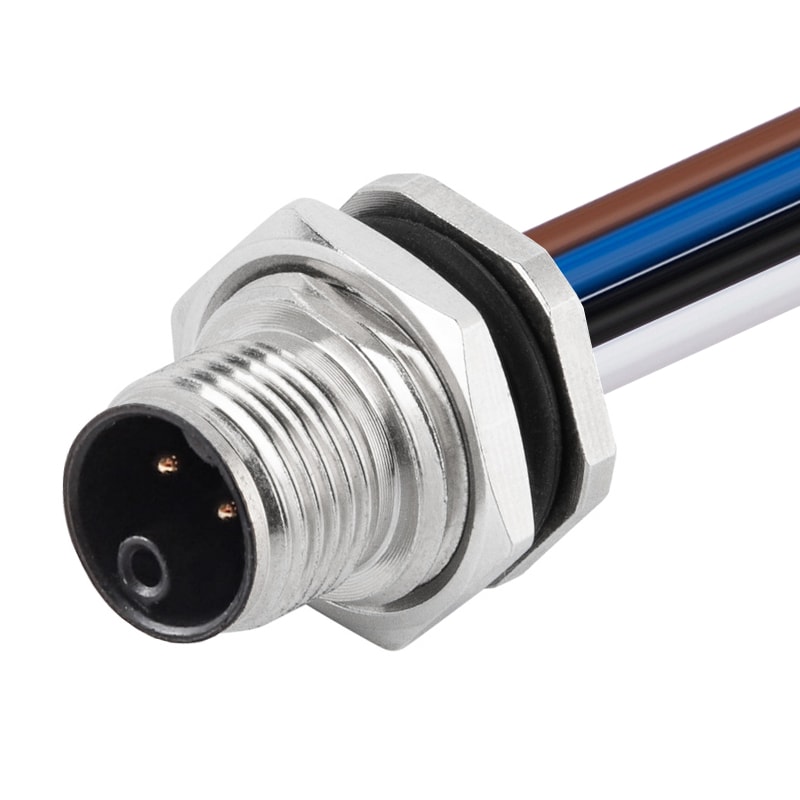


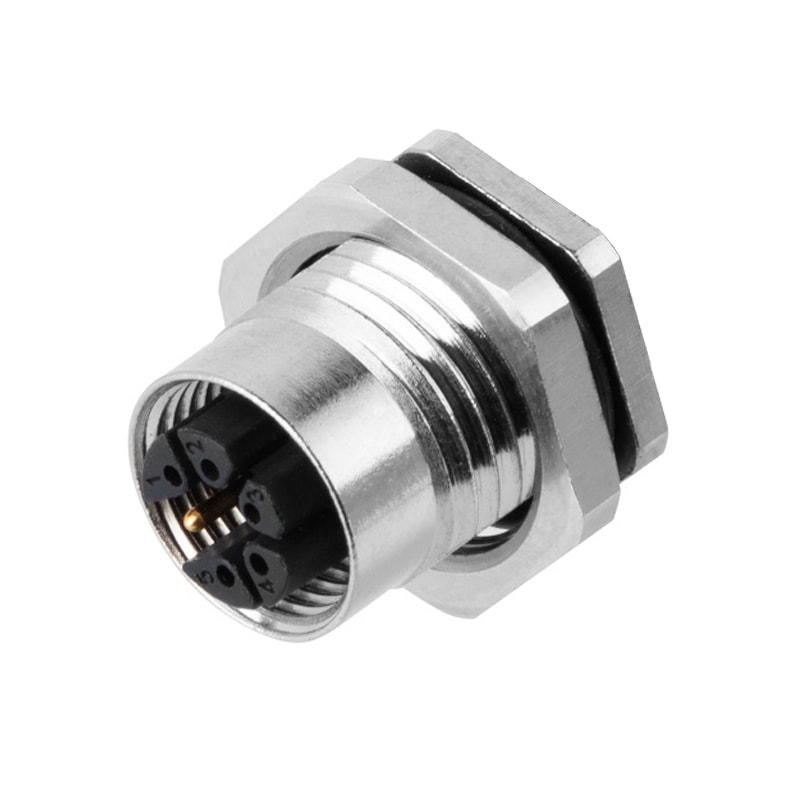
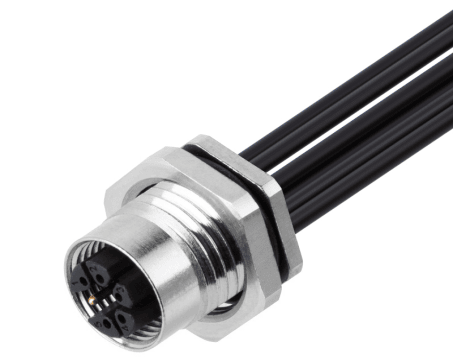
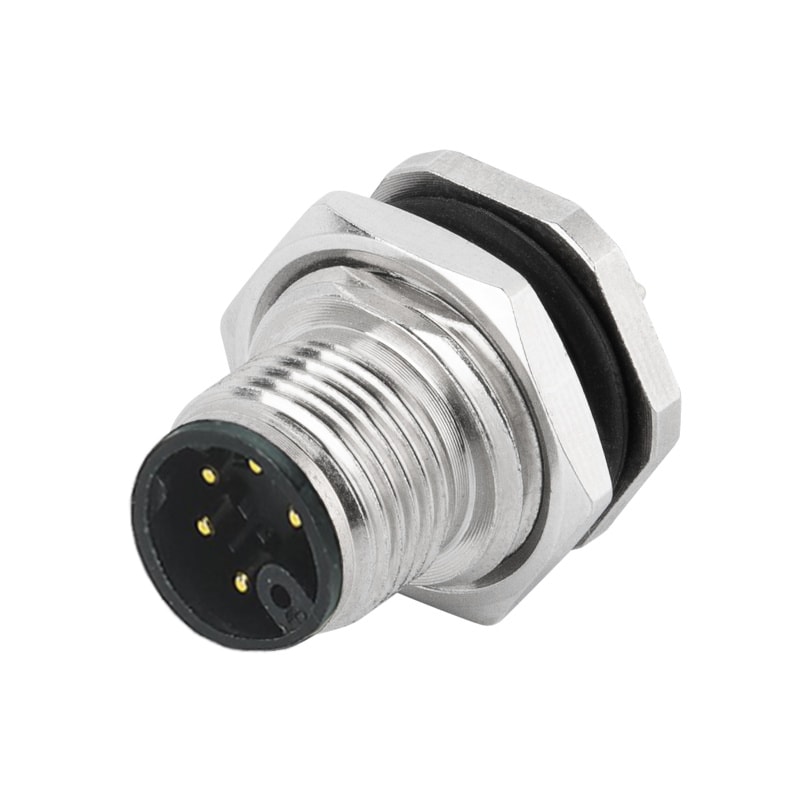


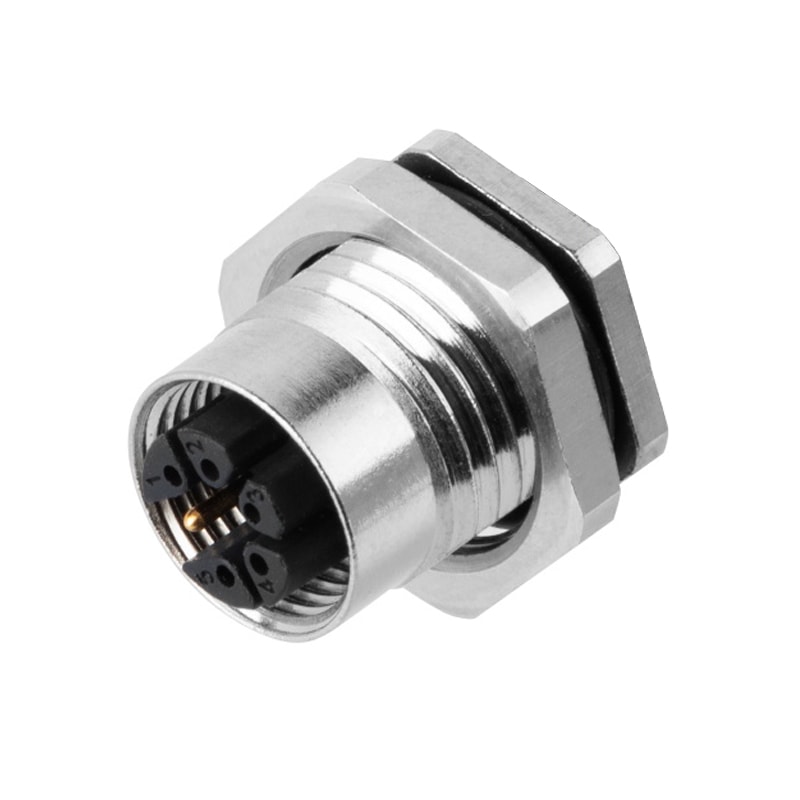
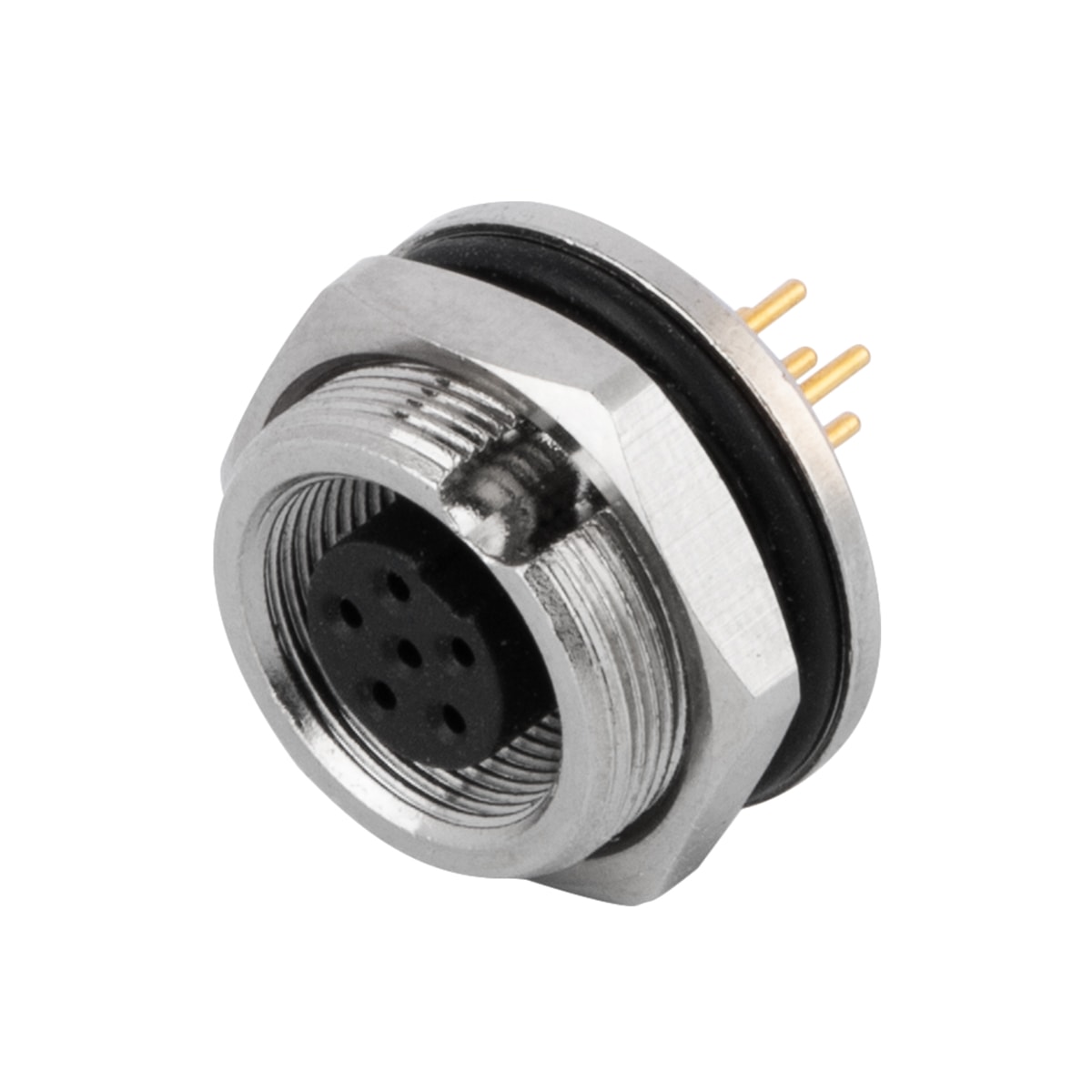


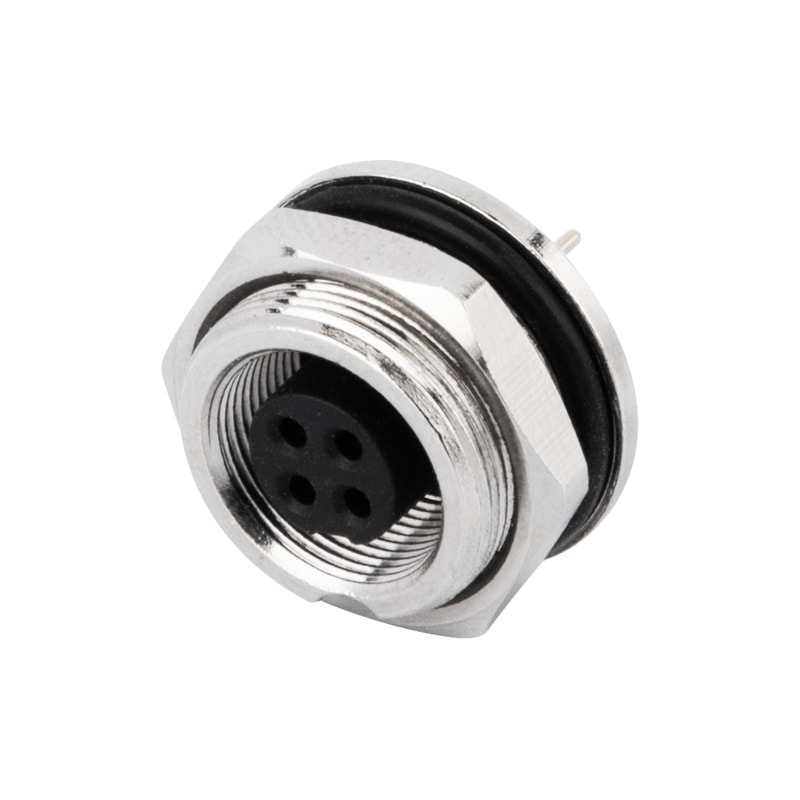
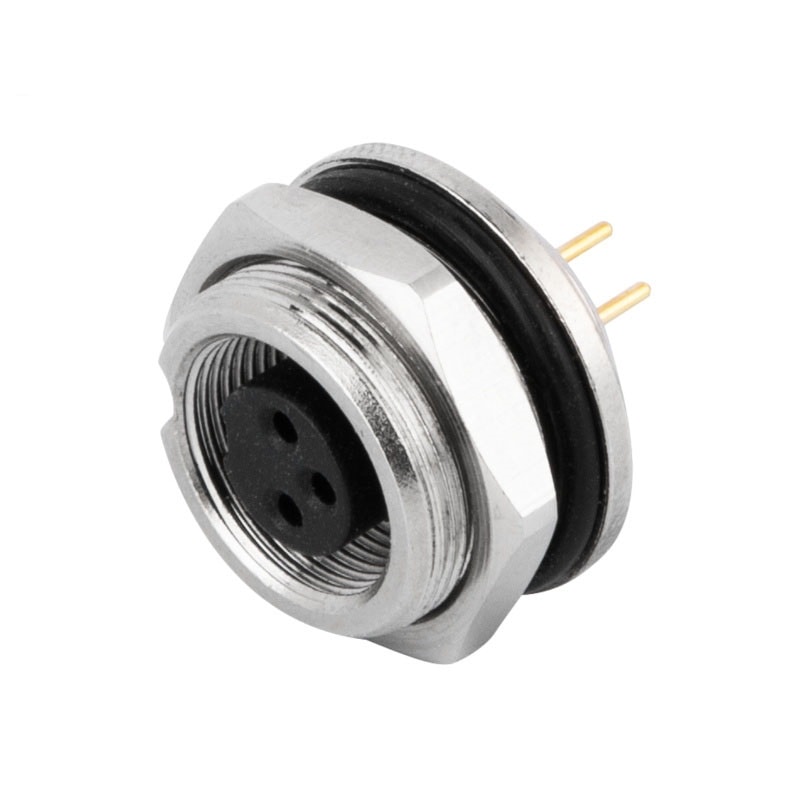


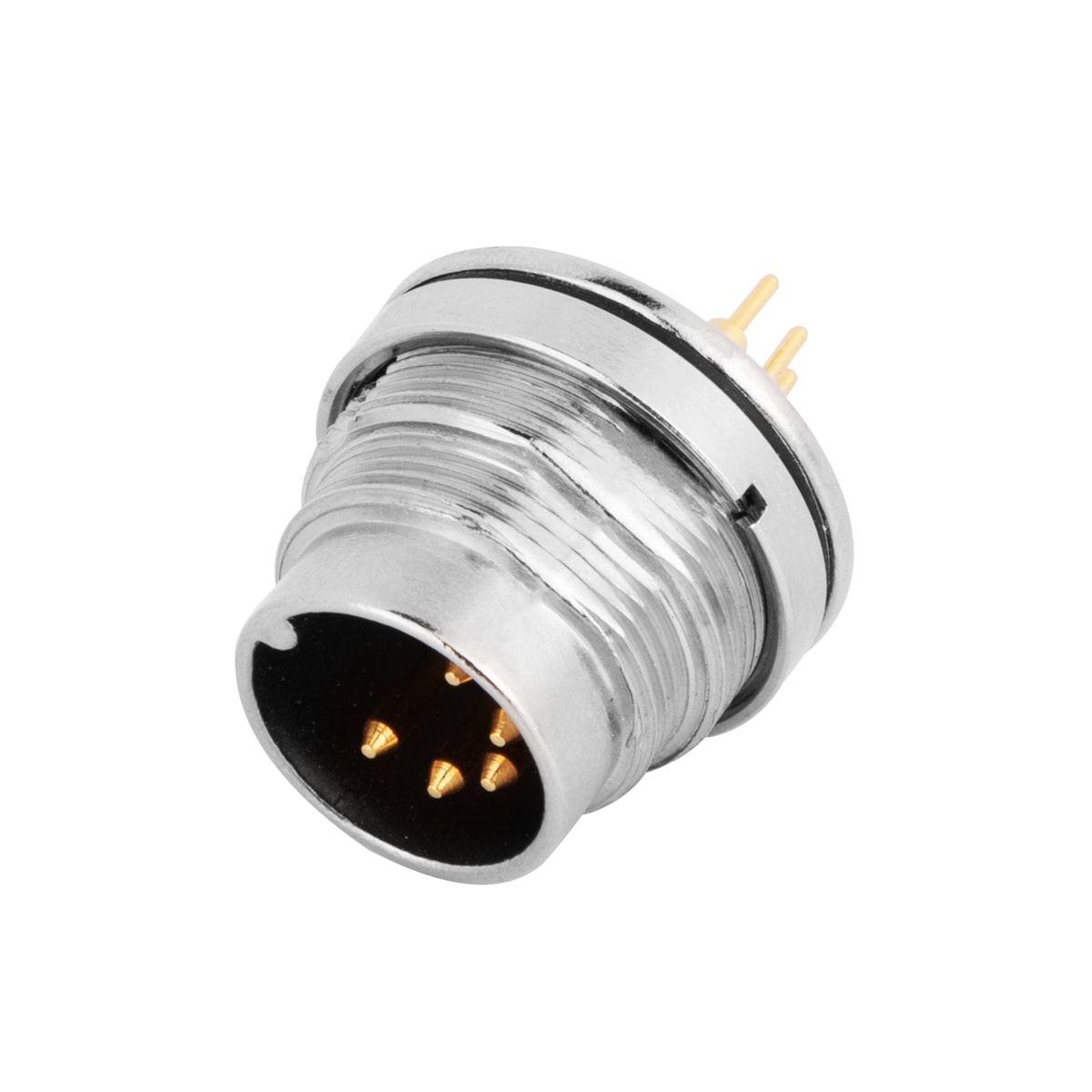
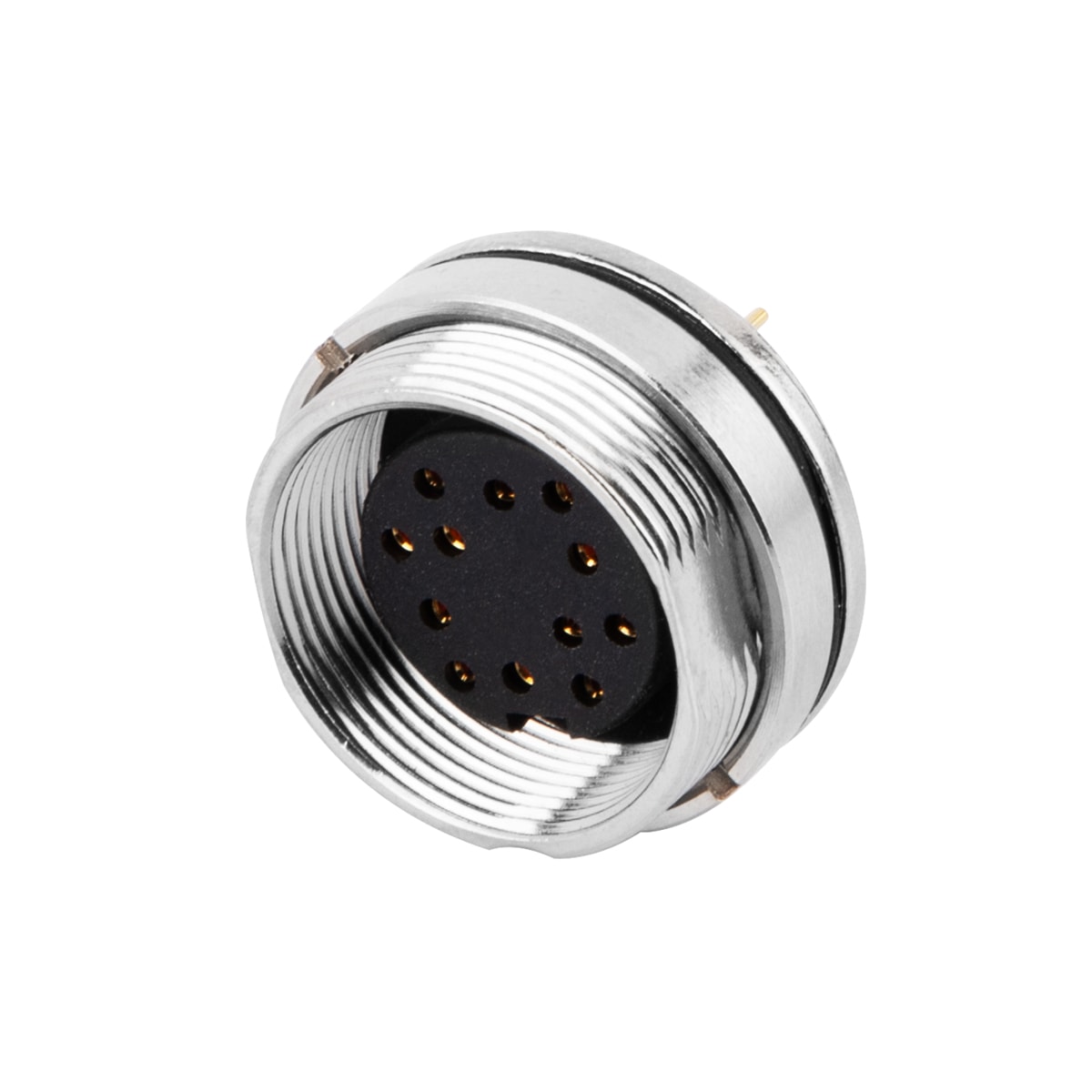

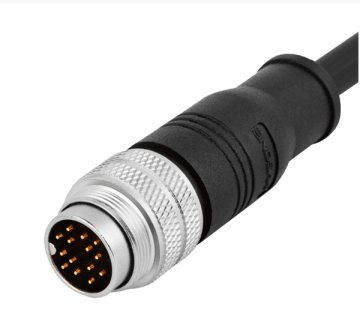
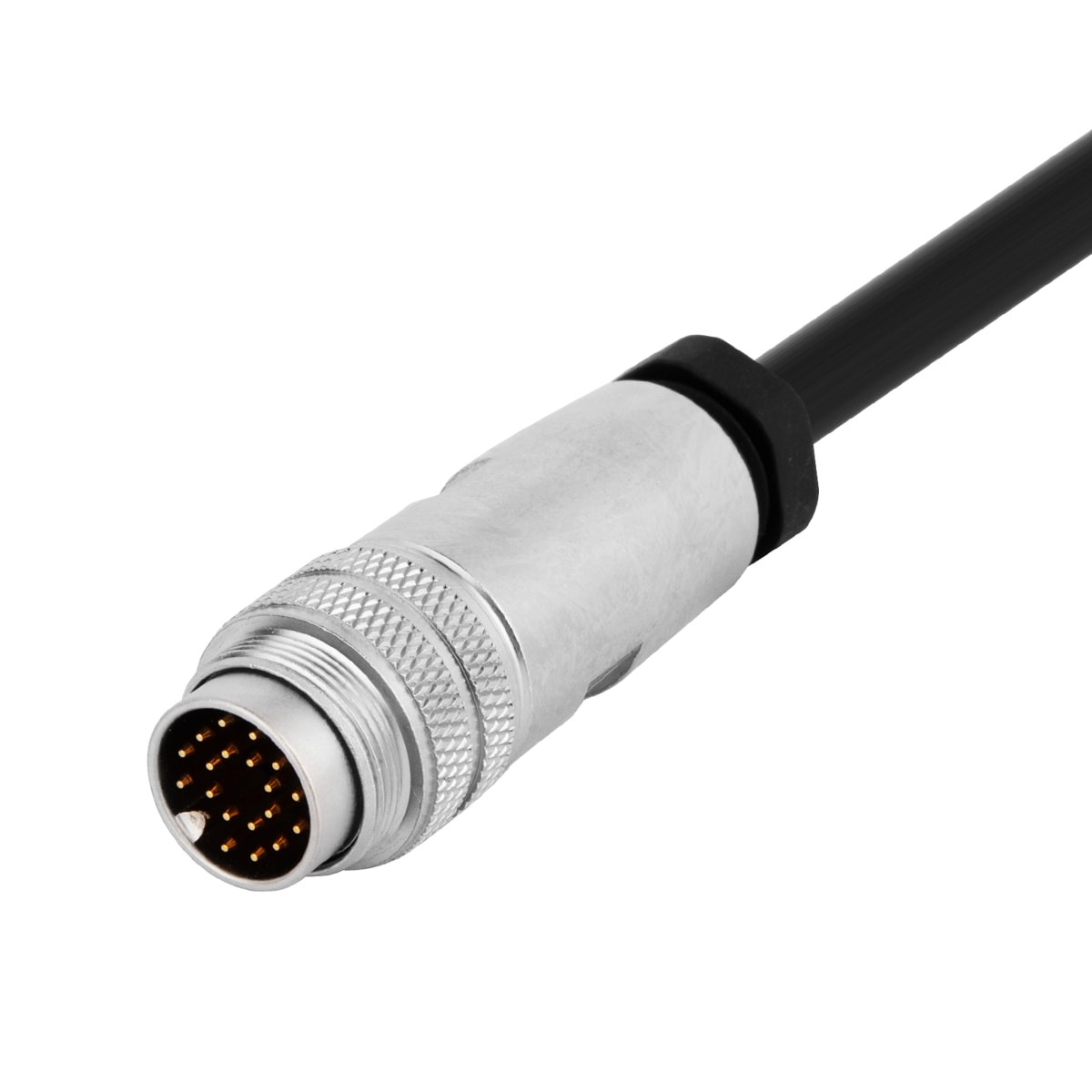
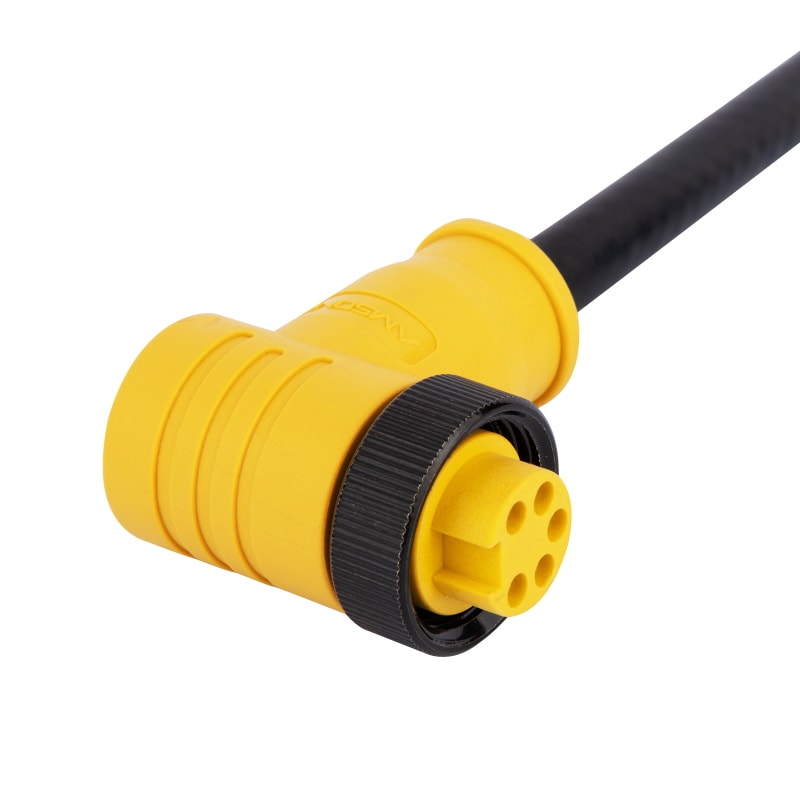
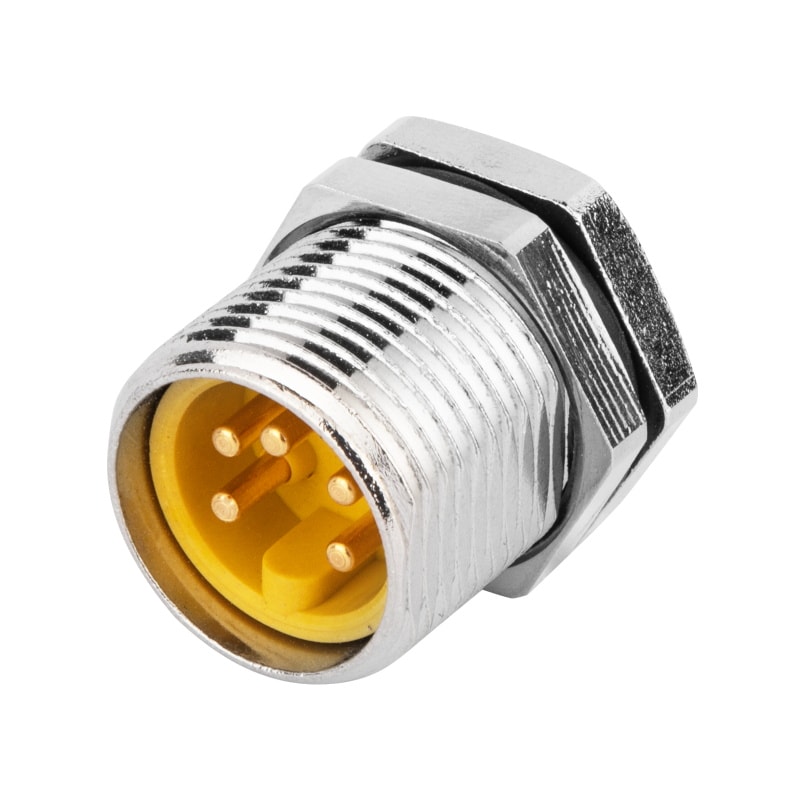
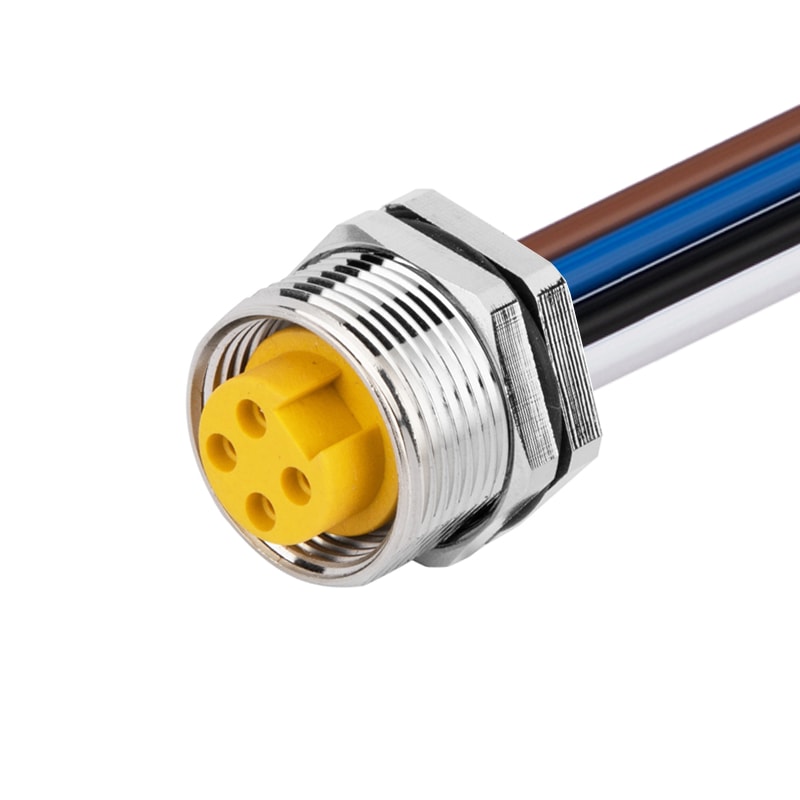
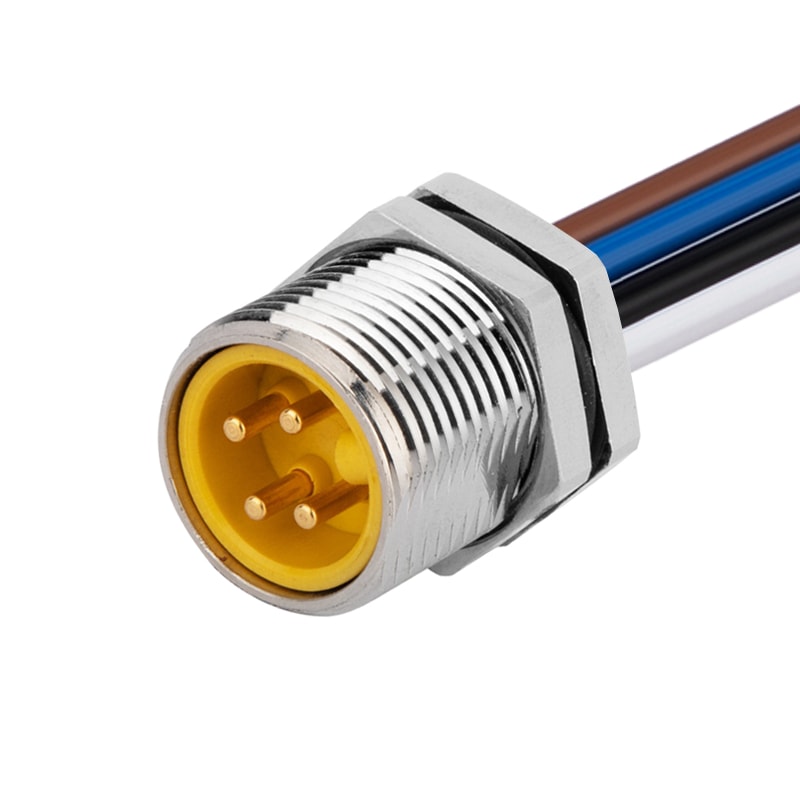
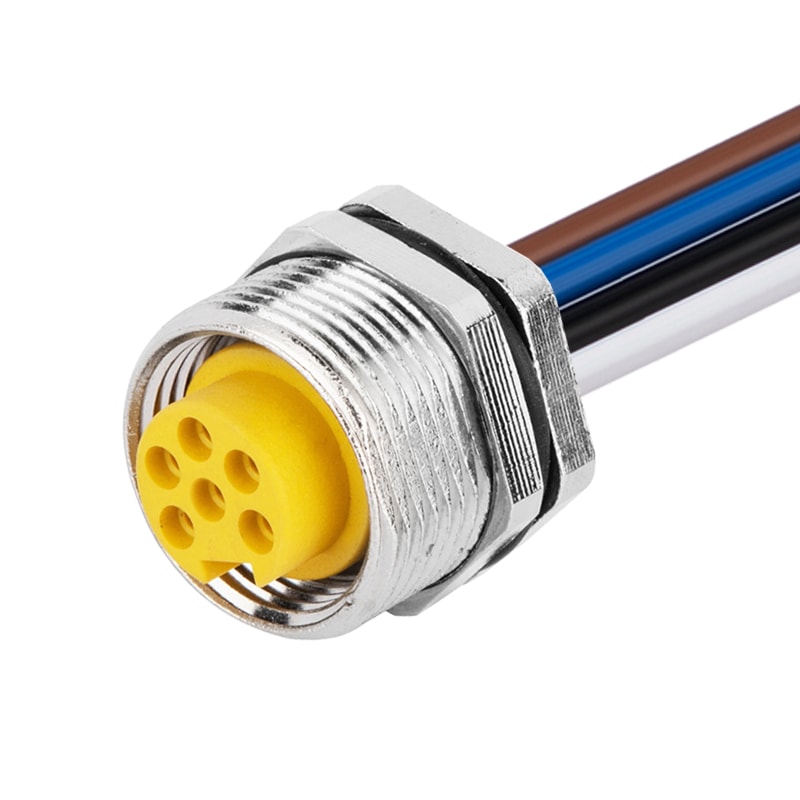
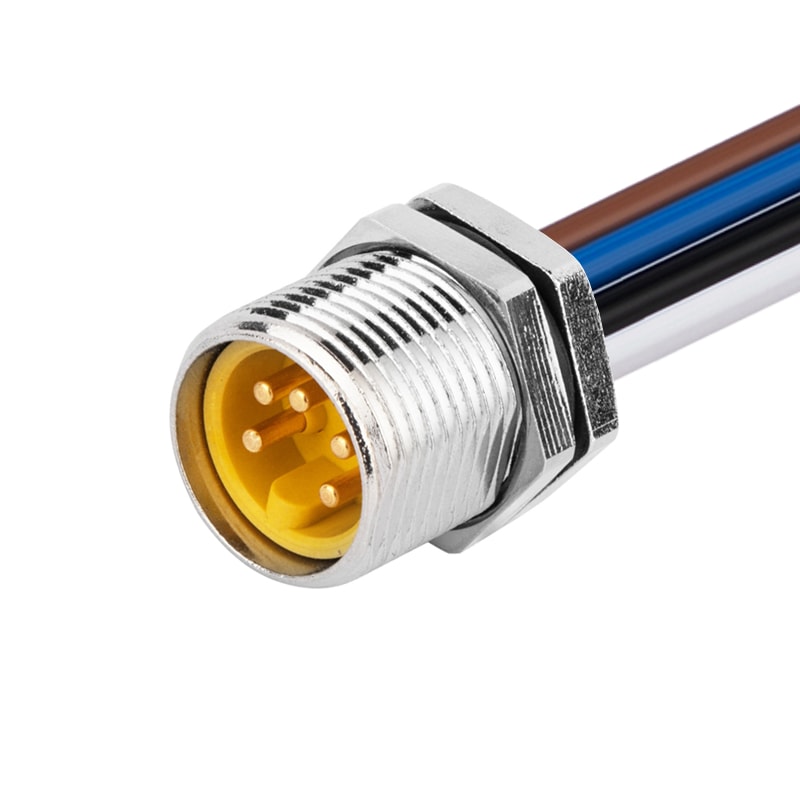
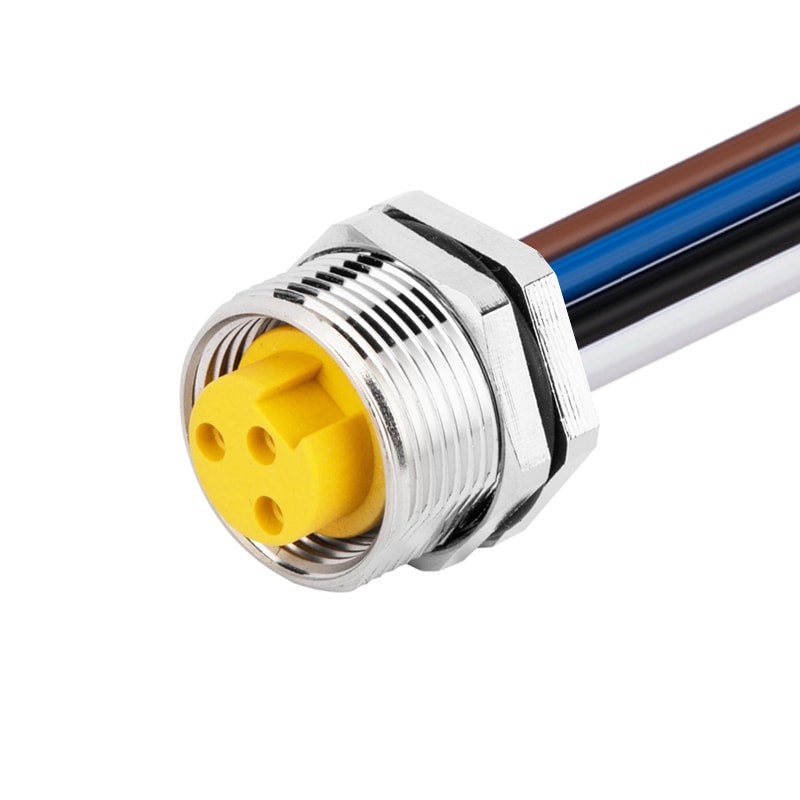
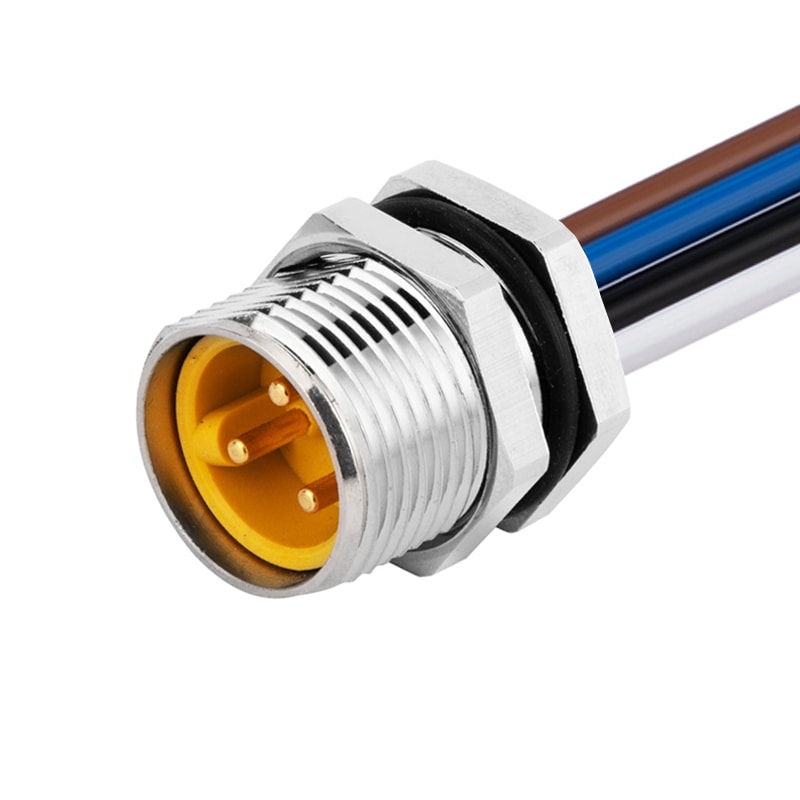
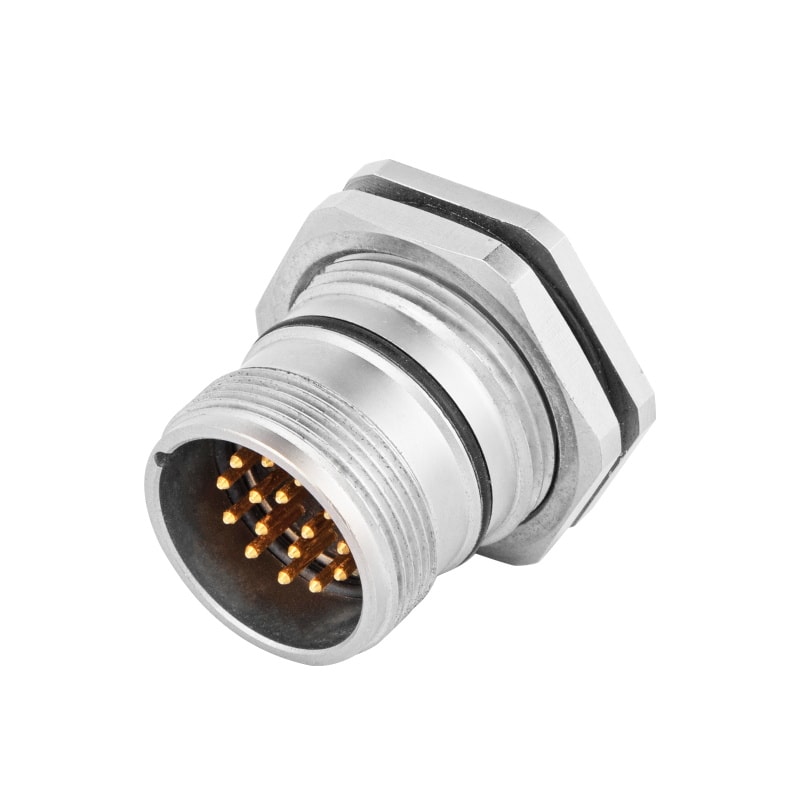
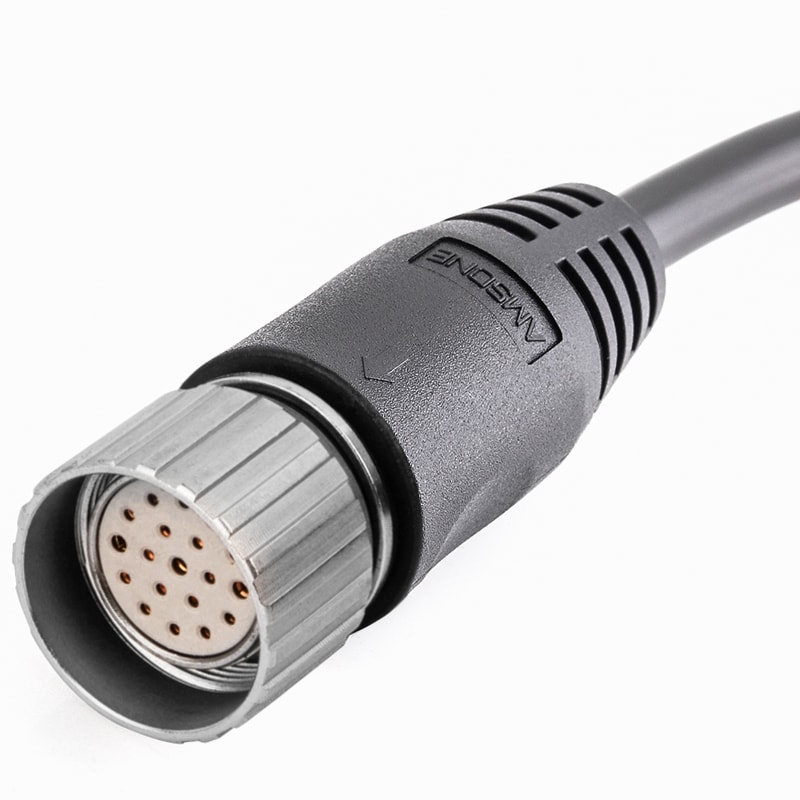
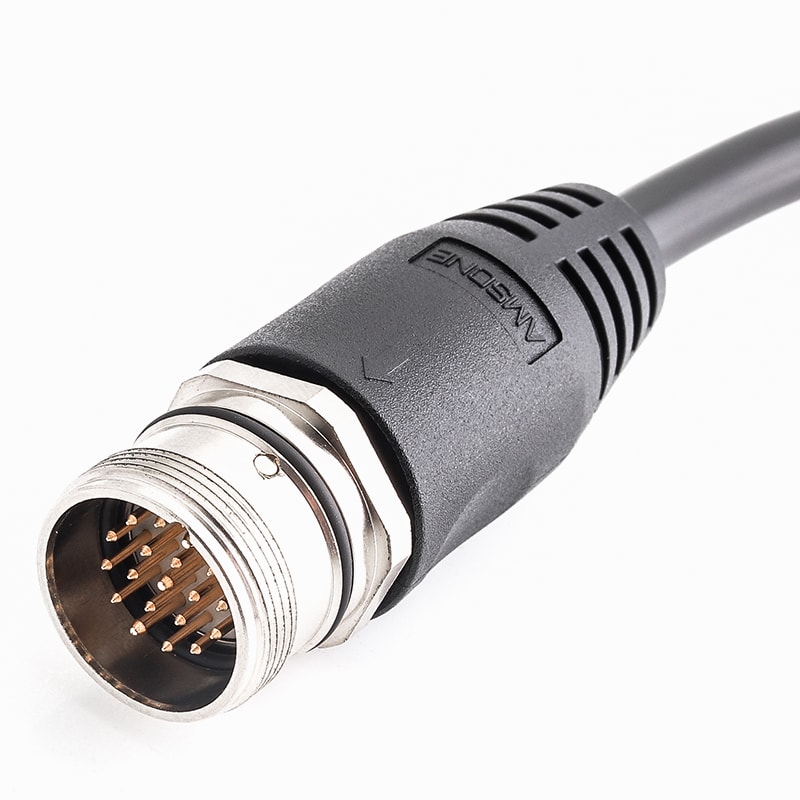
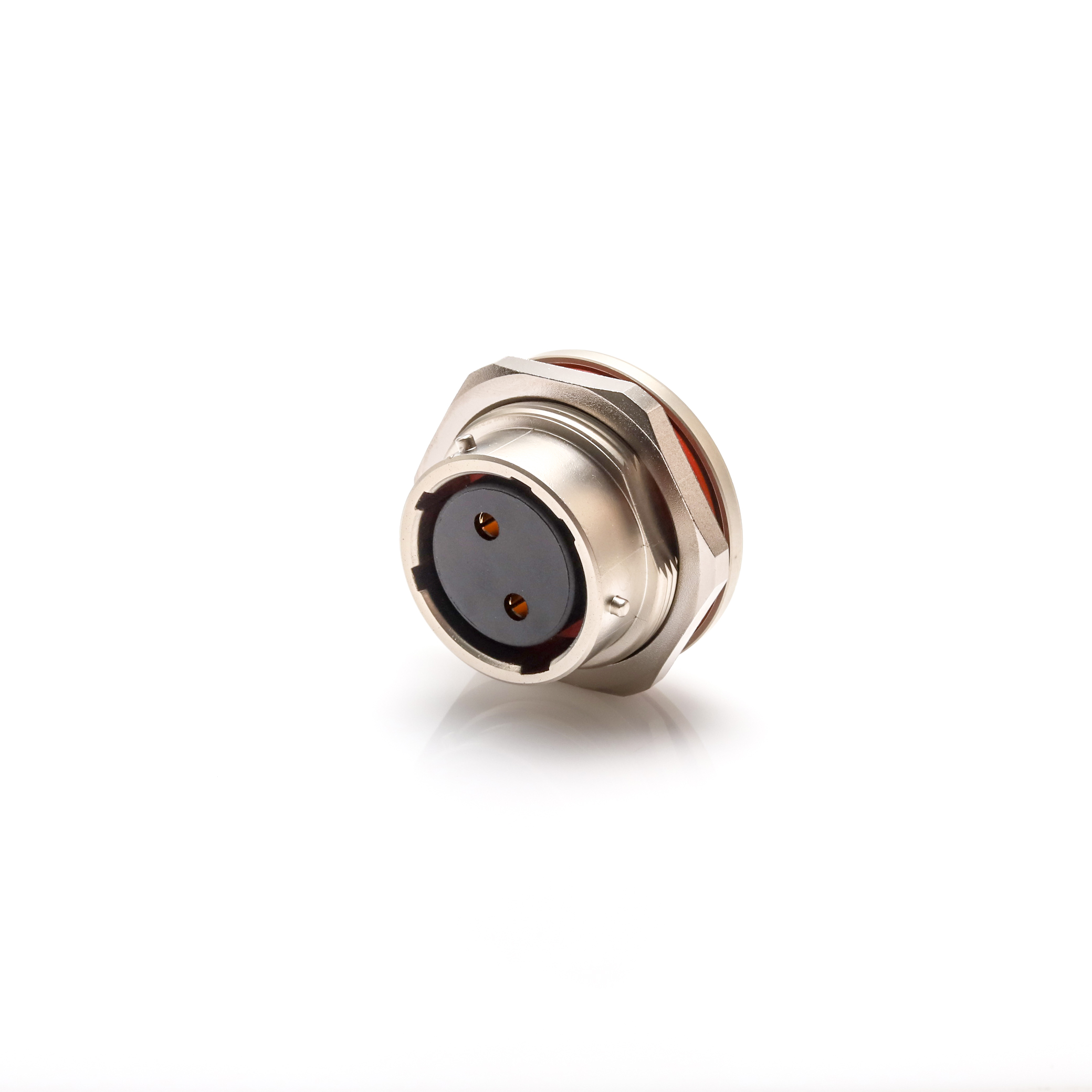
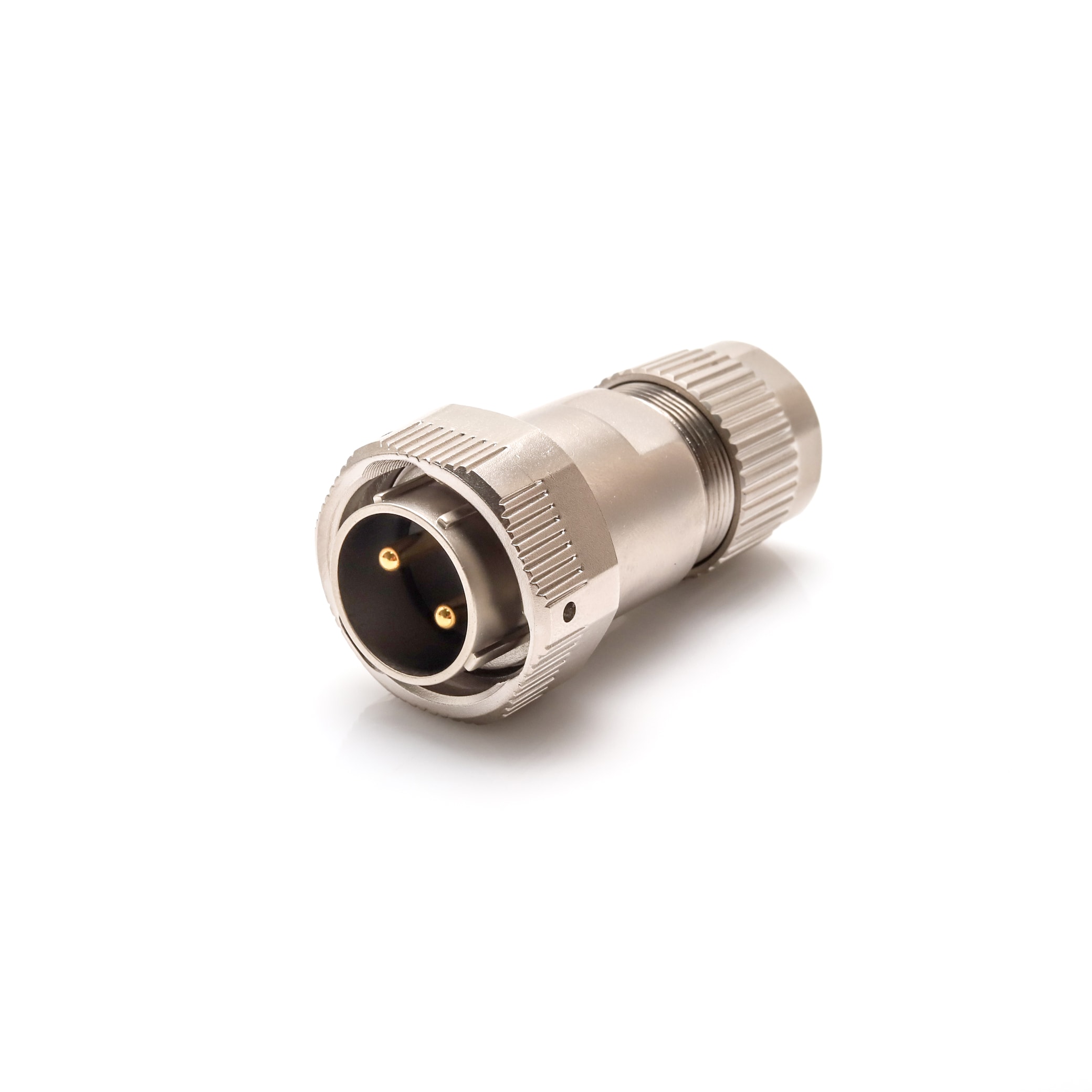
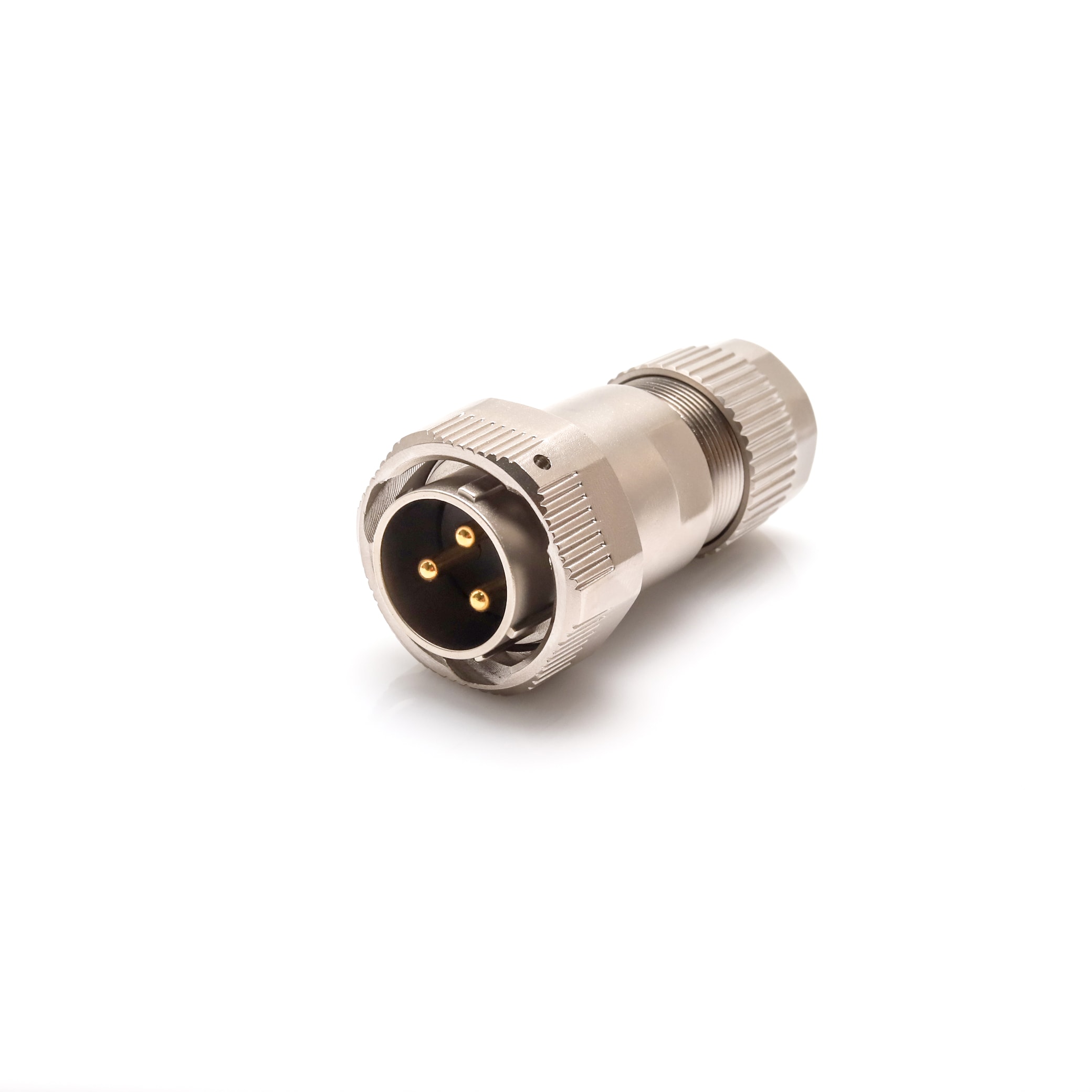
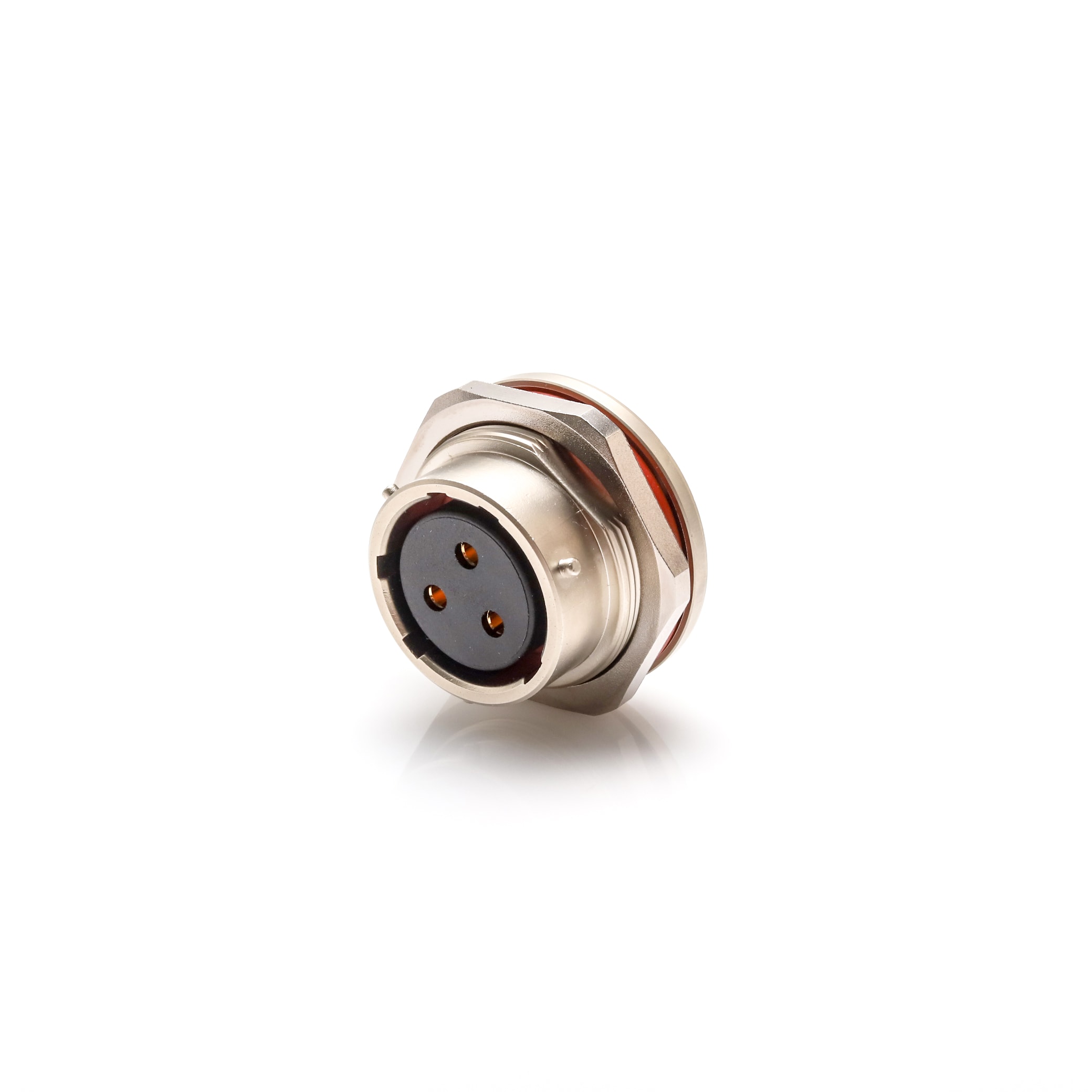
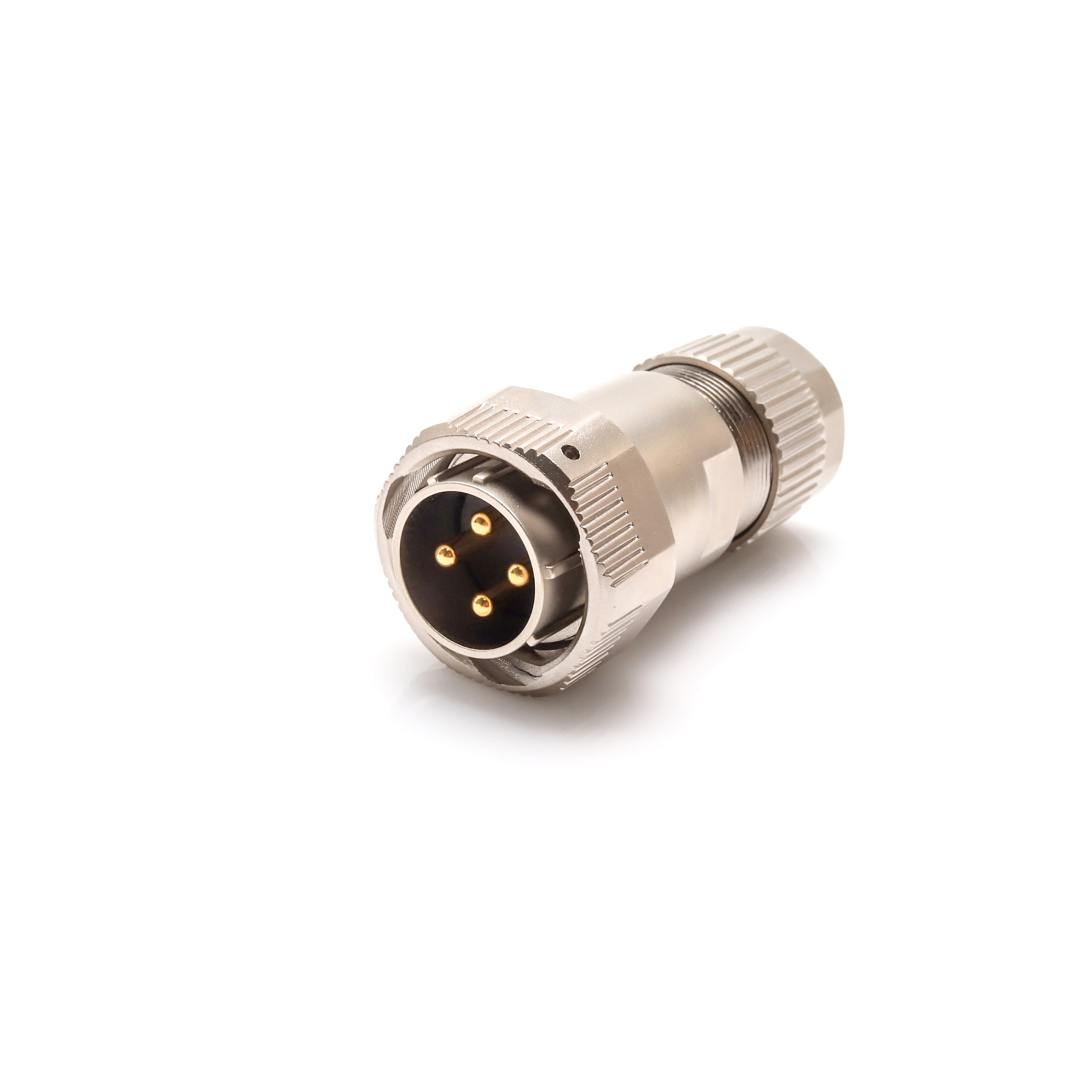
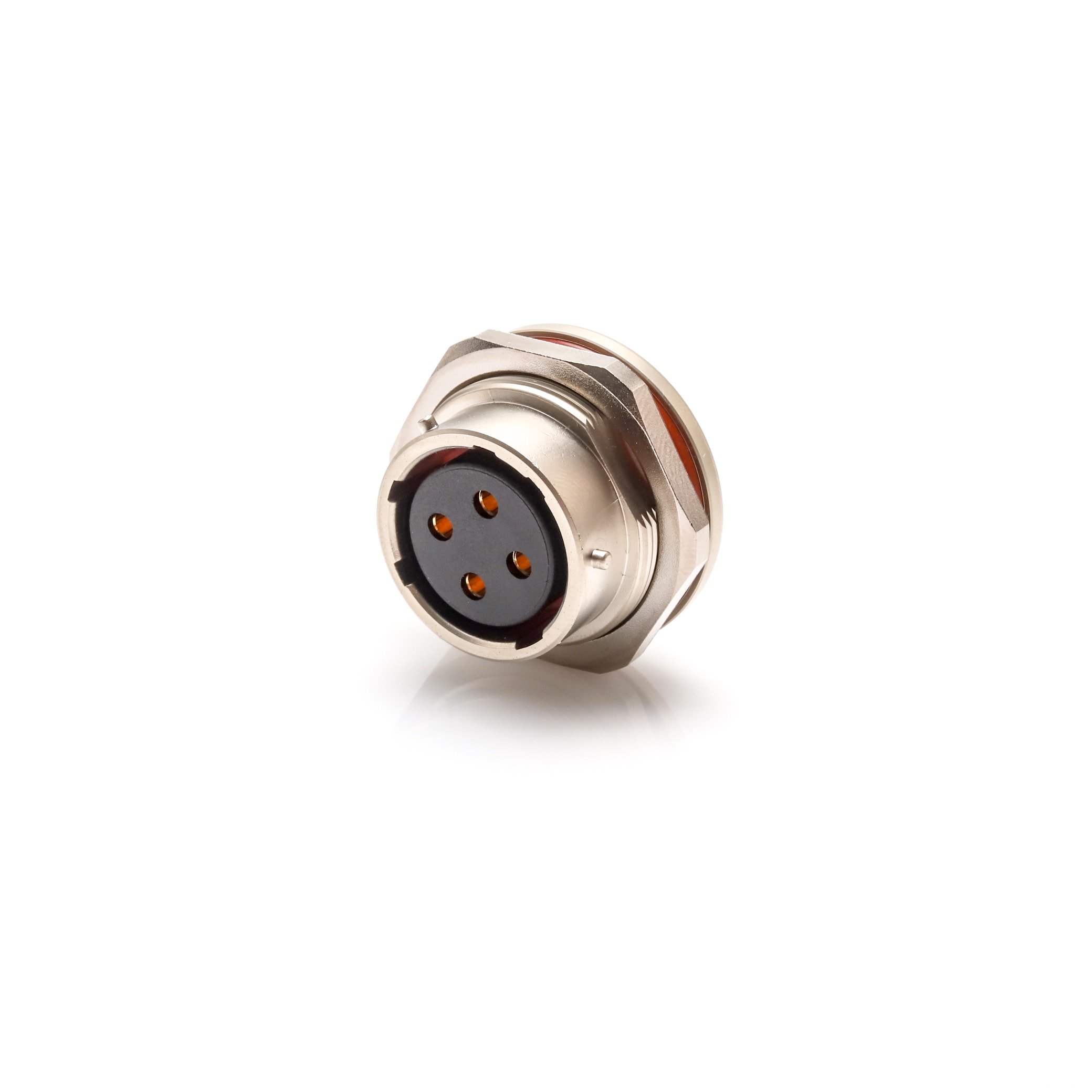
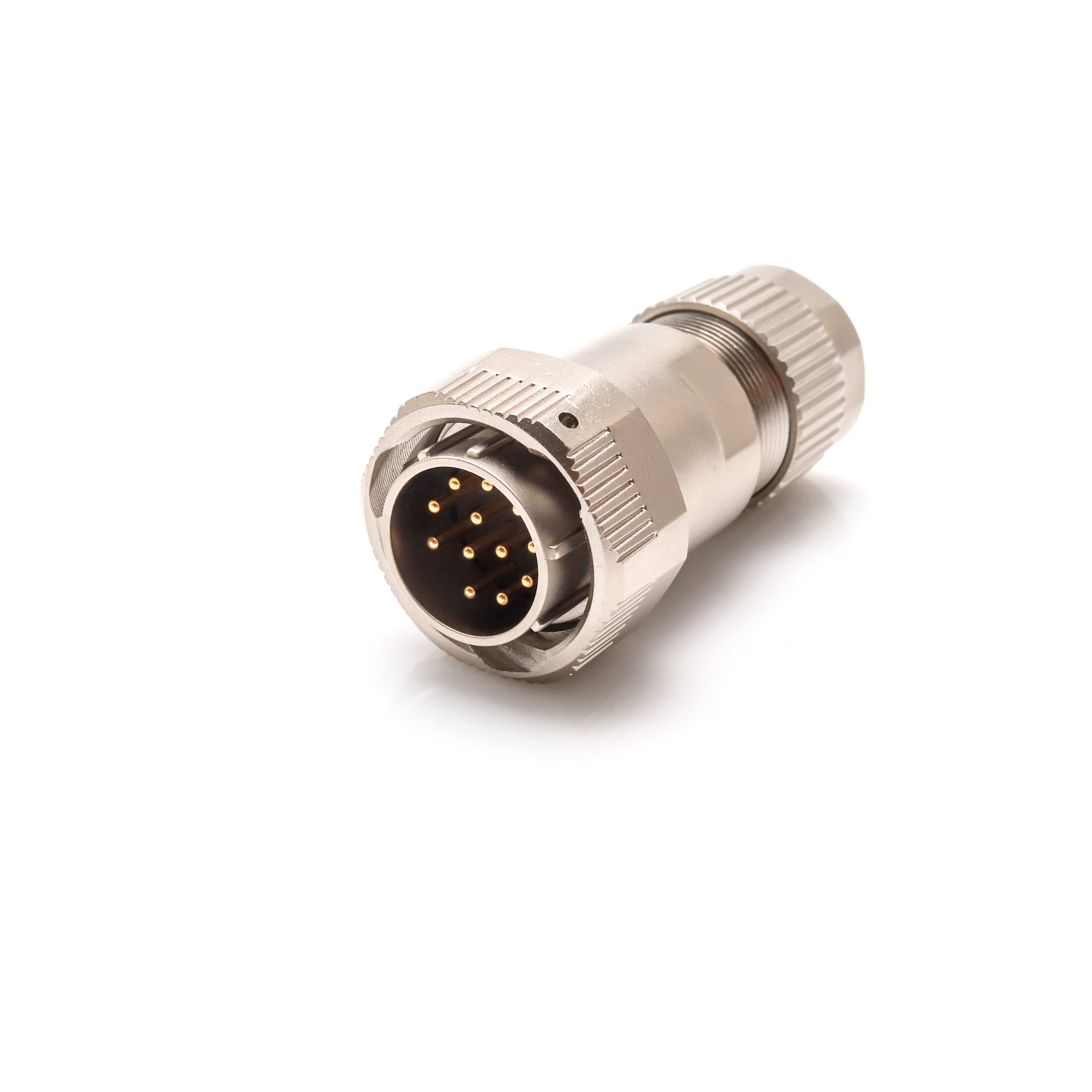
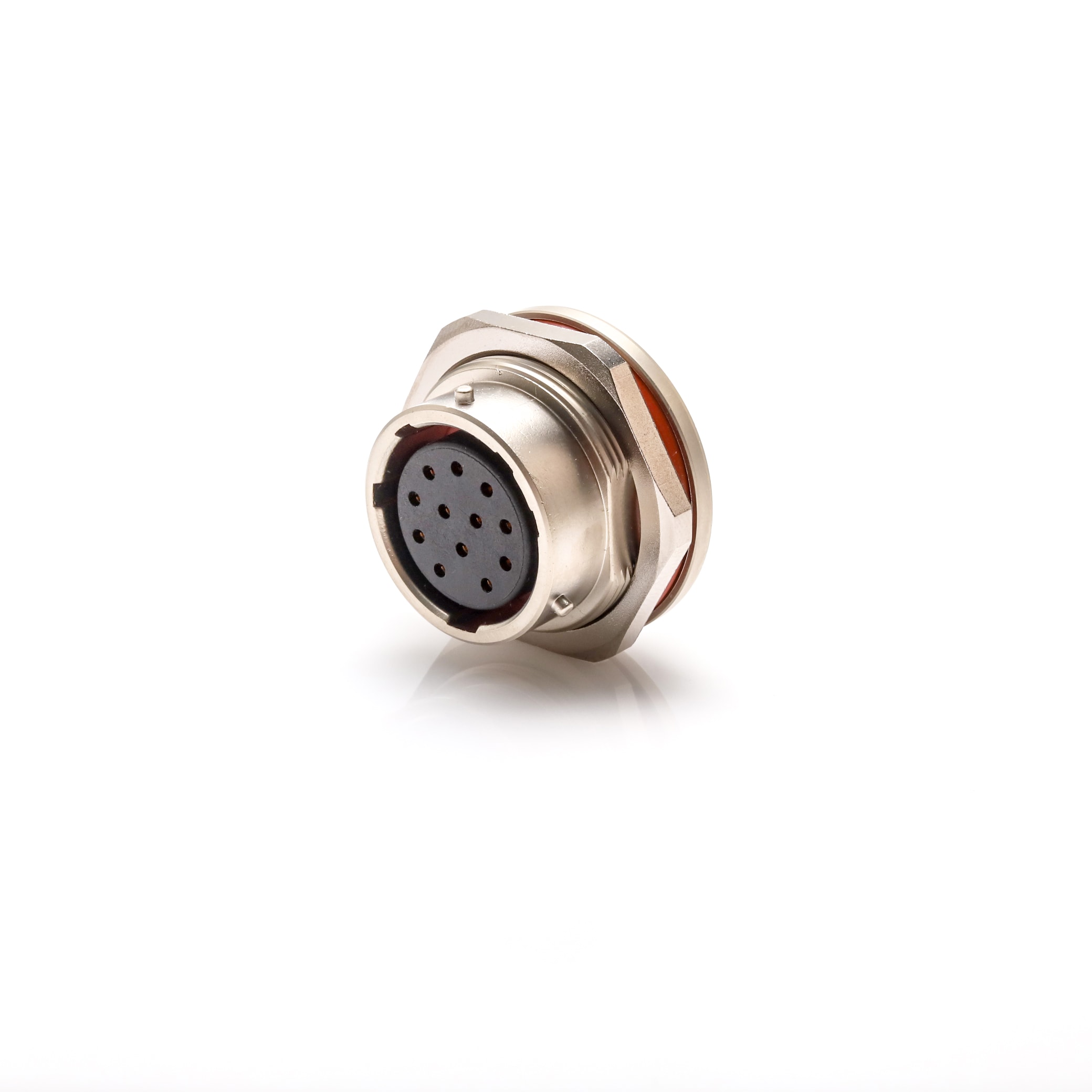
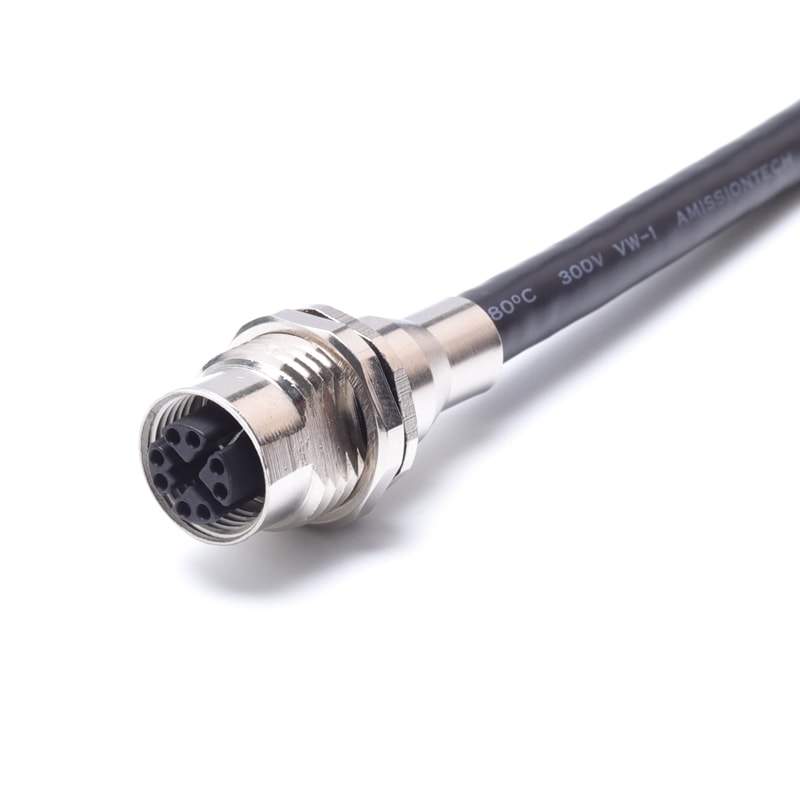
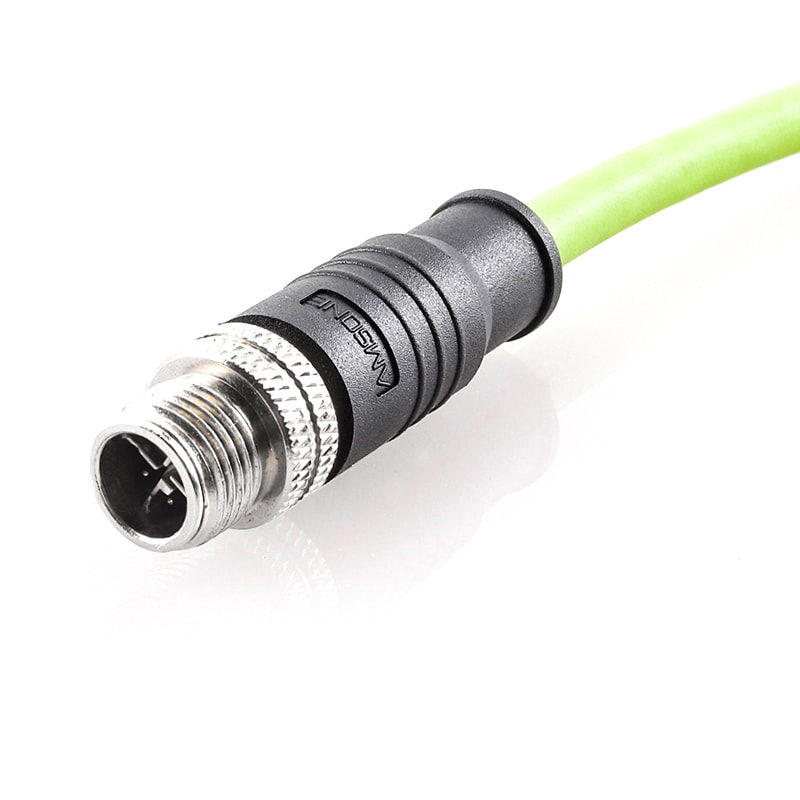
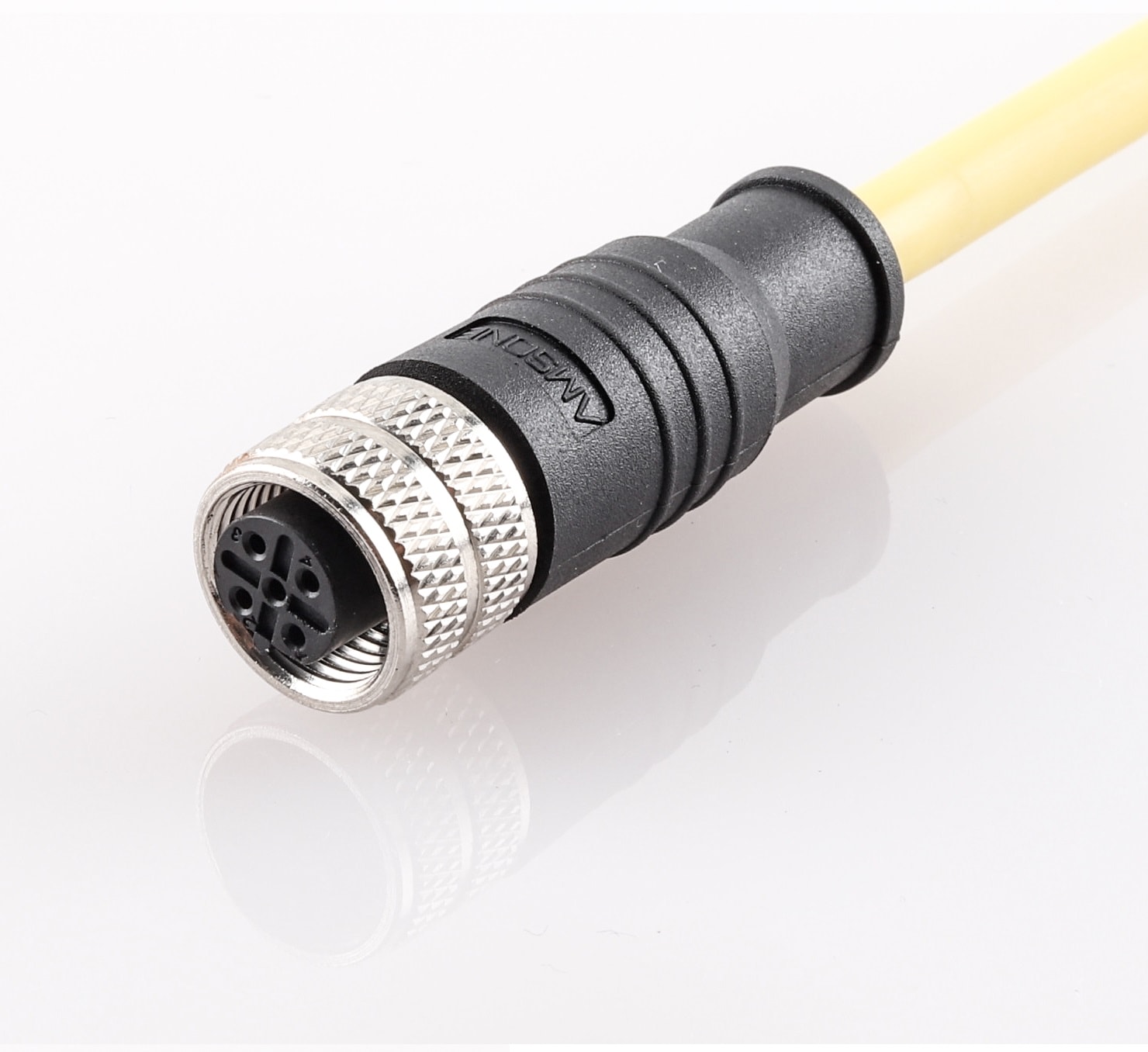
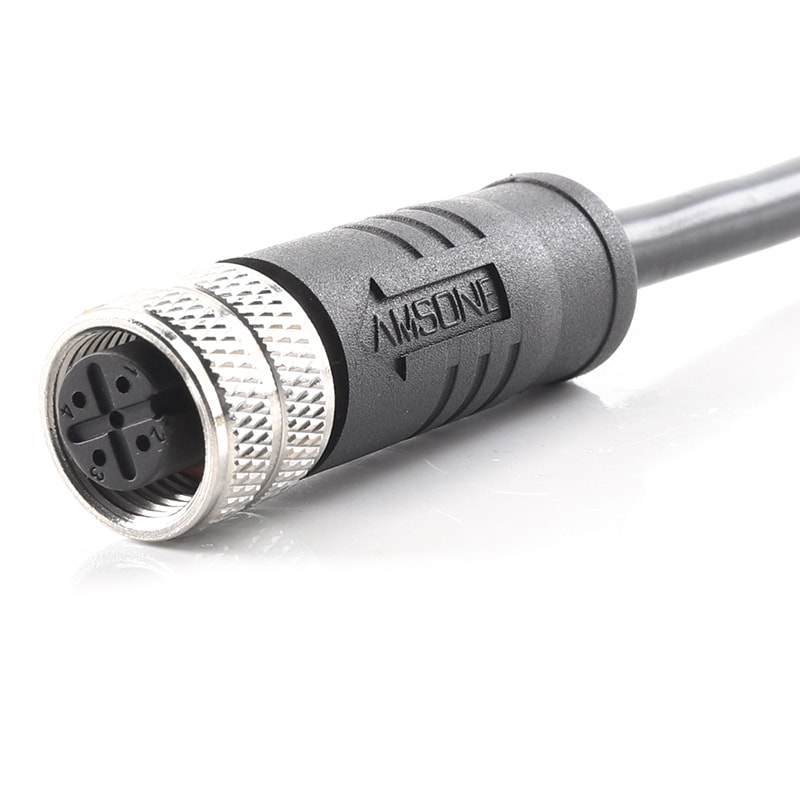
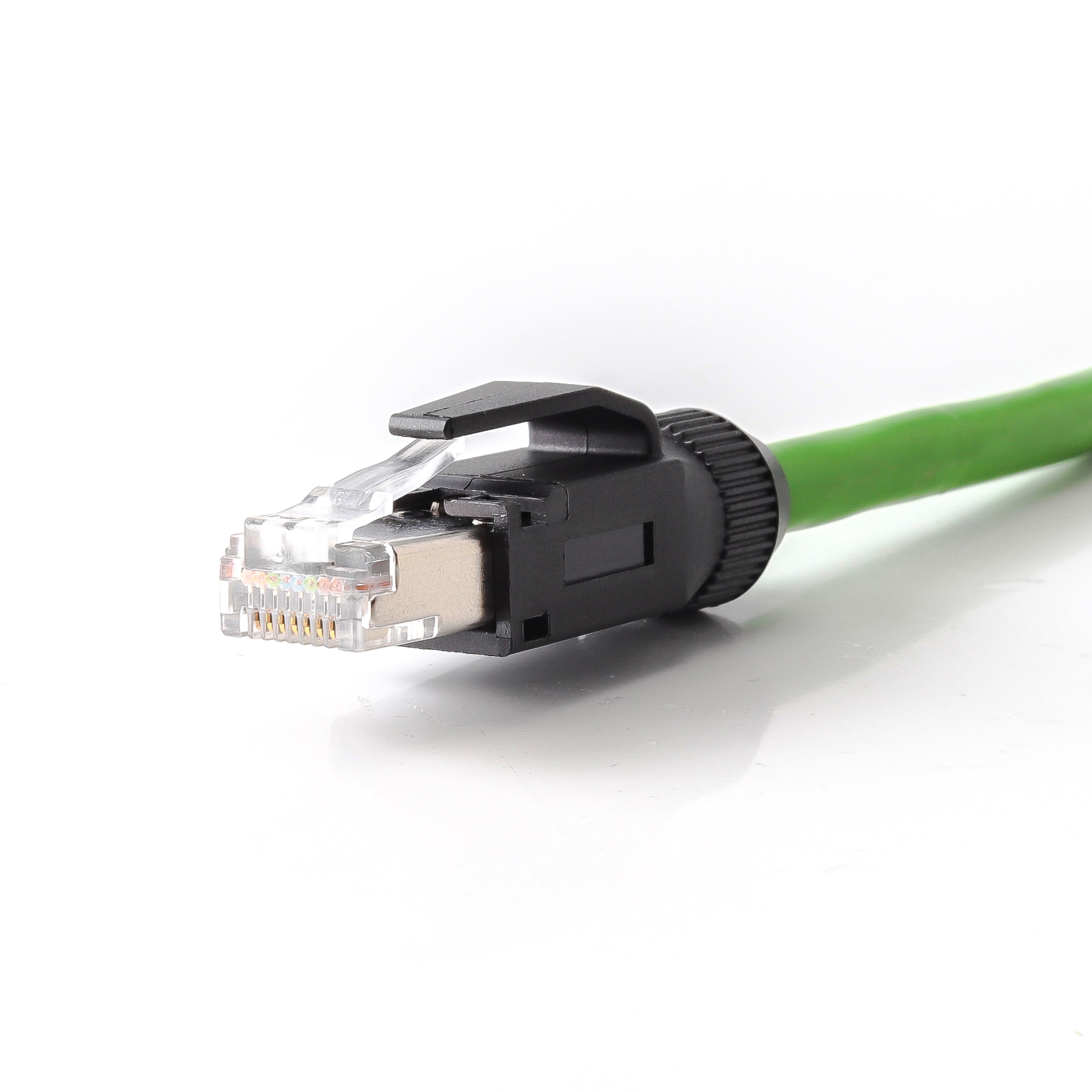
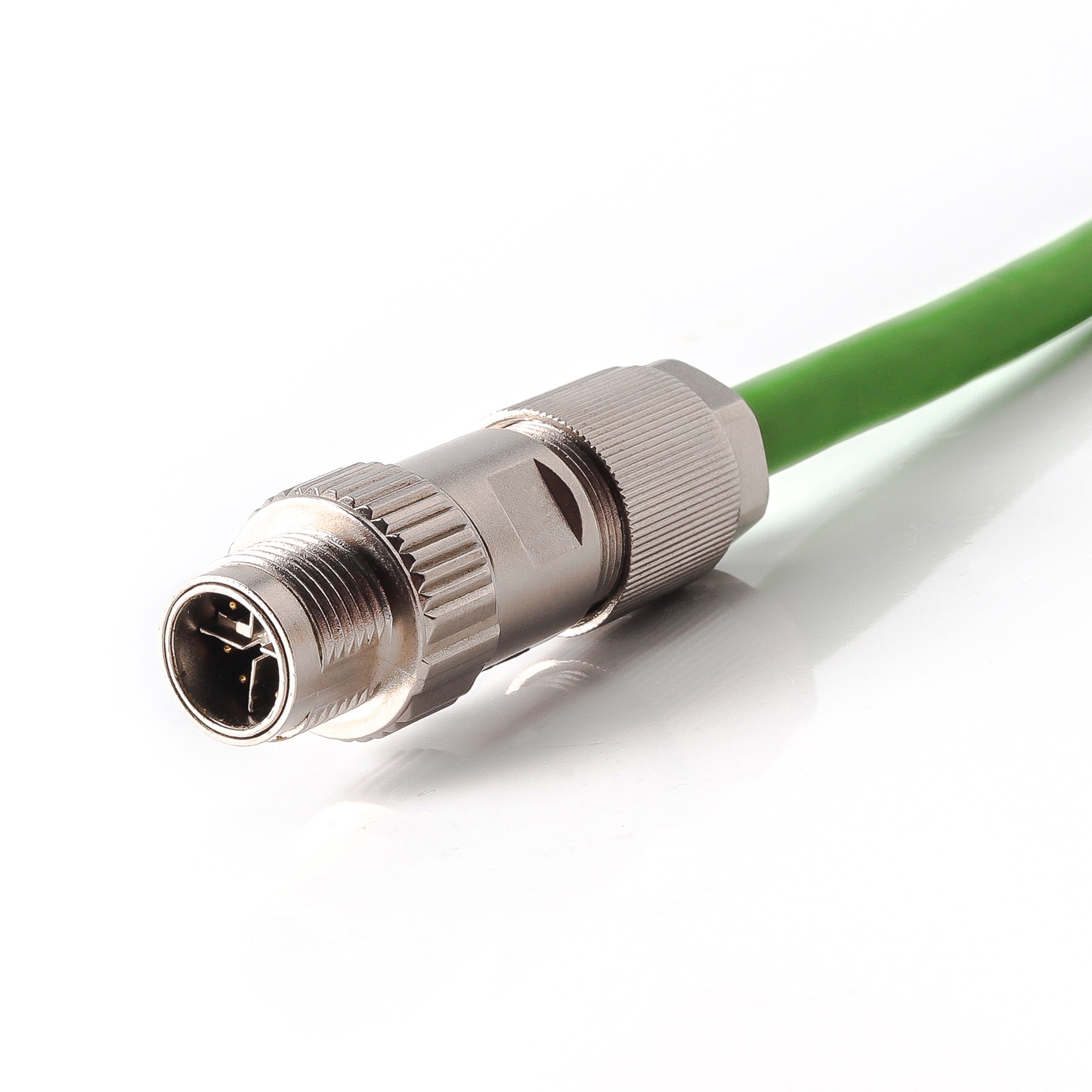
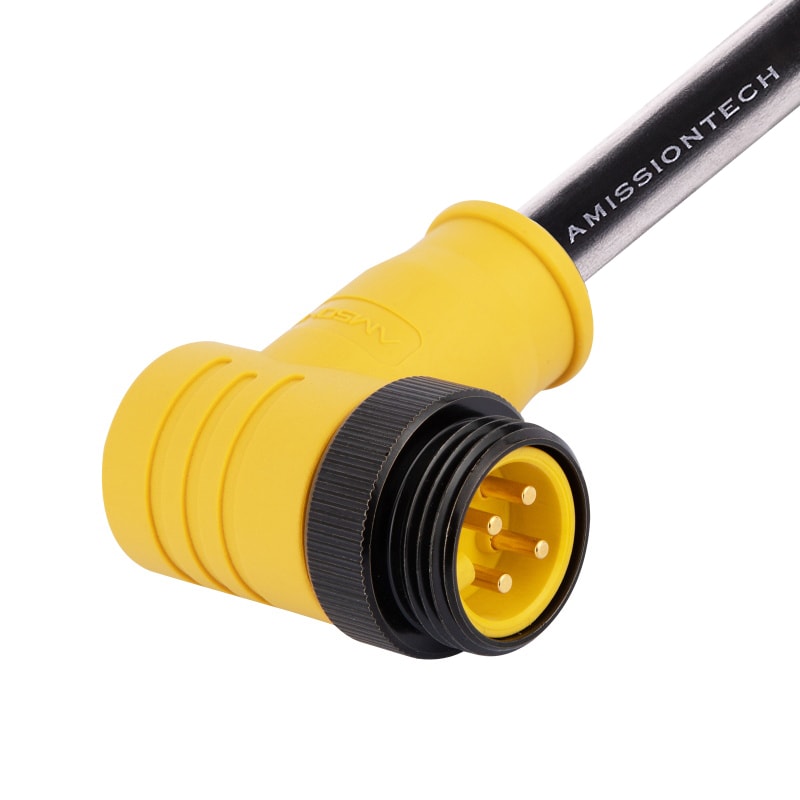
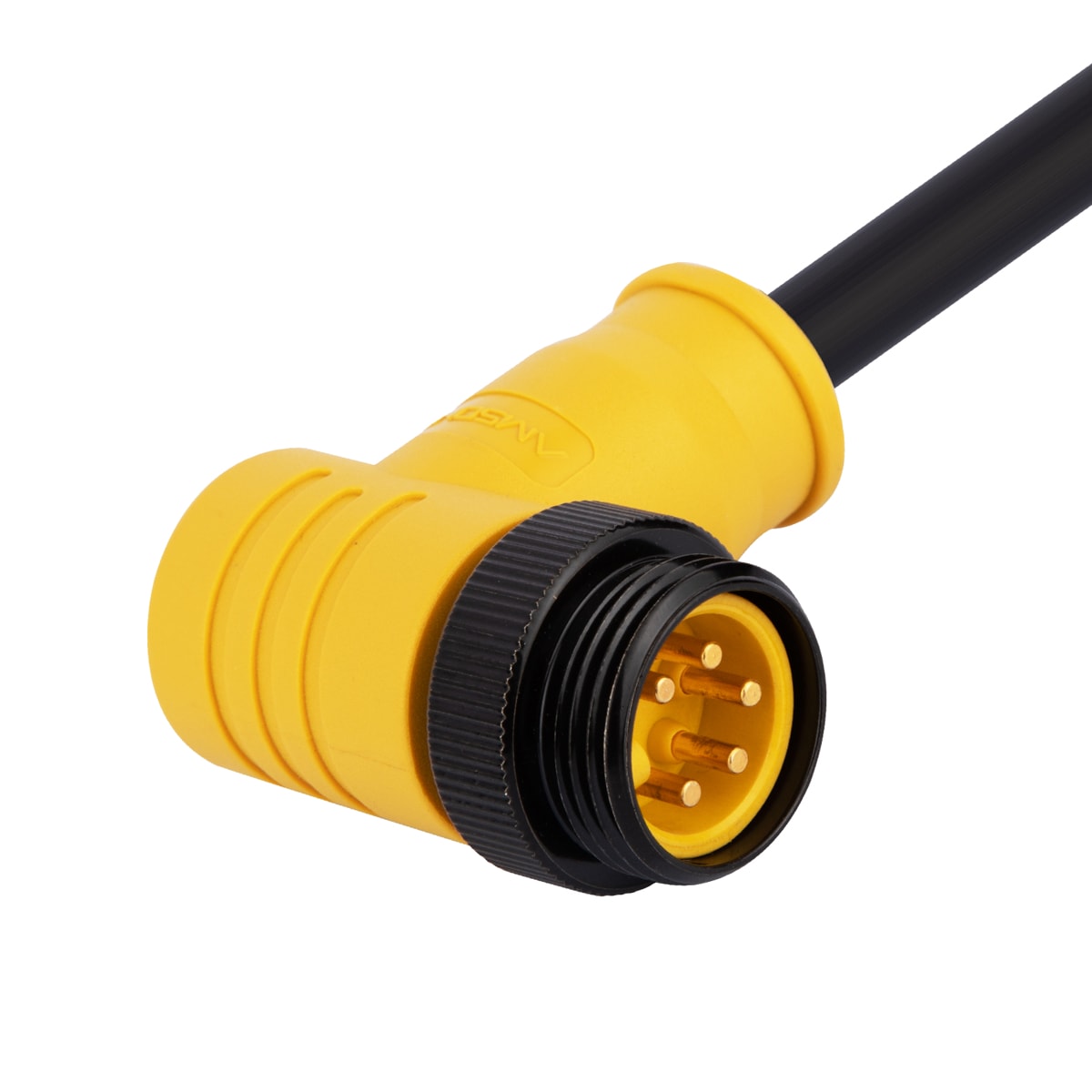
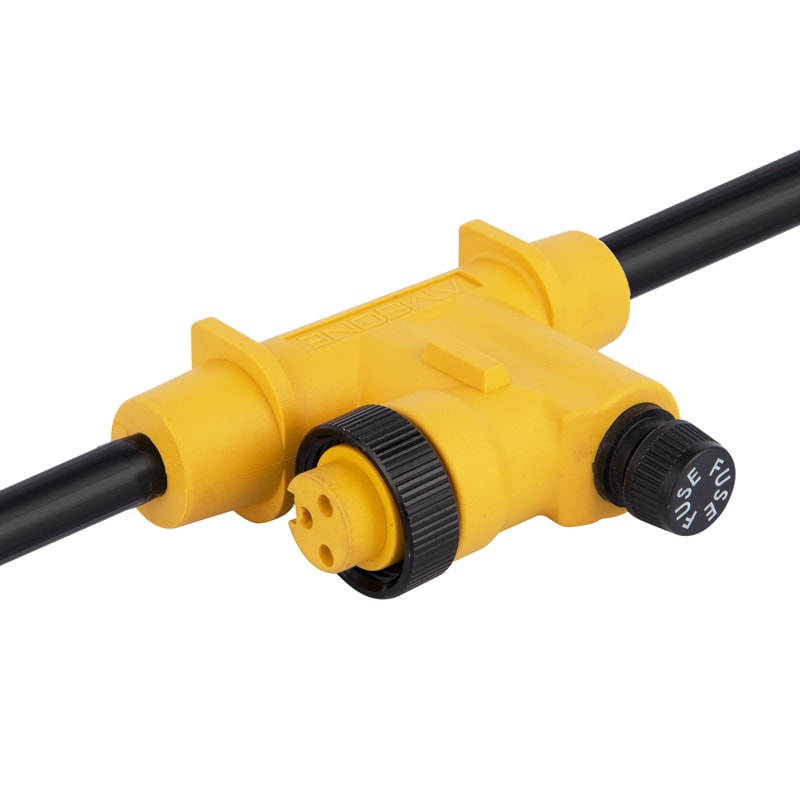
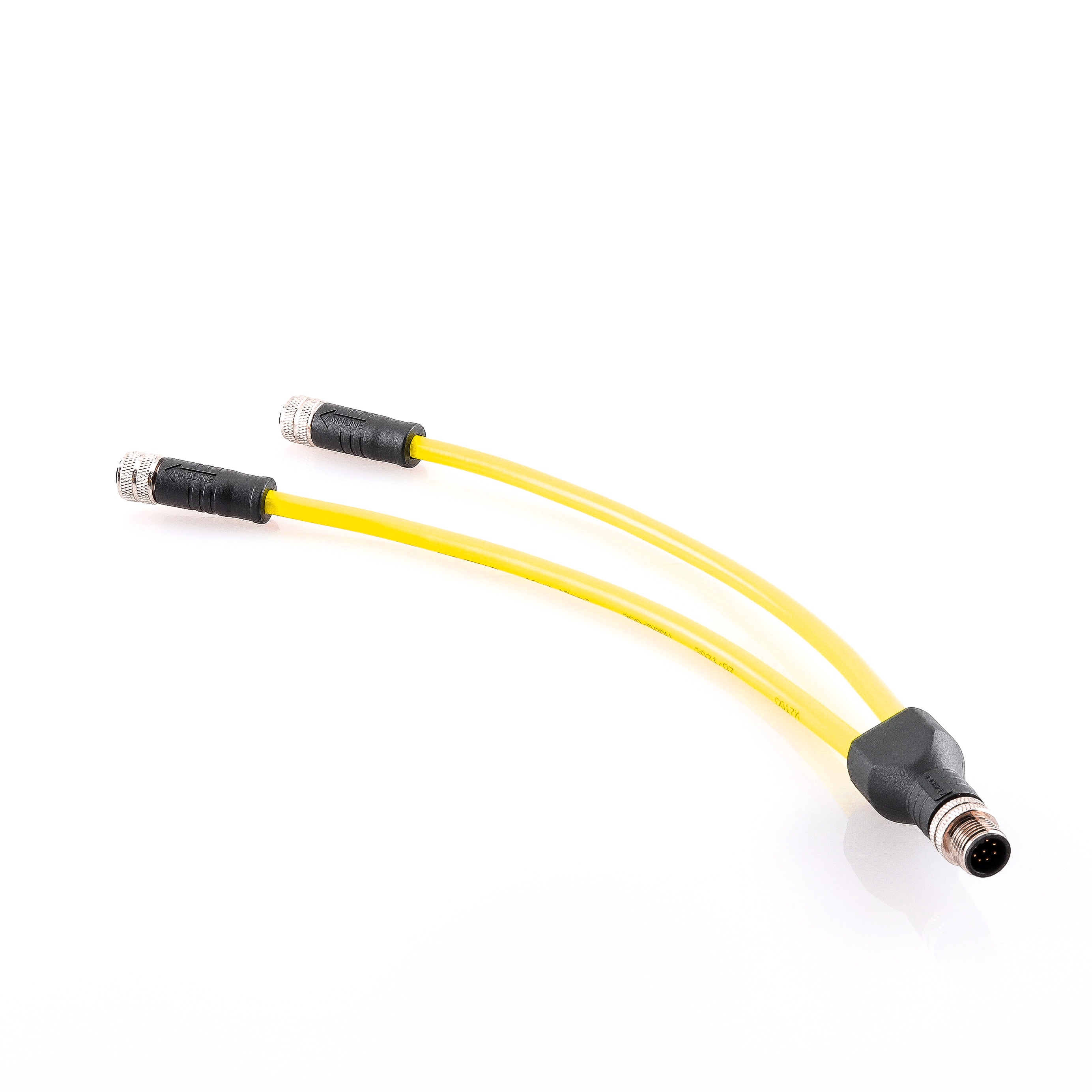
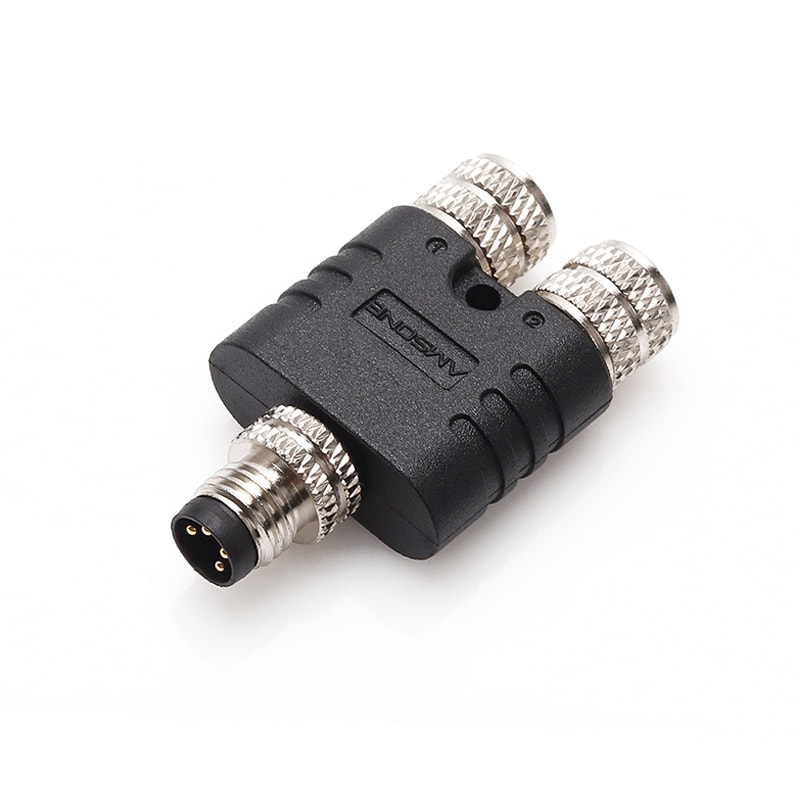








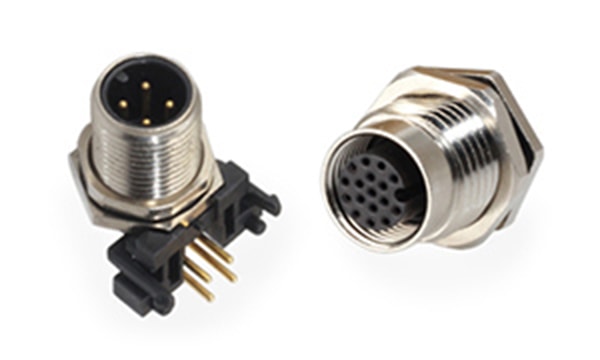
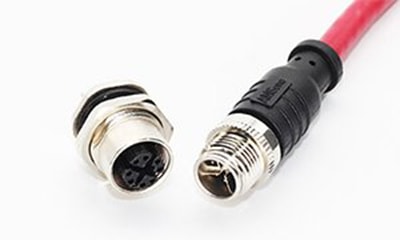

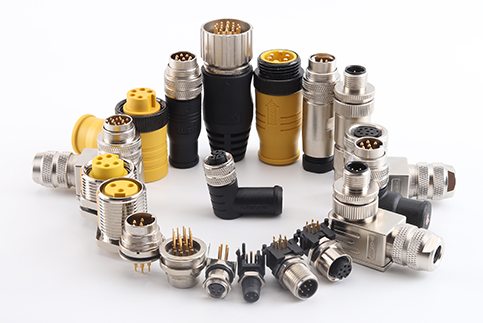
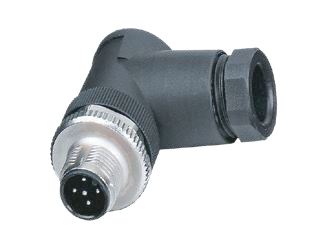

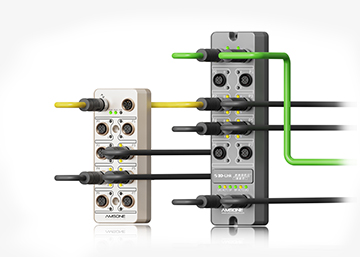
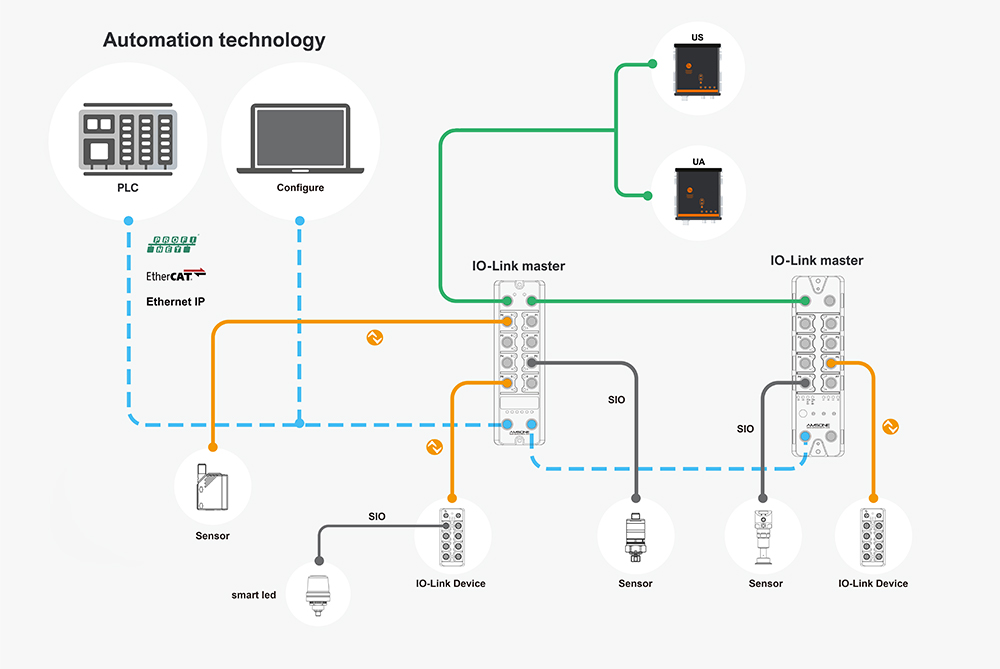
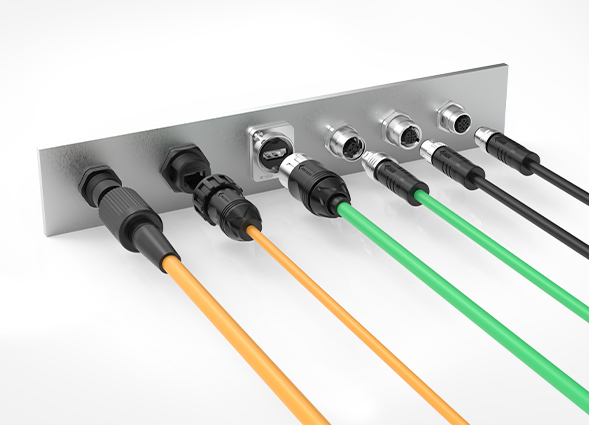
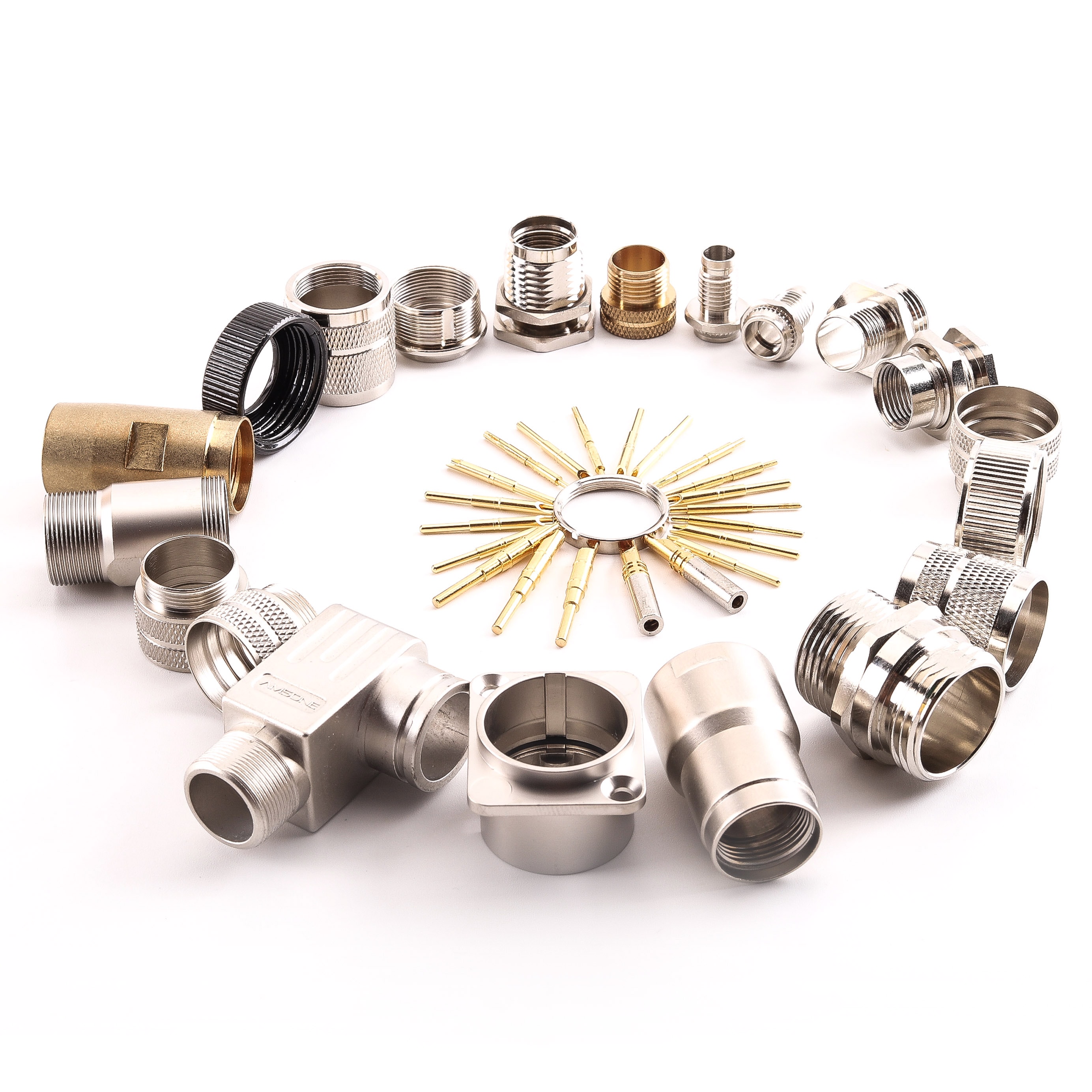
Saltwater destroys standard connectors within weeks, but cleaning only treats the symptom. This guide covers corrosion‑resistant connector materials (brass, 316L, and titanium), standards, installation, and maintenance to help you stop connector corrosion before it starts.
Saltwater acts as an electrolyte. When dissimilar metals meet in this wet, salty environment, galvanic corrosion starts. Chloride ions then collect in tiny gaps, like under O-rings or between mating surfaces, causing crevice corrosion that can eat through stainless steel housings. Pitting follows, creating microscopic holes where failure begins. Understanding these mechanisms is the first step to picking truly corrosion‑resistant connectors for marine and underwater use.
Housing and contact materials determine how long a connector lasts in saltwater.
Pair any housing with silicone seals for watertight protection. Match the material to your environment, and you can stop corrosion before it starts.
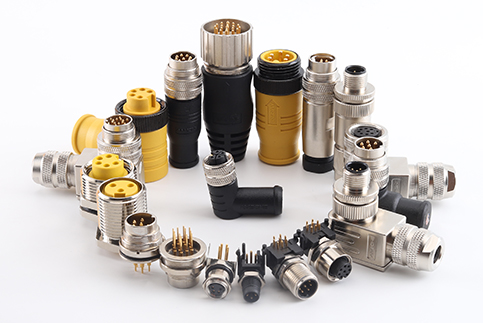
Two standards tell you if a connector survives saltwater: IP rating and salt spray testing.
A connector for marine use should pass both standards. IP68 alone does not guarantee corrosion resistance. Salt spray hours alone do not guarantee waterproofing. You need both.
Different saltwater environments need different connectors. Match the material and rating to your use case.
For help selecting the right waterproof circular connector for your specific application, review the datasheet or contact technical support.
How you install a connector matters as much as what you buy. These five habits stop corrosion before it starts.
Regular checks catch corrosion early. Follow this schedule for marine connectors.
Stick to the schedule. A five‑minute inspection saves a five‑hour replacement.
Even good connectors fail when installed poorly. Here are five mistakes that ruin marine connectors.
One common mistake is using standard non‑sealed connectors in a saltwater environment. Moisture enters the housing, and corrosion starts from inside.
Another mistake is mixing dissimilar metals without insulation. This creates a galvanic corrosion cell that eats away the more reactive metal.
Then there is the torque problem. Over‑tightening damages O‑rings. A crushed seal cannot keep water out. Under‑tightening leaves gaps. Both are equally bad.
Also, avoid using abrasive cleaners on contacts. That strips away gold or nickel plating. Once the base metal is exposed, corrosion spreads quickly.
Finally, skipping dielectric grease on pins and terminals leaves moisture a direct path to the contact surface. A light coating costs pennies. A failed connector costs much more.
Prevention beats cleaning every time. Choose the right materials, follow installation steps, and stick to your inspection schedule. That is how you stop connector corrosion in saltwater environments. Amissiontech offers corrosion‑resistant circular and underwater connectors built for real‑world marine use. Talk to our team about your application.