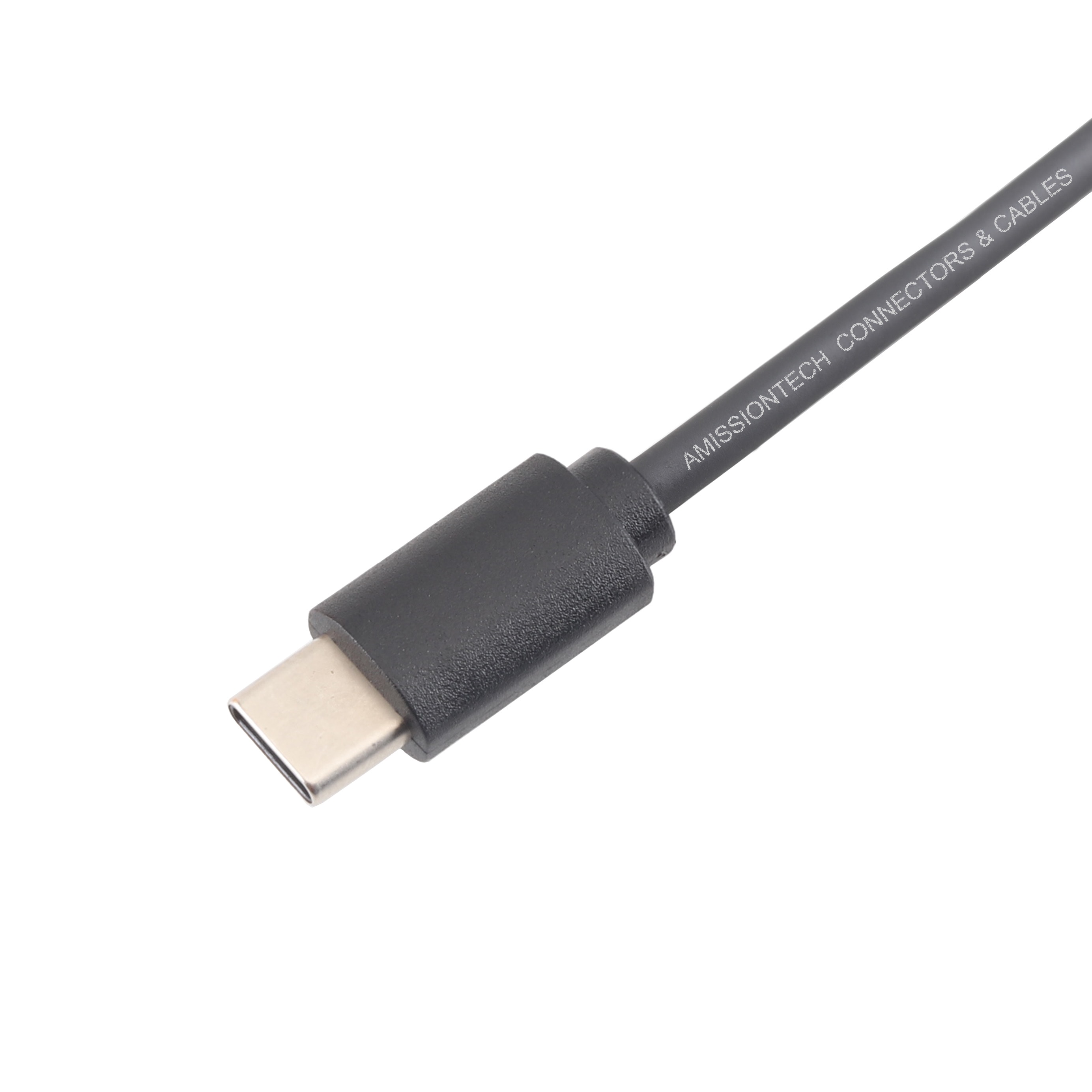
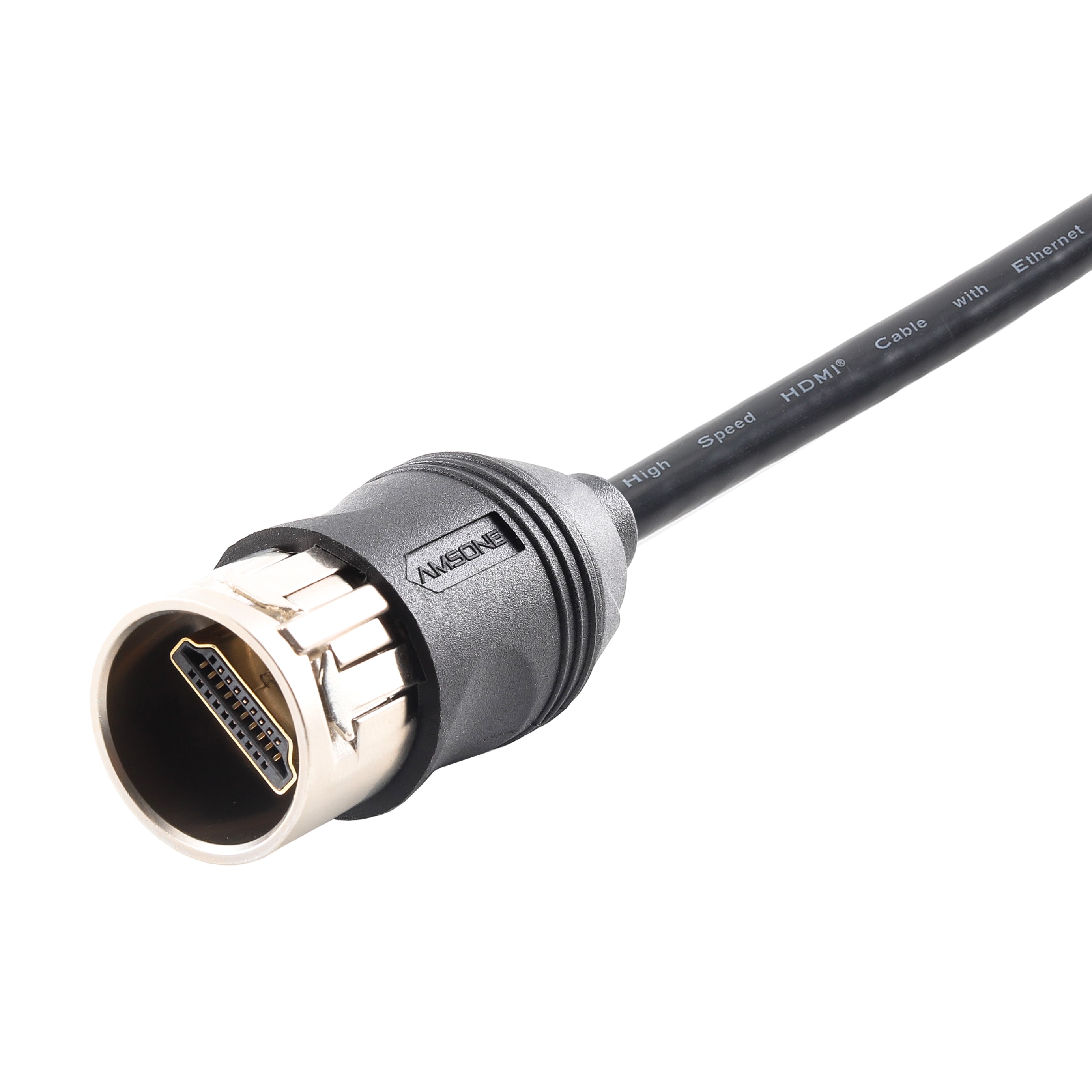
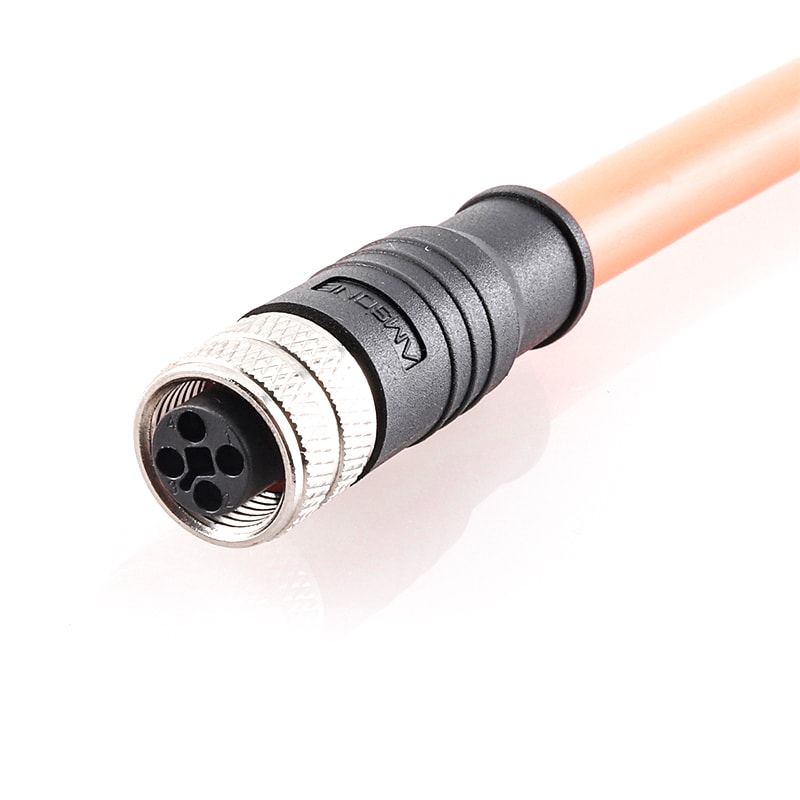
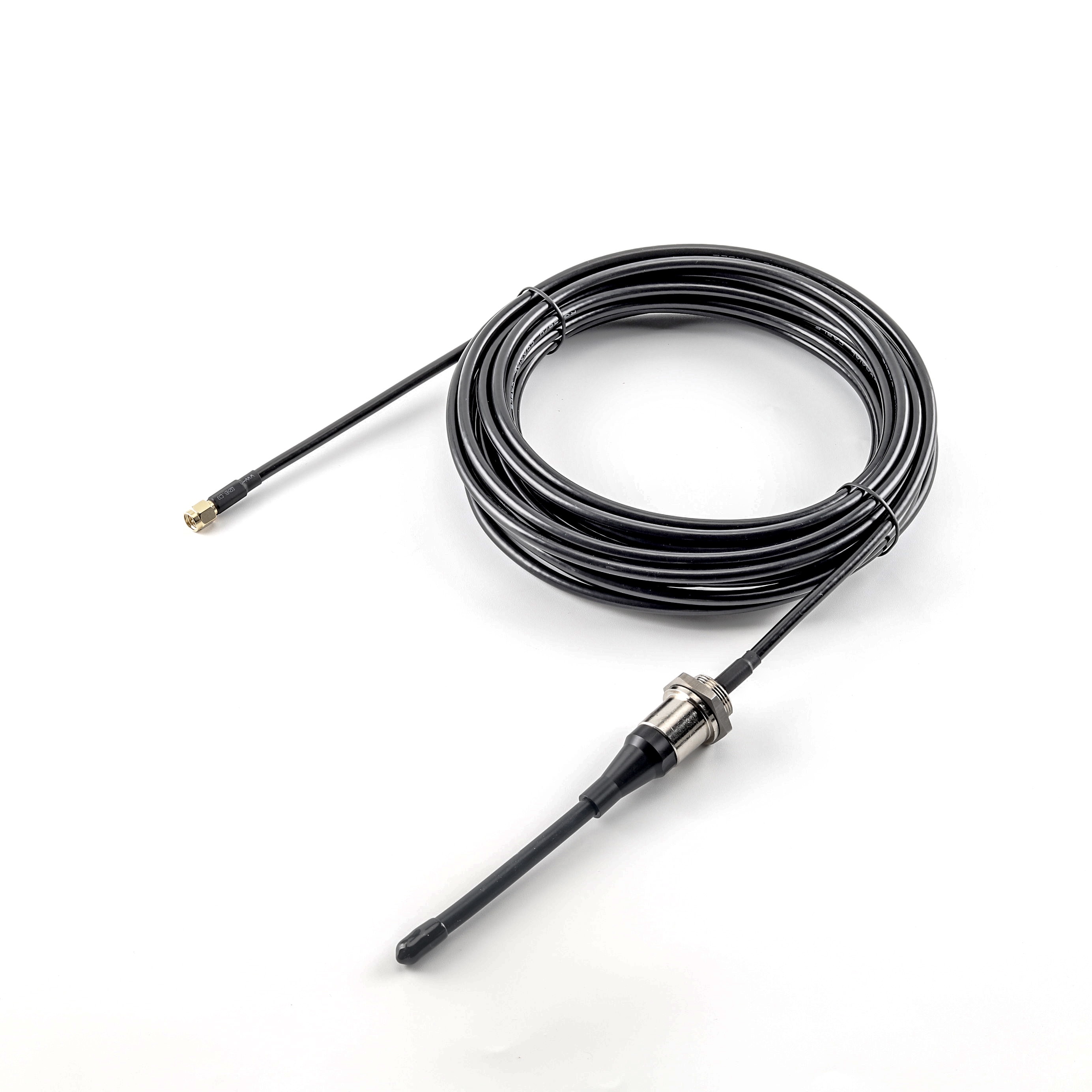
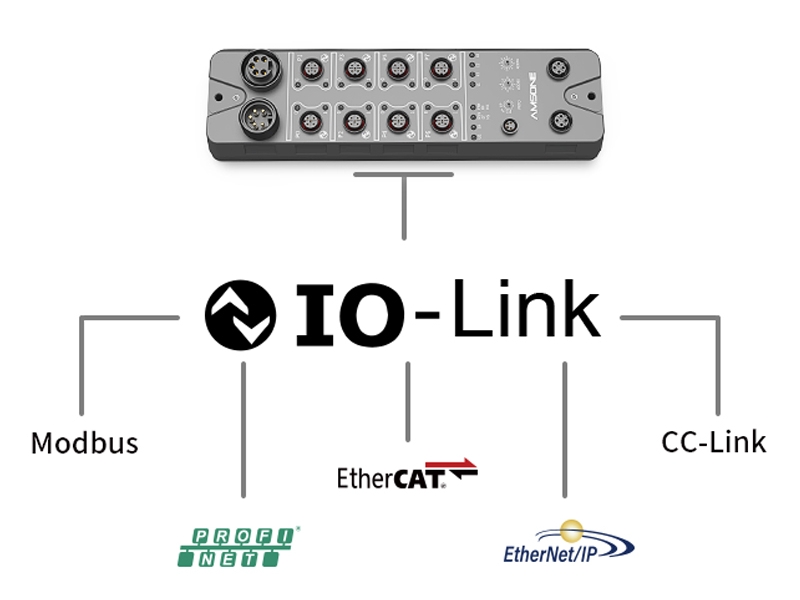
P/N: ALD-HBN1-372XXX
IO Link Hub NPN 0.5A/channel Plastic Housing Plastic Thread Locking
View All
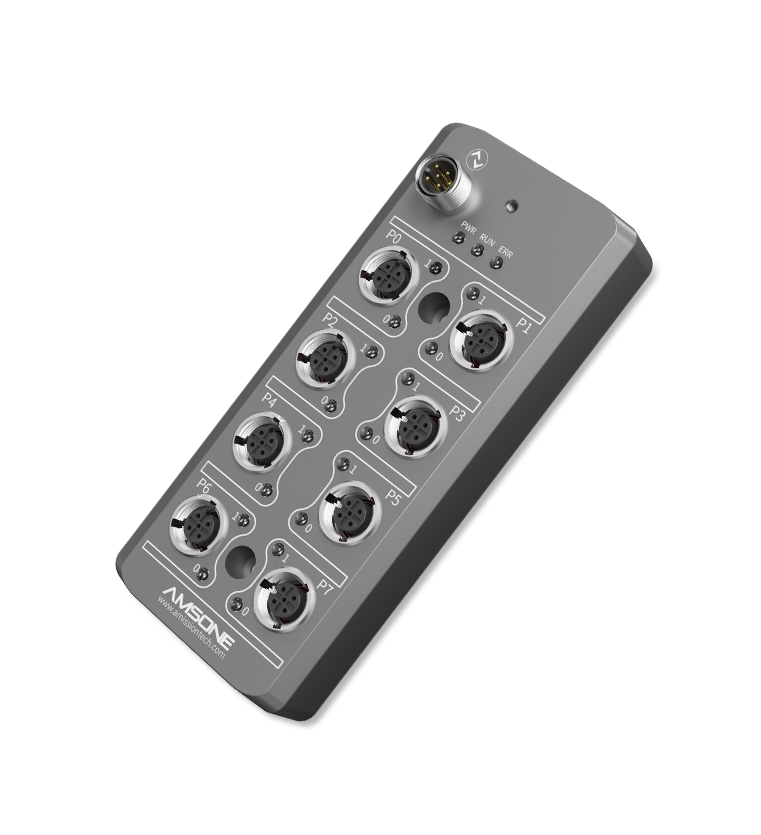
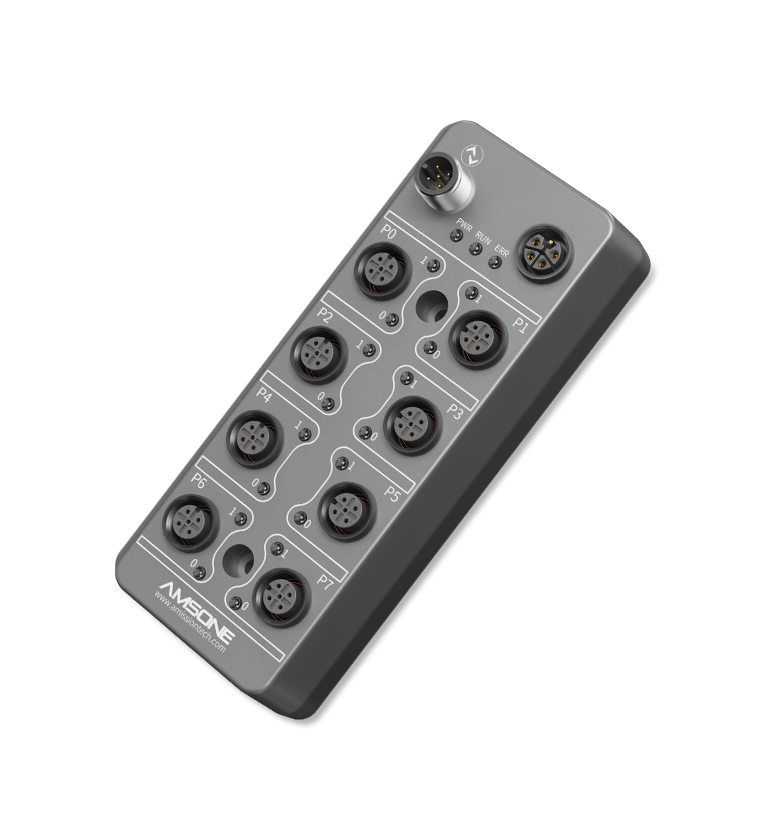
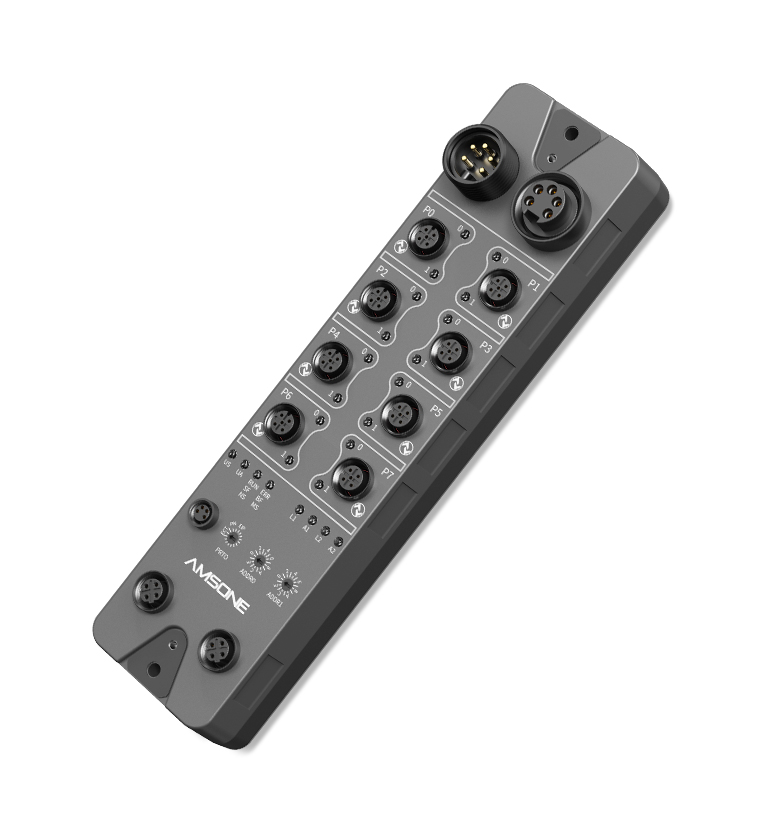

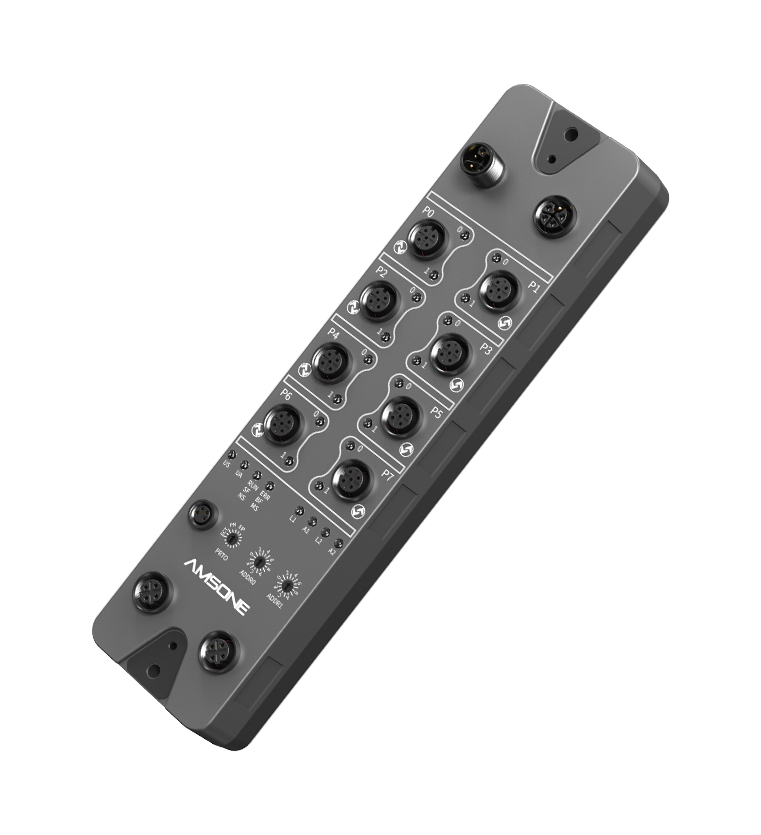

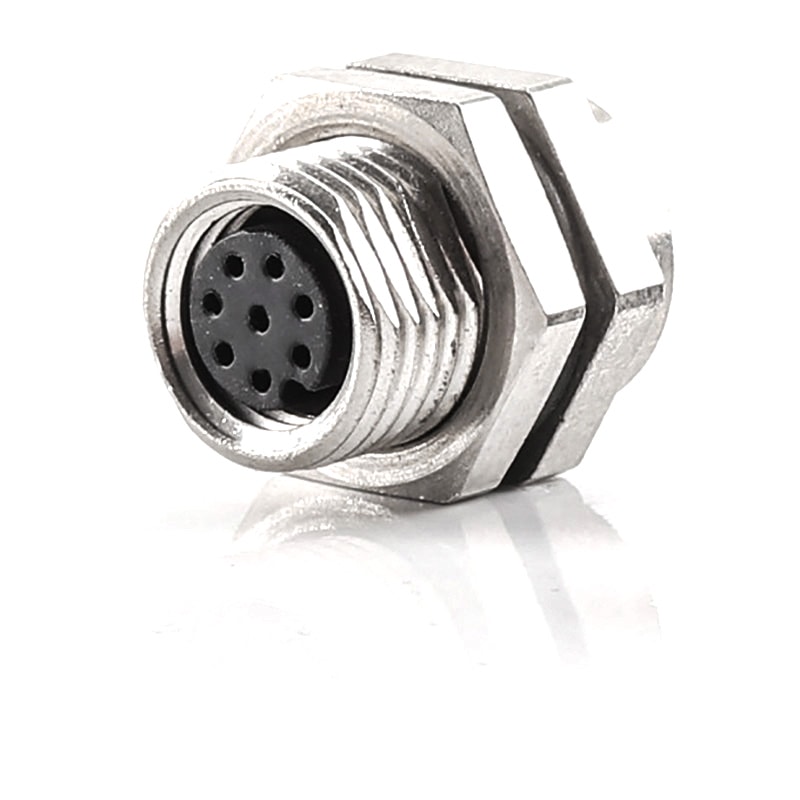
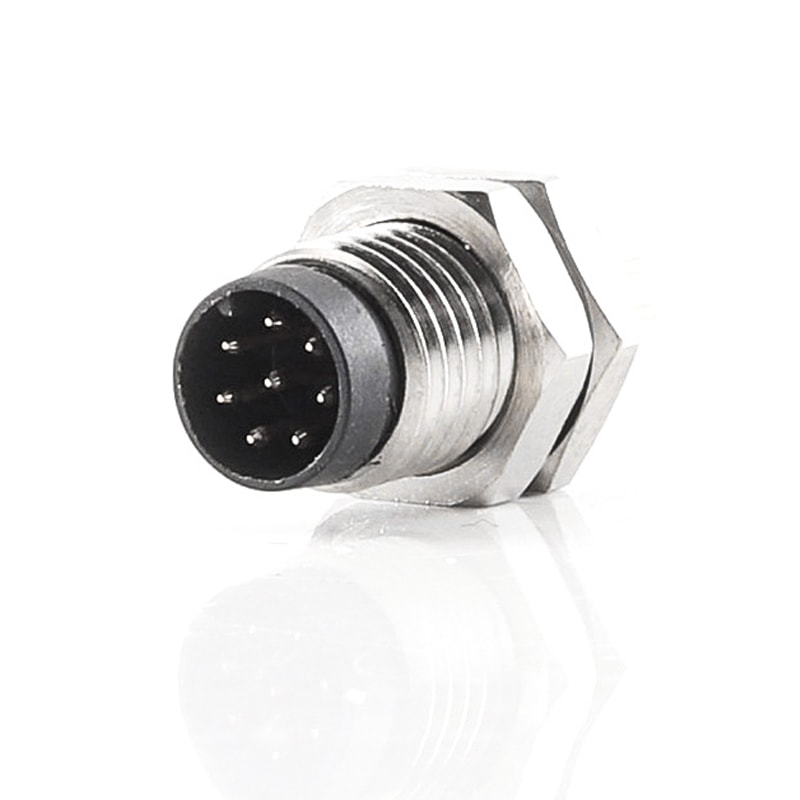

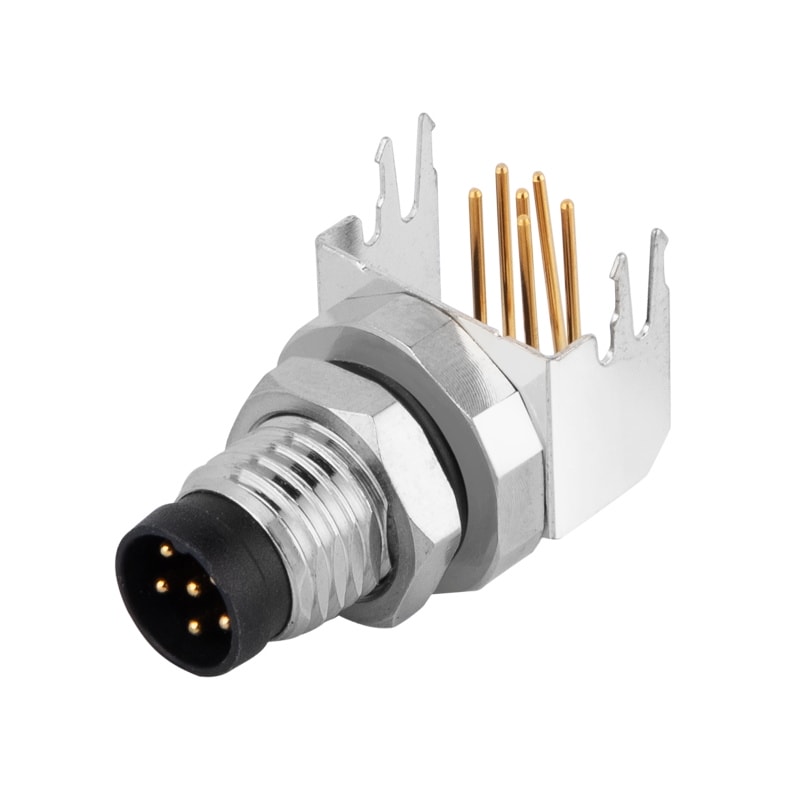


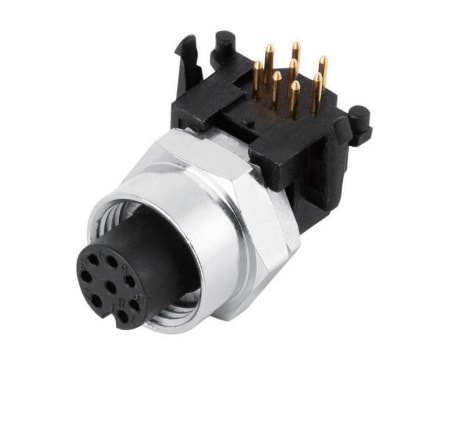
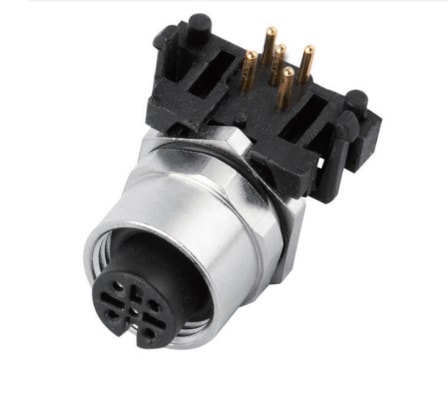
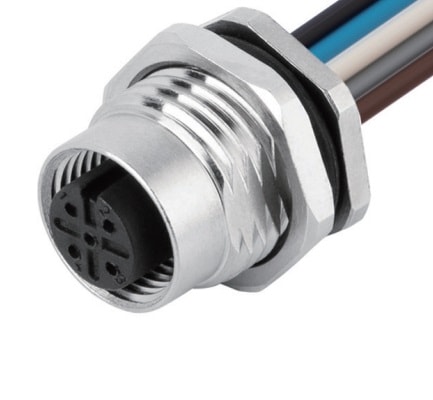

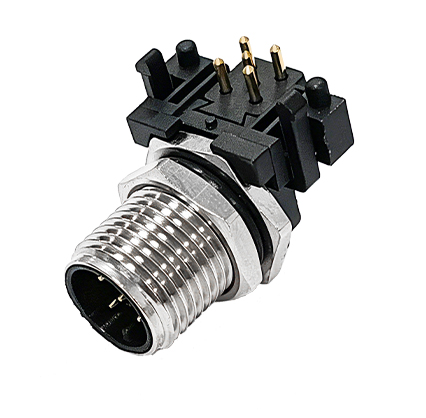


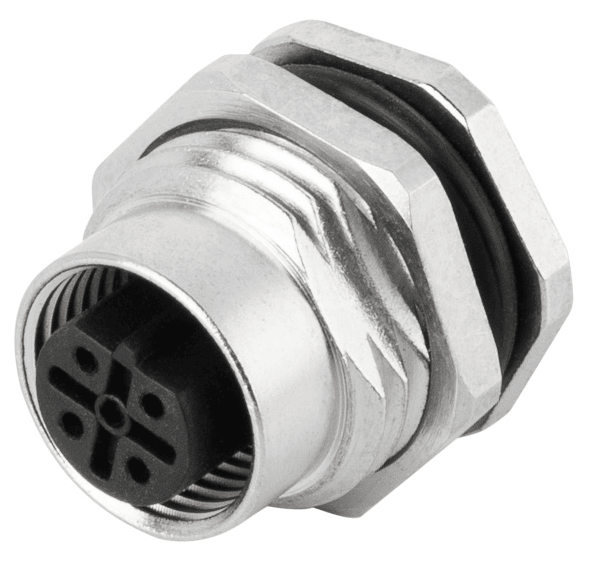

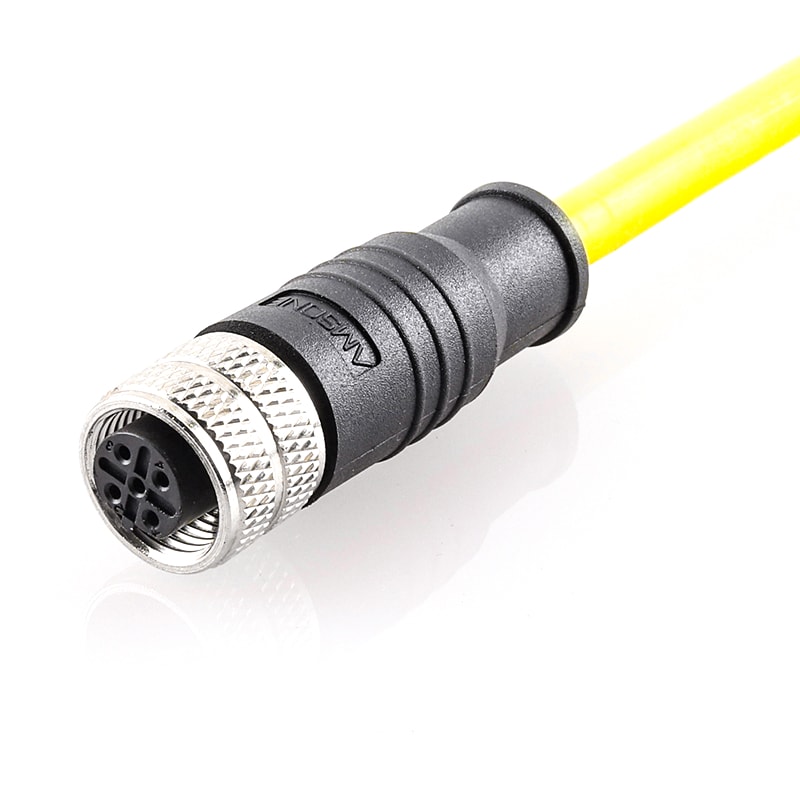


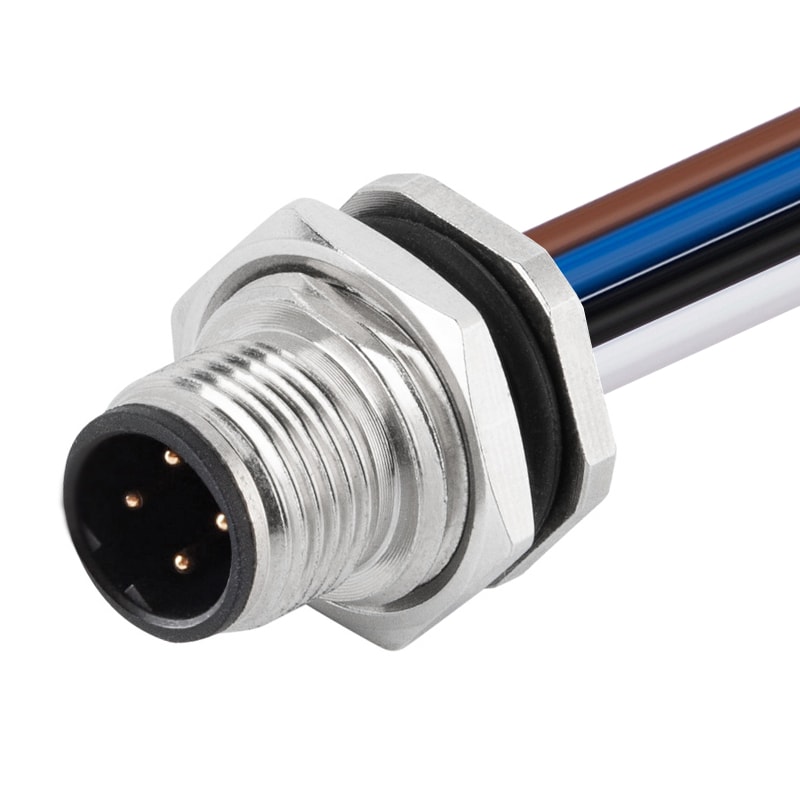


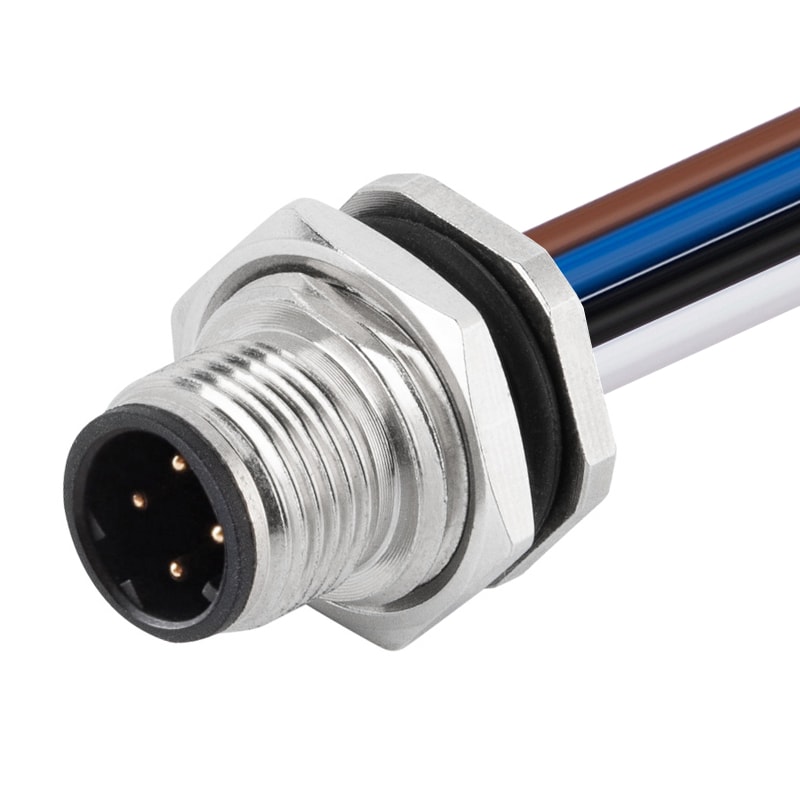

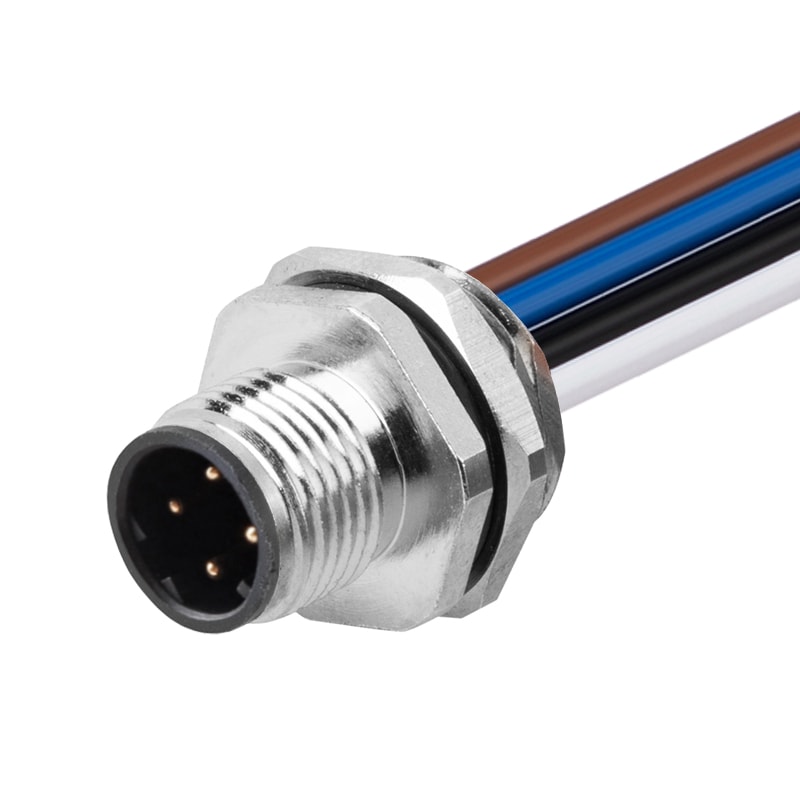


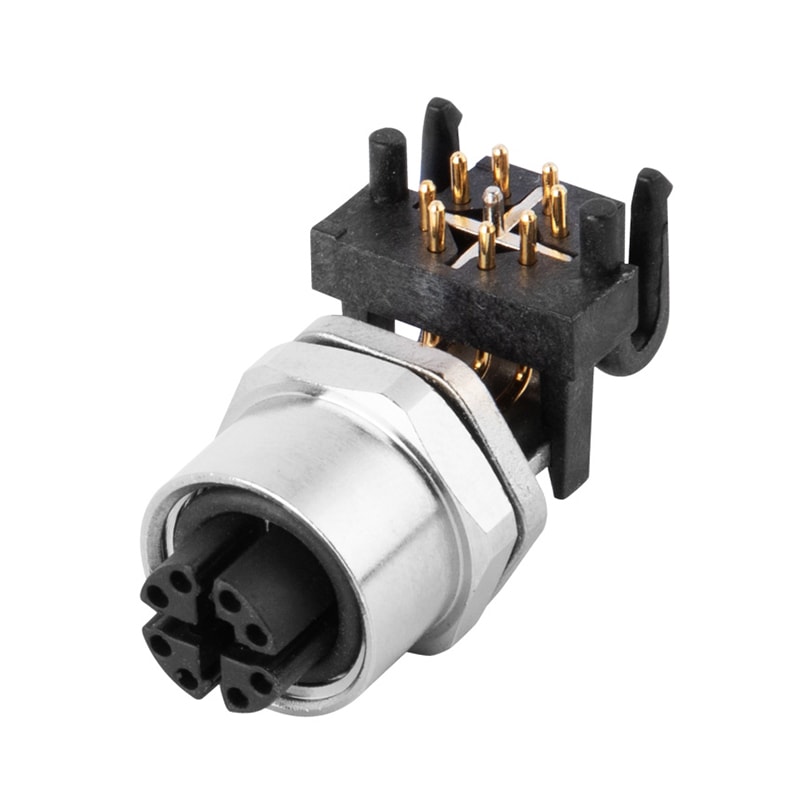


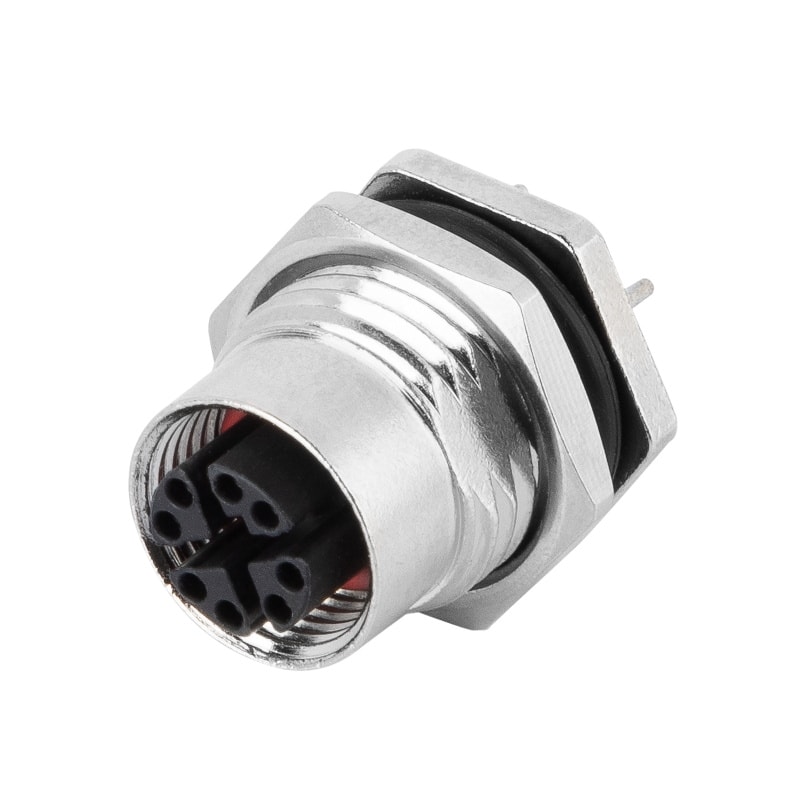

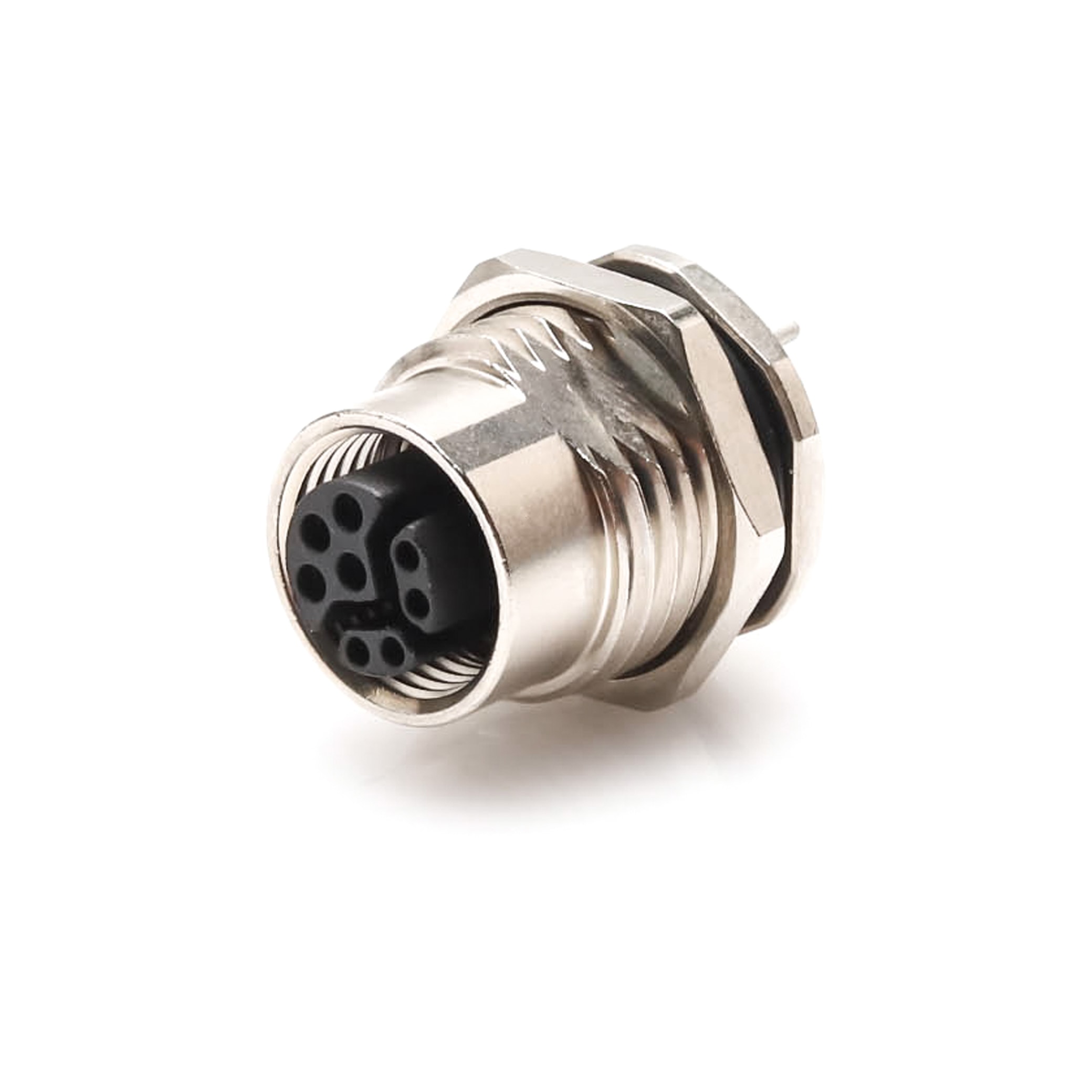
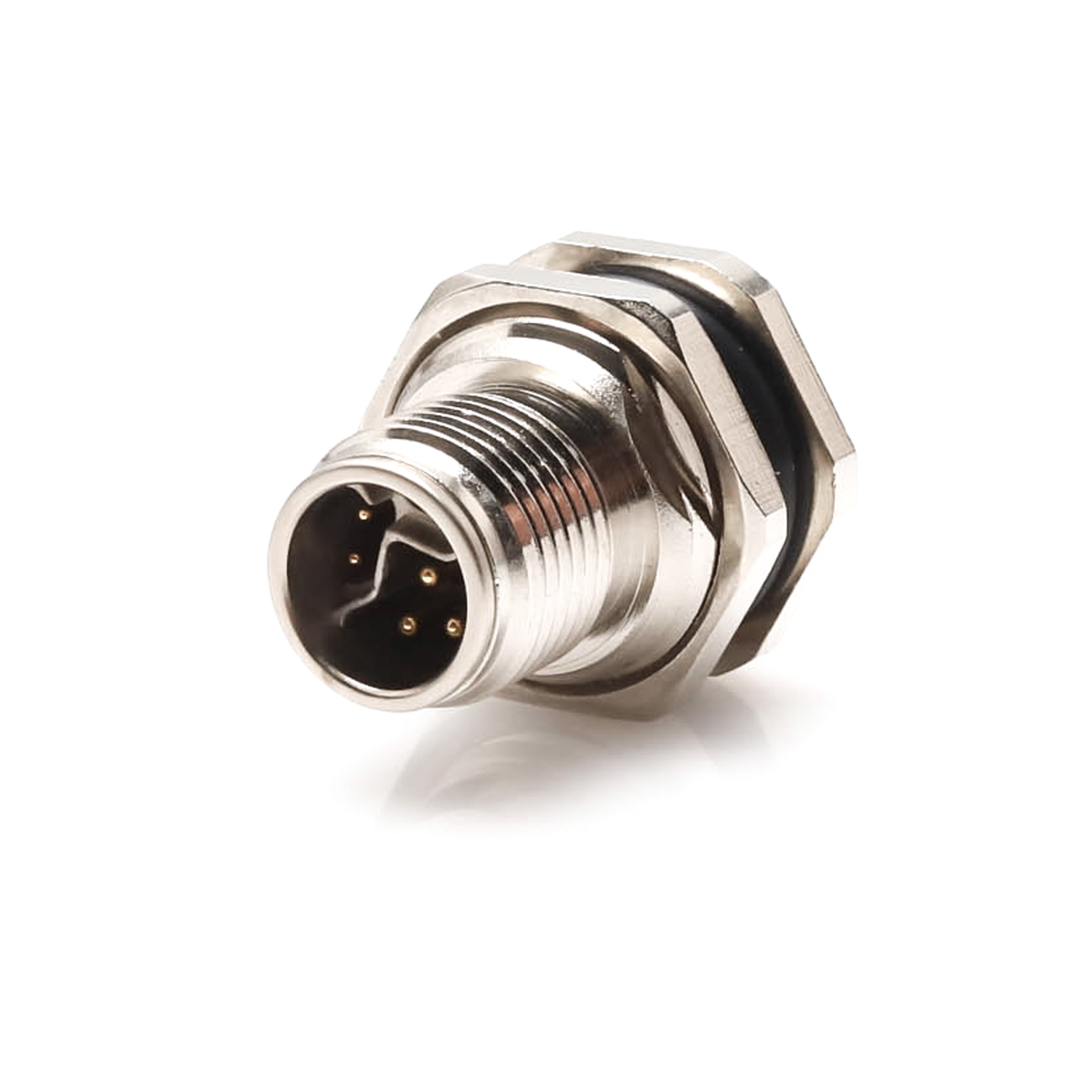
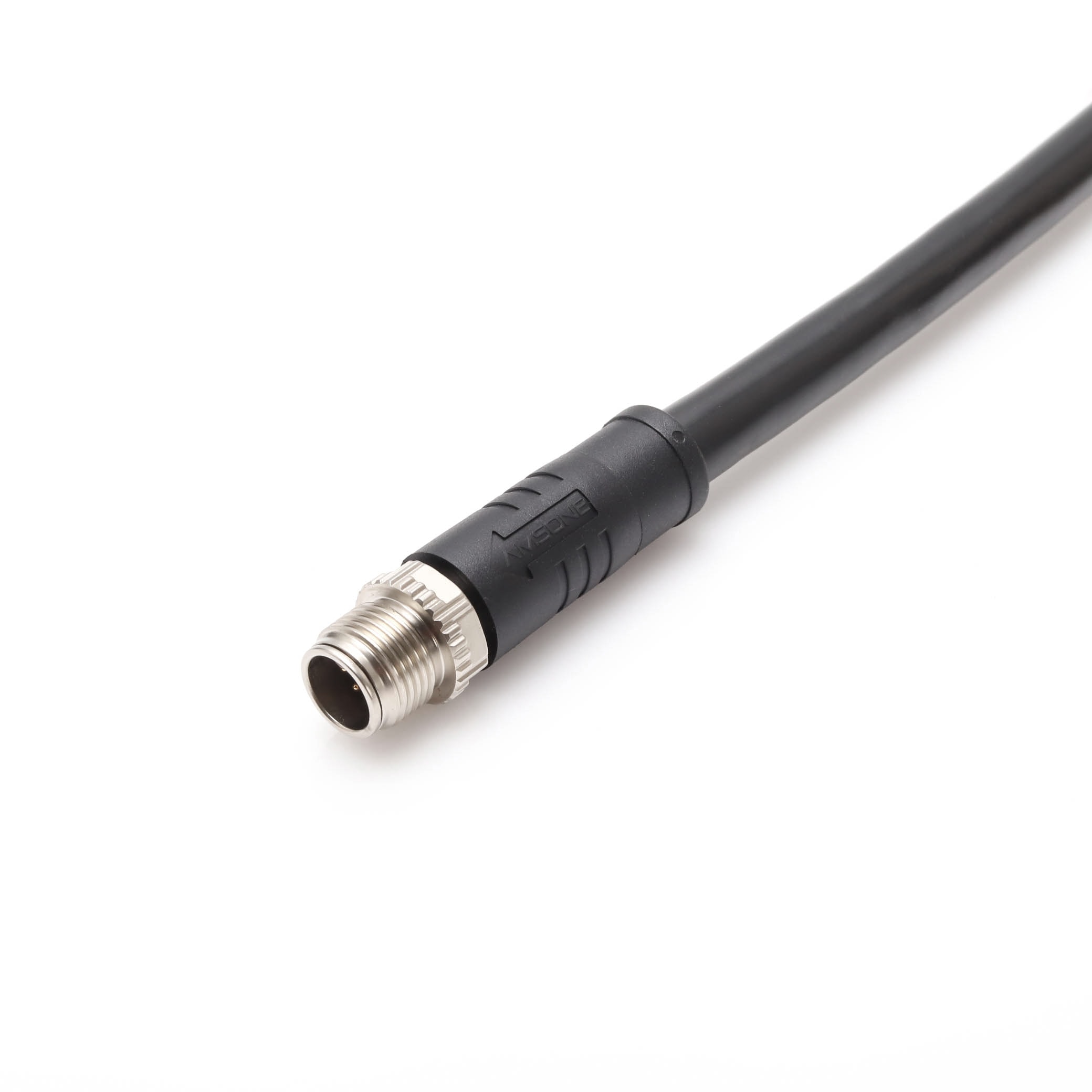
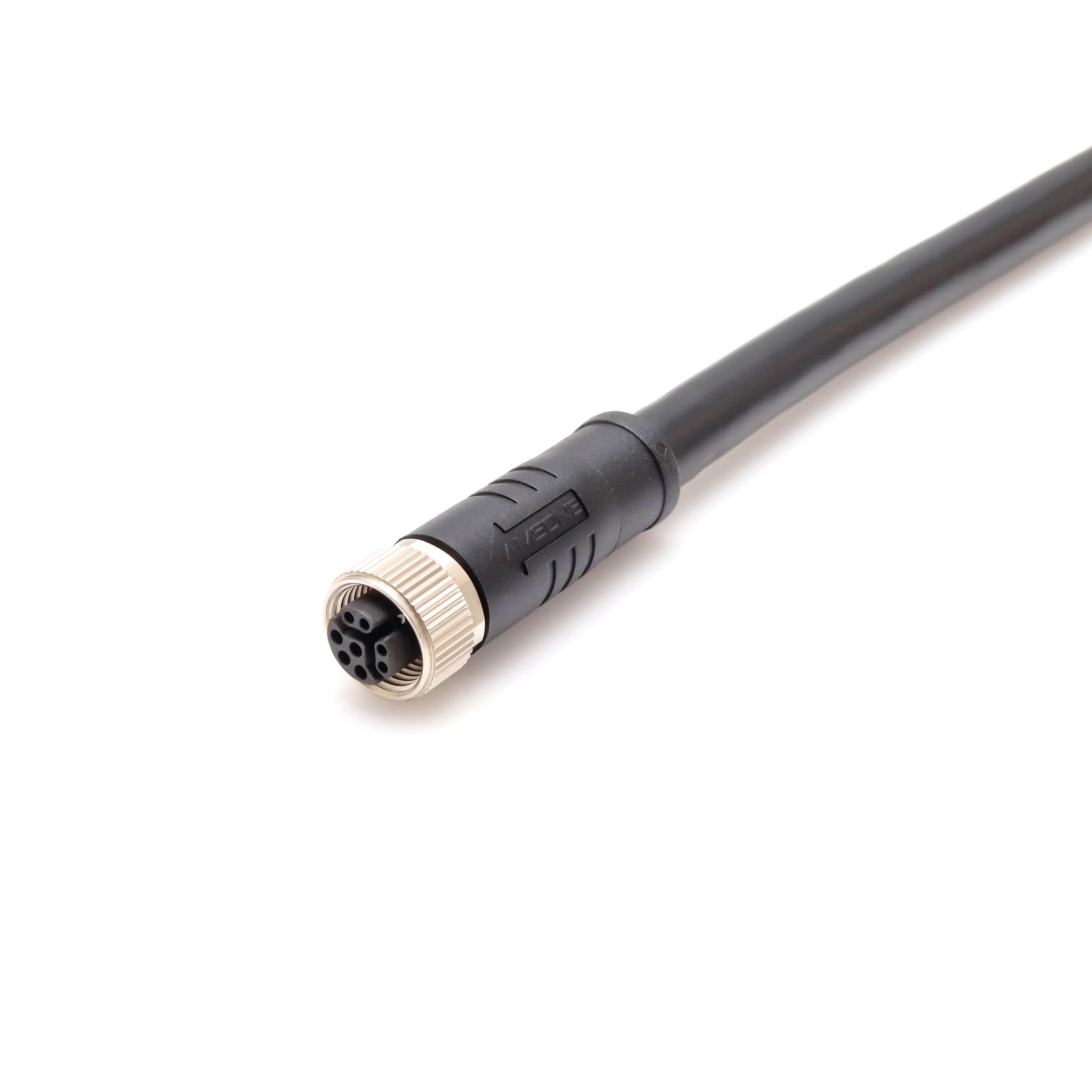
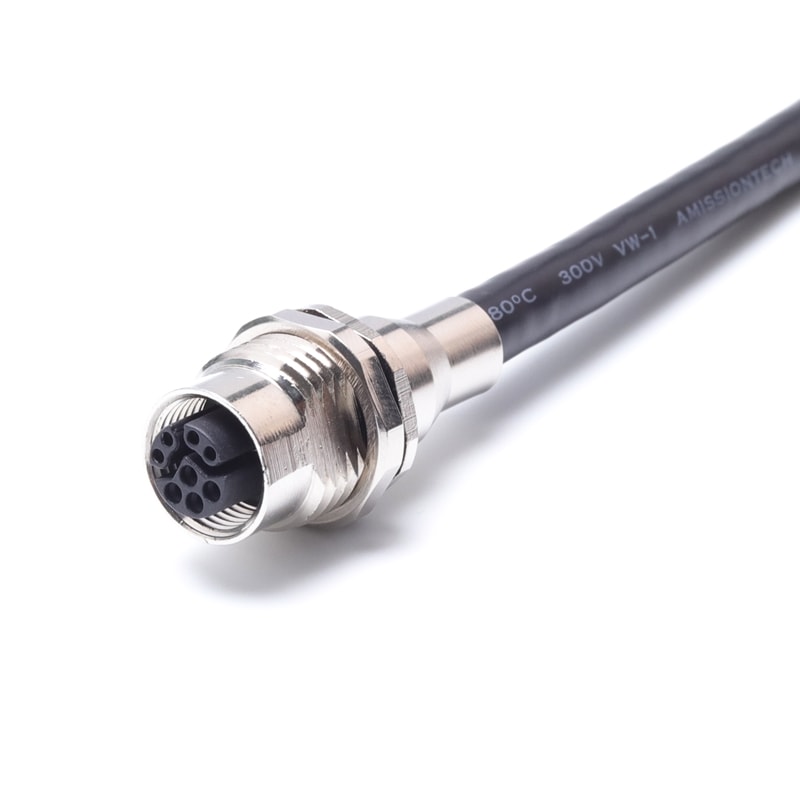


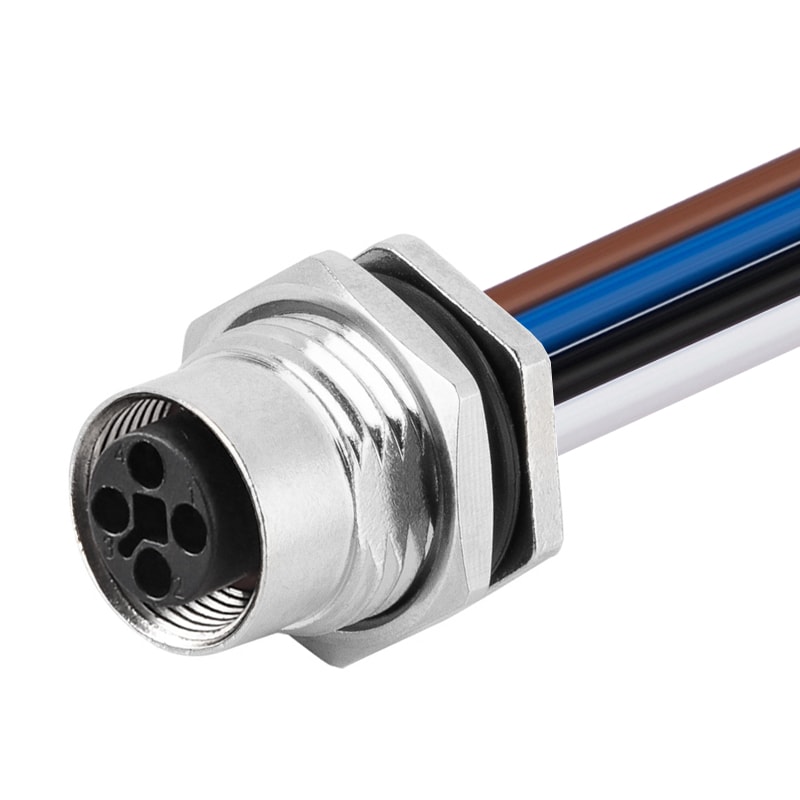
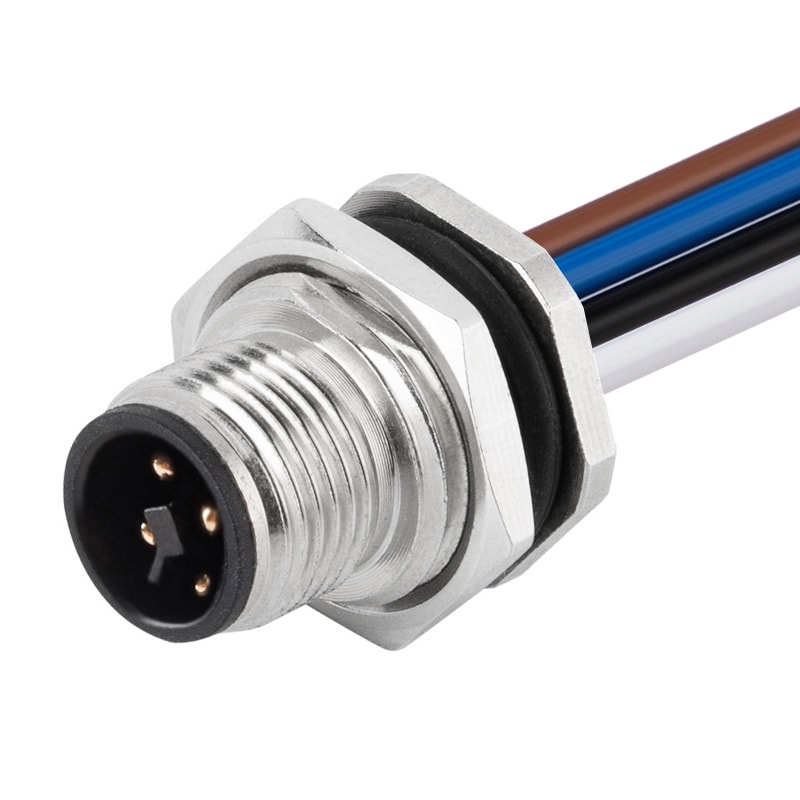

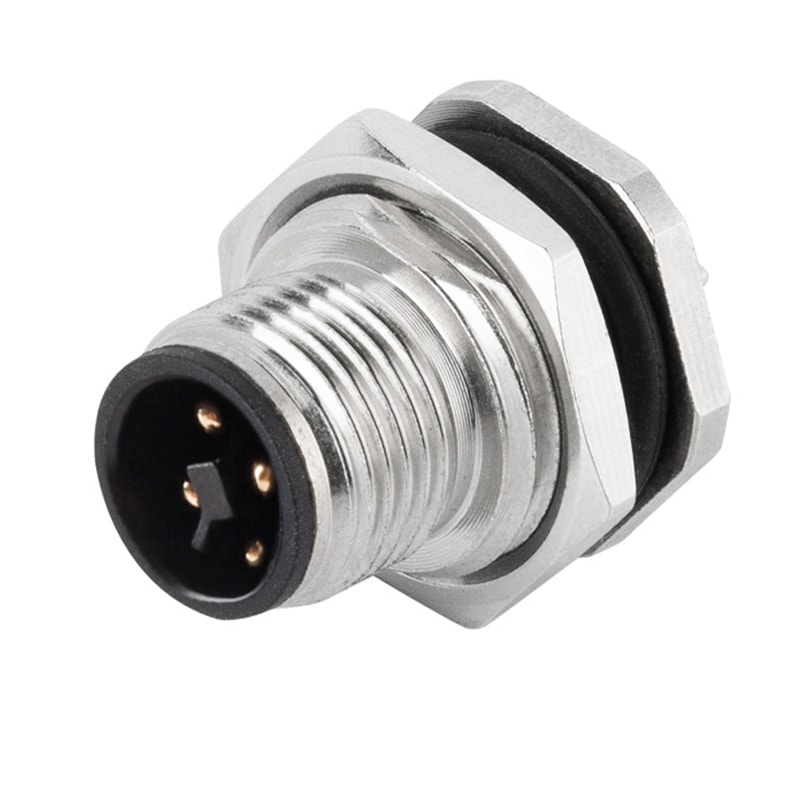

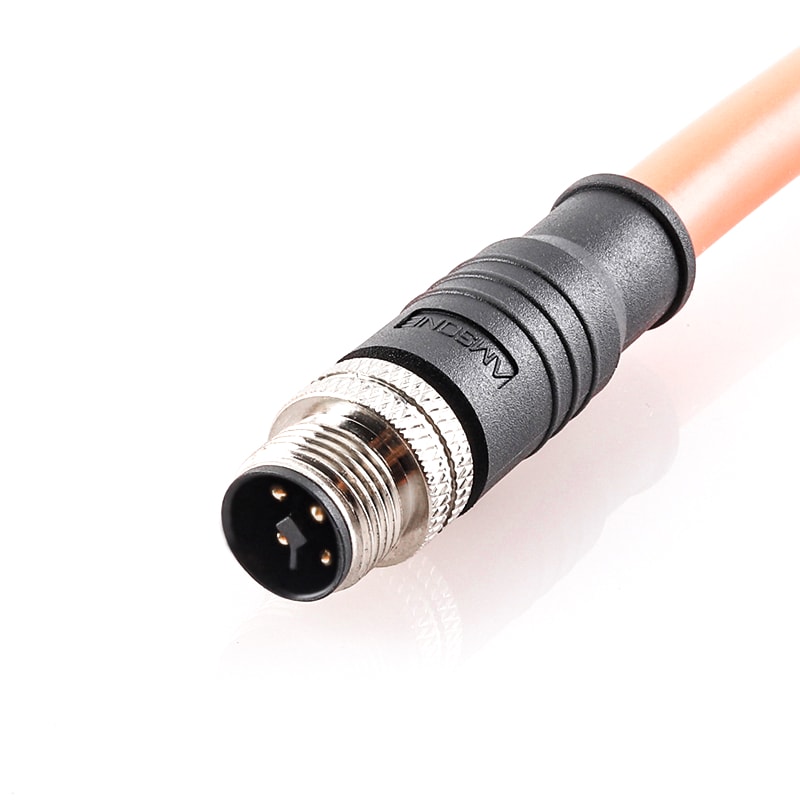
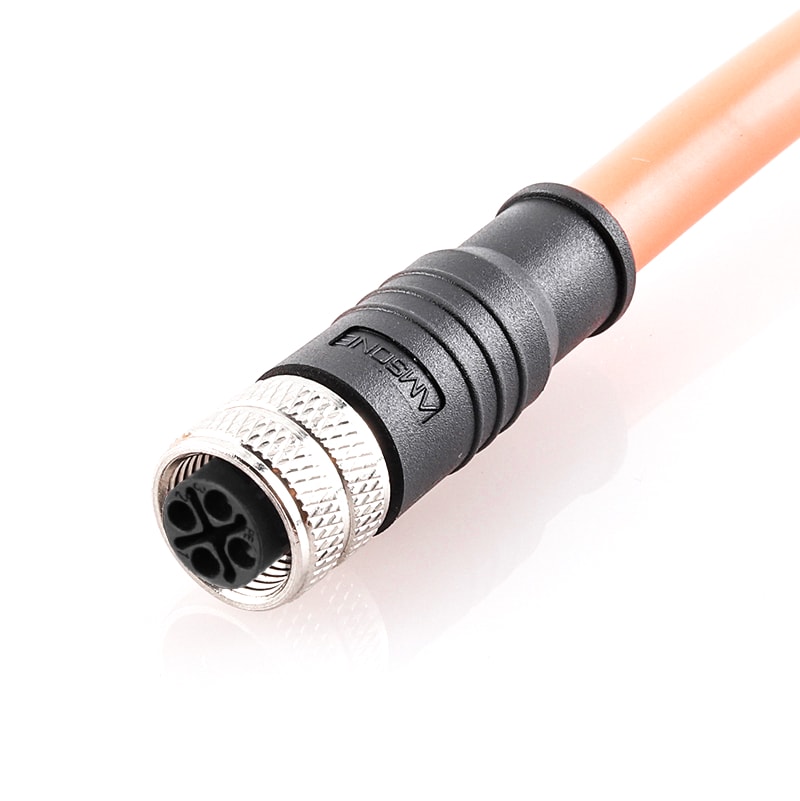
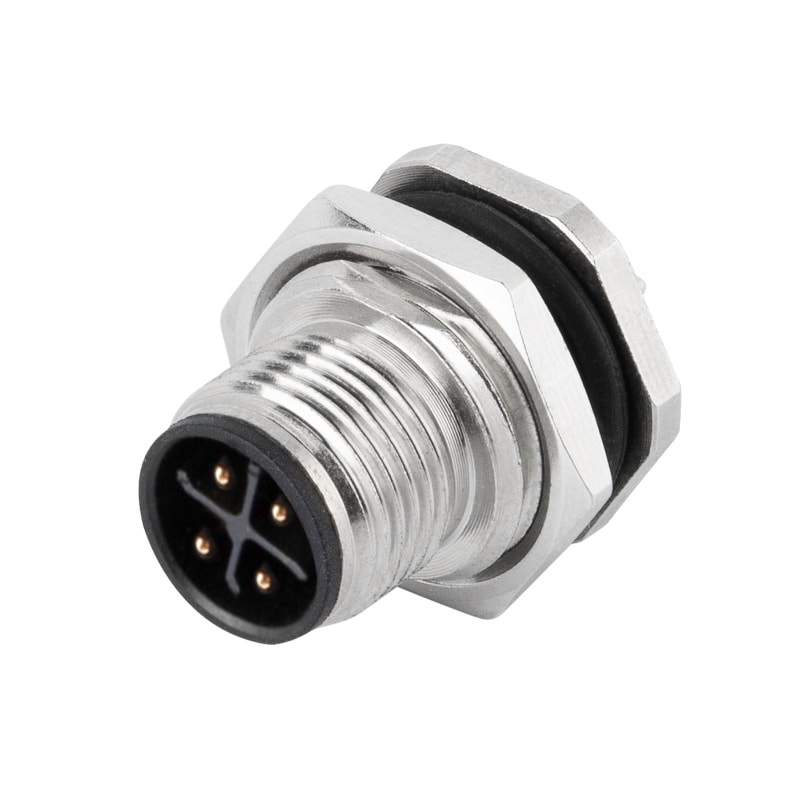


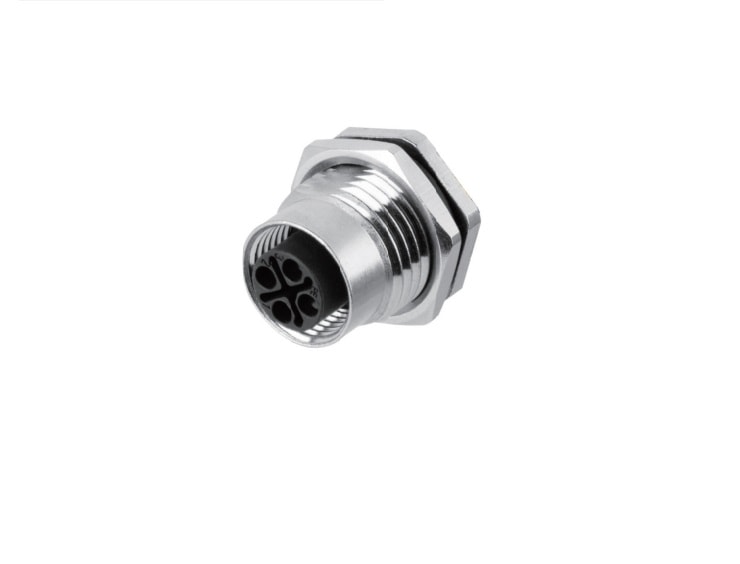
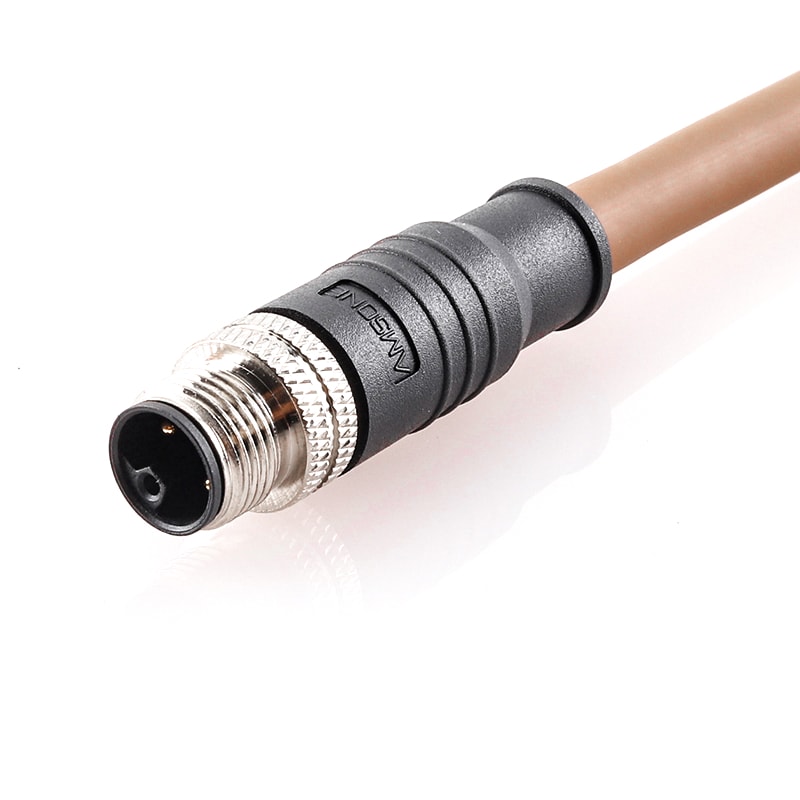


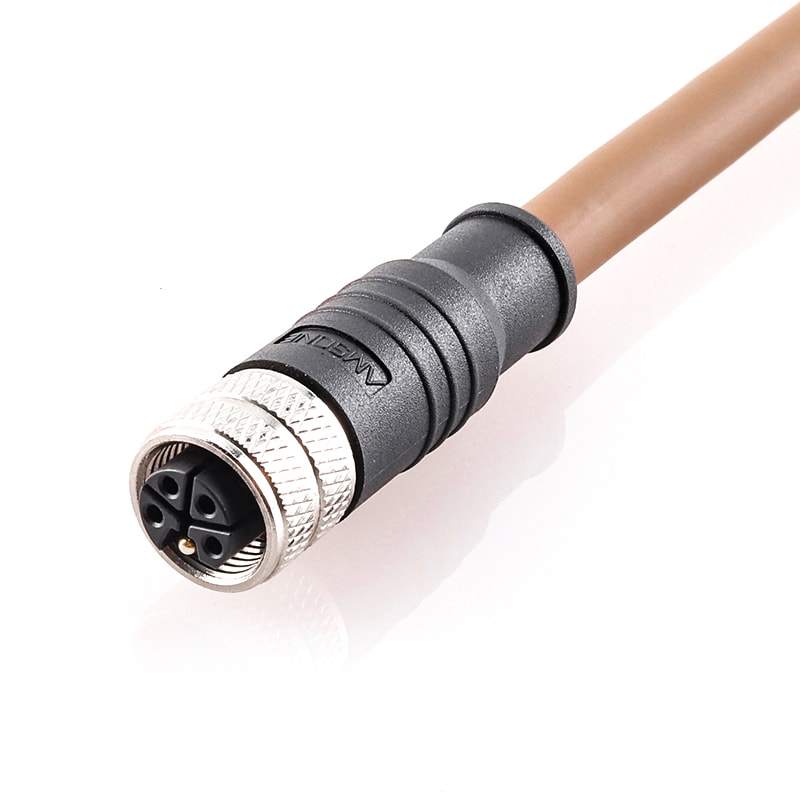


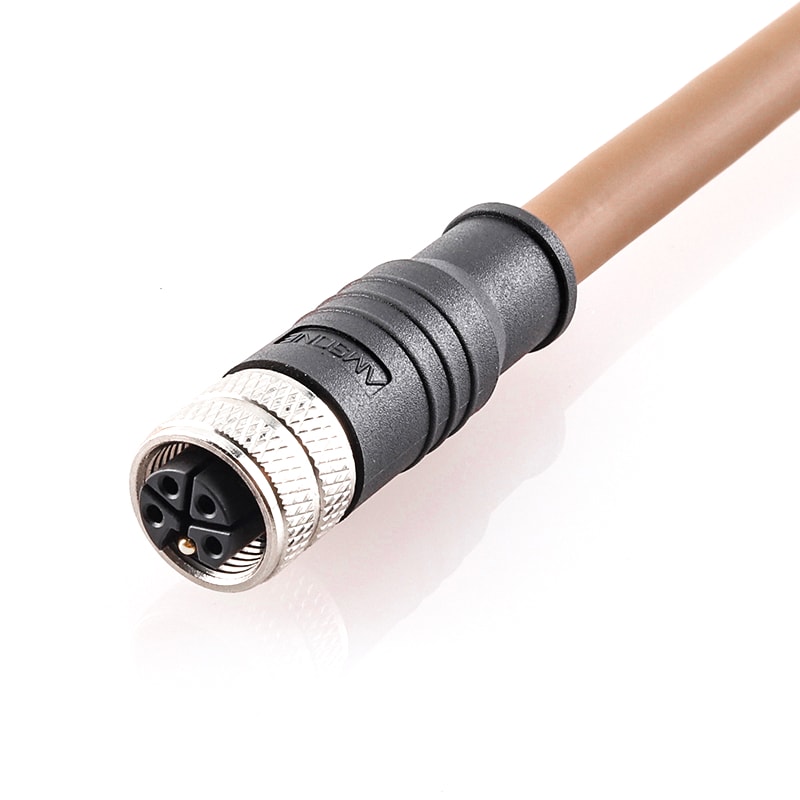
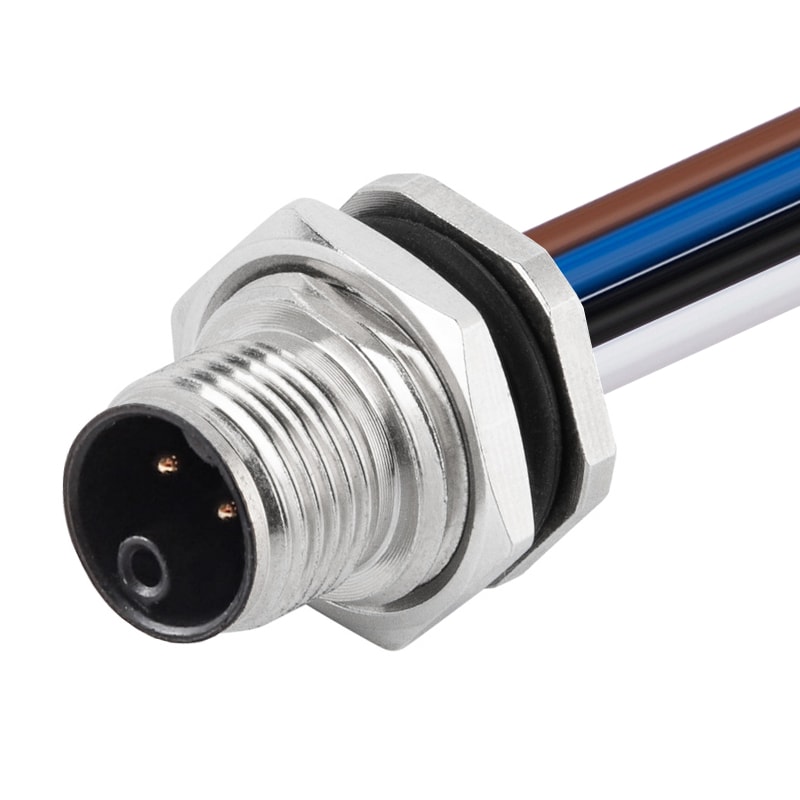


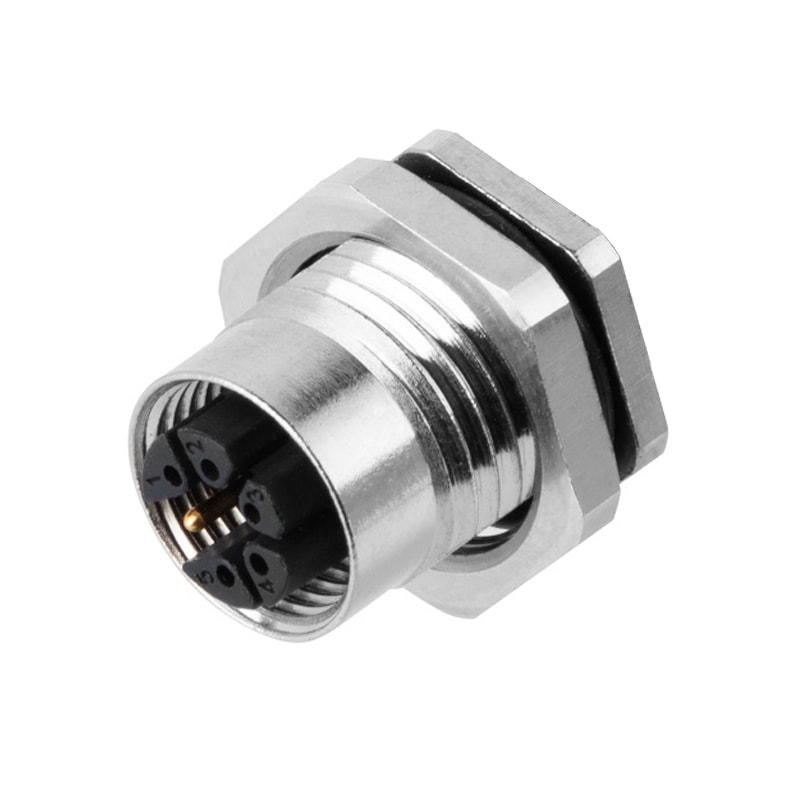
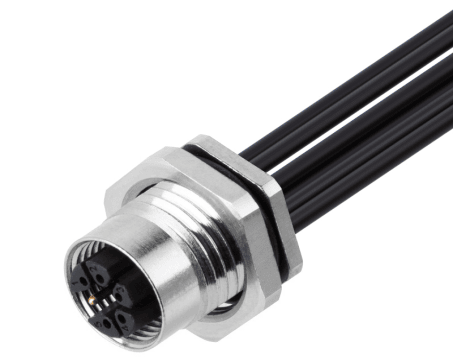
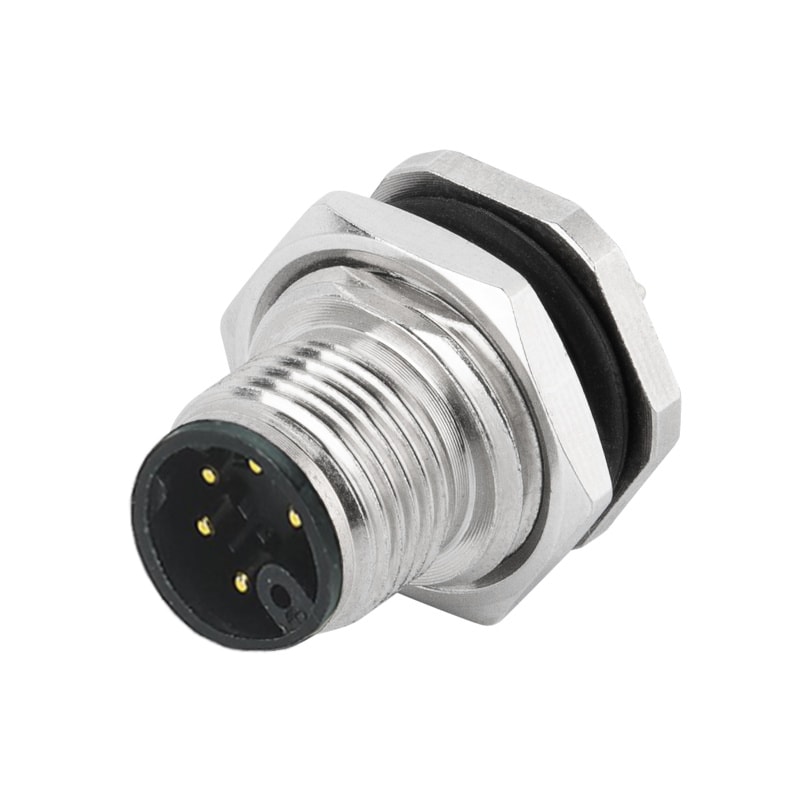


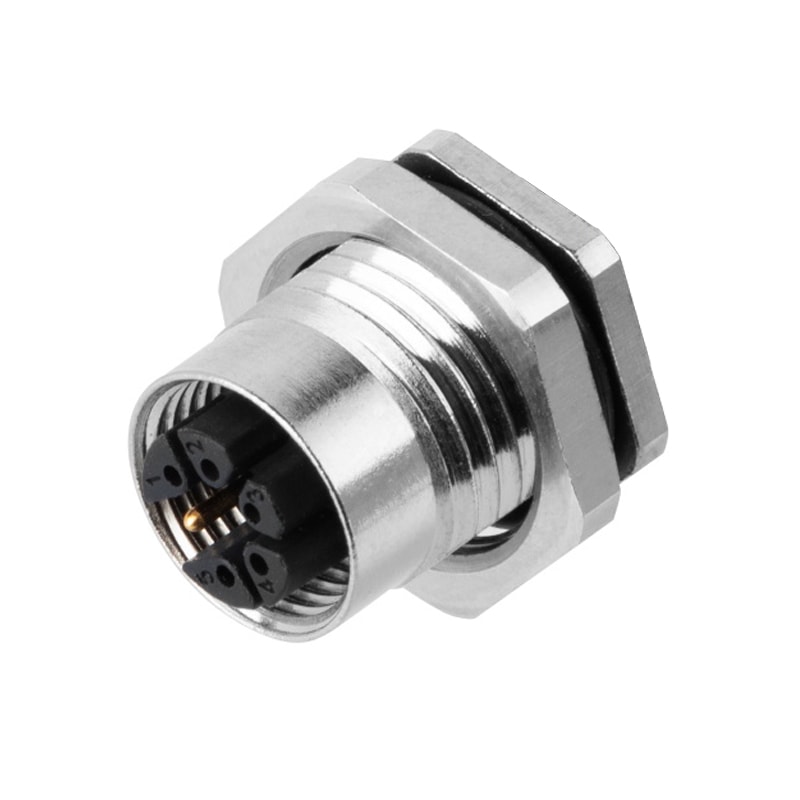
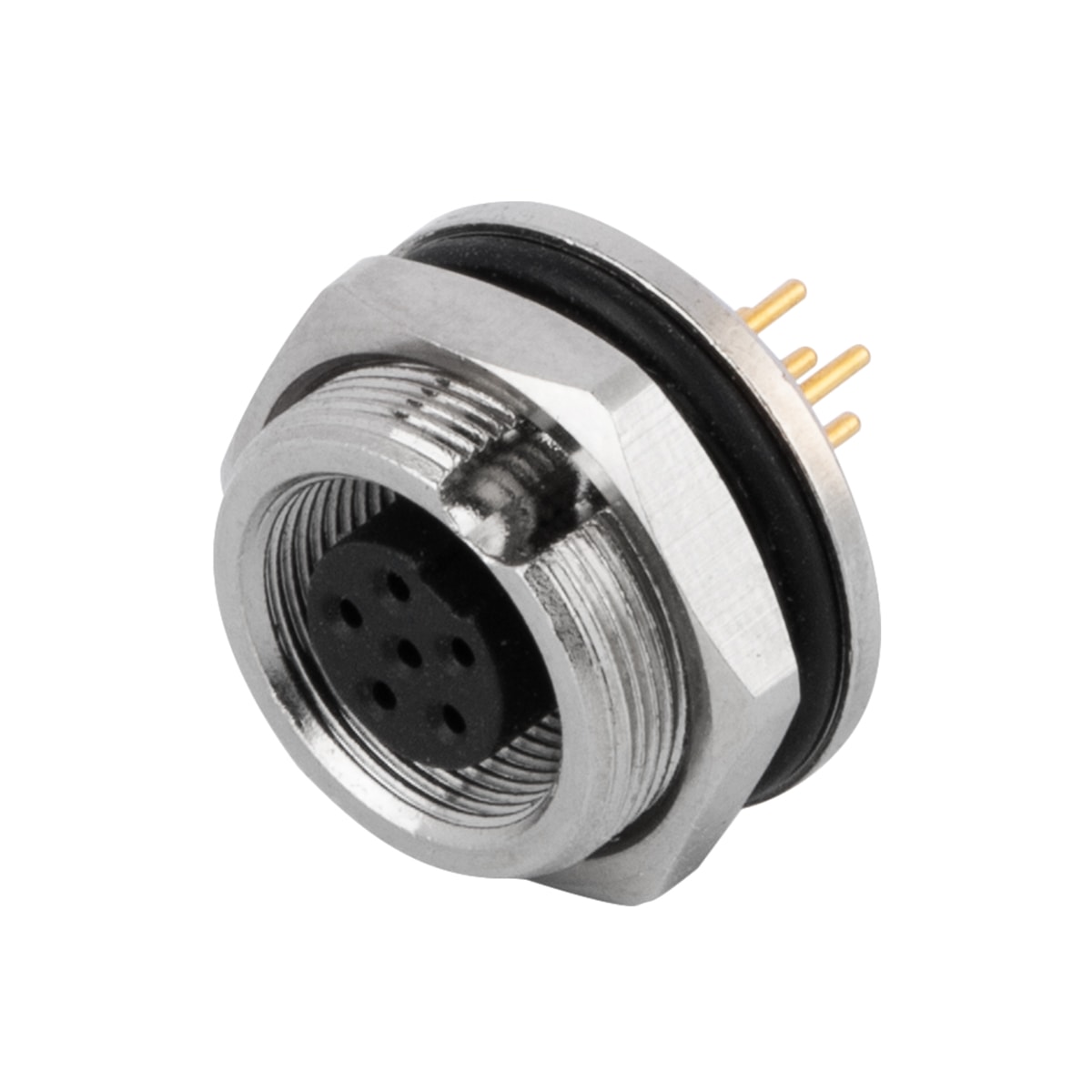


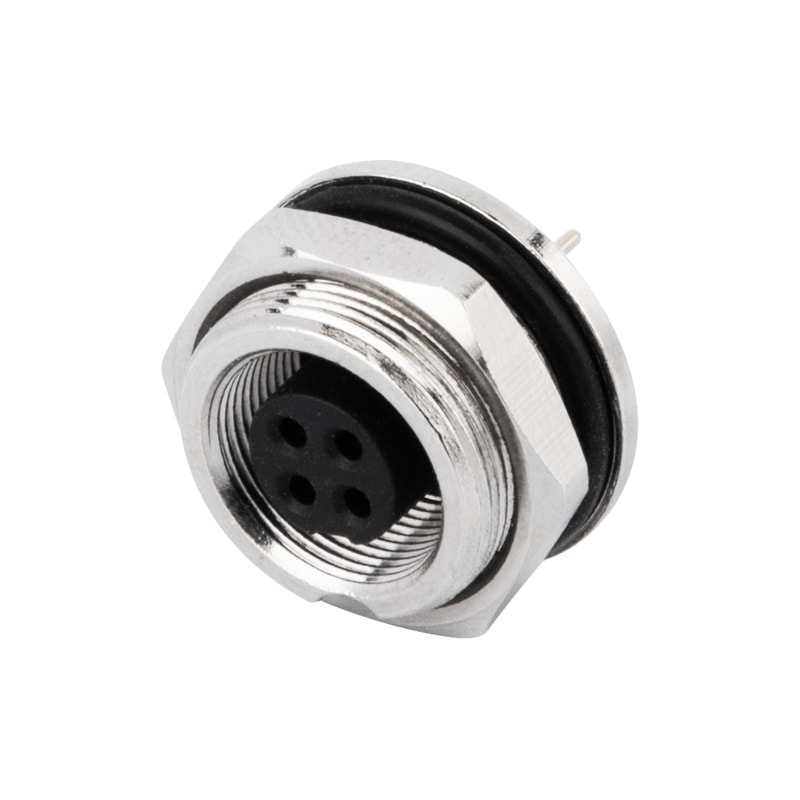
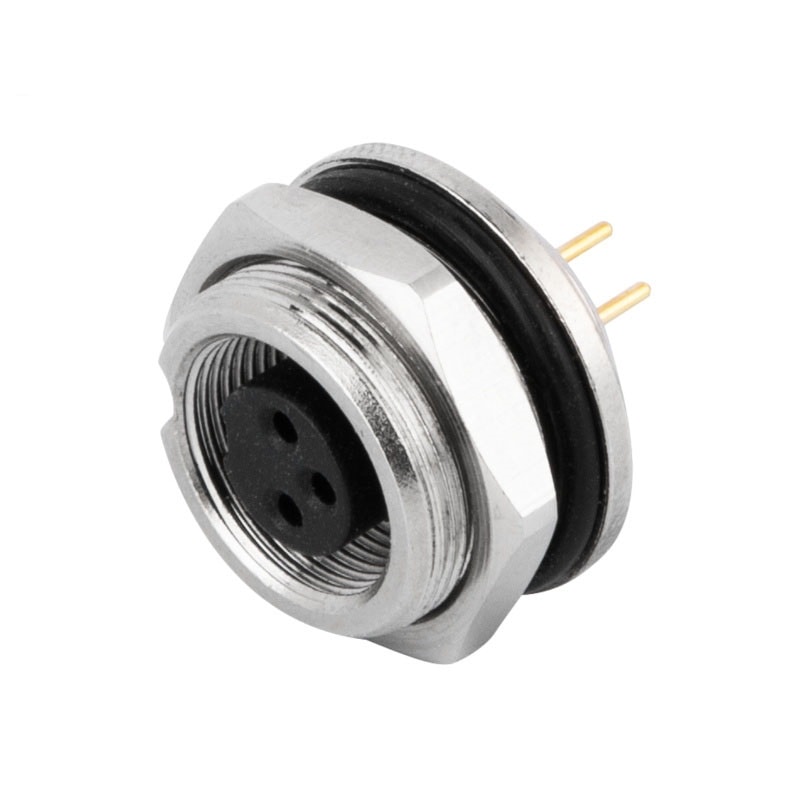


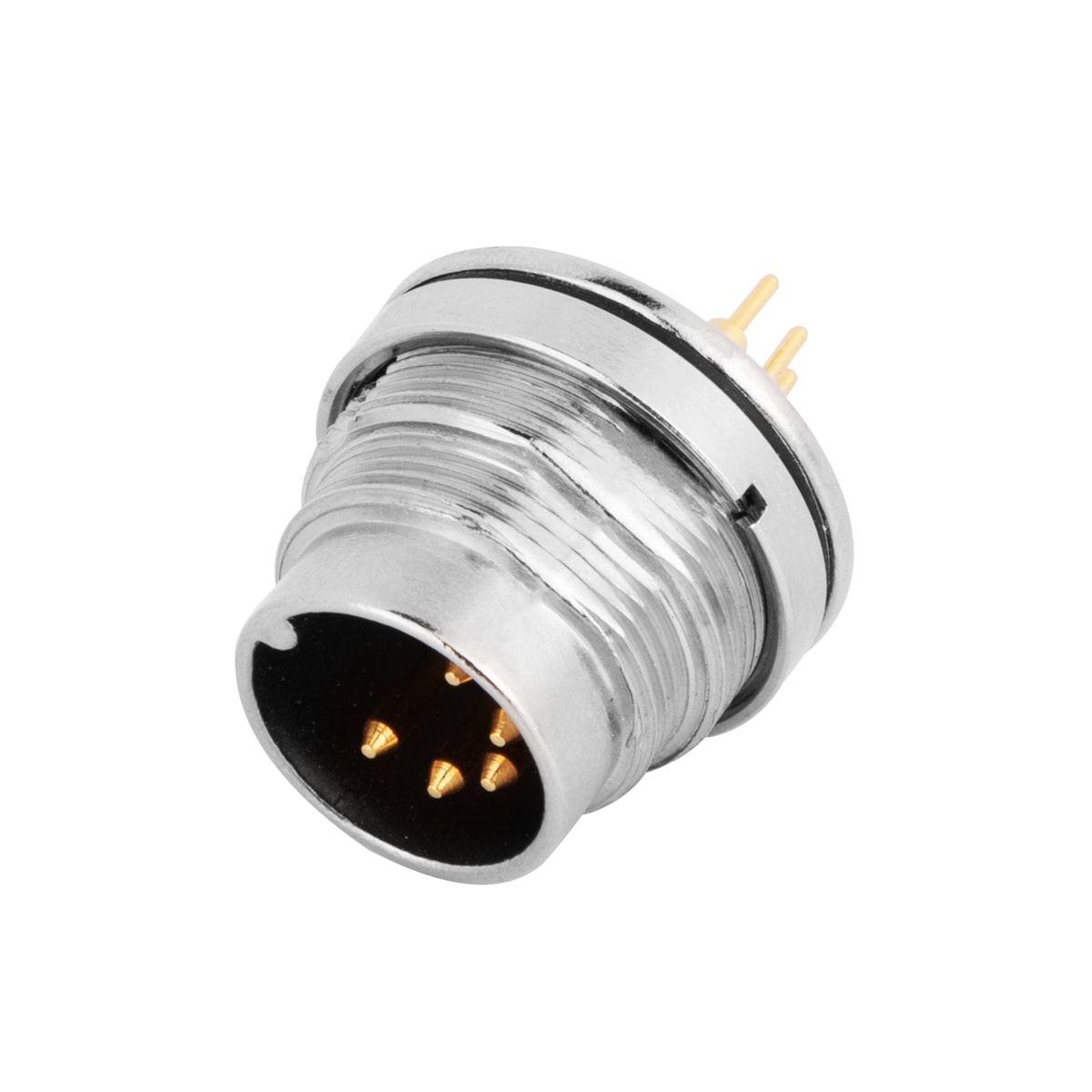
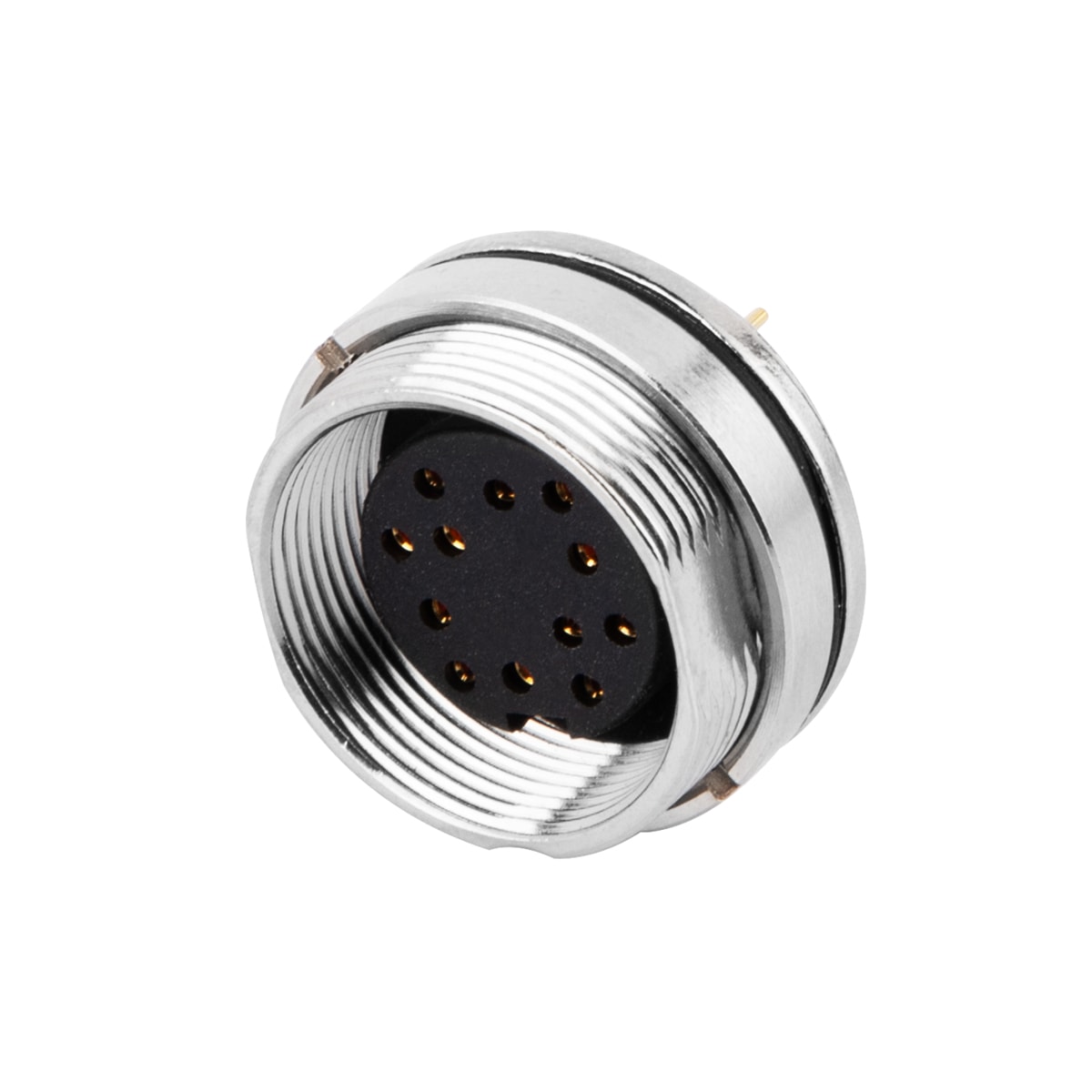

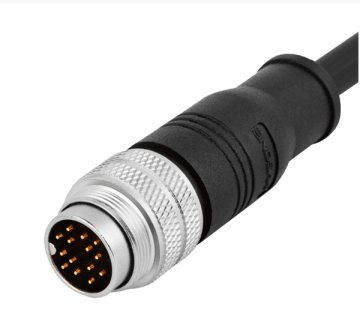
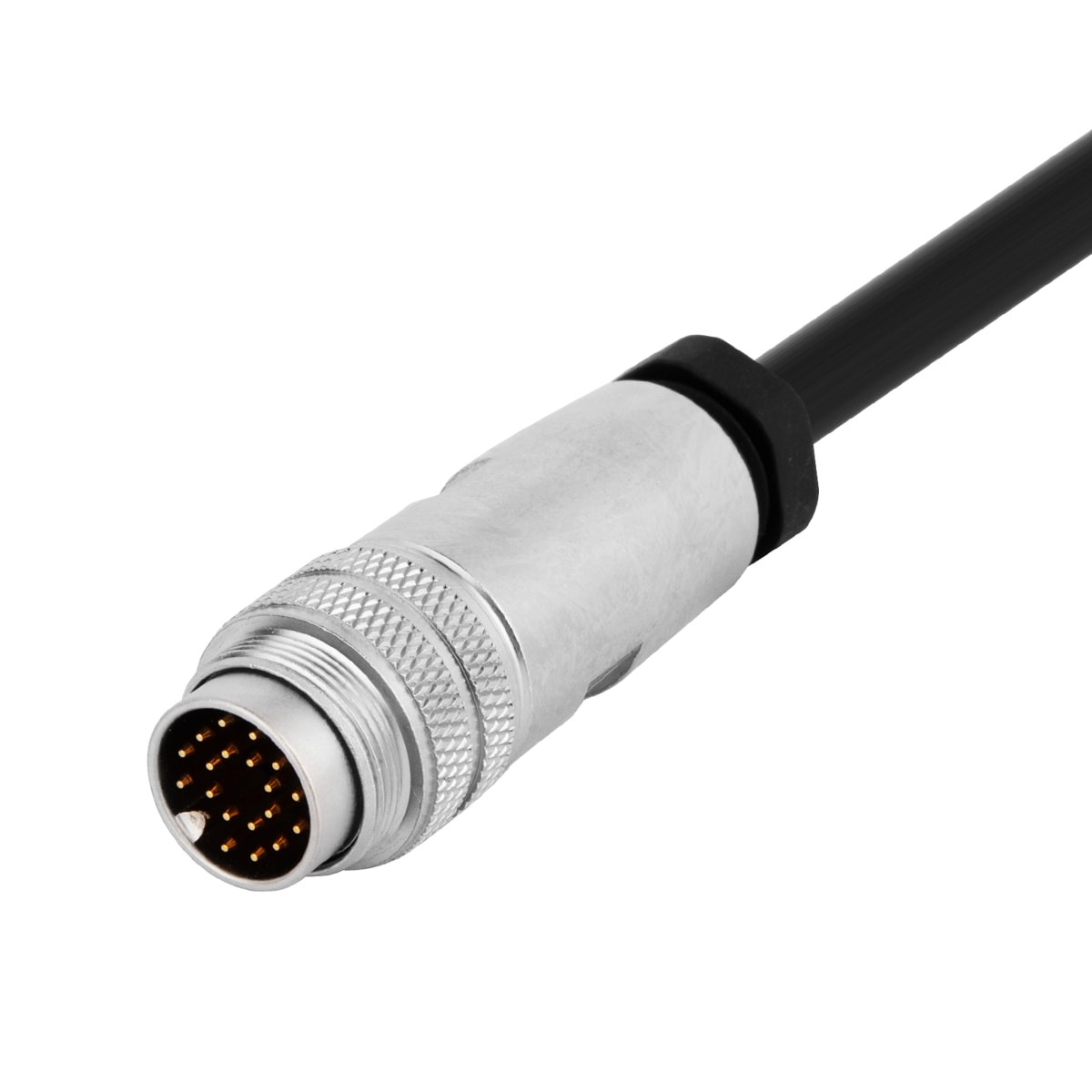
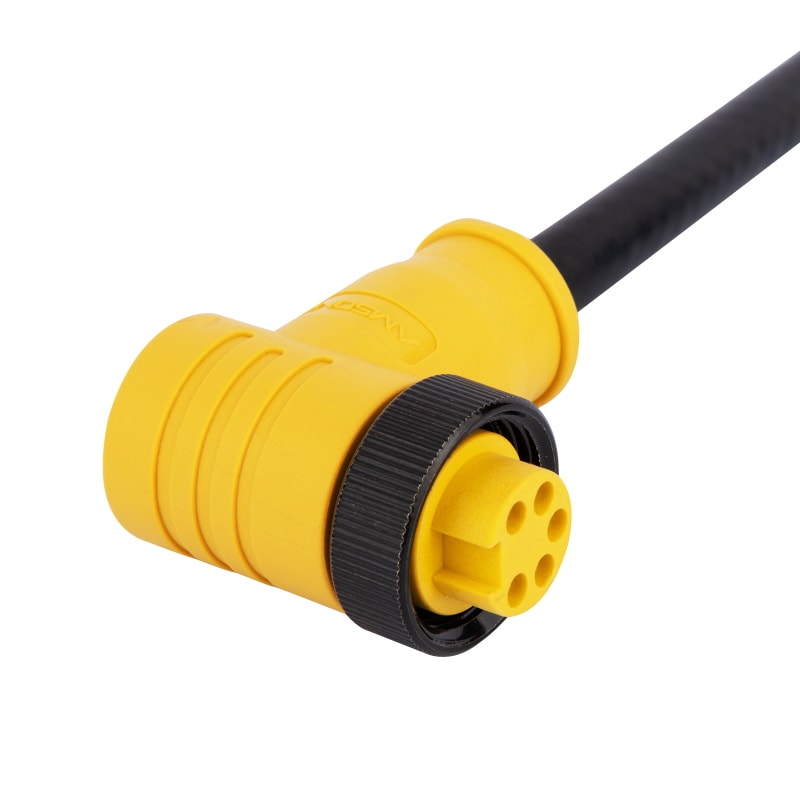
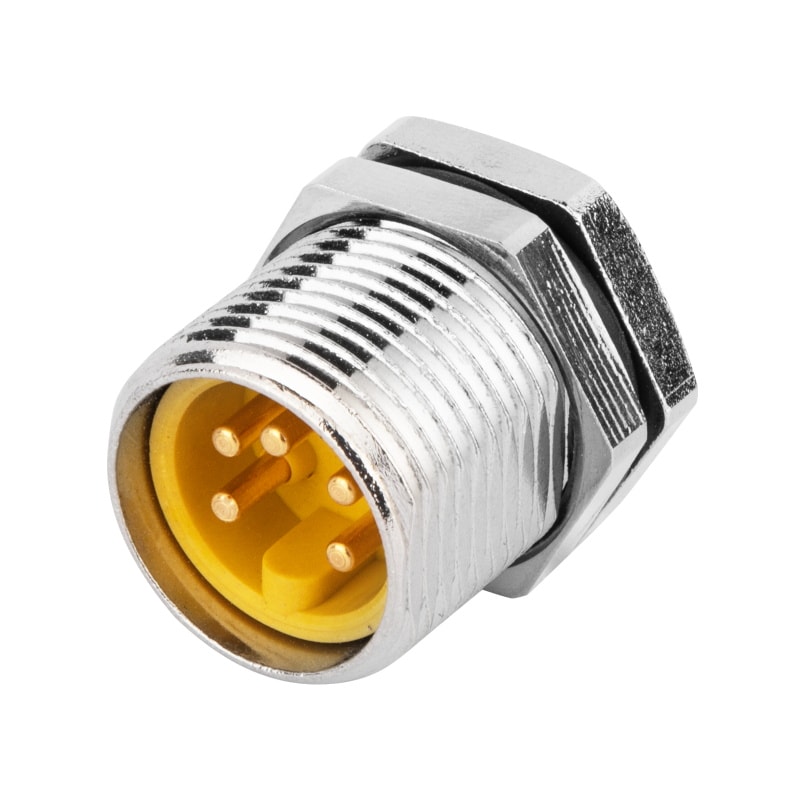
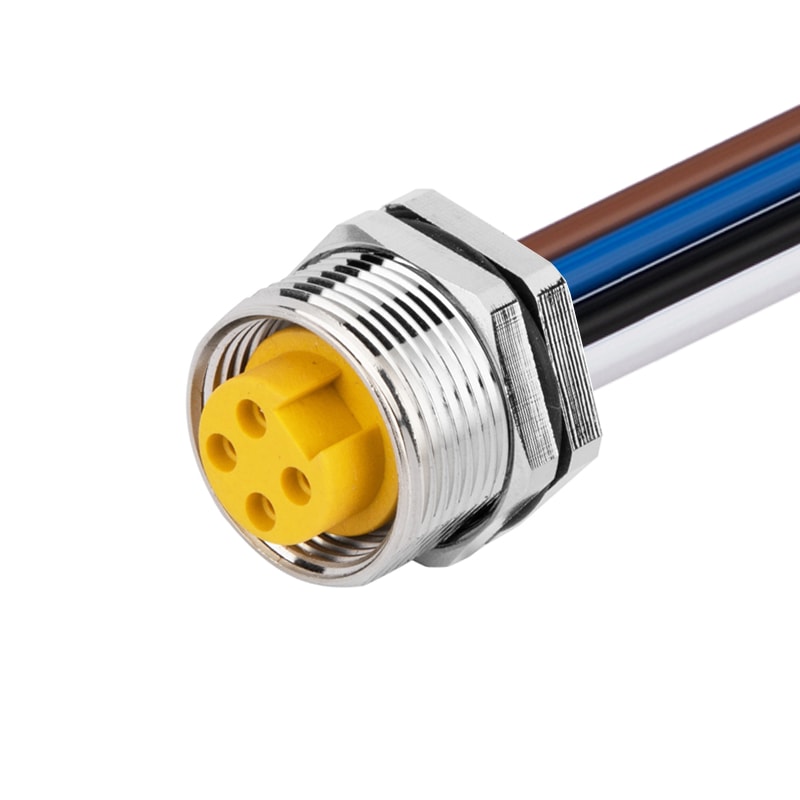
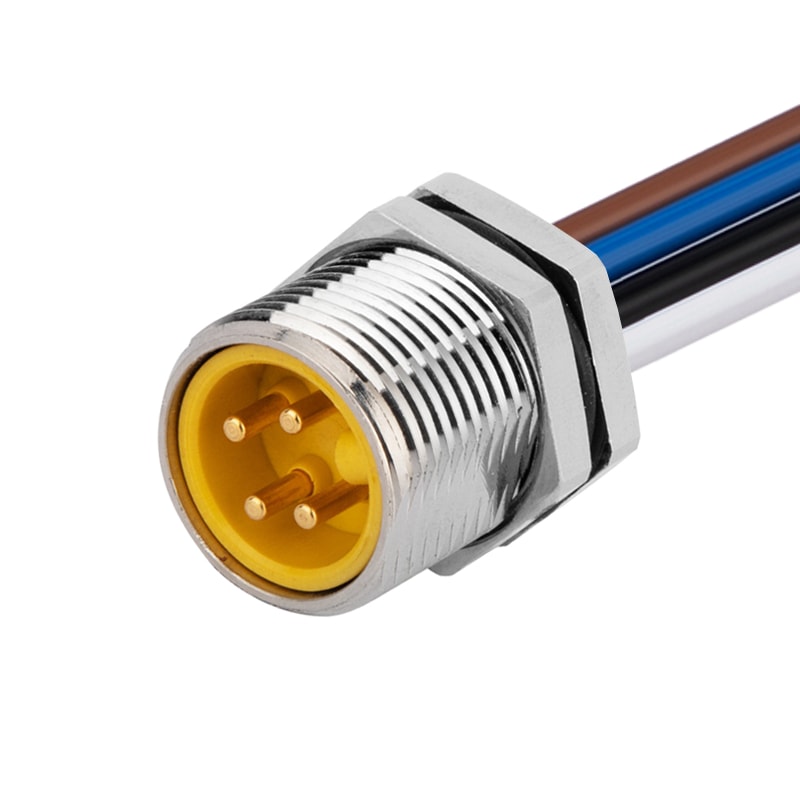
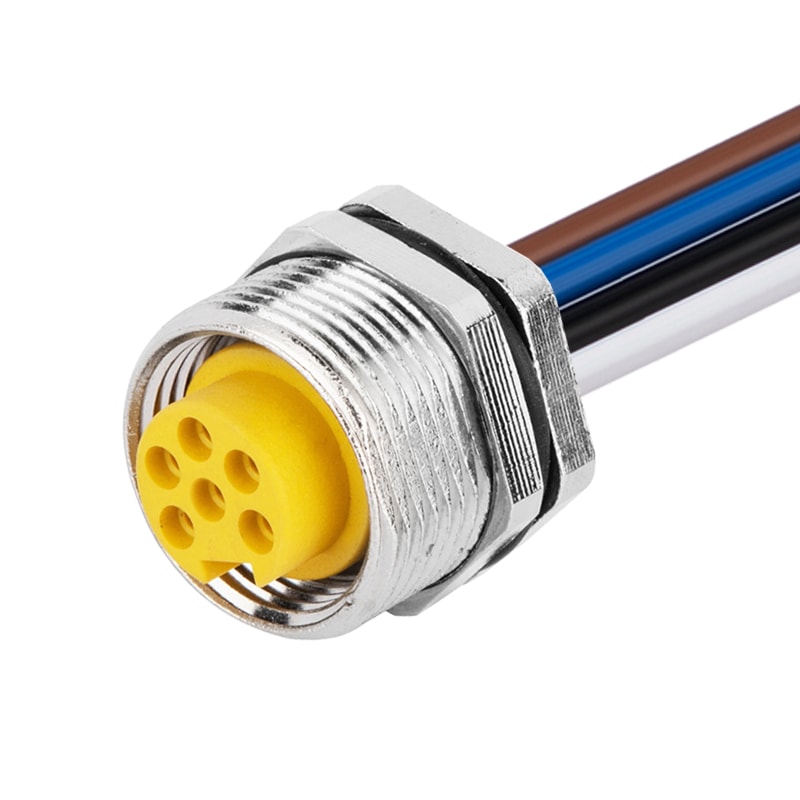
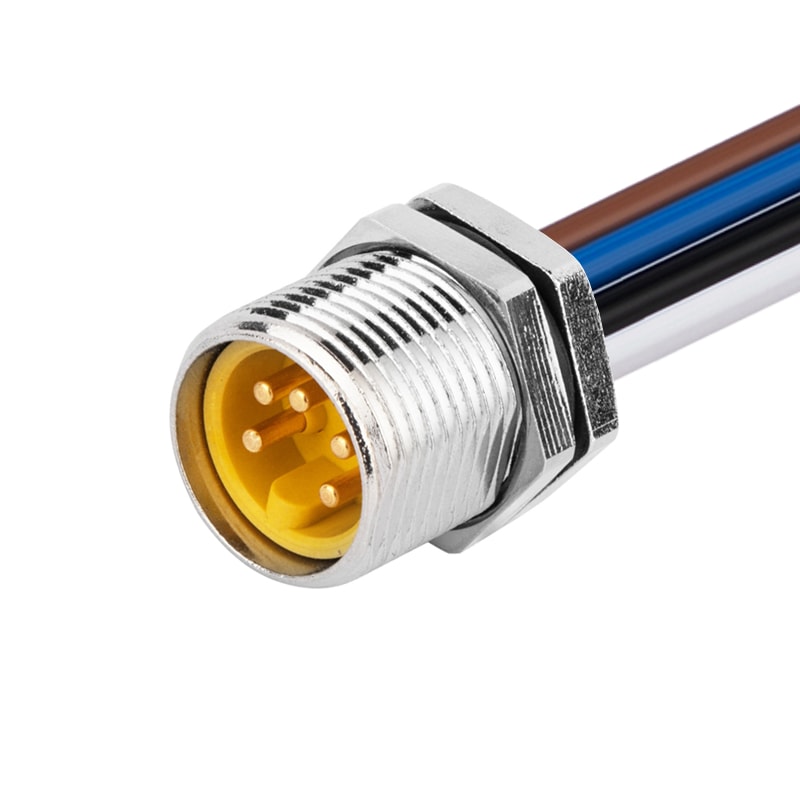
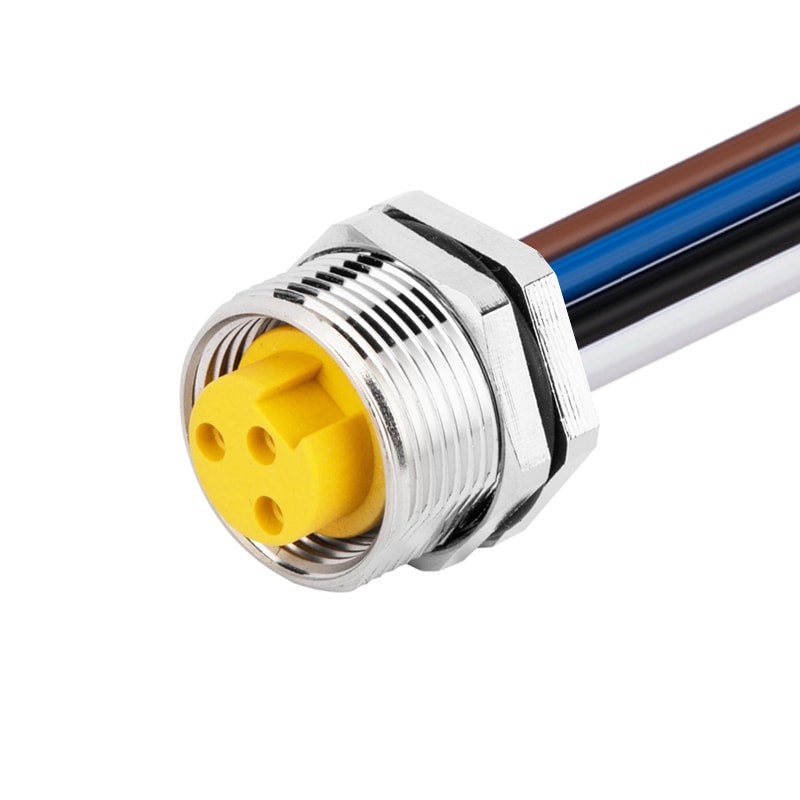
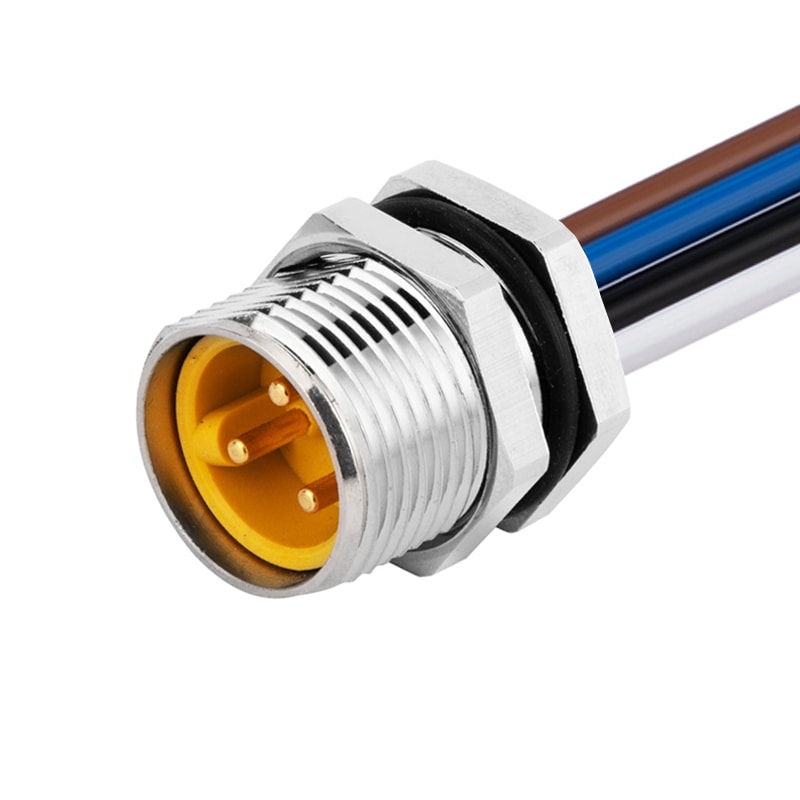
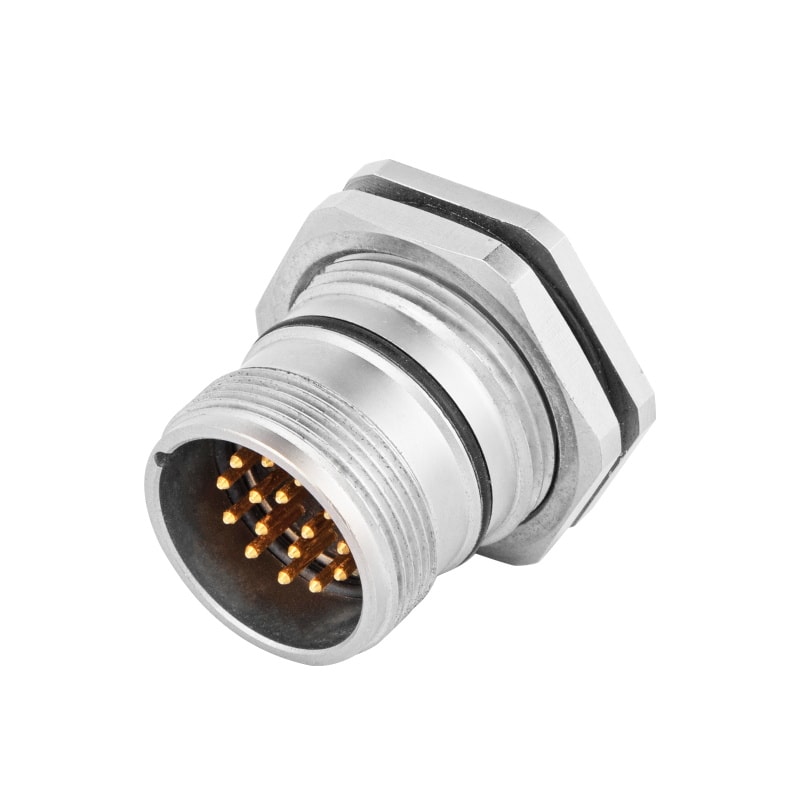
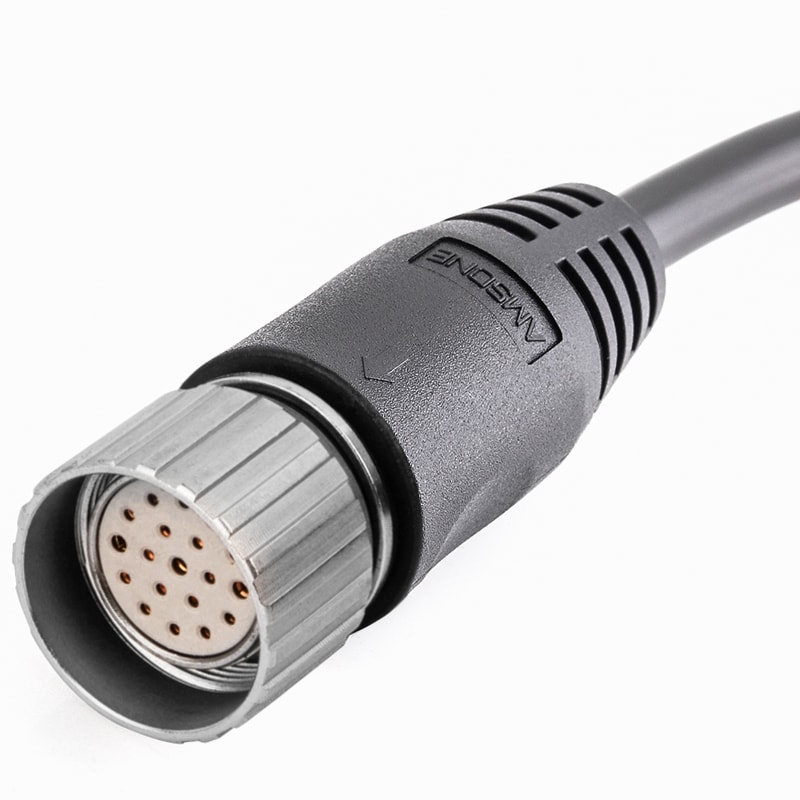
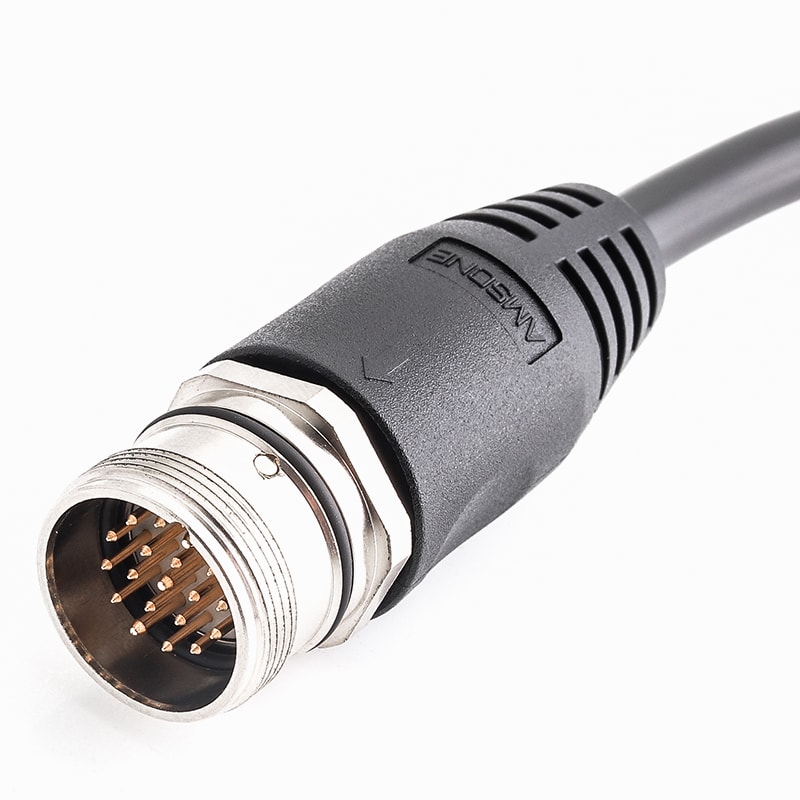
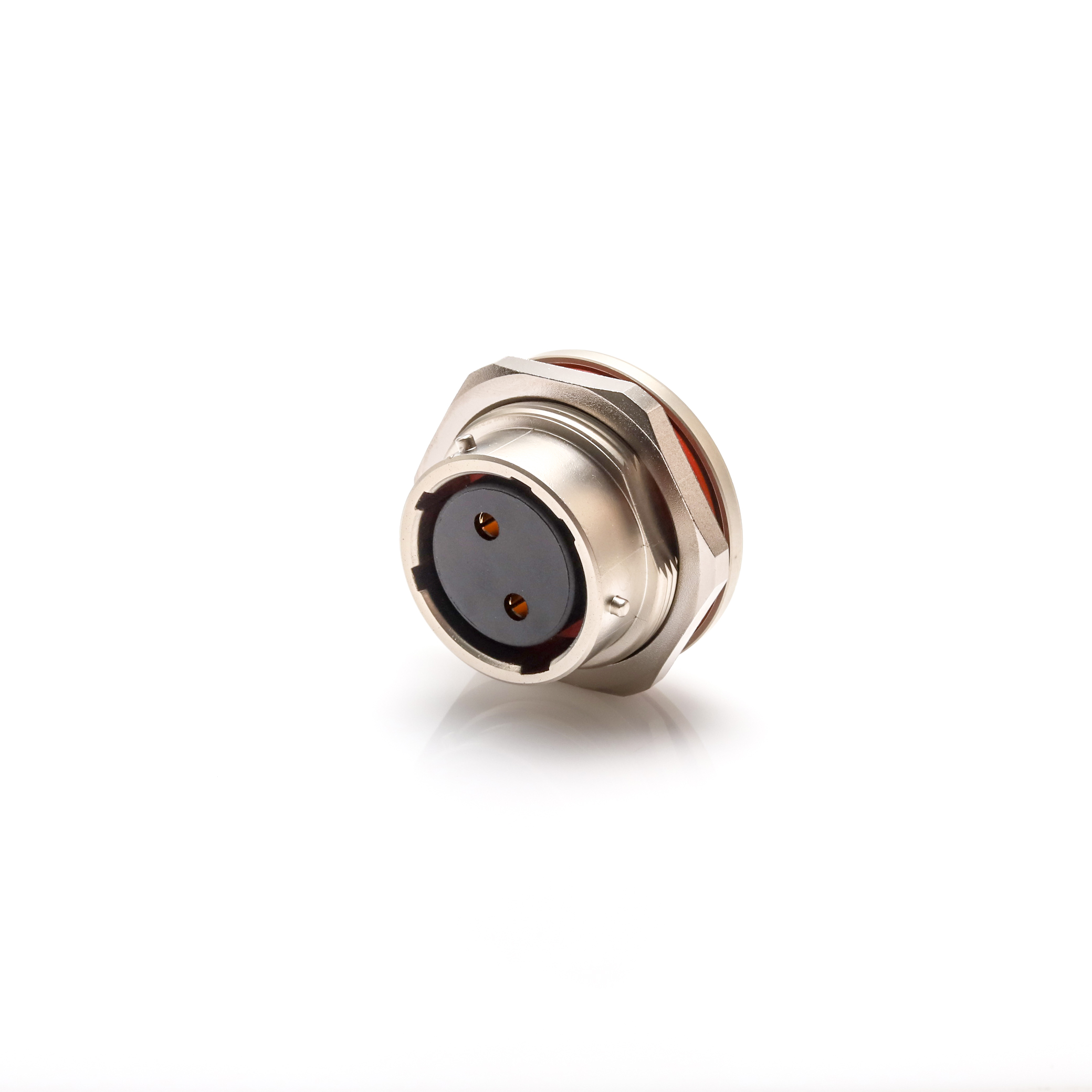
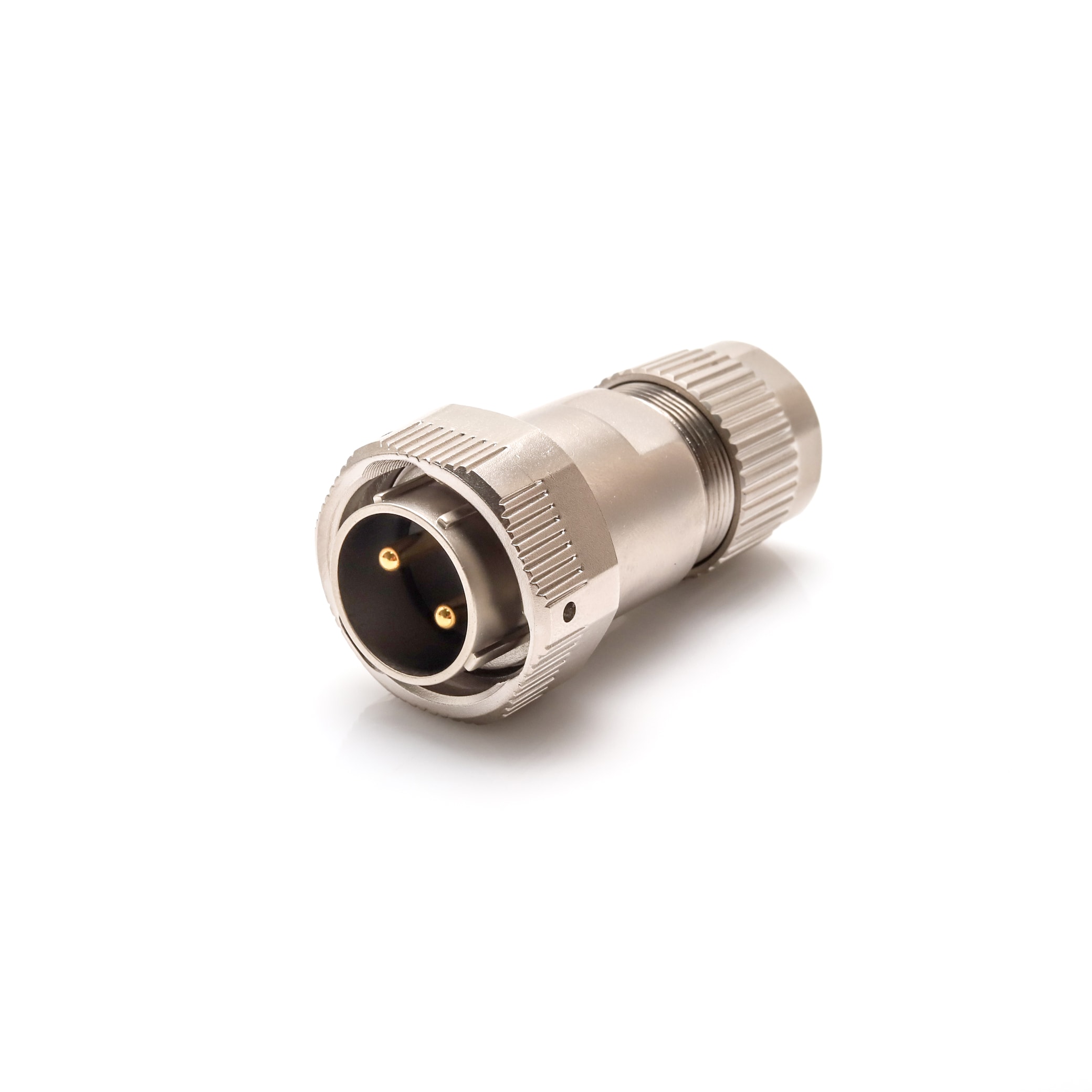
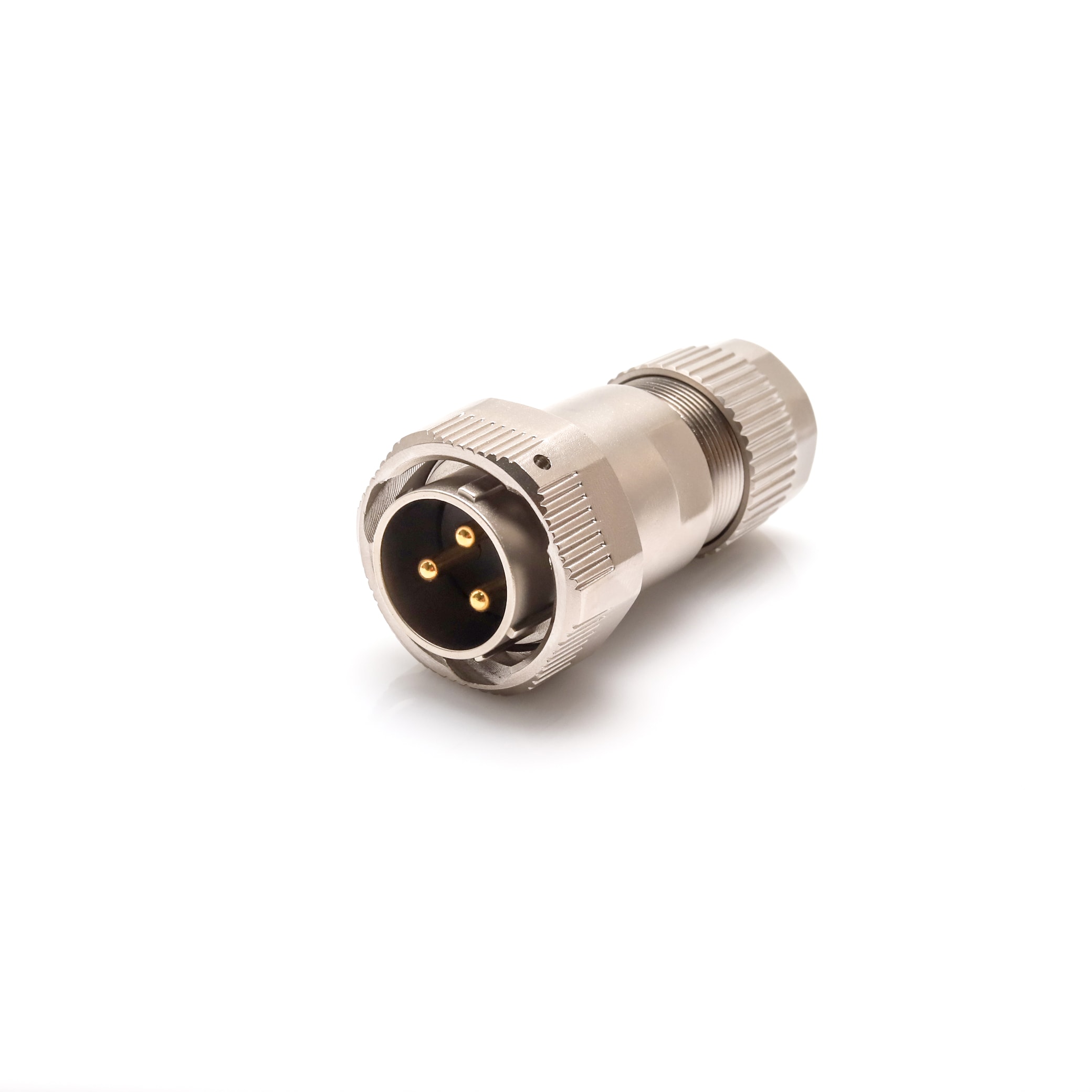
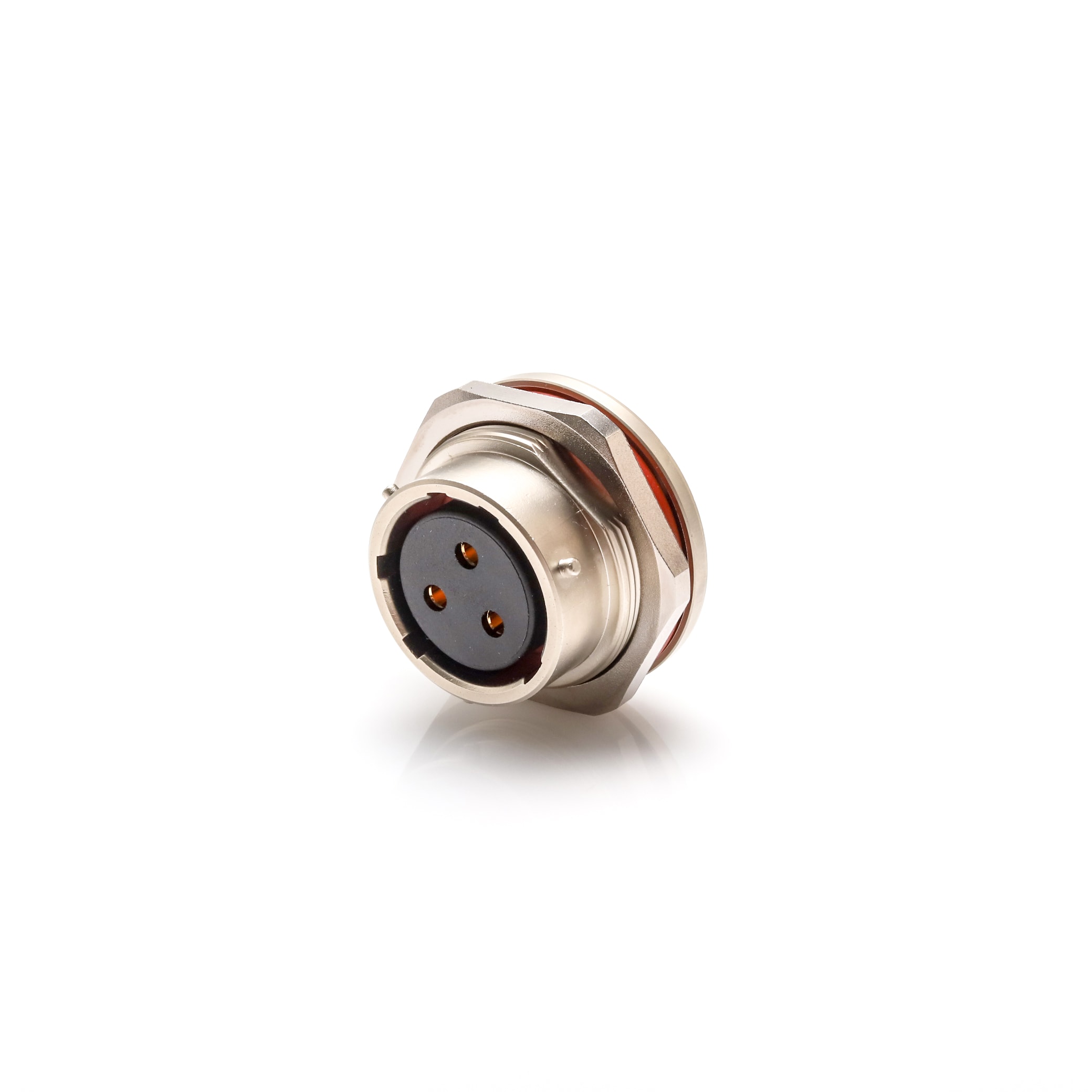
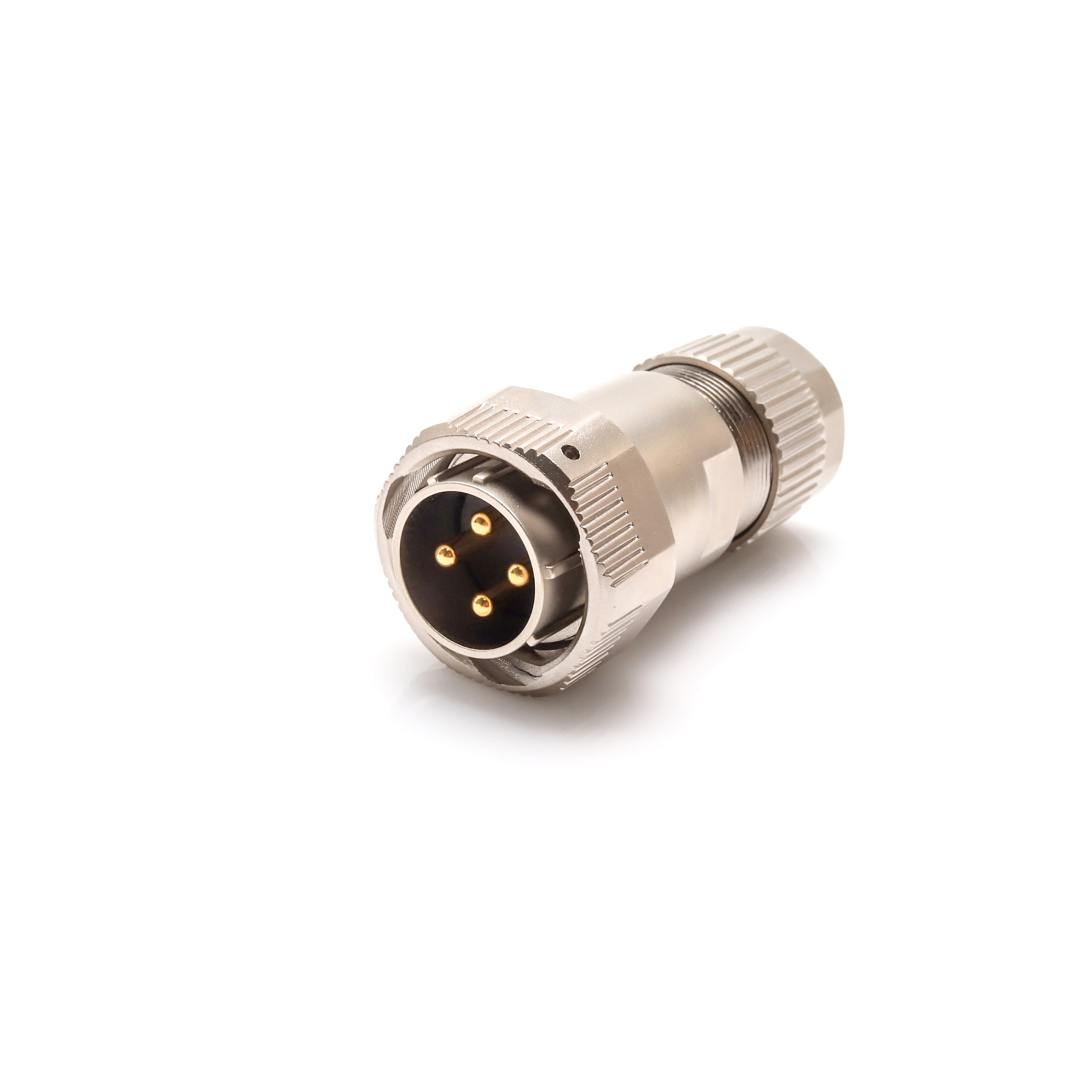
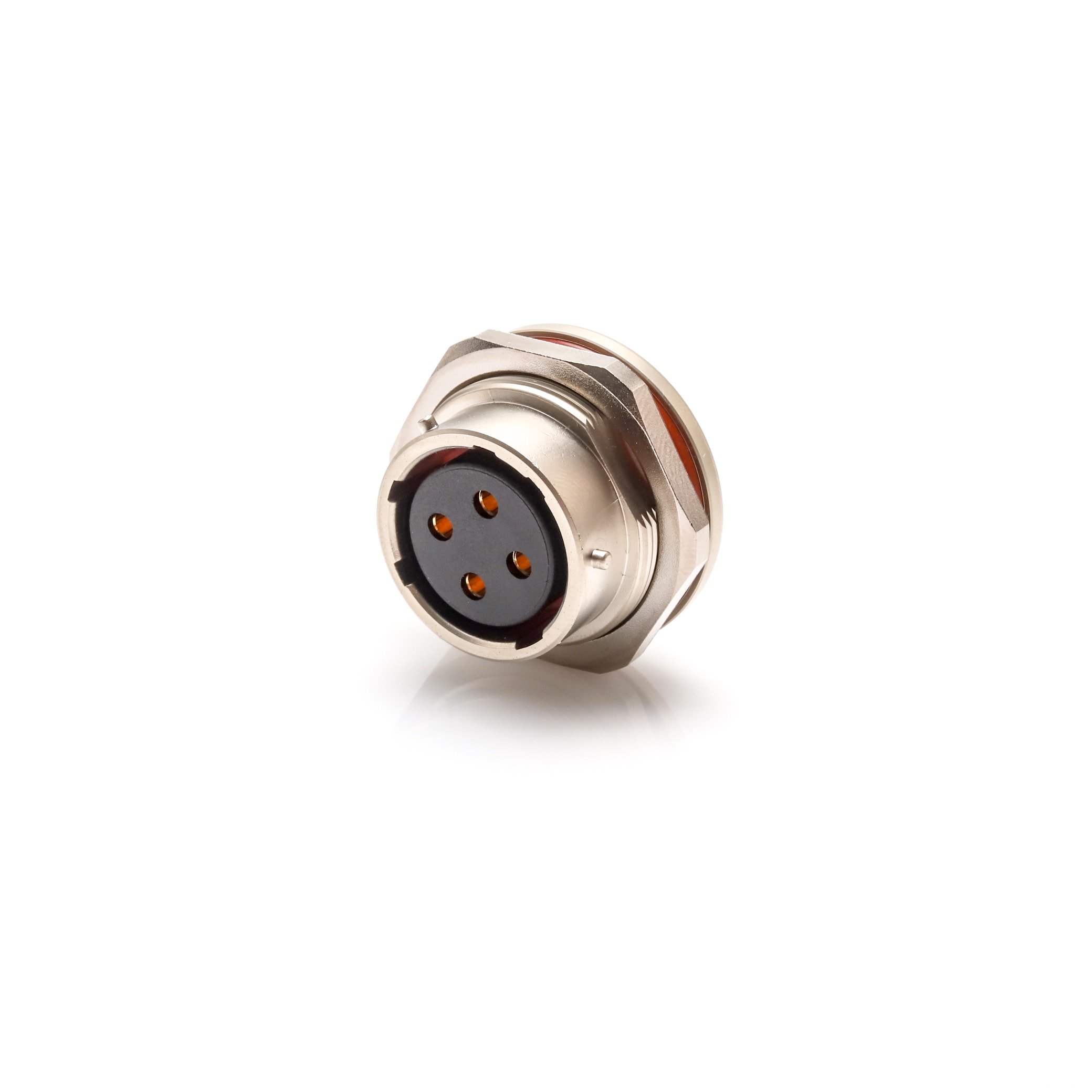
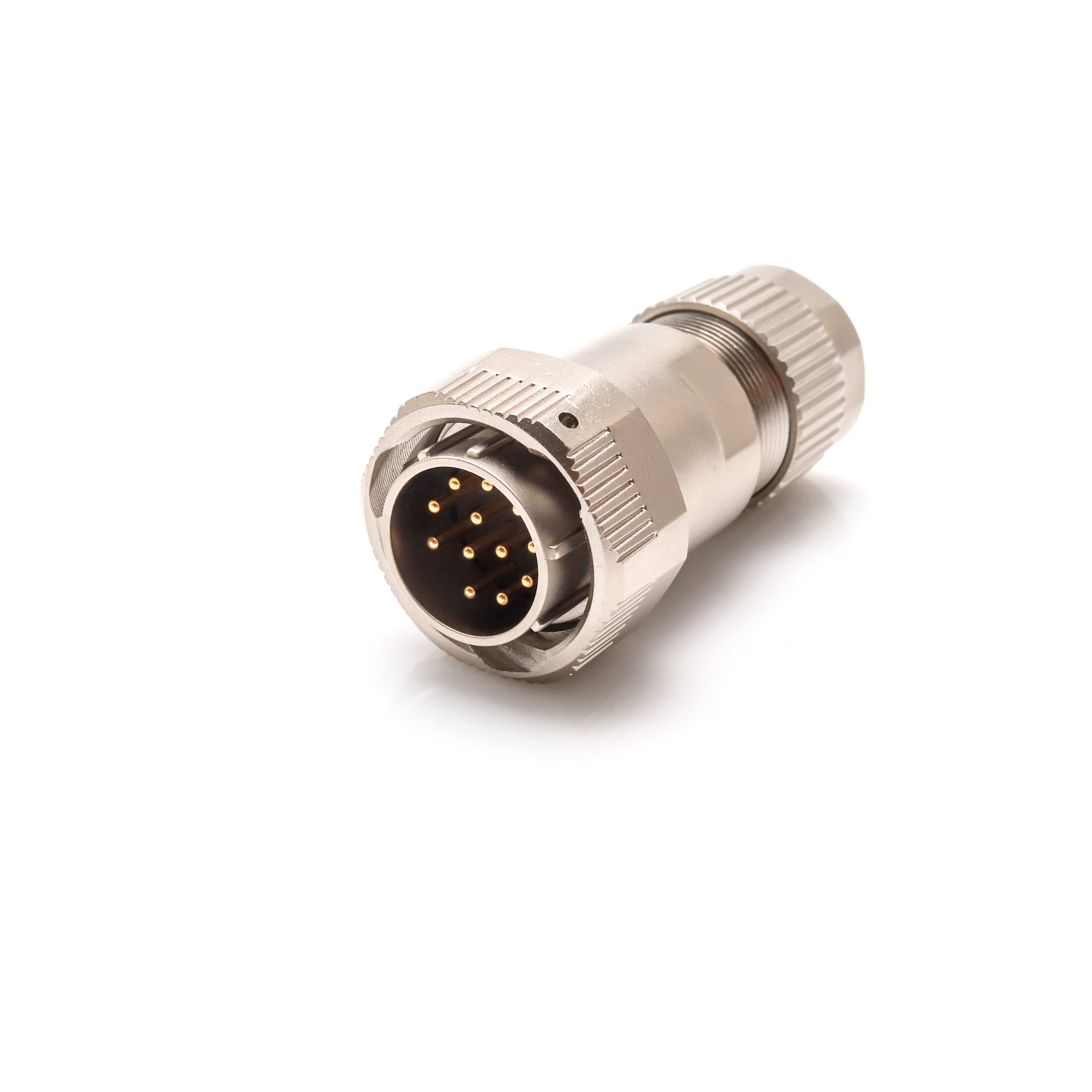
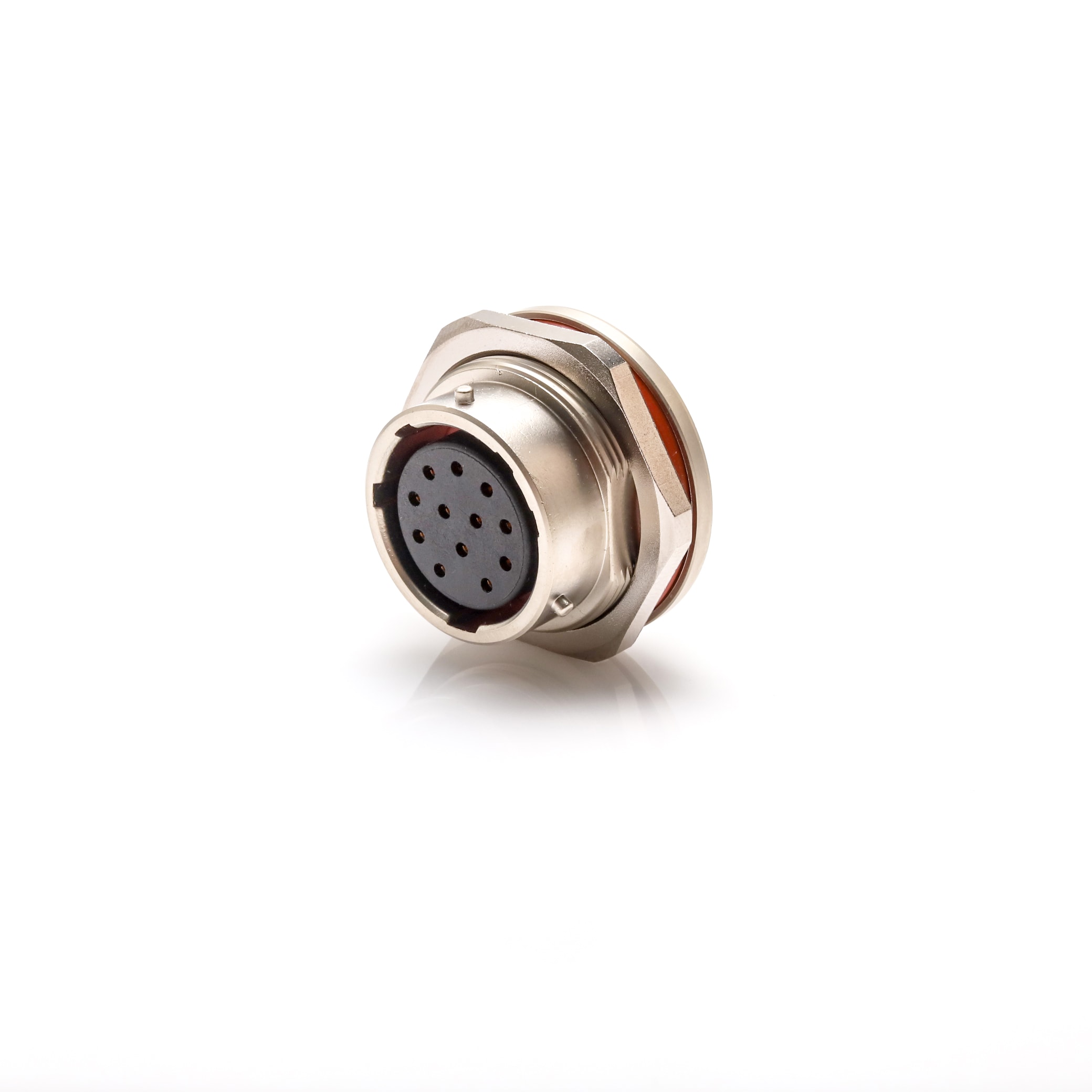
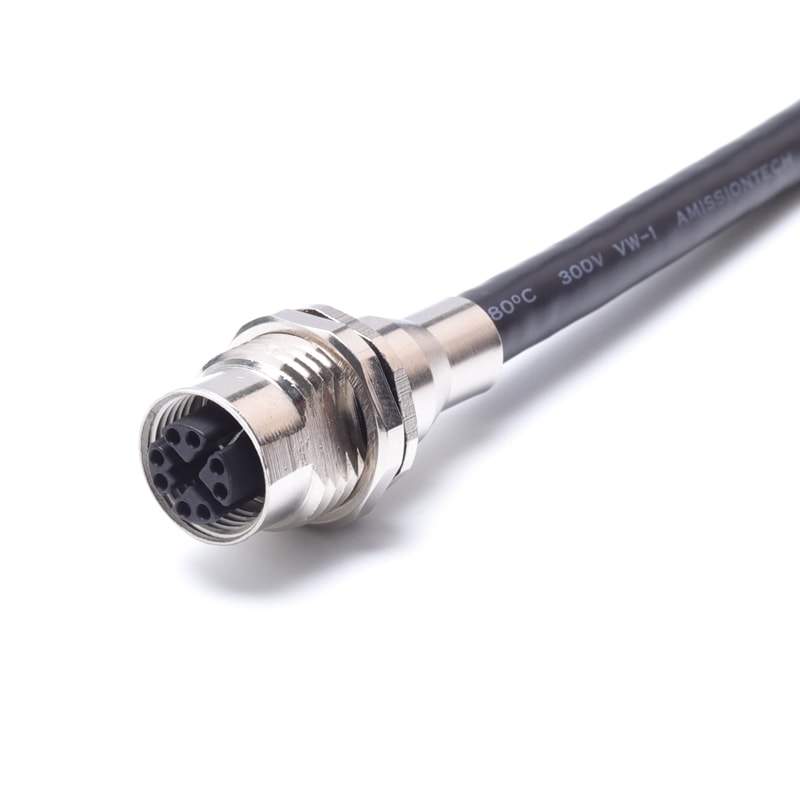
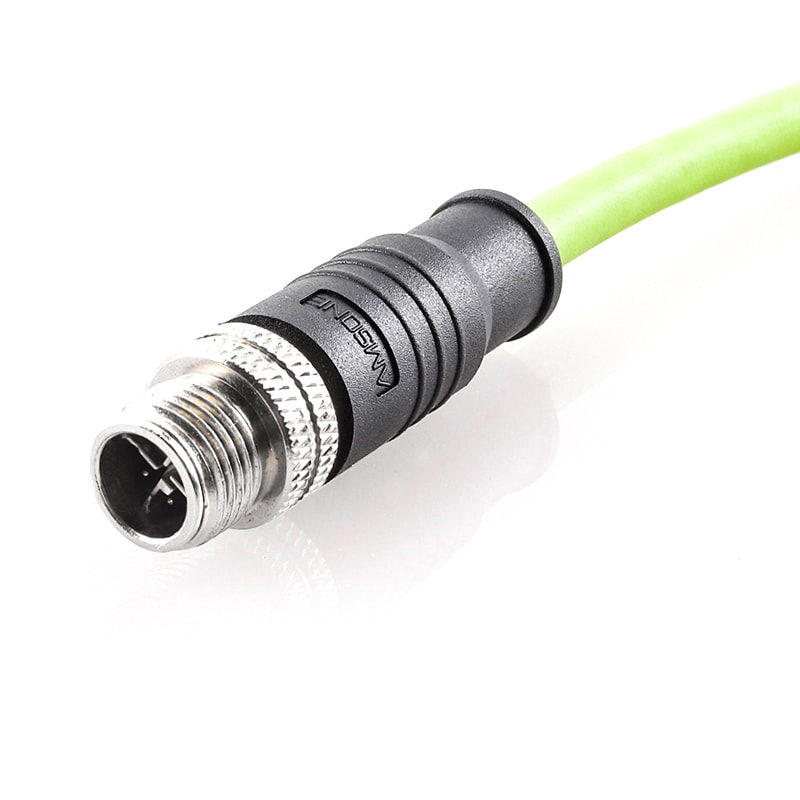
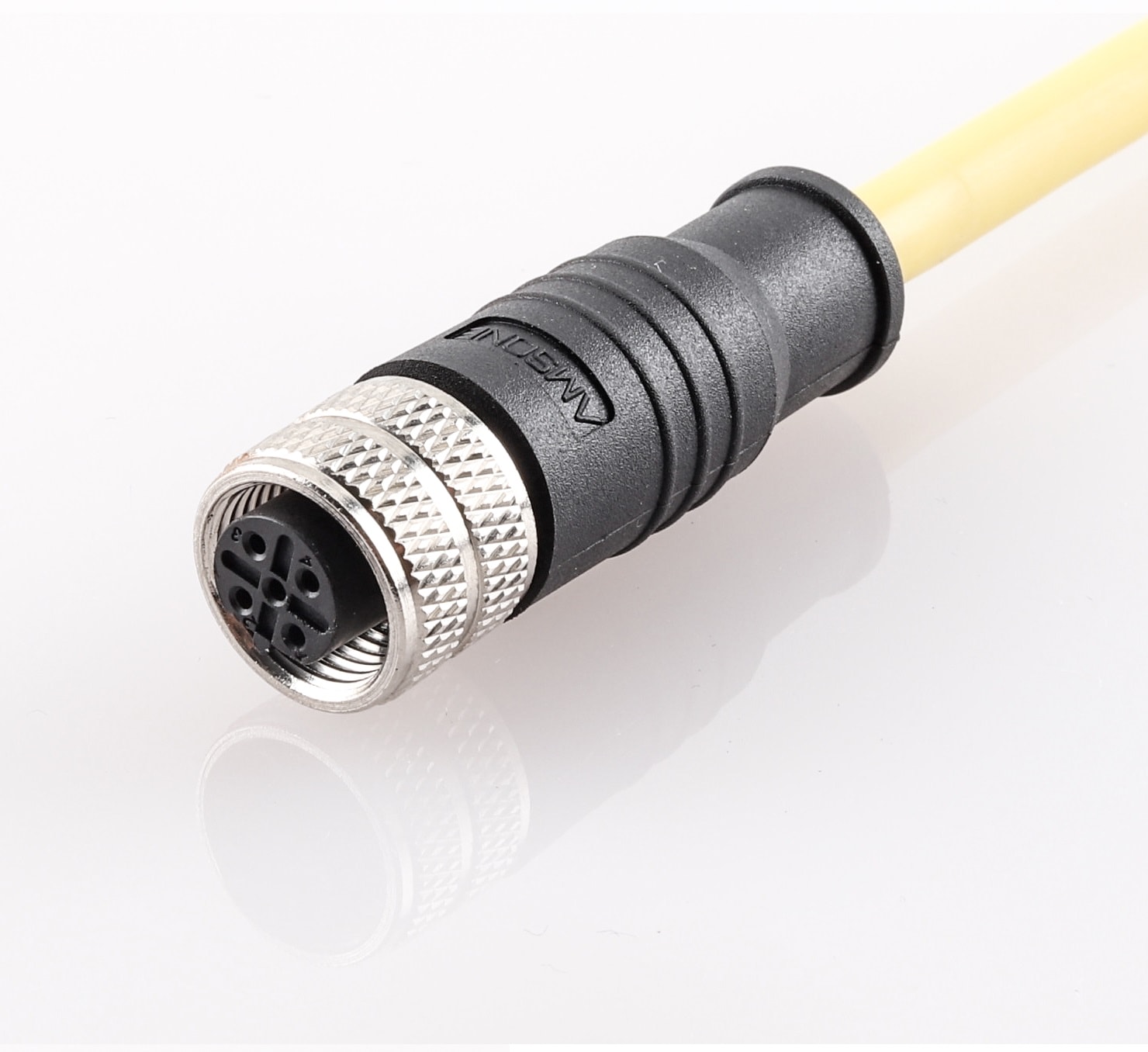
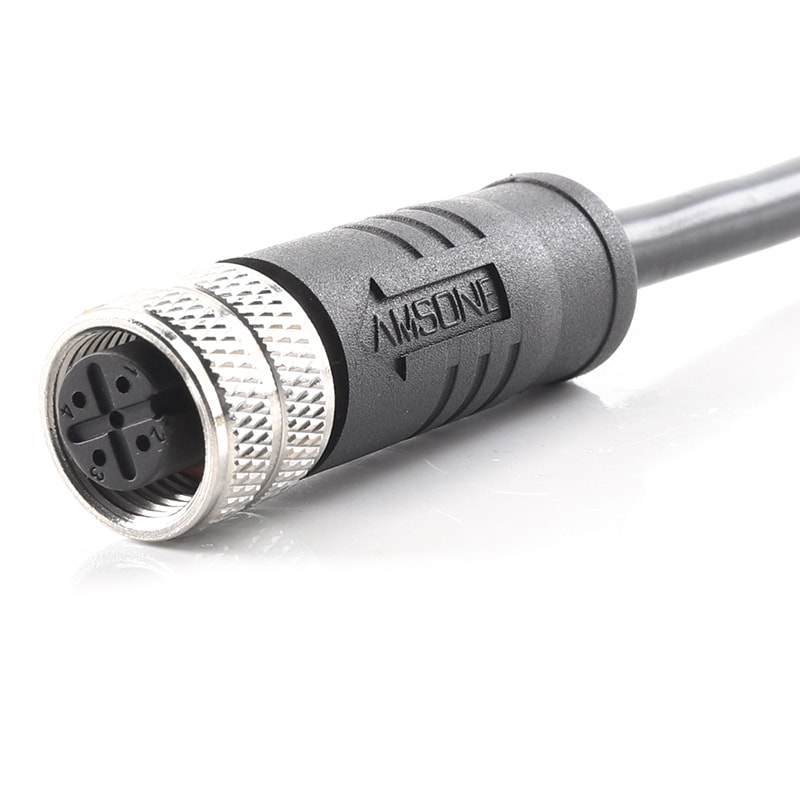
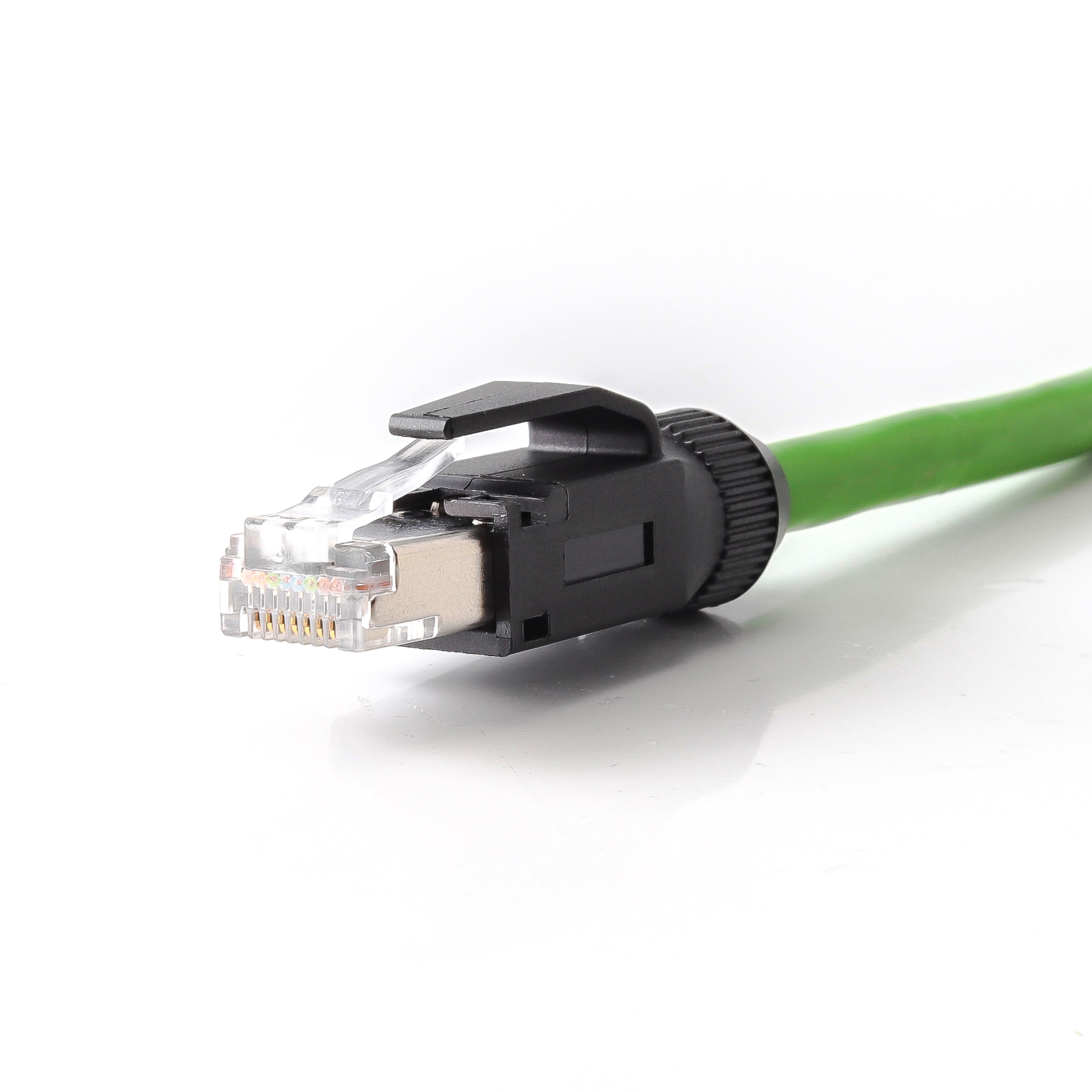
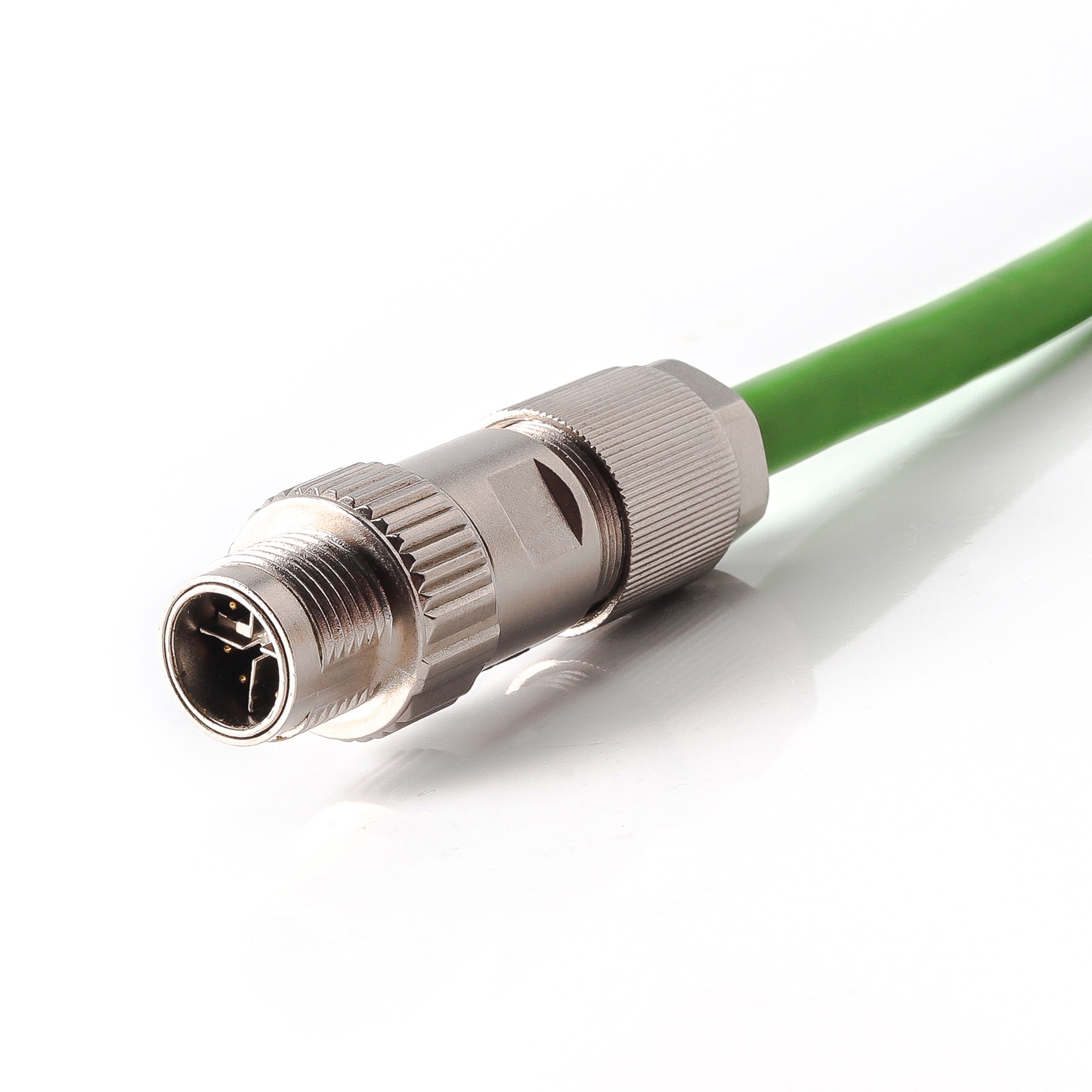
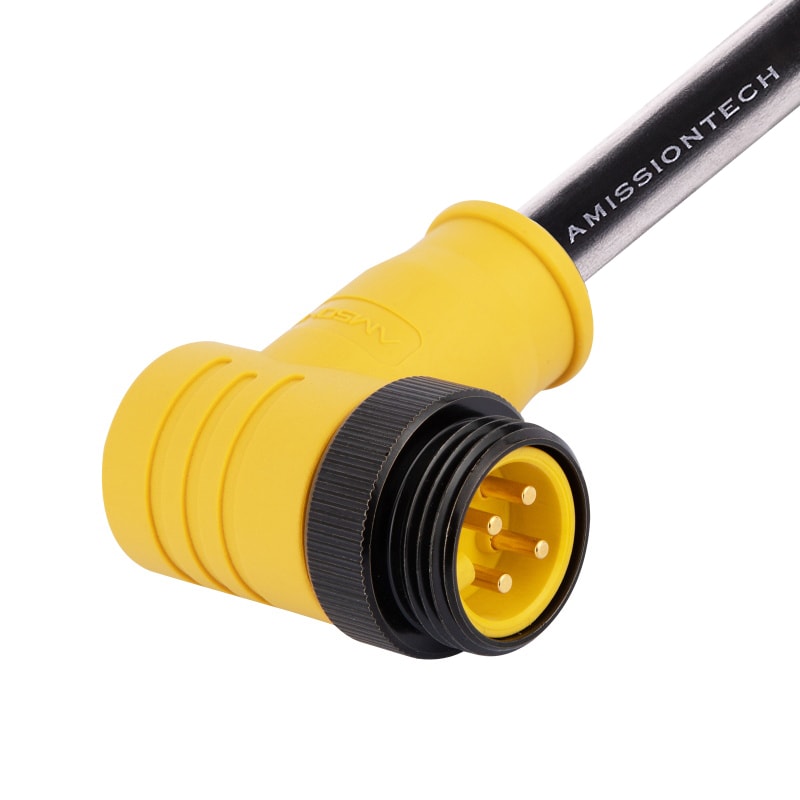
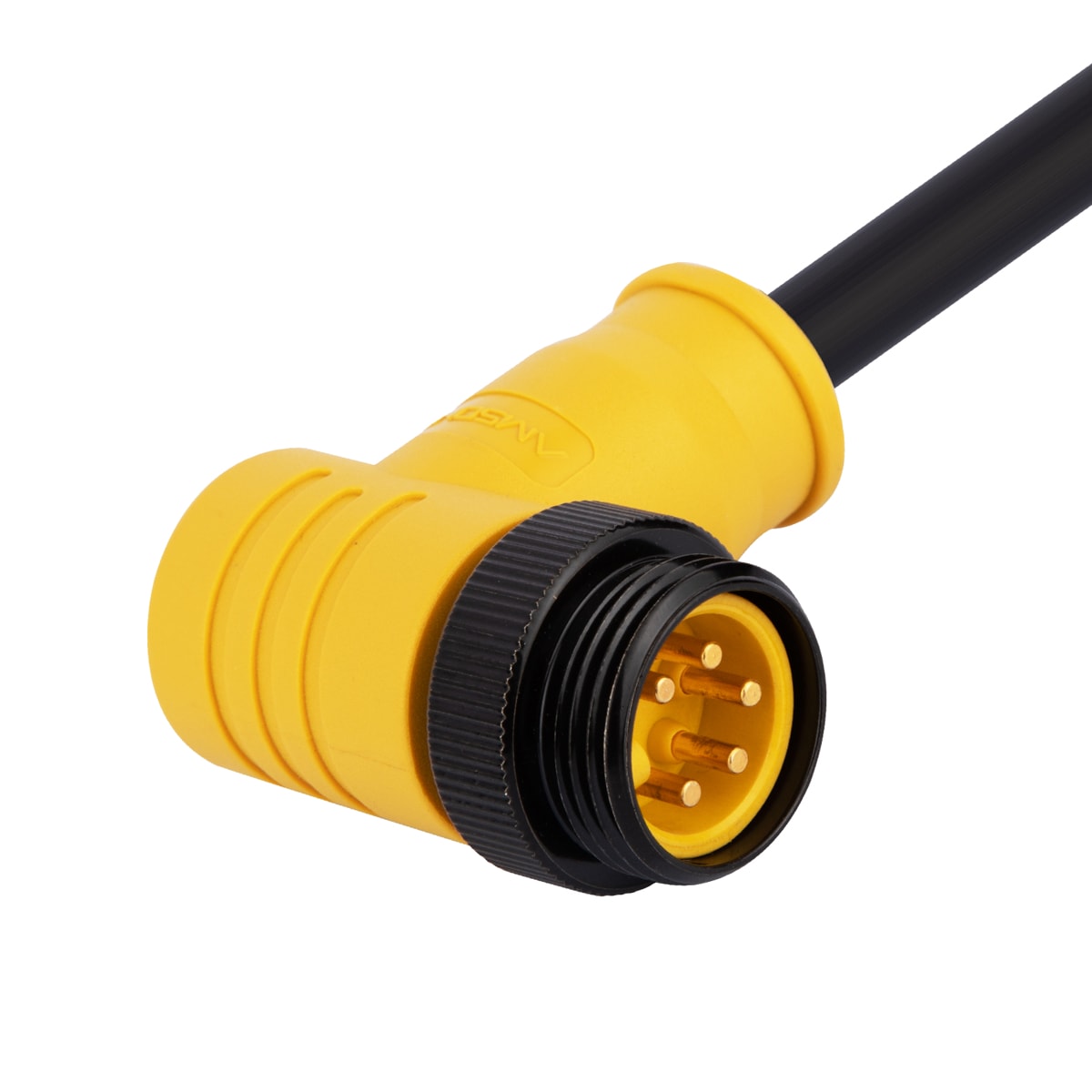
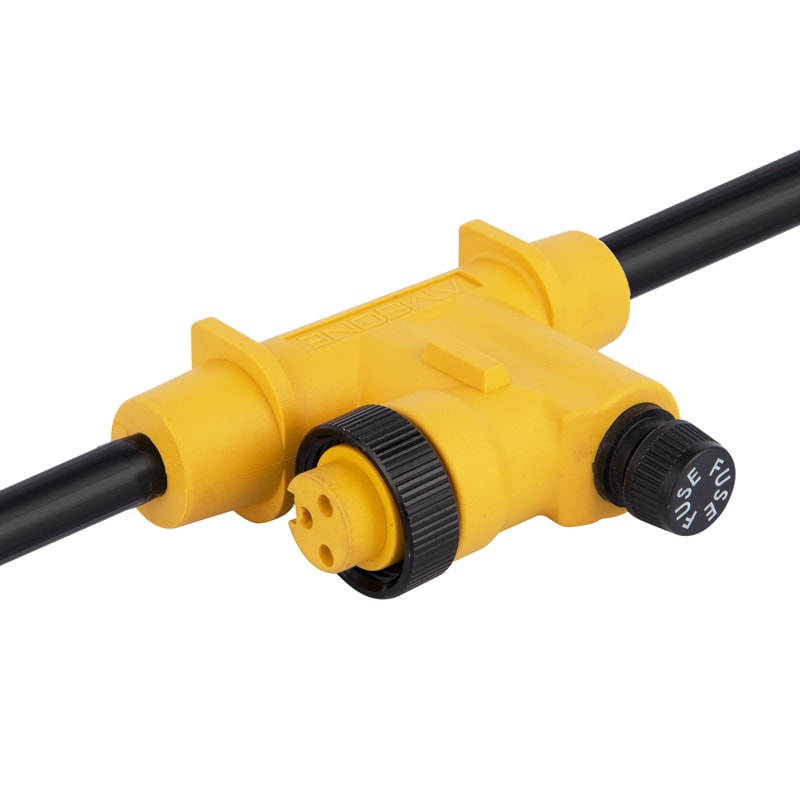
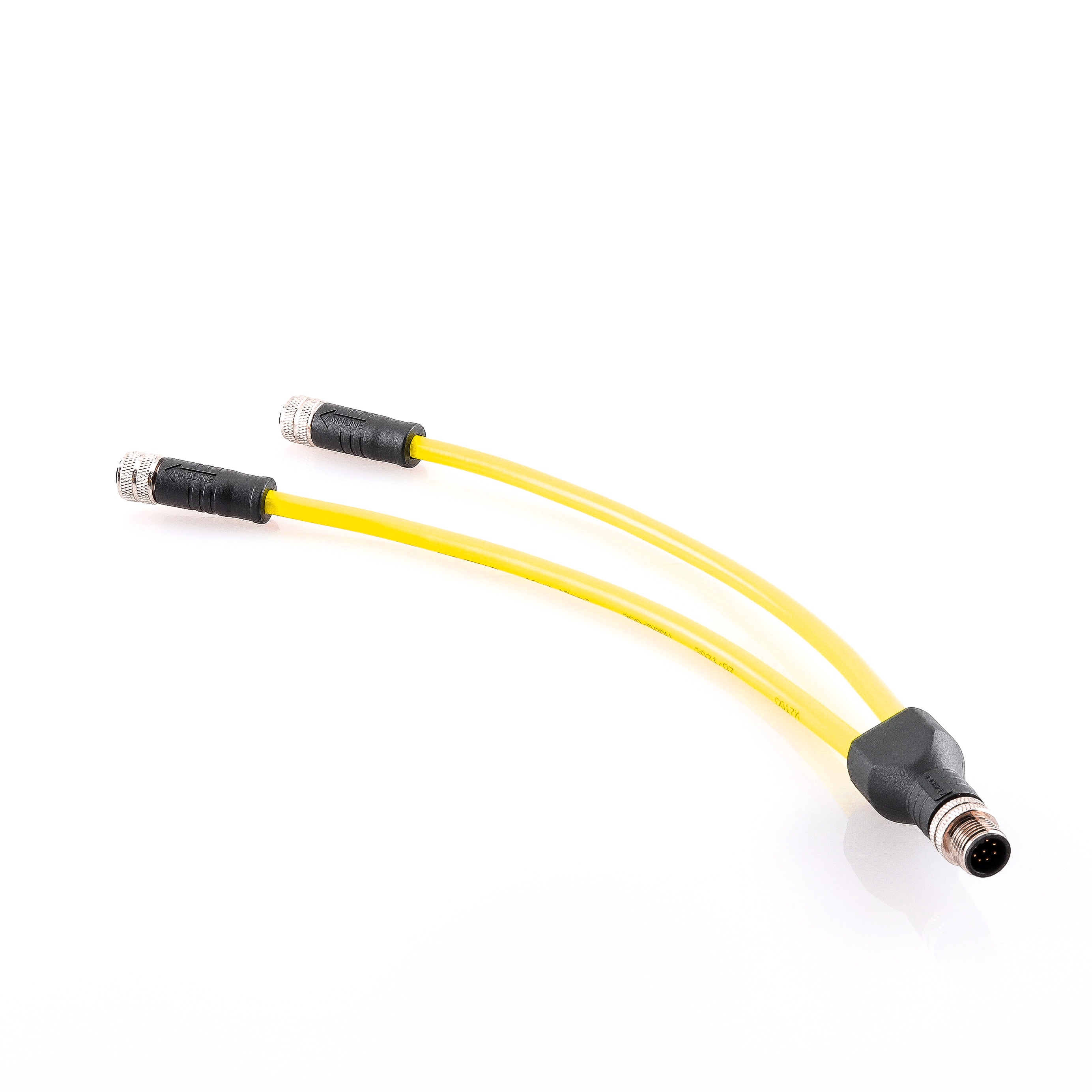
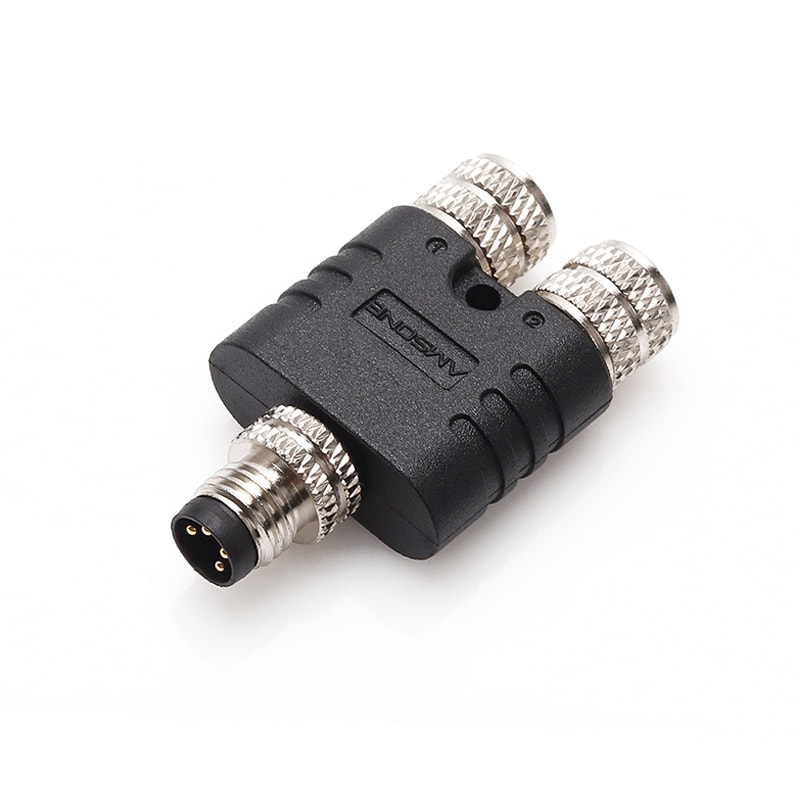



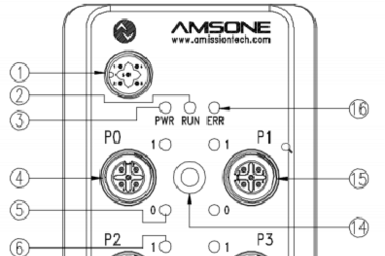
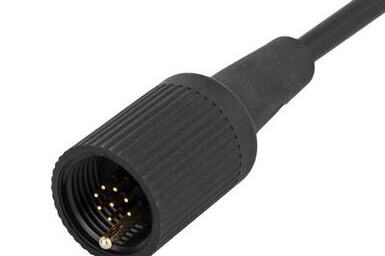
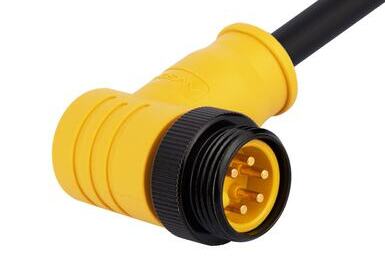
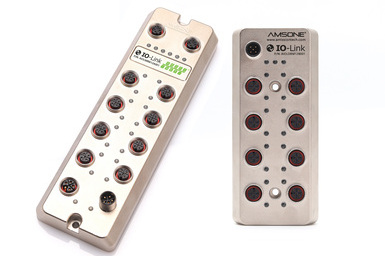

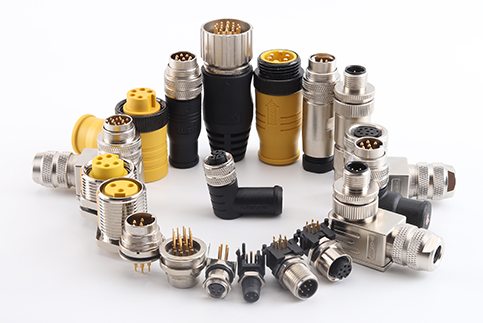
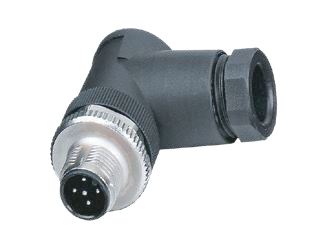

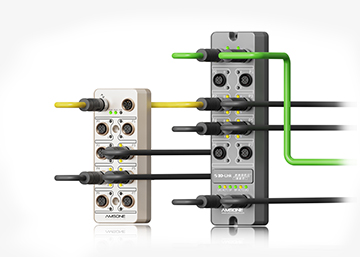
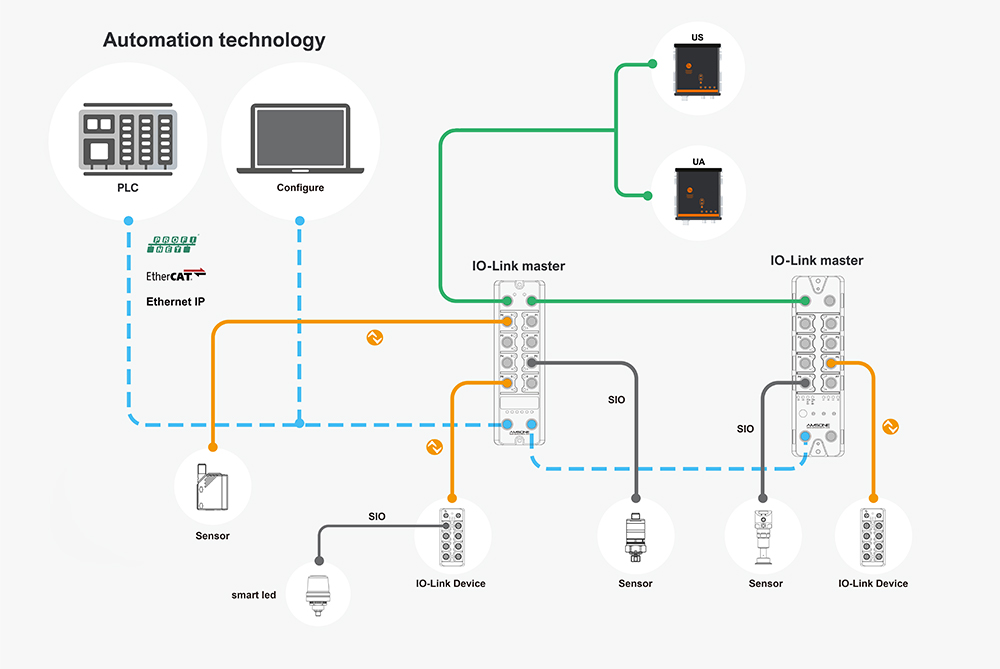
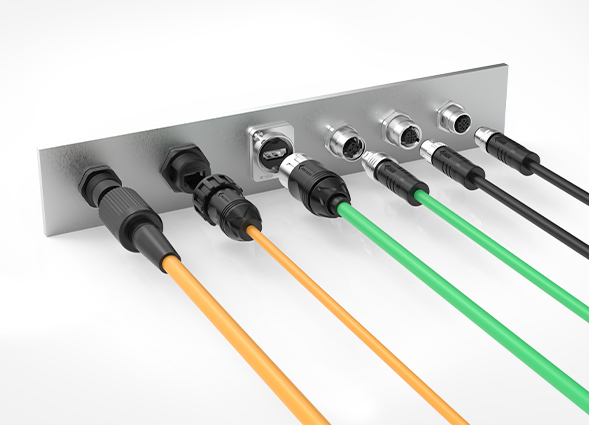
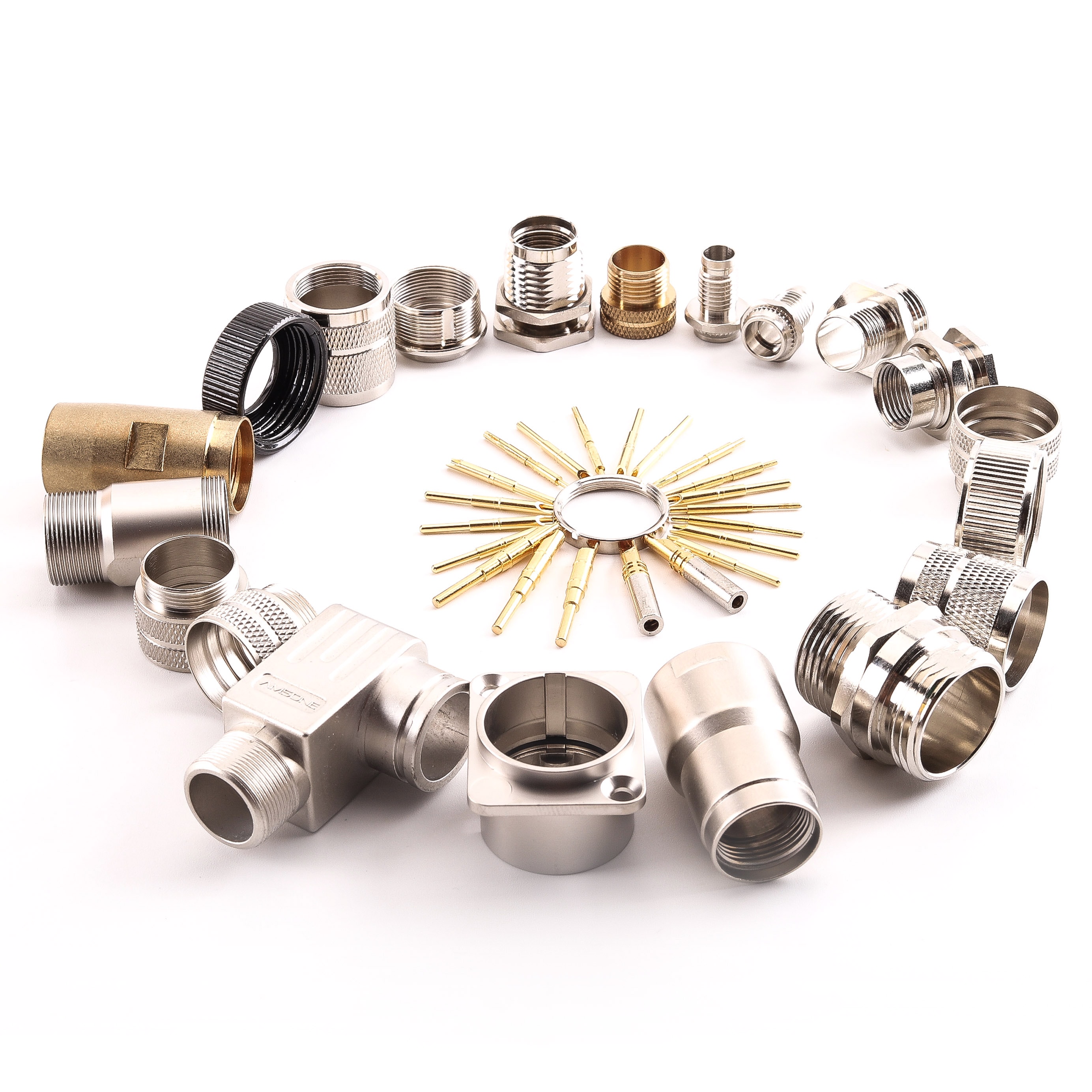
M8 and M12 connectors are widely used in industrial automation systems for connecting sensors, actuators and Industrial Ethernet devices. When comparing these two connector types, many buyers and automation users are often unsure which one is more suitable for their application, since differences in size, current capacity and installation requirements can directly affect system performance and reliability.
This article explores the key differences between M8 and M12 connectors while explaining how each connector type fits different industrial applications and installation requirements.
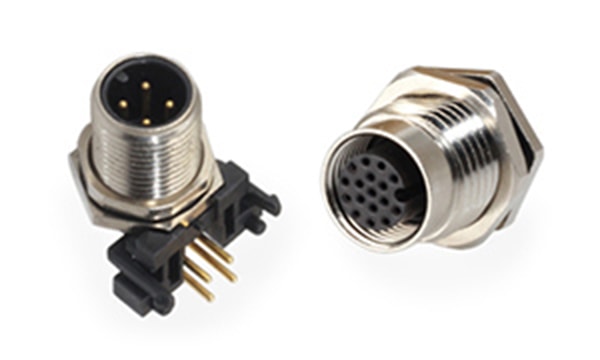
M8 and M12 connectors are industrial circular connectors named after the diameter of their locking thread, with M8 using an 8 mm thread and M12 using a 12 mm thread. Both connector types are widely used in industrial automation systems for connecting sensors, actuators and control devices operating in demanding industrial environments.
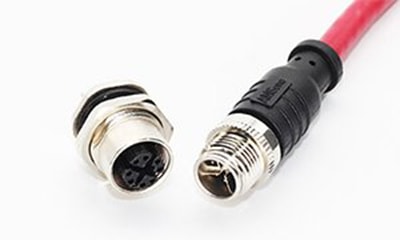
Although M8 and M12 connectors share similar applications, they are designed for different installation and performance requirements. M8 connectors are more commonly used in compact devices where installation space is limited, while M12 connectors are typically preferred in applications requiring stronger mechanical locking, higher current capacity or Industrial Ethernet communication such as PROFINET and EtherCAT. In Industrial Ethernet systems, M12 X-coded connectorsare widely used because they support reliable high-speed data transmission with improved shielding performance.
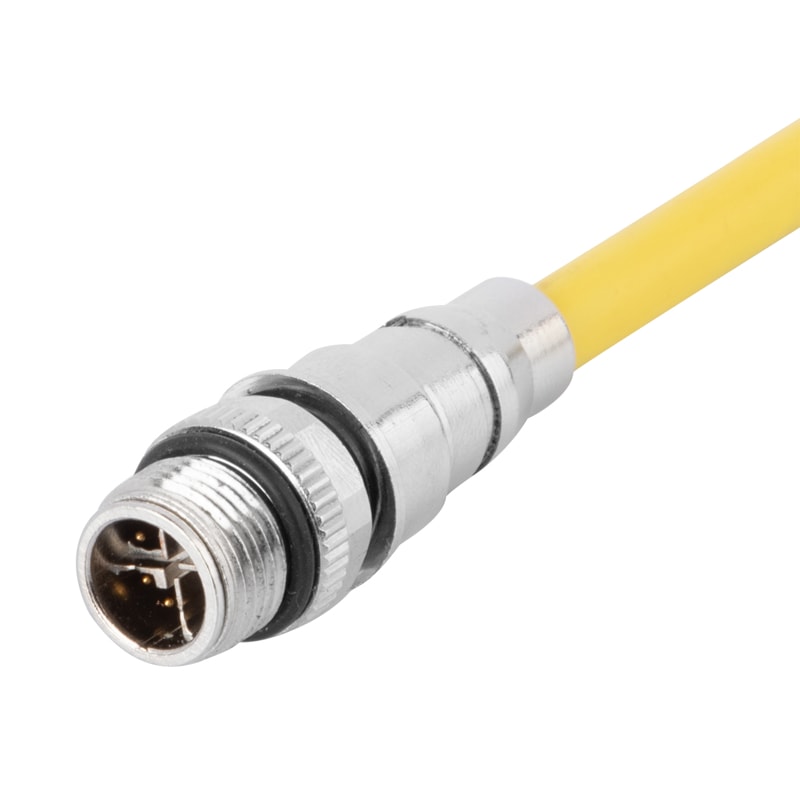
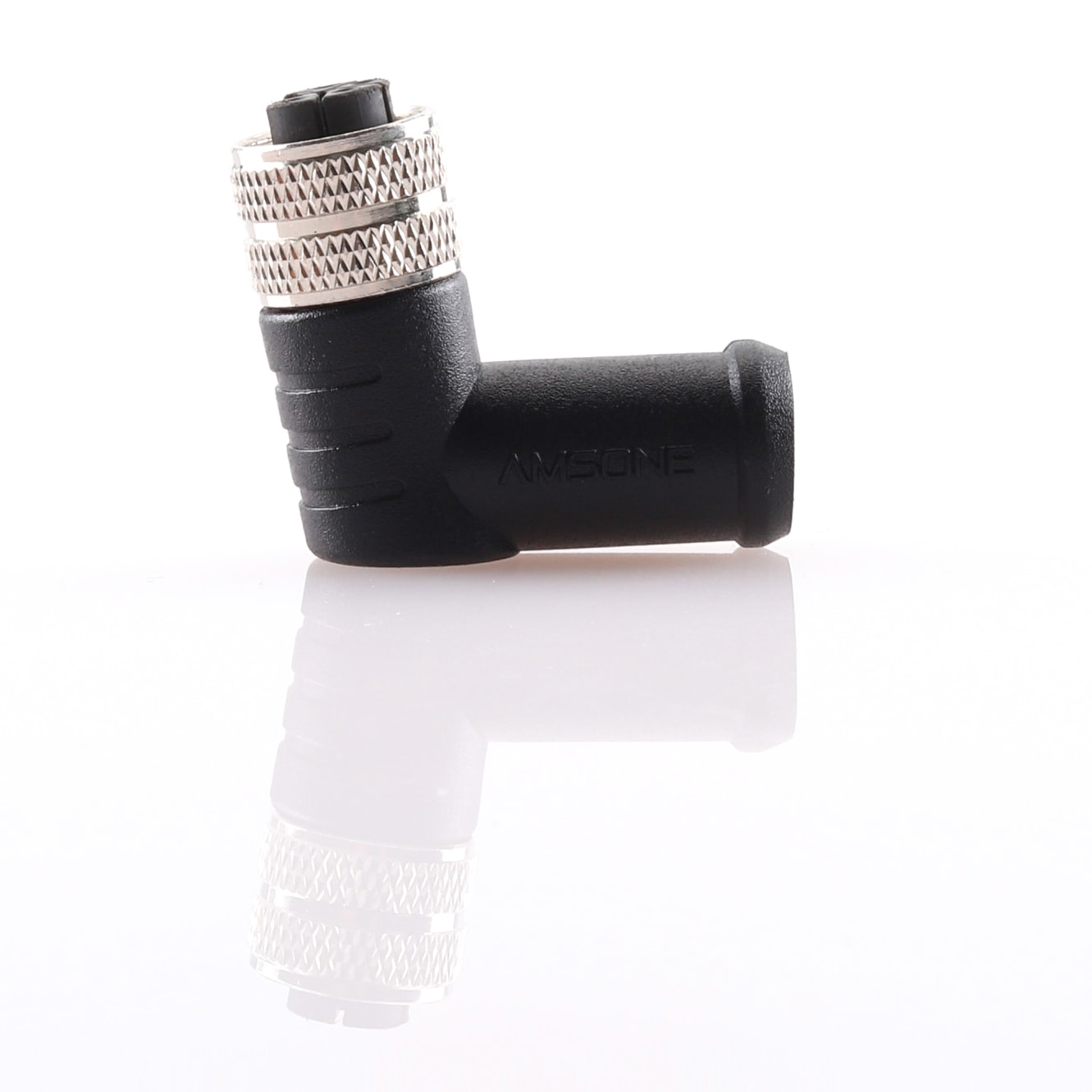
M8 connectors use an 8 mm locking thread and are designed for compact installations where space is limited. Because of their smaller size, they are commonly used in miniature sensors, compact control units and lightweight automation equipment.
M12 connectors use a larger 12 mm locking thread that provides a stronger and more robust connection structure. They are more commonly used in industrial automation systems that require better mechanical stability and higher reliability in demanding environments.
M8 connectors are commonly available in 3-pin, 4-pin, 5-pin and 8-pin configurations, which are suitable for standard sensor and actuator applications. Their compact design makes them ideal for low-power automation devices with limited installation space.
M12 connectors support a wider range of pin configurations and generally provide higher current capacity because of their larger contact size. This makes them more suitable for applications requiring higher power transmission or multiple signal channels.
Both M8 and M12 connectors are commonly available with IP67 or higher protection ratings, allowing reliable operation in industrial environments exposed to dust, moisture and water.
Compared with M8 connectors, M12 connectors usually provide stronger mechanical locking and better resistance to vibration or repeated movement. Because of this, they are more commonly used in robotics, conveyor systems and outdoor automation equipment.
M12 connectors are more widely used in Industrial Ethernet applications because they provide better shielding performance and support stable high-speed data communication. Protocols such as PROFINET and EtherCAT commonly use Industrial Ethernet connectors in demanding industrial environments.
For high-speed Ethernet communication, M12 X-coded connectors are widely used because they support reliable data transmission with improved EMI shielding performance.
M8 connectors are commonly used in compact automation equipment such as miniature sensors, small actuators and compact control cabinets where installation space is limited. Their smaller size makes installation easier in tight spaces, especially in lightweight automation systems and compact sensor applications.
M12 connectors are more widely used in factory automation systems, robotics, packaging equipment and Industrial Ethernet devices that require stronger mechanical performance and more reliable communication stability. If you are working with applications involving vibration, higher current requirements or Industrial Ethernet communication, M12 connectors are usually the more suitable option.
One common mistake is selecting connectors based only on connector size without considering actual application requirements. Many users choose M8 connectors for compact installations, but limited space does not always mean the connector can meet the required power or durability demands.
Another common issue is ignoring installation conditions during connector selection. Factors such as cable movement, installation angle and available wiring space can directly affect connector reliability and maintenance efficiency in industrial equipment.
Some users also focus too much on waterproof ratings while overlooking practical usage conditions. In many automation systems, choosing the correct connector structure and locking type is often more important than simply selecting the highest IP rating available.
automation system, including installation conditions, power demands and long-term operating reliability. Understanding the differences between the two connector types can help simplify connector selection and improve overall system performance.
At Amissiontech, we provide reliable industrial connector solutions for sensors, automation equipment and Industrial Ethernet applications.
A: M8 connectors are generally easier to install in compact equipment because their smaller connector size requires less installation space and allows more flexible cable routing in tight layouts.
A: Yes. M12 connectors are widely used in outdoor automation equipment because their stronger locking structure provides better resistance to vibration, moisture and mechanical stress.
A: Besides connector size, factors such as cable movement, installation angle, current requirements and long-term operating conditions should also be considered during connector selection.
A: Threaded circular connectors provide more secure mechanical locking, which helps maintain stable connections in industrial environments exposed to vibration or repeated movement.
A: Of course. Choosing the wrong connector structure or installation layout may increase maintenance difficulty and reduce installation efficiency in industrial automation systems.