P/N: ALD-HBN1-372XXX
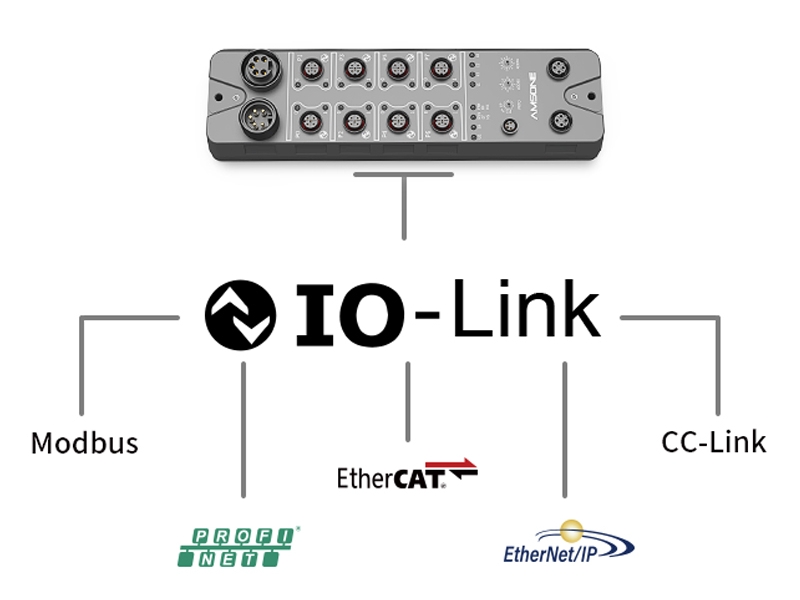
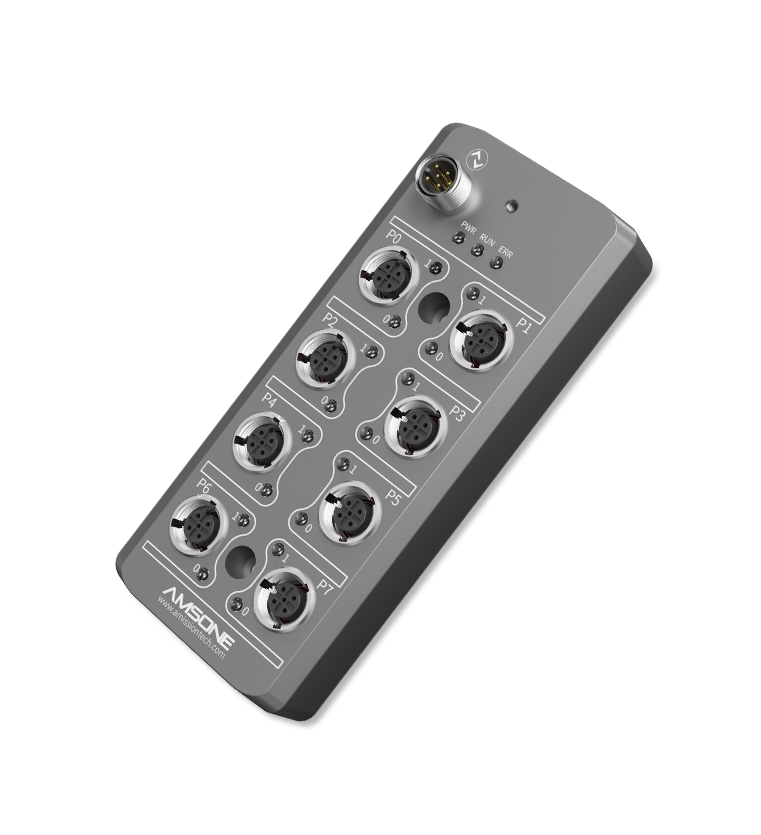
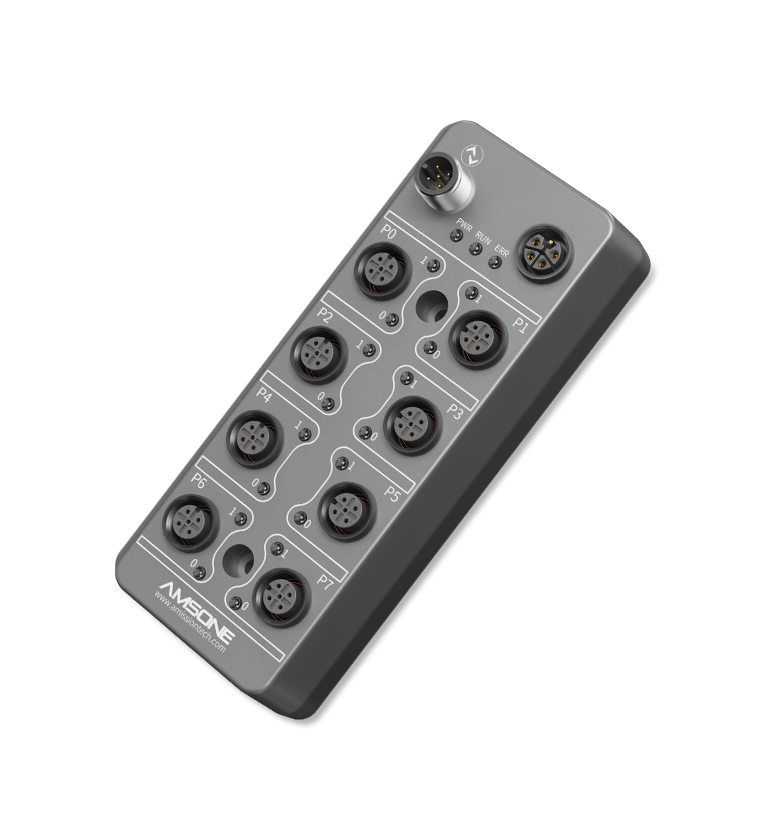
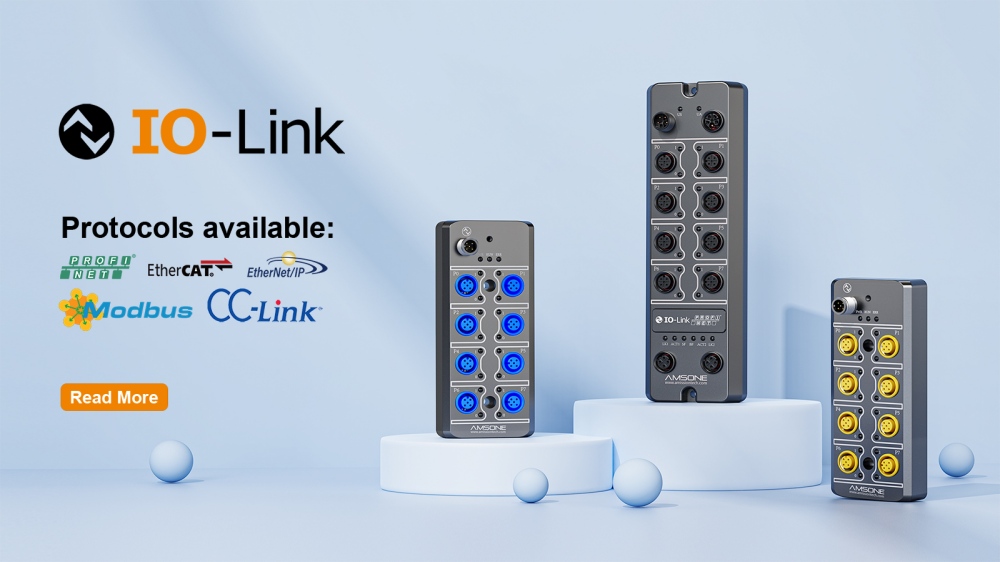
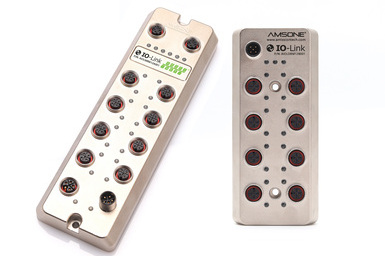
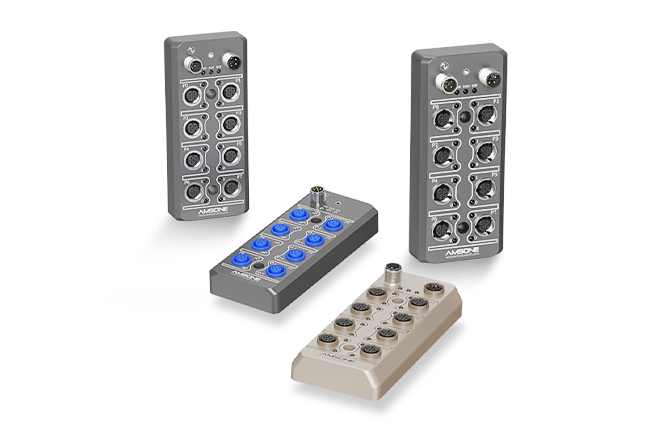
IO Link Hub NPN 0.5A/channel Plastic Housing Plastic Thread Locking
View All
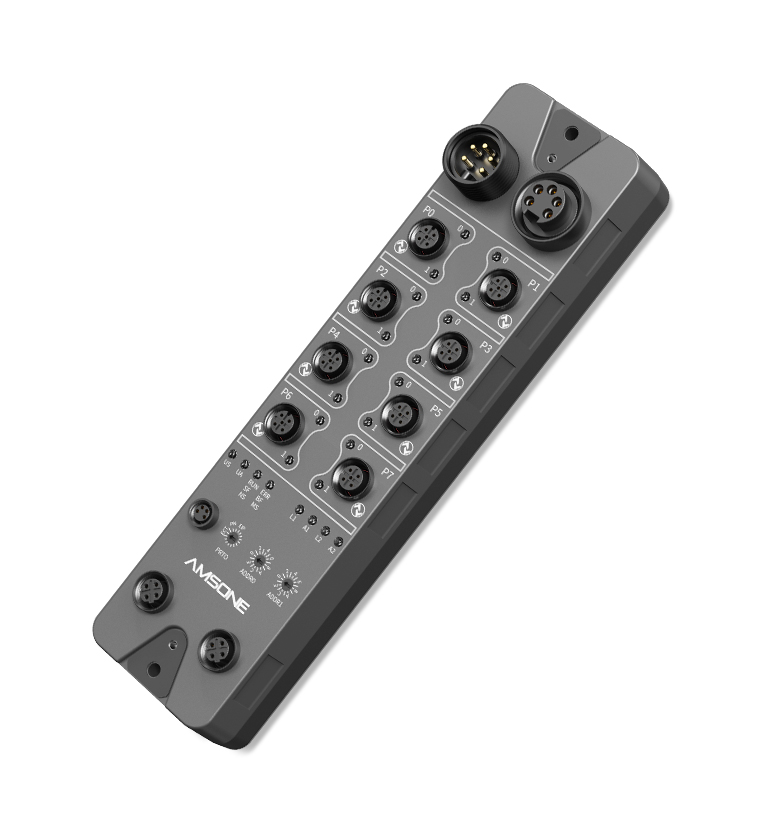

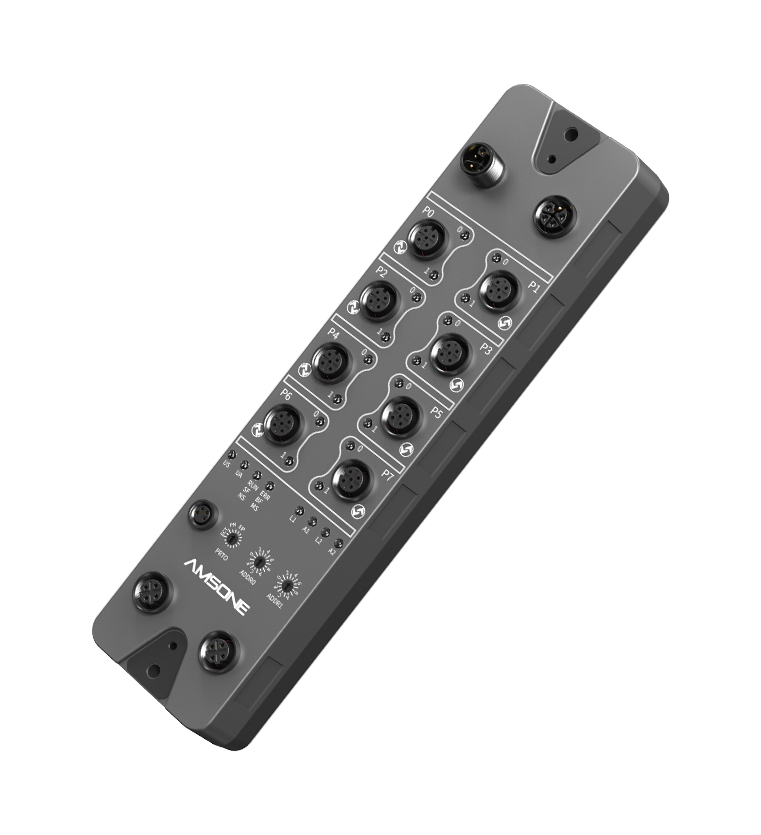

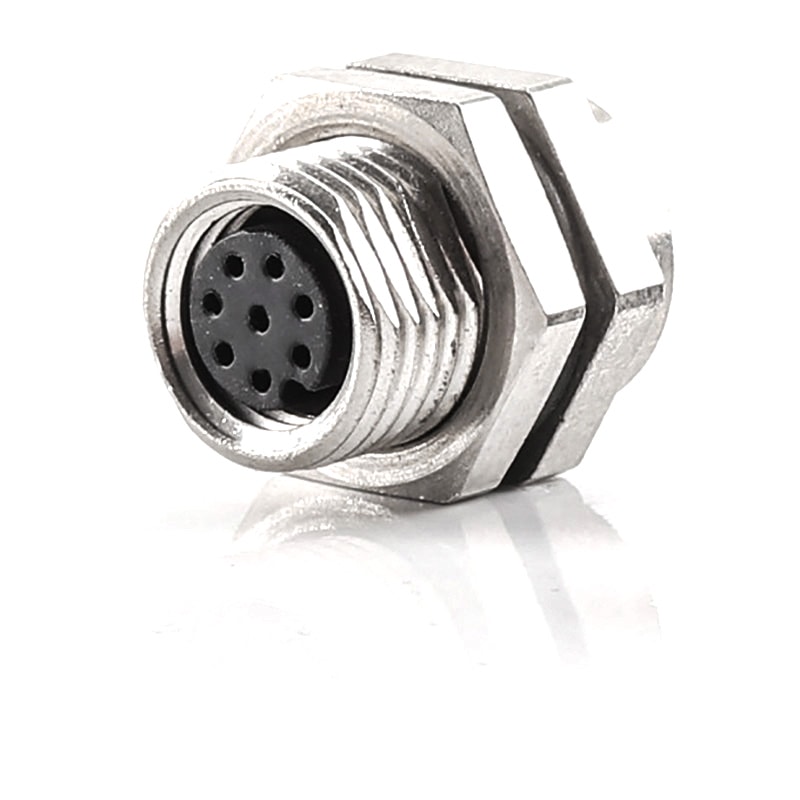
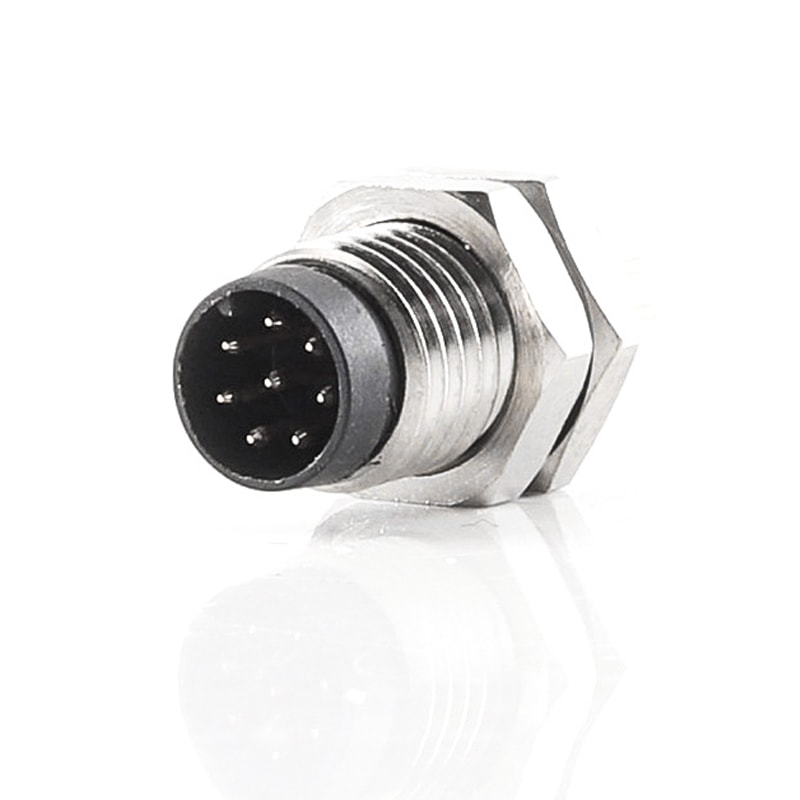

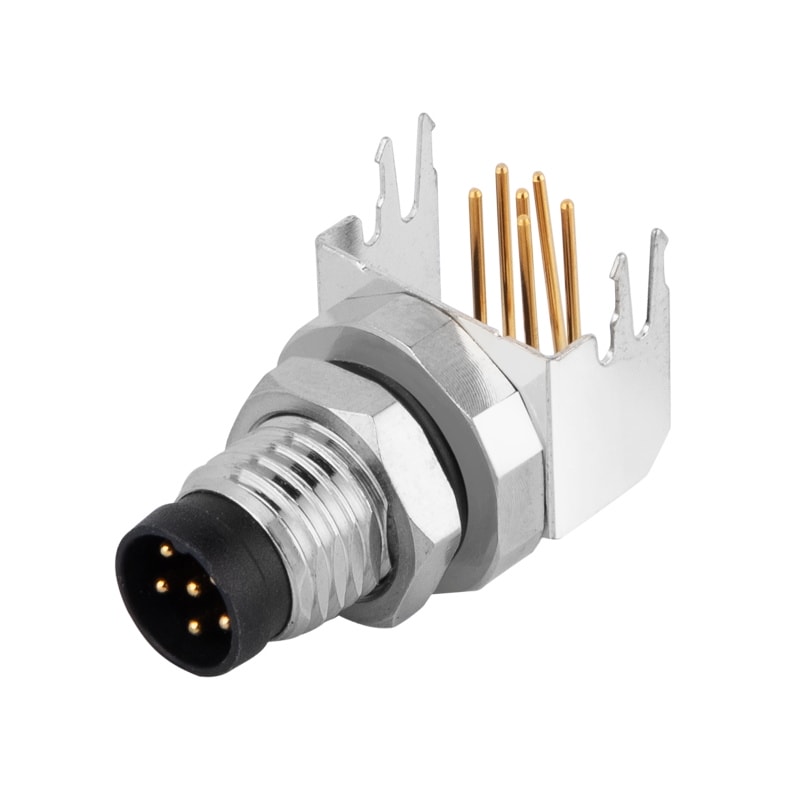


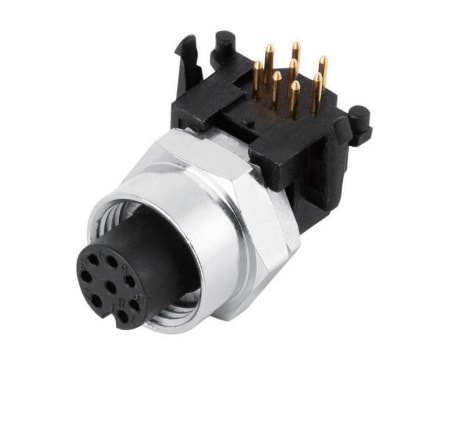
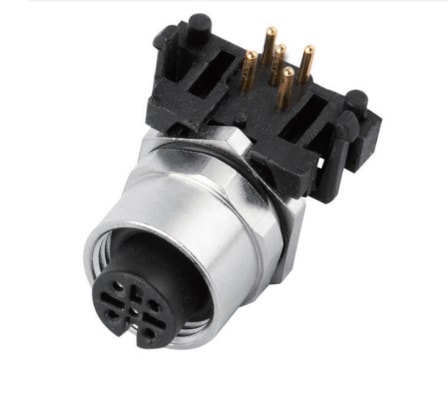
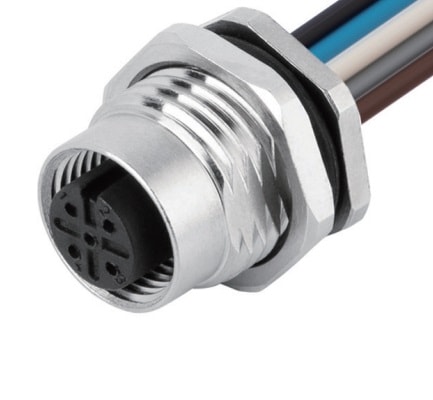

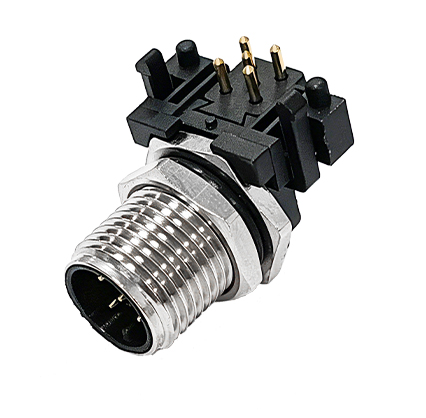


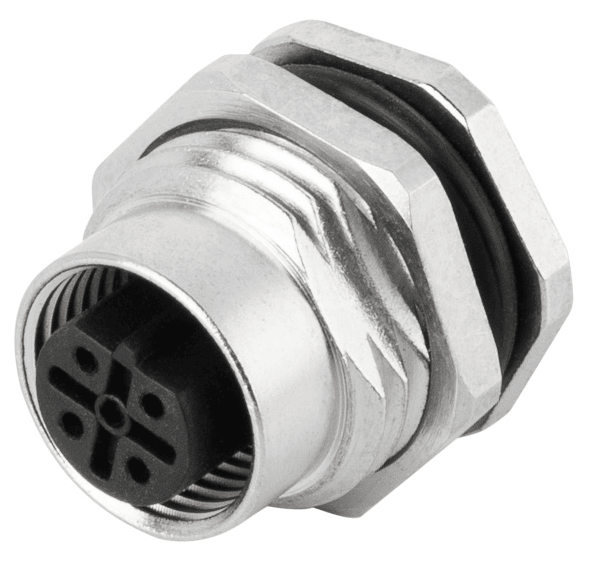

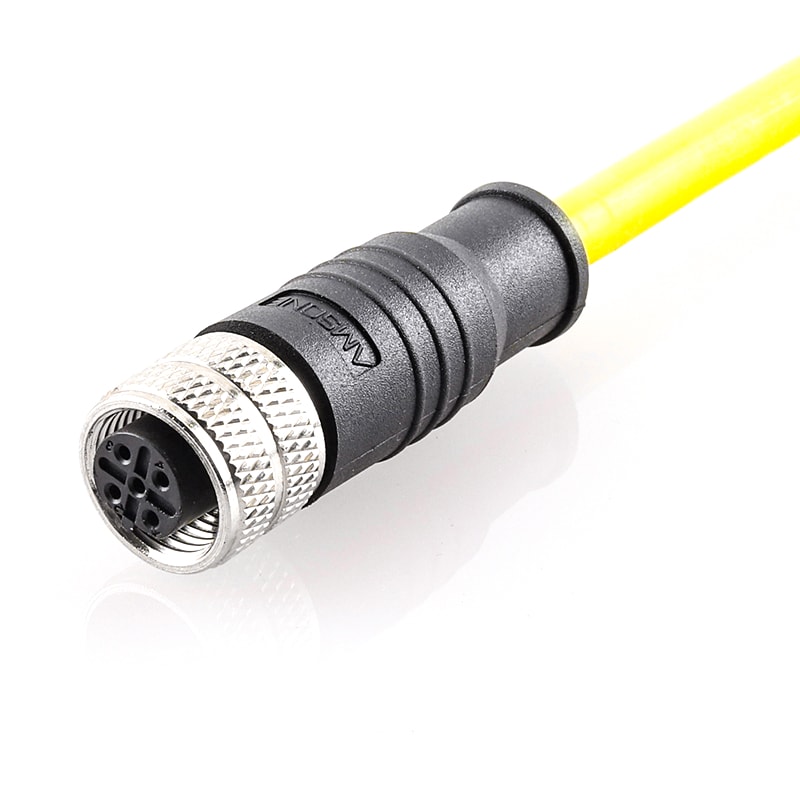


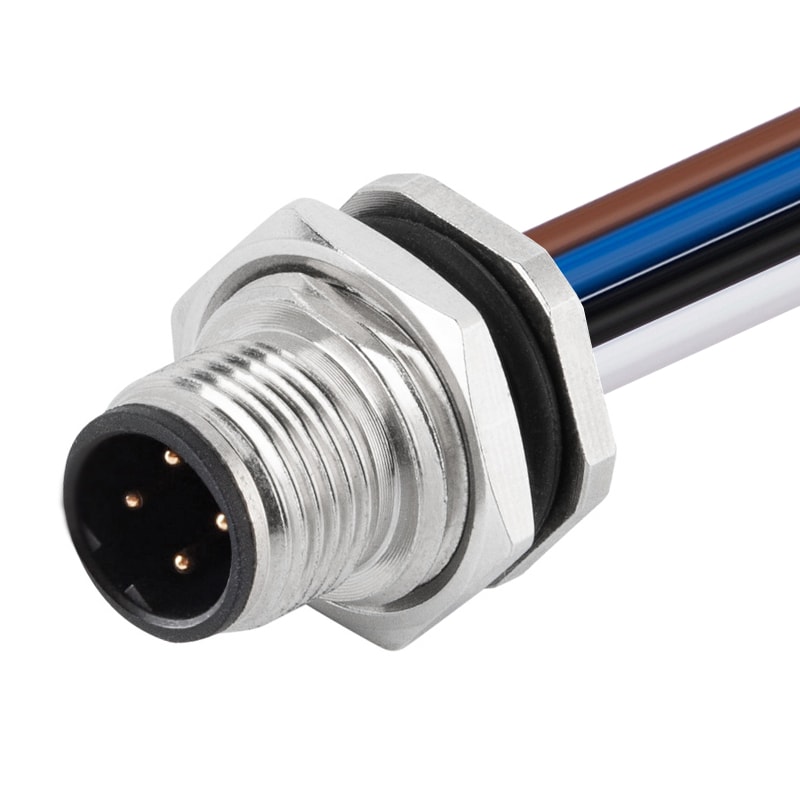


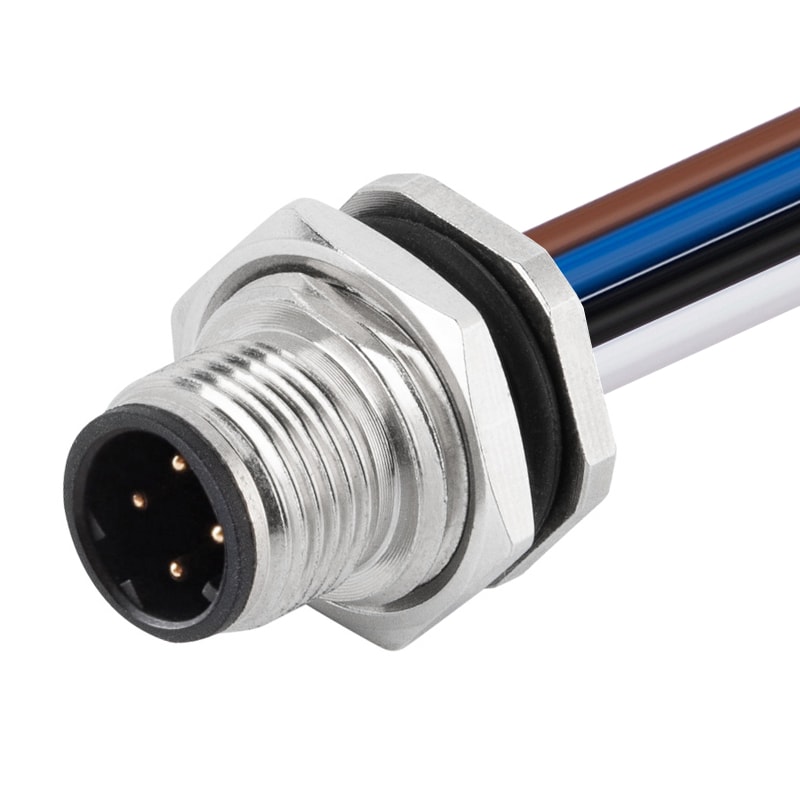

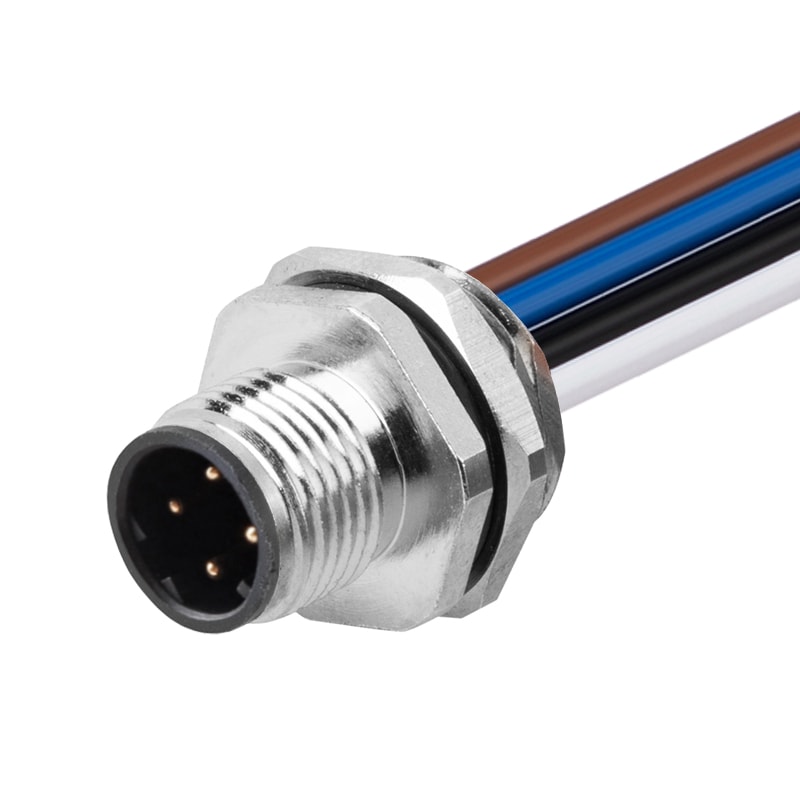


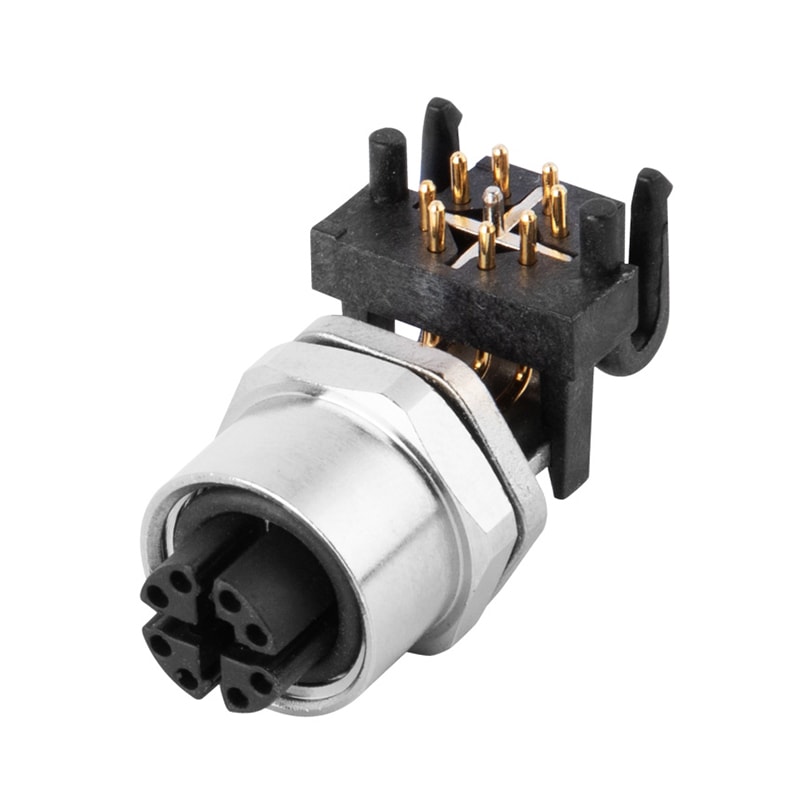


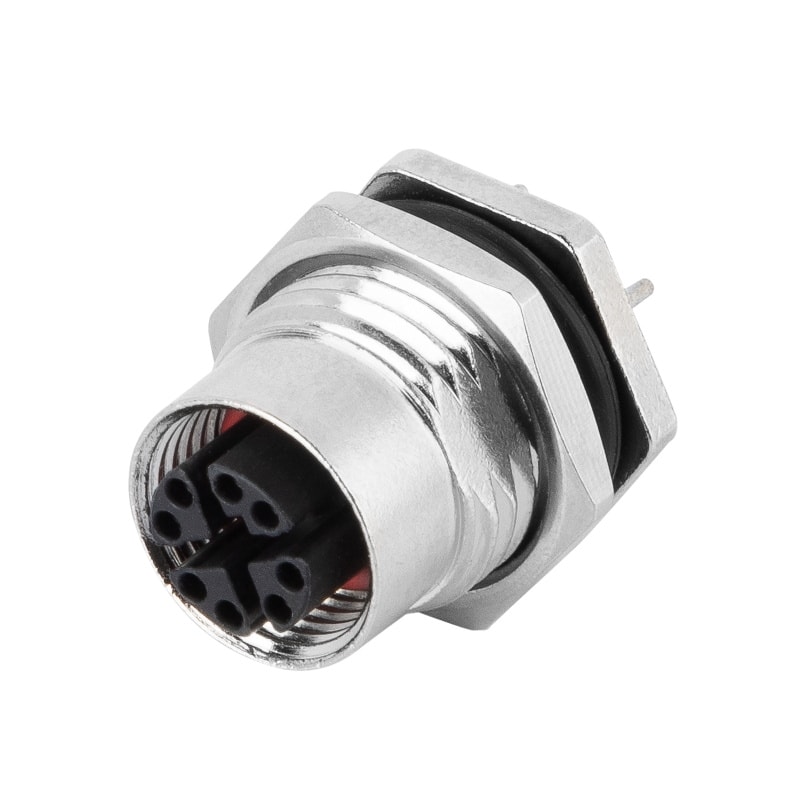

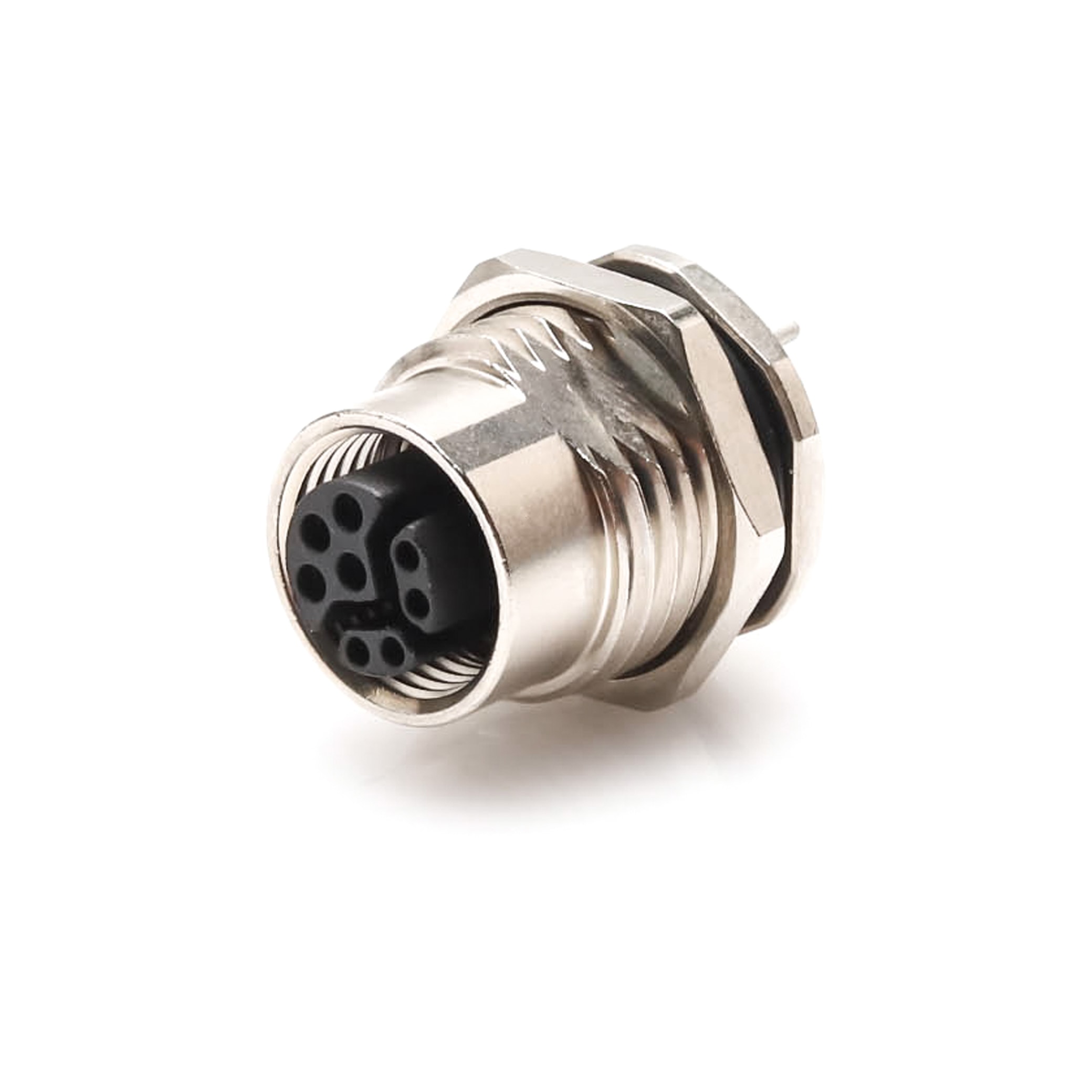
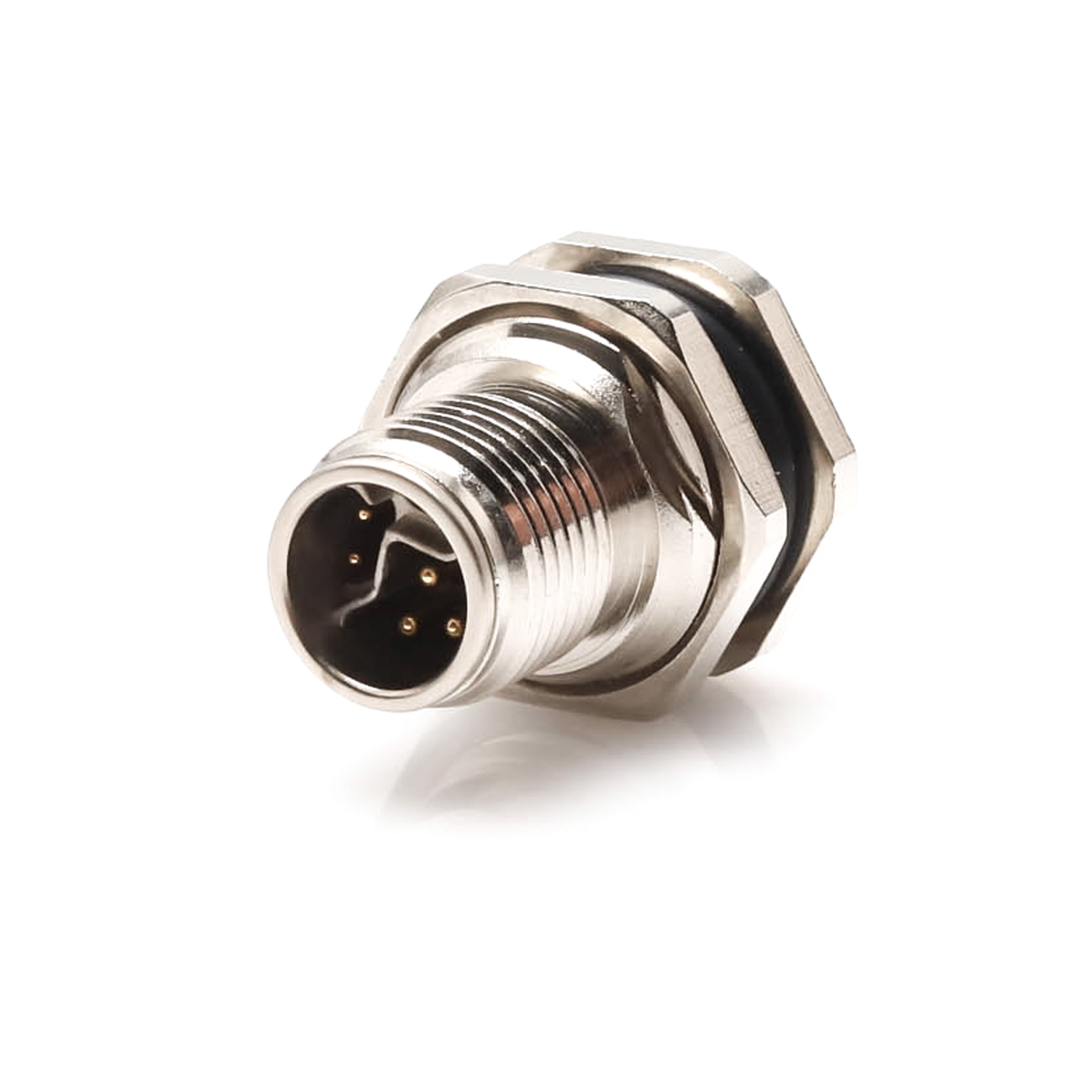
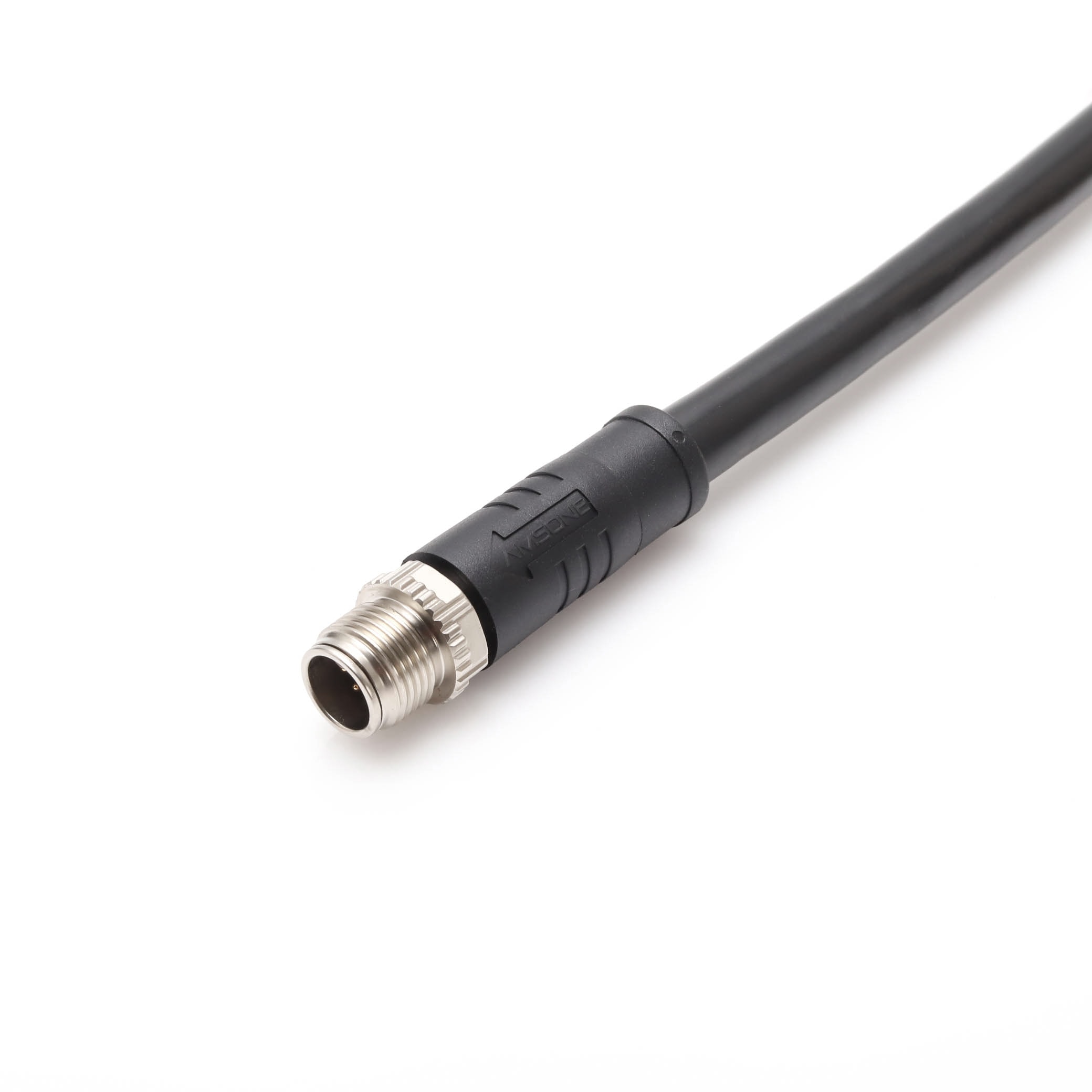
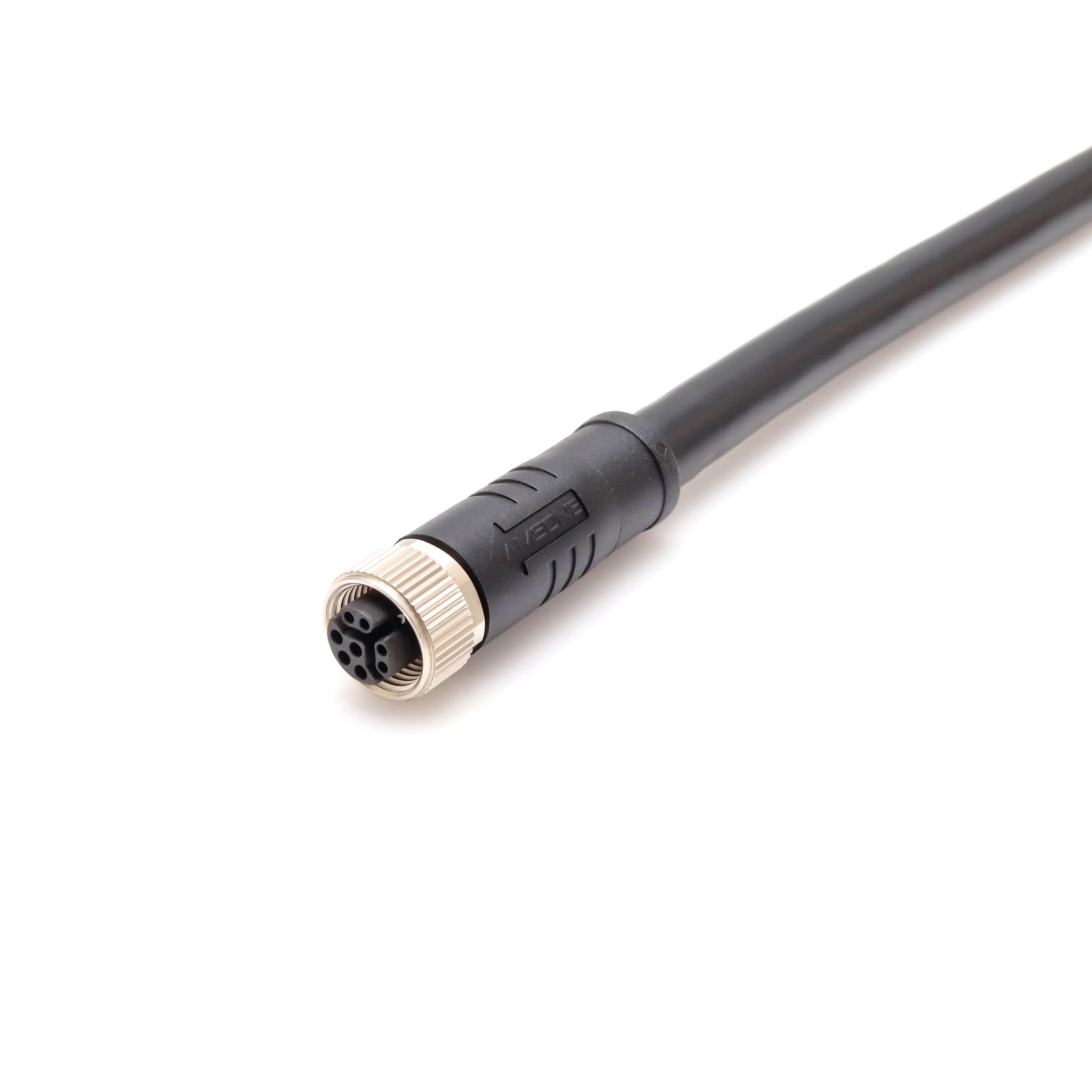
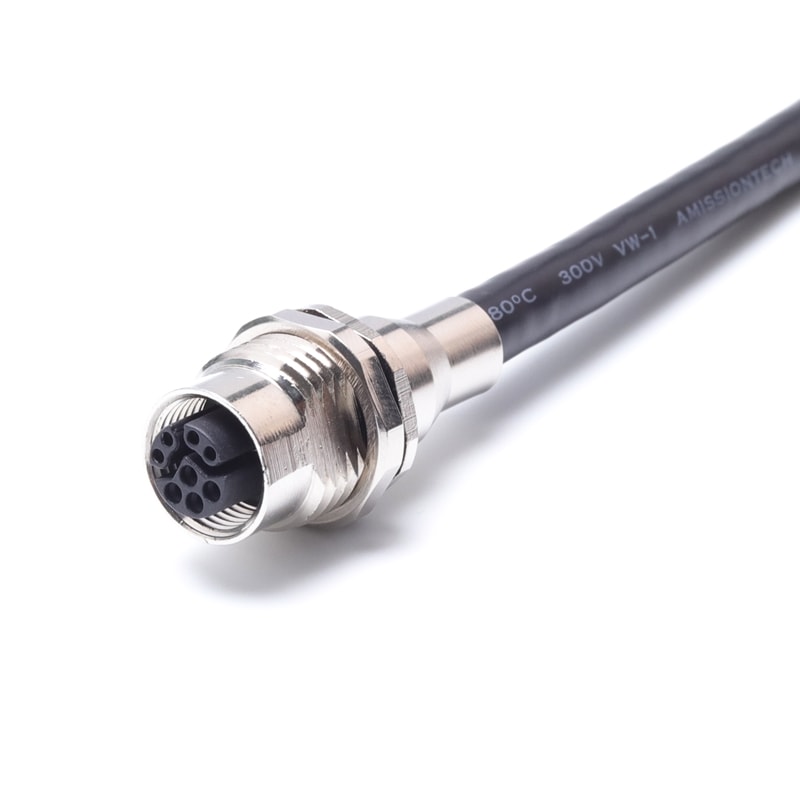


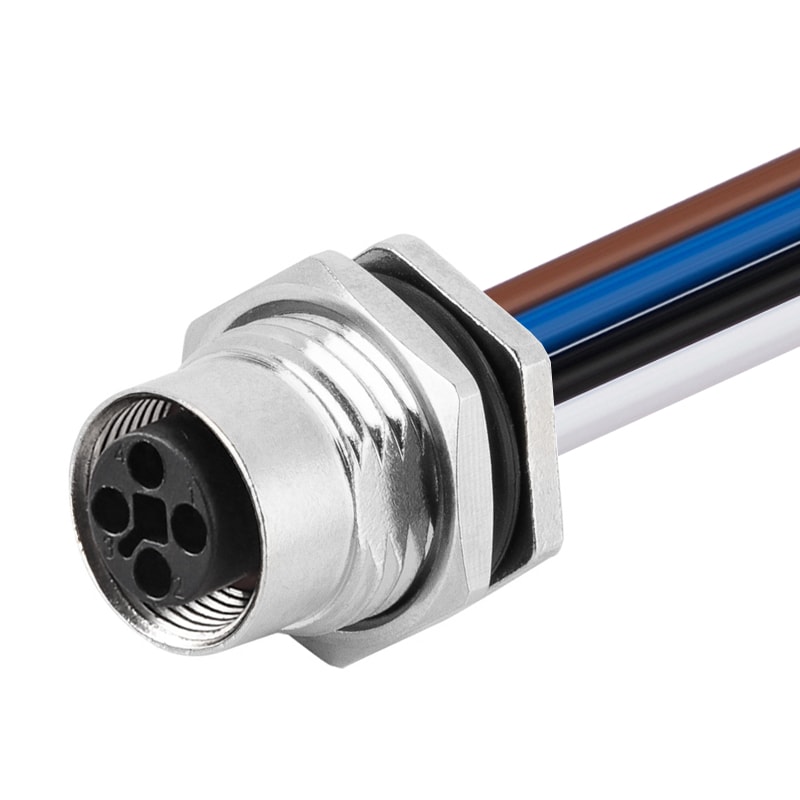
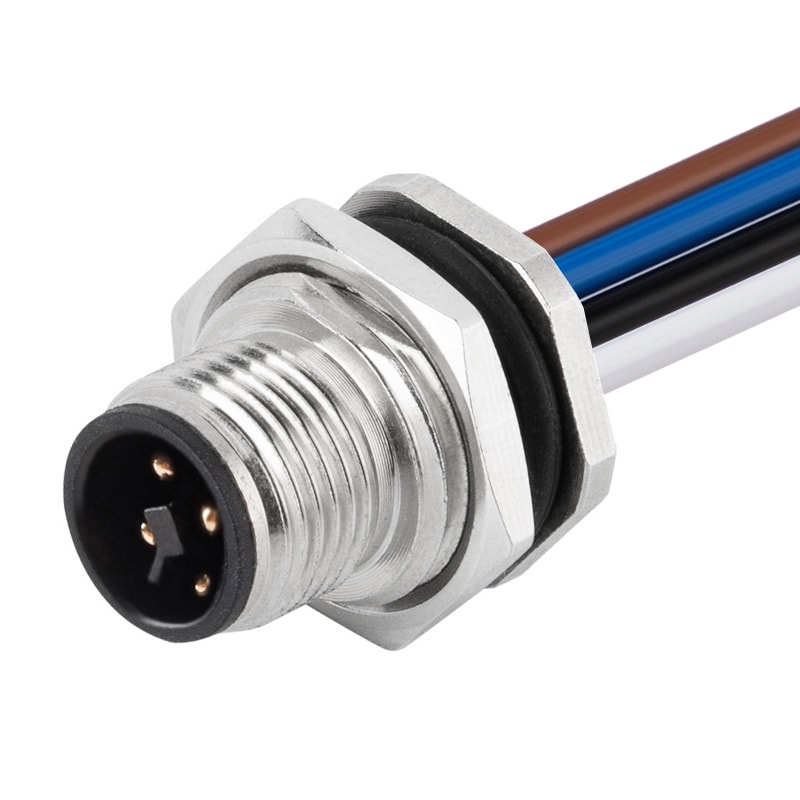

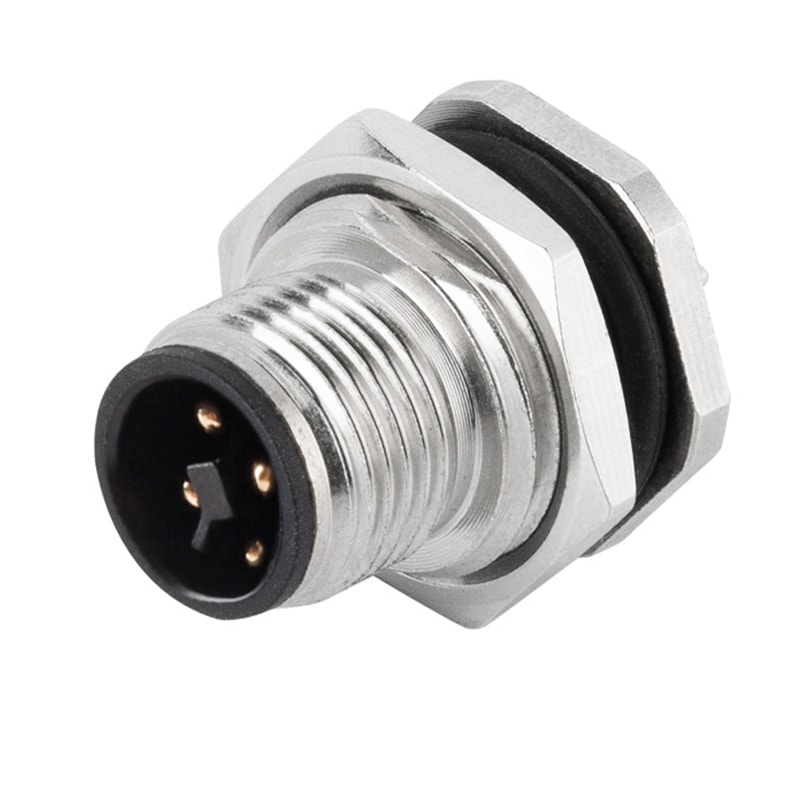

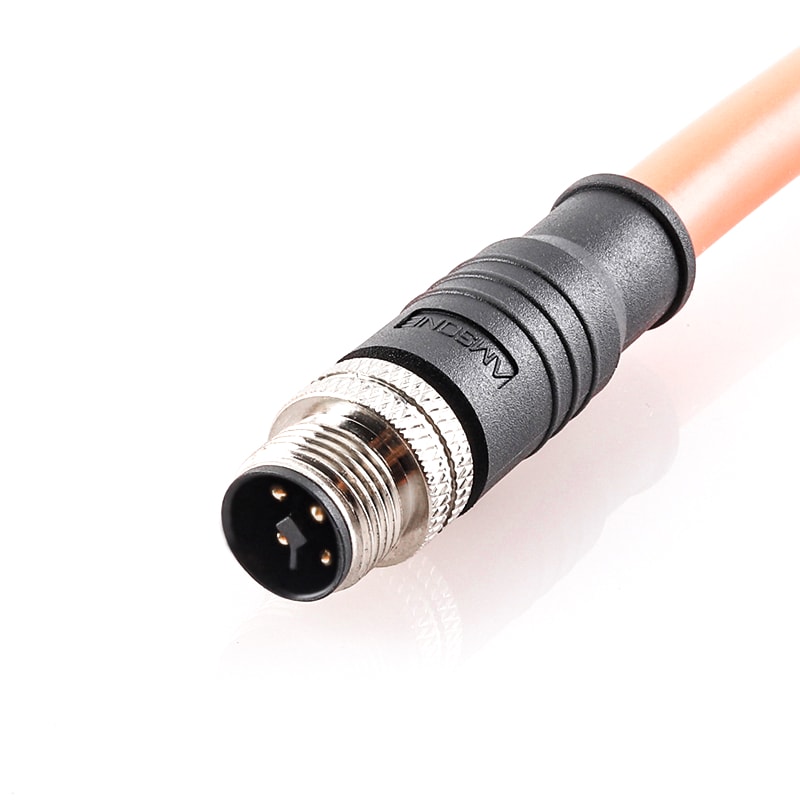
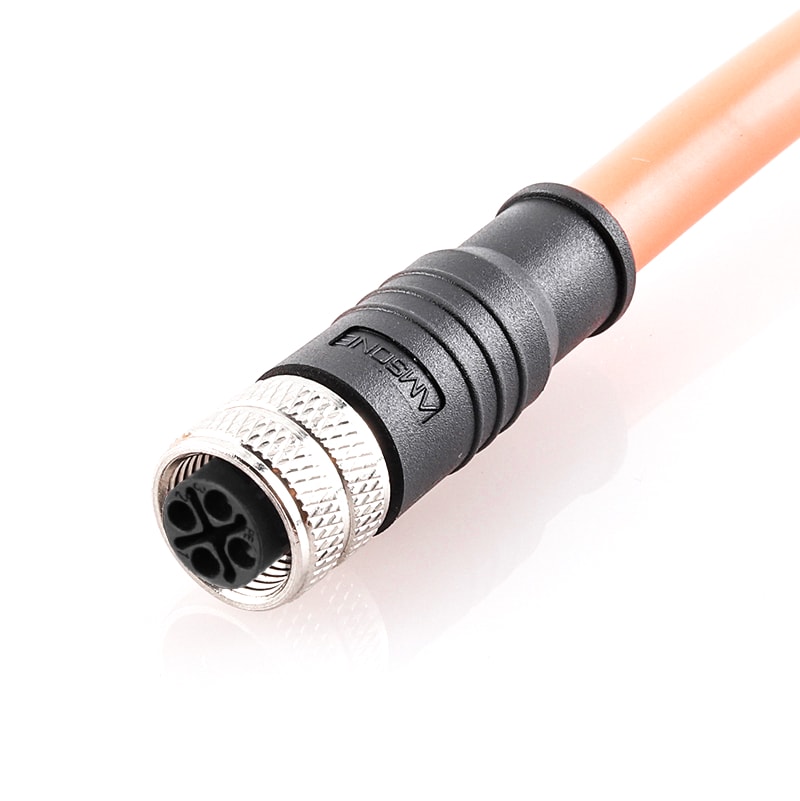
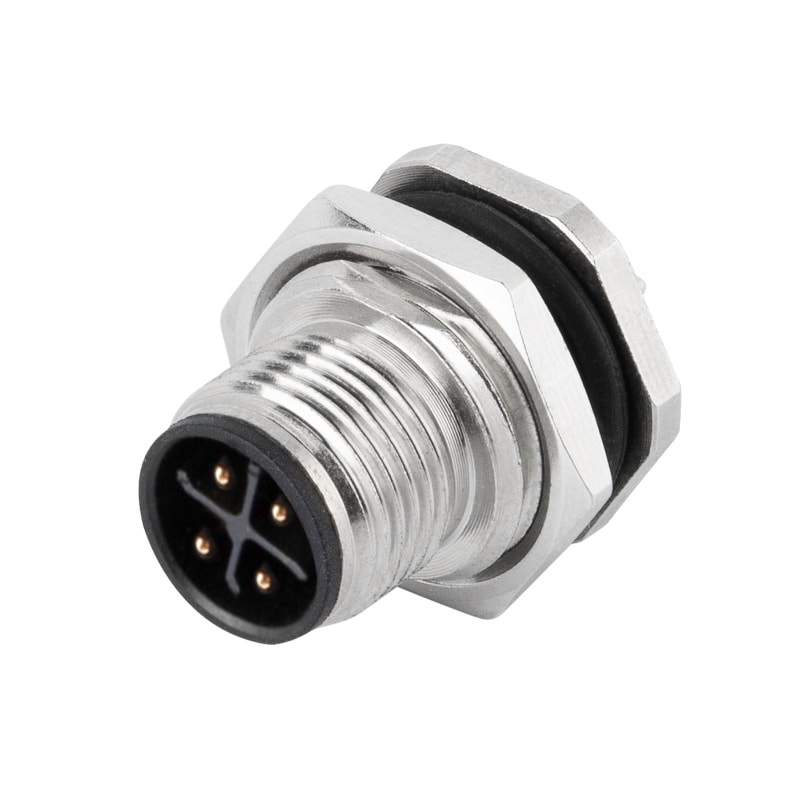


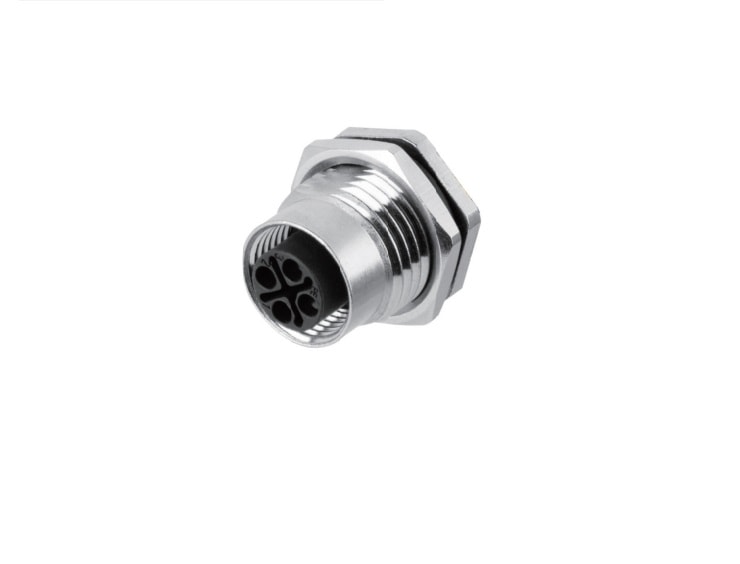
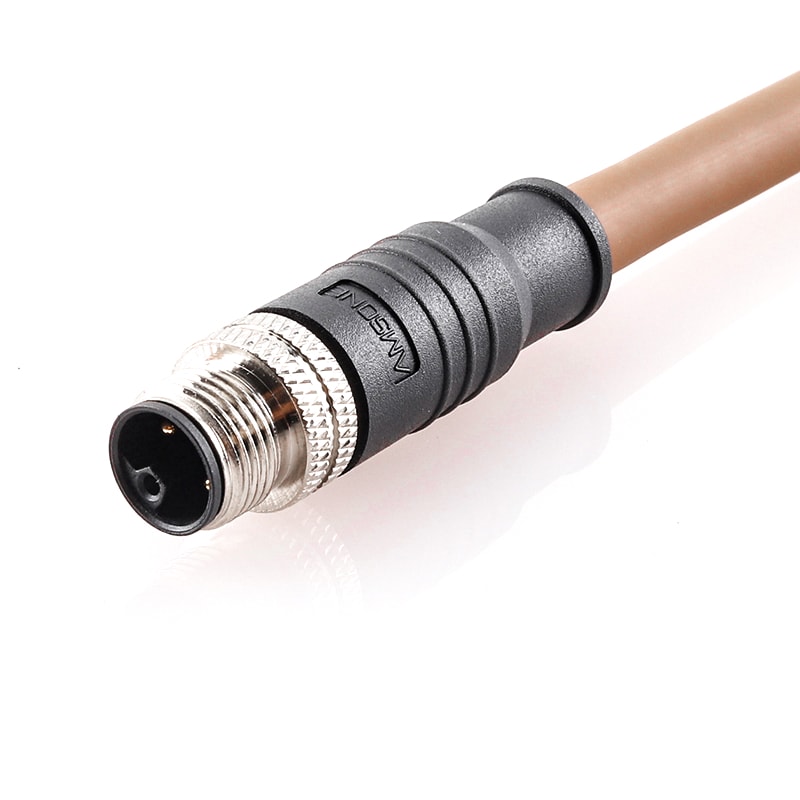


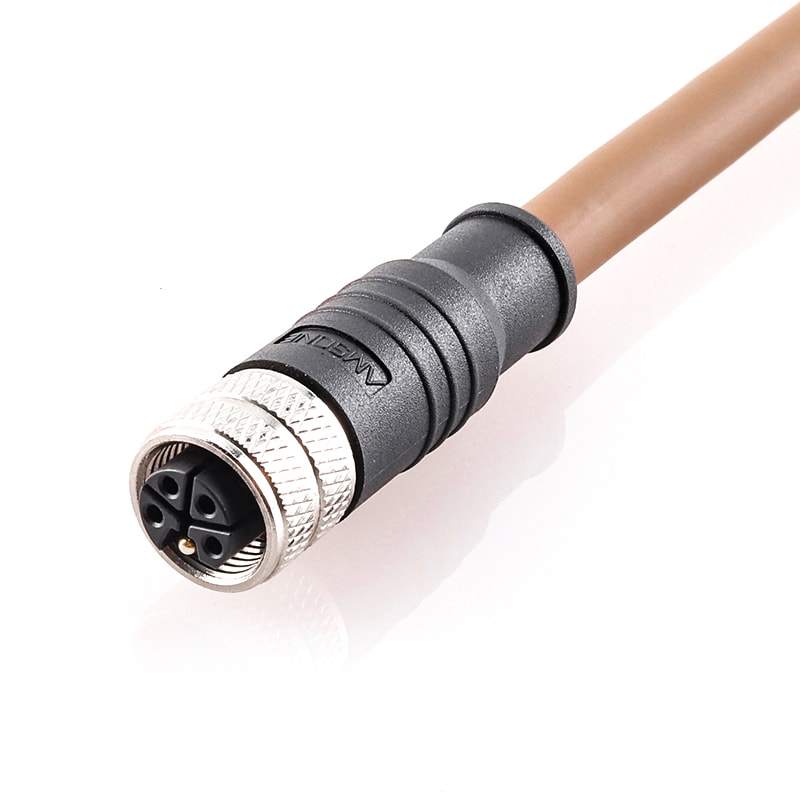


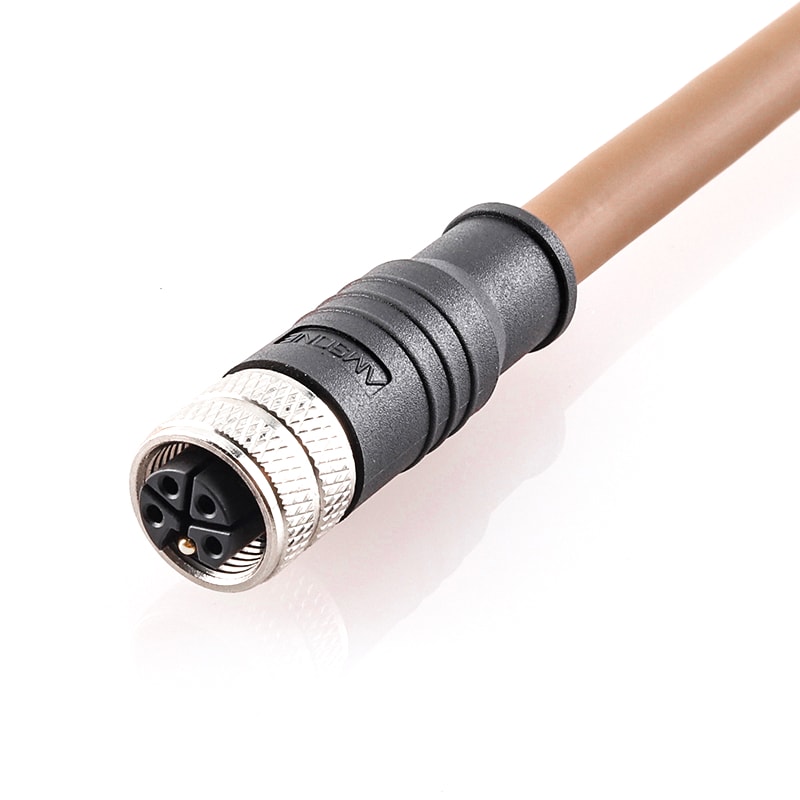
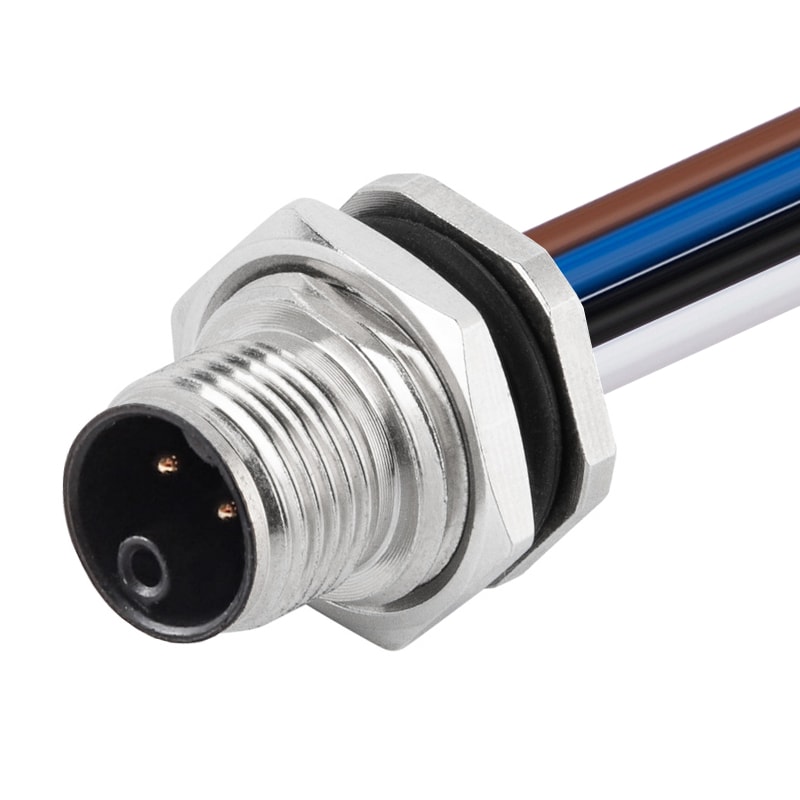


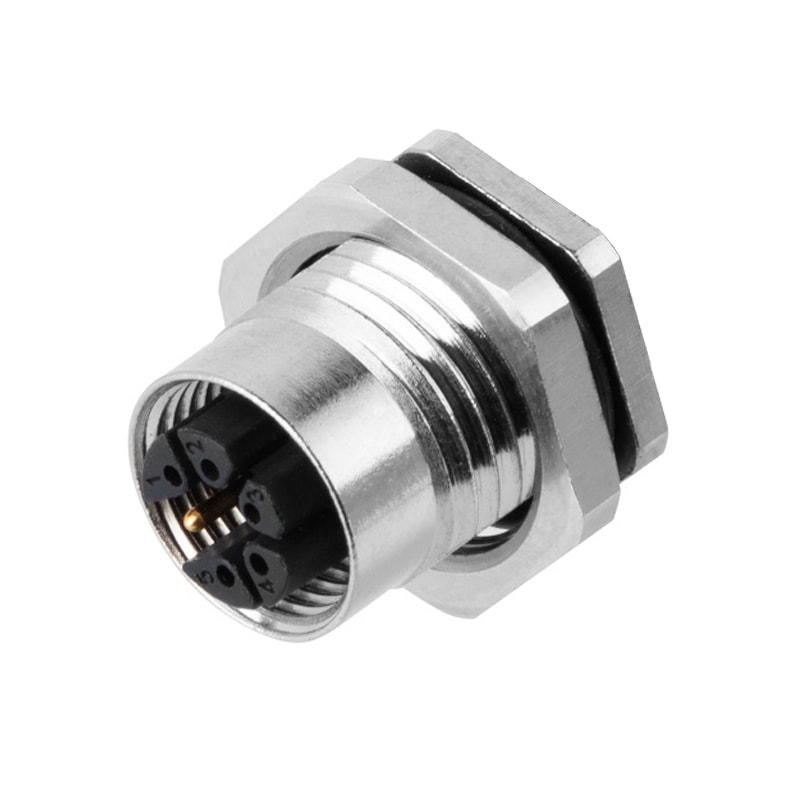
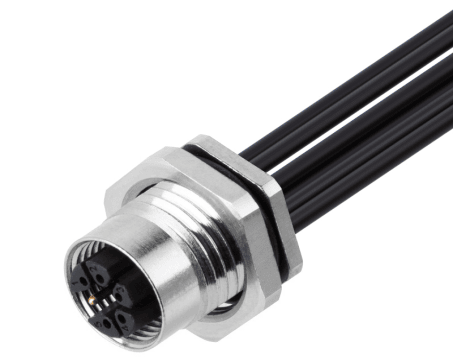
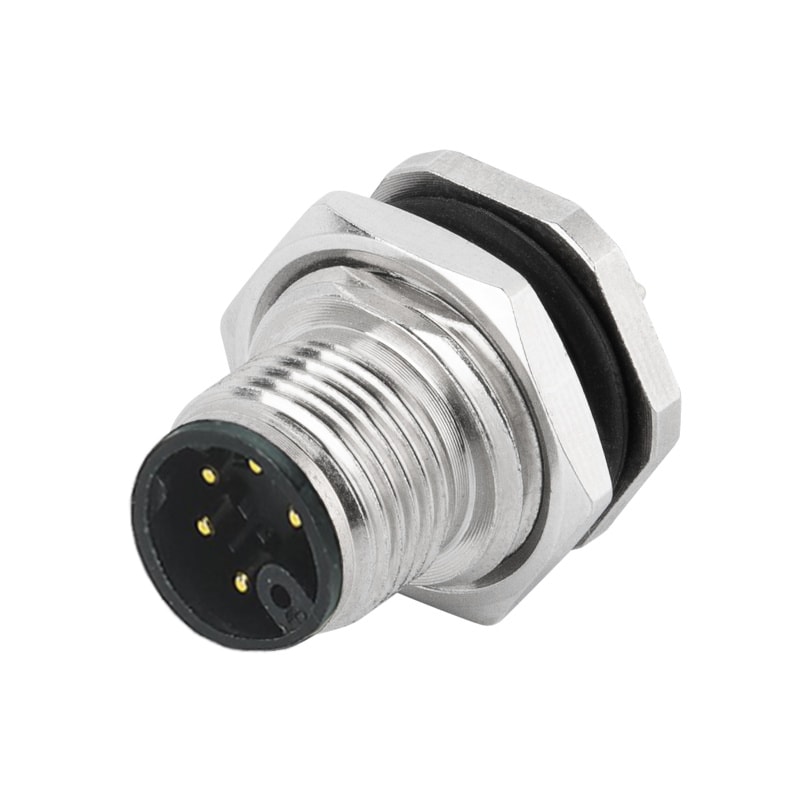


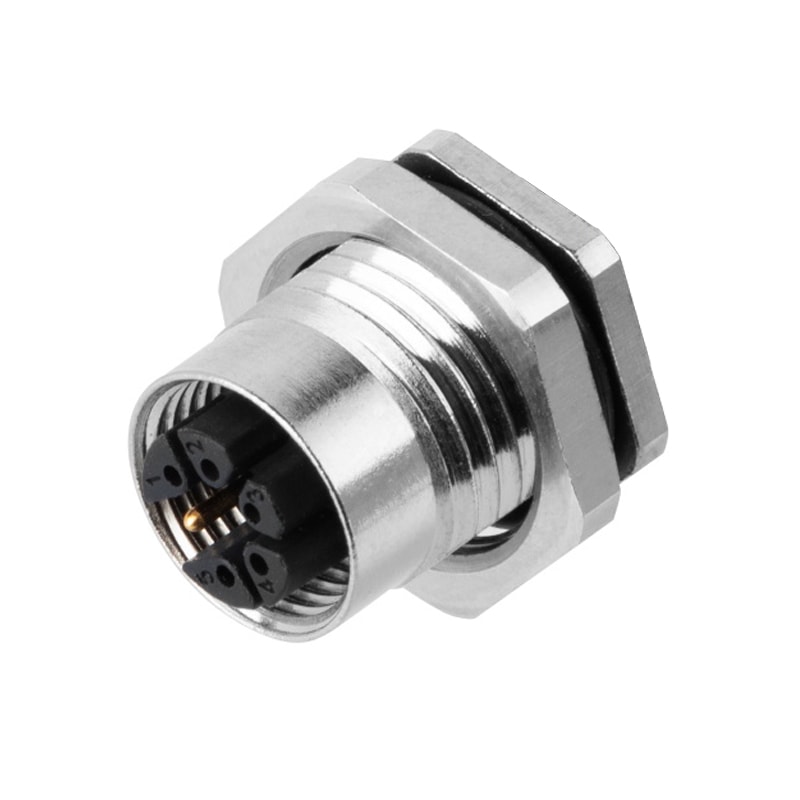
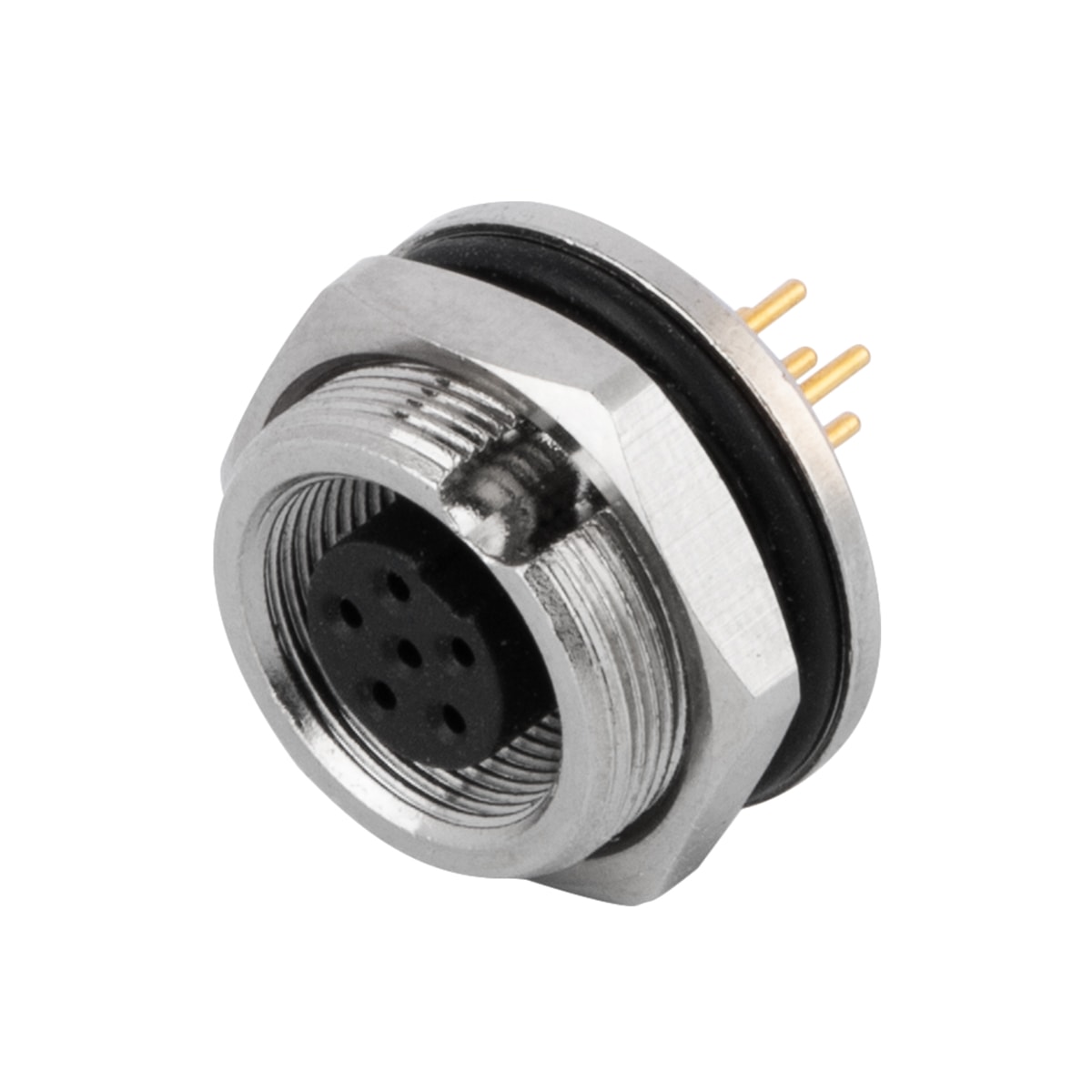


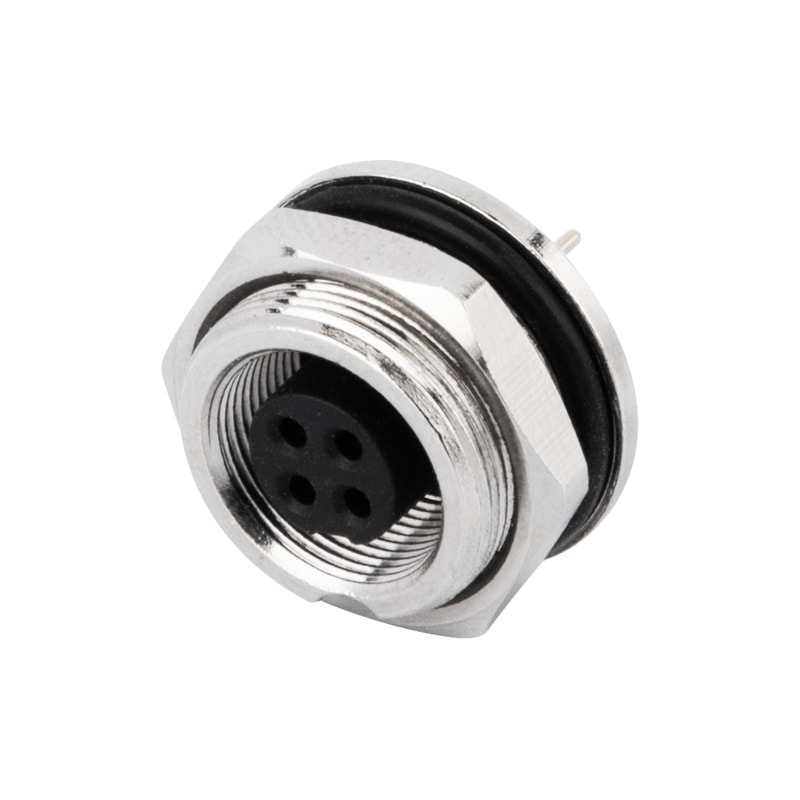
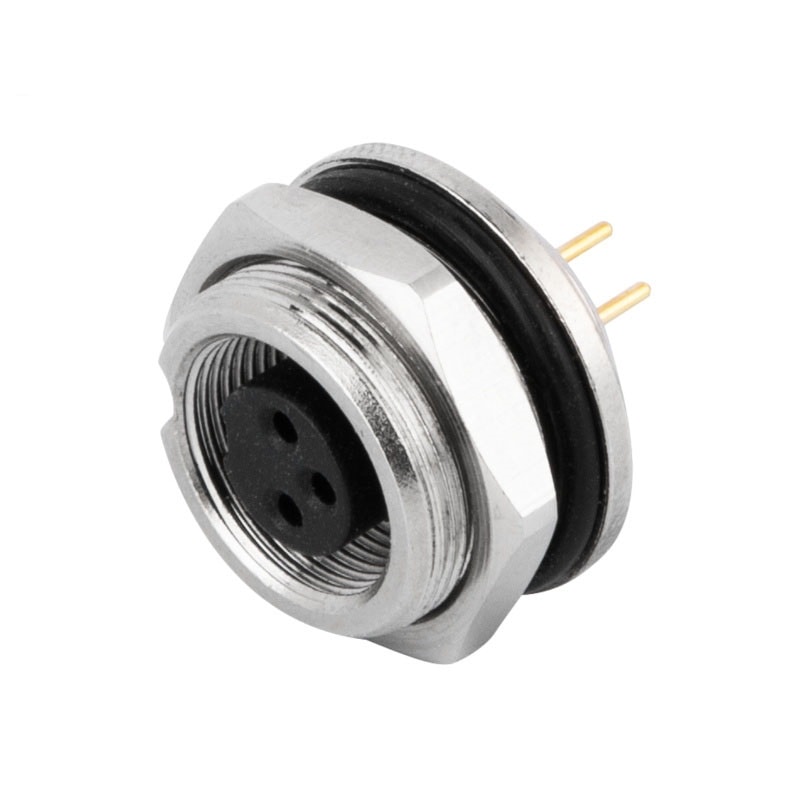


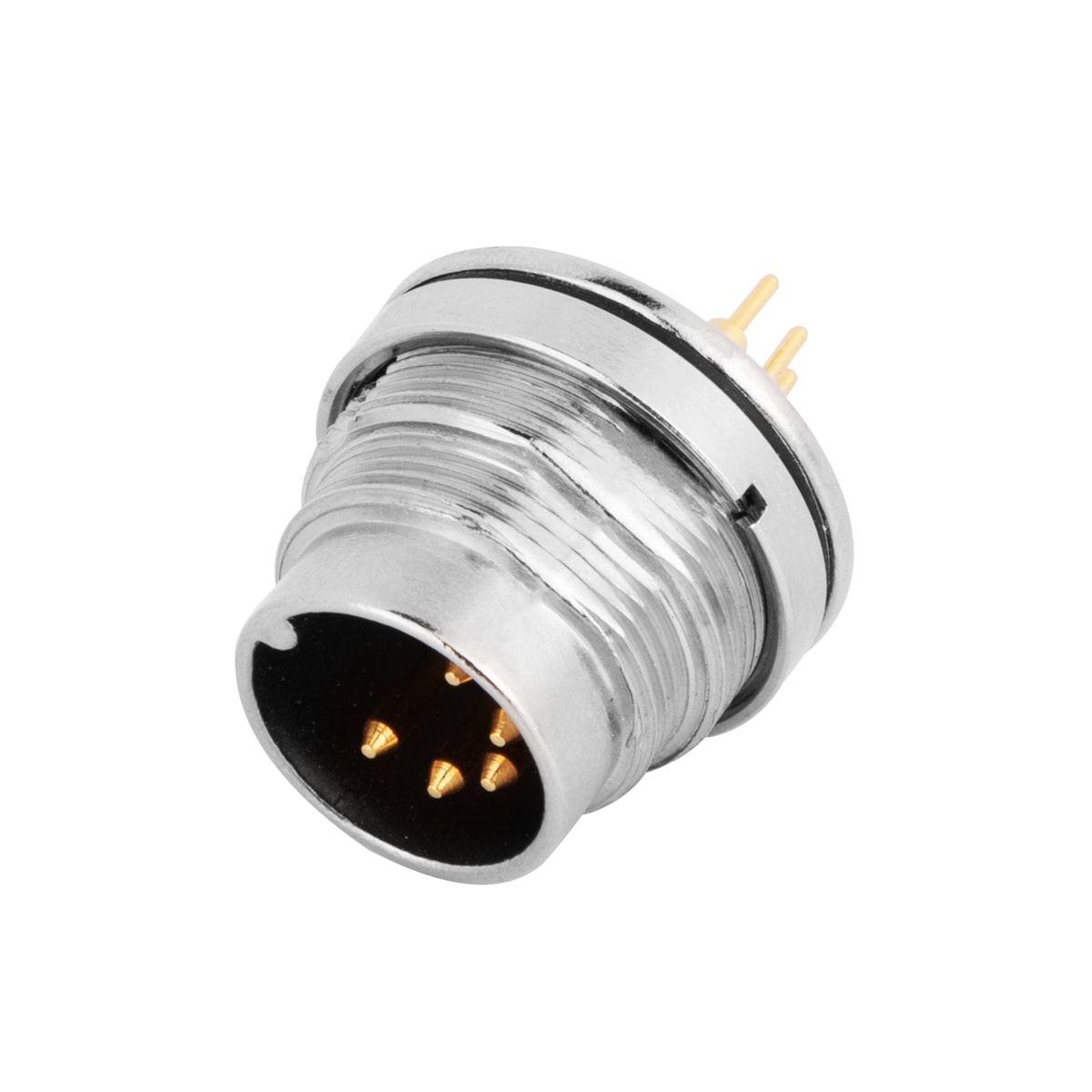
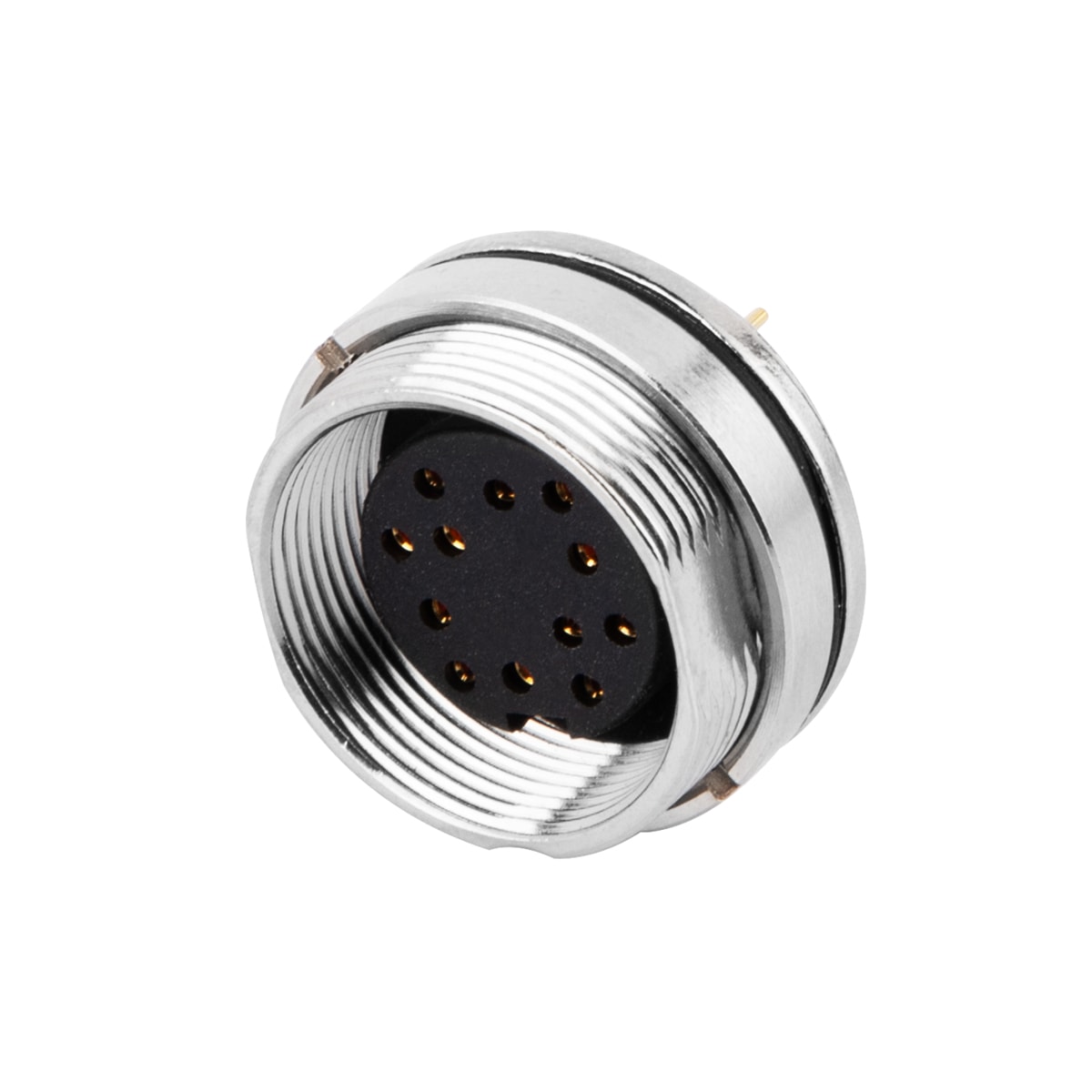

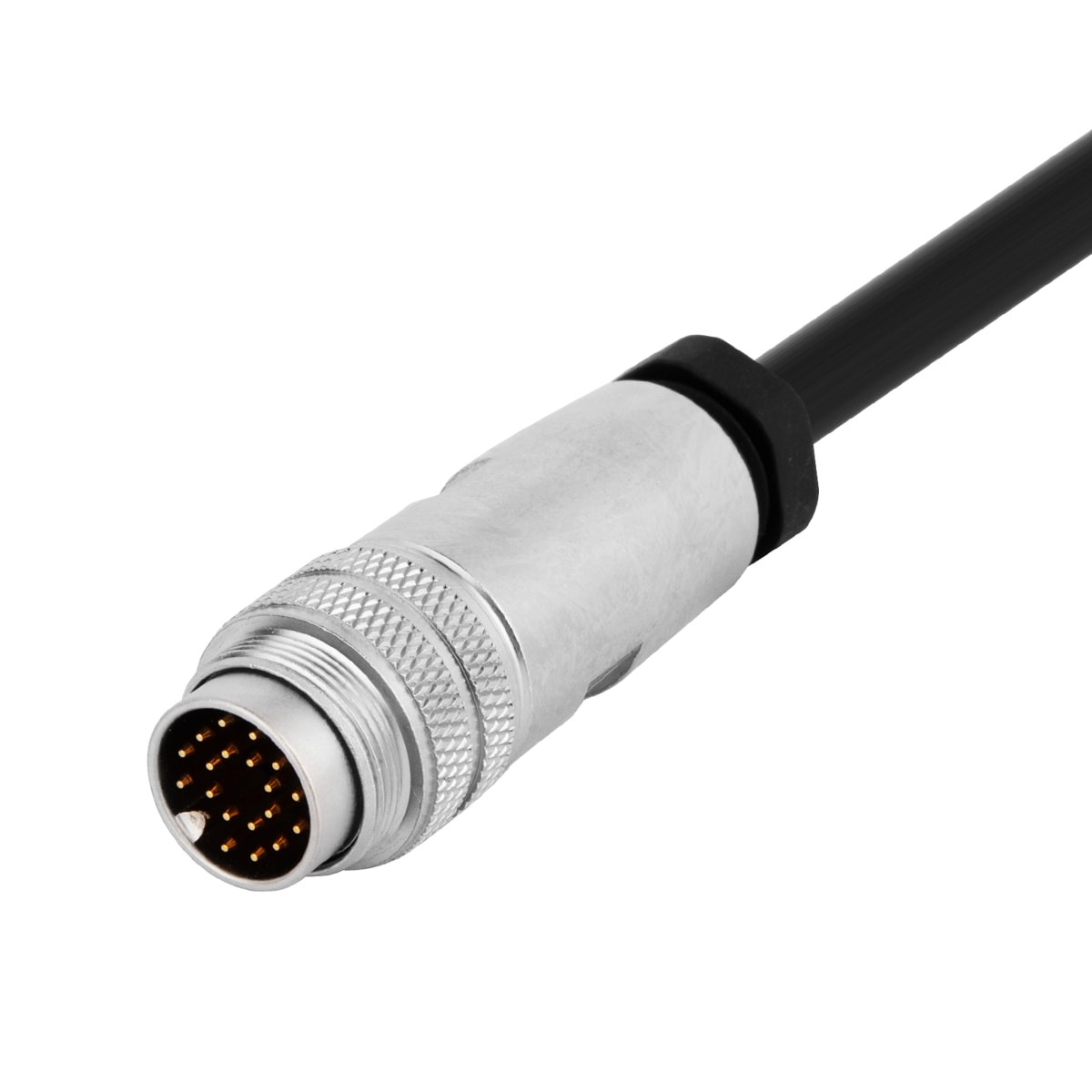
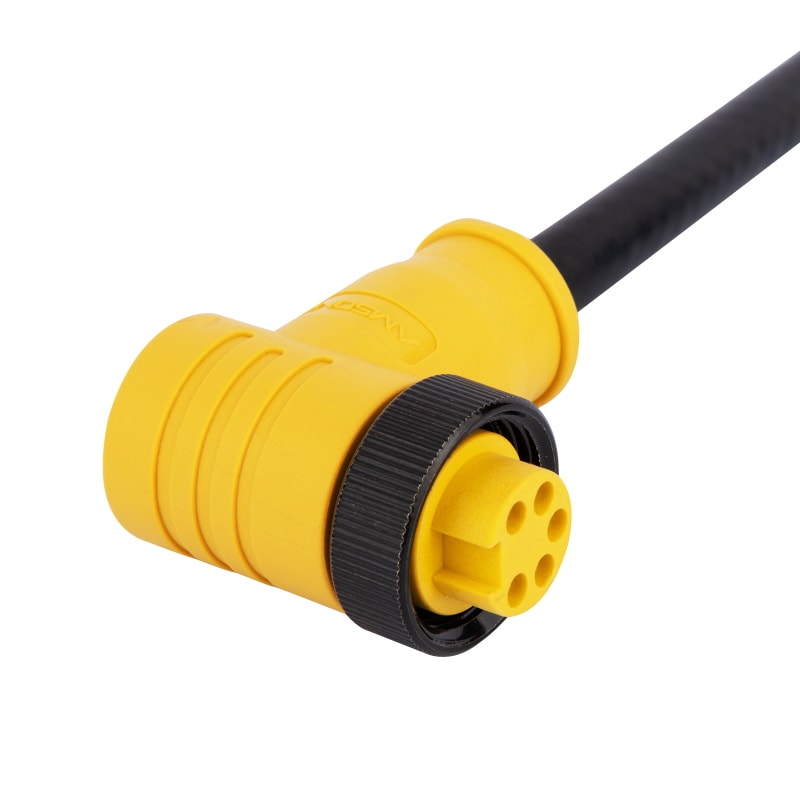
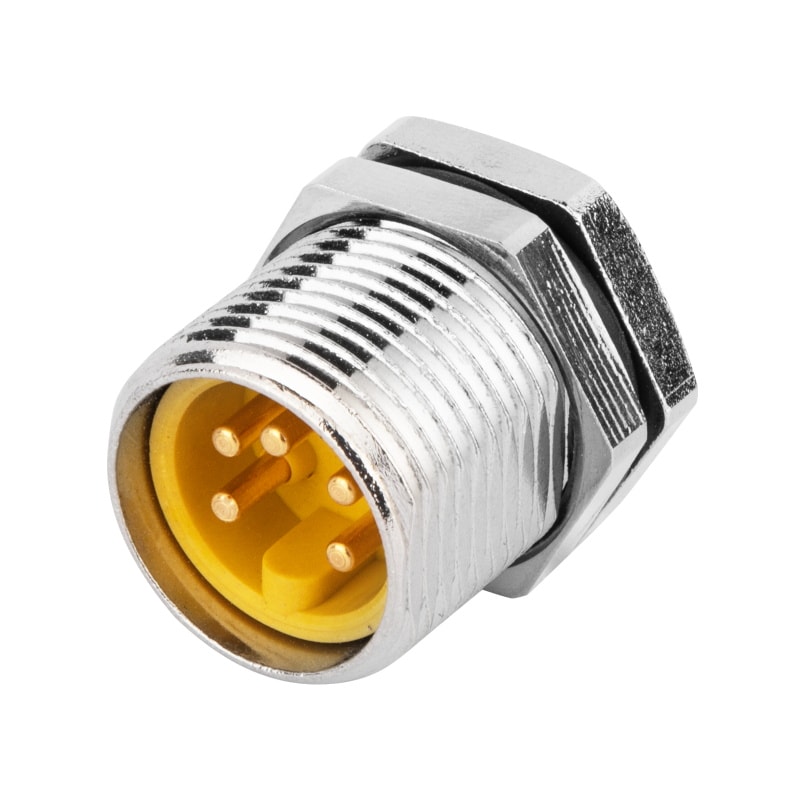
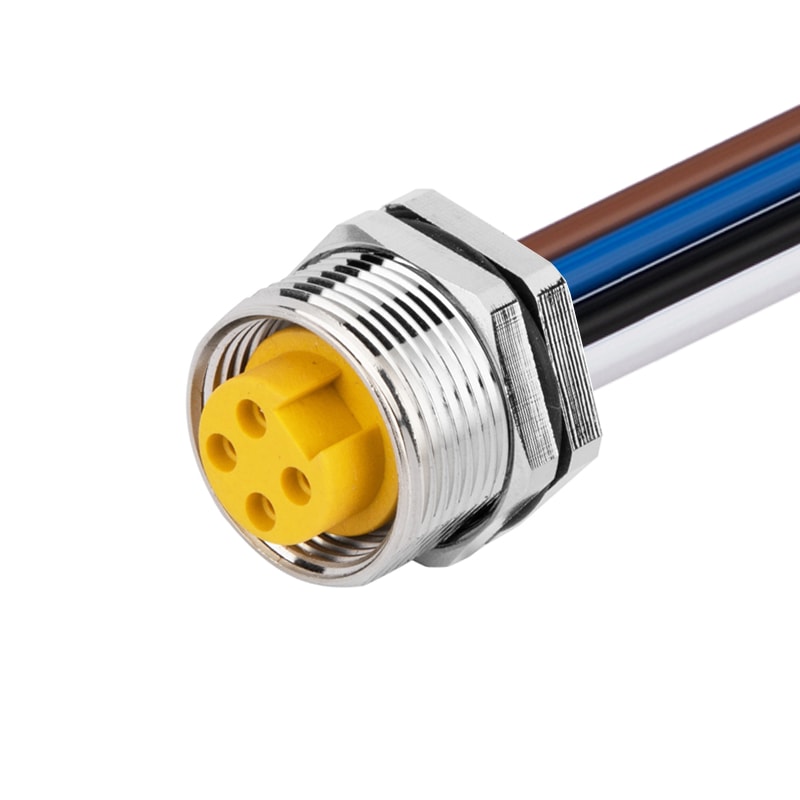
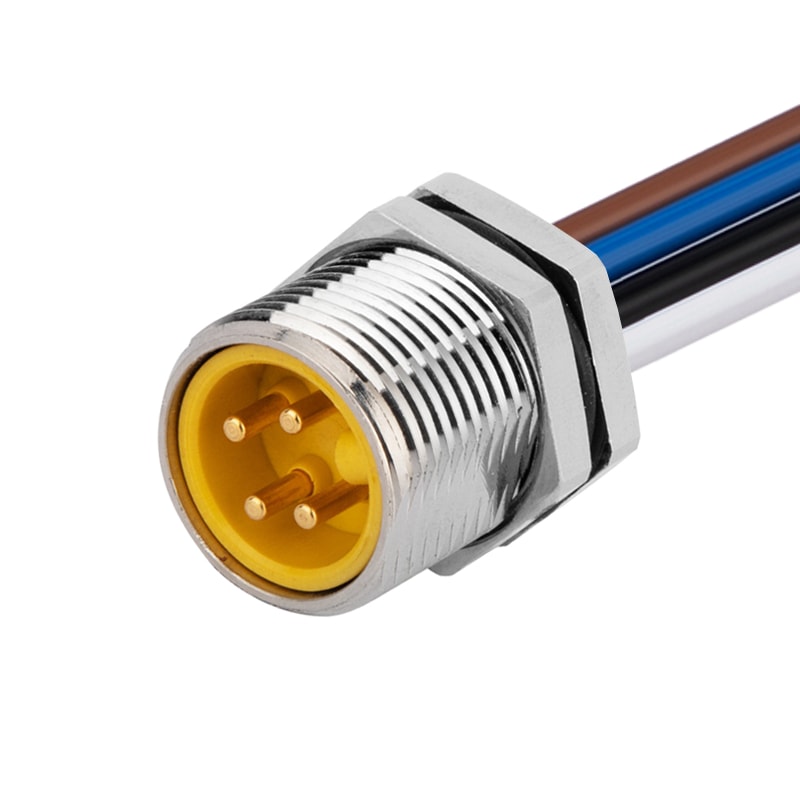
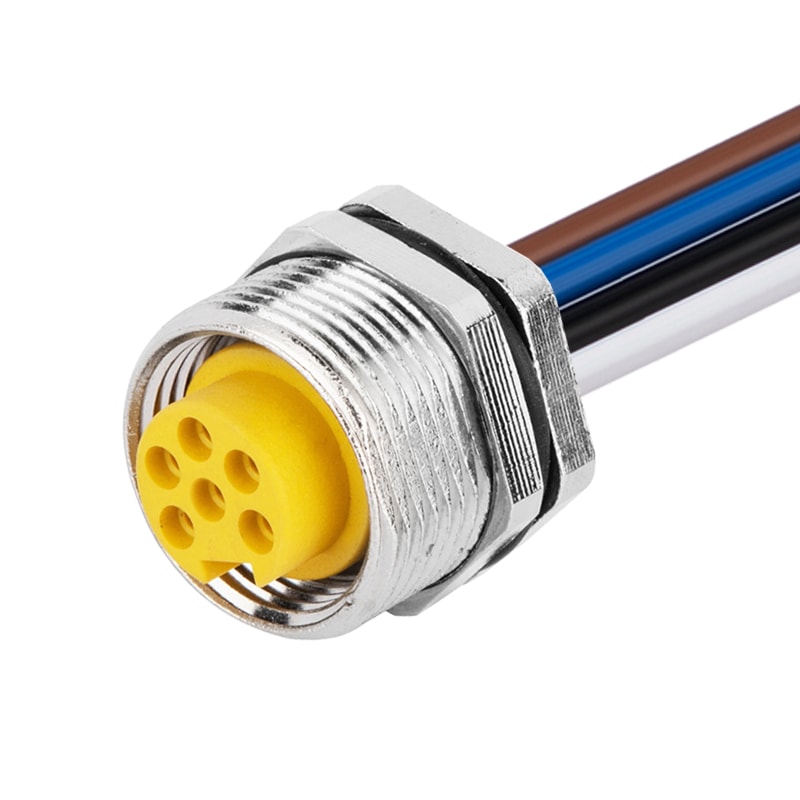
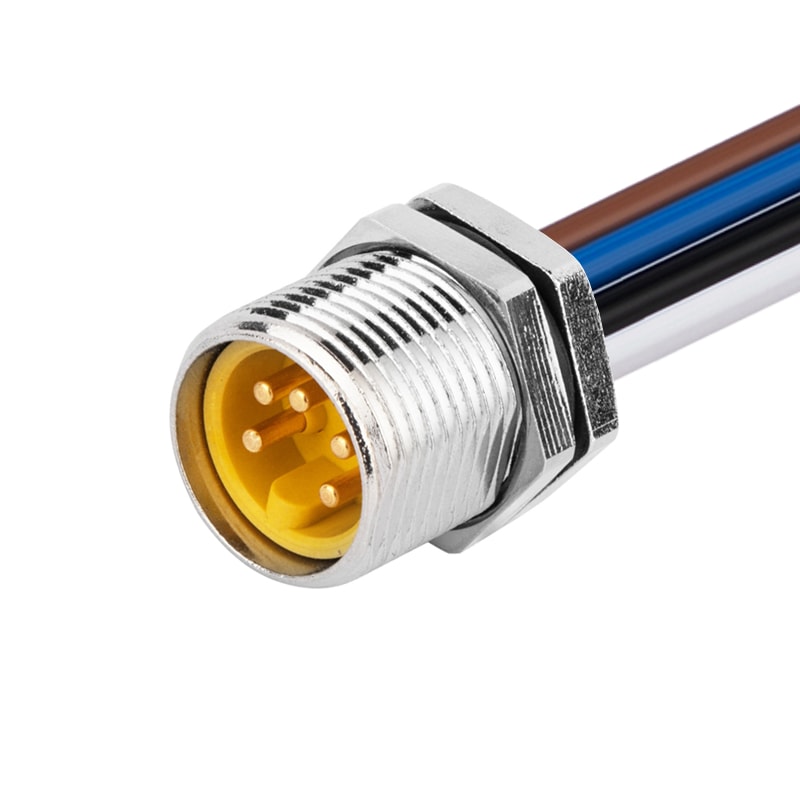
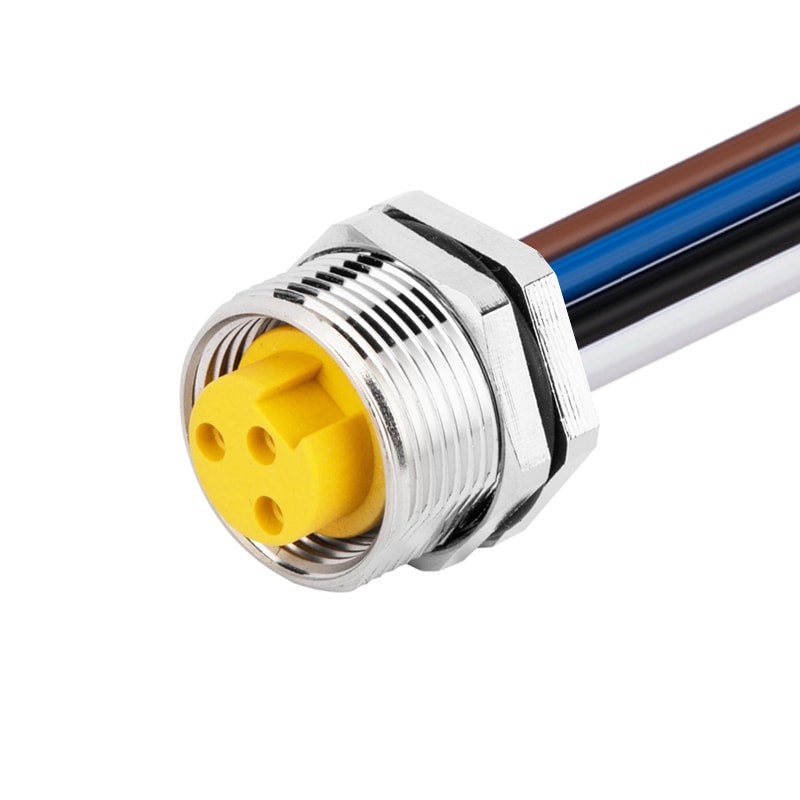
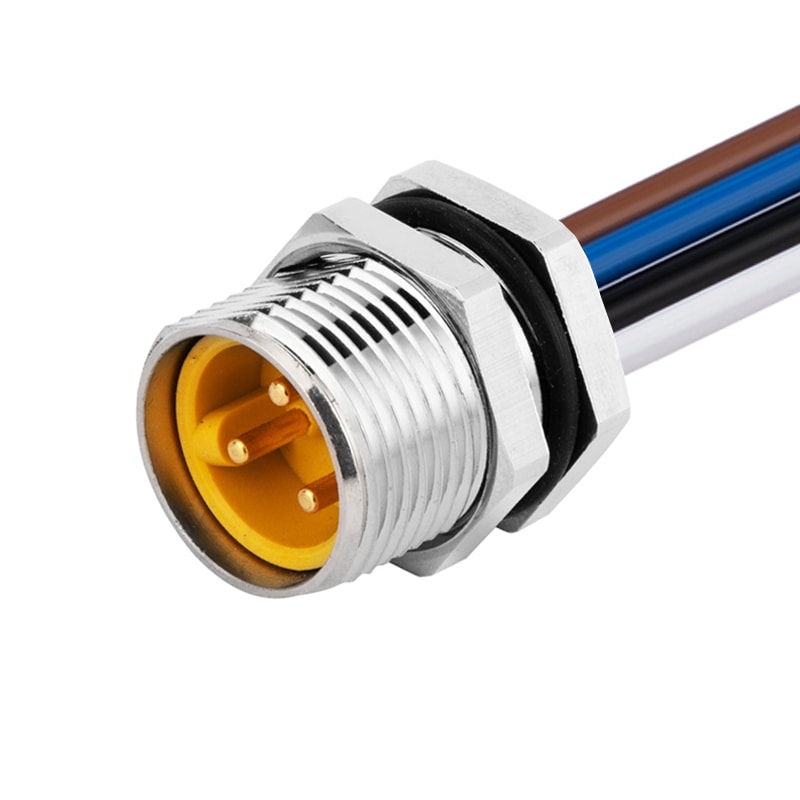
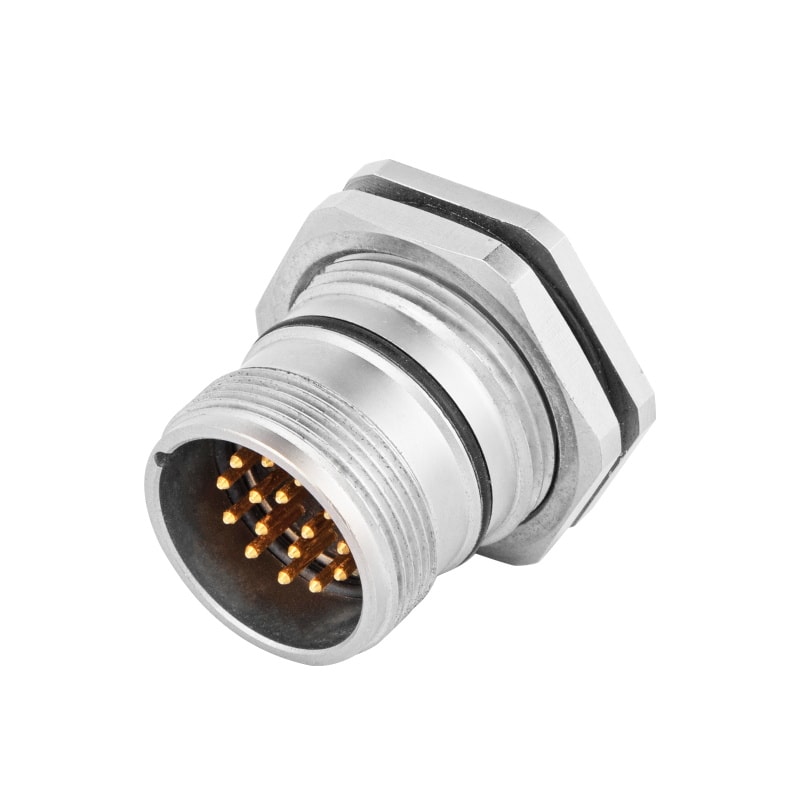
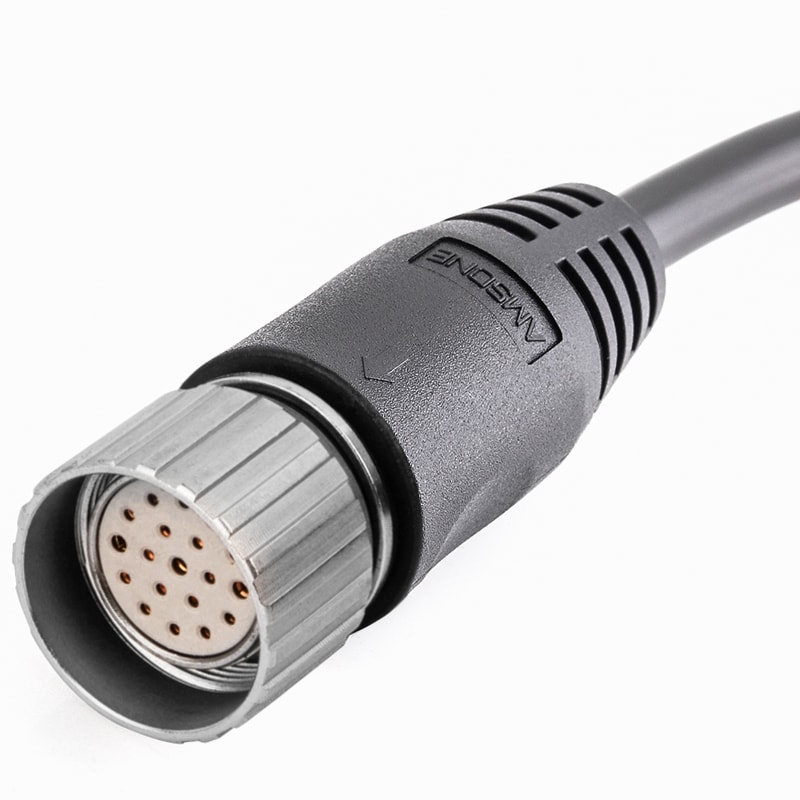
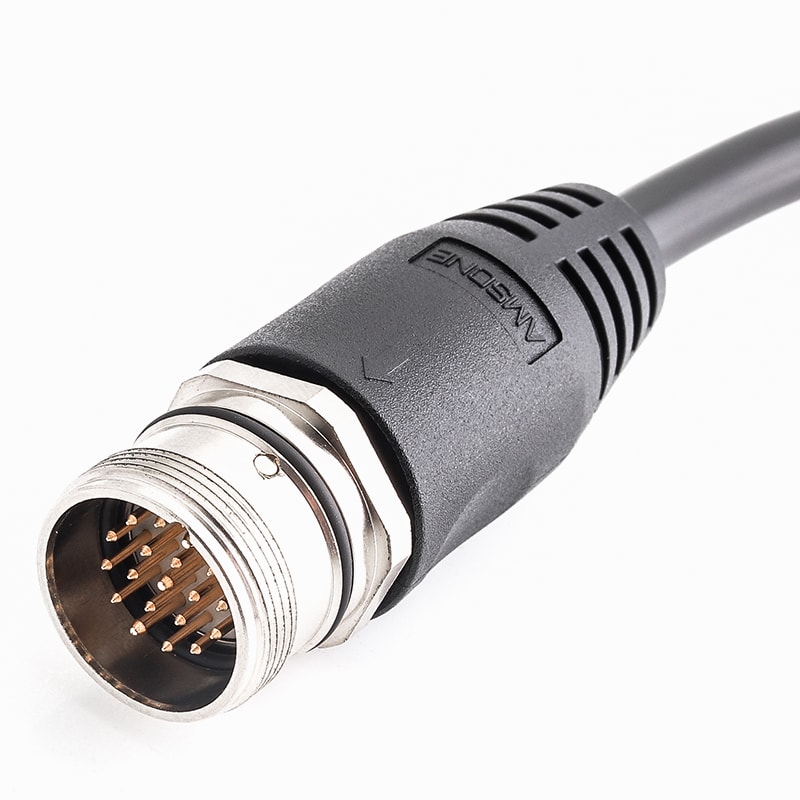
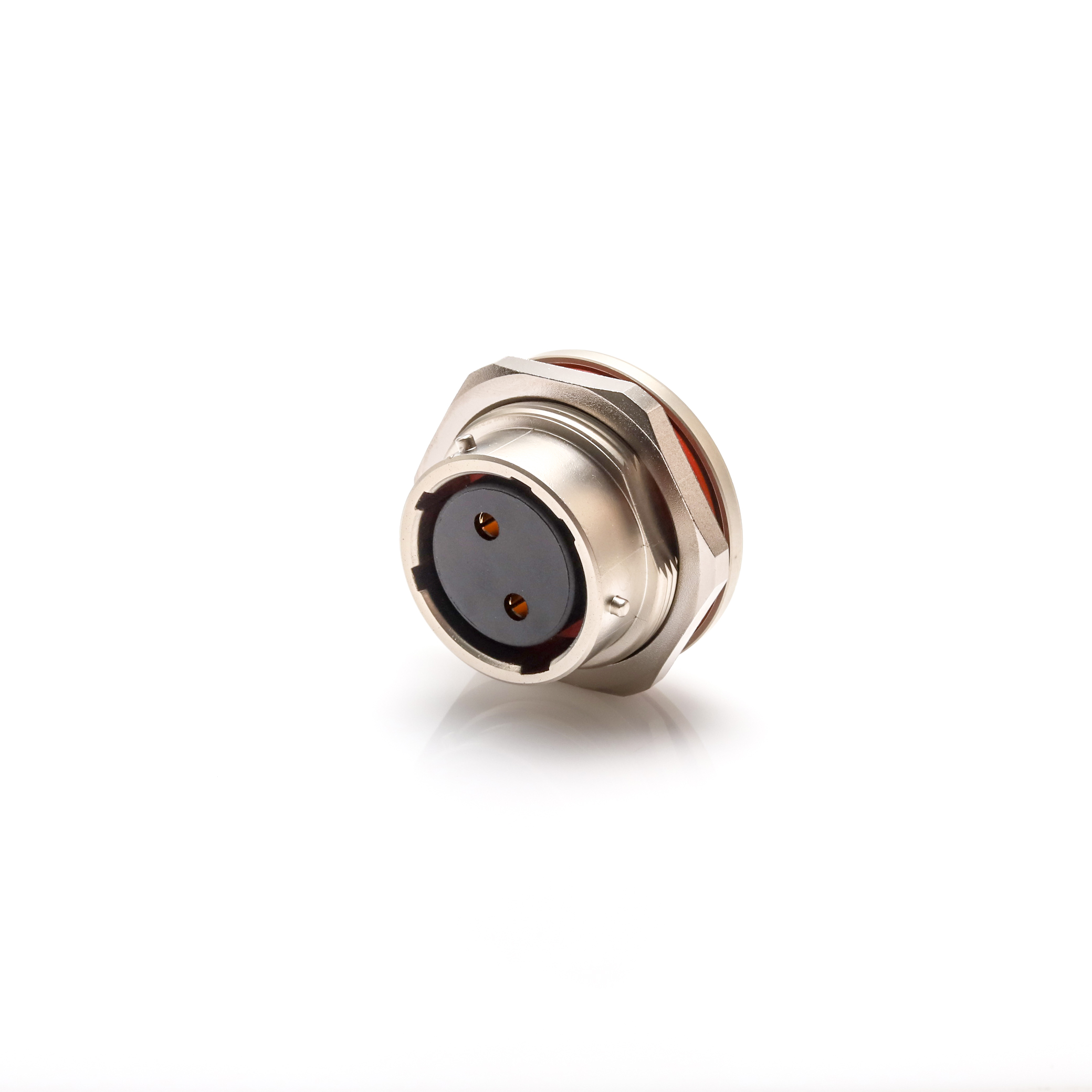
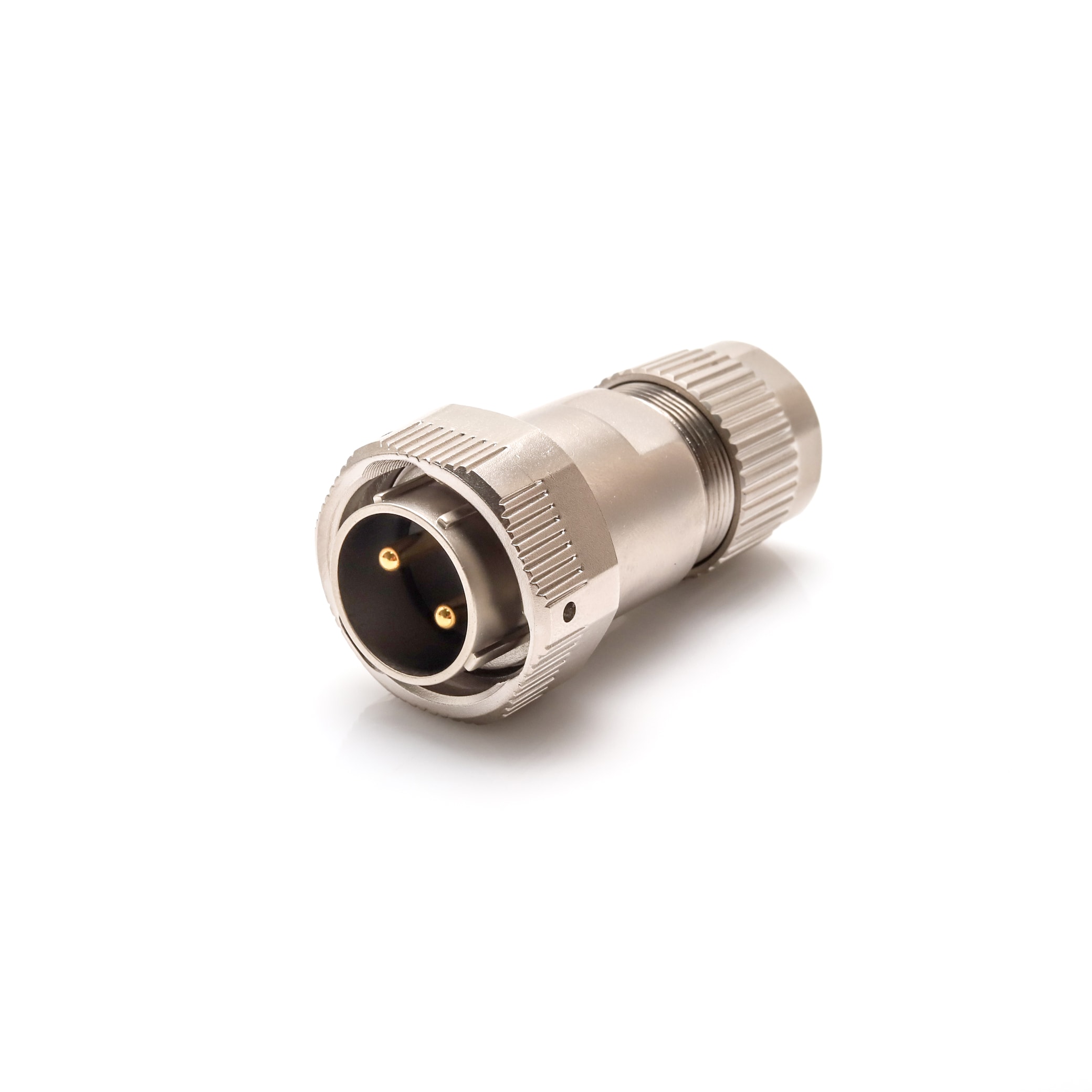
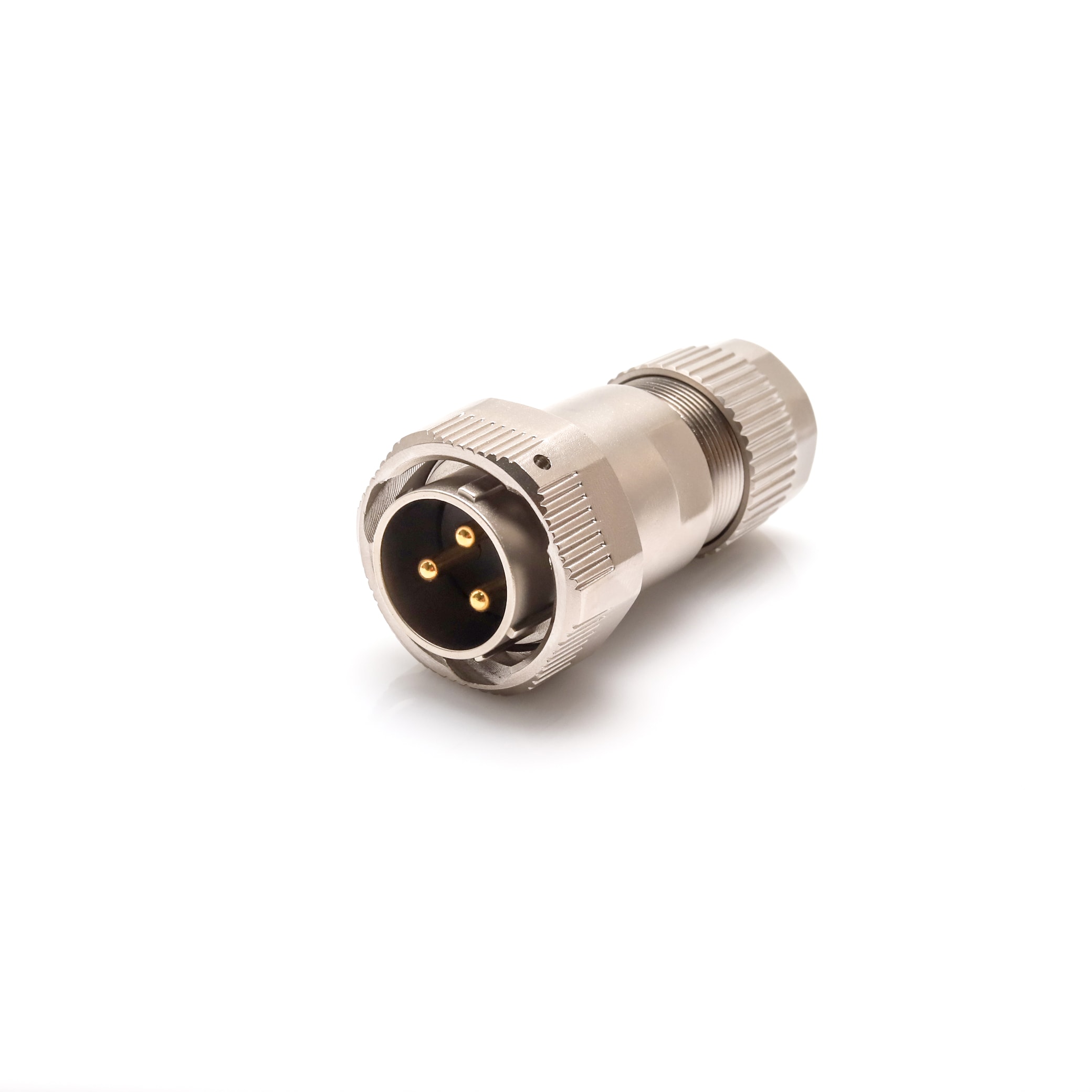
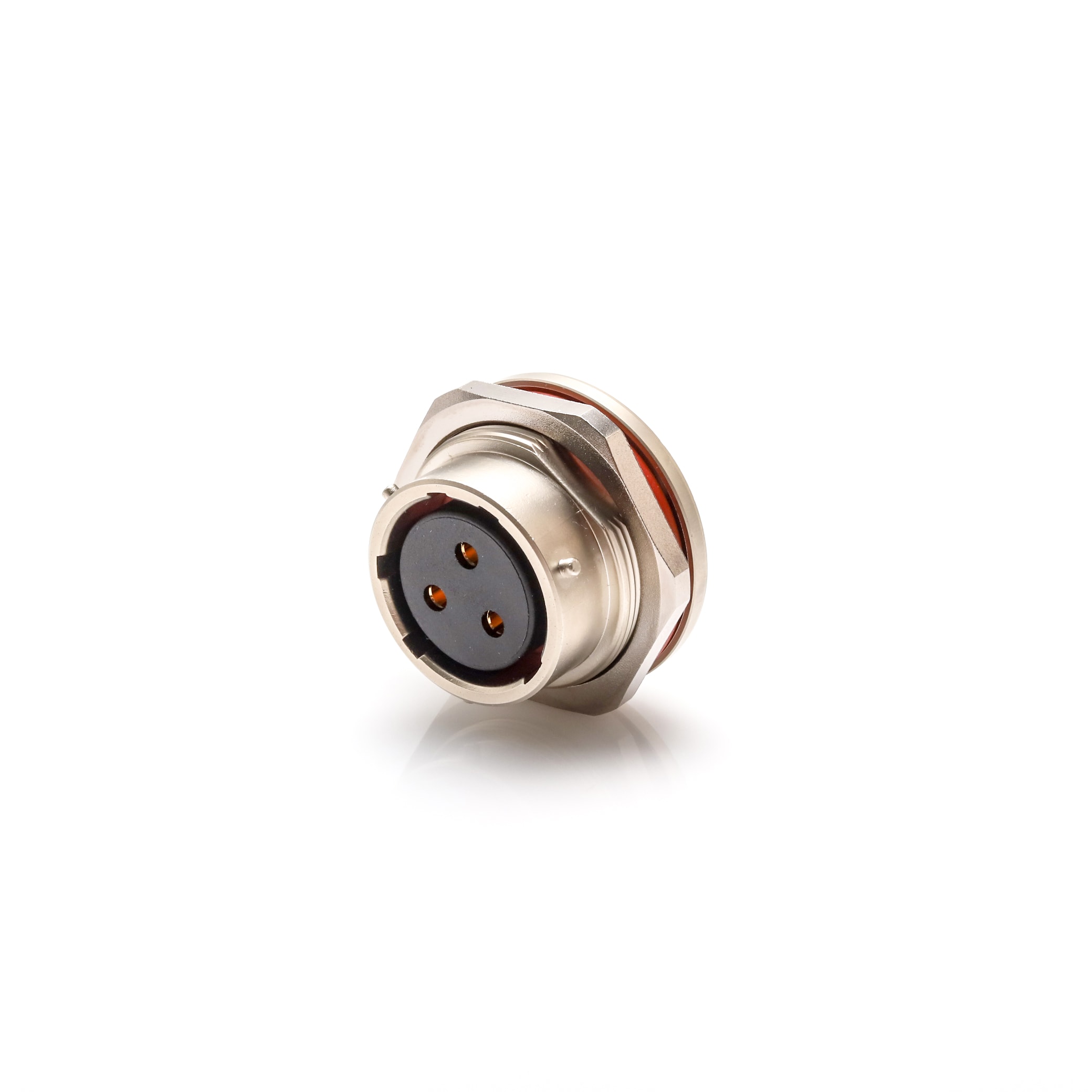
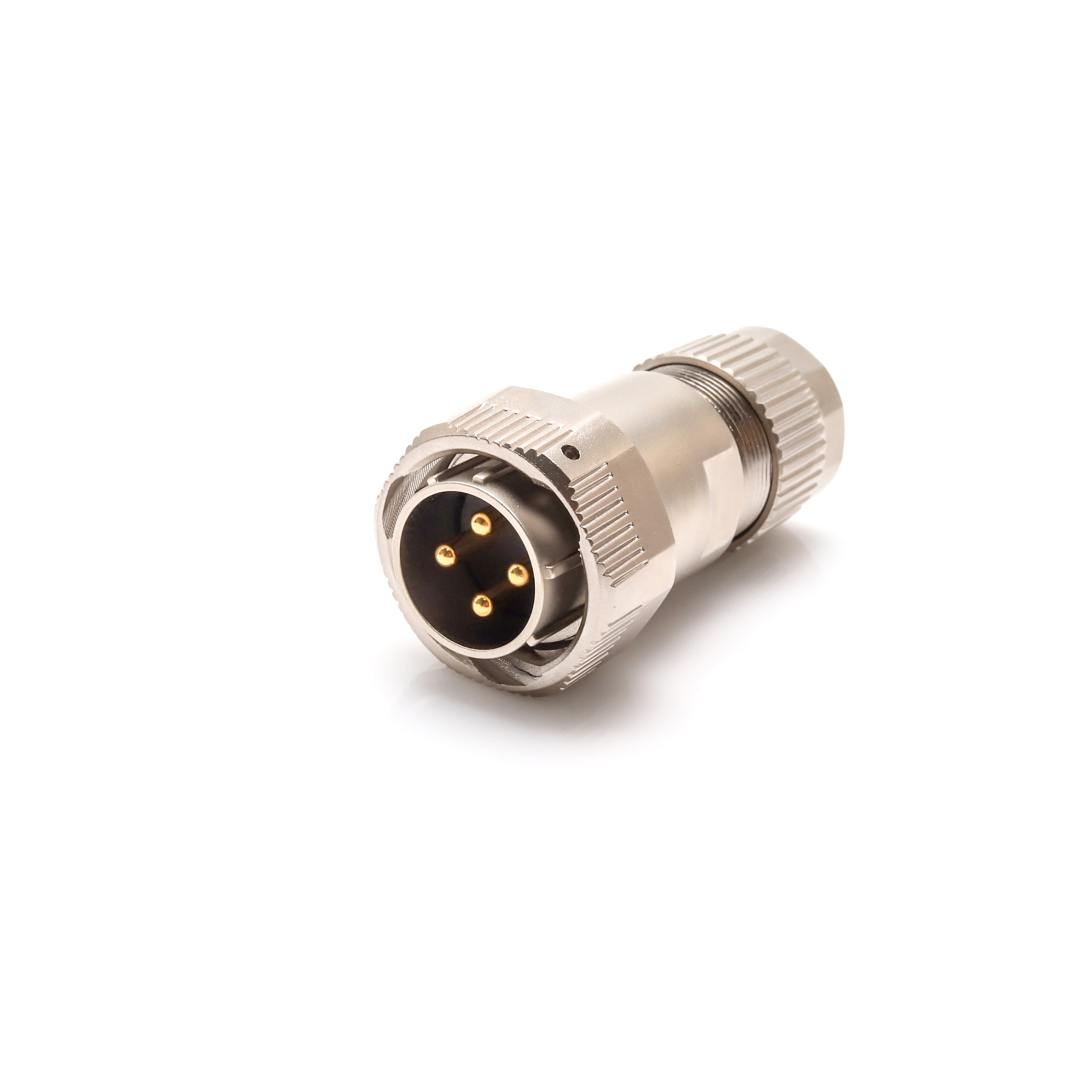
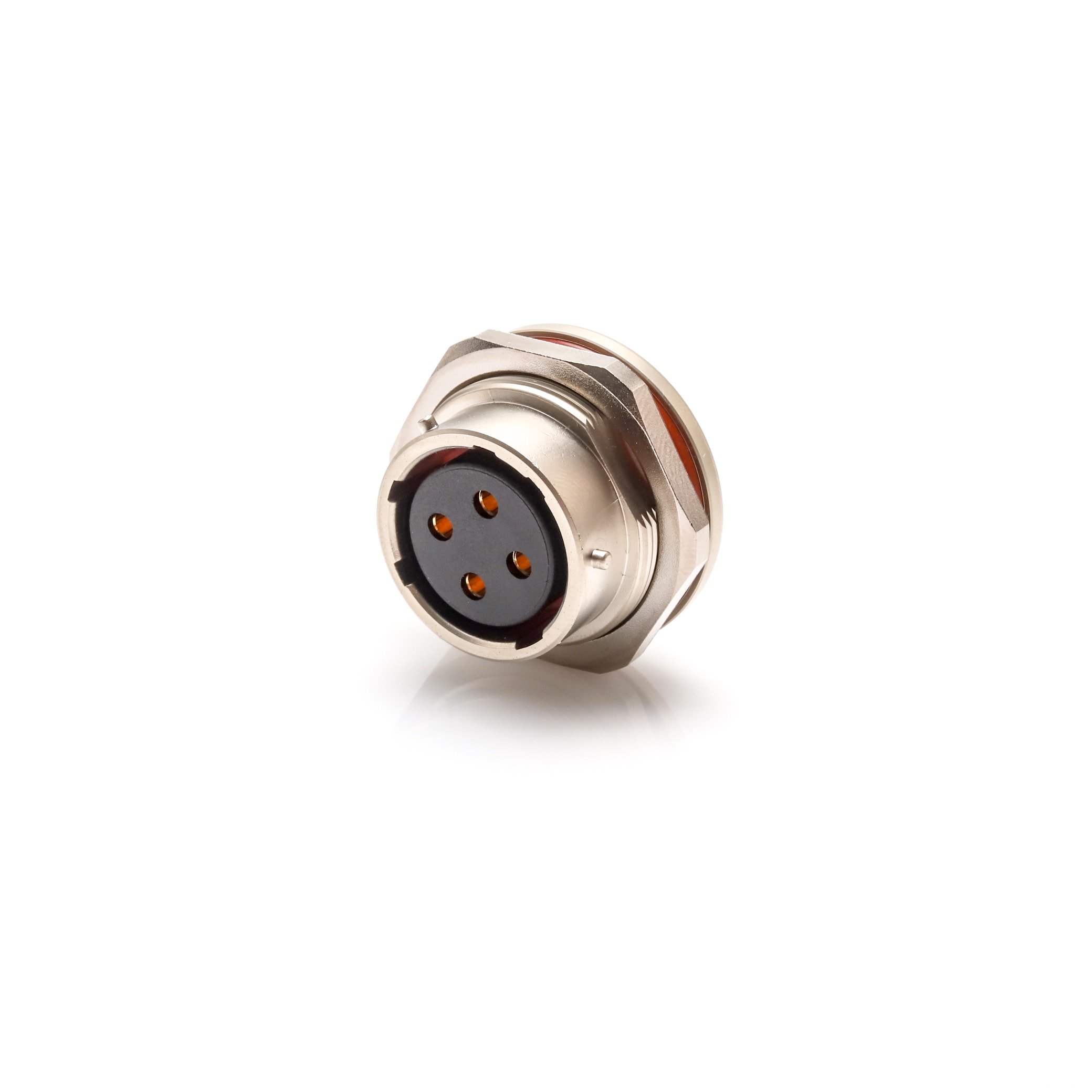
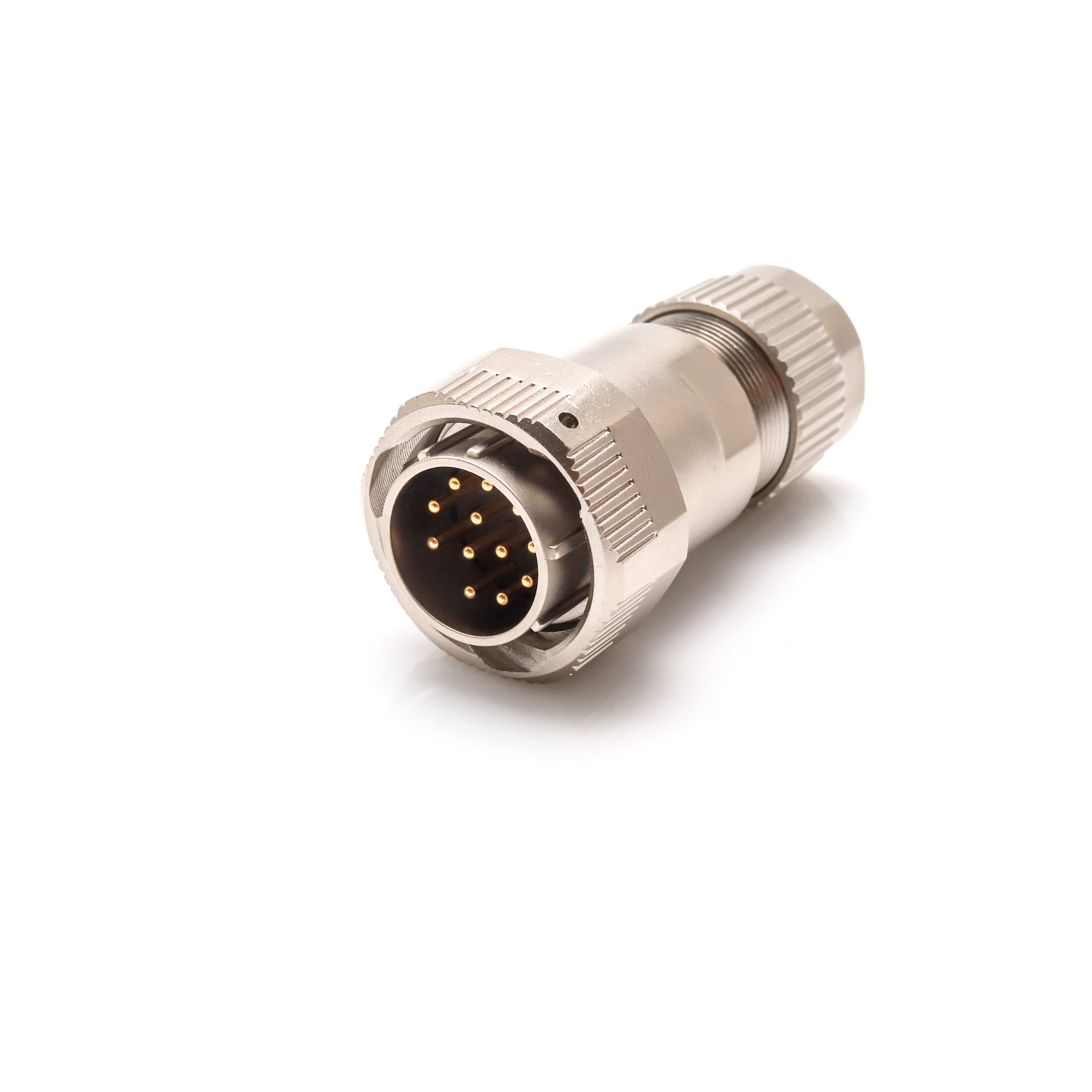
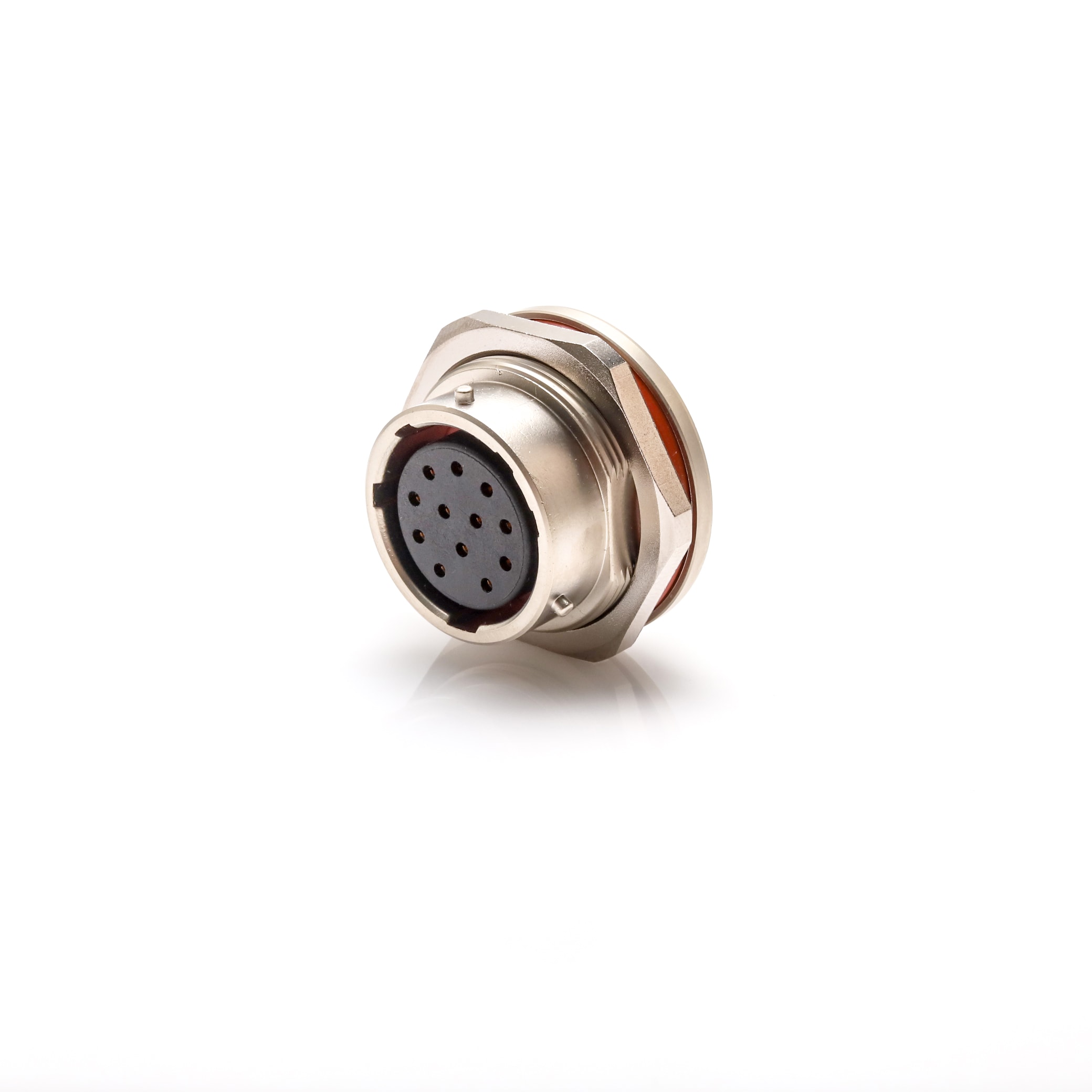
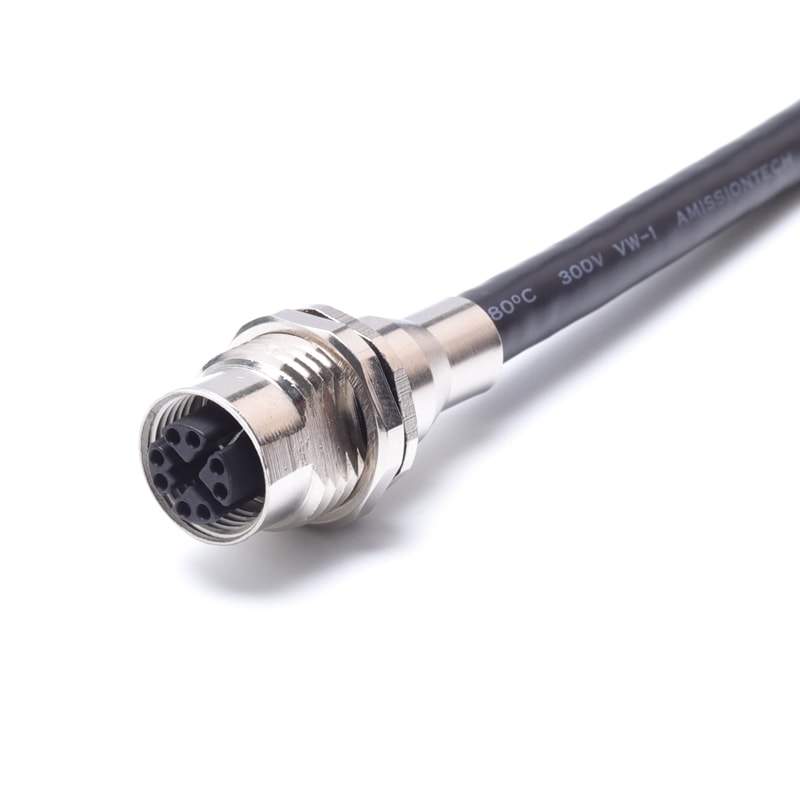
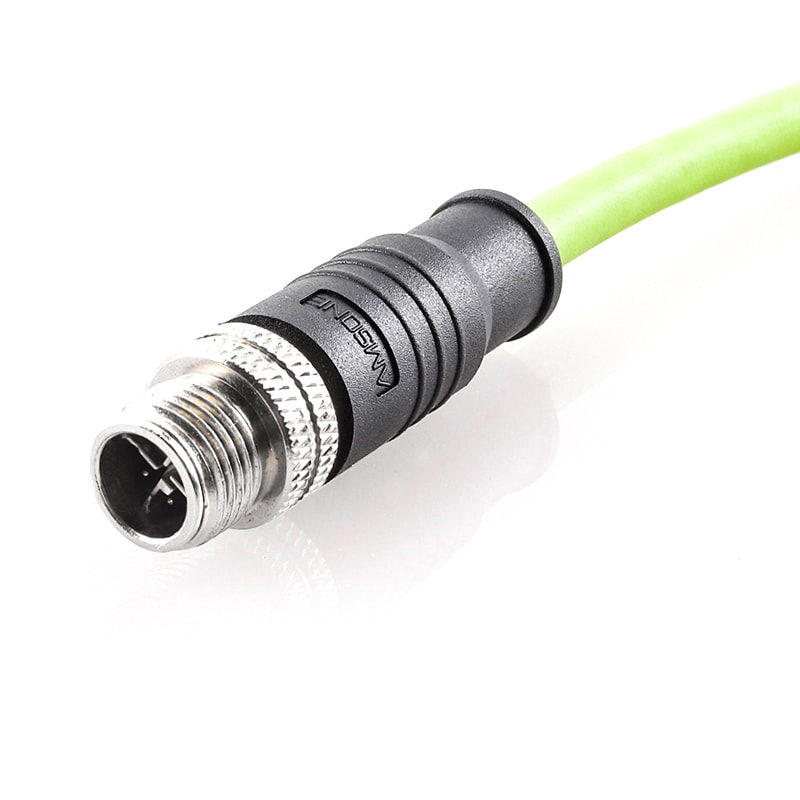
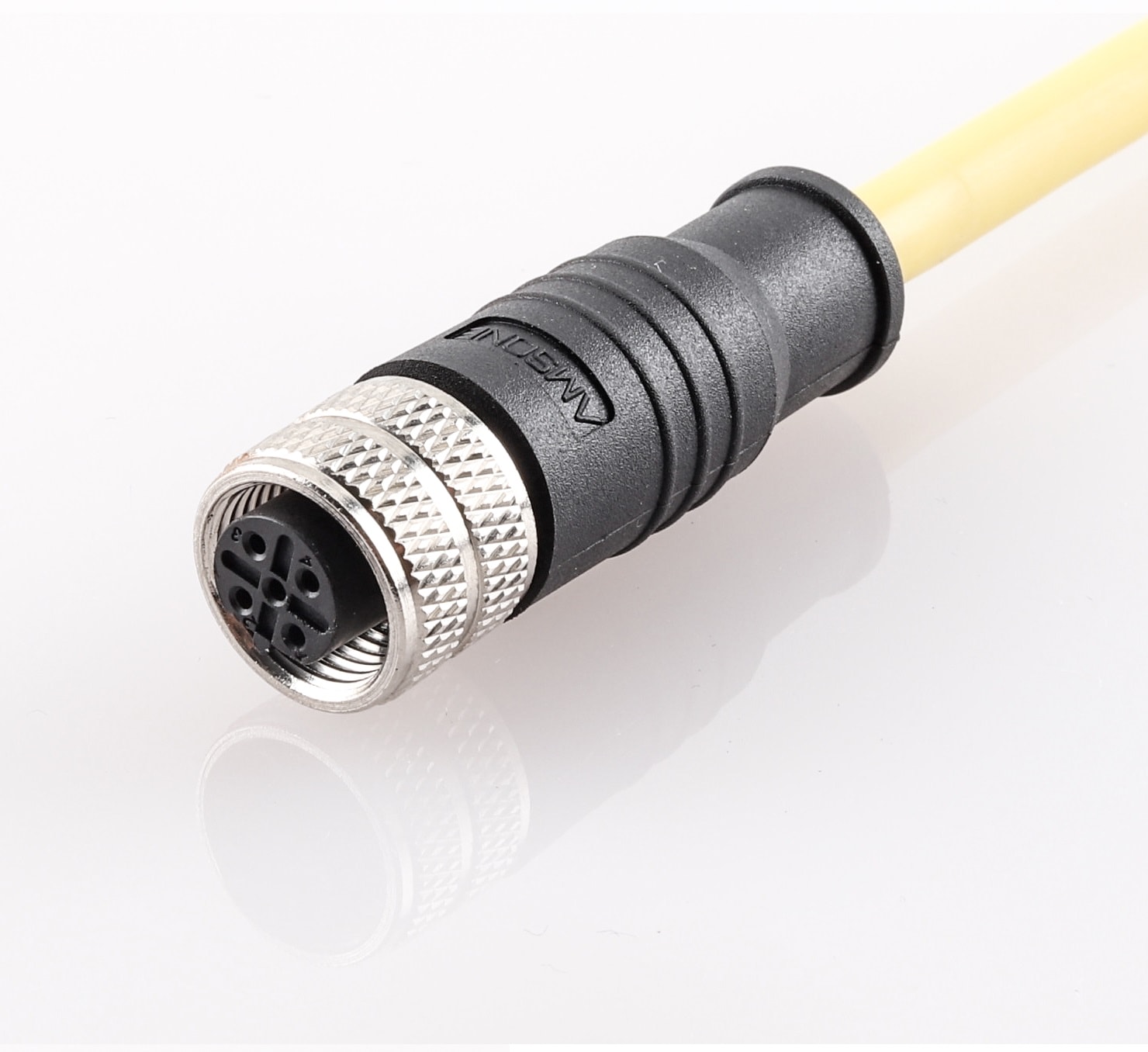
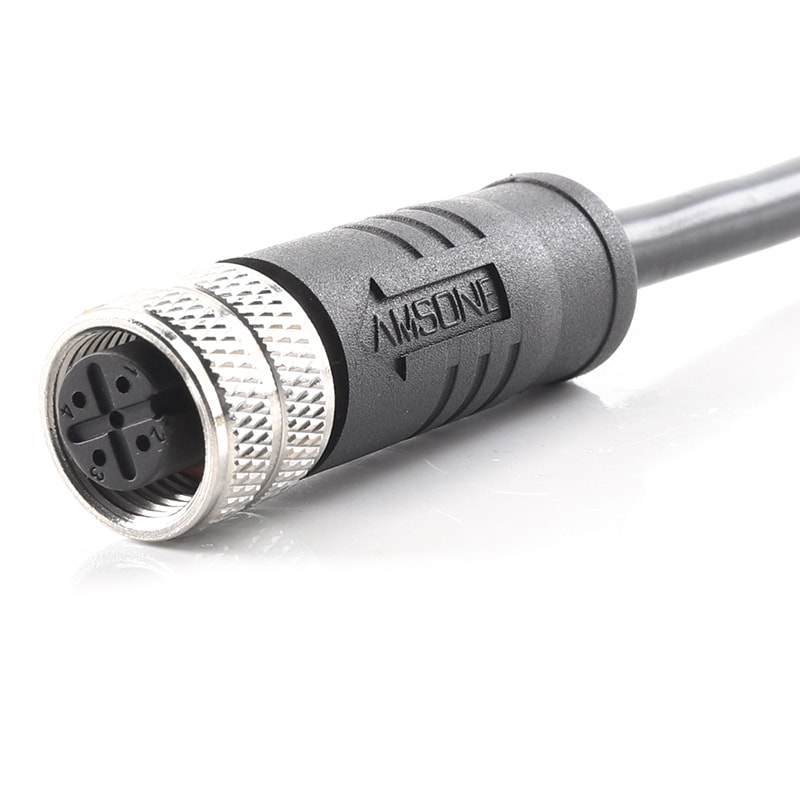
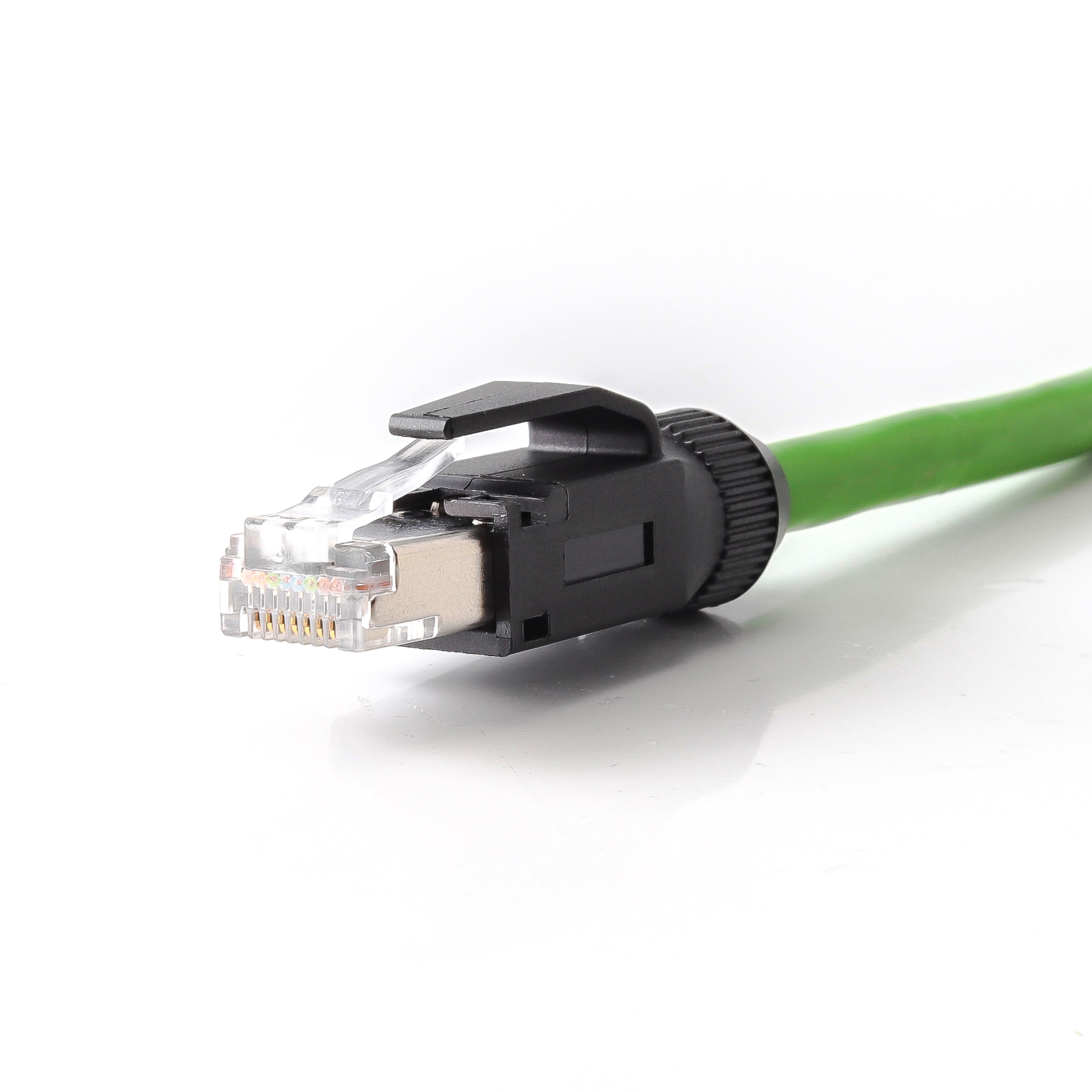
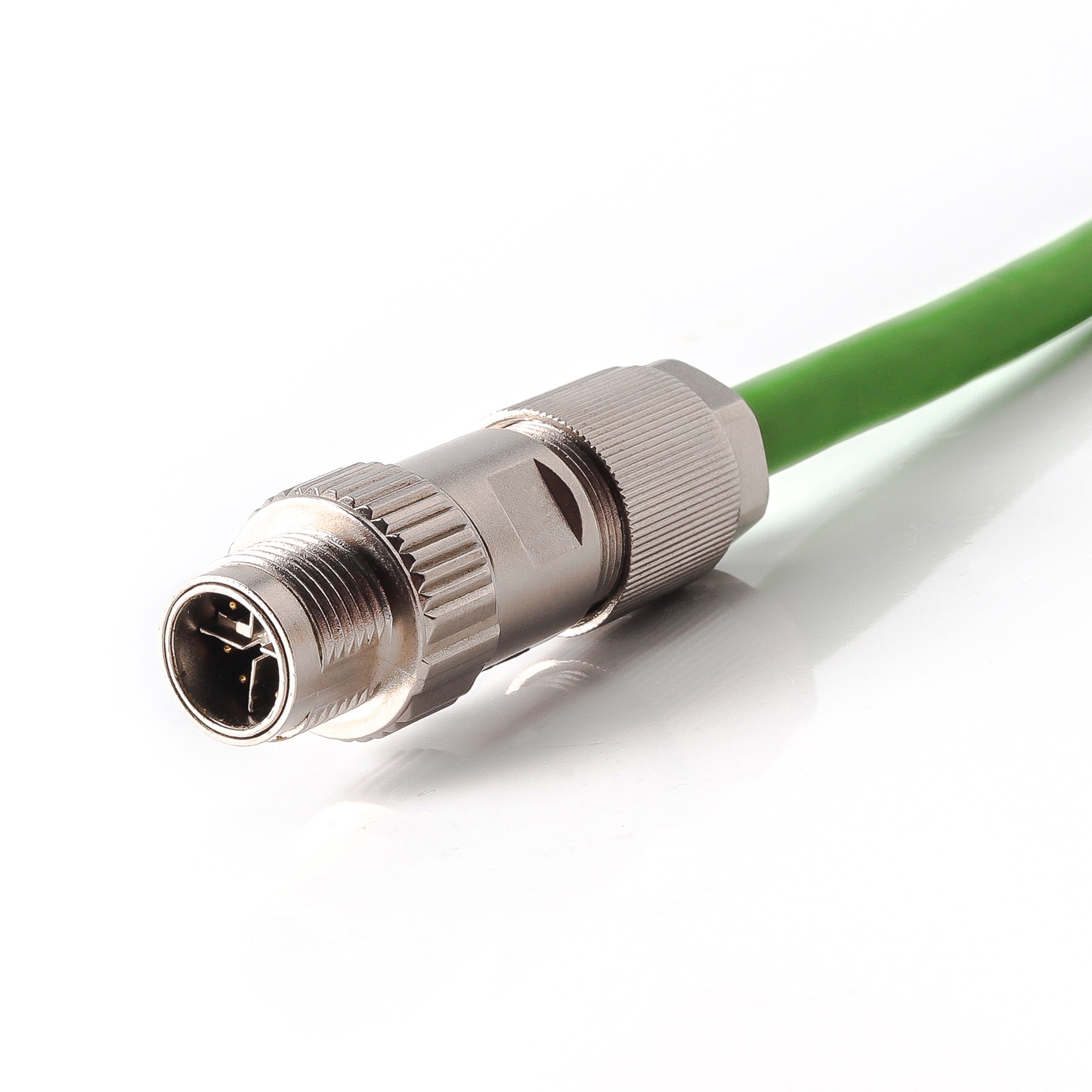
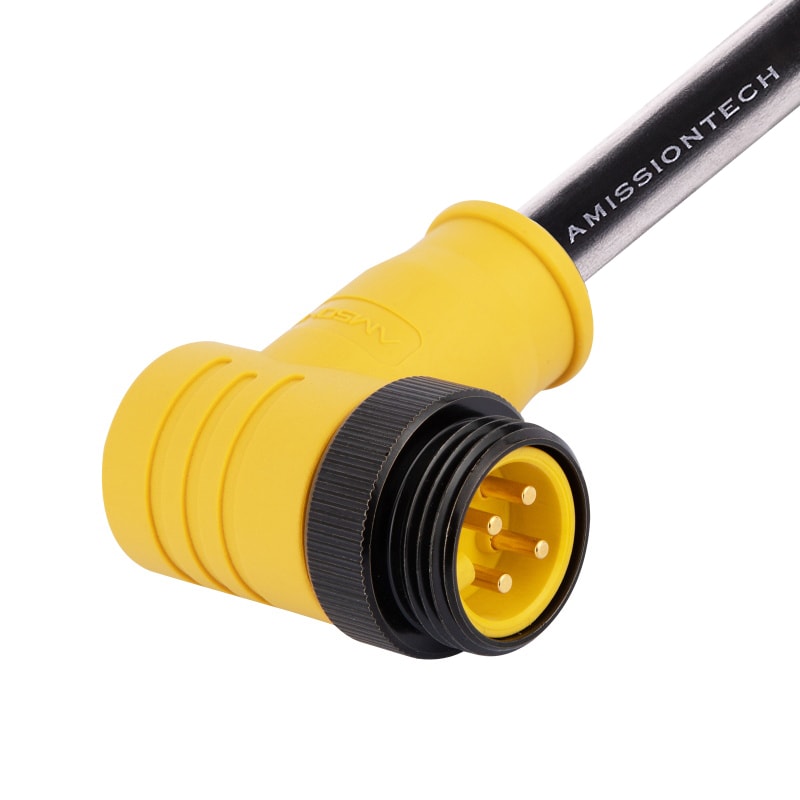
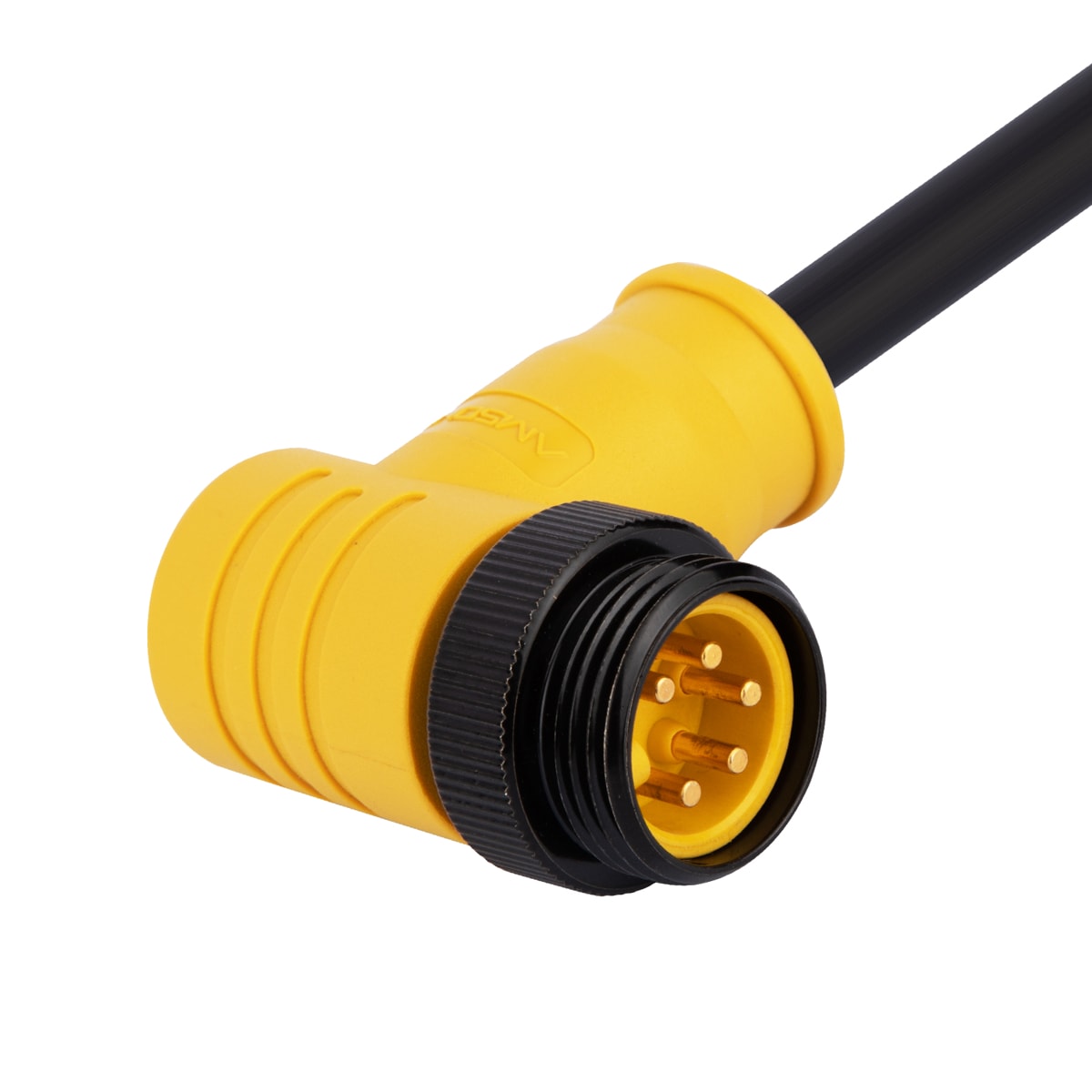
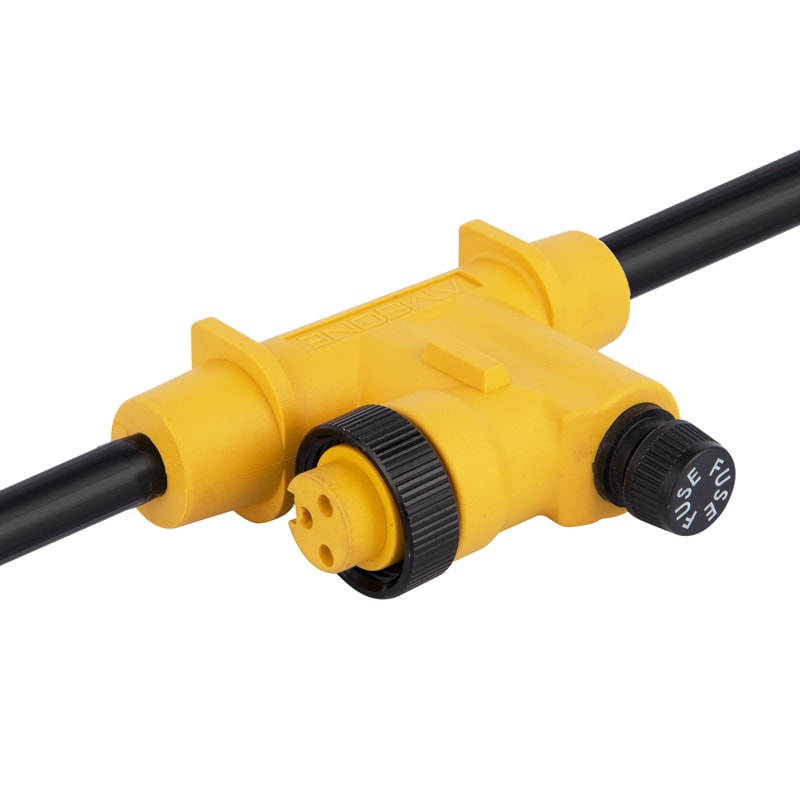
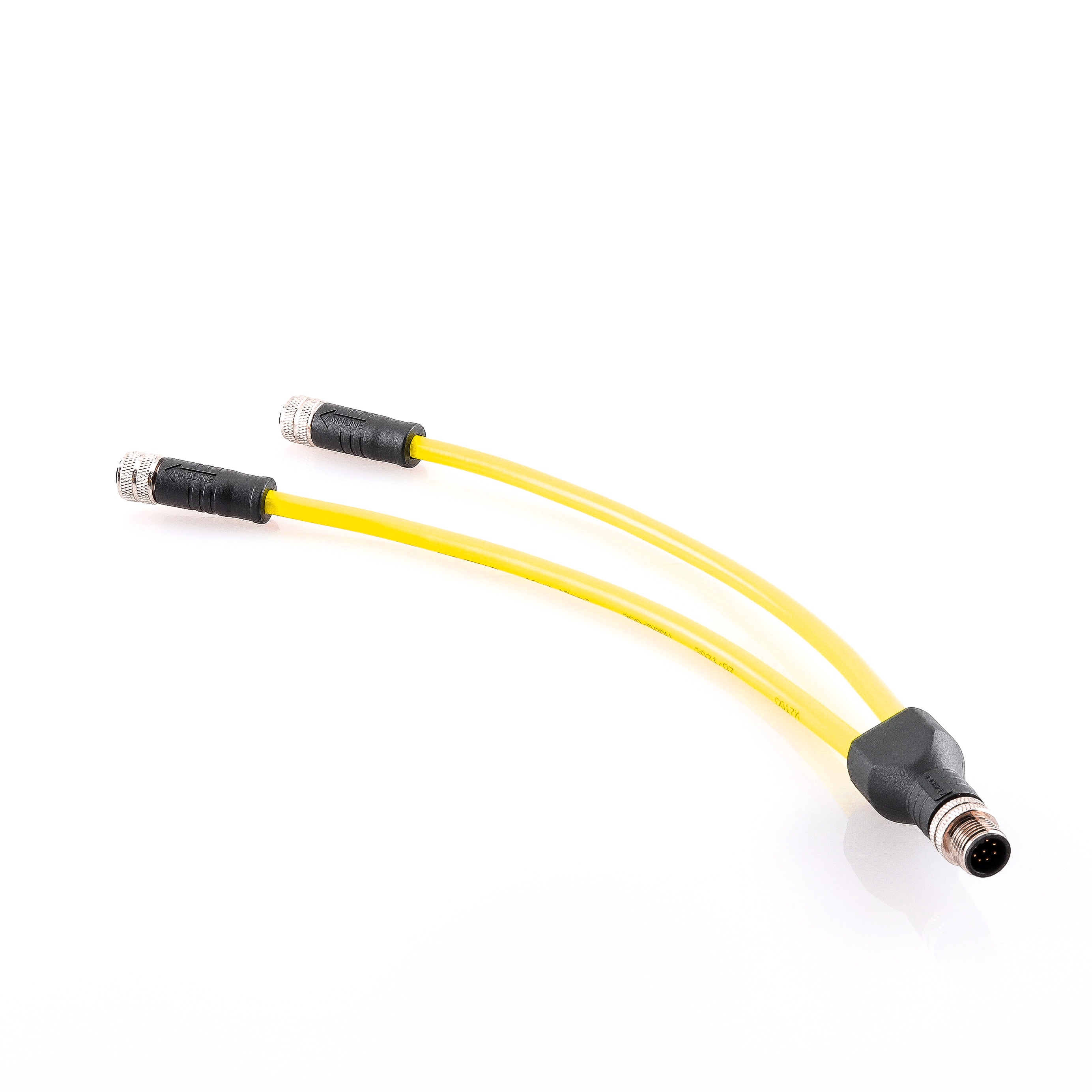
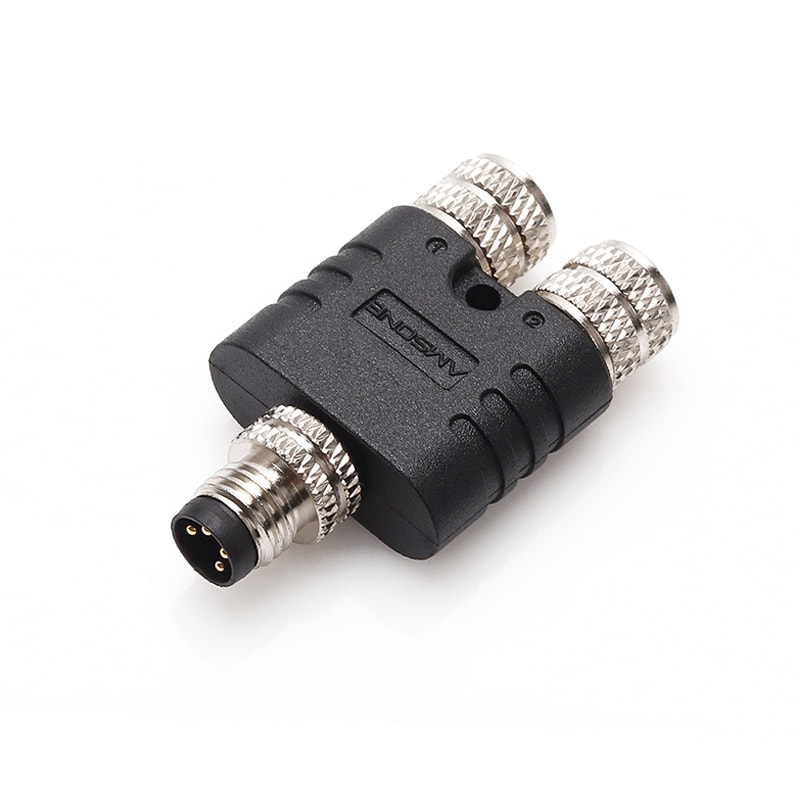
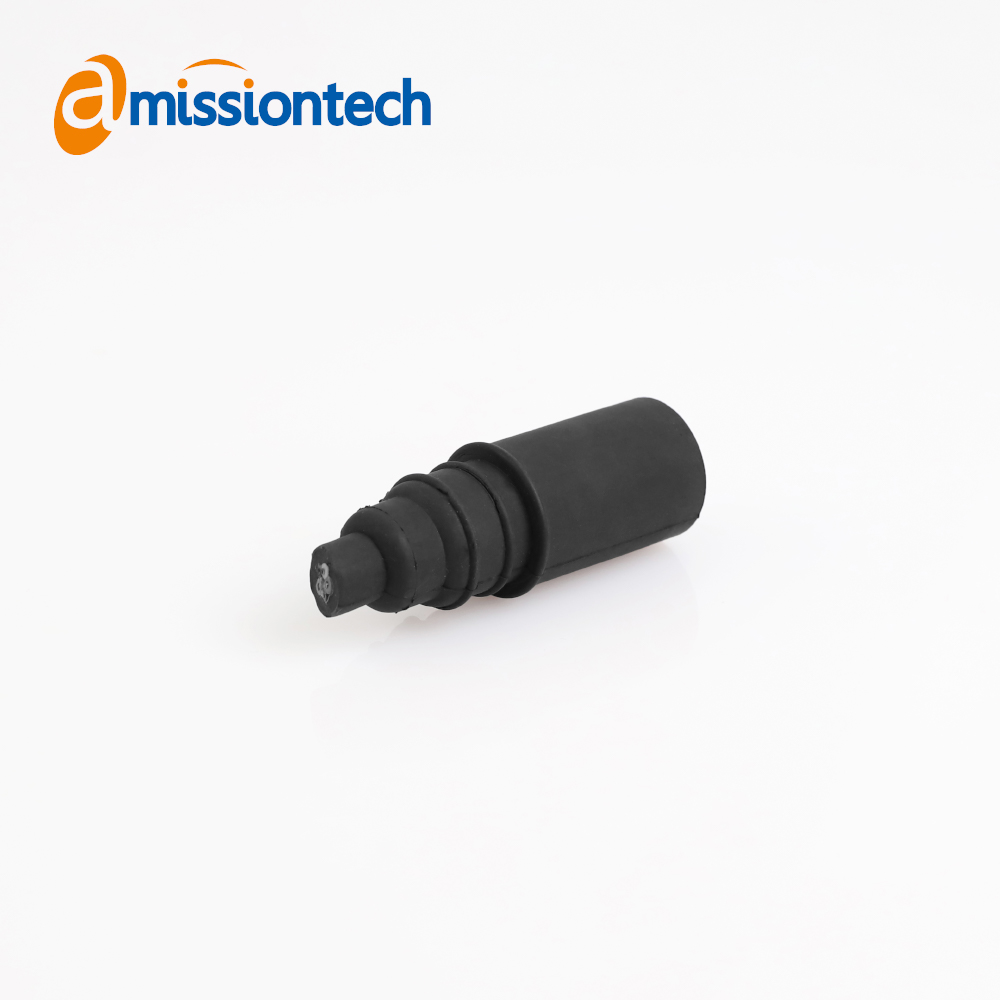
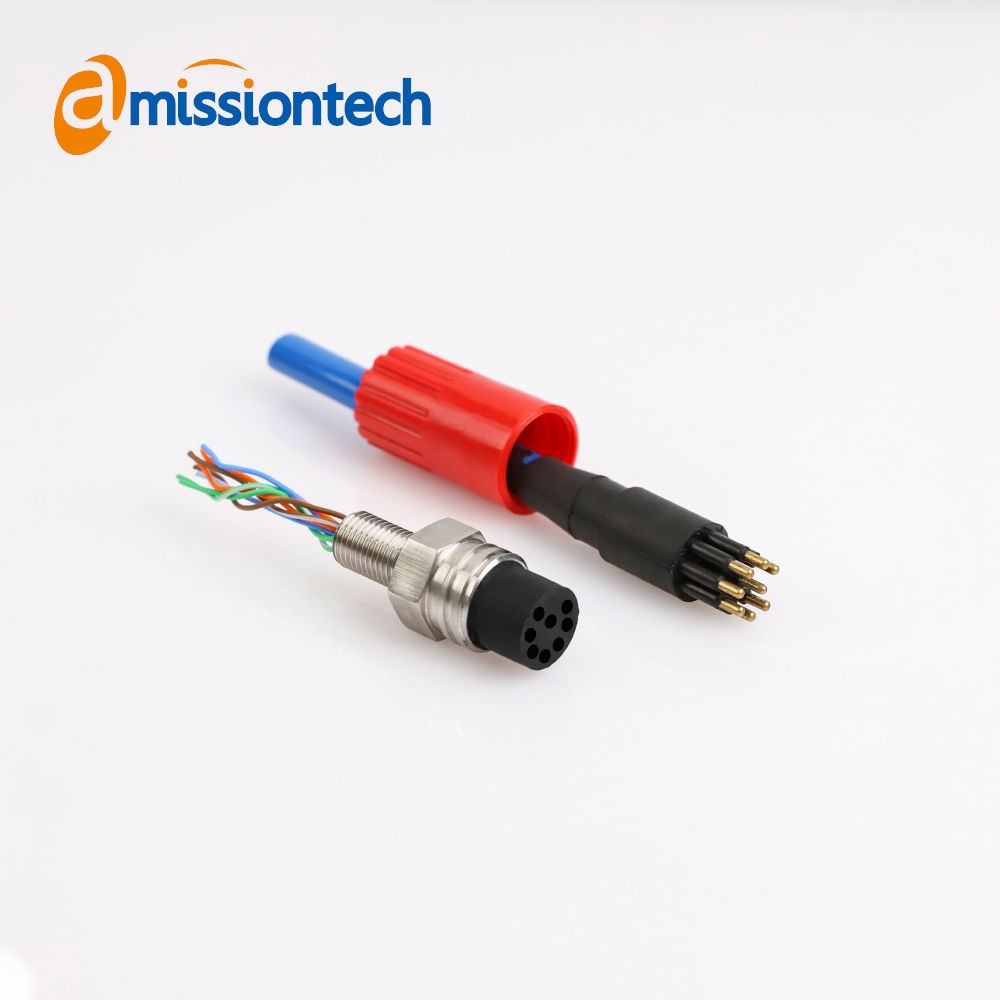
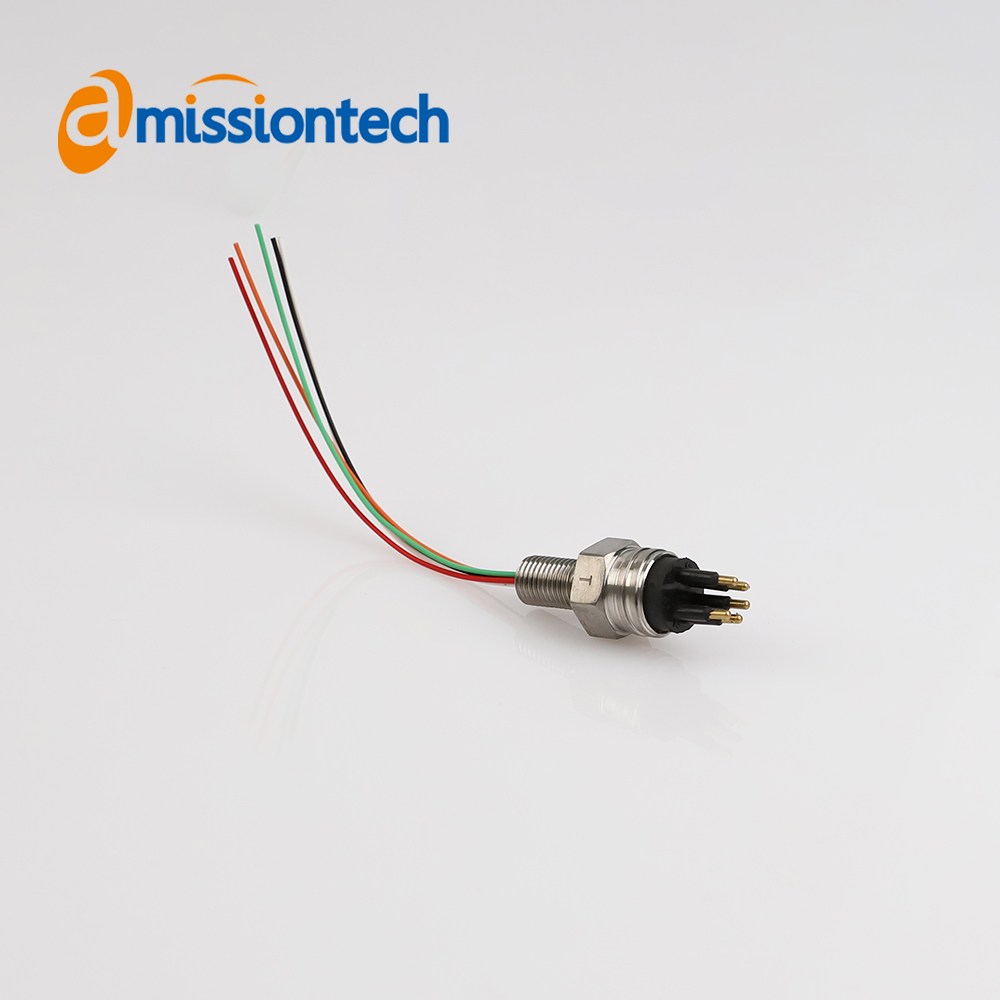
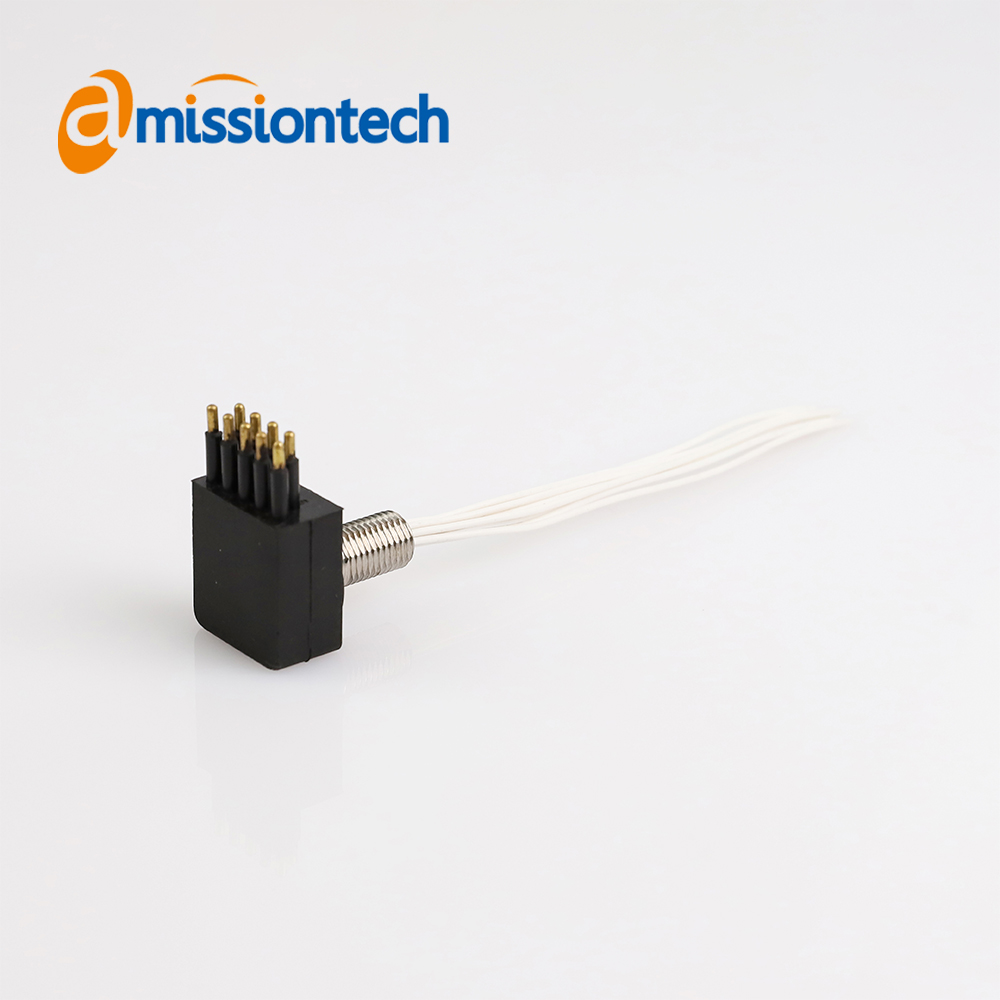
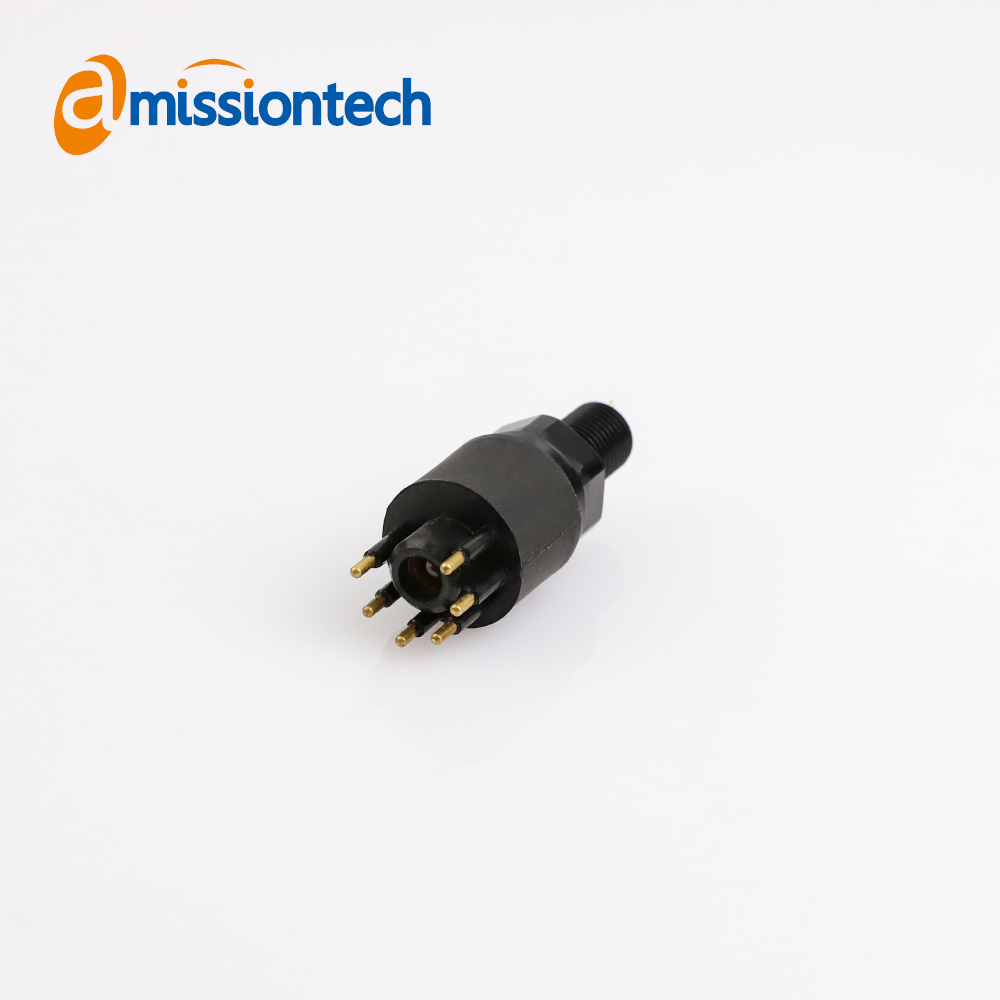
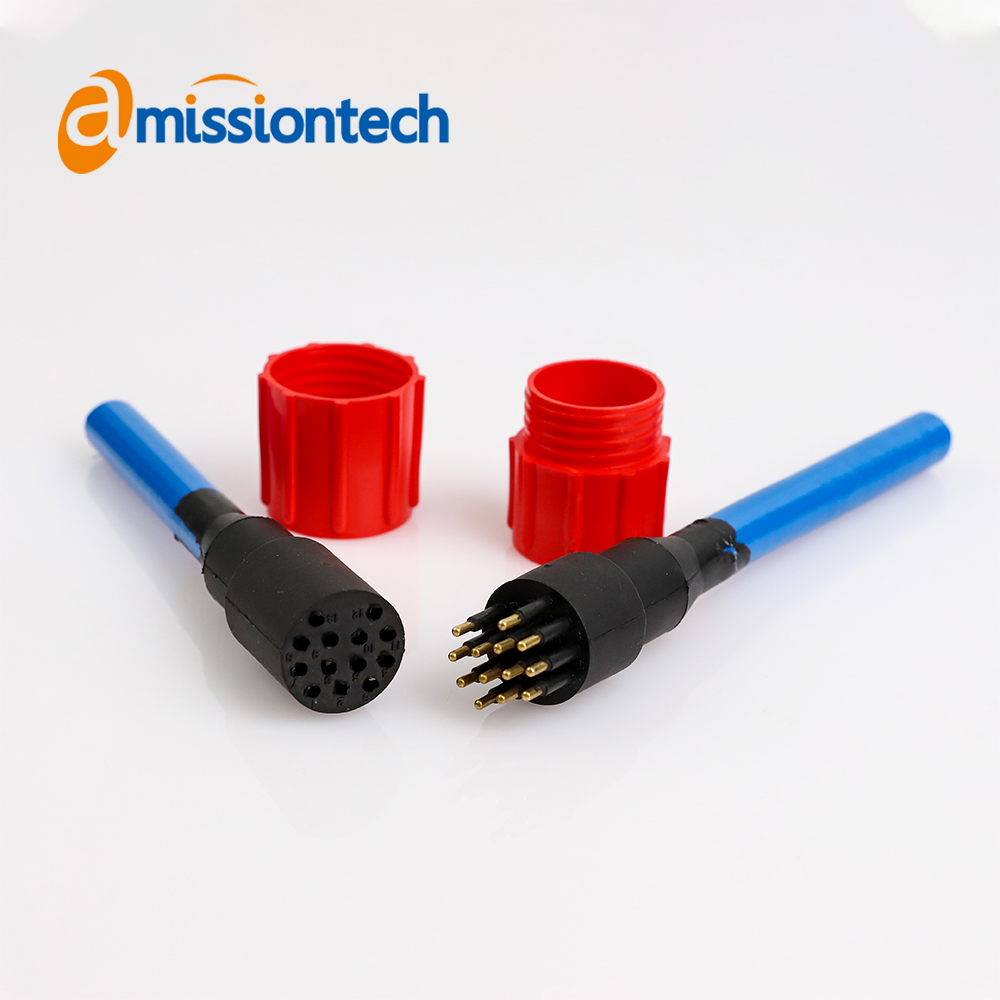
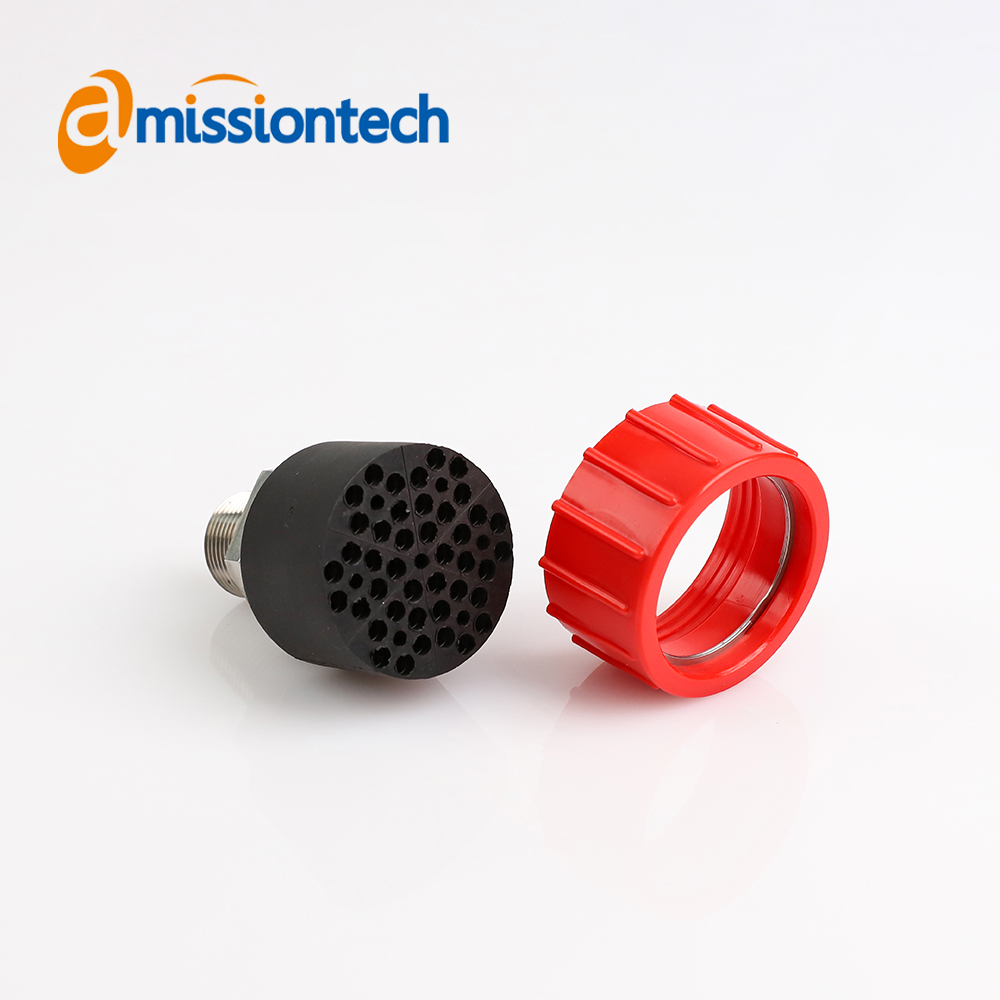
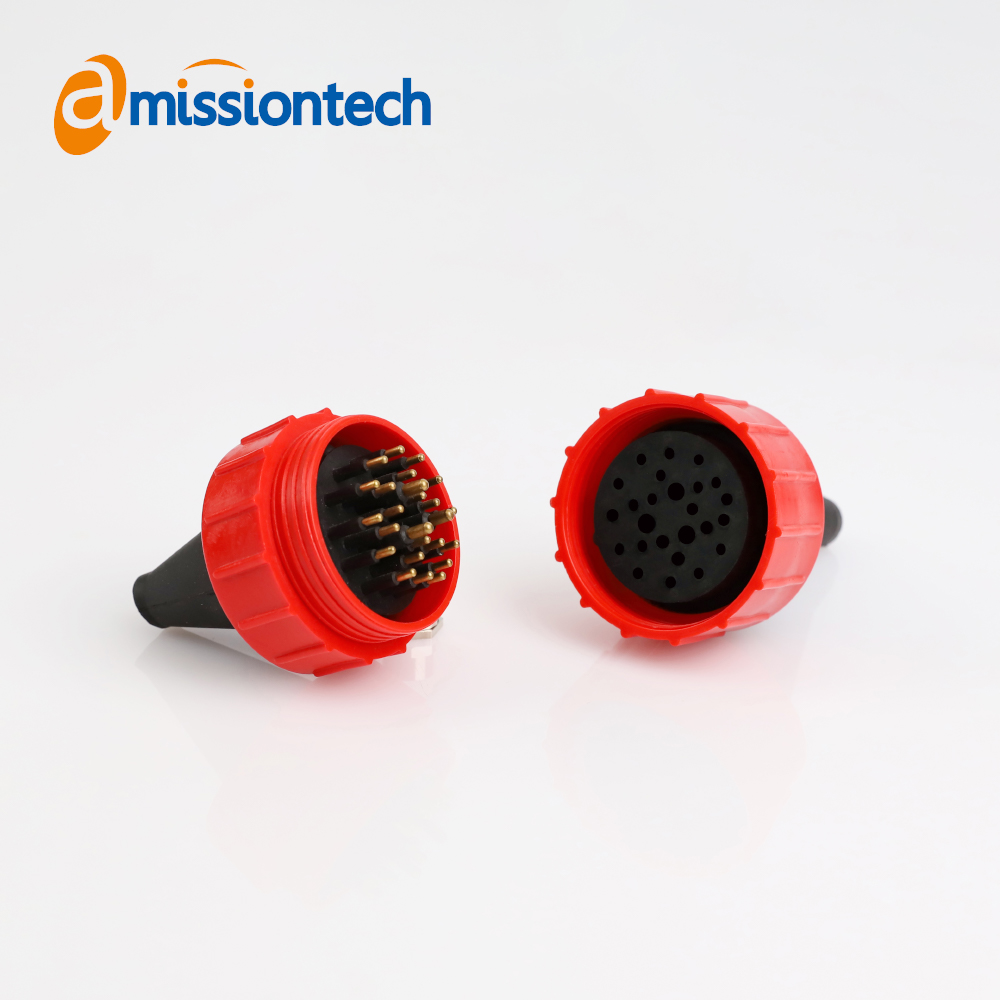



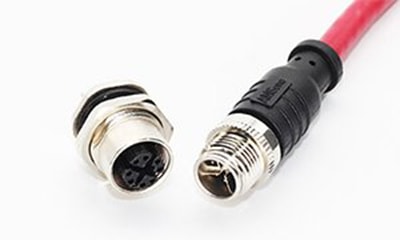
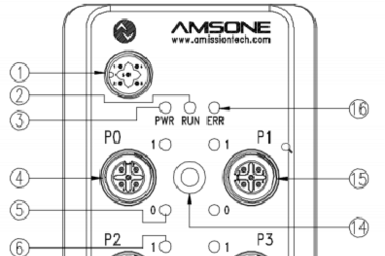
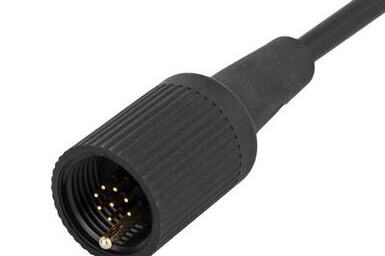

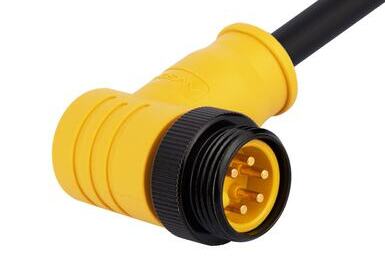
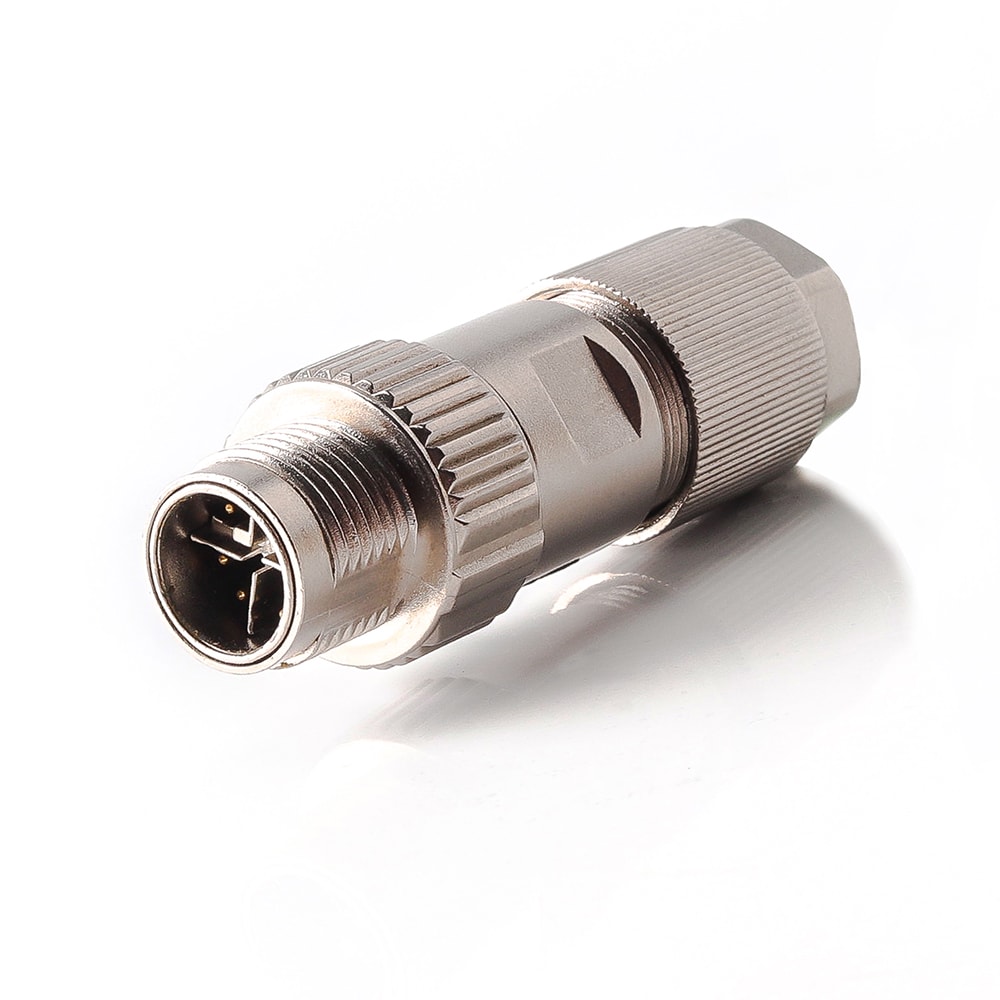
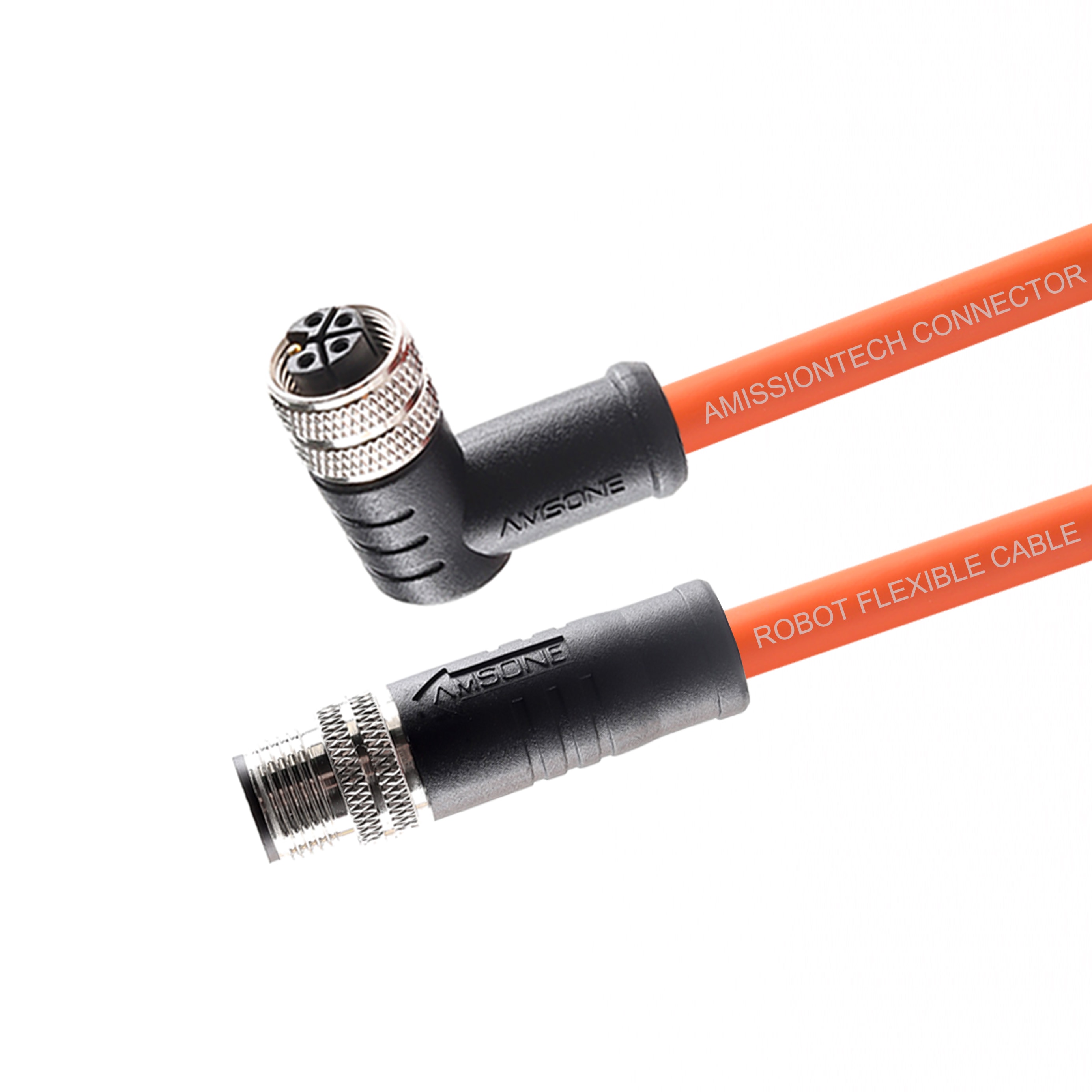
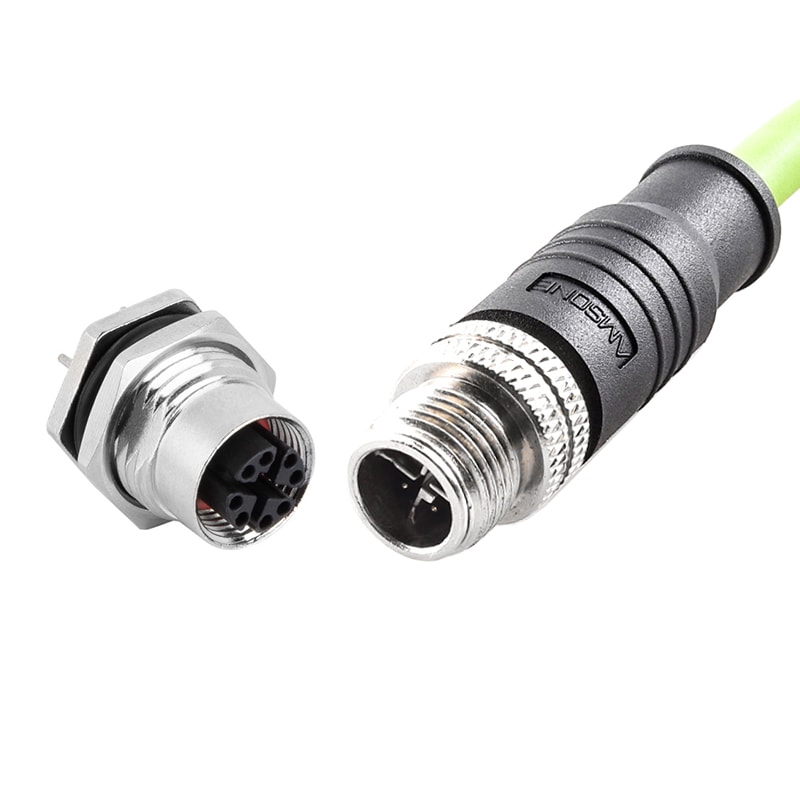
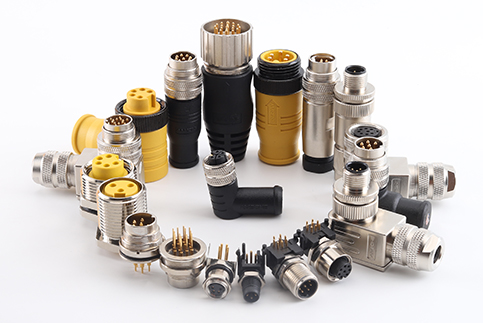
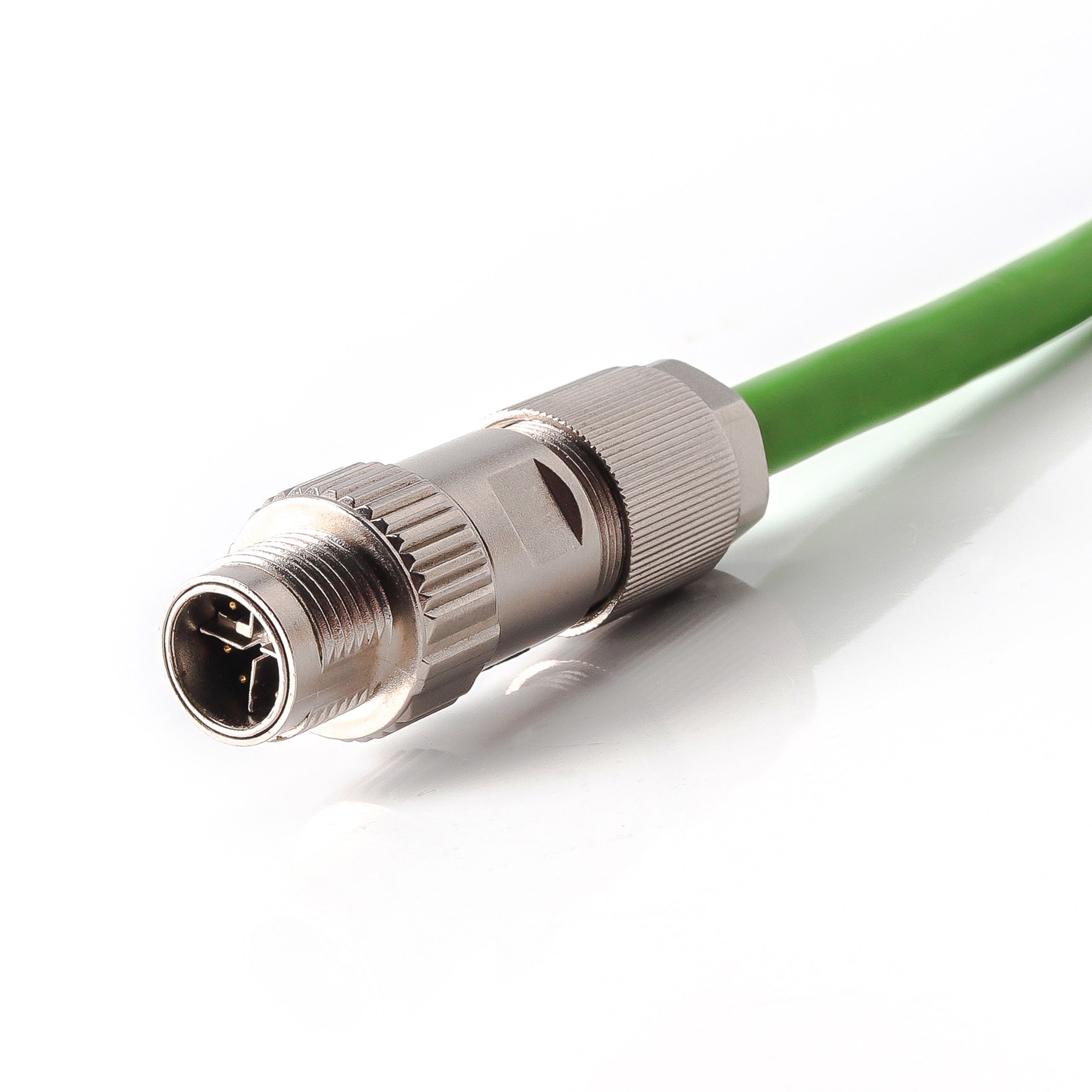
Electrical connectors are essential components that allow power and signals to pass safely between devices. In many real-world situations, however, connectors must work in rain, humidity, splashing water, or even full submersion. Ordinary connectors can fail in these conditions due to corrosion, short circuits, or insulation damage. For this reason, watertight connectors are designed to keep water out and maintain stable electrical performance. This article explains what watertight connectors are, how they are built, where they are used, and how to choose the right one.
In simple terms, watertight connectors are electrical connectors specifically designed to prevent water from entering the connection area. Unlike standard connectors or water-resistant types that only protect against light moisture, watertight connectors can withstand direct exposure to water and even temporary immersion. They achieve this through sealed structures that block liquid entry. Their performance is commonly measured by protection ratings such as IP67 or IP68, which indicate the level of protection against dust and water. As a result, these connectors are widely used in harsh environments where reliability is critical.
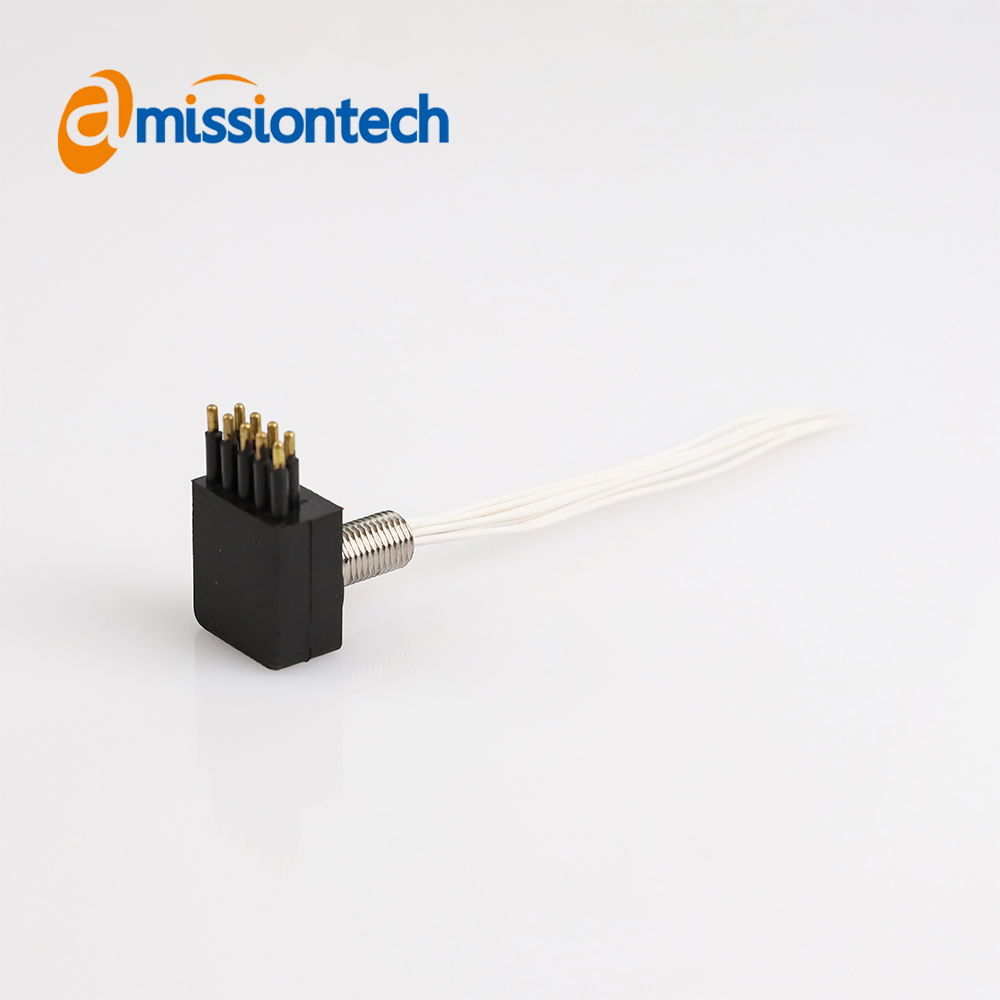
Looking at their construction, watertight connectors rely on several important design features to maintain sealing performance.
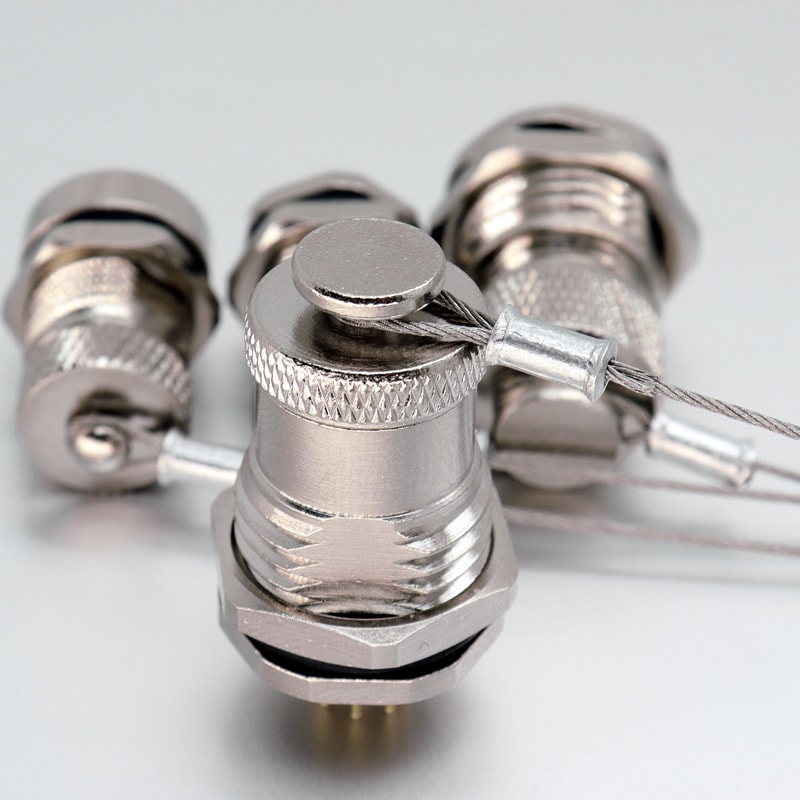
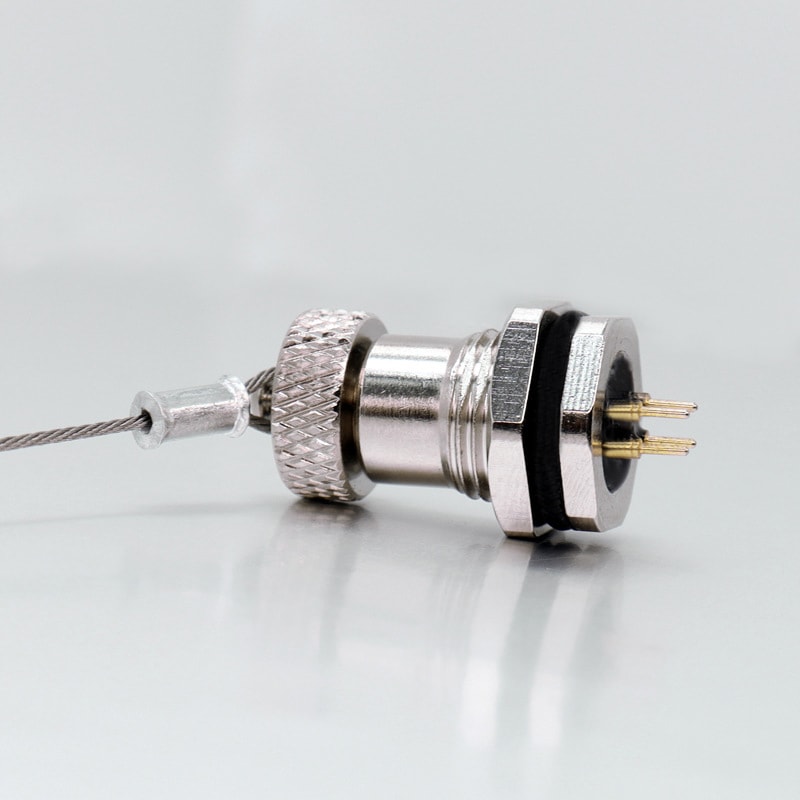
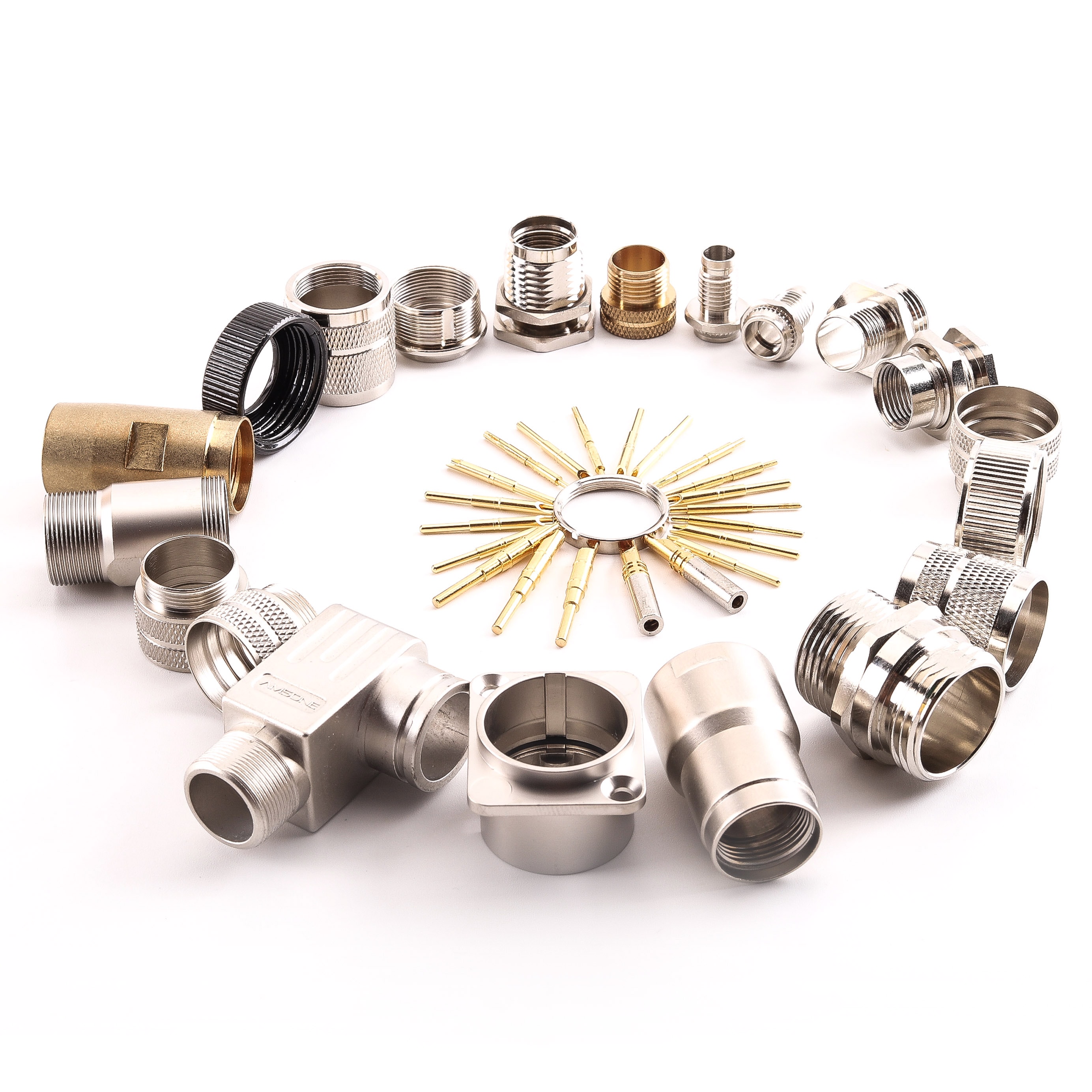
First, sealing mechanisms play a central role. Components such as O-rings, gaskets, and sealing rings create tight barriers that stop water from passing through joints and gaps. In some designs, sealing compounds or molded rubber parts provide additional protection.
Next, the housing materials are carefully selected. Durable plastics, elastomers, or corrosion-resistant metals help the connector withstand moisture, chemicals, sunlight, and temperature changes. These materials ensure long service life even outdoors.
In addition, contact protection is essential. Internal metal contacts are often plated to resist corrosion and oxidation, ensuring stable conductivity over time. Proper sealing also prevents water from reaching these contacts.
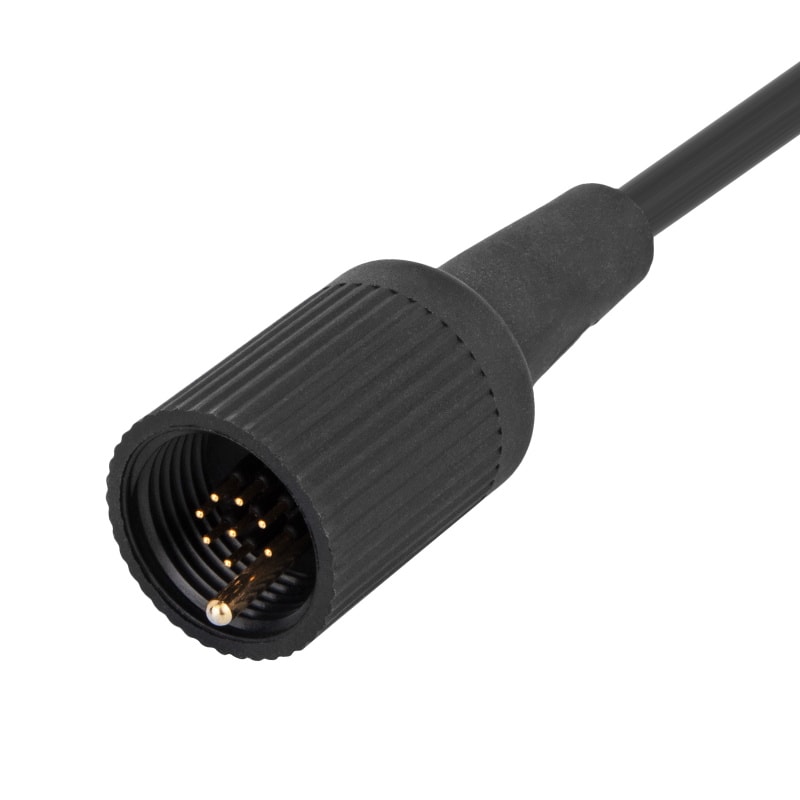
Finally, locking systems enhance reliability. Threaded couplings, snap locks, or push-pull mechanisms hold the connector firmly in place, preventing loosening due to vibration or movement while maintaining the seal.
When considering available options, watertight connectors come in several common types to meet different needs.
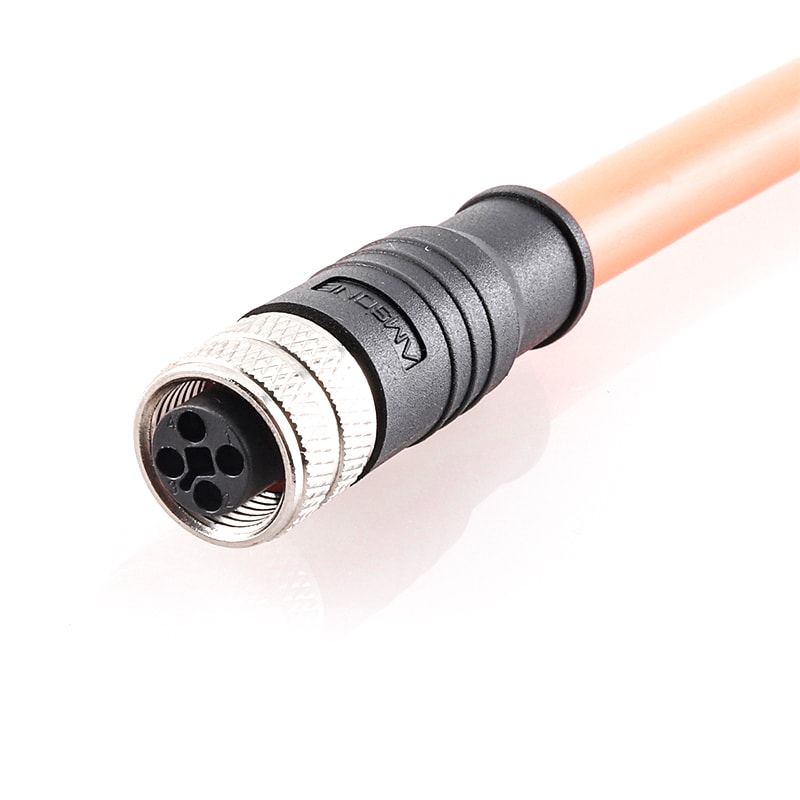
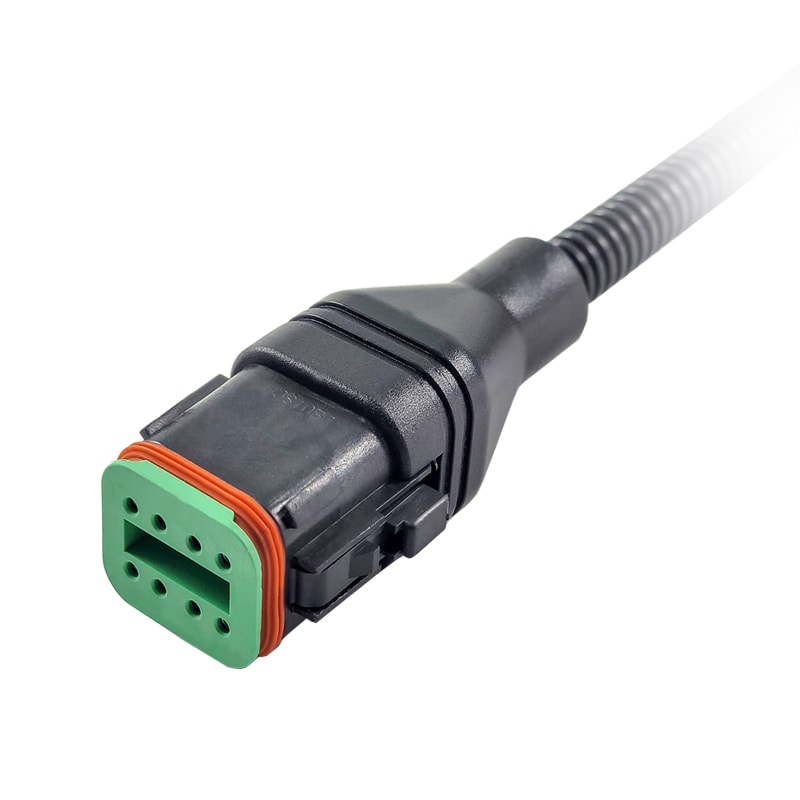
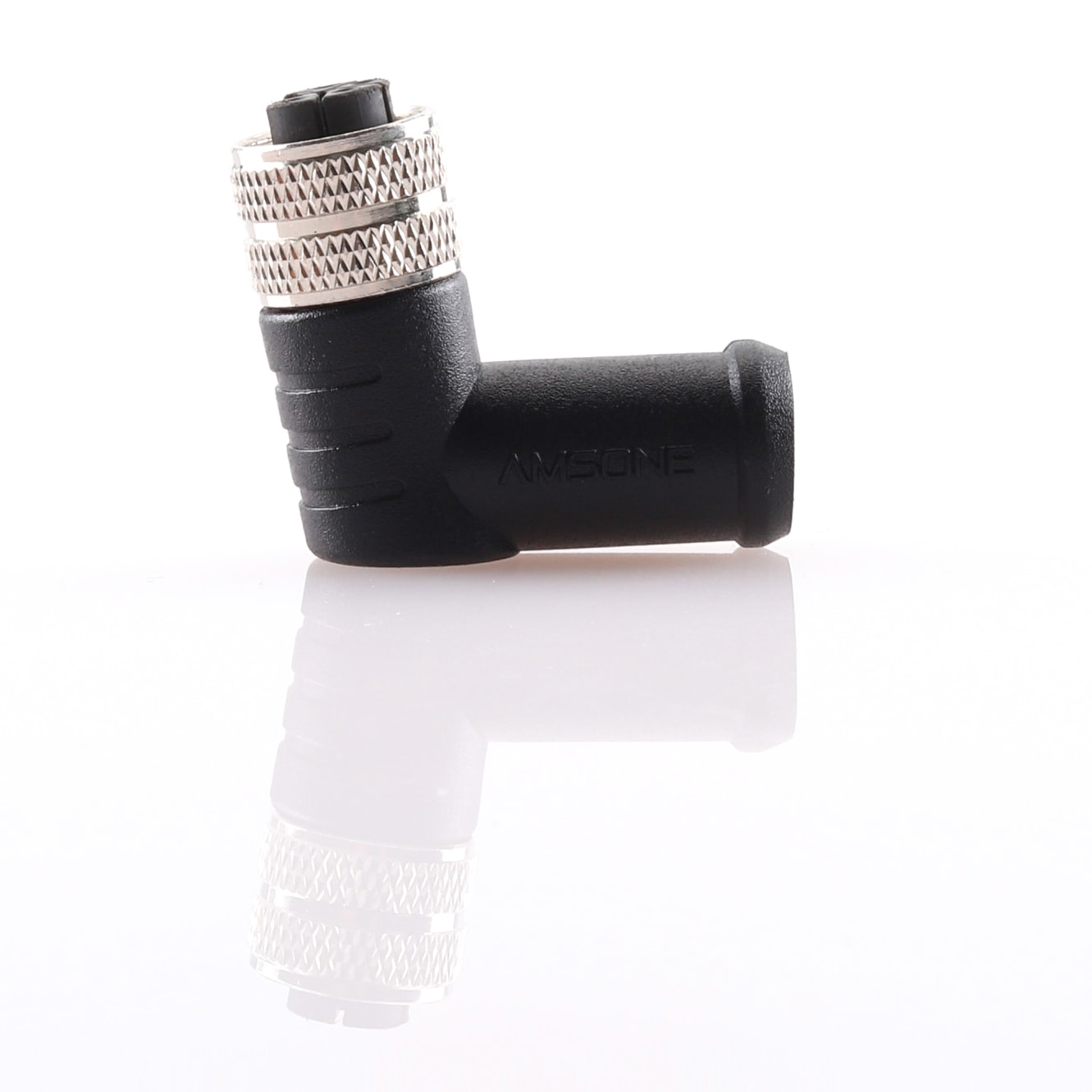
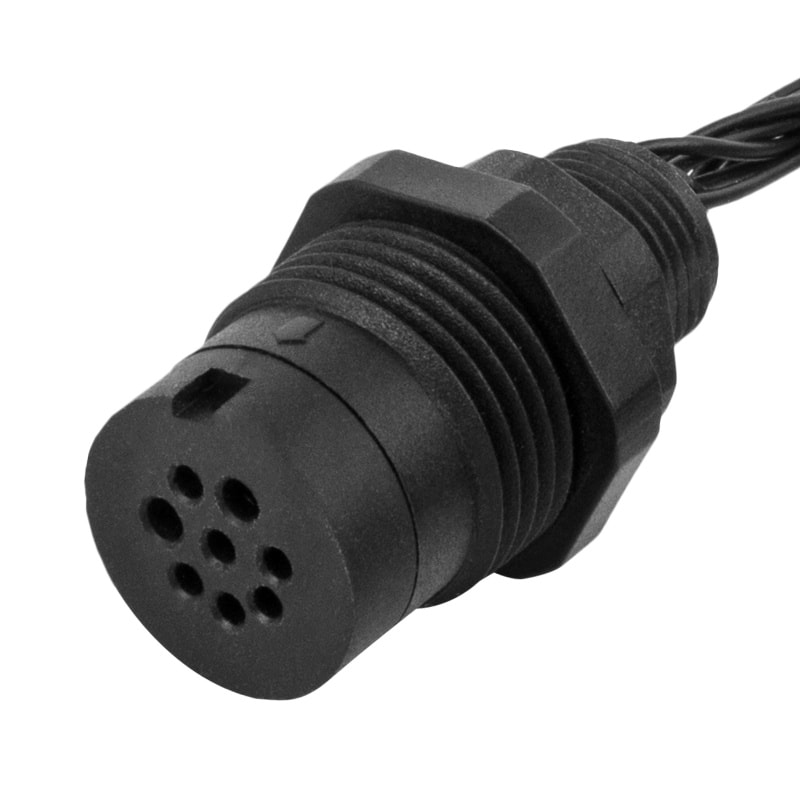
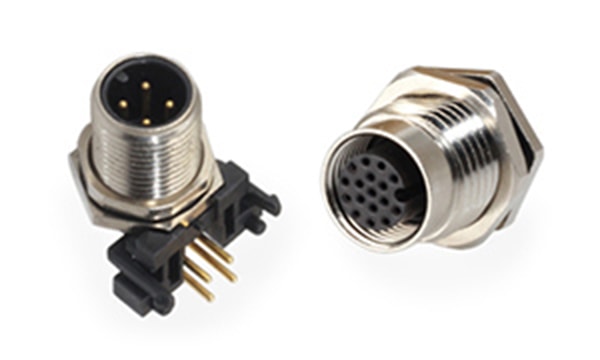
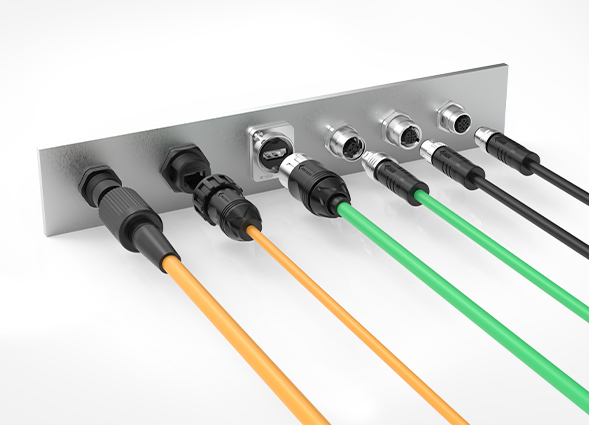
Circular connectors are widely used because of their compact shape and strong sealing performance. They are common in industrial equipment, marine systems, and outdoor lighting.
Rectangular connectors, on the other hand, support multiple contacts in a single housing and are suitable for complex systems requiring many signal connections.
For more demanding environments, underwater connectors are designed for long-term submersion and high pressure conditions, such as ocean equipment and underwater sensors.
There are also differences in installation style. Field-installable connectors allow assembly on site, while factory-sealed connectors are pre-assembled and tested to ensure consistent sealing performance.
To better understand performance levels, watertight connectors are classified using IP (Ingress Protection) ratings. The first digit refers to dust protection, and the second digit refers to water protection. For example, IP67 means the connector is dust-tight and can withstand temporary immersion in water, while IP68 indicates protection during longer or deeper immersion under specified conditions. Choosing the correct rating is important to match the actual working environment.
In practical use, watertight connectors are found across many industries where moisture exposure is unavoidable.
In marine and offshore equipment, they support reliable operation on ships, docks, and ocean platforms. In outdoor industrial equipment, they protect connections in construction machinery, factory automation, and mining systems.
They are also widely used in automotive and transportation applications, especially in electric vehicles and rail systems where connectors face rain, vibration, and temperature changes.
Renewable energy systems such as solar panels and wind turbines depend on watertight connectors to ensure stable performance outdoors for many years.
Additionally, underwater robotics and monitoring devices require fully sealed connectors to transmit power and data beneath the water surface.
From a practical perspective, the main benefit of watertight connectors is improved reliability. By preventing water intrusion, they reduce the risk of electrical failure and system downtime. They also extend equipment lifespan by protecting sensitive components from corrosion. Lower maintenance requirements and improved operational safety are further advantages, especially in critical applications.
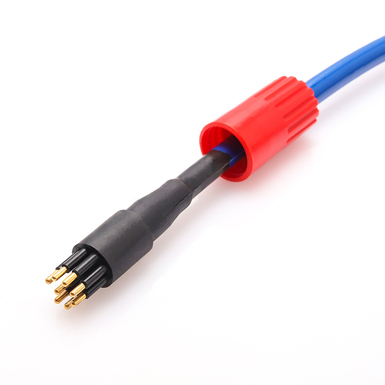
When selecting a connector, several factors should be considered. First, evaluate the environmental conditions, including exposure to water, dust, chemicals, and temperature. Next, confirm electrical requirements such as voltage, current, and number of contacts. Installation method, available space, and compatibility with existing systems should also be reviewed. Finally, certifications and long-term durability should be balanced with cost to ensure the best value.
To ensure proper performance, correct installation is essential. Seals must be intact and properly positioned, and connectors should be tightened according to specifications. Damaged seals or incorrect assembly can compromise protection. Regular inspection is recommended in harsh environments to detect wear or damage early and maintain reliable operation.
In summary, watertight connectors are vital components for electrical systems operating in wet, outdoor, or underwater environments. Their sealed design, durable materials, and secure locking mechanisms ensure stable performance where ordinary connectors would fail. By choosing the right type and installing it correctly, users can significantly improve system reliability and safety.
If you are looking for dependable solutions for demanding applications, Amissiontech is a trusted industrial connector supplier offering high-quality watertight connectors designed for harsh environments. Their products support reliable power and signal transmission across marine, industrial, and outdoor systems, helping customers achieve long-term performance and safety.