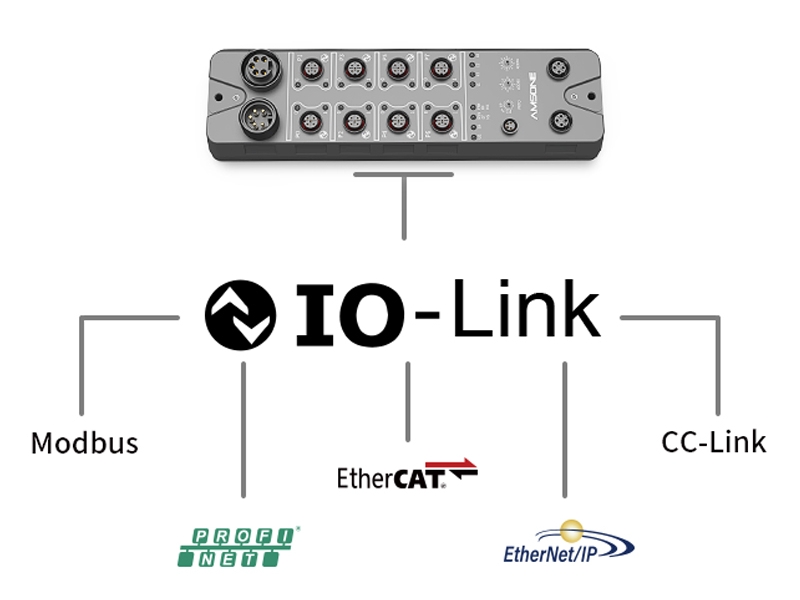
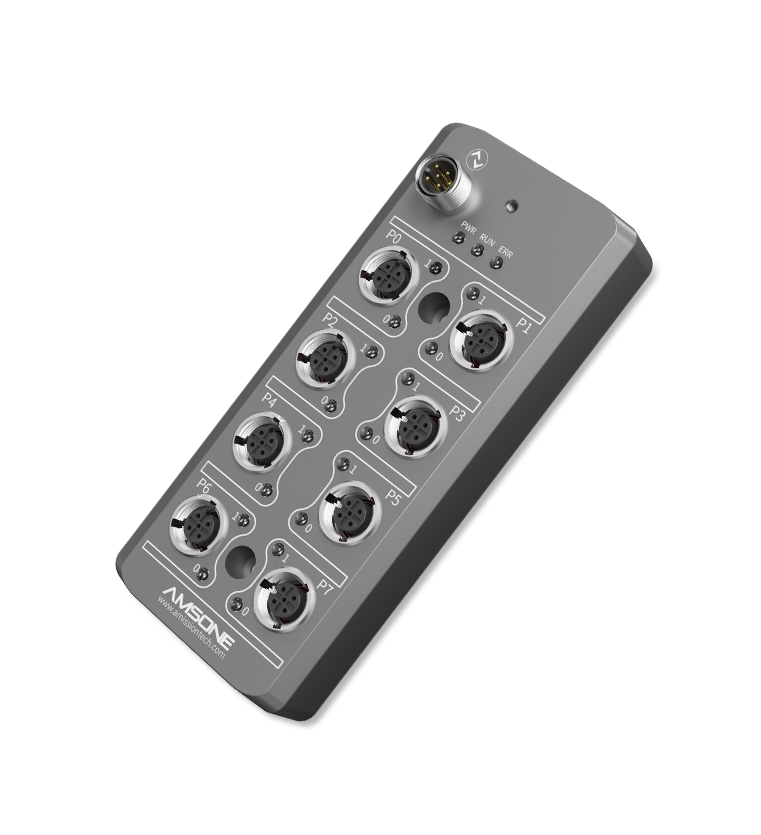
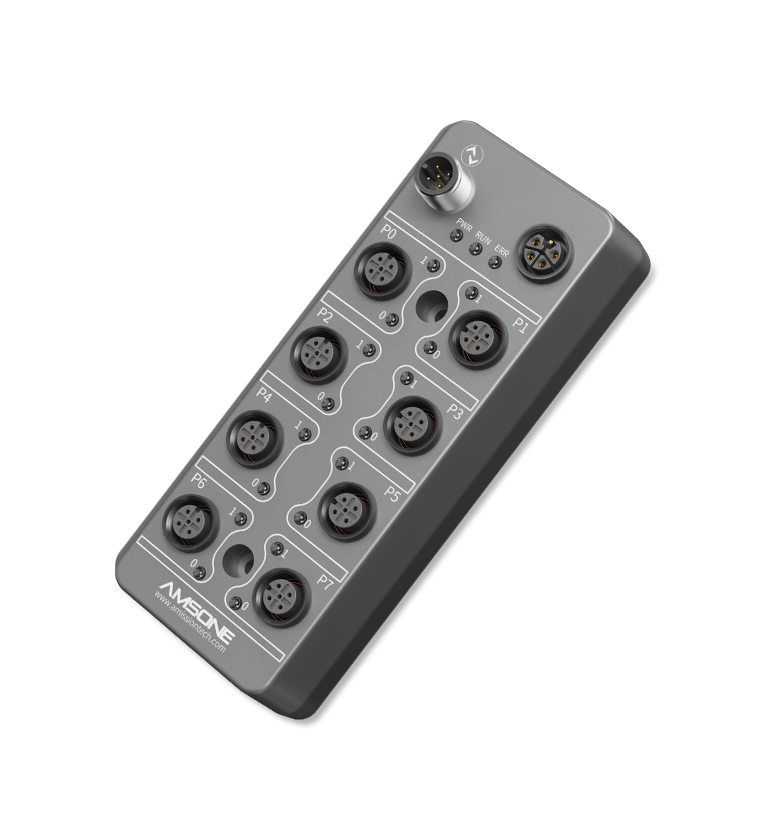
P/N: ALD-HBN1-372XXX
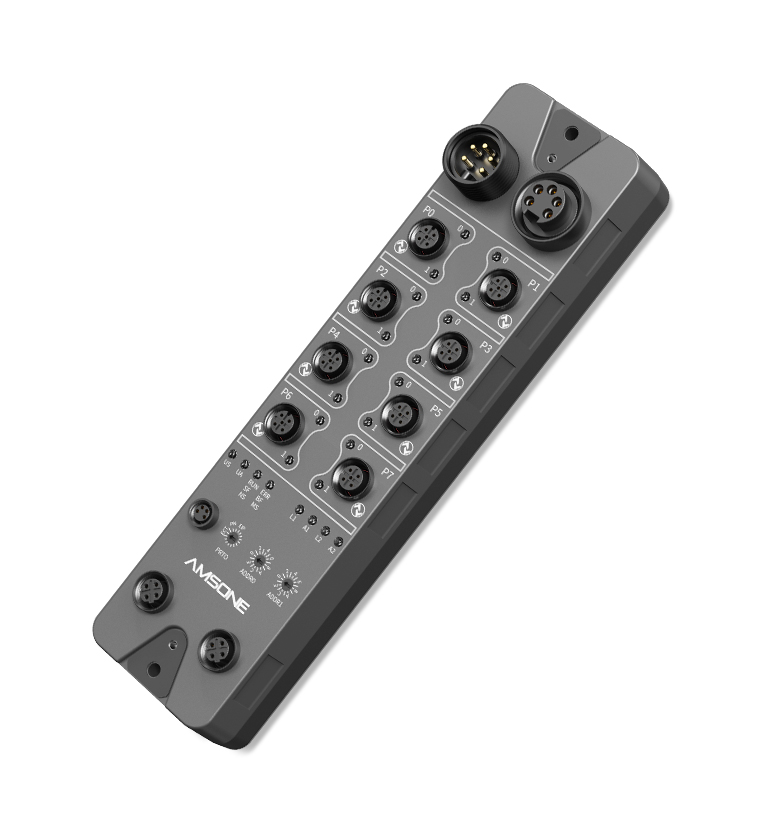
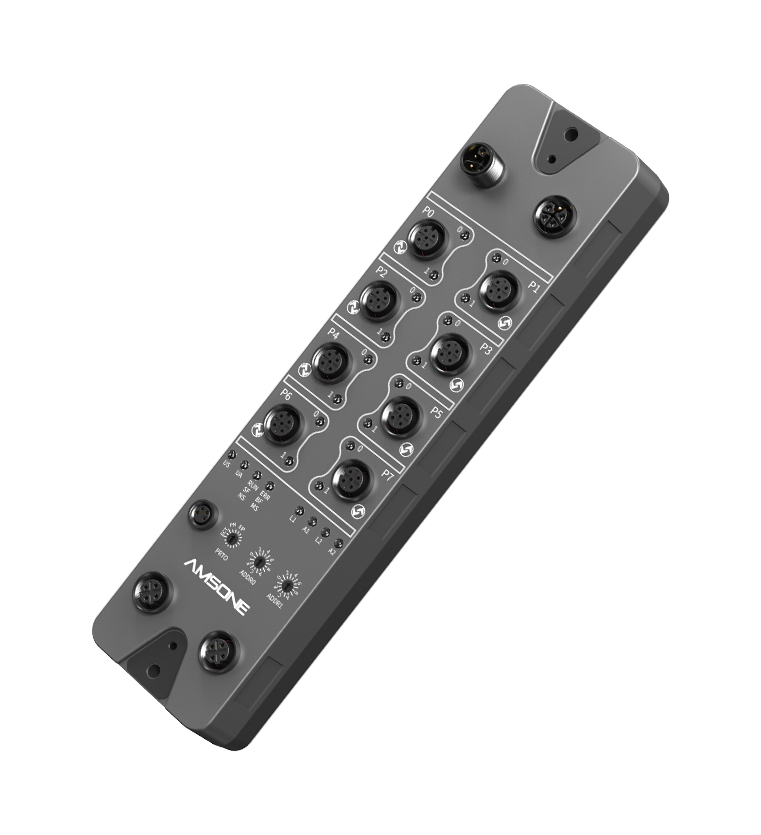
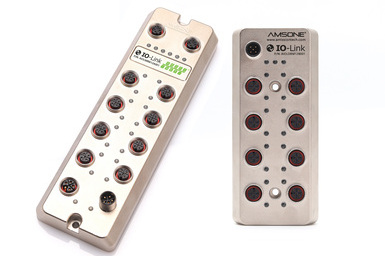
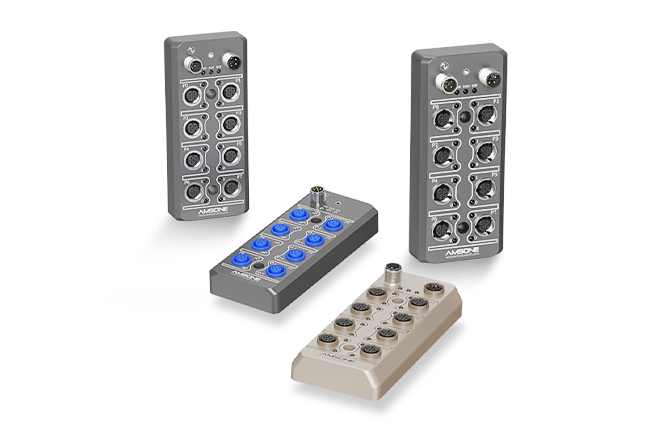
IO Link Hub NPN 0.5A/channel Plastic Housing Plastic Thread Locking
View All



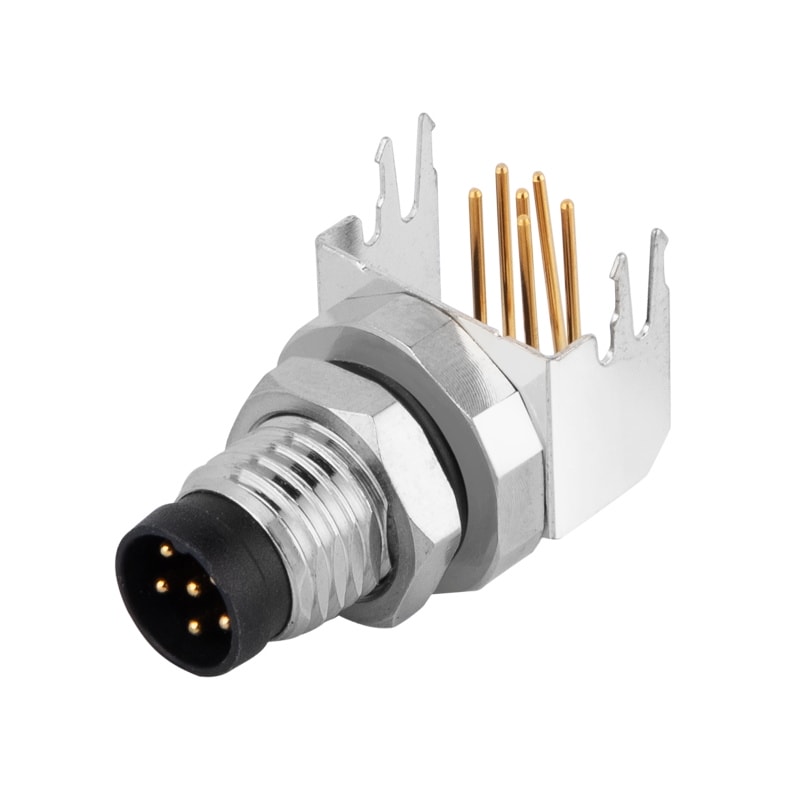


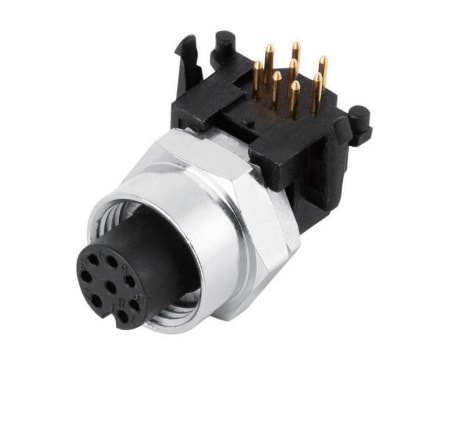
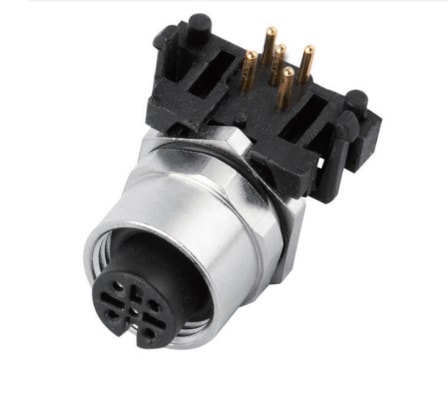
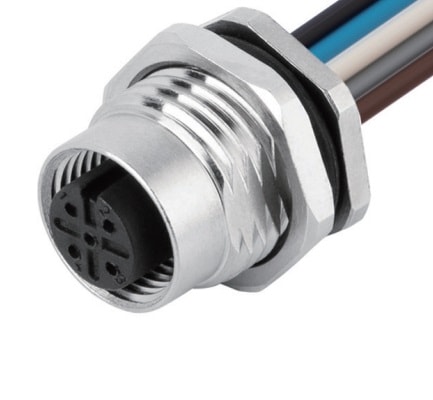

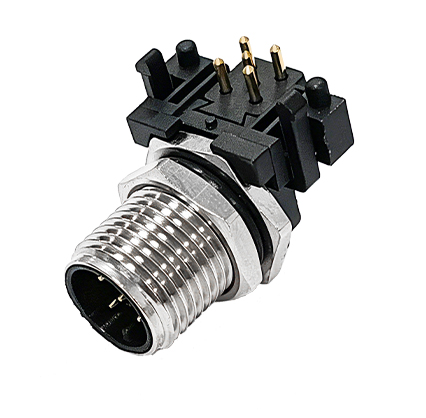


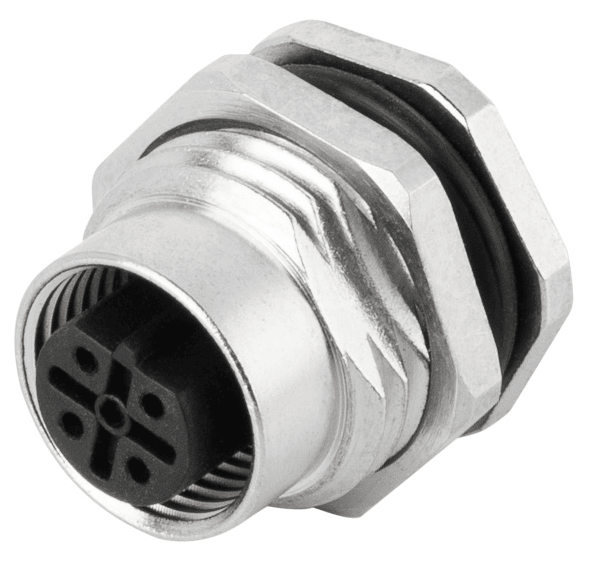

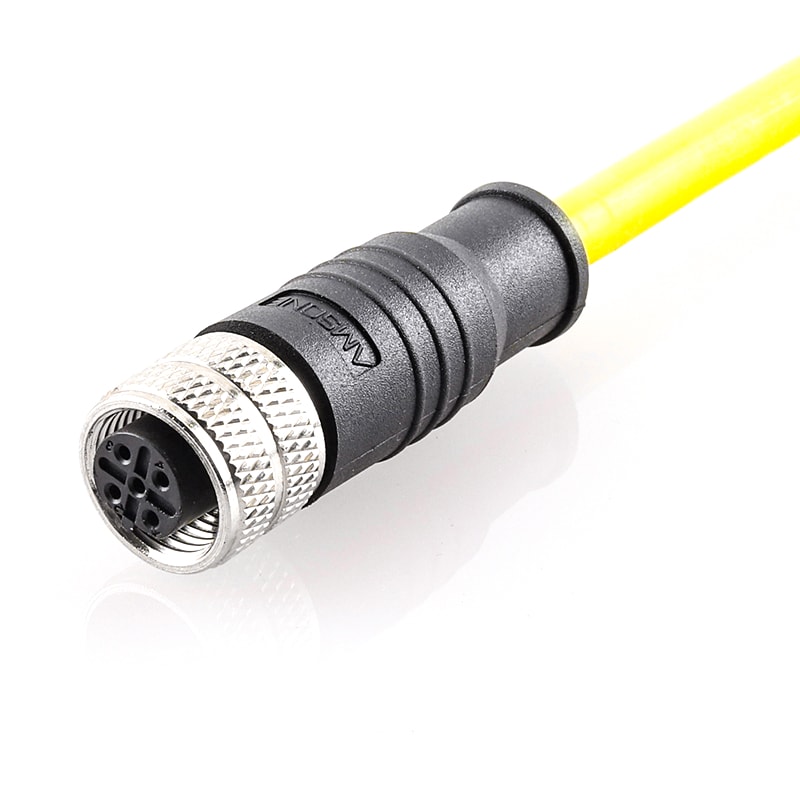


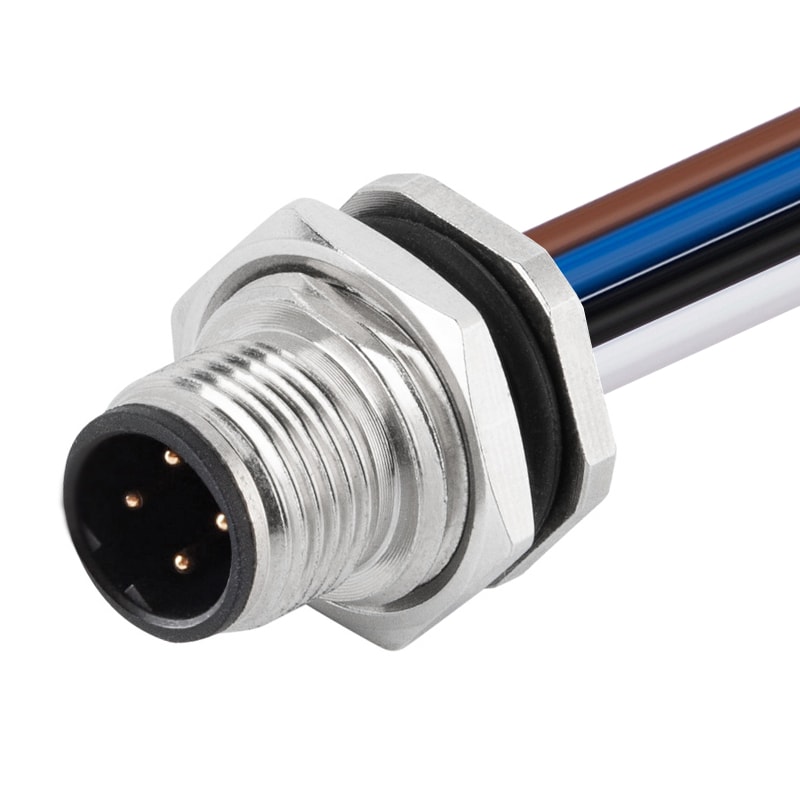


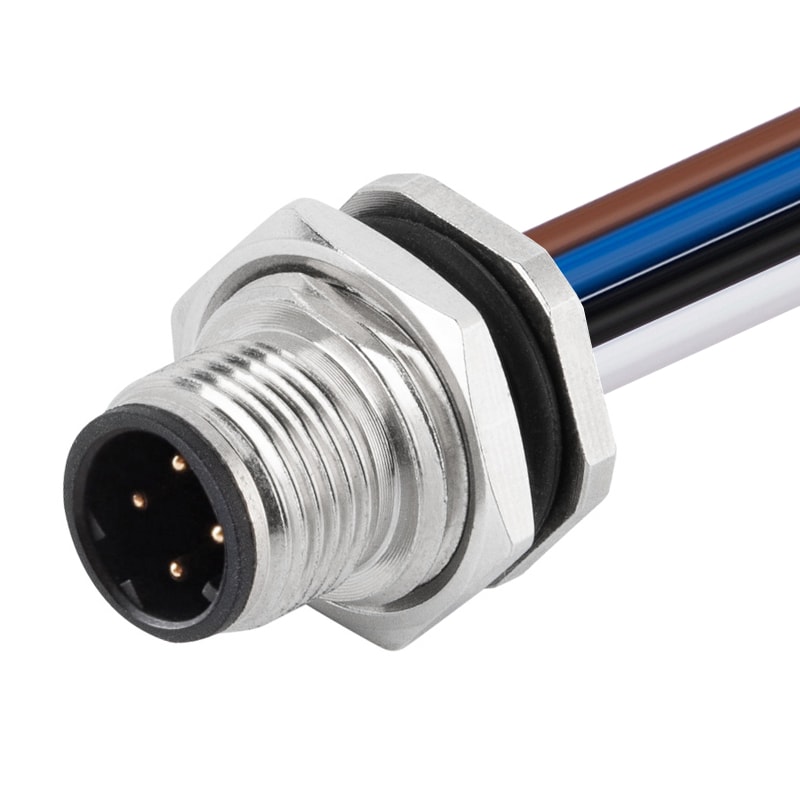

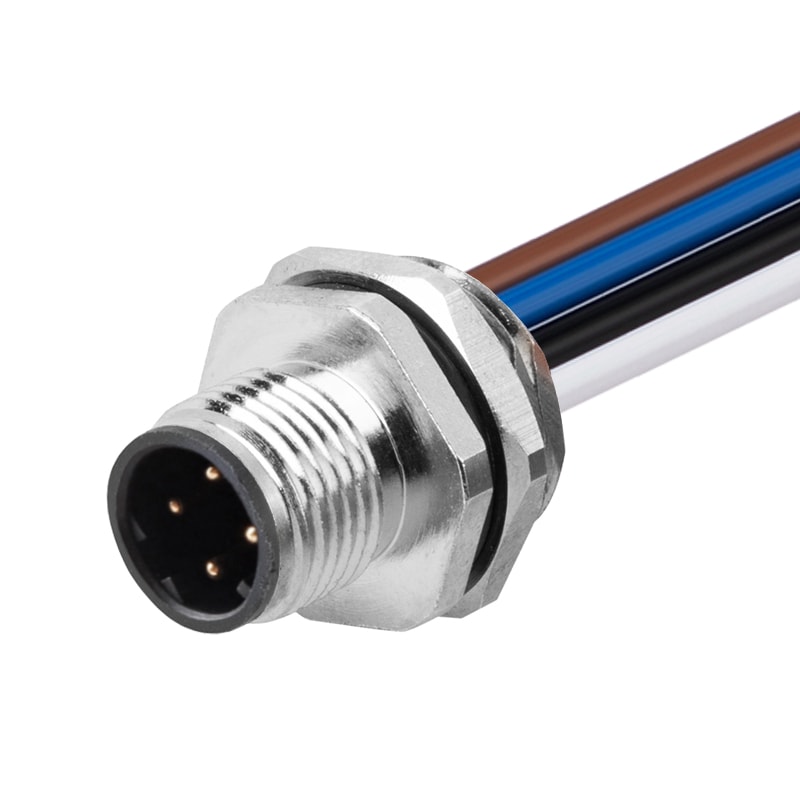


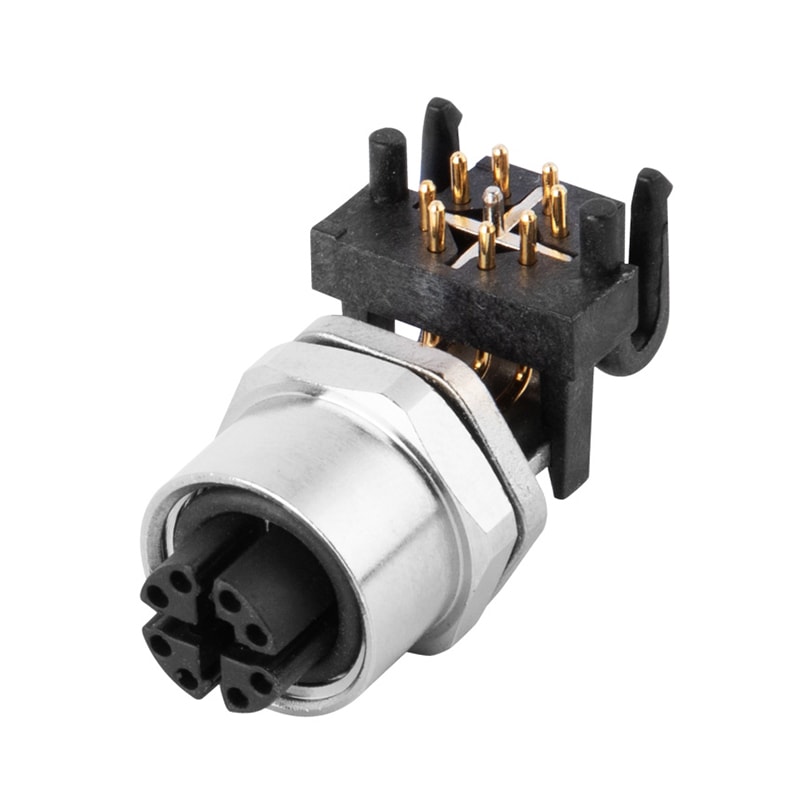


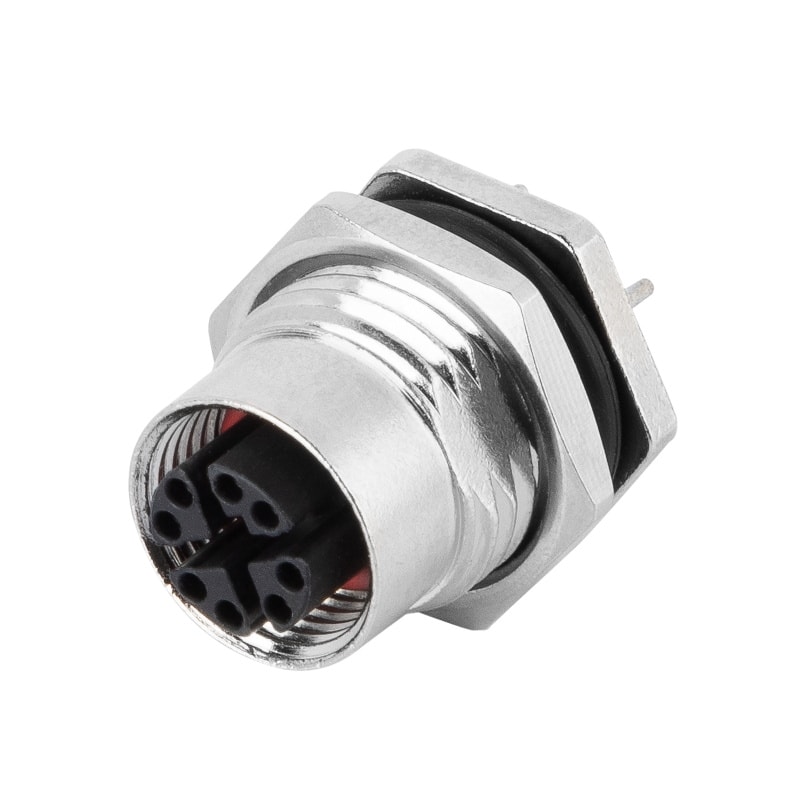

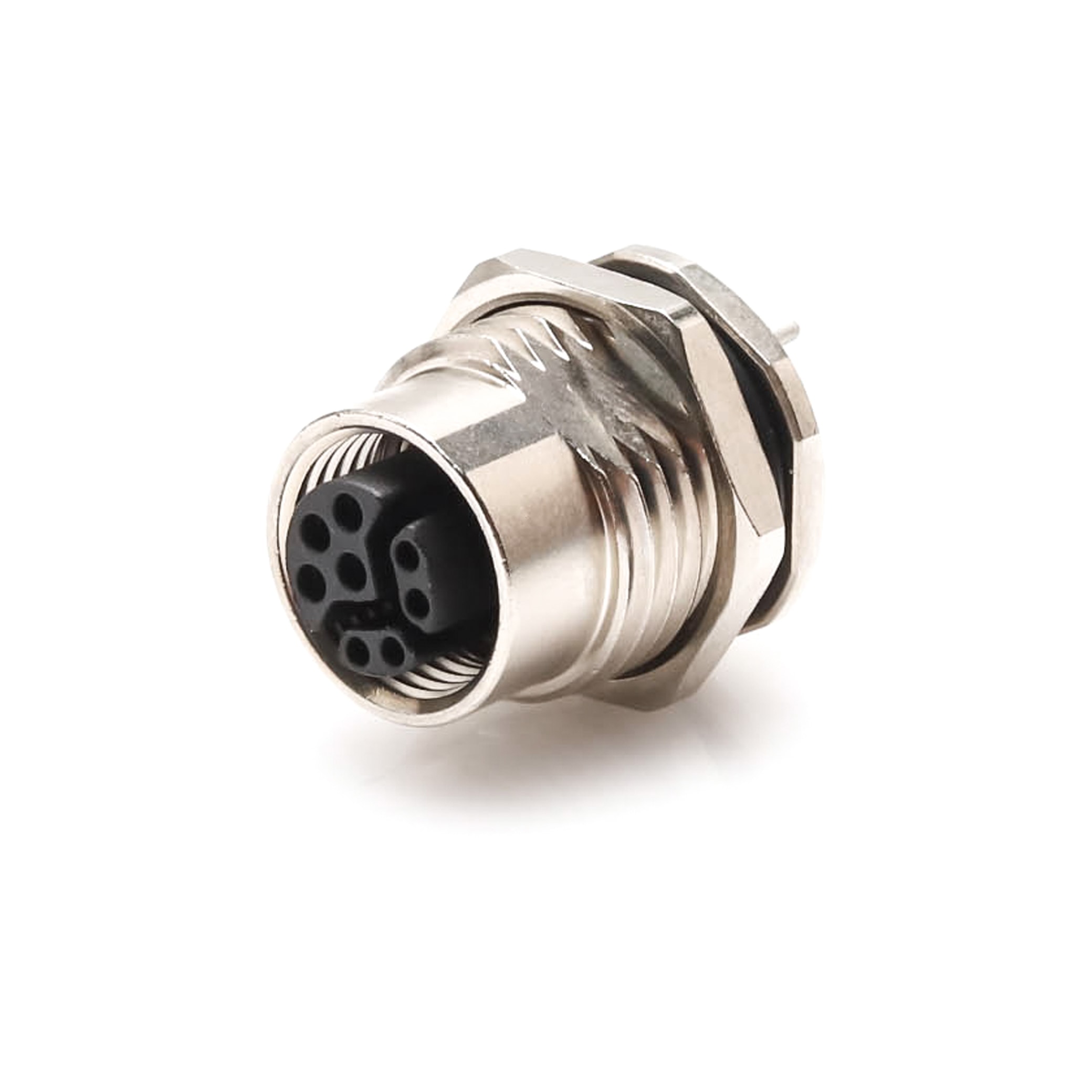
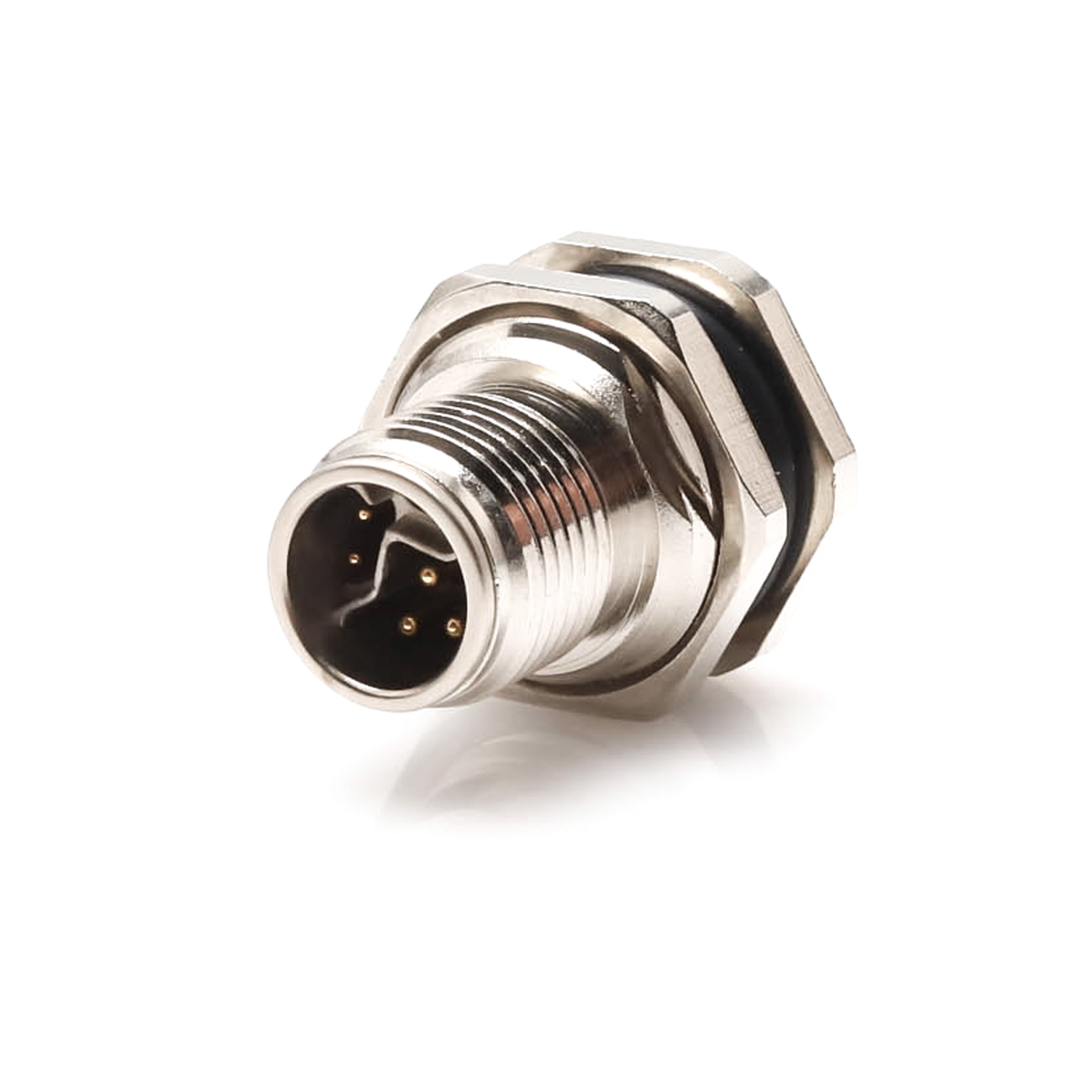
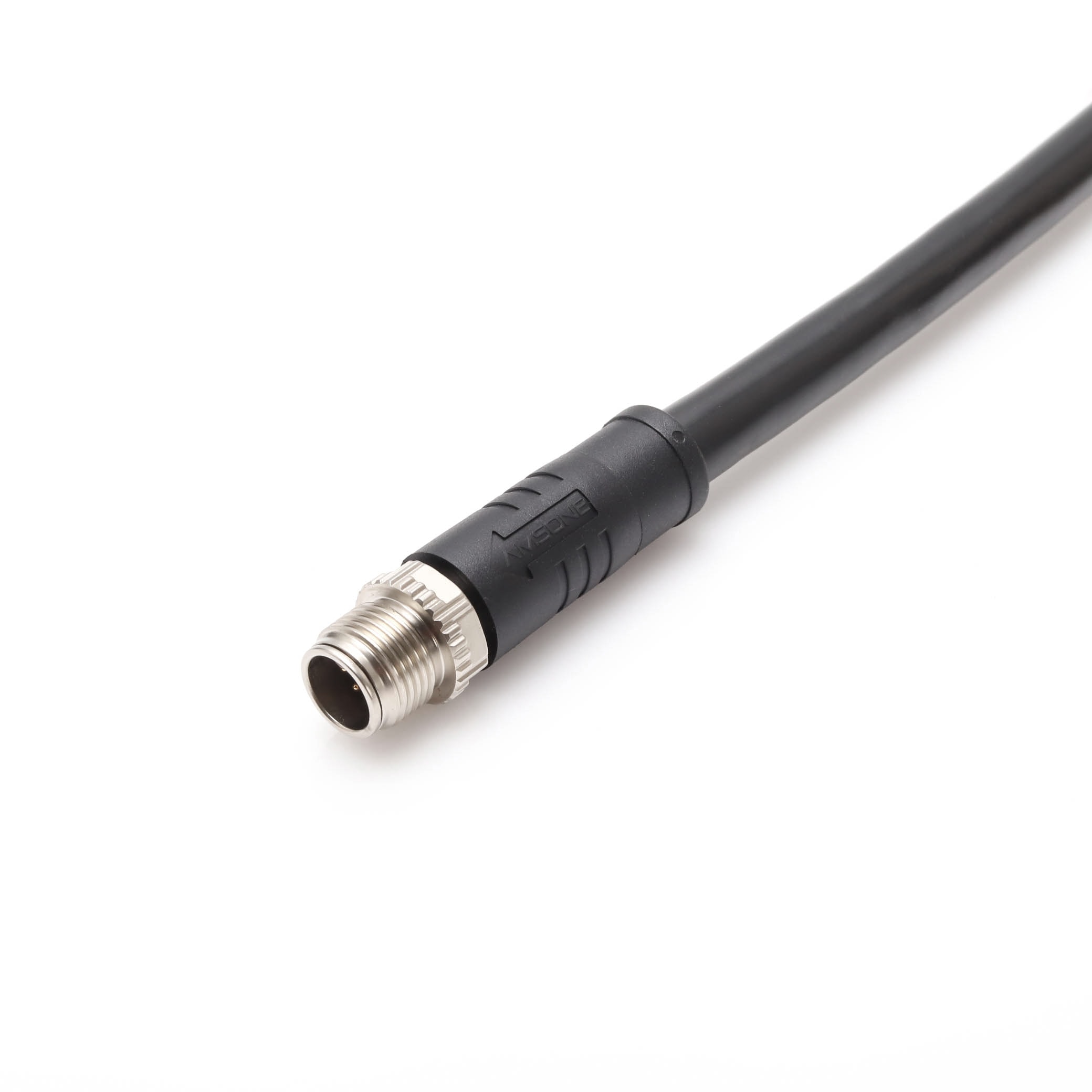
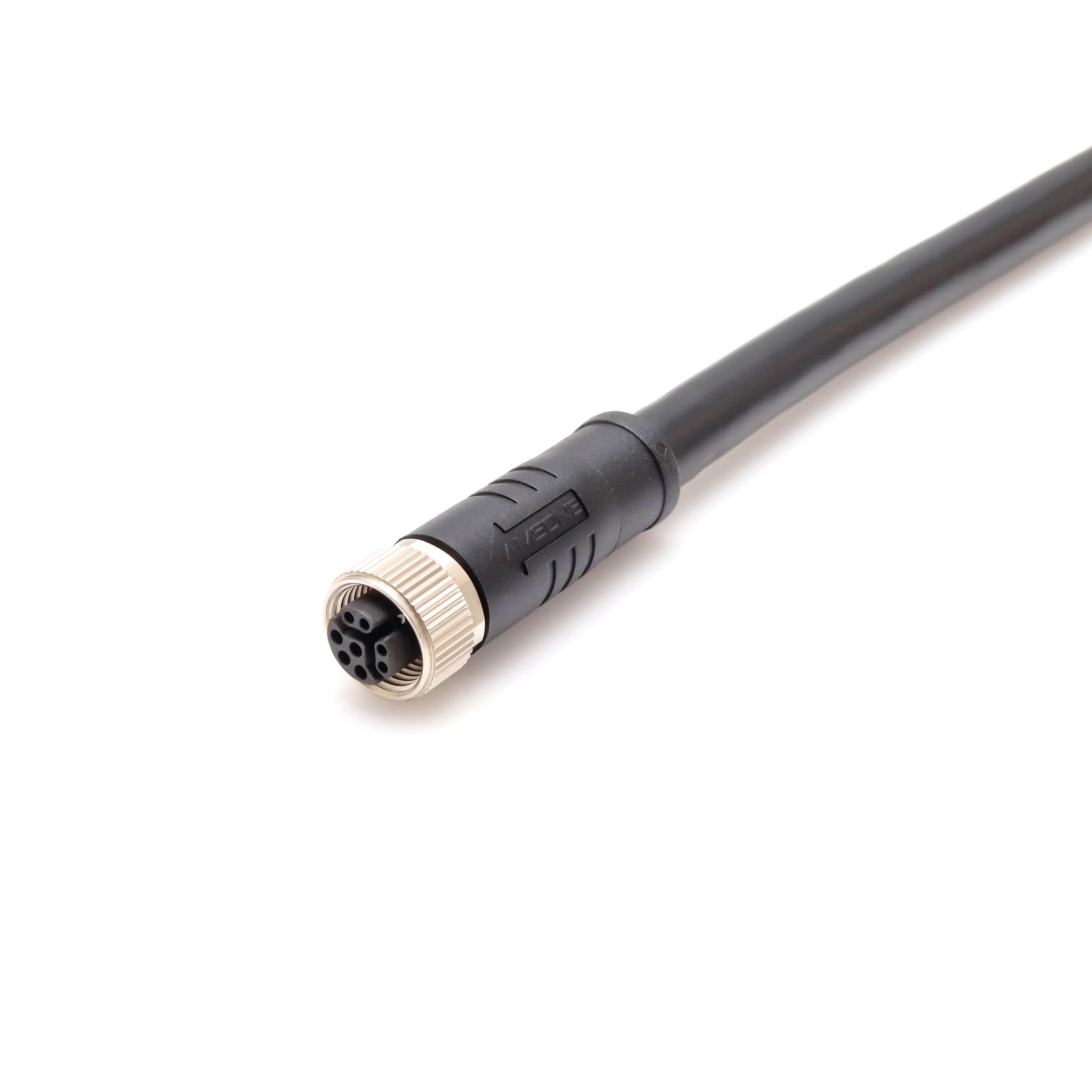




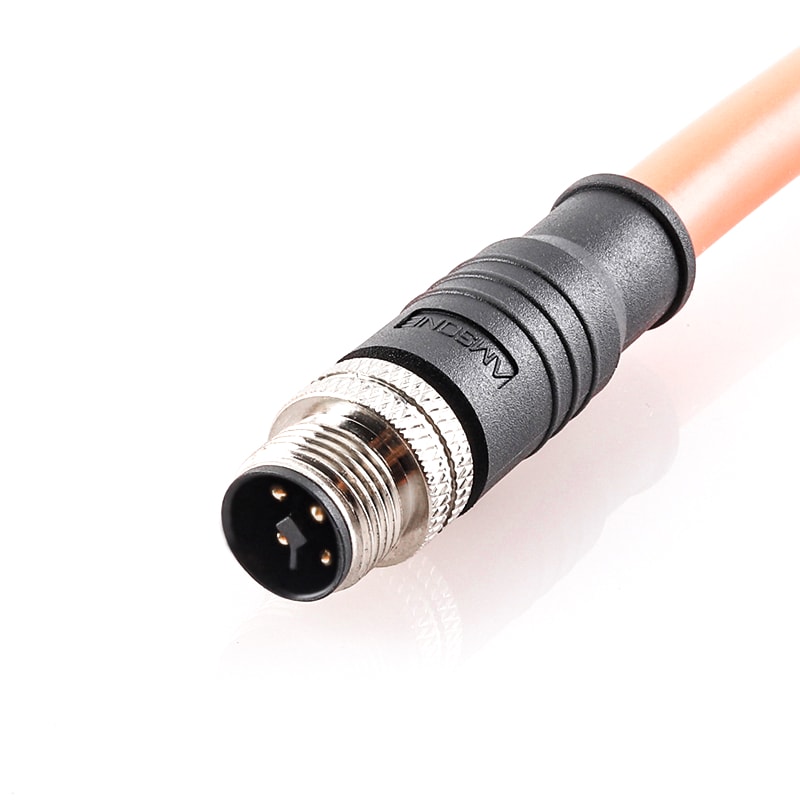
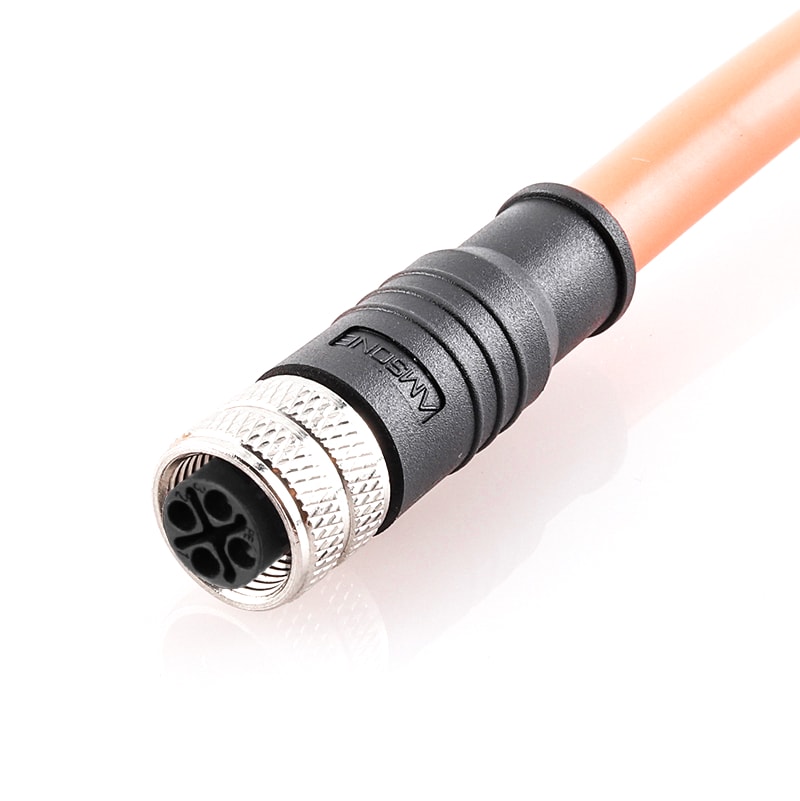
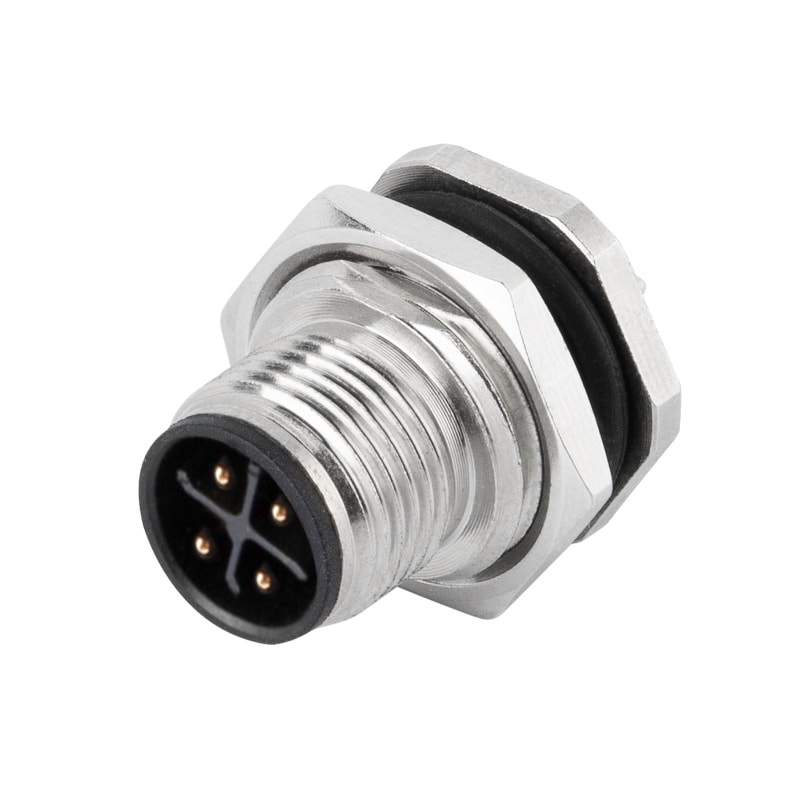


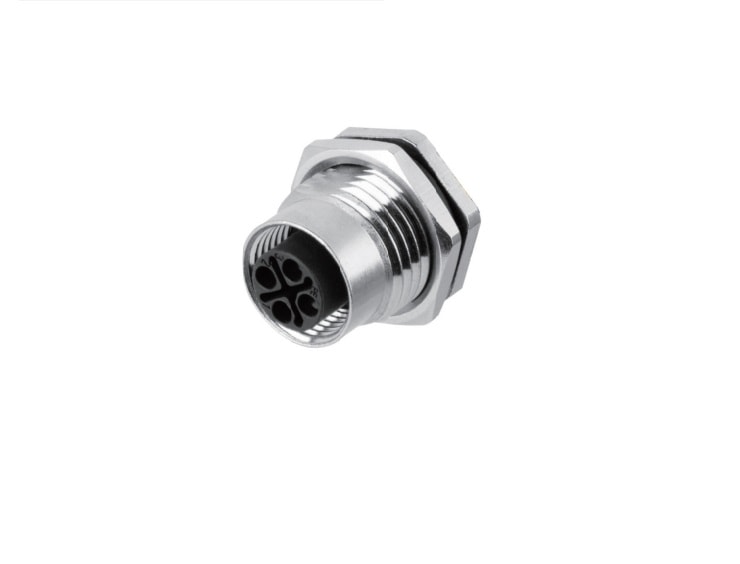
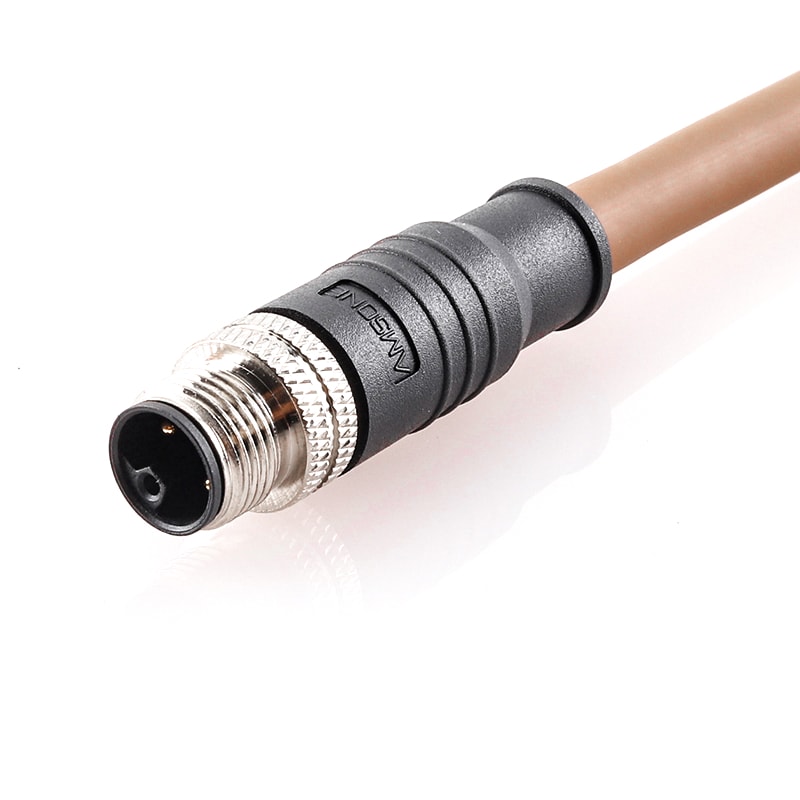


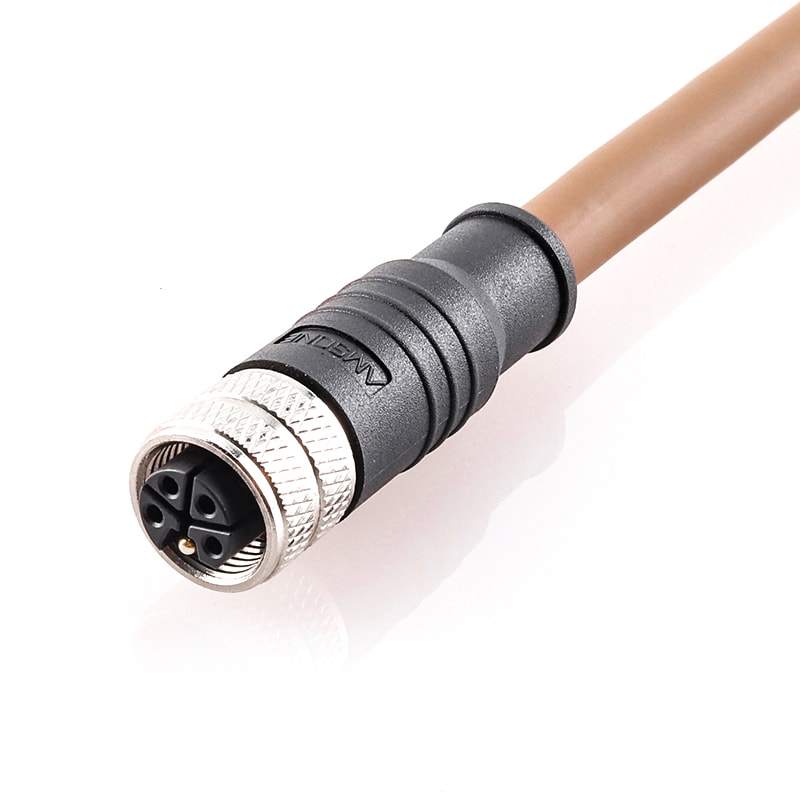


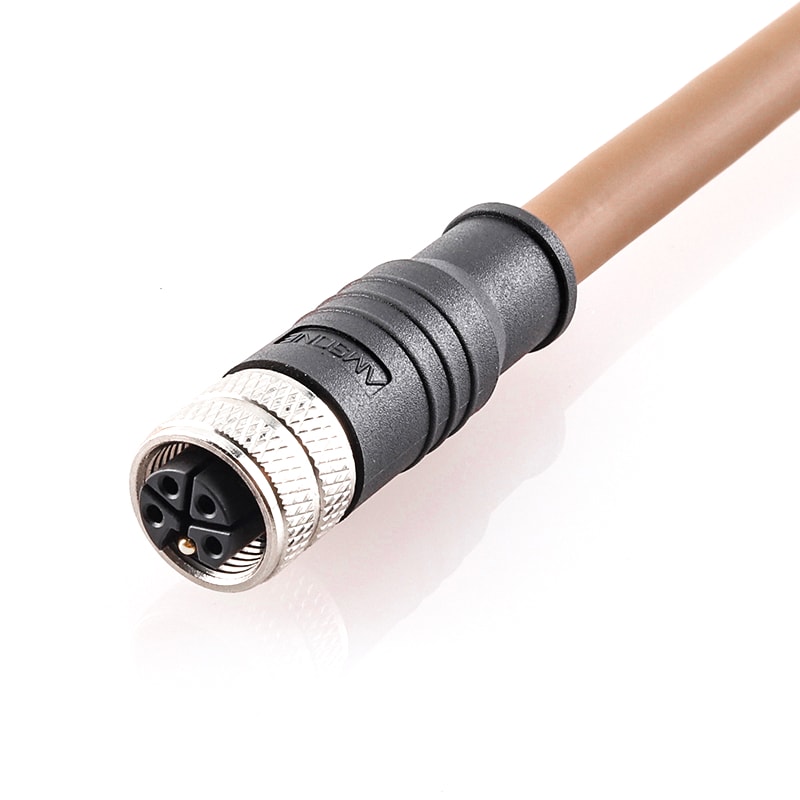
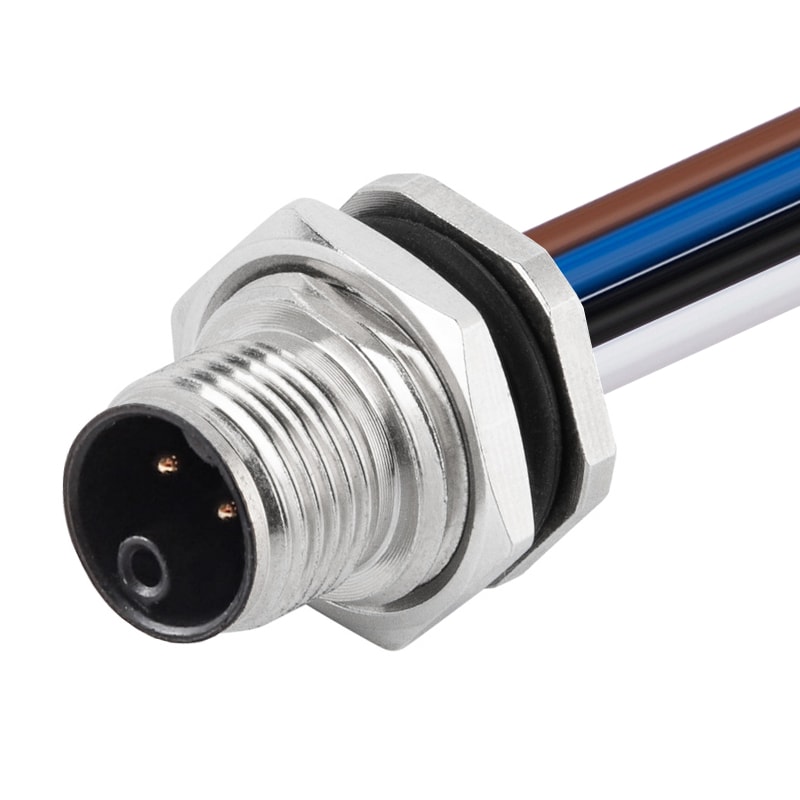


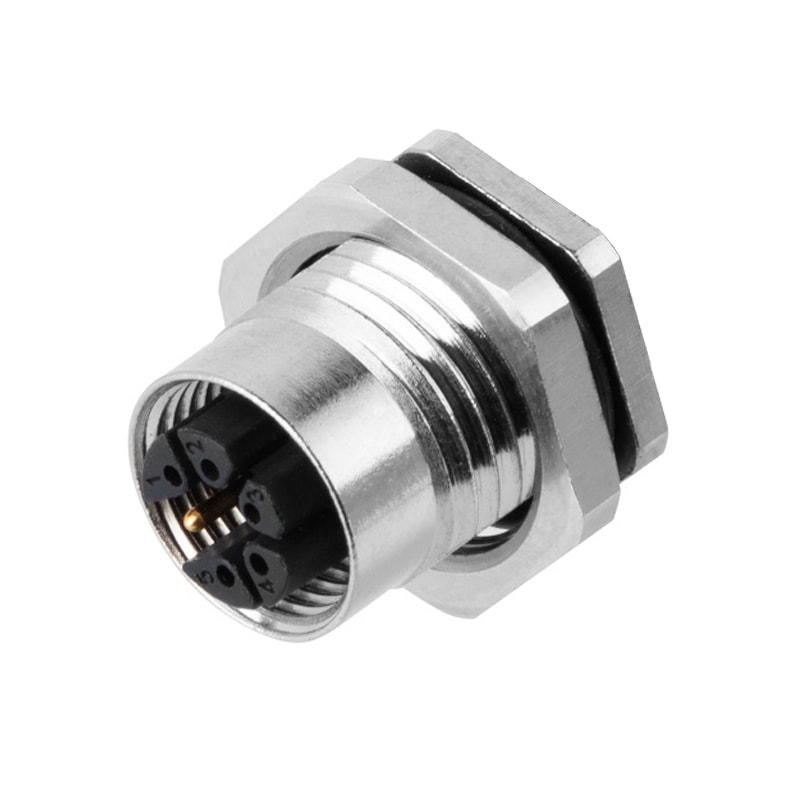
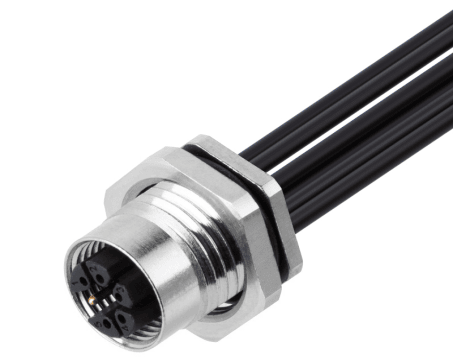
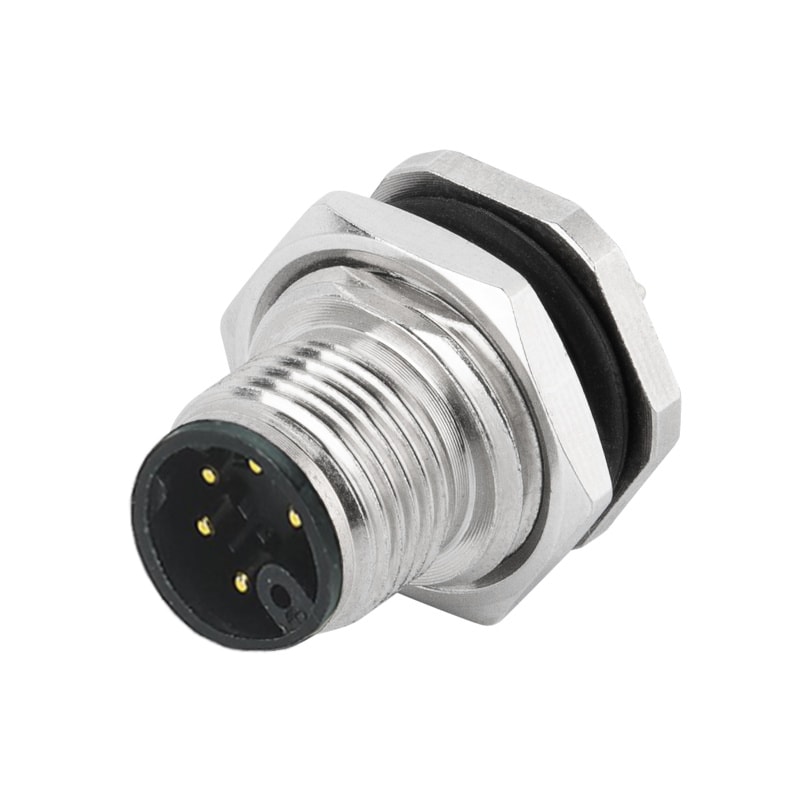


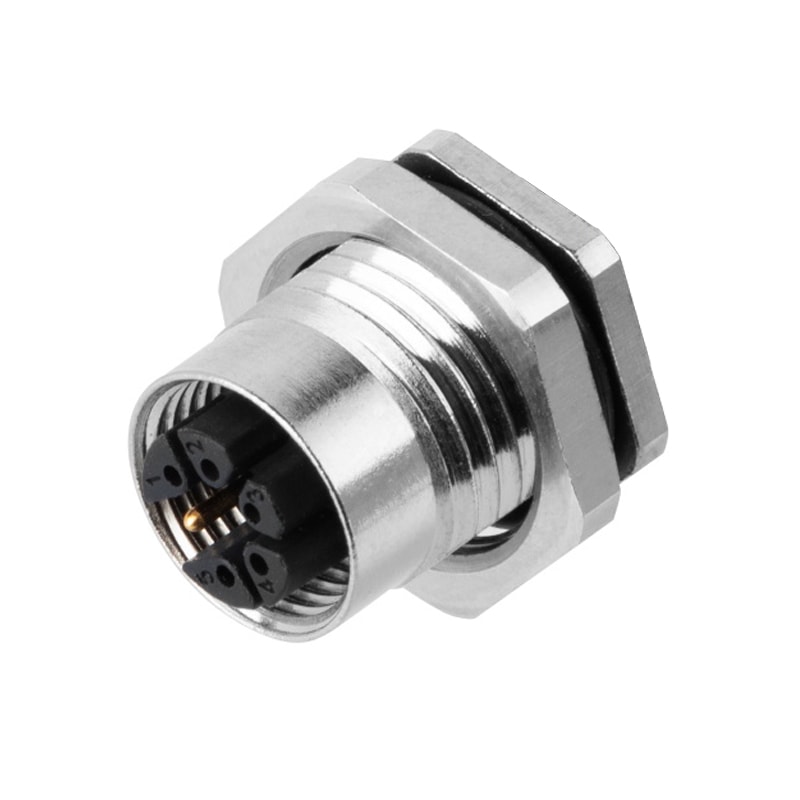
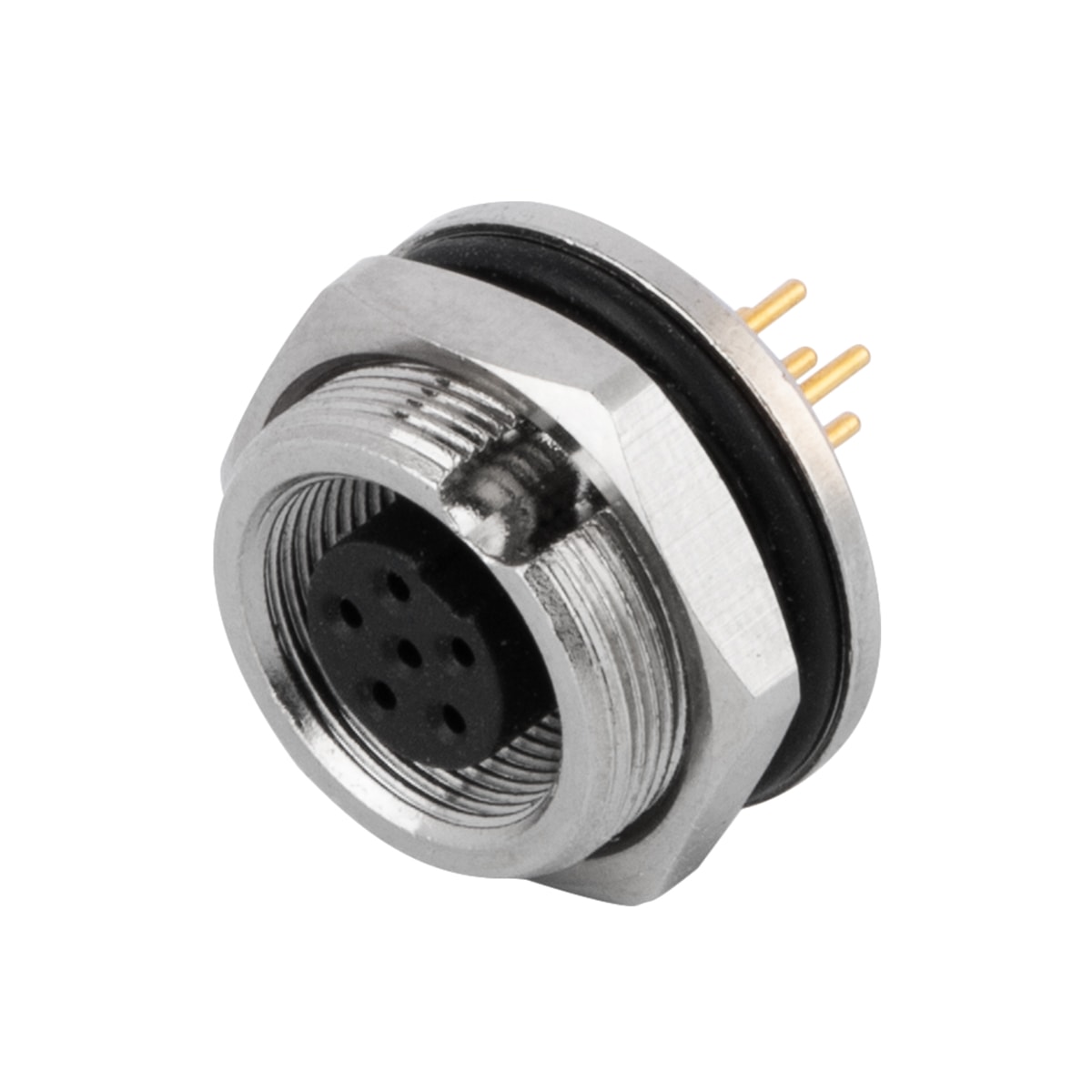


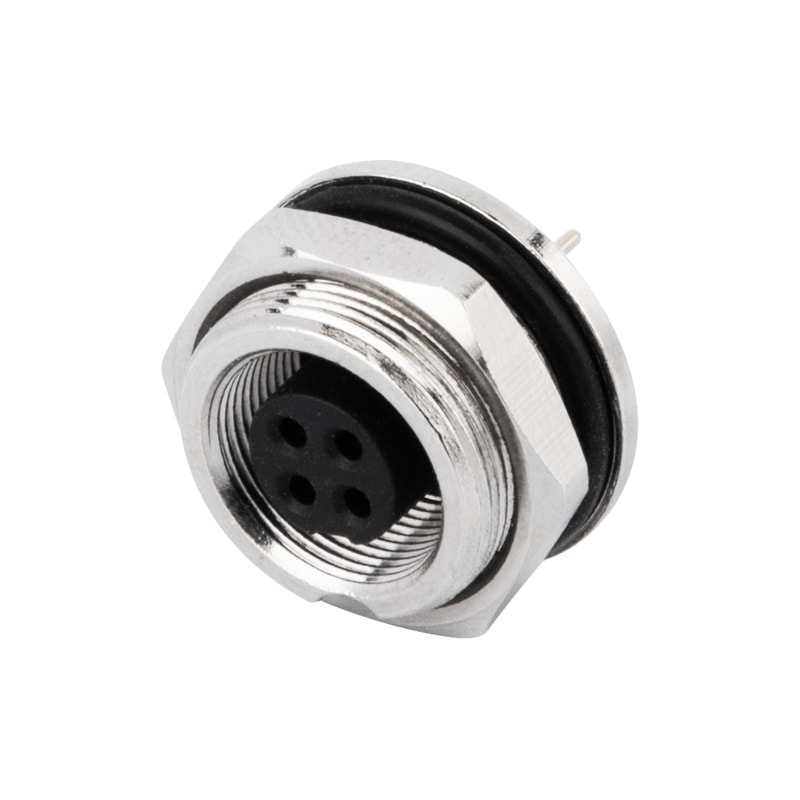
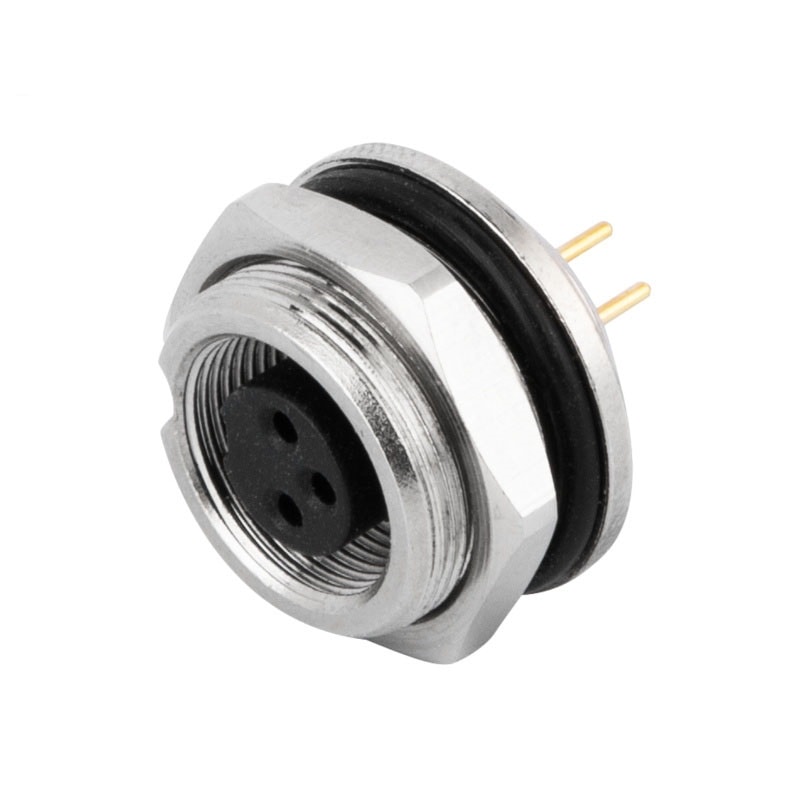


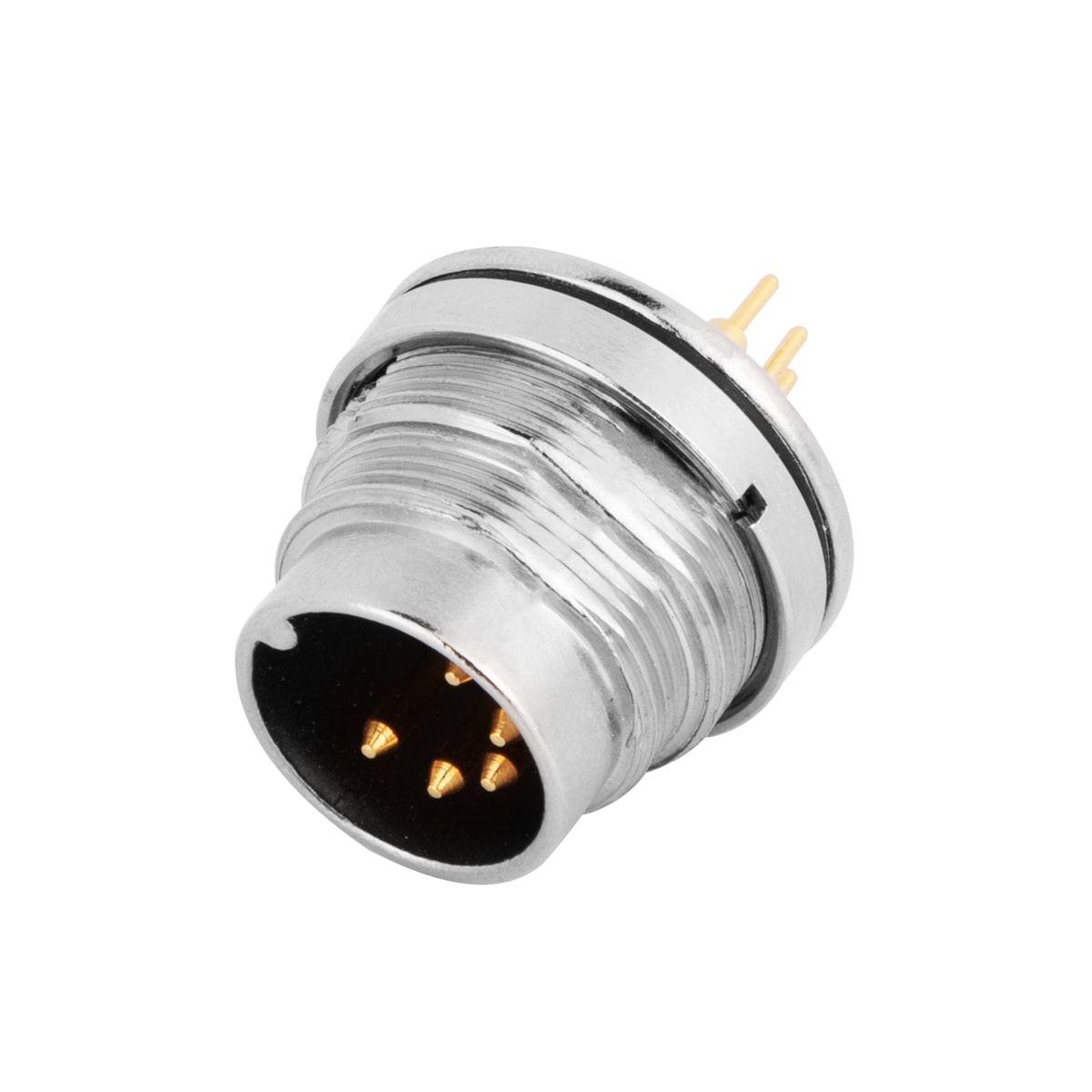

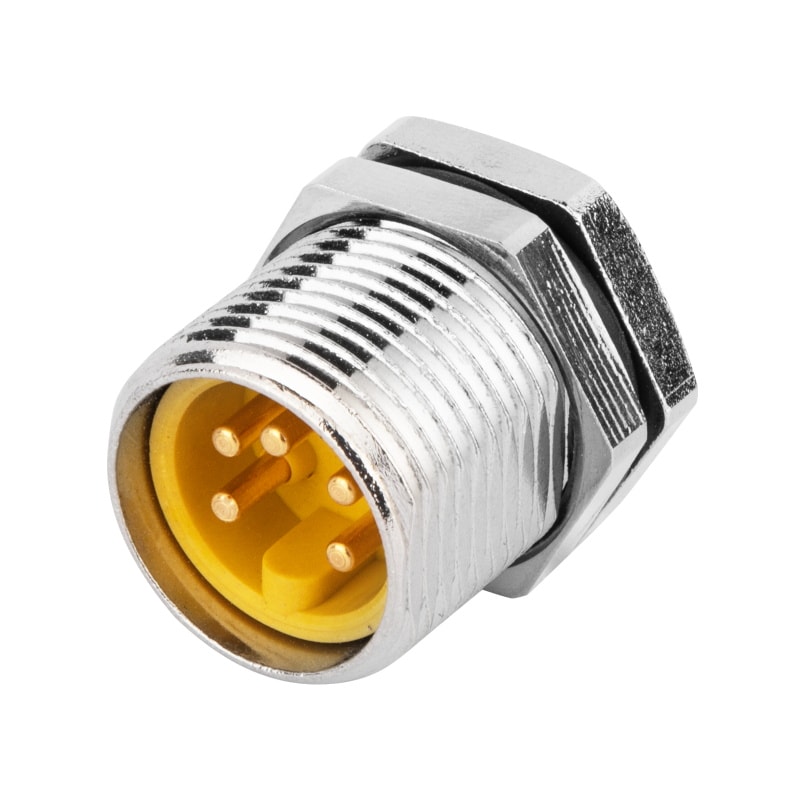
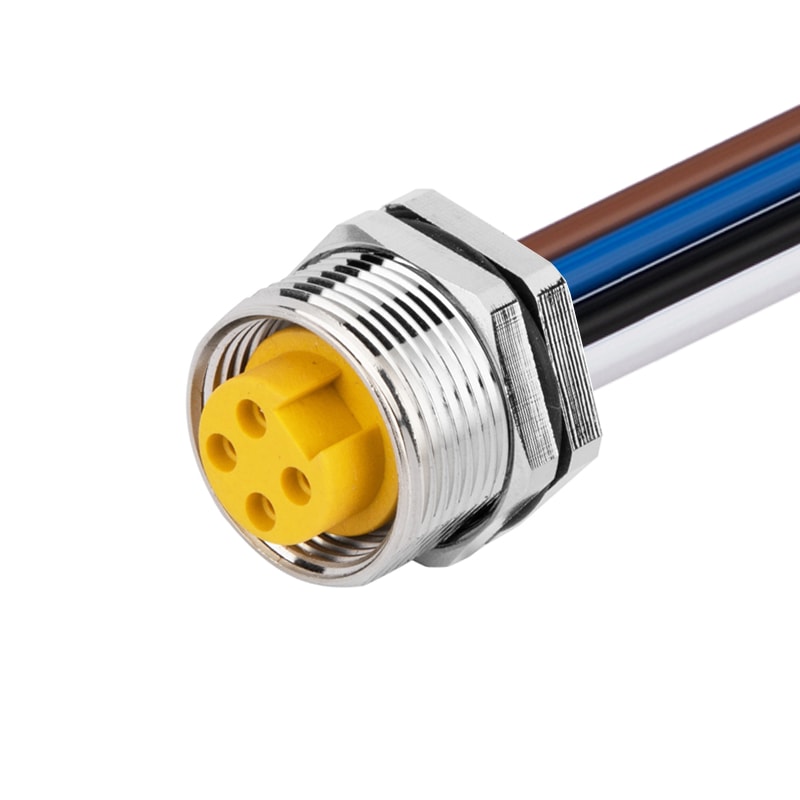
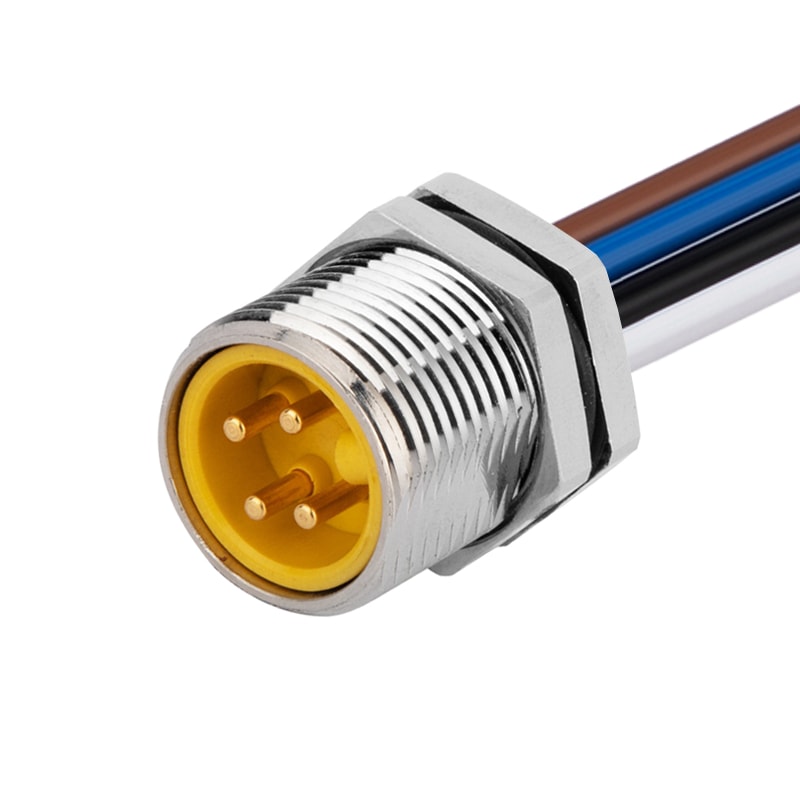
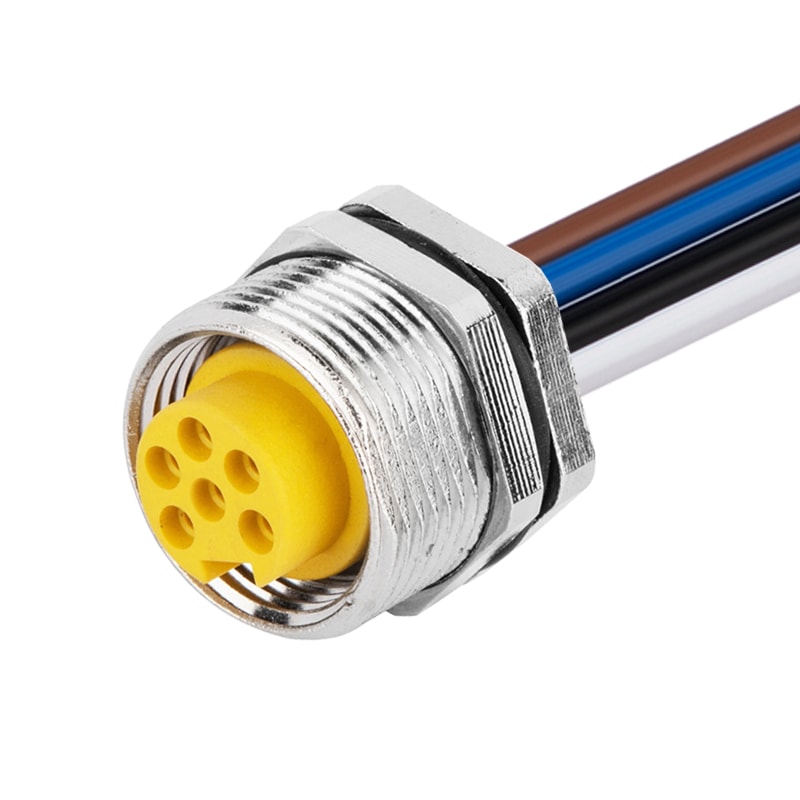
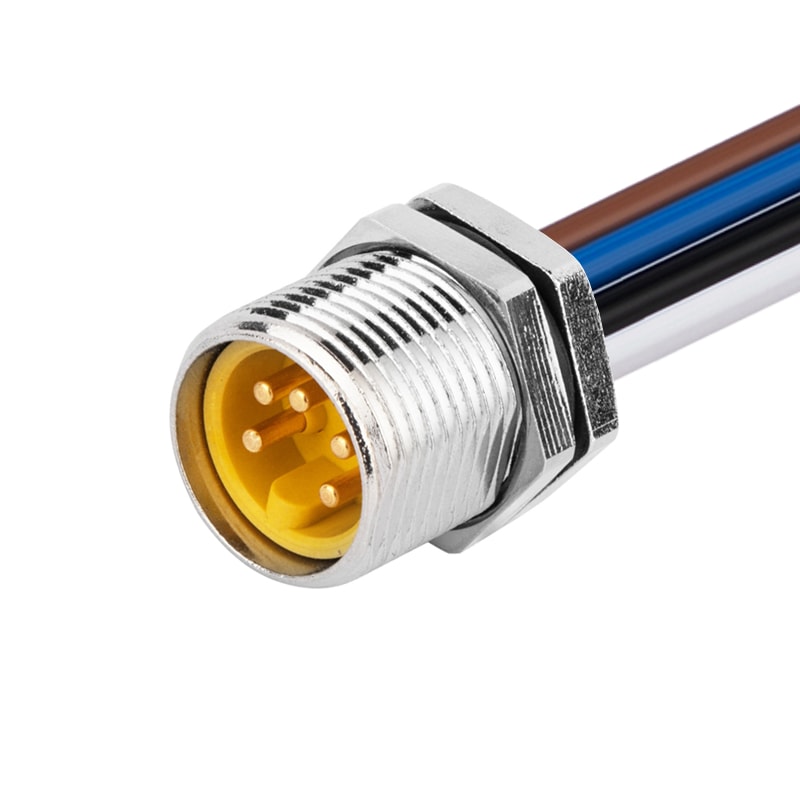
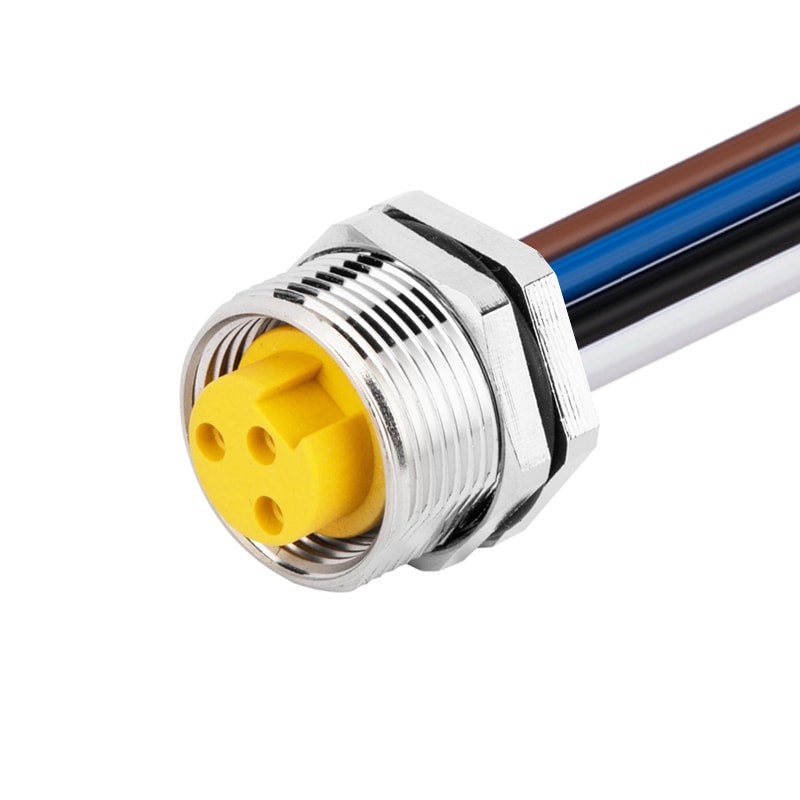
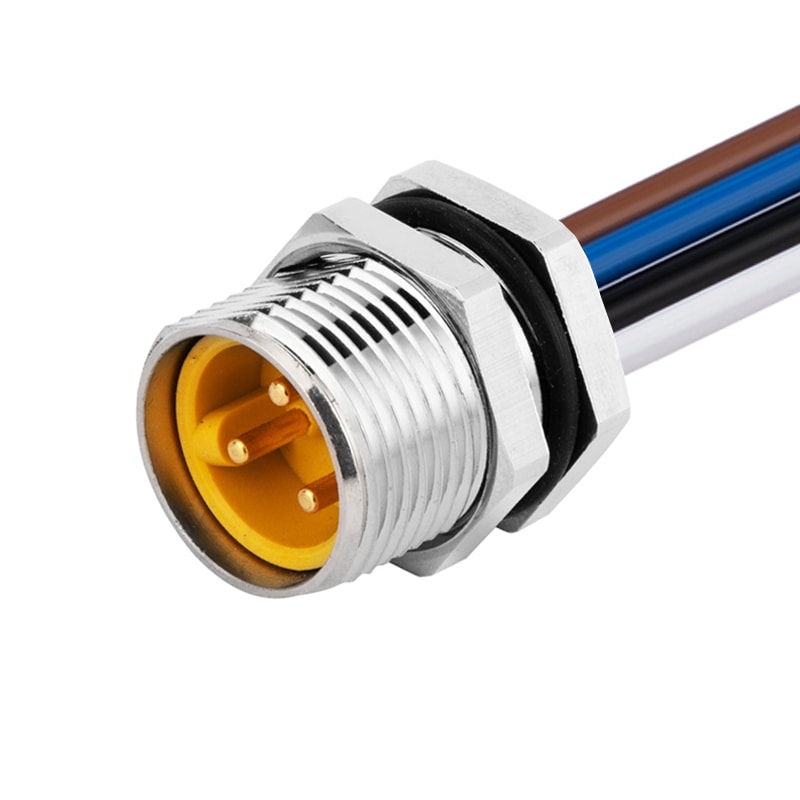
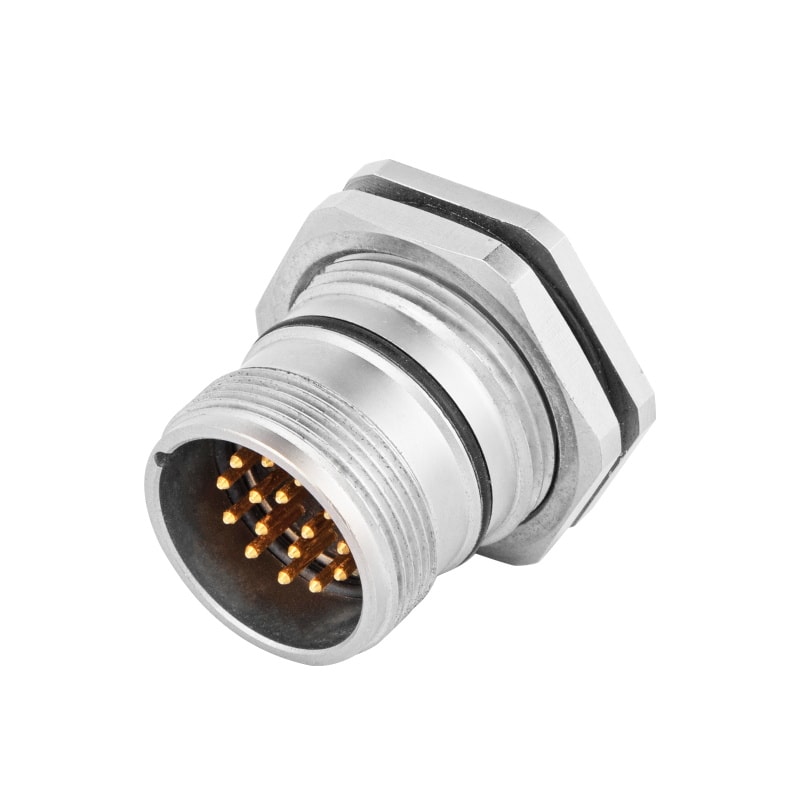
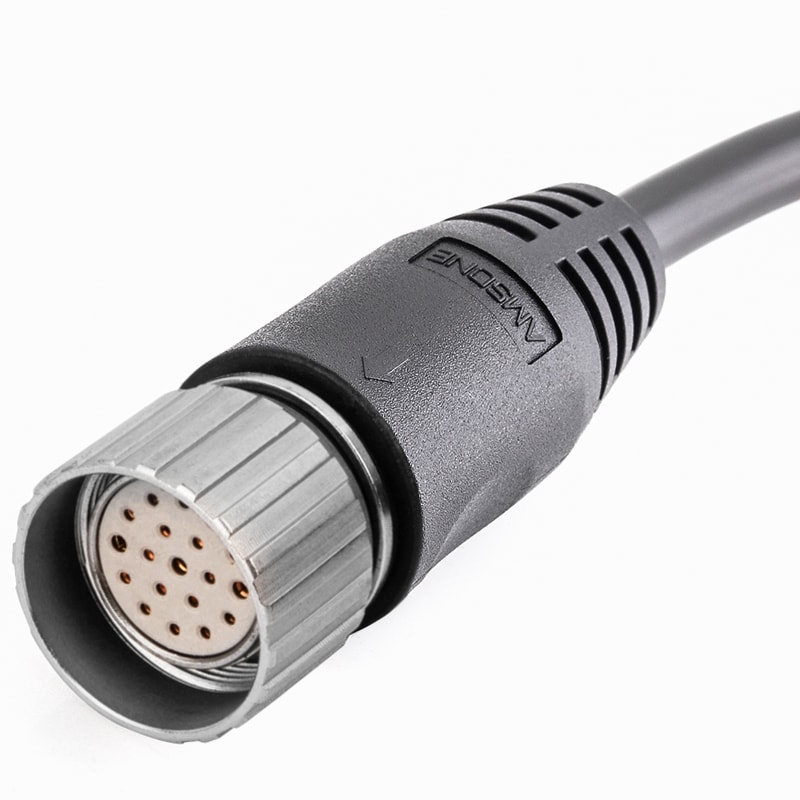
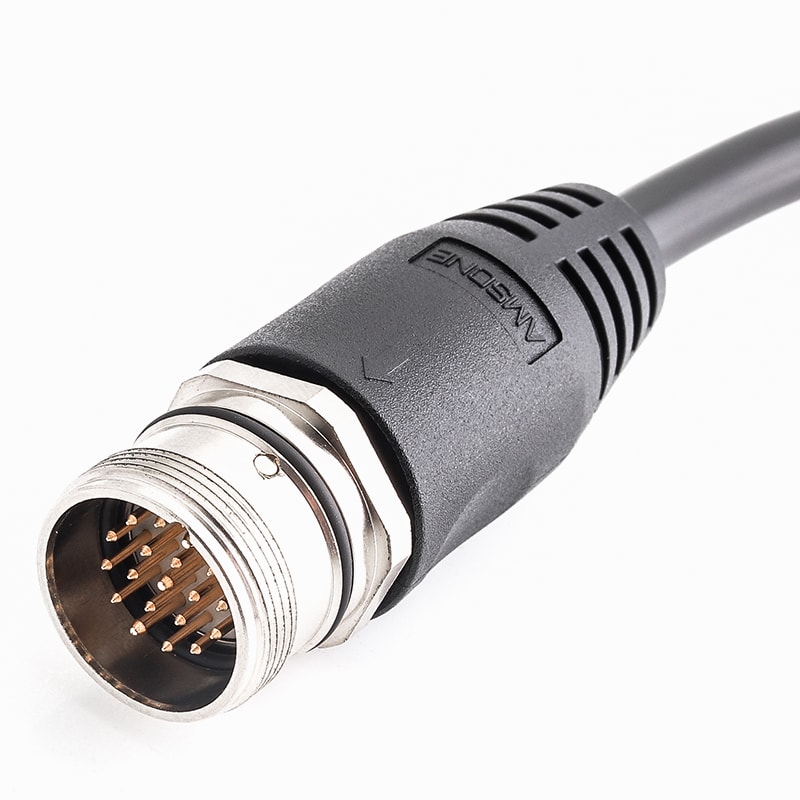
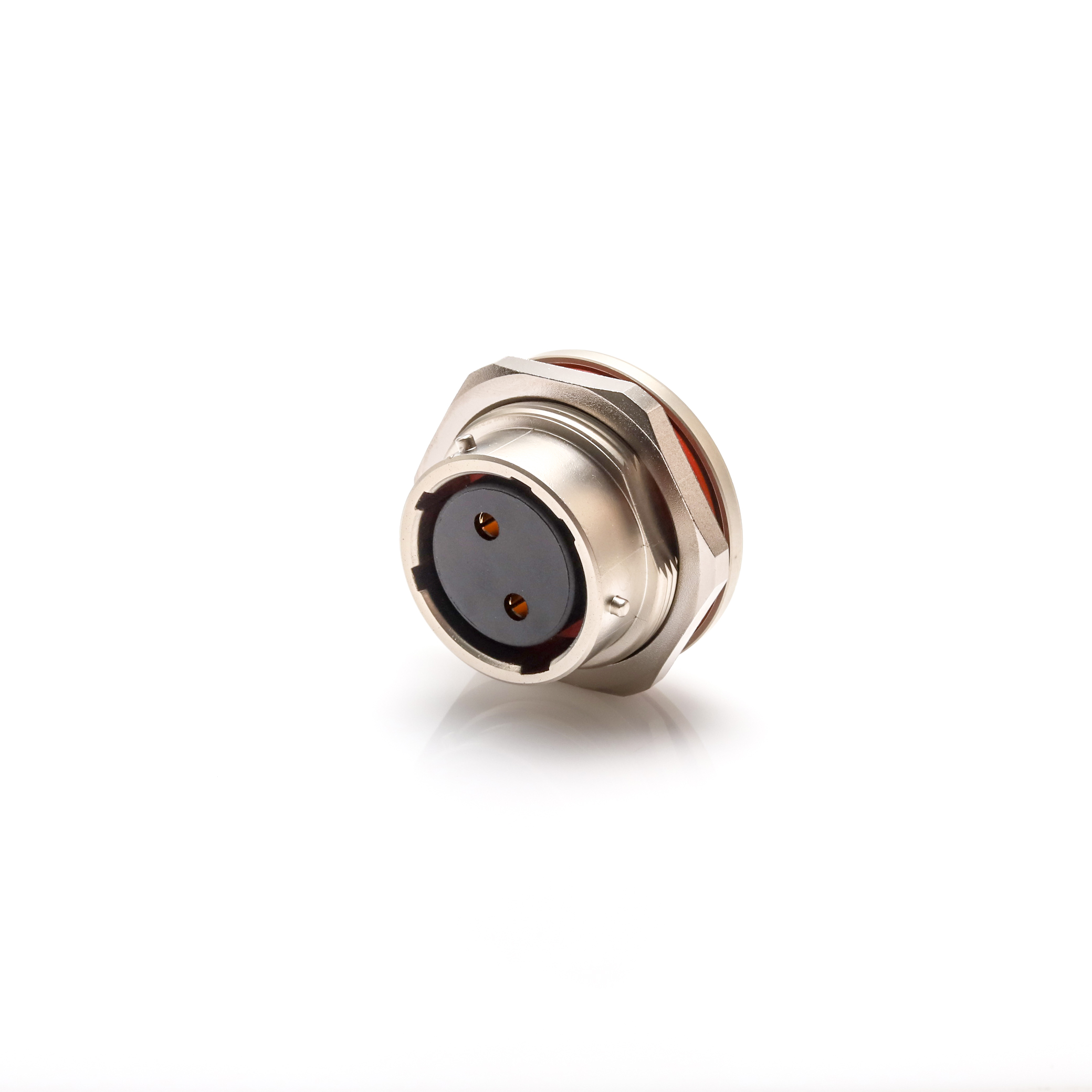
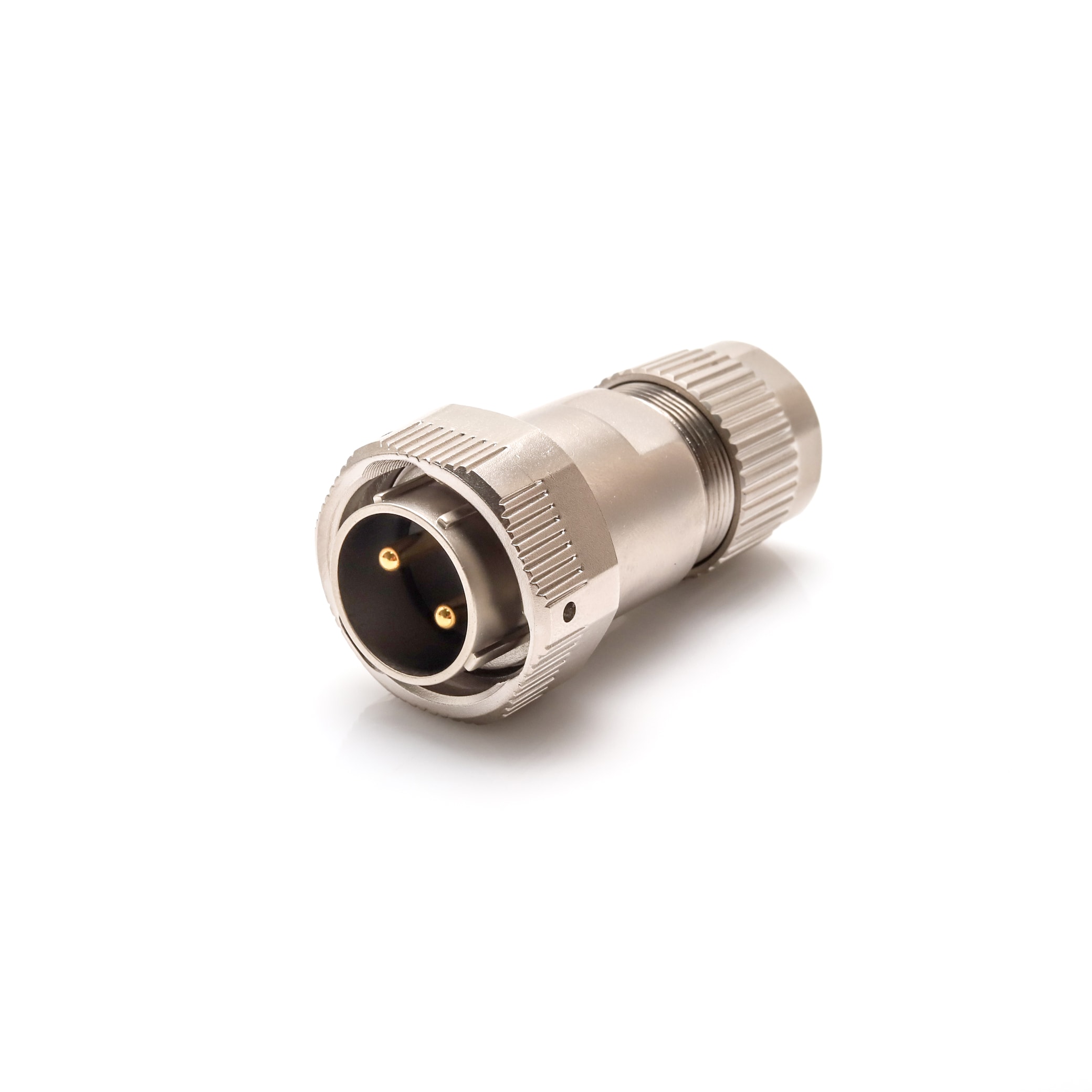
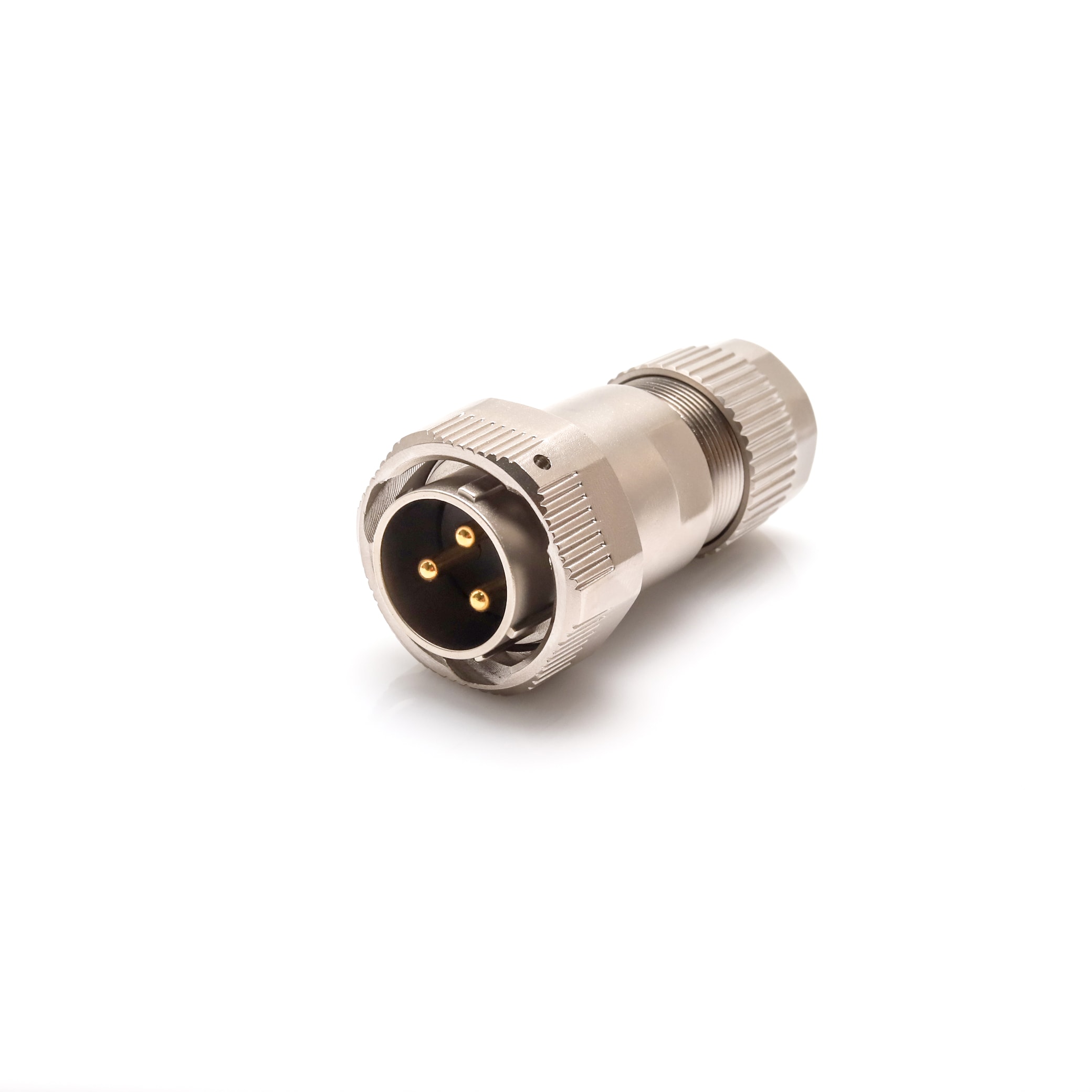
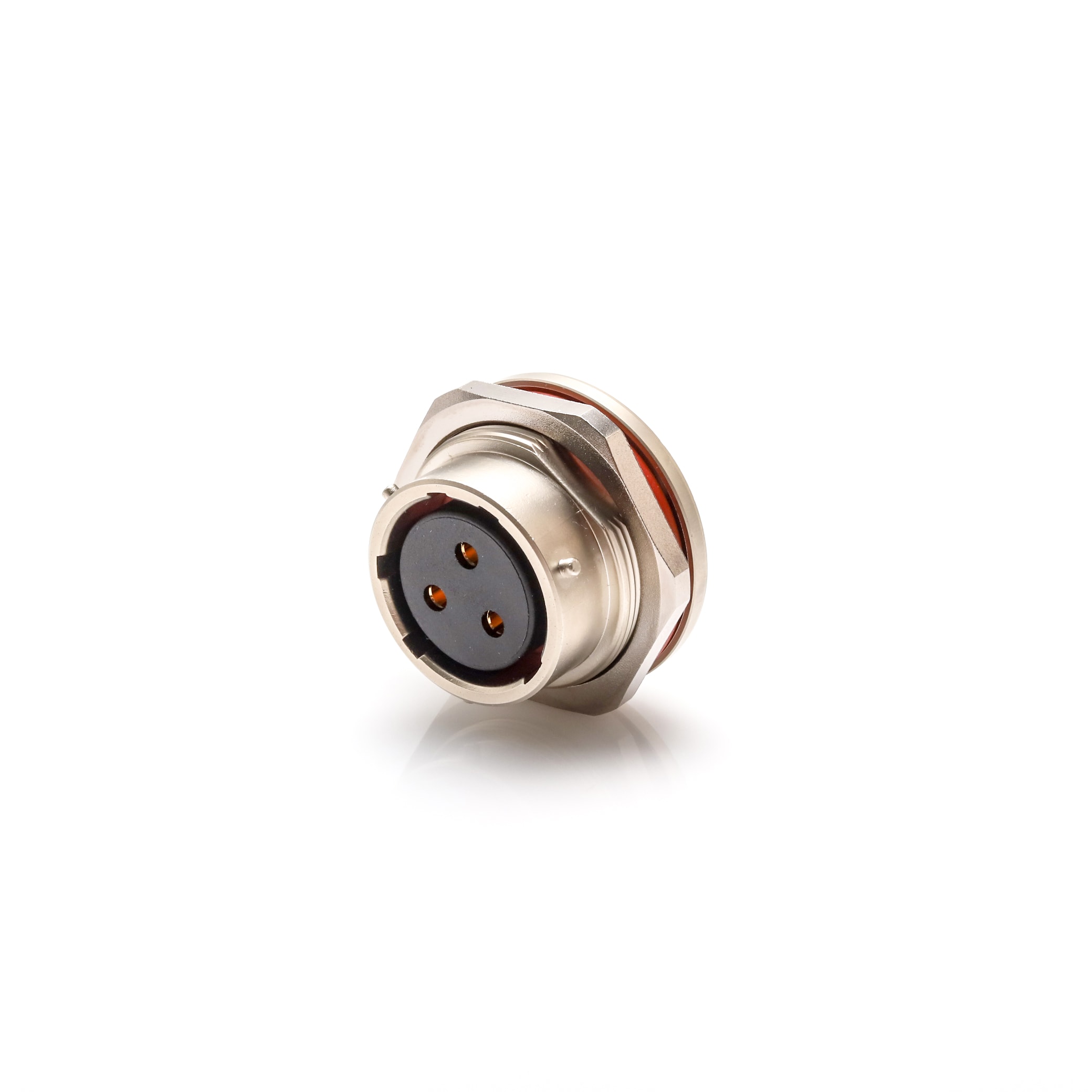
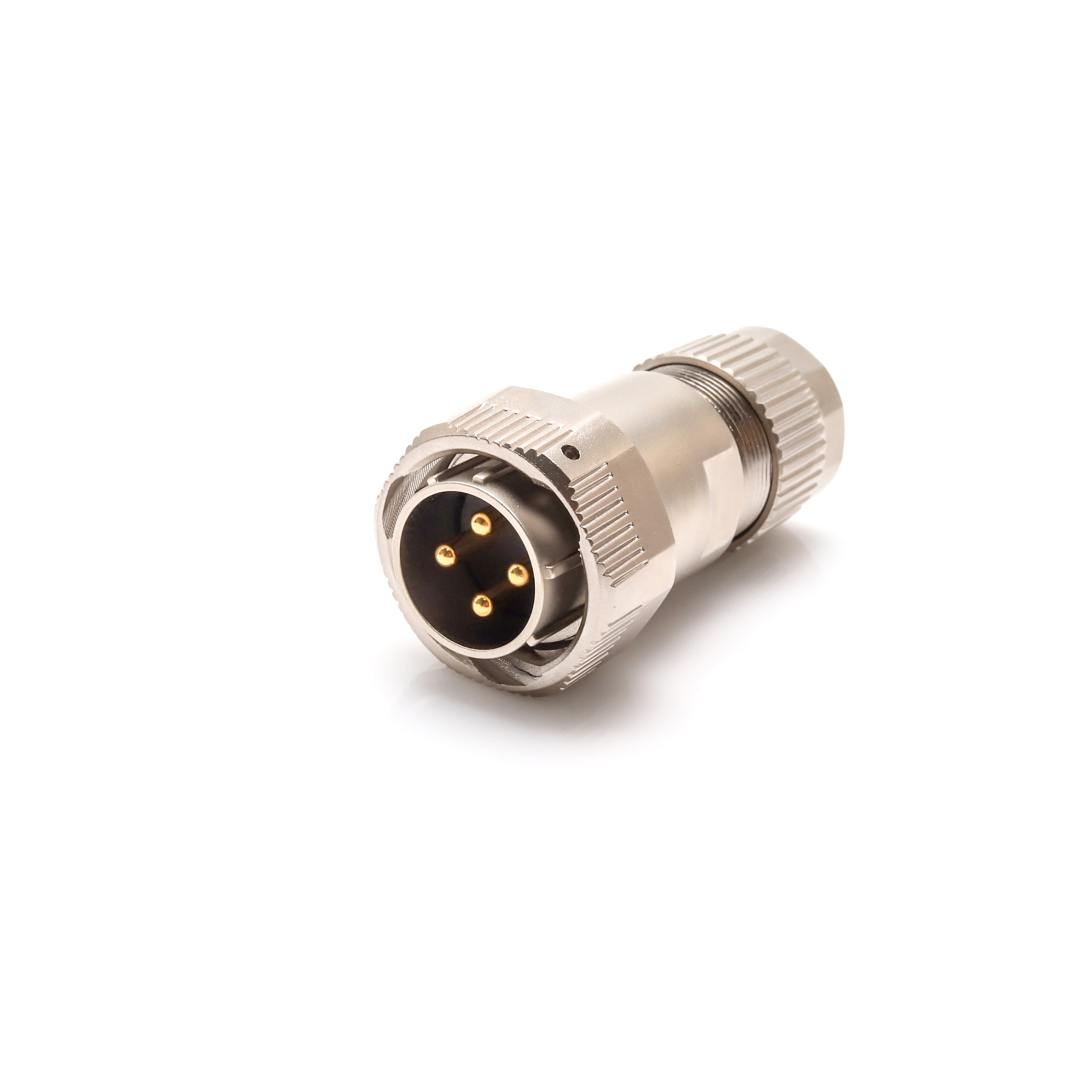
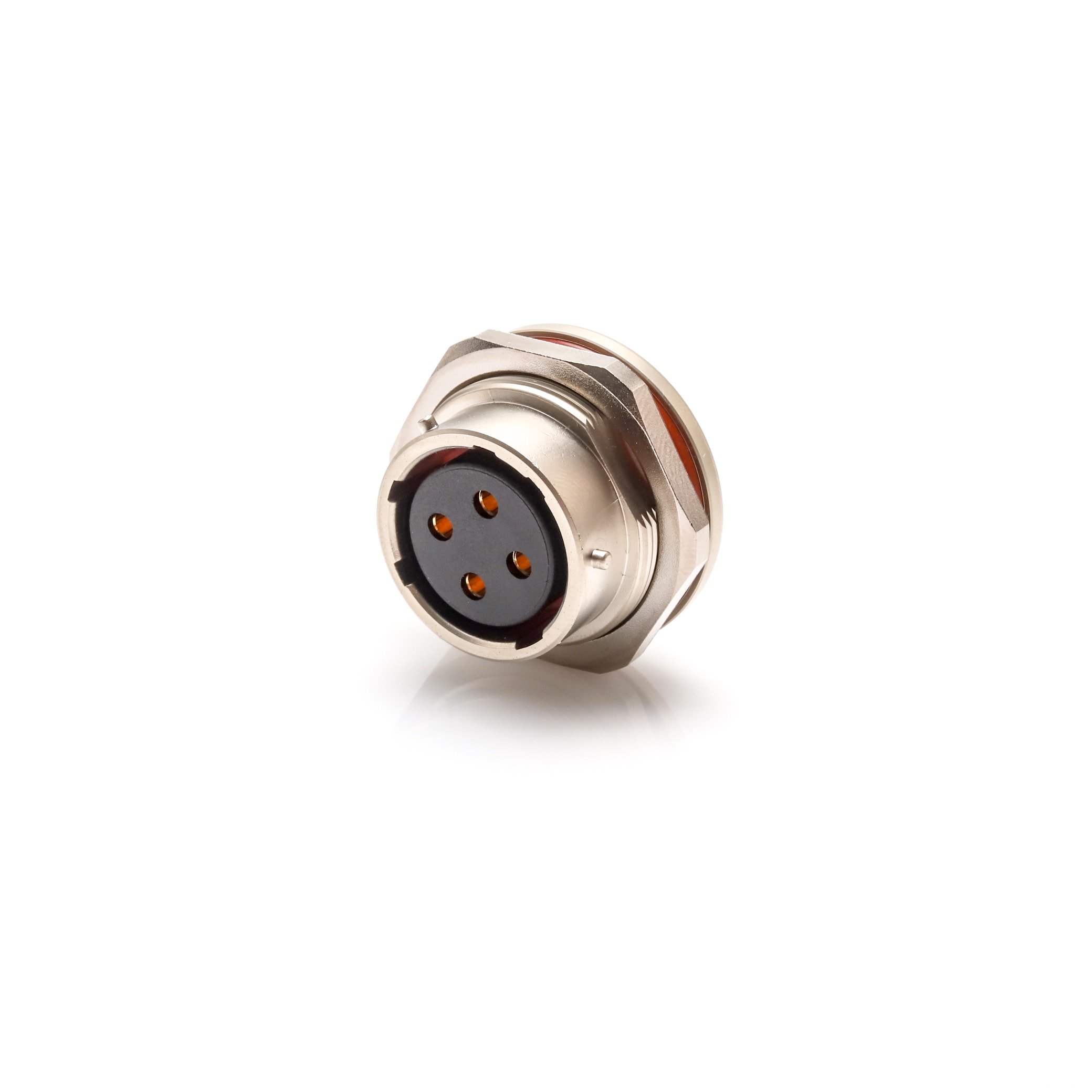
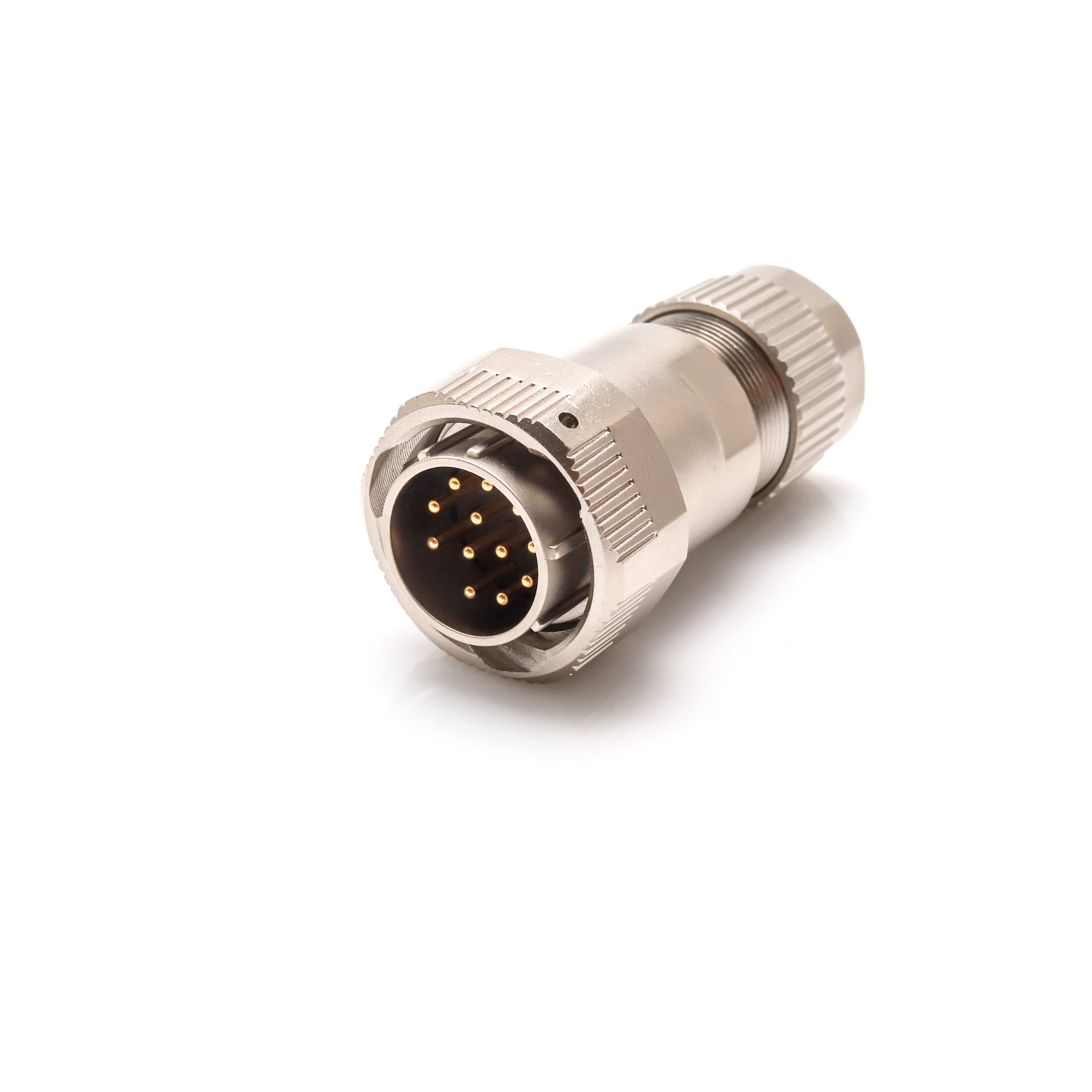
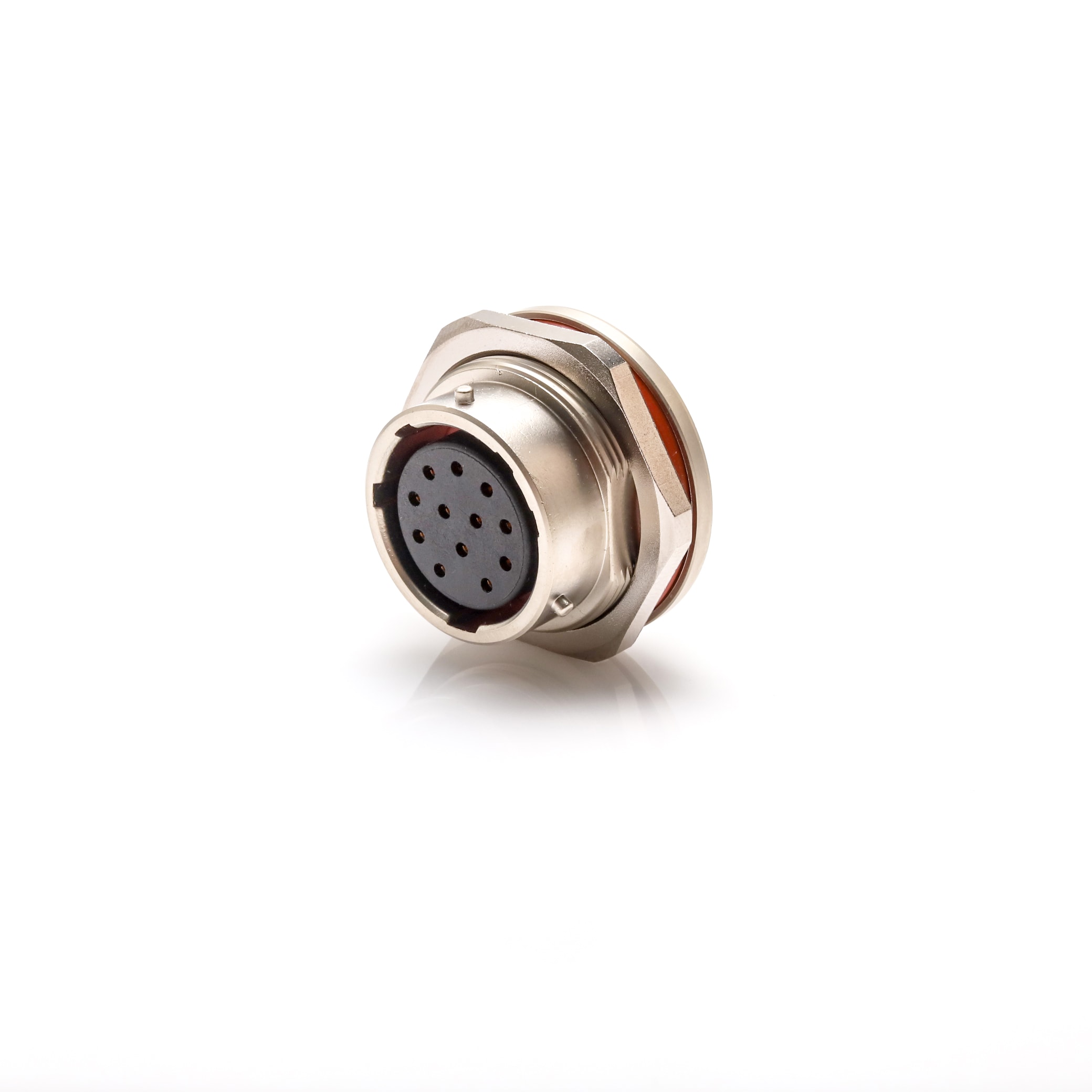
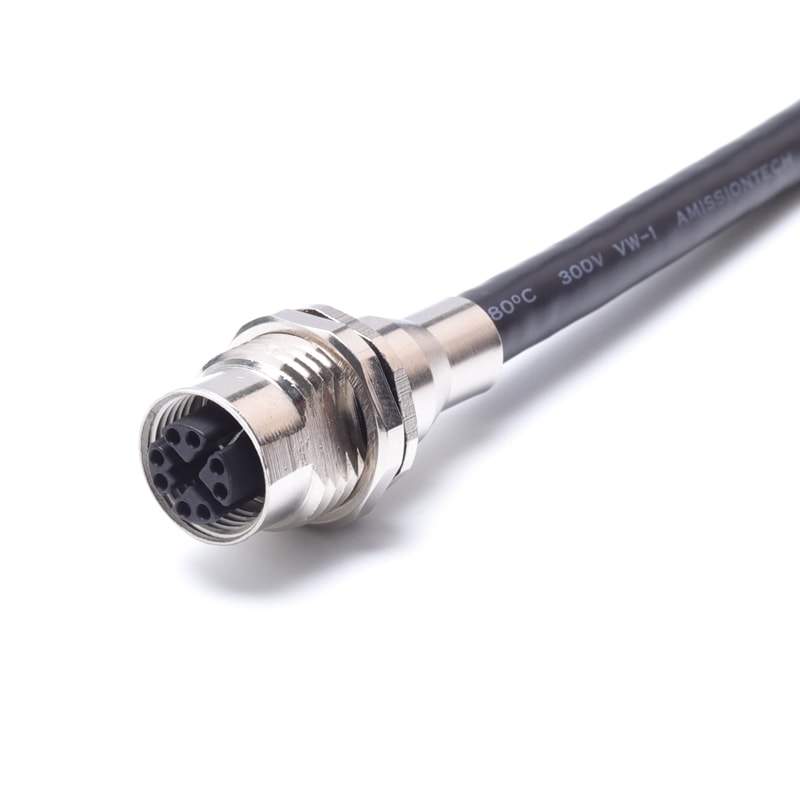
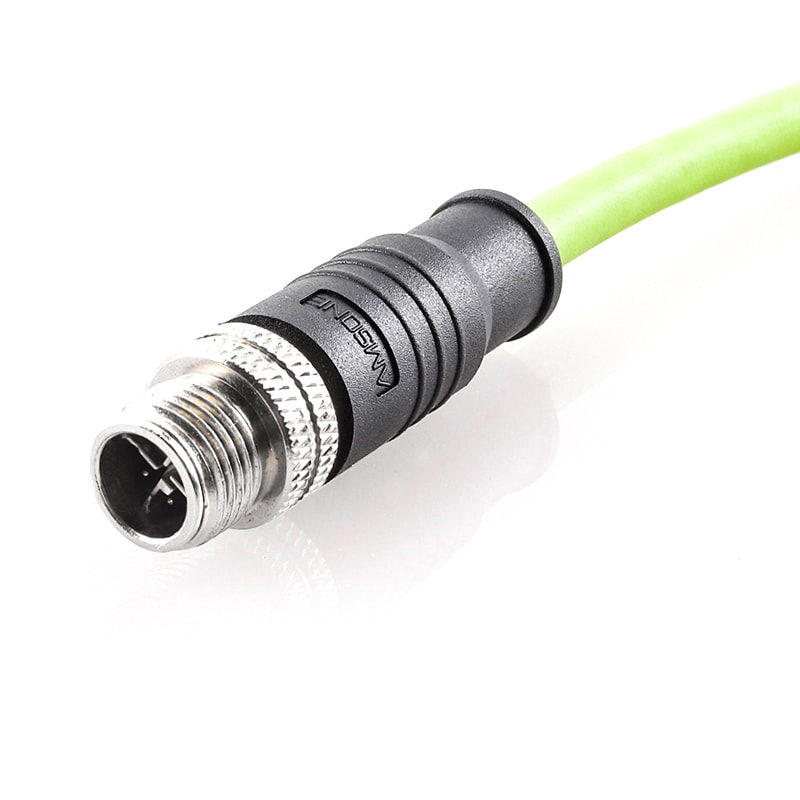
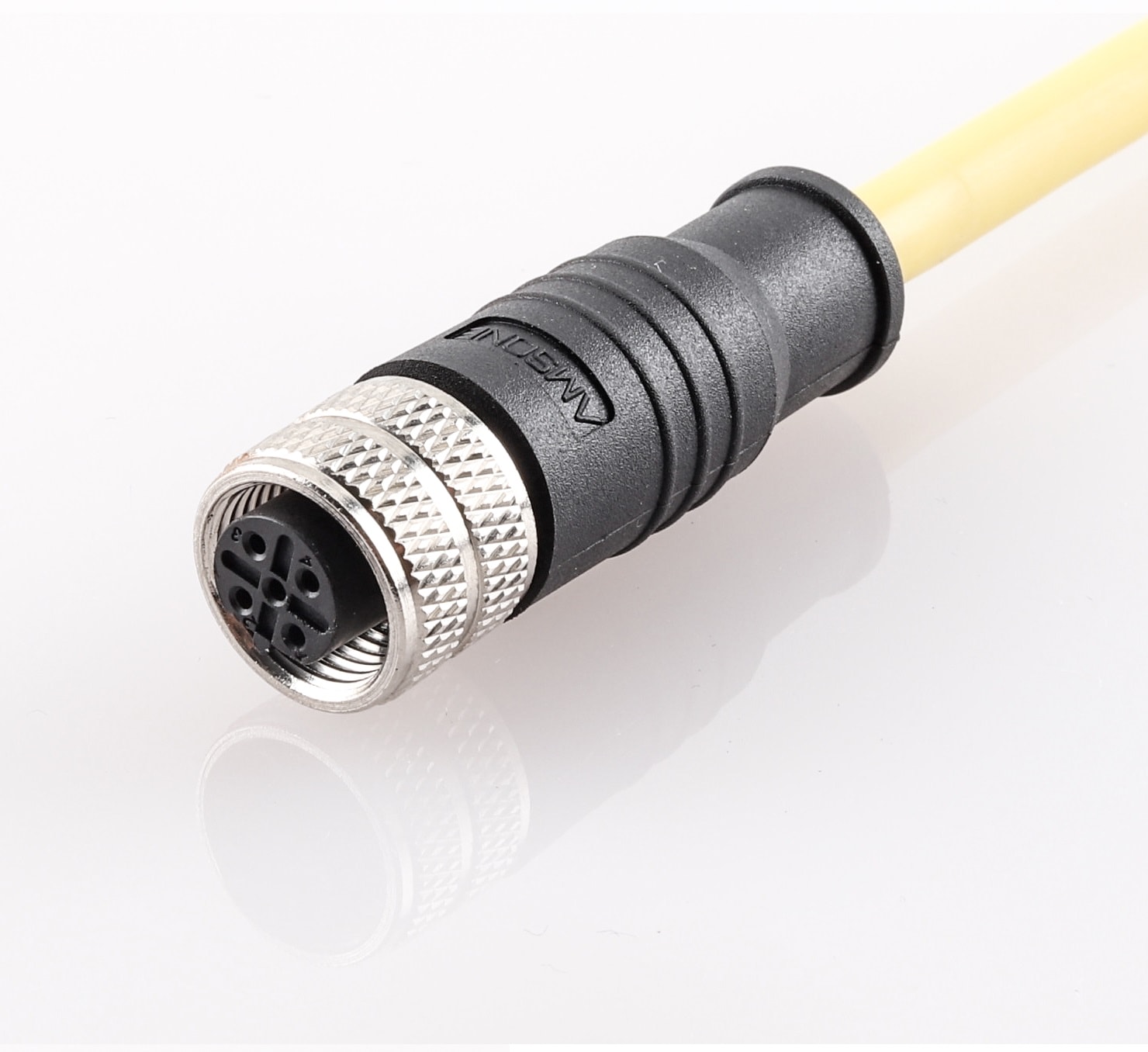
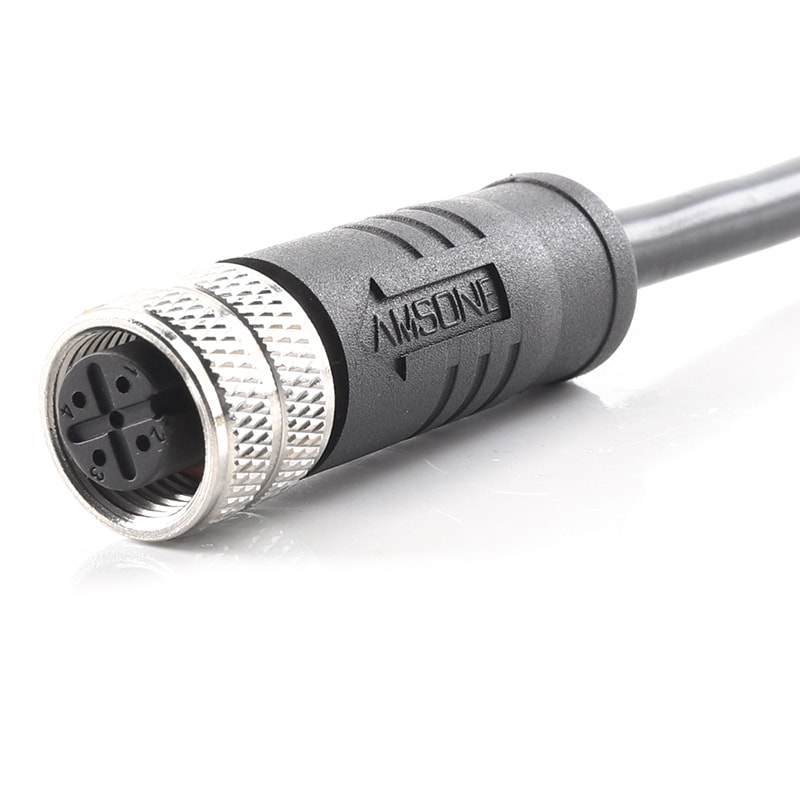
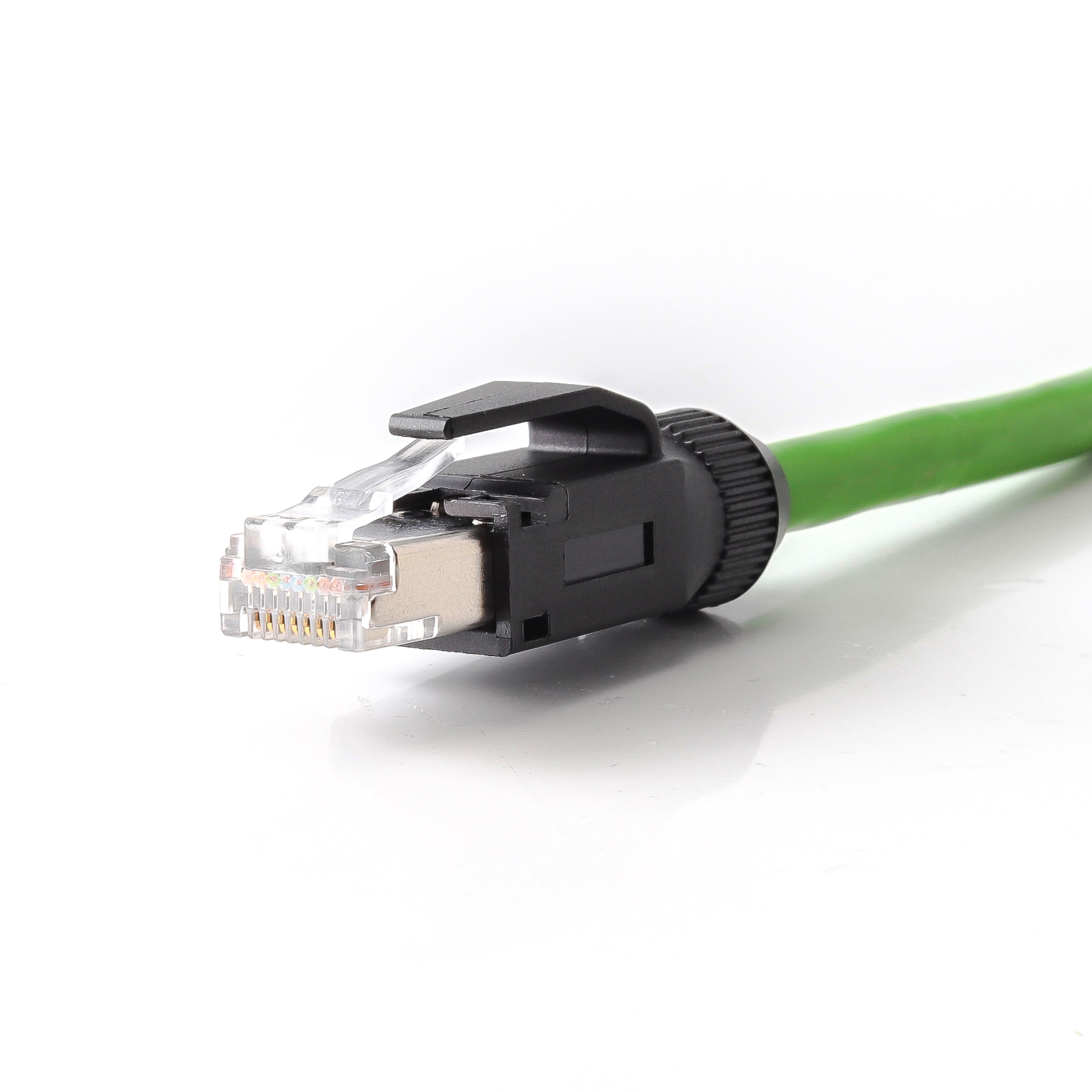
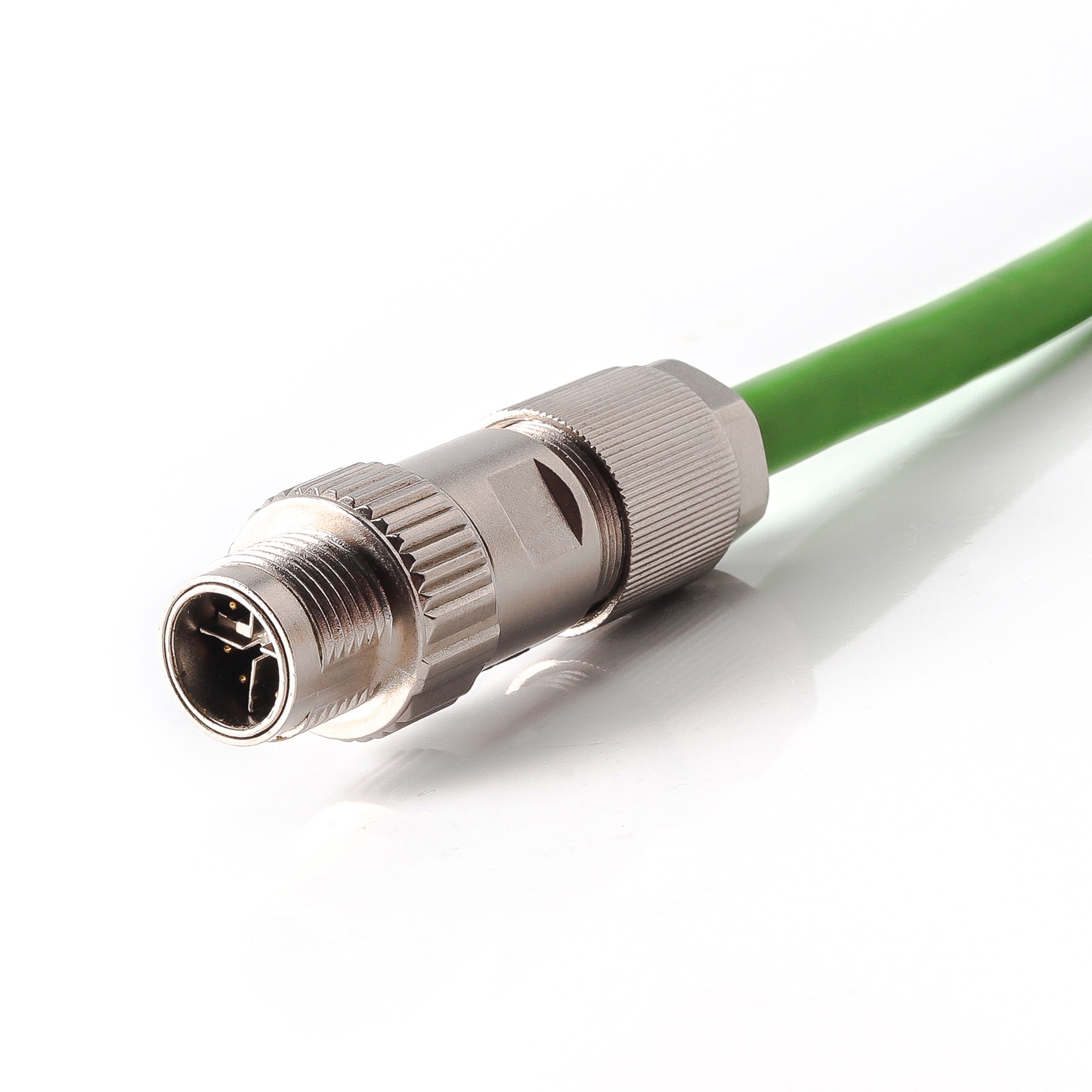
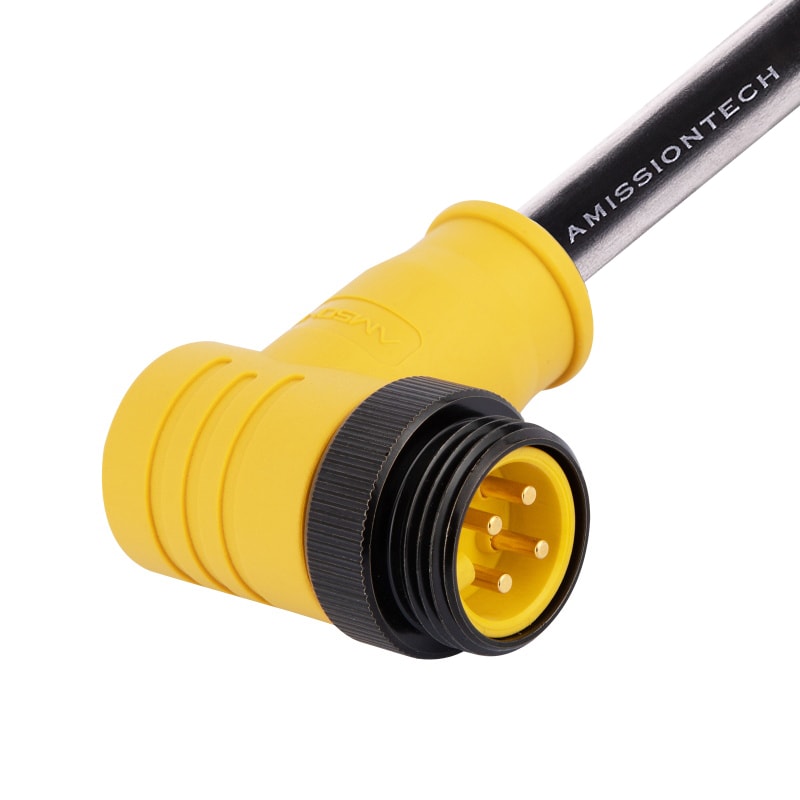
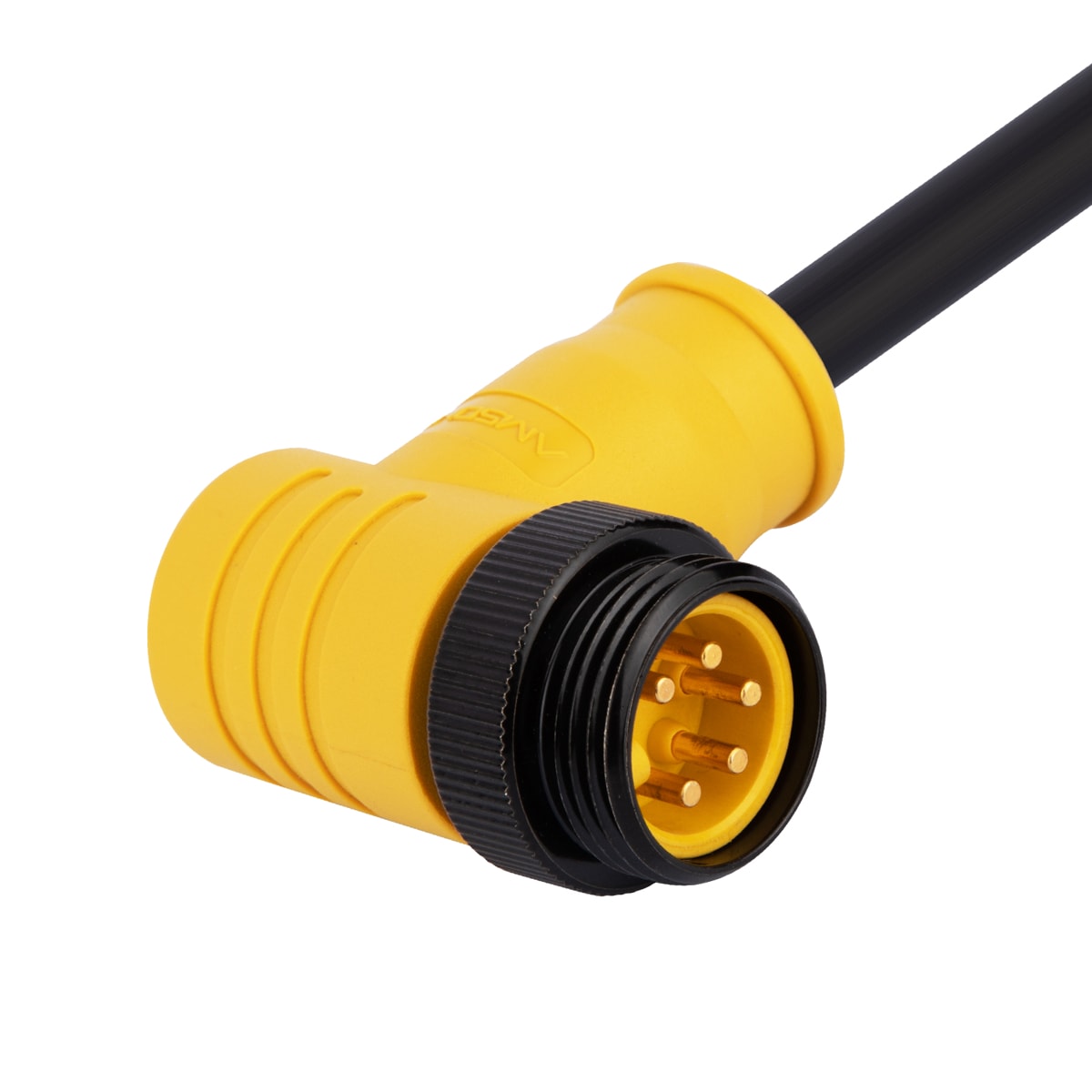
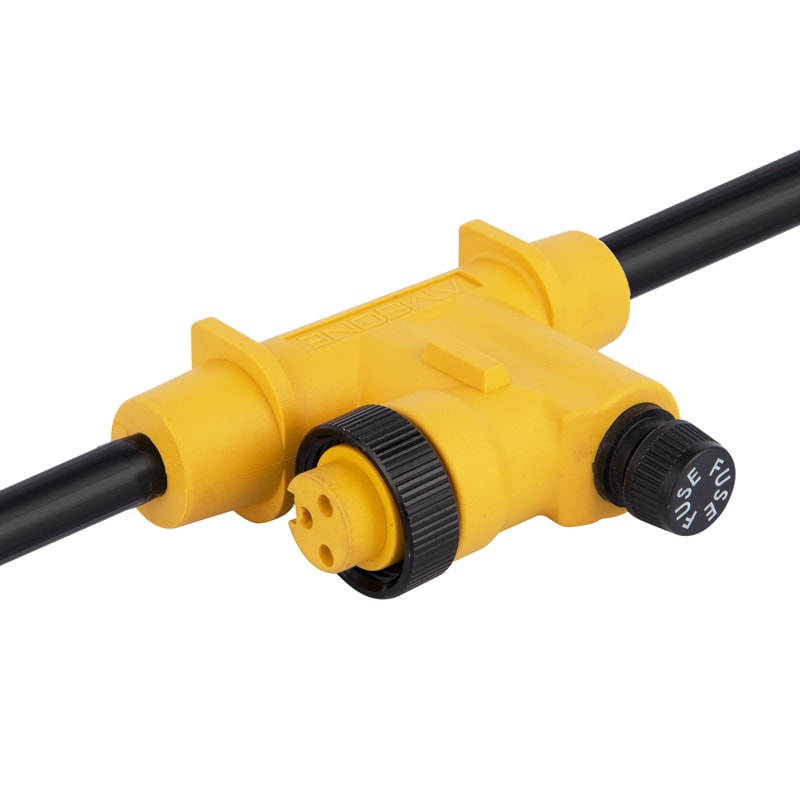
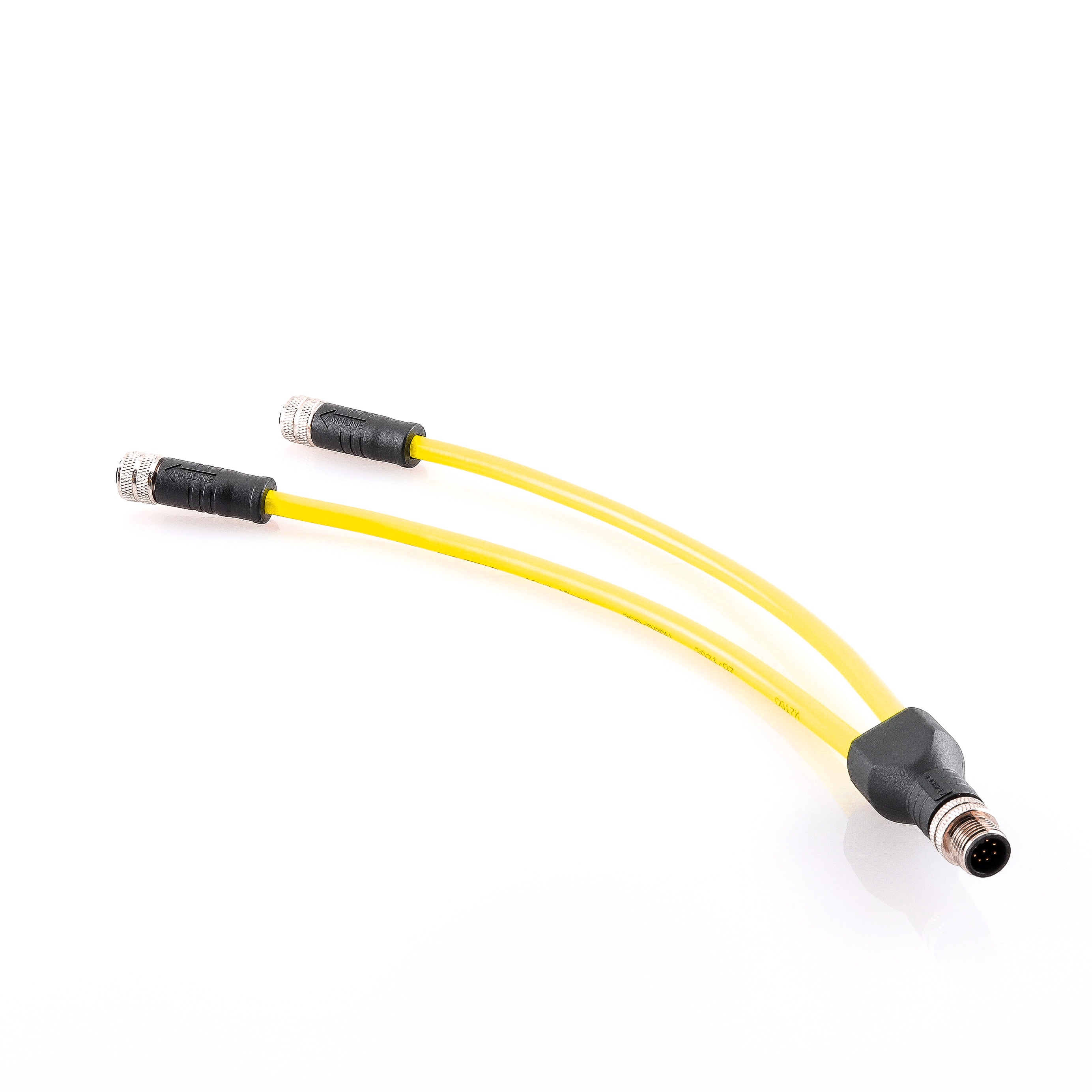
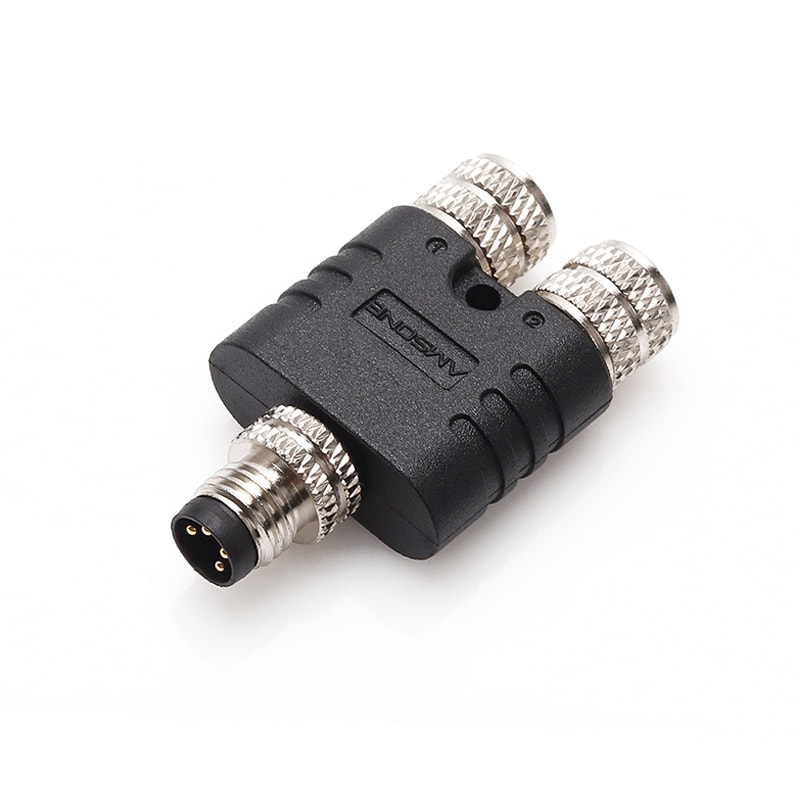
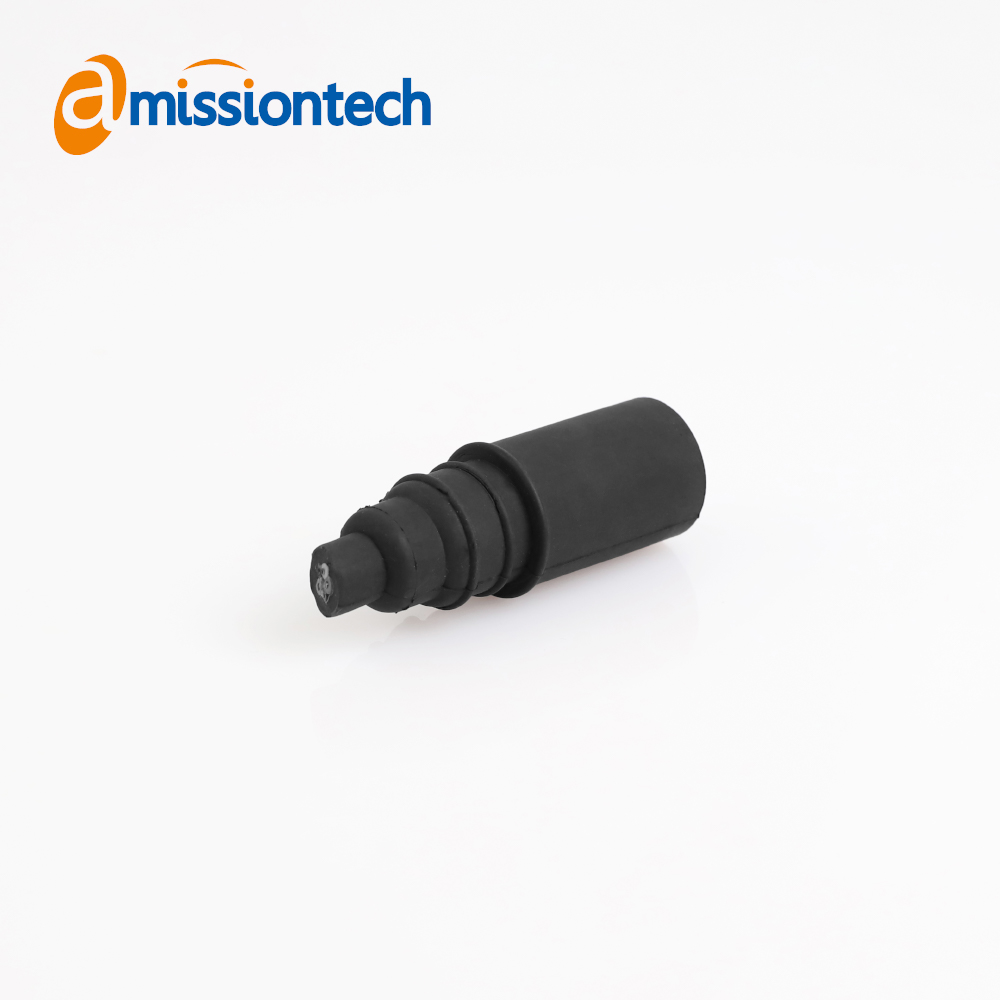
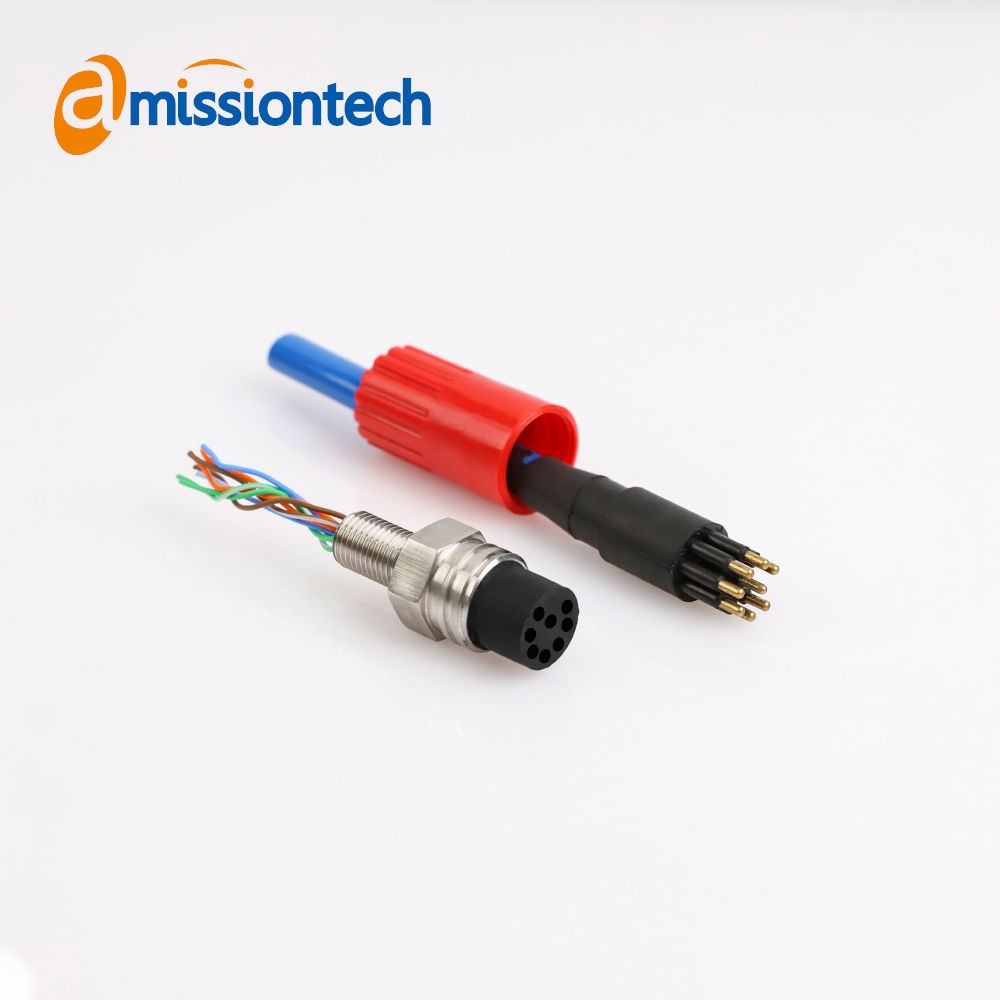
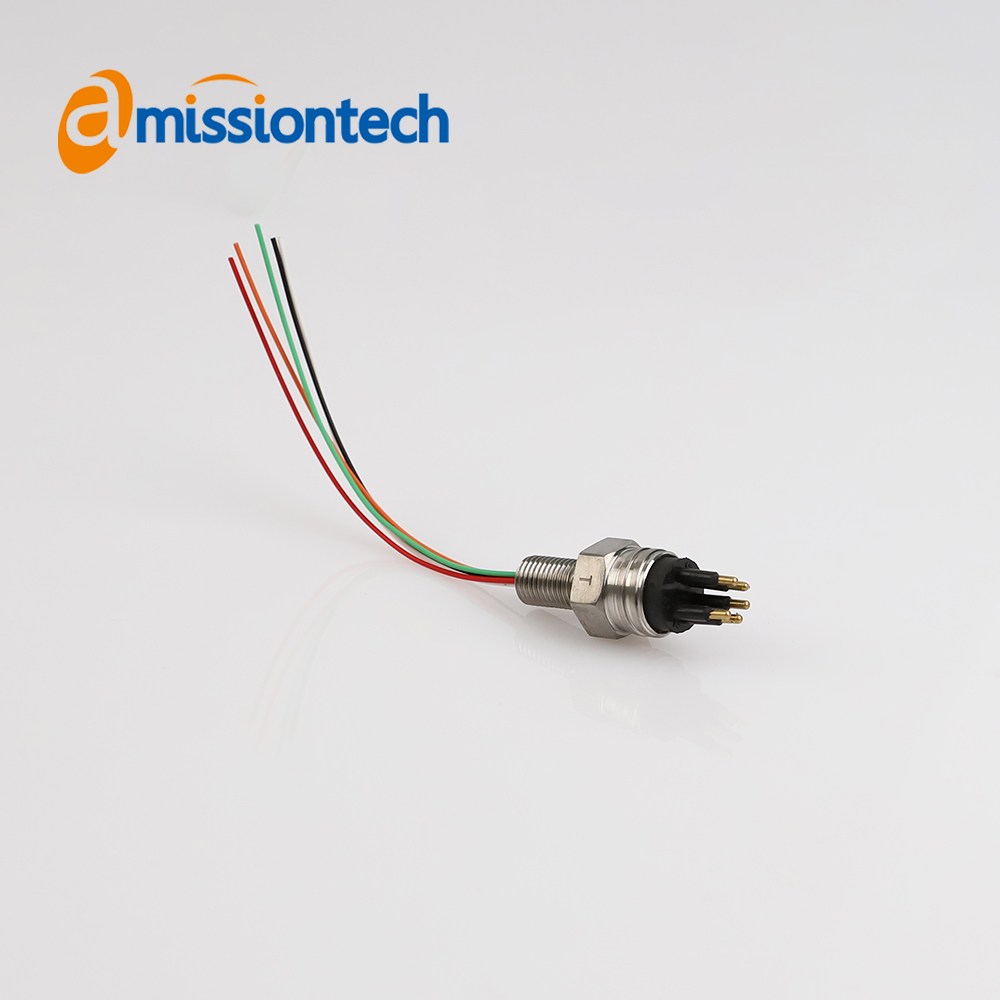



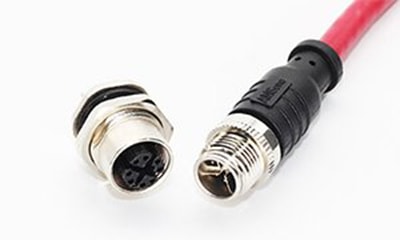
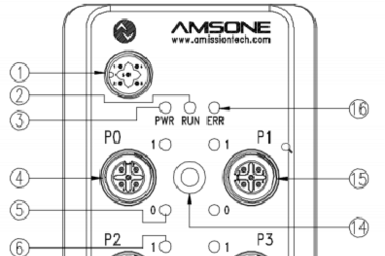
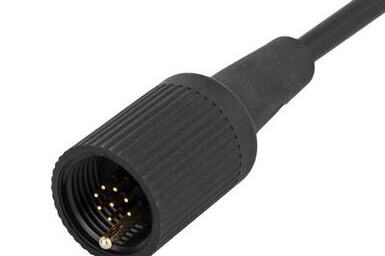

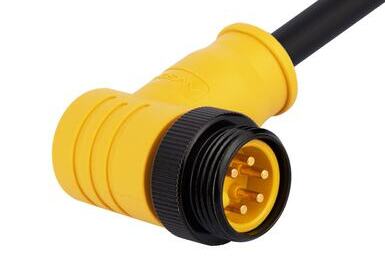
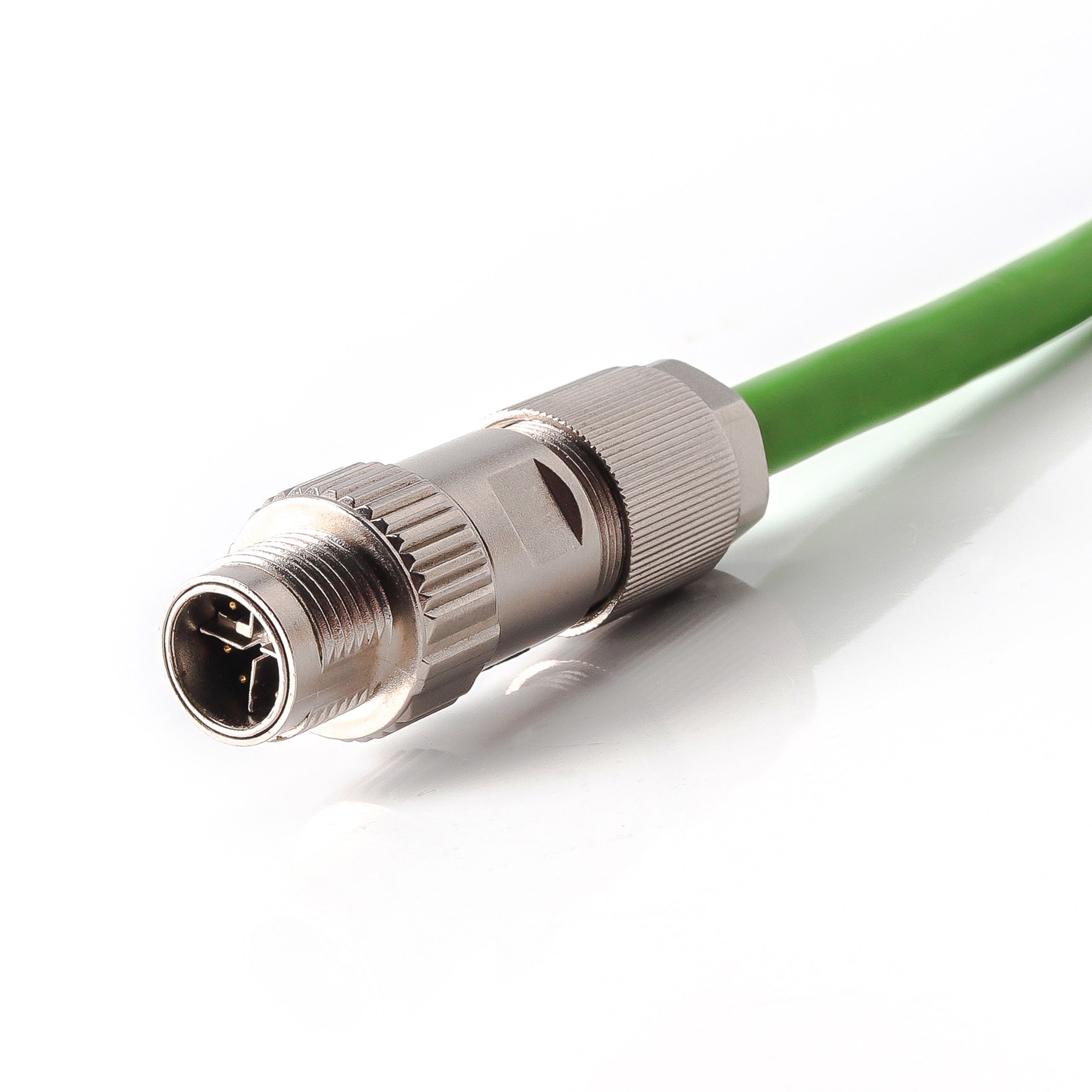
Modern underwater missions rely on reliable technologies that can survive in extreme marine environments. Activities such as deep-sea exploration, offshore inspection, aquaculture monitoring, and underwater security patrols all heavily depend on robotic systems to perform complex tasks that humans cannot safely undertake. These robots must continuously transmit power, instructions, and data underwater, and often operate in deep-sea environments.
In this context, waterproof connectors become the key link that maintains the operation of the system. They serve as sealing channels, transmitting power and signals between surface equipment and underwater devices.
However, designing reliable connections for underwater use is extremely challenging. The marine environment introduces multiple risks that can quickly damage standard electrical components. One of the most critical factors is hydrostatic pressure. As depth increases, pressure rises dramatically, placing enormous stress on connector housings and seals. If the sealing system fails, water intrusion can cause short circuits and permanent equipment damage.
In addition to pressure, corrosion is another major concern. Seawater contains salt and minerals that accelerate the degradation of metals and insulating materials. Over time, this corrosion can weaken contacts and compromise signal transmission. Furthermore, marine organisms can attach to surfaces, creating biological fouling that interferes with connector performance.
Temperature changes and humidity also affect reliability. Underwater equipment may experience thermal cycling as it moves between surface and deep water. These fluctuations can cause expansion and contraction of materials, potentially weakening seals. At the same time, suspended particles, sediment, and vibration from currents or machinery introduce mechanical stress that connectors must withstand. Together, these conditions demand highly specialized designs rather than conventional waterproof solutions.
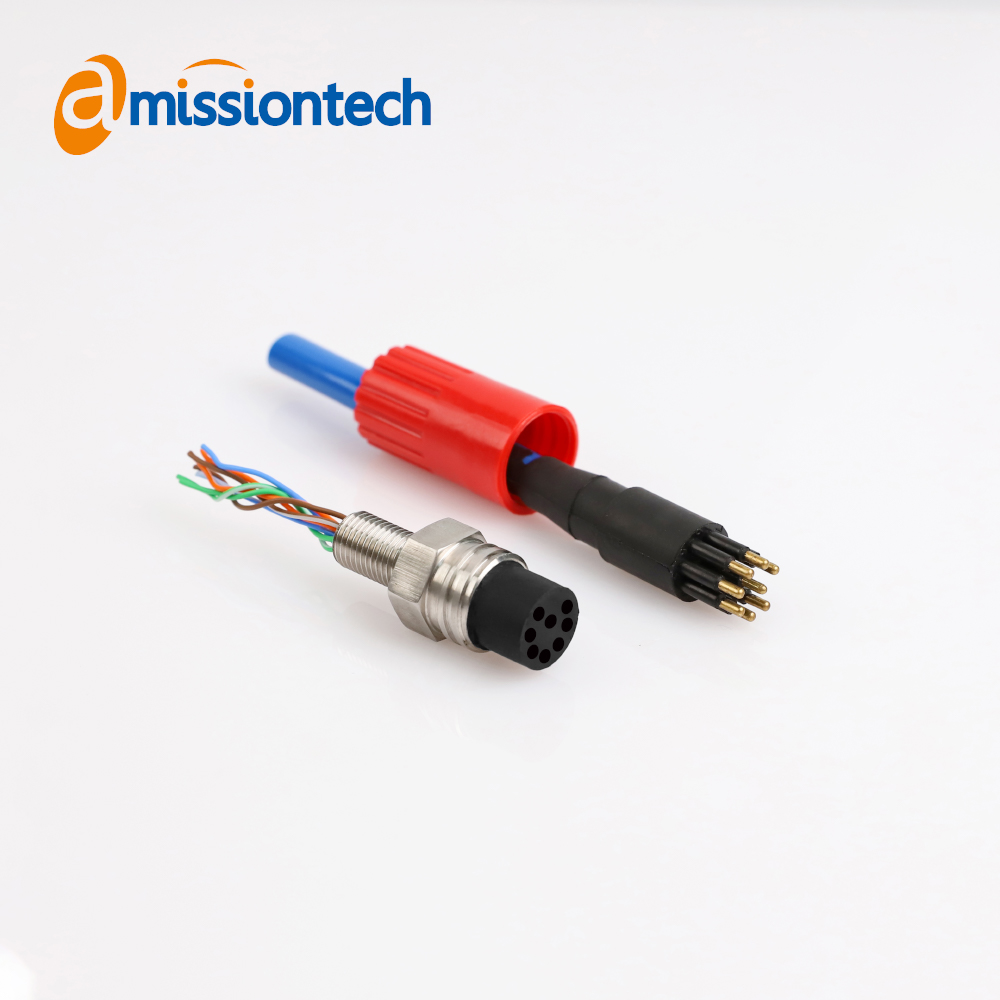
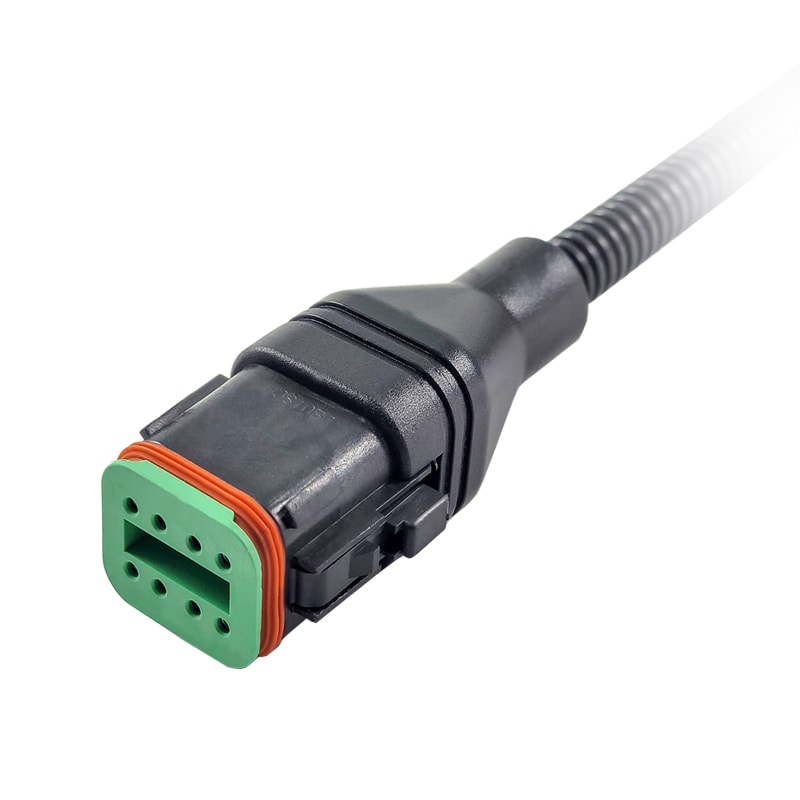
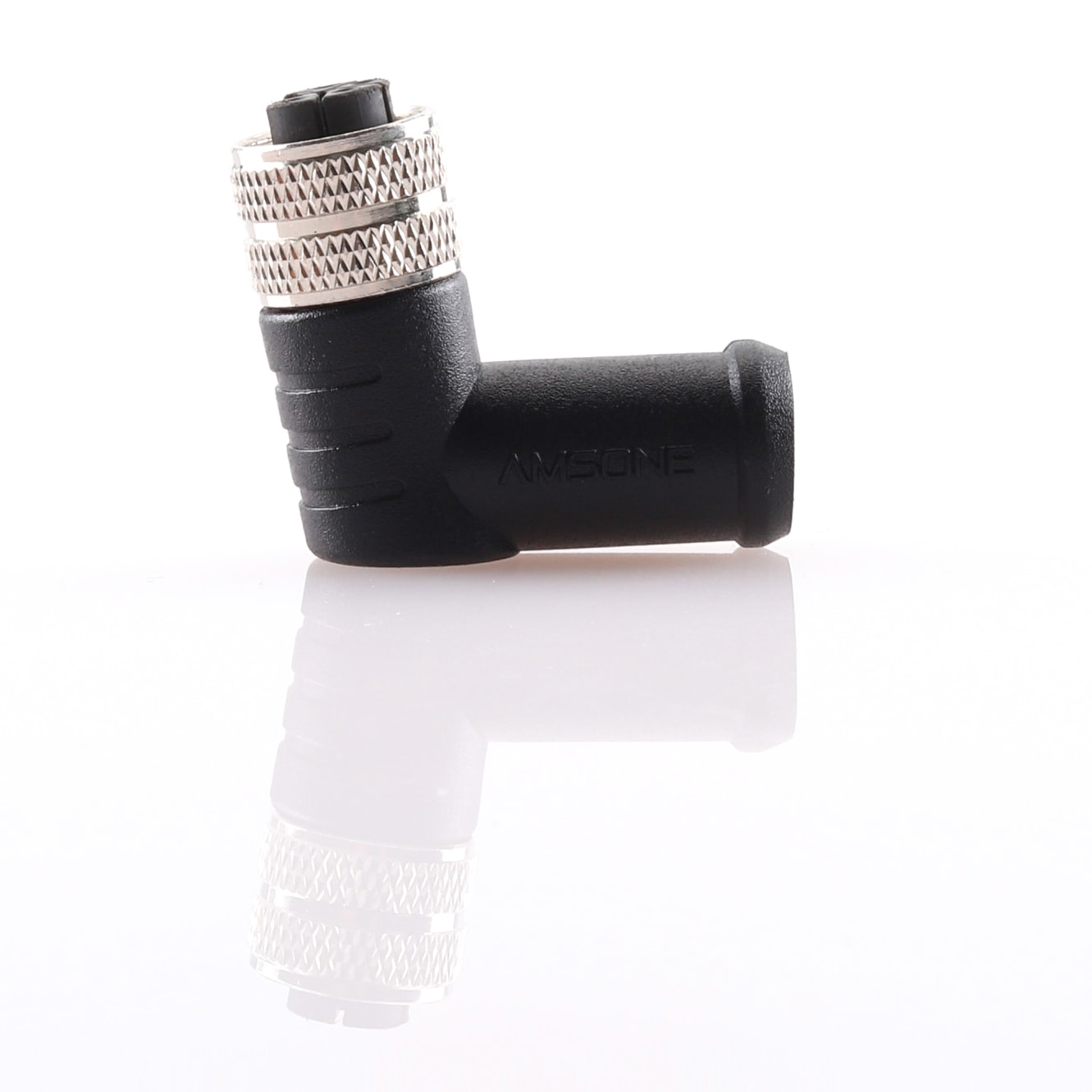
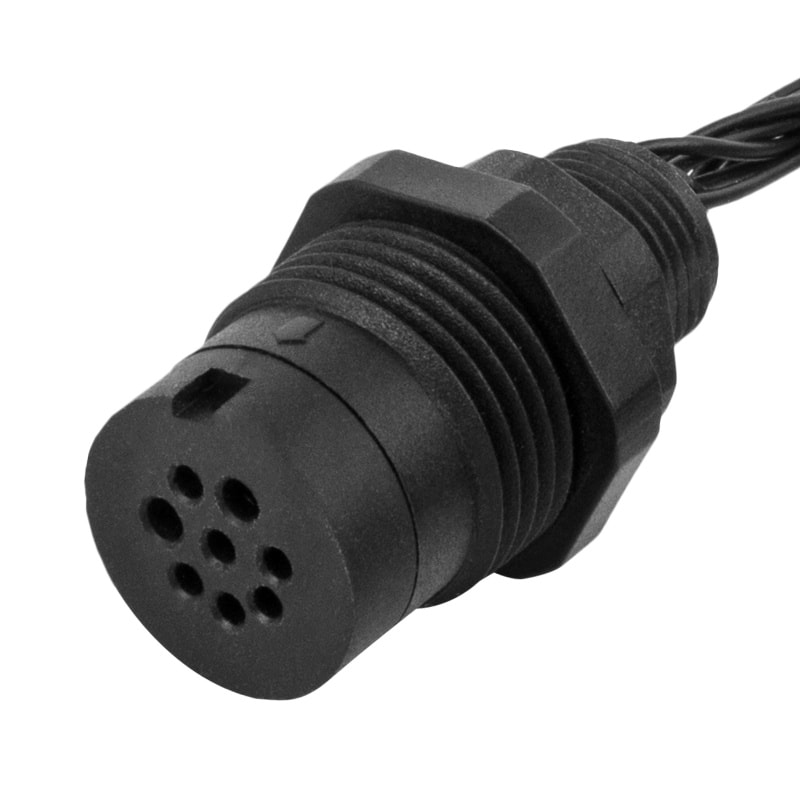
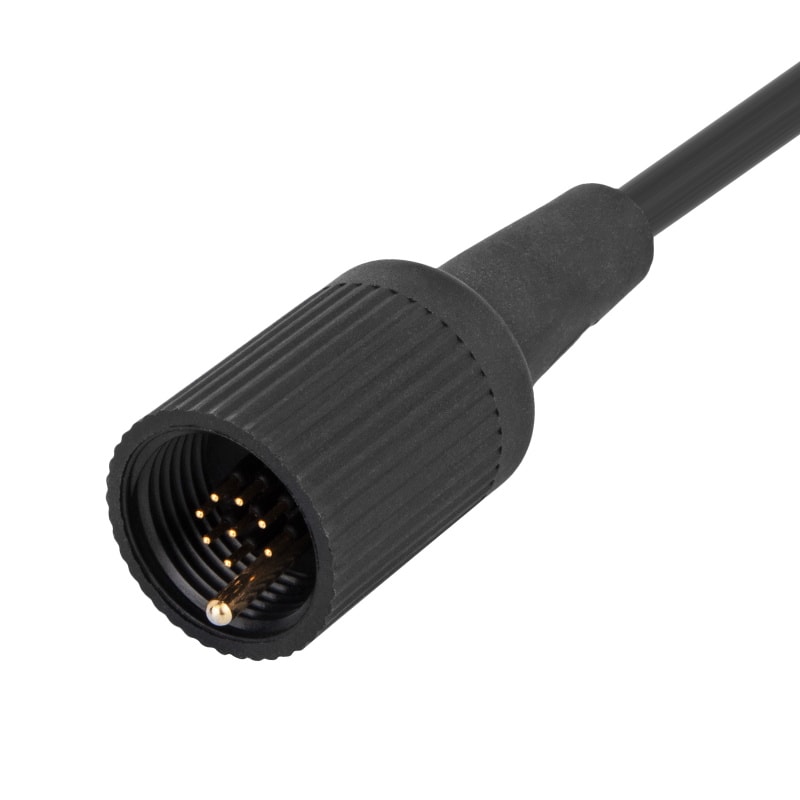
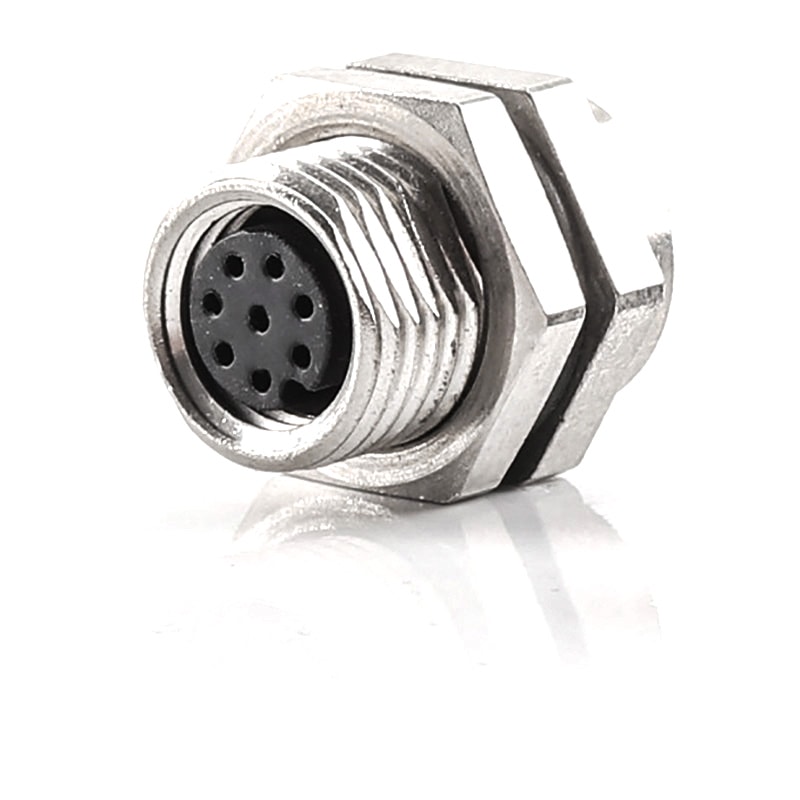
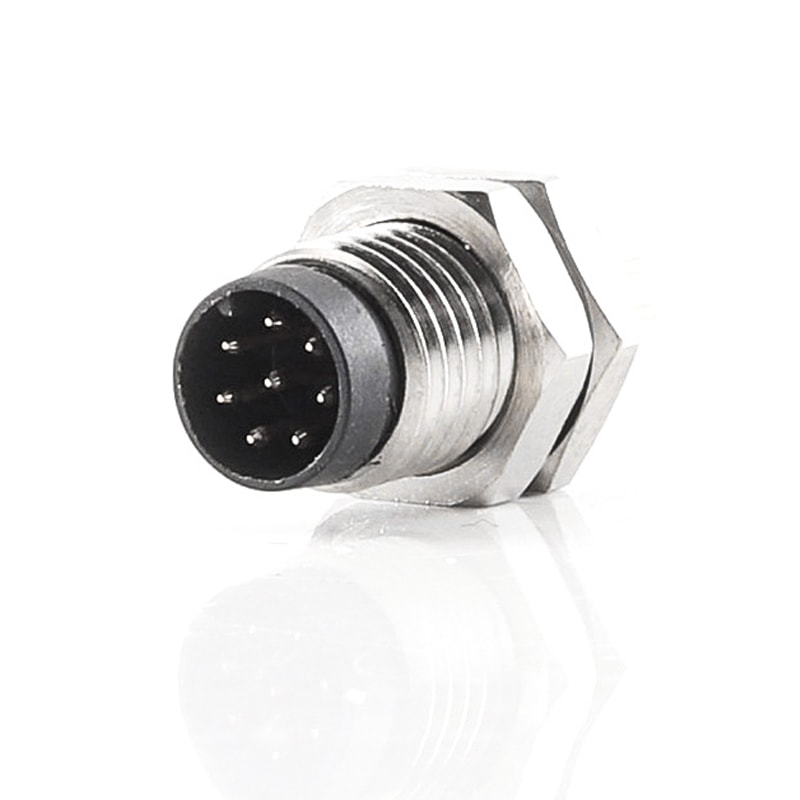
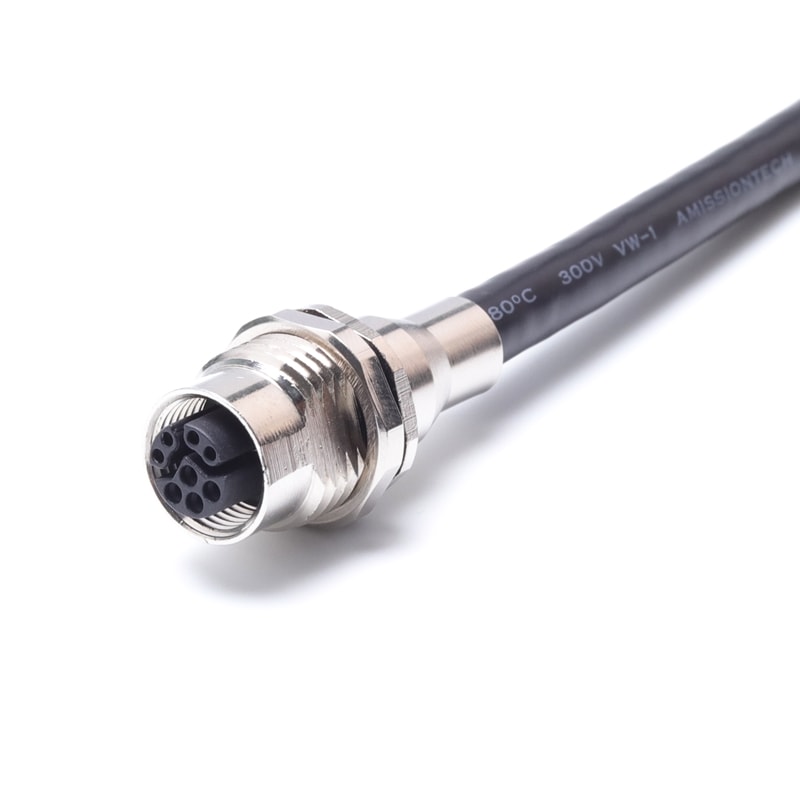
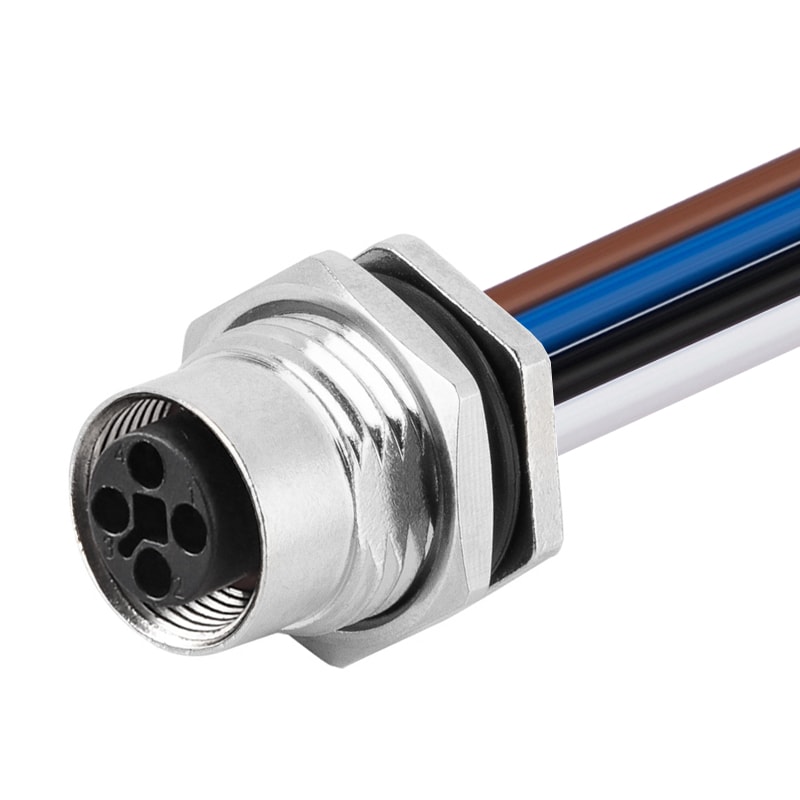
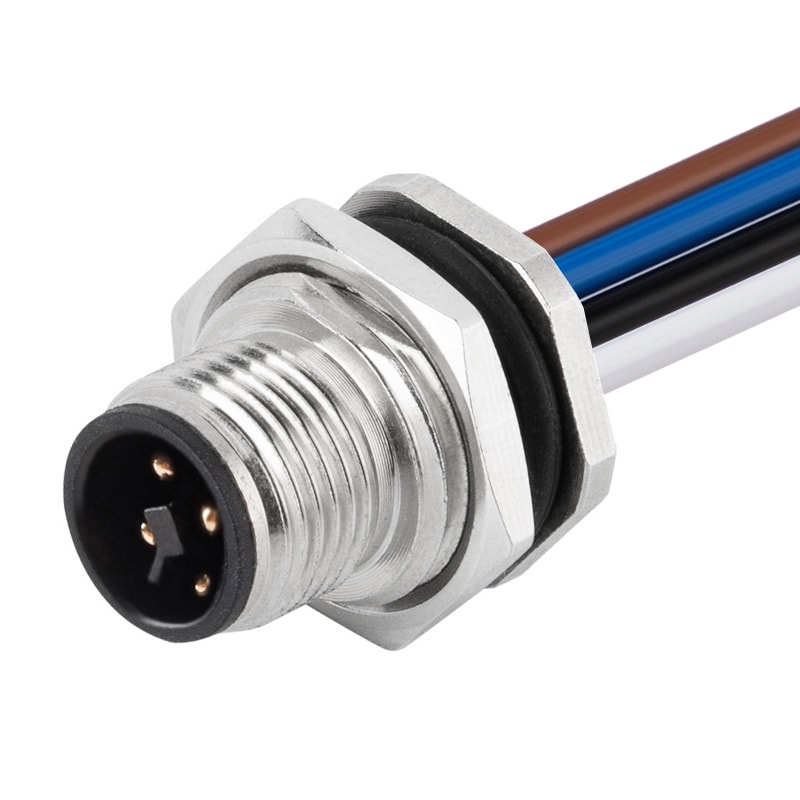
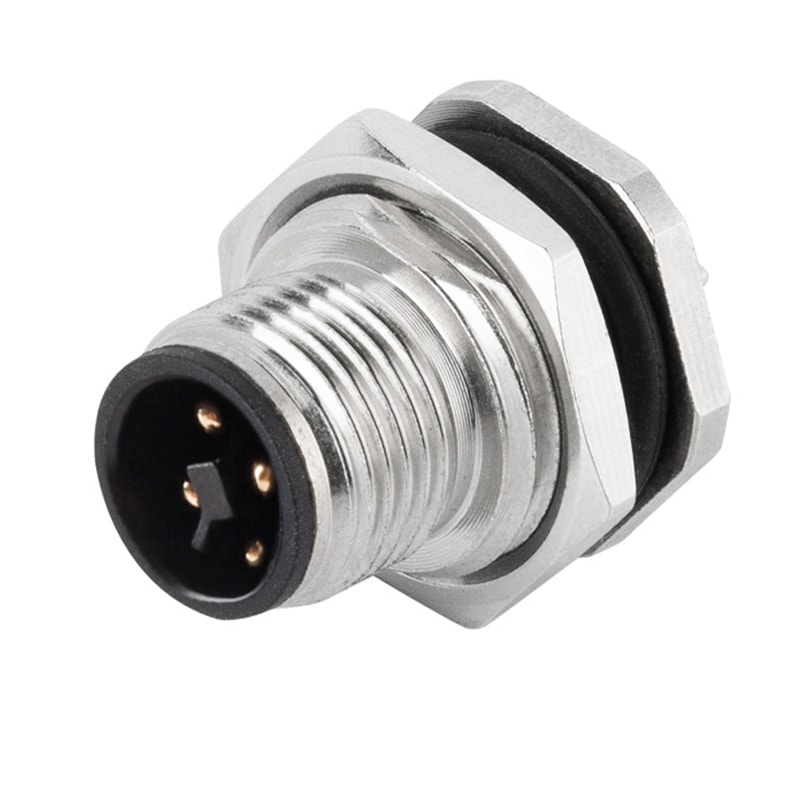
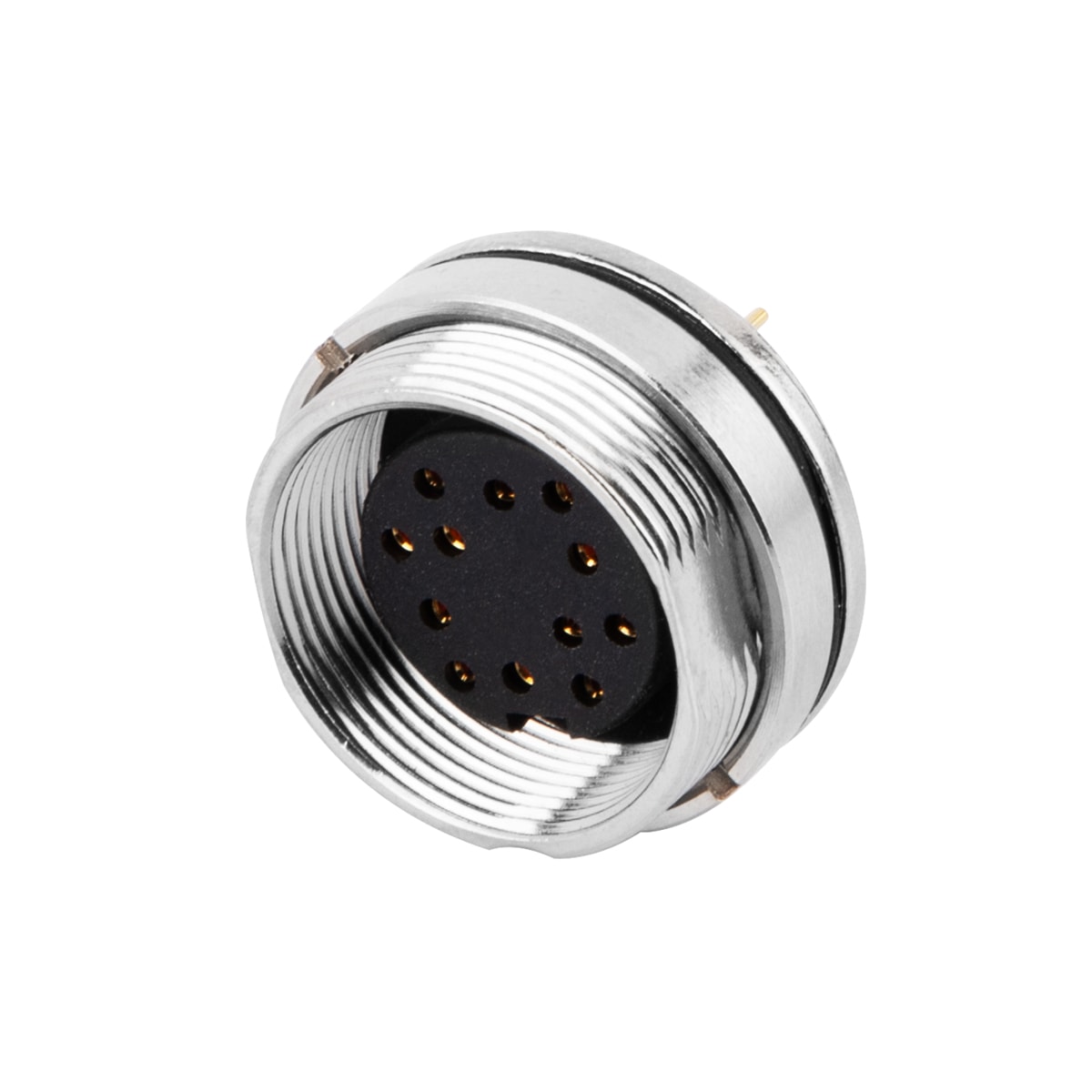
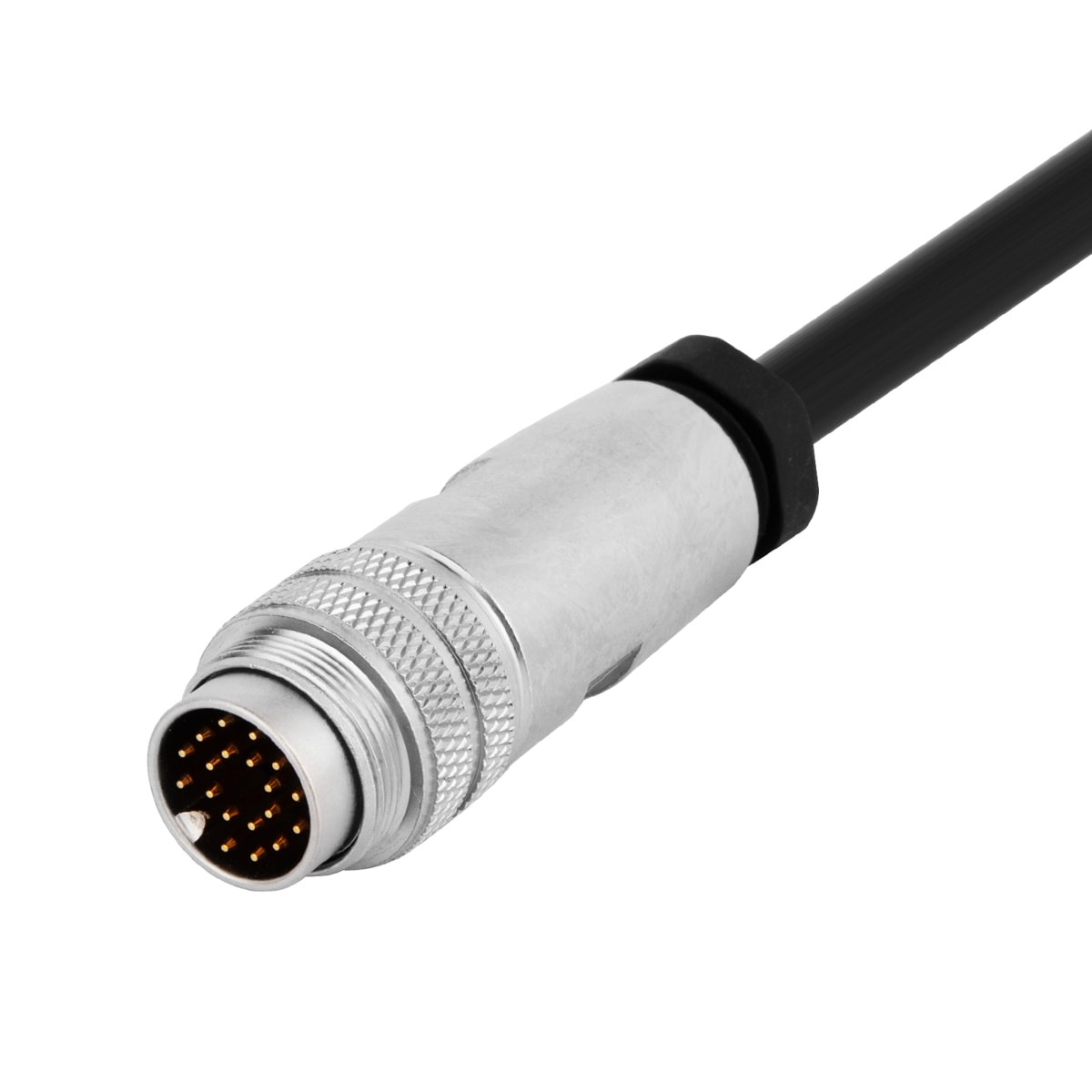
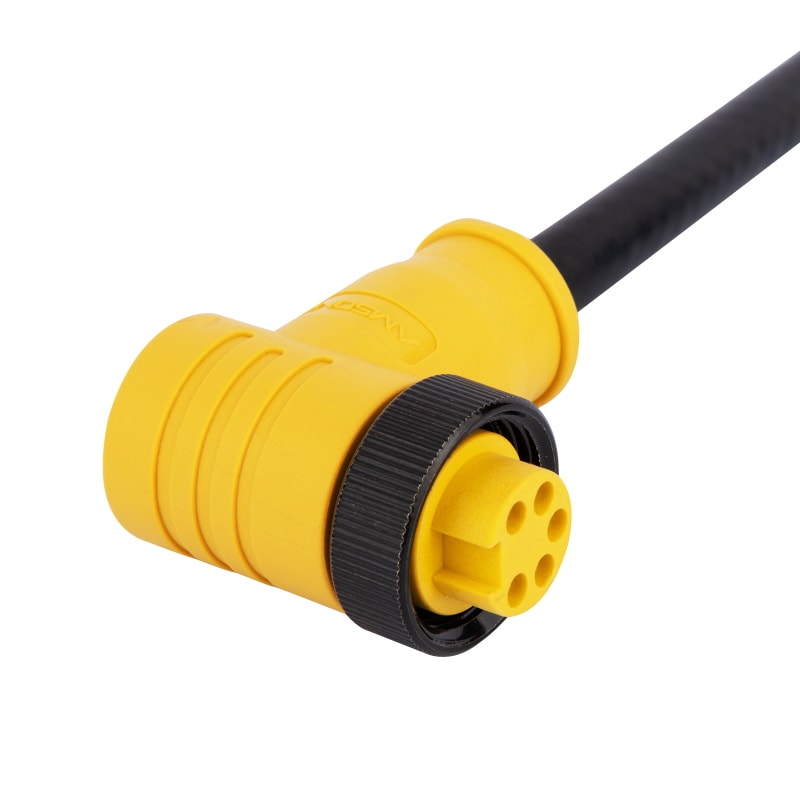
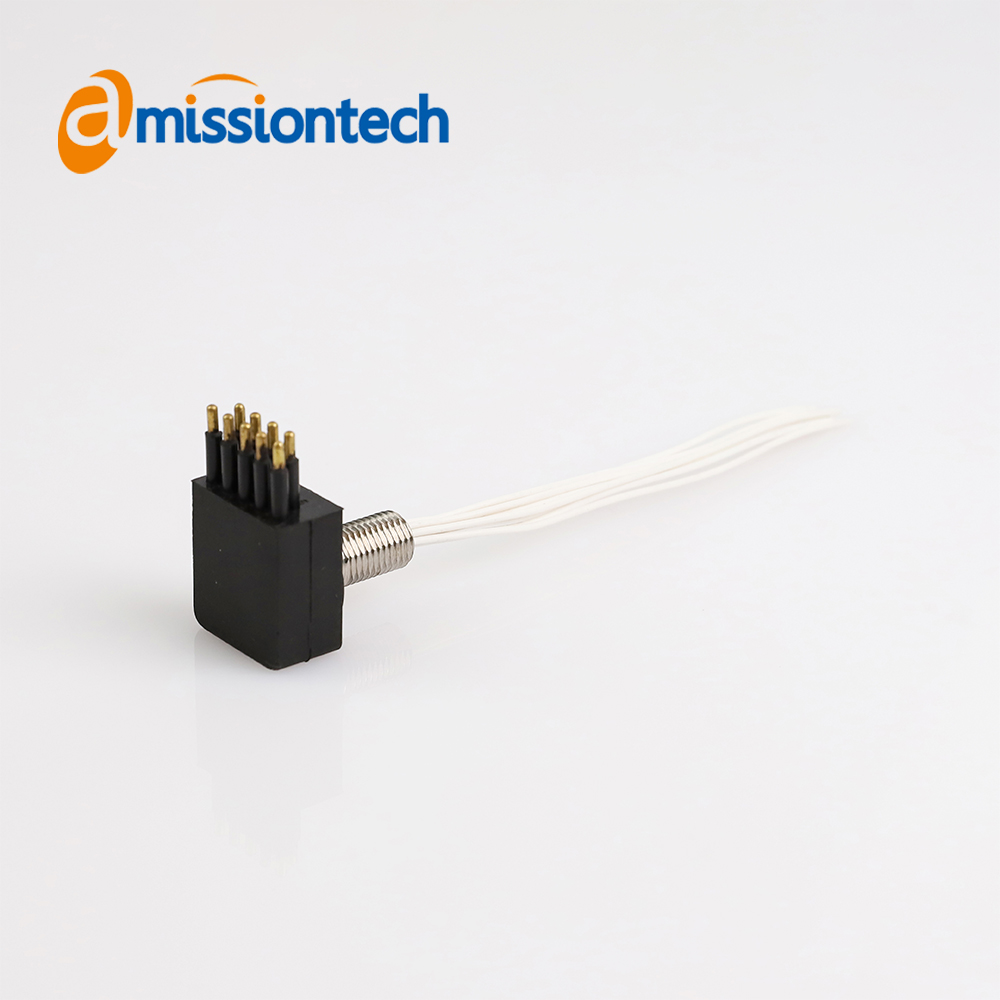
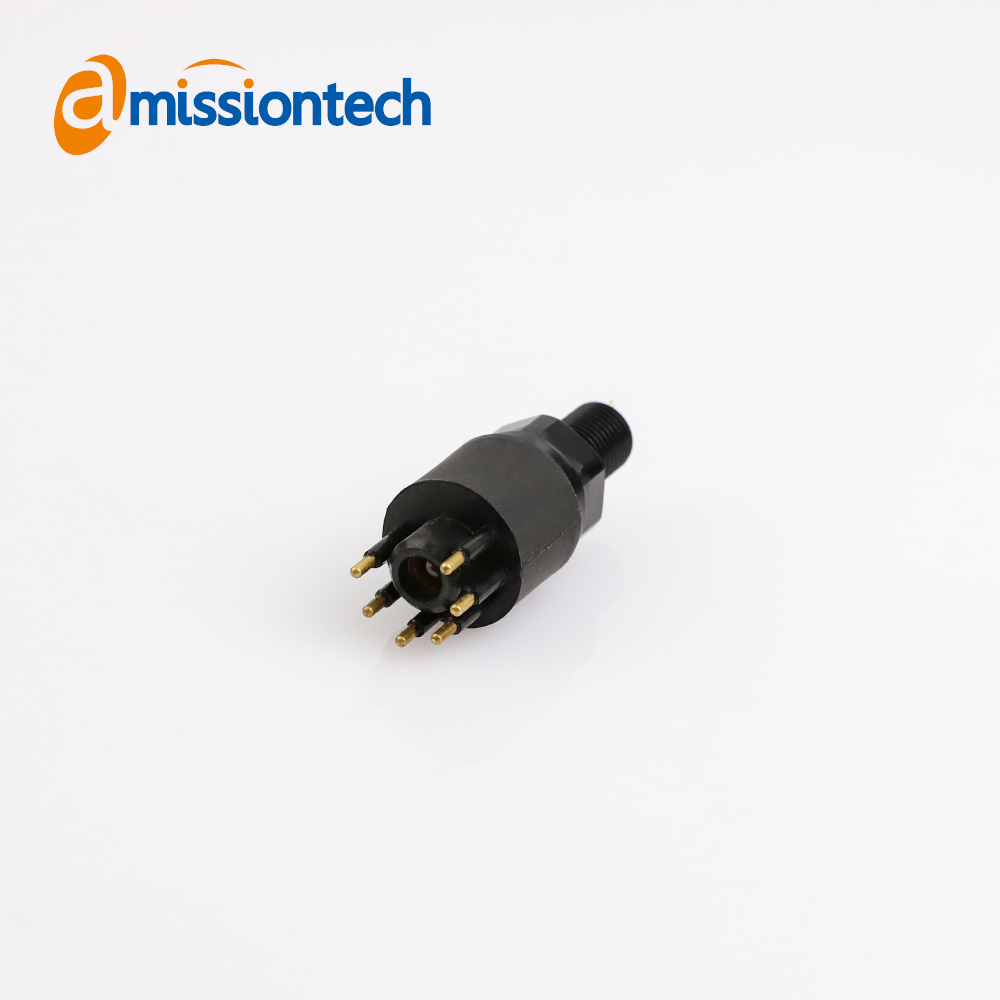
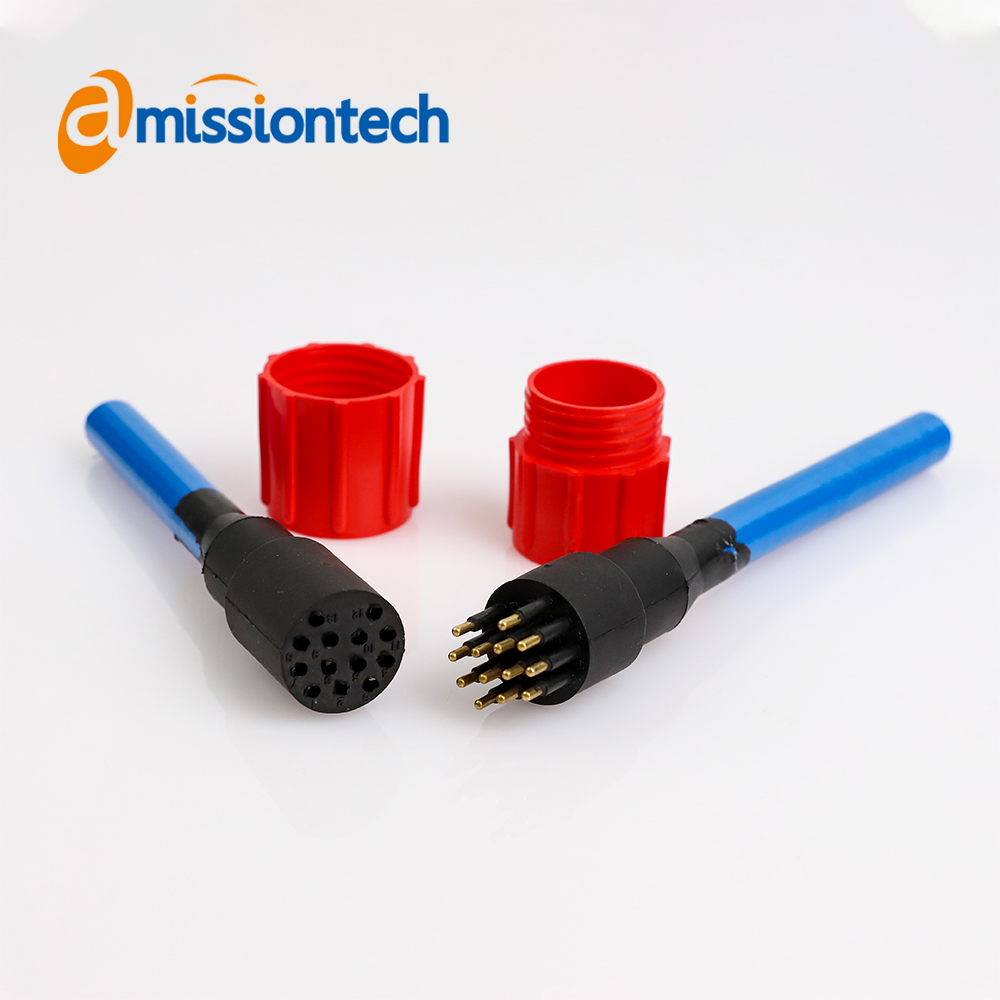
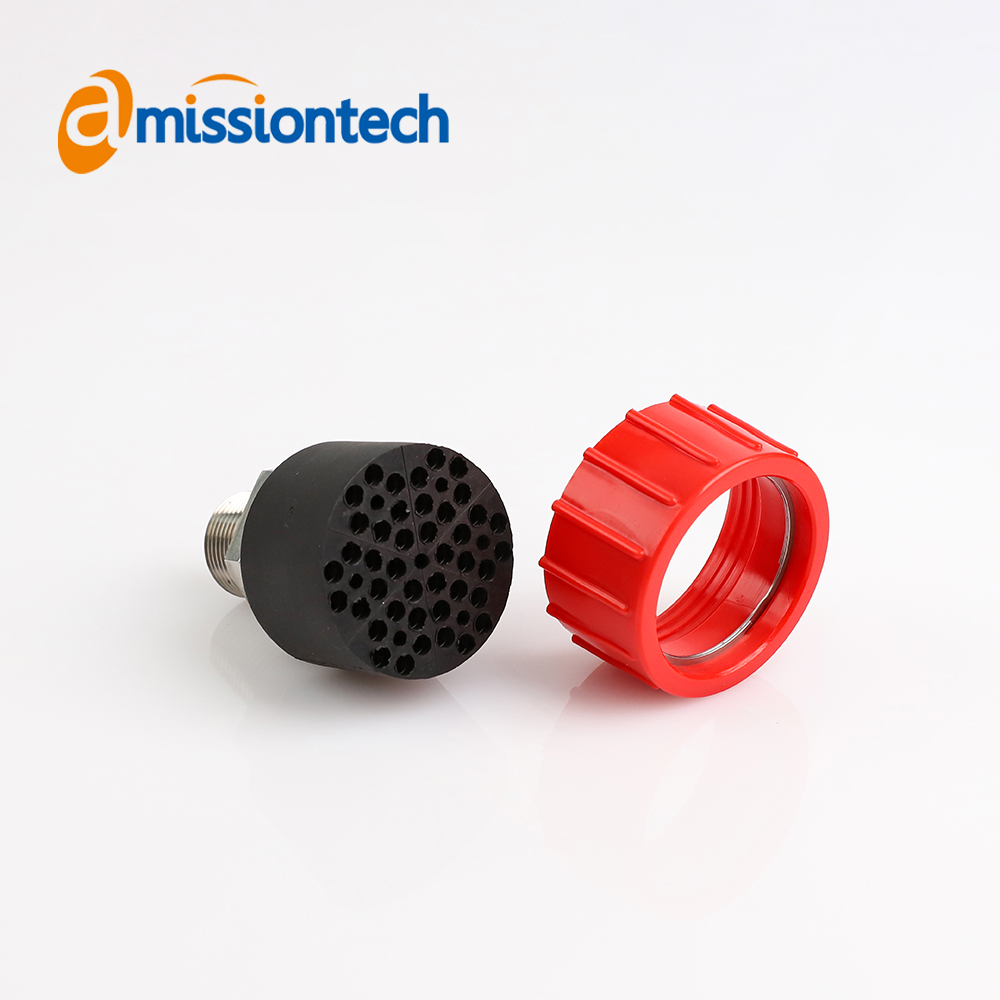
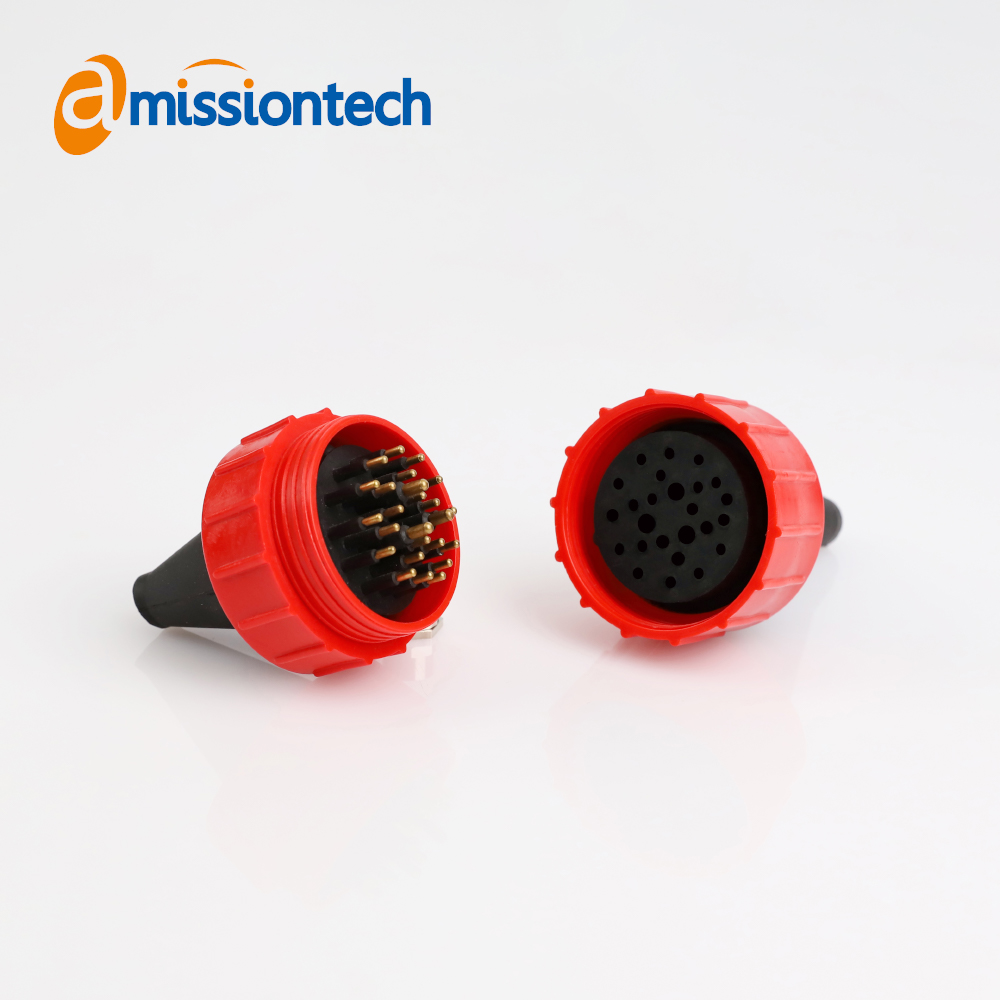
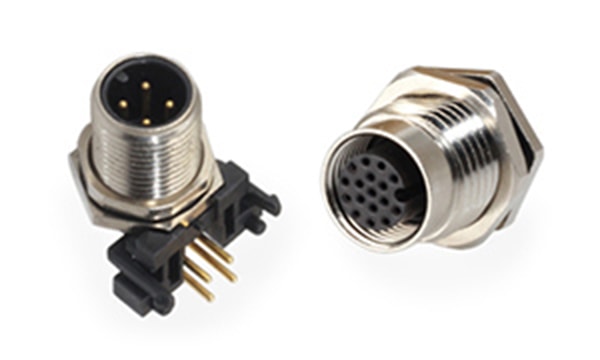
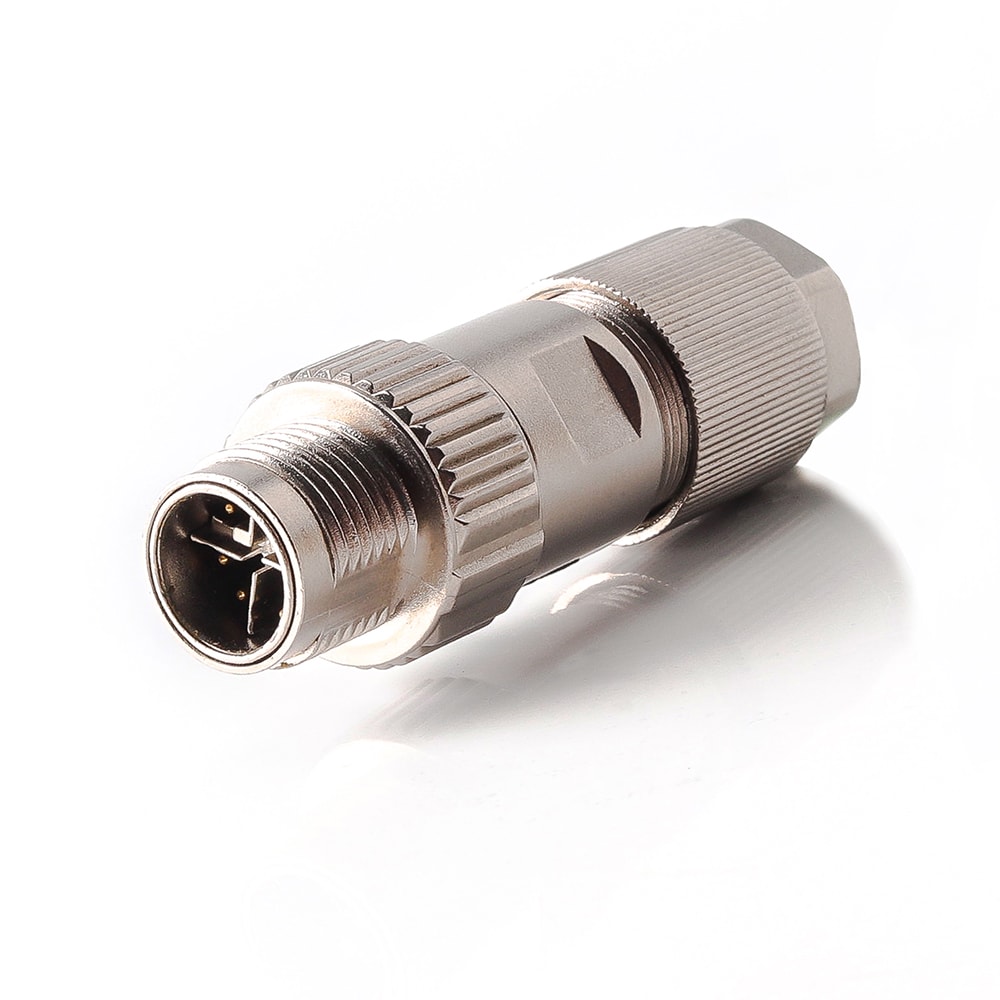
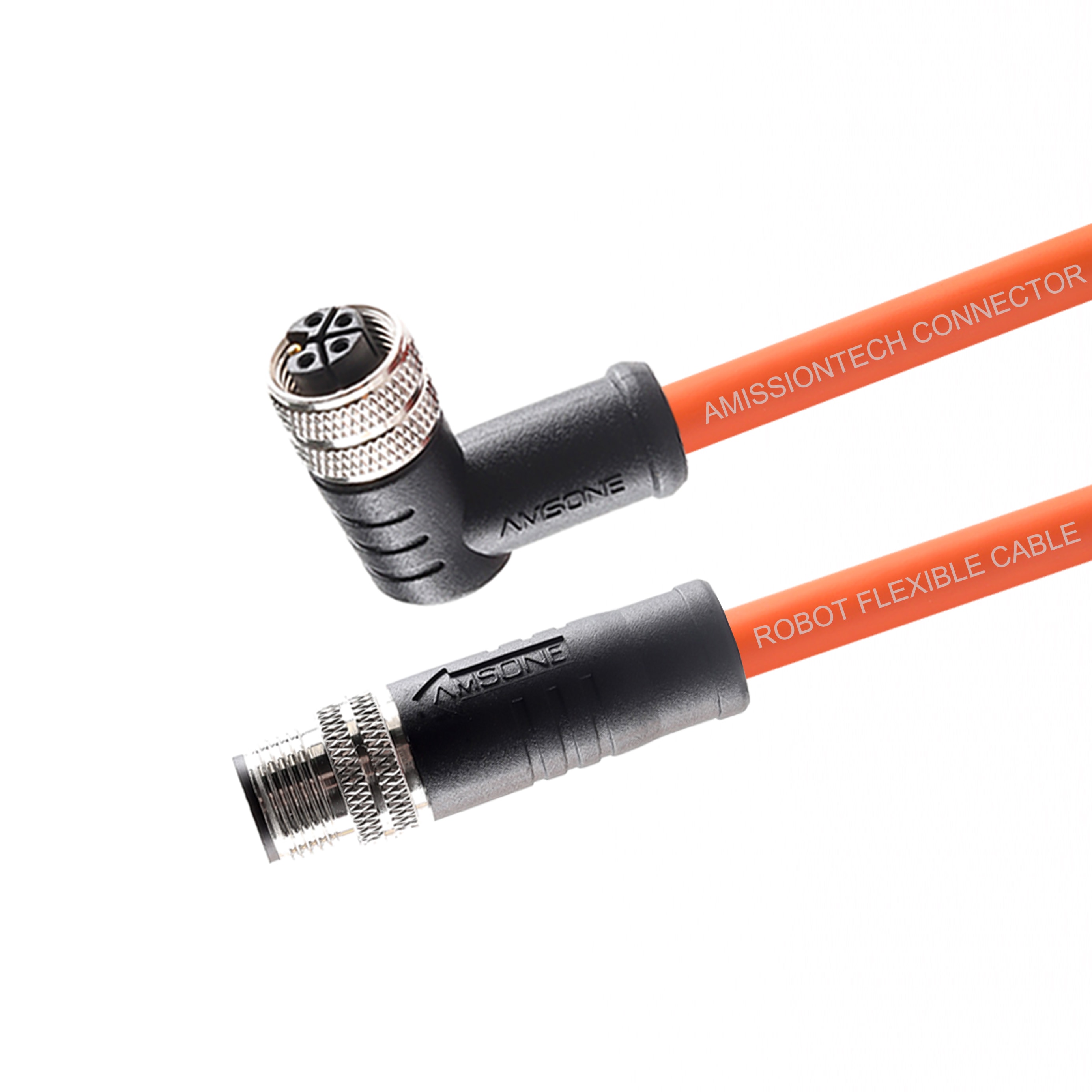
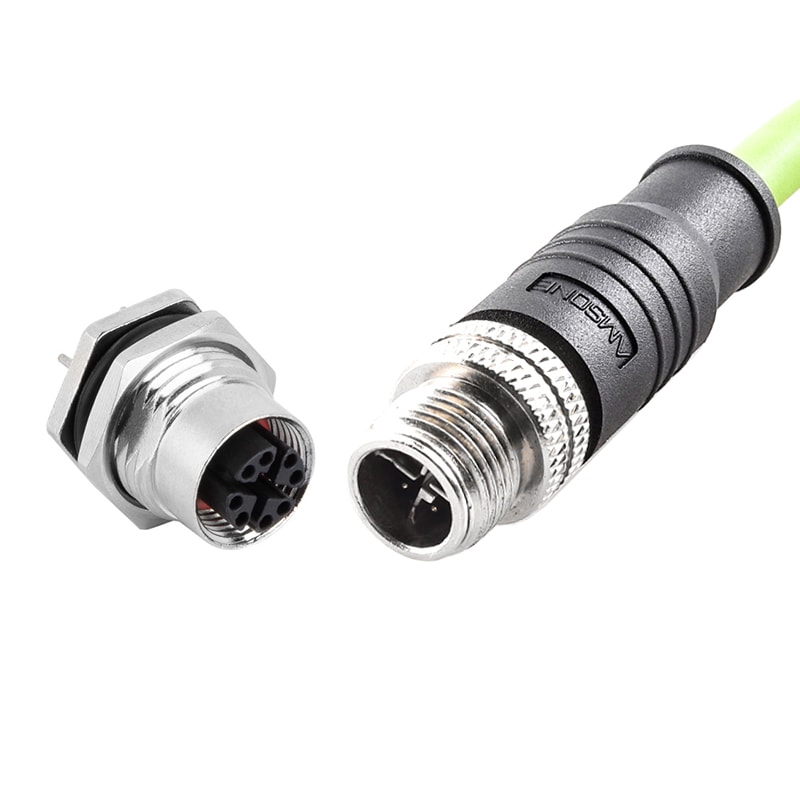
Given these harsh conditions, watertight connector s are specifically engineered to maintain electrical integrity underwater. Unlike standard waterproof connectors designed for rain or splashes, watertight connectors can operate while fully submerged and under pressure. Their primary function is to prevent water ingress while allowing efficient transmission of power, electrical signals, or optical data.
Equally important, these connectors must maintain performance over long periods. Key characteristics include strong sealing capability, resistance to corrosion, stable electrical contact, and the ability to tolerate mechanical stress. By combining these features, watertight connectors enable underwater systems to operate safely and continuously, even in deep-sea environments.
First of all, underwater robots require a steady and reliable power supply to operate thrusters, robotic arms, cameras, and sensors. Watertight connectors provide the pathway for this energy transfer. High-conductivity materials are used to minimize electrical resistance, ensuring efficient power delivery even over long cables. Additionally, insulation systems are designed to handle high voltages safely, reducing the risk of leakage in high-pressure environments.
At the same time, underwater operations depend on accurate communication. Robots must send video, sonar readings, and environmental data to operators while receiving control commands. Watertight connectors support these two-way transmissions by maintaining clean electrical pathways and shielding against electromagnetic interference. In advanced systems, connectors may also support optical fibers for high-speed data transfer, allowing real-time monitoring of underwater missions.
Finally, watertight connectors enable all subsystems of an underwater robot to work together as a unified system. From navigation sensors to manipulator controls, each component relies on stable connections to function correctly. Reliable connectors reduce the risk of unexpected failures, which is especially important for long-duration missions where maintenance is difficult or impossible.
To achieve reliable performance, watertight connectors use specialized sealing technologies. Common solutions include O-ring seals, elastomer gaskets, and composite sealing systems. Some designs employ pressure-assisted sealing, where external water pressure actually strengthens the seal as depth increases. This approach ensures that connectors remain leak-free even in deep-sea conditions.
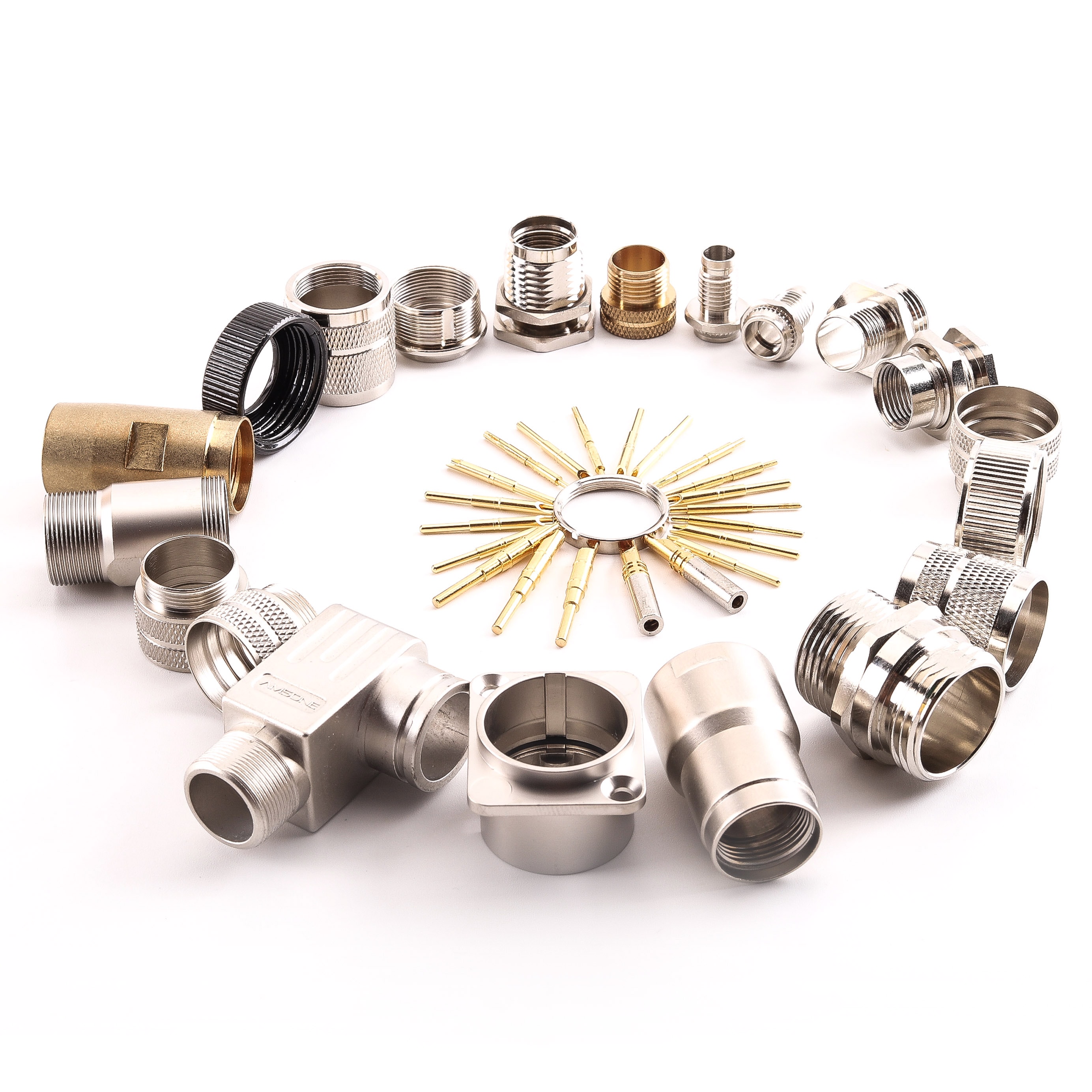
Equally important, material selection plays a major role in durability. Marine-grade metals and engineered plastics resist corrosion caused by saltwater exposure. Protective surface coatings further extend service life by preventing oxidation and chemical attack. These materials help connectors maintain structural integrity and electrical performance over time.
In addition to sealing and corrosion resistance, insulation systems must withstand extreme pressure without breaking down. Advanced insulating materials prevent electrical leakage and ensure safe operation of high-voltage circuits. Safety features are also integrated to protect both equipment and operators from electrical hazards during installation and use.
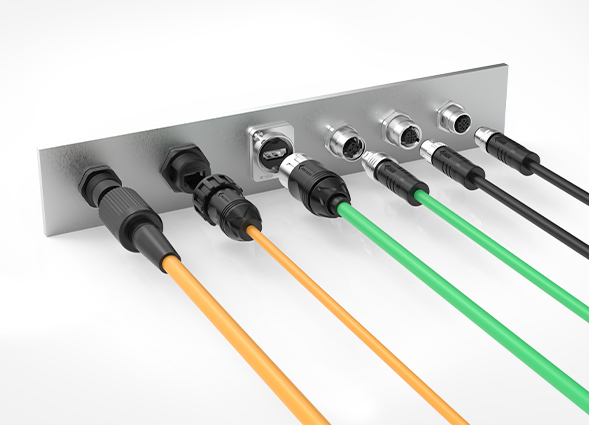
Finally, connection methods vary depending on operational requirements. Dry-mate connectors must be connected in a dry environment before deployment, offering simple design and high reliability. In contrast, wet-mate connectors can be connected and disconnected underwater, allowing maintenance and expansion without retrieving equipment to the surface. This capability significantly improves operational efficiency in complex subsea projects.
To better understand the value of watertight connectors, it is helpful to look at where underwater robots are commonly used. These machines operate in environments that are dangerous, inaccessible, or inefficient for human divers. In each case, reliable electrical and signal connections are essential for mission success.
First of all, underwater robots play a major role in deep-sea mineral exploration and offshore oil and gas platform inspection. Remotely operated vehicles (ROVs) are used to survey seabed conditions, inspect pipelines, and maintain subsea equipment. These tasks require continuous power supply and real-time video transmission. Watertight connectors ensure that cameras, sonar systems, and robotic manipulators remain fully functional under extreme pressure and corrosive seawater conditions. Without stable connectors, exploration missions would face high risks of communication loss or equipment failure.
In addition to energy exploration, underwater robots are increasingly used in aquaculture and marine research. Autonomous underwater vehicles (AUVs) monitor fish growth, water quality, and environmental changes in large farming zones. Sensors collect temperature, oxygen levels, and other biological data that must be transmitted accurately to surface stations. Watertight connectors enable long-term deployment by protecting sensor interfaces from moisture and corrosion. As a result, operators can maintain continuous monitoring without frequent maintenance interruptions.
Moreover, ports, dams, and critical infrastructure rely on underwater robots for security inspection and emergency response. Robots can detect suspicious objects, inspect structural damage, or assist in rescue operations after accidents. These missions often occur in murky water with strong currents and debris, placing heavy demands on equipment durability. Watertight connectors provide secure connections that resist vibration, impact, and water ingress, ensuring that navigation and communication systems remain stable during urgent operations.
Another important application involves civil engineering and infrastructure maintenance. Underwater robots are used to inspect harbor foundations, bridge supports, and underwater pipelines. They help engineers detect cracks, corrosion, or blockages without draining water or stopping operations. In such projects, connectors must support high-definition imaging systems and precise control signals. Reliable watertight connectors allow engineers to gather accurate data efficiently, reducing downtime and maintenance costs.
Finally, underwater robotic technology is also applied in municipal services. Robots inspect underwater sections of drainage systems, reservoirs, and utility tunnels to detect leaks or structural issues. These environments often contain contaminated water and debris, making reliability even more critical. Watertight connectors ensure that inspection tools operate safely and continuously, helping cities maintain essential infrastructure without exposing workers to hazardous conditions.
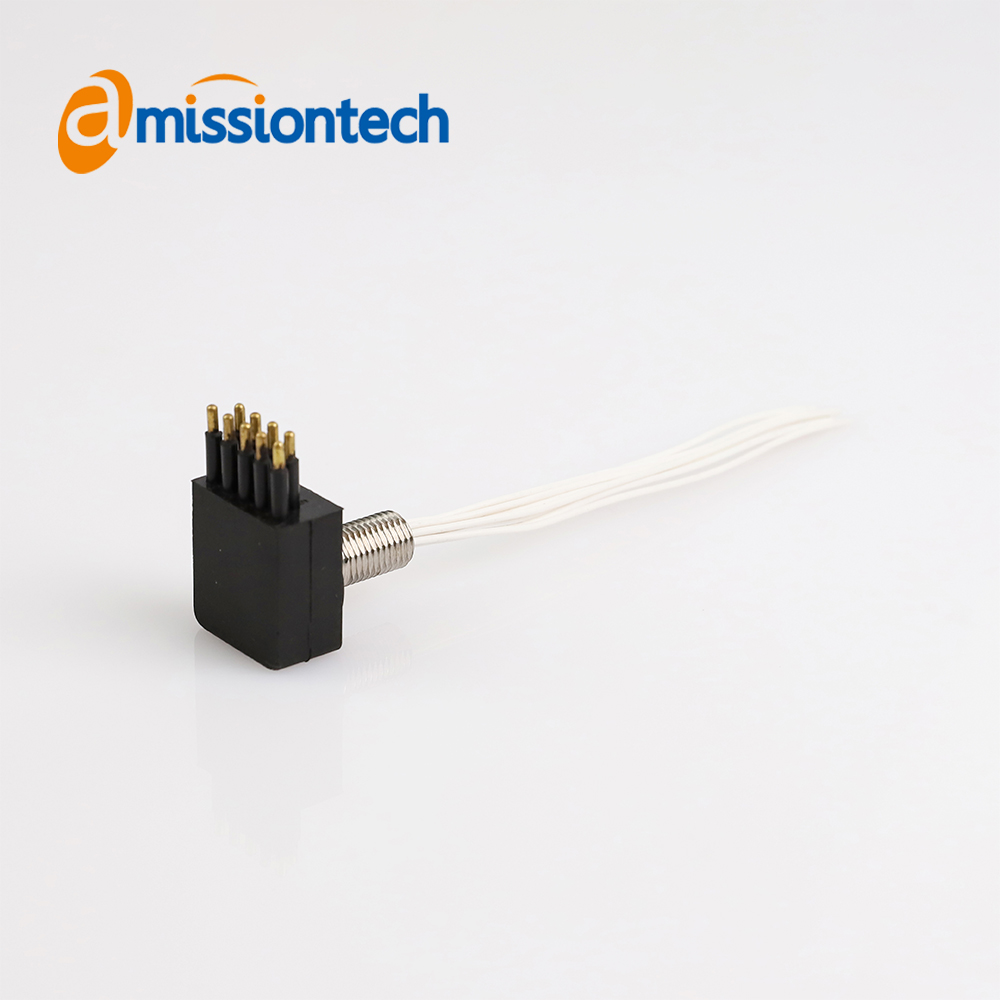
Given these diverse applications, the reliability of watertight connectors directly affects operational efficiency. They form a closed loop of stable connection, accurate transmission, and effective execution. By preventing water intrusion and maintaining signal integrity, connectors allow robots to perform complex tasks for extended periods. This reliability reduces the need for costly retrieval and repair, which is especially important in deep or remote locations.
Equally important, watertight connectors simplify system integration. Standardized interfaces allow different sensors, cameras, and tools to be connected quickly, enabling flexible mission configurations. Maintenance is also easier because connectors can be replaced or upgraded without redesigning the entire system. These advantages make them a key component in modern underwater engineering solutions.
When choosing connectors for underwater robotics, several factors should be evaluated carefully. First, pressure rating must match the intended operating depth to ensure sealing performance. Second, corrosion resistance is essential for long-term durability in saltwater environments. Third, electrical performance—including current capacity and signal integrity—must meet system requirements.
Additionally, connection type should be selected based on operational needs. For example, wet-mate connectors allow underwater connection and disconnection, while dry-mate connectors require installation in a dry environment before deployment. Finally, ease of installation and maintenance should be considered to minimize downtime and operational costs.
In conclusion, watertight connectors are a foundational technology that enables underwater robots to function reliably in extreme marine environments. From deep-sea exploration to infrastructure inspection, these connectors provide the secure pathways for power, data, and control signals that underwater missions depend on. Their advanced sealing, corrosion resistance, and electrical performance ensure stable operation where failure is not an option.
As underwater robotics continues to expand into new industries, the importance of high-quality watertight connectors will only grow. Selecting the right connector solution not only improves system reliability but also enhances safety and operational efficiency.
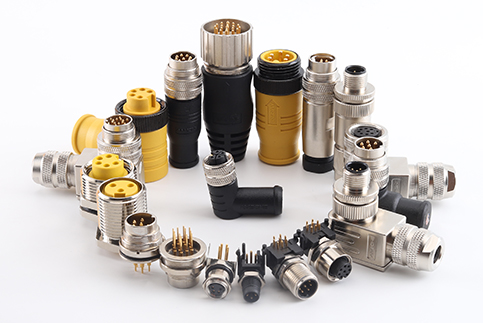
Amissiontech is a trusted industrial connector supplier specializing in high-performance connectivity solutions for demanding environments. With strong engineering capabilities, strict quality control, and reliable delivery, Amissiontech provides durable connector products designed to support industrial automation, infrastructure, and advanced robotic applications. Partner with Amissiontech to ensure dependable connections for your most critical projects.