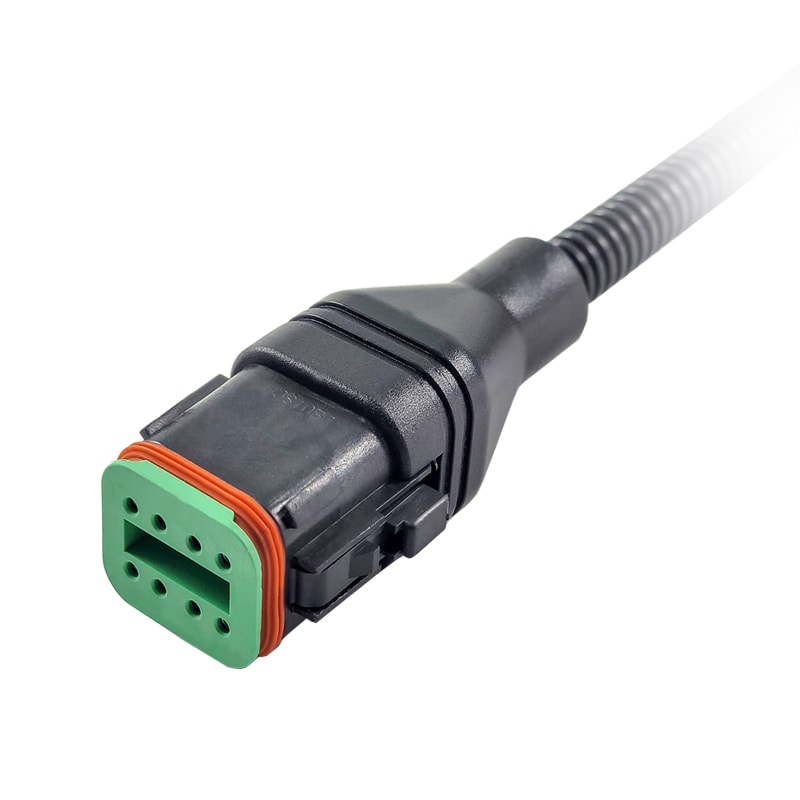
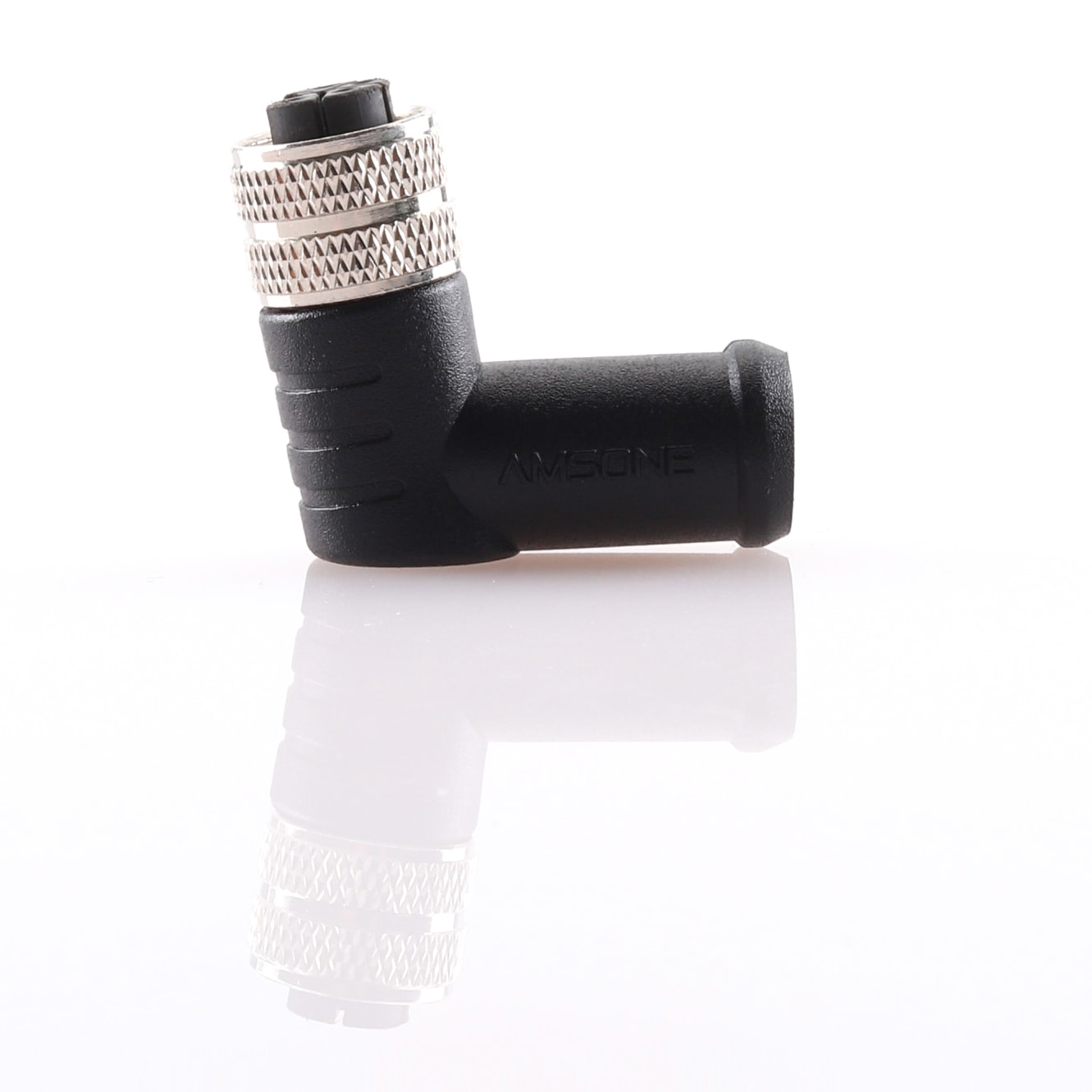
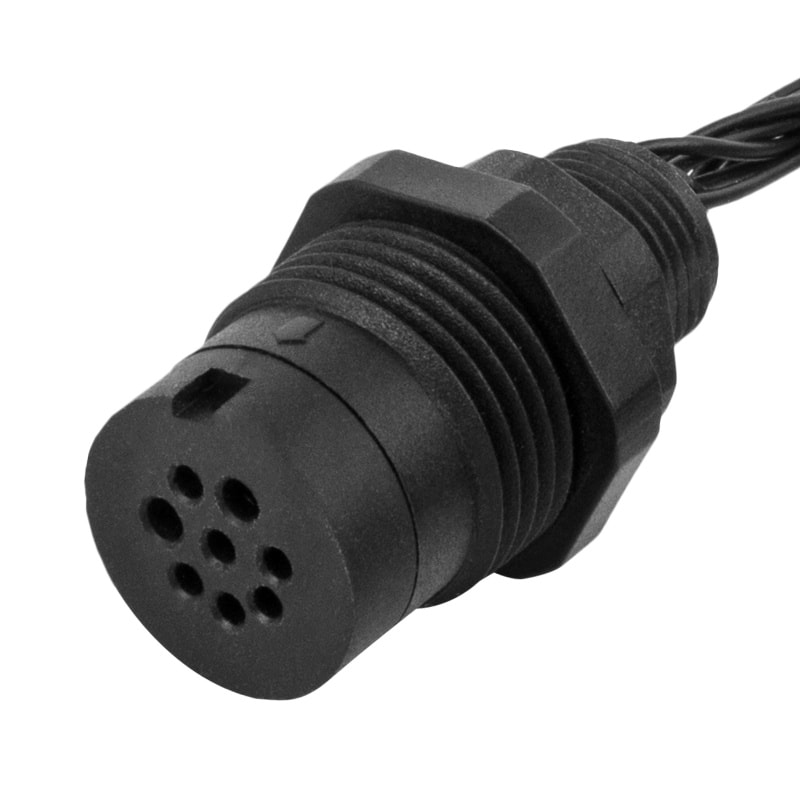
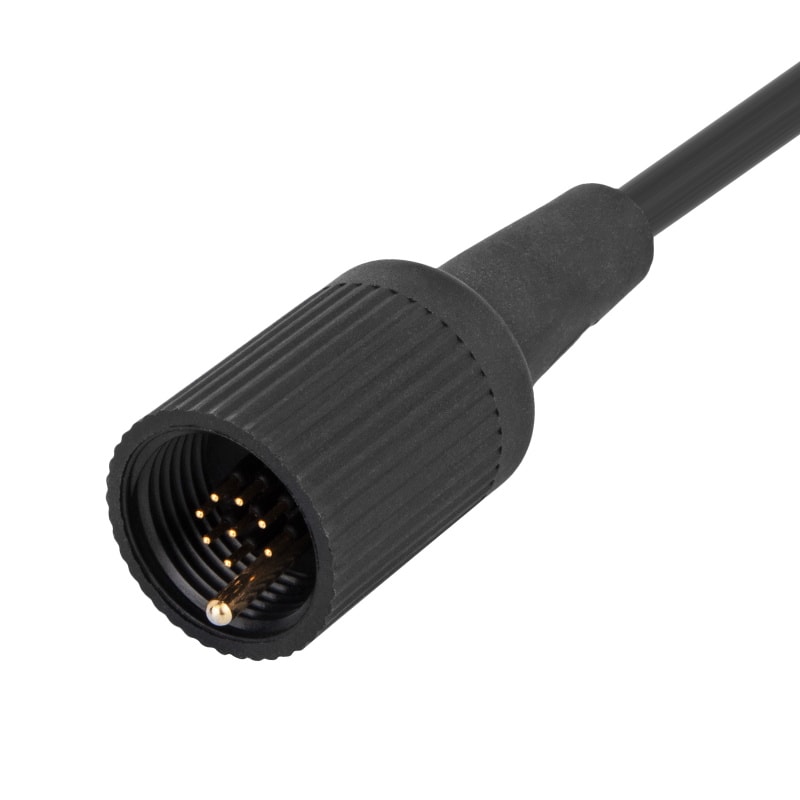
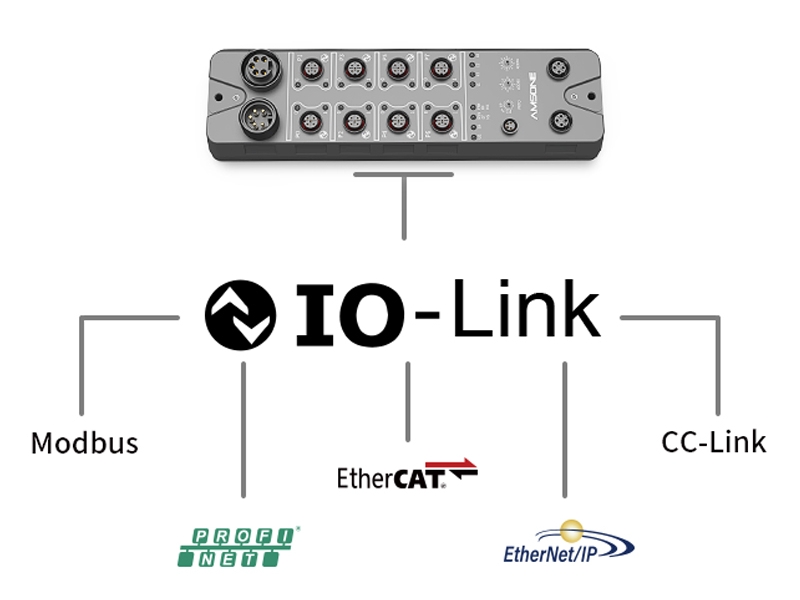
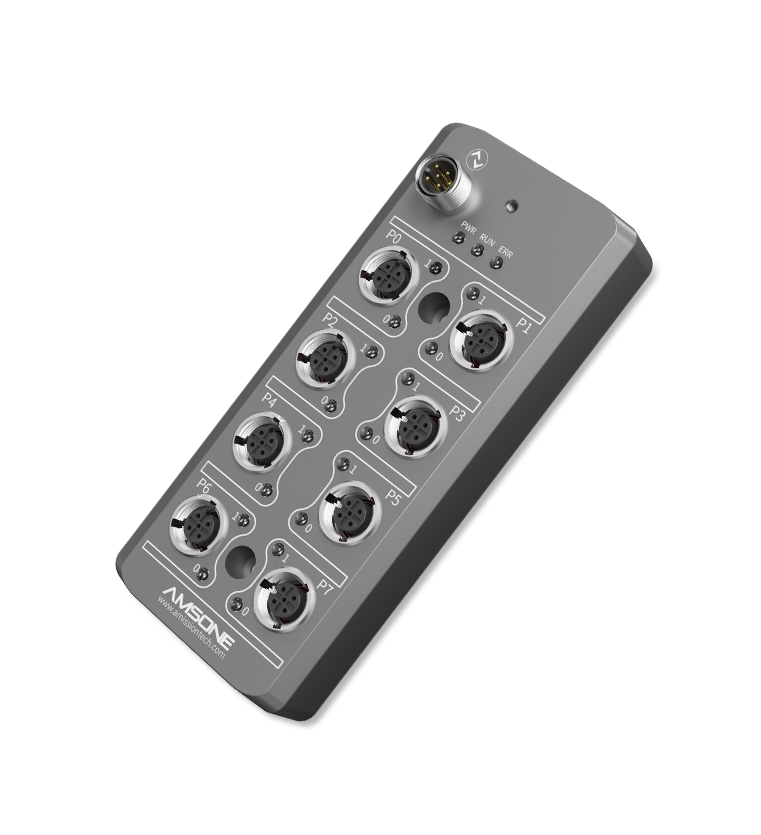
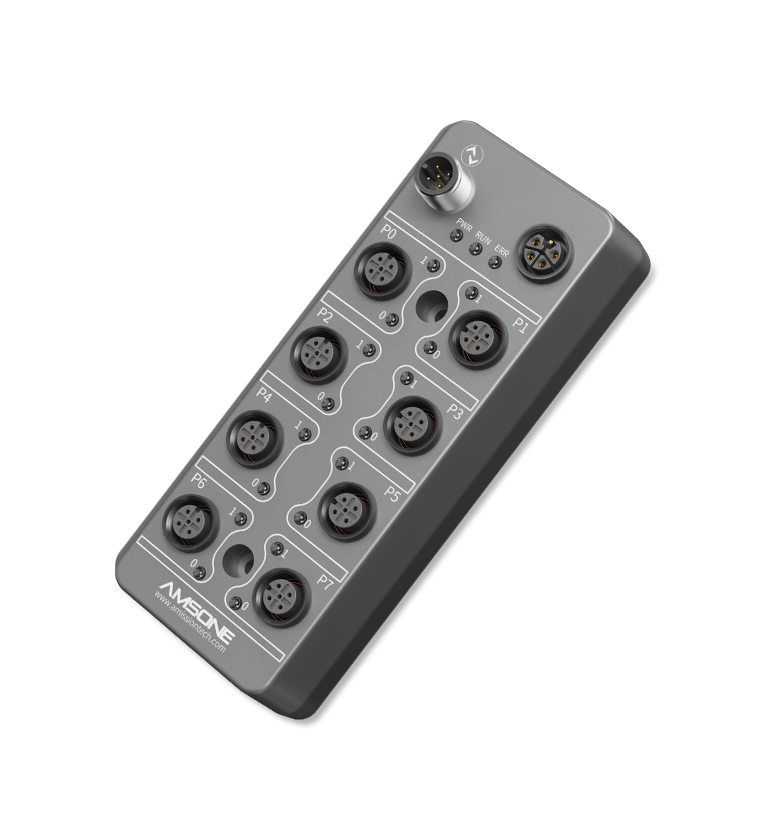
P/N: ALD-HBN1-372XXX
IO Link Hub NPN 0.5A/channel Plastic Housing Plastic Thread Locking
View All



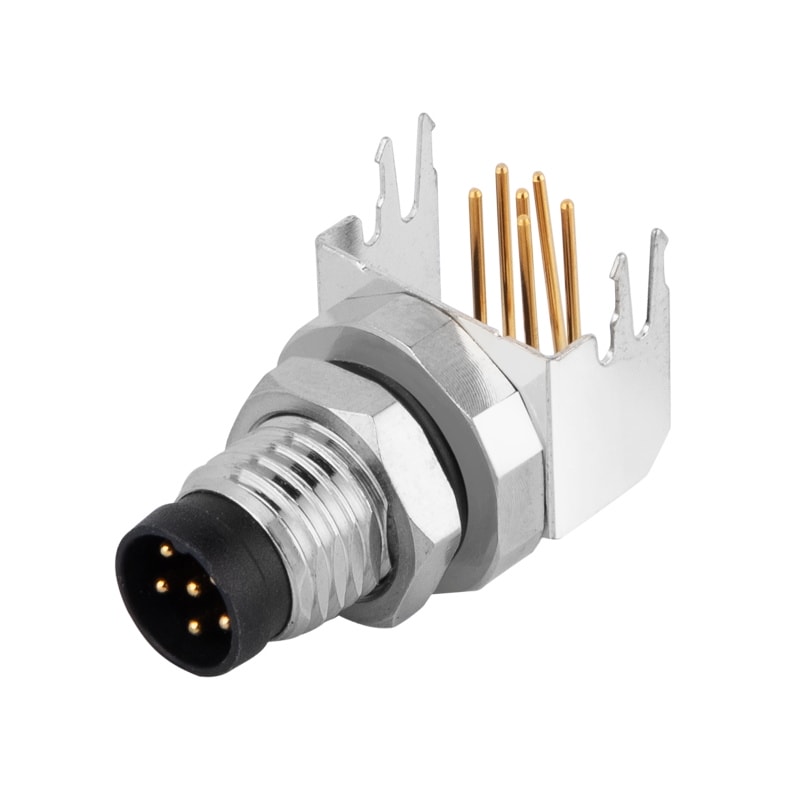


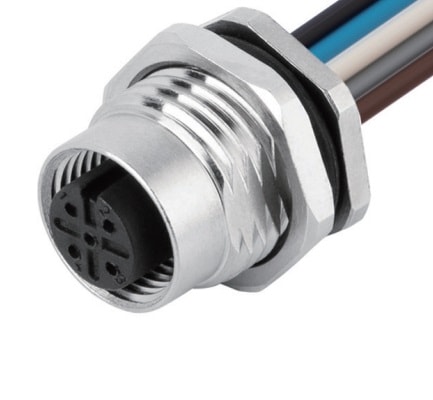

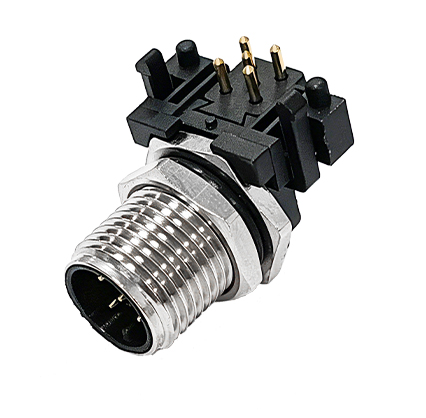


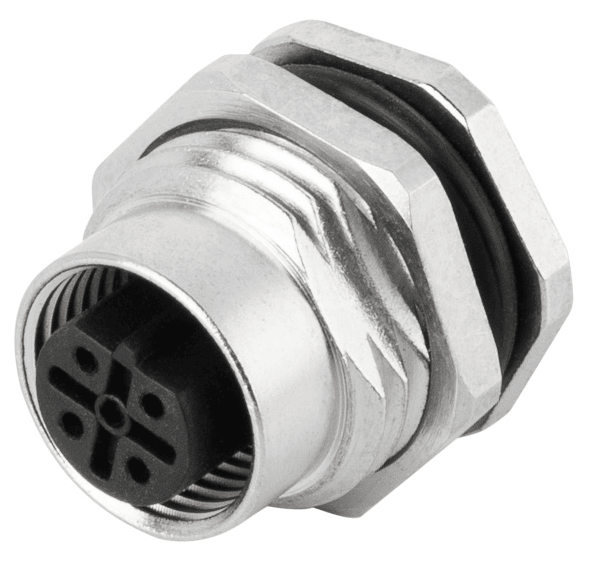

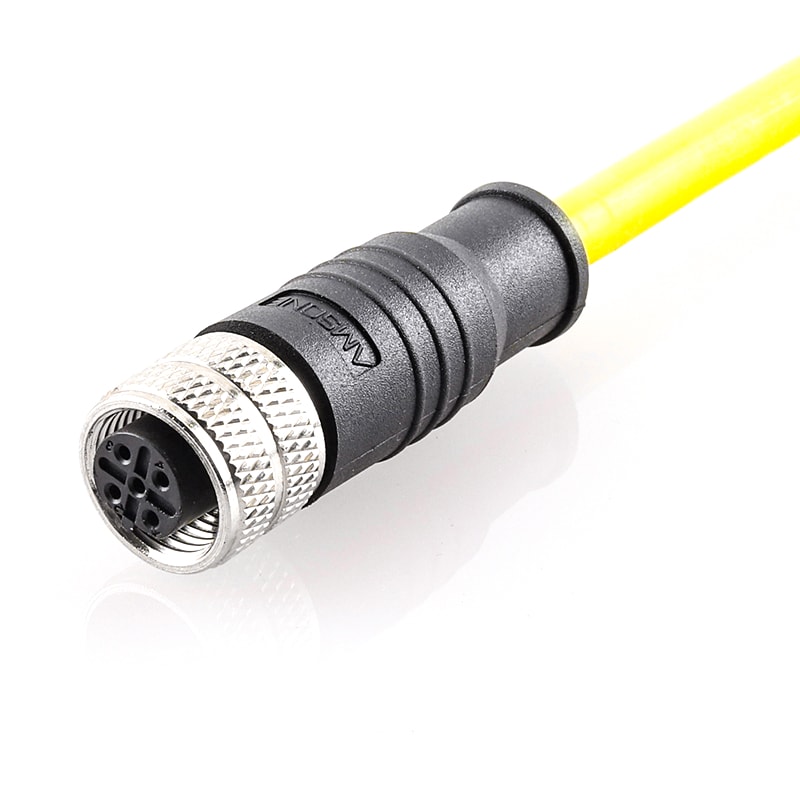


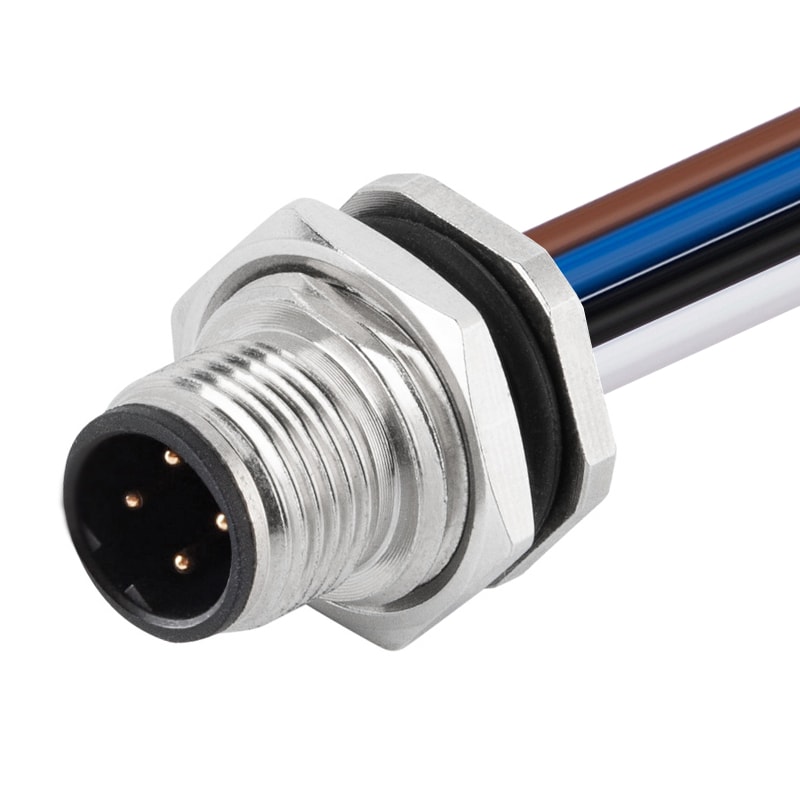








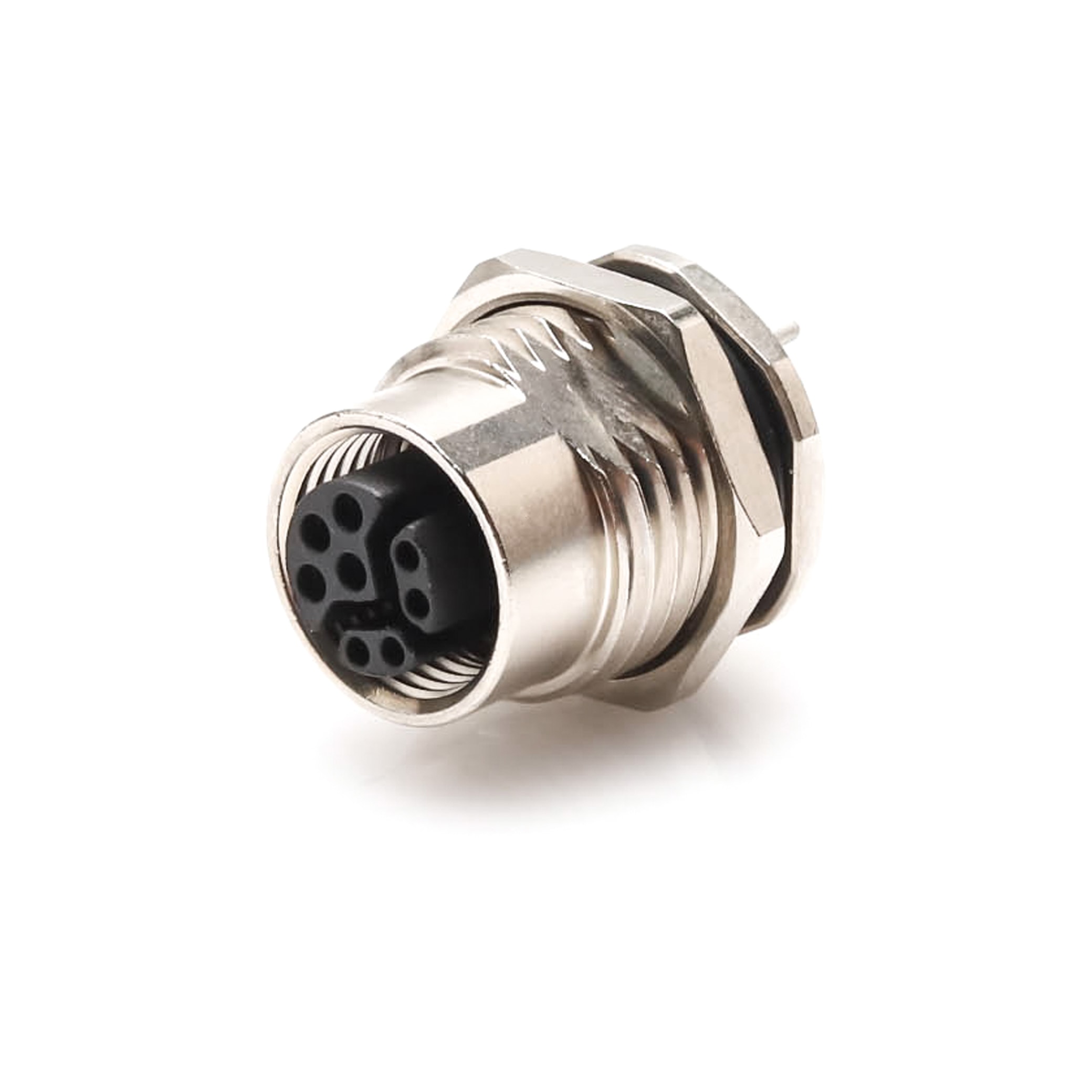
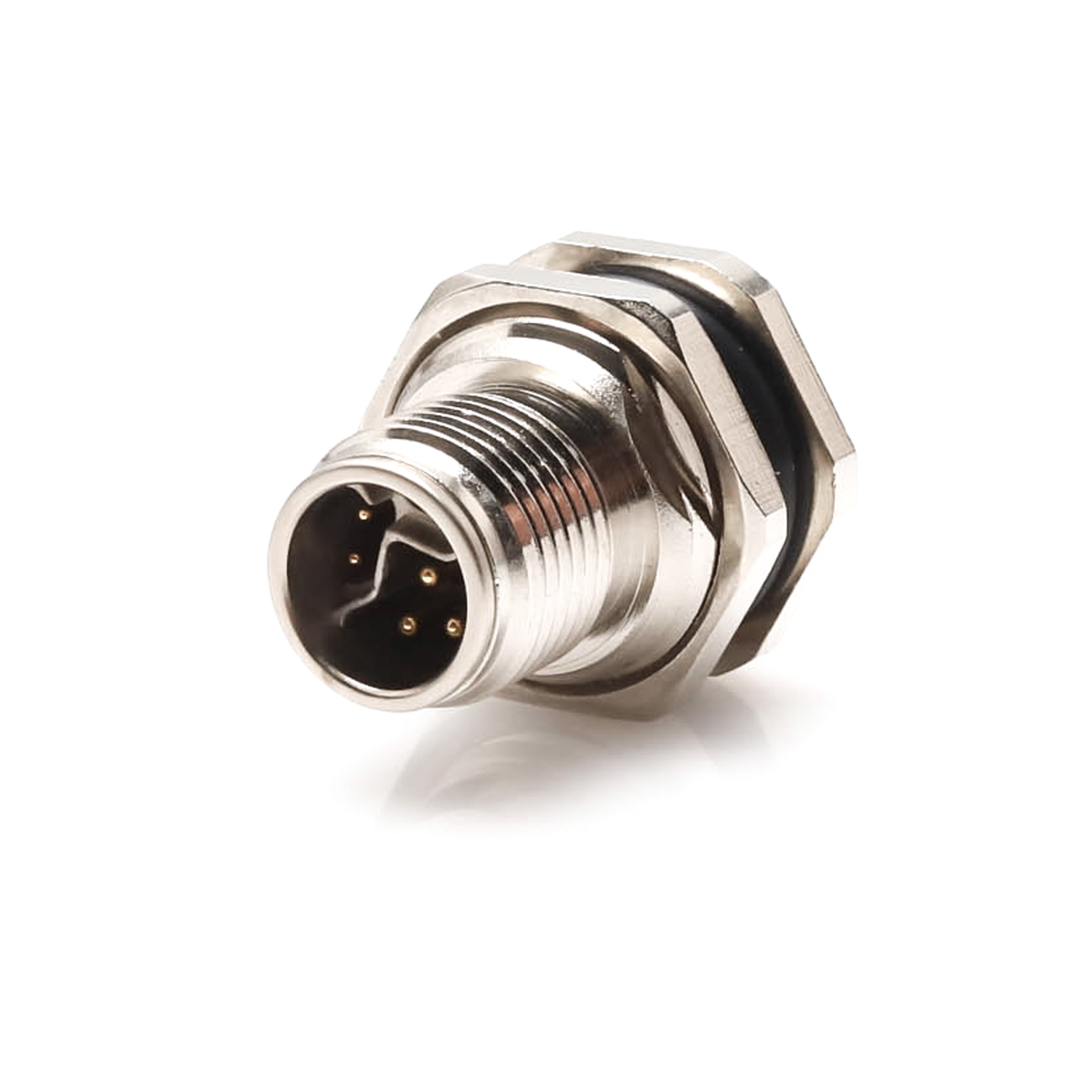
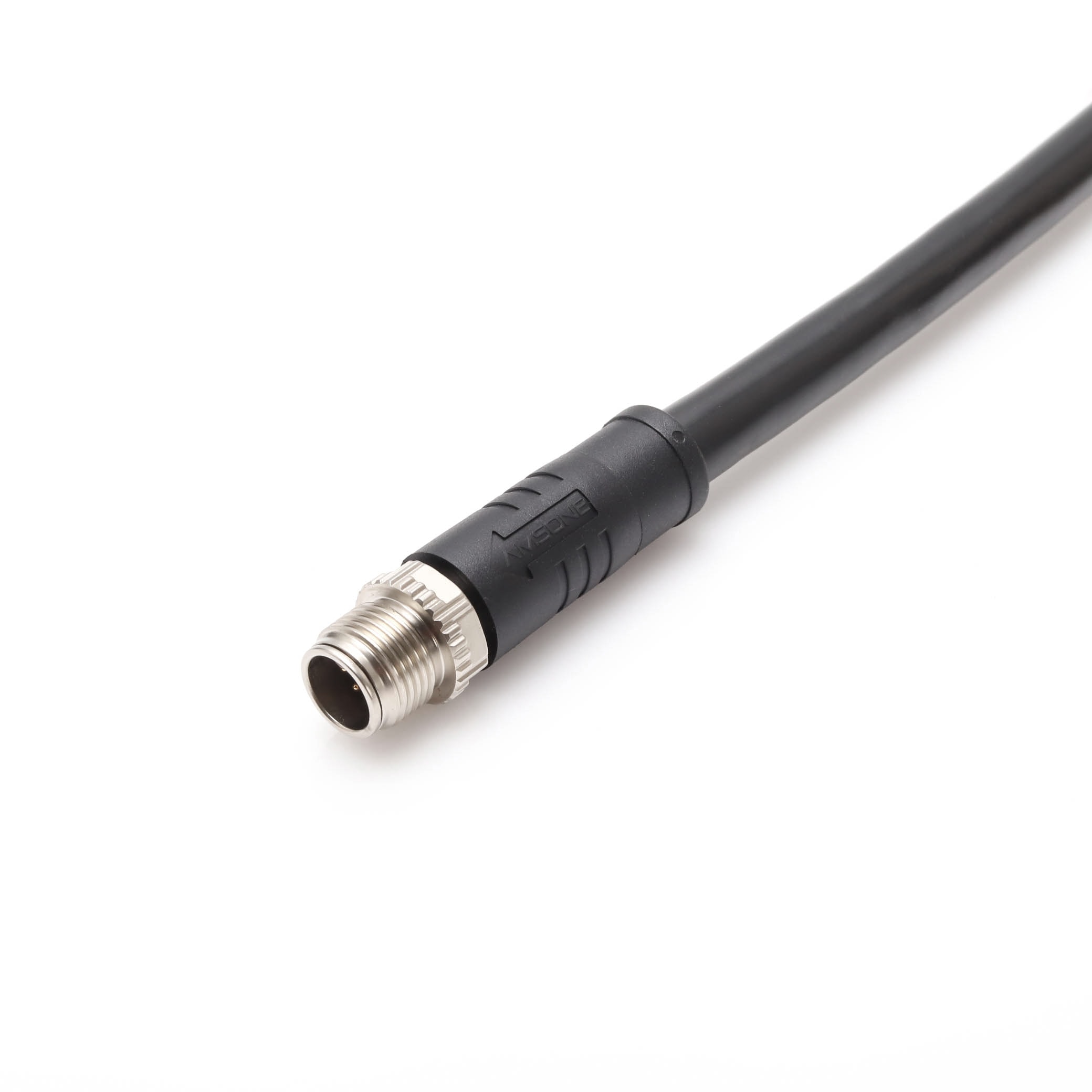
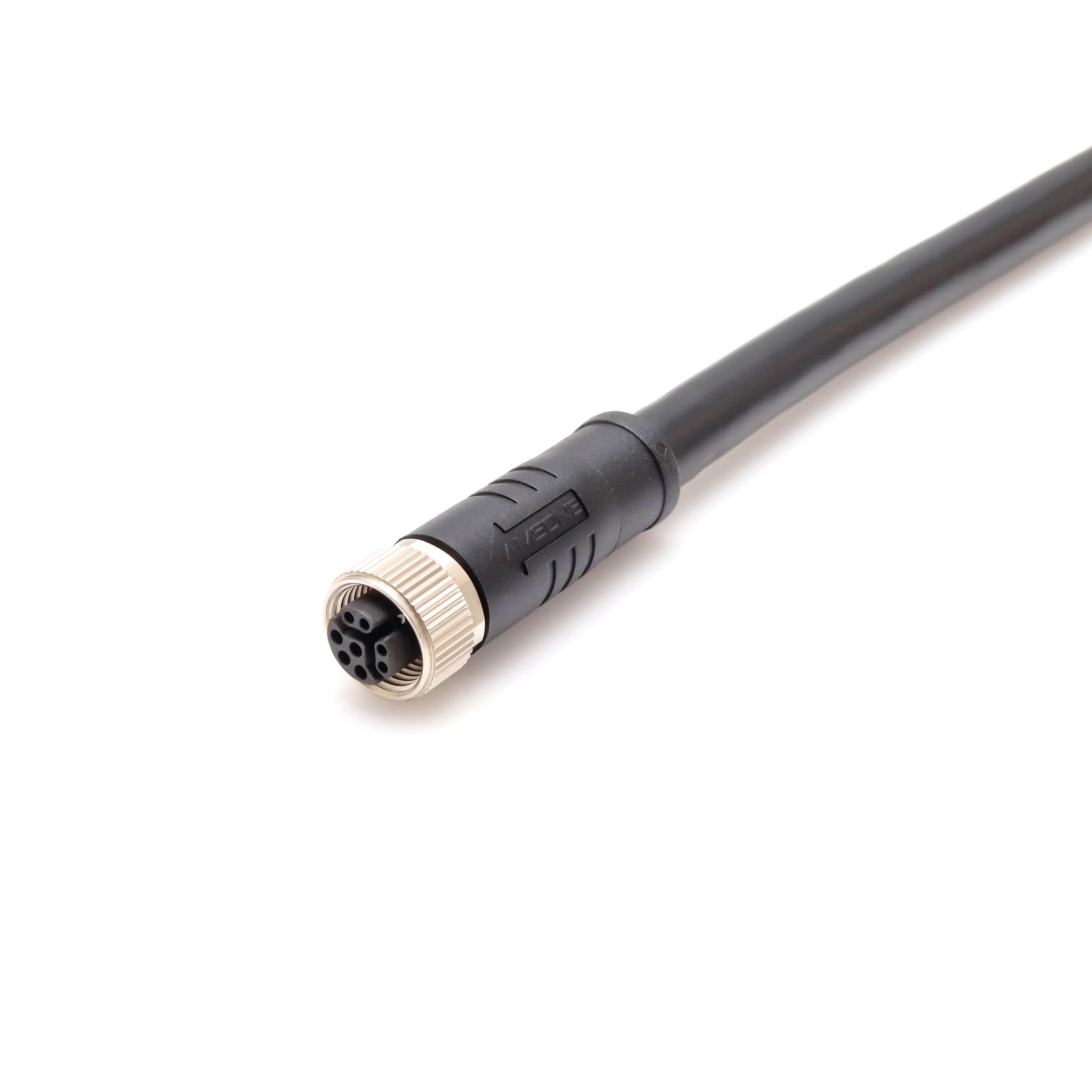
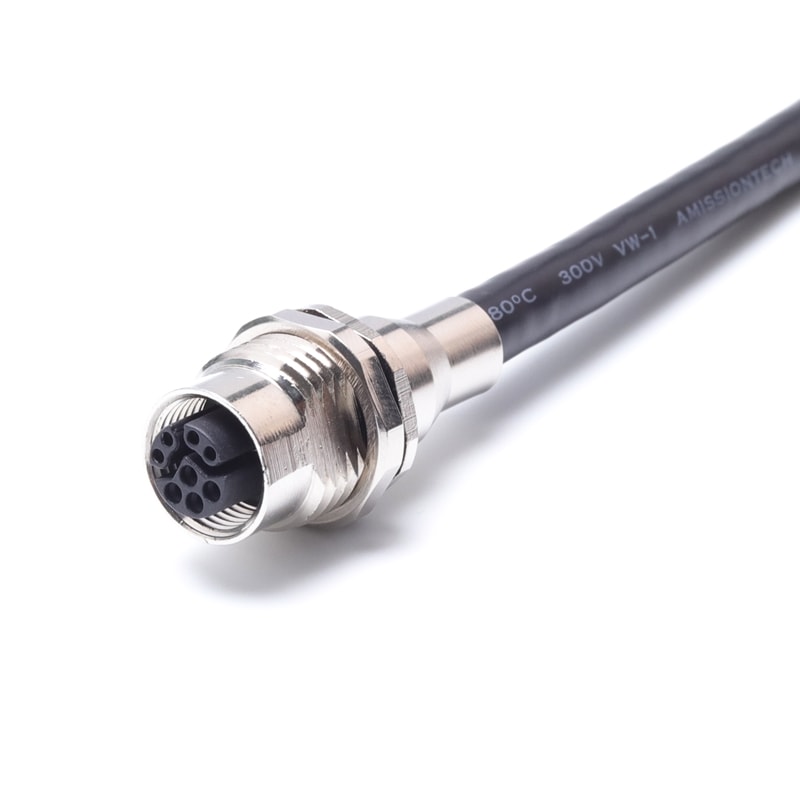


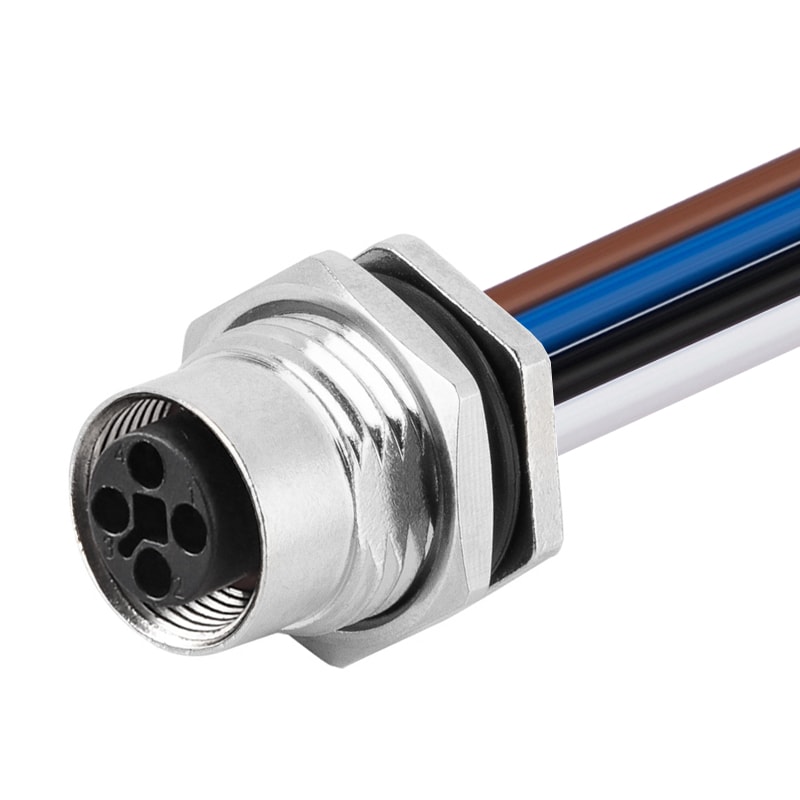
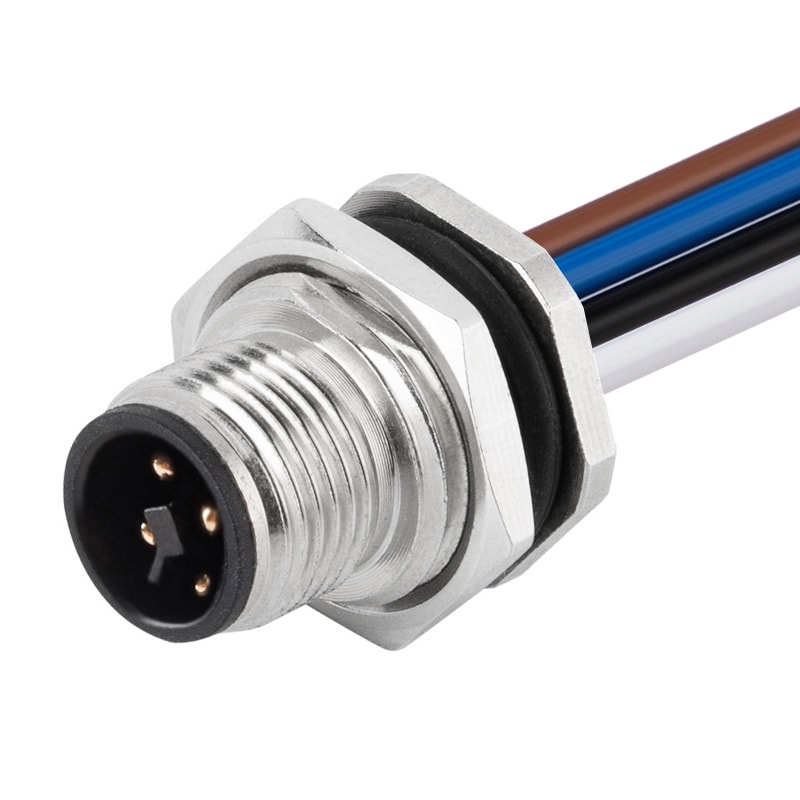

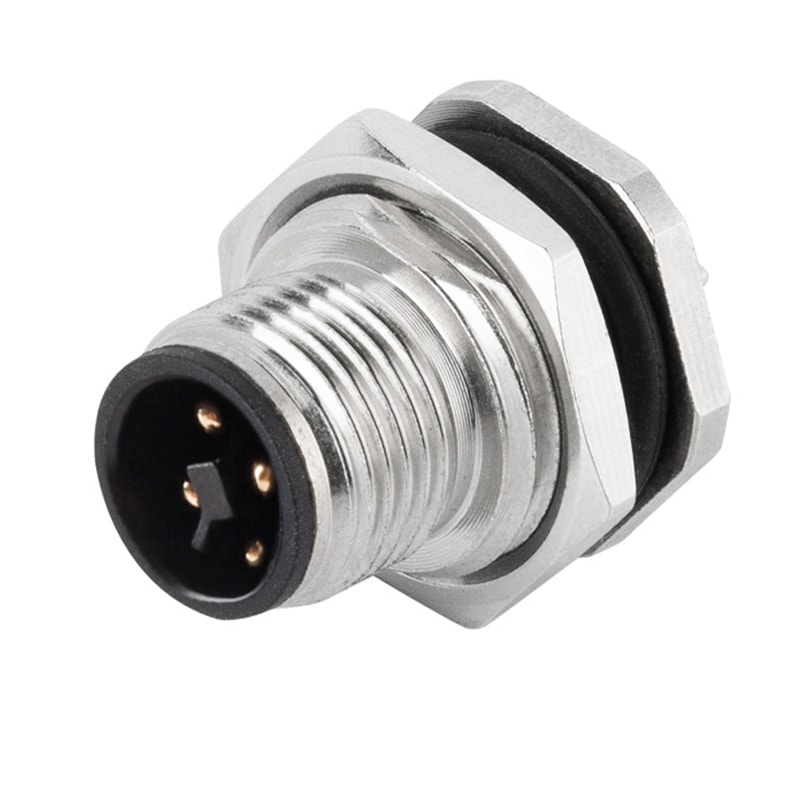

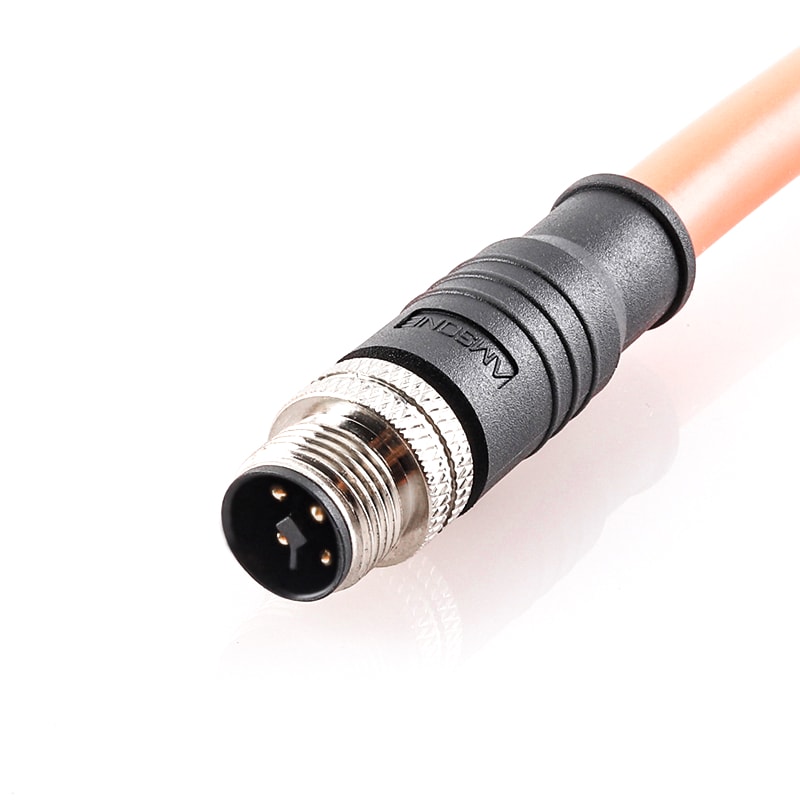
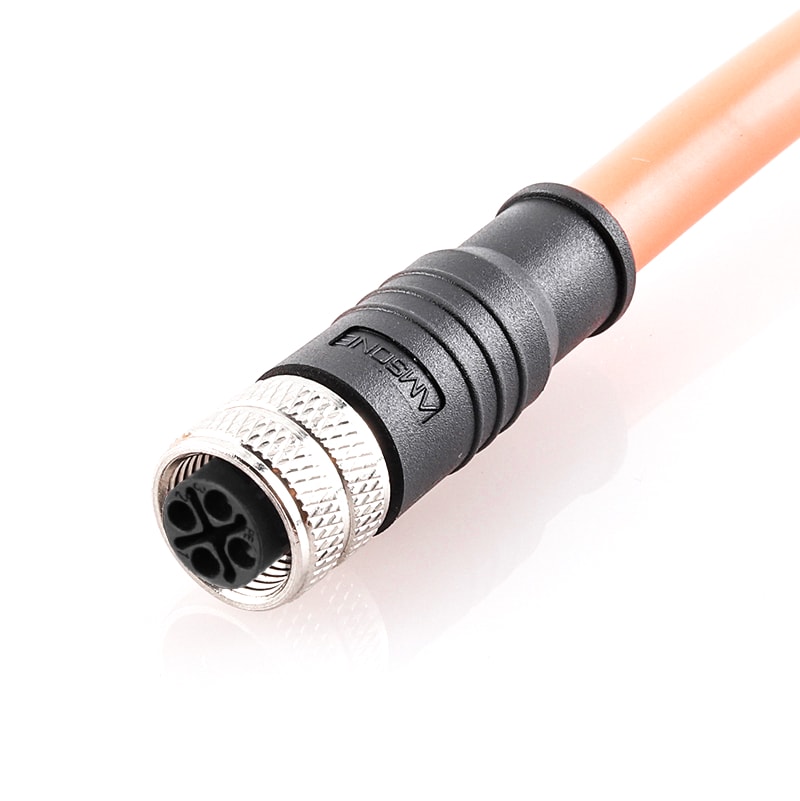
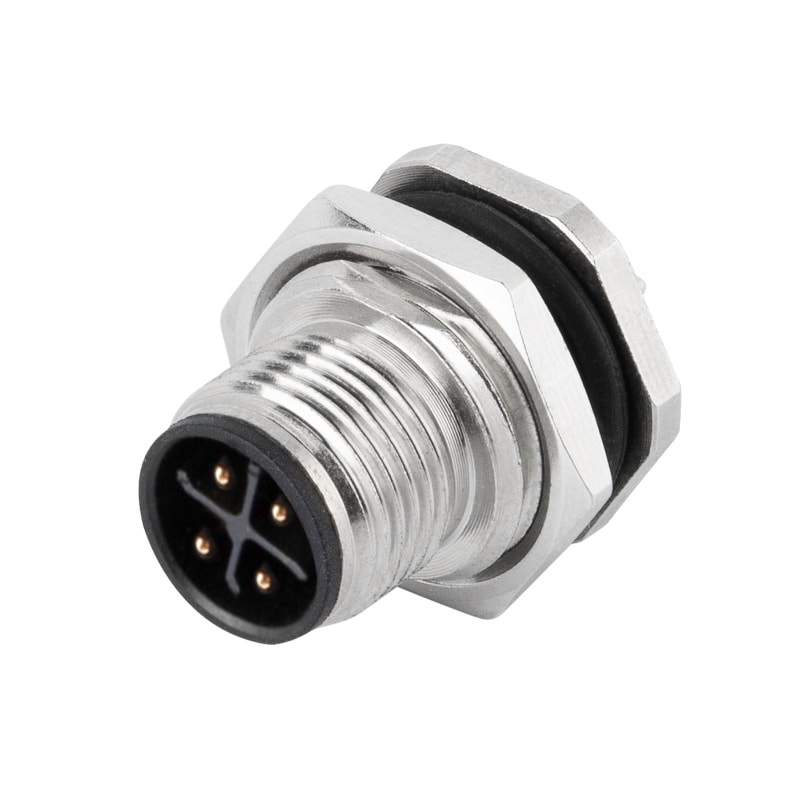


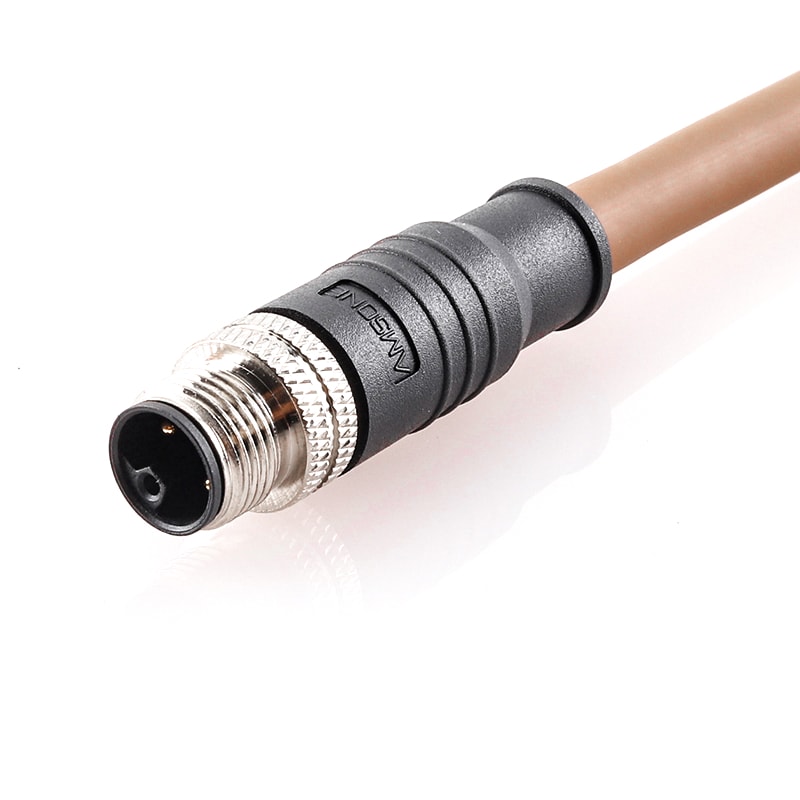


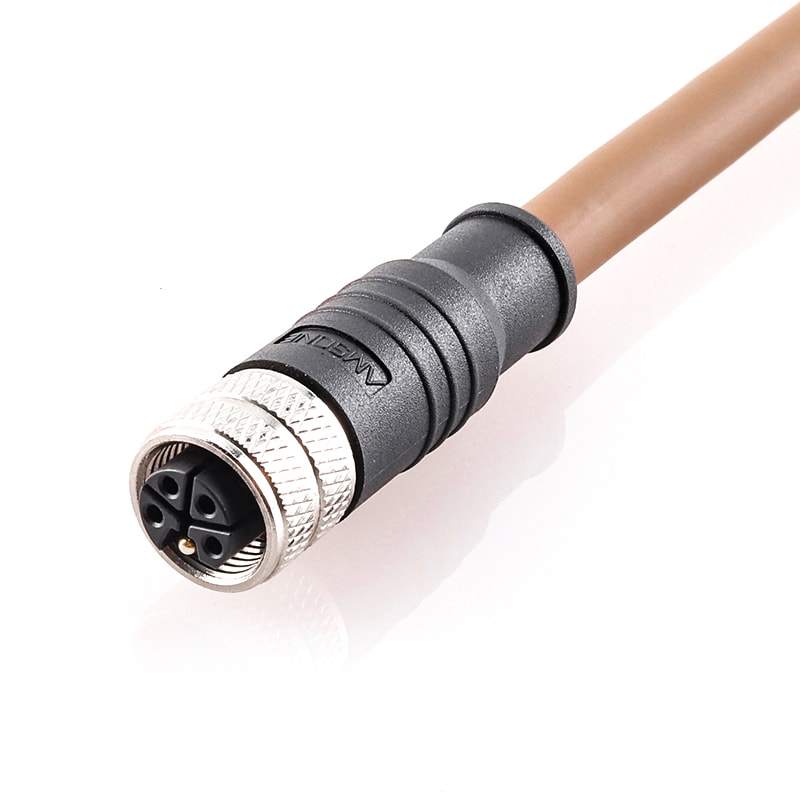


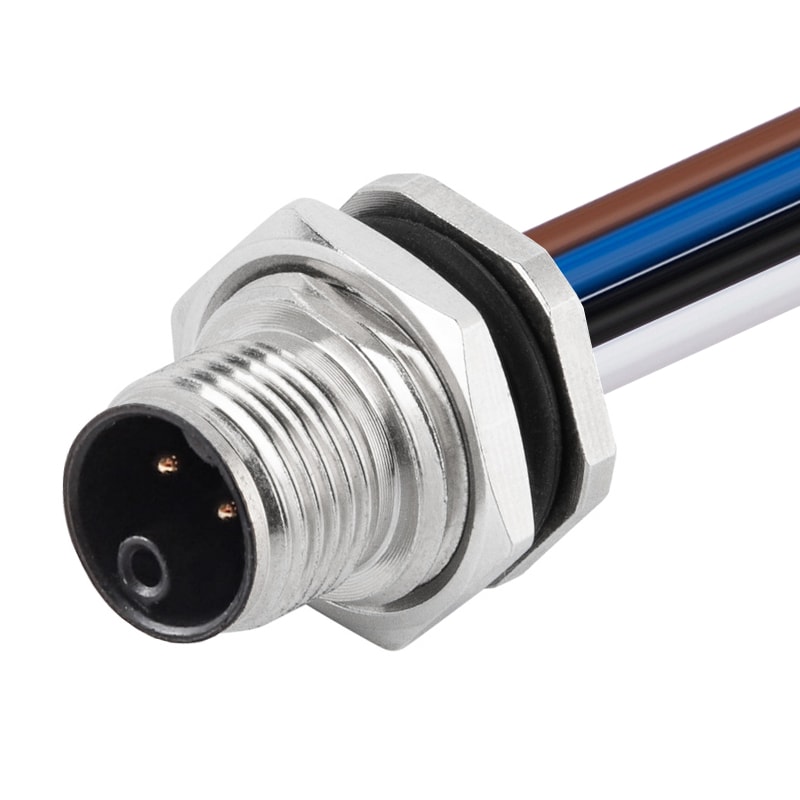









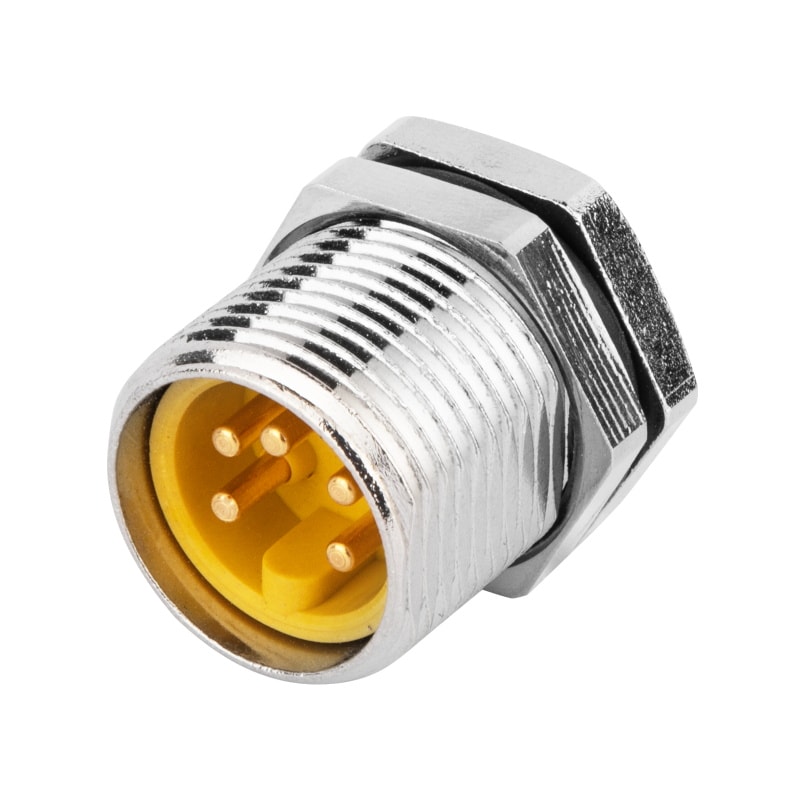
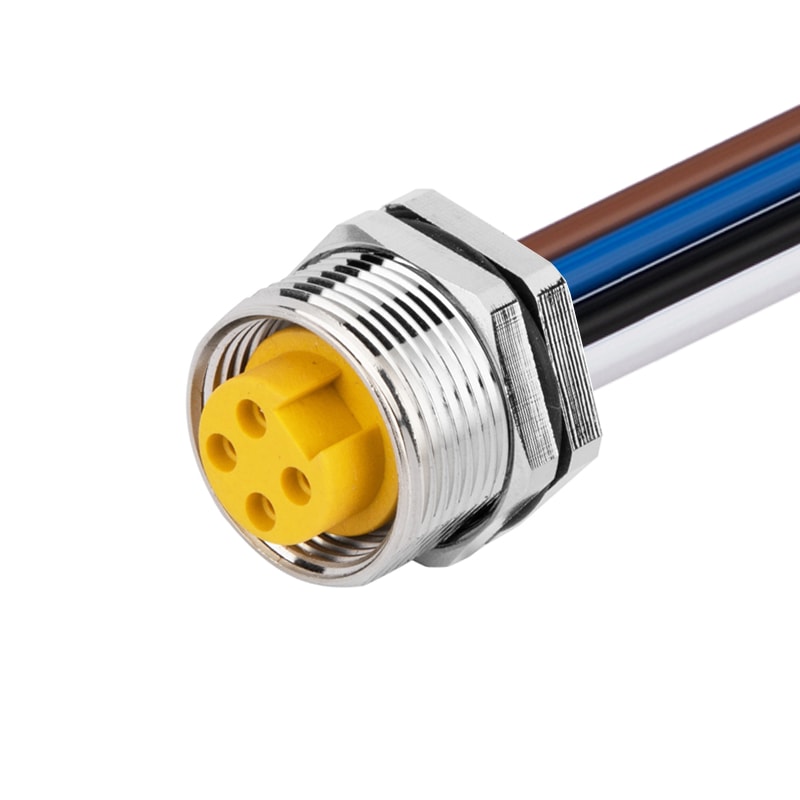
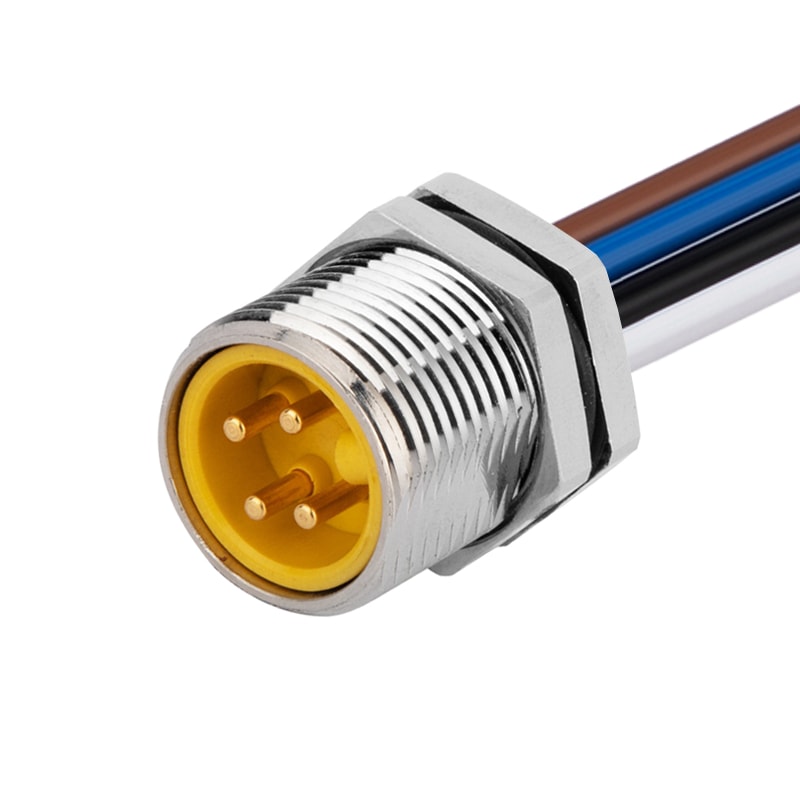
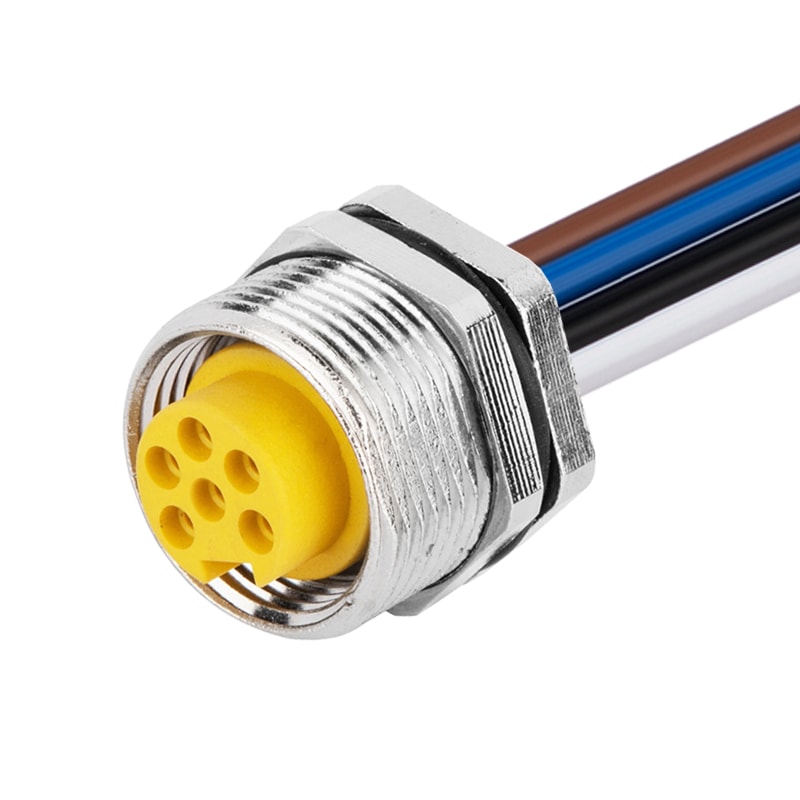
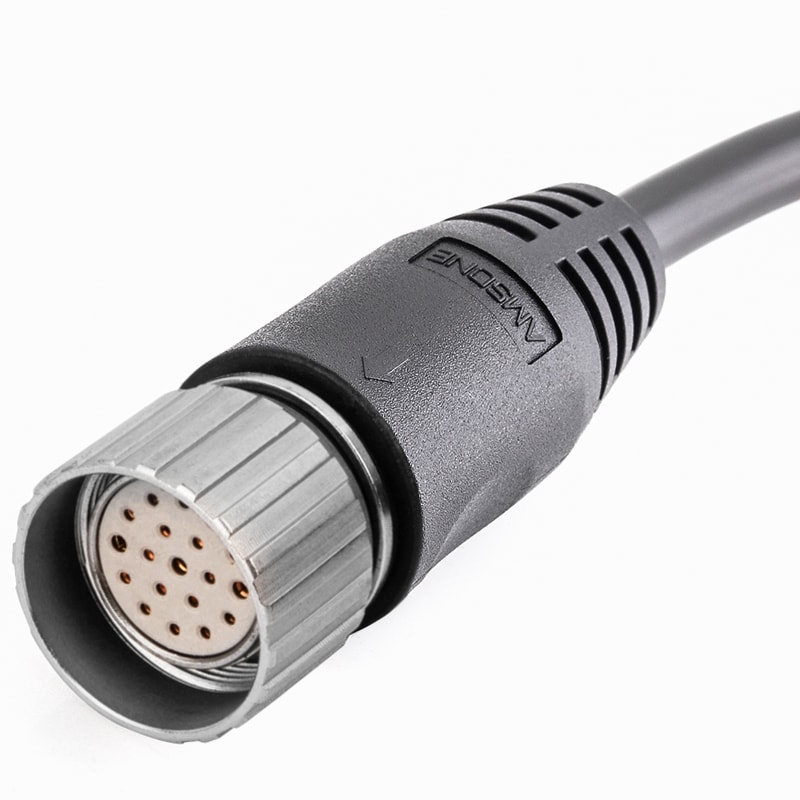
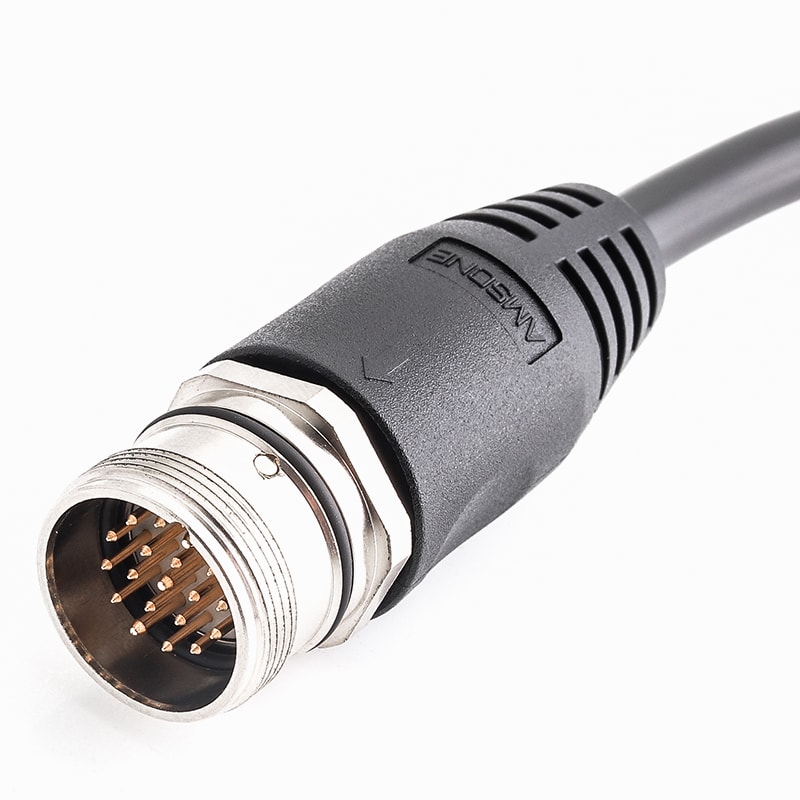
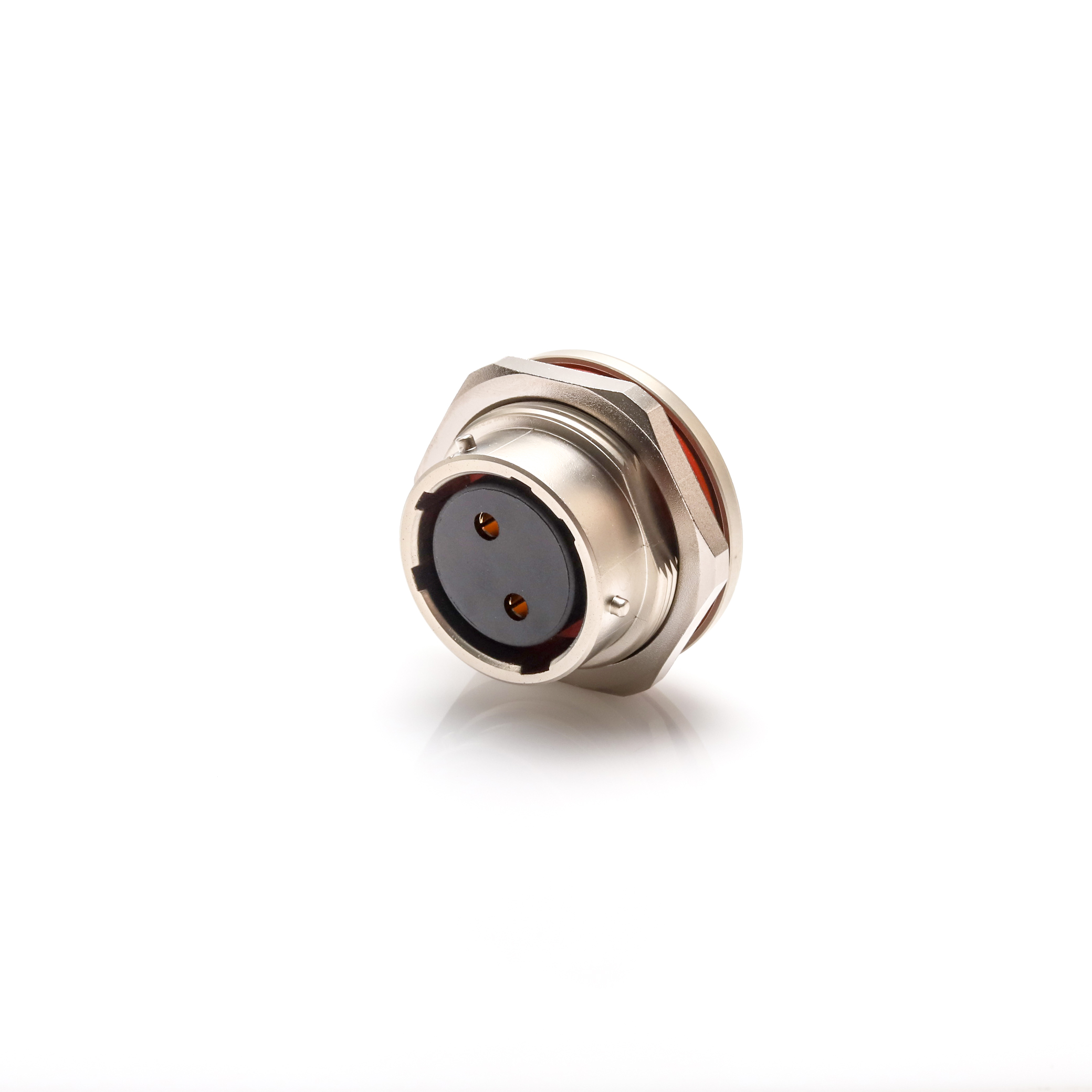
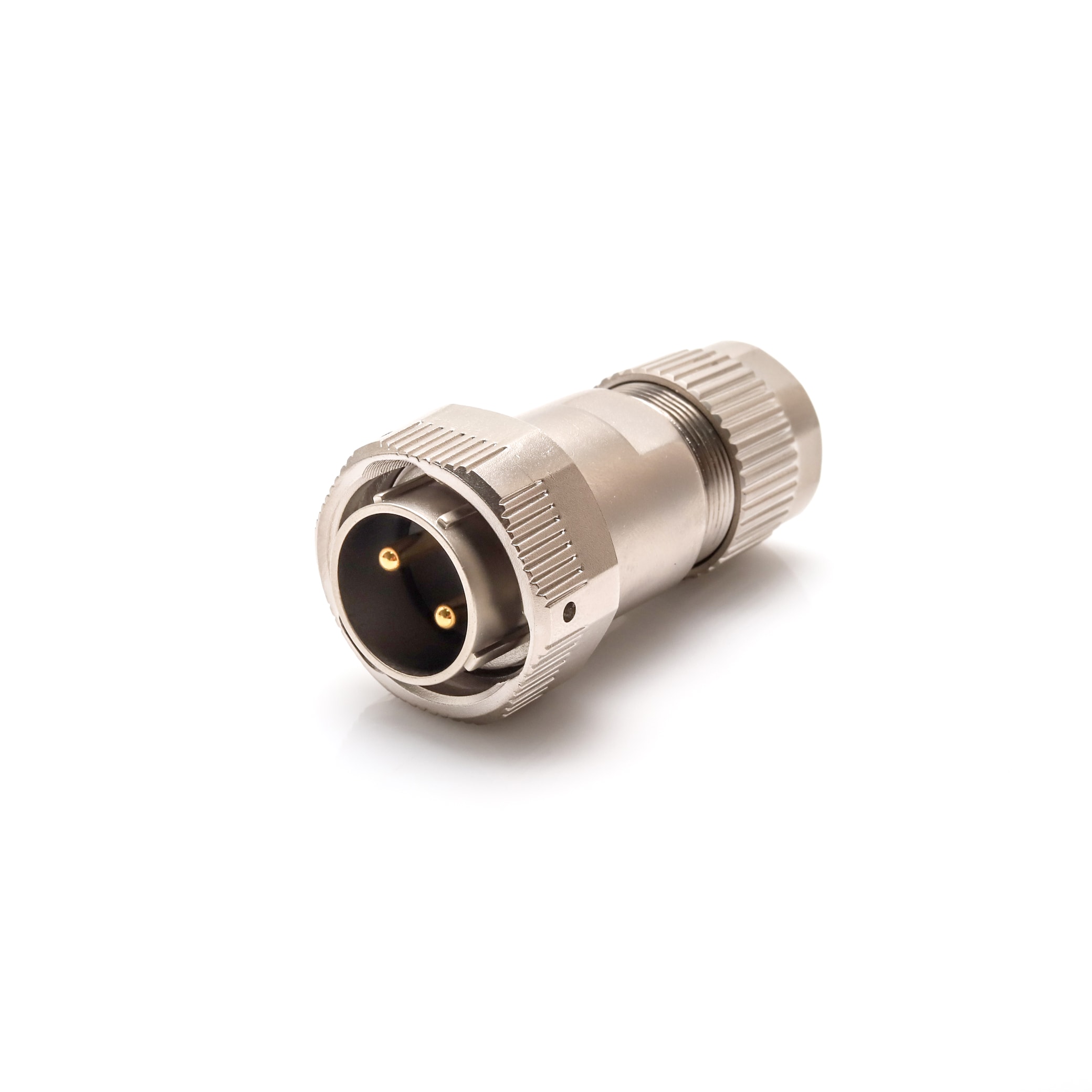
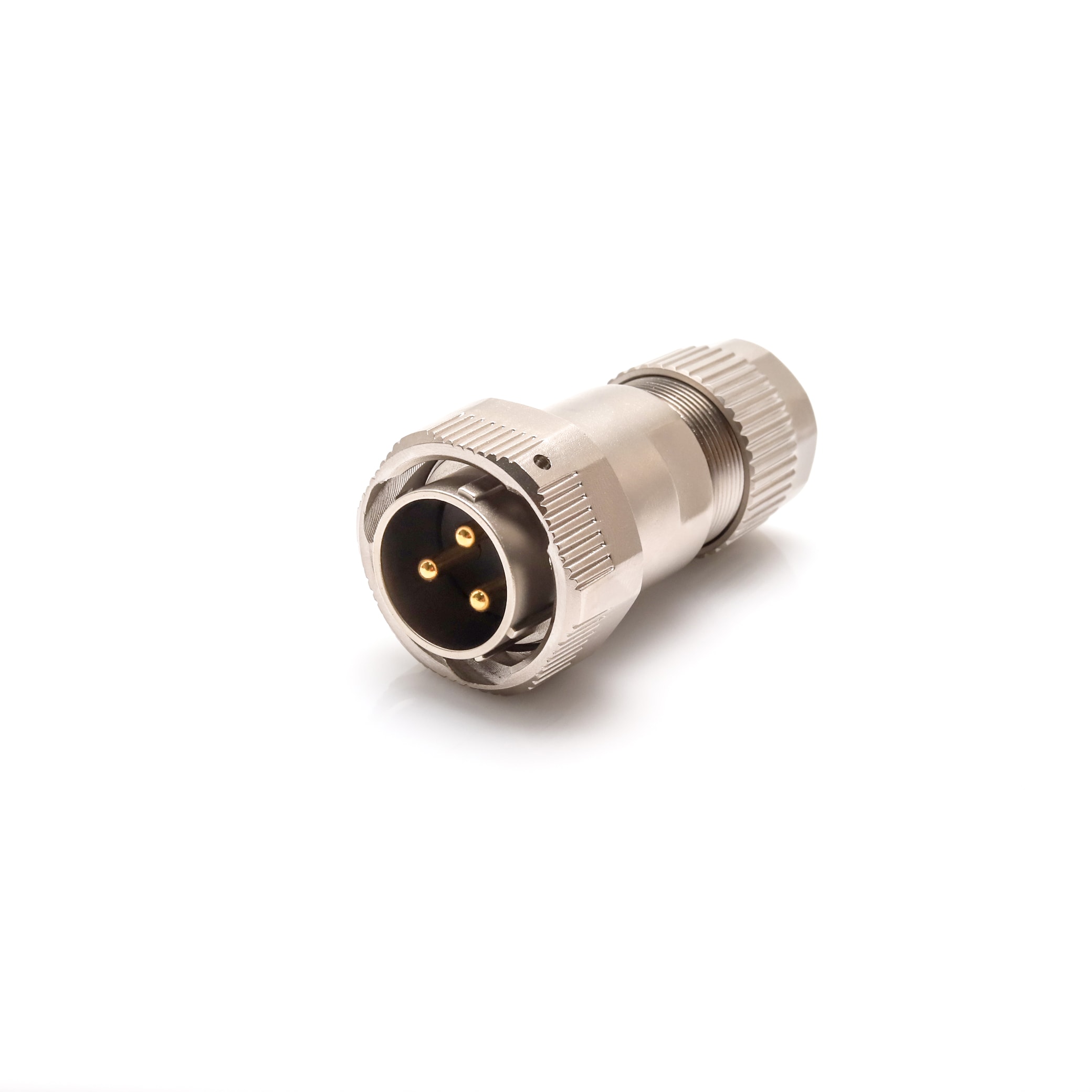
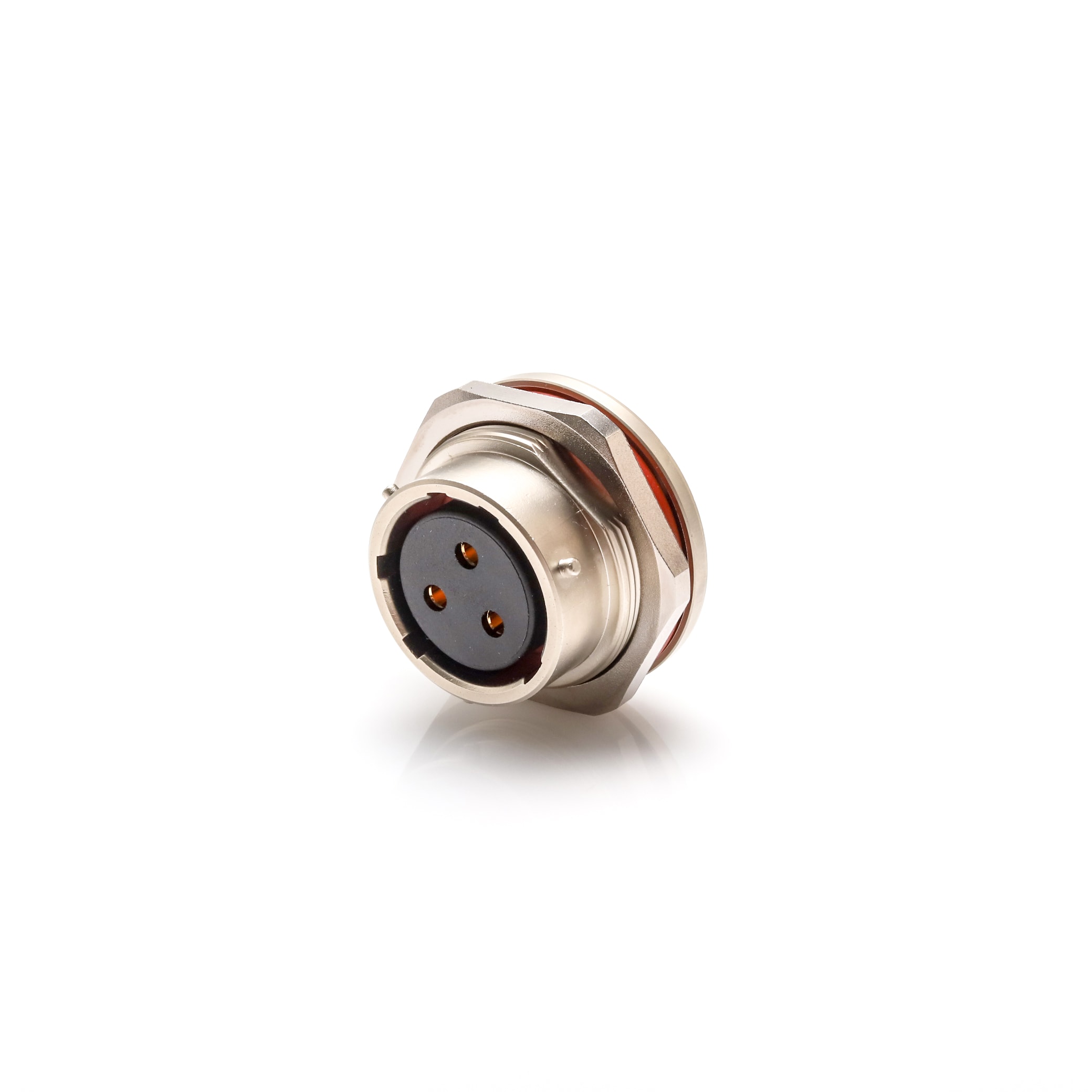
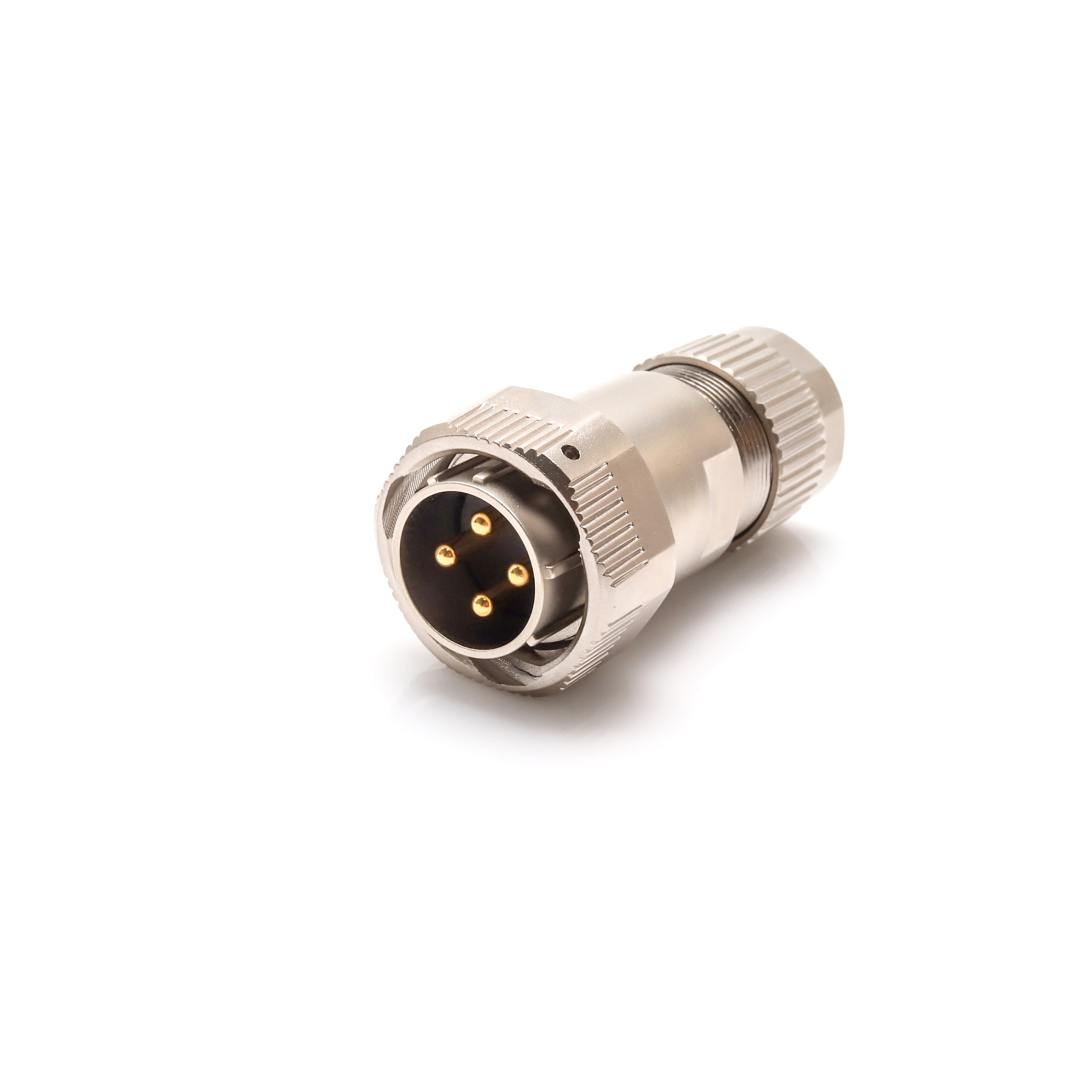
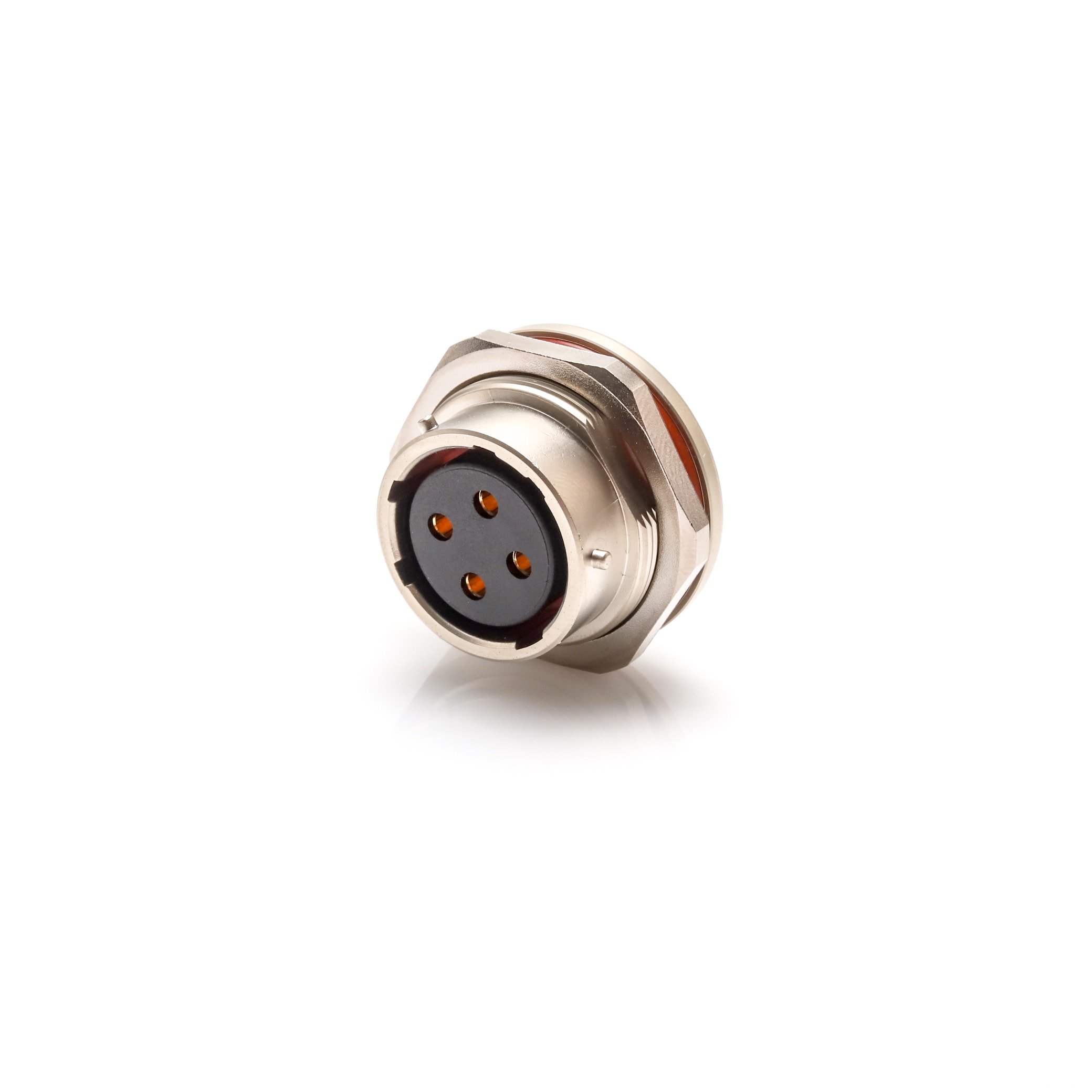
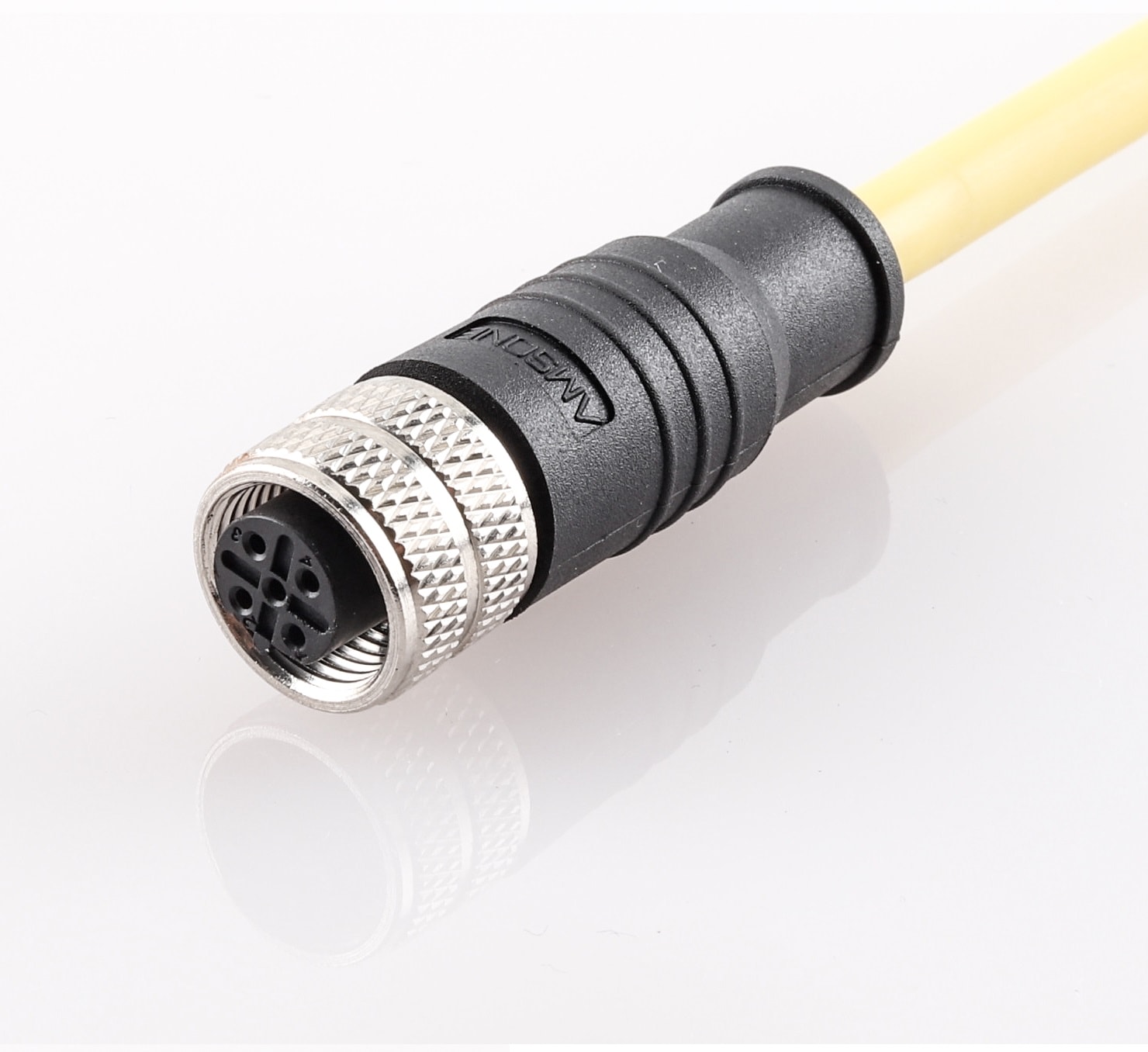
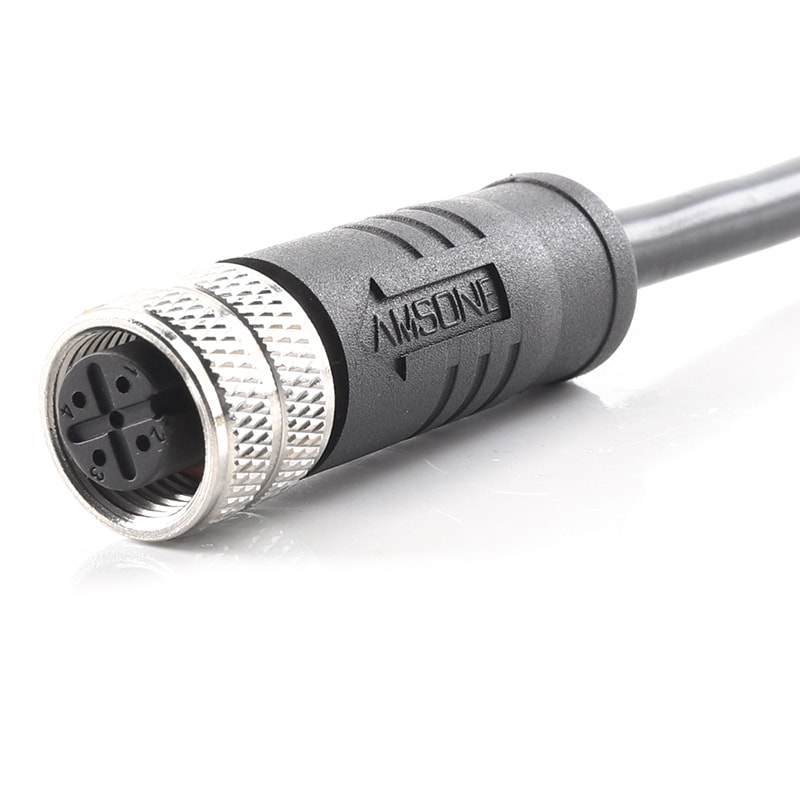
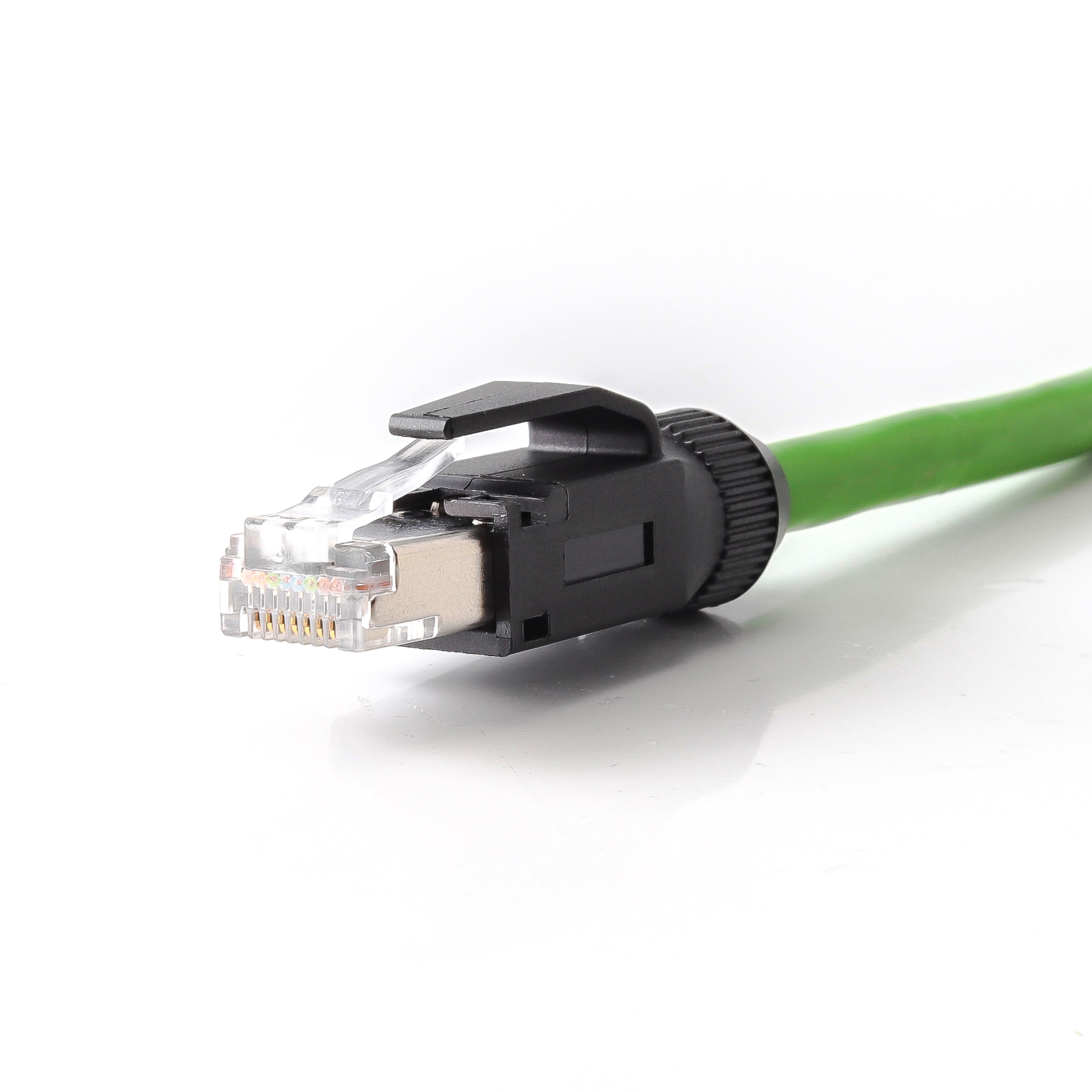
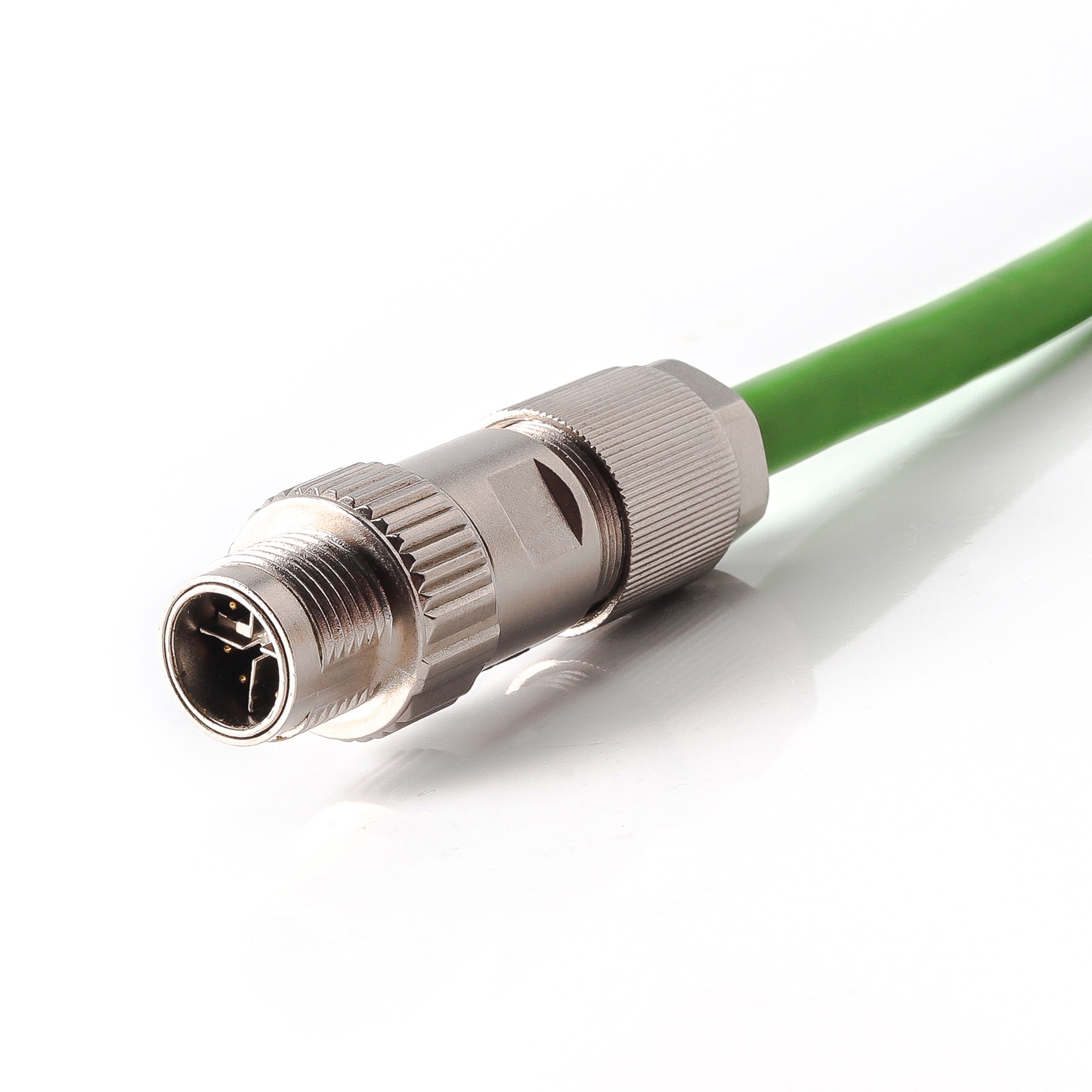
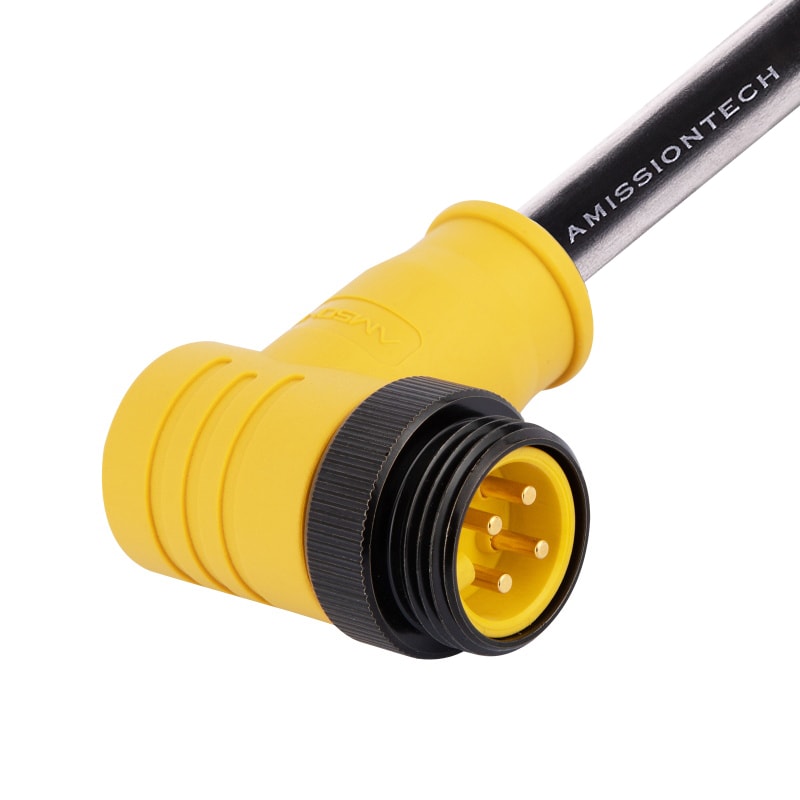
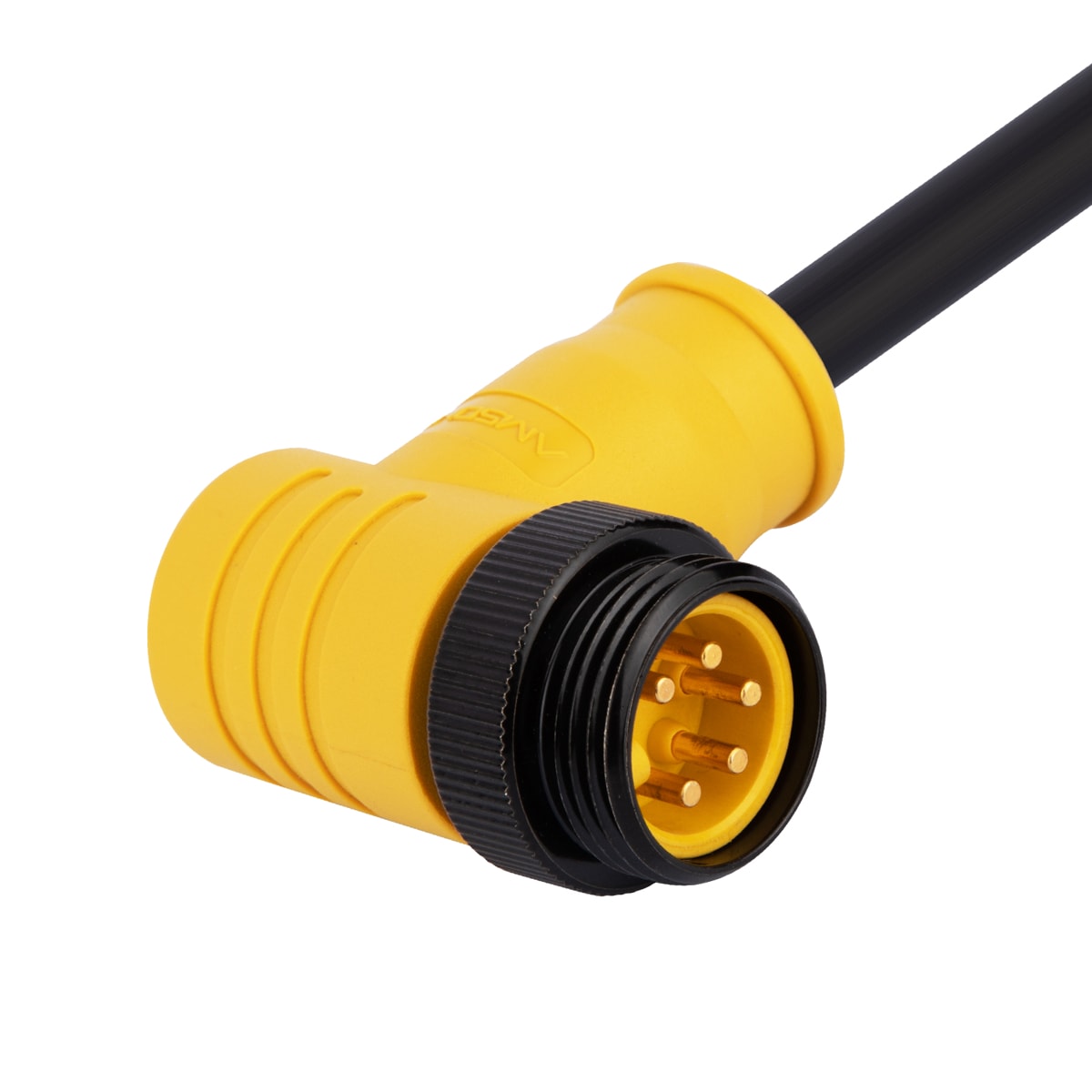
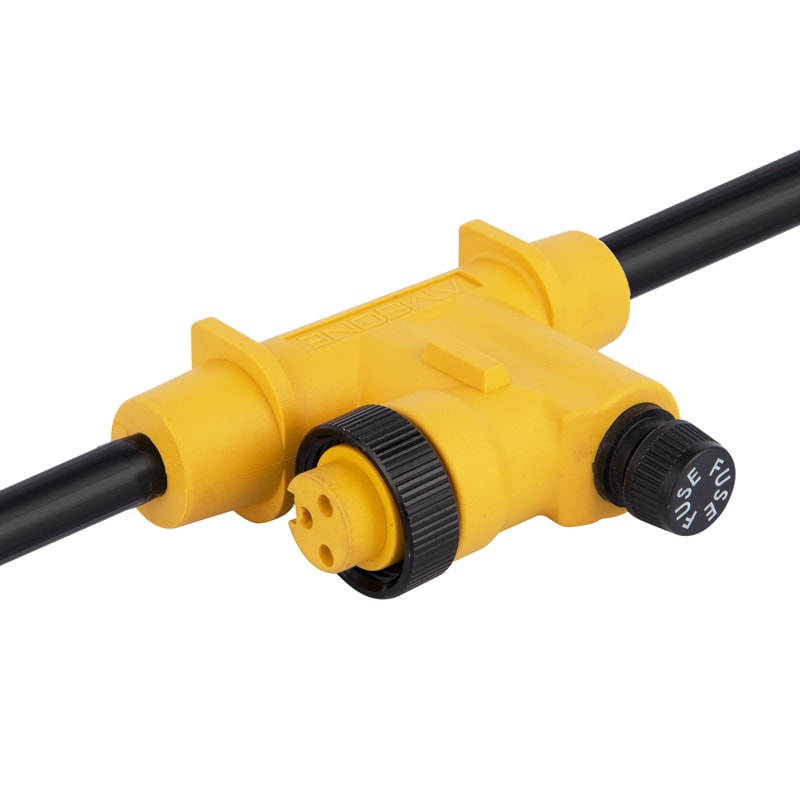
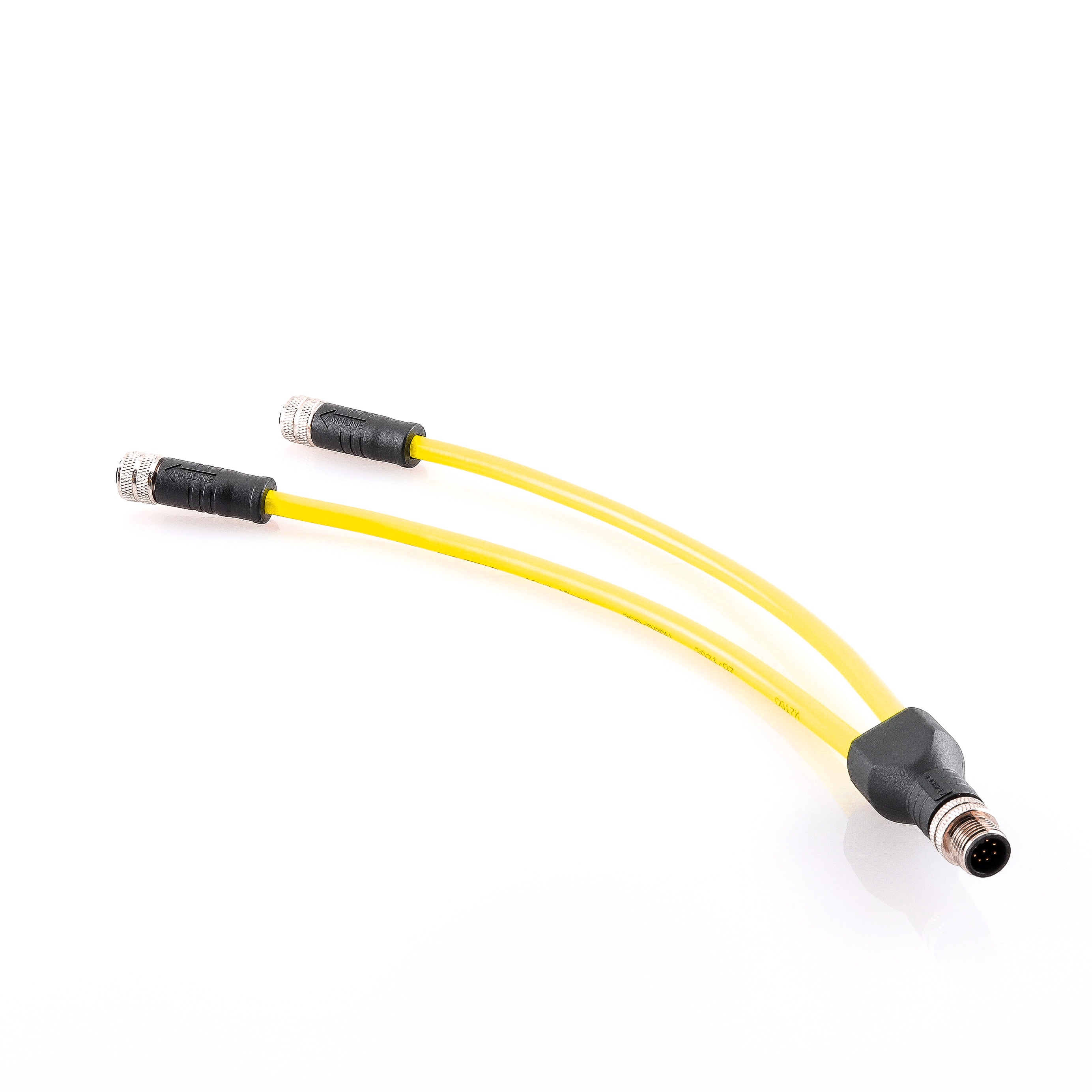




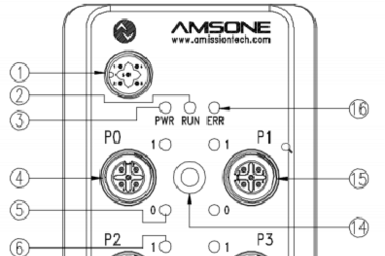
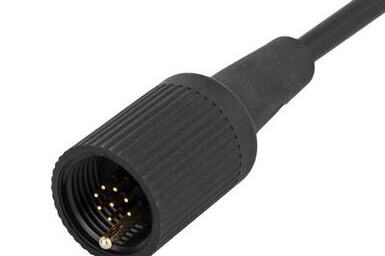

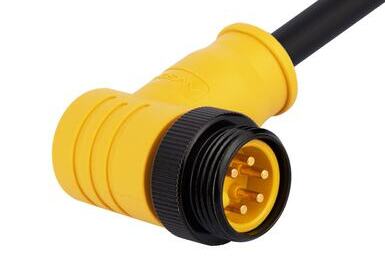
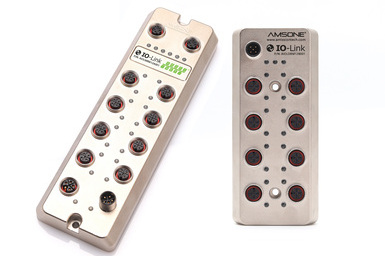


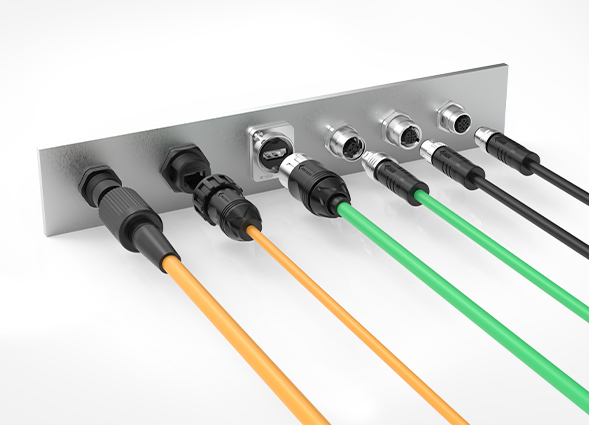
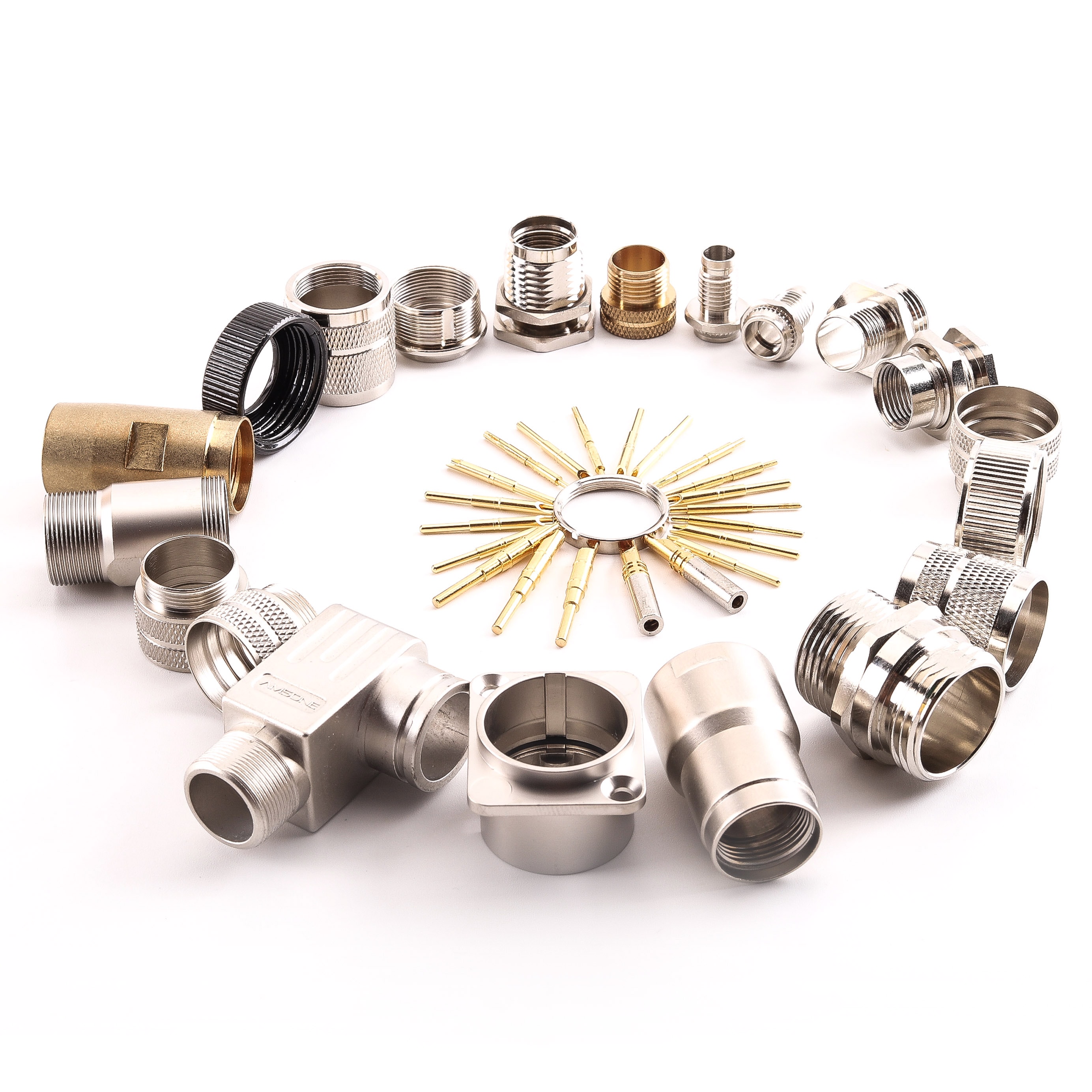
When discussing fiber optic connectivity, the SC connector is one of the most recognized and widely used solutions. An SC connector, often called a Subscriber Connector or Standard Connector, is a type of fiber optic connector designed for fast, stable, and reliable optical signal transmission. It is commonly used in telecommunications networks, broadband infrastructure, and data communication systems. Thanks to its simple design and dependable performance, the SC connector remains a standard choice for many indoor fiber applications.
To understand why SC connectors are so popular, it is important to look at their physical structure. The connector features a square-shaped housing that allows easy handling and efficient use of panel space. One of its most notable characteristics is the push-pull locking mechanism. Unlike threaded connectors that require twisting, the
SC connector
snaps into place and can be removed quickly, which simplifies installation and maintenance.
Equally important is the 2.5 mm ceramic ferrule located at the center of the connector. This component precisely aligns the fiber cores to ensure minimal signal loss and consistent performance. Because ceramic materials are durable and resistant to wear, the ferrule helps maintain stable connections even after repeated use.
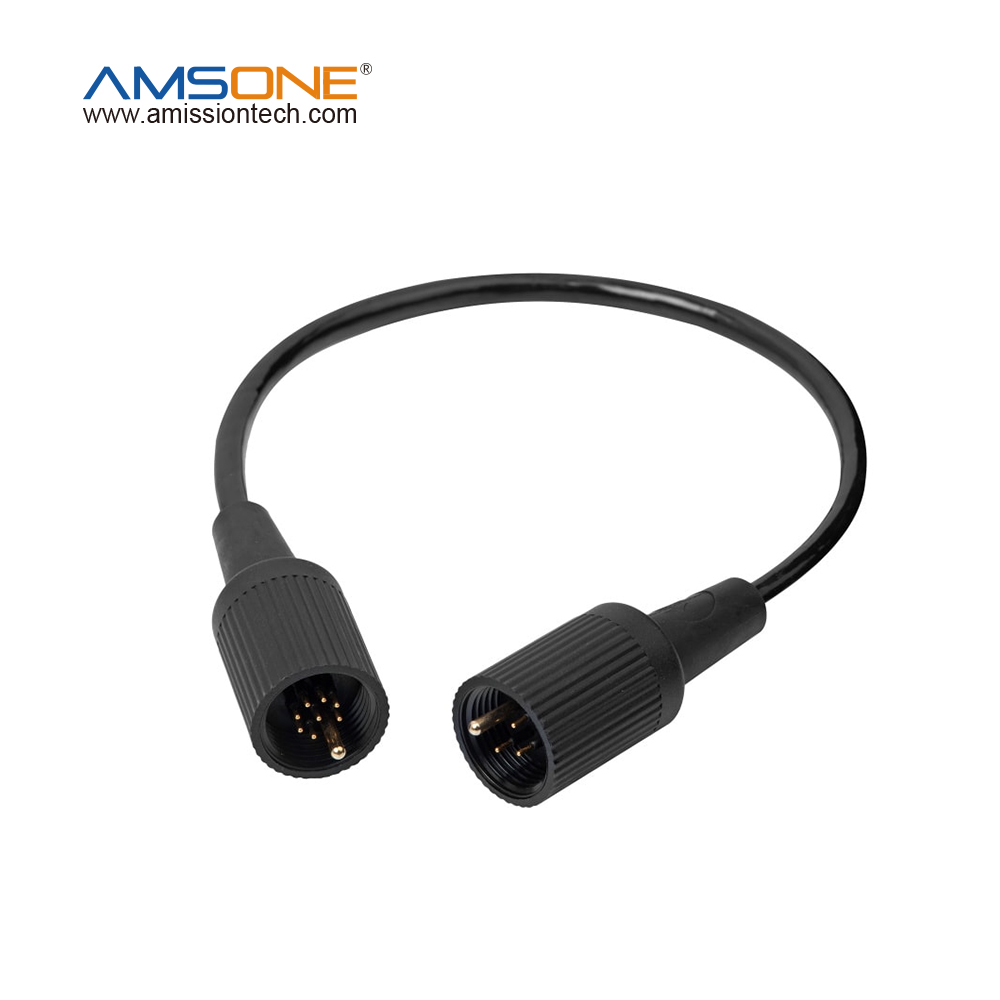
Although all SC connectors share a similar appearance, they are available in several types to meet different network requirements. The most common distinction is between SC/UPC and SC/APC connectors. SC/UPC connectors use a flat polish and are suitable for general data transmission, while SC/APC connectors feature an angled polish that reduces signal reflection, making them ideal for high-performance systems such as broadband networks.
In addition, SC connectors come in simplex and duplex versions. Simplex connectors support a single fiber for one-way transmission, whereas duplex connectors contain two fibers for simultaneous transmit and receive functions. Furthermore, SC connectors are produced for both single-mode and multimode fibers, allowing them to support short-distance data links as well as long-distance telecommunications.
In practical use, SC connectors play a critical role in maintaining signal quality within fiber optic systems. They connect fiber cables to equipment such as switches, routers, and optical distribution frames. By precisely aligning the fiber cores, the connector allows light signals to pass through with minimal attenuation. Proper alignment is essential because even small deviations can significantly reduce transmission efficiency.
Moreover, the push-pull design ensures a stable connection that resists accidental disconnection. This reliability is particularly important in networks that require continuous operation, such as internet services and enterprise communication systems.
Because of their reliability and ease of use, SC connectors are widely deployed across many industries. In telecommunications networks, they connect fiber lines that carry voice and data traffic over long distances. In data centers and enterprise networks, they provide dependable connections between servers, storage systems, and networking equipment.
They are also commonly used in broadband access systems, including fiber-to-the-home (FTTH) deployments, where stable connections are essential for delivering high-speed internet to users. Additionally, cable television systems rely on SC connectors to transmit optical signals efficiently. In industrial environments, they support communication infrastructure for automation and monitoring systems.
One reason for the long-standing popularity of SC connectors is their practical advantages. First, they provide a secure and stable connection that maintains signal integrity. Second, their snap-in design makes installation quick and straightforward, reducing labor time for technicians. Third, they are cost-effective for large-scale deployments because they are widely available and compatible with many devices.
Furthermore, SC connectors are known for durability. Their robust construction allows them to withstand repeated connections without significant performance degradation, making them suitable for both permanent installations and environments requiring occasional maintenance.
When compared with other connector types, SC connectors offer a balance between size and performance. For example, LC connectors are smaller and allow higher port density, but SC connectors are easier to handle during installation. Compared with ST connectors, which use a twist-lock mechanism, SC connectors provide faster connection through their push-pull design. FC connectors, on the other hand, are typically used in high-vibration environments due to their threaded coupling, whereas SC connectors are preferred for general indoor applications.
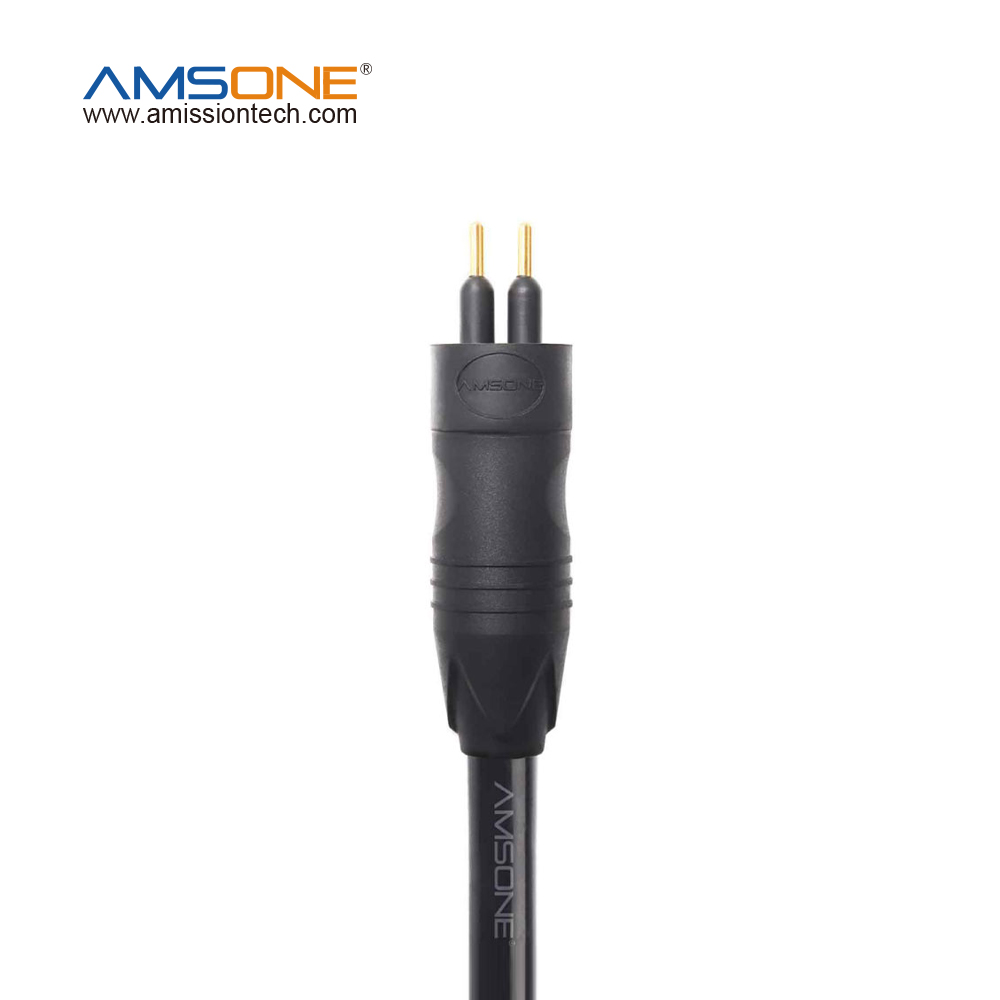
Choosing the right SC connector depends on several practical considerations. Network type is a primary factor, as single-mode and multimode systems require compatible connectors. Environmental conditions also matter, especially in industrial settings where temperature, dust, or moisture may affect performance. Additionally, users should consider performance specifications such as insertion loss and return loss to ensure the connector meets system requirements.
Compatibility with existing equipment is equally important. Selecting connectors that match current hardware helps avoid unnecessary adapters and simplifies system integration.
Proper installation and maintenance are essential for reliable fiber optic performance. Before connecting, technicians should clean the ferrule end faces to remove dust or debris that could interfere with signal transmission. Regular inspection using appropriate tools helps detect damage or contamination early. Careful handling and proper storage of connectors also extend their service life and maintain network stability.
In summary, the SC connector remains a fundamental component in fiber optic communication due to its reliability, ease of use, and cost efficiency. Its push-pull design, durable ceramic ferrule, and wide compatibility make it suitable for telecommunications, data centers, broadband networks, and industrial systems. Understanding its features and selection criteria helps users build stable and efficient optical networks.
For businesses seeking dependable connectivity solutions, partnering with a trusted supplier is essential. Amissiontech, an experienced
industrial connector supplier
, provides high-quality connectors and cable assemblies designed for reliable performance in demanding environments. With strong manufacturing capabilities and strict quality control, Amissiontech supports customers with durable products and responsive service for modern industrial connectivity needs.