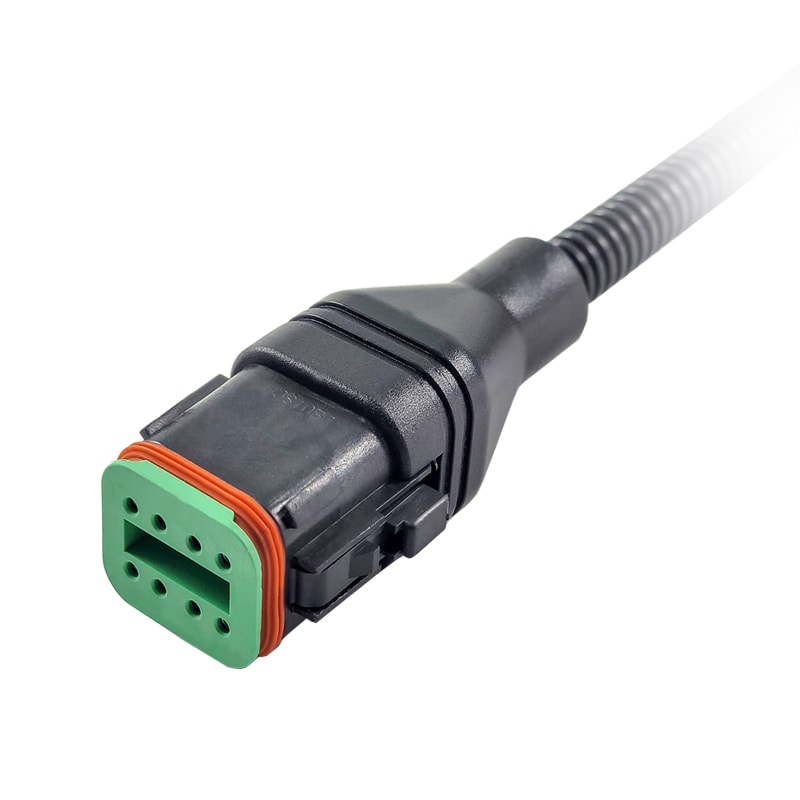
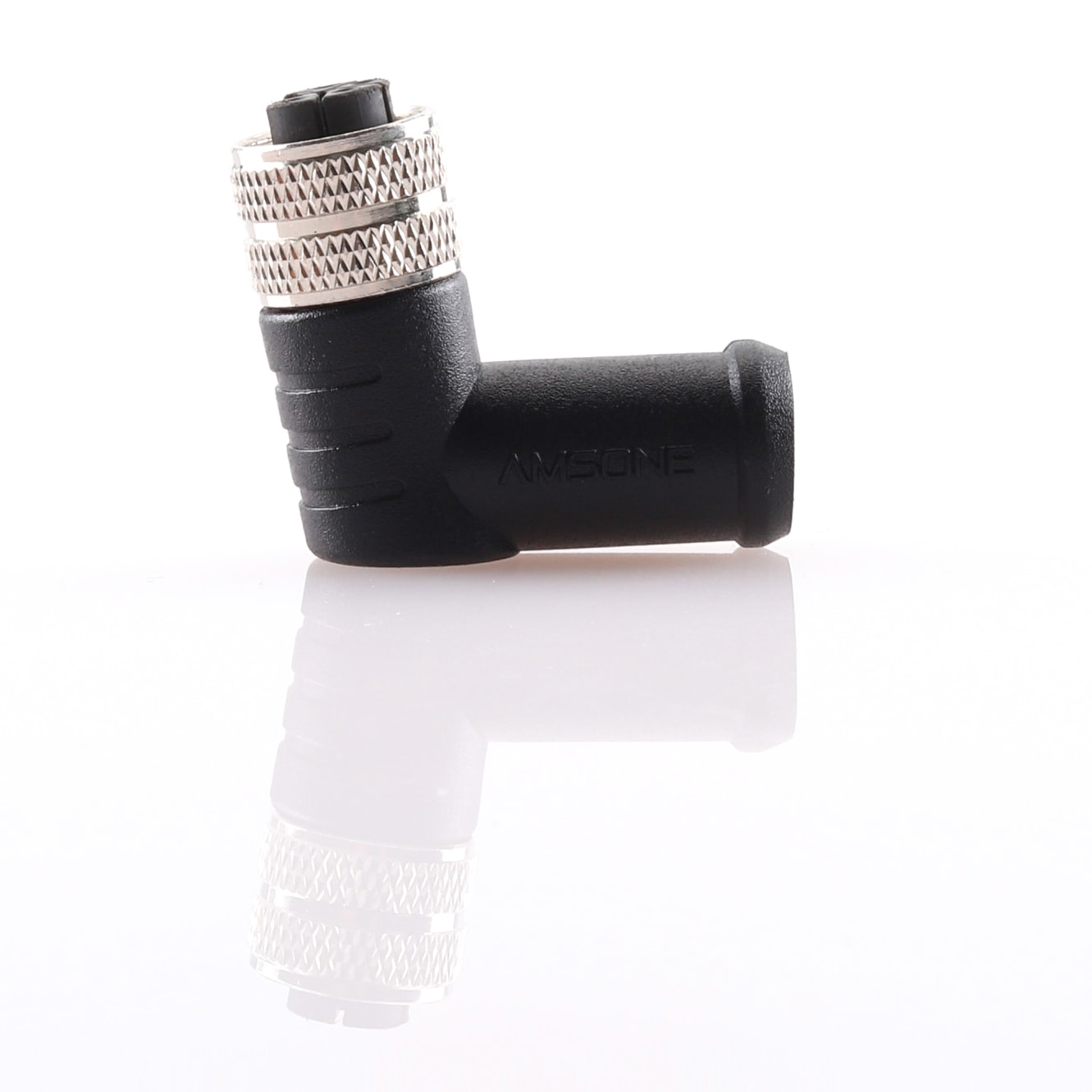
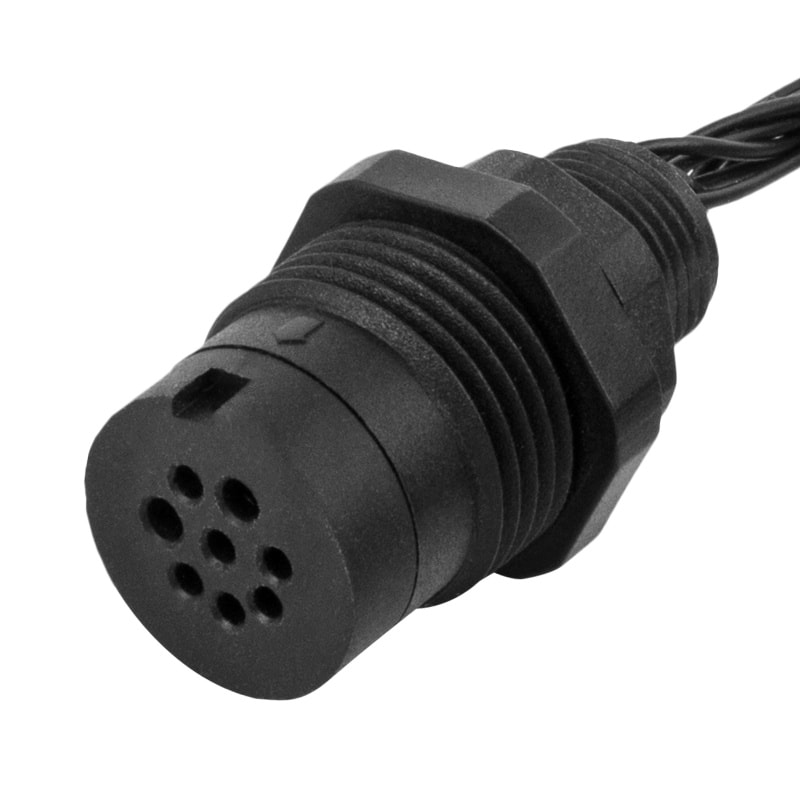
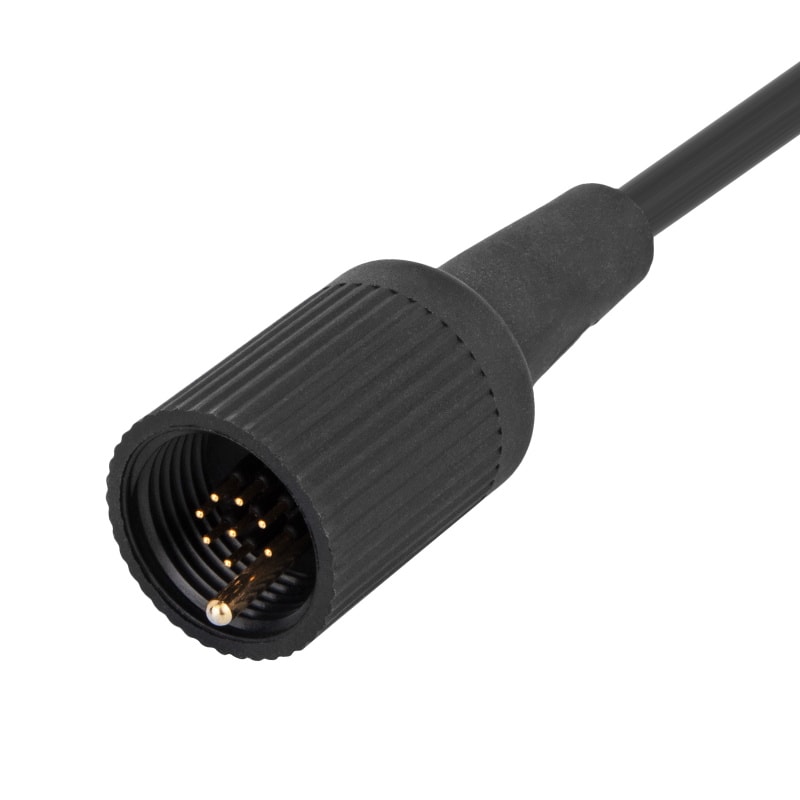
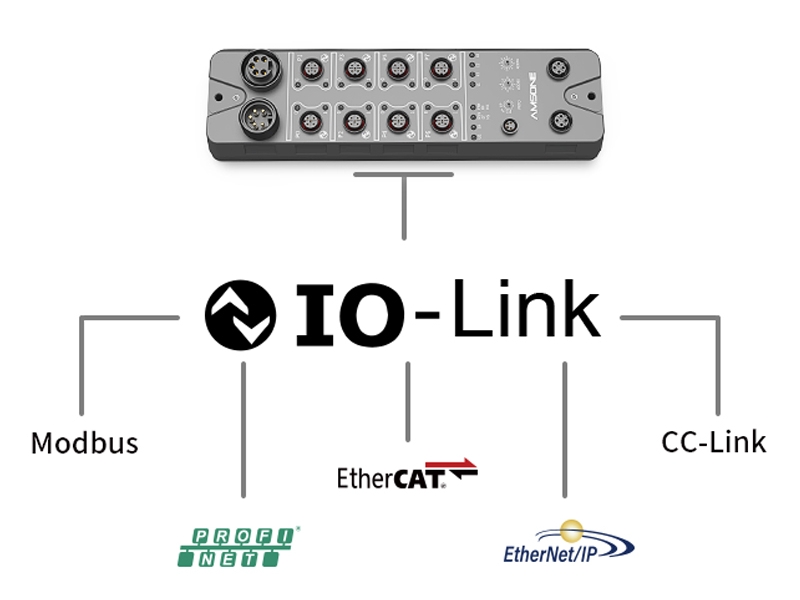
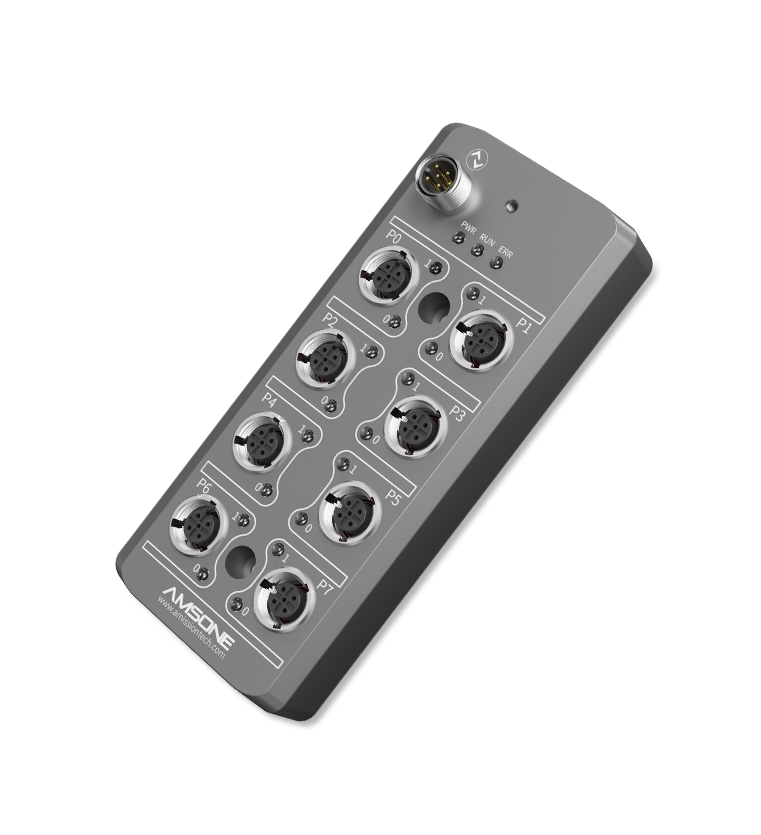
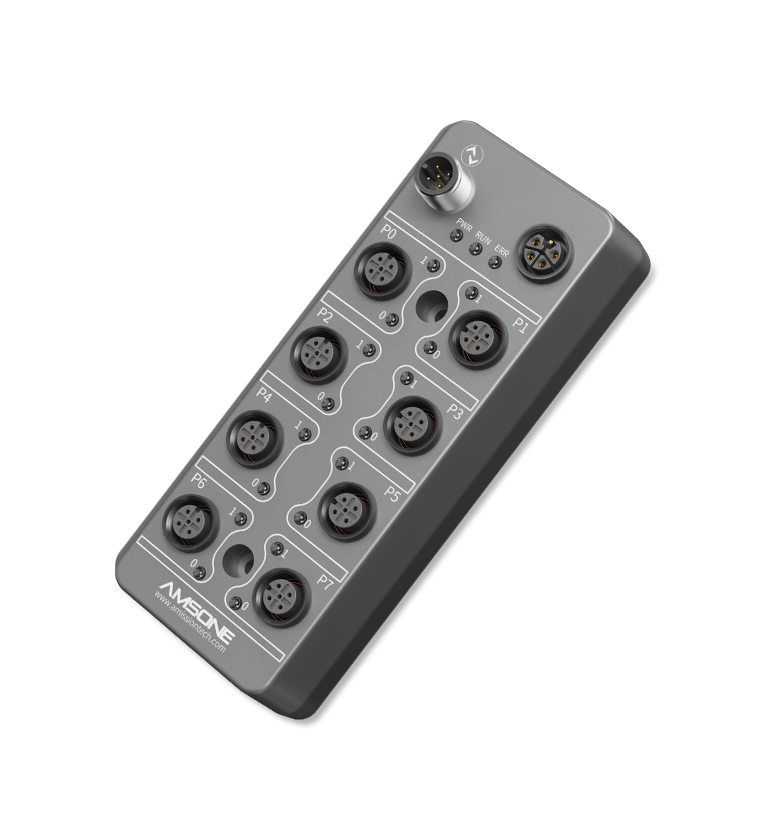
P/N: ALD-HBN1-372XXX
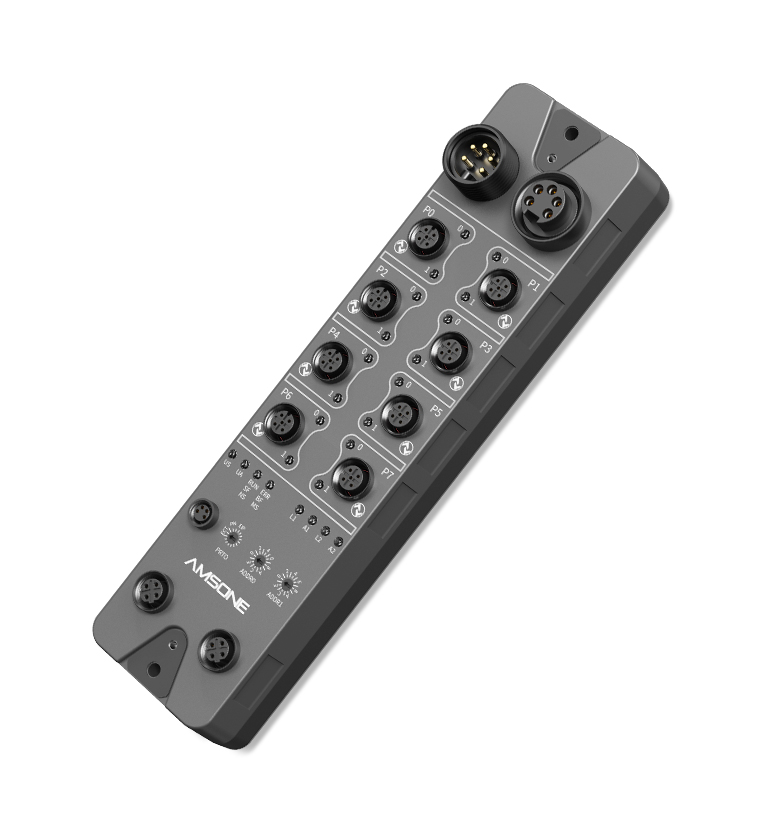
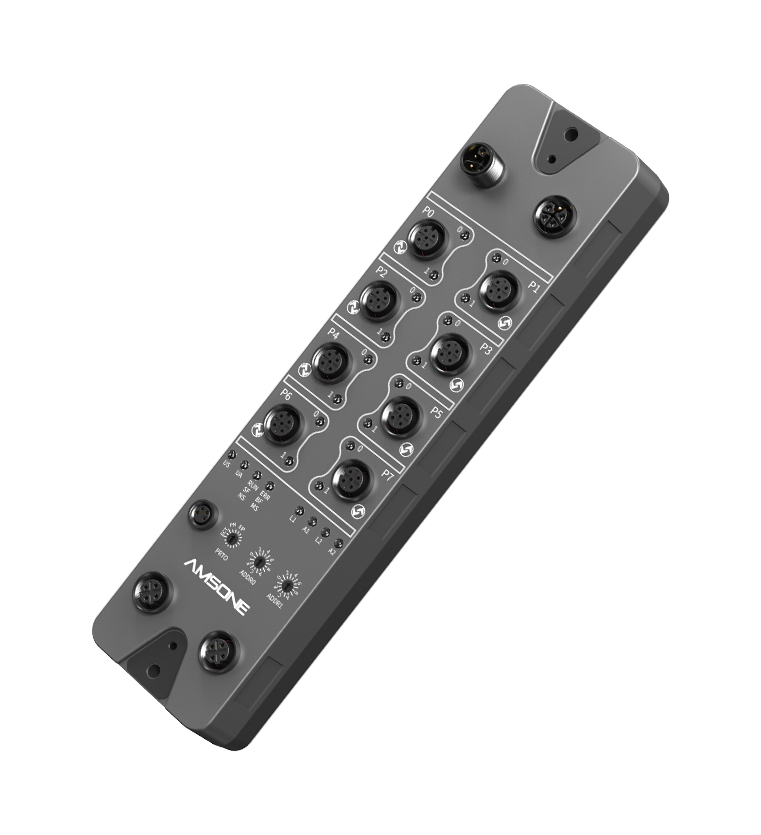
IO Link Hub NPN 0.5A/channel Plastic Housing Plastic Thread Locking
View All



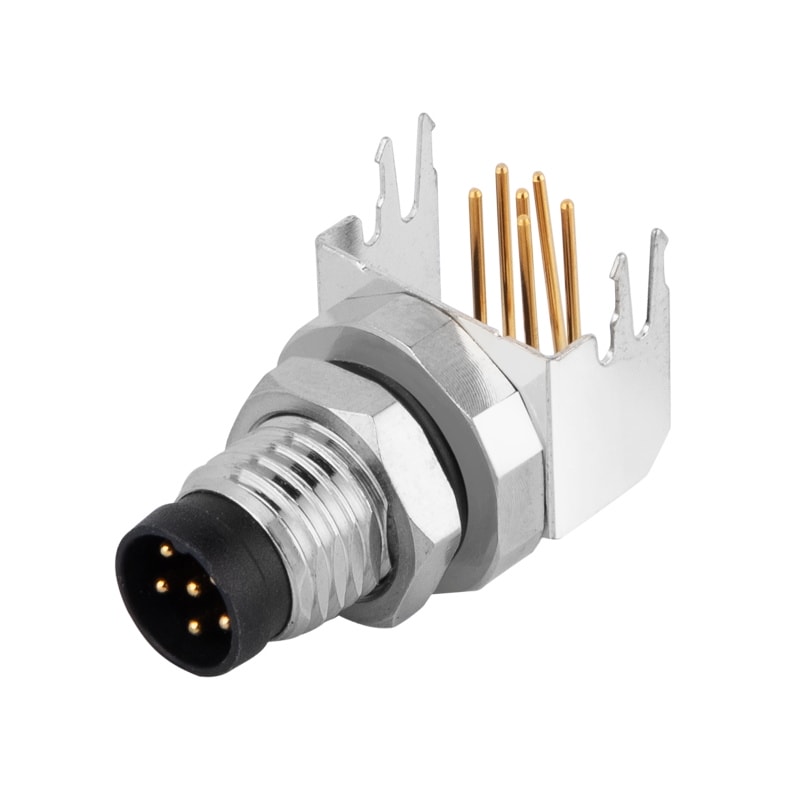


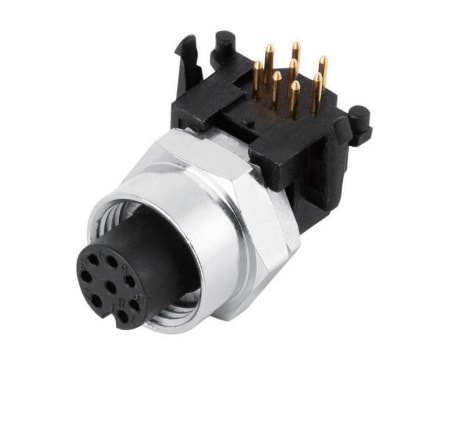
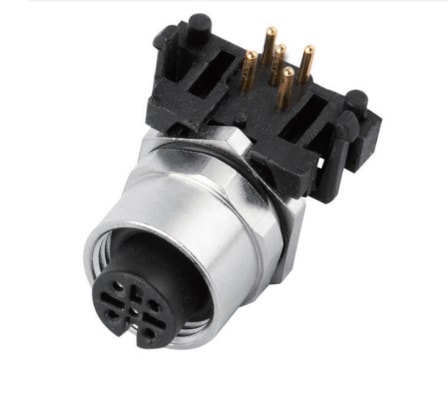
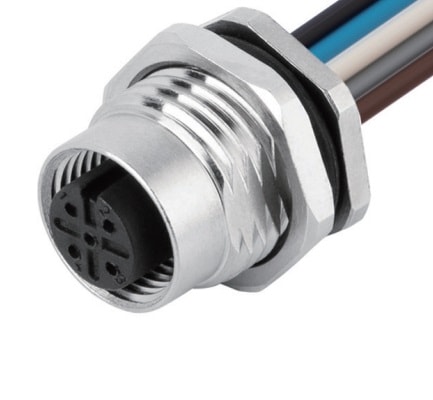

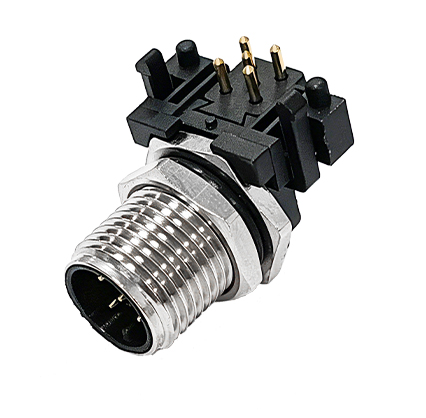


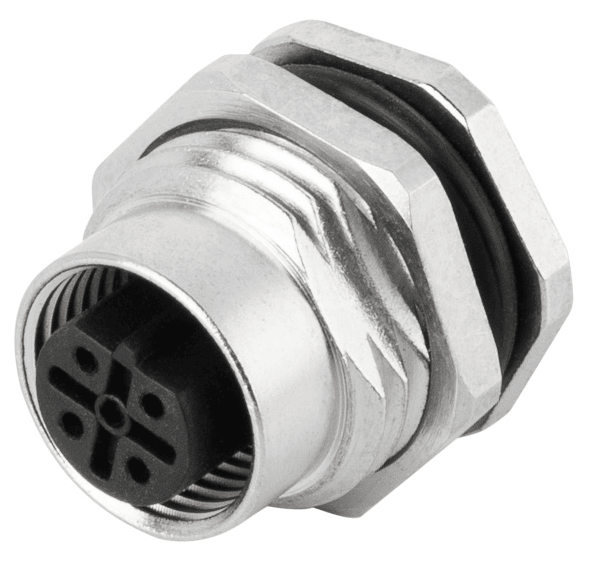

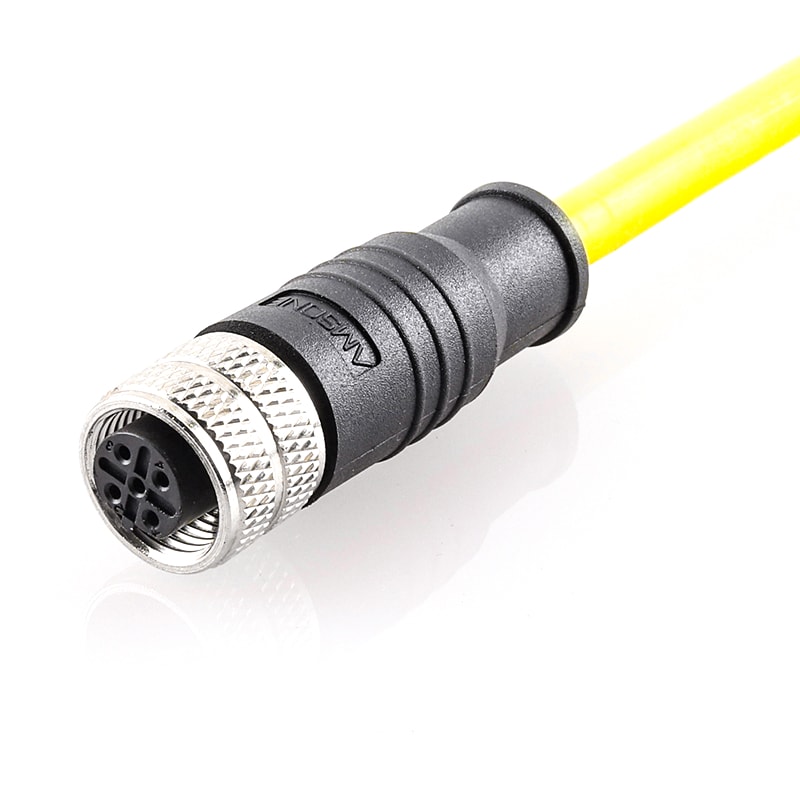


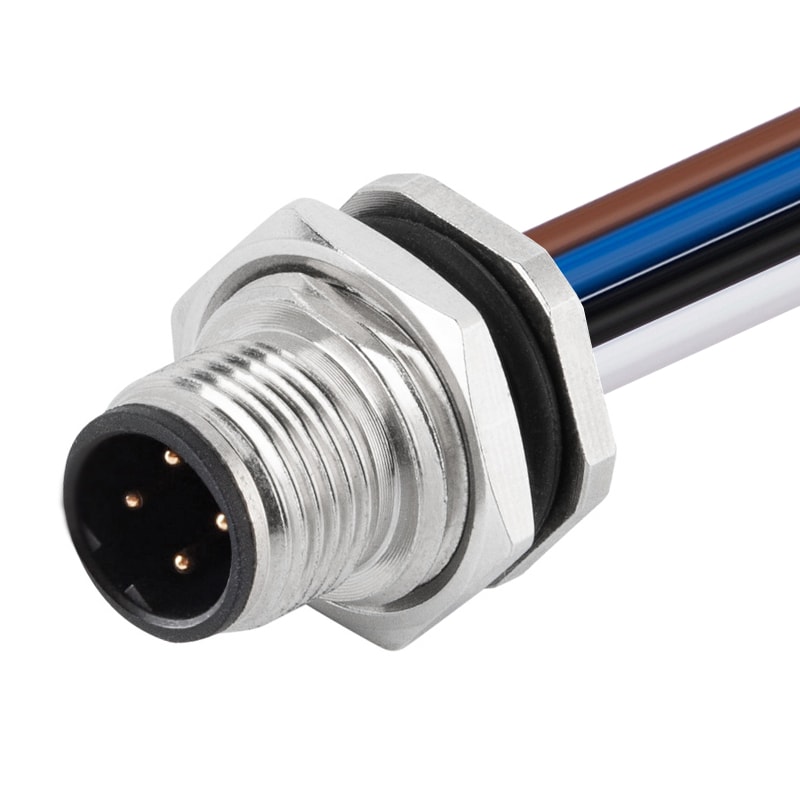


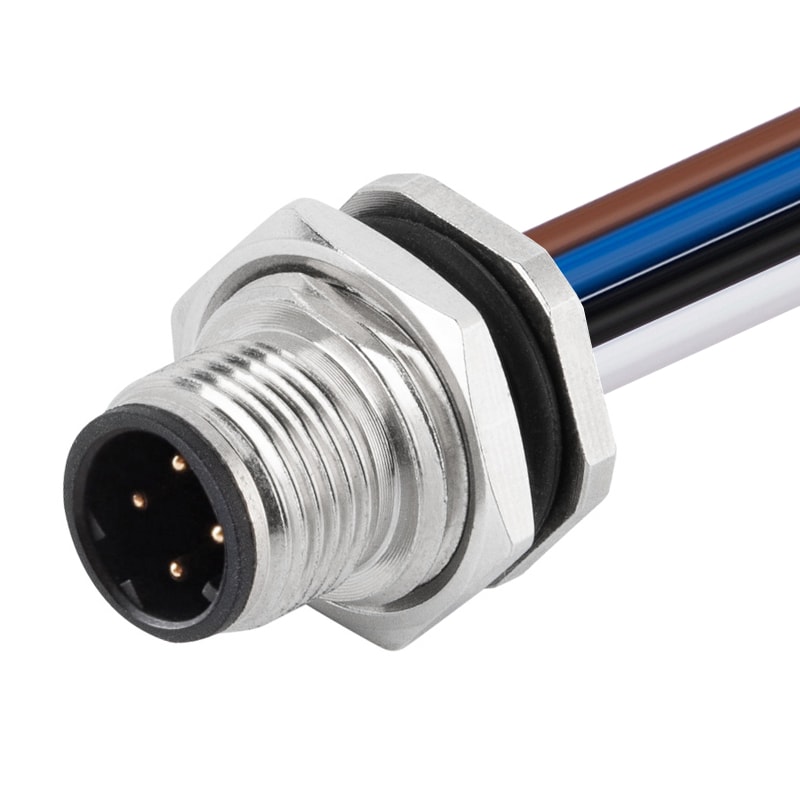

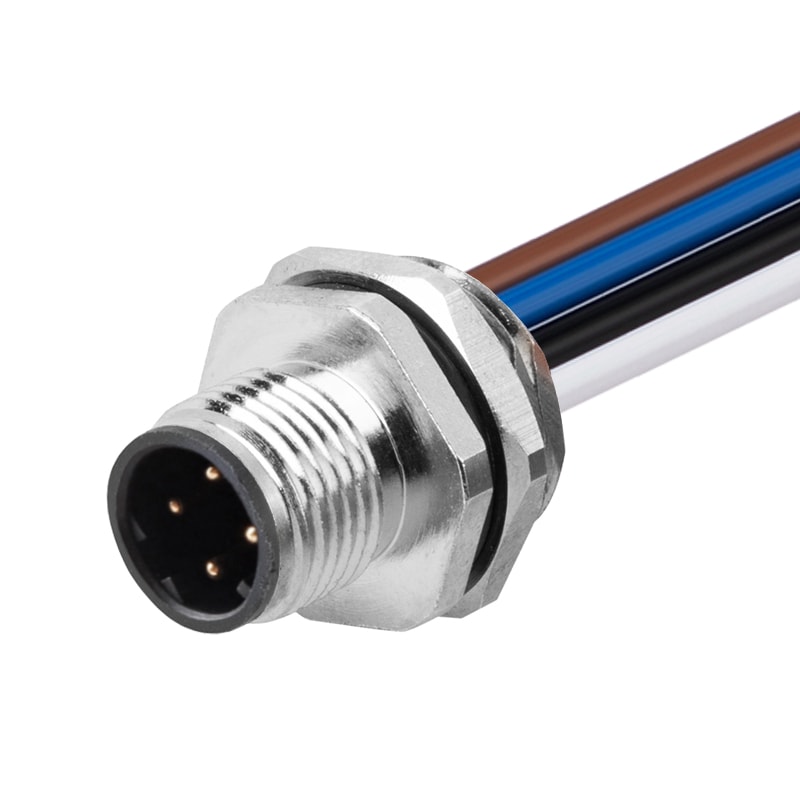


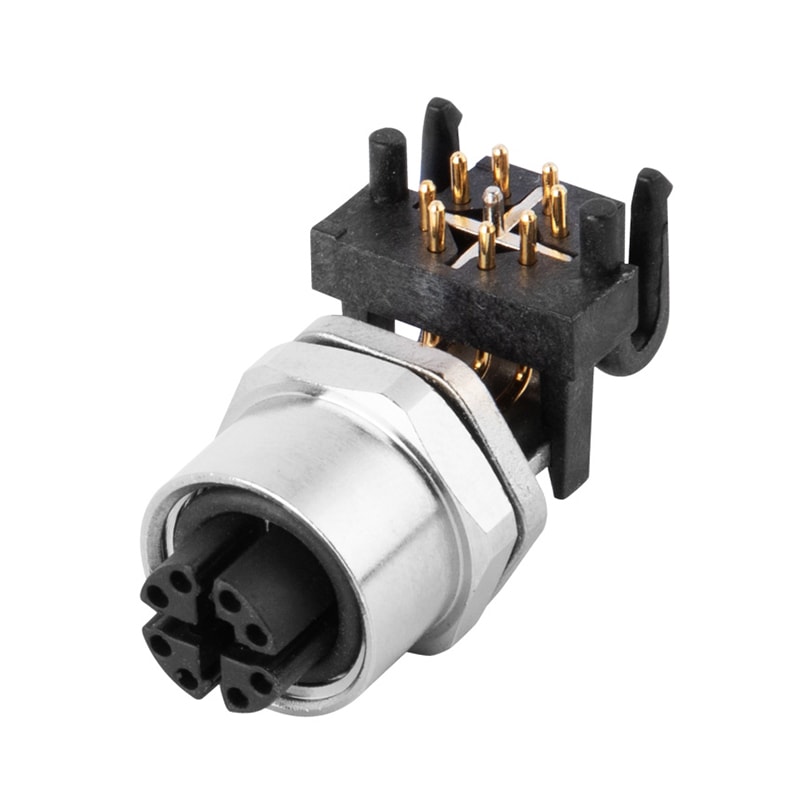


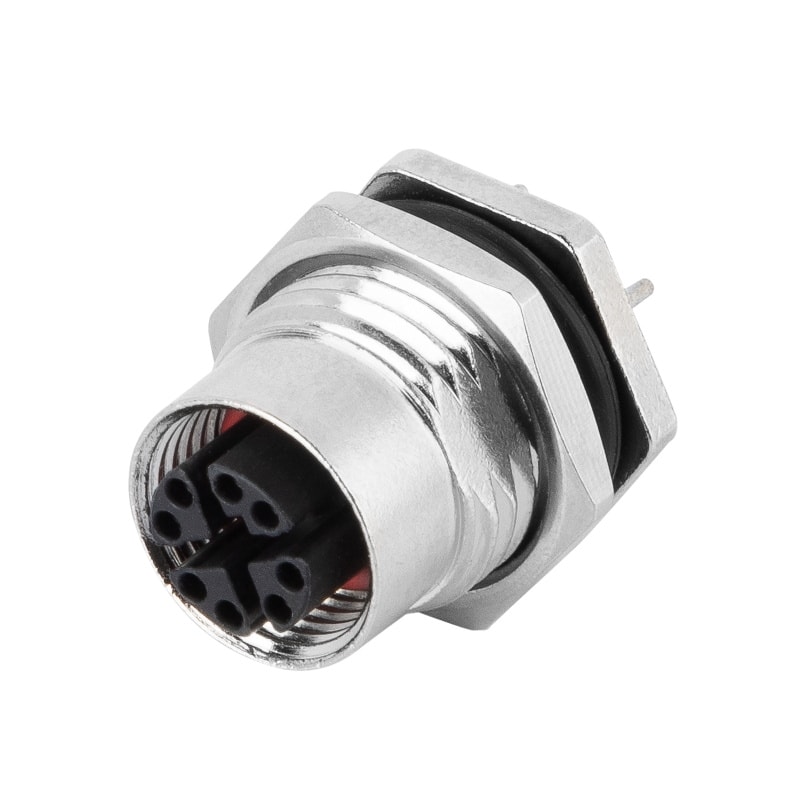

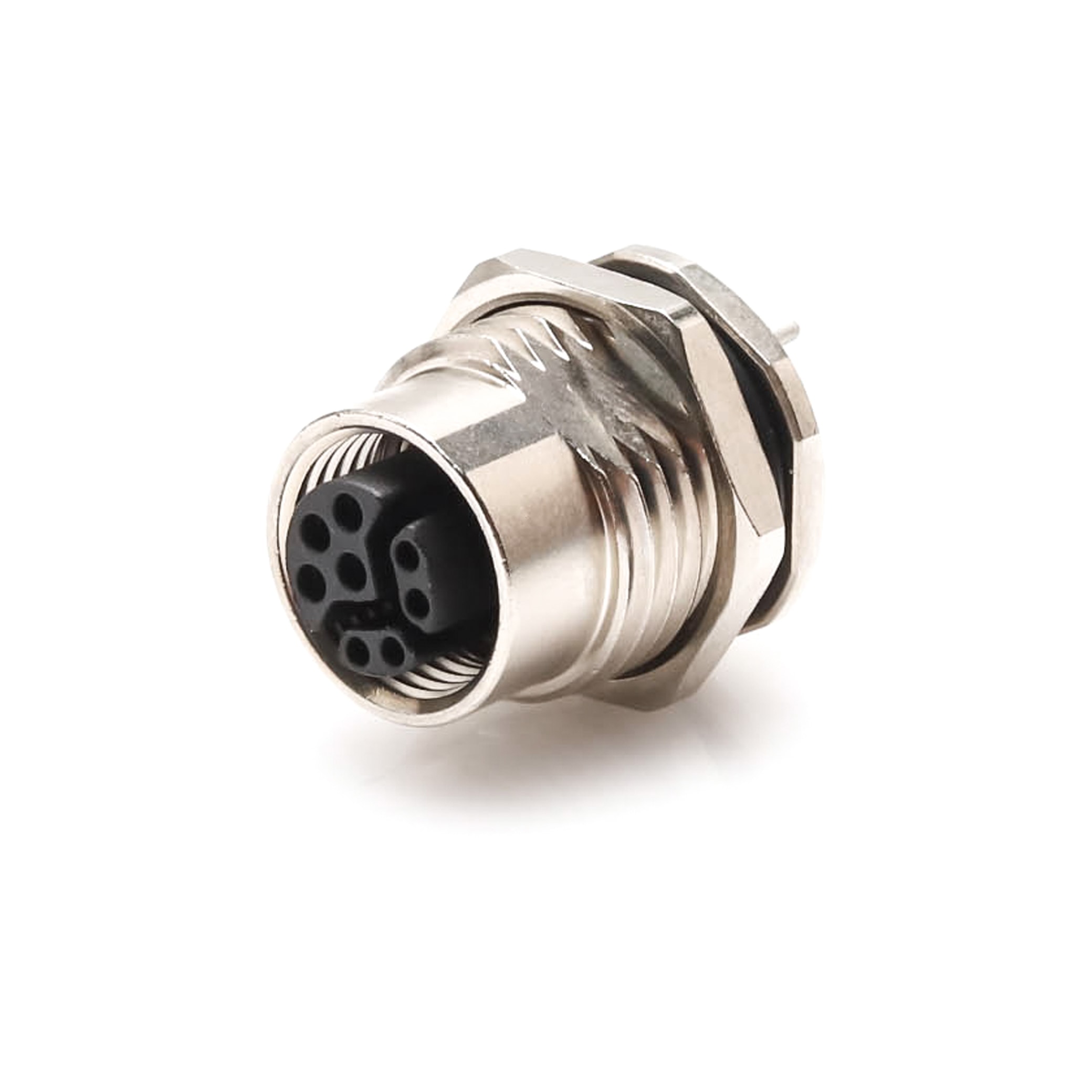
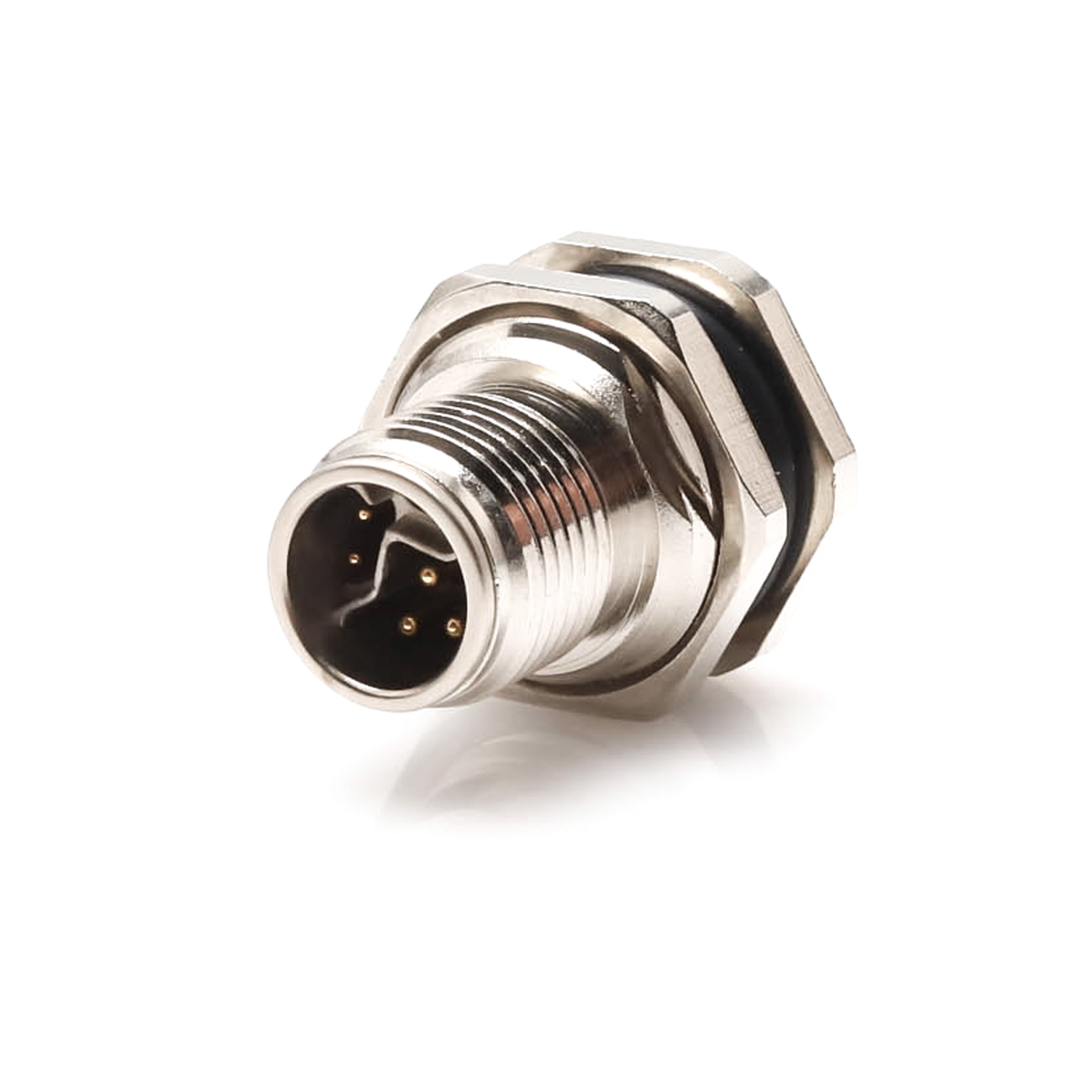
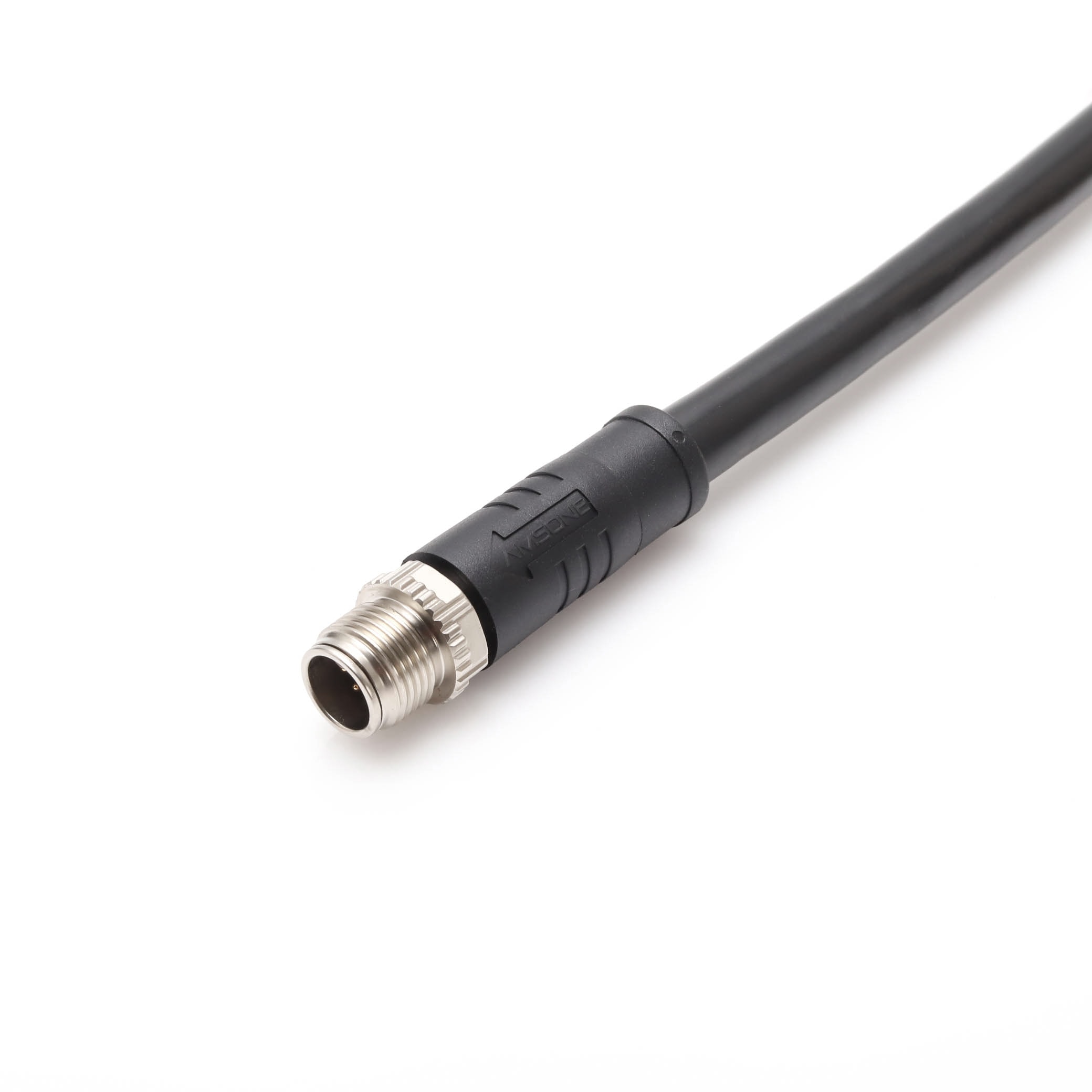
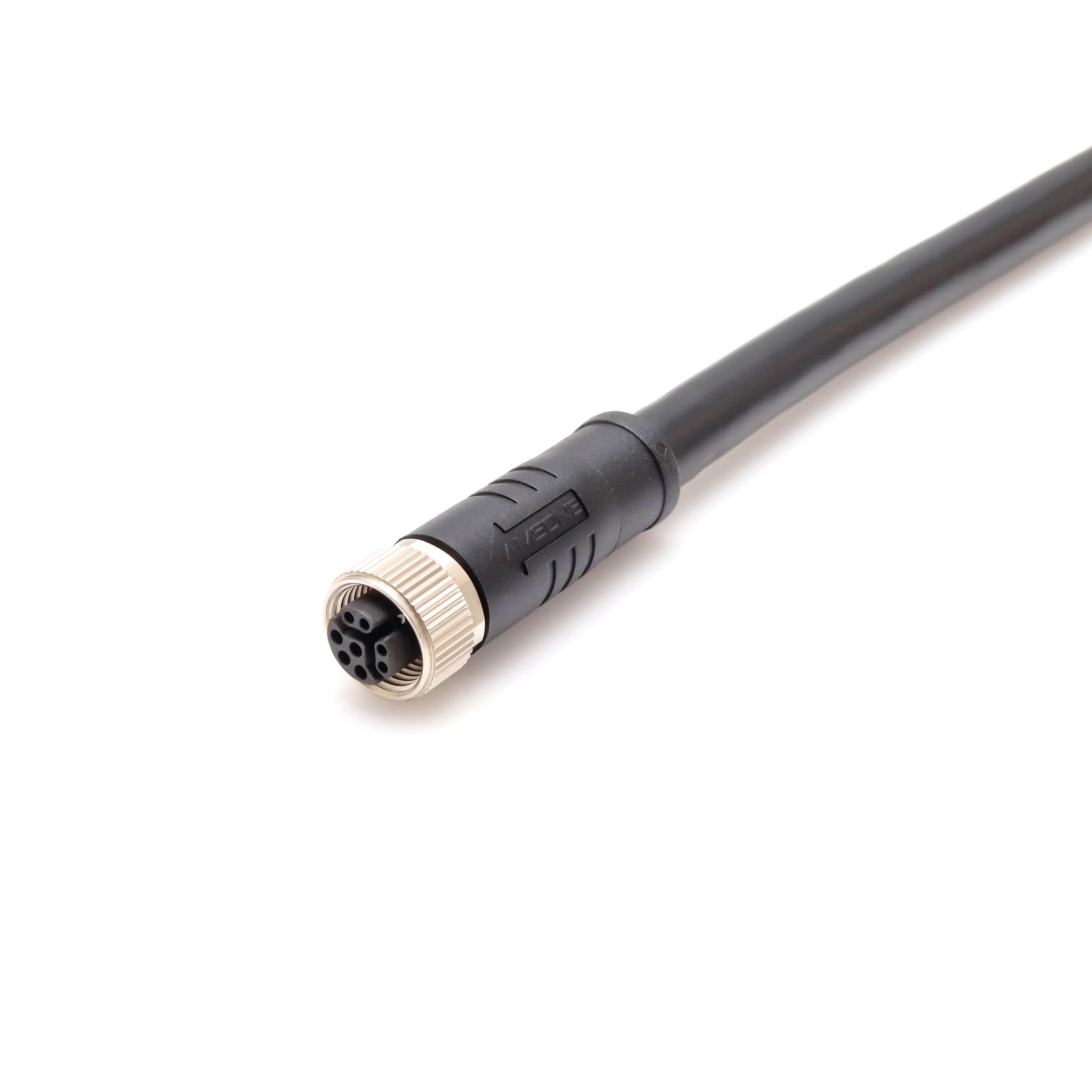
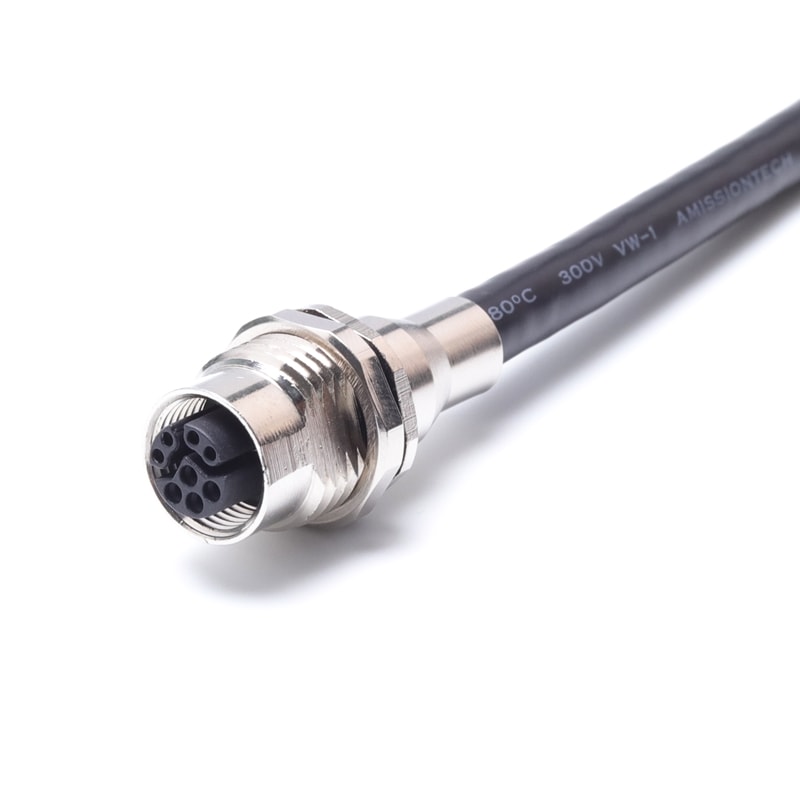


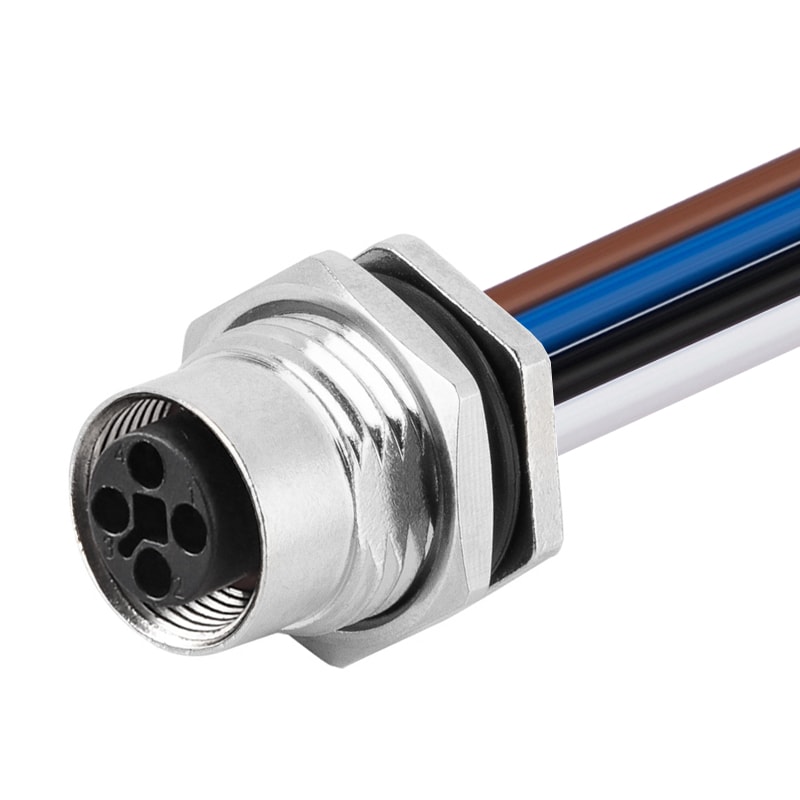
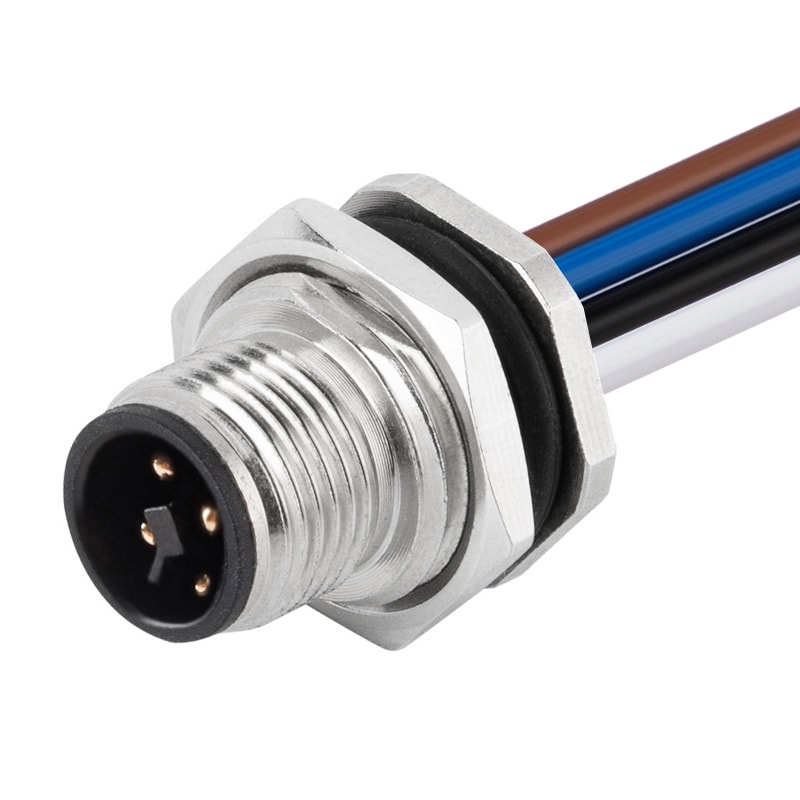

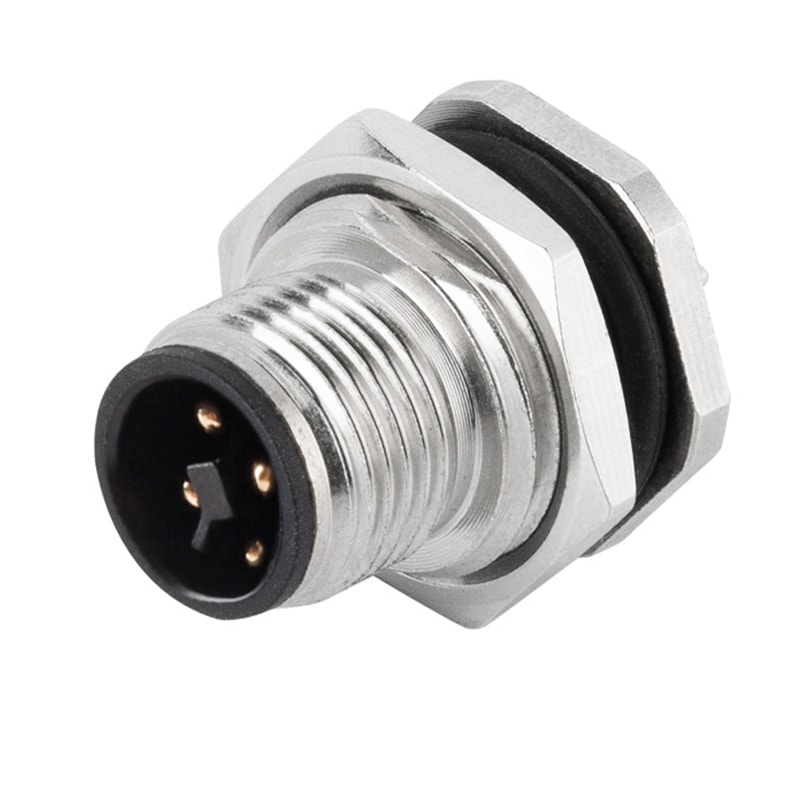

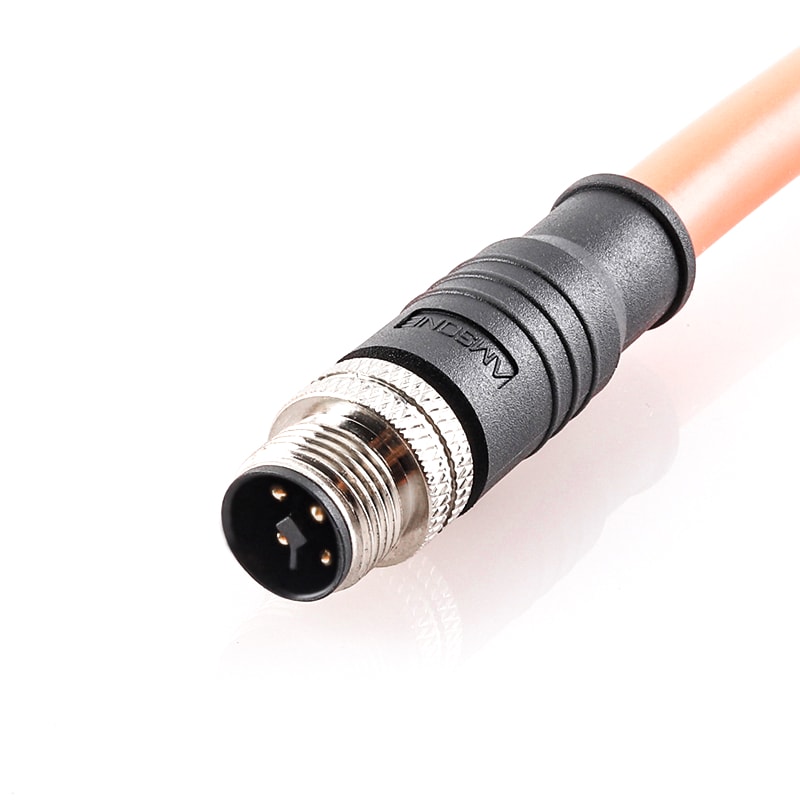
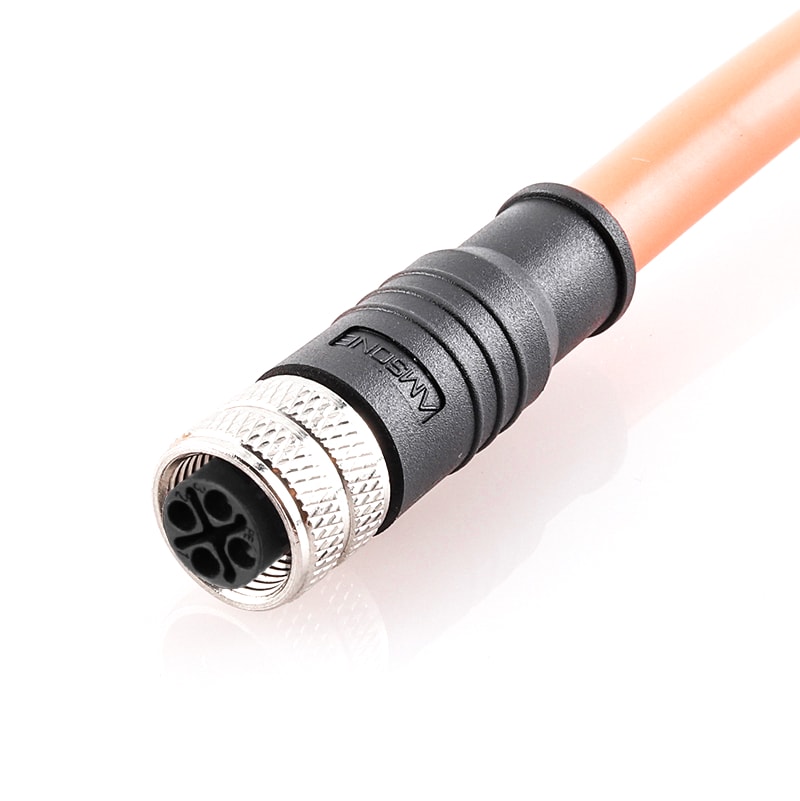
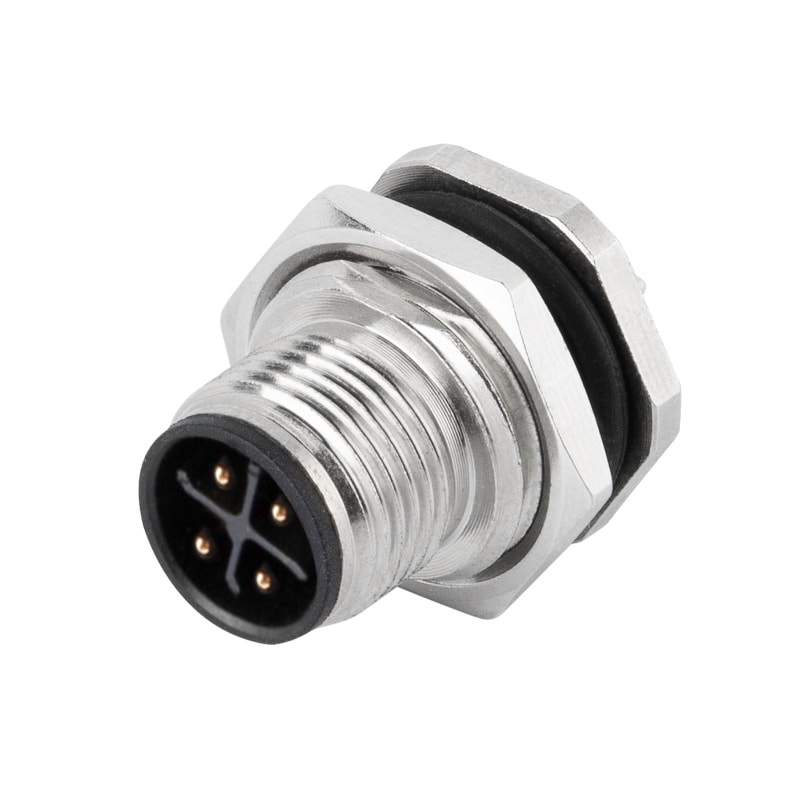


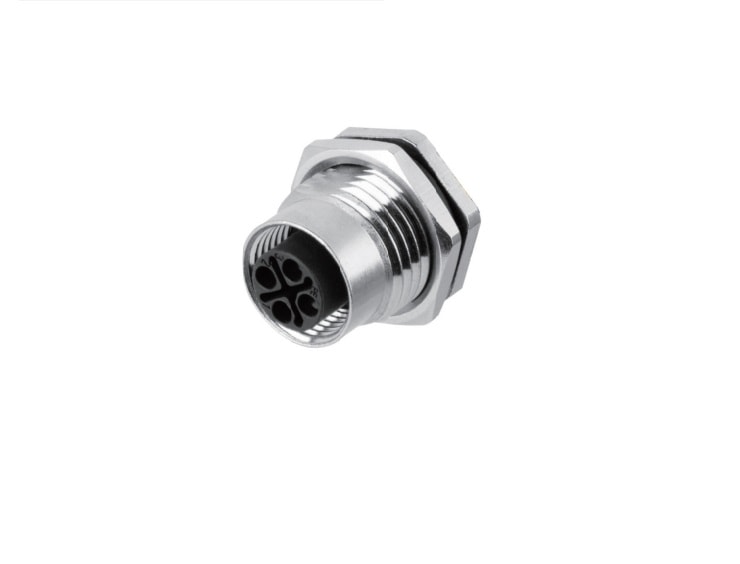
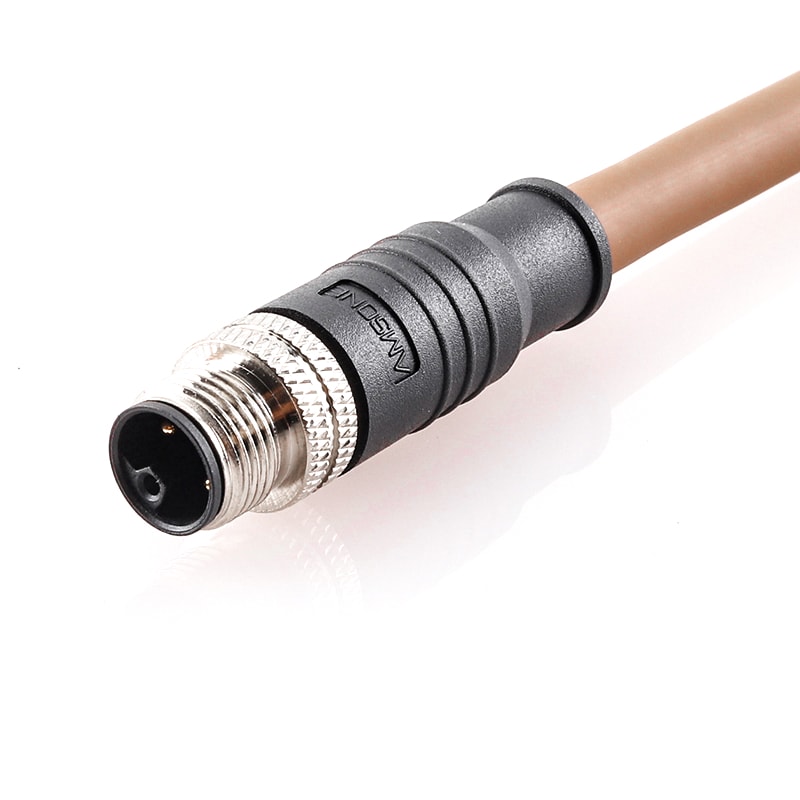


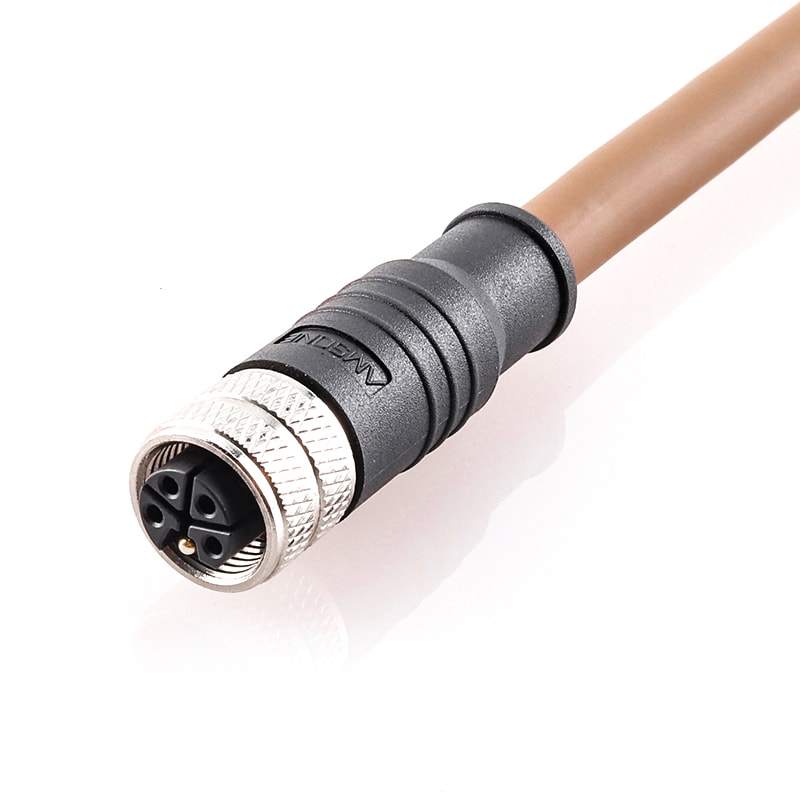


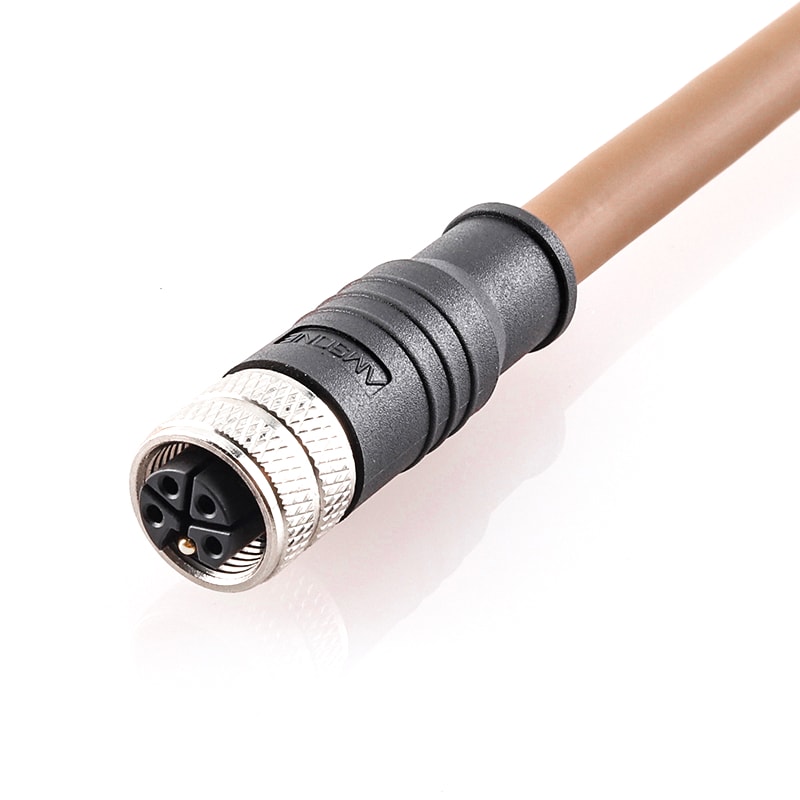
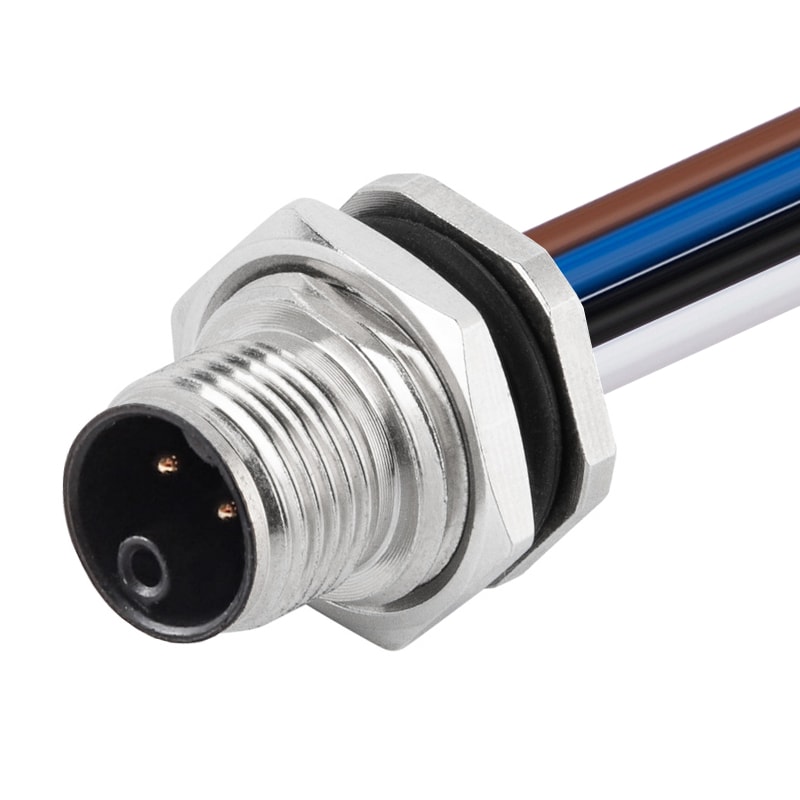









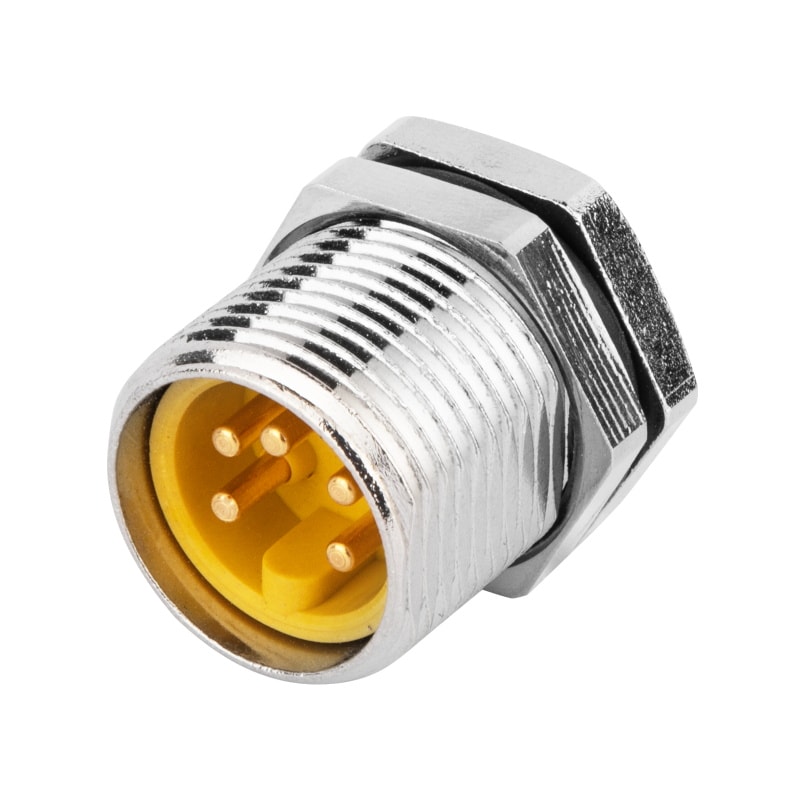
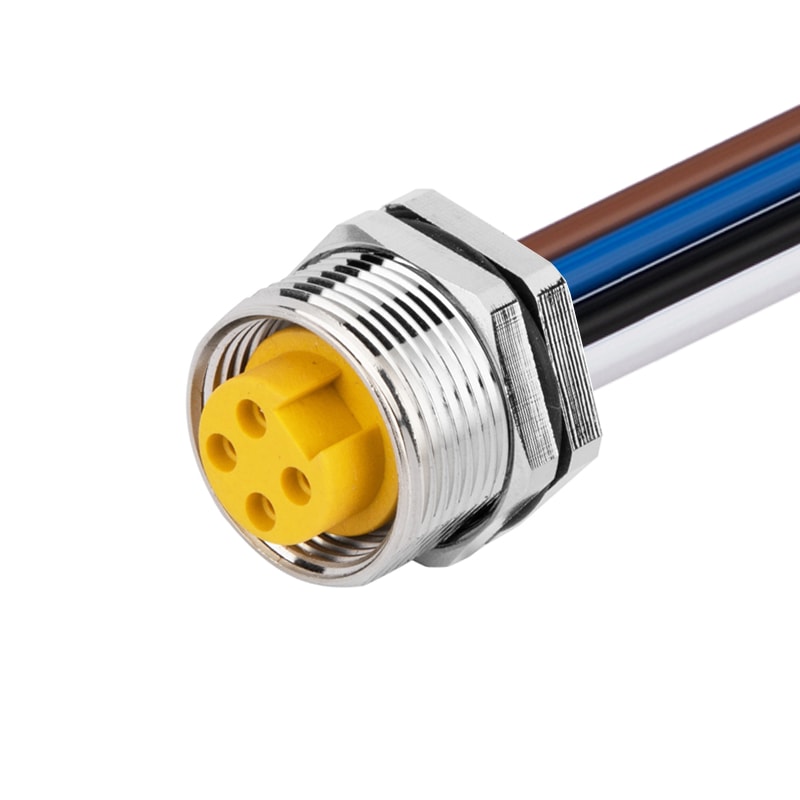
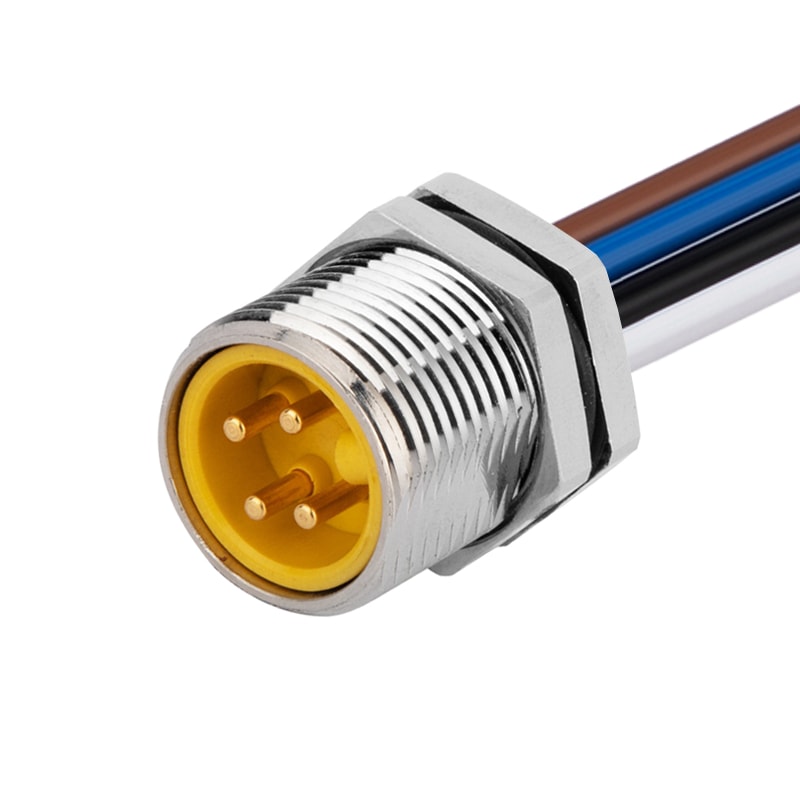
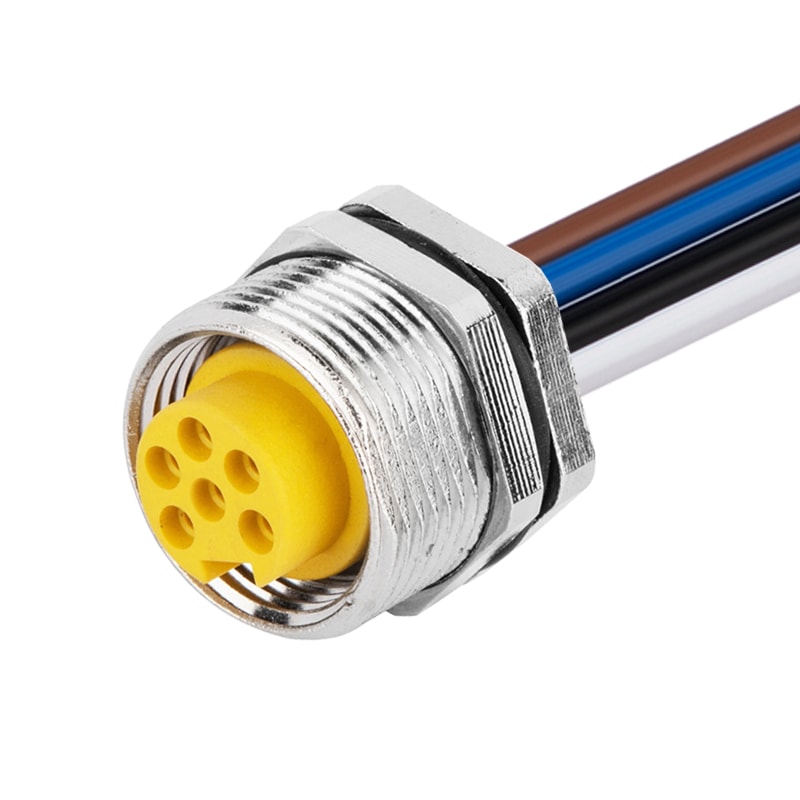
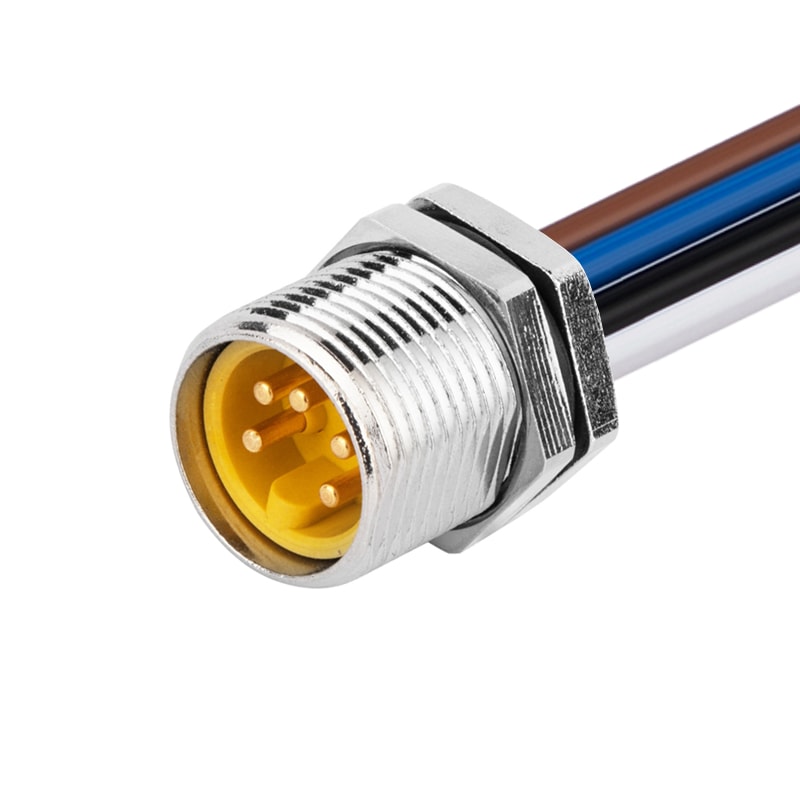
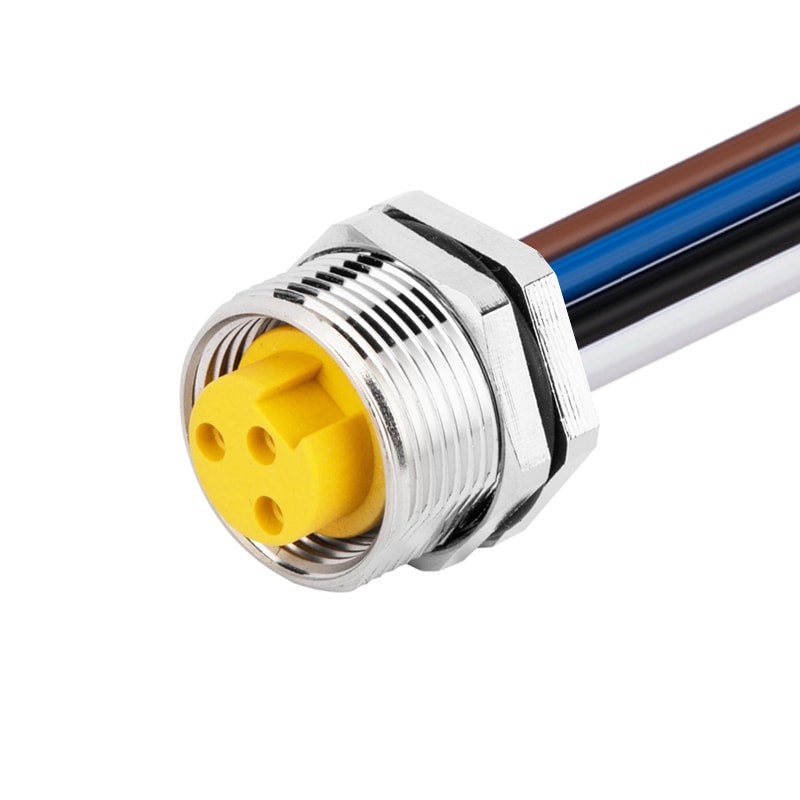
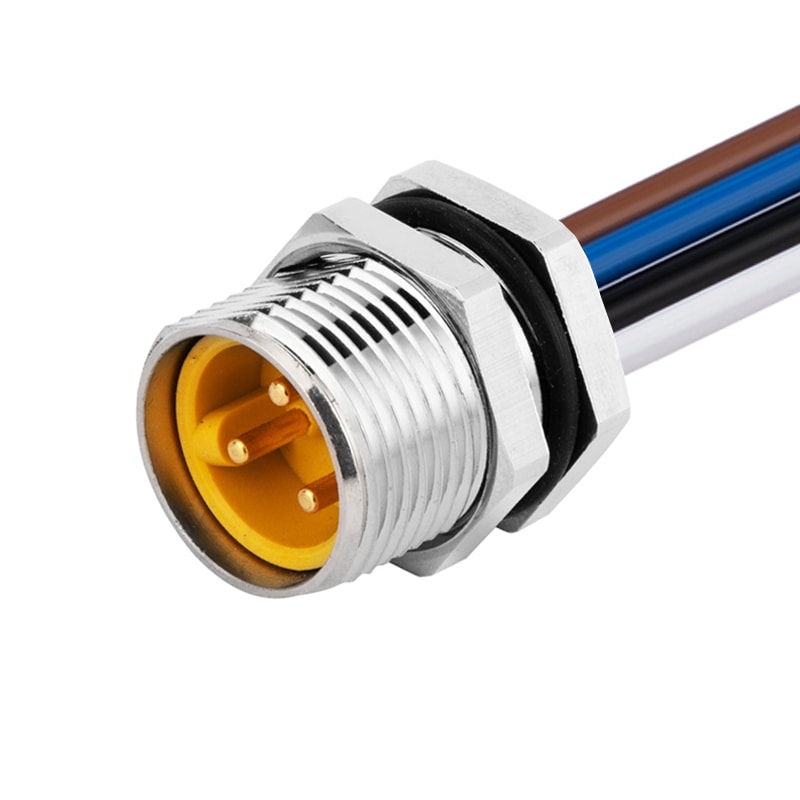
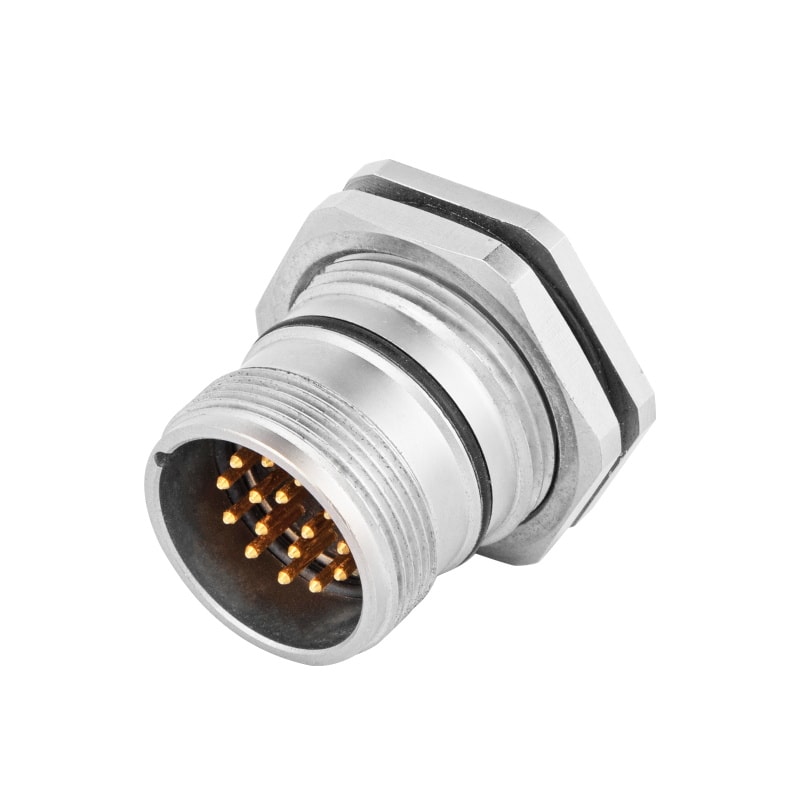
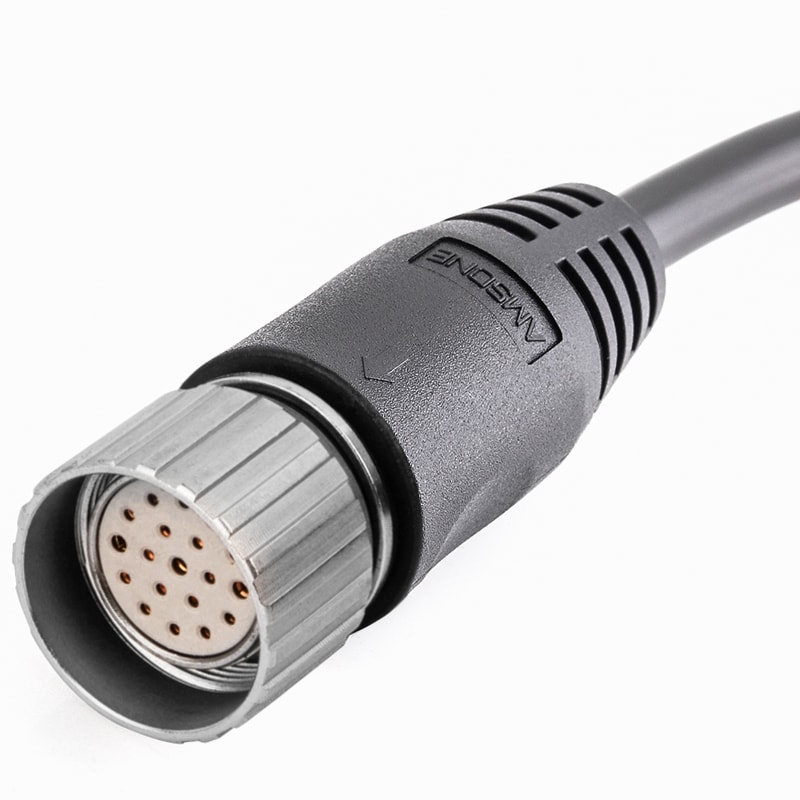
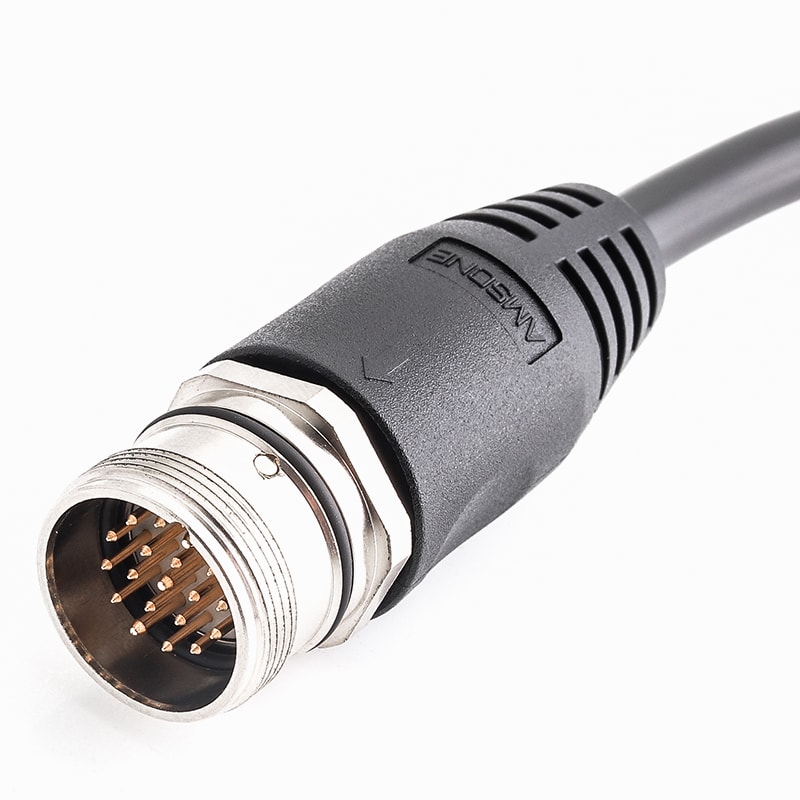
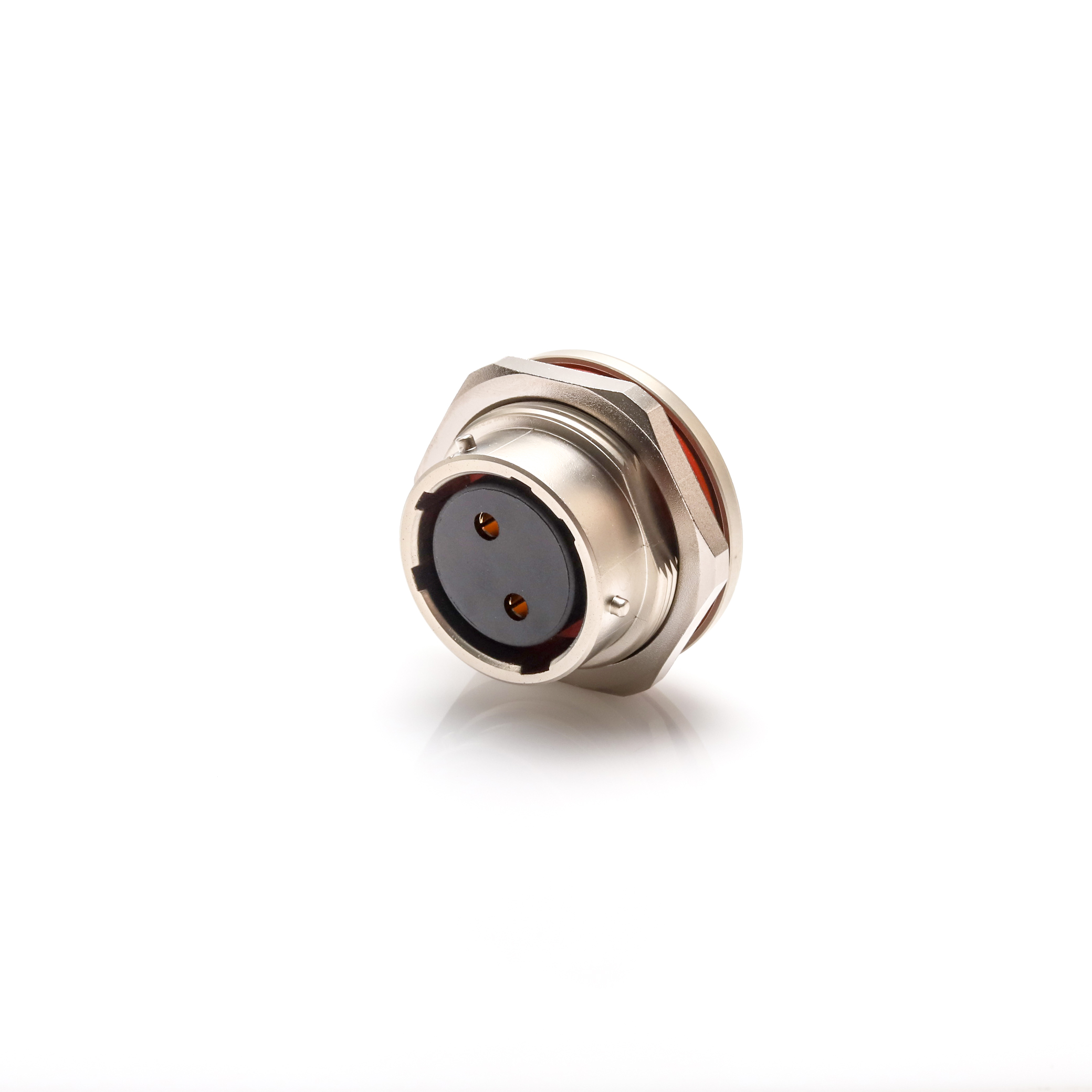
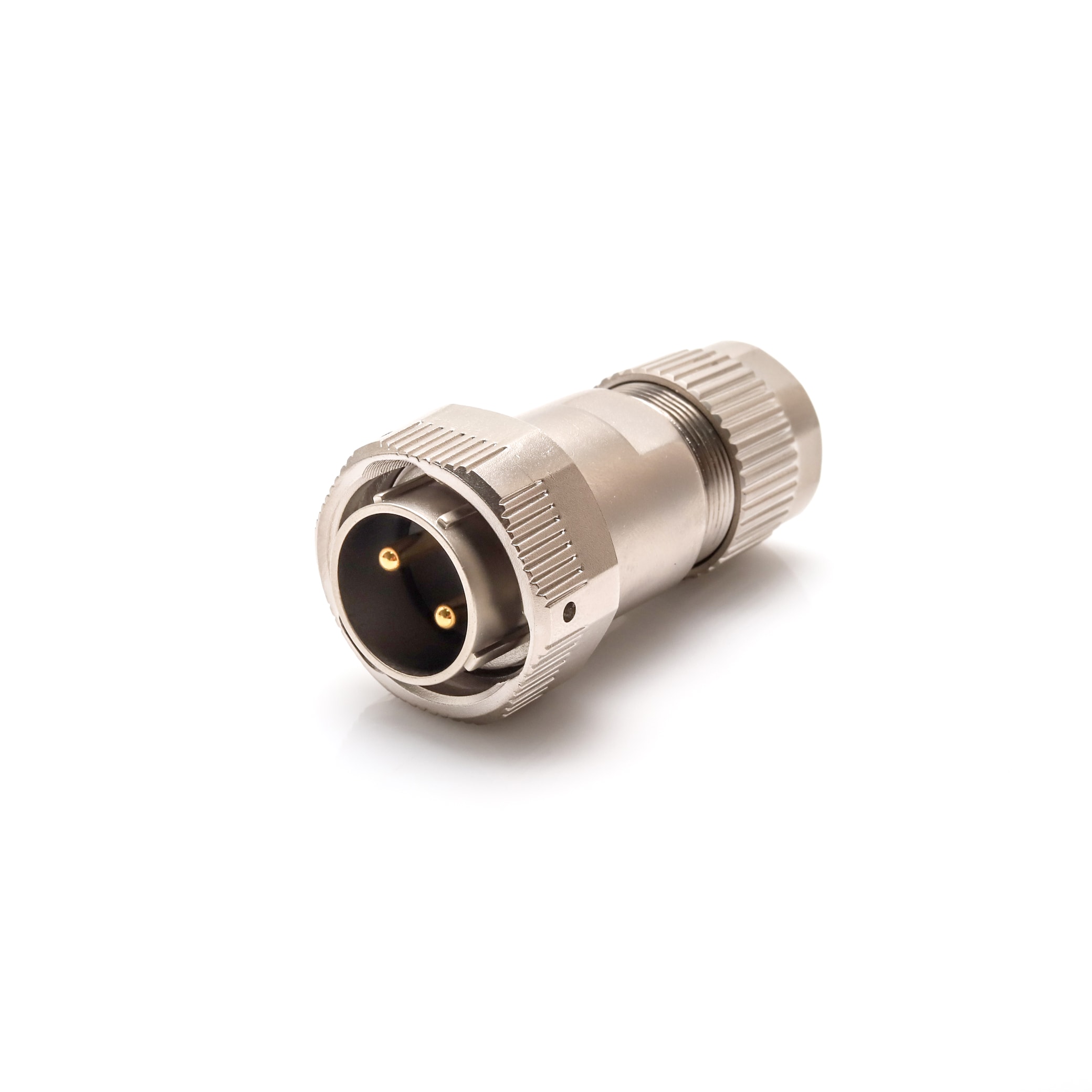
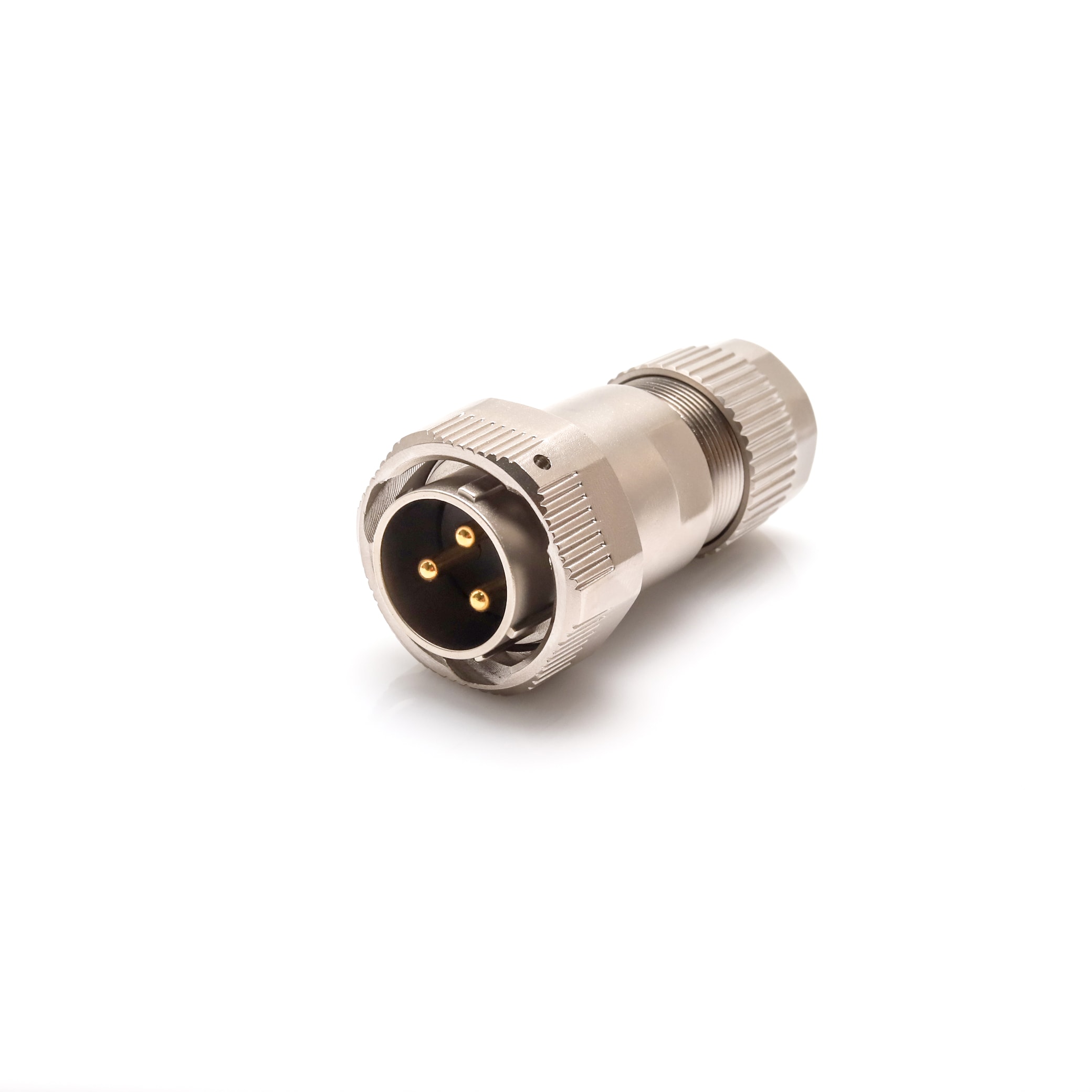
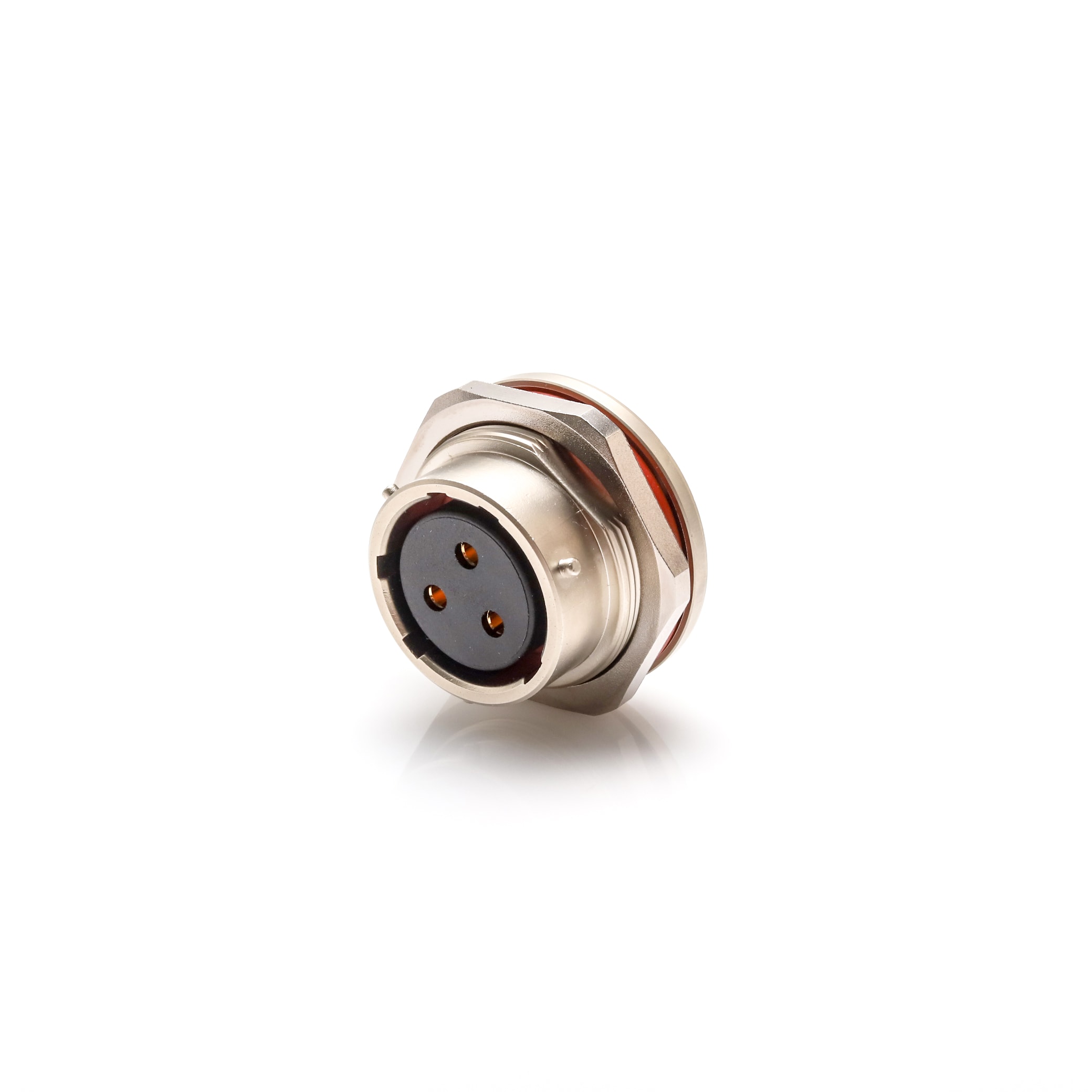
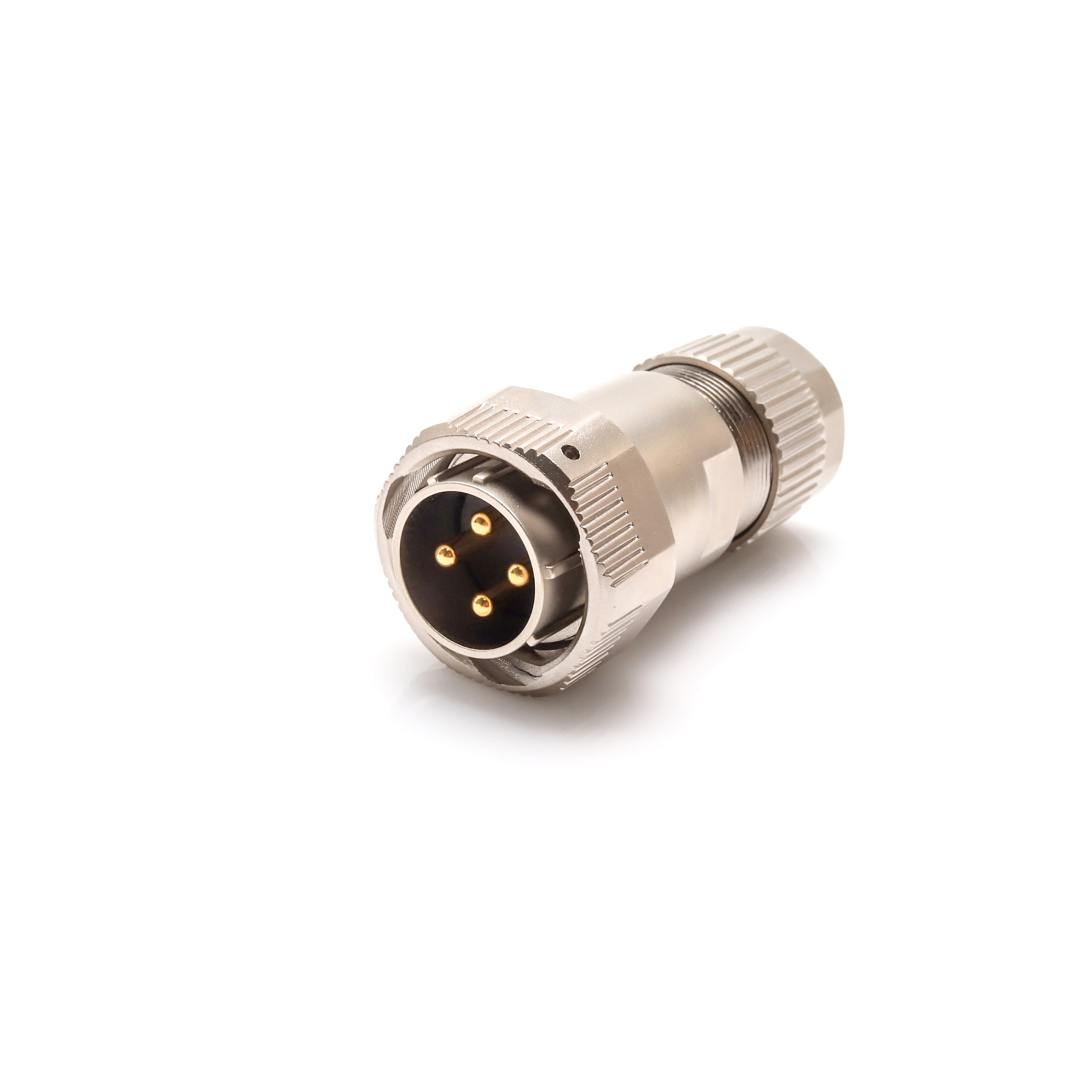
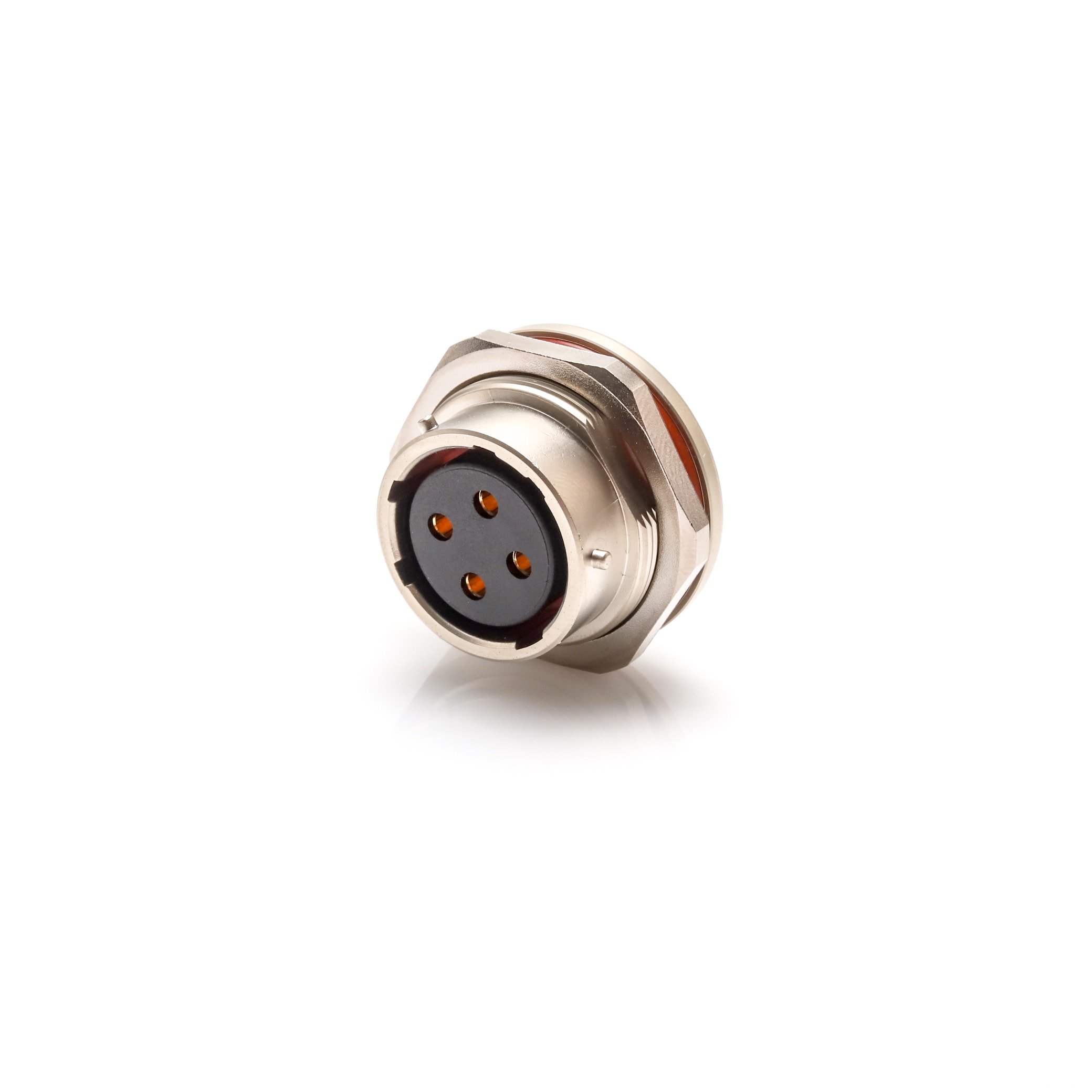
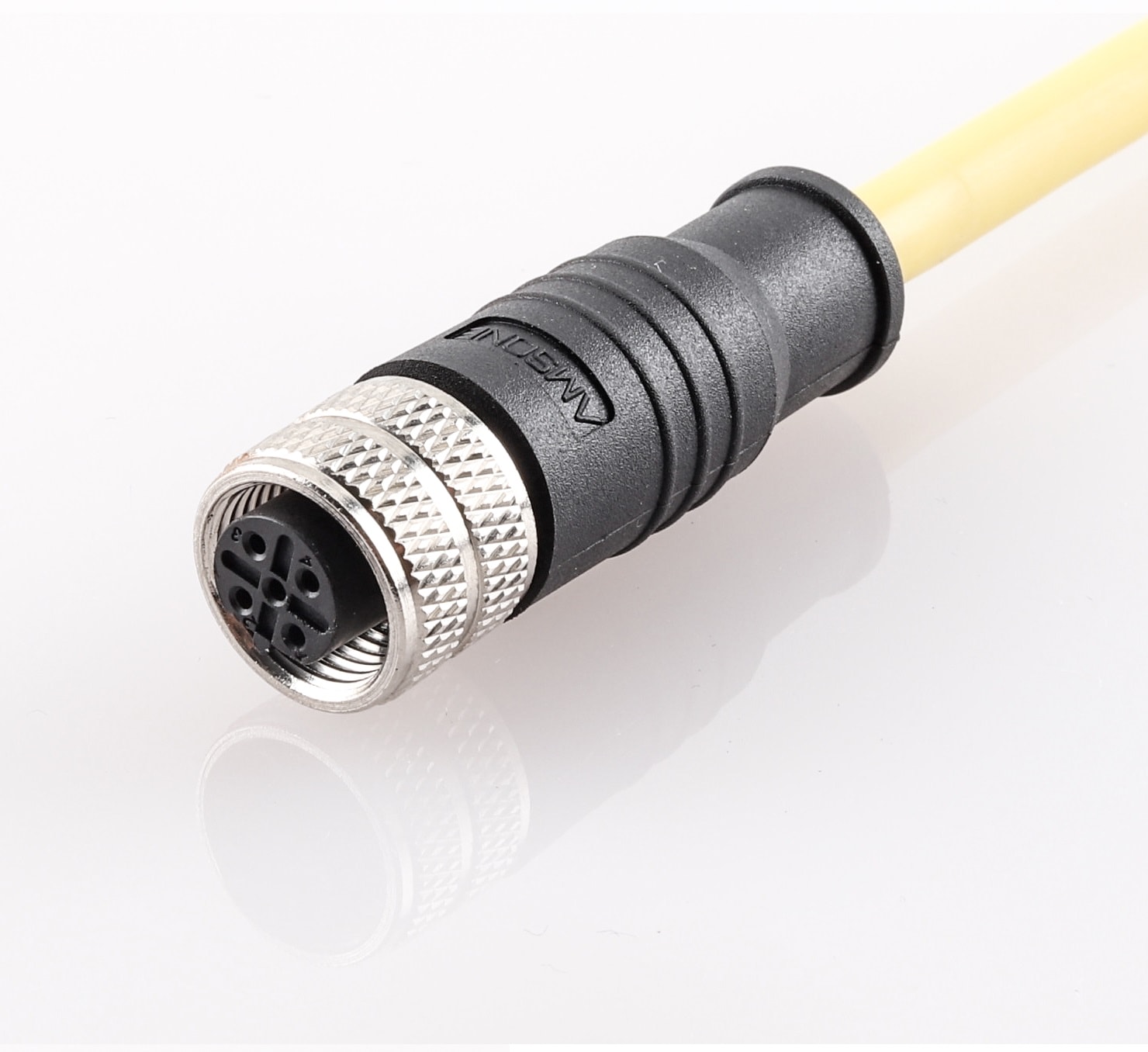
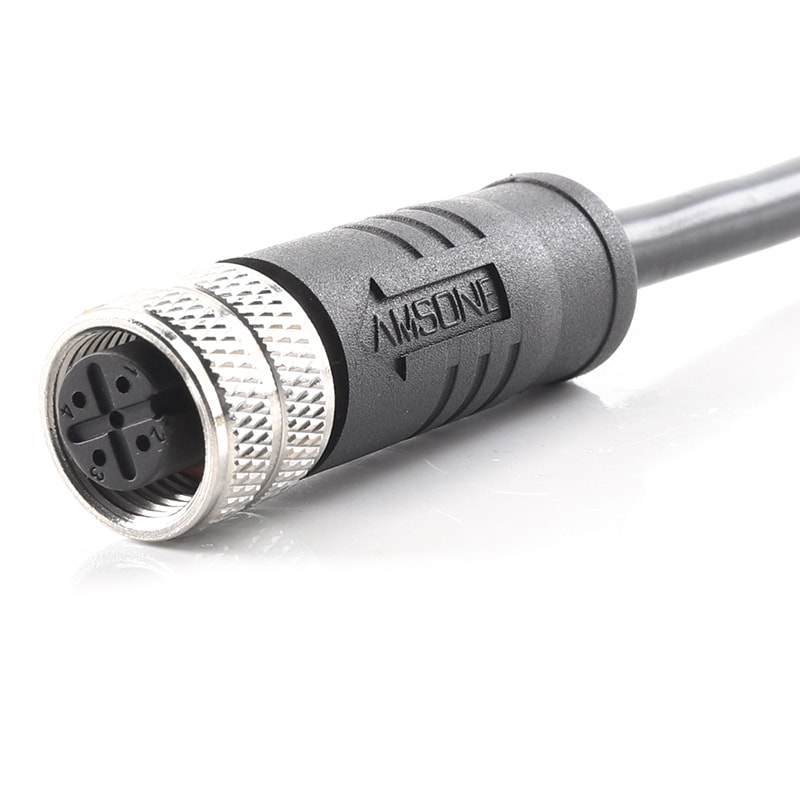
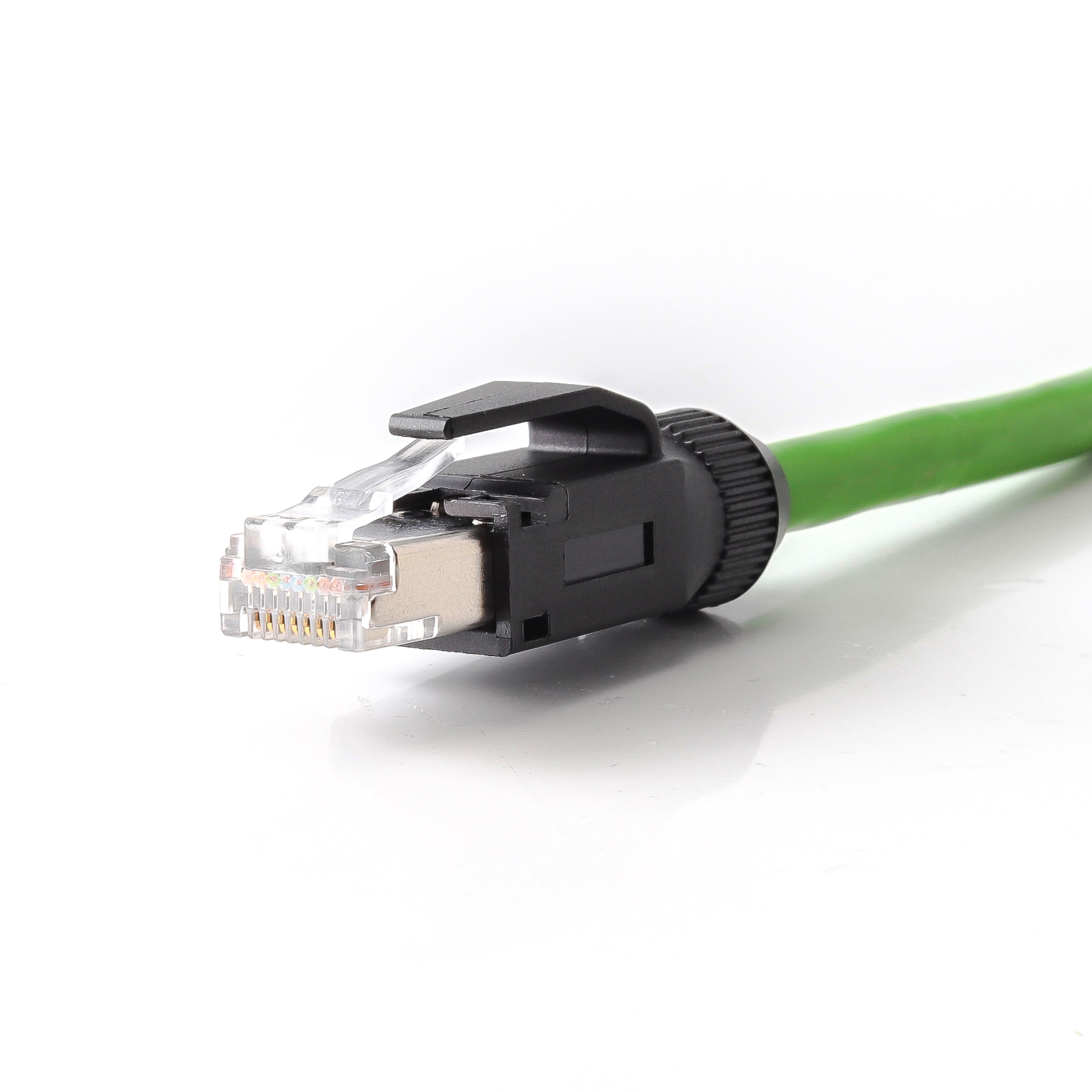
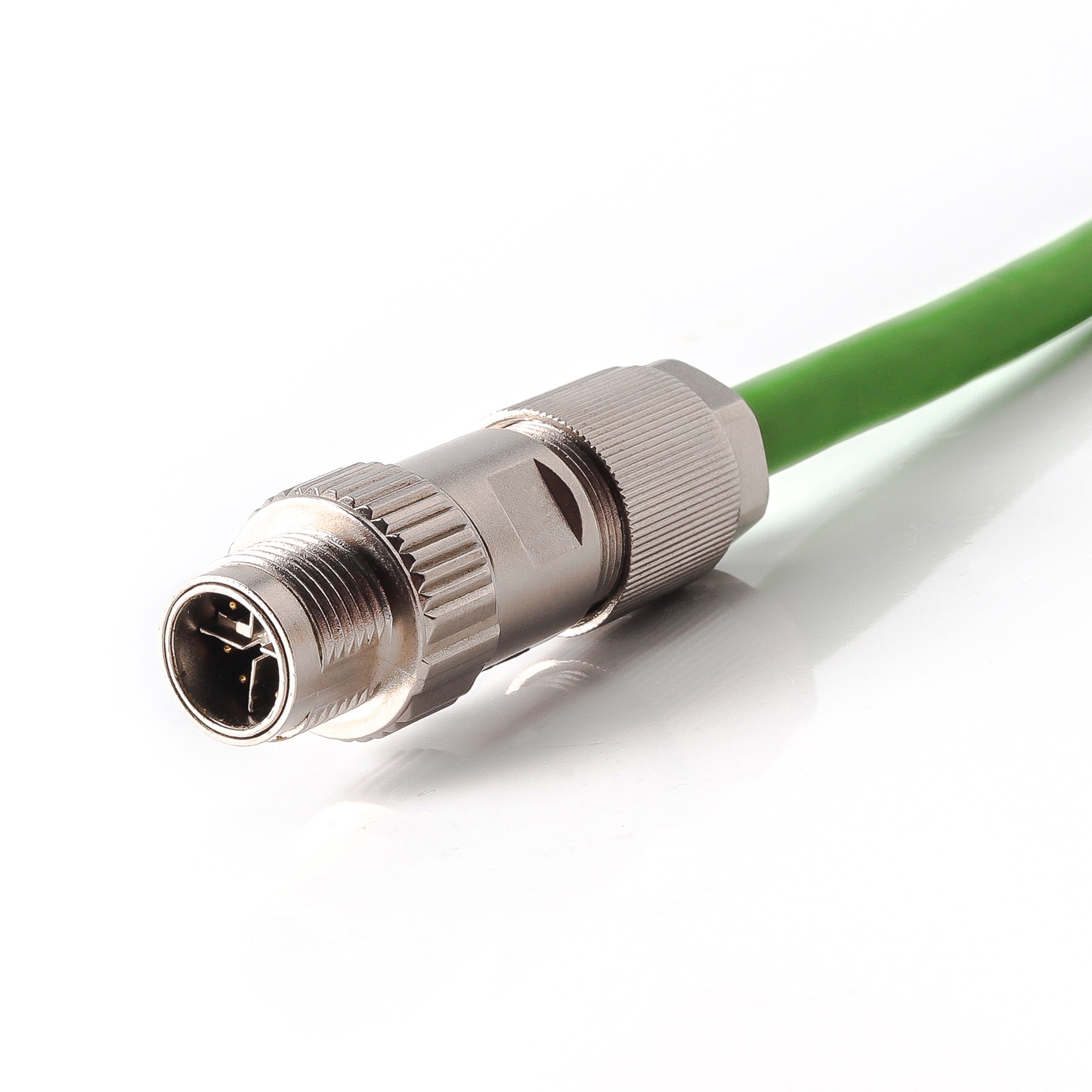
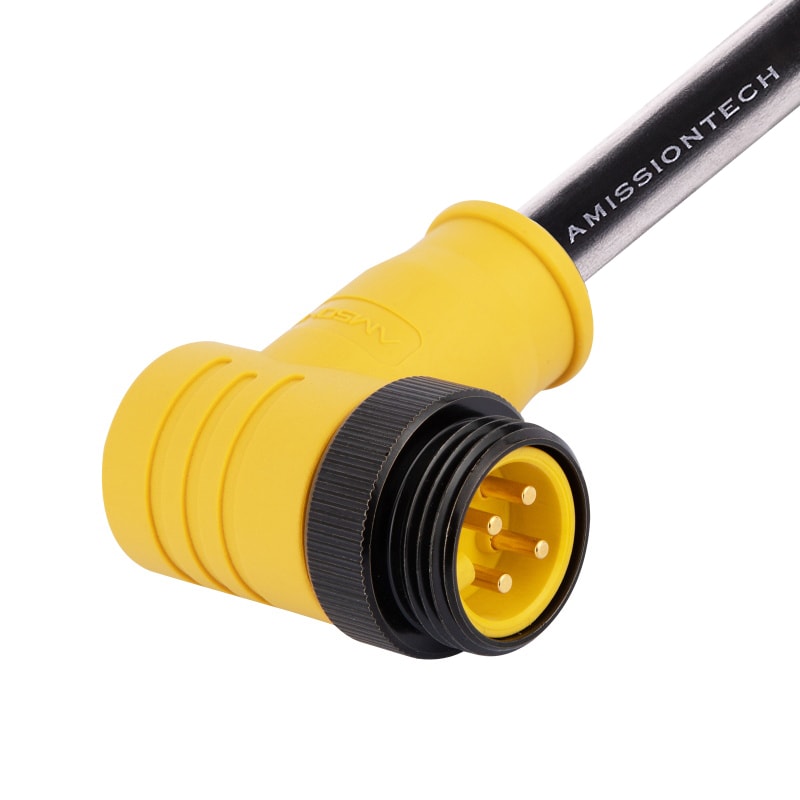
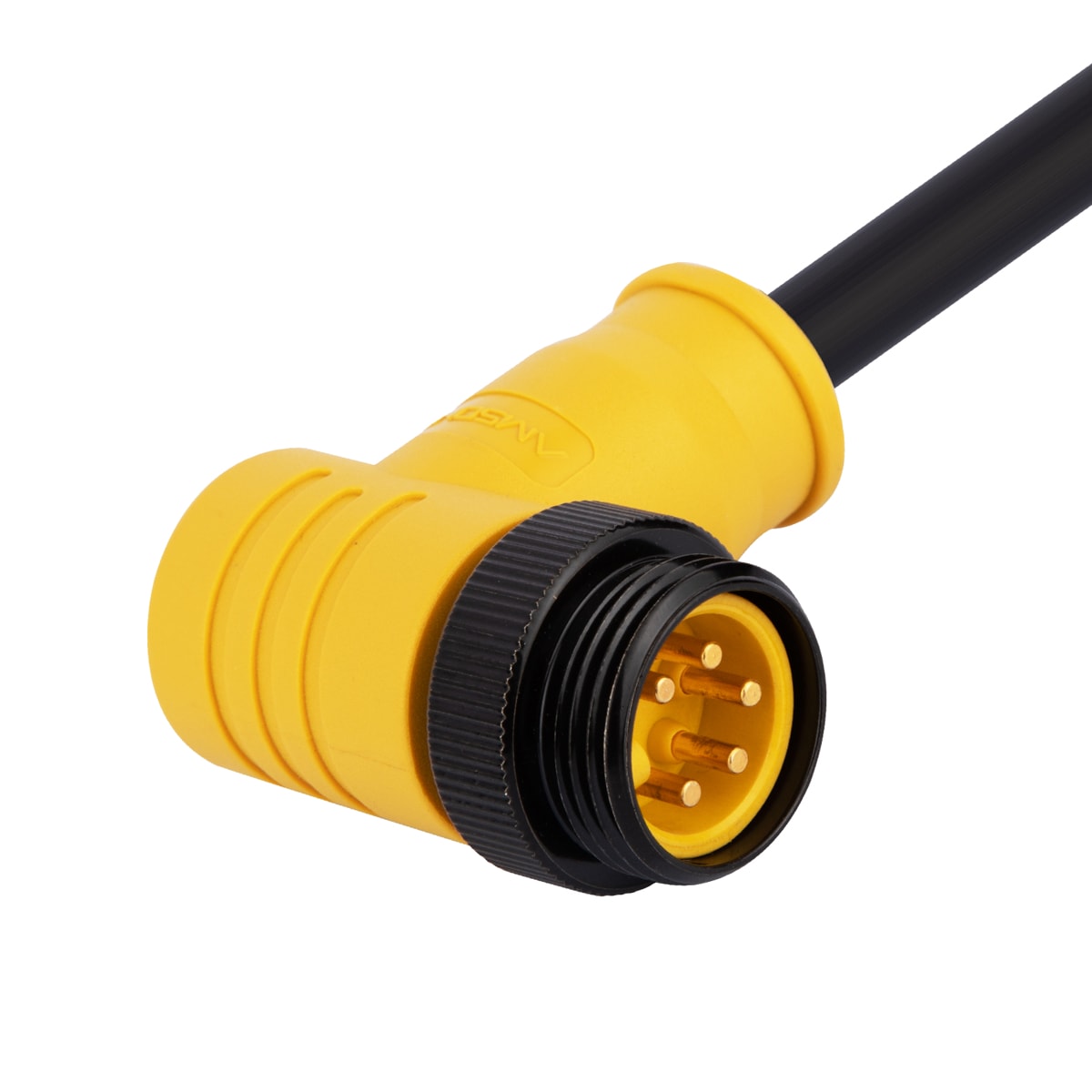
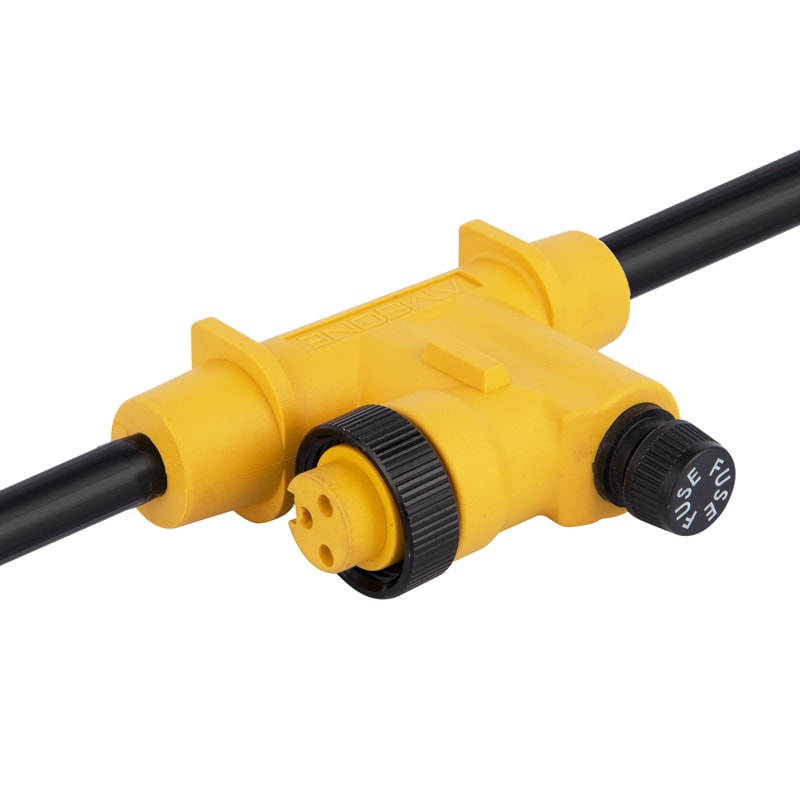
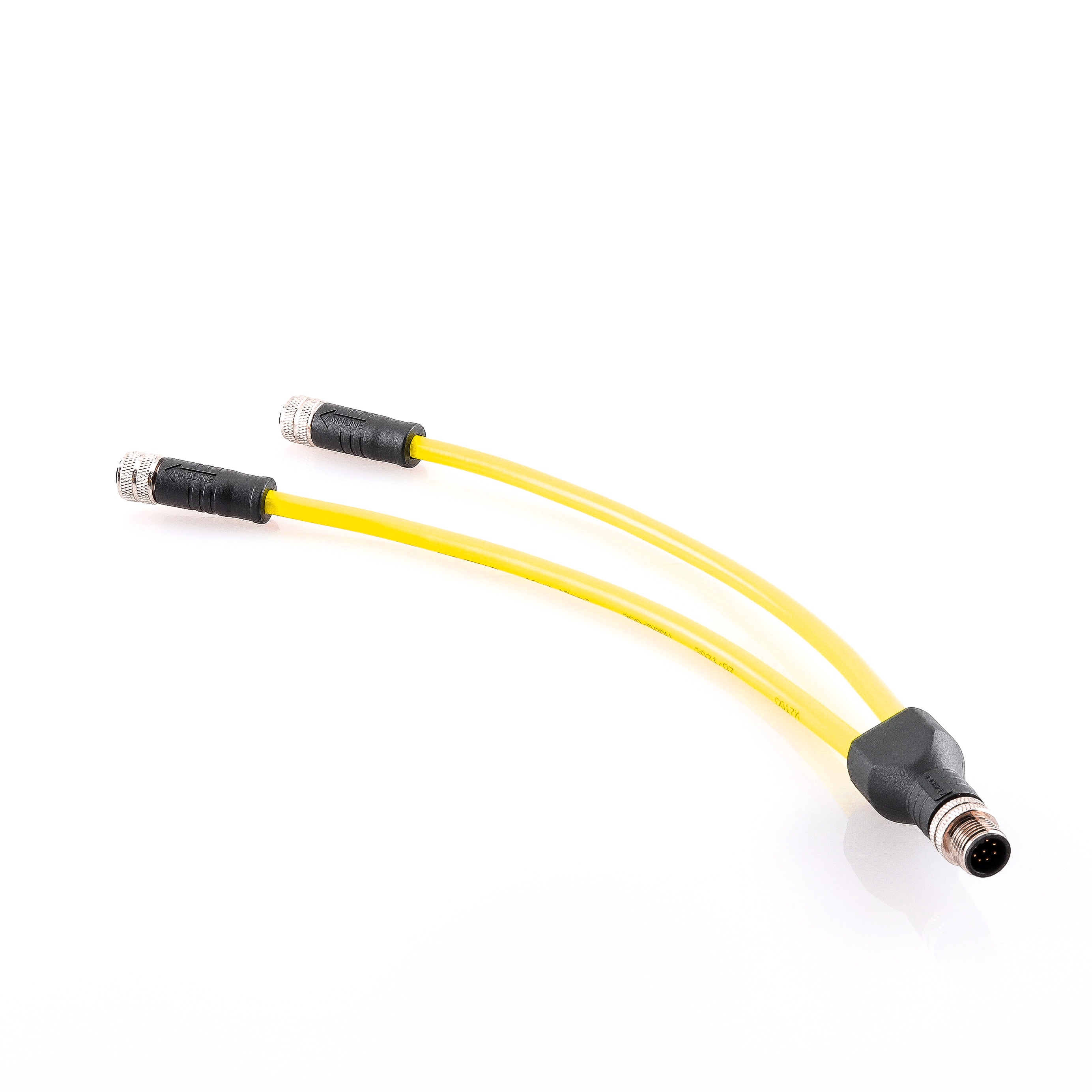






When cable faults occur, they can quickly disrupt equipment, slow down operations, and cause unnecessary downtime. Whether the issue appears in a factory automation line, a control cabinet, or even within a vape display system in a retail environment, identifying the cause and applying the right fix is essential. To help you handle these challenges more efficiently, the following sections break down common problems, important inspection steps, and effective troubleshooting methods based on real-world practices.
To start, it is helpful to understand what types of cable faults most often appear in both industrial applications and vape display setups. By knowing these basic categories, you can troubleshoot more accurately and reduce unnecessary replacement work.
Common cable faults include open circuits , short circuits , intermittent connections , insulation breakdown , and connector-related failures . Open circuits happen when wires break or disconnect, causing total signal loss. Short circuits occur when conductors touch, usually because of physical damage or degraded insulation. Meanwhile, intermittent faults appear only sometimes, often due to vibration or loose terminals—something especially noticeable in dynamic display fixtures such as a vape display rack. Recognizing these fault types gives you a clear starting point for deeper inspection.
Before using any testing tools, a simple visual check often reveals the root cause of a cable failure. This step is important because physical signs usually appear before electrical symptoms become obvious.
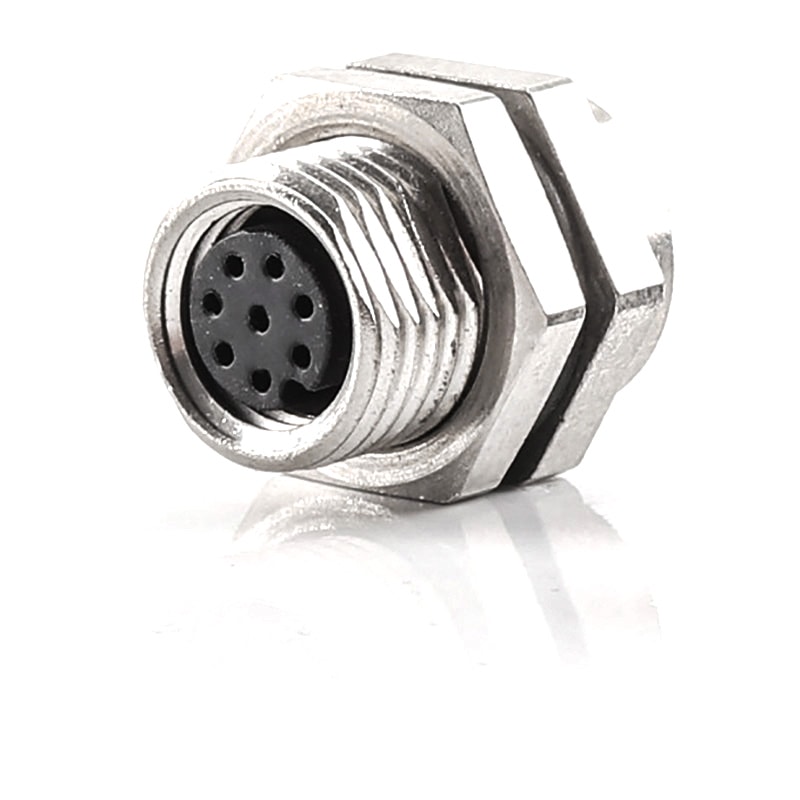
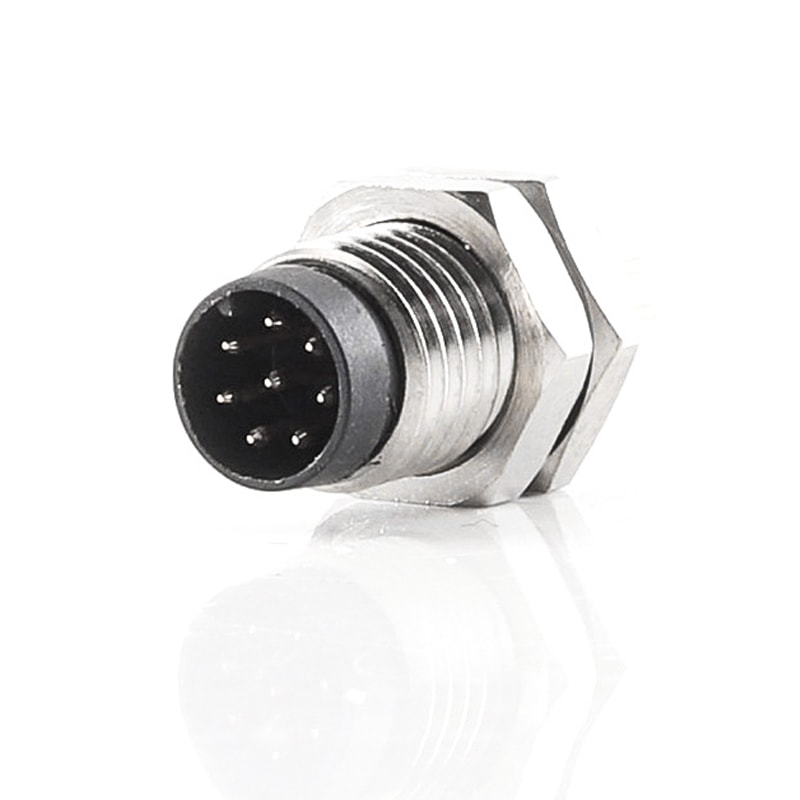
When examining the cable layout around a vape display or control cabinet, look for cuts, abrasions, crushed sections, melted insulation, bent connectors, or loose strain reliefs . You should also check if cables are tightly pulled, rubbing against sharp edges, or squeezed behind panels. Over time, these stress points can cause insulation cracks or broken conductors. As you move from one section to another, ensure all connectors are seated firmly in their sockets and that there is no corrosion on the metal contacts. A structured visual inspection helps narrow down the problem quickly and sets the stage for more accurate diagnostic testing.
Once visual inspection is complete, the next step is to verify electrical continuity and performance. Basic electrical measurements help confirm the exact problem and prevent unnecessary cable replacement.
A digital multimeter is the main tool for testing continuity, resistance, and short circuits. For example, when a vape display light or sensor stops working, checking continuity across the cable can confirm whether an internal break has occurred. Measuring resistance levels can also indicate if the conductor has deteriorated or if there is an unexpected connection causing performance loss. Additionally, using a simple short-circuit test can determine whether damaged insulation is allowing conductors to touch. These basic tests provide reliable data to pinpoint the cause of failure.
In situations where basic tests cannot identify the fault, advanced tools can help locate hidden problems with higher precision. These tools are widely used in professional maintenance, especially when cables run through long conduit paths or inside enclosed equipment.
A time-domain reflectometer (TDR) is useful for detecting distance-to-fault information, making it ideal for long cable runs behind a vape display wall or inside industrial machines. Cable analyzers, on the other hand, provide detailed information about signal integrity, insulation quality, and impedance performance. Using these advanced instruments ensures that technicians can detect even subtle defects that are not visible or measurable through simple continuity tests. With this deeper analysis, fault repair becomes faster and more accurate.
After troubleshooting and fixing the immediate problem, it is important to prevent the same issue from happening again. Preventive maintenance not only protects cable integrity but also extends overall system lifespan.
Regular inspection schedules should be established for all cable routing areas, especially where cables bend, move, or interface with connectors. For vape display racks or illuminated product shelves, ensure that cables are properly shielded from sharp edges and free from heat exposure. Using protective sleeving, cable ties, and strain relief components can reduce mechanical stress. In industrial applications, labeling cables and documenting inspection cycles also improve long-term reliability. With consistent preventive care, cable faults become far less frequent and easier to manage.
Troubleshooting cable faults becomes much easier when you understand the common fault types, follow systematic inspection steps, use the right testing tools, and apply preventive maintenance. Whether the issue appears in a vape display installation or a complex industrial setup, these practical methods help ensure stable performance and reduce unnecessary downtime.
Choose Amissiontech , your trusted industrial cable supplier , offering high-quality cable assemblies and connectors designed for long-lasting performance in demanding applications.