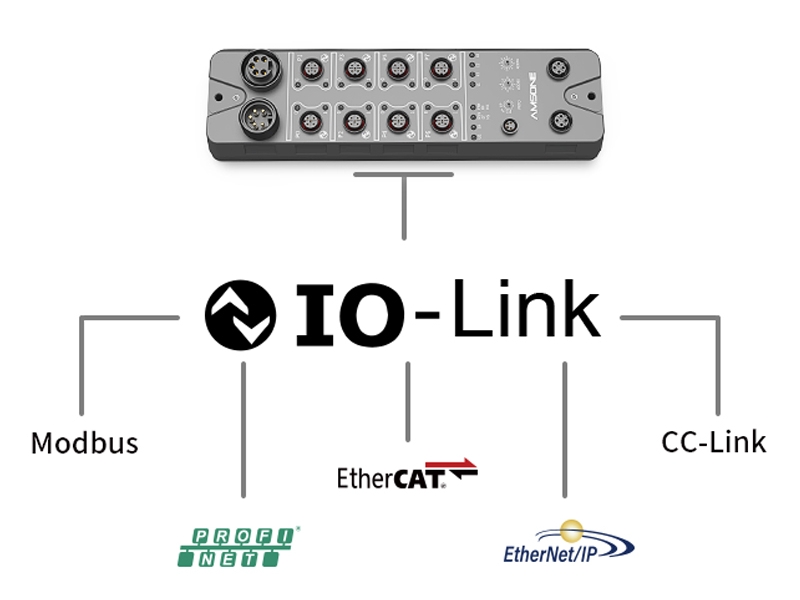
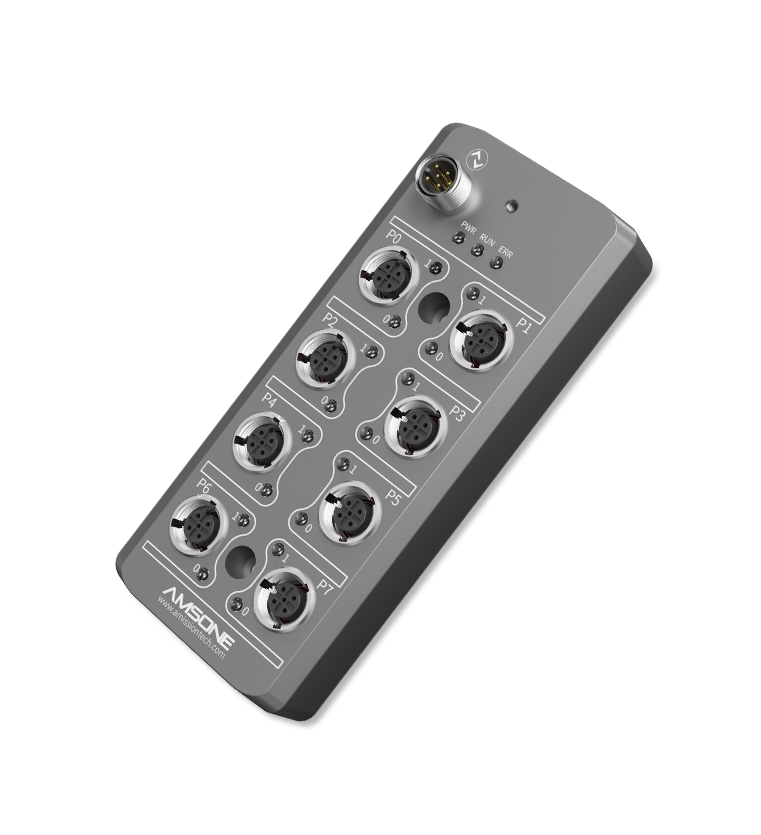
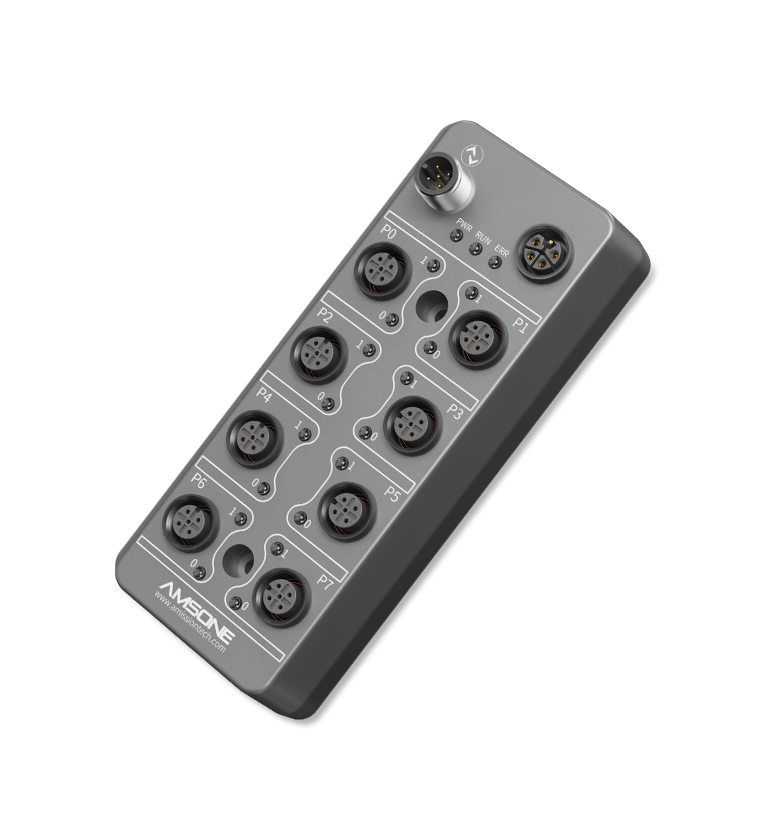
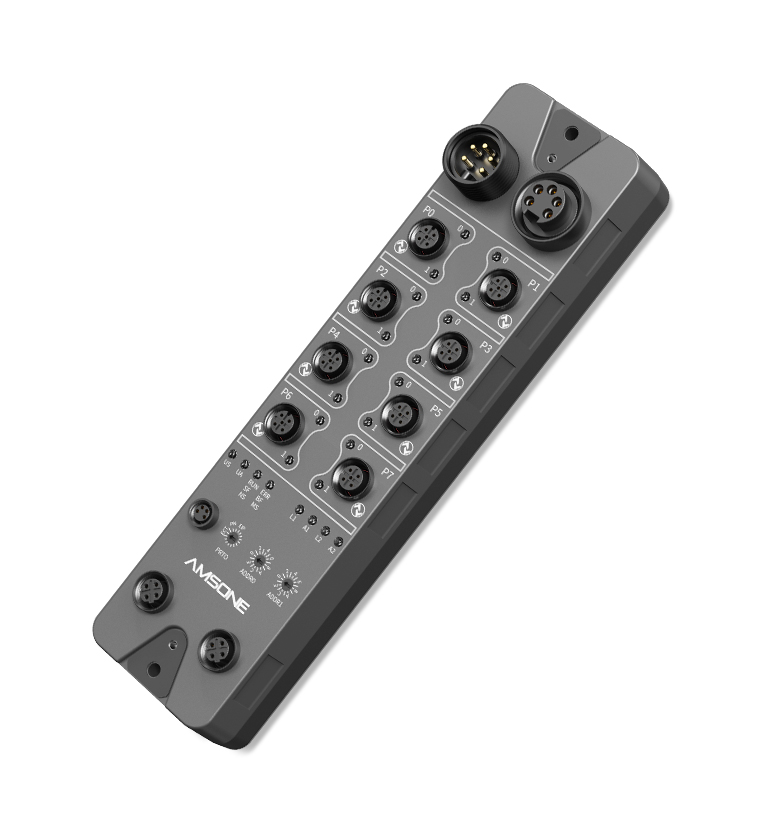
P/N: ALD-HBN1-372XXX
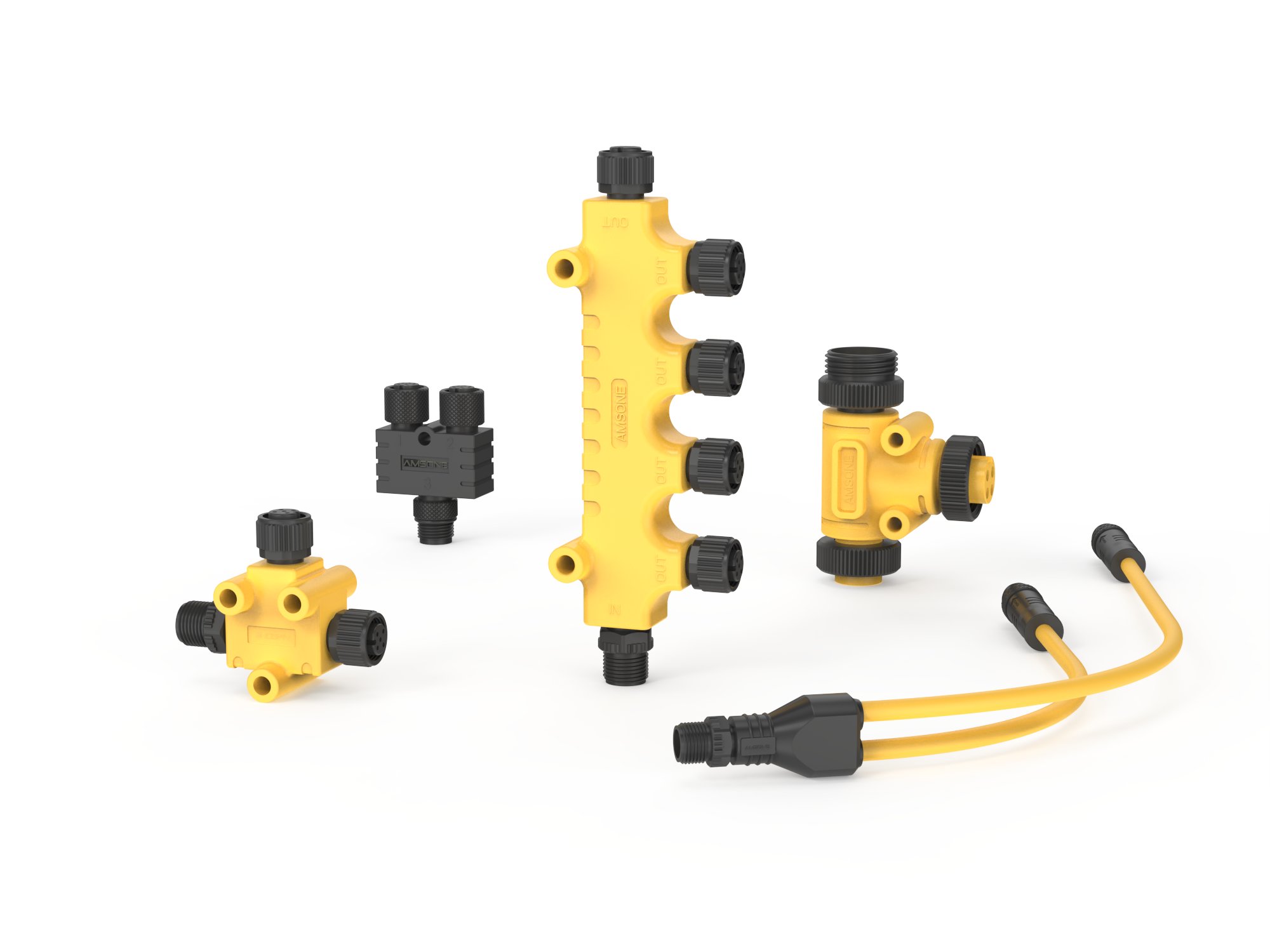
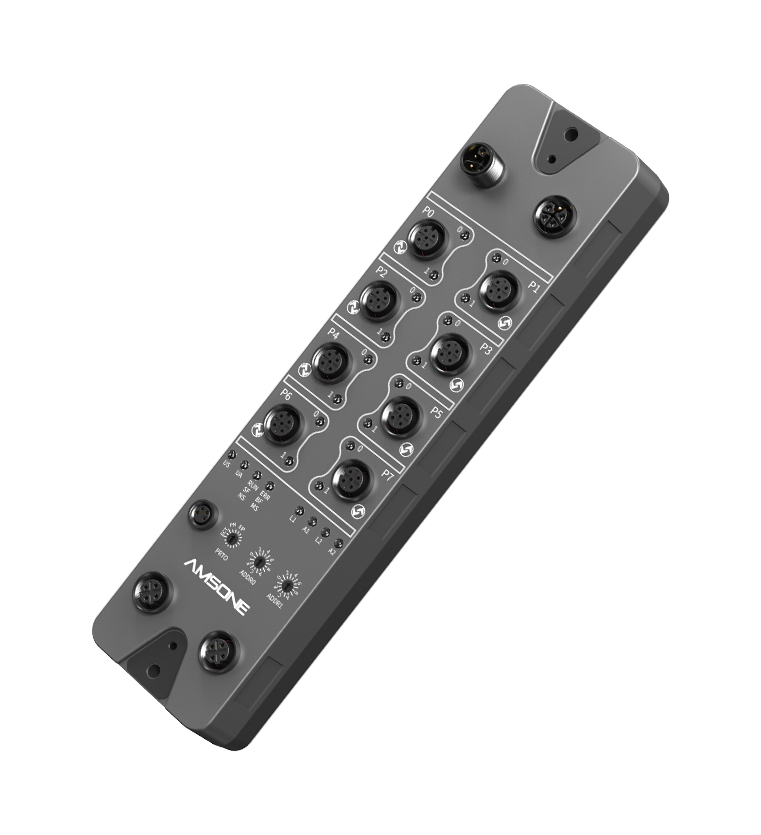
IO Link Hub NPN 0.5A/channel Plastic Housing Plastic Thread Locking
View All








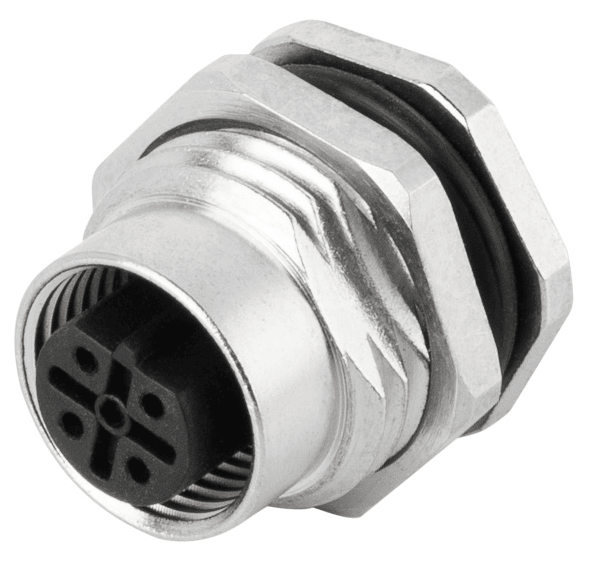

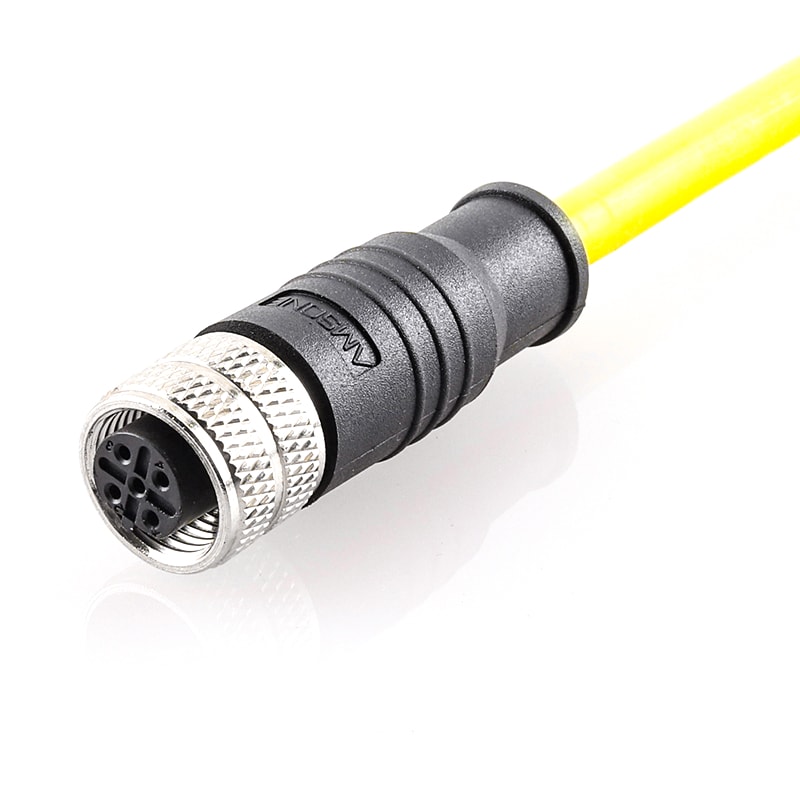


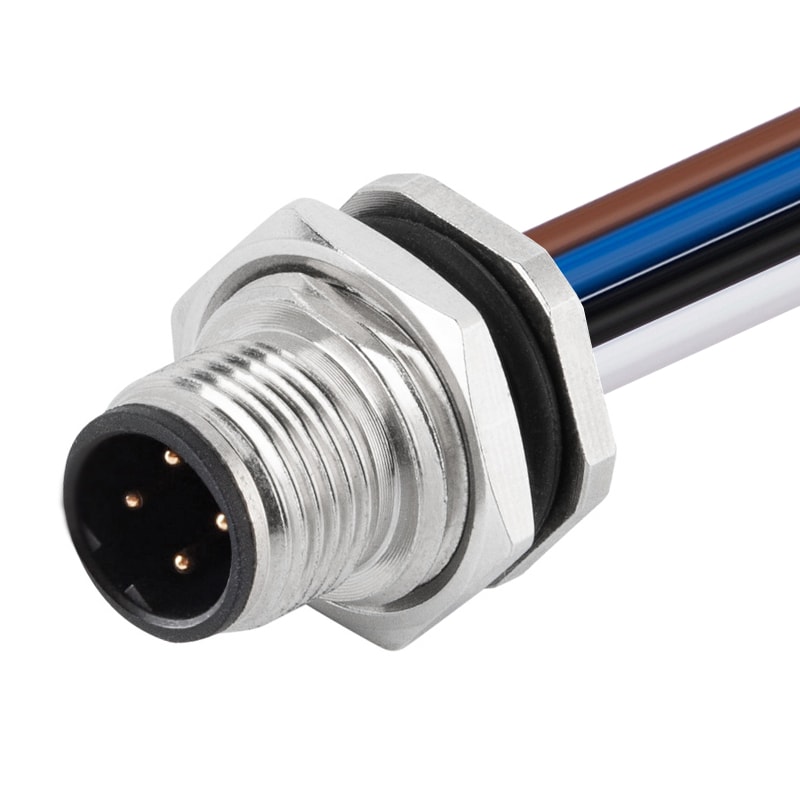


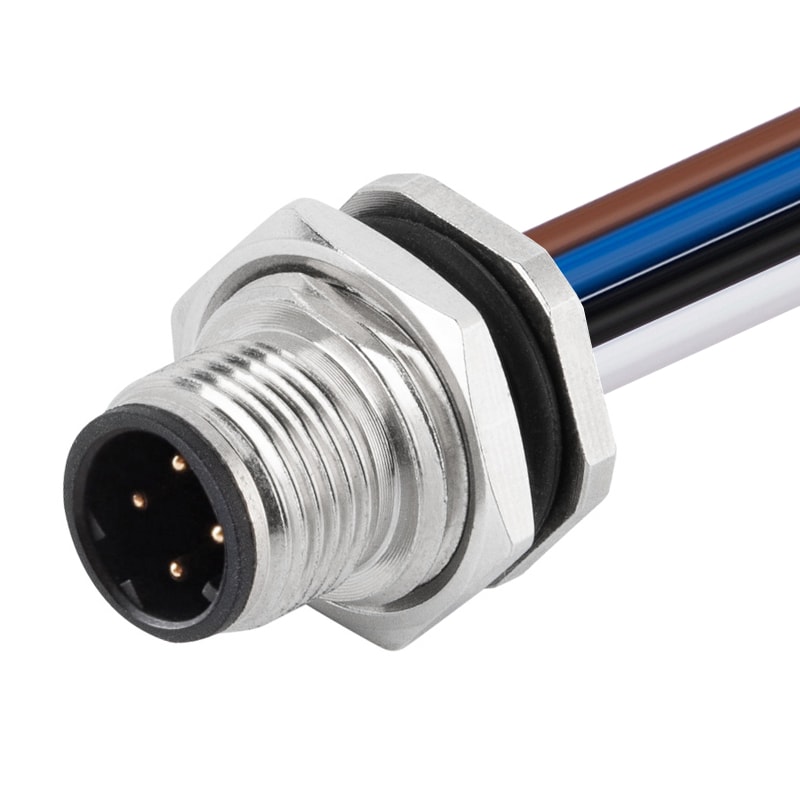

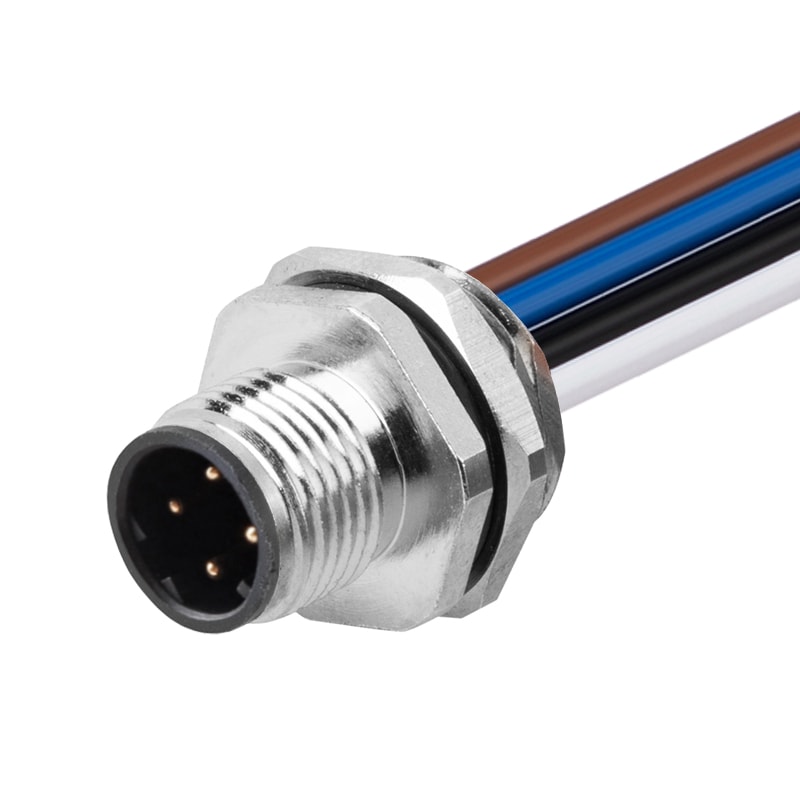


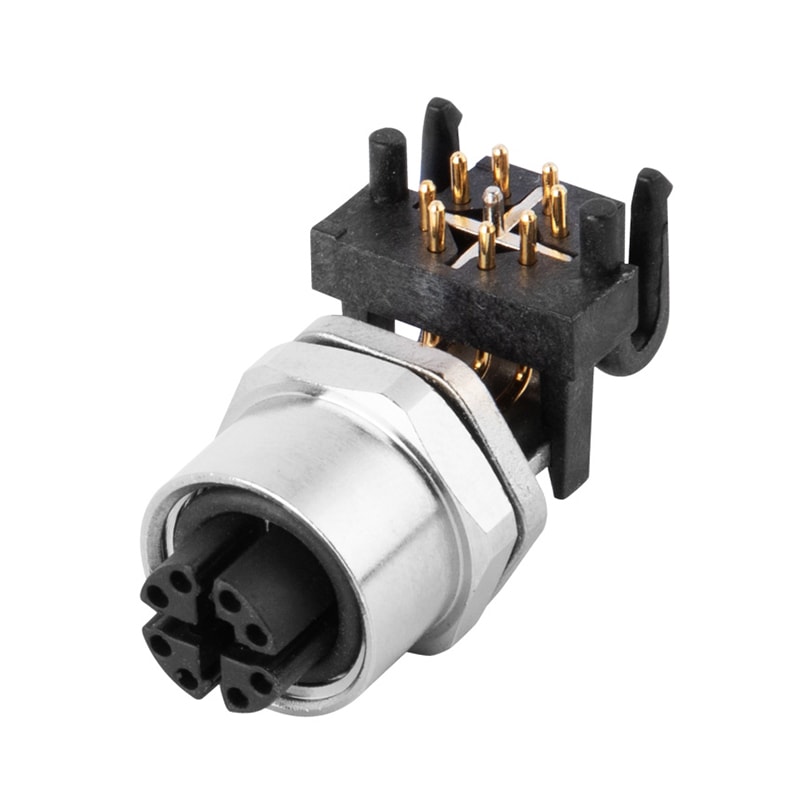


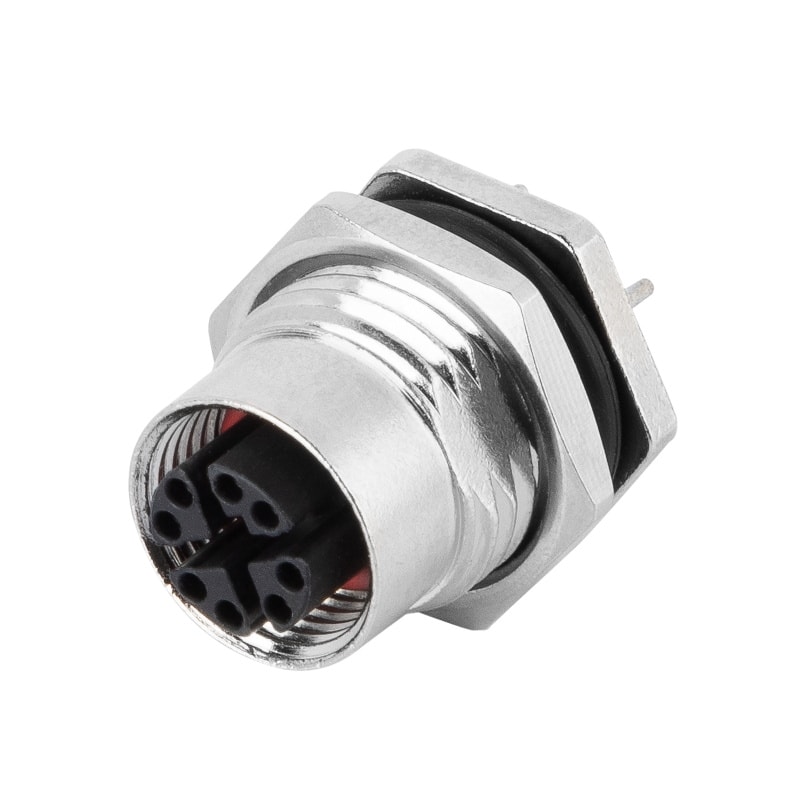

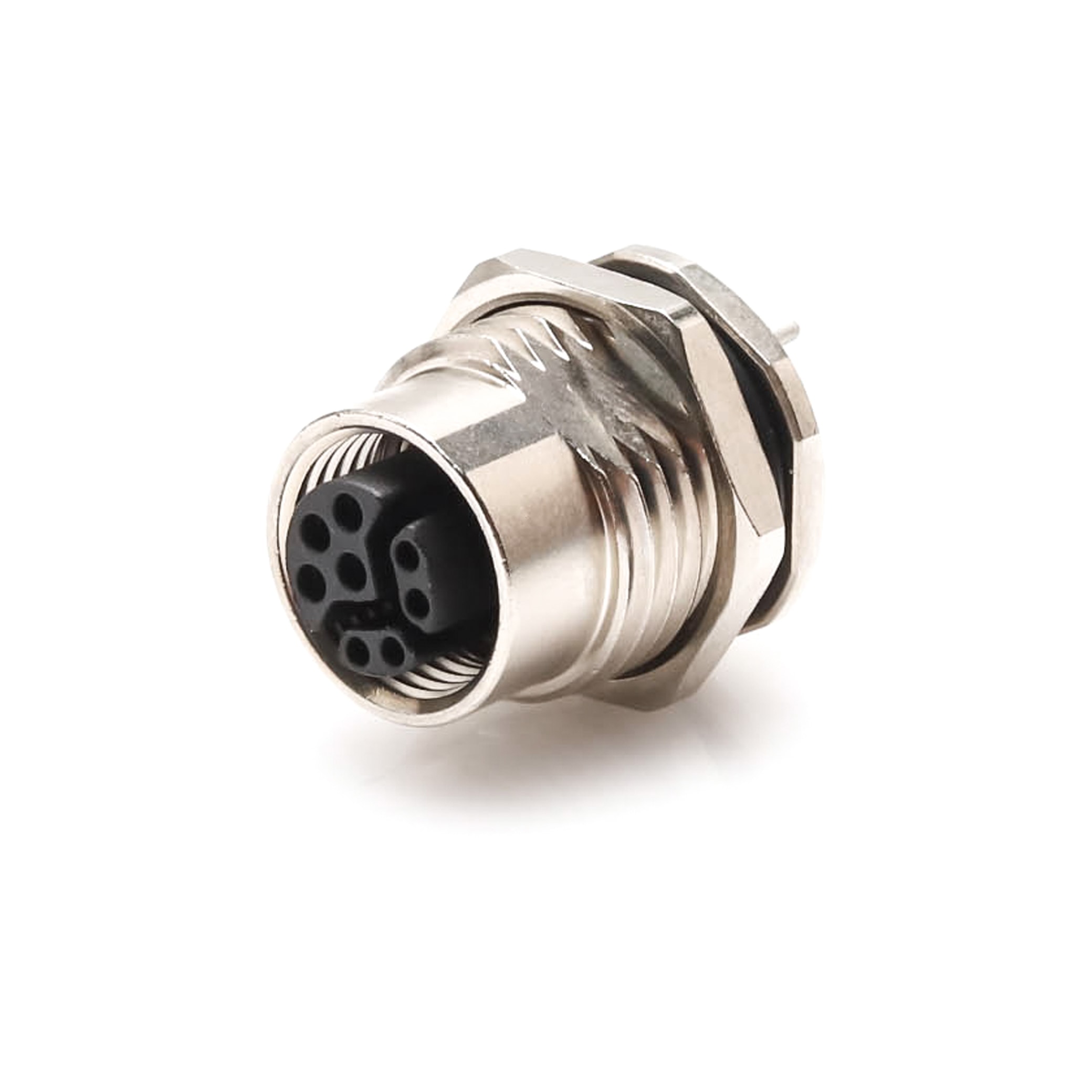
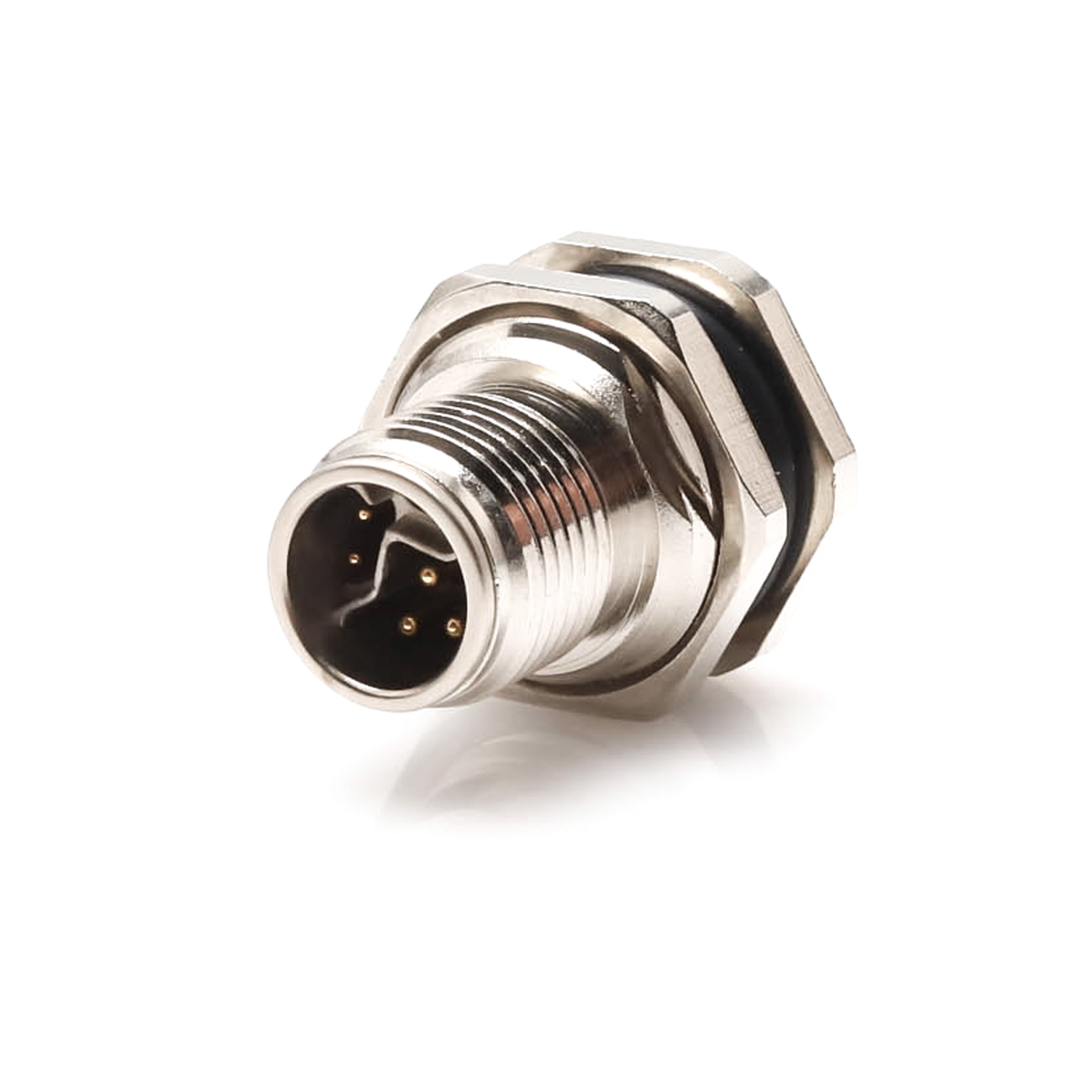
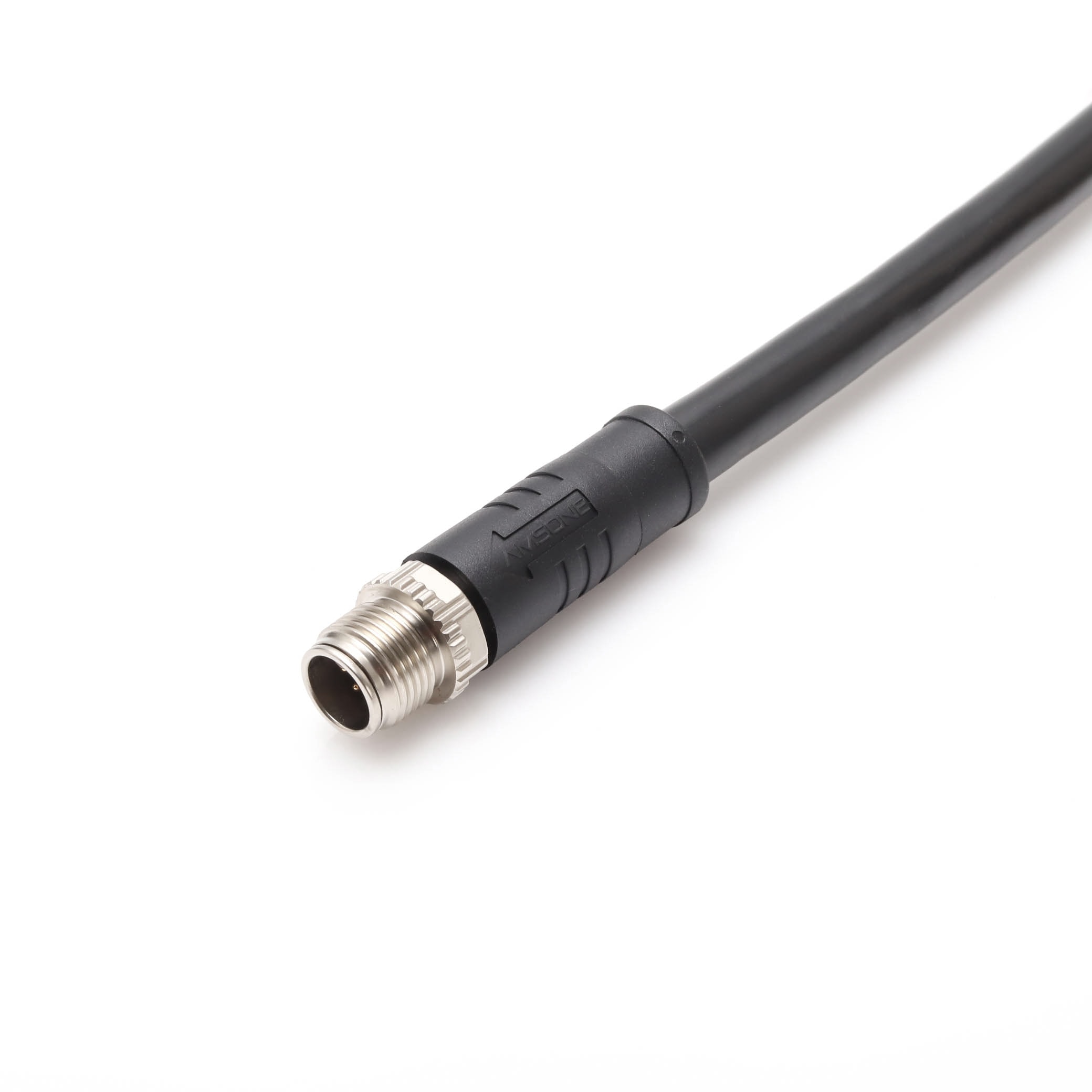
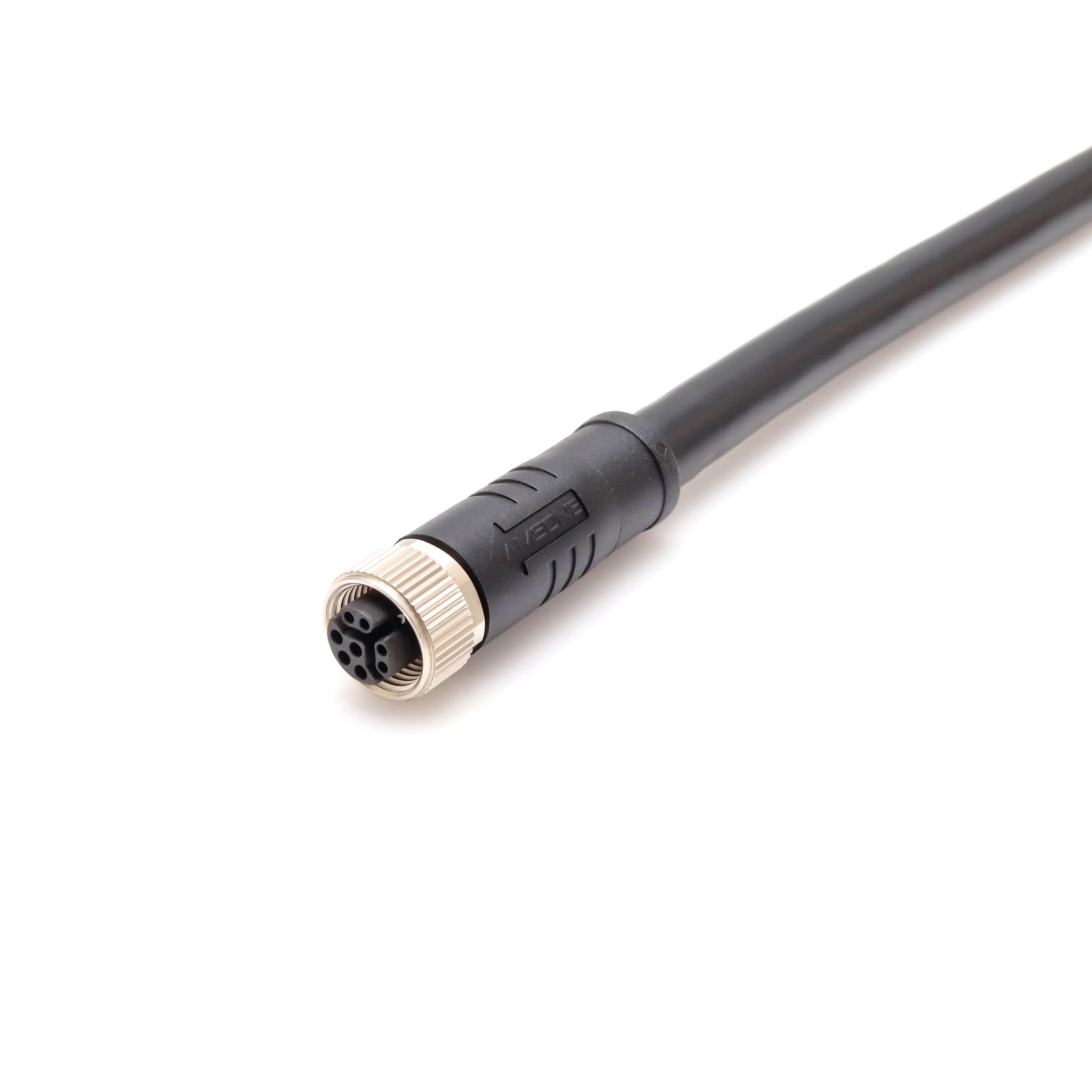
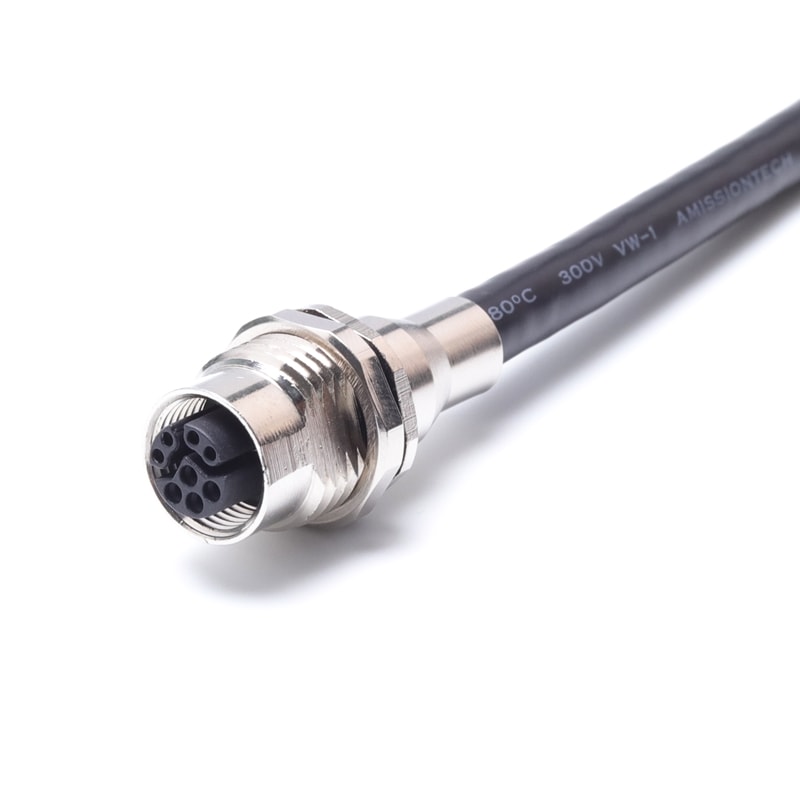


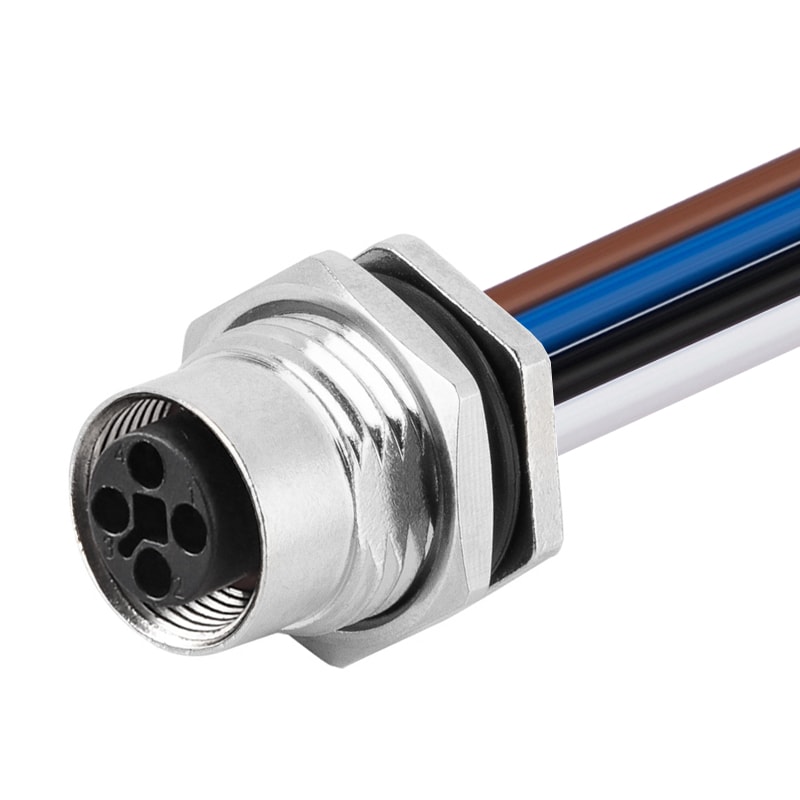
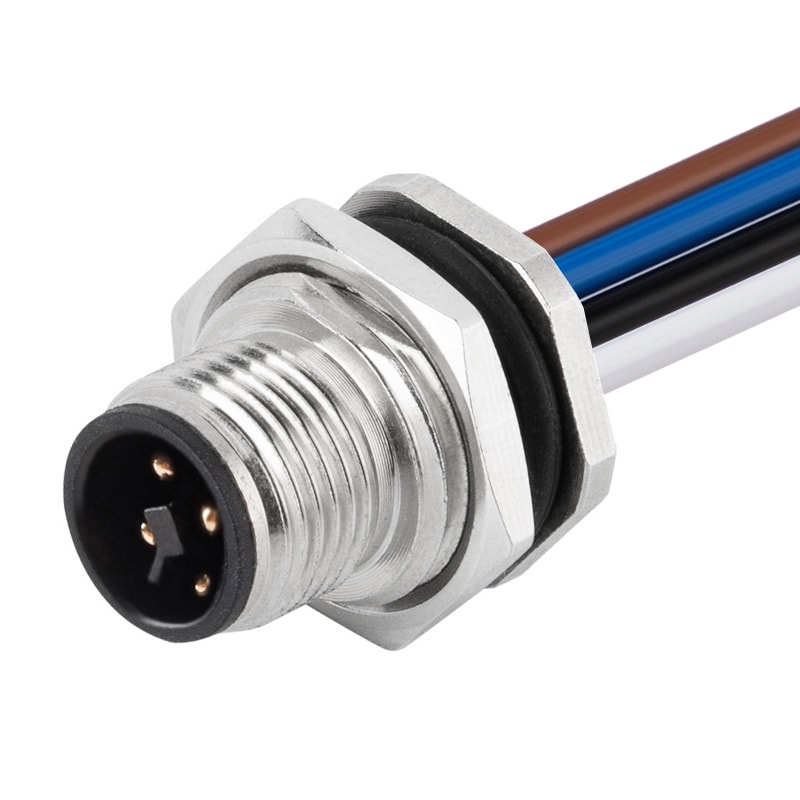

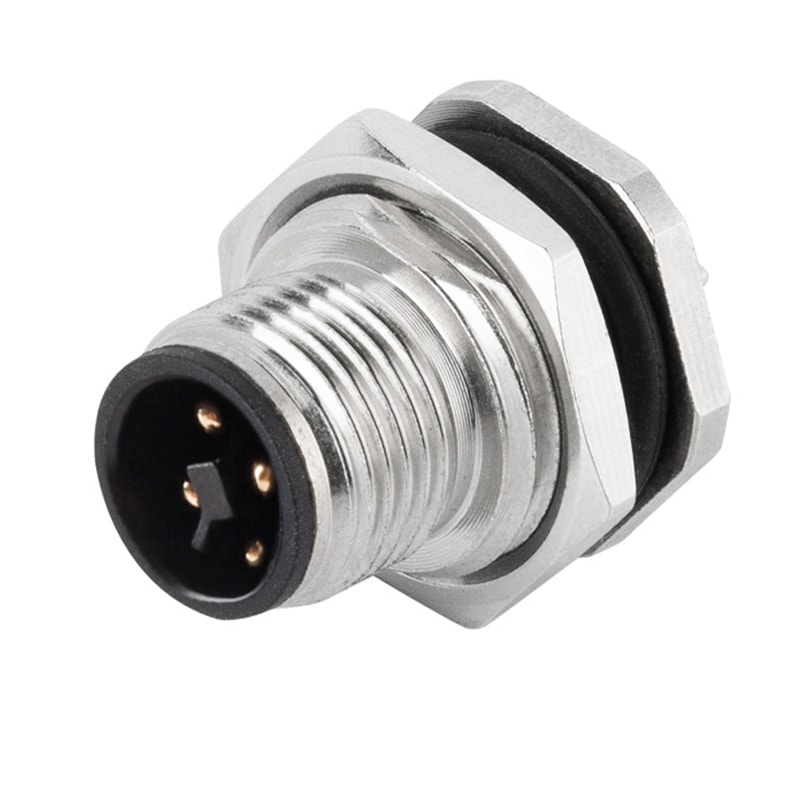

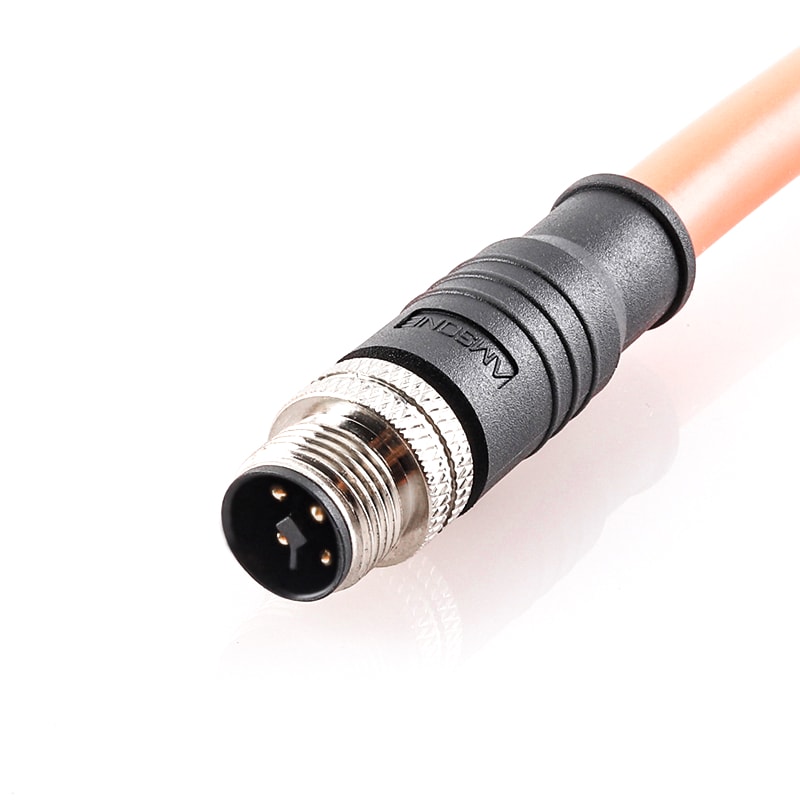
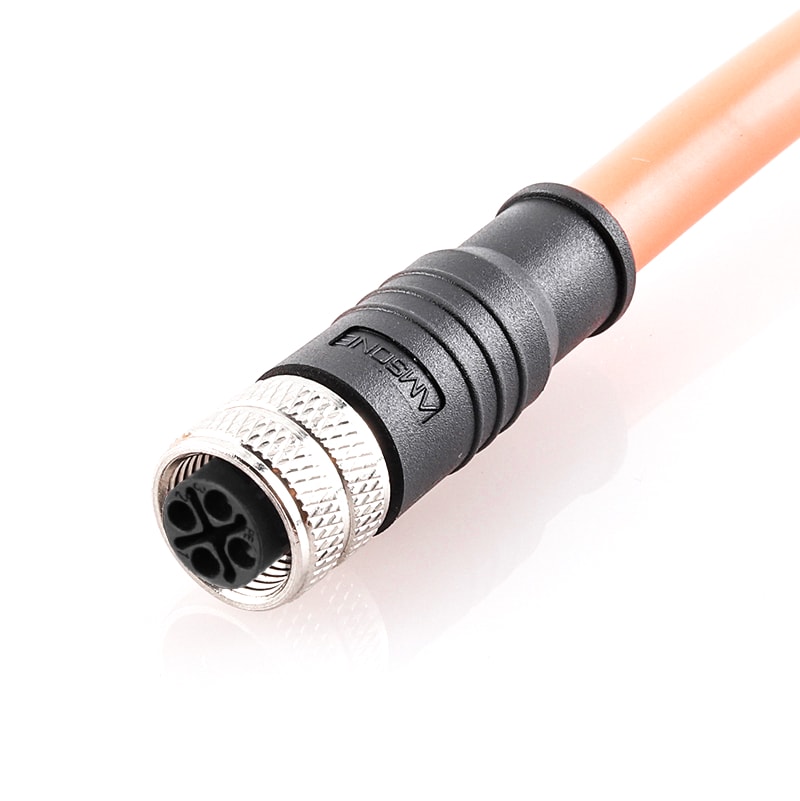
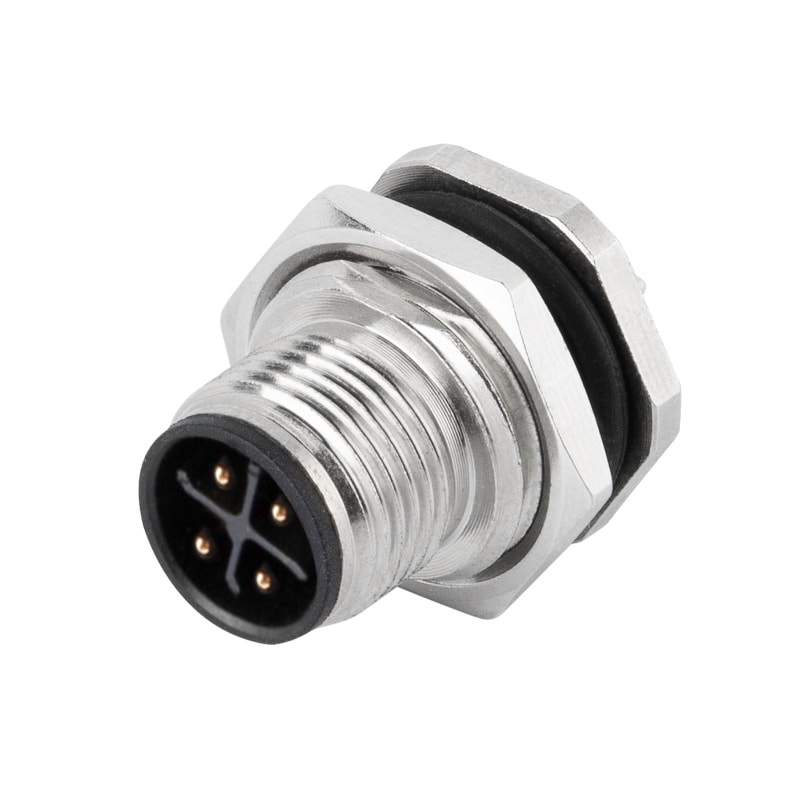


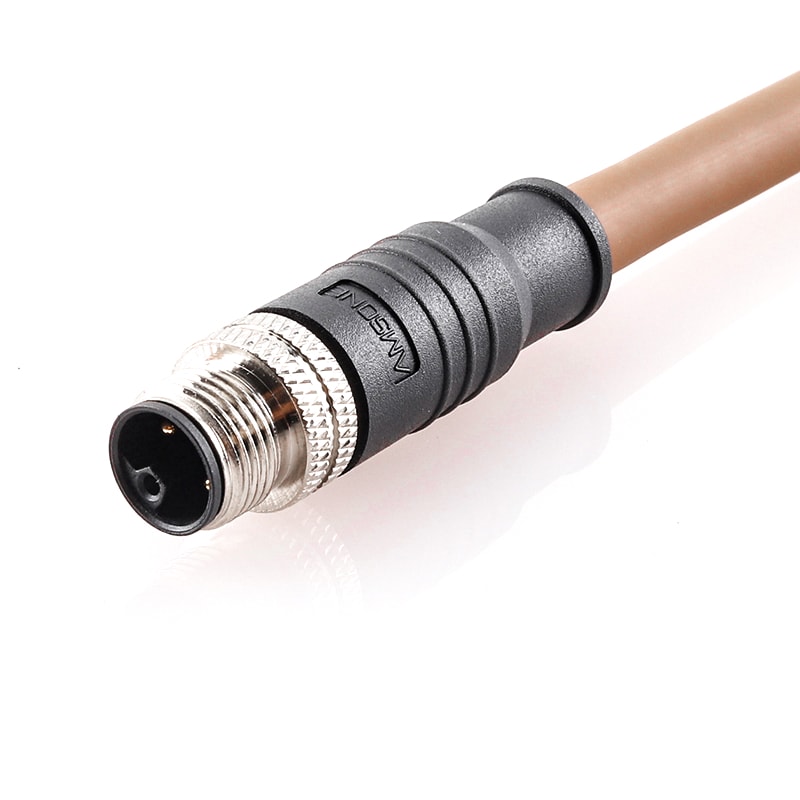


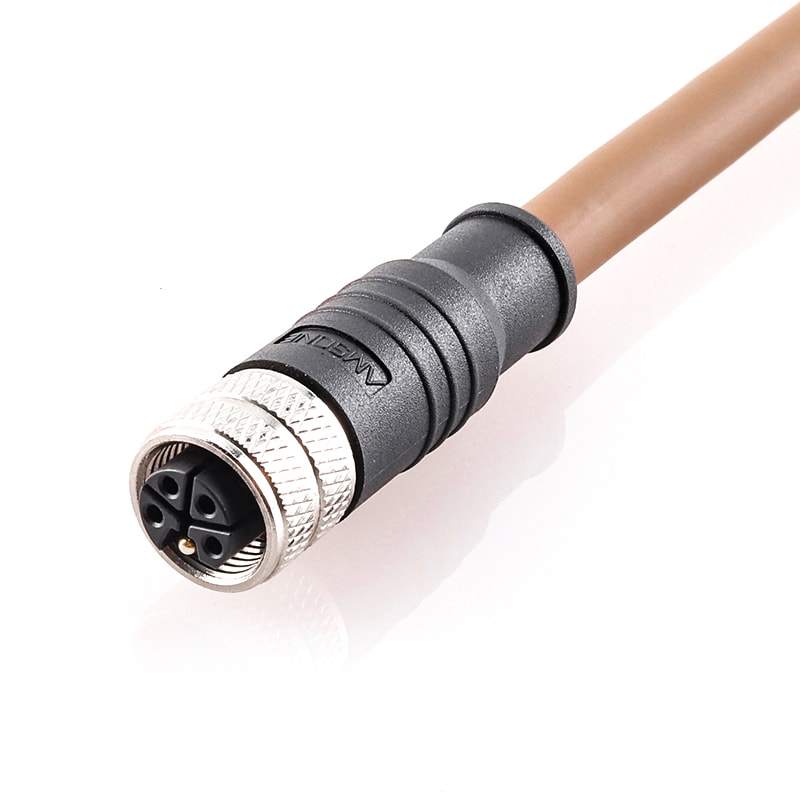


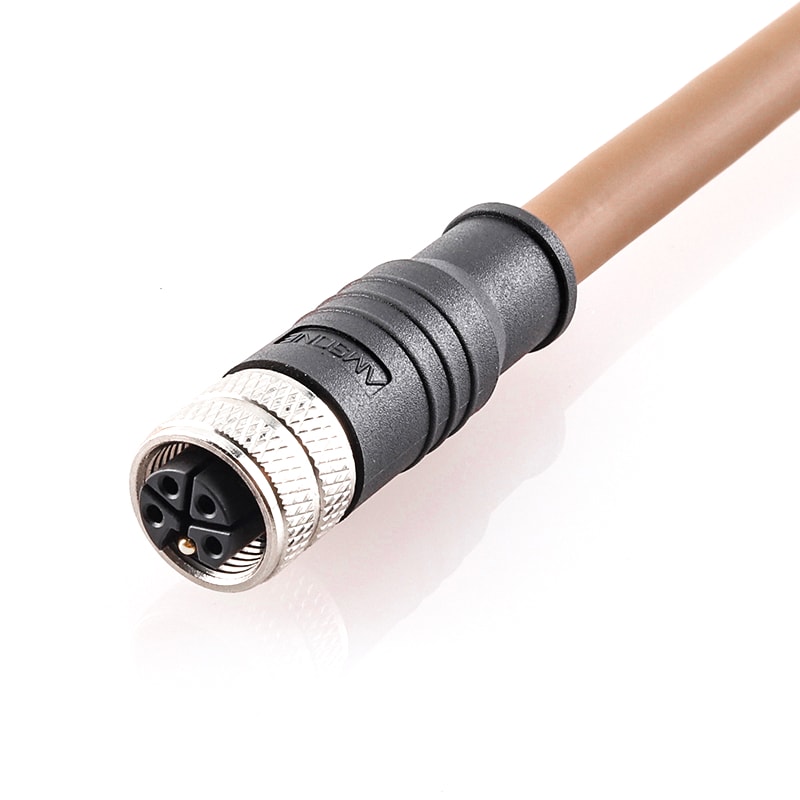
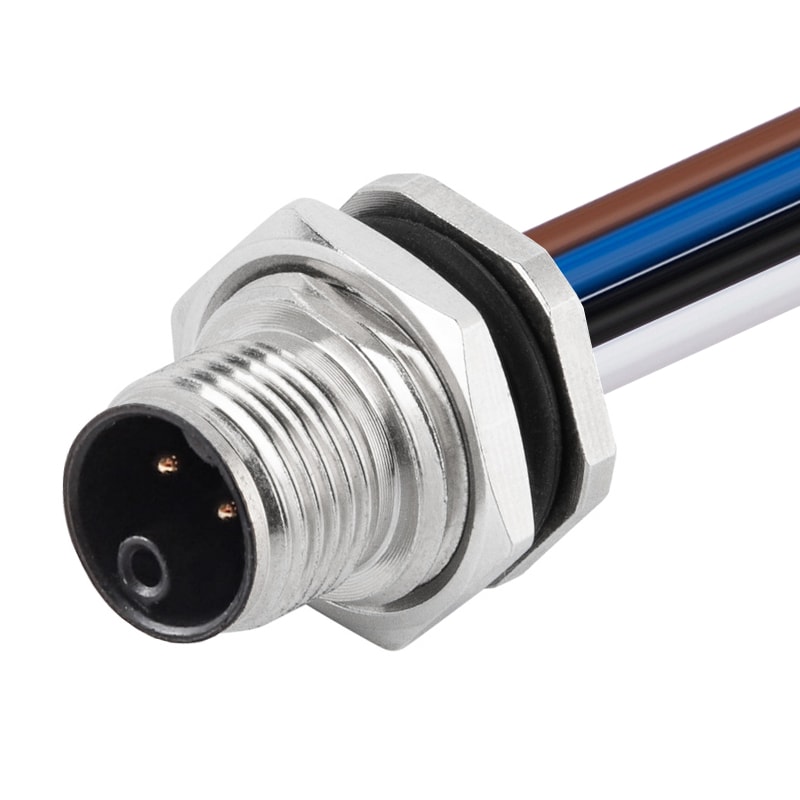


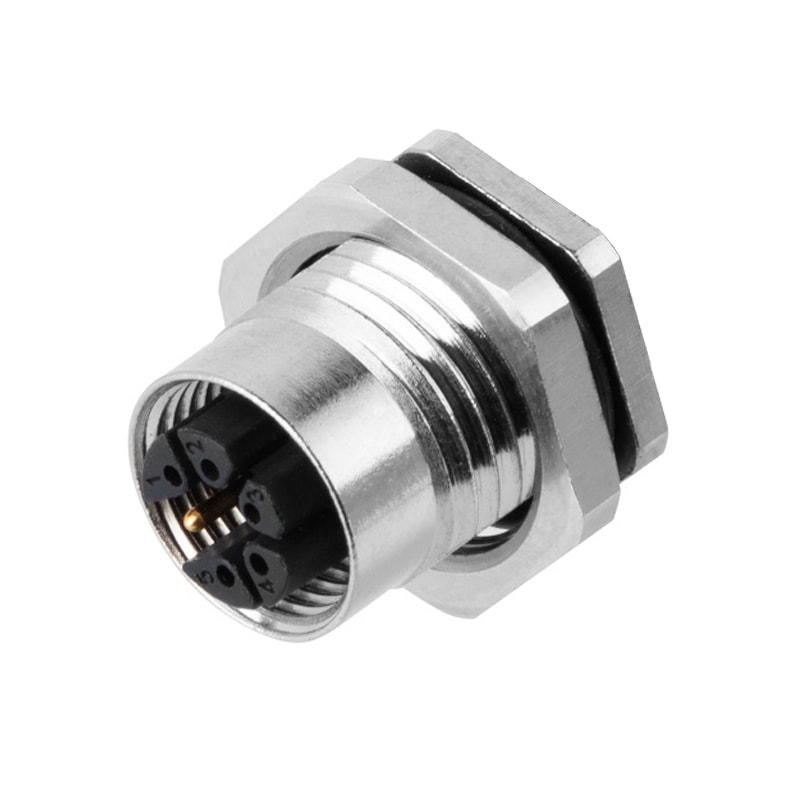







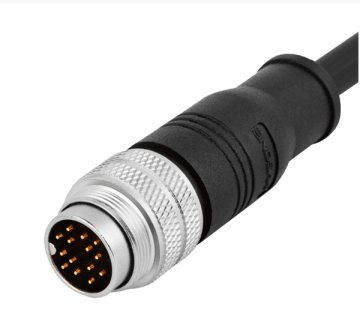
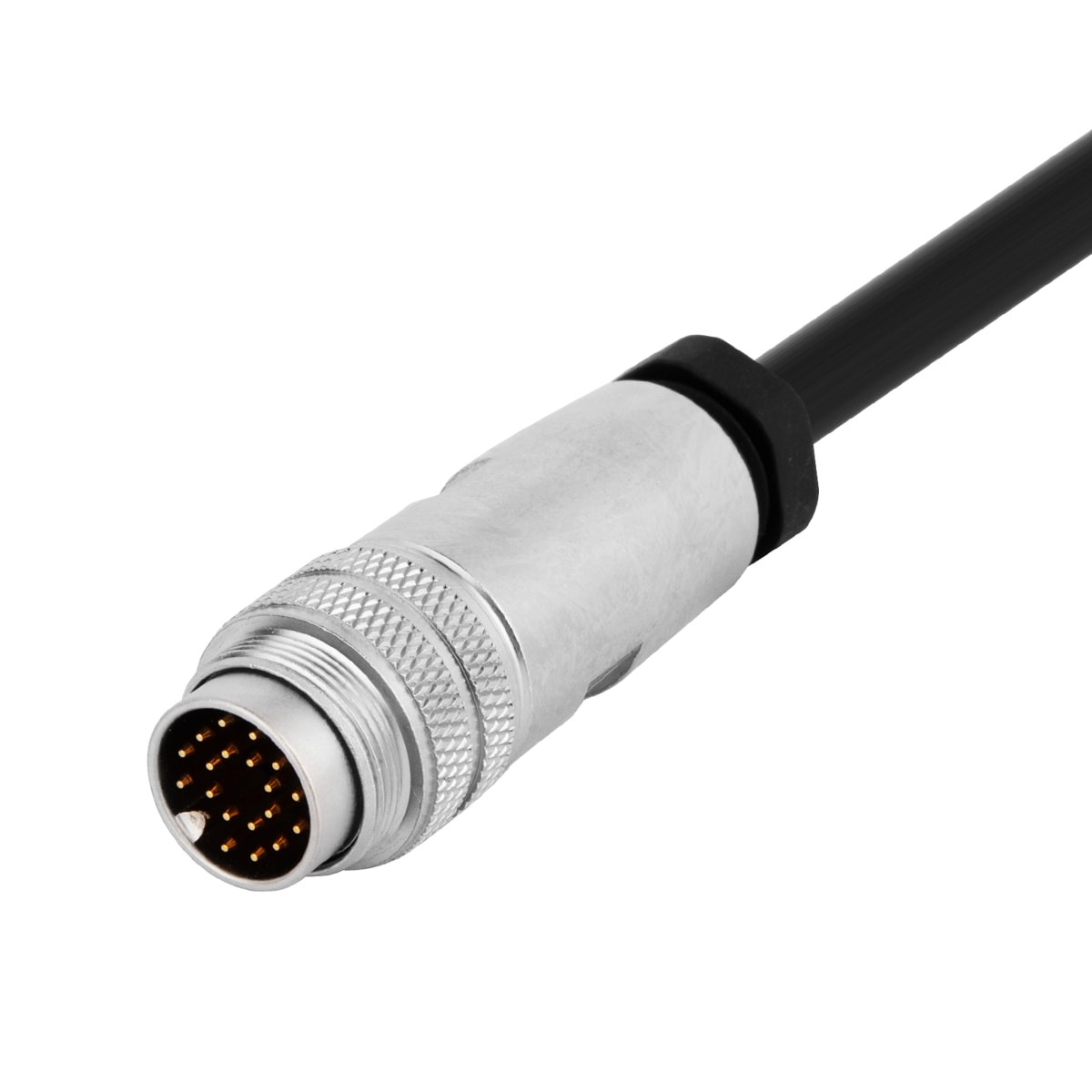
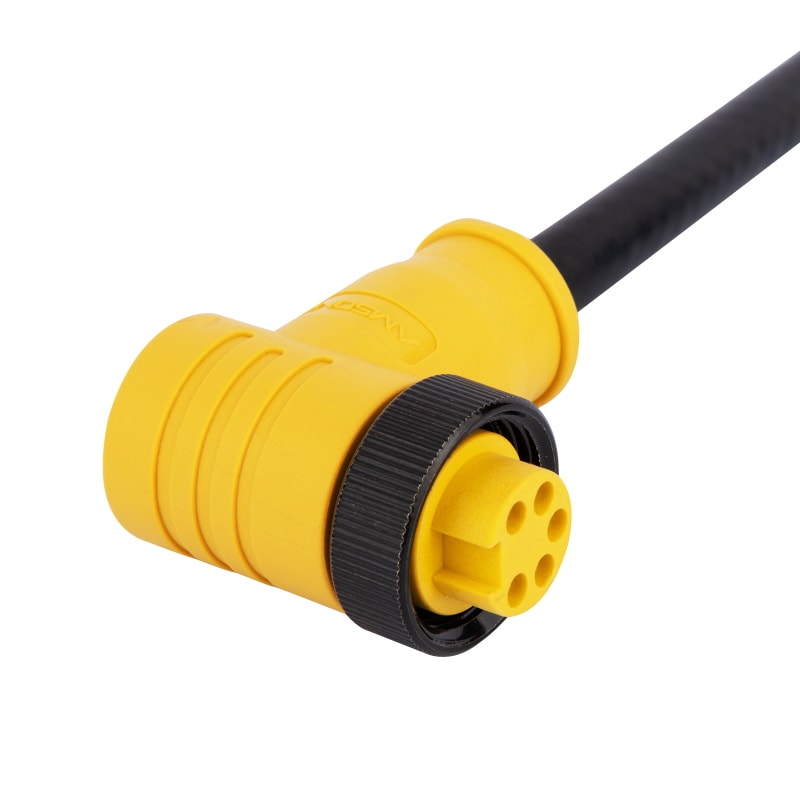
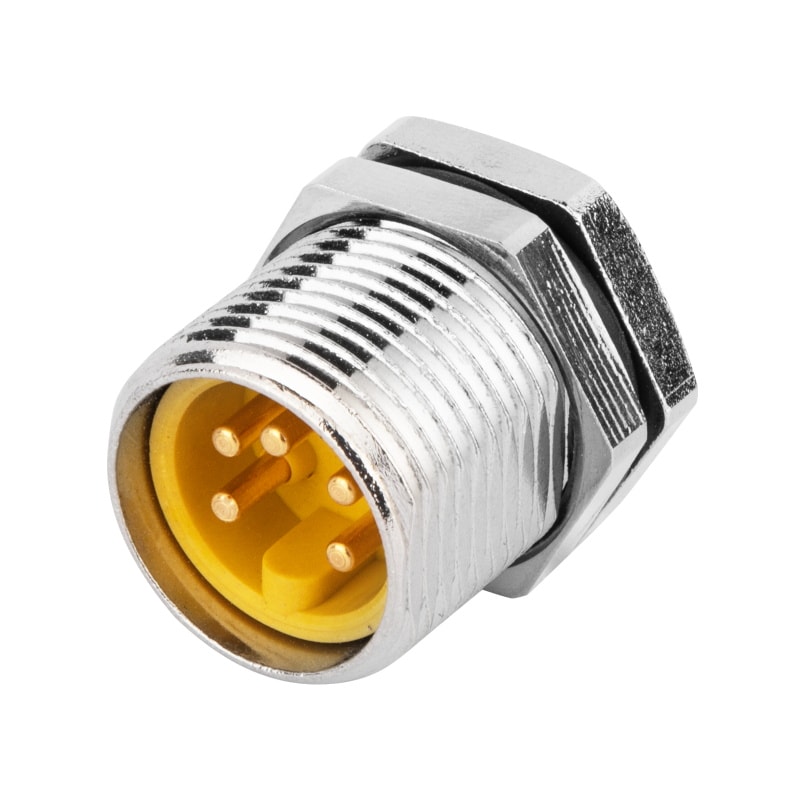
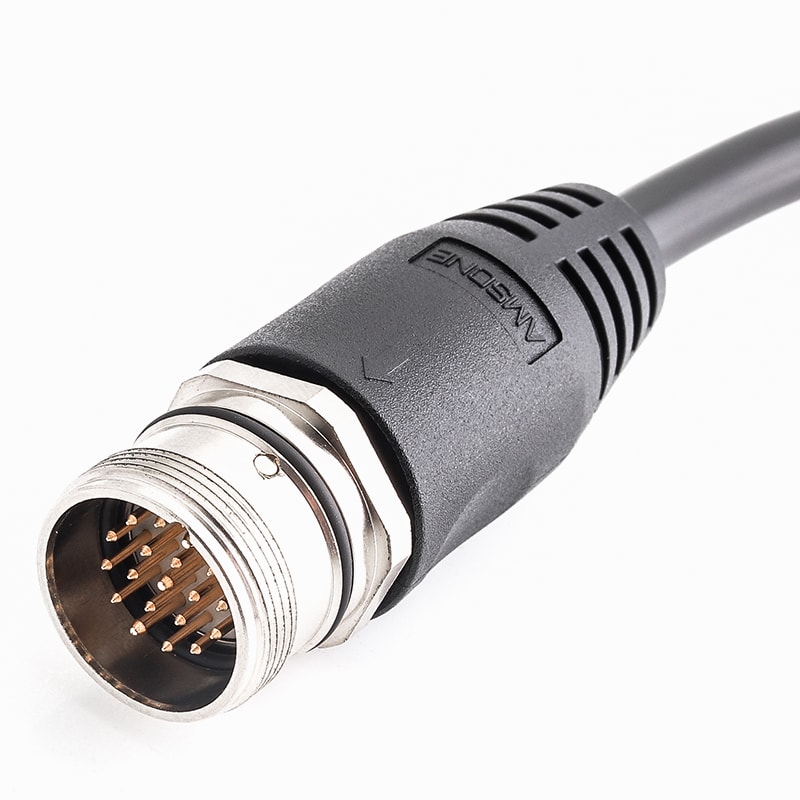
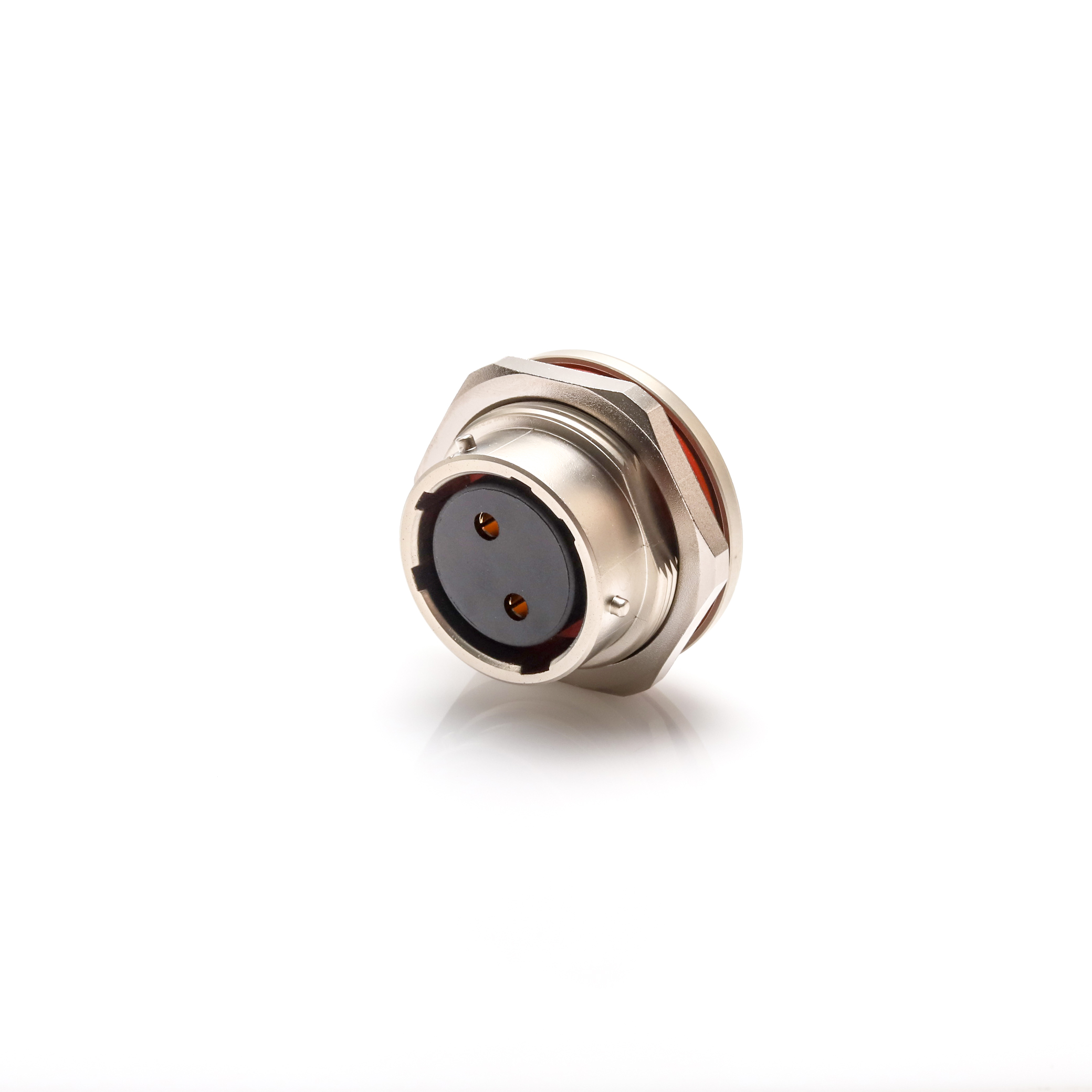
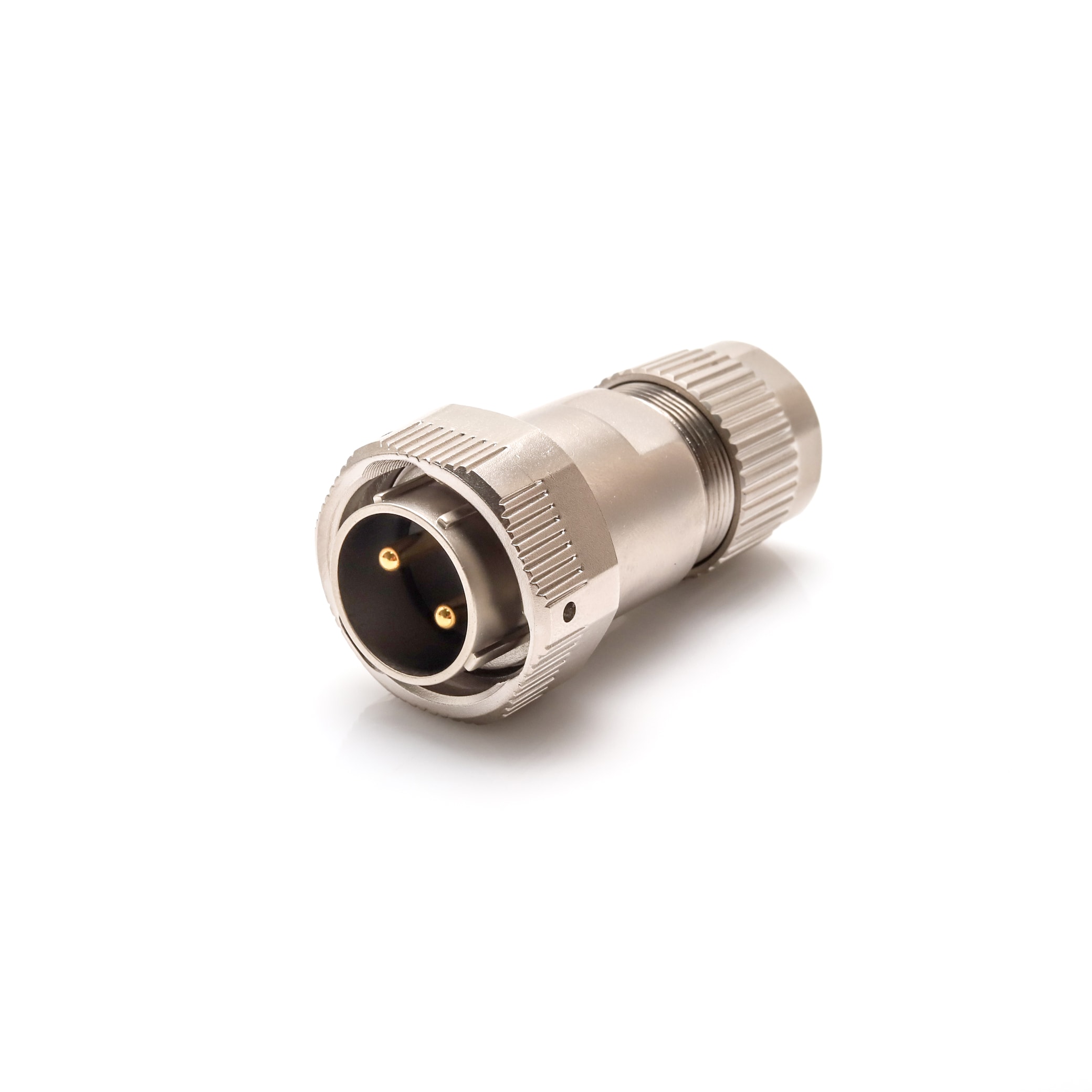
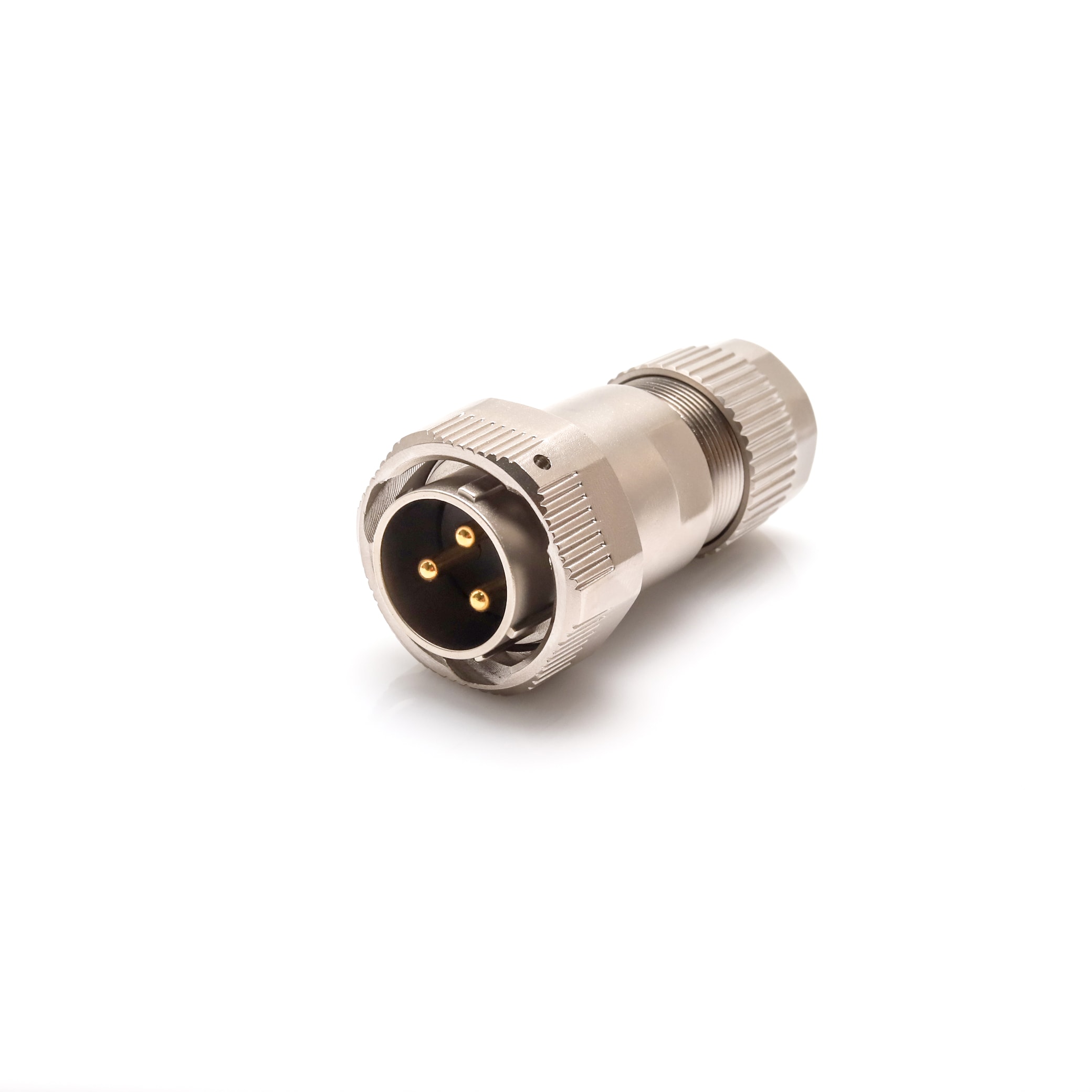
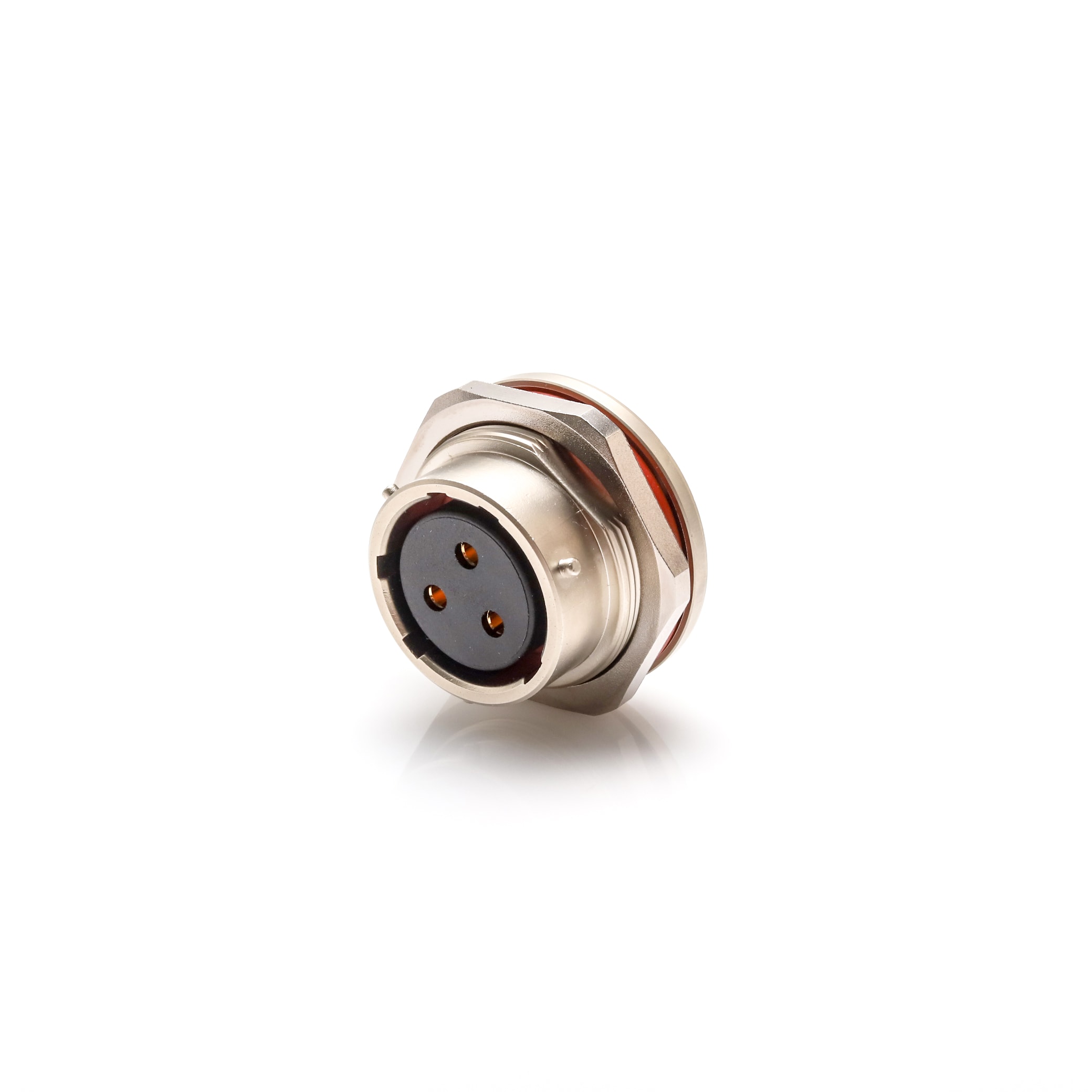
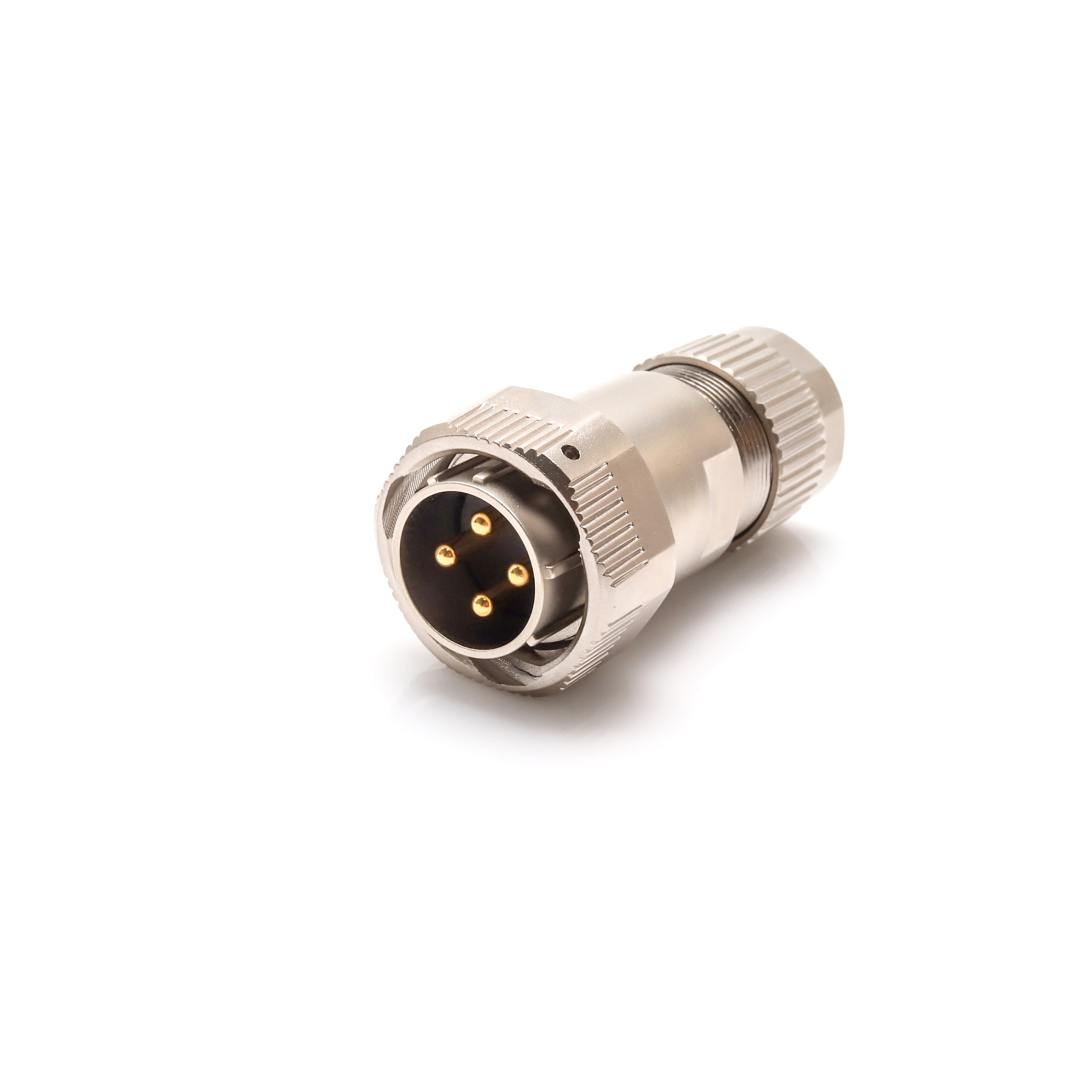
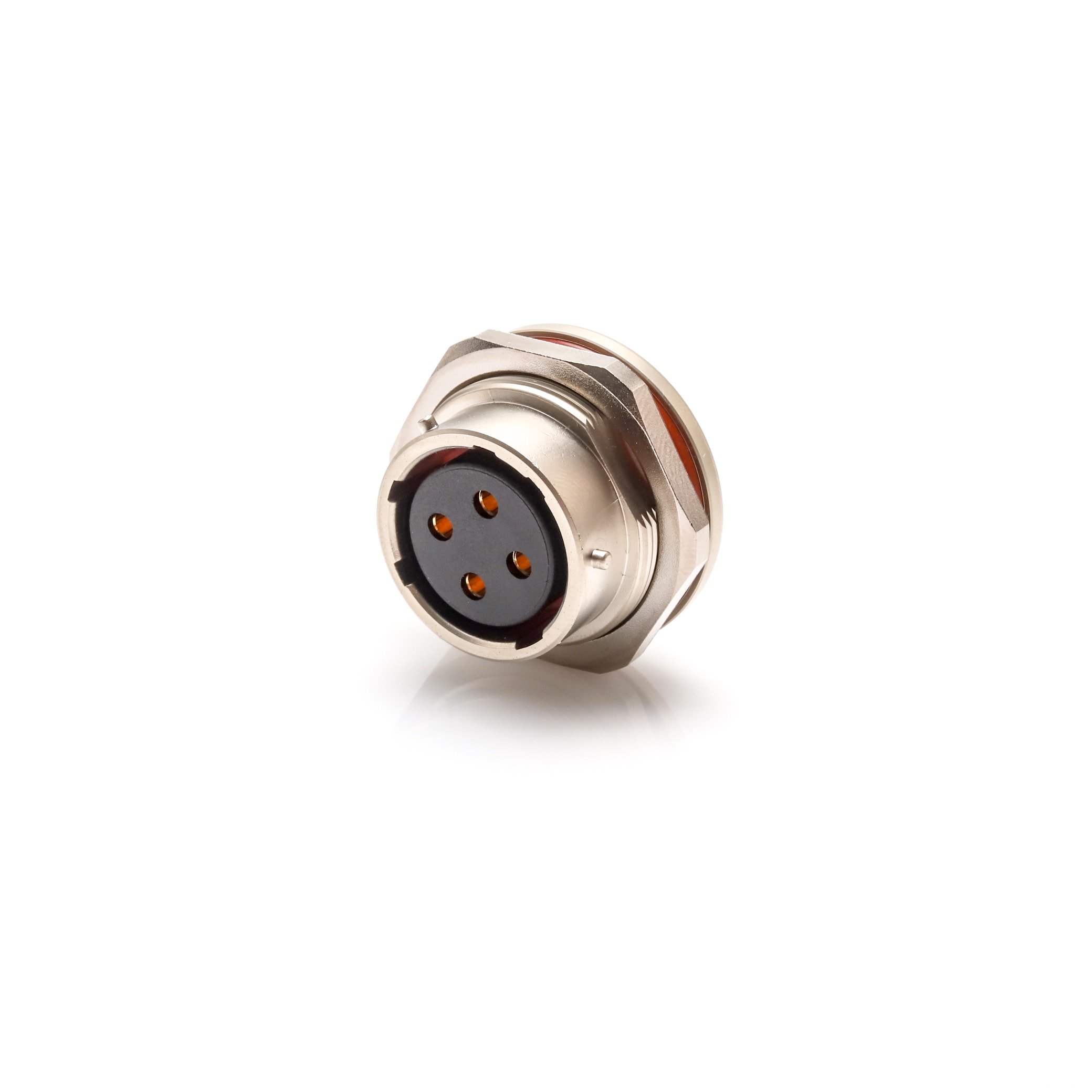
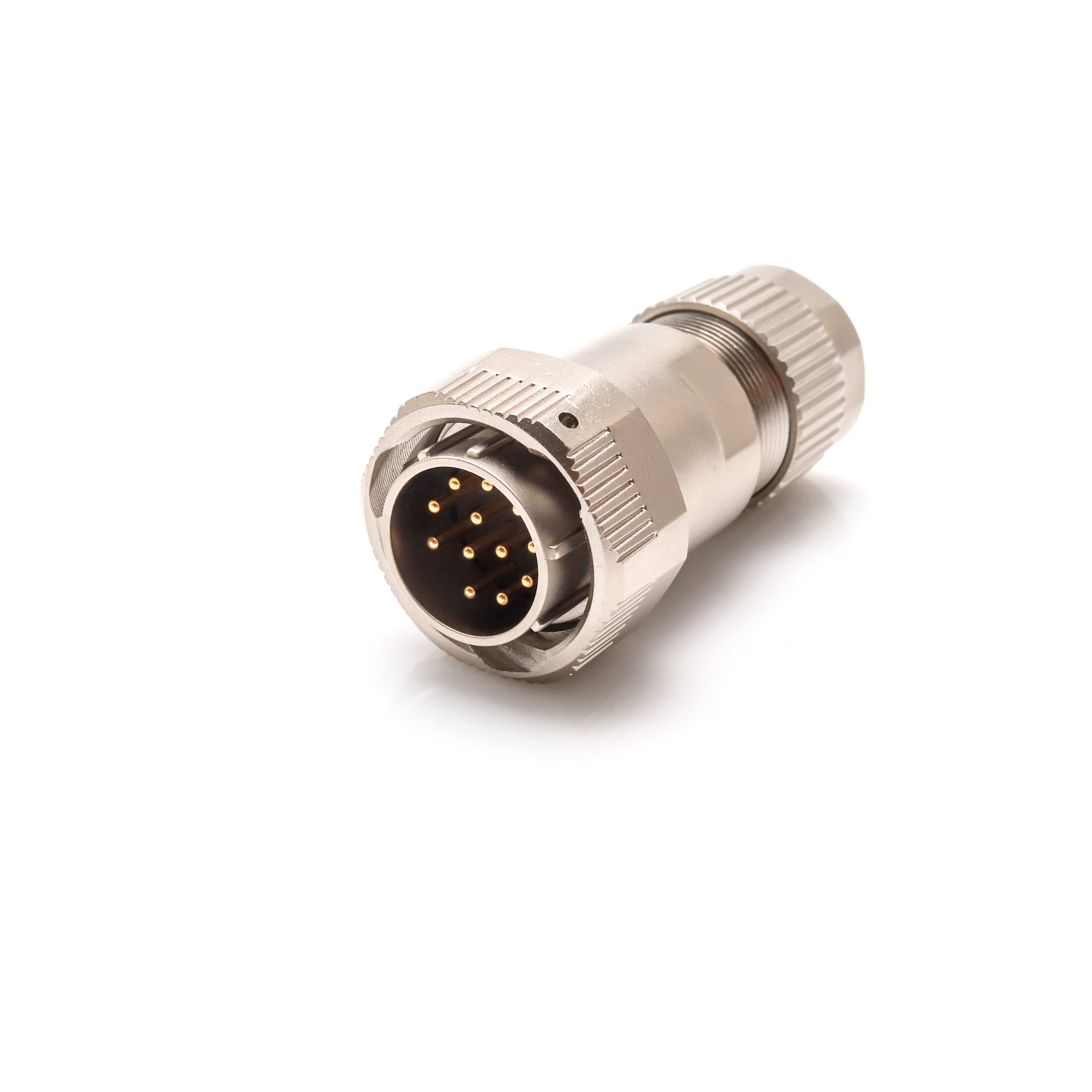
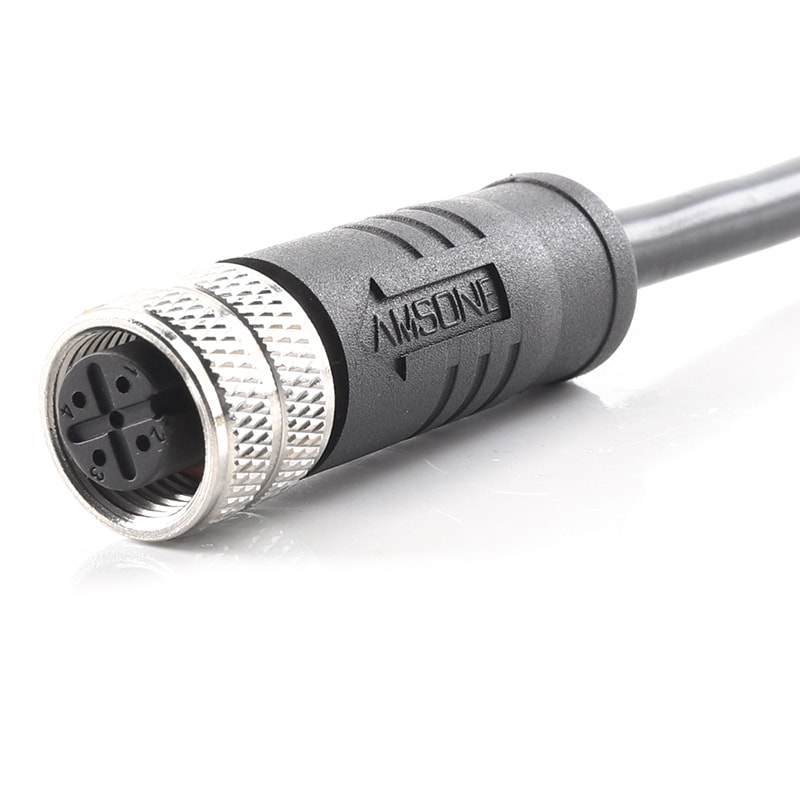
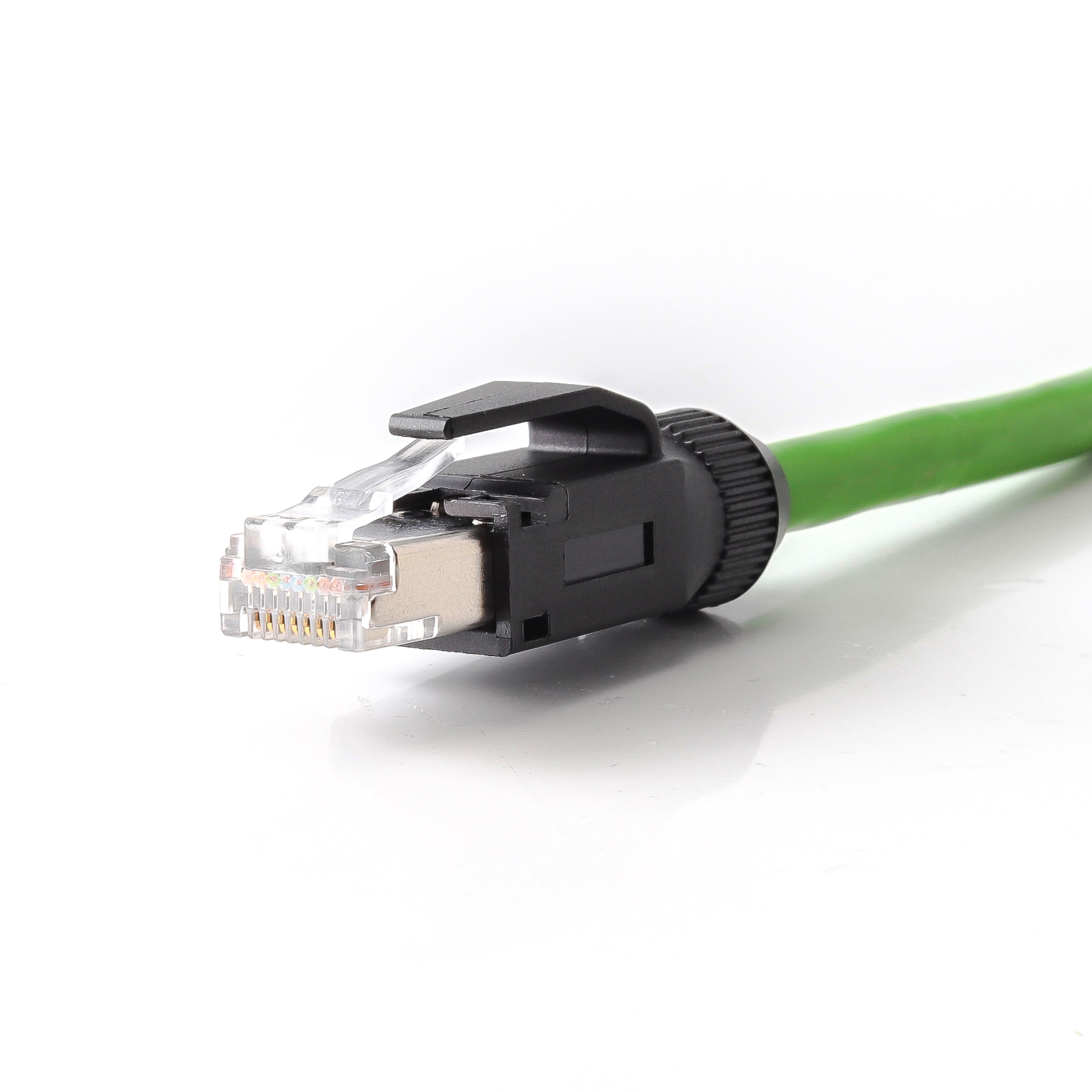
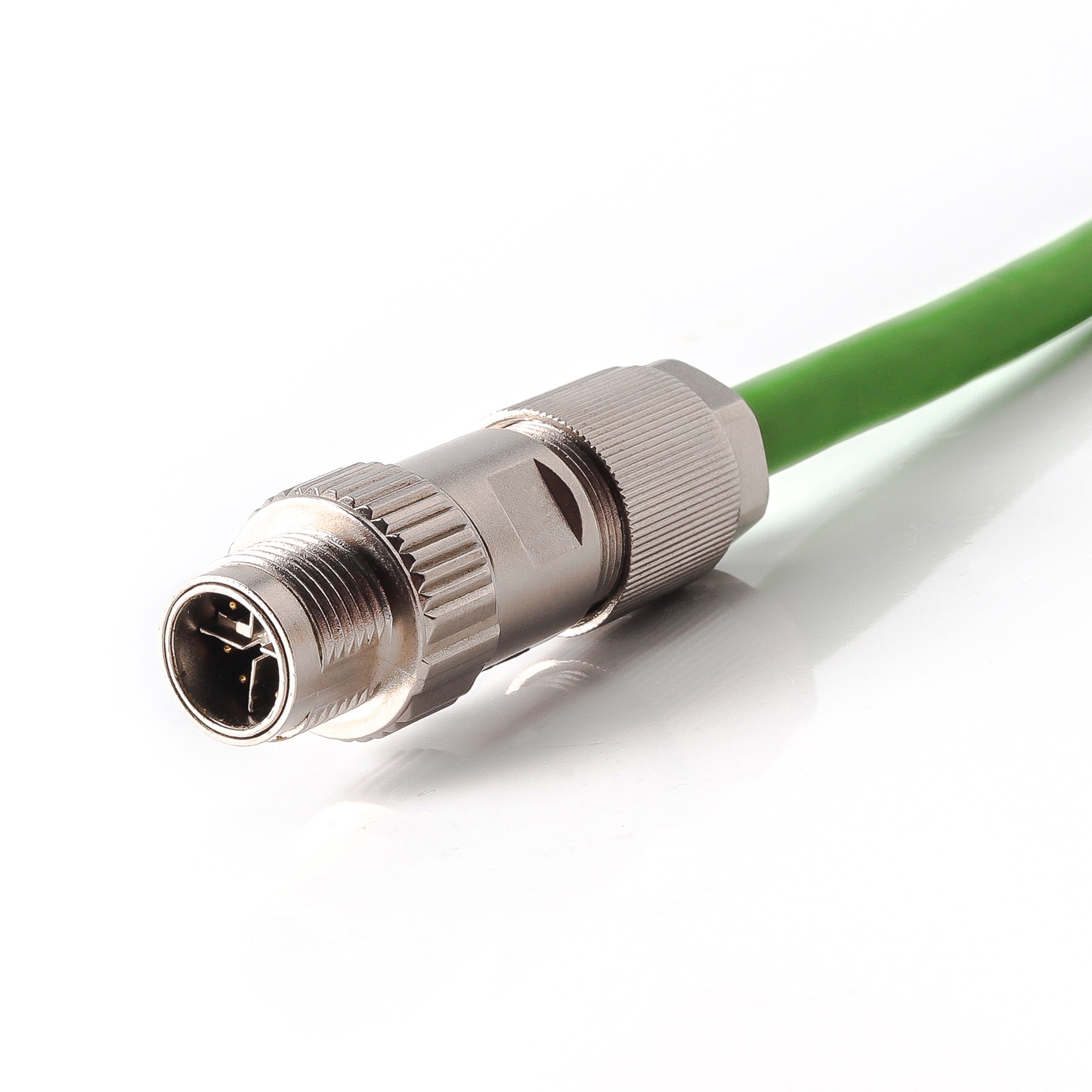
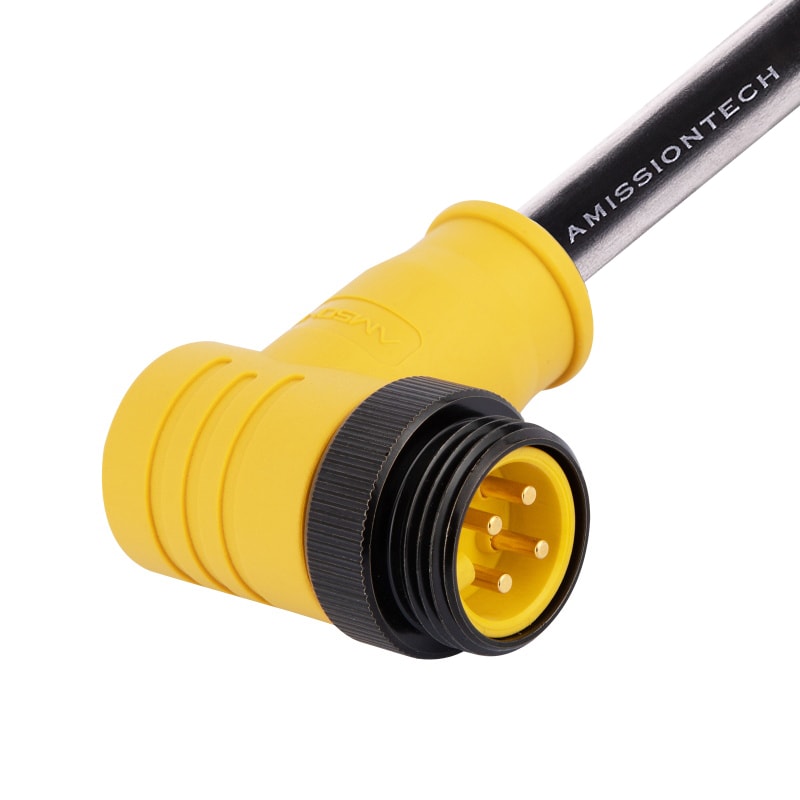





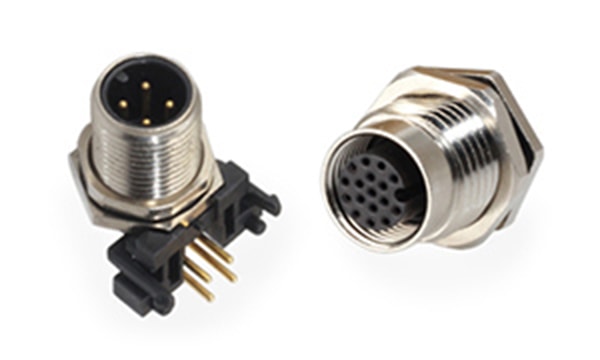
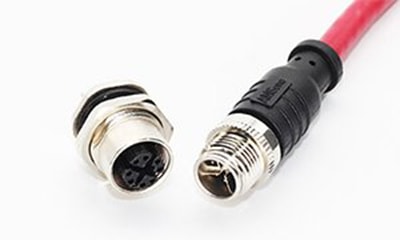
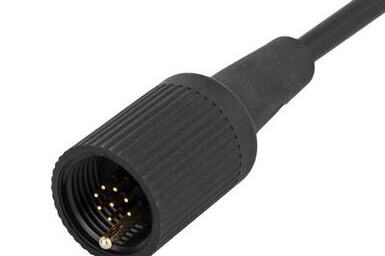

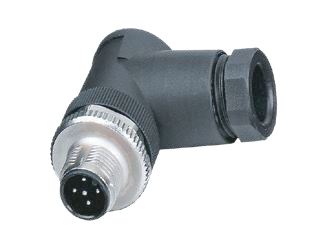

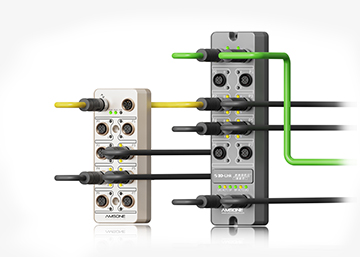
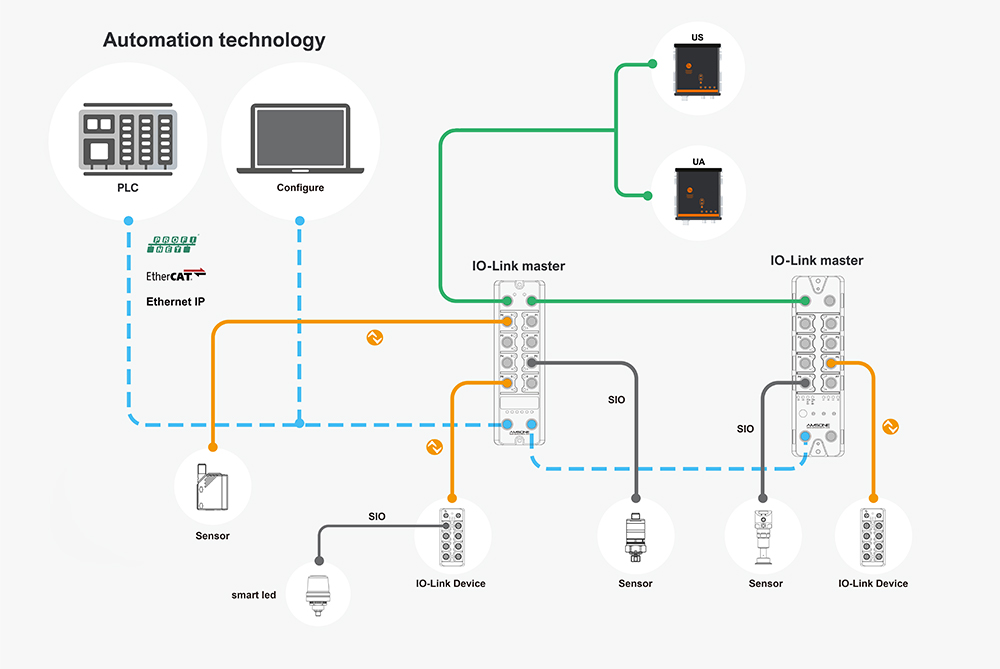
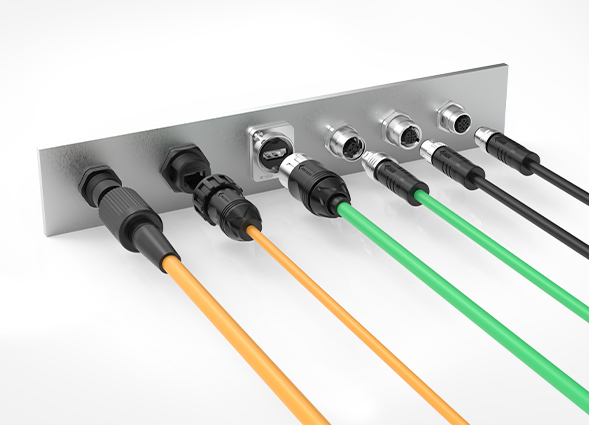
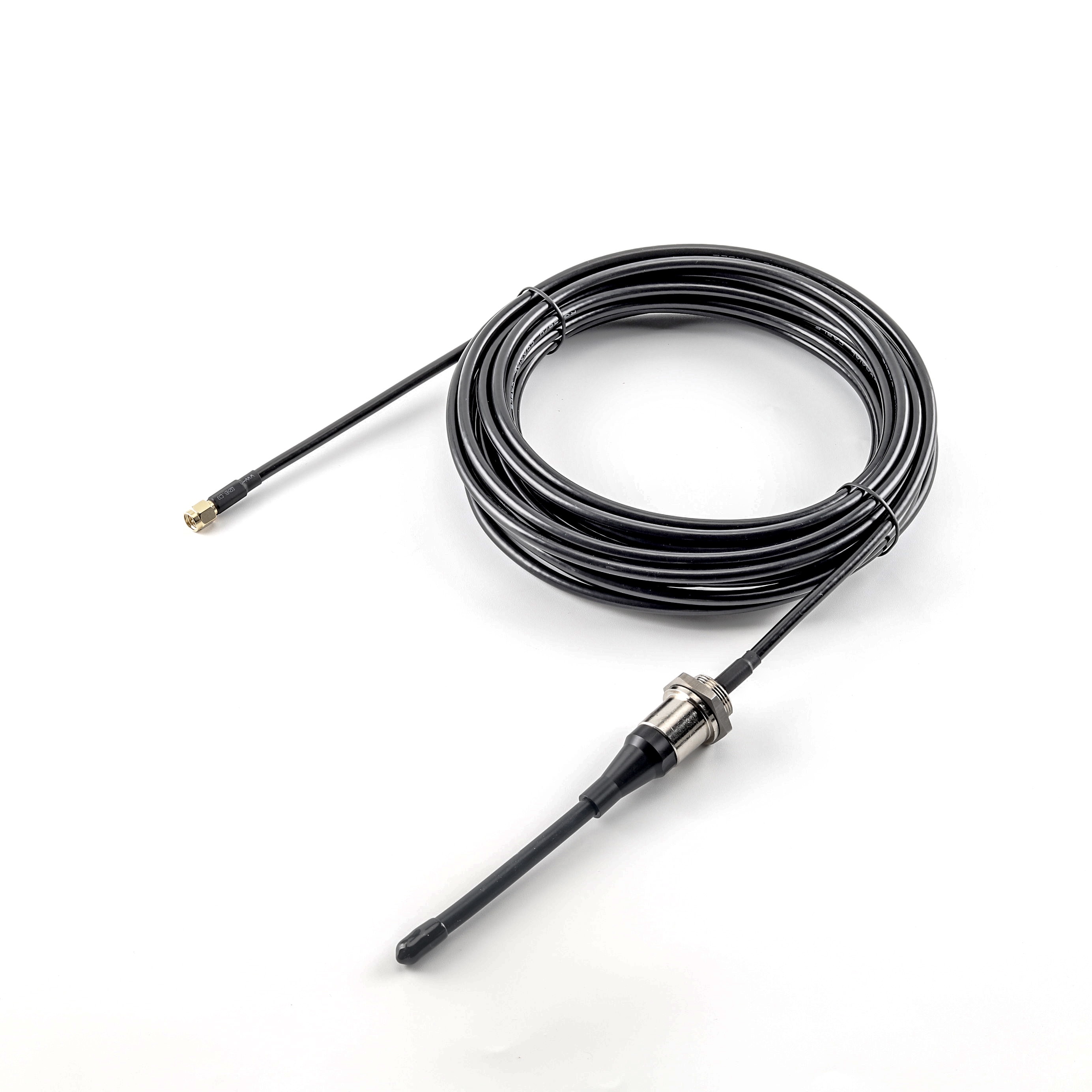
RF Cable plays an essential role in many communication and electronic systems. Whether used in wireless equipment, test instruments, broadcasting systems, or industrial automation, the performance of an RF Cable directly affects signal quality and system stability. When the cable performs well, signals remain clear and consistent. However, when its performance drops, users may experience noise, poor connectivity, or even complete signal loss. To better understand how to choose and use this type of cable, it’s important to look closely at the main factors that influence RF Cable performance.
To begin with, the frequency range is one of the key indicators that affects RF Cable performance. Since different applications operate at different frequencies, the cable must support the required range without distortion. When frequency increases, the cable material and structure must maintain strong signal integrity. Higher frequencies also mean higher signal loss, so choosing the right RF Cable is especially important for systems that run above several gigahertz.
A stable cable designed for high-frequency use helps reduce errors and keeps the system running properly. This is why understanding the frequency range is usually the first step in selecting an RF Cable for industrial, commercial, or laboratory applications.
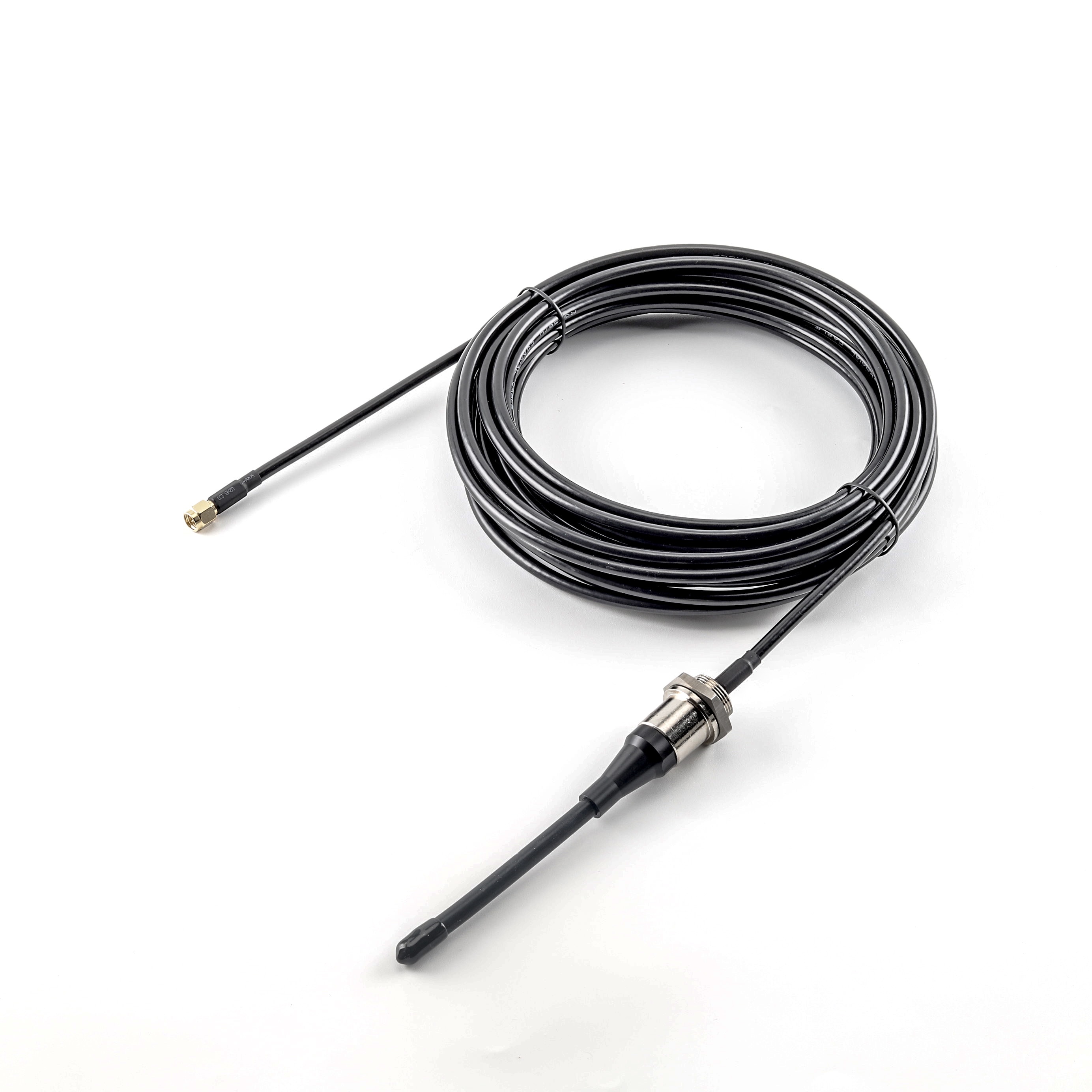
Another major factor affecting RF Cable performance is insertion loss, also known as attenuation. This refers to the amount of signal that weakens as it travels through the cable. All cables have some level of loss, but the goal is to keep this value as low as possible. Several elements can influence insertion loss, including conductor material, dielectric type, shielding structure, and cable diameter.
As frequency increases or cable length becomes longer, attenuation naturally rises. For this reason, when transmitting signals over long distances or using high-frequency applications, users should select an RF Cable made with low-loss materials. Doing so ensures clearer signals, better system efficiency, and more reliable communication.
Impedance matching is also crucial for maintaining RF Cable performance. Most RF systems use either 50-ohm or 75-ohm impedance. When the cable and connected devices share the same impedance, signals move smoothly without reflection. But when there is a mismatch, part of the signal reflects back, increasing the VSWR and lowering overall transmission quality.
Inconsistent impedance often comes from poor internal structure, manufacturing defects, or connector issues. Good impedance matching helps protect sensitive equipment, improves test accuracy, and ensures the cable delivers maximum performance. Therefore, choosing a high-quality RF Cable with tightly controlled impedance is essential for professional applications.
In addition, shielding quality is one of the most important aspects that impacts RF Cable performance. Shielding protects signals from outside interference such as electromagnetic noise, radio waves, or nearby electrical equipment. Typical shielding structures include braided copper, aluminum foil, or multi-layer combinations. A higher coverage rate means less interference, more stable data transmission, and a cleaner signal path.
In environments with heavy equipment, wireless devices, motors, or other strong noise sources, a well-shielded RF Cable is especially important. Proper shielding improves signal clarity and ensures the cable maintains consistent performance over time.
Furthermore, the materials used in an RF Cable also have a direct influence on its performance. For the conductor, copper and silver-plated copper are commonly used because they provide excellent electrical conductivity. For the dielectric layer, materials such as PE, PTFE, and FEP help maintain stable impedance and reduce loss. The outer jacket material protects the cable from heat, chemicals, mechanical stress, and daily wear.
Quality materials not only support better signal transmission but also extend the cable's service life. When selecting an RF Cable for a professional or industrial setup, material durability and electrical performance are both important considerations.
Cable length is another basic factor that affects RF Cable performance. As the length increases, the signal must travel farther, naturally causing higher attenuation. This means the cable may not be able to deliver the same clarity and strength at long distances. Therefore, when designing a system, the cable should be kept as short as possible without affecting the layout.
When long-distance transmission cannot be avoided, a low-loss RF Cable is an effective solution to maintain stable performance and reduce signal degradation.
Mechanical stress also influences RF Cable performance. If the cable is bent too tightly or exposed to repeated stress, its internal structure may deform. Such deformation can cause impedance changes, increased loss, and even signal interruptions. Each RF Cable model has a recommended minimum bending radius to ensure safety and reliability.
Applications that require frequent movement should choose more flexible cable types to avoid damage and performance issues.
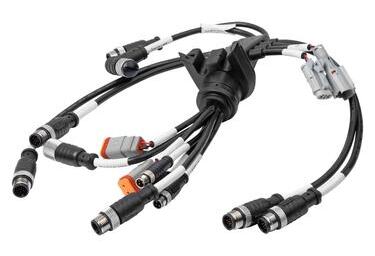
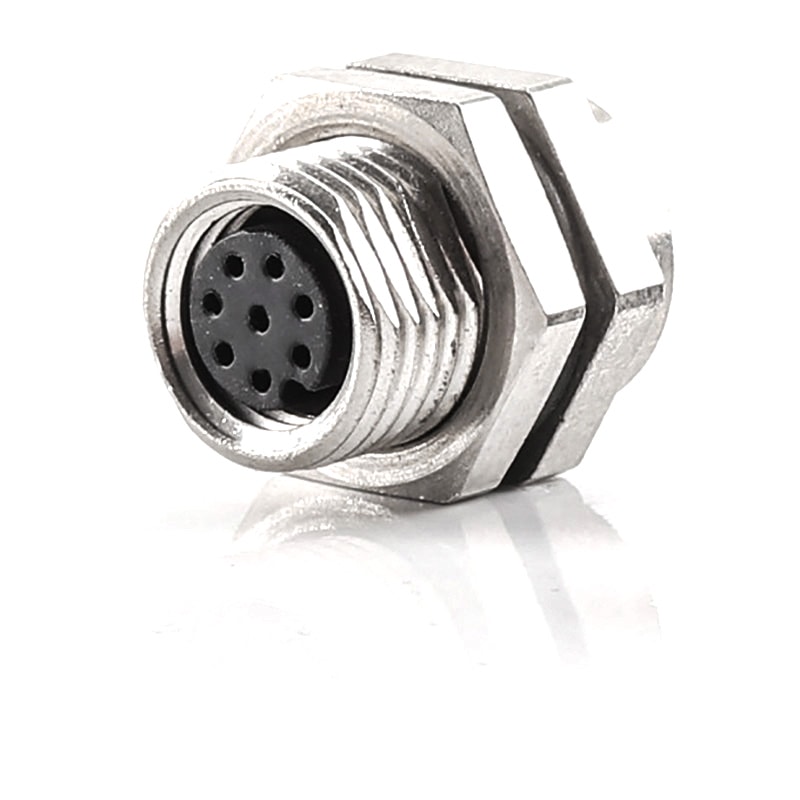
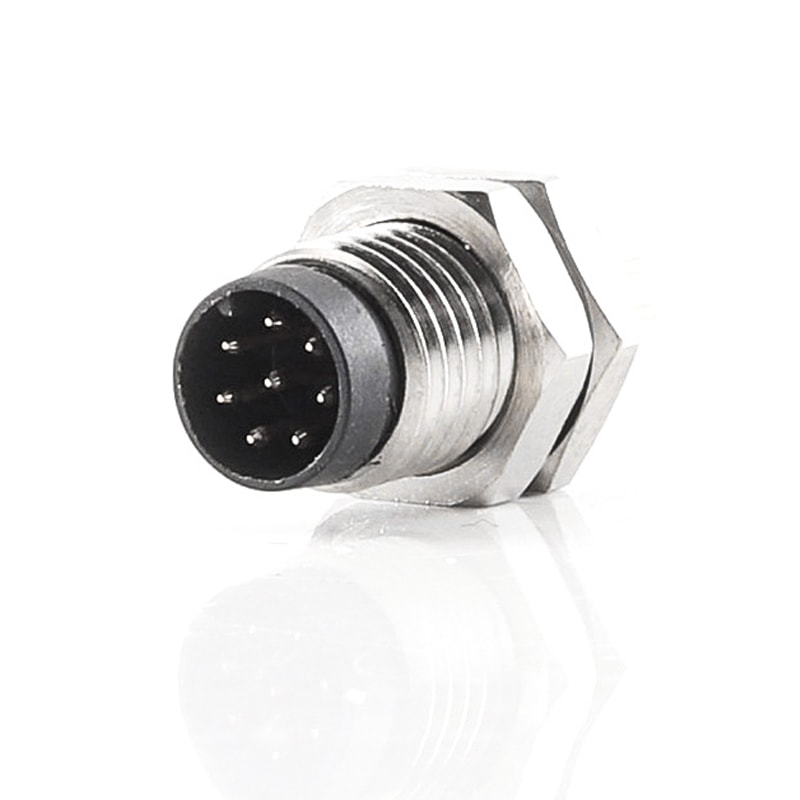
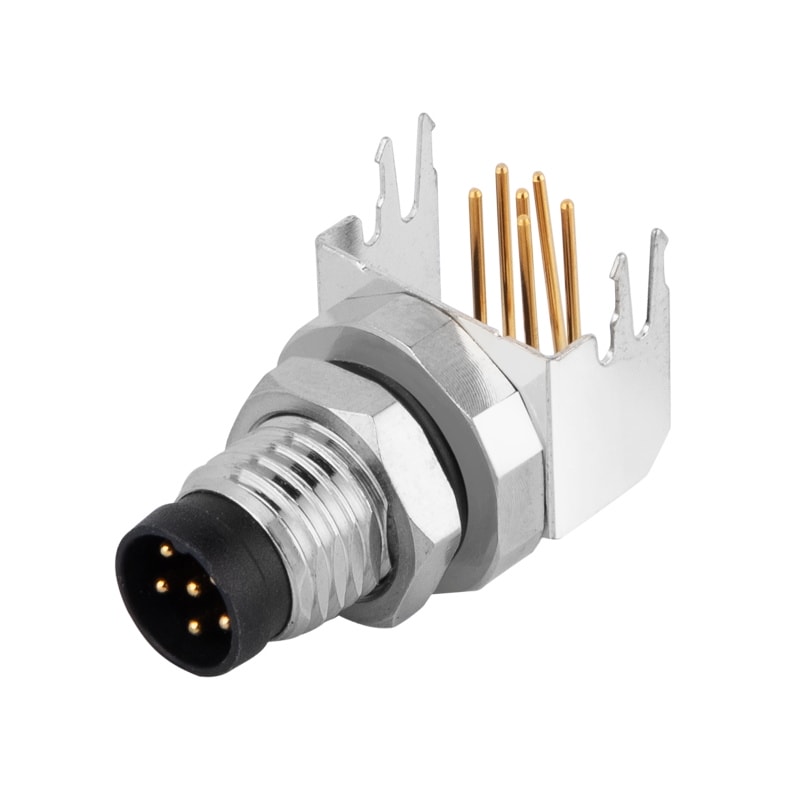
The performance of an RF Cable greatly depends on the connectors as well. Connectors such as SMA, N-Type, and BNC must maintain precise impedance and solid physical contact. Poor-quality connectors may cause reflection, unstable connection, or increased loss. Additionally, improper assembly can lead to internal gaps or incorrect alignment, which significantly reduces overall performance.
Choosing well-made connectors and ensuring proper installation is essential for any professional RF Cable setup.
Finally, the environment where an RF Cable is used also affects its performance. Factors like temperature, humidity, vibration, and chemical exposure can impact signal quality and cable durability. For outdoor or high-temperature environments, cables with heat-resistant or weather-resistant jackets provide better protection. Likewise, laboratory or industrial environments often require more stable materials to guarantee long-term reliability.
Selecting the right RF Cable based on environmental conditions ensures safety and consistent system operation.
Understanding the key factors that affect RF Cable performance helps users make better decisions for their communication systems, test setups, and industrial applications. By paying attention to frequency range, insertion loss, impedance matching, shielding quality, material selection, cable length, bending radius, connector quality, and working environment, you can ensure stable and efficient signal transmission.
For high-quality RF Cable solutions, Amissiontech , a trusted industrial cable supplier , offers durable and reliable products designed to meet demanding professional needs. Feel free to contact Amissiontech for customized cable solutions for your next project.