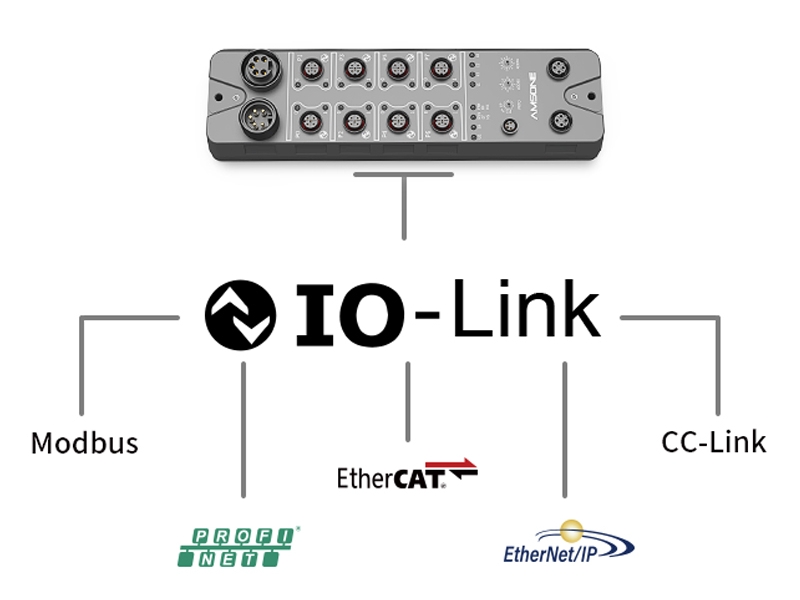
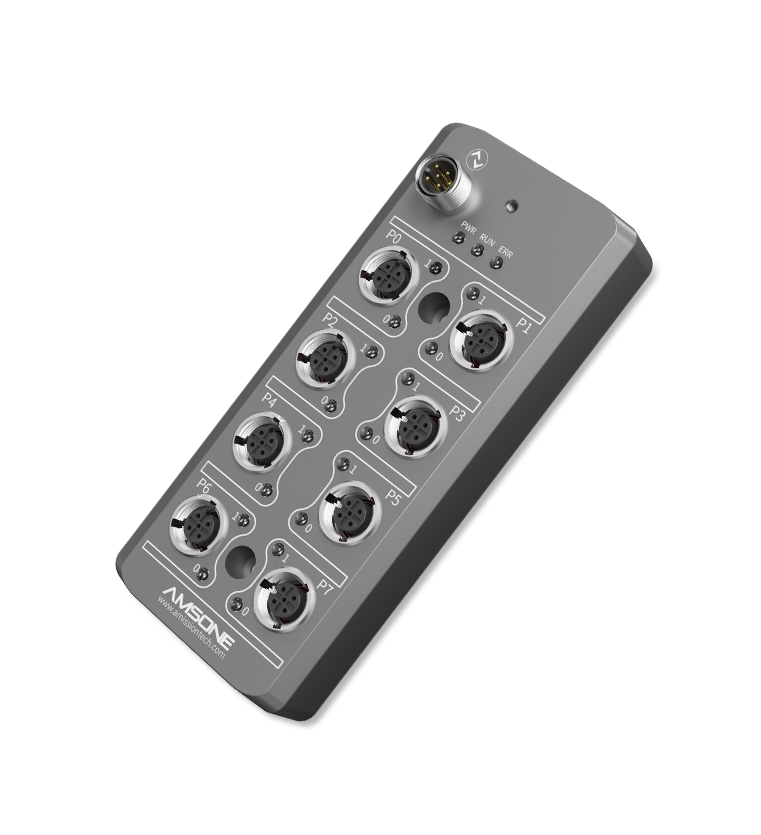
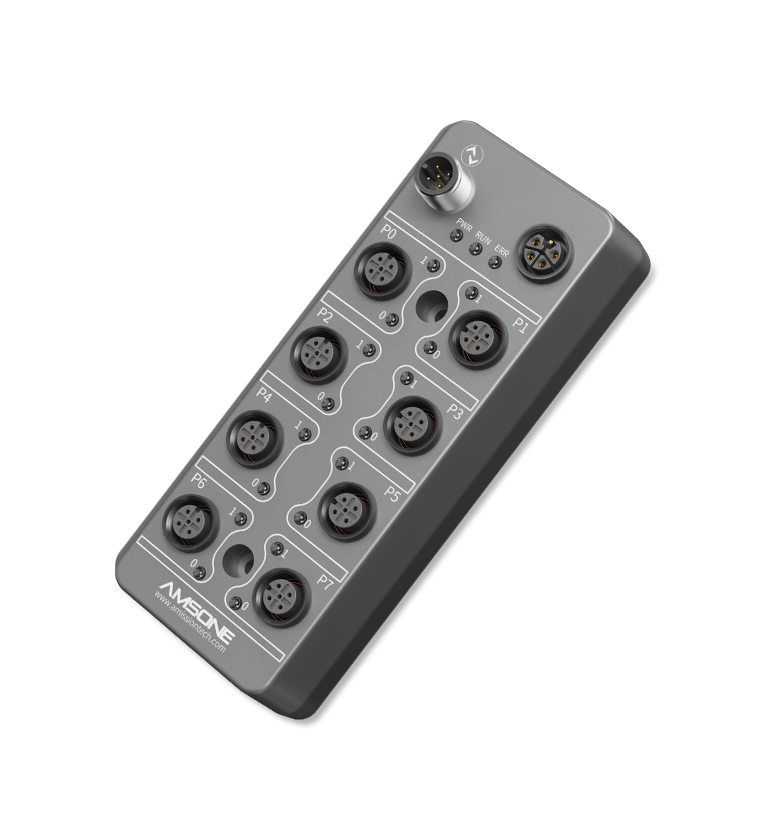
P/N: ALD-HBN1-372XXX
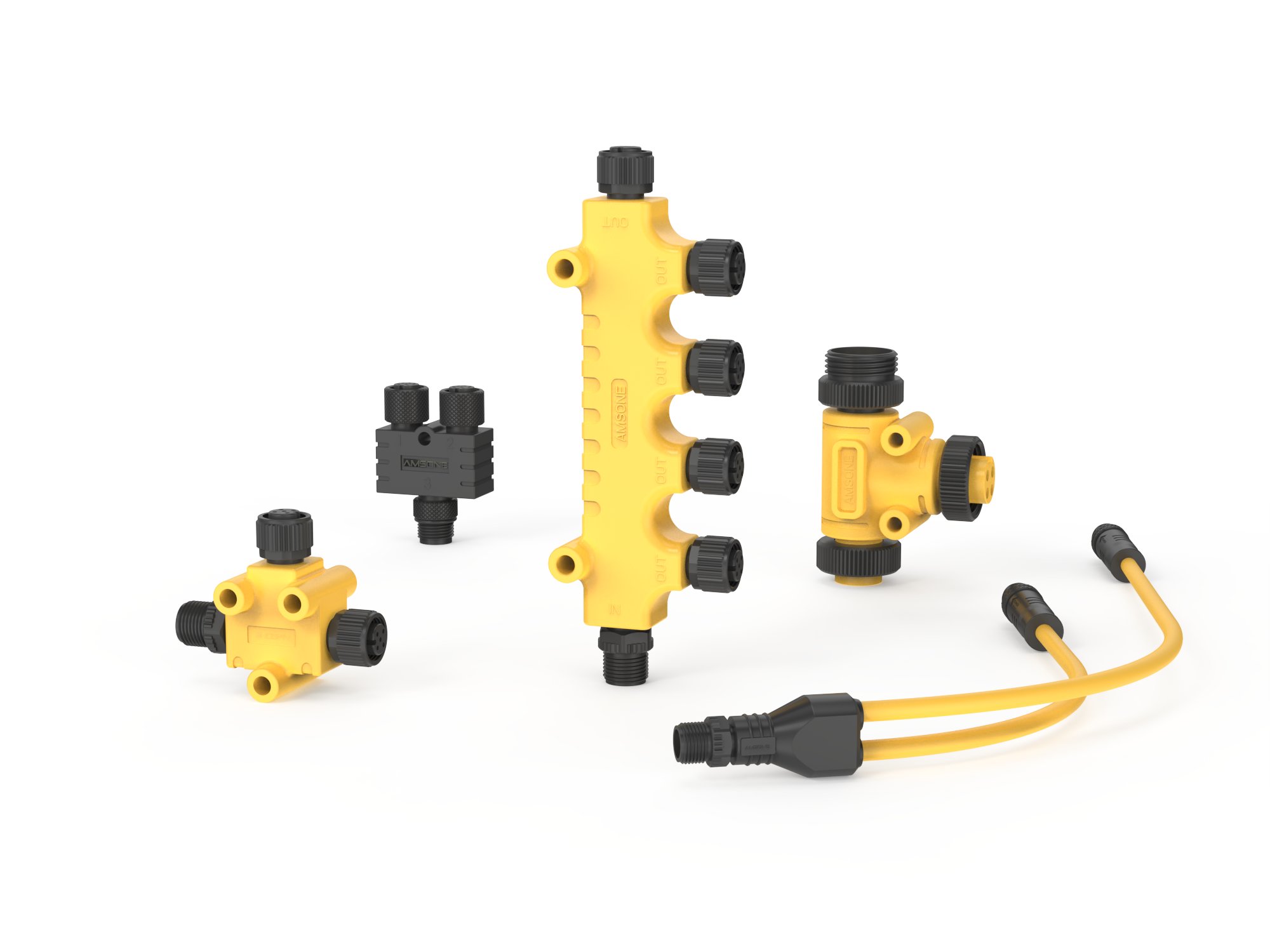
IO Link Hub NPN 0.5A/channel Plastic Housing Plastic Thread Locking
View All


















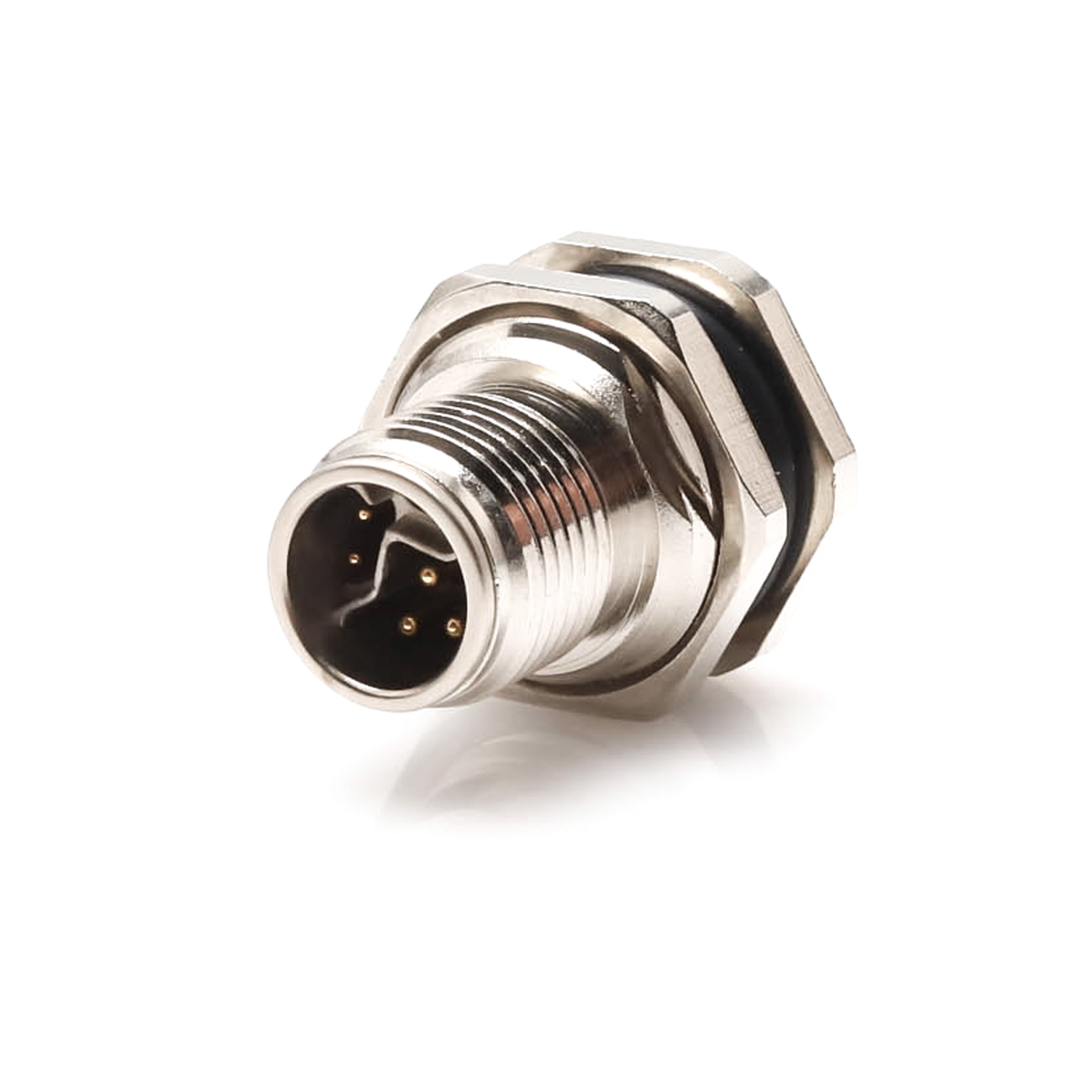
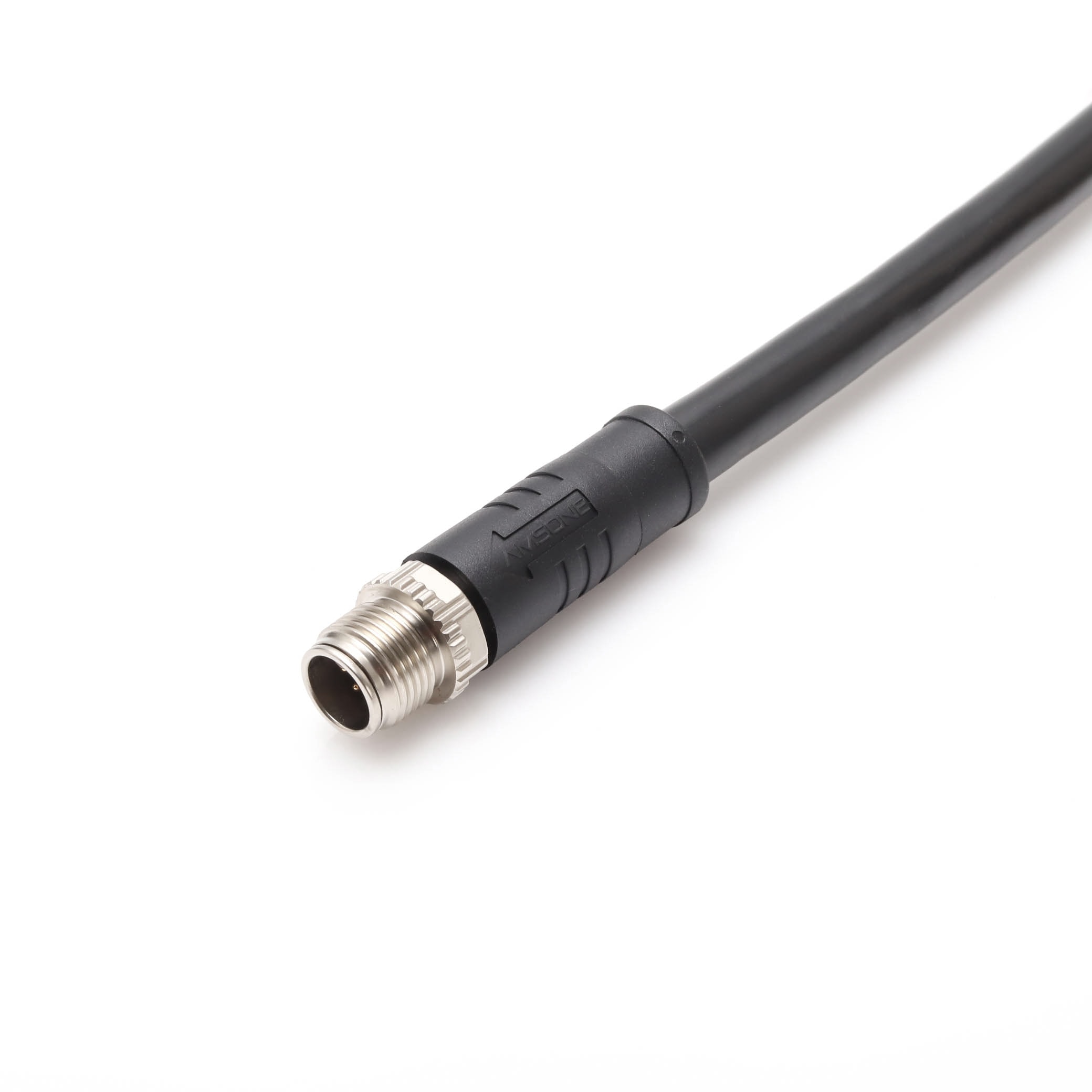
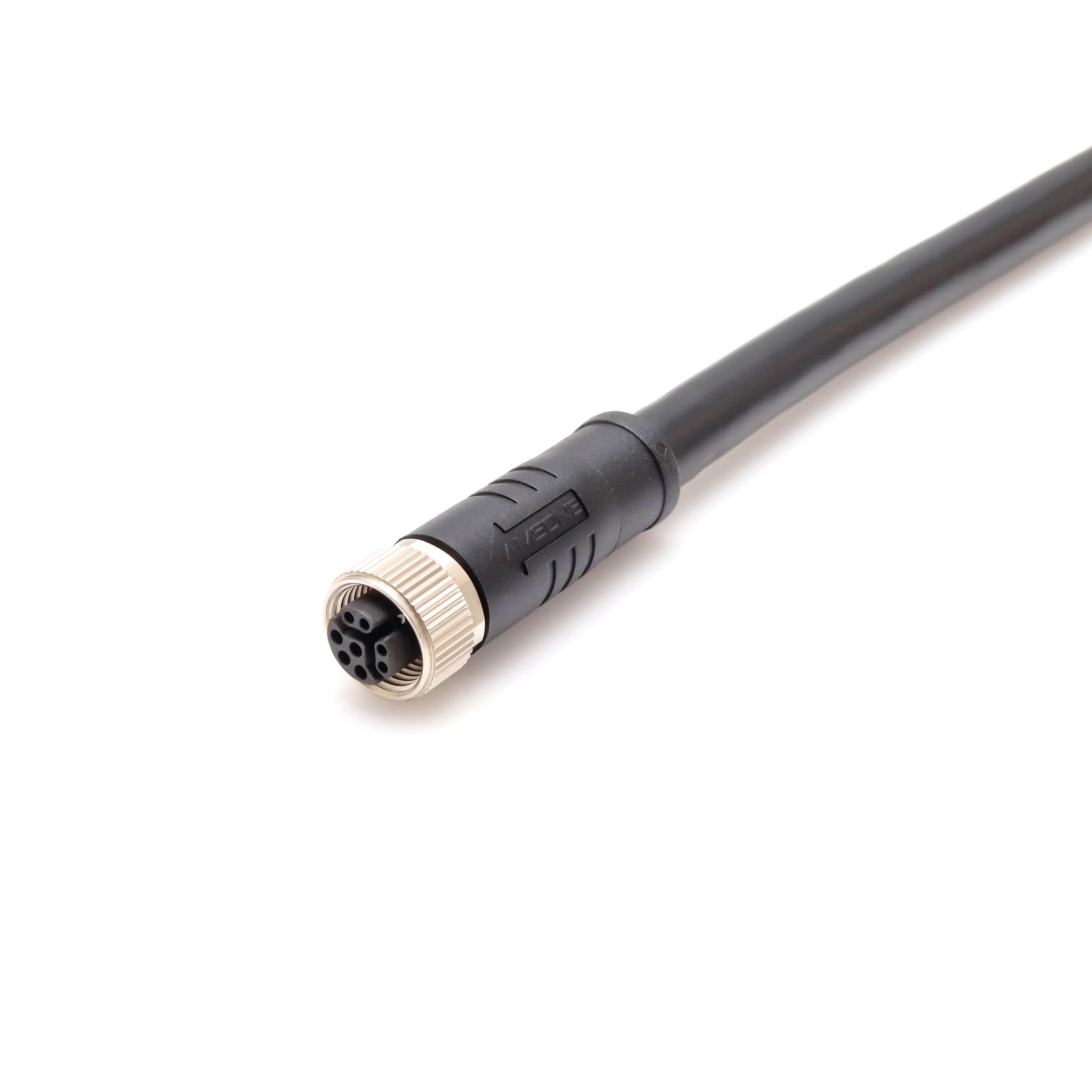
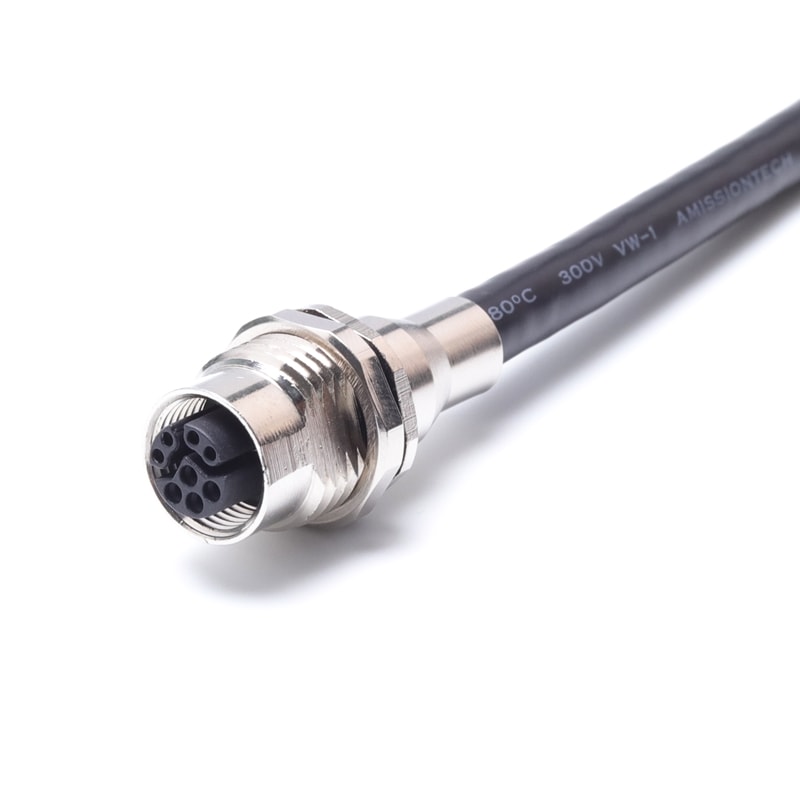




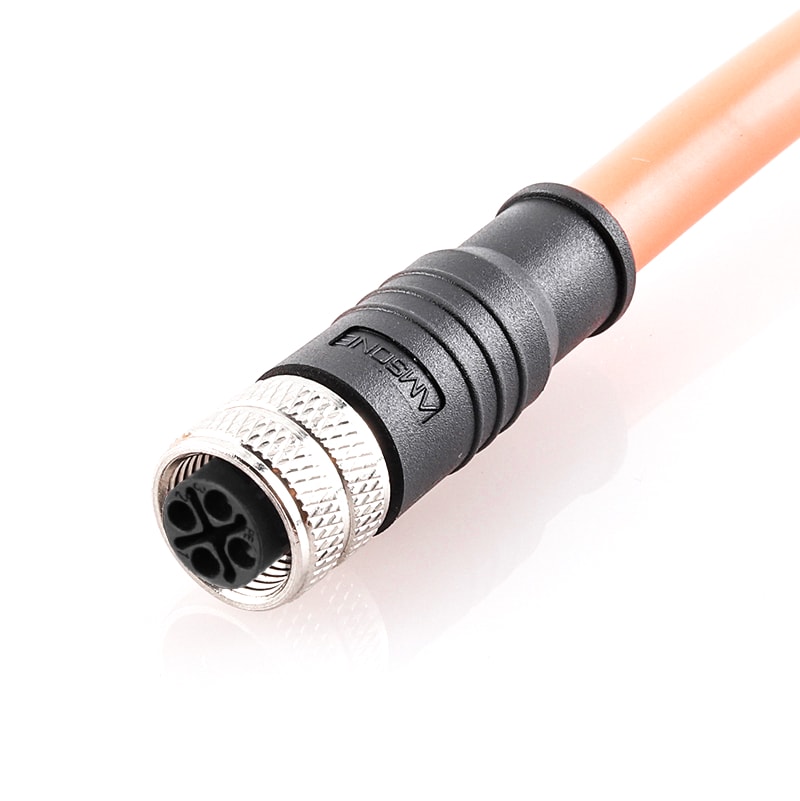
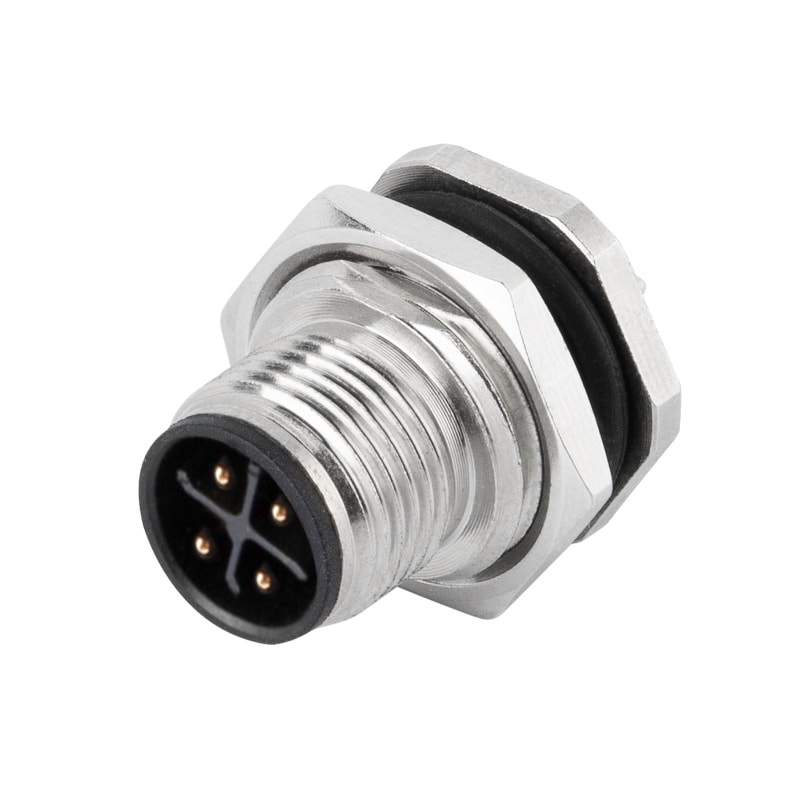


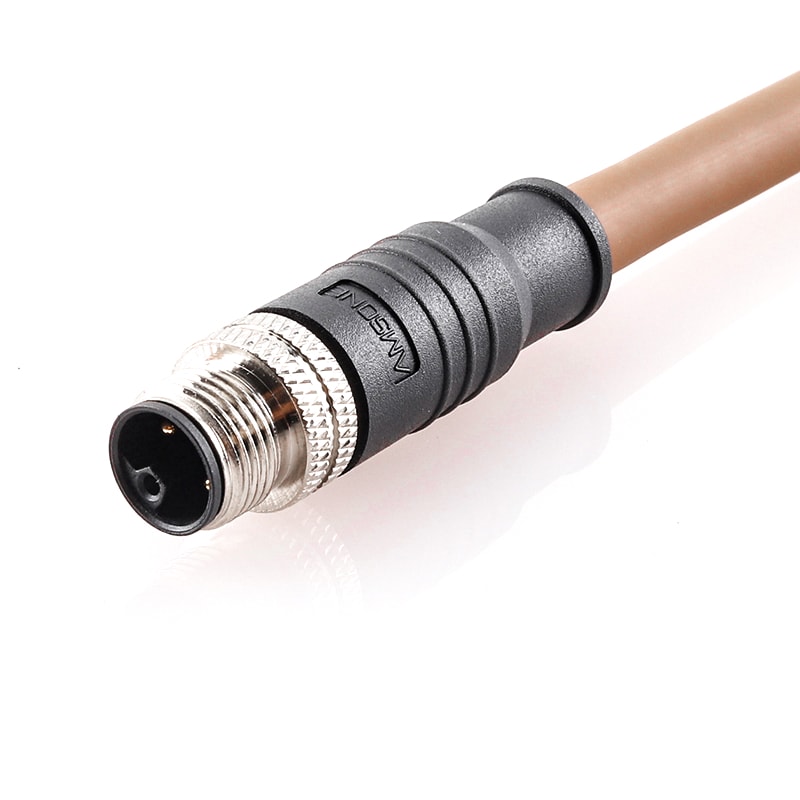


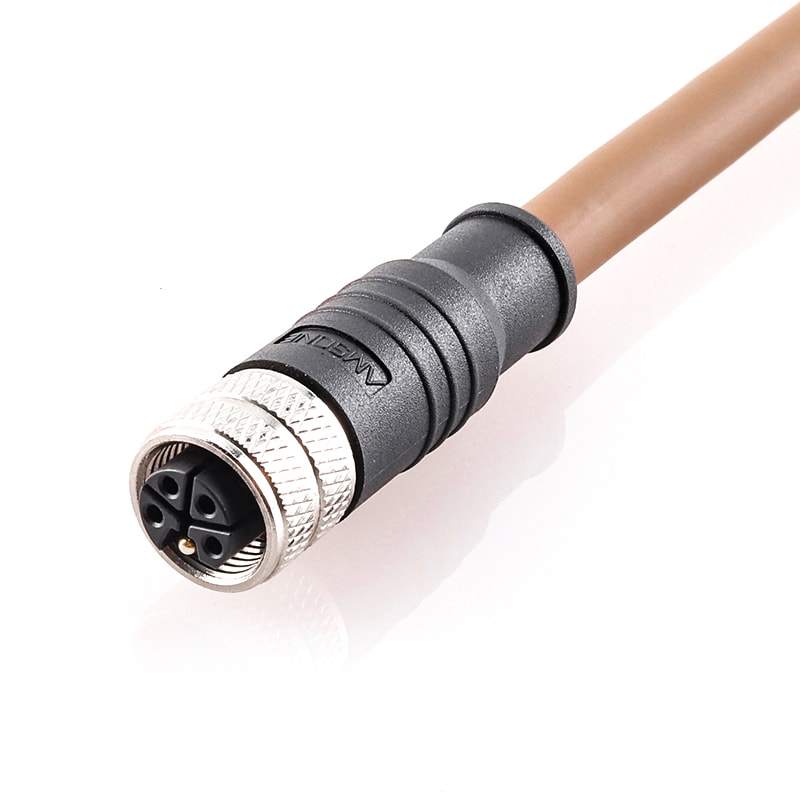


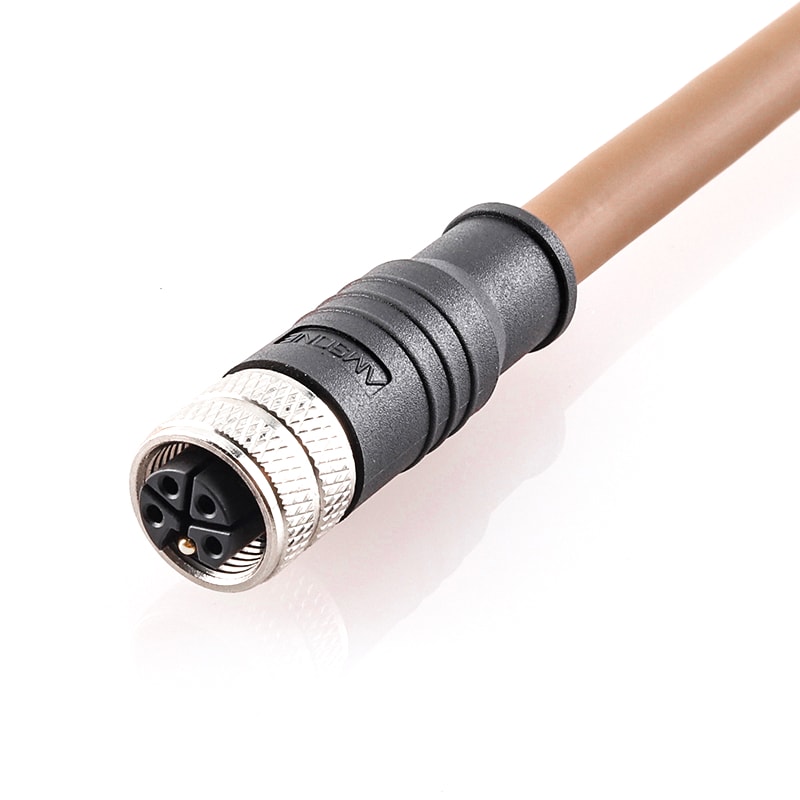
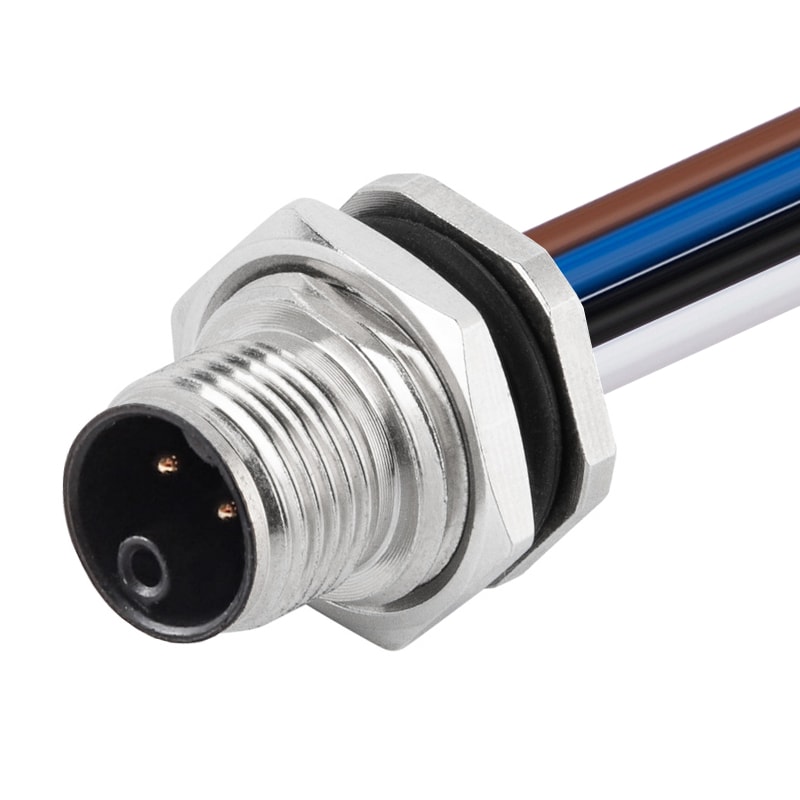


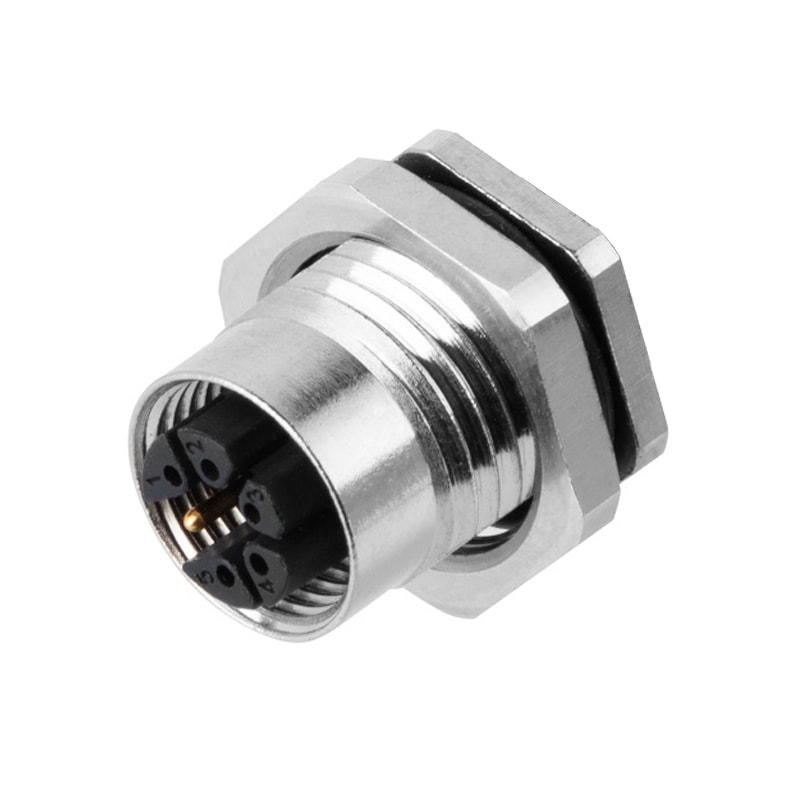







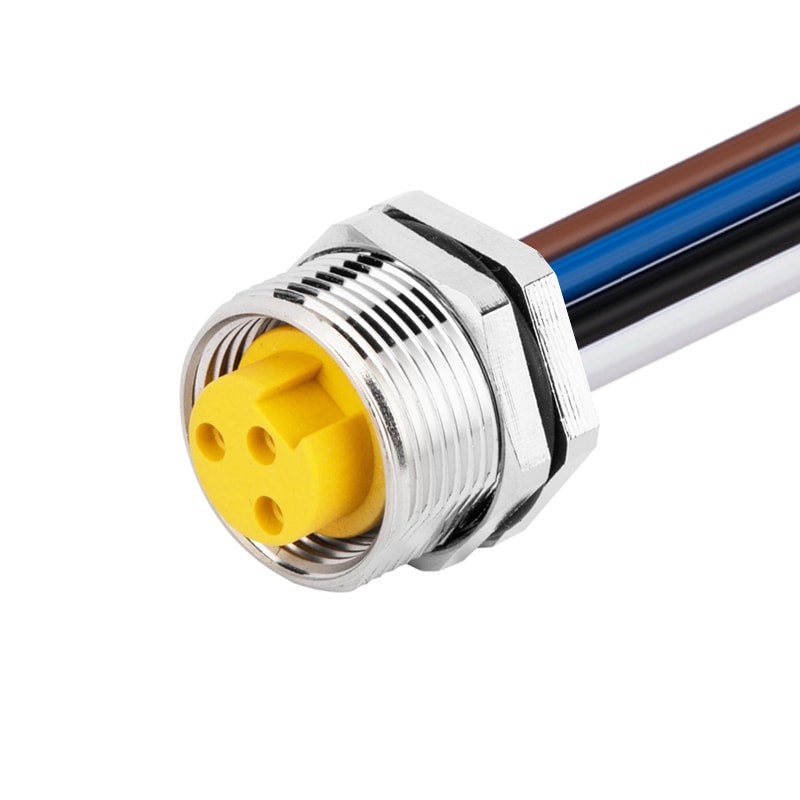
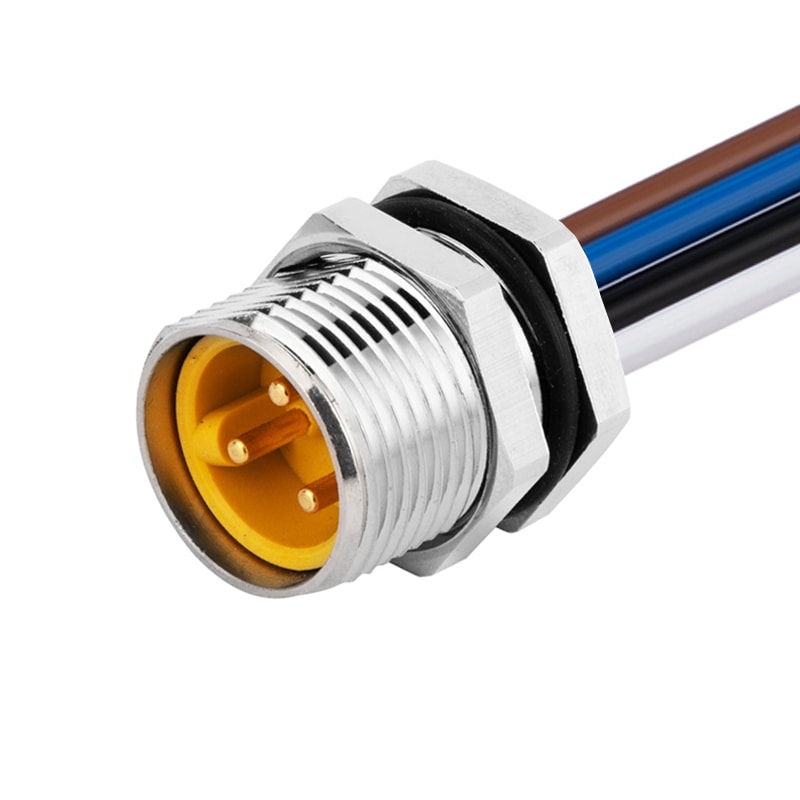
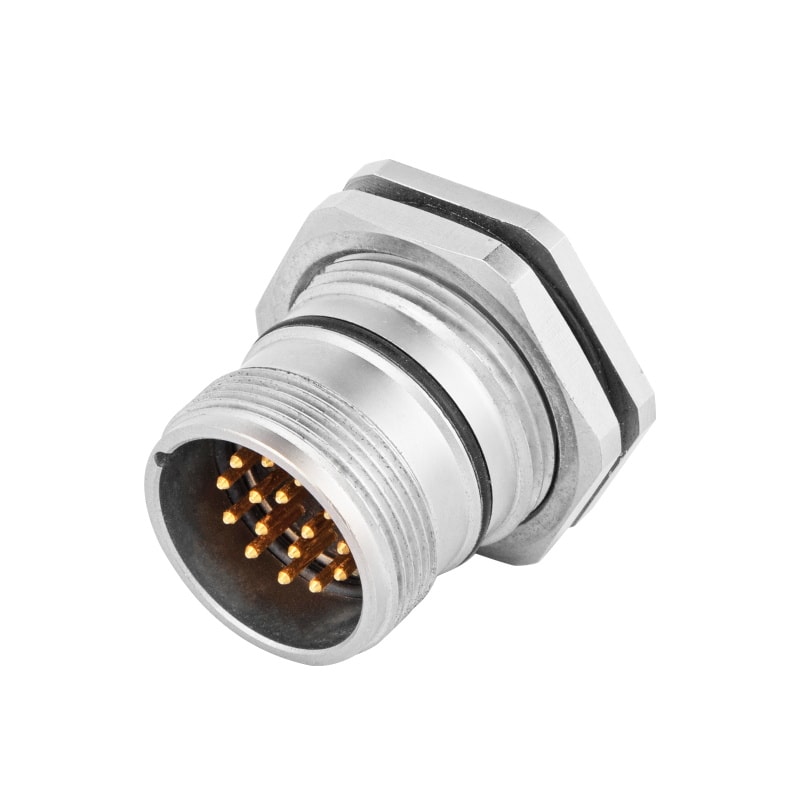
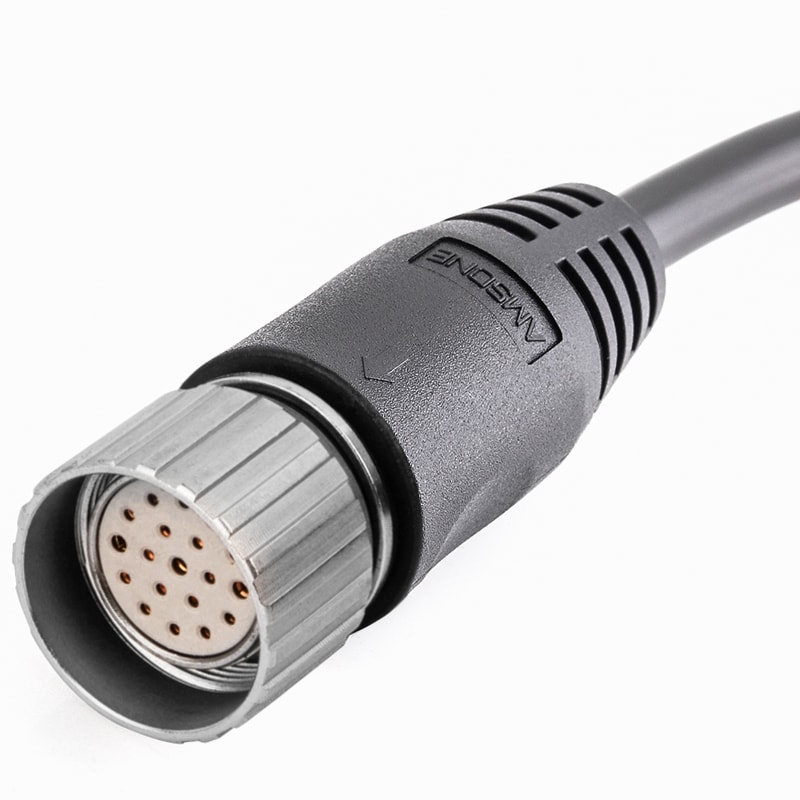
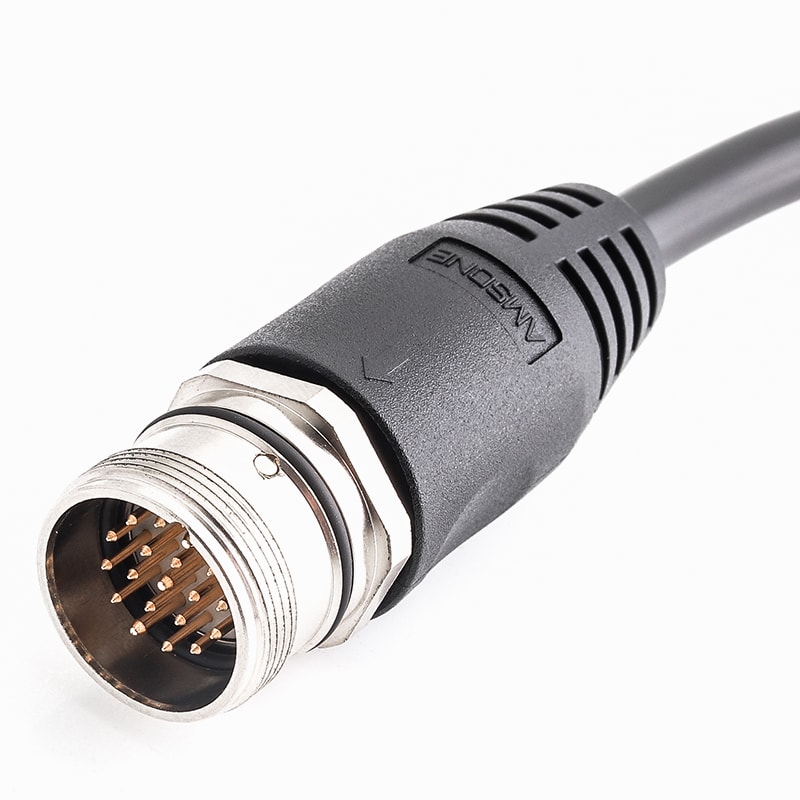
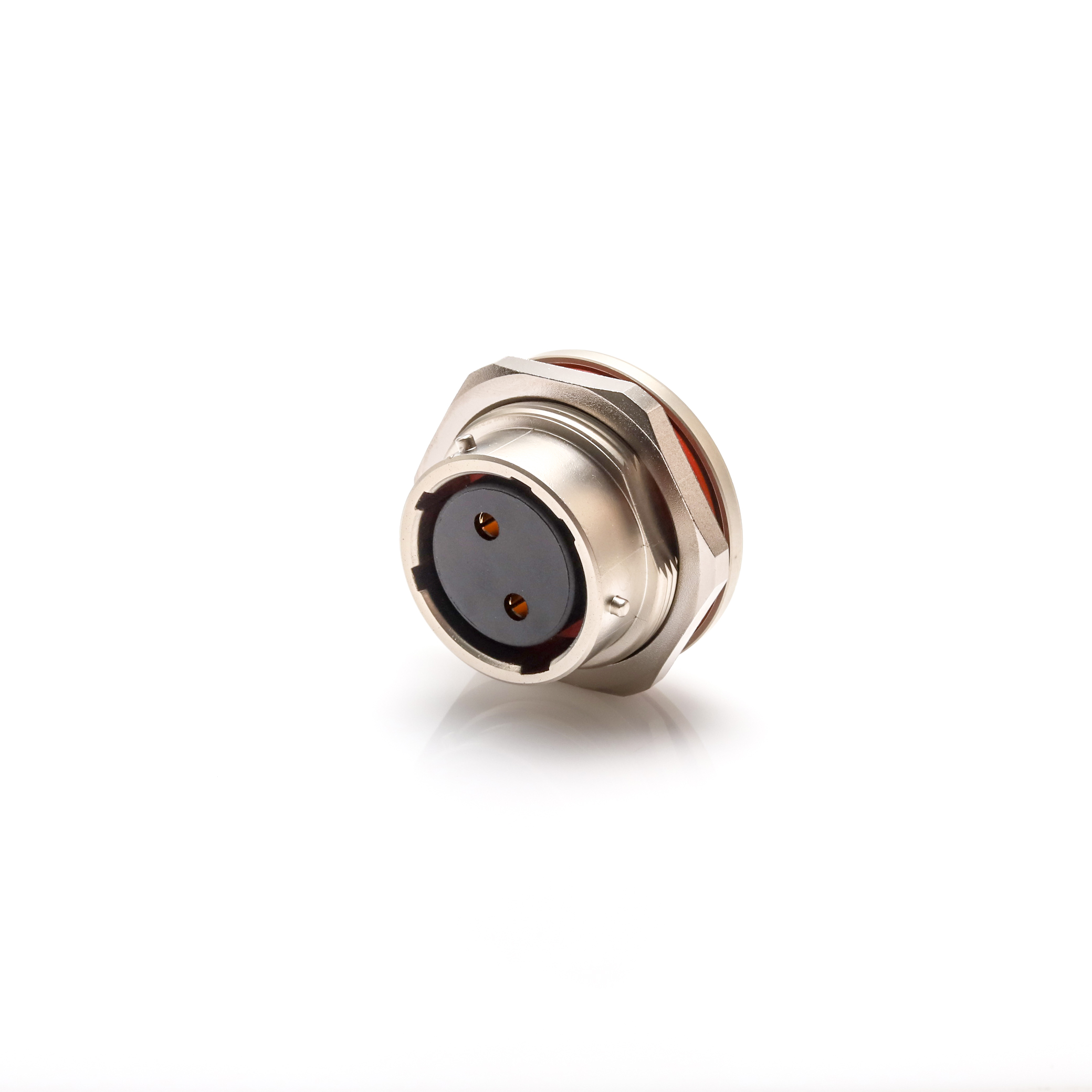
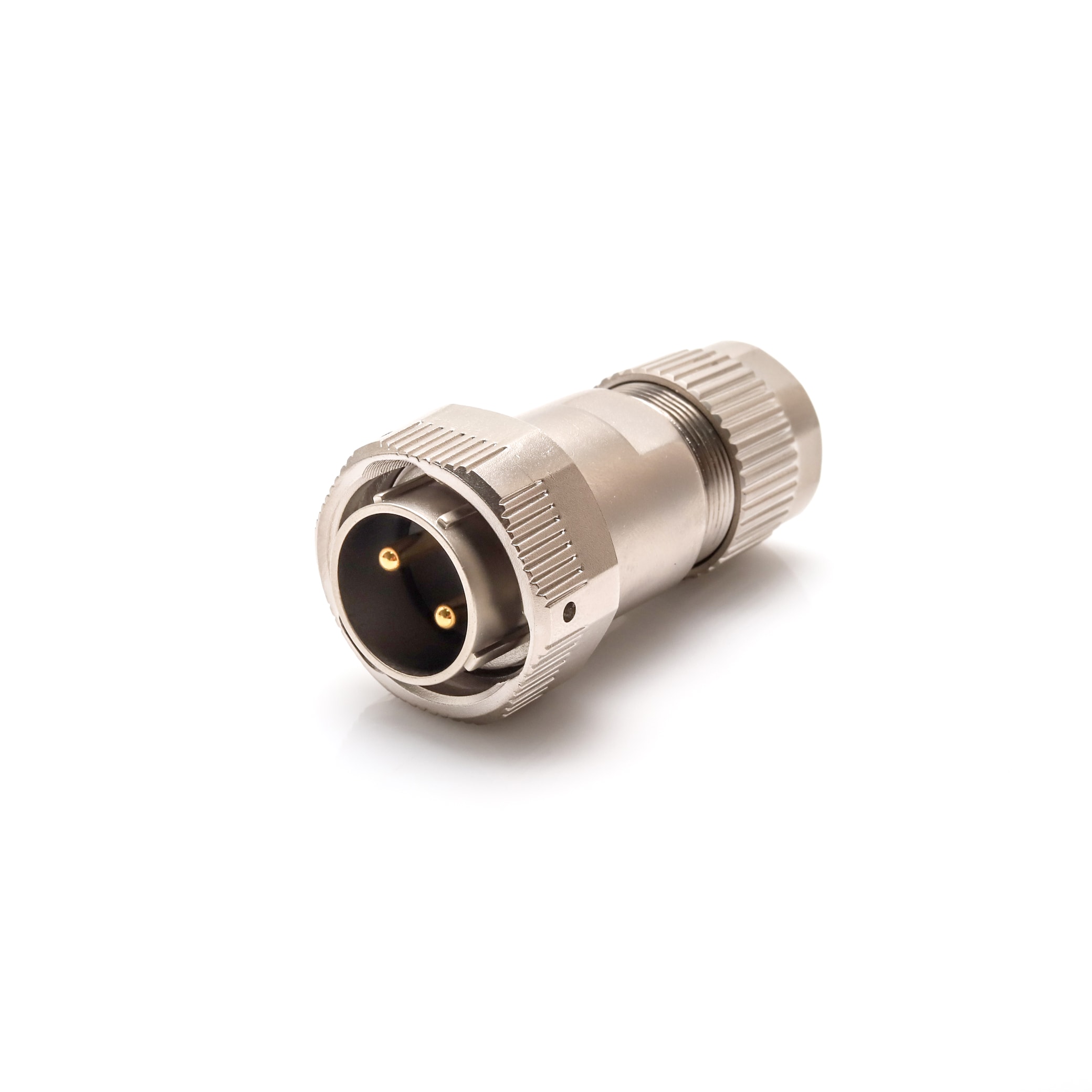
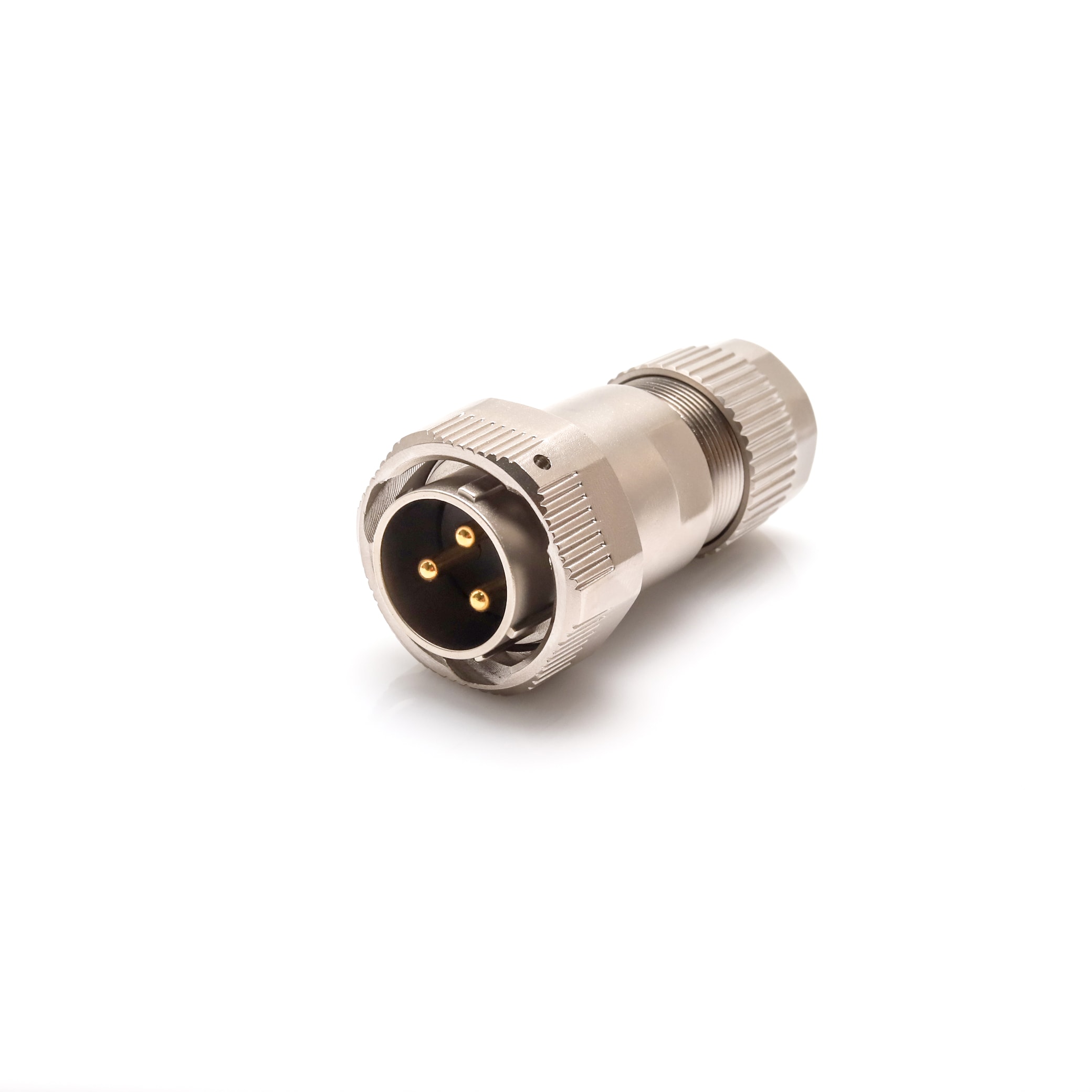
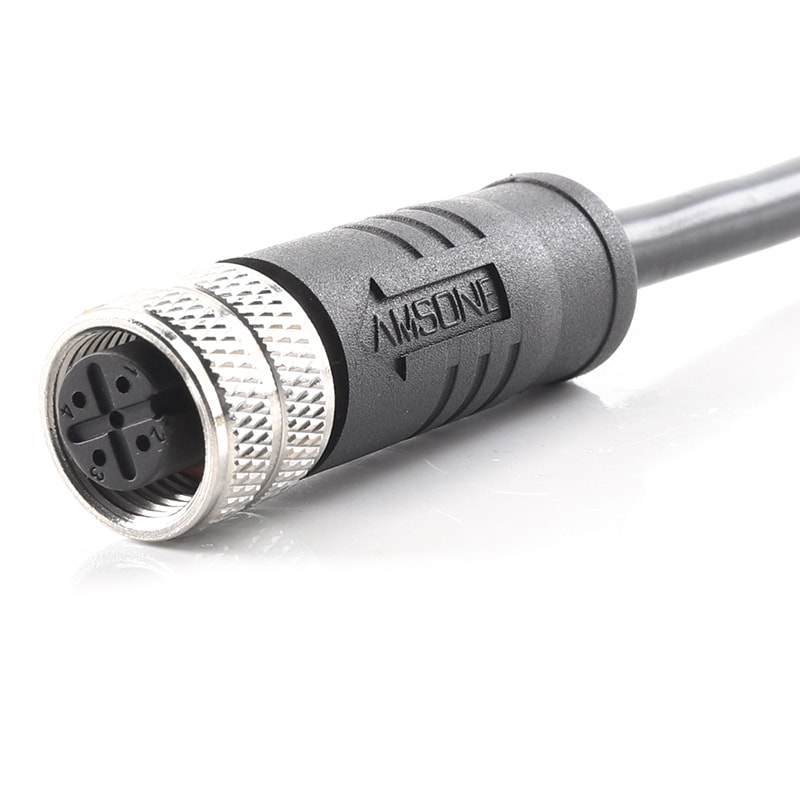
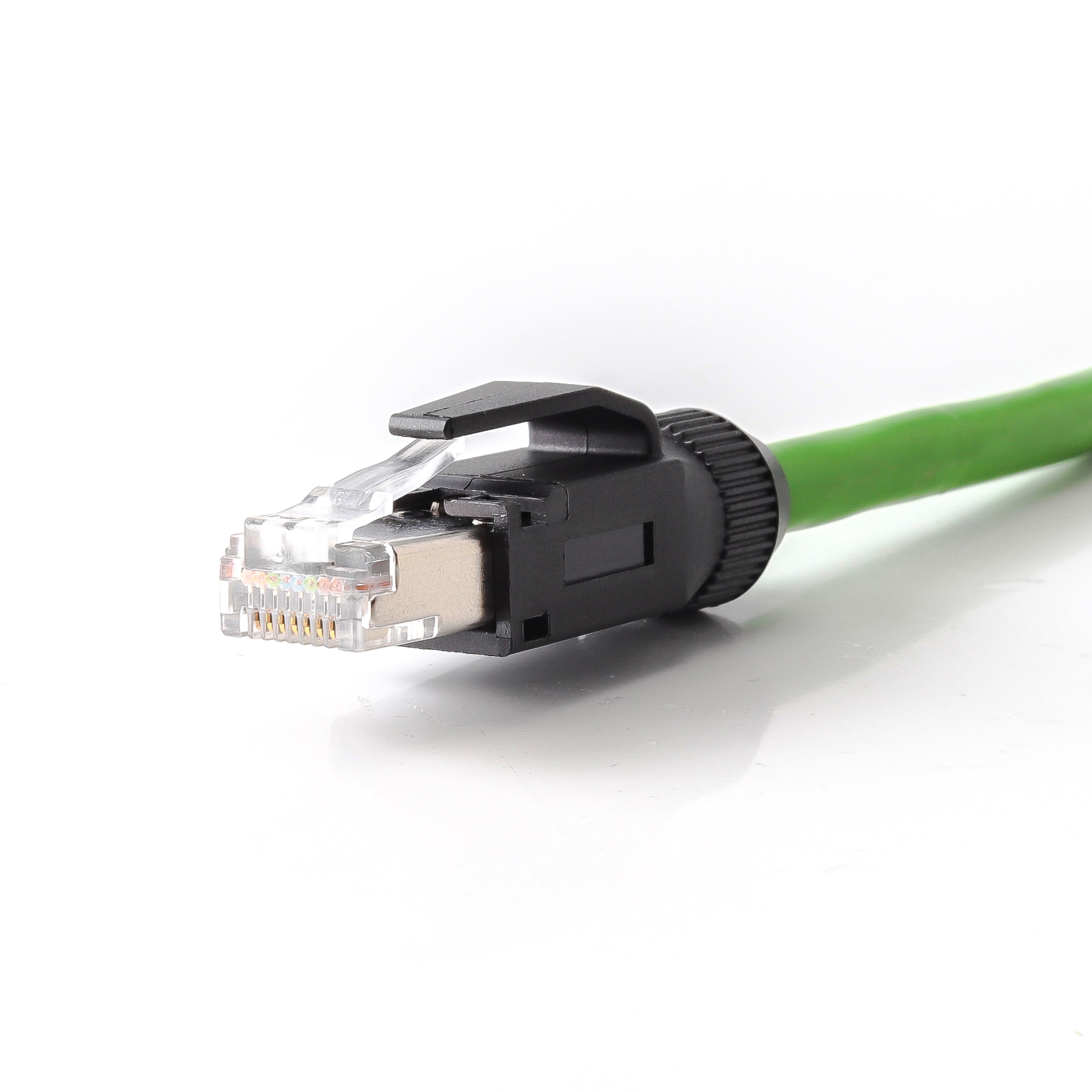
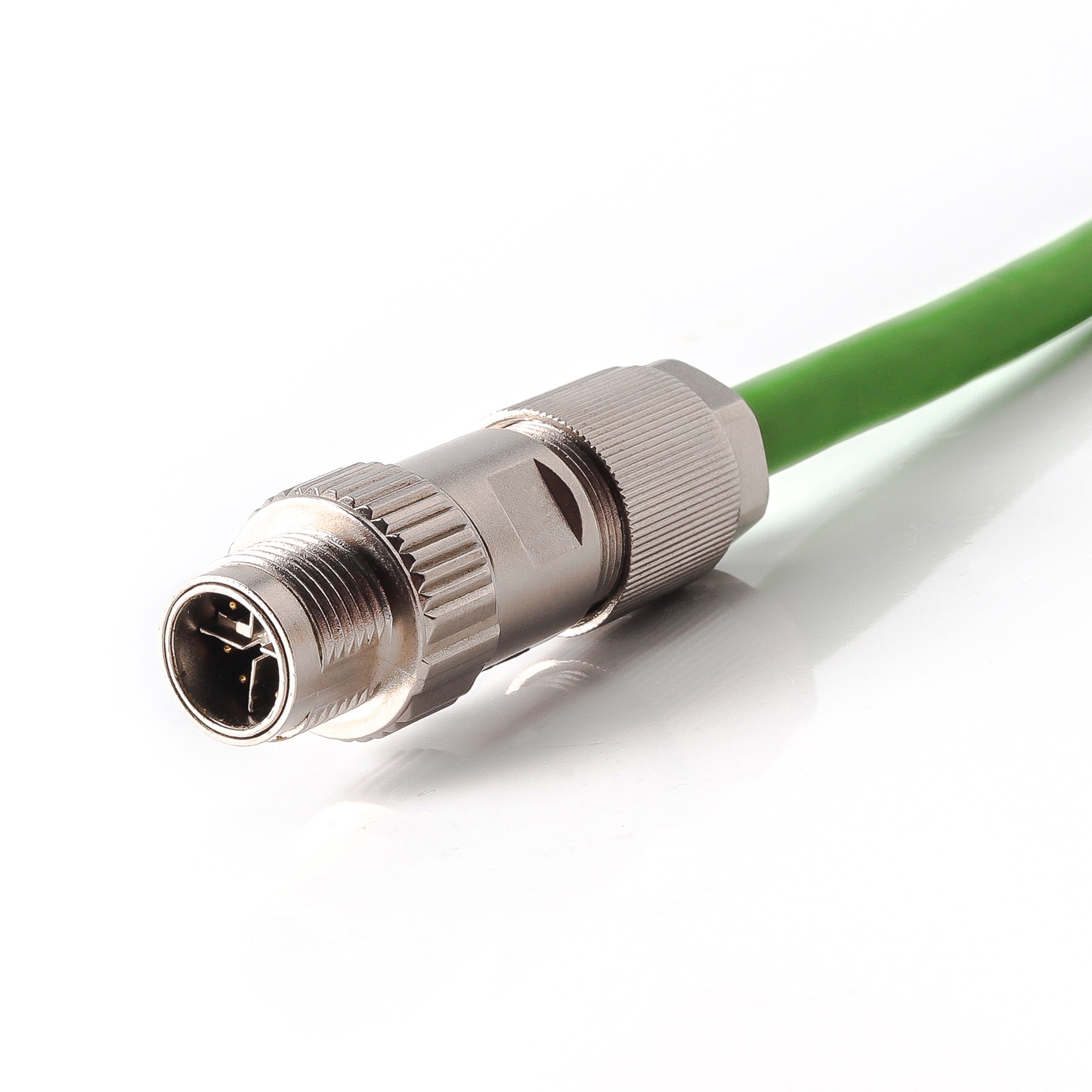
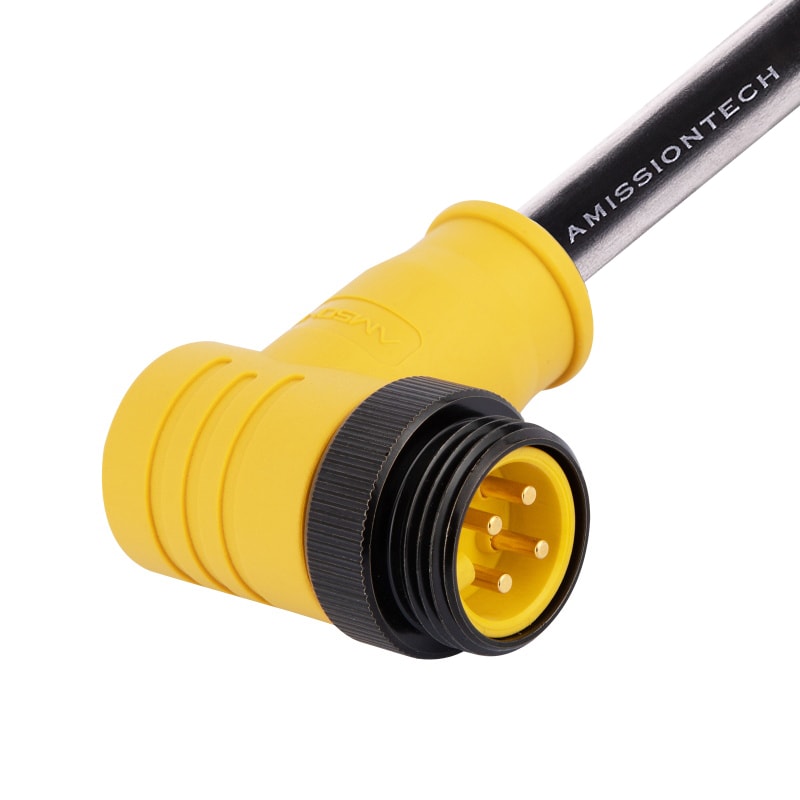


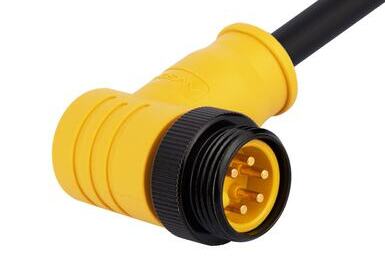
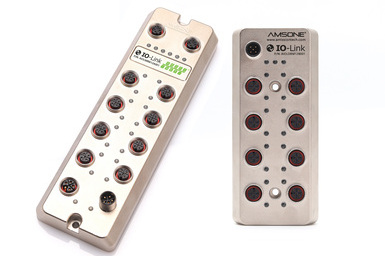
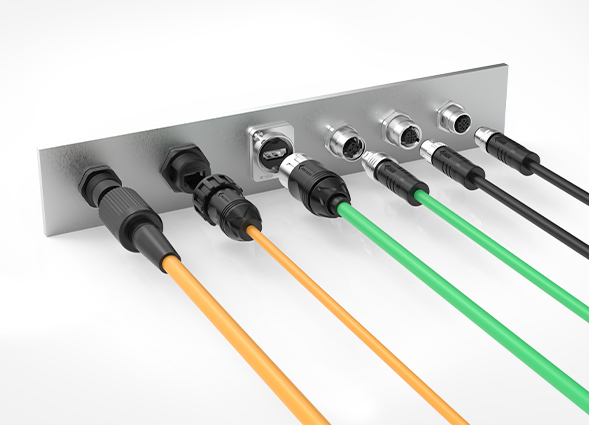
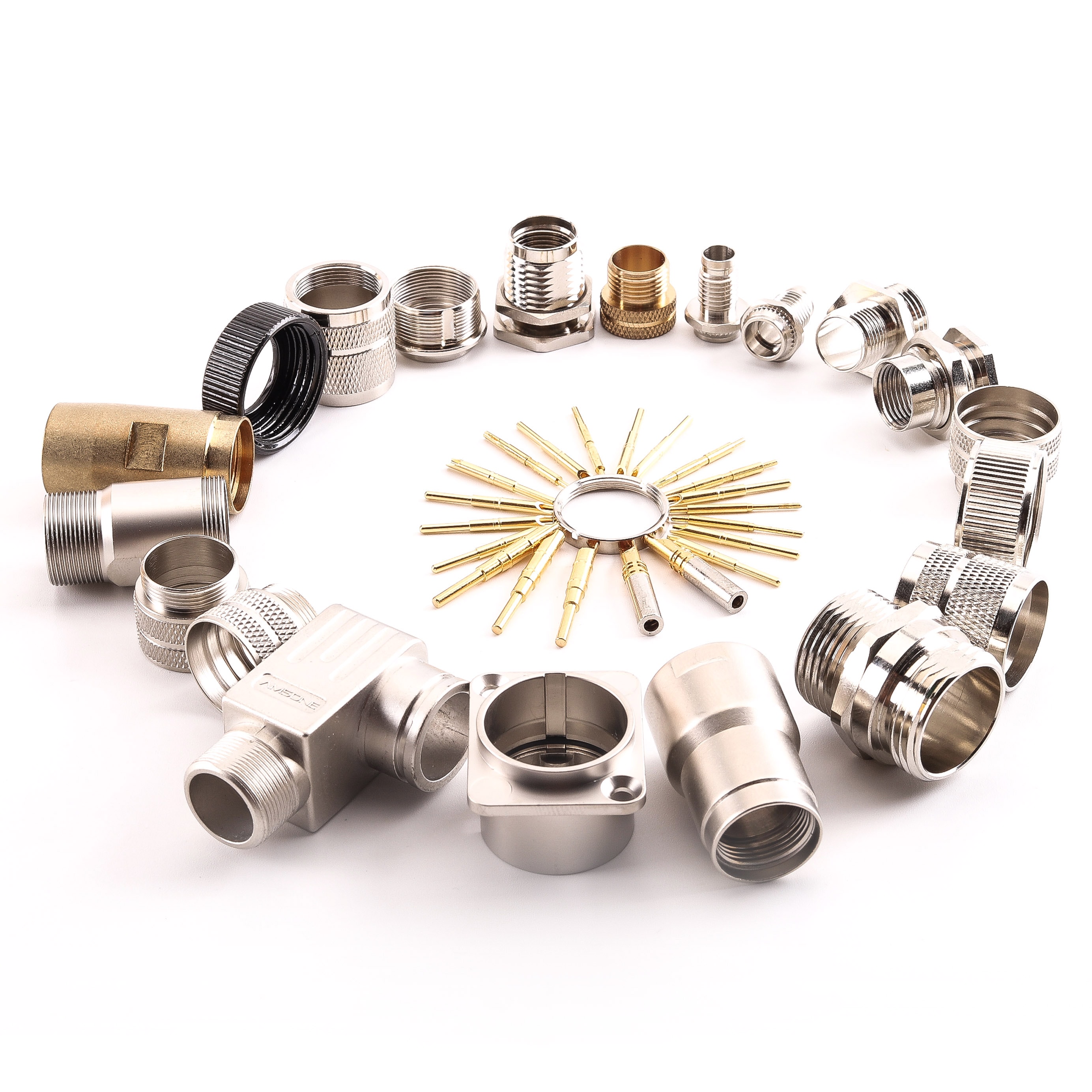
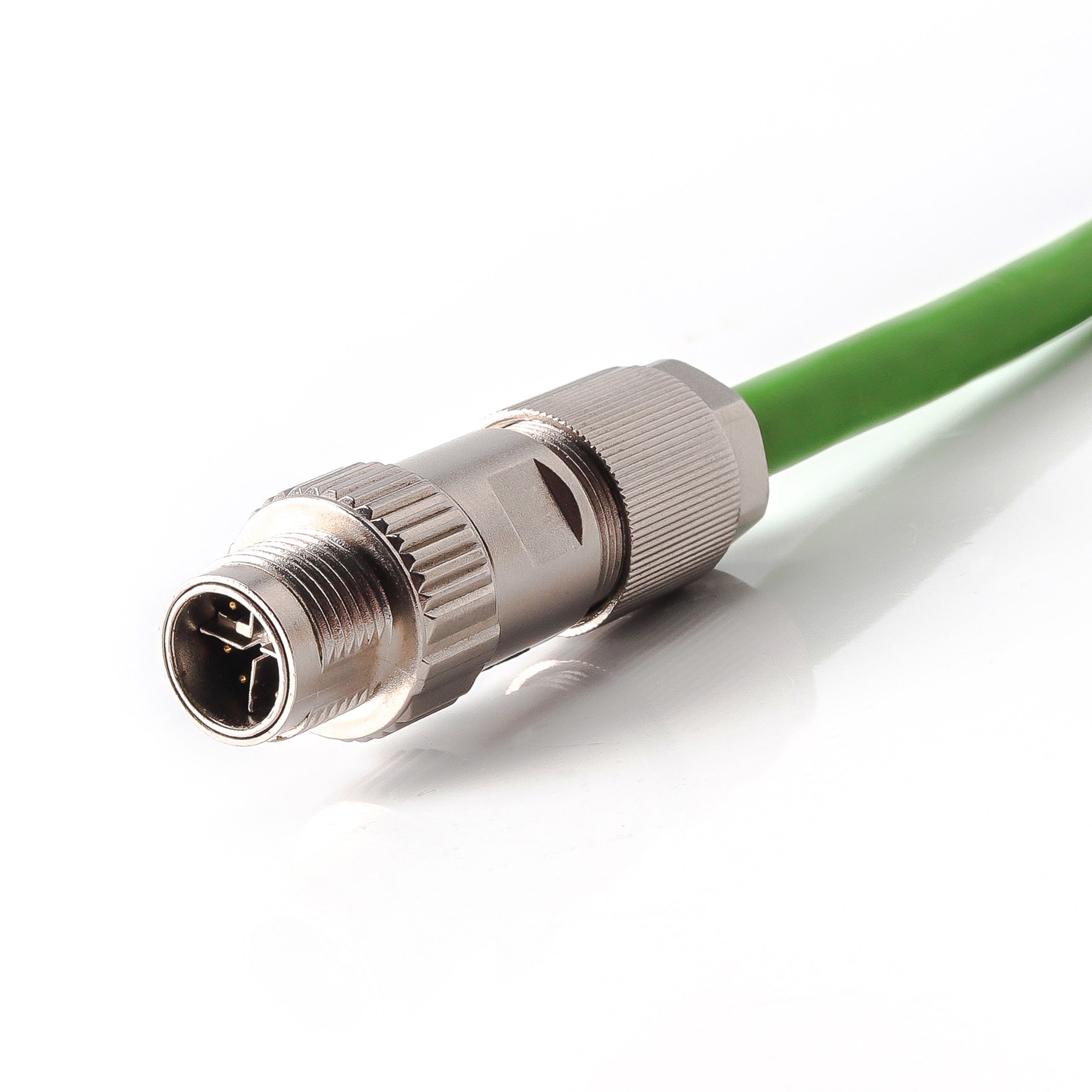
In industrial automation and mechanical equipment, cable selection has a direct impact on system stability and operational safety. Whether it is a production line, robotic system, or CNC machine, the performance of the cable determines how reliably power and signals are transmitted. Choosing the wrong type of cable can lead to frequent failures, increased maintenance costs, and unexpected downtime.
Among the many options available, drag chain cable vs standard cable is one of the most common comparisons. Understanding their differences helps engineers and buyers make better decisions based on actual application needs.
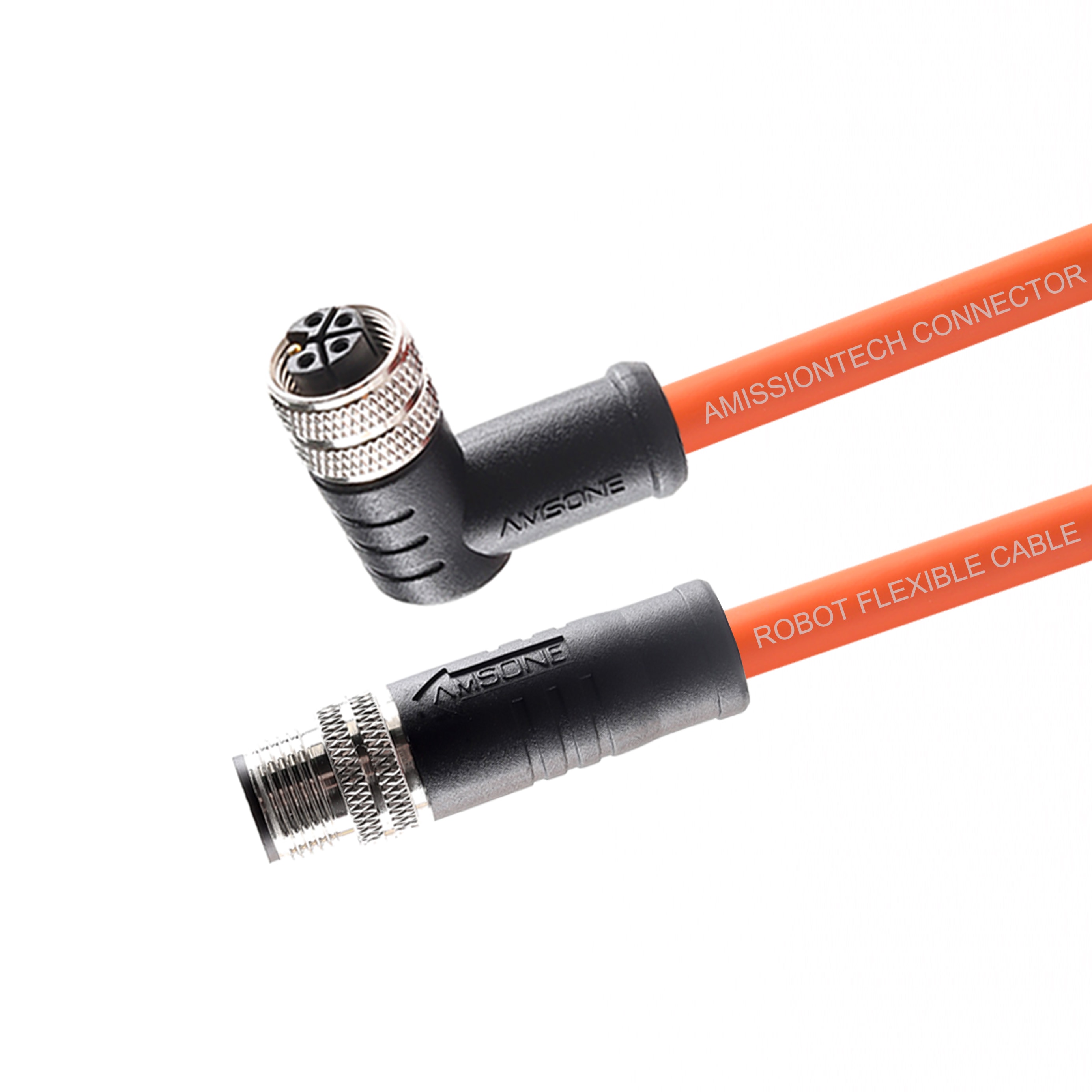
Drag chain cables are specifically developed for dynamic environments where continuous movement is required. These cables are widely used in automation systems, robotic equipment, and moving machinery, where they must follow repeated motion without failure.
One of the key features of a flexible cable for drag chain systems is its conductor structure. It usually uses fine-stranded wires, which improve flexibility and allow the cable to handle constant bending. This design reduces internal stress during movement and helps maintain performance over time.
The outer sheath of drag chain cables is made from highly wear-resistant materials. This provides strong protection against abrasion caused by friction inside the cable chain system. In addition, the insulation materials are carefully selected to resist oil, chemicals, and environmental stress, ensuring stable electrical performance in harsh conditions.
Another important aspect is the compact structure. Since these cables are installed inside drag chains, they must fit within limited space while still offering strong mechanical performance. This makes them ideal for industrial cable routing in confined and dynamic environments.
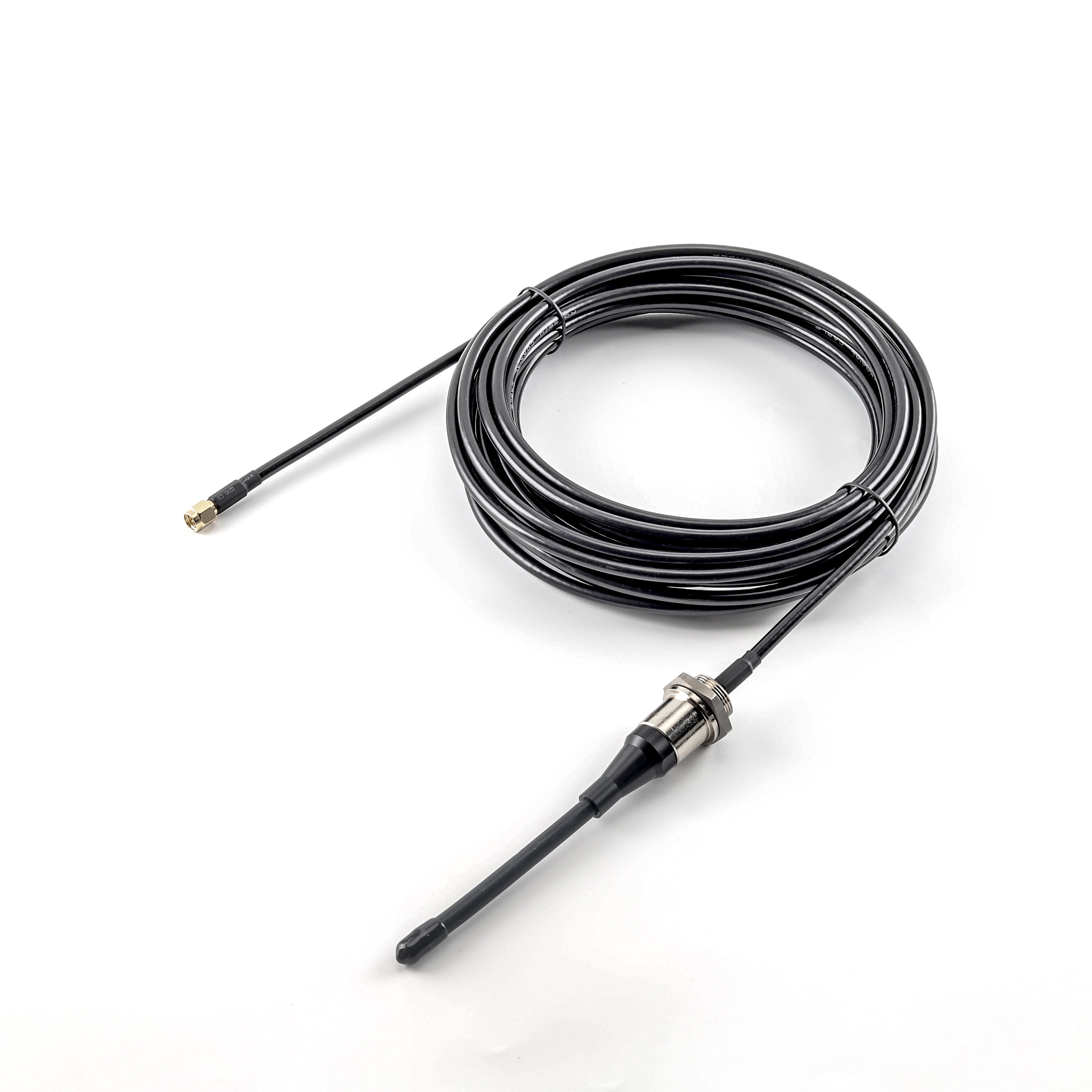
Compared to drag chain cables, standard cables are designed for static applications. Their main purpose is to provide stable power or signal transmission in situations where the cable does not move frequently.
Standard cables are commonly used in building wiring, underground installations, and fixed industrial equipment. Their design focuses on reliability rather than flexibility. While they may include protective layers based on the environment, they are not built to handle repeated bending or mechanical stress.
One advantage of standard cables is cost. Since they do not require specialized materials or complex structures, they are more economical. This makes them suitable for large-scale installations where movement is not a concern.
The most significant difference between these two cable types lies in their ability to handle movement. A drag chain cable is designed to withstand continuous bending, twisting, and mechanical stress, while a standard cable is intended for fixed use.
In terms of structure, drag chain cables use high-flexibility conductors and durable outer materials. Standard cables, on the other hand, follow conventional designs that prioritize basic transmission performance.
Service life also differs depending on the application. In dynamic environments, drag chain cables maintain their performance for a longer time, while standard cables may wear out quickly if exposed to constant movement.
Cost is another factor to consider. Drag chain cables usually have a higher initial cost due to their advanced design. However, in applications involving motion, they can reduce replacement frequency and maintenance efforts, offering better long-term value.
Drag chain cables are widely used in applications where motion is unavoidable. These include CNC machines, robotic arms, automated production lines, cranes, and storage systems. In such environments, cables must move freely within a cable chain system while maintaining reliable connections.
Standard cables are better suited for fixed installations. They are commonly used in lighting systems, office and residential wiring, and static industrial equipment. In these cases, there is no need for high flexibility or resistance to mechanical stress.
When equipment involves continuous motion, using a drag chain cable becomes essential. Its design allows it to handle repeated bending without damage, which improves durability and reduces the risk of failure.
In addition to durability, drag chain cables offer reliable signal and power transmission even in complex mechanical environments. This helps maintain system safety and reduces the likelihood of unexpected interruptions.
Efficiency is another benefit. With proper industrial cable routing, drag chain cables can move smoothly within the system, minimizing friction and wear. This not only extends cable life but also improves the overall performance of the equipment.
Many drag chain cables are also designed to meet strict industrial standards, ensuring compatibility with high-demand applications.
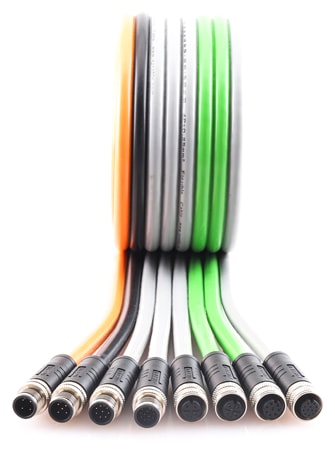
Selecting the right cable depends on understanding the working conditions. If the application involves frequent movement, bending, or mechanical stress, a high flex cable designed for drag chains is the better choice.
It is also important to consider environmental factors such as temperature, humidity, and exposure to oil or chemicals. These conditions can affect cable performance and should be matched with the appropriate materials.
Balancing cost and performance is another key consideration. While standard cables may offer lower upfront costs, they may not perform well in dynamic environments. In contrast, drag chain cables provide better durability where movement is involved.
Choosing the right cable is only part of the solution. Working with an experienced supplier ensures consistent quality and tailored support for your application.
Amissiontech Co., Ltd specializes in industrial connectors and cable harnesses, offering complete solutions from design to production. With strong R&D capabilities and in-house manufacturing processes, Amissiontech provides customized drag chain cable and interconnection solutions for a wide range of industries.
As a trusted industrial cable supplier , Amissiontech delivers high-quality products with a focus on performance, durability, and cost control. Whether you need standard solutions or custom-designed cables for complex environments, Amissiontech is ready to support your project.
Contact Amissiontech today to find the right cable solution for your industrial applications.