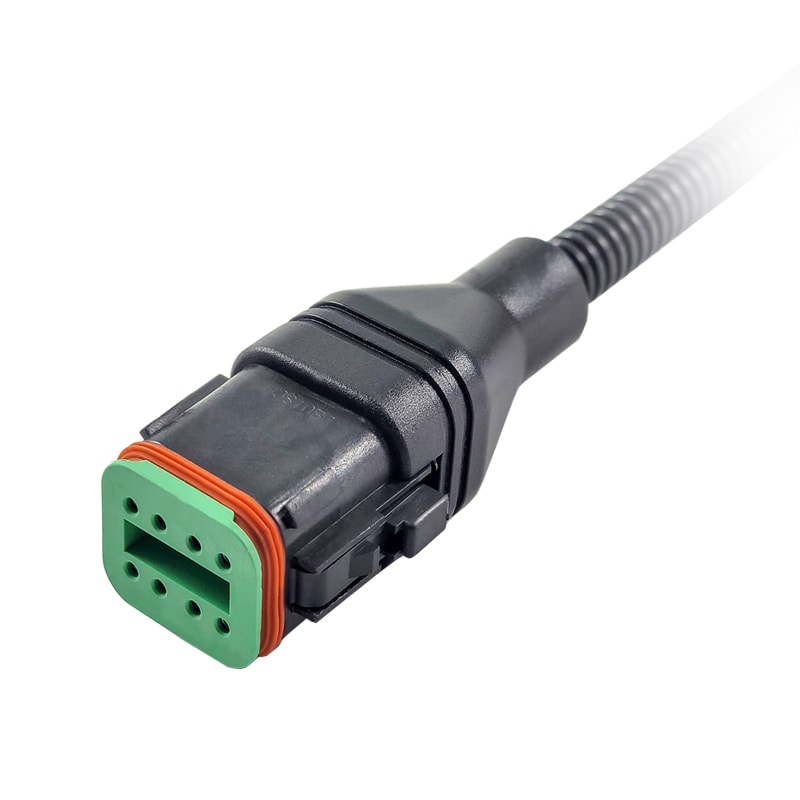
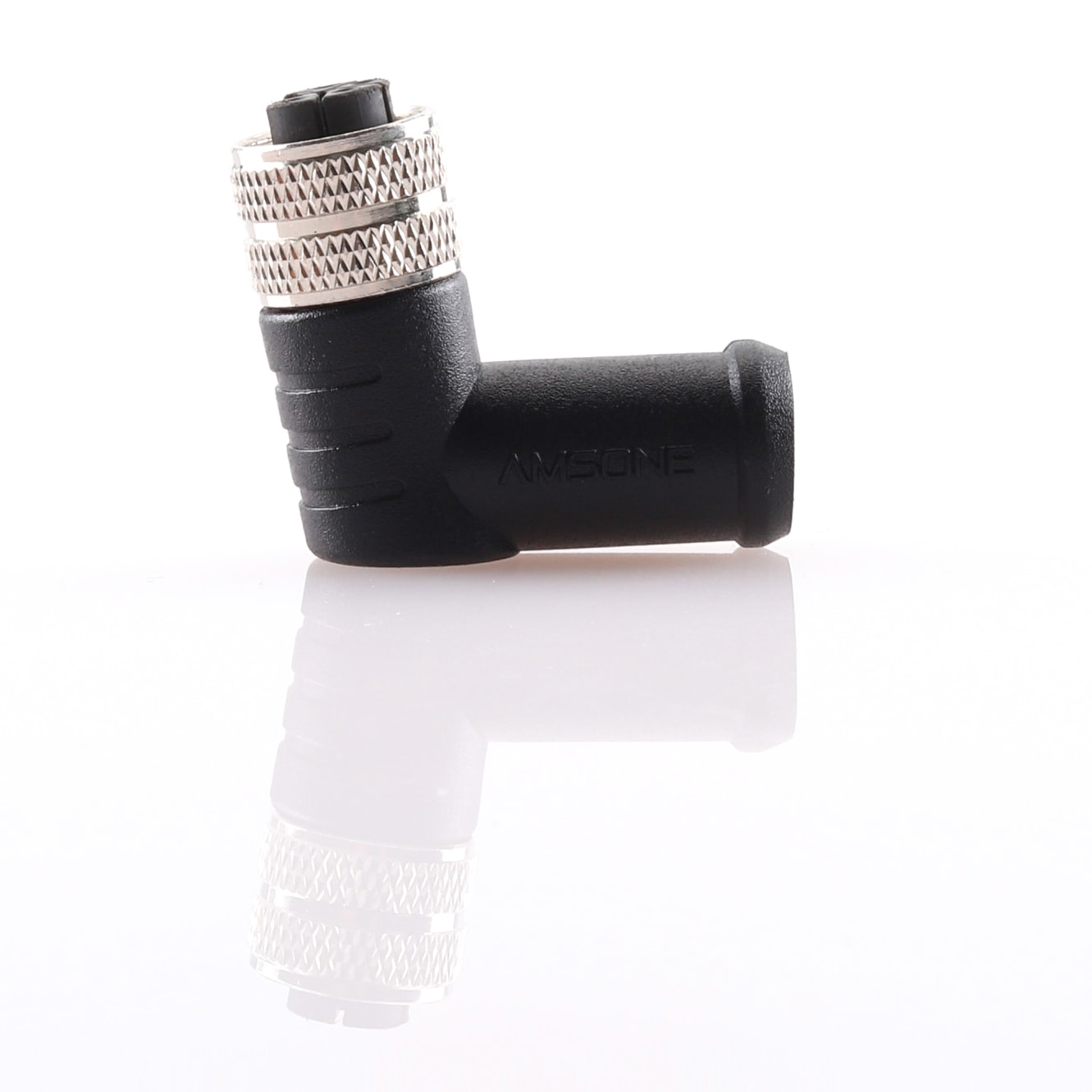
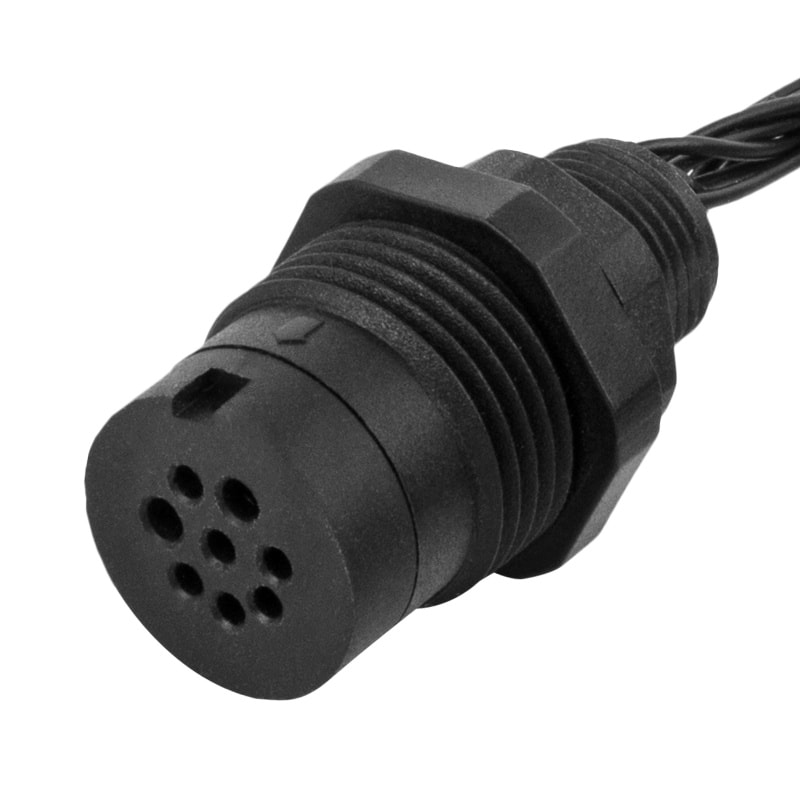
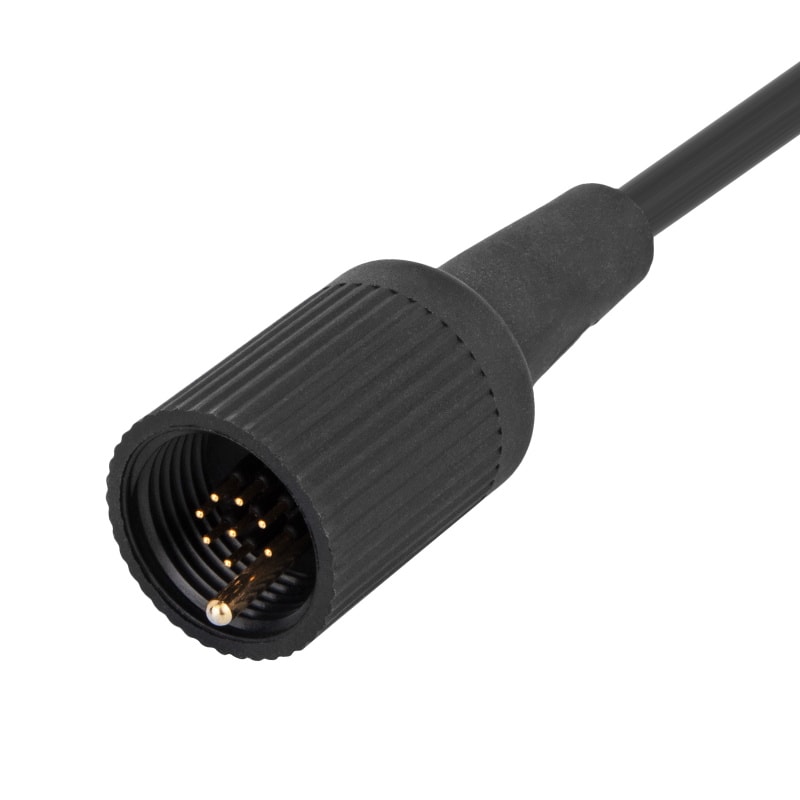
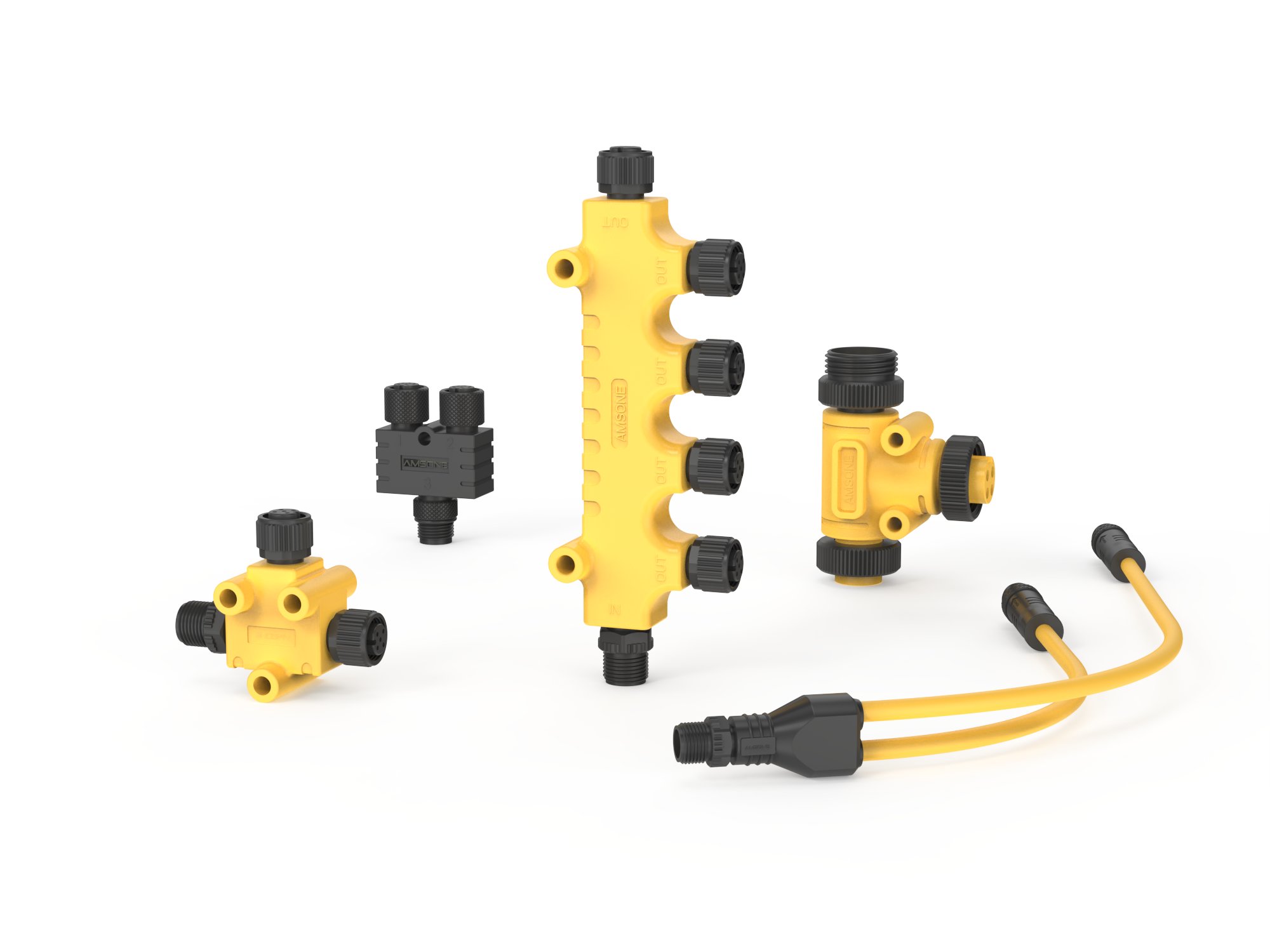
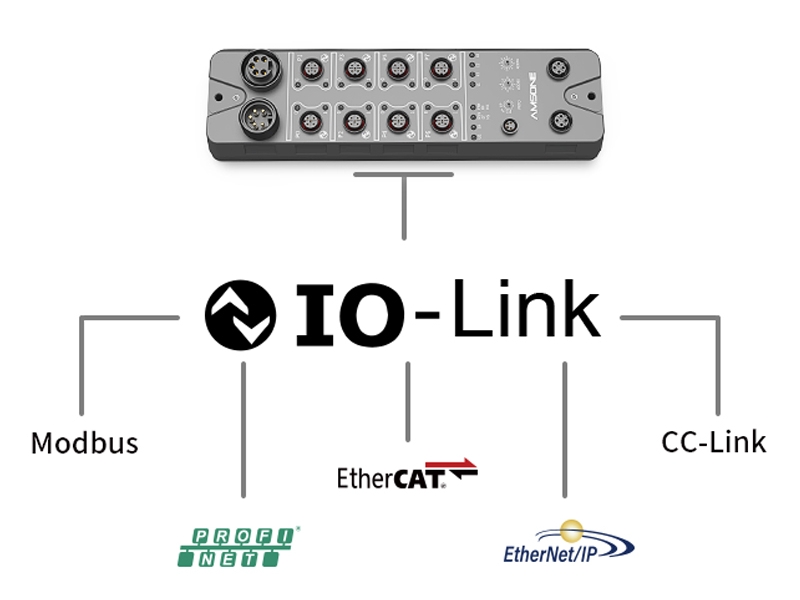
P/N: ALD-HBN1-372XXX
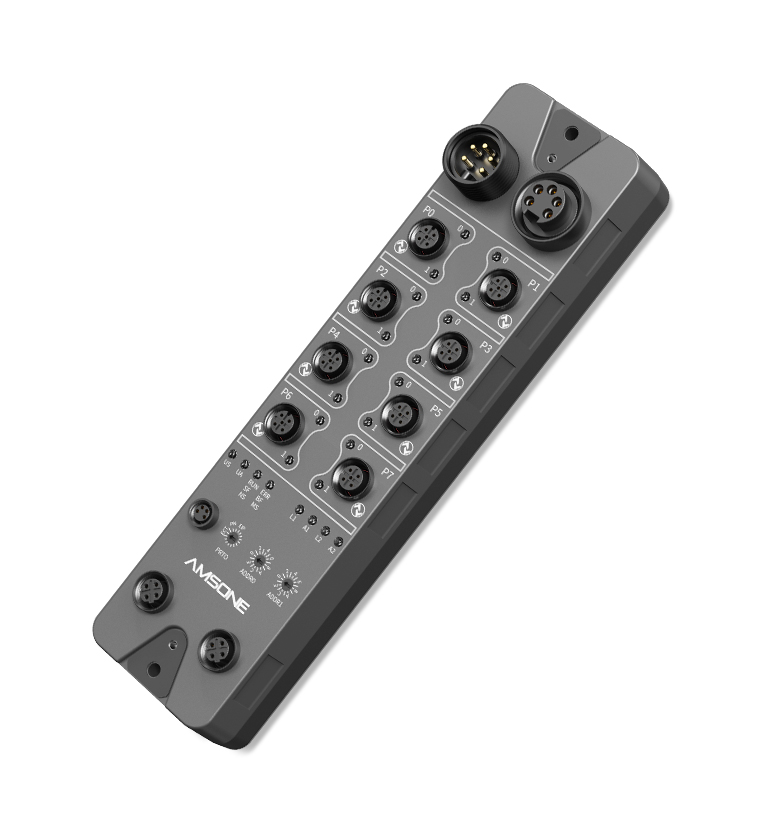
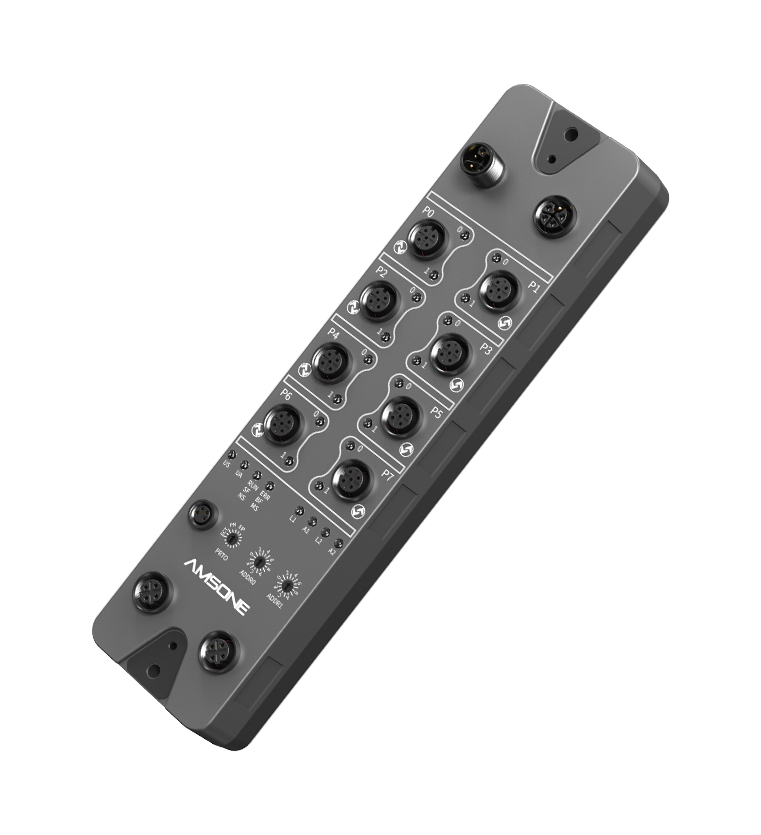
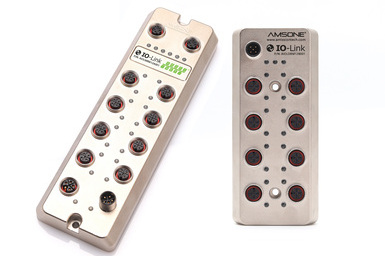
IO Link Hub NPN 0.5A/channel Plastic Housing Plastic Thread Locking
View All






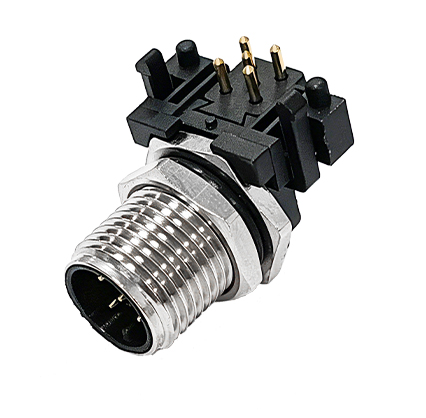


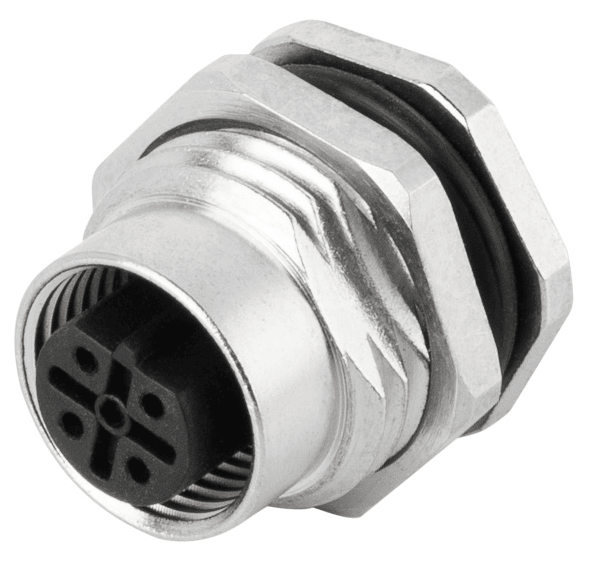

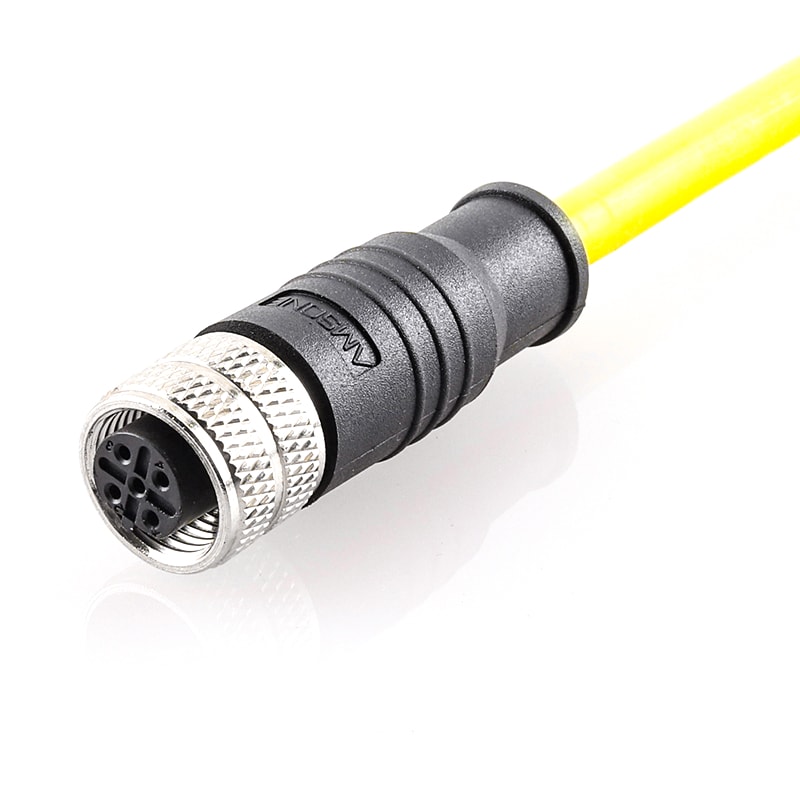


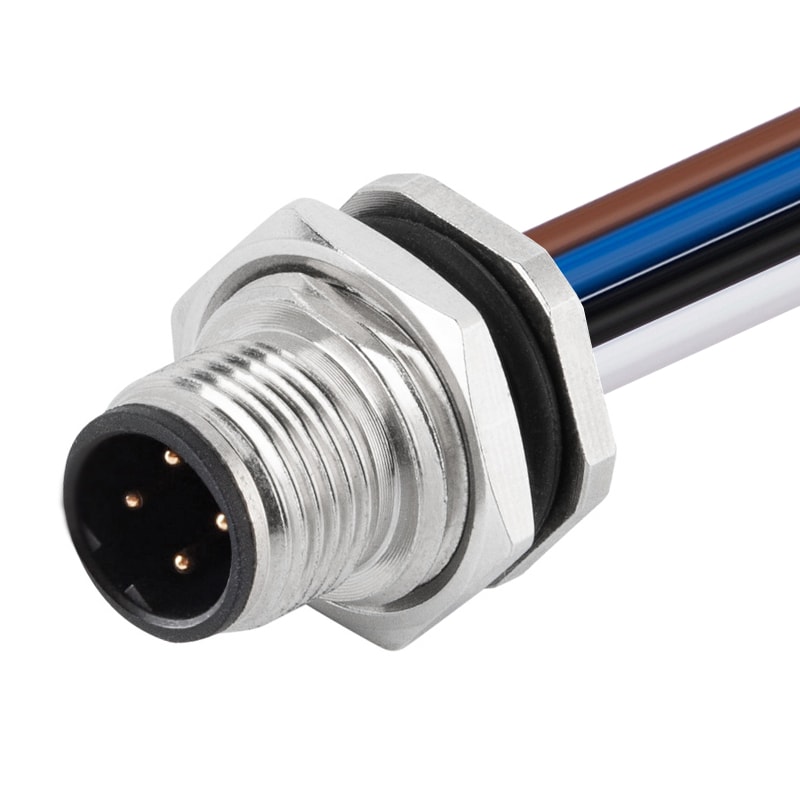


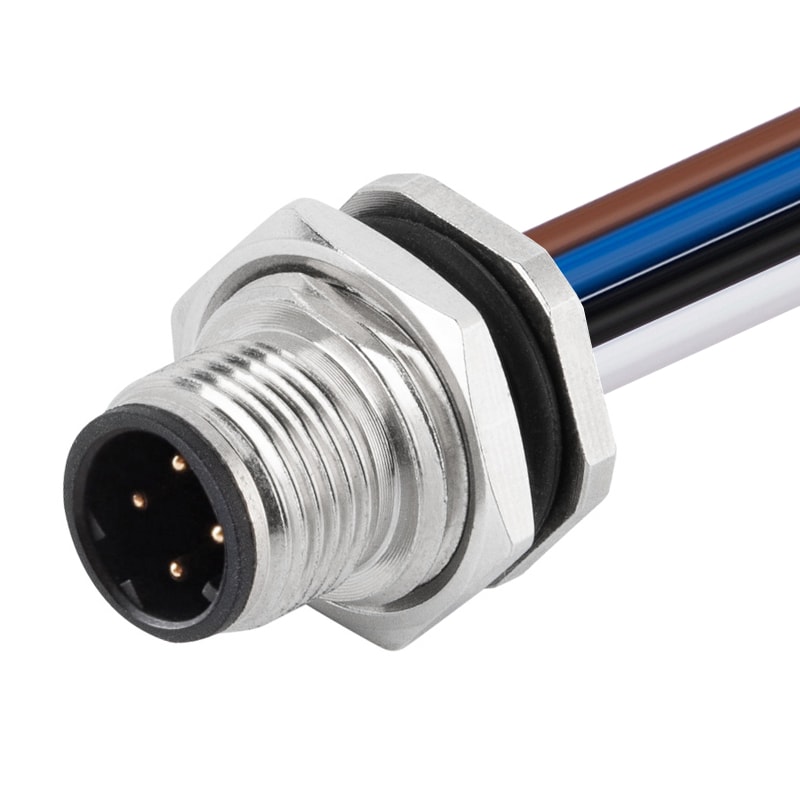

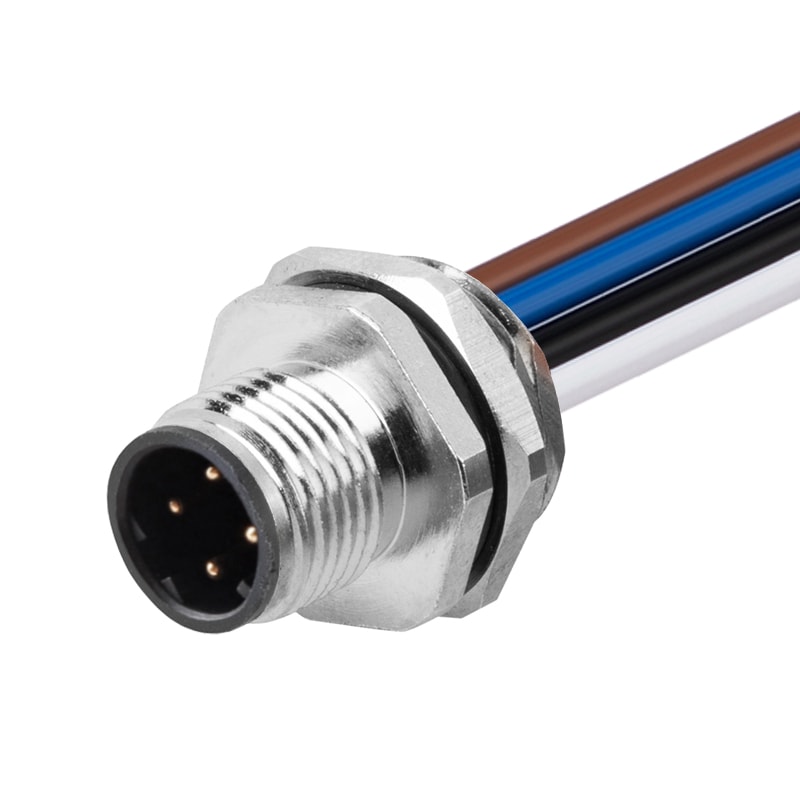


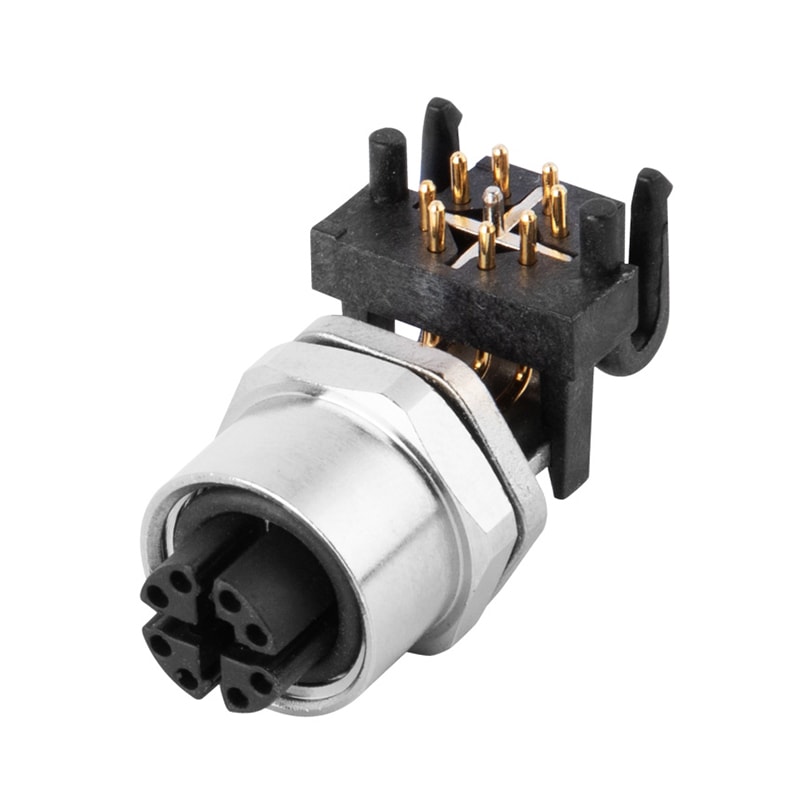


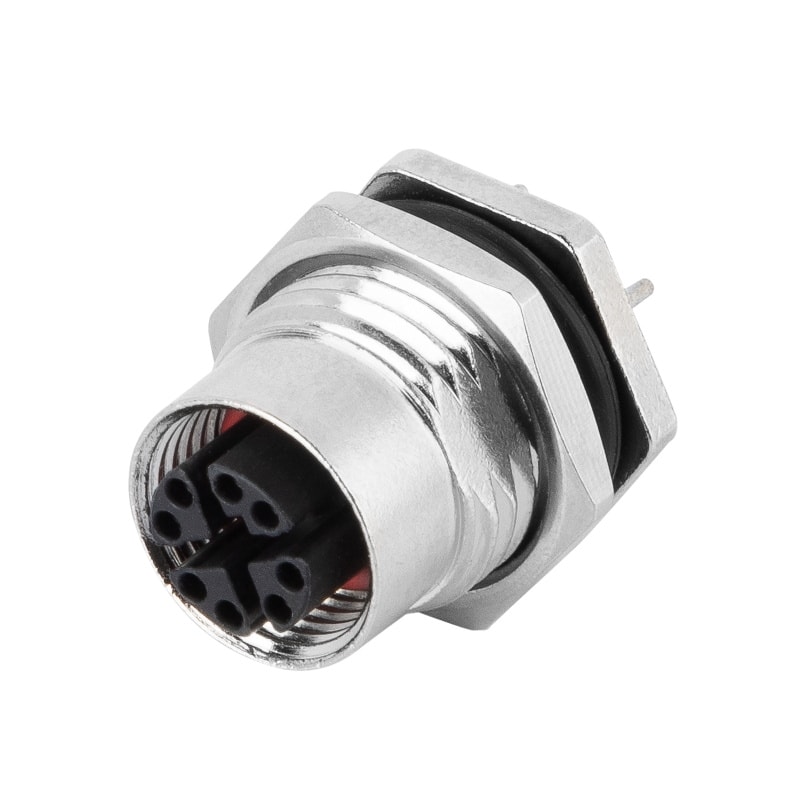

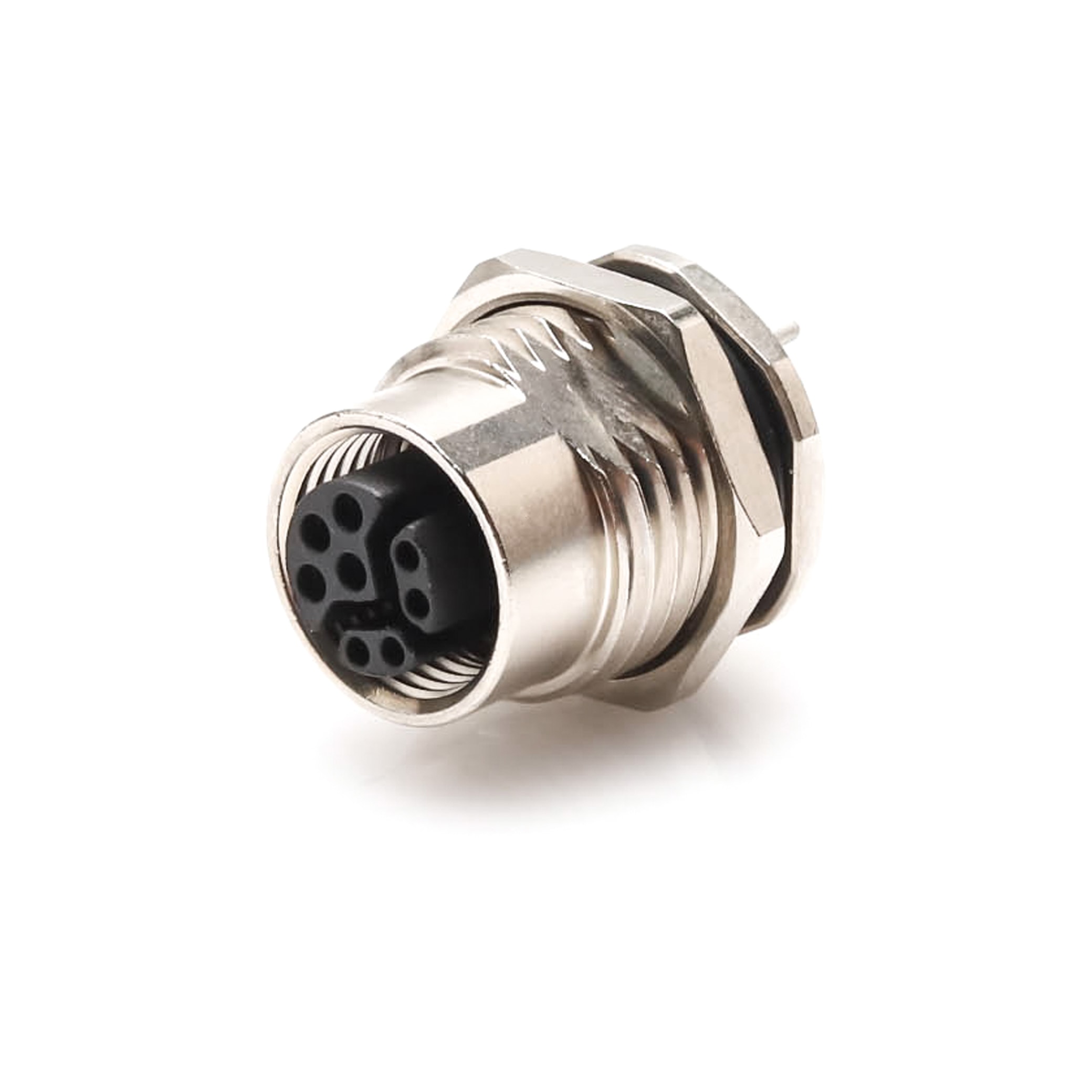
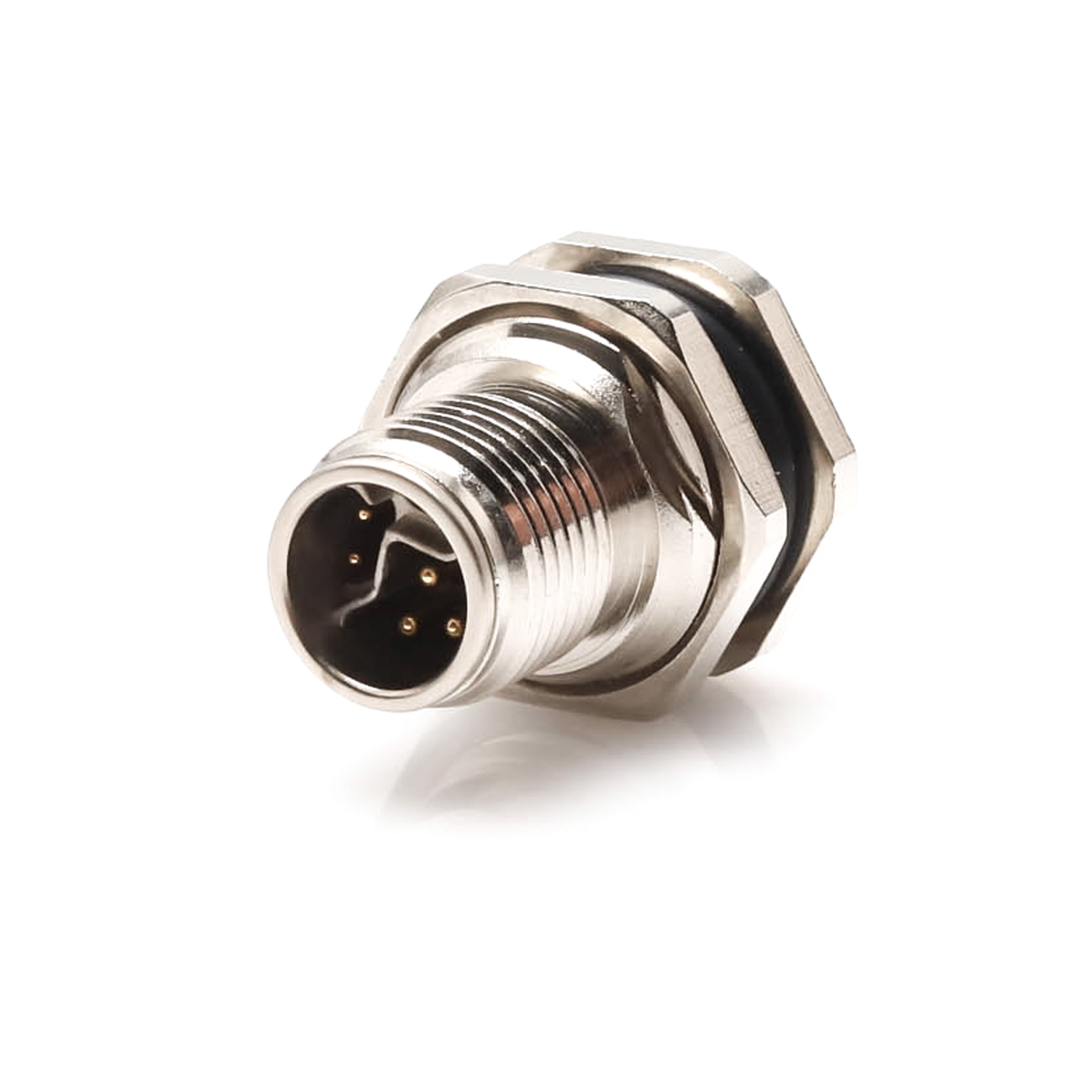
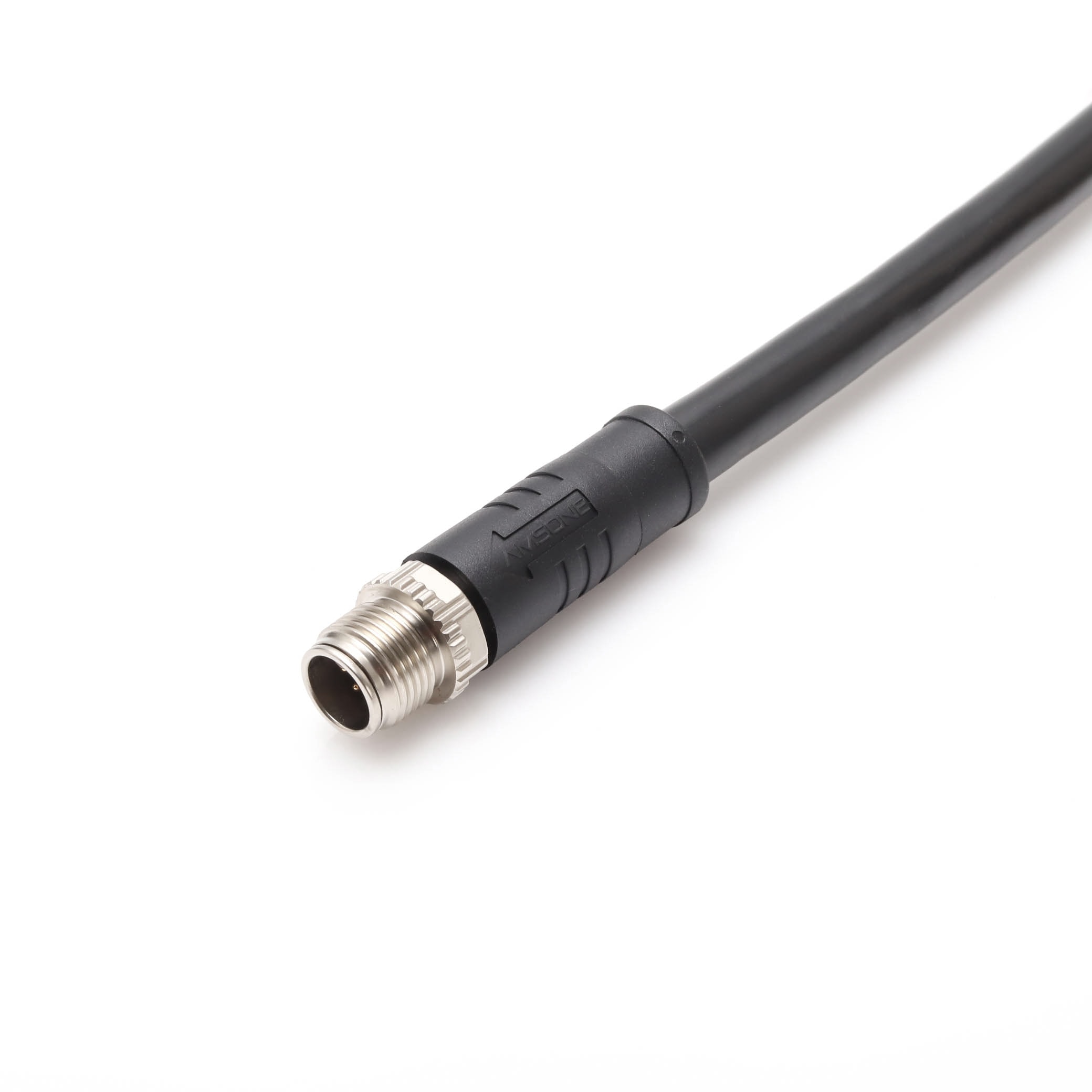
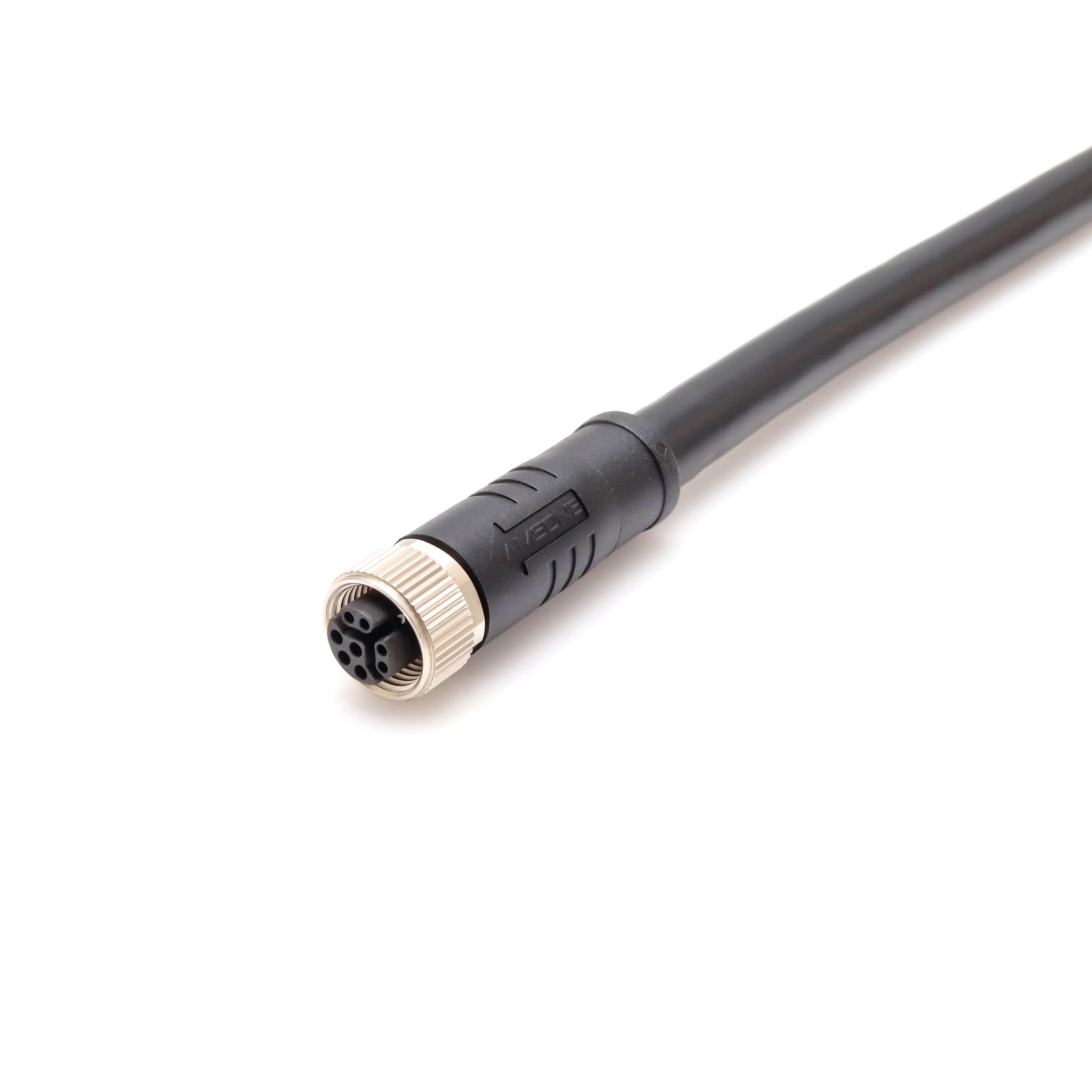
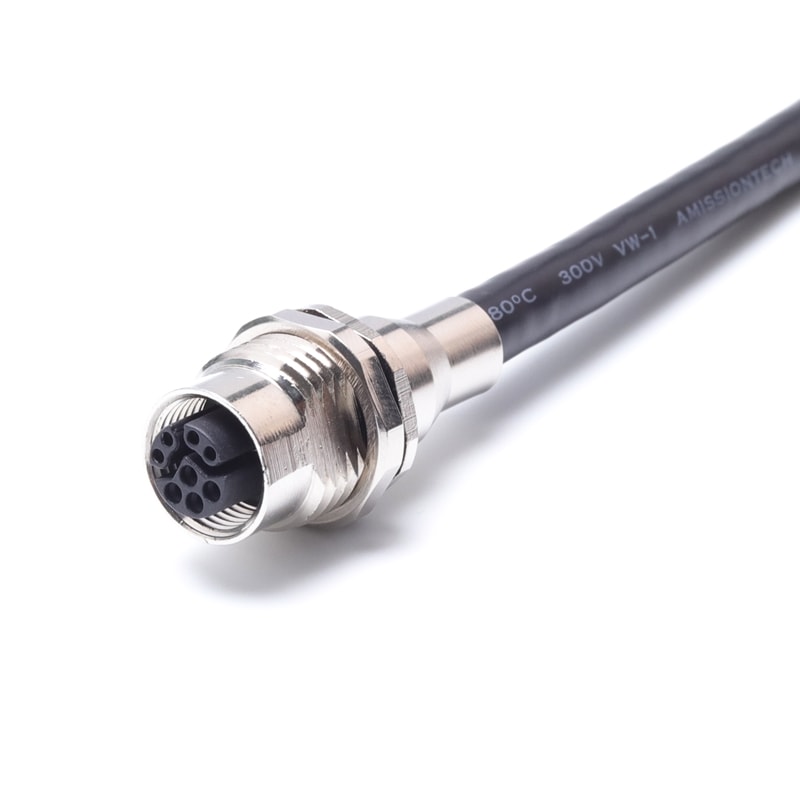


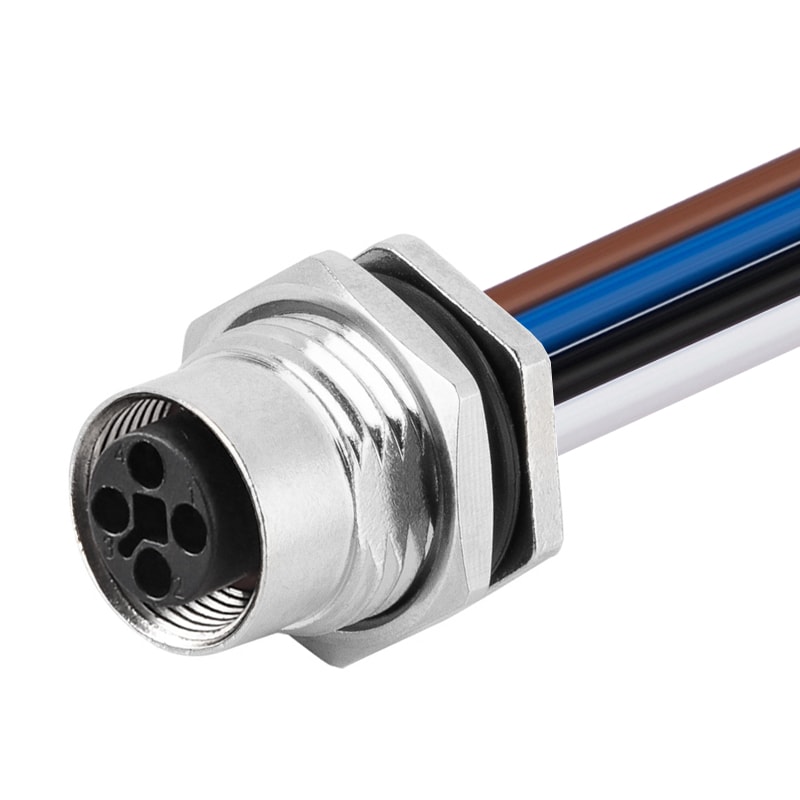
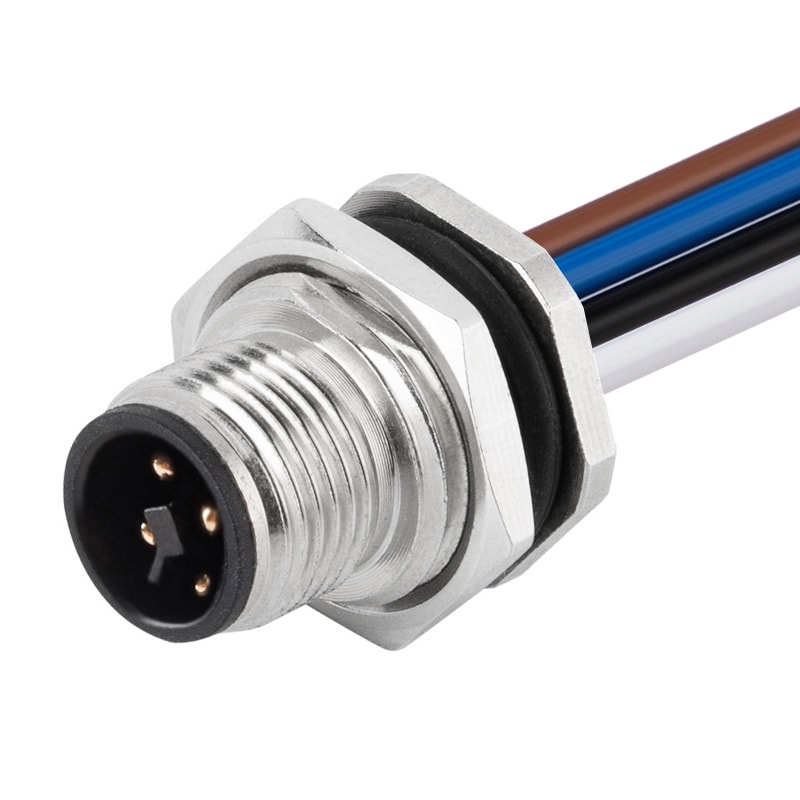

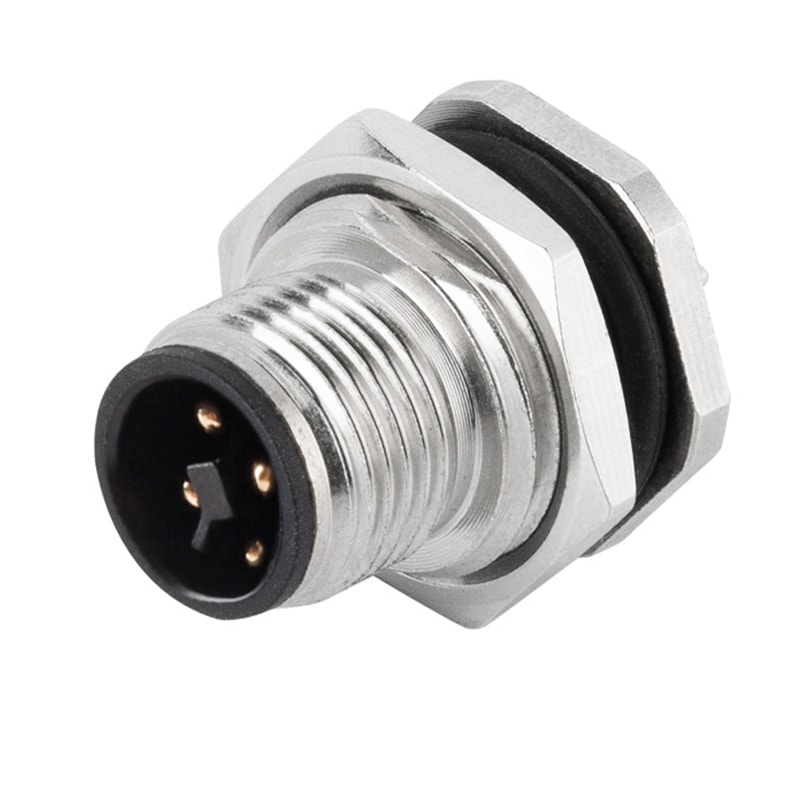

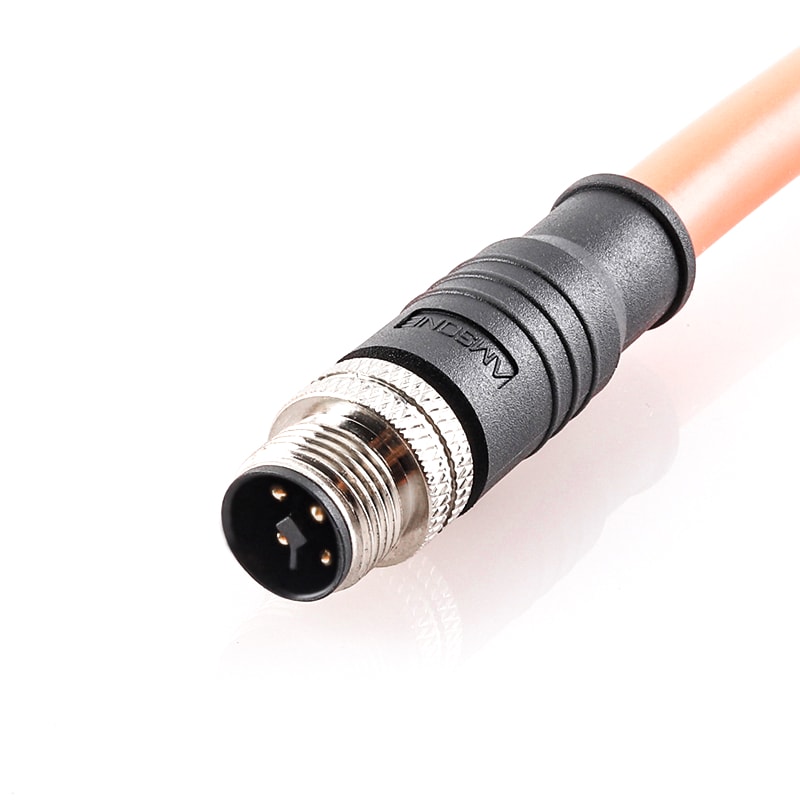
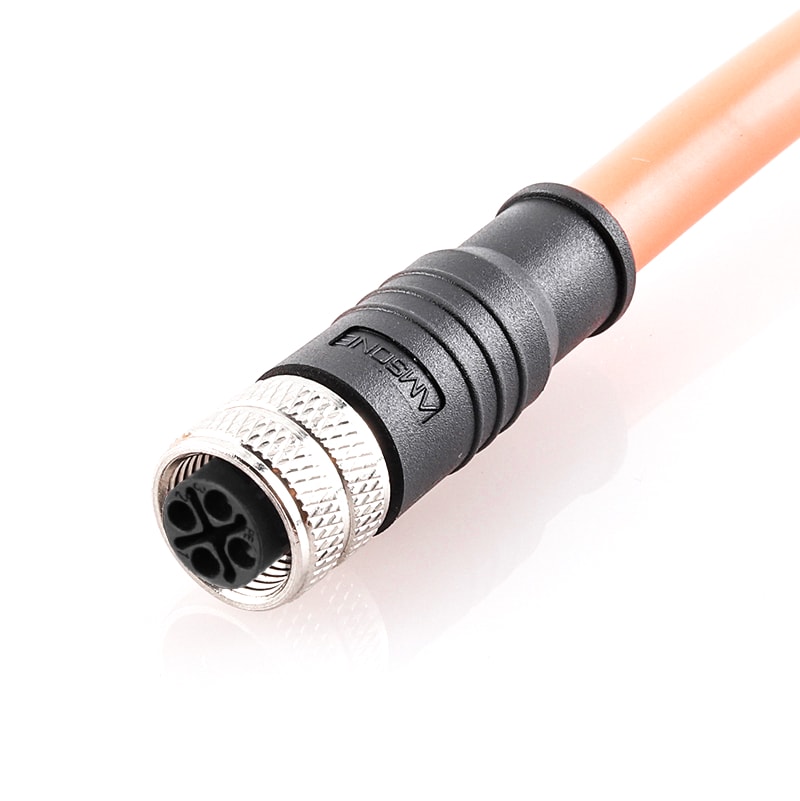
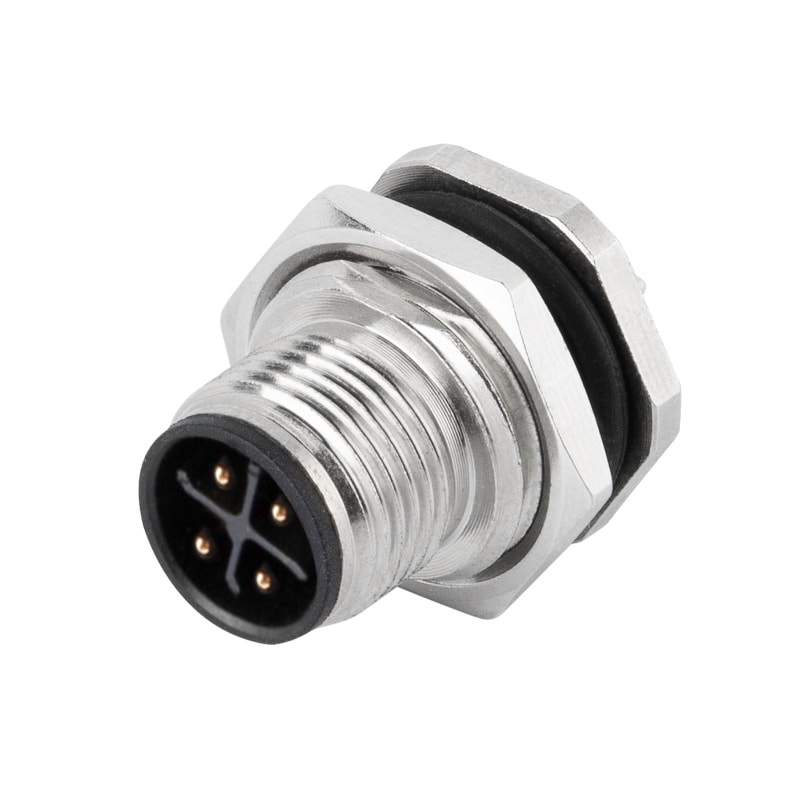


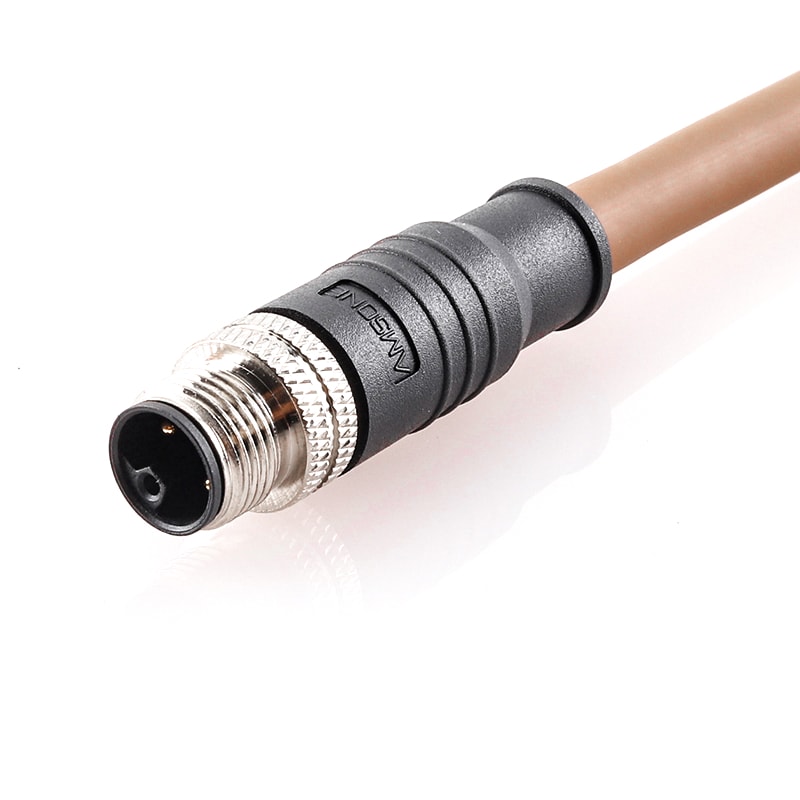


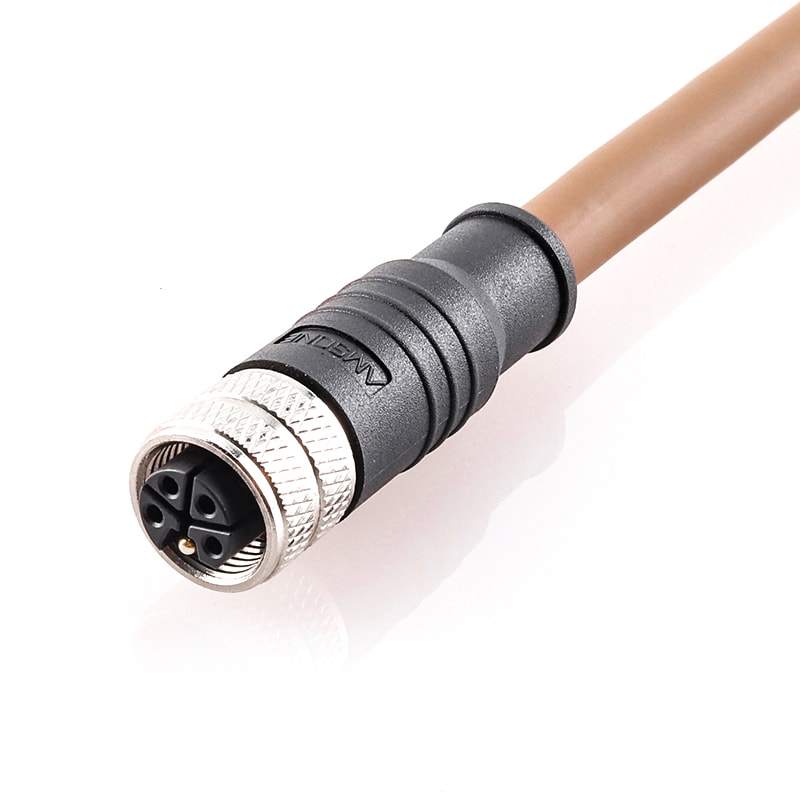


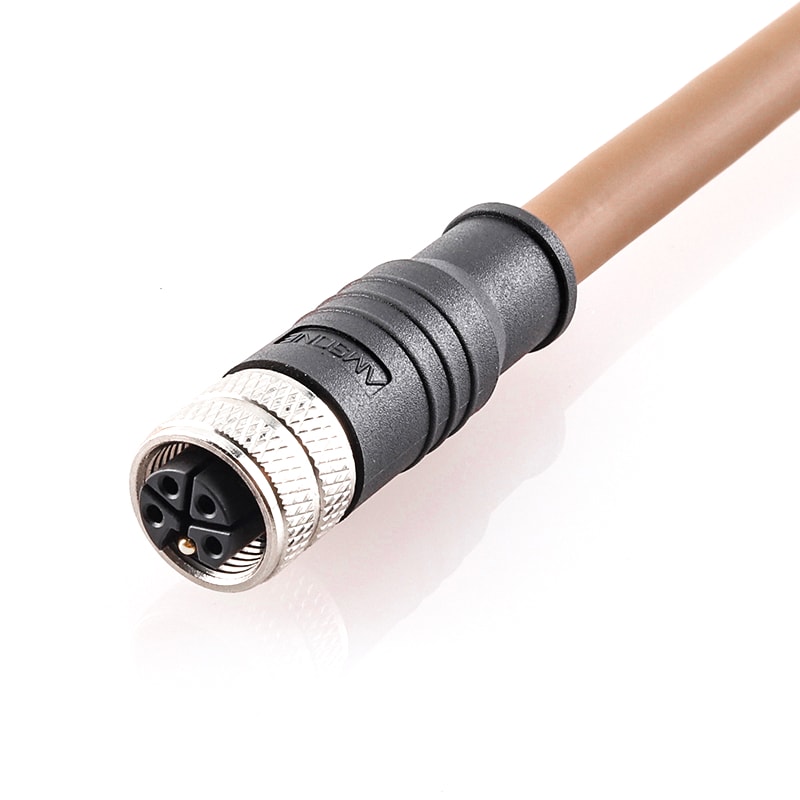
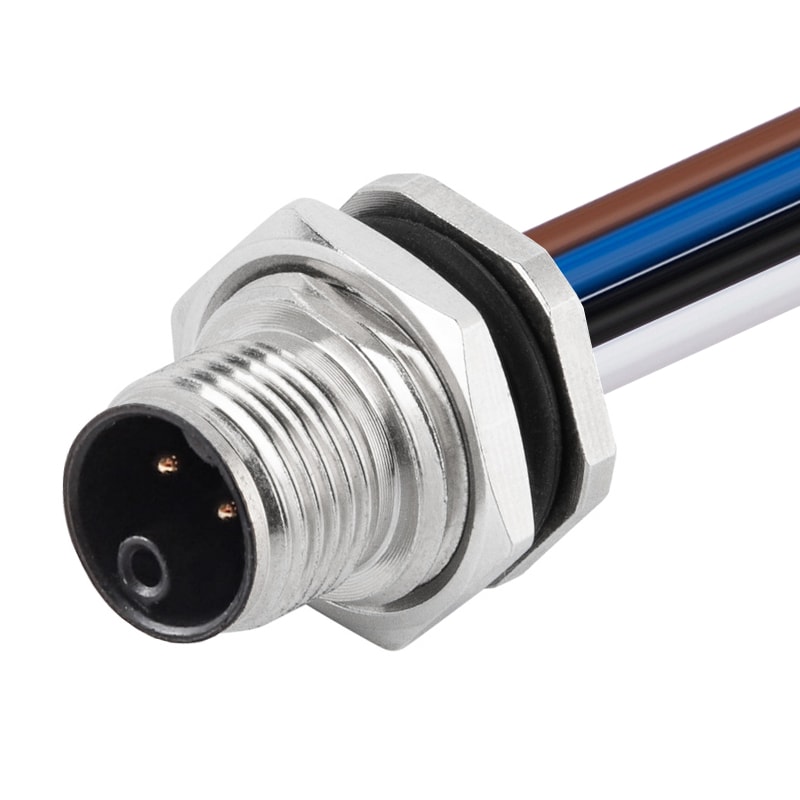








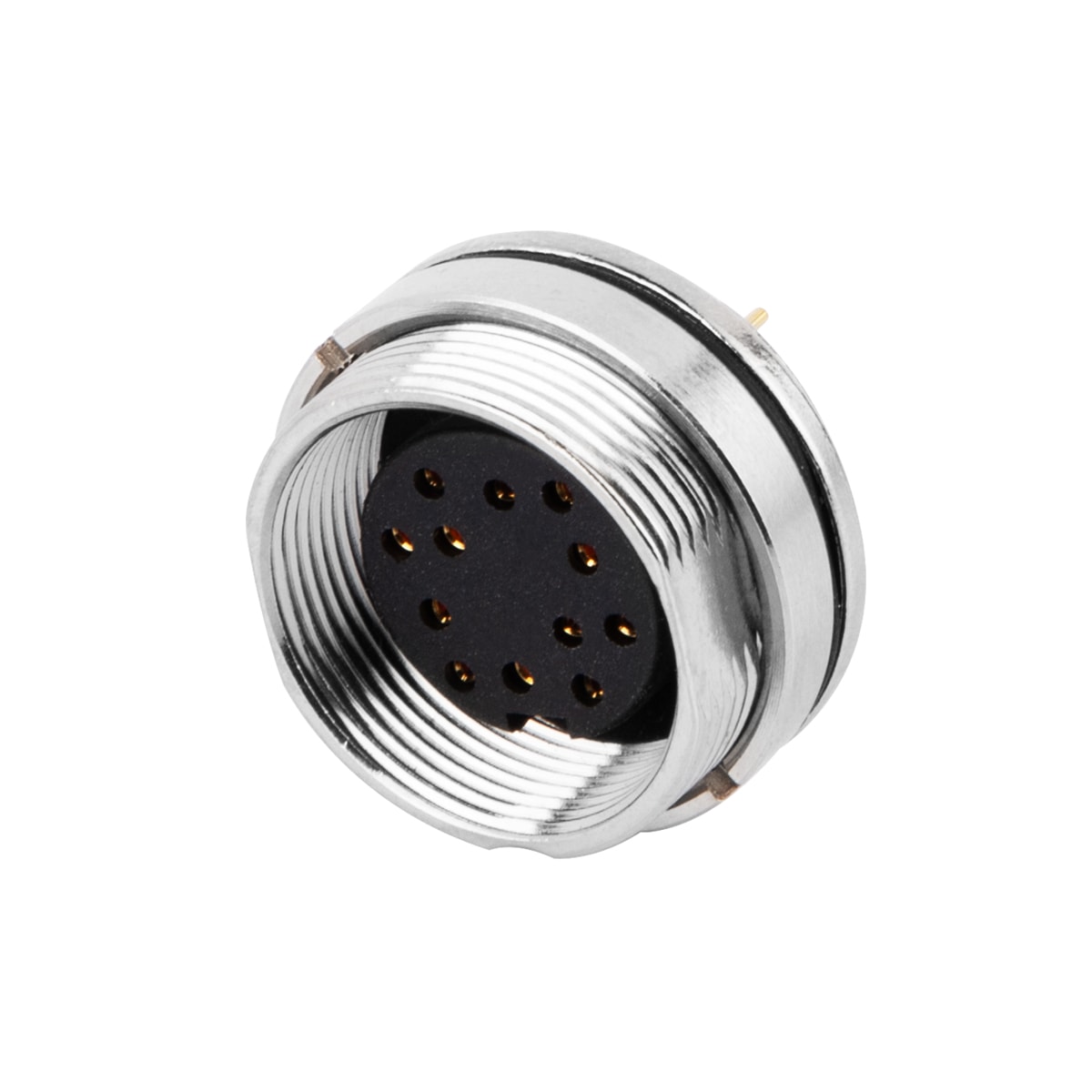

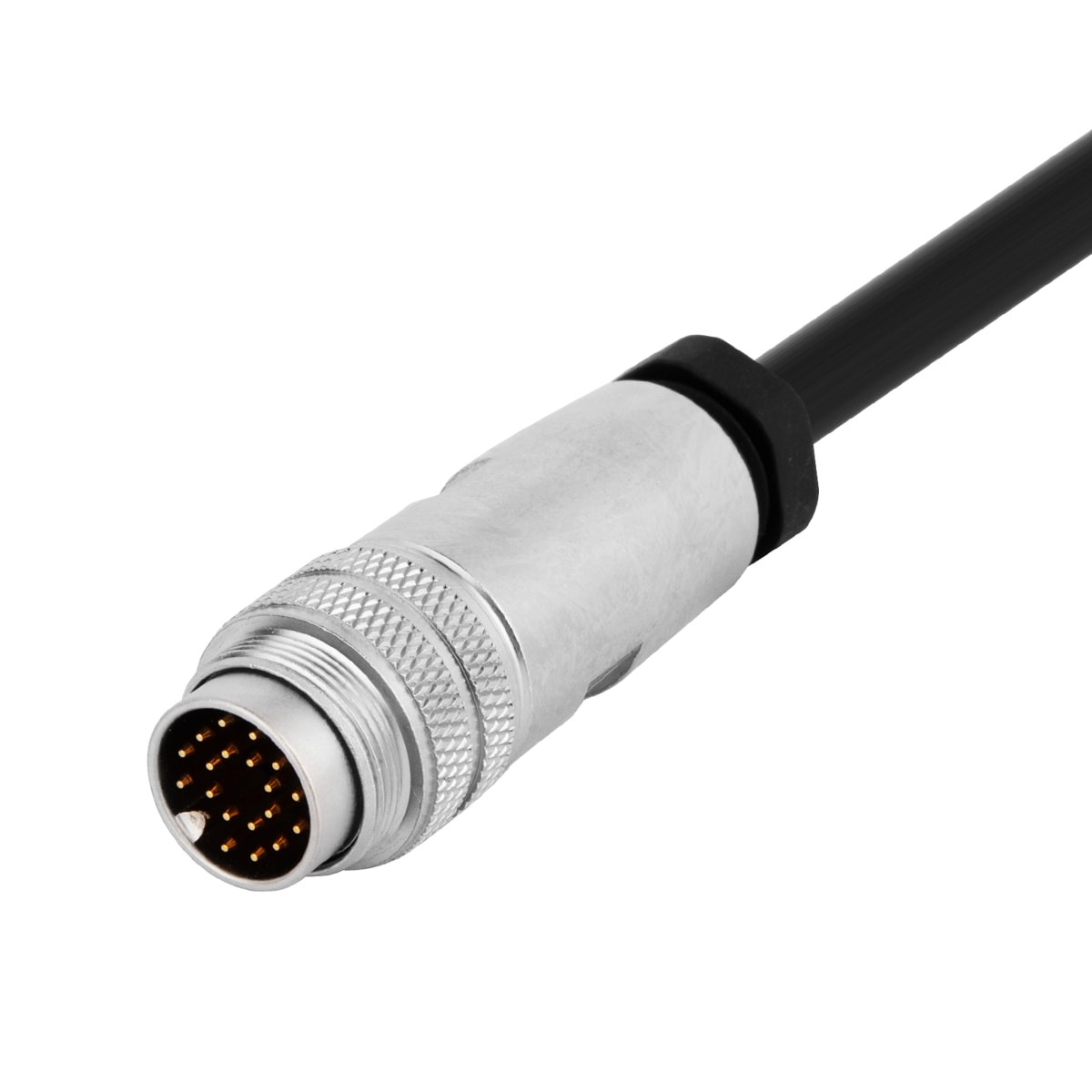
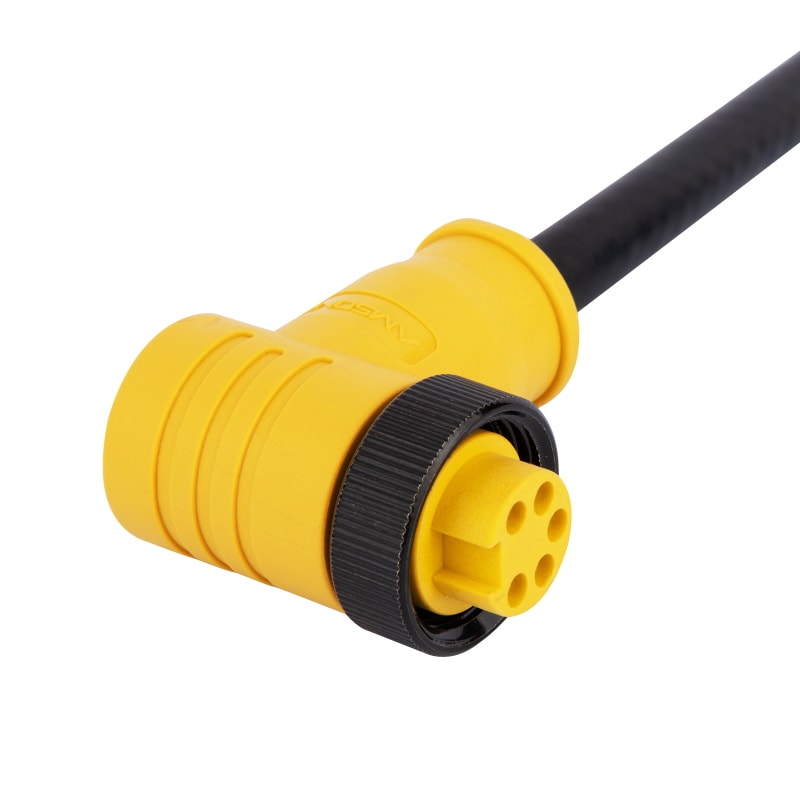
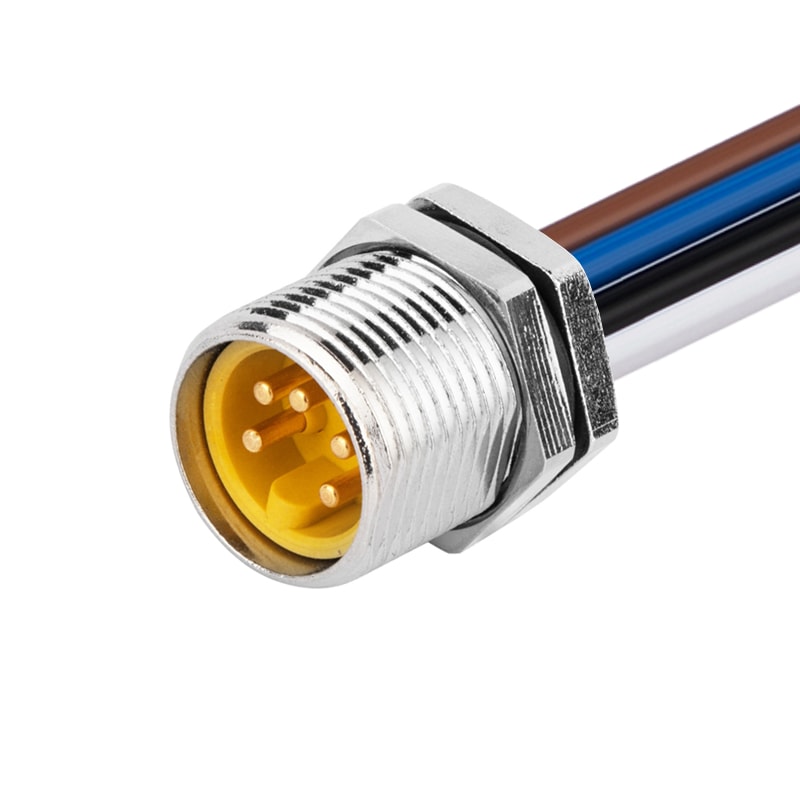
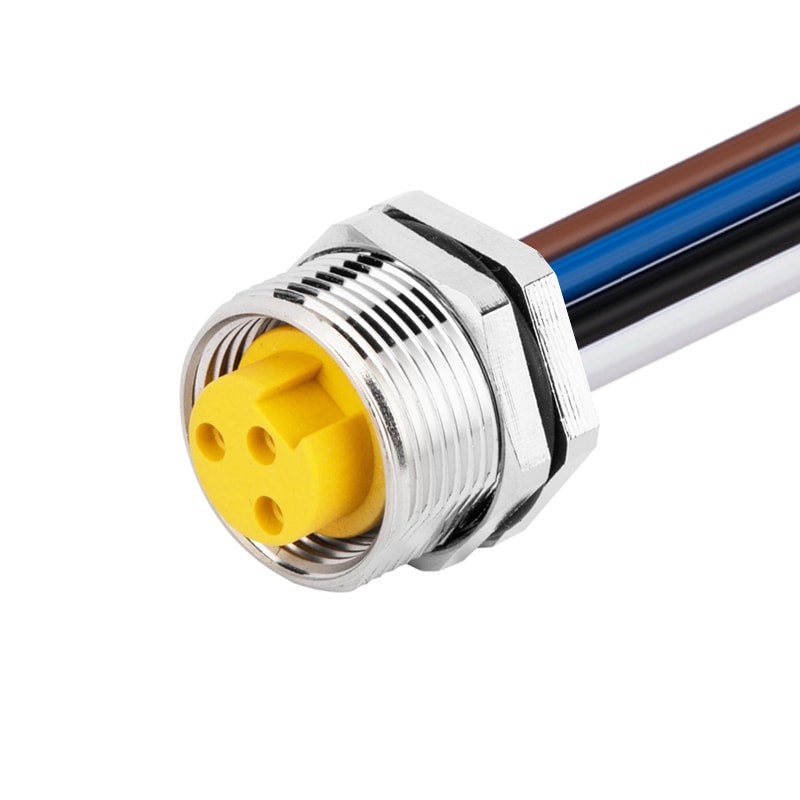
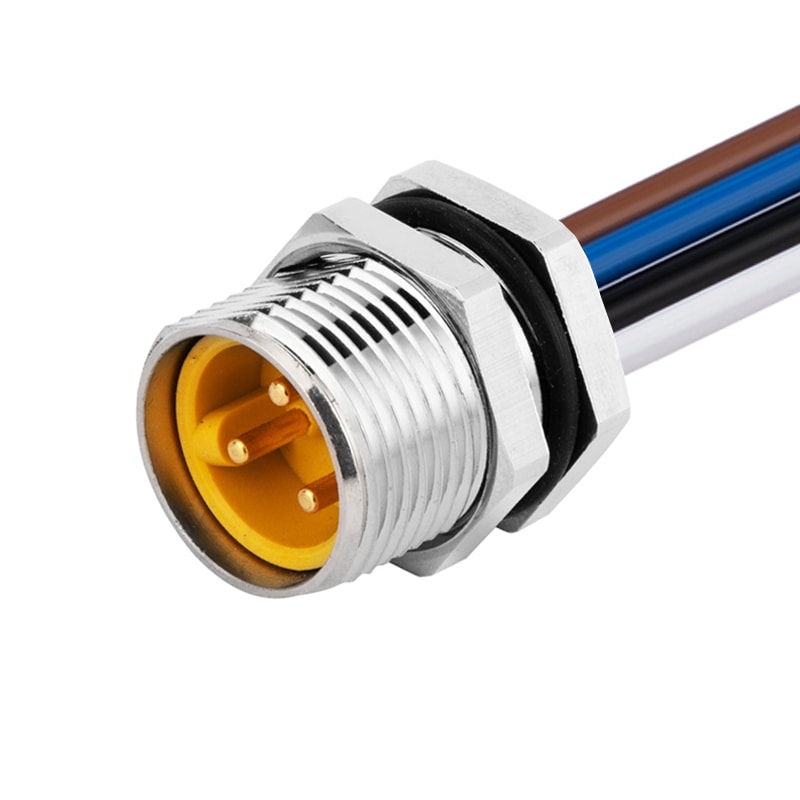
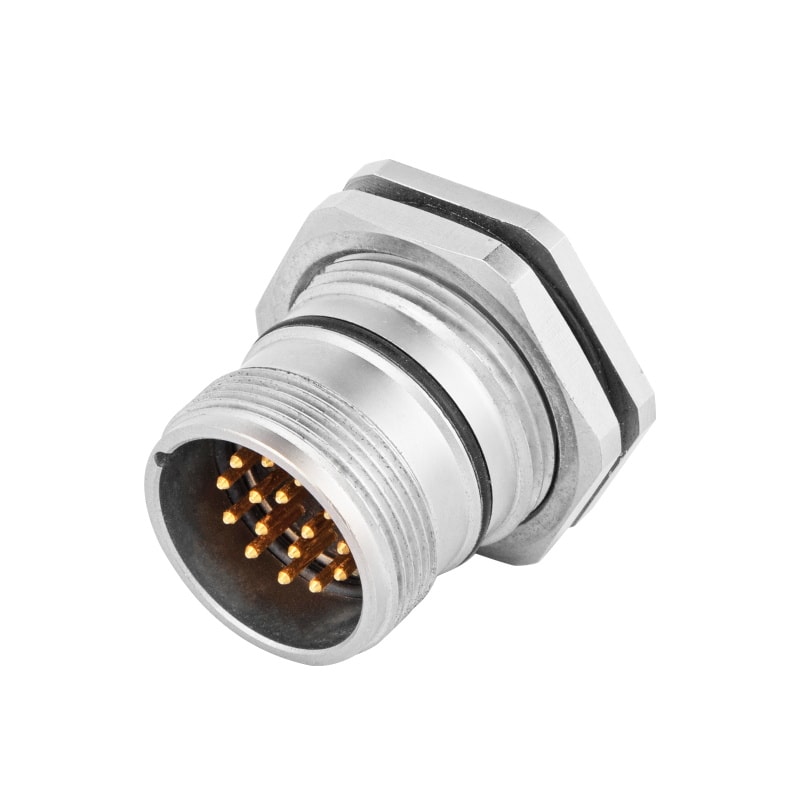
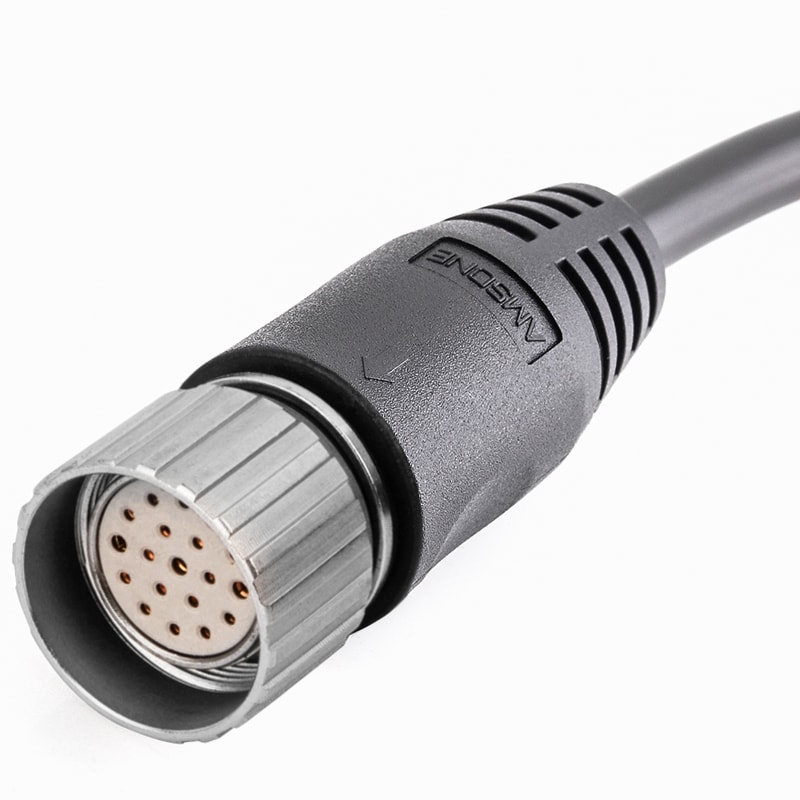
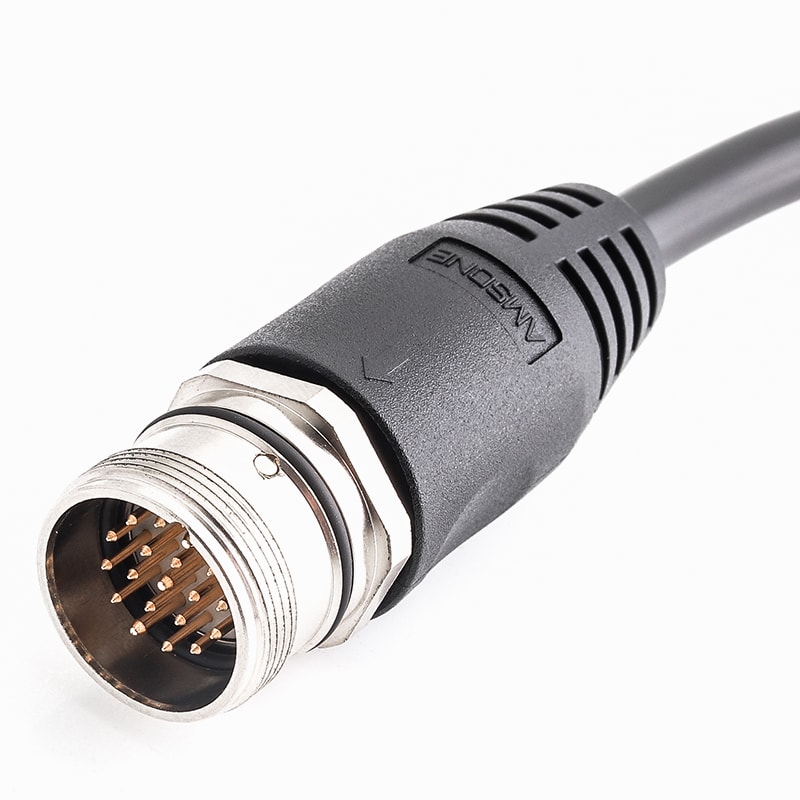
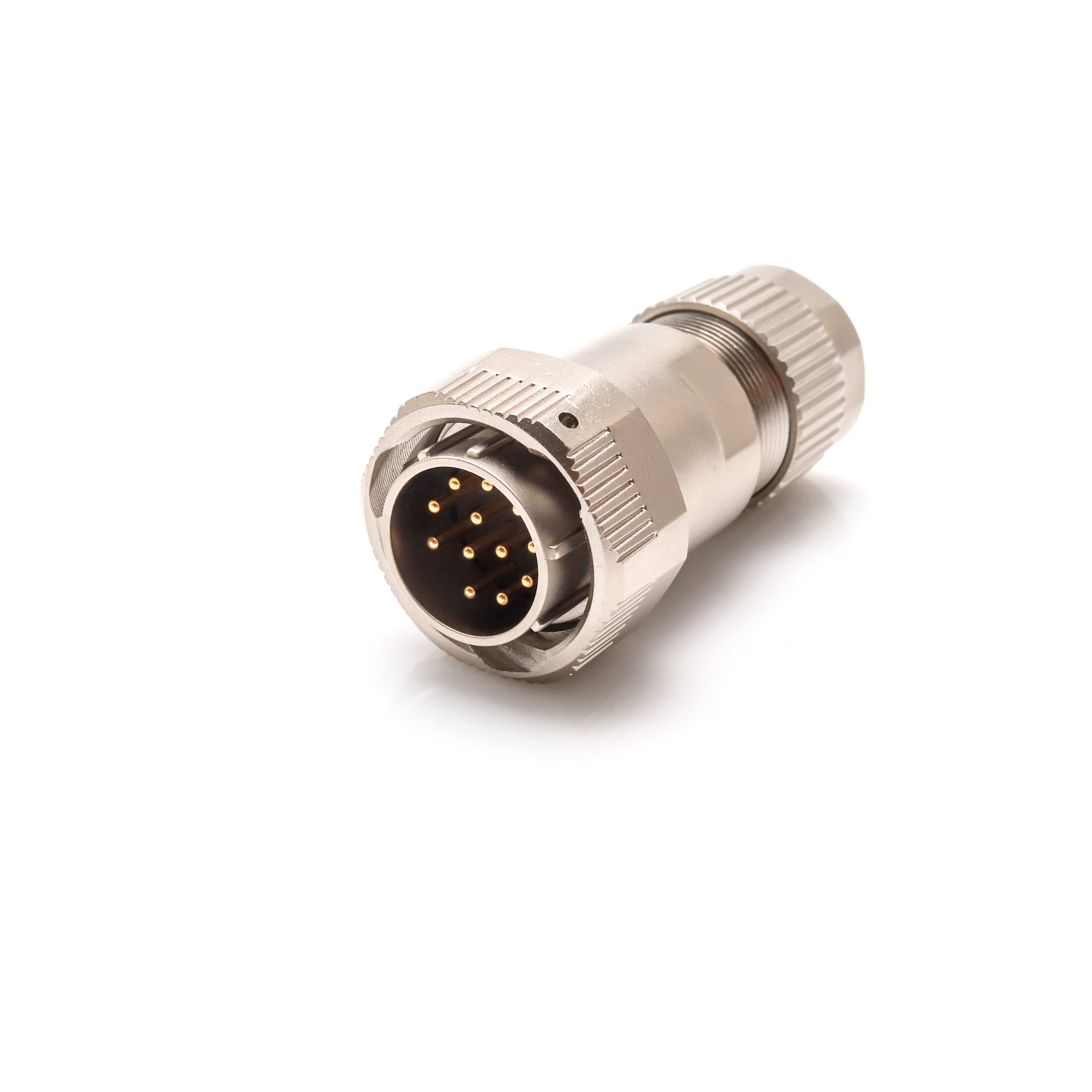
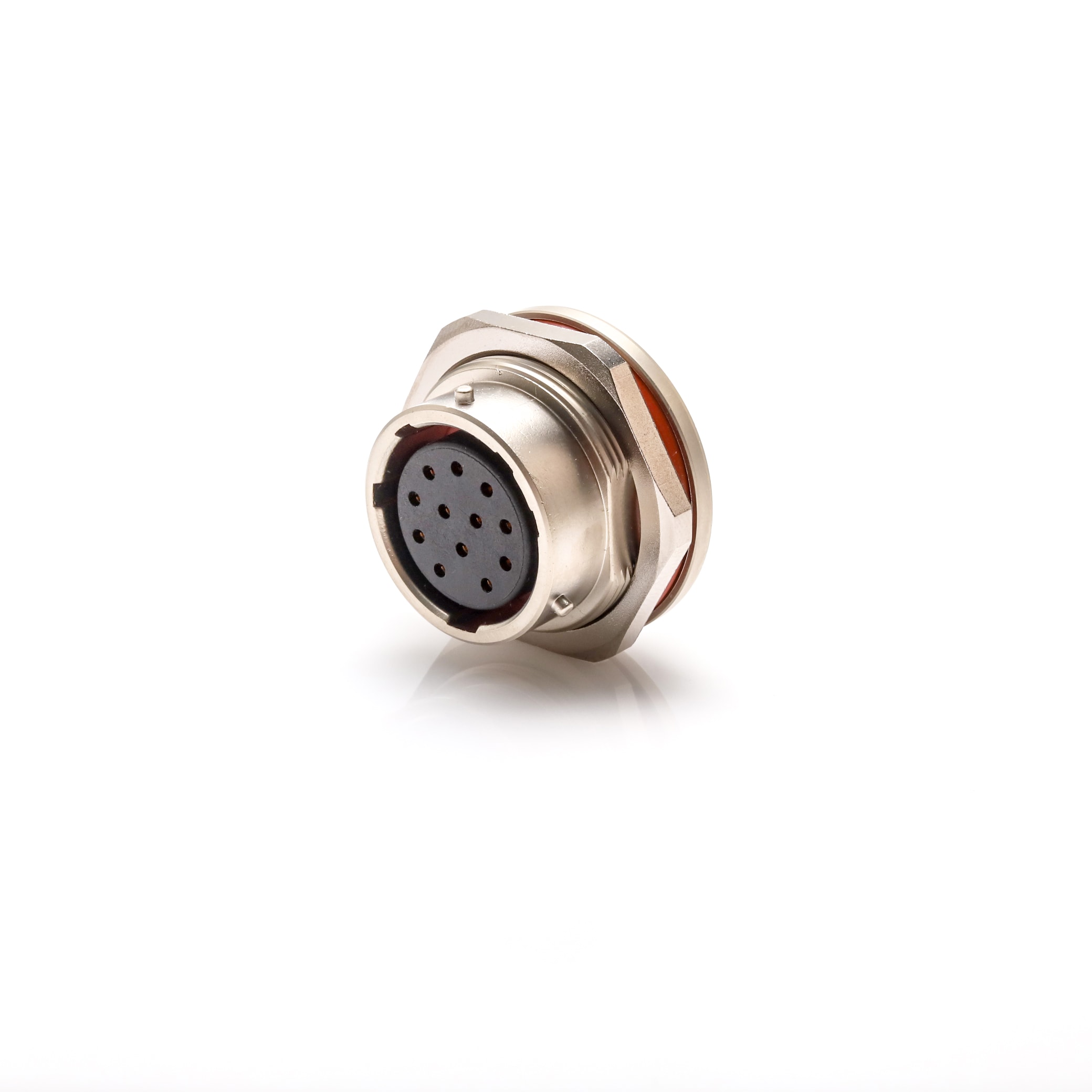
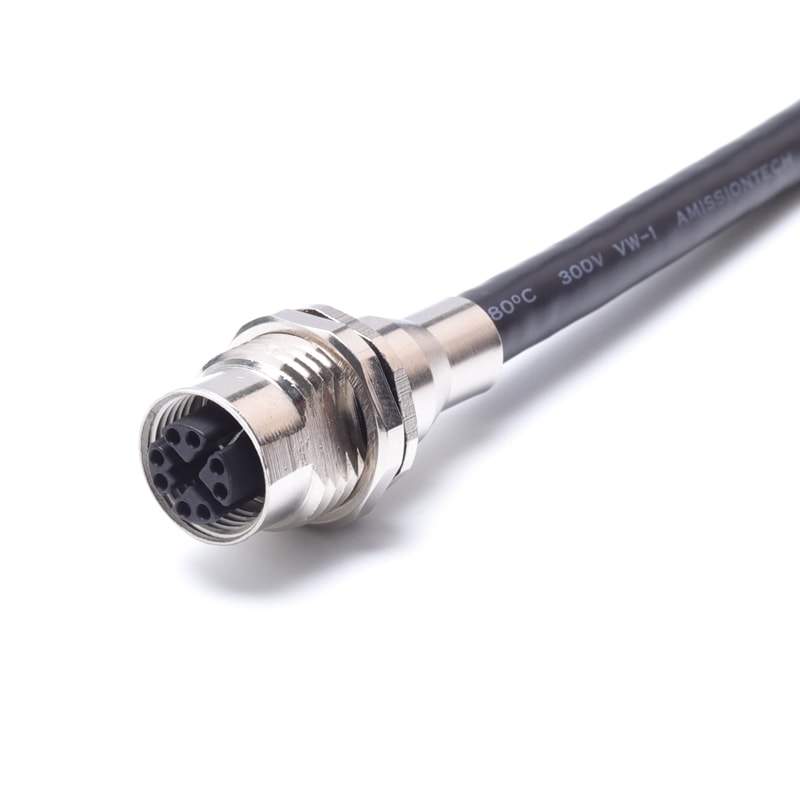
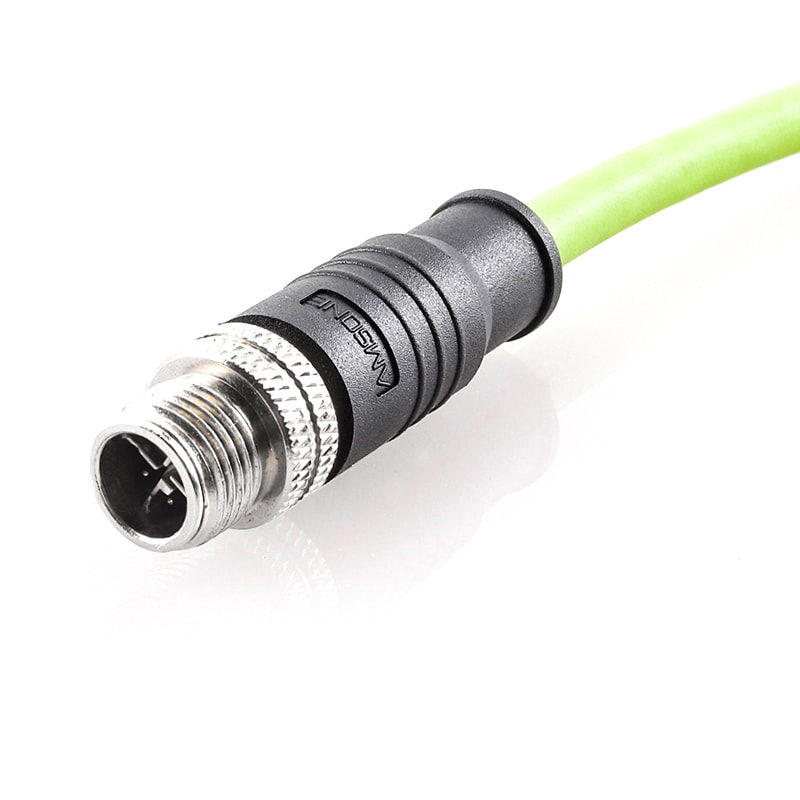
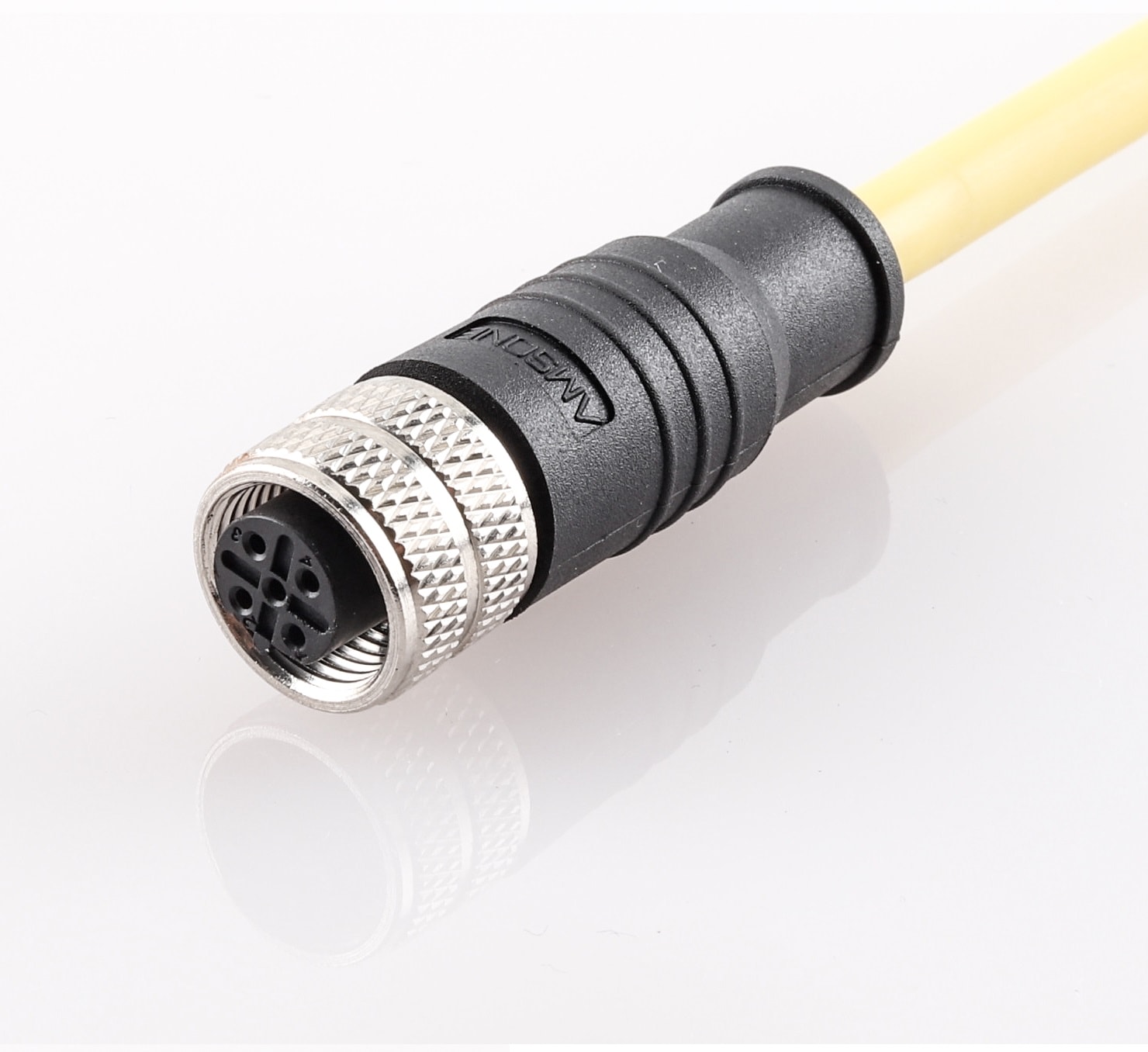
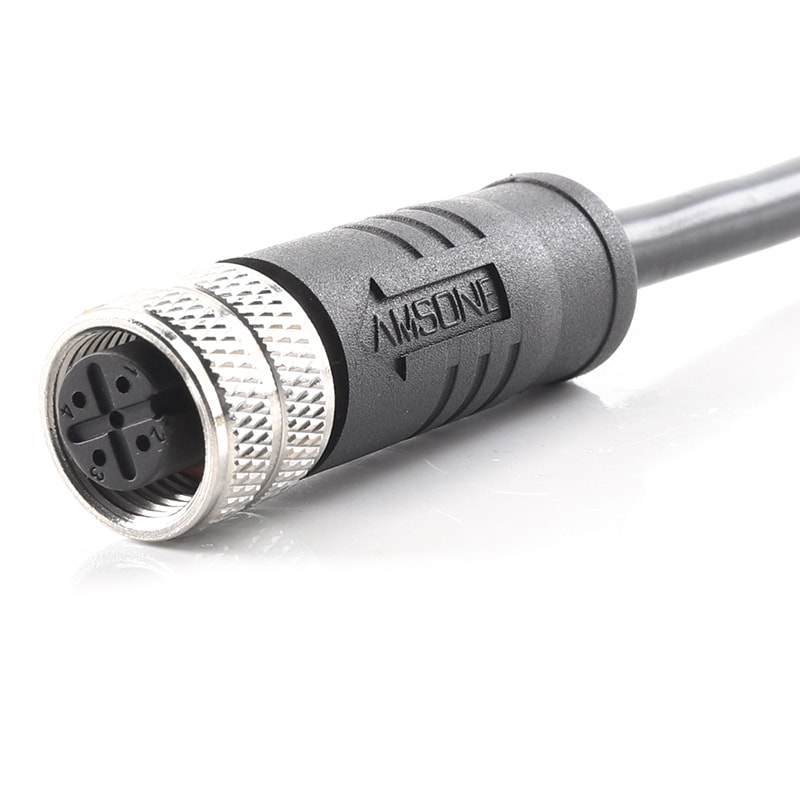
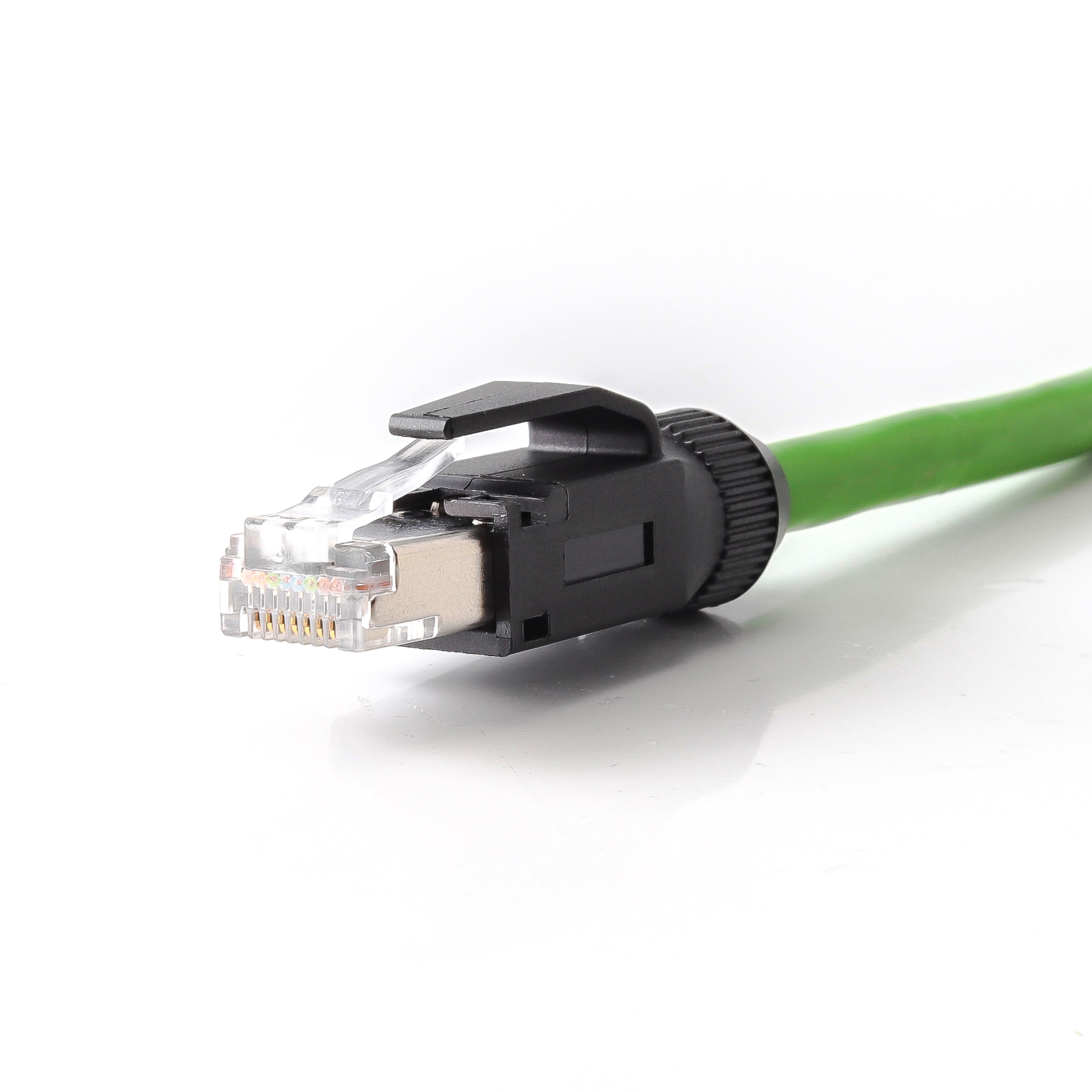
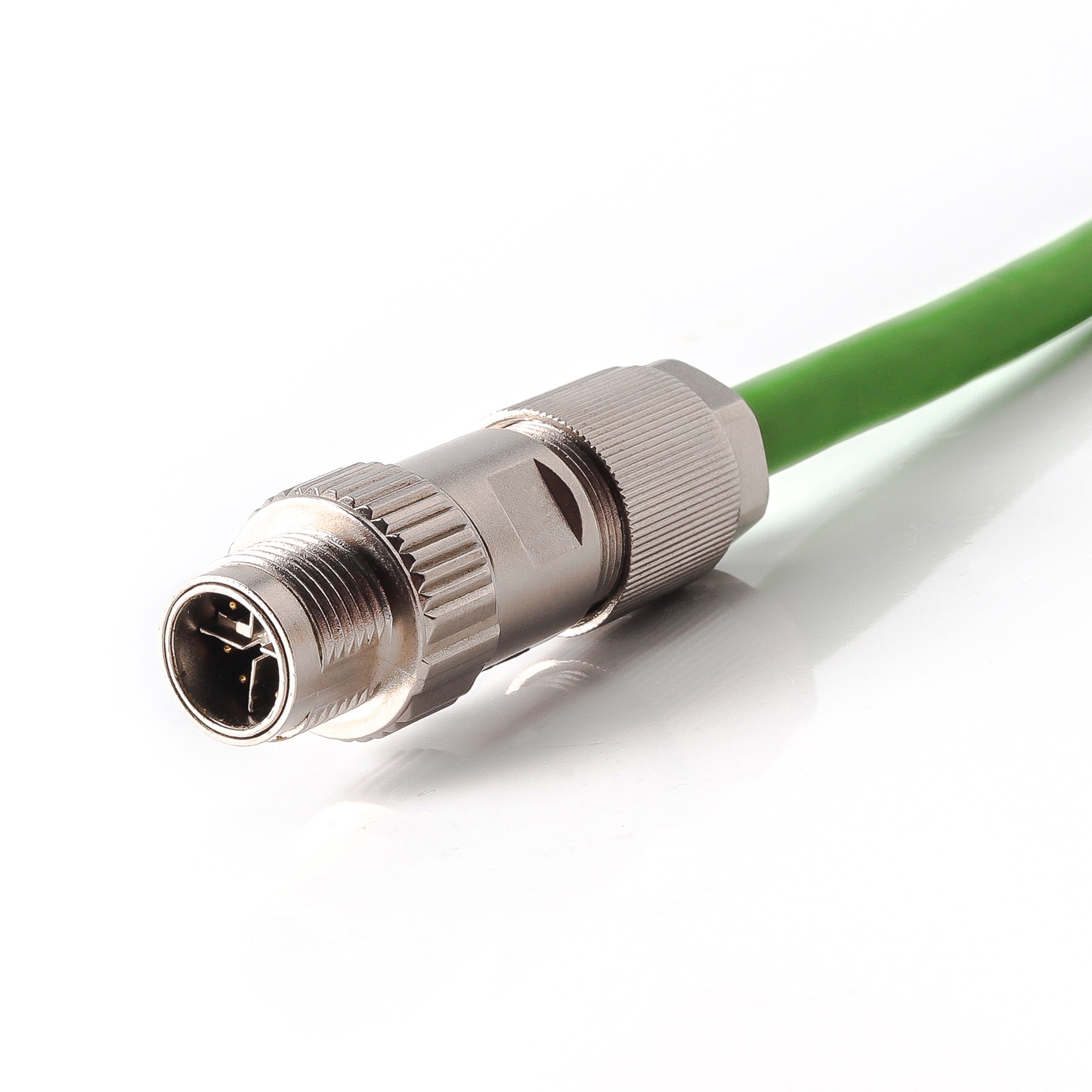
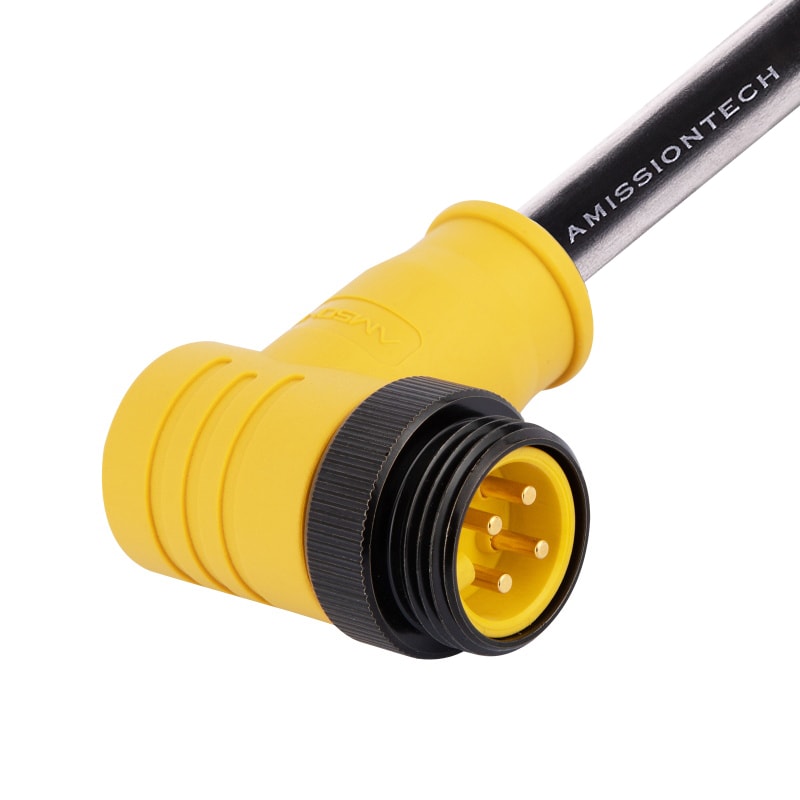
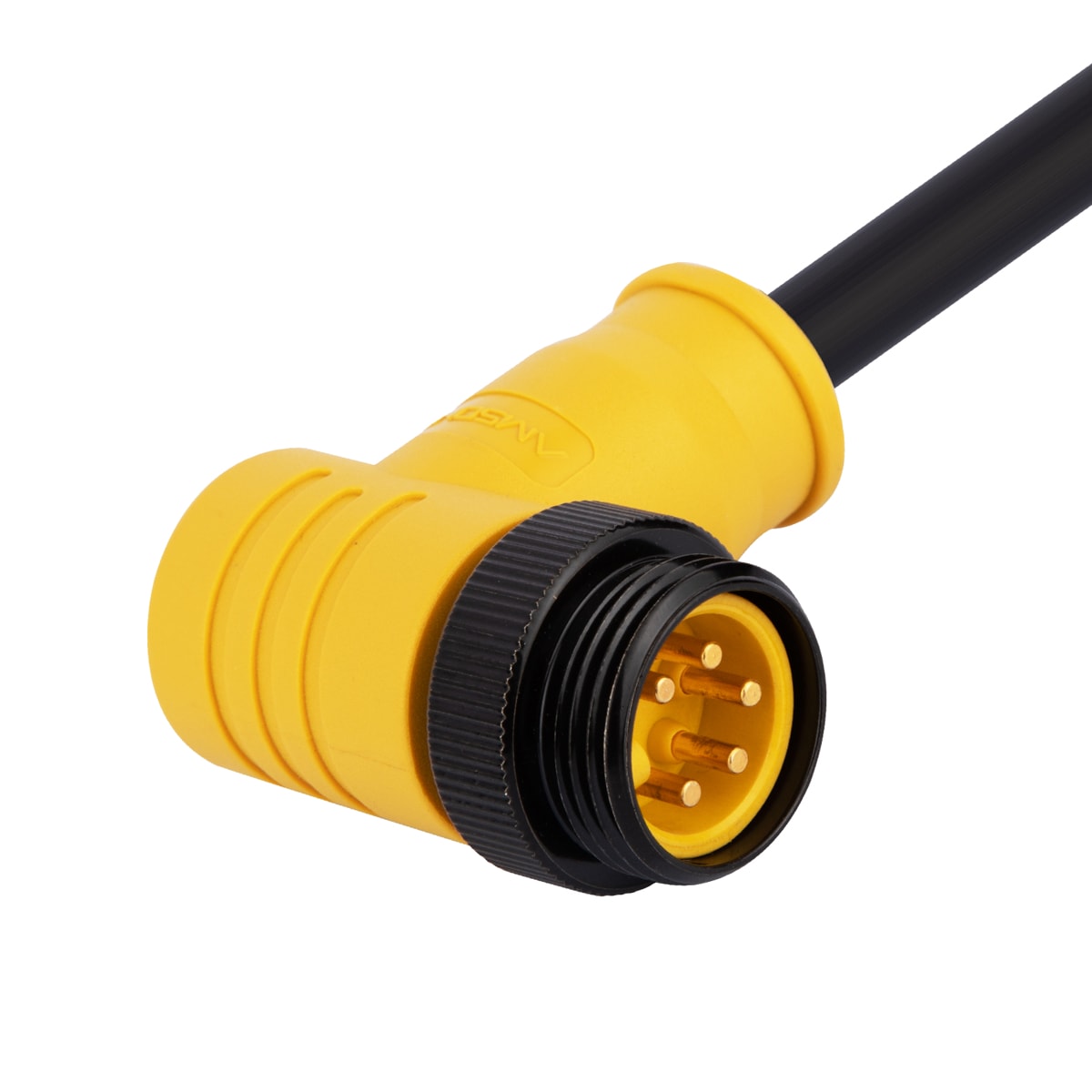
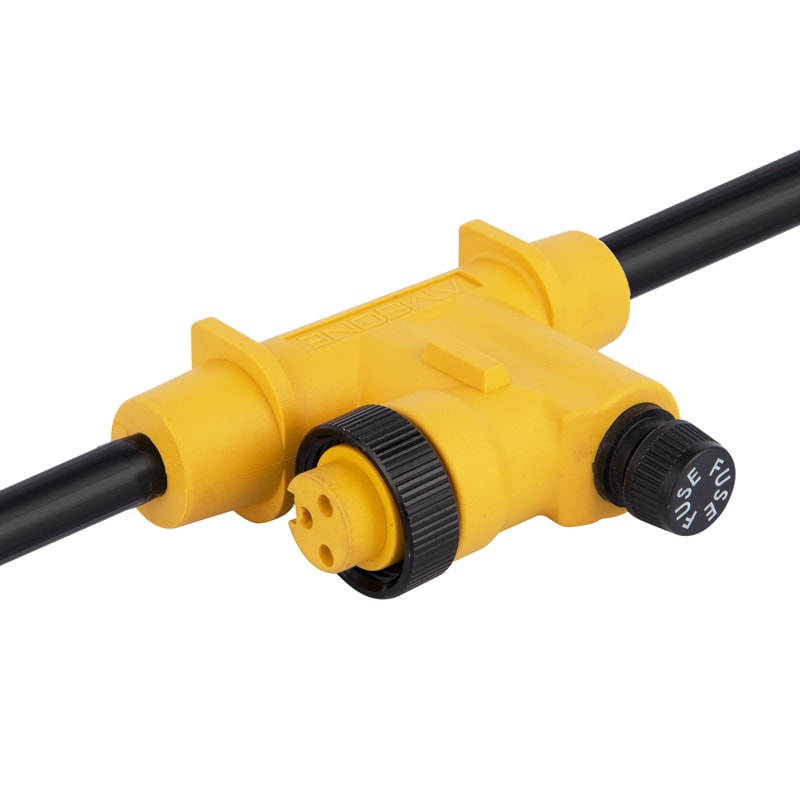
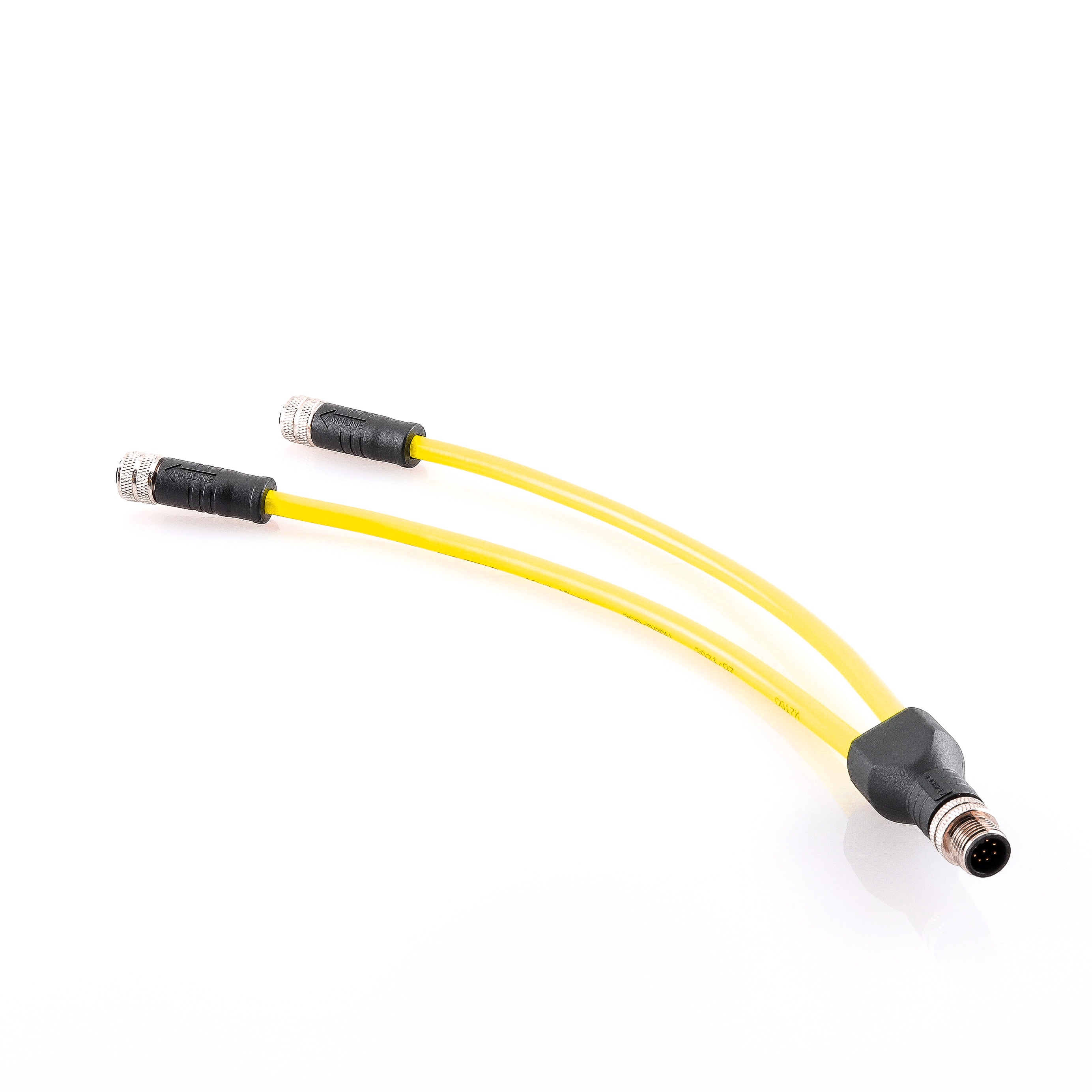





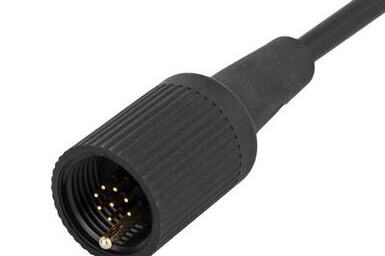
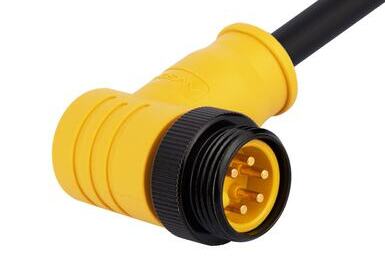


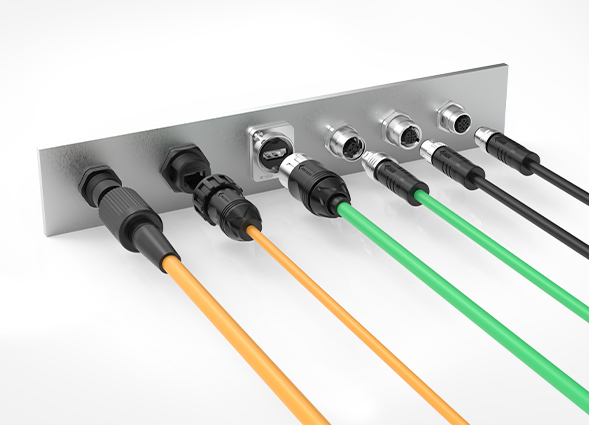
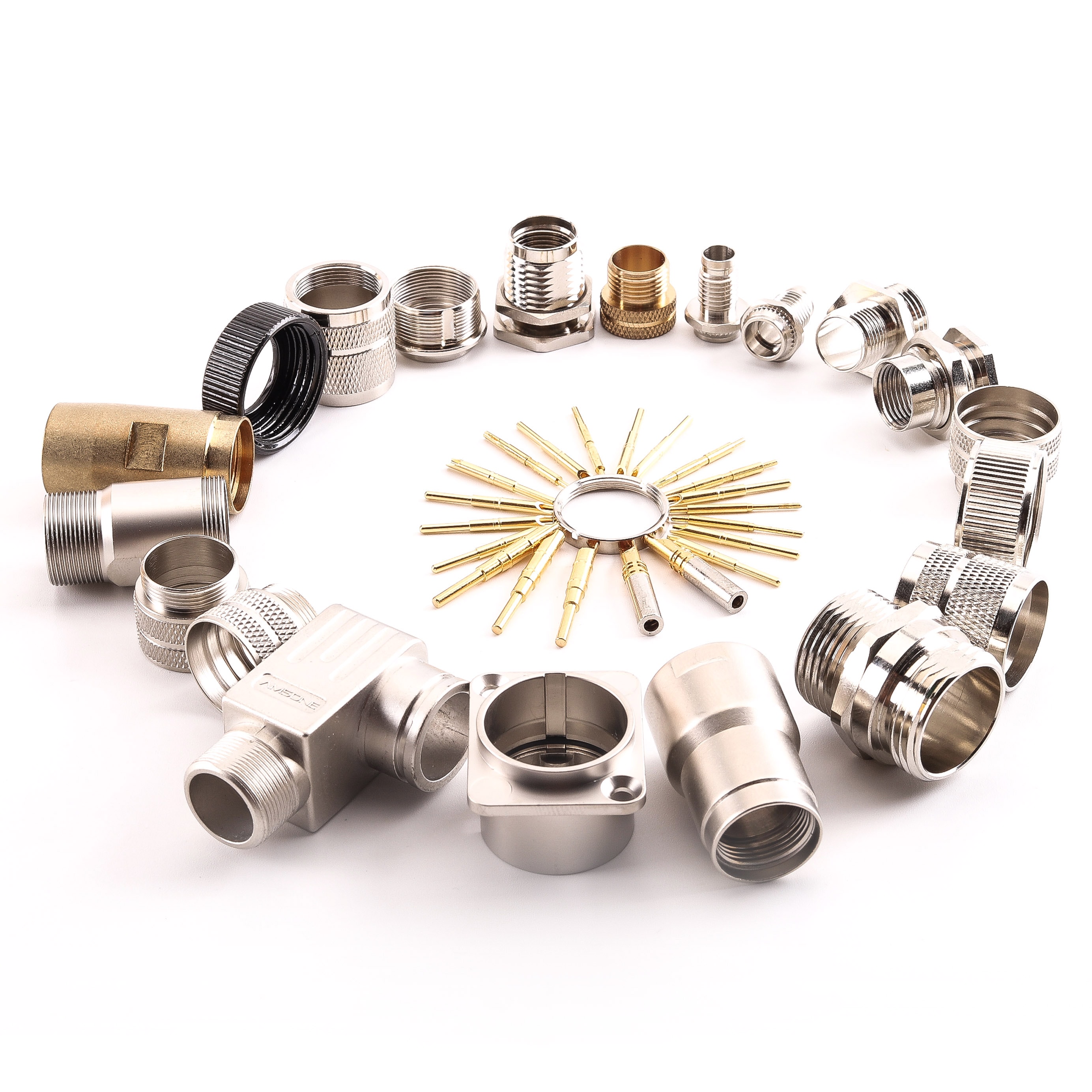
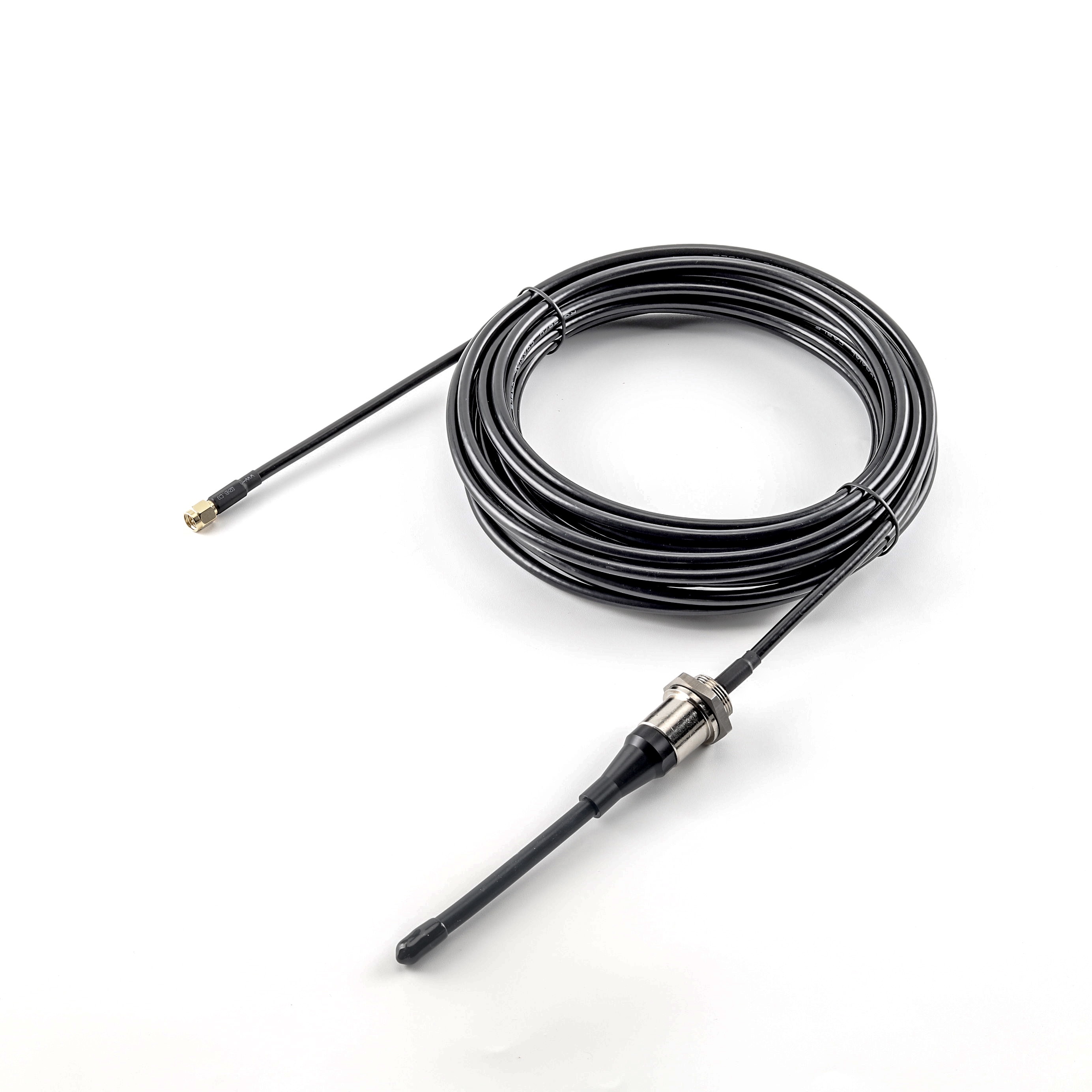
RF cable assemblies play an essential role in modern communication, broadcasting, and electronic systems. They carry high-frequency signals between devices and ensure stable performance with minimal interference. As more equipment becomes compact and integrated—such as wireless systems, sensors, and even high-precision vape display devices—installing and maintaining RF cable assemblies correctly is more important than ever. This guide explains how to install, test, and maintain RF cable assemblies to keep your system performing reliably.
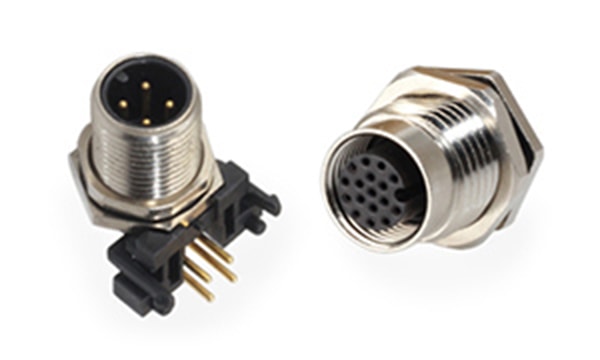
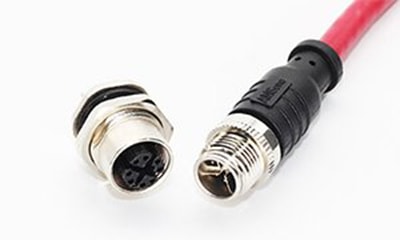
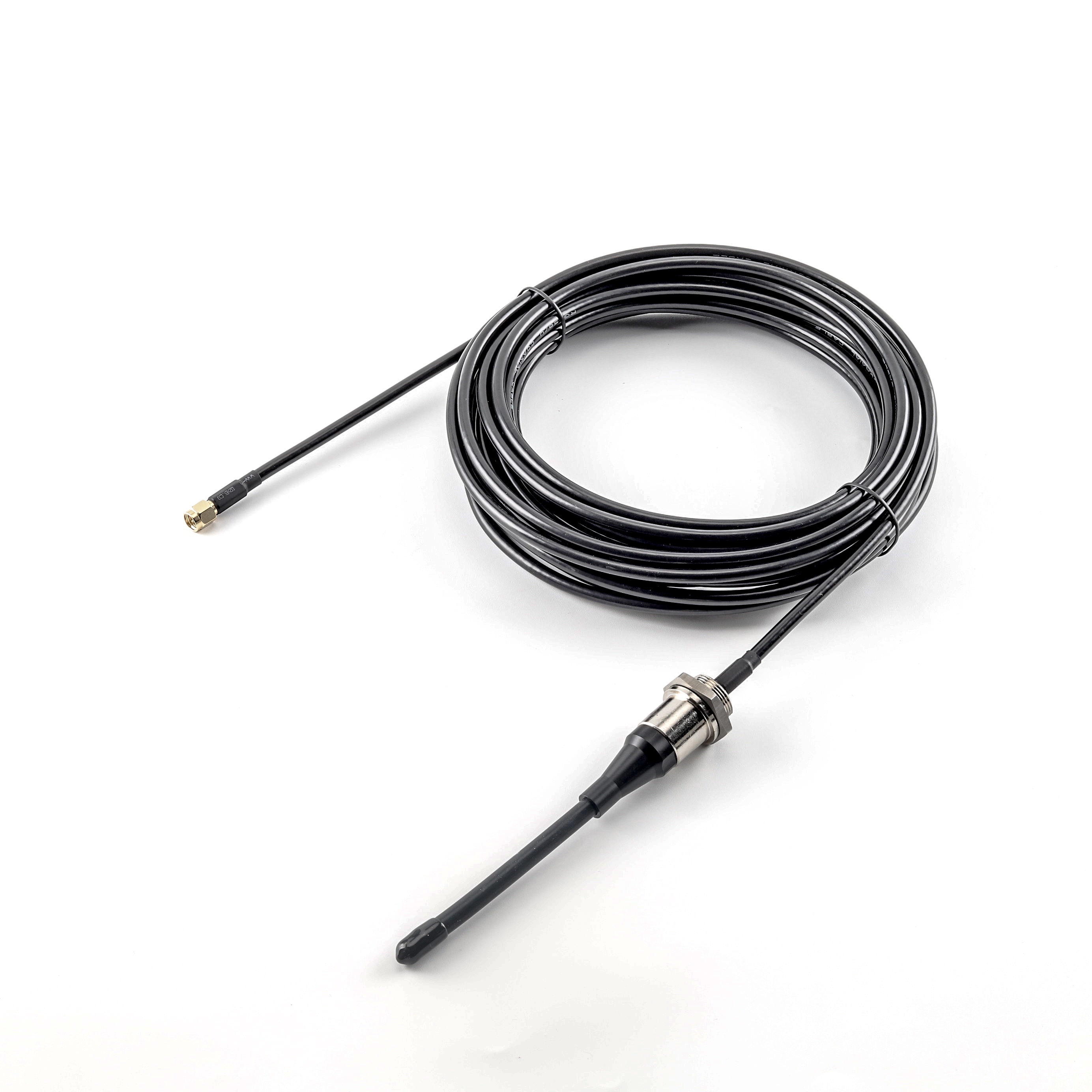
To begin, it’s important to know what an RF cable assembly includes. A complete assembly consists of a conductor, a dielectric layer, a shielding layer, an outer jacket, and the connectors attached to both ends. Each component affects overall signal quality, durability, and system compatibility. Since
RF cable
assemblies are used across telecom, medical, industrial automation, and vape display monitoring systems, choosing the right structure is essential.
RF cable assemblies come in several forms, such as flexible, semi-flexible, and semi-rigid cables. Flexible assemblies are easy to route, while semi-rigid types offer superior stability for high-frequency applications. Understanding your system’s frequency range and installation environment will help you select the most suitable assembly.
Since installation affects performance from the very beginning, following best practices helps prevent early signal loss or damage.
Before installation, ensure that the RF cable assembly matches your system’s impedance, connector type, and frequency requirements. It is also important to inspect the cable for visible damage, as even small dents or bends can change electrical characteristics. In vape display systems and other compact devices, proper preparation helps avoid installation errors that may later cause unstable signals.
When routing the cable, maintaining the correct bend radius is essential. Sharp bends may alter impedance and increase loss. Furthermore, avoid running RF cables too close to power lines, motors, or sources of electromagnetic noise. A clean and organized routing path helps improve performance and extend the cable’s service life.
RF connectors must be handled with care. Dirt or misalignment can affect contact quality. Always clean the connector surfaces and ensure a precise fit before tightening. Use a torque wrench when necessary to avoid over-tightening. For sensitive systems, such as vape display monitoring equipment, a secure and clean connection ensures consistent data transmission.
After installation, testing helps verify that the cable assembly is functioning correctly and within specifications.
Several common tests are used to evaluate RF cable performance:
These tests help detect installation issues, mechanical damage, or mismatched components.
Using proper equipment ensures accurate results. A Vector Network Analyzer (VNA) is widely used for VSWR and return loss testing. Power meters, frequency analyzers, and signal generators are also essential for complete system verification. Whether the assembly is used in telecom systems or vape display units, standardized testing ensures stable signal performance.
Understanding test results is important. A high VSWR or high insertion loss usually indicates a problem with connector installation, cable damage, or incorrect routing. Identifying the root cause early helps avoid more serious issues once the system is running.
To keep RF cable assemblies working at their best, regular maintenance is necessary.
Check the outer jacket for cracks, cuts, or excessive bending. Inspect the connectors to ensure they are not loose or contaminated. In many systems—including vape display devices—unstable signals often start from a small mechanical fault that is easy to miss without routine checks.
Clean the connectors carefully using appropriate tools and avoid touching the inner contact surfaces. When storing RF cable assemblies, keep them in a dry, dust-free environment and always use protective caps on connectors. Coiling the cable loosely helps prevent internal deformation.
RF cable assemblies last longer when handled correctly. Avoid stretching, crushing, or twisting the cable. In harsh environments, consider using assemblies with reinforced jackets or environmental protection. By following these simple habits, the cable maintains performance for a longer time, even in demanding workloads.
Several installation and maintenance errors can affect performance:
Avoiding these mistakes helps reduce signal loss and system downtime.
For long-term reliability, always select high-quality assemblies, train staff on proper handling, and schedule periodic testing. Keeping a documented record of test results and inspection notes also helps monitor cable condition over time. Applying these practices is beneficial for all industries, from laboratory equipment and network devices to vape display systems requiring accurate signal transmission.
RF cable assemblies are essential components that support stable, efficient, and interference-free communication across many applications. By installing, testing, and maintaining them correctly, you can significantly improve system performance and reduce long-term maintenance costs. For companies seeking reliable and high-quality RF cable solutions, Amissiontech , a professional industrial cable supplier , provides dependable products and technical support to meet diverse application needs.