P/N: ALD-HBN1-372XXX
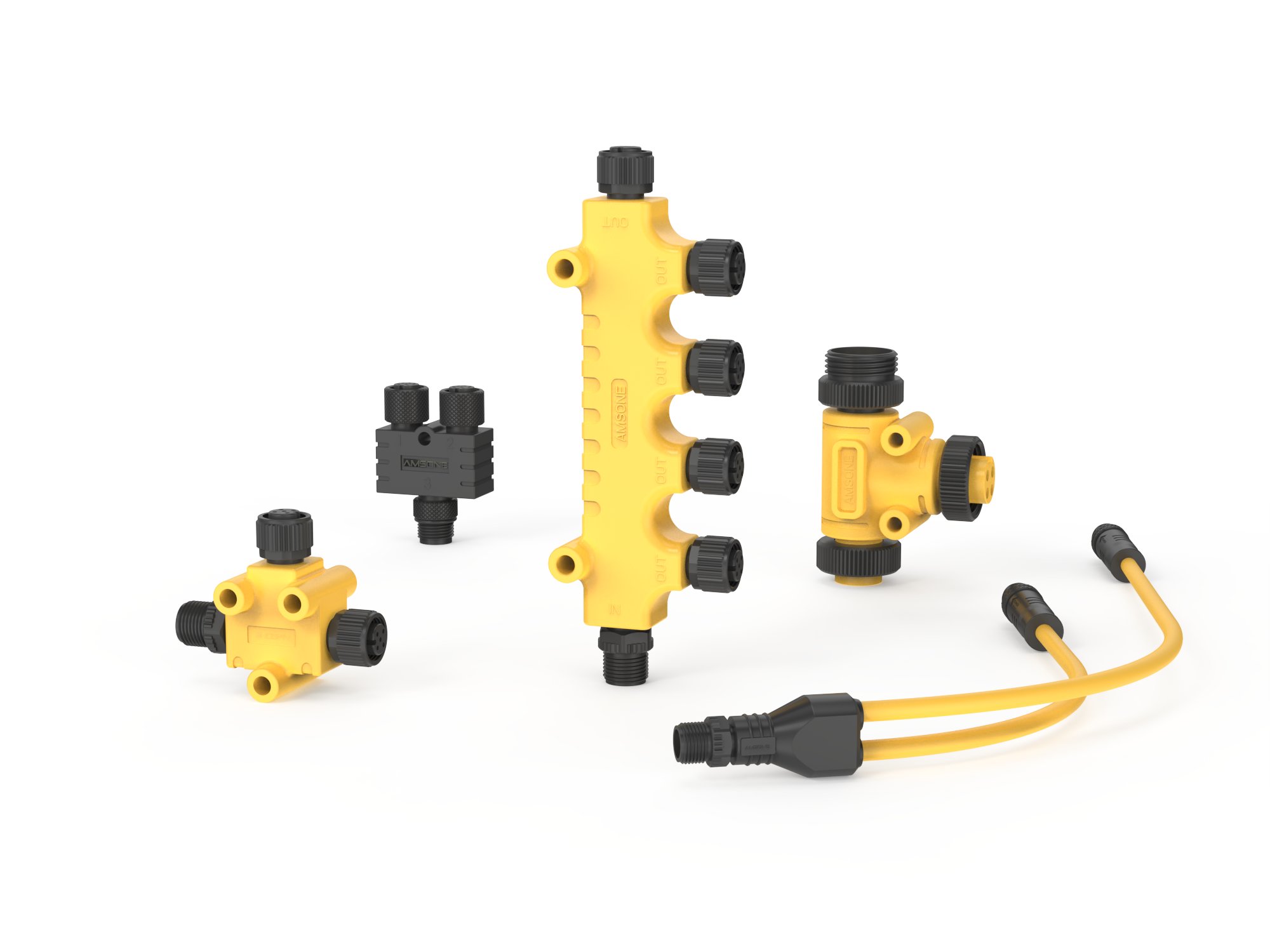
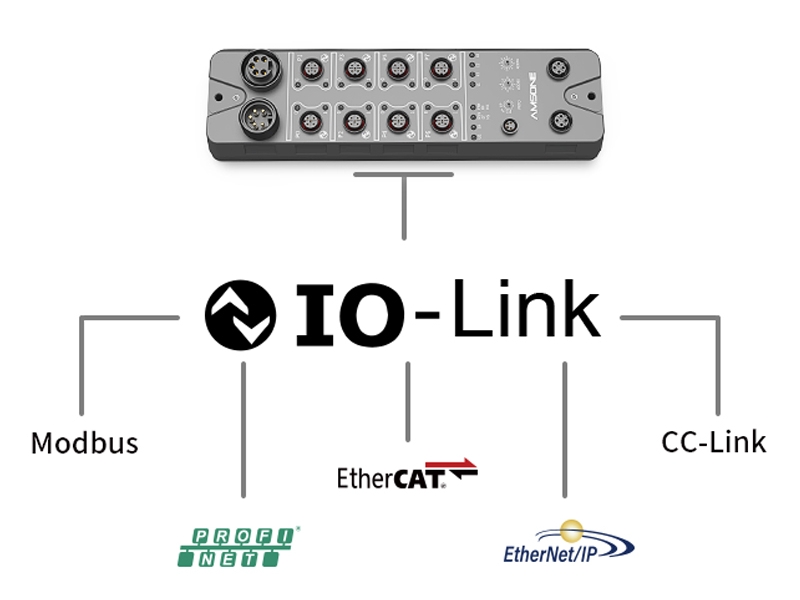
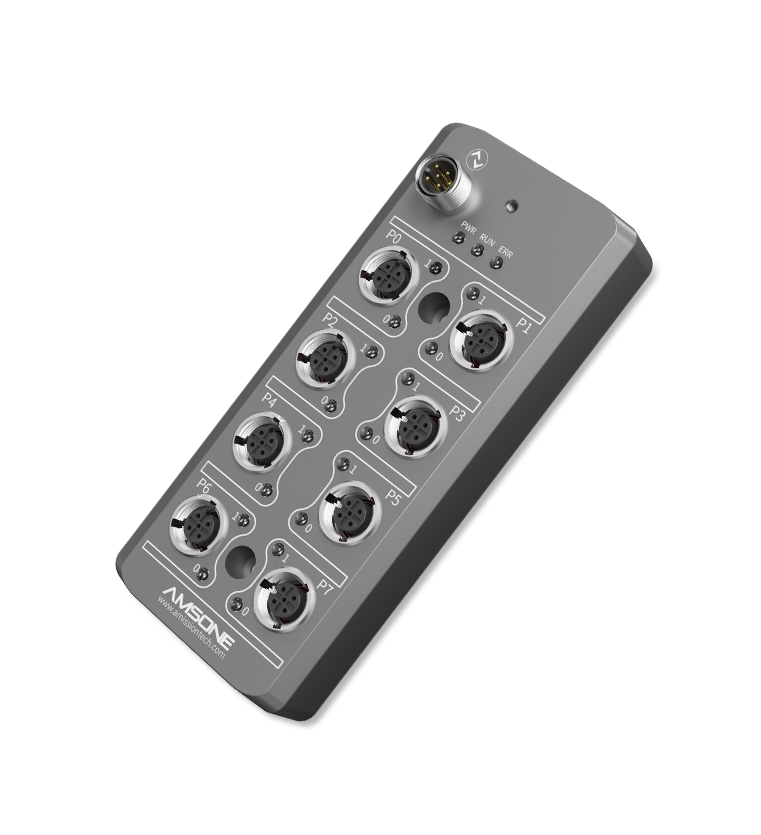
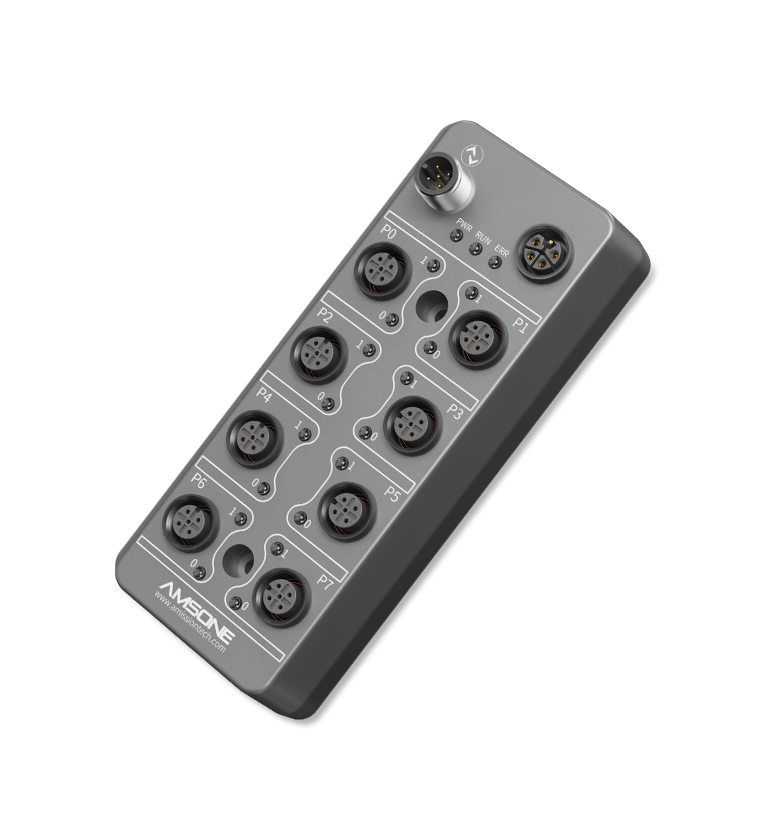
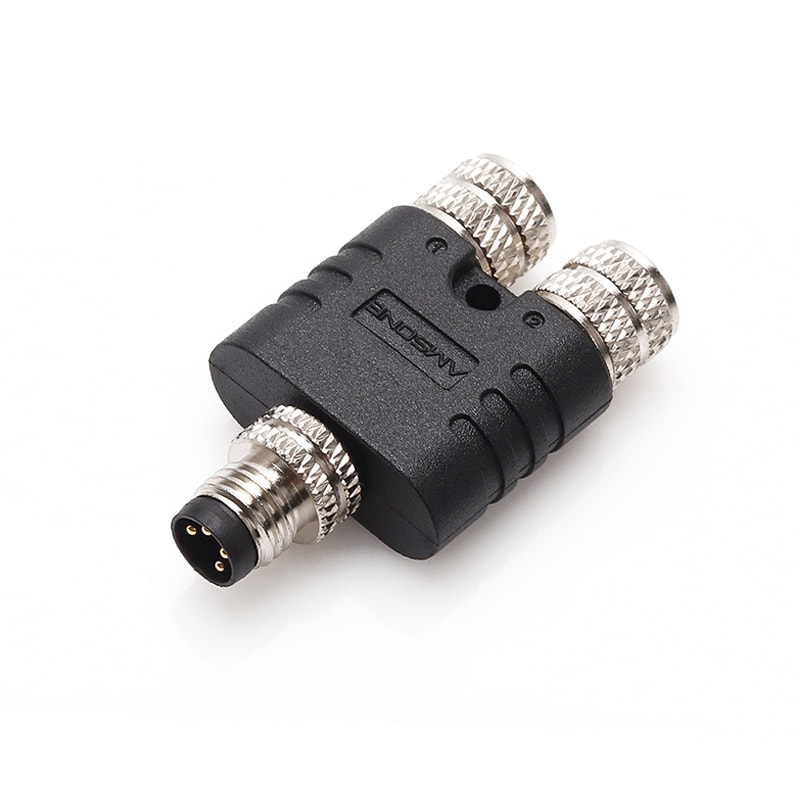
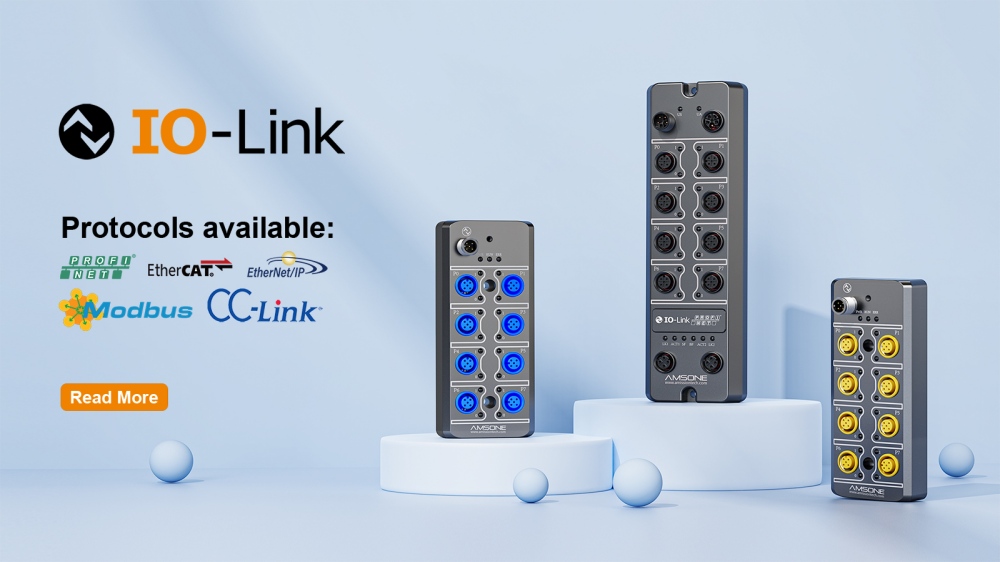
IO Link Hub NPN 0.5A/channel Plastic Housing Plastic Thread Locking
View All











































When choosing the right antenna for communication systems, understanding how it sends and receives signals is the first step. Although antennas may look simple from the outside, the way they work can be very different. To make this easier to understand, this article explains the differences between directional antennas and omnidirectional antennas based on the confirmed facts you provided. Throughout the article, the keyword “vape display” is naturally included as part of the smooth transitions, helping support SEO performance.
To begin with, a directional antenna is designed to send or receive signals in one specific direction . As the name suggests, both the transmitter and receiver must face each other to achieve the best performance. When the antennas are aligned correctly, the signal quality is at its strongest, just like placing a vape display in a store so customers can clearly see it from a fixed angle.
A good example of a directional antenna is the grid parabolic antenna , which has a parabolic shape. This design helps collect and reflect signals toward the receiver. Because of this high focus, these antennas are often used in satellite TV systems, where the dish must be pointed toward the satellite in the sky.
Other well-known types of directional antennas include the Yagi antenna and the log-periodic antenna . Both are used for long-distance communication because they concentrate energy in one direction and reduce signal loss from the sides or behind.
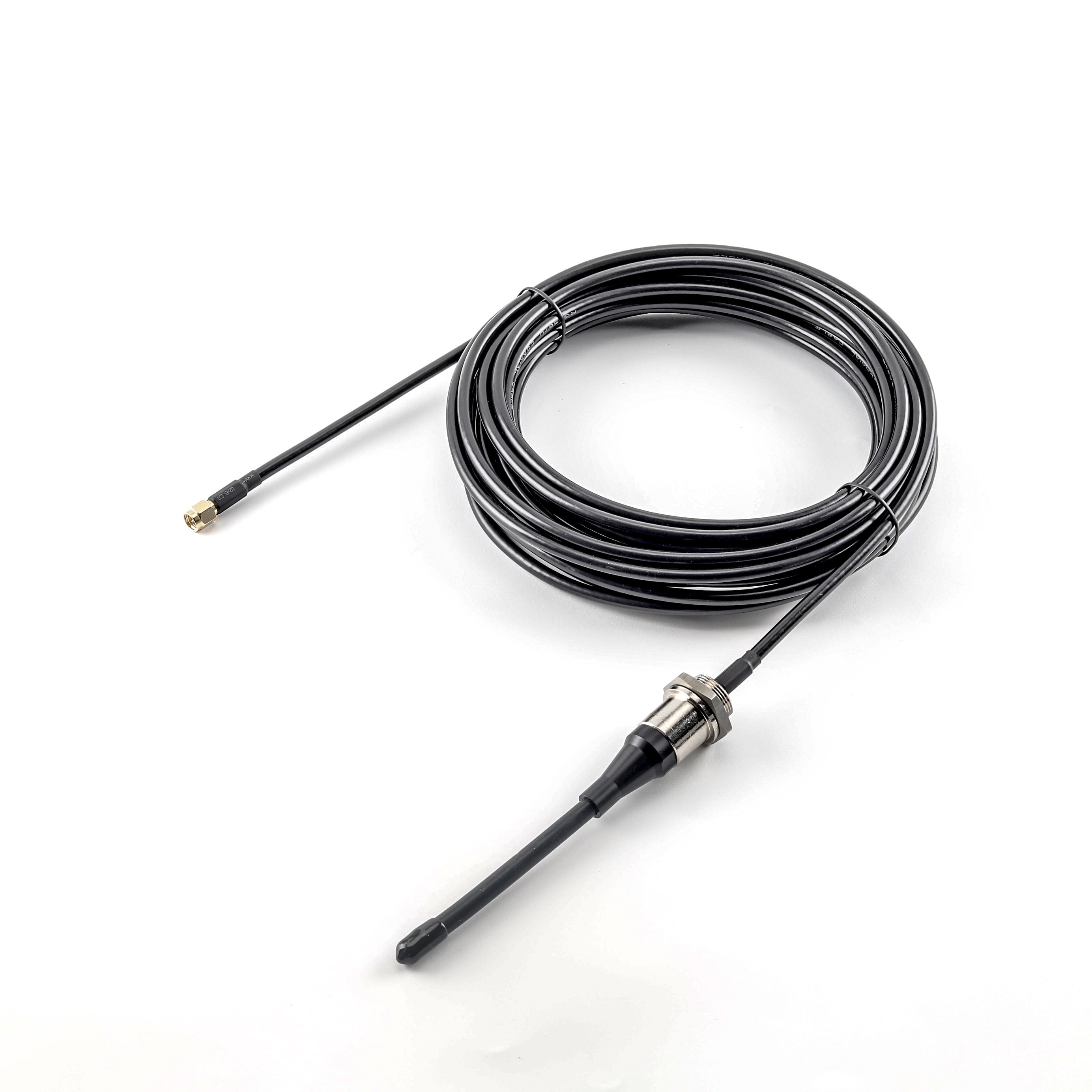
In contrast, an omnidirectional antenna sends and receives signals in all directions on a single plane . This means it spreads signals evenly around itself, like placing a vape display in the center of a room so people can view it from all sides.
However, it is important to note that the signal strength changes when the antenna moves on a plane perpendicular to the main radiation plane. Even so, omnidirectional antennas remain the best choice when signals must reach many directions at the same time.
These antennas are widely used in devices such as:
In everyday communication systems, omnidirectional antennas offer convenience because users do not need to point the antenna toward a specific source.
Although both antenna types serve the same purpose—sending and receiving signals—their working principles and ideal use cases are very different. In the same way a vape display may require either a narrow focus or wide visibility depending on store layout, antenna selection also depends on signal direction needs.
Here are the confirmed and practical differences:
These differences make each antenna suitable for different environments. When choosing between them, the main question is whether signals need to reach one direction or all directions .
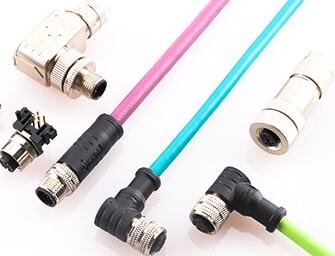
Selecting the correct antenna depends on how the communication network will be used. Just as a vape display needs thoughtful placement to attract attention and improve visibility, antennas also need good planning to ensure stable performance.
You should consider:
Directional antennas work best for controlled, focused communication paths, while omnidirectional antennas are ideal for open, multi-direction reception areas.
Directional and omnidirectional antennas both play important roles in communication systems. Directional antennas offer focused coverage for long-distance or point-to-point transmission, while omnidirectional antennas provide broad signal coverage for everyday devices such as phones, radios, and routers. Understanding the differences ensures better performance and more reliable data transmission, much like choosing the best layout for a vape display ensures better visibility.
If you are developing communication systems that require stable connectivity and professional cabling solutions, Amissiontech is here to support you. As an experienced industrial cable supplier , Amissiontech provides high-quality cable assemblies and customized solutions to help improve signal performance and system reliability. Feel free to contact Amissiontech for dependable products and technical support.