P/N: ALD-HBN1-372XXX
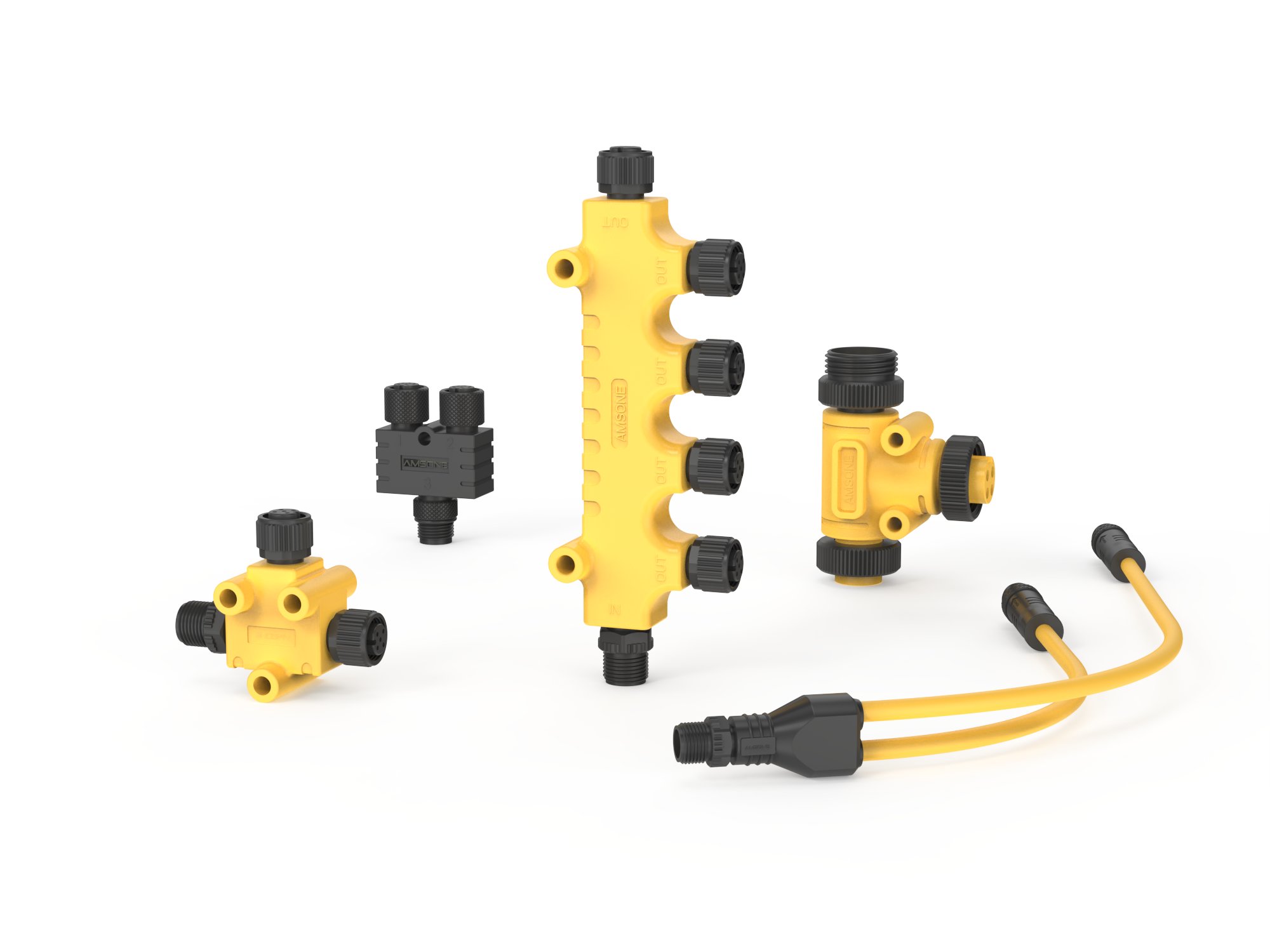
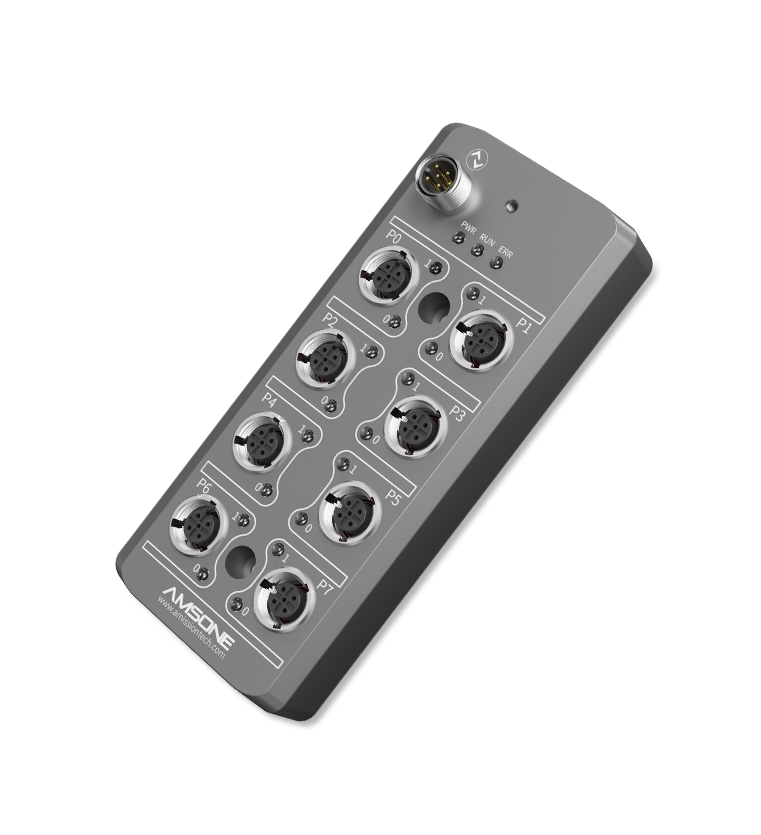
IO Link Hub NPN 0.5A/channel Plastic Housing Plastic Thread Locking
View All
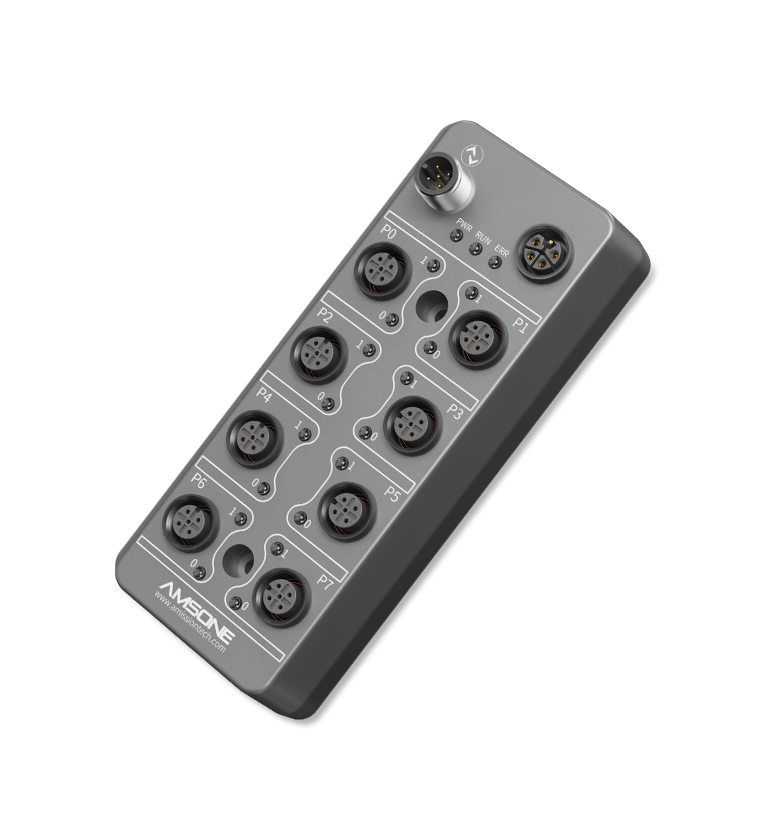
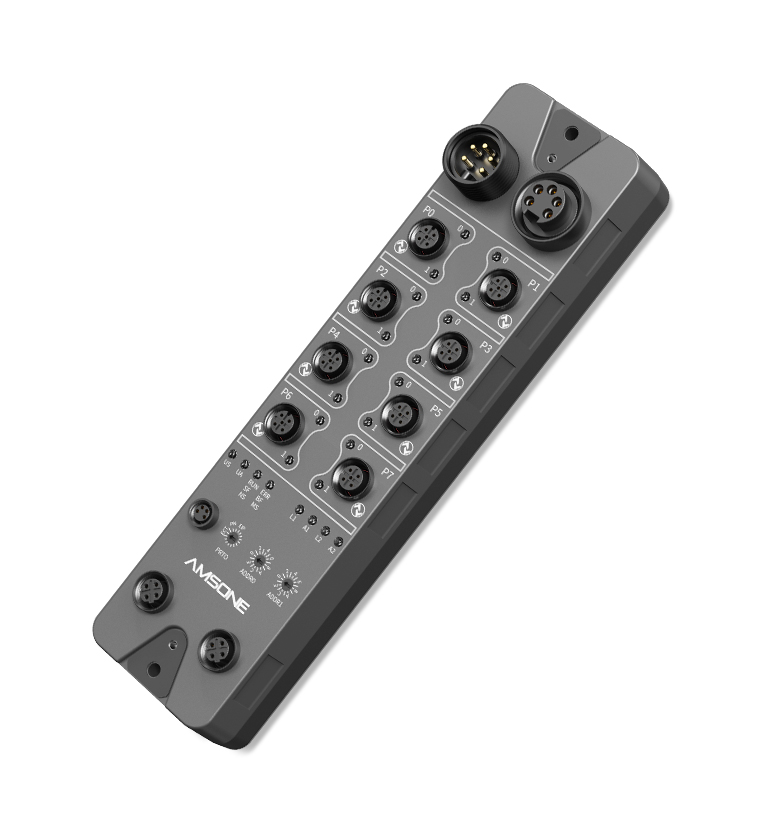

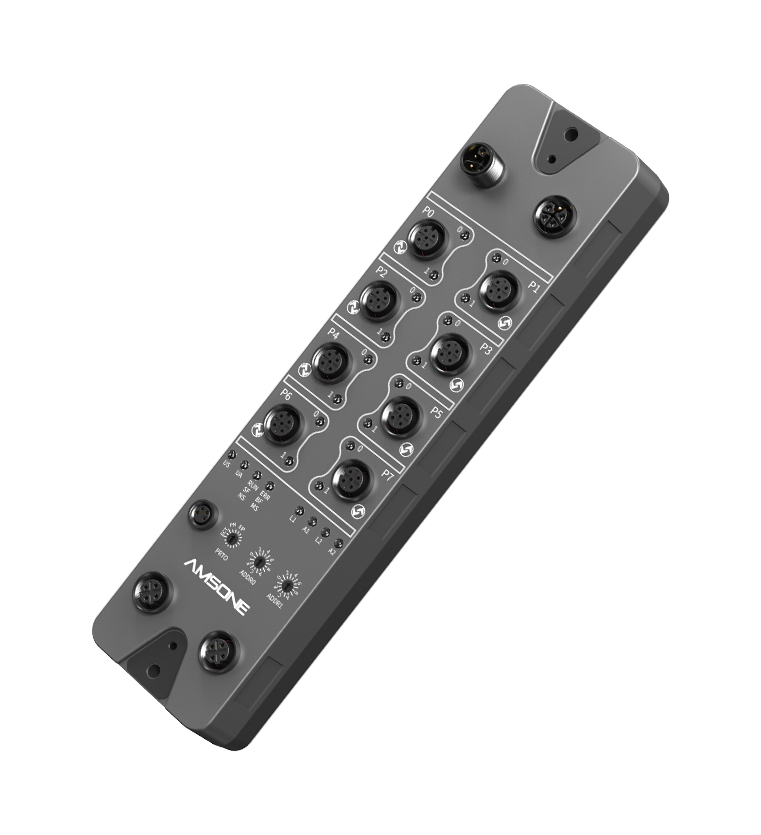

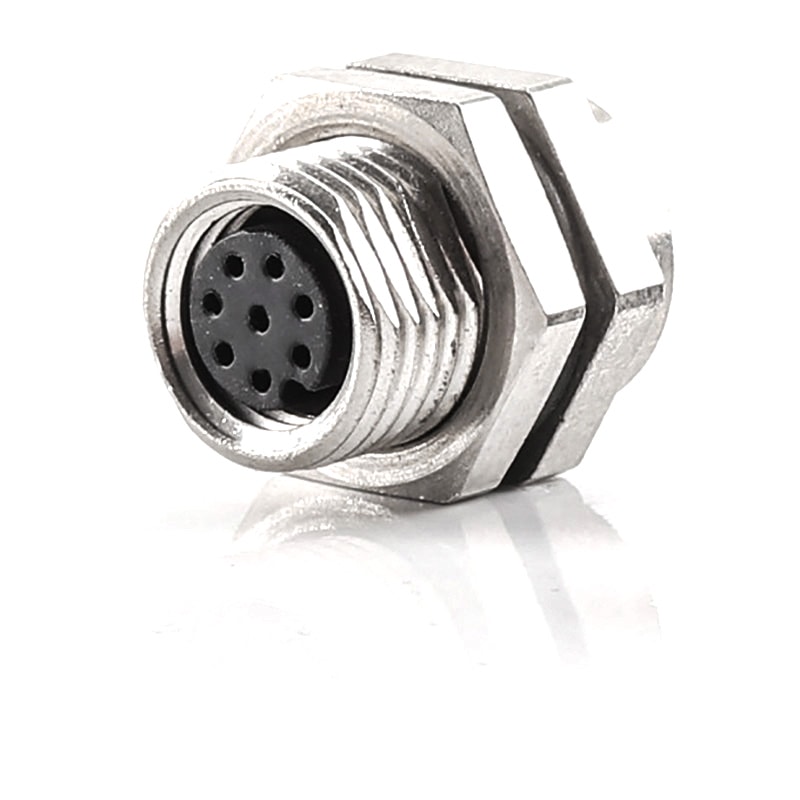
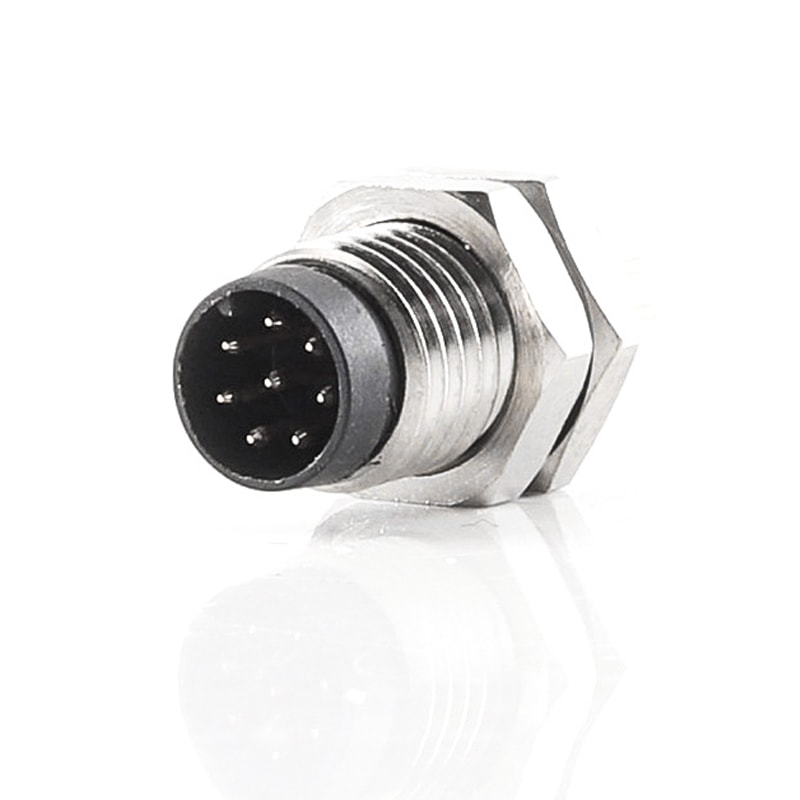

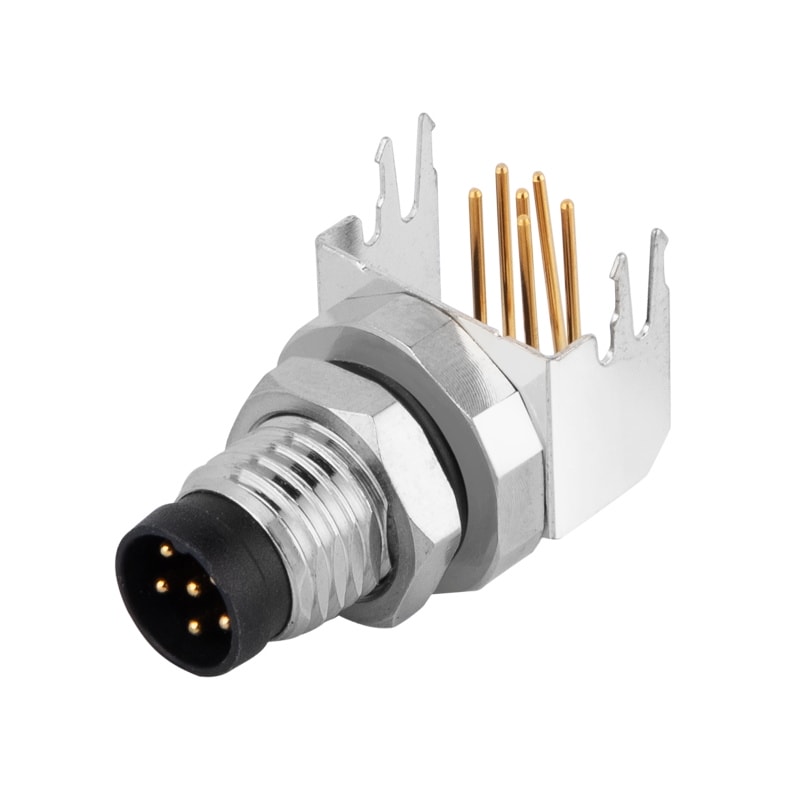


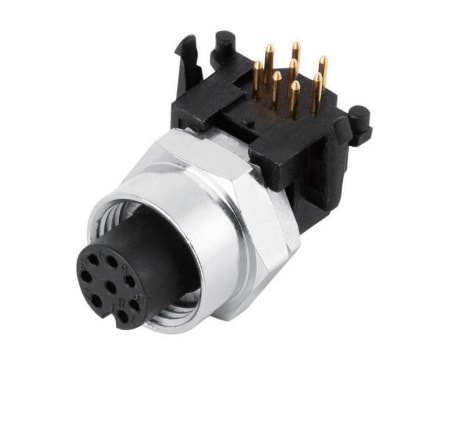
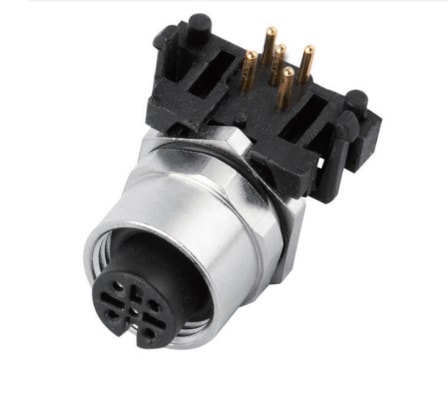
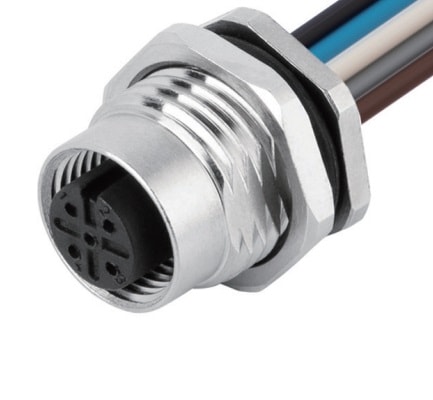

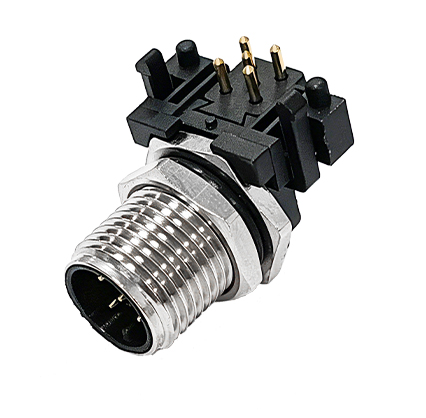


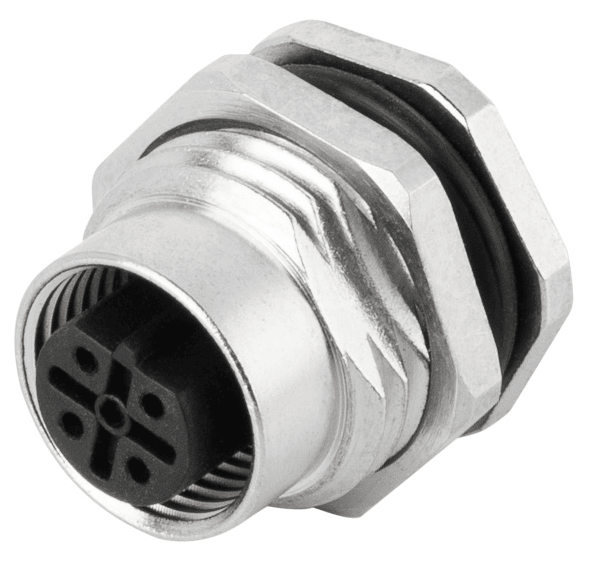

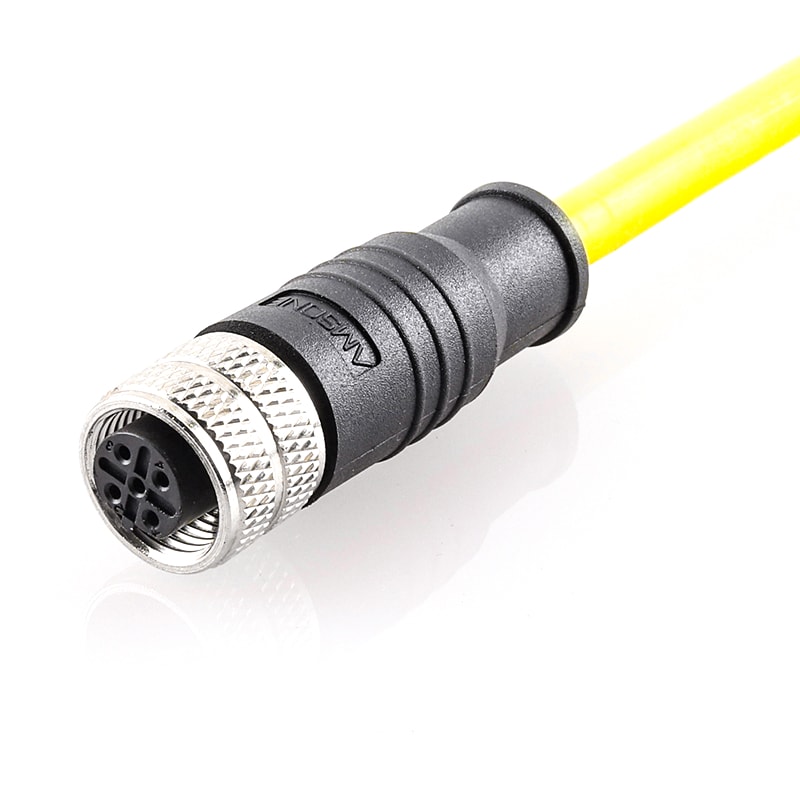


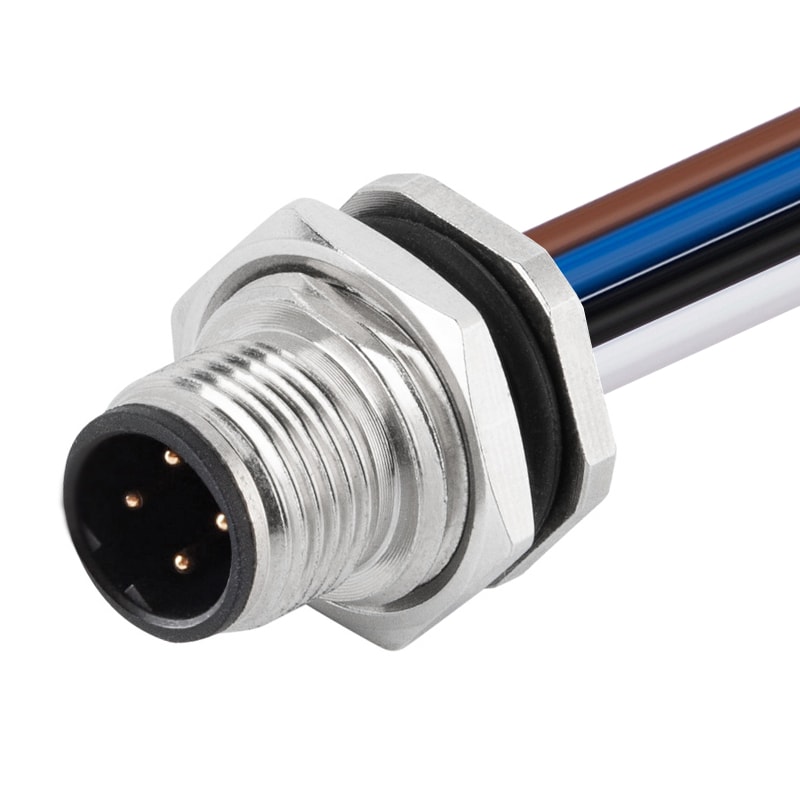


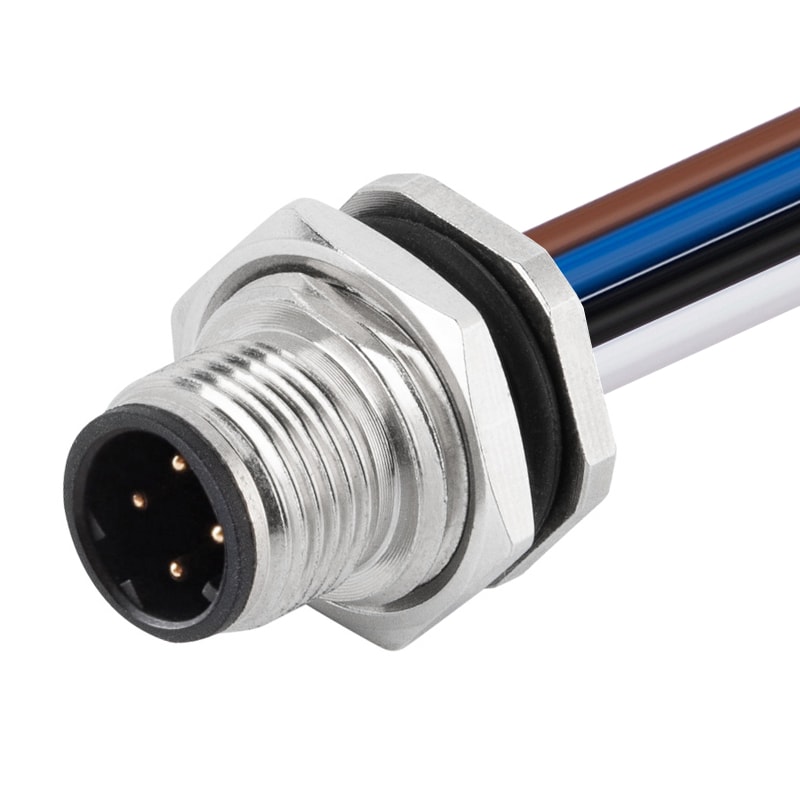

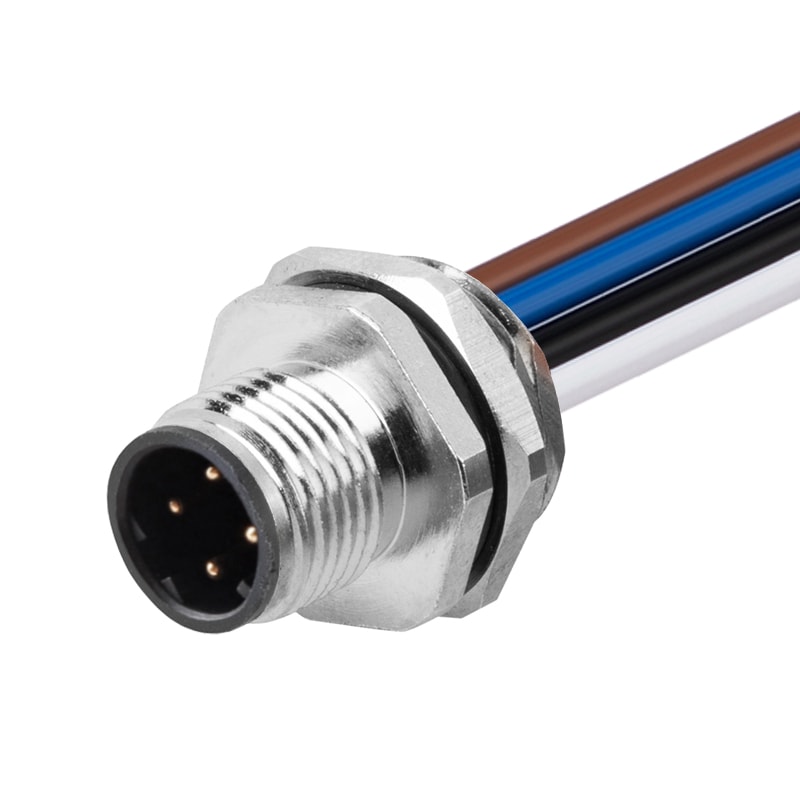


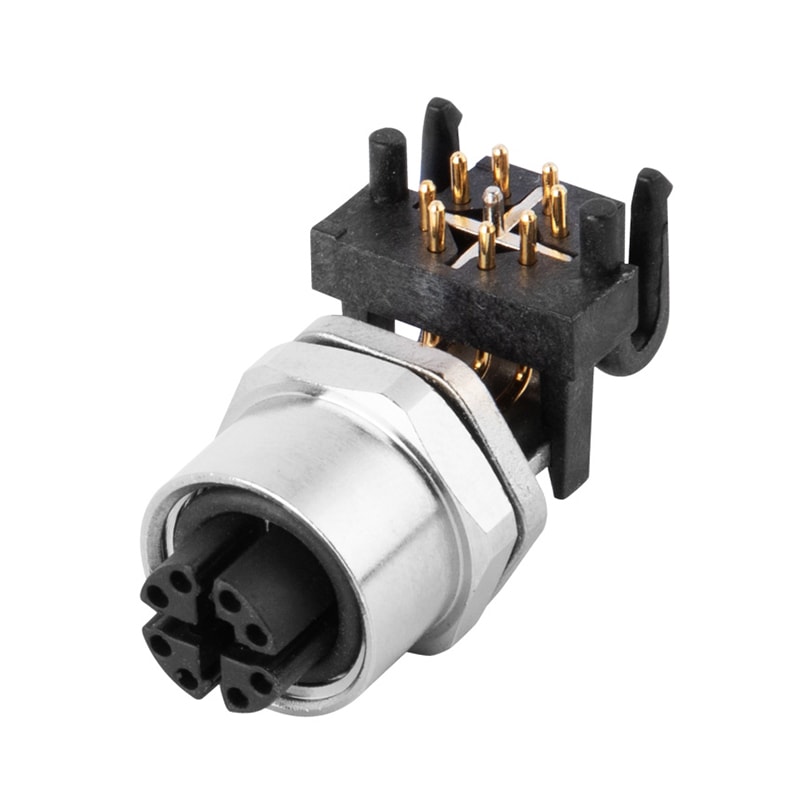


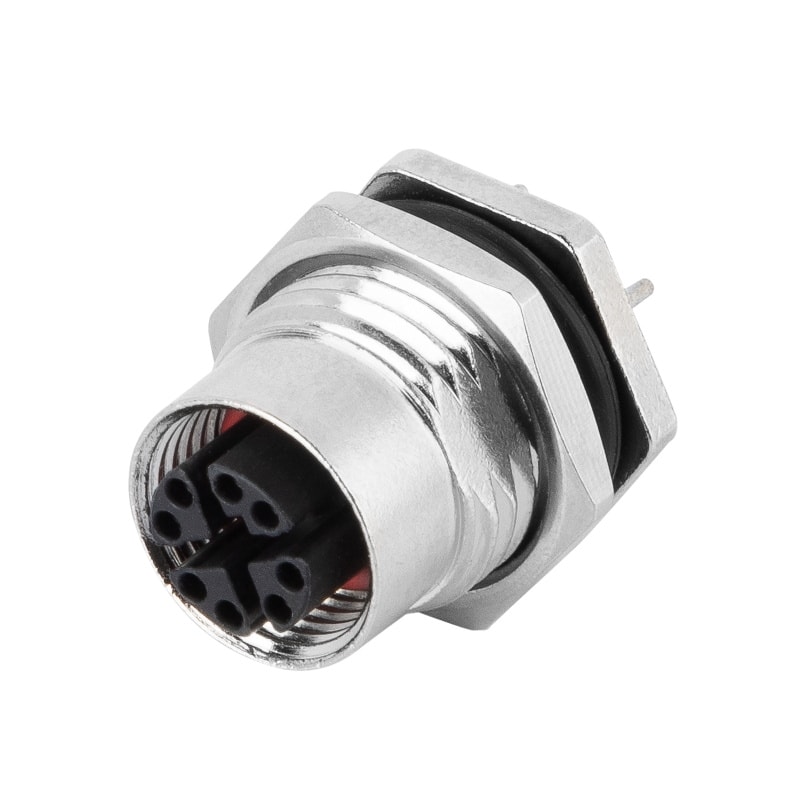

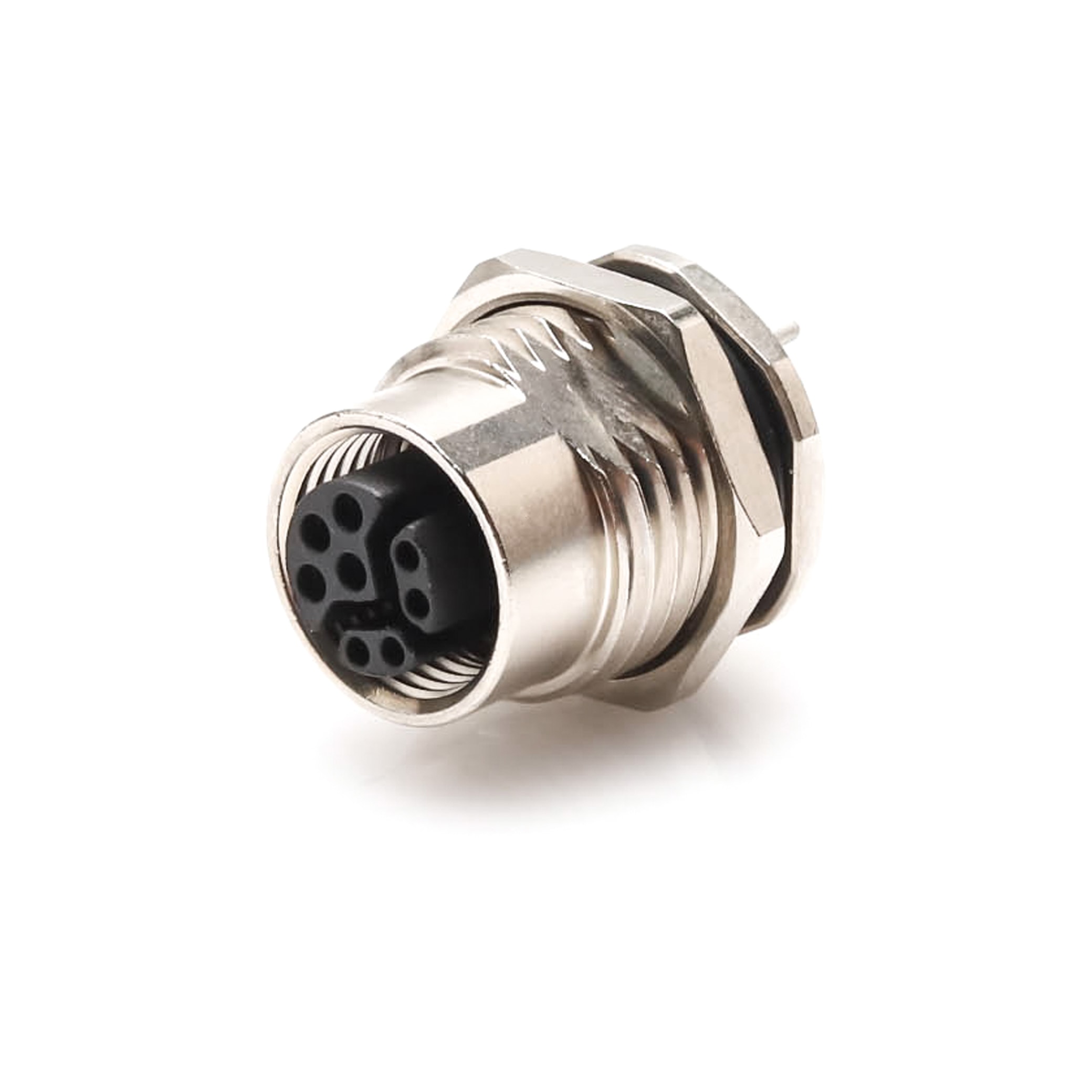
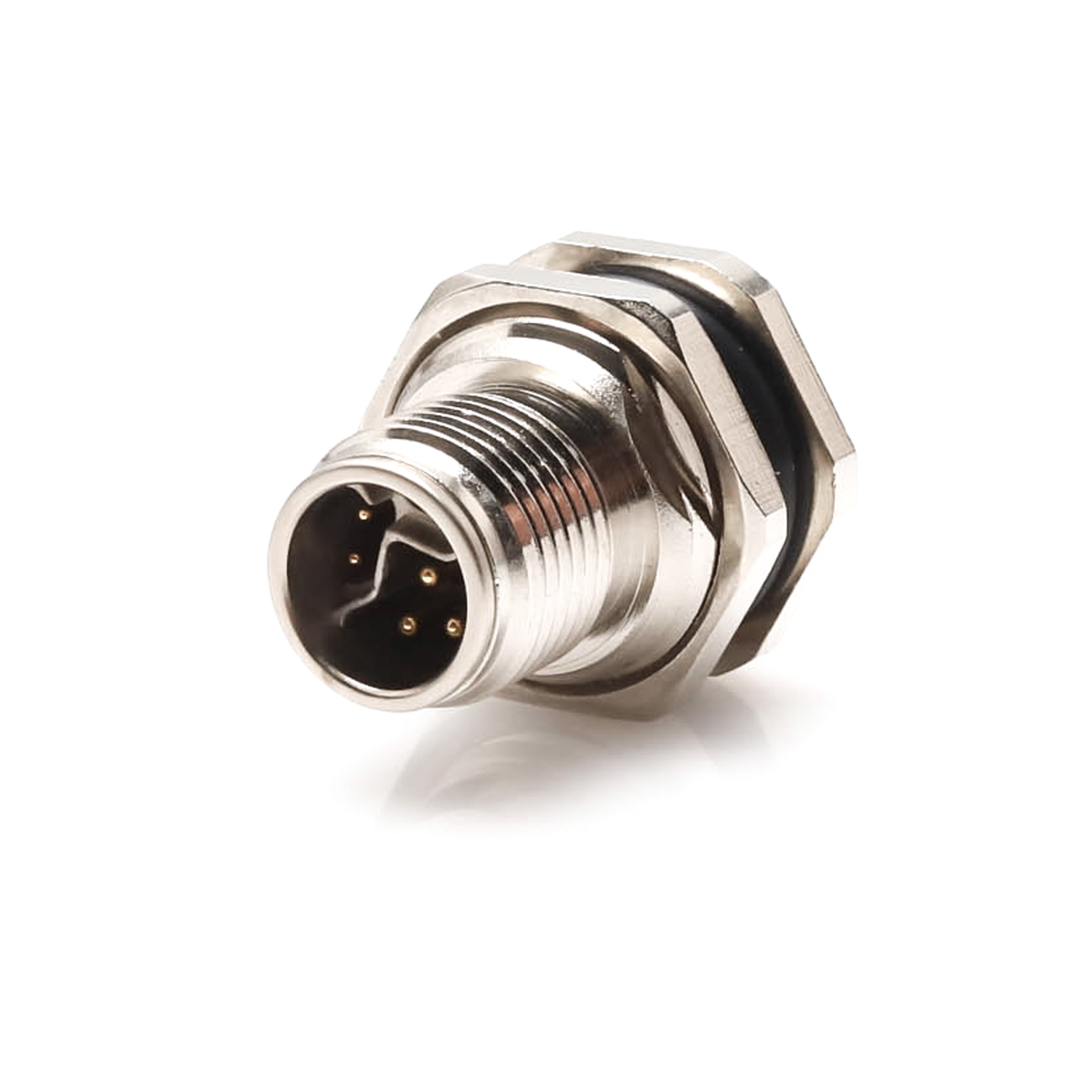
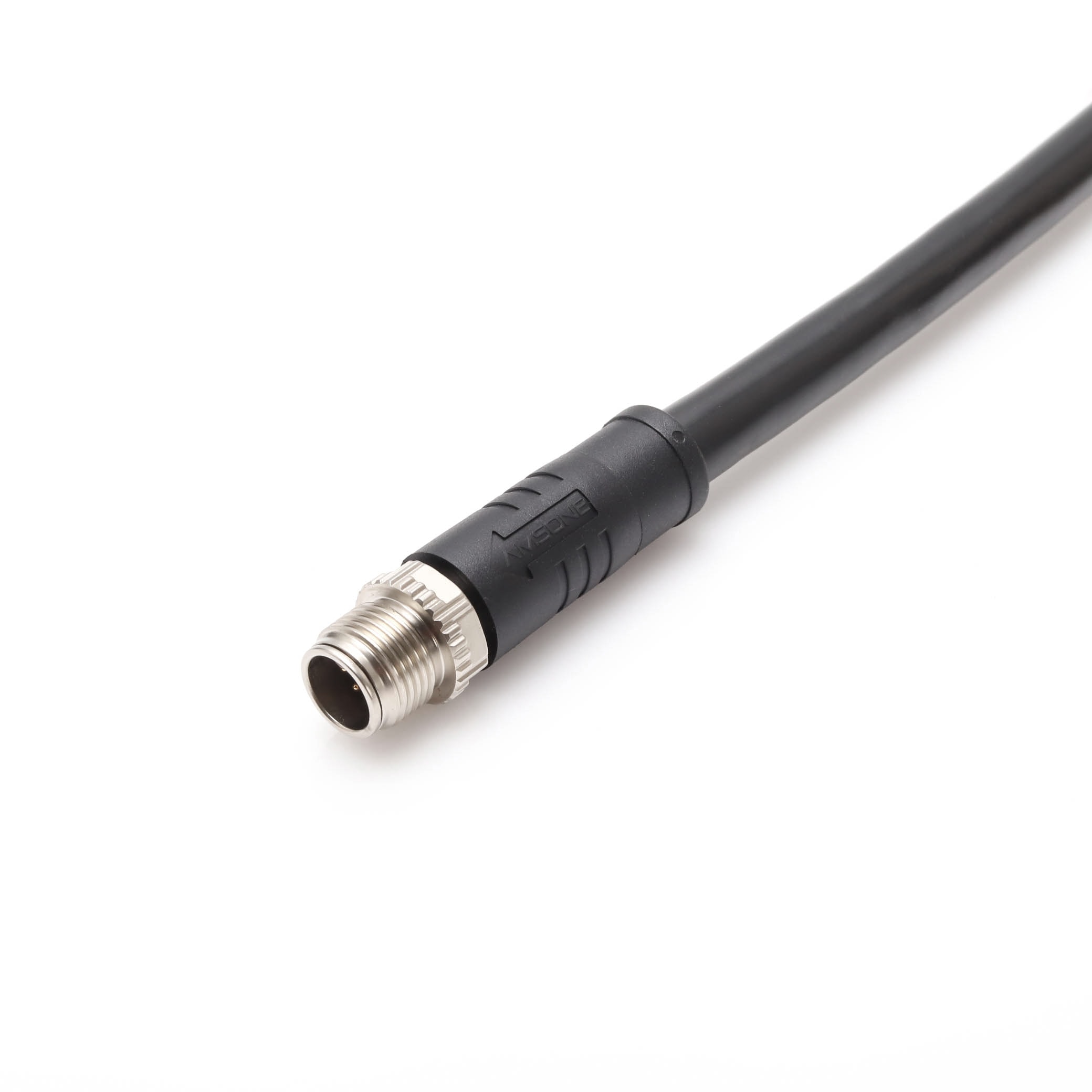
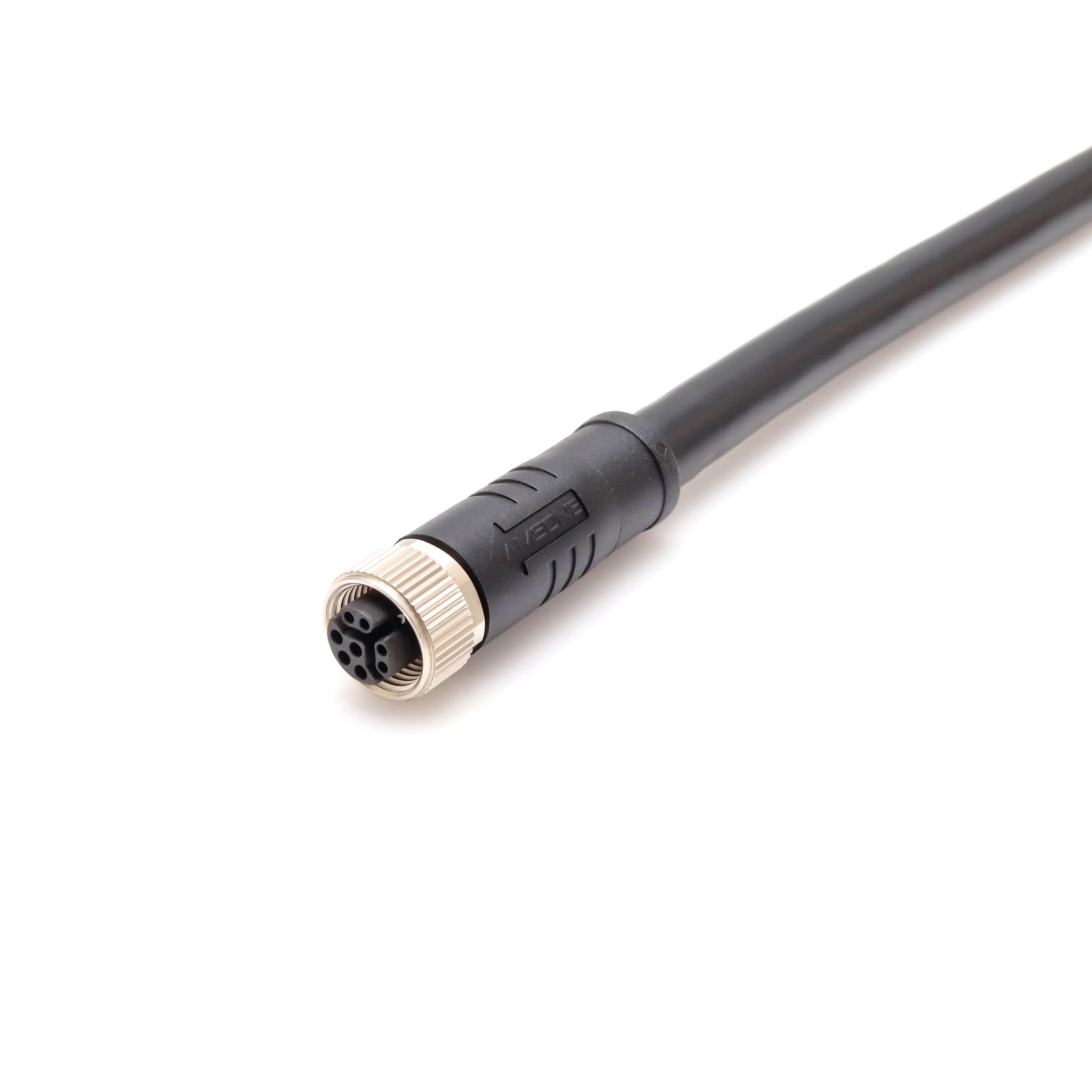
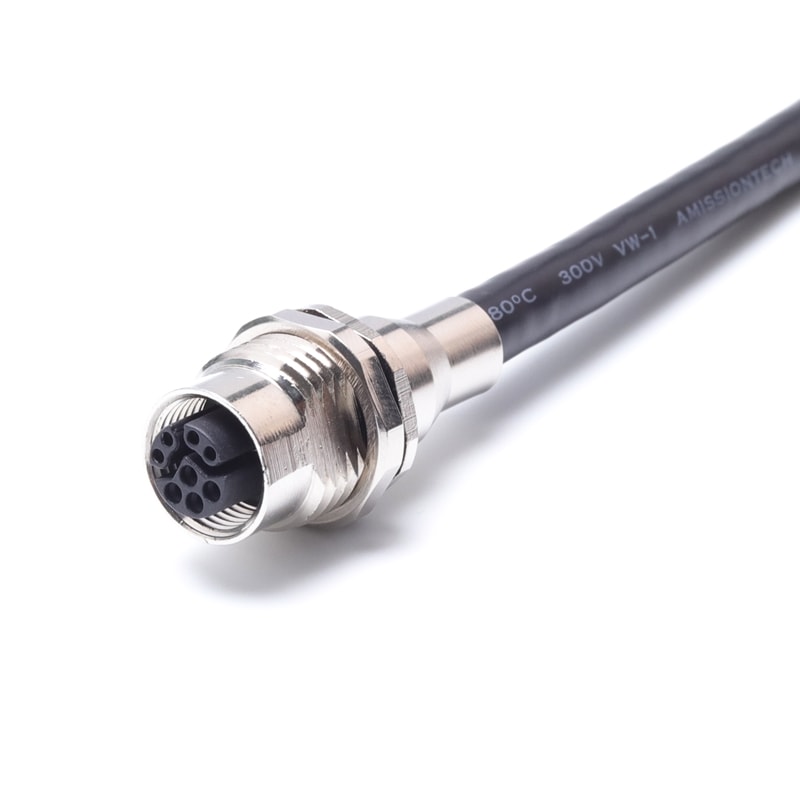


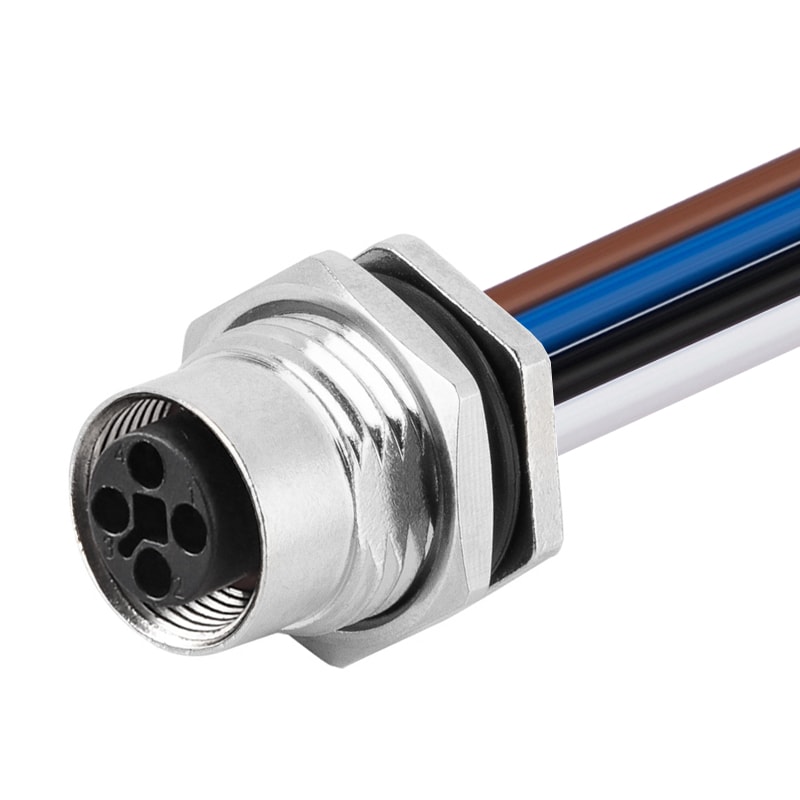
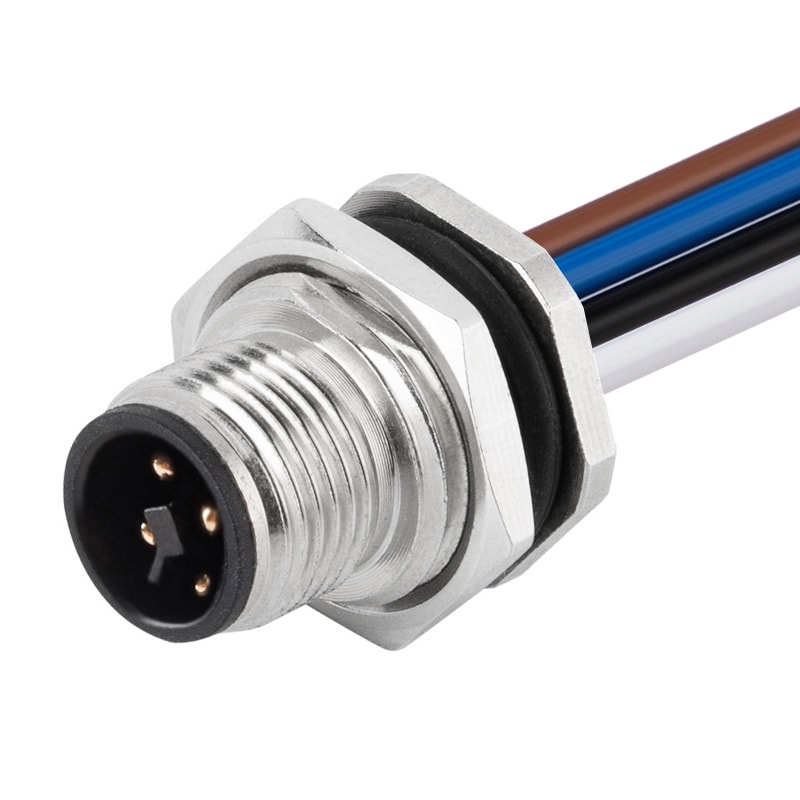

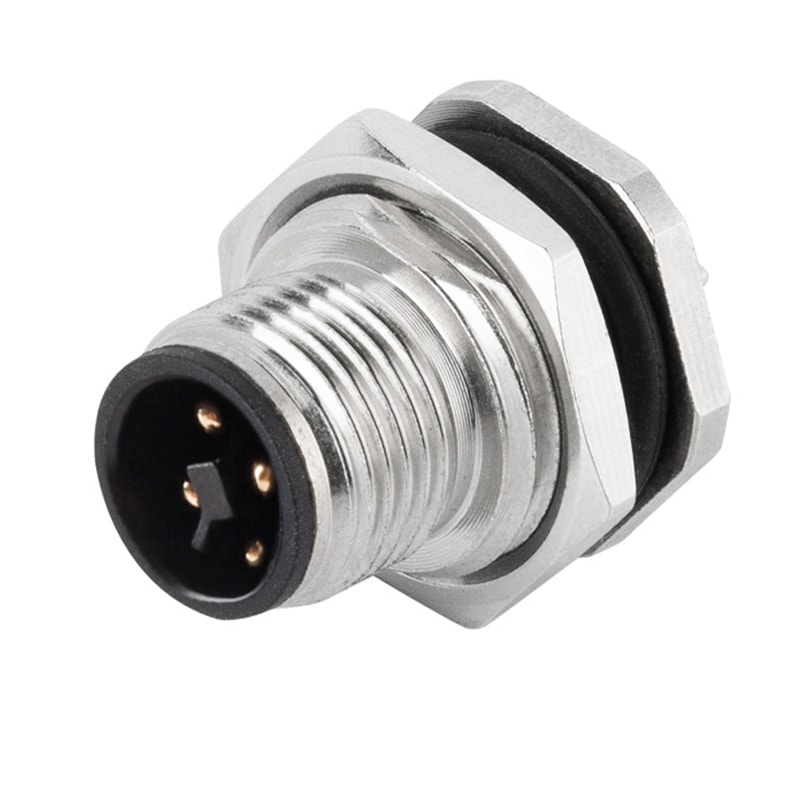

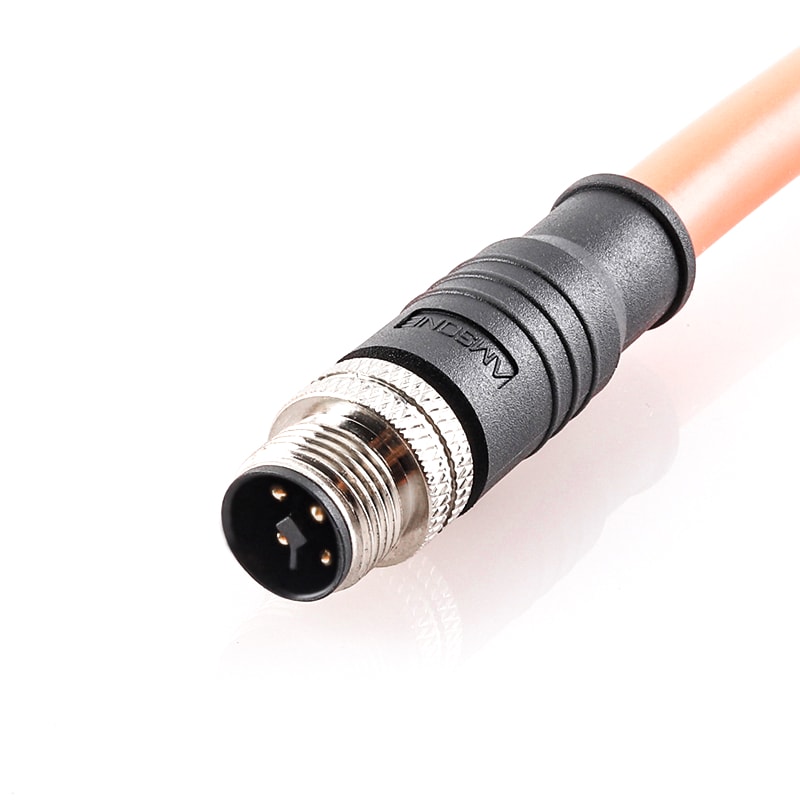
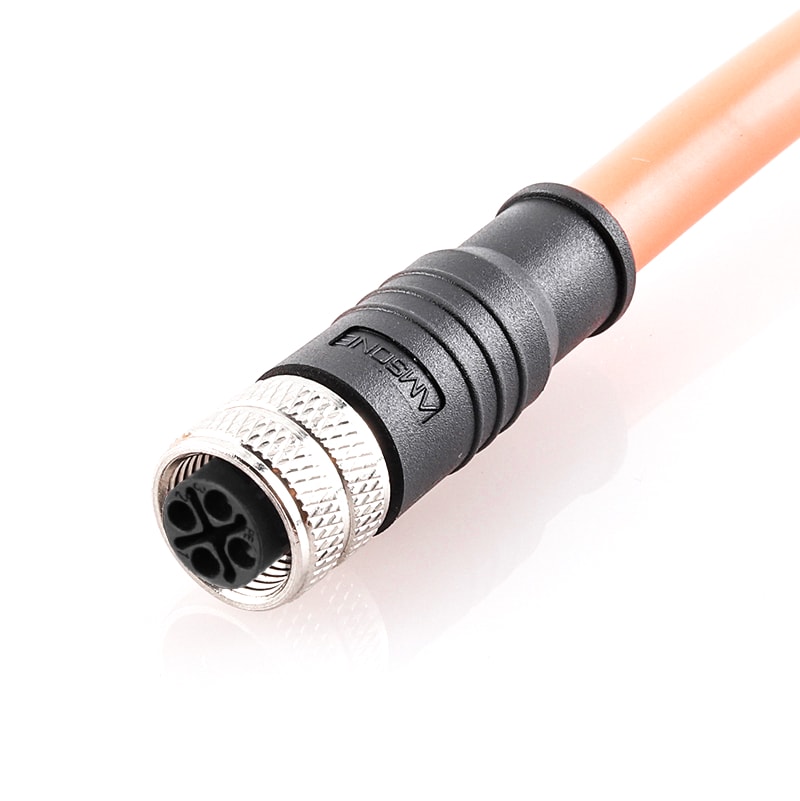
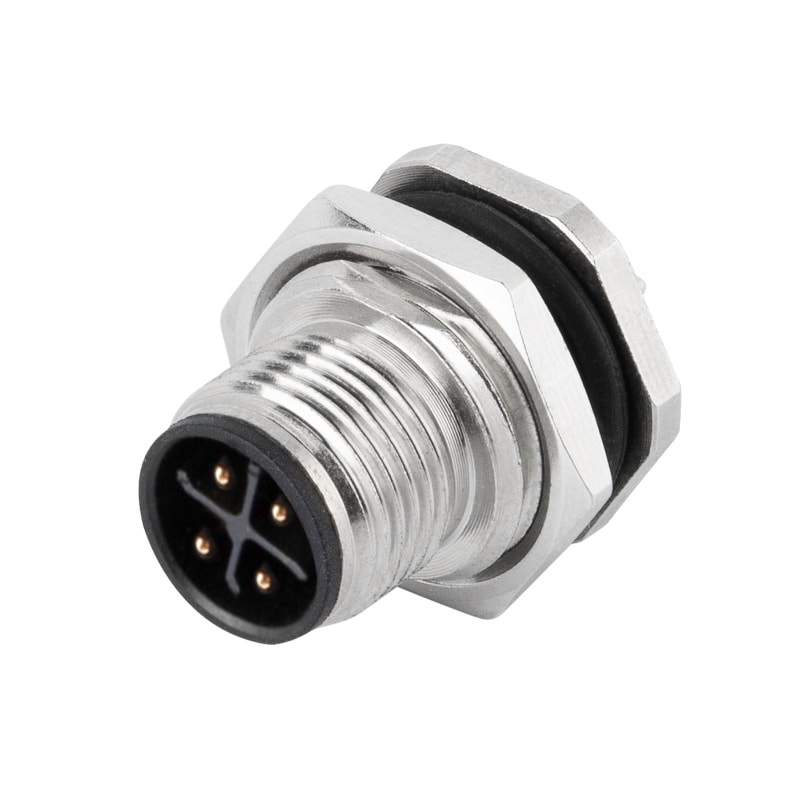






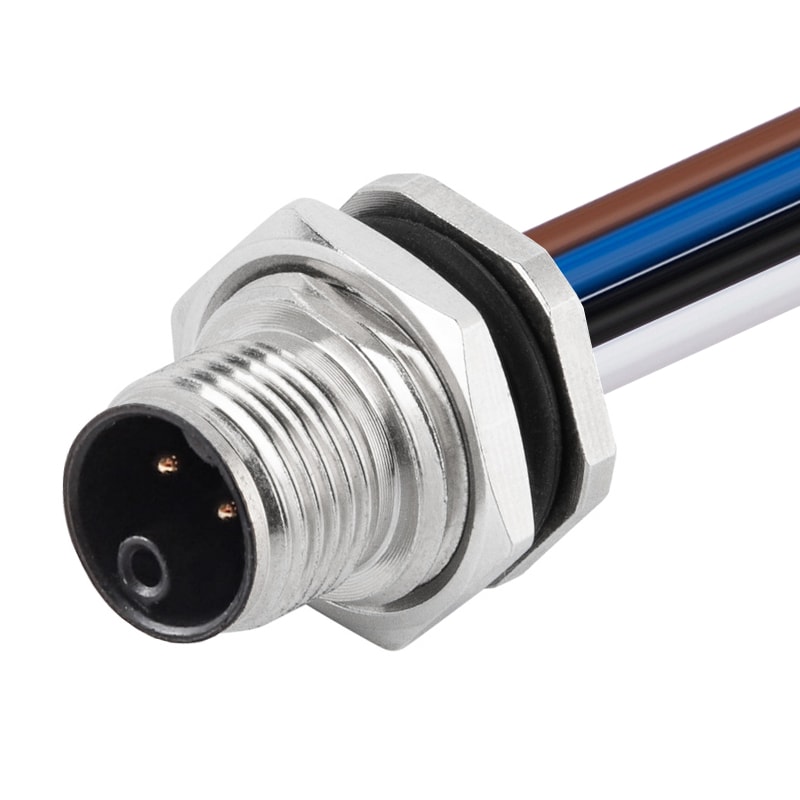


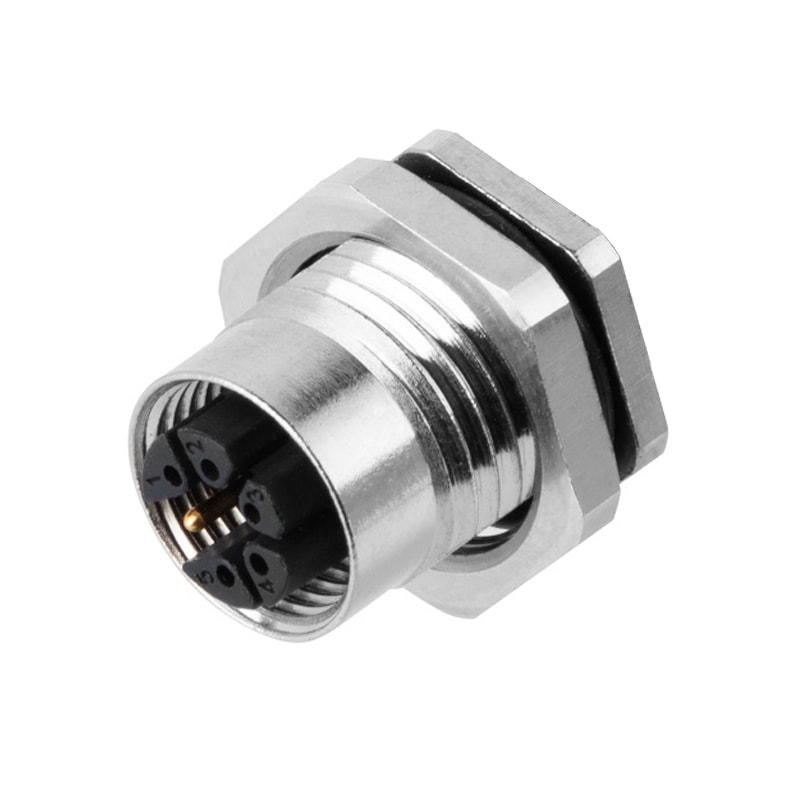
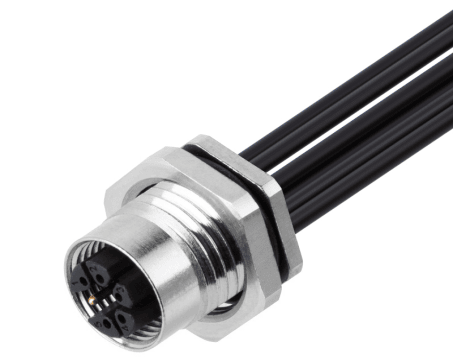
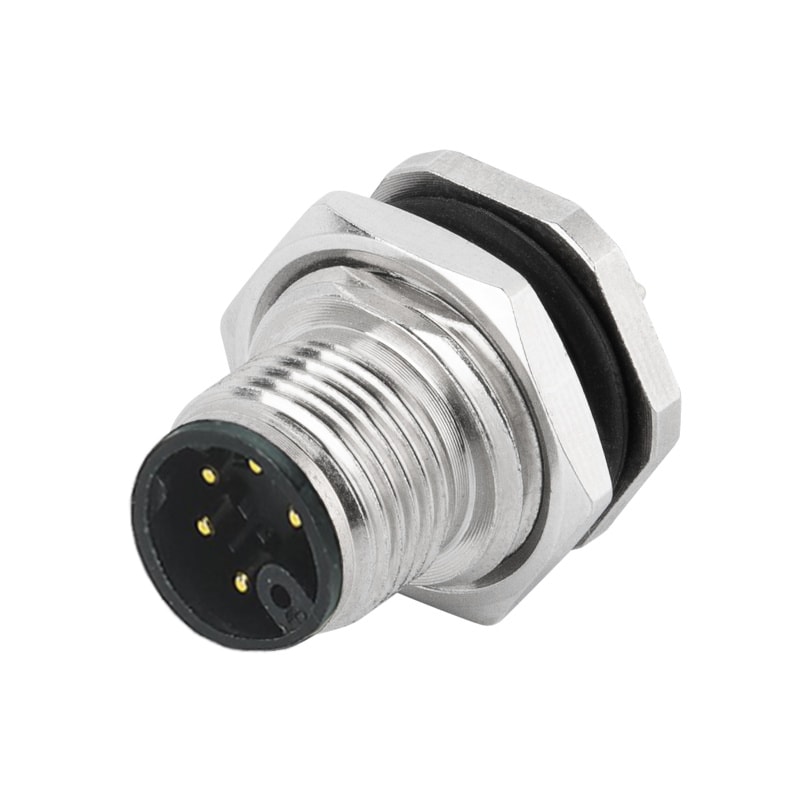


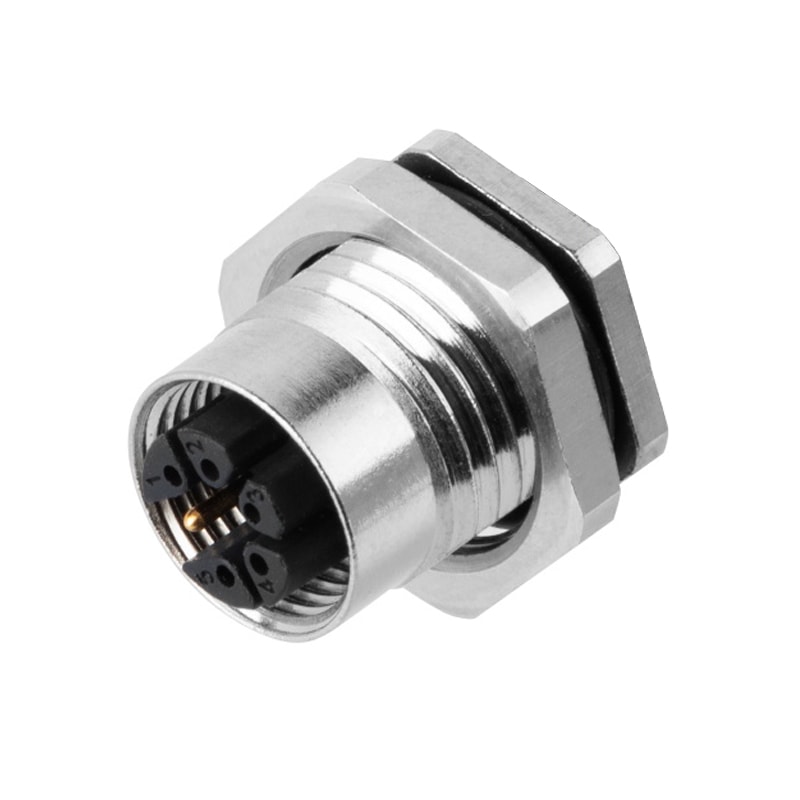
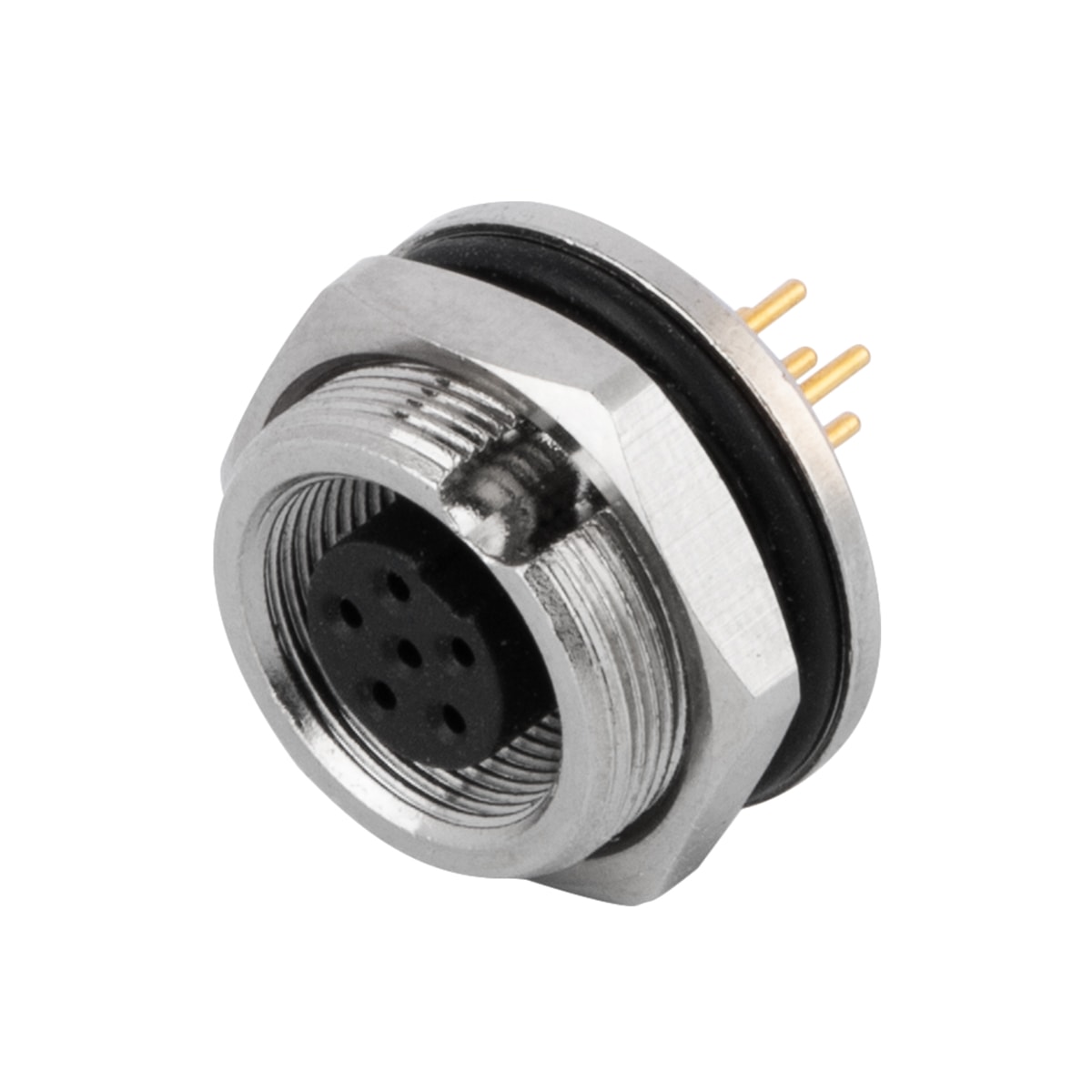


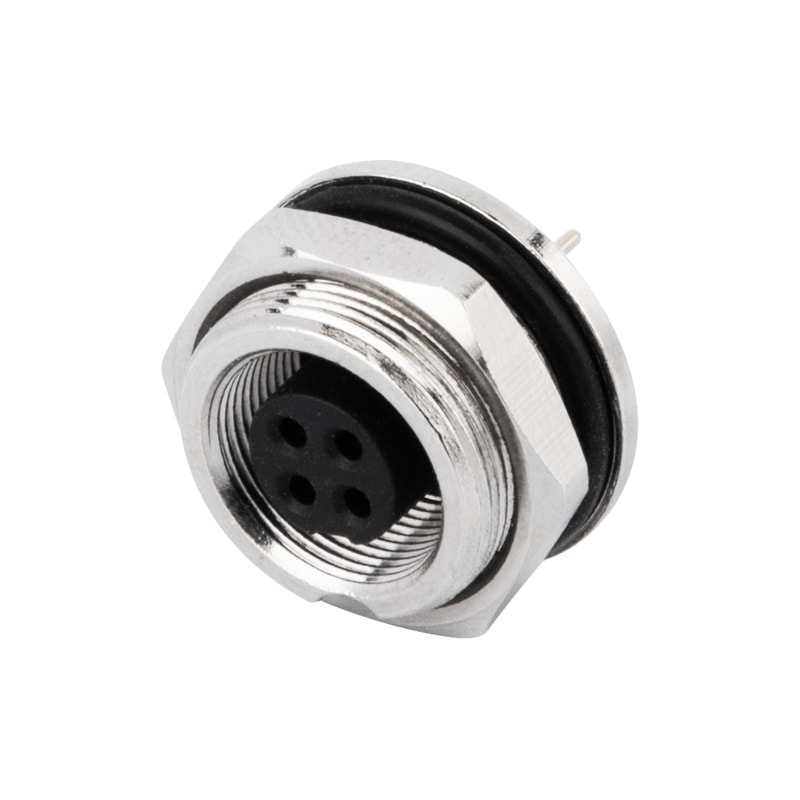
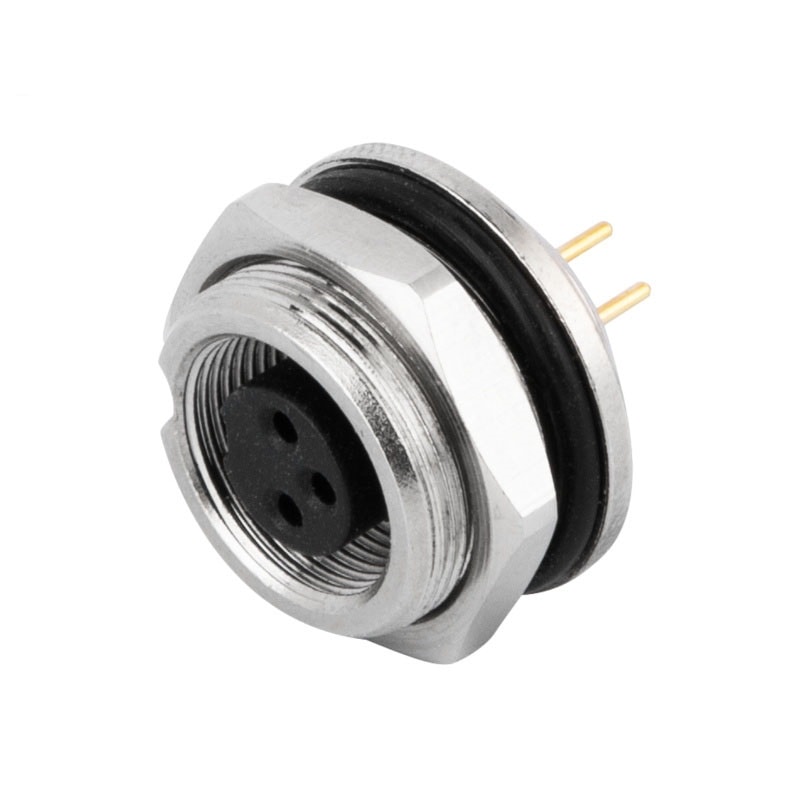


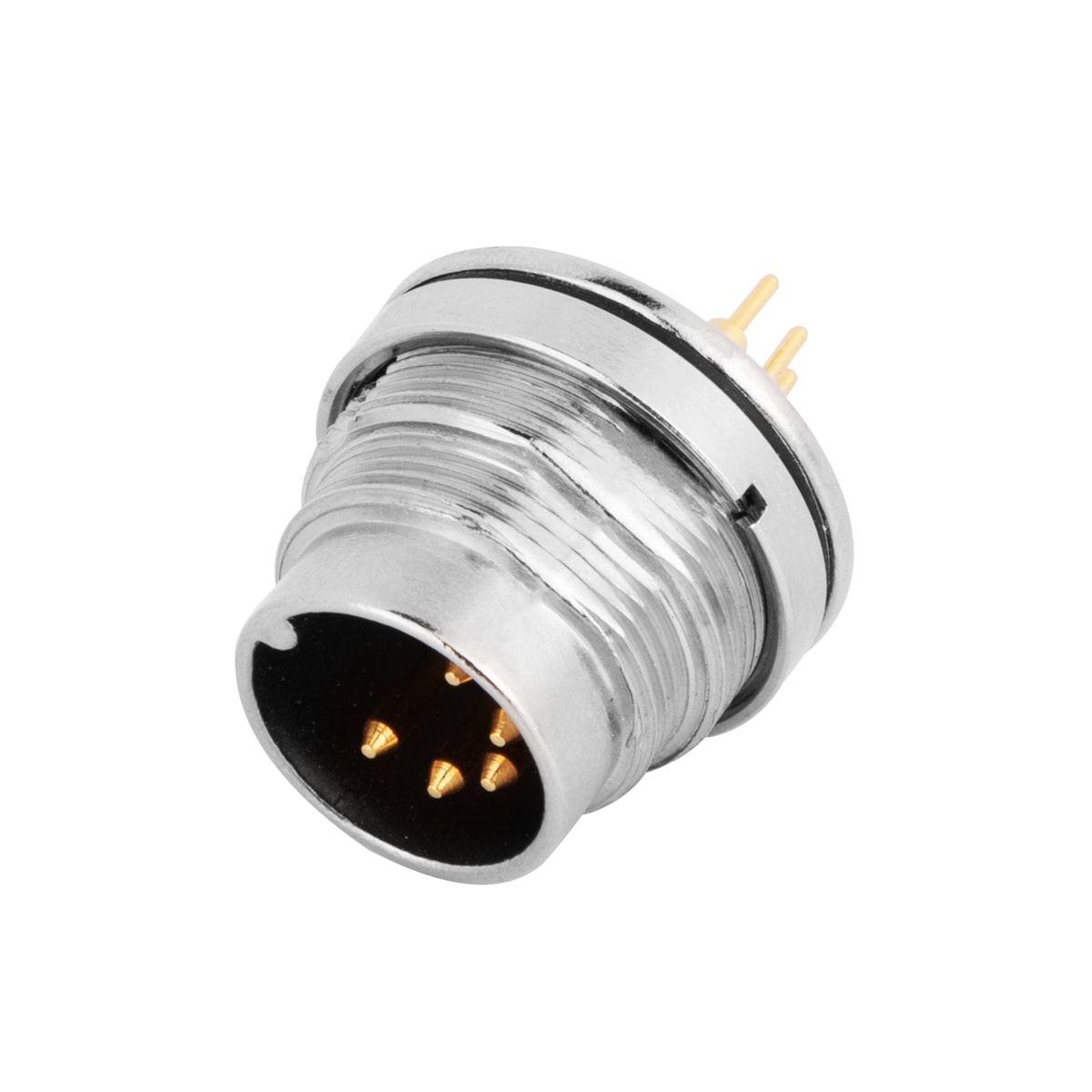
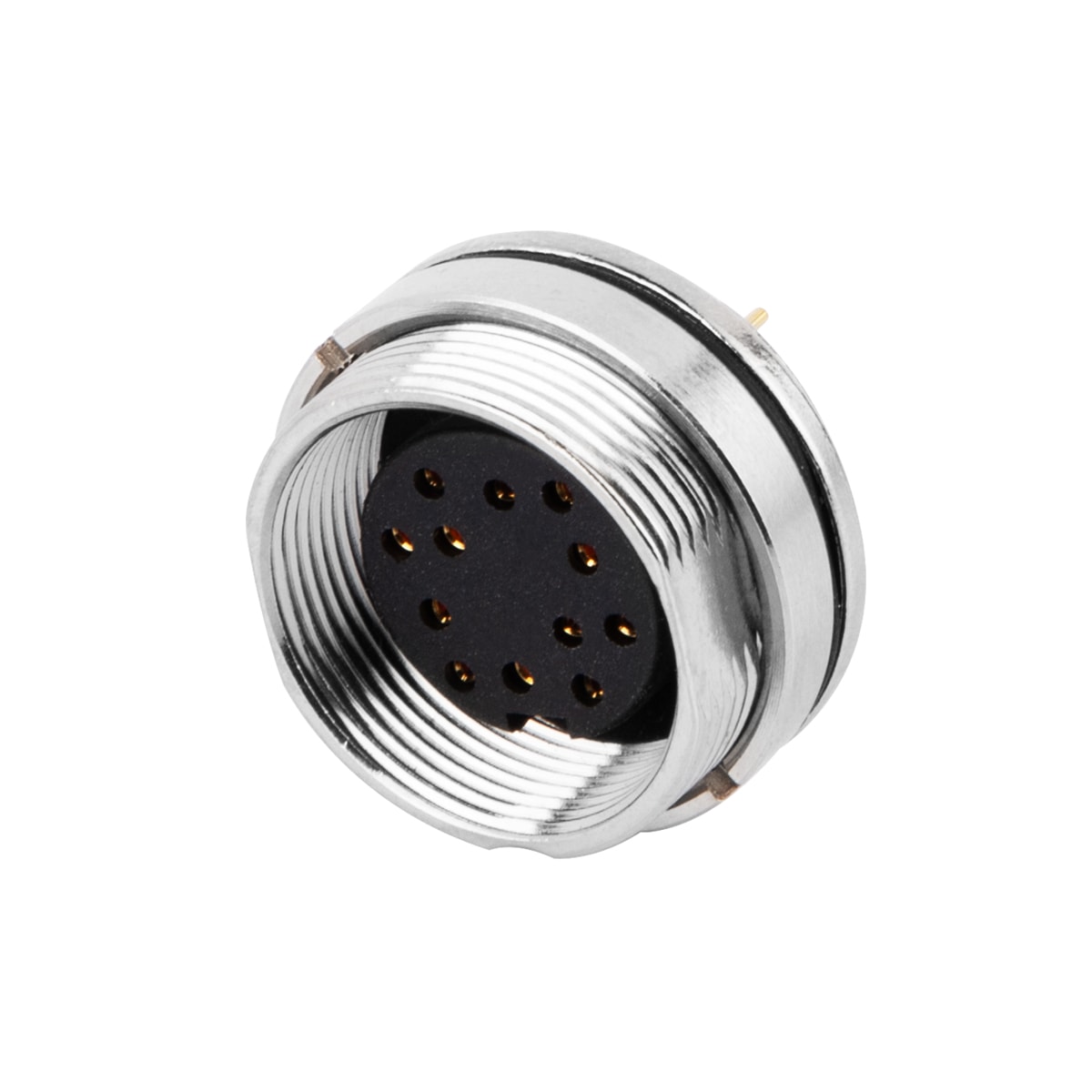

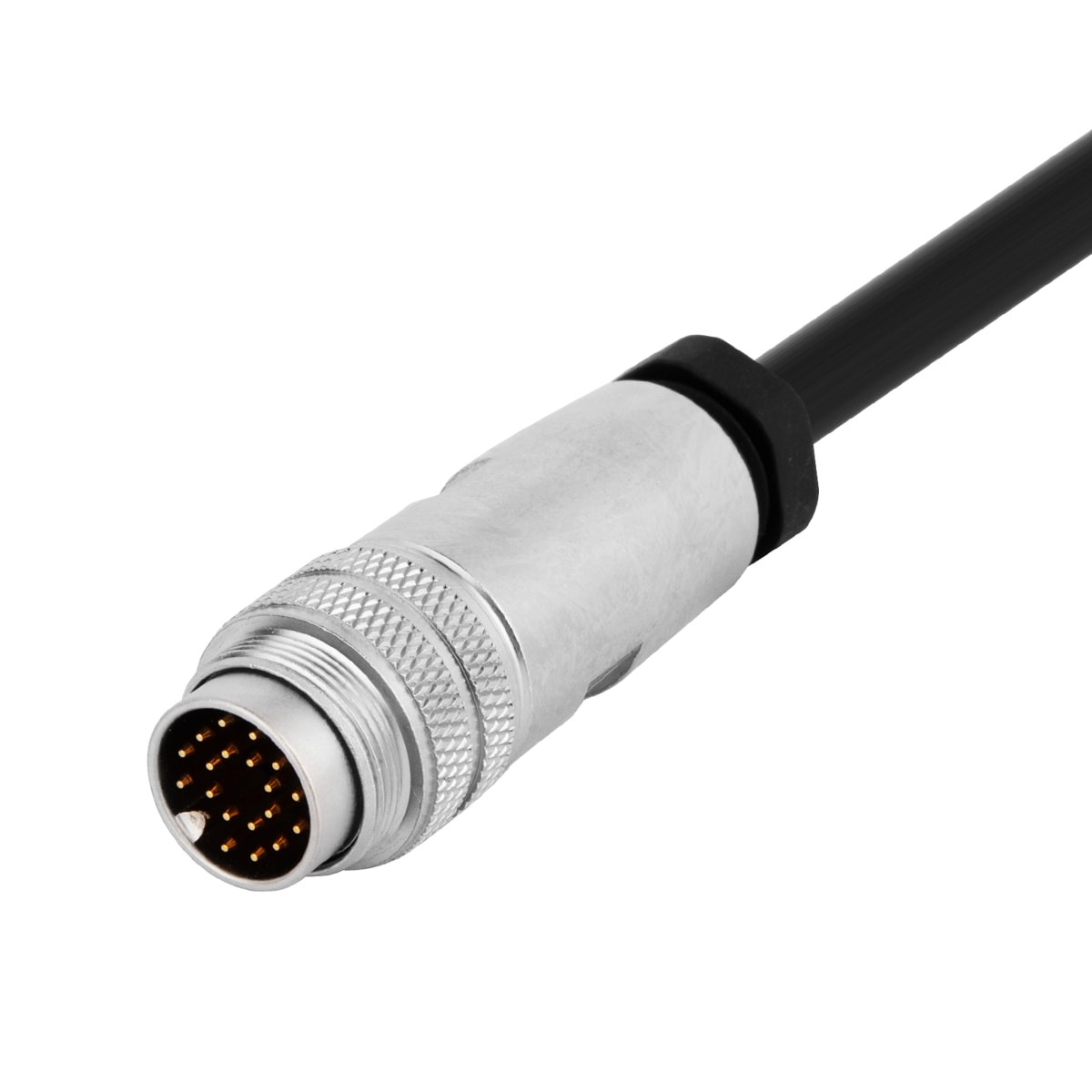
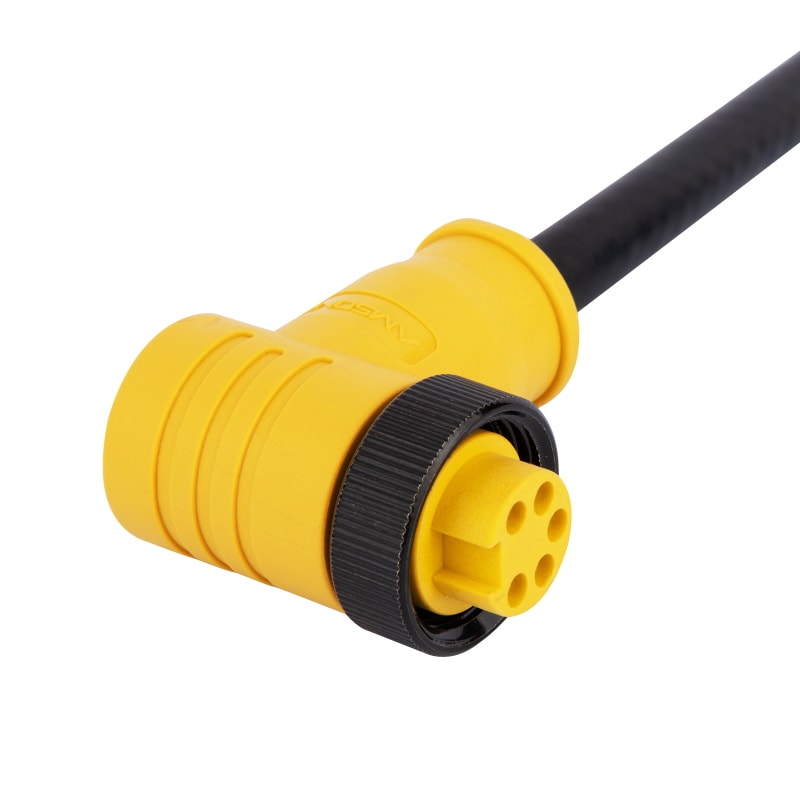
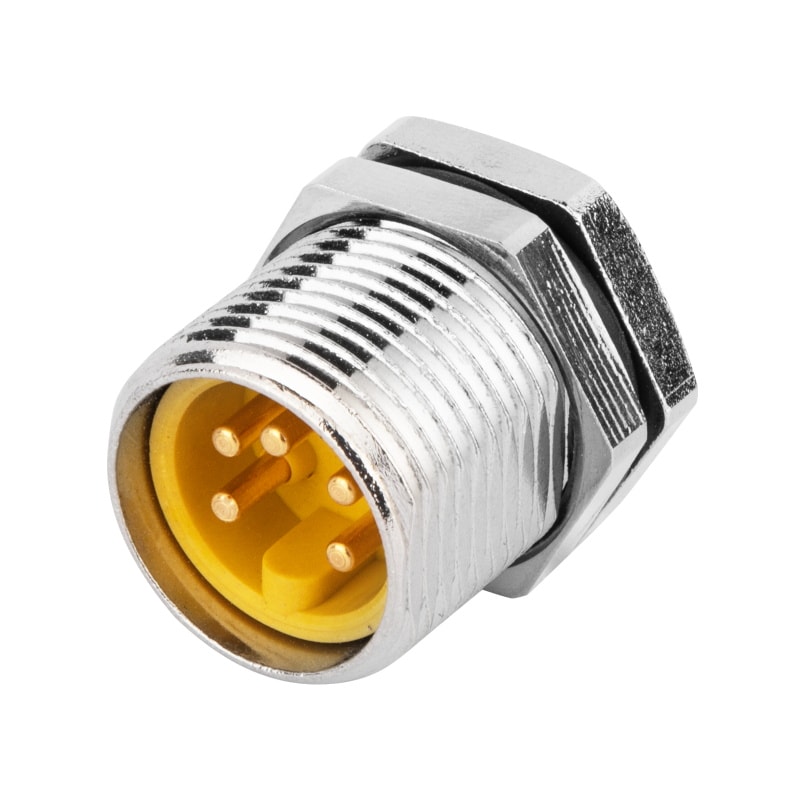
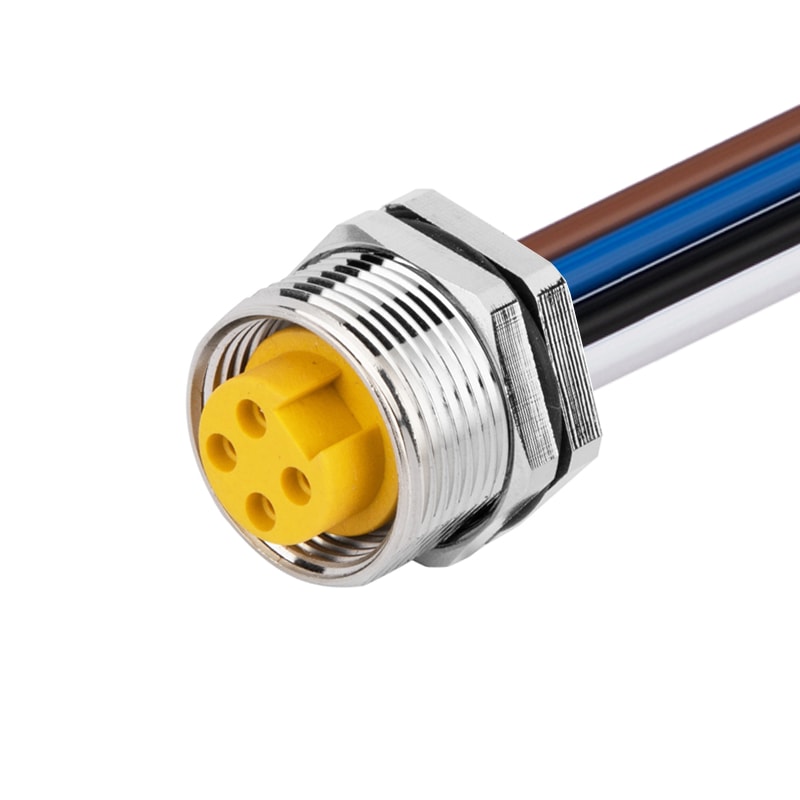
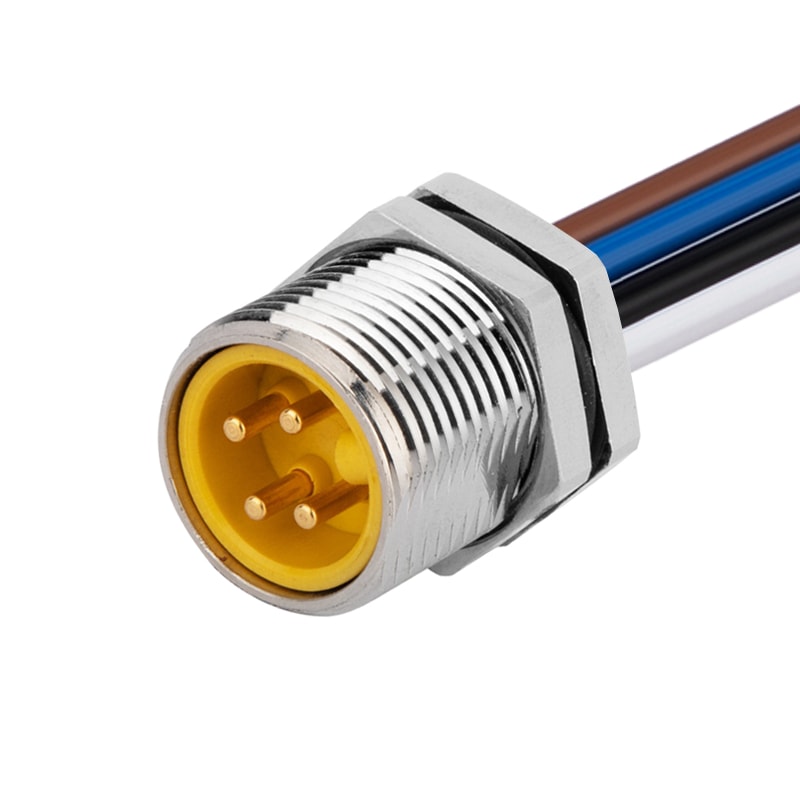
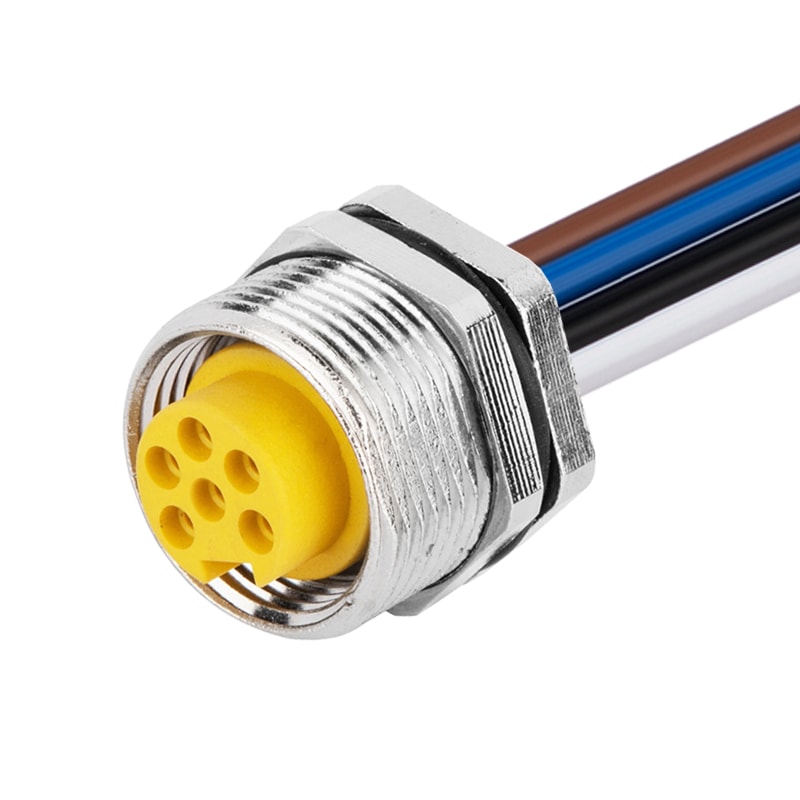
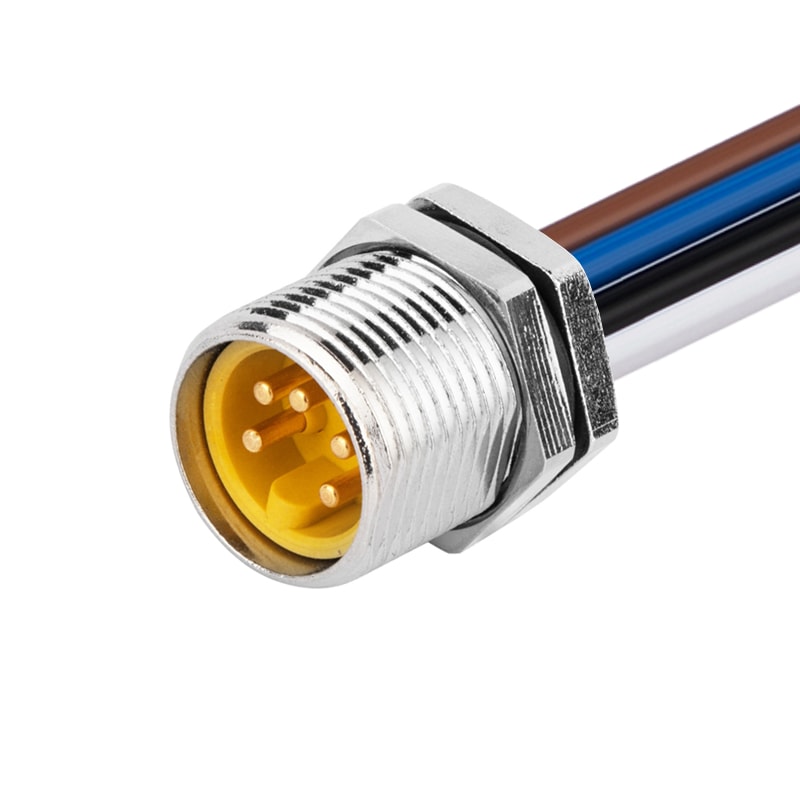
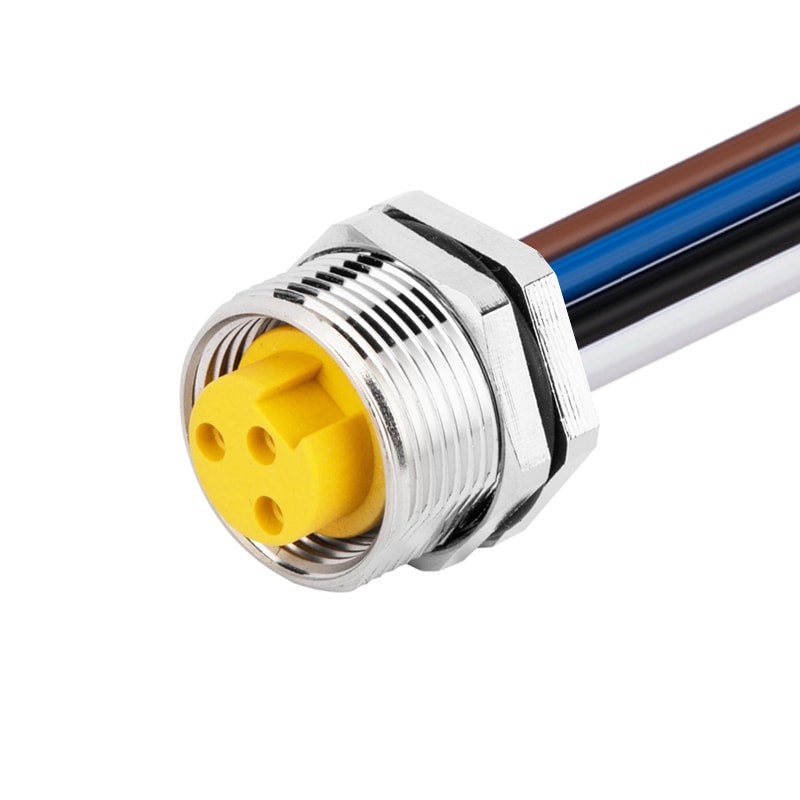
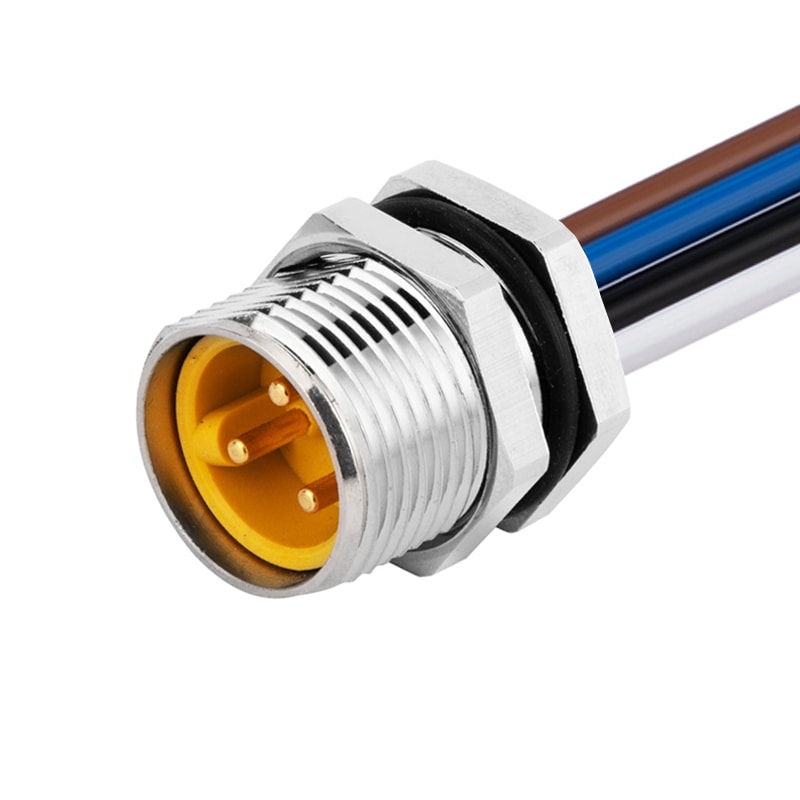
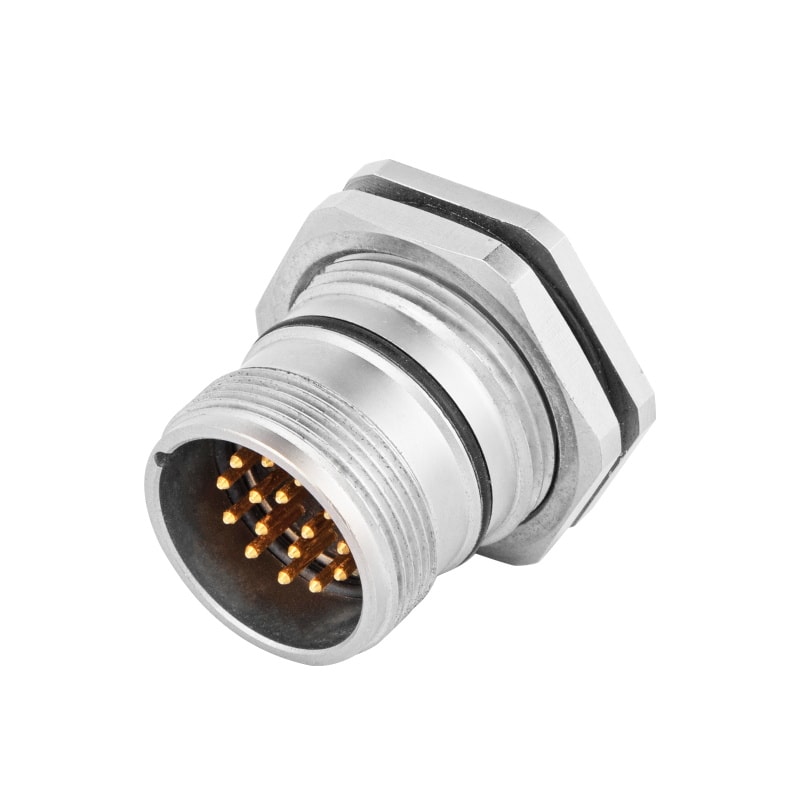
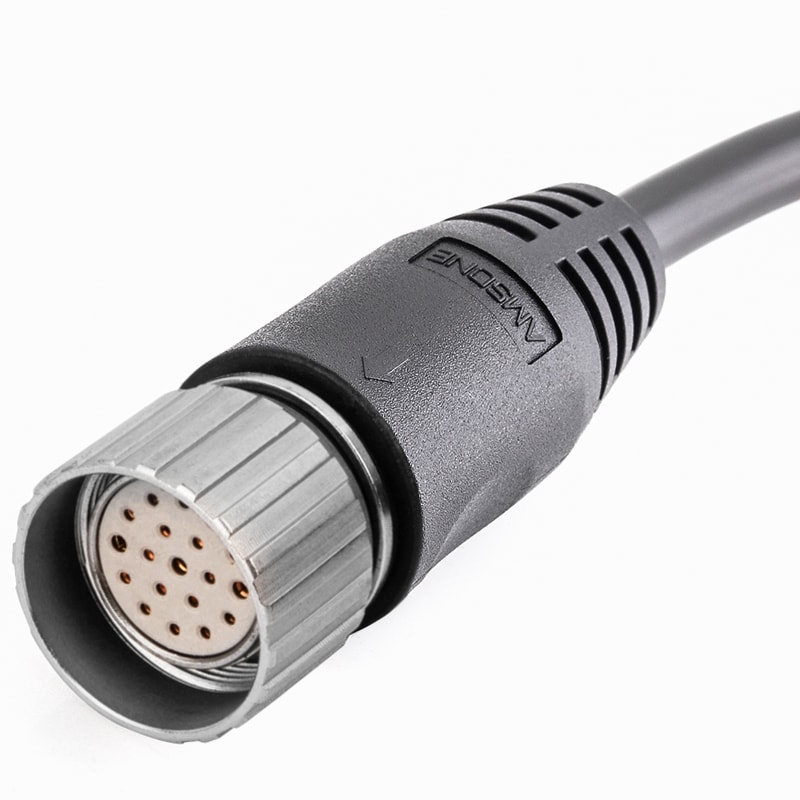
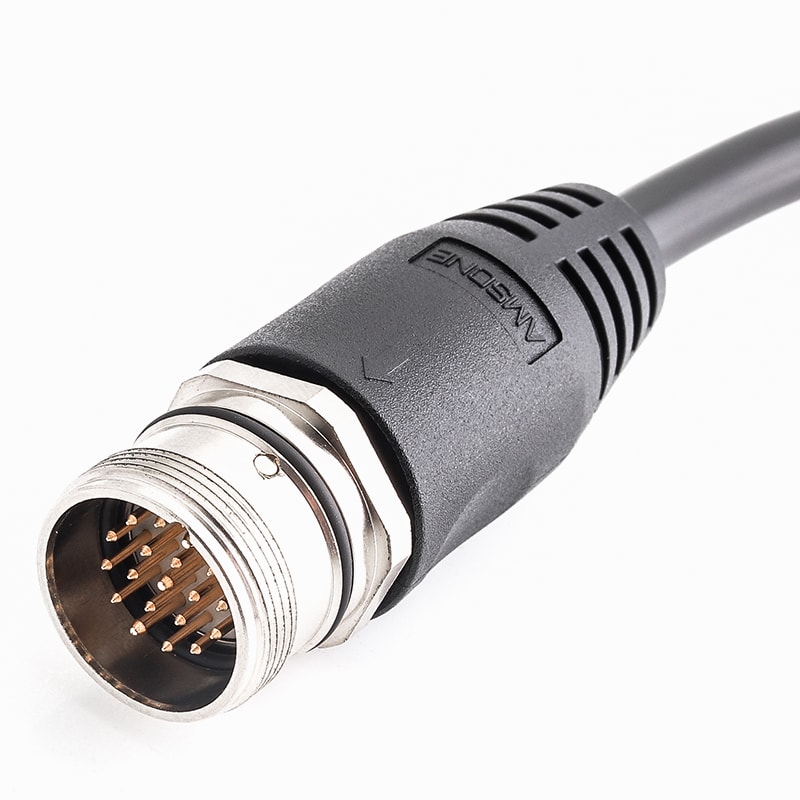
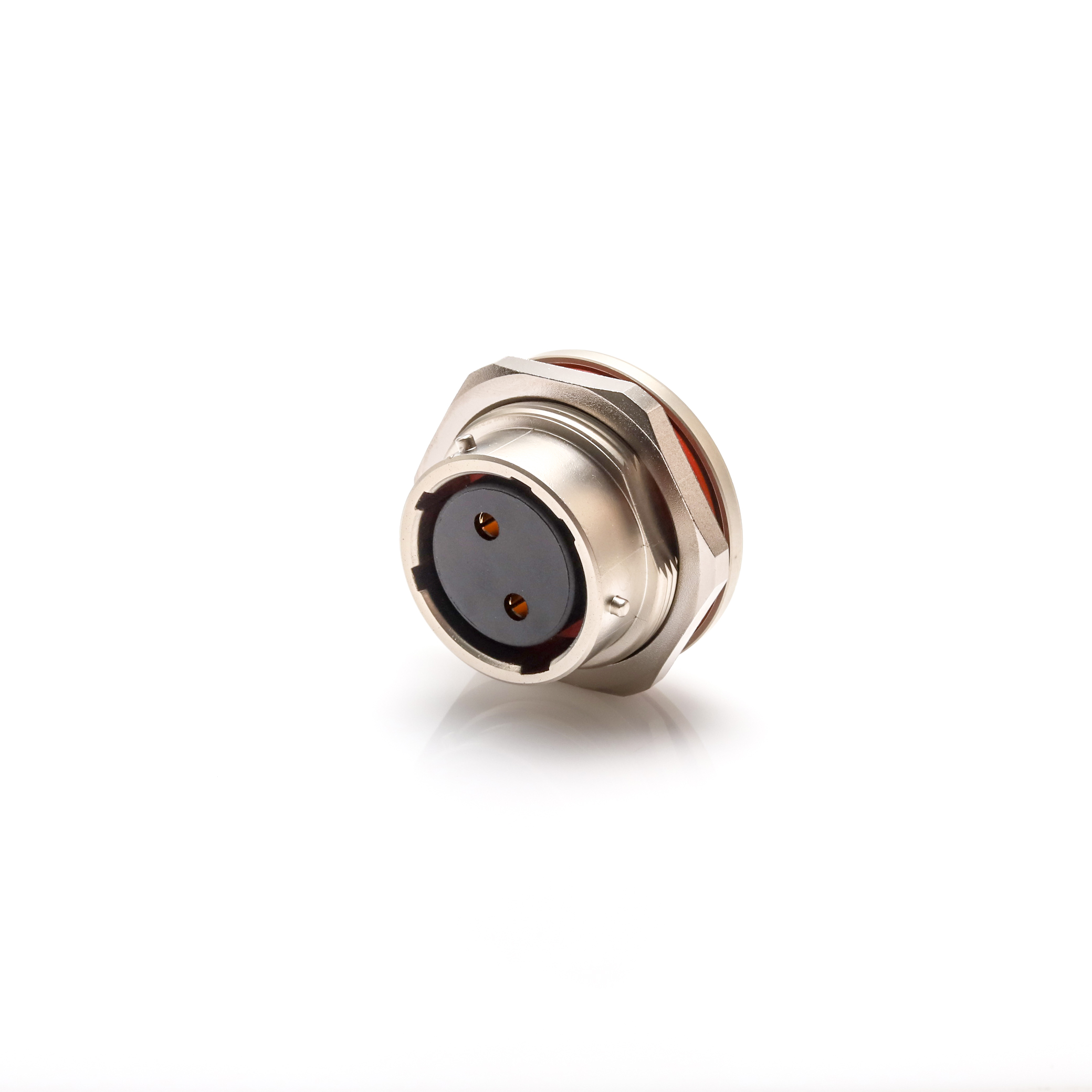
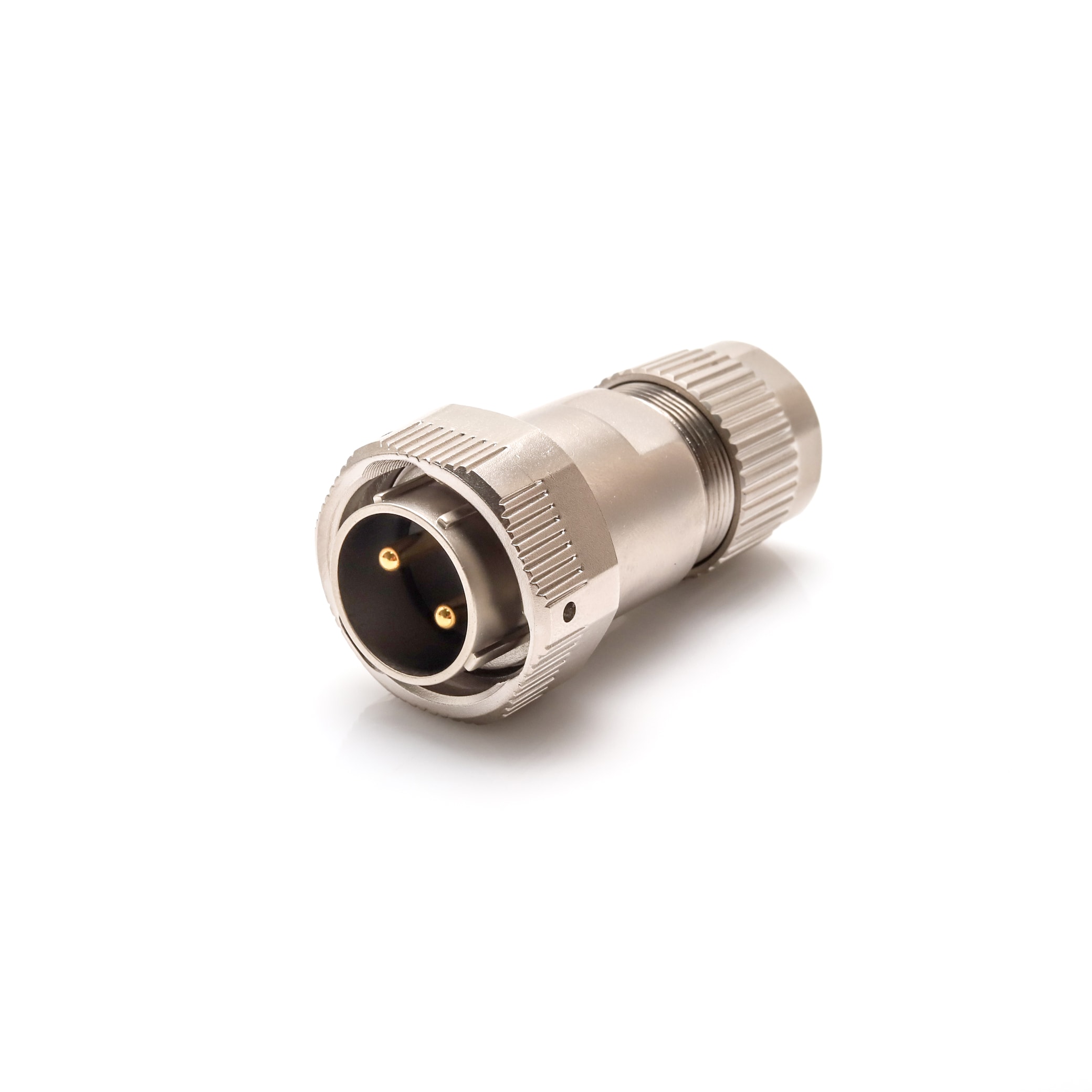
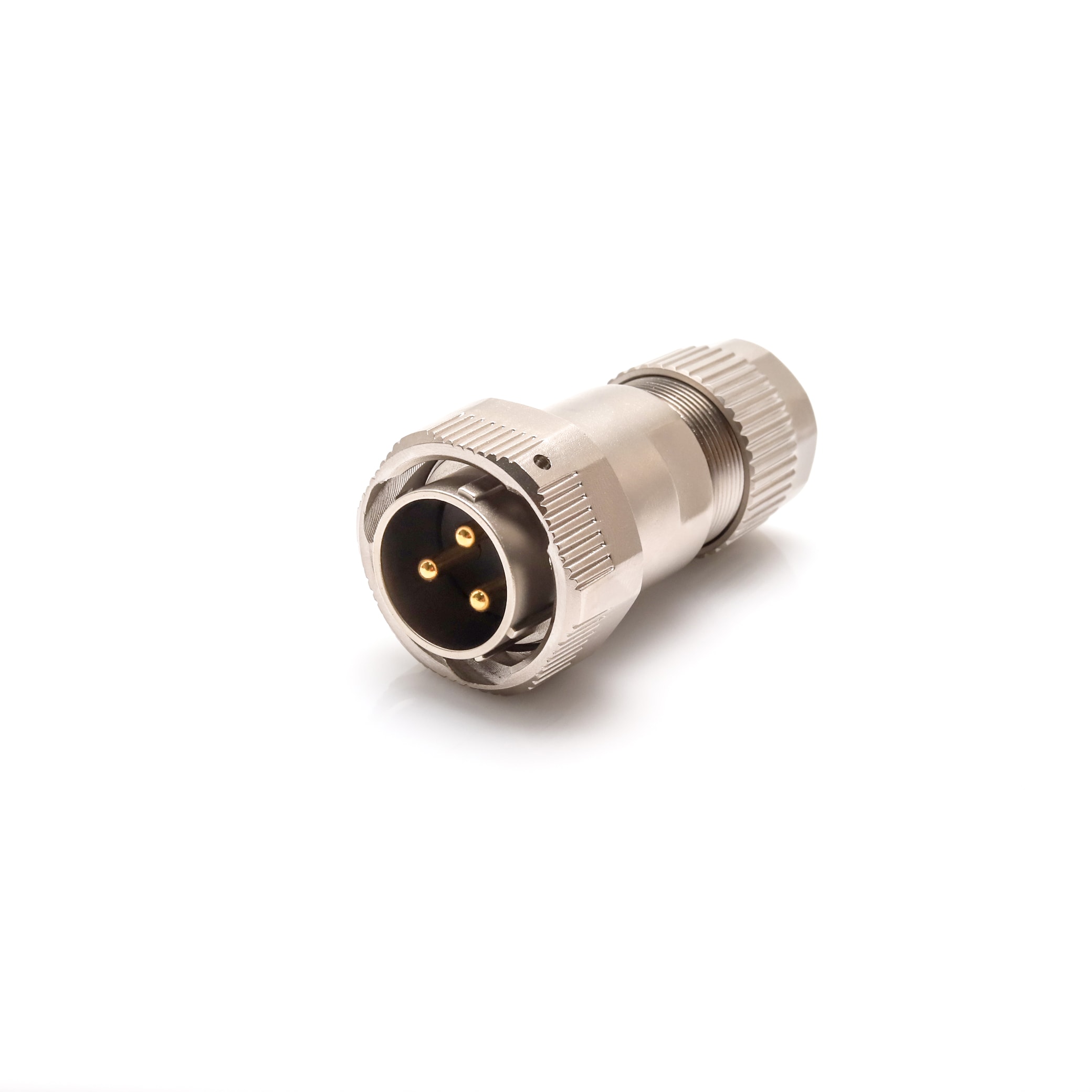
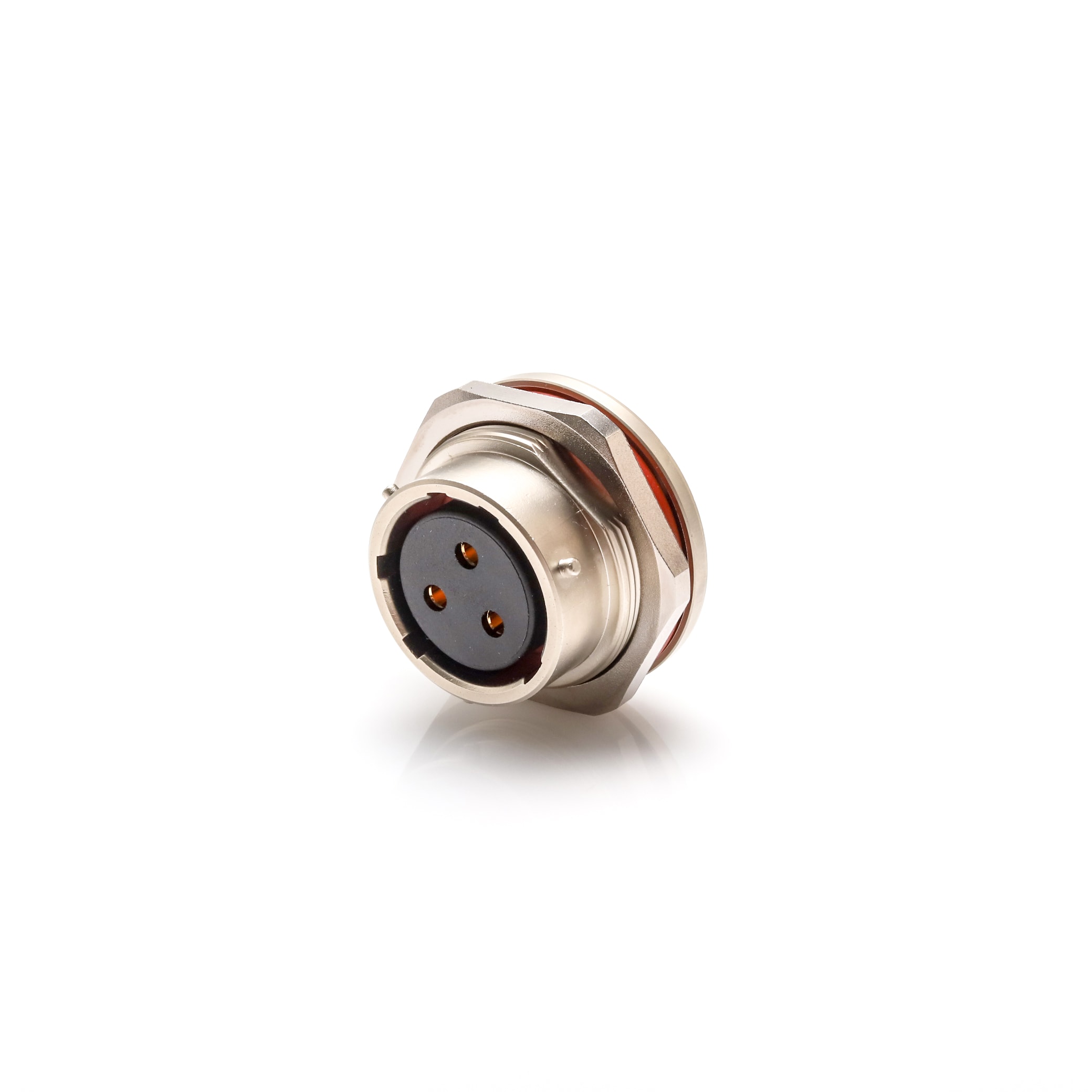
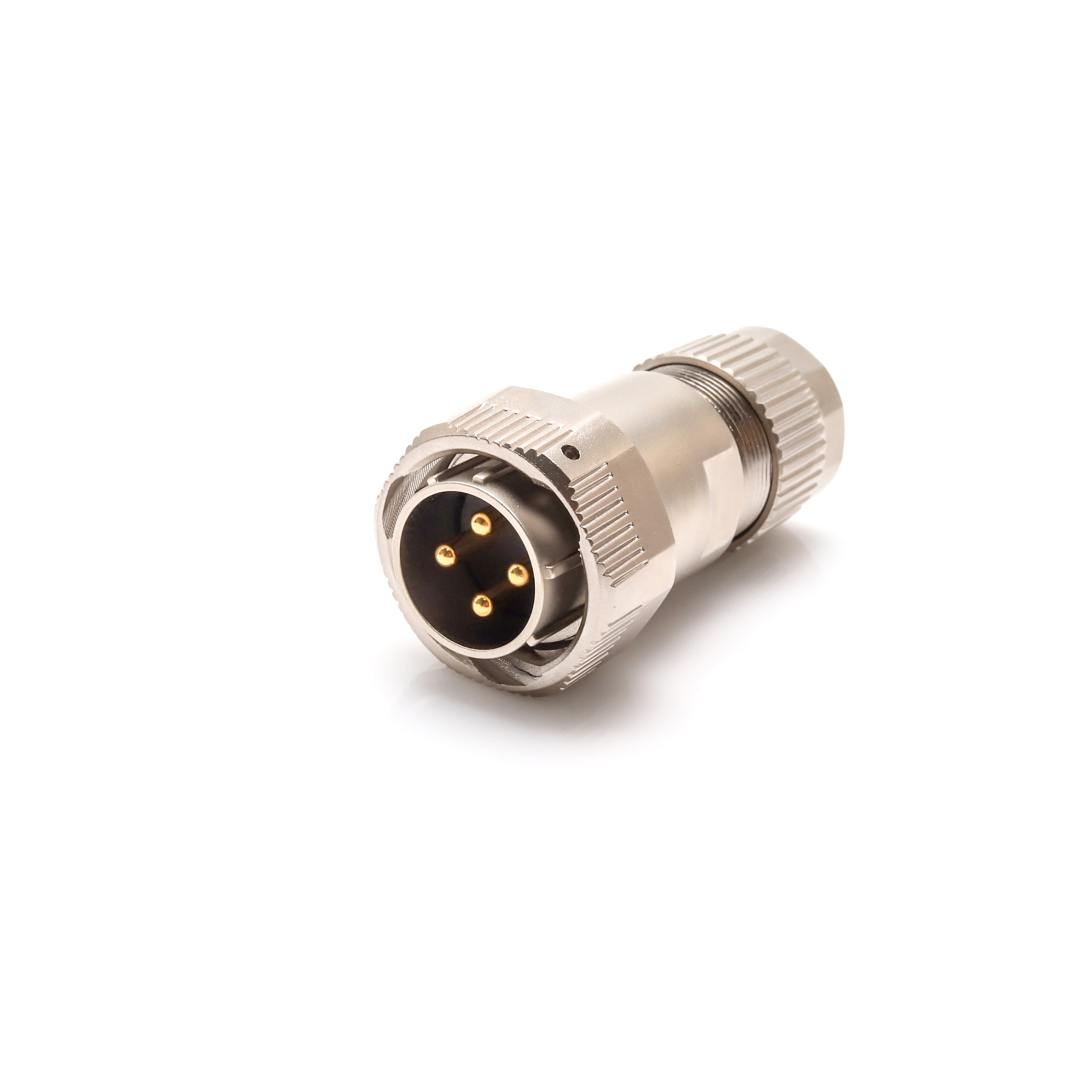
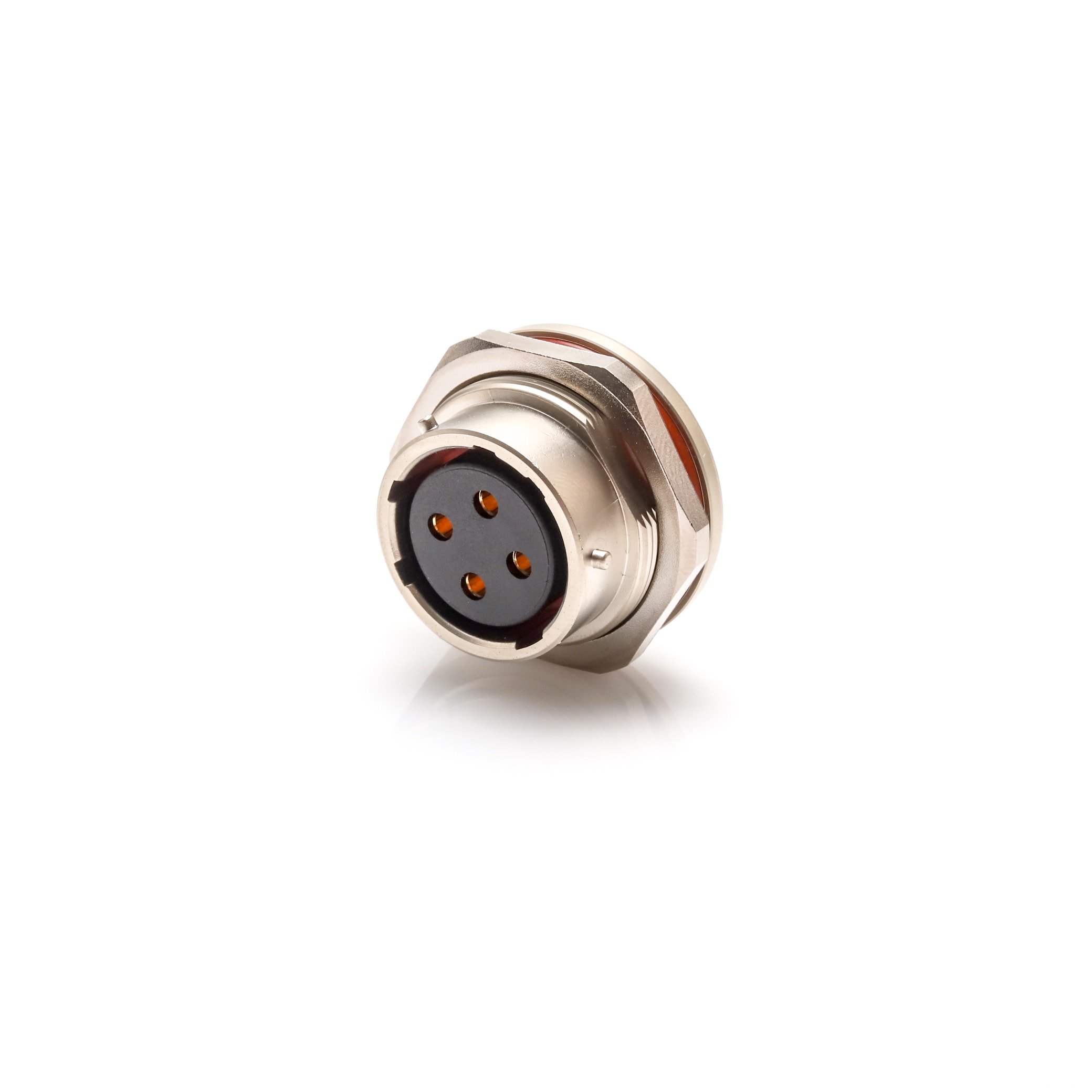
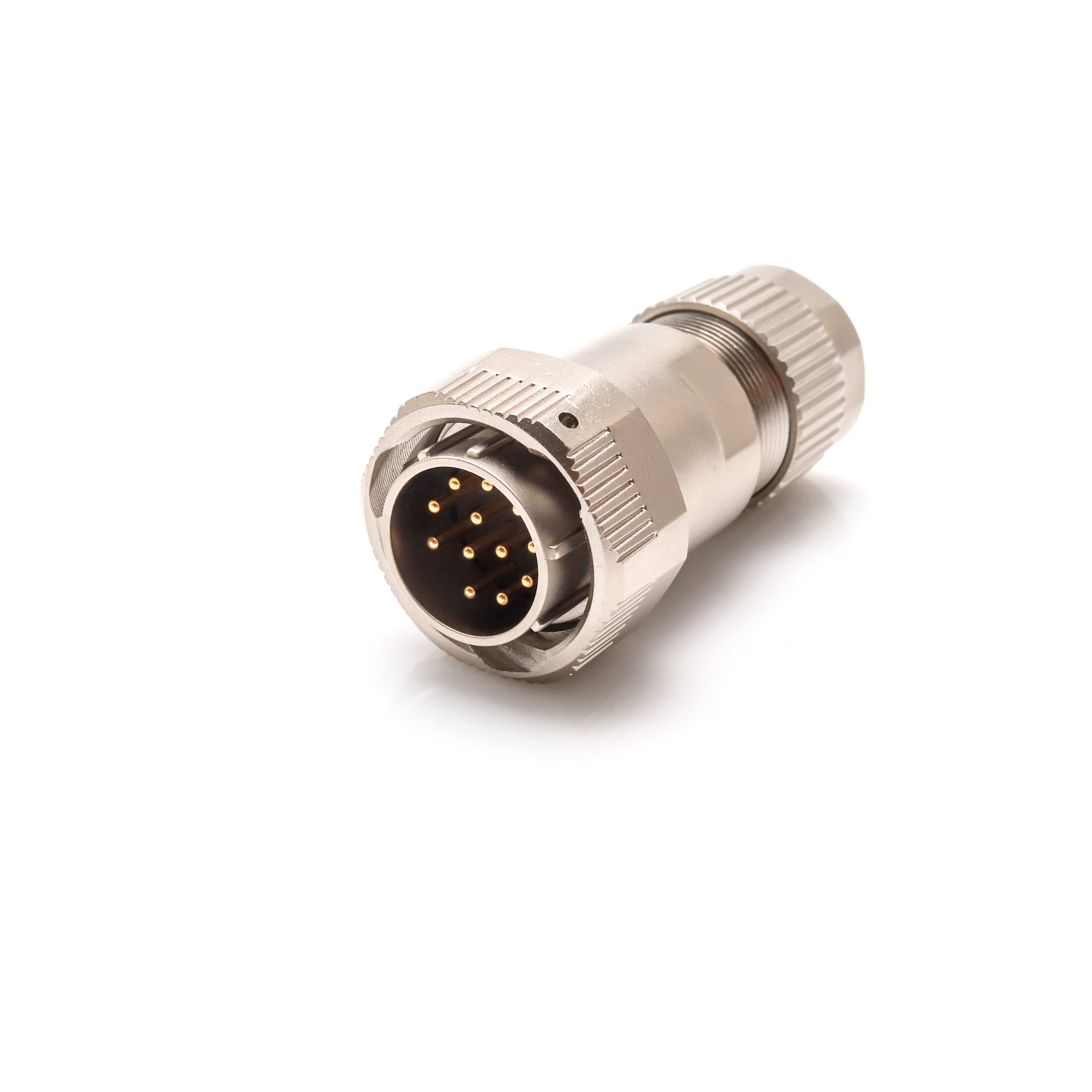
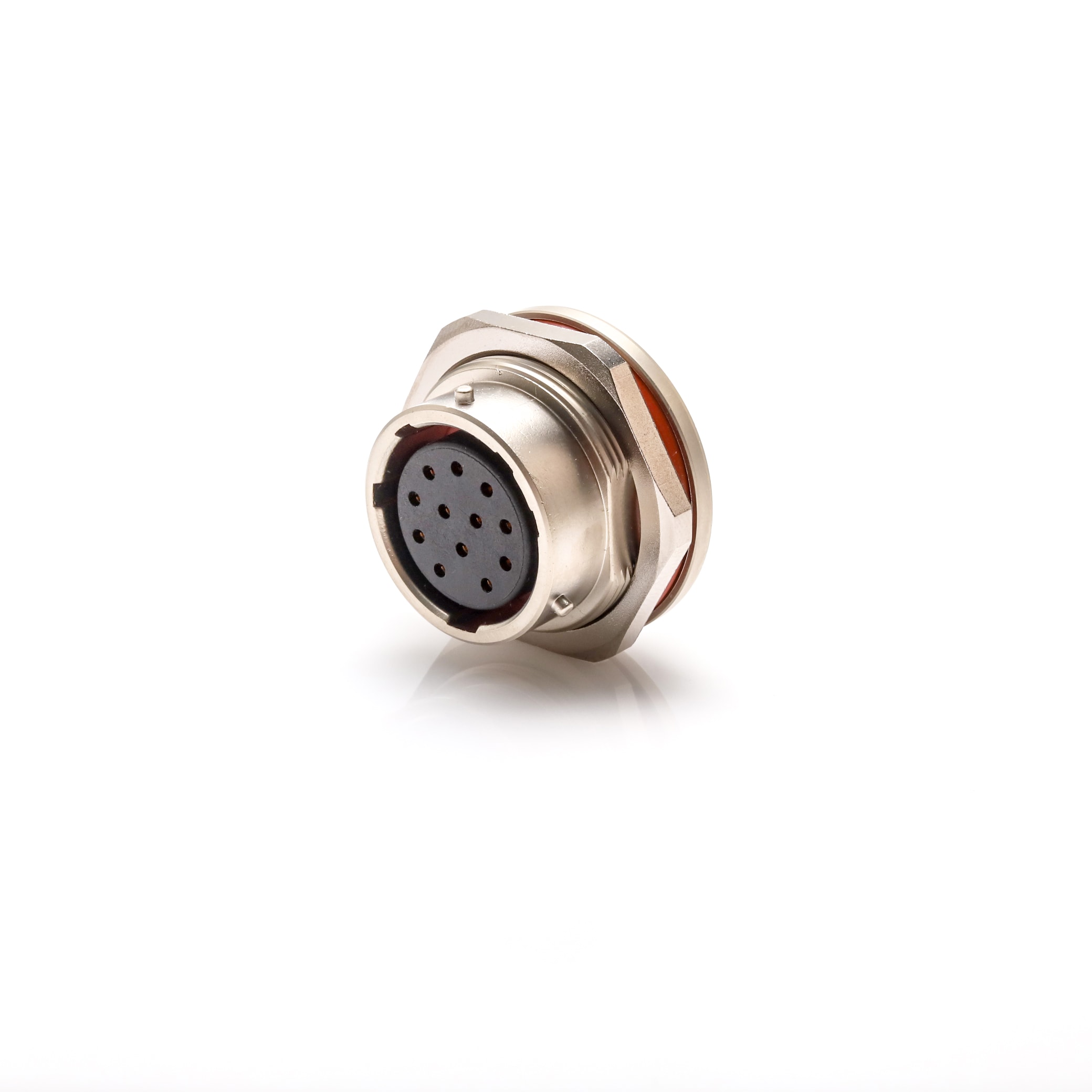
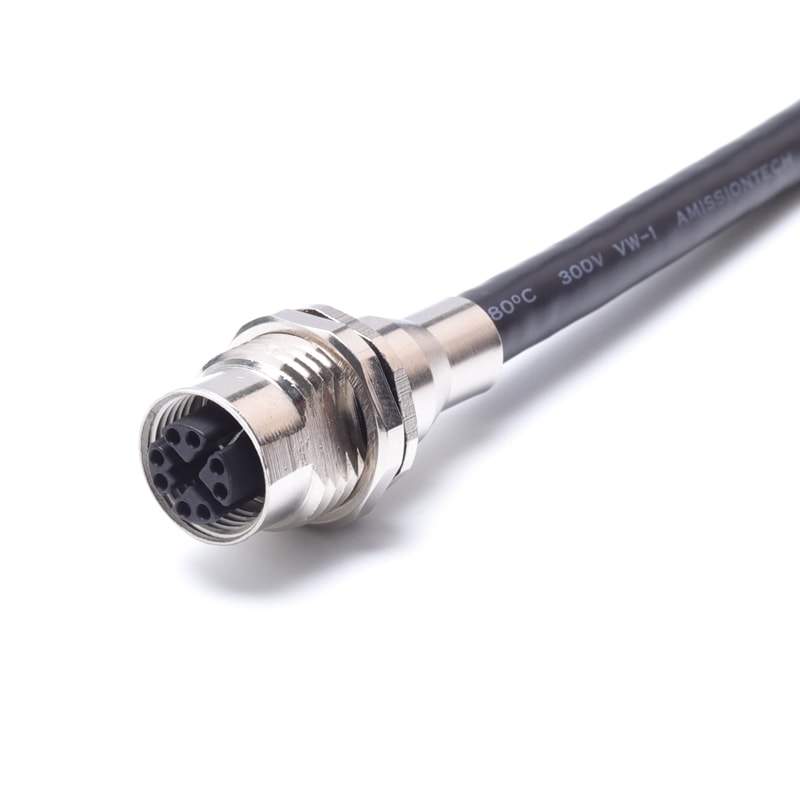
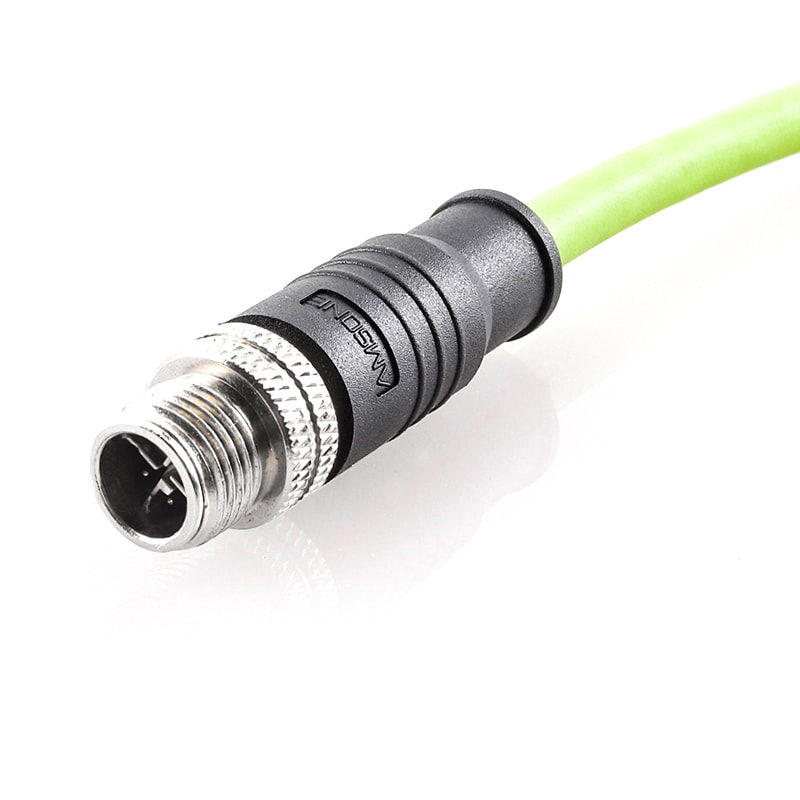
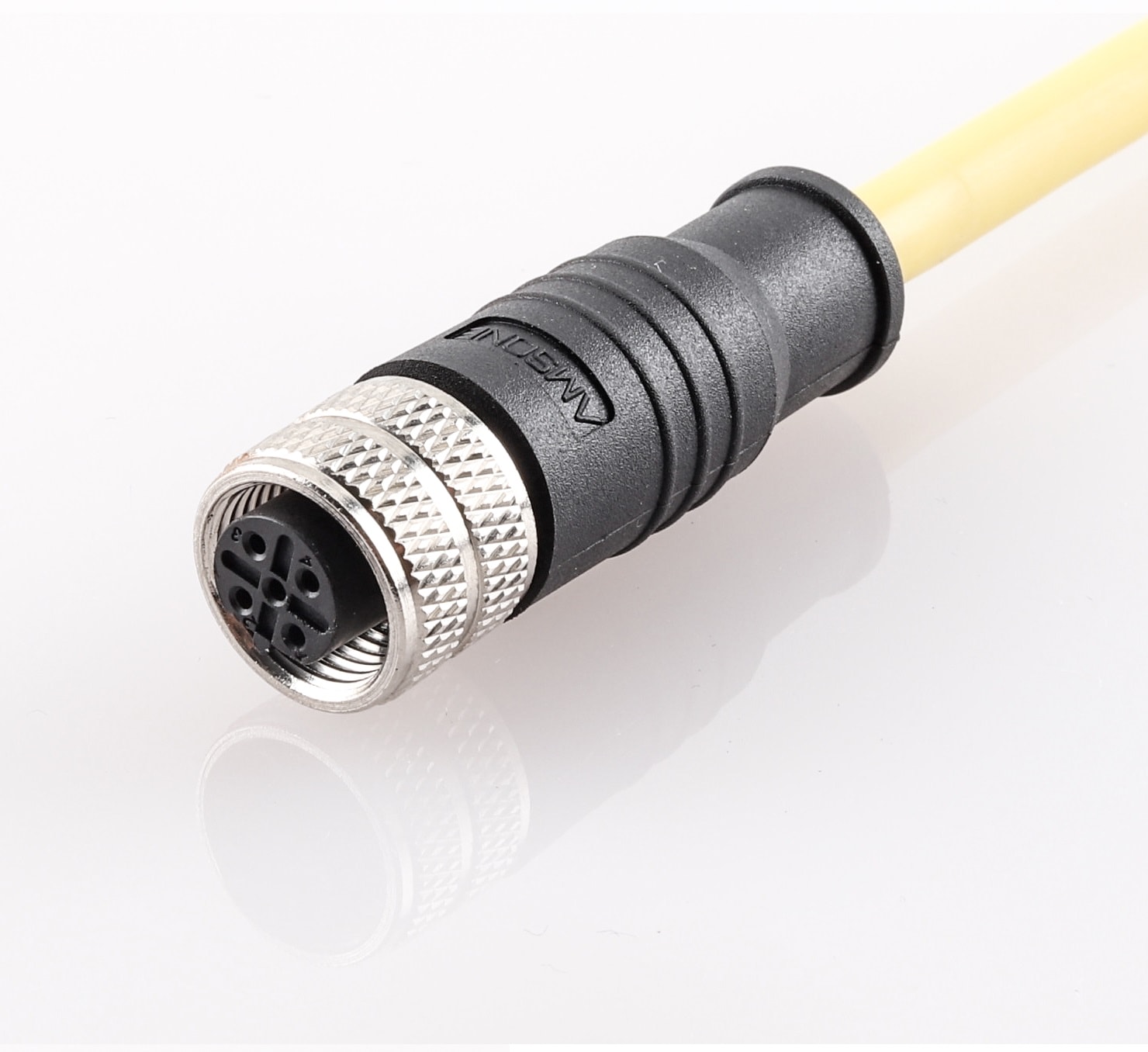
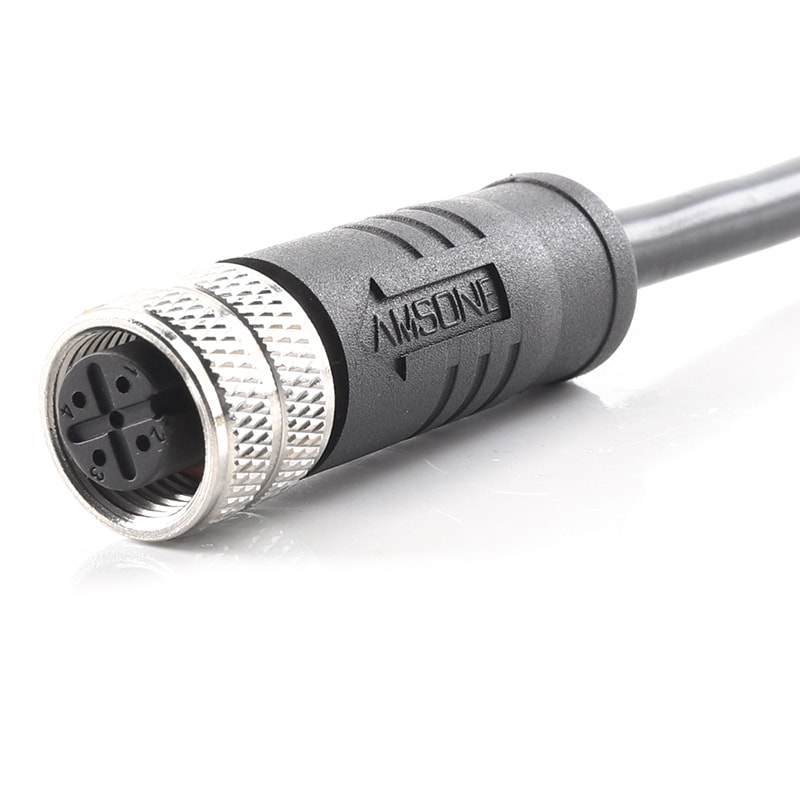
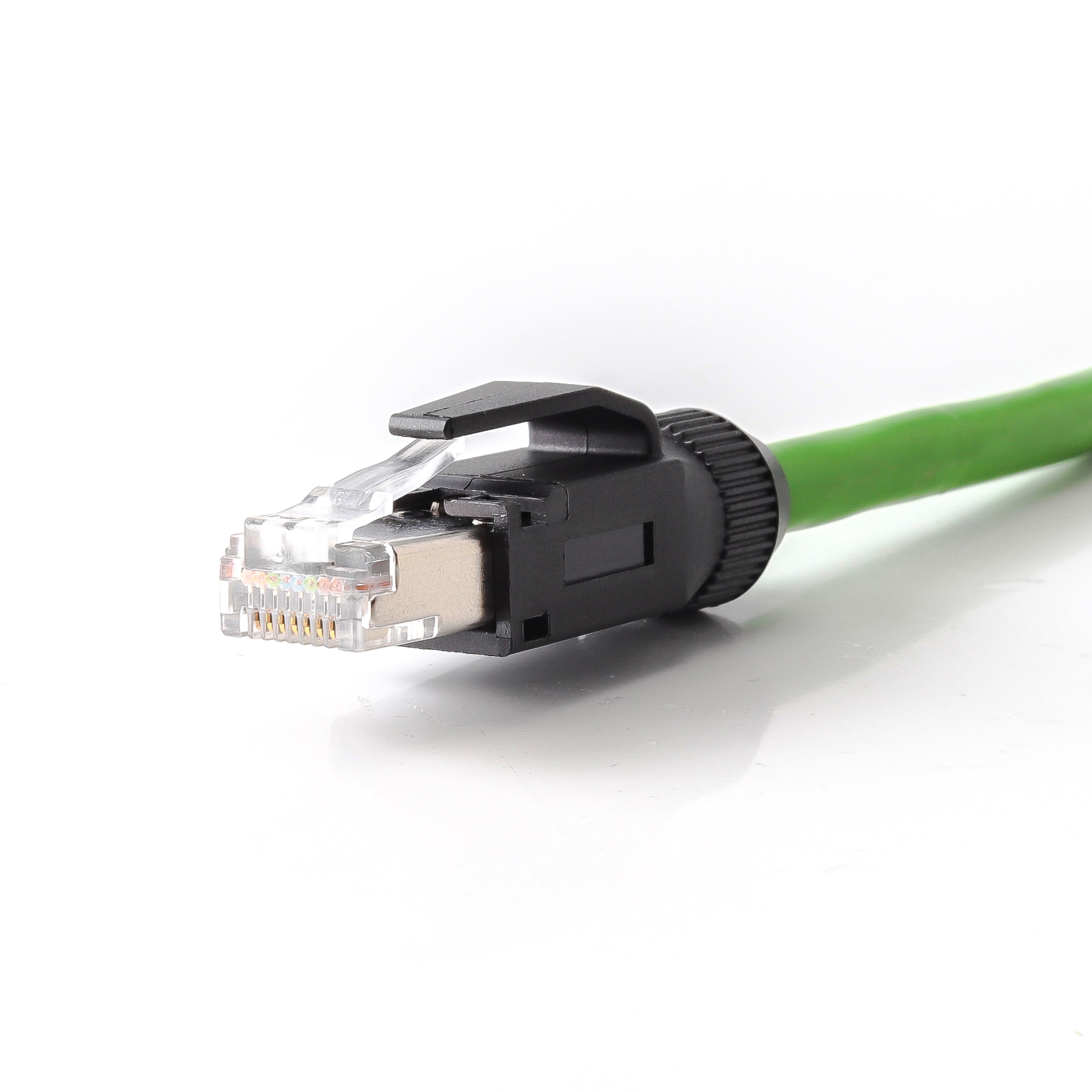



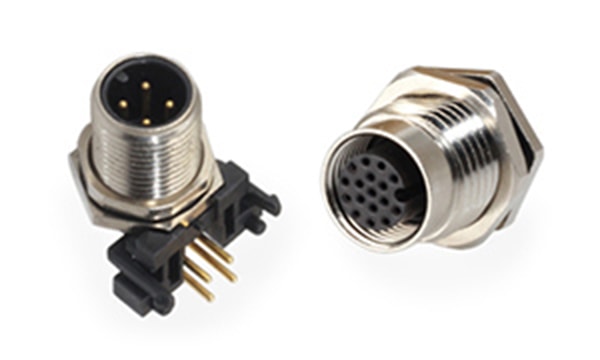
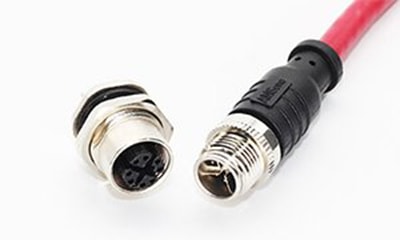
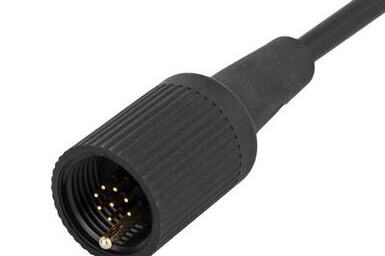

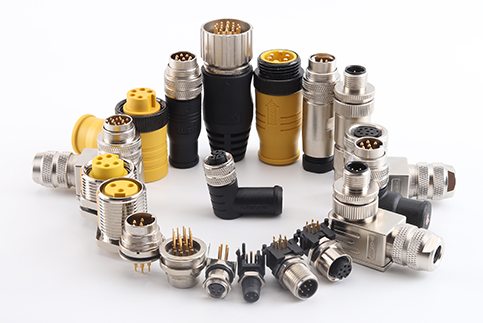

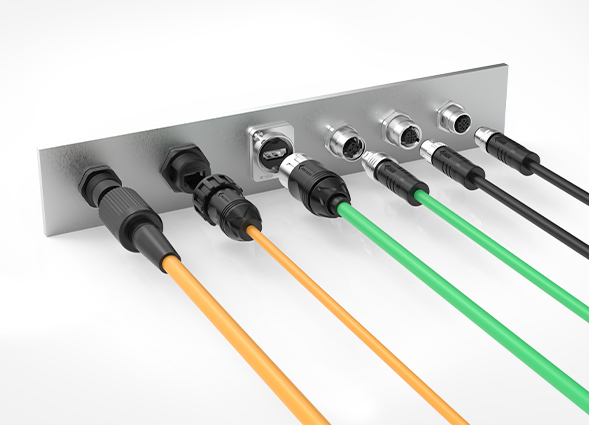
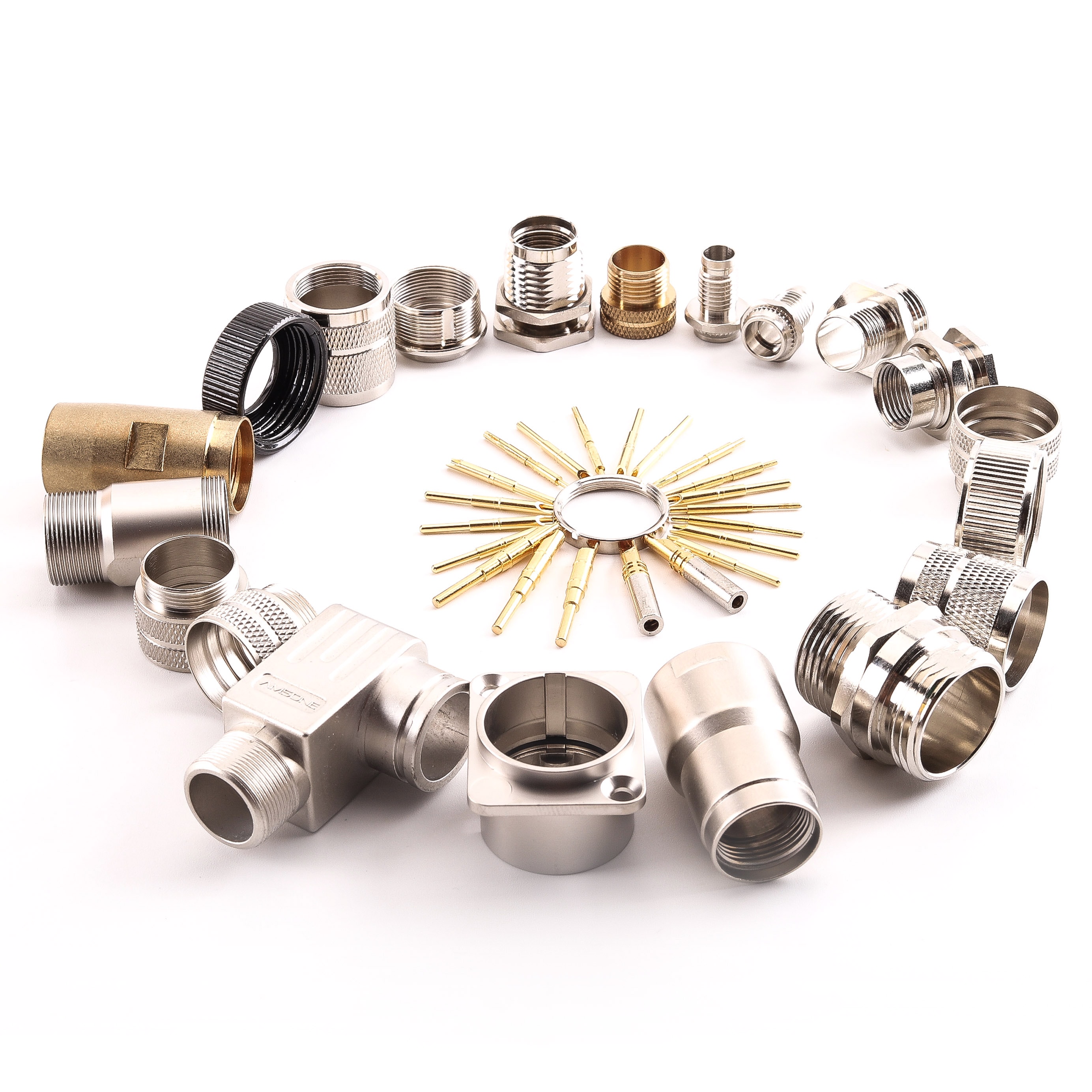
Connectors are essential components in electrical and electronic systems, responsible for transmitting power and signals reliably. However, the performance of a connector is not determined only by its electrical design. The locking mechanism plays a key role in ensuring connection stability, durability, and ease of use.
A poorly selected locking structure can lead to loosening, intermittent signals, or even complete disconnection under vibration or mechanical stress. This is why understanding different connector locking mechanisms is critical when selecting connectors for industrial applications. Each locking type offers unique advantages and limitations, making it important to match the design with the actual working conditions.
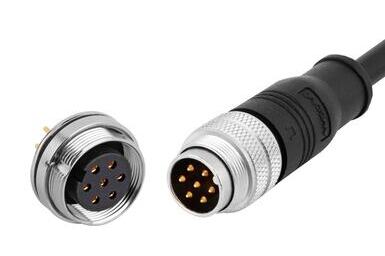
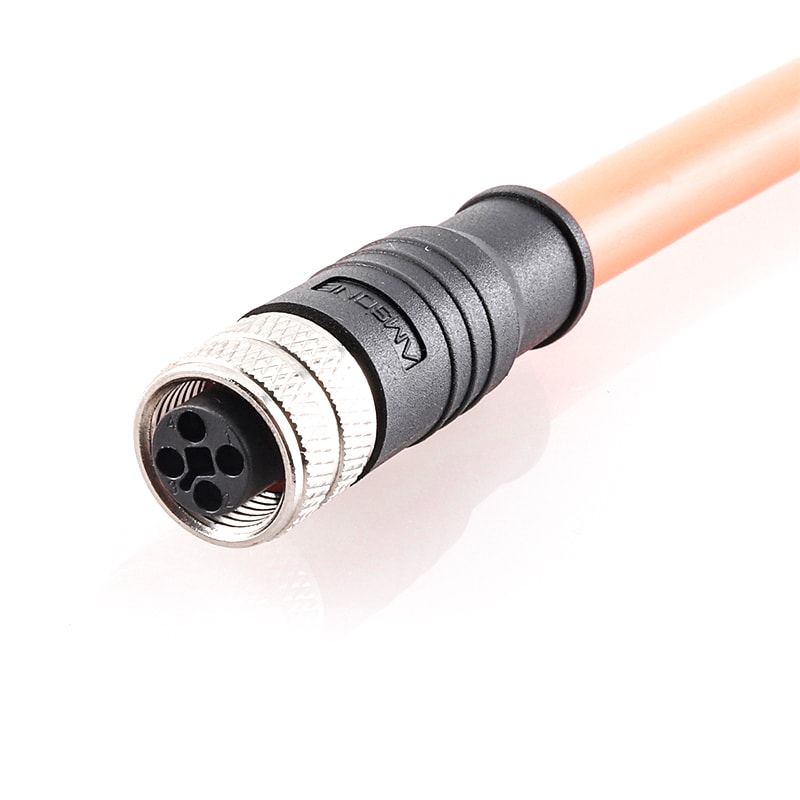
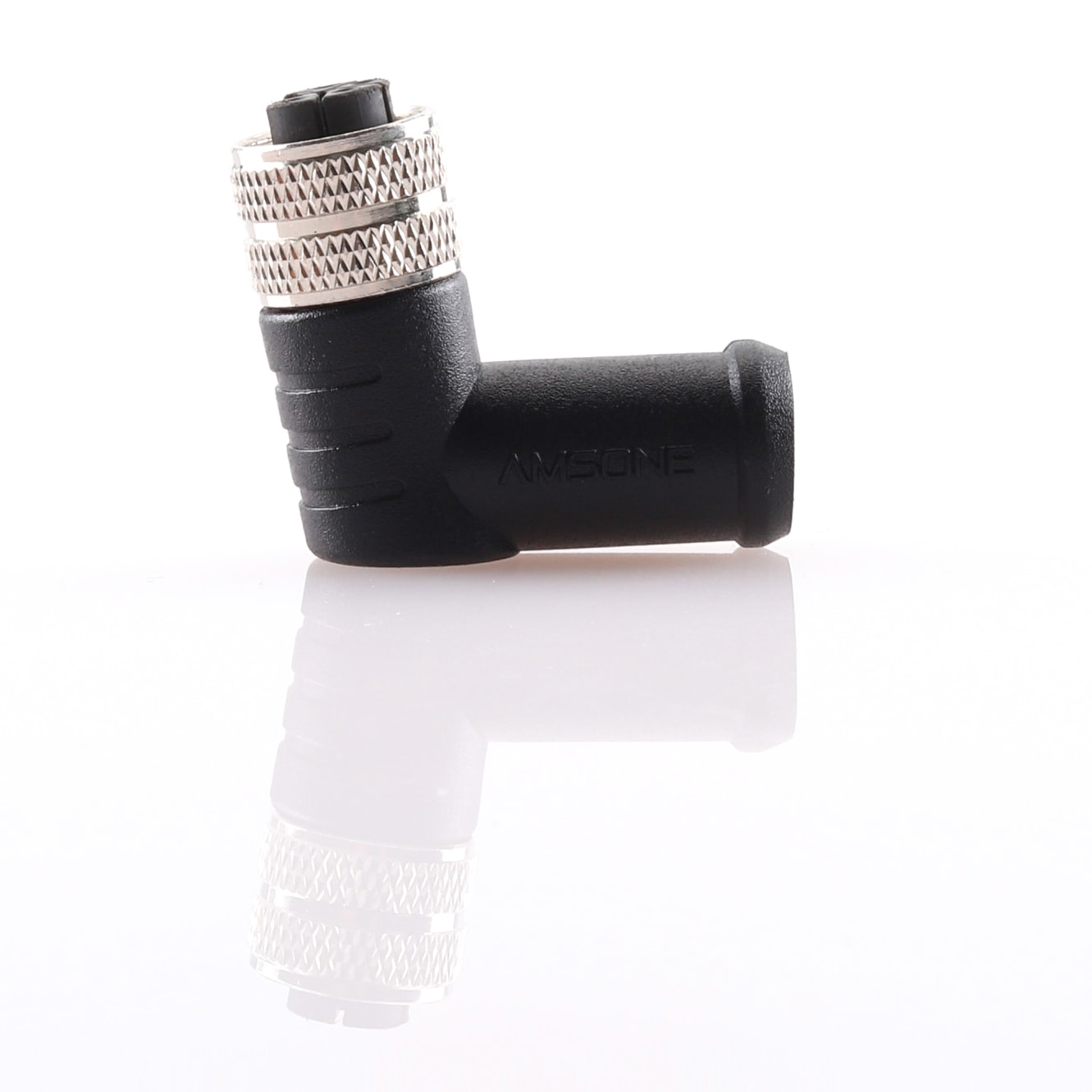
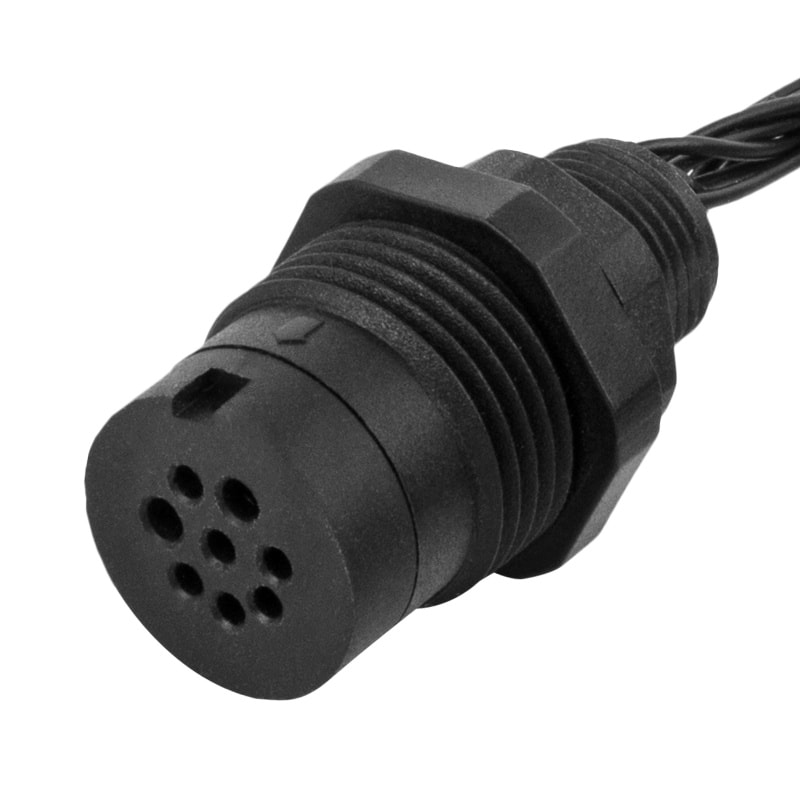
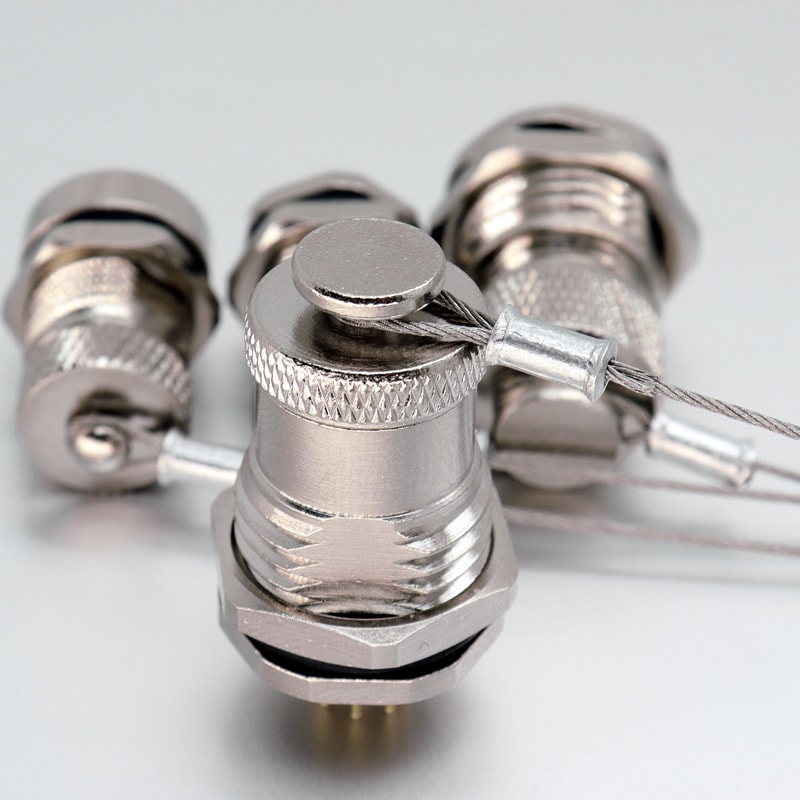
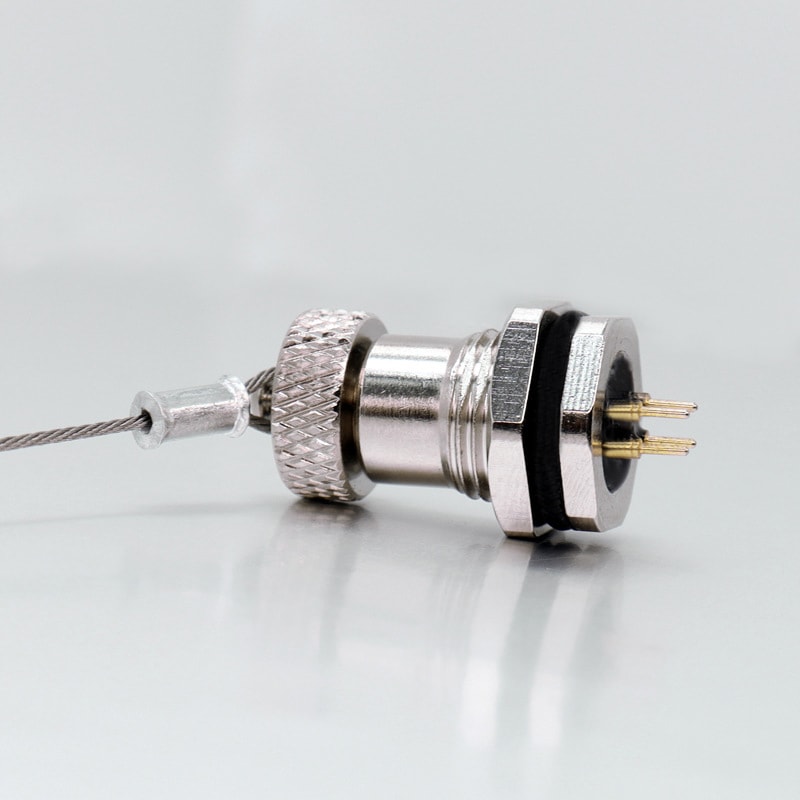
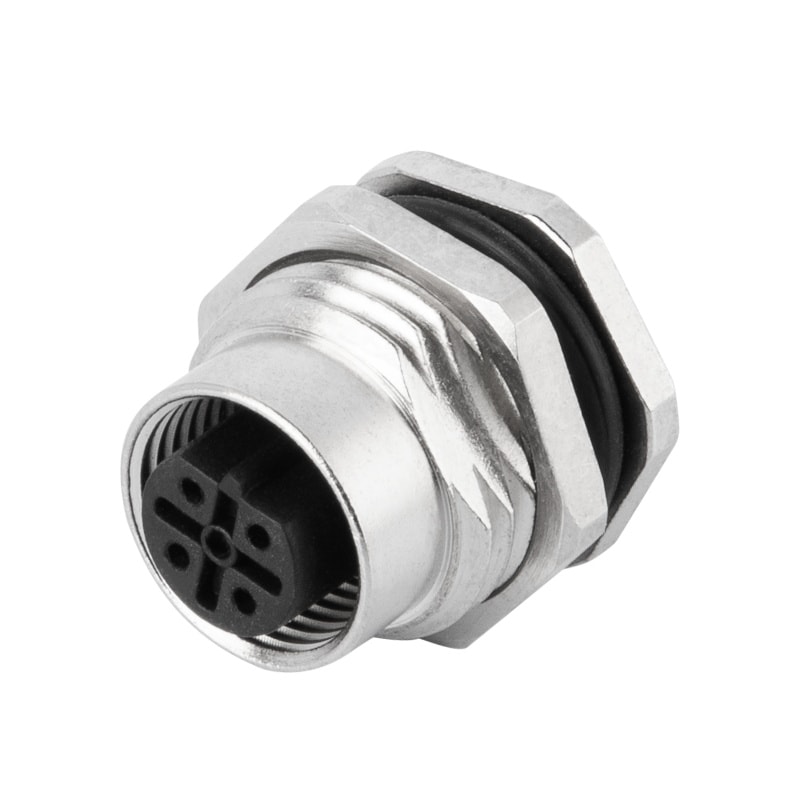
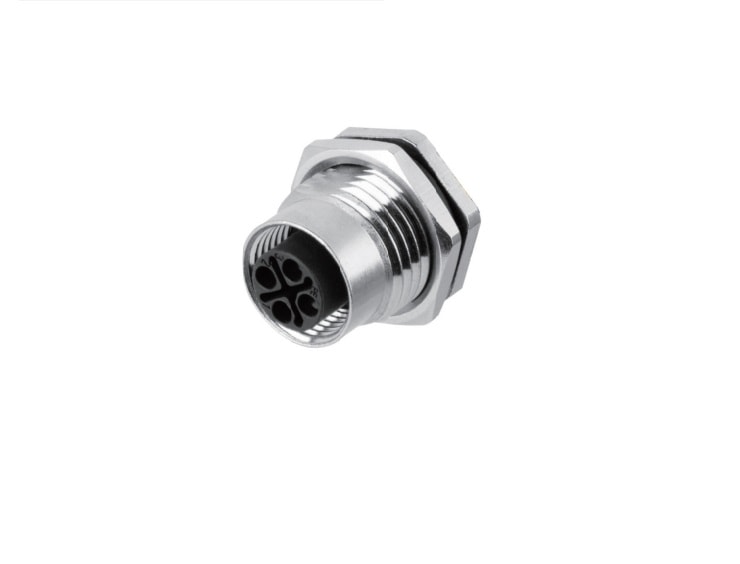
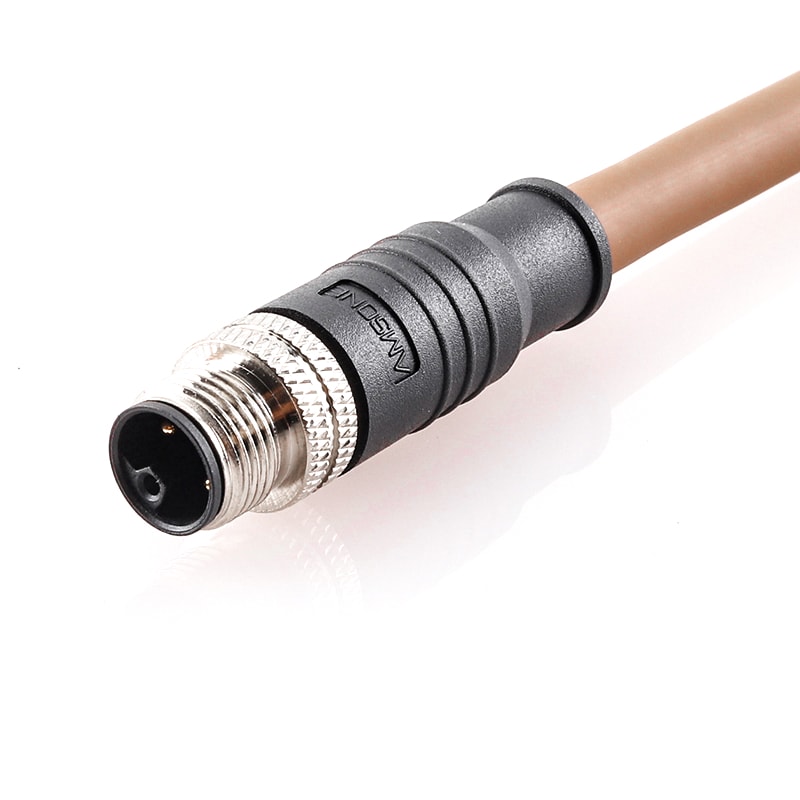
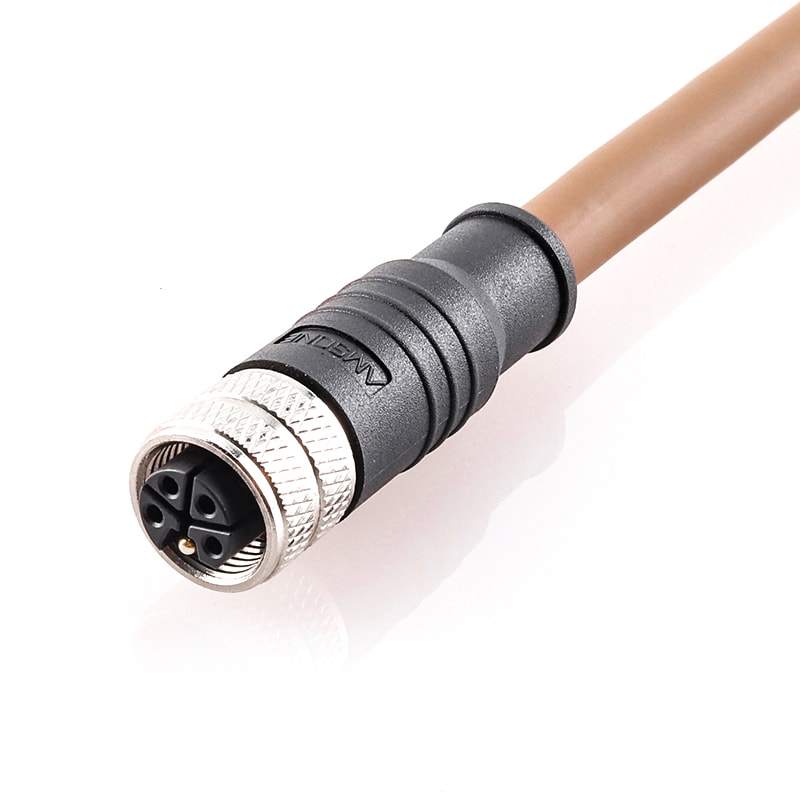
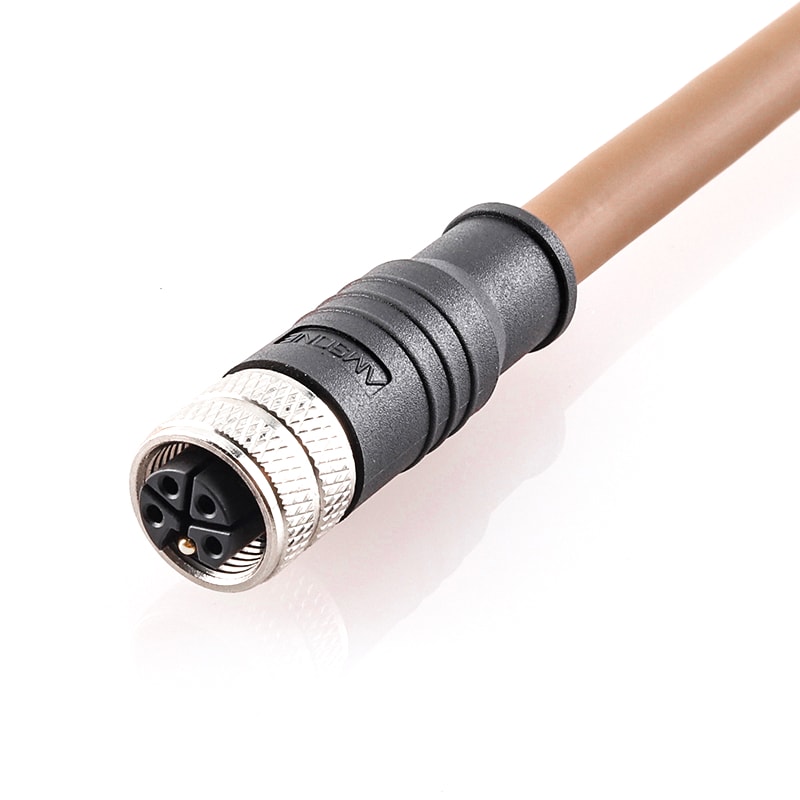
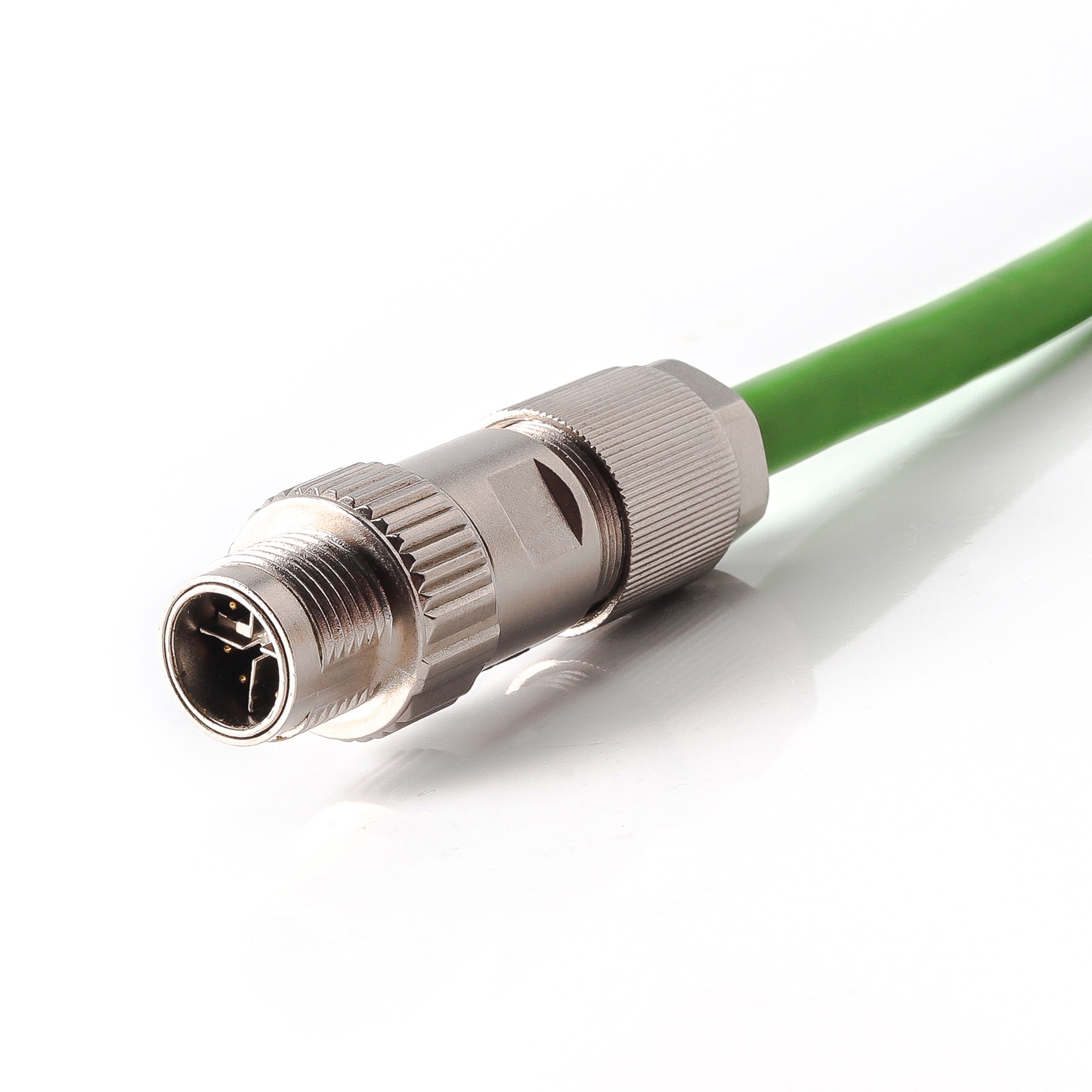
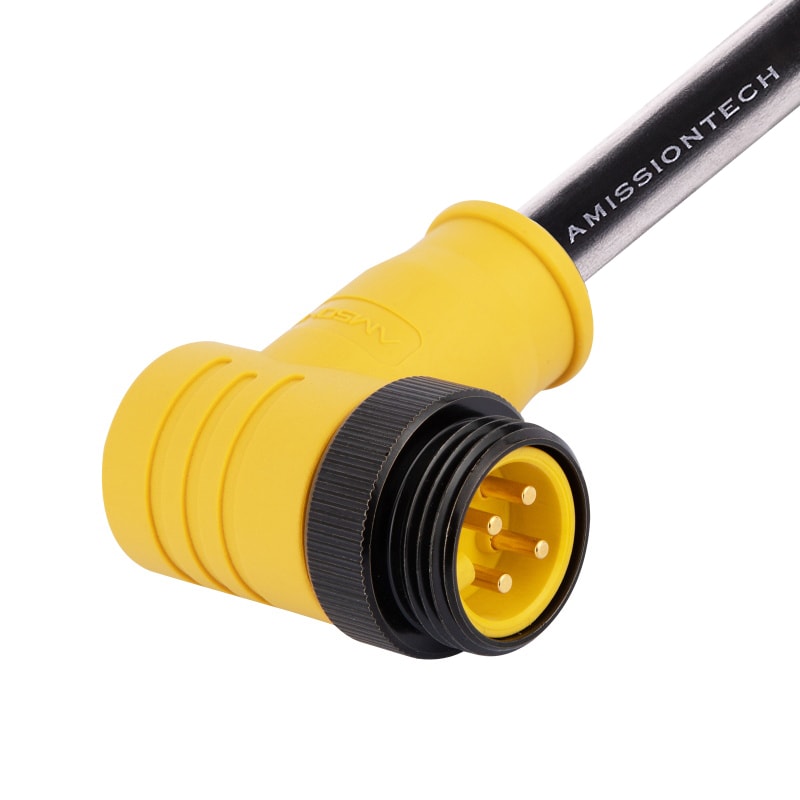
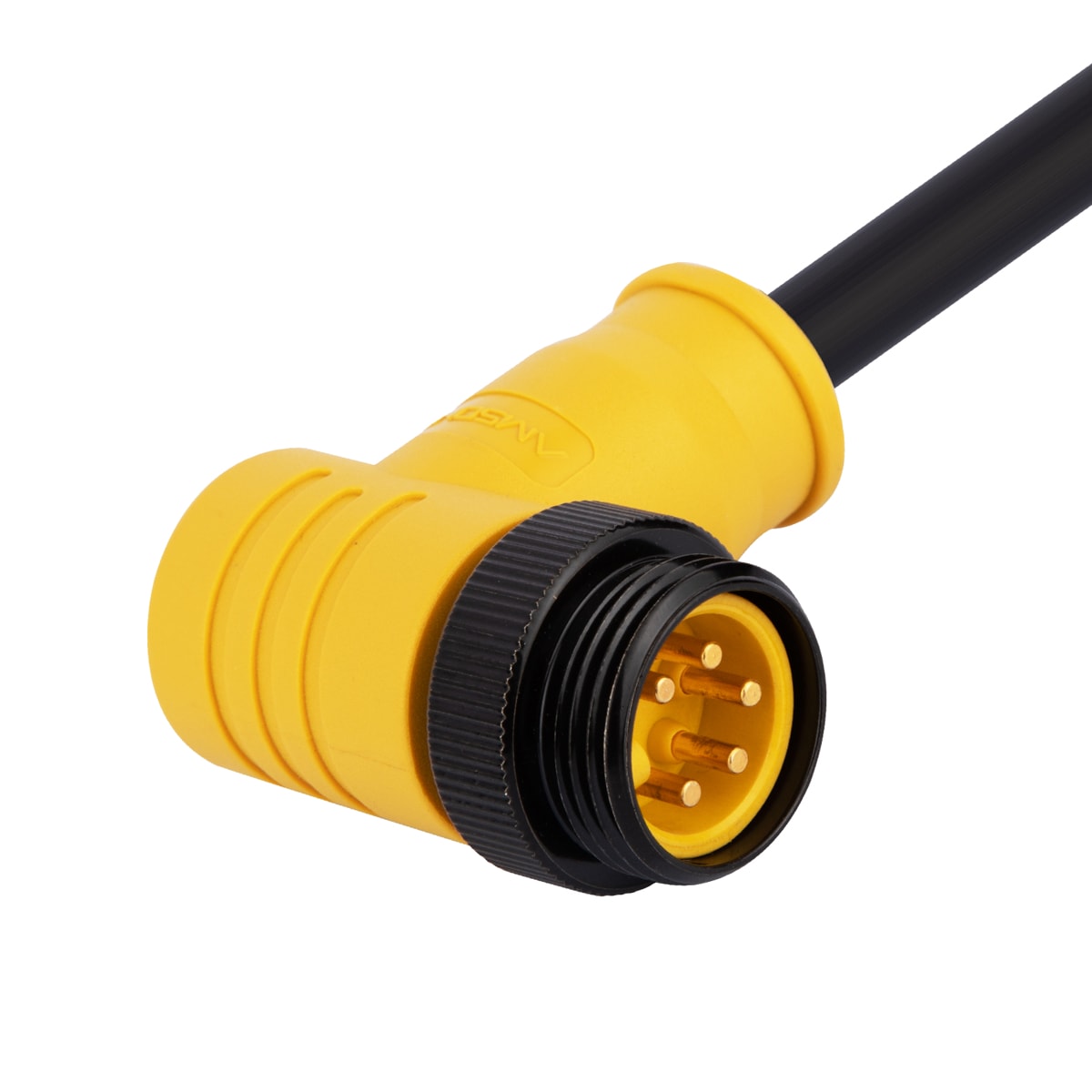
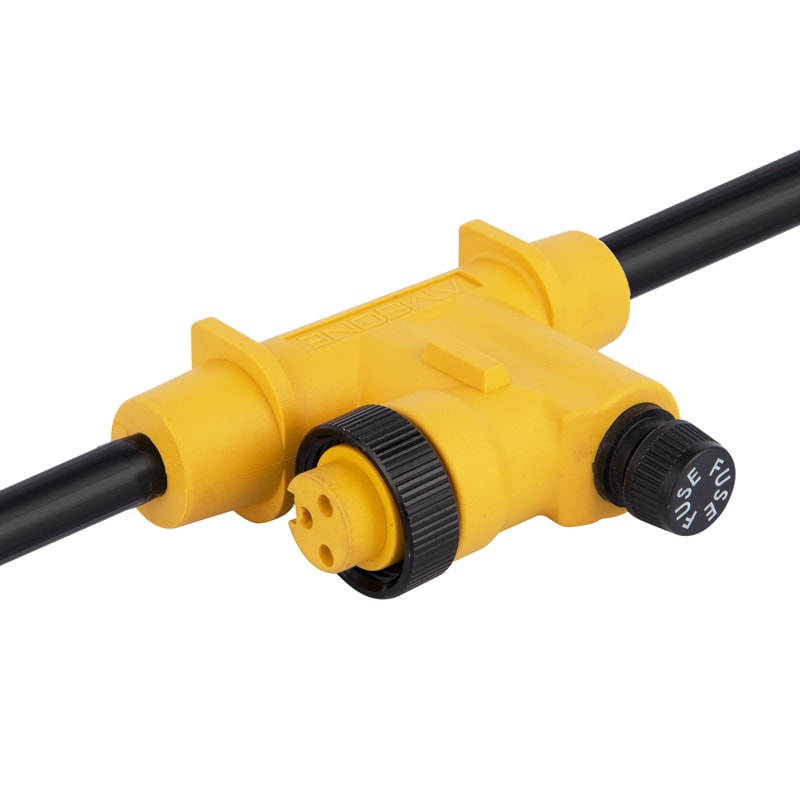
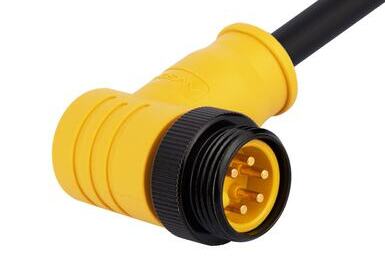
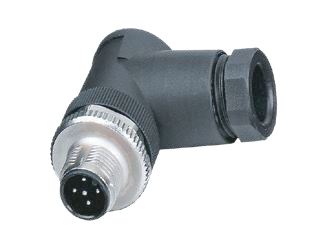
The screw type connector is one of the most reliable locking solutions. It uses internal and external threads to secure the connection. When the connector is tightened, friction and axial force work together to prevent loosening.
This type of connector is known for its strong mechanical stability. It performs well in environments with vibration, shock, or external forces. Installation and removal are simple, requiring only rotation without special tools. In addition, thread standards are well established, which ensures consistent quality and easy inspection.
Because of these advantages, screw type connectors are widely used in industrial automation, machinery, automotive electronics, communication equipment, and energy systems. In high-vibration environments, additional anti-loosening measures such as spring washers or locking features are often used to enhance performance.
The latch locking connector uses a snap latch and slot structure to achieve locking. When the connector is inserted, the latch automatically engages with the slot. Pressing the latch releases the connection.
This design is commonly made from plastic materials, allowing the locking feature to be integrated directly into the connector housing. As a result, it reduces the need for extra components like screws or nuts, making it a cost-effective solution.
Latch connectors are easy to use and enable fast assembly and disassembly. However, the latch structure may experience fatigue or deformation after repeated use. This can reduce the locking force over time.
These connectors are suitable for applications with low vibration or where quick installation is required. They are also used in certain outdoor applications when combined with unlocking tools for added protection.
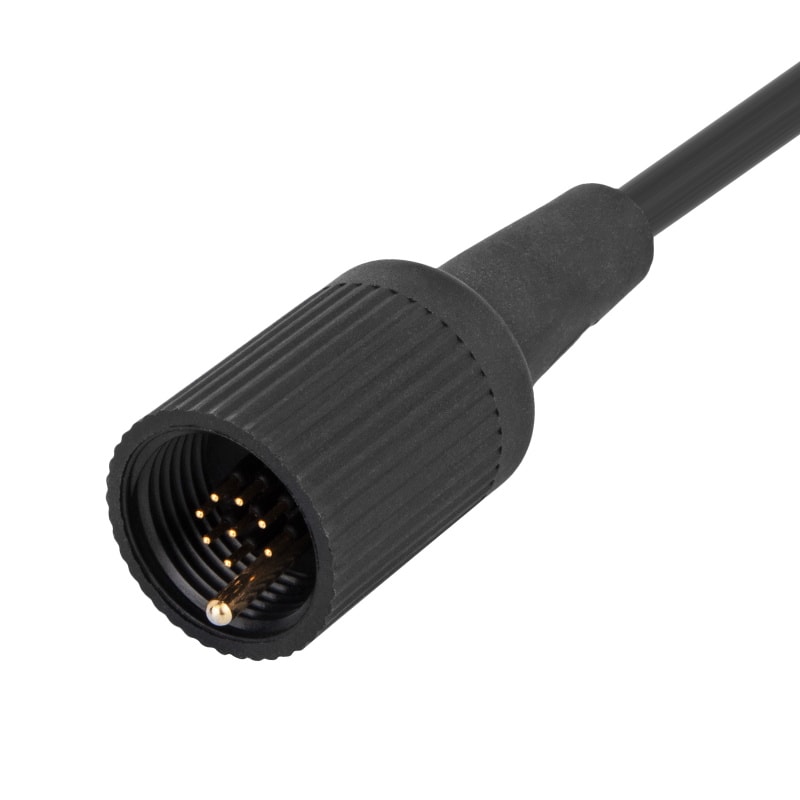
The bayonet connector features an L-shaped slot and pin design. During connection, the pin follows the slot path and locks into position through a short rotation.
This structure allows quick locking and unlocking without tools, making it ideal for applications that require frequent assembly and disassembly. Once locked, the connector offers strong axial retention and stable electrical contact.
The design requires high manufacturing precision, especially for the slot and pin components. In environments with strong vibration or impact, wear on the locking points may occur, which can affect long-term reliability.
Bayonet connectors are often used in industrial equipment, outdoor systems, and heavy-duty machinery where both speed and reliability are important.
The push-pull connector is designed for fast and convenient use. It uses an internal spring-loaded locking mechanism. When the connector is pushed in, it locks automatically. Pulling the outer sleeve releases the connection.
This design allows one-handed operation, which is especially useful in tight spaces. It also supports high insertion and extraction cycles, making it suitable for applications that require frequent connection changes.
However, the internal structure is more complex, which leads to higher manufacturing costs. Precision is also critical to ensure smooth operation and long service life.
Push-pull connectors are commonly used in medical devices, testing equipment, and other applications where speed and ease of use are essential.
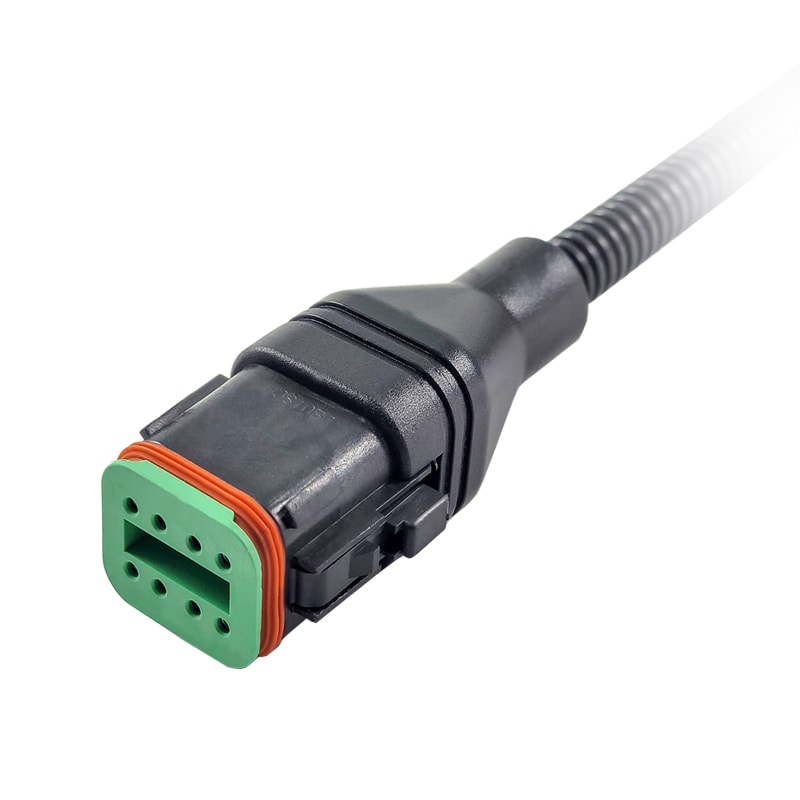
The snap-in connector uses elastic locking points that deform during insertion and return to lock the connector in place. A clear “click” sound usually confirms successful connection.
This type of connector has a compact structure and clean appearance. It is easy to use and requires minimal space for installation. The integrated design also helps maintain product aesthetics.
Despite these benefits, snap-in connectors have relatively lower retention strength. The locking points may wear or deform after repeated use, which can reduce connection reliability. They are not suitable for applications with high vibration or mechanical stress.
Snap-in connectors are often used in testing equipment and low-load environments where quick connection and disconnection are needed.
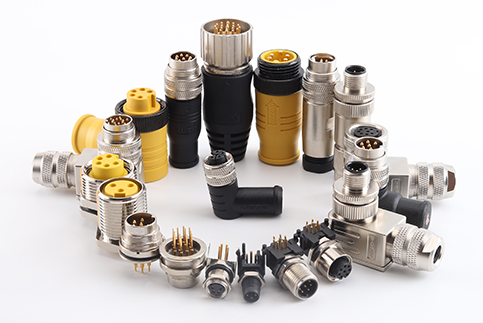
Selecting the right locking mechanism depends on the specific application requirements. In environments with high vibration or heavy mechanical stress, screw type connectors provide the highest reliability. For applications that require quick assembly, latch or snap-in connectors offer convenience and efficiency.
When frequent mating cycles are expected, push-pull connectors are a better choice due to their durability and ease of use. In outdoor or heavy-duty applications, bayonet connectors provide a good balance between speed and strength.
Other factors such as installation space, cost, and maintenance requirements should also be considered. A well-matched industrial connector design can significantly improve system performance and reduce long-term maintenance costs.
Choosing the right connector is essential for building reliable systems, and working with an experienced supplier makes the process easier. Amissiontech specializes in providing high-quality industrial connectors and cable harness solutions for a wide range of applications.
With strong R&D capabilities and full in-house manufacturing, Amissiontech supports everything from design and prototyping to mass production. Whether you need standard products or customized solutions with specific connector locking mechanisms, Amissiontech delivers consistent quality and performance.
As a trusted partner in the industry, Amissiontech is committed to helping customers improve connection reliability and system efficiency. Contact Amissiontech today to learn more about professional connector solutions tailored to your needs.