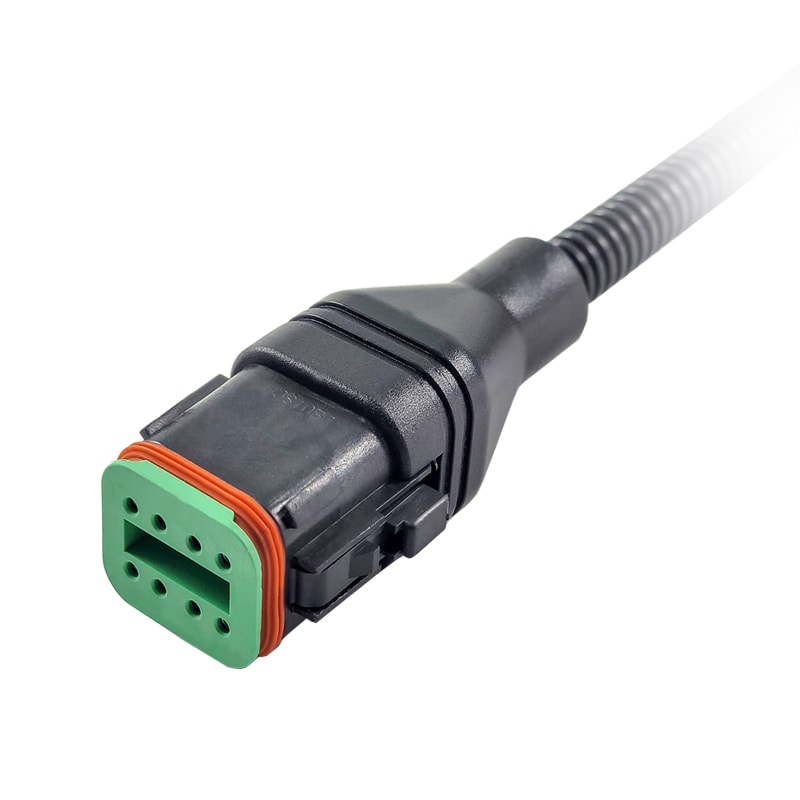
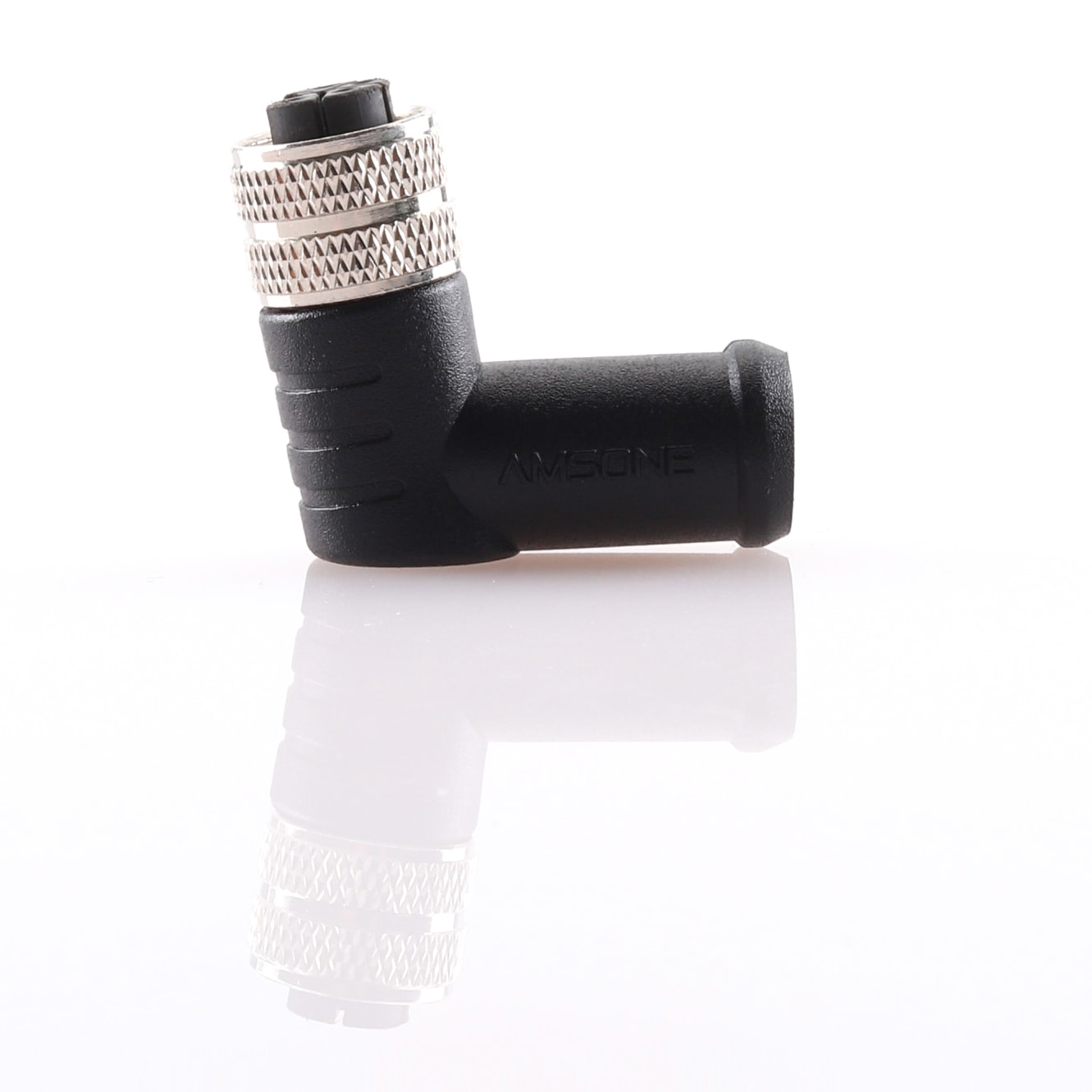
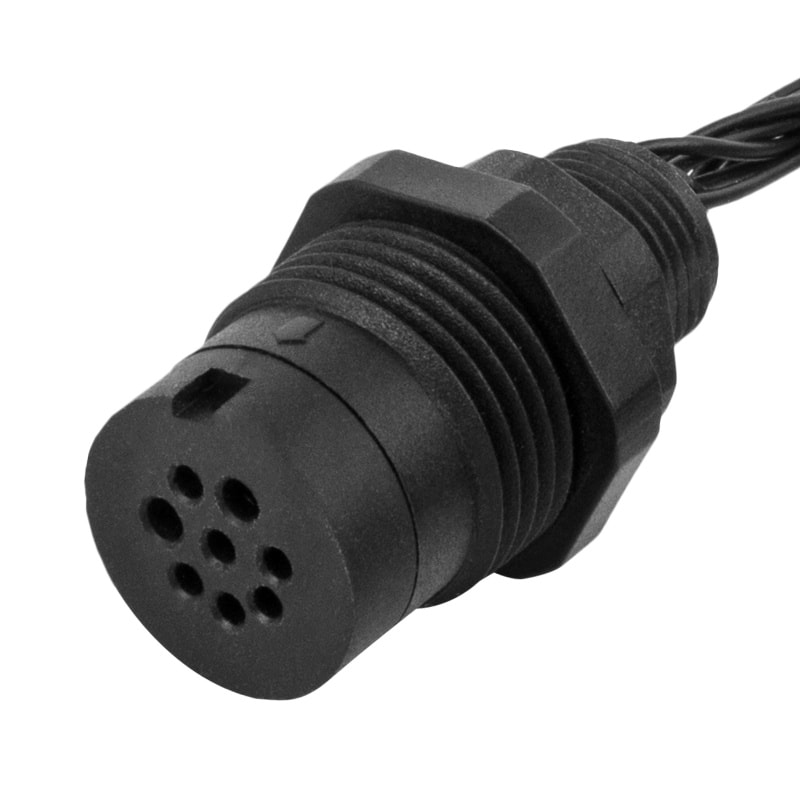
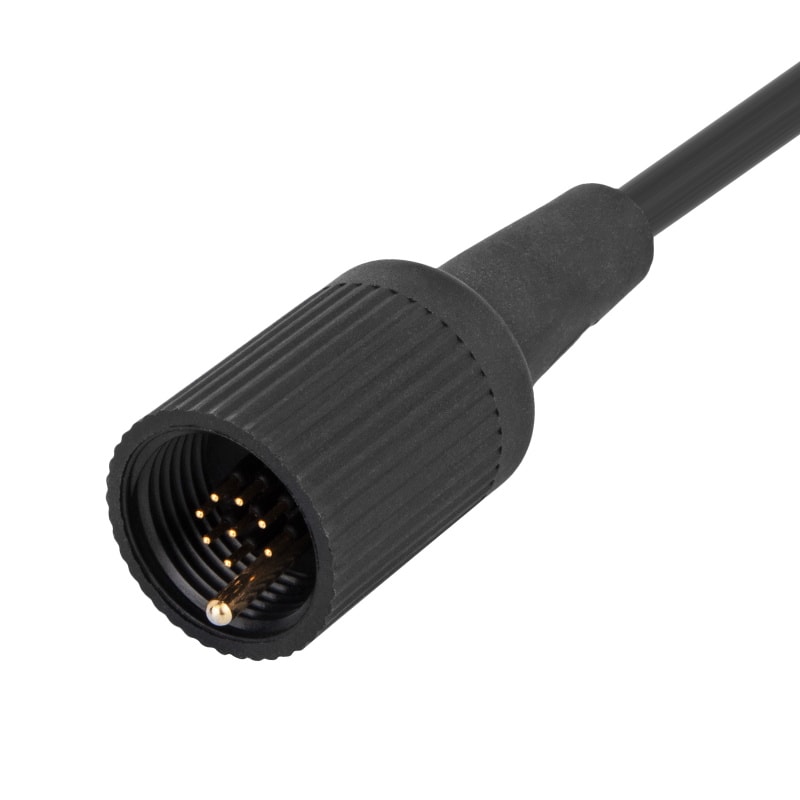
P/N: ALD-HBN1-372XXX
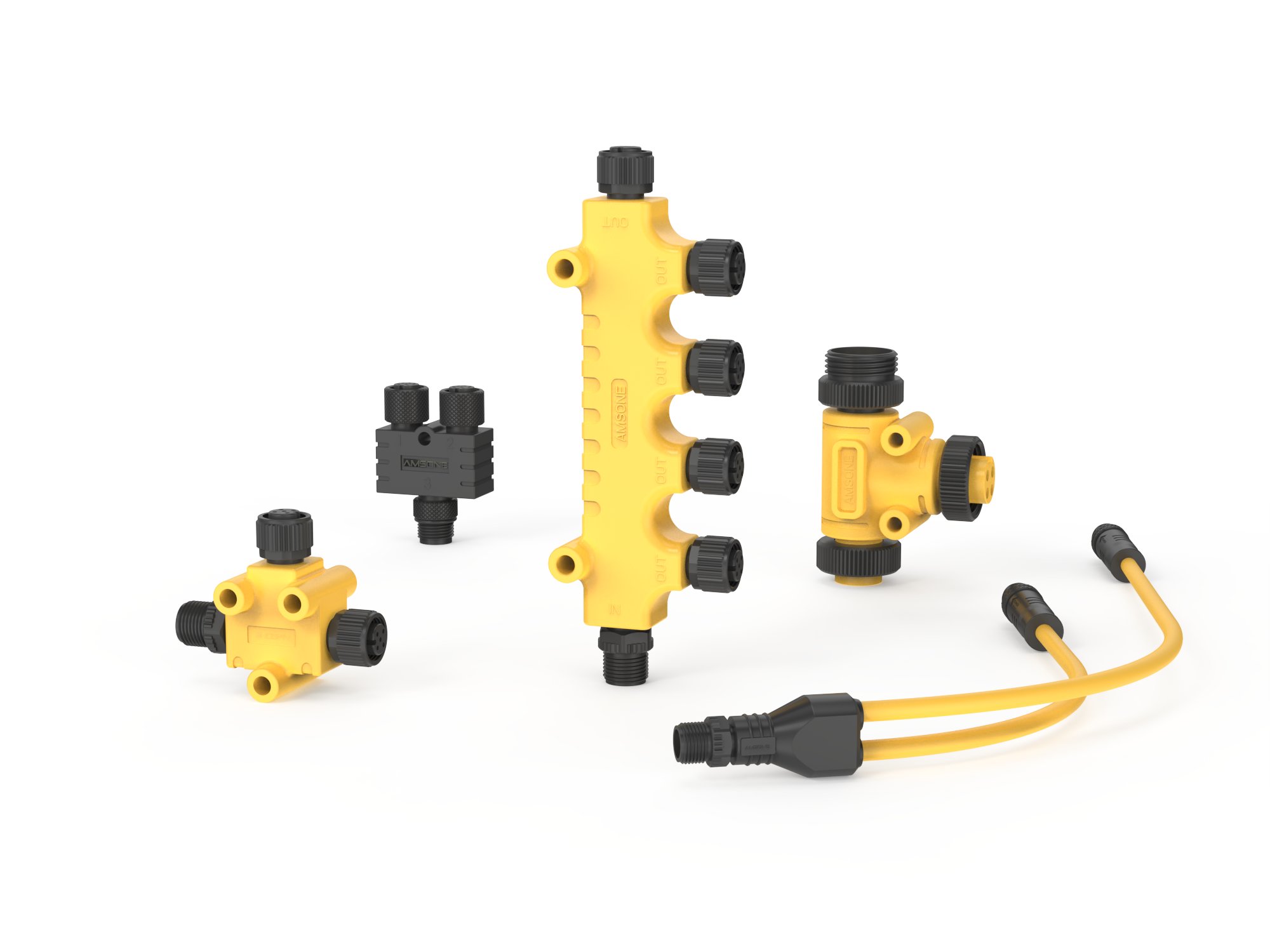
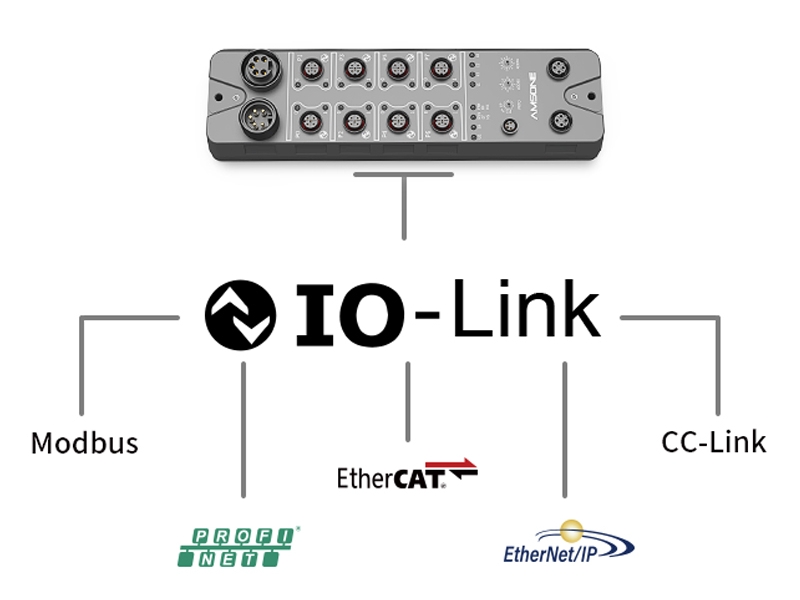
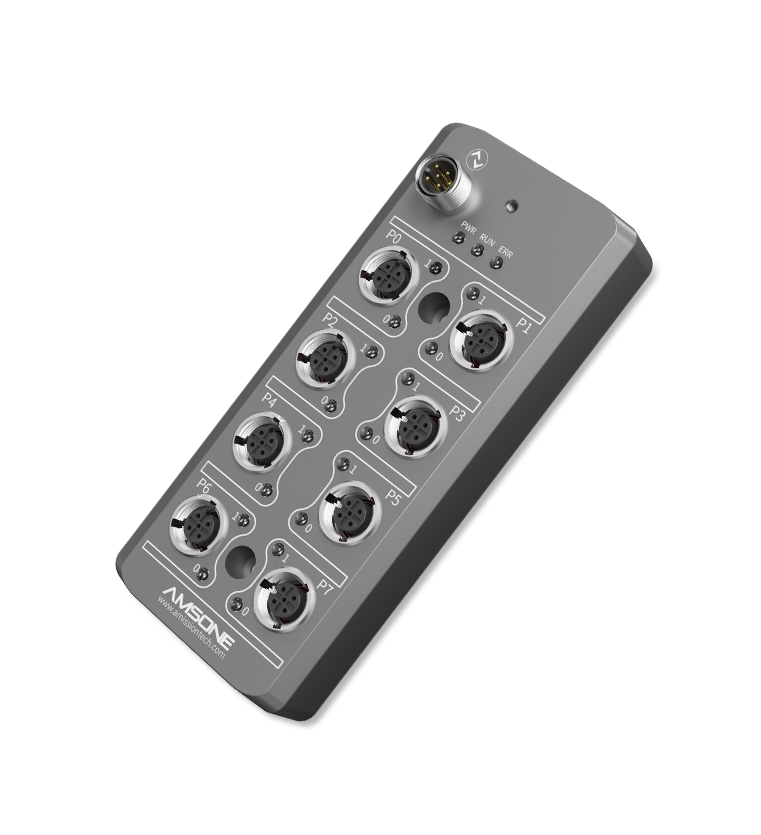
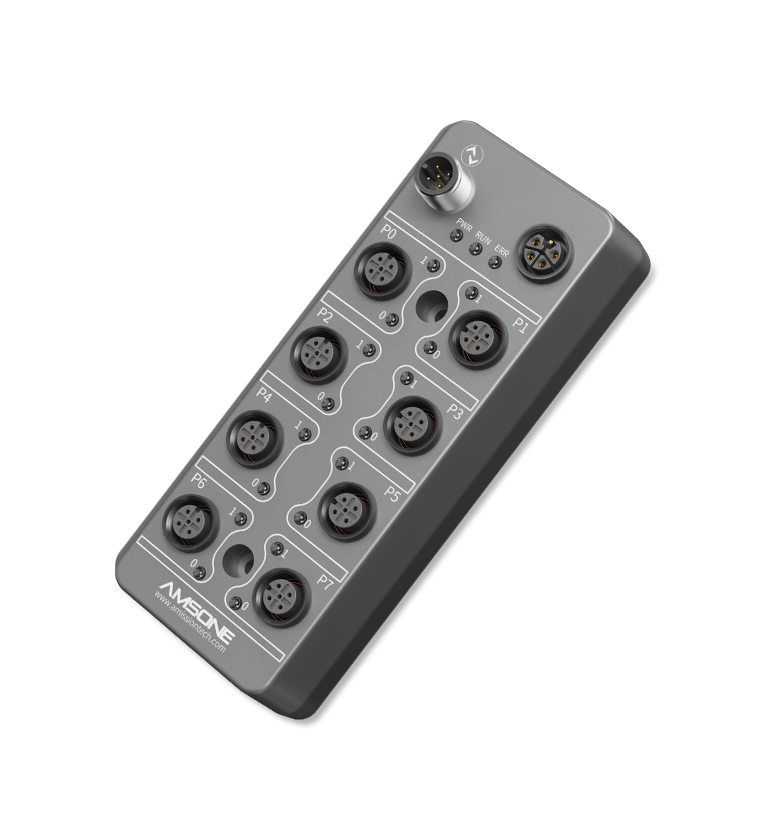
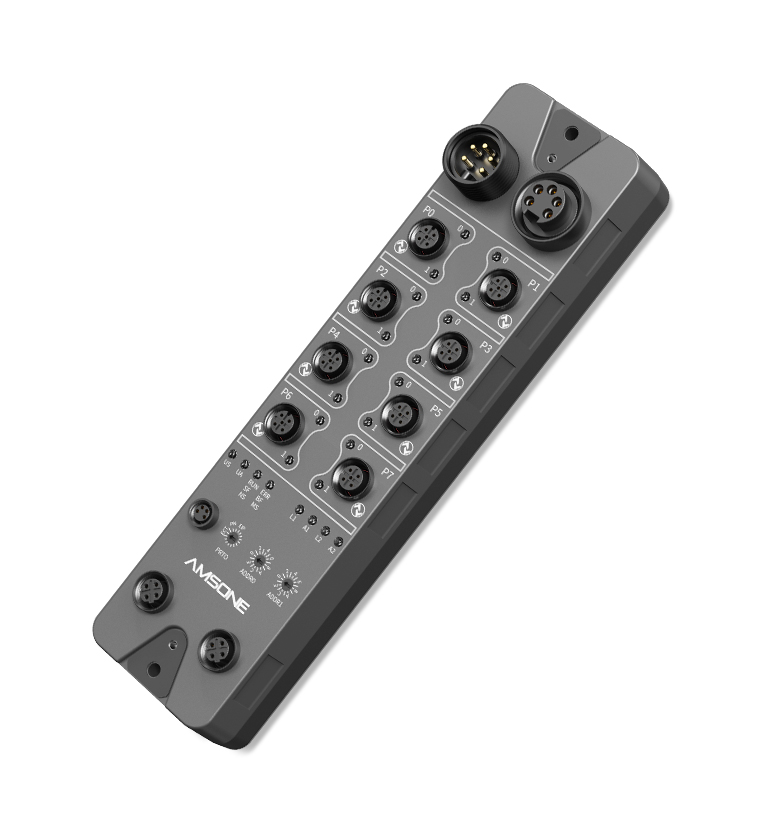
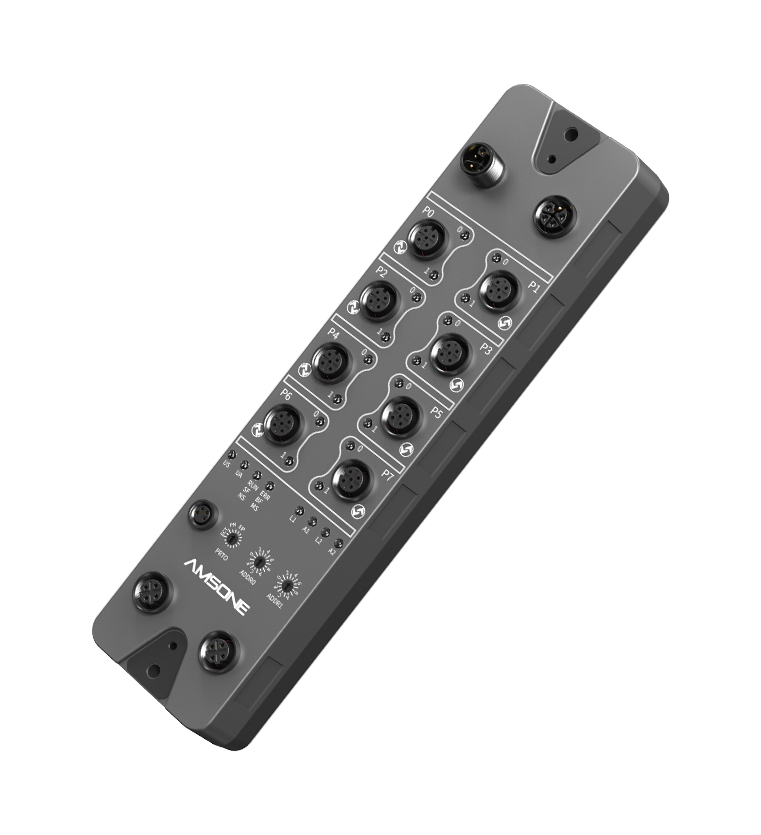
IO Link Hub NPN 0.5A/channel Plastic Housing Plastic Thread Locking
View All









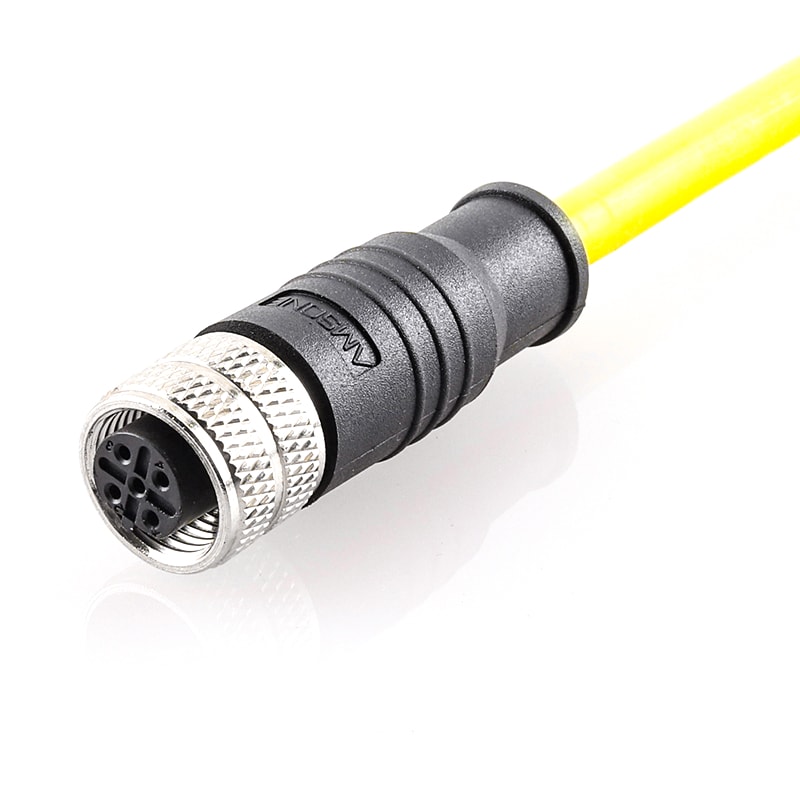


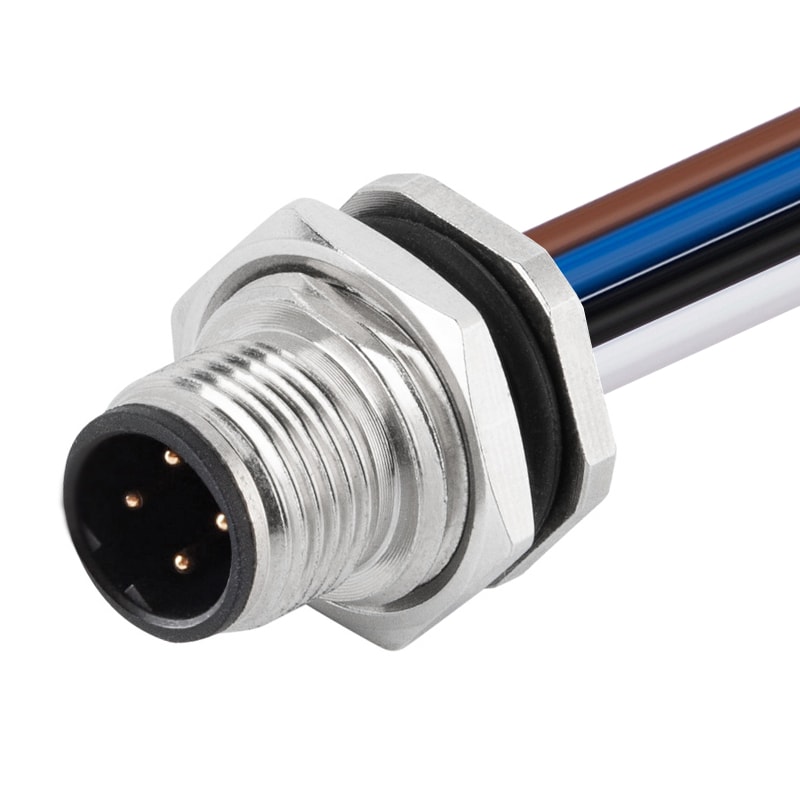










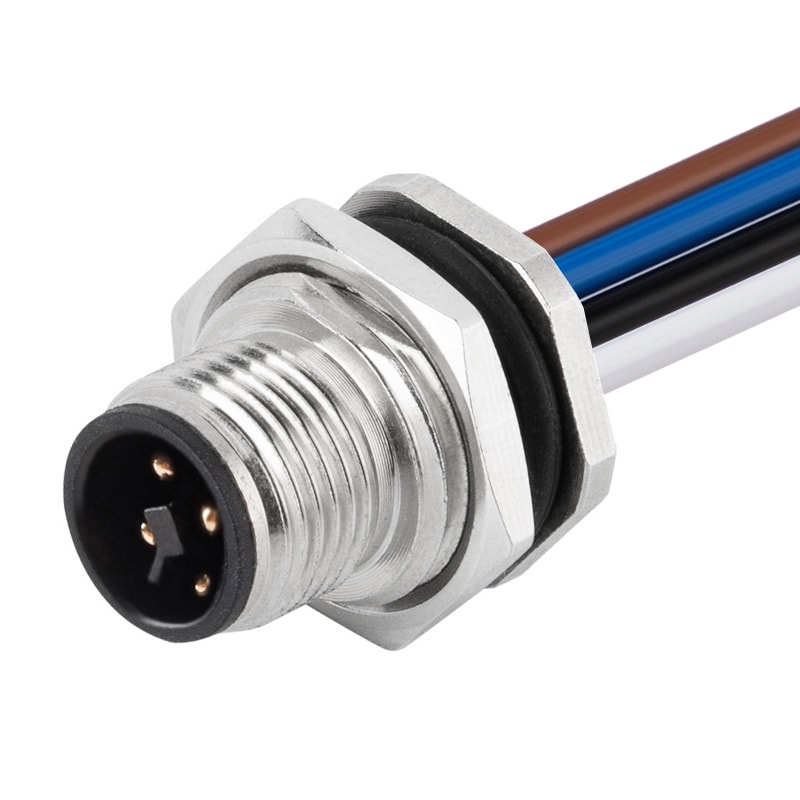

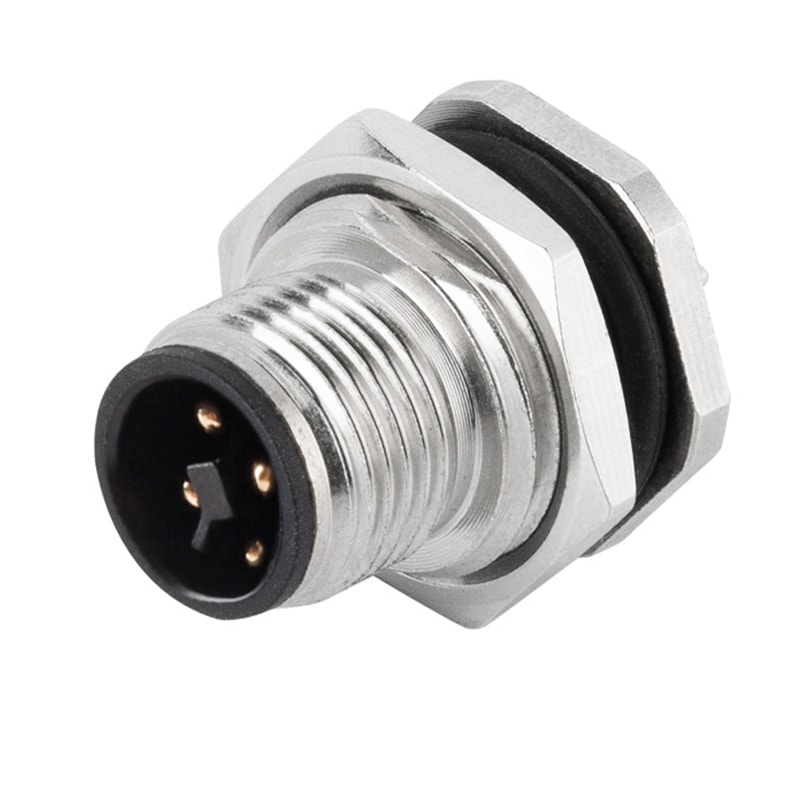

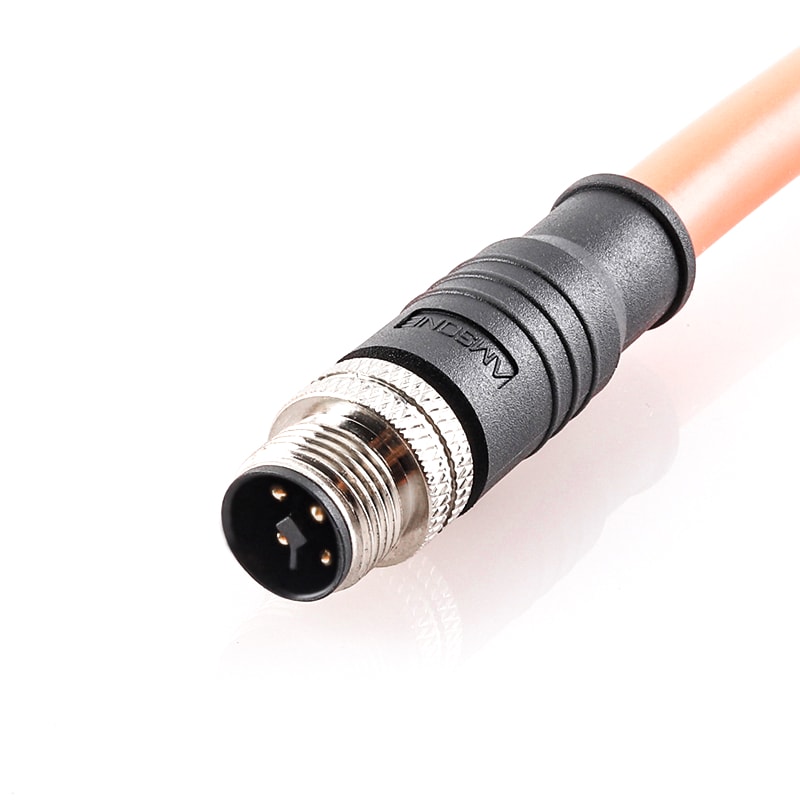
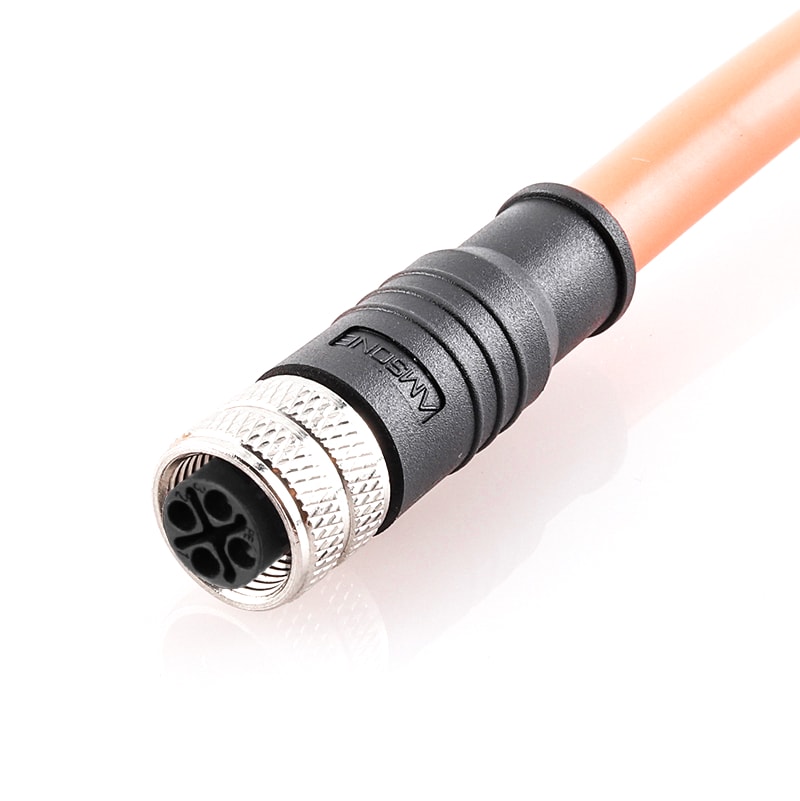
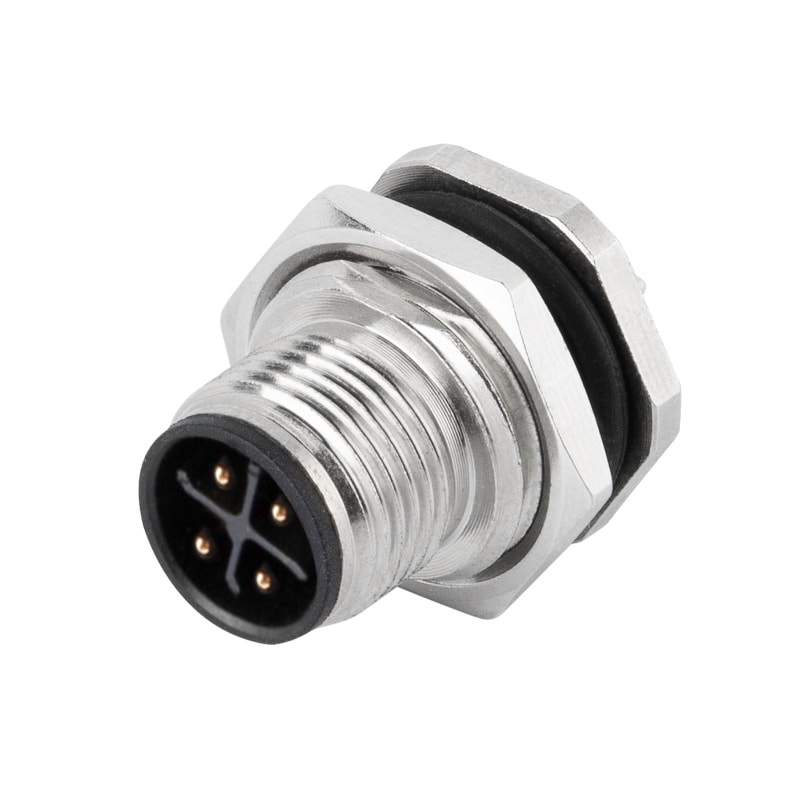


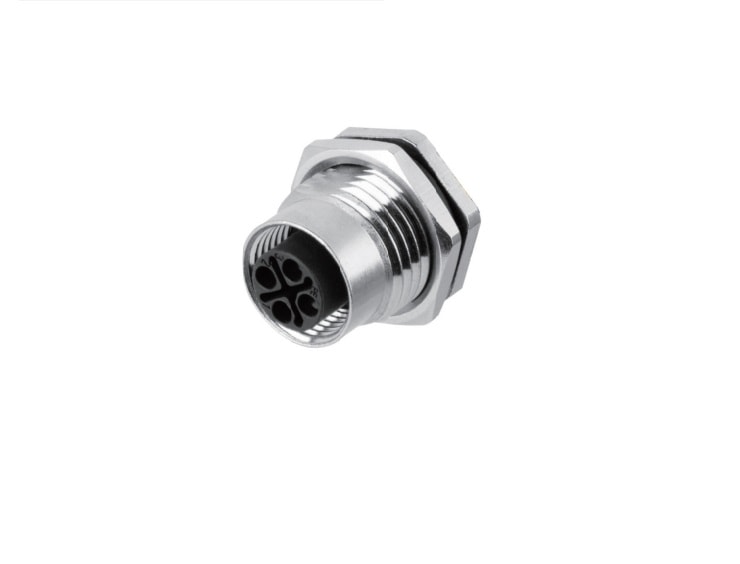
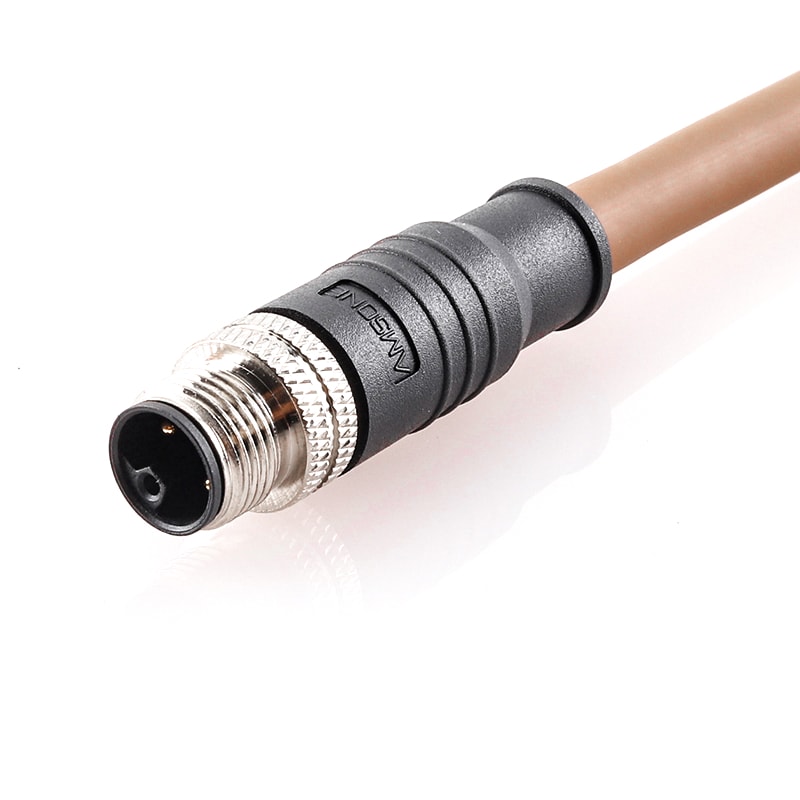


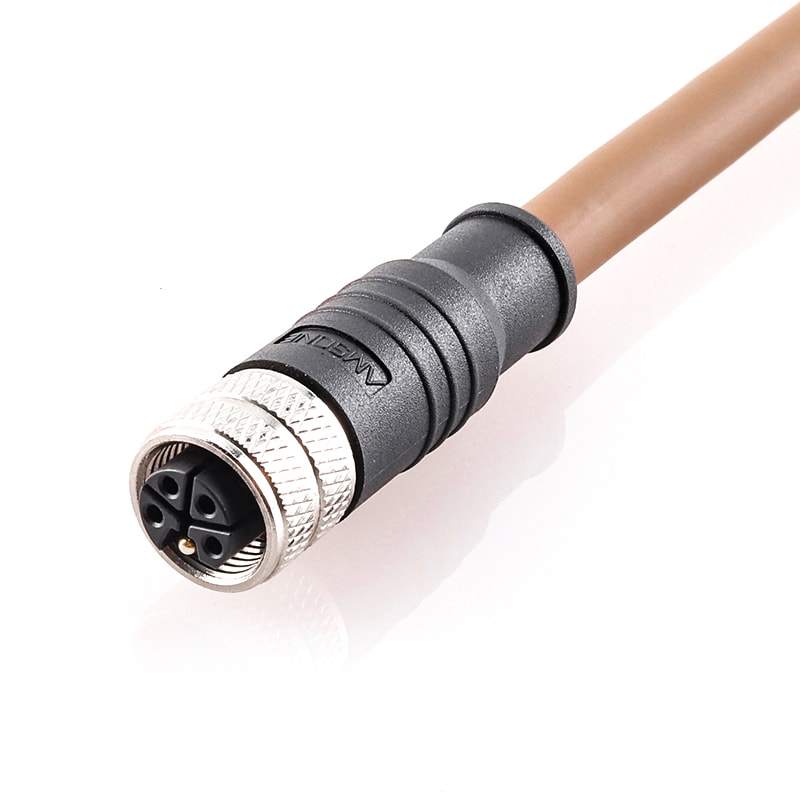


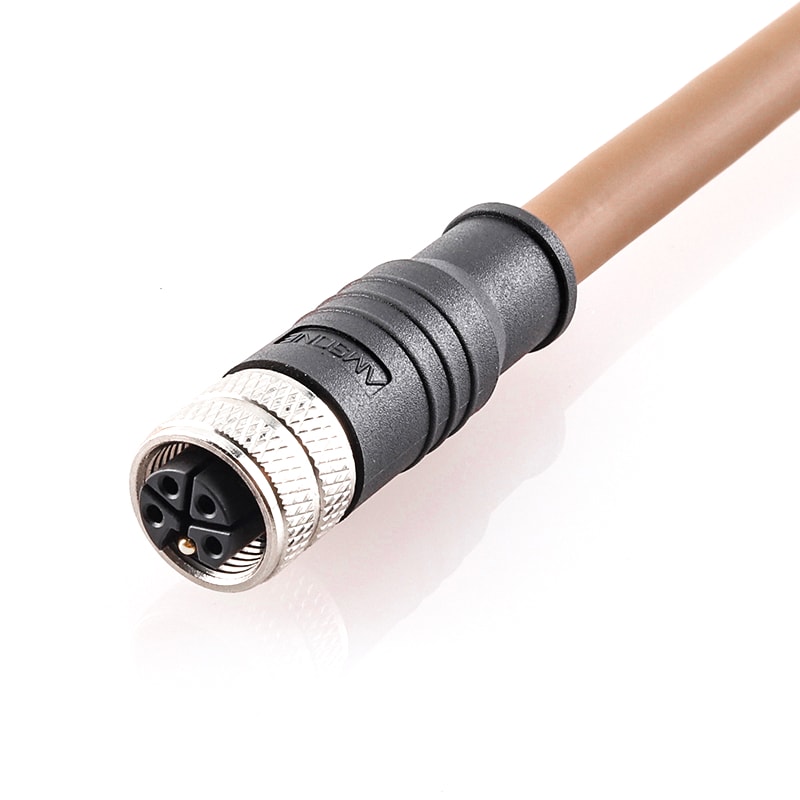
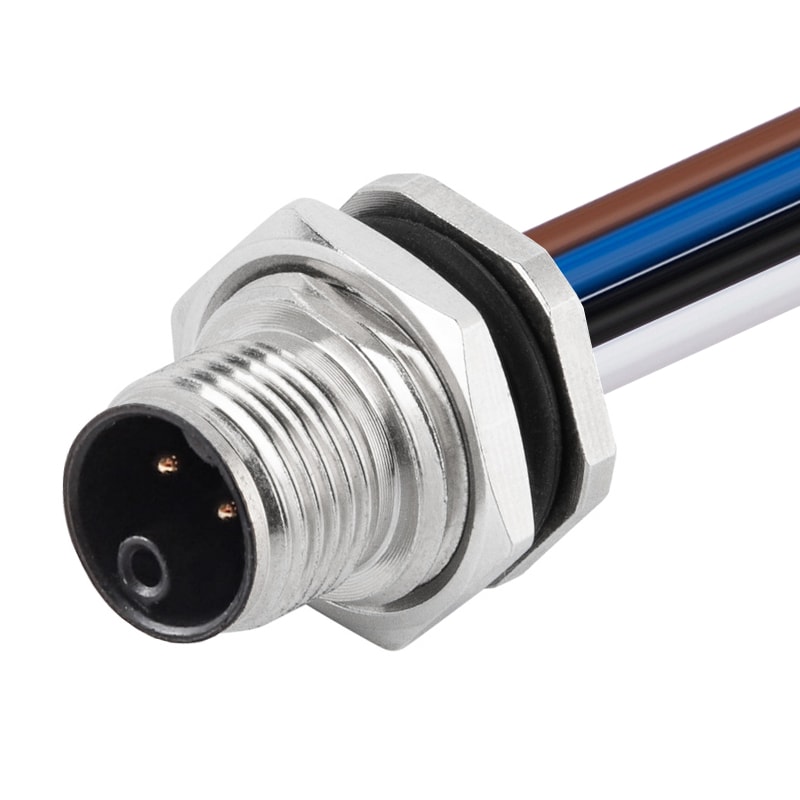


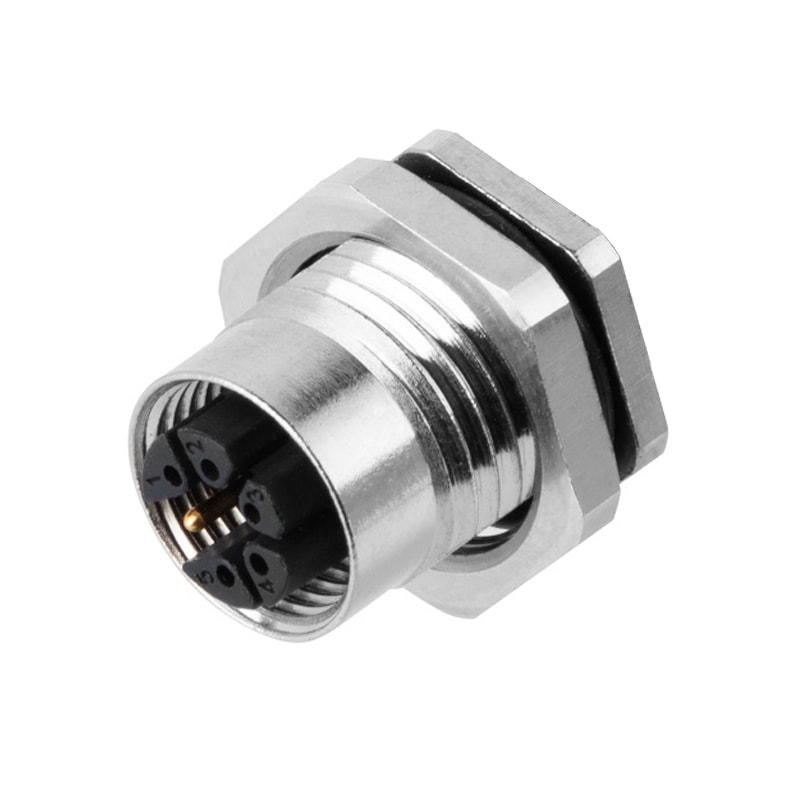
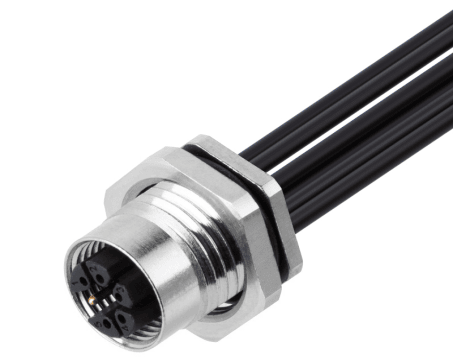







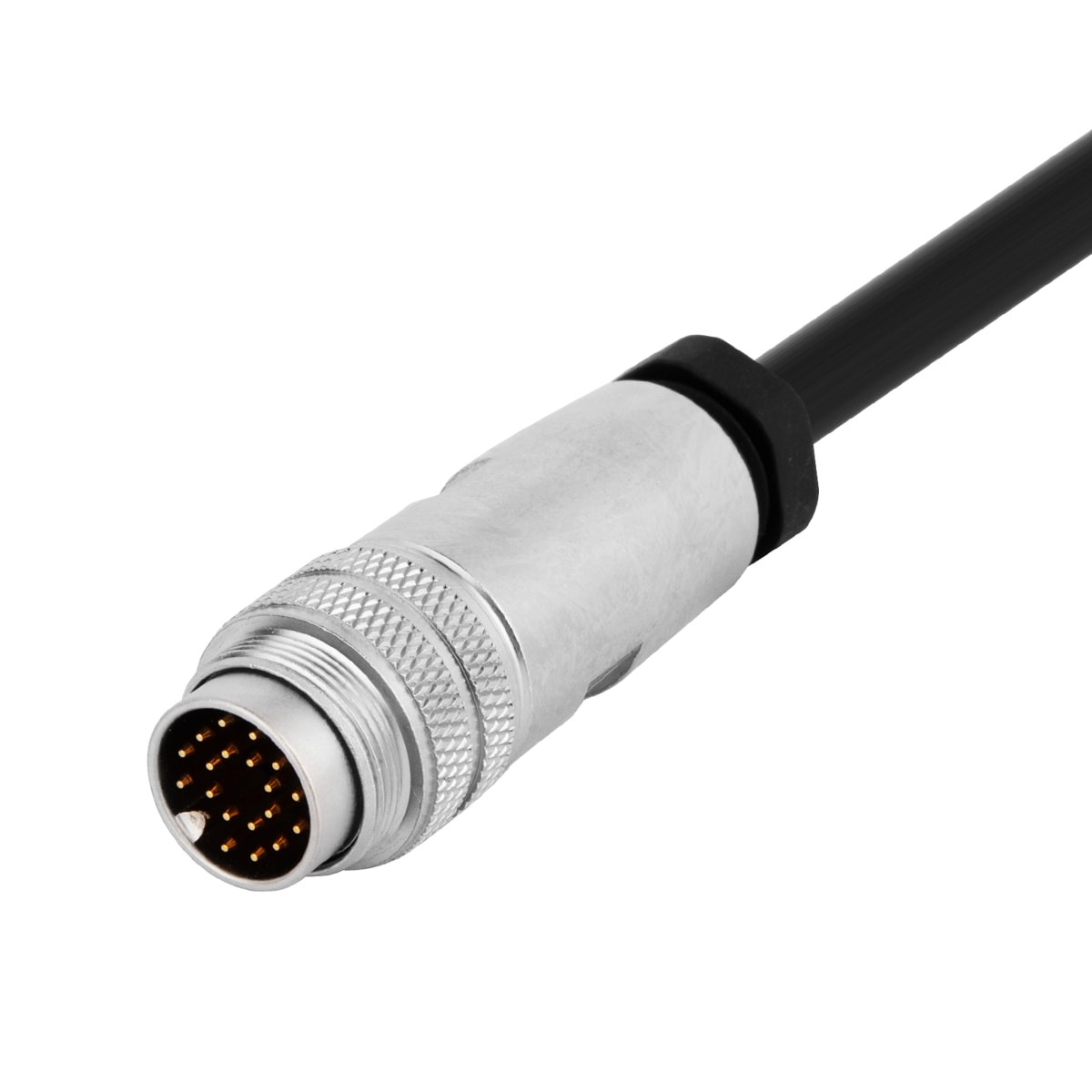
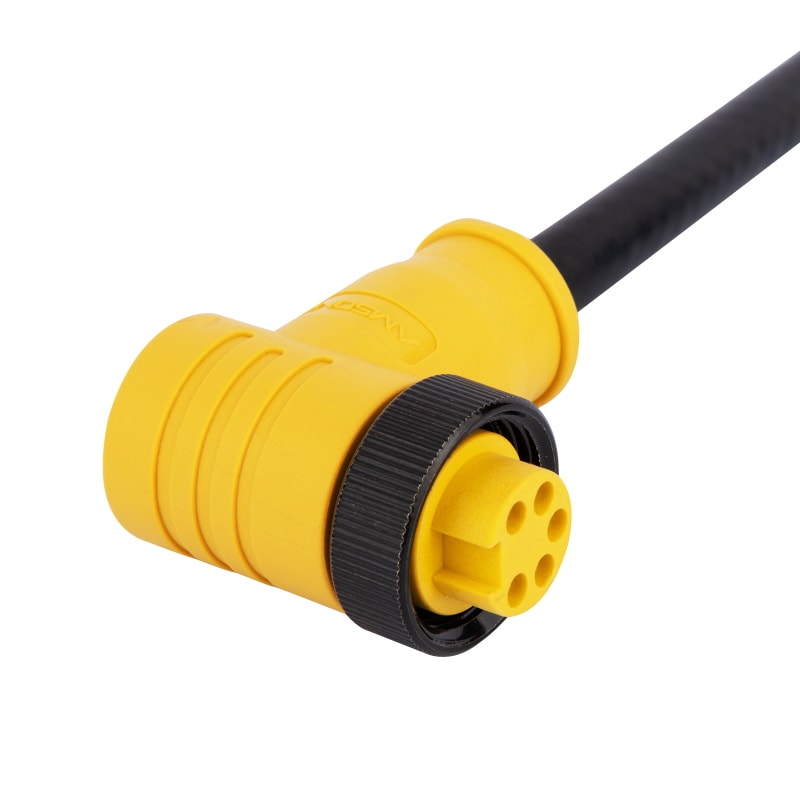
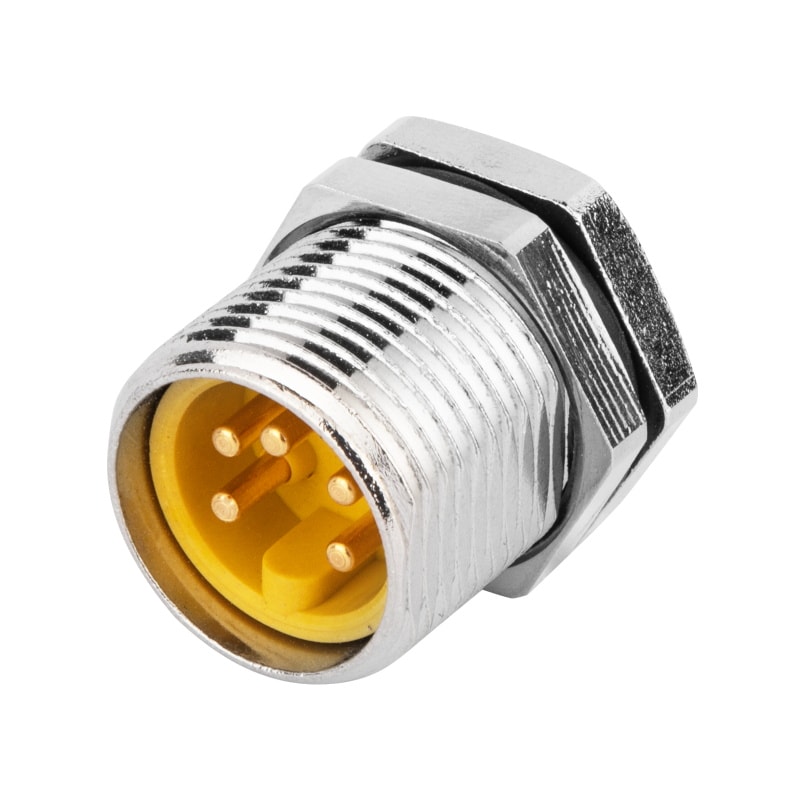
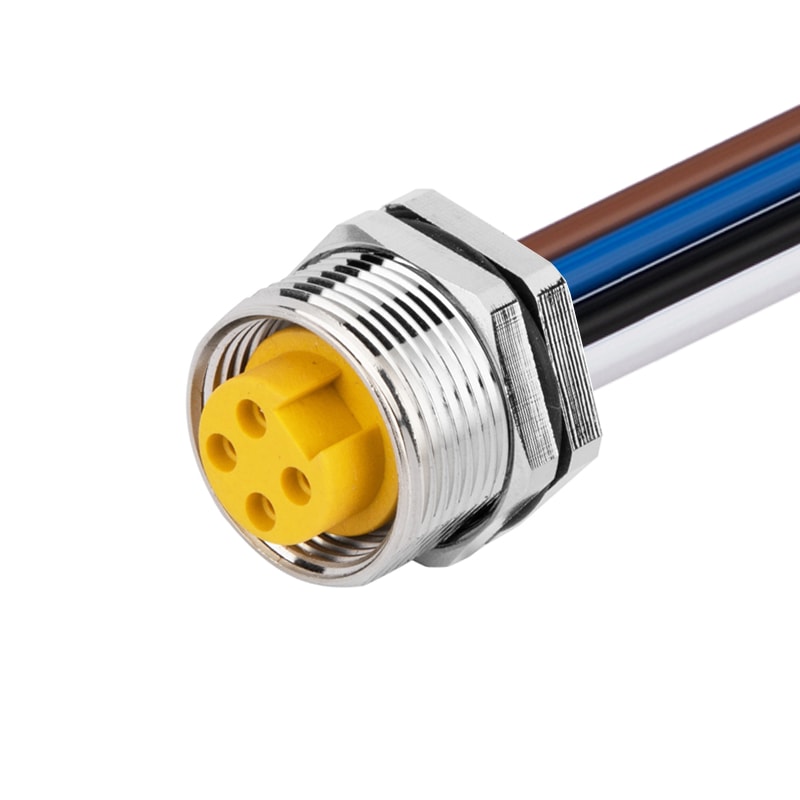
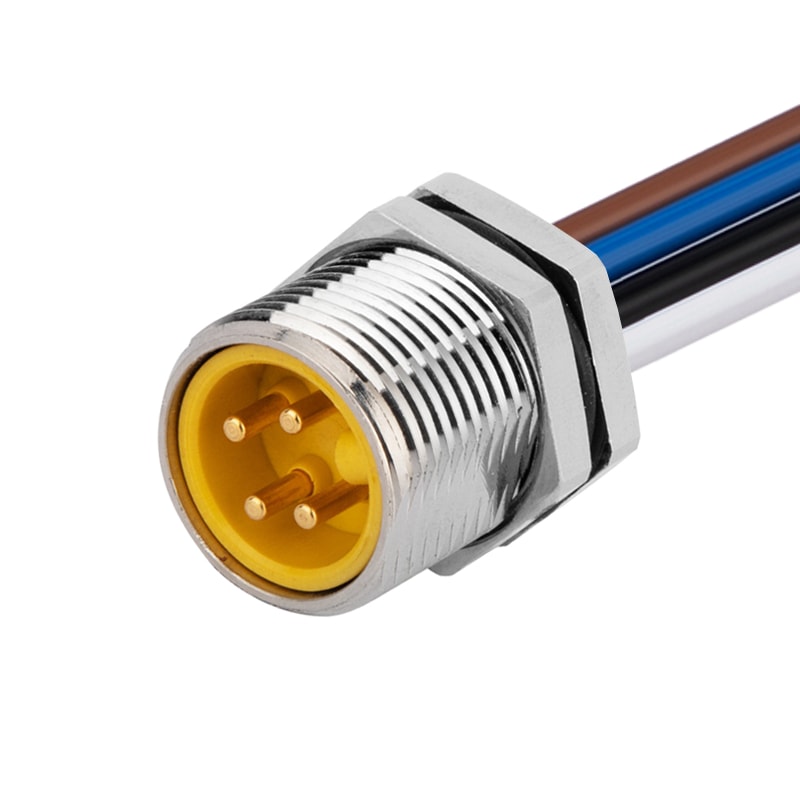
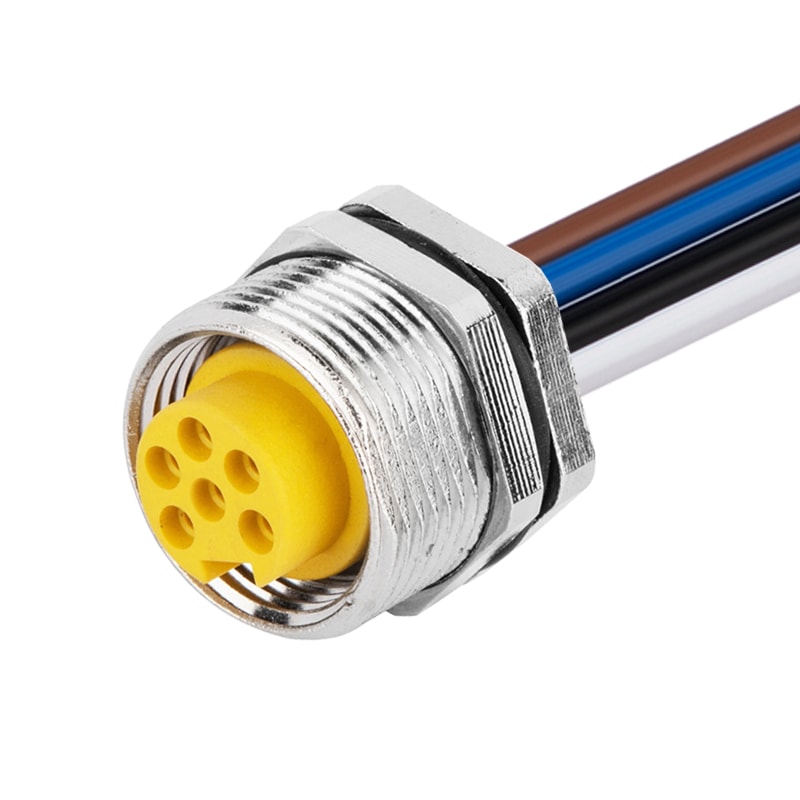
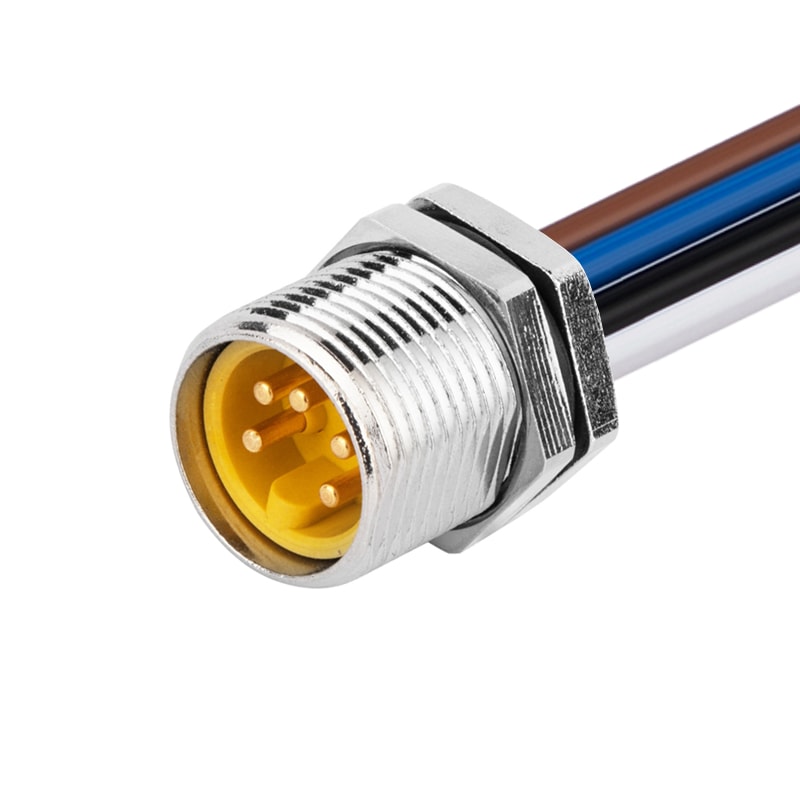
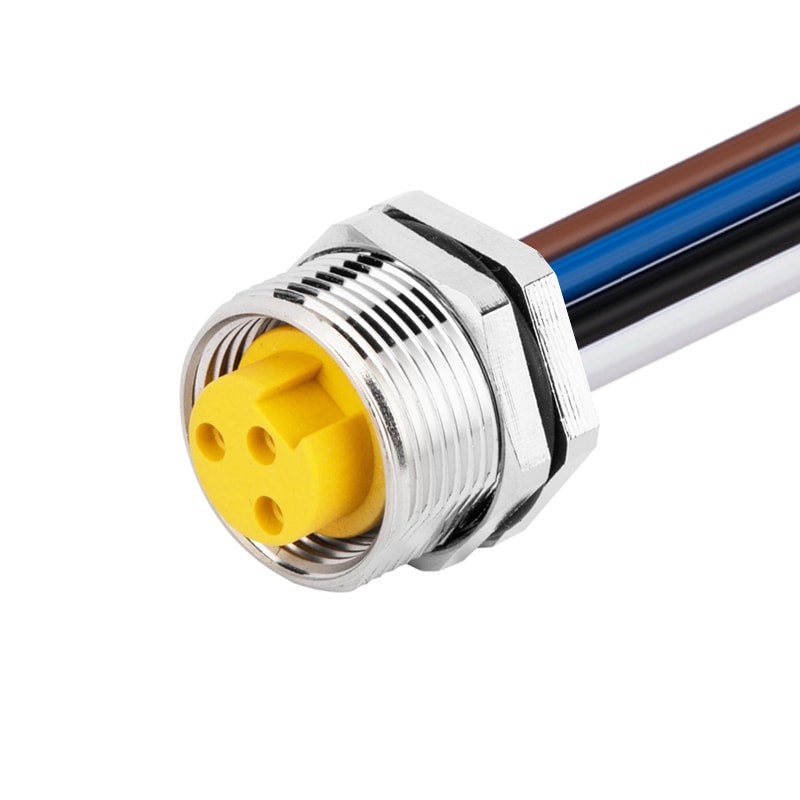
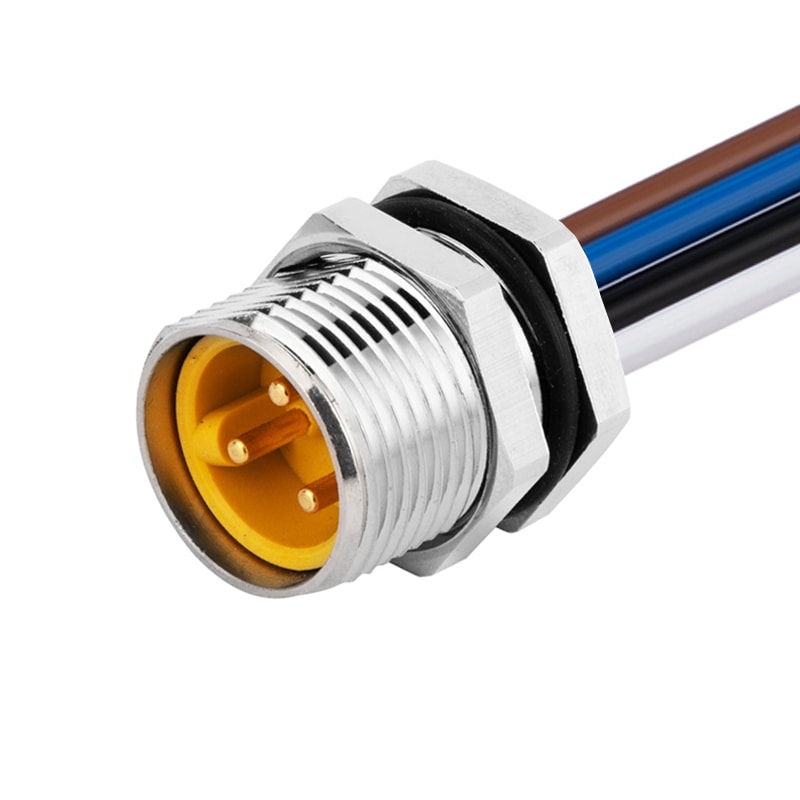
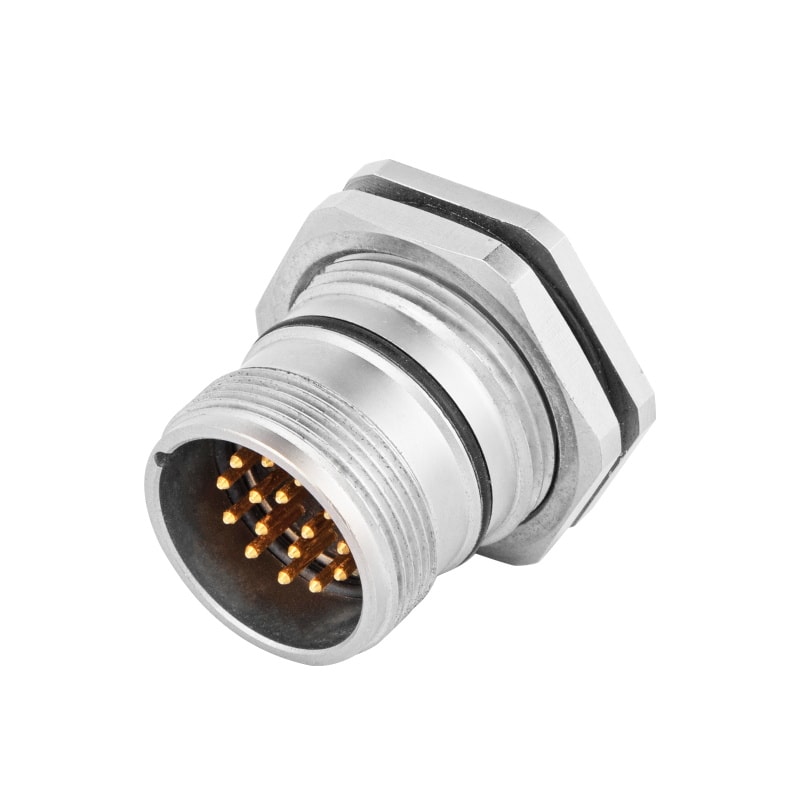
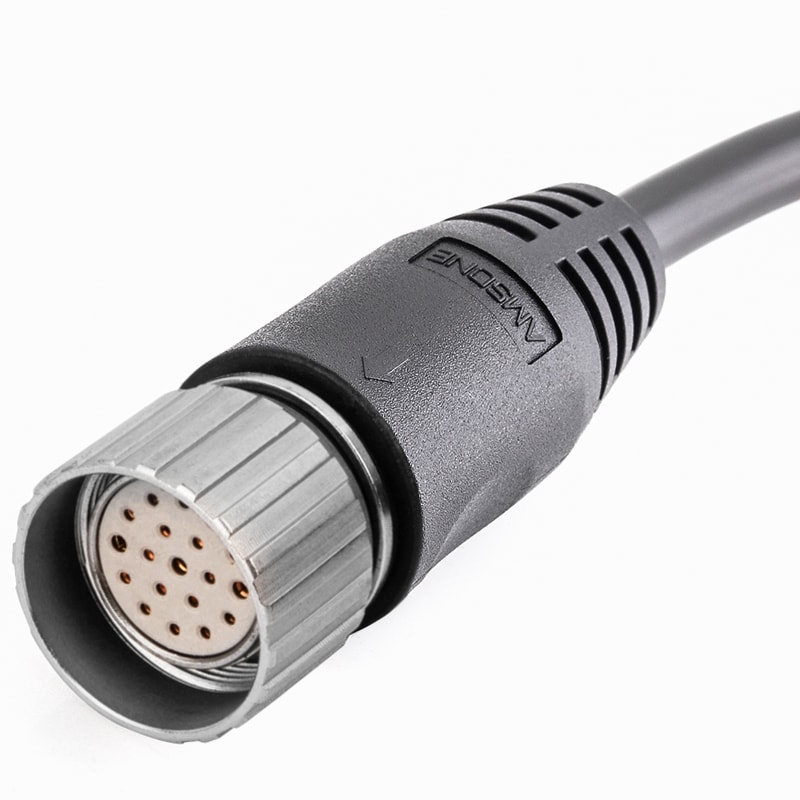
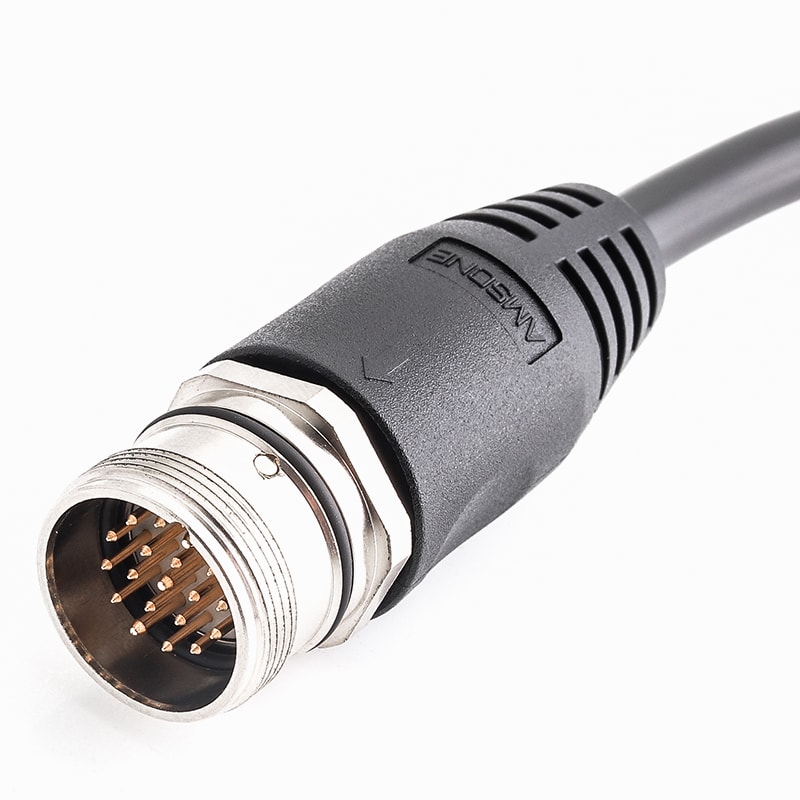
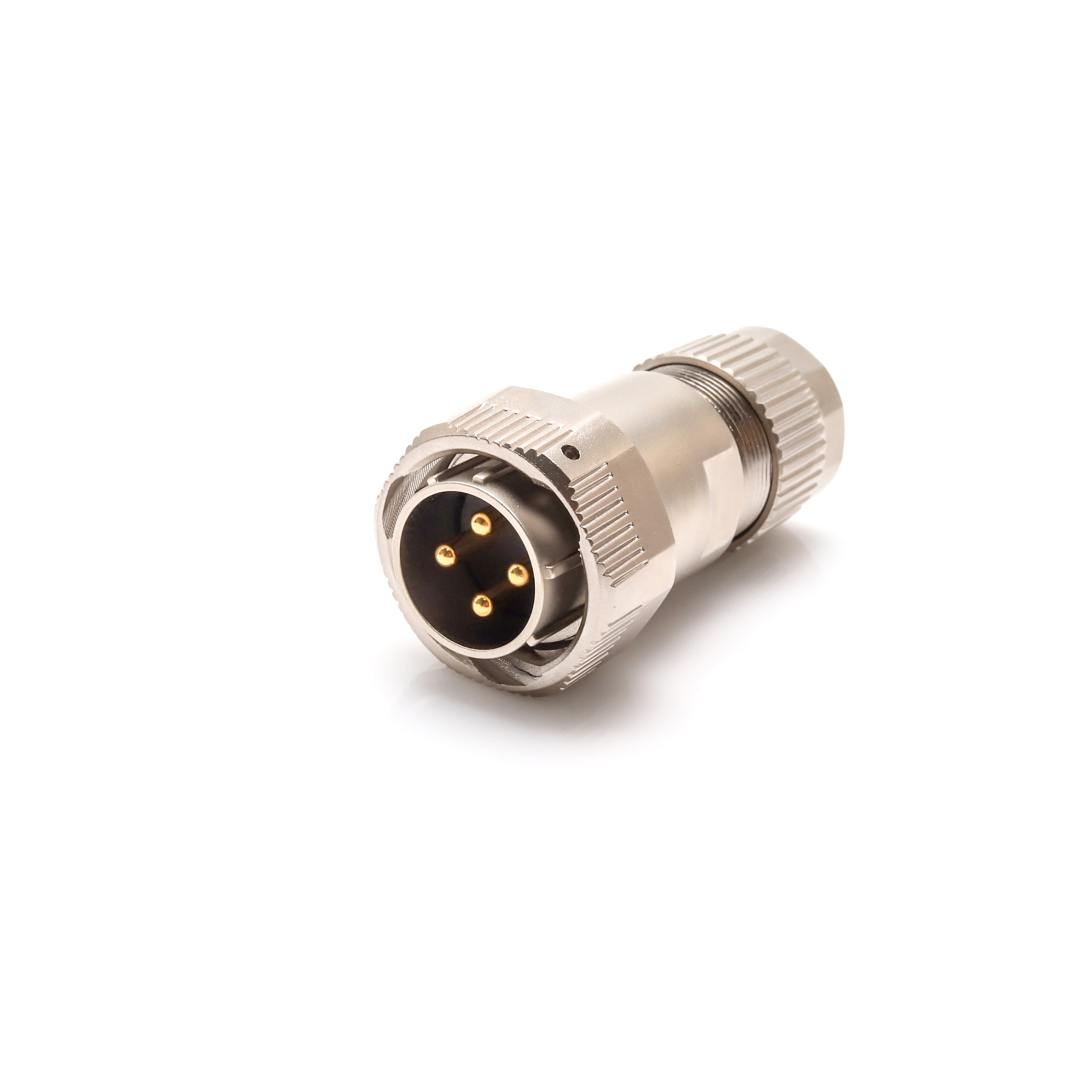
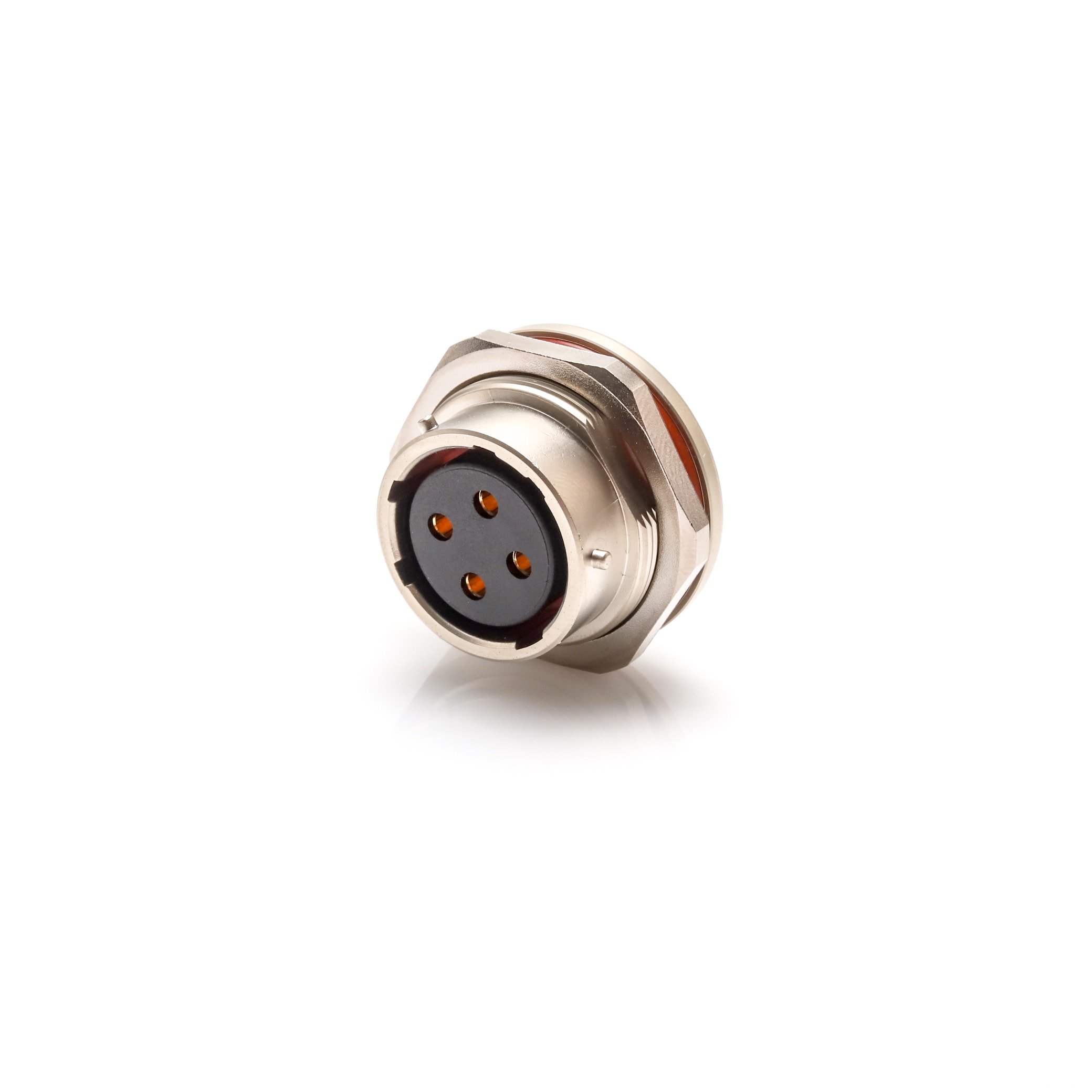
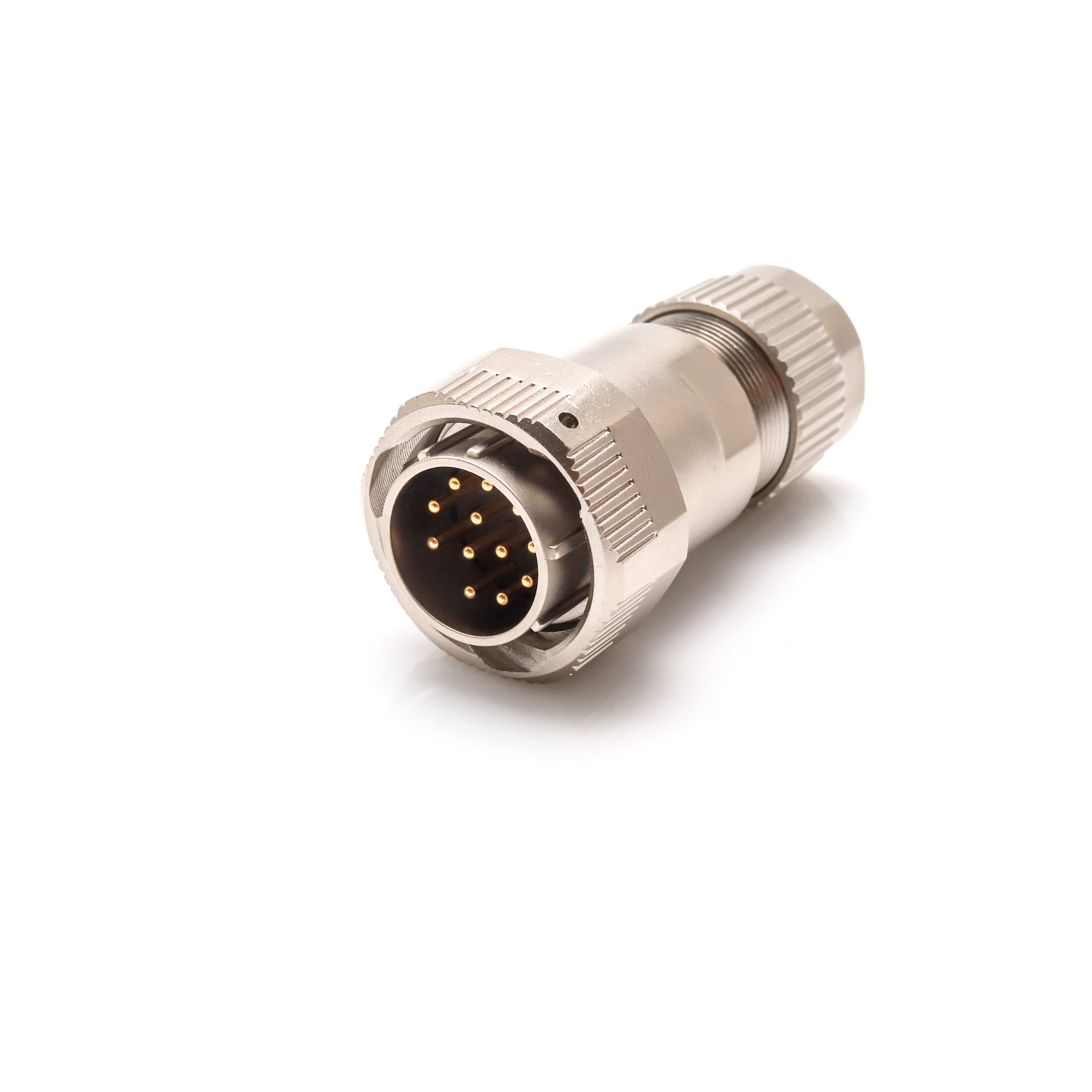
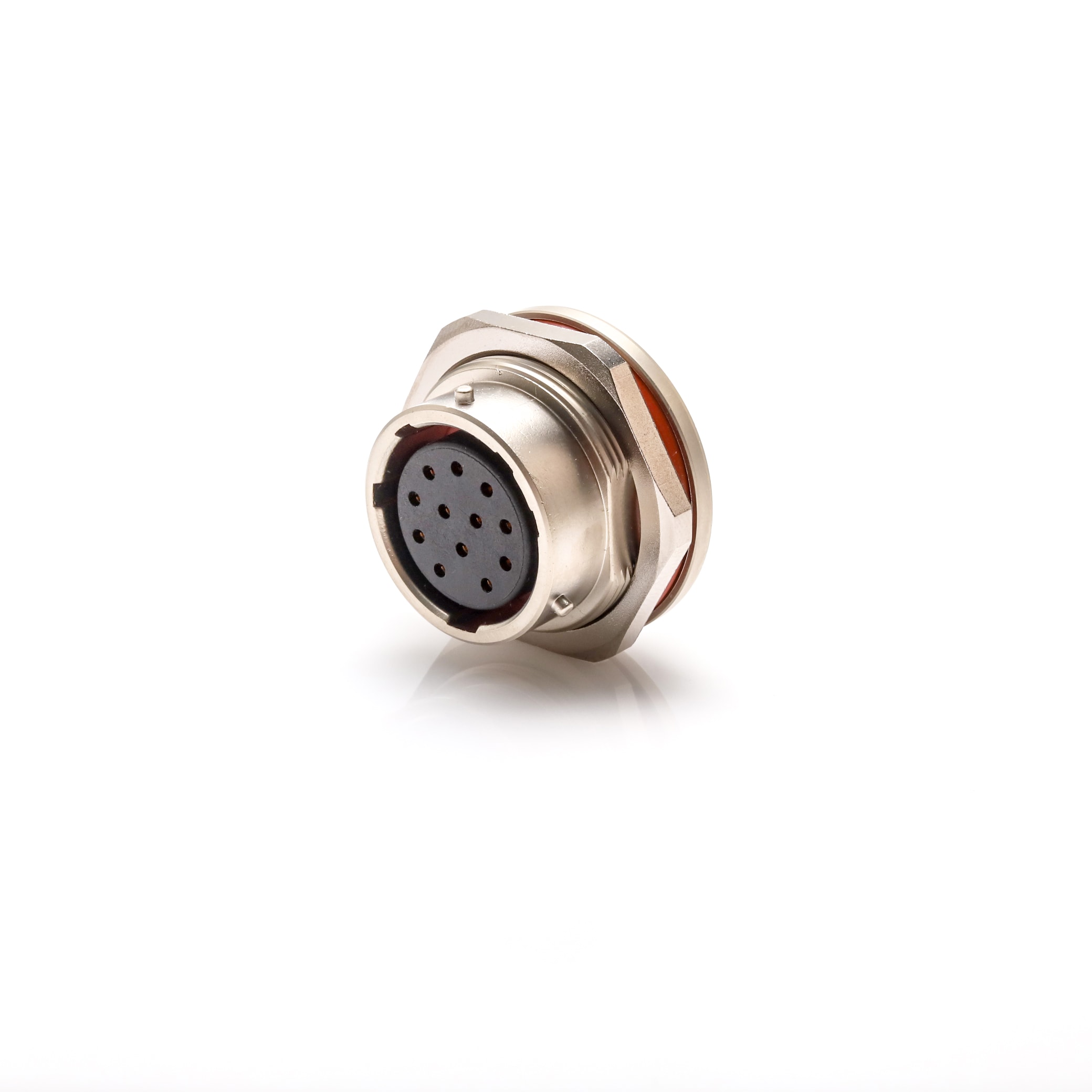
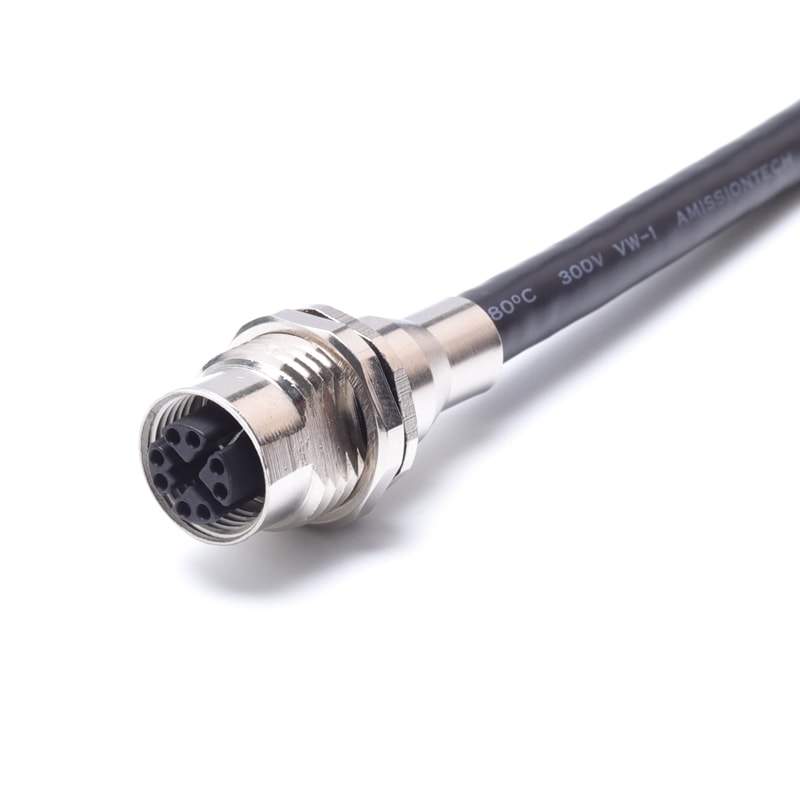
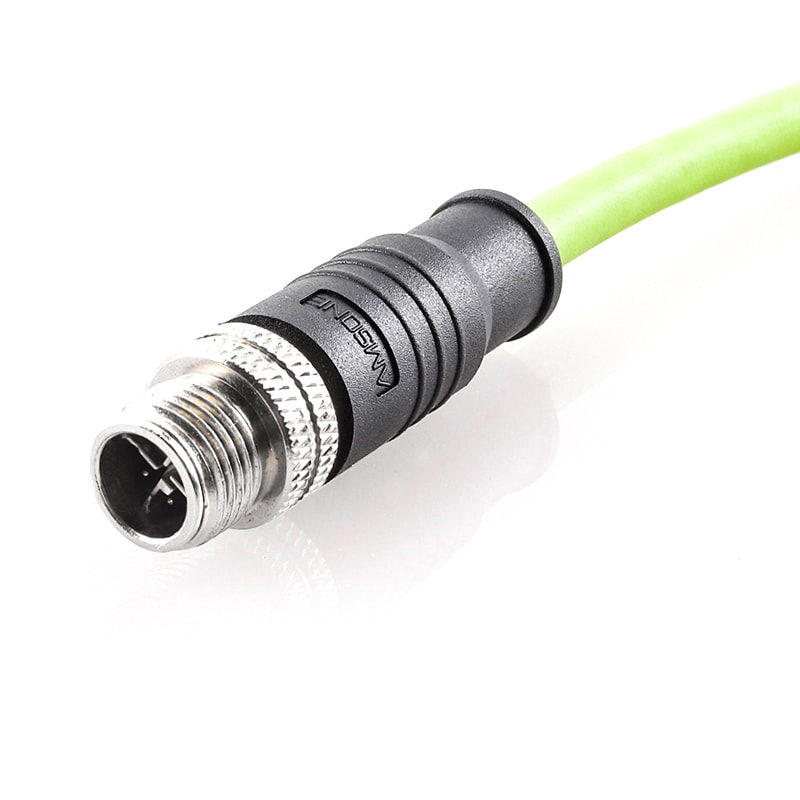
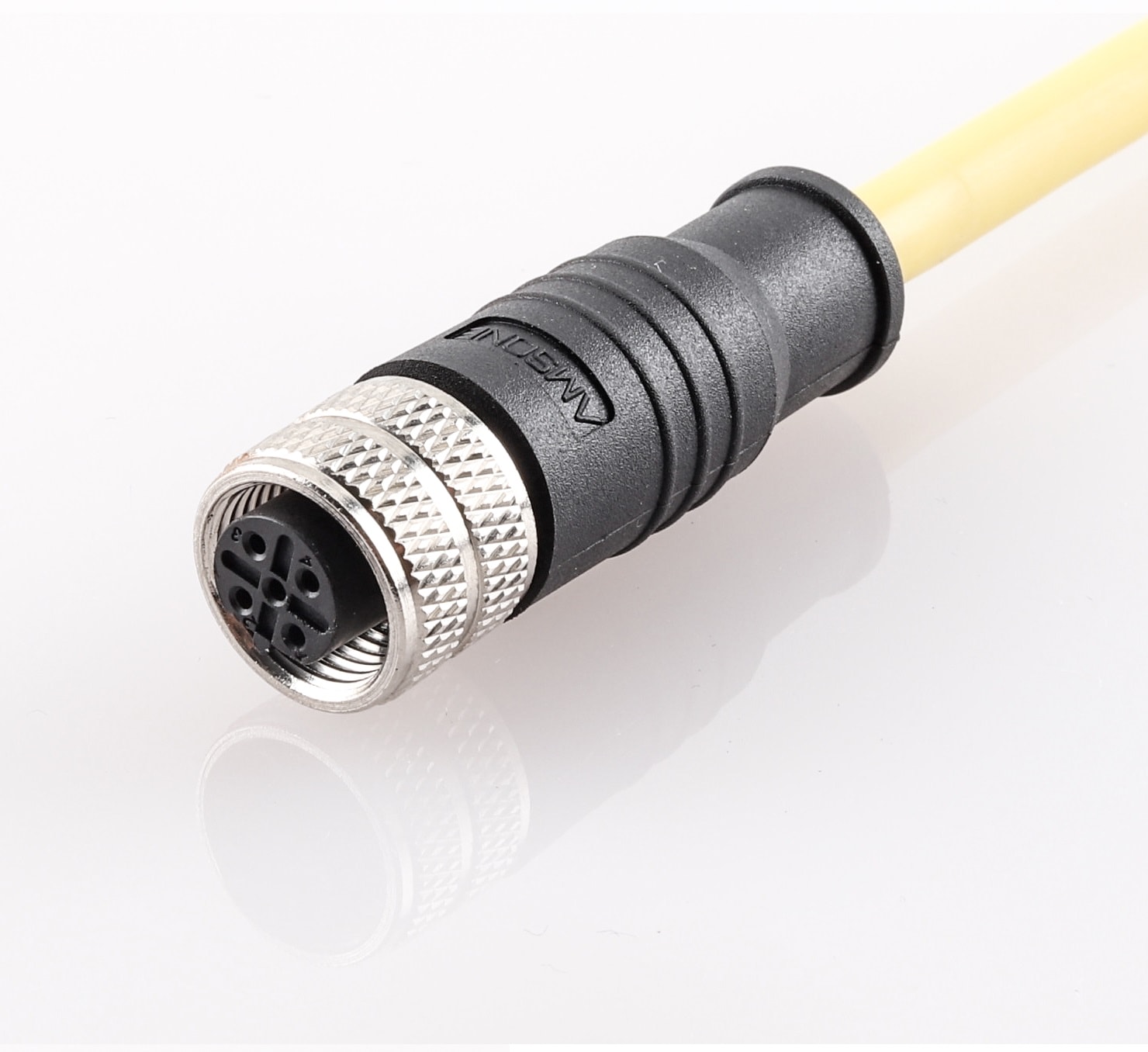
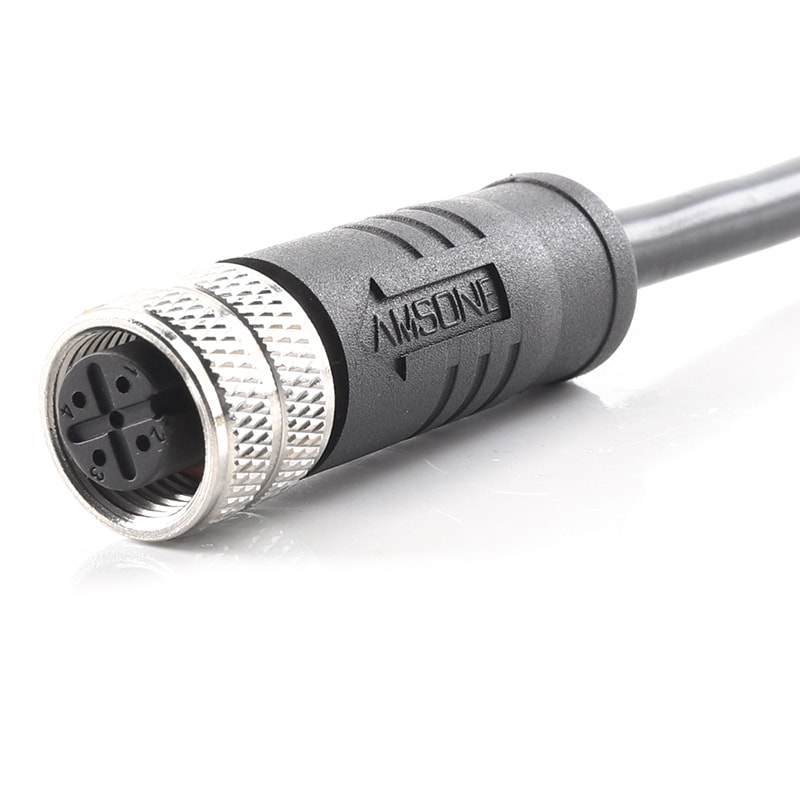
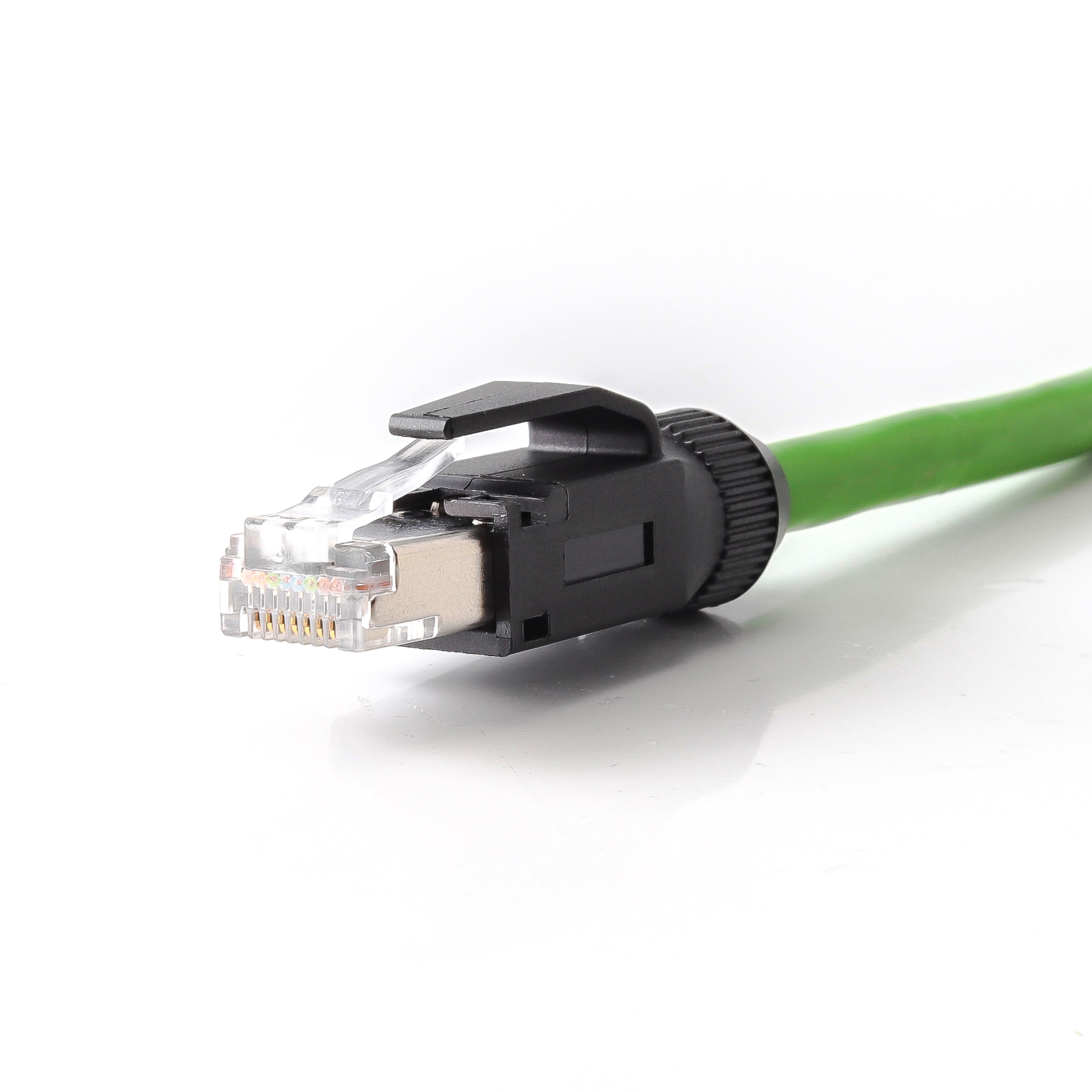
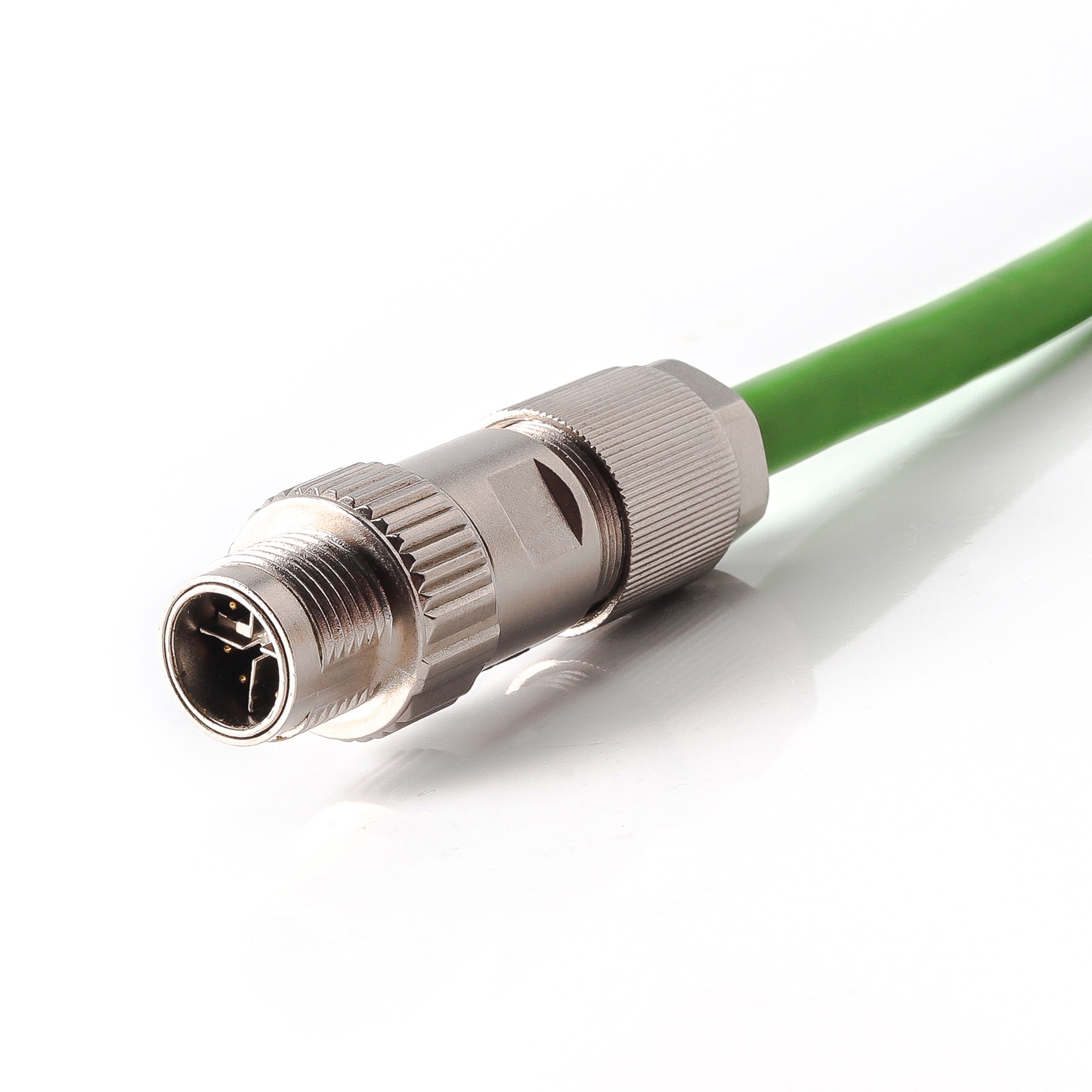
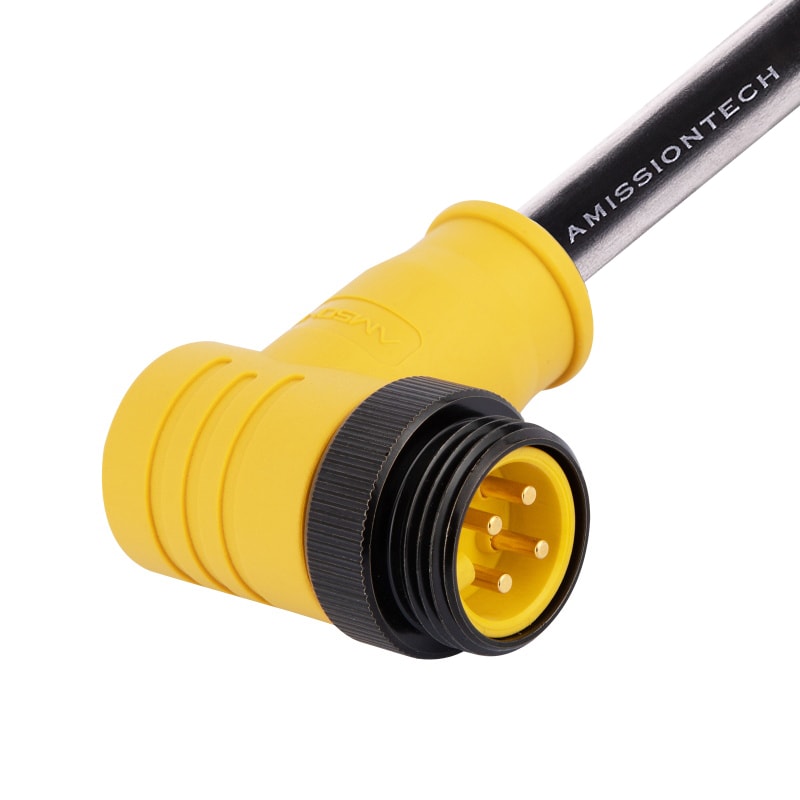
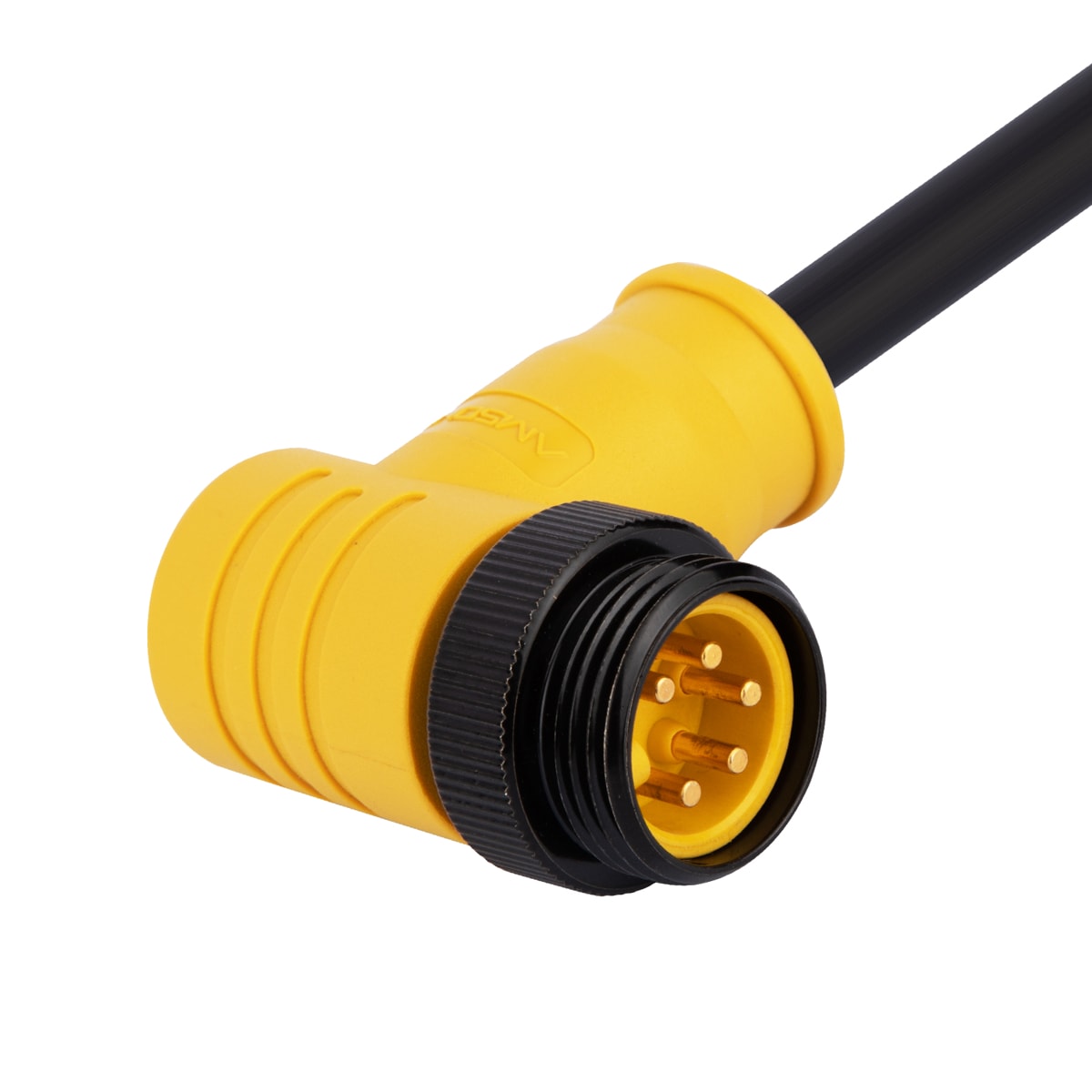
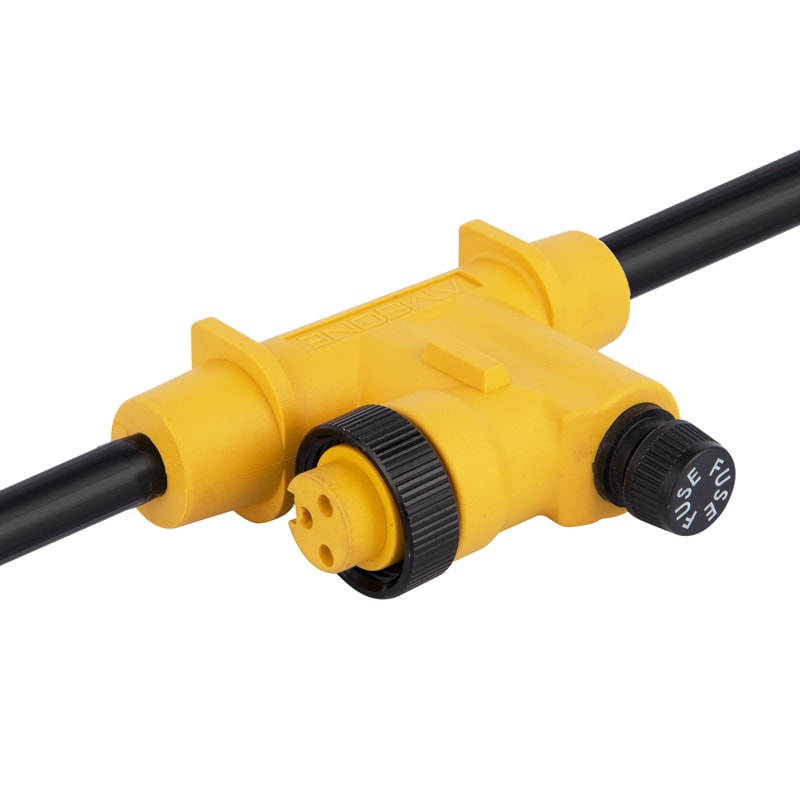
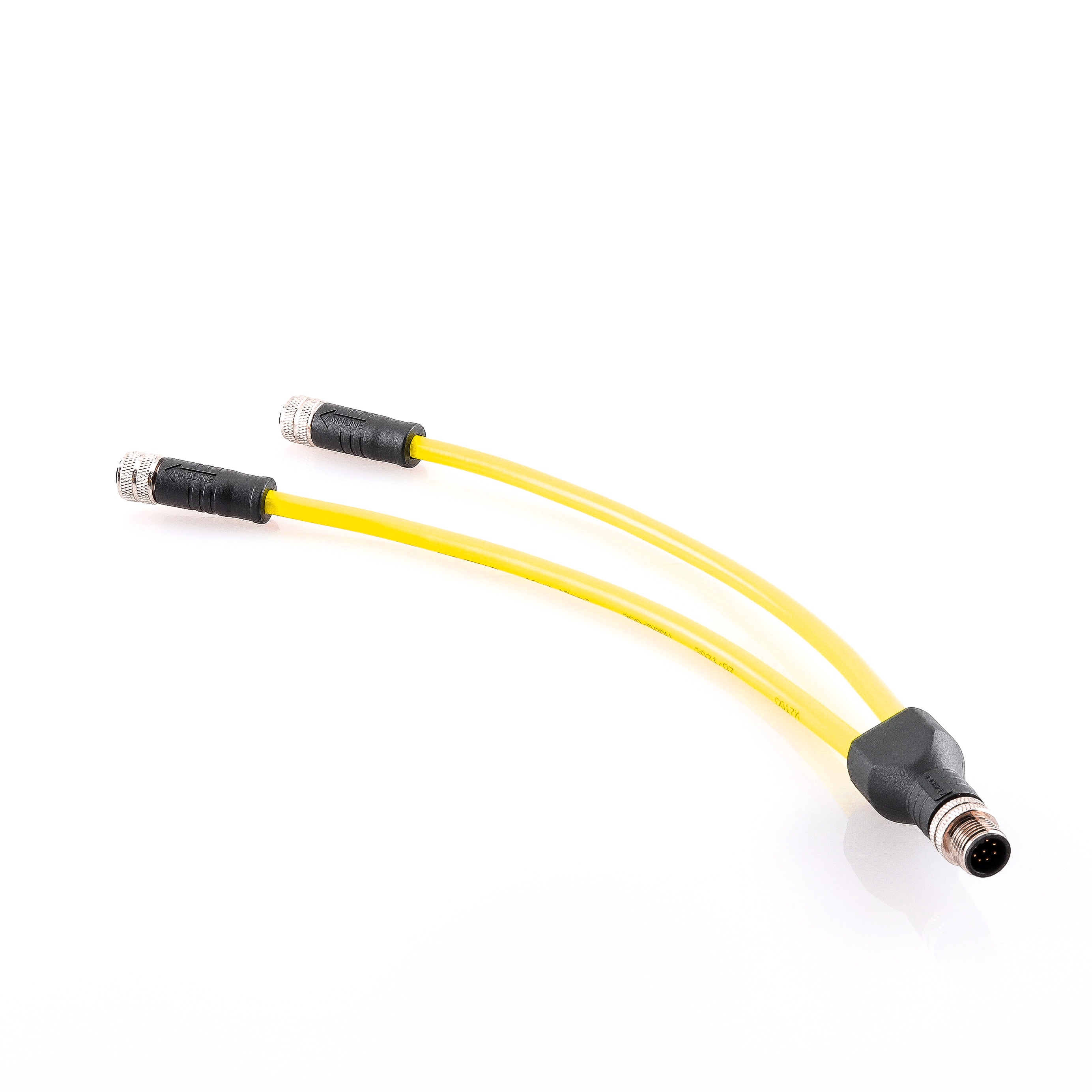
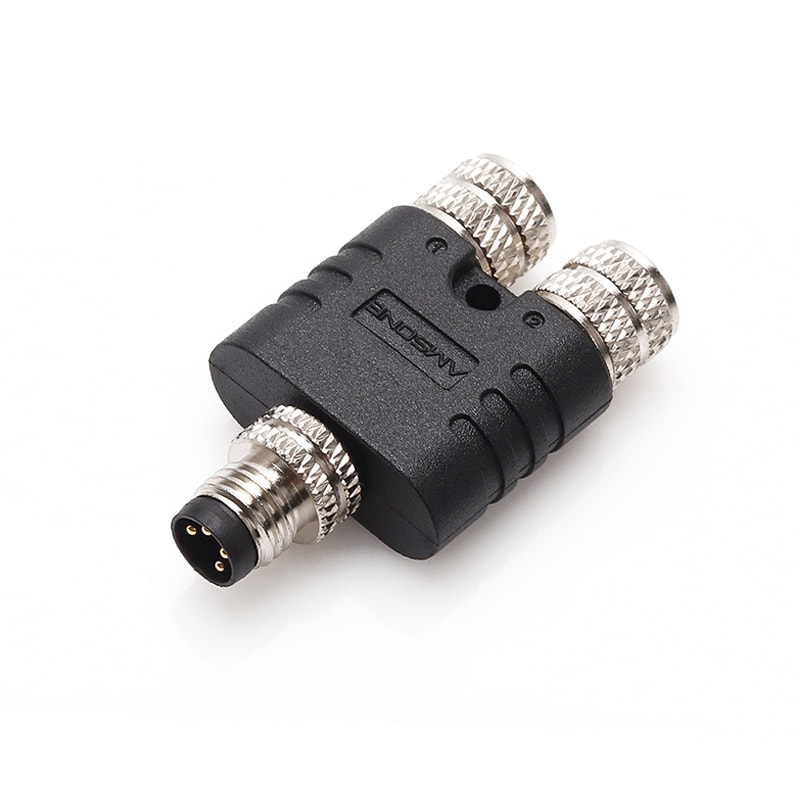
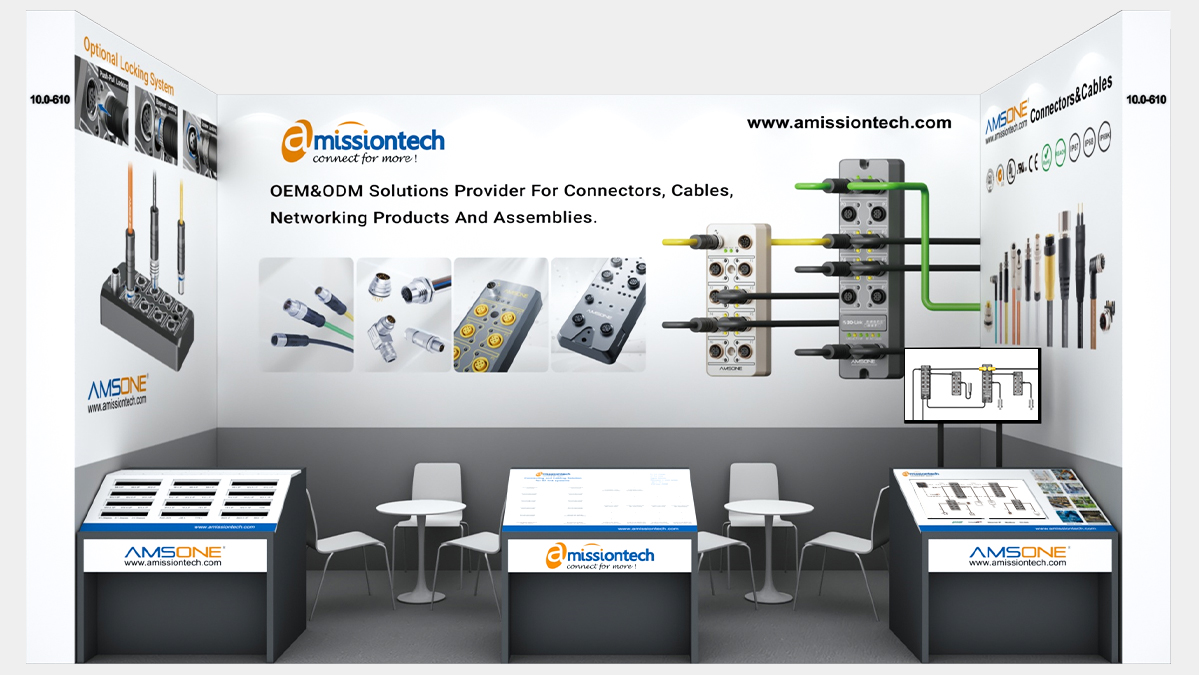
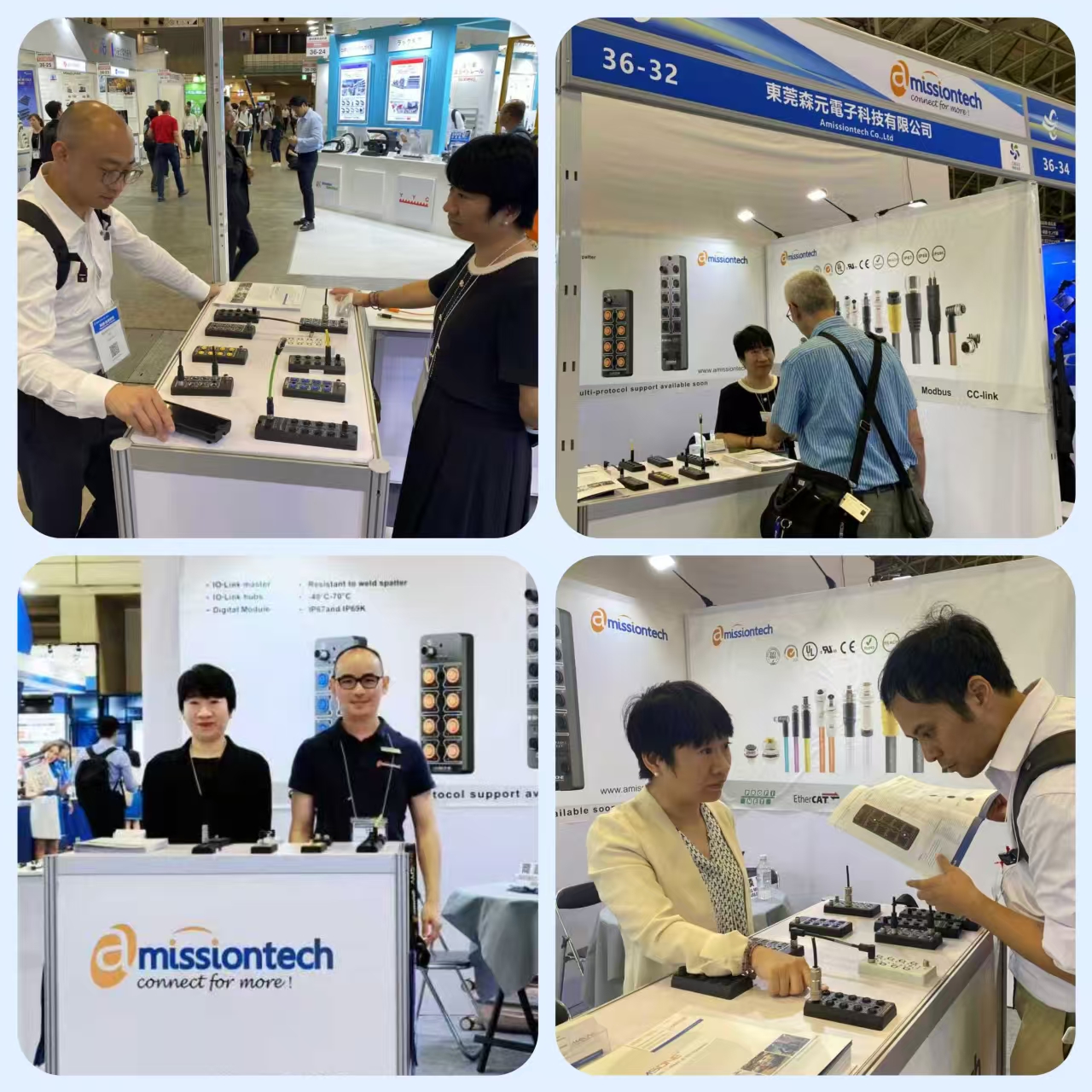
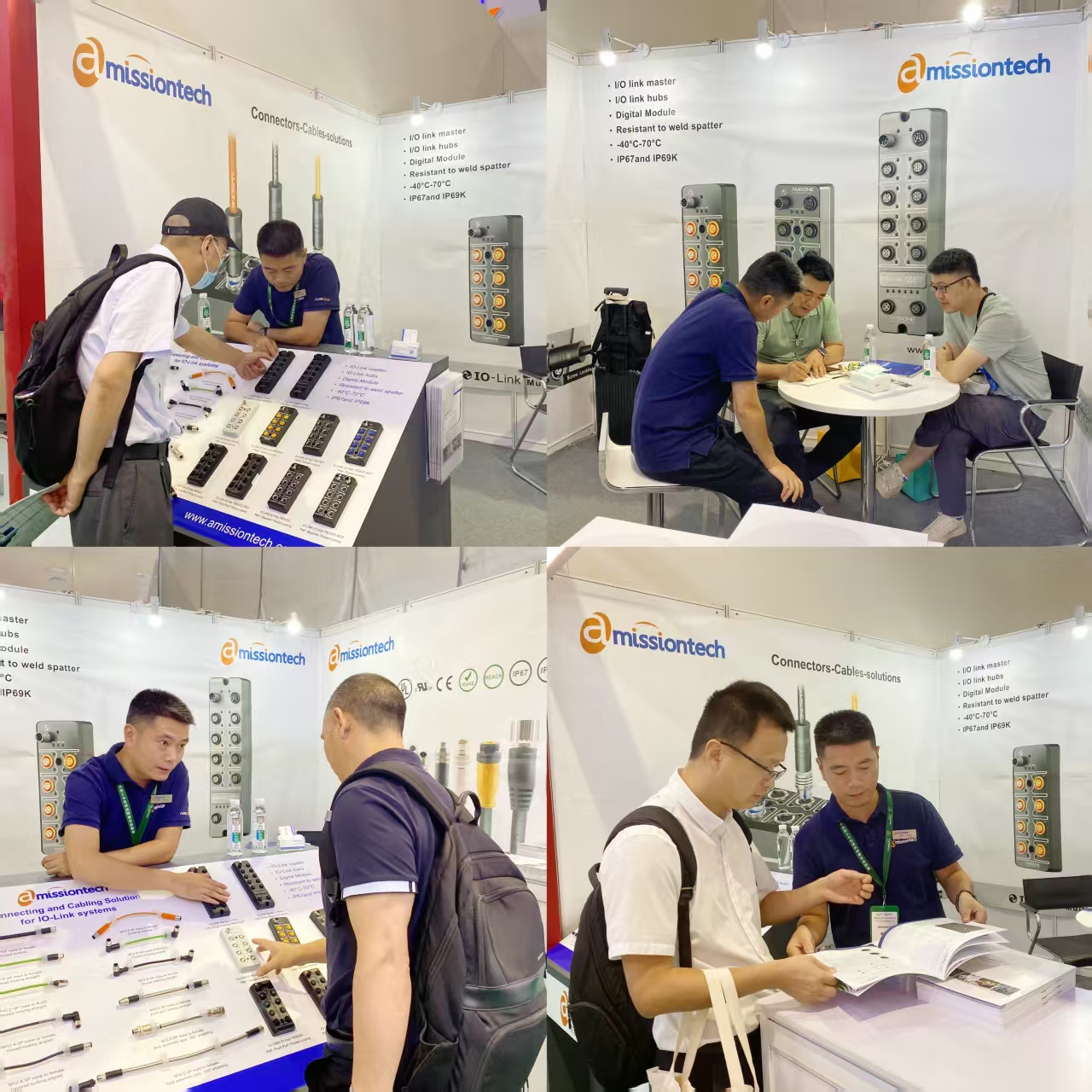




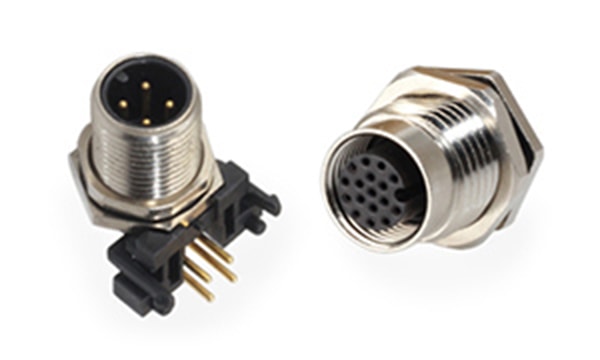
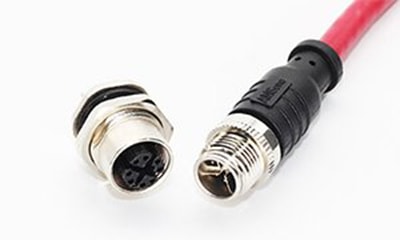
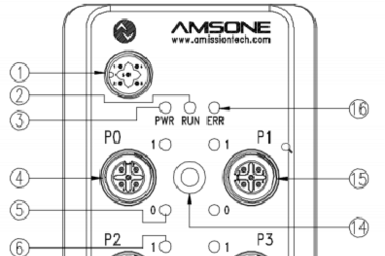
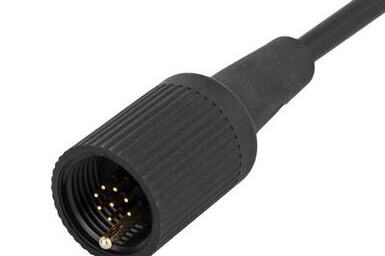
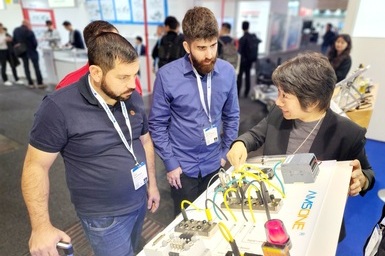
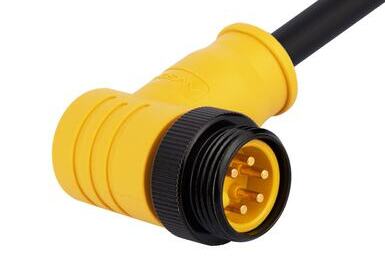


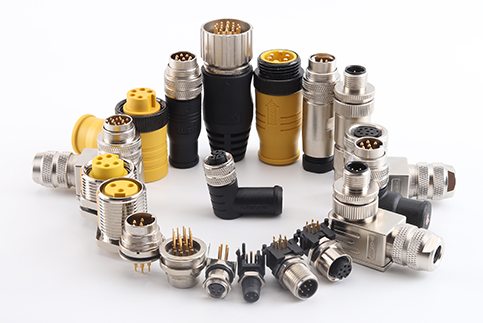
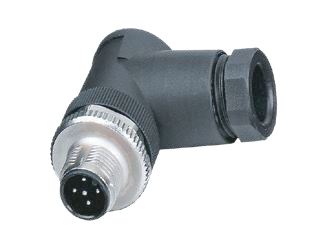

For original equipment manufacturers (OEMs), wire and cable components are not just supporting parts. They directly affect product safety, performance stability, production efficiency, and long-term maintenance costs. As product complexity increases and supply chains become more global, bulk wire and cable procurement has become a strategic decision rather than a simple purchasing task.
Instead of buying cables on a project-by-project basis, many OEMs are moving toward bulk procurement to improve cost control, supply stability, and quality consistency. In this guide, we explain how OEMs can approach bulk wire and cable procurement in a structured, low-risk, and technically sound way.
Before understanding the benefits, it is important to recognize the real challenges OEMs face during bulk cable sourcing.
To begin with, OEM production schedules often change due to market demand, engineering updates, or customer customization. When wire and cable demand is not accurately forecasted, bulk purchasing can lead to excess inventory or unexpected shortages. As a result, inventory pressure or production delays may occur.
At the same time, copper and other conductor materials are subject to global price changes. Short-term purchasing exposes OEMs to price volatility, while poorly structured bulk contracts can lock in unfavorable costs. Therefore, pricing strategy plays a key role in bulk wire procurement.
In addition, wire and cable manufacturing involves extrusion, shielding, jacketing, and testing processes that require capacity planning. If suppliers lack stable production capability, long lead times or sudden delays can disrupt OEM assembly lines.
Most importantly, a cable that performs well in small batches may not remain consistent in large volumes. Variations in conductor diameter, insulation thickness, or shielding coverage can cause performance deviations, leading to rework, compliance risks, or product failures.
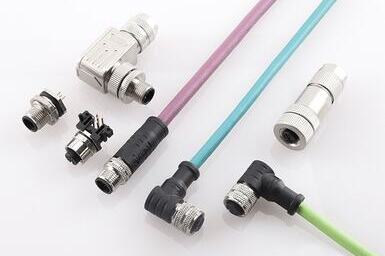
Despite these challenges, bulk wire and cable procurement remains a proven strategy when managed correctly.
First of all, bulk purchasing allows OEMs to negotiate more stable pricing structures. By planning volume demand in advance, OEMs can reduce per-unit costs while avoiding repeated transaction expenses. This approach also helps reduce price uncertainty over the project lifecycle.
In addition, bulk procurement ensures material availability for ongoing production. With agreed supply schedules and safety stock planning, OEMs can avoid frequent reordering and last-minute sourcing, which often leads to higher costs and inconsistent quality.
Furthermore, working with a long-term bulk wire and cable supplier reduces the complexity of managing multiple vendors. Fewer suppliers mean clearer accountability, easier communication, and faster issue resolution during production.
While cost and lead time are important, technical evaluation remains the foundation of successful bulk wire and cable sourcing.
To begin with, OEMs must clearly define cable functions. Power cables, signal cables, control cables, RF cables, and data cables have different electrical and structural requirements. Selecting the correct cable type ensures stable performance in real operating conditions.
Next, conductor material and structure directly affect electrical conductivity and flexibility. Copper purity, strand count, and wire gauge should match the application. Similarly, insulation and shielding materials influence temperature resistance, EMI protection, and durability.
In industrial environments, cables may be exposed to heat, vibration, oil, moisture, or repeated bending. Therefore, jacket materials and construction must match actual operating conditions rather than theoretical specifications.
Finally, OEMs must ensure that bulk wire and cable products meet required standards such as UL, CE, or ISO-related specifications. Consistent compliance across large volumes is critical for regulatory approval and market acceptance.
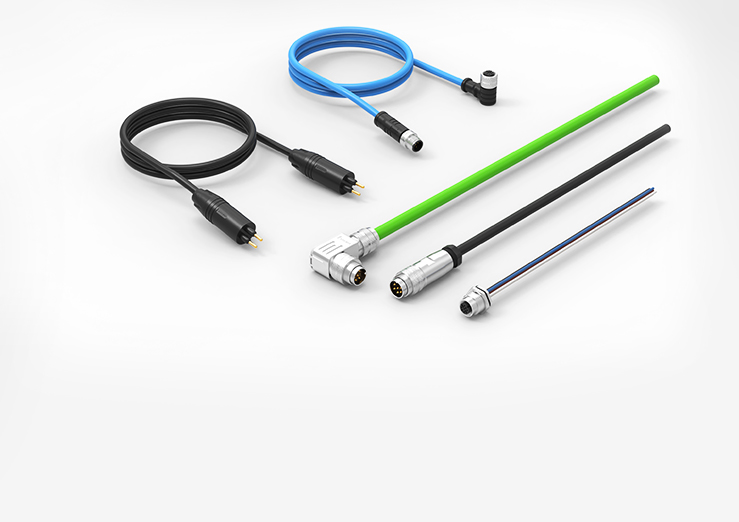
Selecting the right supplier is as important as selecting the right cable design.
An experienced industrial cable supplier should have in-house manufacturing capability rather than relying entirely on outsourcing. Vertical integration improves quality control, production flexibility, and delivery reliability.
OEM projects often require custom cable structures, non-standard lengths, or specific assembly solutions. A supplier with engineering support can help optimize cable design early, reducing later changes and production risks.
Reliable suppliers implement testing at raw material, in-process, and finished product stages. Electrical performance, mechanical strength, and visual inspections are essential for ensuring batch-to-batch consistency.
Finally, suppliers must demonstrate the ability to scale production while maintaining stable lead times. This is especially important for OEMs planning long-term product programs.
To further reduce risk, many OEMs prefer suppliers that offer both cable manufacturing and assembly services. When cables, connectors, and assemblies are produced under one roof, design coordination improves and quality responsibility becomes clearer.
This integrated approach shortens communication loops, reduces compatibility issues, and allows faster response to design adjustments. As a result, OEMs gain better control over cost, quality, and delivery timelines.
Beyond individual projects, OEMs benefit from a long-term procurement strategy. Framework agreements, scheduled deliveries, and lifecycle planning help balance flexibility with stability. By aligning procurement with product roadmaps, OEMs can reduce disruption and support future upgrades more efficiently.
In summary, bulk wire and cable procurement is not simply about buying larger quantities. It is about building a reliable supply system that supports product quality, production efficiency, and long-term growth. By focusing on technical requirements, supplier capability, and structured procurement planning, OEMs can significantly reduce operational risk.
Amissiontech is an experienced industrial cable supplier providing wire, cable, and cable assembly solutions for OEM applications. With integrated manufacturing, engineering support, and stable quality control, Amissiontech helps OEMs manage bulk wire and cable procurement efficiently and reliably.
If you are planning bulk wire and cable sourcing or looking for a long-term industrial cable partner, Amissiontech is ready to support your project needs.