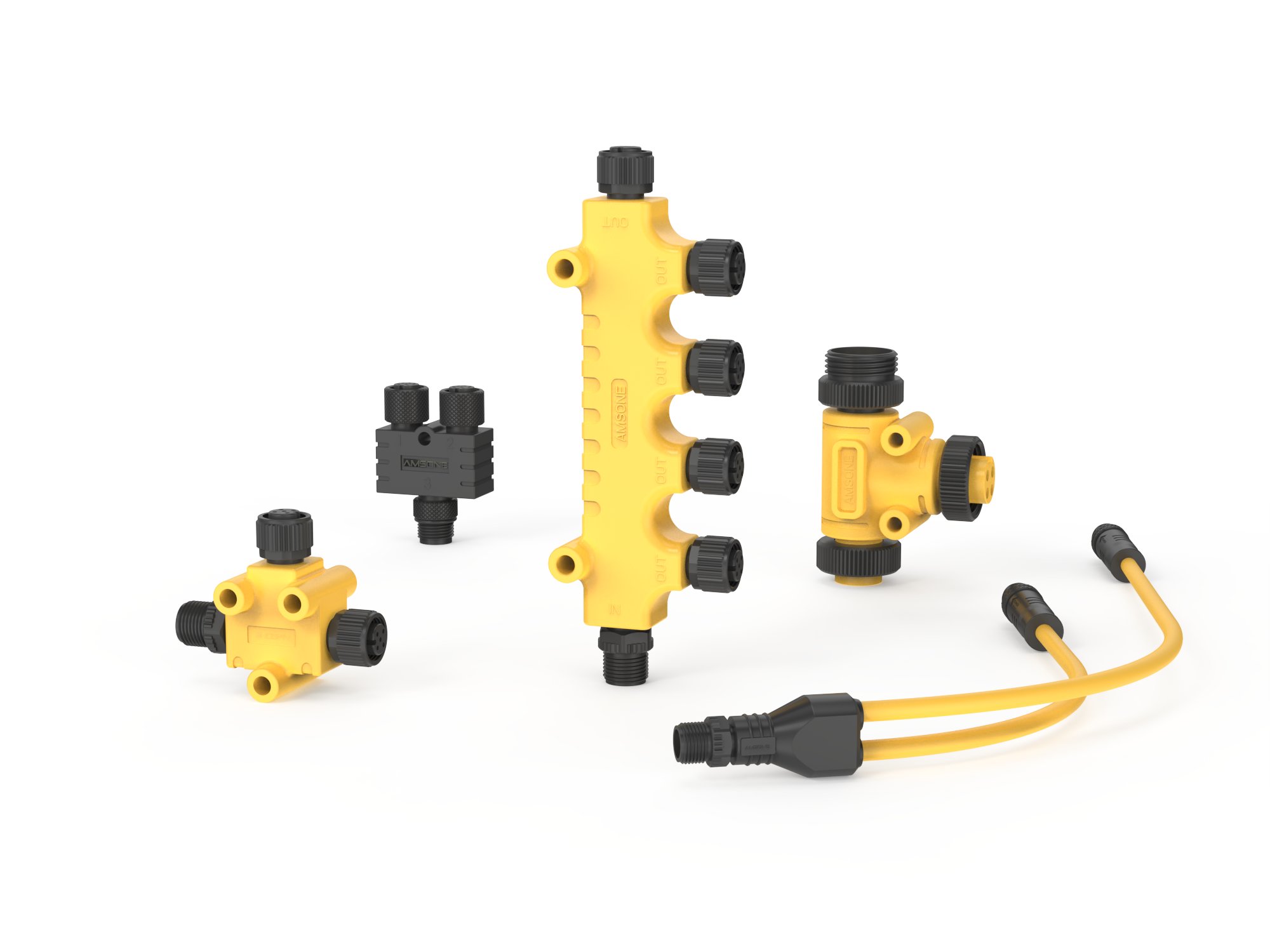
P/N: ALD-HBN1-372XXX
IO Link Hub NPN 0.5A/channel Plastic Housing Plastic Thread Locking
View All



















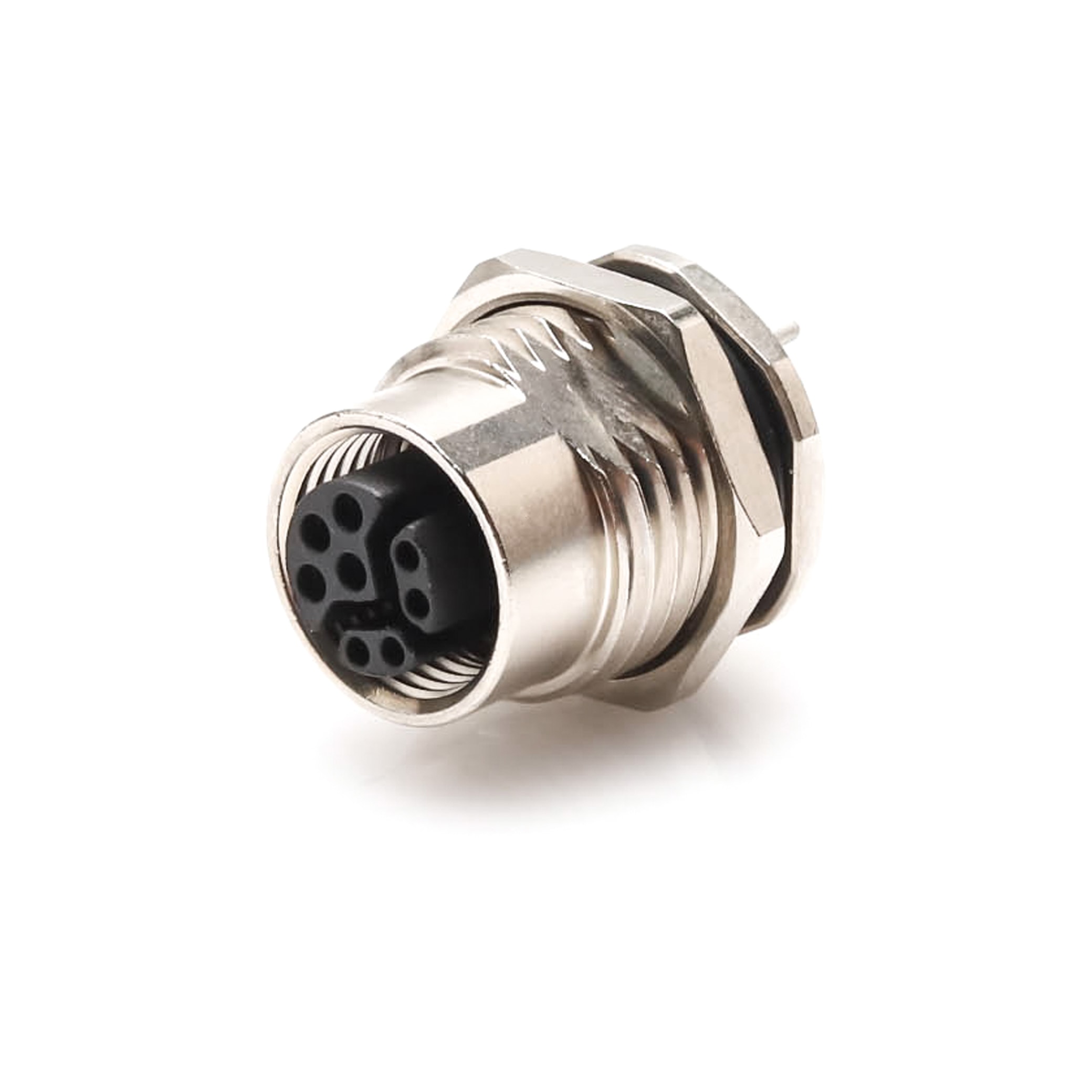
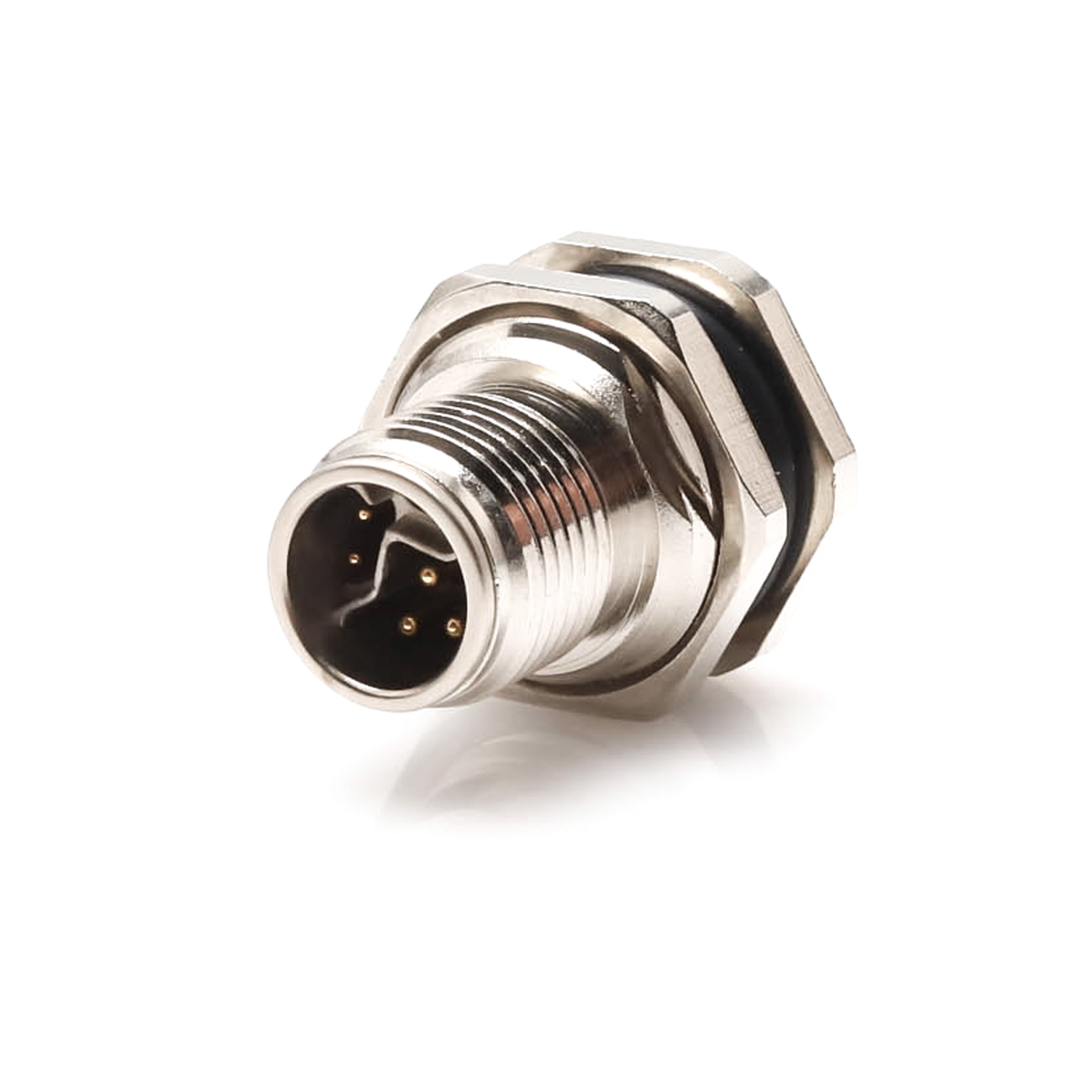
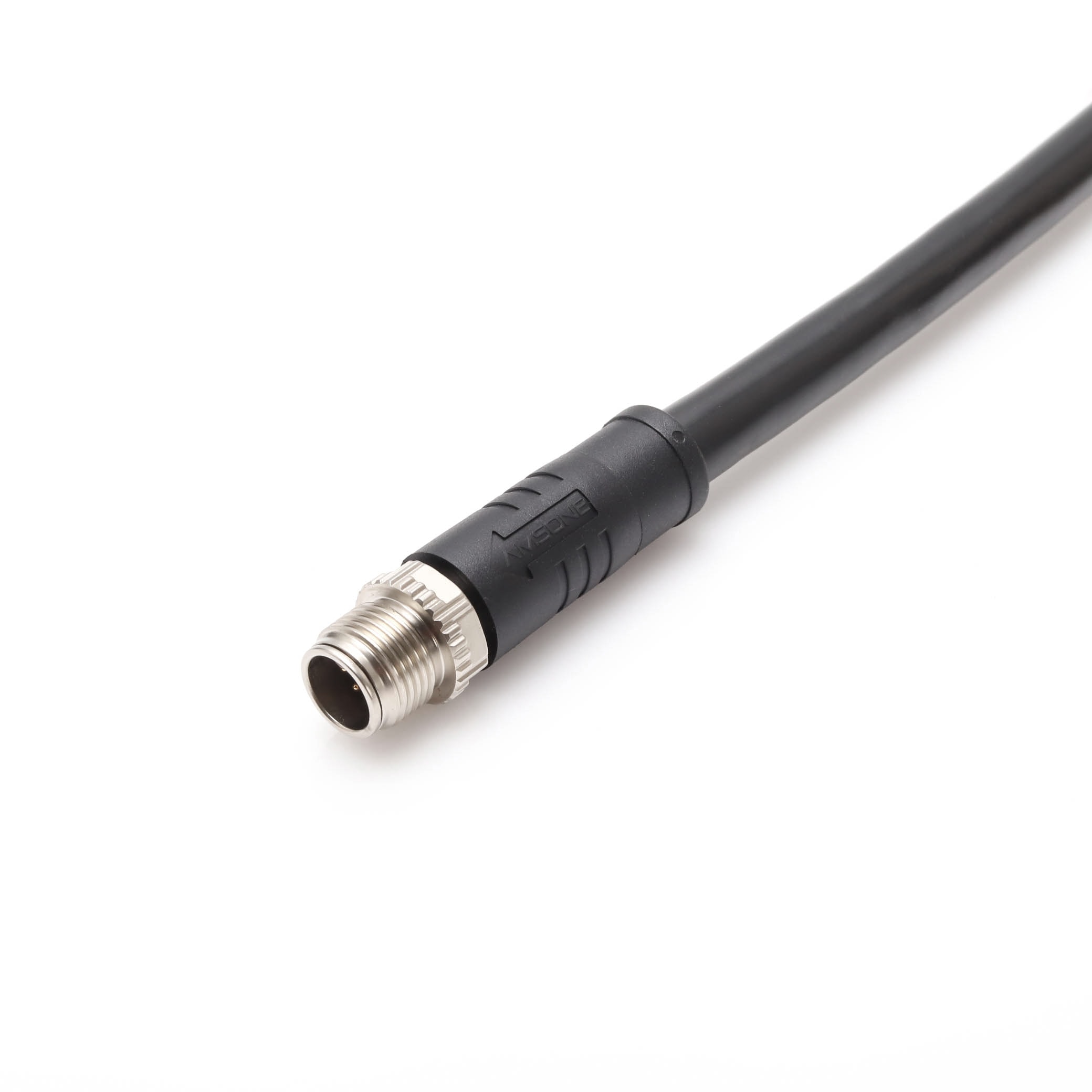
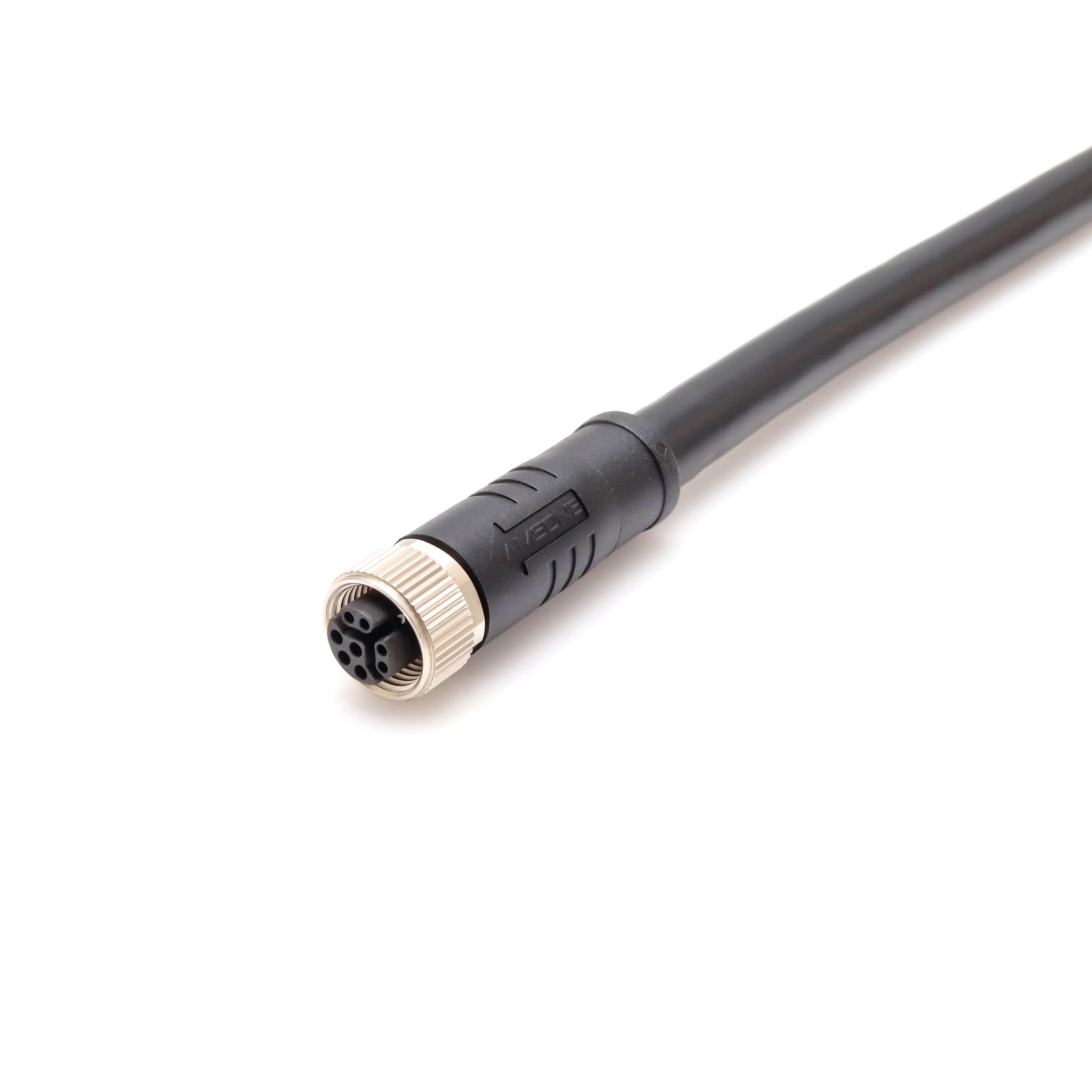






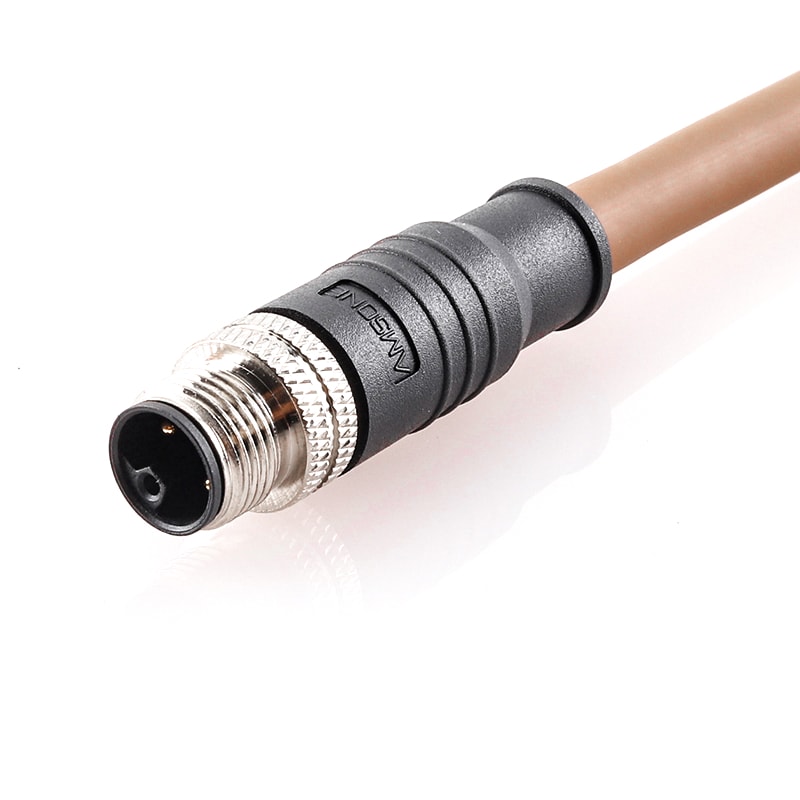


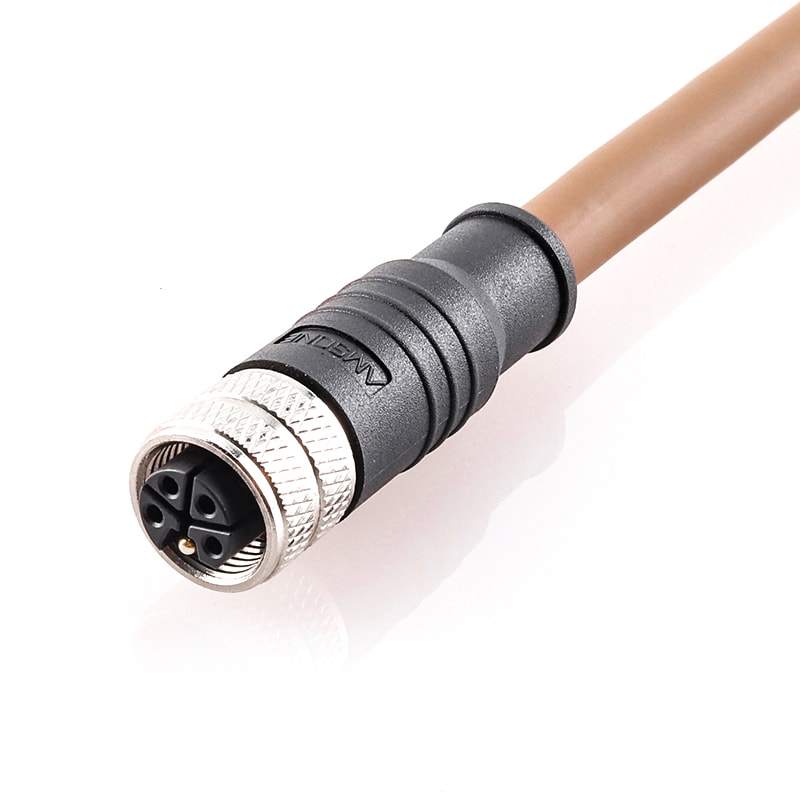


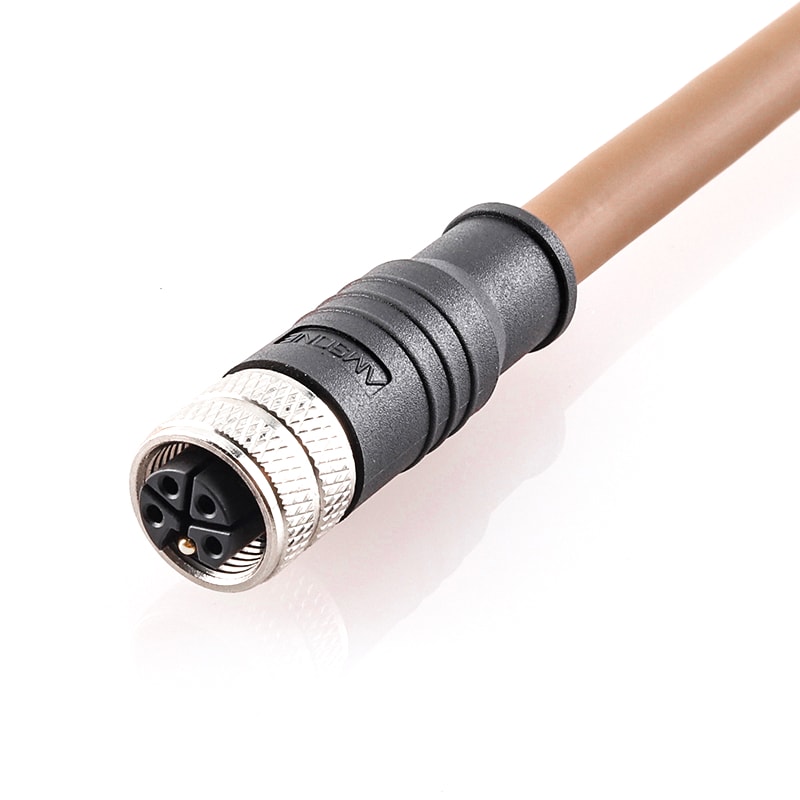
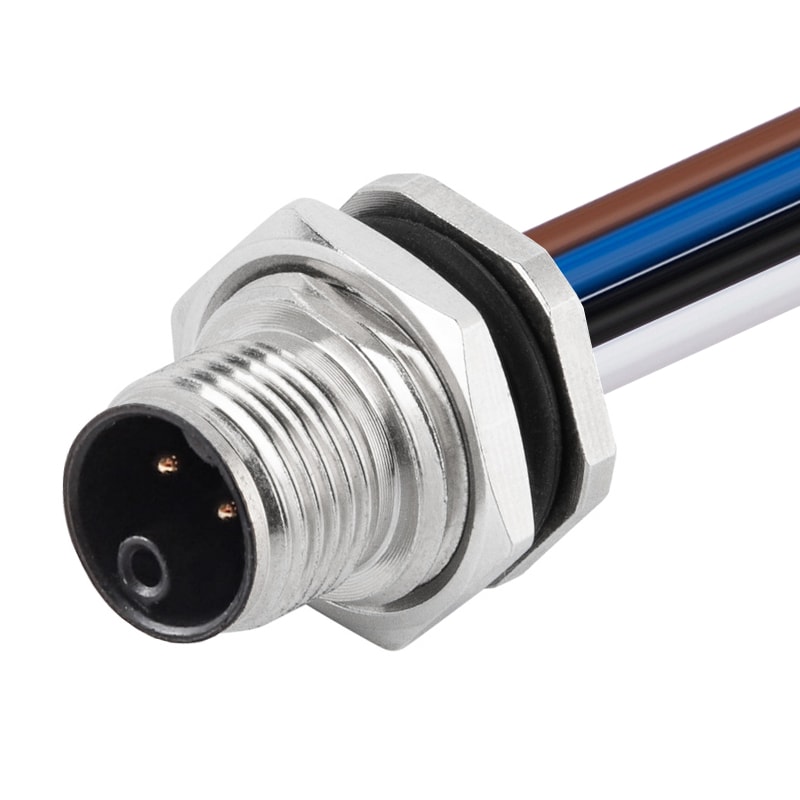









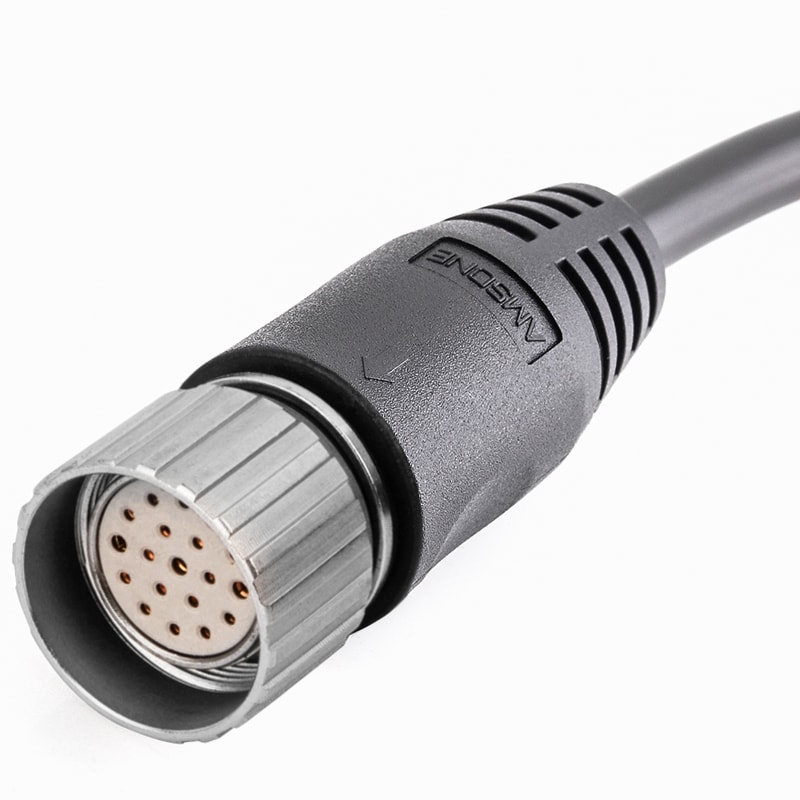
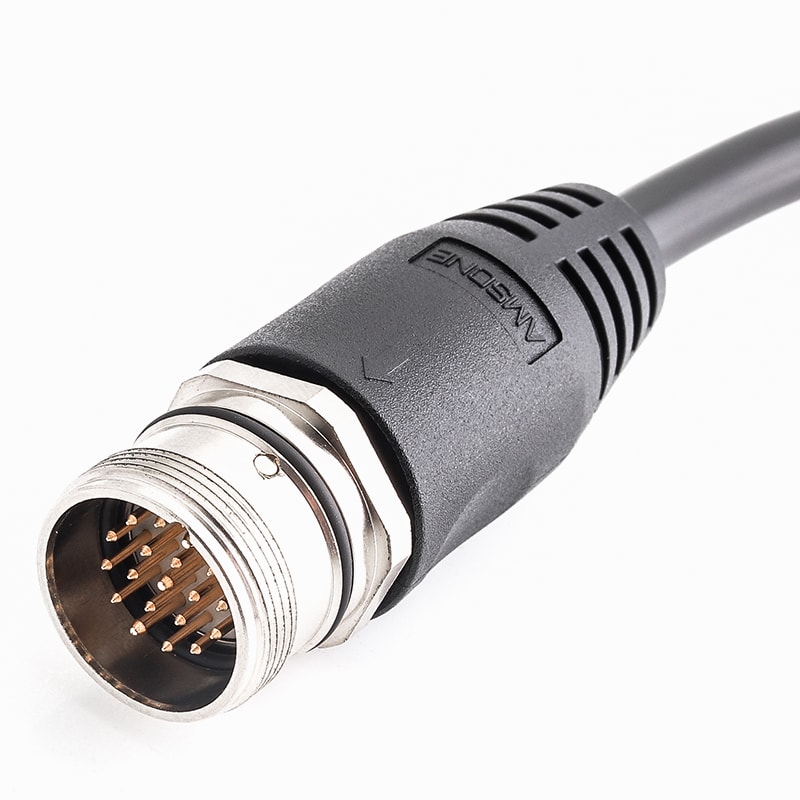
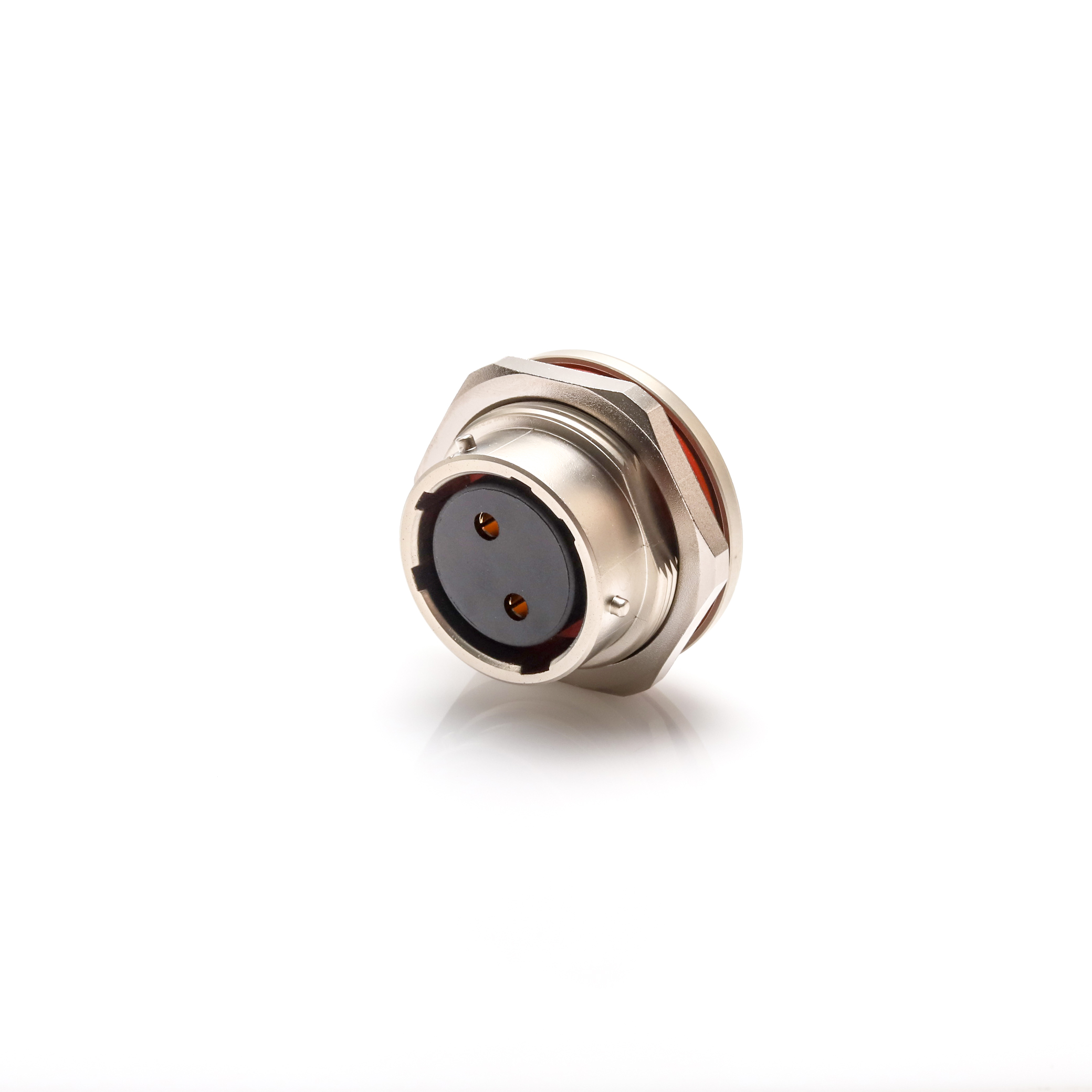
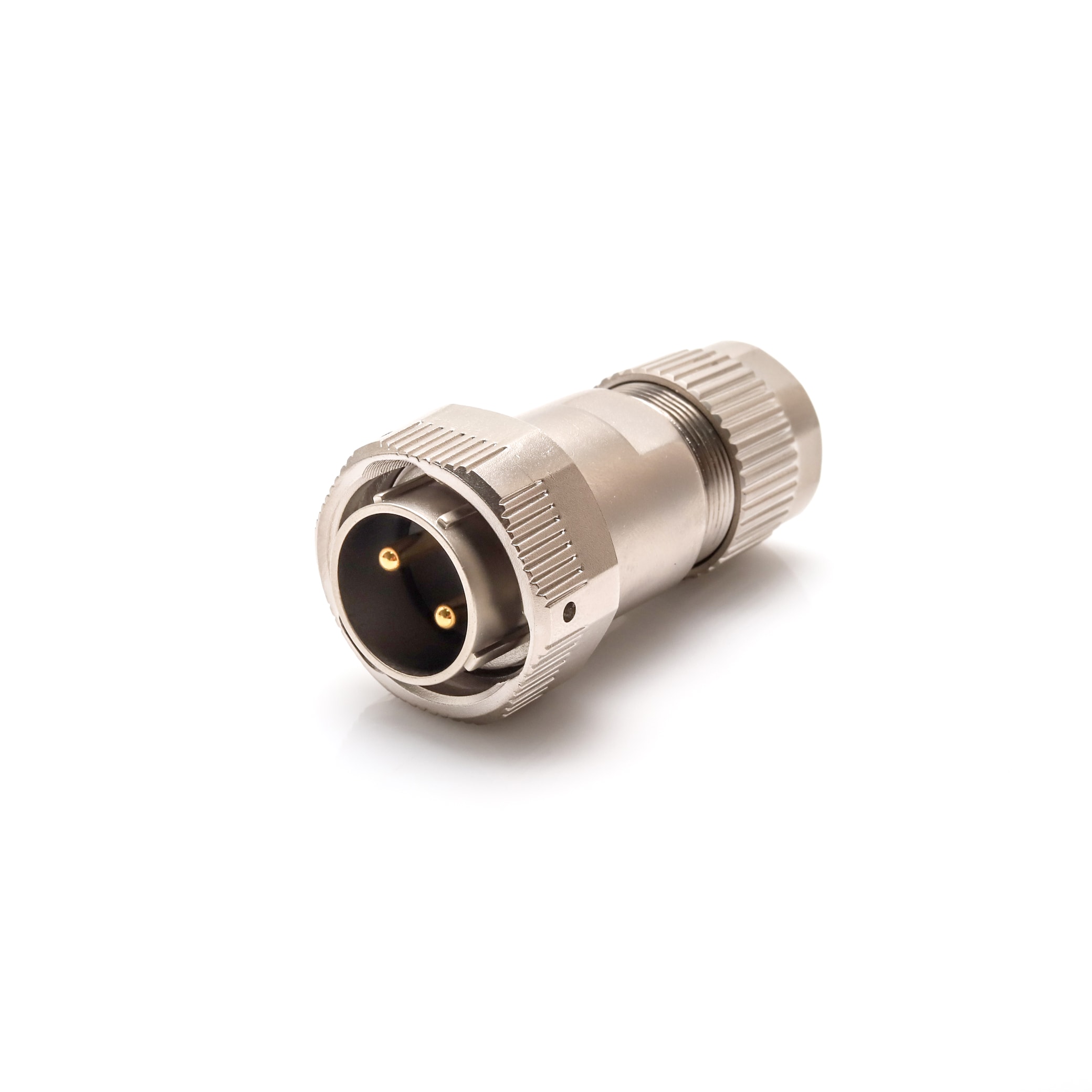







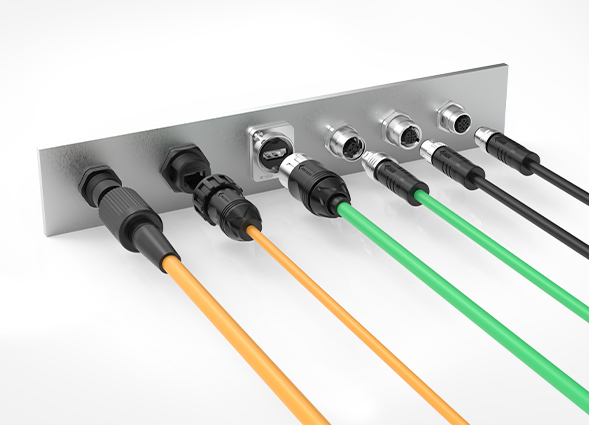
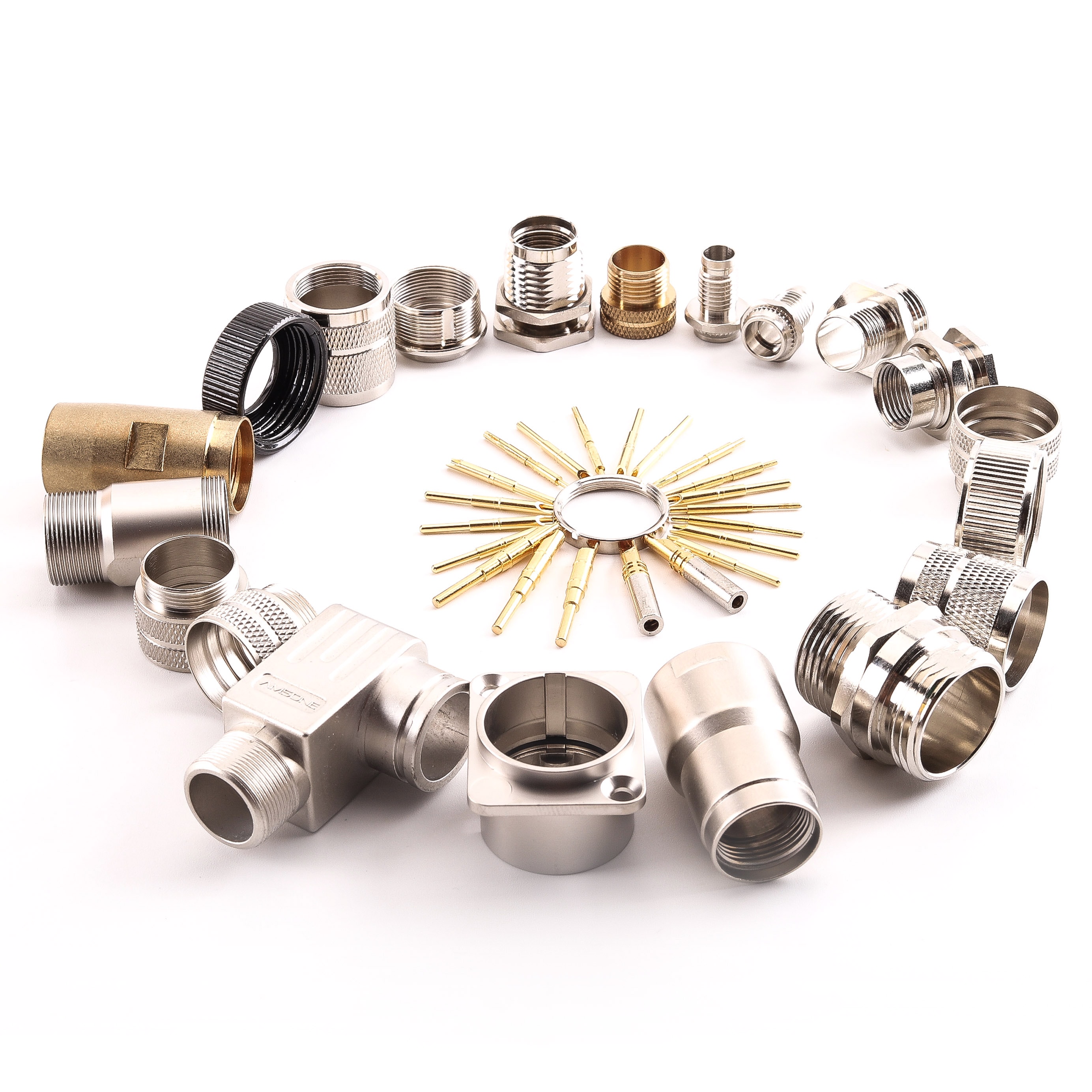
When it comes to transmitting signals in industrial systems, choosing the right cable is critical. RF cables and coaxial cables are often mentioned together, but they serve different purposes and are optimized for specific applications. Understanding their differences is key to ensuring reliable signal transmission, minimizing loss, and achieving long-term performance. In this article, we’ll break down what RF and coaxial cables are, how they differ, and how to select the right solution for your industrial projects.
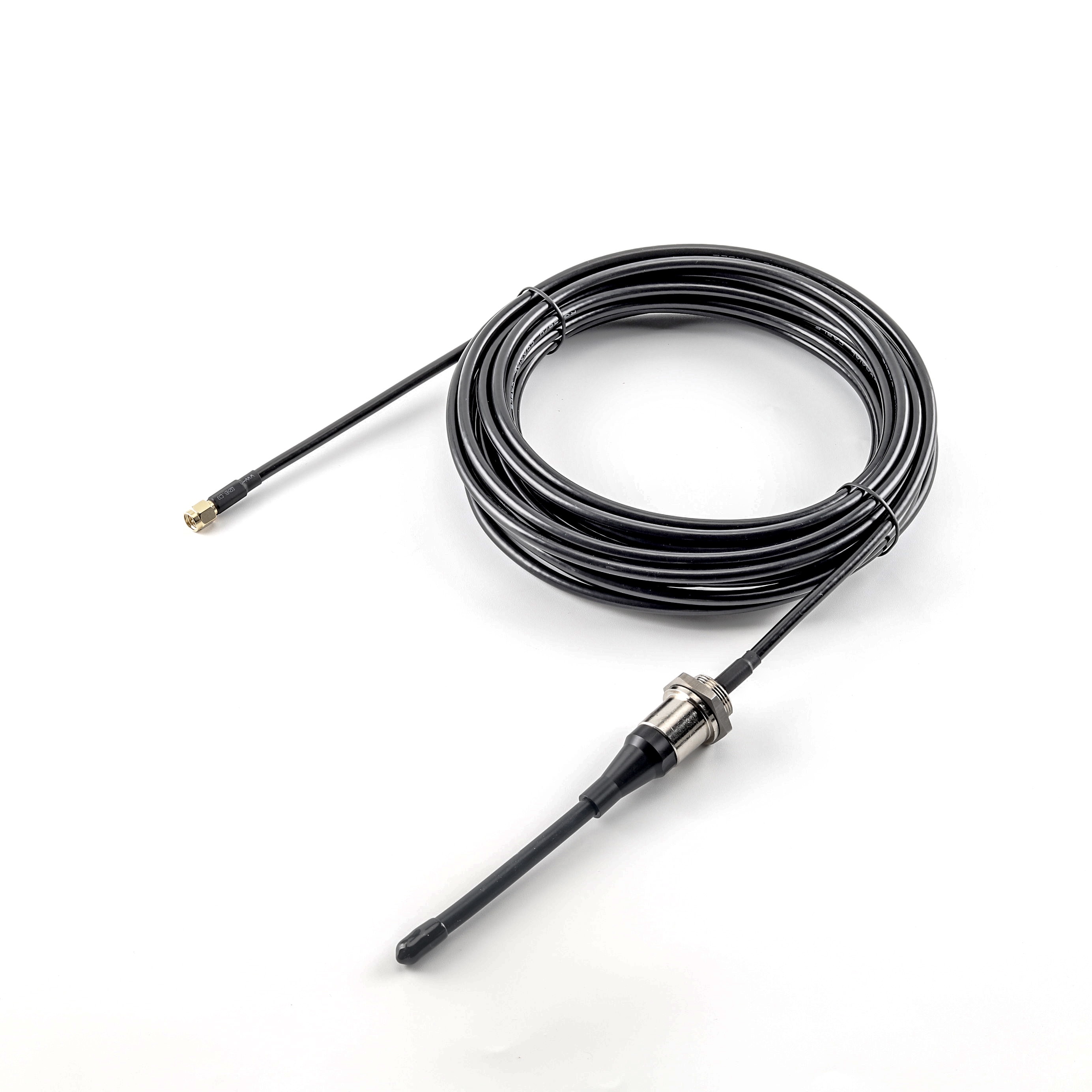
A coaxial cable is a type of cable designed to carry electrical signals with minimal interference. It consists of a central conductor, dielectric insulation, multiple shielding layers, and an outer protective jacket. This design allows coaxial cables to deliver consistent performance even in environments with electrical noise or electromagnetic interference.
Common types, such as RG58 and RG6, are widely used in video distribution, broadband, telecom, and test-and-measurement systems. Coaxial cables are versatile, handling audio, video, and RF signals, and they provide robust mechanical strength, making them suitable for industrial installations. Key features include shielding for clean signal transmission, broad frequency support, and durability against environmental stress, all of which contribute to stable operation and lower long-term maintenance costs.
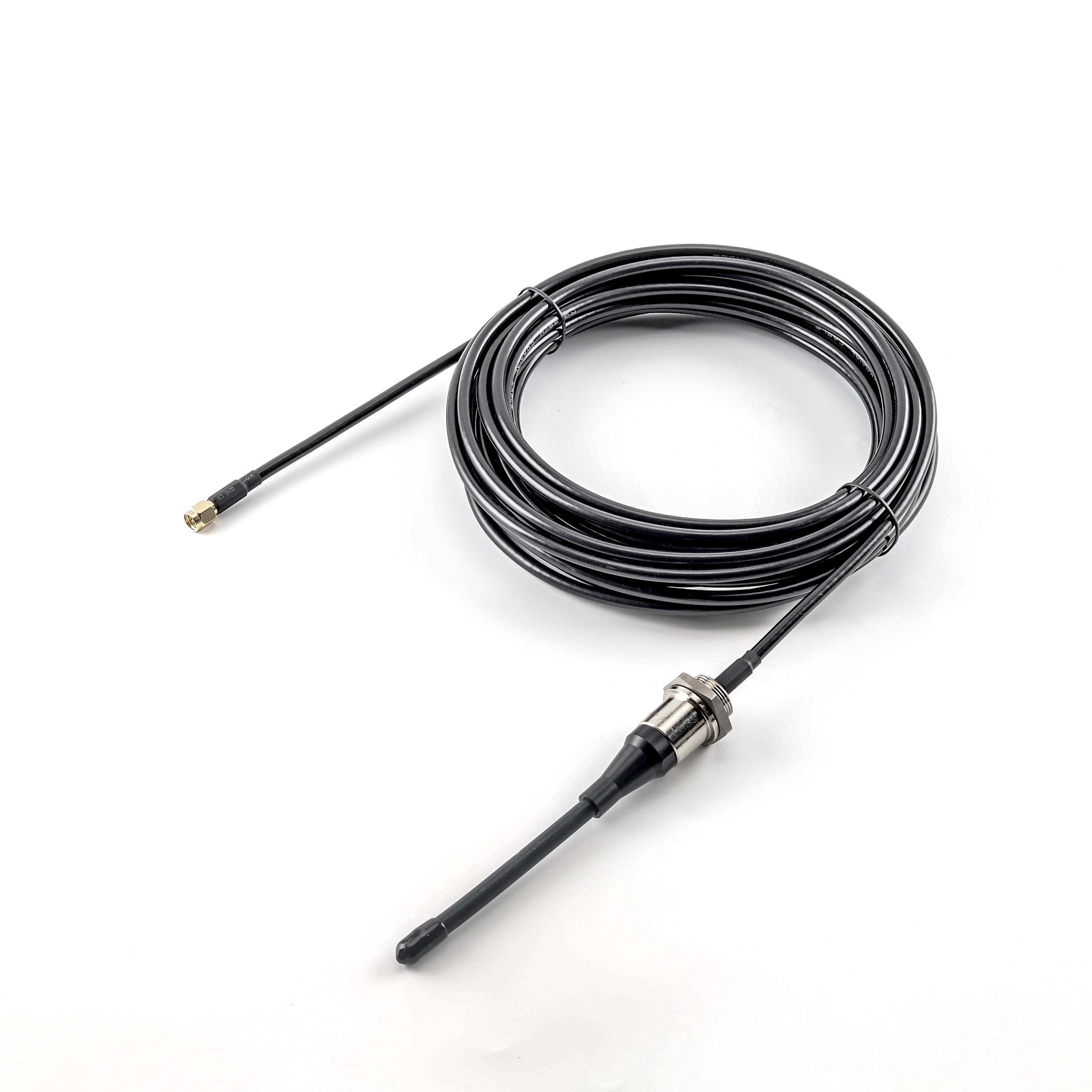
RF (Radio Frequency) cables are specialized cables designed to transmit high-frequency signals with precision and low loss. While most RF cables use a coaxial construction, they differ from general coaxial cables in purpose and performance. RF cables are optimized for applications ranging from wireless networks and antennas to industrial automation systems and measurement equipment.
The core features of RF cables include high-frequency optimization, low signal loss, and controlled impedance (commonly 50 or 75 ohms), which is essential for maintaining signal integrity. In industrial applications, RF cables ensure reliable communication between devices and minimize interference, even in complex or harsh environments.
While RF cables and coaxial cables often look similar, the difference lies in design intent and performance:
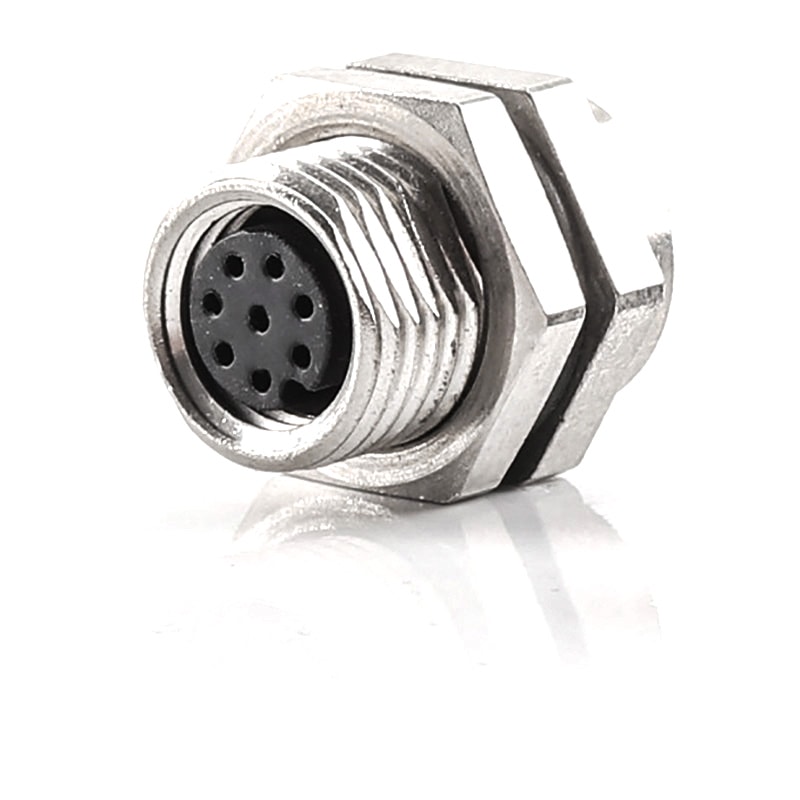
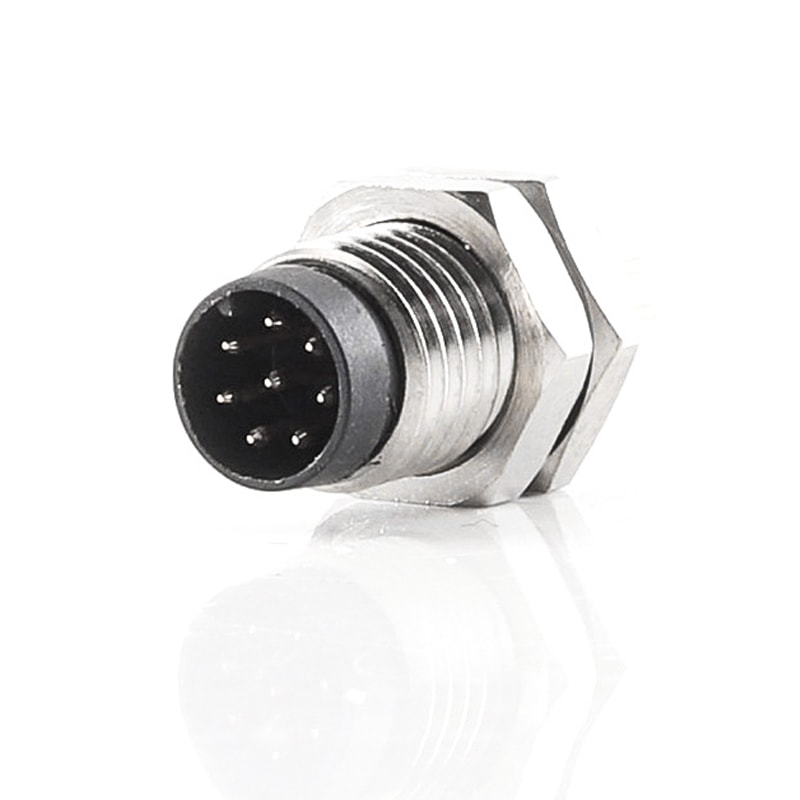
Adapters and connectors, such as RF-to-coaxial adapters, play an essential role in bridging compatibility gaps. These ensure seamless connectivity between different cable types or devices without compromising signal quality.
Understanding where to use each type of cable can help optimize system performance:
A comparison table can help visualize the differences in frequency range, signal loss, impedance, and environmental adaptability, guiding engineers in choosing the correct cable for specific projects.
Selecting the right cable depends on your project requirements:
Bulk procurement should also factor in supplier reliability, certifications, and the ability to provide consistent quality for large-scale projects.
Working with a reliable supplier ensures the quality, compliance, and performance of your cable assemblies. Key considerations include:
AMISSIONTECH is a leading industrial cable supplier offering a complete portfolio of RF cables, coaxial cables, and custom assemblies. With in-house connector production, overmolded solutions, and strict quality control, AMISSIONTECH guarantees durable, high-performance solutions suitable for industrial automation, telecom, and high-frequency systems.
While RF cables and coaxial cables may appear similar, their intended applications and performance characteristics differ significantly. Understanding these differences allows engineers and procurement teams to select the right cable for signal integrity, low loss, and long-term reliability.
For industrial projects requiring bulk RF or coaxial cables, or custom assemblies with connectors, trust AMISSIONTECH as your reliable industrial cable supplier . Contact AMISSIONTECH today to discuss your RF cable solutions, custom cable harnesses, and high-performance connectors for any industrial application.