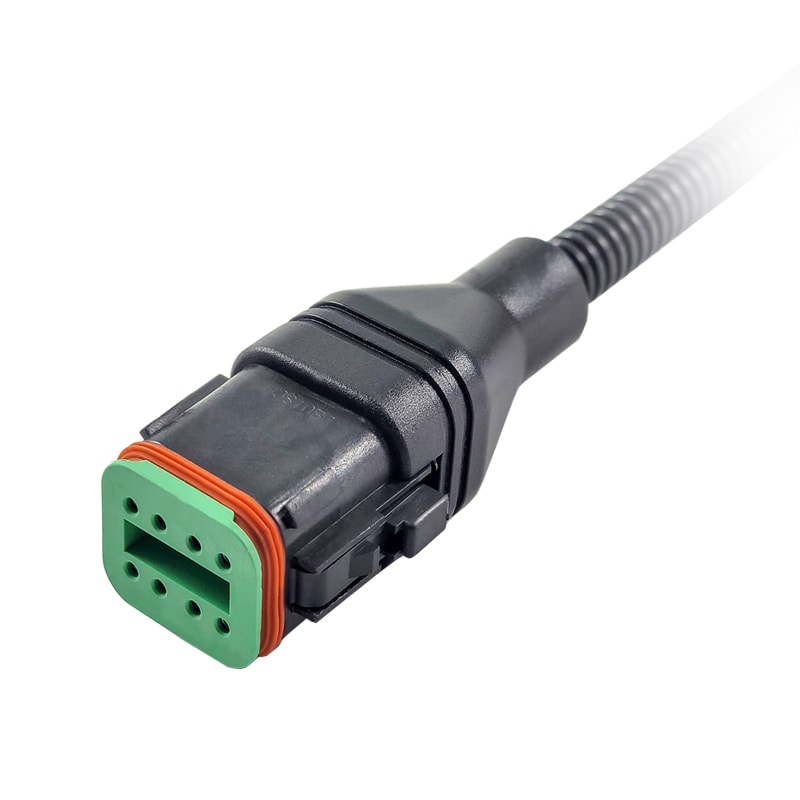
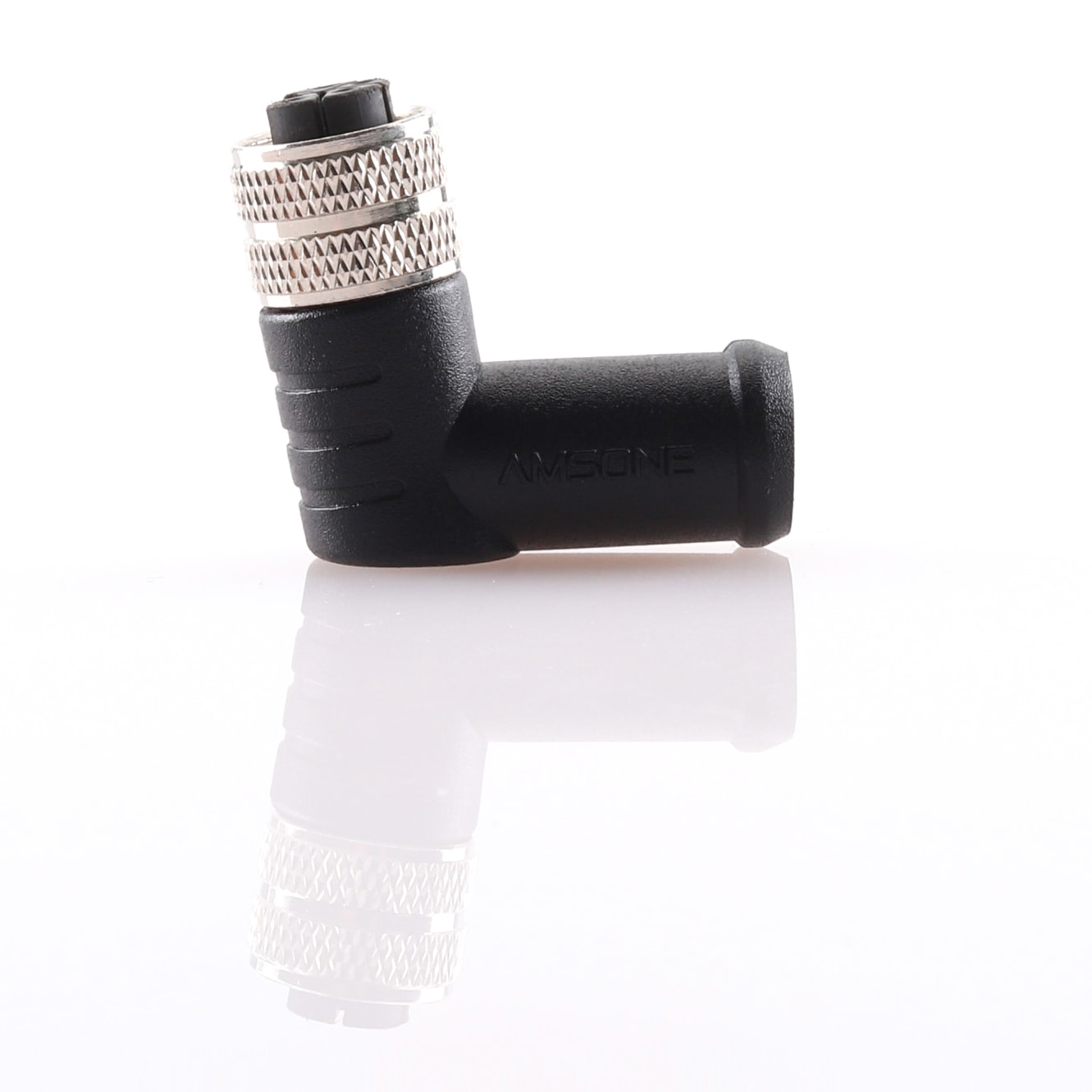
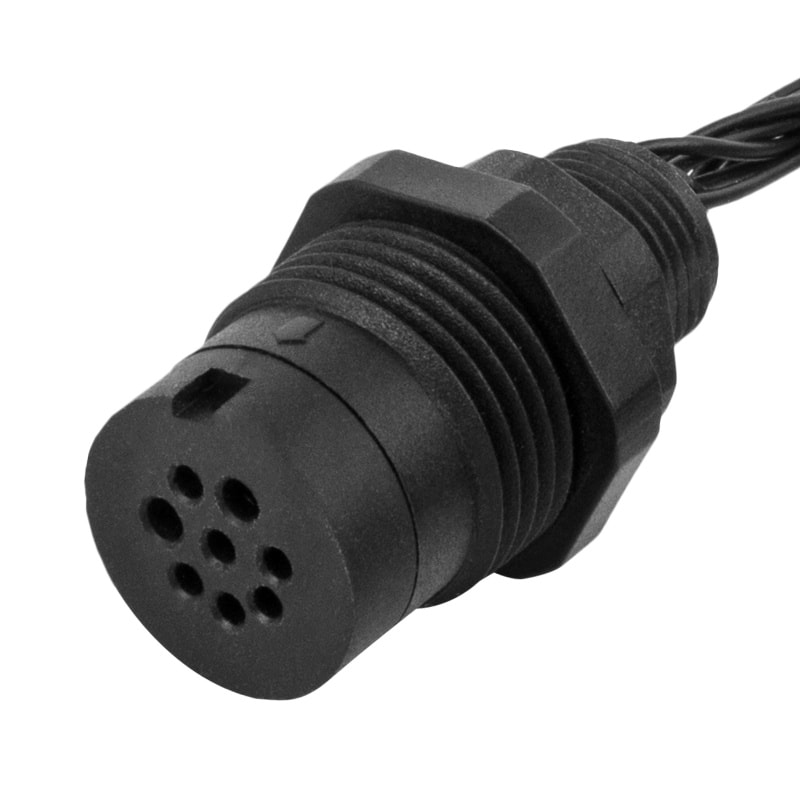
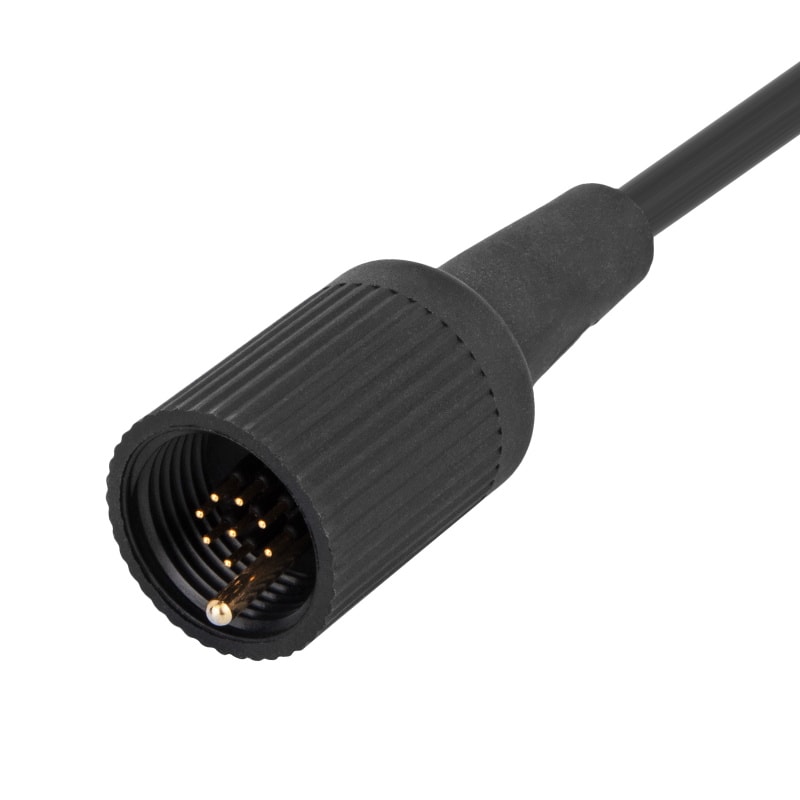
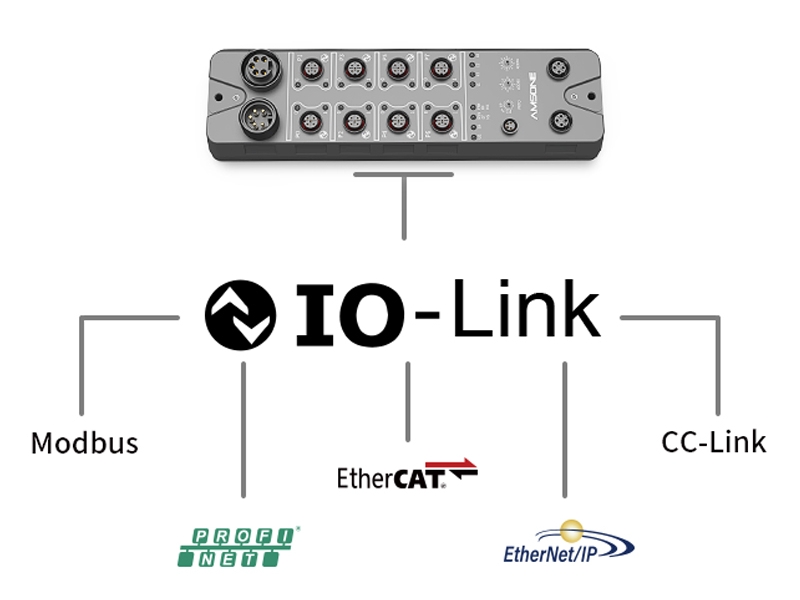
P/N: ALD-HBN1-372XXX
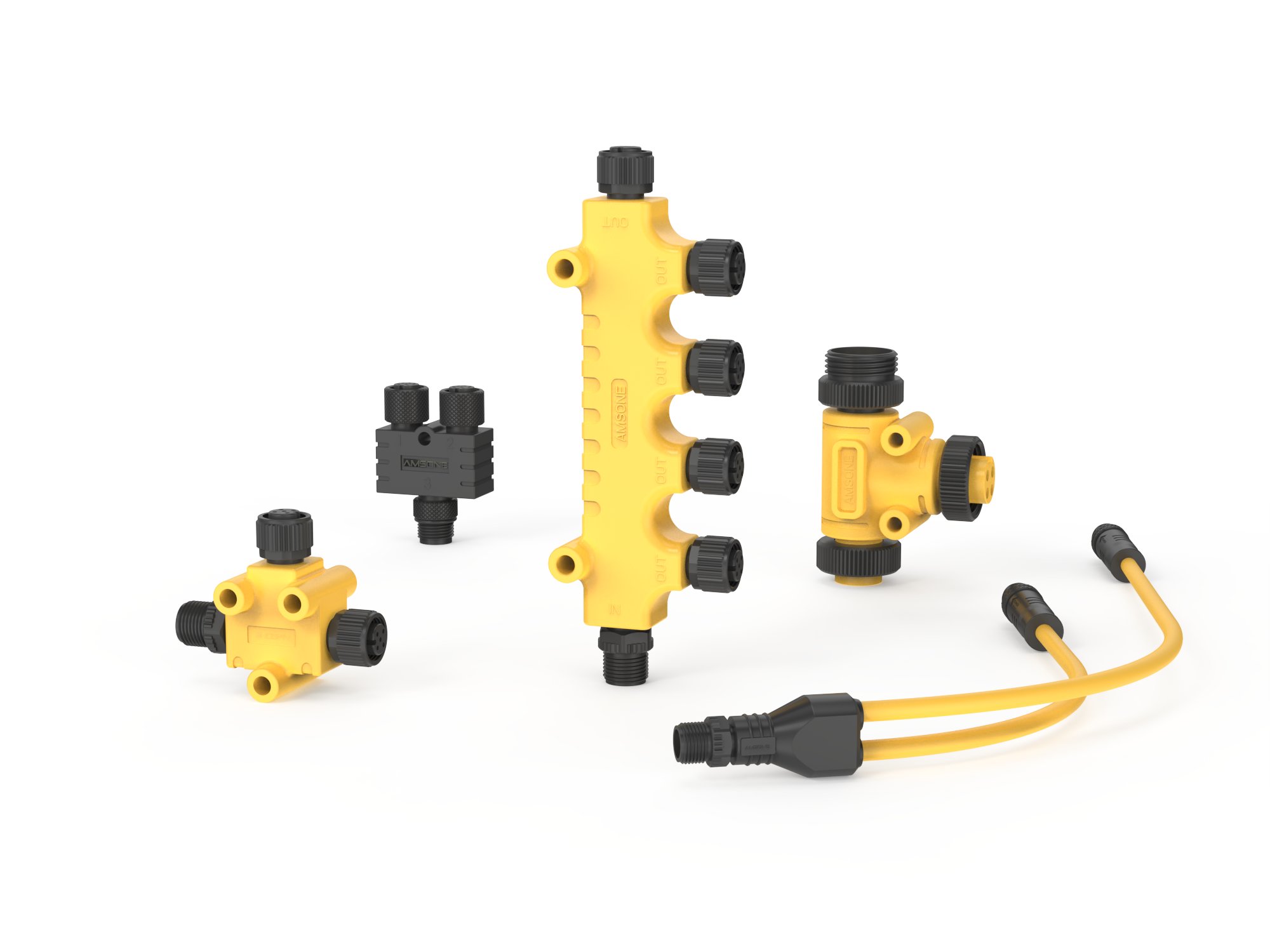
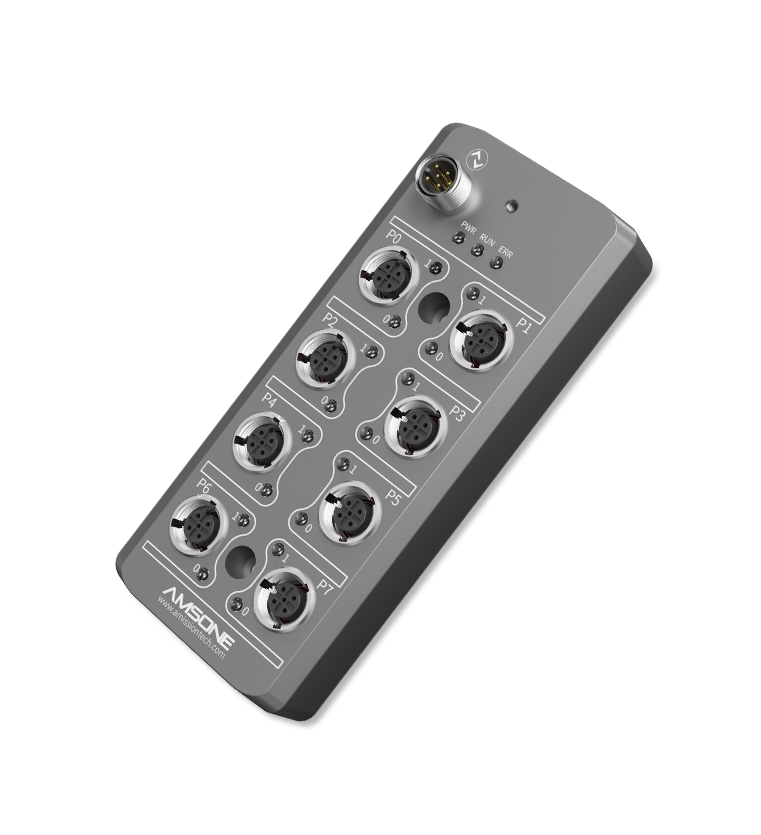
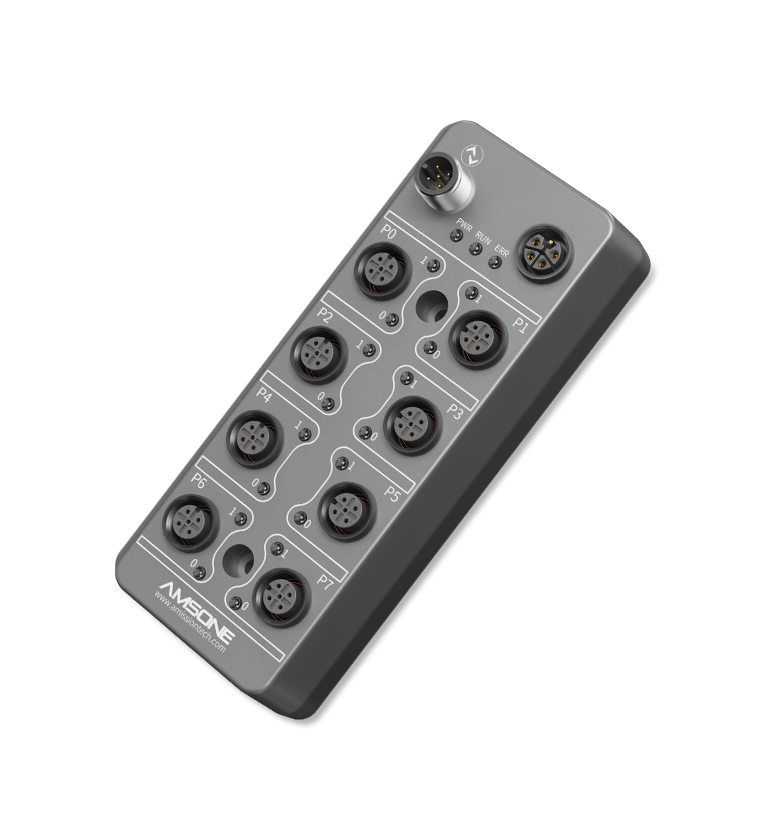
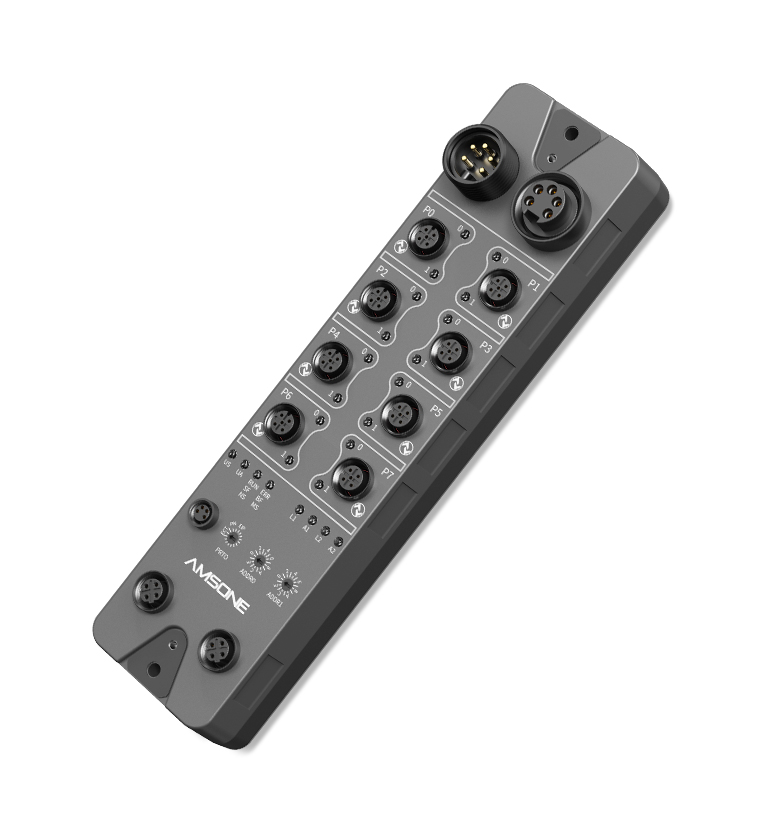
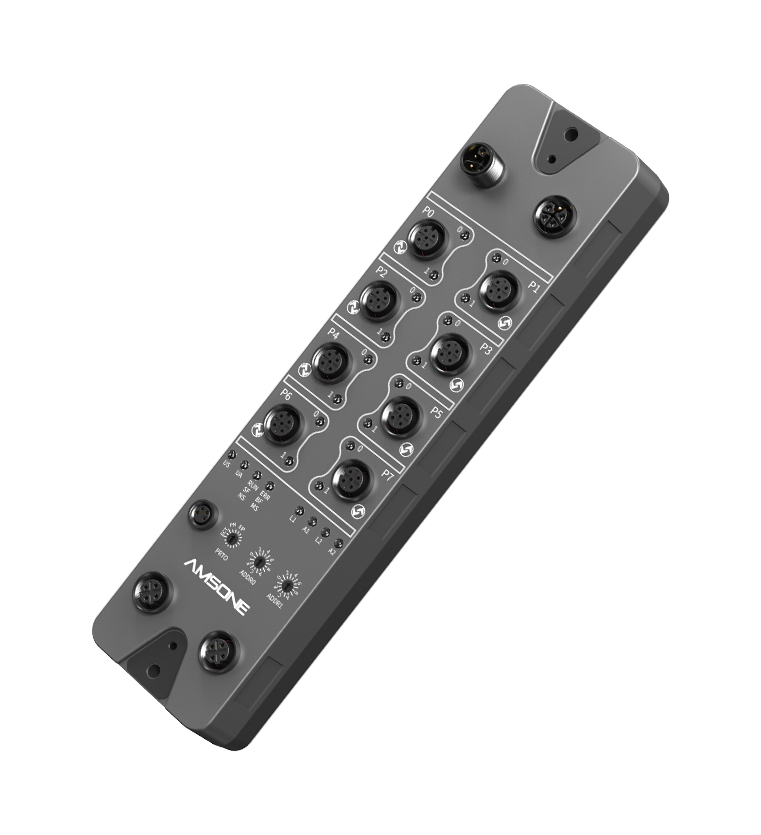
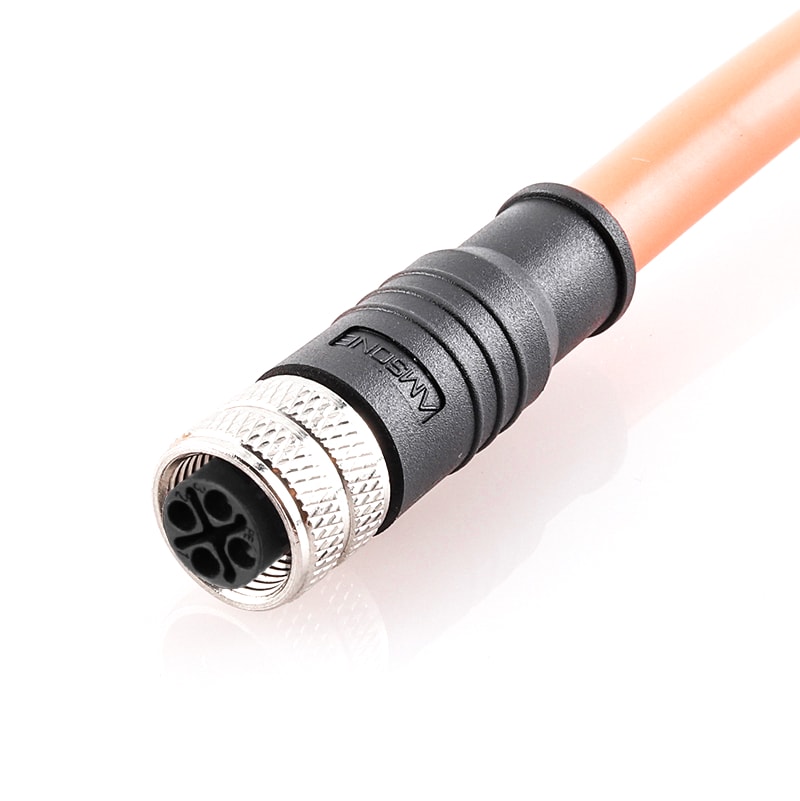
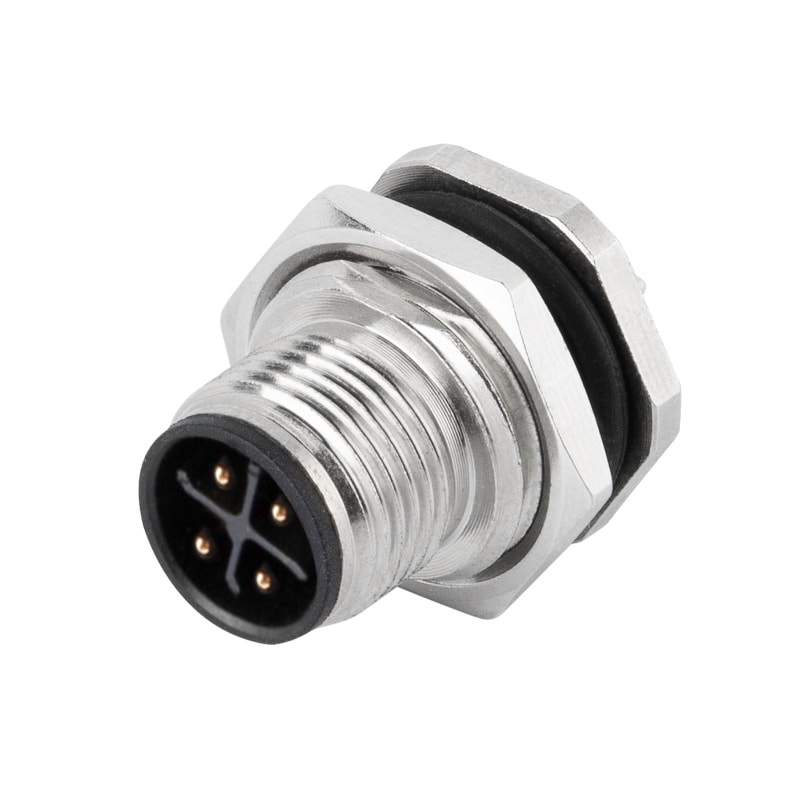
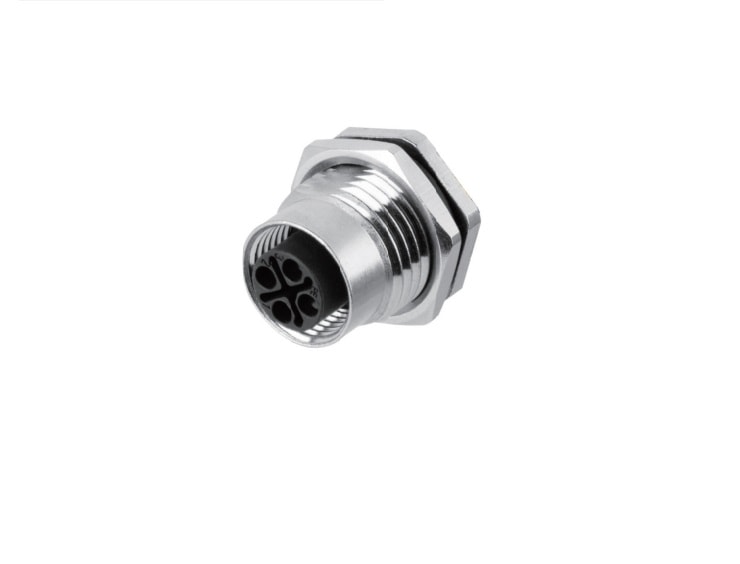
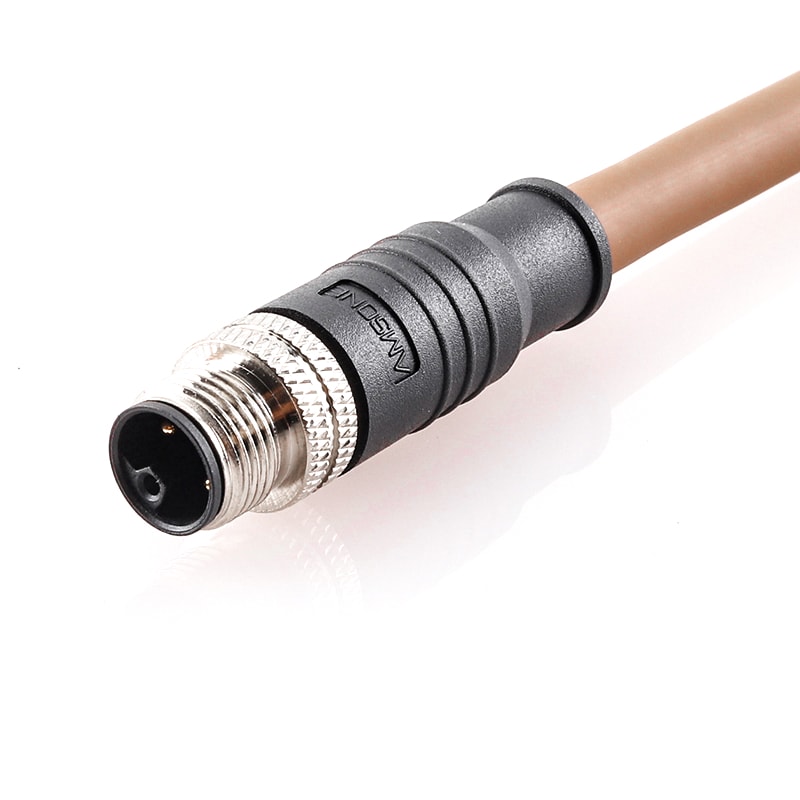
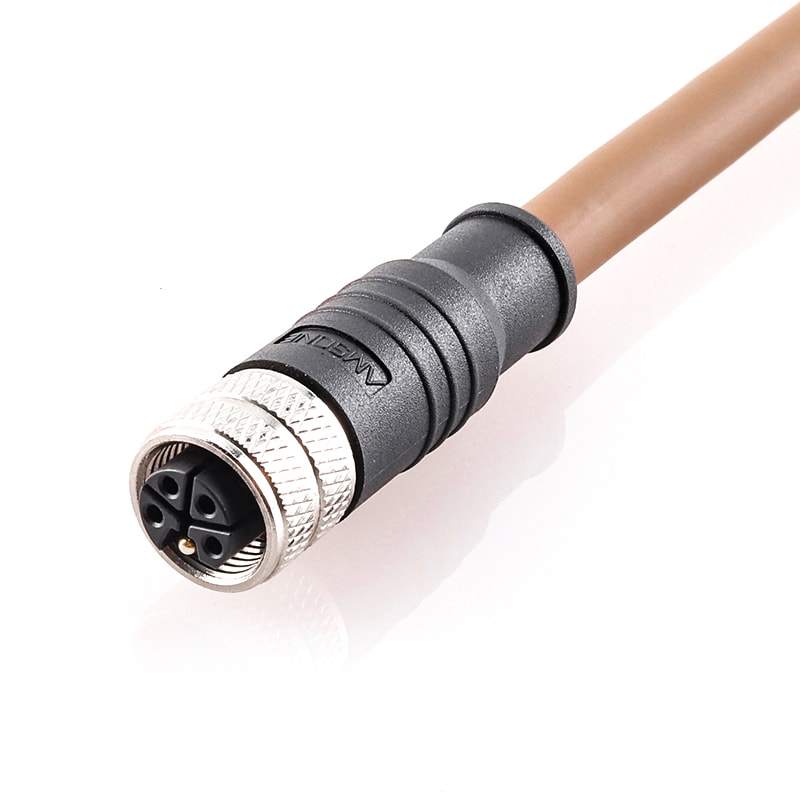
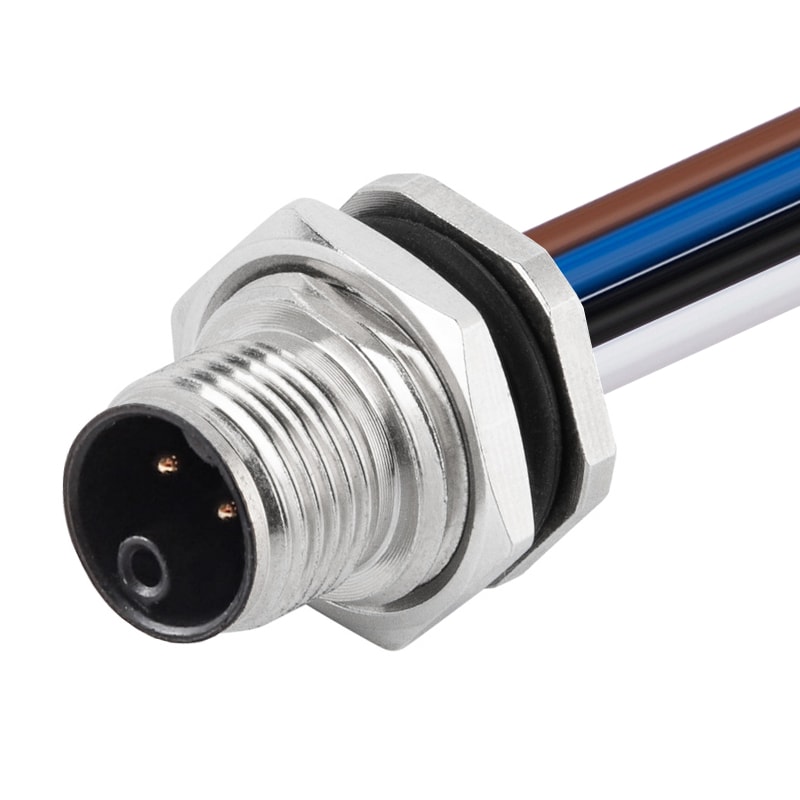
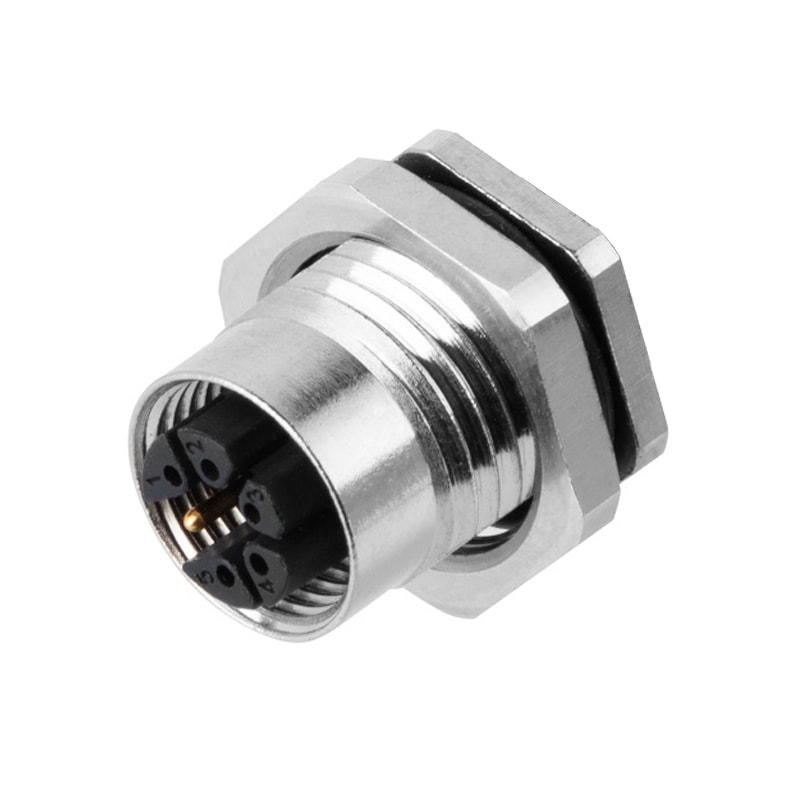
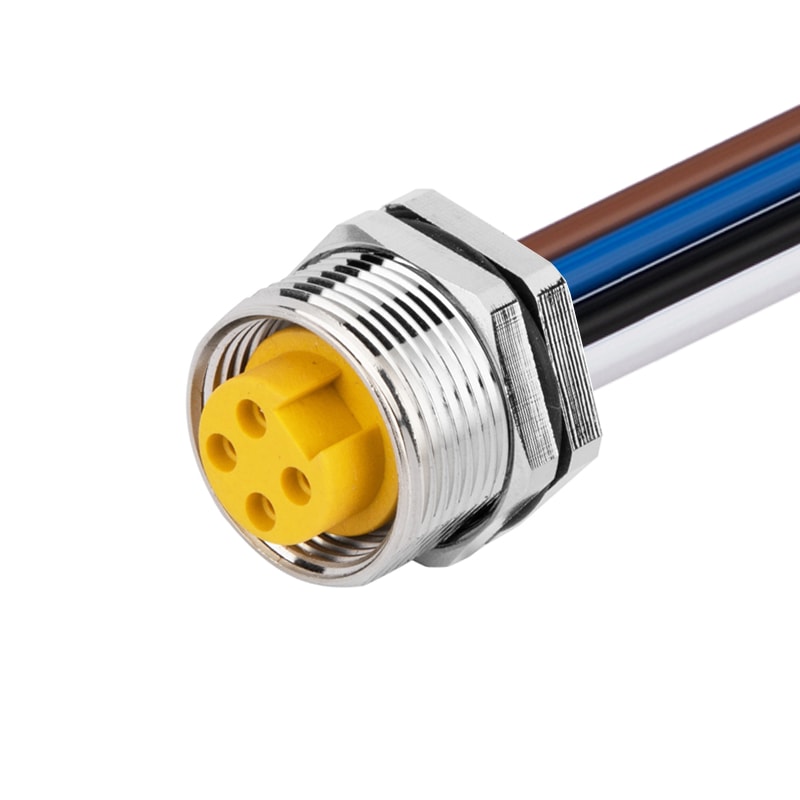
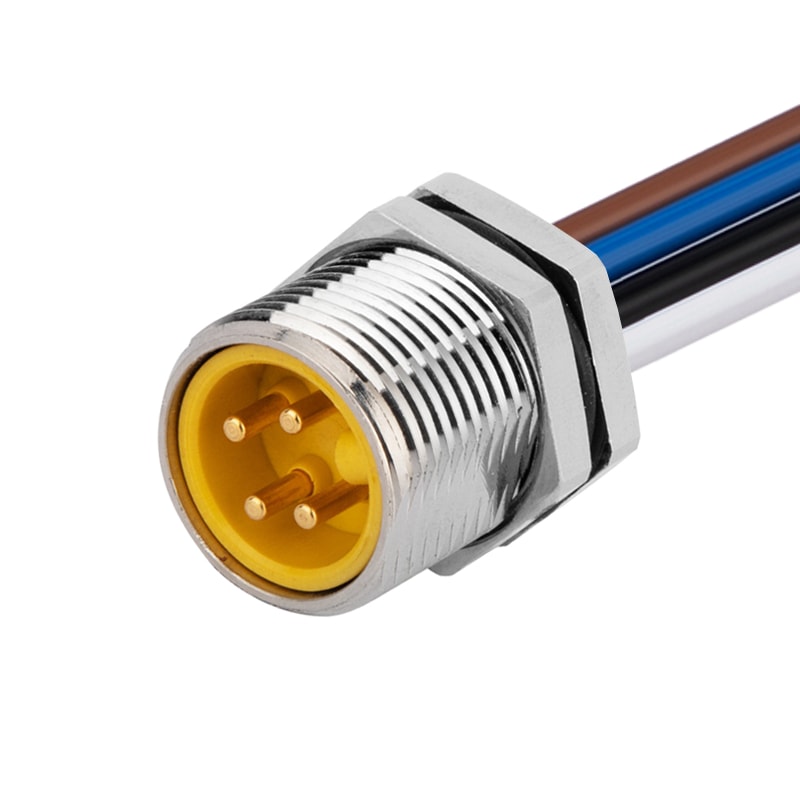
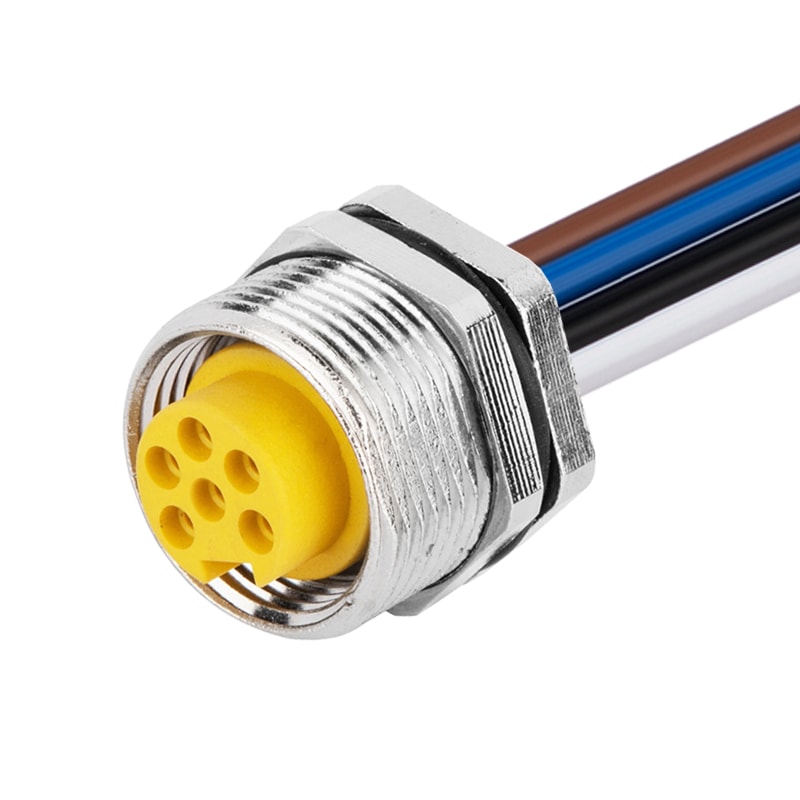
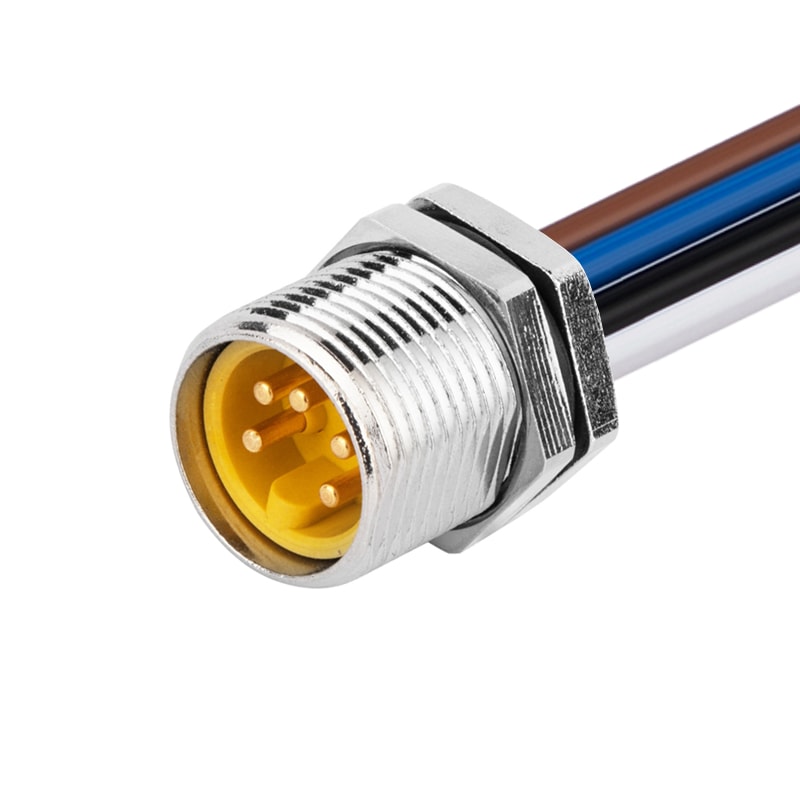
IO Link Hub NPN 0.5A/channel Plastic Housing Plastic Thread Locking
View All





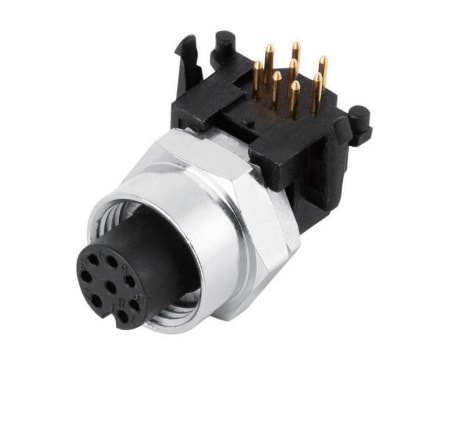
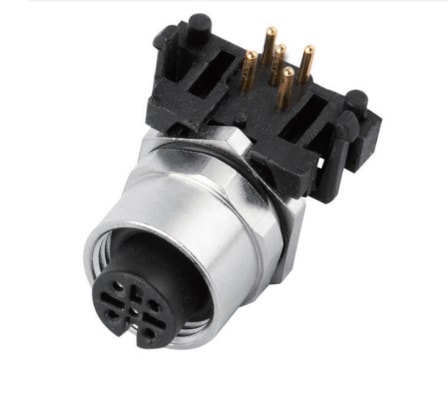
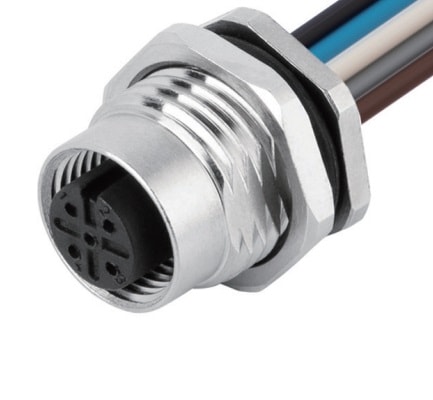

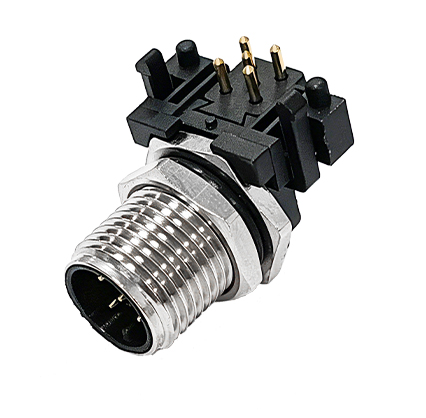








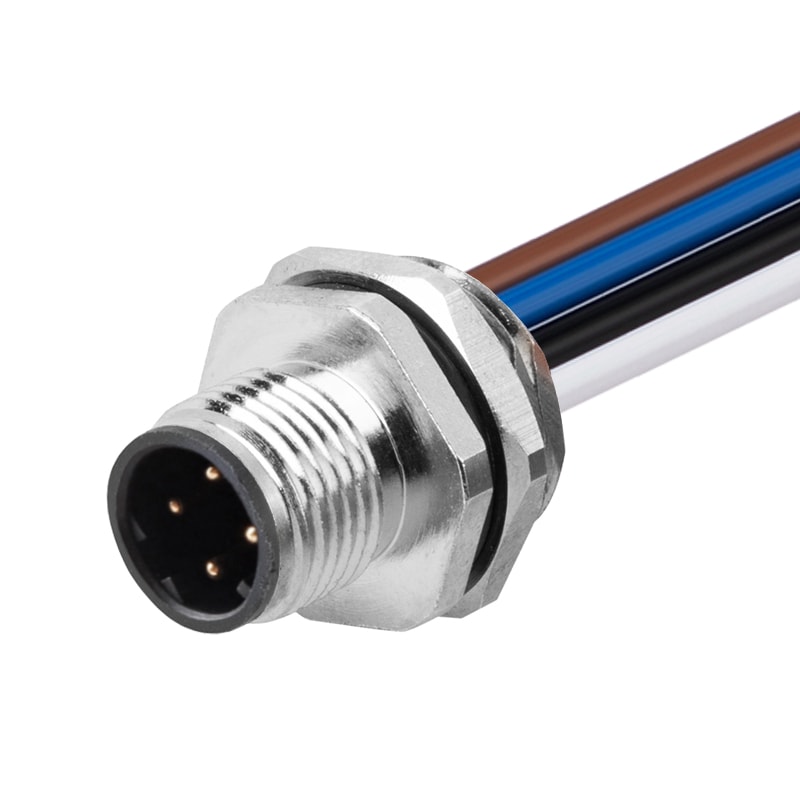


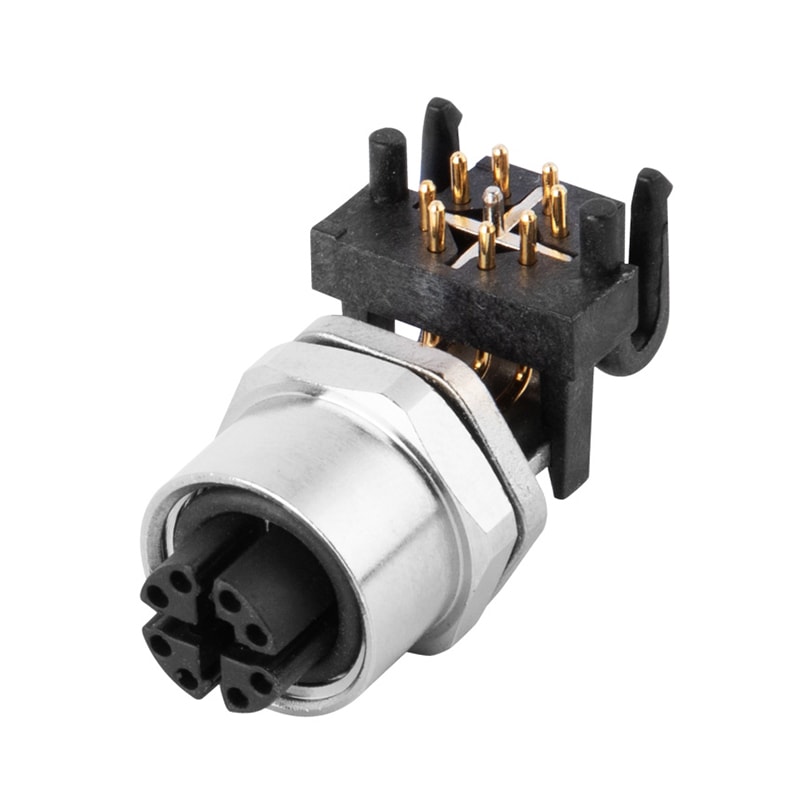


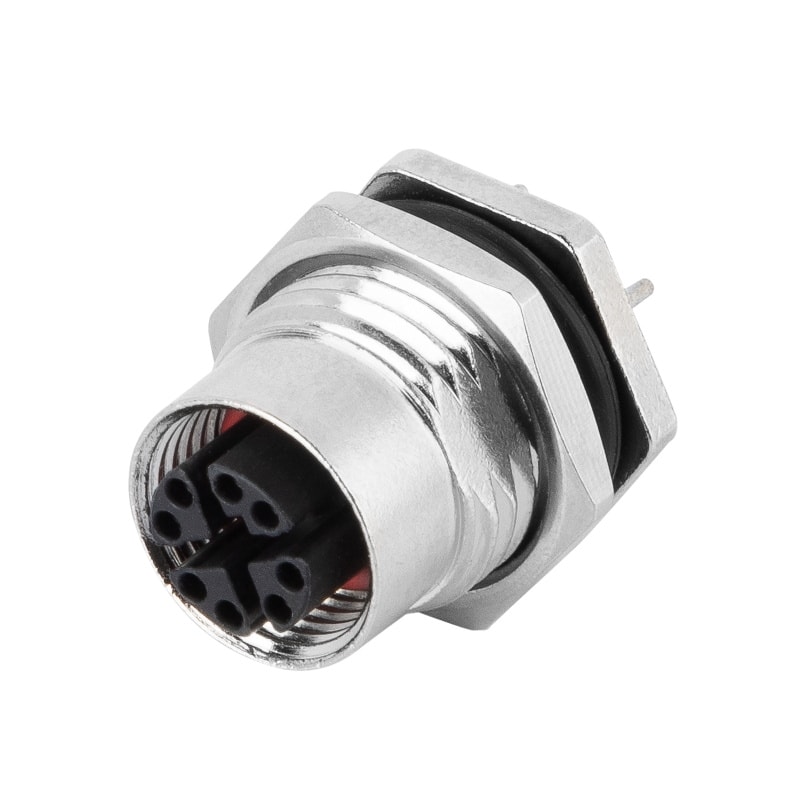

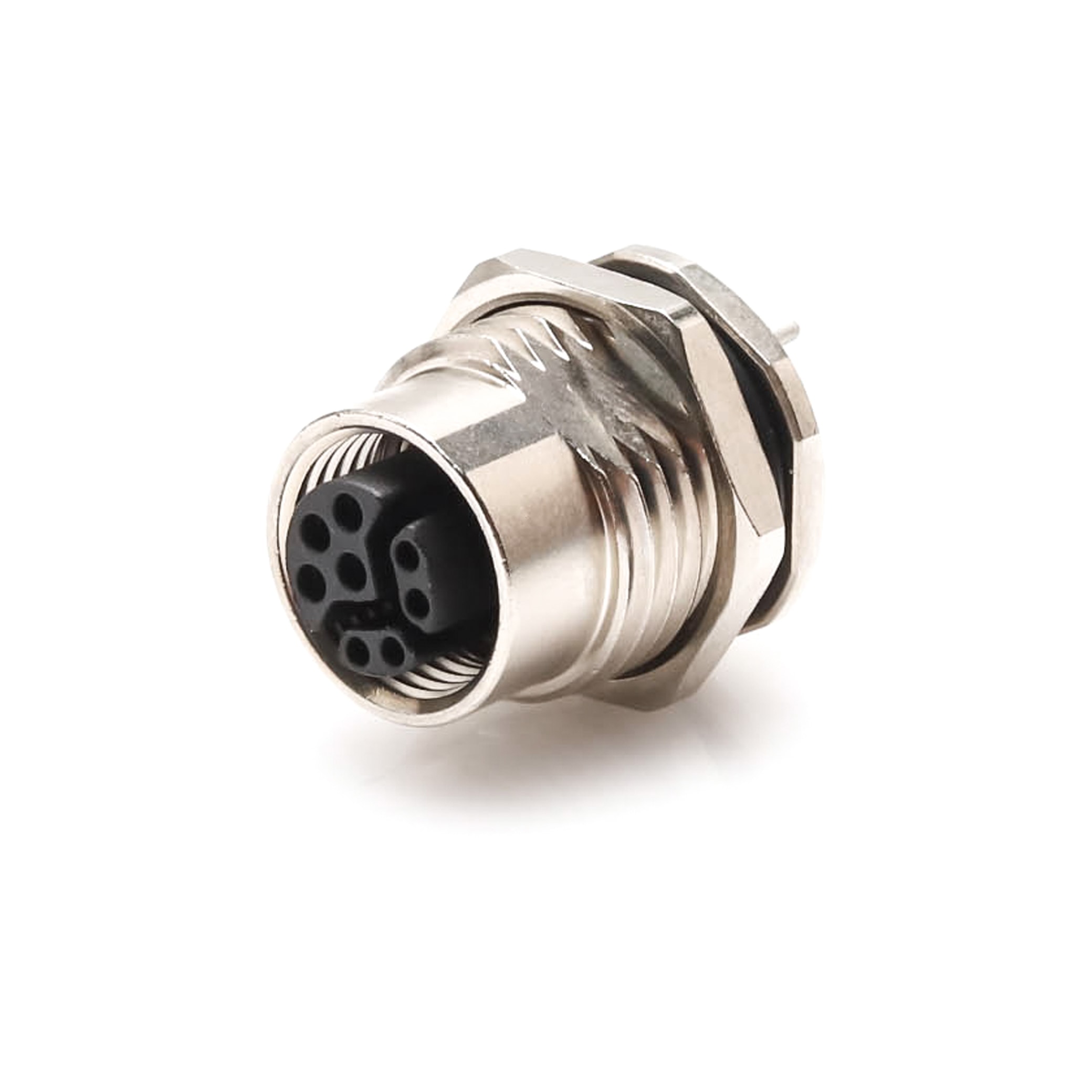
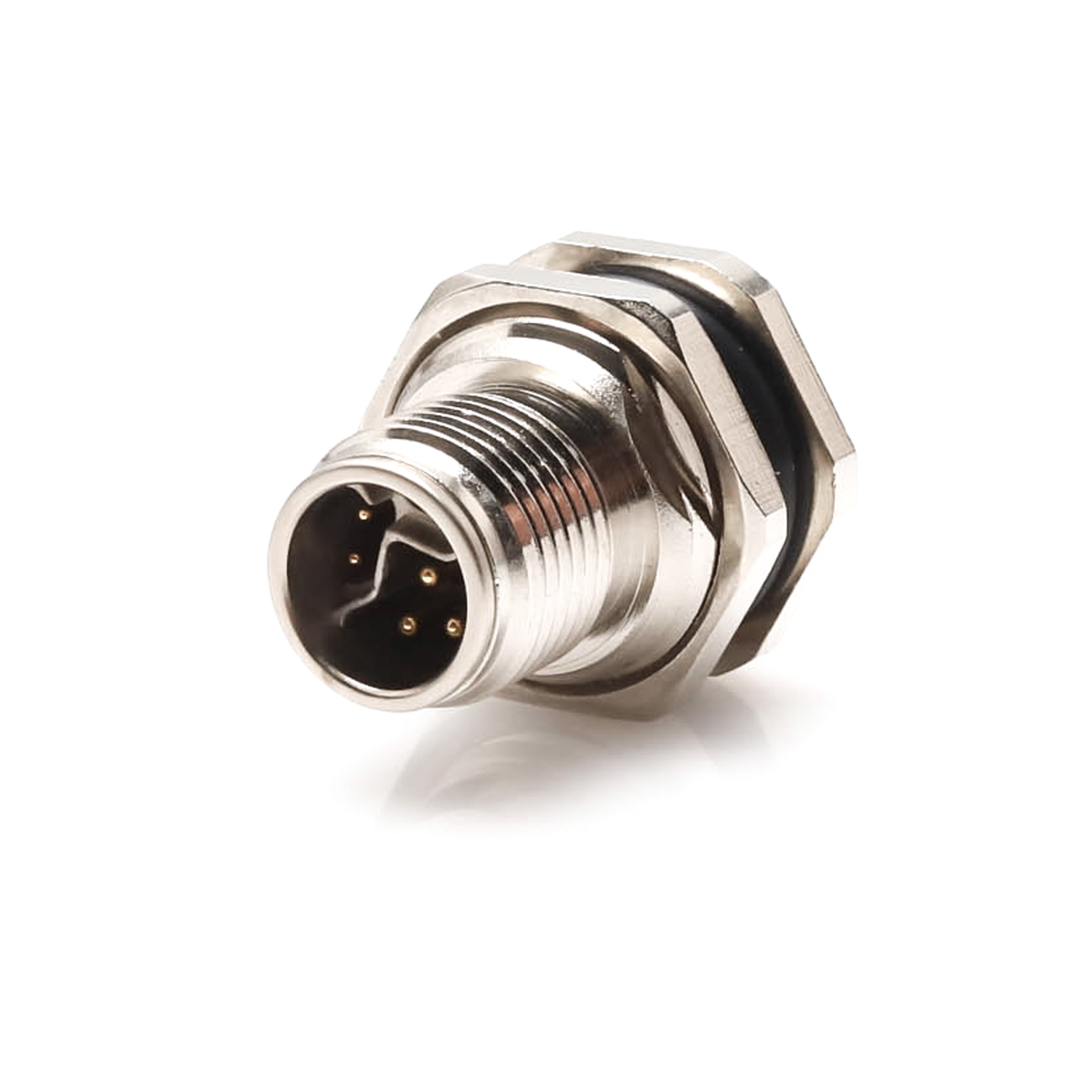
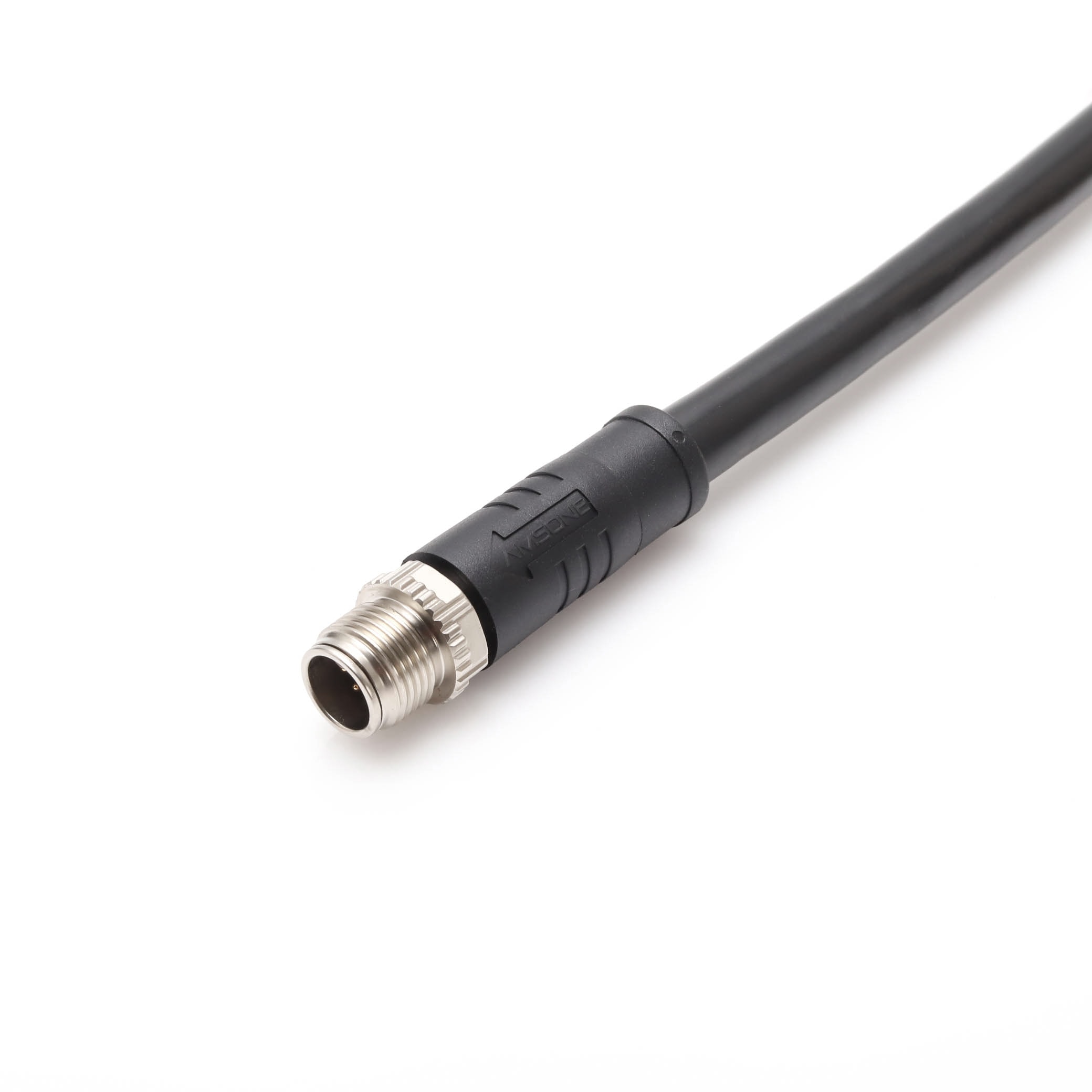
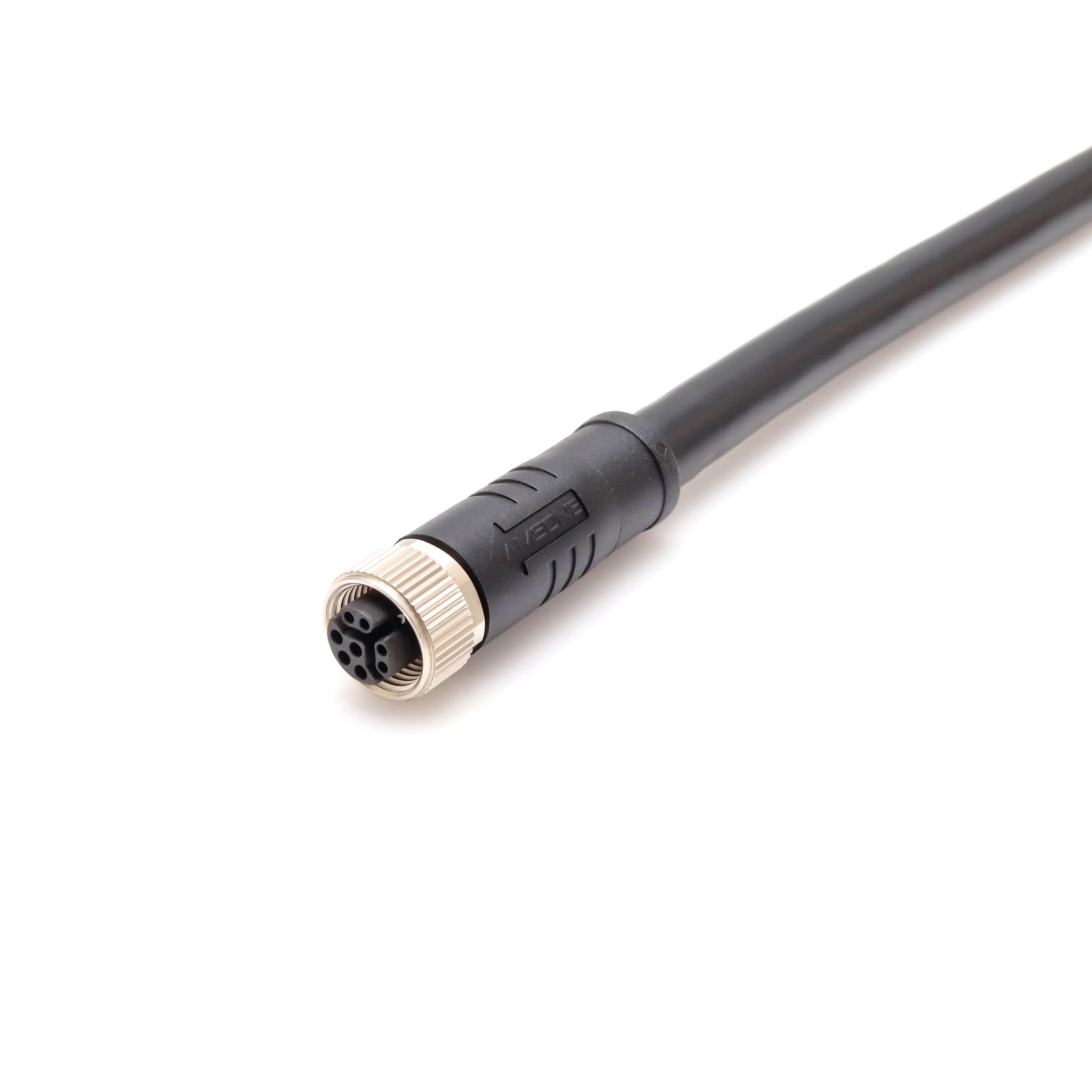
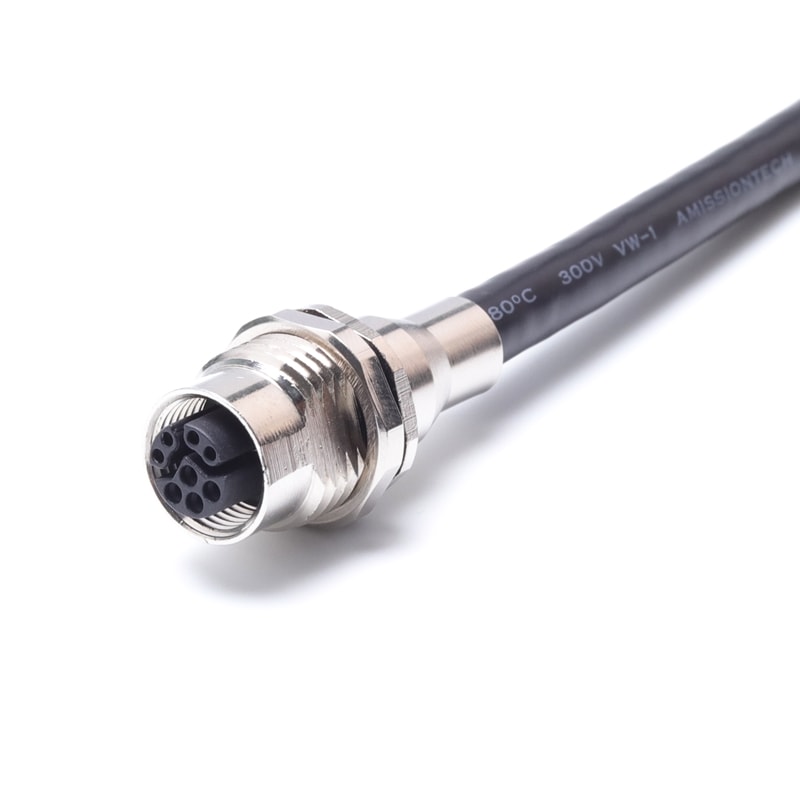


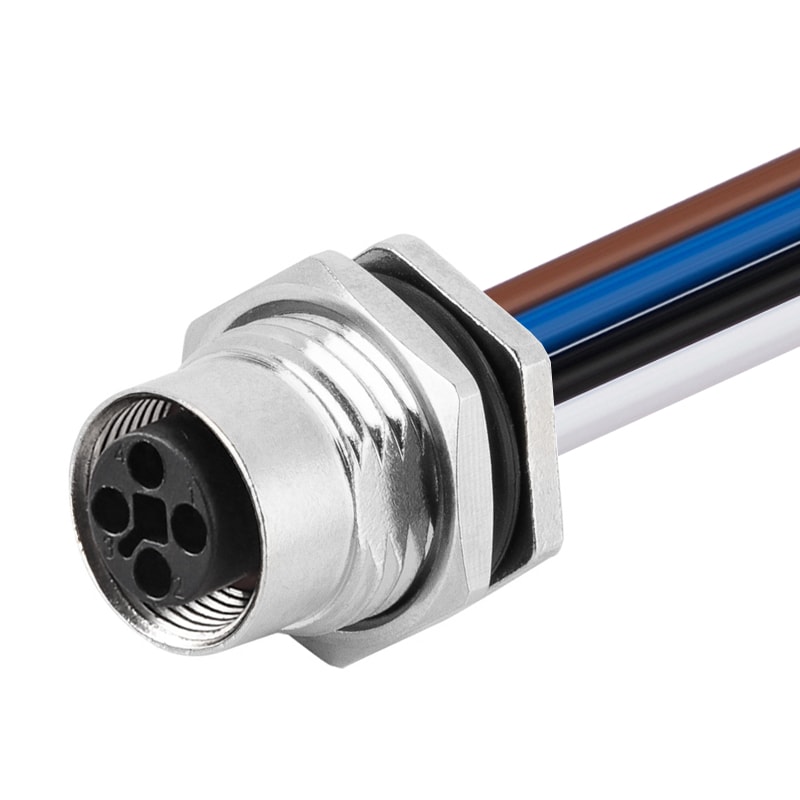
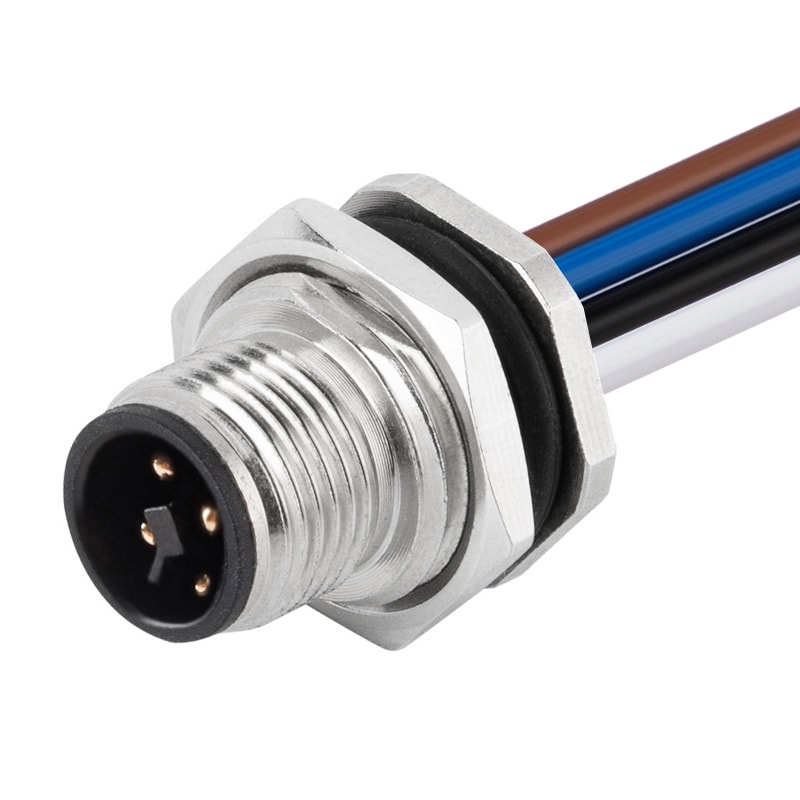

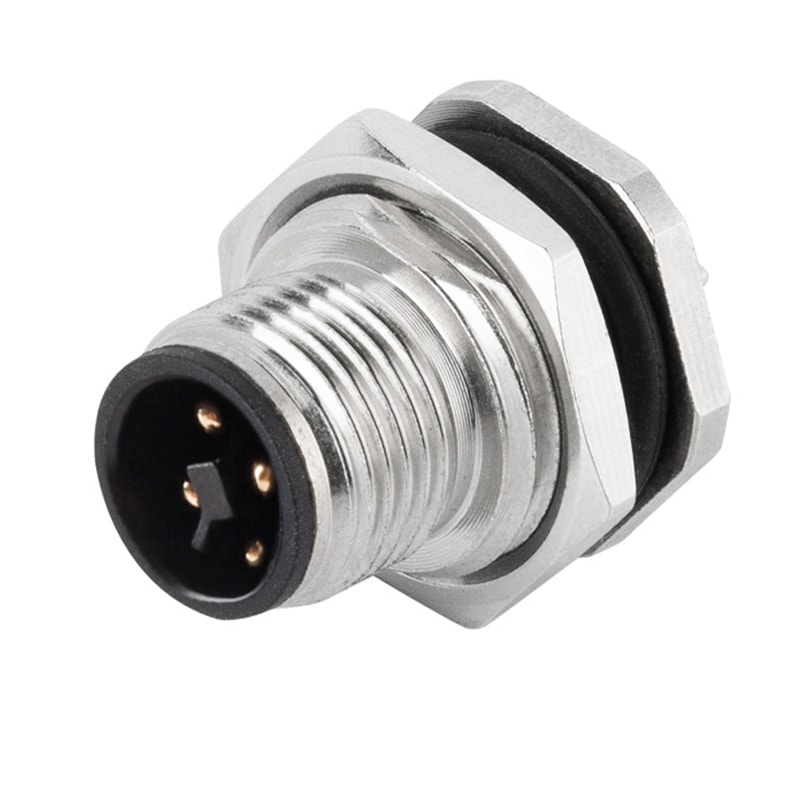

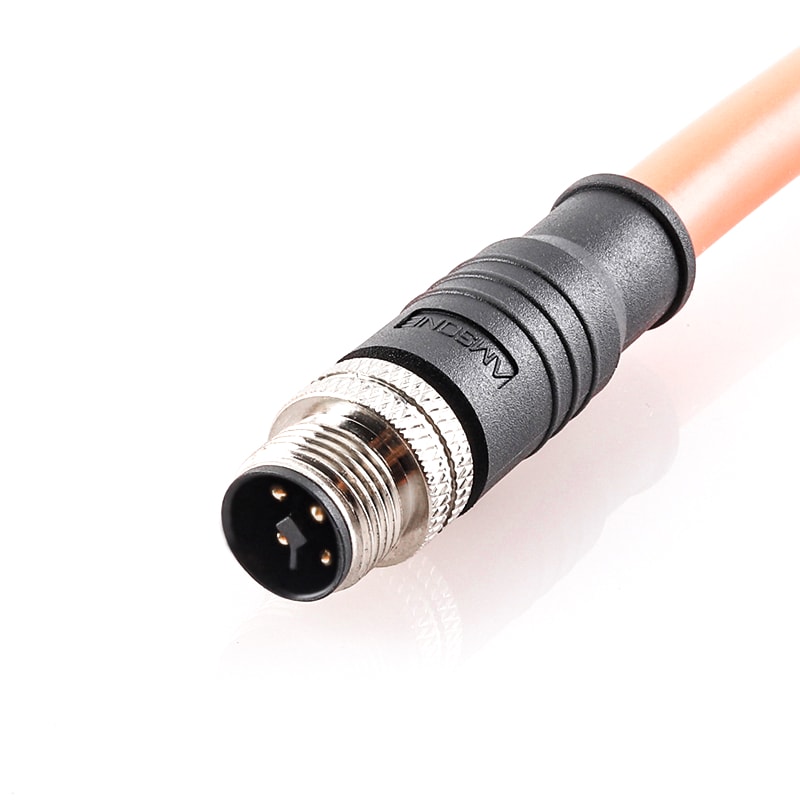








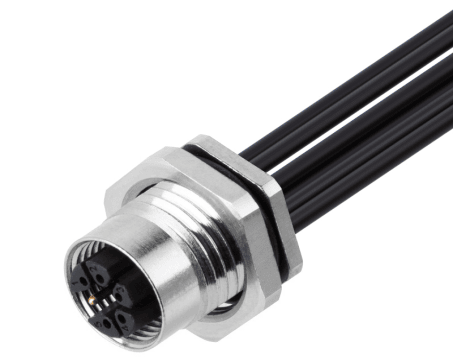
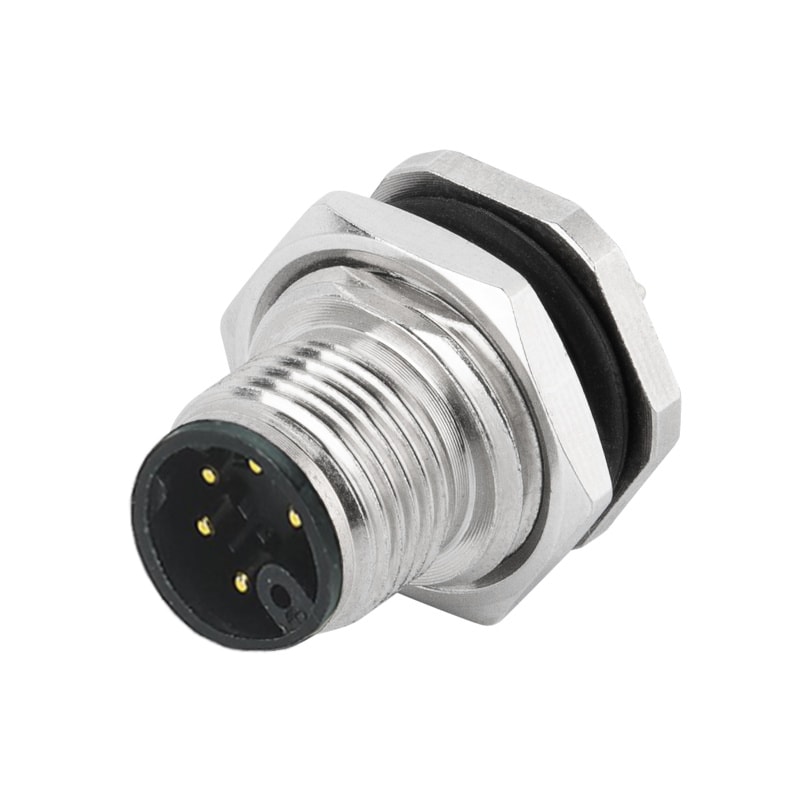


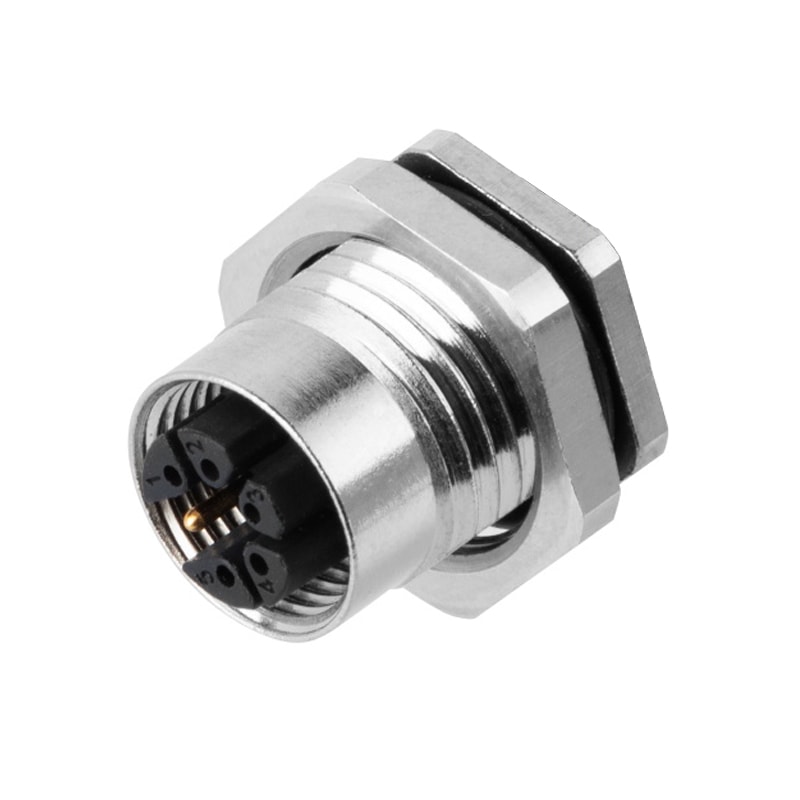
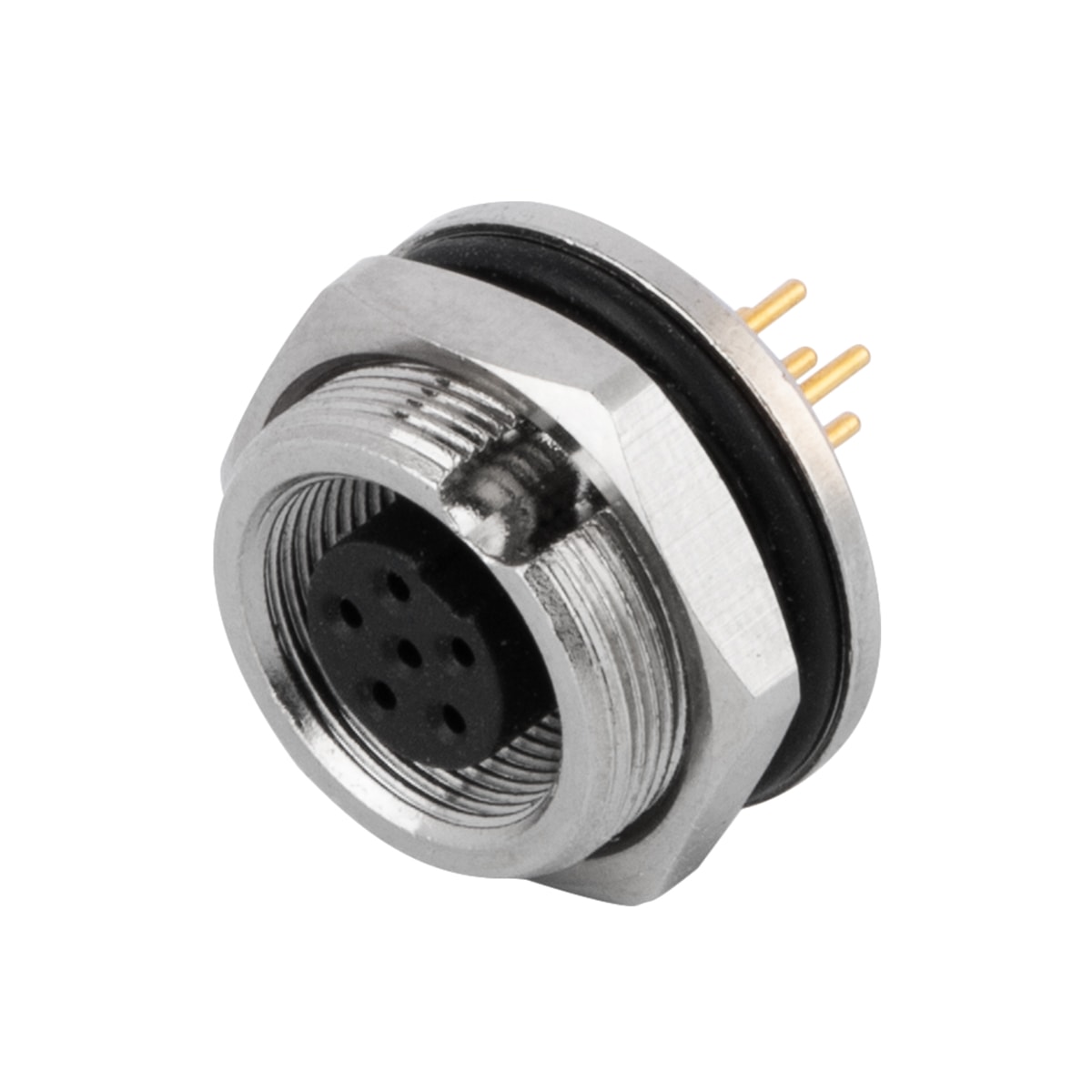





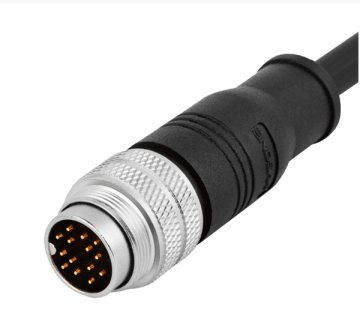
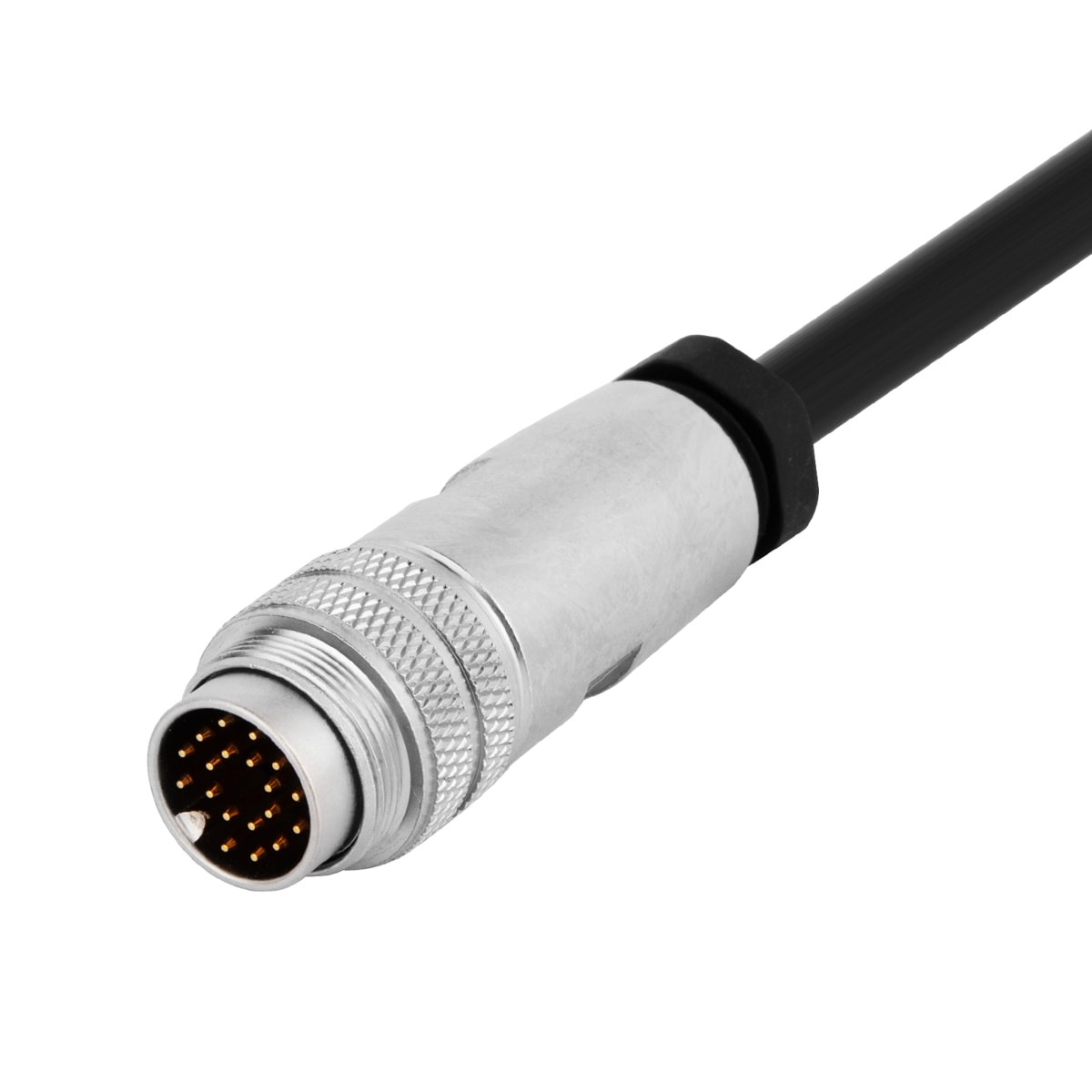
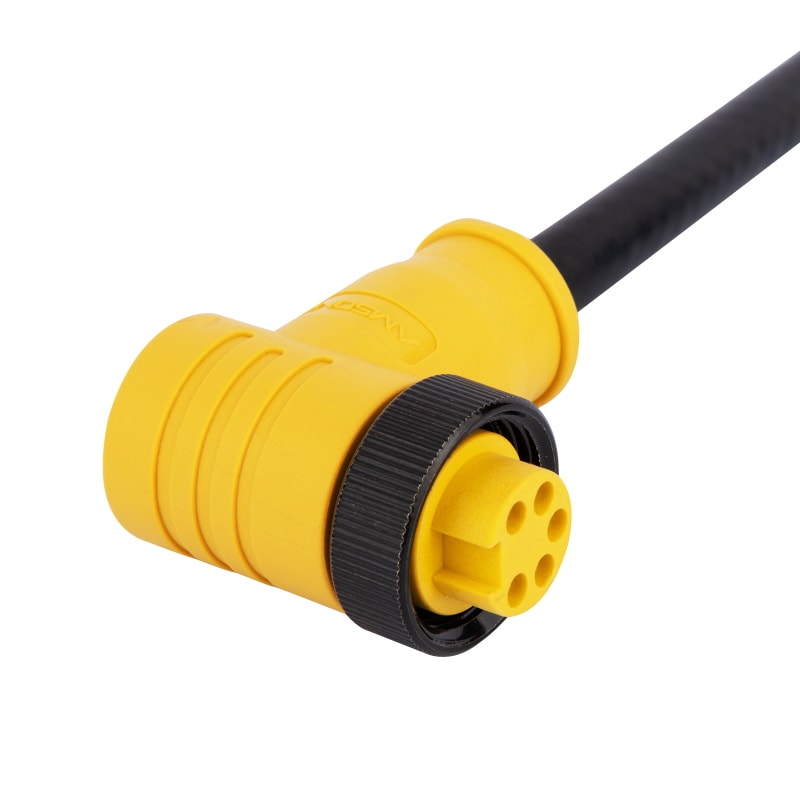
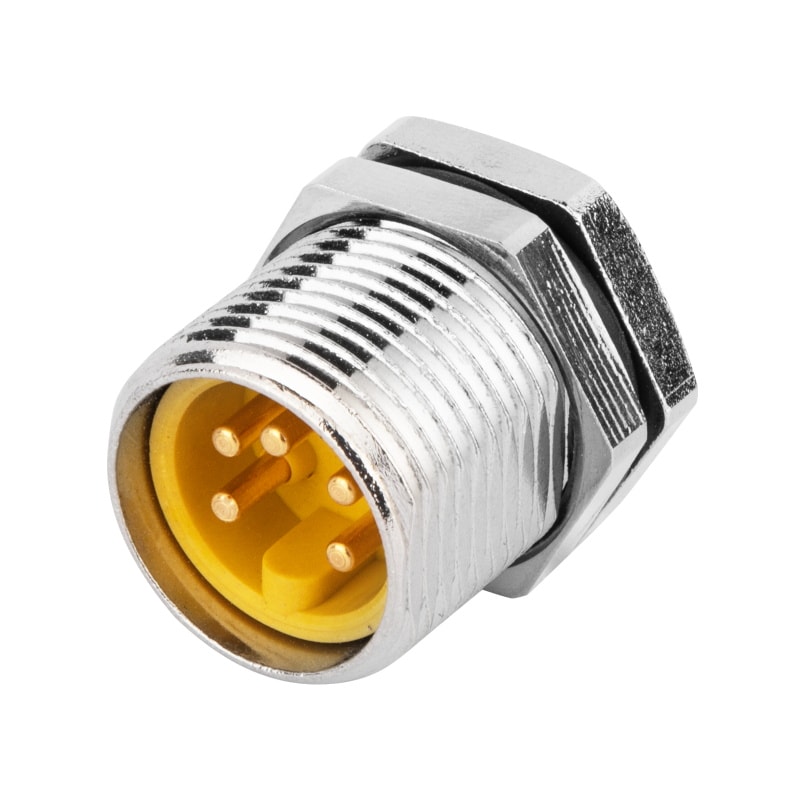
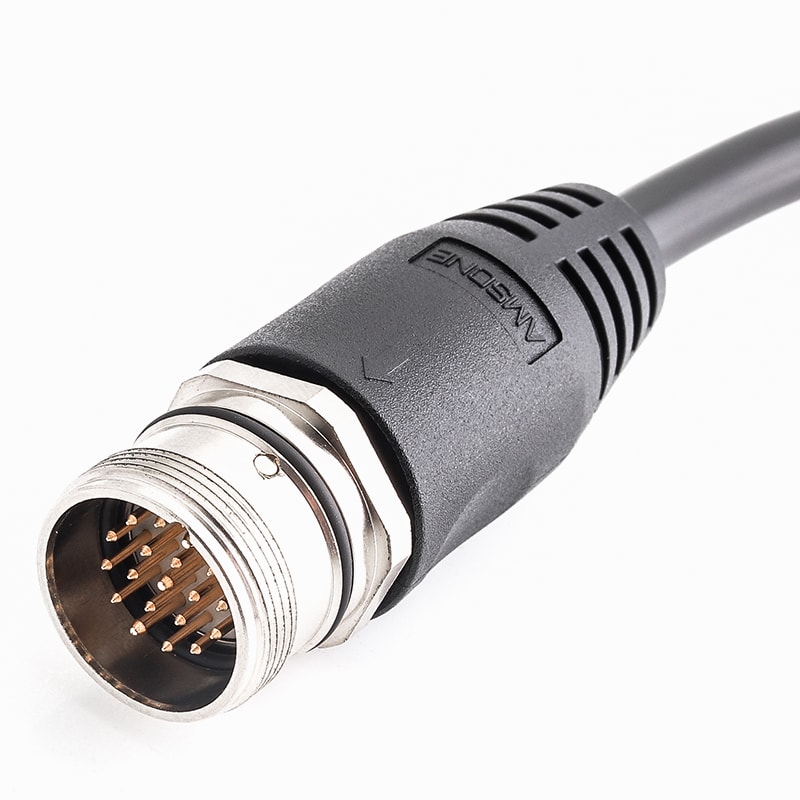
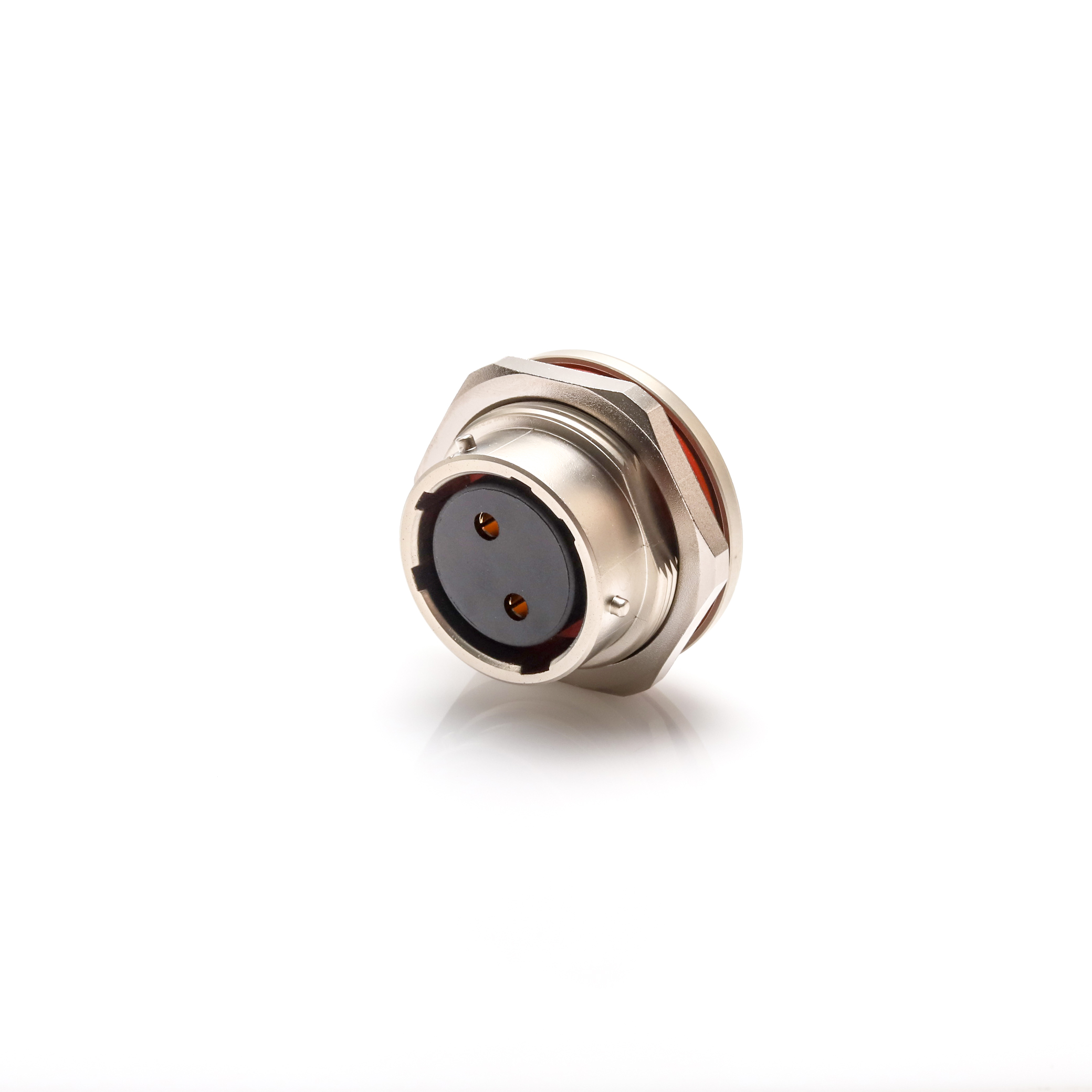
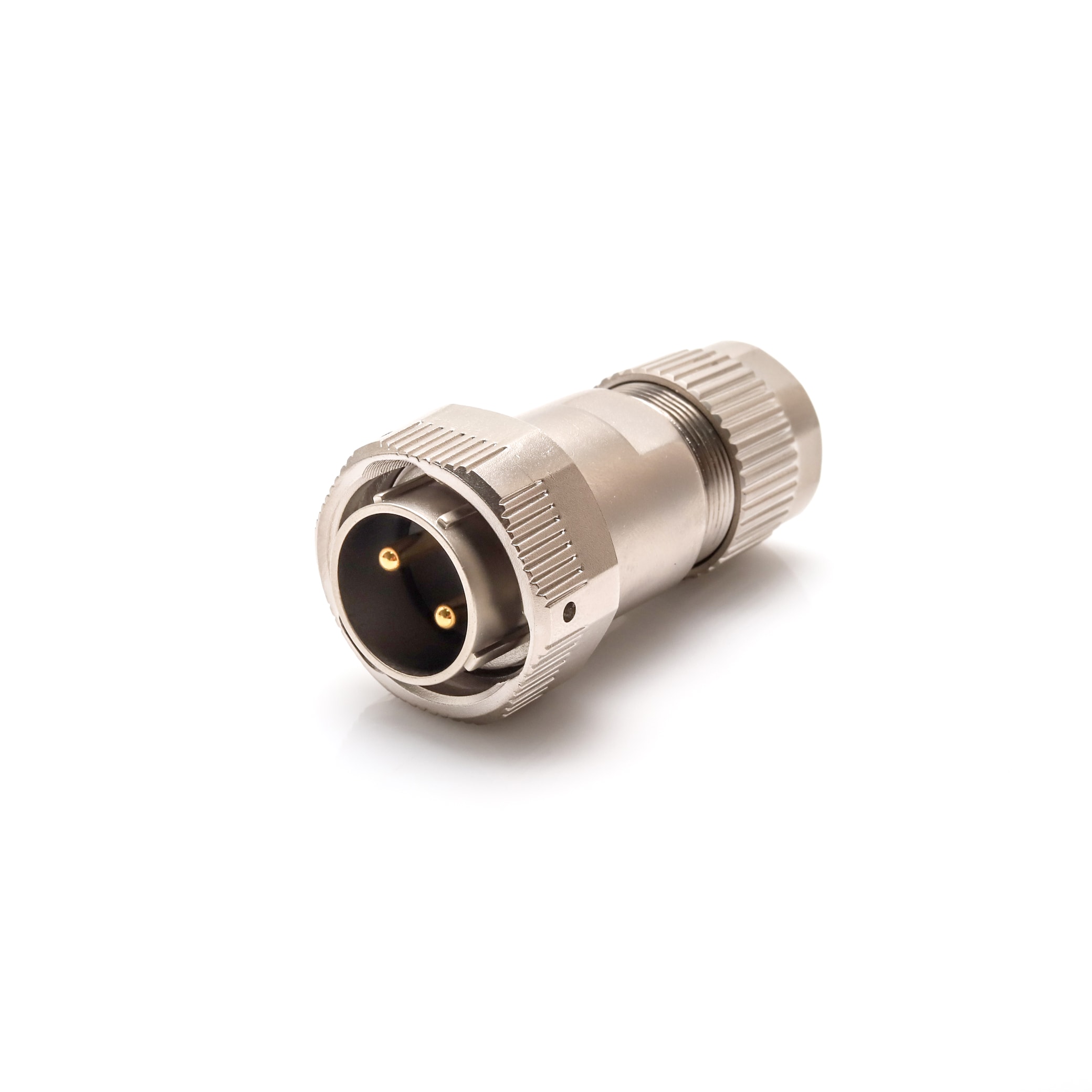
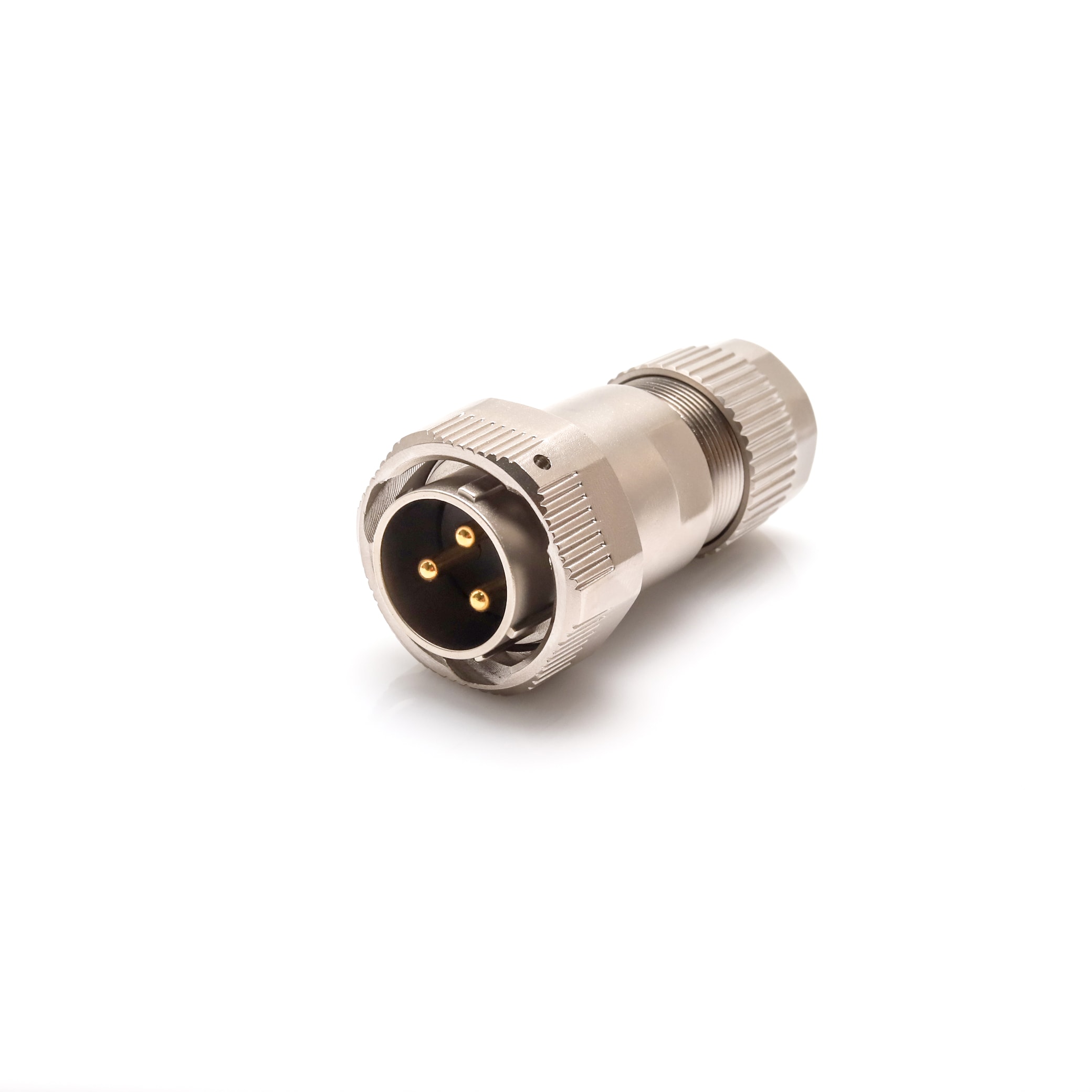
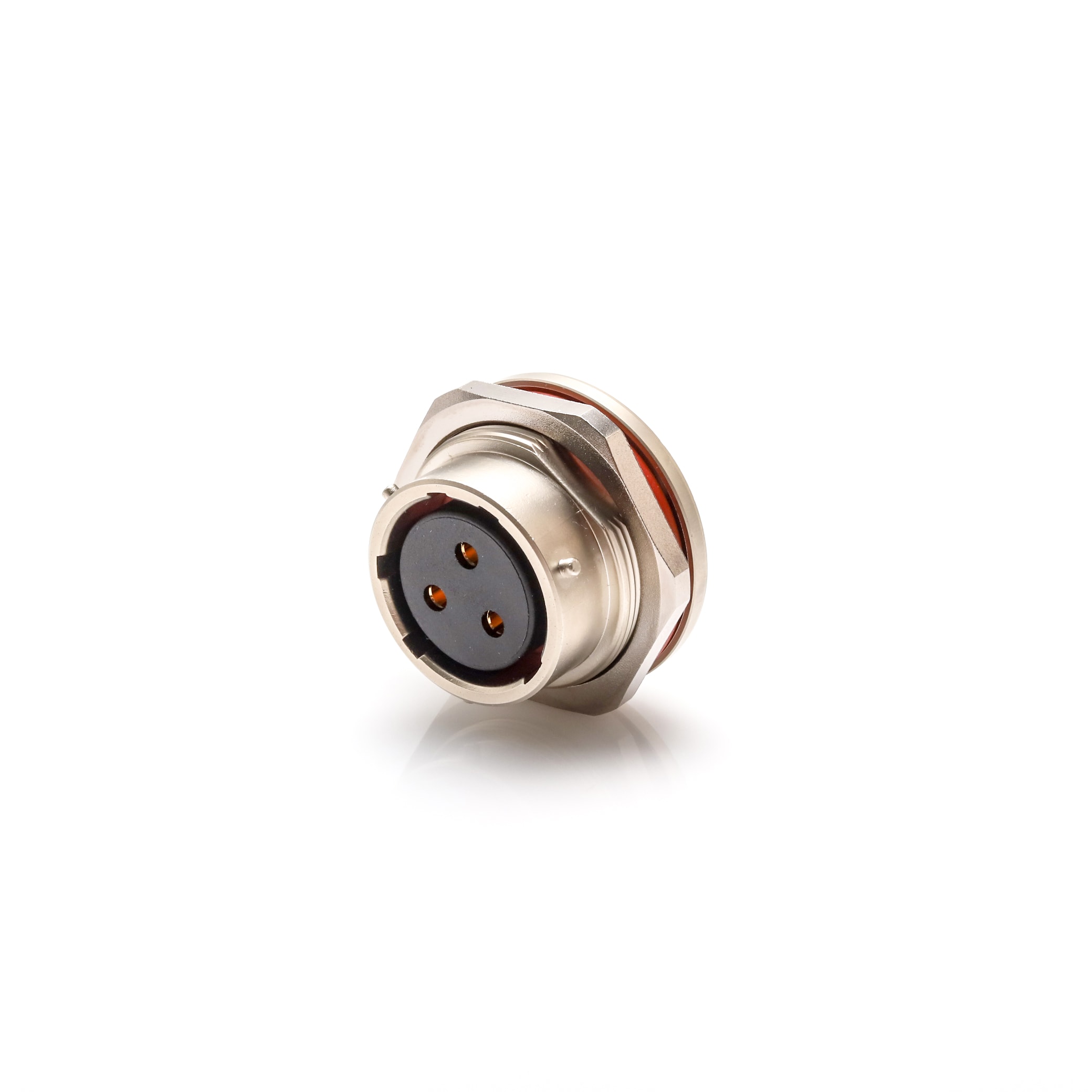
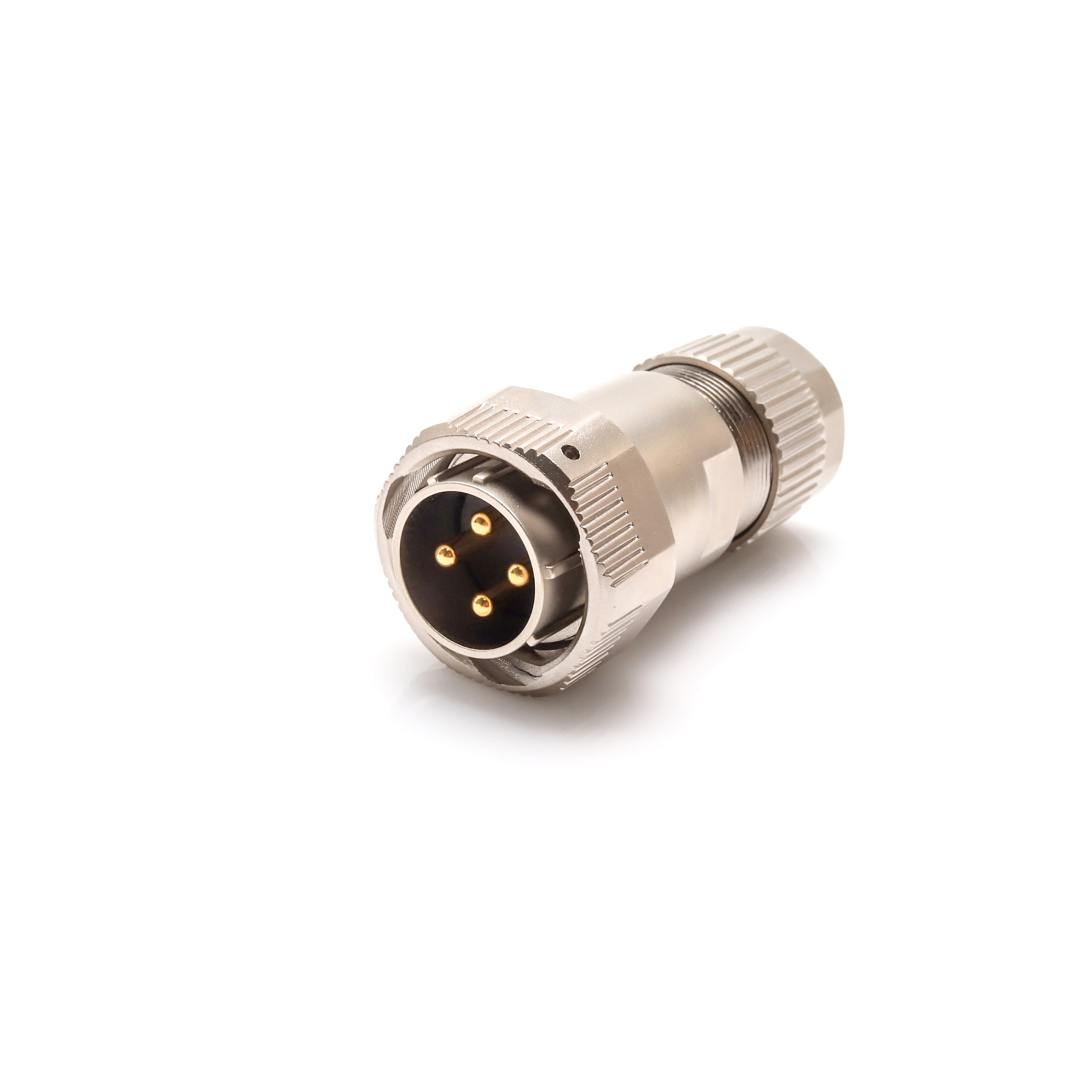
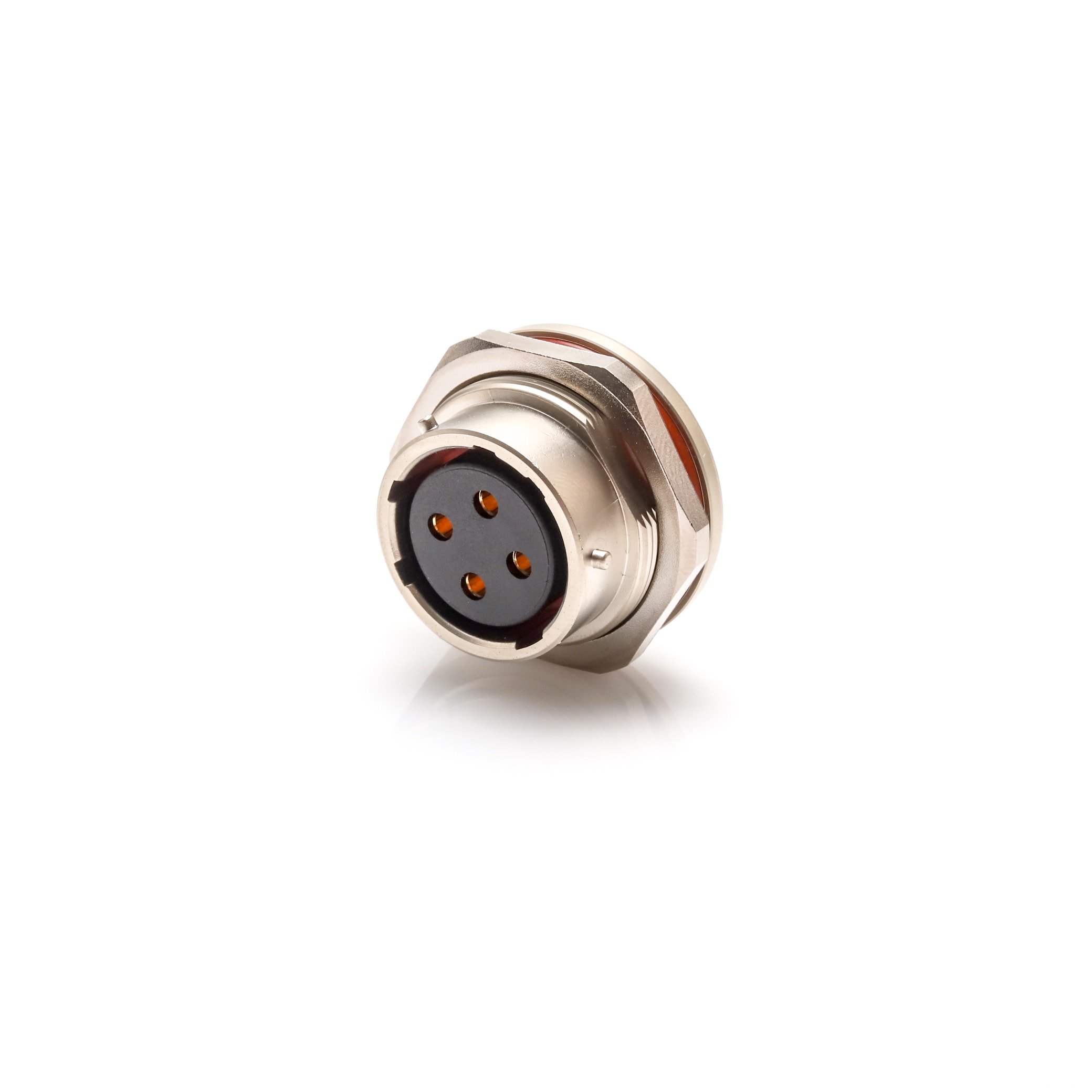
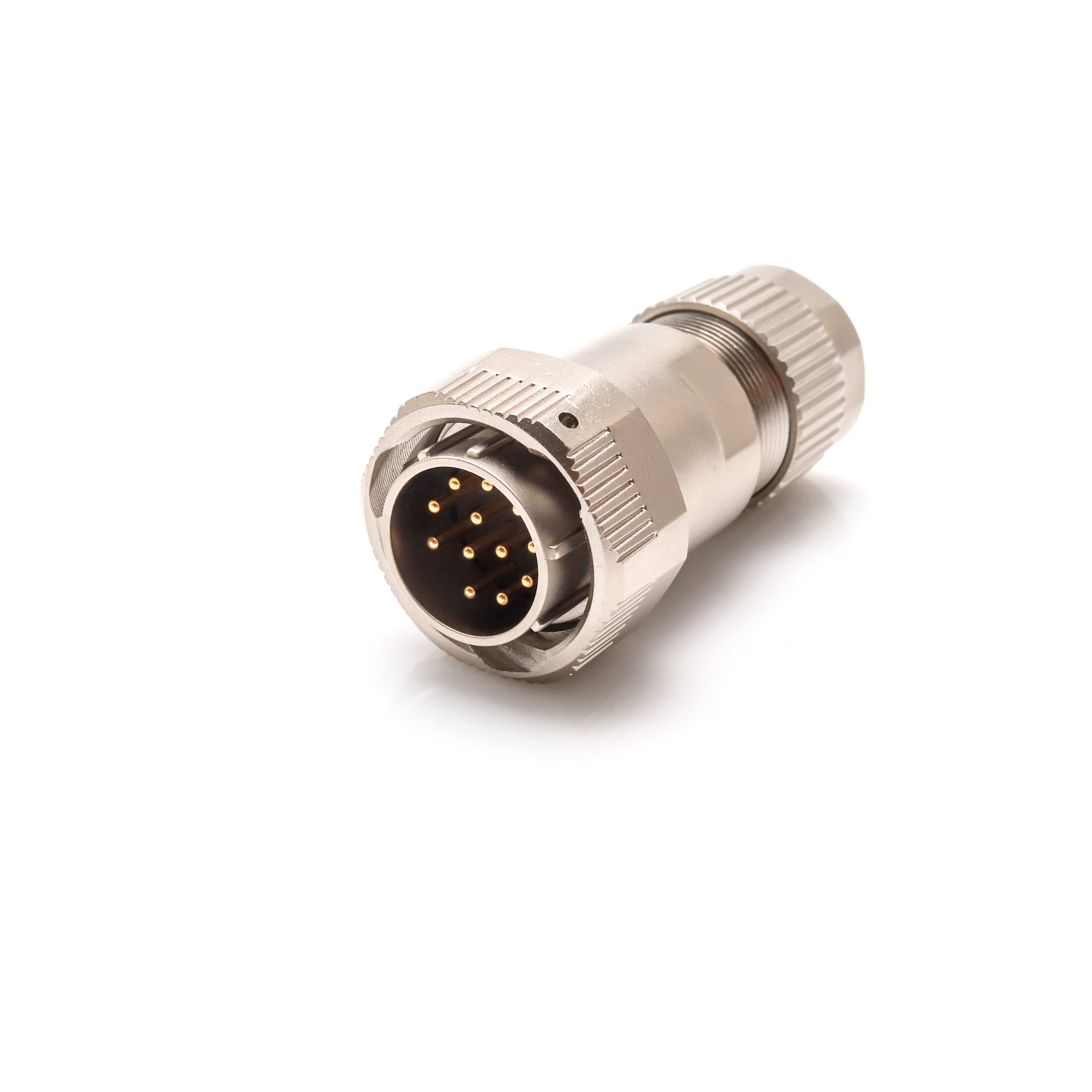










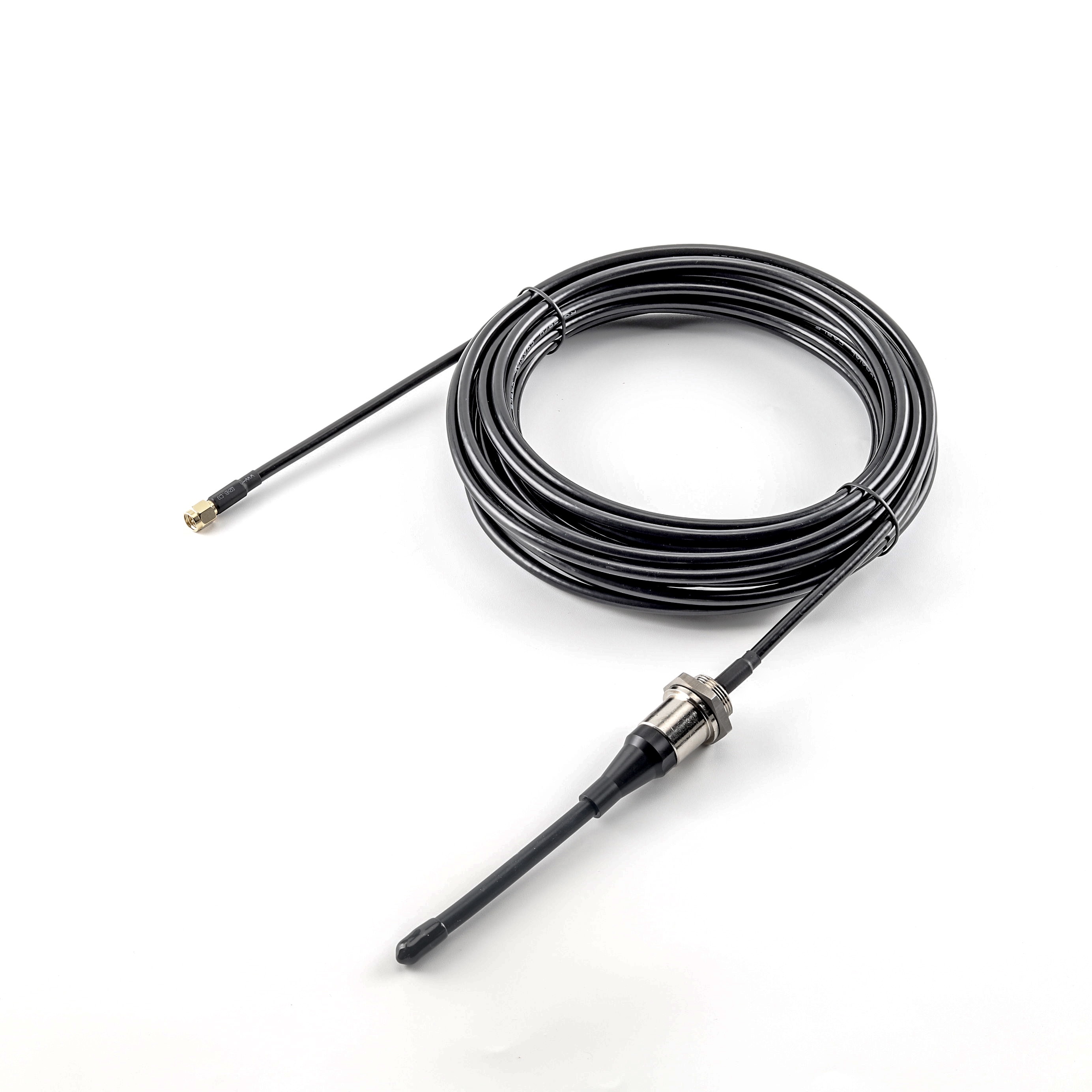
In today’s connected world, stable wireless communication is no longer optional. From home Wi-Fi networks to Bluetooth-enabled industrial devices, reliable signal transmission is the foundation of performance. At the center of many of these systems is the 2.4GHz antenna, a widely used solution that supports both Wi-Fi and Bluetooth communication across consumer, commercial, and industrial applications.
To better understand why this antenna type remains so important, it is helpful to look at how it works, where it is used, and what makes it reliable in real-world environments.
To begin with, a 2.4GHz antenna is designed to transmit and receive radio signals around the 2.4GHz frequency range. This frequency has become a global standard for short- to medium-range wireless communication. As a result, many everyday technologies rely on it, including Wi-Fi routers, Bluetooth devices, smart sensors, and wireless control systems.
Compared with higher-frequency options, 2.4GHz signals offer a practical balance between range and data capacity. This makes them especially suitable for environments where signals must pass through walls, machinery, or enclosures. Because of this balance, 2.4GHz antennas continue to be widely used even as newer wireless technologies emerge.
When it comes to Wi-Fi, 2.4GHz antennas play a key role in providing consistent coverage. Most Wi-Fi networks rely on this frequency to reach longer distances and maintain stable connections indoors. The signal can travel farther and penetrate obstacles more effectively than higher-frequency alternatives.
As a result, 2.4GHz Wi-Fi antennas are commonly used in homes, offices, warehouses, and factories. They are particularly useful in environments where access points must cover multiple rooms or large areas. In addition, many devices still depend on the 2.4GHz band for compatibility, making these antennas essential for mixed or legacy networks.
In addition to Wi-Fi, Bluetooth technology also relies on 2.4GHz antennas for short-range wireless communication. Bluetooth devices such as headsets, keyboards, wearables, and industrial controllers require stable links with low power consumption.
Here, the antenna design helps ensure reliable pairing and data transfer, even in environments with multiple active devices. Because Bluetooth typically operates over shorter distances, the antenna must focus on signal stability rather than long-range transmission. A properly designed 2.4GHz antenna supports this need by maintaining consistent performance with minimal signal loss.
Choosing the right 2.4GHz antenna requires careful consideration of several factors. One important element is antenna gain. Higher gain can extend range, but it usually narrows the coverage area. This means higher gain is not always better, especially for general Wi-Fi or Bluetooth use.
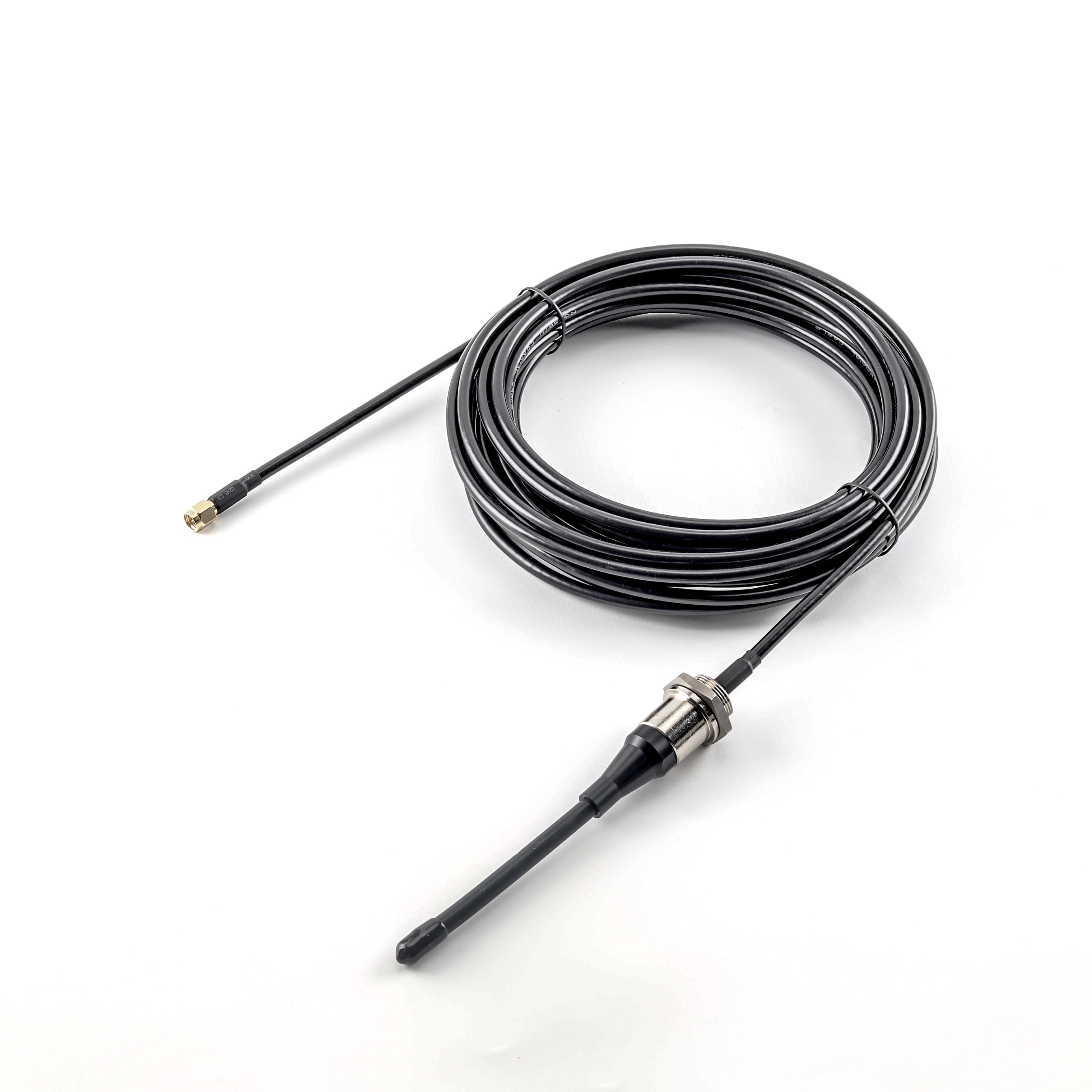
The operating environment also matters. Indoor applications must account for walls and interference, while outdoor or industrial settings may require rugged designs. In addition, proper impedance matching between the antenna and cable assembly helps reduce signal loss and improve overall system efficiency.
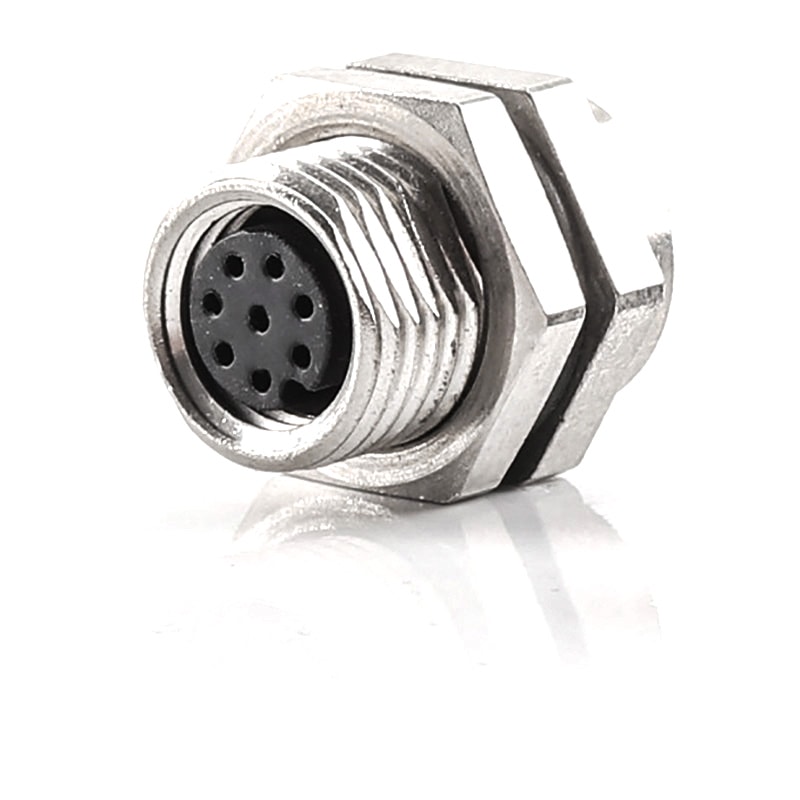
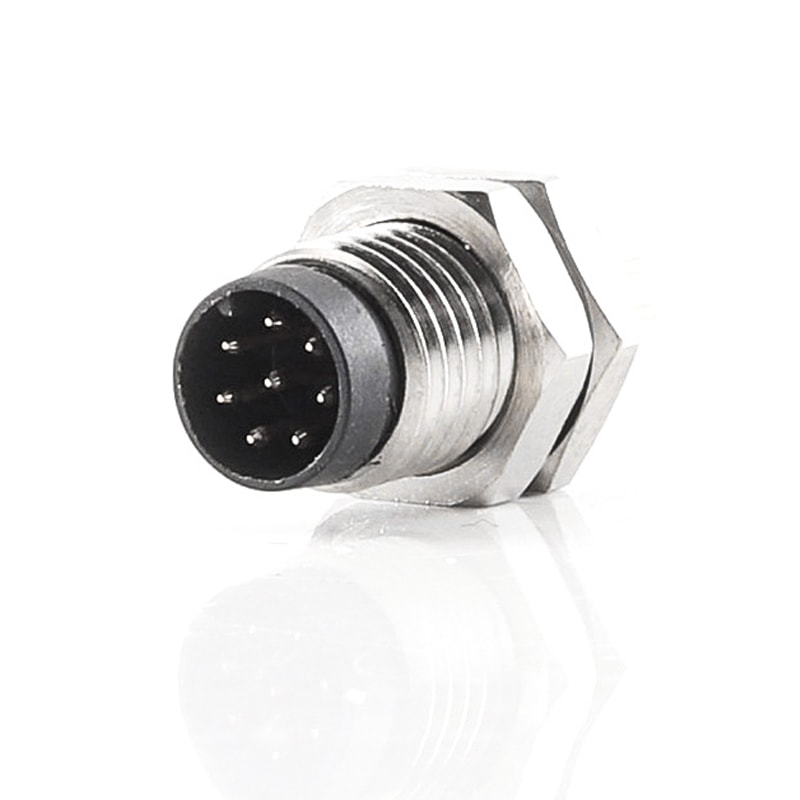
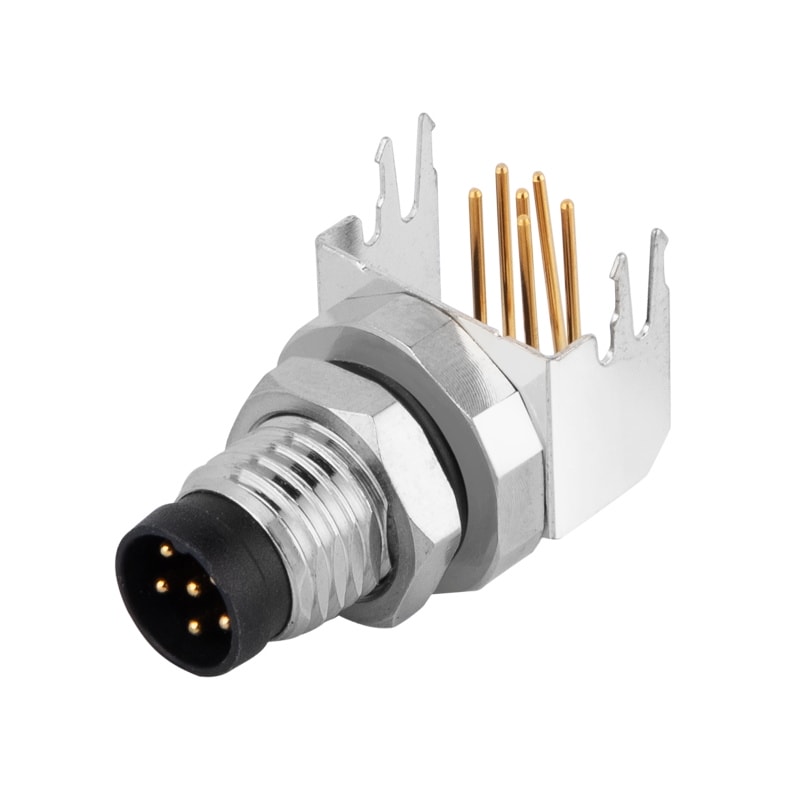
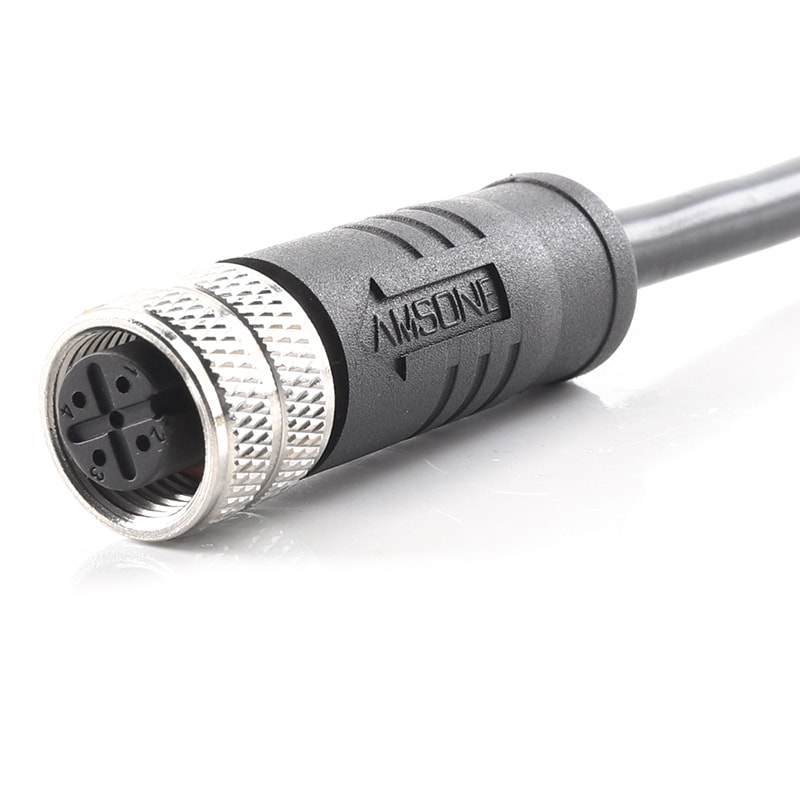
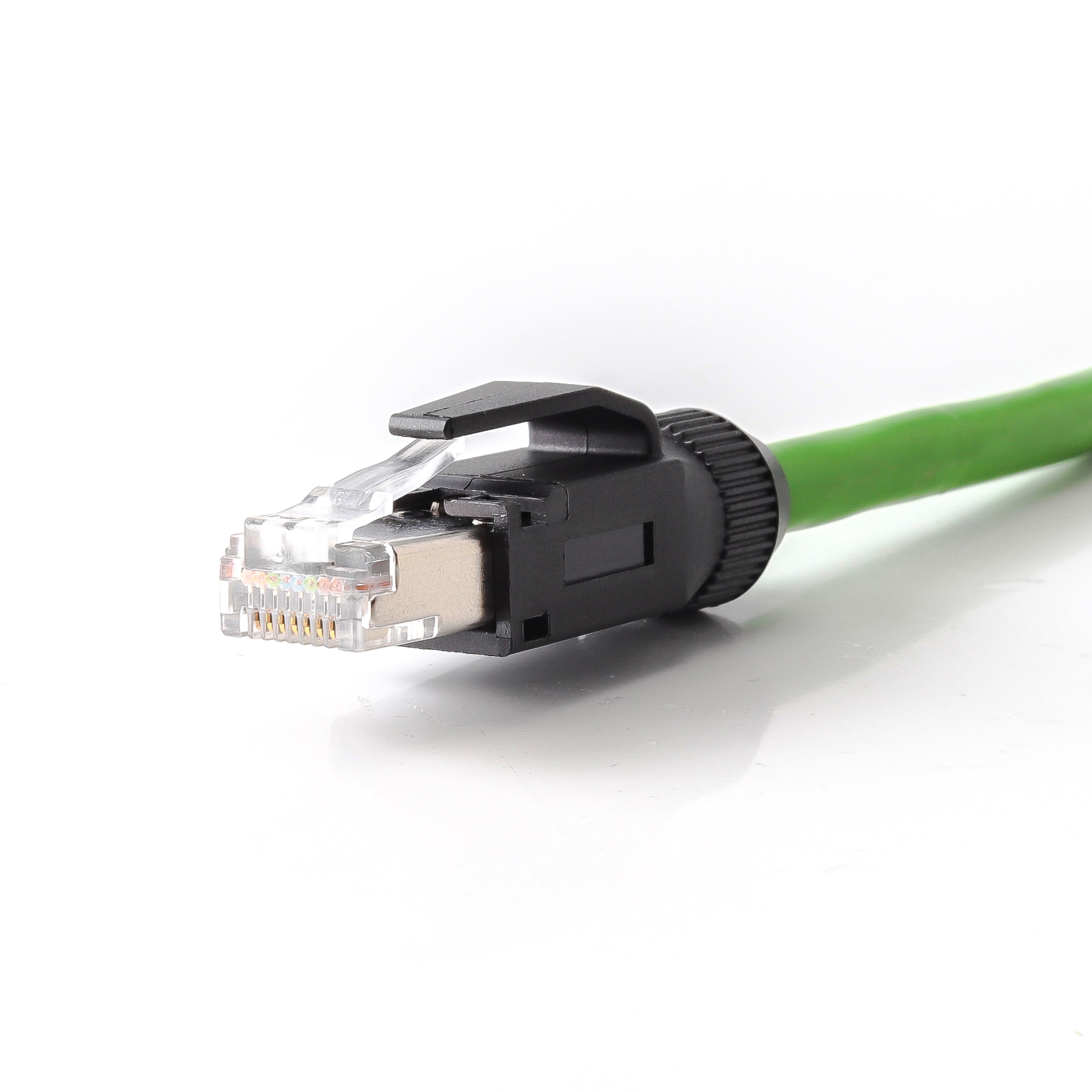
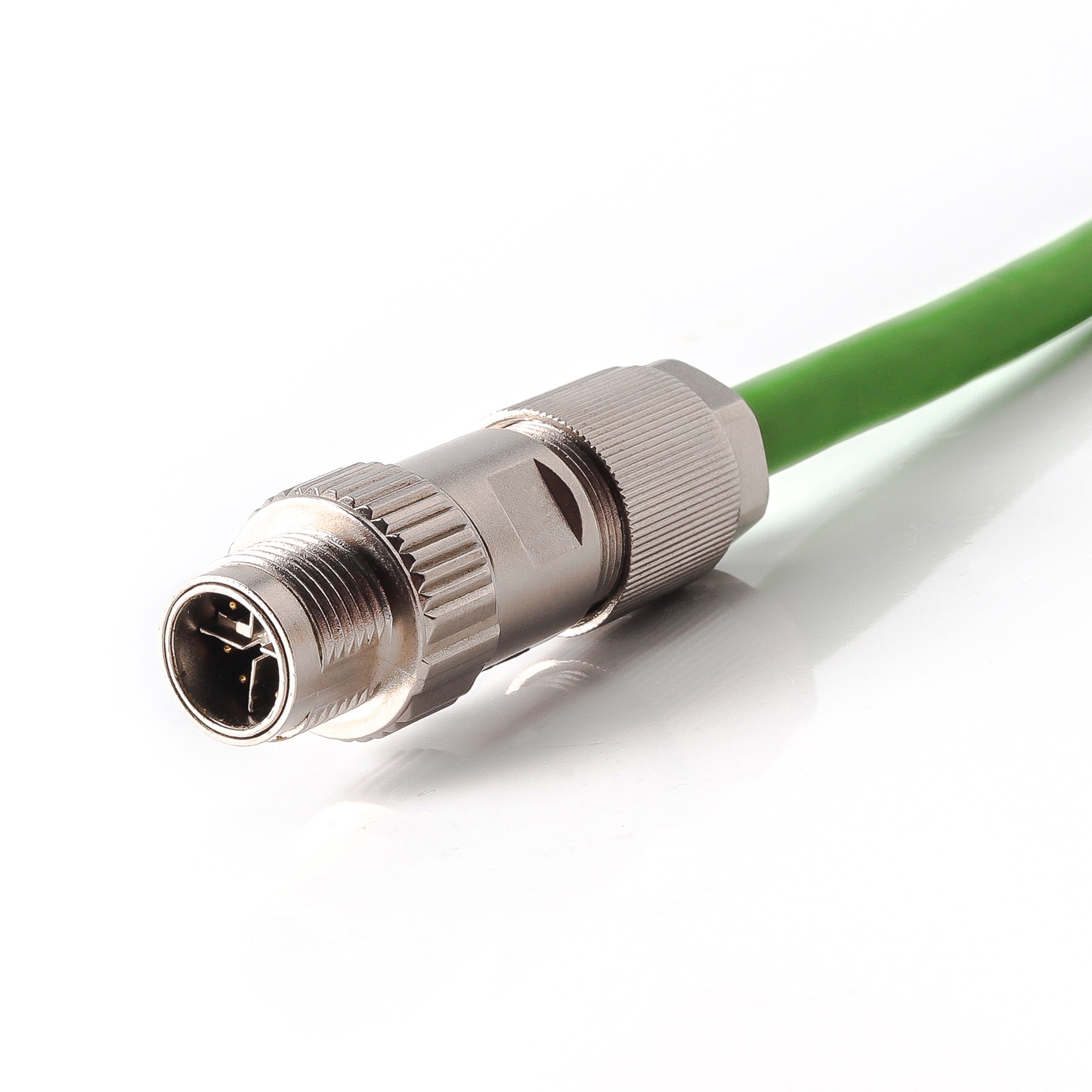
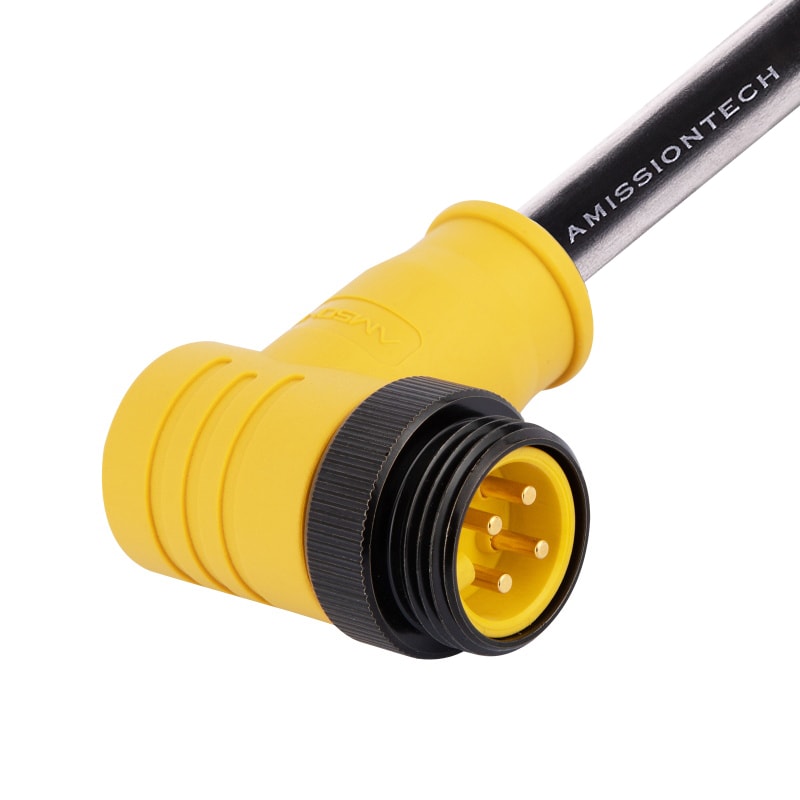
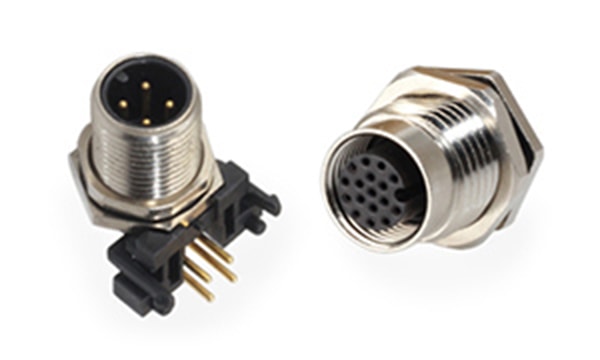
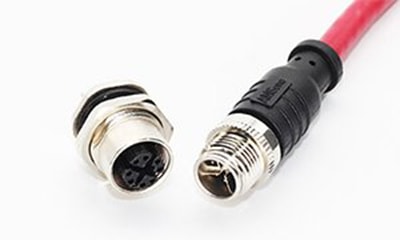
This is where quality cable assemblies and connectors become essential. Even a well-designed antenna cannot perform properly if the cable or connector introduces loss or instability.
Another practical consideration is interference. Because many devices operate at 2.4GHz, signal congestion can occur. However, modern antenna designs and system layouts help manage this challenge. Techniques such as proper antenna placement, spacing, and the use of multiple antennas can improve reliability.
For industrial and professional applications, stable cabling and shielding also contribute to reducing noise and maintaining signal integrity across the system.
Although newer frequency bands are gaining attention, 2.4GHz antennas remain highly relevant. Their wide compatibility, reliable range, and proven performance make them a dependable choice for Wi-Fi and Bluetooth communication today.
From smart homes to industrial automation, these antennas continue to support connected systems where stability and coverage matter most.
In summary, 2.4GHz antennas enable reliable Wi-Fi and Bluetooth communication by offering balanced performance, wide compatibility, and dependable coverage. Their effectiveness depends not only on antenna design but also on the quality of cables, connectors, and overall system integration.
For businesses and engineers, selecting the right antenna and supporting components is essential to achieving long-term reliability and performance.
Amissiontech, as an experienced industrial cable supplier, provides high-quality cable assemblies, connectors, and interconnection solutions designed to support reliable antenna and wireless system performance. Contact Amissiontech today to discuss your application needs and discover dependable solutions built for industrial environments.