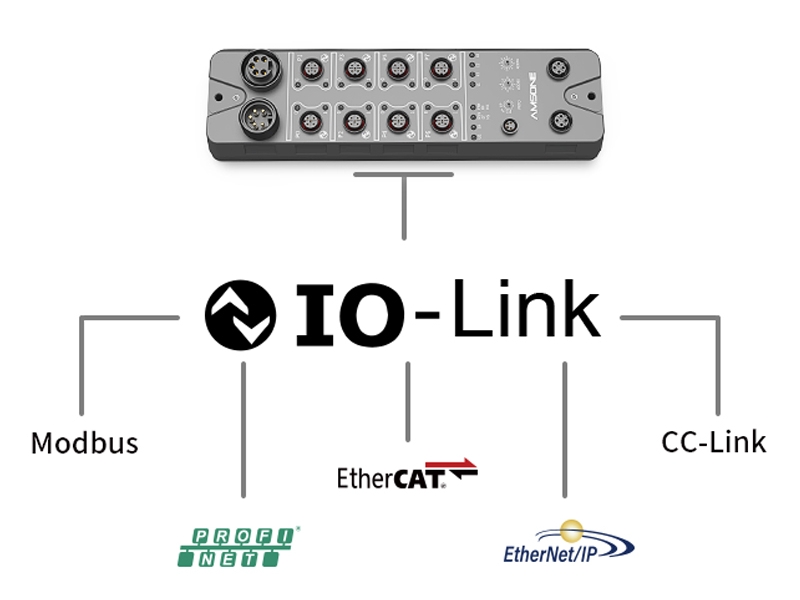
P/N: ALD-HBN1-372XXX
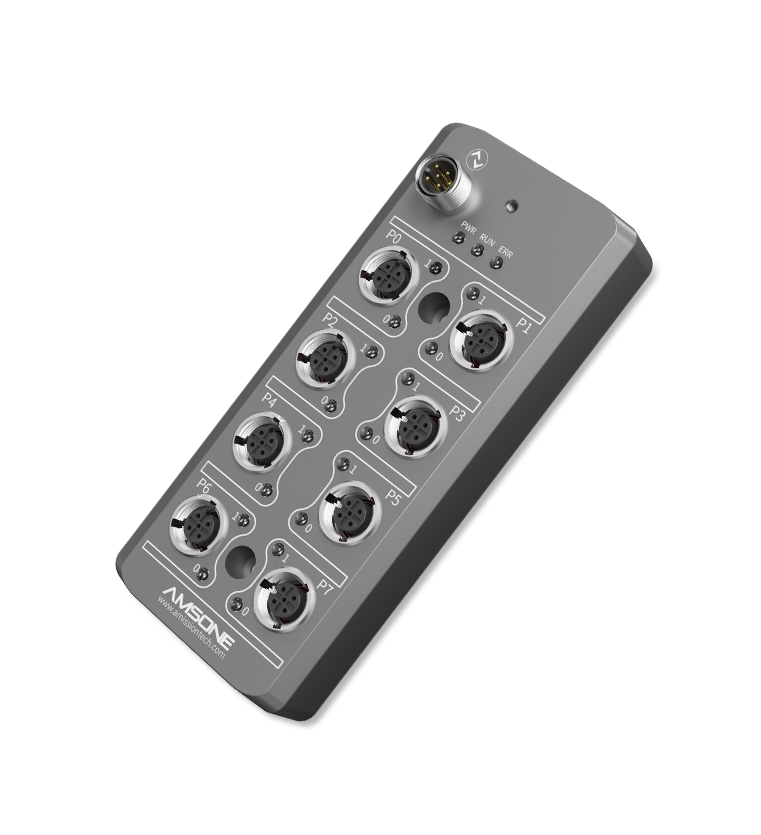
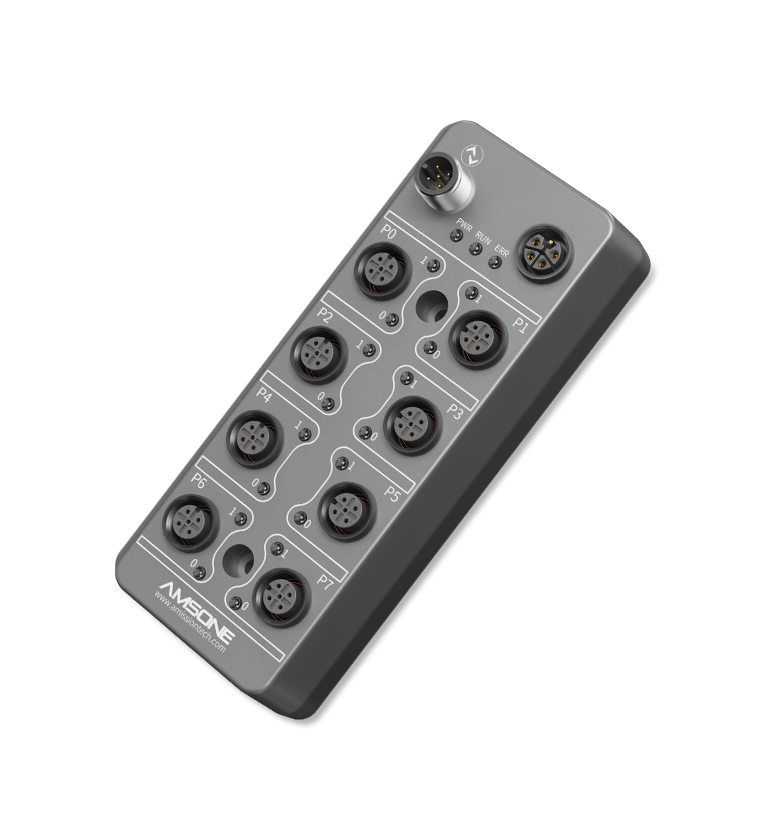
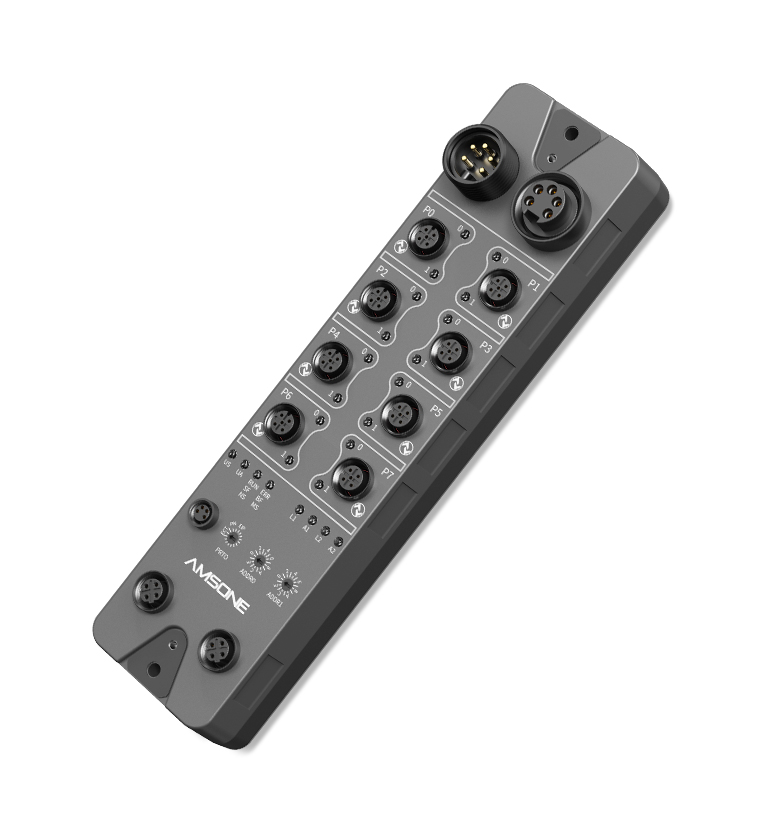
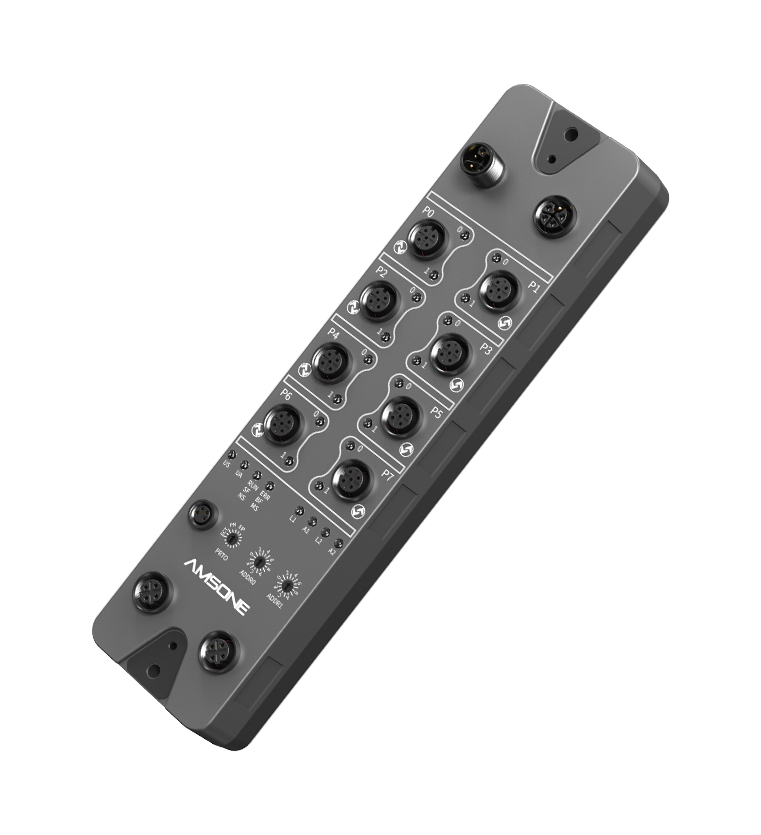
IO Link Hub NPN 0.5A/channel Plastic Housing Plastic Thread Locking
View All














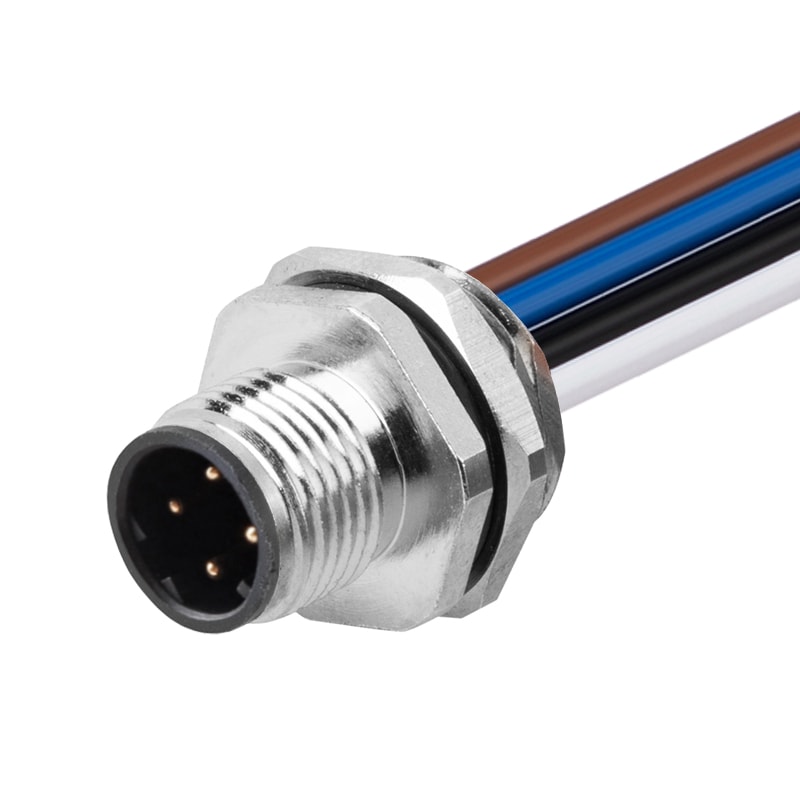


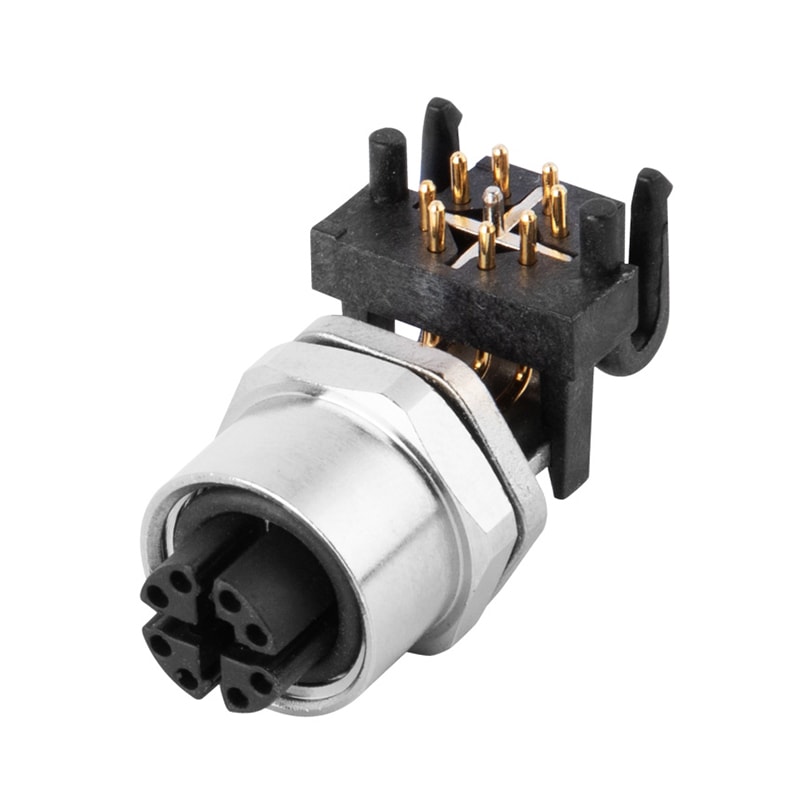


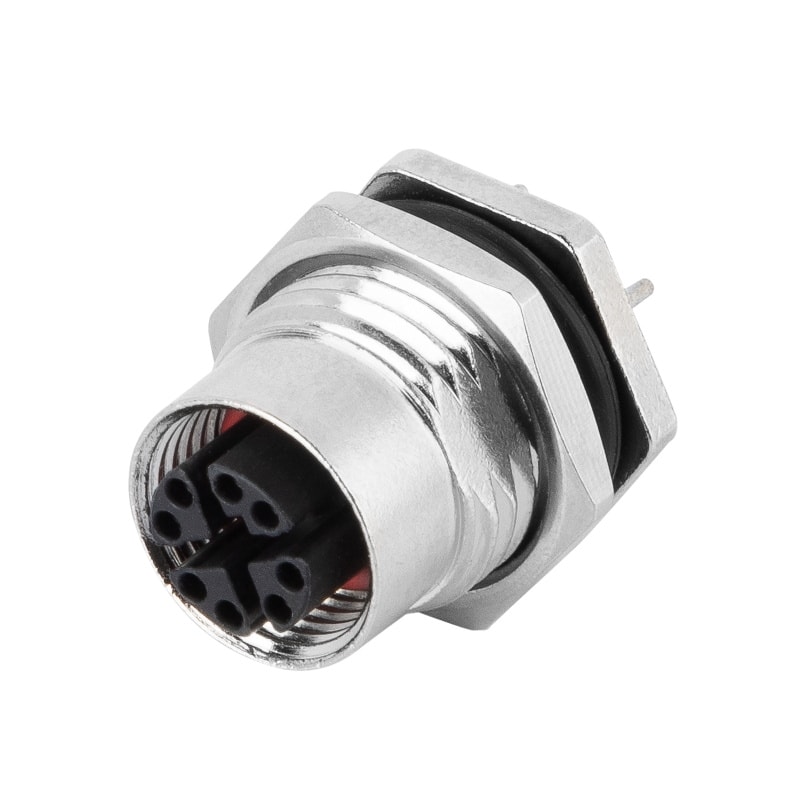

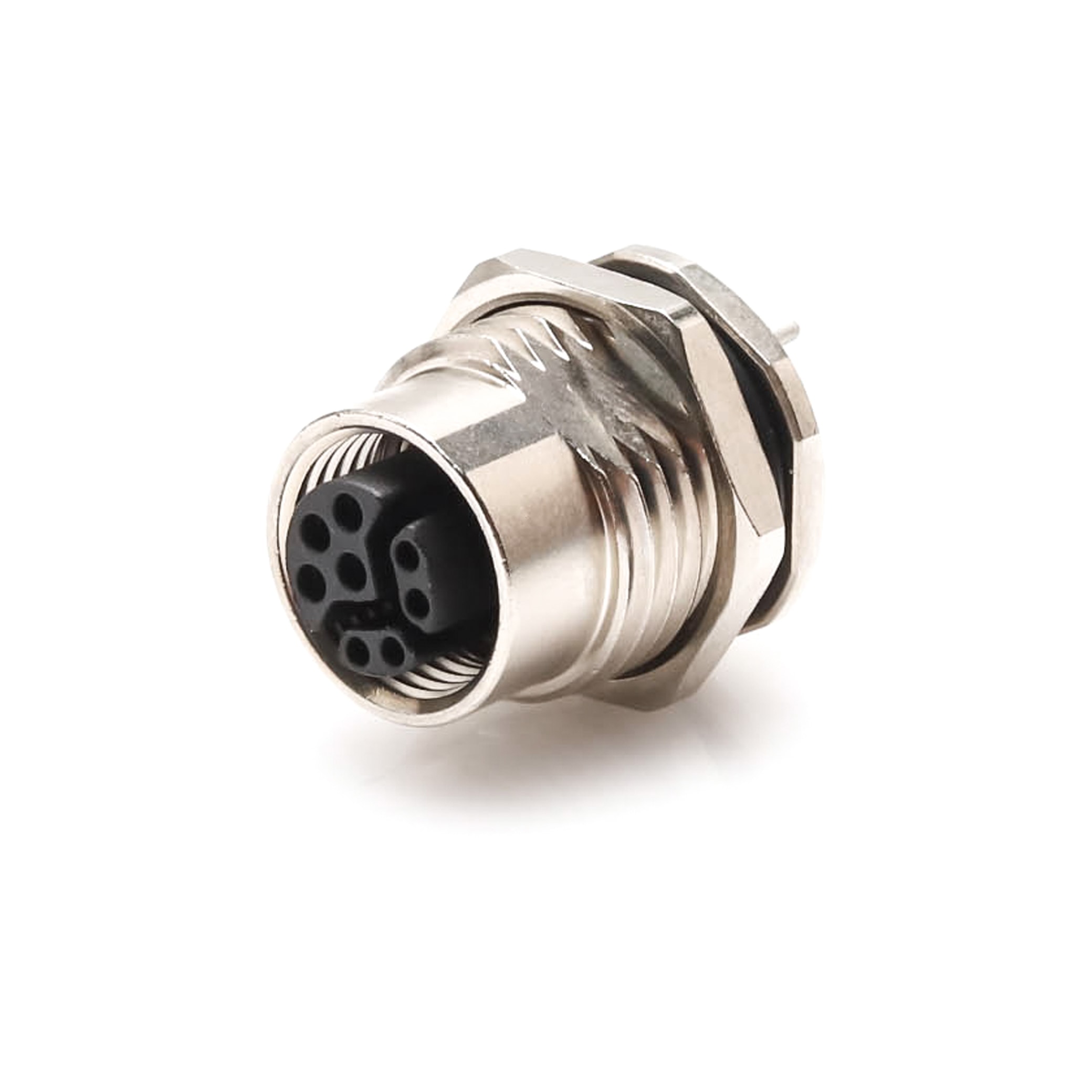
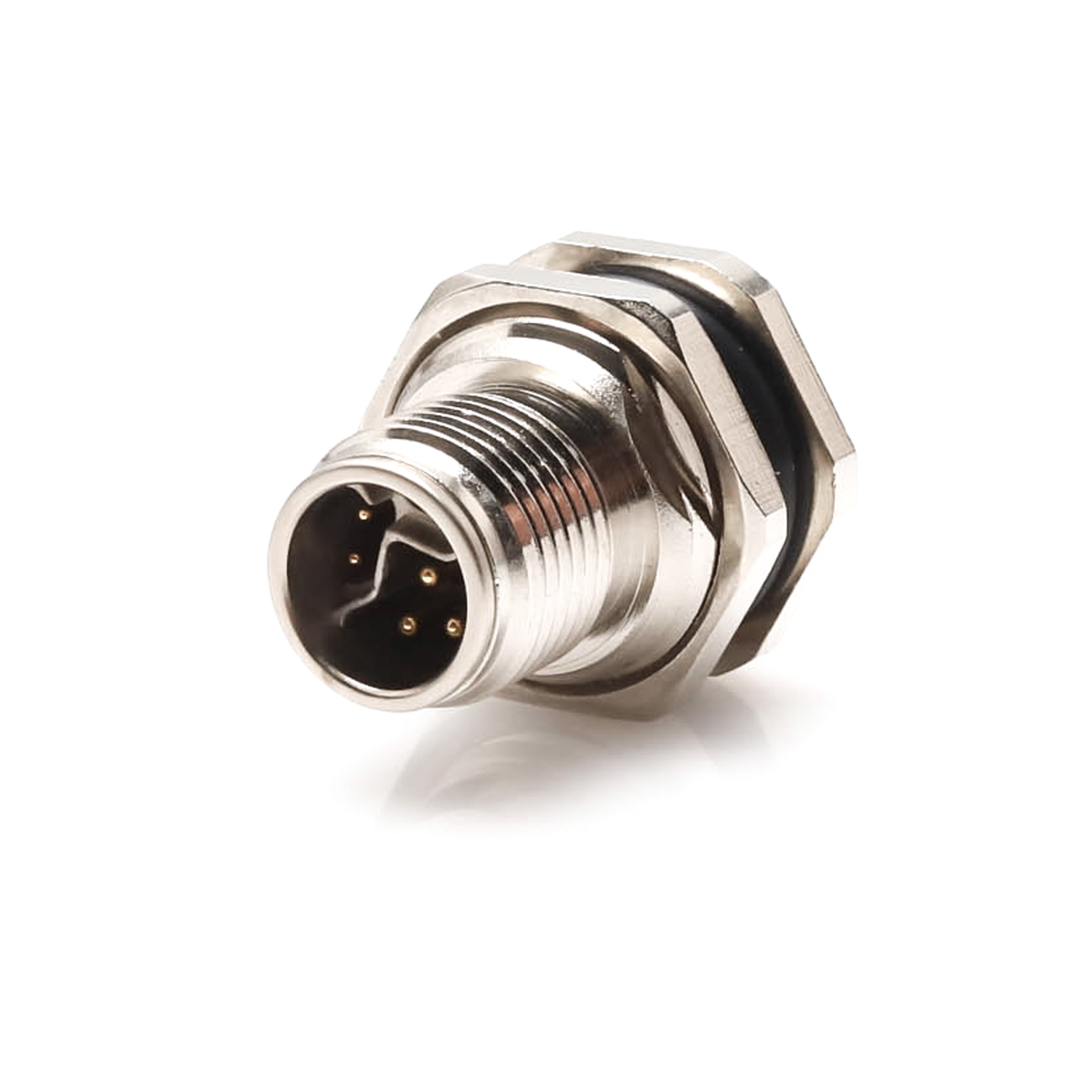
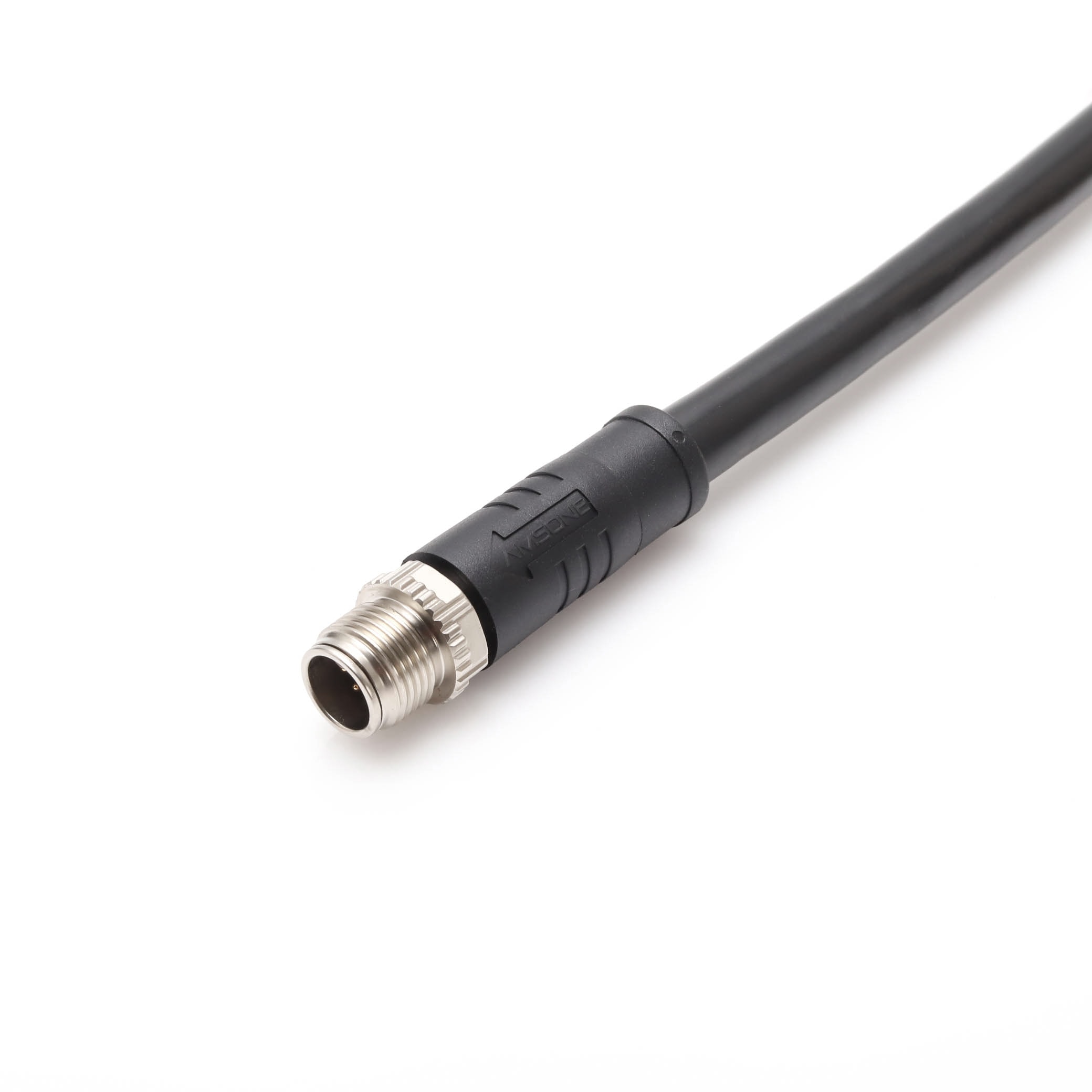
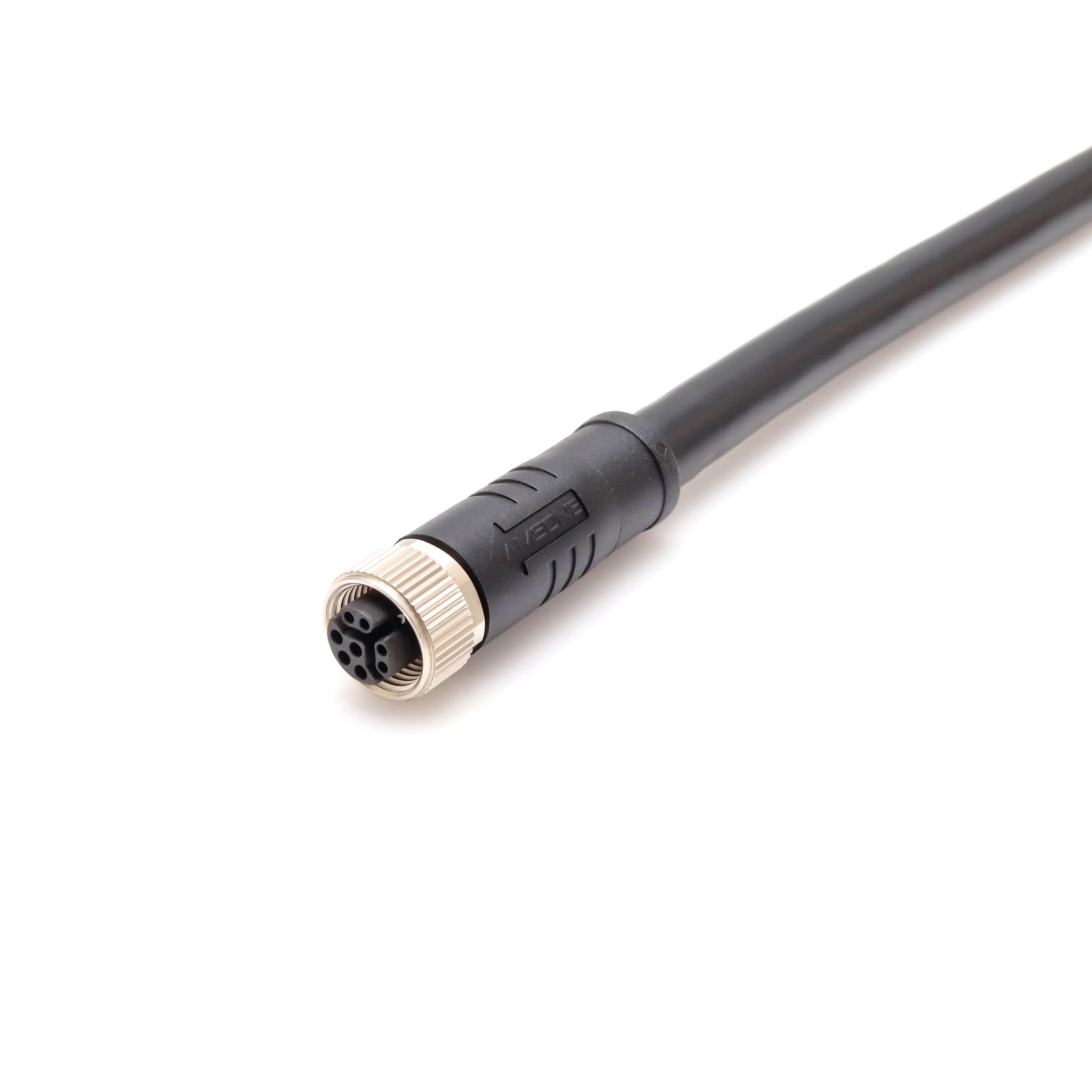
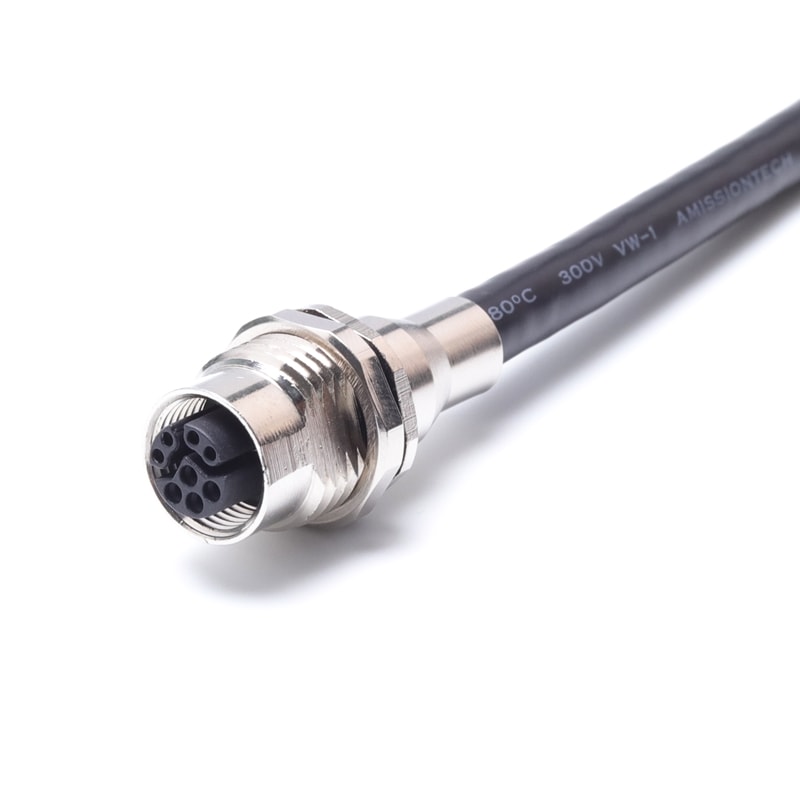






























To start with, a 2.4 GHz antenna is a type of antenna designed to operate within a frequency range around 2.4 GHz. Importantly, this does not mean the antenna works at only one fixed frequency. In real applications, a 2.4 GHz antenna usually supports a broader frequency range centered near 2.4 GHz, allowing it to handle different wireless signals reliably. Understanding this basic concept helps avoid confusion when selecting antennas for industrial and commercial systems.
Before looking at applications, it is helpful to understand how frequency coverage works. A 2.4 GHz antenna typically operates across a defined frequency window rather than a single point. While 2.45 GHz is often treated as a reference or center frequency, most antennas are engineered to cover a wider range to ensure stable performance even when signals shift slightly. This design approach improves compatibility with real-world wireless devices.
Moving on to practical reasons, 2.4 GHz is widely adopted because it offers a good balance between communication distance and data transmission capability. Compared with higher frequencies, signals at this range can travel farther and pass through obstacles more effectively. At the same time, they still support sufficient data rates for many control, monitoring, and communication tasks. This balance makes 2.4 GHz antennas suitable for both consumer and industrial use.
As a result of these characteristics, many wireless technologies rely on 2.4 GHz antennas . Examples include Wi-Fi, Bluetooth, Zigbee, Thread, and several proprietary wireless protocols. These technologies are commonly used for short- to medium-range communication, device networking, and data exchange. Because multiple systems may operate in the same frequency range, antenna quality plays a key role in maintaining stable connections.
Building on these technologies, 2.4 GHz antennas are found in a wide variety of products. In everyday devices, they are used in wireless speakers, video streaming equipment, baby monitors, and remote controllers. In industrial environments, they support automation equipment, wireless sensors, monitoring systems, and smart metering devices. They are also commonly used in drones, mobile robots, and vehicle control systems. This wide application range shows how flexible 2.4 GHz antennas can be.
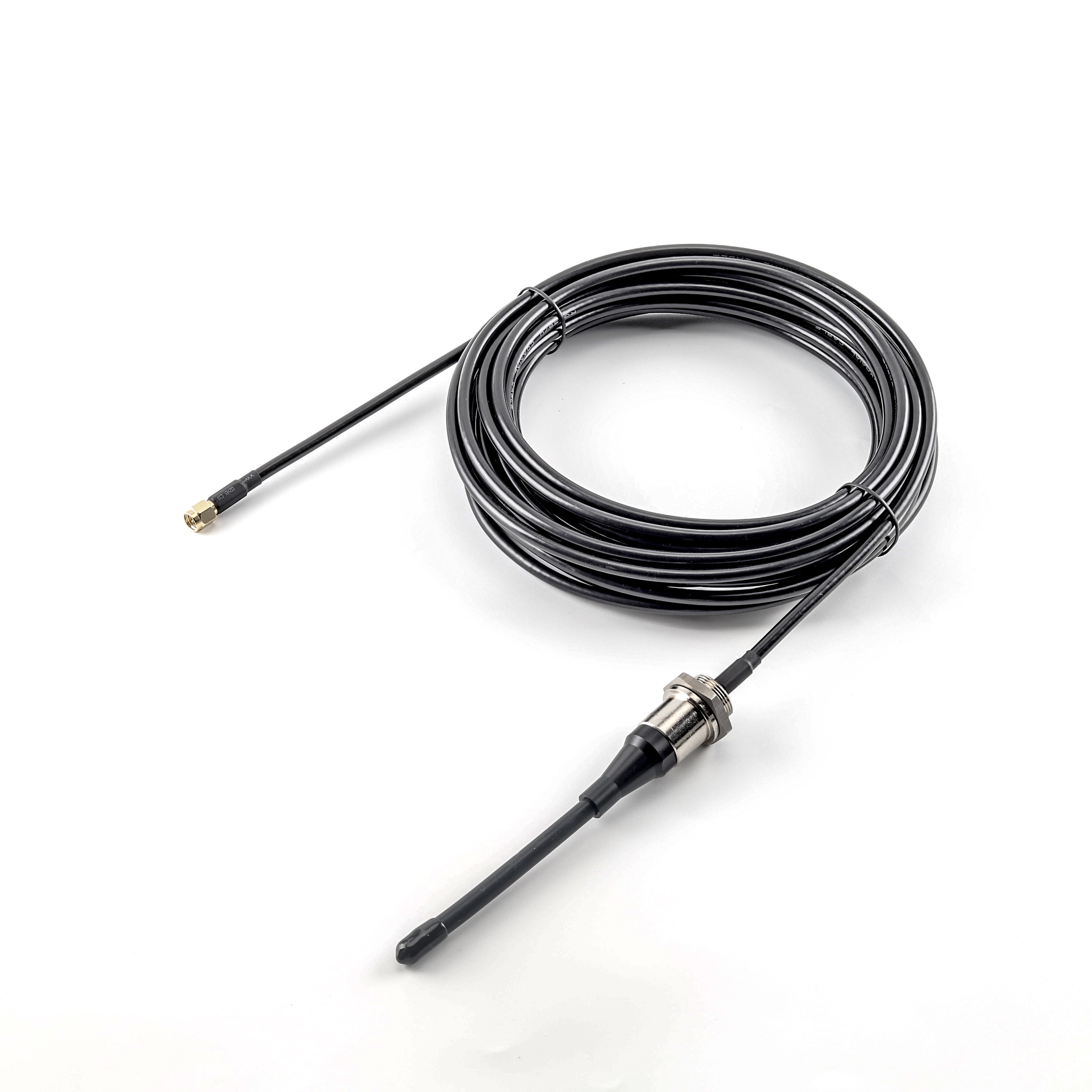
At this stage, it is important to understand that not all 2.4 GHz antennas are the same. Some are designed for narrow frequency ranges , focusing on specific applications that require stable operation in a limited bandwidth. Others are wideband antennas , covering a broader frequency range to support multiple communication standards. The right choice depends on how the antenna will be used and how many signal types it needs to support.
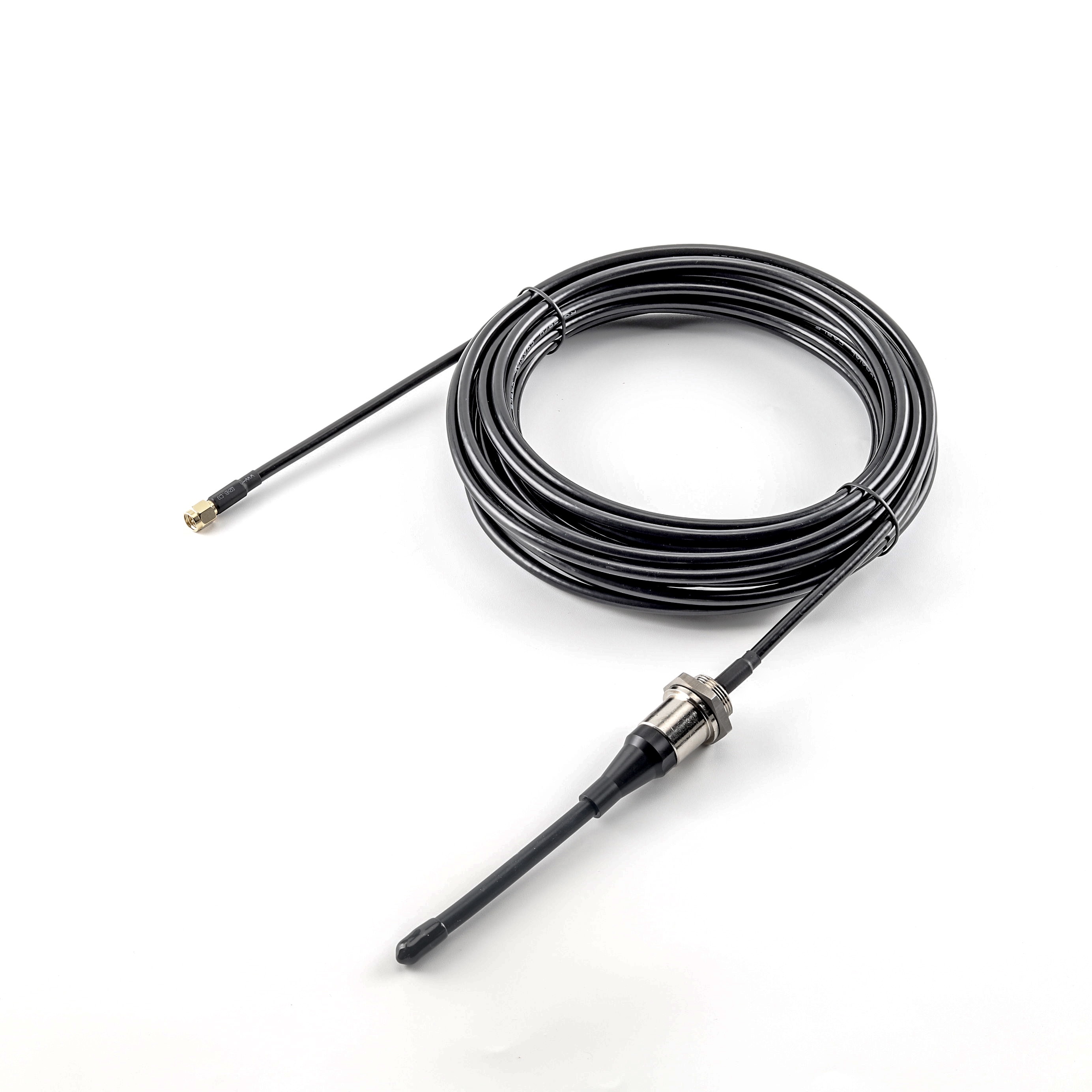
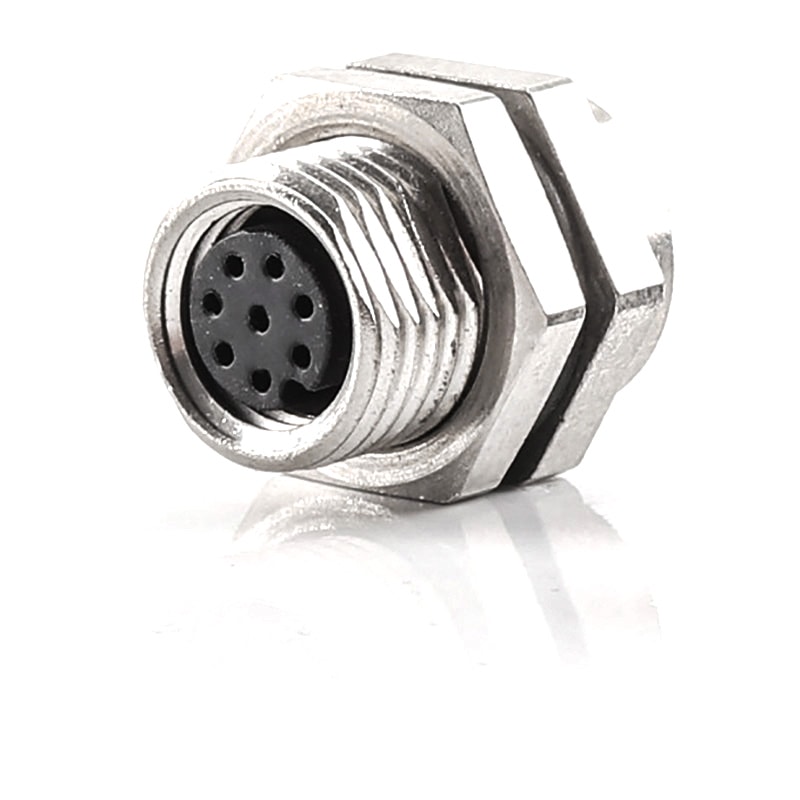
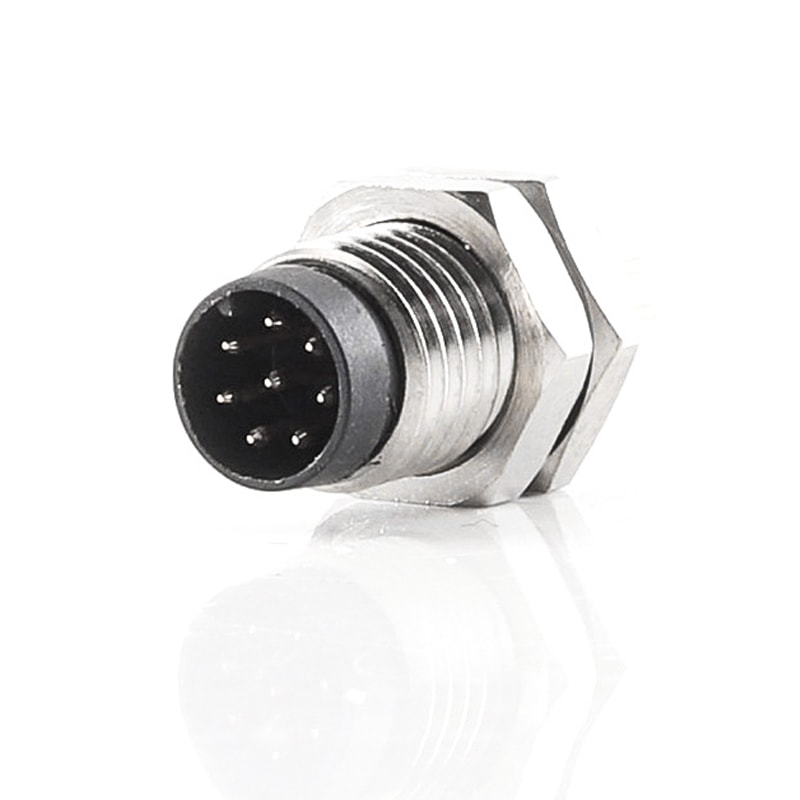
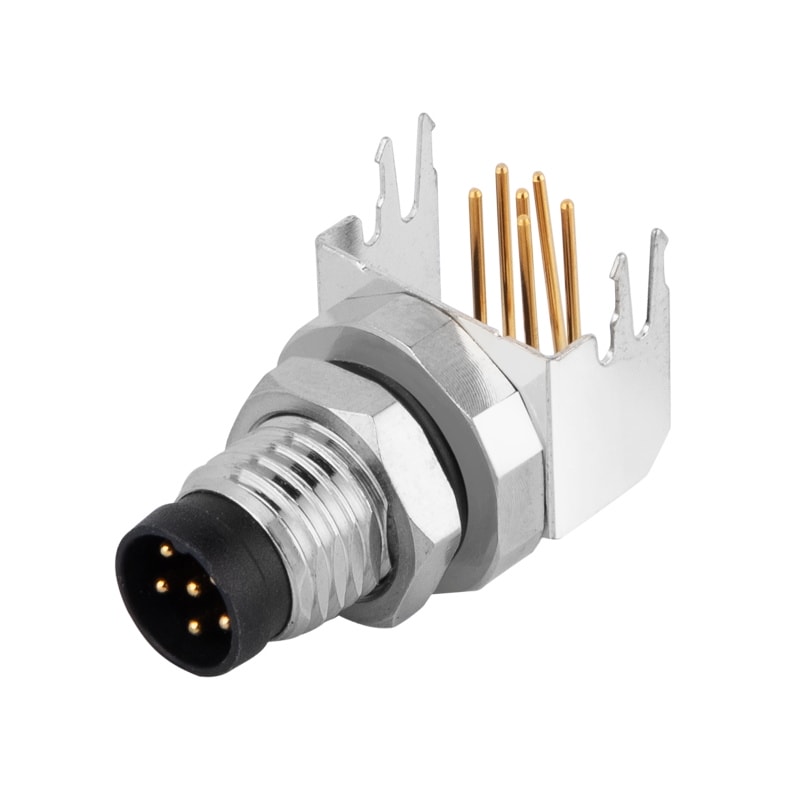
However, because many devices operate near 2.4 GHz, signal interference can occur. This makes antenna design, placement, and connection quality especially important. Poor cable connections or low-quality connectors can reduce signal strength and increase data errors. Therefore, pairing a 2.4 GHz antenna with reliable cables and connectors is essential for stable performance, particularly in industrial environments.
When selecting a 2.4 GHz antenna, users should consider several practical factors. These include the required communication range, available installation space, and operating environment. For industrial applications, durability and resistance to vibration or temperature changes may also be critical. In addition, ensuring proper compatibility between the antenna, cable, and connector helps reduce signal loss and improves long-term reliability.
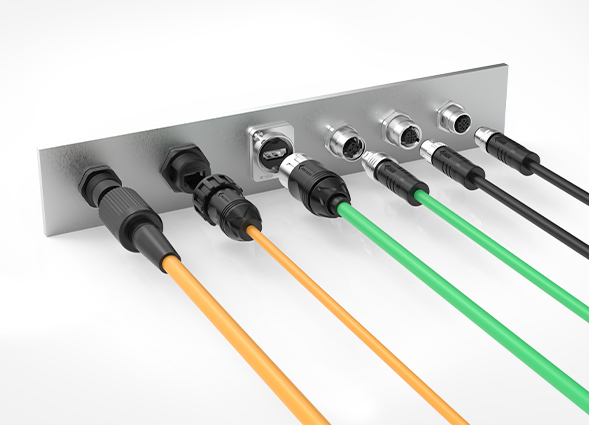
In real systems, the antenna alone does not determine performance. High-quality industrial cables and connectors are equally important. Even a well-designed antenna can perform poorly if connected with unsuitable or low-quality cables. This is especially true in industrial installations where stable signal transmission is required over long periods.
In summary, a 2.4 GHz antenna is designed to operate across a frequency range centered around 2.4 GHz, supporting a wide variety of wireless applications. Its balance of range, signal stability, and flexibility makes it a practical choice for both consumer electronics and industrial systems. By understanding frequency coverage, application needs, and interconnection quality, users can select antennas that deliver reliable and consistent performance.
Amissiontech supports stable and efficient wireless communication by providing reliable interconnection solutions. As a professional industrial cable supplier , Amissiontech offers industrial cables, connectors, and customized cable assemblies designed to work seamlessly with antennas and wireless devices. Contact Amissiontech to ensure dependable signal transmission in your industrial and communication projects.