P/N: ALD-HBN1-372XXX
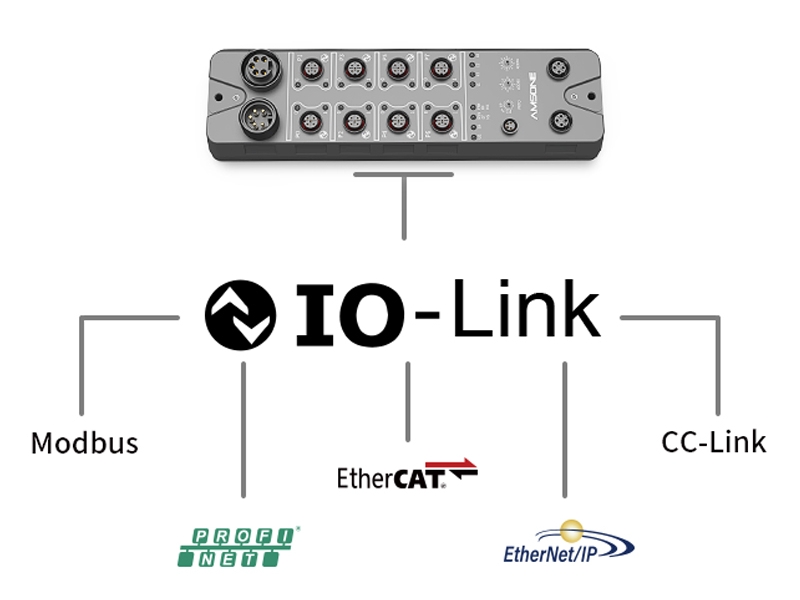
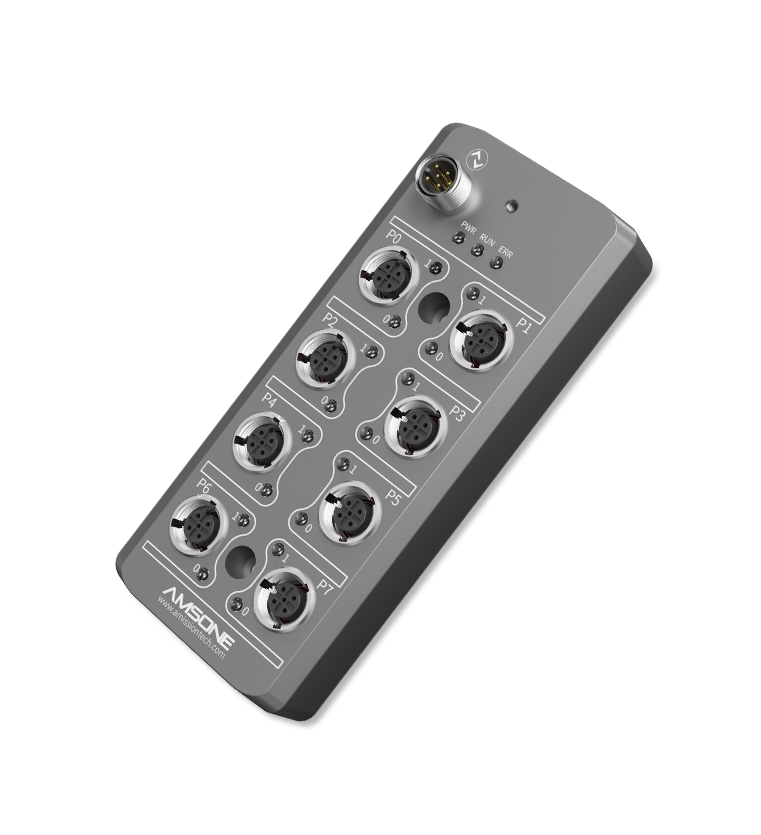
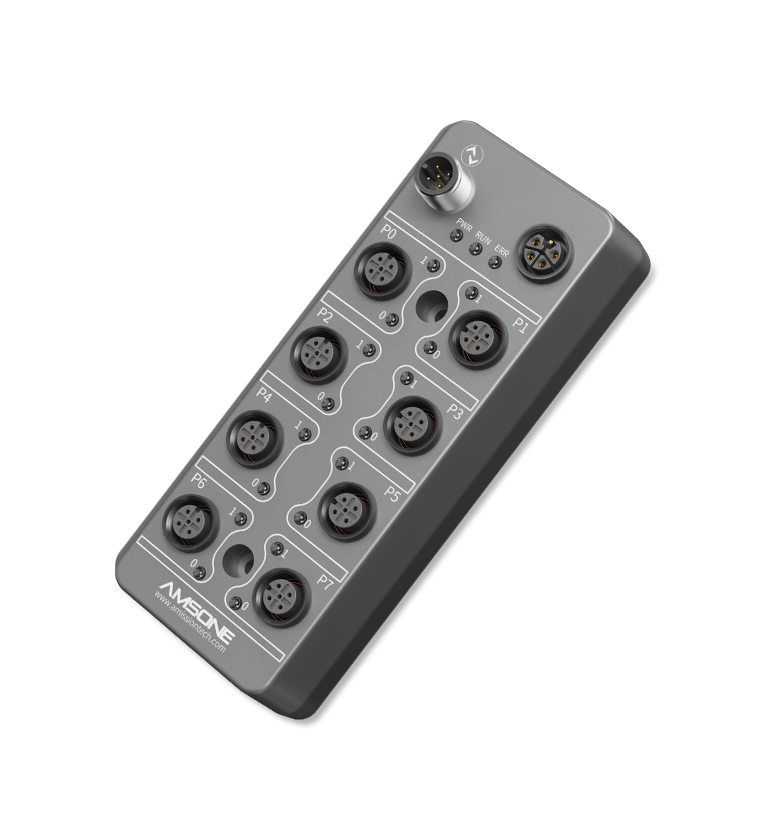
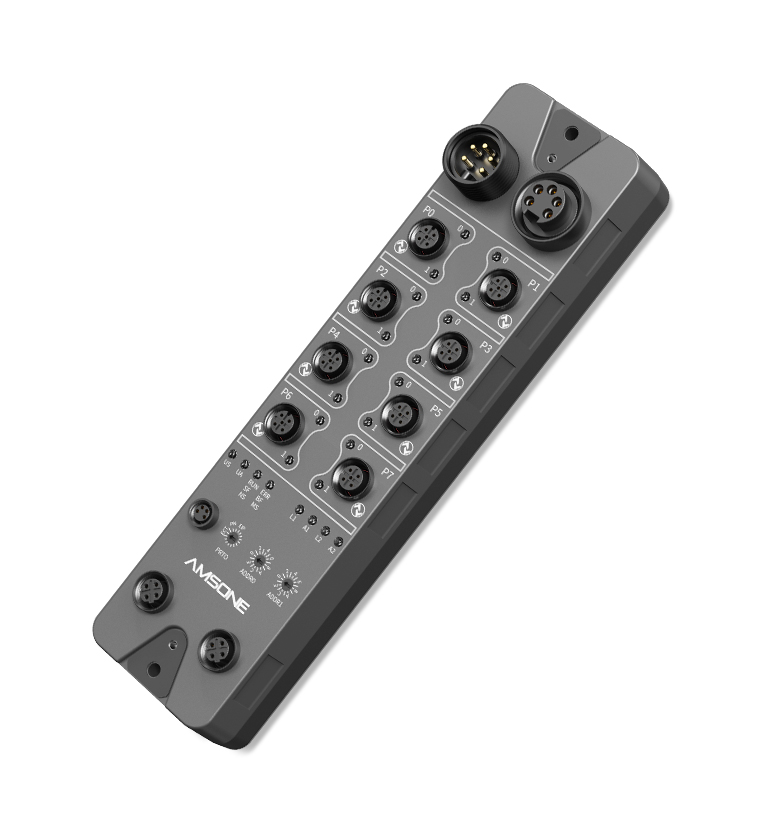
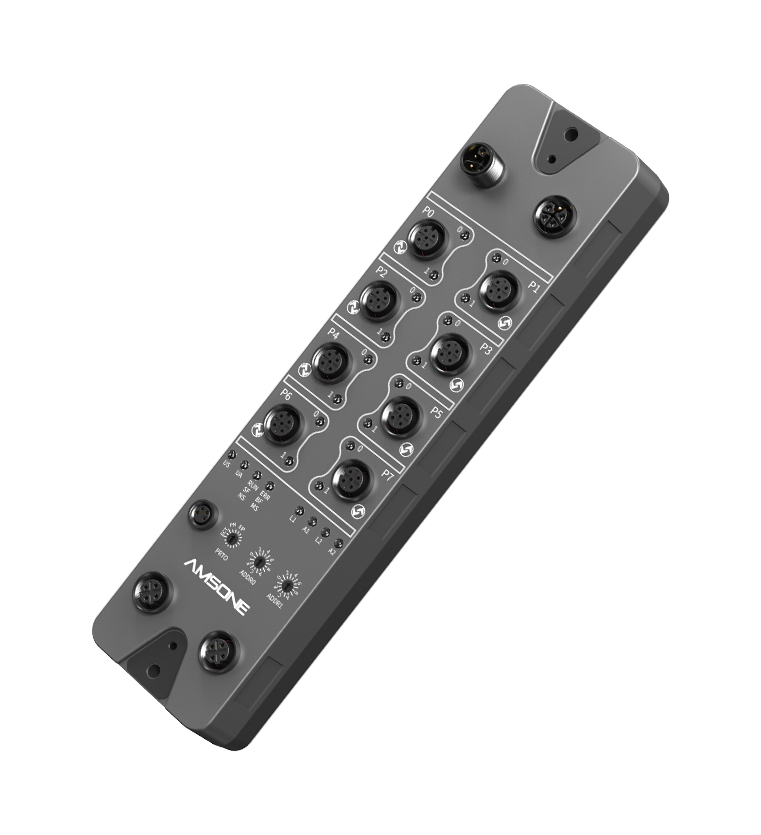
IO Link Hub NPN 0.5A/channel Plastic Housing Plastic Thread Locking
View All



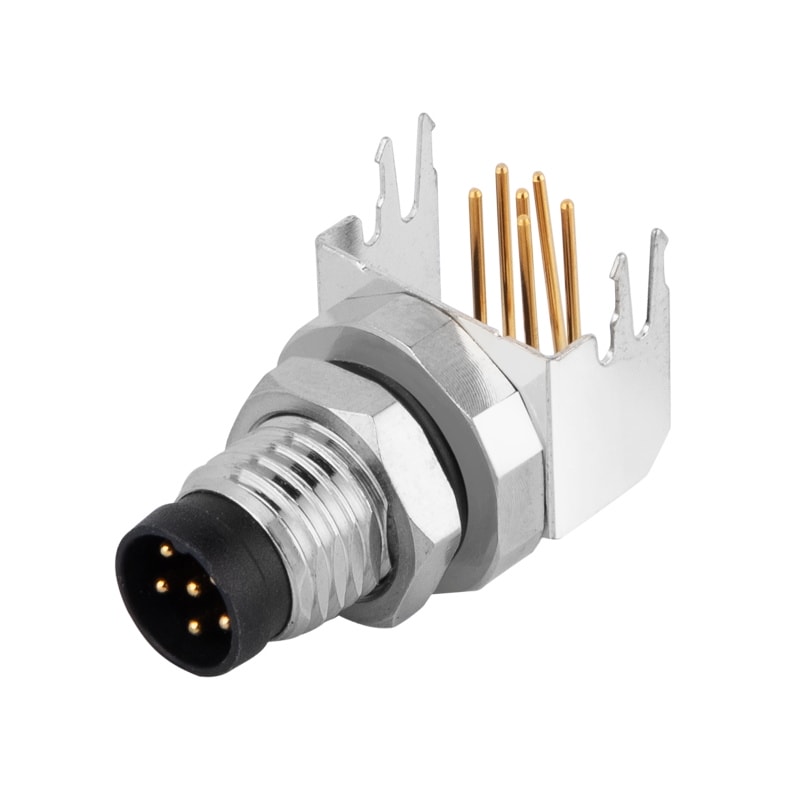


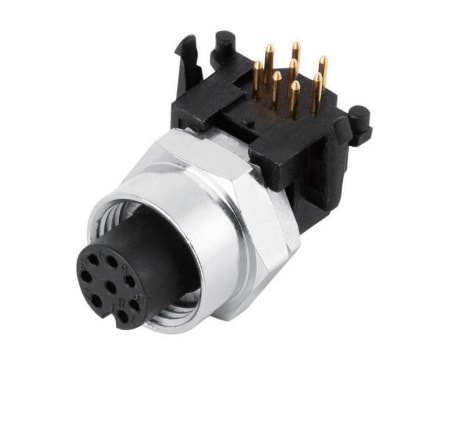
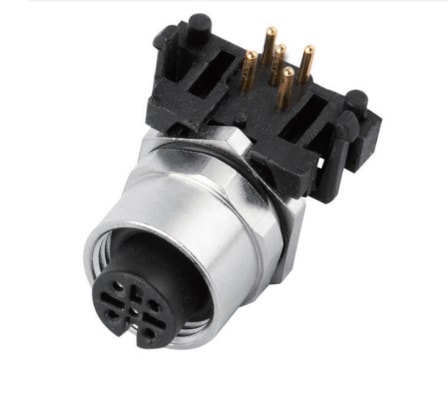
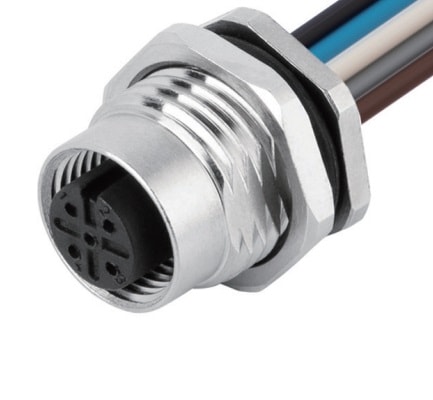

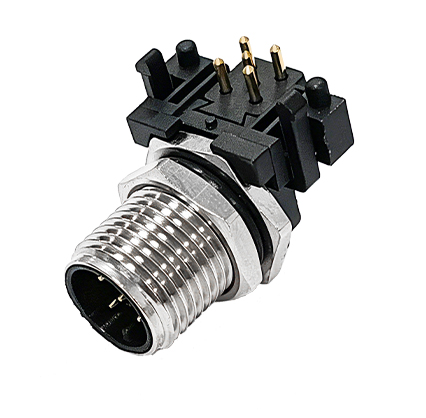


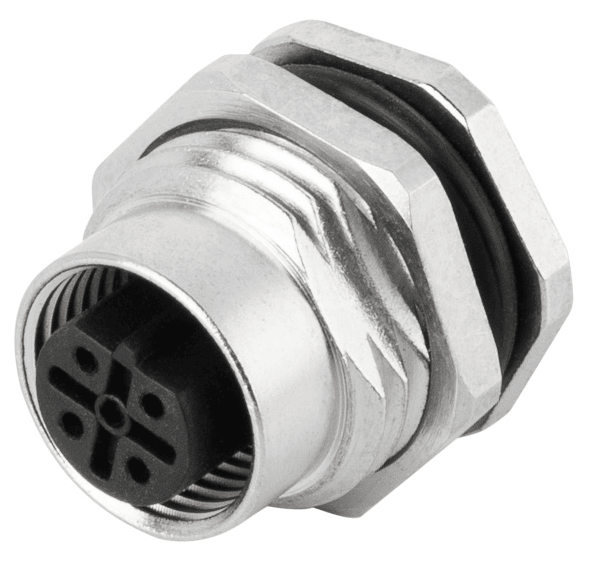

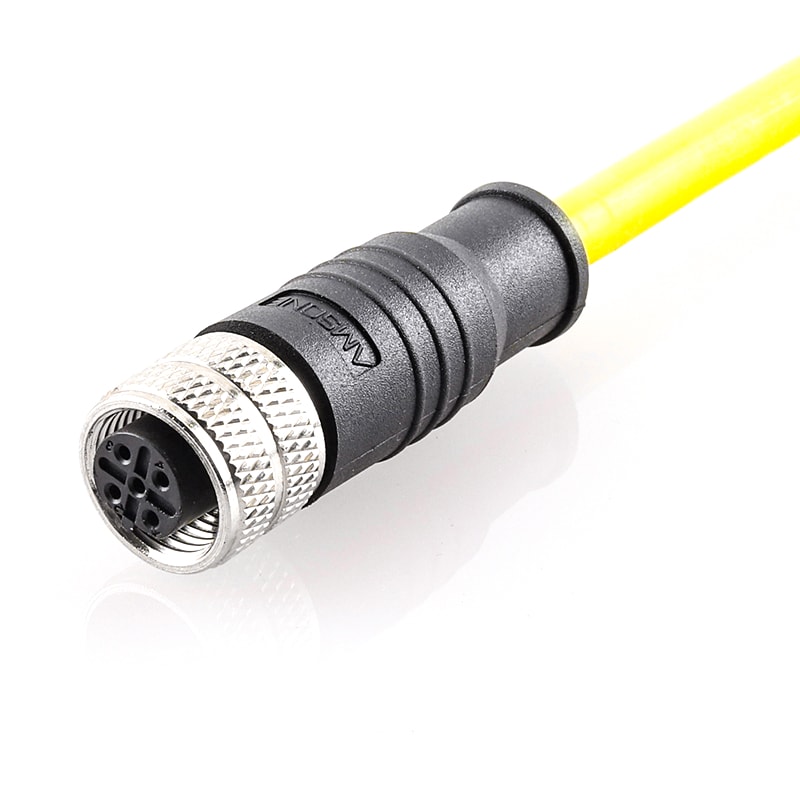


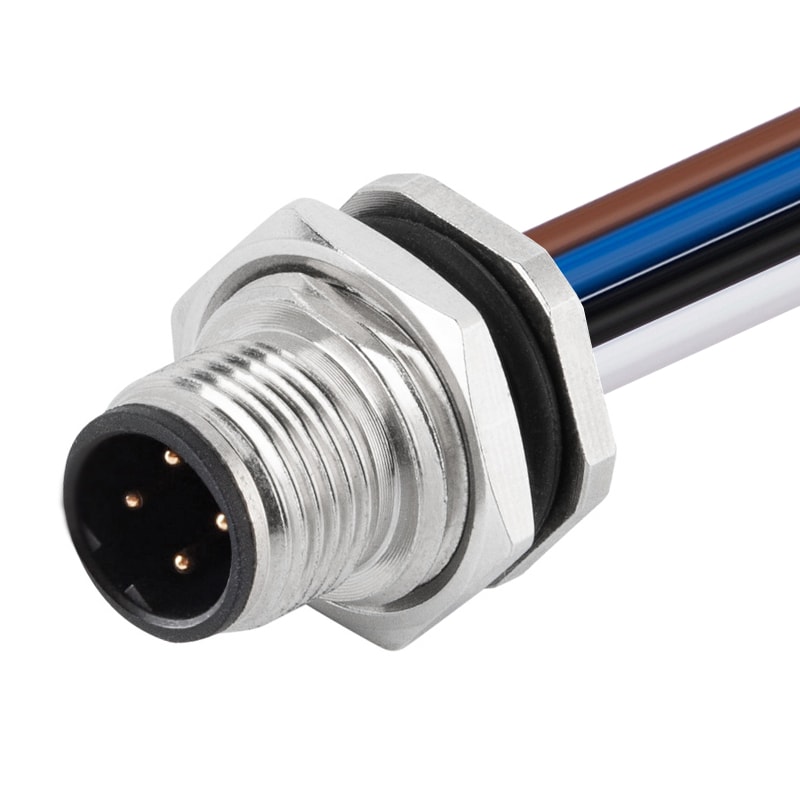


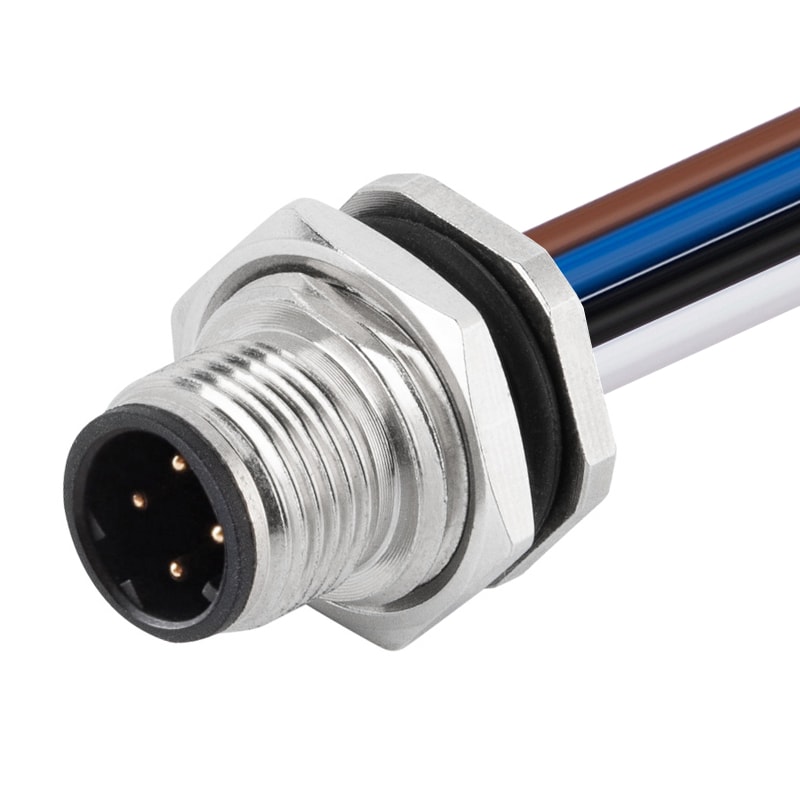

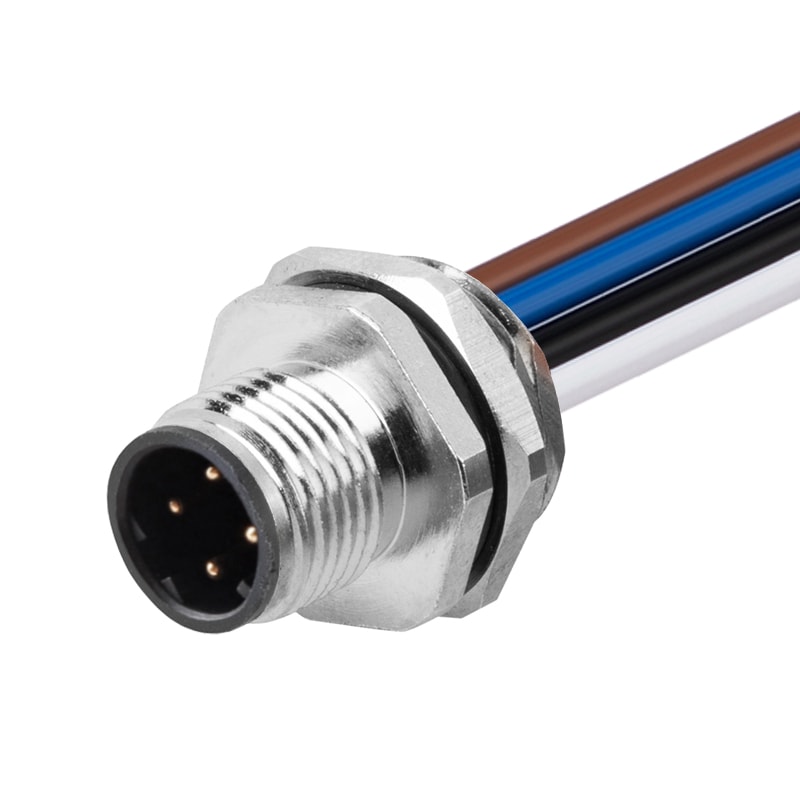


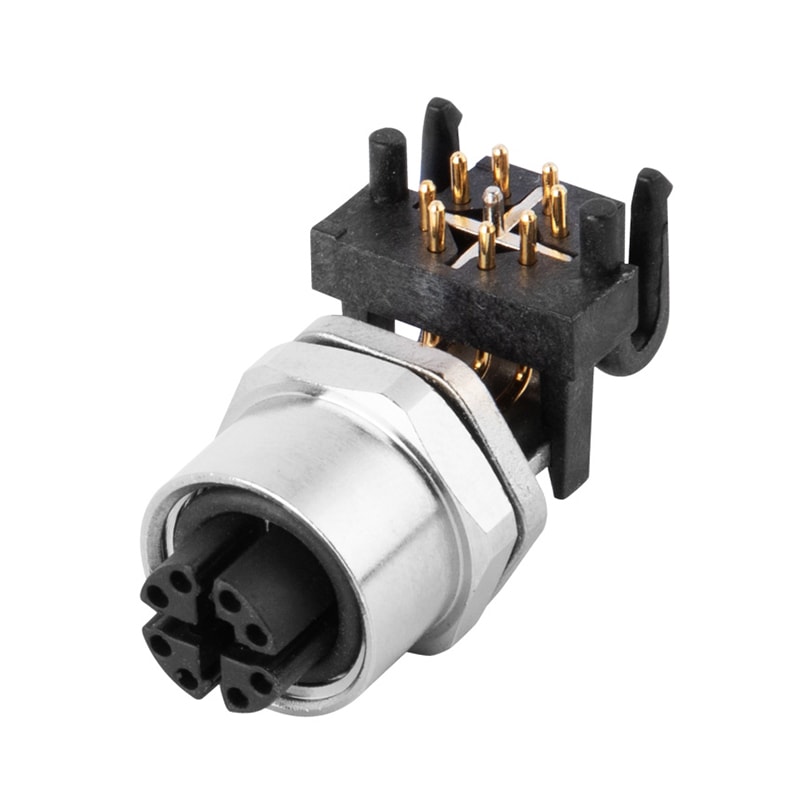


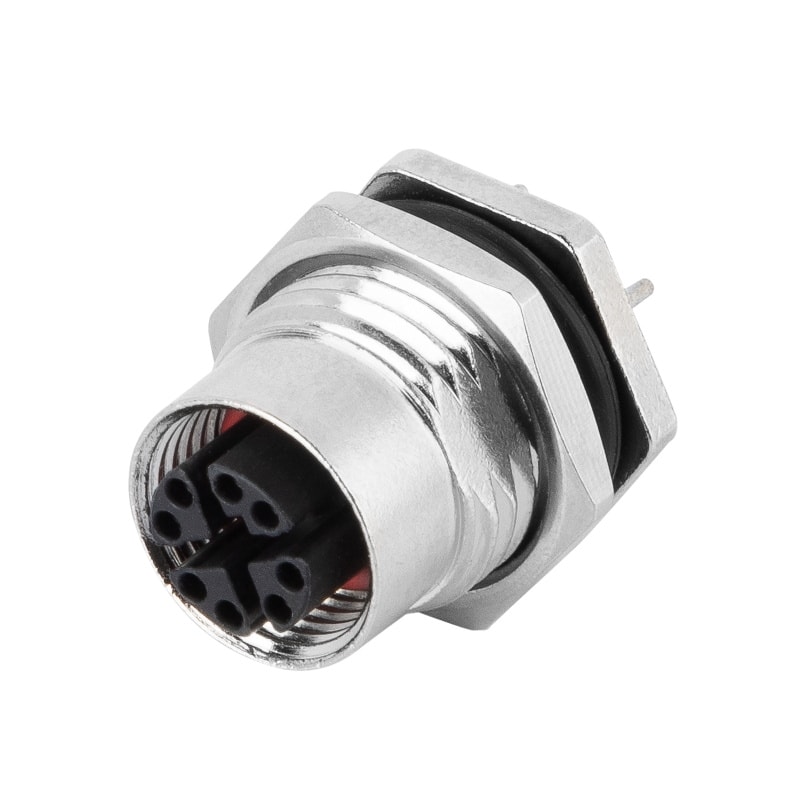

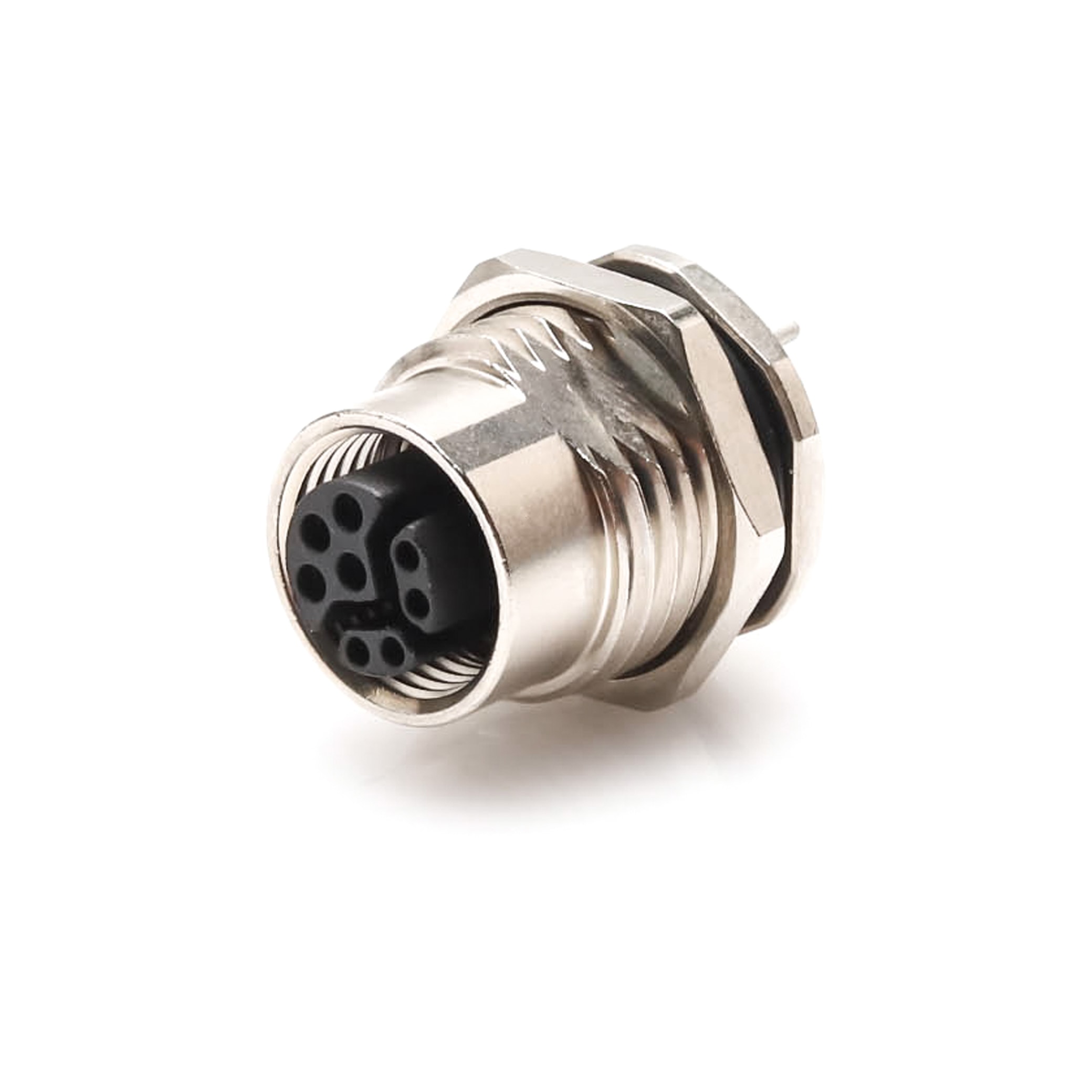
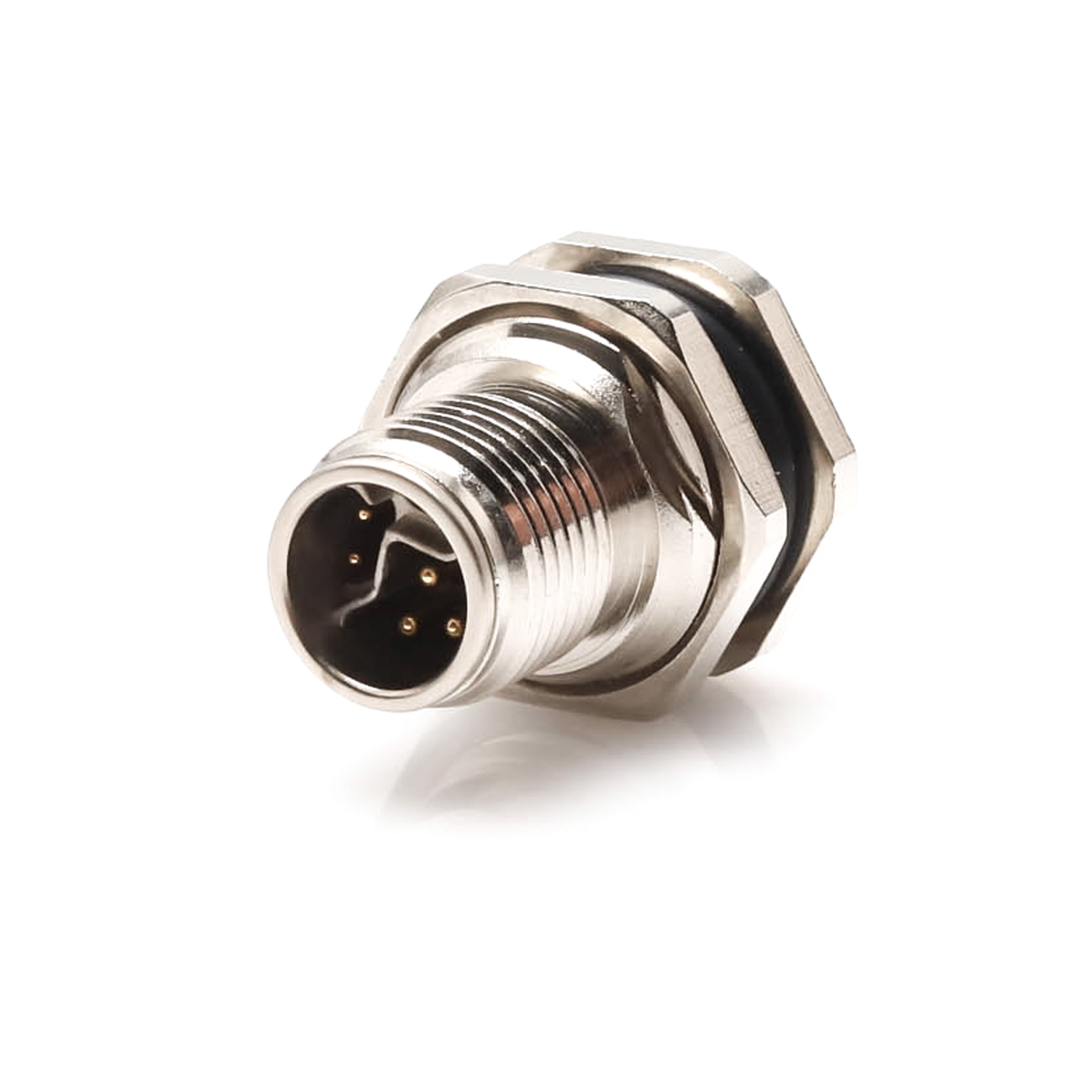
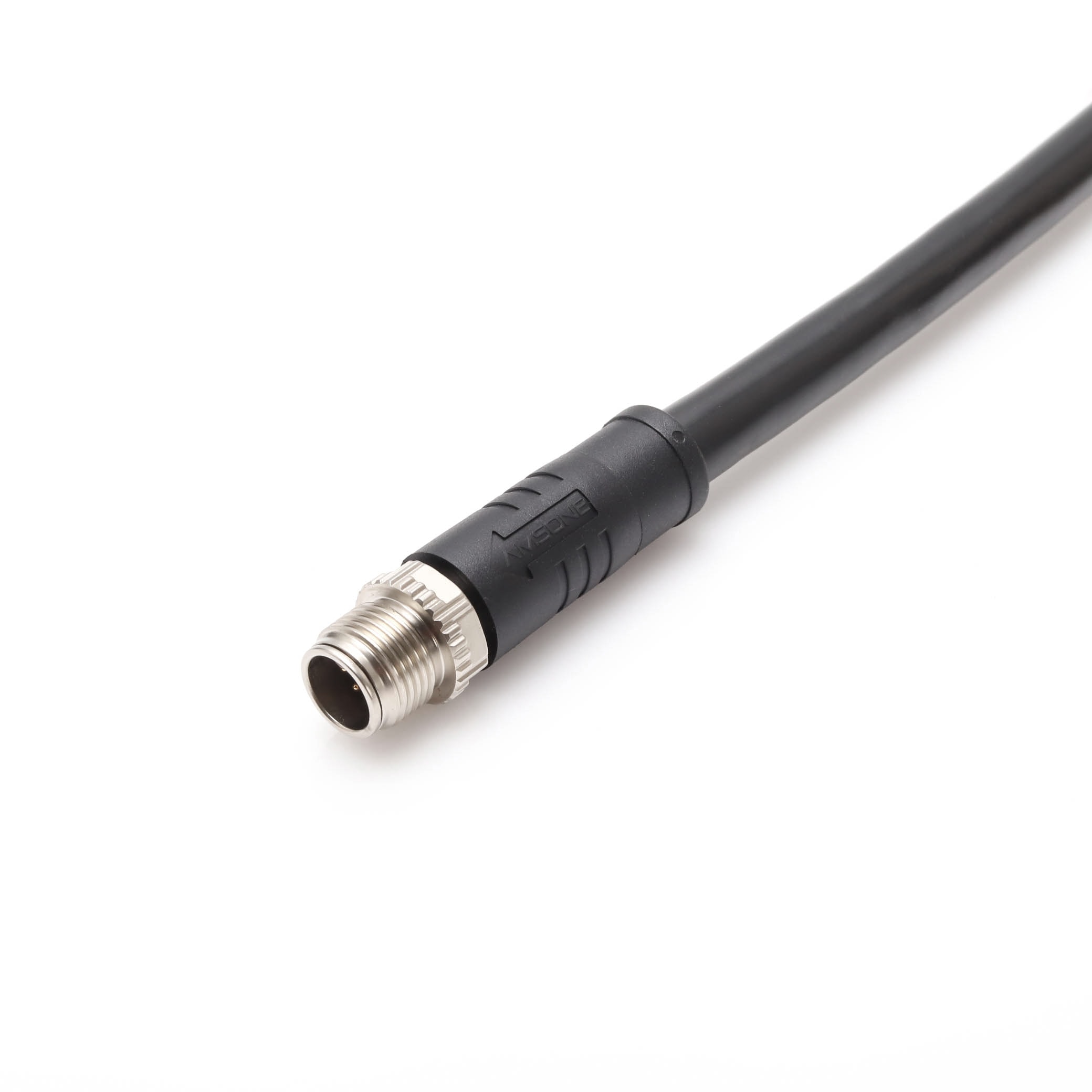
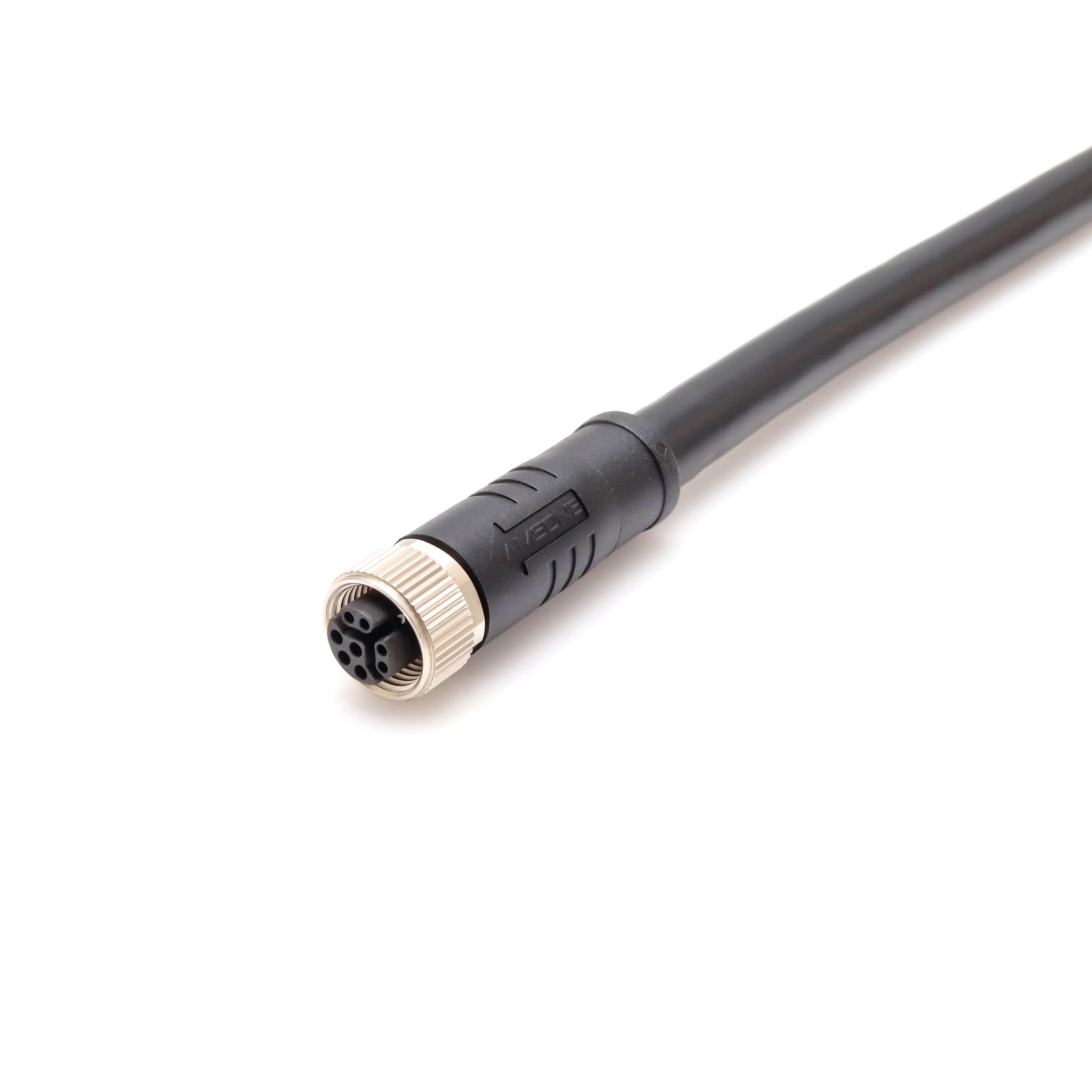
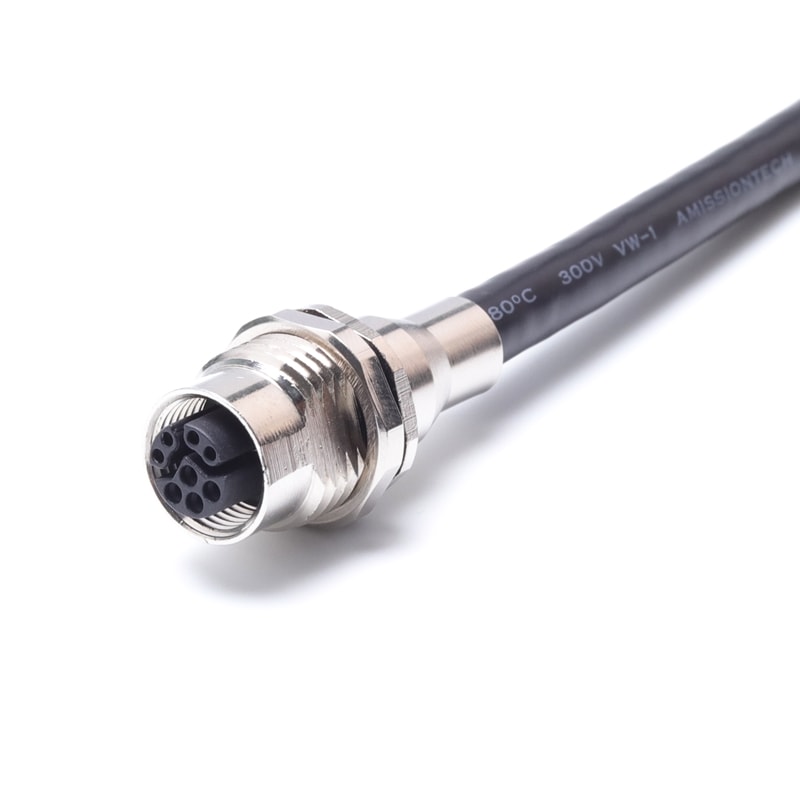


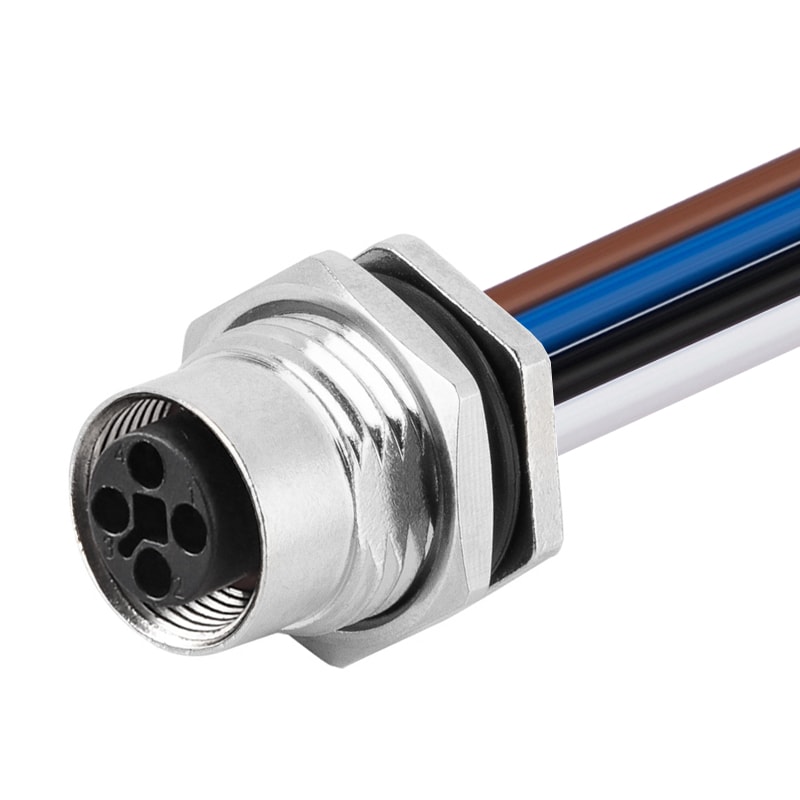
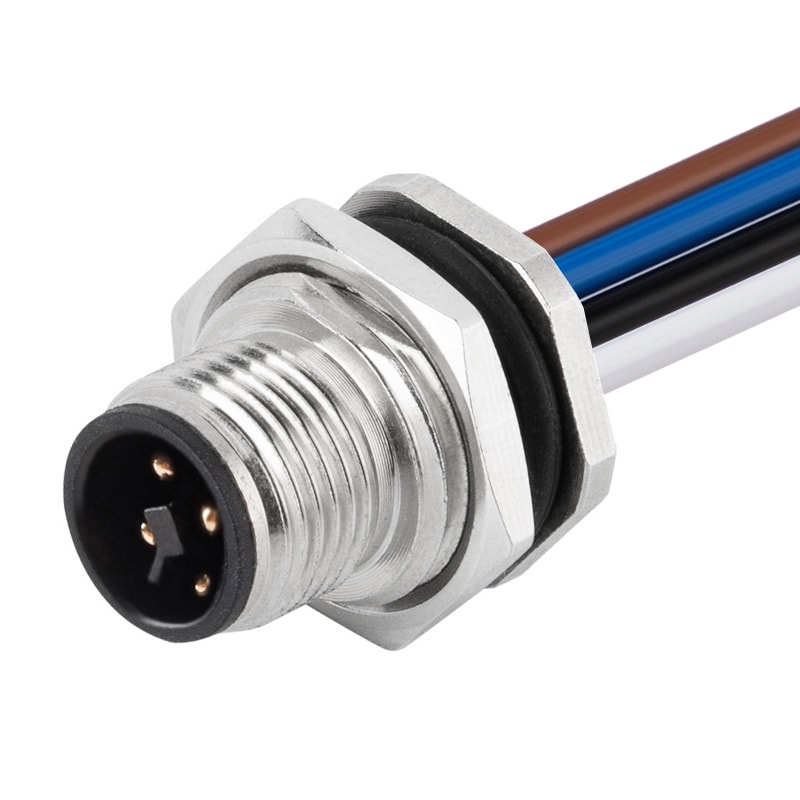

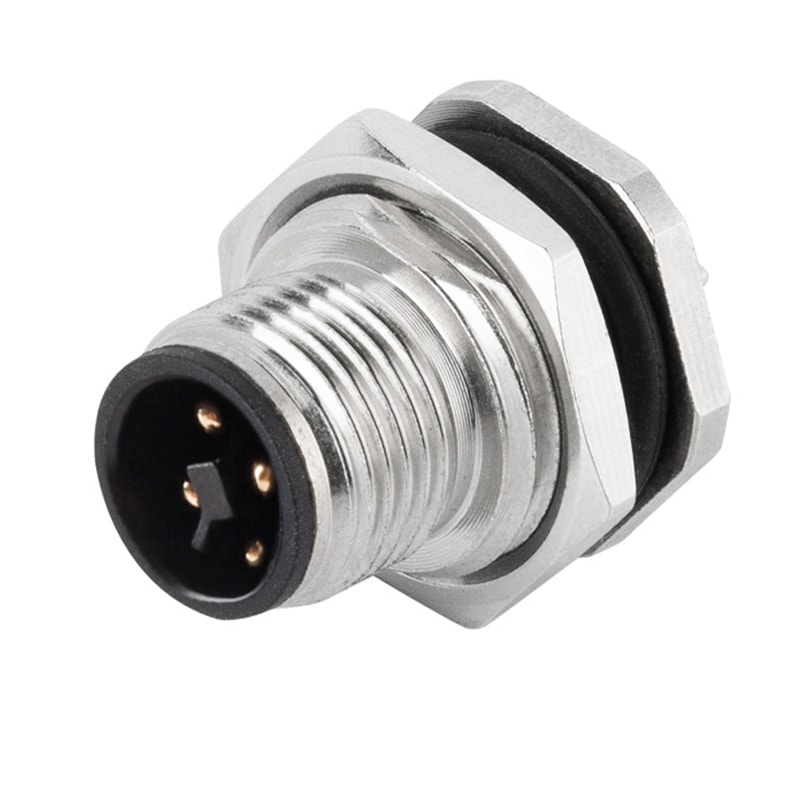

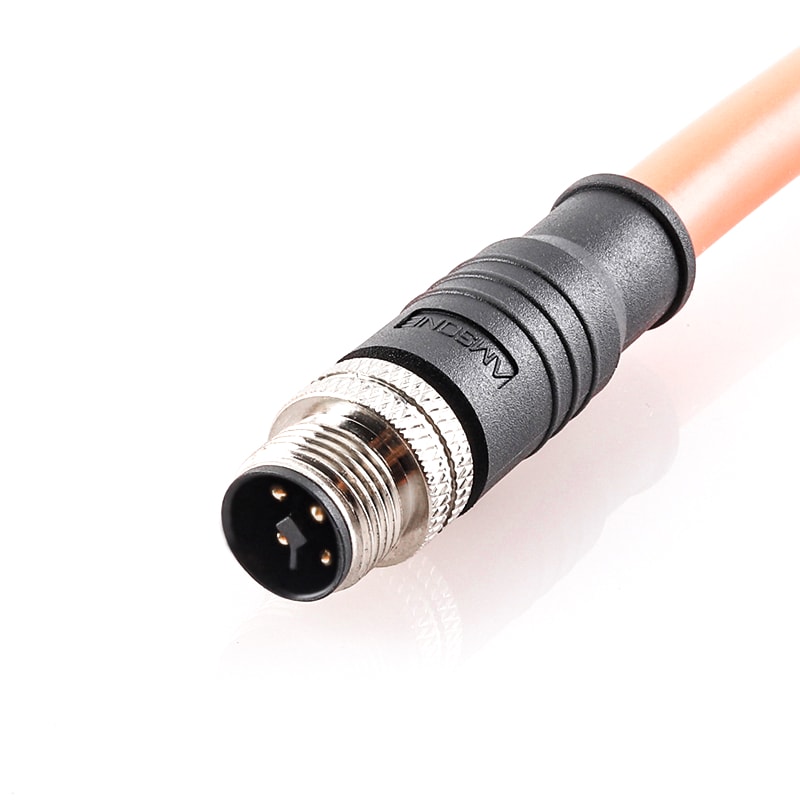
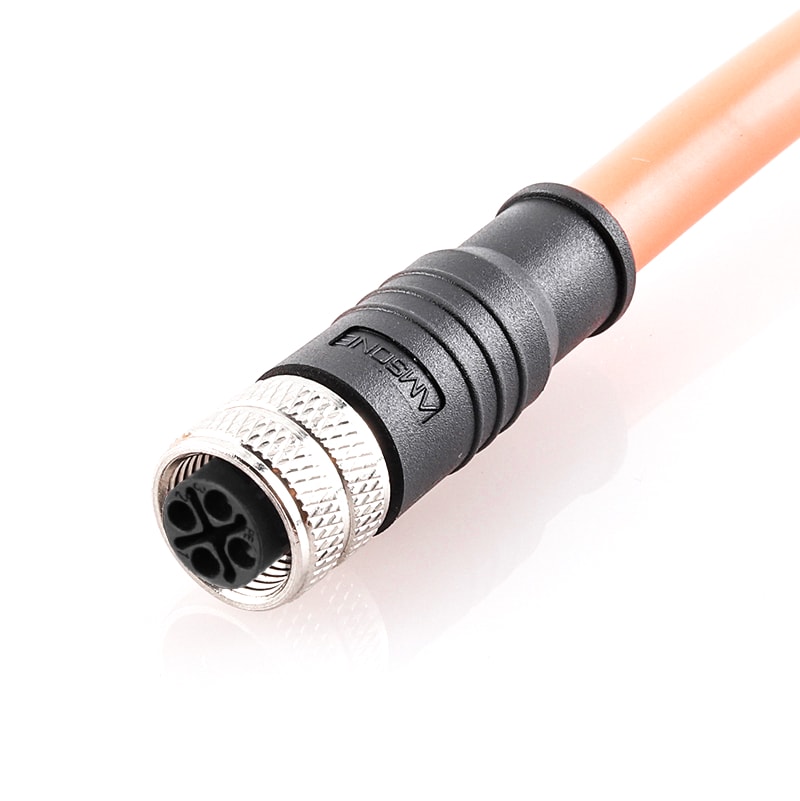
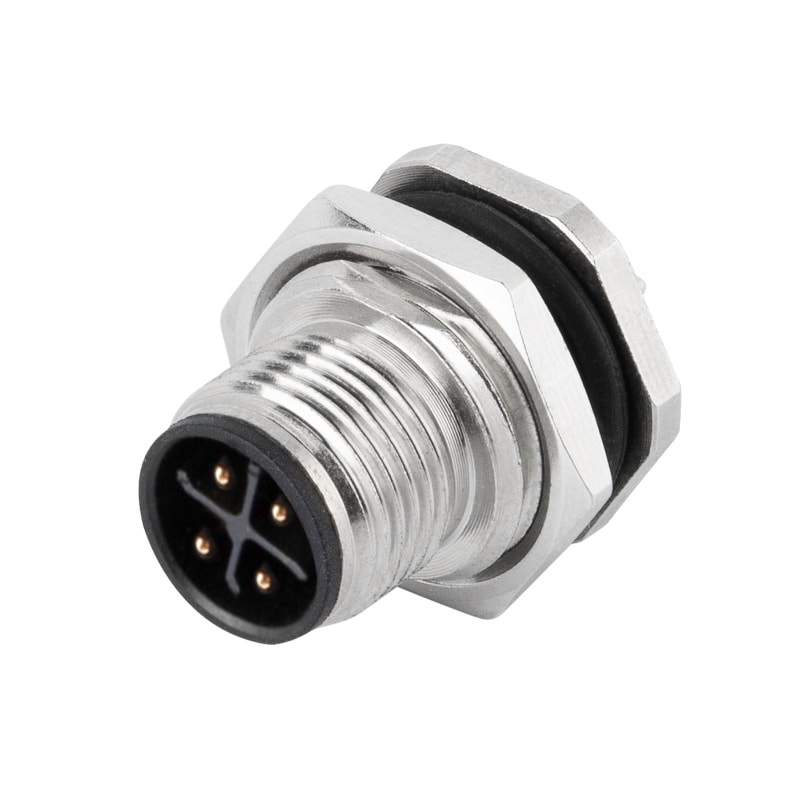


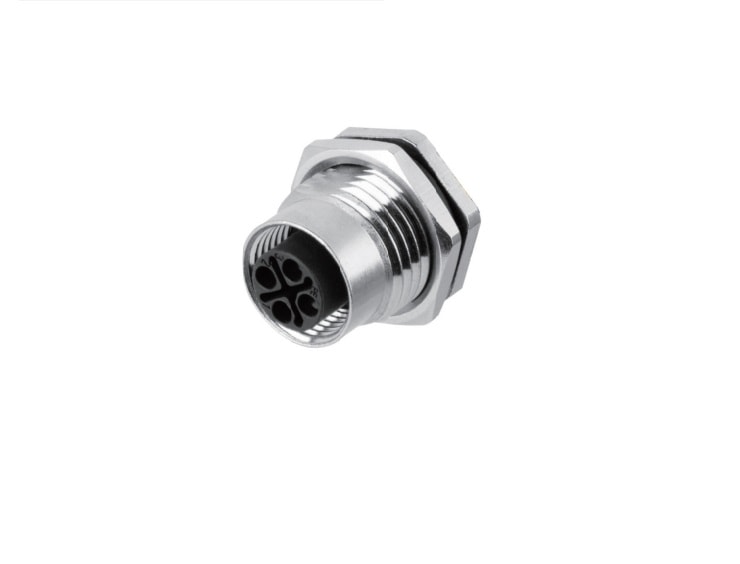
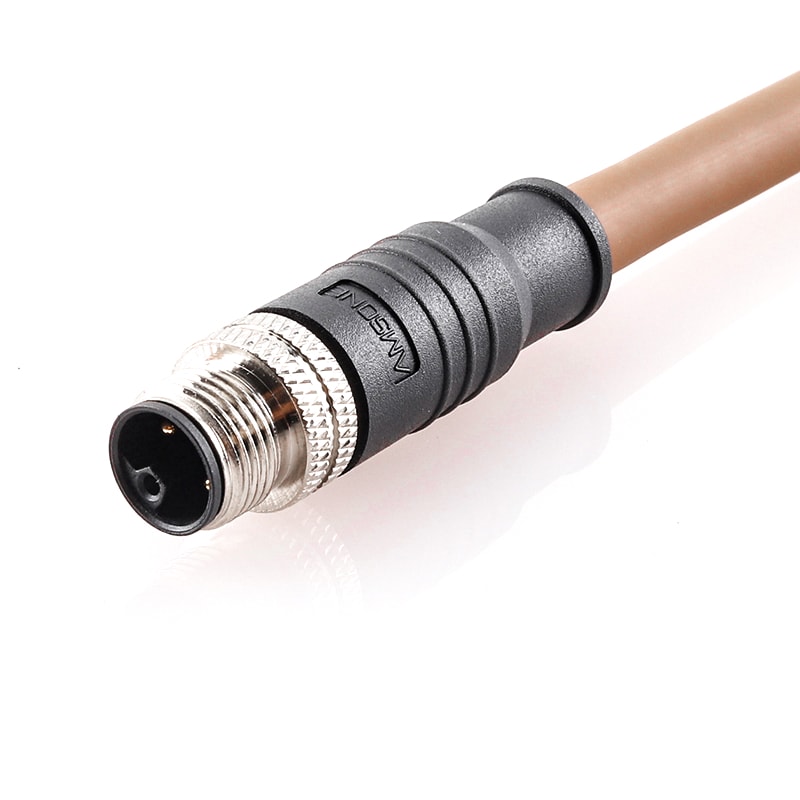


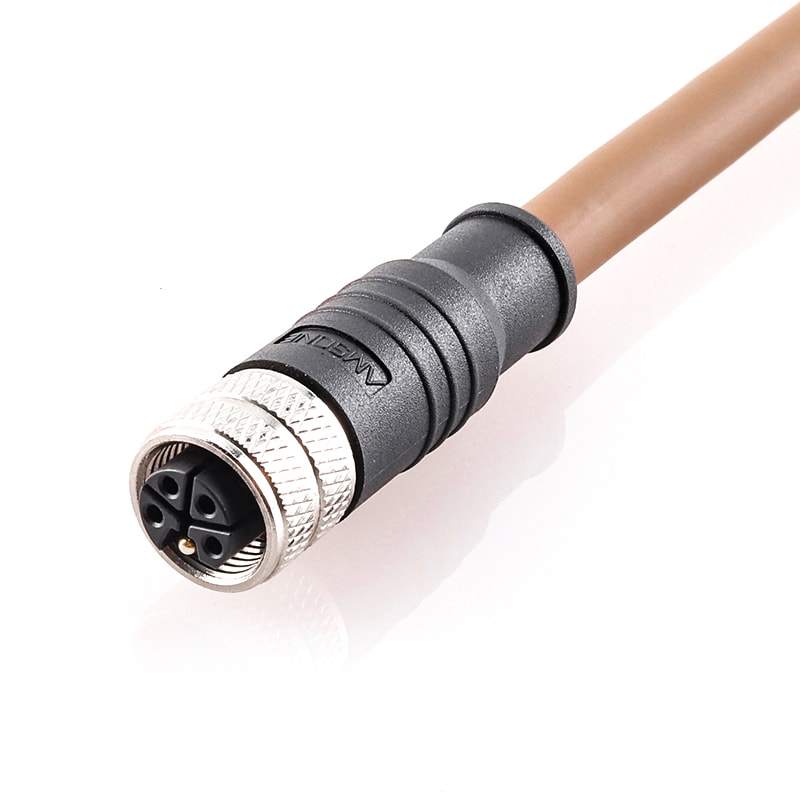


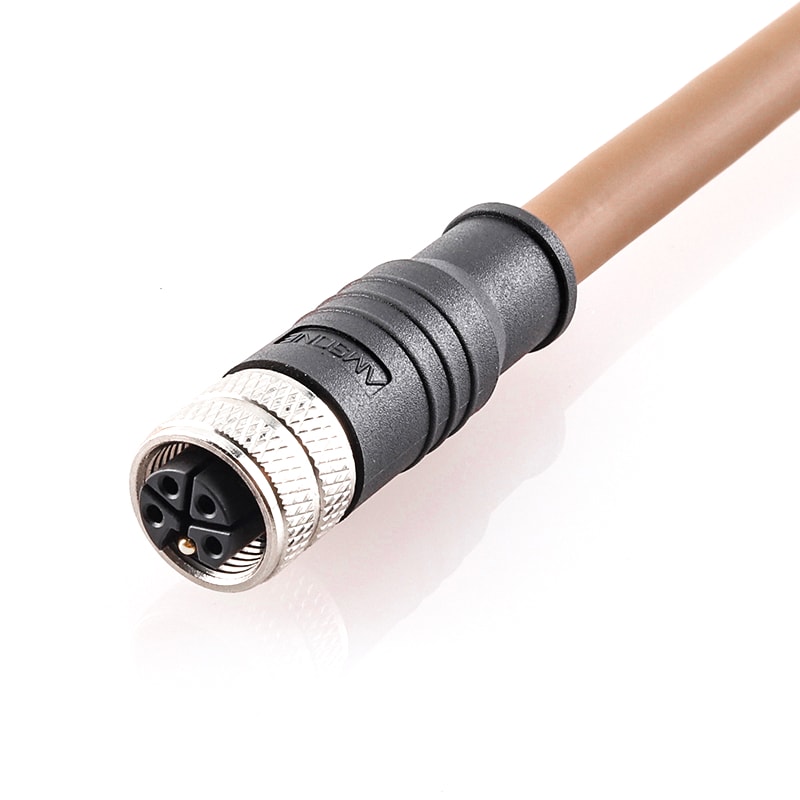
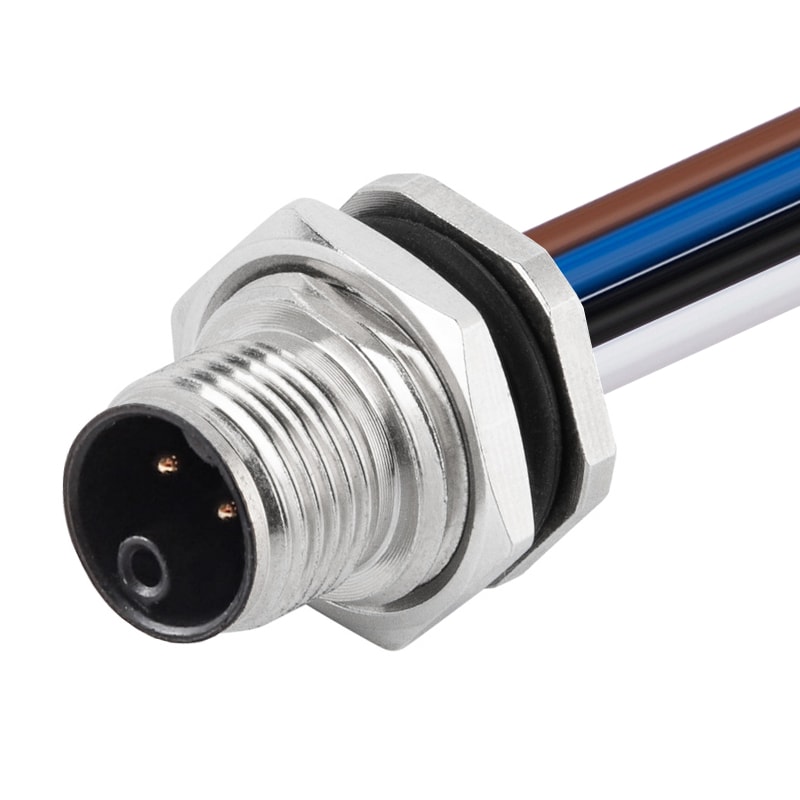


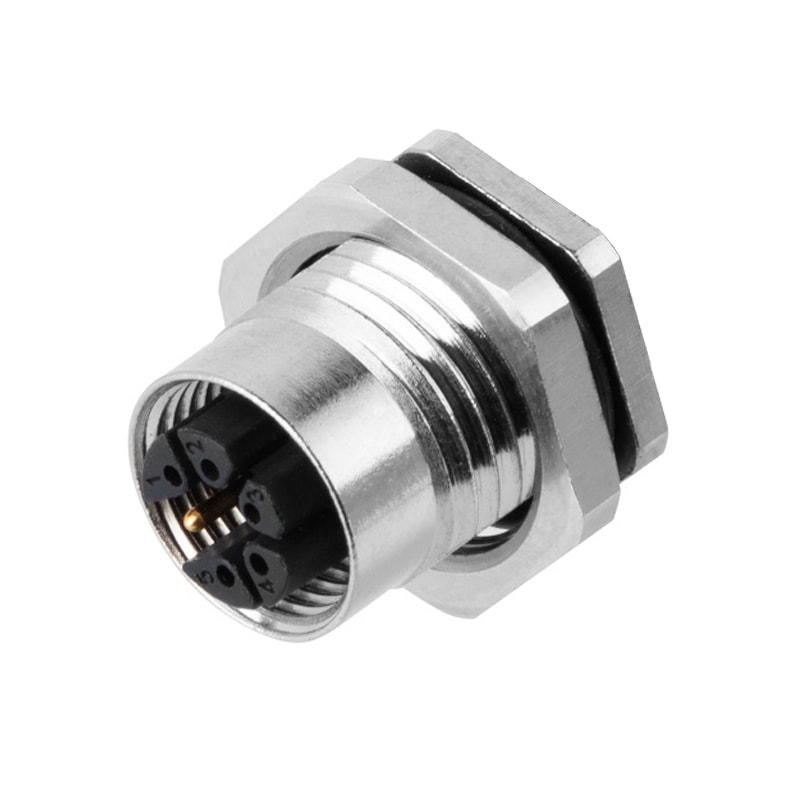
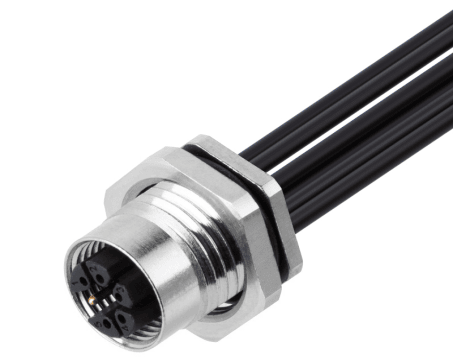
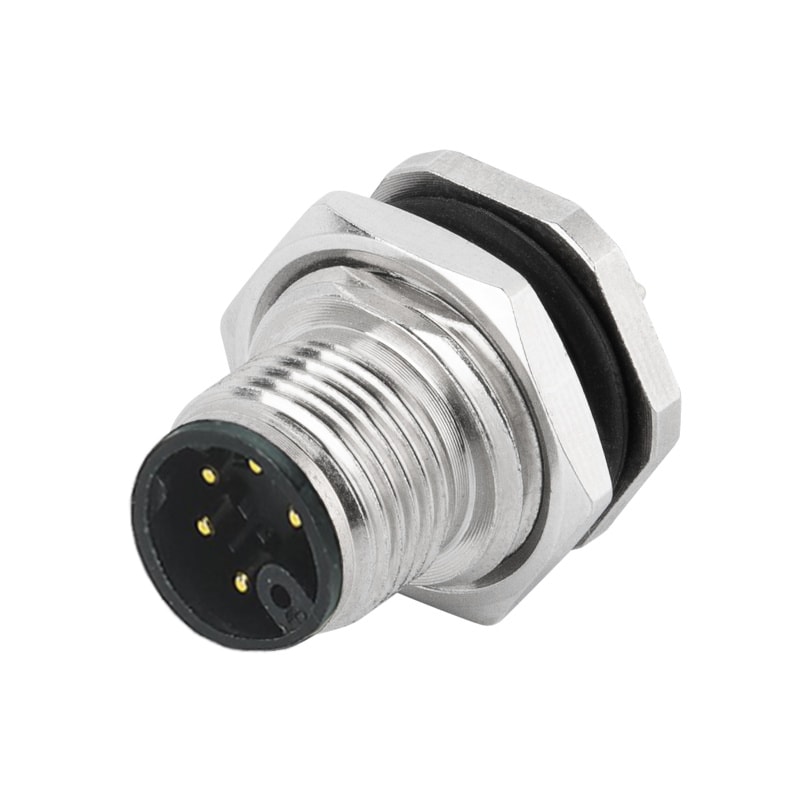


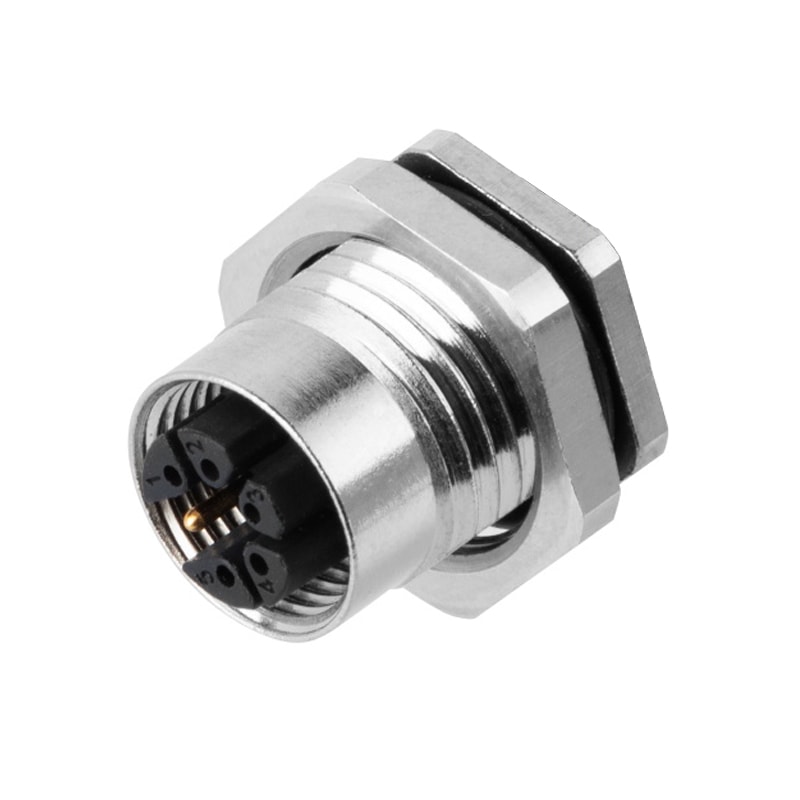
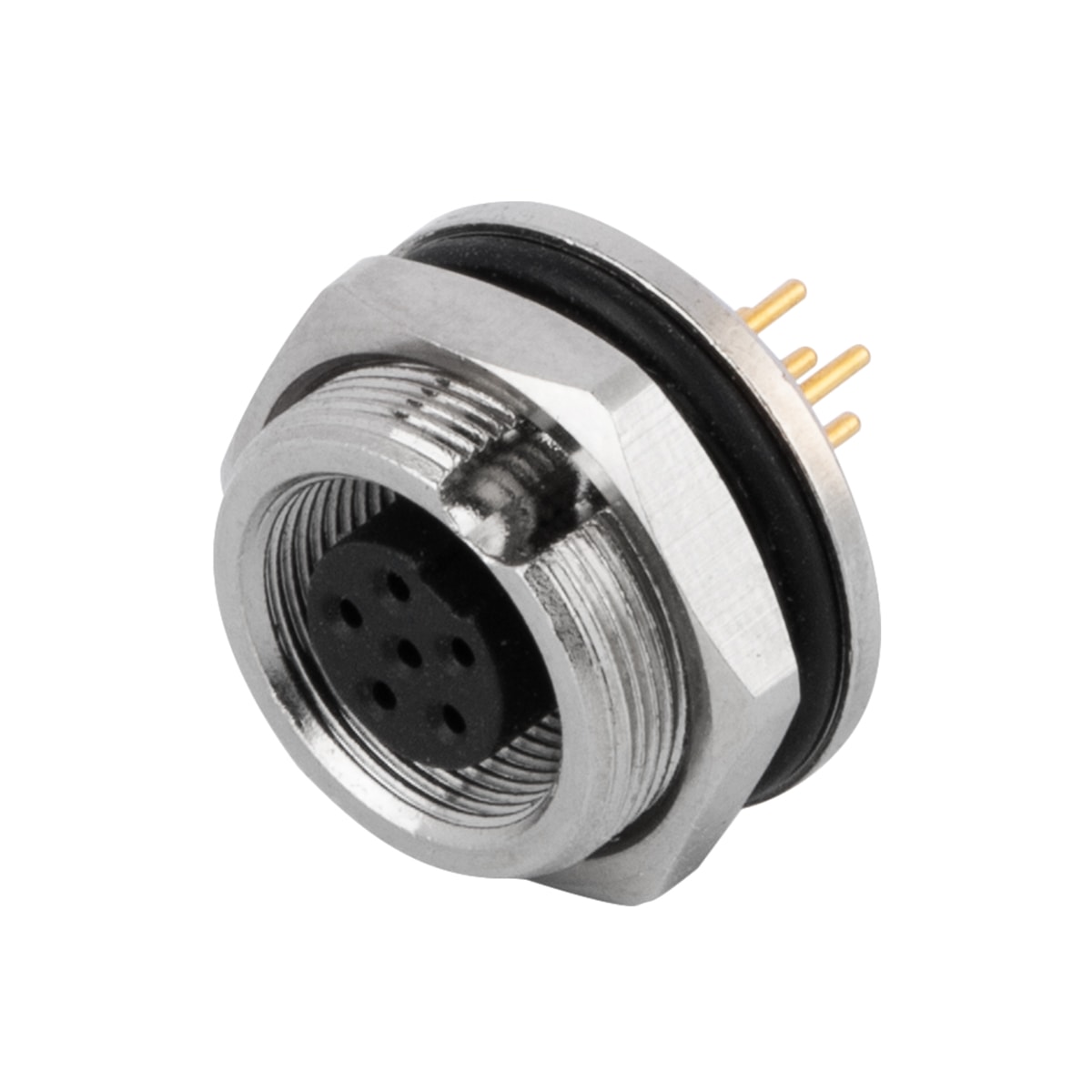


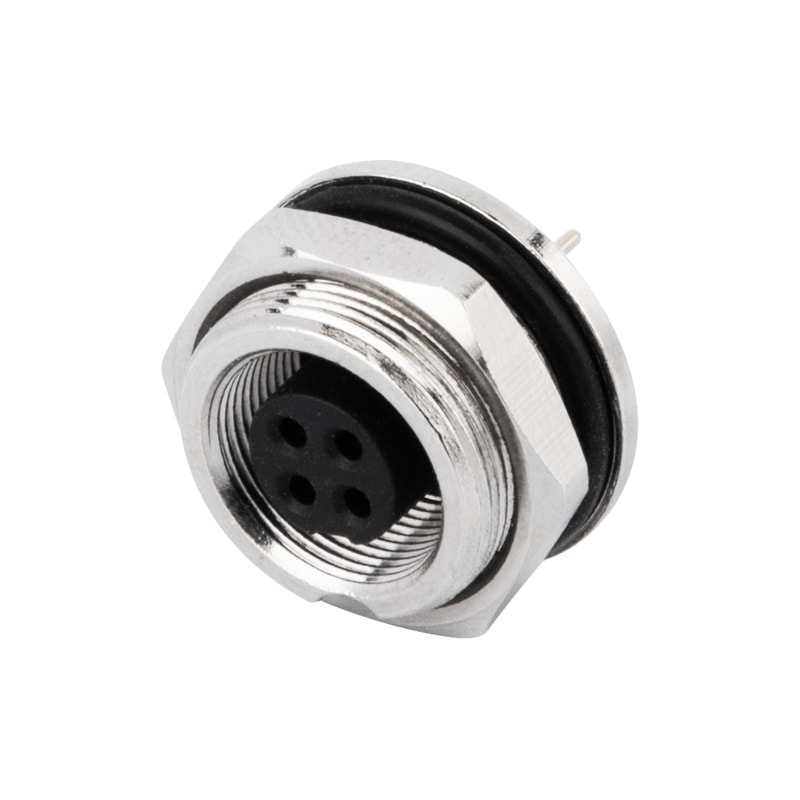
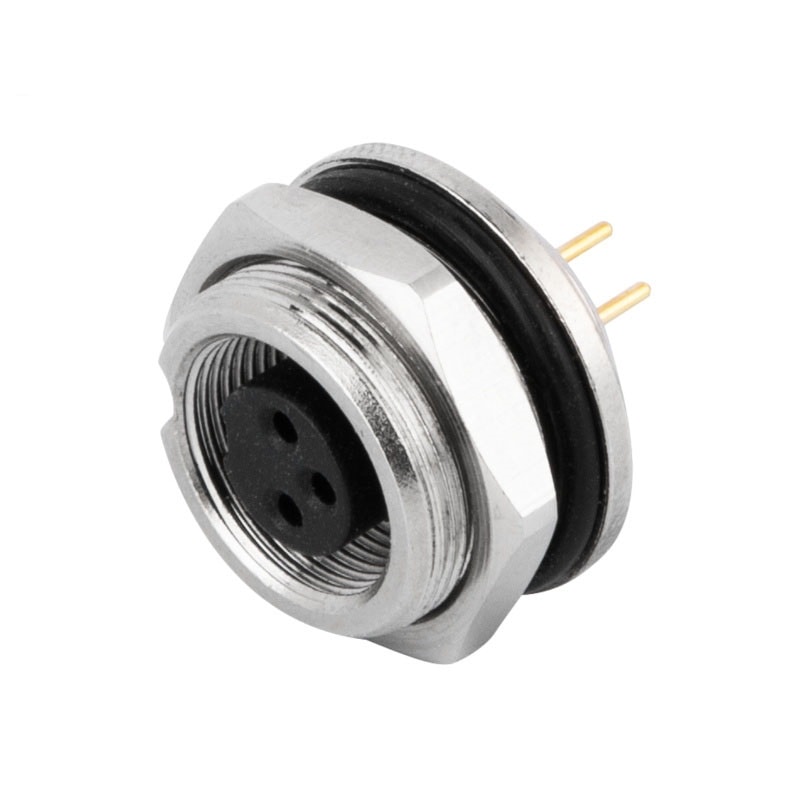


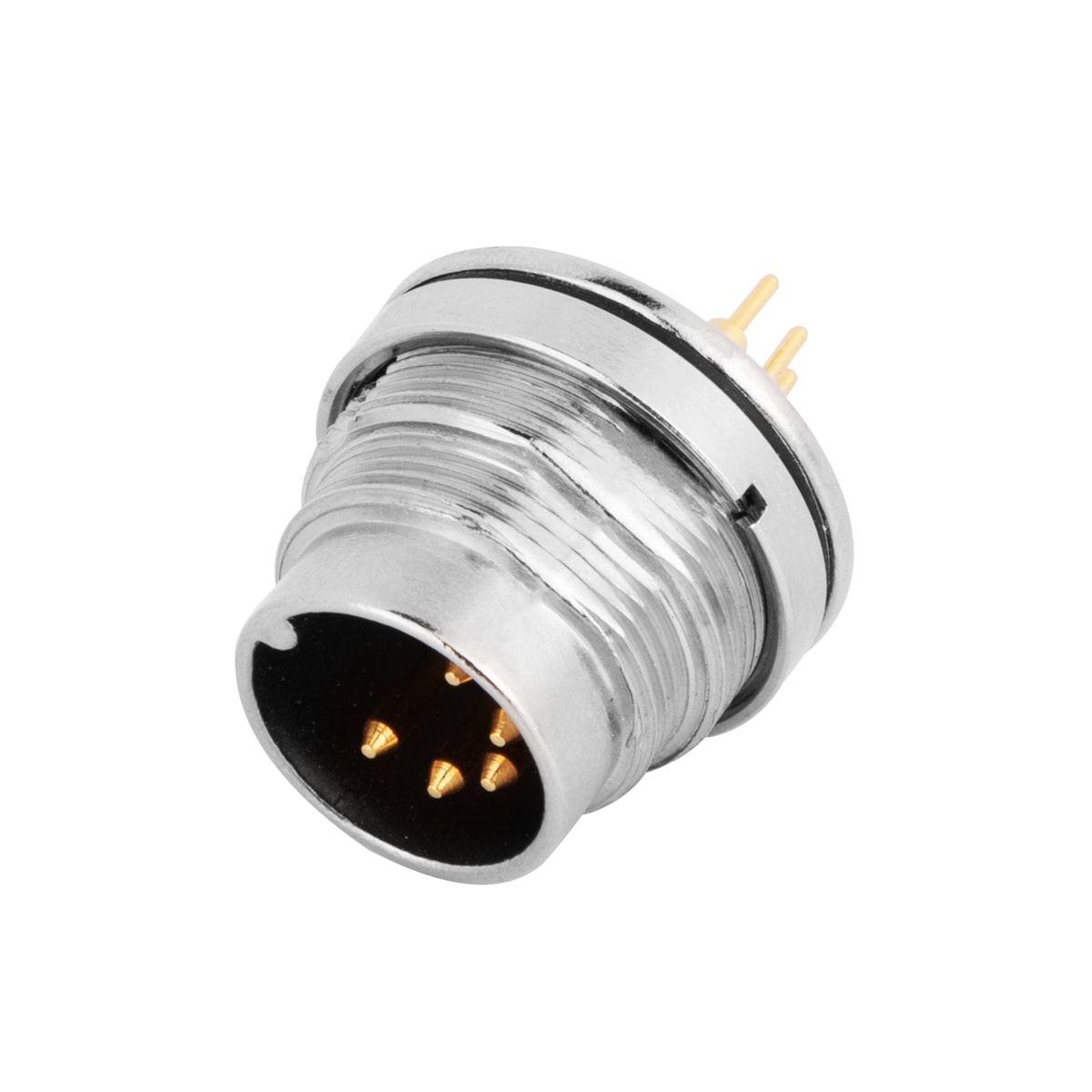

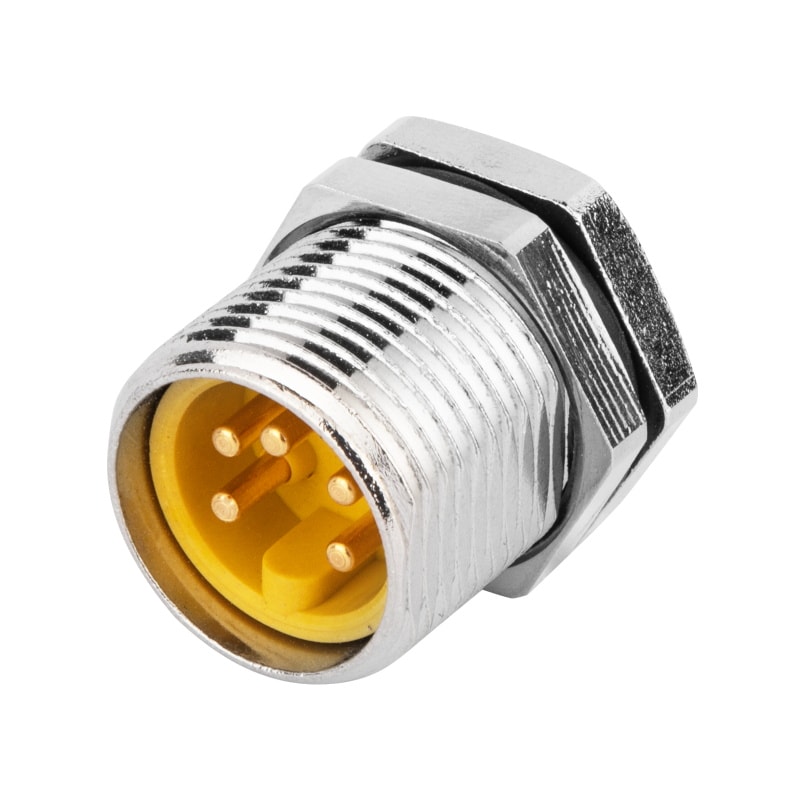
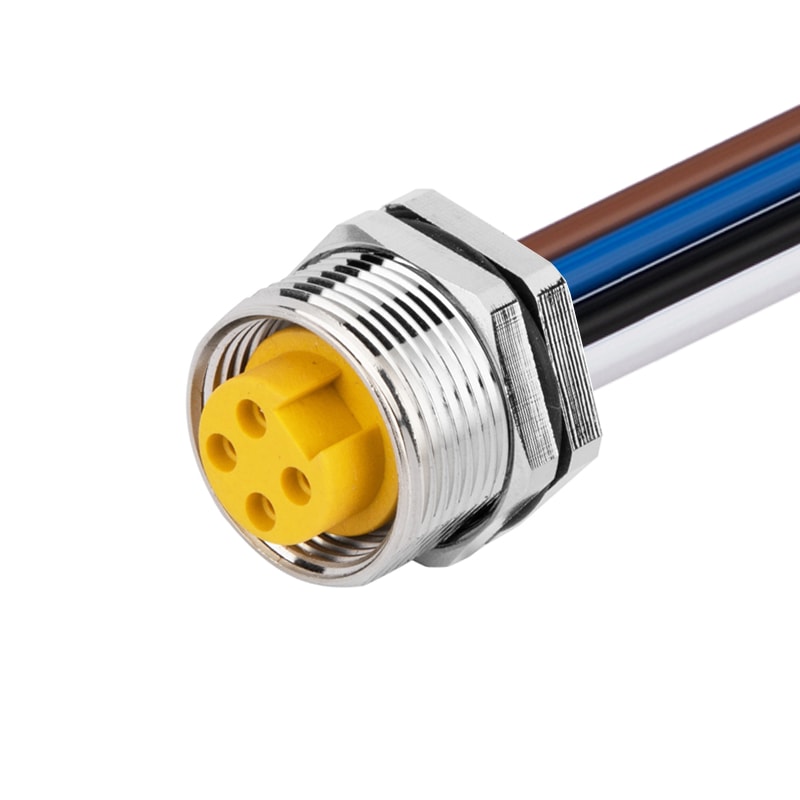
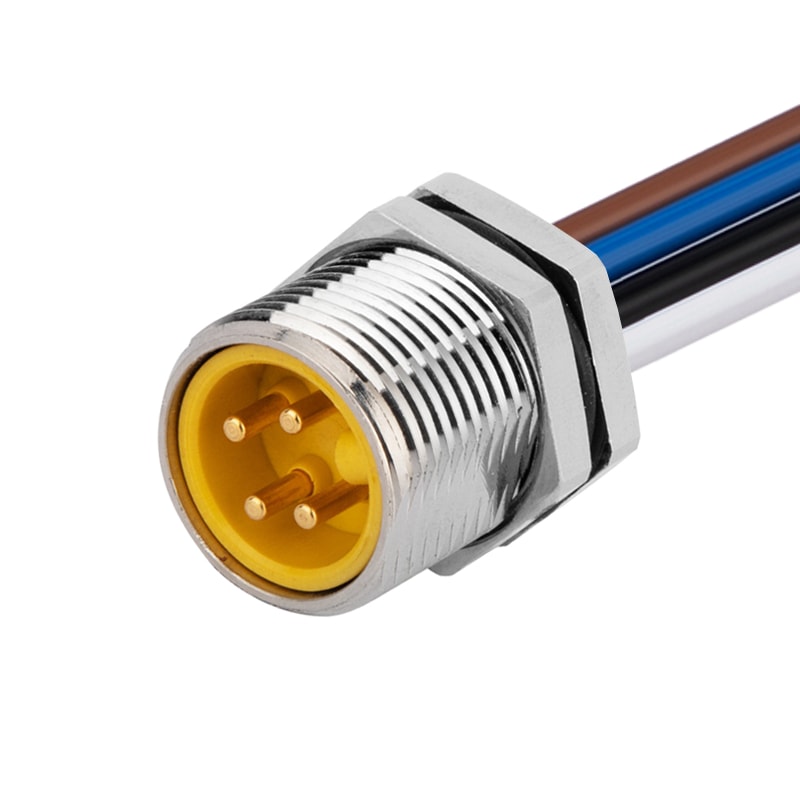
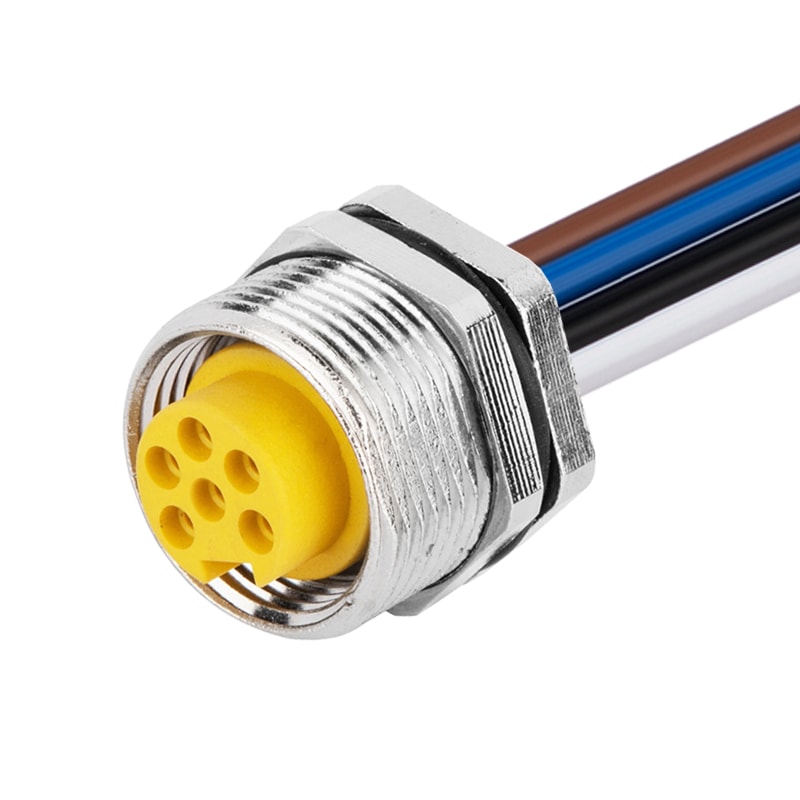
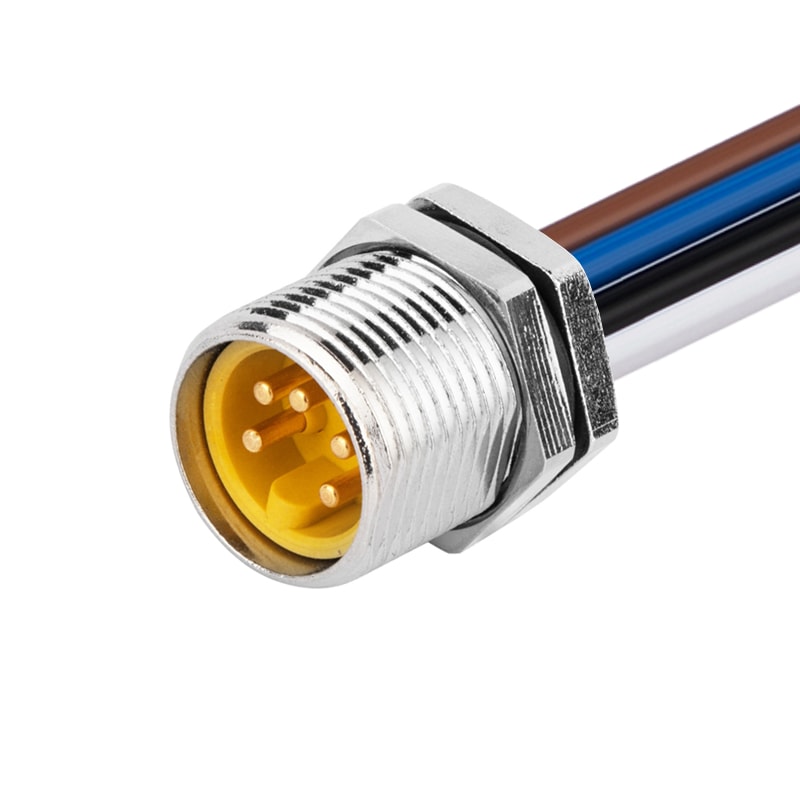
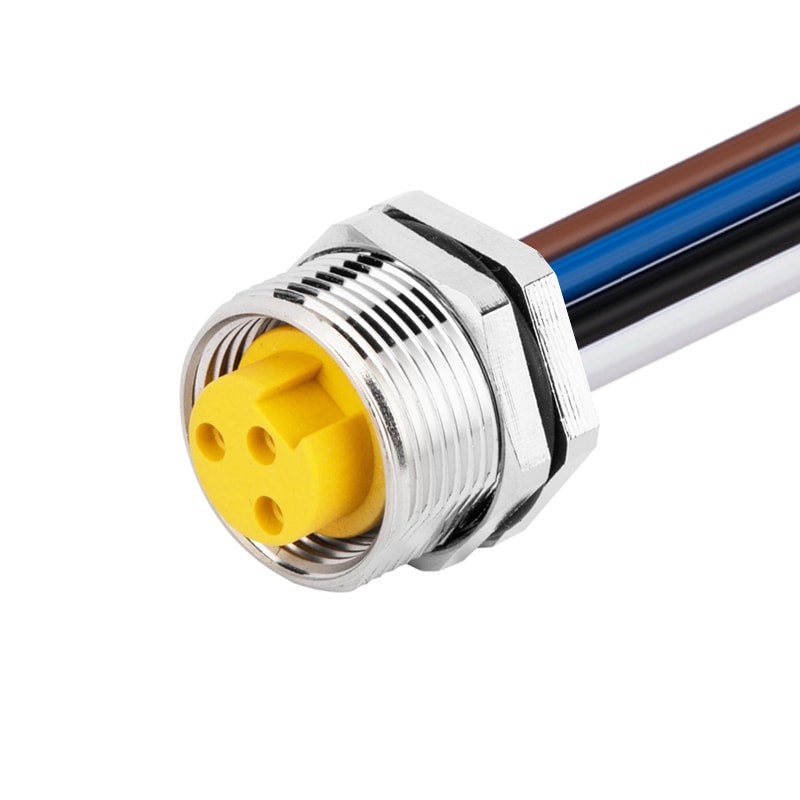
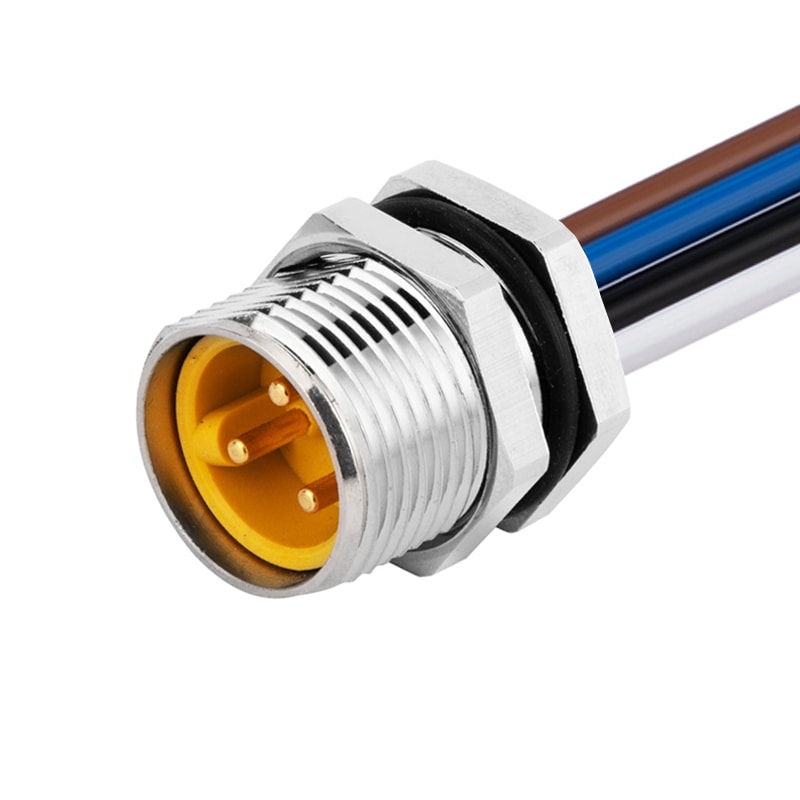
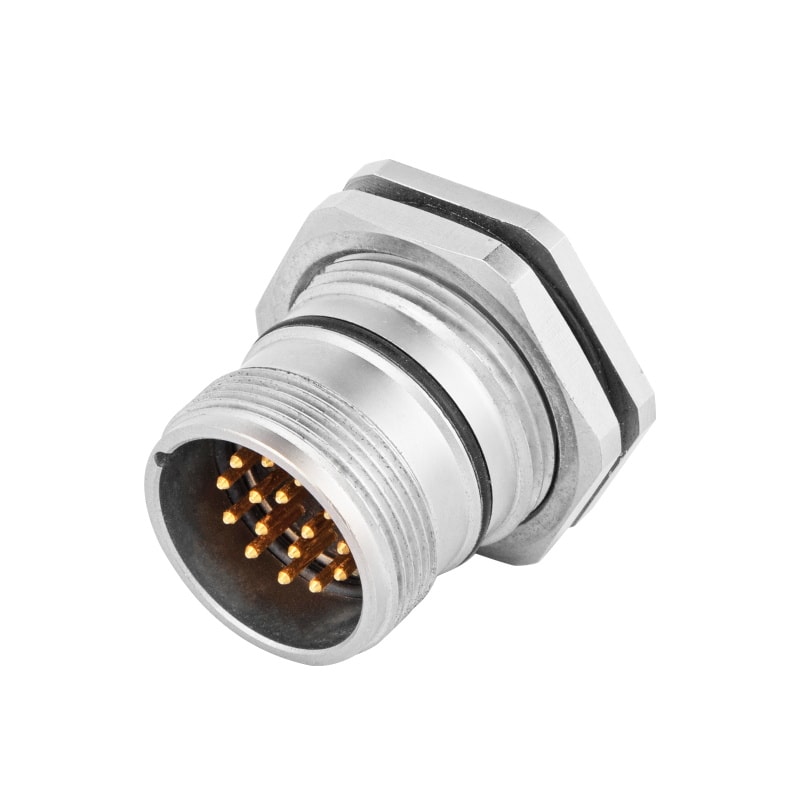
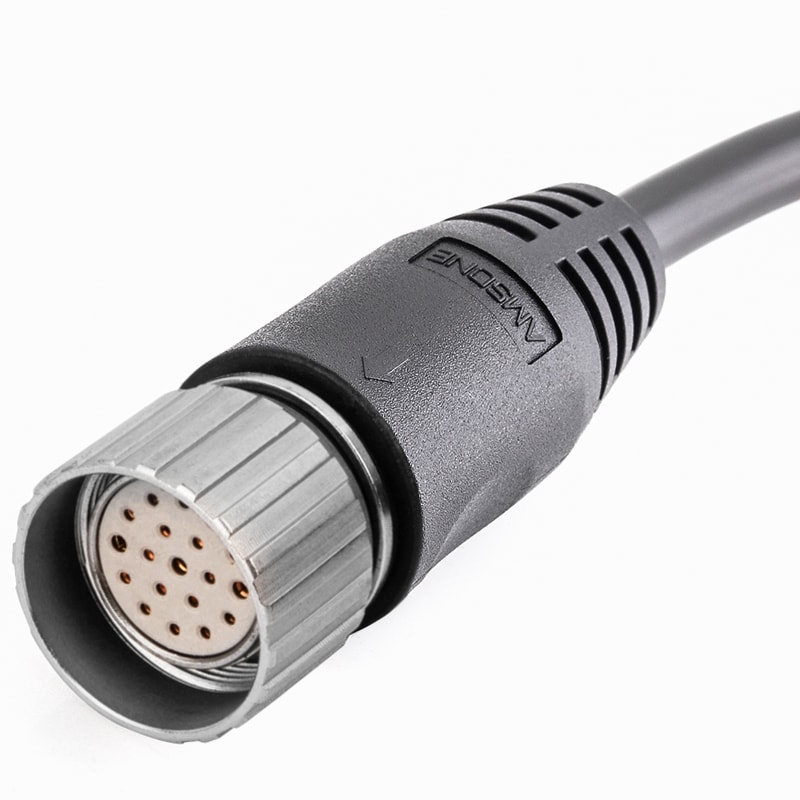
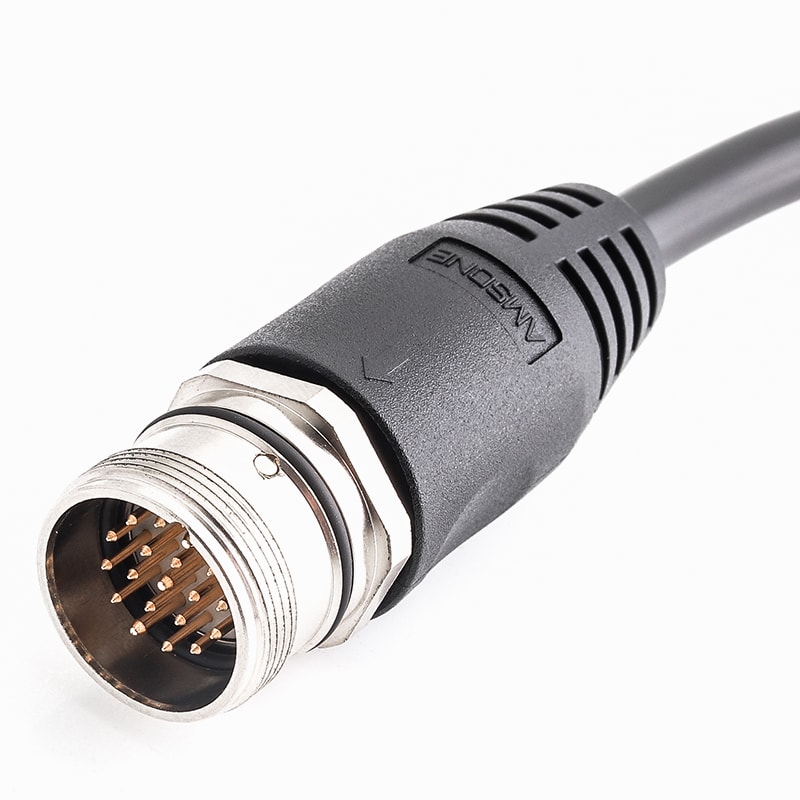
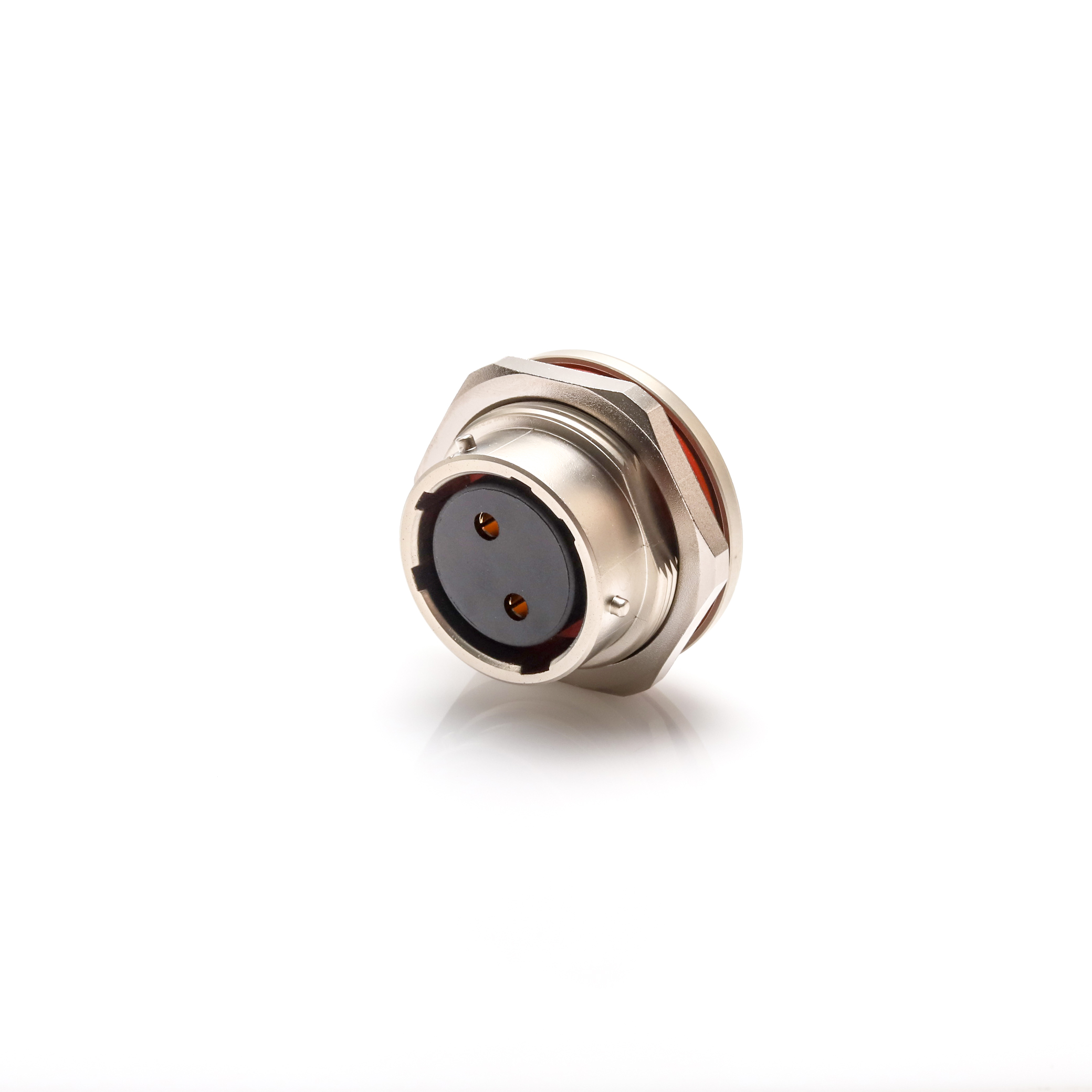
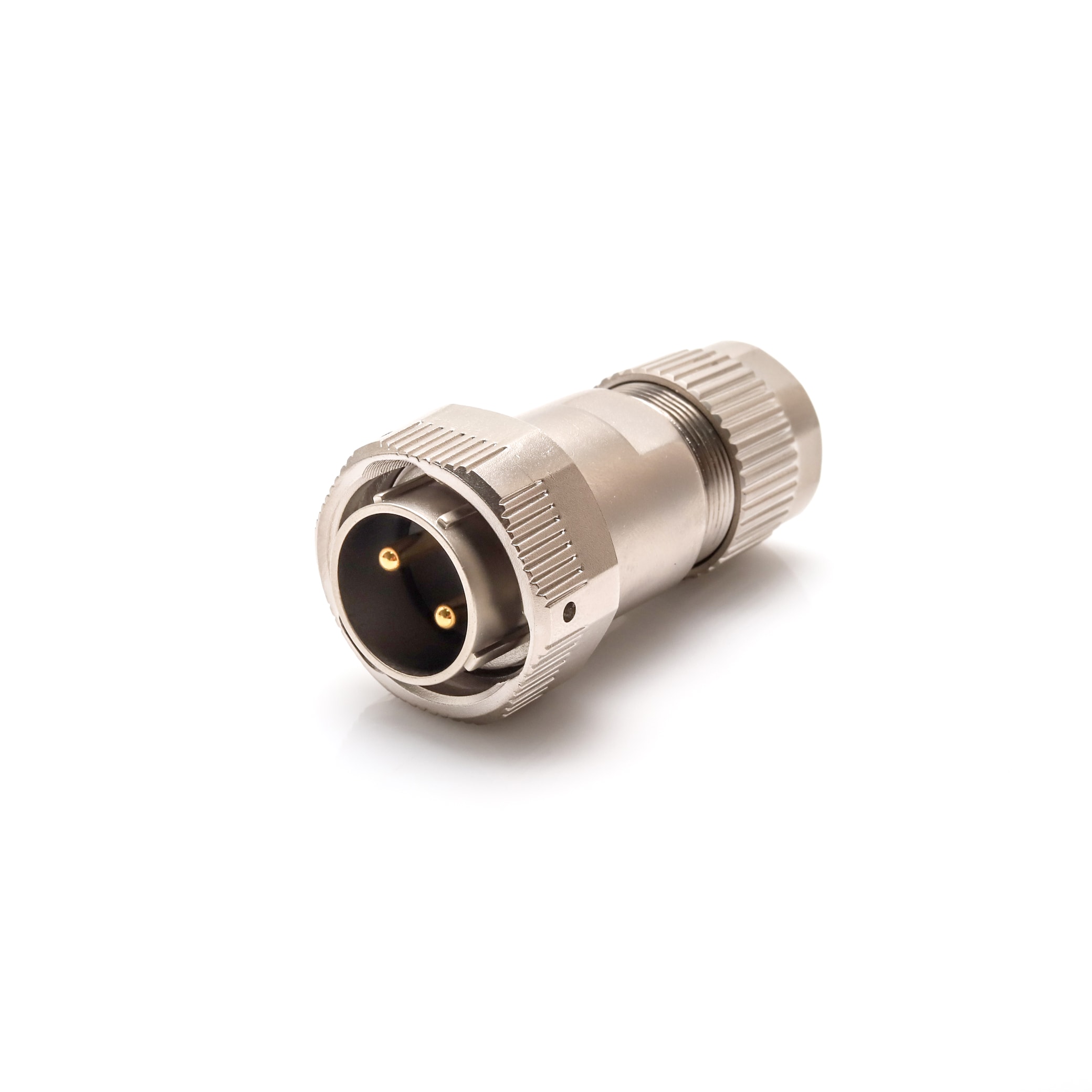
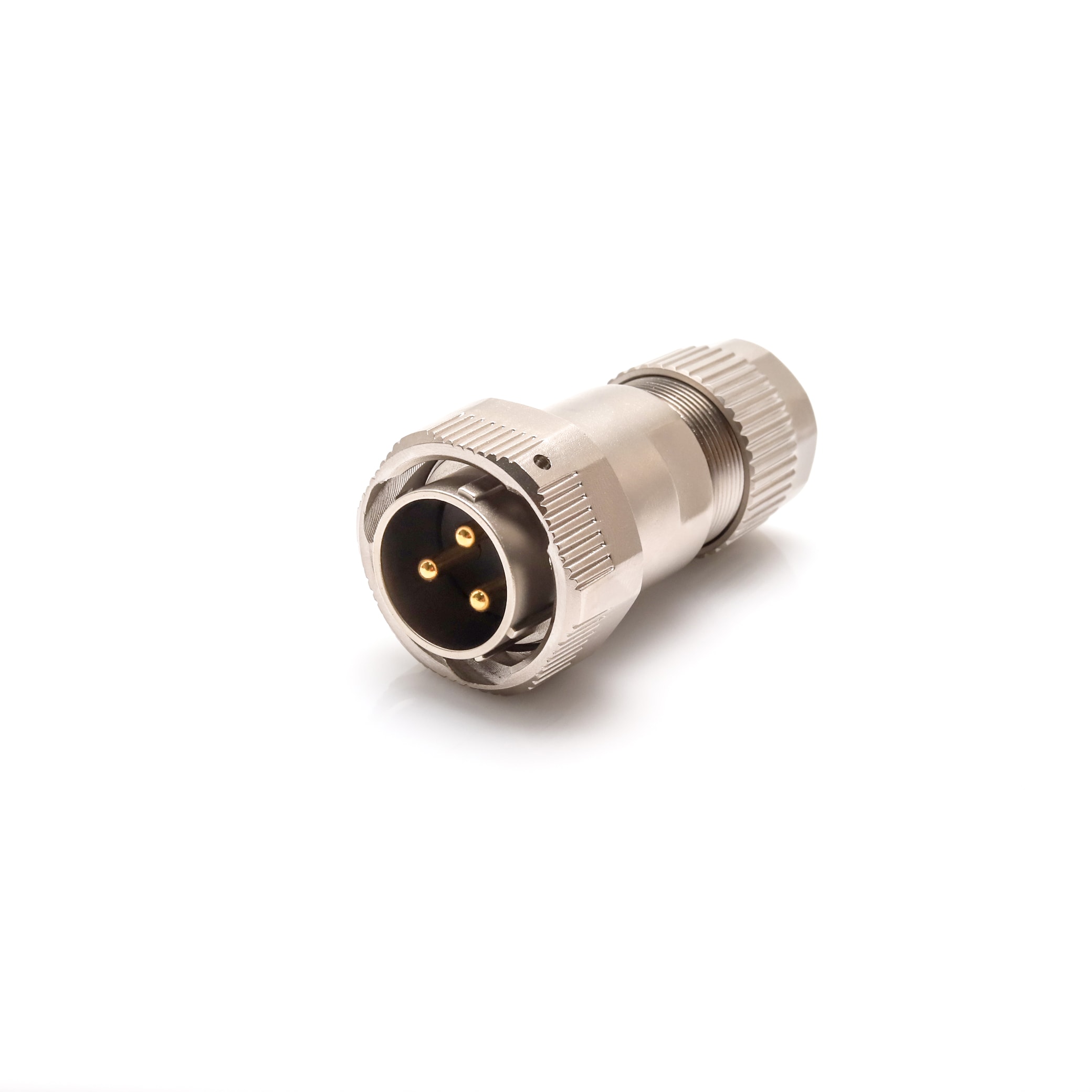
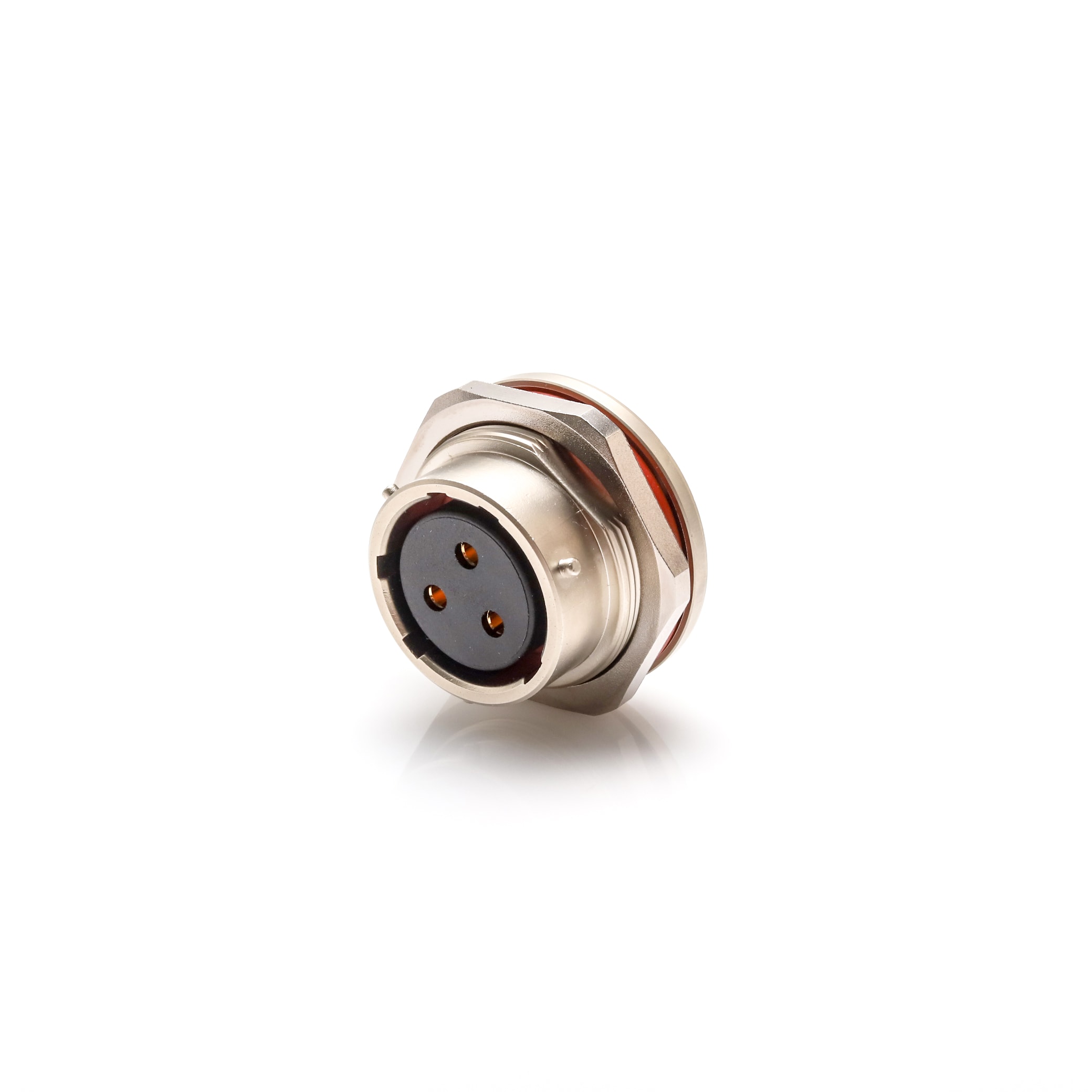
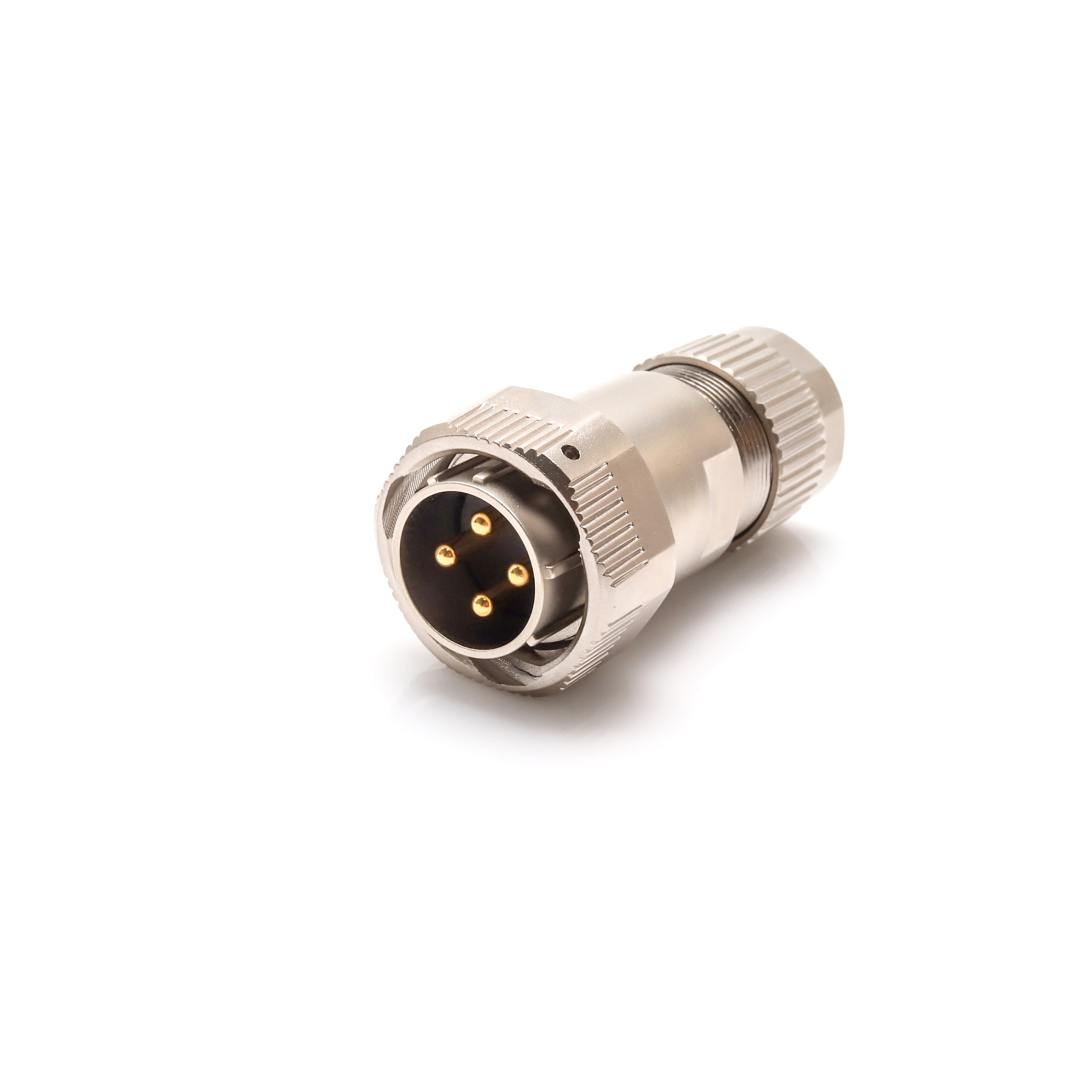
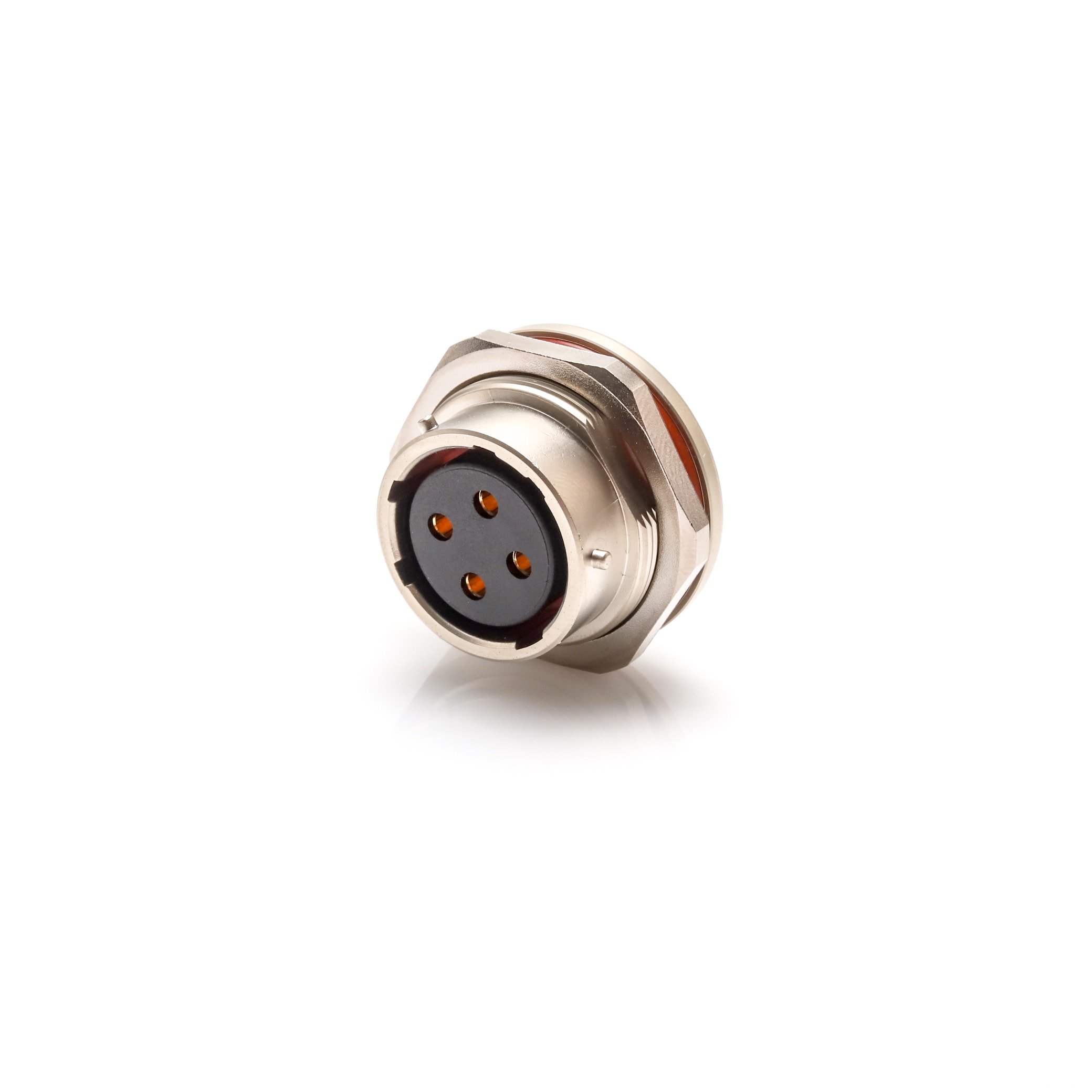
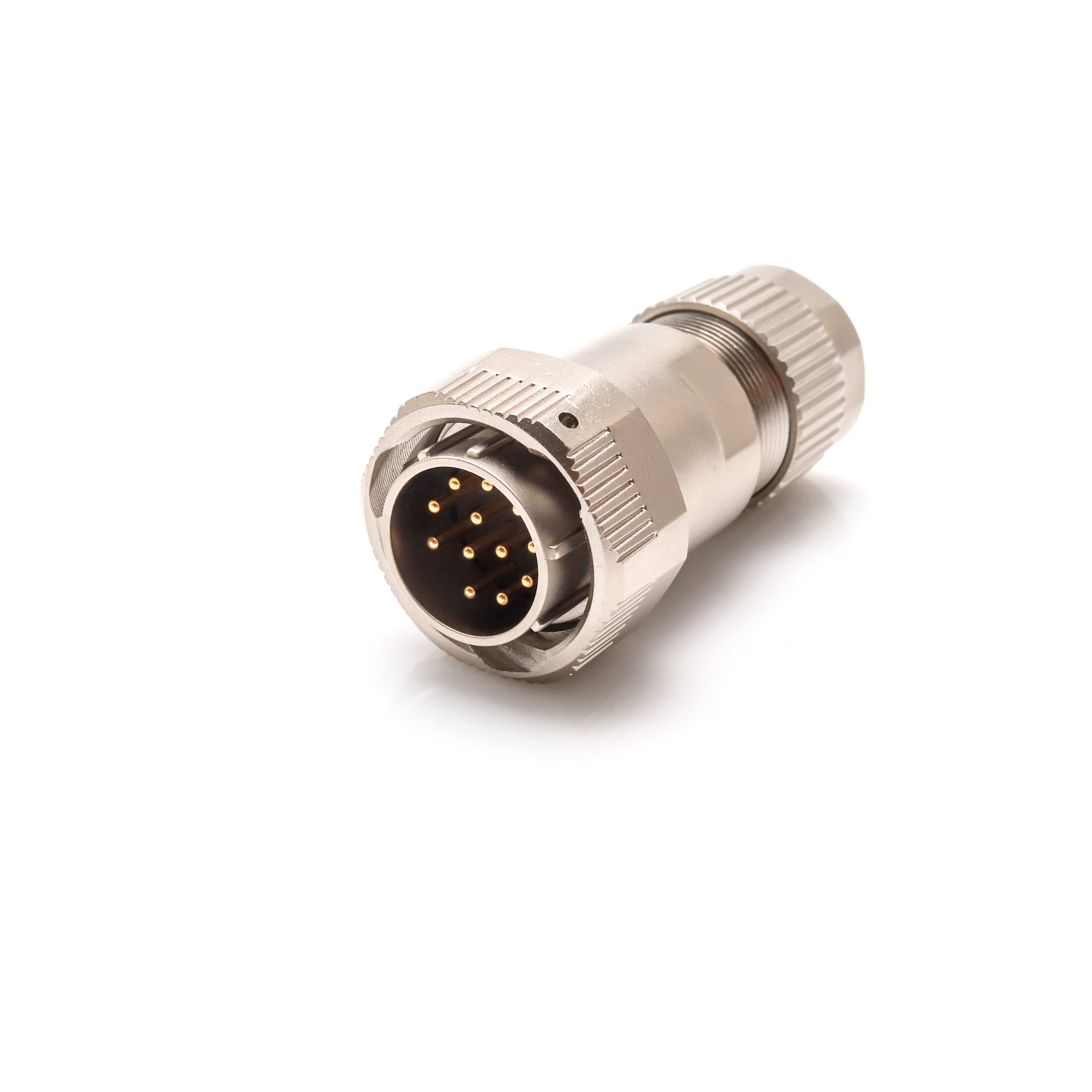
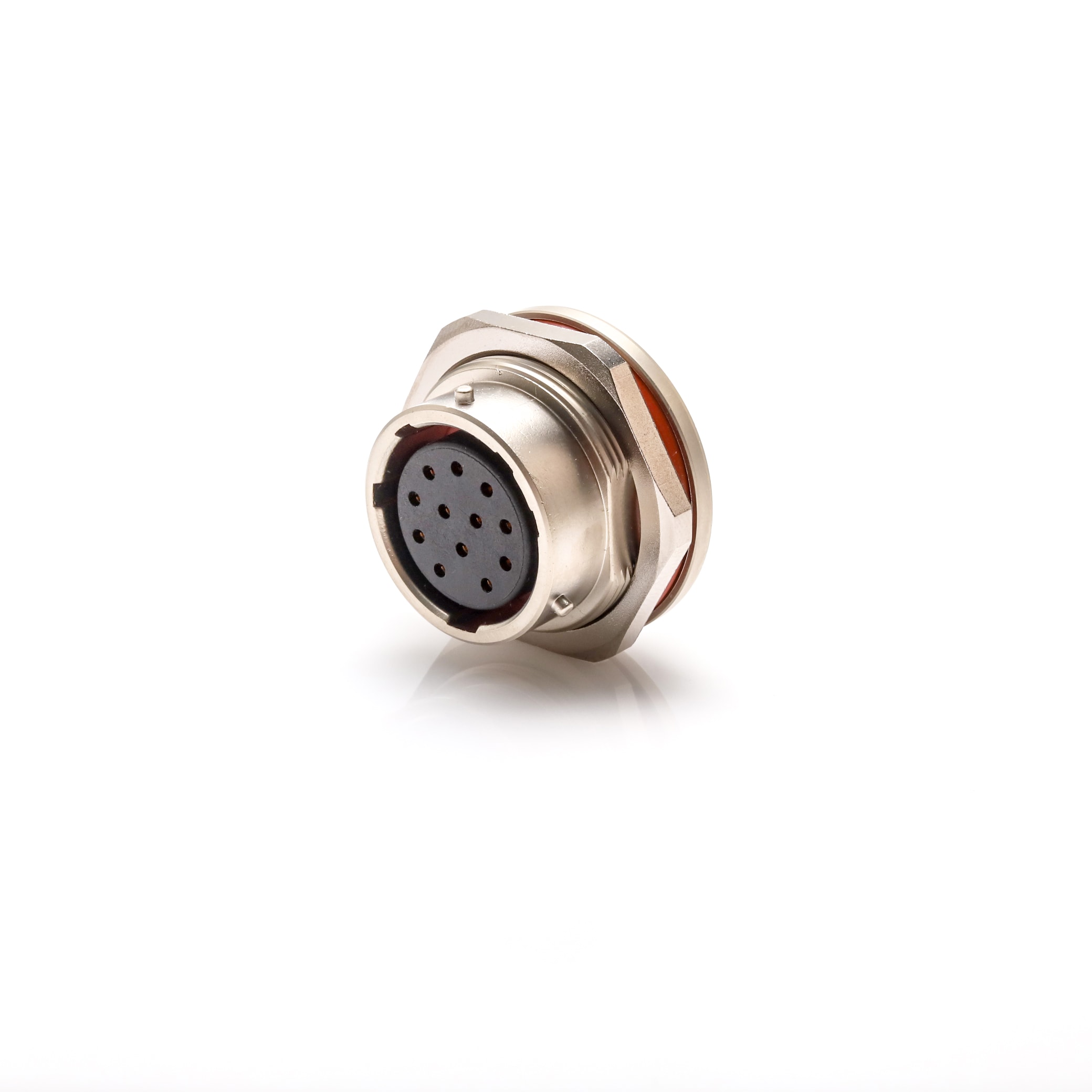
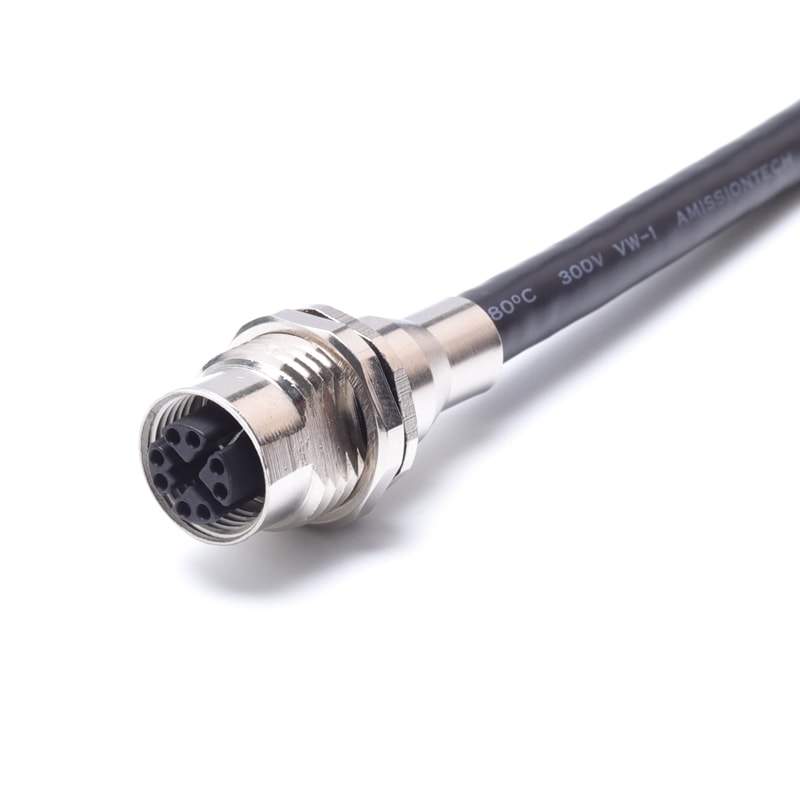
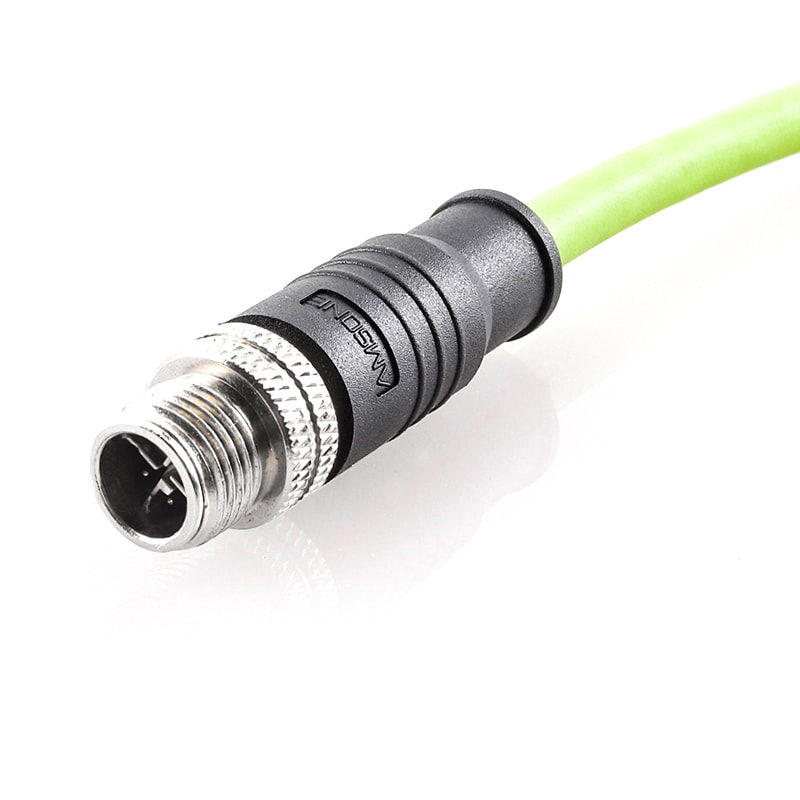
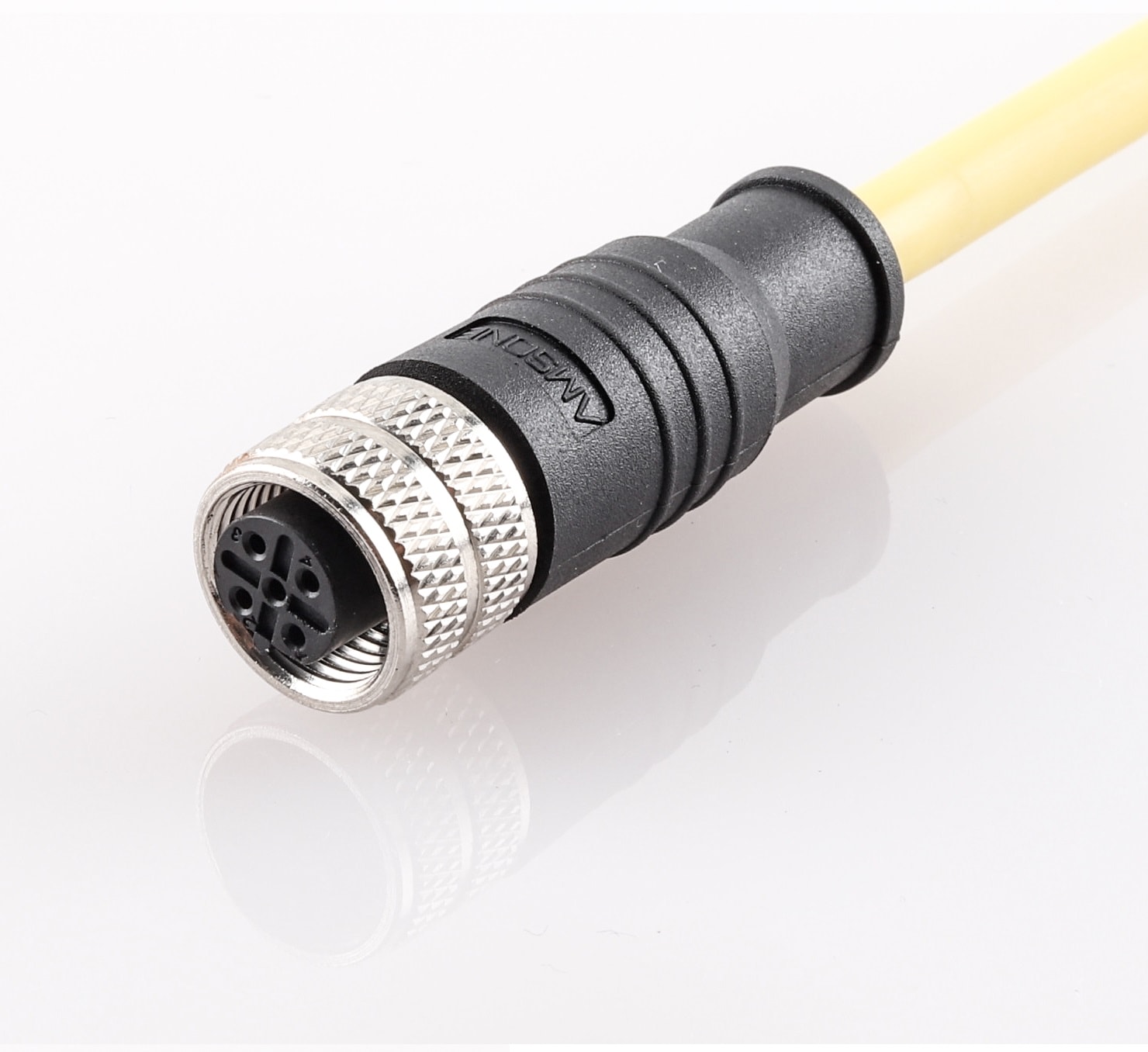
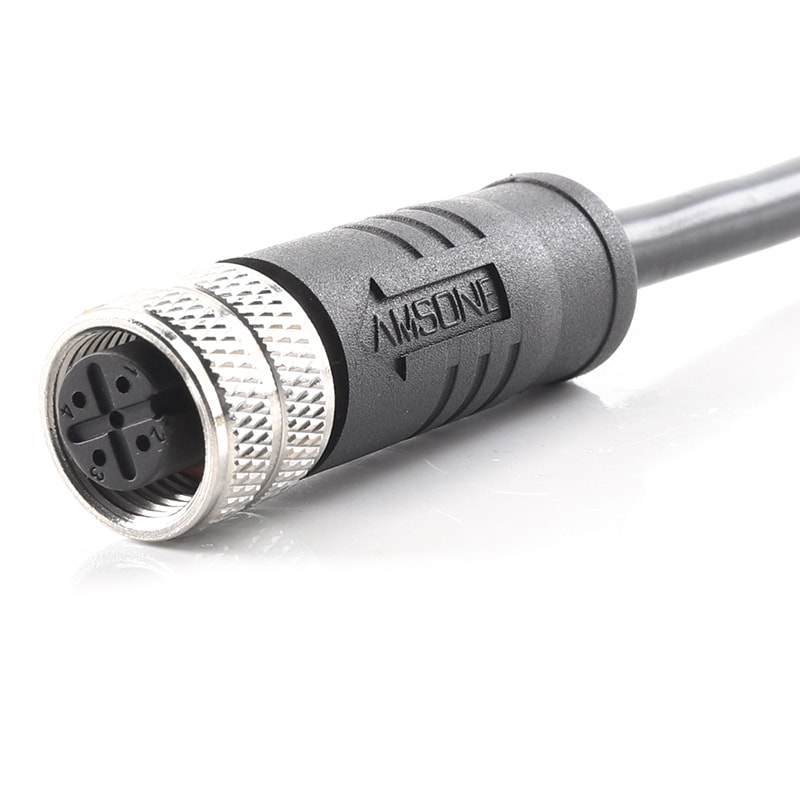
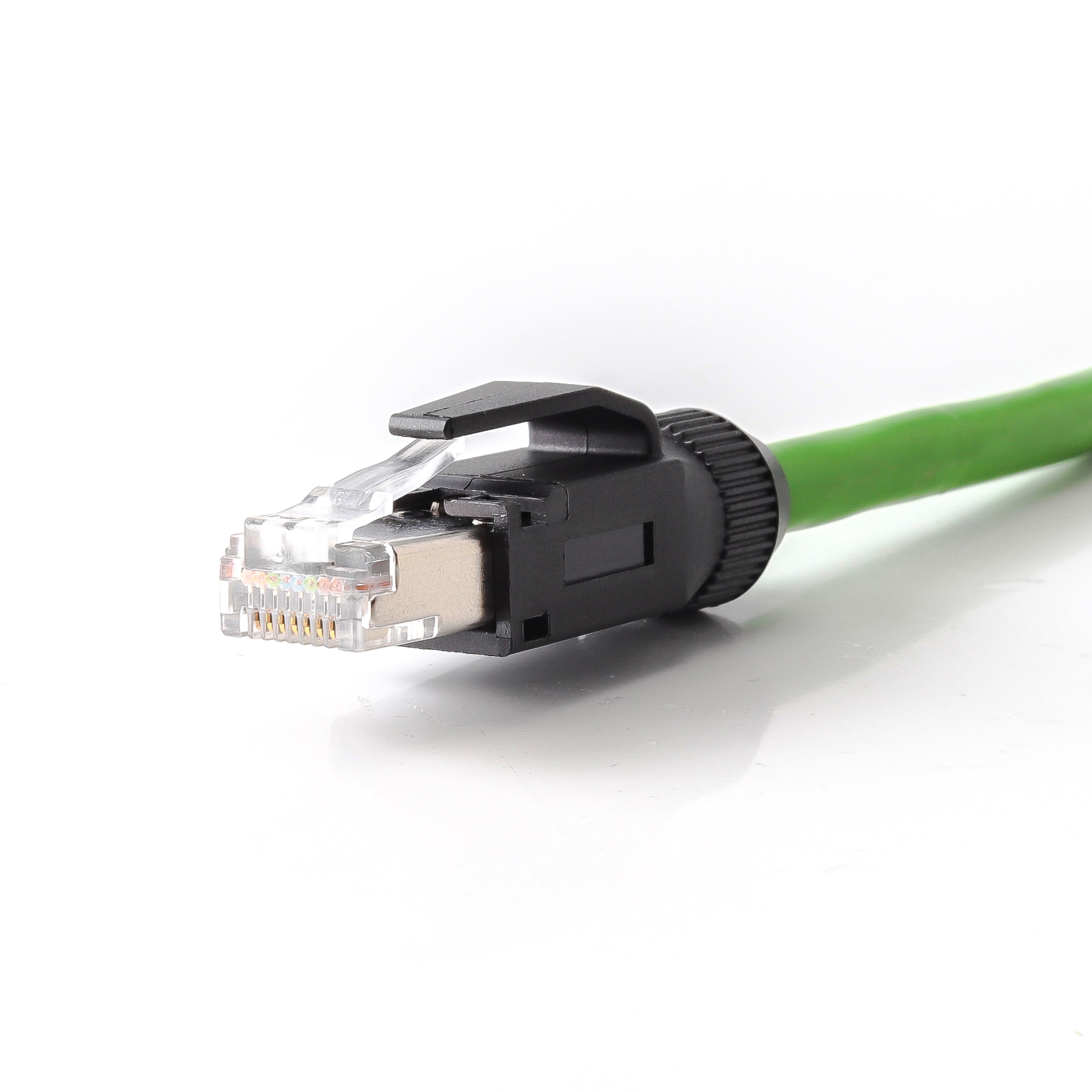
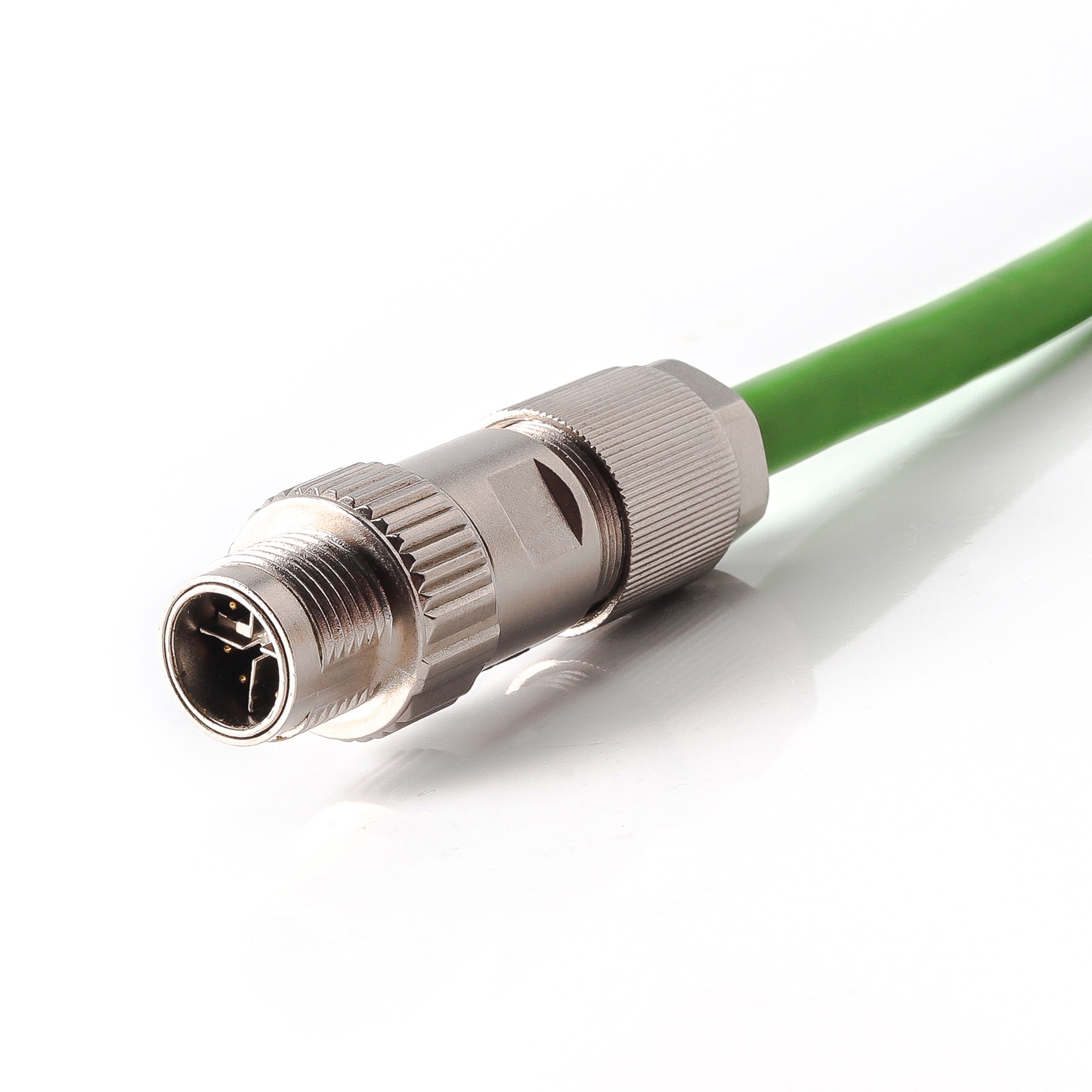
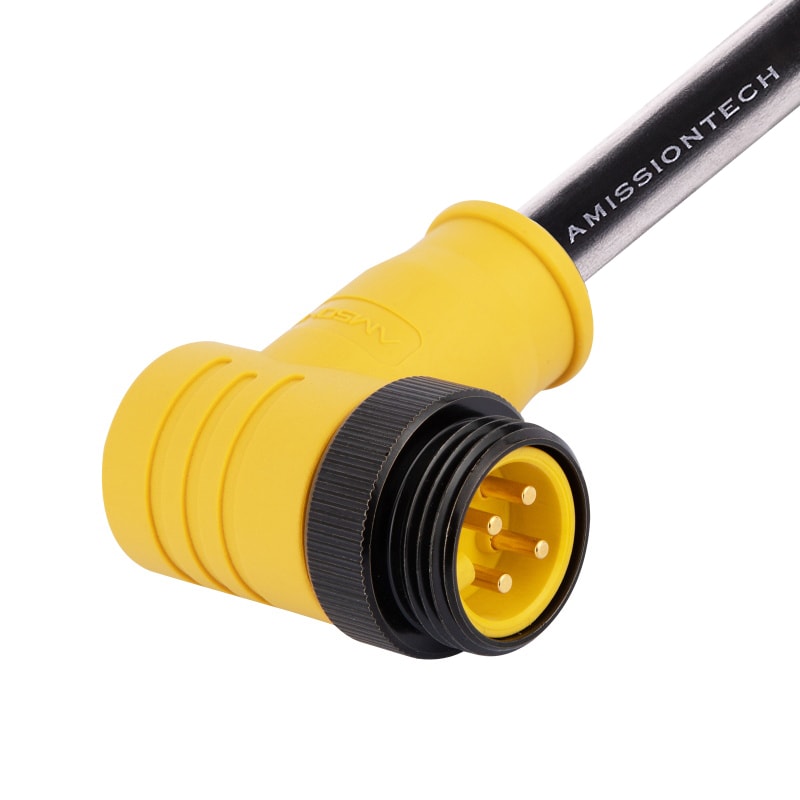
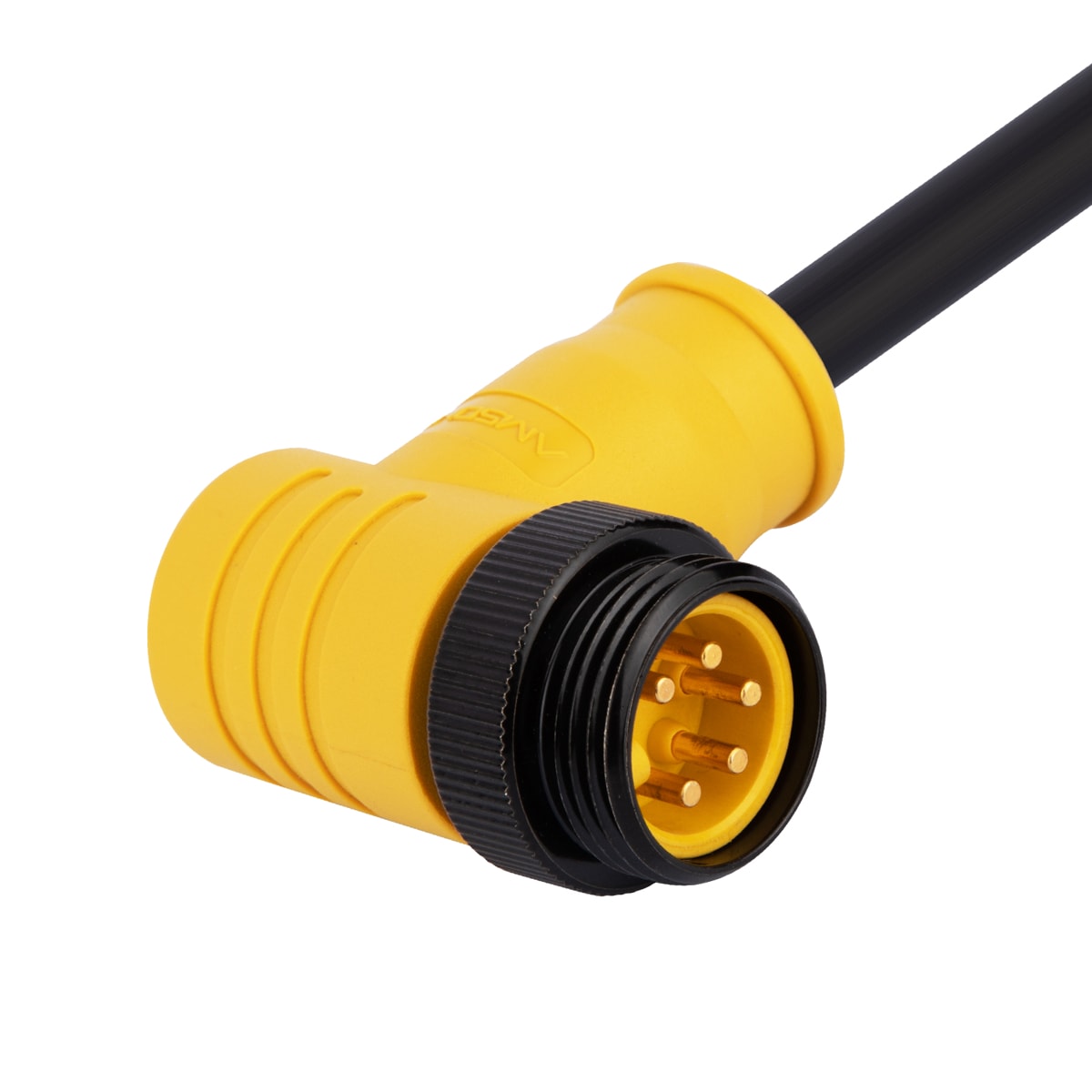
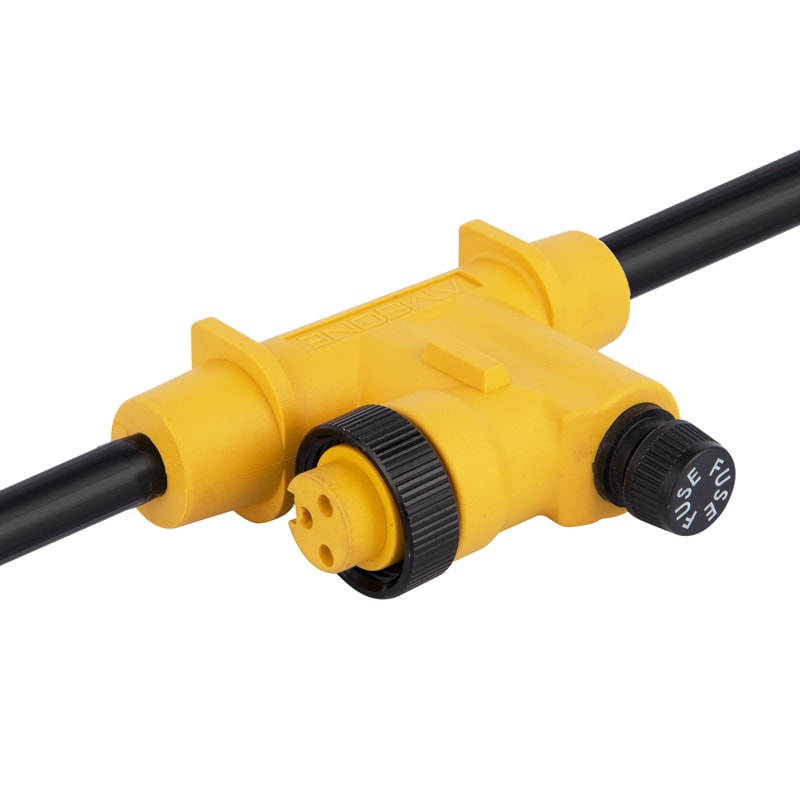
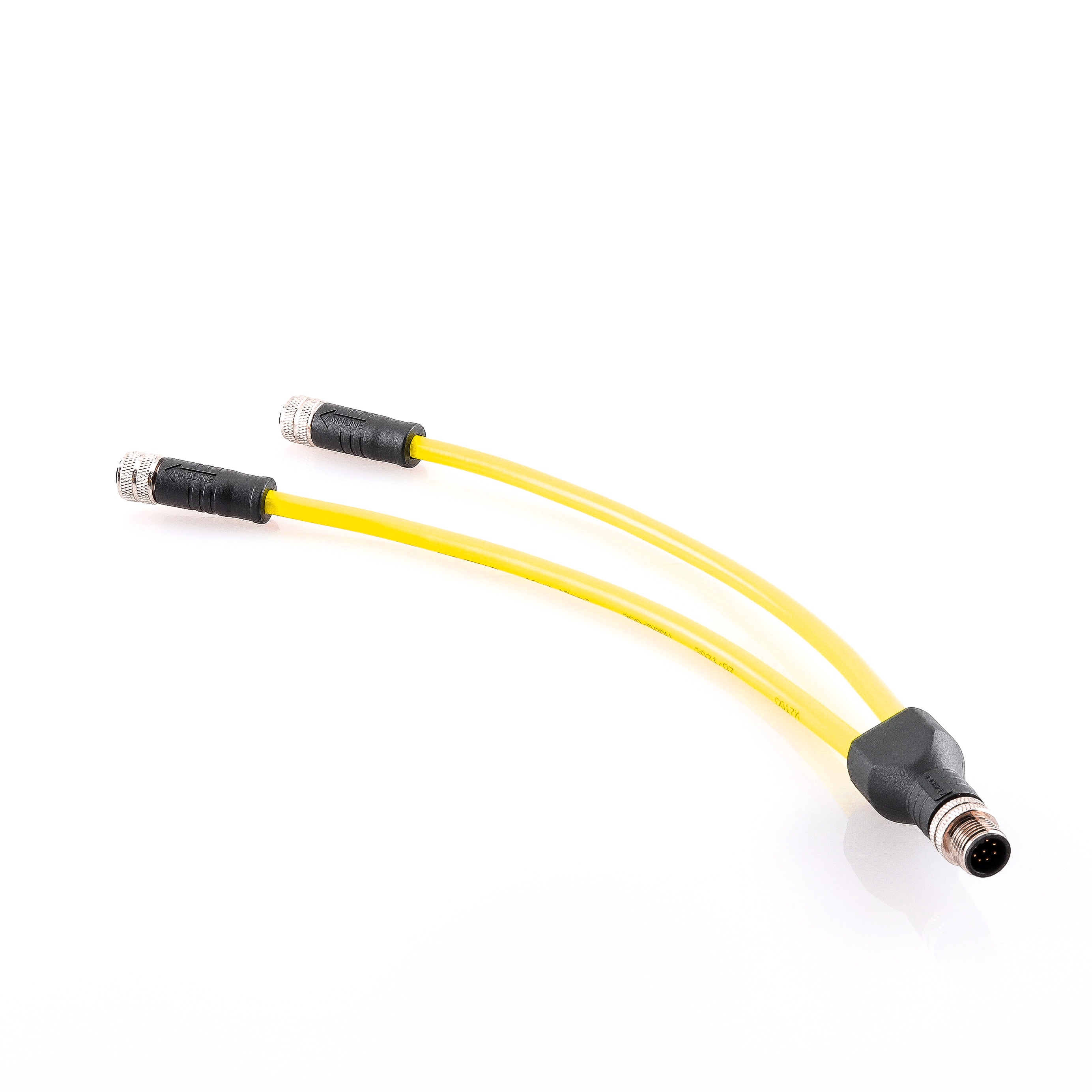



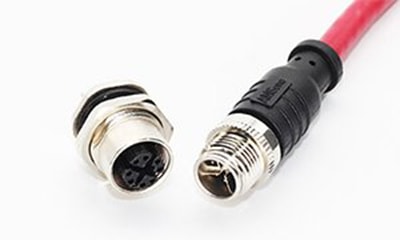
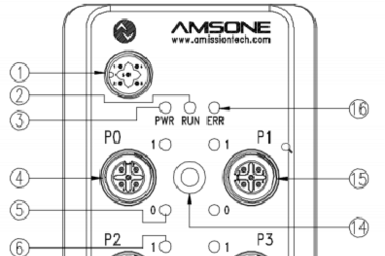
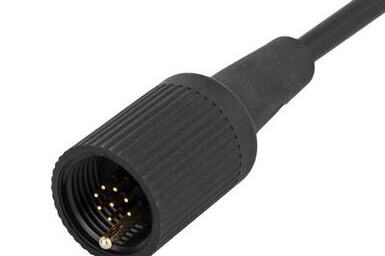
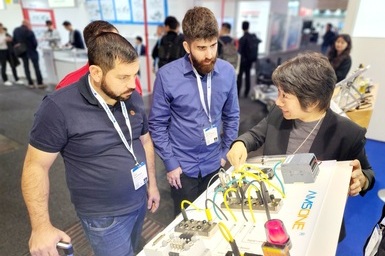
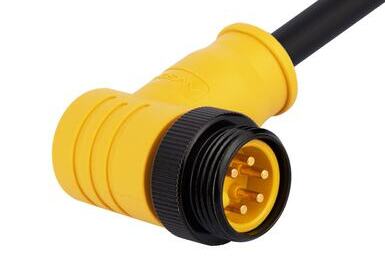
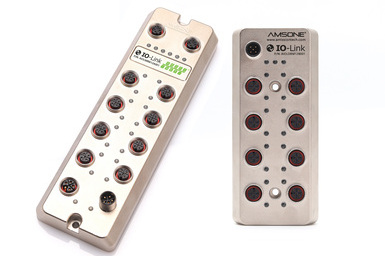

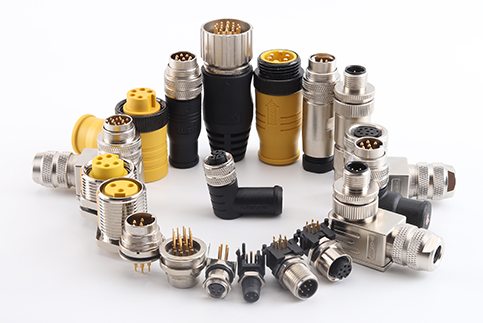
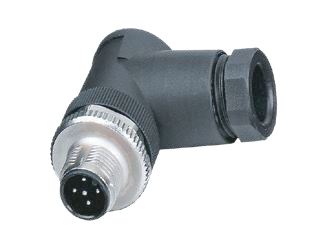

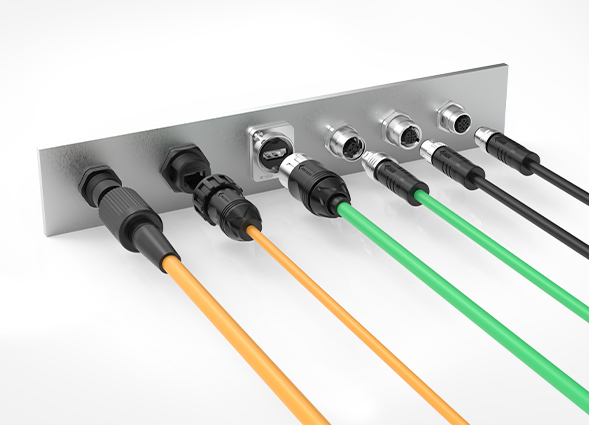
In industrial automation, reliable connectivity plays a vital role in ensuring stable signal and power transmission. Among the many types of circular connectors available, the M23 connector stands out for its high performance, durability, and versatility. This article provides a clear overview of M23 connectors, including their types, applications, advantages, and key considerations for selection.
M23 connectors are circular connectors designed for both power and signal transmission in industrial environments. Their name “M23” comes from the thread size—23 millimeters in diameter. These connectors are commonly used in automation systems, servo motors, sensors, and robotics where compact design and high reliability are required.
Generally, there are two main types of M23 connectors:
M23 Signal Connectors – mainly used for transmitting signals and data.
M23 Power Connectors – used for high-voltage or high-current power supply.
The modular design of M23 connectors allows them to integrate both power and signal functions in one unit, making them extremely useful in complex automation systems.
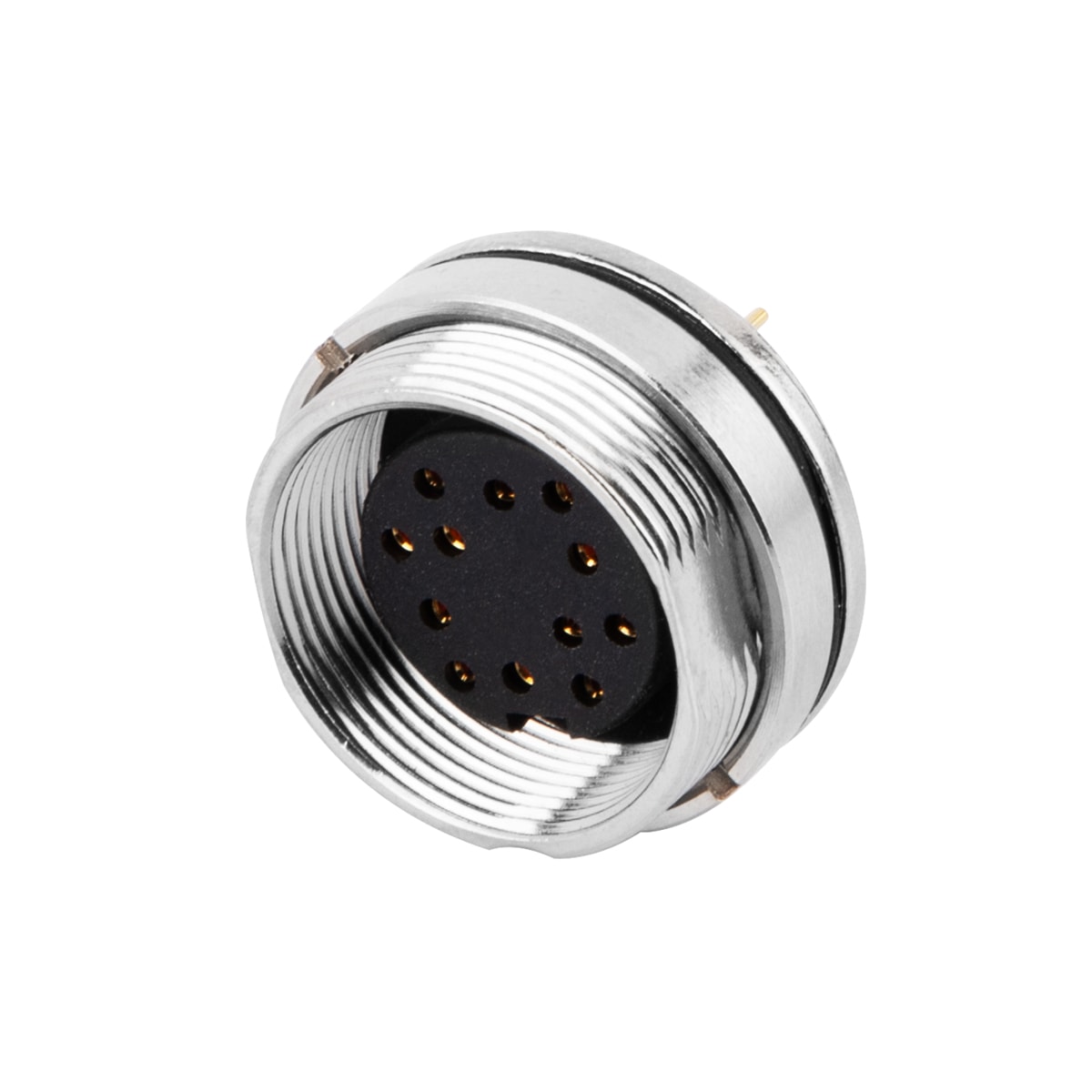
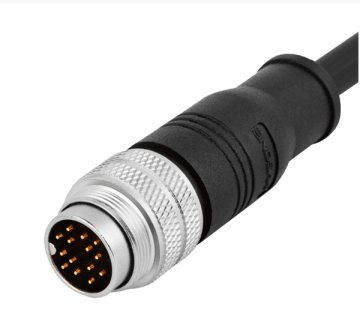
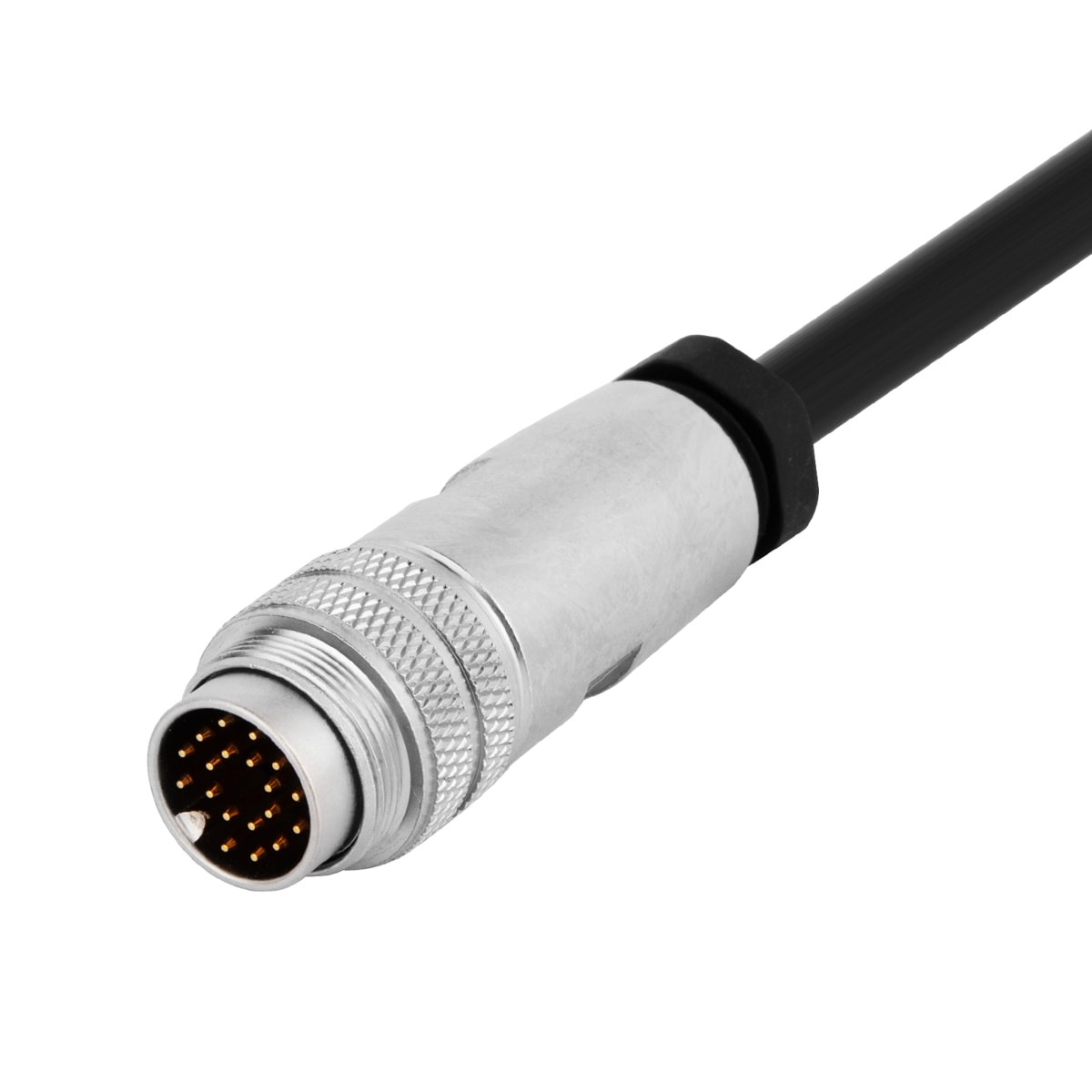
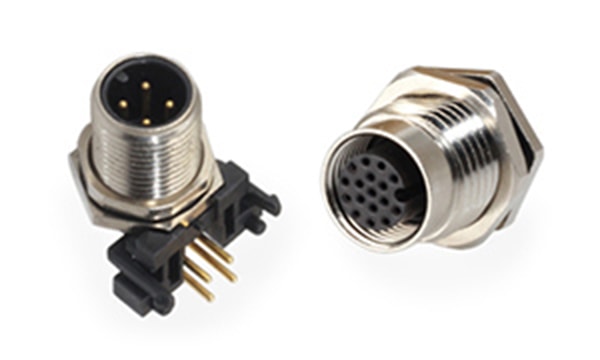
When it comes to signal and data transmission, M23 signal connectors are the preferred choice. These connectors are available in various configurations, including 6-pin, 7-pin, 9-pin, 12-pin, and 17-pin options. Different pin counts serve different application needs, depending on how many circuits or signals need to be connected.
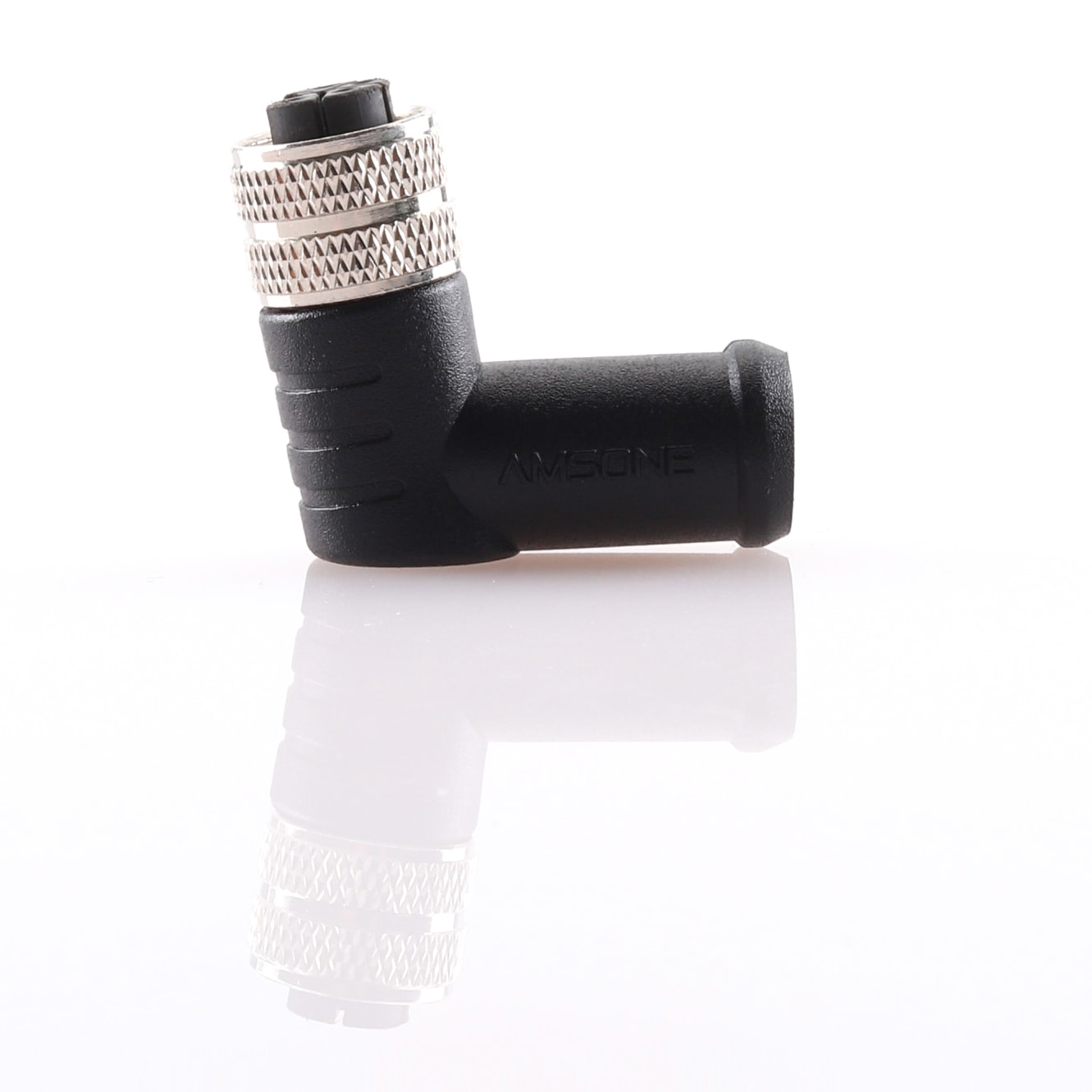
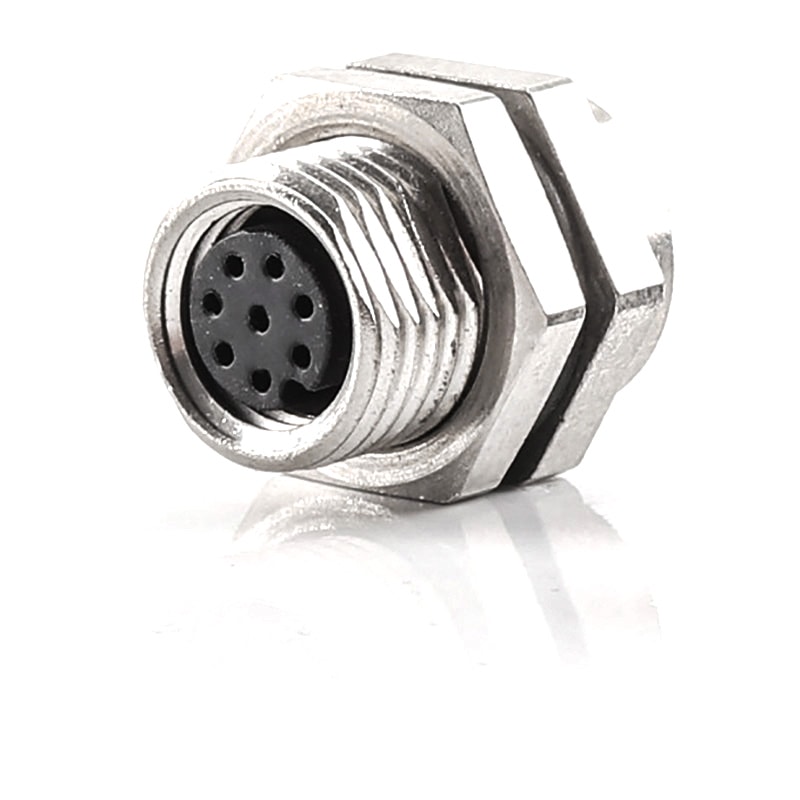
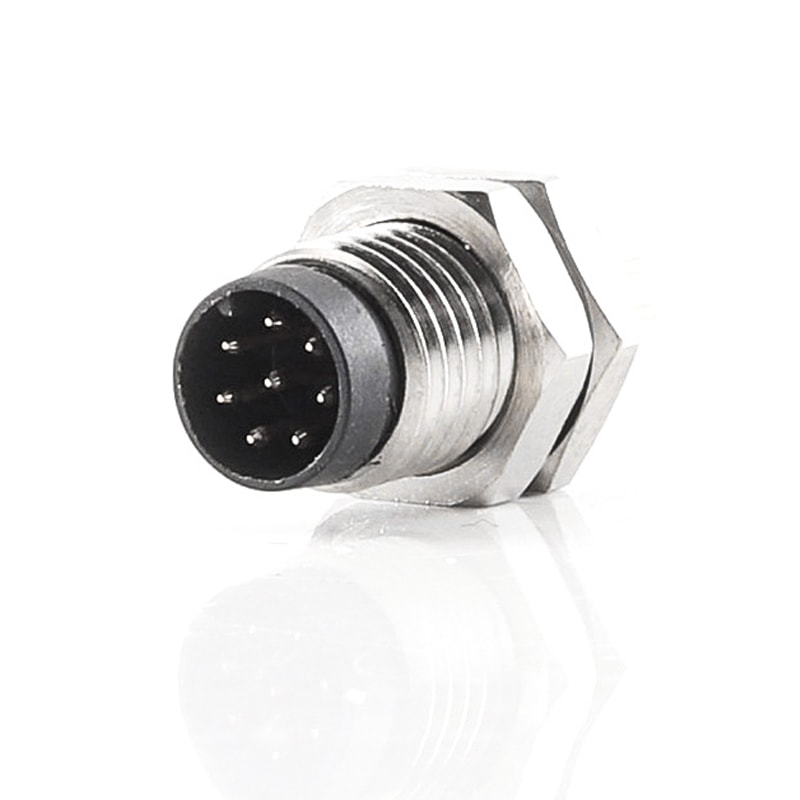
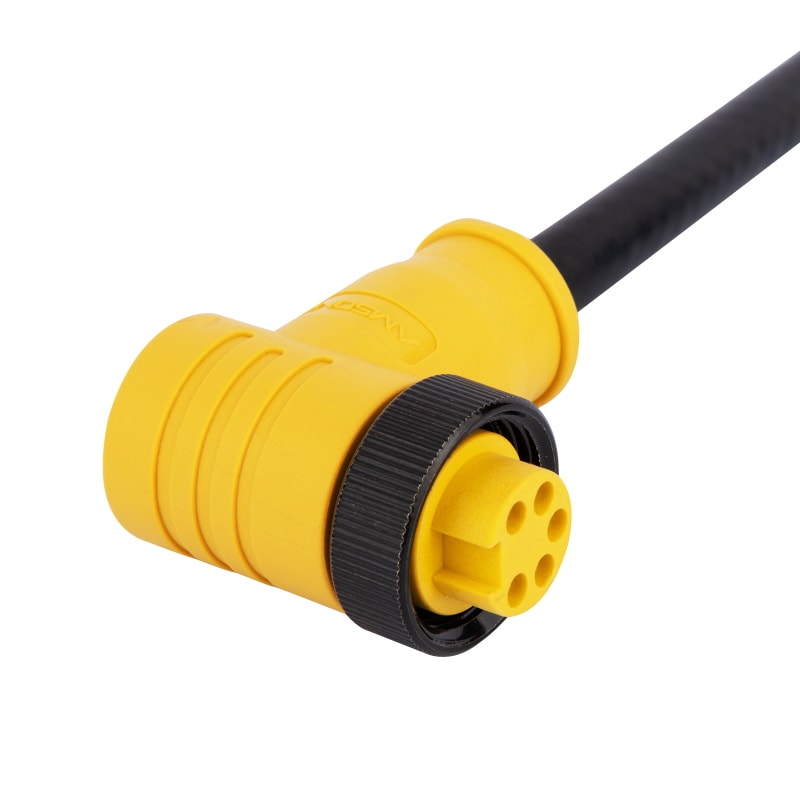
Most signal connectors use high-quality conductor materials to ensure fast and stable transmission. They are available in male and female plugs and sockets, with both straight and angled types to fit different installation layouts.
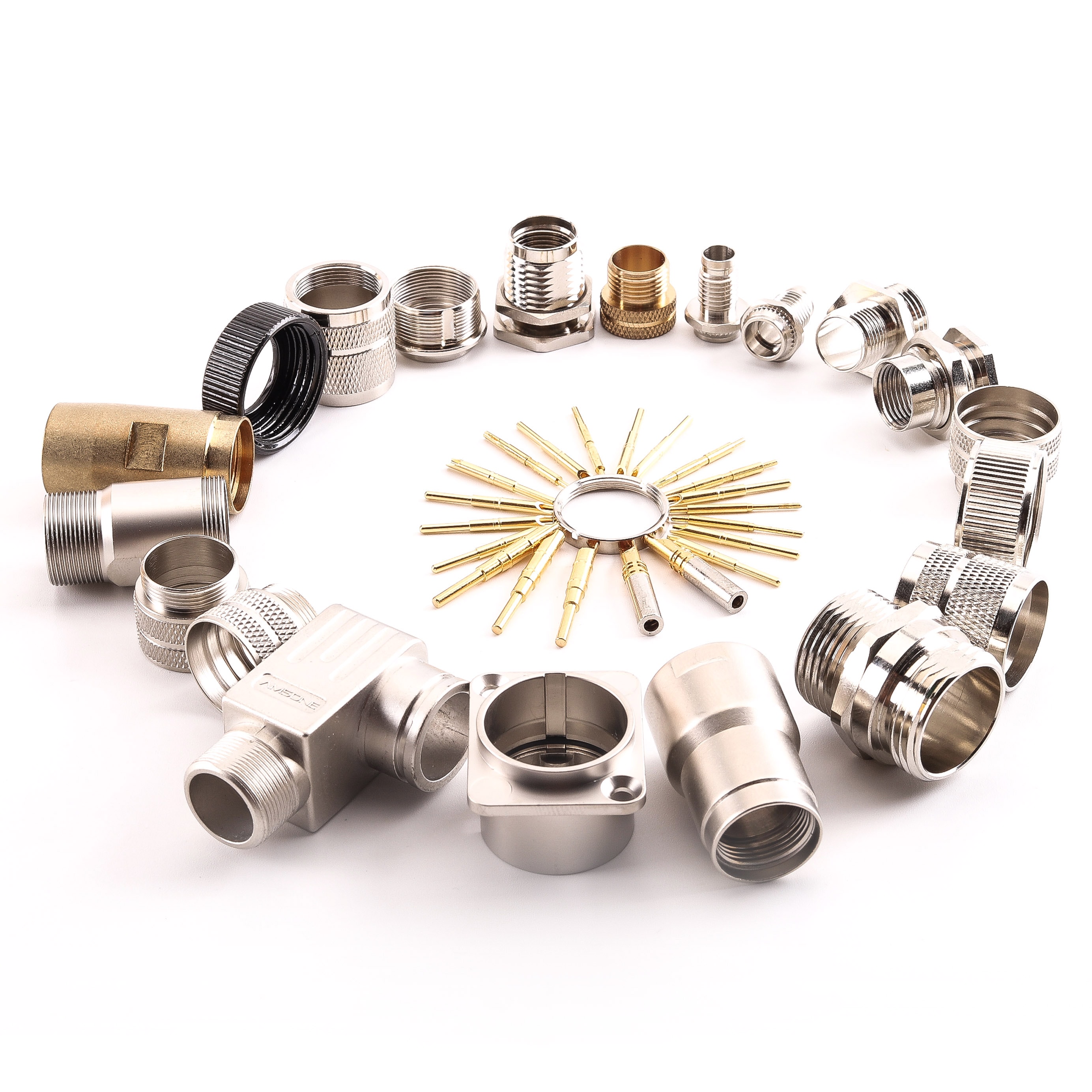
Another notable feature is their nickel-plated brass shell, which provides excellent corrosion resistance and mechanical strength. This design makes them ideal for harsh industrial environments where durability and long service life are essential.
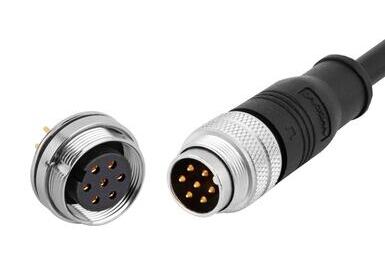
The M23 power connector is designed to handle higher voltage and current levels. The most common versions are 6-pin and 8-pin connectors, with the 6-pin model rated up to 630V and 30A.
These connectors often feature modular construction and quick-assembly design, which allows technicians to install or remove them easily during maintenance. The robust housing and superior insulation performance make M23 power connectors a reliable choice for connecting motors, drives, and power modules in automation systems.
Moreover, their IP67 waterproof protection ensures they can operate safely even in environments exposed to dust, oil, or moisture.
M23 connectors are widely used in industrial automation, robotics, motor control, and servo systems. They are particularly valuable for connecting devices that require both power and signal transmission, such as:
Servo motors and encoders
Industrial robots and motion control systems
CNC machinery and production equipment
Automotive testing and assembly equipment
In servo motor systems, for example, the compact design of M23 connectors helps minimize space usage. Since servo motors often have limited mounting areas, a smaller connector footprint helps reduce overall system size while maintaining connection stability.
Compared with traditional waterproof junction boxes, M23 waterproof connectors provide higher protection levels, better vibration resistance, and easier installation, making them the preferred solution for demanding automation applications.
Several characteristics make M23 connectors highly reliable in industrial environments:
Excellent Shock and Vibration Resistance: The anti-vibration locking mechanism prevents accidental loosening. Gold-plated contact surfaces reduce resistance and ensure stable conductivity even under high-speed or high-vibration conditions.
Ease of Assembly: These are assembly-type connectors, meaning users can easily crimp and install them with simple tools. Maintenance and replacement in the field are quick and convenient.
High-Level Protection: With nickel-plated brass housing and durable polymer cores, M23 connectors offer IP67 waterproofing, corrosion resistance, and long-lasting performance.
Wide Temperature Range: Operating between -40°C and +125°C, they maintain reliable function in extreme environments.
360° Shielding: The full shielding design effectively prevents electromagnetic interference (EMI), ensuring signal integrity and reliability.
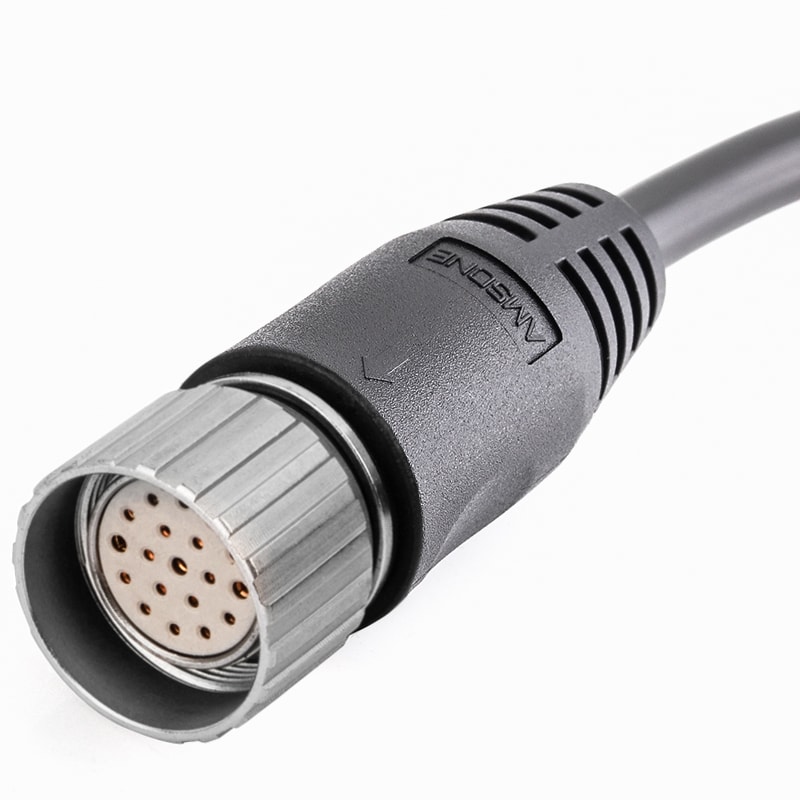
When selecting an M23 connector, several factors should be carefully evaluated to ensure compatibility and reliability:
Connector Type and Pin Configuration – Identify whether the application requires a signal or power connector and how many pins are needed (e.g., 12-pin for signal, 6-pin for power).
Connection Method – Consider whether a straight or angled connector is suitable for your equipment’s layout.
Environmental Conditions – For areas with high humidity, oil, or corrosive gases, choose connectors with nickel-plated shells and high IP ratings.
Electrical Performance – Ensure the rated voltage and current meet the equipment’s requirements. Gold-plated contacts are recommended for high-speed data transmission.
Assembly and Maintenance – Opt for modular connectors that are easy to install and service on-site, reducing downtime and maintenance costs.
Making the right choice of M23 connector can significantly improve operational reliability and reduce the risk of connection failures in industrial automation systems.
In summary, M23 connectors are a versatile and reliable choice for signal and power transmission in industrial automation, robotics, and motion control systems. With their rugged design, easy assembly, and superior protection, they ensure efficient and safe operation even in harsh environments.
If you’re looking for high-quality and customizable M23 connectors for your automation projects, AMISSIONTECH, a professional connector manufacturer, offers a wide range of industrial connector solutions to meet your specific needs. Contact AMISSIONTECH today to learn more about reliable and innovative connection technology for your equipment.