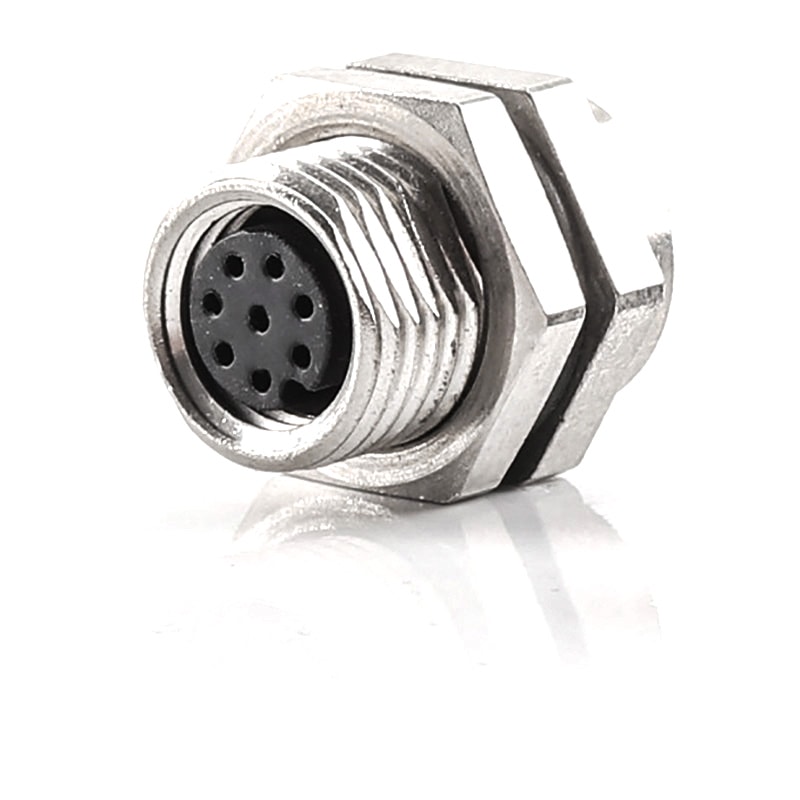
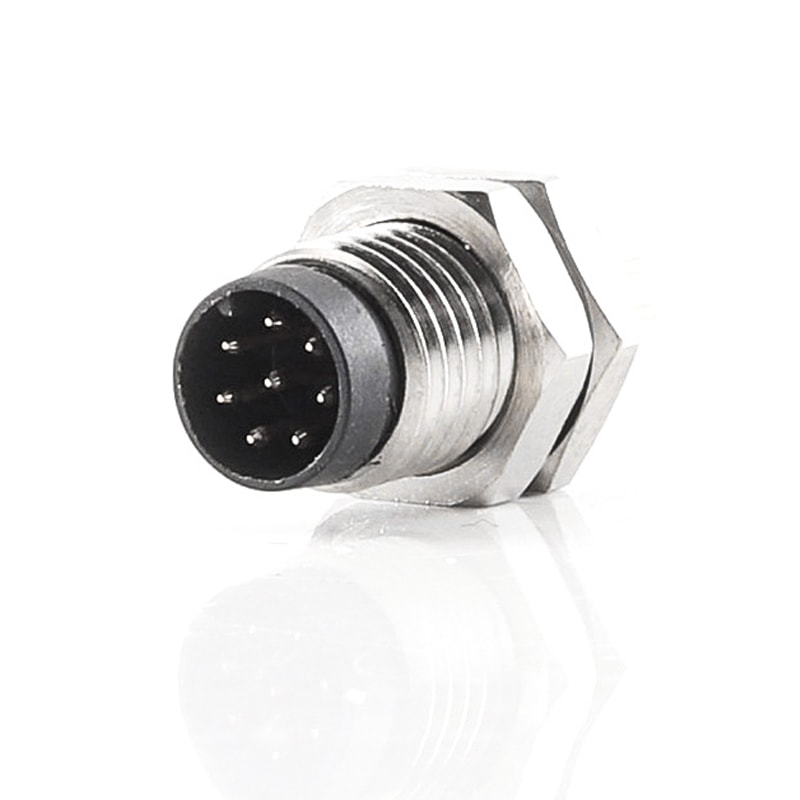
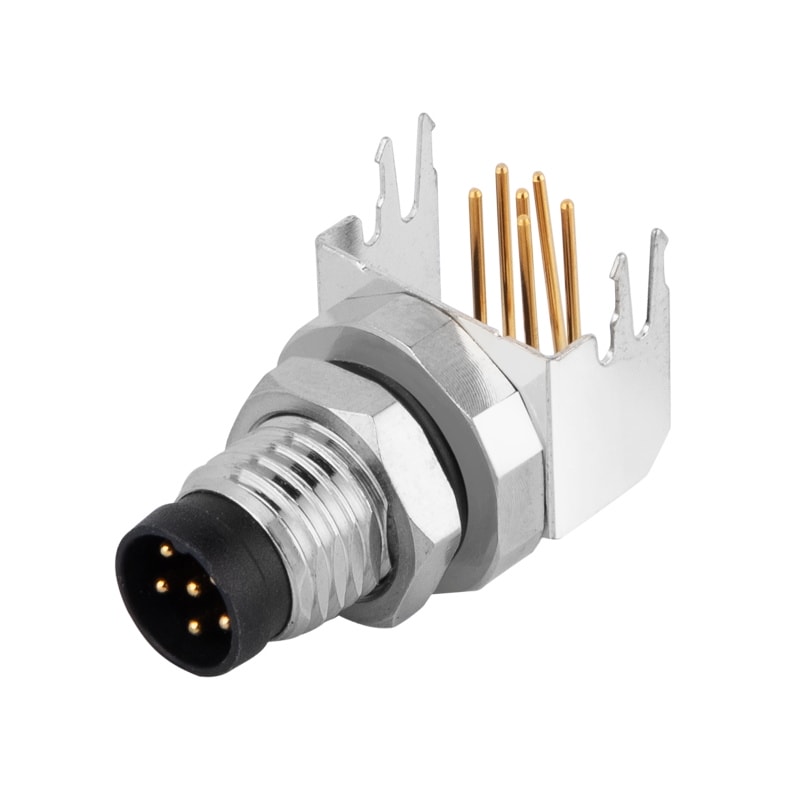
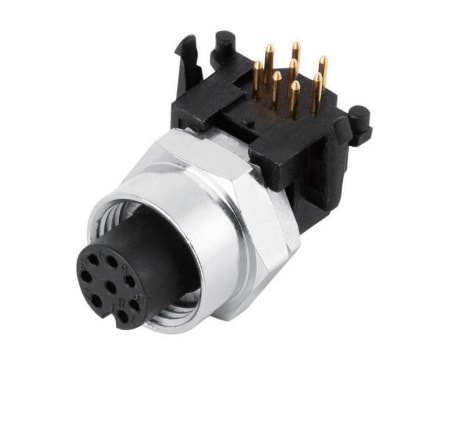
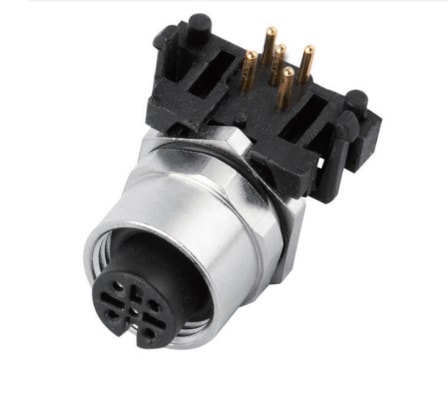
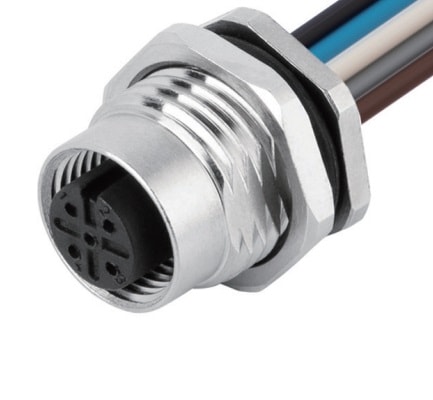
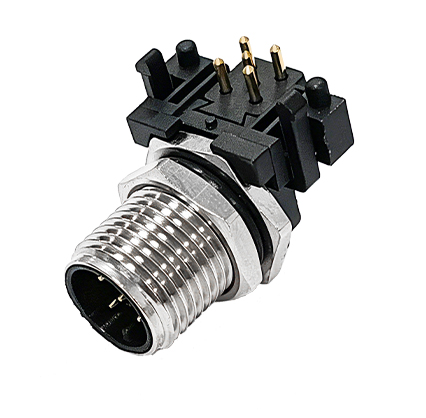
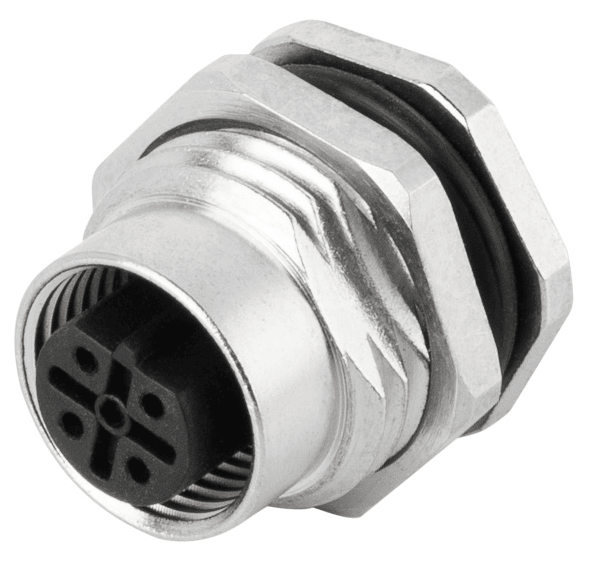
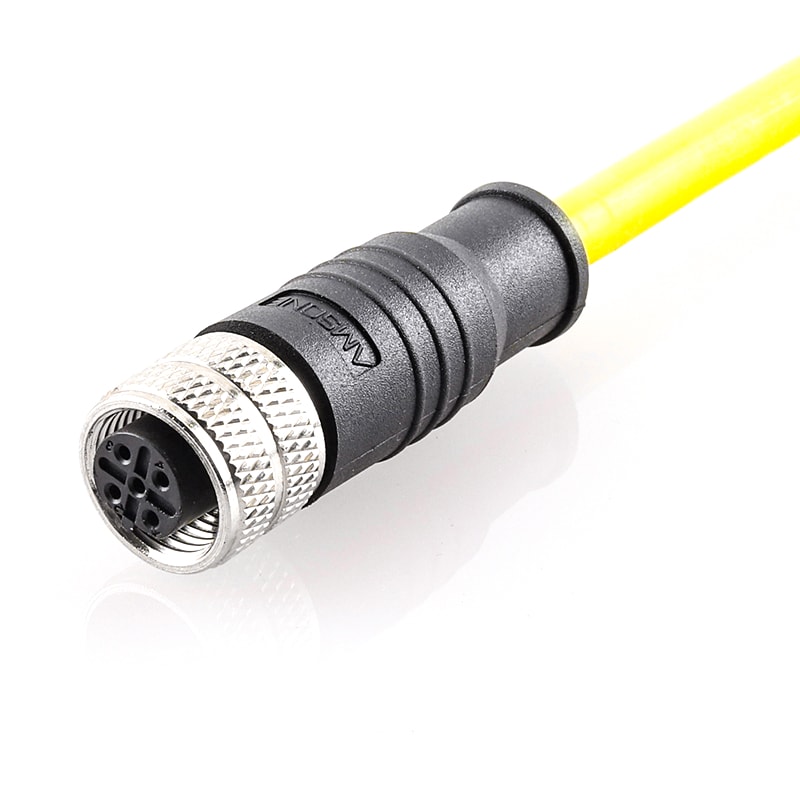
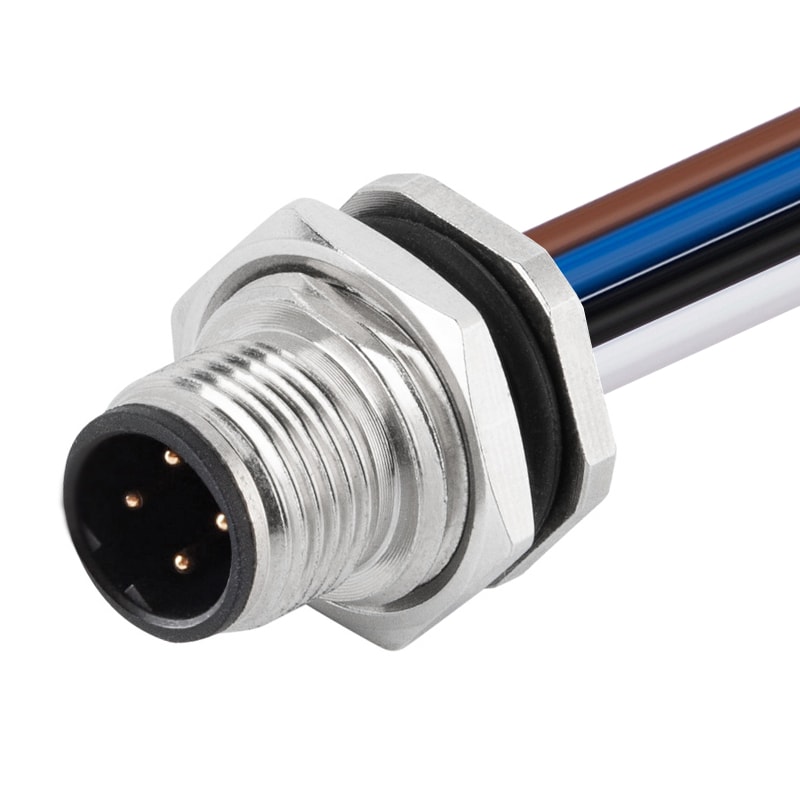
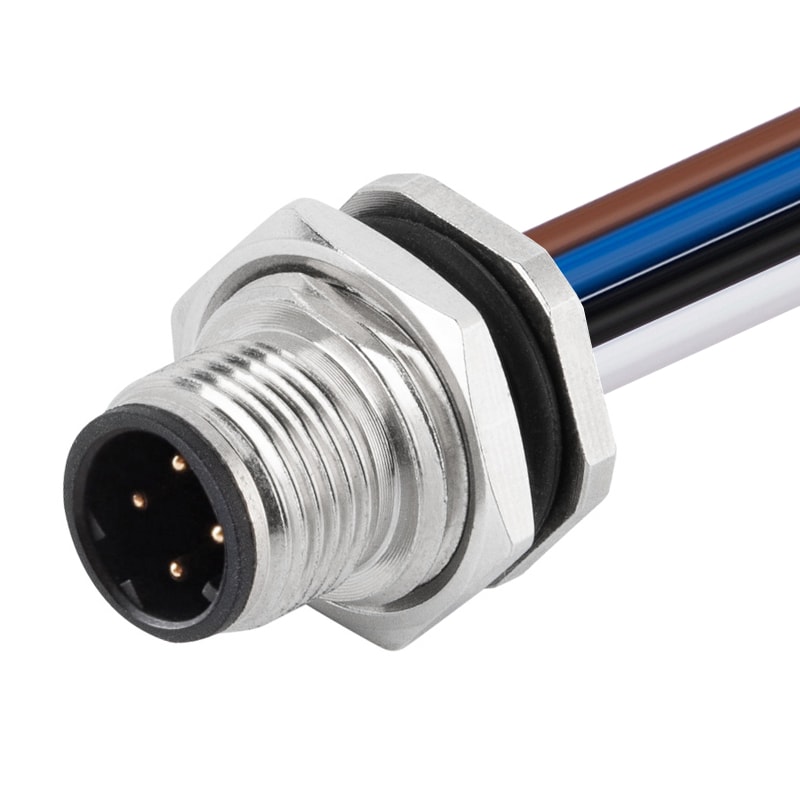
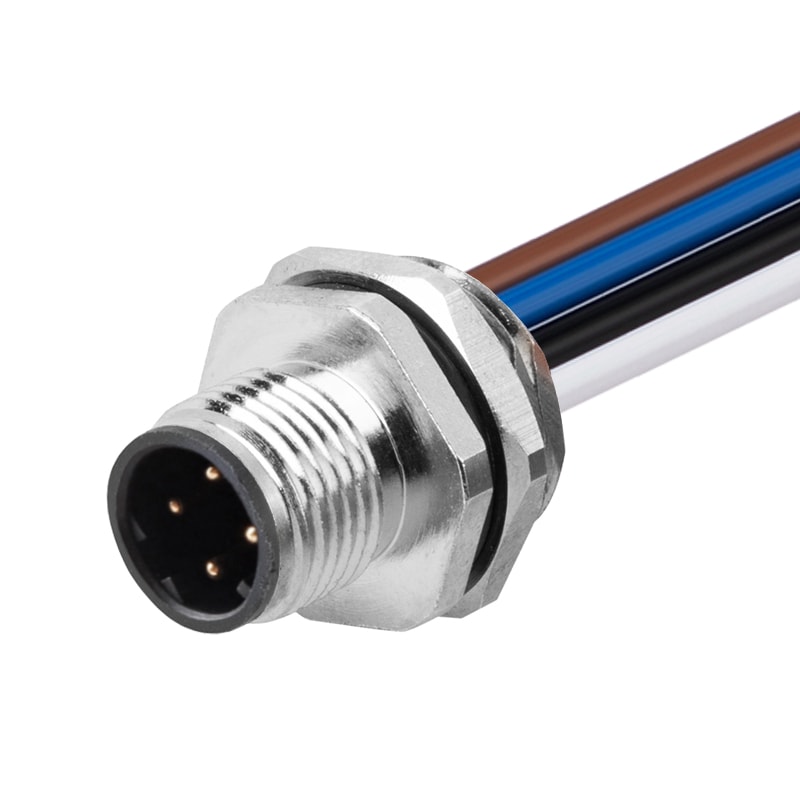
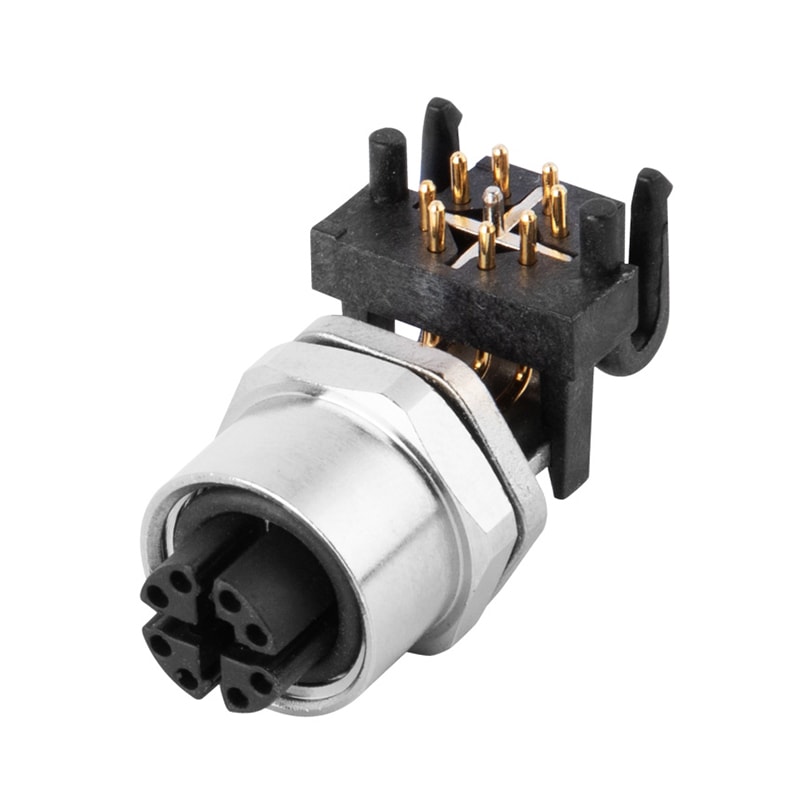
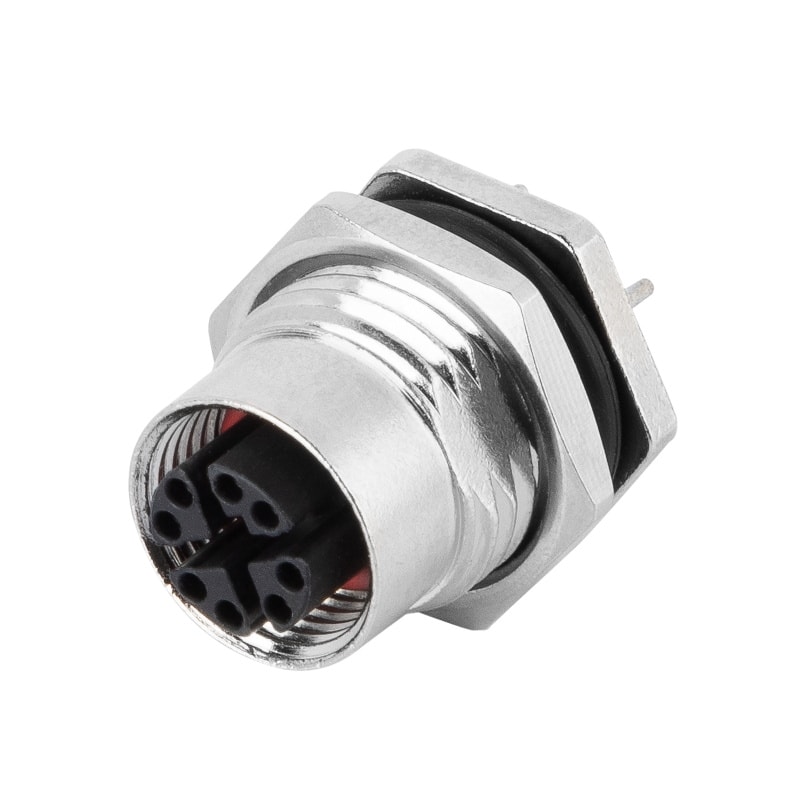
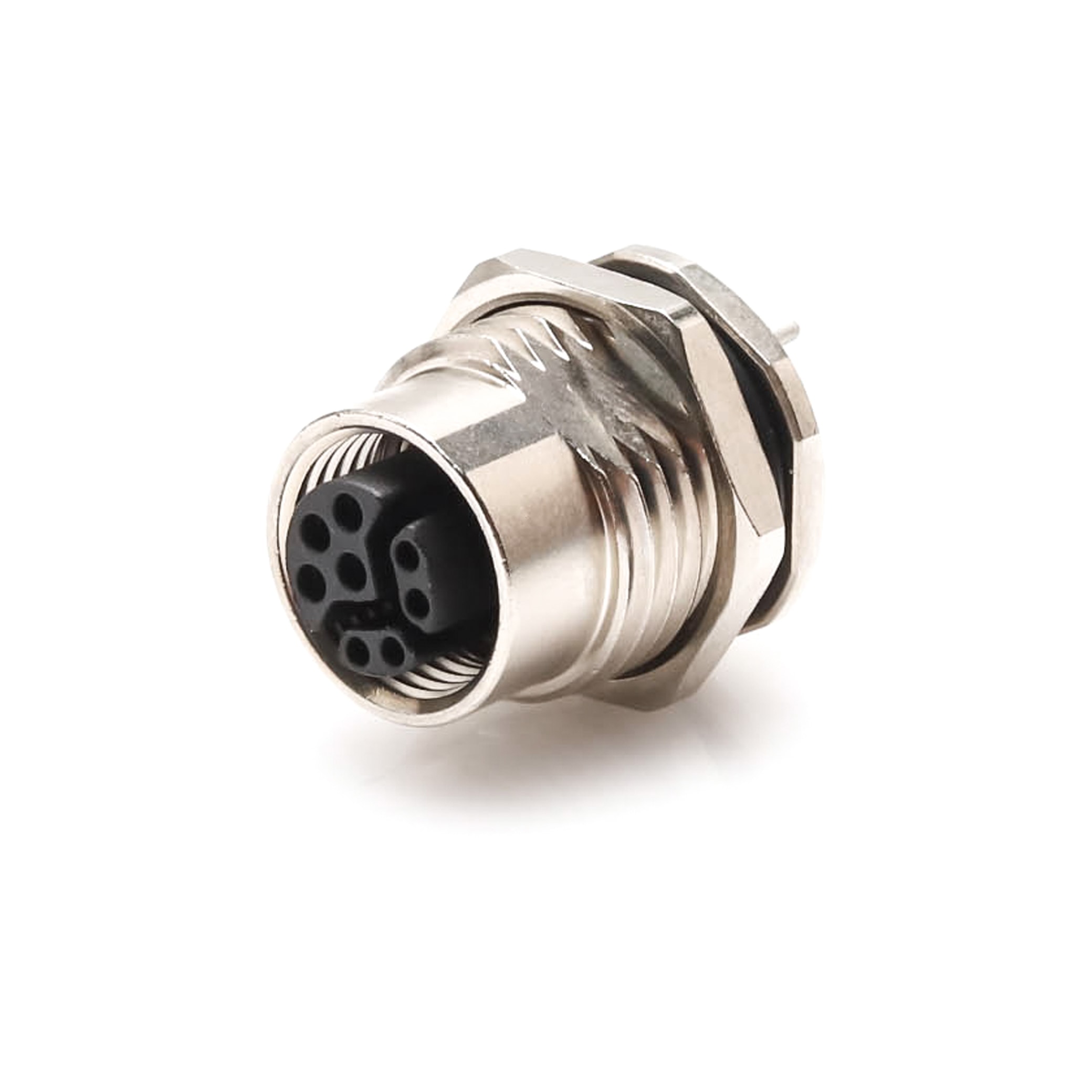
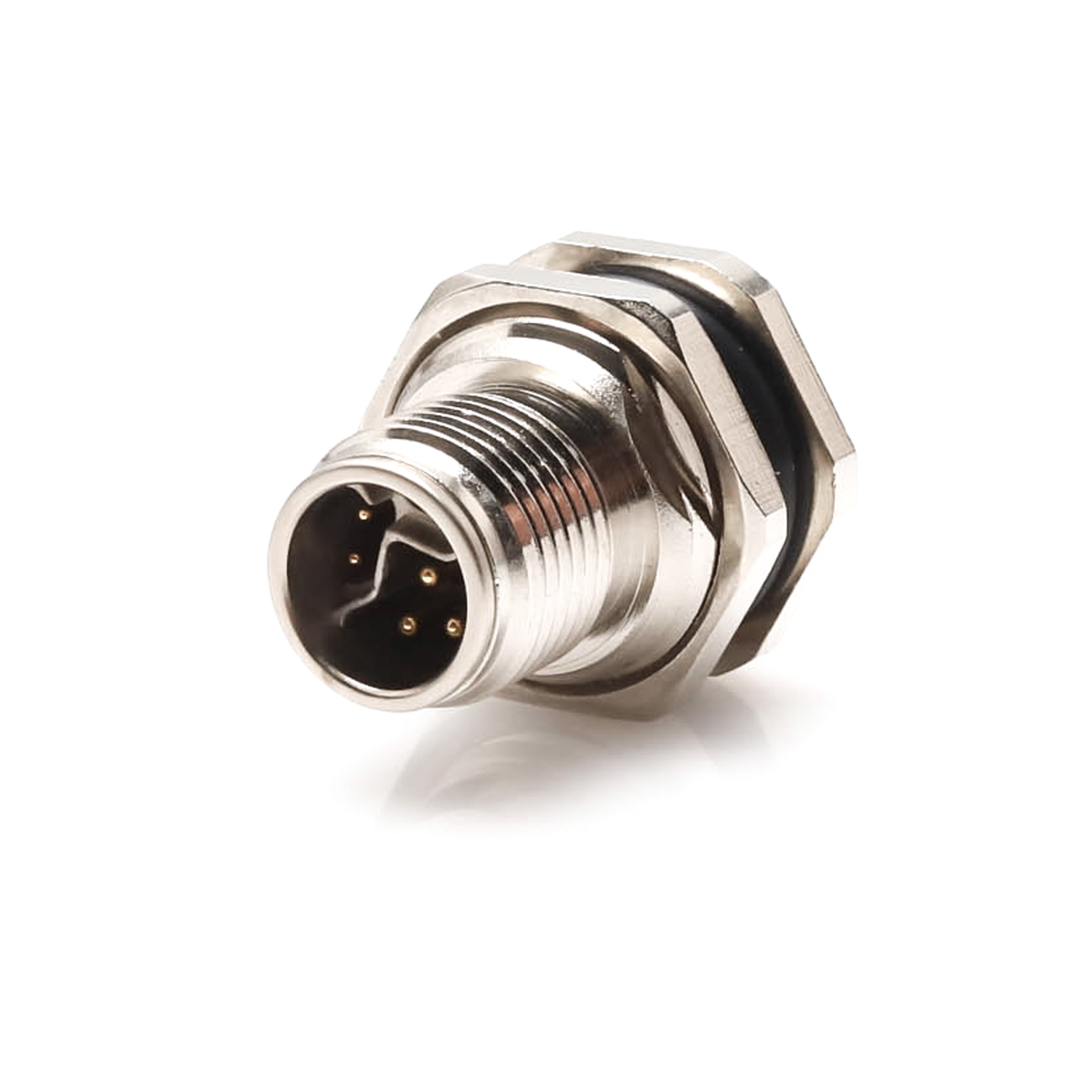
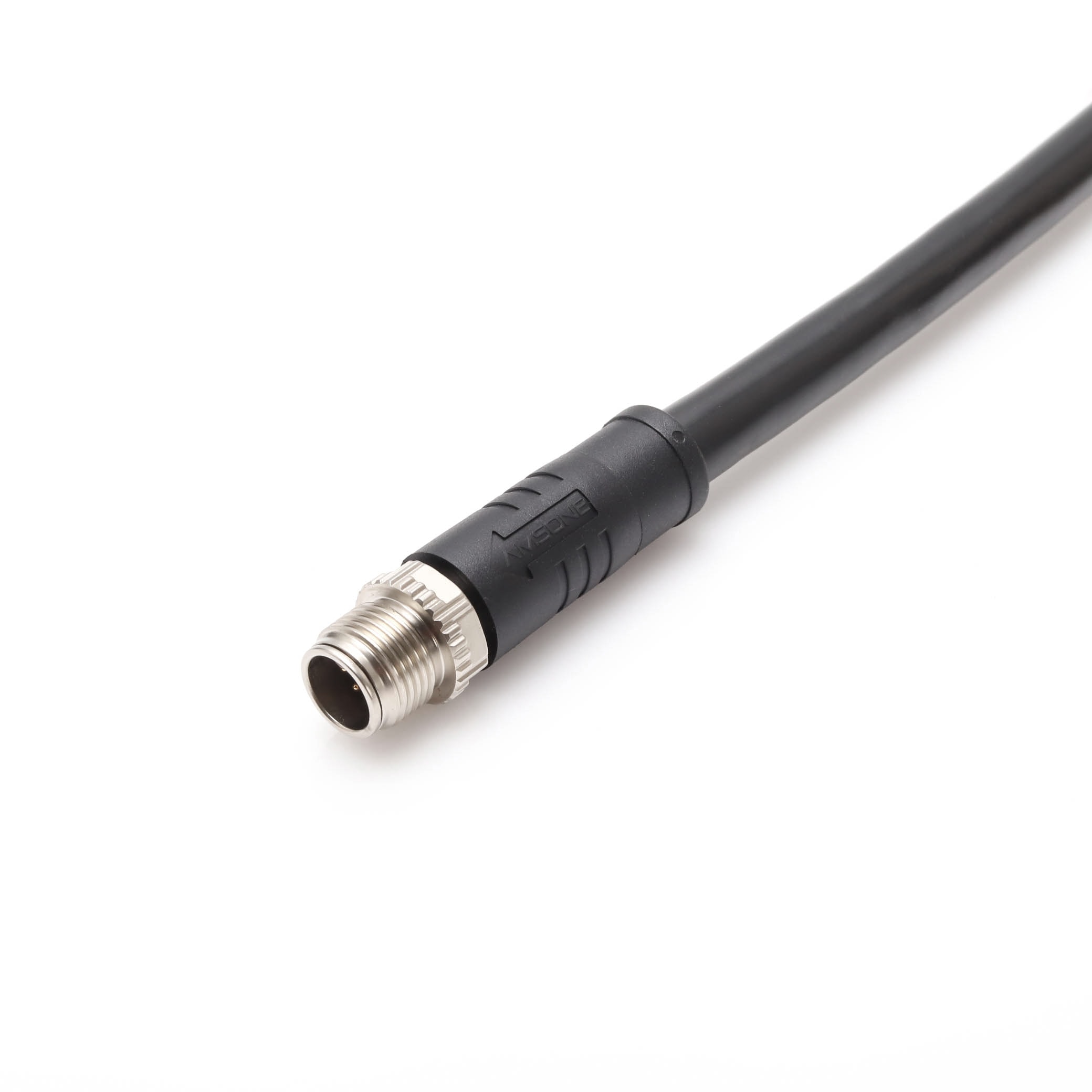
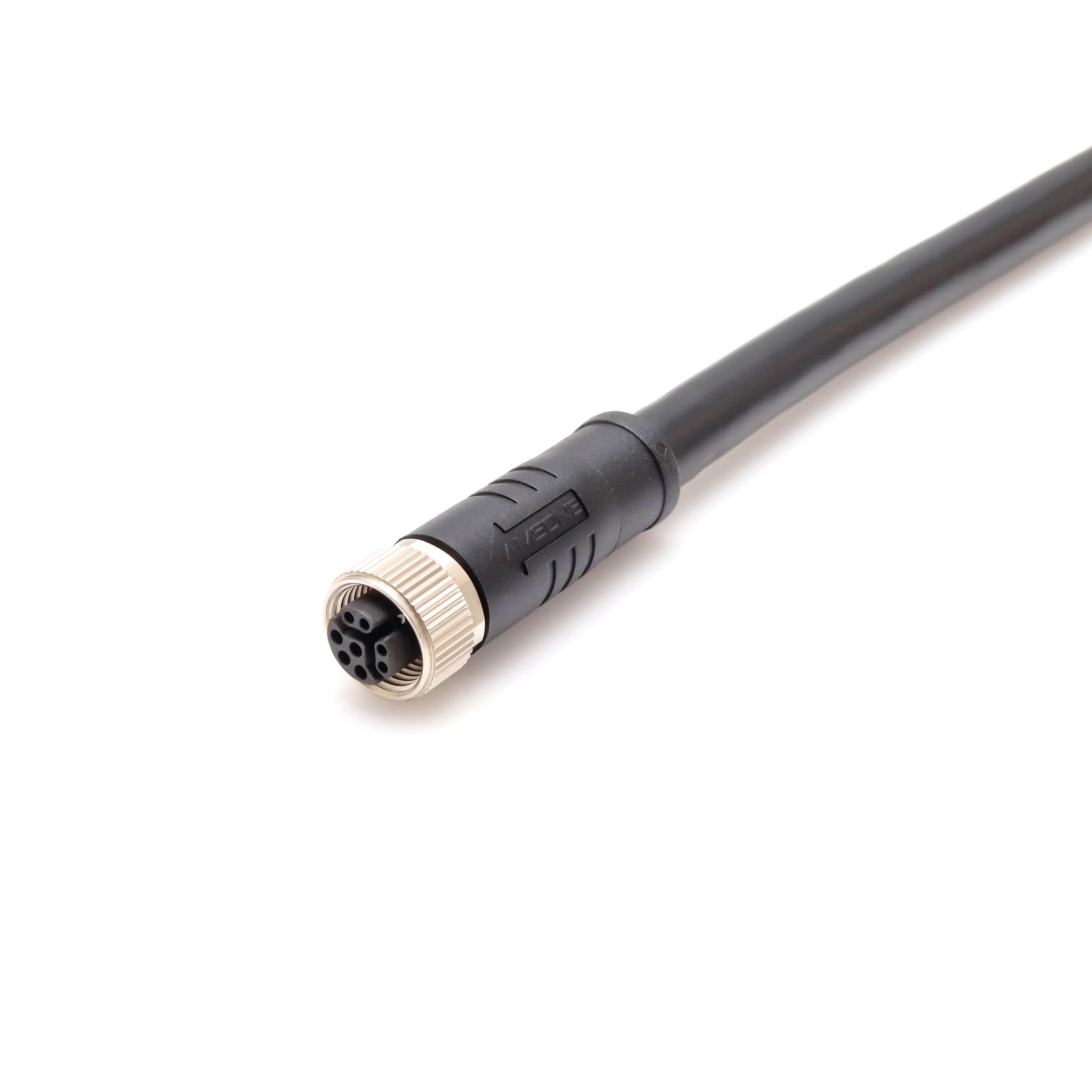
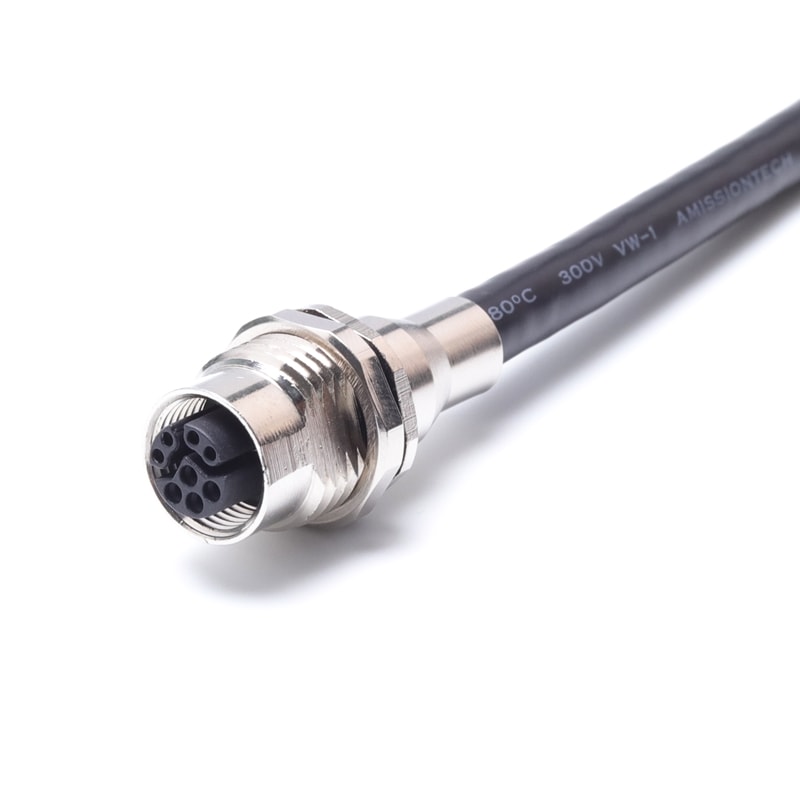
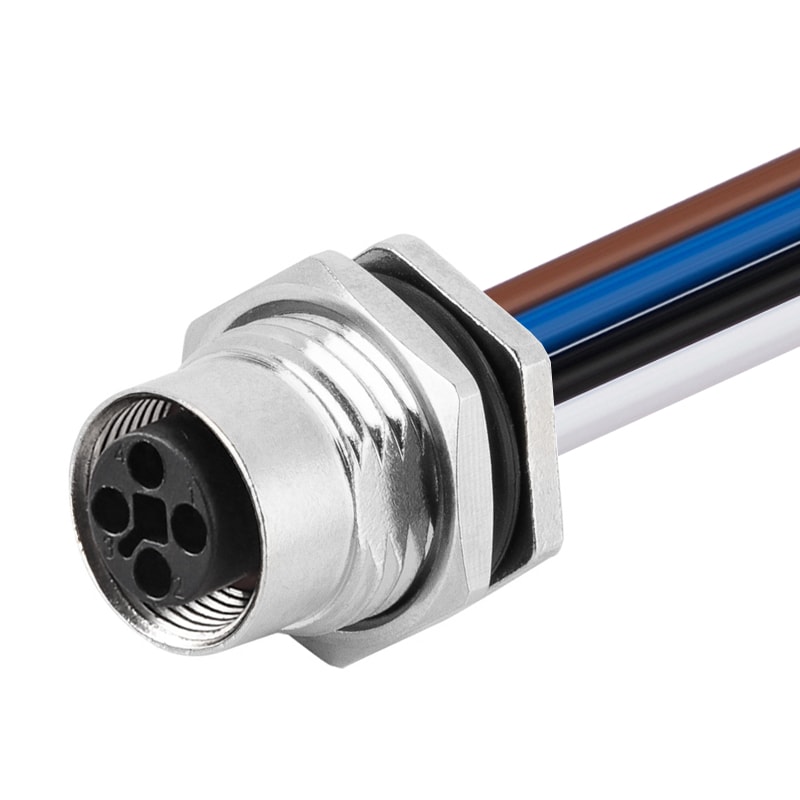
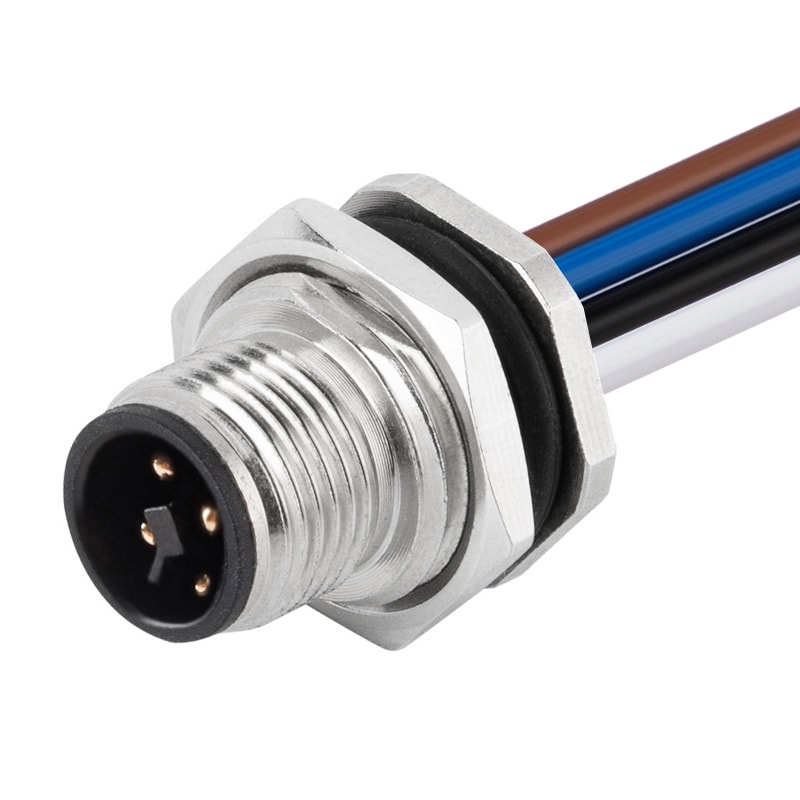
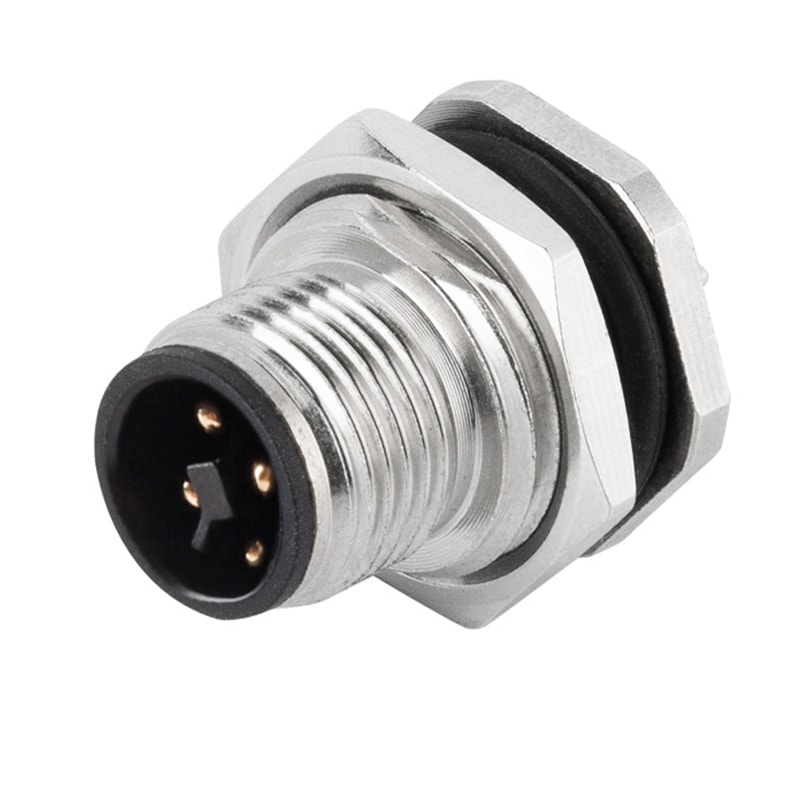
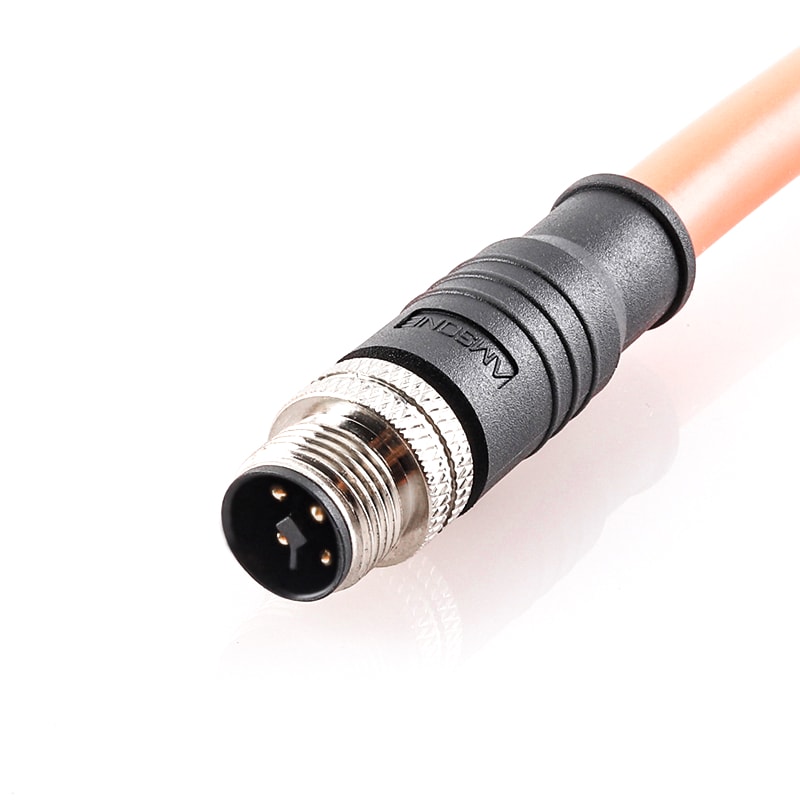
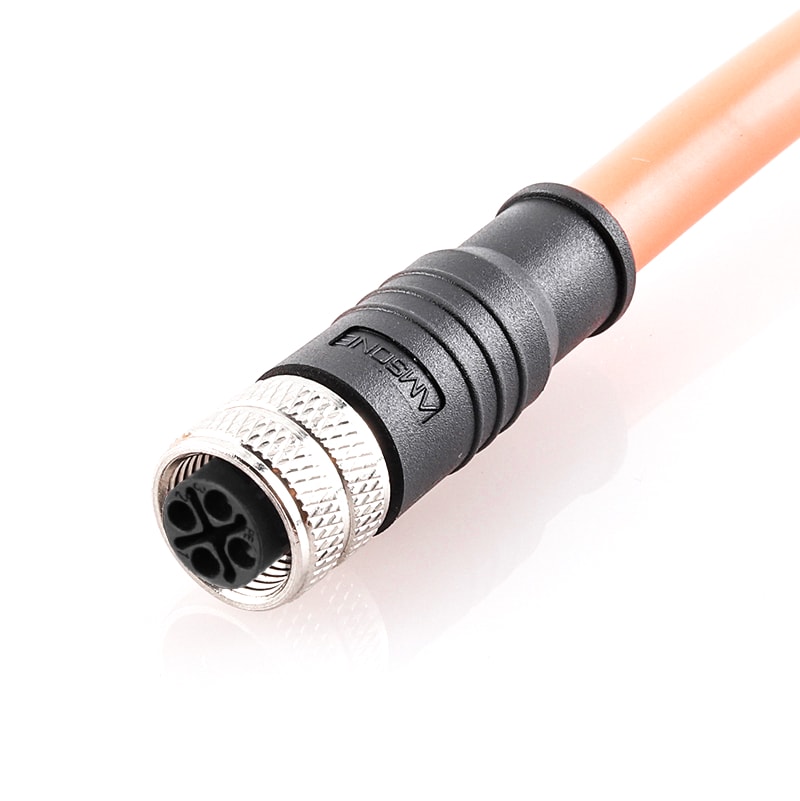
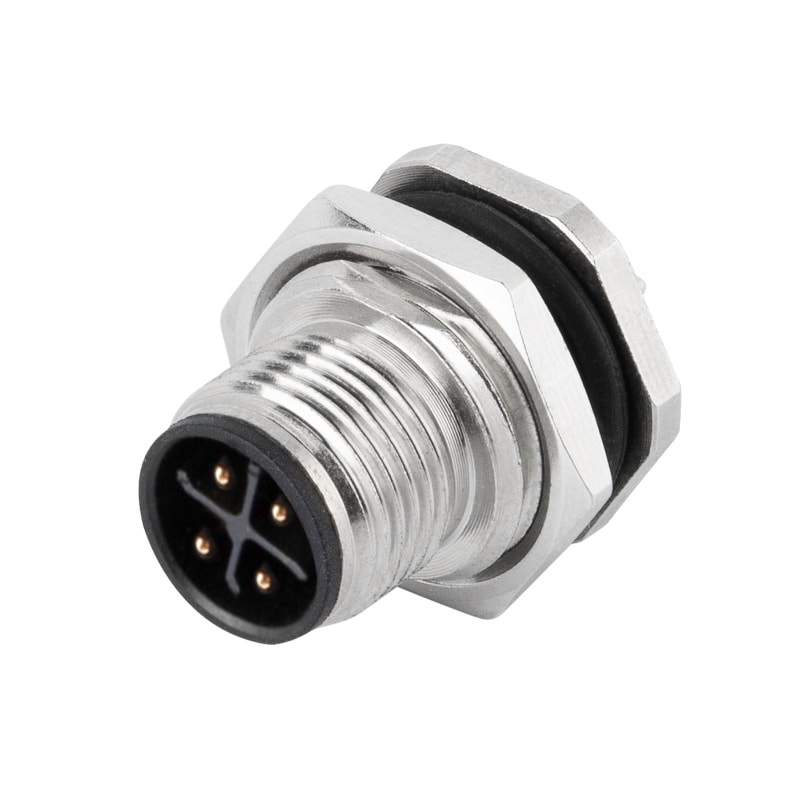
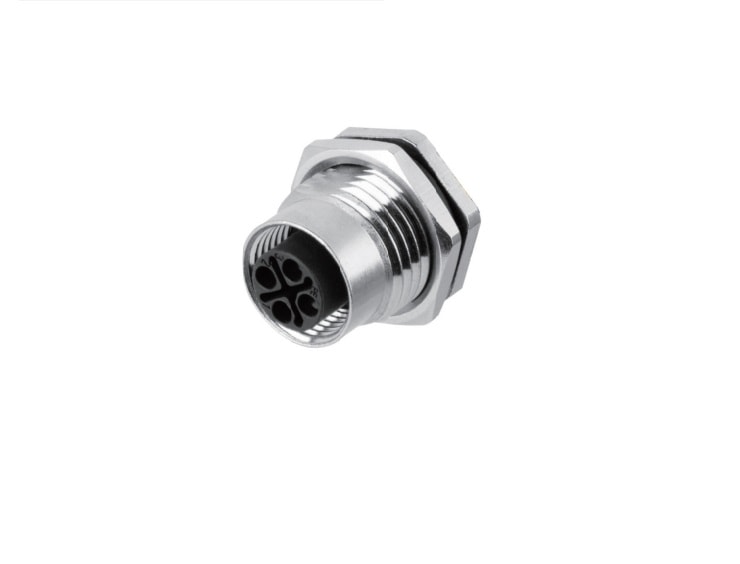
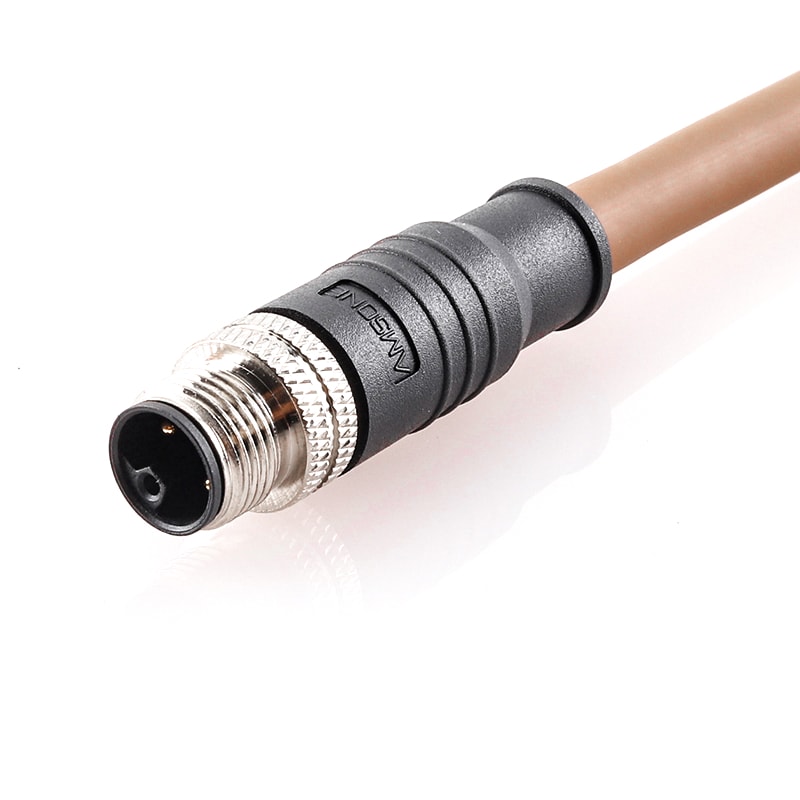
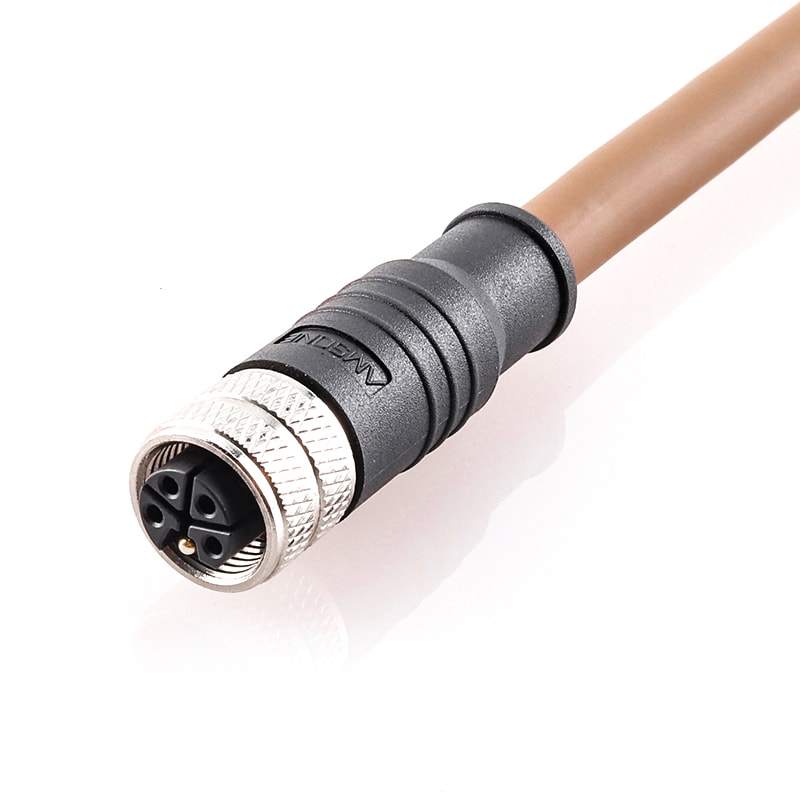
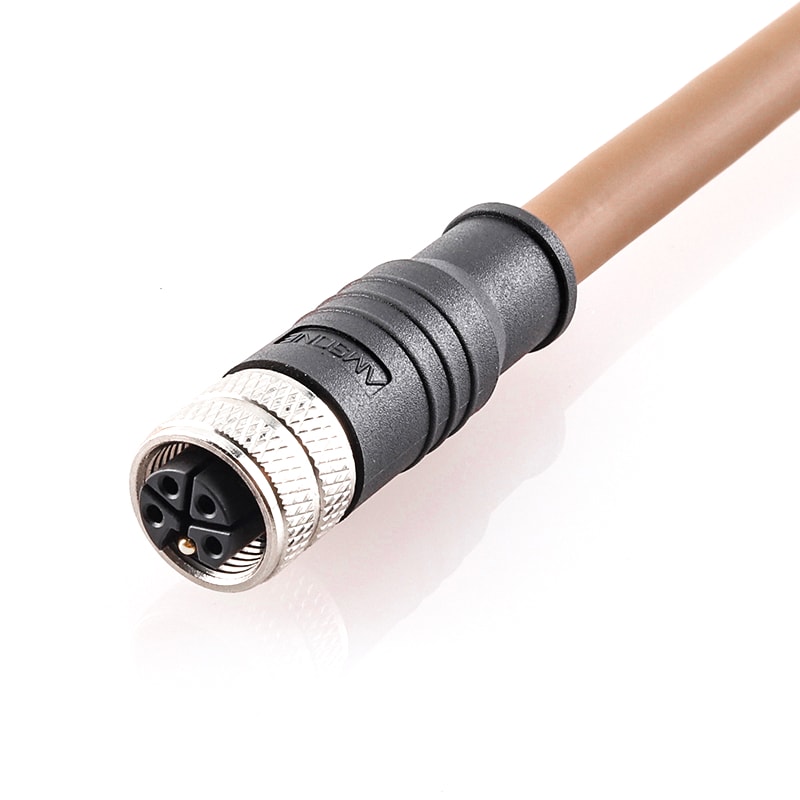
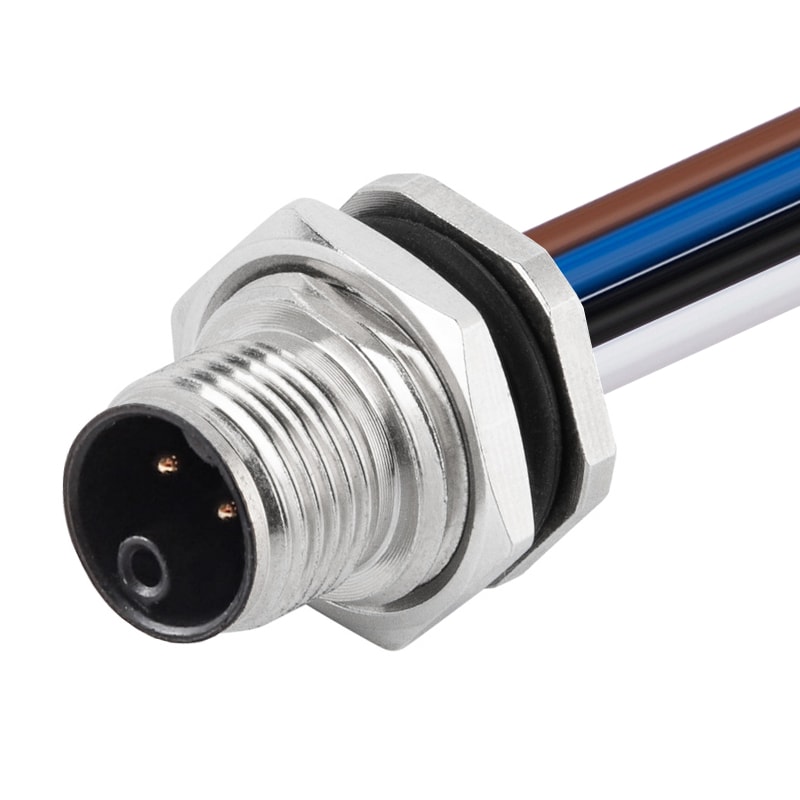
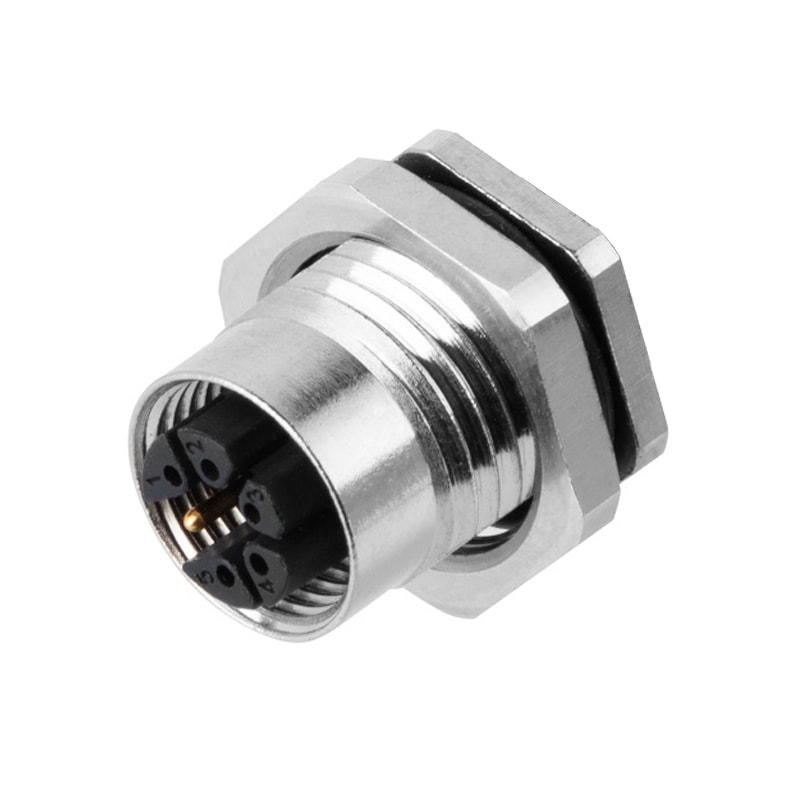
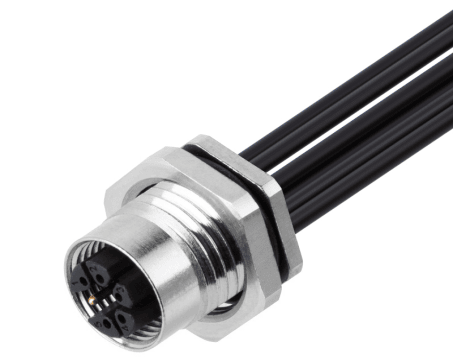
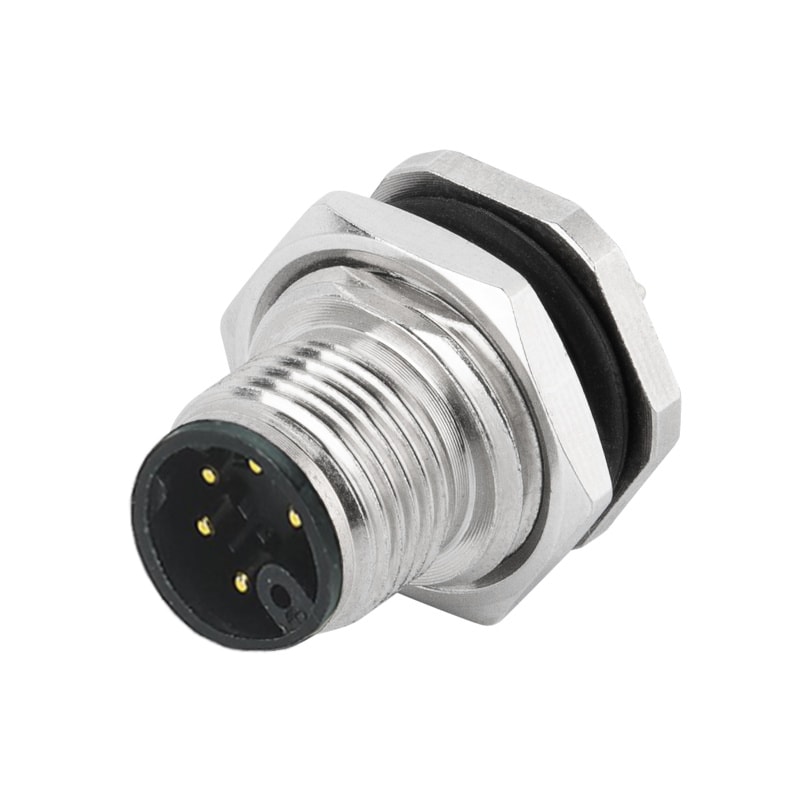
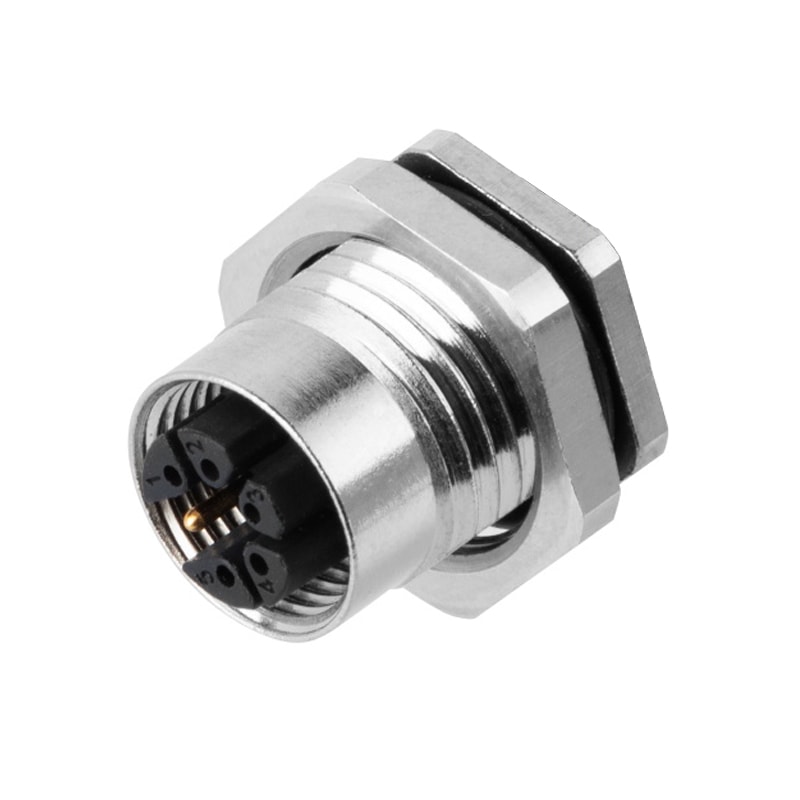
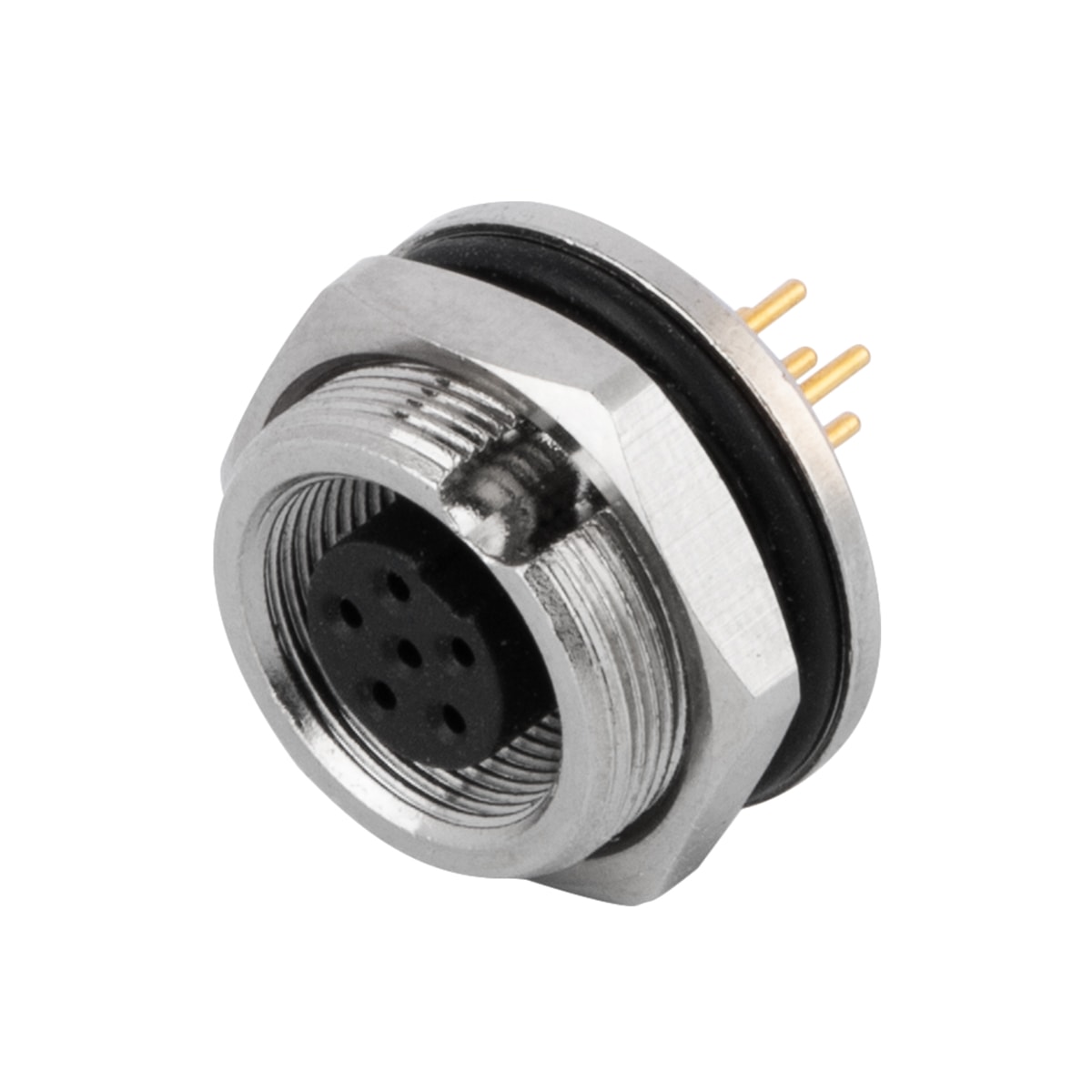
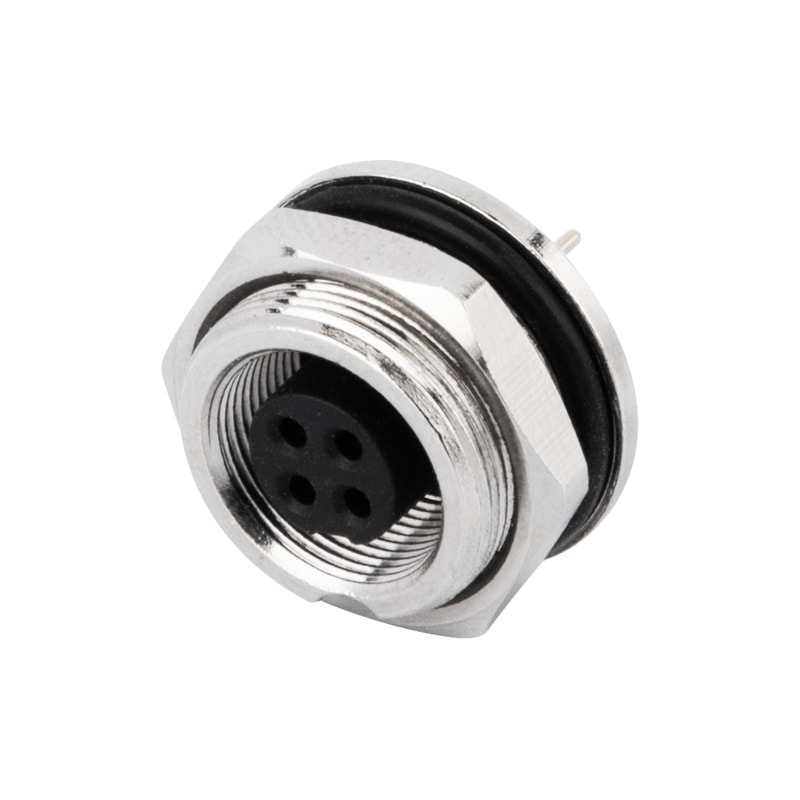
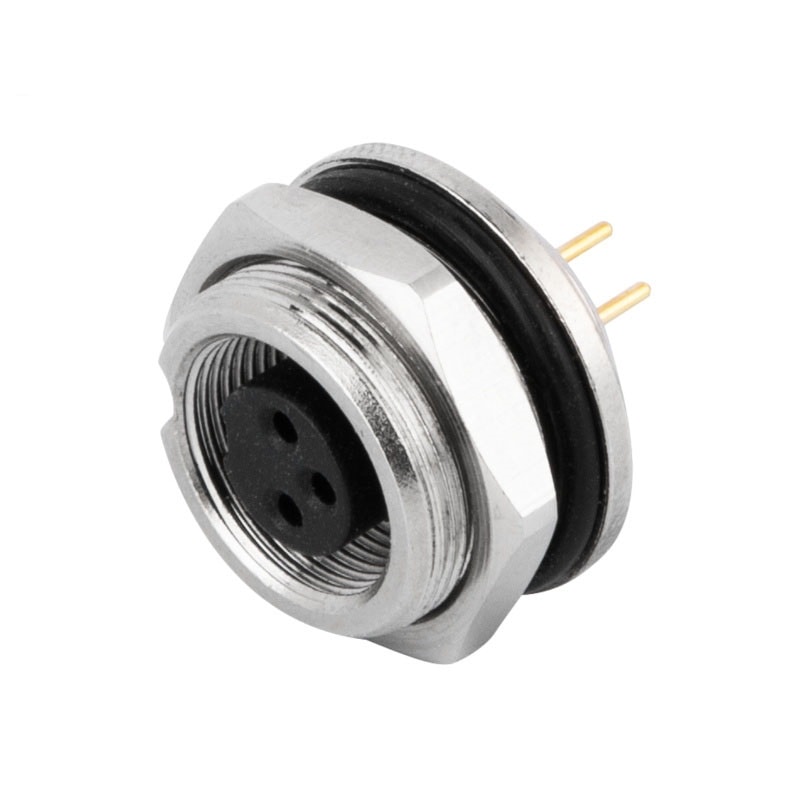
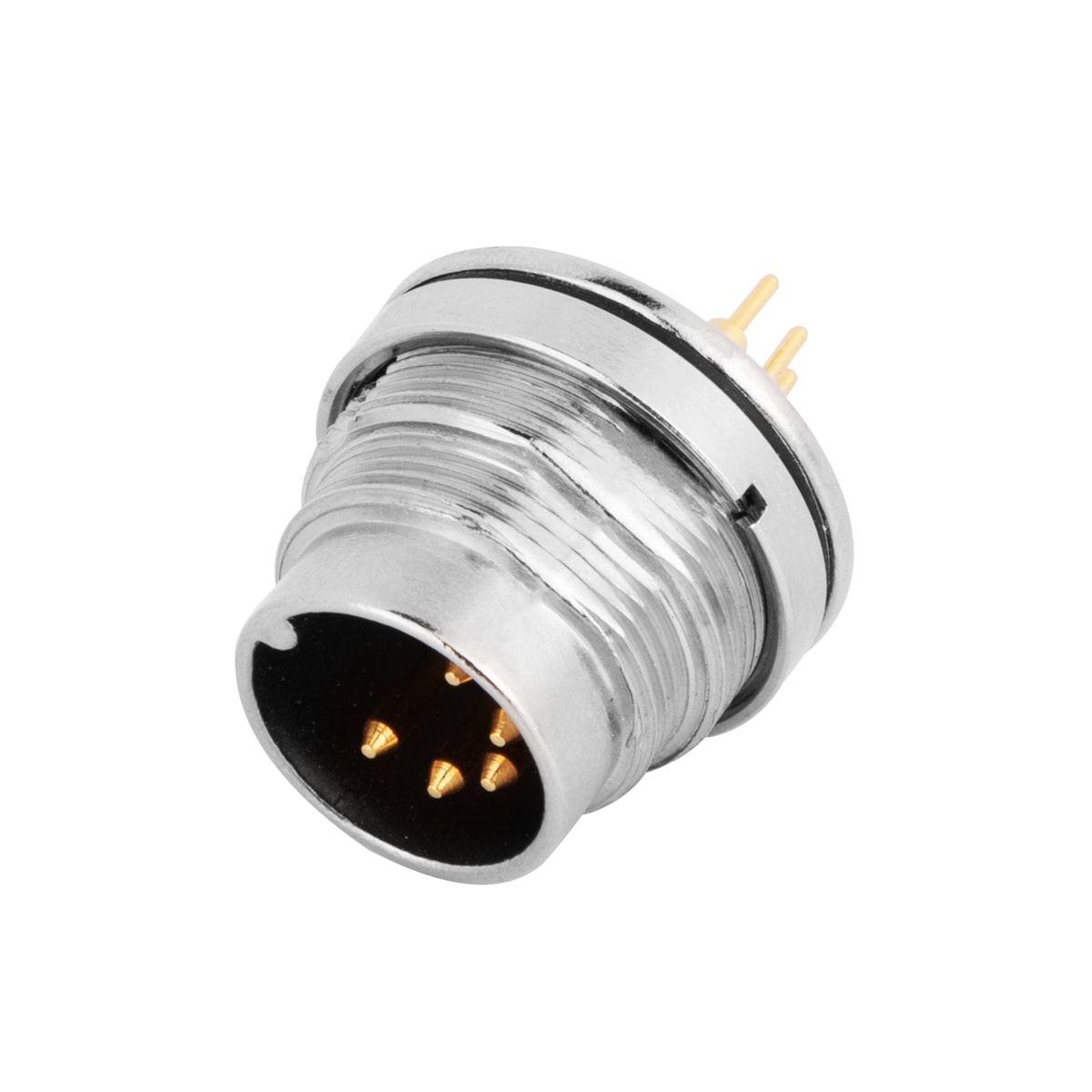
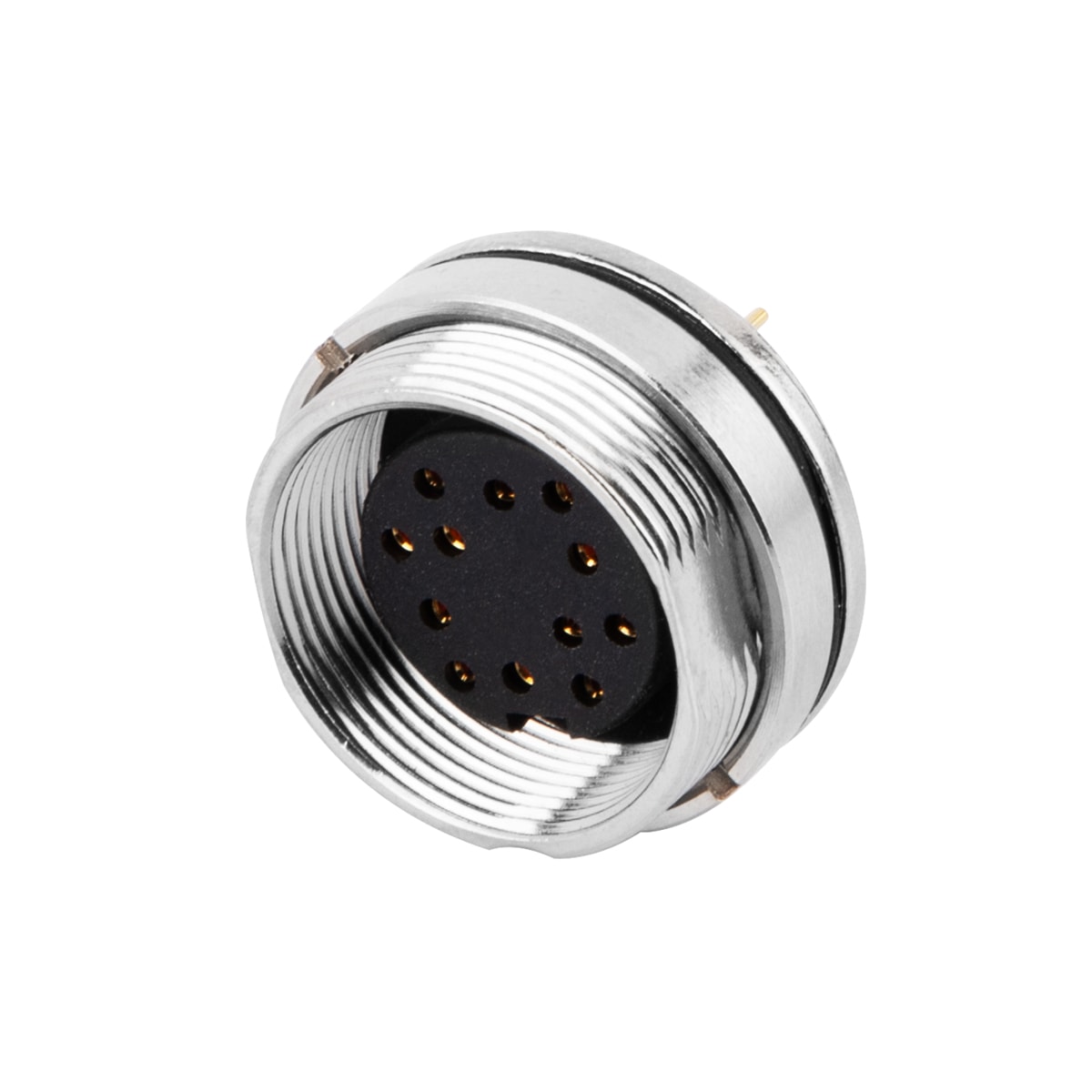
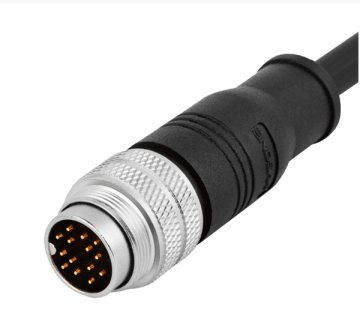
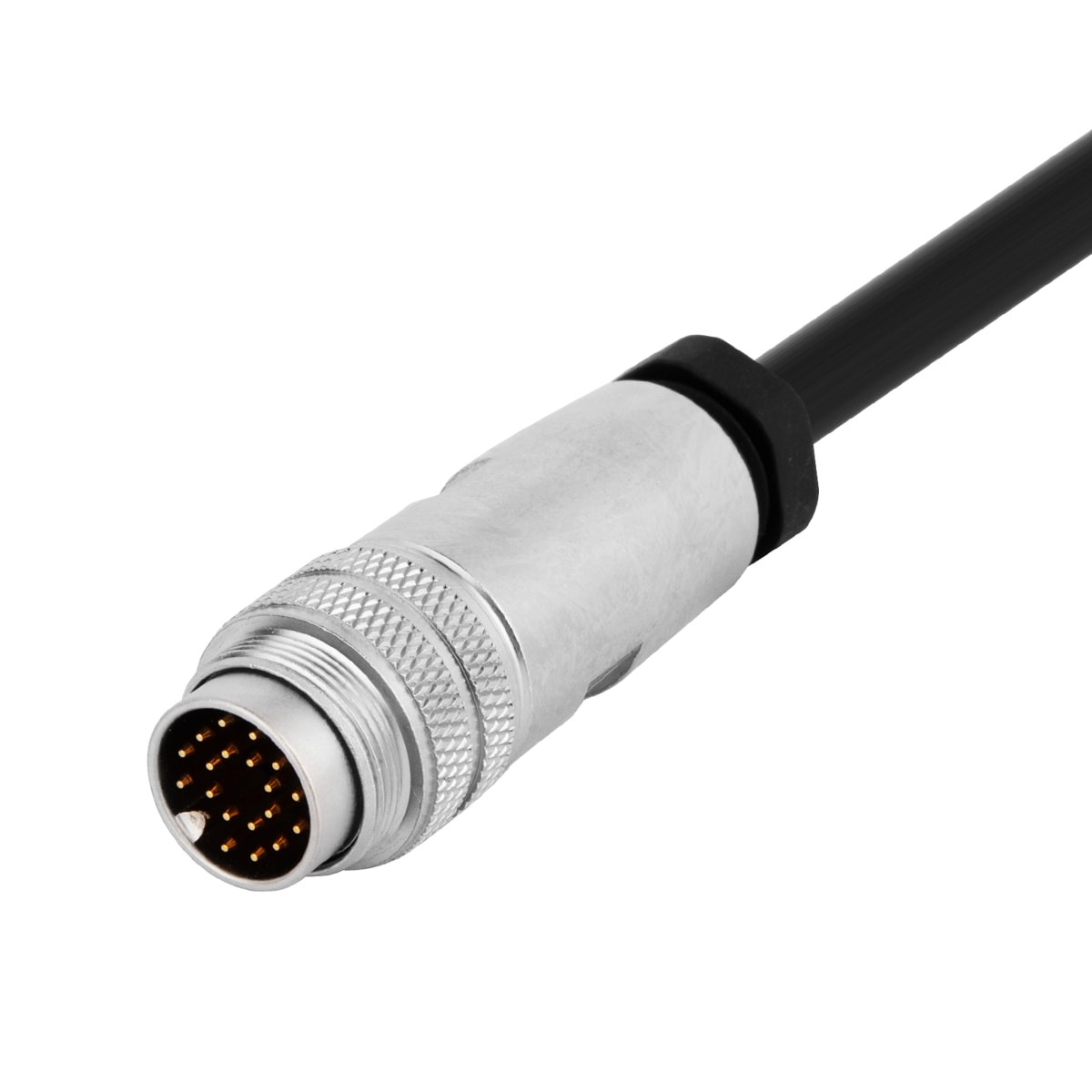
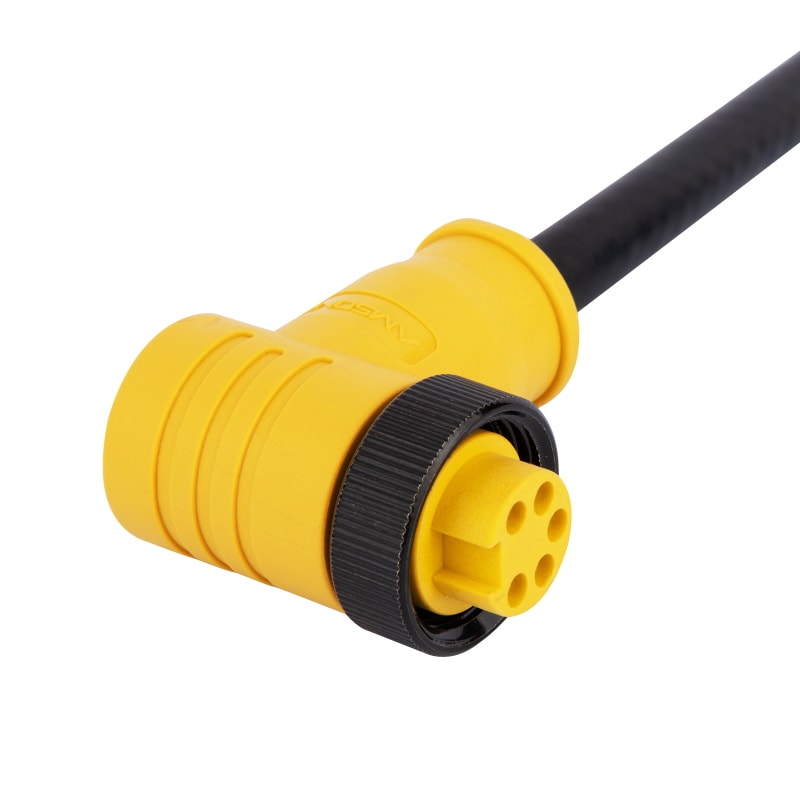
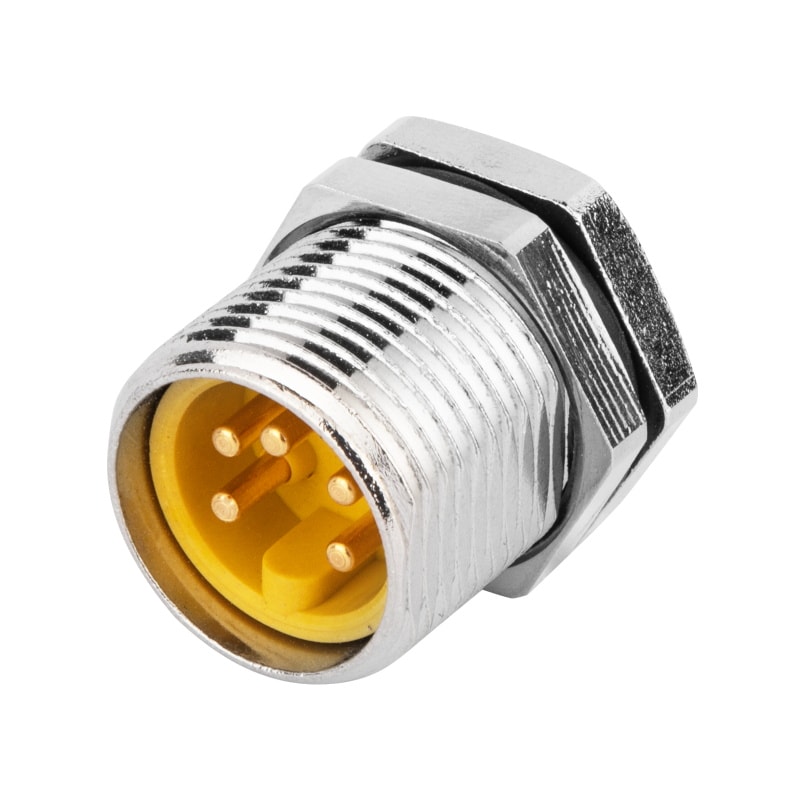
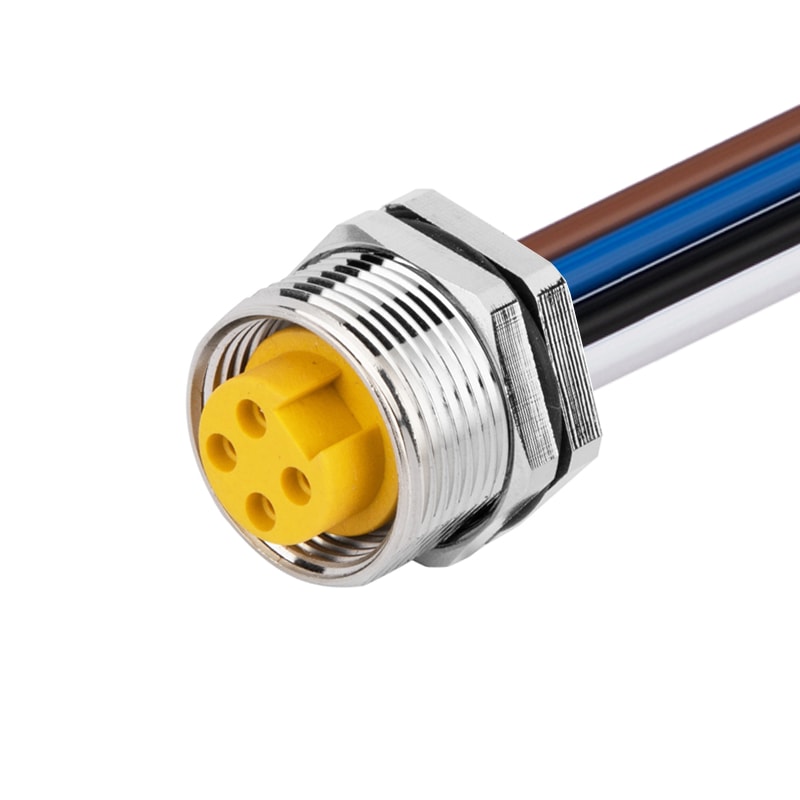
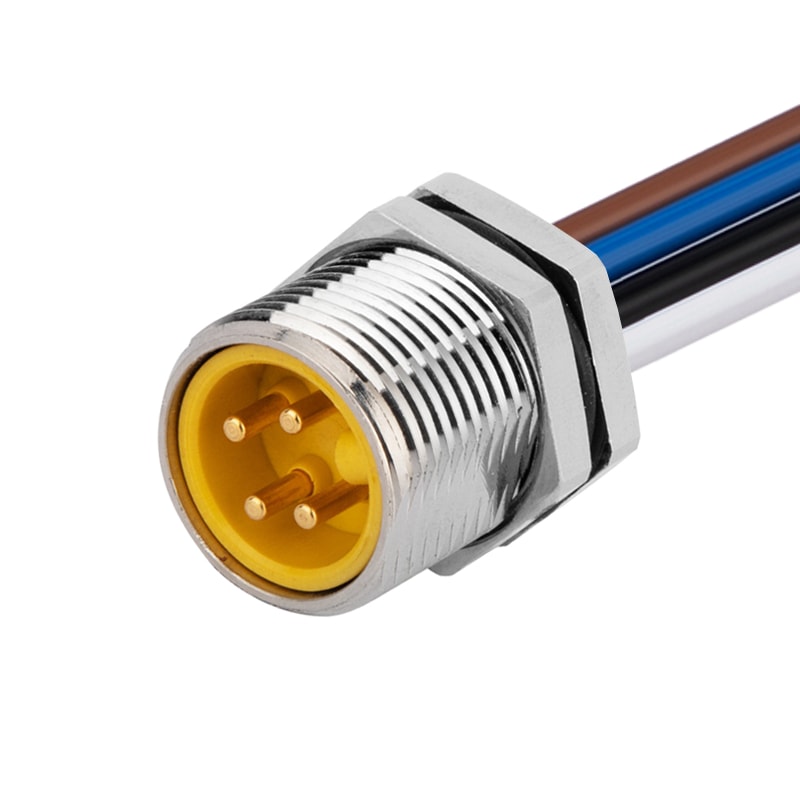
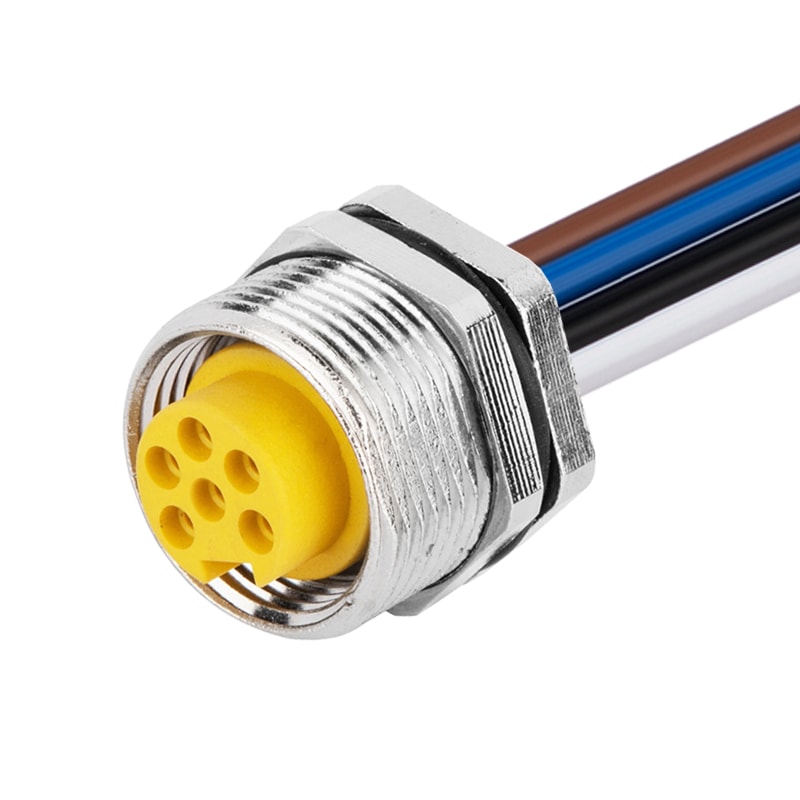
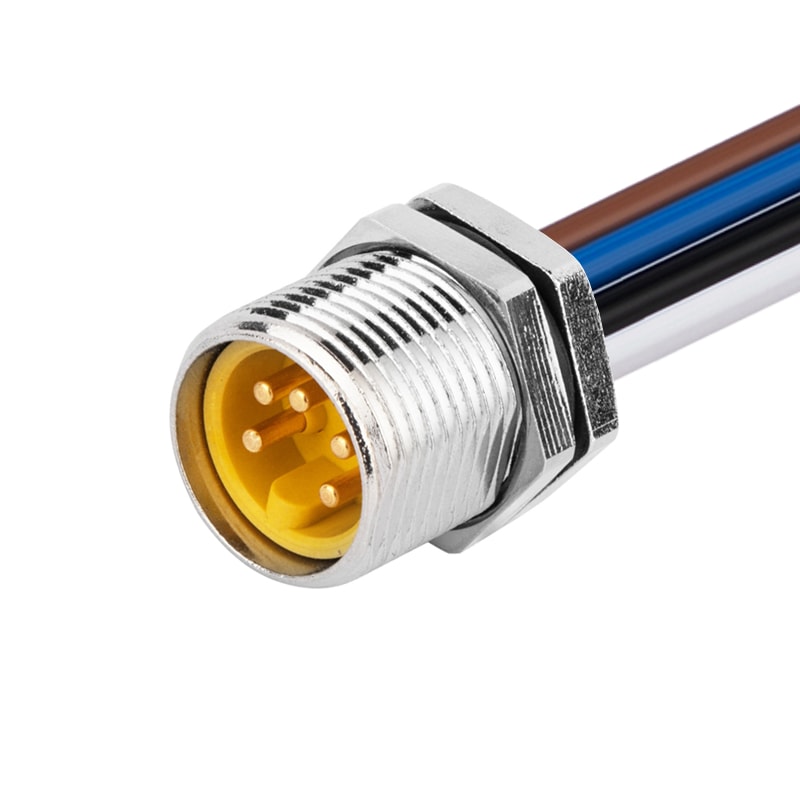
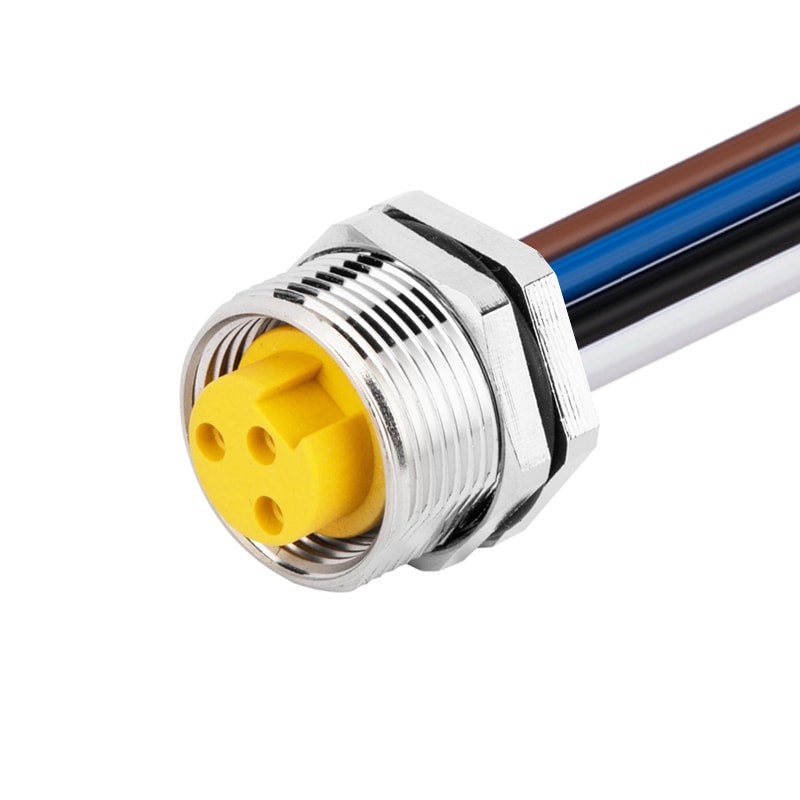
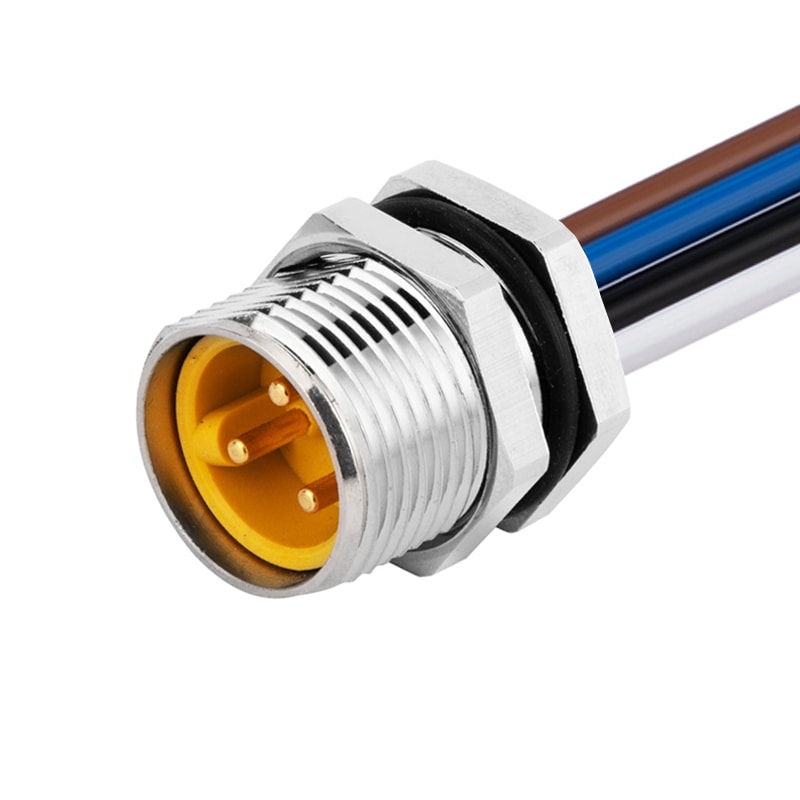
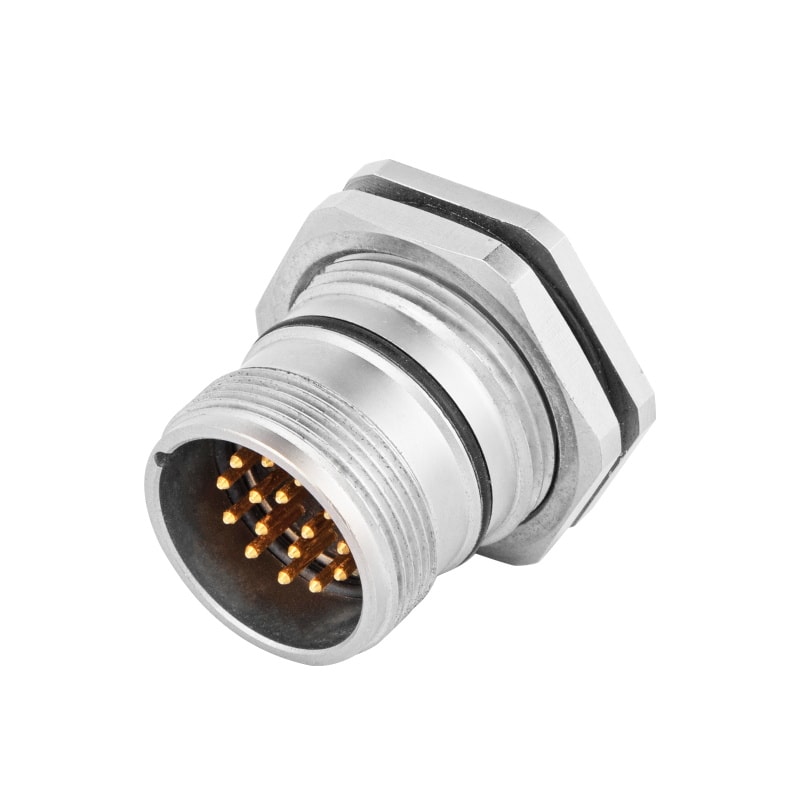
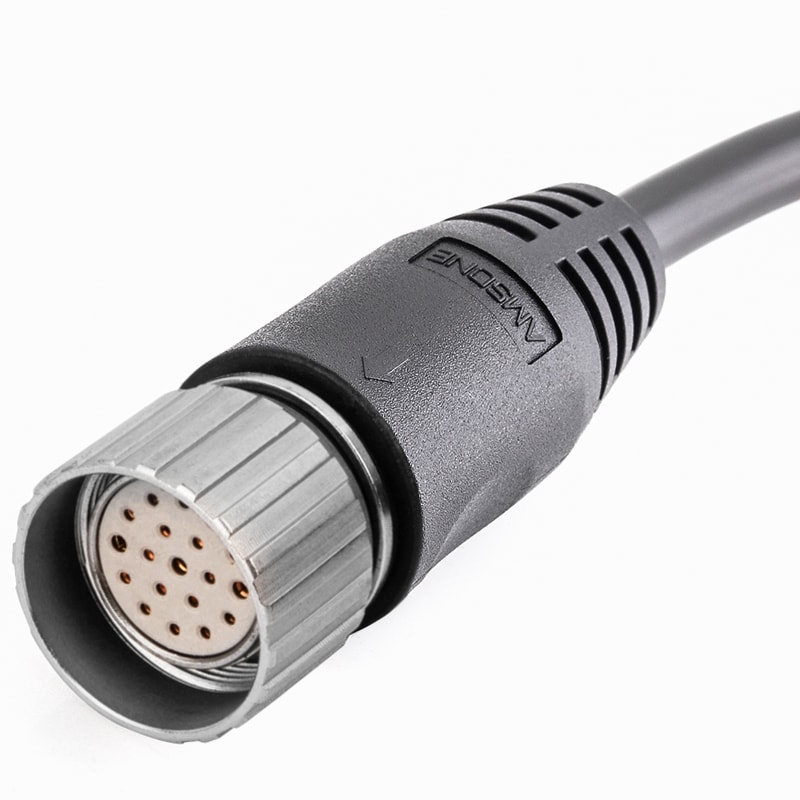
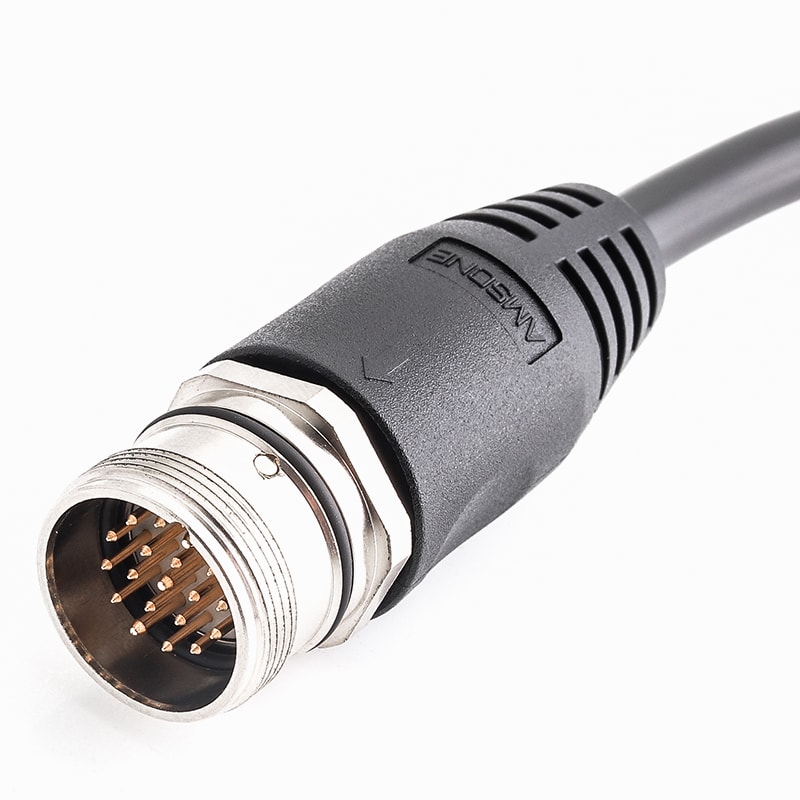
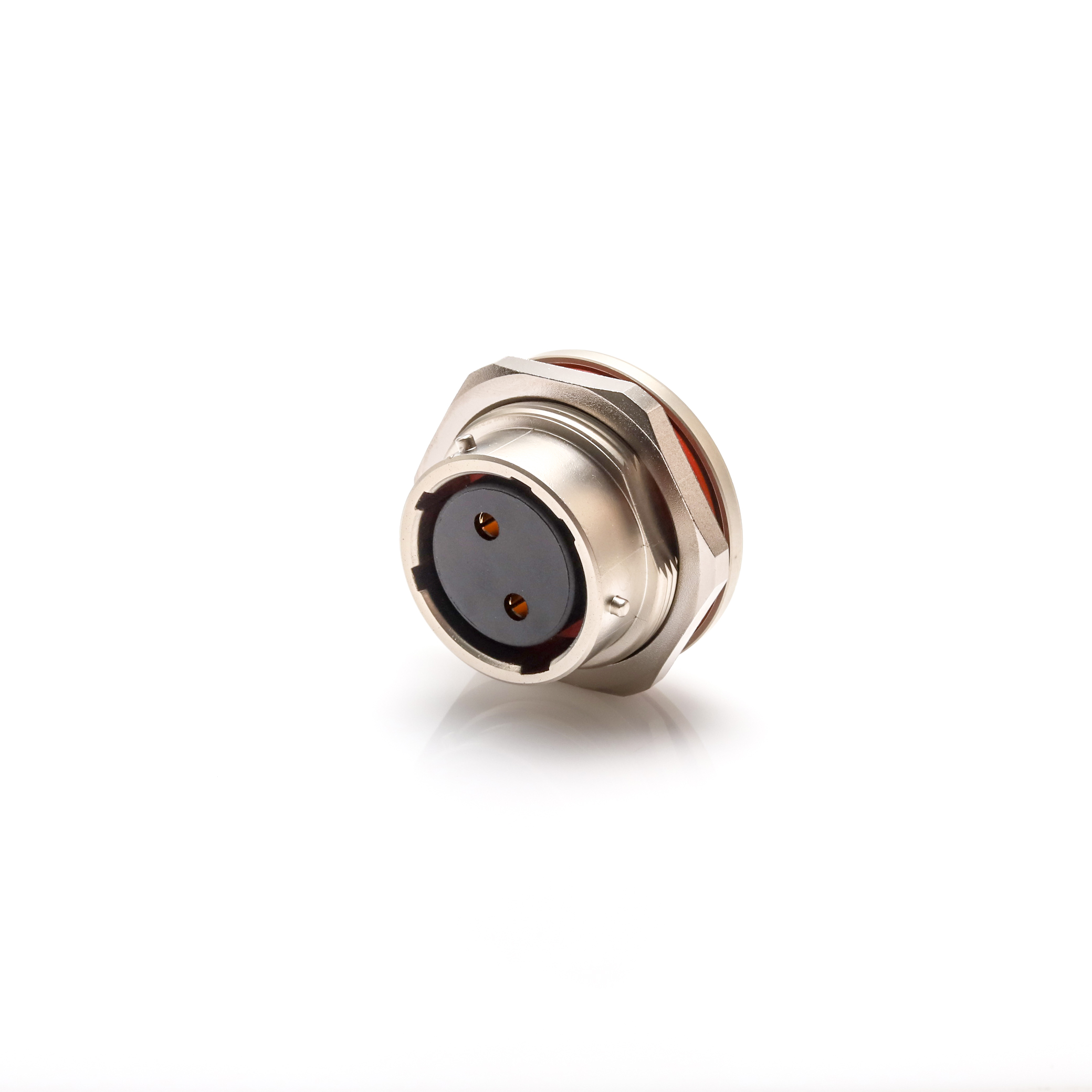
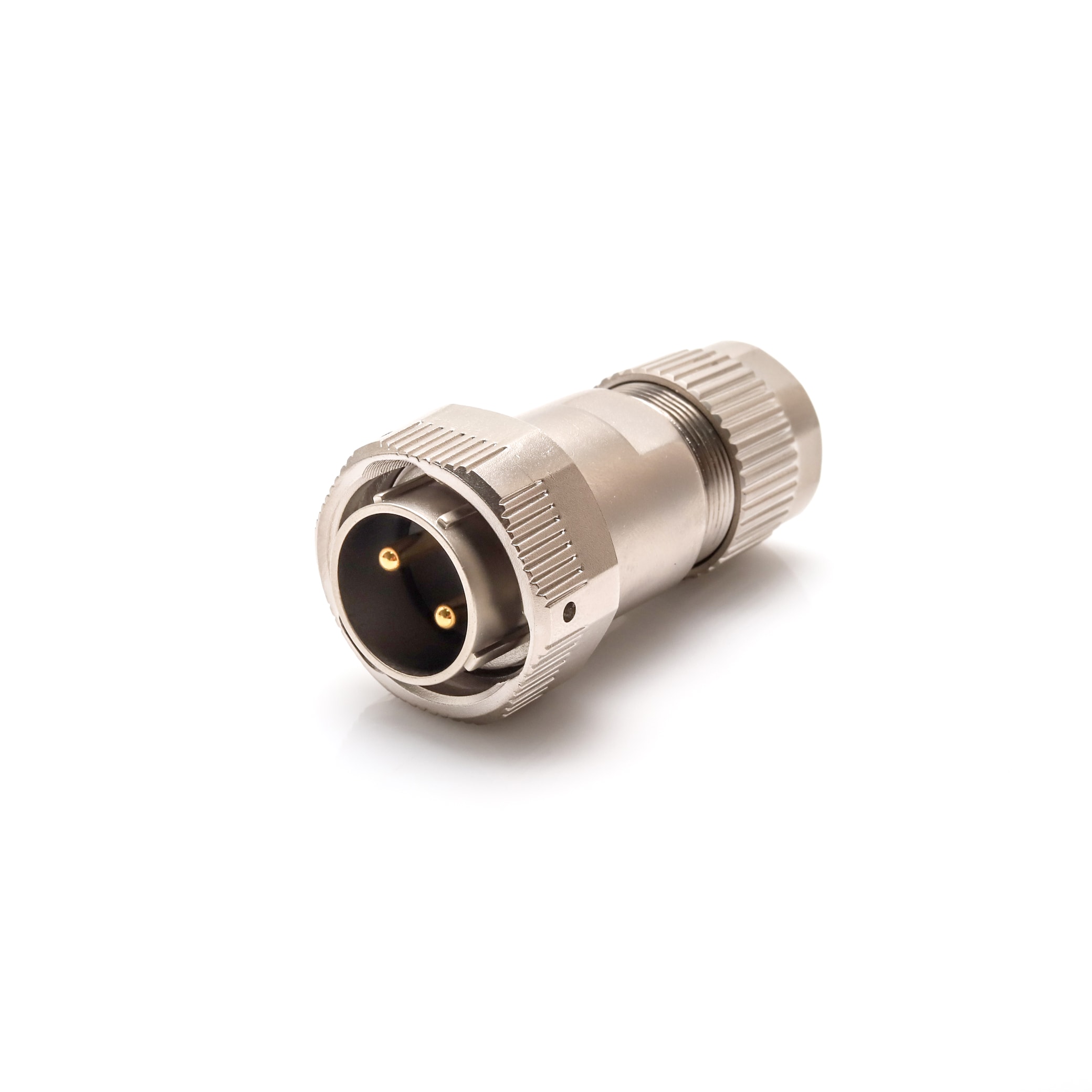
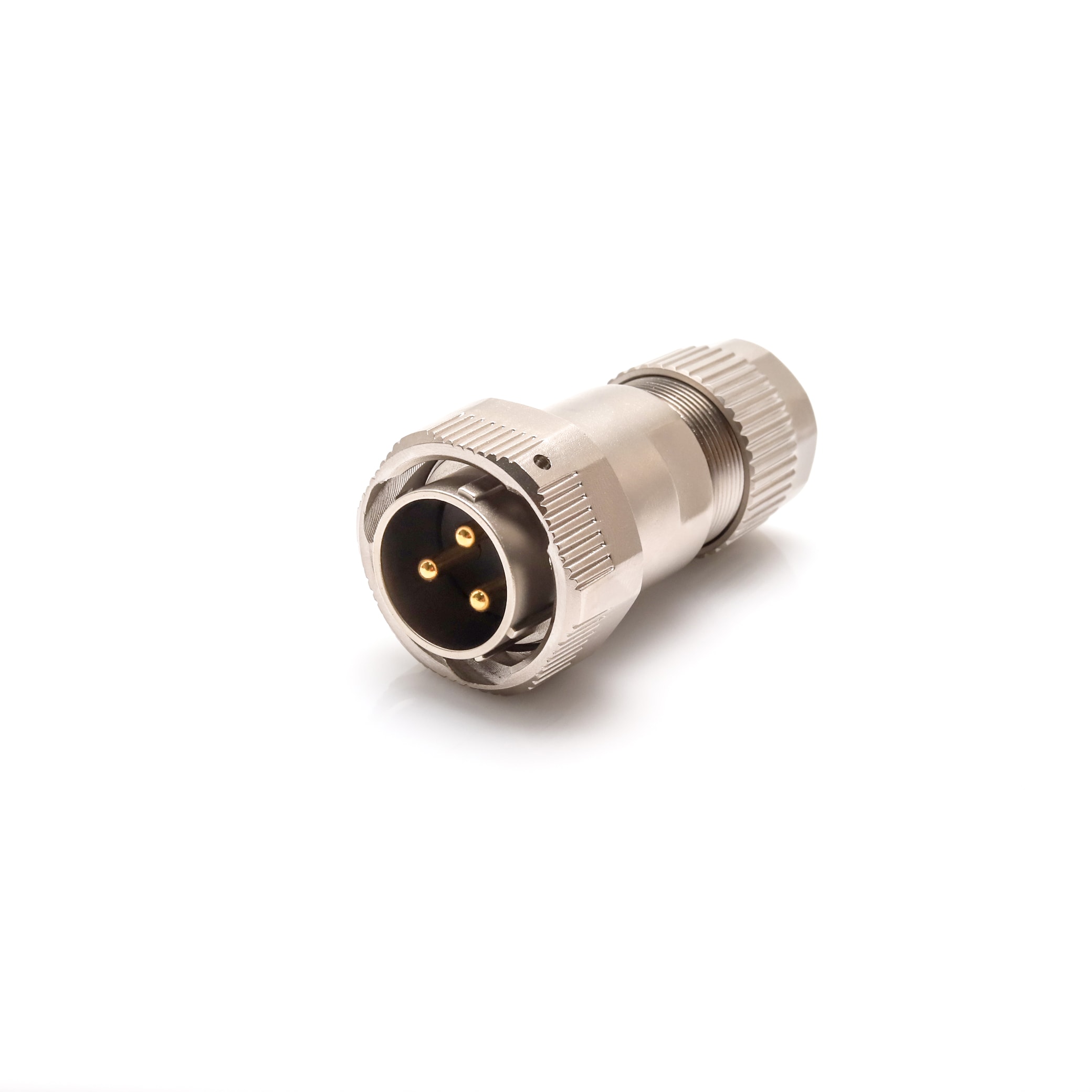
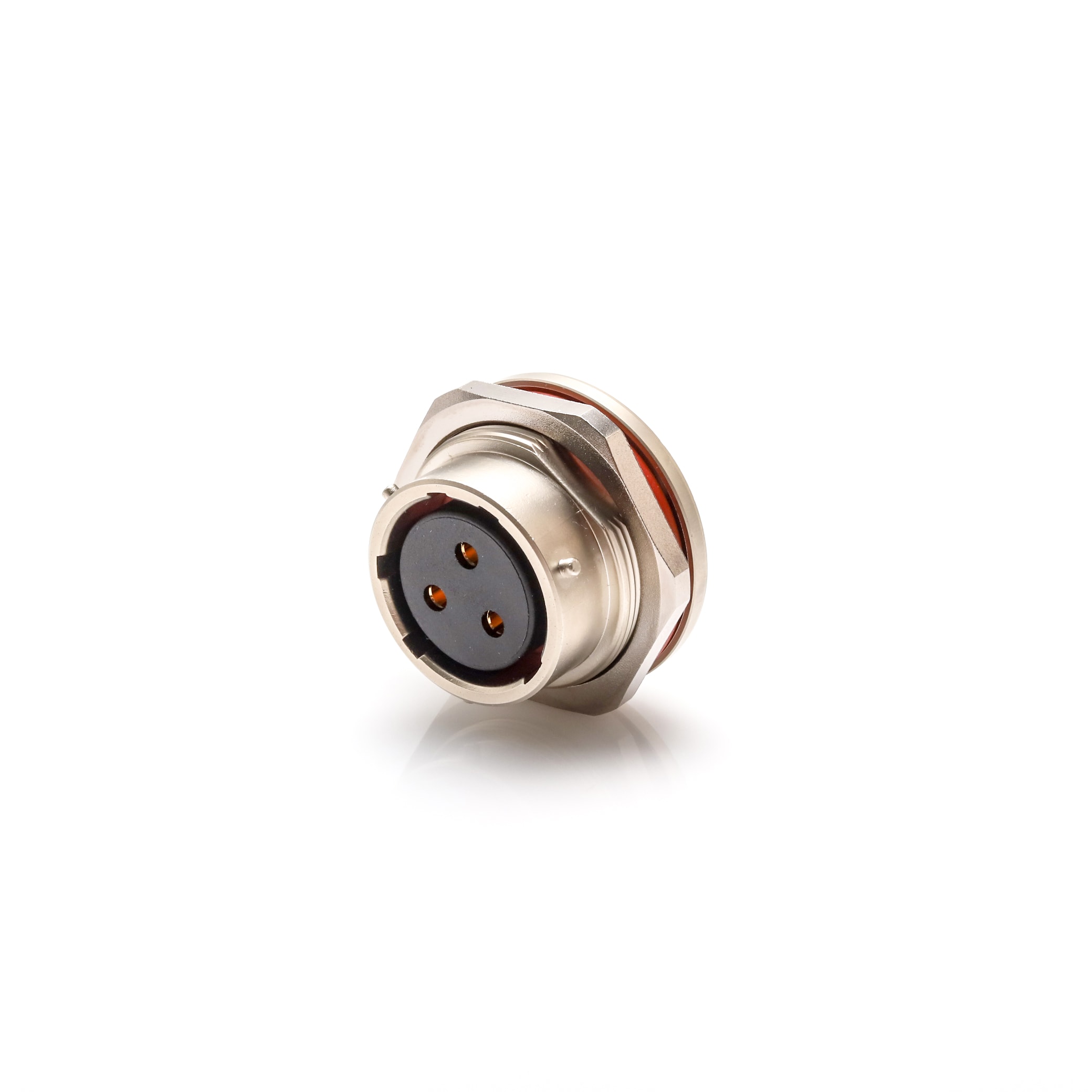
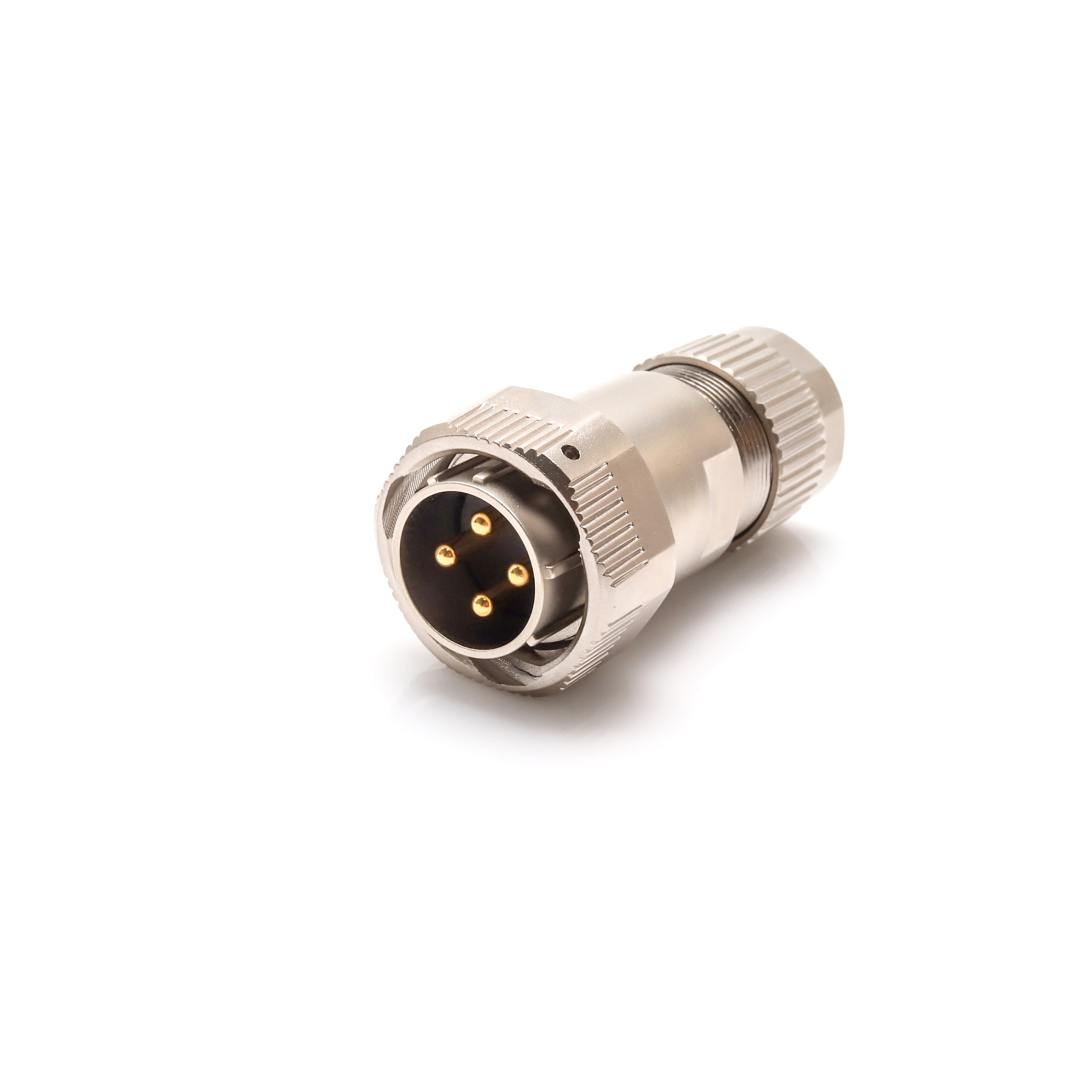
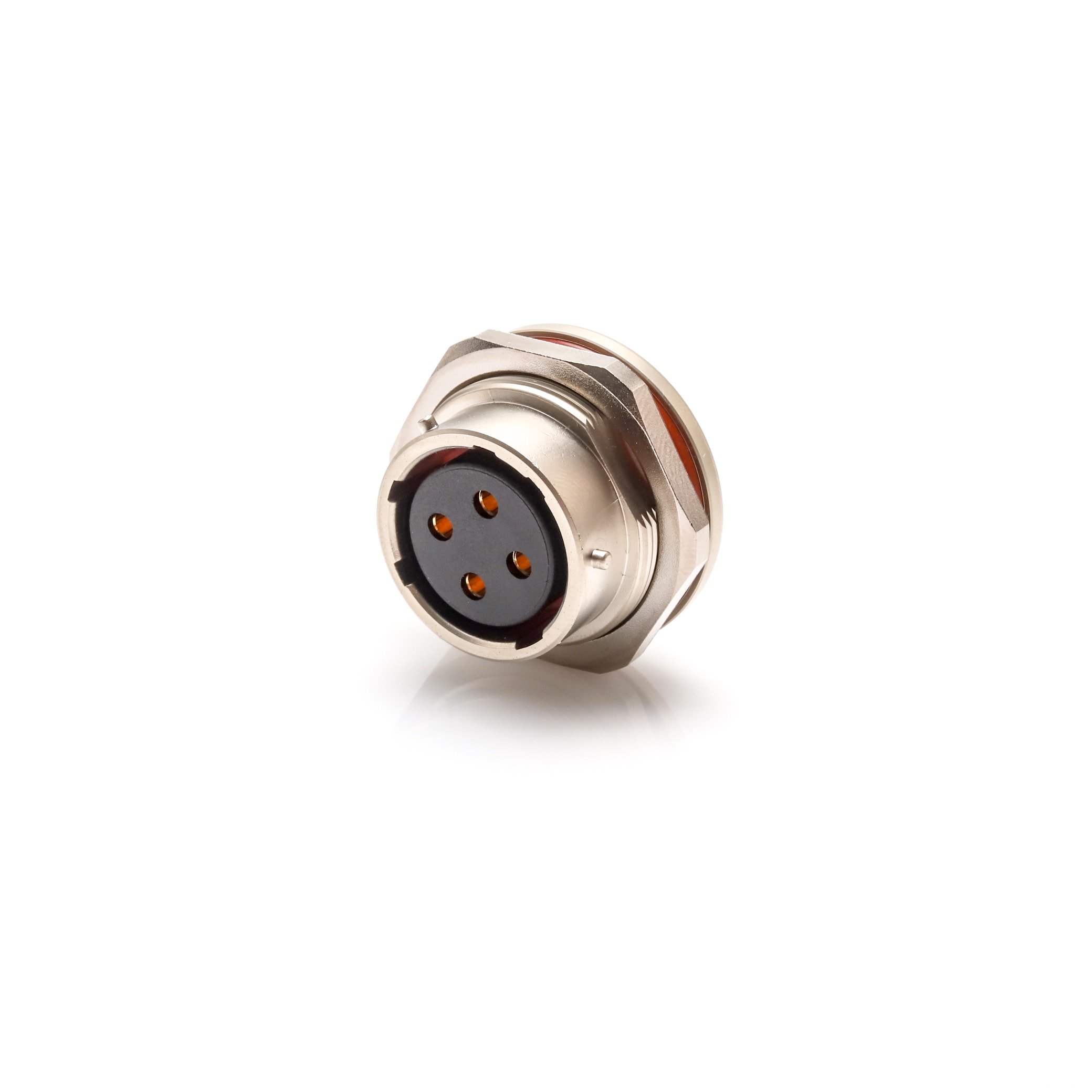
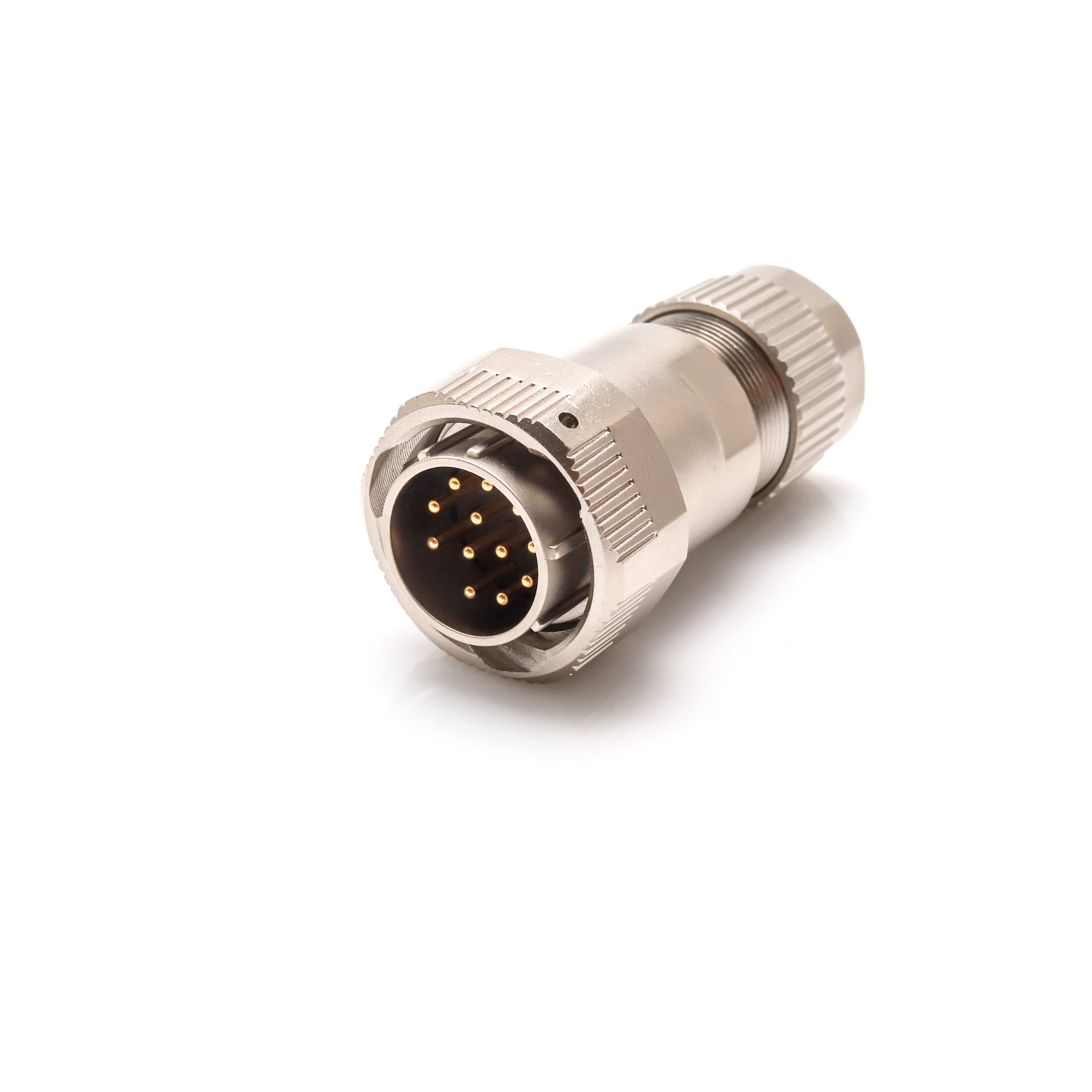
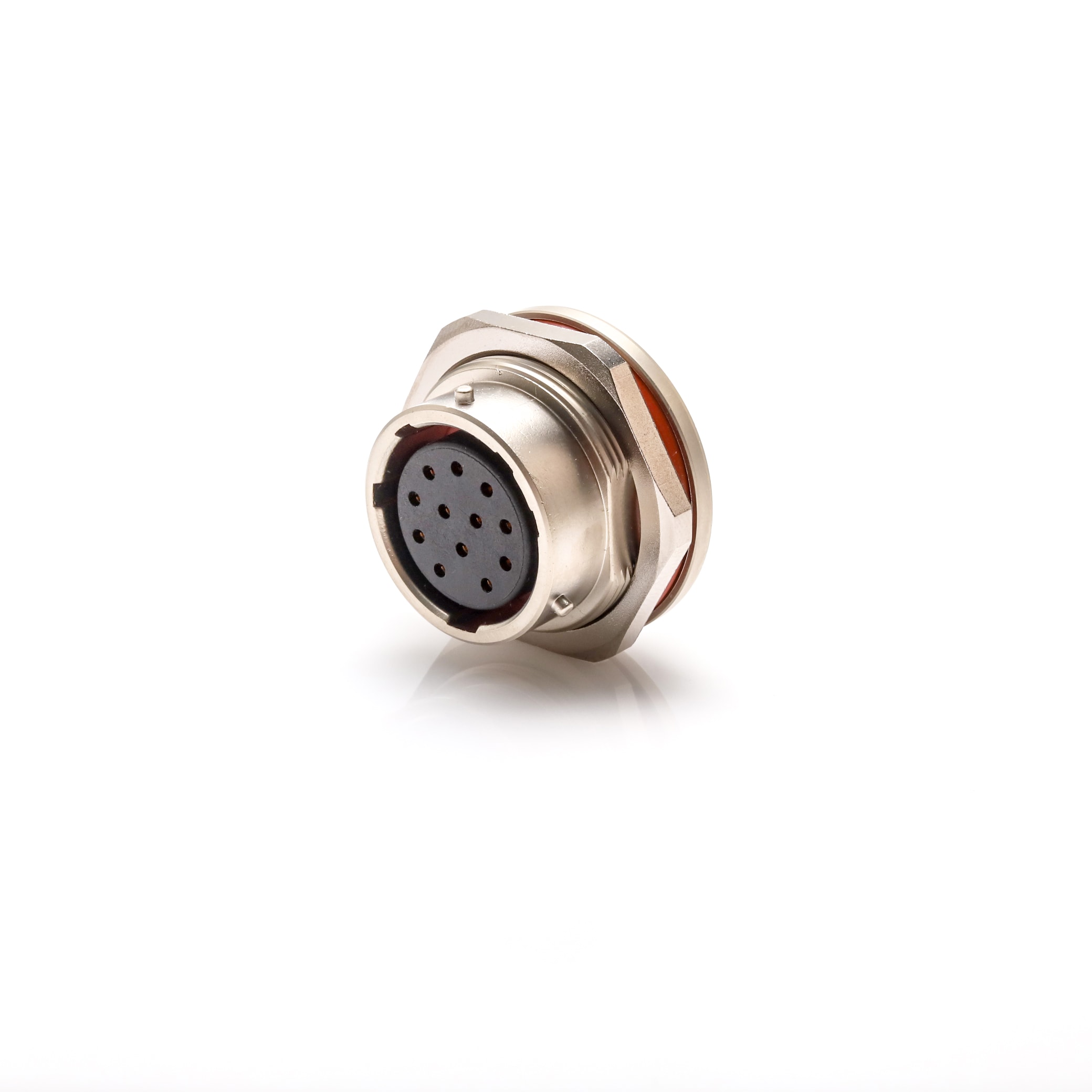
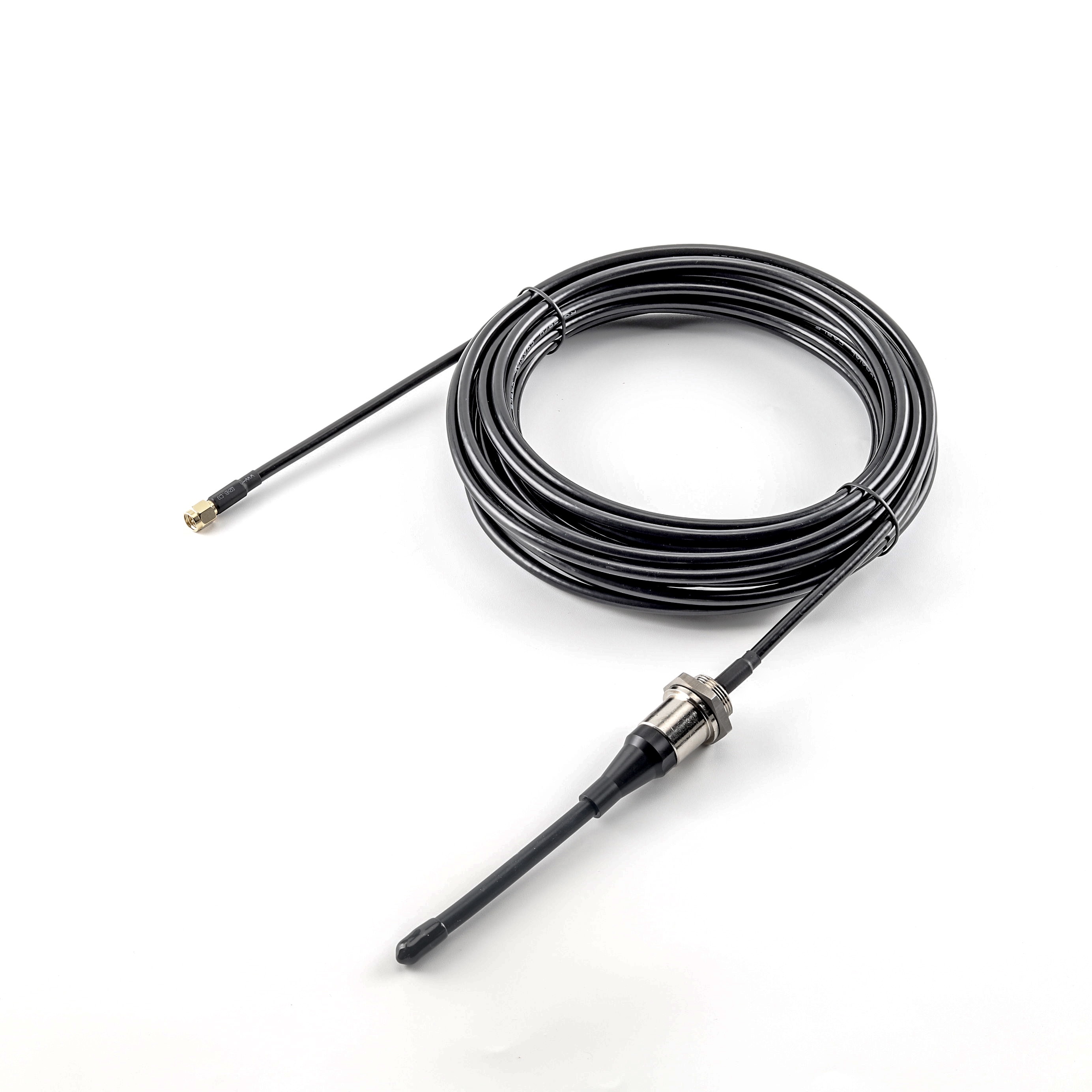
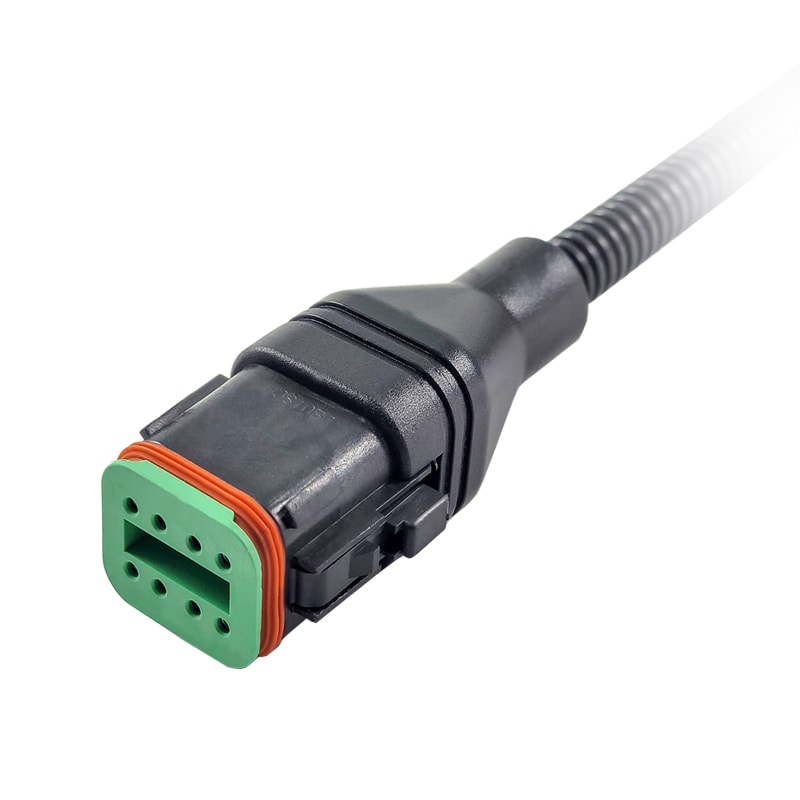
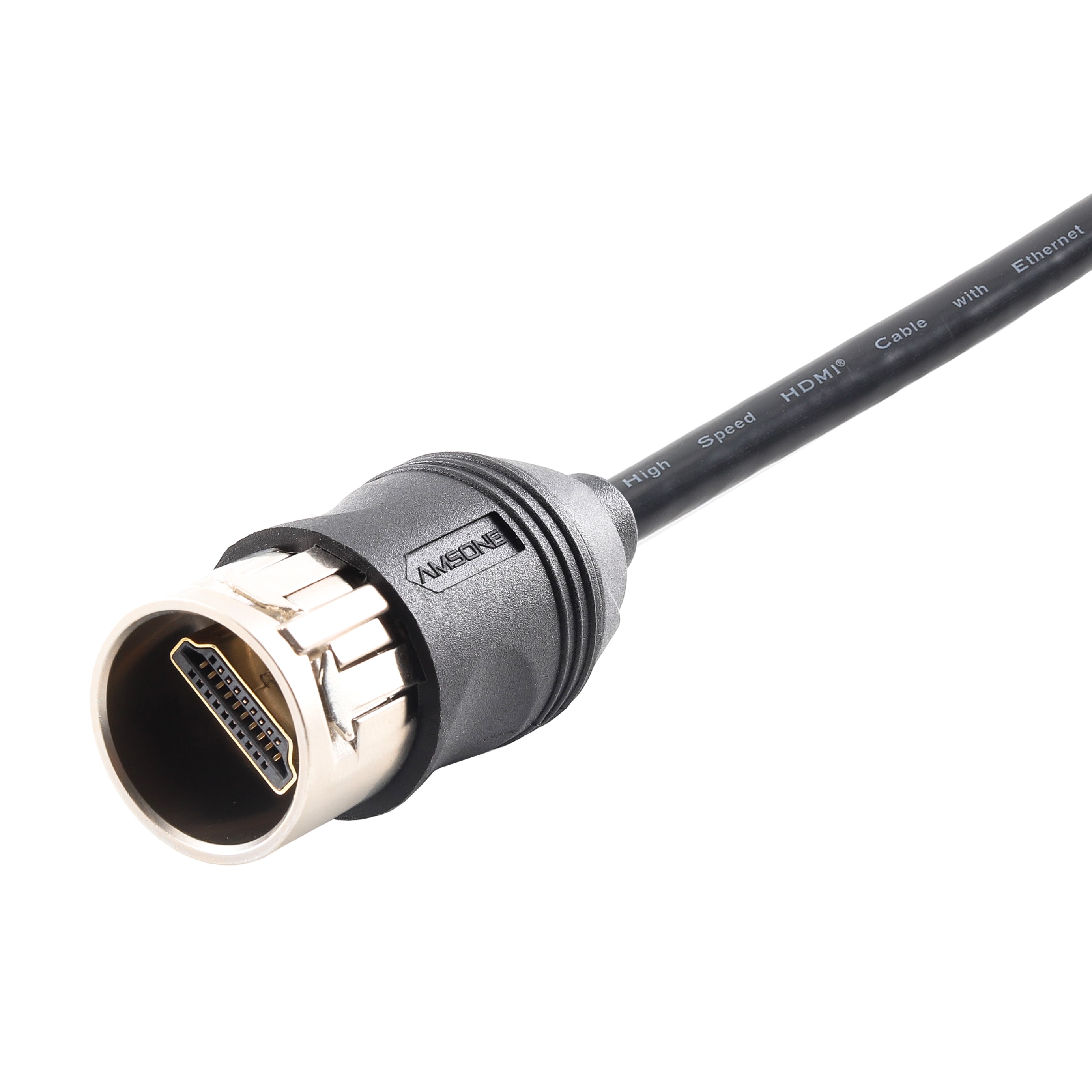
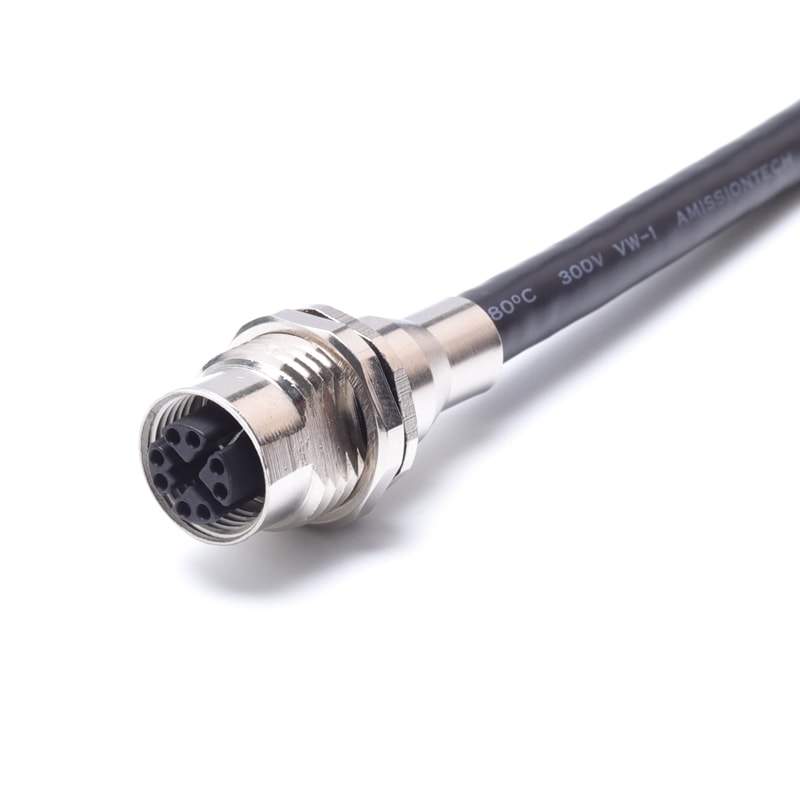
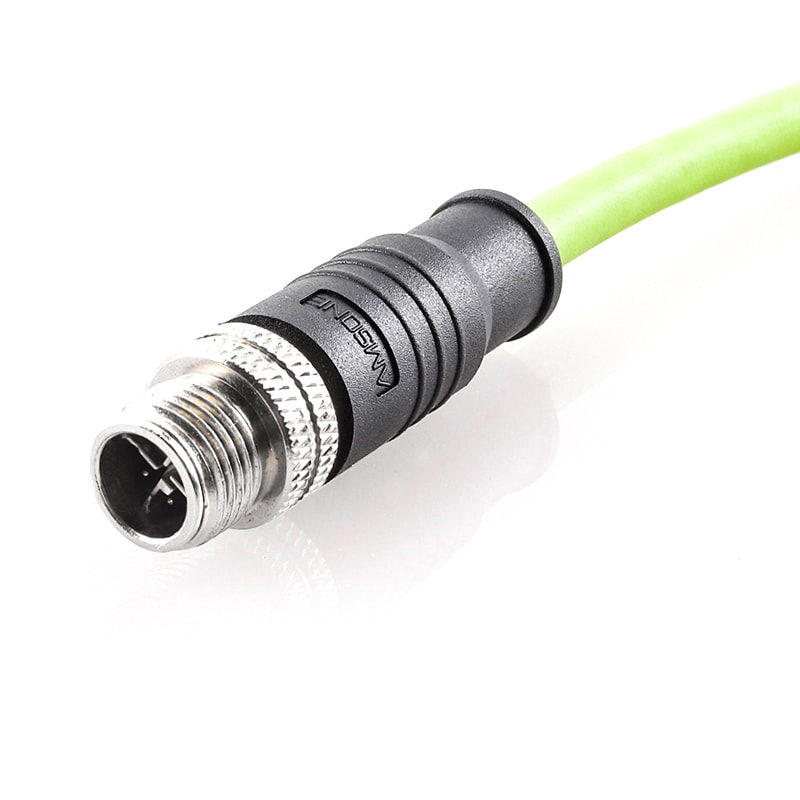
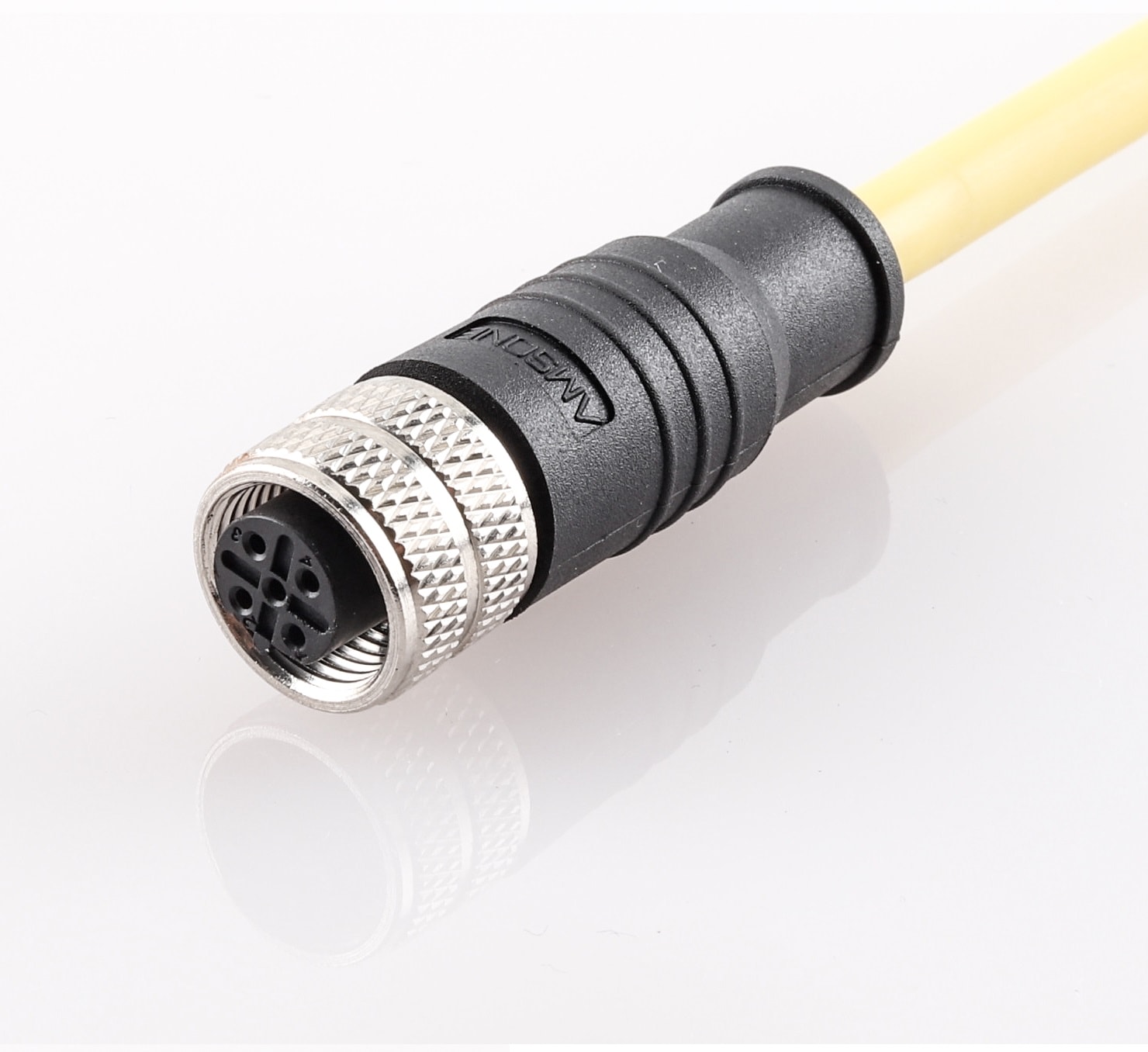
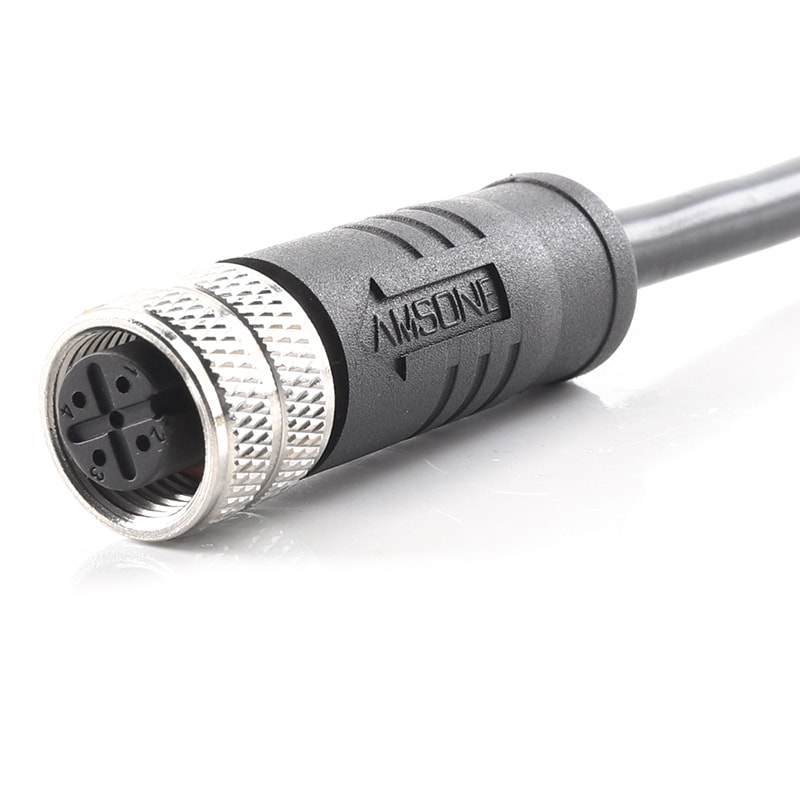
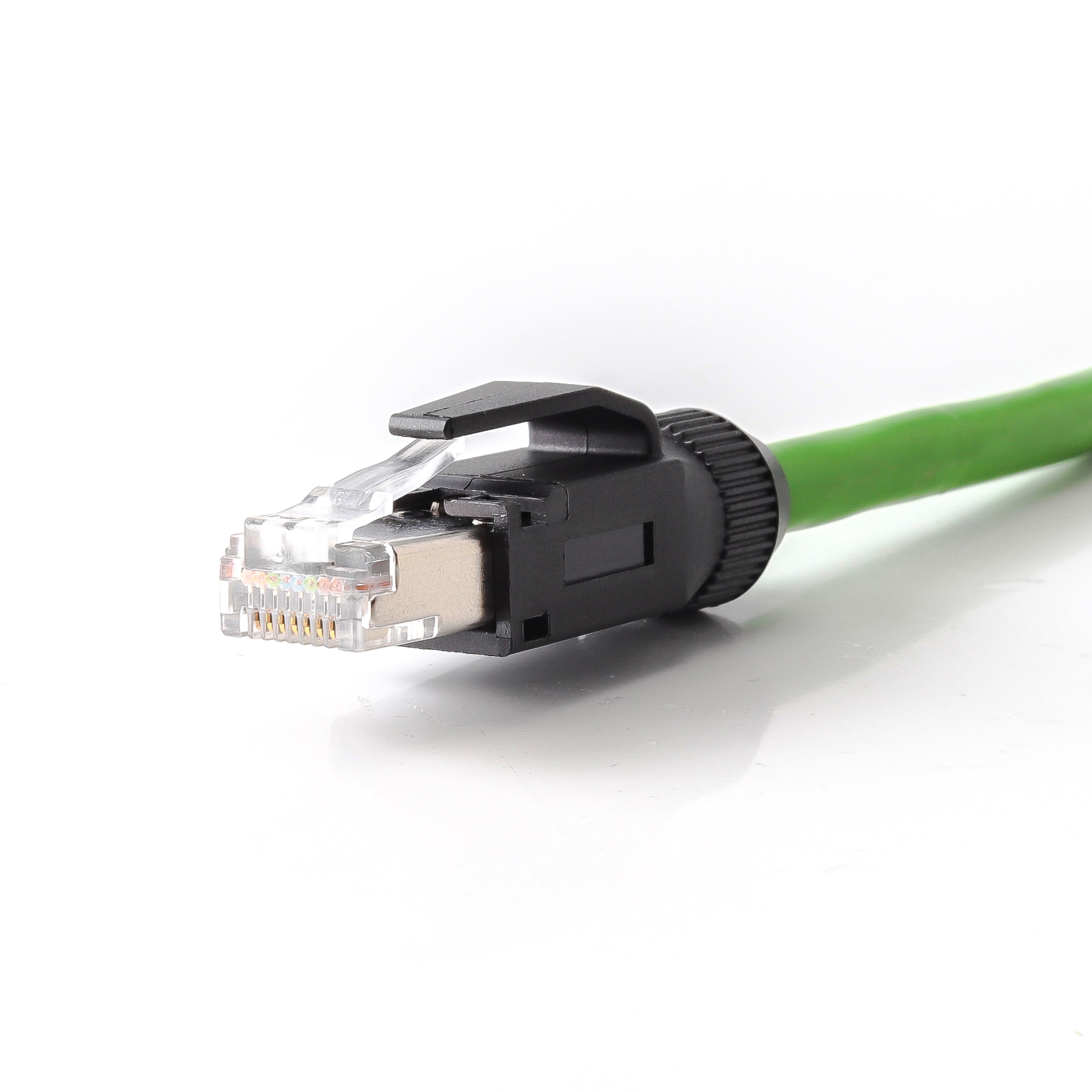
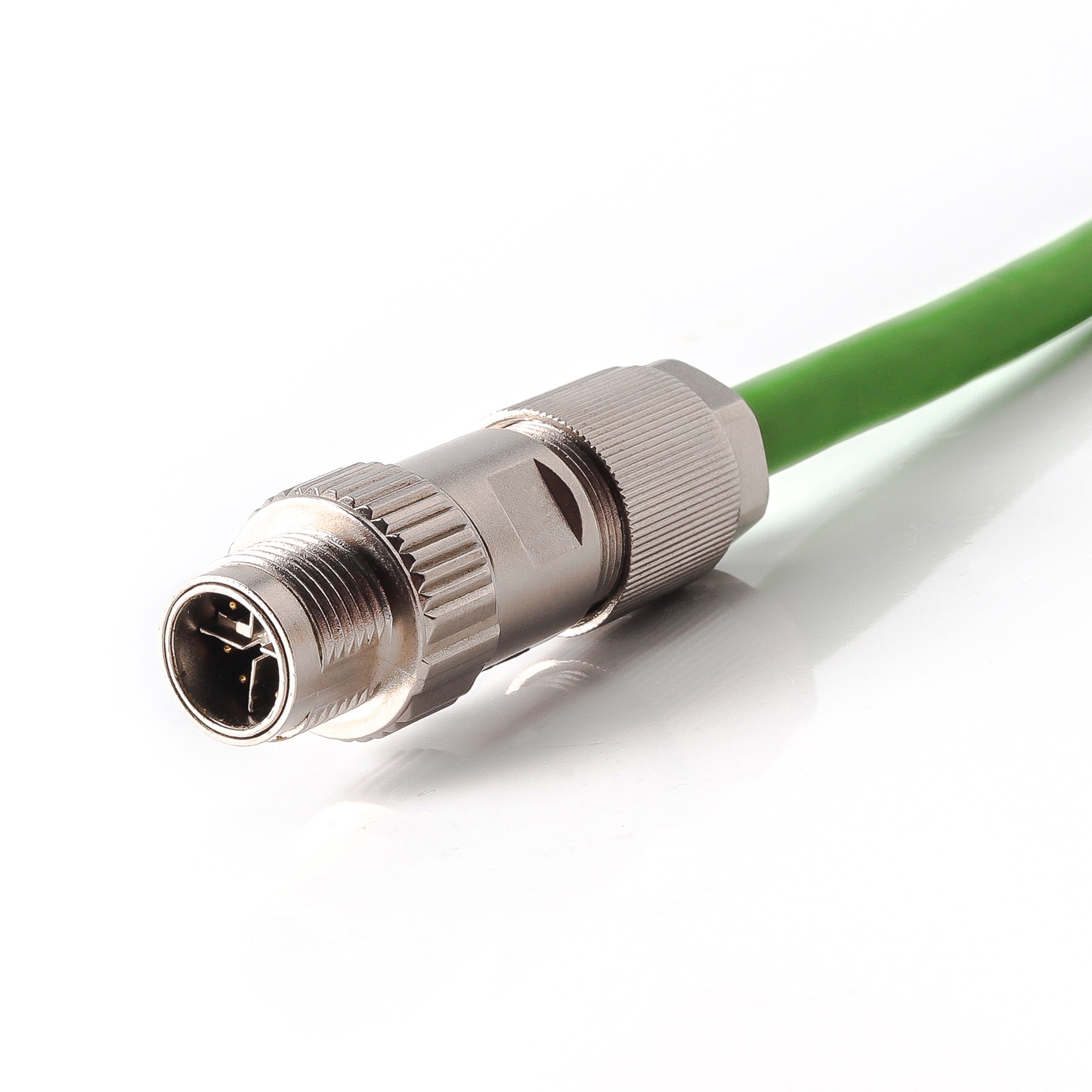
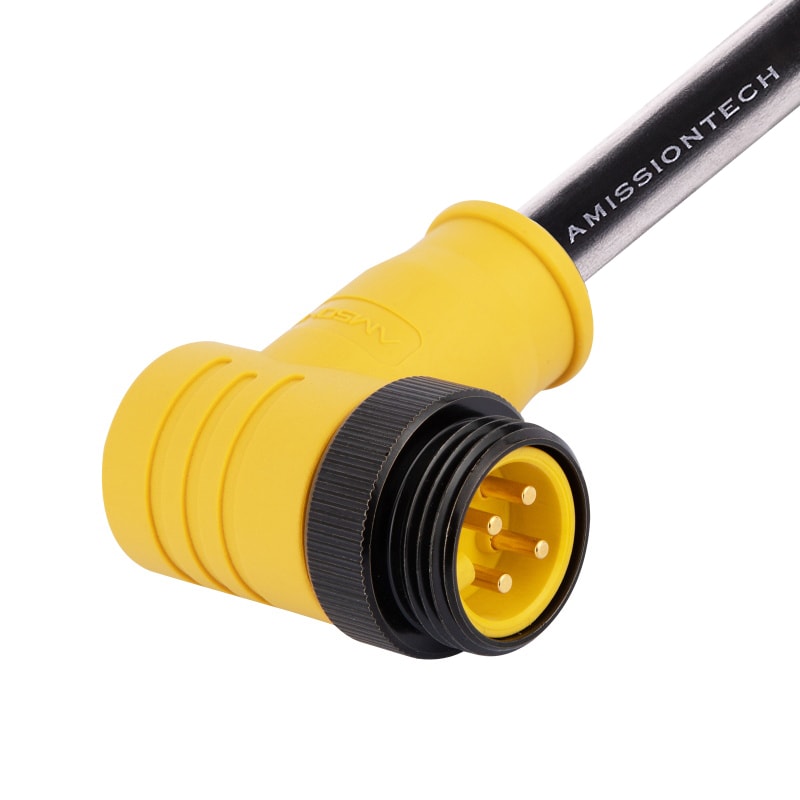
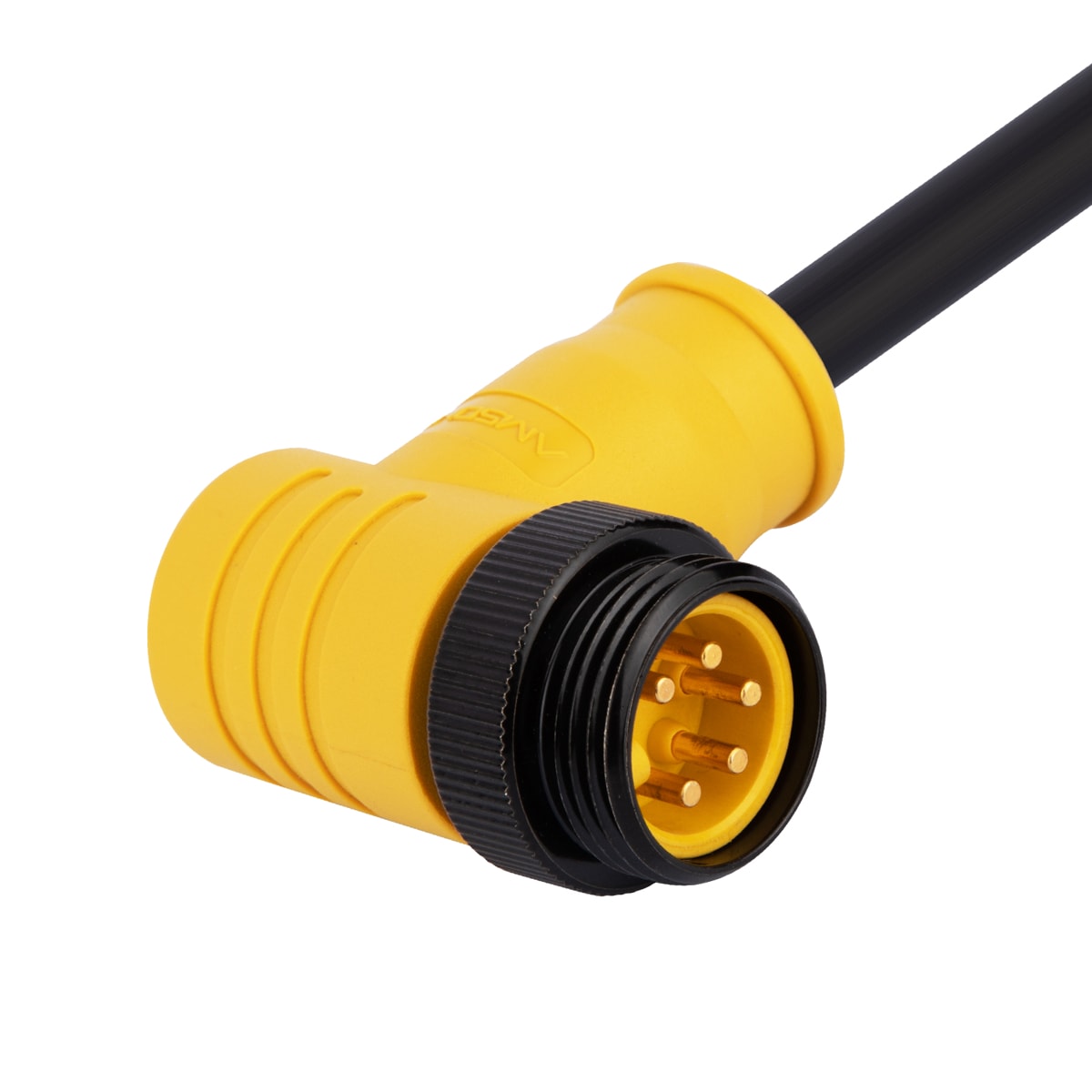
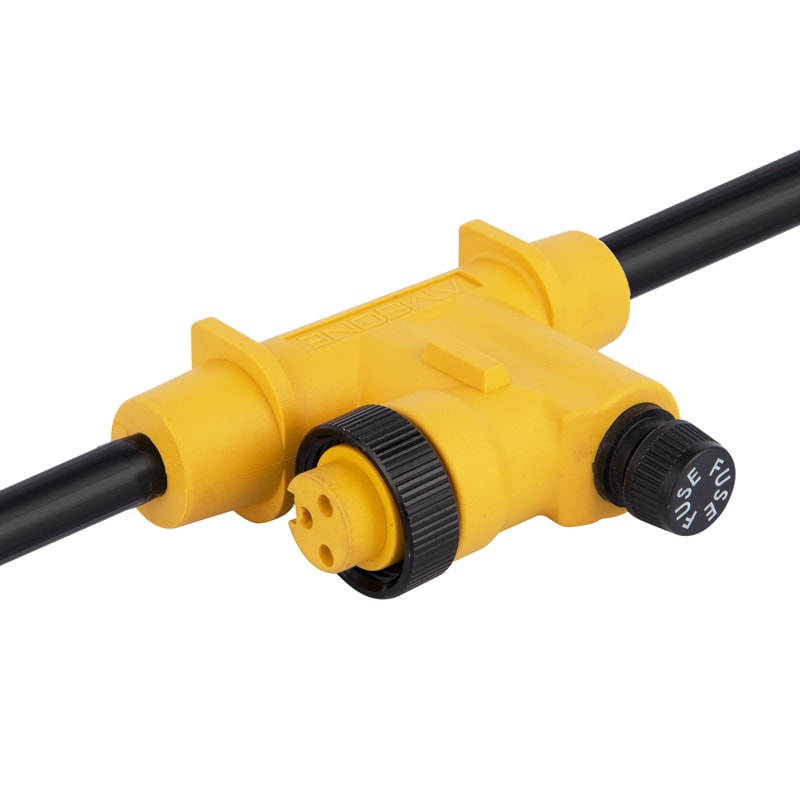
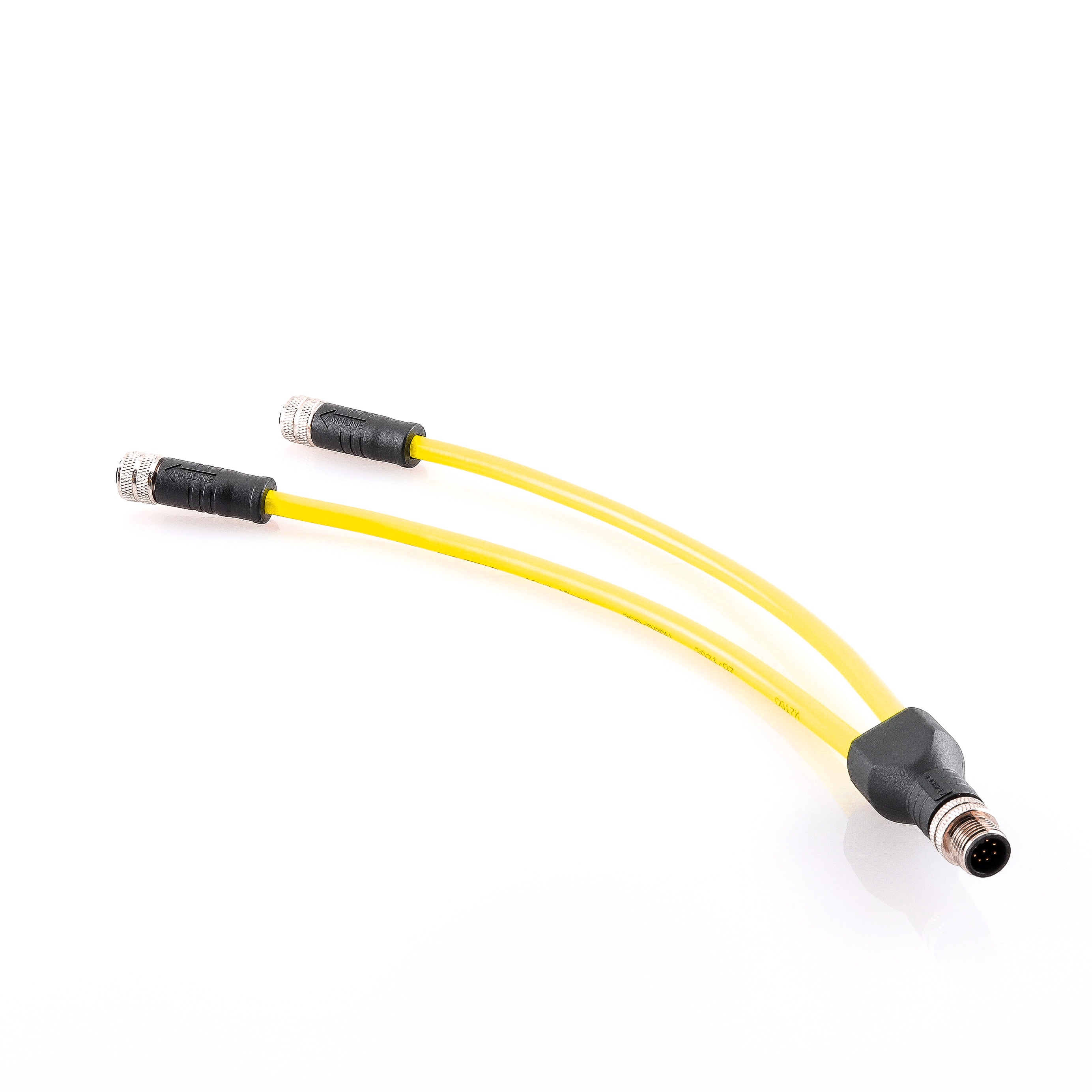
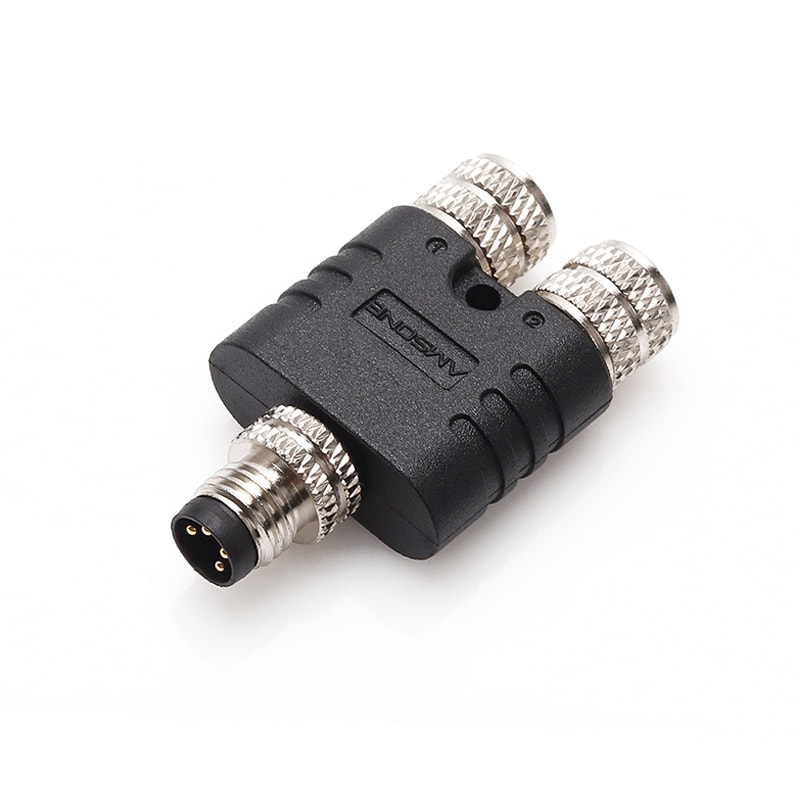
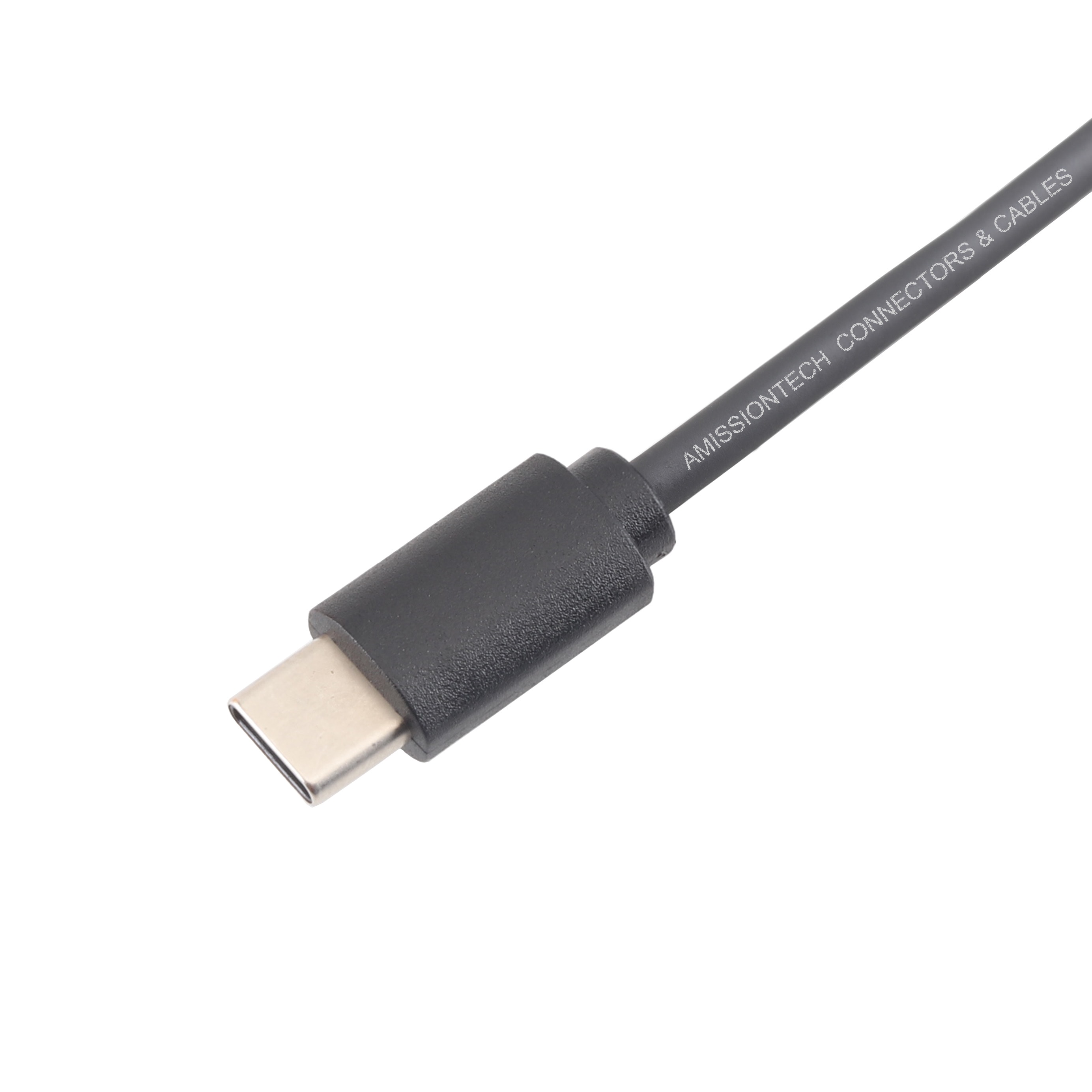
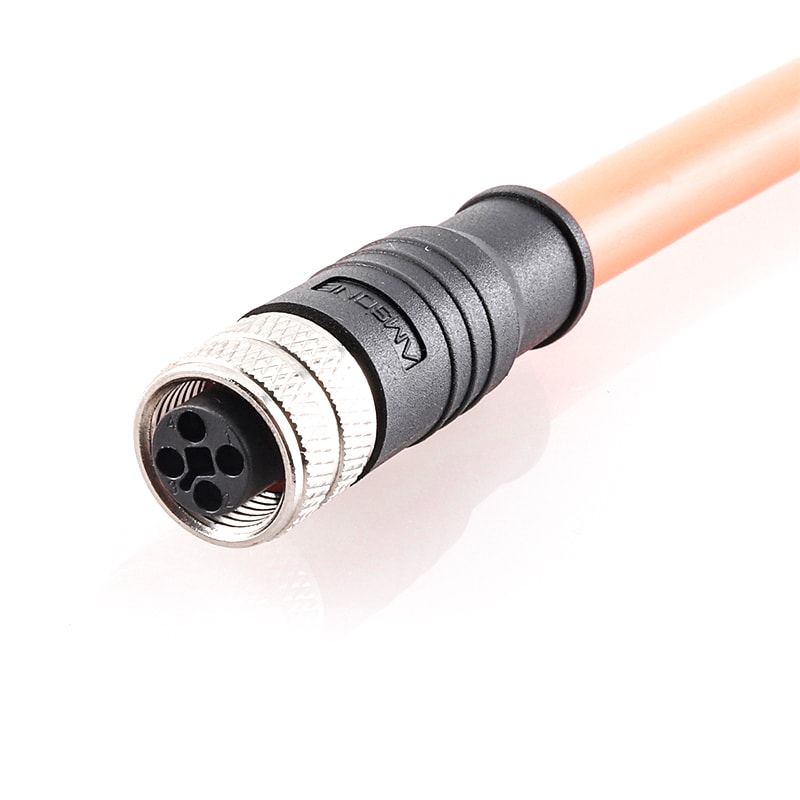
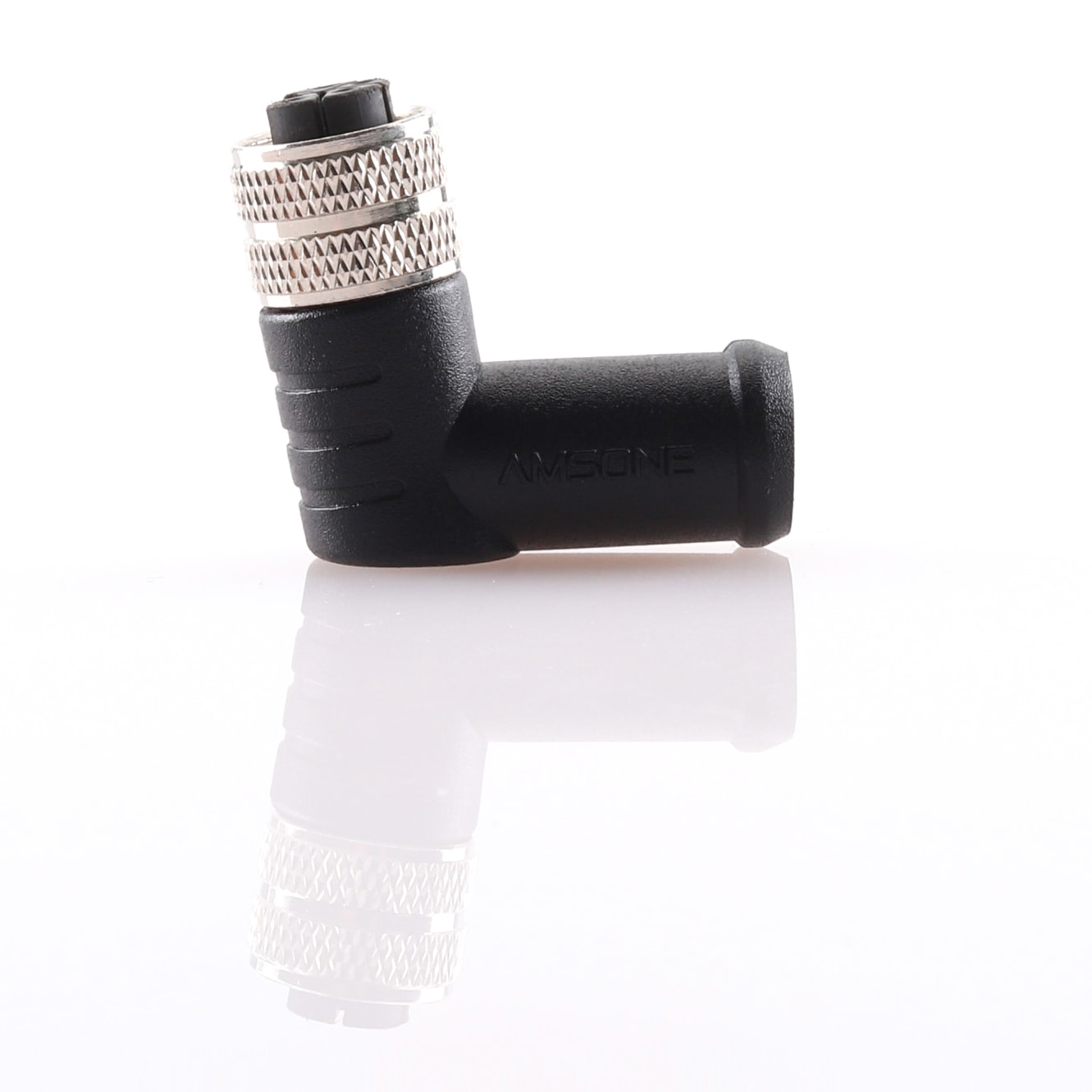
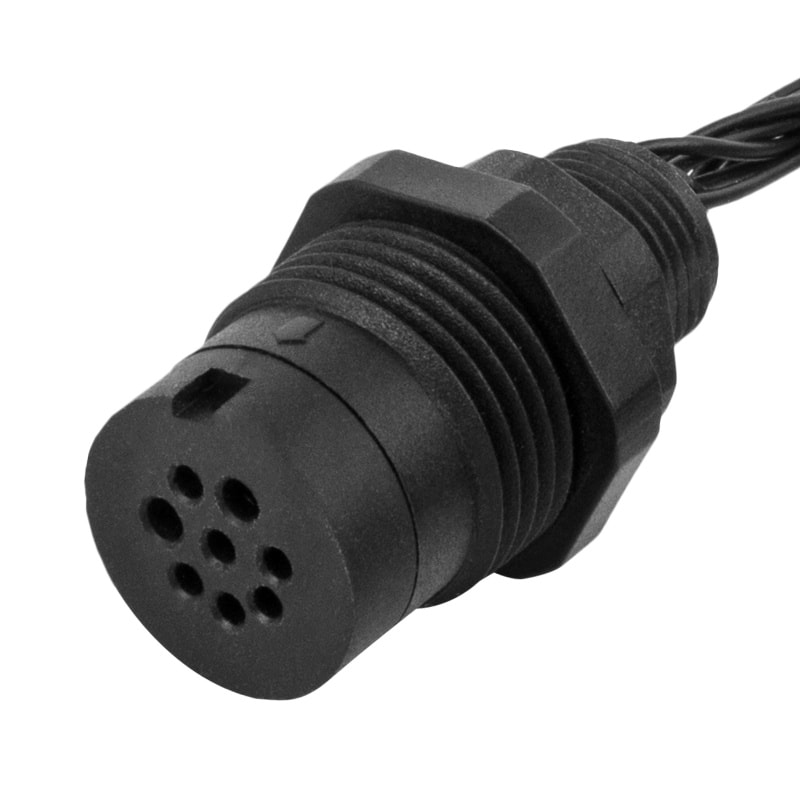
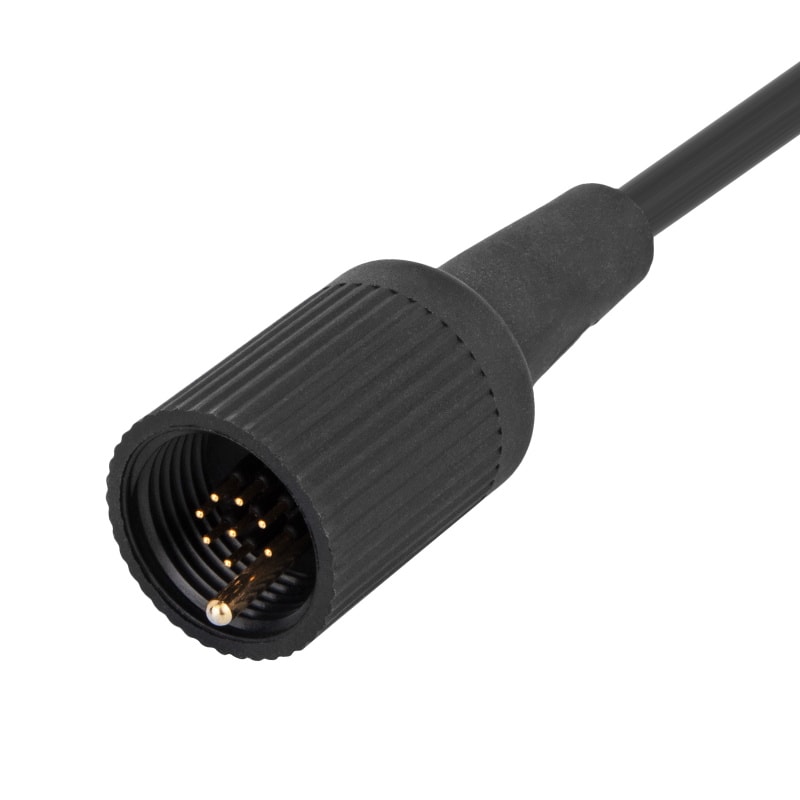
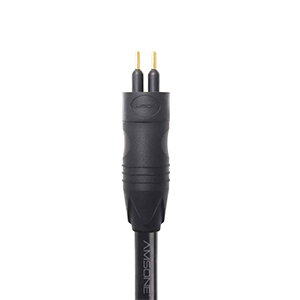
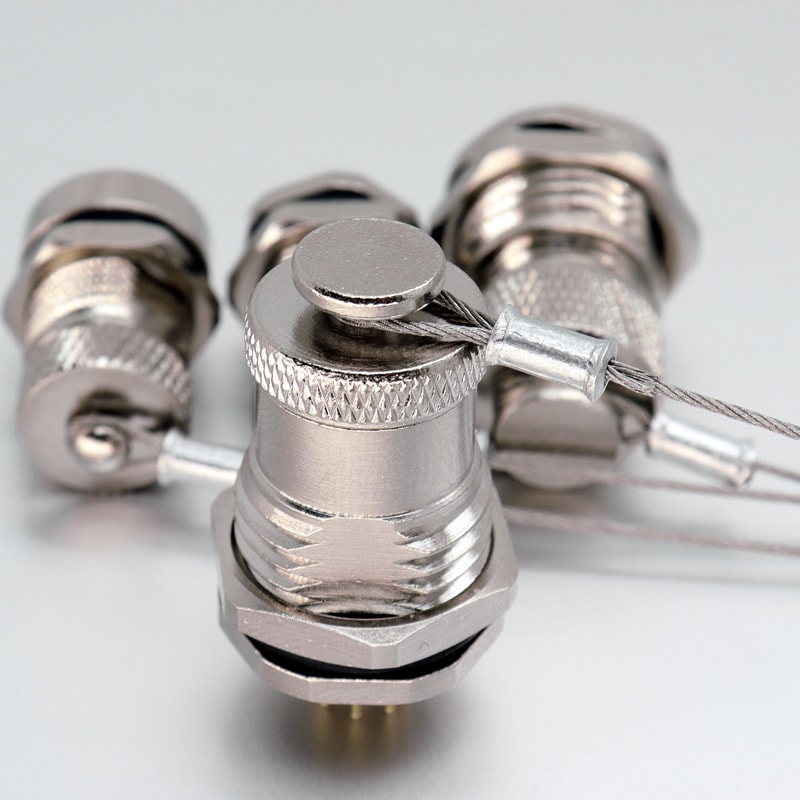
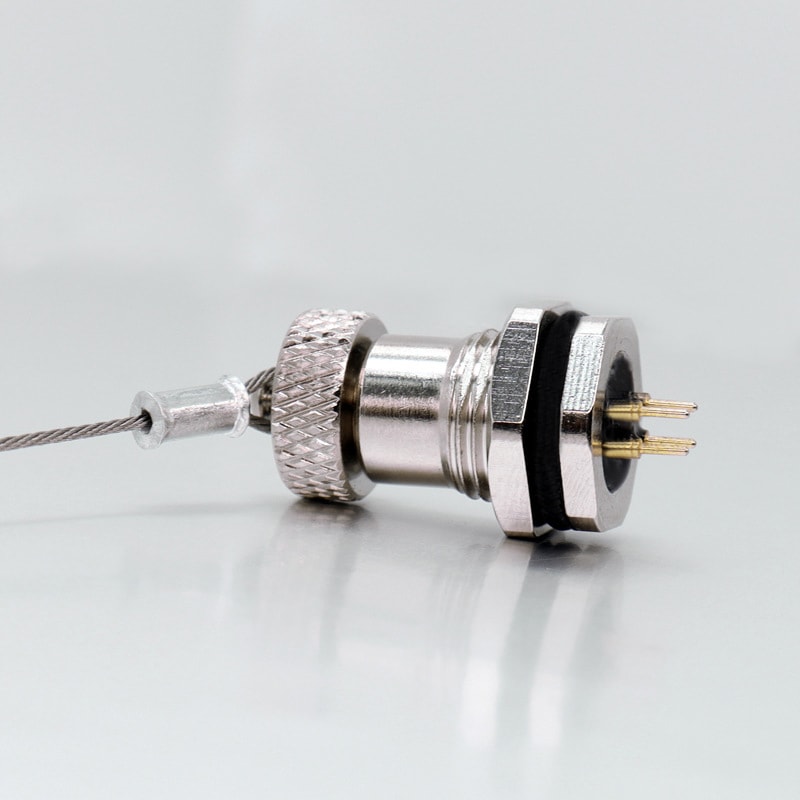
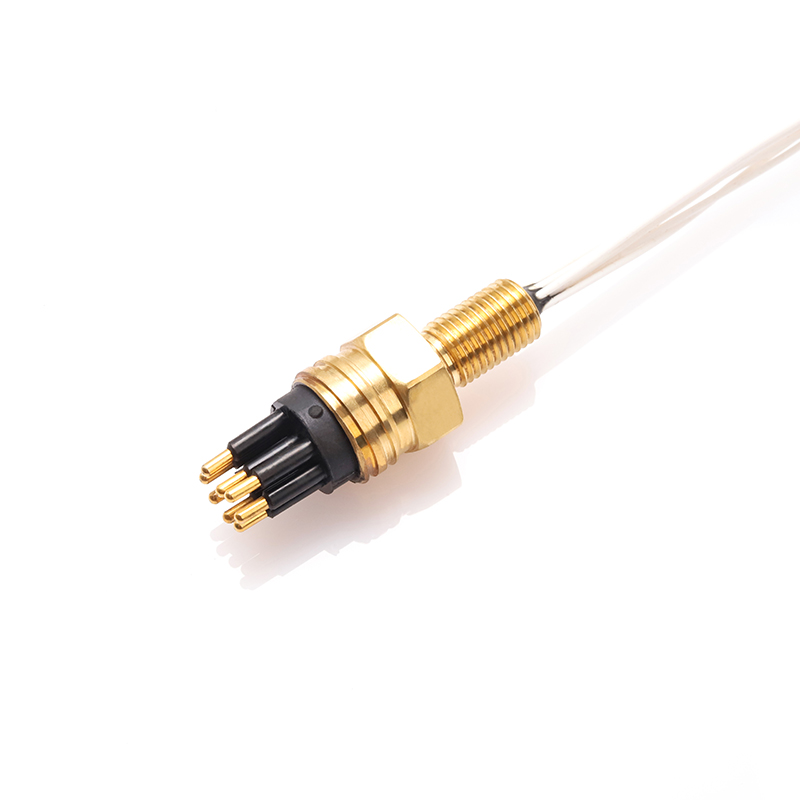
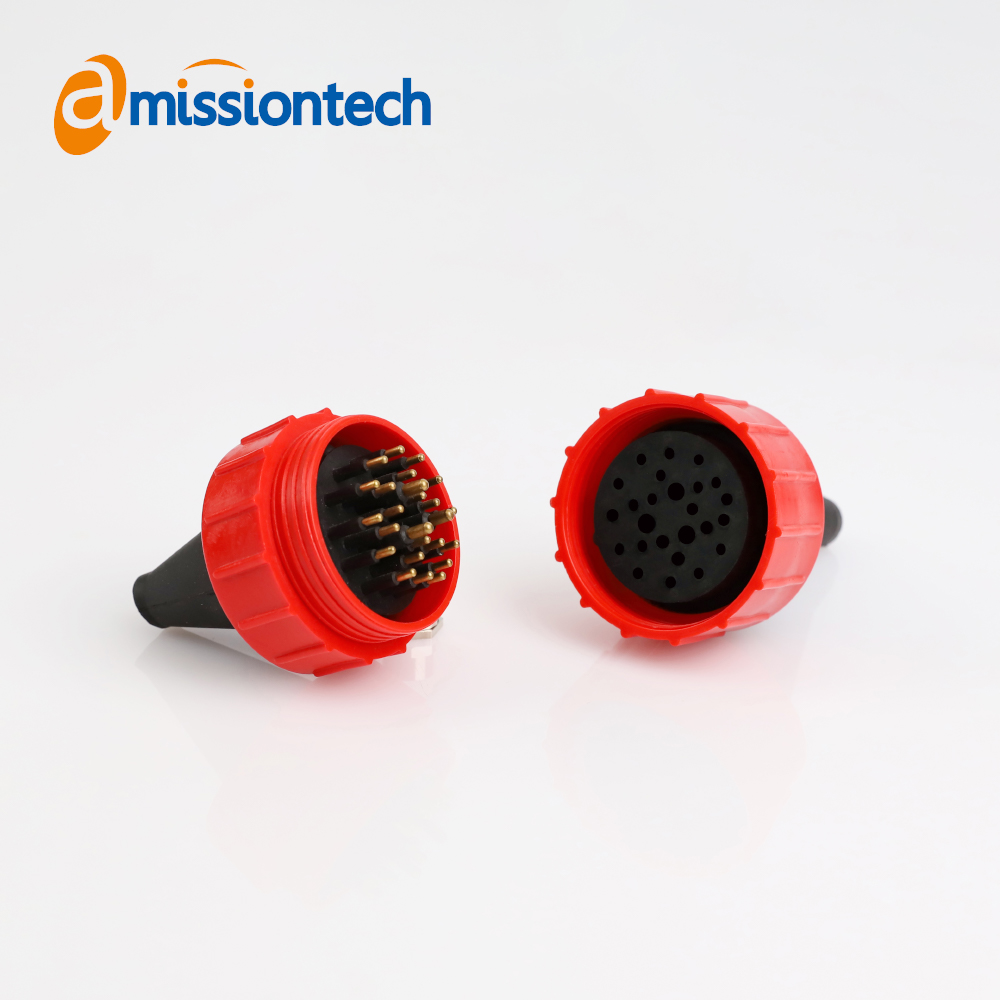
Underwater connectors and subsea connectors are sealed electrical or optical interconnects built to operate reliably in submerged marine environments. They route power, signals and data between ships, seabed sensors, offshore platforms and underwater vehicles while blocking seawater ingress at significant depths. The global subsea interconnect market spans oil and gas exploration, oceanographic research, defense systems and offshore renewable energy.
Types of Underwater and Subsea Connectors
Dry-Mate Connectors
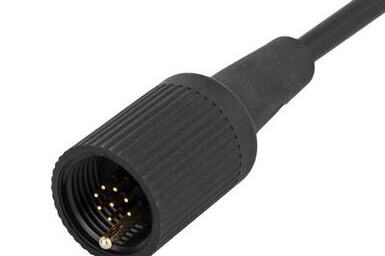
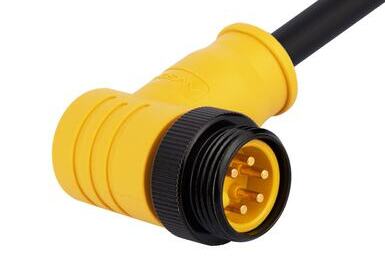
Dry-mate connectors are assembled in air before deployment. They provide proven sealing through elastomer boots, metal shells and locking sleeves. Engineers use them for topside junctions, ROV tether terminations and instrument packages that are connected on deck. These connectors offer lower cost and higher mating-cycle life than wet-mate alternatives. Standard locking mechanisms include threaded couplings, bayonet locks and quick-disconnect collars.
Wet-Mate Connectors
Wet-mate connectors join while fully submerged. They rely on pressure-balanced oil-filled chambers or wiped contacts that displace seawater during mating. These connectors support field repairs, seabed observatories and subsea distribution networks without surfacing equipment. Their design allows ROVs to connect or disconnect cables on the seabed. Wiped-contact designs use mechanical alignment to scrape away seawater before electrical contact is made.
Optical and Hybrid Connectors
Optical subsea connectors carry high-bandwidth data over single-mode or multi-mode fibers. Hybrid variants combine copper power contacts with fiber channels in one shell. They are common in seabed telecom systems, oceanographic sensors and subsea control modules. Hybrid designs reduce cable count and simplify installation. Fiber connections require precise alignment to maintain low insertion loss under pressure.
Inductive and Contactless Couplers
Inductive couplers transfer power and data across a sealed interface without exposed contacts. They are immune to seawater shorting during mating. Applications include underwater charging stations, autonomous vehicle docking and rotating equipment interfaces. These couplers eliminate wear from mechanical contacts but typically offer lower power transfer than direct-contact connectors.
Key Design Requirements for Subsea Connectors
Pressure and Depth Rating
Subsea connectors must withstand hydrostatic pressure that increases by approximately 1 bar for every 10 meters of water depth. Designers validate pressure ratings through finite-element analysis and real-world hyperbaric testing to full ocean depth when required. Each connector carries a depth rating that must exceed the maximum expected deployment depth. Safety margins account for pressure transients and long-term material creep.
Sealing and Material Selection
Elastomer seals, glass-reinforced polymers and corrosion-resistant metals such as stainless steel or titanium are standard. Material selection balances saltwater corrosion, biofouling resistance and long-term creep under sustained pressure loads. Fluorocarbon and nitrile elastomers are common seal materials for different temperature ranges. Titanium housings are preferred for the deepest or longest deployments.
Electrical and Mechanical Integrity
Contacts maintain low resistance after thousands of mating cycles. Shell geometry, keying and locking mechanisms prevent mismating and back-out. Cable entry designs distribute bend loads to avoid conductor fatigue. Proper strain relief extends service life in dynamic installations. Gold-plated contacts resist oxidation and maintain stable contact resistance in humid environments.
Chemical Compatibility and Fatigue Resistance
Seals and housings must resist exposure to hydraulic fluids, drilling muds and hydrogen sulfide in oilfield environments. Cyclic loading from vessel motion and tidal currents demands fatigue-resistant metals and flexible cable terminations. Manufacturers test assemblies for combined tension, bending and torsion over millions of cycles.
Aplikasi dan Industri Umum
Minyak dan Gas Lepas Pantai
Subsea connectors power Christmas trees, manifolds, umbilicals and remotely operated vehicles. They transmit control signals and hydraulic pressure across distributed production systems on the seabed. Reliability directly impacts production uptime and safety. Failures can require multimillion-dollar vessel interventions.
Marine Science and Oceanography
Research moorings, autonomous underwater vehicles and deep-sea sensors use underwater connectors to collect temperature, salinity, pressure and biological data over multi-year deployments. Scientists rely on wet-mate interfaces for maintenance without recovering entire instrument strings. Long-term connectors must resist biofouling and hydrolysis.
Offshore Renewable Energy
Tidal turbines, wave-energy converters and offshore wind export cable s use subsea interconnects to deliver power and monitoring data from submerged generators to onshore grids. Long service life and low maintenance are critical for economic viability. Connector assemblies must survive installation pull-in and dynamic seabed conditions.
Defense and Naval Systems
Naval platforms use ruggedized underwater connectors for sonar arrays, torpedo launchers, submarine communication systems and unmanned underwater vehicles. These applications demand high shock resistance and electromagnetic compatibility. Military specifications often require additional environmental and security qualifications.
Connector Selection Criteria for Engineers
Mating Environment and Accessibility
Dry-mate designs suit controlled deck environments. Wet-mate or inductive couplers are necessary when connections must occur underwater or by ROV manipulator arms in low-visibility conditions. Accessibility determines whether human divers, robots or surface crews perform mating. Tooling and handling fixtures must match available intervention assets.
Electrical Load and Data Bandwidth
Current-carrying capacity, voltage class and signal integrity requirements determine contact size, plating and shielding. High-speed data links need impedance-controlled coaxial or fiber optic channels. Power-over-data architectures can reduce conductor count. Thermal rise under full load must stay within material limits.
Biaya Pemeliharaan dan Siklus Hidup
Field-replaceable inserts, pressure-balanced designs and standardized footprints reduce vessel time and inventory complexity. Total cost of ownership includes installation, retrieval and repair over the system lifetime. Spare availability and vendor support influence fleet logistics. Predictable maintenance windows favor dry-mate solutions where practical.
Standar Sertifikasi dan Pengujian
Engineers specify connectors tested to industry standards for pressure cycling, temperature aging and electrical continuity. Factory acceptance tests typically include insulation resistance, continuity and visual inspection under magnification. High-reliability programs add helium leak testing and extended burn-in.
Praktik Terbaik Instalasi dan Penanganan
Pre-Deployment Inspection
Inspect seals, contacts and locking hardware before every mating. Clean surfaces with lint-free wipes and approved solvents. Lubricate seals only with manufacturer-recommended compounds to avoid swelling or degradation.
Manajemen Kabel dan Pereda Ketegangan
Route cables to avoid sharp bends, abrasion and point loading at the connector tail. Use bend restrictors and stress cones where cables exit housings. Secure cables to structures to prevent fatigue from vortex-induced vibration.
Mating Procedures Underwater
Wet-mate operations require ROV-friendly handling features and clear visual markers. Operators should confirm full engagement by tactile feedback or torque indication. Post-mate testing verifies continuity and insulation before energizing the circuit.
Future Trends in Subsea Connectivity
Higher Data Rates and Miniaturization
Subsea systems now demand multi-gigabit data links for high-definition video, sonar data and real-time control. Connector manufacturers are shrinking shells while increasing contact density. Fiber-to-the-seabed architectures reduce the number of copper conductors in long-reach networks.
Pemantauan Kondisi dan Pemeliharaan Prediktif
Integrated sensors now track temperature, pressure and insulation resistance inside connector assemblies. Operators use this data to schedule maintenance before failures occur. Predictive approaches reduce unplanned vessel trips and extend field life.
Failure Modes and Preventive Strategies
Seawater Ingress and Insulation Loss
Seawater ingress causes short circuits and corrosion. Preventive strategies include redundant seals, pressure testing after assembly and scheduled seal replacement. Monitoring insulation resistance trends detects degradation before catastrophic failure.
Contact Fretting and Galvanic Corrosion
Micro-motion between contacts generates fretting corrosion in dynamic applications. Proper contact plating and anti-fretting compounds reduce this risk. Galvanic corrosion is controlled by matching materials or using insulating coatings.
Tabel Referensi Teknis B2B
|
Parameter
|
Rentang Khas
|
Catatan
|
|
Peringkat kedalaman
|
0 hingga 6,000+ meter
|
Shallow instruments use 300 m ratings; full ocean depth requires 6,000 m+
|
|
operasi tegangan
|
48 V DC to 6.6 kV AC
|
Depends on power transmission distance and load
|
|
Current per contact
|
1 A hingga 200 A
|
Signal contacts at lower end, power contacts at higher end
|
|
resistansi isolasi
|
> 200 MΩ pada 500 V DC
|
Standard acceptance threshold after pressure cycling
|
|
Siklus kawin
|
100 hingga 5,000+
|
Dry-mate types often exceed wet-mate cycle counts
|
|
Kisaran suhu
|
-20 ° C sampai +60 ° C
|
Ambient seawater and deck exposure conditions
|
|
Protection concept
|
Sealed, pressure-balanced, oil-filled
|
Selected for depth and serviceability
|
FAQ (Pertanyaan Umum)
What is the difference between a dry-mate and a wet-mate subsea connector?
A dry-mate connector must be joined in air before deployment. A wet-mate connector can be mated and demated underwater, which allows repairs and reconfigurations on the seabed.
How deep can underwater connectors operate?
Commercial underwater connectors are rated from a few hundred meters to more than 6,000 meters. Full ocean depth ratings require specialized pressure-balanced housings and materials.
What materials resist seawater corrosion in subsea connectors?
Stainless steel, titanium, marine-grade aluminum and high-performance elastomers are commonly used. Material choice depends on depth, electrical requirements and expected deployment lifetime.
When should a hybrid connector be specified?
A hybrid connector is appropriate when a single interface must deliver both electrical power and high-bandwidth optical data, reducing cable count and installation complexity.
What testing validates subsea connector reliability?
Pressure cycling, temperature aging, insulation resistance and continuity testing are standard. Hyperbaric chambers simulate operating depth before field deployment.
Kesimpulan
Selecting the right underwater or subsea connector starts with depth rating, mating environment and electrical load. Engineers then balance sealing technology, materials and lifecycle serviceability against total project cost. A well-specified connector prevents costly retrieval and rework in remote marine locations. Early supplier involvement shortens qualification schedules and reduces integration risk.
Request a Rapid Sourcing Quote from Amissiontech for your next subsea interconnect project. Contact Amissiontech Engineering Team for Free Custom Design Support.