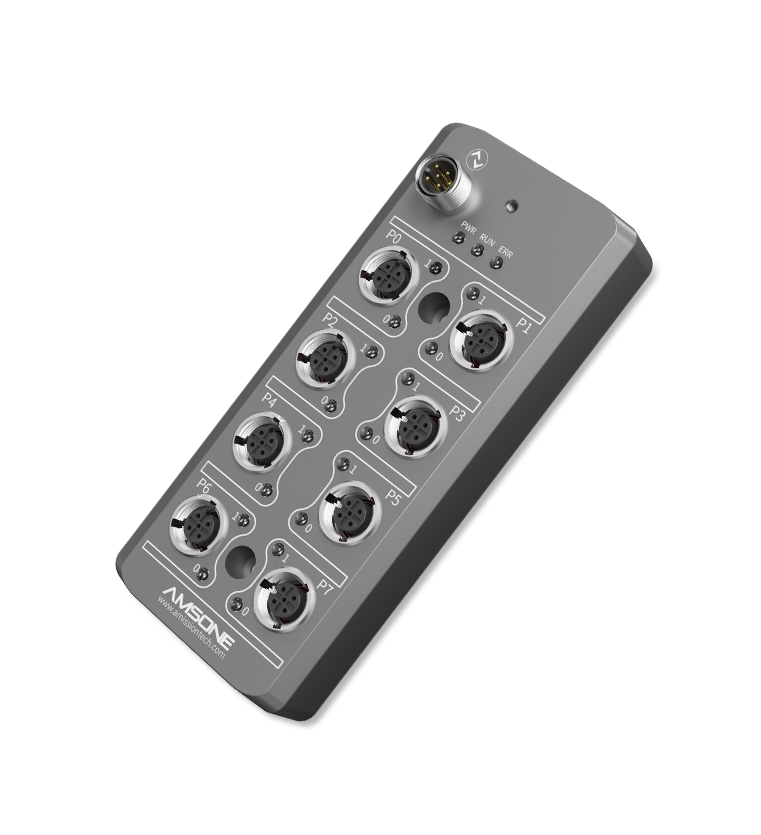
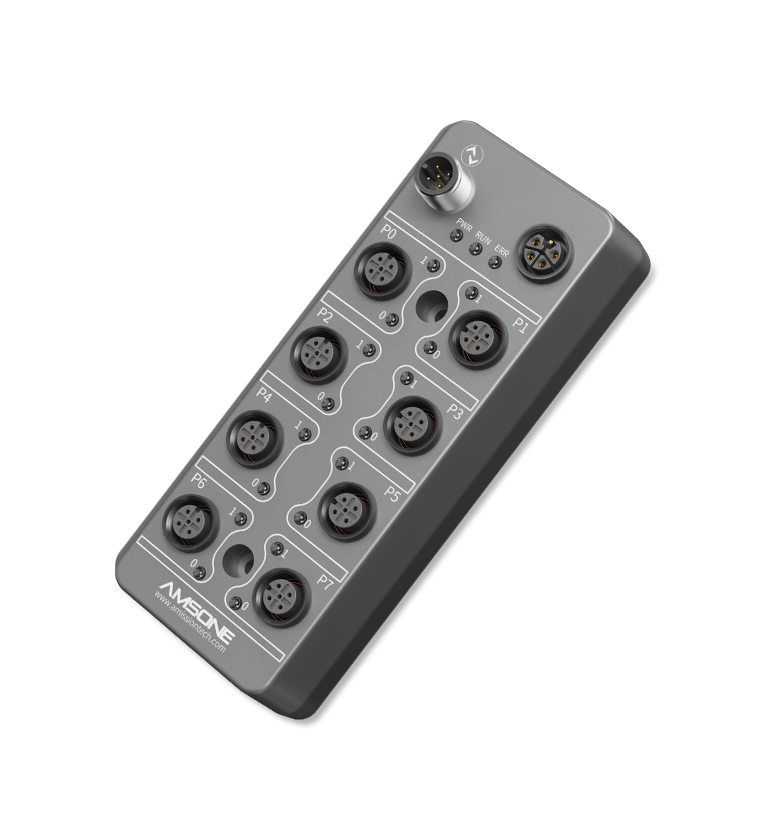
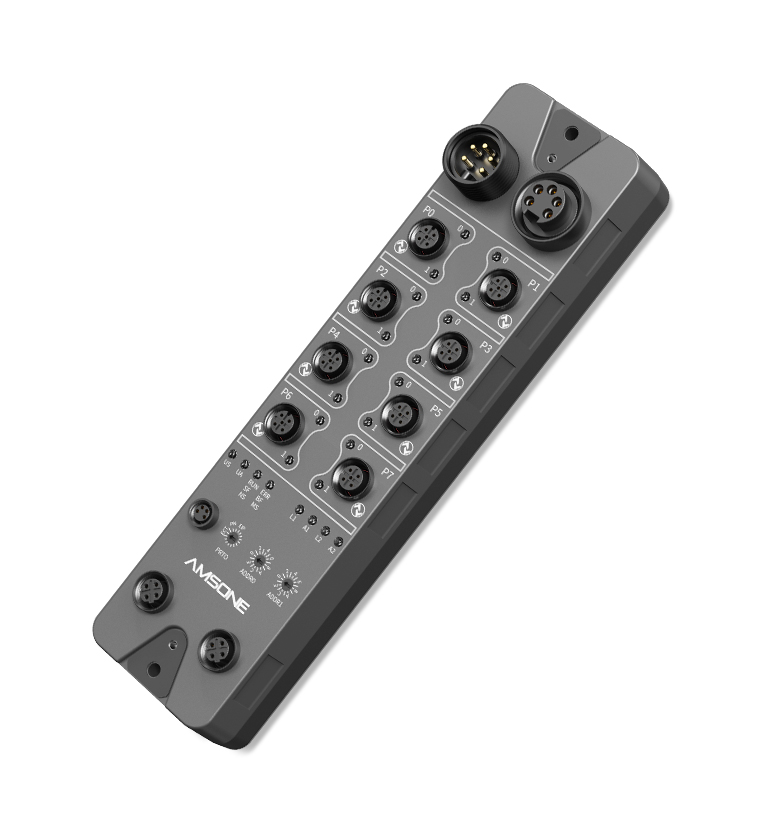
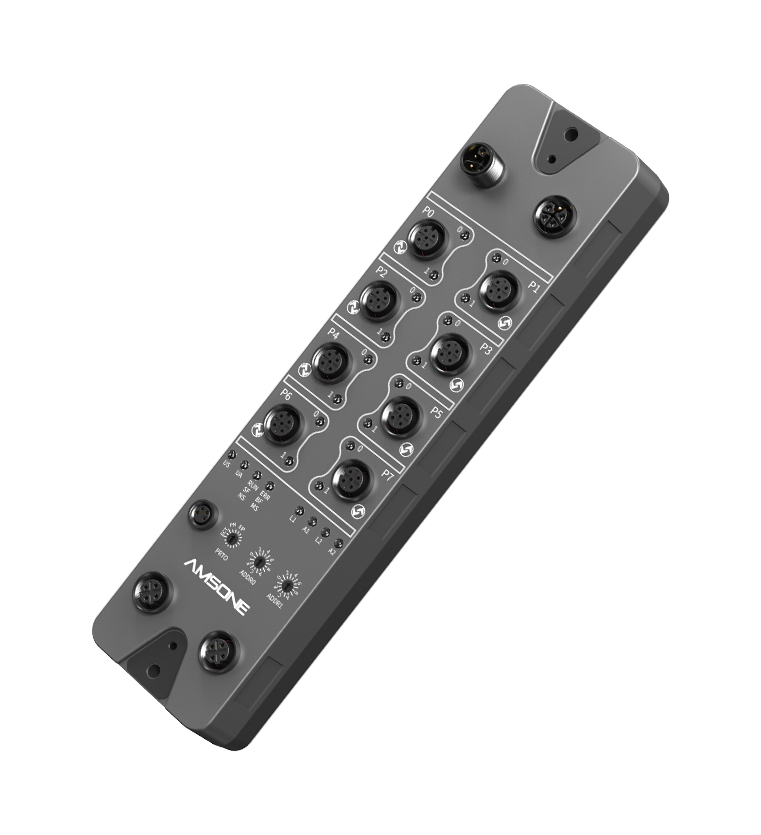
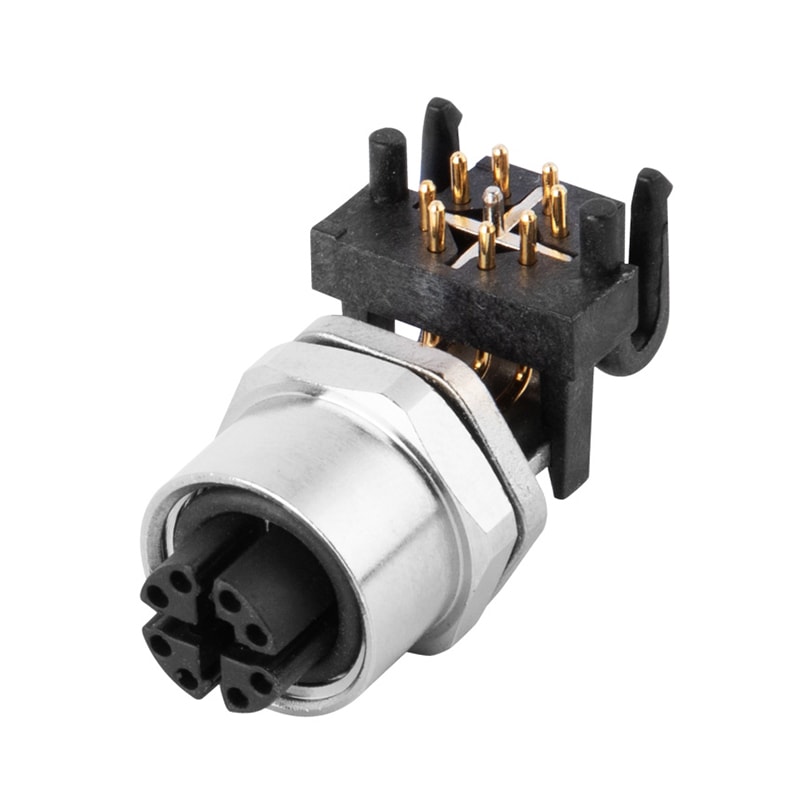
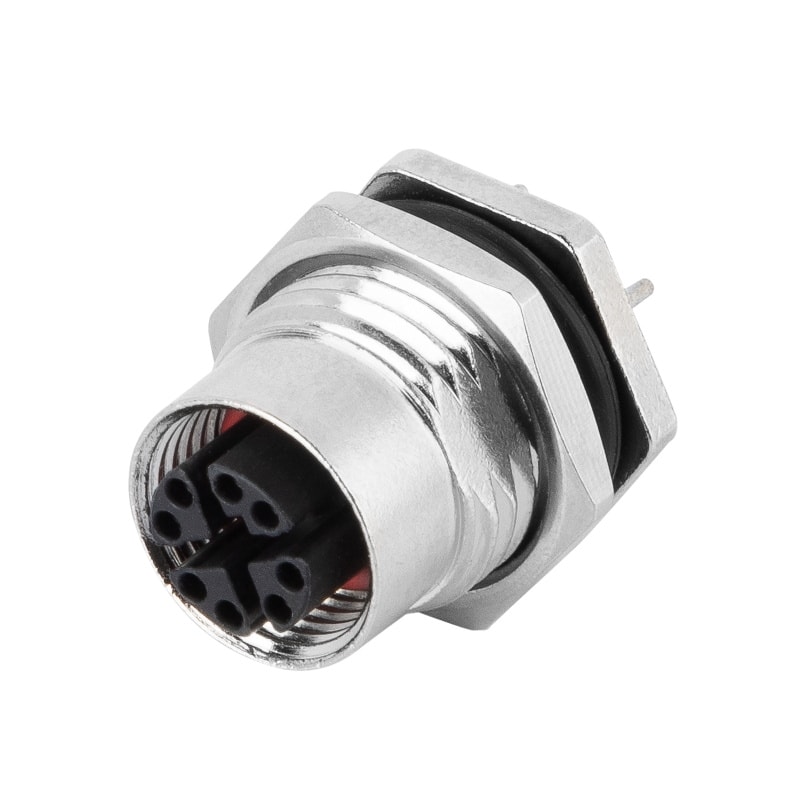
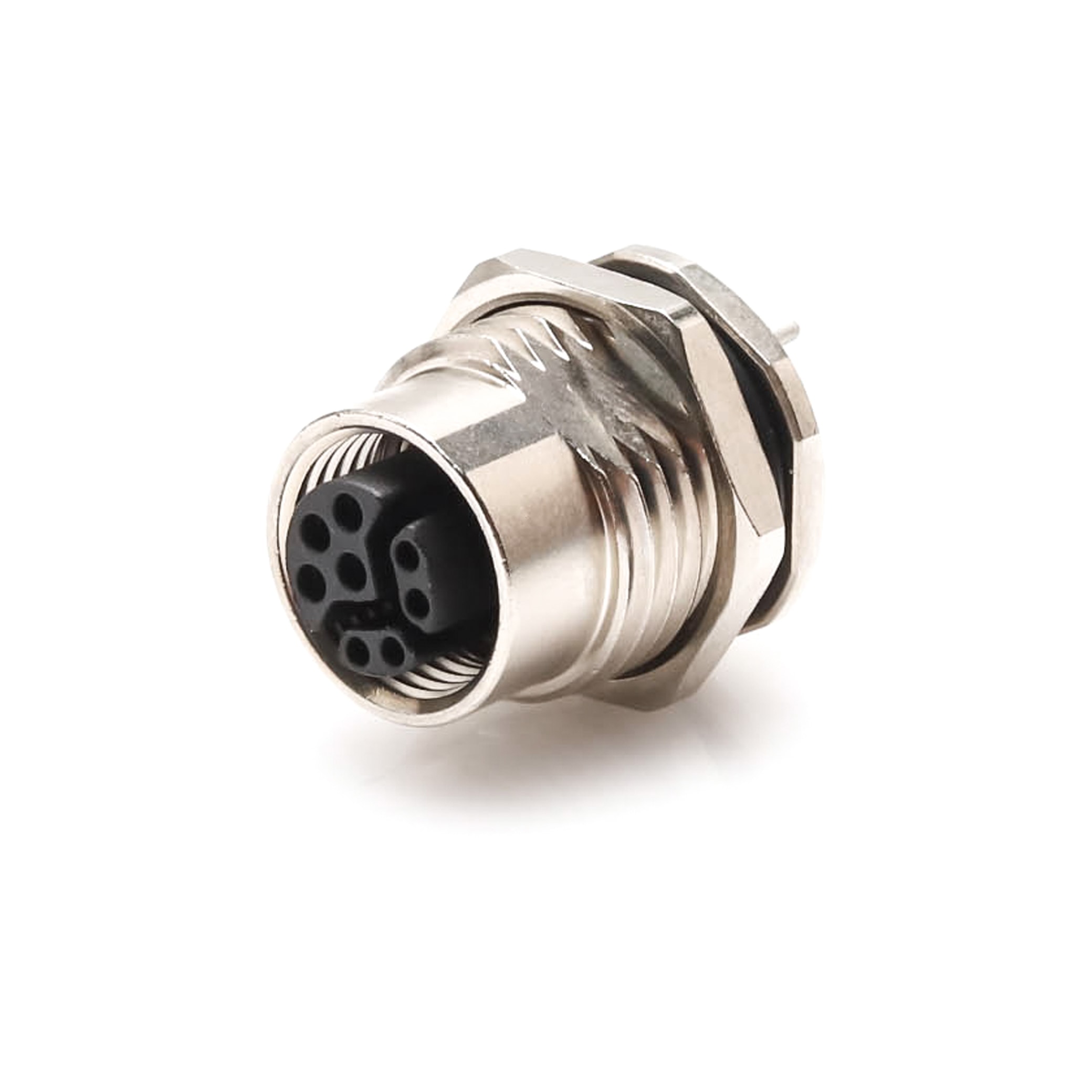
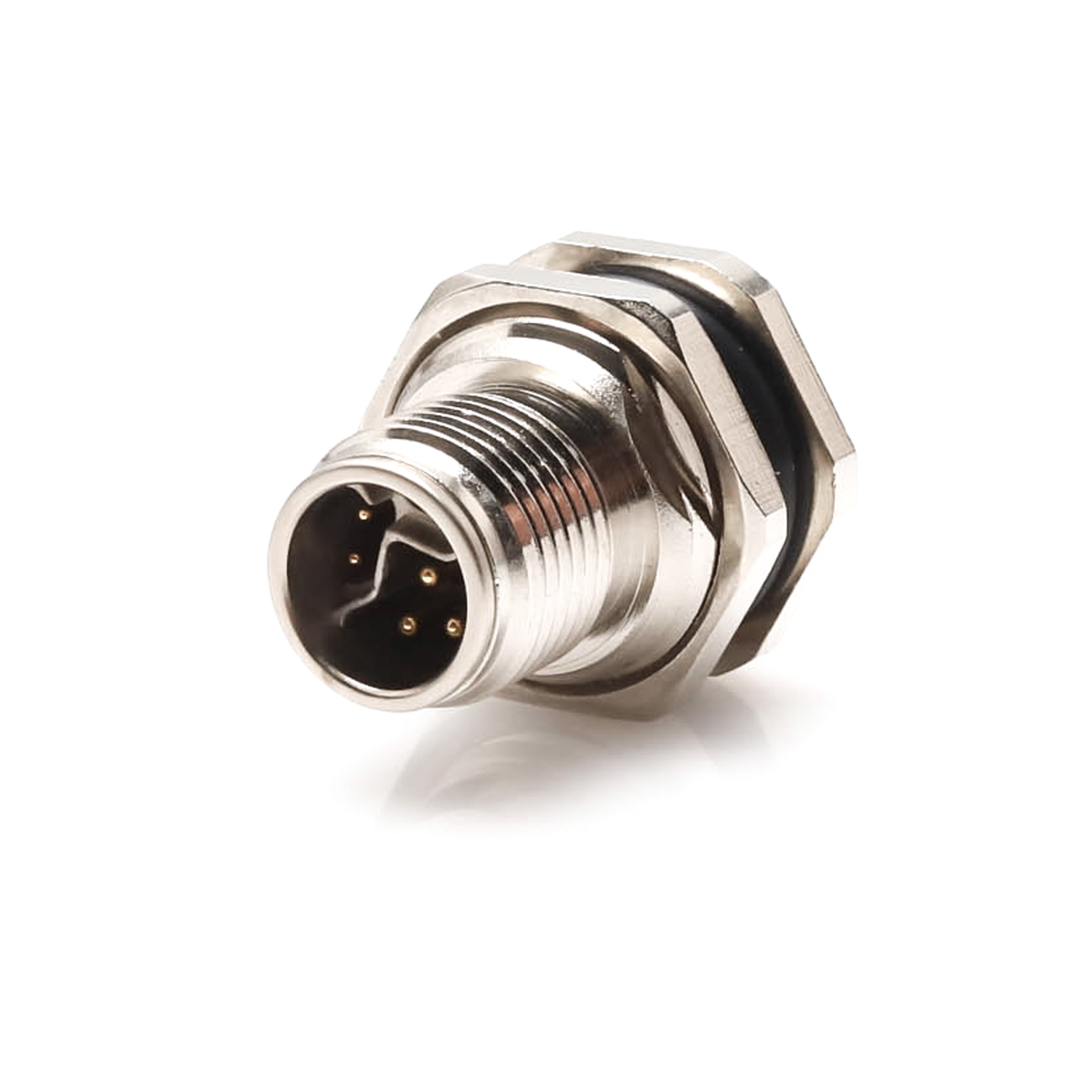
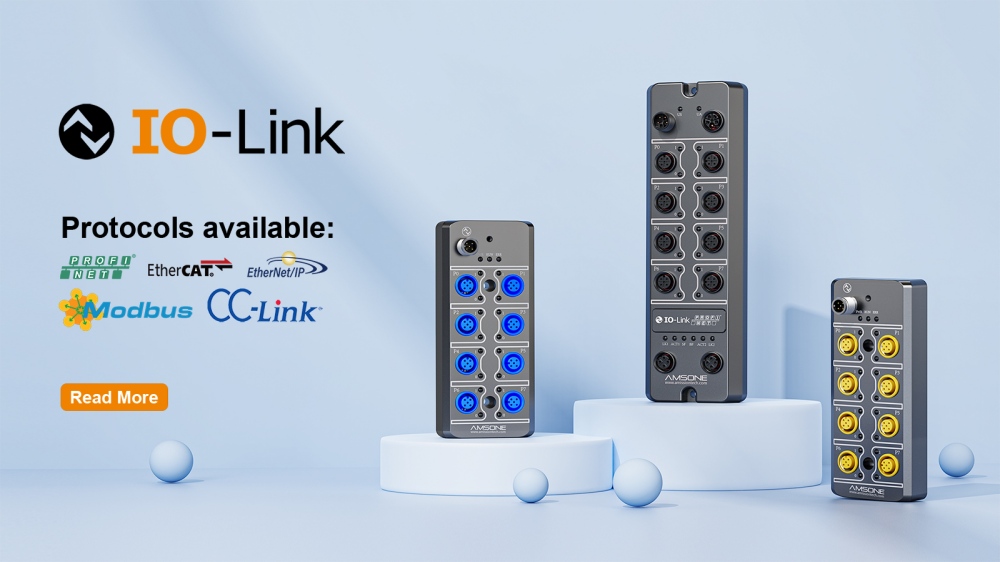
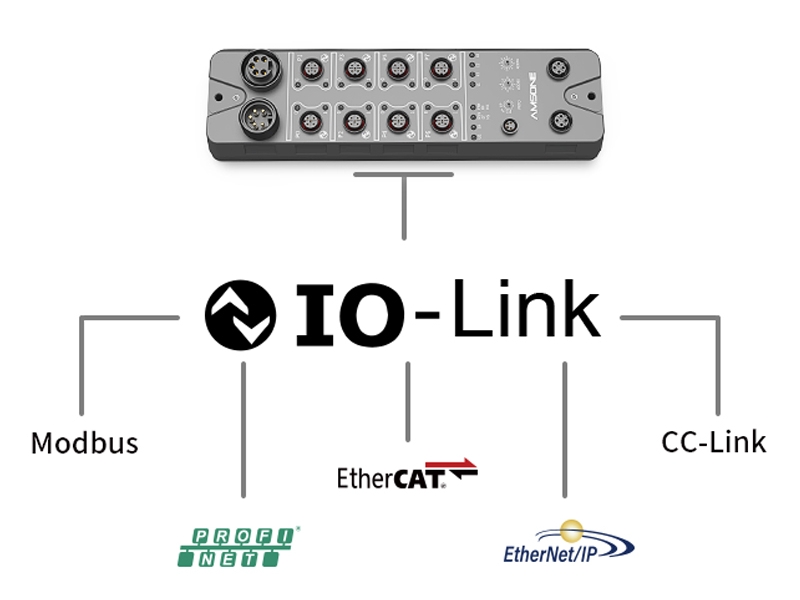
IO-Link sensor s convert physical measurements into structured digital data streams that feed directly into PLCs, SCADA systems, and cloud analytics platforms. This digital interface replaces the analog signal chains and discrete I/O points that have dominated factory automation for decades.
The transition from analog sensor signals to IO-Link digital communication unlocks new capabilities in process transparency, asset management, and predictive maintenance. It reduces integration complexity by standardizing how sensor data is structured, transmitted, and interpreted across different automation platforms and control system architectures.
How IO-Link Sensors Deliver Digital Process Transparency
Structured Process Data Beyond a Single Measurement
Traditional analog sensors transmit one continuous signal representing the primary measured variable. IO-Link sensors deliver structured digital frames containing the primary process value, secondary measurements, and device status information within a single communication cycle.
A digitally connected pressure sensor reports not only the pressure reading but also the medium temperature and the sensor's own internal diagnostic status. This multi-variable data stream provides a richer real-time picture of process conditions without deploying additional instruments or consuming extra I/O points on the controller.
Standardized Data Structure Through IODD Files
Every IO-Link sensor ships with an IODD device description file that defines every parameter, data type, scaling factor, and unit of measurement in a standardized XML format. Engineering tools, PLCs, and higher-level systems parse this file automatically.
The IODD eliminates manual signal scaling, range configuration, and unit conversion in the PLC program. Sensor data arrives pre-structured with engineering units applied. This reduces PLC programming effort and eliminates configuration errors caused by mismatched scaling factors between the sensor and controller.
Condition Monitoring Without Additional Infrastructure
IO-Link sensors continuously report internal health metrics through the same communication channel that carries process data. Operating hours, temperature extremes, supply voltage levels, and error counters transmit alongside every process value update.
Maintenance teams monitor this diagnostic data through existing SCADA dashboards or dedicated condition monitoring platforms. No additional sensors, wiring, or I/O modules are required.
The infrastructure already installed for process control also serves as the condition monitoring backbone. This dual-purpose architecture provides a complete view of equipment health without incremental hardware investment, making condition monitoring accessible to production lines that previously could not justify the cost of a dedicated monitoring system.
Process Optimization Through Parameter Agility
IO-Link sensors accept parameter changes remotely through the PLC or engineering workstation. Measurement ranges, filter constants, switching thresholds, and output functions change in software without physical access to the sensor.
This agility supports automated production changeovers between product variants. A single IO-Link sensor reconfigures itself for different measurement tasks based on the active recipe loaded in the PLC.
Manufacturing cells that previously required separate sensors for each product variant consolidate to a single device. This reduces BOM cost, simplifies spare parts inventory, and eliminates the mechanical complexity of sensor mounting brackets for multiple devices.
Digital Twin Integration and Asset Lifecycle Management
Each IO-Link sensor carries a unique vendor ID, device ID, and factory-assigned serial number accessible through the master at any time. Asset management systems read this identity data to build digital twins of the installed sensor population.
Automated inventory reconciliation compares the digital twin against planned installations. Warranty expiration tracking, firmware version management, and end-of-life forecasting operate from actual field data rather than spreadsheets.
Maintenance planners see exactly which sensor models are installed at each location and when each unit was last replaced. This visibility supports data-driven decisions about spare parts stocking levels and replacement scheduling across the entire facility.
Phased Migration from Analog to Digital Sensor Infrastructure
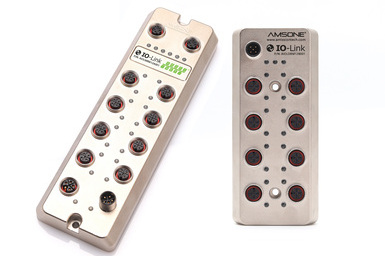
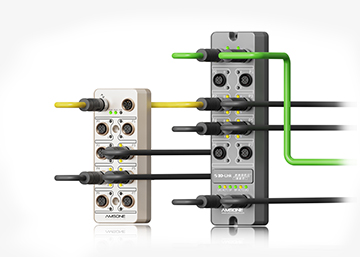
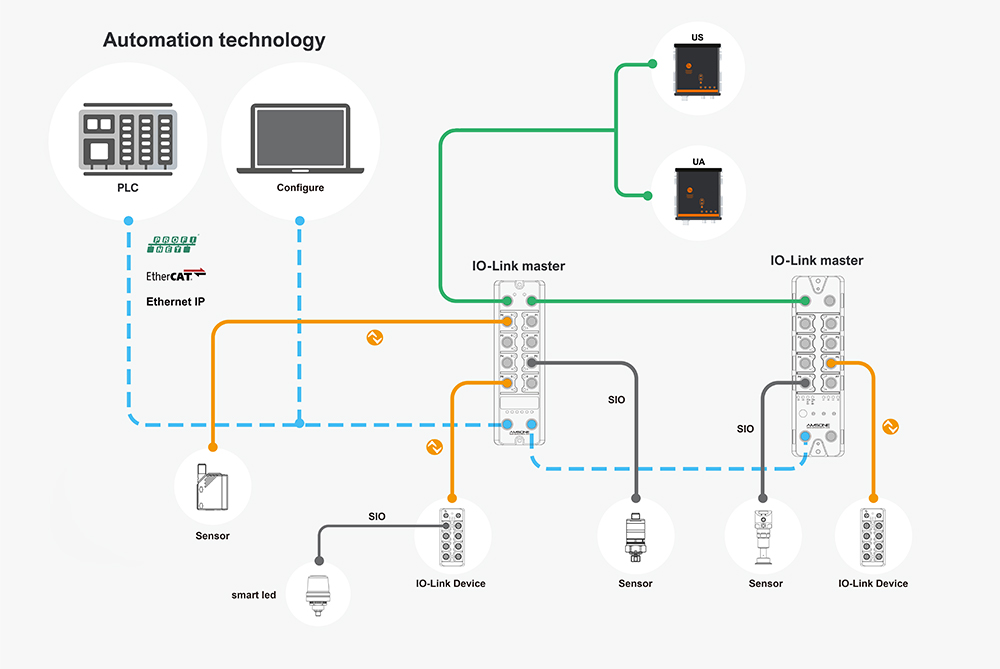
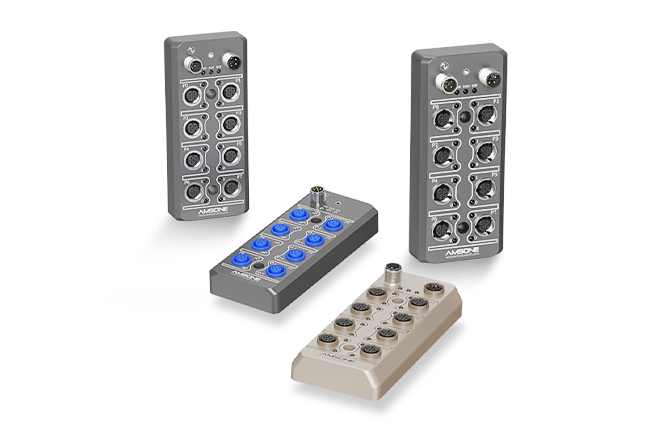
IO-Link master s support SIO mode, which treats each port as a standard digital input or output. This backward compatibility allows existing discrete sensors to remain in service on the same master that also supports IO-Link device s.
Migration proceeds port by port rather than through a full system cutover. Discrete sensors are replaced with IO-Link equivalents during scheduled maintenance windows or natural end-of-life cycles.
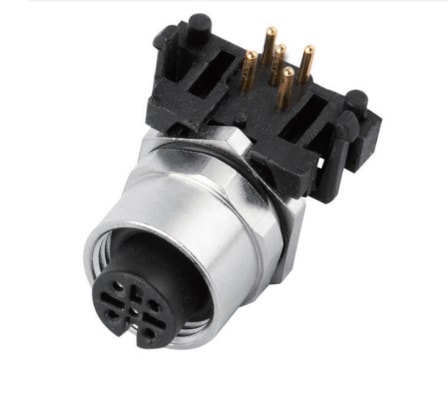
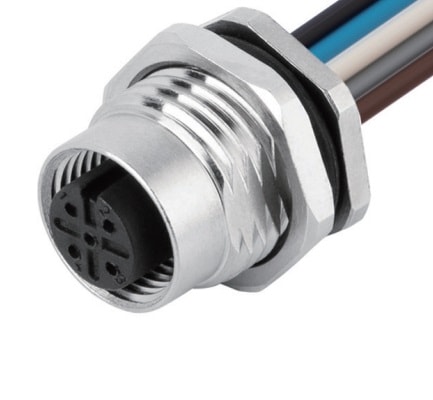
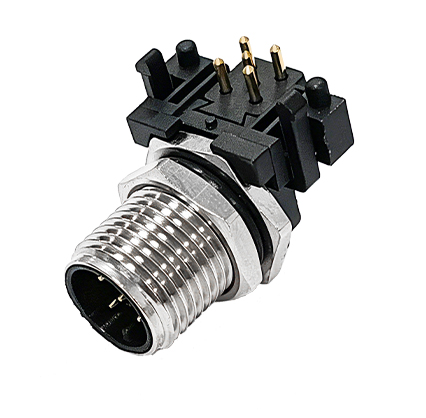
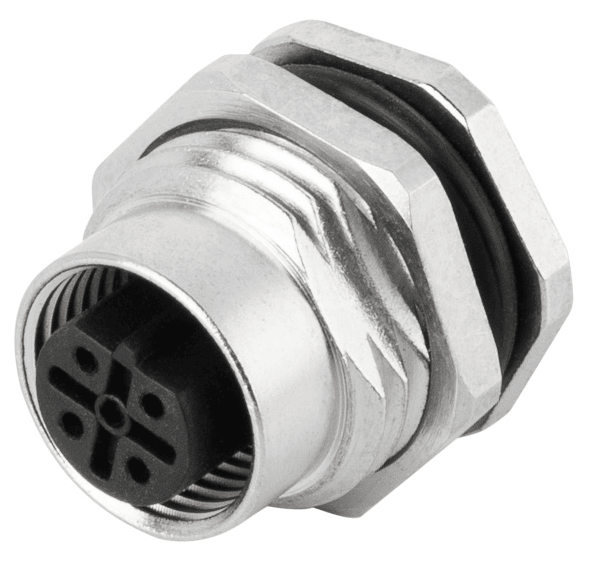
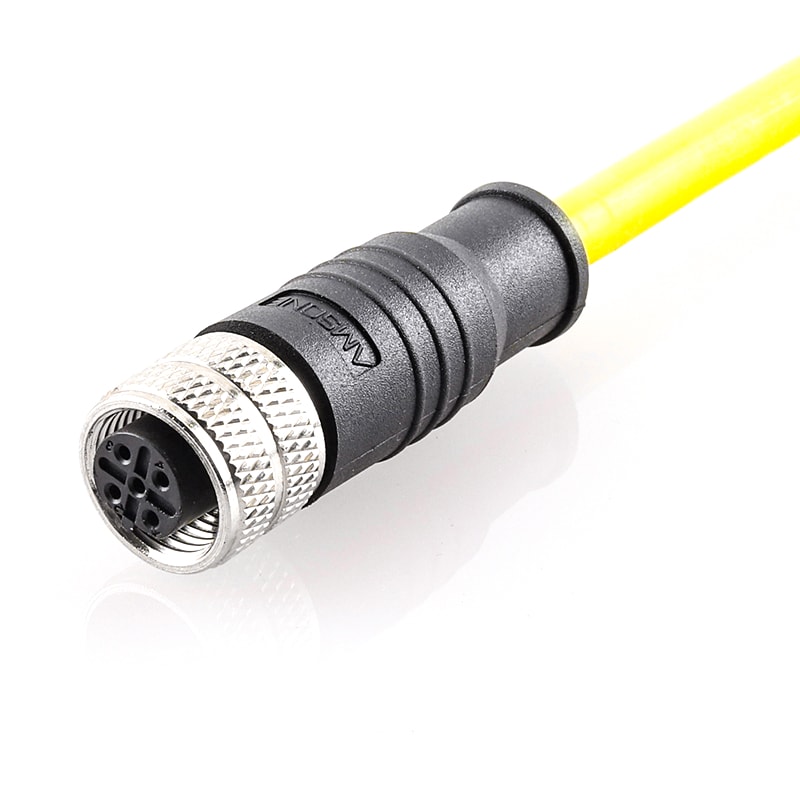
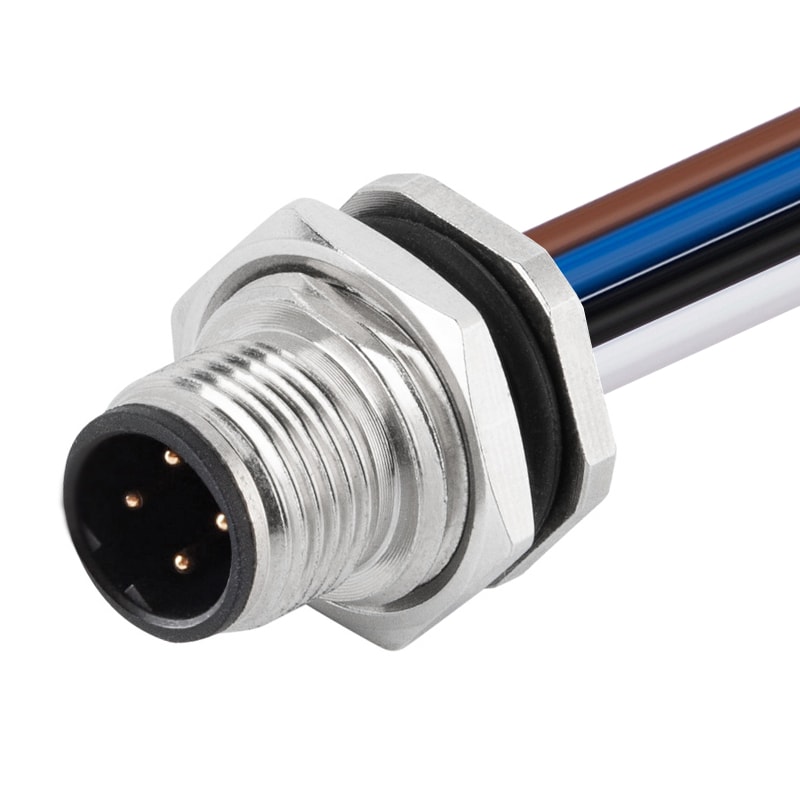
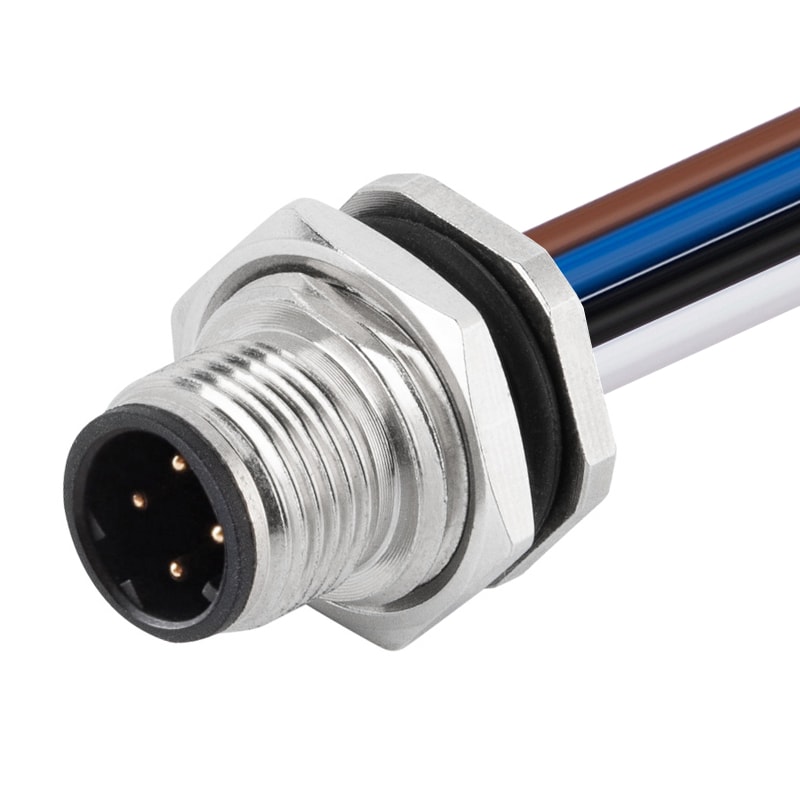
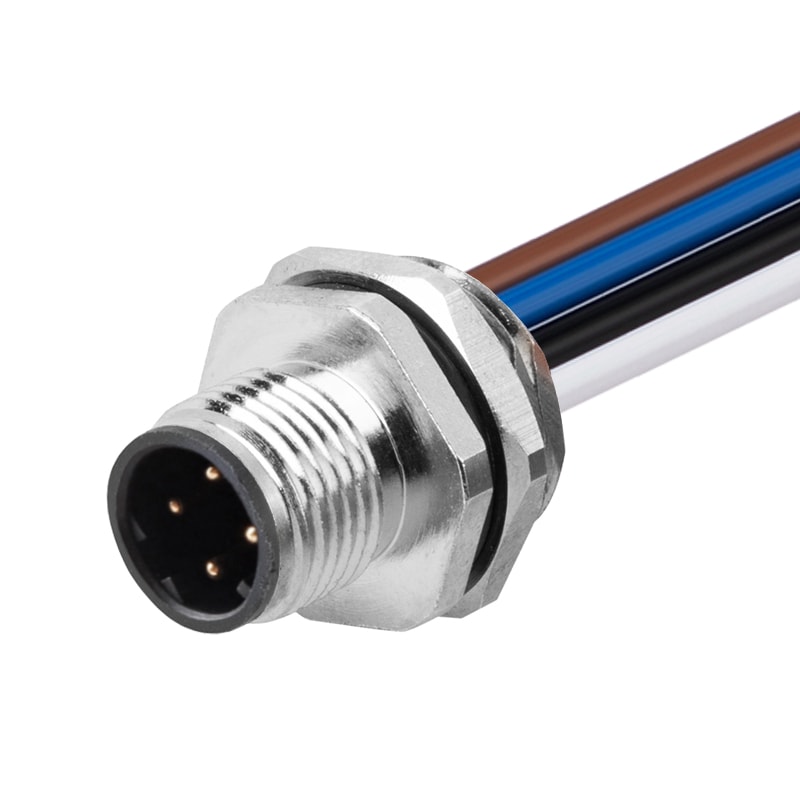
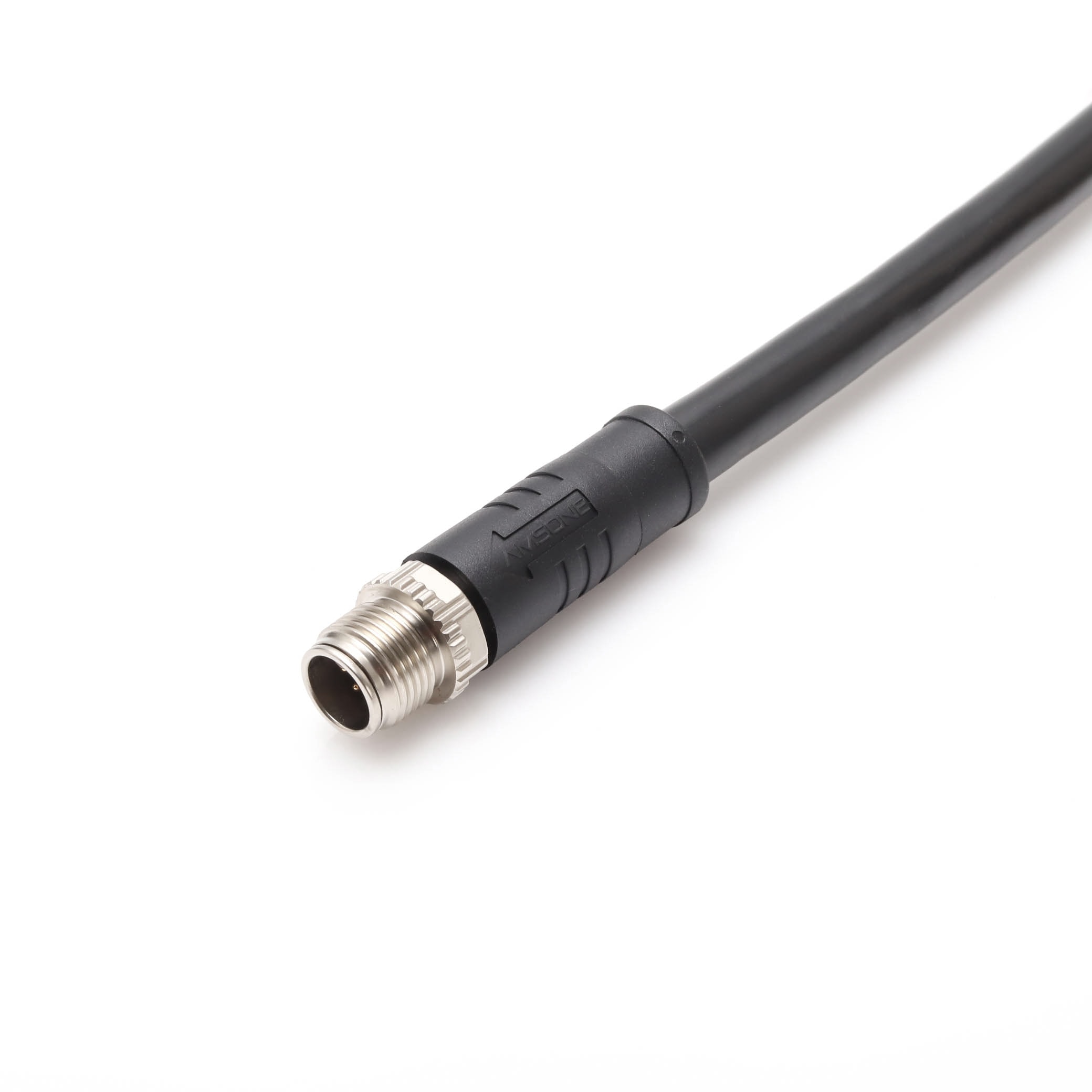
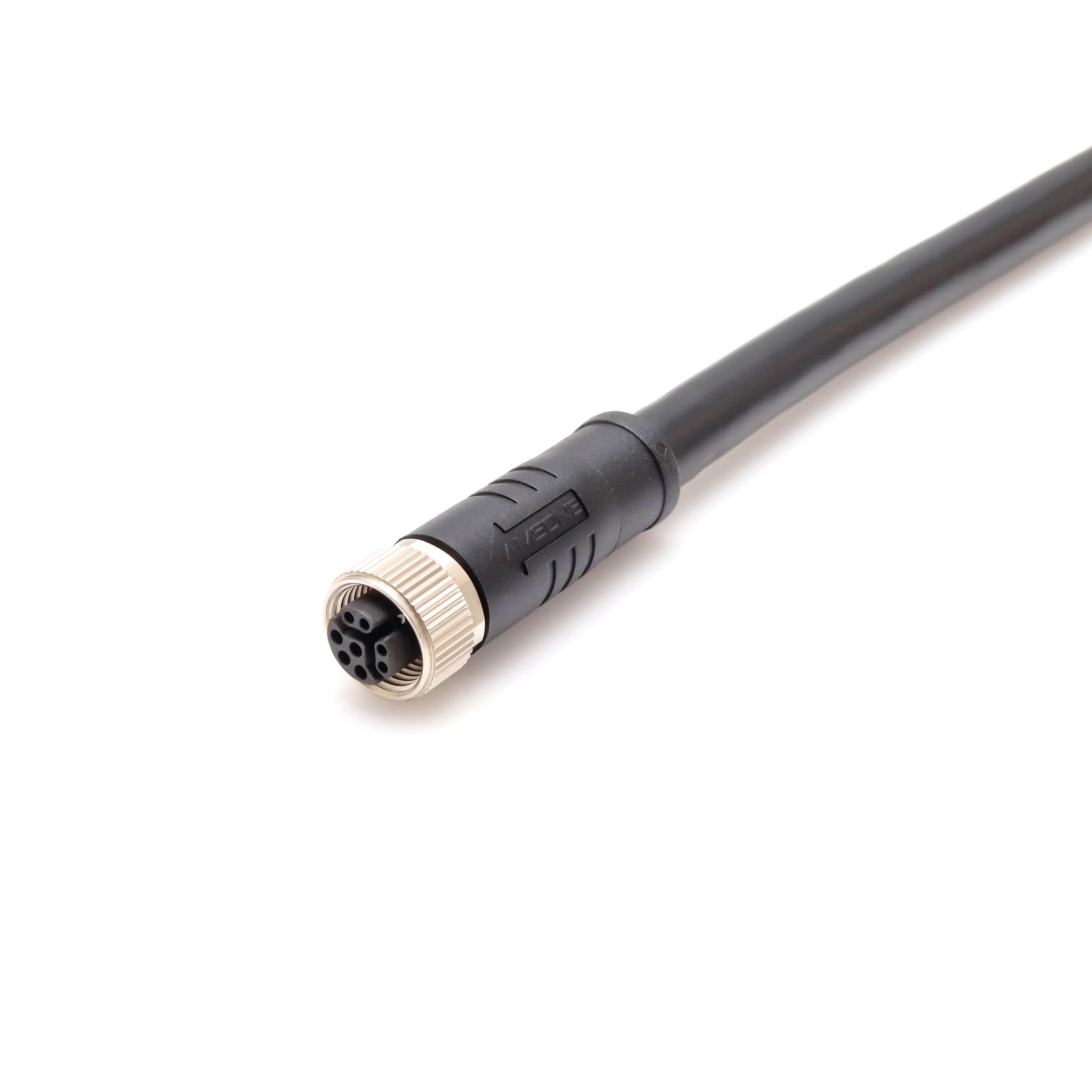
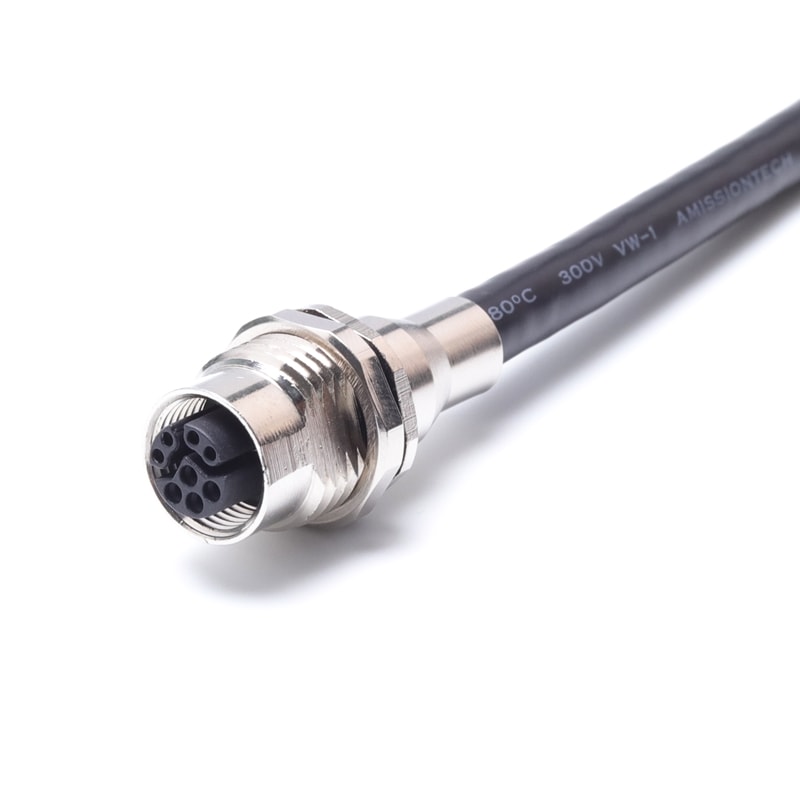
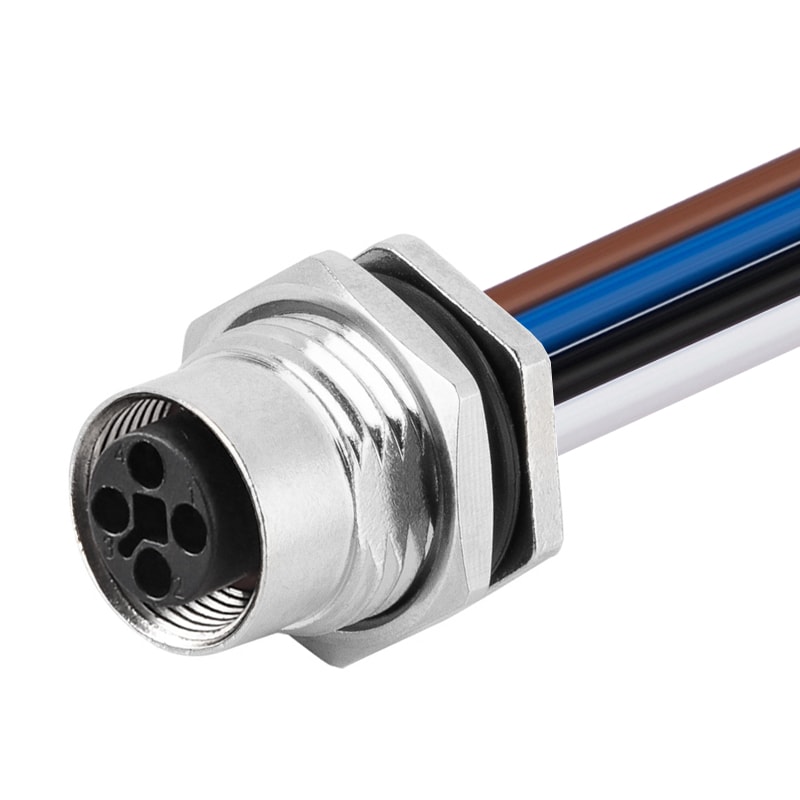
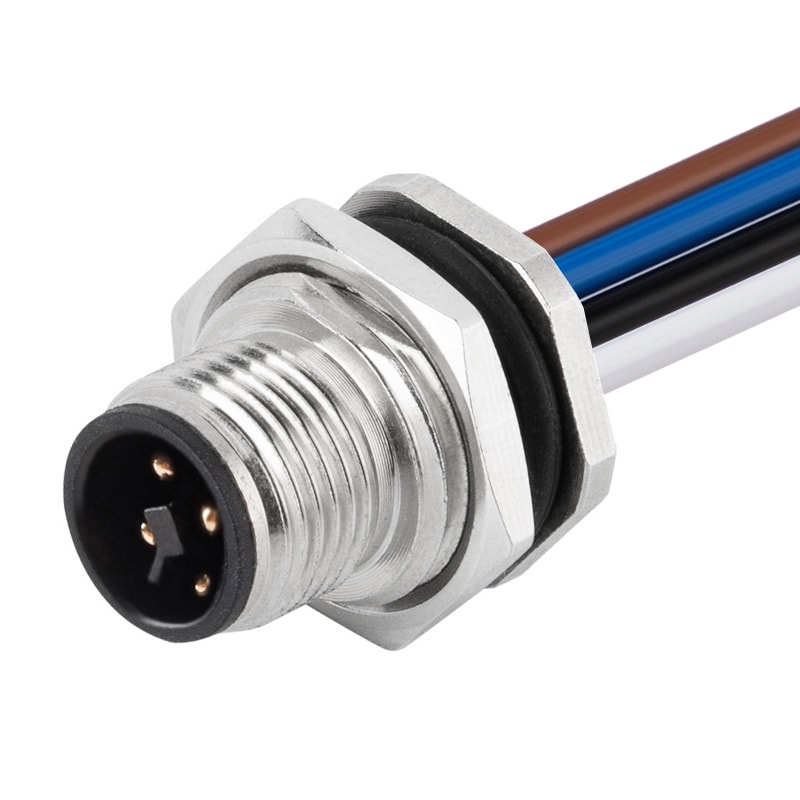
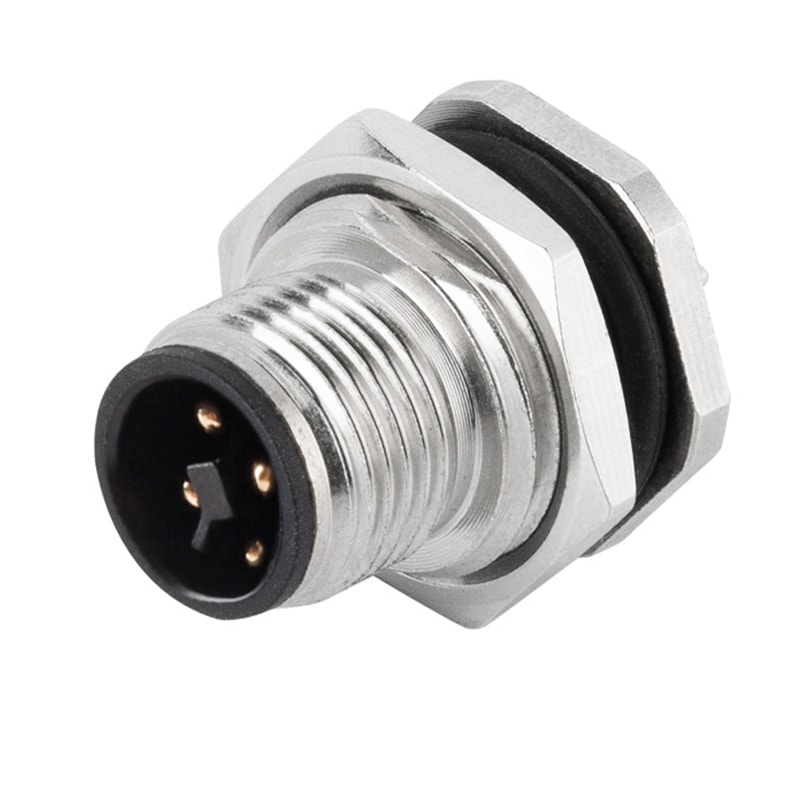
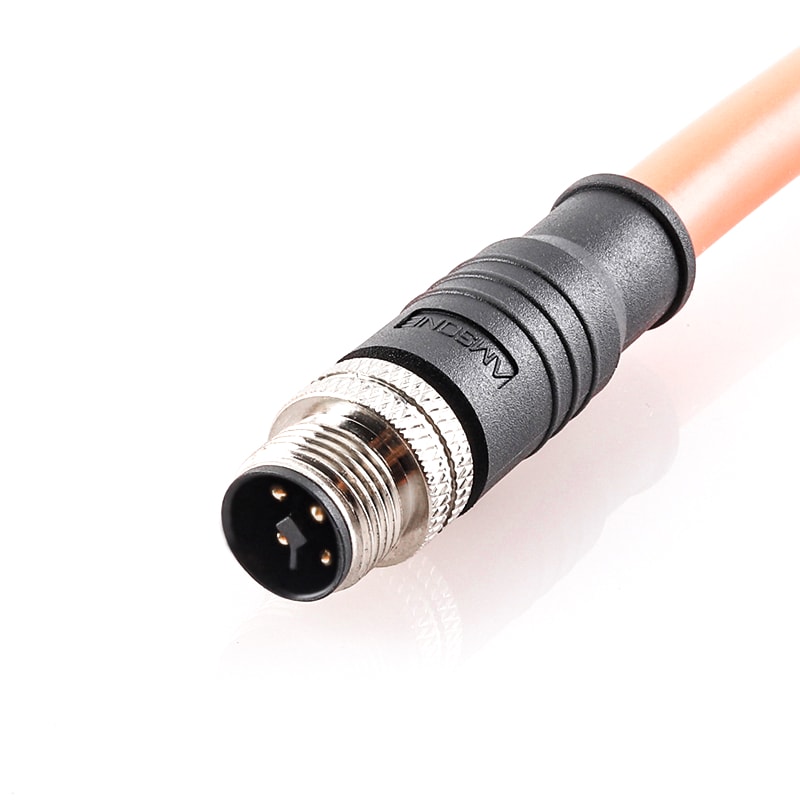
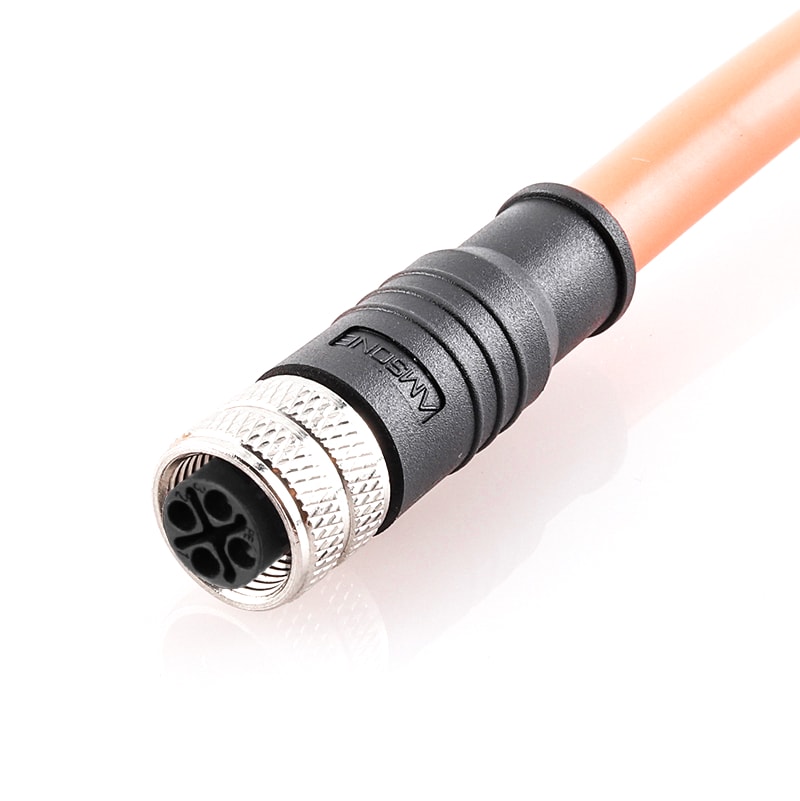
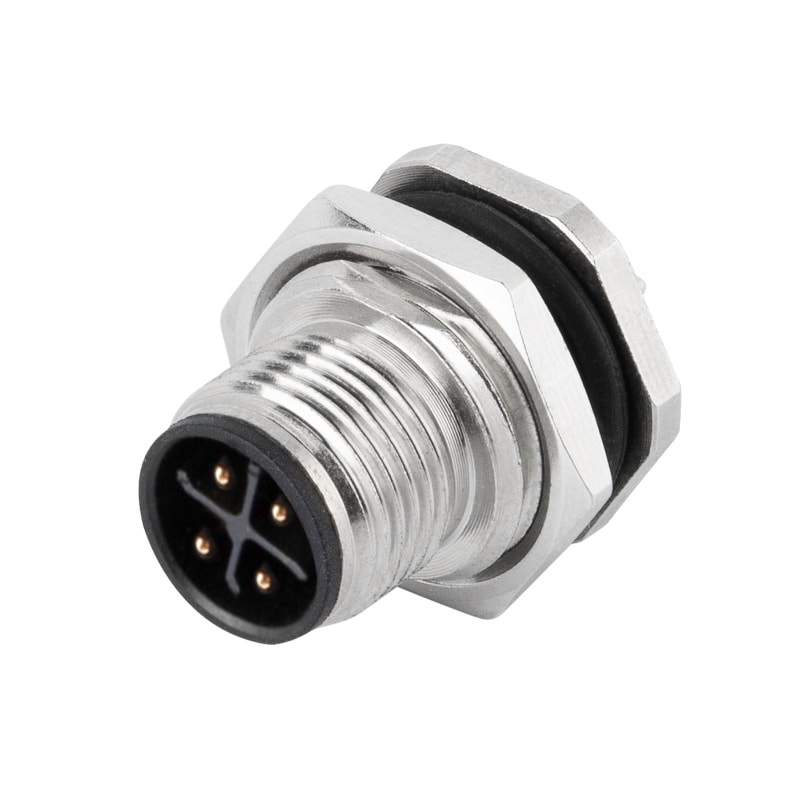
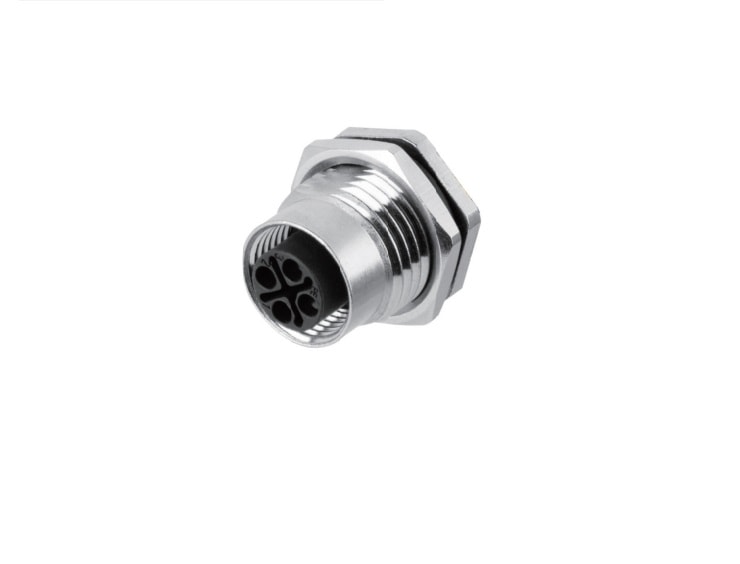
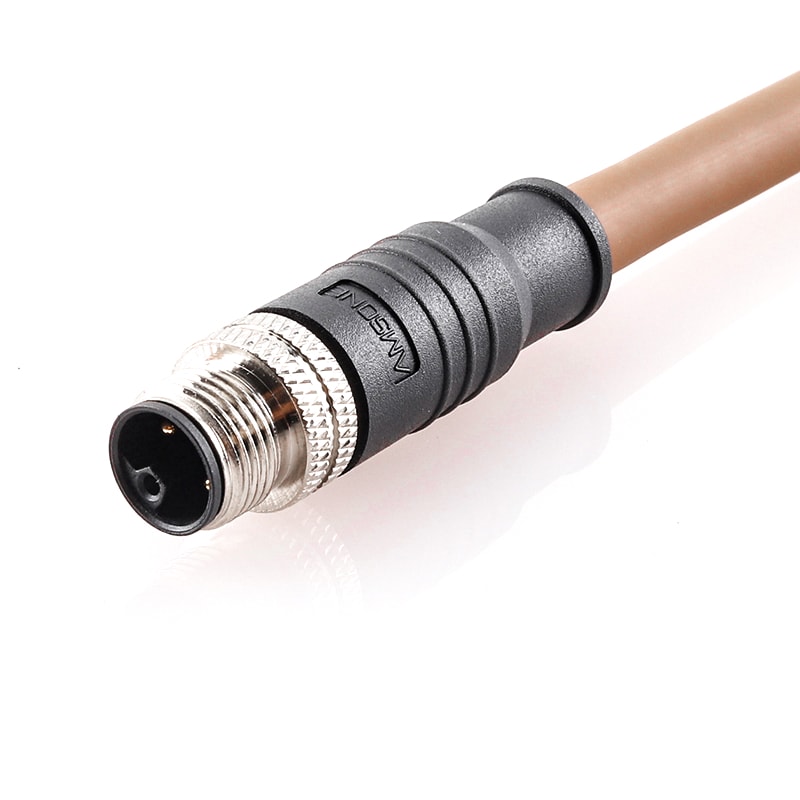
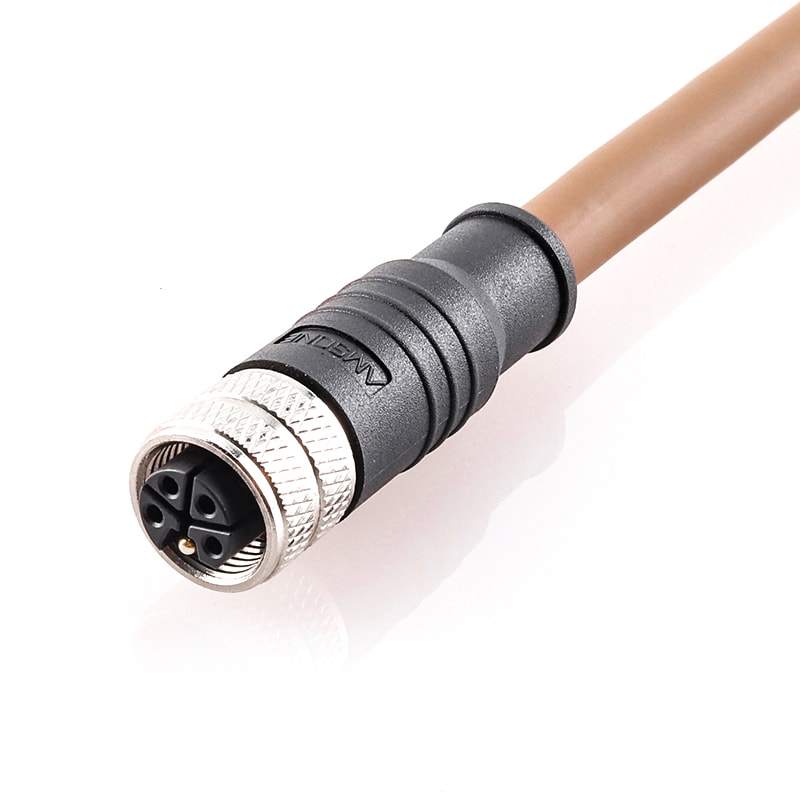
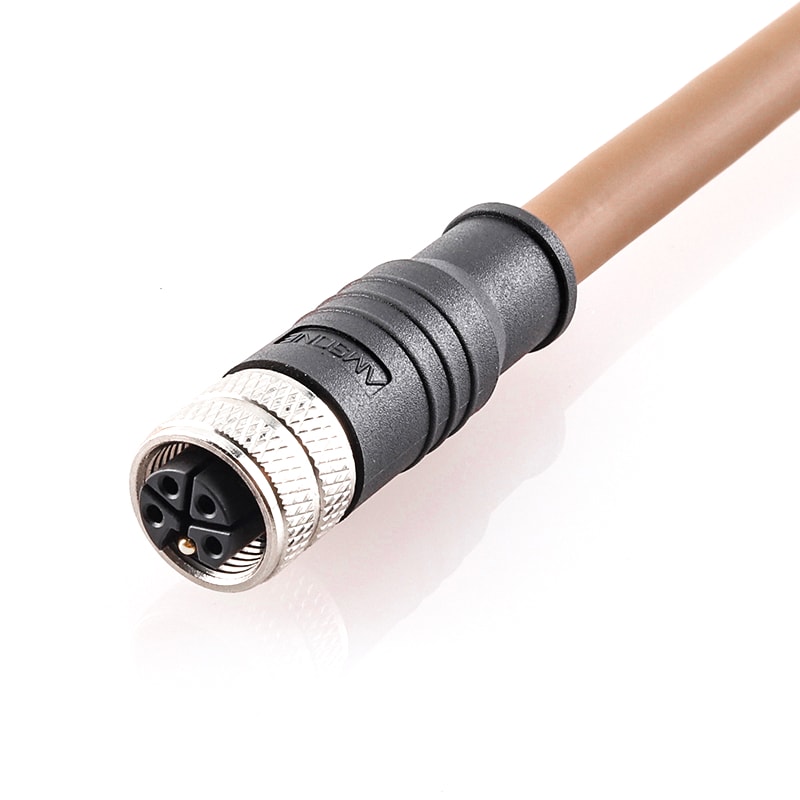
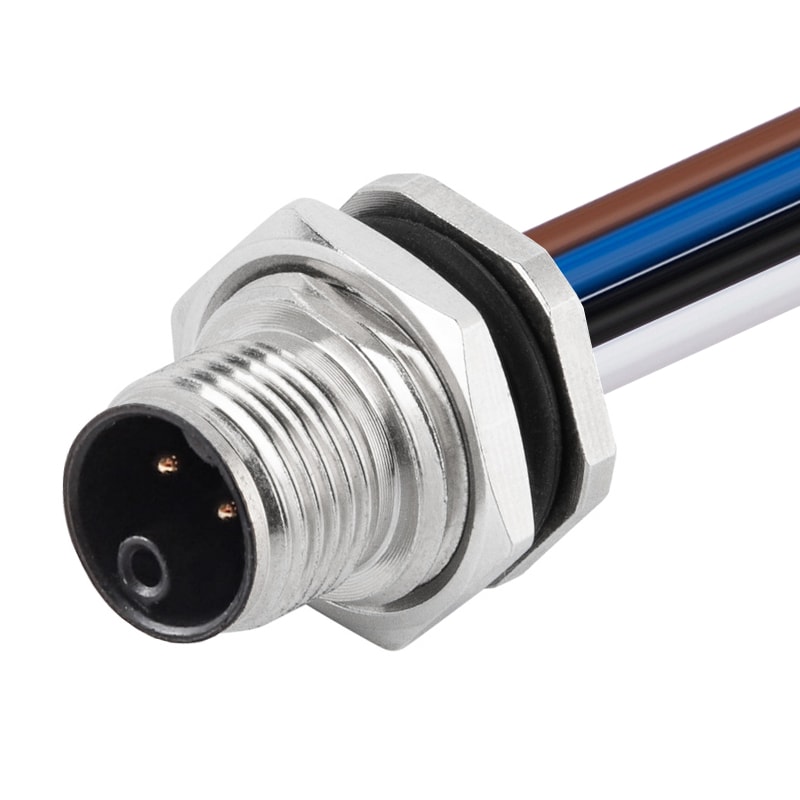
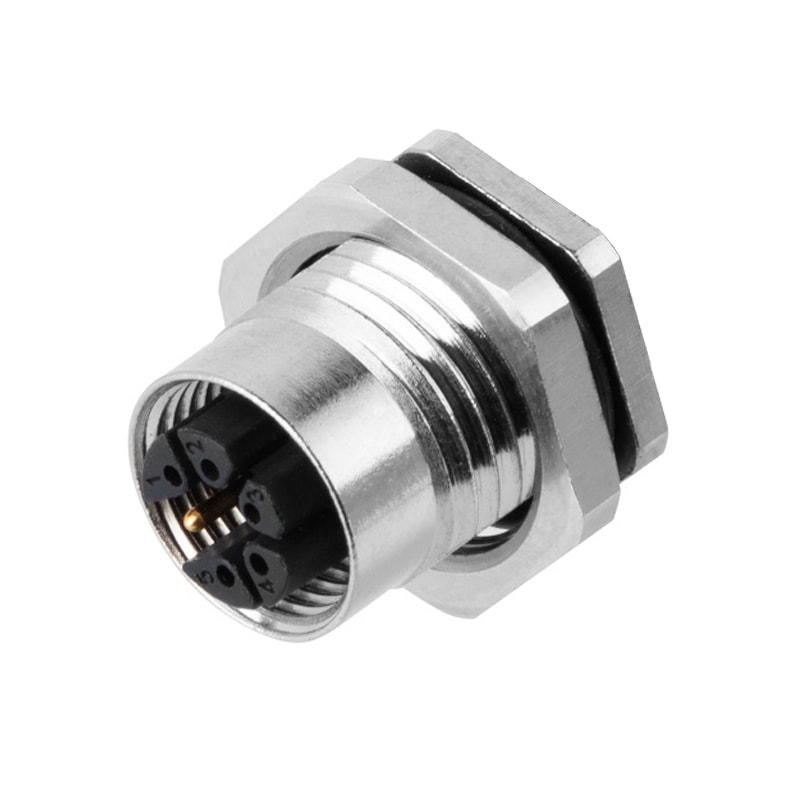
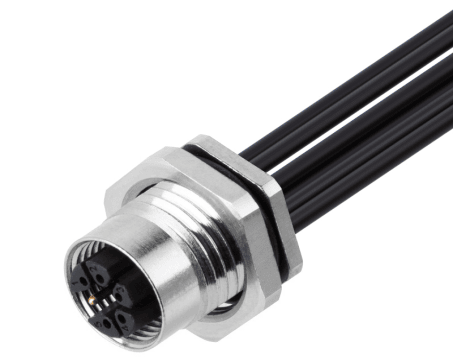
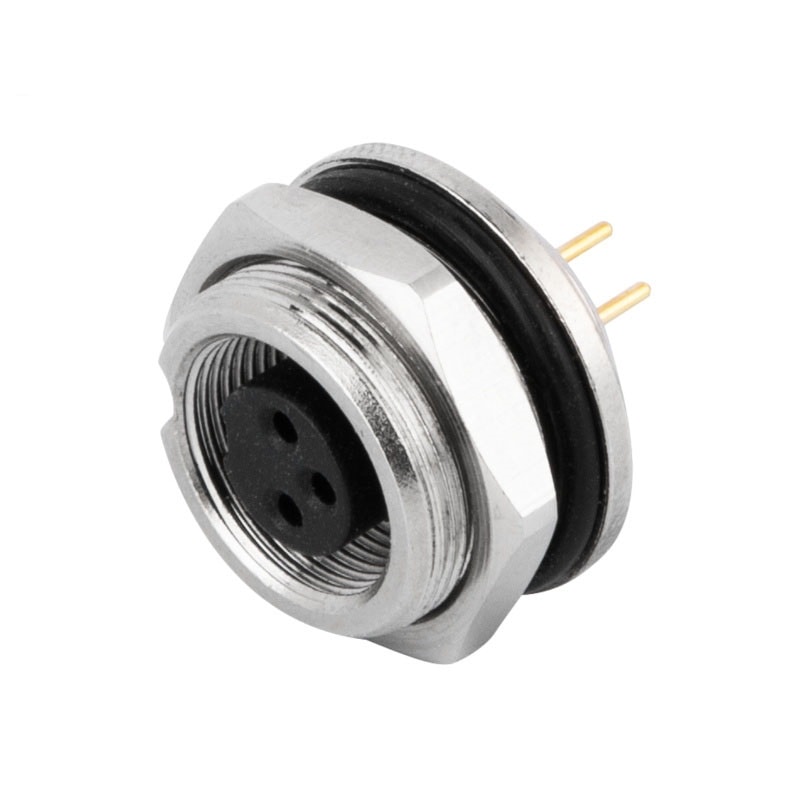
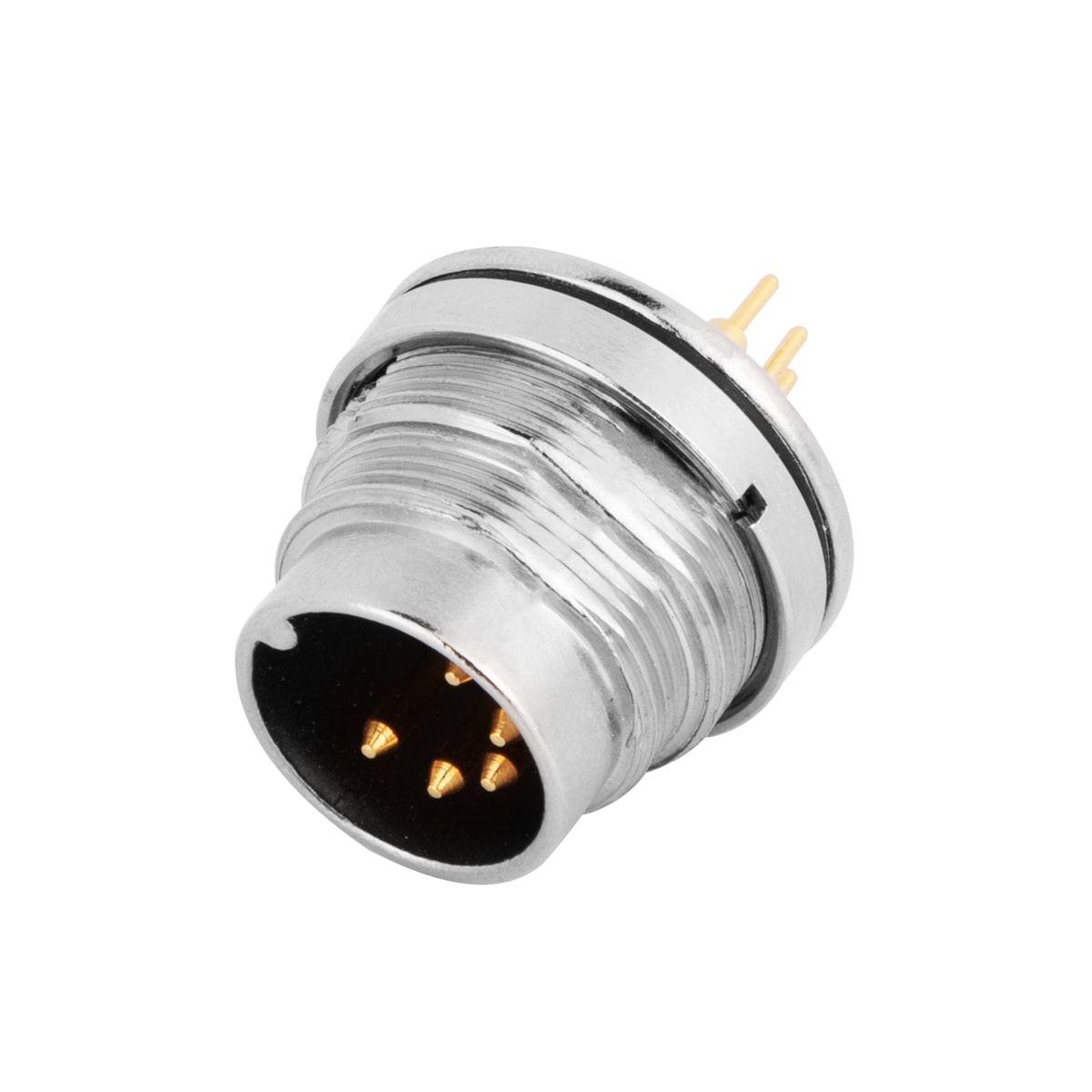
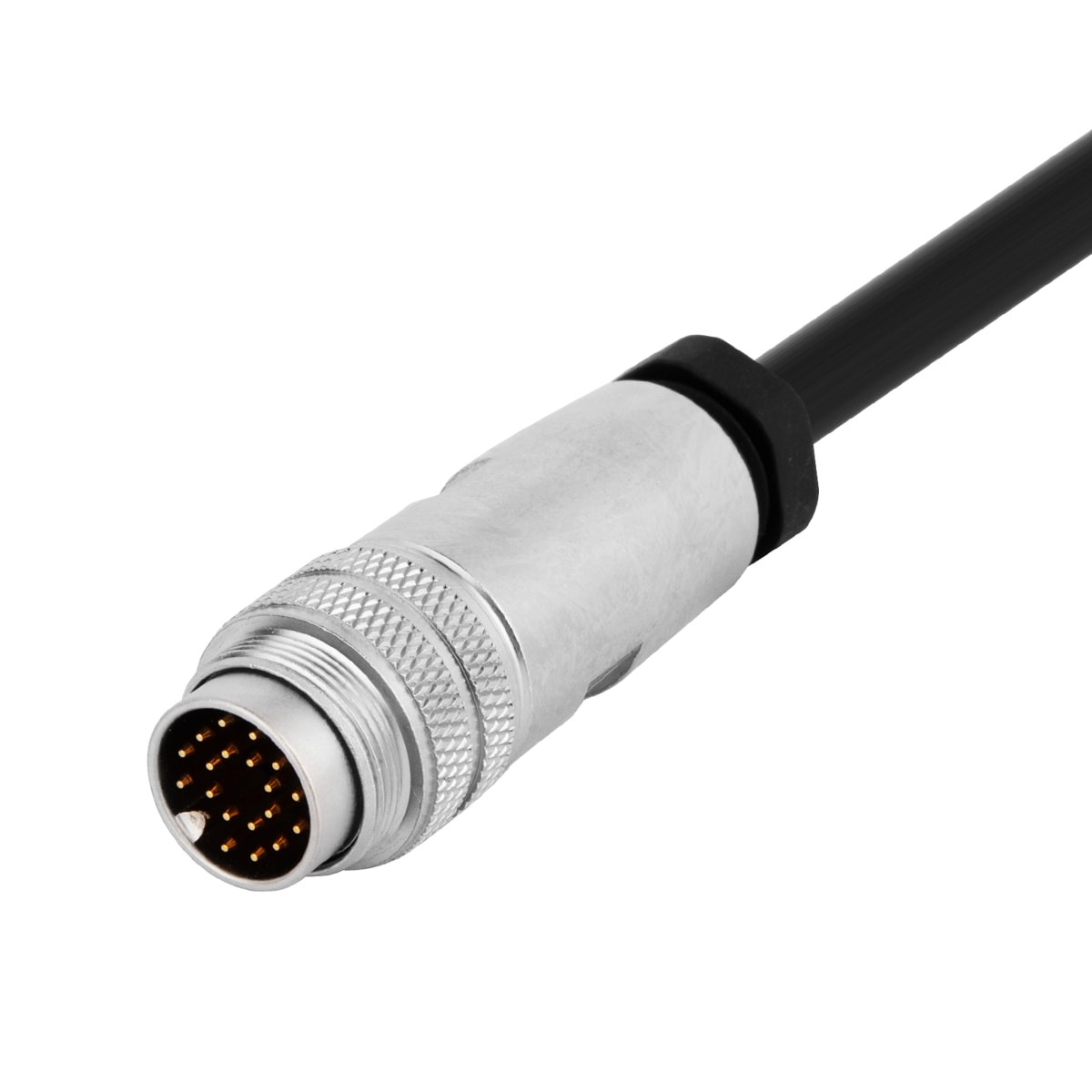
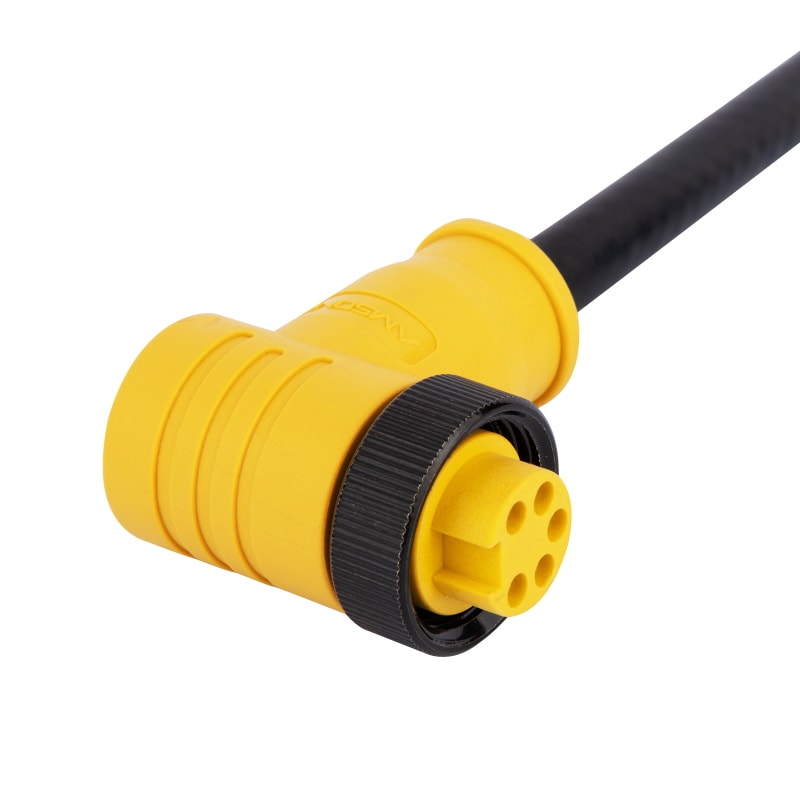
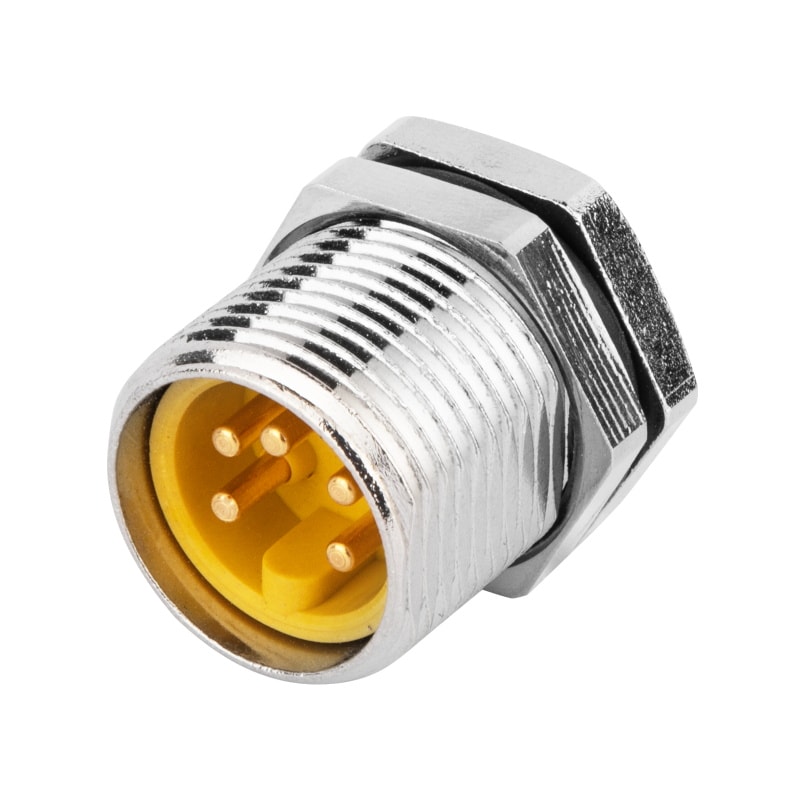
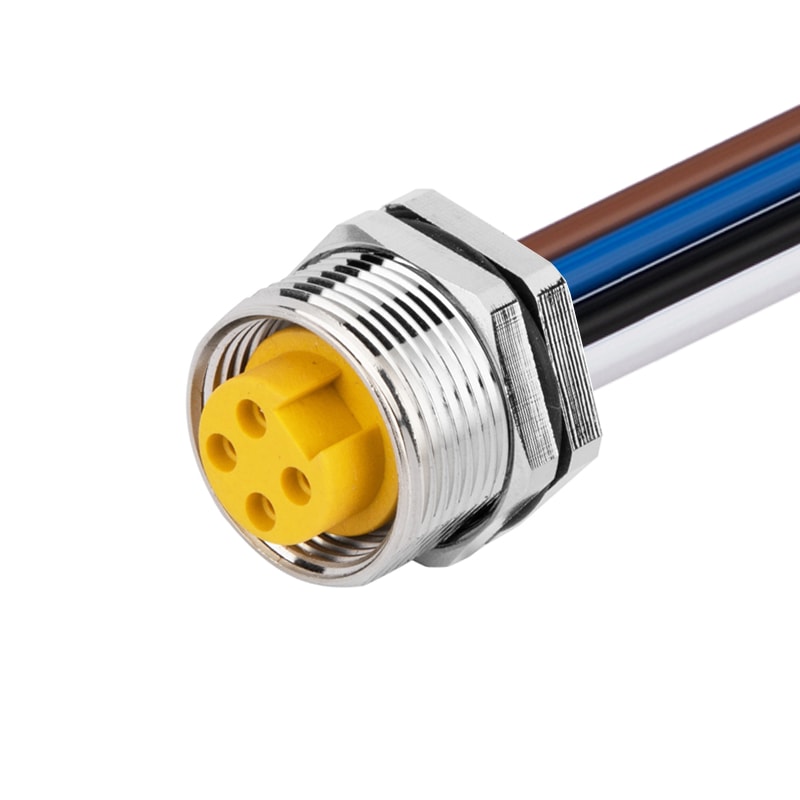
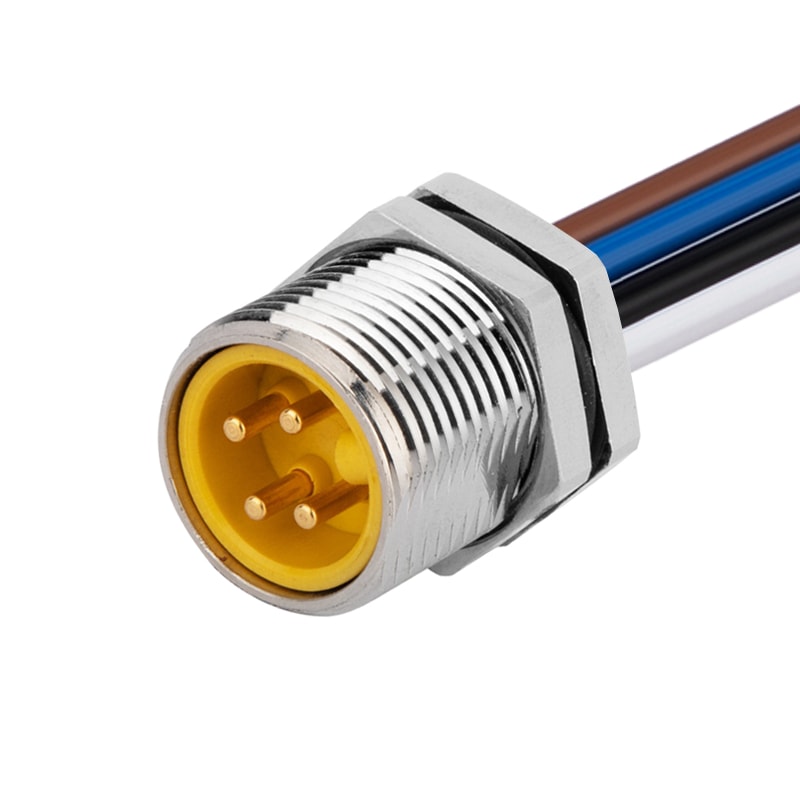
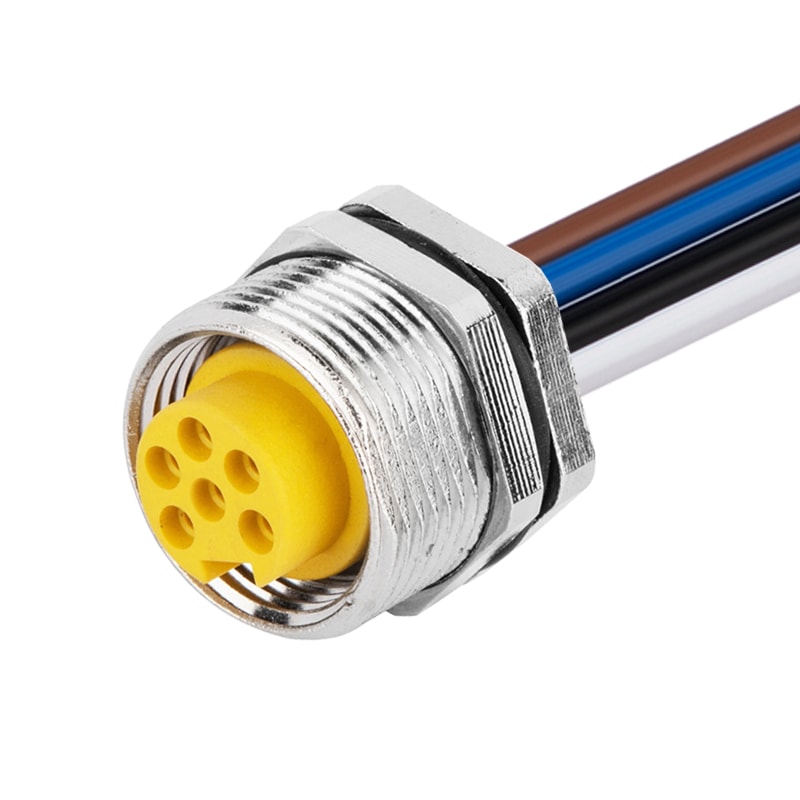
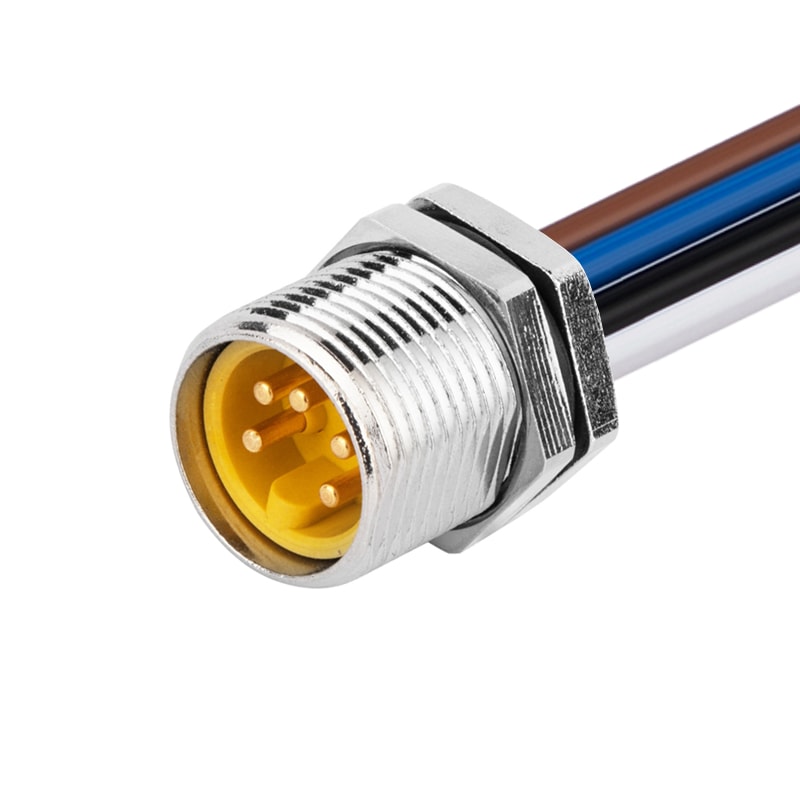
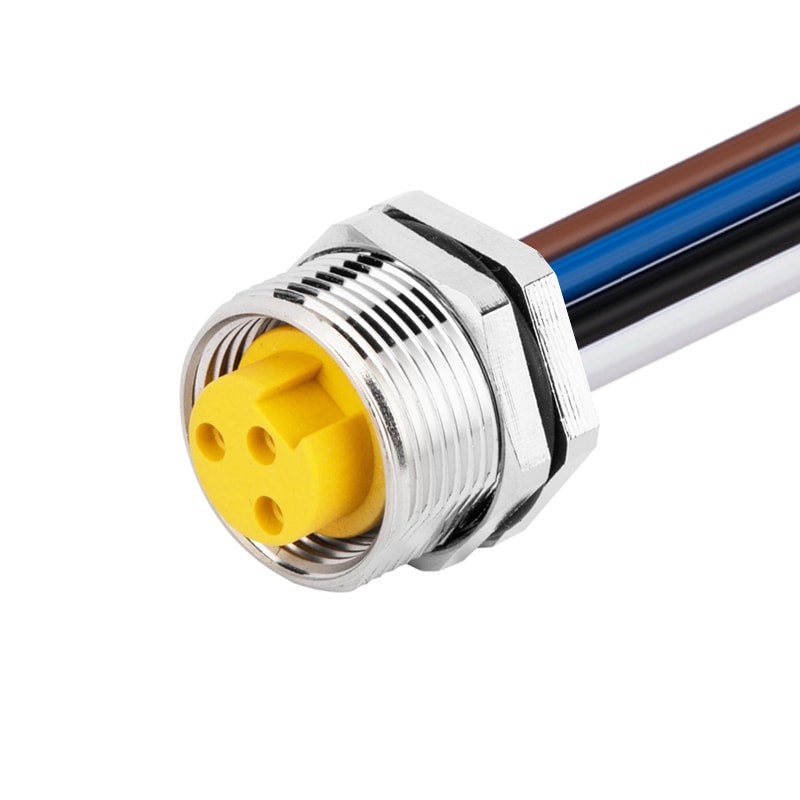
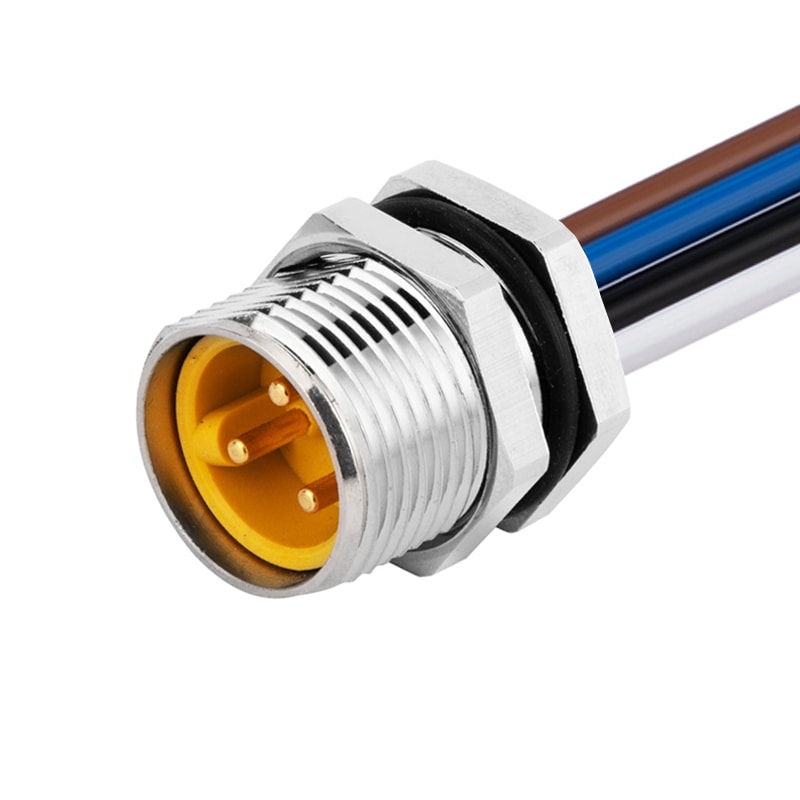
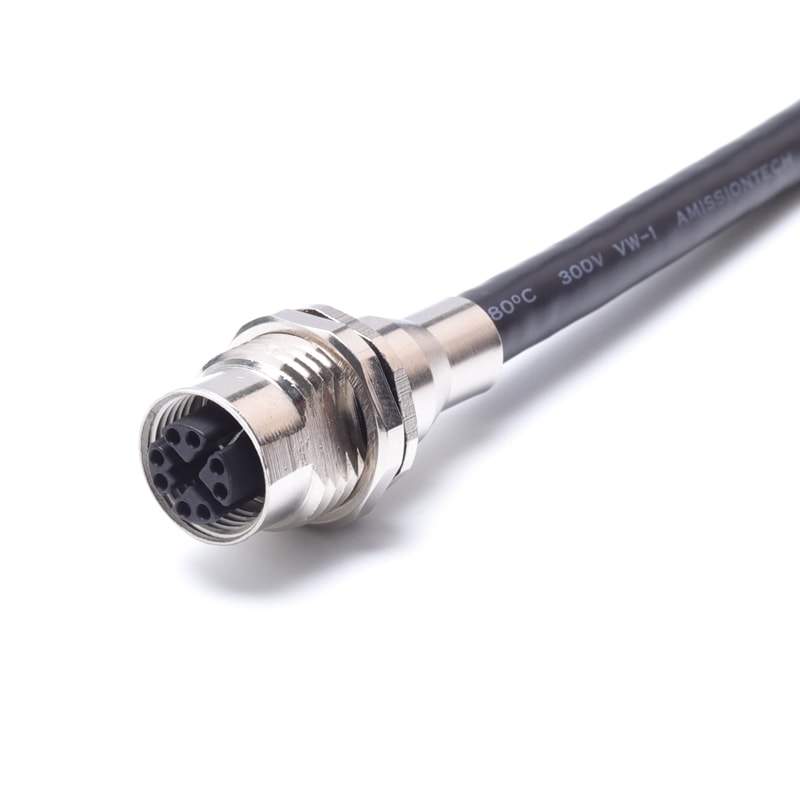
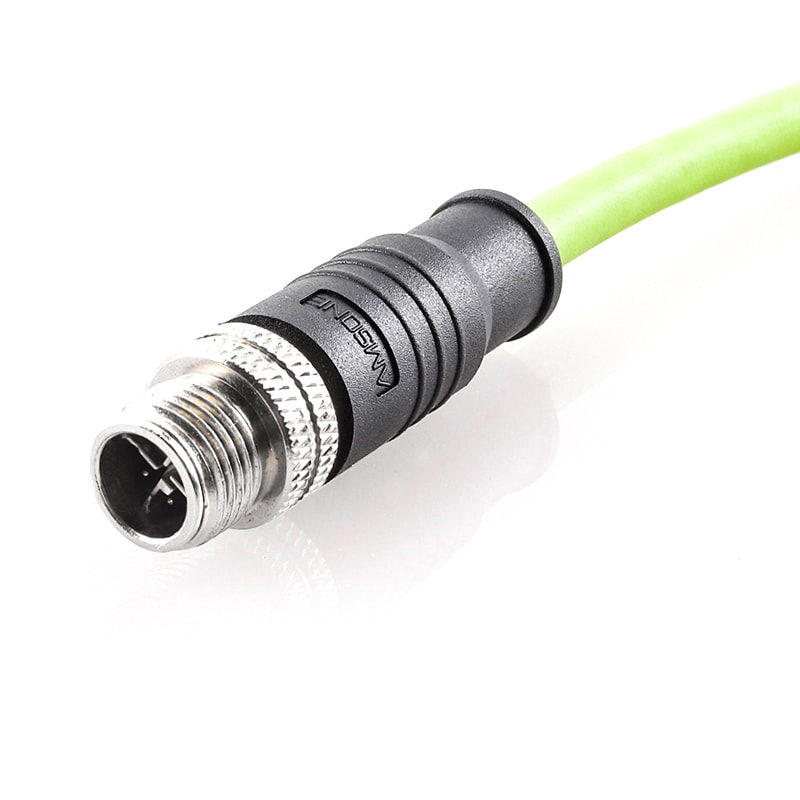
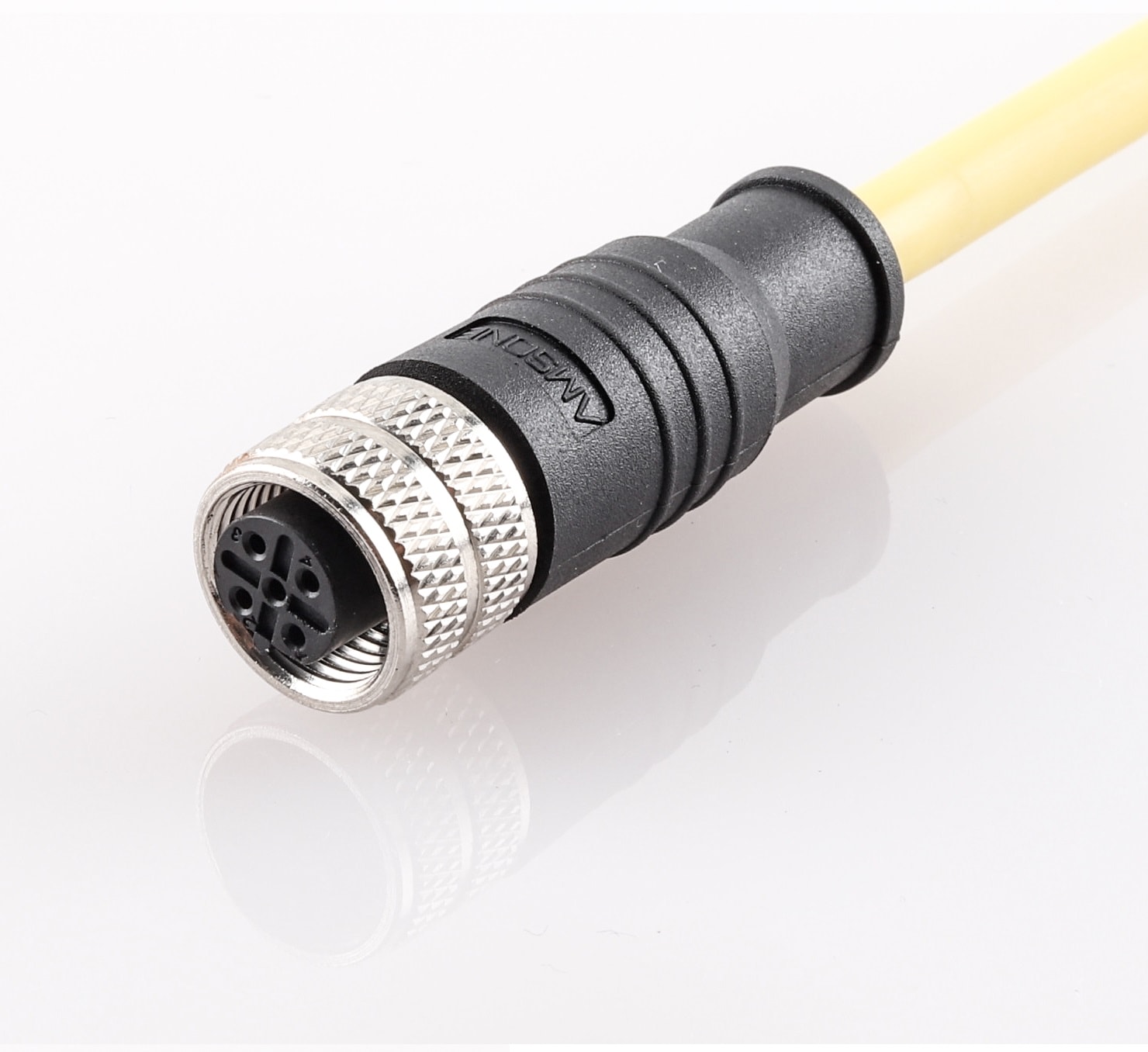
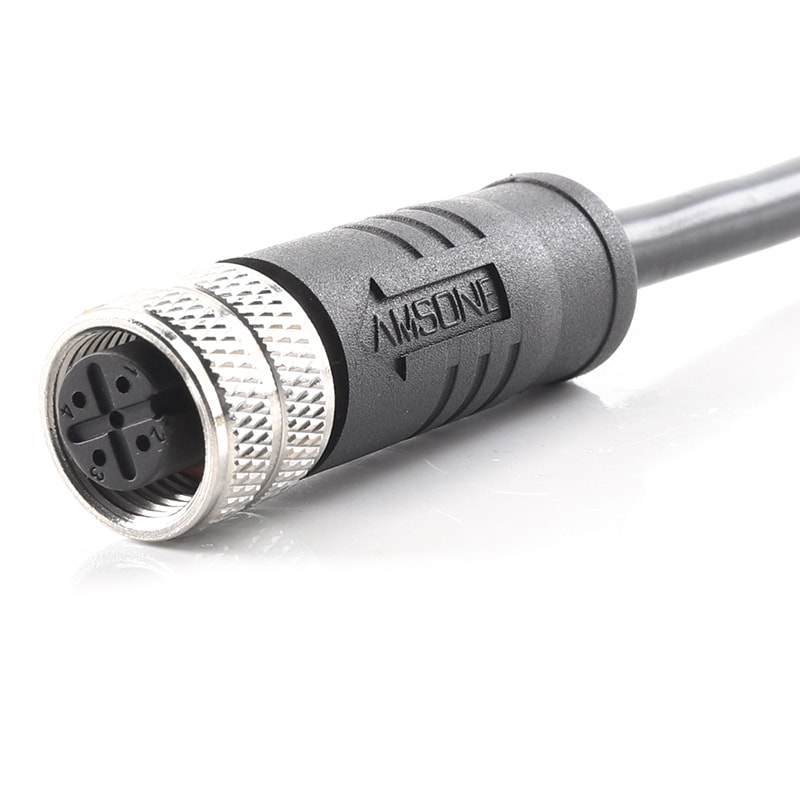
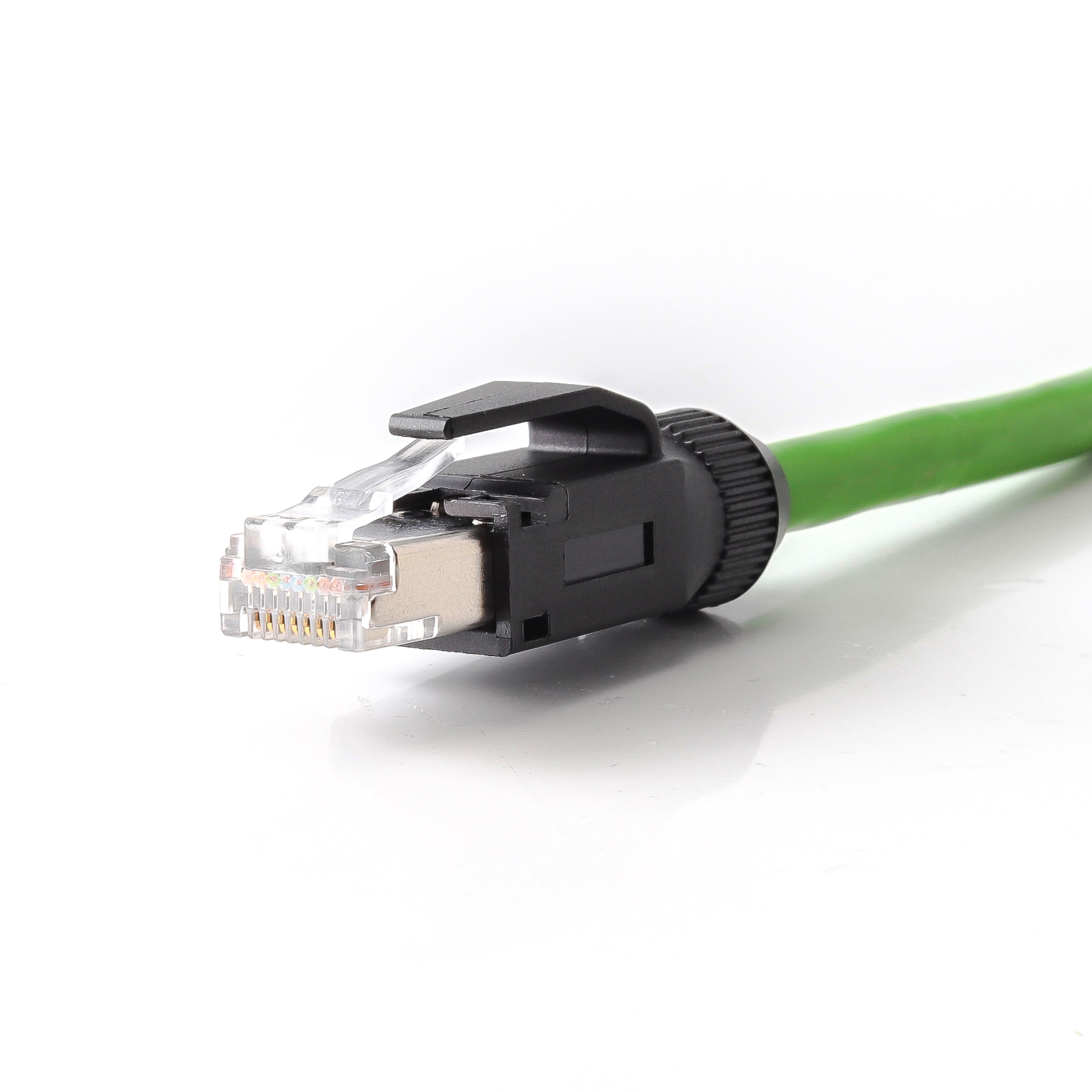
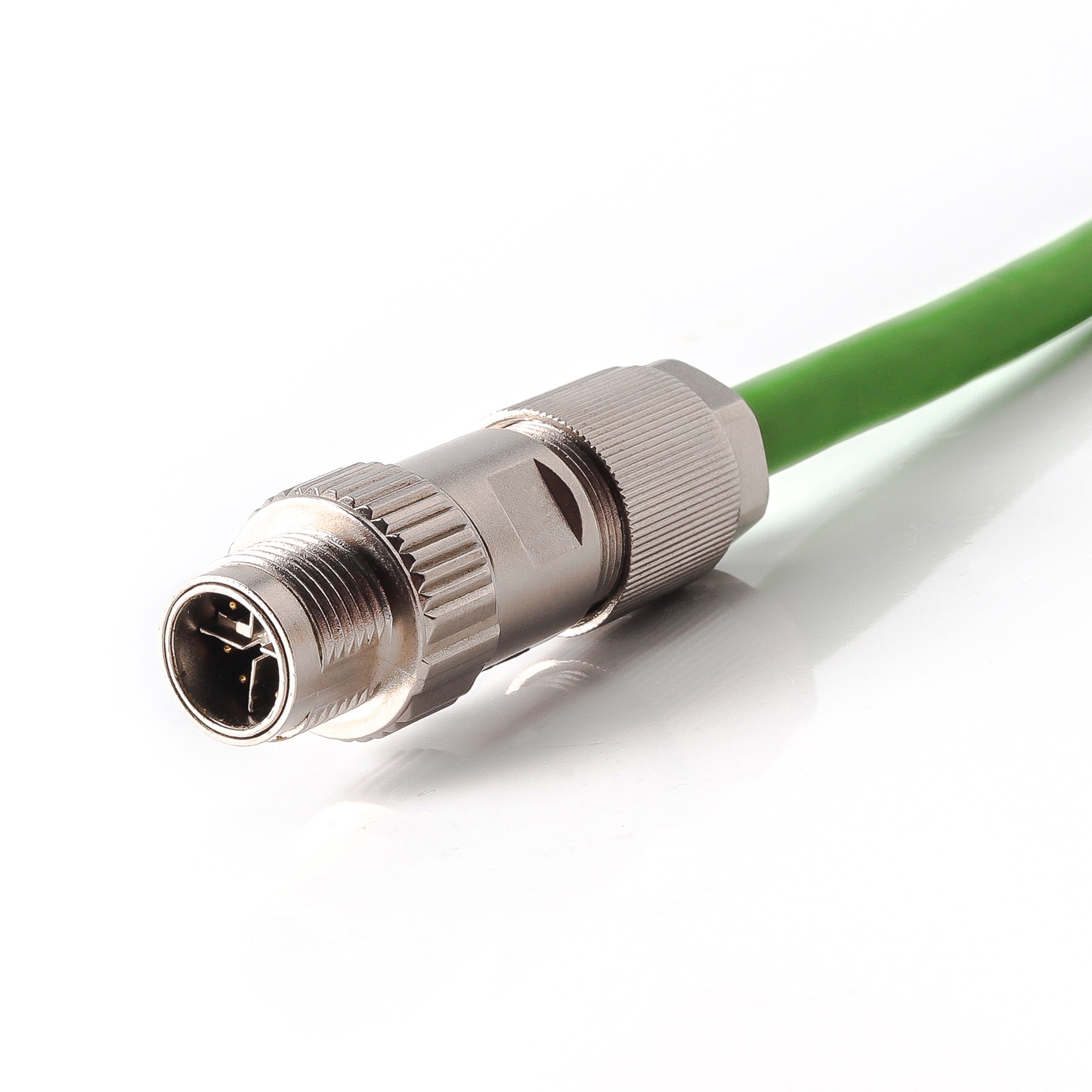
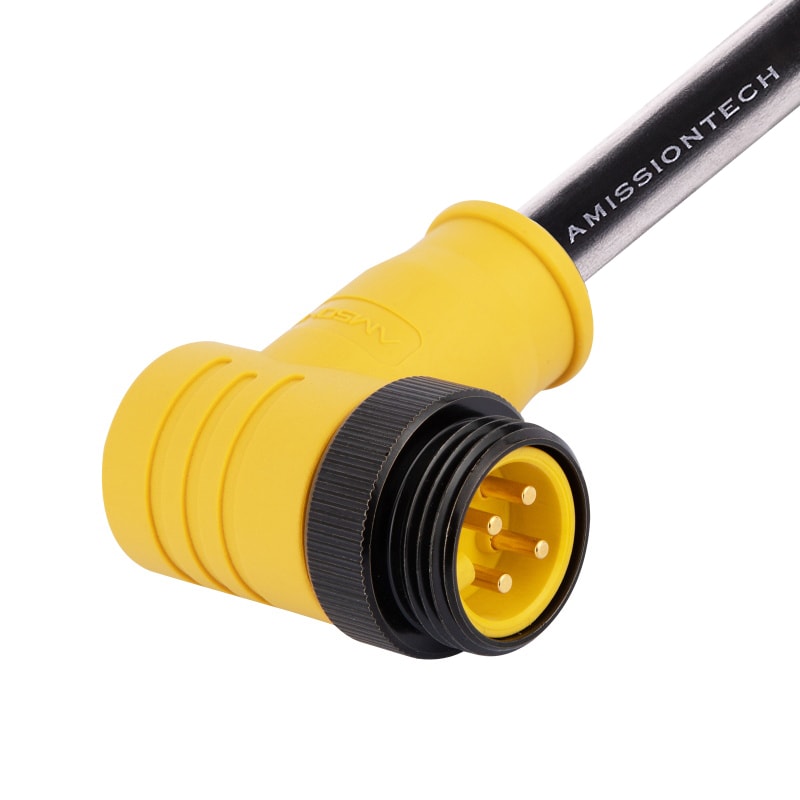
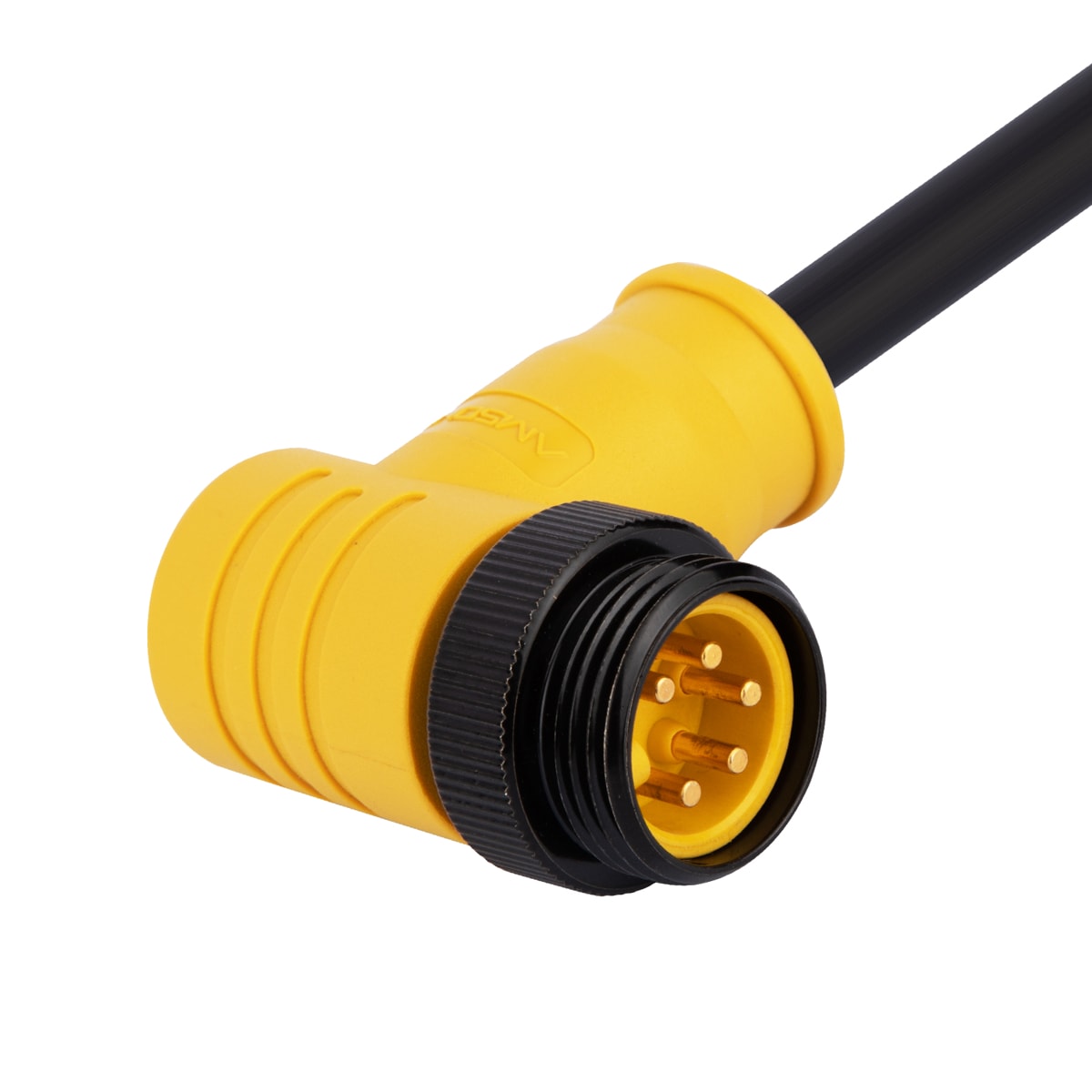
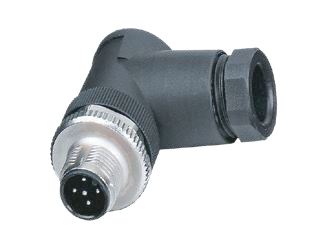
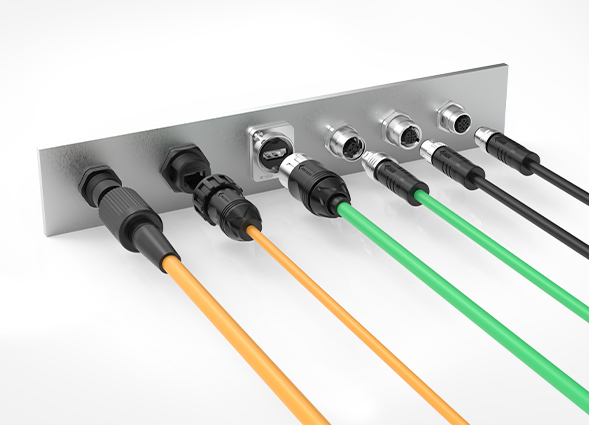
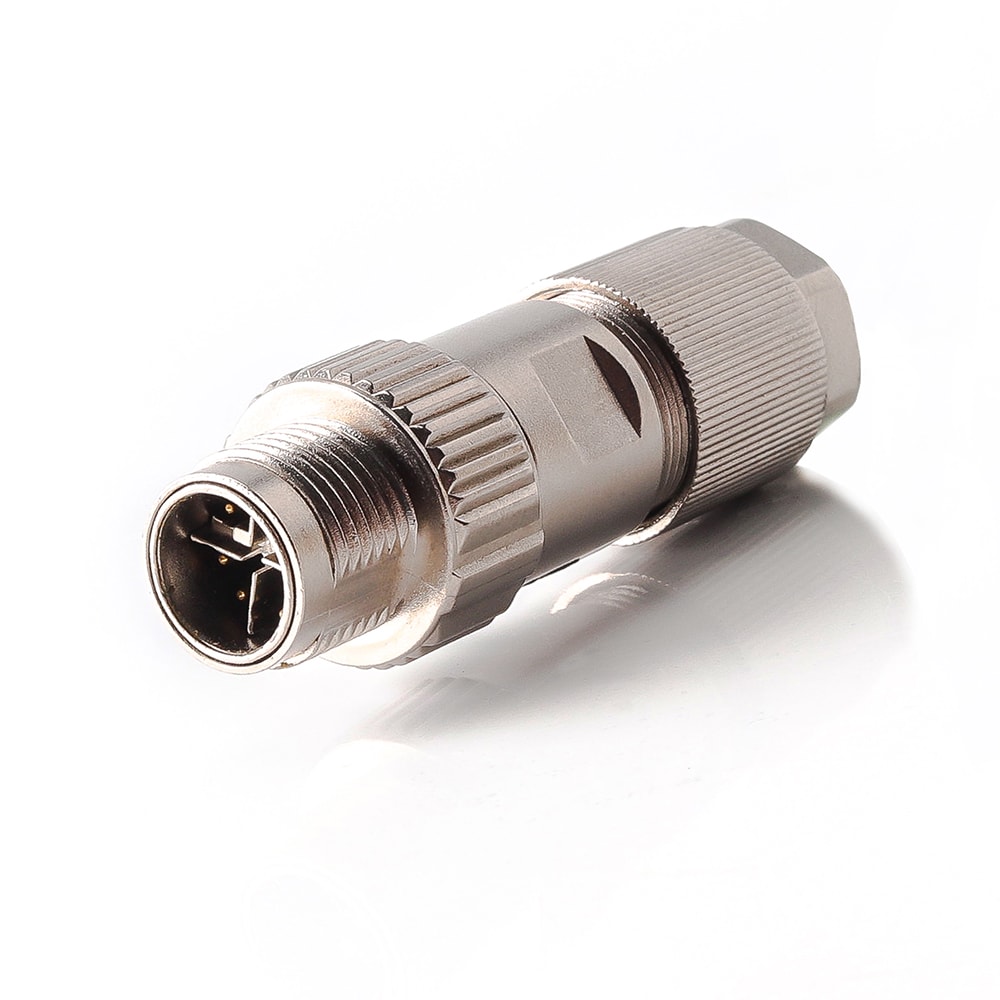
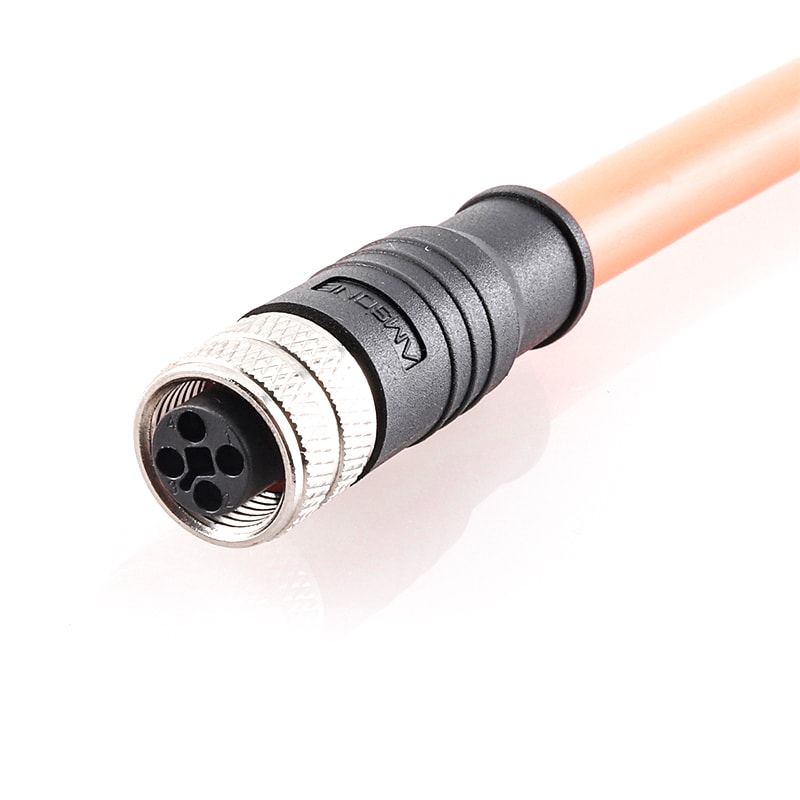
The wiring infrastructure remains unchanged because the same M12 connectors and 3-conductor cables serve both SIO and IO-Link operating modes. This incremental approach allows production lines to adopt digital sensor communication at their own pace without a single disruptive migration event.
B2B Teknisk Referencetabel
|
Capability
|
Analog/Discrete Sensor
|
IO-Link Sensor
|
|
Dataindhold
|
Single analog value or on/off state
|
Multi-variable process data + diagnostics
|
|
Signal Scaling
|
Manual in PLC program
|
Automatic via IODD descriptor
|
|
Parameterændring
|
Physical access to device required
|
Remote via PLC or engineering tool
|
|
Enhedsidentitet
|
None (anonymous)
|
Unique serial number + vendor/device ID
|
|
Sundhedsovervågning
|
Ikke tilgængelig
|
Continuous self-diagnostic reporting
|
|
Replacement Workflow
|
Manual recalibration
|
Automatic parameter download from master
|
|
Ledningsføring
|
Shielded analog cable or discrete wire
|
Standard unshielded 3-conductor M12
|
|
Standard reference
|
4-20 mA, 0-10V, IEC 60947-5-2 (discrete)
|
IEC 61131-9
|
Ofte stillede spørgsmål
What infrastructure changes are required to adopt IO-Link sensors?
IO-Link sensors require an IO-Link master module that connects to the existing PLC via standard fieldbus protocols. The same 3-conductor M12 cables used for discrete sensors carry IO-Link signals without modification. Existing control panels, PLCs, and network infrastructure remain in place because the master handles protocol conversion between IO-Link and the fieldbus layer.
How does IO-Link sensor data reach cloud analytics platforms?
IO-Link sensor data travels through the master to the PLC over the fieldbus backbone. The PLC or an edge gateway publishes the data to cloud platforms via OPC UA, MQTT, or REST APIs. This end-to-end digital pipeline requires no protocol translation or signal conditioning between the sensor element and the cloud analytics engine.
Can IO-Link sensors operate in hazardous or harsh environments?
IO-Link sensors are available in IP67, IP68, and IP69K enclosure ratings for washdown, submersion, and high-pressure cleaning environments. ATEX and IECEx certified IO-Link sensors support Zone 0, 1, and 2 hazardous area classifications. The physical layer and connector specifications remain identical to the standard IO-Link interface regardless of enclosure rating or hazardous area certification.
What is the typical payback period for migrating to IO-Link sensors?
Payback calculations consider reduced wiring and commissioning labor, fewer unplanned downtime events, faster changeovers, and simplified spare parts inventory. Most installations recover their investment within the first 12 to 18 months of operation. The largest savings typically come from reduced machine downtime enabled by predictive maintenance alerts from IO-Link diagnostic data.
Konklusion
IO-Link sensors digitize industrial processes by converting physical measurements into structured data streams that carry process values, device identity, and health diagnostics concurrently. The standard's automatic parameter management, plug-and-play device replacement, and backward compatibility with existing wiring infrastructure make it a pragmatic step toward Industry 4.0 sensor integration.
Amissiontech brings 10-plus years of industrial connector and cable harness manufacturing experience to IO-Link connectivity, providing M12 cable assemblies and wiring solutions that meet IEC 61131-9 requirements. Request a Rapid Sourcing Quote from Amissiontech for pre-assembled IO-Link sensor cables. Contact the Amissiontech Engineering Team for Free Custom Design Support on your digitalization wiring project.